

Park Seo-Bo Art Museum Yeonhui-dong Review 2026: Admission & Docent Tour
Explore the newly opened Park Seo-Bo Art Museum in Seoul's charming Yeonhui-dong. Dive into its inaugural exhibition, learn about admission, and find out why the 2 PM docent tour is unmissable!

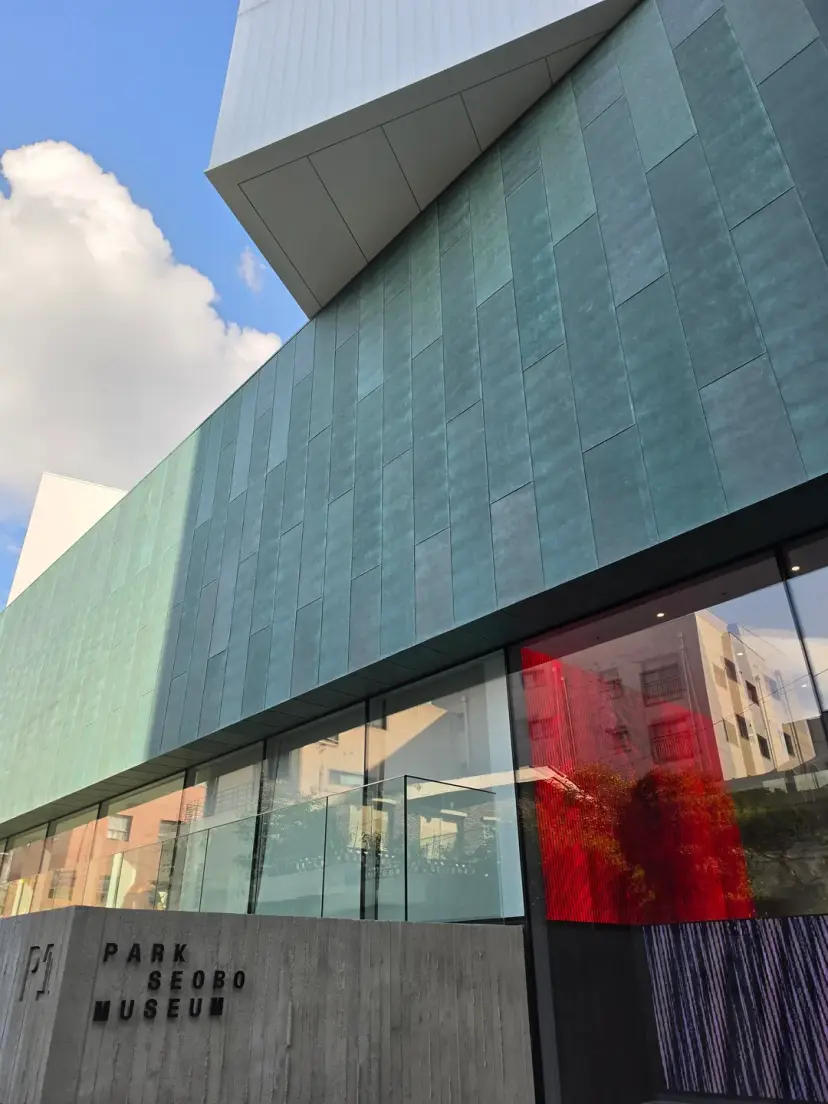

I visited the Park Seo-Bo Art Museum, which newly opened in Yeonhui-dong on August 21st!
This is my review of a truly satisfying visit, especially since I even participated in the docent tour held daily at 2 PM.

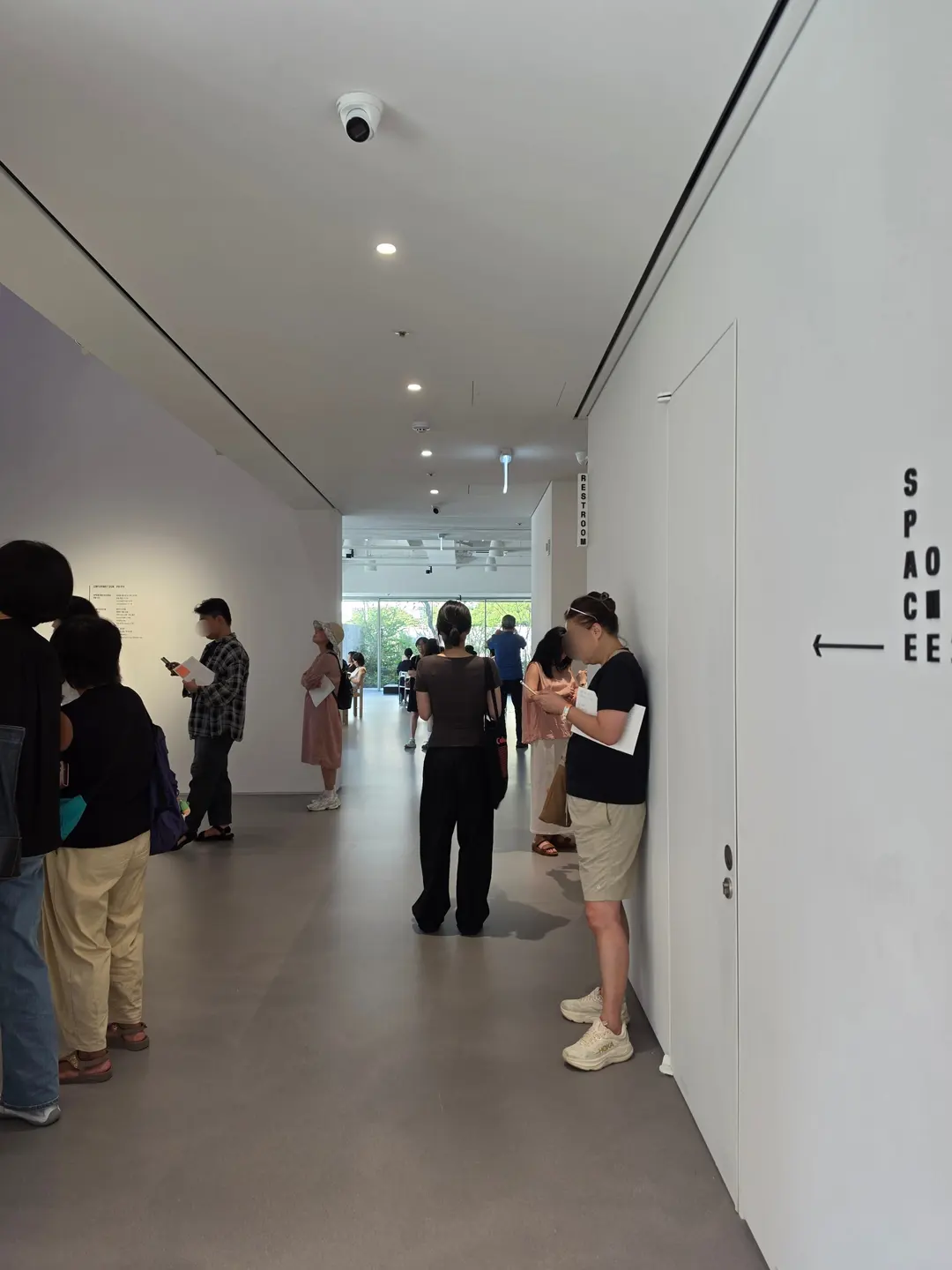
The Park Seo-Bo Art Museum is located in Yeonhui-dong, near the Seodaemun Fire Station. It's about a 10-minute bus ride from Hongdae Entrance Station and Sinchon Station, and right in front of it, you'll find Udon Kaden, a famous udon restaurant by Chef Jung Ho-young.
📍 Park Seo-Bo Art Museum
Park Seo-Bo Art Museum, 9-54, Yeonhui-ro 24-gil, Seodaemun-gu, Seoul
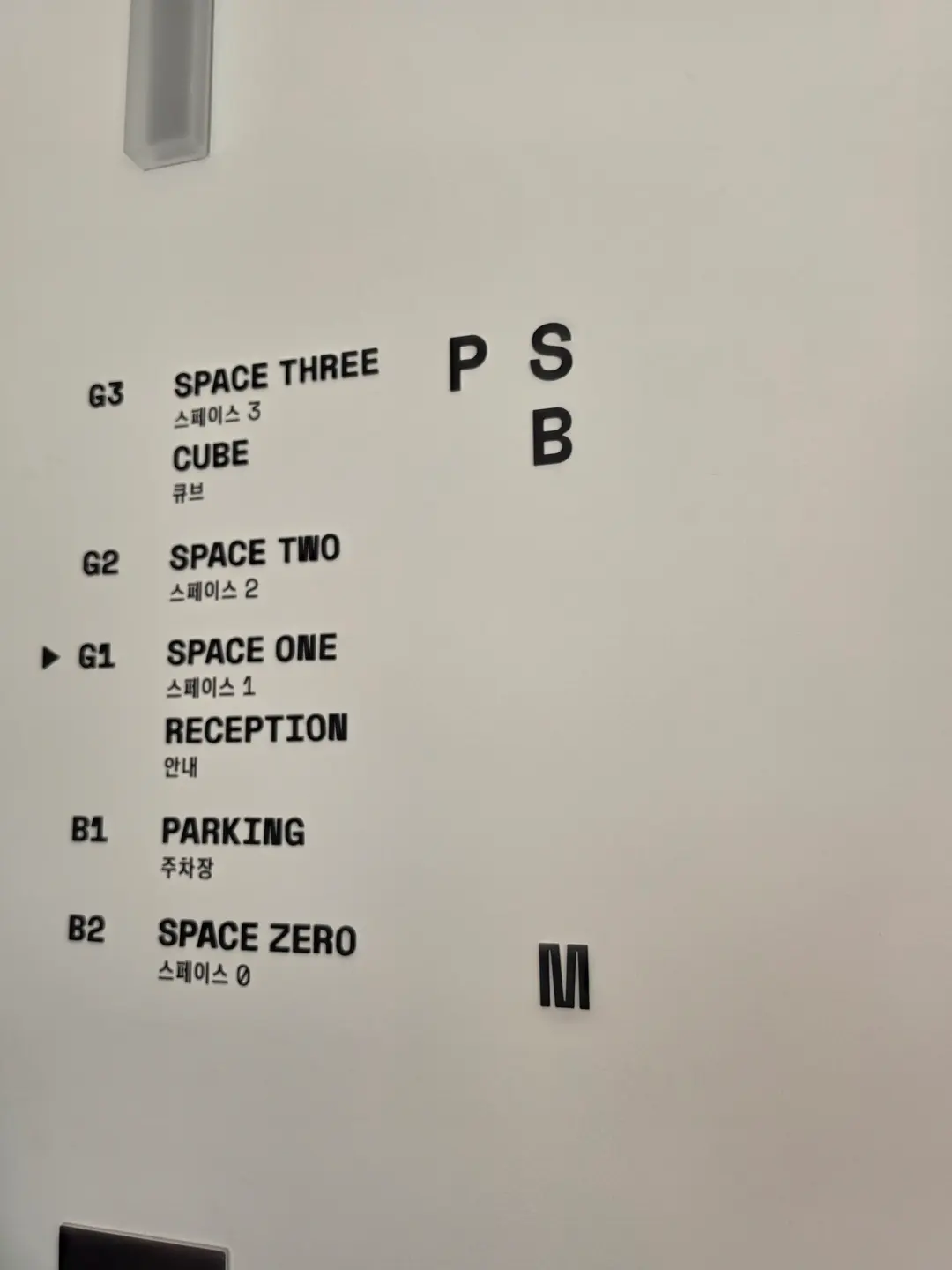
Although there is a parking lot on B1 (Basement 1),
please note that it's advised to use public transportation as the parking lot is very small.
Park Seo-Bo Art Museum Admission Fees and Visiting Hours
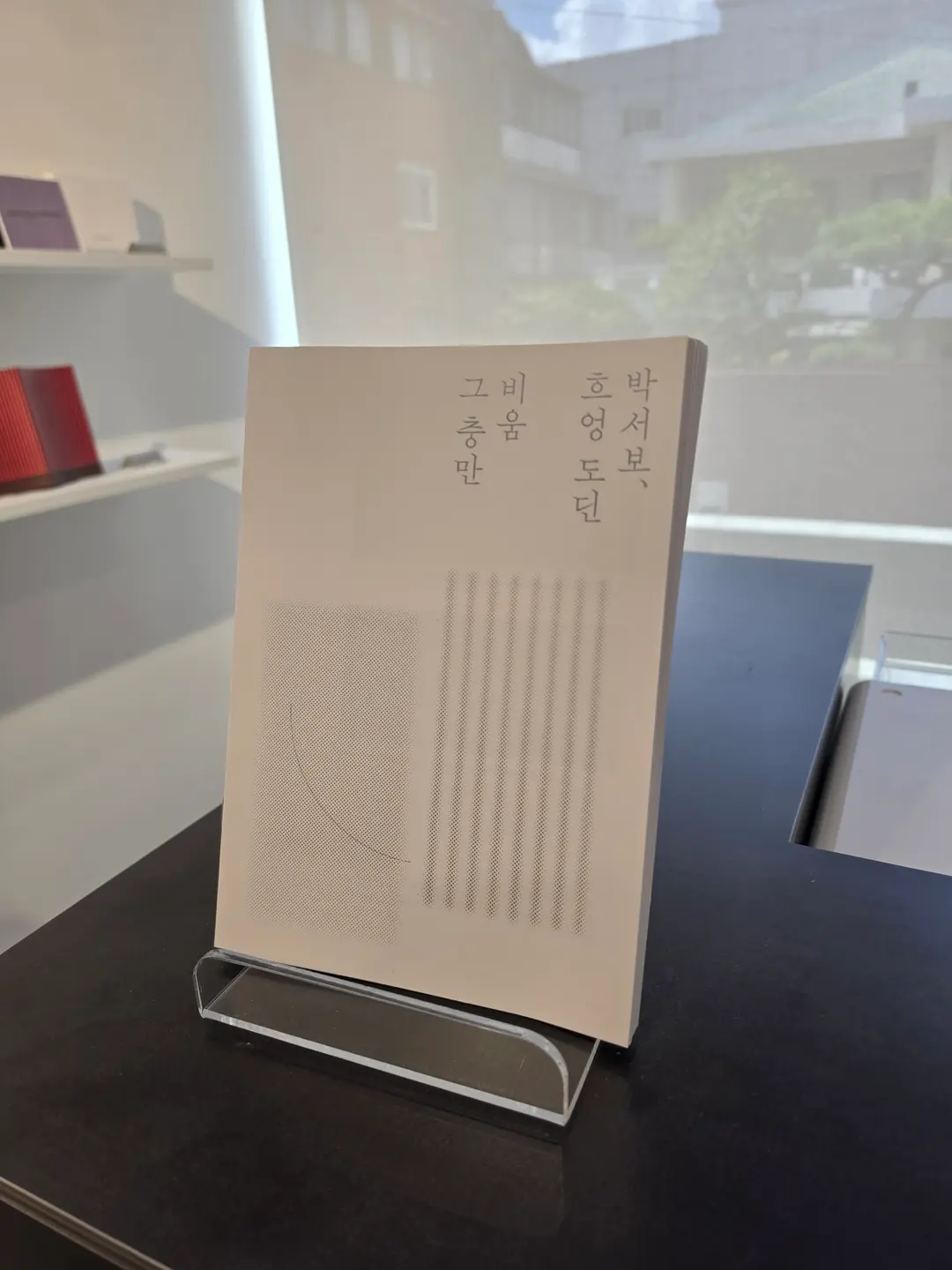
The current exhibition is the inaugural exhibition, titled <PARK SEO-BO, HUYNH DHO DINH: EMPTINESS AND PLENITUDE>.
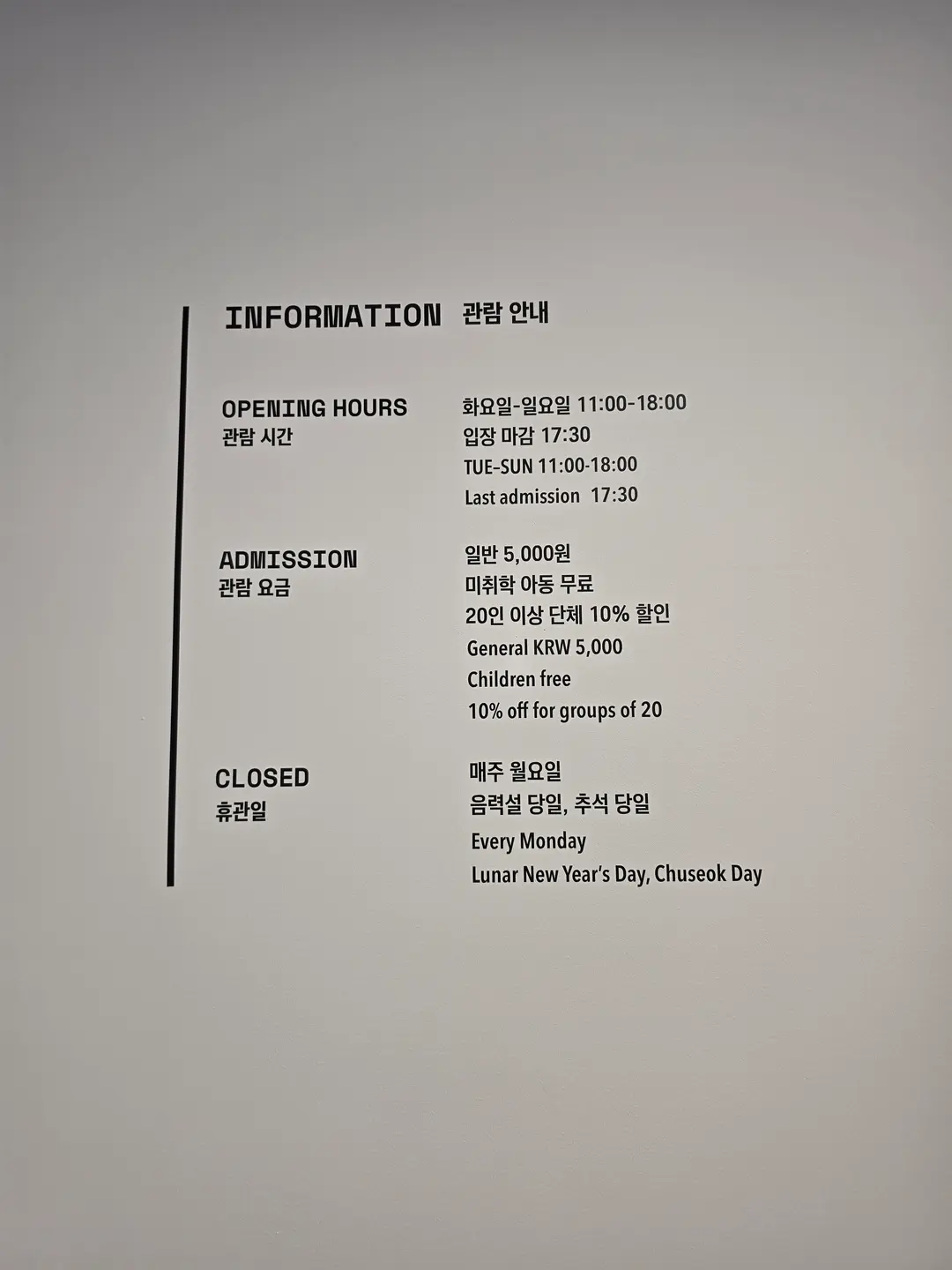
Operating hours are from Tuesday to Sunday, 11 AM to 6 PM (Closed on Mondays).
Admission is ~$3, and children aged 7 and under can enter for free.
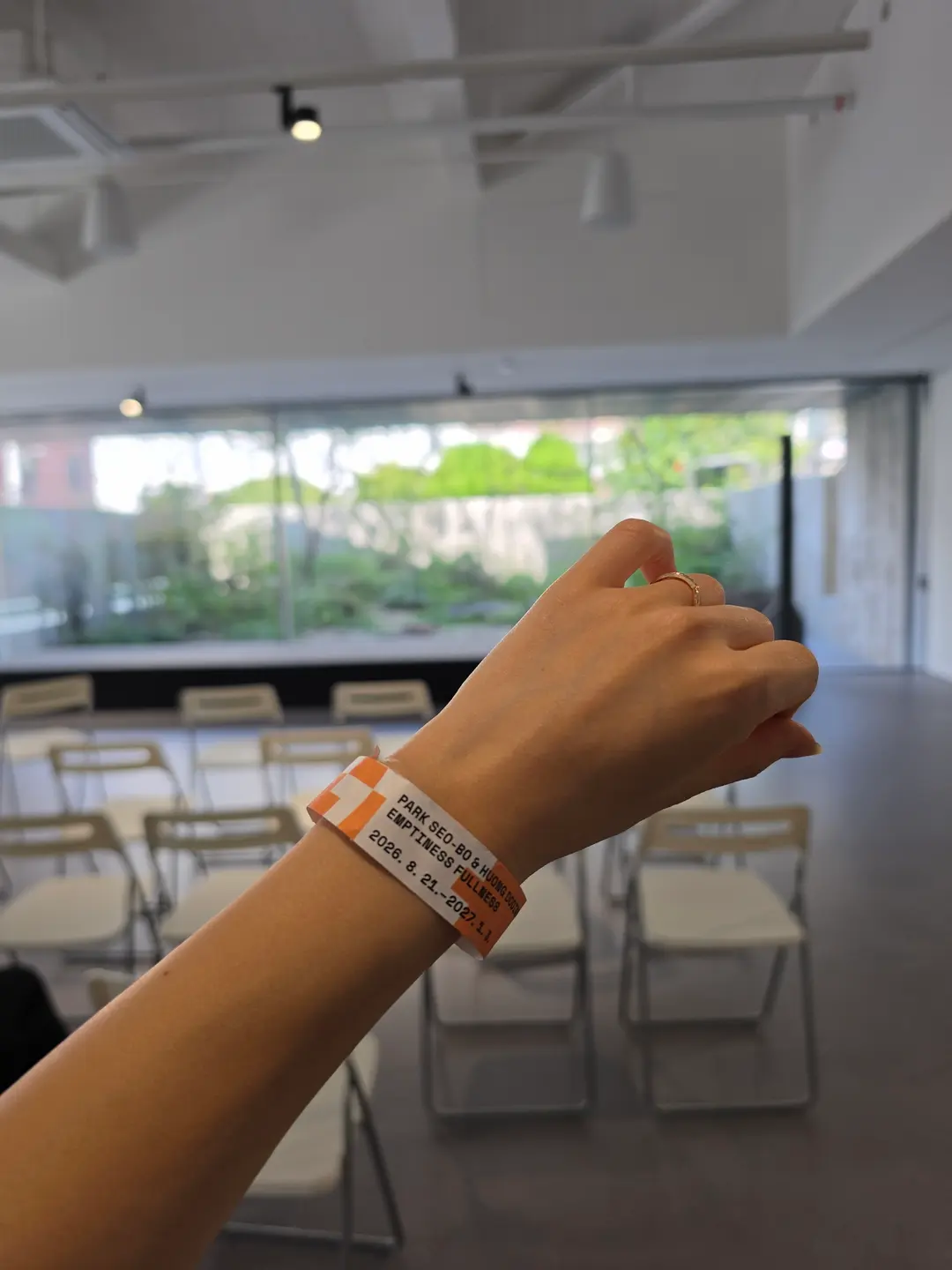
When you pay for your ticket at the information desk, they'll give you a wristband.
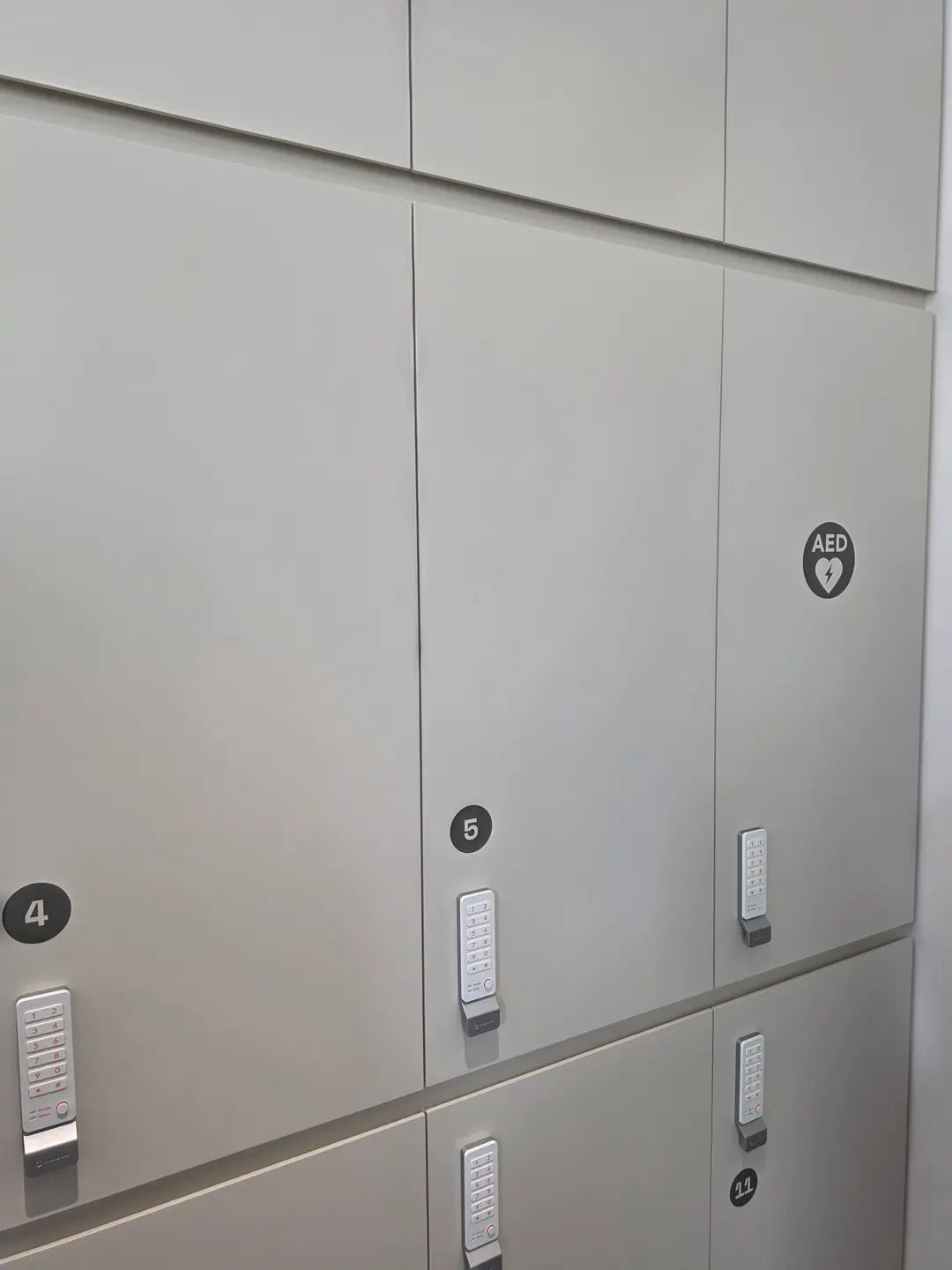
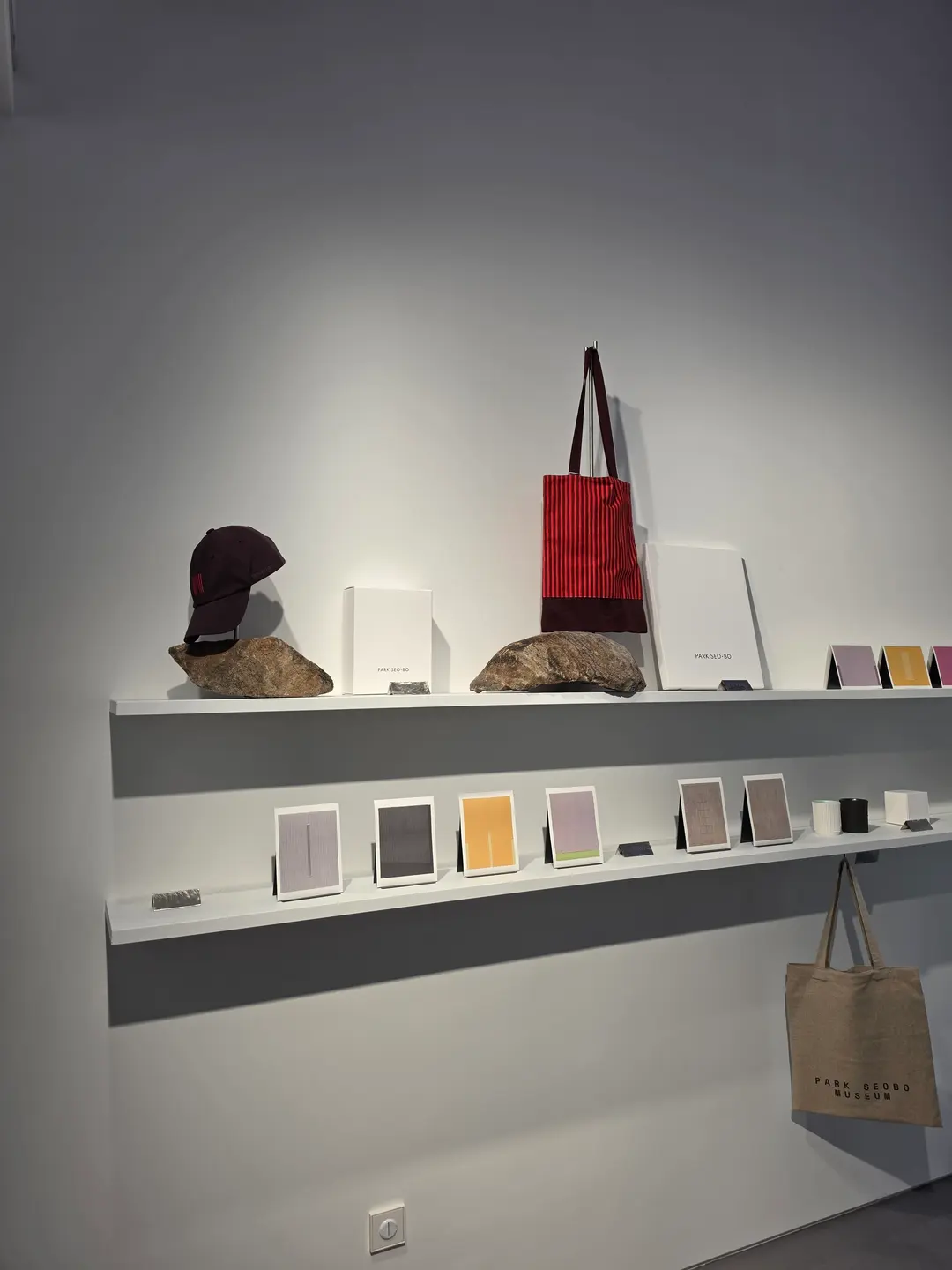
Right next to the information desk, you'll find a display of simple merchandise, and there are lockers near the entrance where you can store your belongings.
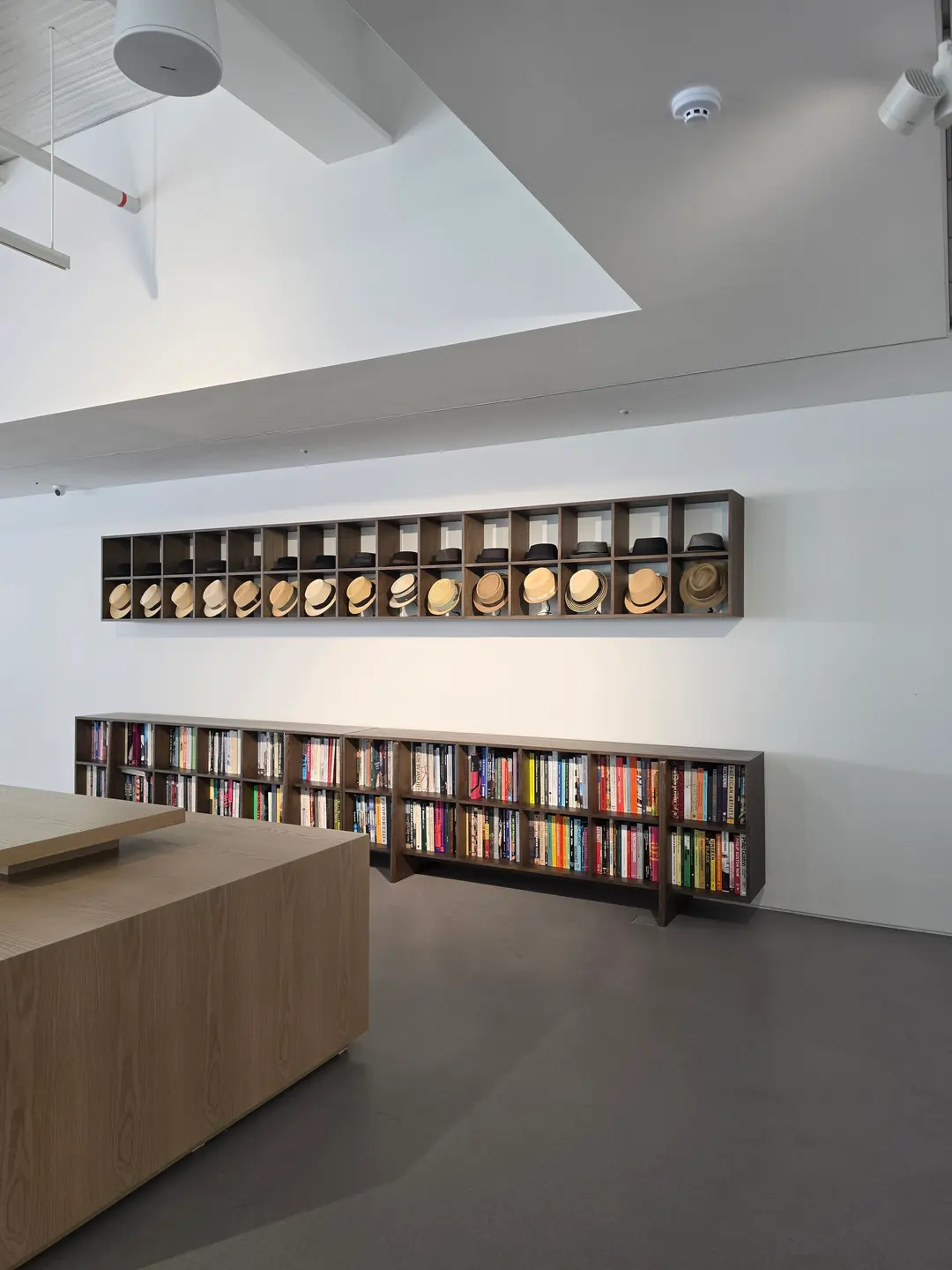
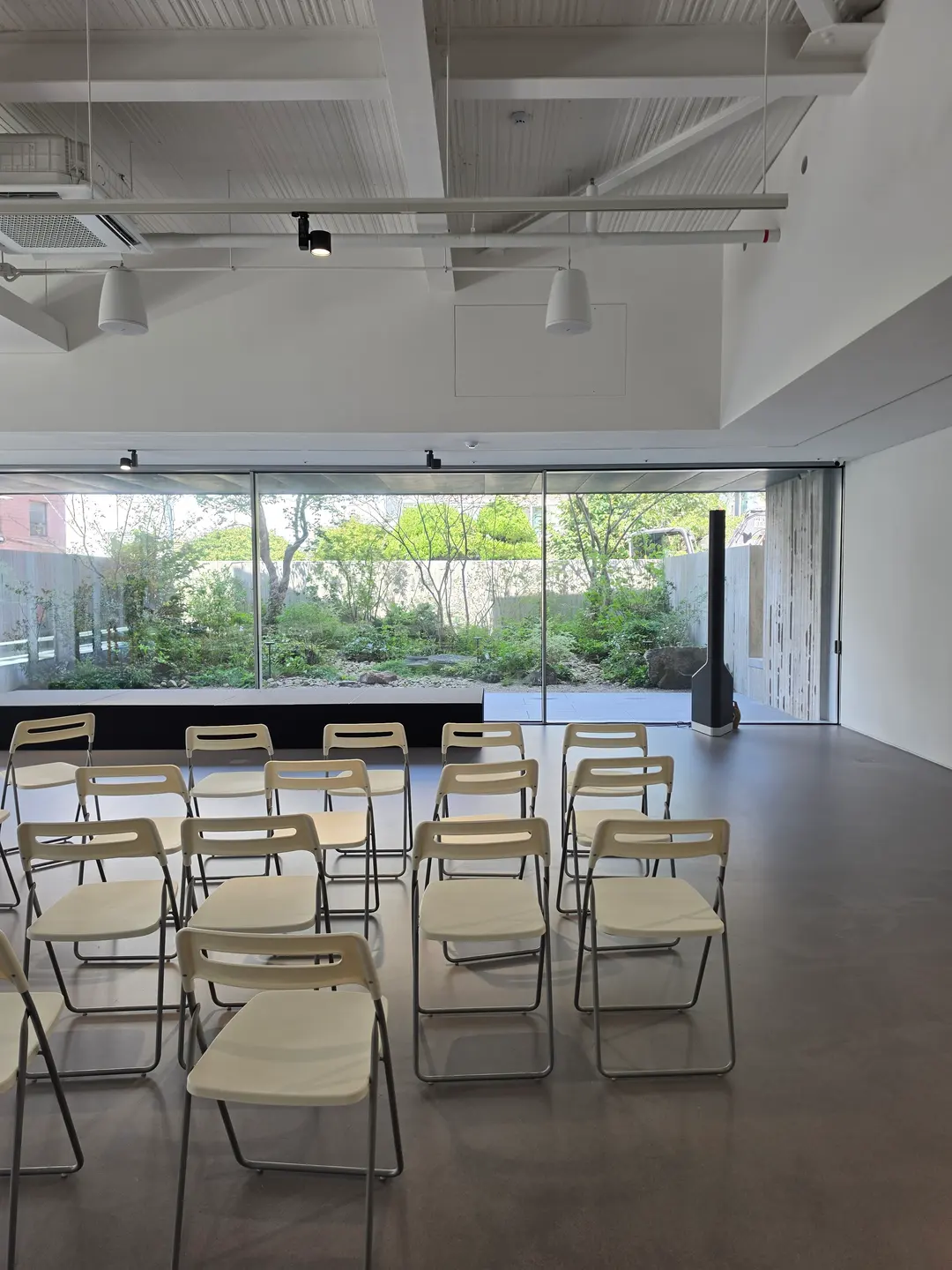
In Space 1 on the first floor, you'll find hats frequently worn by artist Park Seo-Bo, as well as various art books.
There's also a space where lectures and book talks are held.
Park Seo-Bo Art Museum Docent Tour
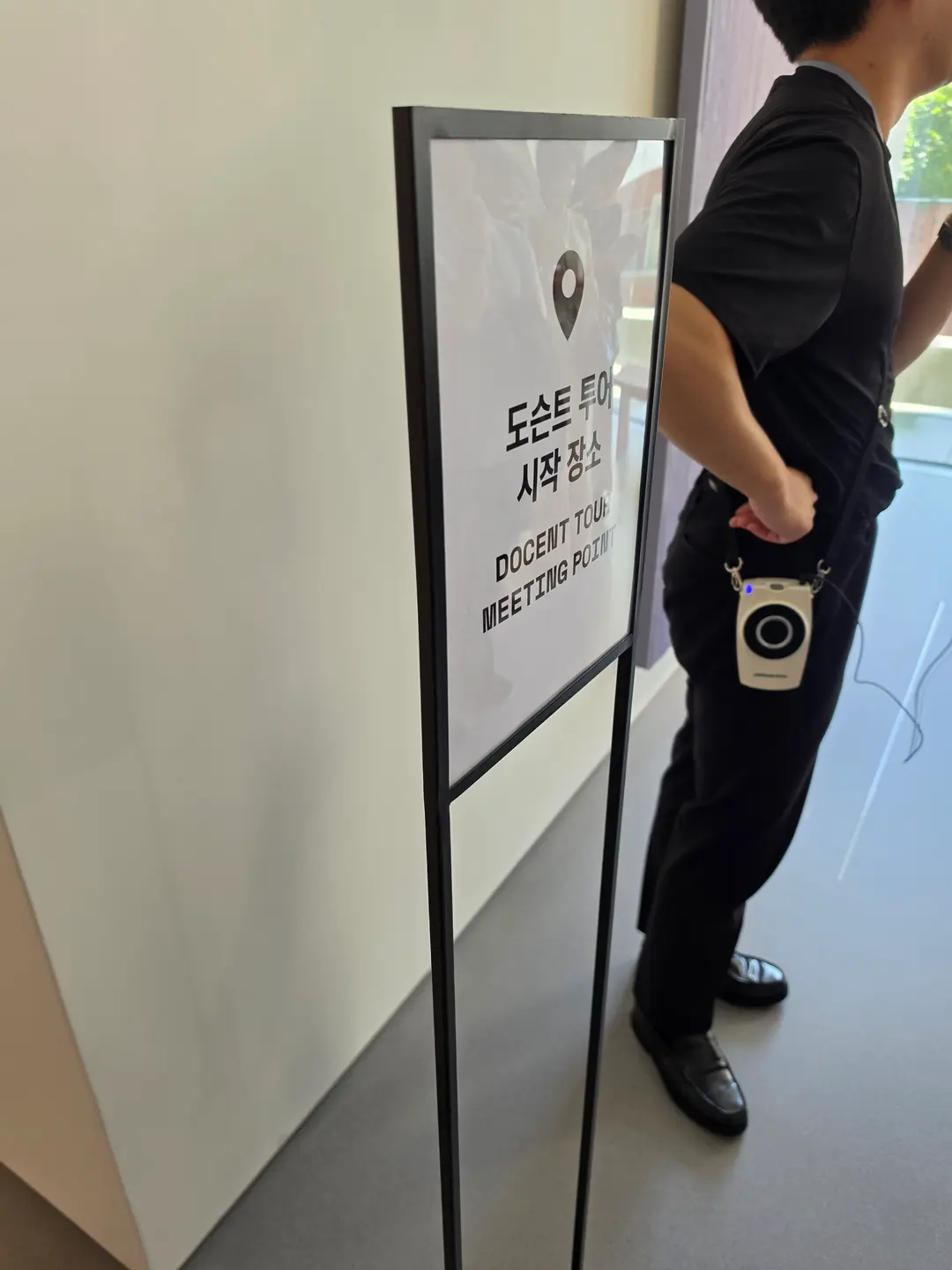
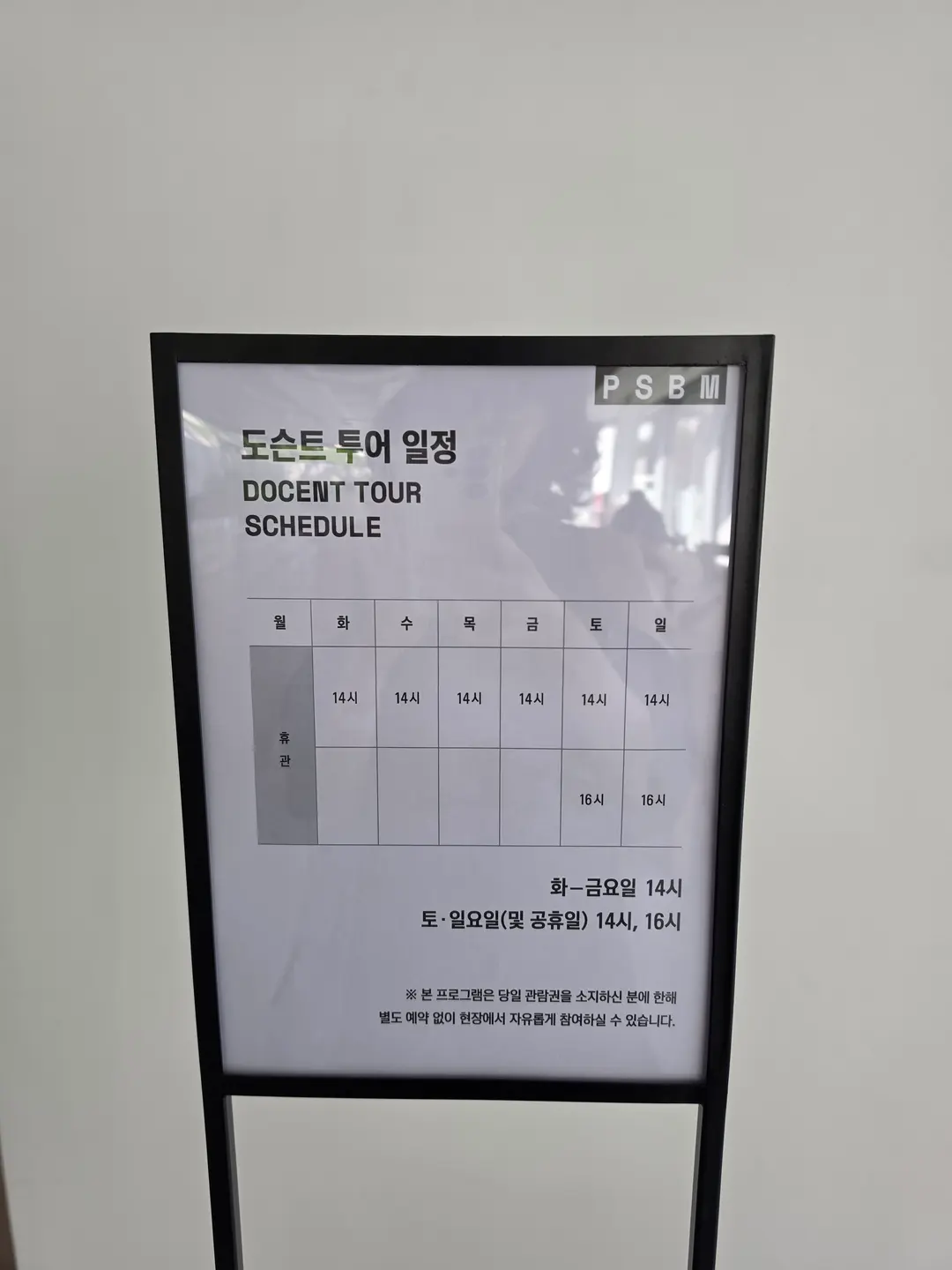
The Park Seo-Bo Art Museum offers free docent tours daily at 2 PM, with additional tours on weekends and public holidays at 4 PM.
You can freely join on-site without any prior reservation.
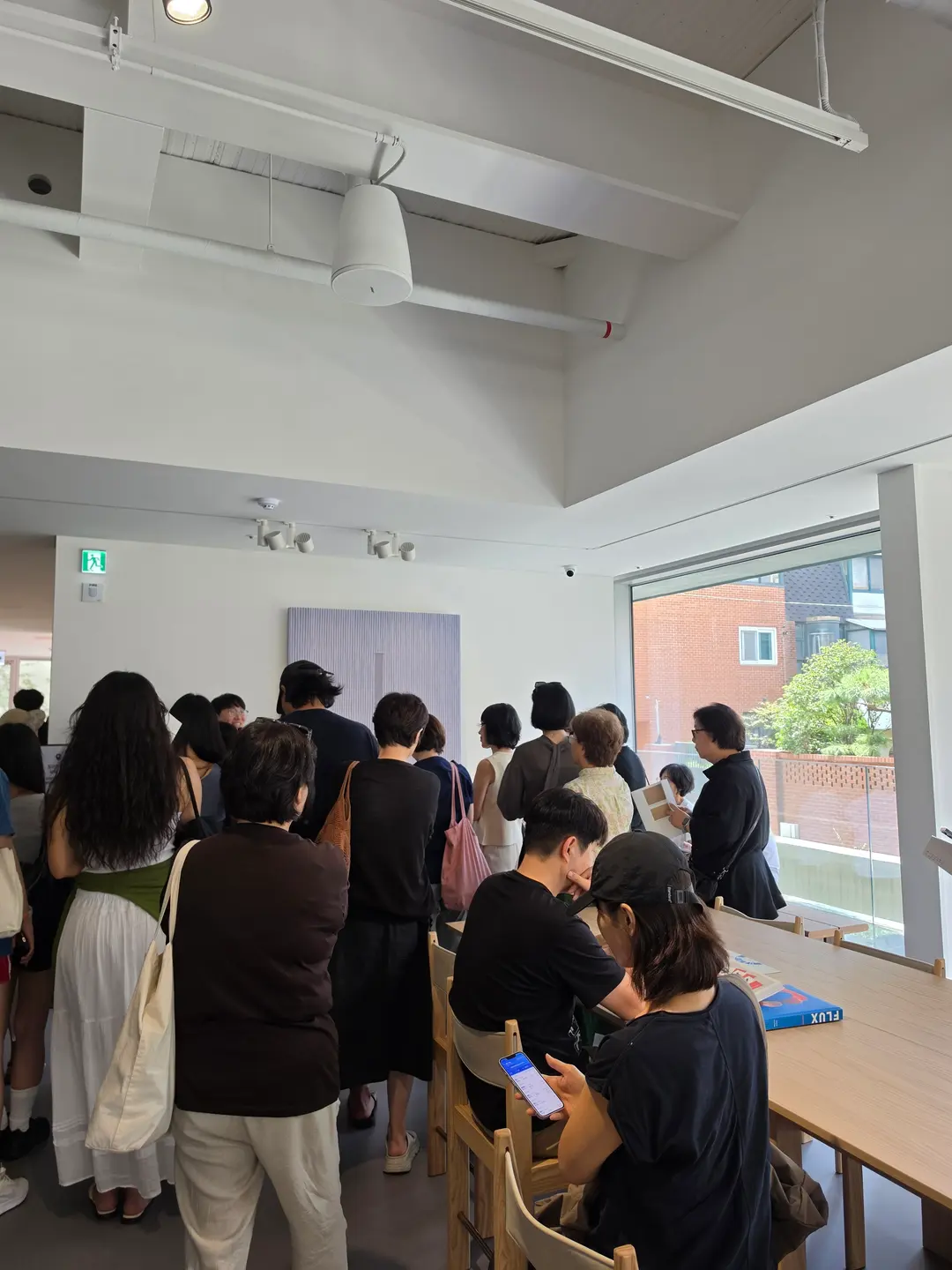
I also went at 2 PM, and there were a lot of people!
The docent tour lasts about 50 minutes, and it was absolutely wonderful, so I highly recommend joining if you have the time!
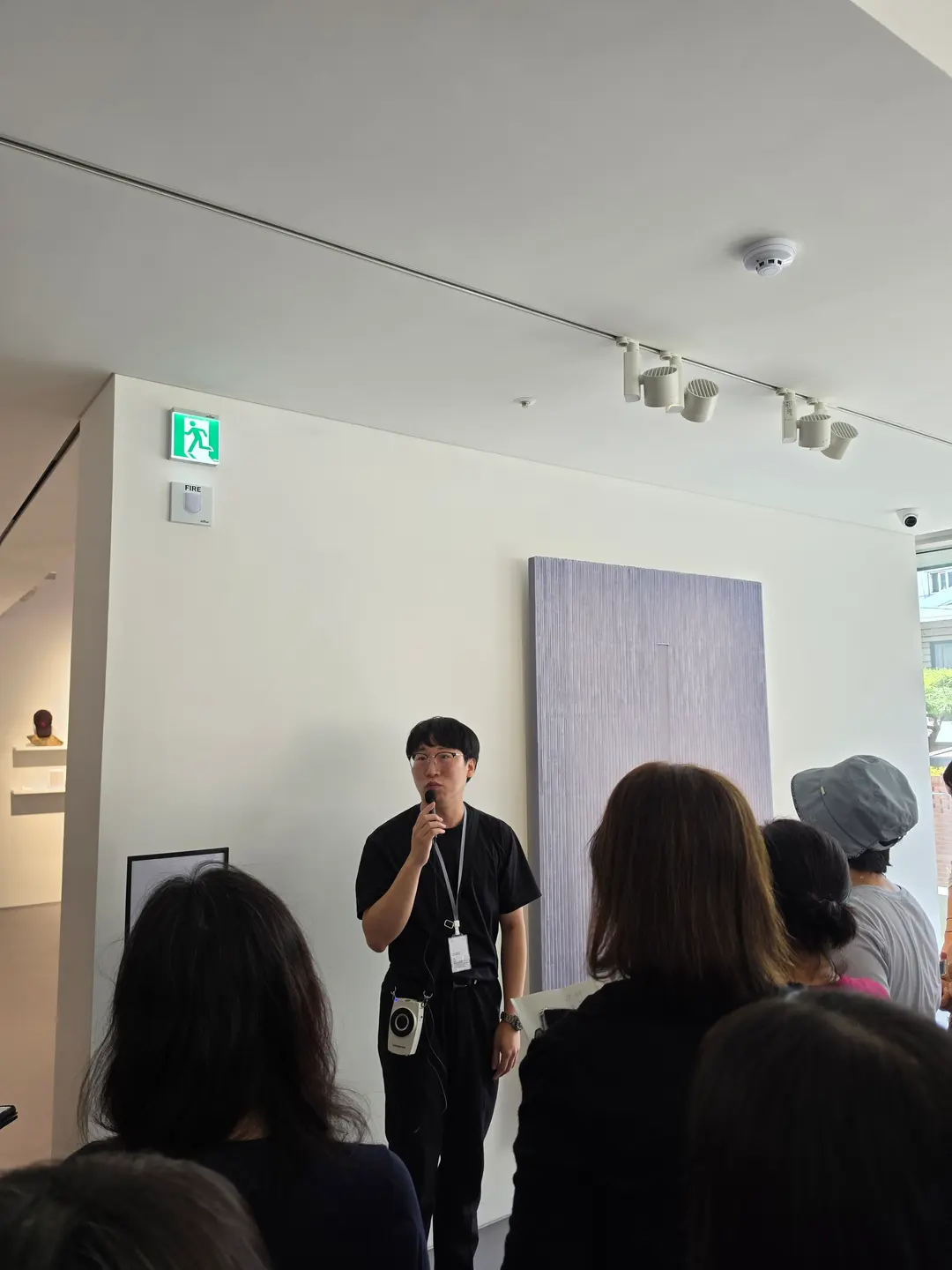
Our docent for the tour was Kim Bum-soo,
who explained everything so well and with such captivating storytelling that I completely lost track of time!
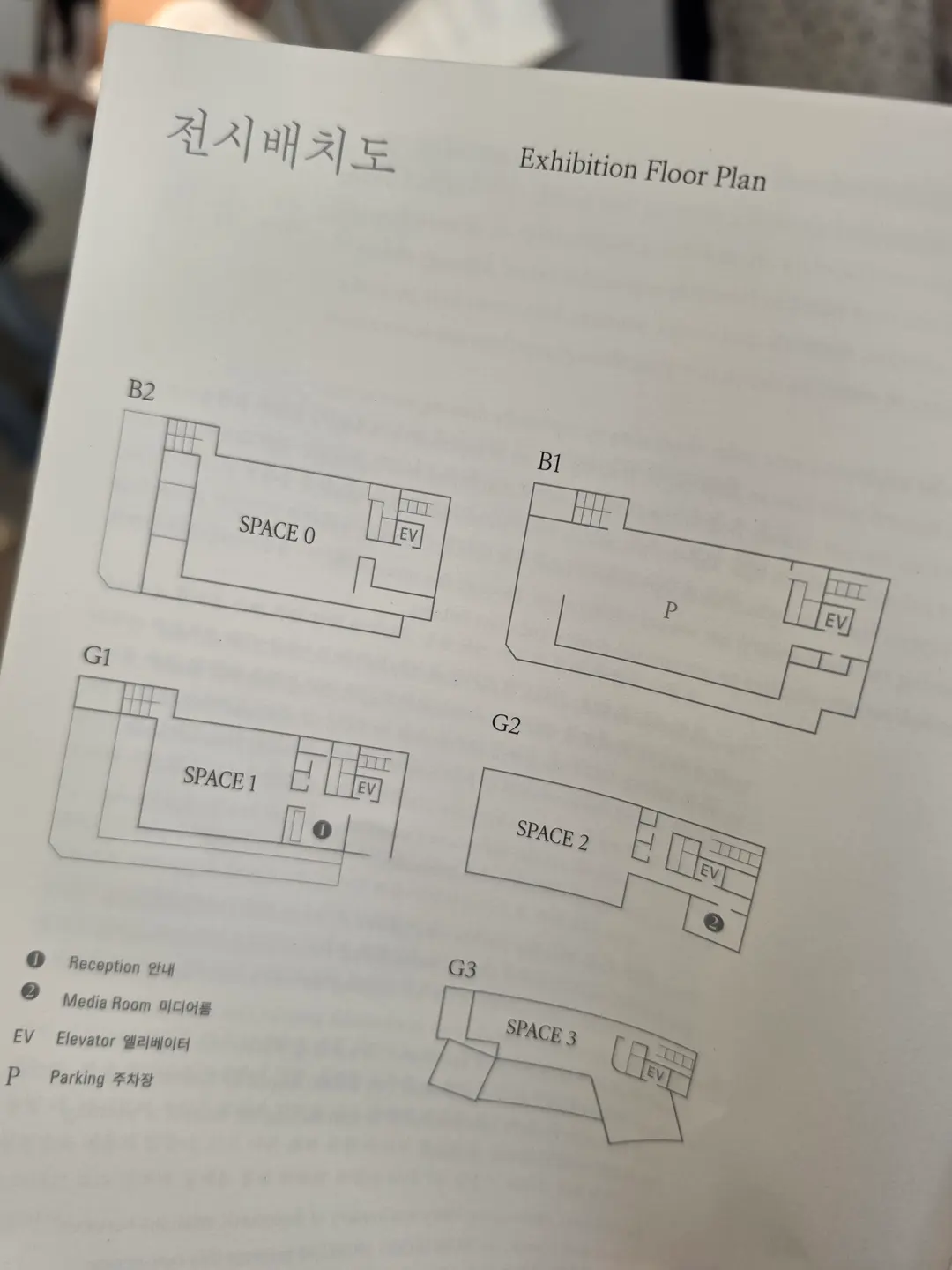
I recommend viewing the exhibition in the following order: starting from Space 0 on B2 (Basement 2), then moving to Space 2 on the 2nd floor, and finally Space 3 on the 3rd floor.
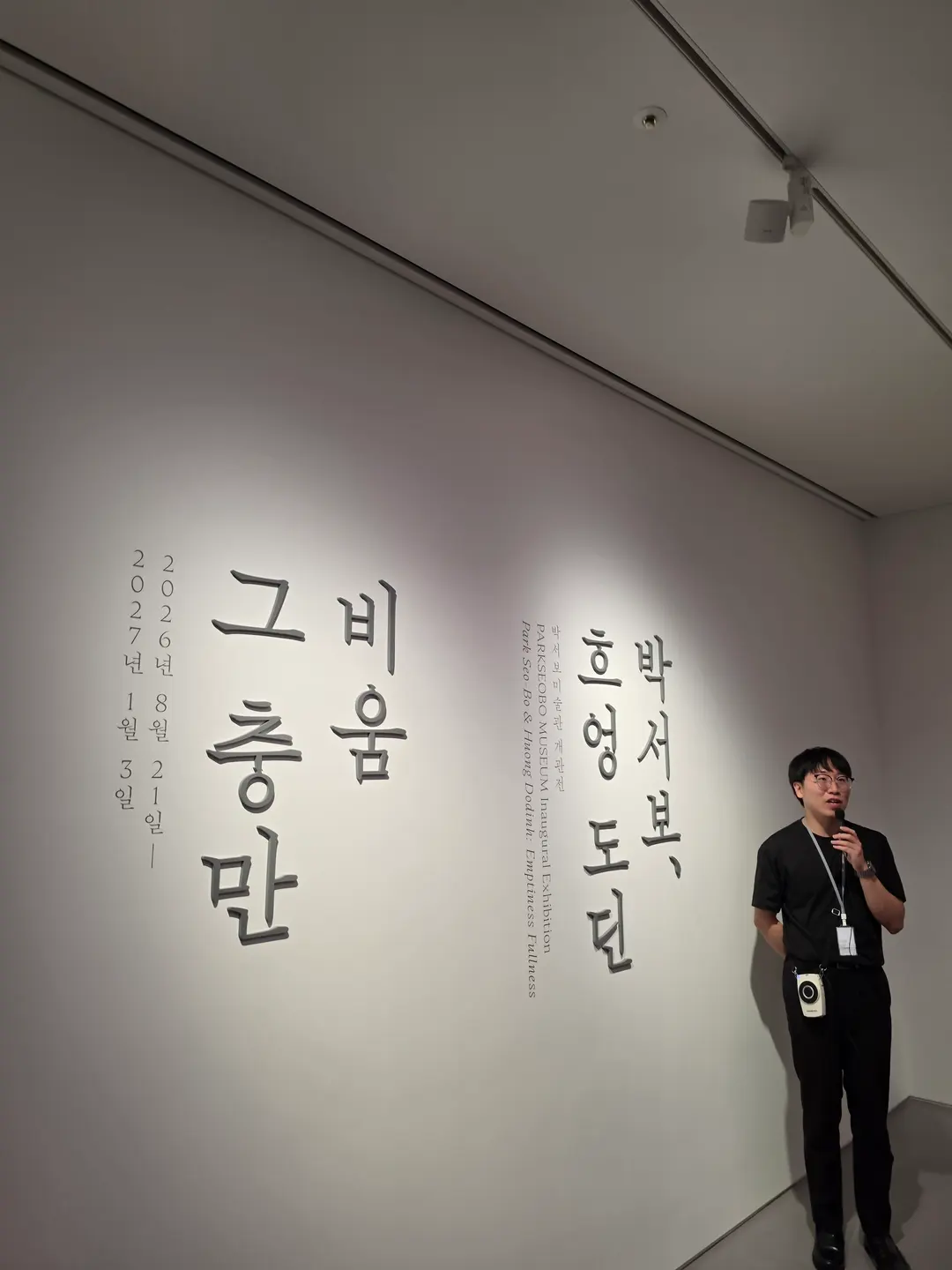
Your journey into the exhibition starts on the second basement floor!
For this inaugural exhibition, they shared the fascinating reason why they chose to feature a French artist of Vietnamese origin, Huong Dodinh.
Apparently, the late artist Park Seo-bo was deeply committed to showcasing and promoting the works of emerging and lesser-known artists throughout his life.
This explains why the inaugural exhibition proudly introduces an artist whose work, while perhaps unfamiliar to a Korean audience, offers a unique lens through which to delve deeper into Park Seo-bo’s own artistic universe!
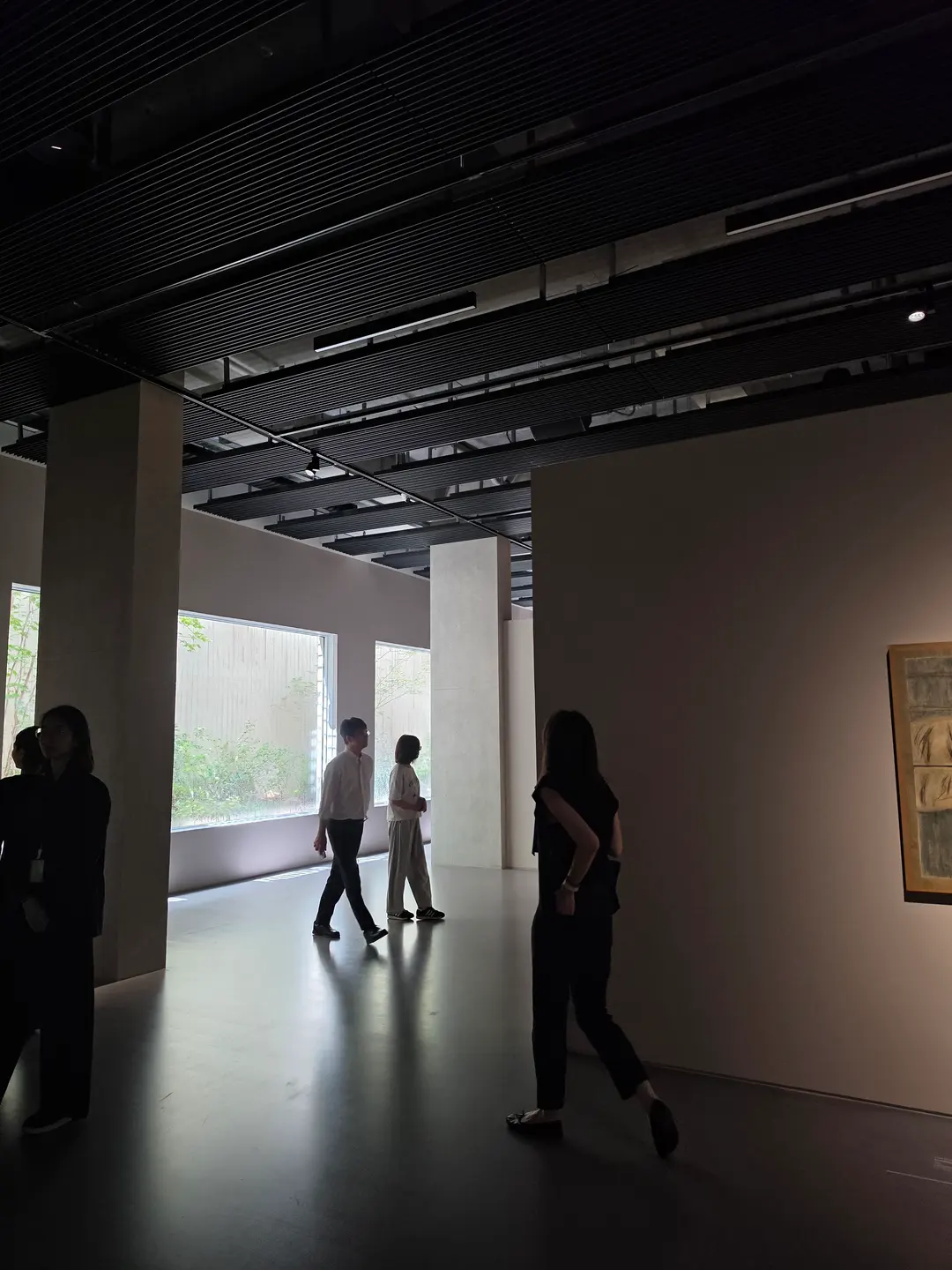
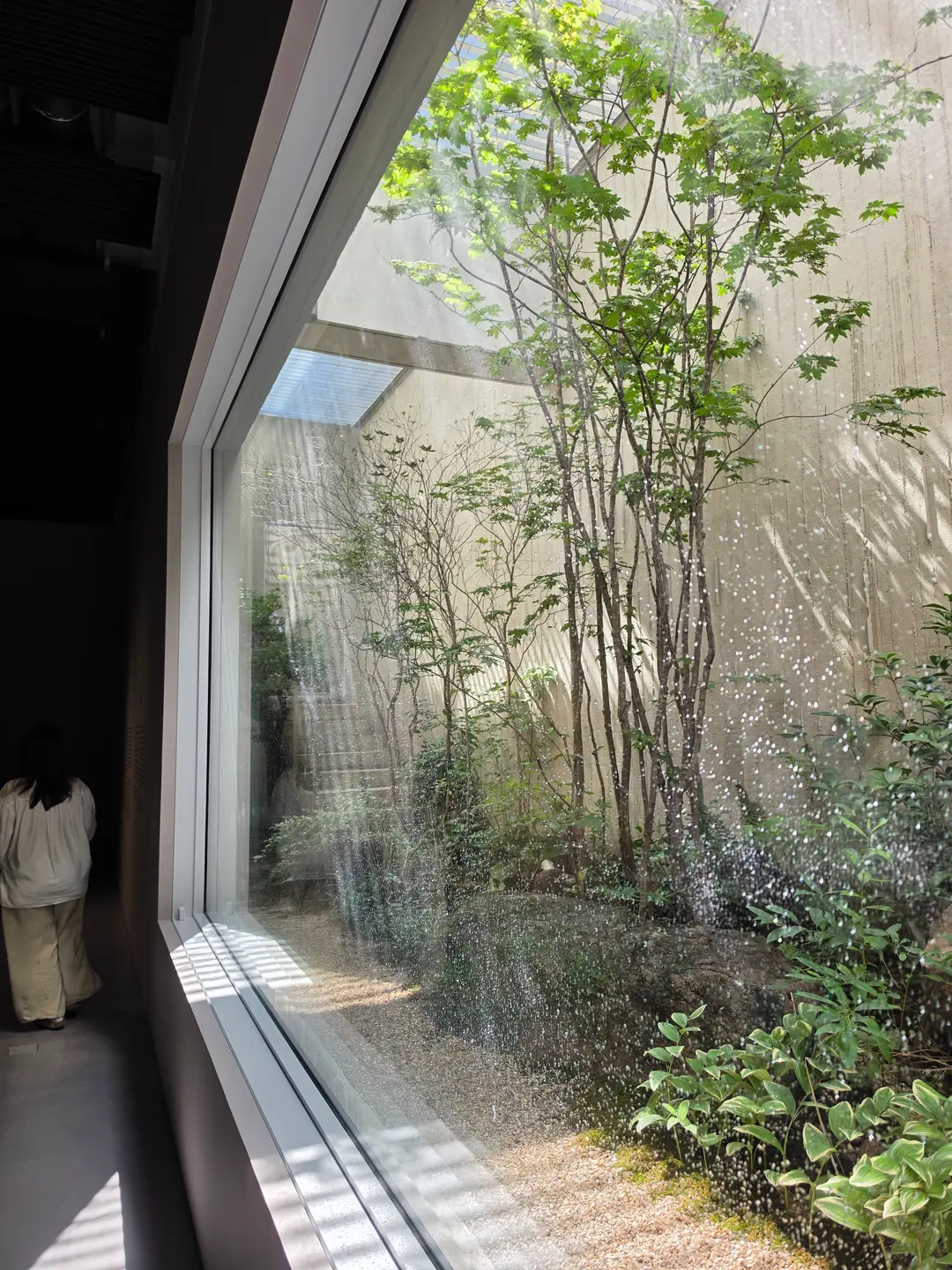
It's said that many of Master Park Seo-bo's captivating artworks draw profound inspiration from nature.
That's why, even though you're two floors underground, they’ve ingeniously crafted a tranquil garden utilizing wild grasses, plants, and trees native to Korea.
It's truly impressive to experience architecture that allows you to feel so connected to nature, even when you're below ground!
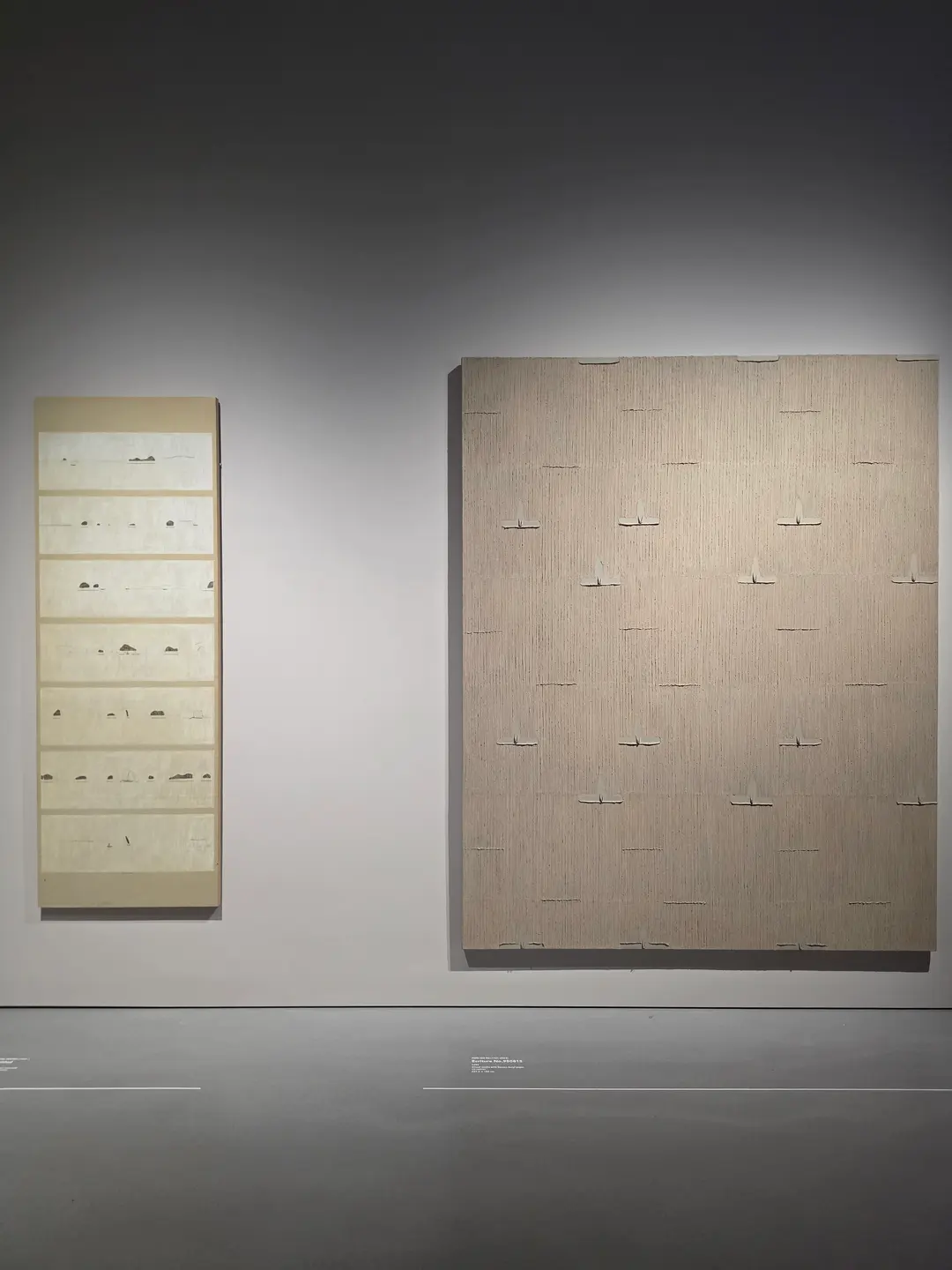
These captivating artworks, displayed side-by-side, feature Huong Dodinh's creation on the left and Park Seo-bo's on the right.
The piece on the right is said to beautifully capture the furrows of the fields at an Anseong farm, where his studio was once located.
Huong Dodinh, on the other hand, presents breathtaking works depicting the islands of her homeland, Ha Long Bay in Vietnam. Each piece captures a single day's essence from her seven-day stay.
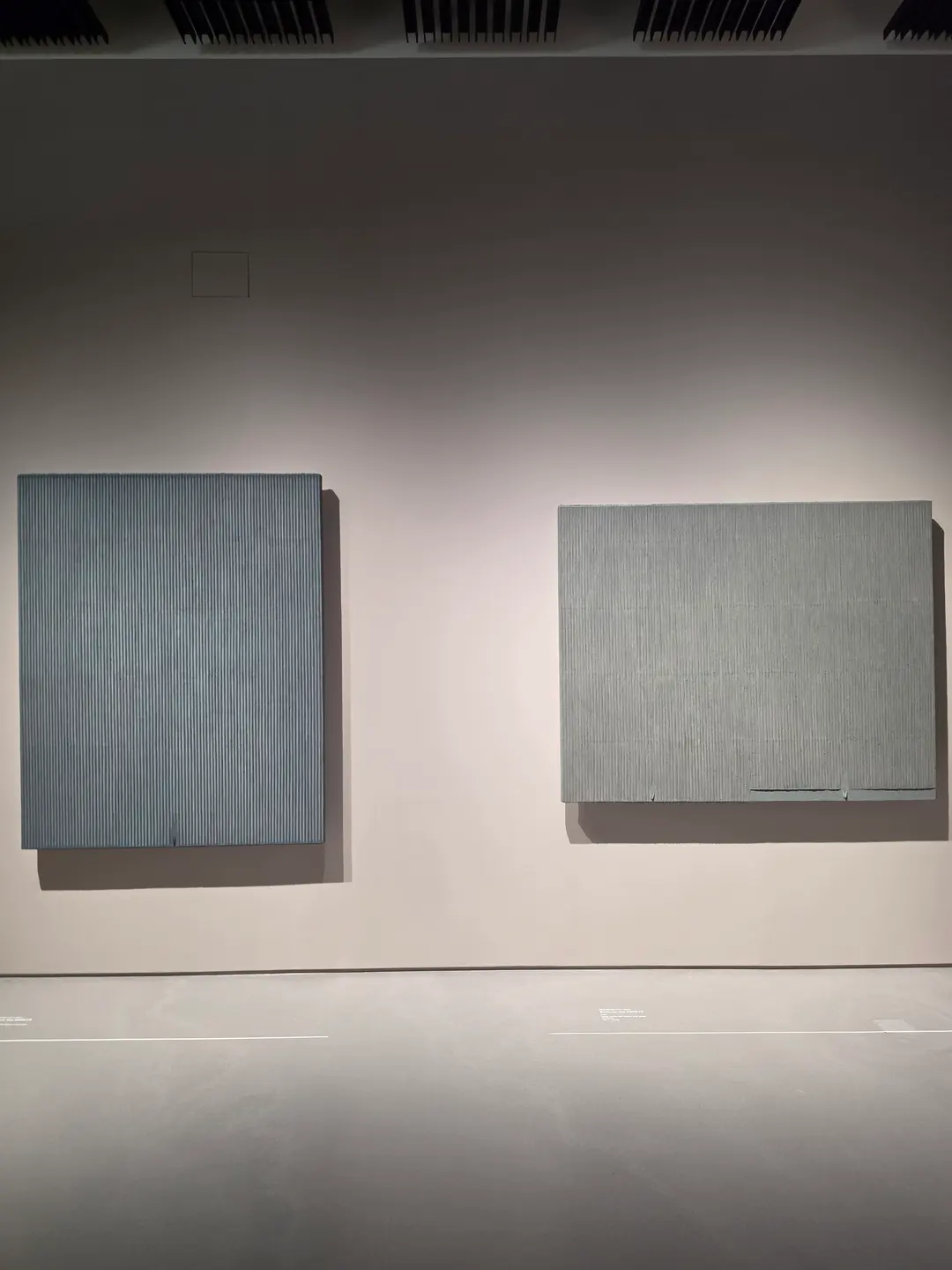
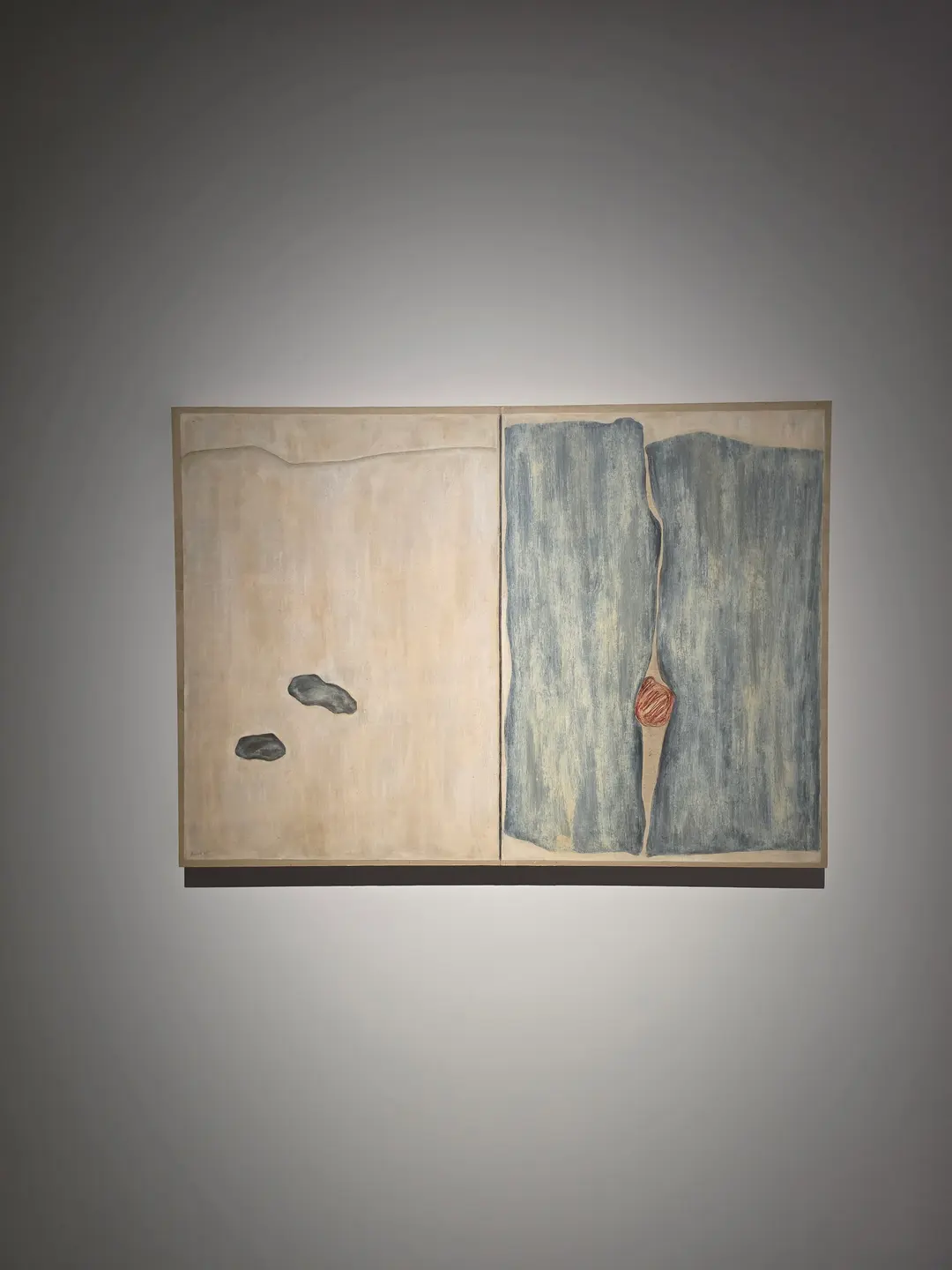
Feast your eyes on the early masterpieces by Park Seo-bo (left) and Huong Dodinh (right).
A striking commonality between these two visionary artists is their shared approach: both meticulously strip away unnecessary elements, embrace the essence of nature, and engage with their work in a meditative, almost spiritual, manner.
What's truly remarkable is that Huong Dodinh personally crafts and utilizes all the materials for her artwork.
To achieve this, she reportedly rises at 4 AM every day, beginning her meticulous process by hand-grinding and refining mineral pigments!
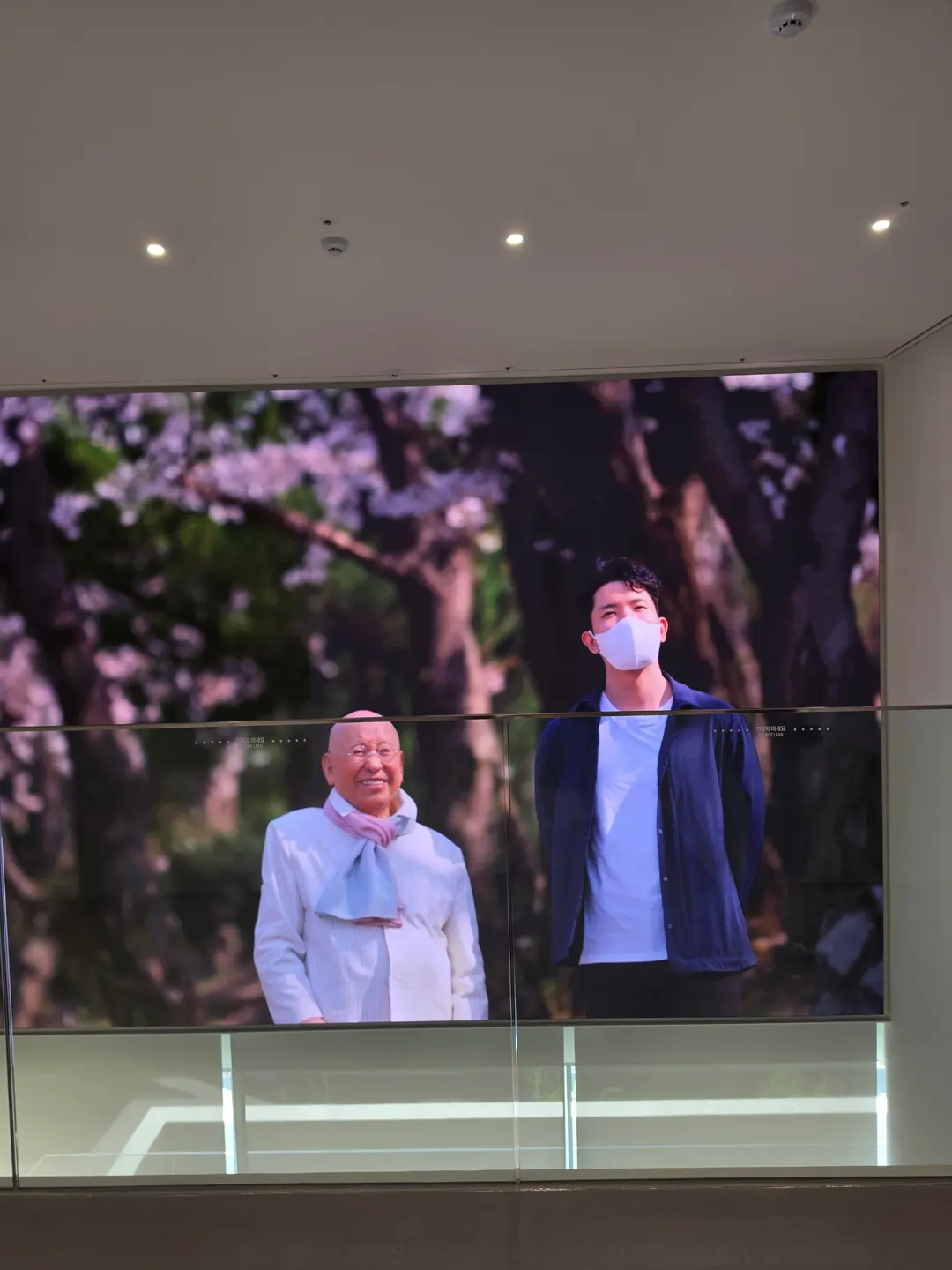
Ascend to the second floor, and you'll be immediately greeted by an insightful interview video featuring both Park Seo-bo and Huong Dodinh.
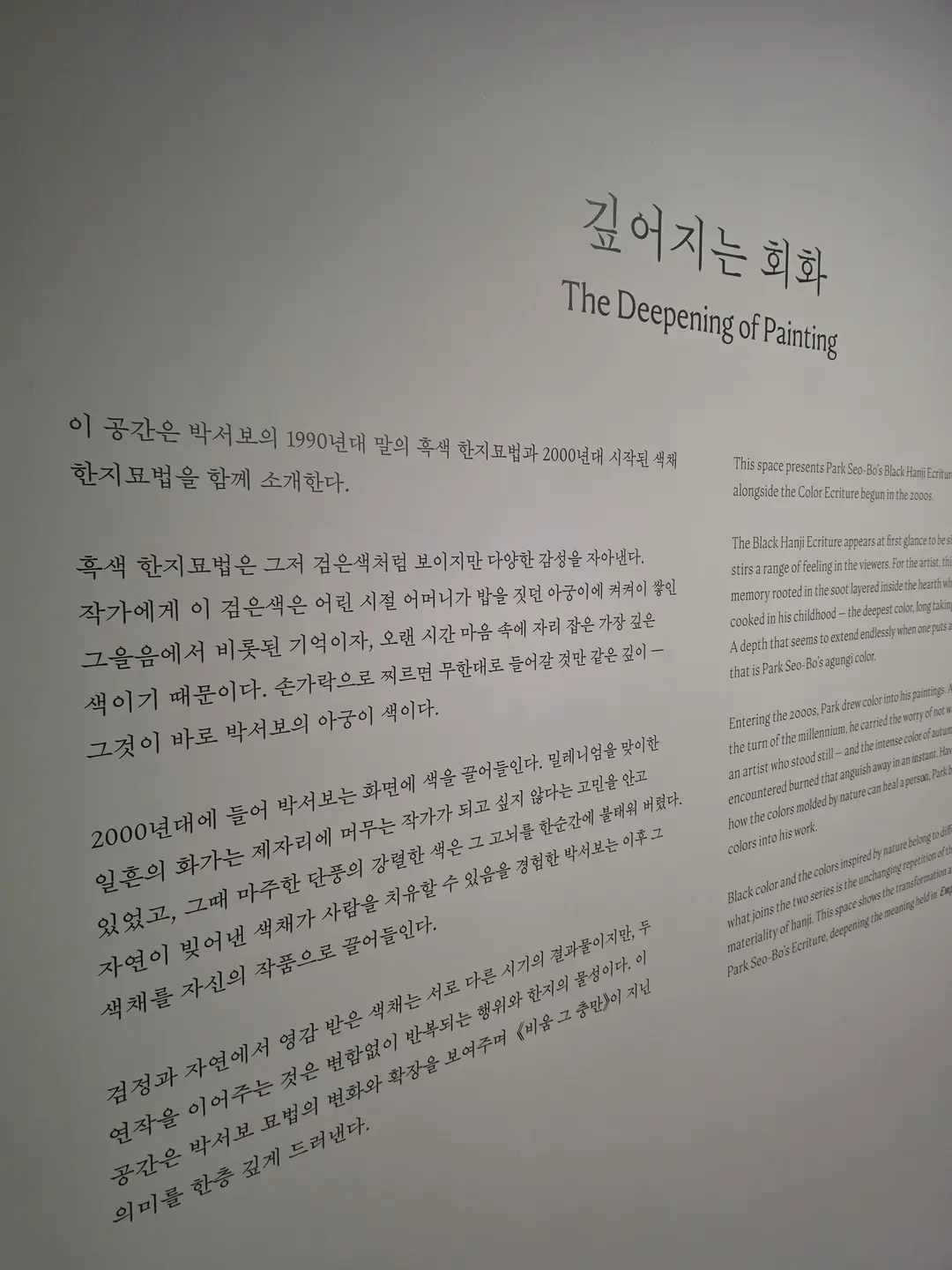
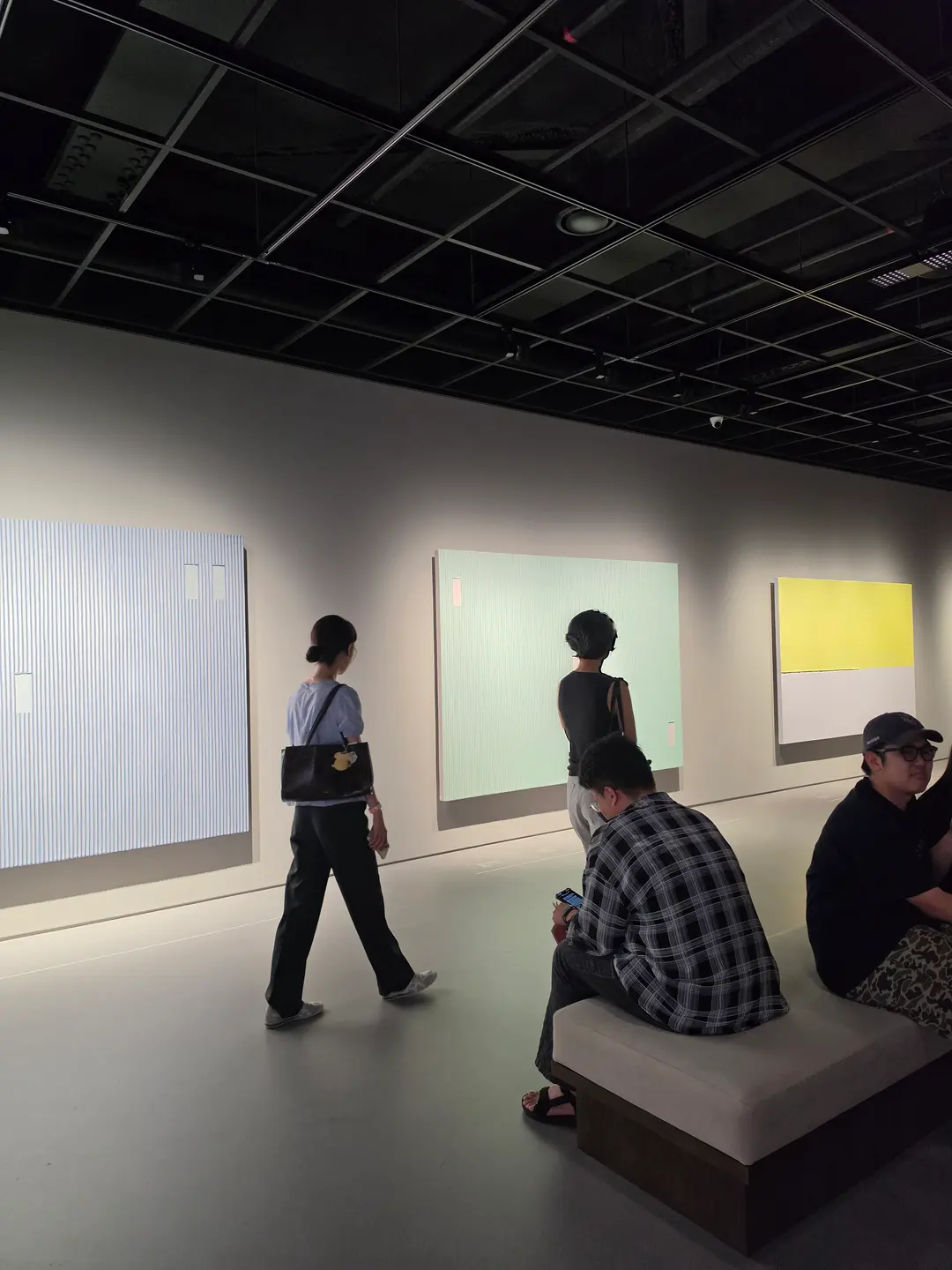
In the second space, prepare to be captivated by Park Seo-bo's unique artistic evolution: his 'black Hanji-myeopbeop', which he pioneered in the late 1990s, and his vibrant 'colored Hanji-myeopbeop' series, which emerged in the 2000s.
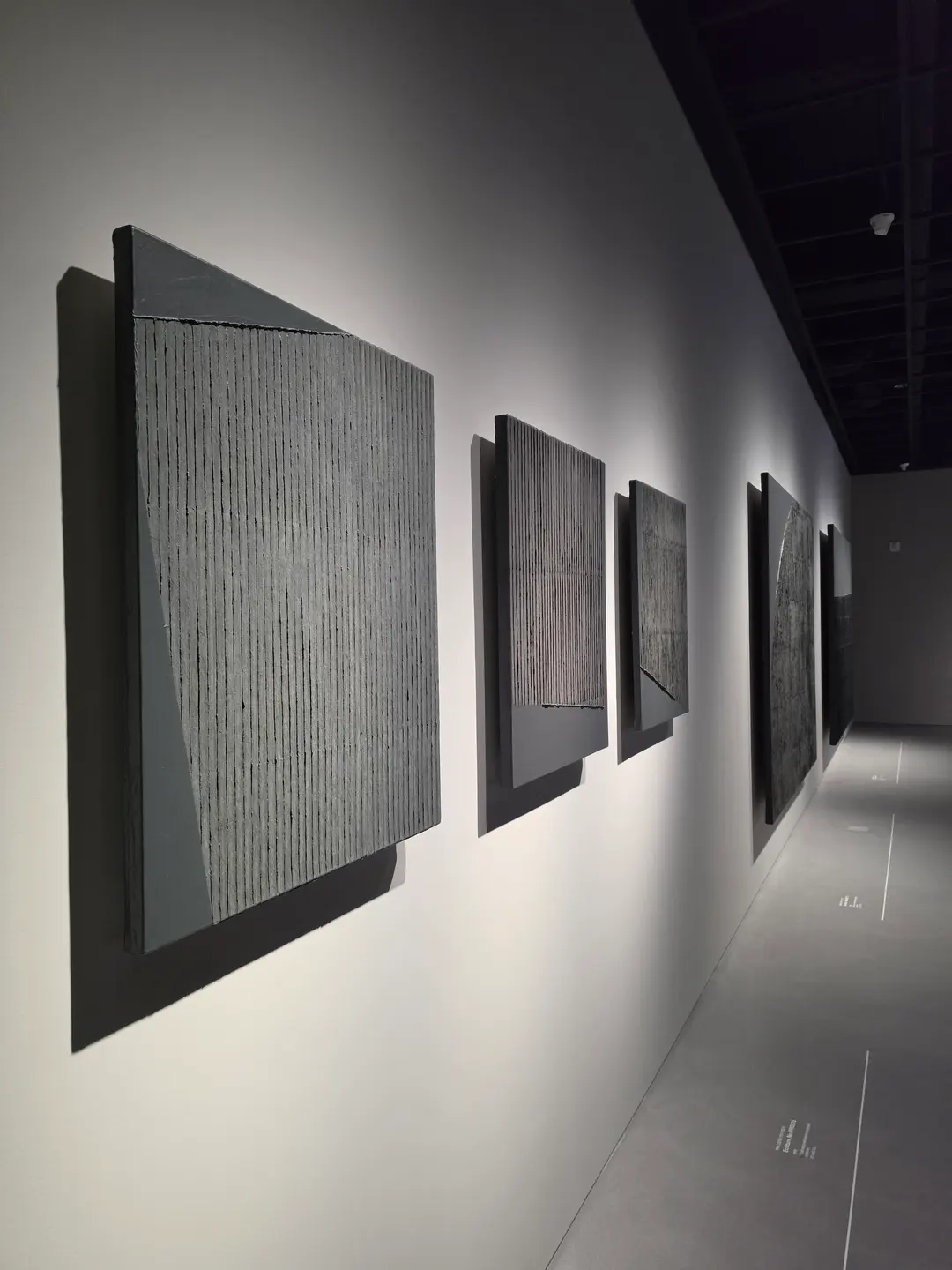
Artist Park Seo-bo masterfully creates his signature mountain-like forms, adding incredible depth by meticulously soaking, pushing, and repeatedly coloring layers of traditional Hanji paper.
Remarkably, the profound black hues in his works are said to be inspired by the humble kitchen hearth – a cherished space in his memory where he deeply felt his mother's unwavering love.
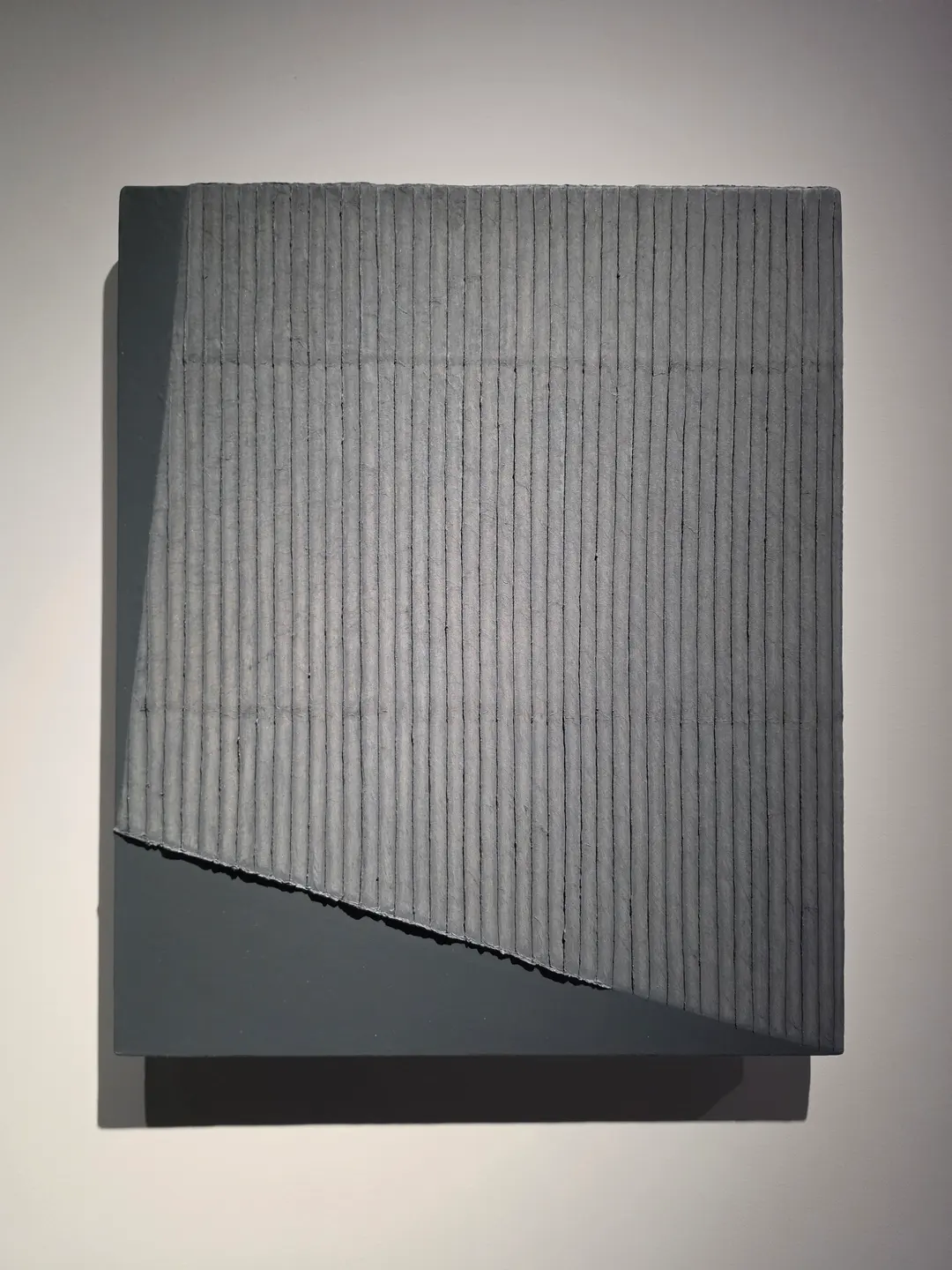
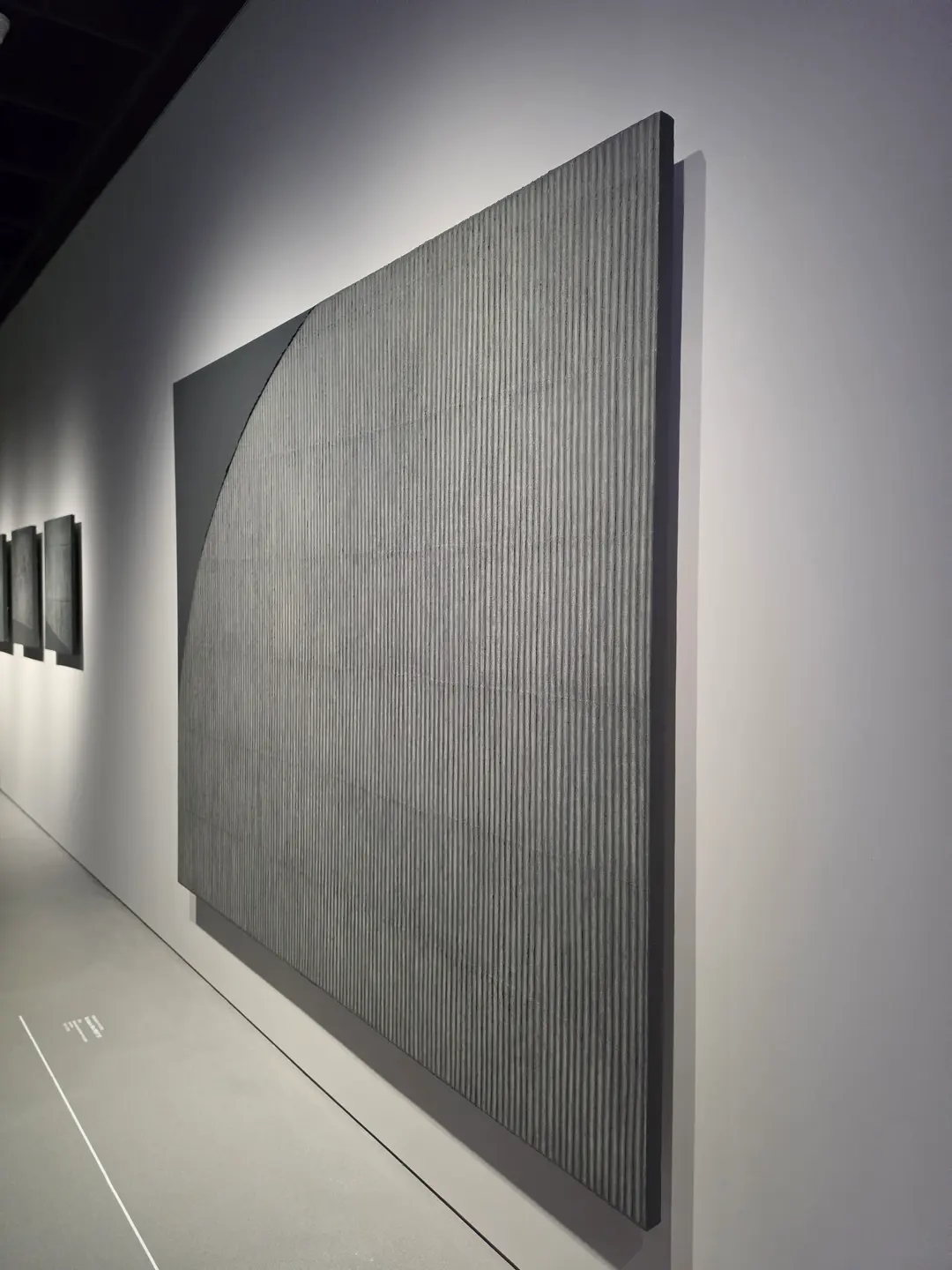
What's more, his pieces are displayed in a truly unique way: intentionally hung slightly detached from the wall without traditional frames, allowing the shadows cast behind them to beautifully mimic a frame. This distinctive presentation, too, is a testament to Park Seo-bo's artistic vision!
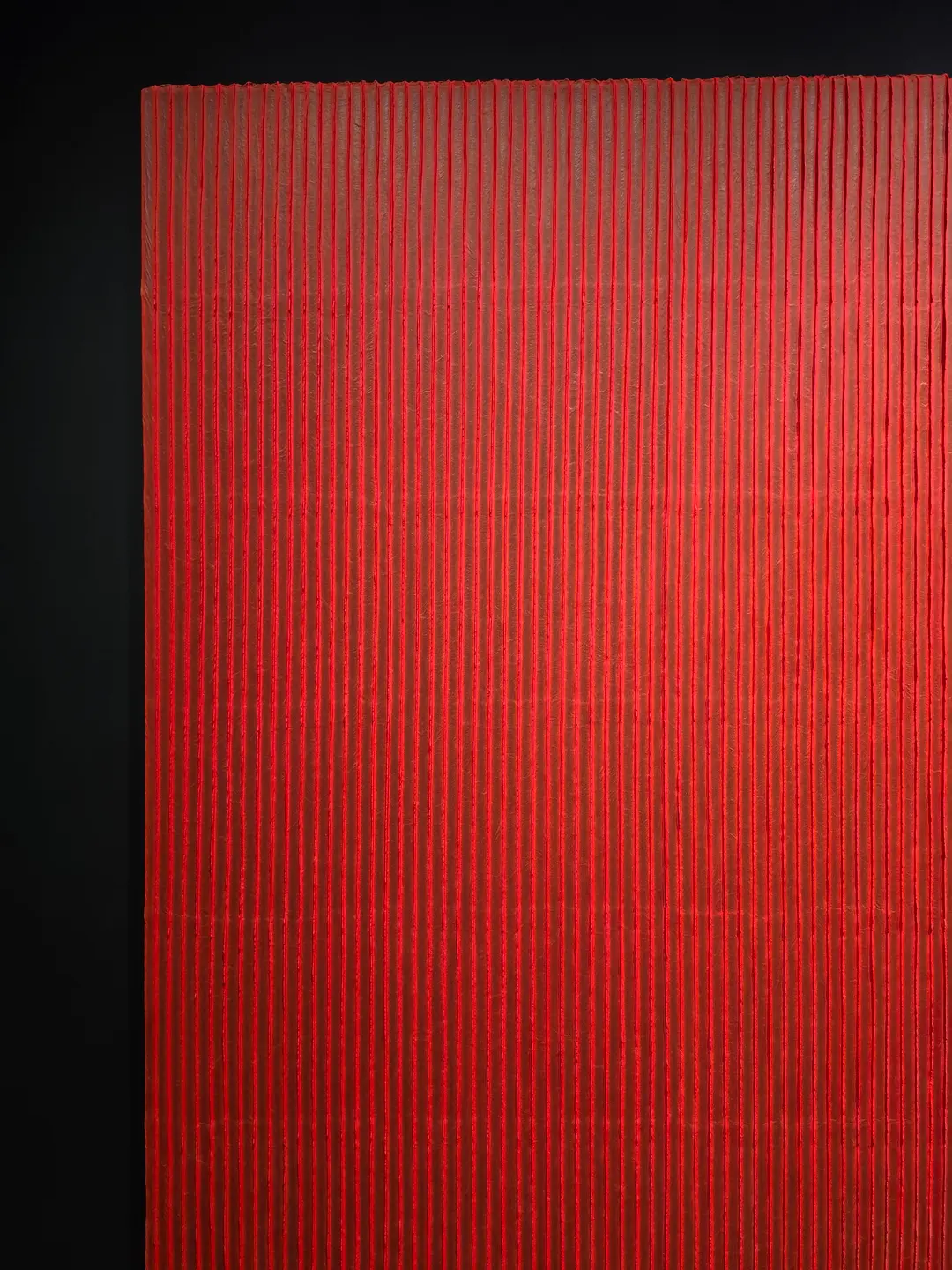
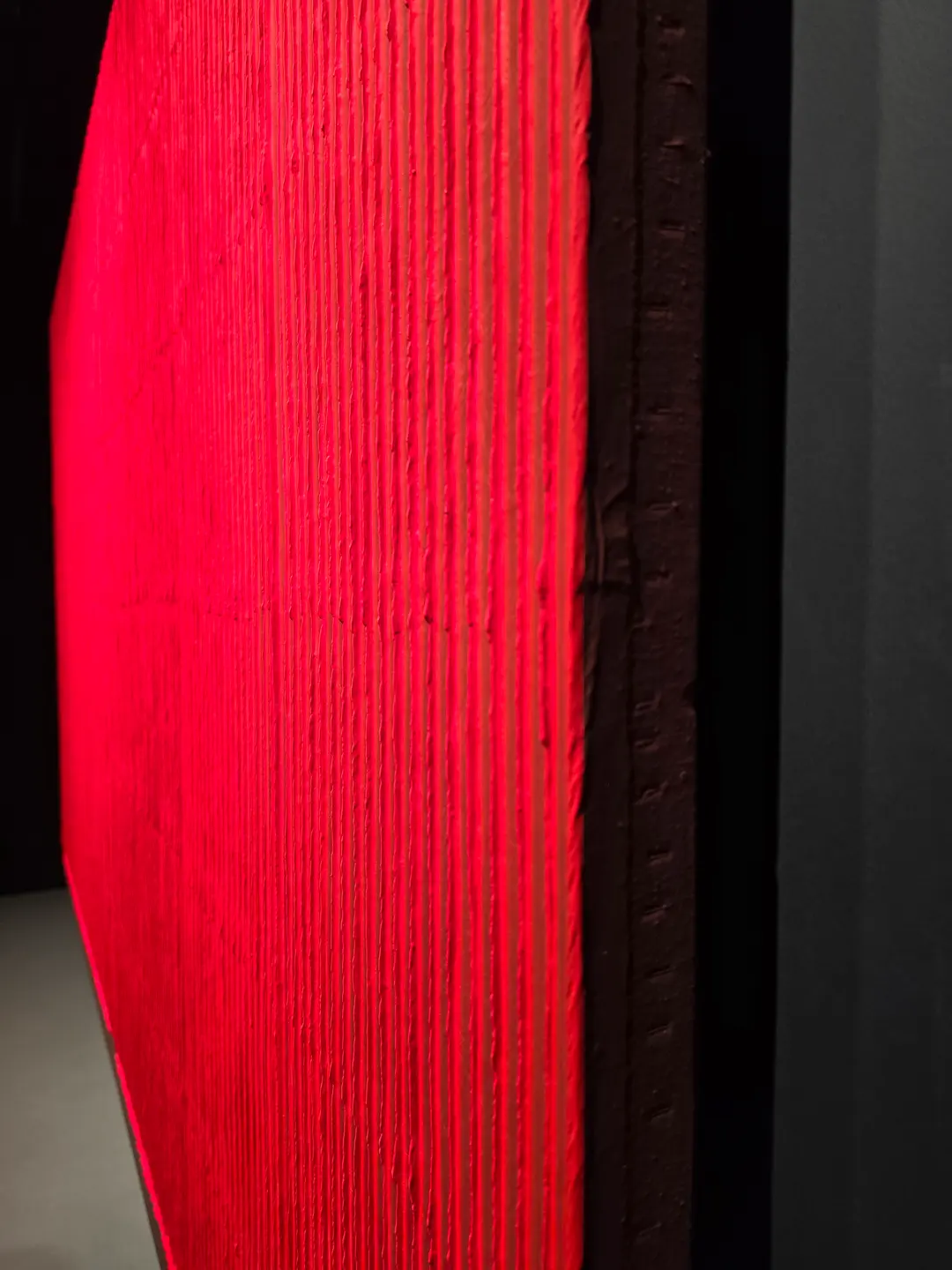
Then, as the new millennium dawned in 2000, the world plunged into a rapid digital transformation, facing an era of immense upheaval.
Artist Park Seo-bo, then in his 70s, candidly admitted to feeling a profound sense of frustration, wondering how he could possibly adapt to such a rapidly evolving digital world.
But then, following an exhibition in Japan, a serendipitous visit to Mount Bandai in Fukushima changed everything. There, he was greeted by the sight of flaming red autumn foliage, a vision that filled him with an overwhelming sense of wonder!
Astonishingly, from that moment on, he completely transformed his artistic style, actively embracing the vibrant colors of nature as the primary motif for his creations!
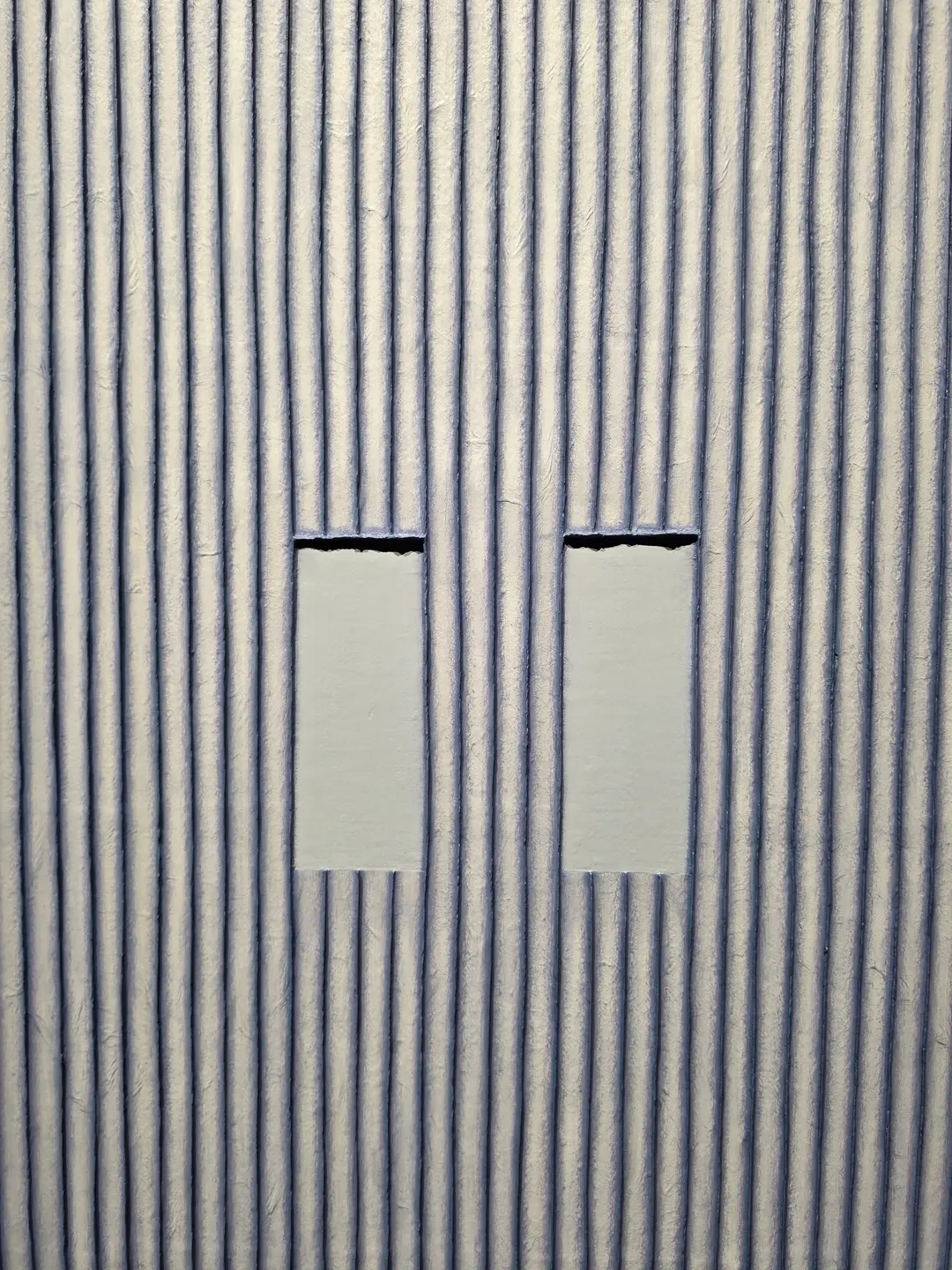
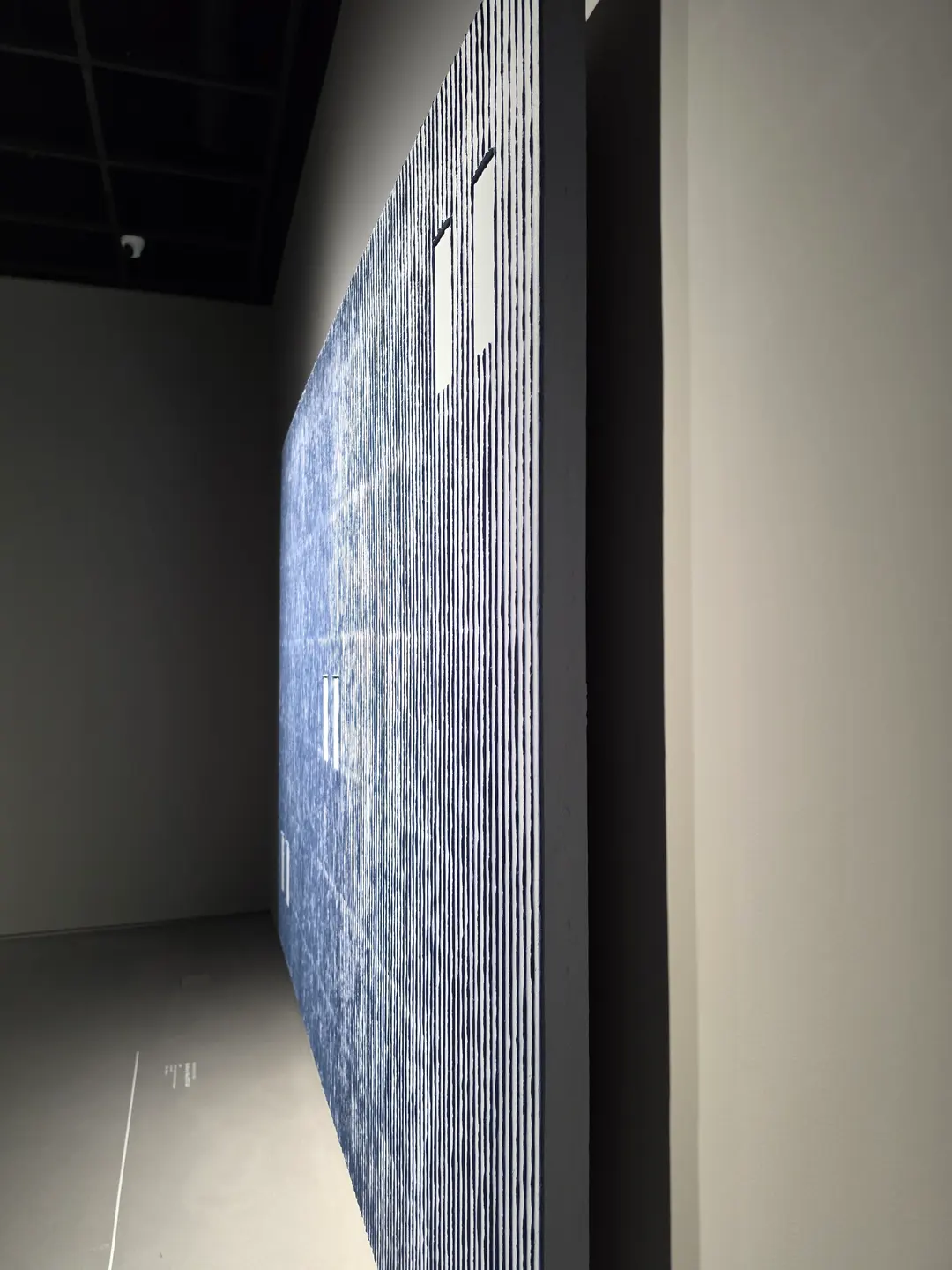
From a direct frontal view, your eyes will be instantly drawn to these mesmerizing blue vertical lines and the intriguing window-like visual piercing through the center.
But shift your perspective and view it diagonally, and you'll be treated to a completely different sensation: the surprisingly intense, gradient indigo hues seem to surge and recede like powerful waves!
Personally, if his 'black Hanji-myeopbeop' profoundly established Park Seo-bo's unique artistic universe,
then the vibrant colored series he pioneered afterward felt like it unveiled yet another profound world, imbued with a richer diversity and a wonderfully free-spirited essence.
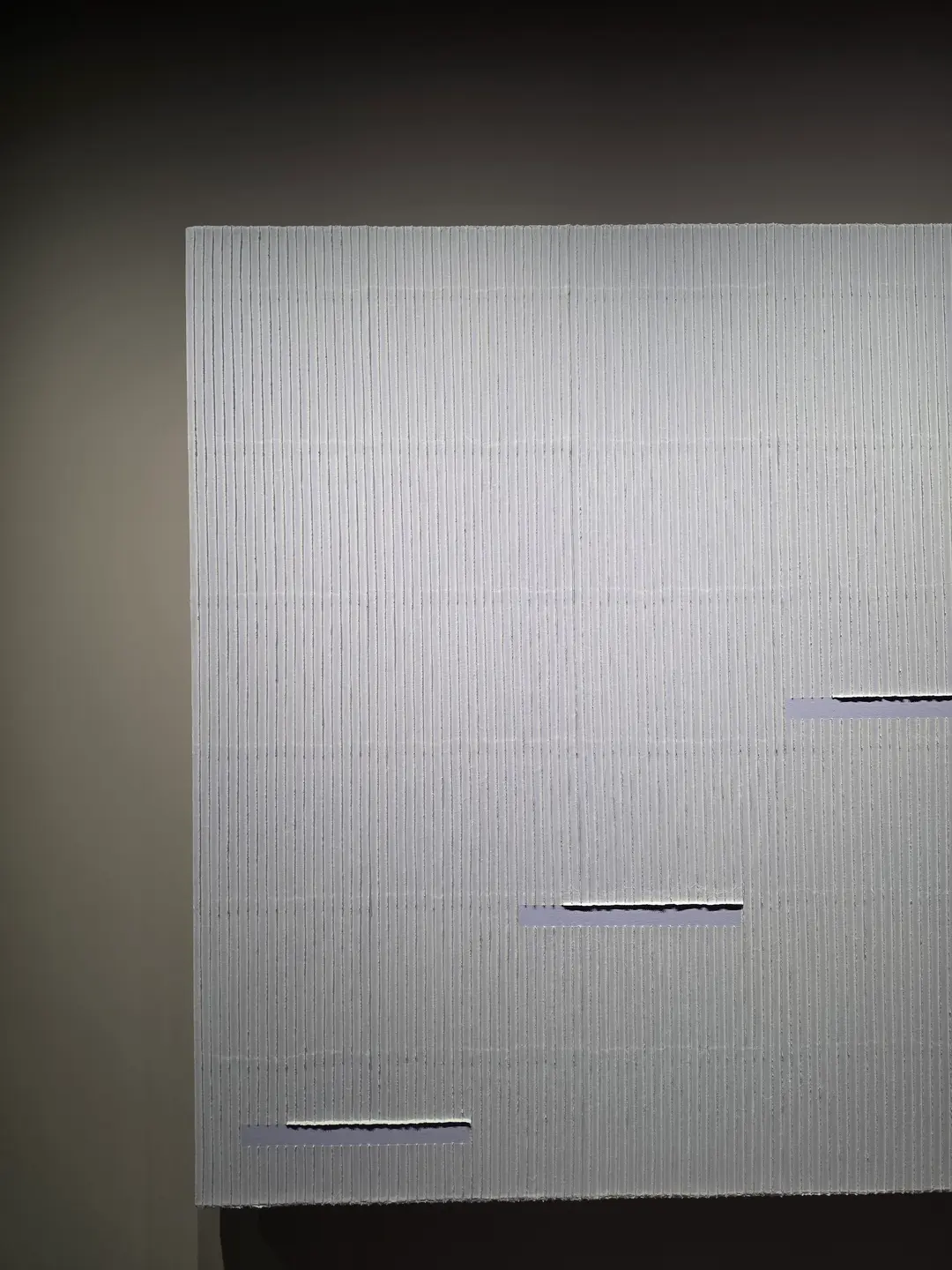
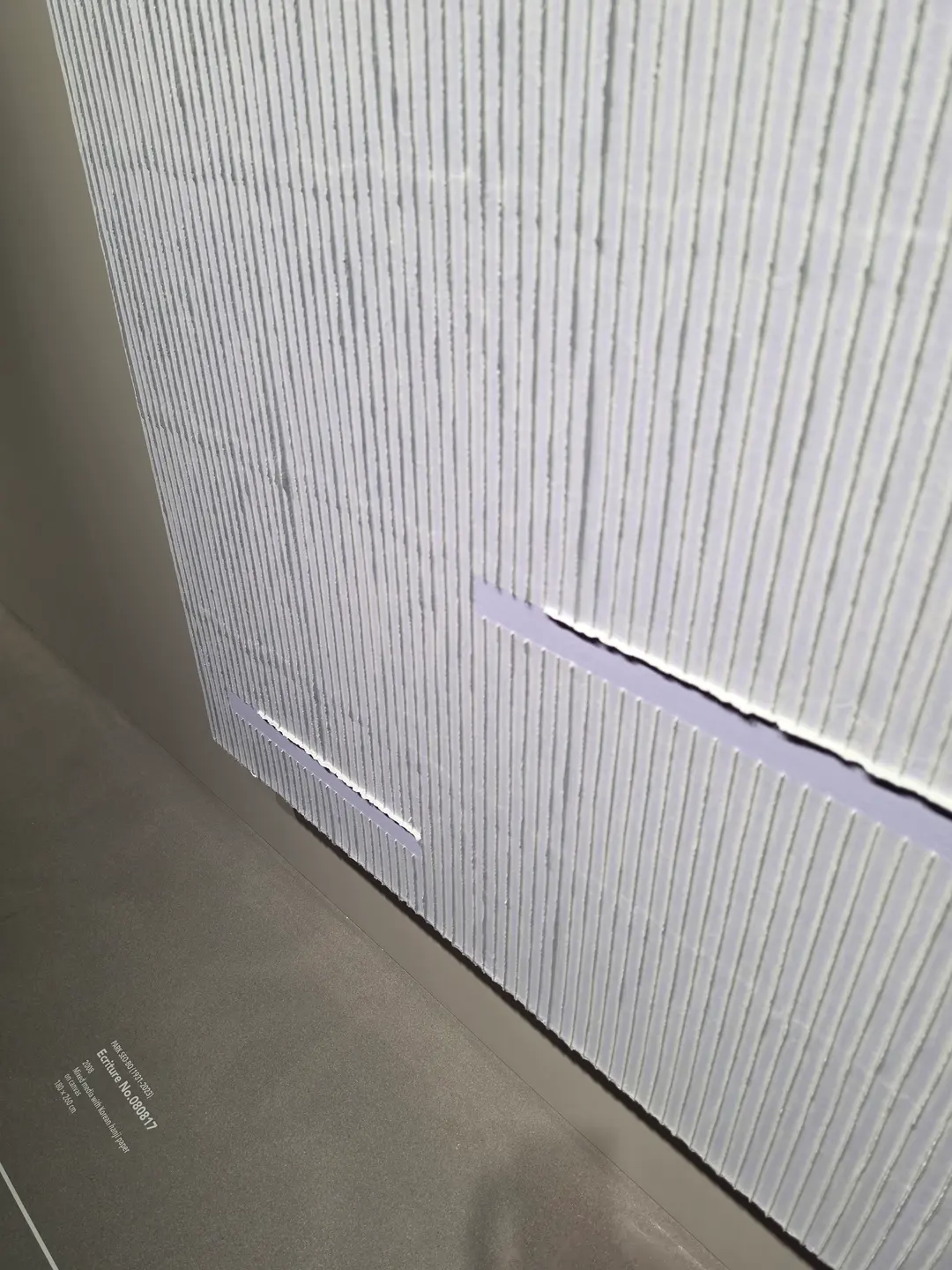
This artwork, a blend of hazy white and light purple, was even more beautiful in person.
Apparently, this piece was inspired by lavender flowers!
Park Seo-Bo's works, at first glance, evoke a profound sense of serenity and peace, much like swans gracefully gliding across a lake.
However, upon closer inspection, I was struck by how they reveal layers of an individual's time and effort, offering vastly different impressions depending on the angle and light.
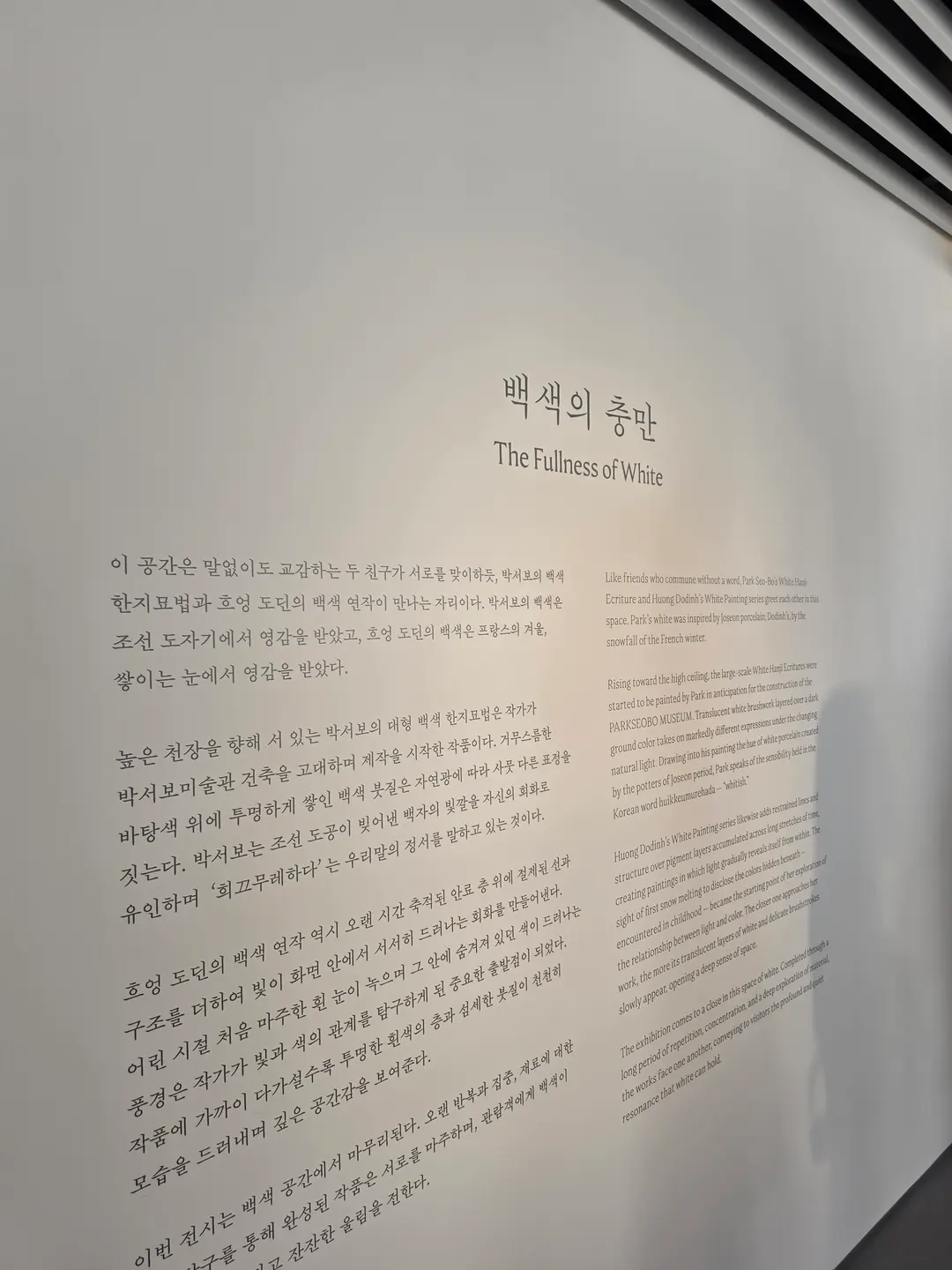
The third and final floor was themed Fullness in White,
and it was truly wonderful because it's a space where you can intuitively and fully feel the essence of that name with your entire being.
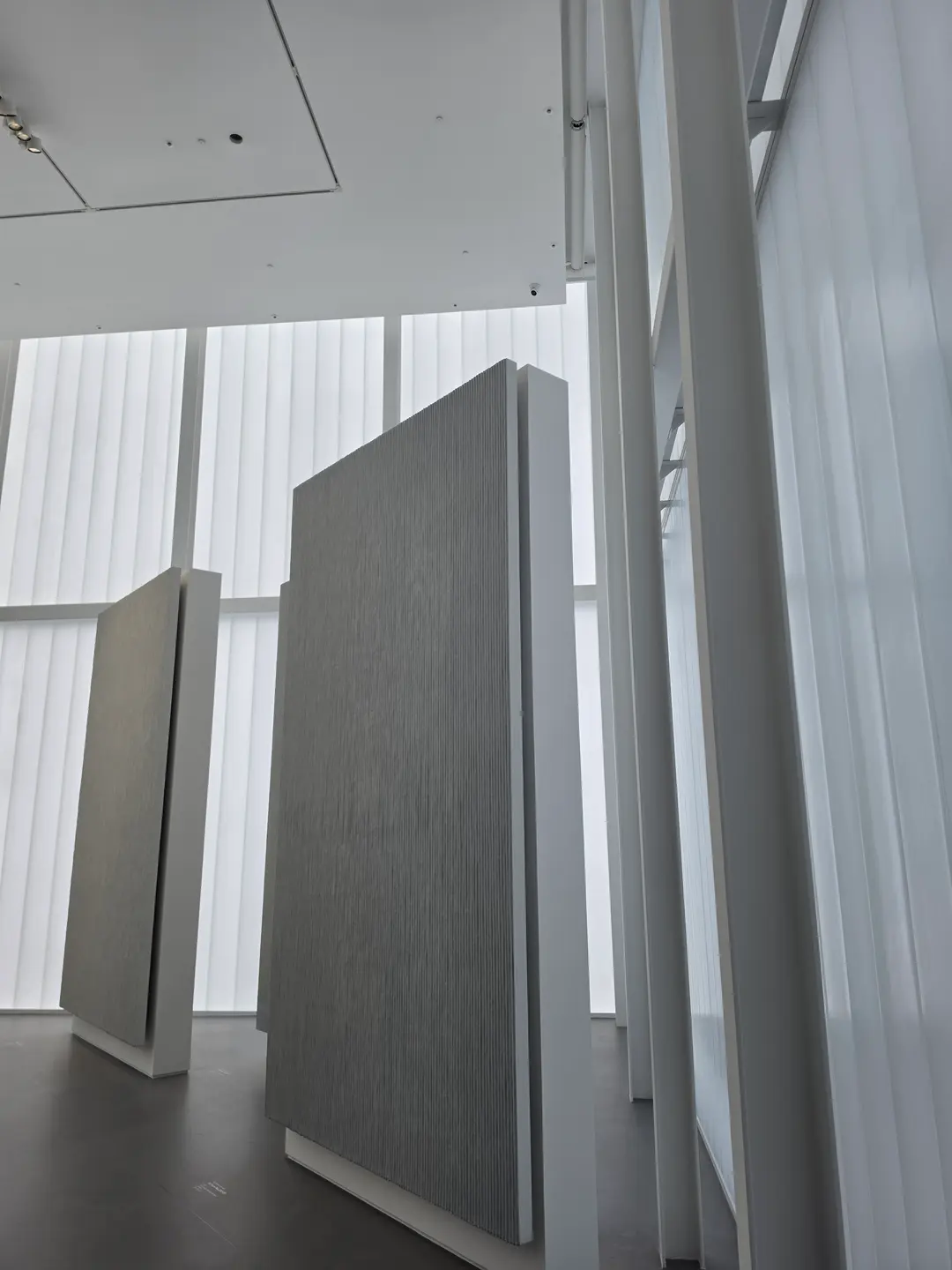
It's said that these three pieces were personally created by Park Seo-Bo with this cube space, designed to be 8m in width, length, and height, specifically in mind.
With the entire space enveloped in white, these three resplendent artworks standing tall were truly moving.
Even at his advanced age, over 90 years old, he reportedly dedicated himself to creating these pieces day by day, anticipating their exhibition in this very space.
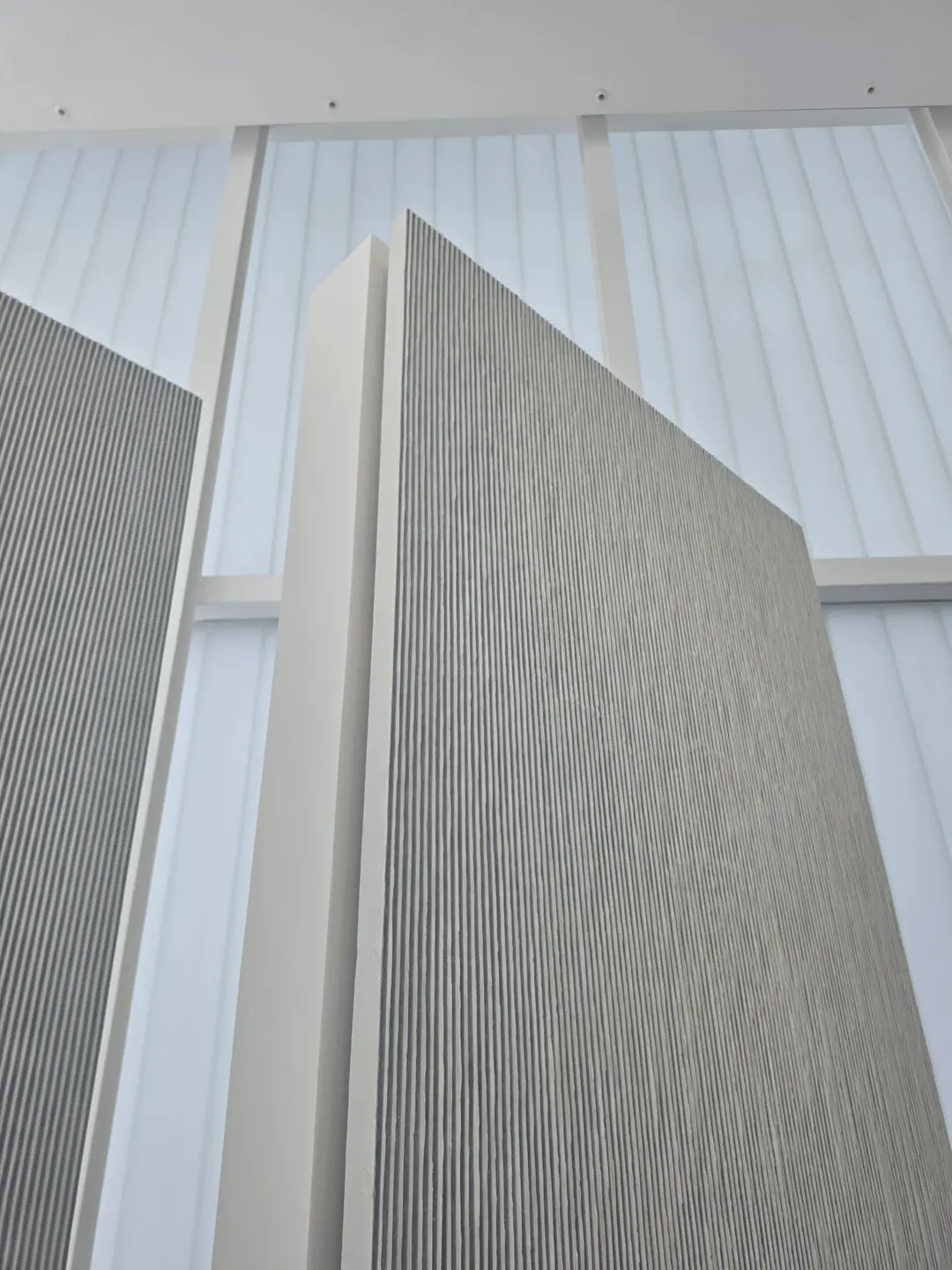
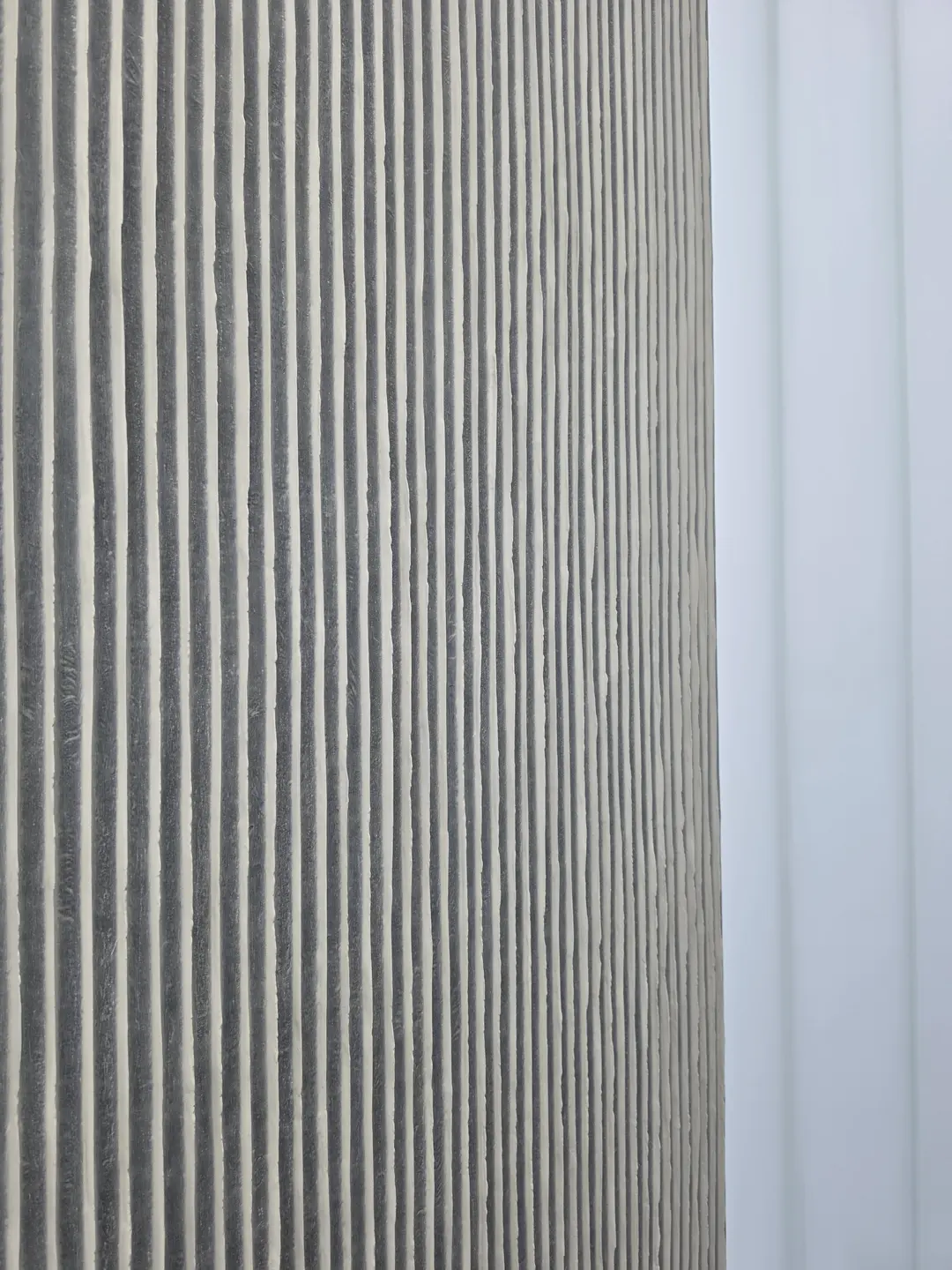
These works are said to be inspired by the white porcelain of Joseon potters.
He worked on them right up until his final moments, and it's said that these are the only unfinished works displayed at the Park Seo-Bo Art Museum that do not bear the artist's signature...!
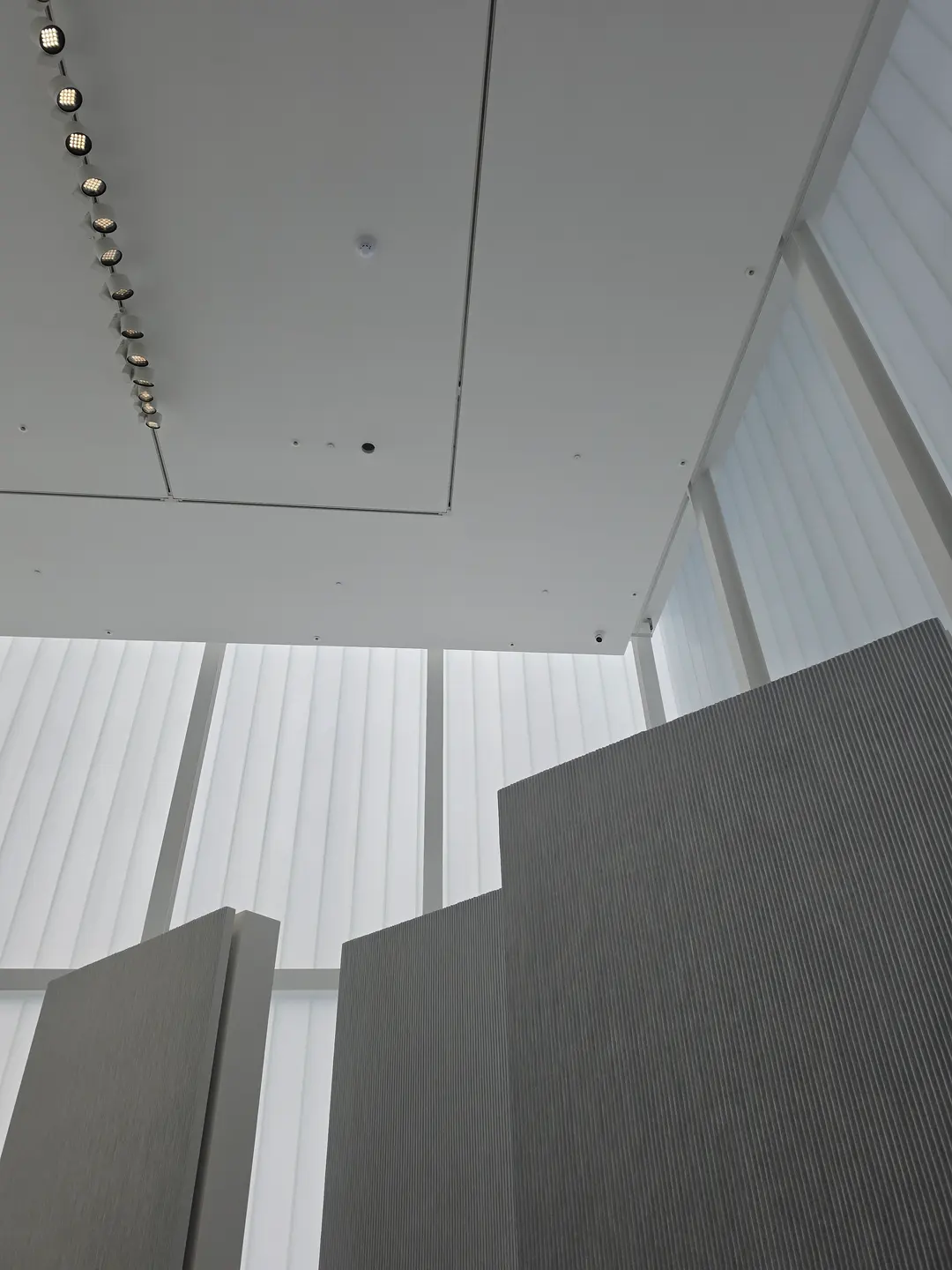
Looking at them this way, I never would have thought they were unfinished pieces,
but considering he must have repeatedly painted, iterated, and pondered over them to achieve their perfection, it truly filled me with awe.
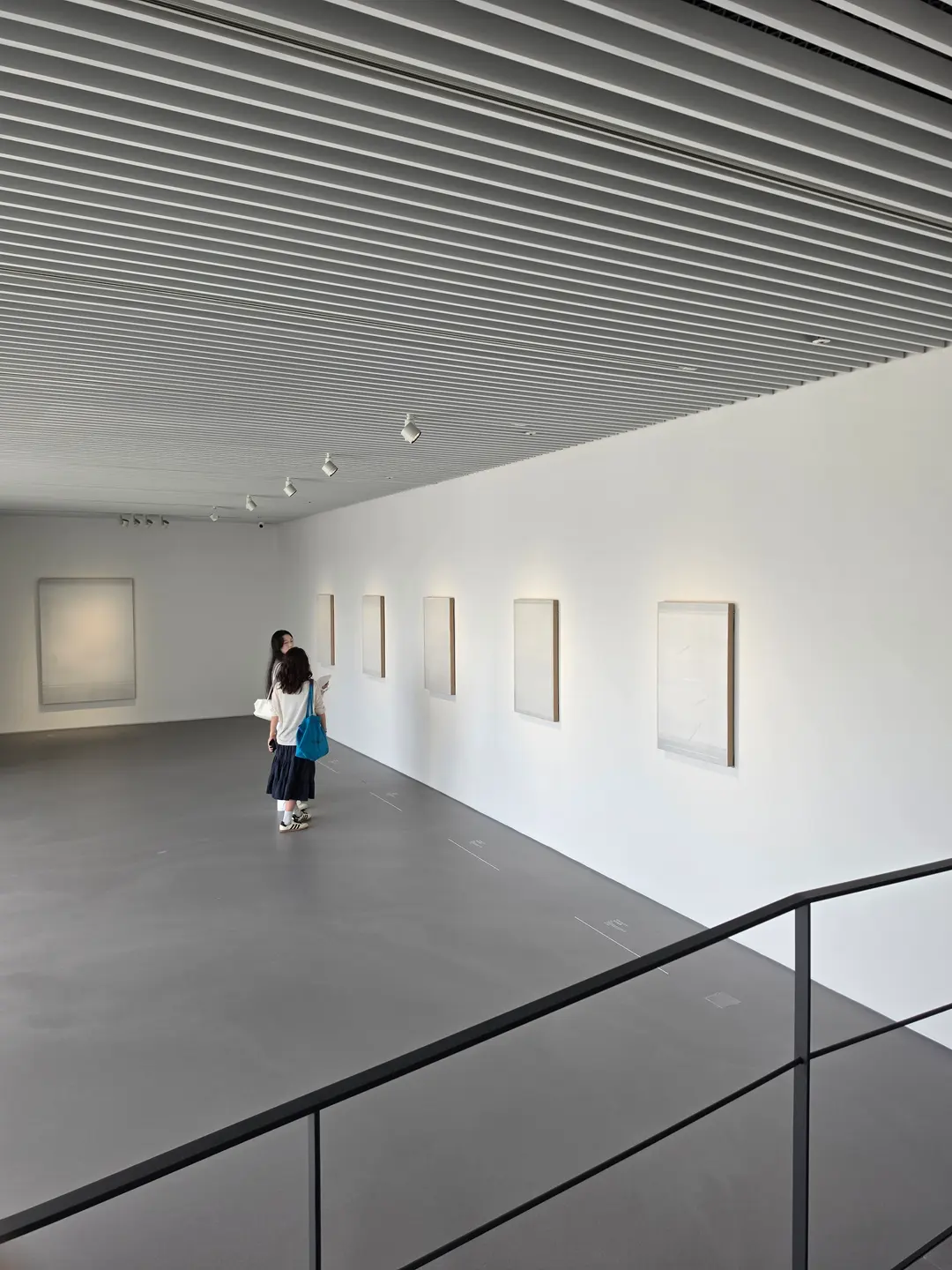
Meanwhile, artist Huong Dodinh has also been working on a series of white-themed pieces.
Huong Dodinh was born in Vietnam and moved to France at a young age, where she reportedly experienced profound inspiration upon seeing snow for the first time at a French boarding school.
She observed the sight of snow, covering the entire world in white, gradually melting away to reveal the colors hidden beneath, and she incorporated this thematic consciousness into her artworks.
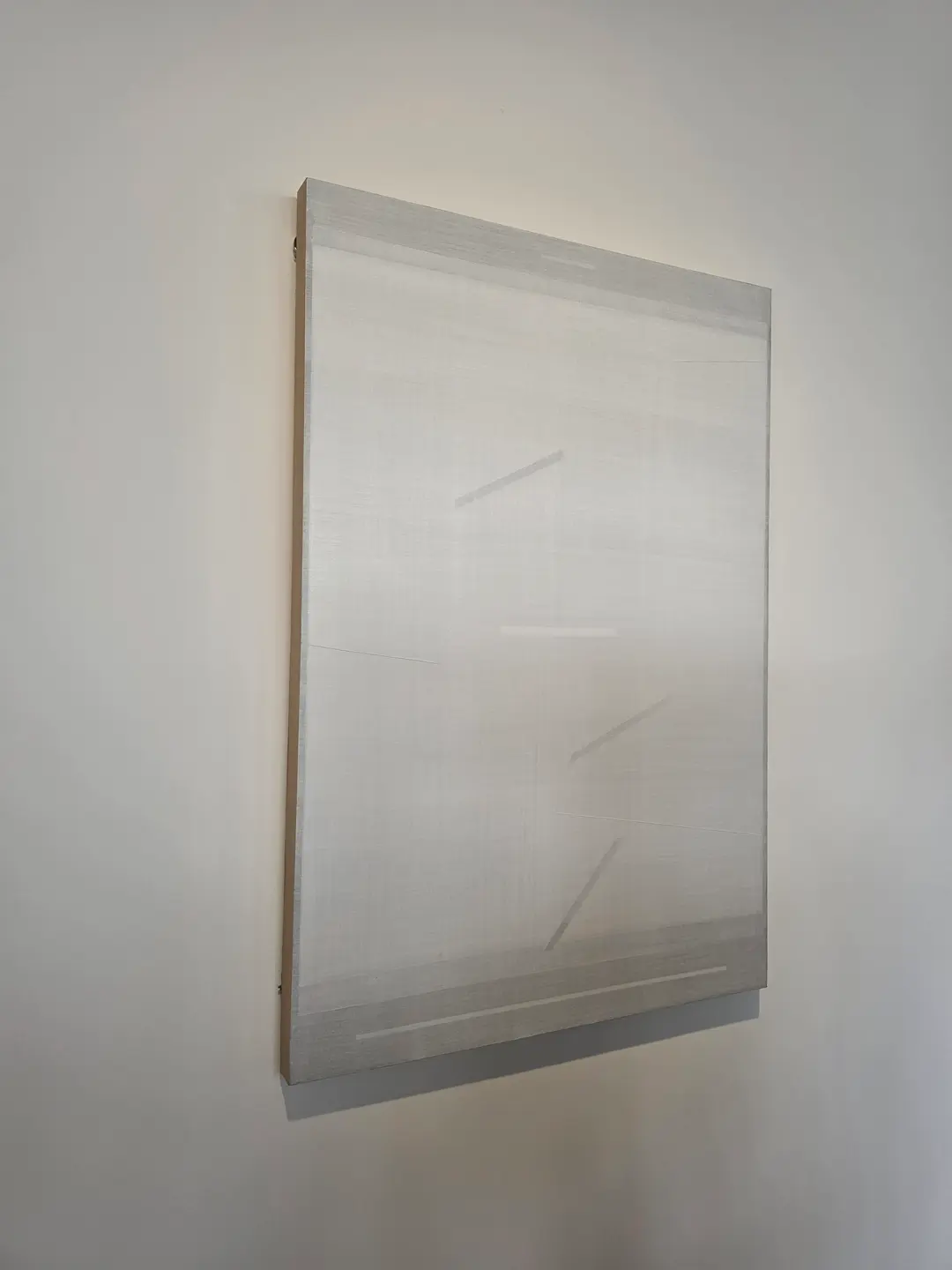
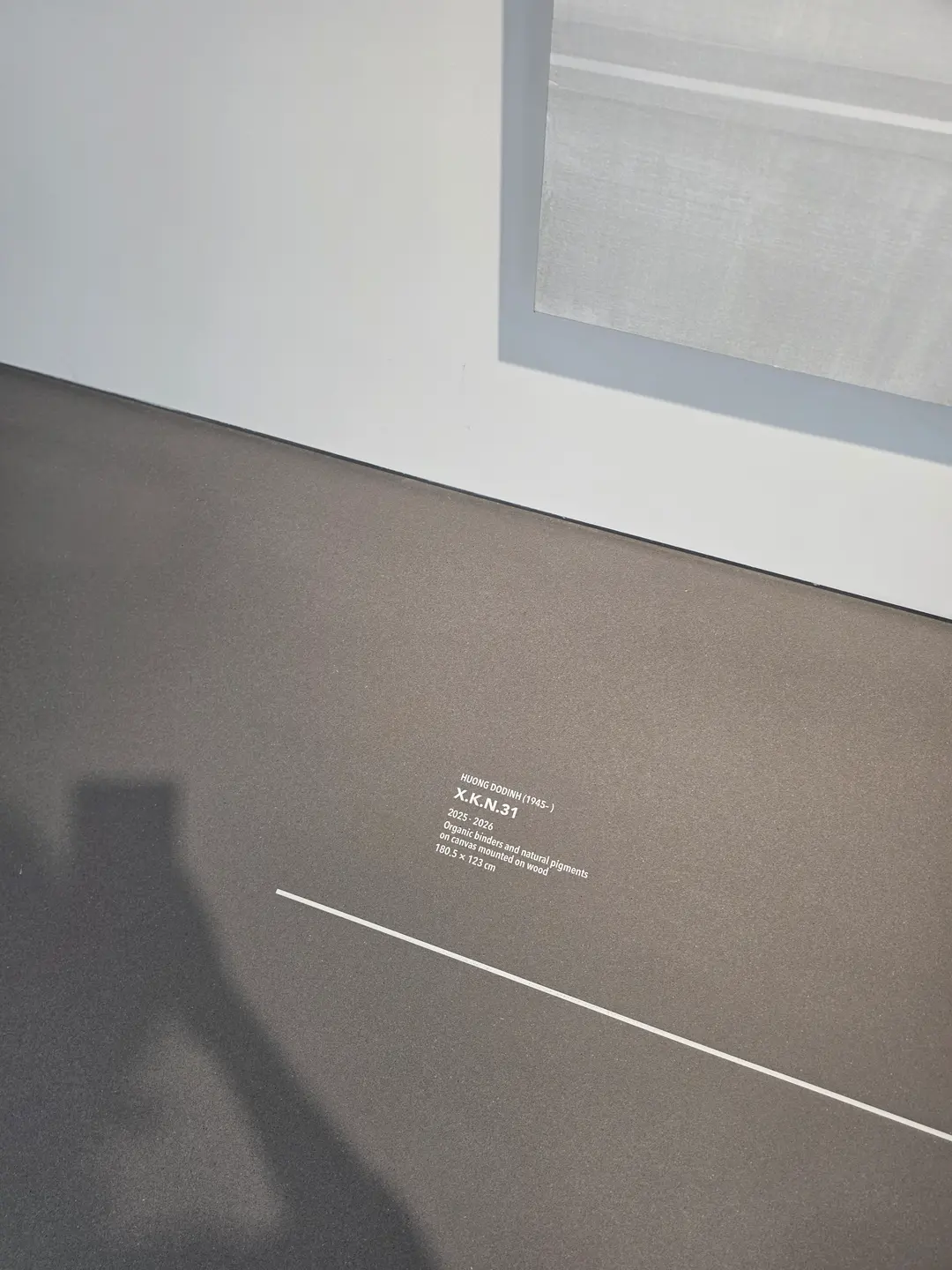
Another thing that truly impressed me at the Park Seo-Bo Art Museum was the way the artwork titles were displayed.
Typically, artwork titles are placed next to the pieces, but at the Park Seo-Bo Art Museum, the titles are beneath the artworks, which encouraged me to truly appreciate each piece on its own terms.
Rather than figurative works that naturally make you wonder, 'What is this depicting?',
these were serene, monochromatic abstract pieces, which I think allowed me to enjoy the artworks even more deeply.
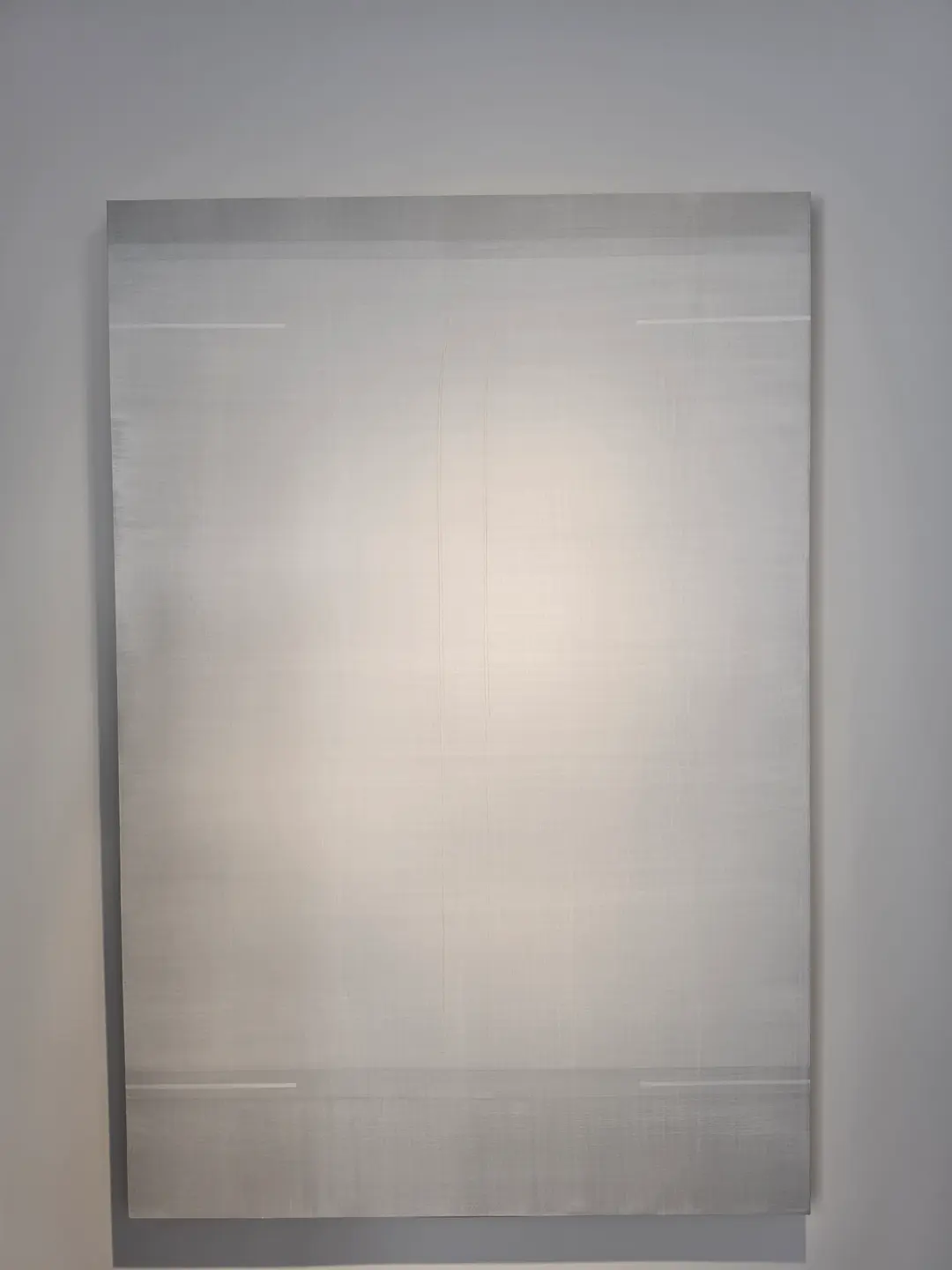
Finally, there was a truly touching artwork, one that made me understand why Huong Dodinh was chosen for the inaugural exhibition.
Huong Dodinh reportedly first visited Korea and met with Park Seo-Bo in 2023.
Initially, they conversed with the help of an interpreter, but at one point, Huong Dodinh reportedly said, 'You can stop interpreting now, I understand everything.'
This meant that despite speaking different languages, they fully resonated and communicated through each other's artistic worlds.
It's said that Huong Dodinh created this piece, capturing the memory of that encounter, after Park Seo-Bo's passing, recalling their meeting...!
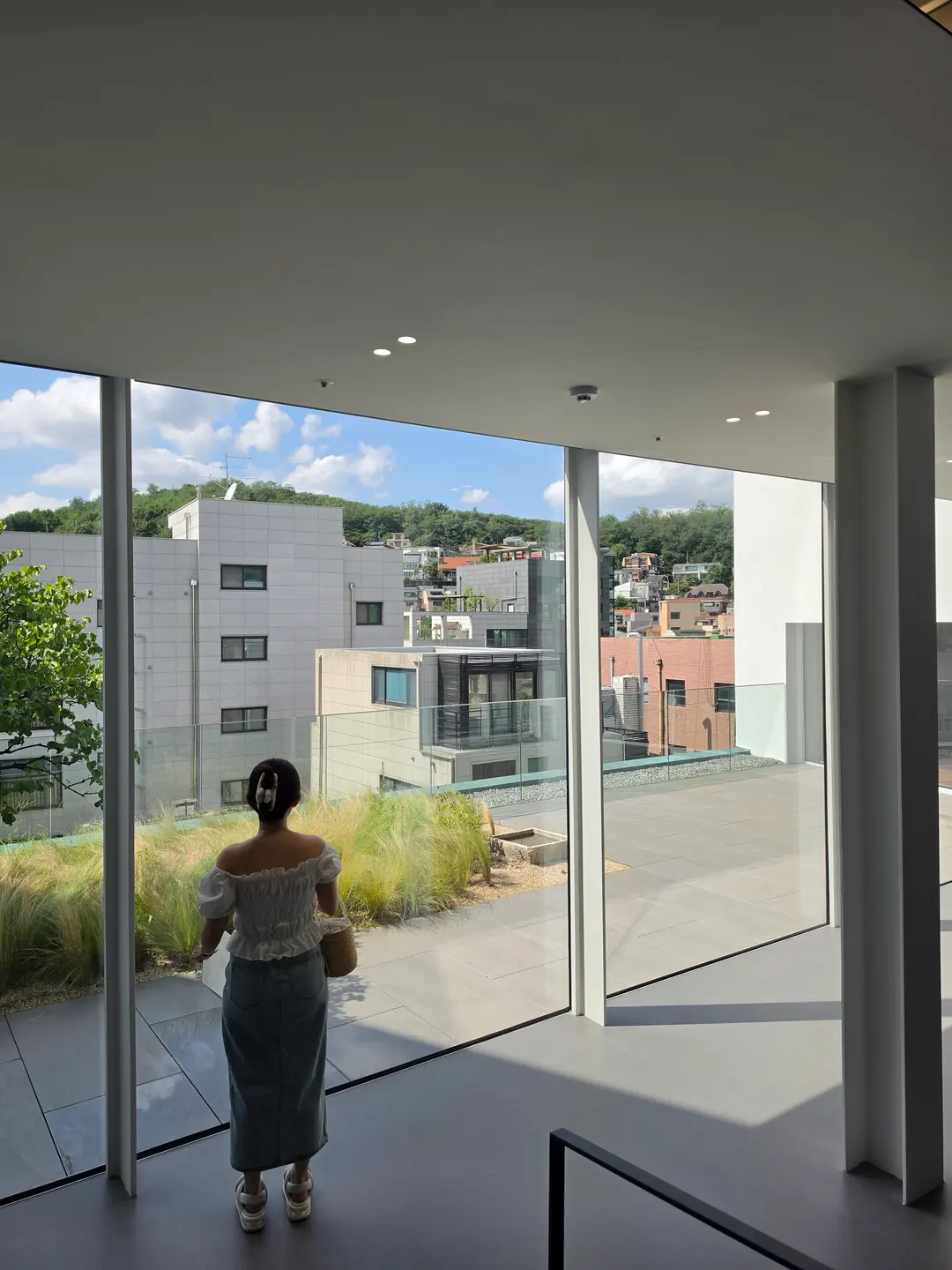
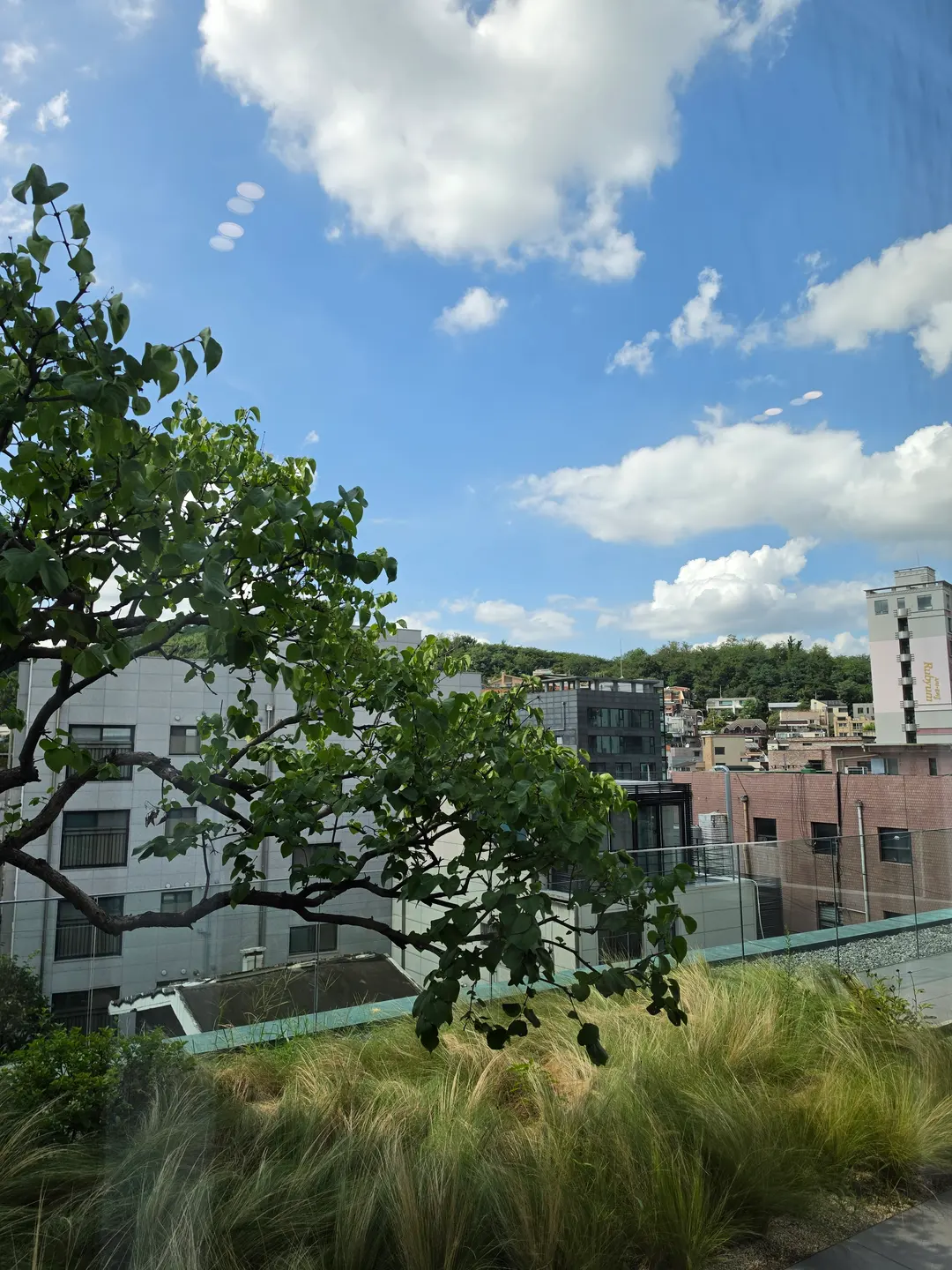
Finally, opposite the wall where the artworks are displayed, there's a large glass window offering a panoramic view of Yeonhui-dong,
leaving a lasting impression, almost like another piece of art itself.
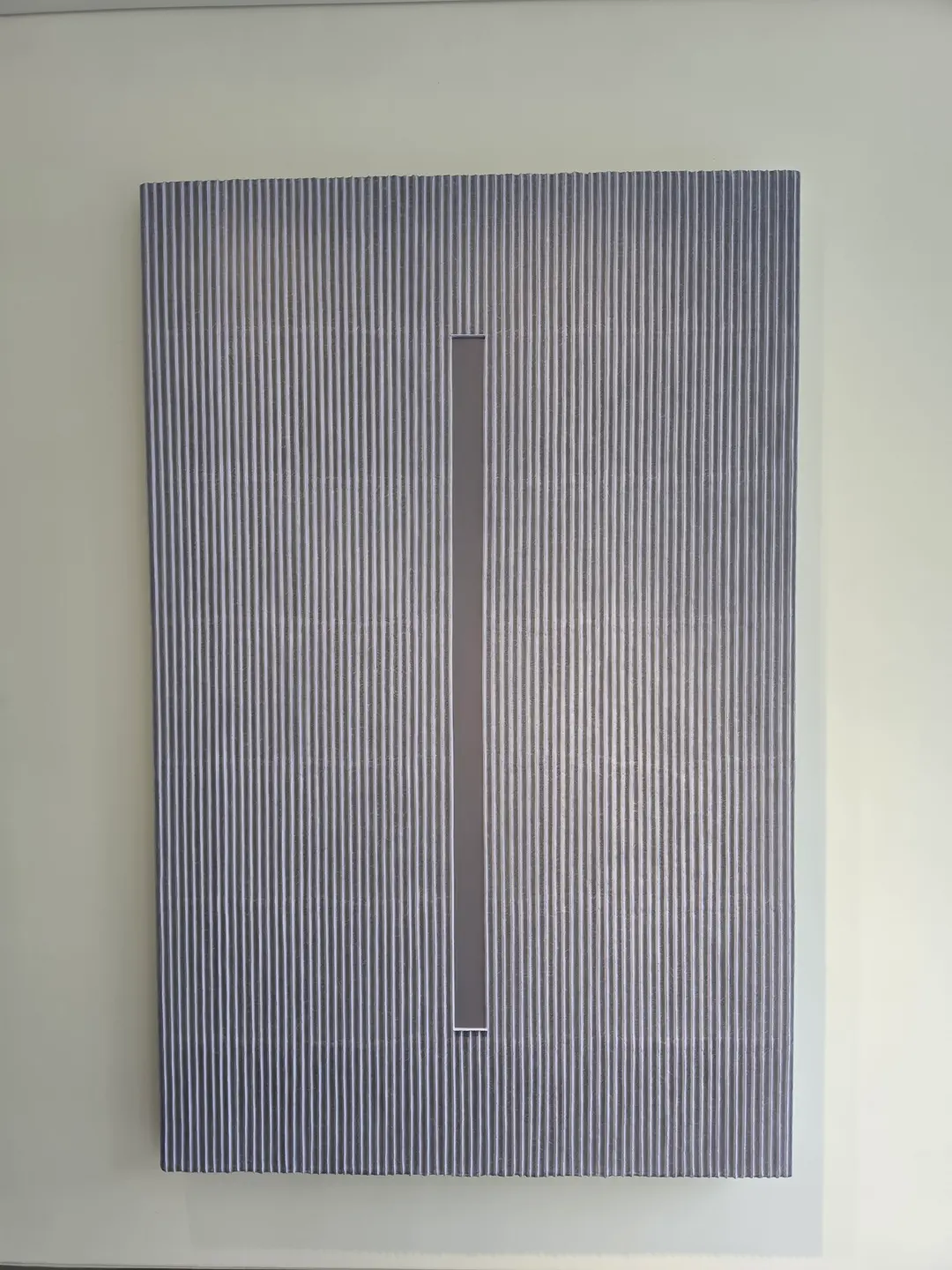
Descending back to the first floor, I rediscovered an artwork I had missed earlier at the docent tour meeting point, like an unexpected gift.
This too seems to be part of the 'color series' from the 2000s onwards :)
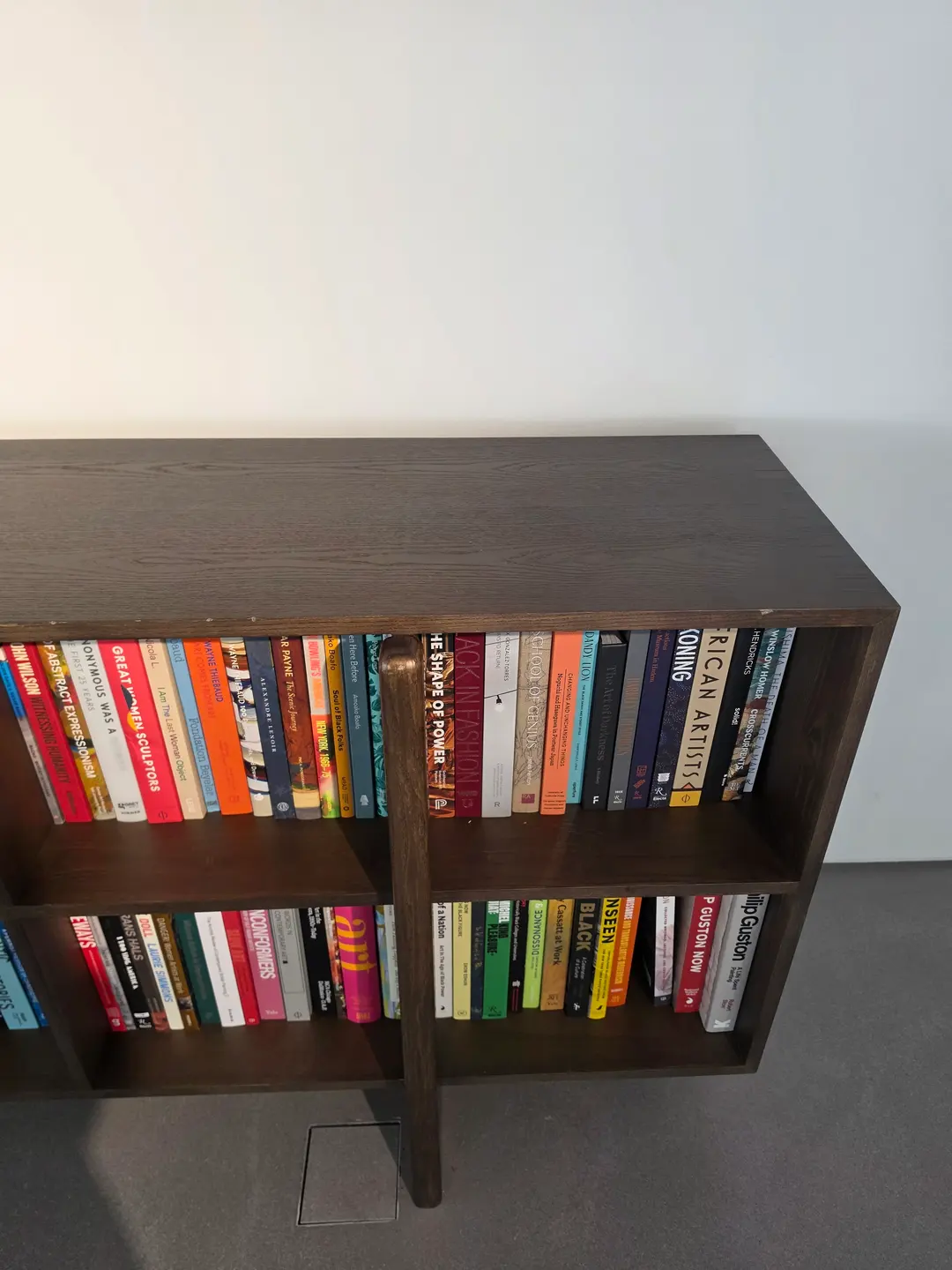
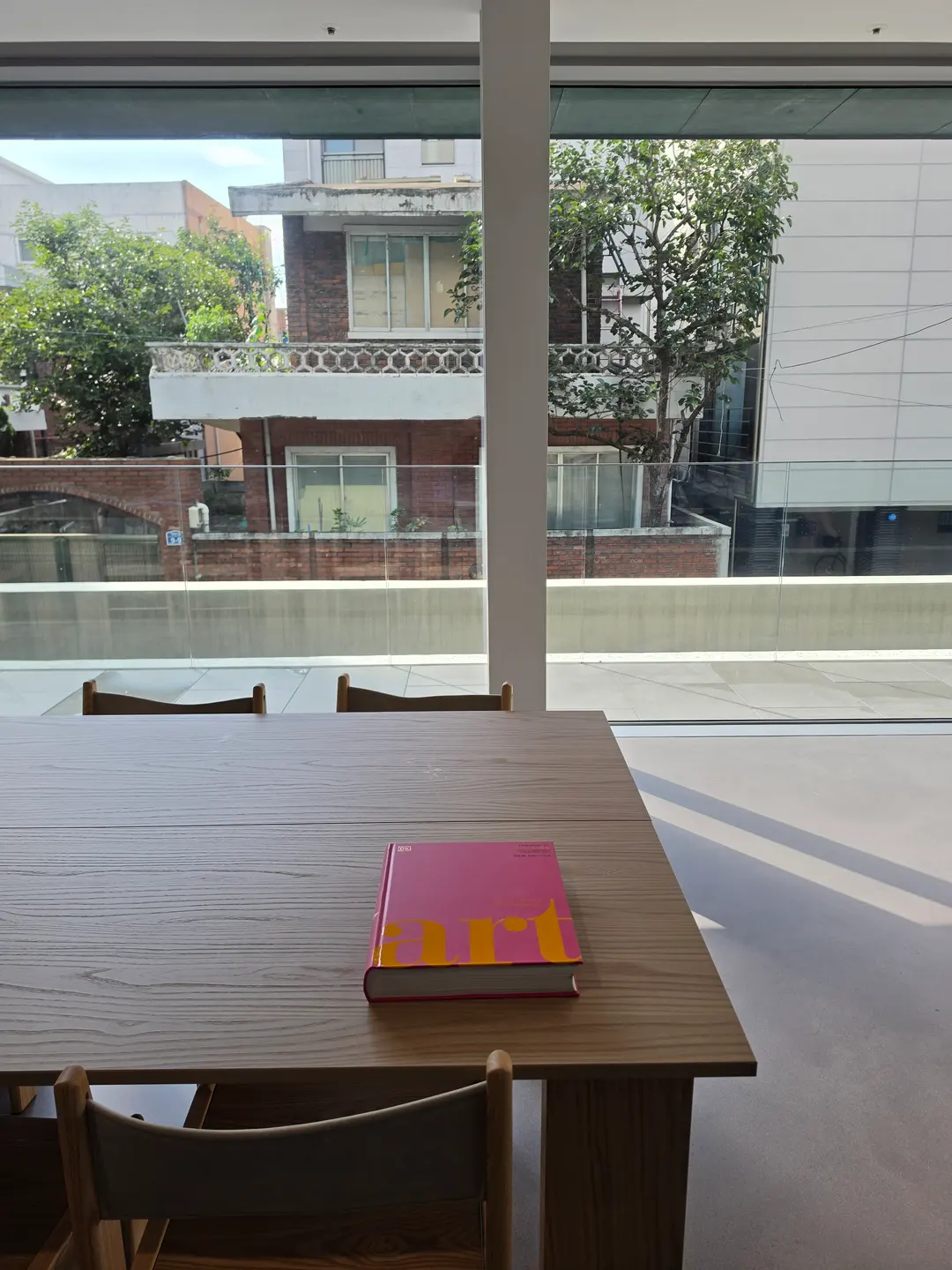
The docent tour, as well as the artworks and the spatial design, were so wonderful that I found myself wanting to stay here even longer.
I even picked out a book that caught my eye and spent a little more time there.
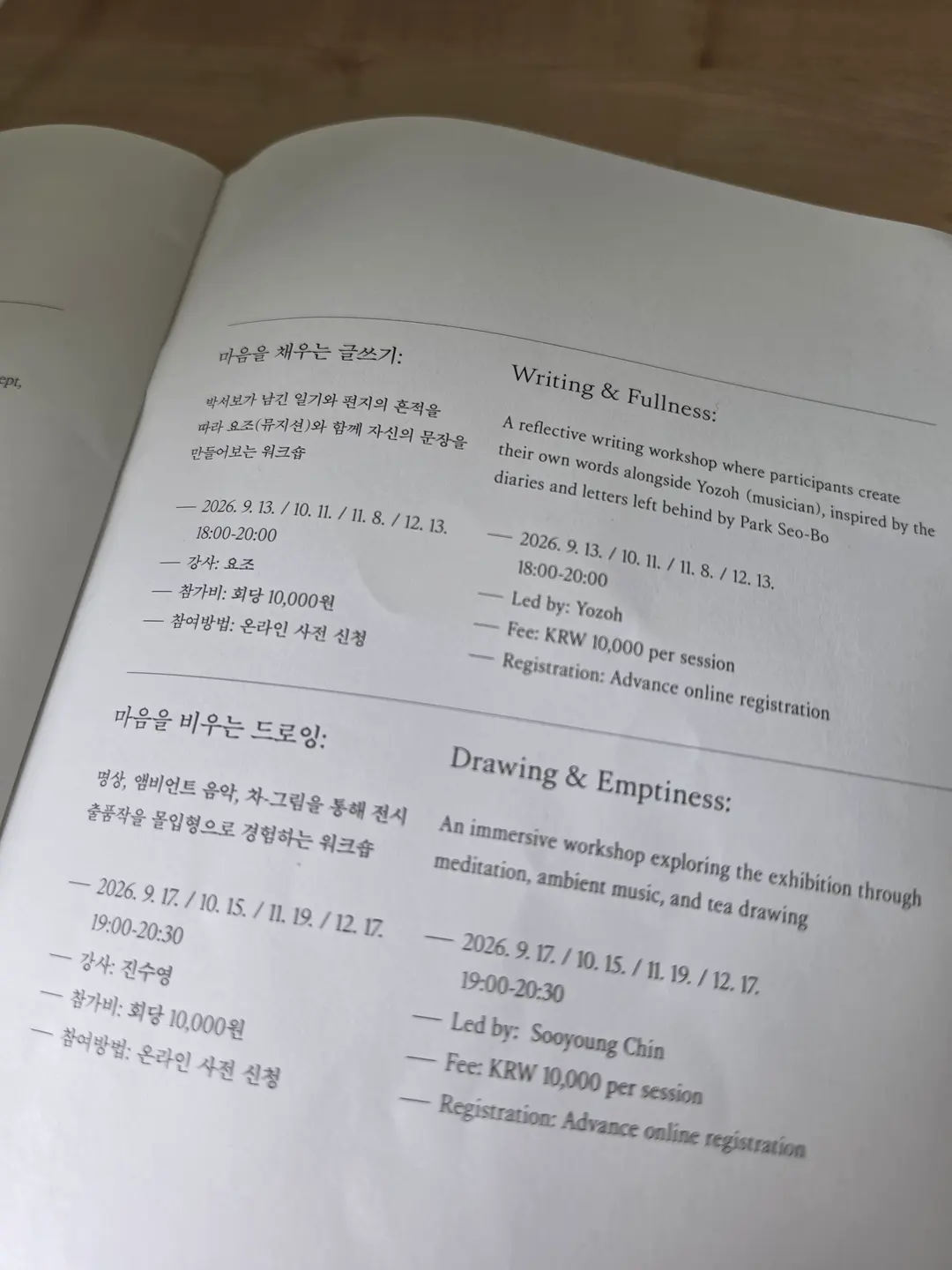
What's more, various workshops related to the artworks are also held here, such as a workshop with musician Yojo (Writing to Fill Your Heart).
So, if you're interested, it might be a great idea to sign up!
You can apply on the official Park Seo-Bo Art Museum website.
The exhibition was so masterfully curated, and the explanations were so insightful, that the admission fee of ~$3 felt incredibly reasonable!
If you have the time, I highly recommend joining the docent tour :)
Park Seo-Bo Art Museum
Wellness Archive Index
A perfectly curated exhibition, an captivating docent tour, and an immaculate space.
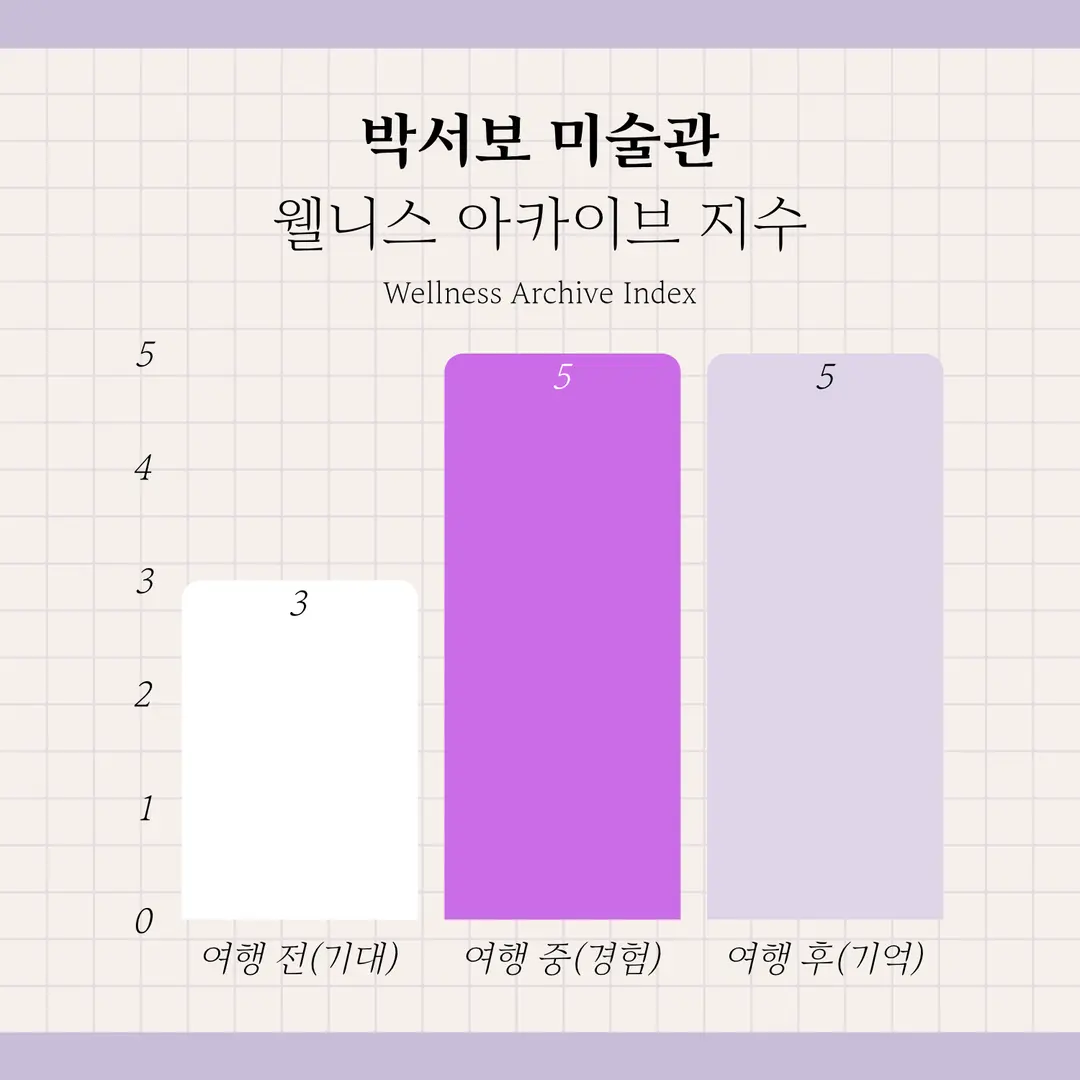
Before the trip (Expectation): ★★★
During the trip (Experience): ★★★★★
After the trip (Memory): ★★★★★
*What is the Wellness Archive Index?
Frequently Asked Questions
When did the Park Seo-Bo Art Museum in Yeonhui-dong open, and what is its exact location?
The Park Seo-Bo Art Museum newly opened on August 21st in Yeonhui-dong. It is located near Seodaemun Fire Station in Yeonhui-dong, about a 10-minute bus ride from Hongik University Station and Sinchon Station, with Udon Kaden right in front.
What are the operating hours and admission fees for the Park Seo-Bo Art Museum?
The museum operates from Tuesday to Sunday, 11 AM to 6 PM, and is closed on Mondays. The admission fee is ~$3, and children aged 7 and under can enter for free.
When are the docent tours at the Park Seo-Bo Art Museum conducted, and how can one participate?
Docent tours are held daily at 2 PM, with additional tours on weekends and public holidays at 2 PM and 4 PM. Participation is free and available on-site without prior reservation. Each tour lasts approximately 50 minutes.
What is the special reason for exhibiting artist Huong Dodinh alongside Park Seo-Bo in the inaugural exhibition <Park Seo-Bo, Huong Dodinh: Emptiness, Its Fullness>?
During his lifetime, artist Park Seo-Bo emphasized introducing works by emerging or lesser-known artists. By featuring the work of Huong Dodinh, an artist unfamiliar to Koreans, the exhibition aims to provide a deeper understanding of Park Seo-Bo's own art.
How are Park Seo-Bo's black Hanji-Myobop (paper drawing method) artworks displayed, and what inspired the black color?
Park Seo-Bo's works are uniquely displayed without frames, slightly detached from the wall so that their shadows appear as frames. The black color in the artworks is inspired by the traditional Korean kitchen hearth (agungi), a space where the artist recalled feeling his mother's love.
Share this article
Featured in Collections
Discover more travel stories curated around the same theme.
Related Travel Stories

Deungchon Shabu Kalguksu Seoul Station Review
Craving something warm and spicy near Seoul Station? Deungchon Shabu Kalguksu serves up an incredible 3-course hot pot experience that locals absolutely love.

Daemulseom Jongno Review: Best Aged Sashimi in Seoul
Discover Daemulseom Jongno, a vibrant seafood hotspot near Jongak Station famous for its premium aged flatfish sashimi, cozy semi-private rooms, and local charm.

Anto Resort Seoul Review 2026: Timber Junior Room Stay
Discover the ultimate peaceful escape in Seoul. Our review of the Timber Junior Room at Anto Resort covers room layout, amenities, and smart check-in tips.

TIEFE Cafe Sharosu-gil: A New Dessert Spot for Your Seoul Date 2026
Explore TIEFE, a charming new cafe in Sharosu-gil, perfect for dates. Indulge in unique desserts like cupcakes and financiers, paired with signature drinks.

Shimdo Hotel Seoul Review: Ryokan Vibes & Spa
Discover Shimdo Hotel & Spa in Seoul, a hidden gem offering private jacuzzi baths, traditional tatami tea rooms, and cozy ryokan vibes near Sillim Station.

Bistro de Yountville Seoul Review: Chic French Dining
Experience Paris in the heart of Gangnam. Our review of Bistro de Yountville covers the chic vibes, mandatory dinner wine policy, and booking tips.