

Odium Seoul Review 2026: Tips for Booking the Sound Museum
Explore Odium, Seoul's unique sound museum, featuring two free, docent-led programs: an exhibition and an audio concert. Advance booking is absolutely essential.

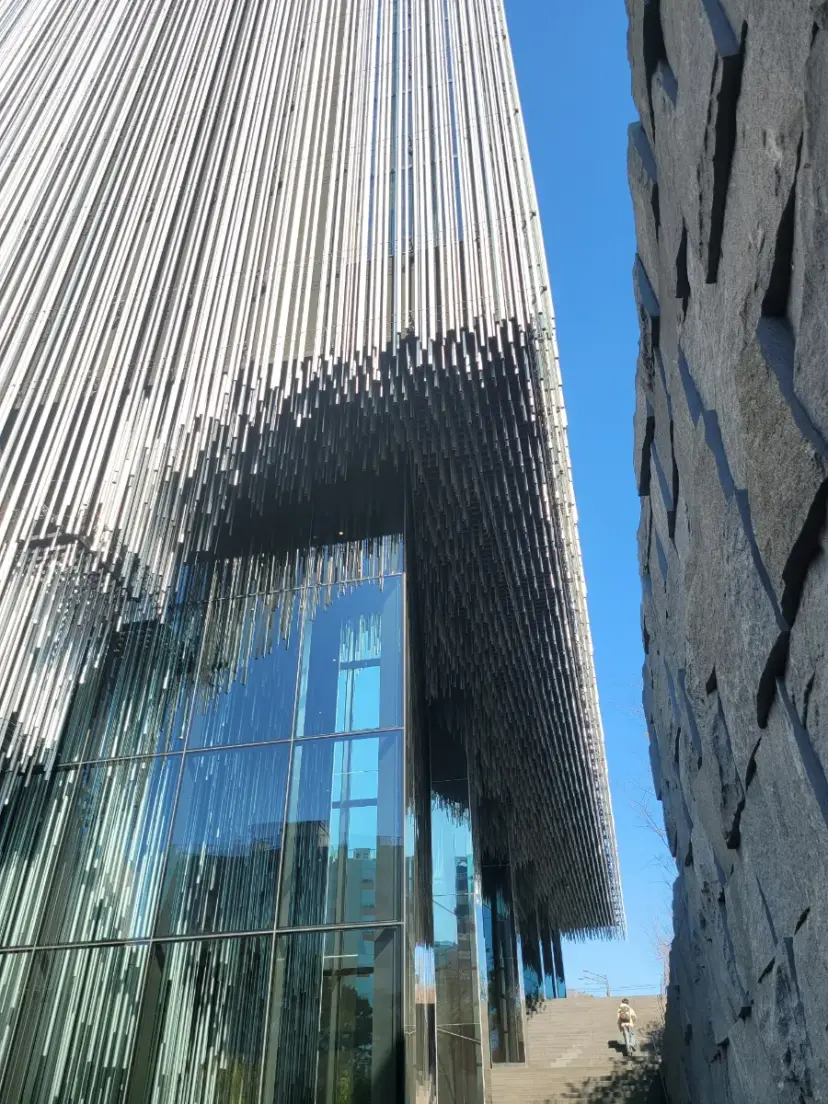

Located in Seocho-gu, the world's first museum of sound,
Audium, a blend of 'audio' and 'museum'.
Recently, at the UNESCO-sponsored
Prix Versailles,
it even won a special internal award in the
'World's Most Beautiful Museum' category!
Ever since it opened in 2024,
I've been absolutely itching to visit,
but bookings were so competitive that I couldn't even bring myself to try.
Recently, I finally succeeded,
so I'm here to share my review!

To cut to the chase,
it was absolutely fantastic,
and even considering how difficult it is to book,
I felt it was definitely worth a visit –
a truly one-of-a-kind experience that's a feast for both your eyes and ears.
How to Book Your Visit to Audium Museum
Currently, Audium offers
two programs:
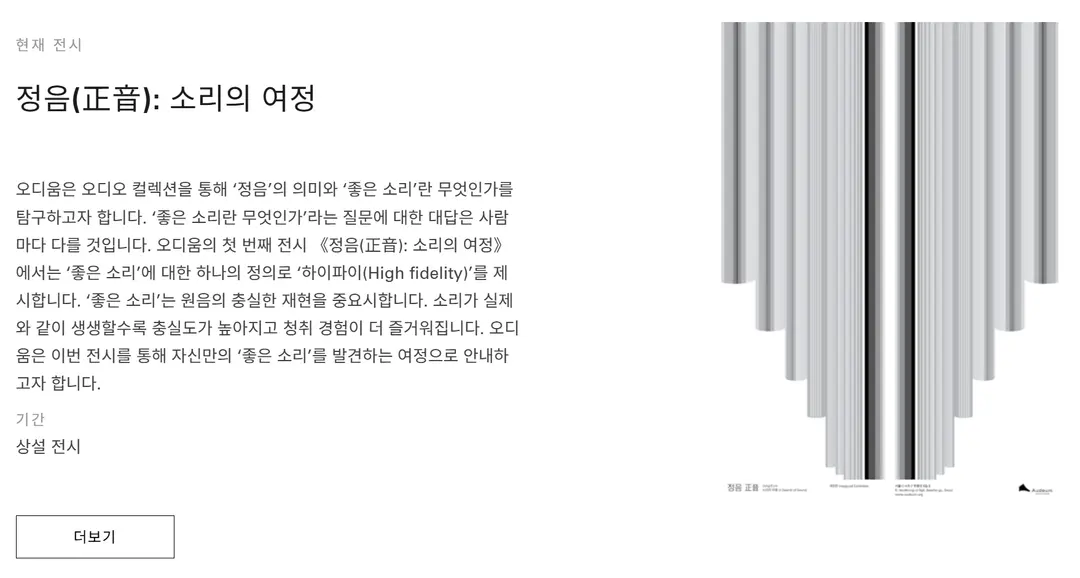
its inaugural exhibition, <Jeongeum: A Journey of Sound>, and
the lecture <Audio Concert>.
Both are free exhibitions,
but individual viewing is not possible.
They are conducted as docent-led tours,
meaning you can't visit without a prior reservation.
Since it was my first time visiting Audium,
I wanted to book the inaugural exhibition,
which offers a comprehensive tour of the museum!
To preserve the vintage speakers,
the museum operates only three days a week: Thursday, Friday, and Saturday.
Reservations open every two weeks,
and the competition is incredibly fierce!
Even though I logged in right when bookings opened,
there was already a waiting list of around 500 people!!

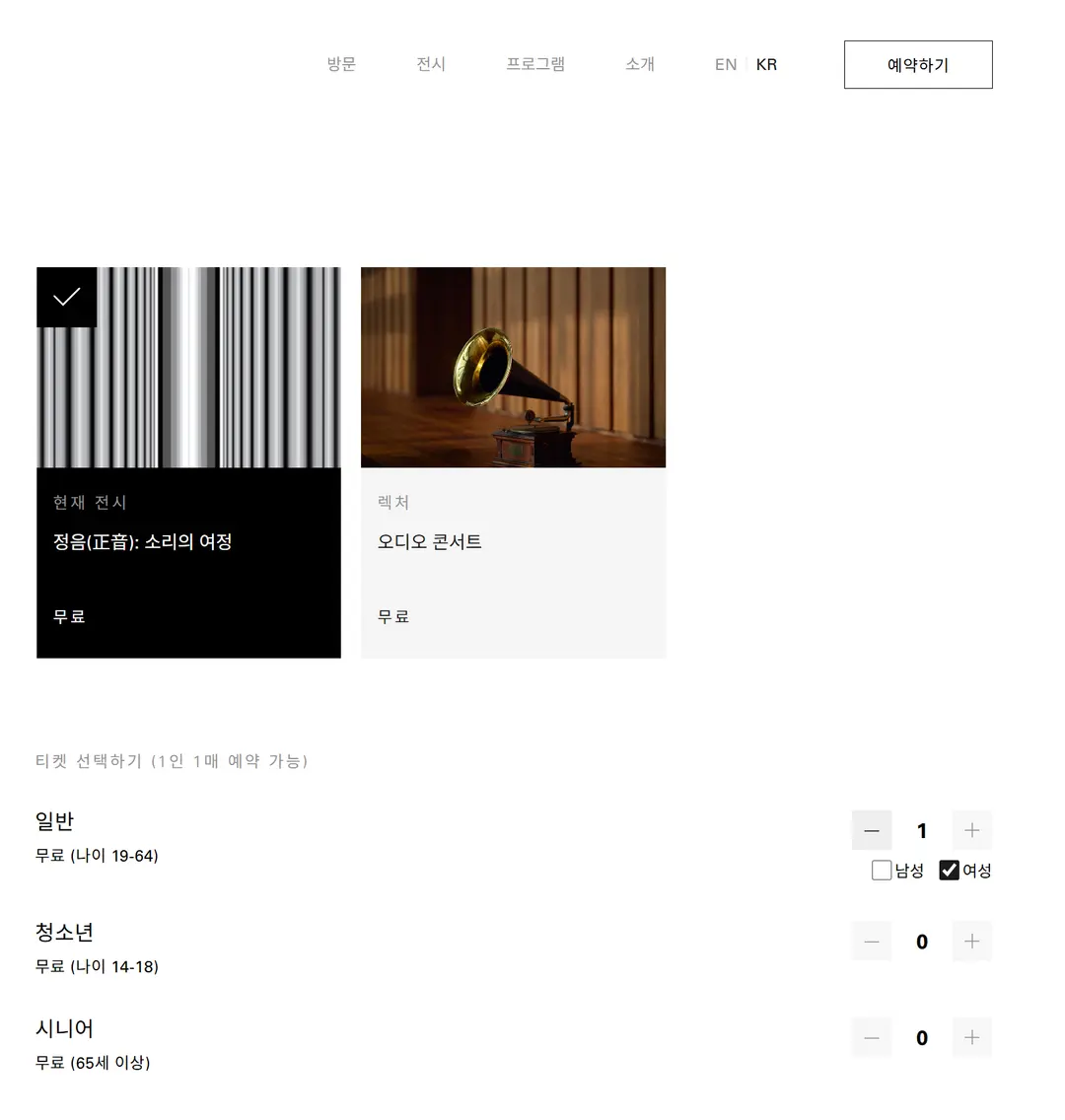
I was lucky enough to succeed in booking in early February!
I was too focused on booking to even think about taking screenshots haha.
When I checked back around 2:05 PM,
all spots were already fully booked.
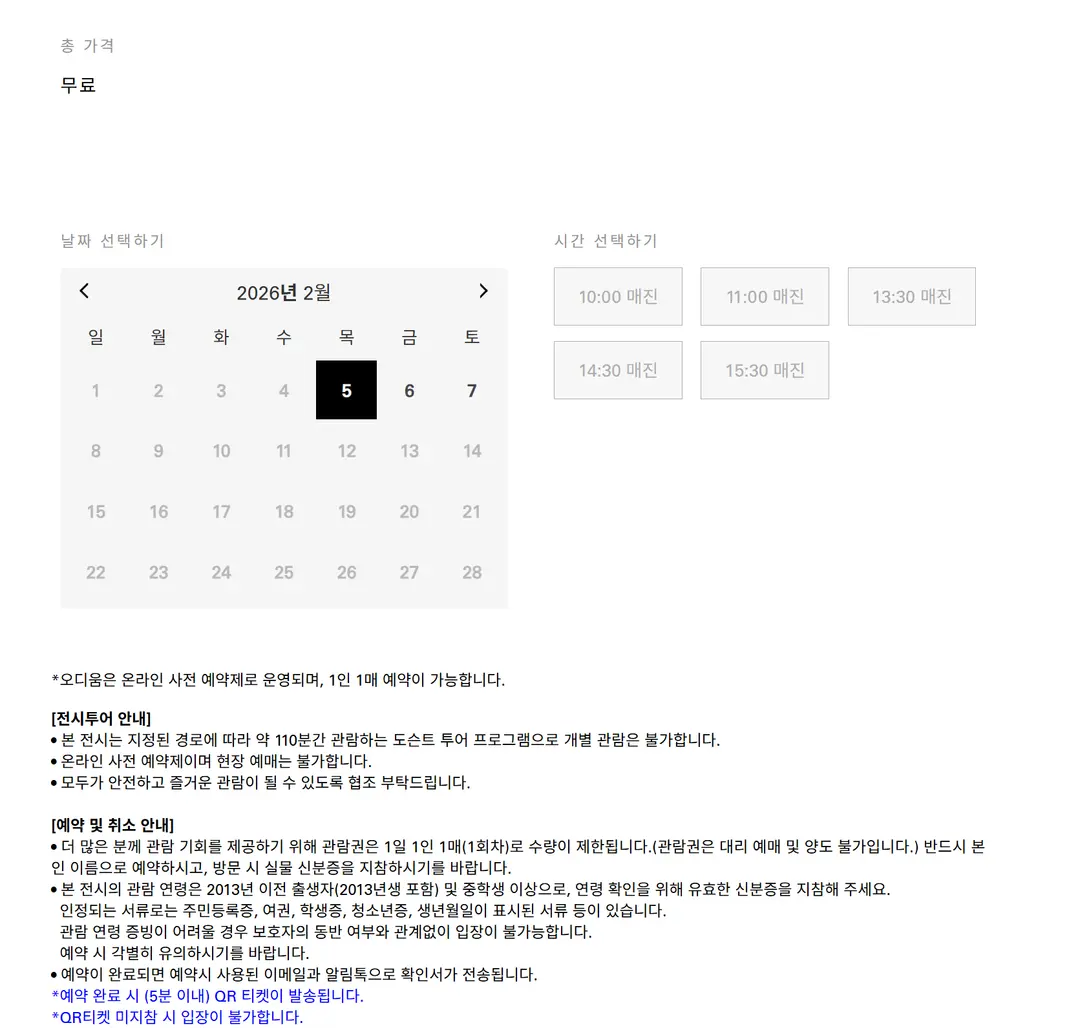
Available booking times are:
10:00 AM, 11:00 AM,
1:30 PM, 2:30 PM, and 3:30 PM —
a total of 5 slots.
When I went there, I found that
the capacity for each session is 24 people.
No wonder it's so competitive!
If you're interested,
be sure to set up notifications and
I hope you succeed in booking your spot! :)
How to Get to Audium in Yangjae
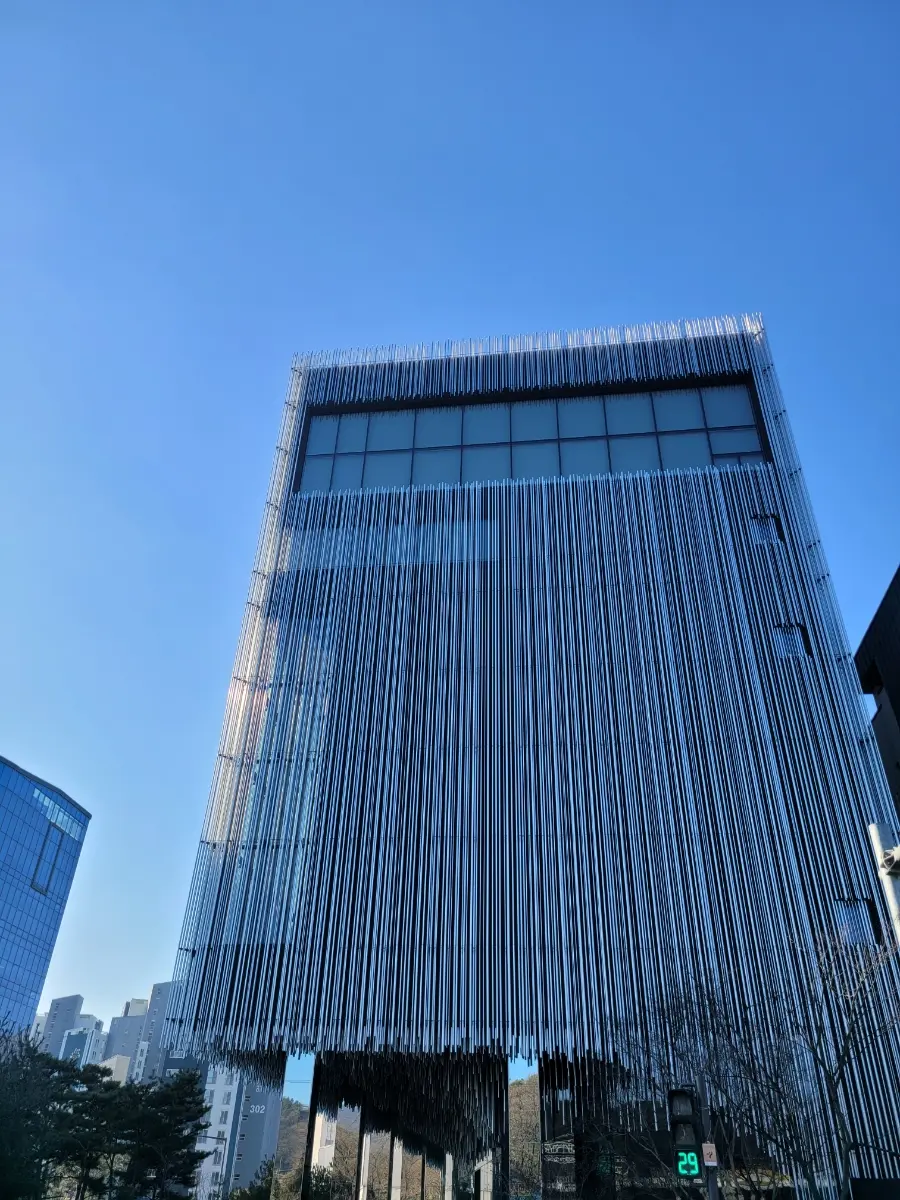
Audium, located in a quiet, secluded area of Seocho-gu,
near Cheonggyesan Entrance,
has an incredible presence from its architecture alone.
Whenever I see such artistic architecture,
I always wonder who built it and why.
Audium was
built with the legacy of the late honorary chairman Jeong Sang-young, founder of KCC, and
private funds from KCC Chairman Chung Mong-jin,
designed by architect Kengo Kuma.
It is currently operated by the Seojeon Cultural Foundation, I've heard!
📍 Audium
6 Heonlleung-ro 8-gil, Seocho-gu, Seoul
Location:
6 Heonlleung-ro 8-gil, Seocho-gu, Seoul
(20-minute walk from Cheonggyesan Entrance Station,
bus recommended)
Operating Hours:
Thurs, Fri, Sat 10:00 AM - 5:00 PM
(Closed Sun-Wed)
Reservations:
Available on the Audium website
(Ages 14 and up)
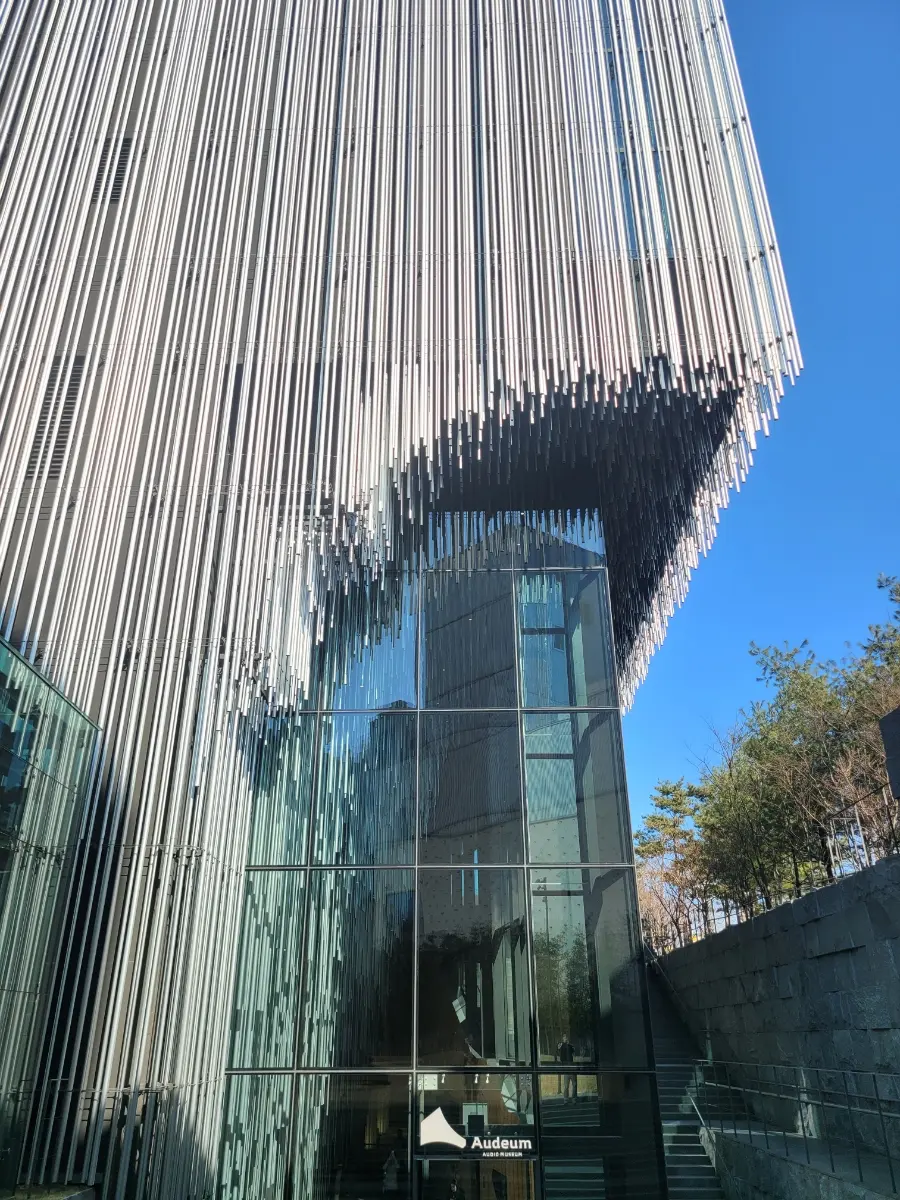
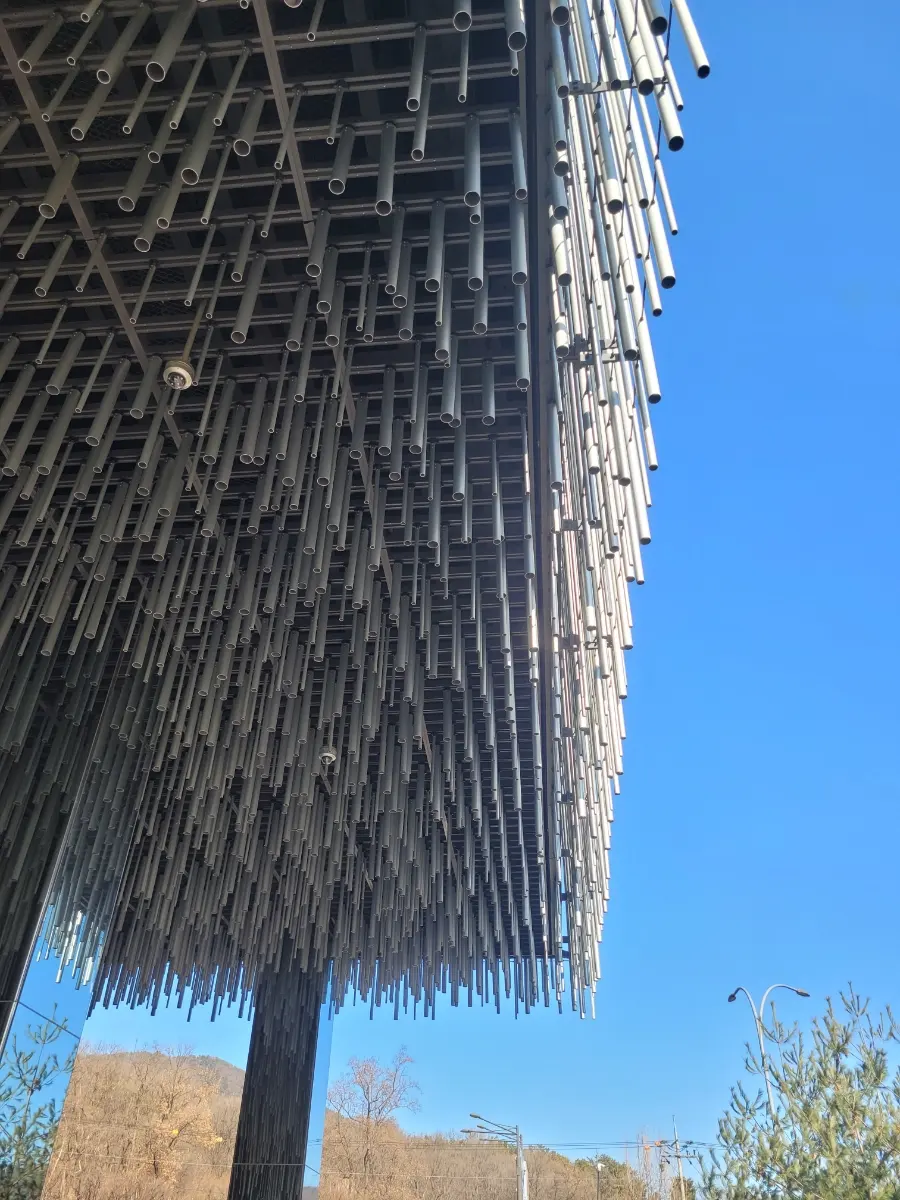
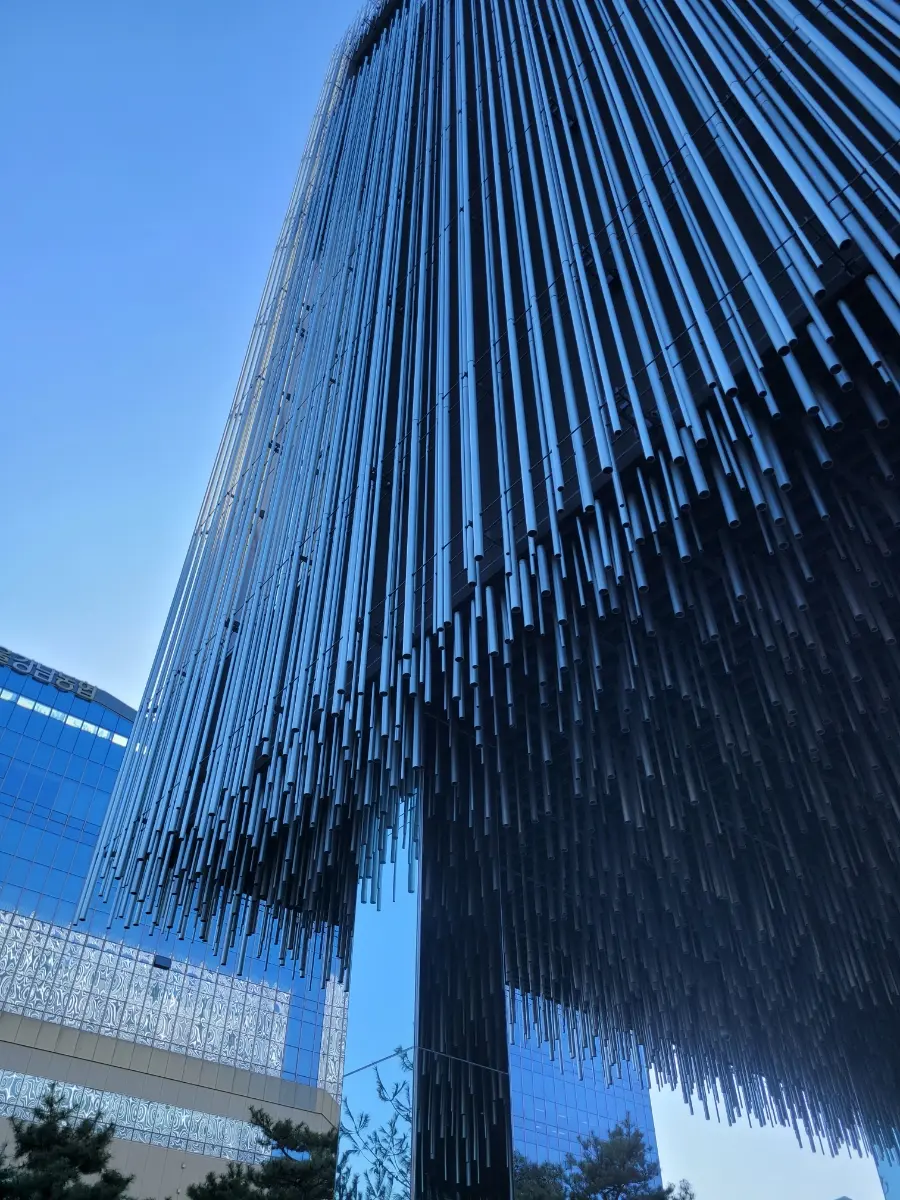
As you'd expect from a museum dedicated to sound,
how fitting that its exterior is modeled after
a pipe organ!
Getting a closer look, those pipes seemed like they were about to spill down –
truly a magnificent sight.
And get this – this building is actually the first masterpiece by
Kuma Kengo to be unveiled in Korea :)
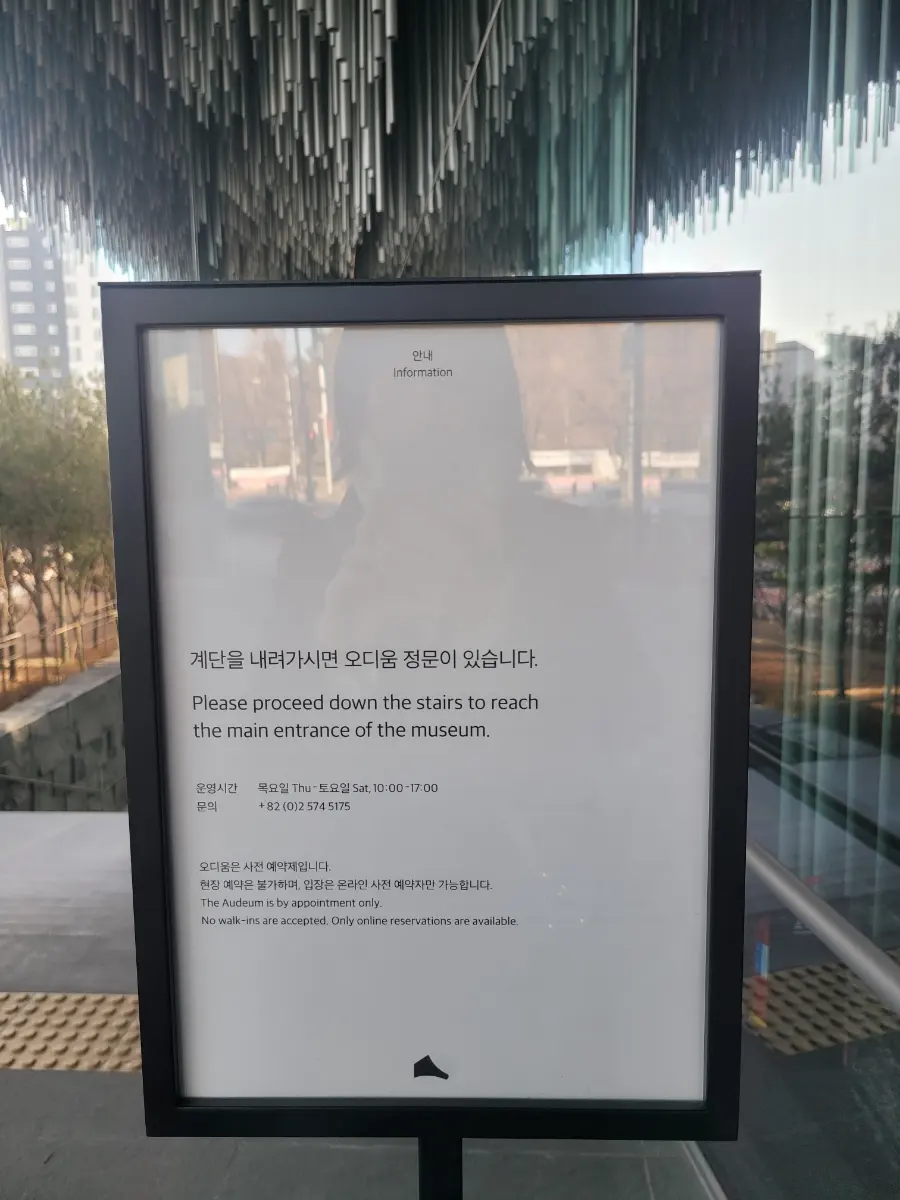
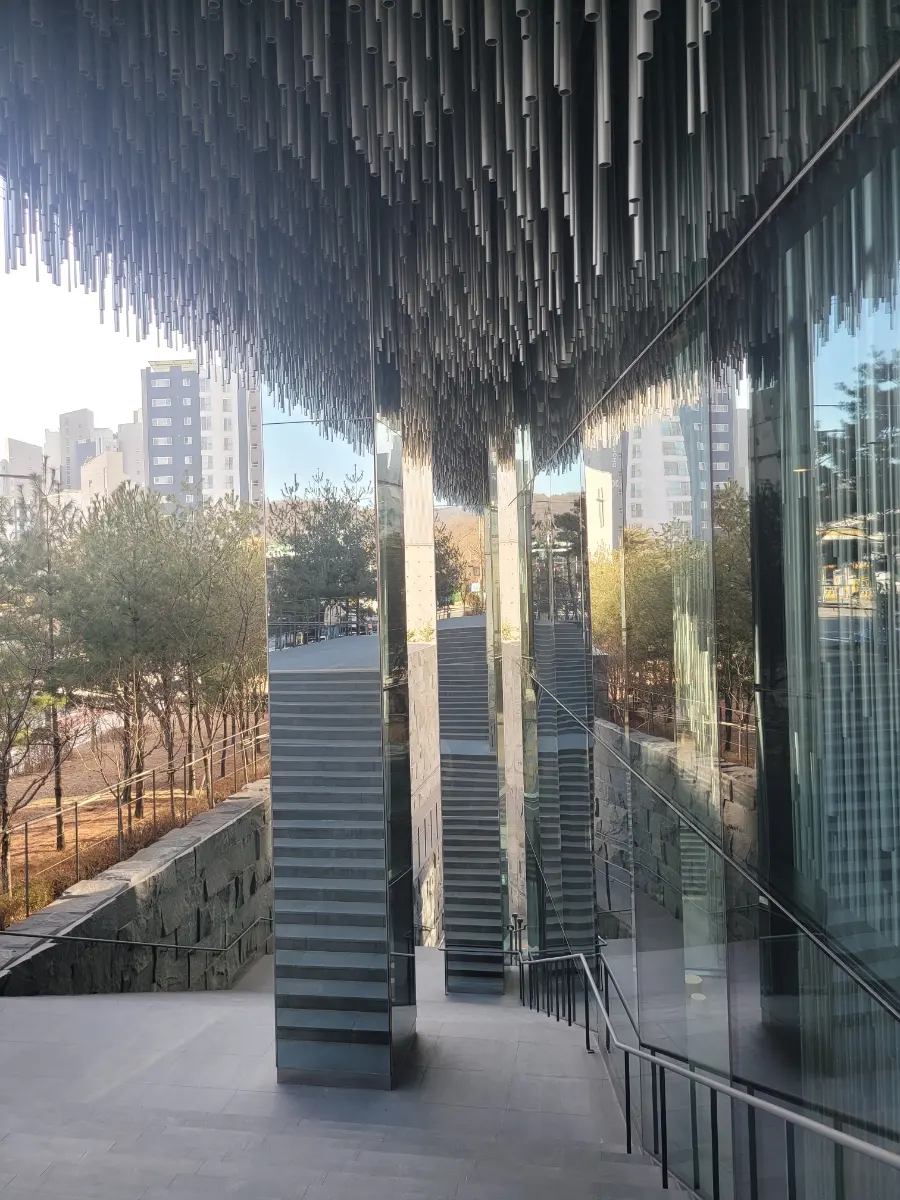
Funnily enough, the grand facade you see upfront
isn't actually the entrance.
Instead, head down the stairs and you'll discover the Odium Main Entrance.
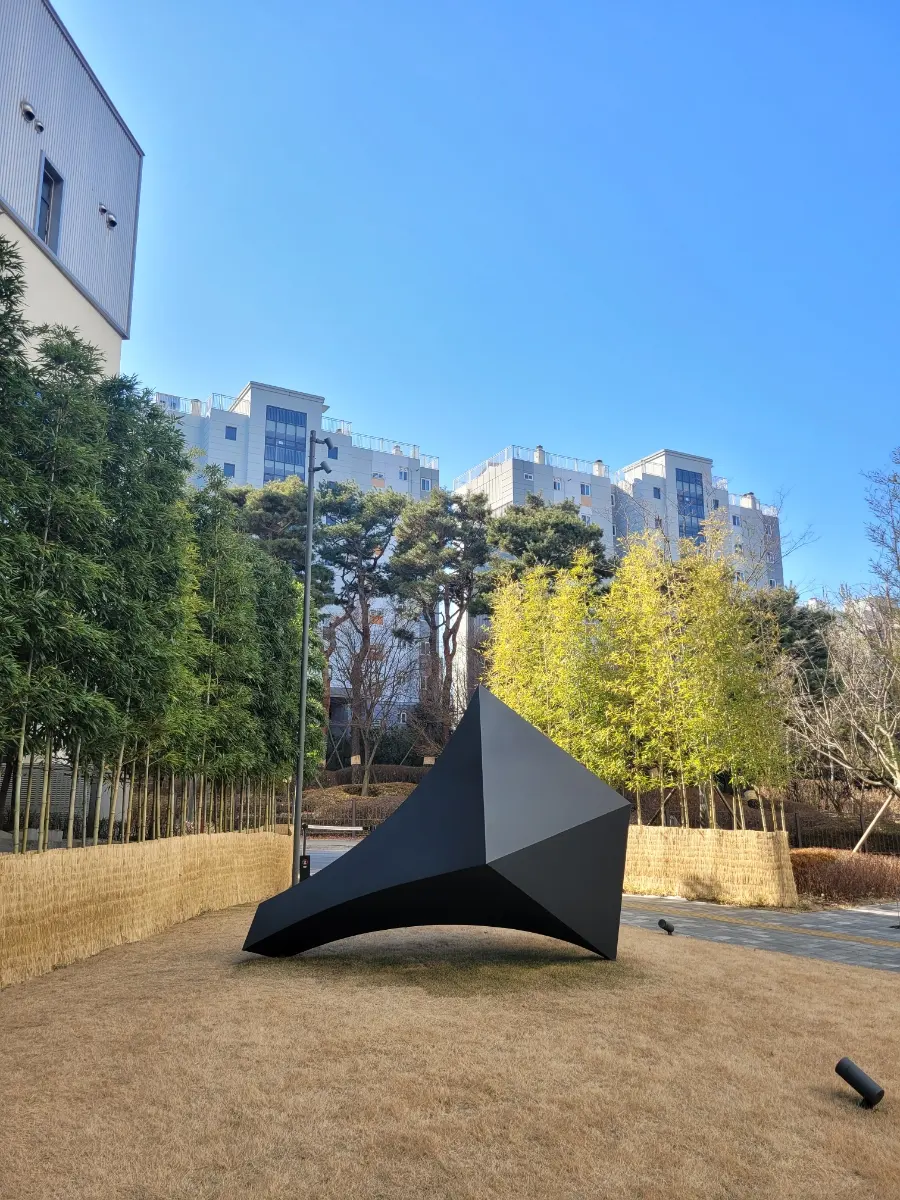
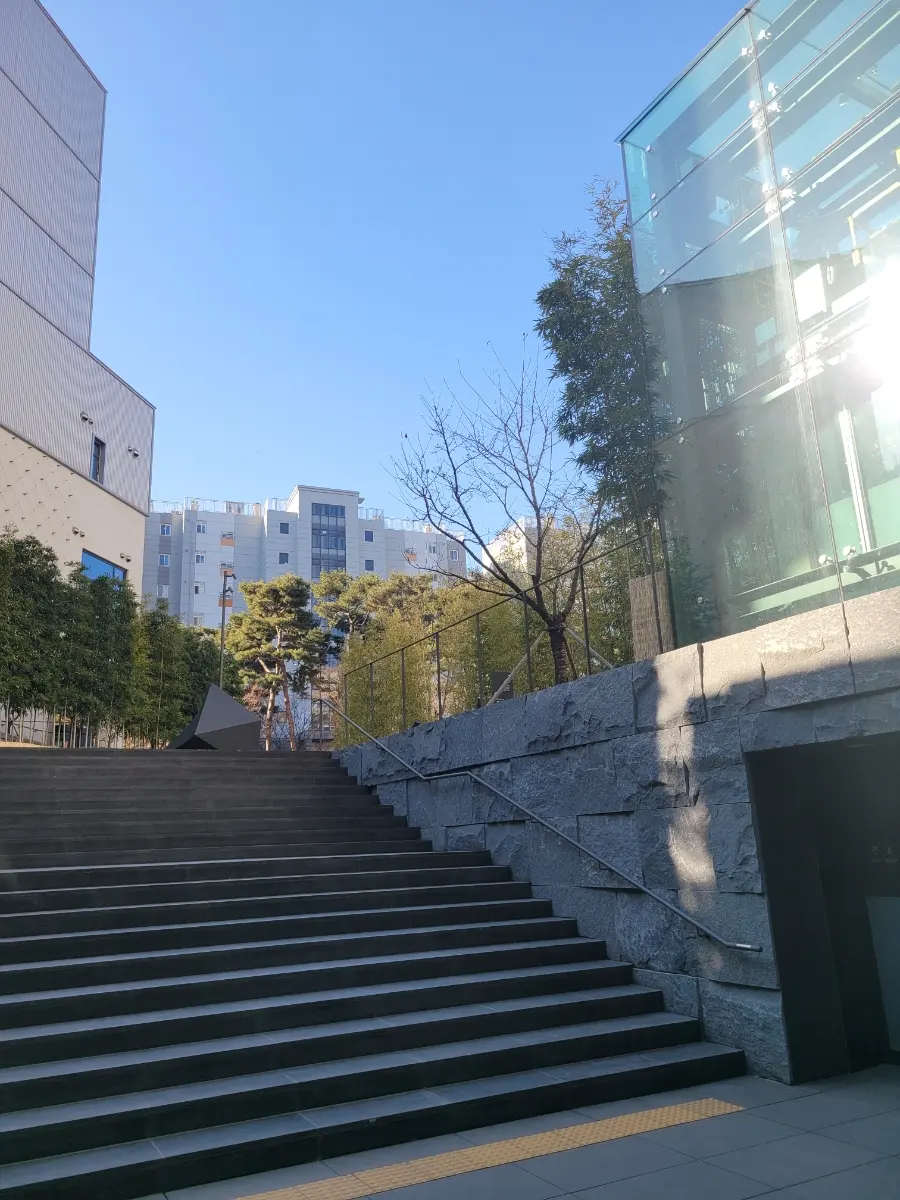
After passing a striking sculpture designed to embody Odium's logo
and descending one more floor via the stairs,
the real entrance finally reveals itself :)
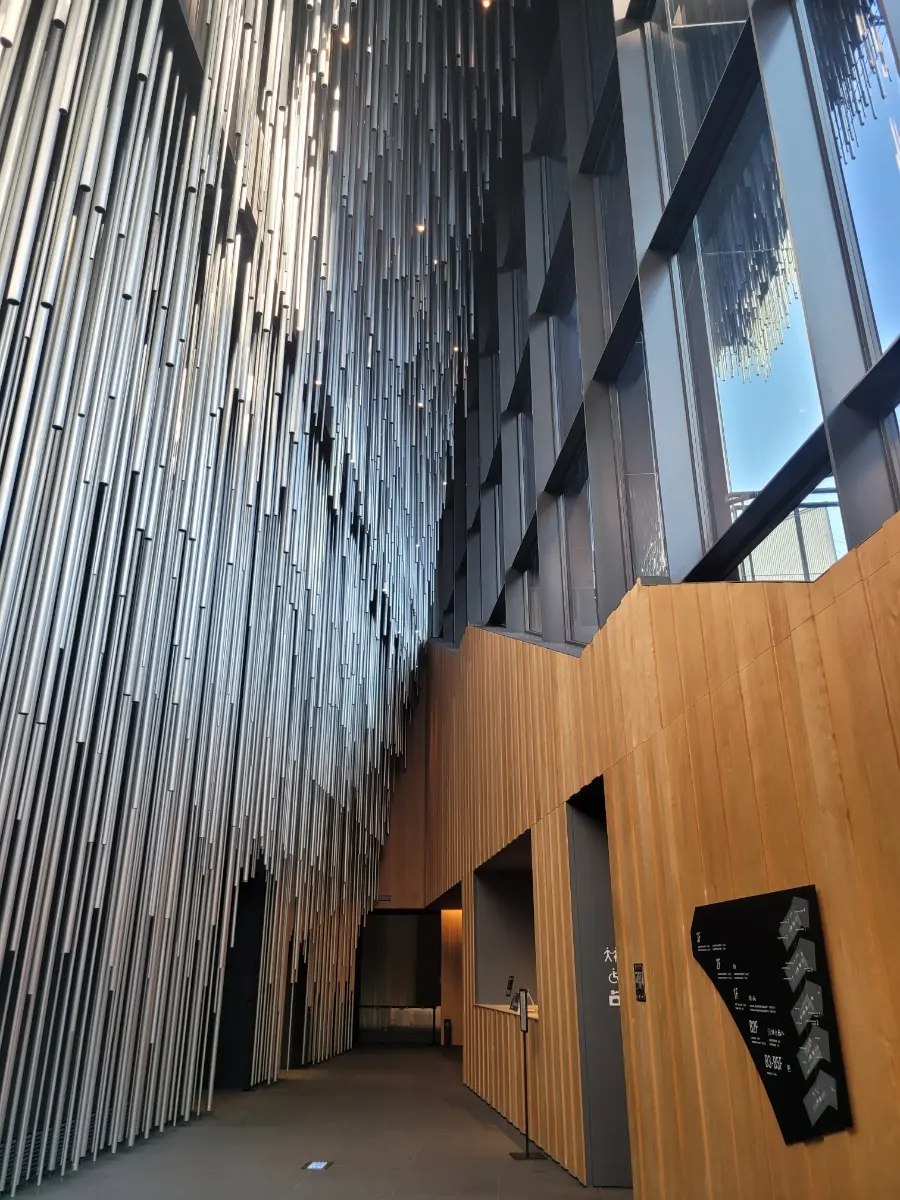
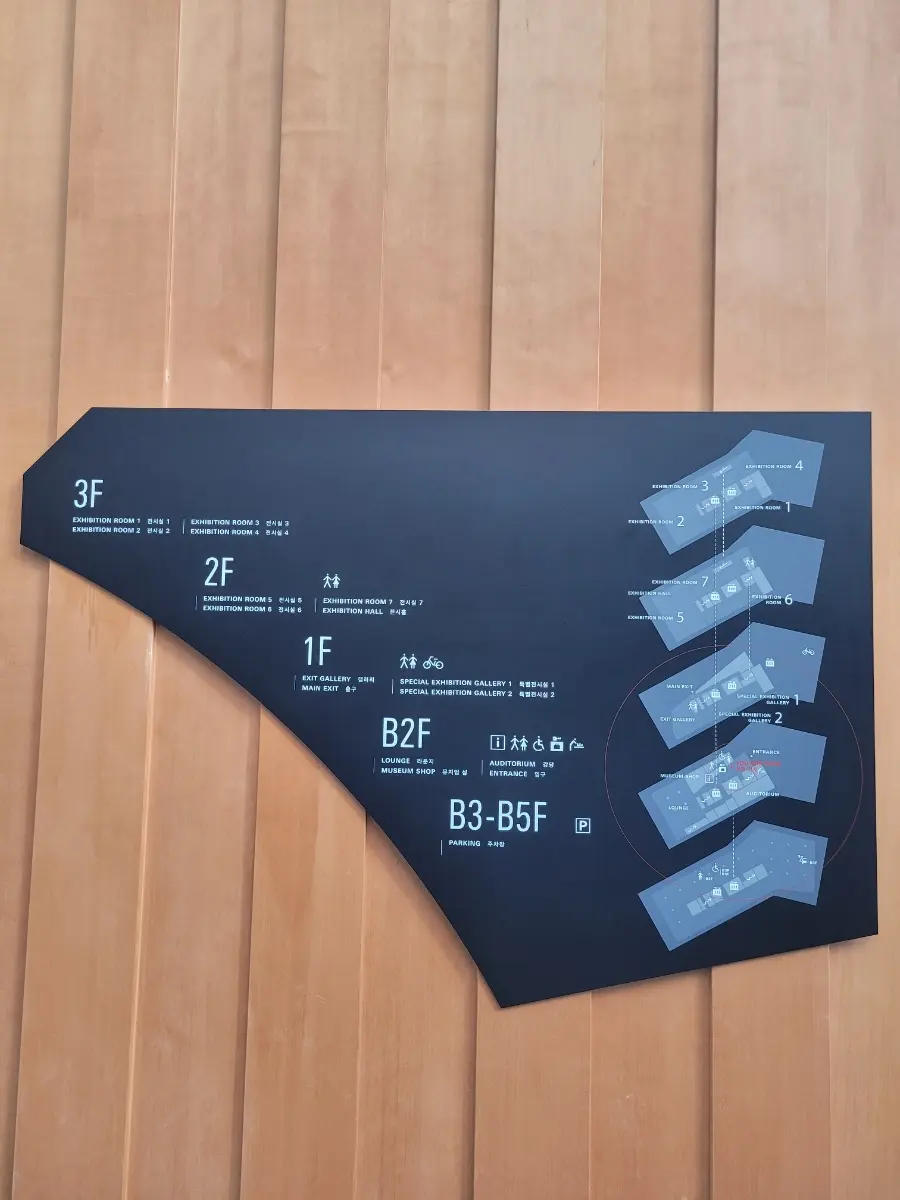
The main entrance is located on B2 (Basement 2),
where you'll find the information desk and an art shop.
The captivating exhibition spaces are spread across floors 1 through 3.
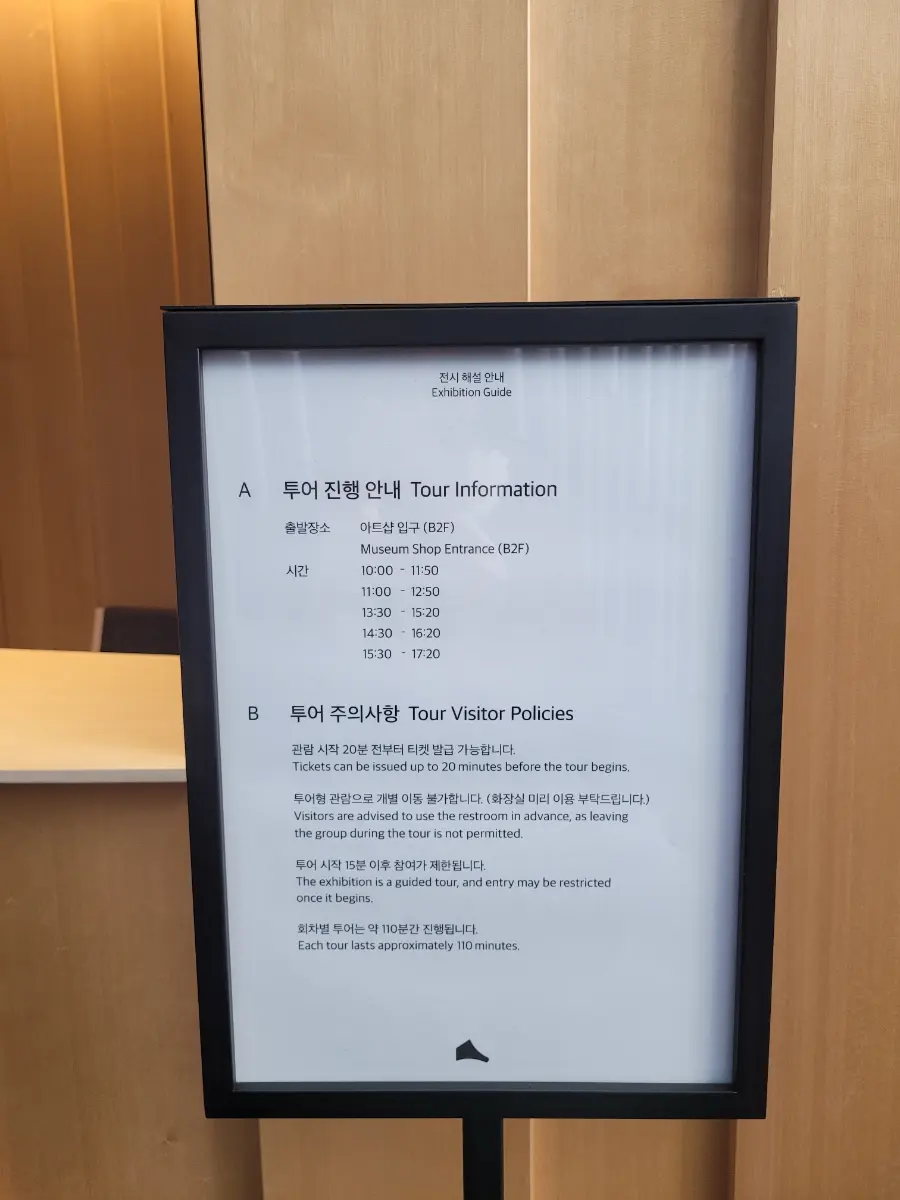
Your journey through the exhibition kicks off right at the art shop entrance on B2,
and you can pick up your tickets starting 20 minutes before your scheduled tour time.
Once your reservation is confirmed, you'll get a QR code
delivered right to your messaging app.
Simply present this QR code to redeem your physical ticket.
Not only can you pick up your ticket, but you can also store your belongings,
and since the docent tour clocks in at around 110 minutes,
they strongly recommend a quick restroom visit beforehand.
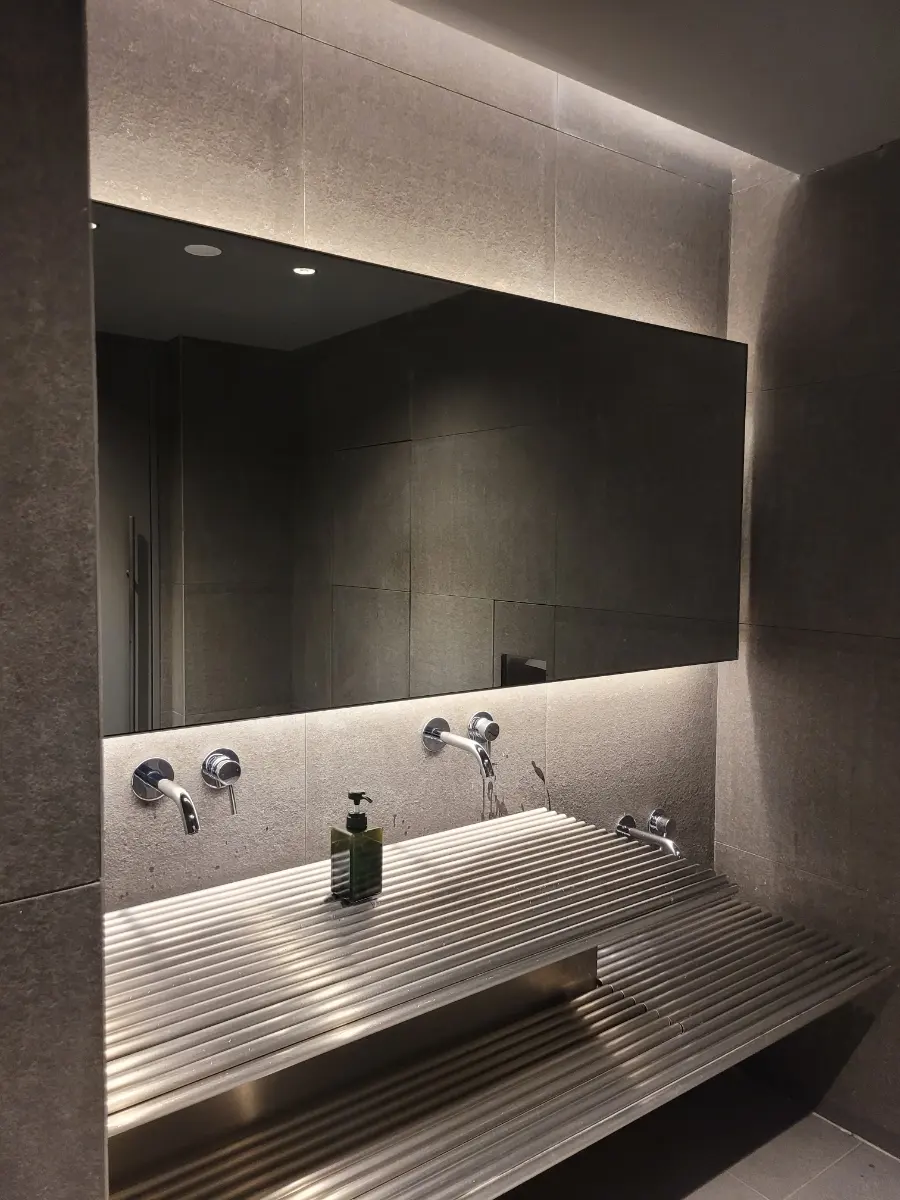
Even Odium's restrooms boast a continuous design theme,
seamlessly extending the building's exterior pipe motif,
making the washbasin design particularly eye-catching!
Exploring the Odium Exhibition
My Review of <Jeongeum: A Journey of Sound>
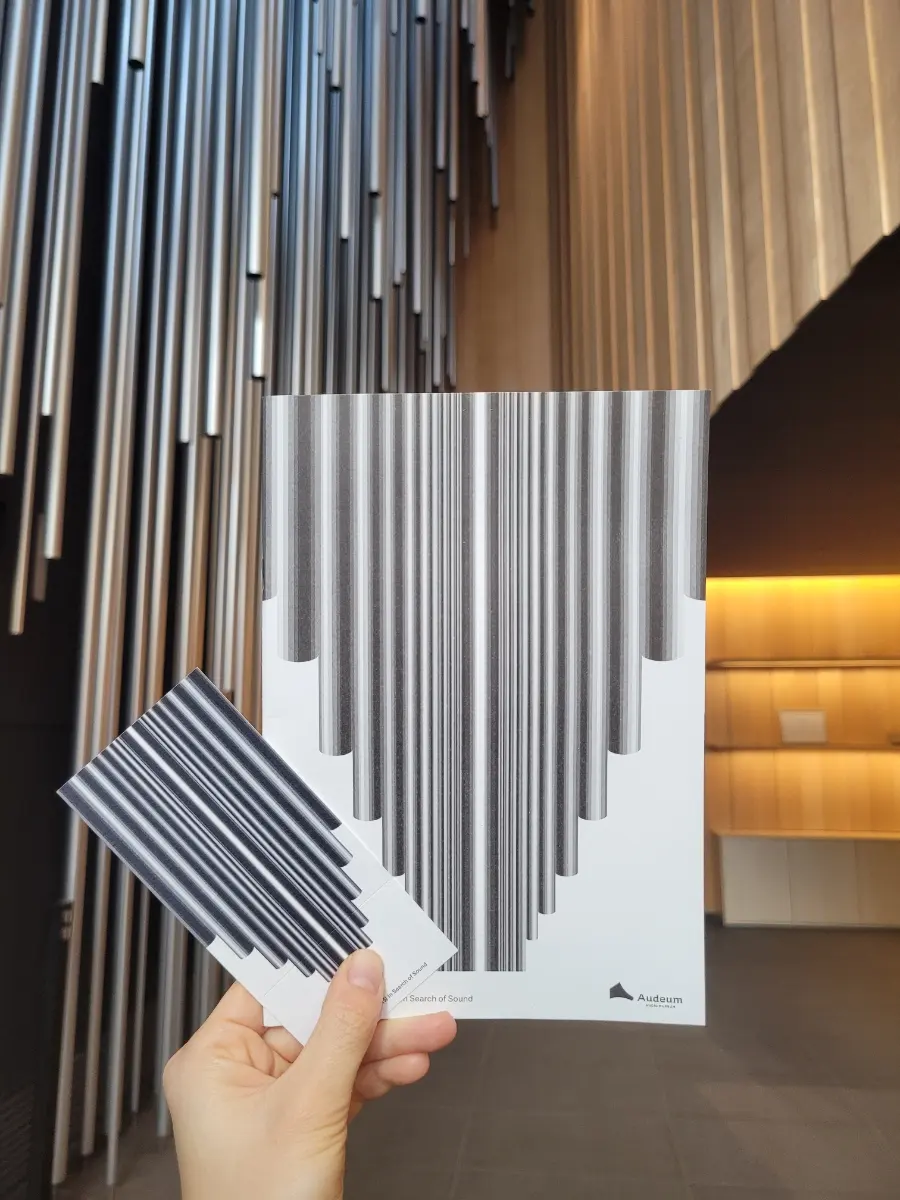
After a quick restroom break
and grabbing my Odium brochure and ticket,
I waited for a moment in the spacious waiting area, the auditorium,
until the tour began.
In this space, you could delve into the vision behind Odium, watching a video about
**Kuma Kengo**'s architecture
and **Kenya Hara**'s captivating branding design.
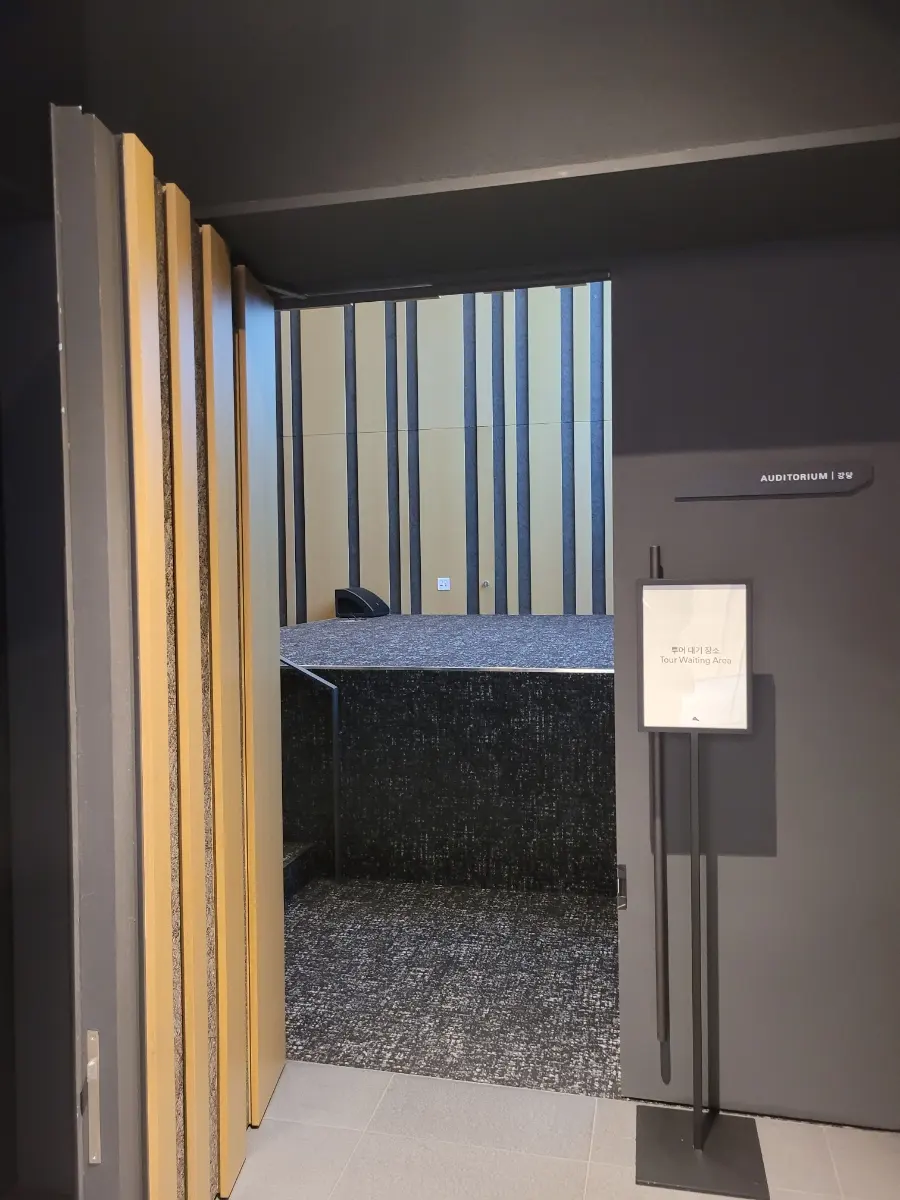
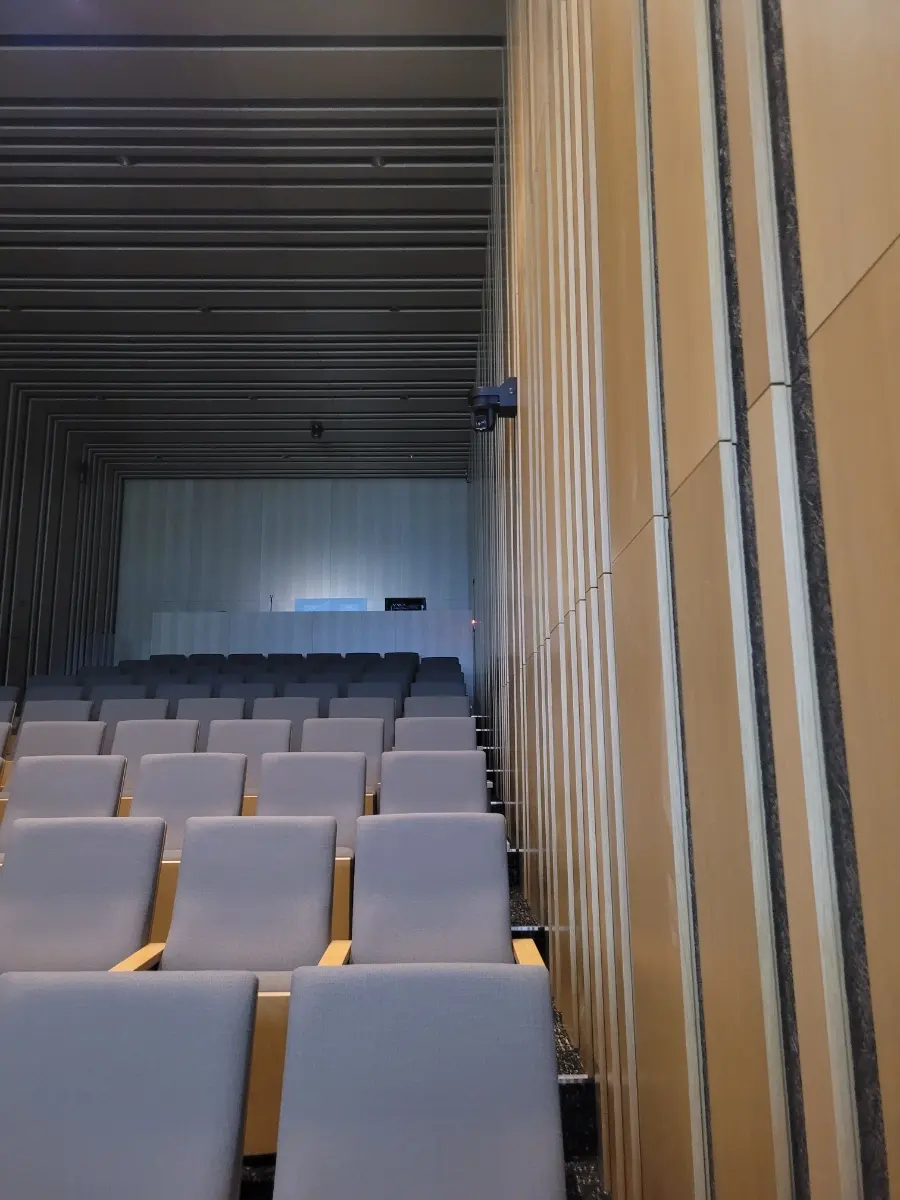
I had an 11 AM reservation,
and arriving around 10:45 AM seemed perfectly timed :)
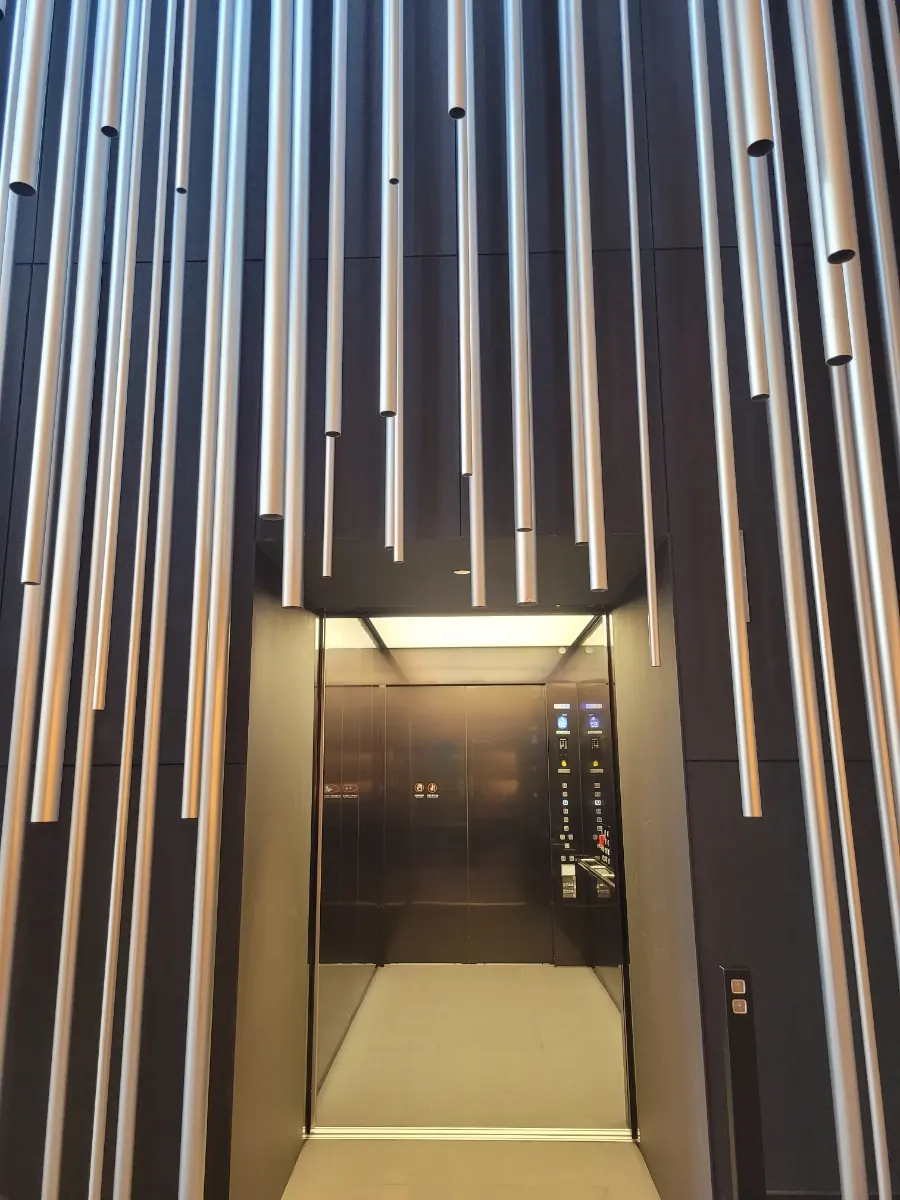
As the docent tour commences,
you'll first ascend via elevator to Exhibition Hall 1 on the 3rd floor to begin your journey.
The <Jeongeum: A Journey of Sound> exhibition poses the profound question, 'What defines good sound?'
and answers it by introducing 'Hi-Fi' – the faithful reproduction of original sound.
To illustrate this, the exhibition starts with Odium's most recent acquisitions –
speakers from the 1950s-60s –
before traveling back in time to showcase
the oldest collection from the 1890s.
1. Home Hi-Fi from the 1950s-60s
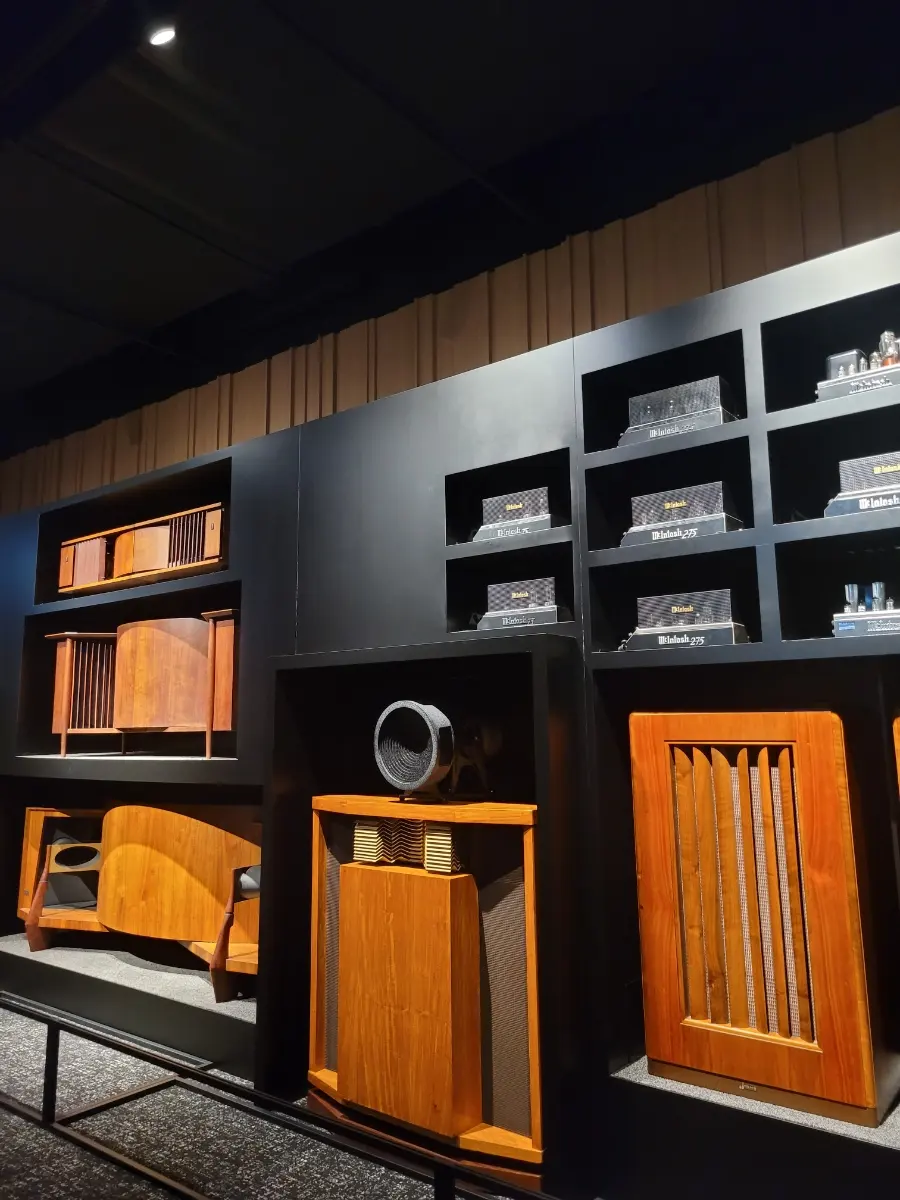
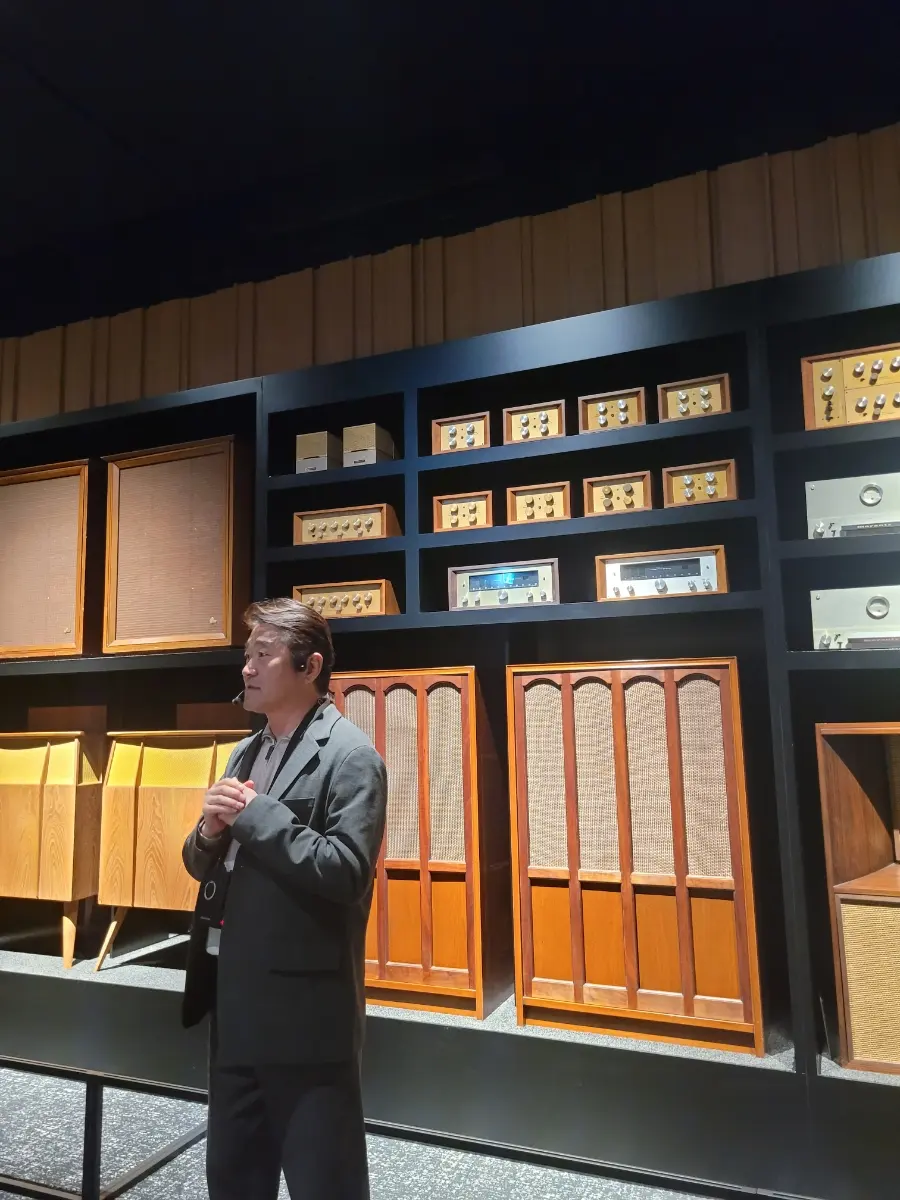
Can you imagine? In the 1950s,
a groundbreaking innovation allowed **hi-fi sound**,
which was previously only available in movie theaters,
to be produced for home speakers.
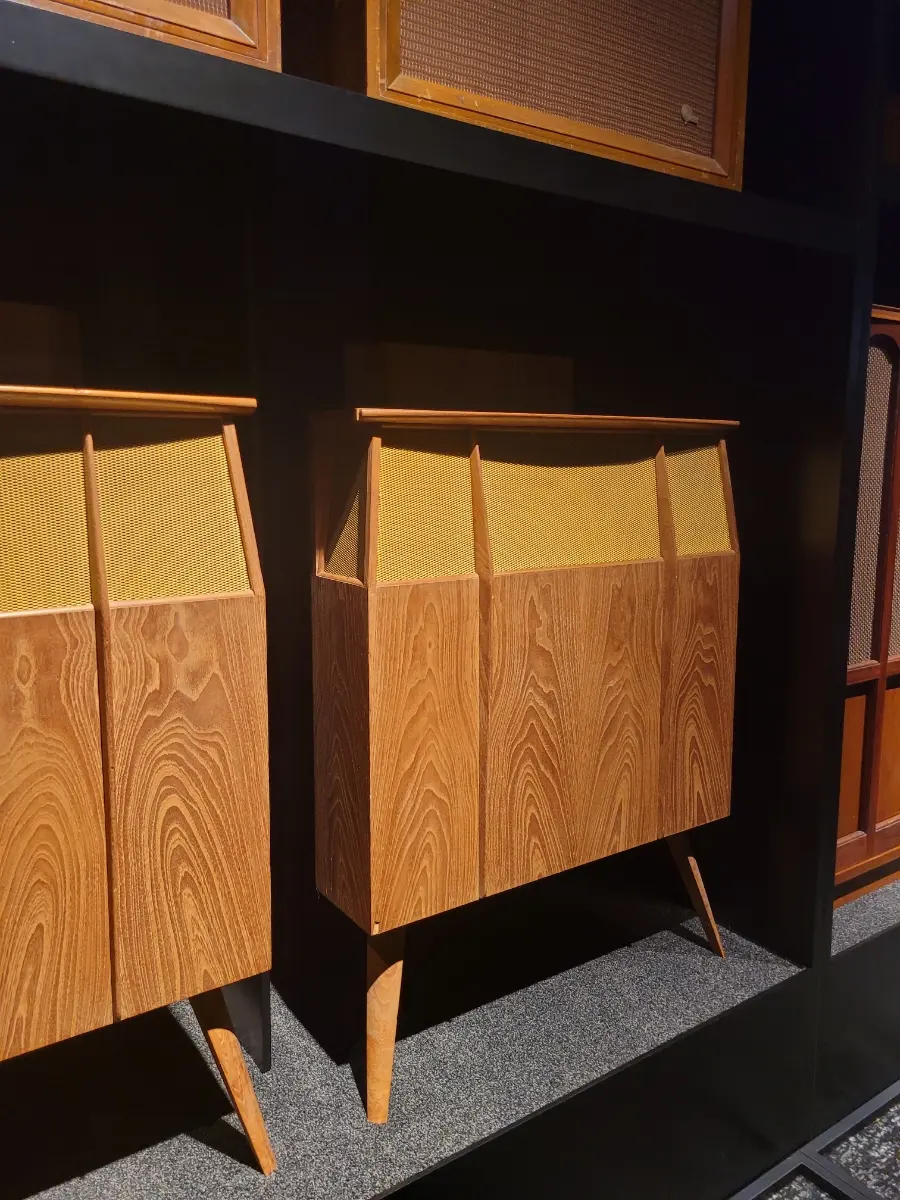
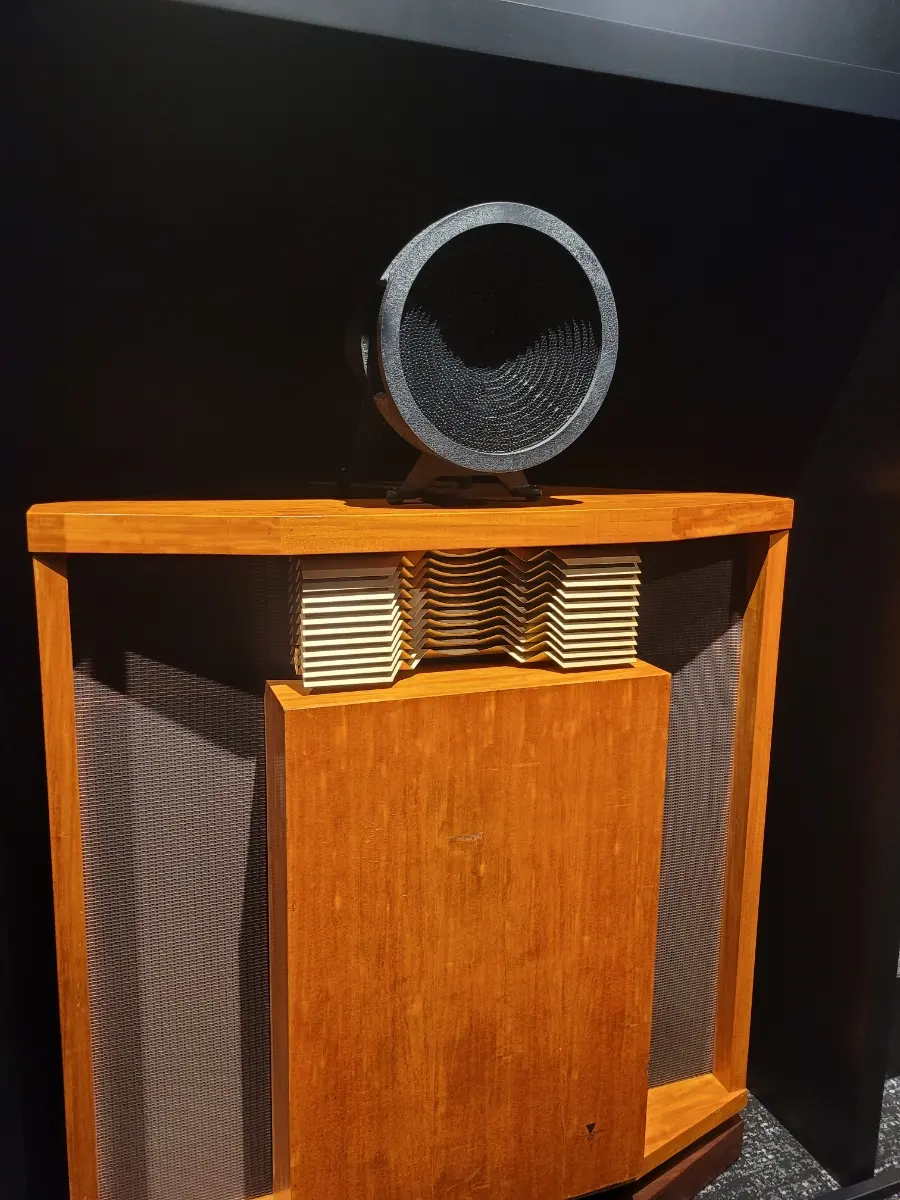
Pioneering brands of that era included
**JBL, McIntosh, and Marantz**—
all historic names that continue to operate
in the audio industry even today.
When they first launched,
these products were incredibly expensive,
costing almost as much as an entire house in Korea back then..!
2. The Two Pillars of 1930s-40s Cinema Sound Systems: The U.S. and Germany
Moving into the next exhibition room,
we travel back in time slightly
to encounter the **audio systems of the 1940s**—
a turbulent period marked by World War II.
At that time, American and German brands
formed the two leading forces
in theater sound systems.
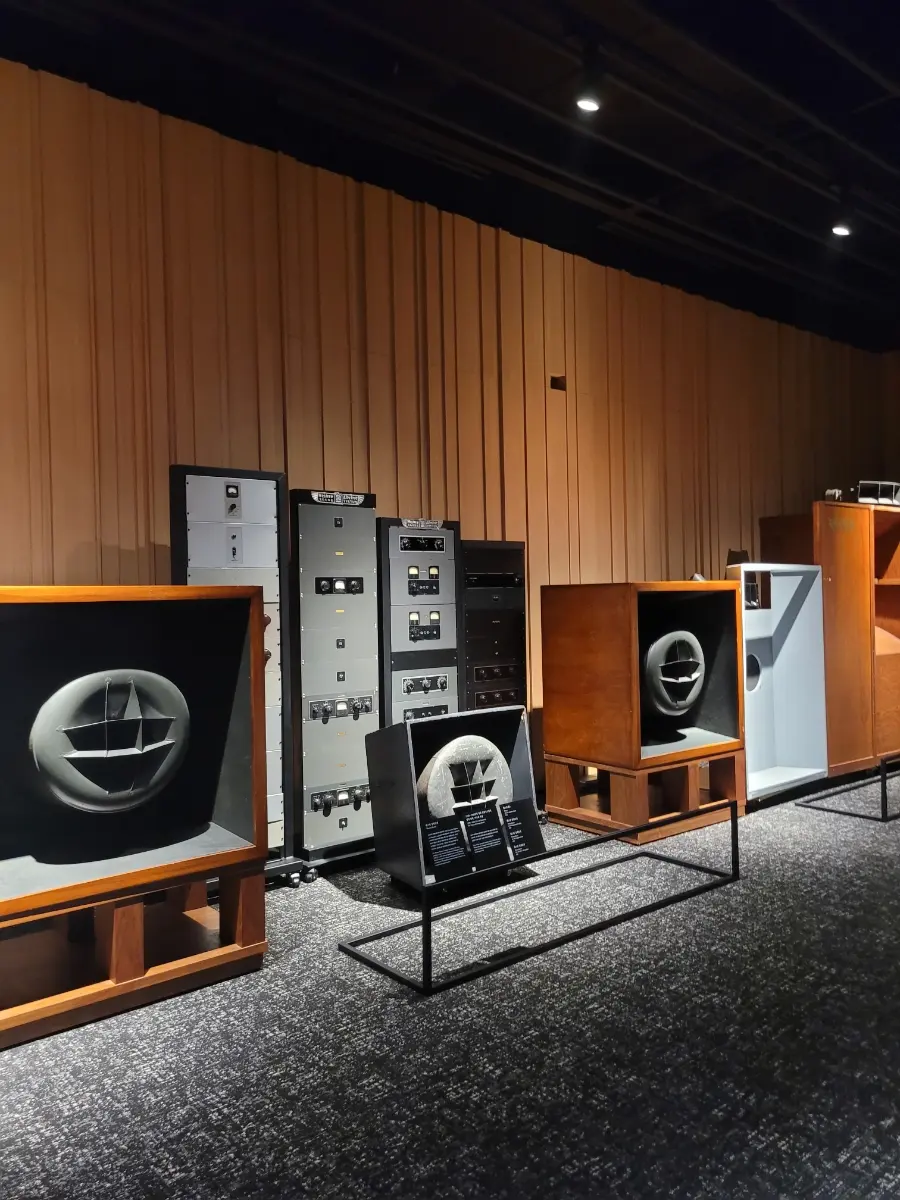
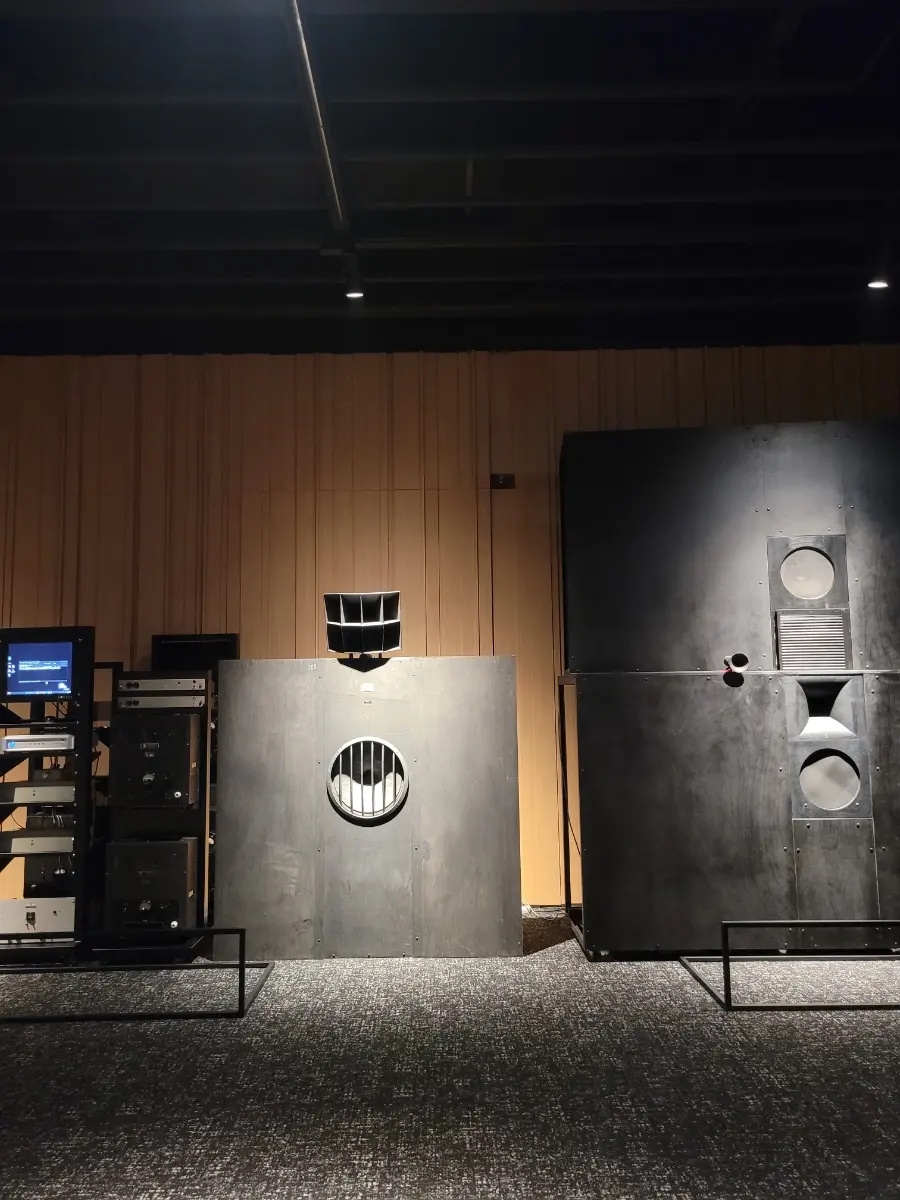
On the left, we have the American **Western Electric**,
and on the right, the German **Klangfilm**!
I had the chance to listen to music through both speakers,
and there were subtle differences, don't you think?
Even experts are divided on which is better,
so make sure to listen closely! :)
(Personally, I leaned towards Western Electric!)
It was amazing how superb the sound quality
of these almost 100-year-old speakers still is today.
The exhibition hall's lighting was dimmed
to help us focus on the music,
and everyone stood quietly, listening intently.
It was a truly wonderful experience.
3. Heading to the Origin
In the next exhibition room,
we learned about the **sources** and **speakers**
that are fundamental to the hi-fi system, from beginning to end.
**Source** = A device or medium that generates frequency signals
**Speaker** = A device that outputs signals so they can be heard
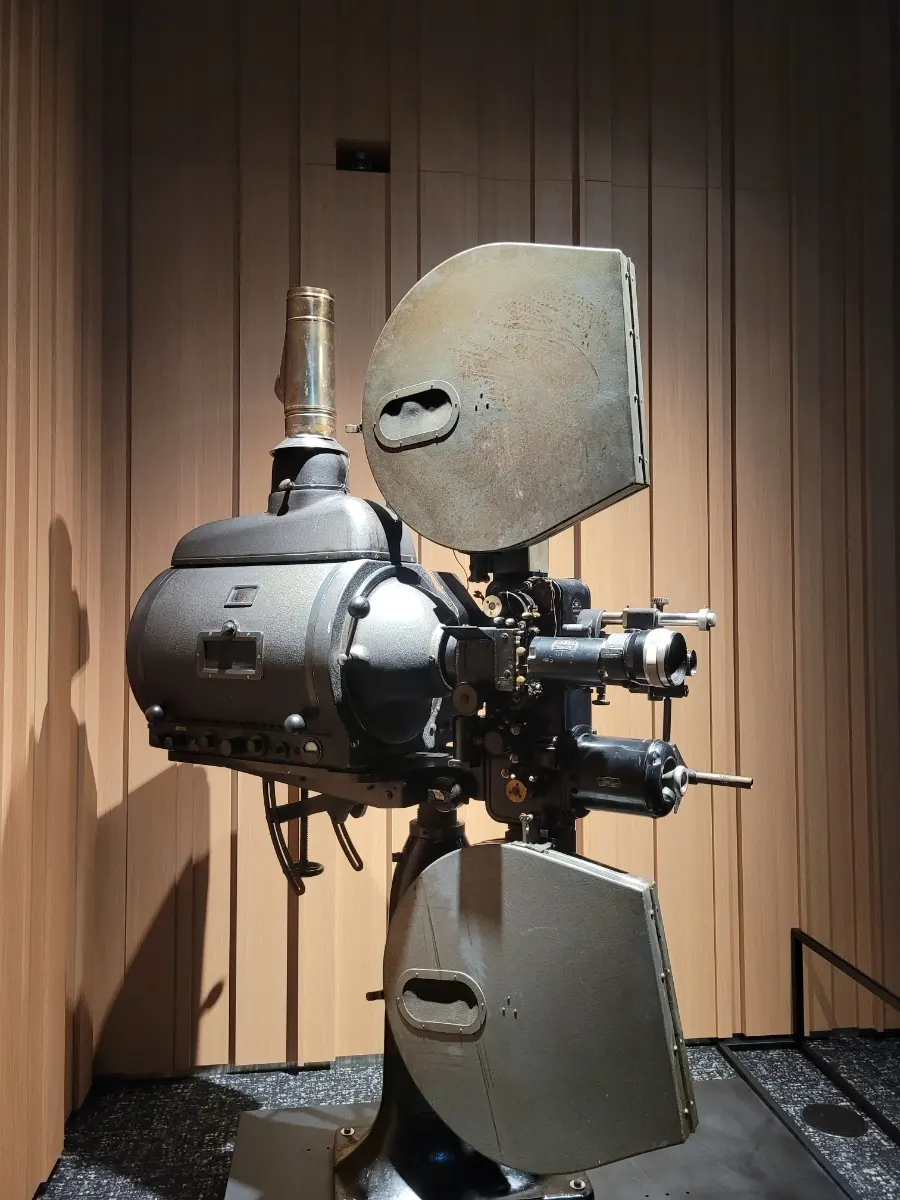
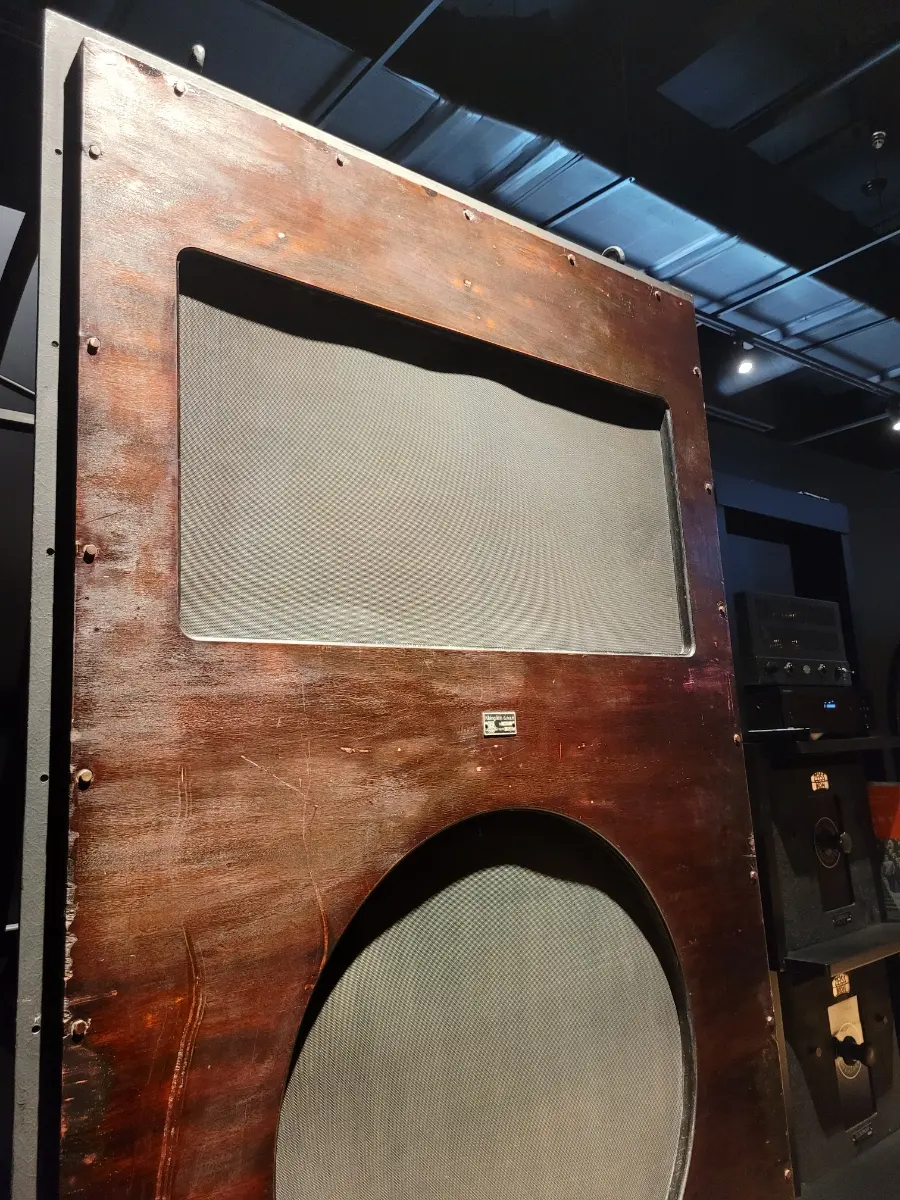
Here's an early 1930s speaker
from the German brand Klangfilm,
which we also saw in Exhibition Room 2.
At that time, with the innovation of **talkies** (sound films),
projectors and speakers evolved hand-in-hand,
leading to an explosion in demand for speakers in movie theaters.
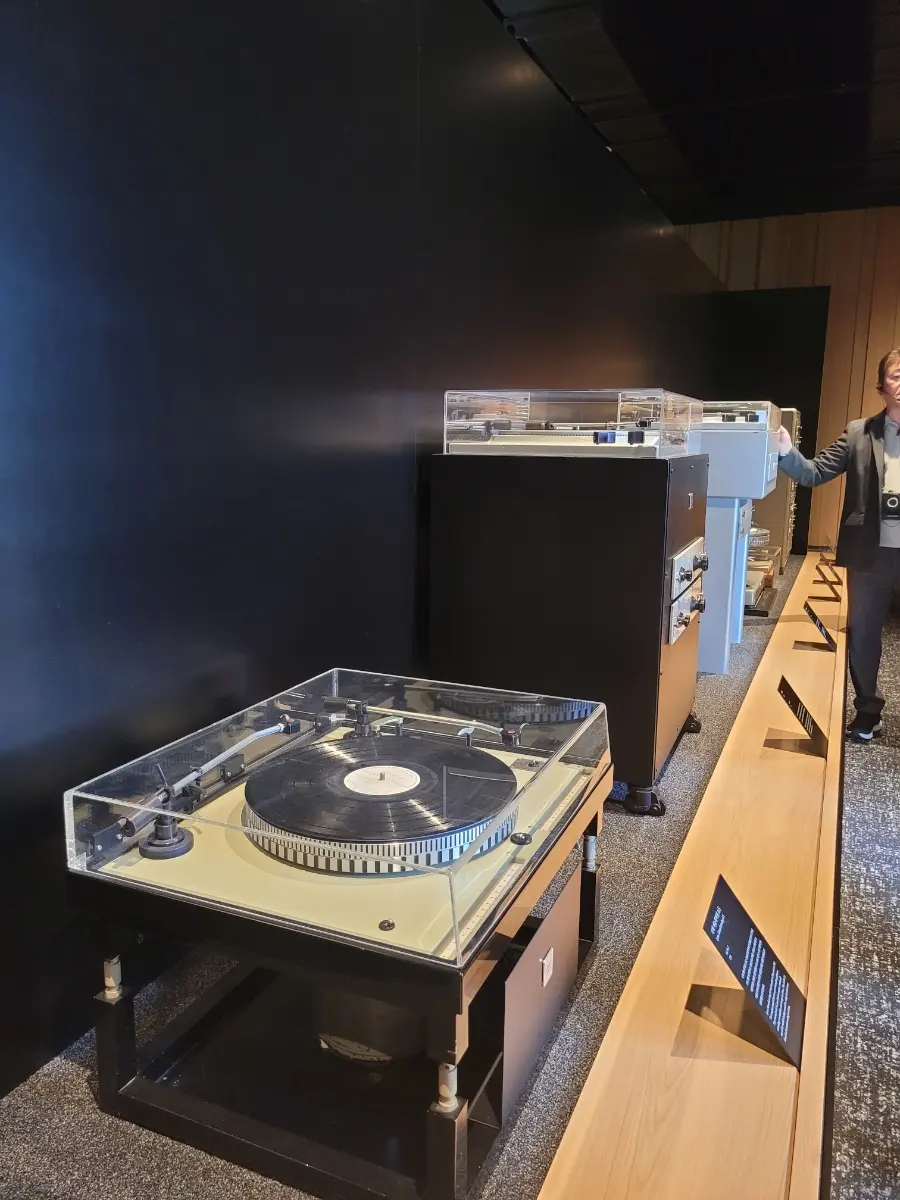
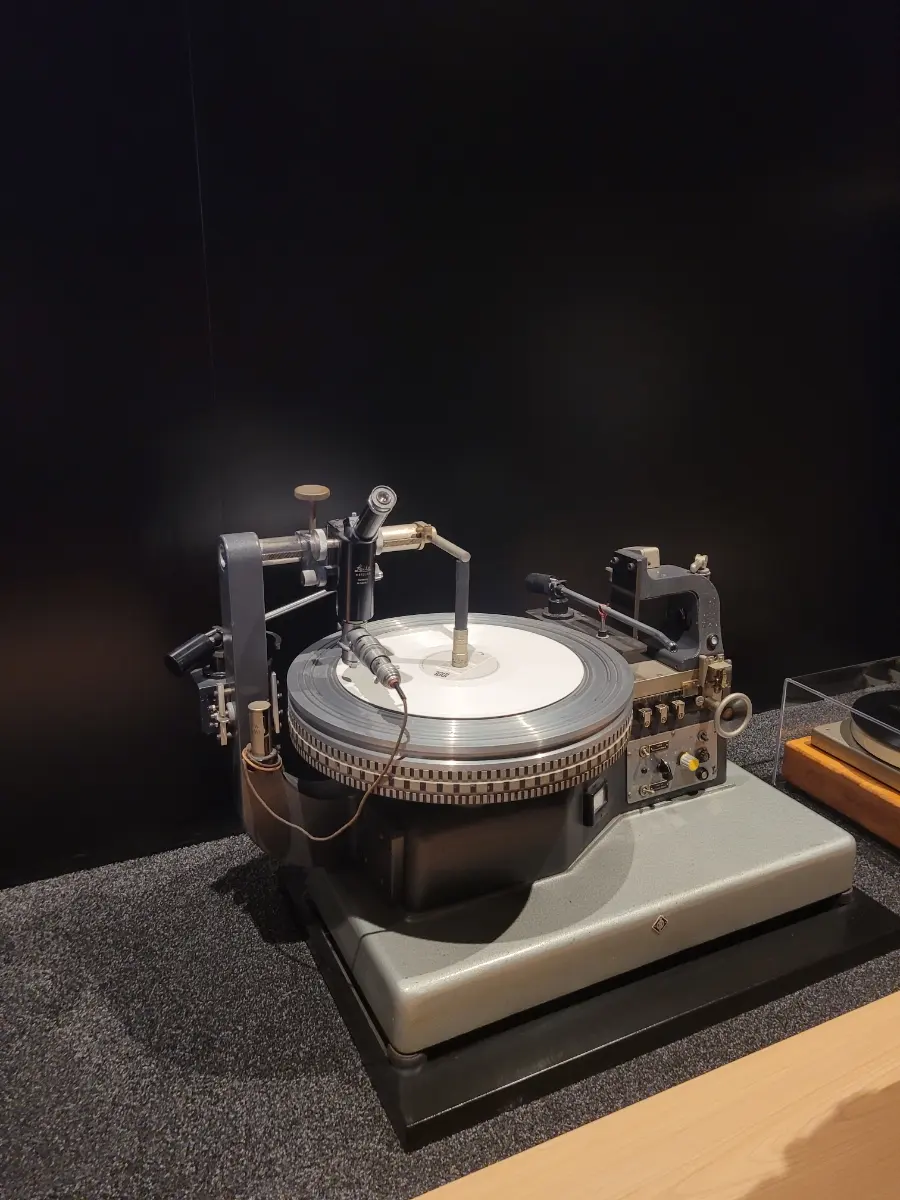
Conversely, the cutting lathe, a more advanced piece of equipment
for **sources** (input devices) from a later era, was also fascinating.
I remember using CDs until about elementary school,
and it turns out the phrase '**burning a CD**' (굽는다) to copy music onto it
comes from this very process, haha!
To think of directly recording sound onto a medium—
it's still amazing to see today, so imagine how immense
that technological innovation must have been back then!
4. Studio Monitors
In the fourth exhibition room,
we had the chance to directly experience listening through
**loudspeakers** used in radio stations and recording studios.
These are said to reproduce sound accurately and impartially,
serving to help audio professionals evaluate recordings.
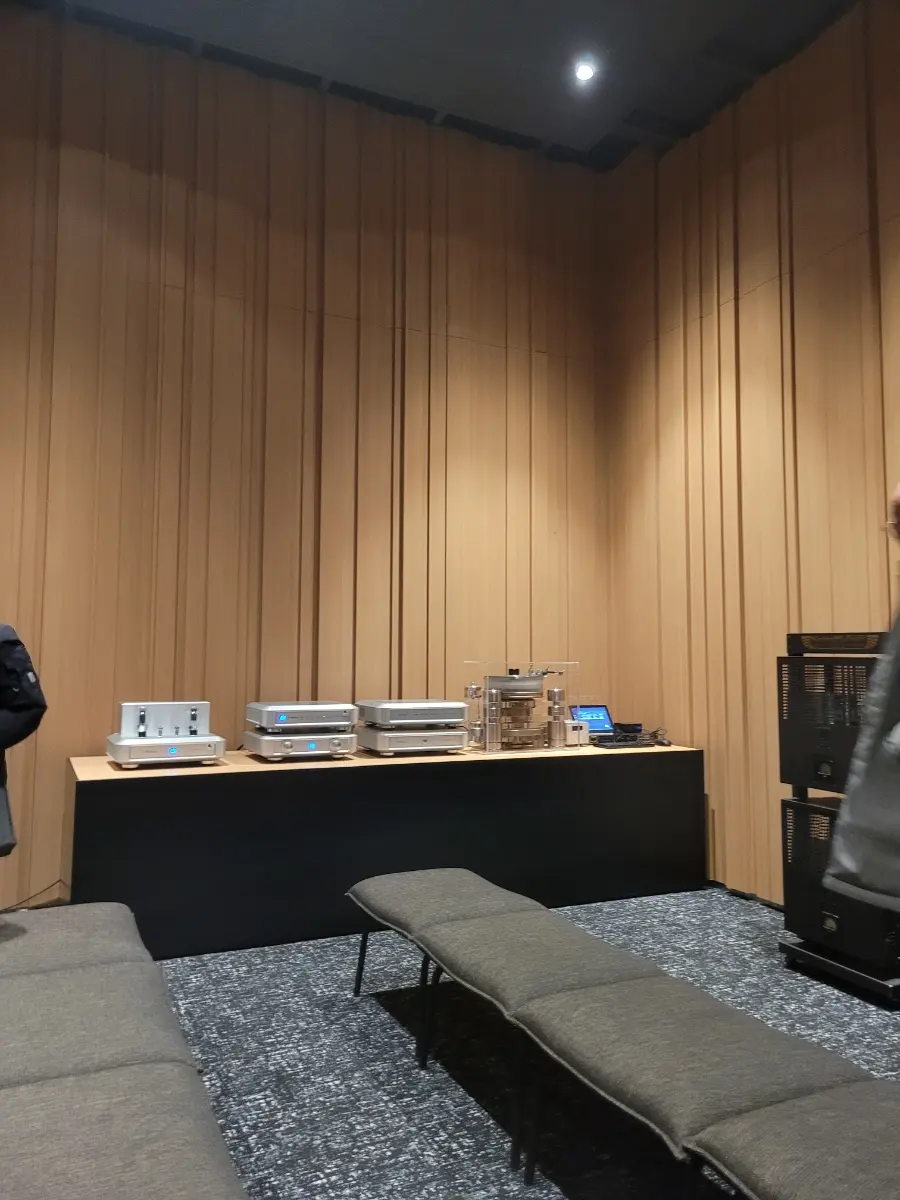
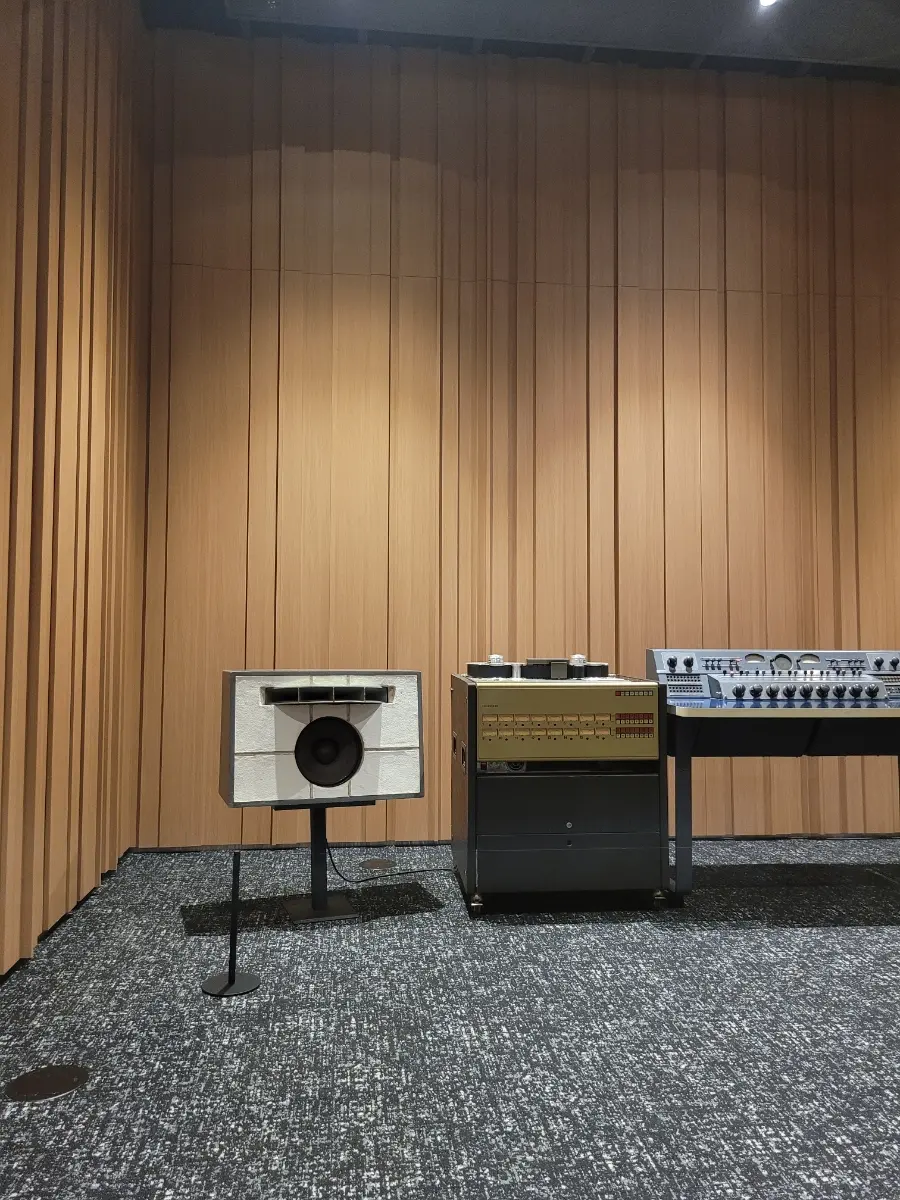
Here, we listened to The Beatles' 'Yesterday,'
and it's said that a surprising five instruments were used in this song!
With regular speakers, the sound often blends together,
making most people think it's just a violin.
But listening through the loudspeaker, I distinctly heard a
**string quartet** – what an incredible, goosebump-inducing experience!
5. Recording and Playback
After finishing our tour of Exhibition Room 4,
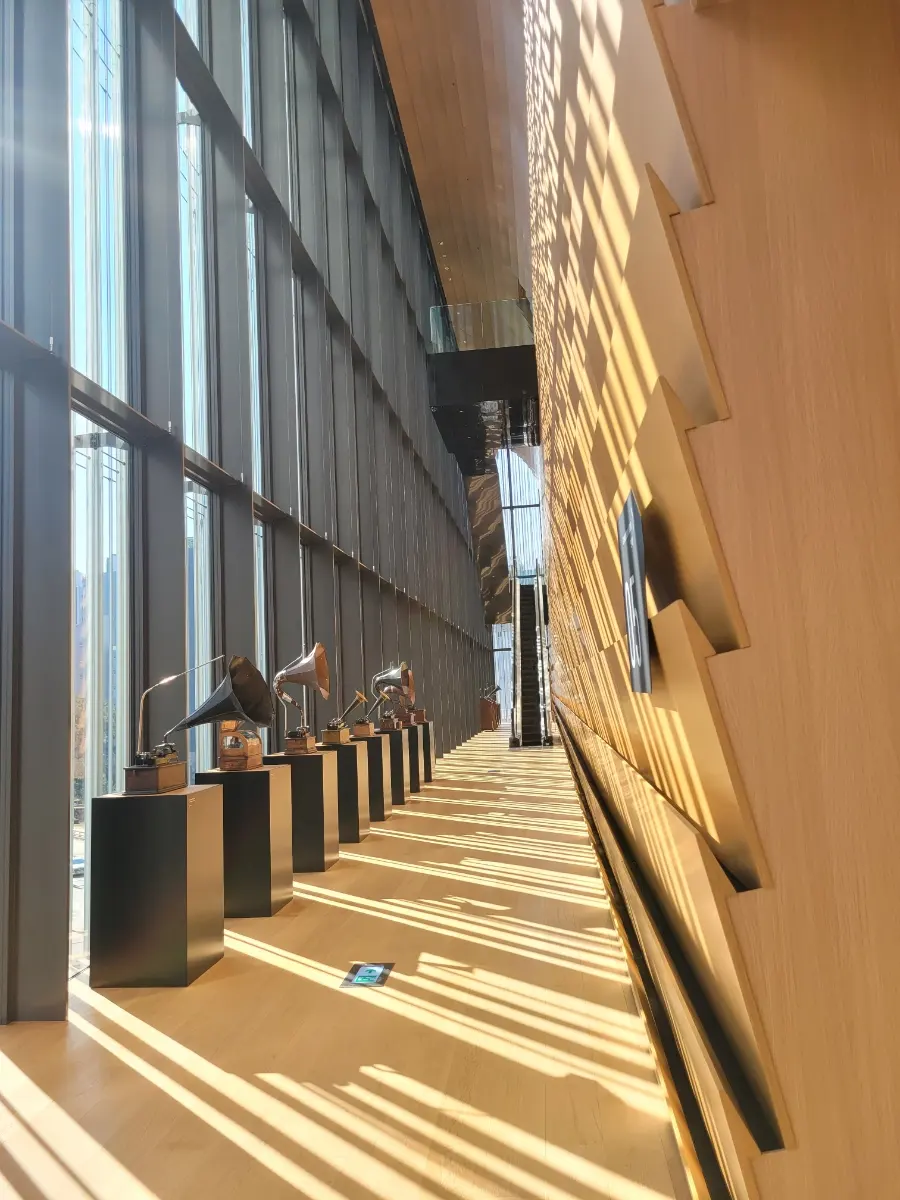
Via the escalator,
we made our way up to the second floor.
Through the glass windows and between the pipes,
natural light streamed in,
making the journey itself
quite a spectacle!
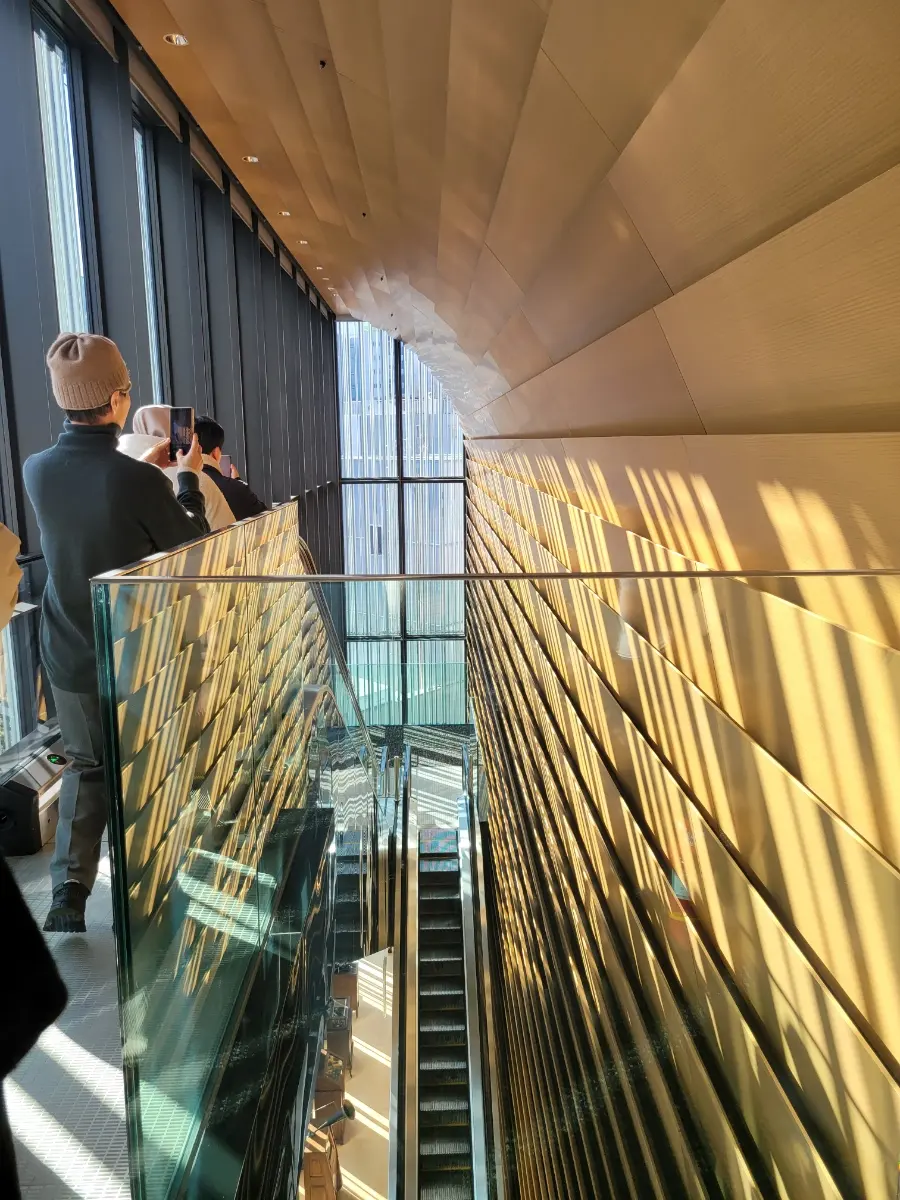
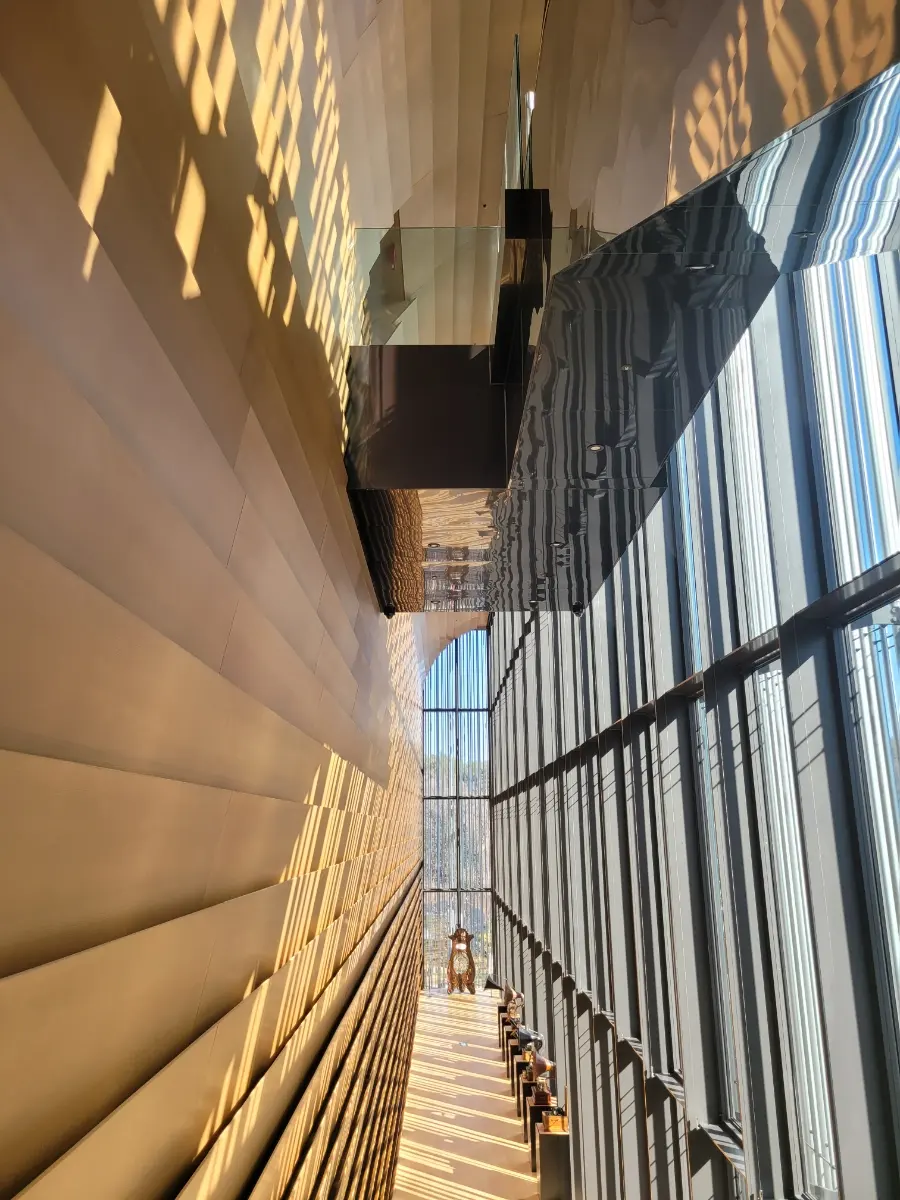
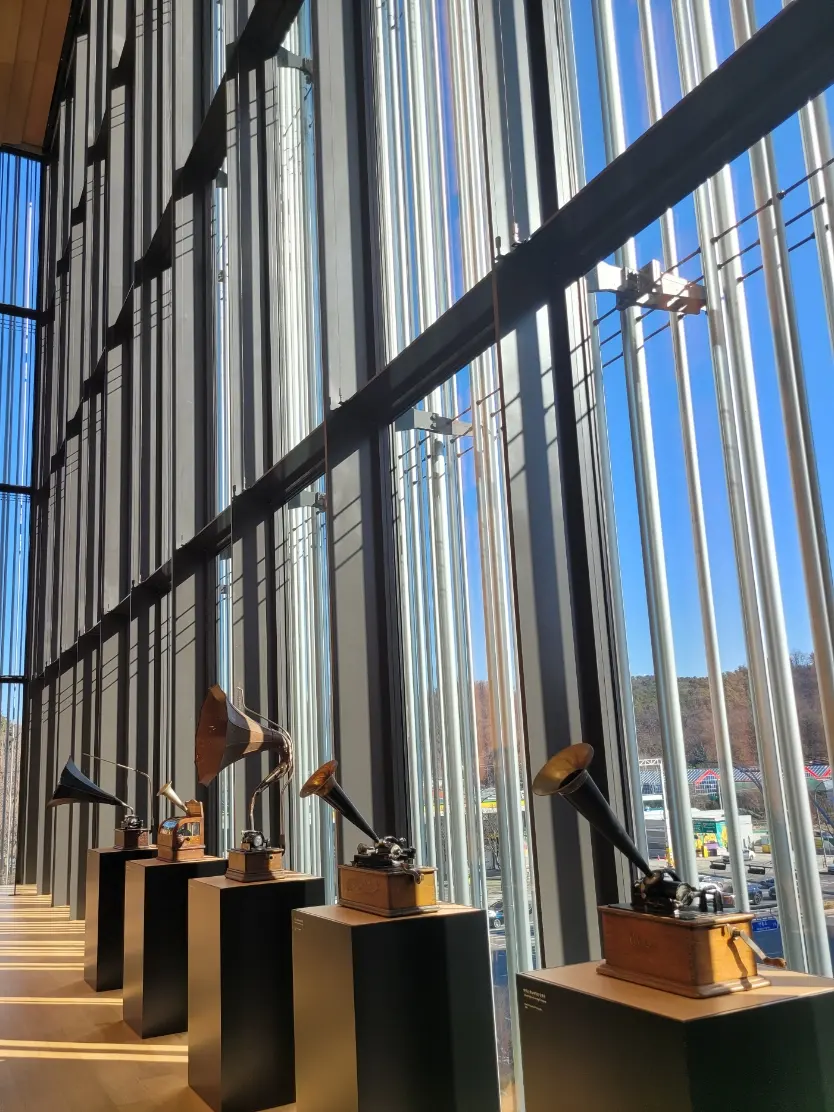
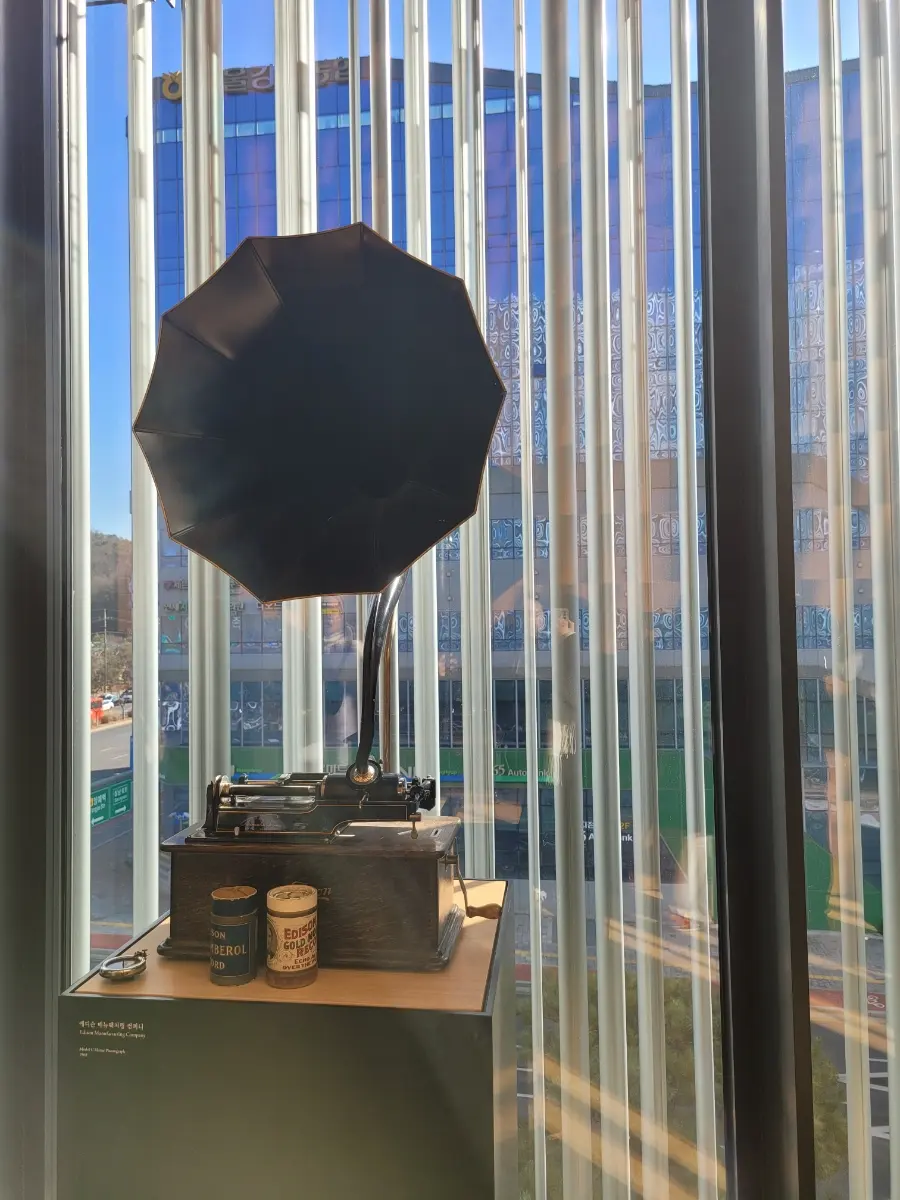
In the second-floor hall, we traveled a little further back in time,
and got to see a phonograph
that was used until the early 1900s :)
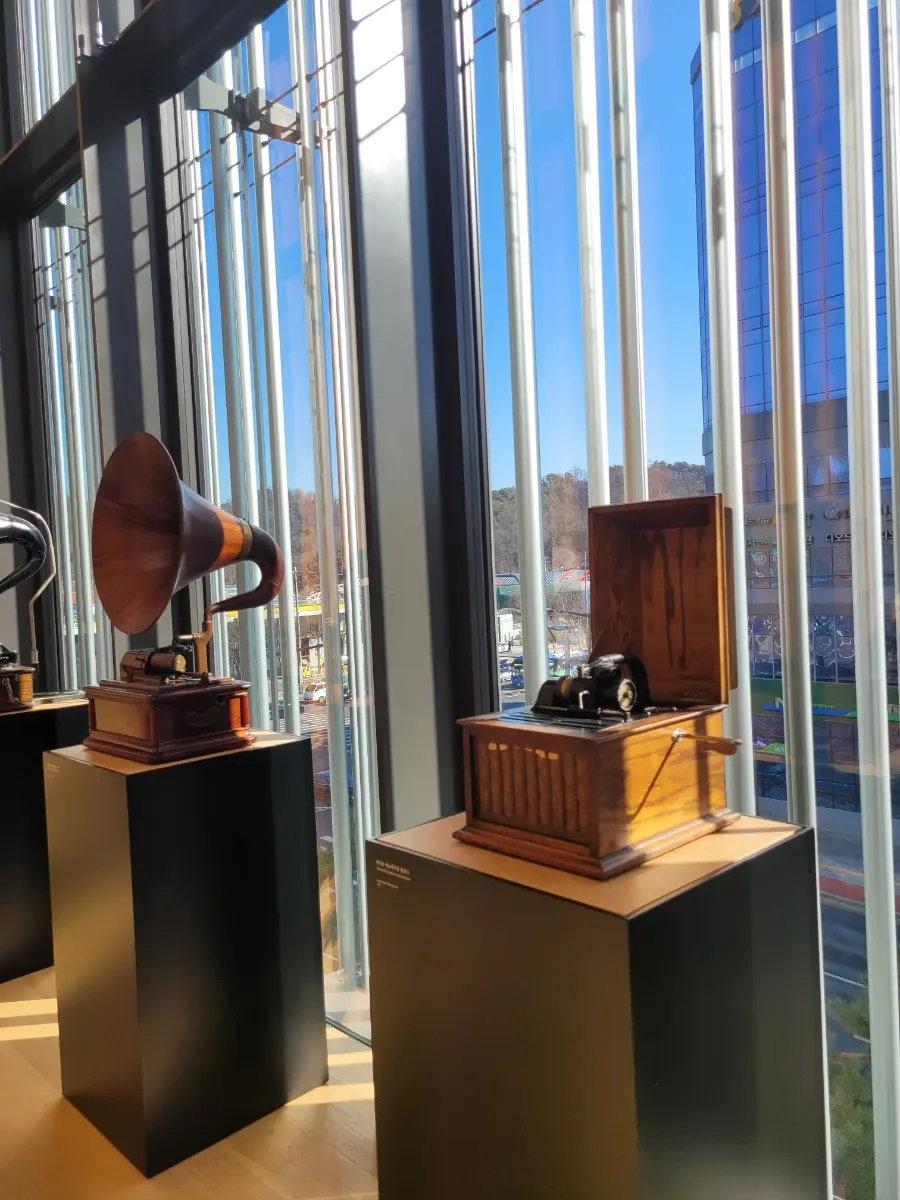
What was particularly amazing was that we actually got to listen to it!
Of course, the sound quality isn't comparable to modern speakers,
but it's absolutely fascinating that this phonograph
is still working perfectly!
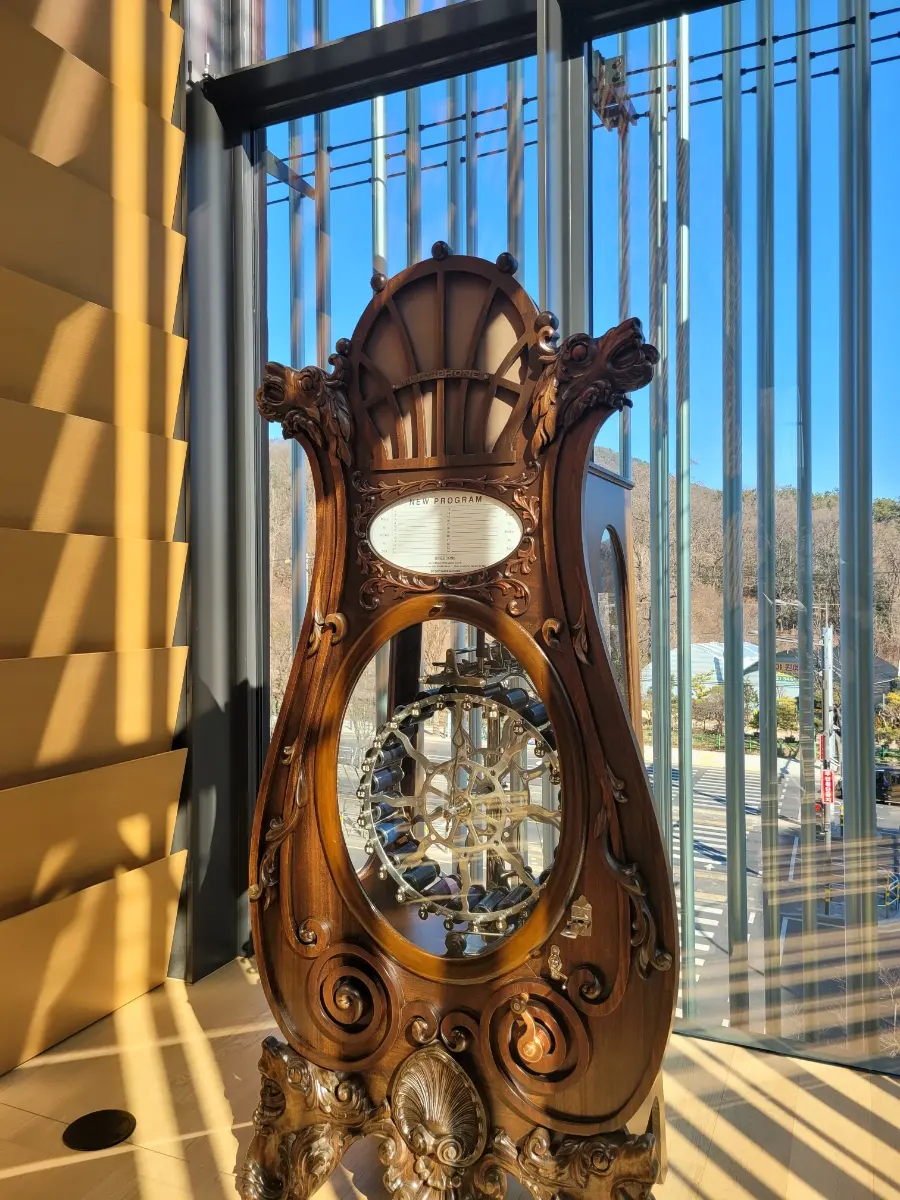
At the end of the exhibition hall, there was a jukebox-style phonograph
where you could choose from 24 songs,
and I initially thought it was a wall clock!
These kinds of large phonographs,
which operated by inserting coins for a fee,
were reportedly used more for commercial purposes than for household use,
in places like restaurants, bars, and amusement parks :)
6. 1920s-30s Western Electric Horn Speakers
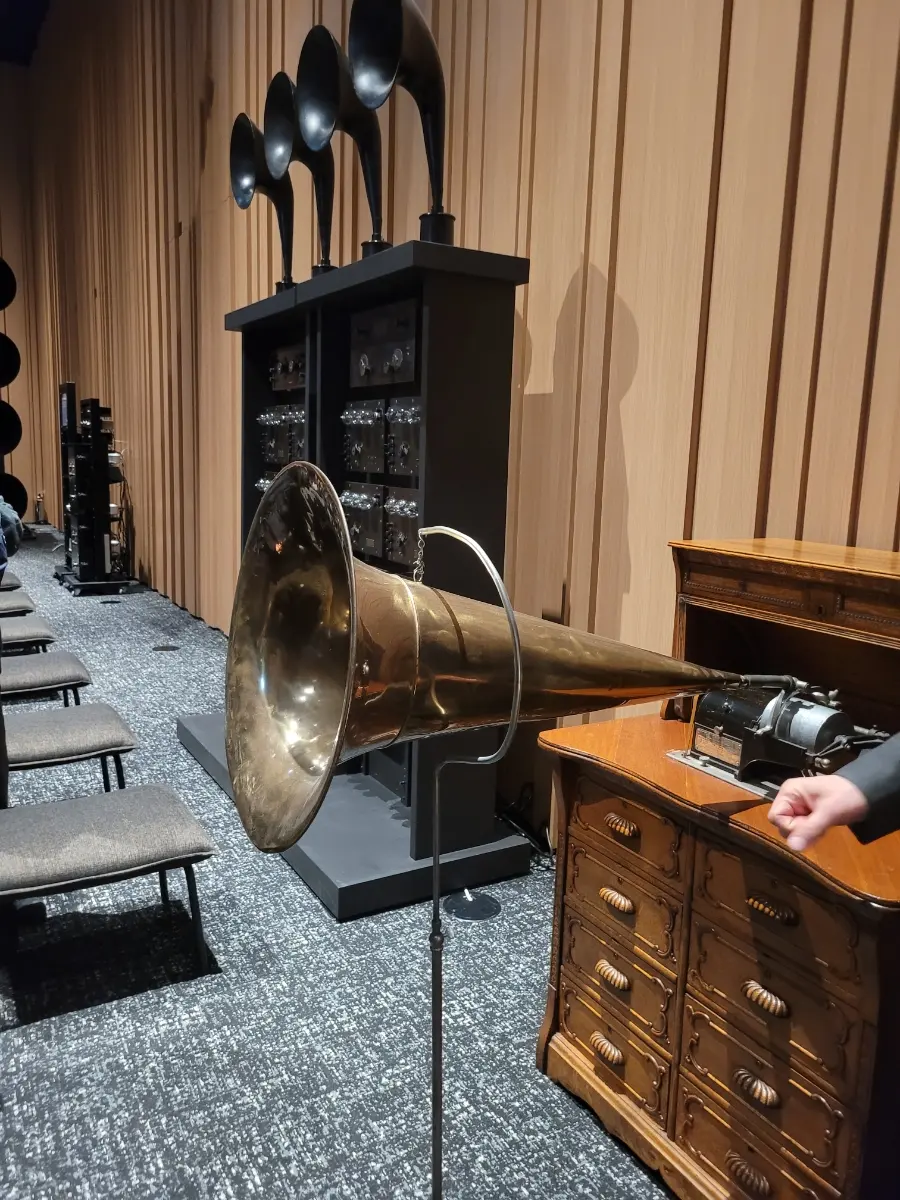
In the next exhibition room,
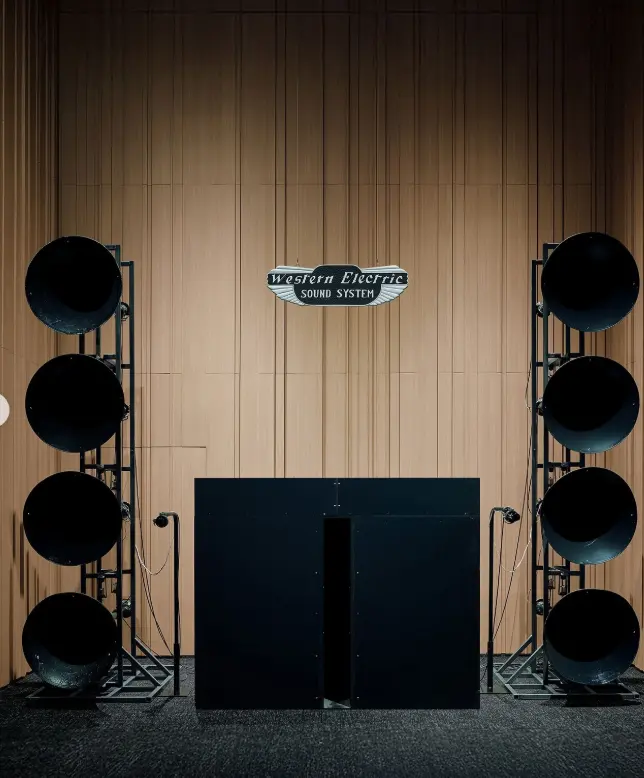
we got to see straight horn speakers
from Western Electric's early days, along with a variety of other horns.
At the time, I was so captivated by other exhibits that I actually
didn't get a chance to photograph the Western Electric speakers.
So, the image on the left was brought from Audium's official website.
7. 1920s-30s Curve Horn Speakers
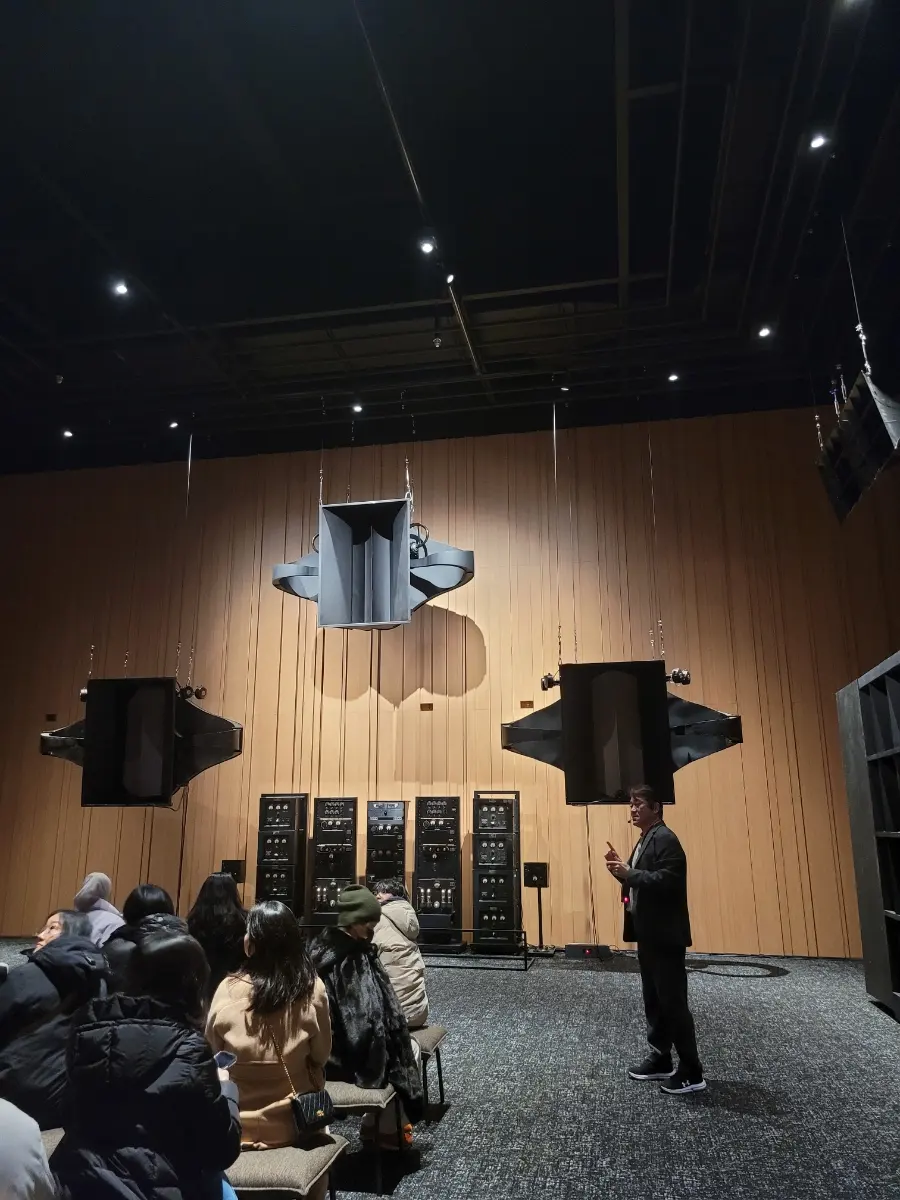
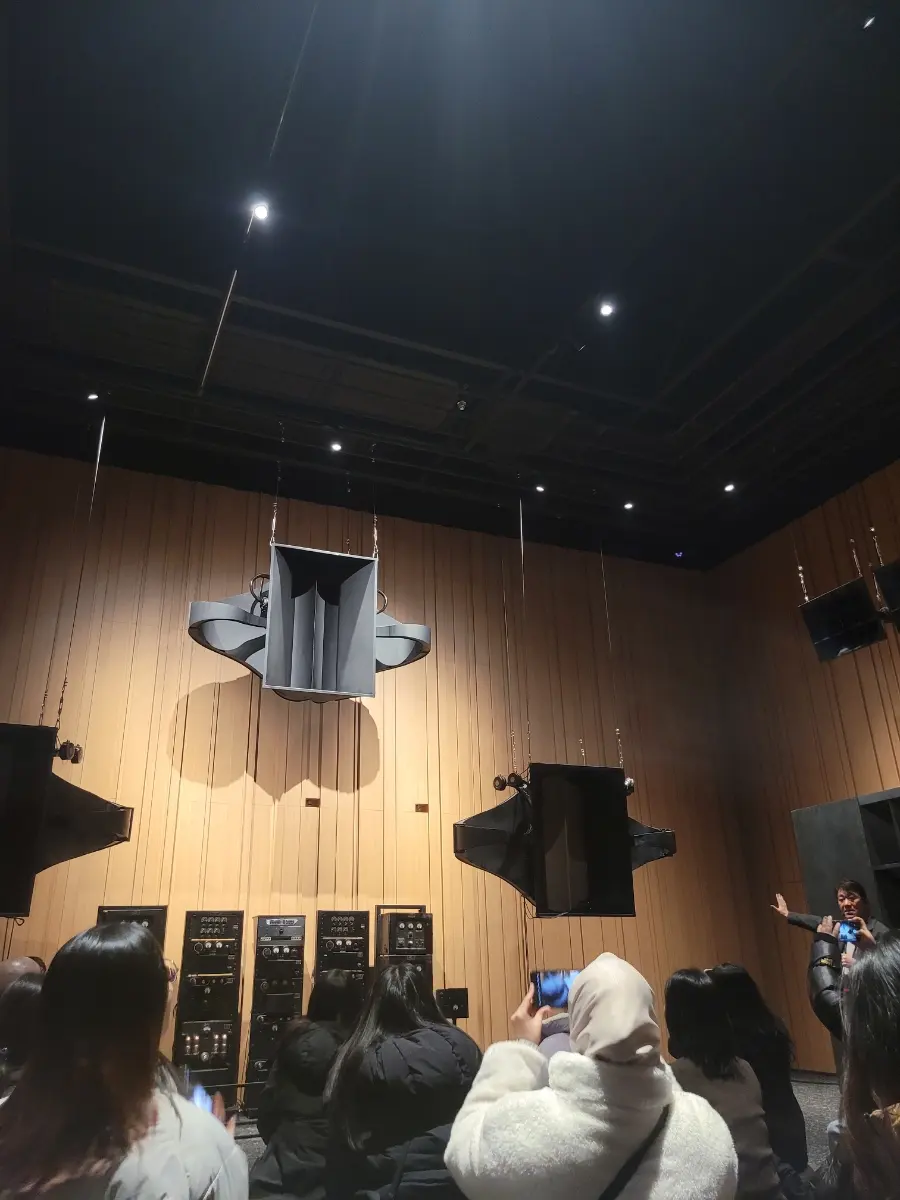
In the final exhibition room,
we were able to enjoy music
through a curve horn speaker that was made in the 1920s.
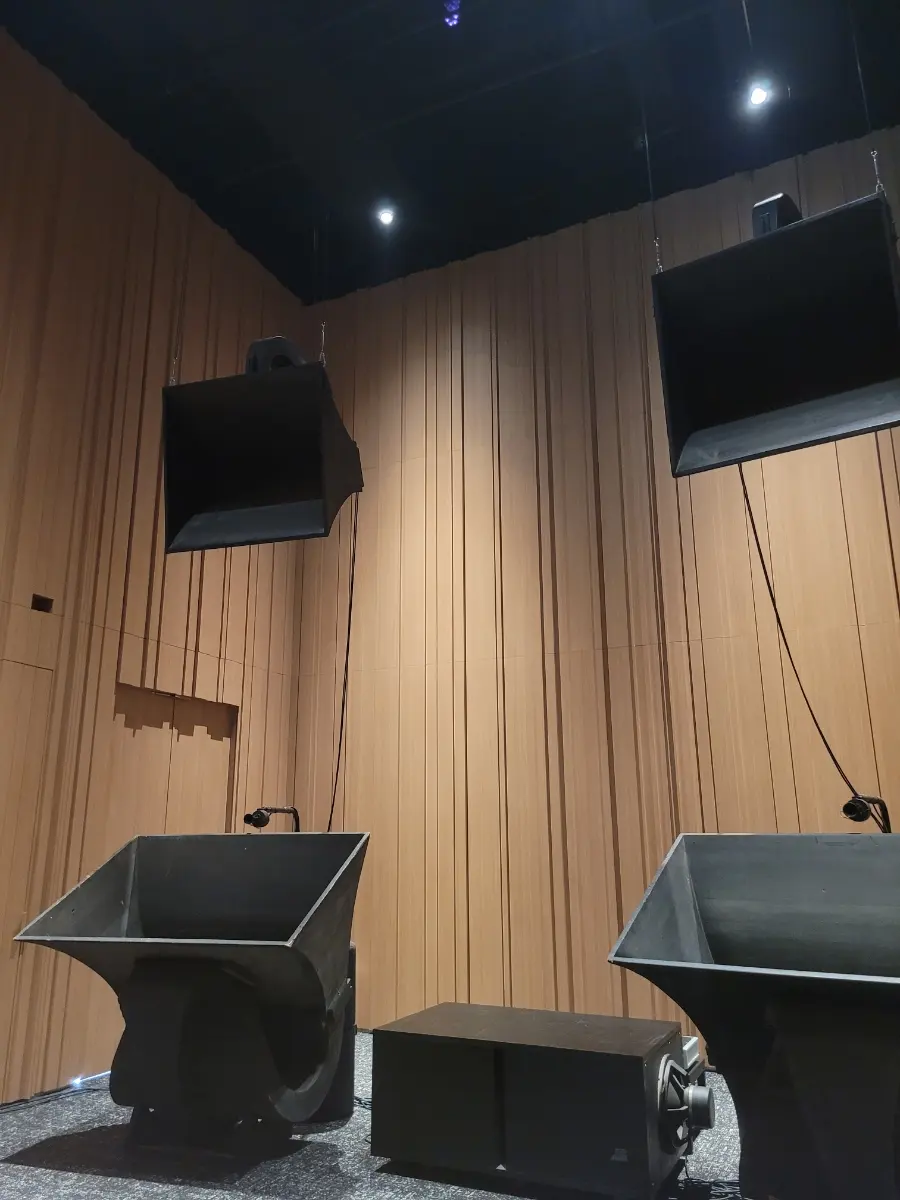
The curve horn speaker was designed with a snail-like curved shape
reportedly to maximize the bass frequencies in music.
This speaker also holds a significant piece of history:
it was around when the talkie film <The Jazz Singer> premiered in 1927,
famously heralding the end of silent films.
Perhaps because I listened to the explanation and then the music,
I felt the weighty depth of the bass
was really well conveyed.
Special Exhibition: Collection and Record
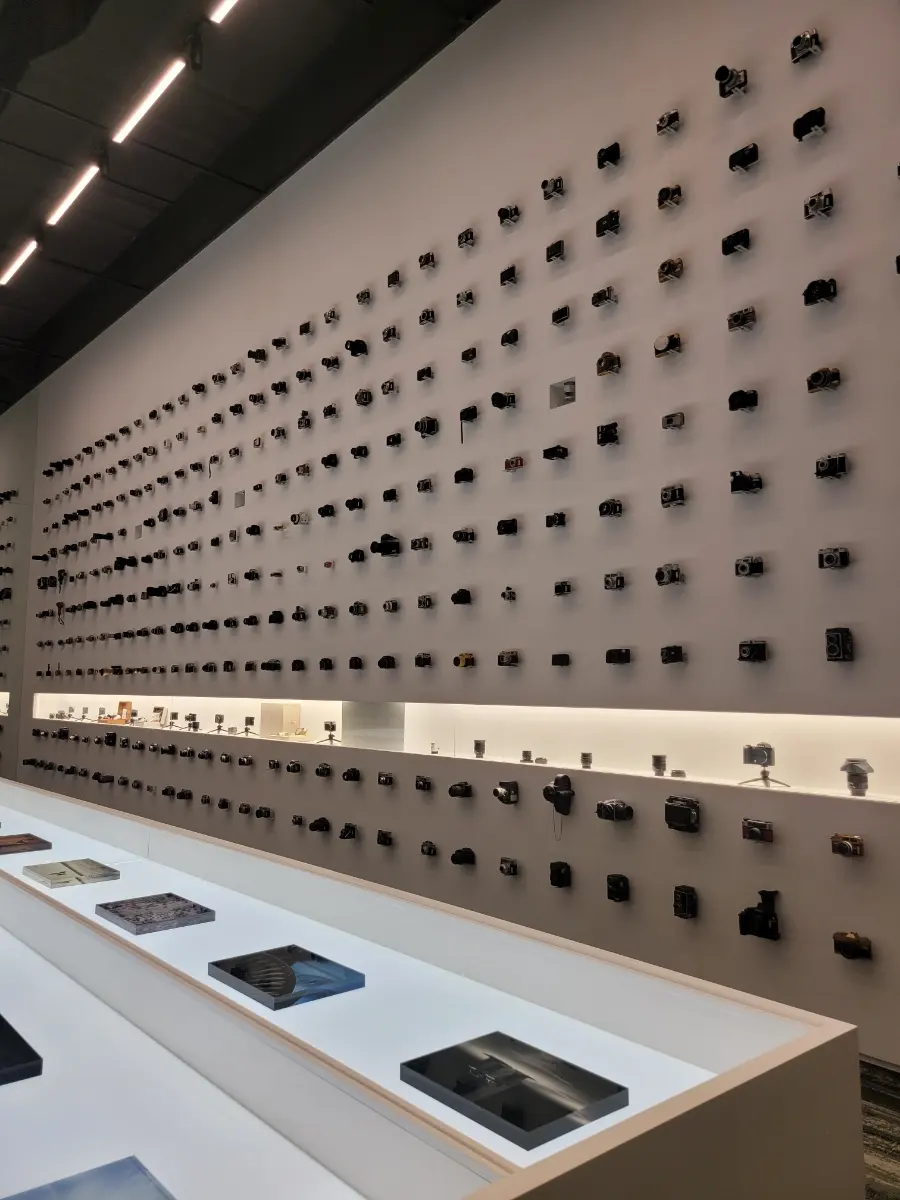
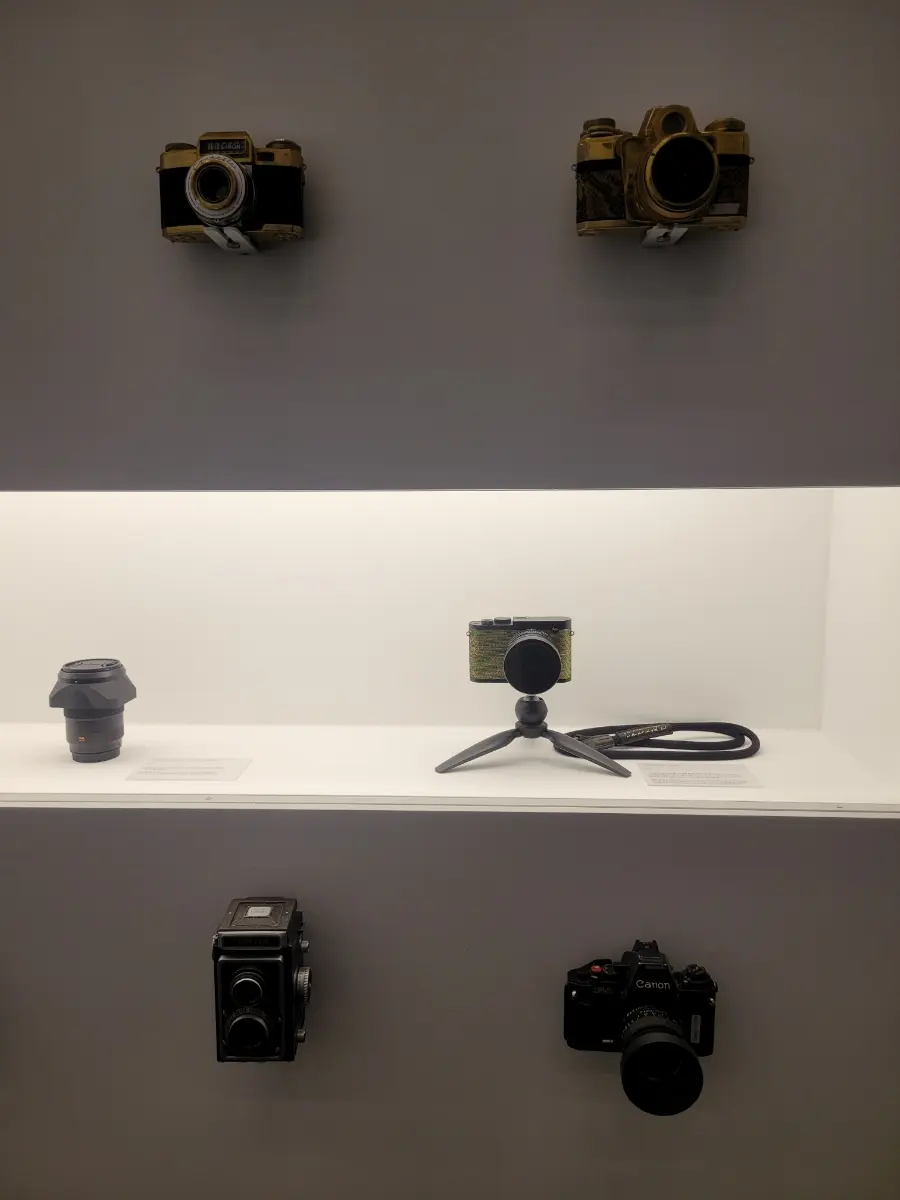
Next up, a special exhibition unfolded.
The first one we encountered, <Collection and Record>, was
a special exhibition featuring photographs by Daiki Fukao,
who archived Audium's collection
by capturing it from various angles.
Special Exhibition: Music Box
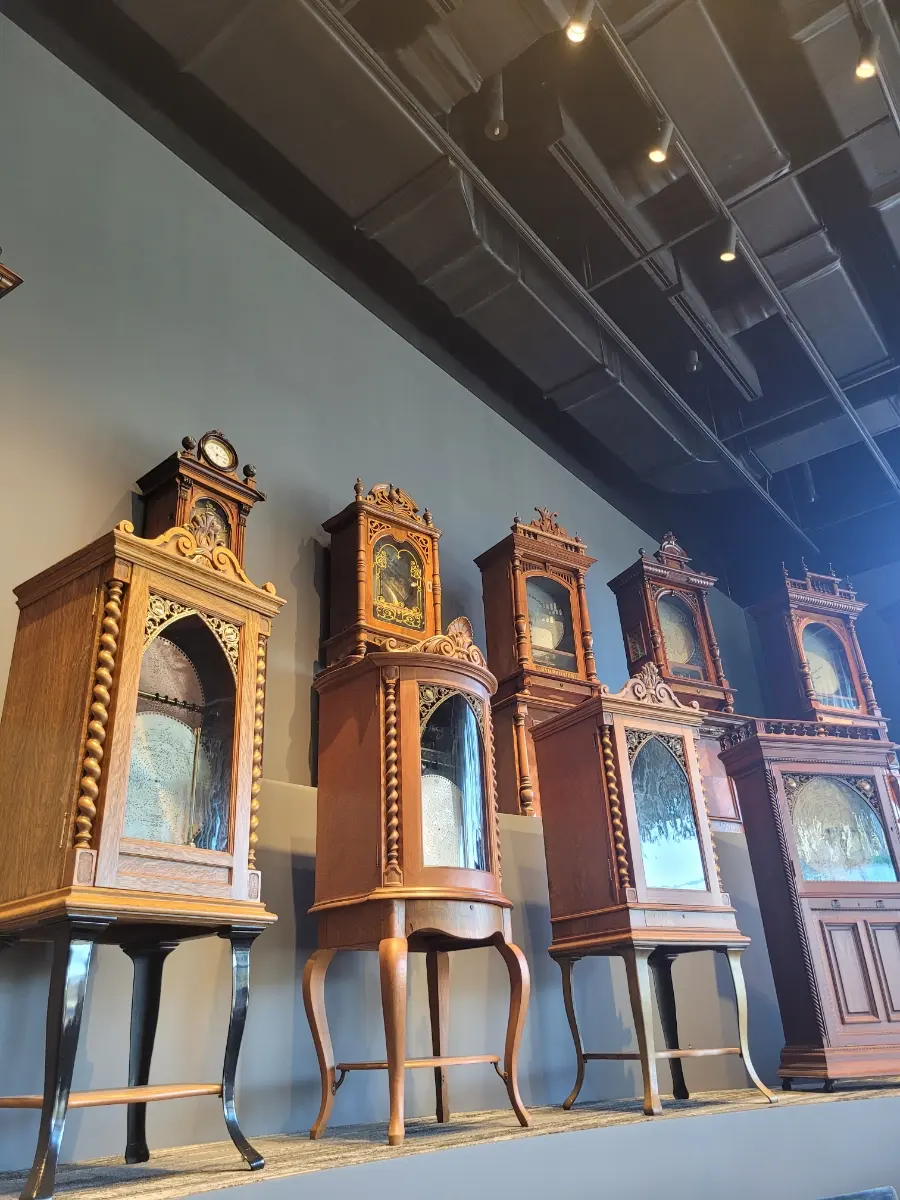
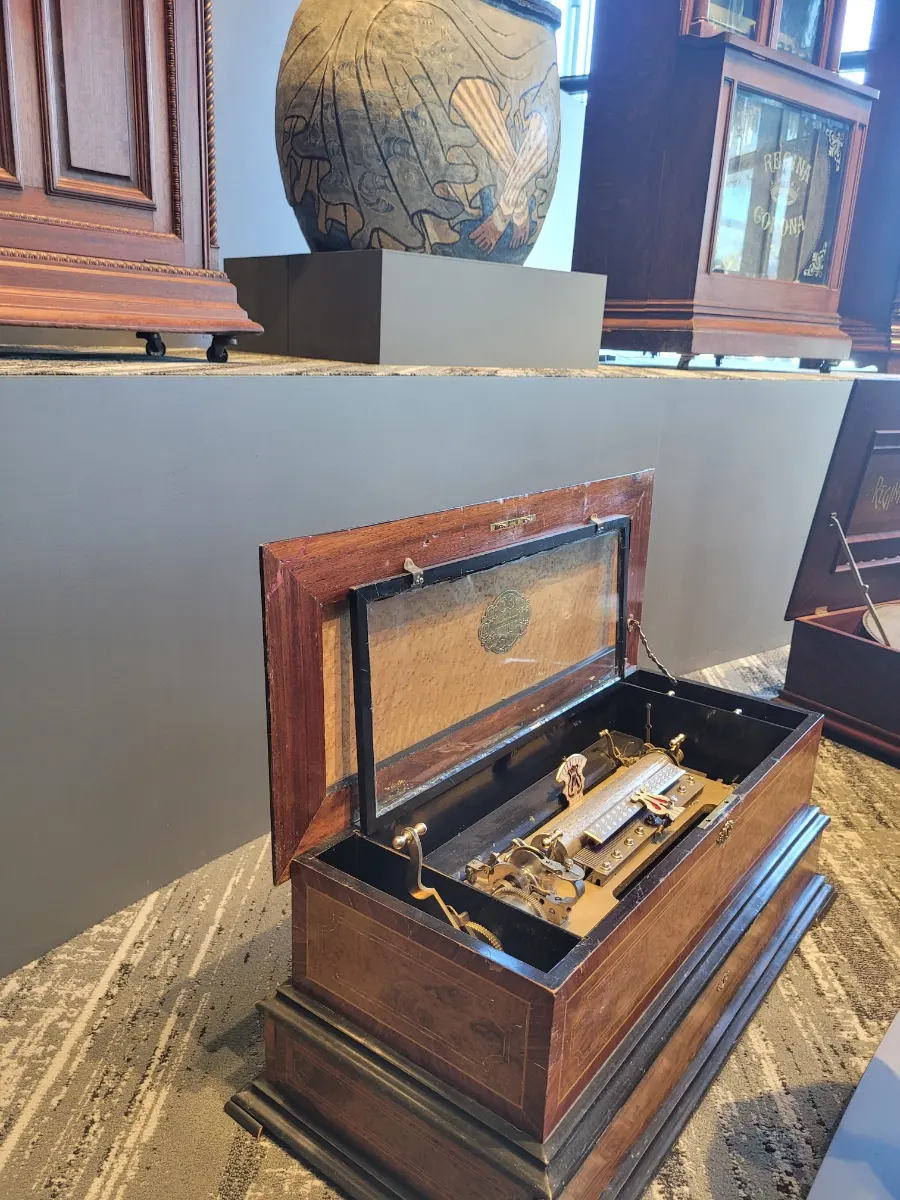
This was the exhibition hall that left the biggest impression on me!
The second special exhibition showcased the ancestors of automatic pianos and phonographs.
It beautifully showcases the history of music boxes.
Here in Korea, perhaps due to Japanese influence,
we often refer to them as 'jukeboxes.'
But did you know that these fascinating mechanical instruments,
which first started developing in Europe around the 17th century,
were originally called music boxes?
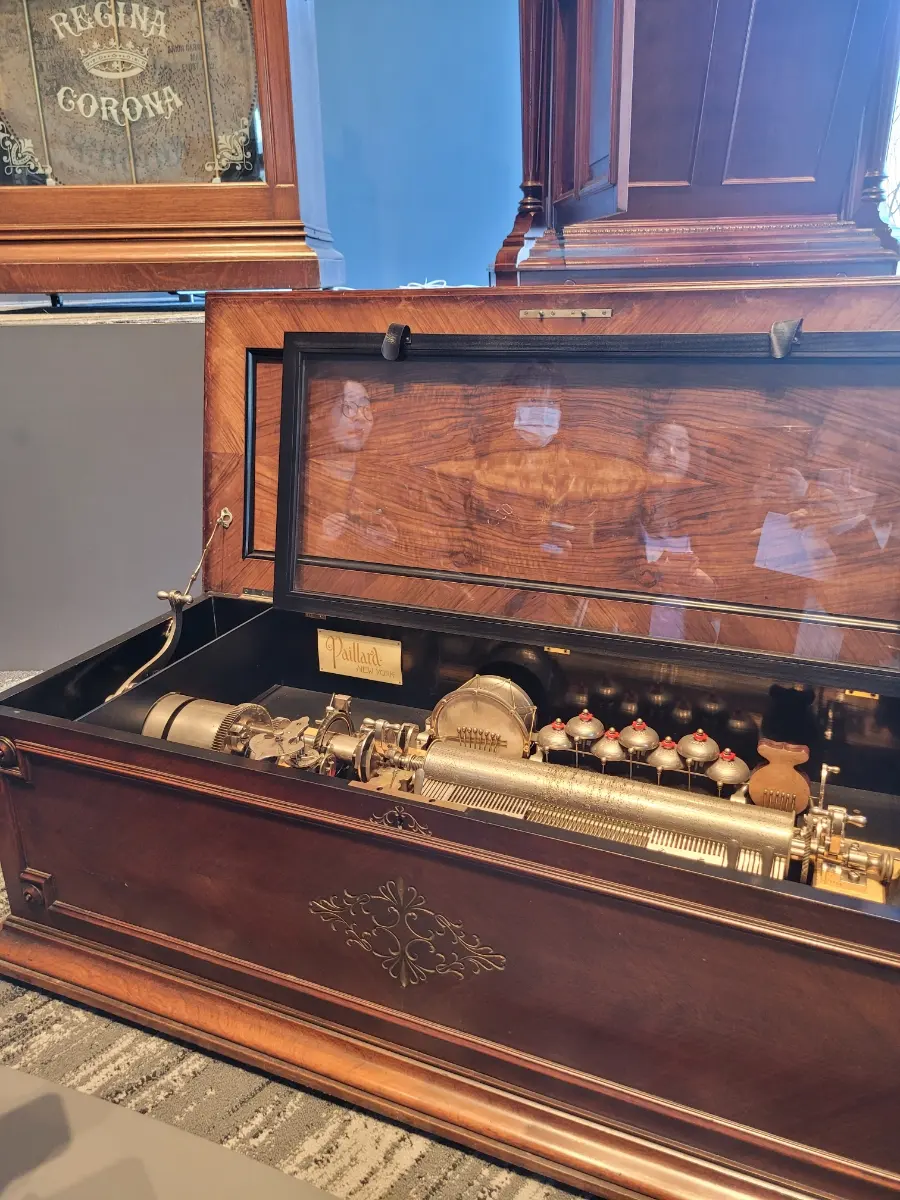
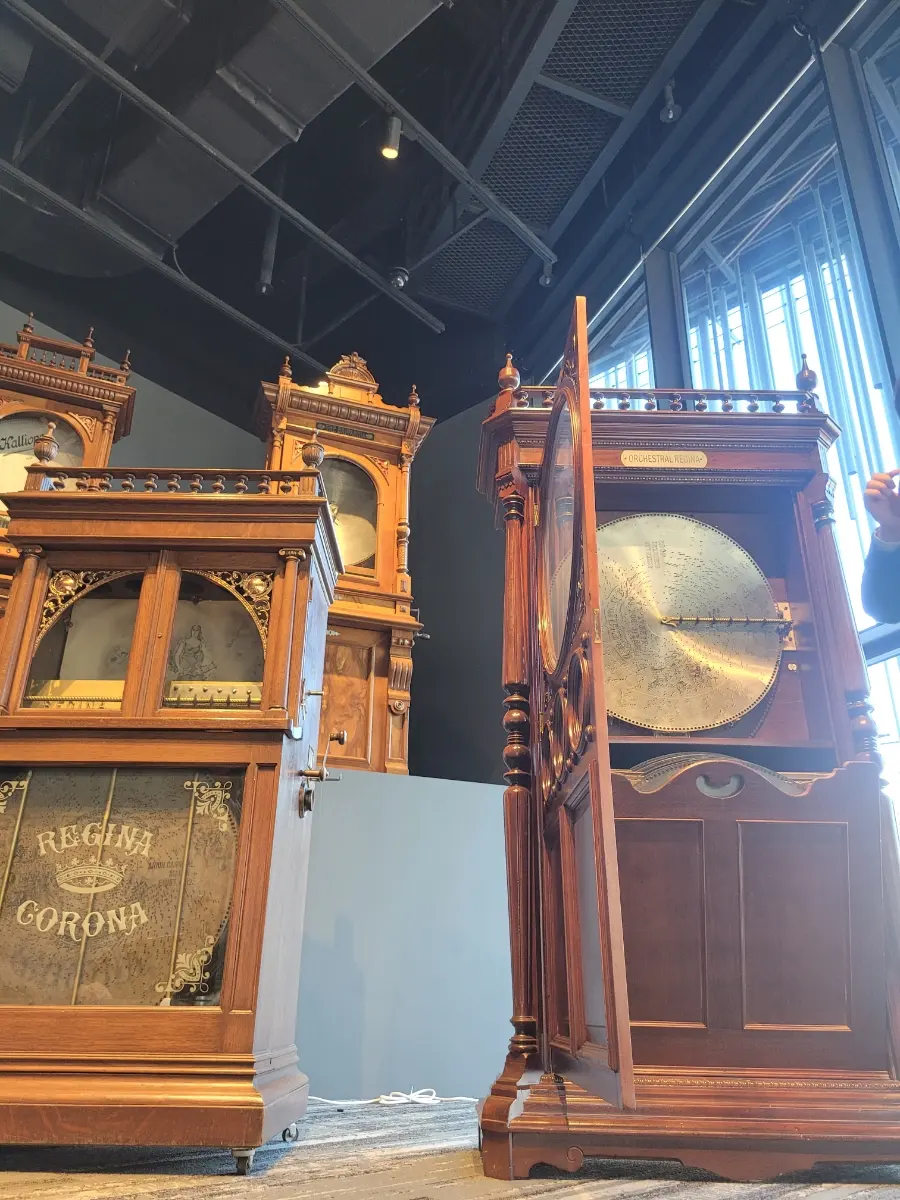
While today they might seem like simple mechanisms,
often used for decorative purposes much like an orge,
isn't it incredible how the desire to play and cherish music
has remained so constant, whether hundreds of years ago or right now?
It really felt fresh and utterly fascinating,
almost like witnessing the very origins of humanity's longing for music! :)
And getting to personally hear the music played from one of those grand,
large music boxes was incredibly impressive –
truly a moment to remember!
Audium Lounge
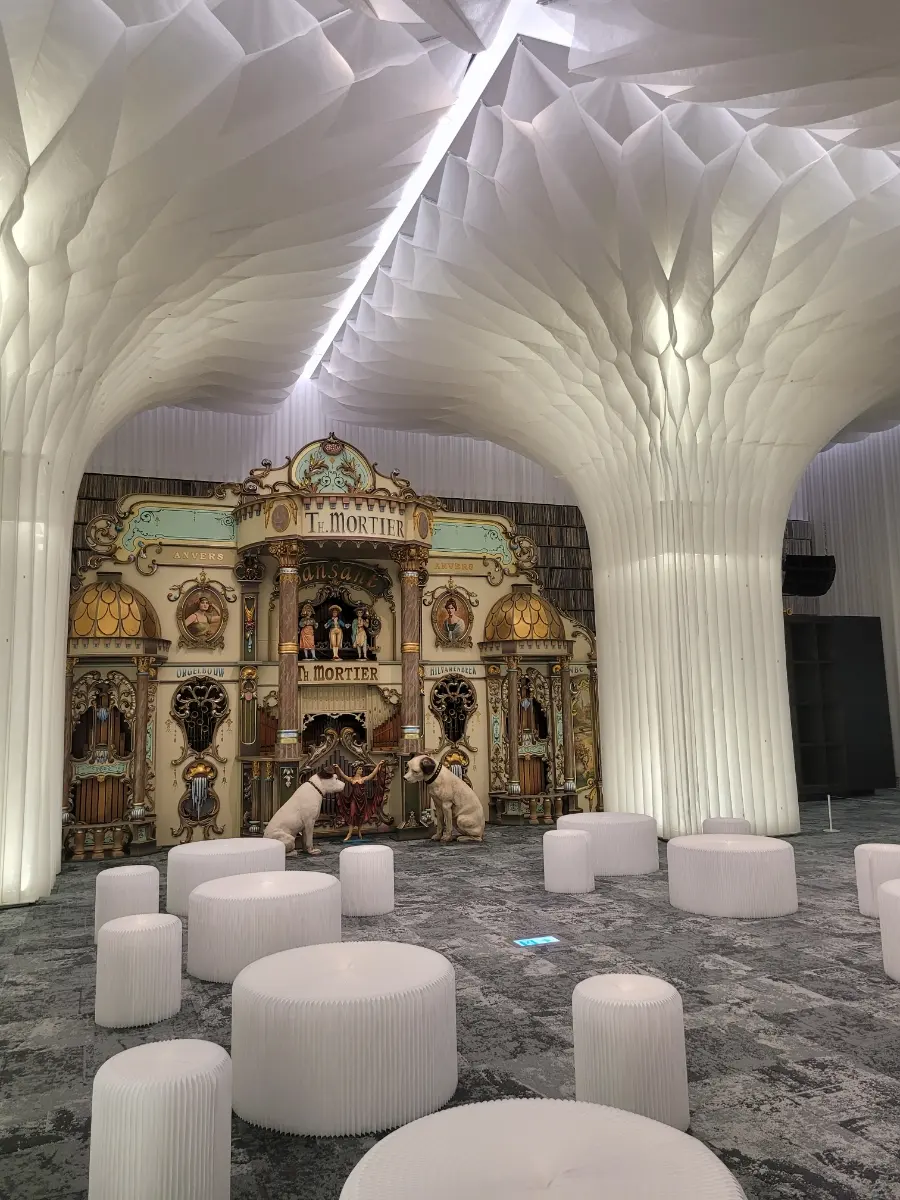
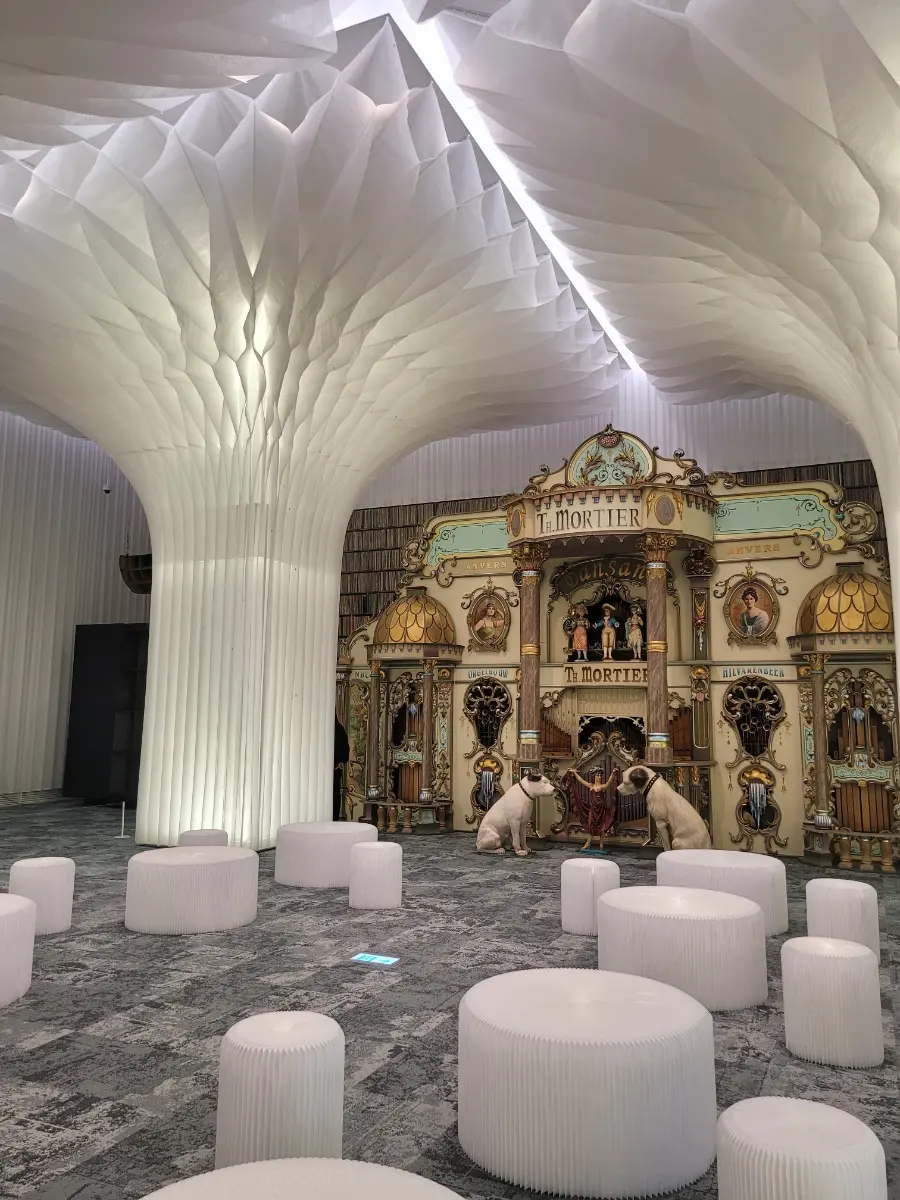
Finally, we made our way back down to the 2nd basement floor and
stepped into the Audium Lounge.
The moment I walked in, I was genuinely taken aback by a space
that had a completely different vibe – talk about a pleasant surprise!
What greeted me right in front was, astonishingly,
a massive music box!
And get this – they said it was a piece actually used in Denmark back in the day!
However, being such a beautiful vintage piece, it apparently breaks down quite often
and is currently in need of repair,
so, sadly, I didn't get to hear it play live.
They mentioned it would likely be after May or June
for the repairs to be fully completed 😅 A little bummer, but understandable for such a relic!
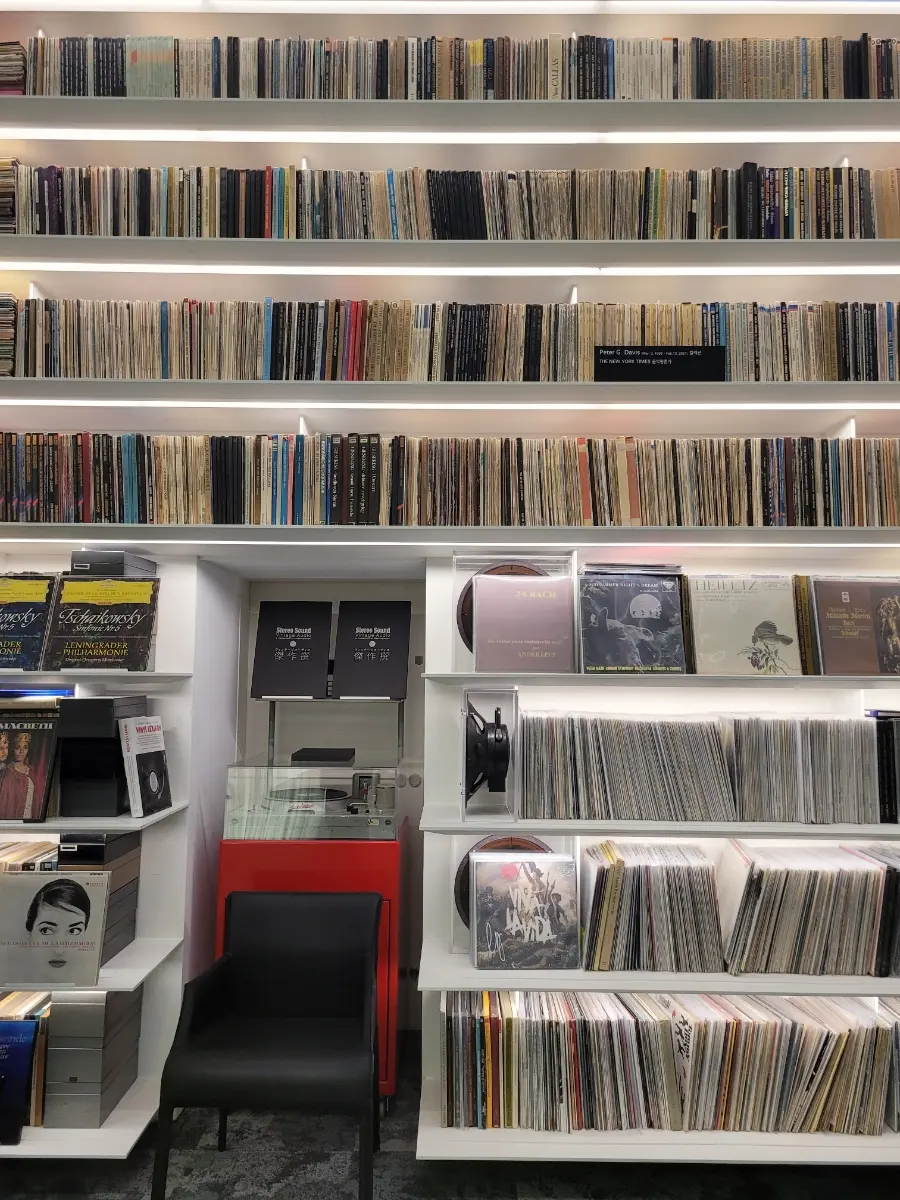
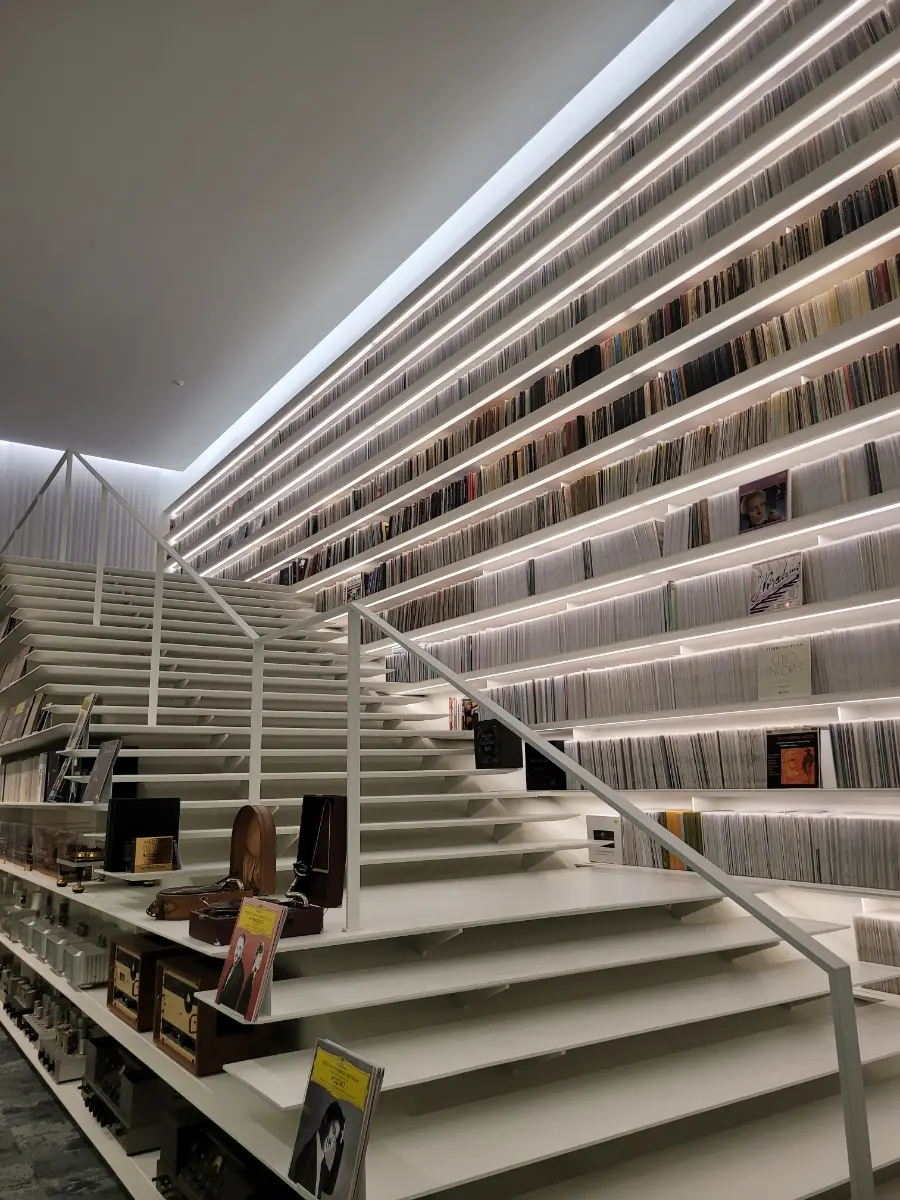
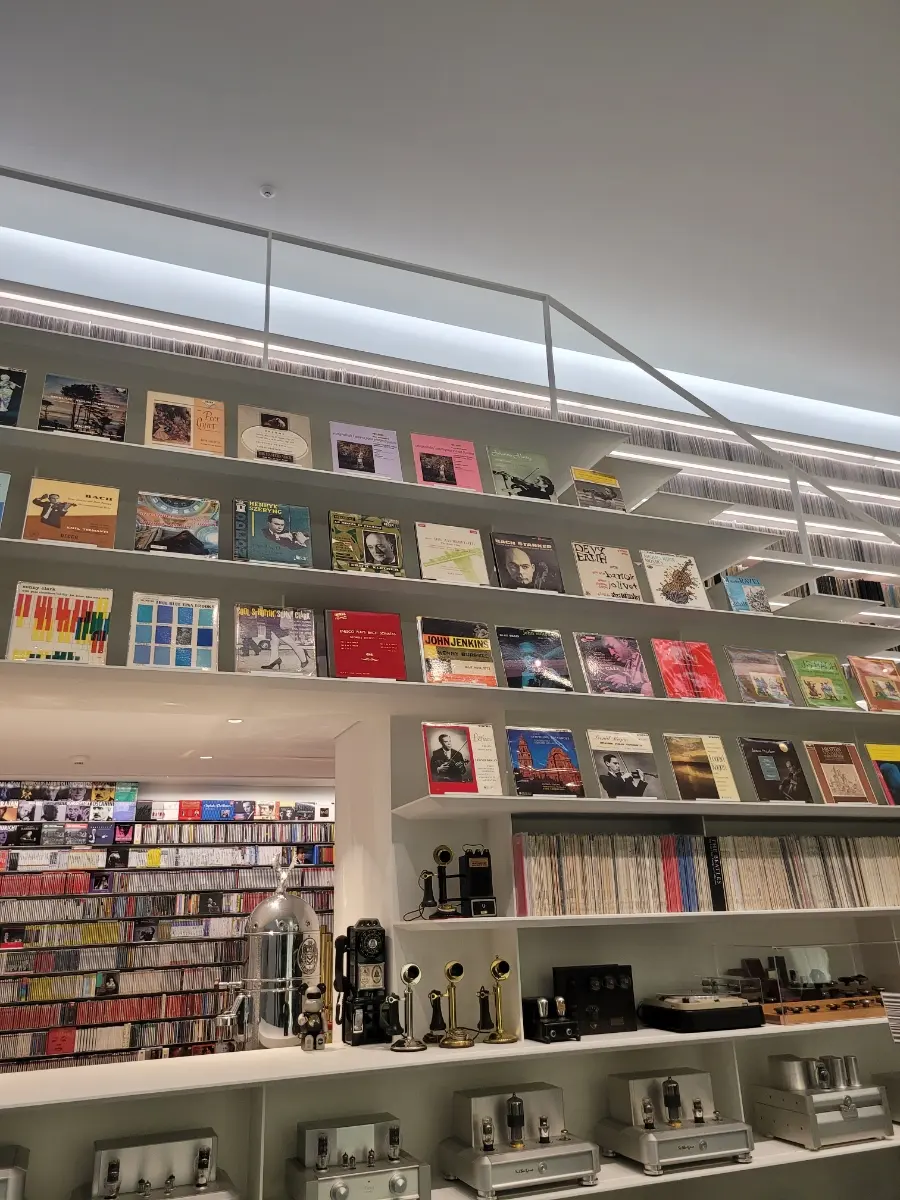
But across the room, on the opposite wall, was an LP collection
said to be one of the largest in the world!
It's a treasure trove featuring masterpiece albums with truly top-tier performances.
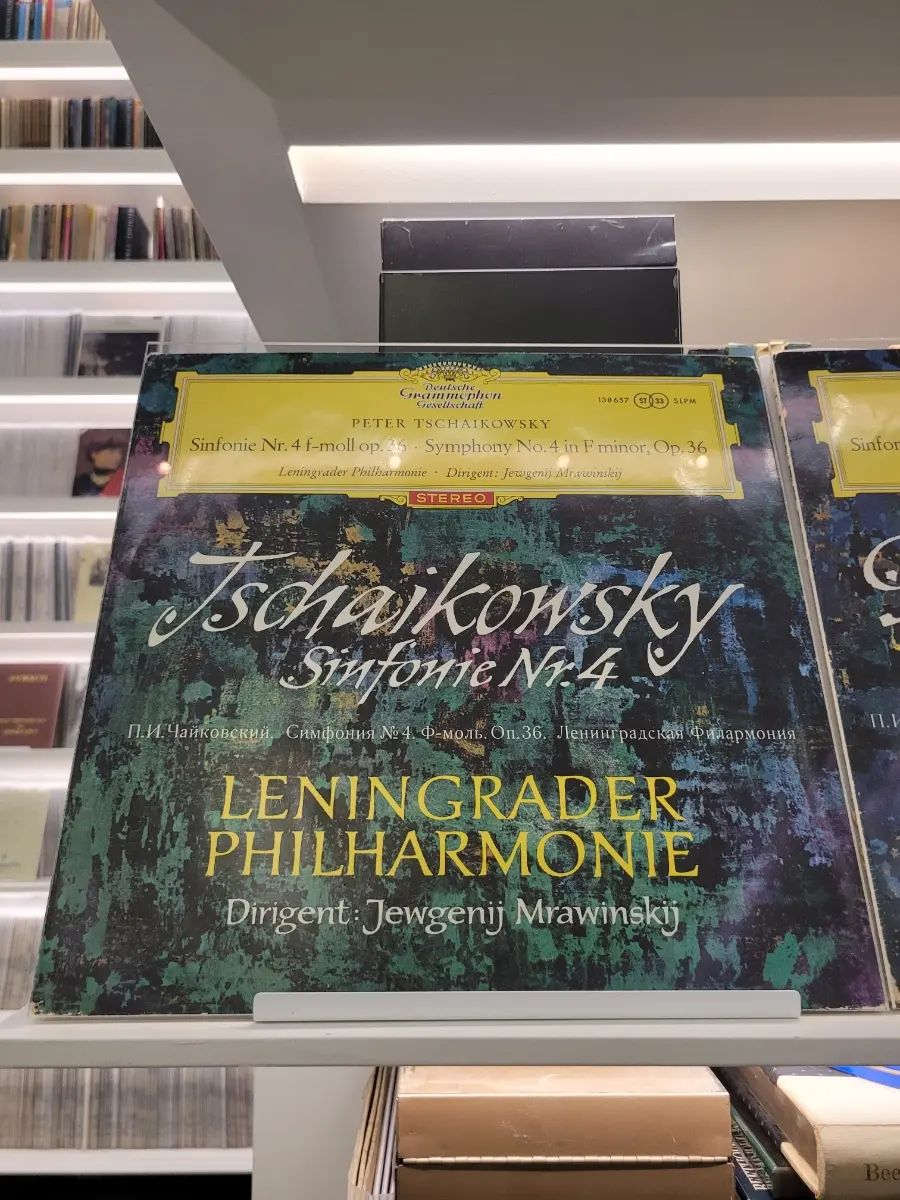
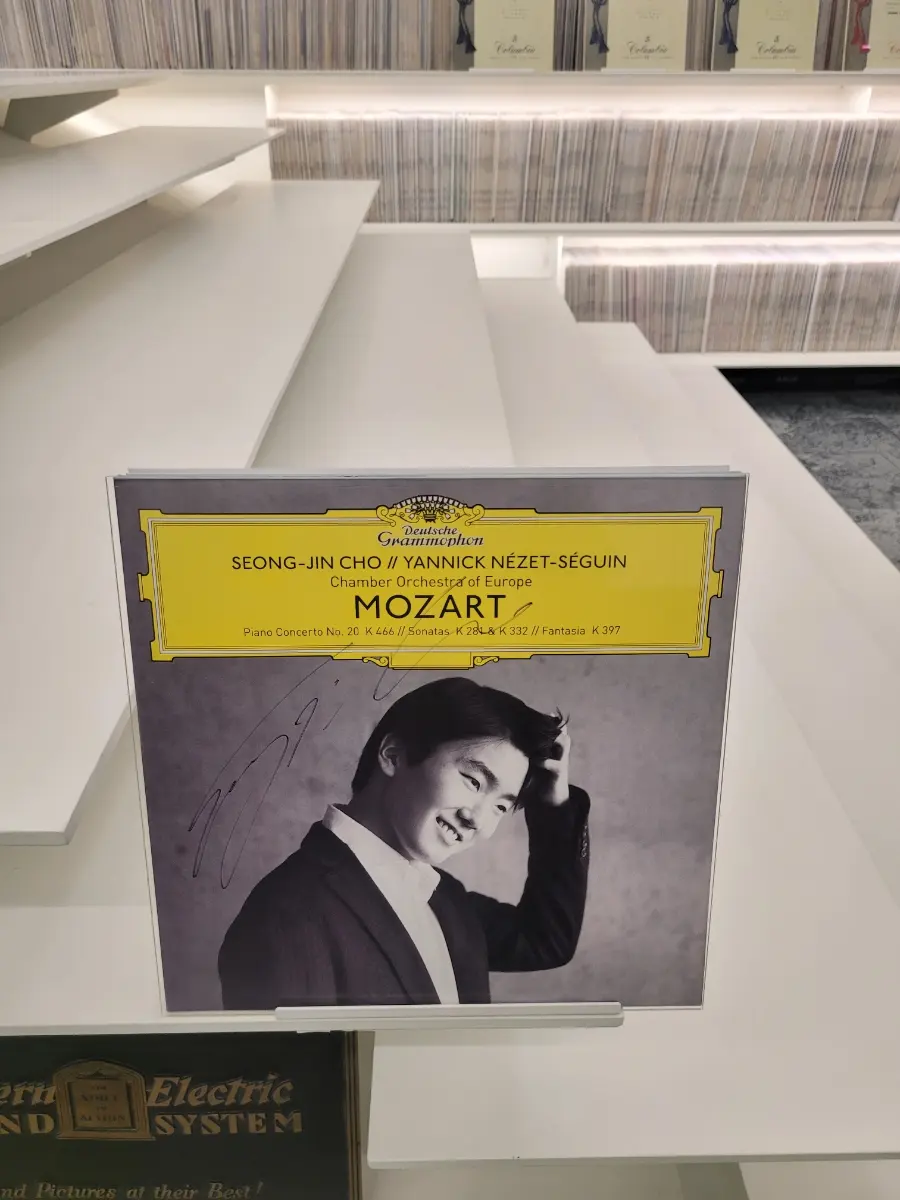
We even had a 'last chance' listening session
to truly experience these LP masterpieces ourselves,
and let me tell you, the curation of records they played was absolutely superb! 👍
Apparently, the playlist varies slightly depending on which docent you have,
but I was so captivated by the song 'When October Goes' by jazz singer
Kevin Mahogany that I just had to jot it down.
It was simply beautiful!
Audium Art Shop
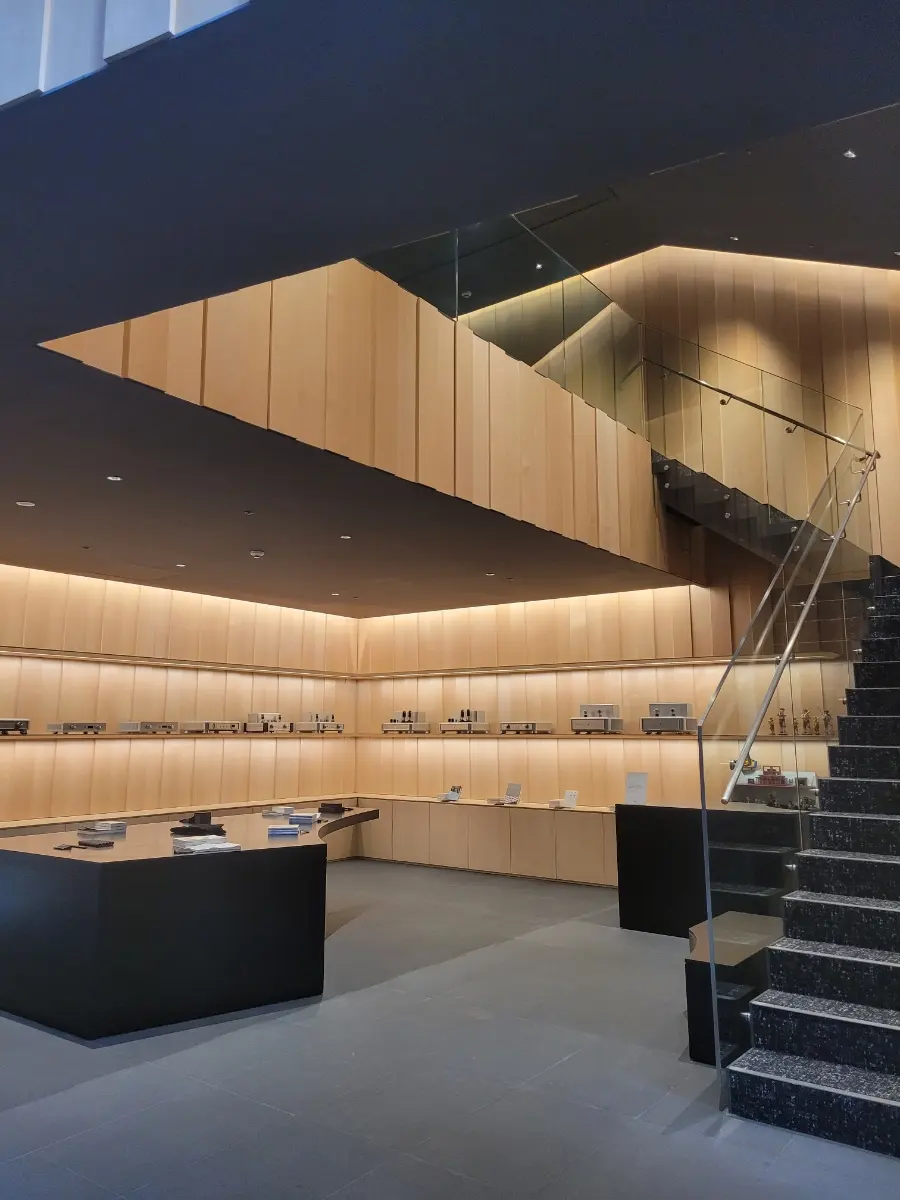
After soaking in all the exhibits, my final stop was a browse through the art shop,
It's not huge, so it's a wonderfully relaxed space
to just wander and discover.
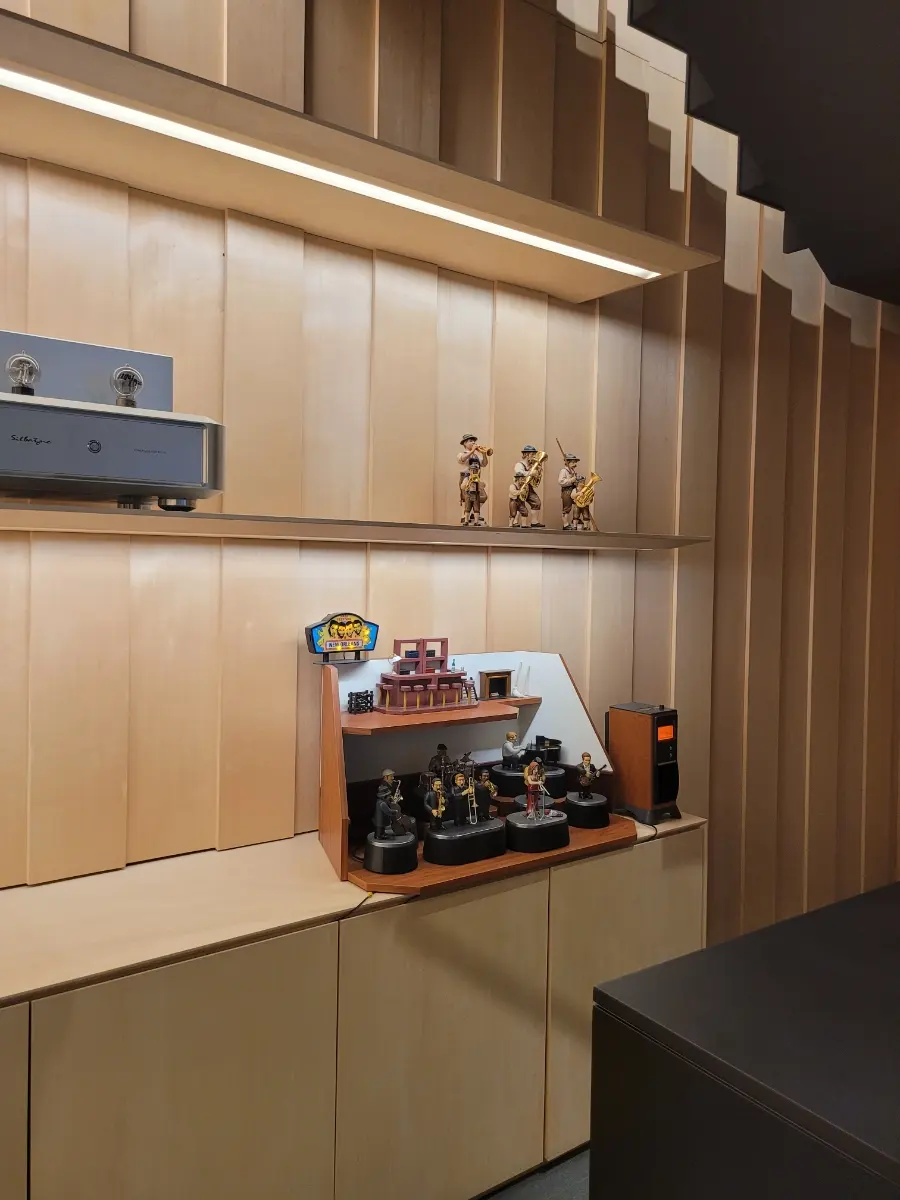
And guess what was located right behind the cashier?
A 'Little Jammer' jazz figure music box –
the very one that made an appearance in the hit show, Squid Game!
How cool is that?
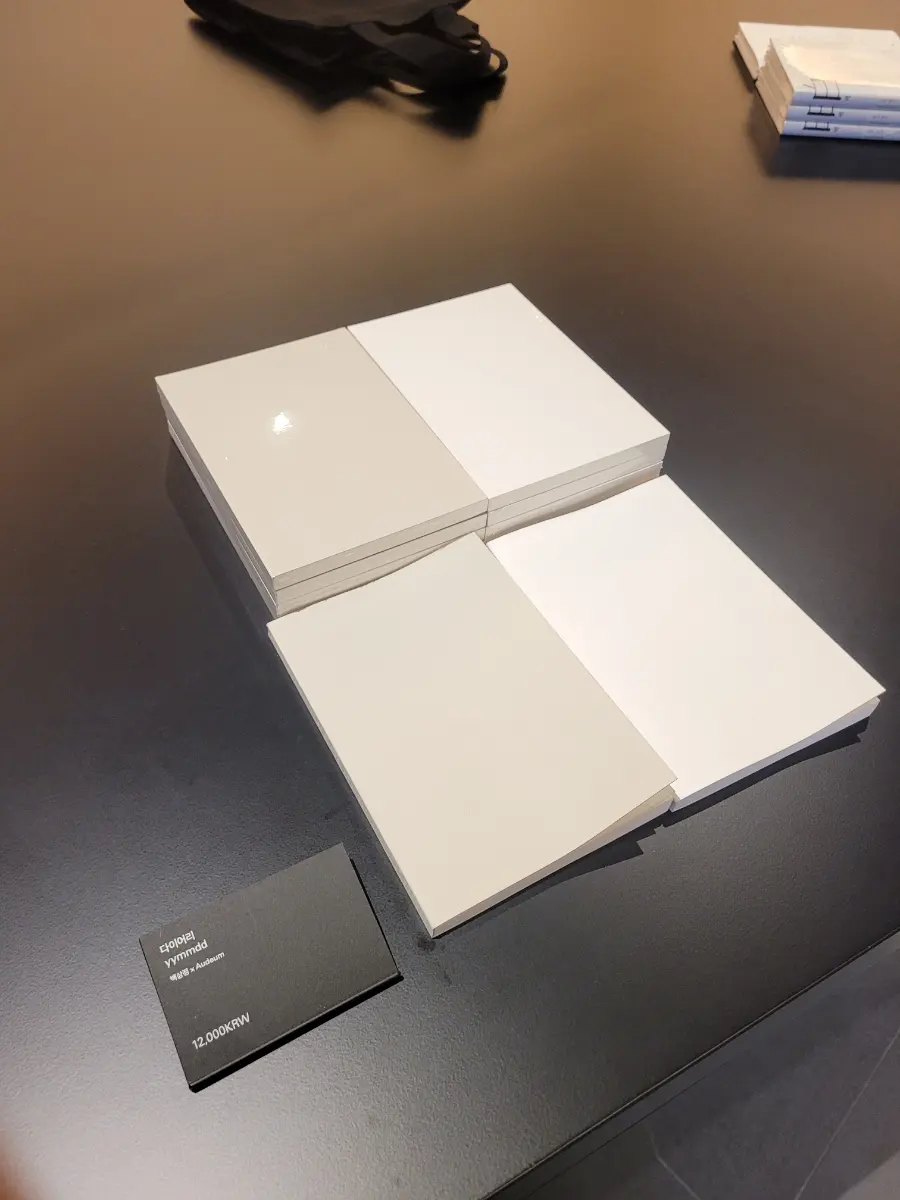
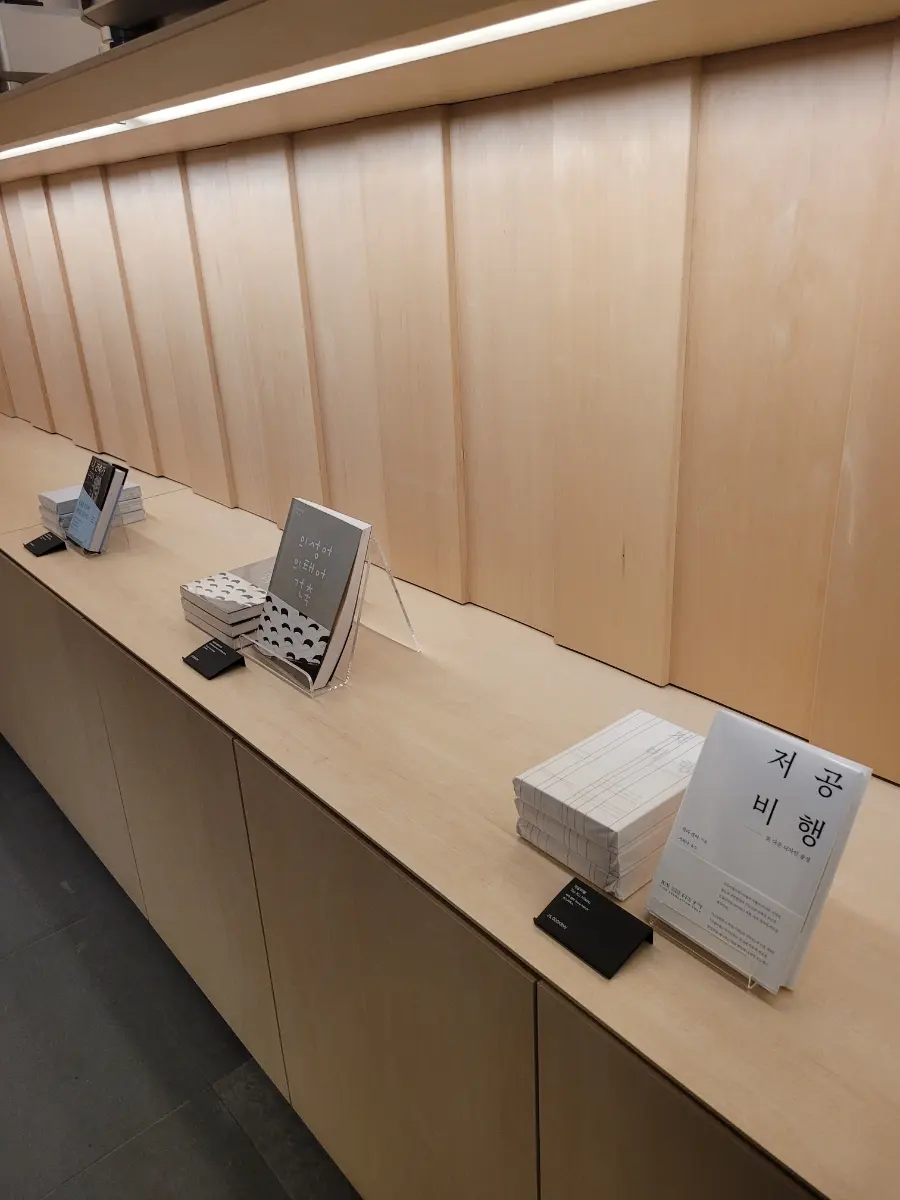
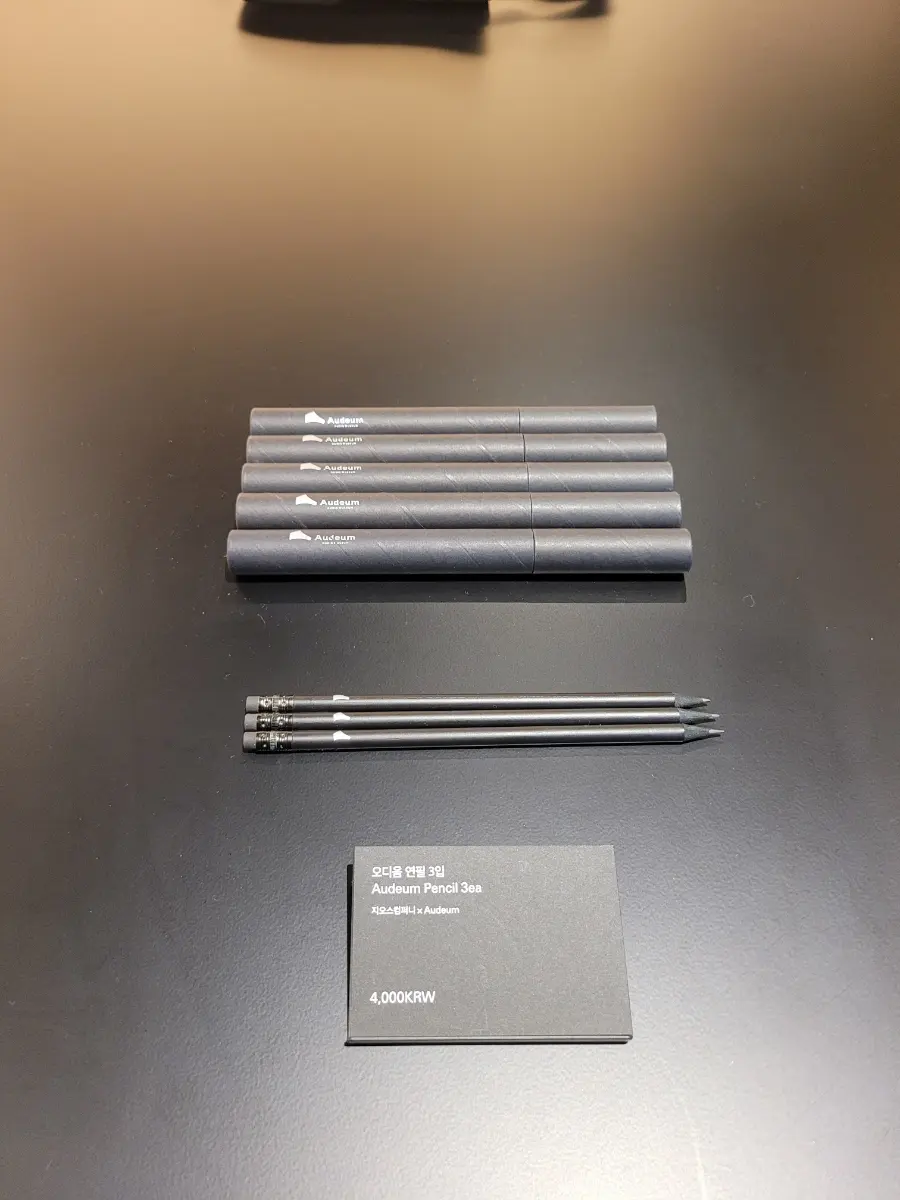
The museum shop also featured
books by renowned designers Kenya Hara and Kengo Kuma,
alongside Audium merchandise like notebooks, eco-bags, and pencils,
all with a wonderfully luxurious and clean aesthetic.
Starting our journey at 11 AM and finally stepping out of Audium around 1 PM,
those 110 minutes absolutely flew by –
I honestly lost all track of time!
It truly was an incredible journey, traversing both time and space!
From WWII-era America to Edison's very own office where the phonograph came to life,
and all the way to charming European bars where people savored music boxes,
it was a quest for nothing short of <good sound>.
More than just a straightforward exhibition,
with the added bonus of actively listening to so much incredible music,
it felt like I had truly stepped right into
a captivating music documentary film. What an immersive experience!
I feel like this post has only captured
less than half of the actual space,
and it's a first for me...!
It was such a memorable place that
next time, I'm planning to try
booking a lecture as well!
Odium Museum
Wellness Archive Index
A unique journey through time and space to discover and experience beautiful sounds.
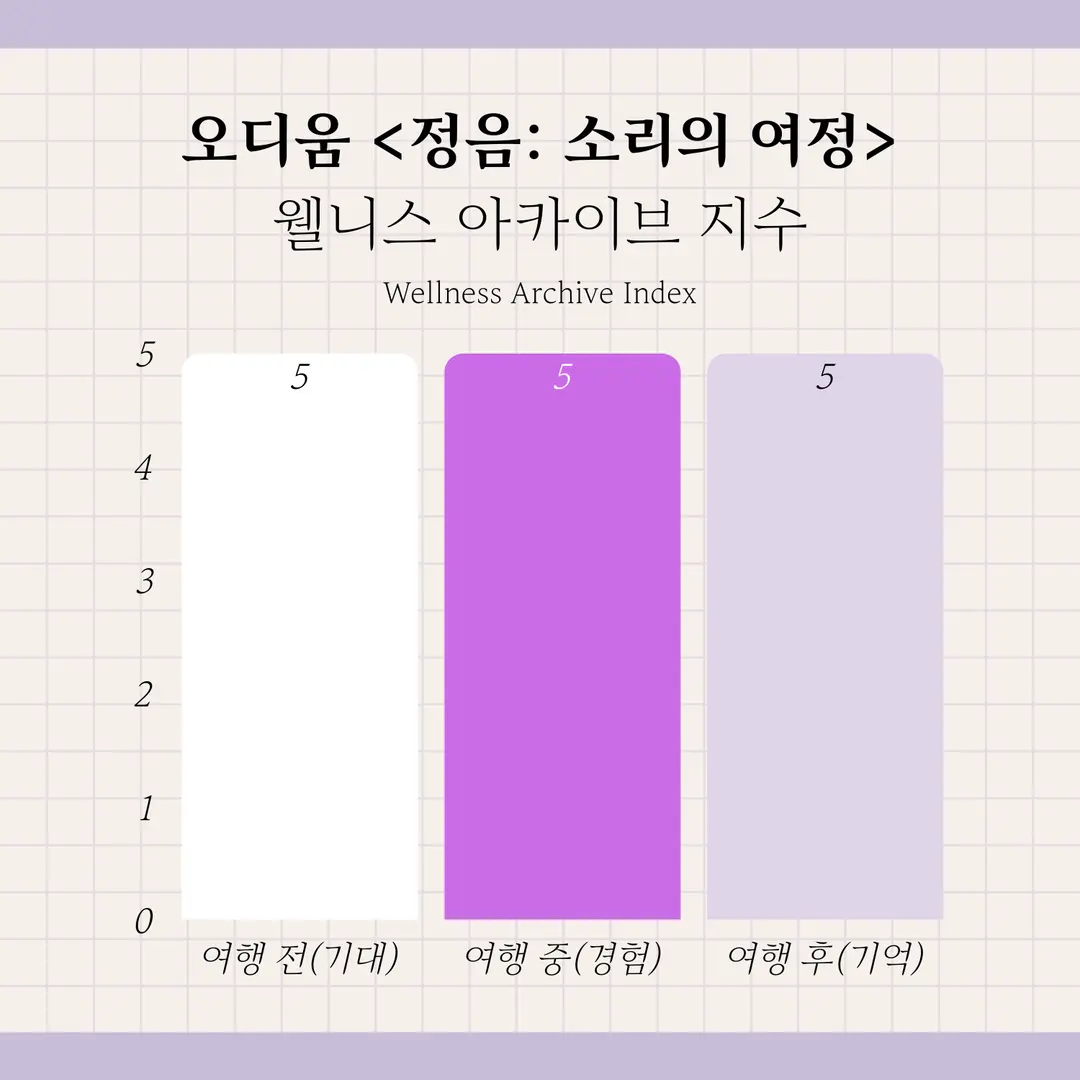
Pre-trip (Expectation): ★★★★★
During trip (Experience): ★★★★★
Post-trip (Memory): ★★★★★
*What is the Wellness Archive Index?
Frequently Asked Questions
How do I book and attend the OdiuM inaugural exhibition <Jeong-eum: A Journey of Sound>?
Individual viewing at OdiuM is not permitted; all visits are conducted via docent tours, requiring advance reservation. The exhibition operates only three days a week: Thursday, Friday, and Saturday. Reservations open every two weeks, and each tour session is limited to 24 people.
What is the total duration of the OdiuM docent tour and where does it start?
The OdiuM docent tour takes approximately 110 minutes. The exhibition begins at the Art Shop entrance on B2 (Basement 2), where you present your QR code to receive a ticket. Entry is permitted starting 20 minutes before the tour begins.
Can I directly listen to 1930s-40s film sound systems at the OdiuM inaugural exhibition <Jeong-eum: A Journey of Sound>?
Yes, at the <Jeong-eum: A Journey of Sound> exhibition, you can directly experience music through speakers from Western Electric (USA) and Klangfilm (Germany), the two major film sound system powerhouses of the 1930s-40s. You can feel subtle tonal differences that even experts have varying preferences for.
Can I listen to music box performances, the ancestors of automatic pianos and phonographs, at the OdiuM special exhibition <Music Box>?
Yes, in the second special exhibition <Music Box> gallery, you can directly experience music played from large music boxes, which are considered the ancestors of automatic pianos and phonographs. This showcases the origin of humanity's desire to collect and reproduce music.
What is the minimum age for visiting the OdiuM Museum, and where is the exhibition entrance located?
The OdiuM Museum is open to visitors aged 14 and above. Contrary to the building's exterior, the entrance is located down a staircase on B2 (Basement 2), where the information desk and Art Shop are also situated.
Share this article
Featured in Collections
Discover more travel stories curated around the same theme.
Related Travel Stories

Deungchon Shabu Kalguksu Seoul Station Review
Craving something warm and spicy near Seoul Station? Deungchon Shabu Kalguksu serves up an incredible 3-course hot pot experience that locals absolutely love.

Daemulseom Jongno Review: Best Aged Sashimi in Seoul
Discover Daemulseom Jongno, a vibrant seafood hotspot near Jongak Station famous for its premium aged flatfish sashimi, cozy semi-private rooms, and local charm.

Anto Resort Seoul Review 2026: Timber Junior Room Stay
Discover the ultimate peaceful escape in Seoul. Our review of the Timber Junior Room at Anto Resort covers room layout, amenities, and smart check-in tips.

TIEFE Cafe Sharosu-gil: A New Dessert Spot for Your Seoul Date 2026
Explore TIEFE, a charming new cafe in Sharosu-gil, perfect for dates. Indulge in unique desserts like cupcakes and financiers, paired with signature drinks.

Shimdo Hotel Seoul Review: Ryokan Vibes & Spa
Discover Shimdo Hotel & Spa in Seoul, a hidden gem offering private jacuzzi baths, traditional tatami tea rooms, and cozy ryokan vibes near Sillim Station.

Bistro de Yountville Seoul Review: Chic French Dining
Experience Paris in the heart of Gangnam. Our review of Bistro de Yountville covers the chic vibes, mandatory dinner wine policy, and booking tips.