

New Zealand Entry Rules 2026: Avoid Fines at the Airport
Planning a trip to New Zealand? Don't get caught off guard! Discover crucial entry rules for food, medications, and other items to ensure a hassle-free arrival.

This post contains affiliate links, from which I may earn a commission, but it is a genuine review based on my own expenses.
New Zealand Independent Travel
New Zealand Restricted Items for Entry
Food / Medicine / Other Items: A Complete Guide
Making your travels smooth, this is Trip Lubricant.
Ever packed for a New Zealand trip and paused, thinking, "Can I even bring this?"
New Zealand is one of the countries with the strictest entry regulations in the world.
You can get fined even if you didn't know.
From a single noodle flake to a speck of dirt on your hiking boots,
you need to check everything! I'll break down New Zealand's restricted entry items for you right now.
Table of Contents |
Why is New Zealand so Strict? |
Absolutely Prohibited Items |
Restricted Items Requiring Declaration |
Comprehensive Guide to Bringing Food into New Zealand |
Declaration vs. Non-Declaration: The Fine Difference |
Why is New Zealand so Strict?

Thanks to its geographical characteristics as an island nation,
New Zealand maintains an ecosystem relatively well isolated from foreign pests and diseases.
That's why it applies some of the world's strictest regulations
to items entering from outside.

Here's the key takeaway:
✔ Fines can be imposed even for simple mistakes
✔ "I didn't know" is not an acceptable excuse
✔ Not declaring is the problem; declaring itself is fine
Keep these three points in mind as you read.
🔖 Save this post,
and use it as a checklist the night before you pack.
Absolutely Prohibited Items
Meat and Meat Products
All fresh meats such as beef, chicken, pork, and eggs are prohibited.
This is a common item that Korean travelers often get caught with.
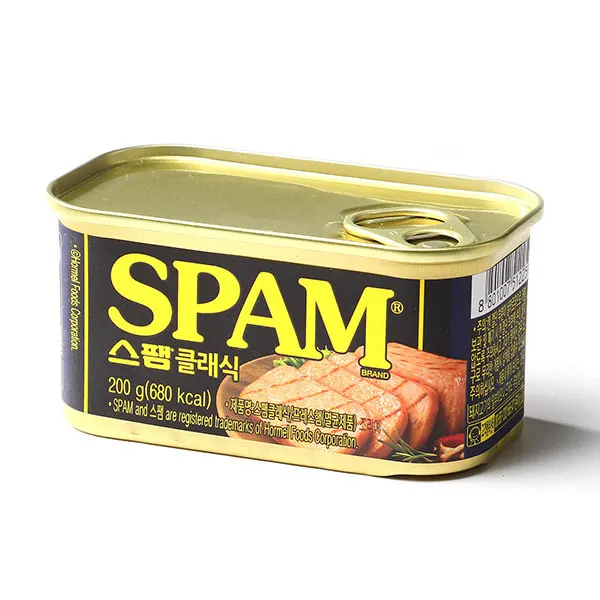
✔ Spam – Prohibited
✔ Beef jerky – Prohibited
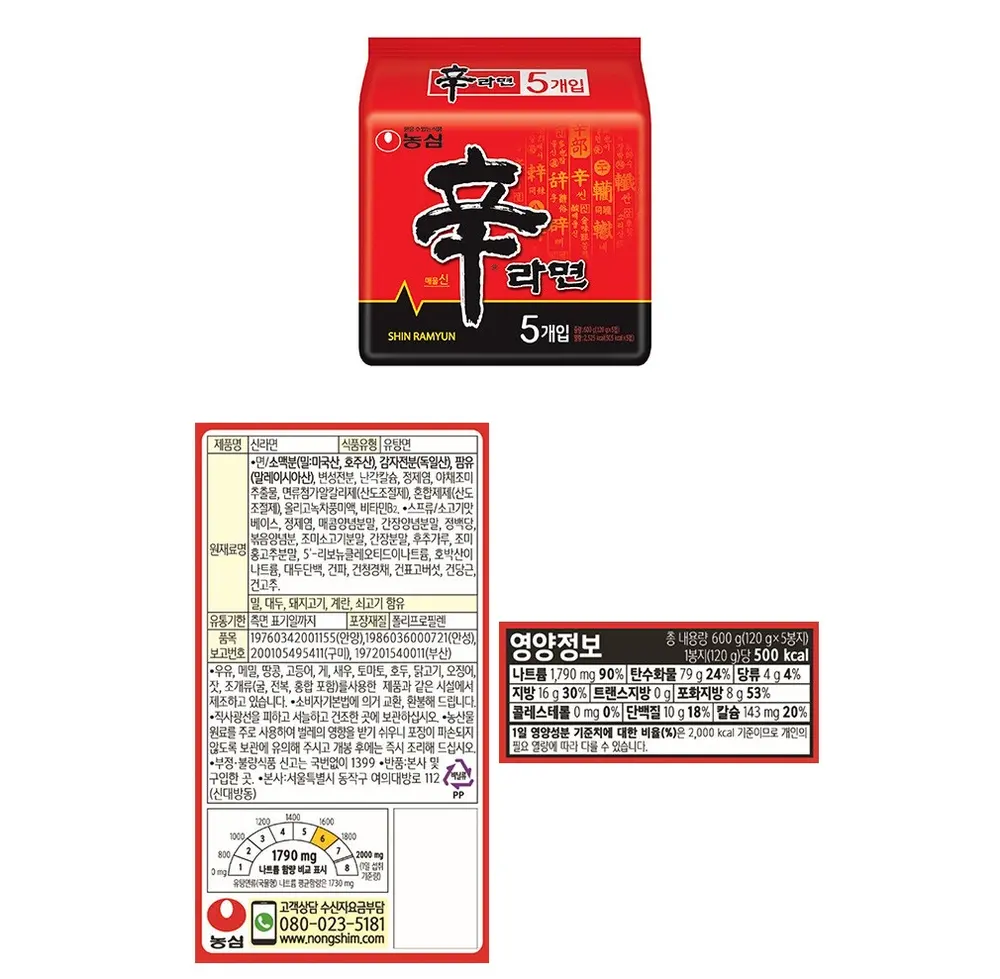
✔ Cup noodles/Packet noodles – Confiscated if broth contains meat ingredients
Ramen often gets through depending on the inspector's luck.
Ramen can still be confiscated even if the packaging doesn't explicitly state '*meat ingredients'.
If you want to bring it, checking the ingredients is essential.
*Meat ingredients: includes beef, meat, chicken, and bone broth
There's also a rumor that Shin Ramyun bought in Australia or New Zealand tastes even better.
If you're curious, give it a try!

Plants and Seeds
All unprocessed plant products, such as fresh fruits, fresh vegetables, seeds, and beans, are prohibited. There are no exceptions, even for small quantities.
Honey and Honey Products
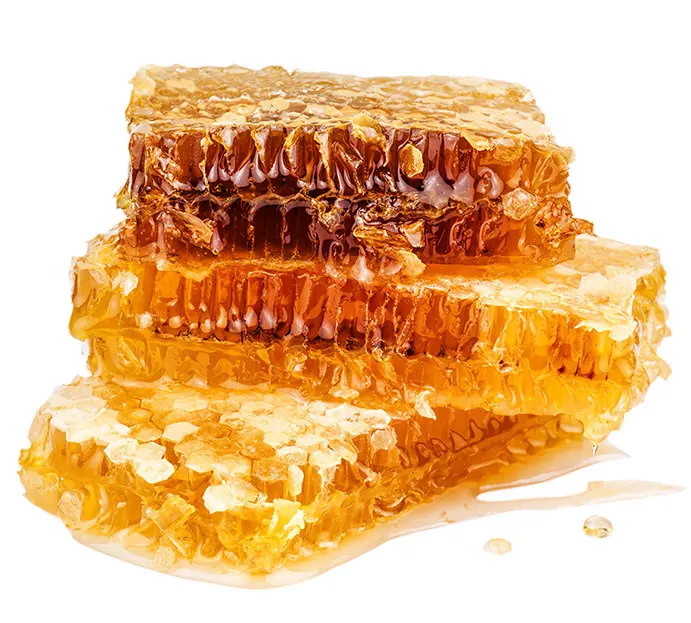
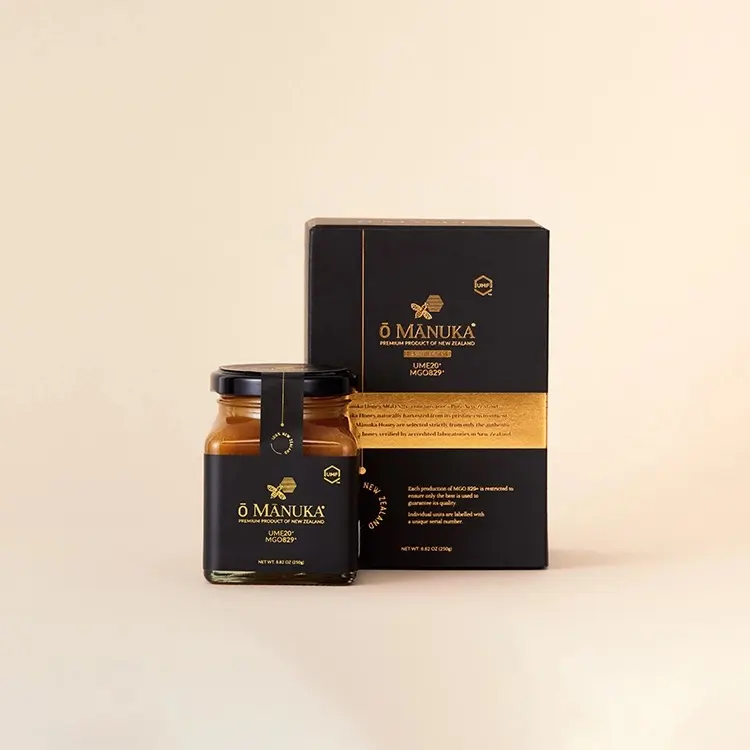
All honey and products containing honey are prohibited.
Even if it's a gift, it will be confiscated.
This includes Manuka honey – prohibited!!
Other Dangerous Items
Firearms, tasers, knives,
axes, explosives, and fireworks are, of course, also prohibited.
Restricted Items Requiring Declaration
These items aren't completely prohibited but can be allowed
after declaration and quarantine inspection.
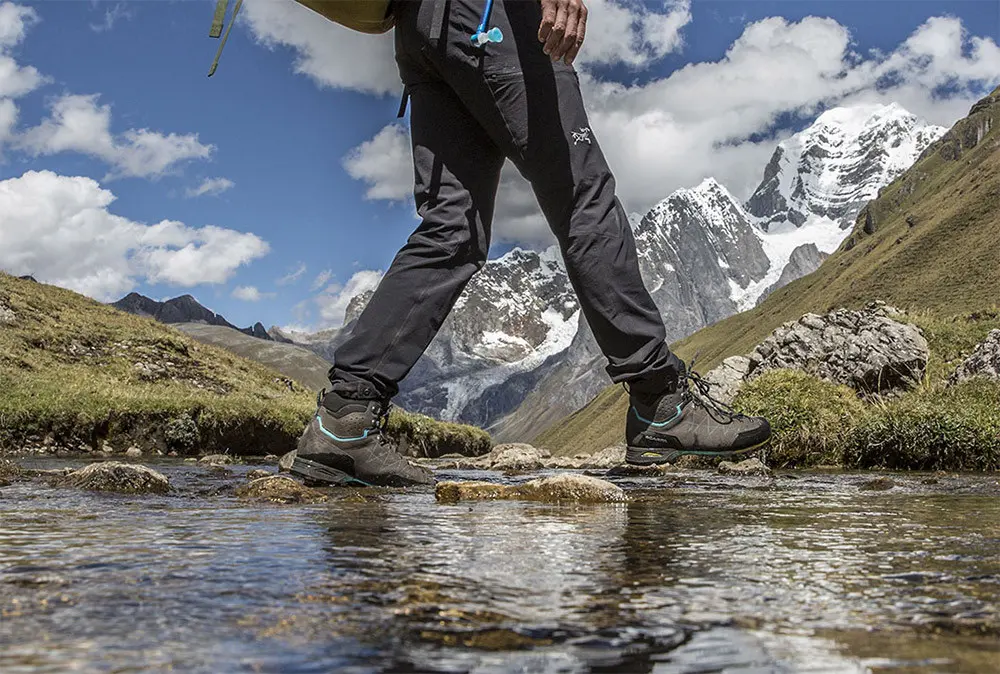
Outdoor Activity Equipment
Hiking boots, hiking gear, and camping equipment are allowed.
However, if they have dirt, leaves, or seeds on them, entry may be refused.
It's essential to clean them thoroughly before departure.
If you're planning a campervan trip or trekking in New Zealand,
make sure to check any equipment you've used before.
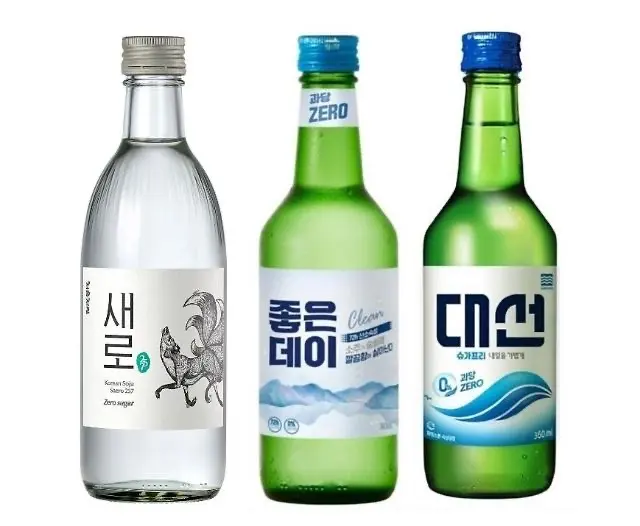
Alcohol
Type | Duty-Free Limit |
Wine & Beer | Up to 4.5L total |
Spirits (Soju, Whiskey, etc.) | Up to 1.125L per bottle, maximum 3 bottles |
Heading on a trip? Planning to bring some soju?
You can bring up to 1.125L per person,
which means 3 standard soju bottles,
or 5 packs of 200ml soju.

Tobacco
✔ Standard Cigarettes: Up to 50 sticks per person, duty-free
✔ E-liquid for e-cigarettes: Containers up to 100ml, total allowed up to 200ml
✔ Nicotine content: Restricted to 20mg/ml or less
✔ Disposable E-cigarettes: Strictly prohibited
Comprehensive Guide to Bringing Food into New Zealand
When it comes to bringing food into New Zealand,
let's clear up the most confusing parts.
Item | Allowed / Not Allowed |
Sealed, Commercially Produced Kimchi | ✅ Allowed (after declaration) |
Instant Noodles without Broth / Cookies | ✅ Allowed (after declaration) |
Instant Noodles with Broth | ❌ May be confiscated (might pass depending on luck, but risky!) |
Spam / Jerky | ❌ Not Allowed |
Fresh Fruit / Fresh Vegetables | ❌ Not Allowed |
Honey / Honey Products | ❌ Not Allowed |
Leftover In-flight Meals | ❌ Must be declared or disposed of |
Key Principle: You must declare all food items to customs.
Declaring them won't automatically result in a fine.
Most of the time, it simply ends with either being allowed after inspection or being disposed of.
Common Mistakes by Korean Travelers
✔ Spam / Jerky gift sets
✔ Instant cup noodles containing meat flakes
✔ Homemade side dishes or kimchi given by family (if not commercially packaged)
✔ Hiking boots with soil
Since many Korean travelers bring kimchi,
quarantine officers are generally quite familiar with it.
Always make sure to buy commercially packaged, unopened kimchi if you plan to bring it
New Zealand Medicine Import Regulations
When it comes to bringing medicines into New Zealand,
they are divided into non-prescription vs. prescription medications.
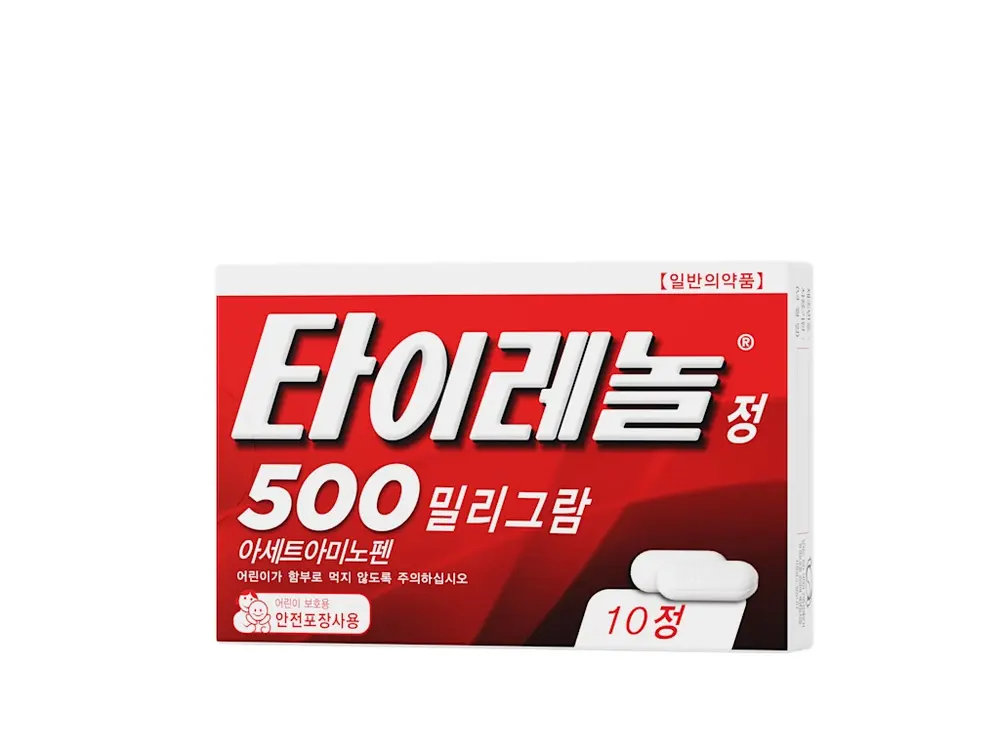
Non-Prescription Medicines
✔ Must be kept in original packaging
✔ Bring new products if possible
✔ Active ingredients must be listed in English
✔ If not listed, write it down separately in English
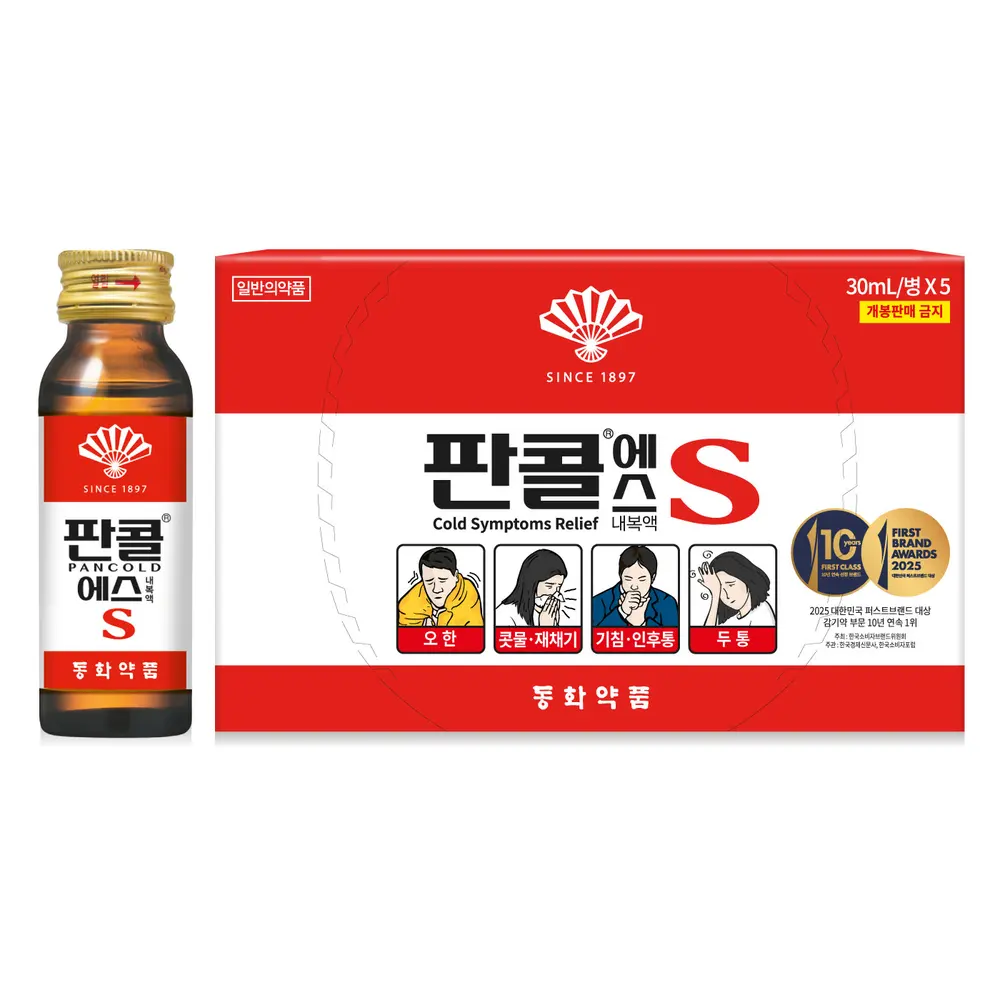
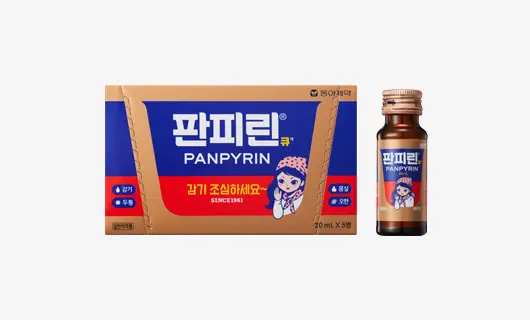
⚠️ Entry may be restricted if containing Ephedrine-related ingredients
List of Medicines Containing Ephedrine-Related Ingredients
Panpyrin Q-Liquid / Panpyrin T
Pancol S Oral Solution / Pancol A
Power콜 Capsule / Power콜 Nose
Whaituben / Whaituben Nose Plus
Ryukakusan Cool / Actifed Tablets / Green Nose / Contac Gold
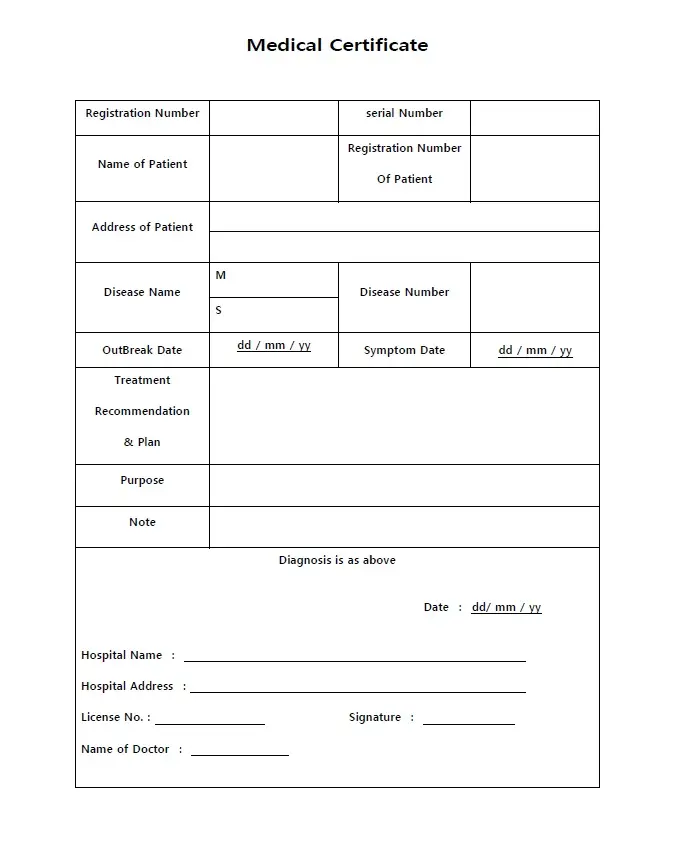
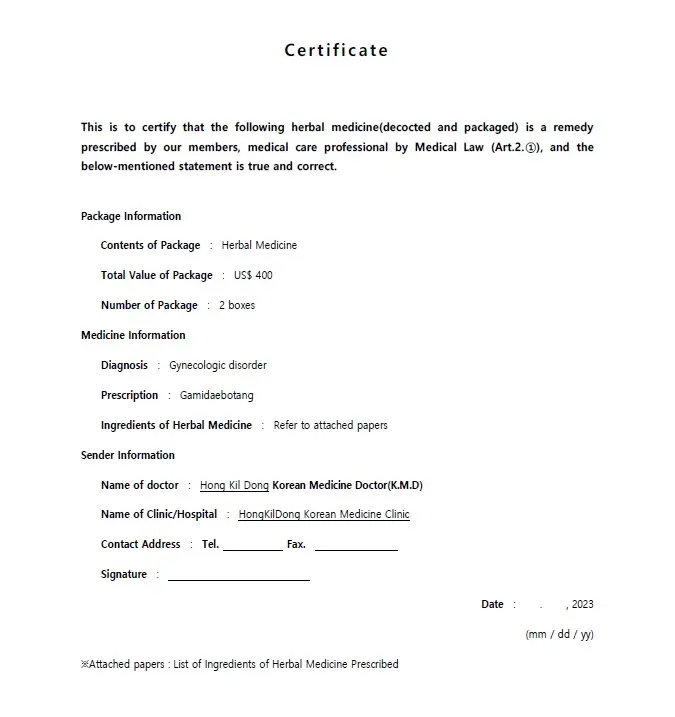
Prescription Medicines
✔ Must be prescribed to you personally
✔ An English prescription or doctor's letter is essential
If you bring prescription medication without a prescription,
you might encounter issues at quarantine.
Make sure to get an English doctor's letter from your hospital before you depart.
Declaration vs. Non-Declaration: The Difference in Fines
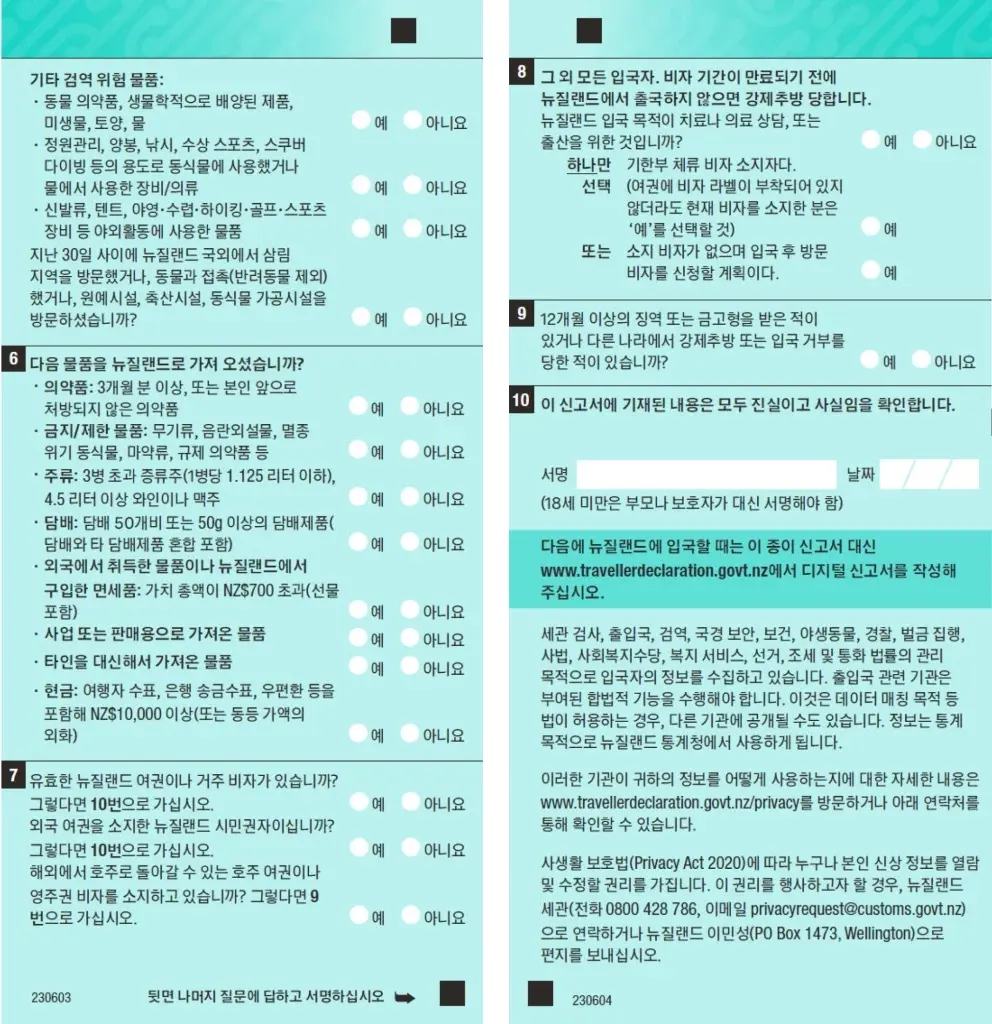
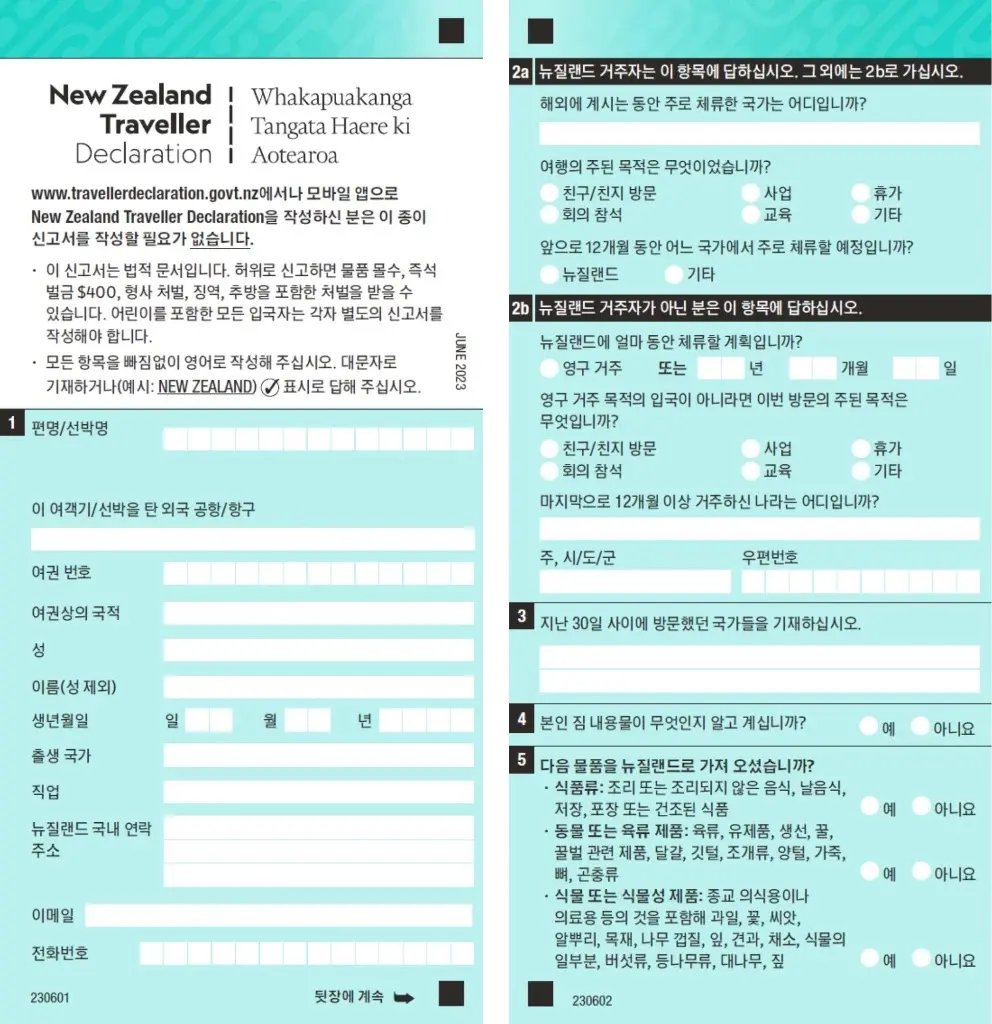
Many people are afraid of the declaration process itself.
But actually, it's the opposite!
✅ If you declare? No fine.
It typically ends with either being allowed after inspection or being disposed of.
❌ If you don't declare?
Situation | Penalty |
If caught on the spot | Immediate 400 NZD (~$235) fine |
In severe cases | Up to 100,000 NZD (~$59,351) fine or up to 5 years imprisonment |
At New Zealand airports,
trained detector dogs are constantly on duty.
It's much safer to declare than to hide something.
Customs Declaration Tips for Entry
✔ If you're unsure, always declare it
✔ Answer as honestly as possible
✔ "I didn't know" is not an accepted excuse
✔ Even though they might be pricey, there are many Korean products available locally
● All food items – must be declared to customs without exception
● Spam, jerky, honey, fresh fruit – absolutely prohibited from entry
● Soil on hiking boots, ramen soup base ingredients – common confiscation cases
● Medications – bring original packaging + English prescription
● Declaring itself incurs no fine; the problem is not declaring
Has anyone ever had
items confiscated by customs when entering New Zealand?
If you share your experience in the comments, it would be helpful to others.
Traveling to New Zealand is a country that requires preparation
right from the packing stage.
In the next post, I'll be sharing actual entry reviews and
a list of items to declare on the arrival card.

If you hit the 'Follow' button, you won't miss any of the New Zealand series.
If you want to see more travel stories,
'Follow Travel Lubricant' !
📍 New Zealand
New Zealand
📍 Queenstown
New Zealand Queenstown
📍 Auckland
New Zealand Auckland
📍 Christchurch
New Zealand Christchurch
Frequently Asked Questions
Can Koreans bring Spam, jerky, and honey products into New Zealand, which are common mistakes?
No, all meat and meat products, including Spam and jerky, as well as honey and products containing honey ingredients, are strictly prohibited from entering New Zealand. Even if they are gifts, they will be confiscated.
What should I be aware of when bringing cup noodles or packaged ramen into New Zealand?
Cup noodles or packaged ramen may be confiscated if their soup base contains meat ingredients such as beef or chicken. Ramen without a soup base can be brought in after declaration. It is essential to check the ingredients, as items may be confiscated even if meat ingredients are not explicitly listed.
If I bring soju to New Zealand, what is the maximum number of bottles allowed duty-free per person?
Distilled spirits (such as soju, whiskey, etc.) are allowed duty-free up to a maximum of 3 bottles, with each bottle not exceeding 1.125L. This means 3 standard soju bottles, or 5 packs of 200ml soju.
What fine is imposed if restricted items are not declared and are caught upon entry into New Zealand?
If restricted items are not declared and you are caught on the spot, an immediate fine of 400 NZD (approximately ~$235) will be imposed. In serious cases, you could face a maximum fine of 100,000 NZD (approximately ~$59,351) or up to 5 years imprisonment.
Share this article
Related Travel Stories
SkyCity Hotel Auckland Review: Perfect for Your New Zealand Honeymoon
Planning a New Zealand honeymoon? Discover why Auckland's SkyCity Hotel is the perfect choice for couples seeking comfort, prime location, and unforgettable experiences in 2026.
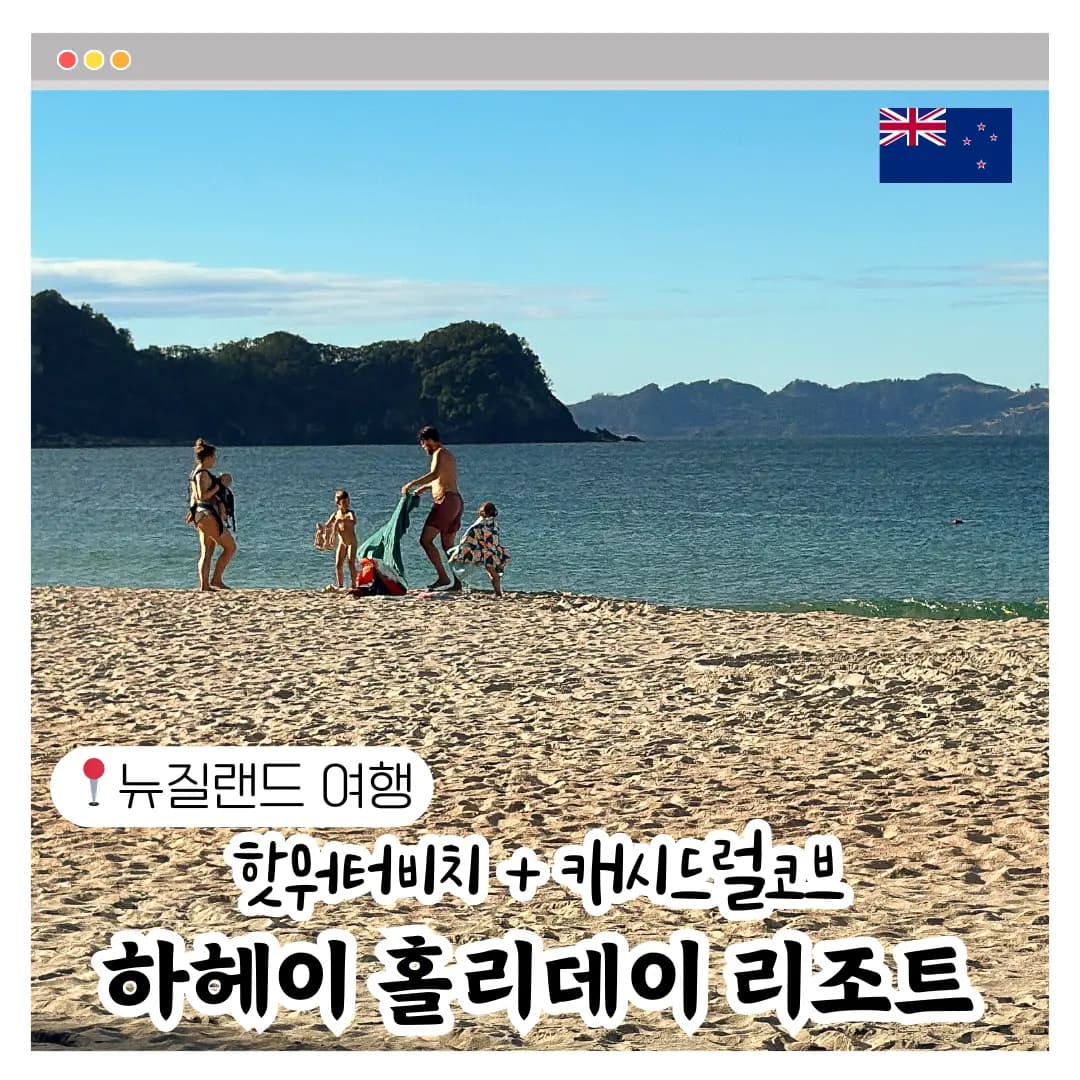
Hahei Holiday Resort Review 2026: Your Ideal Cathedral Cove Stay
Planning a New Zealand adventure? Discover Hahei Holiday Resort near Cathedral Cove and Hot Water Beach, perfect for families and campervan travelers. Read our 2026 review!
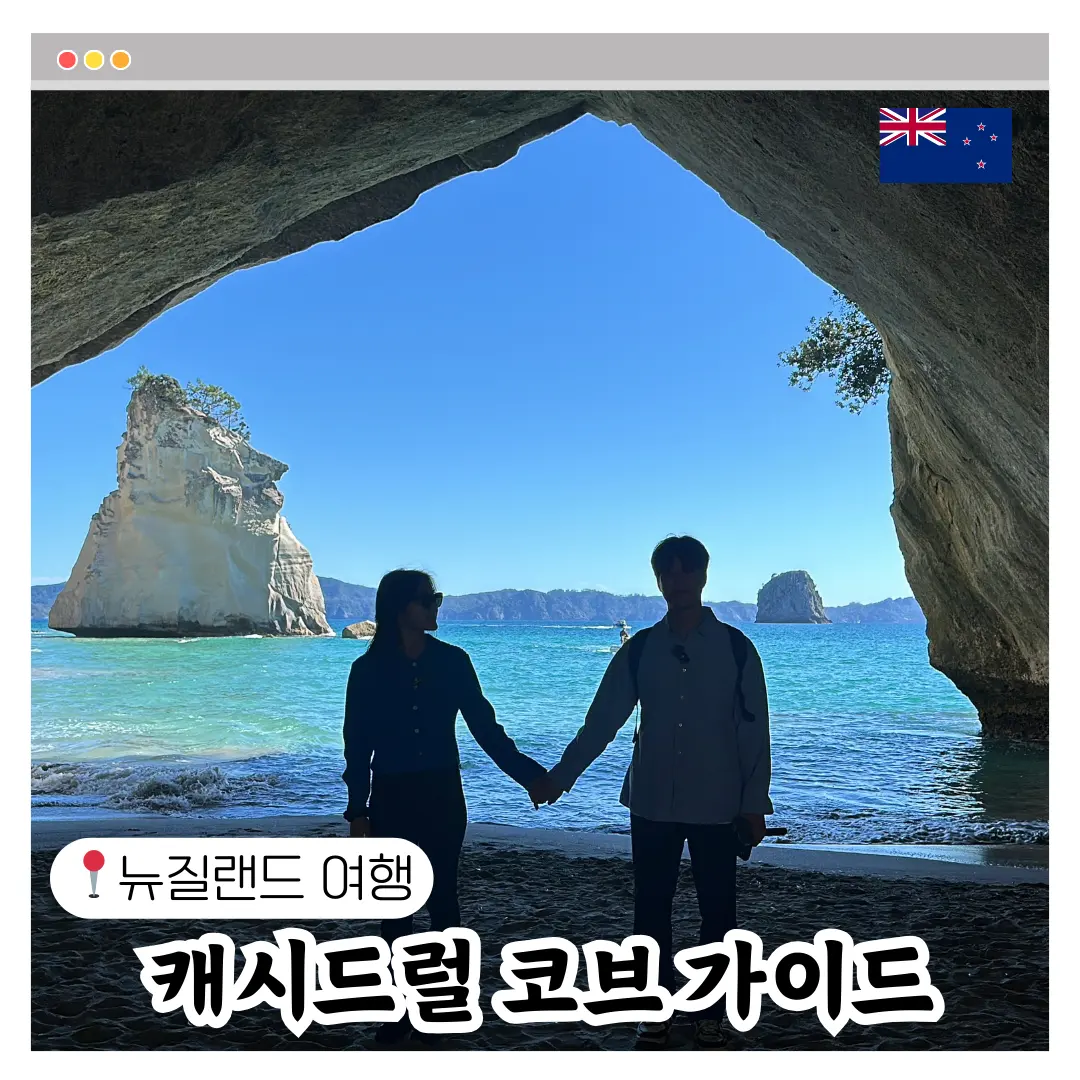
Cathedral Cove New Zealand: An Auckland Day Trip Guide
Explore Cathedral Cove, a breathtaking Narnia filming location on New Zealand's Coromandel Peninsula. This guide covers all transport options for your unforgettable Auckland day trip.
JW Marriott Auckland Review 2026: A 5-Star Honeymoon Stay
Arriving in Auckland after your wedding? Indulge in unparalleled luxury at the JW Marriott, a 5-star haven perfectly located in the CBD for a dream honeymoon experience.

Waiheke Island Day Trip 2026: Auckland Winery Tour Guide
Escape Auckland for a day on Waiheke Island, New Zealand's 'Island of Wine'. Explore exquisite wineries, breathtaking views, and pristine beaches. Your ultimate guide to a perfect getaway!
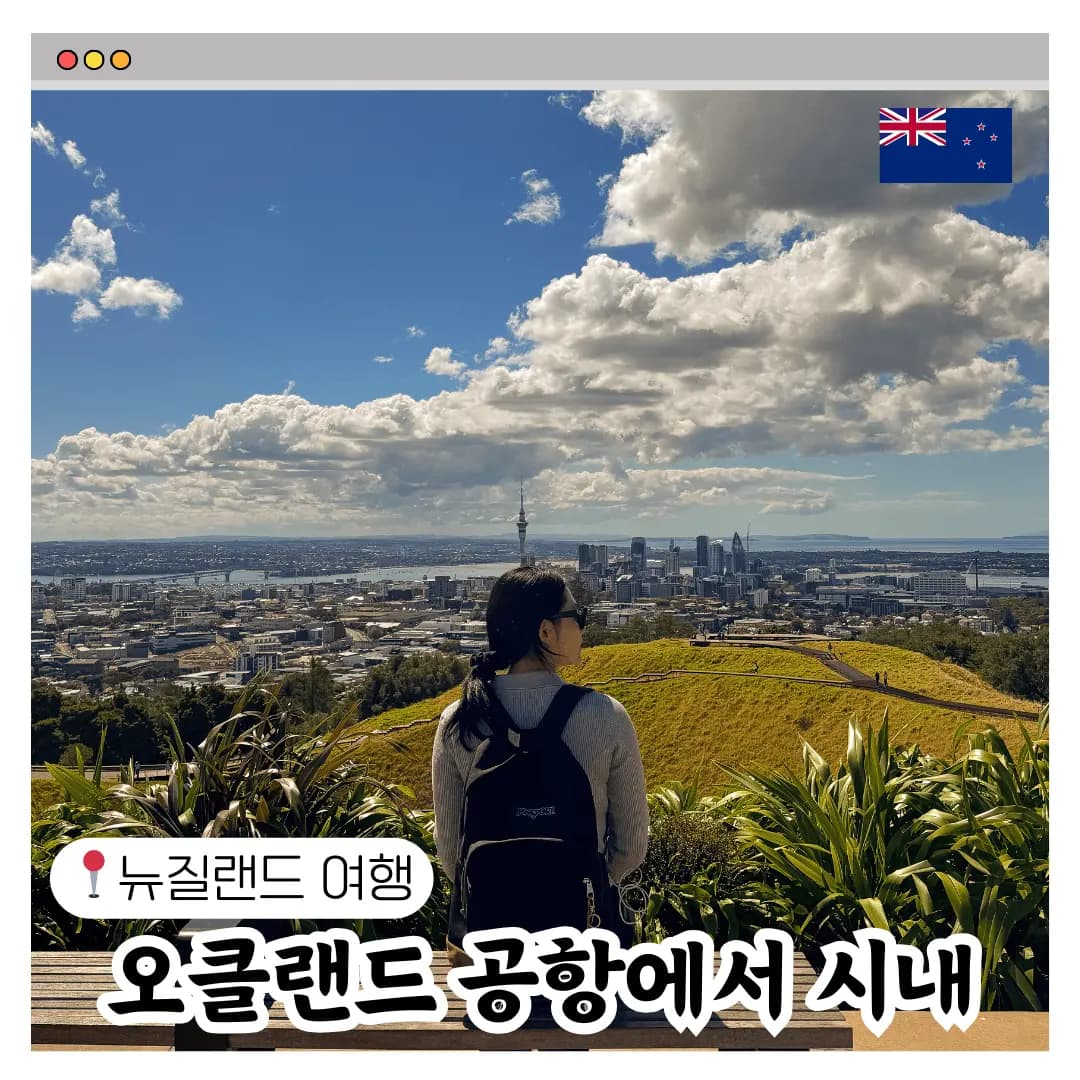
Auckland Airport to City Transfer 2026: Super Shuttle Review & Options
Planning your Auckland trip in 2026? Discover the best ways to get from Auckland Airport to the city center, including Super Shuttle, Uber, SkyDrive, and private transfers. Get my personal Super Shuttle review and essential tips!