

Jeju Dark Tourism: Alteur Airfield & Songaksan History Walk
Discover a different side of Jeju Island. Explore Alteur Airfield and Songaksan's hidden wartime history, revealing the profound echoes of the past through meaningful dark tourism.

When you hear "Jeju Dark Tourism," it's easy to immediately think of the Jeju 4.3 Incident historical sites, which deeply resonate with a painful chapter in Korean history.
However, Jeju Island also harbors numerous Japanese military facilities built during the Japanese colonial period, including airfields, aircraft hangars, underground bunkers, and cave fortifications, scattered across its landscape.
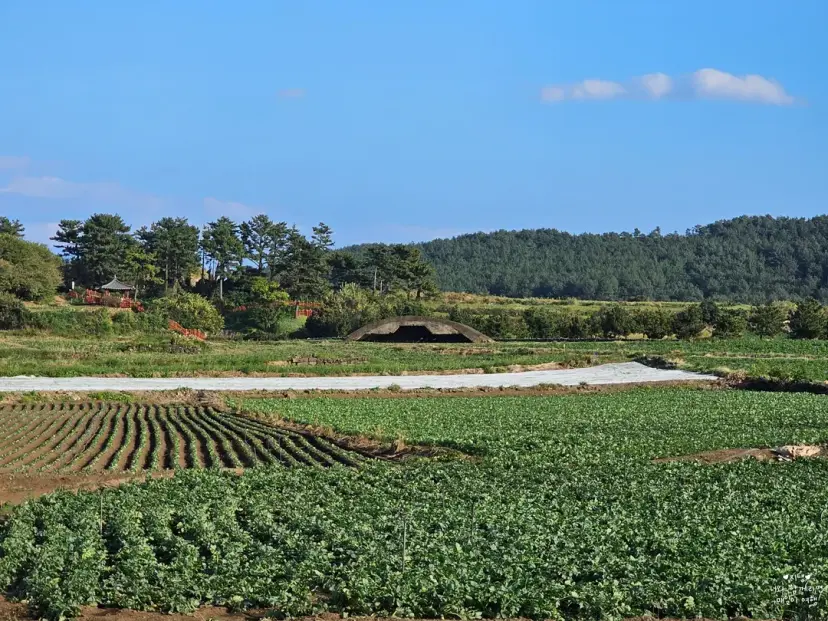
Alteur Airfield and Songaksan Mountain, both located in Daejeong-eup, Seogwipo City, are prime examples of such sites. Today, they offer serene fields and breathtaking ocean views, but their past tells a different story – one of military installations designed for war.
When I was living on Jeju Island last October (2025), my husband and I explored these two significant locations. Our visit was prompted by the Jeju National Heritage Stamp Tour, which we were actively participating in. Walking through these sites firsthand truly allowed me to grasp the profound nature of Jeju's dark tourism experiences.
What is Jeju Dark Tourism?
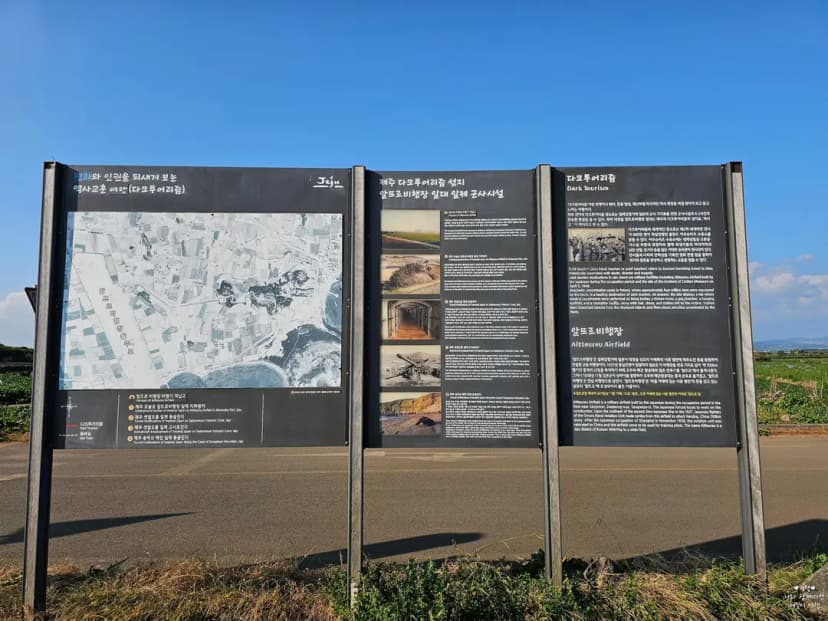
Dark tourism refers to a type of travel that involves visiting places marked by painful historical events such as wars, disasters, or massacres. It's about reflecting on and remembering the past events that occurred there.
On Jeju Island, dark tourism isn't limited to sites related to the Jeju 4.3 Incident; it also encompasses traces of Jeju's modern and contemporary history, including military facilities constructed during the Japanese colonial period.
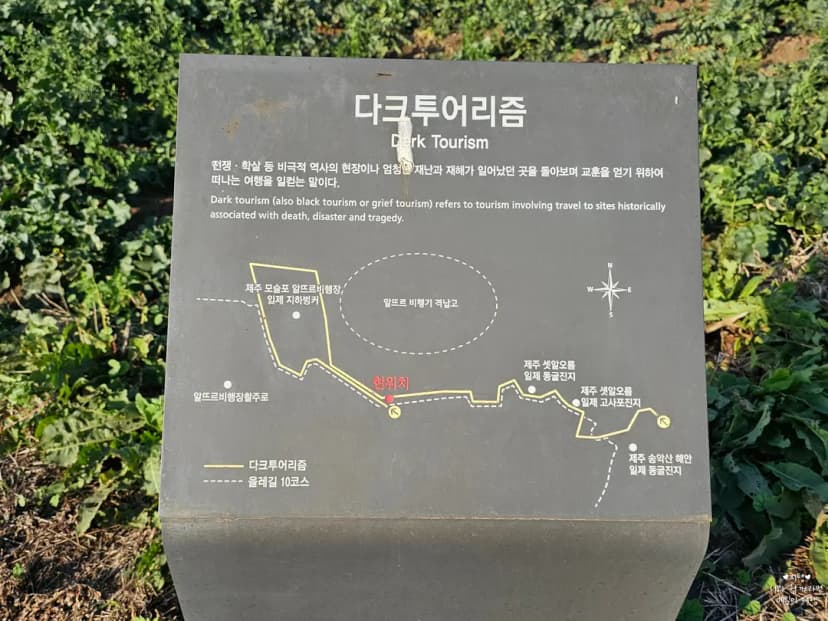
Alteur Airfield and Songaksan Mountain, the sites I visited, are indeed places where military relics from the Japanese colonial period still remain. What struck me most was the stark contrast: here, one can simultaneously confront the peaceful current landscape of Jeju and the poignant remnants of a wartime past.
Discovering Alteur Airfield Through Jeju Dark Tourism
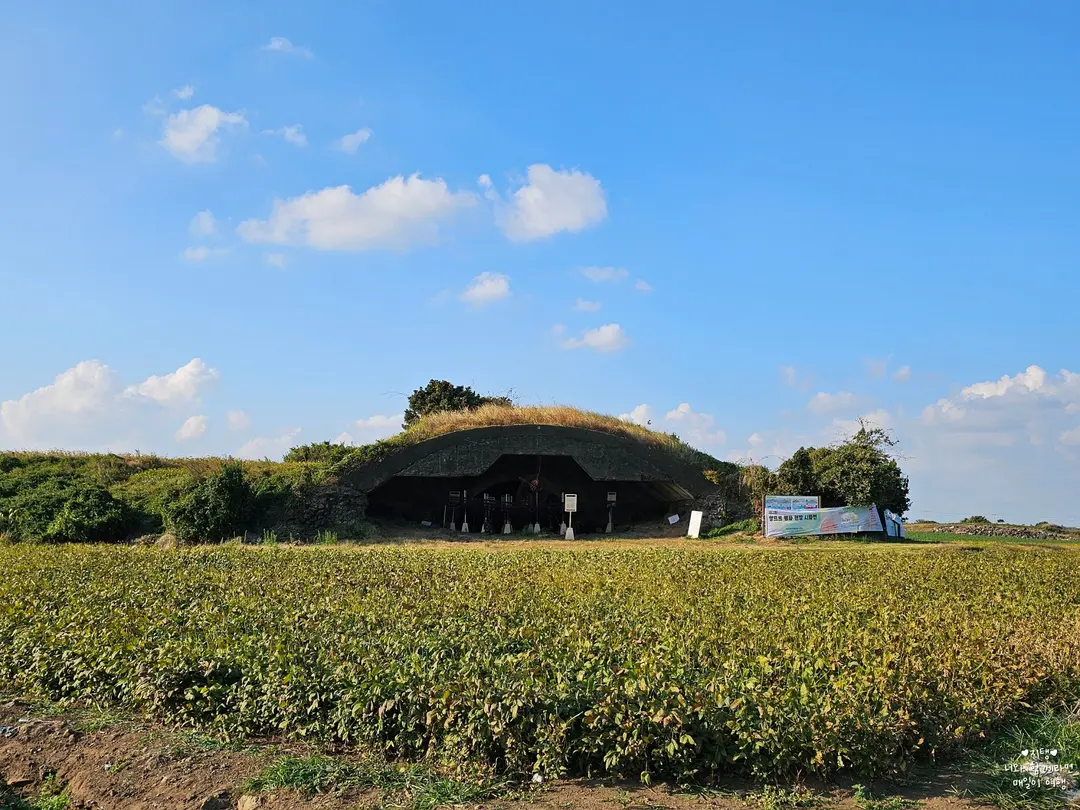
Alteur Airfield was utilized for military purposes during the Japanese colonial period, and today, traces of its past — including aircraft hangars, runways, and underground bunkers — still remain.
We parked our car at the Seotaloreum Massacre Site parking lot and followed the signs to explore the Alteur Airfield area on foot.
As the parking lot's name suggests, the nearby Seotaloreum Massacre Site also offers a glimpse into Jeju's modern history from a different era. This allows visitors to delve into various periods of Jeju's recent past within the Daejeong and Moseulpo regions.
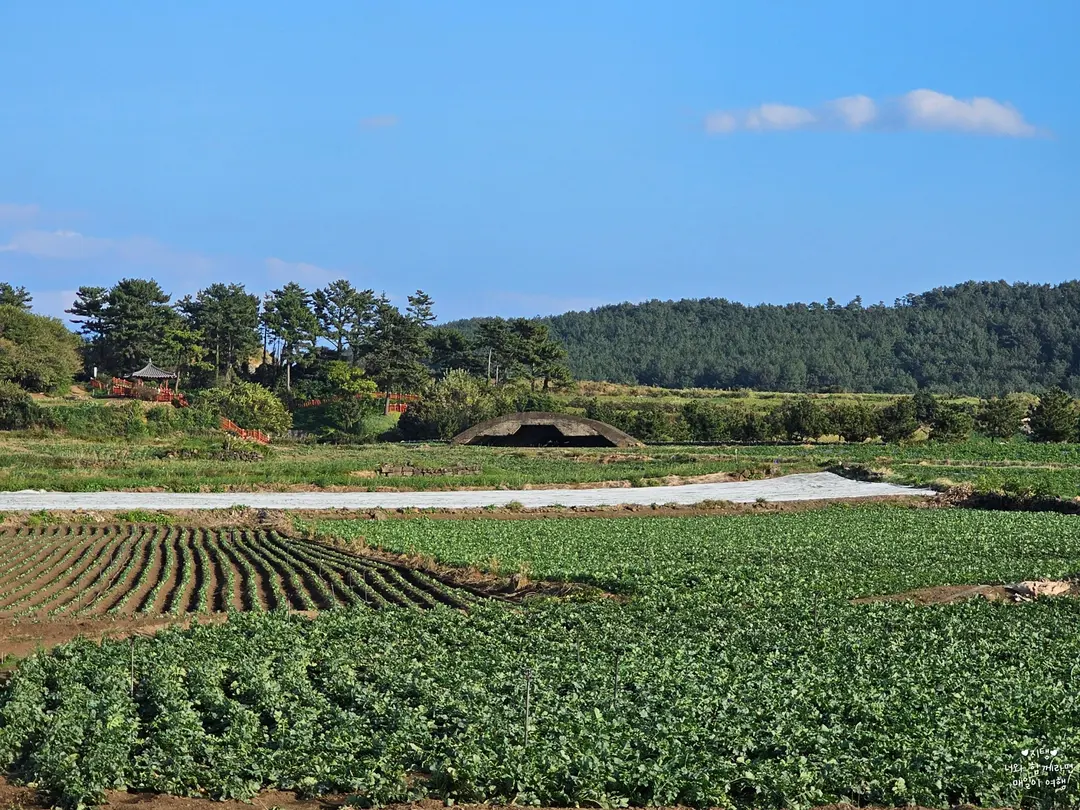
The most striking sight was undoubtedly the aircraft hangars nestled amongst the fields.
The surrounding area presented a typical tranquil Jeju rural scene, with Sanbangsan Mountain visible in the distance.
Yet, right there, amidst this peaceful setting, stood the remnants of hangars built for war – a truly jarring juxtaposition.
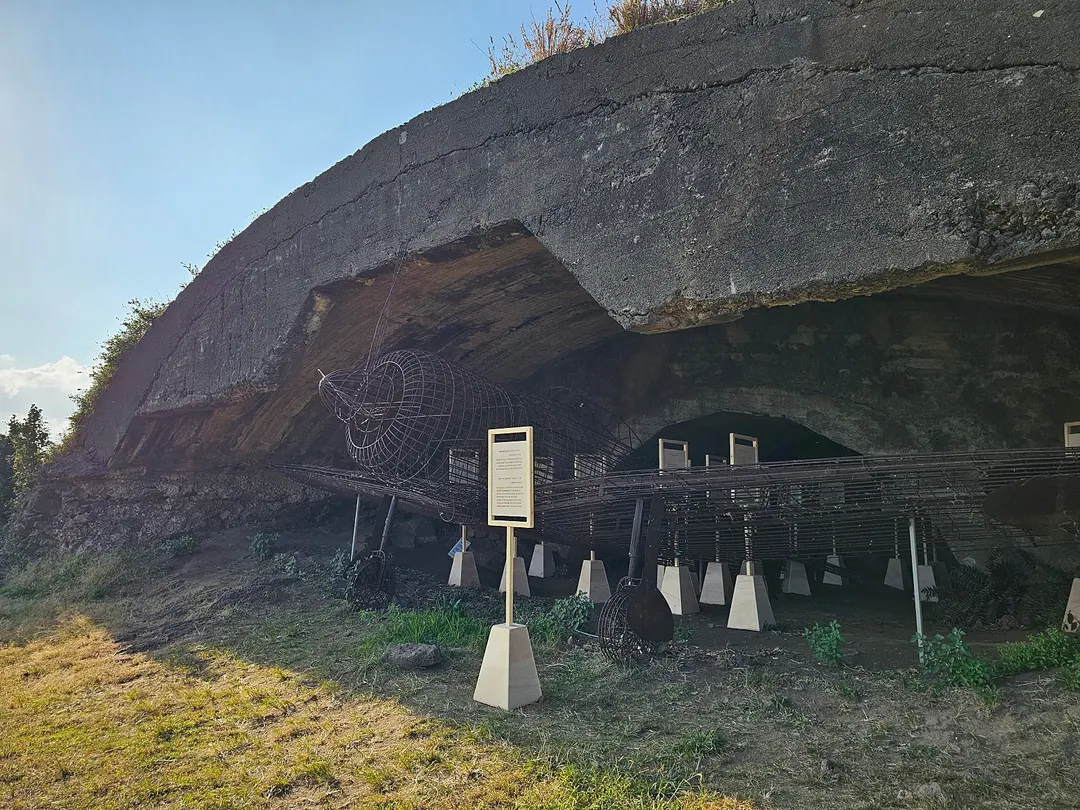
It felt incredibly surreal and uncanny to see these historical traces not preserved within a museum, but rather existing directly within the everyday landscape where people live and thrive today.
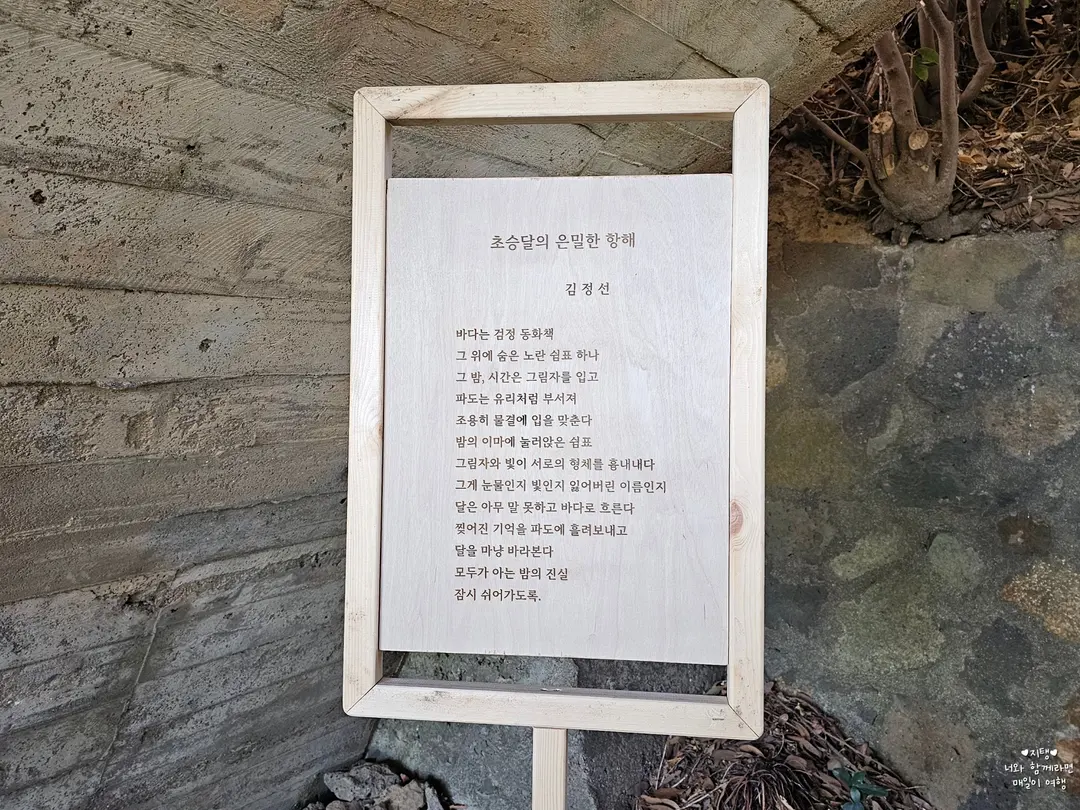
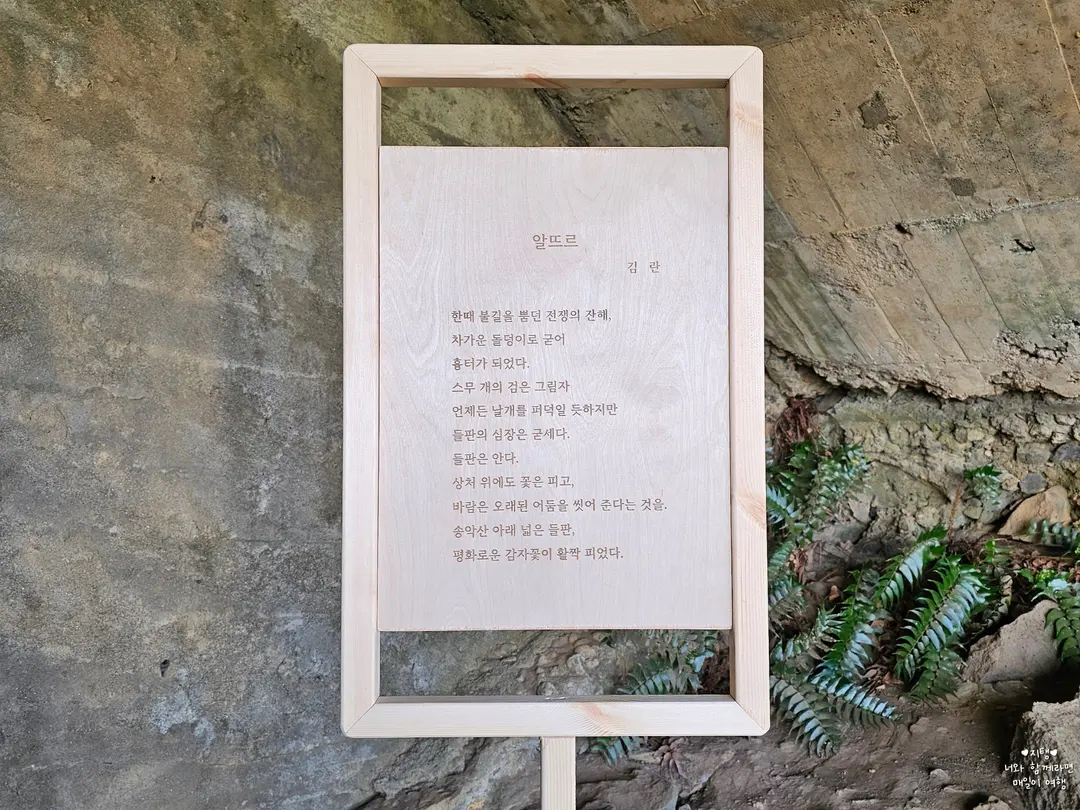
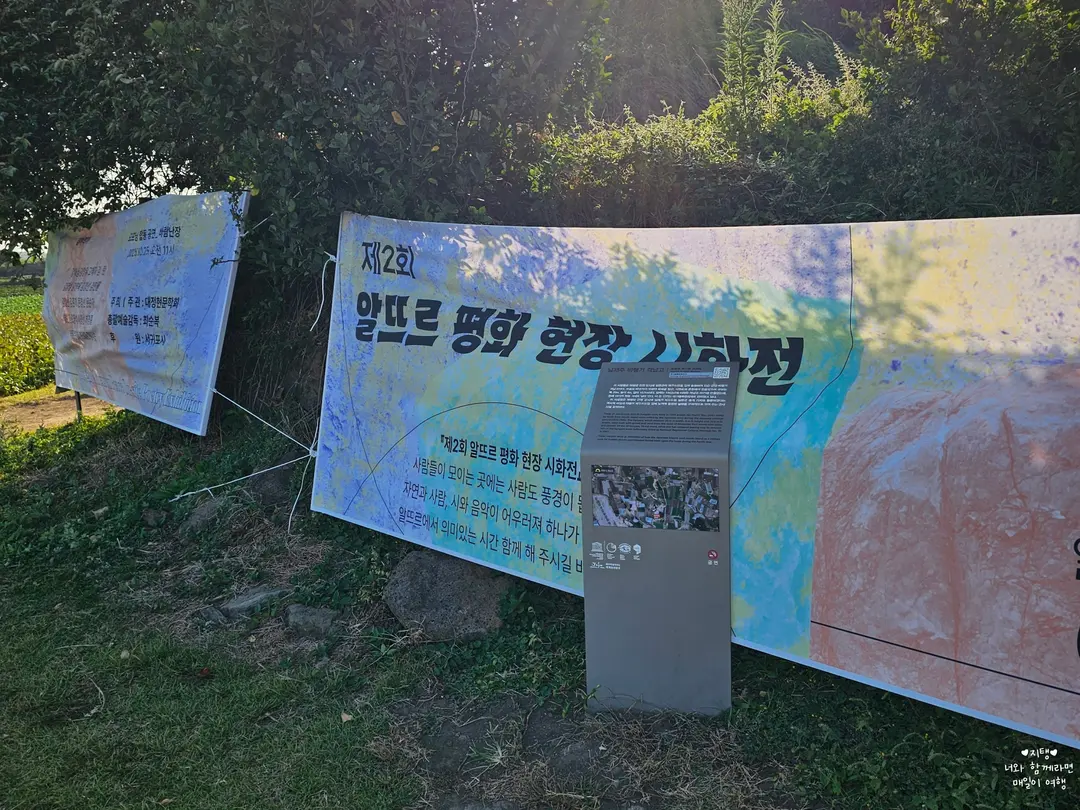
During my visit, there was even a poetry and art exhibition, "Alteur Peace Site," held inside one of the hangars.
Reading messages of peace within a space originally constructed for war was a deeply moving and memorable experience.
Alteur Airfield Runway: A Field of Peace
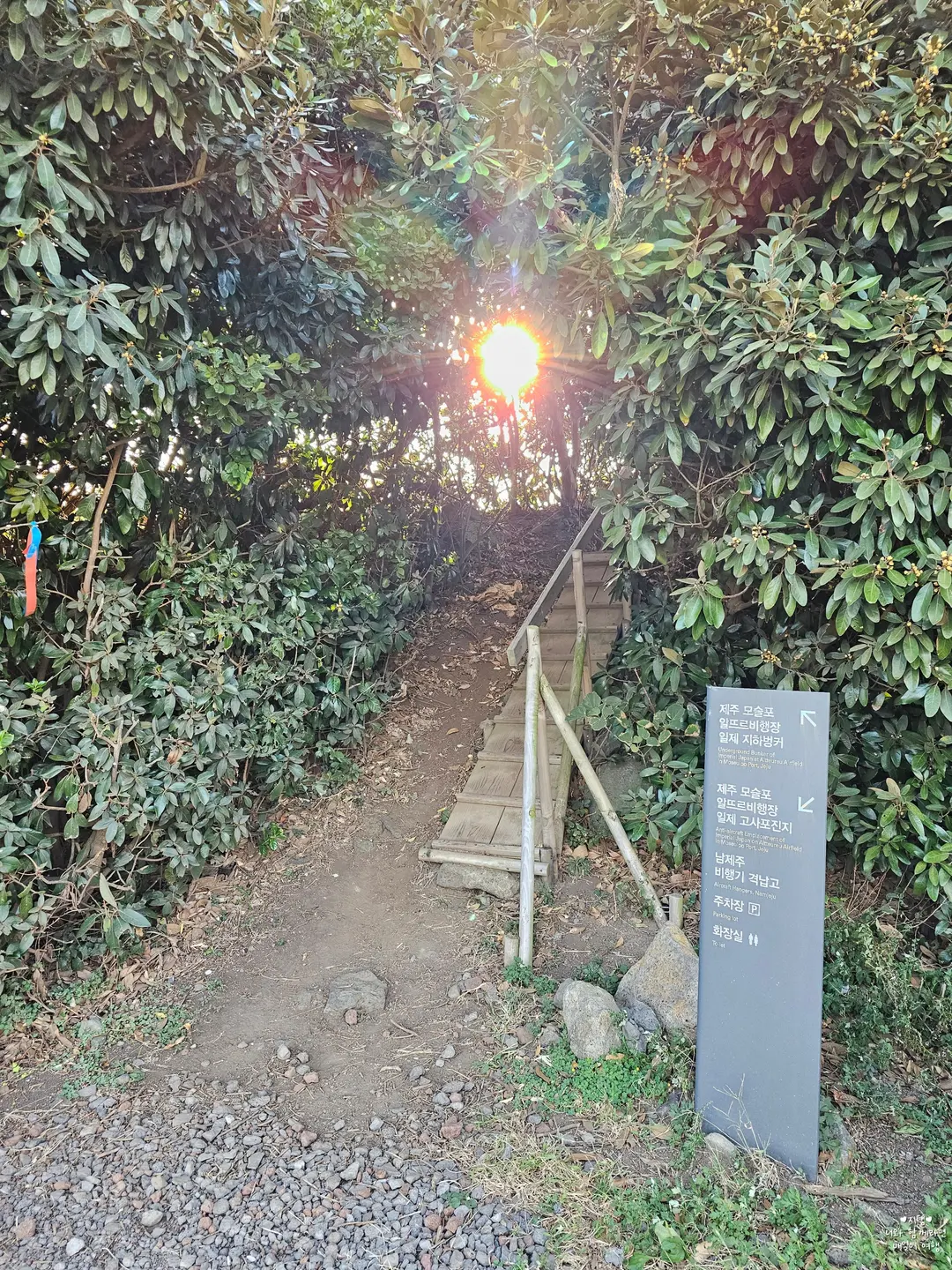
After exploring the hangars, we walked towards the runway.
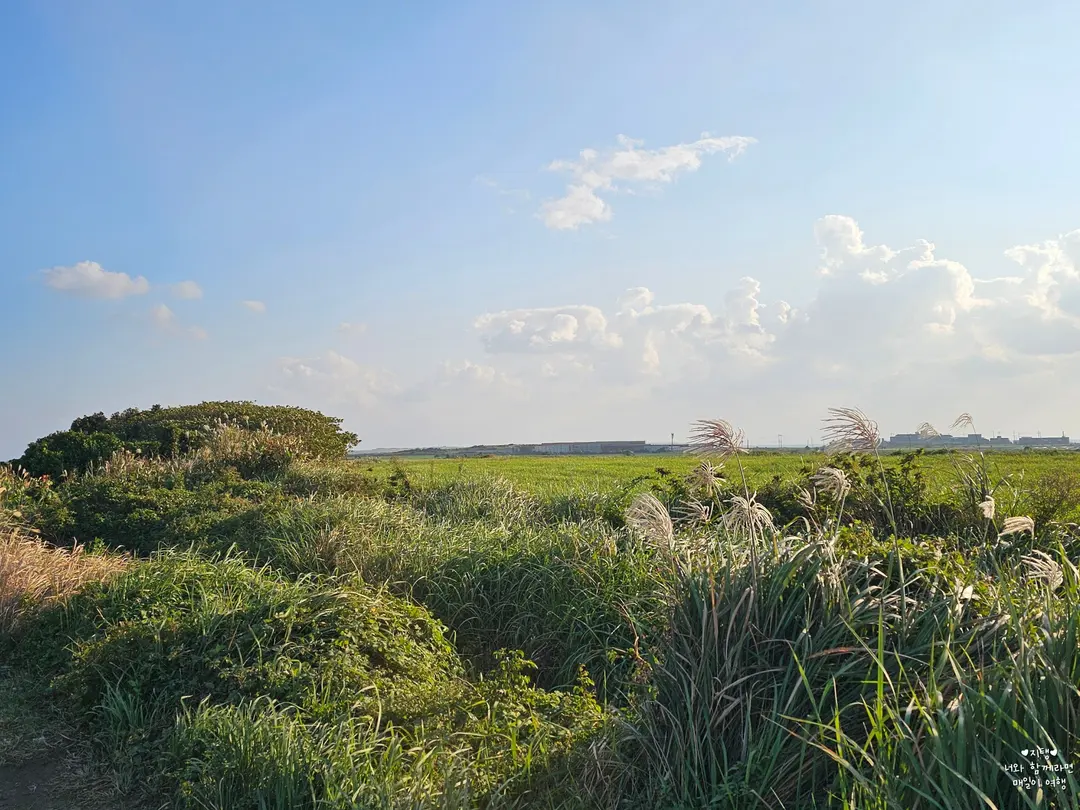
If you were to observe the landscape without knowing its history, it would be difficult to imagine it was once an airfield. The Alteur Airfield runway now presents such a peaceful vista.
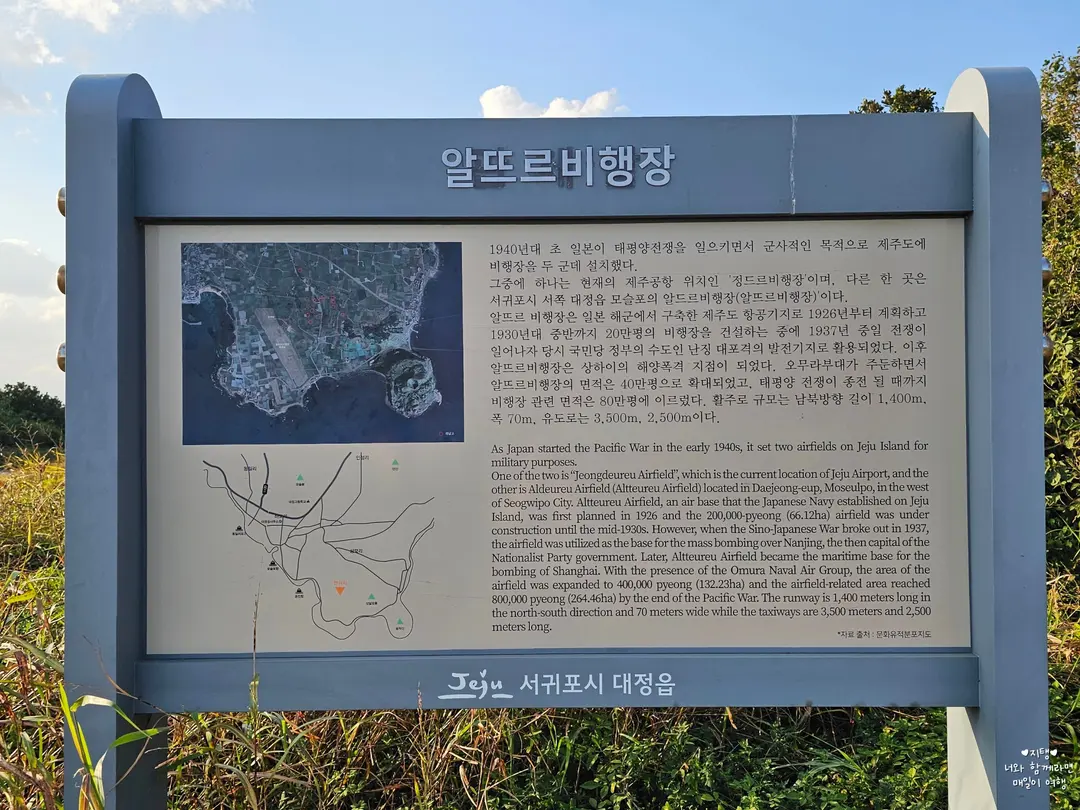
However, after reading the on-site explanations, the same scenery took on a completely different meaning.
Most notably, I learned that the current Jeju International Airport actually originated from Jeongtteureu Airfield, built during the Japanese colonial period.
Having lived on Jeju, I've passed through Jeju Airport countless times, and it's a vital gateway for any visitor to the island.
Discovering that even such a familiar landmark holds traces of the Japanese colonial era was truly astonishing – a fact I had never considered before.
It made me realize that the remnants of that period on Jeju aren't confined to a few specific historical sites but are woven into the very fabric of the island.
Confronting Japanese Cave Fortifications at Songaksan
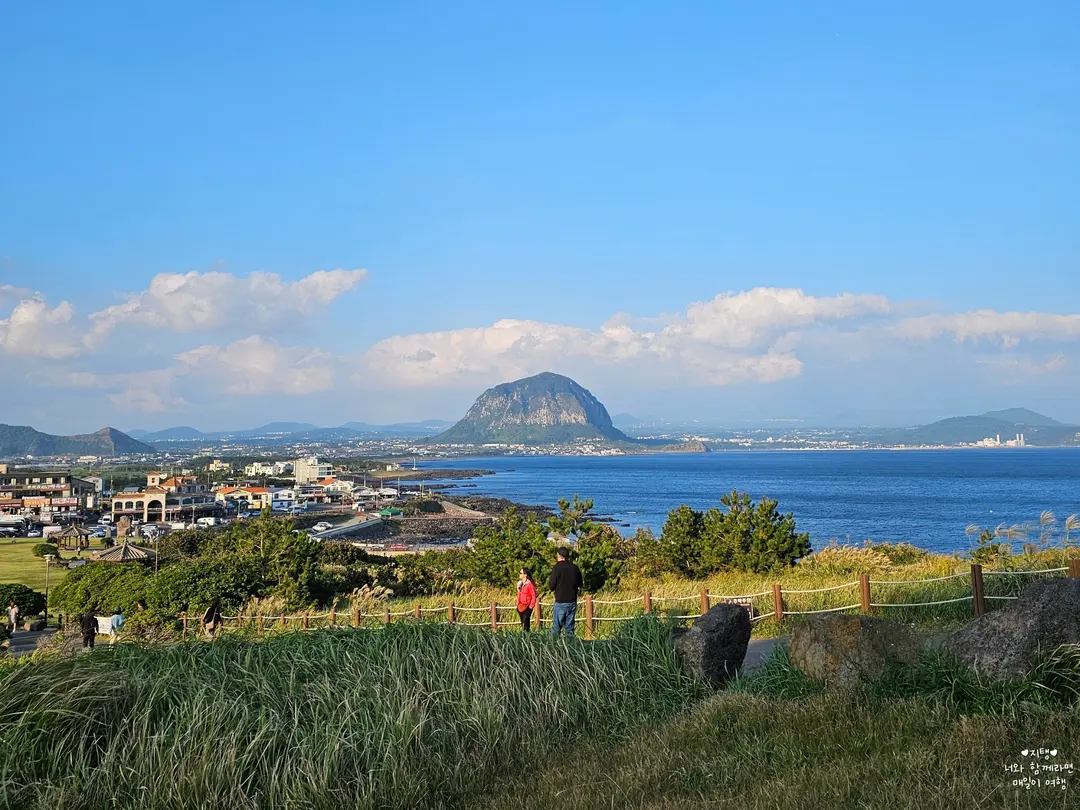
After exploring Alteur Airfield, we moved on to Songaksan Mountain.
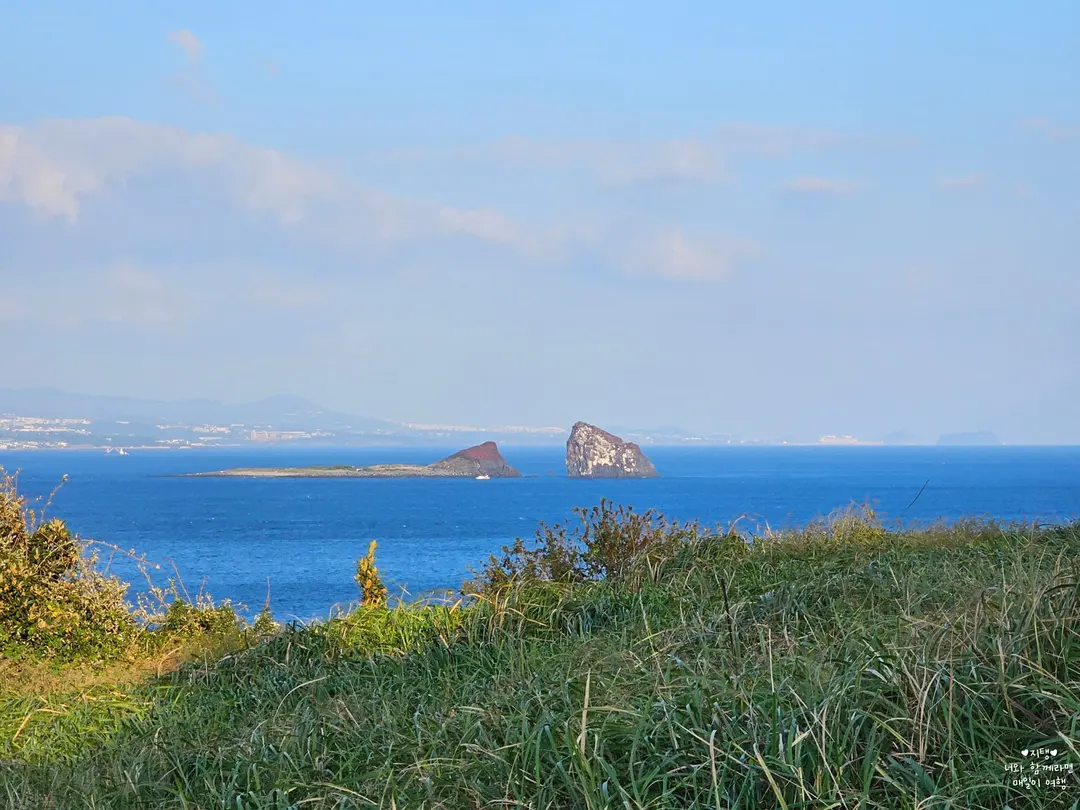
Songaksan Mountain is a place I've visited many times before and one of my personal favorites. It's a wonderful spot for a stroll, offering stunning coastal views that make it a frequent destination for my walks.
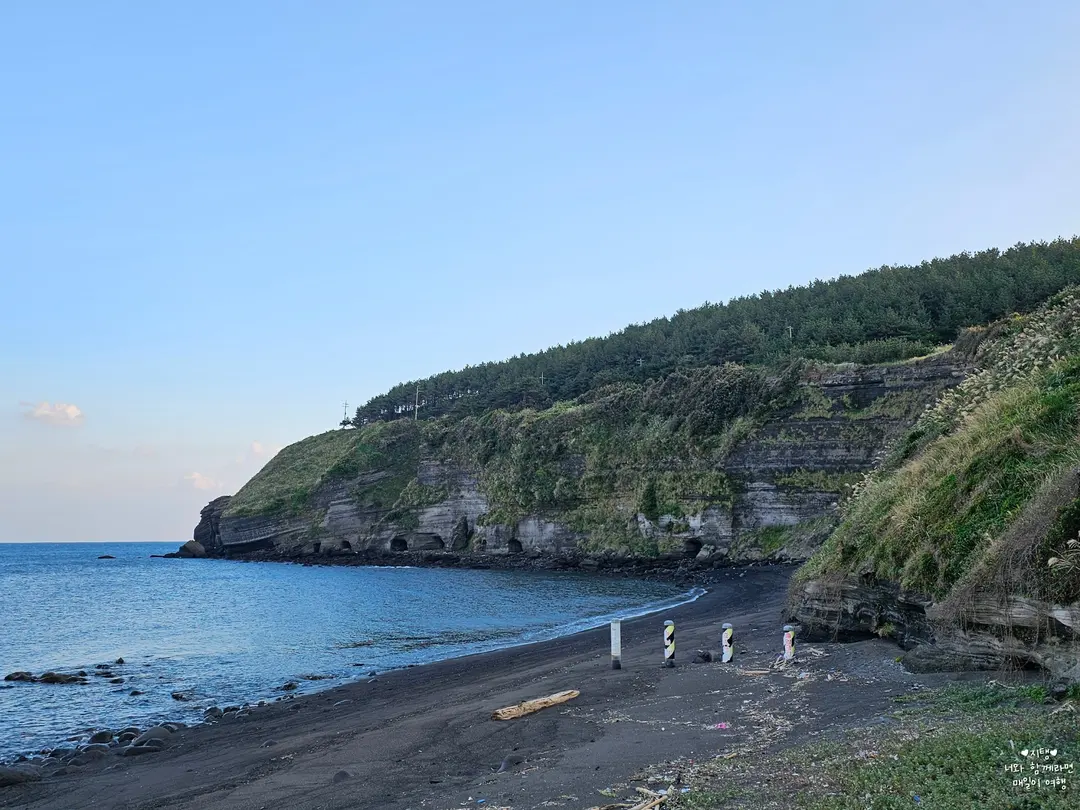
However, on this particular day, my focus wasn't solely on the scenic beauty, but on the Japanese cave fortifications that remain along Songaksan's coastline.
As you gaze at the coastal cliffs from the walking path, you can spot large, ominous openings carved into the rock face.
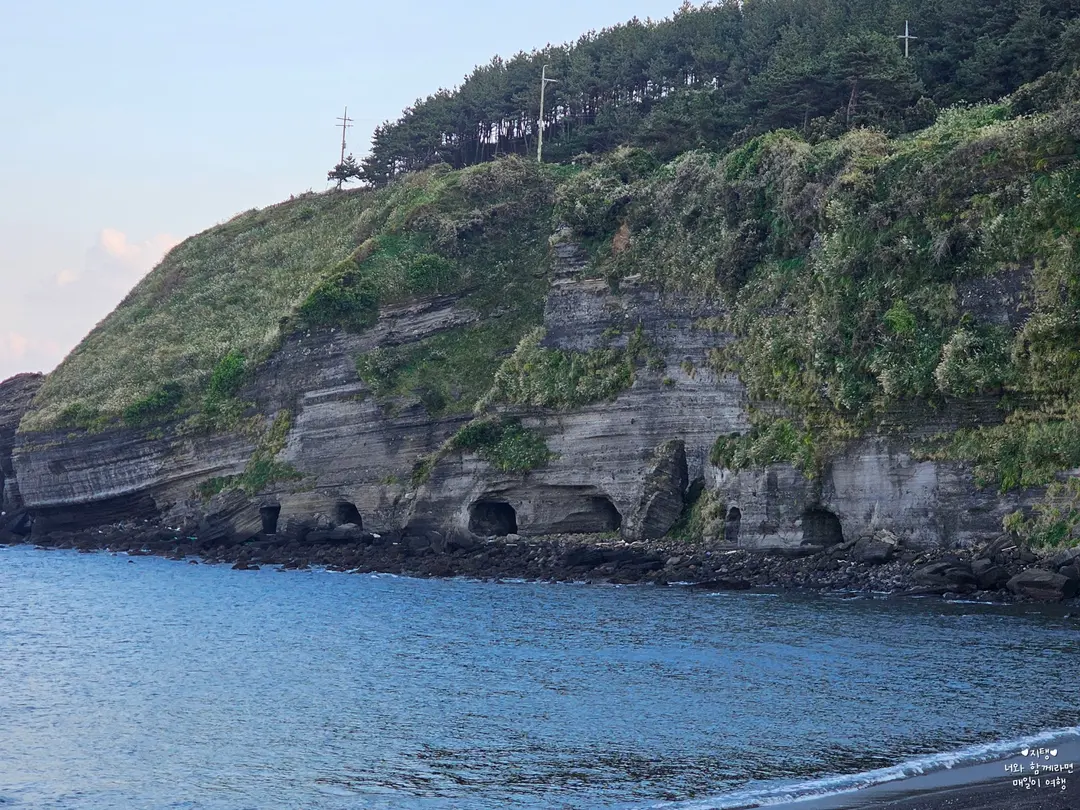
Consciously observing these military facilities on a mountain I thought I knew so well gave me a distinctly different feeling than before.
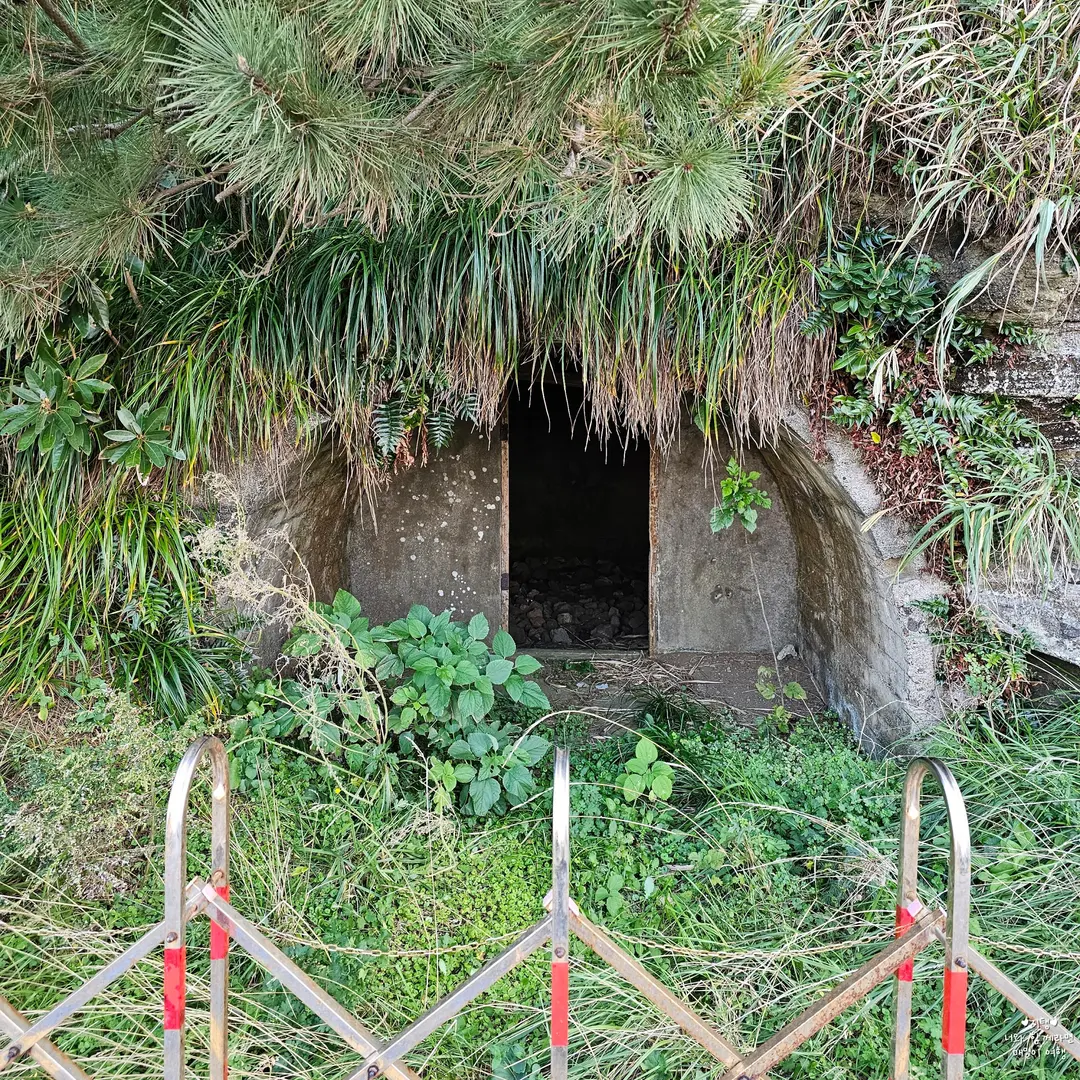
Whether I had known and forgotten, or simply hadn't truly seen them before while absorbed in the scenery, one thing is certain: after truly acknowledging the cave fortifications, the familiar landscape of Songaksan appeared profoundly different to me.
Walking Through Jeju's Dark Tourism
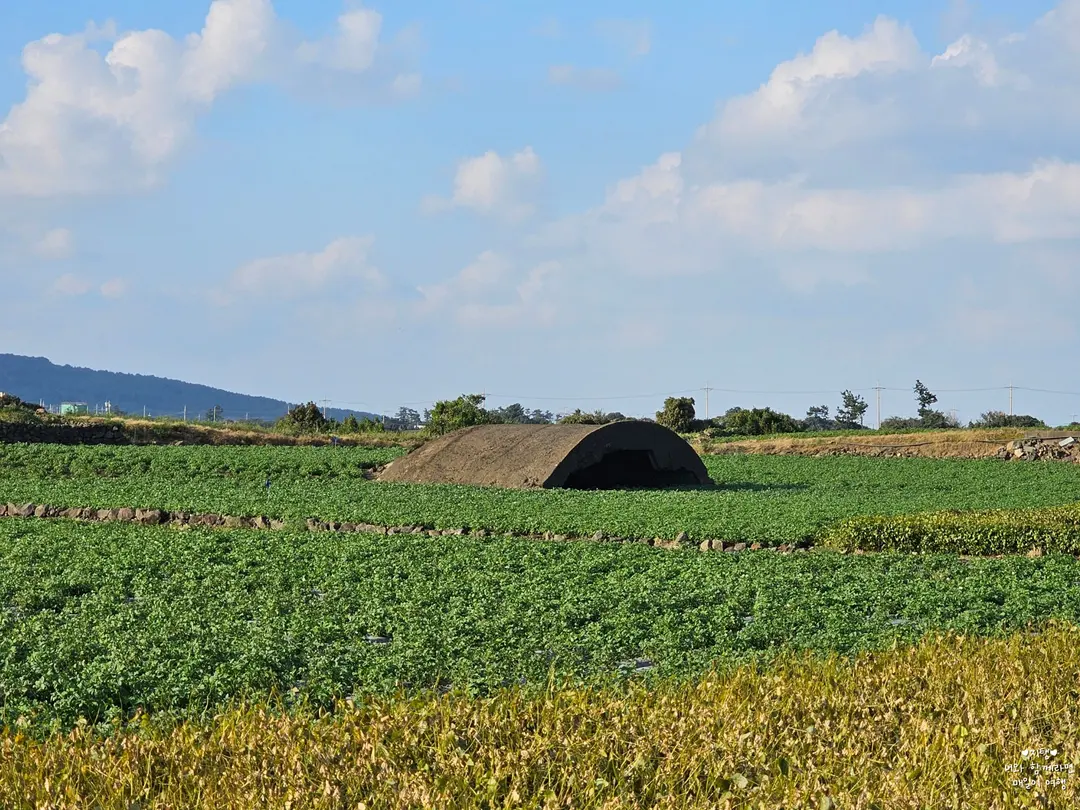
At Alteur Airfield, hangars remain nestled among ordinary fields, while at Songaksan Mountain, traces of war are etched into the beautiful coastal cliffs.
Exploring both Alteur Airfield and Songaksan on the same day revealed just how many Japanese colonial-era military relics are scattered throughout the Daejeong and Moseulpo areas – more than I had initially imagined.
📍 Alteur Airfield and Japanese Military Aircraft Hangars
Sangmo-ri, Daejeong-eup, Seogwipo City, Jeju Special Self-Governing Province
📍 Songaksan Coastal Defense Caves
Sangmo-ri, Daejeong-eup, Seogwipo City, Jeju Special Self-Governing Province
Had I visited only one site, I might have remembered them as isolated historical relics. But by exploring both consecutively, I gained a much deeper understanding of how extensively this entire region was utilized for wartime purposes during that period.
Jeju's dark tourism isn't merely about visiting places with a dark past; it's more akin to a journey of directly observing and remembering the layers of time that have accumulated in places that now appear peaceful.
If you're looking to experience a different side of Jeju during your trip to Daejeong or Moseulpo, I highly recommend slowly walking the connected paths of Alteur Airfield and Songaksan.
You'll uncover the hidden depths of Jeju's history, aspects you might have missed if you only focused on the picturesque scenery.
Frequently Asked Questions
What did the author realize about the Daejeong and Moseulpo areas after visiting Alteureu Airfield and Songaksan Mountain on the same day?
After visiting Alteureu Airfield and Songaksan Mountain on the same day, the author realized that the Daejeong and Moseulpo areas retain more military relics from the Japanese colonial period than expected. It is said that by visiting both sites consecutively, the author could more vividly understand the extensive use of this region for war at that time.
What traces of Japanese colonial period military facilities can be seen at Alteureu Airfield?
Alteureu Airfield retains traces of aircraft hangars, runways, and underground bunkers that were used for military purposes during the Japanese colonial period. It is mentioned that the sight of the aircraft hangars, especially, is impressive as they blend into the ordinary rural landscape of Jeju amidst the fields.
What traces of Japanese colonial period military facilities can be found along the Songaksan coast?
Along the Songaksan coast, Japanese colonial period cave fortifications can be found. Looking at the coastal cliffs from the walking path, one can see large holes carved into them in various places.
What is the connection between the current Jeju Airport and the Japanese colonial period?
The current Jeju Airport originated from Jeongtteureu Airfield, which was built during the Japanese colonial period. The author reportedly expressed surprise that traces of the Japanese colonial period remain even in the familiar Jeju Airport.
Share this article
Related Travel Stories
Aewol The Sunset Resort Jeju Review 2026: Private Pool & Spa
Looking for the ultimate private pool villa in Jeju? Read our review of Aewol The Sunset Resort, featuring a private rooftop pool and floating breakfast.
Cheongju Airport Dining Guide 2026: Best Spots to Eat
Planning a trip through Cheongju Airport? Here is your complete 2026 guide to the best restaurants, local snack spots, and cafes before your flight.
Conan Beach Jeju: A Hidden Gem for Snorkeling in 2026
Find your perfect escape at Jeju's Conan Beach, a serene spot in Gujwa-eup famous for its crystal-clear emerald waters and fantastic snorkeling opportunities. Don't miss the stunning sunsets!
Sunpoong Haejangguk Hamdeok: Jeju's Unique Gosari Yuknae-tang
Craving authentic Jeju flavors? Sunpoong Haejangguk in Hamdeok is a hidden gem, famous for its unique Gosari Yuknae-tang. A must-visit for local foodies!
Haejigae Cafe Jeju Review 2026: Best Hanok Ocean Views
Discover Haejigae Cafe in Aewol, Jeju Island. This stunning oceanfront Hanok cafe serves local Hallabong pastries alongside breathtaking sunset views.

Changkkom Rock Jeju Guide: Best Coastal Photo Spot
Explore Changkkom Rock in Jocheon, Jeju Island. Learn about this unique 'window rock', its K-drama connection, and how to capture the perfect coastal photo.