

Seongpanak Trail Hallasan Hike 2026: Summer Gear Guide
Conquering Mt. Hallasan in summer is no walk in the park. Here's a raw, honest guide to surviving the Seongpanak trail, from booking to essential gear.

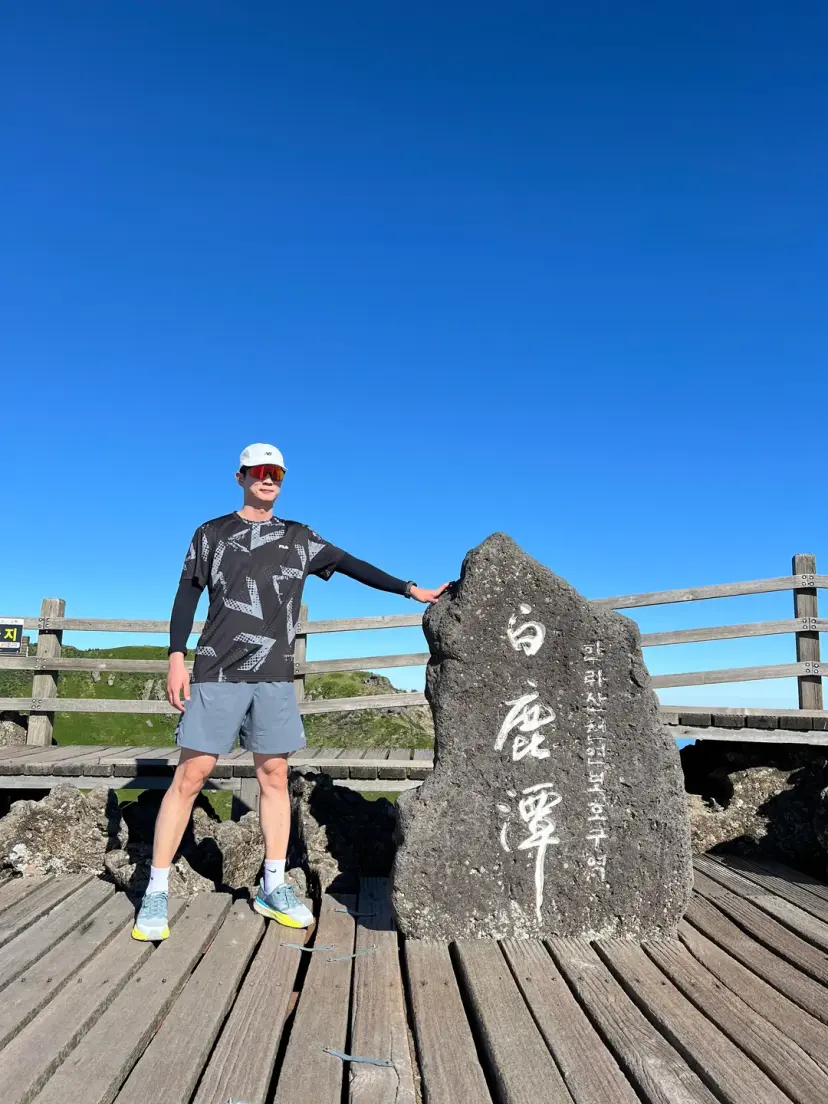
Many hikers don't realize how brutal and intimidating a summer trek up Mt. Hallasan can be if you aren't prepared.
Even with three successful climbs under my belt, I completely underestimated the summer heat on my last trip. I had a major scare with dehydration, which is why I make it a point to warn fellow hikers every single year.
I also thought regular, comfortable running sneakers would do the trick. Big mistake. The volcanic rocks shredded the soles and heavily scuffed up the sides. It is not something to take lightly.
Today, let's talk about what you actually need to pack for a successful summer climb up South Korea's highest peak.
How to Book Your Mt. Hallasan Hike
First things first: you cannot just show up. You must secure a permit in advance via the official Hallasan National Park Reservation System.
There are only two trails that lead to the summit: Seongpanak and Gwaneumsa. If you're a beginner or intermediate hiker, go with Seongpanak. It's a long, somewhat monotonous trail, but the slope up to the Jindallae (Azalea) Field Shelter is relatively gentle and manageable. The round-trip distance is about 12.4 miles.
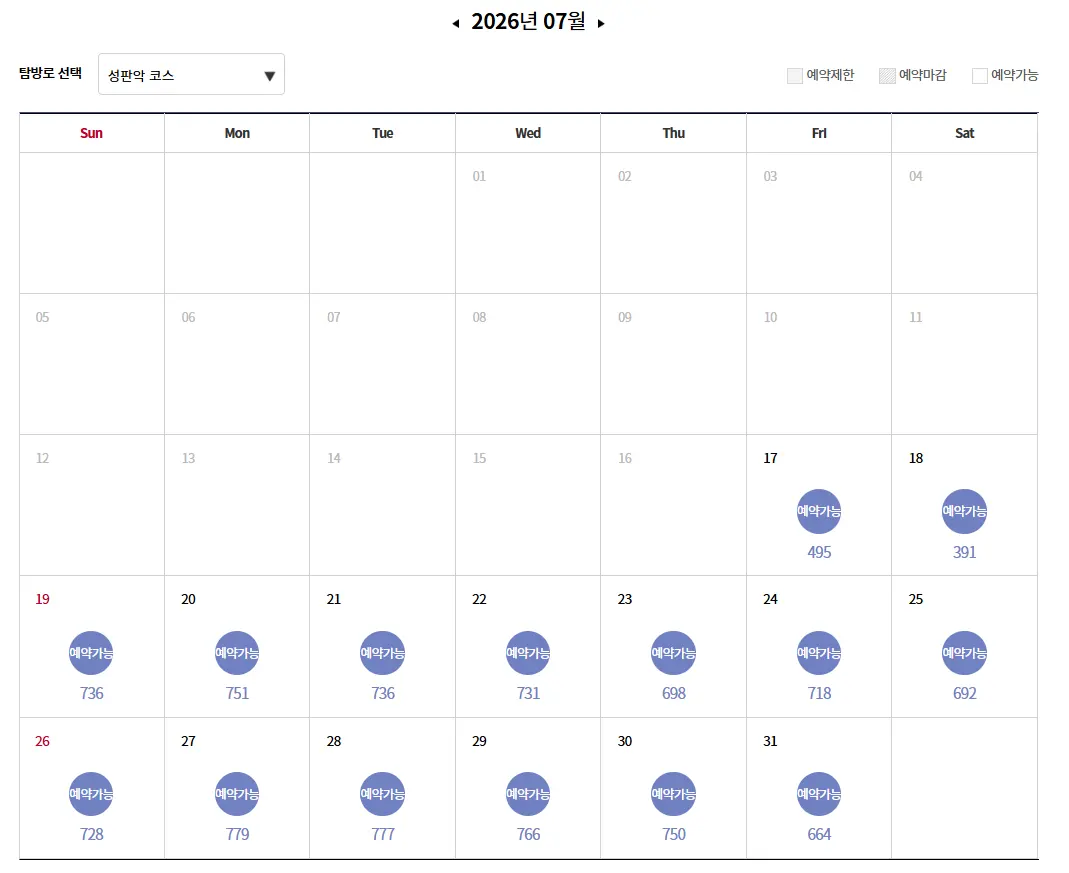
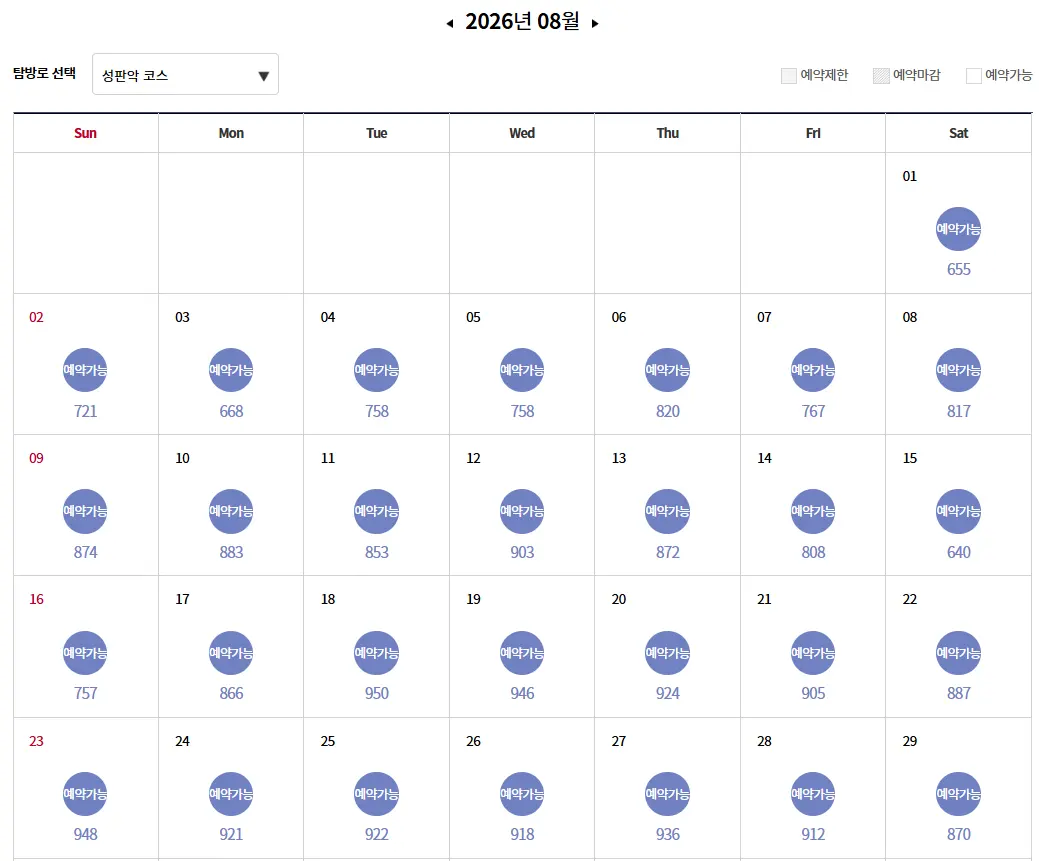
Summer is technically the off-season for hiking here due to the heat, making it easier to grab a slot. During July and August, both courses usually have plenty of availability, and you can often book just the day before.
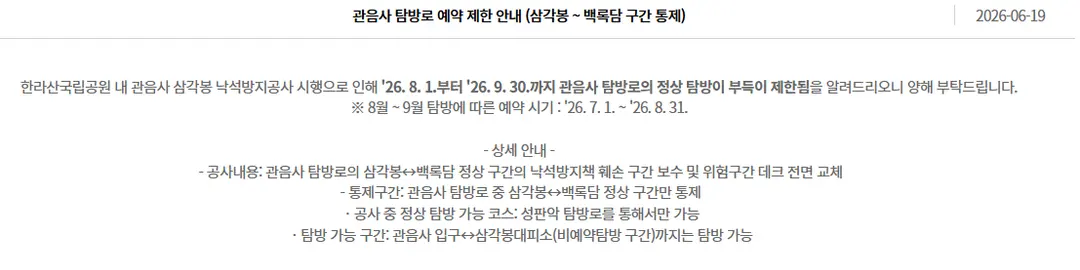
However, please note a major update for 2026: from 08/01/2026 to 09/30/2026, the Gwaneumsa Trail will be completely closed for rockfall prevention construction. With Gwaneumsa out of commission for those two months, Seongpanak will be the only route to the summit. Expect slots to fill up much faster than usual, so secure your reservation as soon as your Jeju travel dates are set.
Hallasan National Park Reservation System
Once your reservation is confirmed, you will receive a confirmation email containing a QR code, which you'll scan at the park entrance.
Trail Duration & Timeline
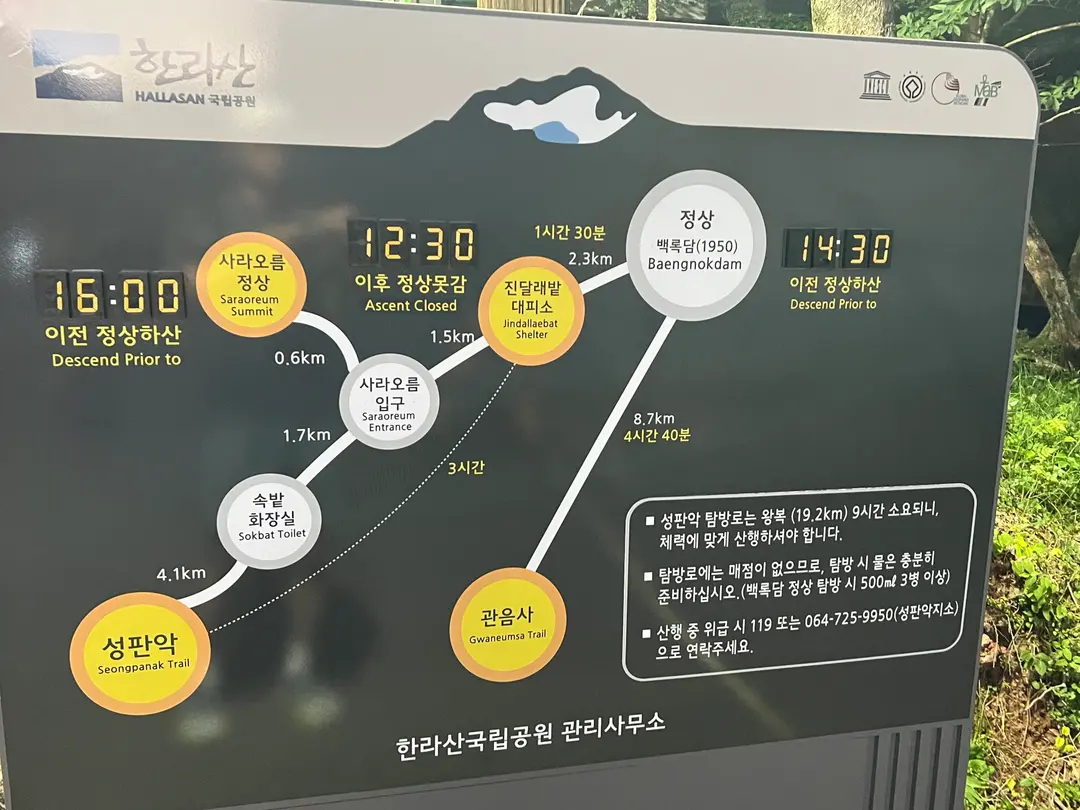
According to the official park guide, the Seongpanak trail takes about 3 hours to reach the Jindallae Field Shelter and 4.5 hours to the summit. That's roughly a 9-hour round trip, though individual times vary.
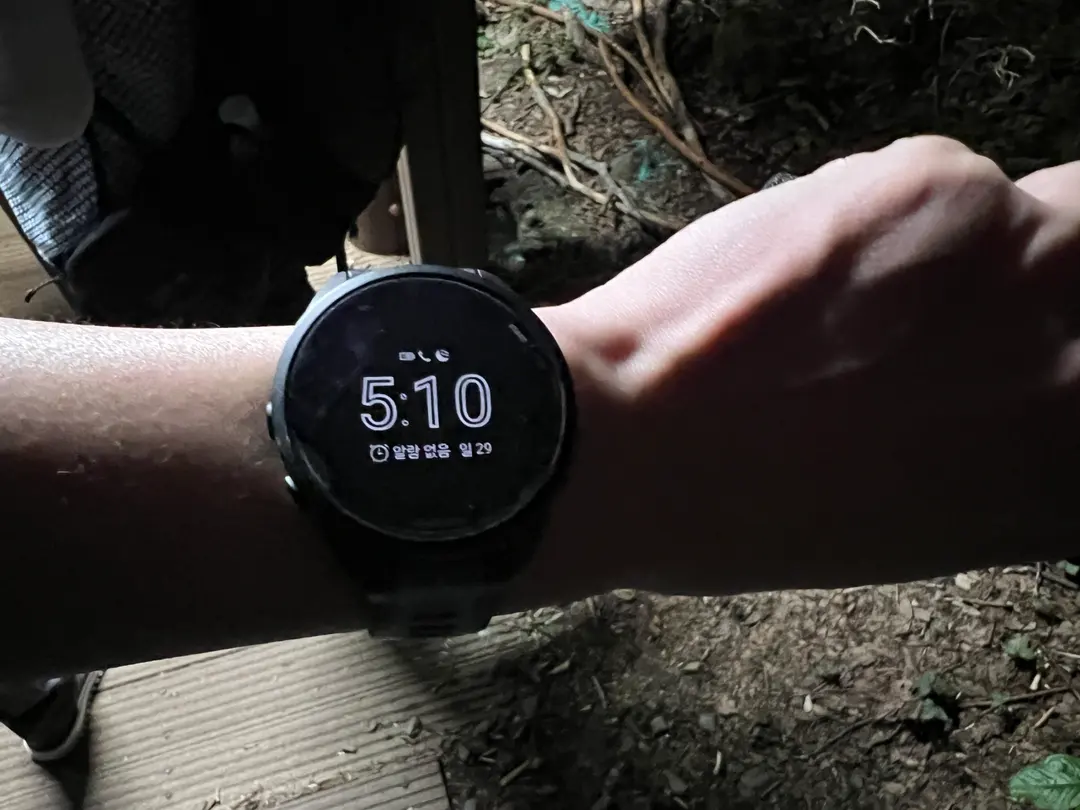
Here was my personal timeline: woke up at 4:00 AM, arrived at the trailhead by 5:00 AM, and hit the trail at 5:10 AM.
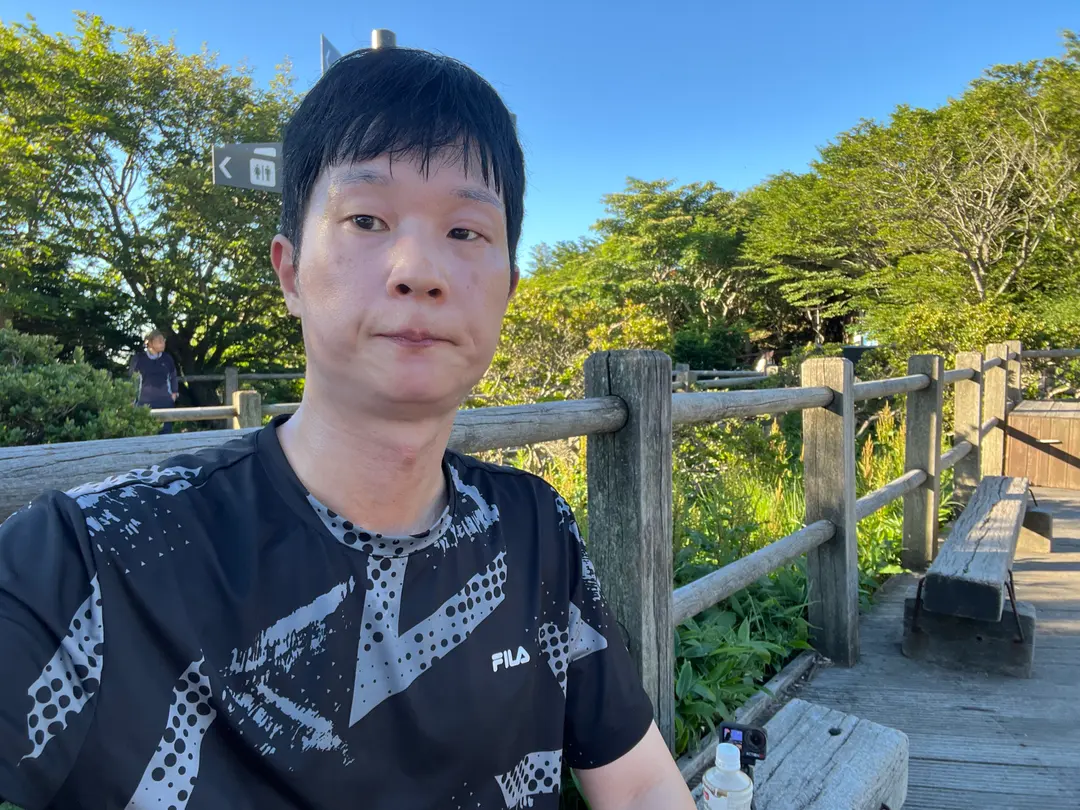
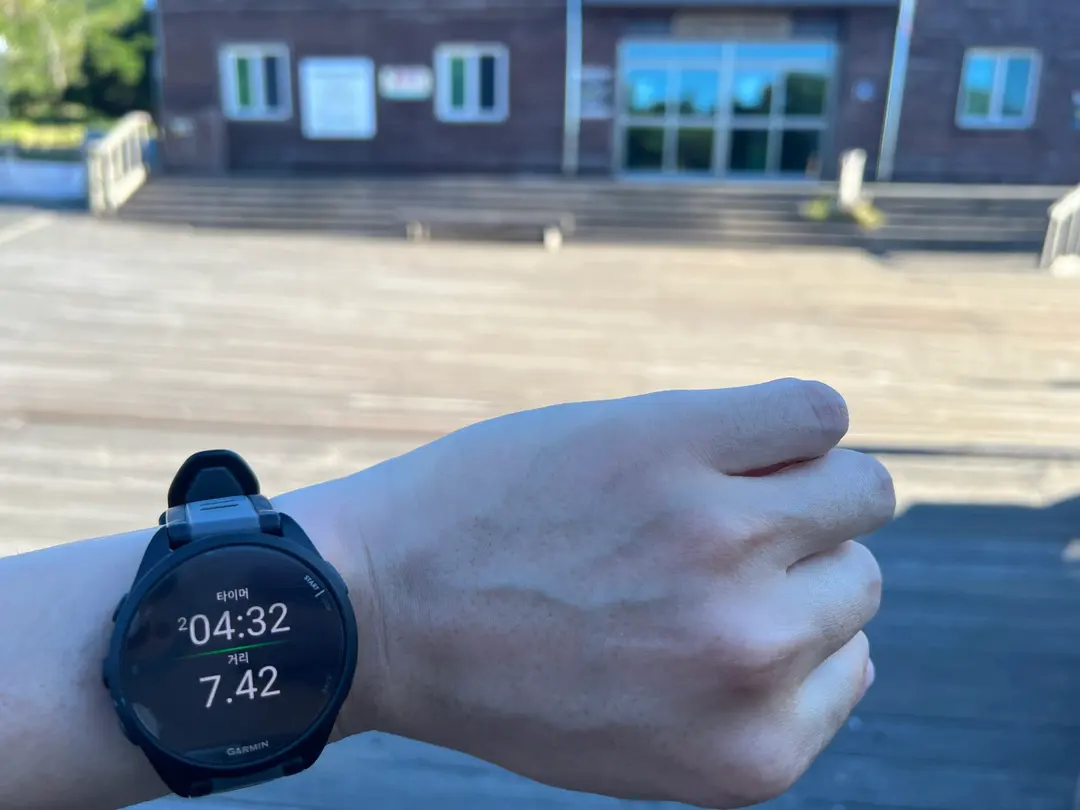
It took me 2 hours and 4 minutes to cover the 4.6 miles to the Jindallae Field Shelter. Up to this point, it was quite manageable. But as the sun started rising, the real challenge began.
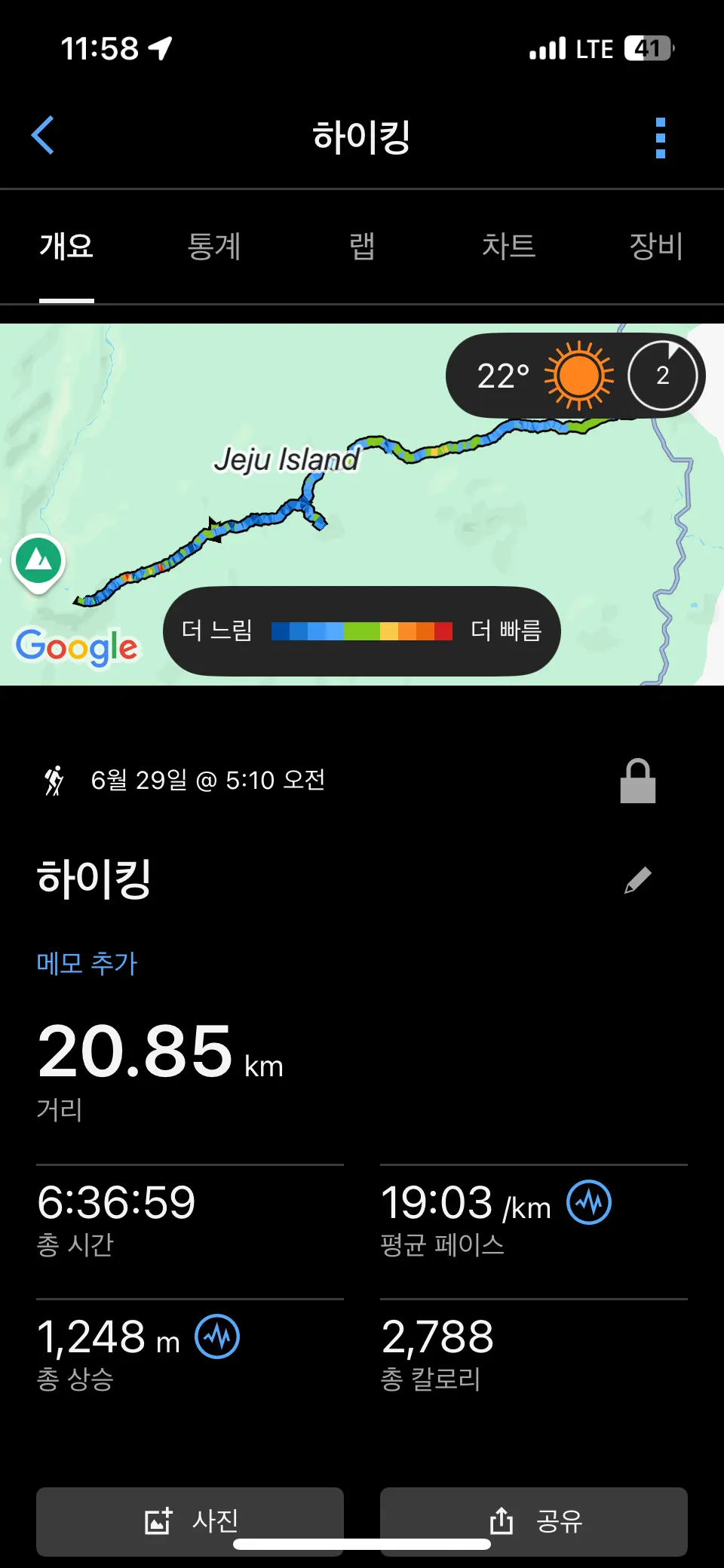
To give you some context, I'm a fairly active runner (10K in 52 minutes, half-marathon in 2 hours 2 minutes). Even with a fast pace and minimal breaks, my total moving time for the Seongpanak course was 6 hours and 36 minutes.
Along the way, I was absolutely stunned to see some local trail runners flying up the mountain with virtually no gear!
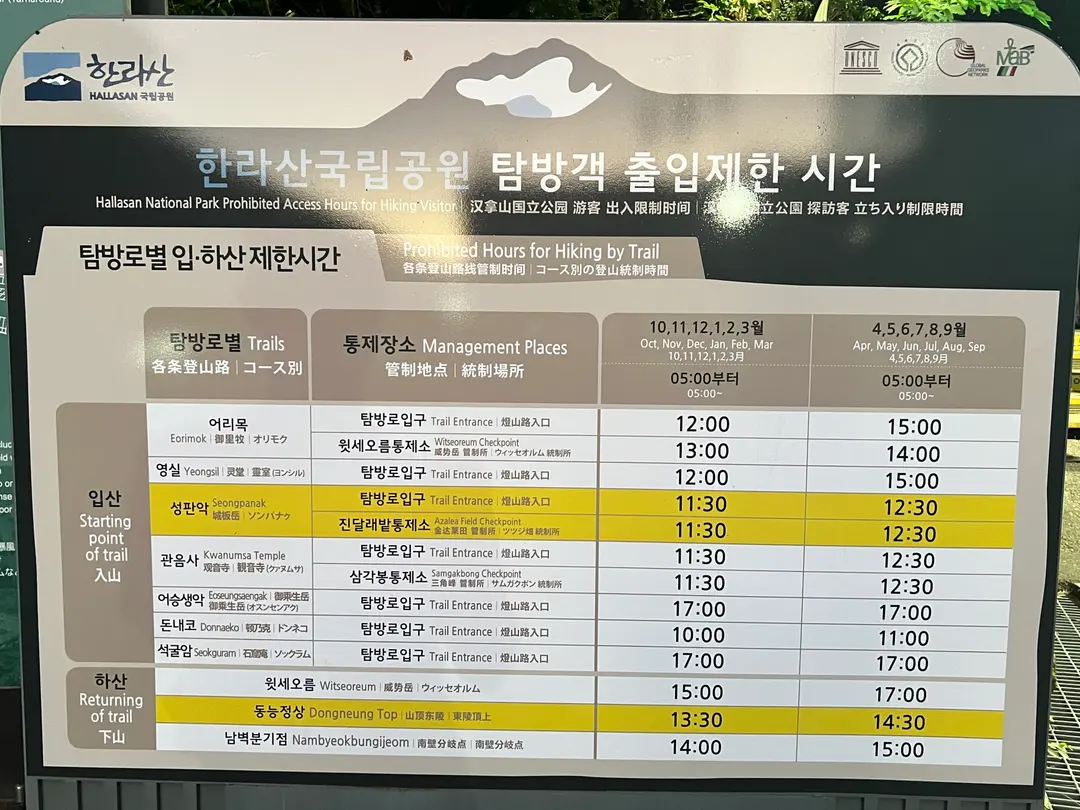
The trail opens at 5:00 AM, and you must pass the Jindallae Field control point by 12:30 PM to be allowed up to the summit.
This brings me to my first major piece of advice:
Start as early as possible—ideally in the pre-dawn darkness.
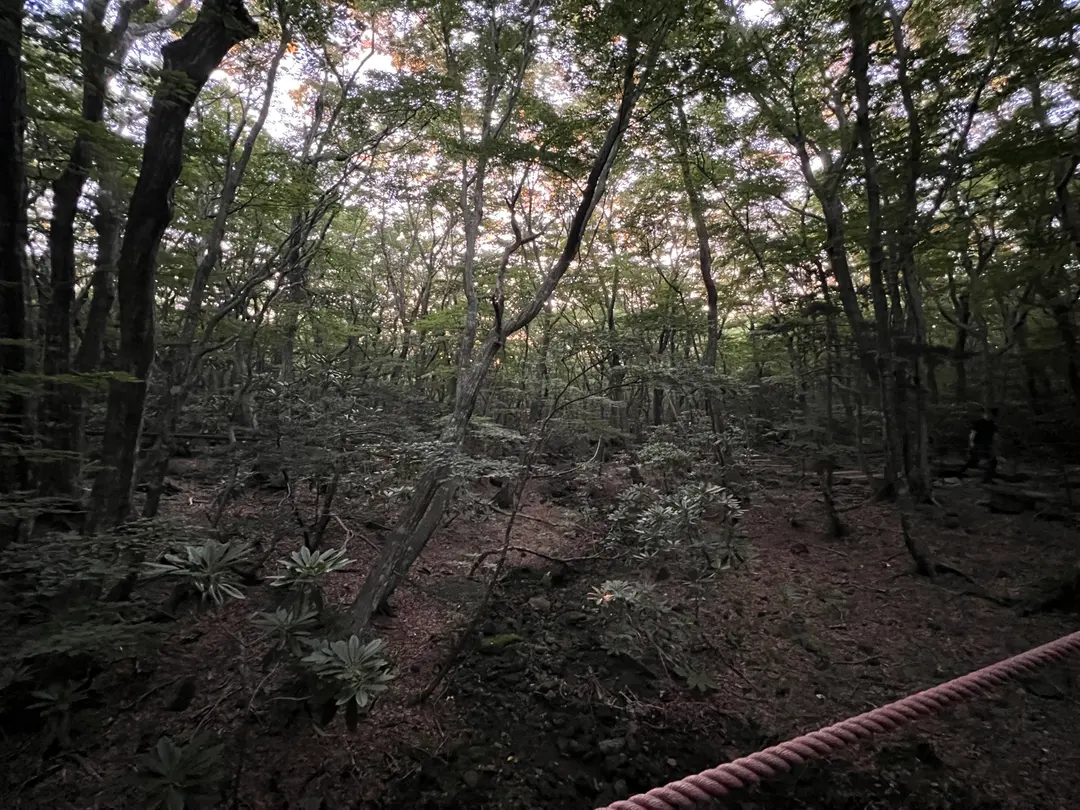
If you think, "I'll just sleep in and start later because hiking in the dark sounds scary," you'll regret it. First of all, the trailhead parking lot (which only holds 156 cars) fills up incredibly fast. If it's full, you'll have to drive back toward Jeju International University on Route 516, park there, and take a public bus back to the trailhead.
Second, the second half of the Seongpanak course offers almost no shade. The sun beats down directly, heating up the volcanic rocks. Your goal should be to get past the exposed sections before the midday heat peaks. A headlamp or flashlight is helpful for the early start, but even without one, the trail is clear enough to navigate.
Essential Summer Gear & Packing List
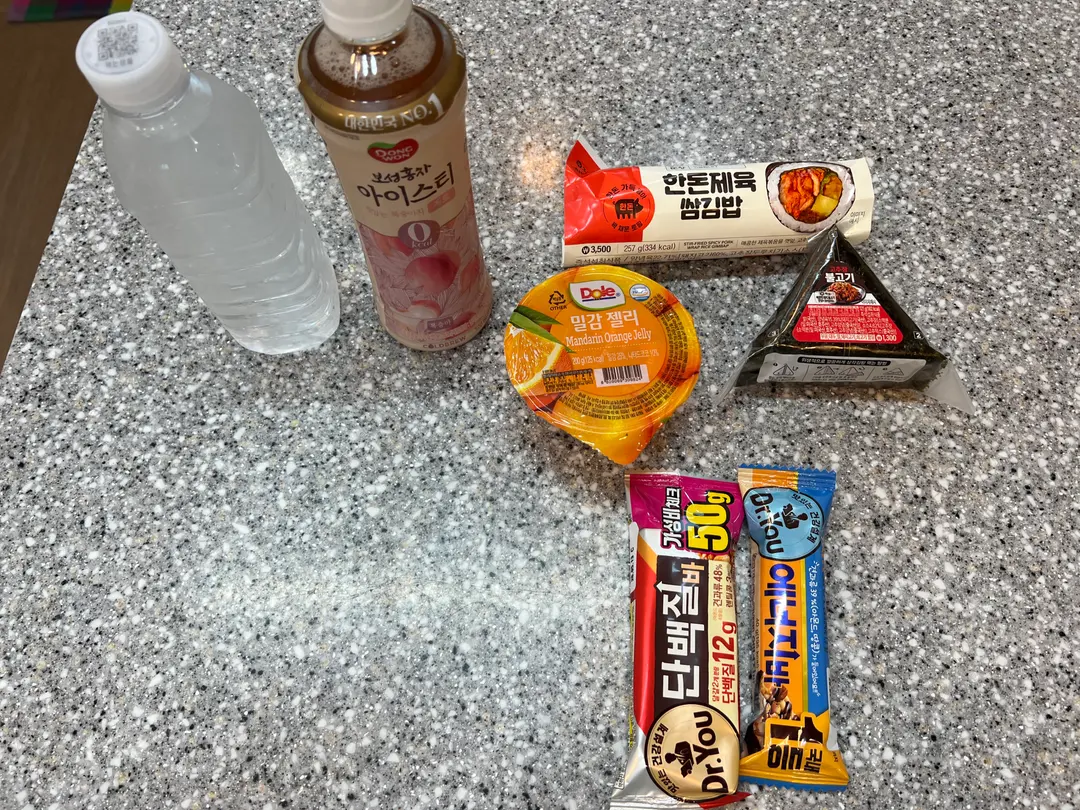
You might think a 16 oz water bottle and a bottle of iced tea will get you through. Trust me, it won't.
Pack at least 2 liters (67 oz) of water per person. That means carrying a large 1.5-liter bottle plus one or two 500ml bottles. Water is infinitely more important than snacks. Electrolyte drinks like Pocari Sweat or Gatorade are highly recommended.
Thinking of packing a thermos of hot water for cup ramen? Don't do that to yourself in the summer heat. Skip the hot ramen. Also, be careful with pre-packed kimbap (seaweed rice rolls) as they can easily spoil in the summer heat. Stick to convenience store energy bars, simple sandwiches, or snacks that won't go bad. I bought some local tangerine jelly thinking it would be a nice treat, but it didn't come with a spoon and was incredibly messy to eat on the trail.
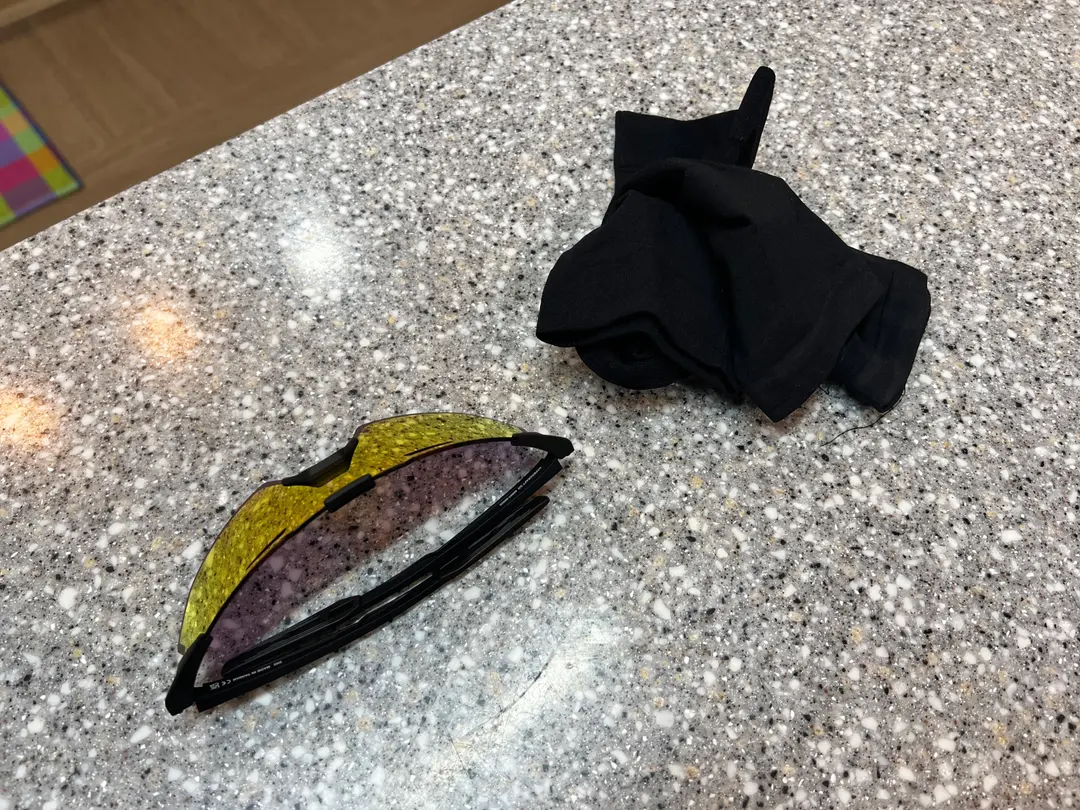
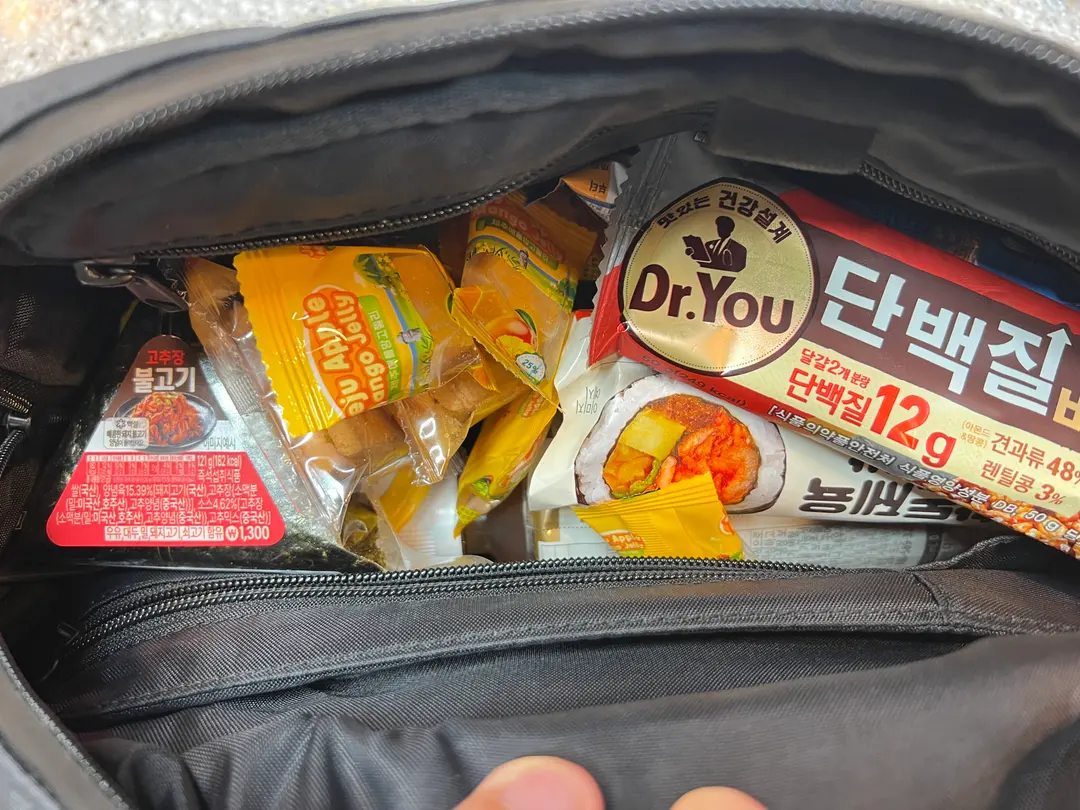
Sunscreen is a given, but there's one item I was incredibly grateful to have brought:
Sunglasses.
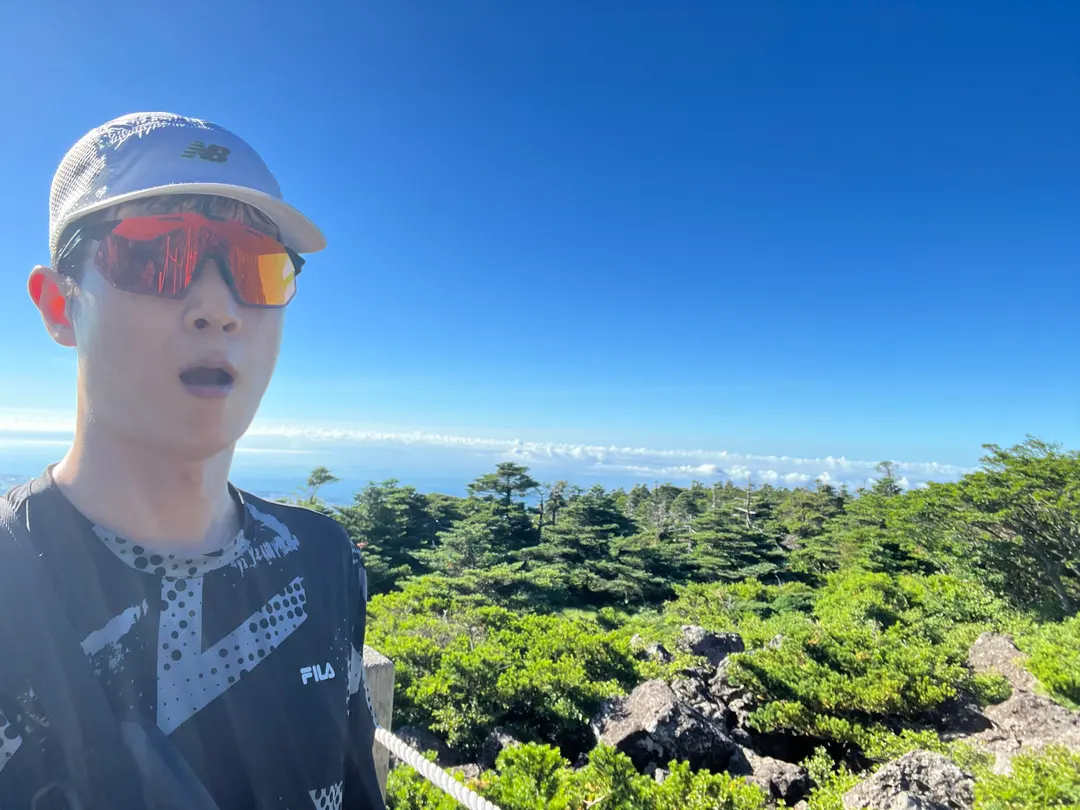
At high altitudes, the UV rays are intense and there is zero canopy to block the direct sunlight. It gets so bright you can barely keep your eyes open. If you forget everything else, make sure you have your sunglasses and plenty of water.
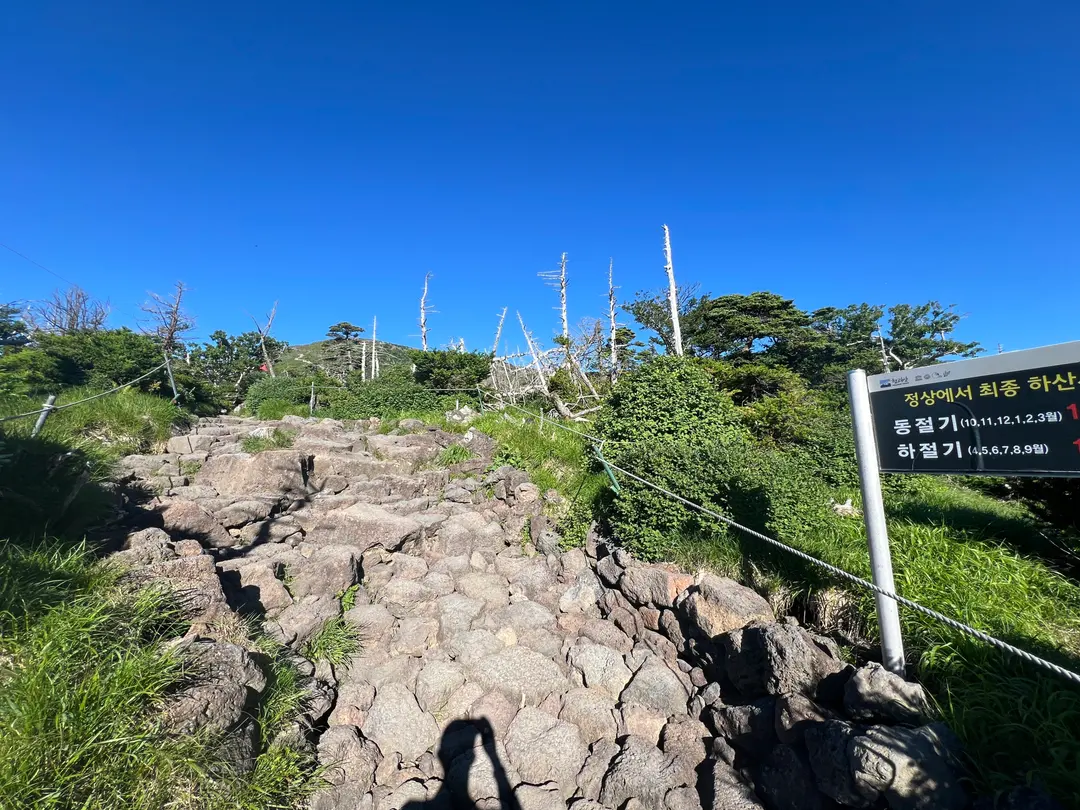
I highly recommend proper hiking boots. If you think your running shoes will suffice, you'll end up destroying them. The volcanic rocks on the trail will tear up your soles, and loose stones will constantly slip into your shoes and bruise your toes.
Think I'm exaggerating? Try it in sneakers, and you'll be limping your way down just like I did.
If you don't hike or exercise regularly, getting to the summit of Mt. Hallasan is going to be a serious challenge. Your legs will likely be shaking on the descent. But sitting at the Baengnokdam crater lake, eating a quick snack, and taking in the view makes every painful step worth it.
If there's one thing you take away from this: Pack more water than you think you need!
📍 Mt. Hallasan Seongpanak Trail
Gyorae-ri, Jocheon-eup, Jeju-si, Jeju-do
Frequently Asked Questions
Is it possible to hike the Hallasan Gwaneumsa Trail from August 1st to September 30th?
During this period, access to the Gwaneumsa Trail is completely restricted due to rockfall prevention work. Therefore, hiking Hallasan is only possible via the Seongpanak Course for these two months.
What time must I arrive at the Jindallaebat Control Station to reach the summit of Hallasan via the Seongpanak Course?
Entry to the Seongpanak Course begins at 5:00 AM. To hike to the summit, you must arrive at the Jindallaebat Control Station no later than 12:30 PM.
How much drinking water should each person bring when hiking the Seongpanak Course during the summer?
For summer hikes, you should bring at least 2 liters of water per person. We recommend bringing one 1.5-liter bottle along with one or two 500ml bottles of water.
Share this article
Featured in Collections
Discover more travel stories curated around the same theme.

Related Travel Stories
Aewol The Sunset Resort Jeju Review 2026: Private Pool & Spa
Looking for the ultimate private pool villa in Jeju? Read our review of Aewol The Sunset Resort, featuring a private rooftop pool and floating breakfast.
Cheongju Airport Dining Guide 2026: Best Spots to Eat
Planning a trip through Cheongju Airport? Here is your complete 2026 guide to the best restaurants, local snack spots, and cafes before your flight.
Conan Beach Jeju: A Hidden Gem for Snorkeling in 2026
Find your perfect escape at Jeju's Conan Beach, a serene spot in Gujwa-eup famous for its crystal-clear emerald waters and fantastic snorkeling opportunities. Don't miss the stunning sunsets!
Sunpoong Haejangguk Hamdeok: Jeju's Unique Gosari Yuknae-tang
Craving authentic Jeju flavors? Sunpoong Haejangguk in Hamdeok is a hidden gem, famous for its unique Gosari Yuknae-tang. A must-visit for local foodies!
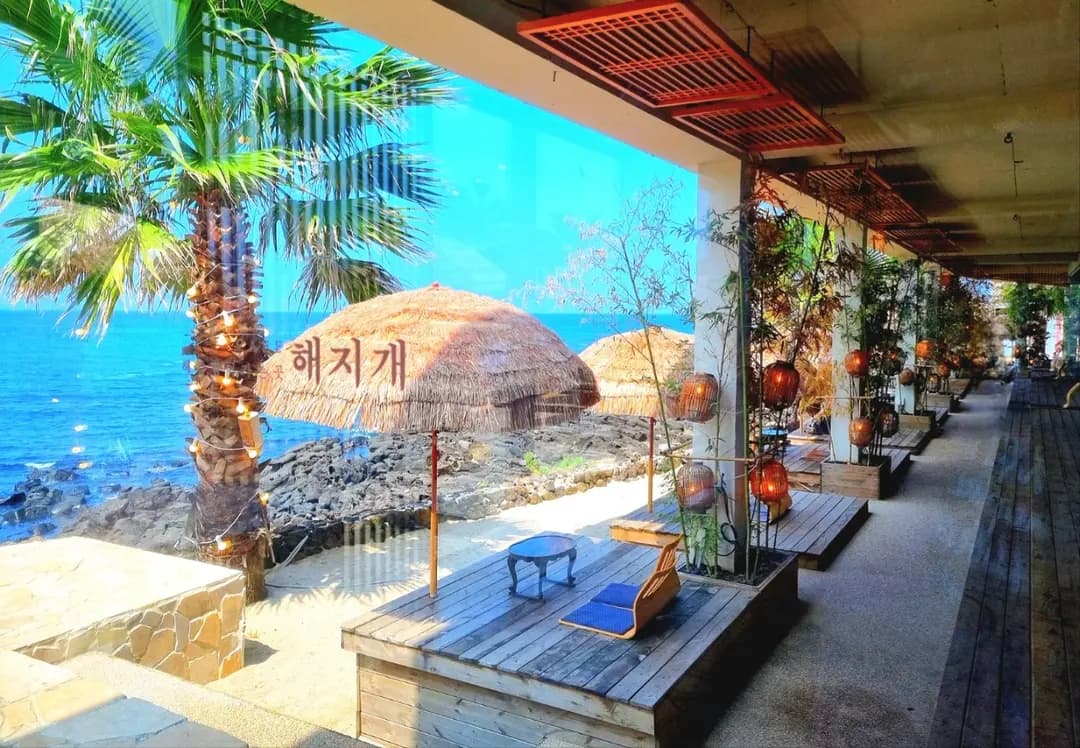
Haejigae Cafe Jeju Review 2026: Best Hanok Ocean Views
Discover Haejigae Cafe in Aewol, Jeju Island. This stunning oceanfront Hanok cafe serves local Hallabong pastries alongside breathtaking sunset views.

Changkkom Rock Jeju Guide: Best Coastal Photo Spot
Explore Changkkom Rock in Jocheon, Jeju Island. Learn about this unique 'window rock', its K-drama connection, and how to capture the perfect coastal photo.