

Daejeon's Old Provincial Office: An Indoor History Journey
Step into Daejeon's past at the Modern History Exhibition Hall, located in the charming Old Provincial Office. Discover the city's evolution, perfect for families seeking an engaging indoor experience!

This time, with the kids on winter break,
we visited the Daejeon Modern & Contemporary History Exhibition Hall.
Focusing on Daejeon's modern and contemporary history,
it's a place where you can see its history and development process at a glance.
Daejeon's Eunhaeng-dong is also nearby,
making it a perfect course to explore and enjoy together.
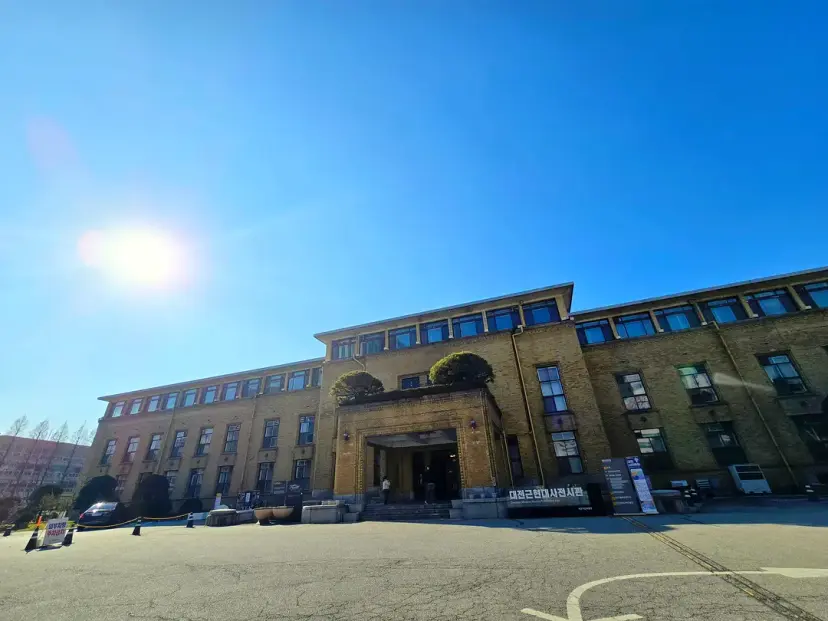
📍 Daejeon Modern & Contemporary History Exhibition Hall
101 Jungang-ro, Jung-gu, Daejeon
Daejeon Modern & Contemporary History Exhibition Hall
🚙 Address: 101 Jungang-ro, Jung-gu, Daejeon ⏰ Opening Hours: Tue-Sun 10:00 AM ~ 6:00 PM Closed every Monday 🅿 Parking: Free parking available 🧾 Admission Fee: Free ☎ Phone: 042-270-4537 🕗 Recommended Viewing Time: 1 hour ✔ 🚻 Restrooms available (men/women). ✔ 🦽 Wheelchair and stroller accessible (rental available). ✔ 🐕 Pets not allowed. ✔ Outside food and drinks prohibited. |
The Daejeon Modern & Contemporary History Exhibition Hall was easy to find, located in Seonhwa-dong, Jung-gu, Daejeon, right across from the Jung-gu Office.
Its proximity to Daejeon's Eunhaeng-dong old downtown makes it easily accessible,
and perfect for an outing.


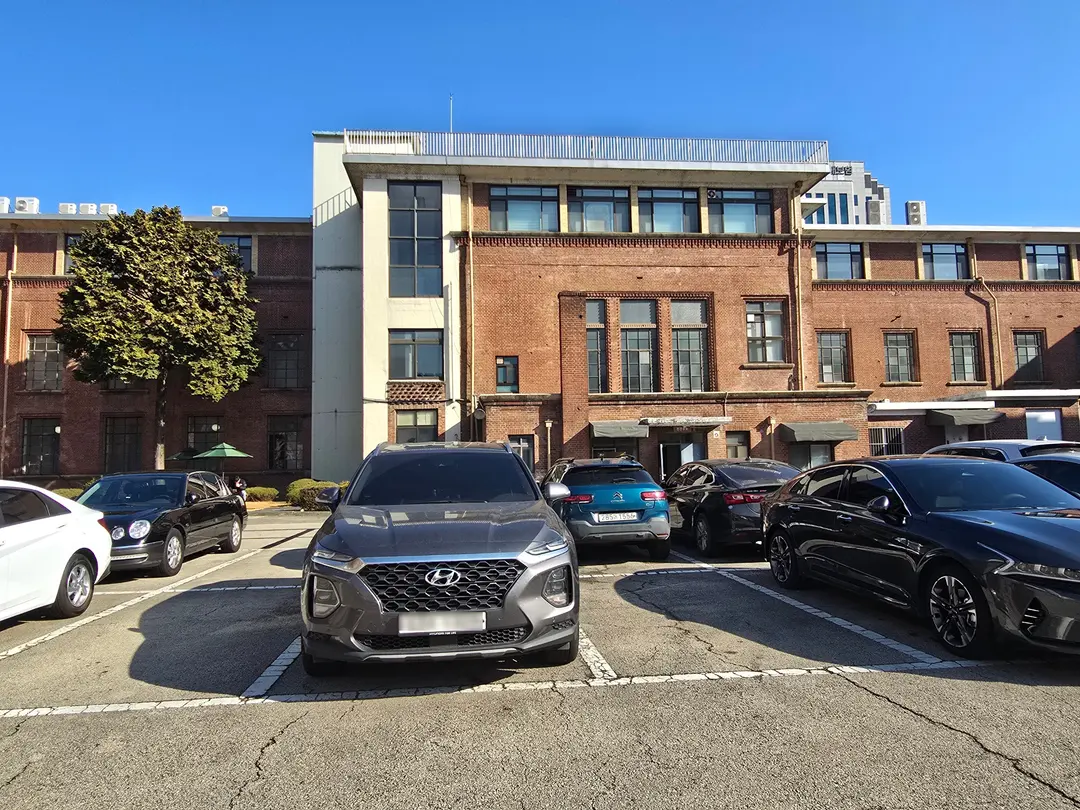
The parking lot is located at the back of the main building,
and usage is free.
The parking lot is spacious, so we had no worries,
but it can get quite crowded on weekends.
📌 Visiting by Public Transportation
Located in Daejeon's old downtown, it's easily reachable by public transport.
✔ Subway: Located 300m from Jung-gu Office Station, Exit 4
✔ Bus: Numerous buses stop at Jung-gu Office, Daejeon Probation Office, Jungbu Police Station, and Daejeon Technopark stations; alight and walk from there.
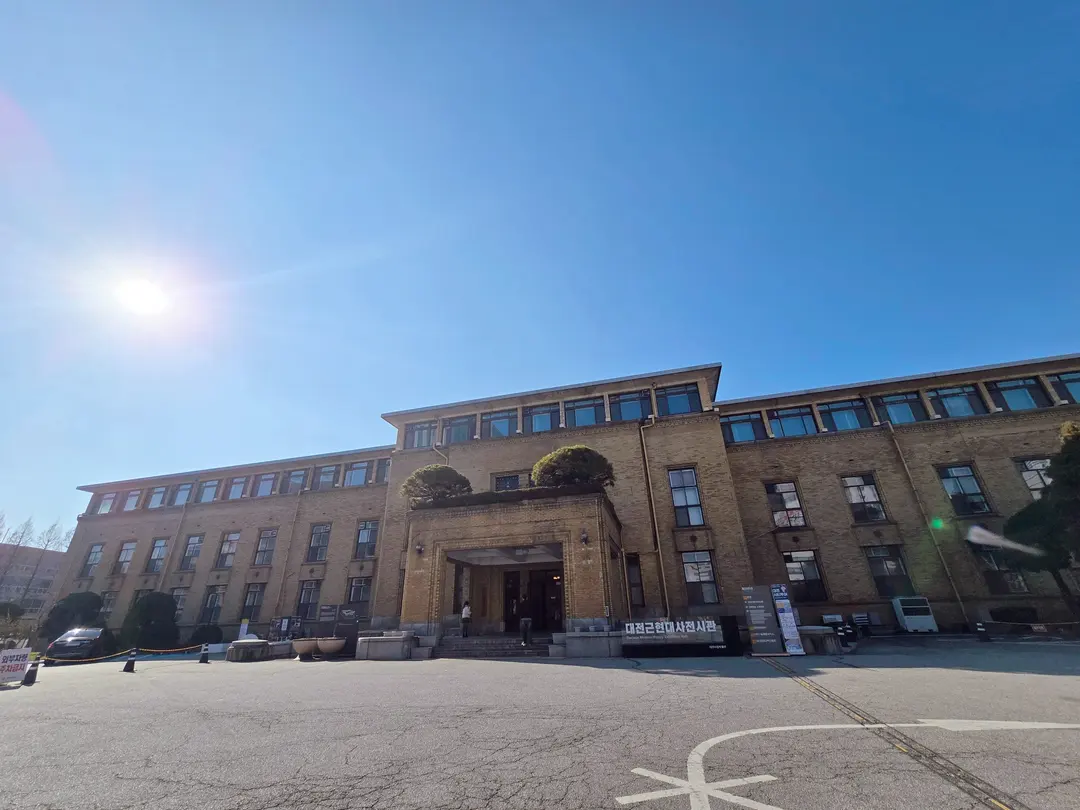
Daejeon Modern & Contemporary History Exhibition Hall
The Daejeon Modern & Contemporary History Exhibition Hall is housed in the former Chungnam Provincial Government building, constructed in 1932.
This exhibition hall, utilizing the old provincial government building,
is itself designated as Registered Cultural Heritage No. 18.
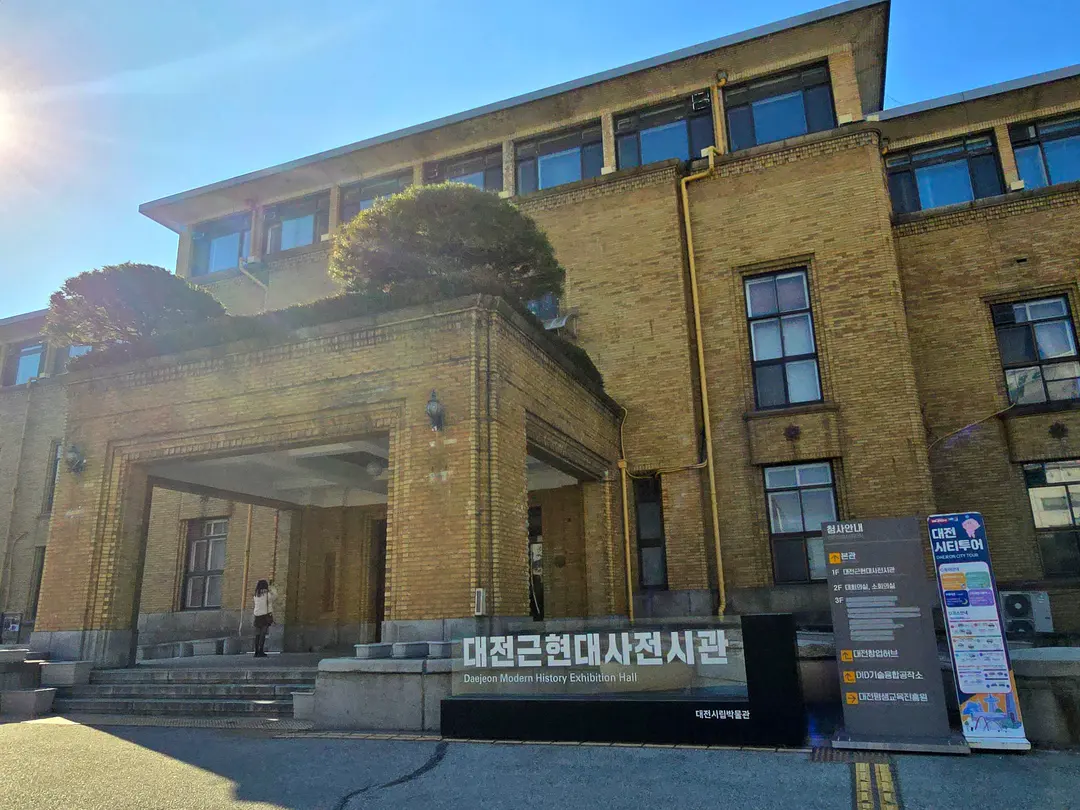
This place serves as an annex of the Daejeon Museum of History, located in Sangdae-dong,
and showcases Daejeon's history and development over approximately 100 years, from the early 20th century to the present.
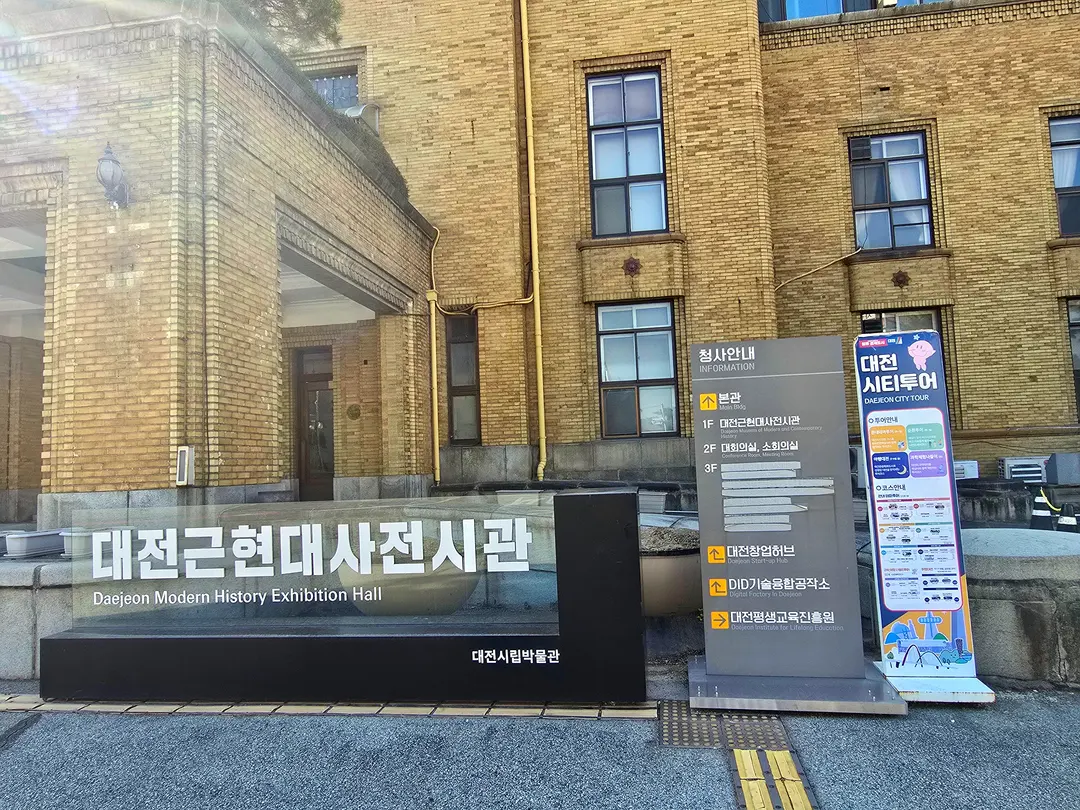
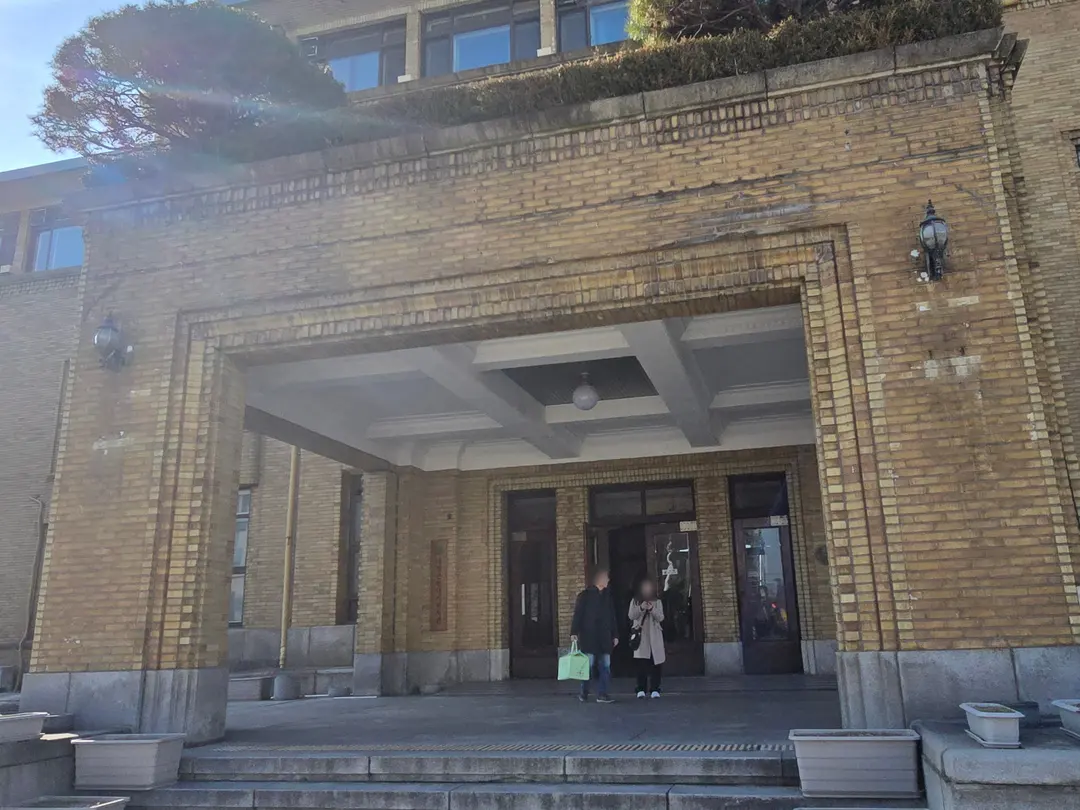
Transformed from the old Chungnam Provincial Government building,
it boasts a distinctive antique exterior.
Maintaining its historical charm,
its grandeur and vintage elegance truly captivated my attention.
Since it's right next to Eunhaeng-dong,
many visitors from out of town seem to drop by Sungsimdang Bakery's main branch
and often include this as part of their itinerary.
Even on the day of my visit, a majority of people were carrying Sungsimdang cake boxes and paper bags.
It seems more visitors from other regions than Daejeon locals come here.
From Sungsimdang Bakery's main branch to the Daejeon Modern & Contemporary History Exhibition Hall,
it's about 900m away
and takes approximately 20 minutes on foot.
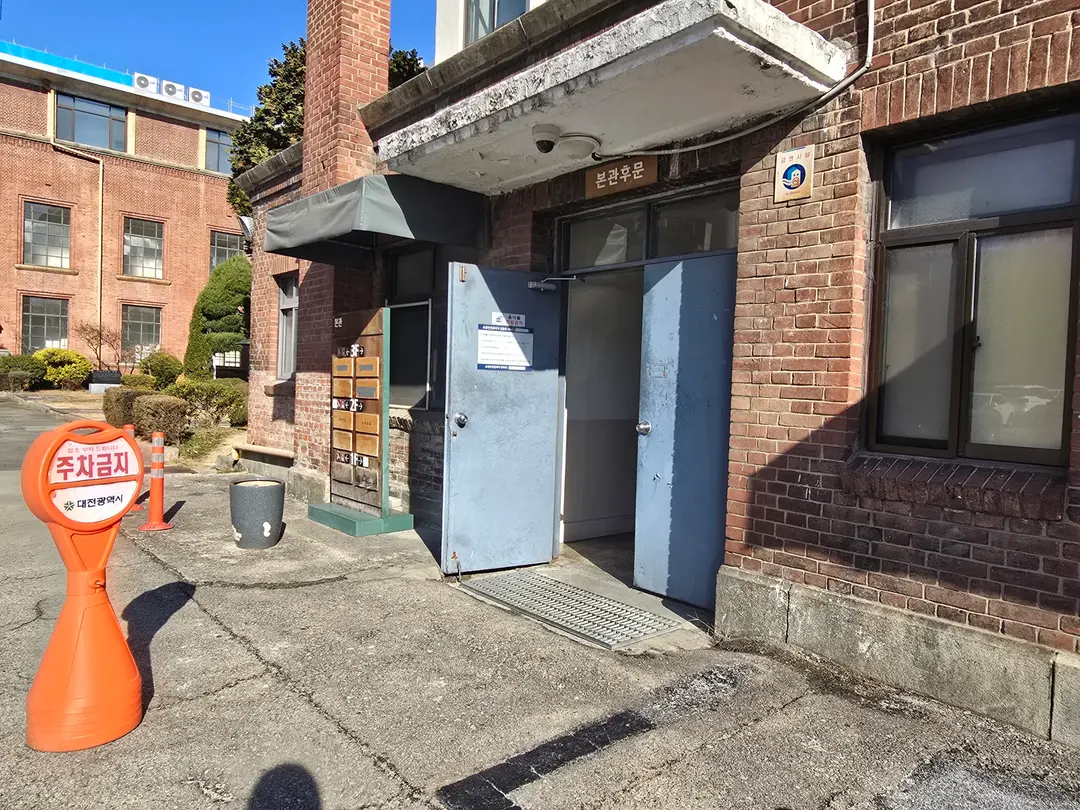
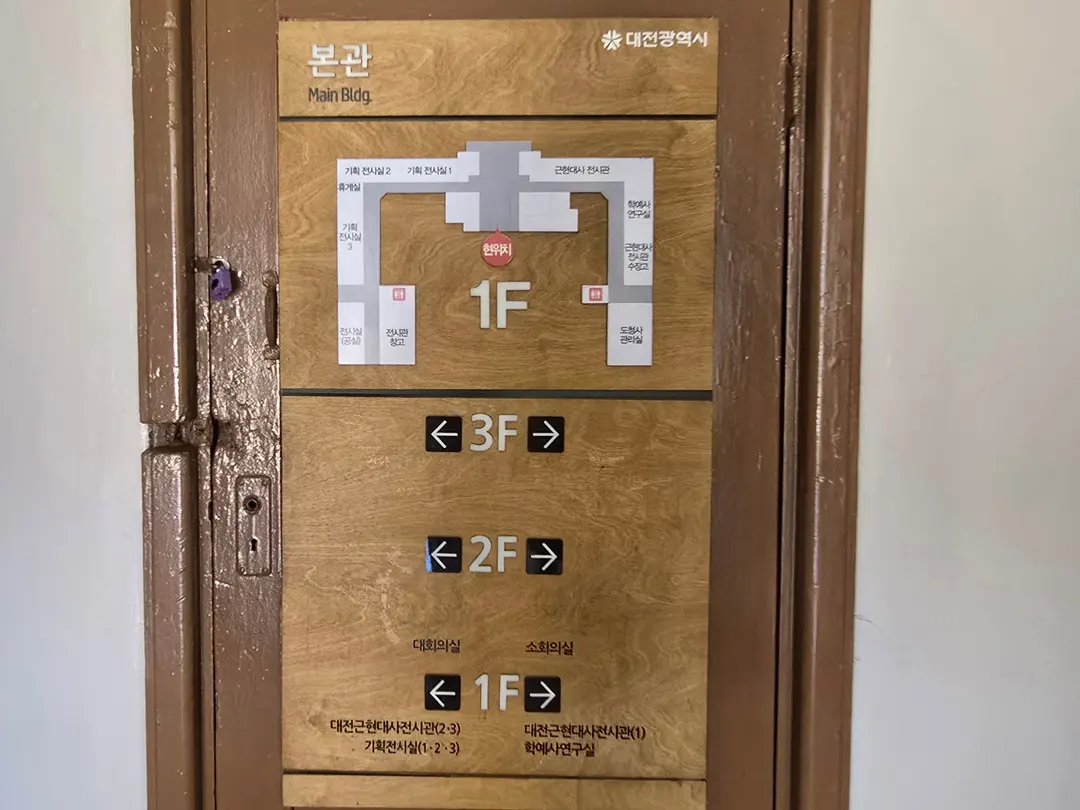
If visiting by car, park behind the building,
enter through the main building's rear entrance,
and move towards the front,
where you'll find the exhibition halls.
On the first floor of the building,
you'll find the Daejeon Modern & Contemporary History Exhibition Hall and the Special Exhibition Hall,
while the second floor houses the main conference room and smaller meeting rooms.
Visitors can access the first floor.
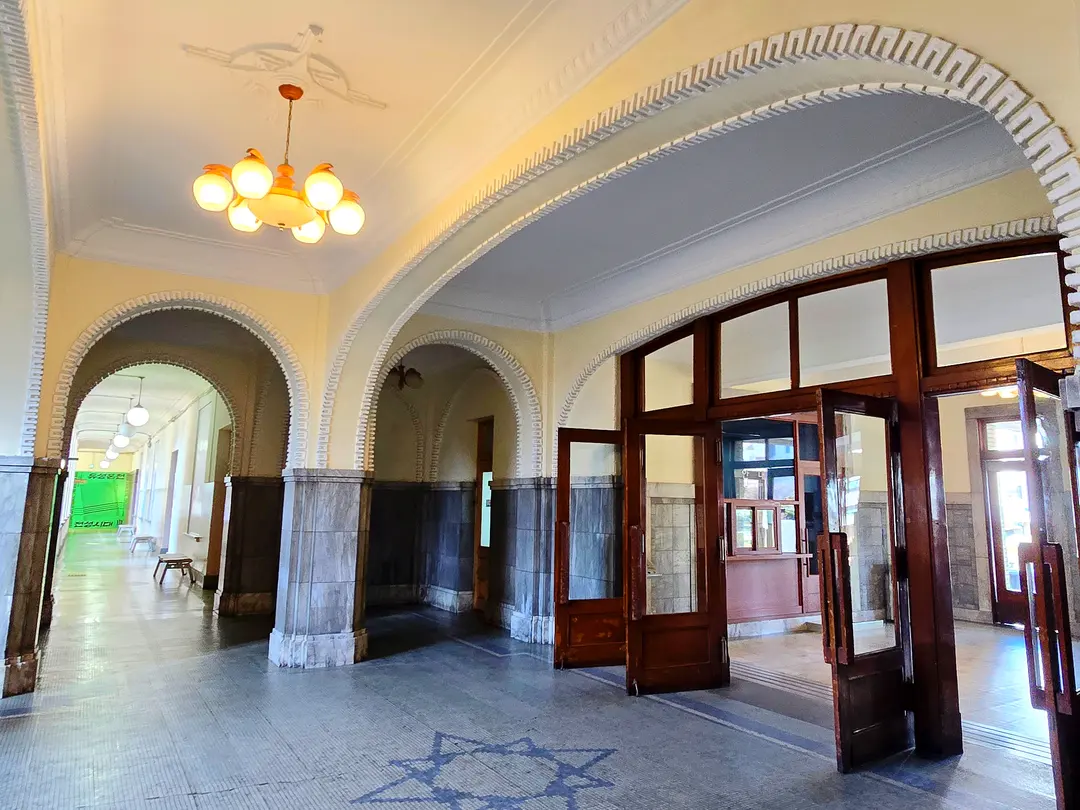
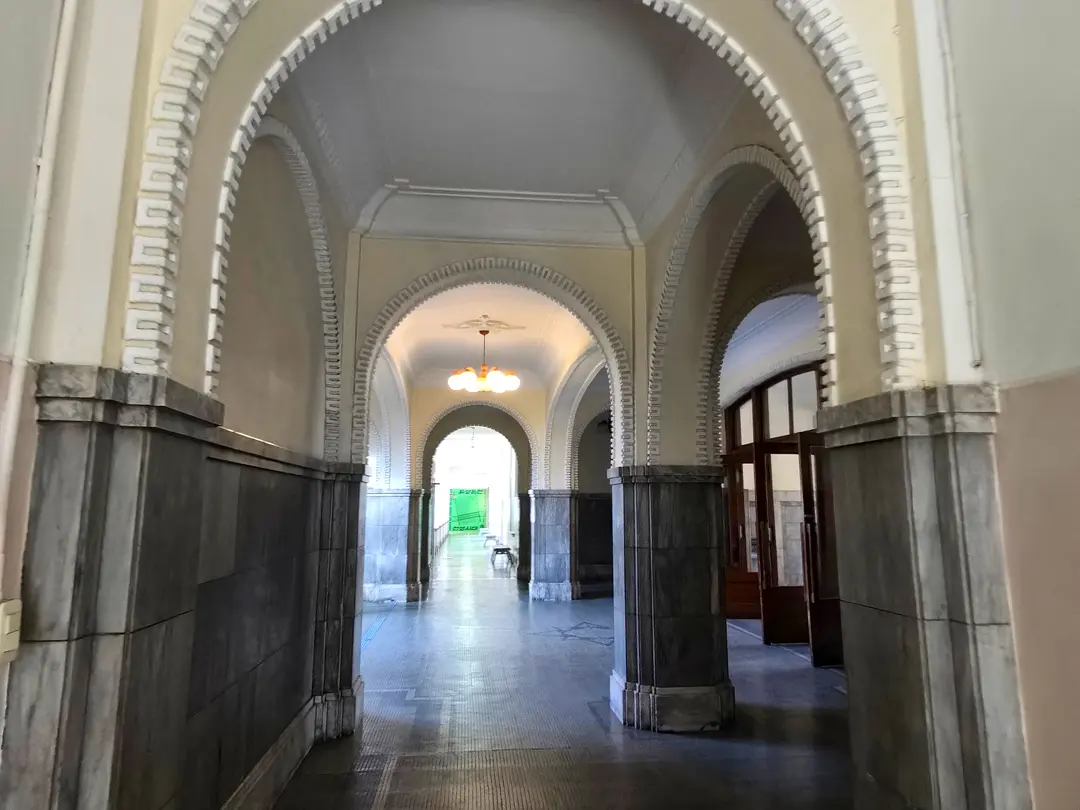
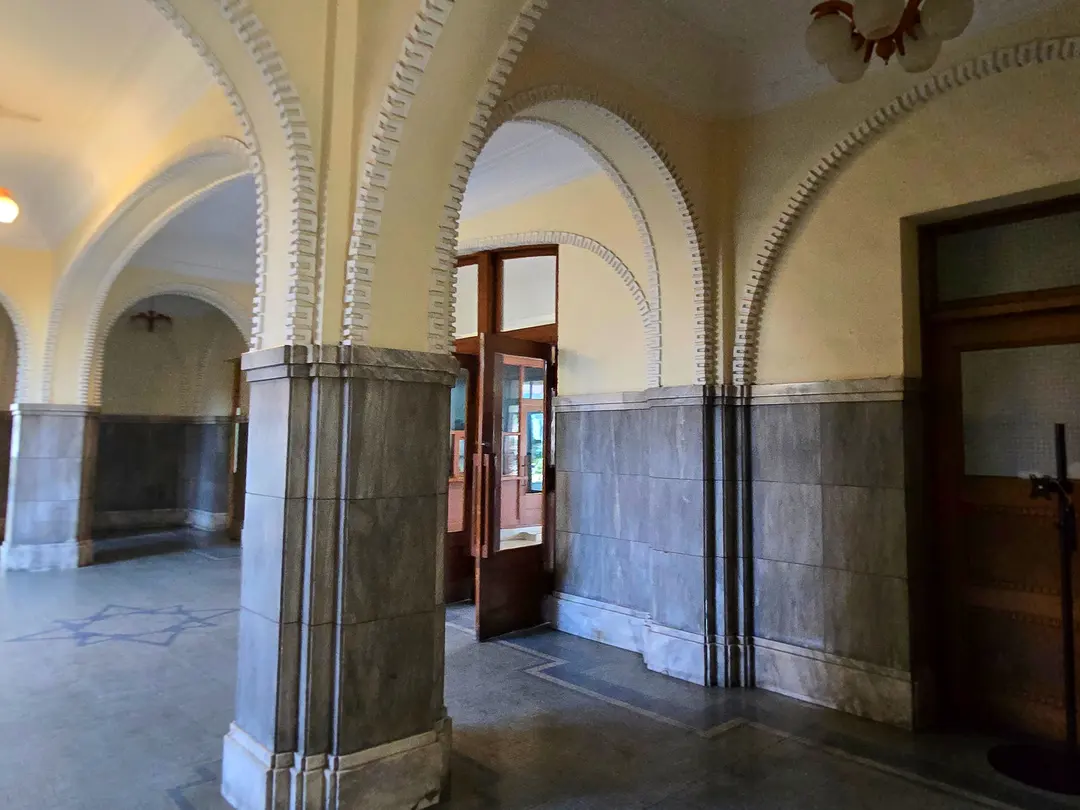
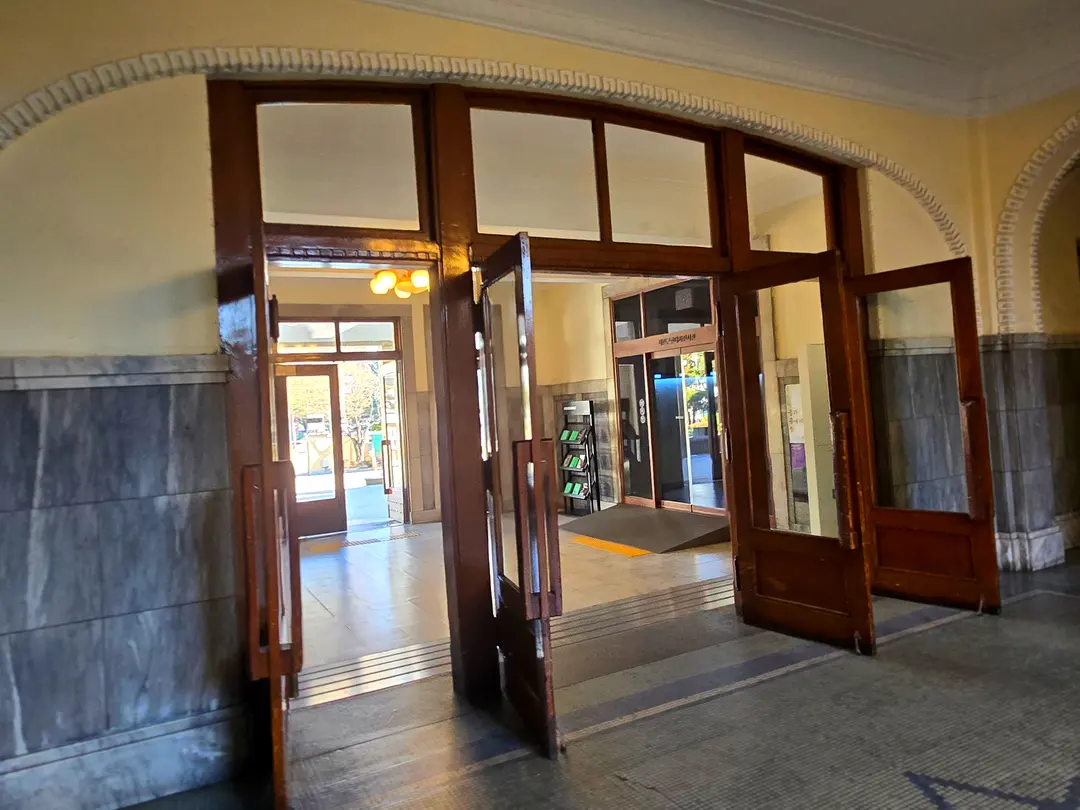
Upon entering,
the arched corridors and antique pillars immediately catch your eye.
Filled with old-fashioned lighting and decorations on the ceiling,
it exudes a classic interior ambiance,
almost like a movie set.
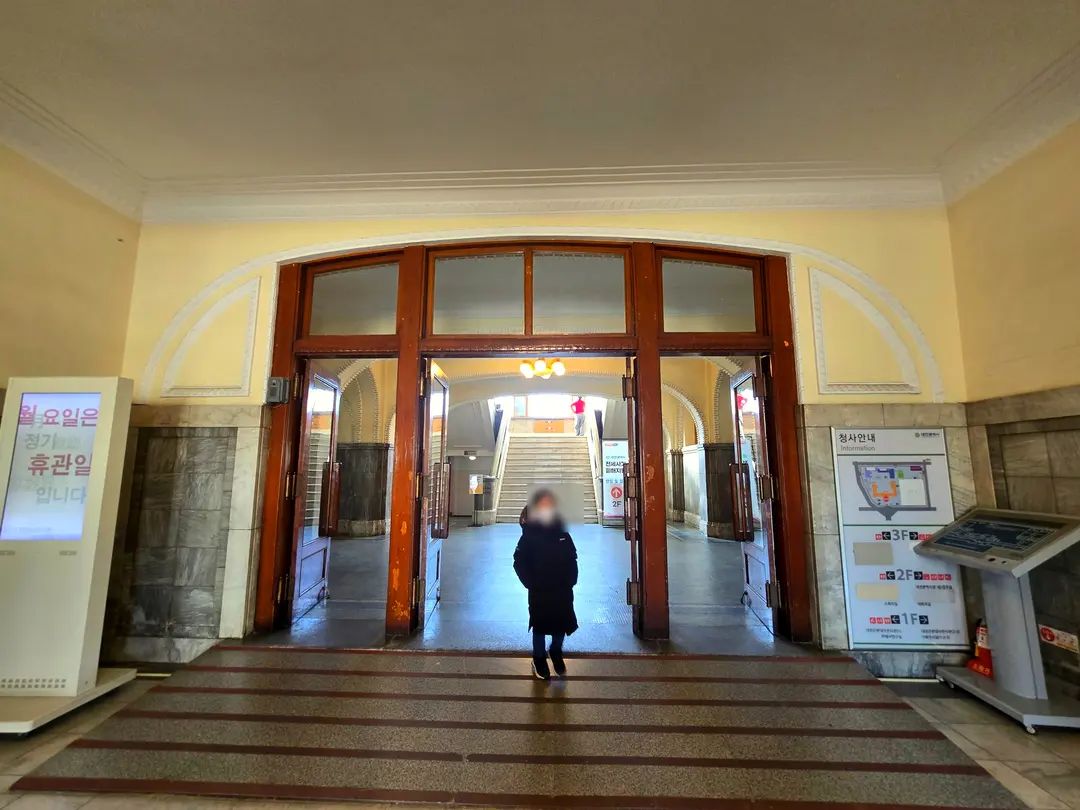
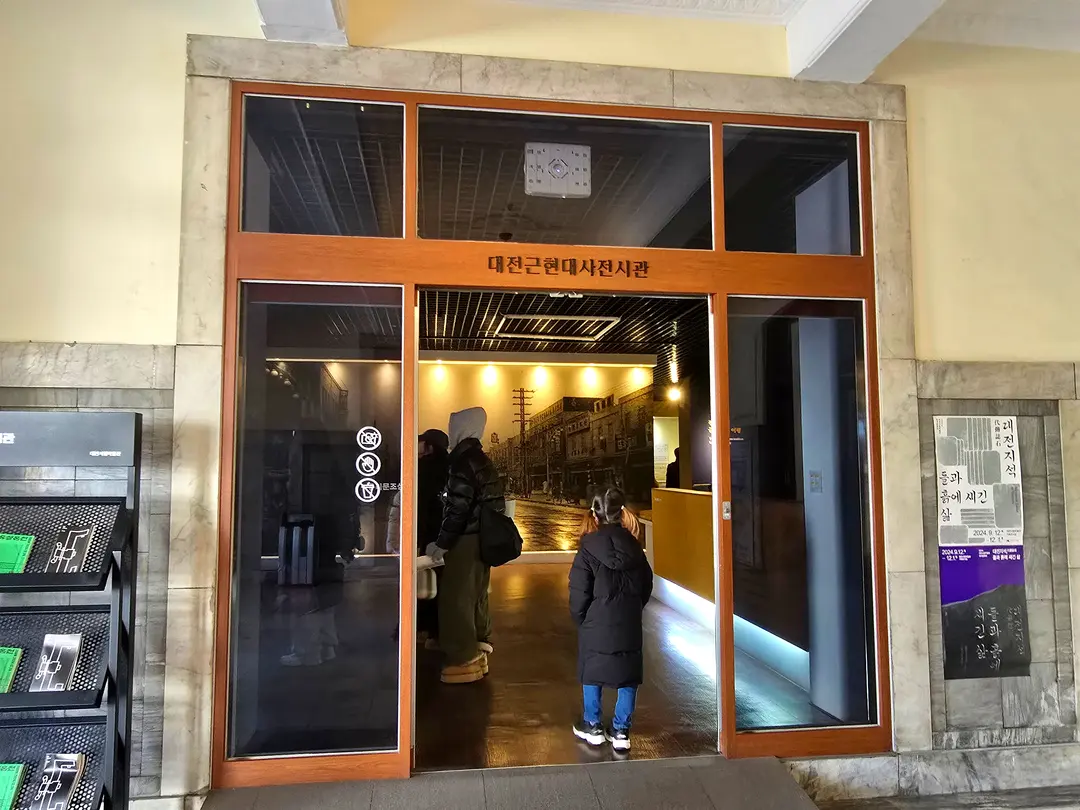
Step into the Modern and Contemporary History Exhibition Hall, nestled on the first floor,
a captivating space designed to unveil Daejeon's fascinating journey of formation and development, all at a single glance.
You'll explore everything from Daejeon's earliest days, through the Japanese colonial period, the Korean War,
and right up to the modern era, with a rich collection of diverse materials on display.
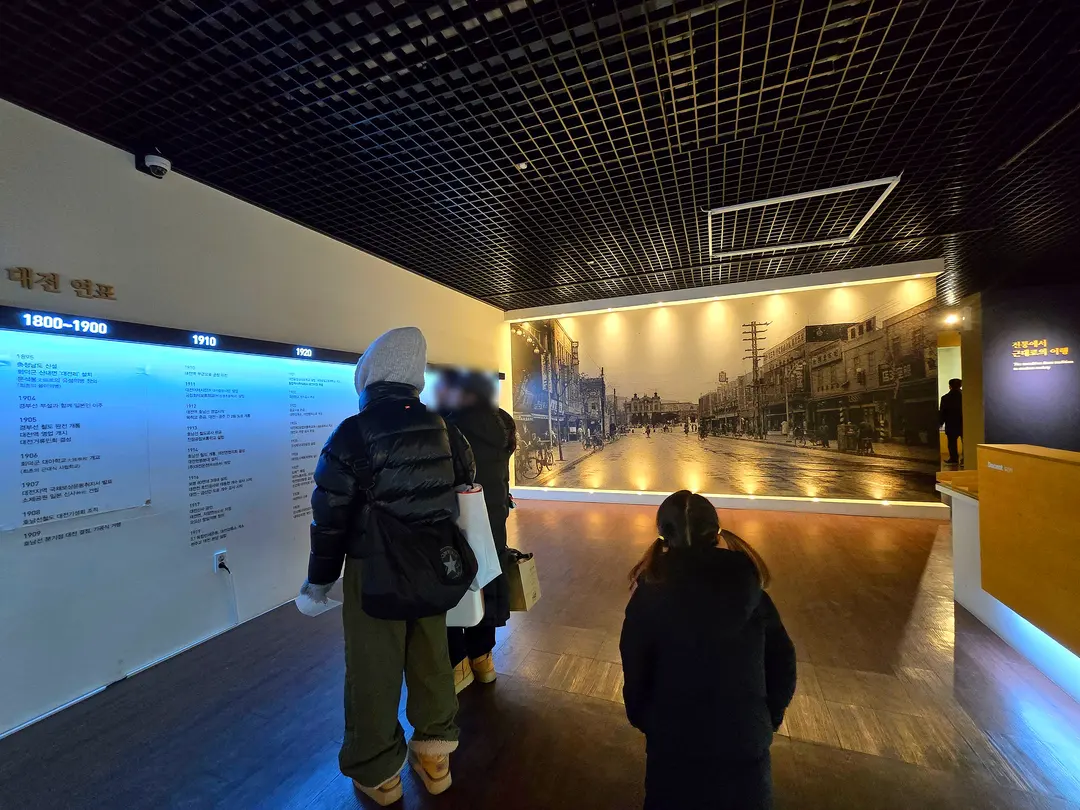
Don't let the exterior fool you – step inside and you'll discover that the exhibition hall's interior
is beautifully arranged with state-of-the-art, modern exhibition facilities.
As soon as you step inside, you're transported back in time to a recreated scene of Daejeon from the 1900s!
The exhibition hall unfolds across several fascinating themes,
inviting you to embark on a chronological journey, exploring Daejeon's history as if you're truly discovering it through time.
The exhibits are thoughtfully centered around the pivotal historical events from Daejeon's modern to contemporary periods,
covering the Japanese colonial period, the post-liberation recovery, and the incredible processes of industrialization and modernization.
It's all laid out beautifully, allowing you to grasp each era at a glance!
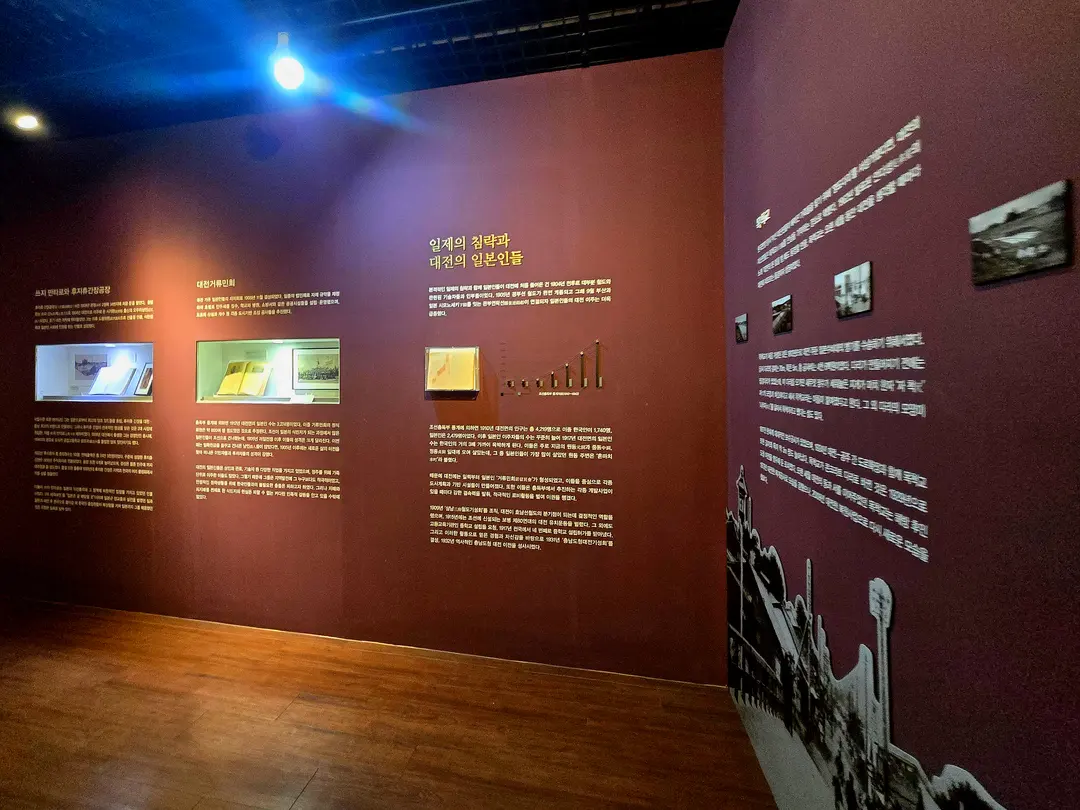
Transitioning from Tradition to Modernity
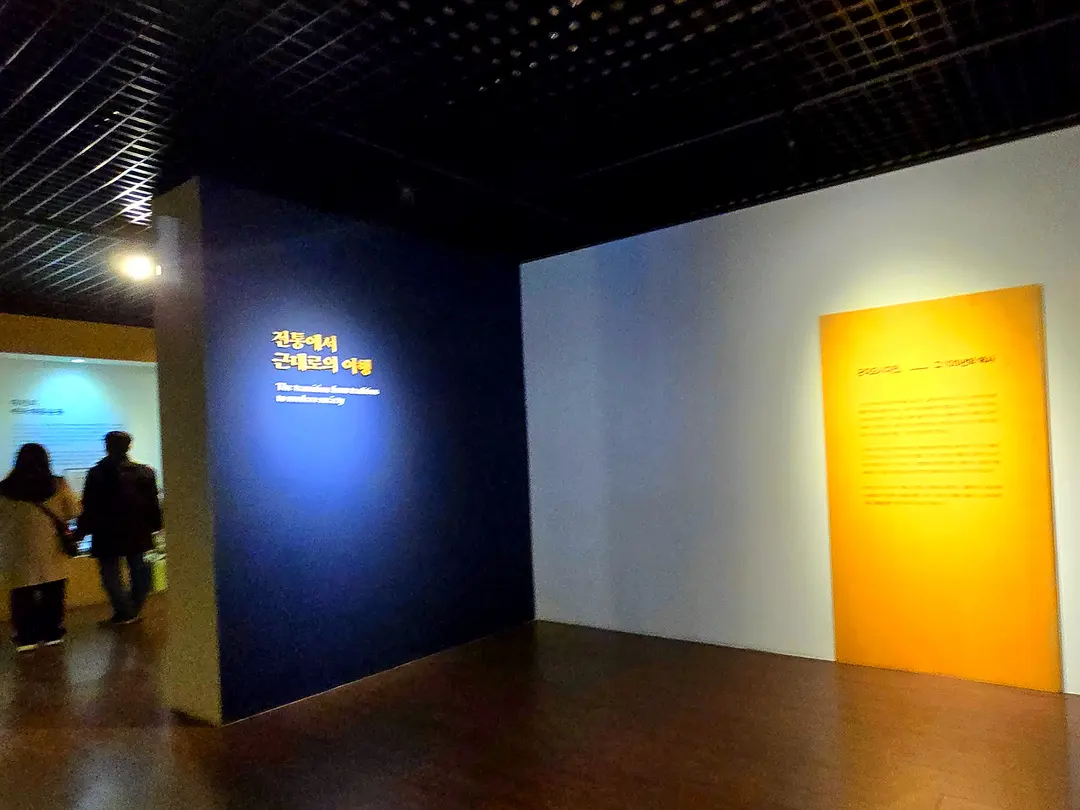
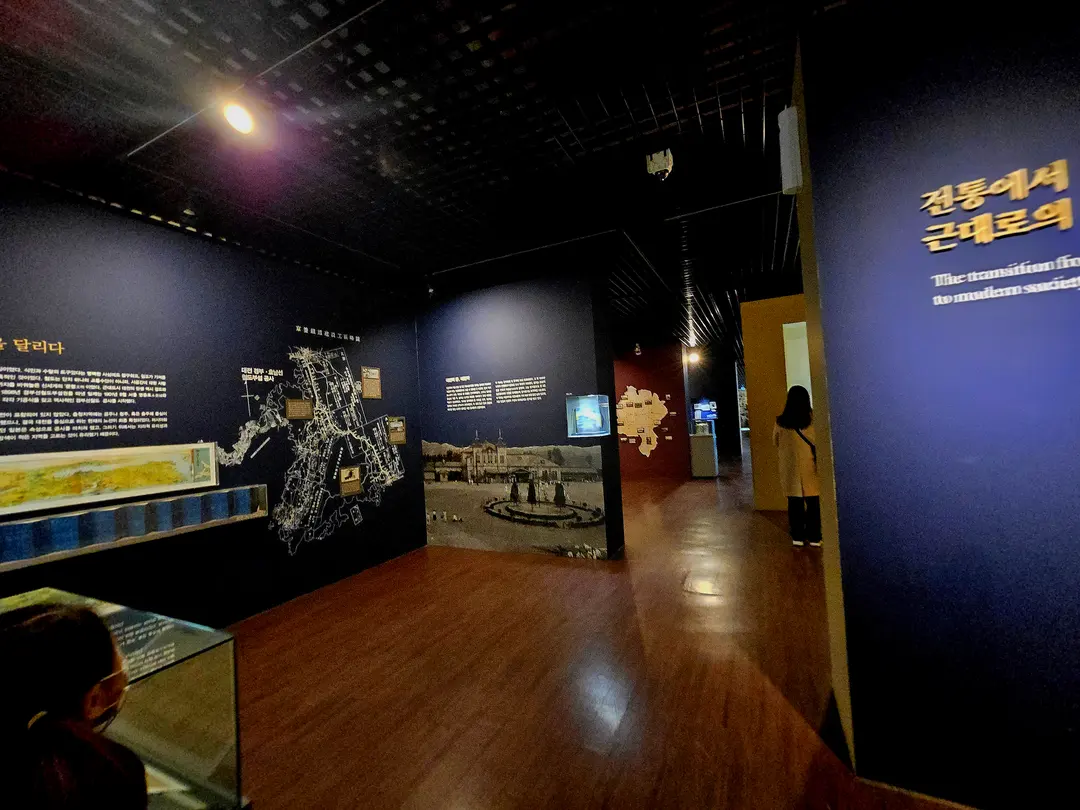
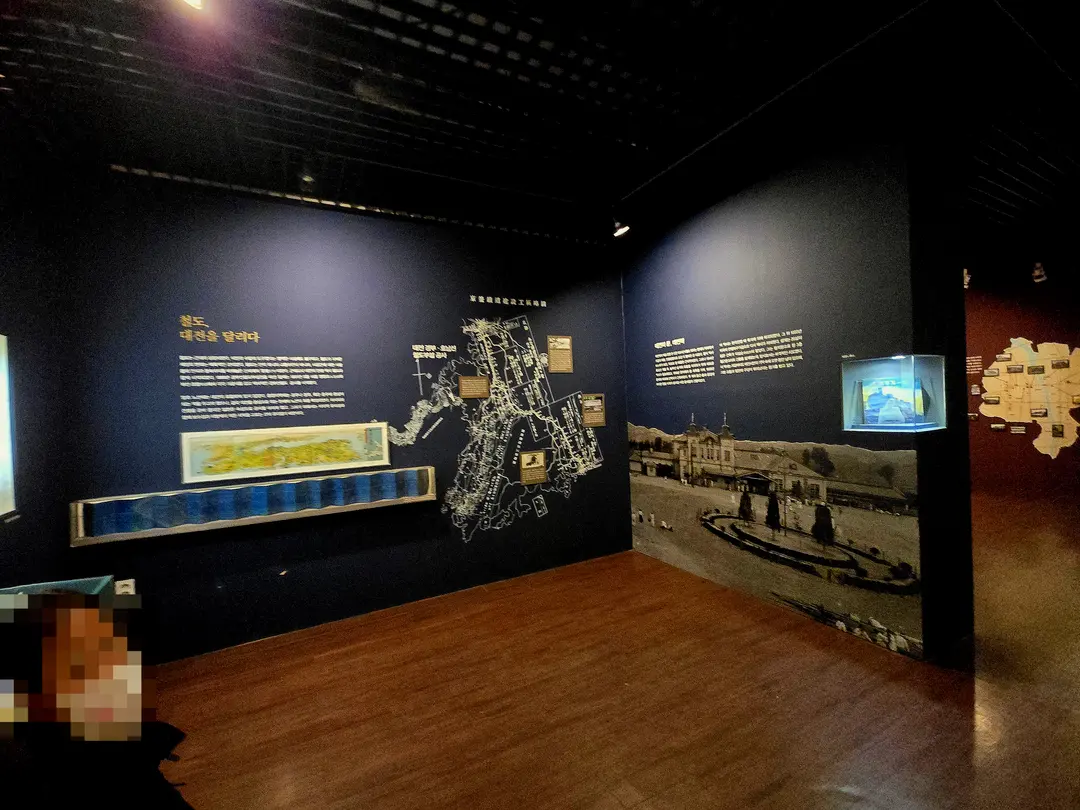
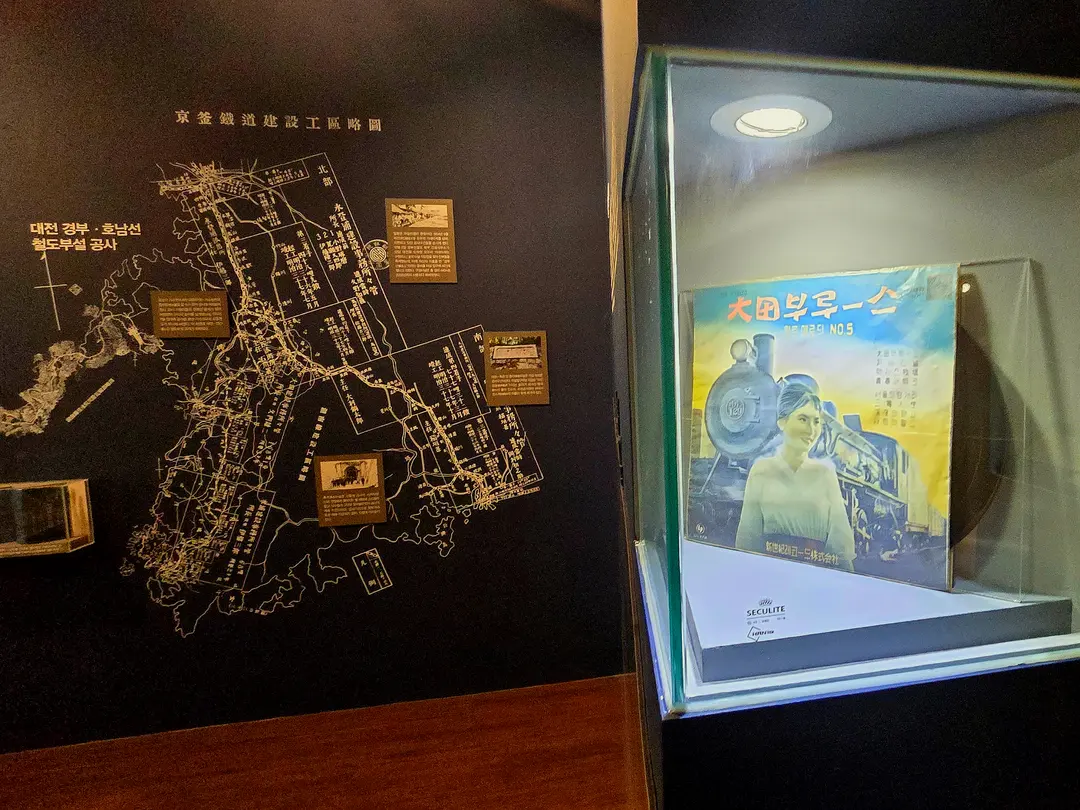
The story of Daejeon's emergence as a modern city is deeply intertwined with the railway.
With the laying of the railway tracks,
Daejeon blossomed into a vibrant new modern city,
and you can explore the fascinating process of its transformation
along with all the significant and smaller events that shaped it.
You'll discover historical maps of Daejeon County and captivating images of Daejeon Station during the Japanese colonial period.
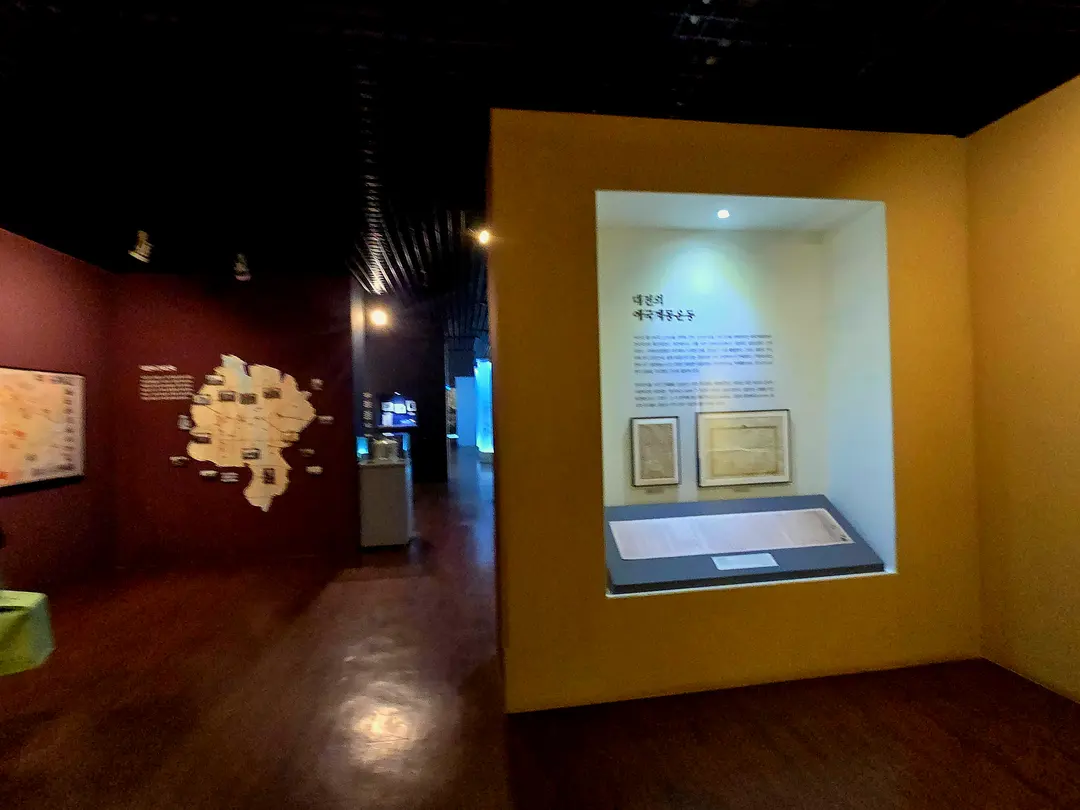
Daejeon's National Salvation Movement during the Late Joseon Dynasty
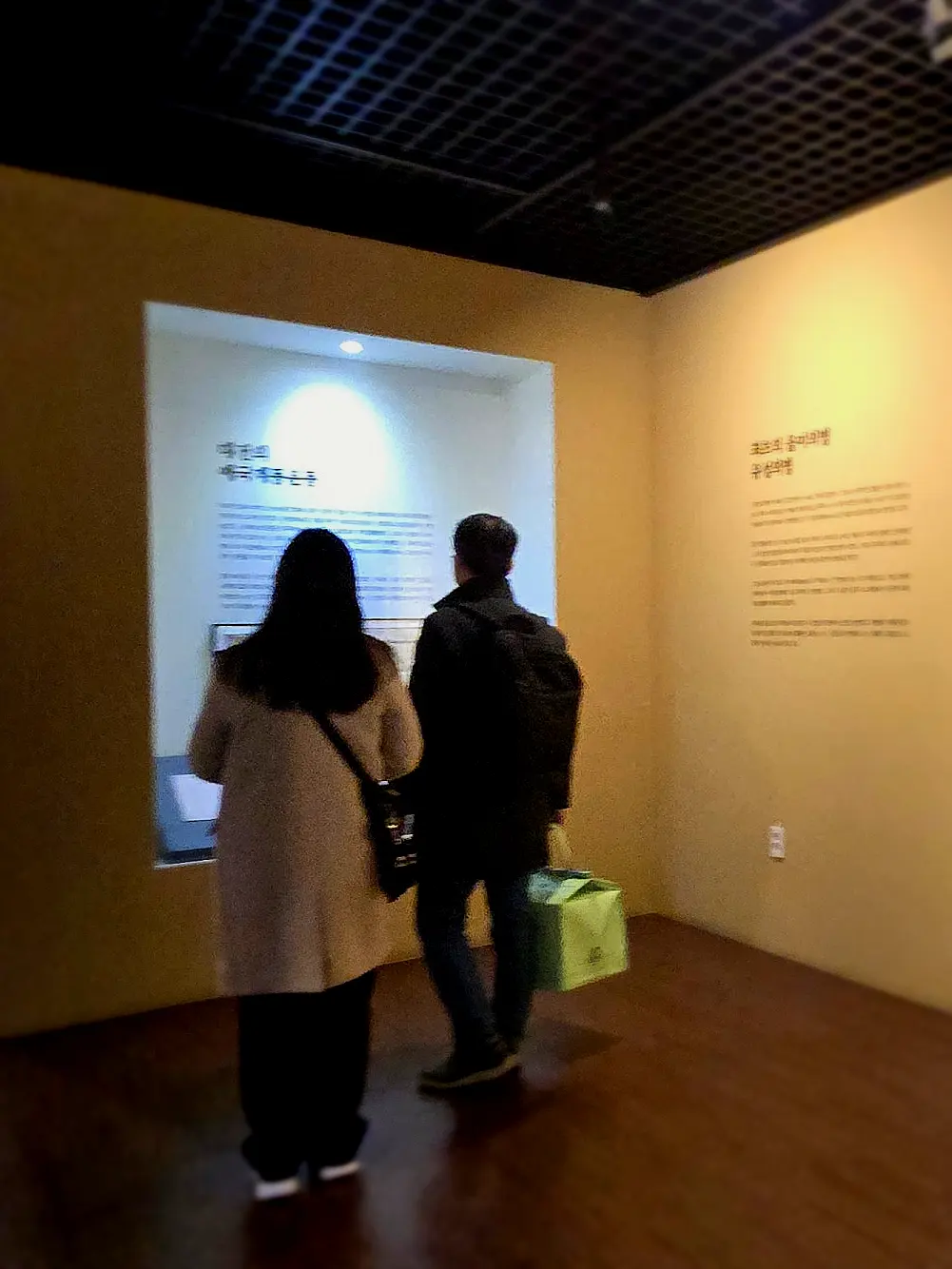
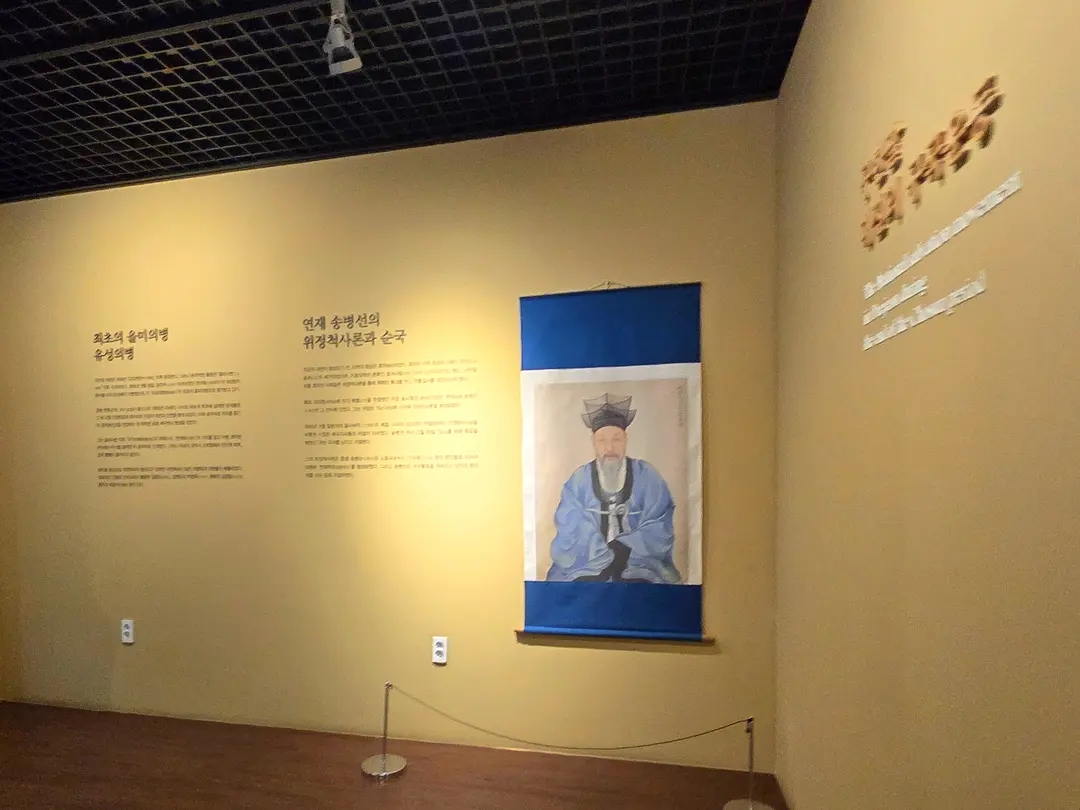
During the Late Joseon Dynasty, Daejeon was a hotbed of diverse national salvation movements.
The exhibition dives into the intricate details and fascinating materials related to these pivotal movements that sprang up in Daejeon.
The Birth and Flourishing of Modern Daejeon
In the early 20th century, Daejeon was just a humble rural village,
but it soon began its incredible transformation into a modern city with the arrival of the railway.
With the Chungcheongnam-do Provincial Office relocating from Gongju to Daejeon,
Daejeon truly began to take on the character of a bustling city,
and was elevated to Daejeon-bu, a status akin to today's metropolitan cities!
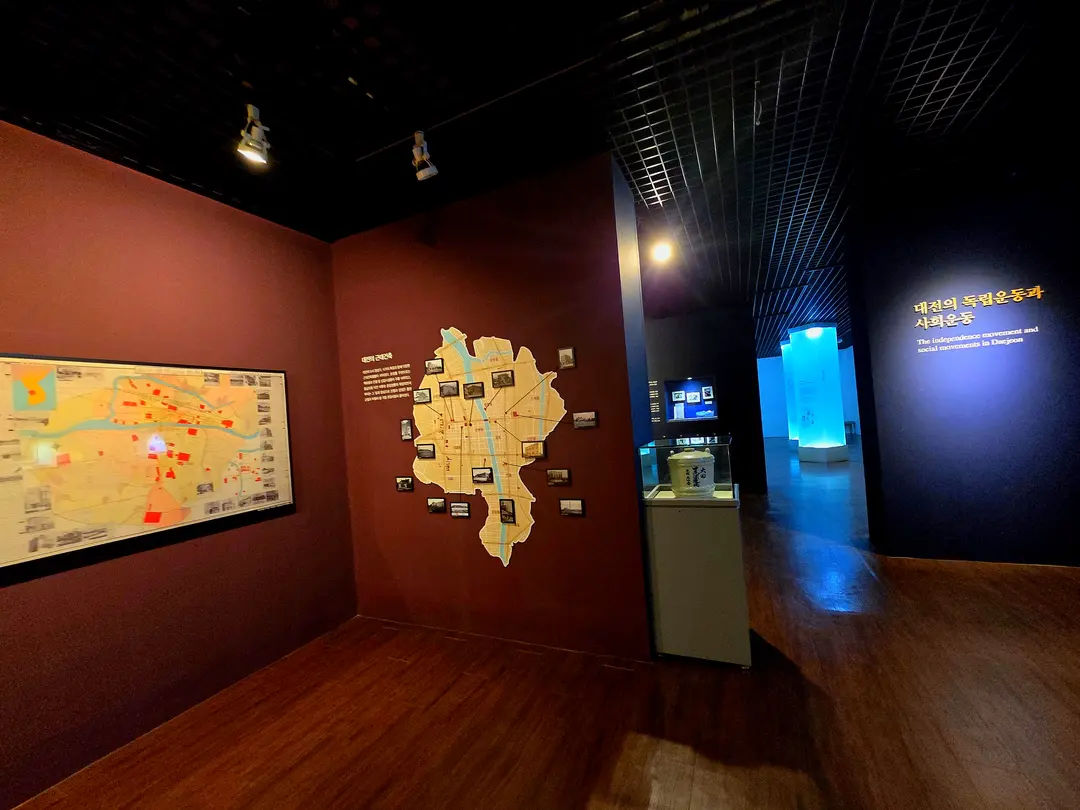
Daejeon's Fight for Independence and Social Activism
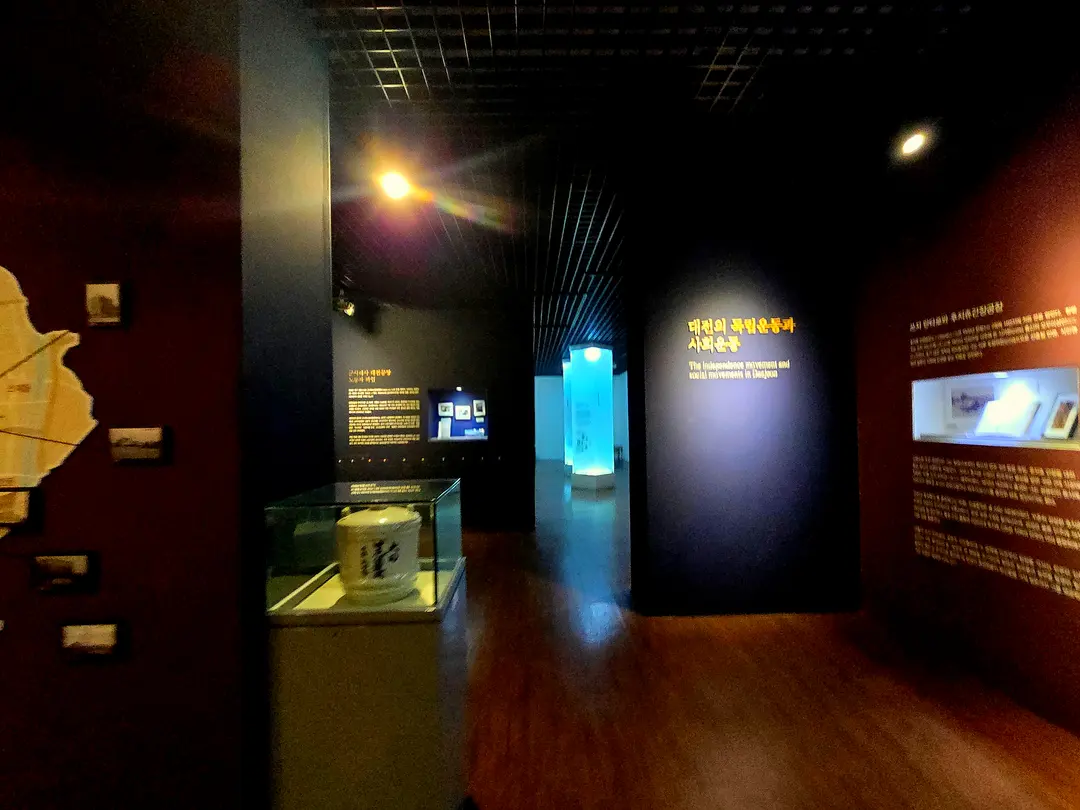
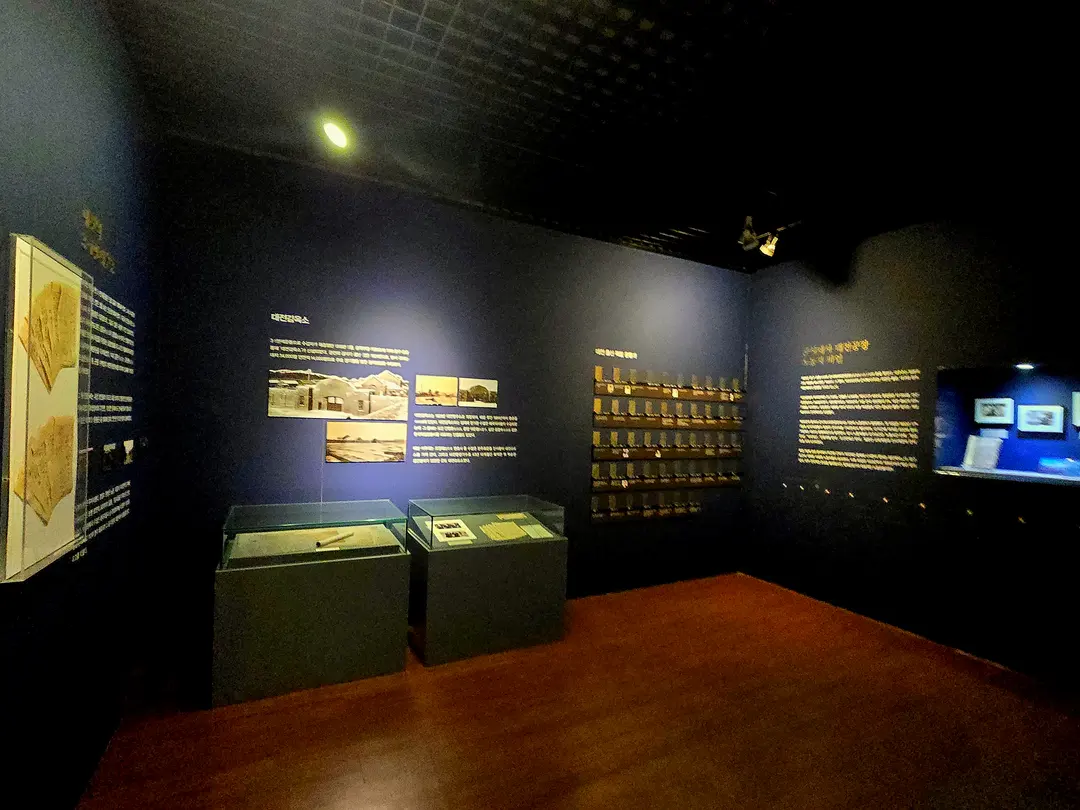
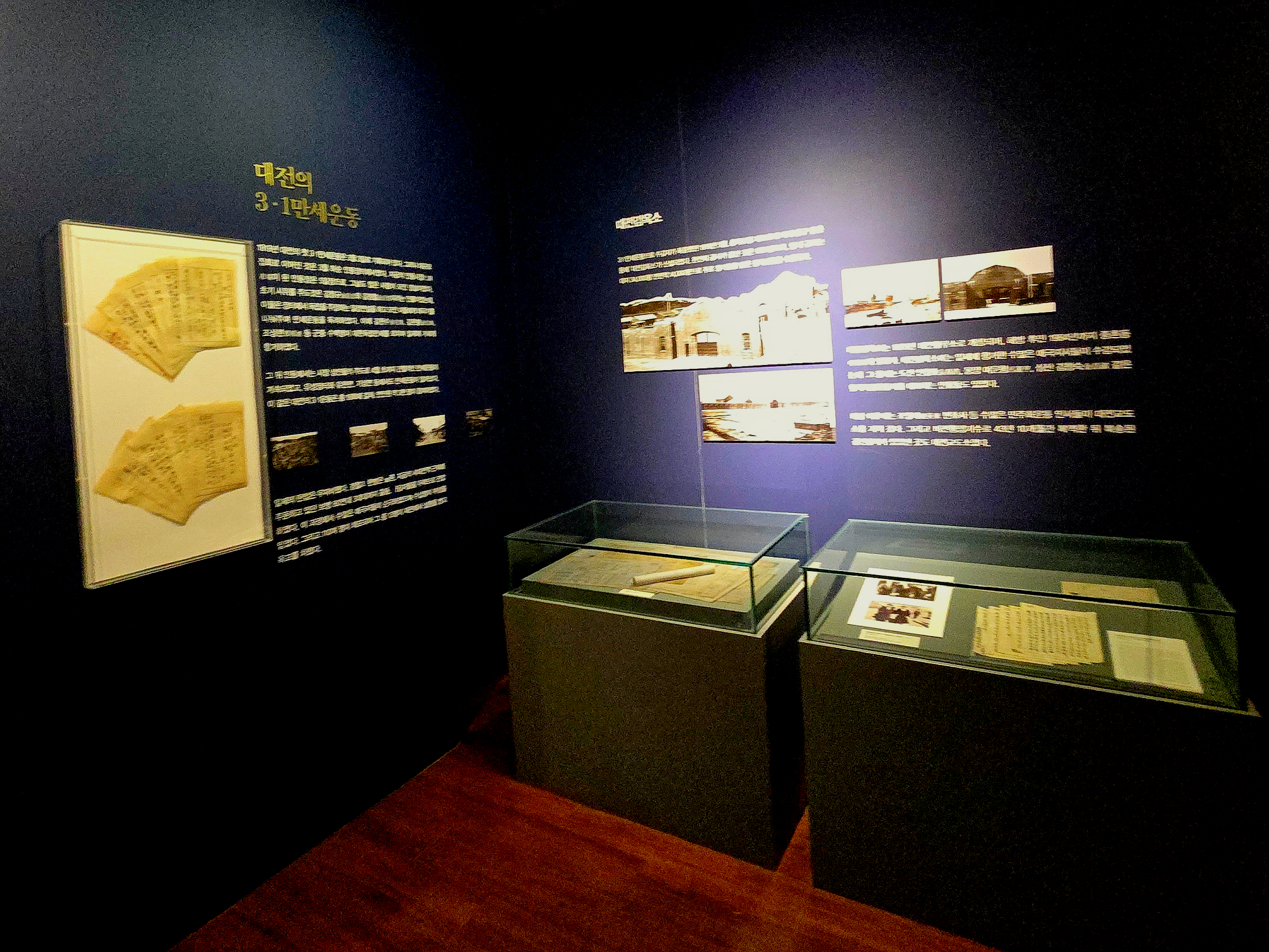
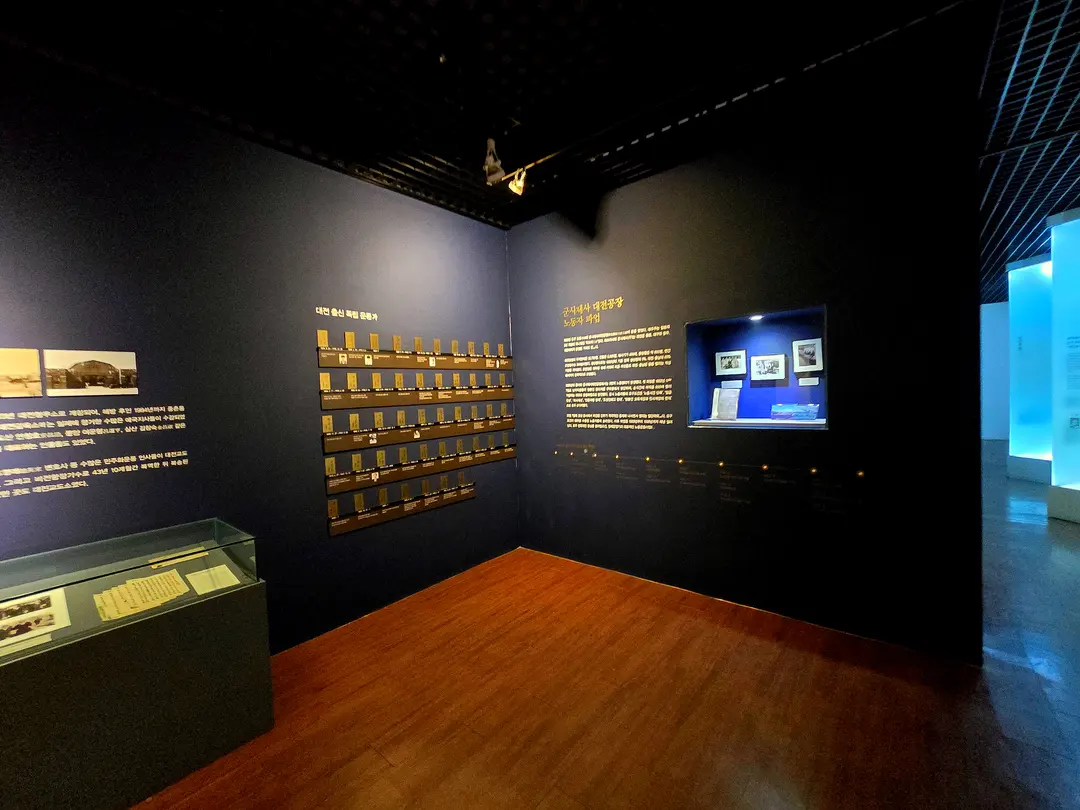
Daejeon, too, was a stage for a fervent and vital independence movement.
You'll learn about the many courageous patriots incarcerated at Daejeon Prison,
and discover fascinating materials about the independence activists who hailed from Daejeon.
A particularly poignant exhibit is a letter penned by the revered Dosan Ahn Changho to his wife, written while he was imprisoned in Daejeon Prison.
Daejeon: Strolling Through Modernity
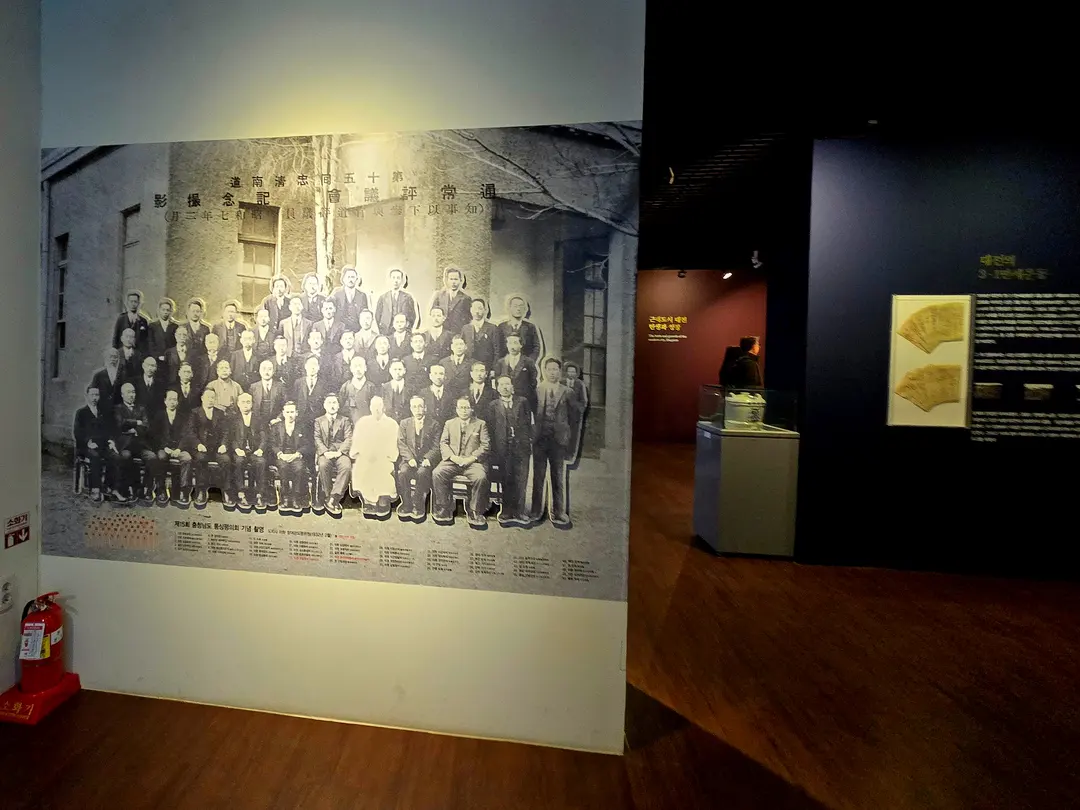
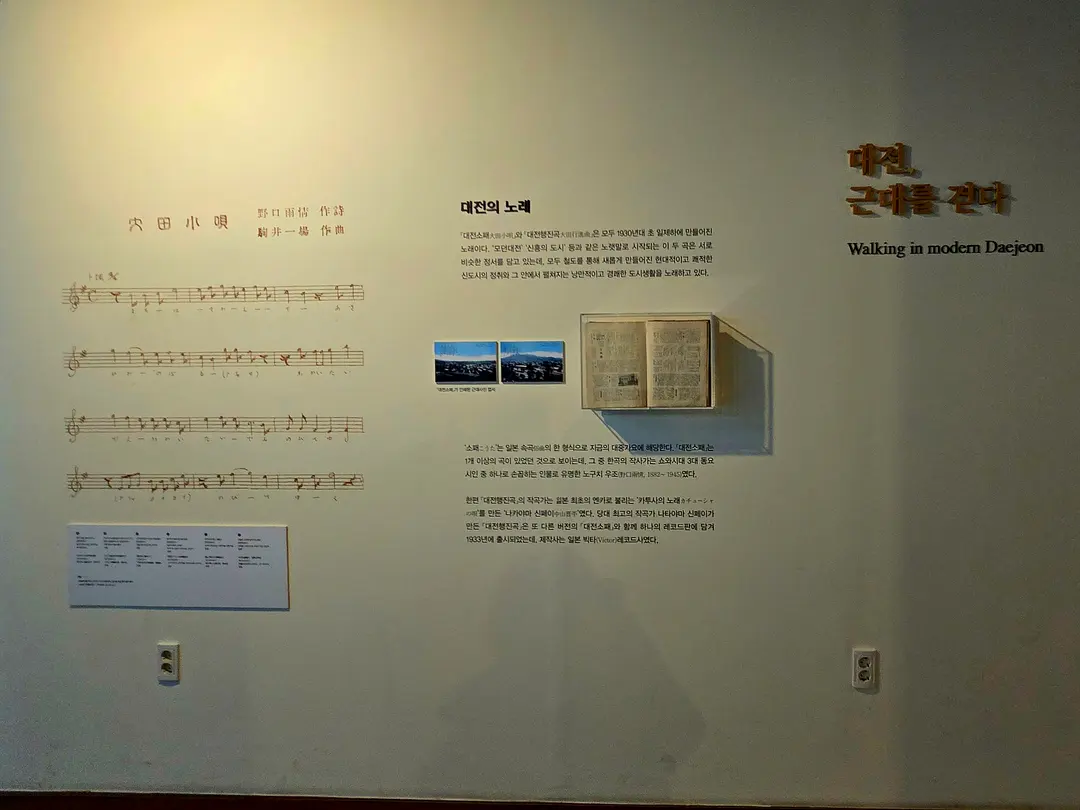
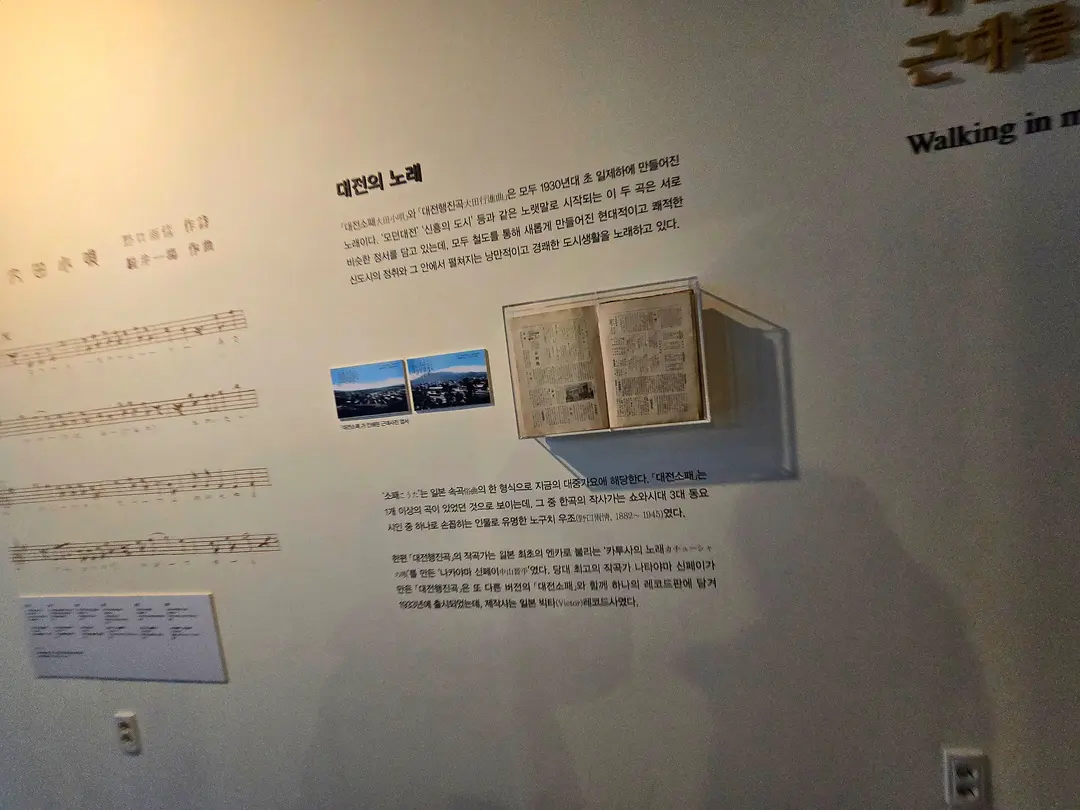
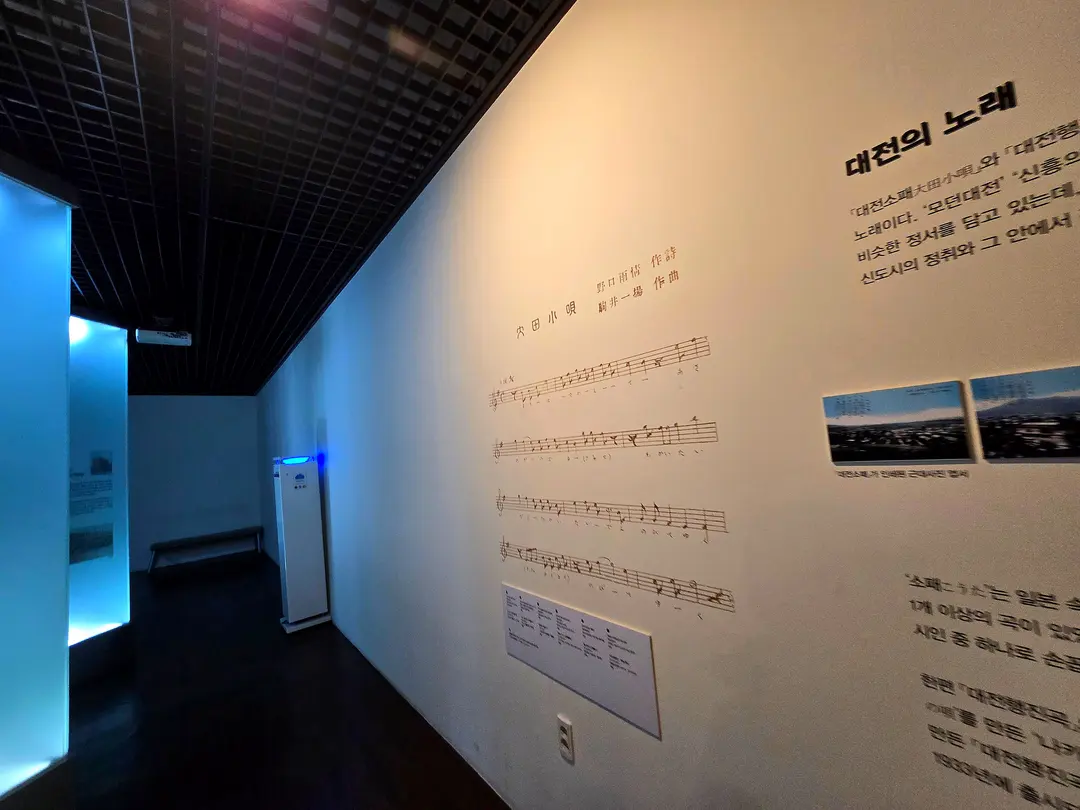
This section transports you to Daejeon as a modern city in the 1930s and 40s,
showcasing its vibrant political, economic, social, and cultural facets.
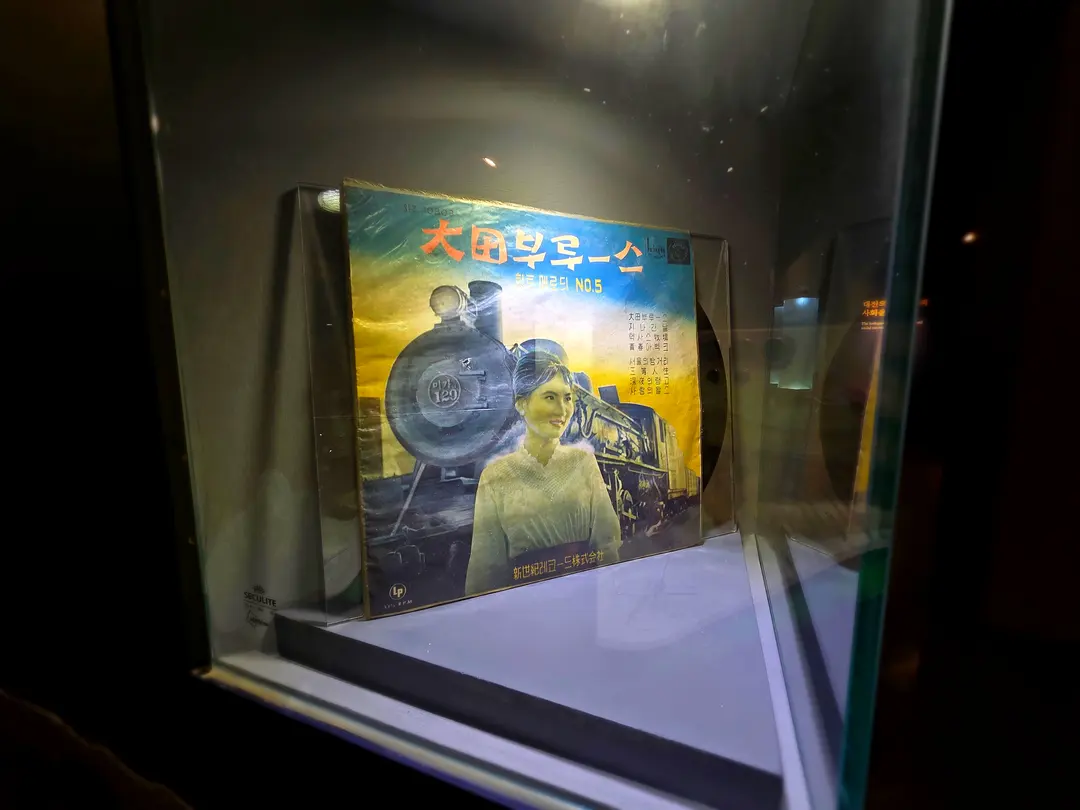
You'll discover songs that celebrated Daejeon's energy and buoyancy,
glimpses into popular culture and leisure activities like theaters, hotels, and hot springs,
as well as the everyday life represented by schools, factories, and newspapers,
all painting a vivid picture of Daejeon at that time.
The Korean War and Daejeon
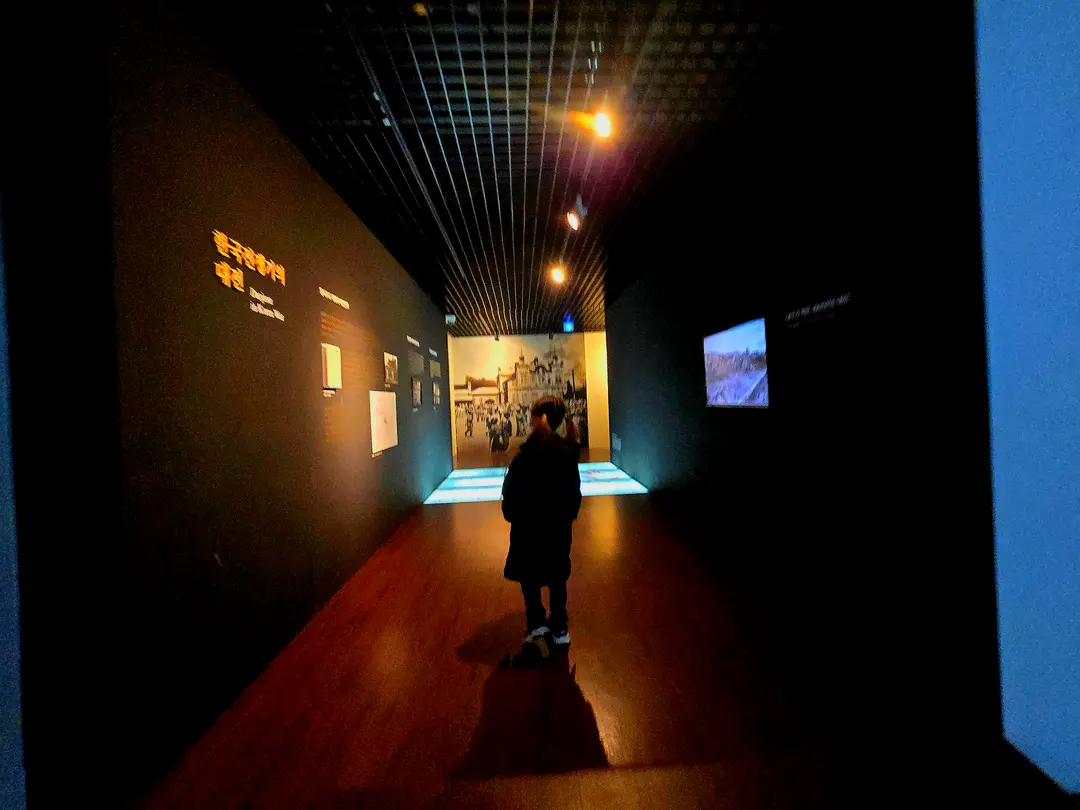
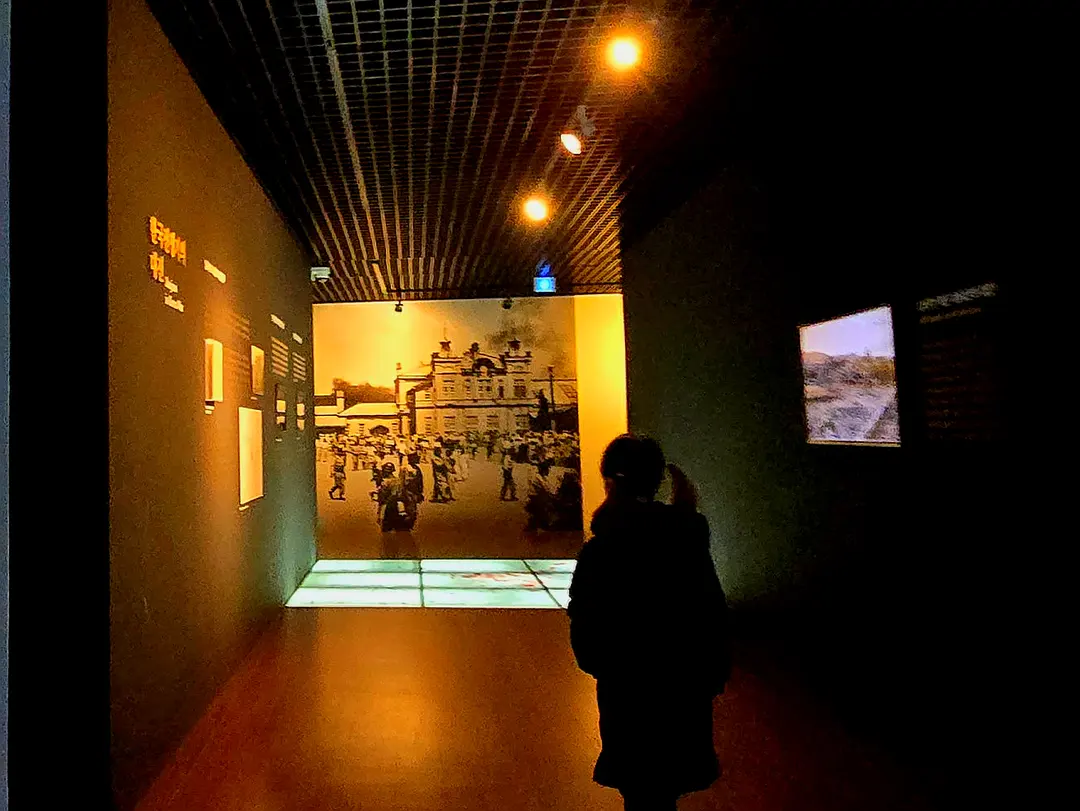
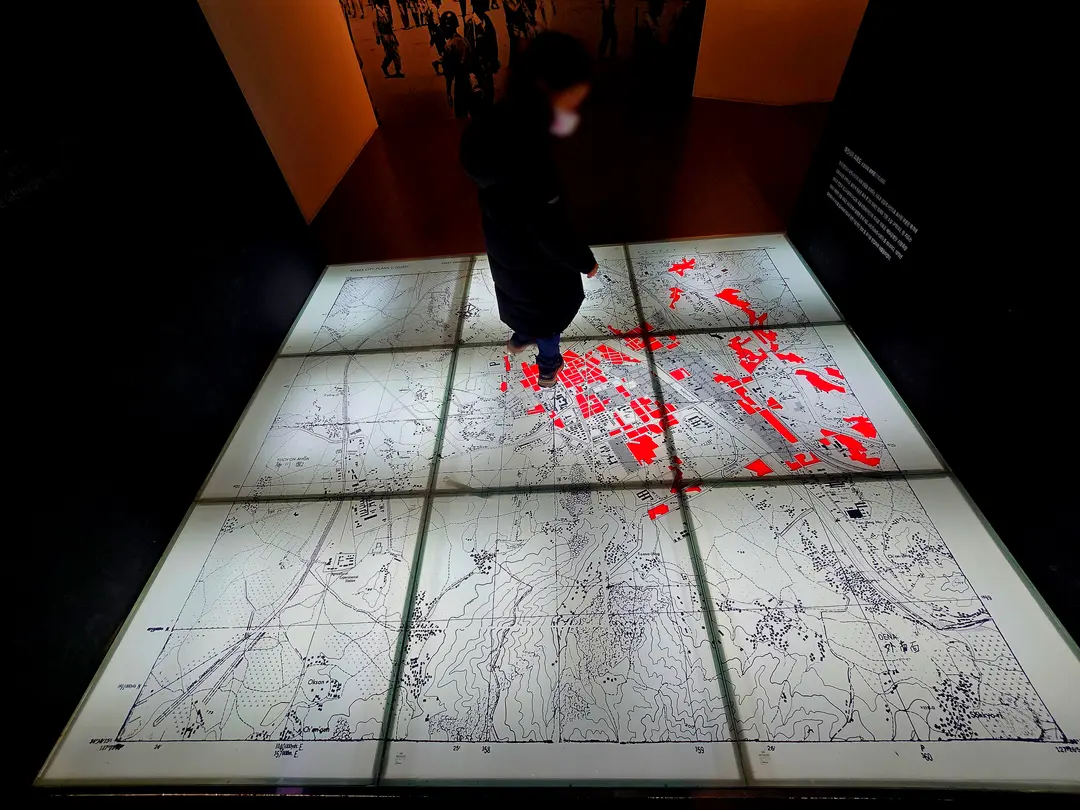
This section displays materials about Daejeon, which became the provisional capital during the Korean War, and
one of the most fiercely fought battles of that period,
the Battle of Daejeon, and
visitors can also learn about tragedies such as the civilian massacre at Daejeon Prison.
Rising from the Ruins
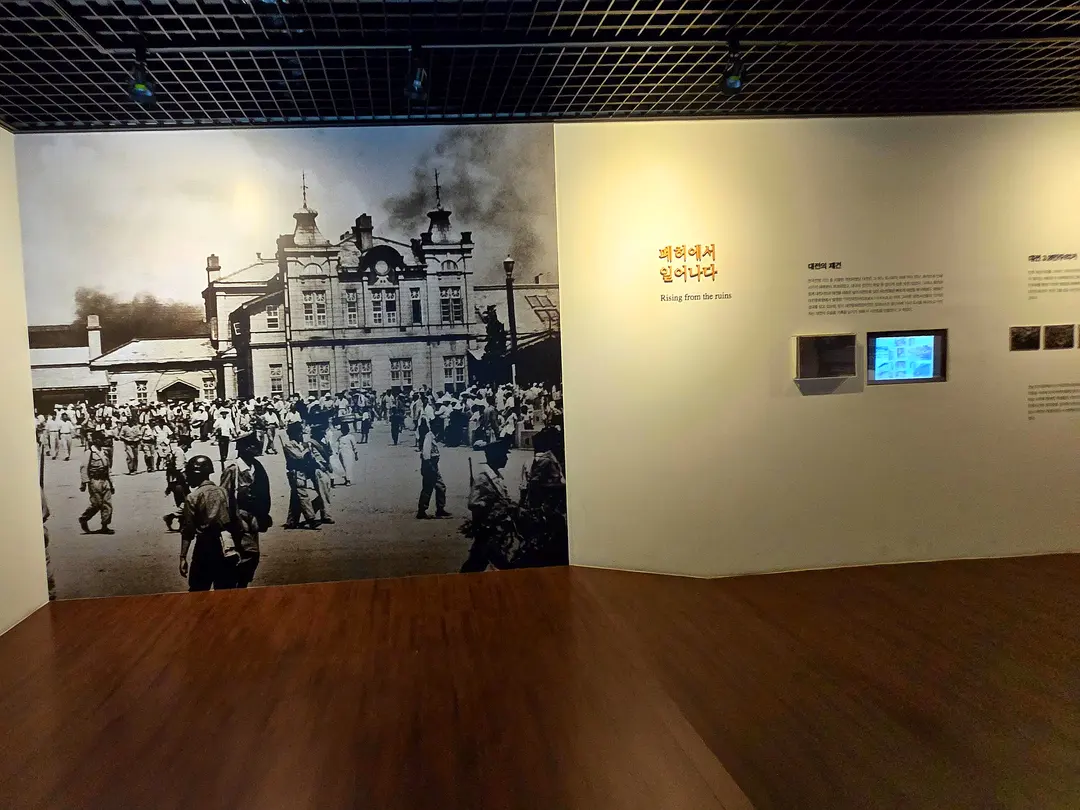
This exhibition space features photos showcasing the reconstruction of Daejeon
after it was reduced to ruins during the Korean War, and
exhibits related to the 3.8 Democratic Uprising in Daejeon,
which became the fuse for the April 19th Revolution in 1960.
It was a wonderful opportunity for the children to learn about history,
as they could encounter the stories of Daejeon citizens during the war through photos and records.
The kids even showed deep thought, saying things like, “Wow, such difficult things happened back then.”
Daejeon: Korea's New Central City
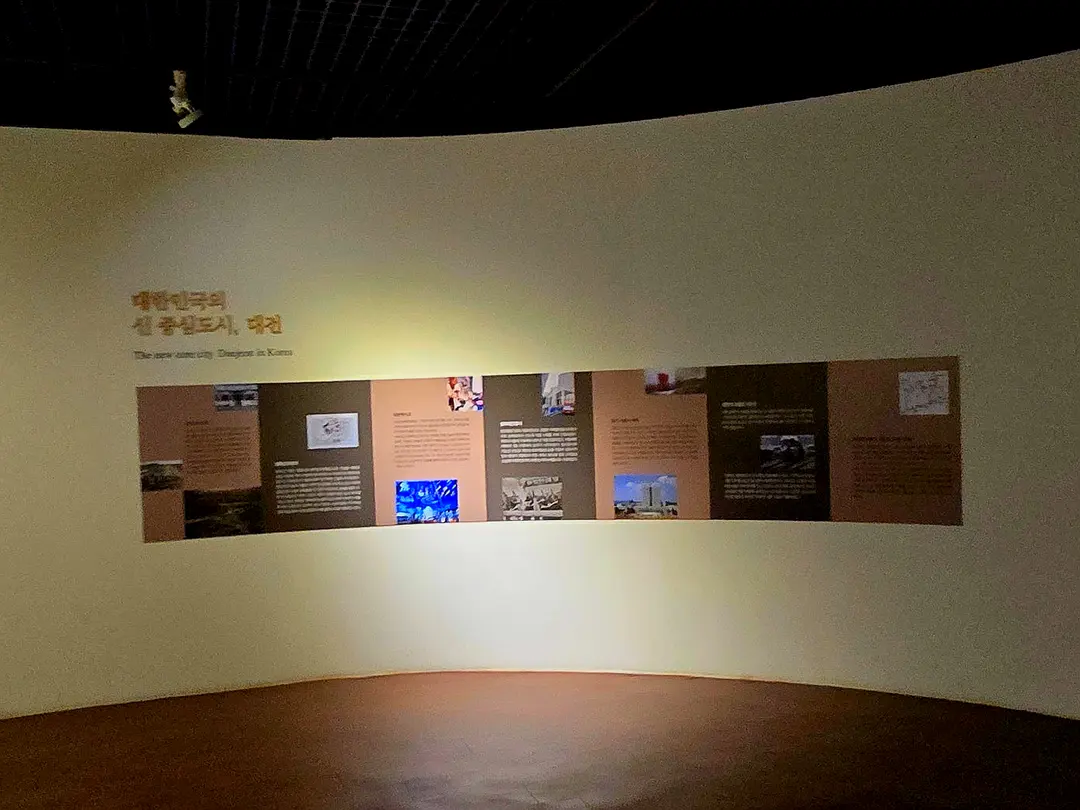
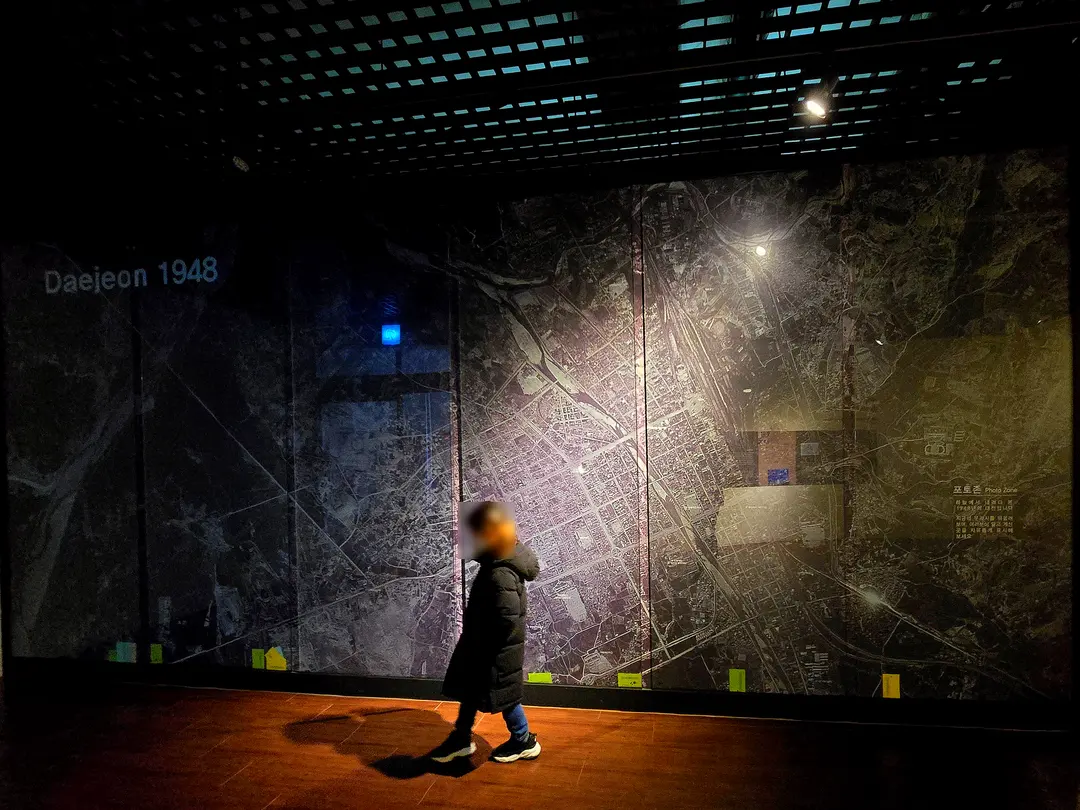
Here, you can witness Daejeon's transformation into Korea's new central city today,
especially focusing on major urban development projects since the 1980s and
significant events like the '93 Daejeon Expo.
The Daejeon Modern & Contemporary History Exhibition Hall uses photographs that show the city's past
to vividly convey Daejeon's past to children.
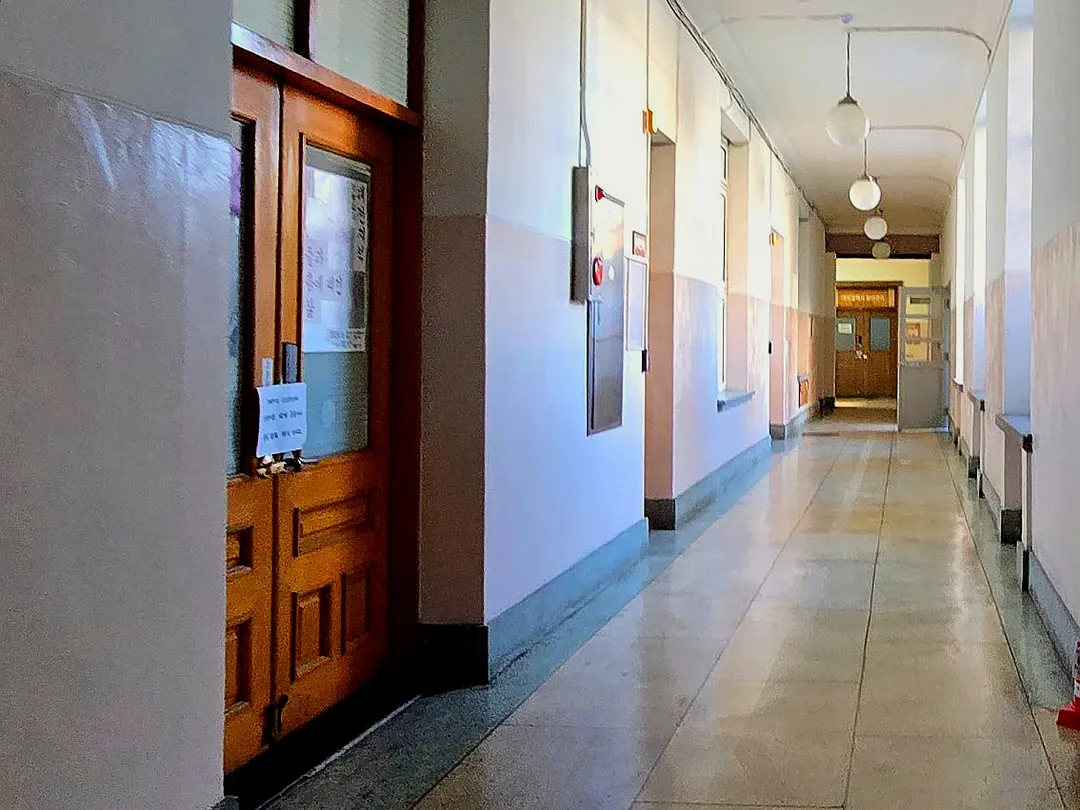
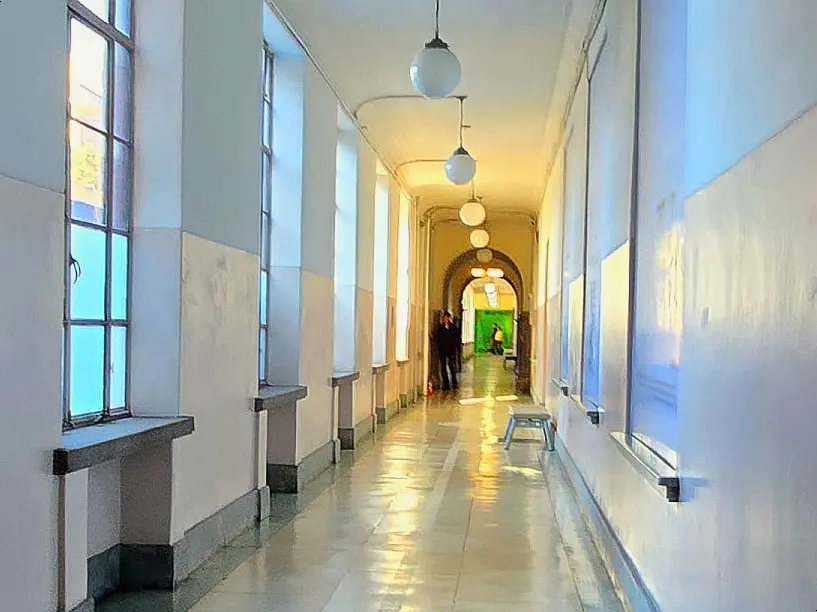
The interior of the Daejeon Modern & Contemporary History Exhibition Hall is not very large,
so you can explore it in a short amount of time.
On the day of my visit, the special exhibition hall was bustling with the exhibition
[Yuseong Hot Springs, A Golden Age].
After leaving the Modern & Contemporary History Exhibition Hall,
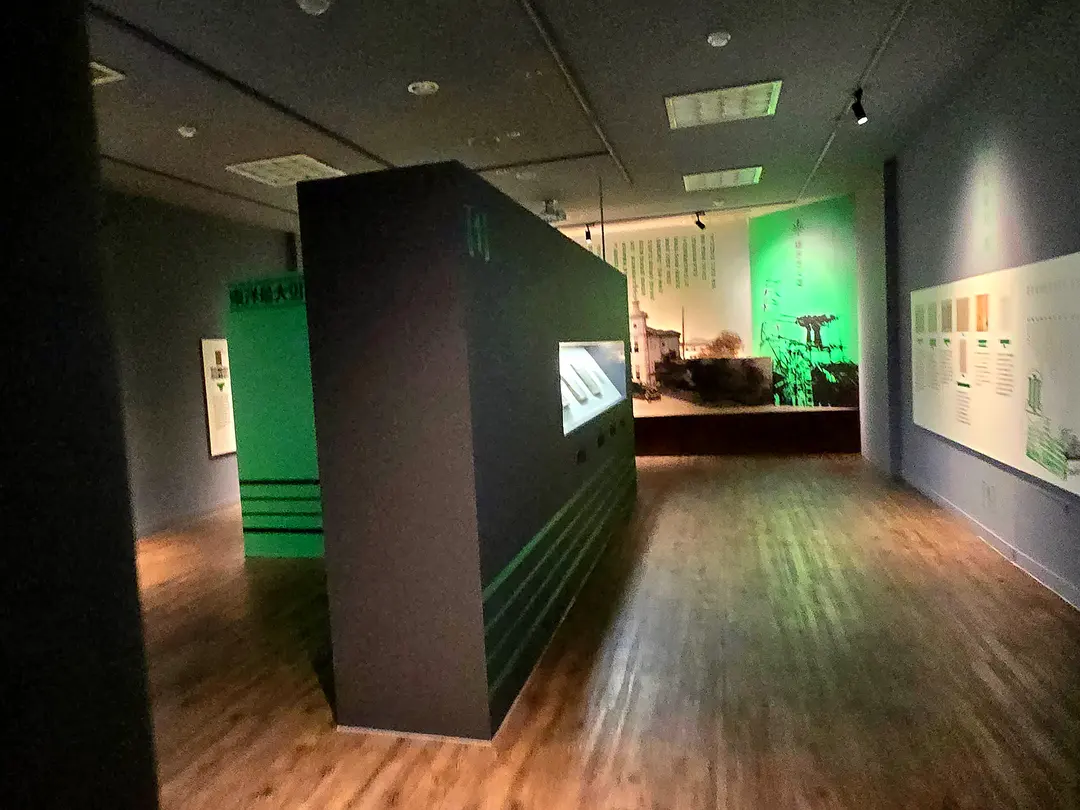
if you head towards the wall with the green banner at the end of the corridor,
you'll find the Special Exhibition Hall.
Special Exhibition Hall
"Yuseong Hot Springs: A Golden Age"
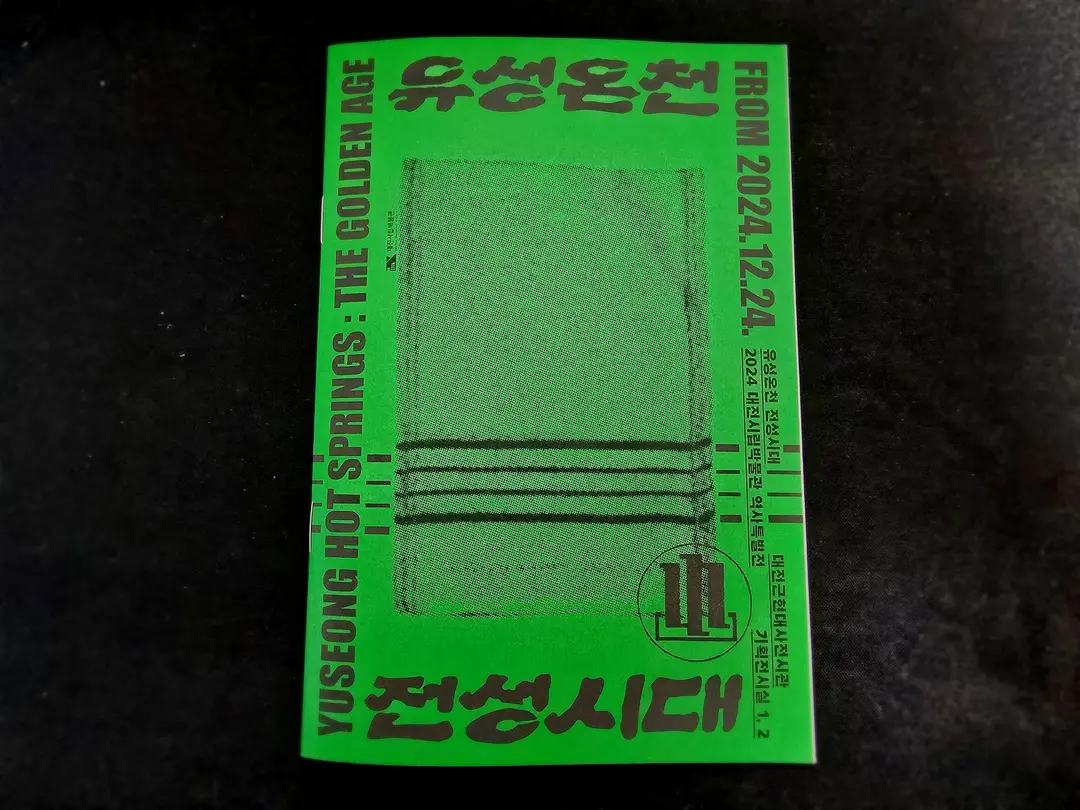
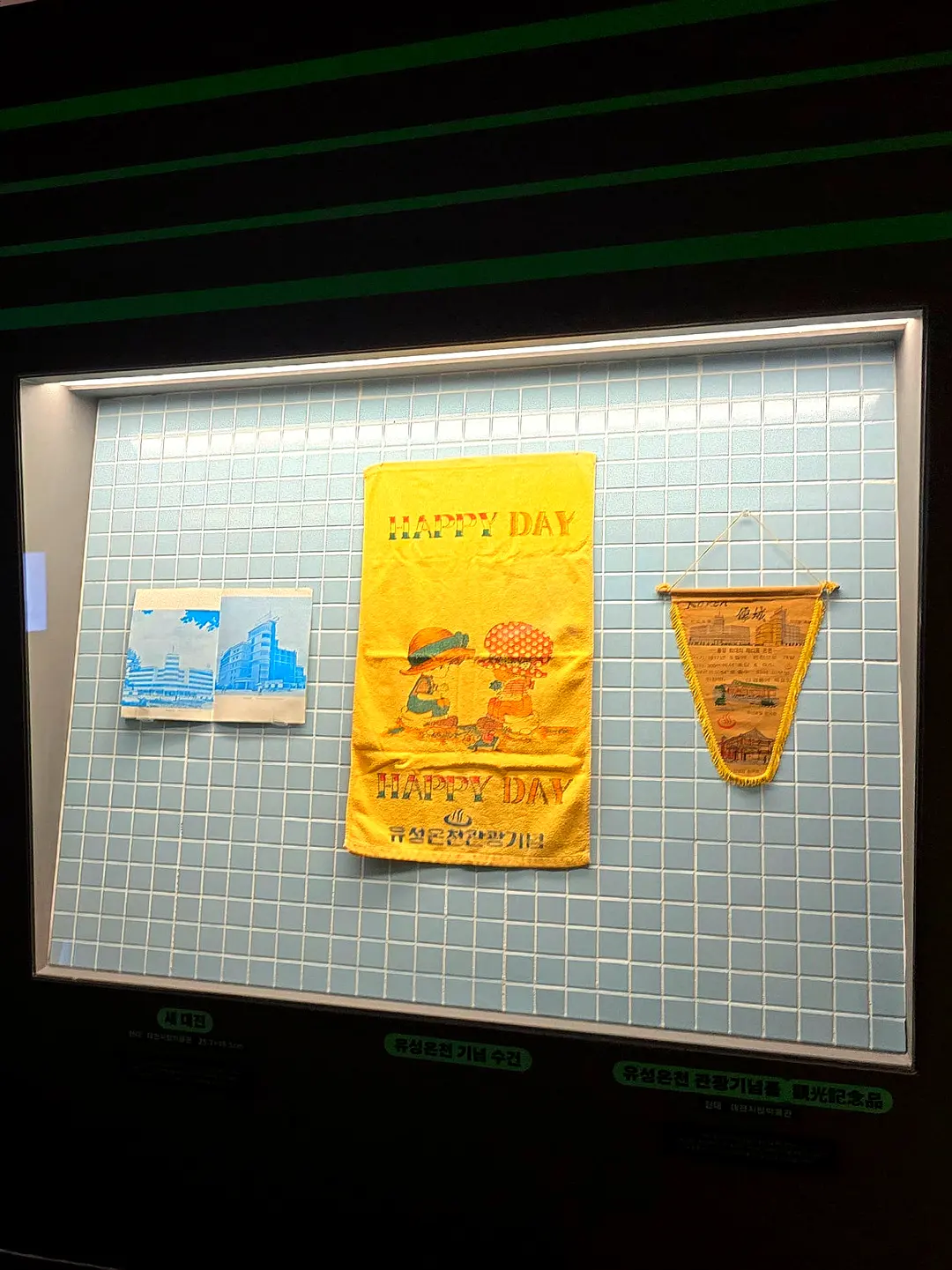
The pamphlet reminds me of a green Korean scrub towel! Haha.
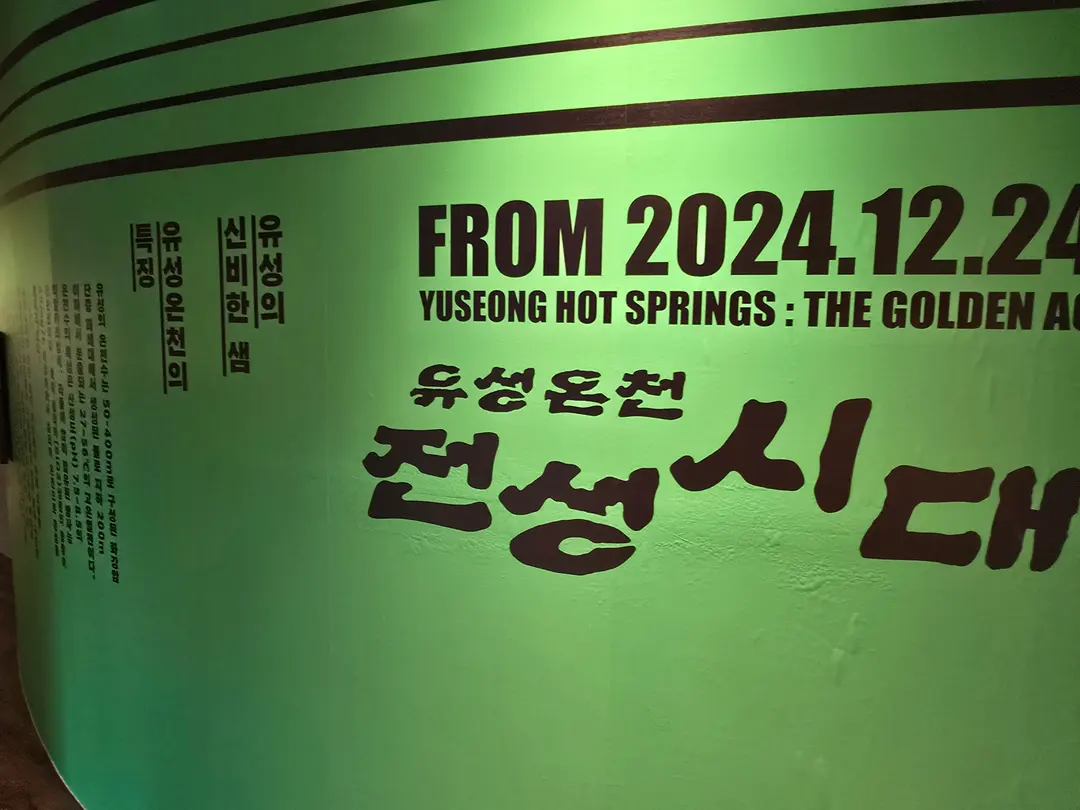
In the special exhibition hall within the Daejeon Modern & Contemporary History Exhibition Hall,
with the theme of Yuseong Hot Springs: A Golden Age,
you can get a glimpse of Yuseong Hot Springs' unique history
and its transformation process at a glance.
This space highlights the historical and cultural value of Yuseong Hot Springs,
and you can explore it, divided into Special Exhibition Hall 1 and 2.
Special Exhibition Hall 1
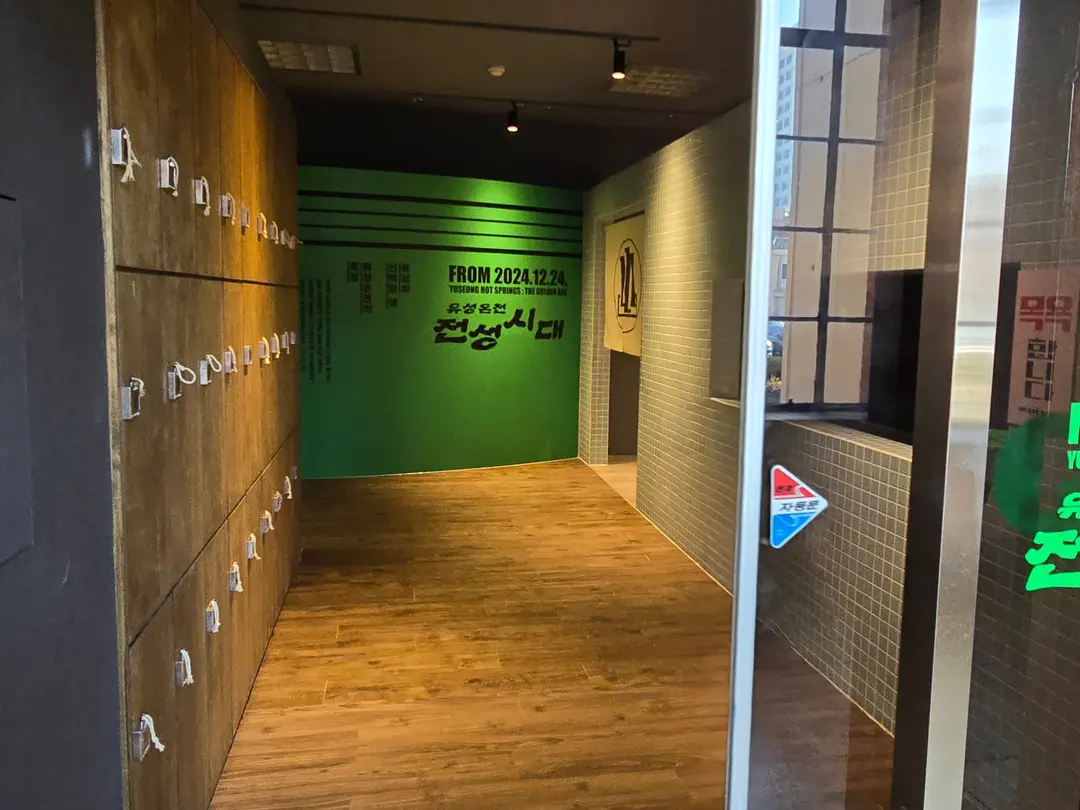
Special Exhibition Hall 1 is where you can learn about the history of Yuseong Hot Springs,
and you can get an indirect peek at the bathtubs and changing rooms of the Yuseong Hot Springs Hotel.
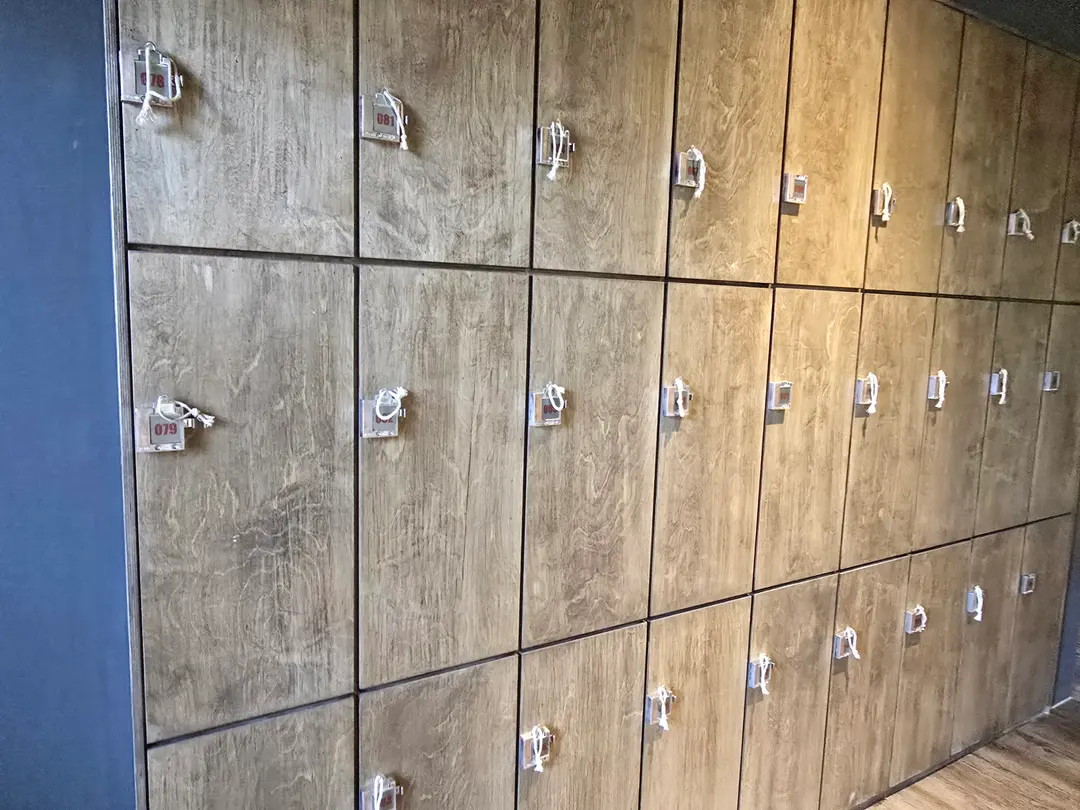
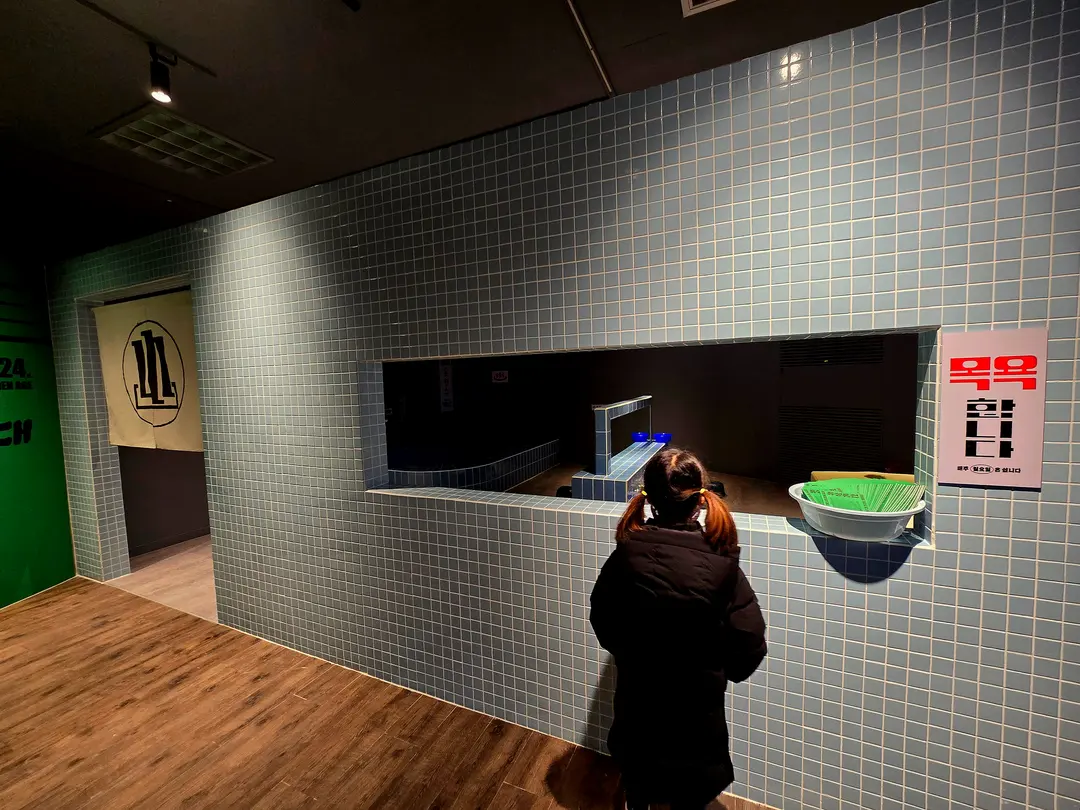
Next to the entrance, the lockers used back then
and a bathing area on the left were perfectly recreated.
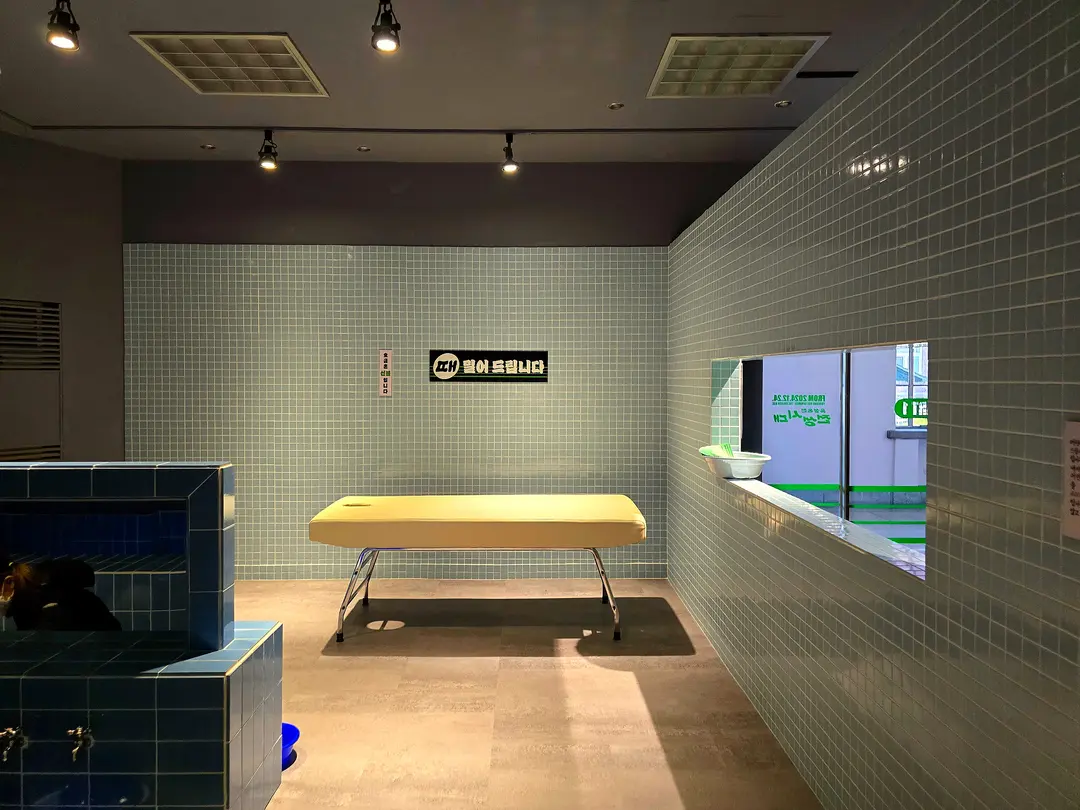
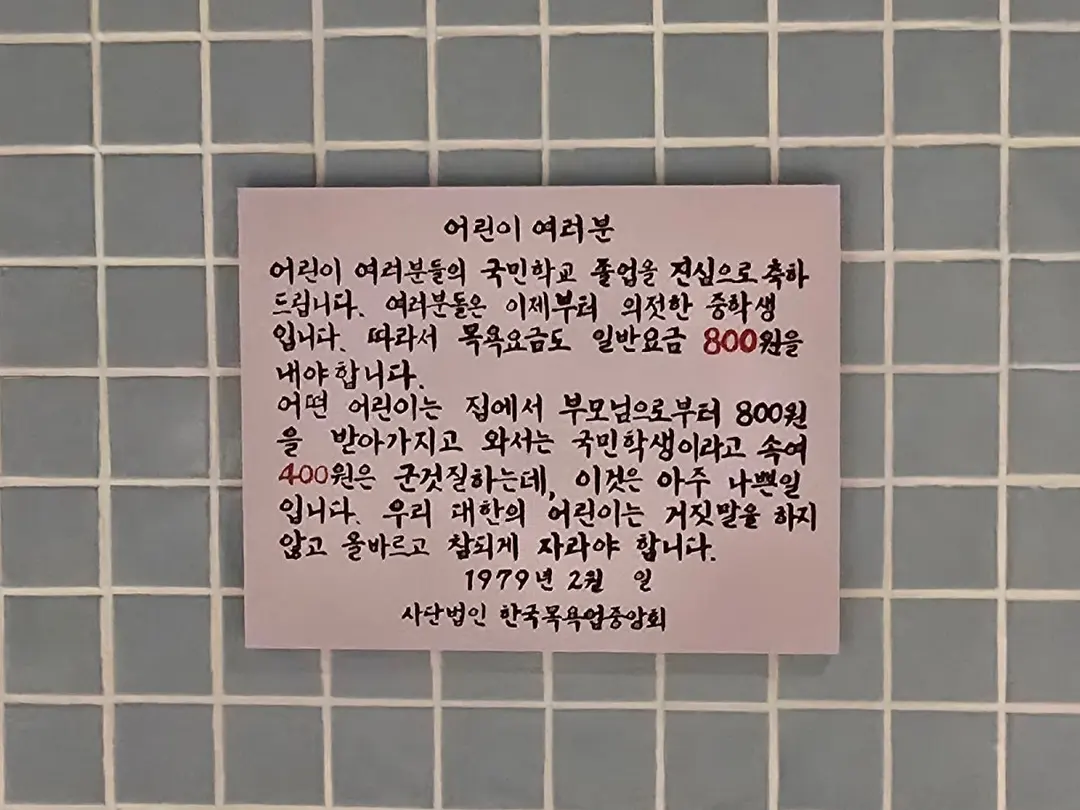
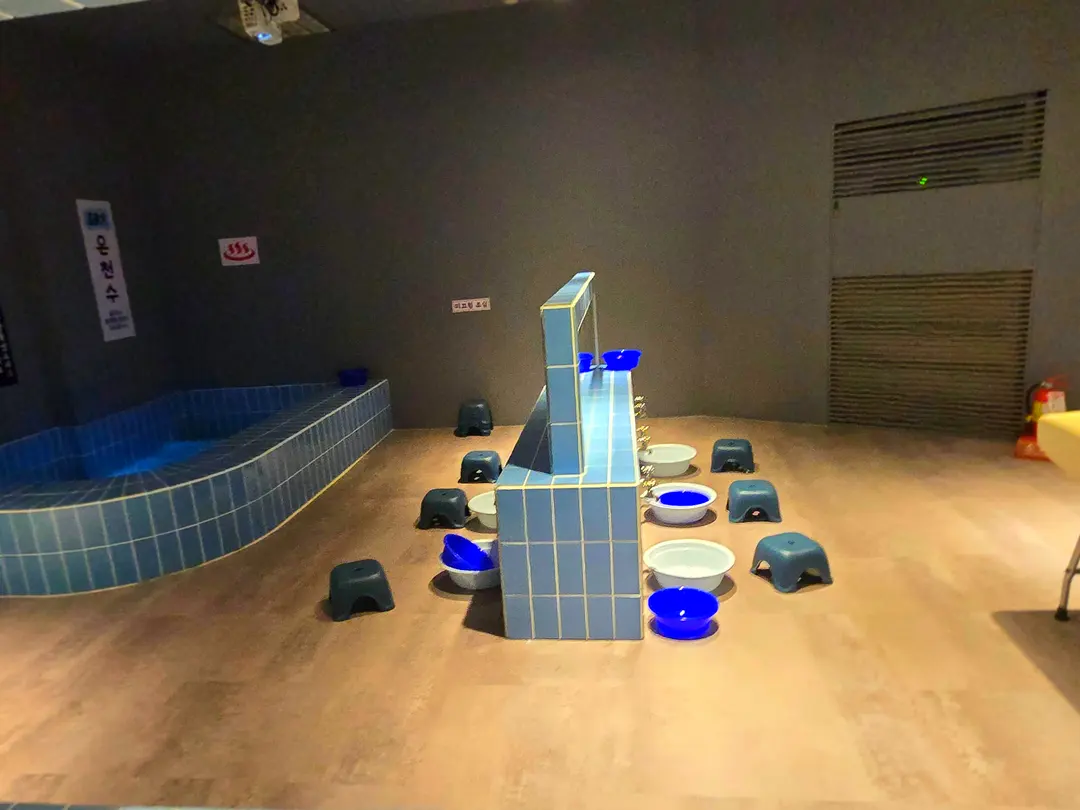
This is a great spot to snap some fun photos!
The kids were busy looking around, seemingly fascinated by everything.
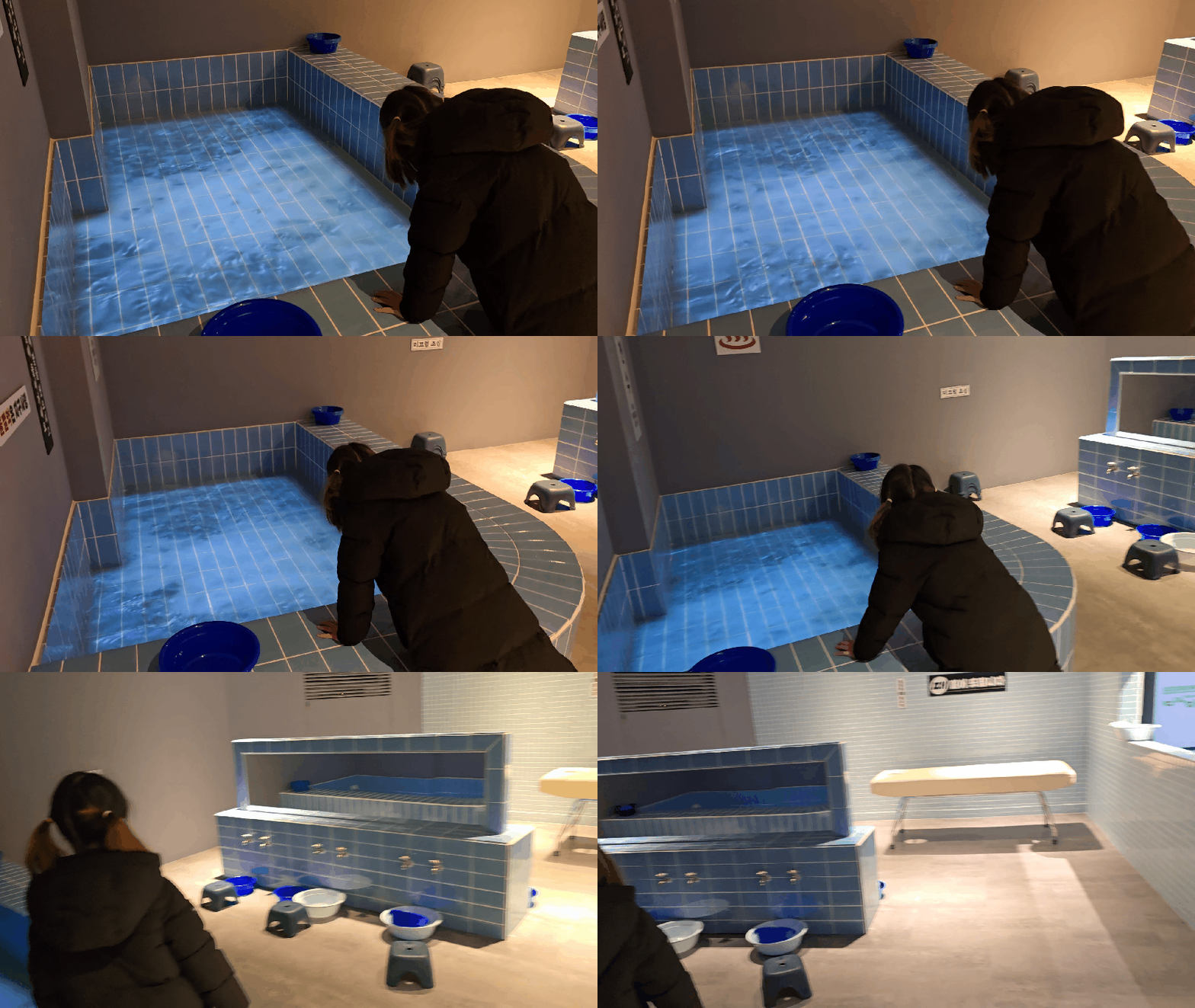
What was truly amazing was that the bath area used graphics, creating the illusion of real water!
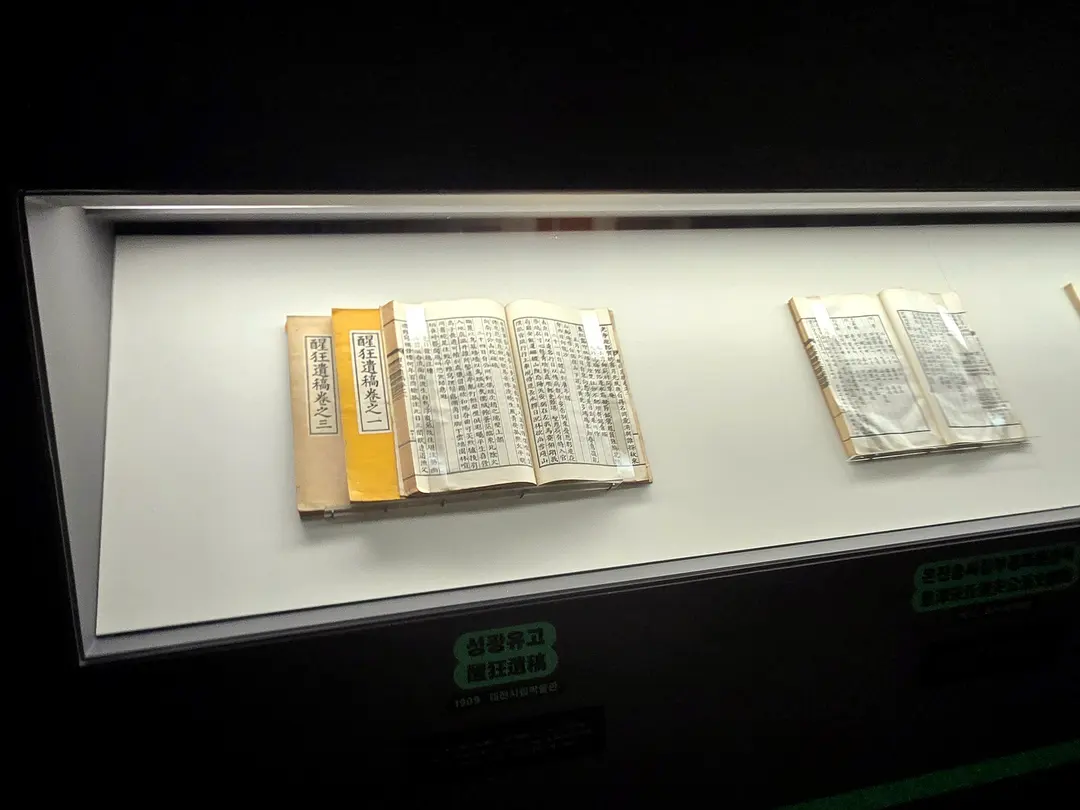
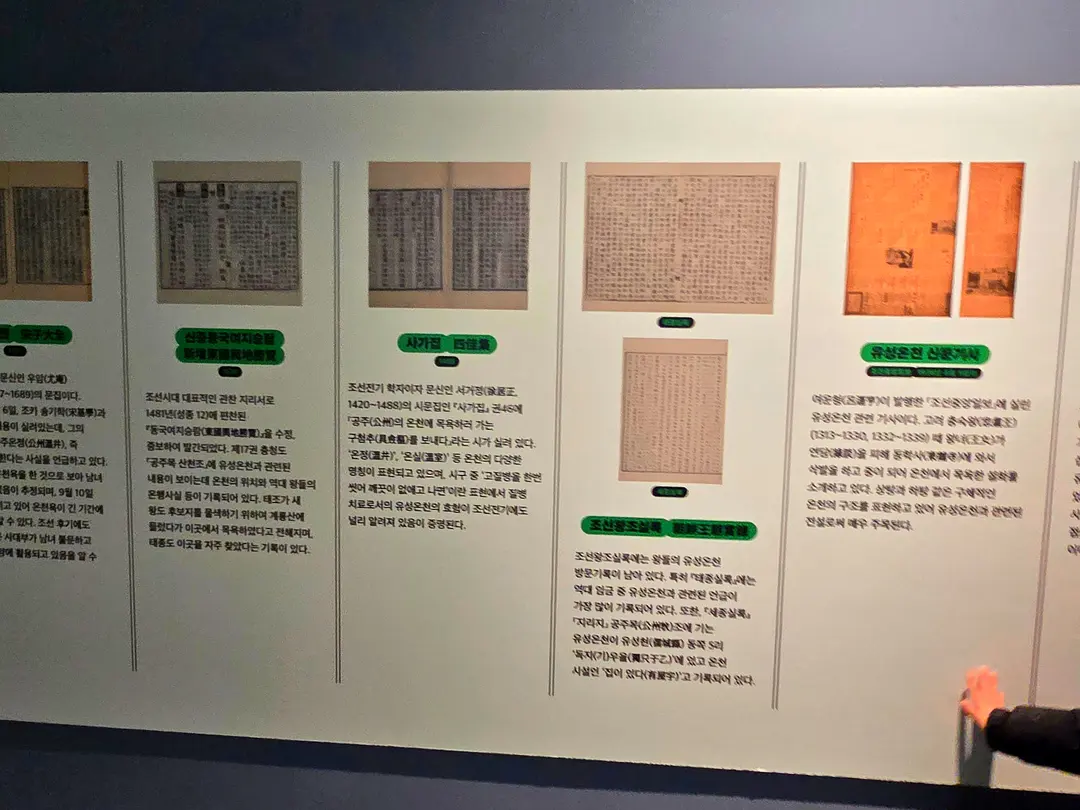
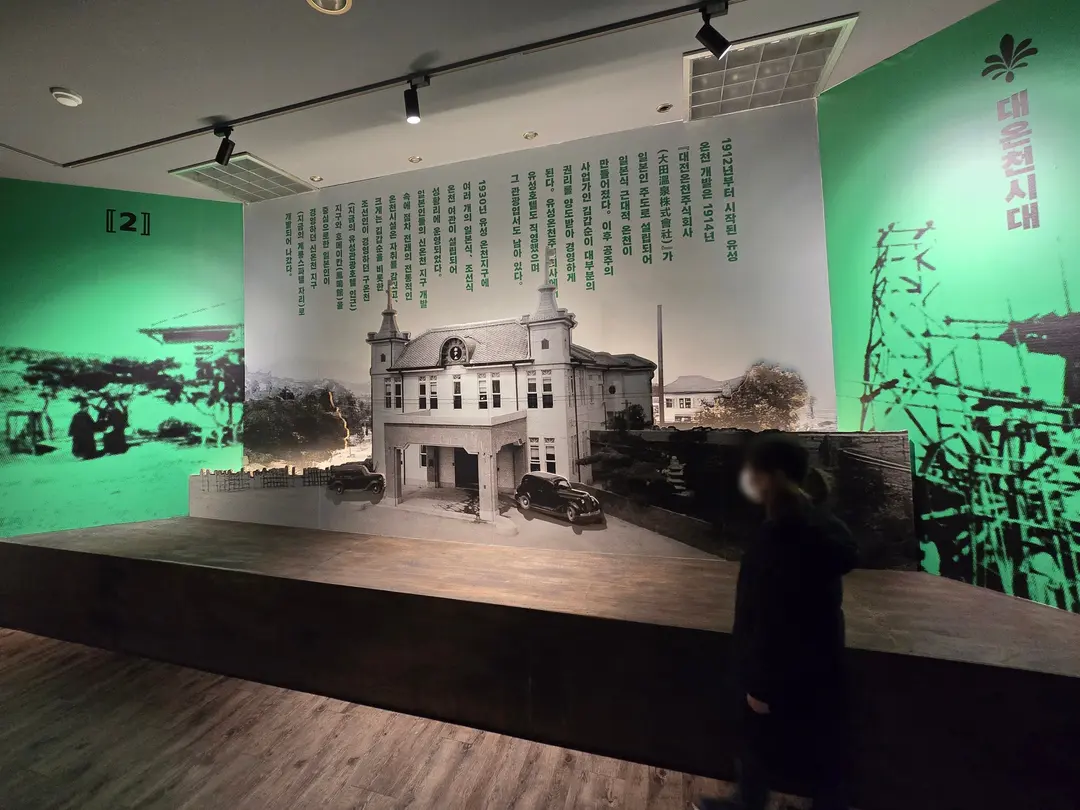
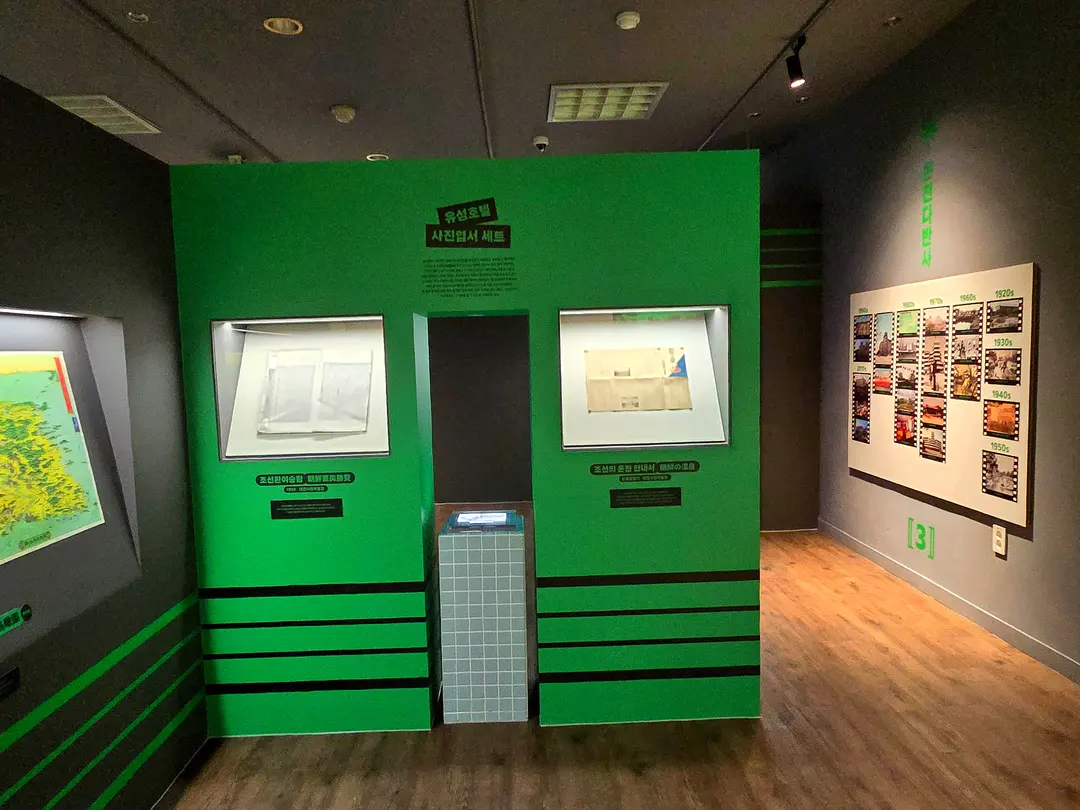
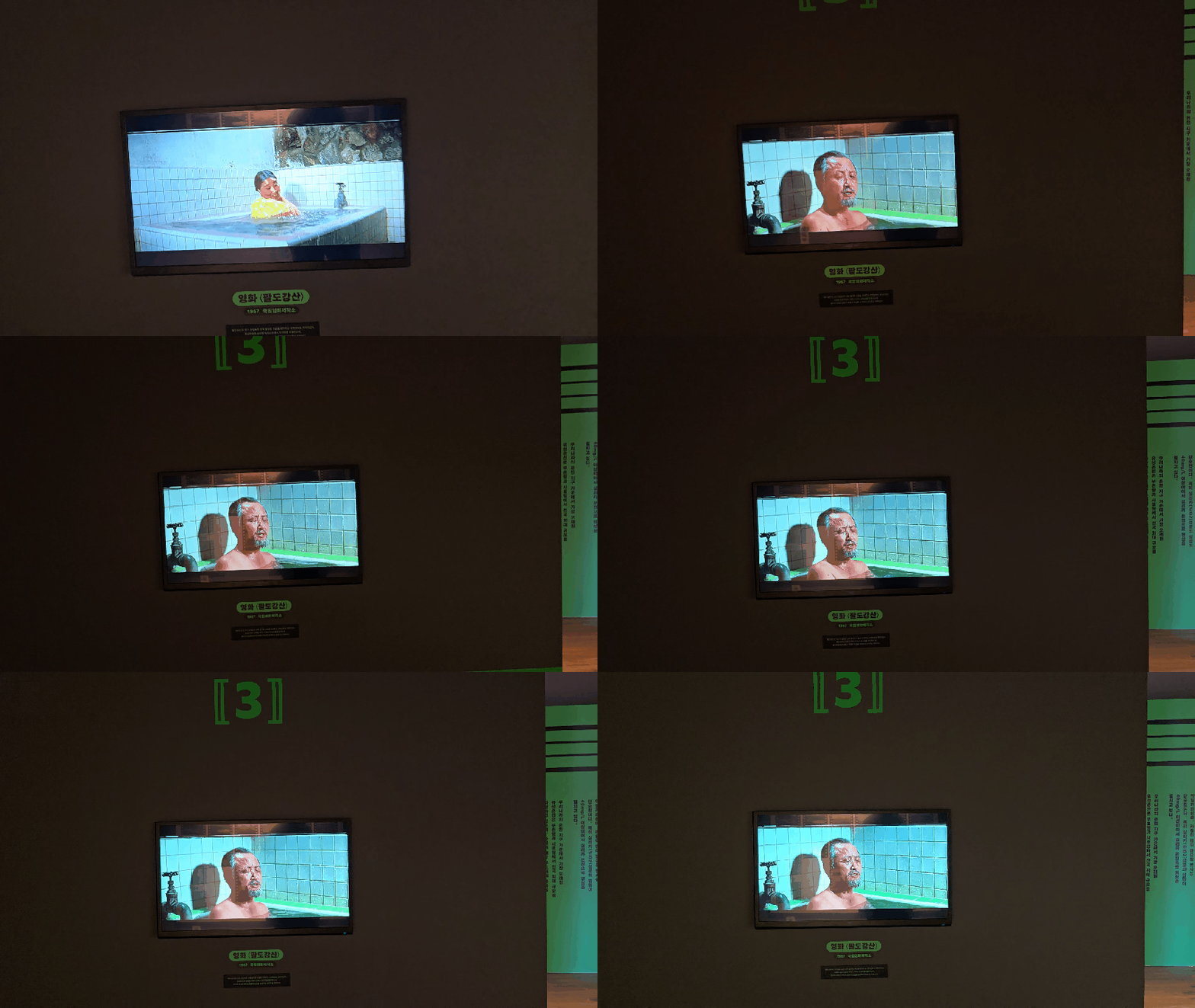
Next to the bathhouse, there were displays
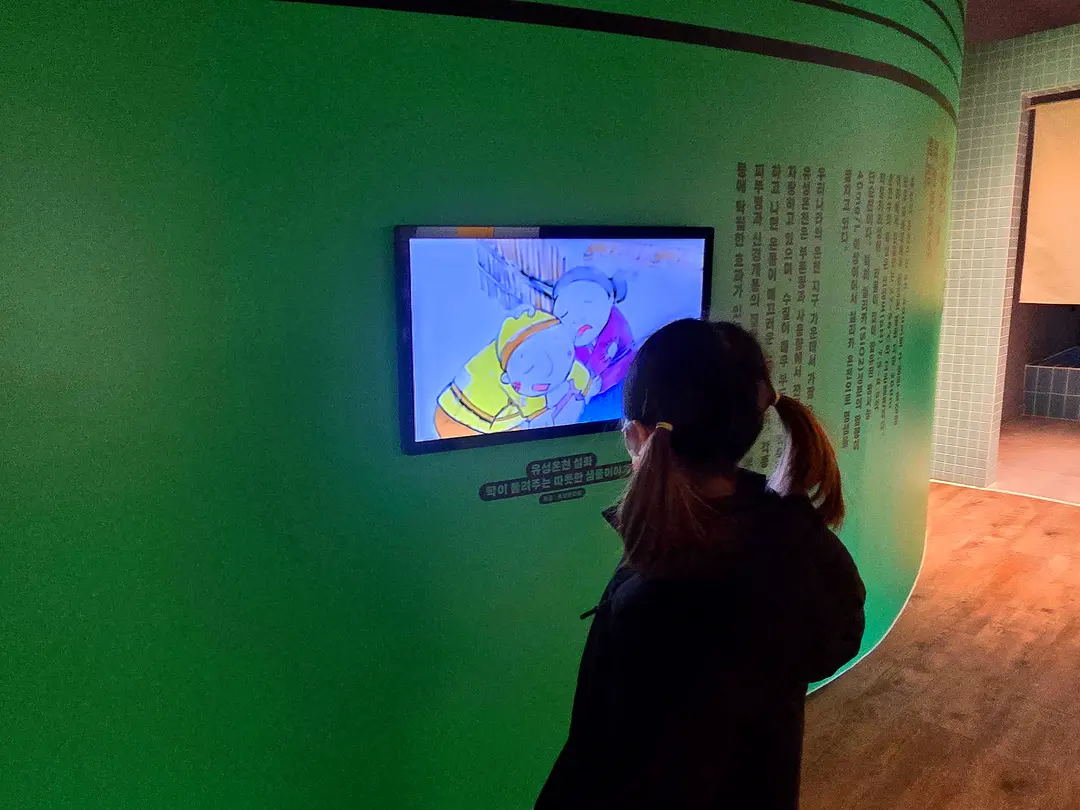
of photos and videos detailing the history and evolution of Yuseong Hot Spring.
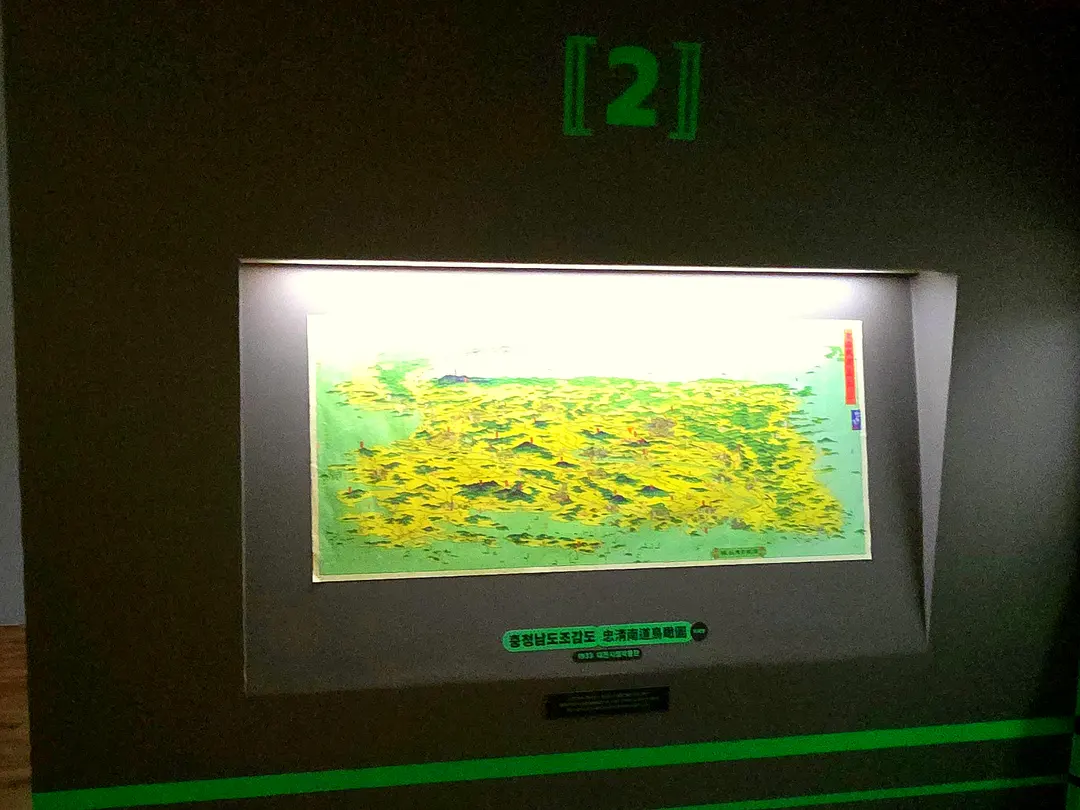
Yuseong Hot Spring proudly boasts the largest scale nationwide
among all hot springs in Korea, in terms of both reserves and usage.
It's renowned for being gentle on the skin
and is known to have excellent therapeutic effects on various ailments.
Its history is also deeply rooted, beginning with legends from the late Three Kingdoms period,
continuing through the Goryeo Dynasty, and still cherished today.
Notably, it was a hot spring frequently used by kings during the Joseon Dynasty.
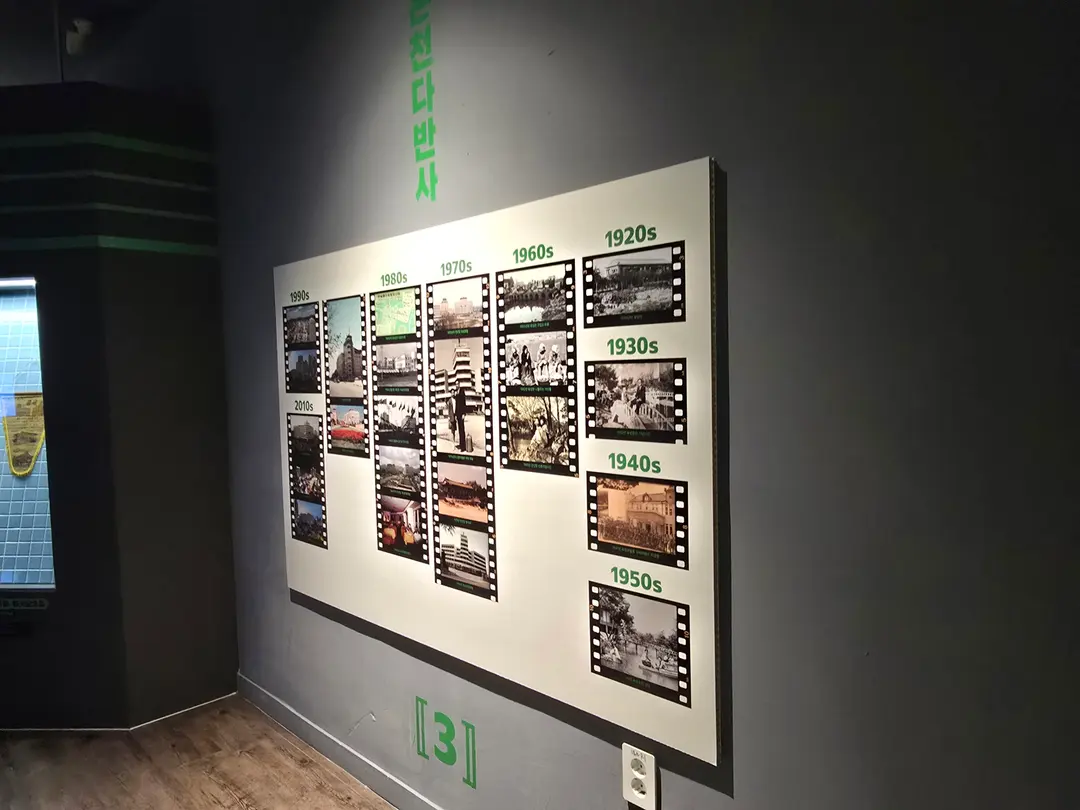
It was incredibly engaging to see Yuseong Hot Spring's evolution through photos displayed from different eras.
Special Exhibition Room 2
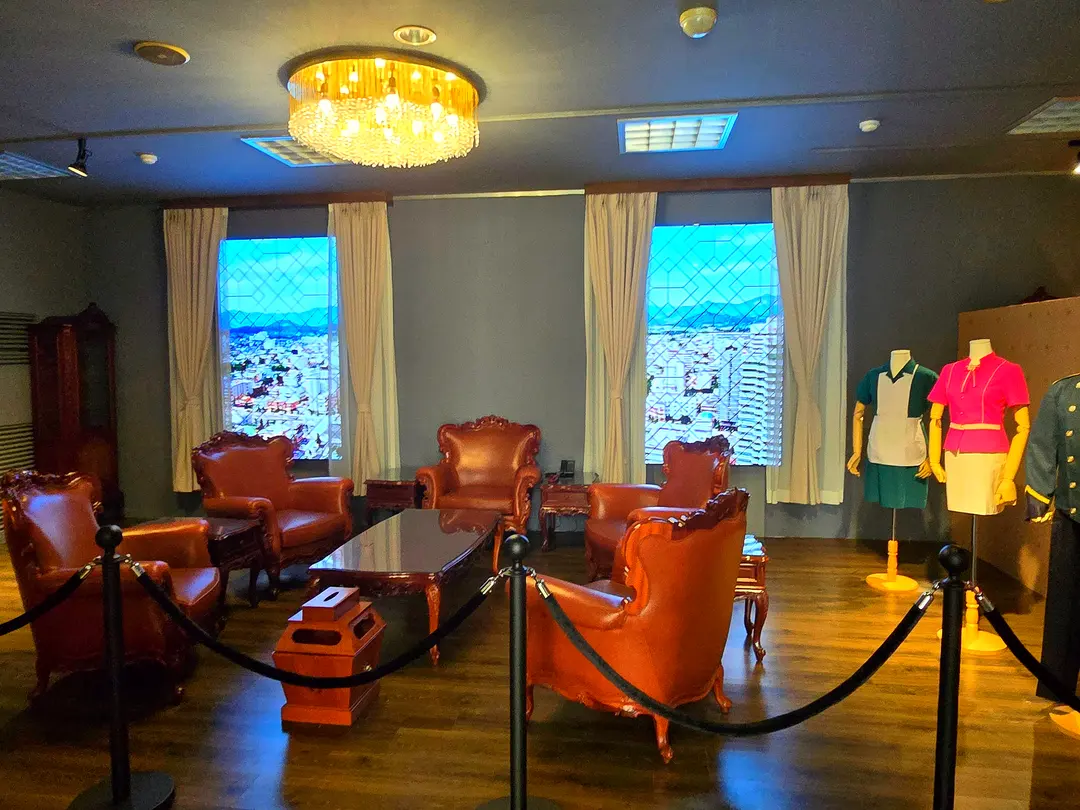
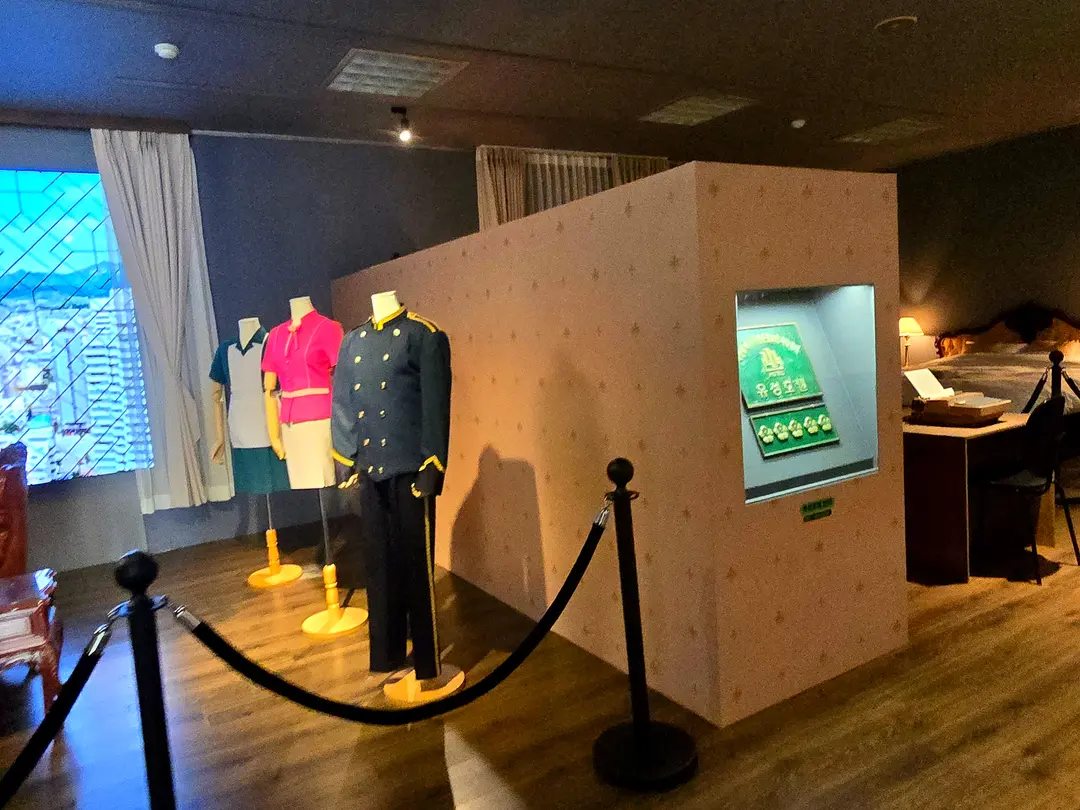
In Special Exhibition Room 2,
Yuseong Hotel's former VIP Room,
Room 313, has been recreated for this exhibition.
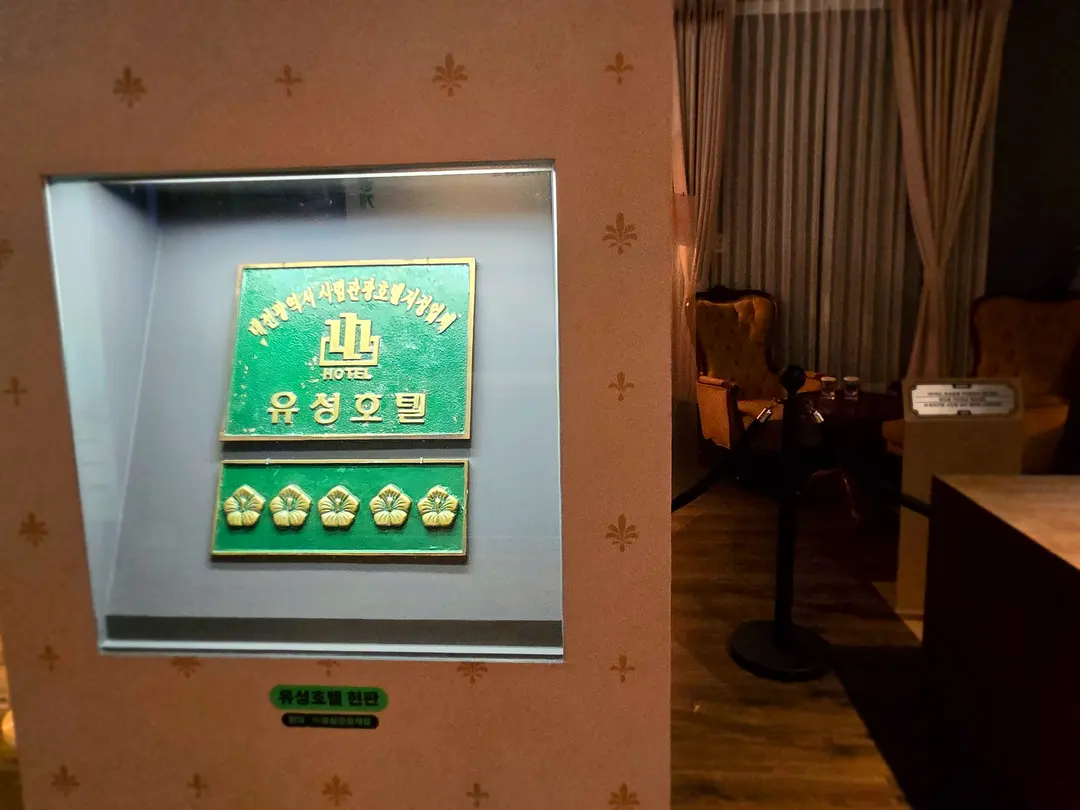
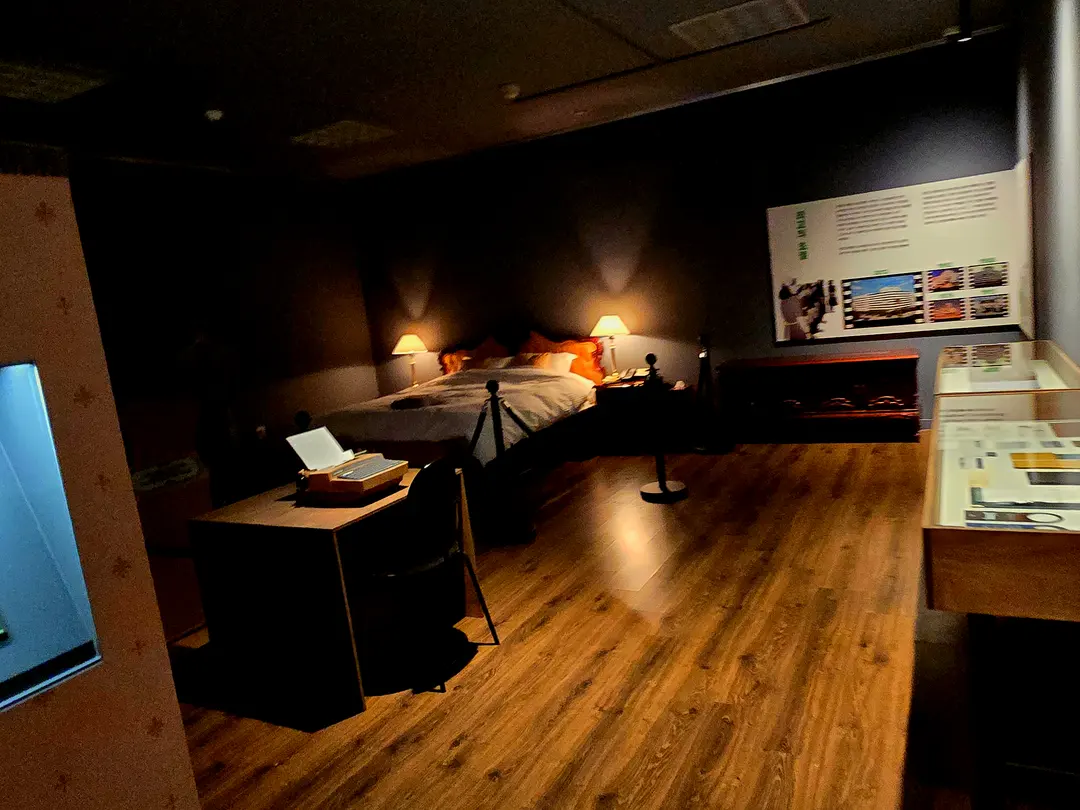
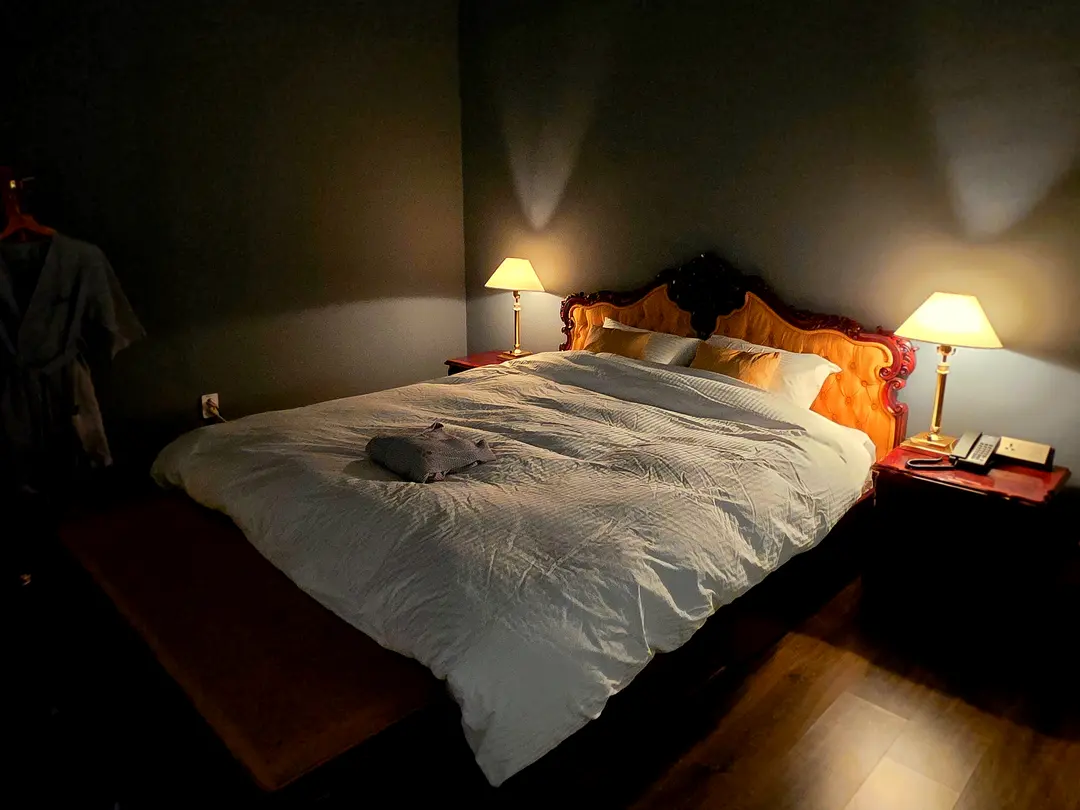
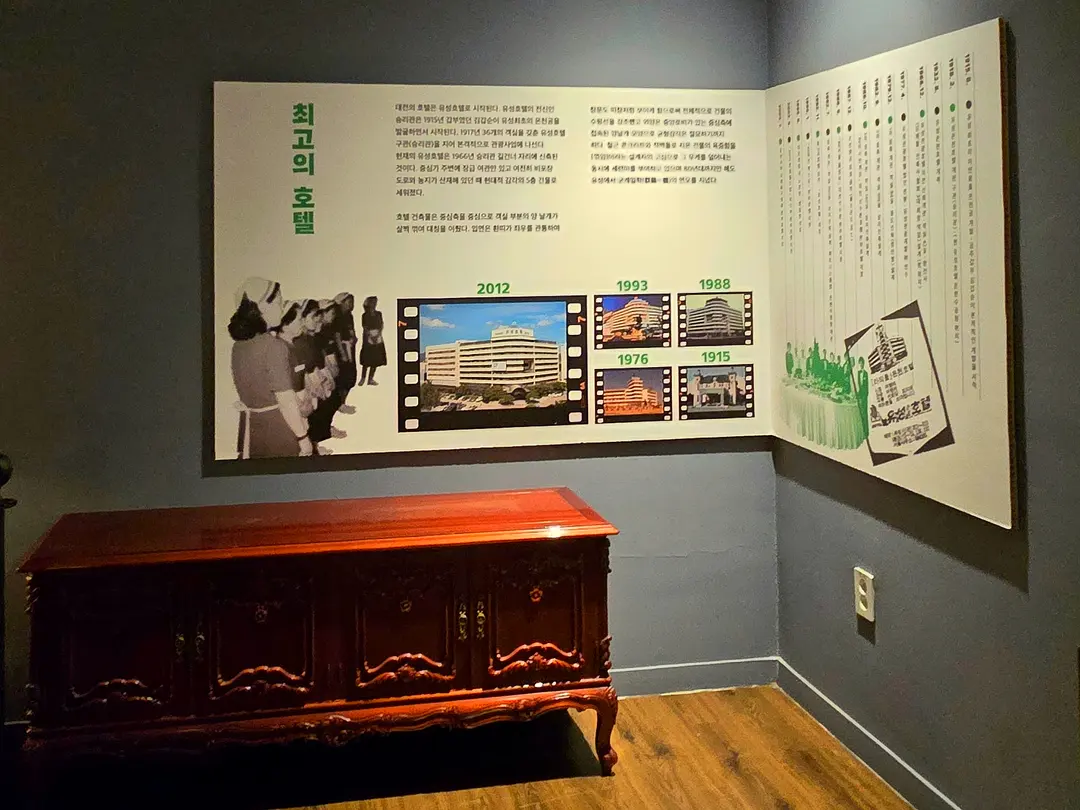
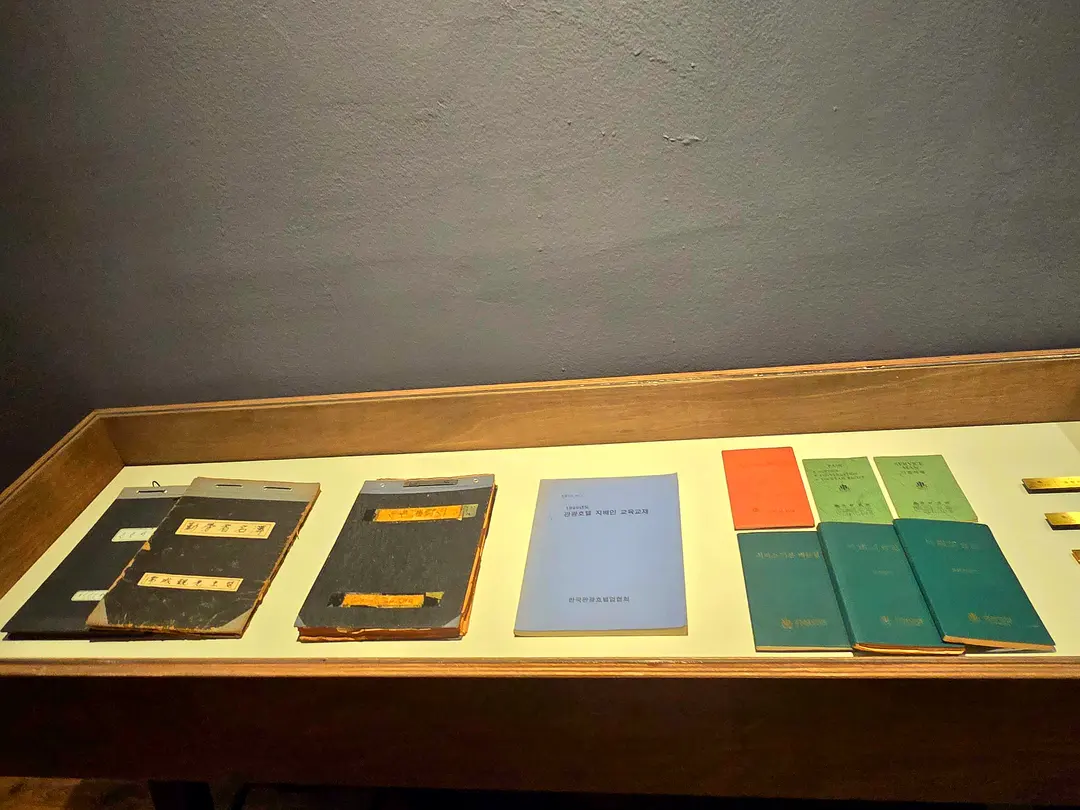
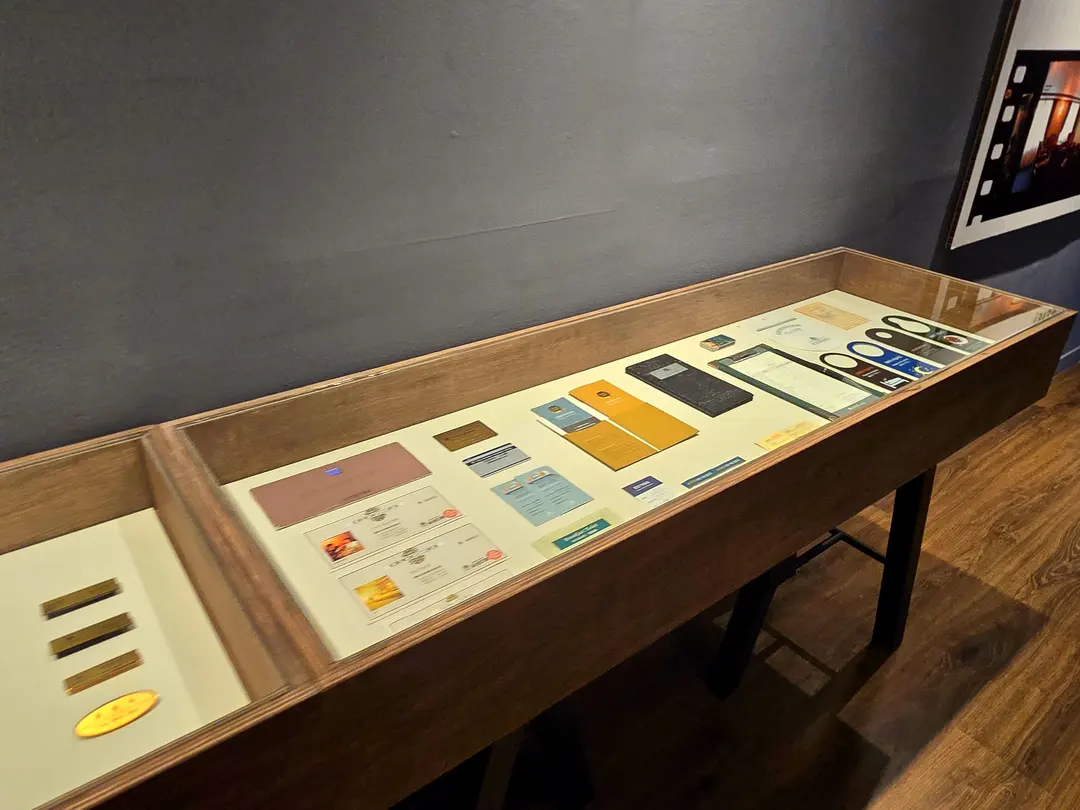
It was created using actual furniture and props from the Yuseong Hotel,
which unfortunately closed its doors in March 2024.
It was so fascinating!
You can truly immerse yourself in the grandeur of the Yuseong Hotel's past moments.
.gif?type=w3840)
From the living room (?) window,
you can witness Daejeon as the sun rises and sets,
from morning to evening,
making you feel as if you're actually in the original space.
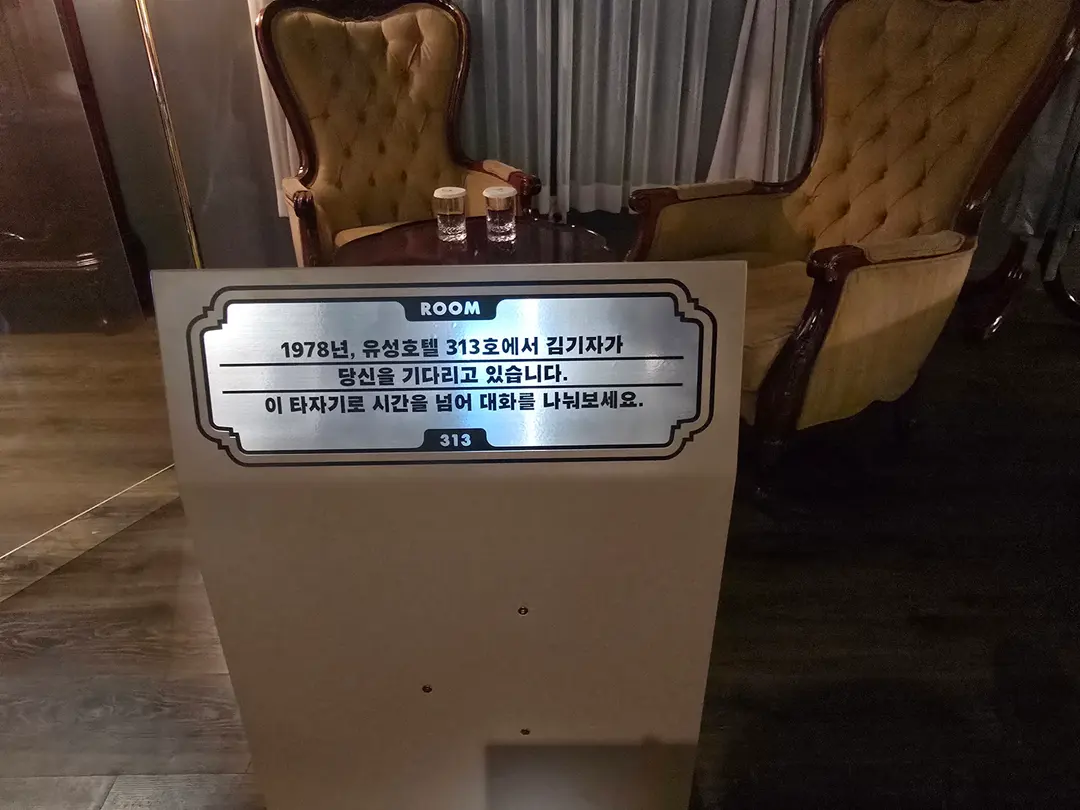
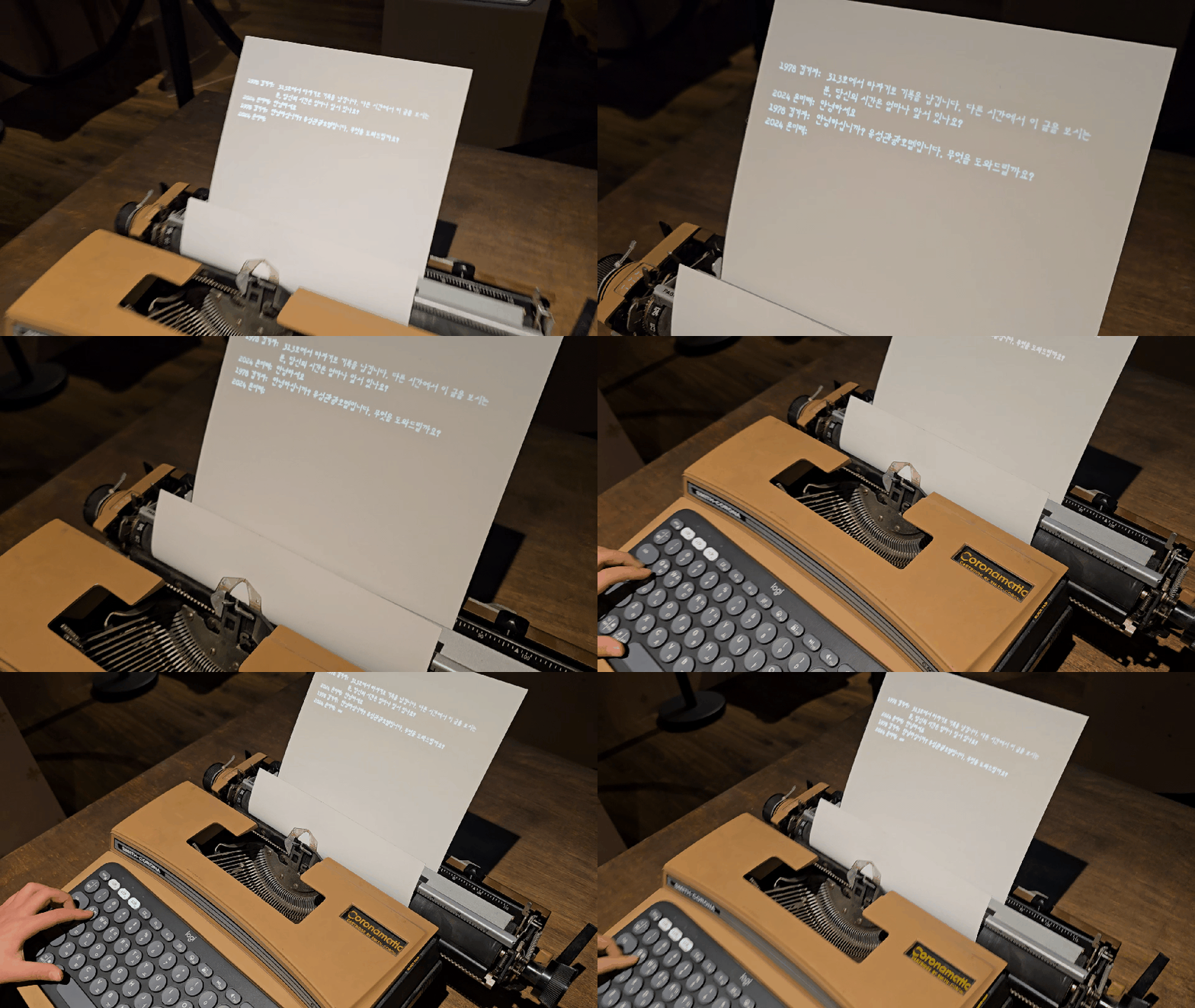
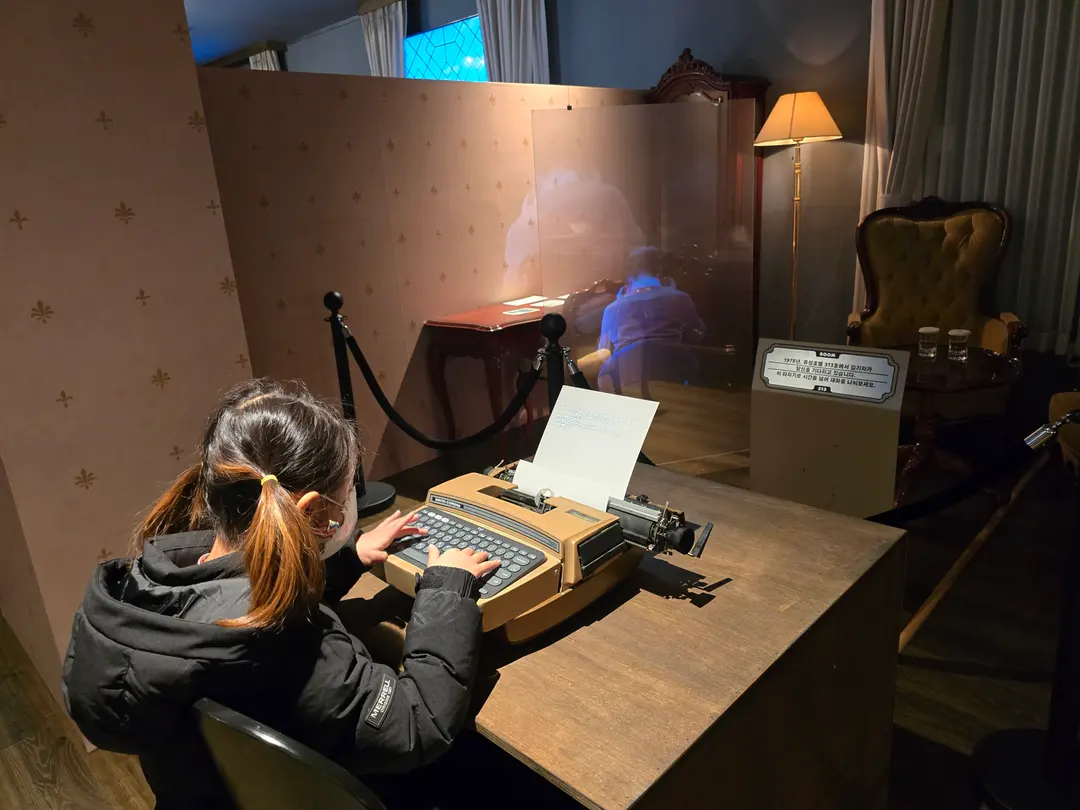
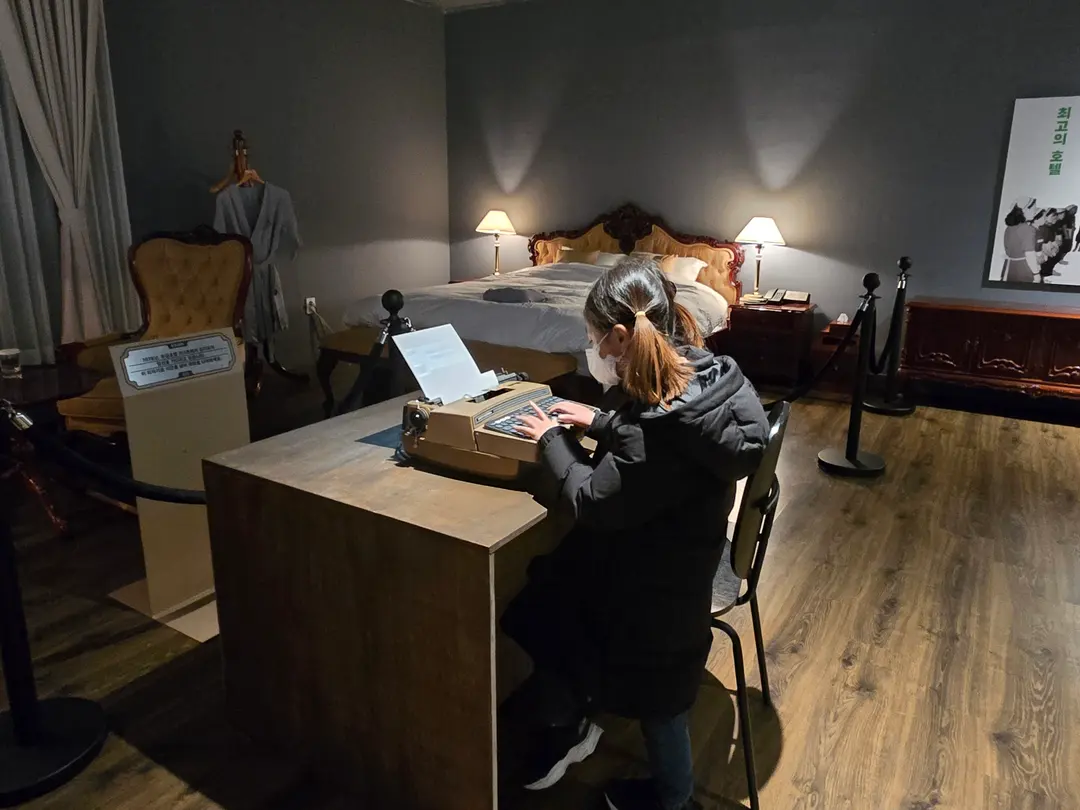
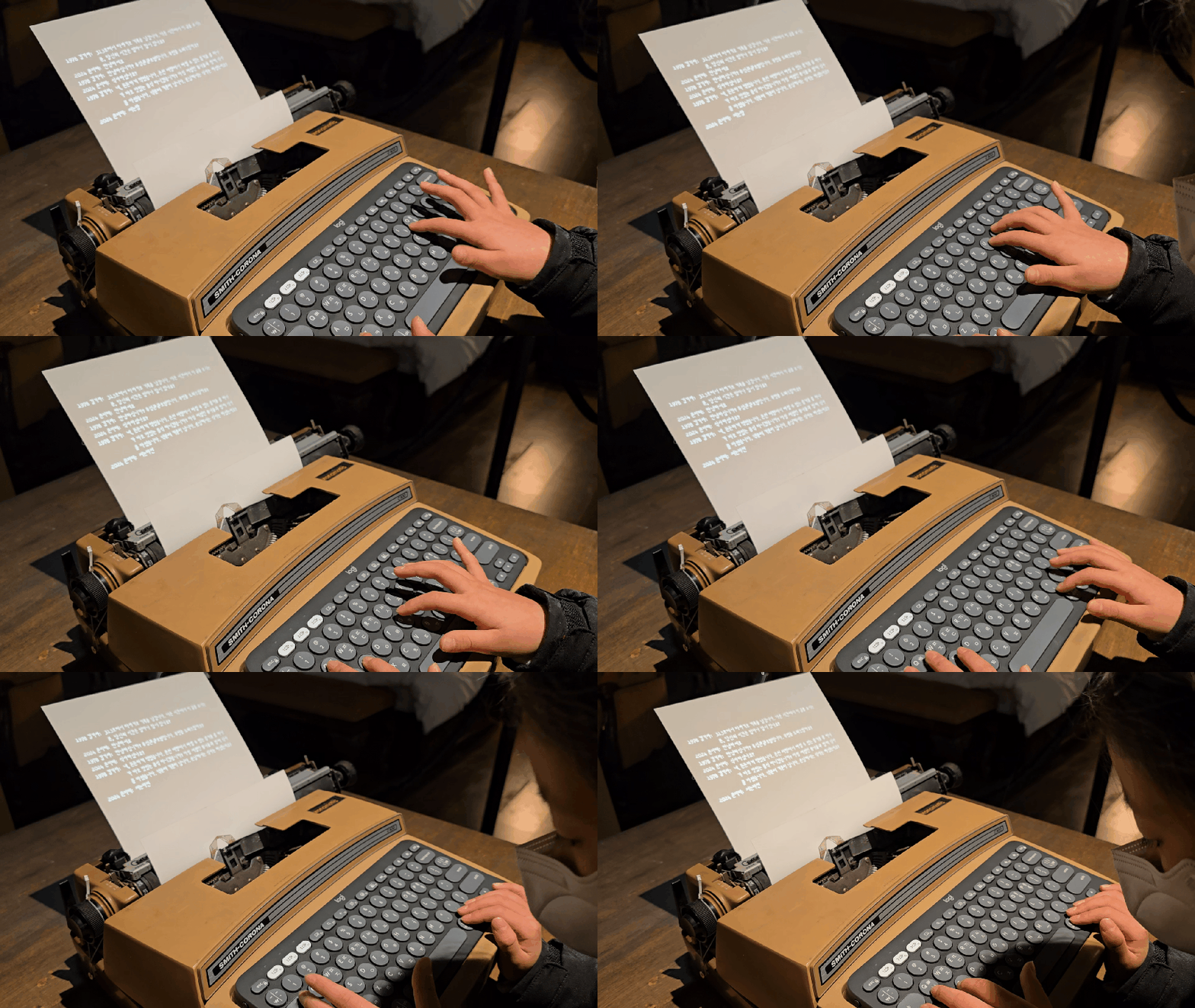
The most exciting part was
the experience of using a typewriter
to chat with Reporter Kim from 1978!
The vivid sound of the typewriter
really made it feel like I was typing on a real one.
And as I typed and conversed with Reporter Kim from 1978,
the kids found it incredibly amazing,
constantly asking if it was real, haha!
📌 The exhibition hall is open from 10 AM to 6 PM and is closed every Monday. Best of all, admission is free, so you can dive into this amazing experience without any worries!
📌 Parking is super generous here, making it a breeze if you're driving!
📌 Definitely check out the special exhibition hall – it's a real highlight!
📌Nearby Must-Visits: Daejeon Underground Shopping Center, Sungsimdang Main Branch (a baker's paradise!), Jungang Market, and Daejeon Station.
This is truly a place where you can explore Daejeon's modern and contemporary history at a glance,
and vividly experience the city's incredible journey of change and development.
It's a fantastic spot to spark children's interest in Daejeon's rich history,
and with free admission, it's an easy, stress-free visit for the whole family,
Plus, since it's indoors,
you won't have to worry about the weather,
making it perfect for any season – winter or summer!
Especially with kids' winter holidays approaching,
For an educationally enriching outing,
the Daejeon Modern and Contemporary History Exhibition Hall
comes highly recommended!
 Daejeon's Pride: Sungsimdang Bakery Pilgrimage, Local Bread Recommendations & Parking Tips
![대전 은행동 놀만한곳 대전 은행동 이색데이트 아이와 실내 가볼만한곳[래빗룸]](https://rmrjnibxulbdixuqguwc.supabase.co/storage/v1/object/public/post-content/imported-naver/image-1788103819733-1788103819733-16222886.jpg) Fun in Daejeon's Eunhaeng-dong: Unique Date Ideas & Indoor Adventures with Kids [Rabbit Room]
Fun in Daejeon's Eunhaeng-dong: Unique Date Ideas & Indoor Adventures with Kids [Rabbit Room]![대전 은행동 성심당 [우동야] 저렴하고 가성비좋은 우동맛집](https://rmrjnibxulbdixuqguwc.supabase.co/storage/v1/object/public/post-content/imported-naver/image-1788103820602-1788103820602-da9d2de4.jpg) Daejeon Eunhaeng-dong: Sungsimdang's [Udonya] – A Delicious & Affordable Udon Spot!
Daejeon Eunhaeng-dong: Sungsimdang's [Udonya] – A Delicious & Affordable Udon Spot!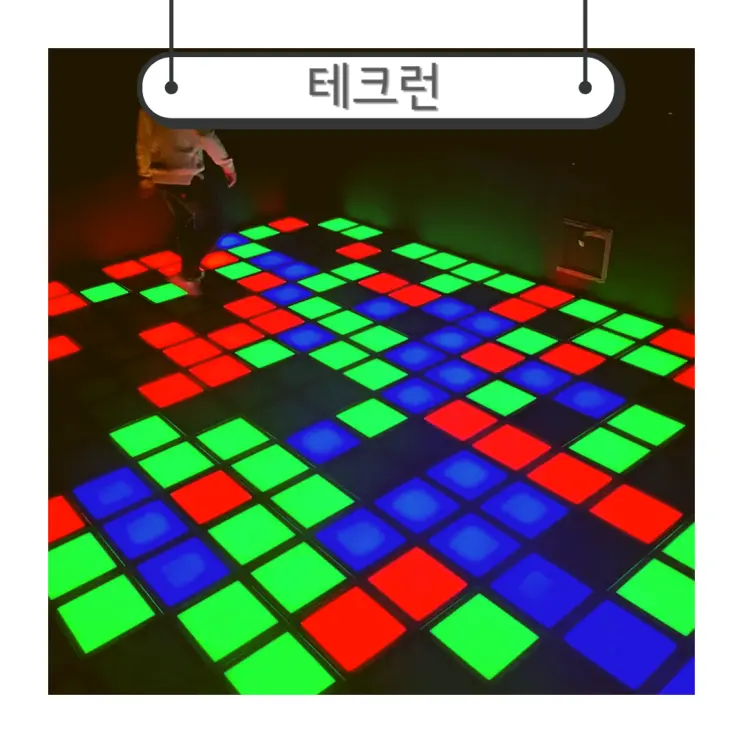 Indoor Fun in Daejeon: Eunhaeng-dong Activities, Date Ideas & Indoor Adventures at Tech Run
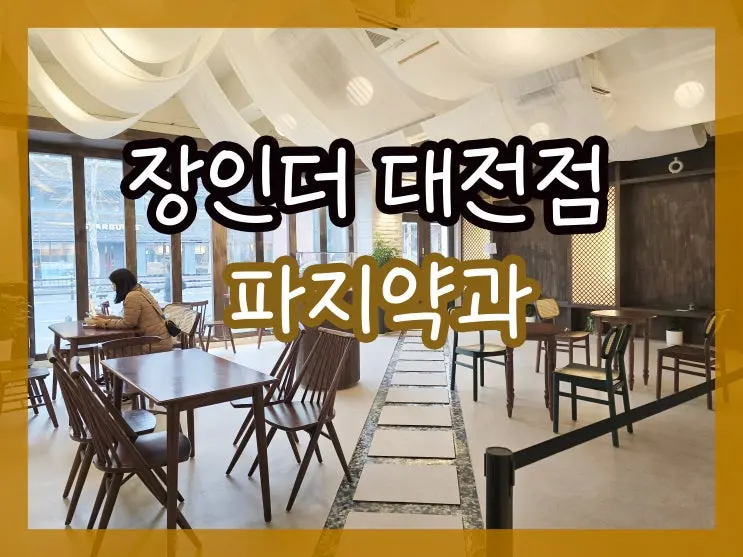 Daejeon's Jangin-the Paji Yakgwa: A Personal Purchase & How to Get Them Without the Wait!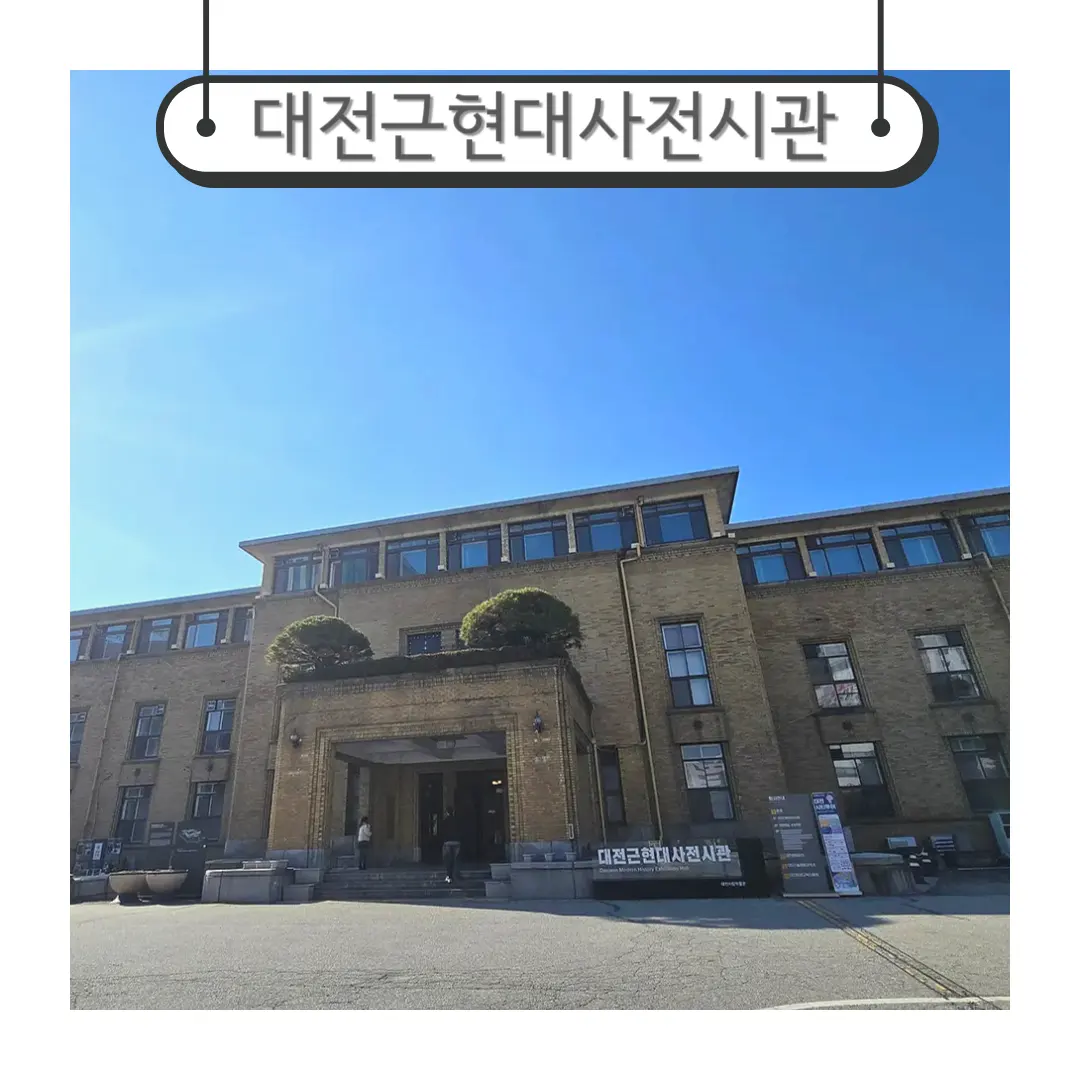
Frequently Asked Questions
What are the operating hours and closed days of the Daejeon Modern and Contemporary History Exhibition Hall?
The Daejeon Modern and Contemporary History Exhibition Hall operates from Tuesday to Sunday, 10 AM to 6 PM. It is closed every Monday, so please keep this in mind when planning your visit.
What is the admission fee for the Daejeon Modern and Contemporary History Exhibition Hall, and is parking available?
Admission to the Daejeon Modern and Contemporary History Exhibition Hall is free. Free parking is available behind the building, but the parking lot can be very crowded on weekends.
How long does it take to get from the Daejeon Modern and Contemporary History Exhibition Hall to Sungsimdang Main Branch?
Sungsimdang Main Branch is located approximately 900m from the Daejeon Modern and Contemporary History Exhibition Hall. It takes about 20 minutes on foot.
What exhibitions can be seen in the special exhibition hall of the Daejeon Modern and Contemporary History Exhibition Hall?
The special exhibition 'Yuseong Hot Springs, Its Golden Age' is currently running in the special exhibition hall. In this exhibition, you can explore the history and changes of Yuseong Hot Springs, and also see VIP Room 313, recreated with actual furniture and props from the now-closed Yuseong Hotel.
What building does the Daejeon Modern and Contemporary History Exhibition Hall utilize, and what are its characteristics?
The Daejeon Modern and Contemporary History Exhibition Hall utilizes the former Chungnam Provincial Government Building, constructed in 1932. This building is designated as Registered Cultural Heritage No. 18, characterized by its antique exterior and classic interior atmosphere.
Share this article
Related Travel Stories

Jangdong Manam Park: Daejeon's Serene Green Barley Field
Escape to Jangdong Manam Park, Daejeon's beautiful green barley field. Discover a tranquil, uncommercialized spot perfect for nature lovers and photographers.
Seongsimdang Wheat Field Daejeon: Discover a Golden Oasis (2026)
Experience the tranquil beauty of Seongsimdang's golden wheat field in Daejeon, a picturesque spot reminiscent of the European countryside. Plan your visit today!

Daecheongho Lakeside Park, Daejeon: A Free Family Getaway
Uncover the tranquility of Daecheongho Lakeside Park, a picturesque and free destination in Daejeon. Ideal for scenic strolls, family adventures, and reconnecting with nature.

Daecheongho Meditation Garden: A Serene Escape in Daejeon 2026
Escape the city bustle at Daecheongho Meditation Garden, a serene haven along Daecheongho Obaengnigil. Discover peaceful lakeside views and a perfect spot for solo reflection.

Uam Historic Park Daejeon 2026: Cherry Blossom Hotspot & Photo Guide
Spring 2026 is here! Explore Uam Historic Park in Daejeon, a hidden gem famous for its breathtaking cherry blossoms and serene historical sites. Get ready for stunning photos!

Maninsan Recreational Forest Daejeon: Scenic Drive & Hotteok
Unwind at Daejeon's Maninsan Recreational Forest. Enjoy scenic drives, refreshing forest trails, and the famous Bong-i Hotteok. Your perfect nature escape awaits!