

Daejeon Insectarium: A Top Indoor Spot for Kids in 2026
Looking for free, educational fun in Daejeon? The Daejeon Insectarium is an incredible indoor escape for families, sparking kids' curiosity about the natural world. Discover diverse insects and enjoy a memorable visit!

Kids who love insects, raise your hands!
Most kids absolutely adore insects, don't they?
Especially if you're raising boys, I highly recommend visiting this place!
The Daejeon Insectarium is a place where you can get up close with nature and insects,
making it the perfect spot to spark and satisfy children's curiosity.
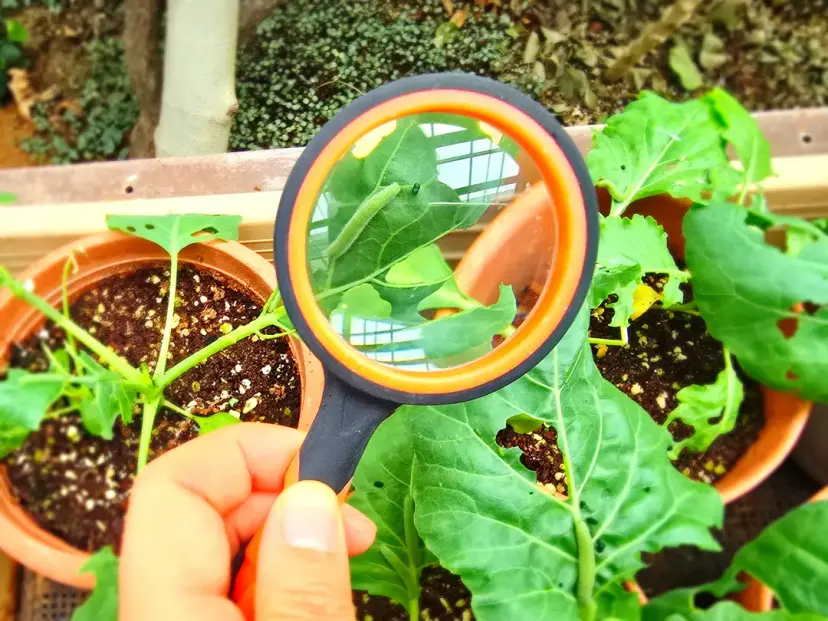
📍 Daejeon Insectarium
191 Dunsan-daero, Seo-gu, Daejeon
Daejeon Insectarium
🚙 Address: 191 Dunsan-daero, Seo-gu, Daejeon
⏰ Operating Hours: Tue-Sun 10:00 AM ~ 5:00 PM
Closed every Monday
🅿 Parking: Free parking available
🧾 Admission Fee: Free
☎ Phone: 042-270-5274
🕗 Recommended Visit Time: 1 hour 30 minutes
✔ 🚻 Restrooms (Men's/Women's) available.
✔ 🦽 Wheelchair and stroller accessible.
✔ 🐕 No pets allowed.
✔ Outside food not permitted.

The Daejeon Insectarium is a learning and experiential space where visitors can gain a deep understanding of nature and ecology,
making it an ideal destination for family outings with children or for anyone interested in nature.
I especially thought it was the perfect place to visit with kids.
Here, you can directly observe and experience the ecology of various insects,
and truly connect with nature.
It promises to be both an educational and exciting experience.

The Insectarium is conveniently located in the city center, making it easily accessible from anywhere in Daejeon,
and perfect for an outing with kids.
It's situated within Hanbat Arboretum, so you can enjoy a stroll through the arboretum and explore both attractions as a combined itinerary.
We visited on a weekend, and there was quite a crowd in the afternoon.
If you prefer a more relaxed visit, I recommend going early in the morning or on a weekday.
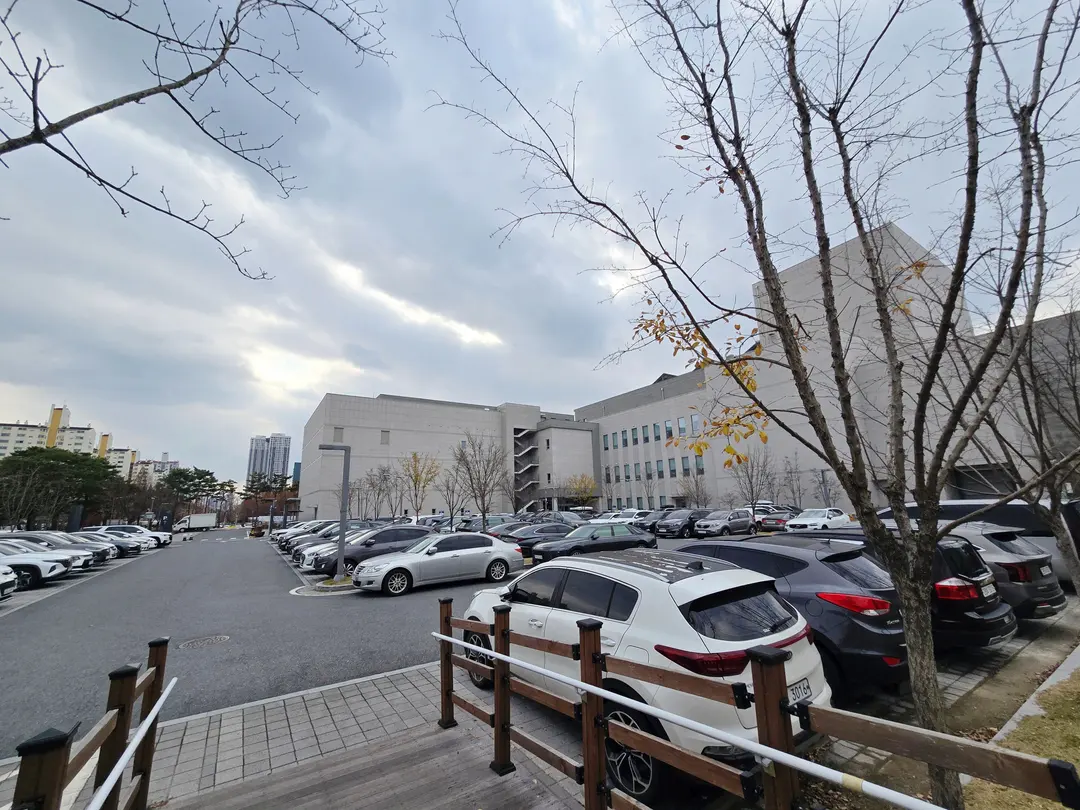
If you're driving to the Daejeon Insectarium, you can use the Hanbat Arboretum parking lot.
Drive straight in from the entrance, and you'll find a free parking lot conveniently located in front of the Insectarium,
you can park for 3 hours free of charge.
Parking spots are generally more available during the hot summer and cold winter months,
but in spring and autumn, the Hanbat Arboretum attracts many visitors, making parking extremely challenging.
Since it gets crowded in spring, autumn, and on weekends,
arriving early in the morning or using public transportation are good options.
Its downtown location also makes it convenient to reach by public transport.
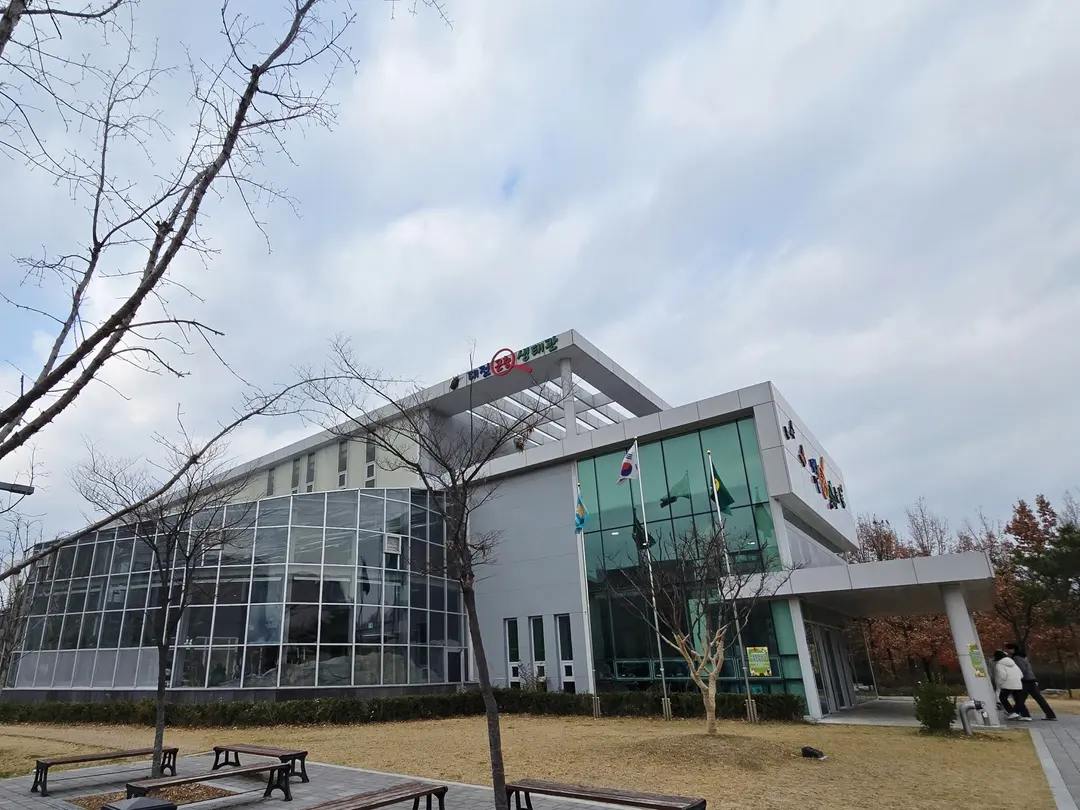
Daejeon Insectarium
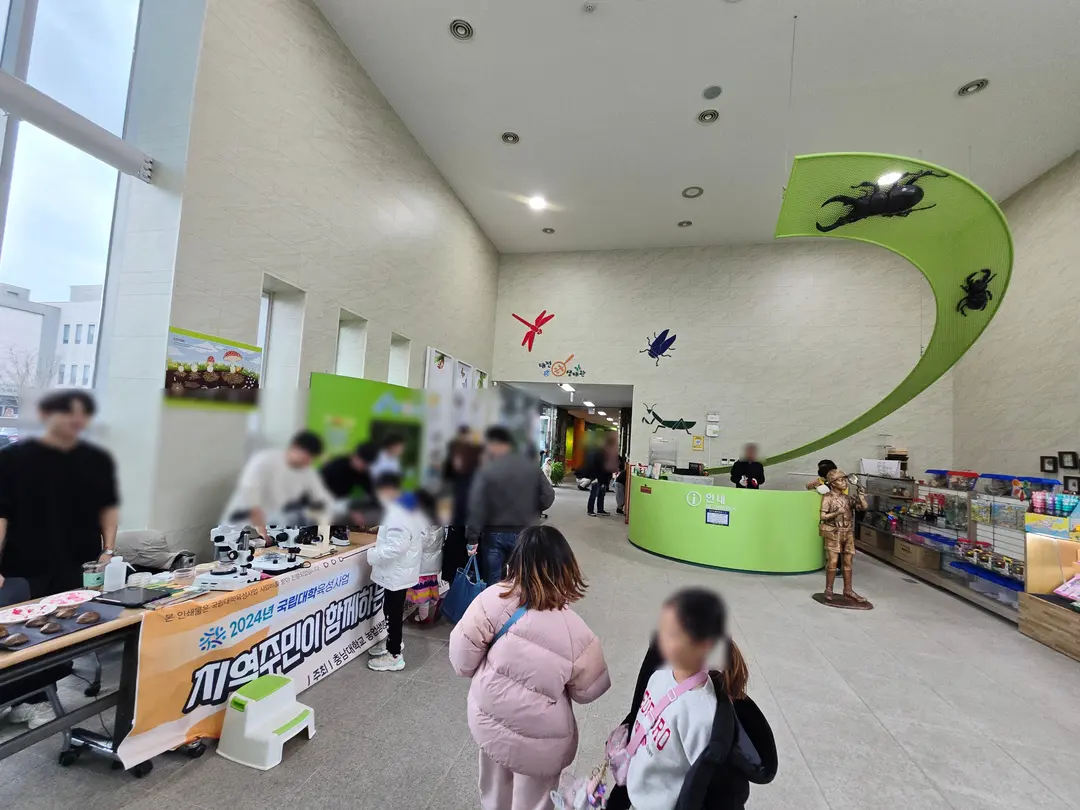
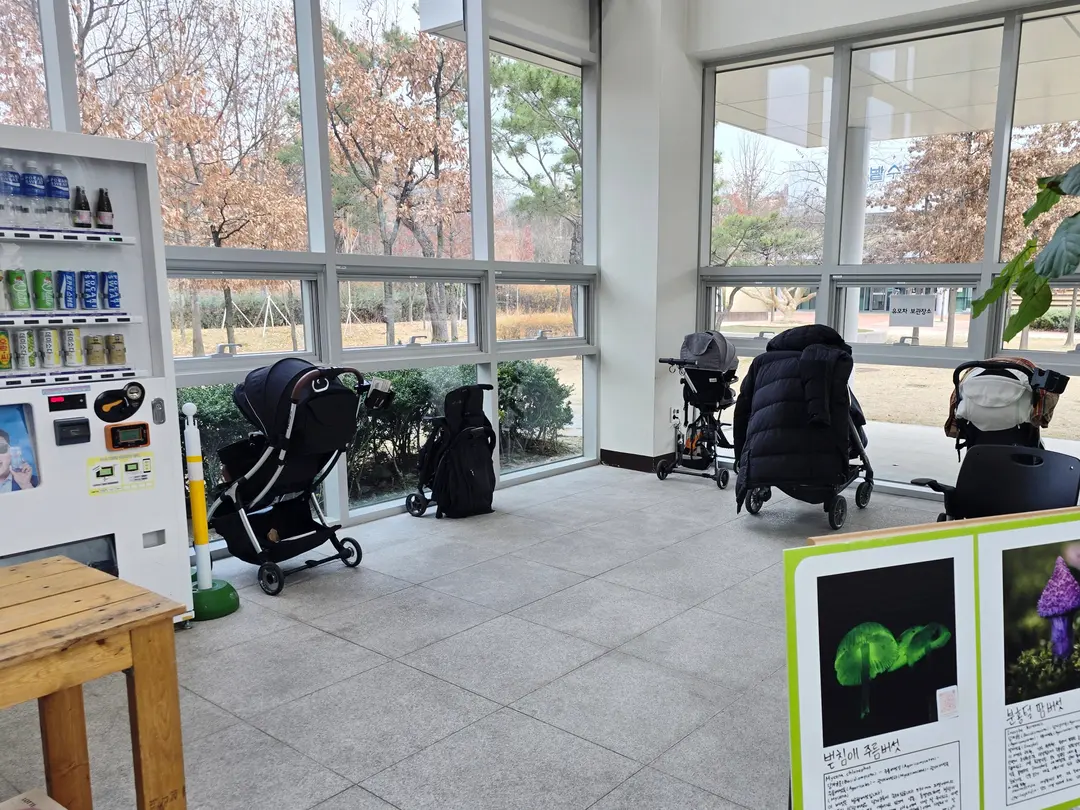
The Daejeon Insectarium is divided into two floors (1st and 2nd) so you can observe a wide variety of insects up close.
While strollers and wheelchairs are welcome inside the Insectarium,
it can be difficult to navigate when it's crowded,
so you can store your stroller on the right side of the lobby if needed.
On the day of our visit, an event was taking place in the lobby, so it was quite bustling!
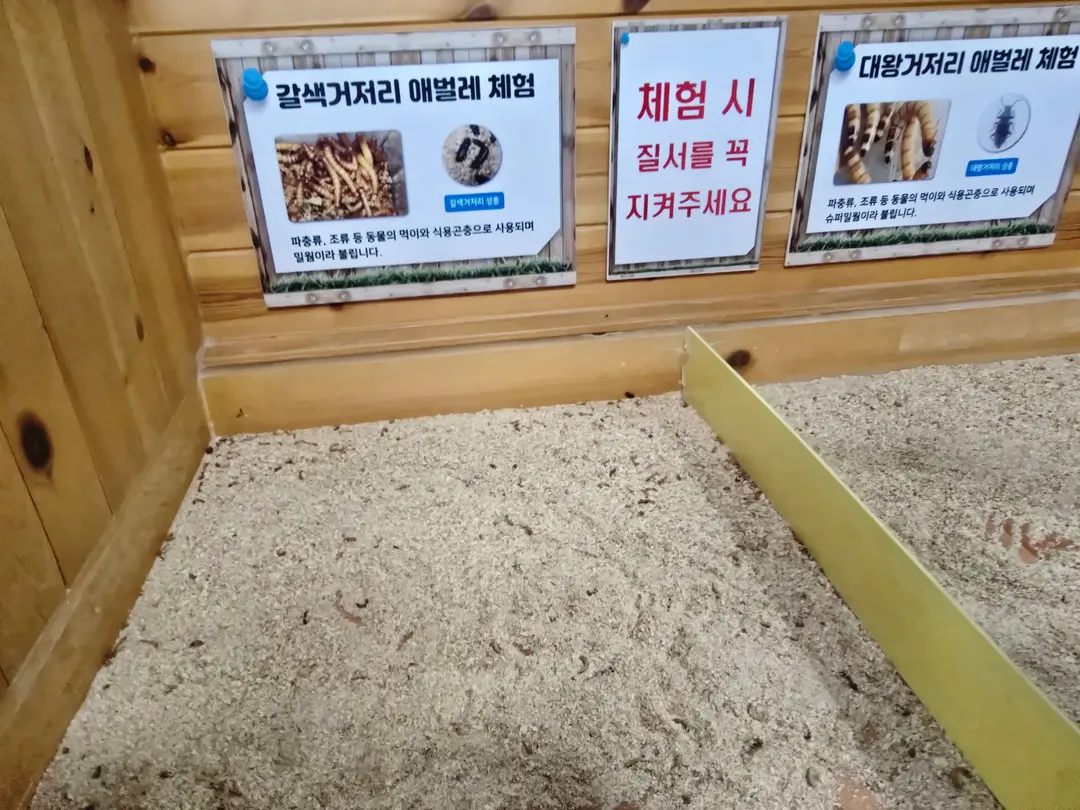
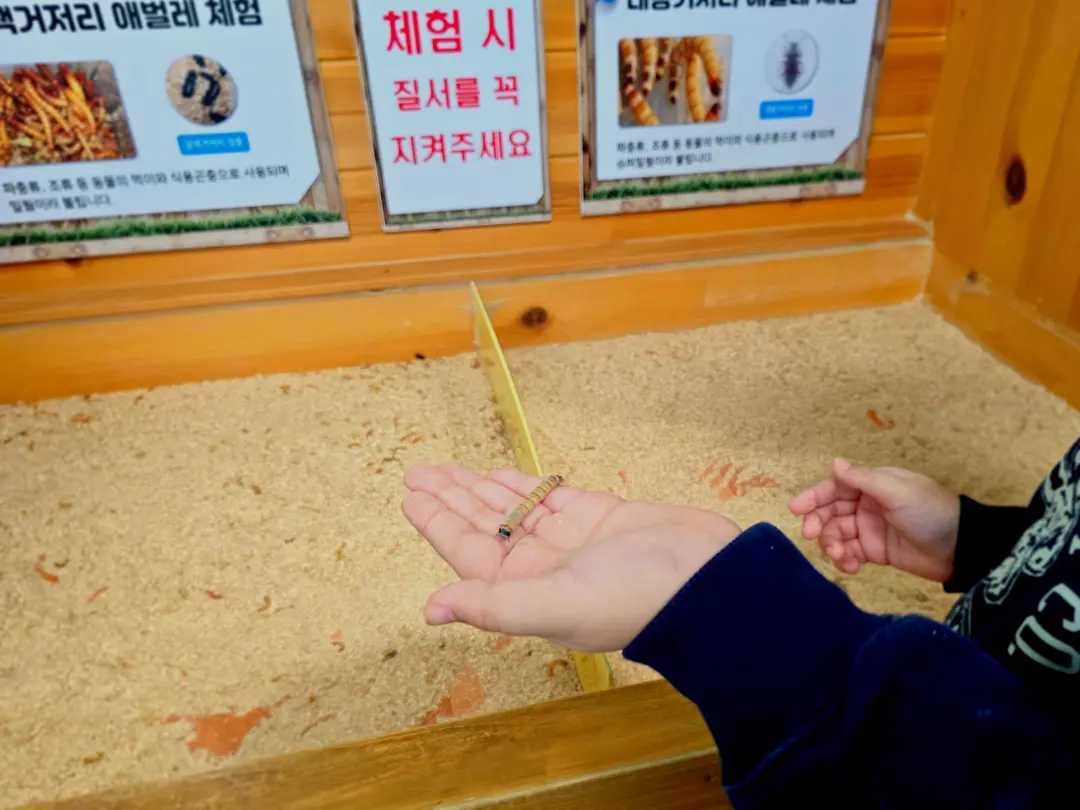
Near the entrance, there's a hands-on experience where you can touch mealworm larvae directly.
I personally found the wriggling larvae quite creepy,
but the kids were absolutely thrilled to touch them!
.gif?type=w3840)
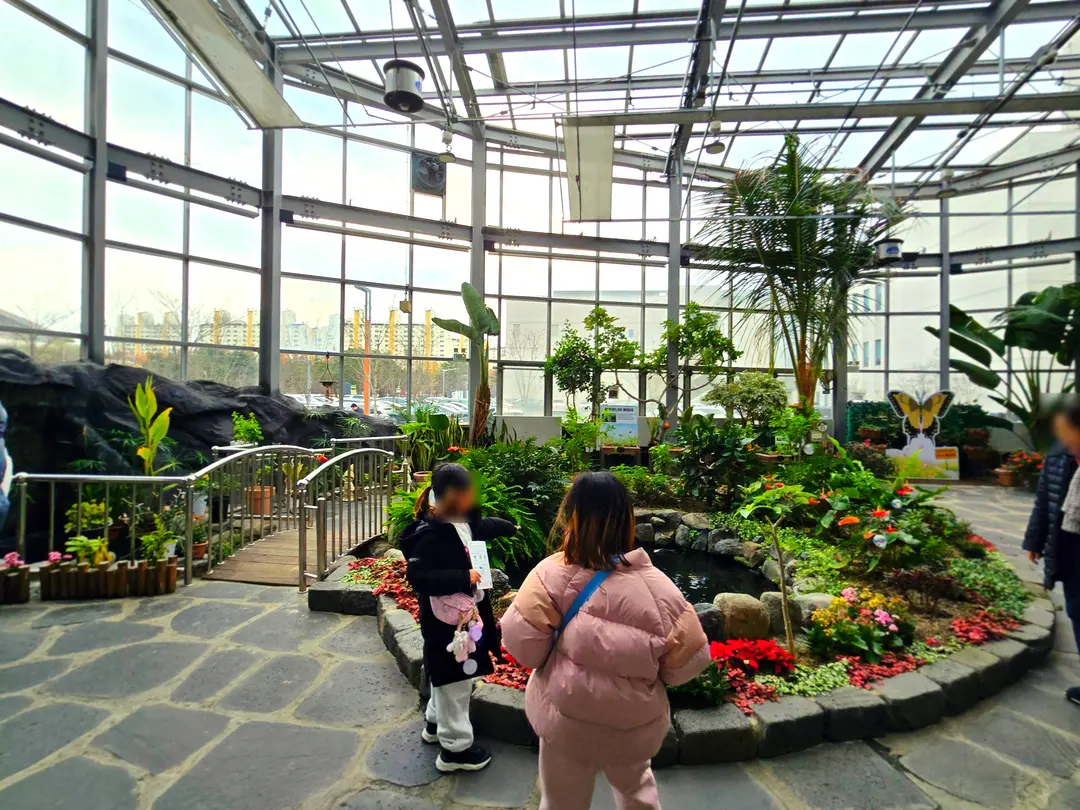
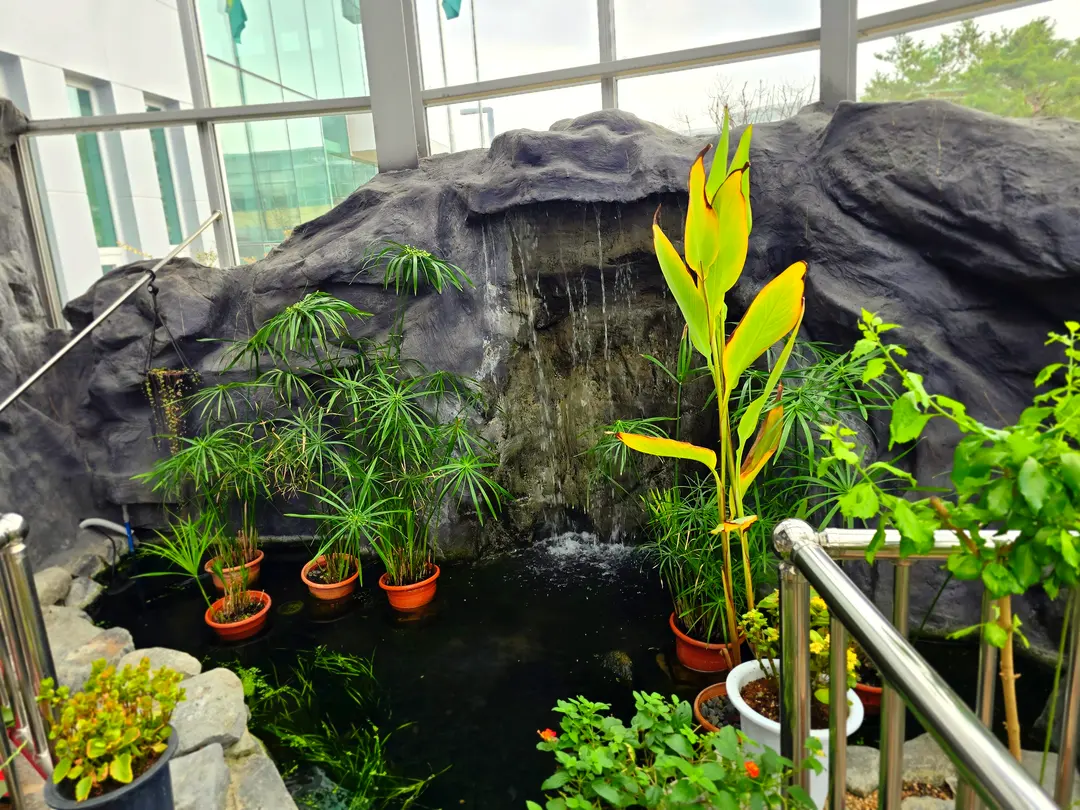
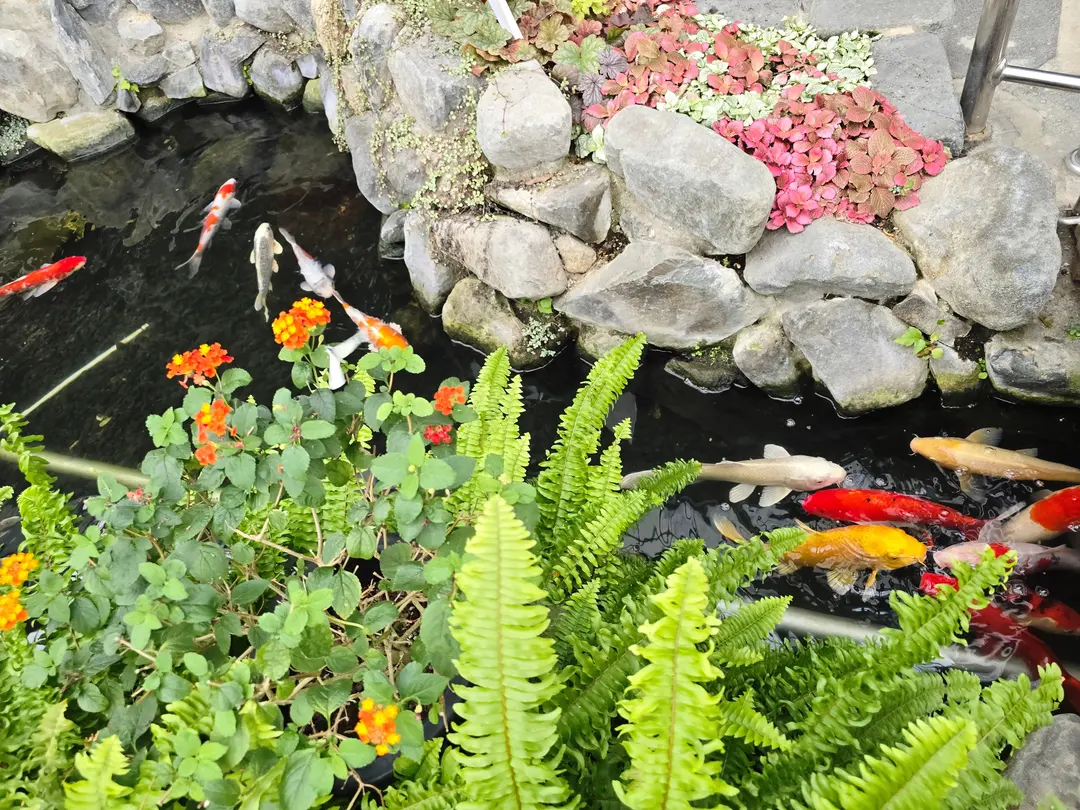
The very first area you encounter is the Insect Garden.
Observing insects in a space that mimics their natural habitat made the experience even more vivid.
Here, children can watch butterflies flit around,
and experience how insects live in their natural environment.

.gif?type=w3840)
.gif?type=w3840)
The sight of butterflies fluttering around inside the glasshouse truly gave the feeling that spring had arrived.
I remember my child absolutely loving it, constantly chasing after the butterflies.

.gif?type=w3840)
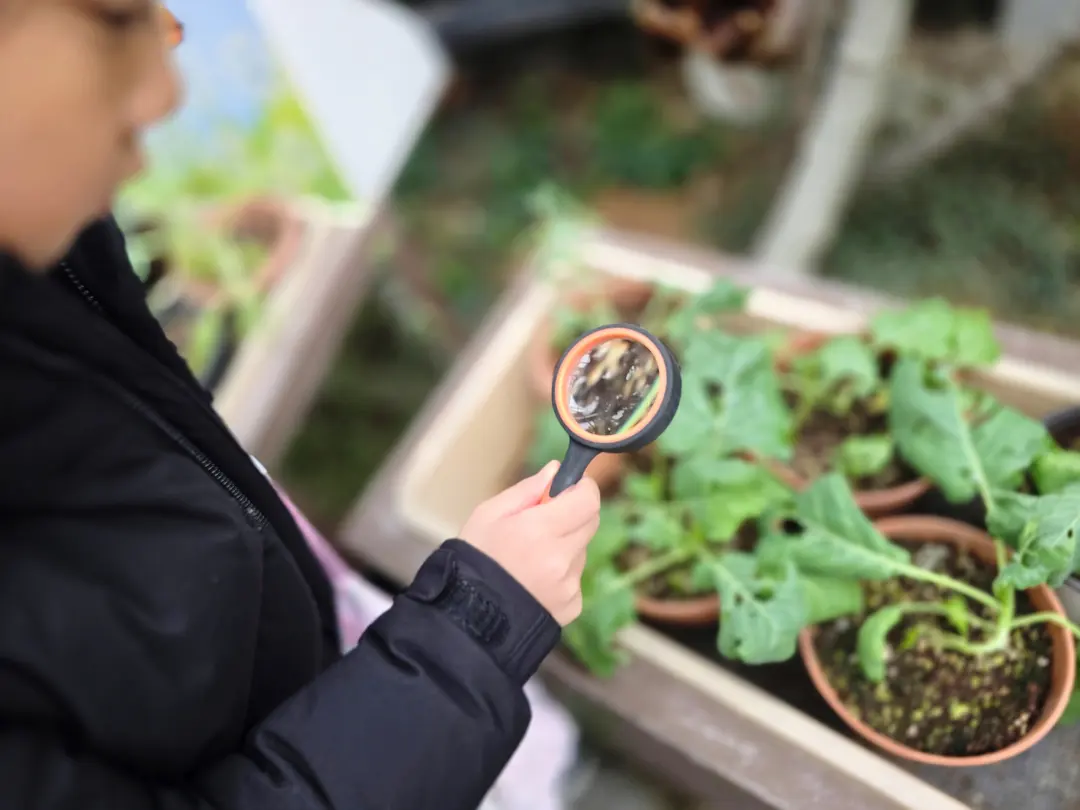
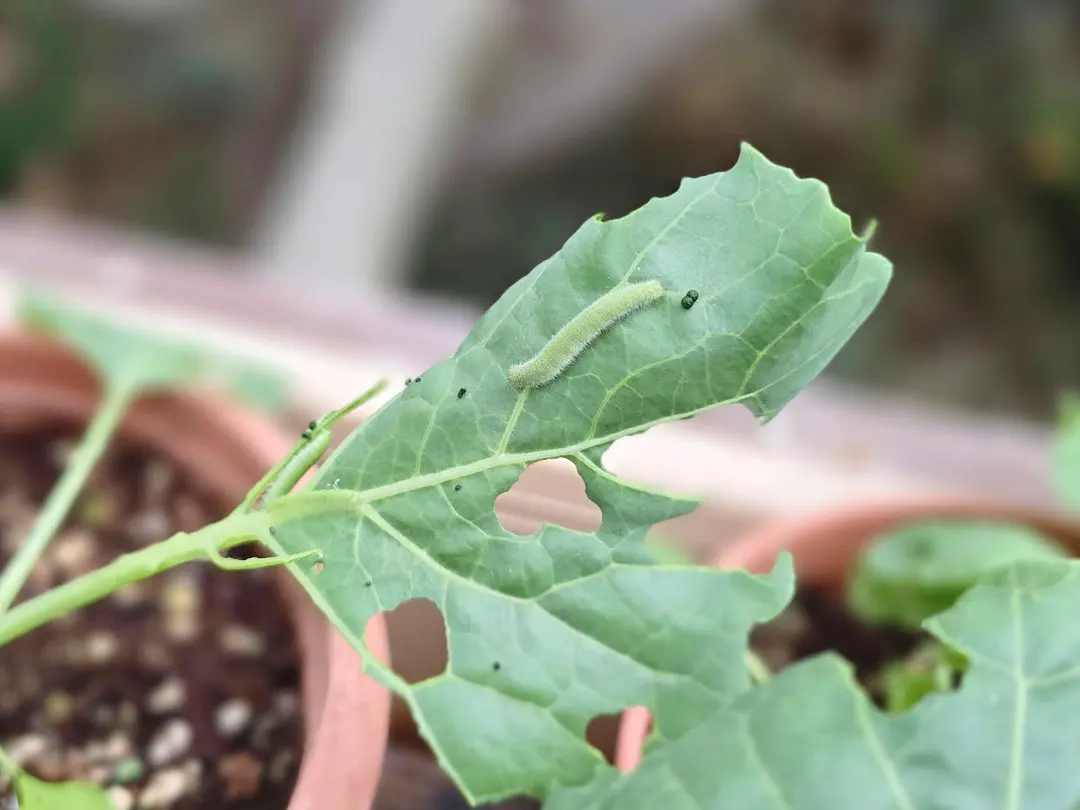
You can also closely observe cabbage white butterfly larvae with a magnifying glass,
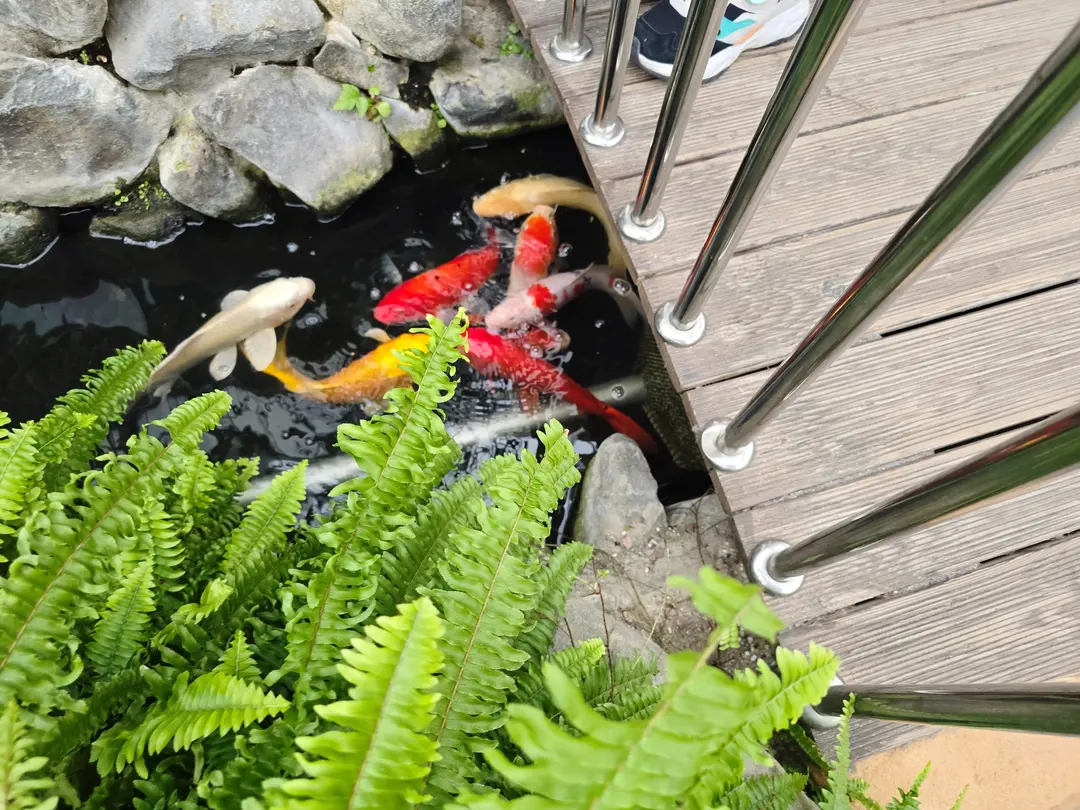
and even try the Doctor Fish experience.
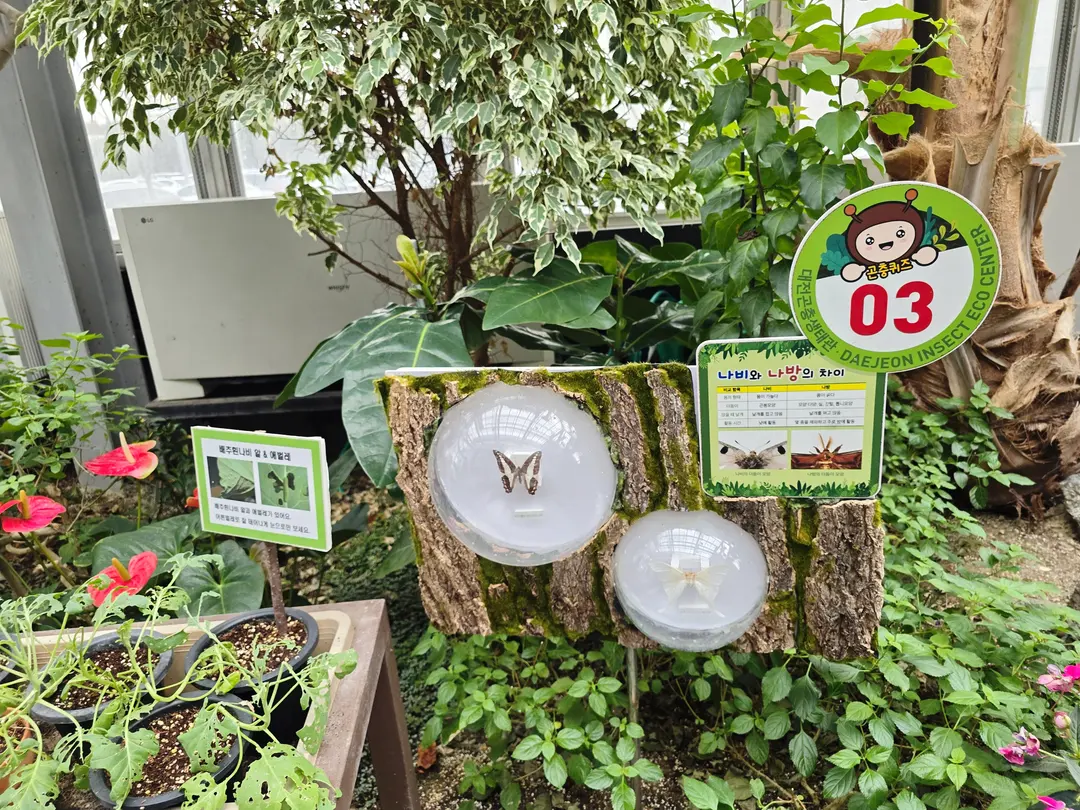
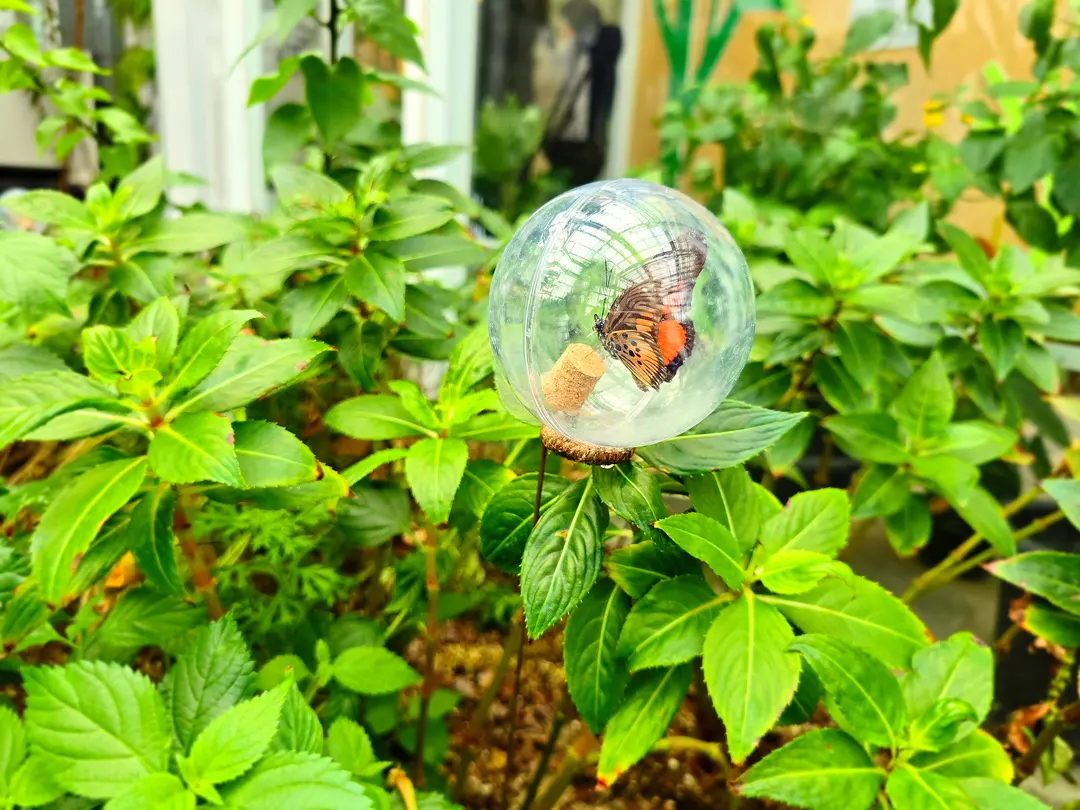
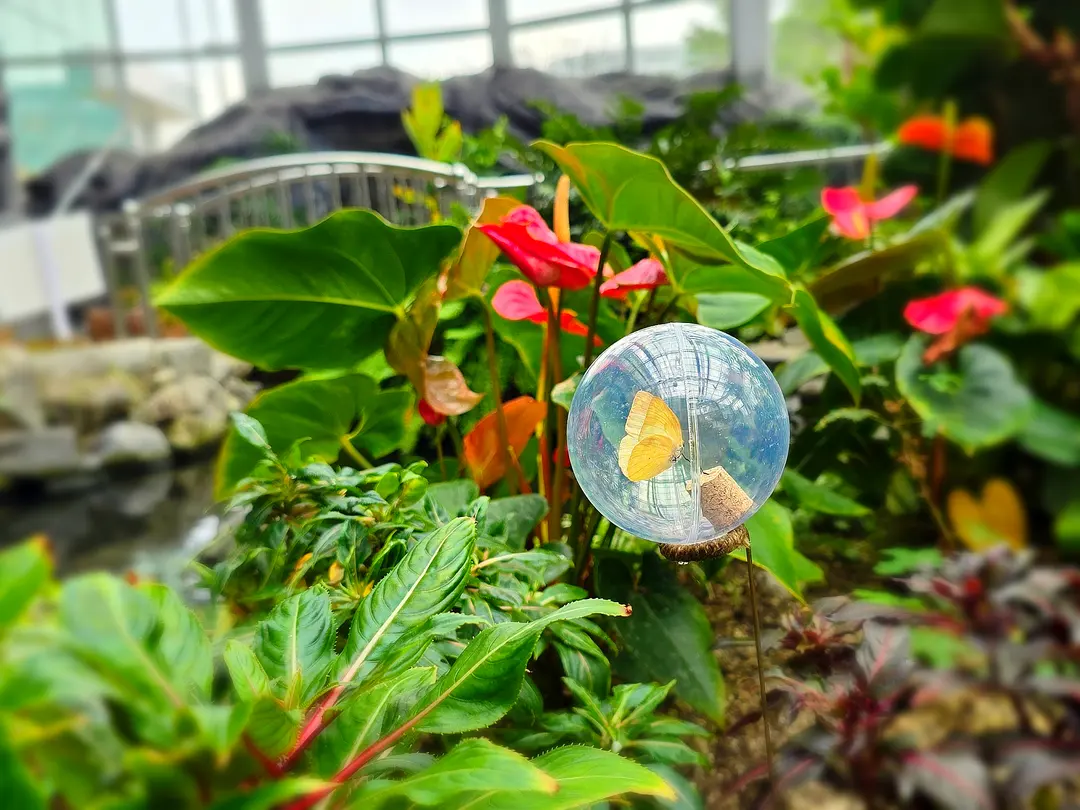
Inside the exhibition hall, there was a truly diverse array of insects, from live specimens to preserved ones,
and explanations of their ecology and characteristics were well-organized and easy to understand.
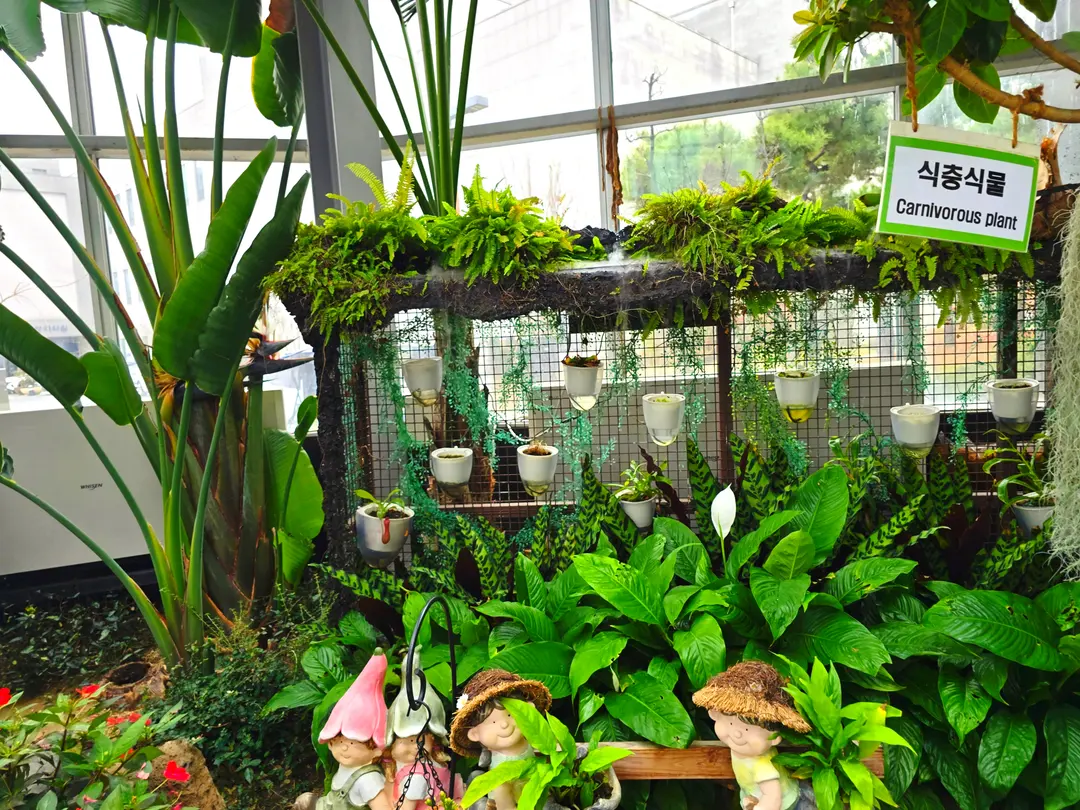

Kids absolutely adore them:
carnivorous plants,
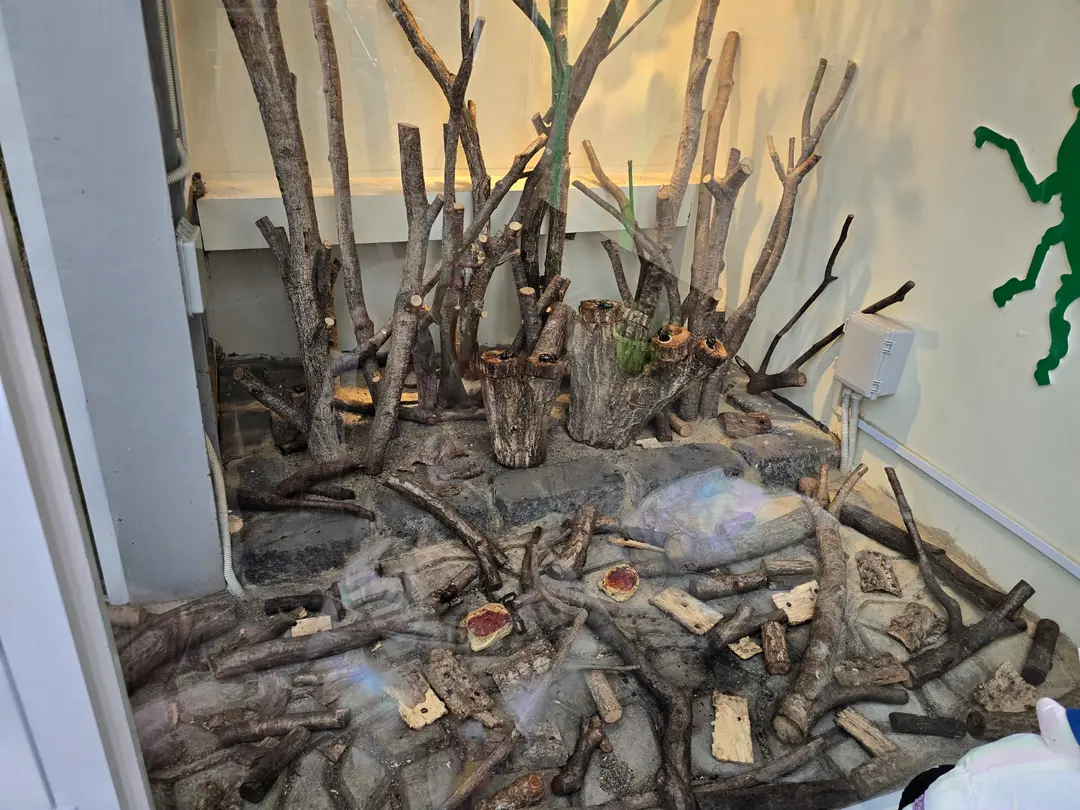
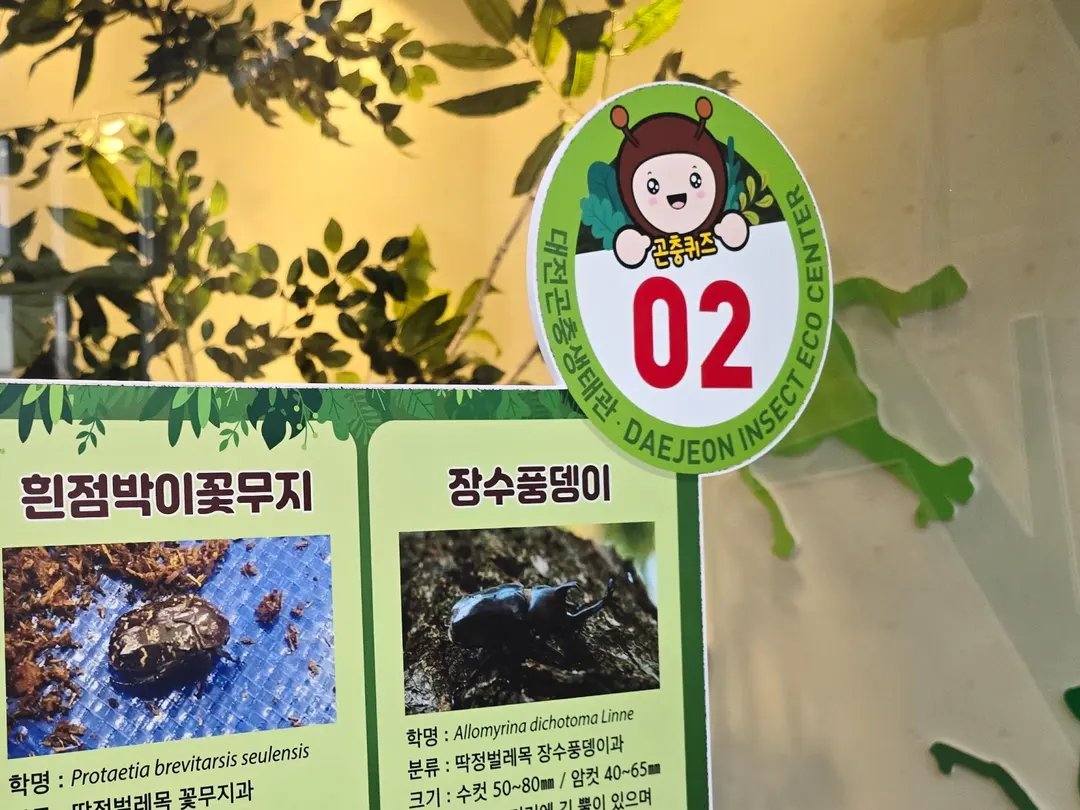
and you could also see stag beetles and rhinoceros beetles
growing in large breeding enclosures.
When my kids were little, their favorite insects were stag beetles and rhinoceros beetles.
Stag beetles with their big, strong jaws are truly impressive.
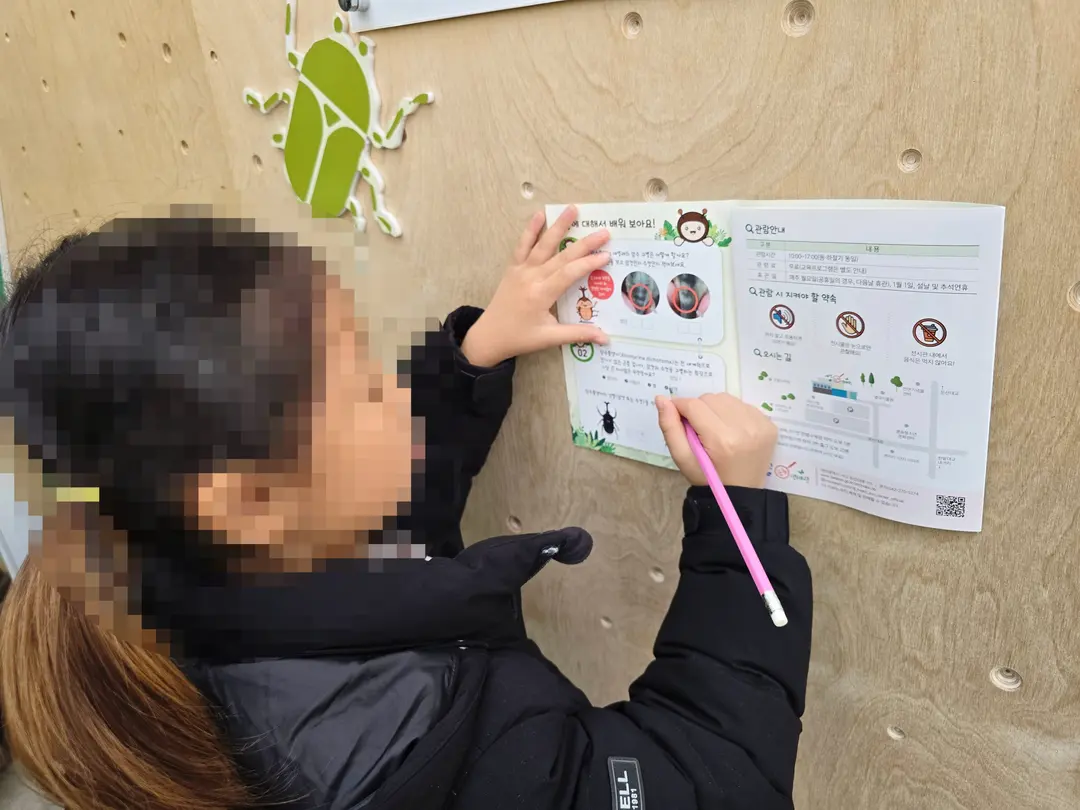
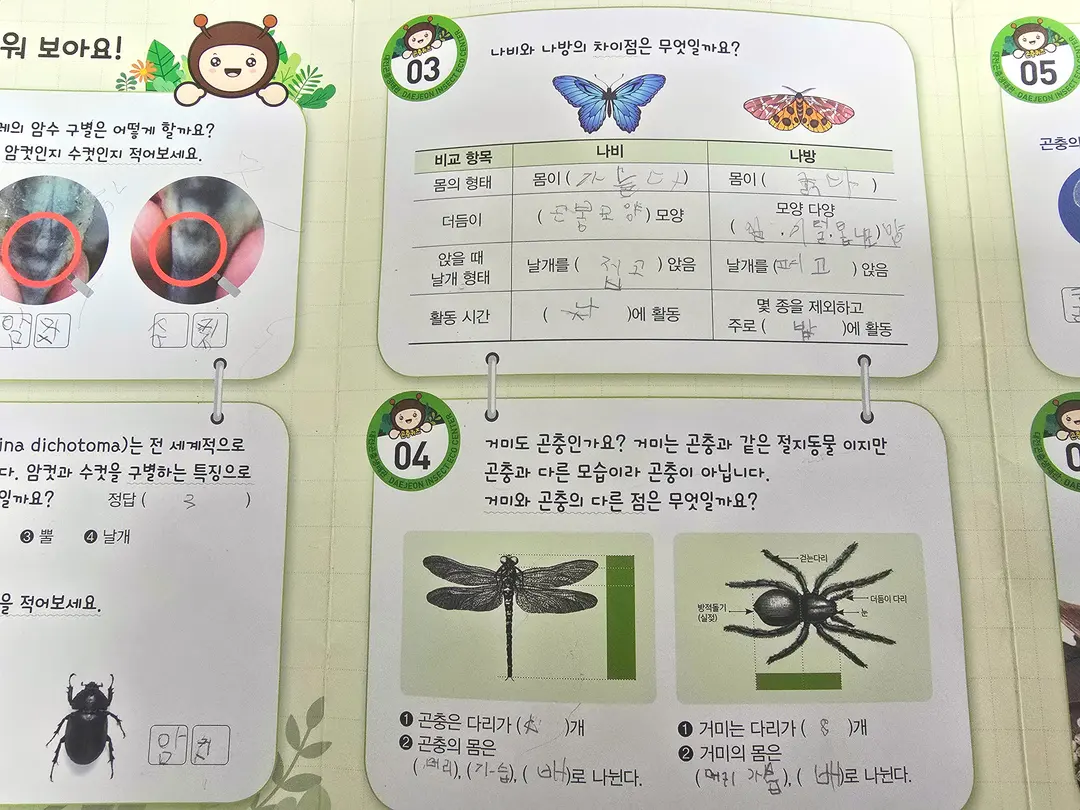
Before you begin your visit, make sure to pick up a leaflet and pencil
from the information desk in the lobby for an even more engaging and fun experience.
The leaflet includes an activity sheet,
which really helped the kids focus during their visit, making it incredibly educational.
They still occasionally talk about the things they learned from the activity sheet. Haha!
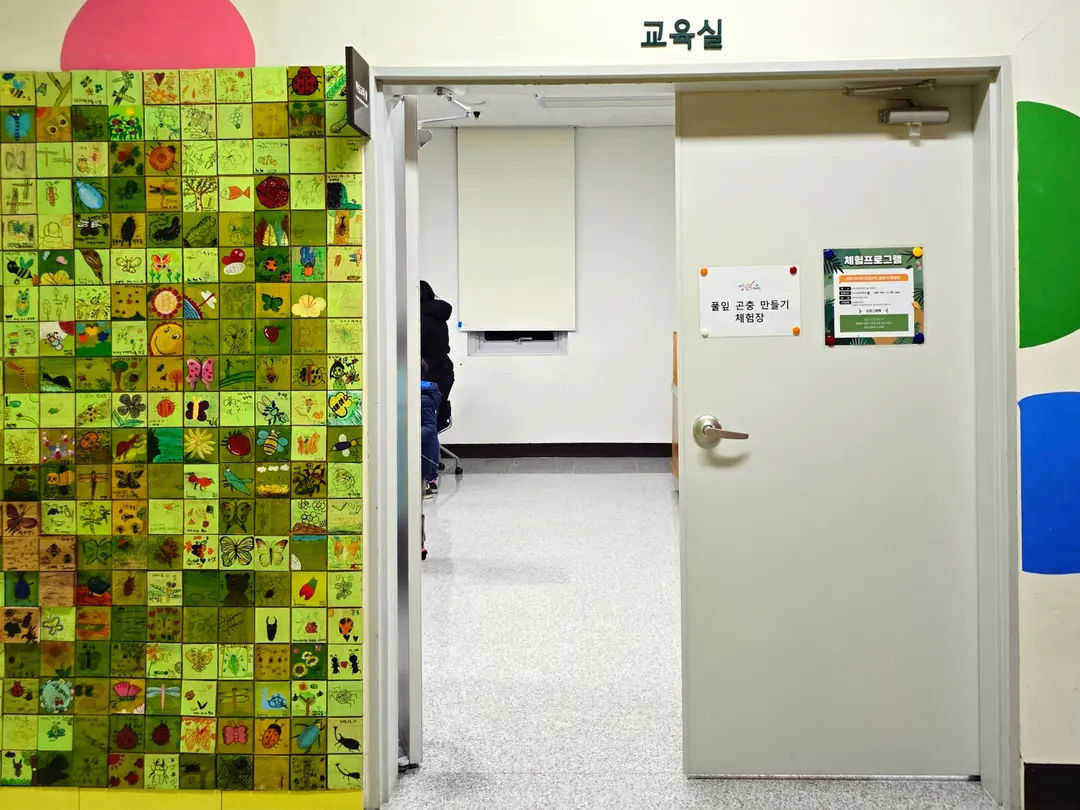

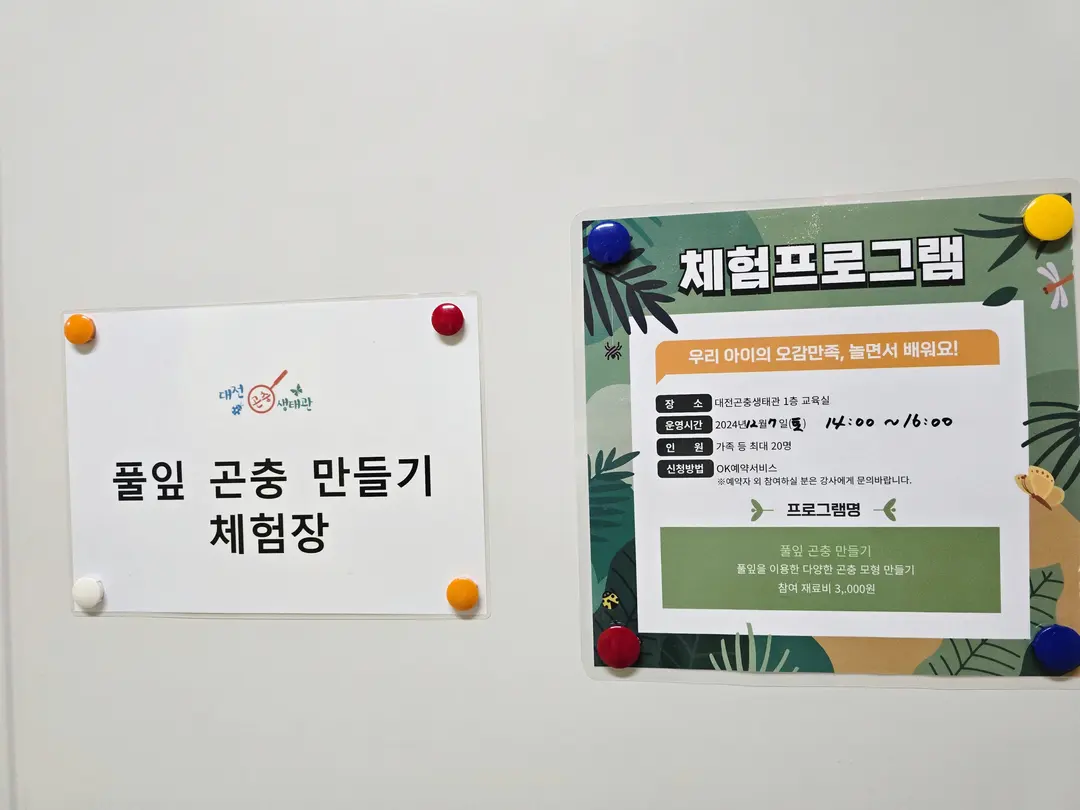
The Insect Ecology Center also offers
experience programs for kids,
and on the day of our visit, a leaf insect craft activity was in full swing.
You can apply for Daejeon Insect Ecology Center's crafting programs
on the OK Reservation Service website.
 OK Reservation Service - Daejeon Metropolitan City
Currently, this year's programs are fully booked,
and the programs for next year, 2025, have not opened yet.
I highly recommend these experience programs where children can create their own insect models
and develop their creativity and concentration.
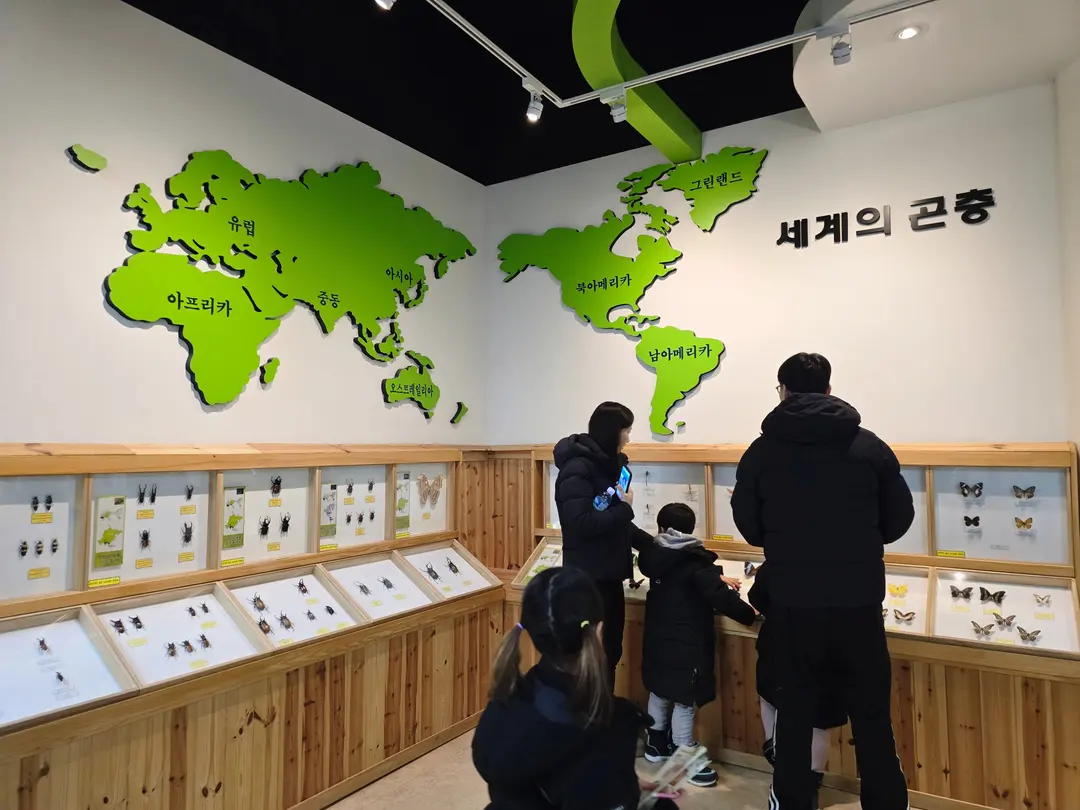
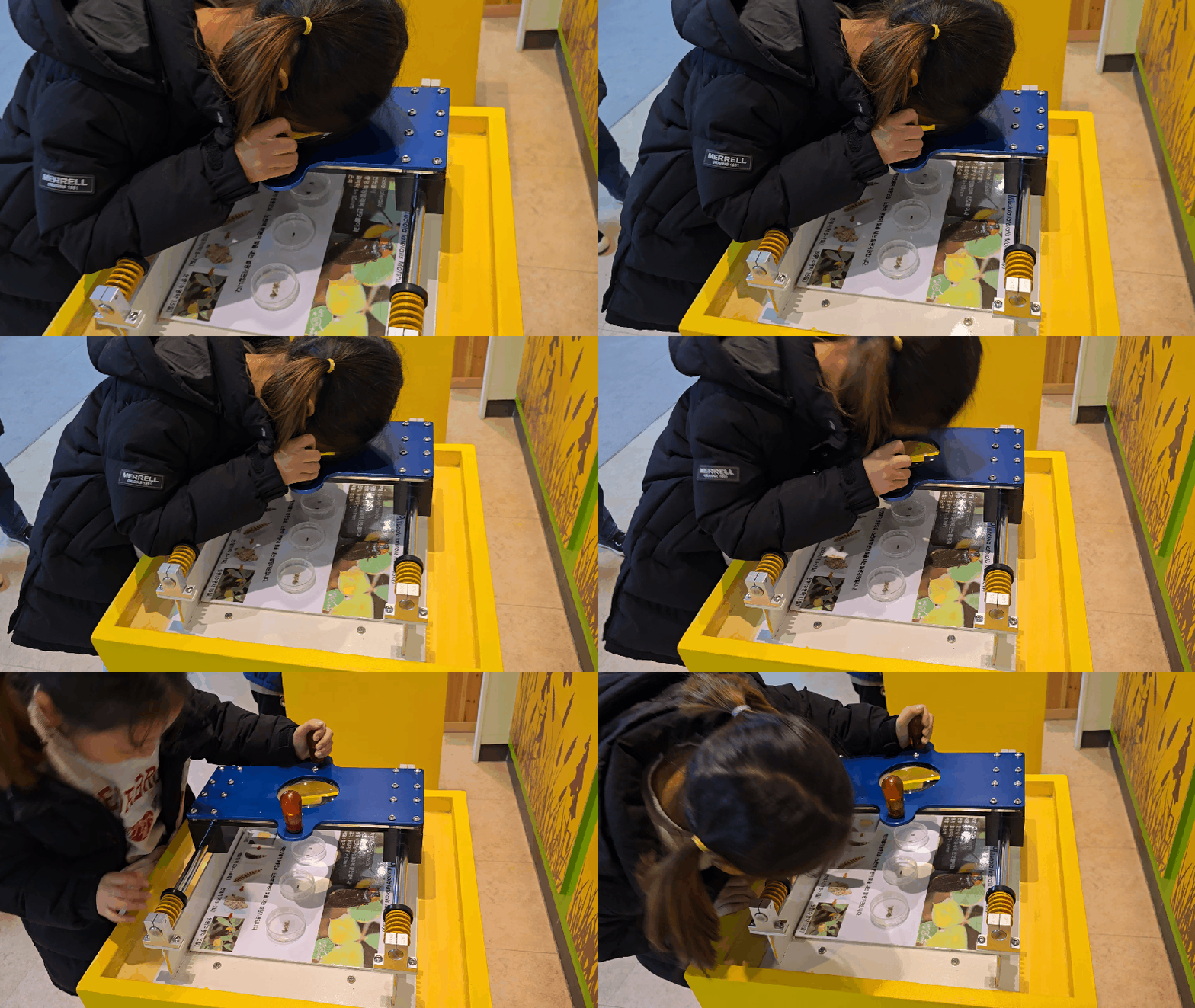

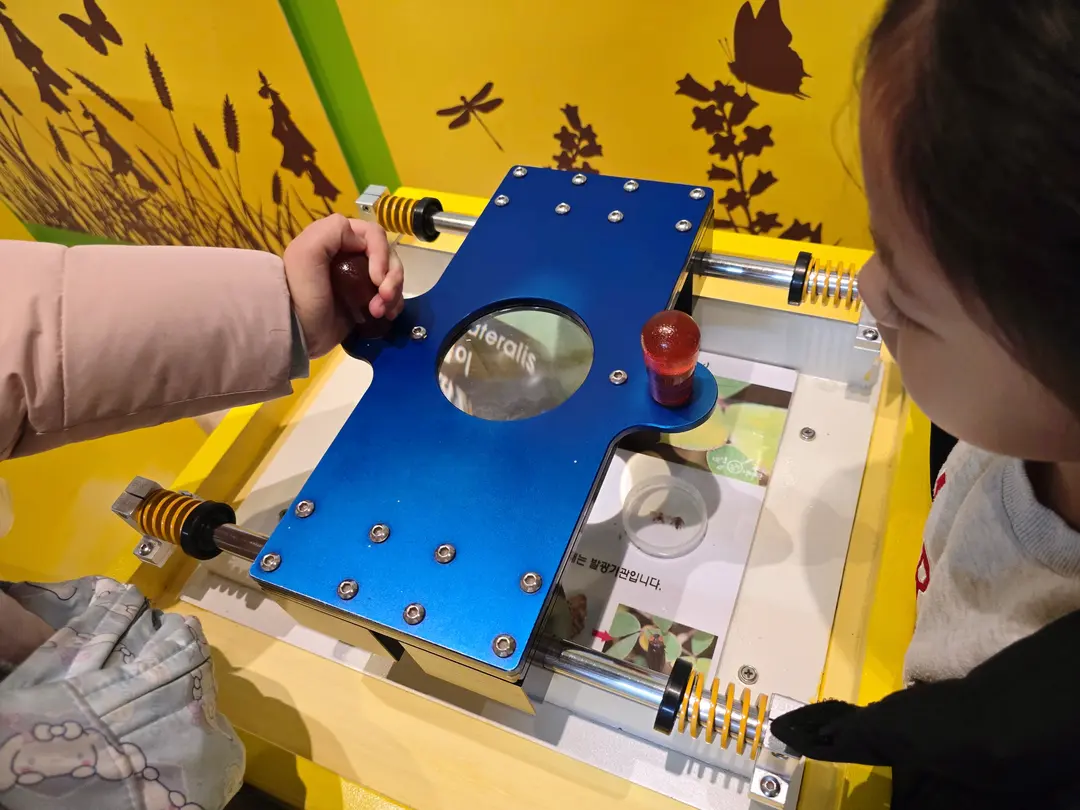
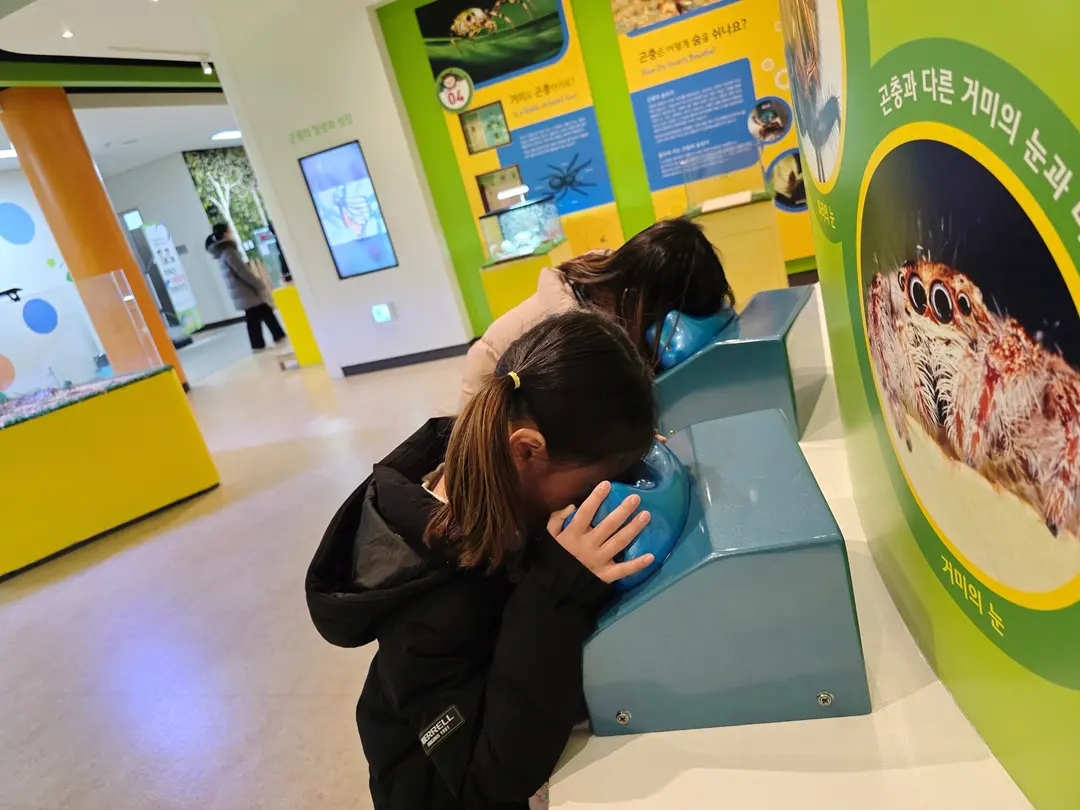
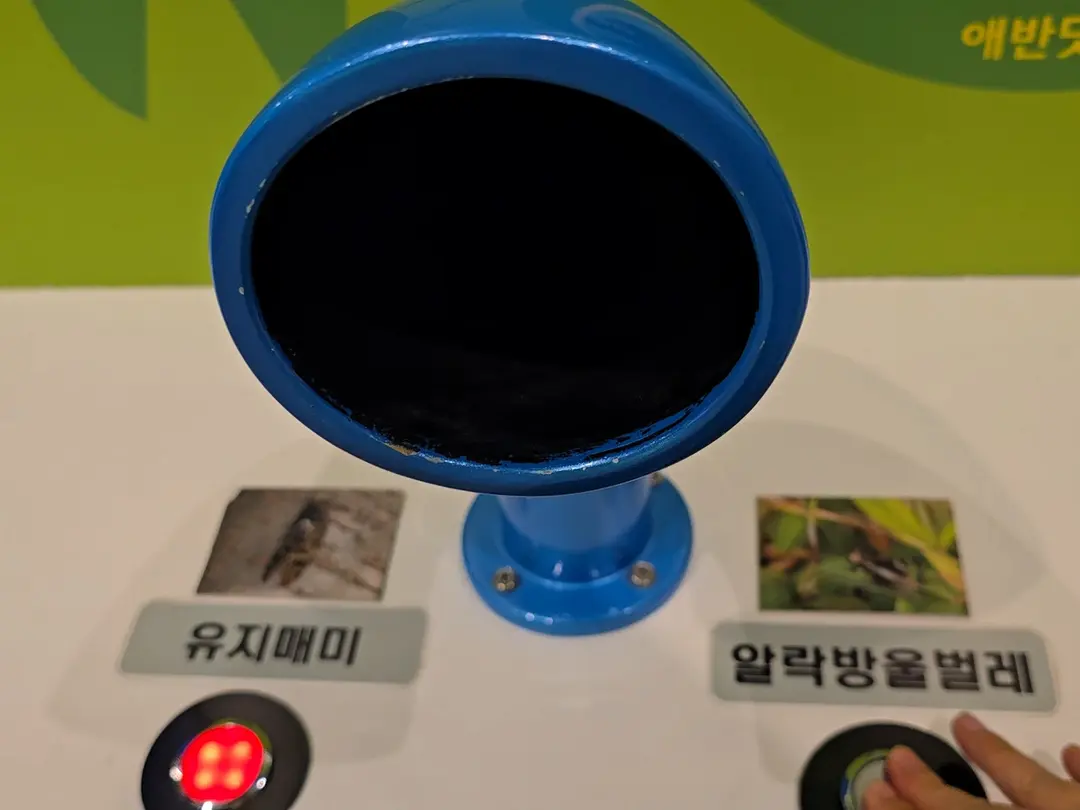
Step inside the Insect Ecology Center's exhibition hall, and you'll discover a fascinating world! It's packed with diverse audiovisual materials and interactive experience booths, creating a space where learning comes alive through hands-on engagement, far beyond just looking.
.gif?type=w3840)
.gif?type=w3840)
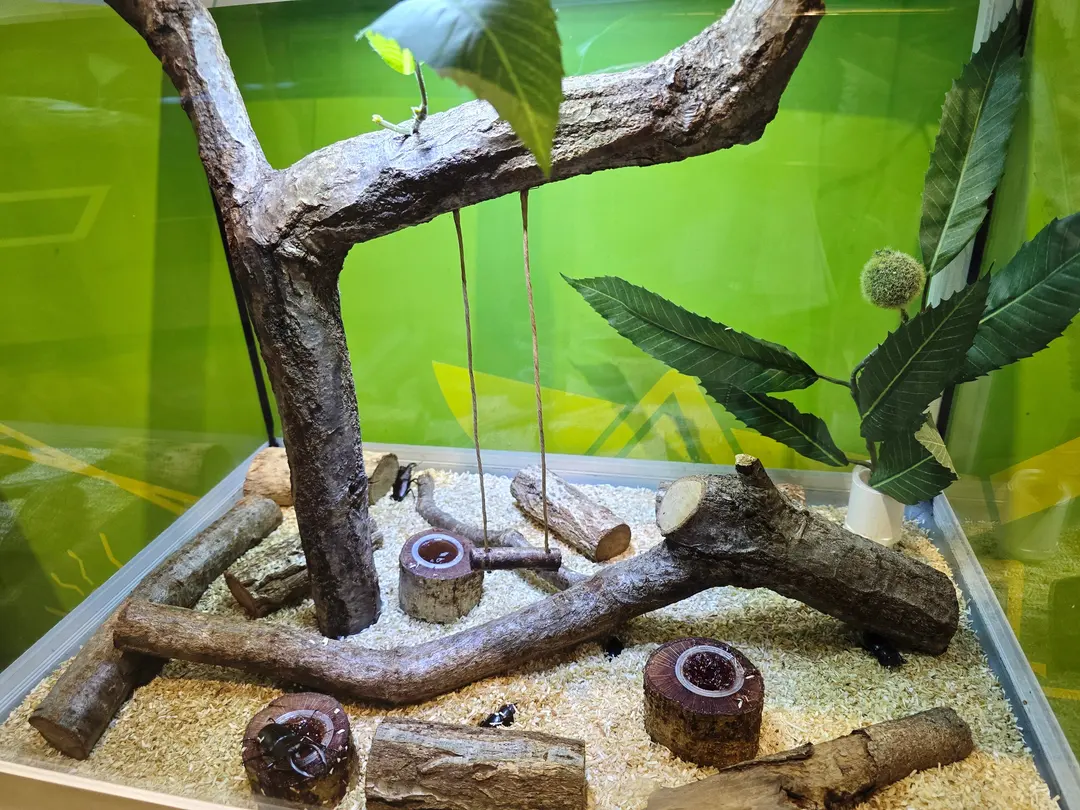
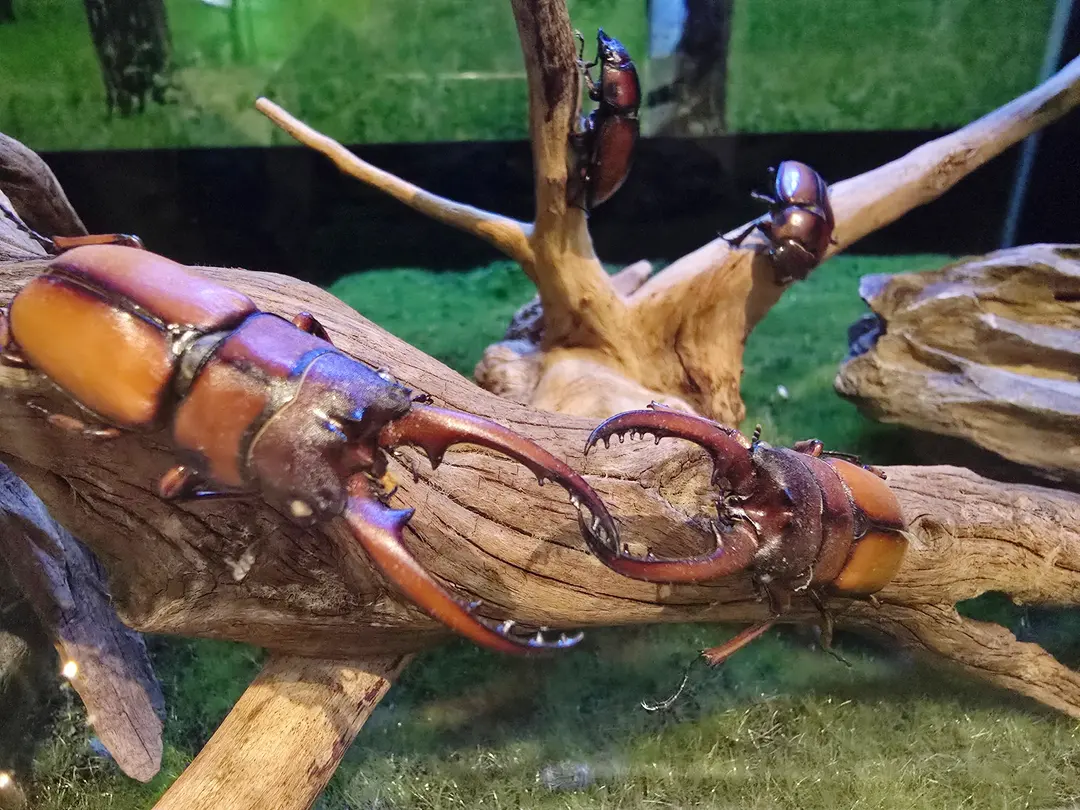
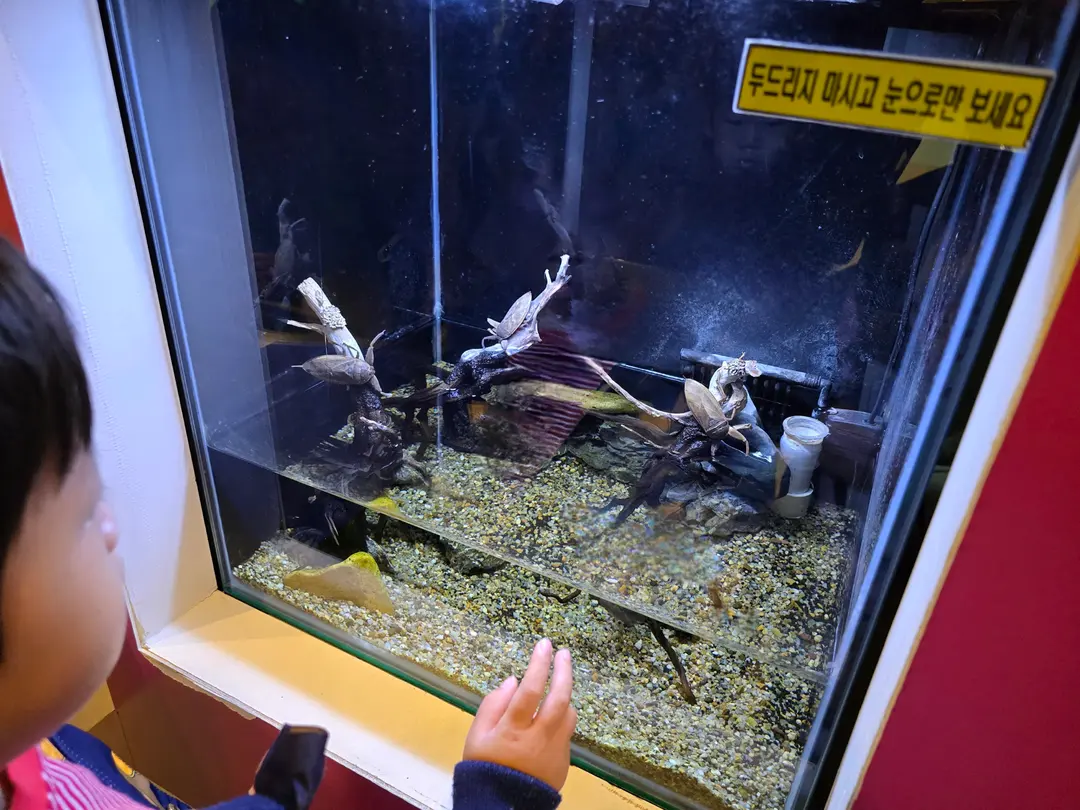
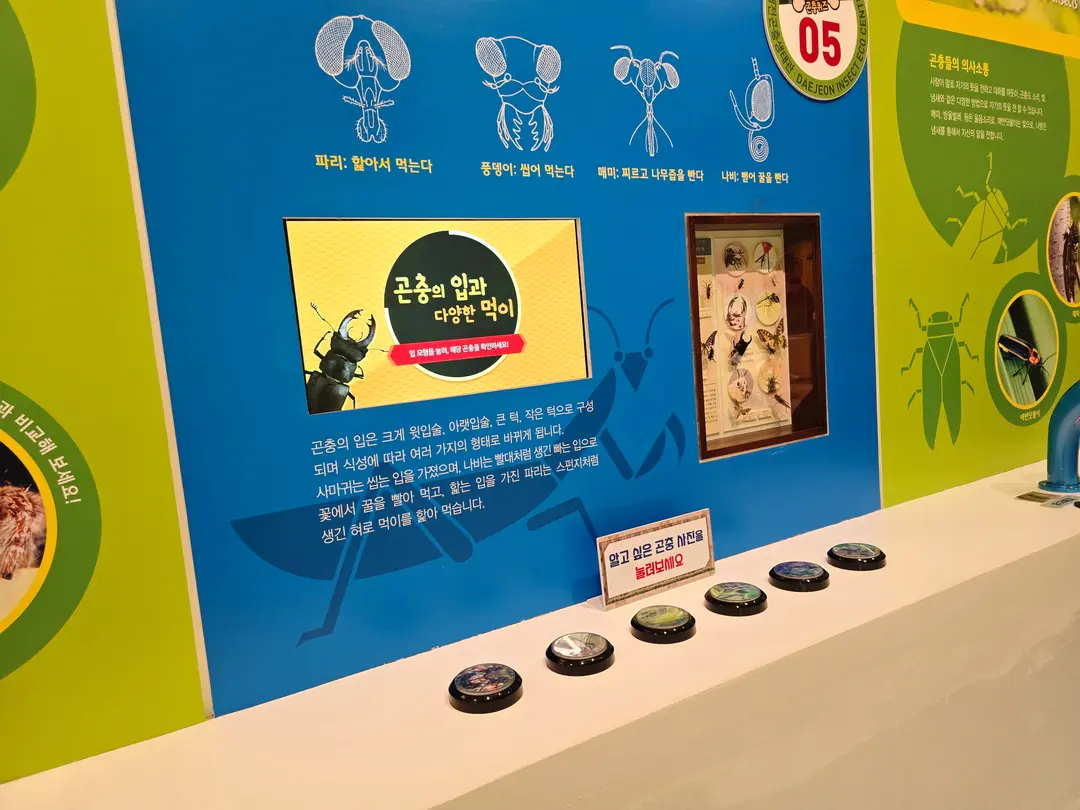
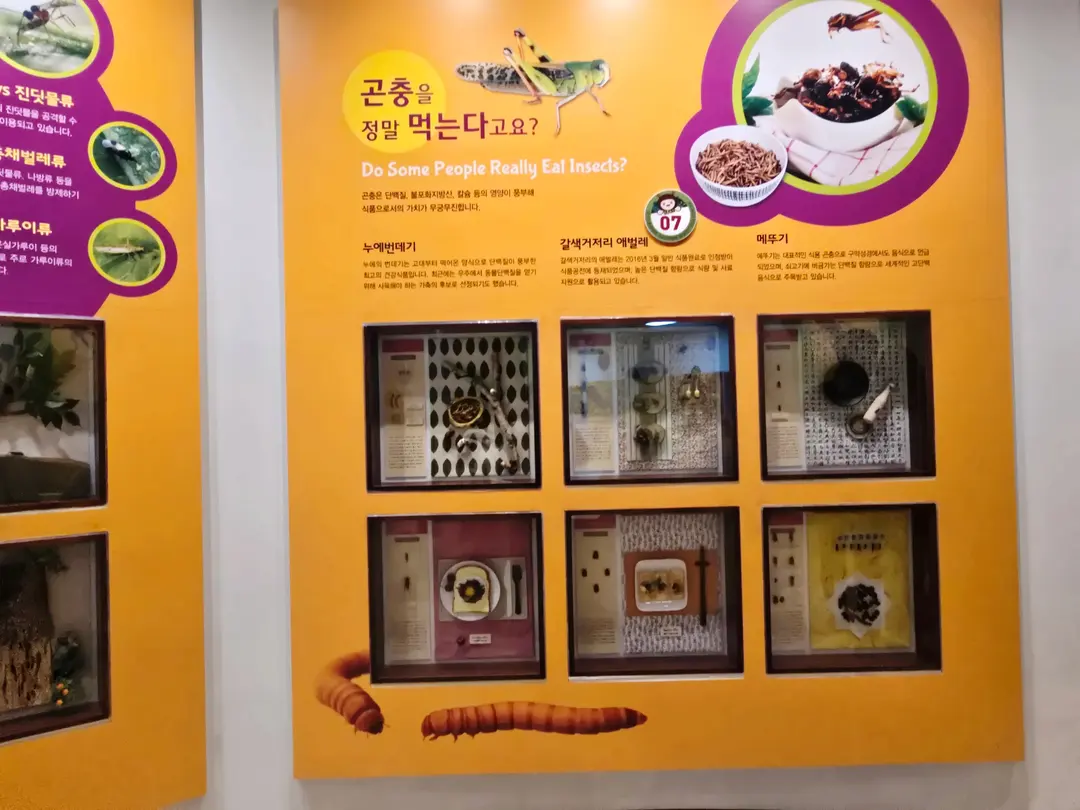
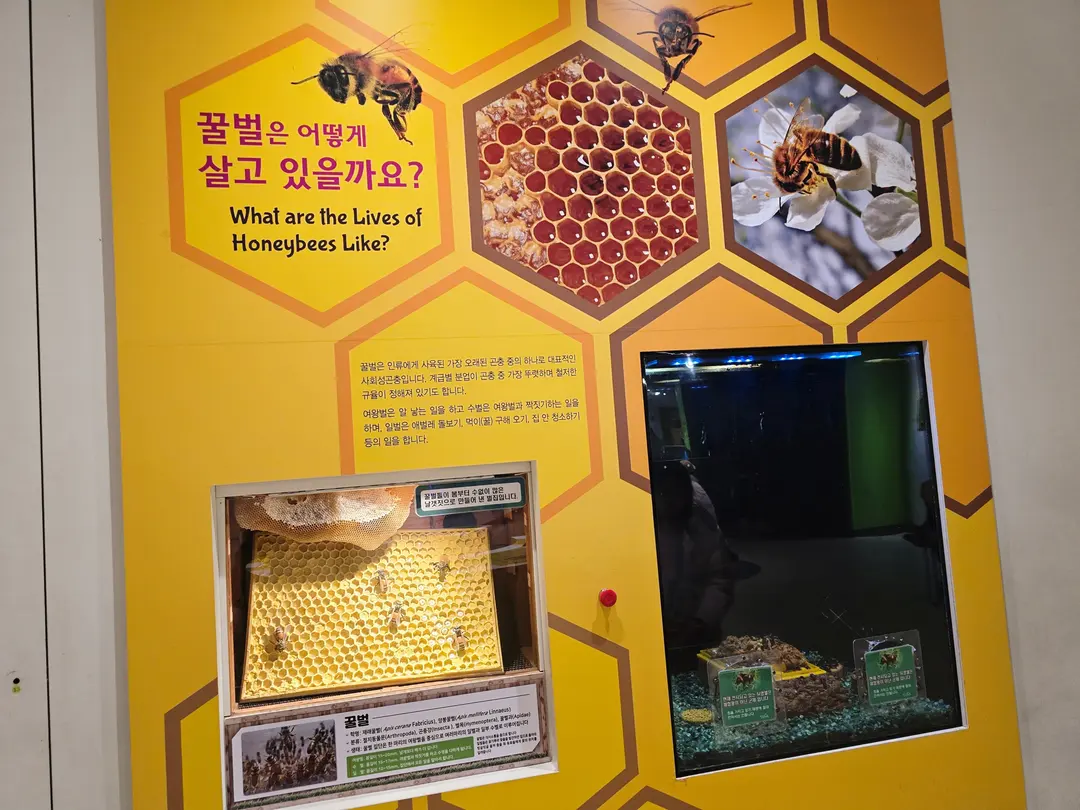
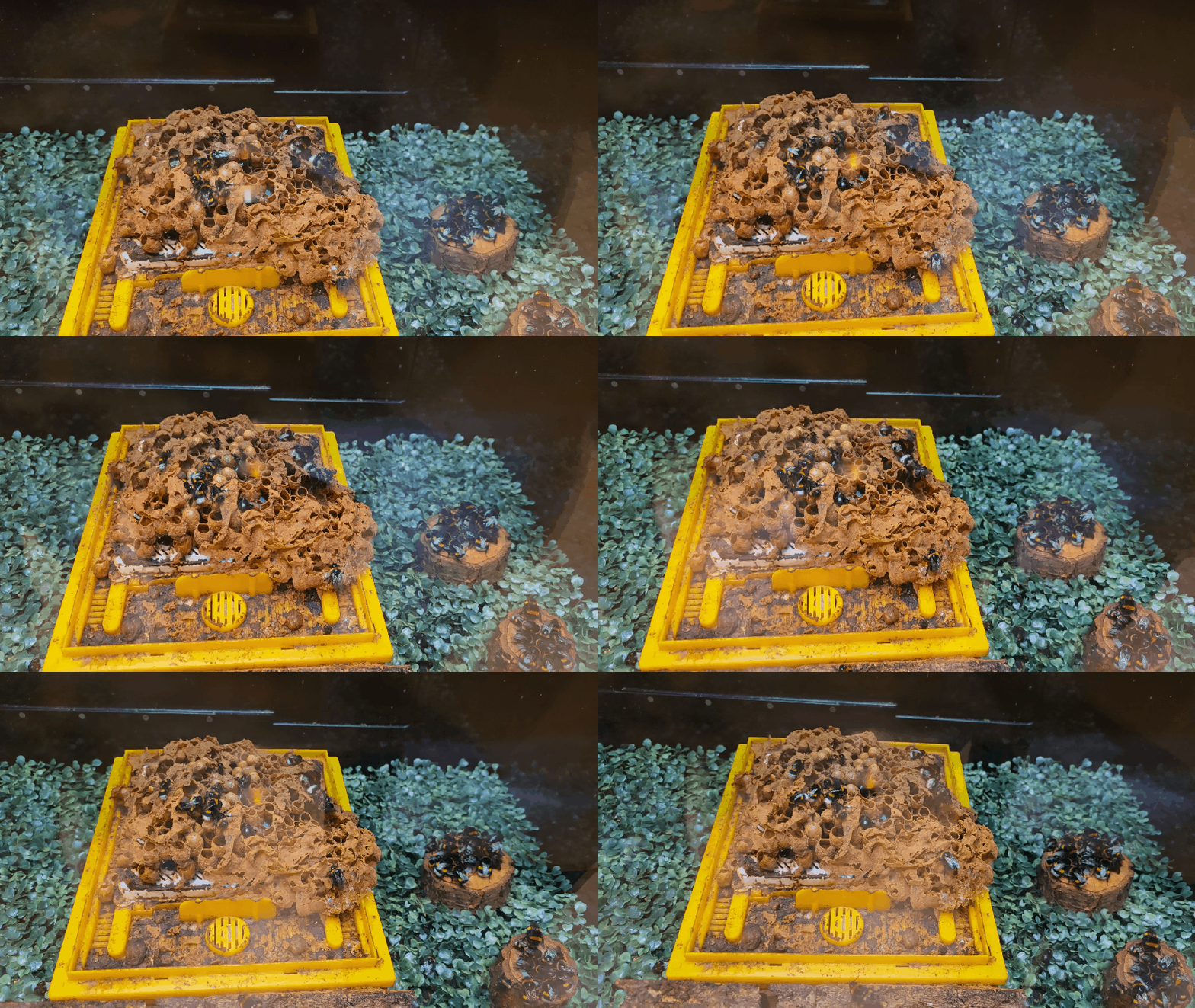
Get ready to meet some amazing creatures! You'll find a captivating display of both preserved specimens and live insects, from the familiar ladybugs, ants, stag beetles, and bees we often see, to many more. It's a truly engaging experience for all ages, from the youngest explorers to curious adults. I personally found it wonderful to dive deeper into the incredible diversity of insects native to Korea!
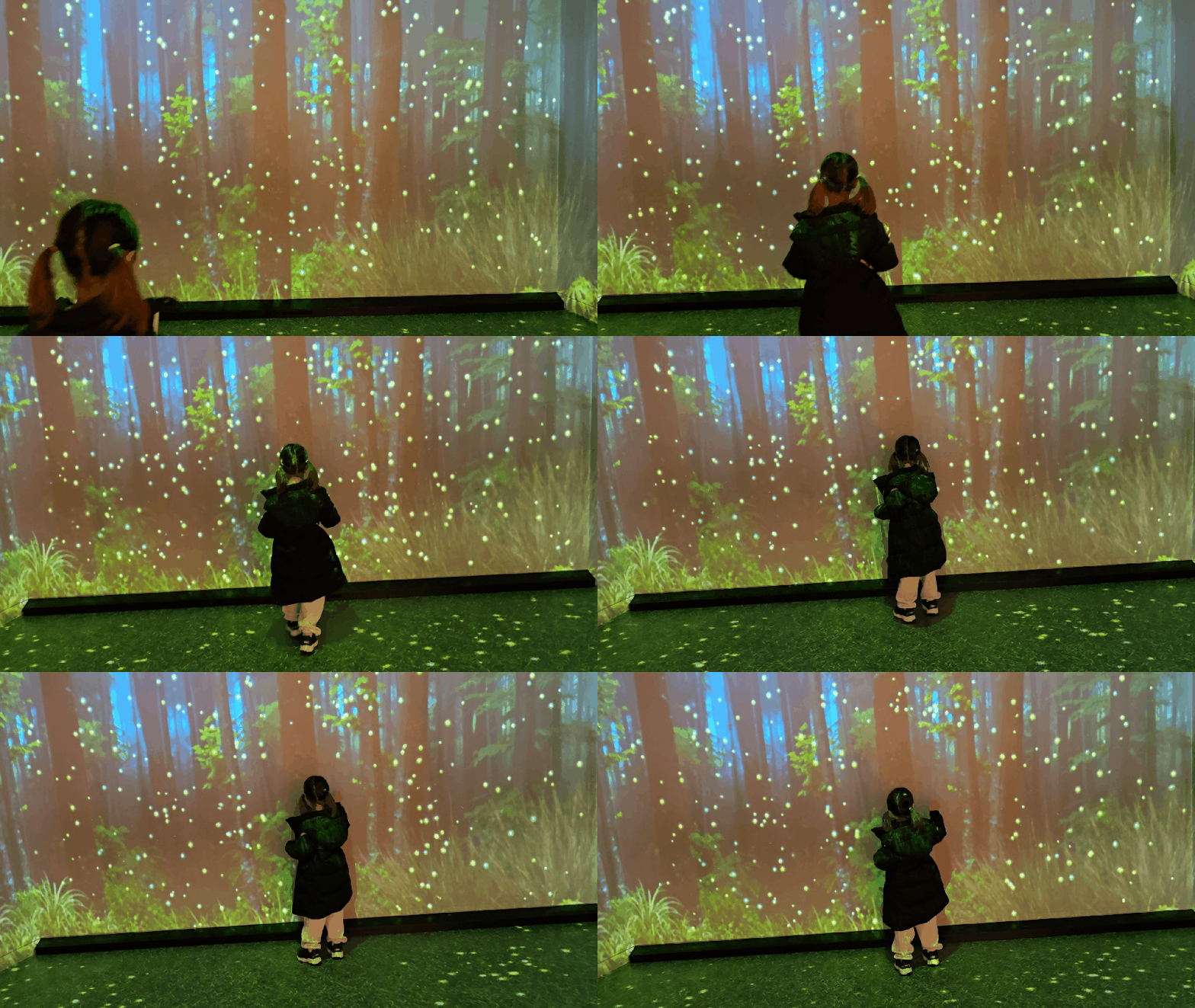
Want to capture some magic? I'd say the absolute best photo spot at the Insect Ecology Center is undoubtedly the Firefly Zone!
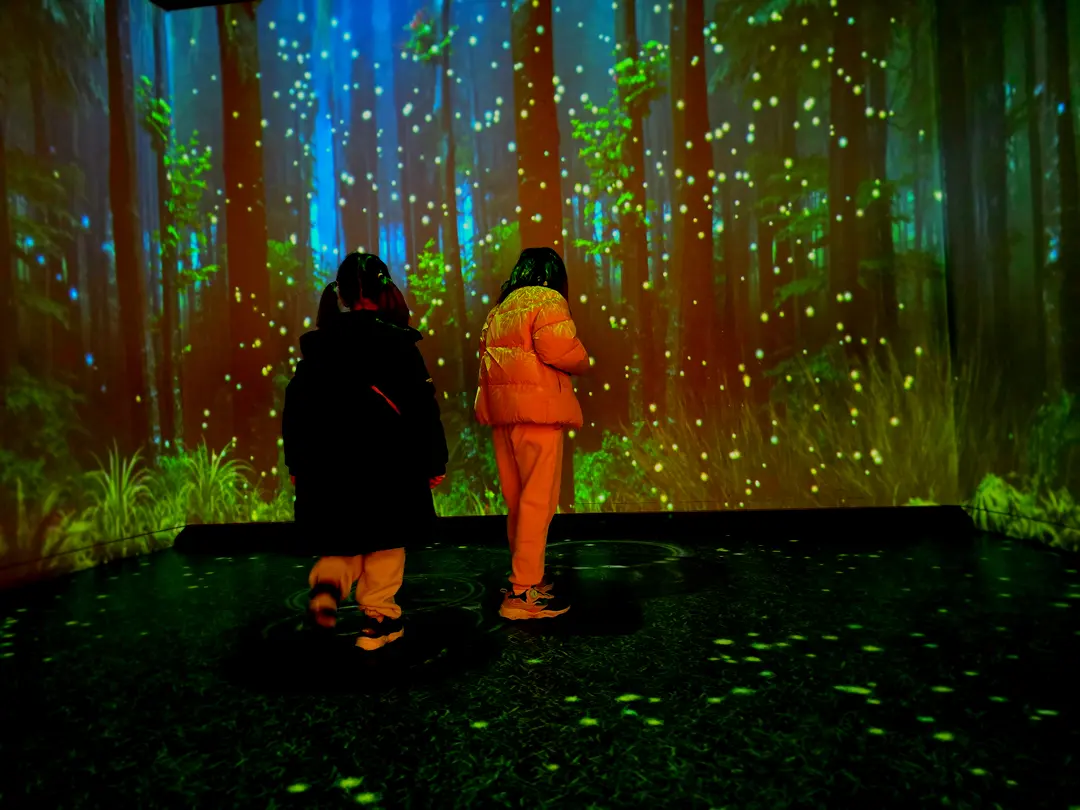
Though you won't find live fireflies here, this enchanting space uses screens and cutting-edge digital technology to let you experience their ethereal beauty. Prepare to be immersed in a truly vivid simulation, feeling as if you're watching real fireflies dance in a magical forest!
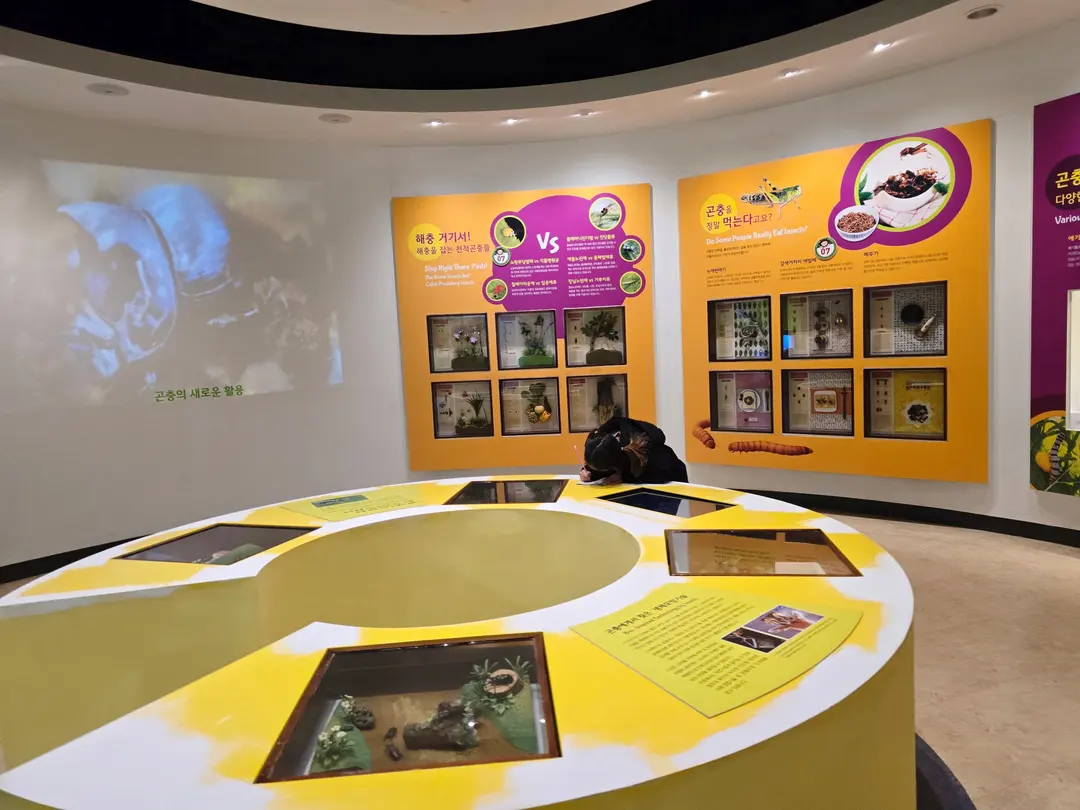
And here's a tip for making the most of your visit: we carefully followed the interactive learning guides throughout the exhibition. This meant it wasn't just a casual look or a quick experiment; we truly learned so much! It made our time there incredibly meaningful and enriching.
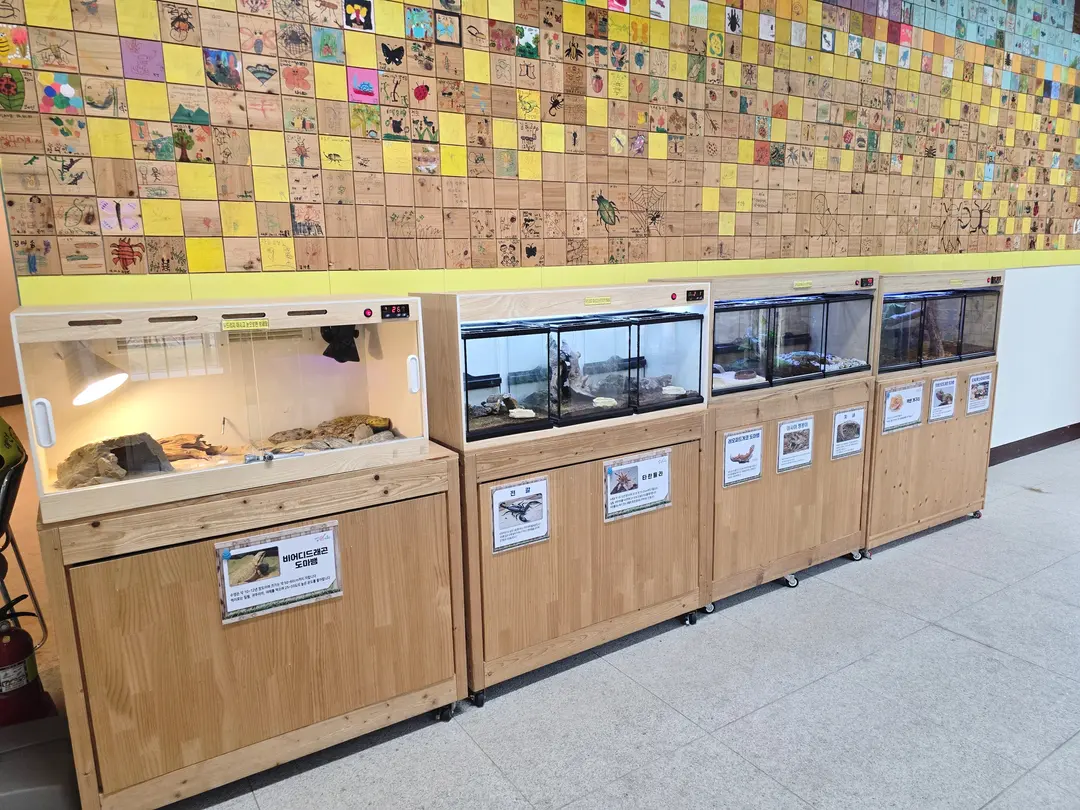
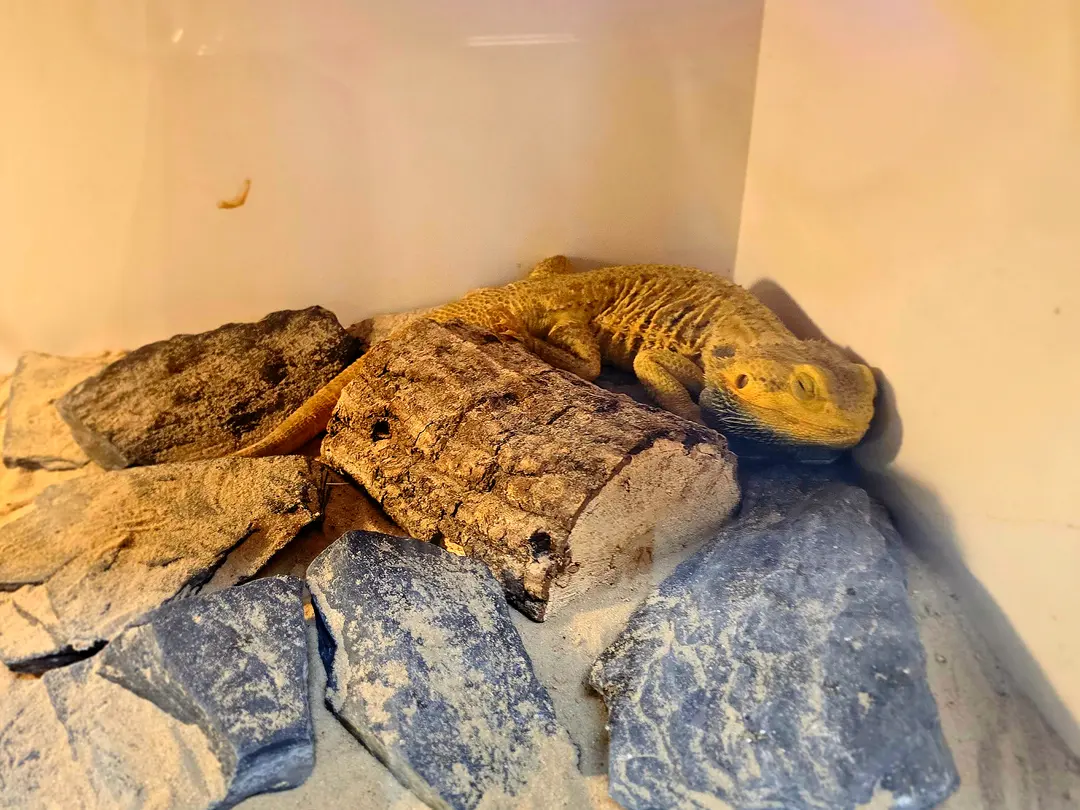
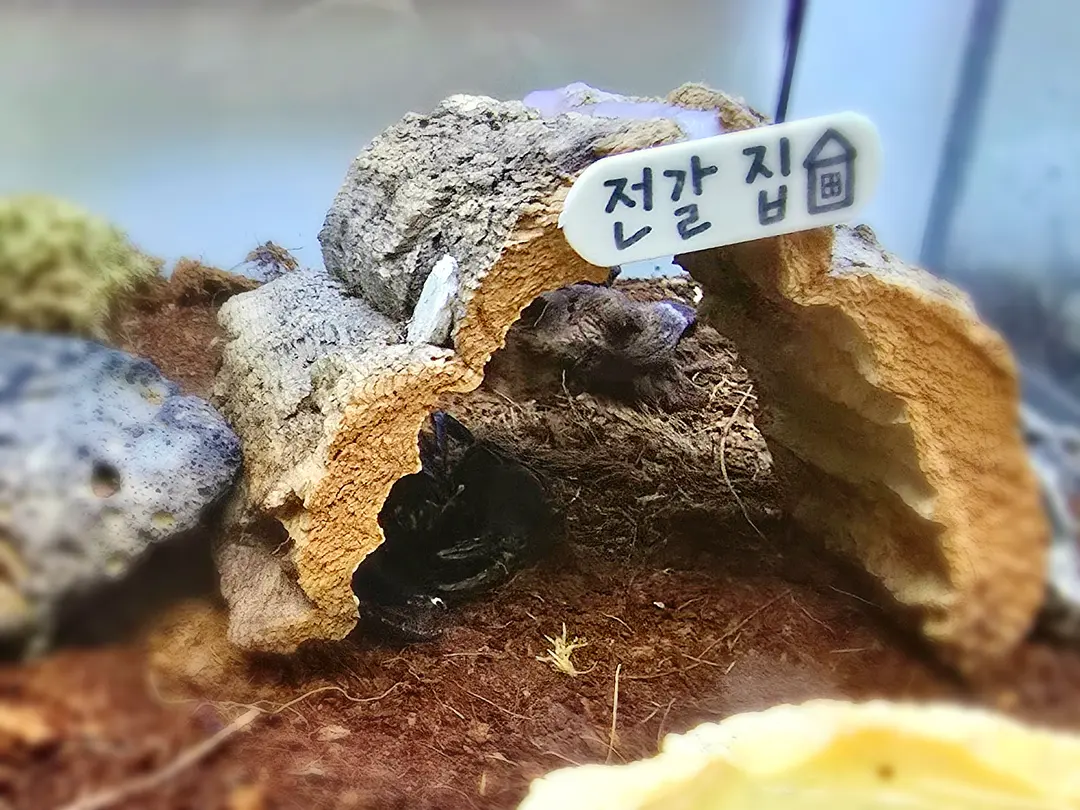
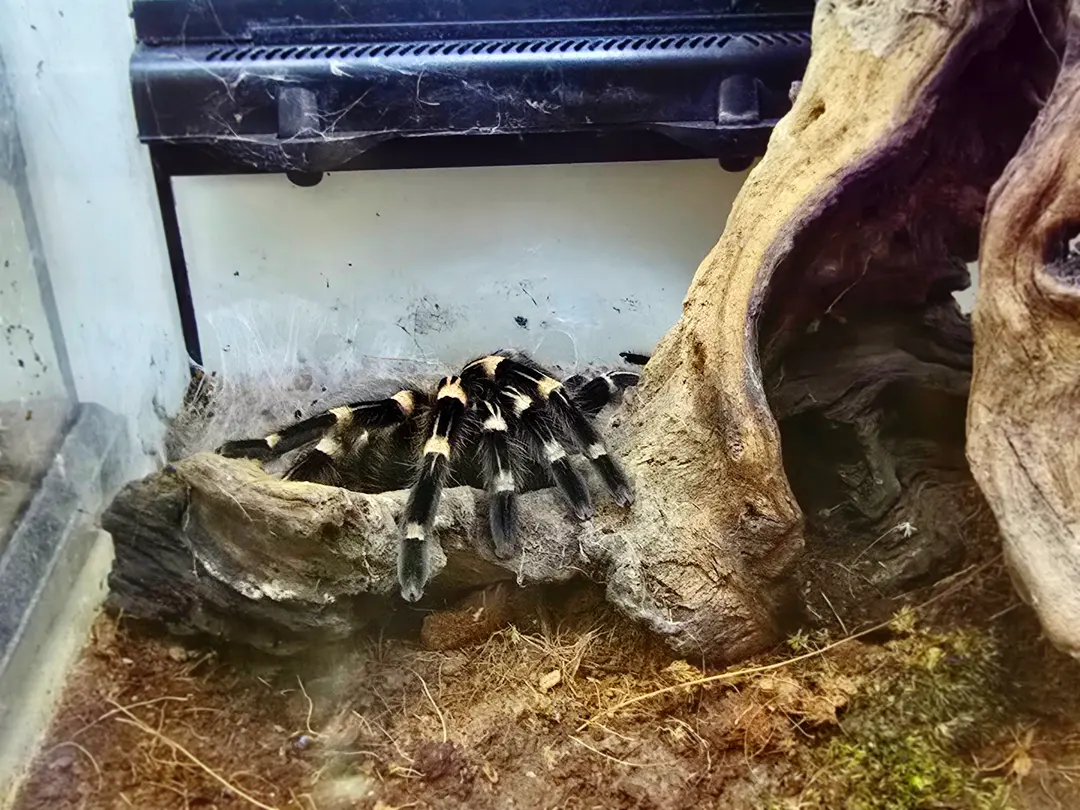
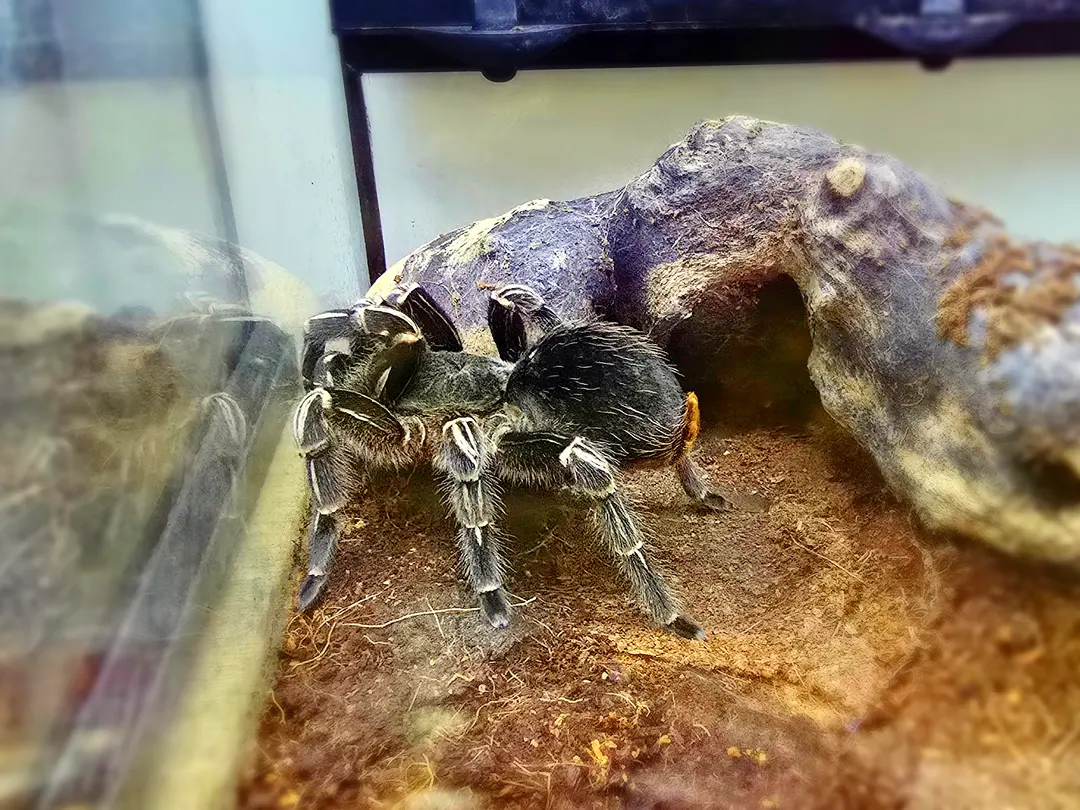
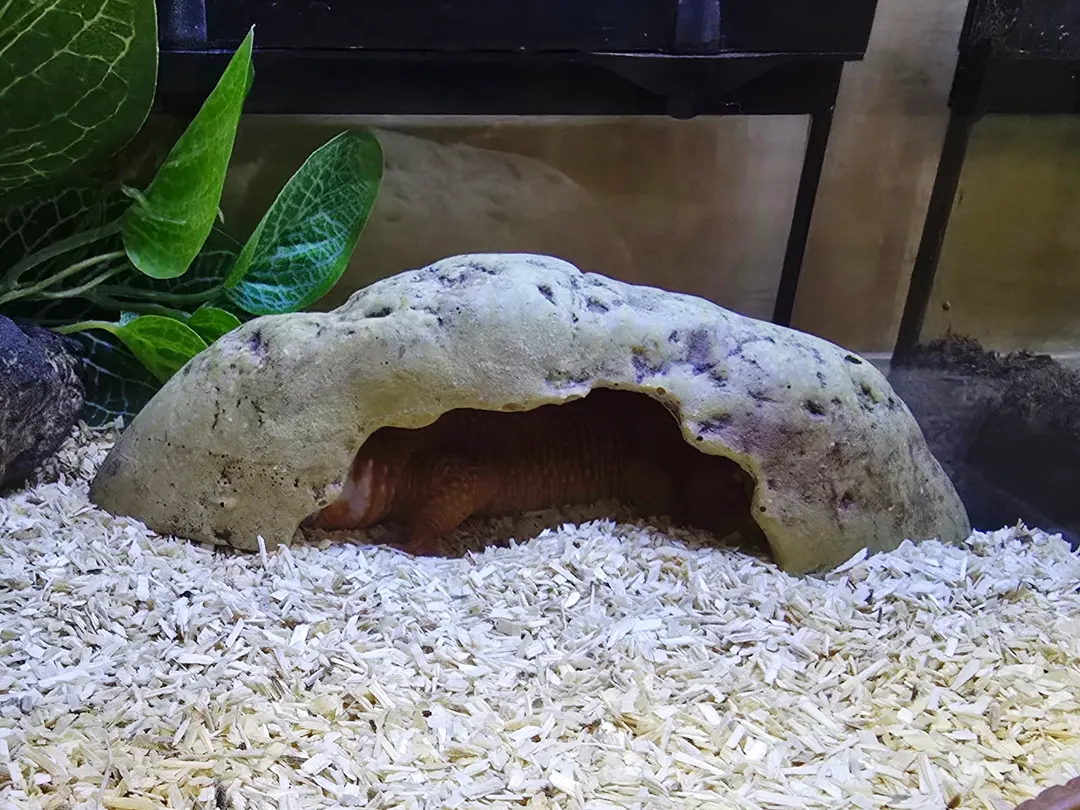
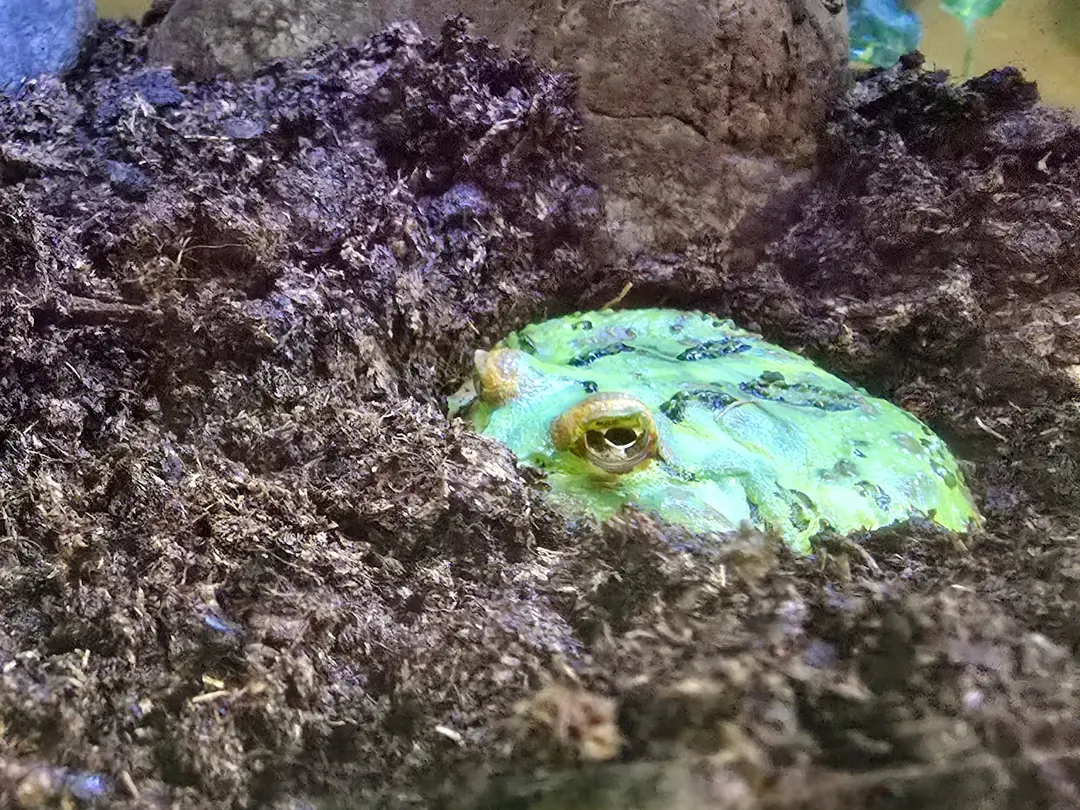
Beyond Korea's native species, you'll also encounter a captivating array of rare and exotic insects from around the world! Watching these amazing creatures move and interact within their transparent habitats was absolutely thrilling—not just for the kids, but for me as an adult explorer too!
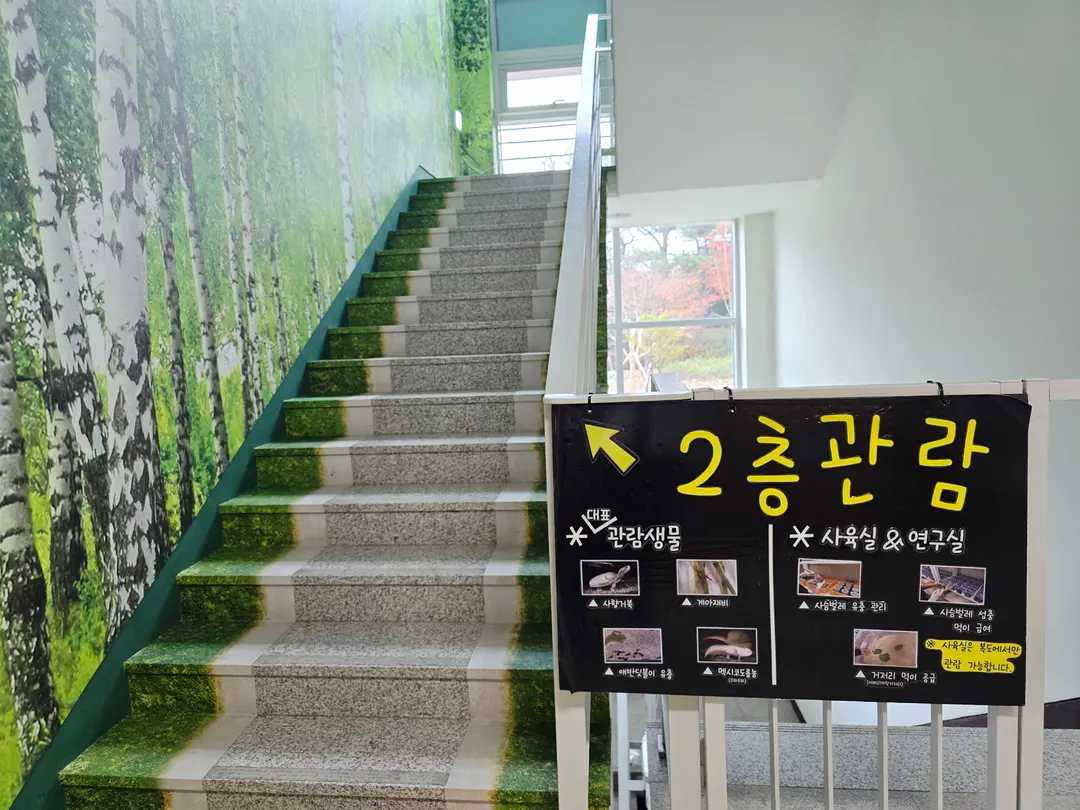
Head up to the second floor, and you'll find even more wonders! It's home to not only rare and aquatic insects but also active breeding rooms and fascinating research labs, giving you a peek behind the scenes.
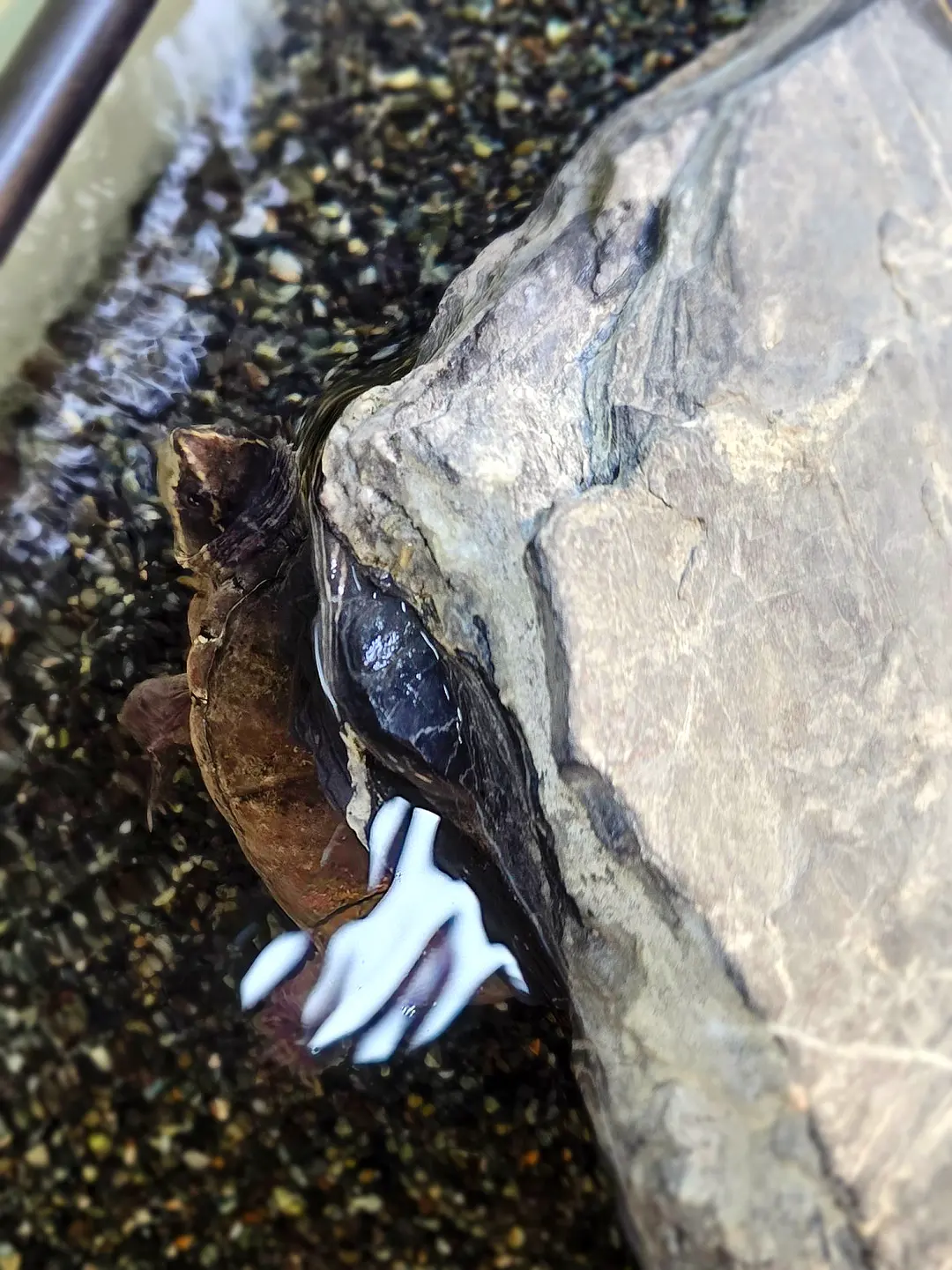
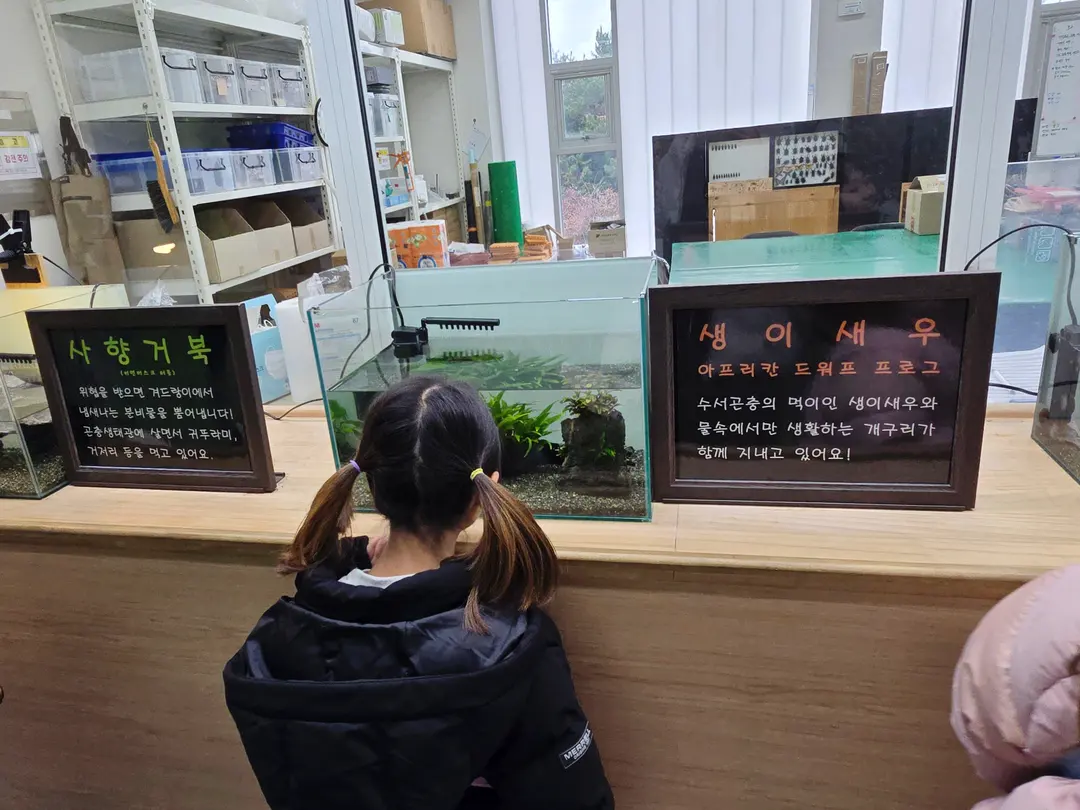
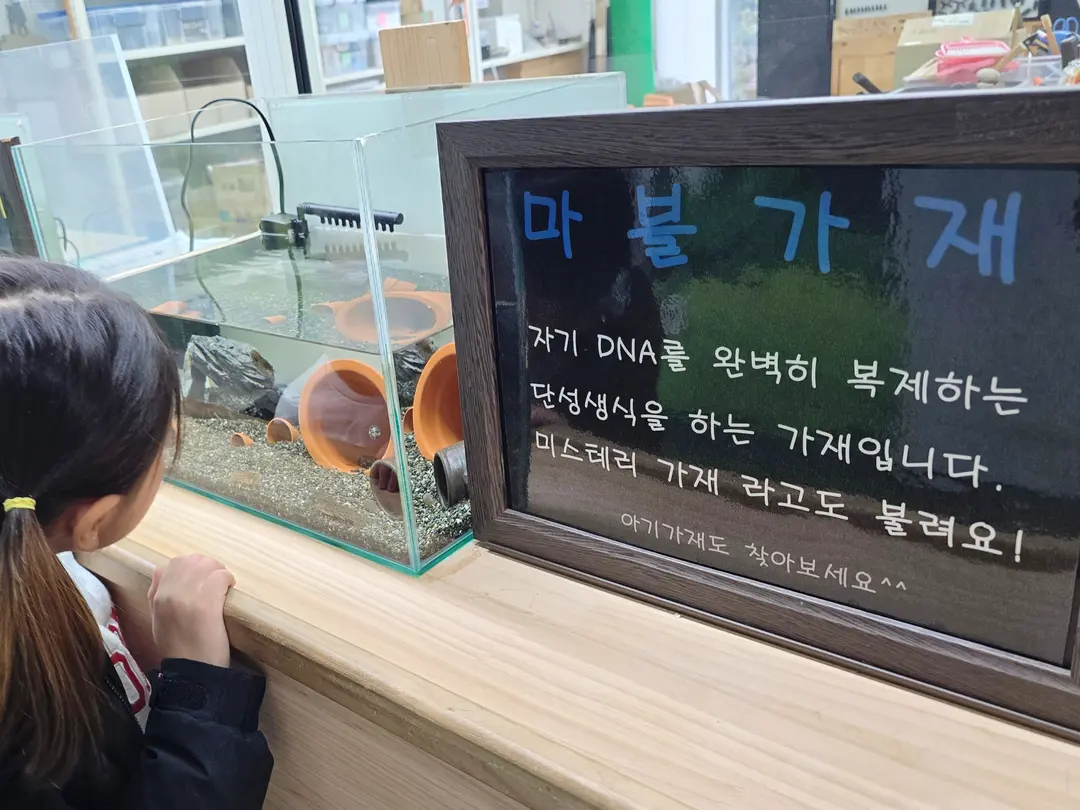
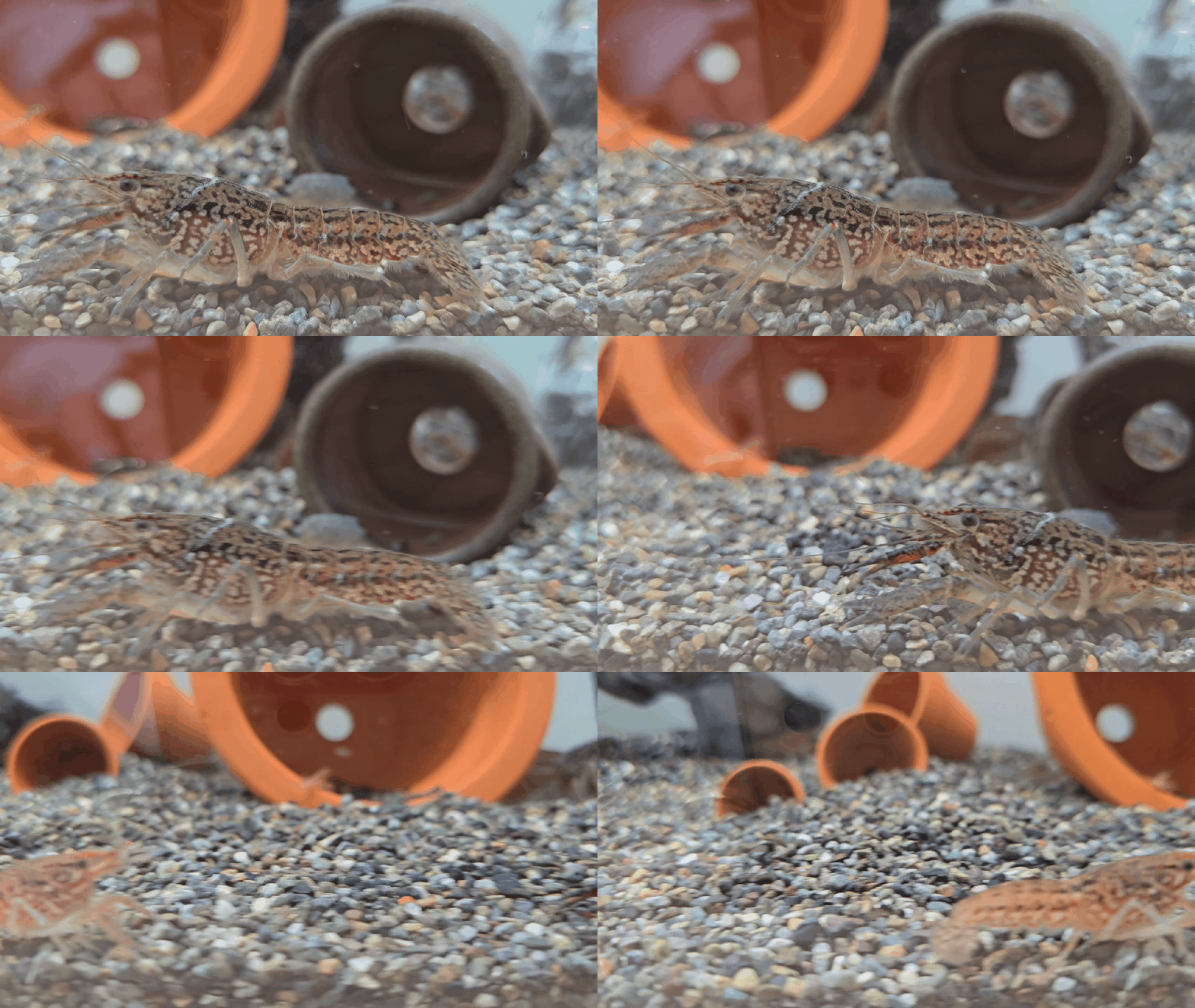
.gif?type=w3840)
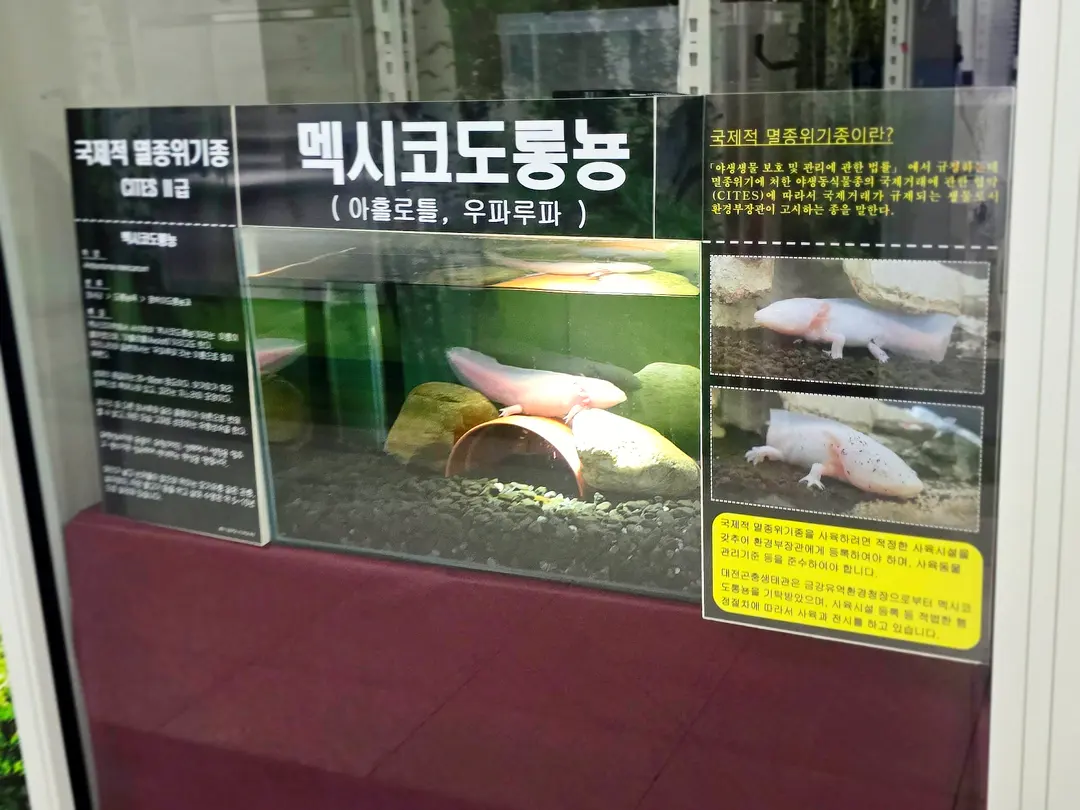
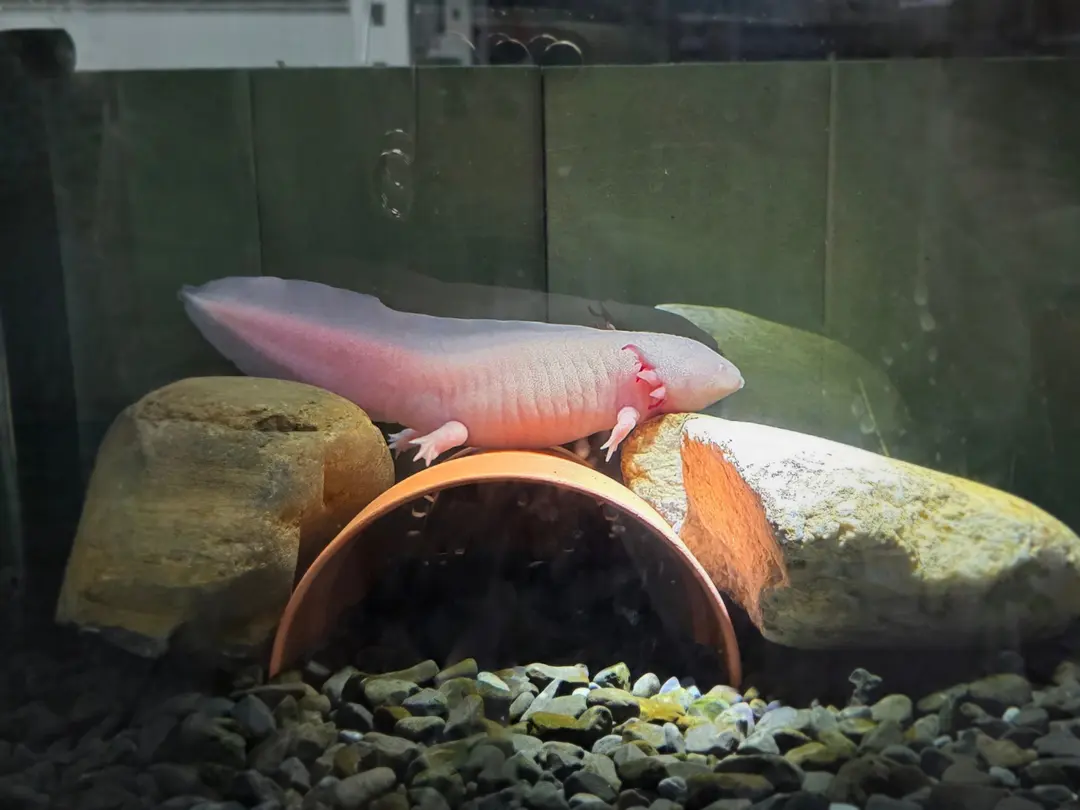
Unlike the first floor, the second floor offers a more intimate viewing experience, accessible from the hallway, and is a bit cozier in size.
You'll discover a fascinating array of insects here that you don't often get to see.
It was amazing to see how much the kids knew about most of the insects, perhaps from watching 'Dr. Egg' [a popular educational show]!
What truly captured everyone's attention was the incredible axolotl (Mexican salamander), an internationally endangered species.
Seeing it in person, after only ever encountering it in books and on TV, felt truly magical and awe-inspiring.
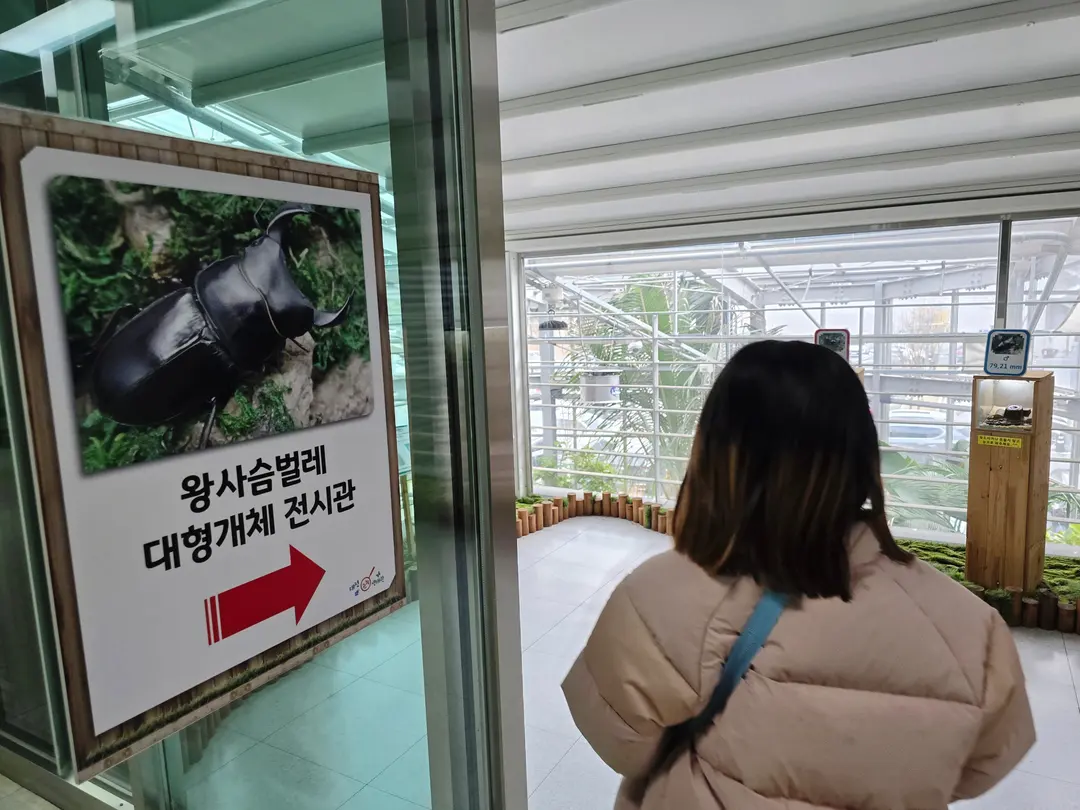
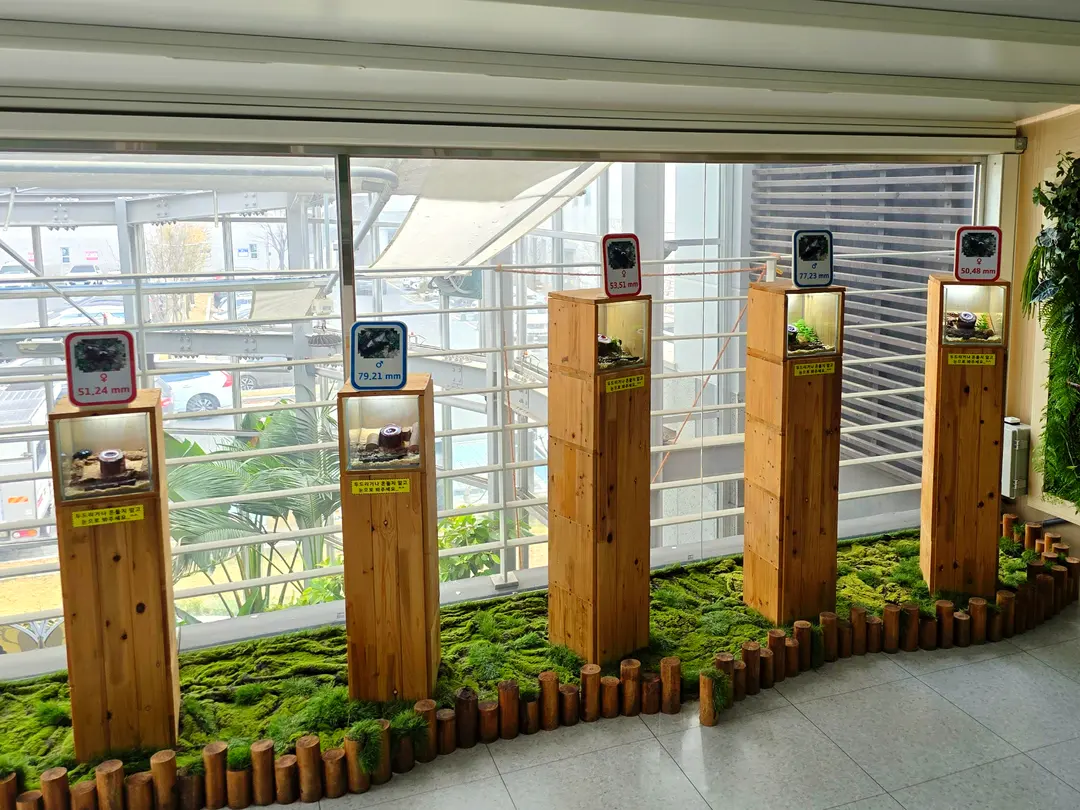
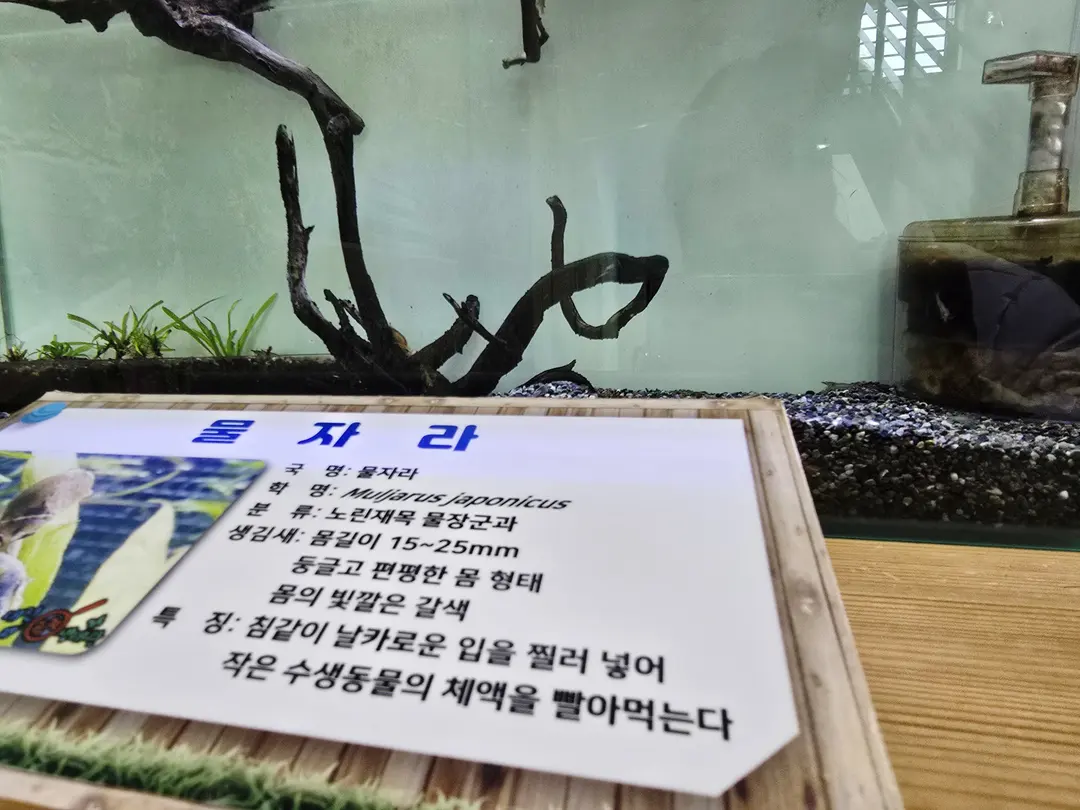
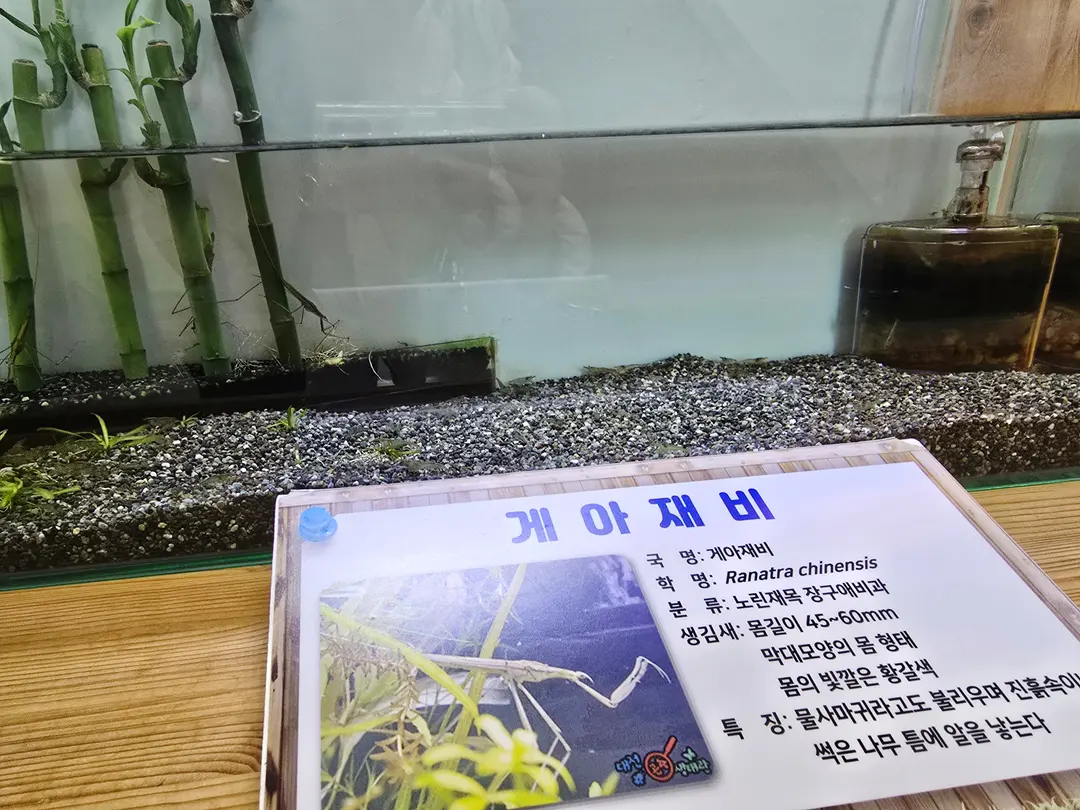
But that's not all! You'll also find impressive large specimens of stag beetles on display,
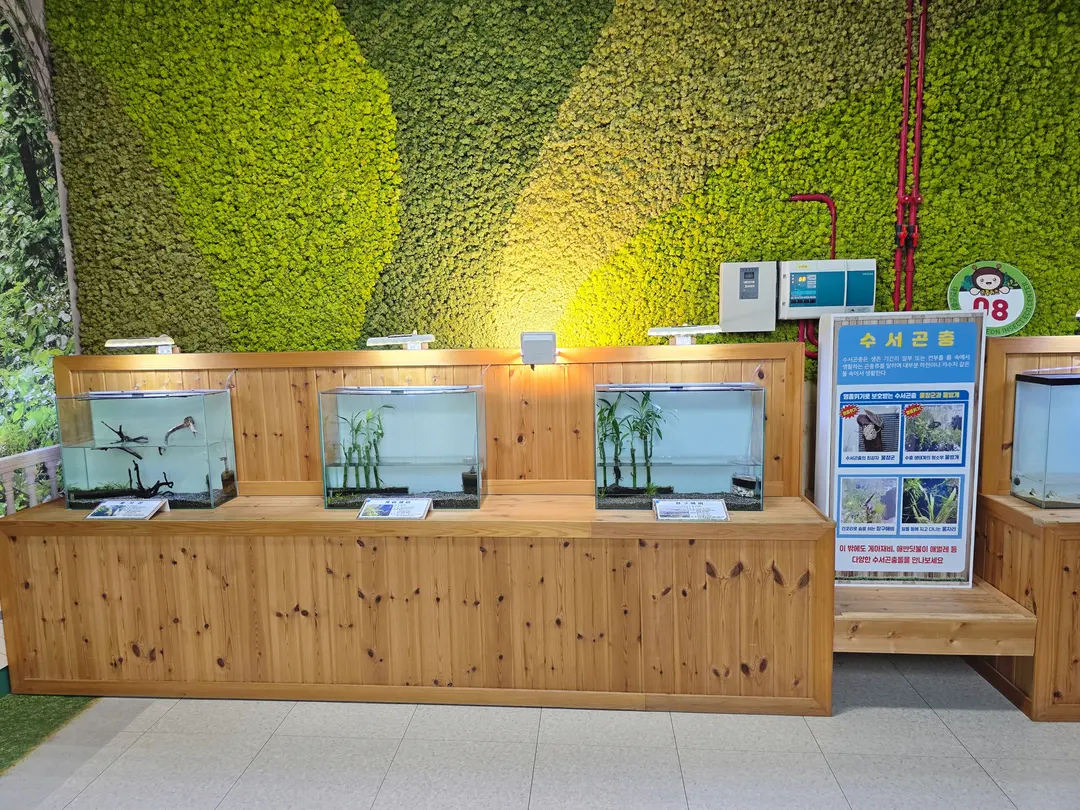
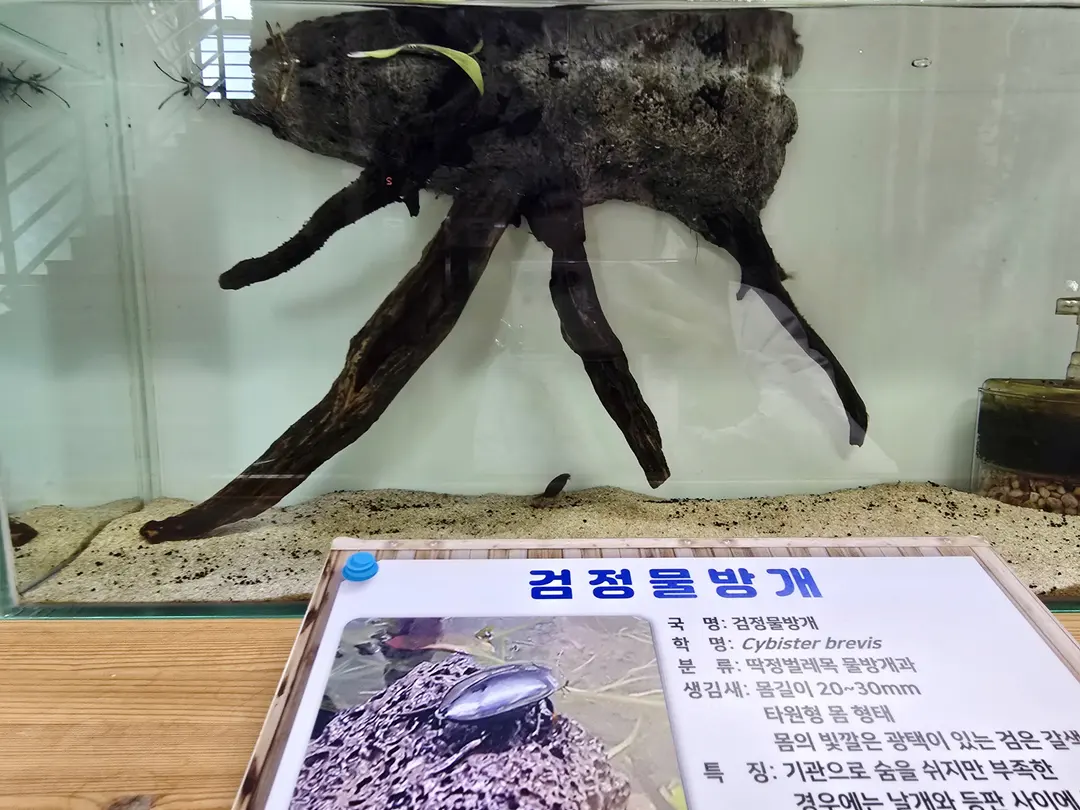
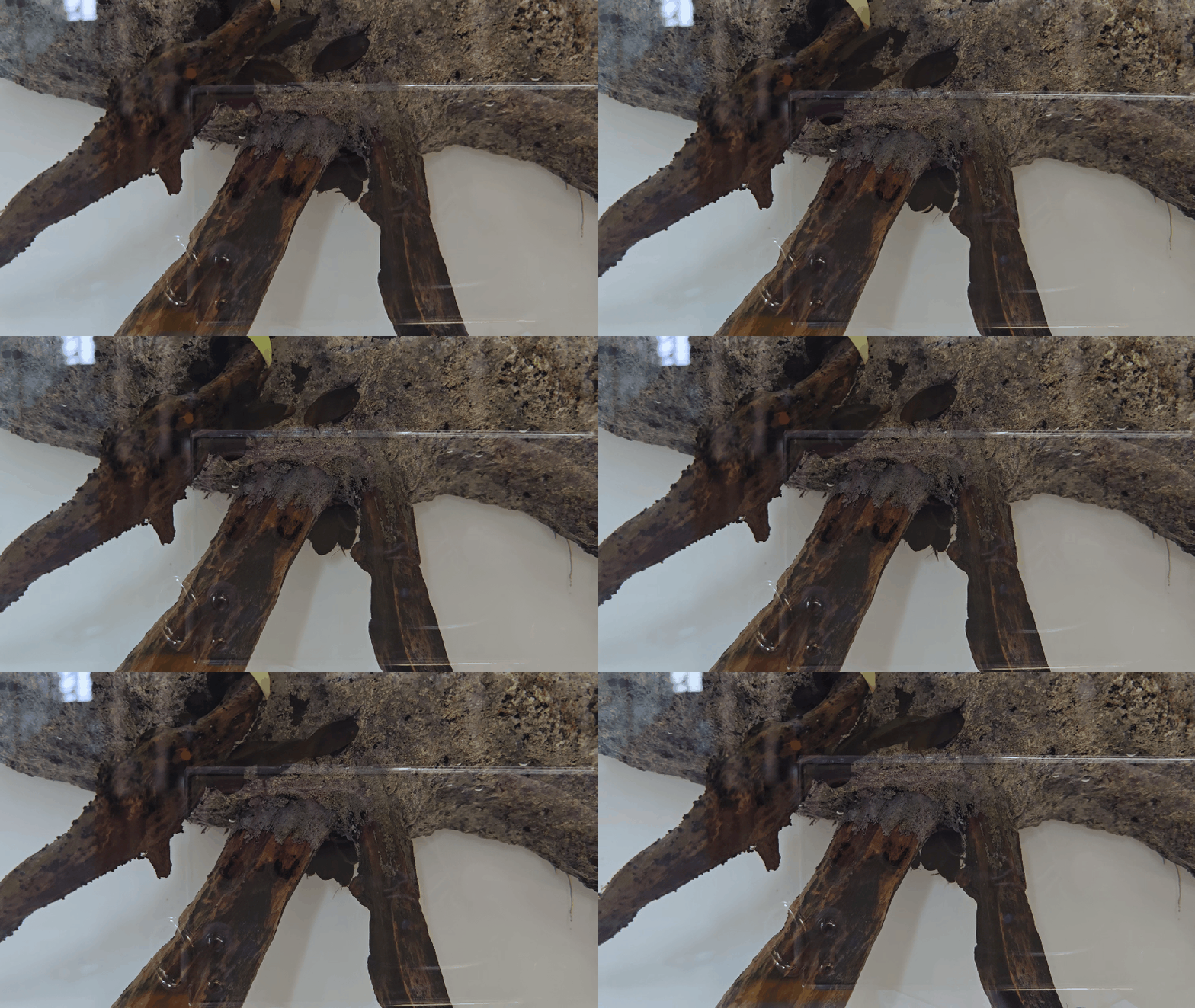
as well as aquatic insects that brought back childhood memories for many locals, reminiscent of country streams, such as
water scorpions, giant water bugs, backswimmers, and even great diving beetles.
📌 Admission is absolutely free!
📌 Enjoy easy access, conveniently located right in the heart of the city.
📌 Advance Booking : The hands-on programs are incredibly popular, so we highly recommend booking in advance to secure your spot.
📌 Comfy Attire : Dress in comfortable clothes that allow for easy movement, especially if you plan to enjoy a stroll around the nearby areas after exploring indoors.
📌 Don't forget to grab a pamphlet and an insect learning sheet from the info desk — it adds an interactive element to your visit!
📌 Nearby Wonders : Extend your adventure by visiting the Hanbat Arboretum, Natural Monument Center, Tropical Botanical Garden, and Expo Citizen Plaza, all close by!

Once you've fully explored the Insect Ecology Hall,
we highly recommend continuing your nature journey with a refreshing walk through the adjacent Hanbat Arboretum.
At the Hanbat Arboretum, you'll have the incredible chance to observe many of the insects you just saw indoors thriving in their natural habitat.
Spring, in particular, offers an even more vibrant experience, as insects like butterflies and bees become exceptionally active.
Through diverse insect exhibits and interactive experiences, visitors can learn naturally,
and spark children's curiosity through captivating interactions with living insects!
It offers families a unique opportunity to connect with the world of nature and insects,
providing a special experience where you can feel truly close to these wonders.
For children especially, it's a precious time where play and learning beautifully intertwine.
For anyone planning a memorable family outing,
the Daejeon Insect Ecology Hall
comes highly recommended!
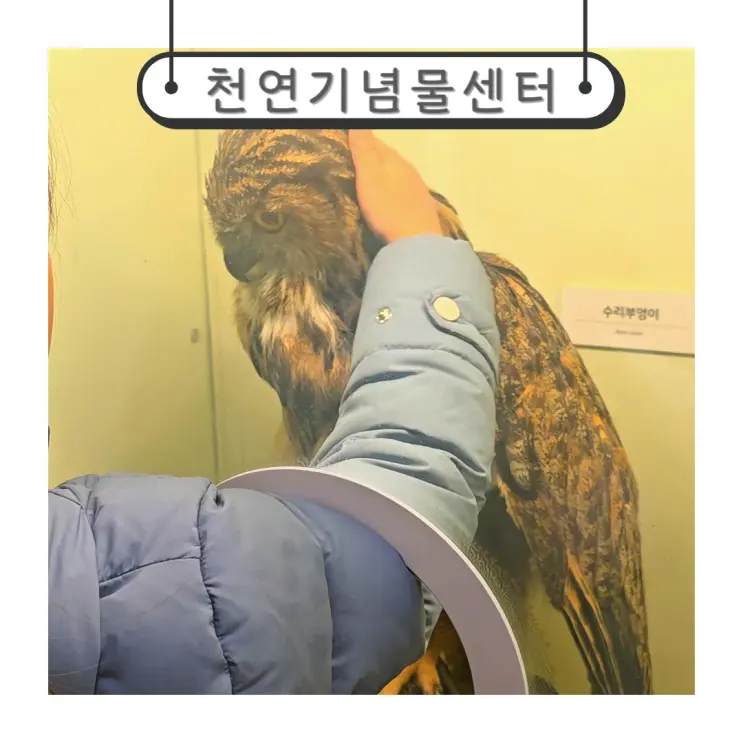 Daejeon Indoor Must-Visit for Kids: The Natural Monument Center, Where You Learn the Value of Nature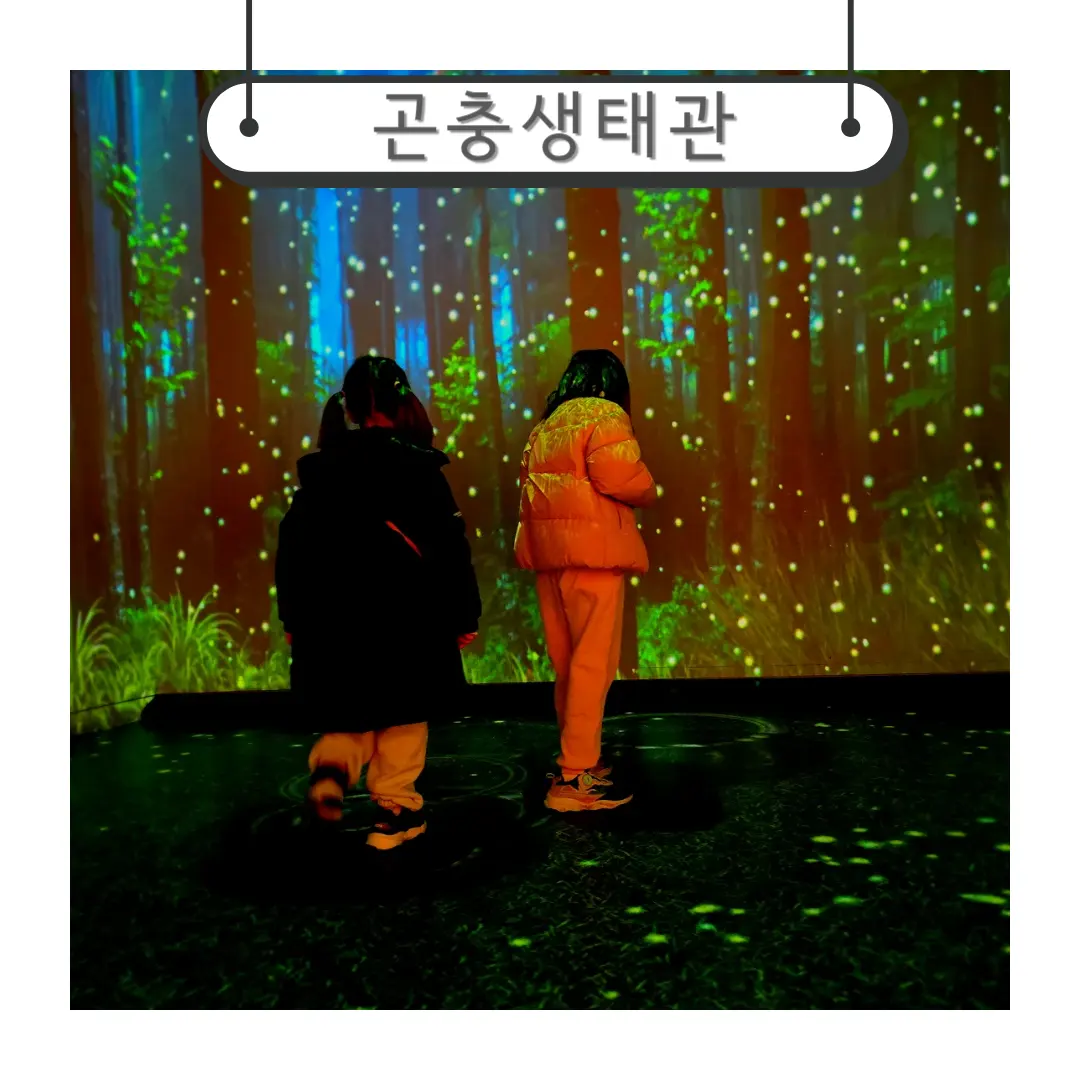
Frequently Asked Questions
What are the operating hours and closing days of the Daejeon Insect Ecology Center?
The Daejeon Insect Ecology Center operates from Tuesday to Sunday, from 10 AM to 5 PM. It is closed every Monday.
What are the parking options when visiting the Daejeon Insect Ecology Center?
The Daejeon Insect Ecology Center uses the Hanbat Arboretum parking lot, where 3 hours of free parking are available. During spring, autumn, or weekends, it can be difficult to find parking due to many visitors, so it's recommended to arrive early in the morning or consider using public transportation.
What hands-on experience activities are available for children at the Daejeon Insect Ecology Center?
At the Daejeon Insect Ecology Center, children can experience activities such as touching mealworm larvae, doctor fish therapy, and observing cabbage white butterfly larvae with a magnifying glass. Experiential programs like making insects from leaves are also offered, which can be applied for on the OK Reservation Service website.
Are there any precautions or tips to keep in mind when visiting the Daejeon Insect Ecology Center?
Bringing pets and outside food into the Daejeon Insect Ecology Center is prohibited. Before viewing, pick up a pamphlet and a pencil at the information desk to utilize the experiential learning worksheets for a more educational visit.
What kind of insects can be observed on the second floor of the Daejeon Insect Ecology Center?
On the second floor of the Daejeon Insect Ecology Center, you can observe rare insects and aquatic insects, as well as view breeding rooms and research labs from the corridor. Notably, you can see the axolotl (Mexican salamander), an internationally endangered species, and large specimens of stag beetles.
Share this article
Featured in Collections
Discover more travel stories curated around the same theme.

Related Travel Stories

Jangdong Manam Park: Daejeon's Serene Green Barley Field
Escape to Jangdong Manam Park, Daejeon's beautiful green barley field. Discover a tranquil, uncommercialized spot perfect for nature lovers and photographers.

Seongsimdang Wheat Field Daejeon: Discover a Golden Oasis (2026)
Experience the tranquil beauty of Seongsimdang's golden wheat field in Daejeon, a picturesque spot reminiscent of the European countryside. Plan your visit today!

Daecheongho Lakeside Park, Daejeon: A Free Family Getaway
Uncover the tranquility of Daecheongho Lakeside Park, a picturesque and free destination in Daejeon. Ideal for scenic strolls, family adventures, and reconnecting with nature.

Daejeon's Daecheongho Lake: Rose Festival Guide 2026
Even after the official event, Daecheongho Lake Waterfront Park in Daejeon bursts with fragrant roses. Find out when to visit and what to expect in 2026!

Daecheongho Meditation Garden: A Serene Escape in Daejeon 2026
Escape the city bustle at Daecheongho Meditation Garden, a serene haven along Daecheongho Obaengnigil. Discover peaceful lakeside views and a perfect spot for solo reflection.

Uam Historic Park Daejeon 2026: Cherry Blossom Hotspot & Photo Guide
Spring 2026 is here! Explore Uam Historic Park in Daejeon, a hidden gem famous for its breathtaking cherry blossoms and serene historical sites. Get ready for stunning photos!