

Prague Airport EES Self-Registration 2026: What to Expect
Just arrived at Prague Airport? Get a firsthand look at the new European EES self-registration kiosks, what to expect with queues, and step-by-step procedures for seamless entry in 2026.

Hey there, fellow travelers!
I'm finally ready to share my adventures from my recent Prague and Vienna trip, and we're kicking things off right at the very beginning: the immigration hall. Prague was actually my second visit, having been there once before in November 2024. But let me tell you, the entry procedures had completely transformed since then! This was by far the most unfamiliar part of my latest journey. If you're planning a European getaway soon, this is crucial information you'll want to know.
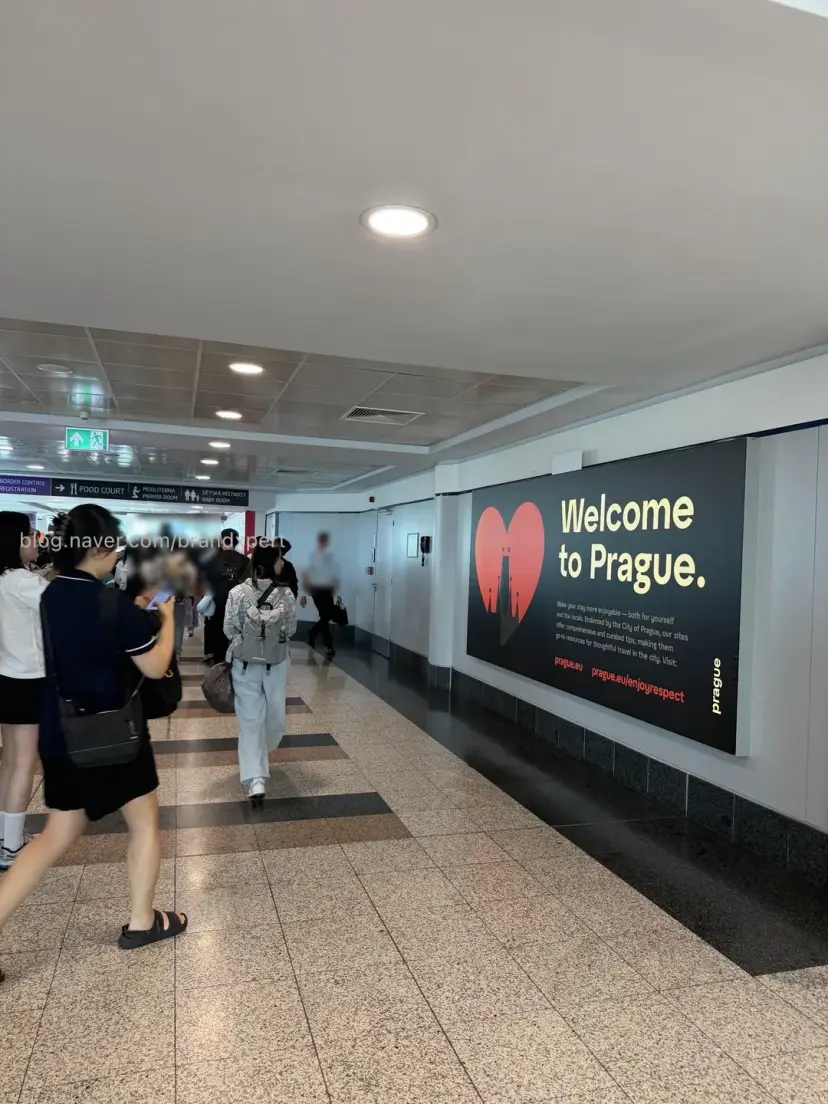
1. Arriving at Prague Airport: A Crowded Immigration Hall
As I stepped off the plane and headed towards immigration, a huge "Welcome to Prague" banner greeted me along one wall of the walkway. With its red heart graphic, a warm message from the city, and a link to a travel info website, it really hit me that I had arrived. But that excitement was quickly tempered. As I walked further, I saw a much longer queue than I'd anticipated.
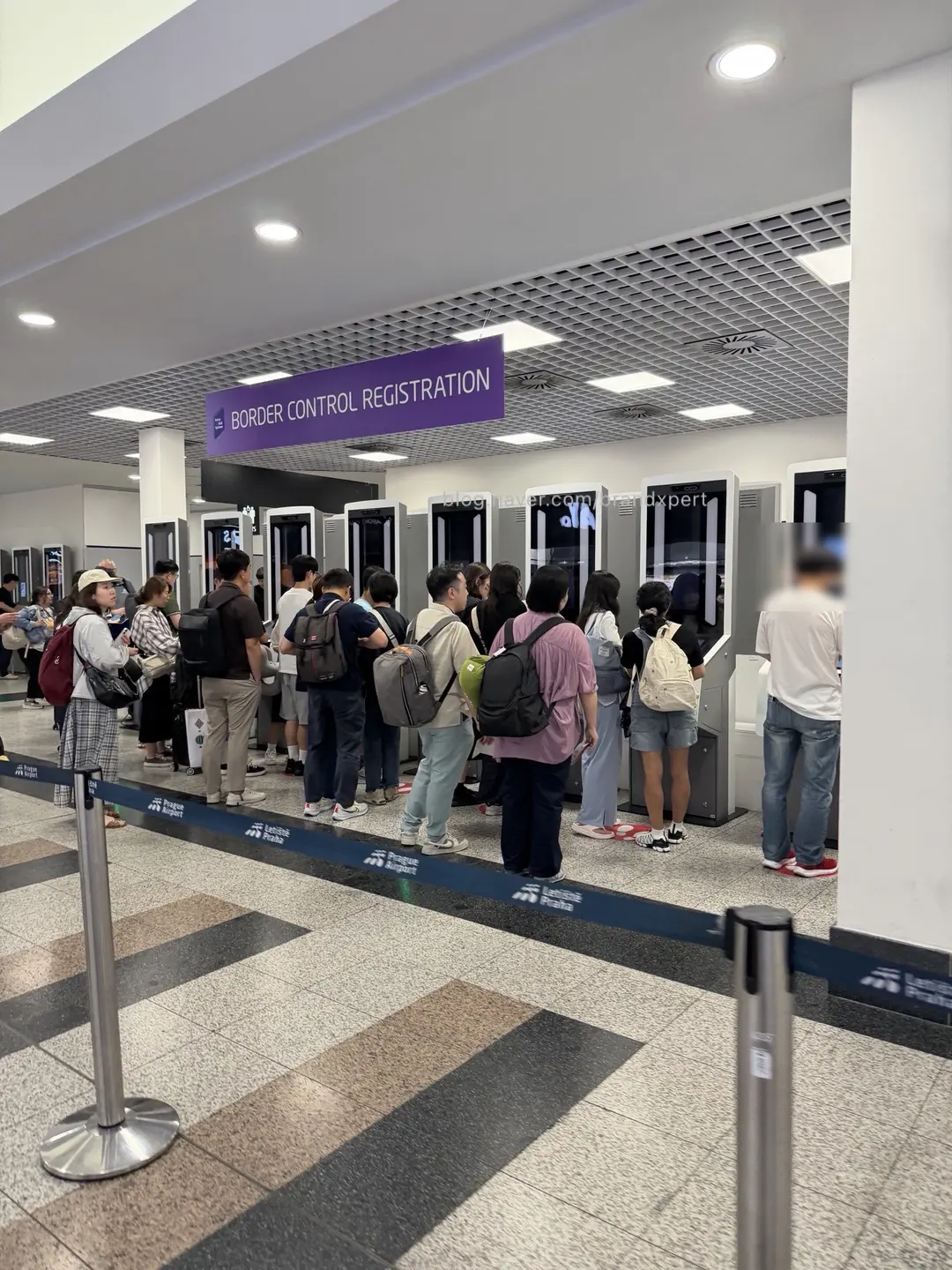
Under a purple sign that read "BORDER CONTROL REGISTRATION," several gate-like machines were lined up. It wasn't the traditional scene of immigration officers stamping passports, which caught me a little off guard. Everyone was holding their passports, waiting patiently. The line was quite long, so be prepared for a bit of a wait.

2. What Exactly is Europe's EES?
It turns out this new system is the much-talked-about EES (Entry/Exit System).
EES (Entry/Exit System)
An automated border control system that electronically records entries and exits using fingerprints and facial photographs.
The EES began its phased implementation on October 12, 2025, and became fully operational across all 29 EU and Schengen Area countries by April 10, 2026. This means the system expanded gradually over six months. While we used to get our passports stamped for entry and exit records, now it's all digital, using fingerprints and facial recognition. I never imagined traveling through Europe without a passport stamp, and seeing it in person was both fascinating and a little strange.
3. My Experience with the EES Self-Registration Kiosk
Next to the main queue, there were separate self-registration kiosks. The screen displayed "Welcome to the European Schengen area!" at the top, followed by "Non-EU nationals, Make your border crossing faster." Below that were four icons illustrating the process: document scan, fingerprinting, and photo capture. For most travelers, you won't need any special documents beyond your passport.
One side of the screen also clarified: "EU Entry/Exit System self-registration for Non-EU Nationals in 4 simple steps." This confirmed that this wasn't just an information panel, but where you actually had to complete the registration. The process involved scanning your passport, taking a facial photo, capturing fingerprints from four fingers, answering a few simple questions, and then receiving a receipt. It typically took about 3 to 7 minutes.
Keep in mind that children under 12 are exempt from fingerprinting but still need their photo taken. Also, if you have limited mobility or a non-electronic passport (one without a chip), you'll need to register directly with an immigration officer at a traditional desk instead of using the kiosk. Good to know if you're traveling with family!

4. My Queue Experience
Kiosk Location Tip
There are about 5 kiosks near the entrance to immigration, and around 20 closer to the actual immigration desks. If you're late off the plane, head further inside!
I watched as people, one by one, stepped up to the gate-like machines, scanning their passports and getting their faces recognized. The line stretched endlessly behind those holding their passports, and it felt like everyone was observing the person in front to figure out the new procedure. Since this is a transitional period for the new system, the queue definitely moved slower than usual.
Even with multiple machines available, the line was long, suggesting many travelers were taking their time figuring out the registration process. There are about 4 or 5 kiosks right at the beginning of the immigration path. If you see a crowd there, don't hesitate — keep walking further inside. You'll find many more kiosks right in front of the main immigration desks, so head there!
We completed our self-registration at a kiosk, but that wasn't the end of it. Immediately after, an officer at a nearby desk verified our passport and registration details. That's when I realized the self-registration doesn't completely replace the officers; it's a dual-check system, with automated pre-registration followed by a final human verification.
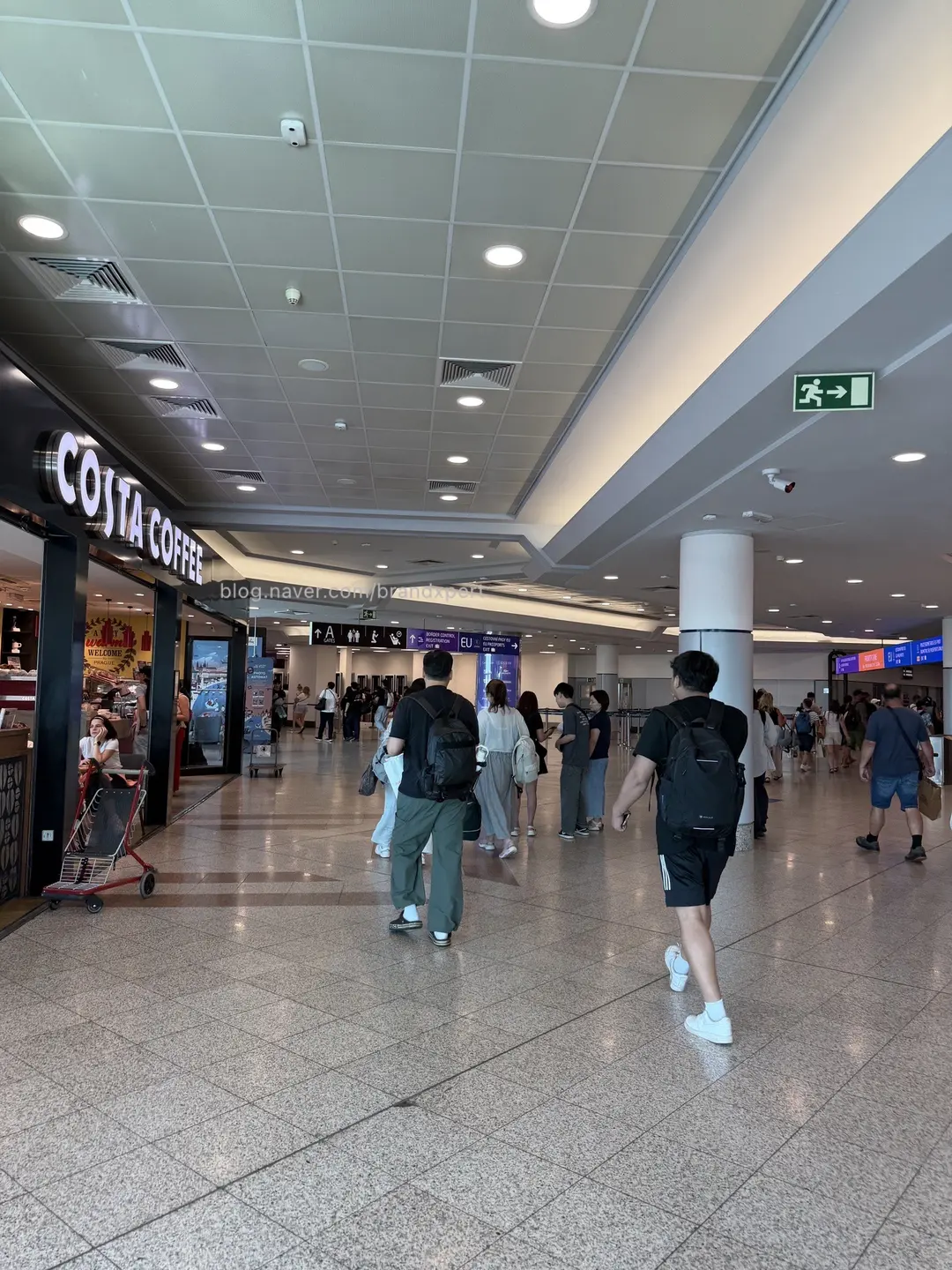
5. What to Find Around the Immigration Area
After clearing immigration, I immediately spotted a Costa Coffee shop. Travelers pulling their suitcases bustled around the shop's sign, and it finally felt like my real trip was beginning! Nearby, there were signs for a food court, a Prayer Room (Modlitebna), and a Baby Room (Dětská místnost). If you're feeling tired after a long wait, these spots are perfect for a quick break.
Travel Tips
If you're gearing up for a trip to Europe, it's wise to factor in extra time for the new EES self-registration process, as it might be unfamiliar and could take longer than expected. Especially during peak season, lines can stretch out, so I highly recommend allowing plenty of extra time at the airport before your next scheduled activity.
Frequently Asked Questions
What is the EES (Entry/Exit System) mentioned in the article, and when will it start being applied to the 29 EU/Schengen countries?
The EES (Entry/Exit System) is a method for automatically managing entry and exit records electronically by registering fingerprints and facial images. This system will be implemented starting October 12, 2025, and will be gradually expanded to all 29 EU/Schengen countries by April 10, 2026.
What are the general procedures and time required when using the EES self-registration kiosk at Prague Airport?
EES self-registration proceeds in the following order: passport scan, facial photo capture, four-finger fingerprint collection, answering simple questions, and receipt issuance. This process usually takes about 3-7 minutes, and children under 12 years old are exempt from fingerprint collection but must have their photo taken.
Where are the EES self-registration kiosks located at Prague Airport, and how is the entry process completed after registration?
Approximately 4-5 EES self-registration kiosks are located on the way to the immigration counters, and about 20 are installed directly in front of the immigration counters. After completing self-registration, the entry process is finalized with a double-check structure where an officer at the counter immediately behind verifies the passport and registered information once more.
Share this article
Featured in Collections
Discover more travel stories curated around the same theme.

Related Travel Stories

Strahov Monastery Prague 2026: Library Tickets & Castle Walk
Uncover the magic of Strahov Monastery in Prague! This guide covers library tickets, operating hours, and how to combine your visit with a scenic walk to Prague Castle for 2026.
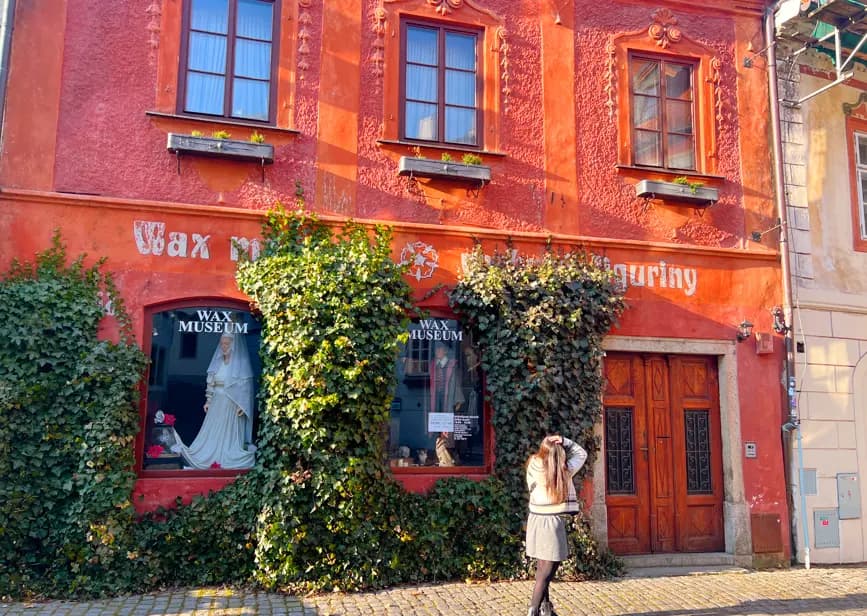
Prague Day Trips: Dresden vs. Cesky Krumlov Comparison 2026
Deciding between a day trip to Dresden or Cesky Krumlov from Prague? Discover the pros, cons, and unique charms of each destination to pick your perfect escape.
Prague to Dresden Day Trip: Tour vs. Independent
Planning a Prague to Dresden day trip? Discover the pros and cons of guided tours versus independent travel with my detailed review and tips for 2026.

Prague Astronomical Clock 2026: Show Times & Tower Views
Experience the iconic Prague Astronomical Clock's hourly show and ascend the Old Town Hall Tower for stunning city views. Get essential tips for your 2026 visit!
Prague Weather in November & December 2026: Packing & Travel Tips
Heading to Prague this November or December? Get ready for crisp, cool weather and fewer crowds! We'll cover what to pack and must-see spots.

Prague & Cesky Krumlov Itinerary: Czech Travel Costs 2026
Explore the magic of Prague and the charm of Cesky Krumlov! Get our recommended 3-day itinerary and a realistic budget for your 2026 Czech adventure.