

Ganghwa Island Itinerary: Historic Sites & Cherry Blossoms 2026
Plan your perfect day trip to Ganghwa Island! Immerse yourself in Korean history at Goryeo Palace Site, Yongheunggung, and admire beautiful cherry blossoms.
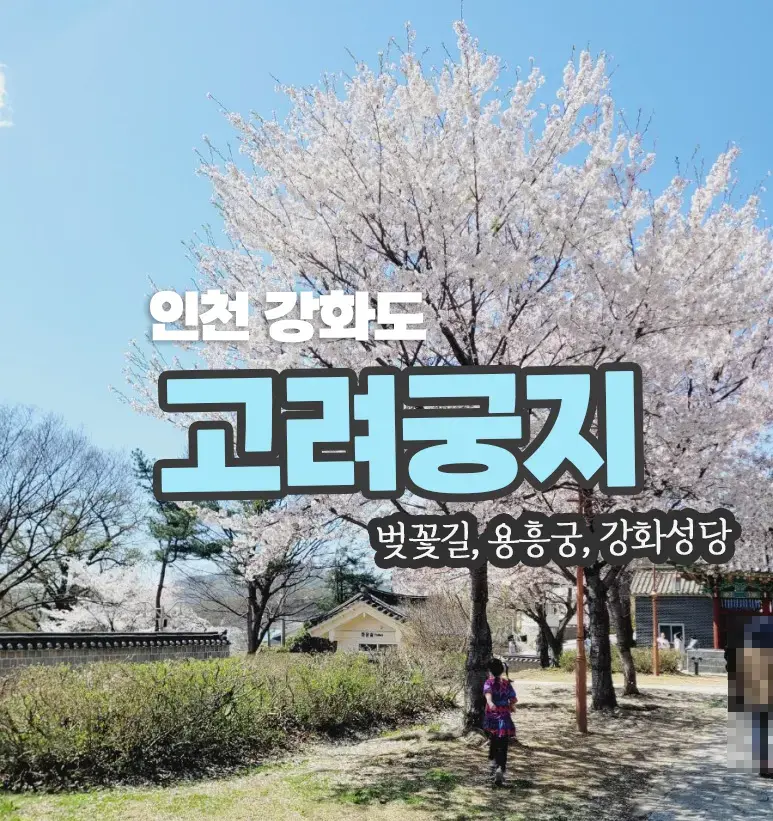
Eager to witness the beautiful cherry blossoms,
(It seems the older I get, the more I appreciate flowers!)
When I was planning my adventure to the northern part of the region,
I marked out these famous spots:
Goryeogungji Palace Site, the enchanting Cherry Blossom Road,
Yongheunggung Palace, and the beautiful Ganghwa Catholic Church.
These were destined to be the first stops of my afternoon itinerary
(And of course, we'd cap it all off at Joyang Bangjik!)
Goryeogungji Palace Site, Cherry Blossom Road,
Yongheunggung Palace, and Ganghwa Catholic Church.
The best part is, they're all conveniently located close to each other!
So you can simply park your car and enjoy a leisurely stroll as you explore.
Goryeogungji Palace Site & Cherry Blossom Road
I had heard that parking at the Yongheunggung Park Public Parking Lot was the way to go,
so I punched it into my navigation and headed out.
I spotted a banner for Yongheunggung Park parking lot,
and, just in case it was the right spot, I followed it,
but that led me further and further uphill! ㅠㅠ
It turned out to be behind Ganghwa Elementary School,
near a place called Won Buddhism (Wŏnbulgyo), I think?
Luckily, it was an unmarked lot,
so it was absolutely free!
Well, a parking spot is a parking spot, right?
And with the kids older and full of energy, they don't mind a little walk...
* Yongheunggung Park Public Parking Lot
Parking fee: ~$0 for 30 minutes, ~$1 for 60 minutes
I fired up Naver Navigation
and finally found Goryeogungji Palace Site by taking the road behind Ganghwa Elementary School.

The Goryeogungji Palace Site in Ganghwa
is historically known as the location of a royal palace during the Goryeo Dynasty.
Back in the 19th year of King Gojong's reign, the Goryeo Dynasty
relocated its capital to Ganghwa Island.
They constructed a magnificent palace and utilized it for 38 years.
However, upon making peace with the Mongols and returning to the mainland capital,
the Mongols demanded the complete destruction of the palace and fortifications.
And so, it's said, they were all razed.
Today, visitors can still see remnants from the Joseon Dynasty, including the Dongheon and Ibangcheong of the Ganghwa Yusu-bu (Magistrate's Office),
as well as the Oegyujanggak Royal Archives (restored in 2003).

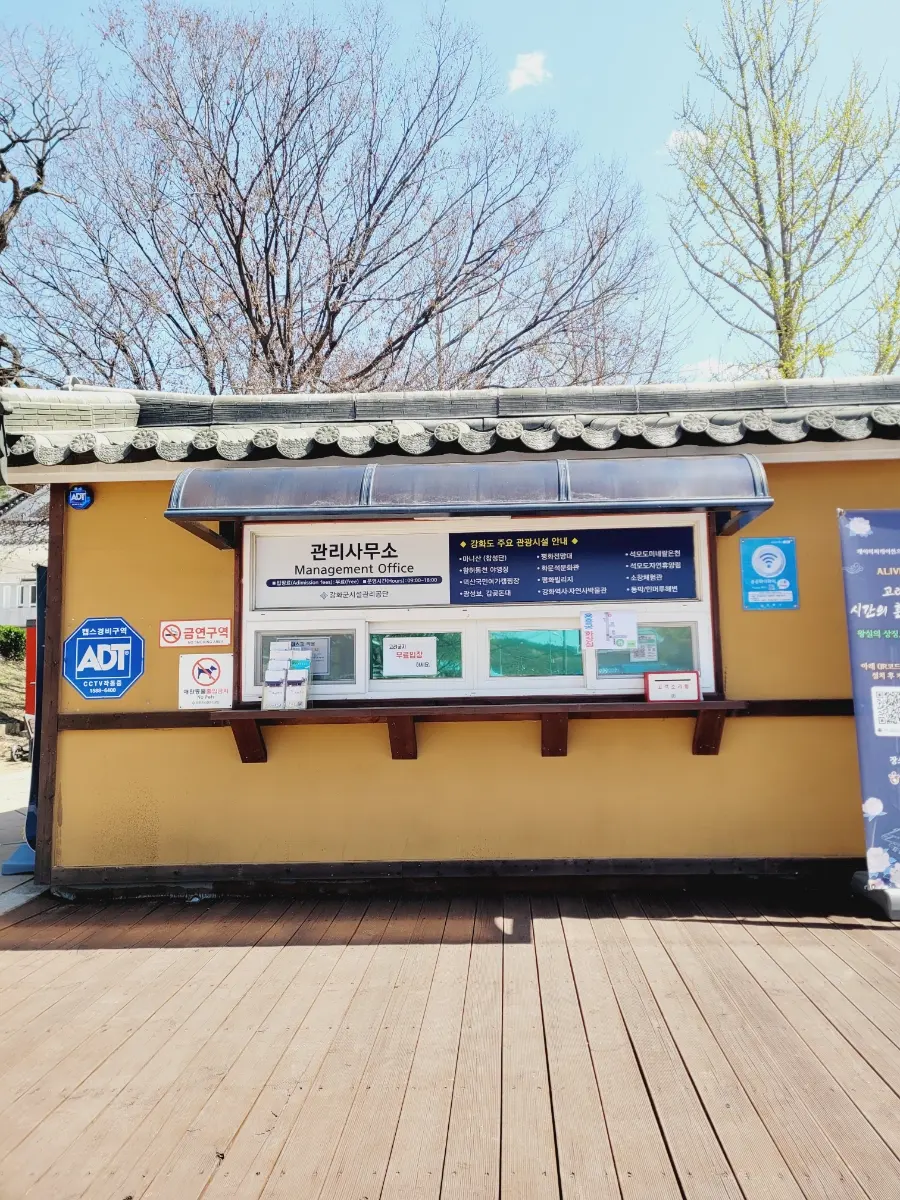
I was a bit lost, wondering where everything was,
but then the kids urgently needed a restroom.
So, I quickly found one and headed up.
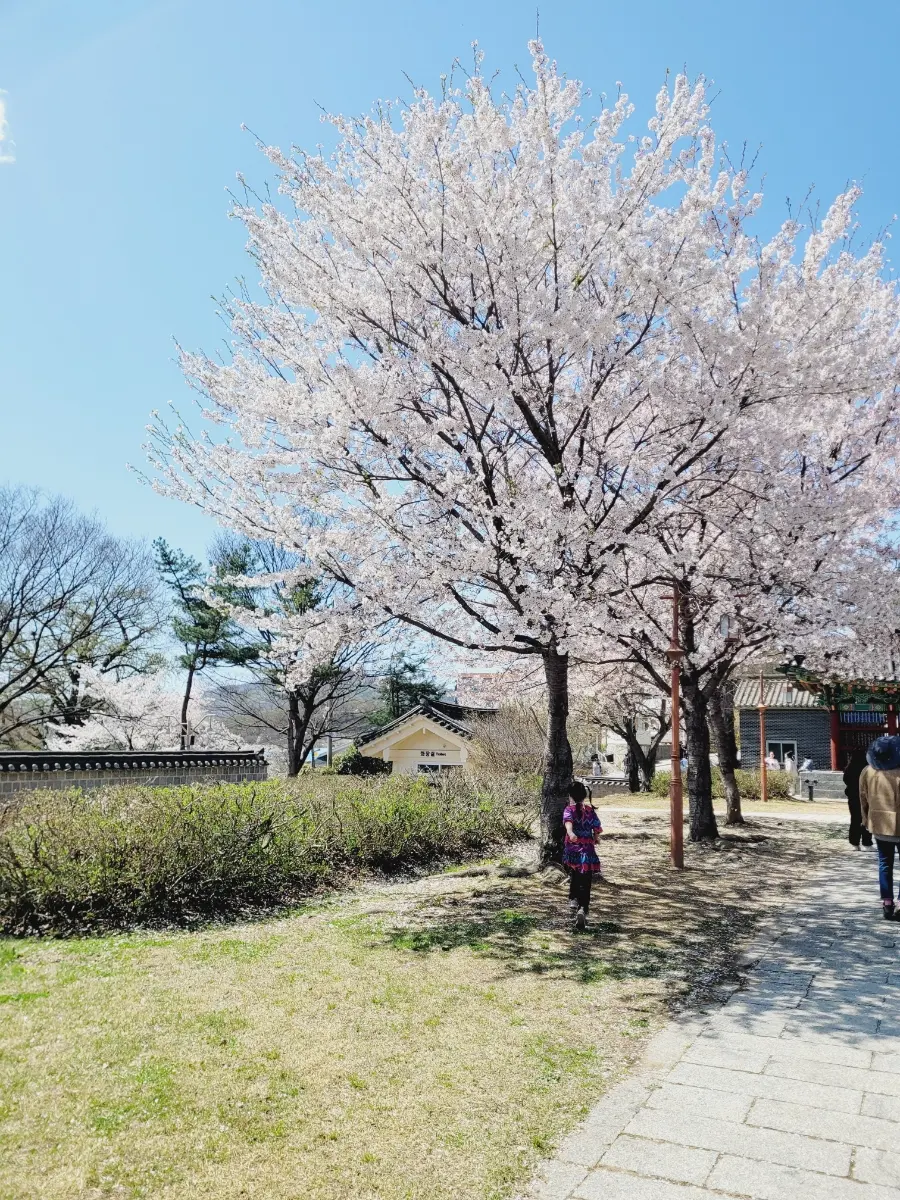
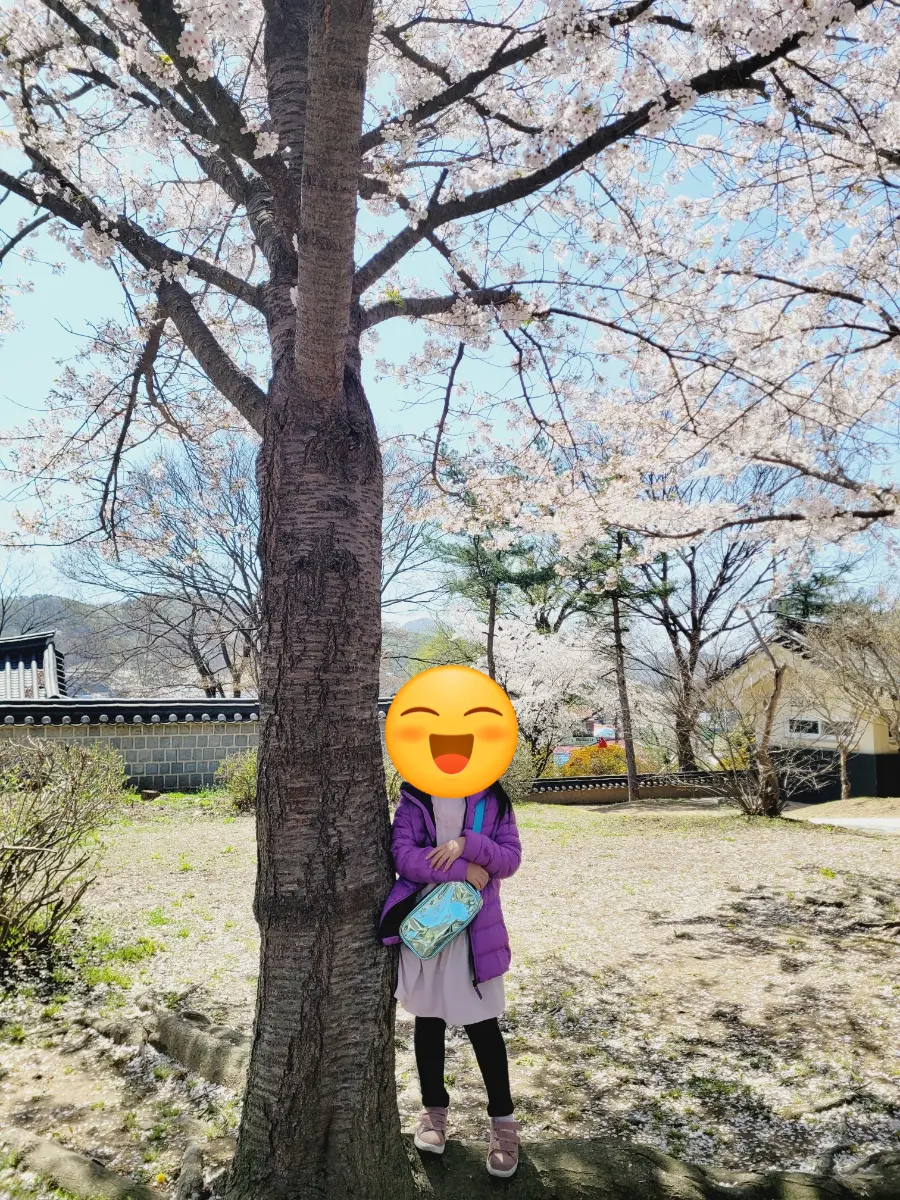
As I emerged from the restroom
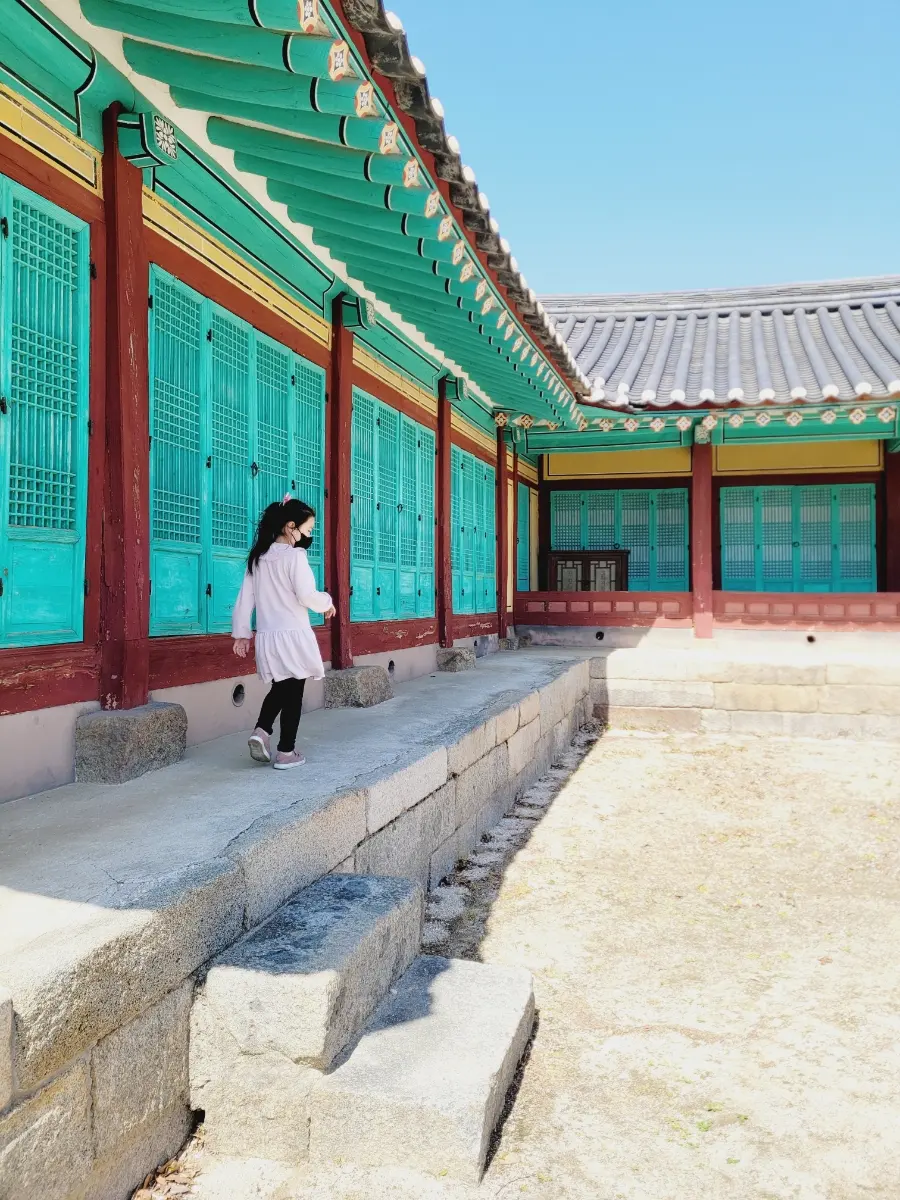
(You can see it in the photo on the right, that yellow Hanok-style building in the back-right)
I was greeted by such a gorgeous cherry blossom tree!
It offered lovely shade,
and the photos turned out so beautifully that I couldn't stop snapping away.
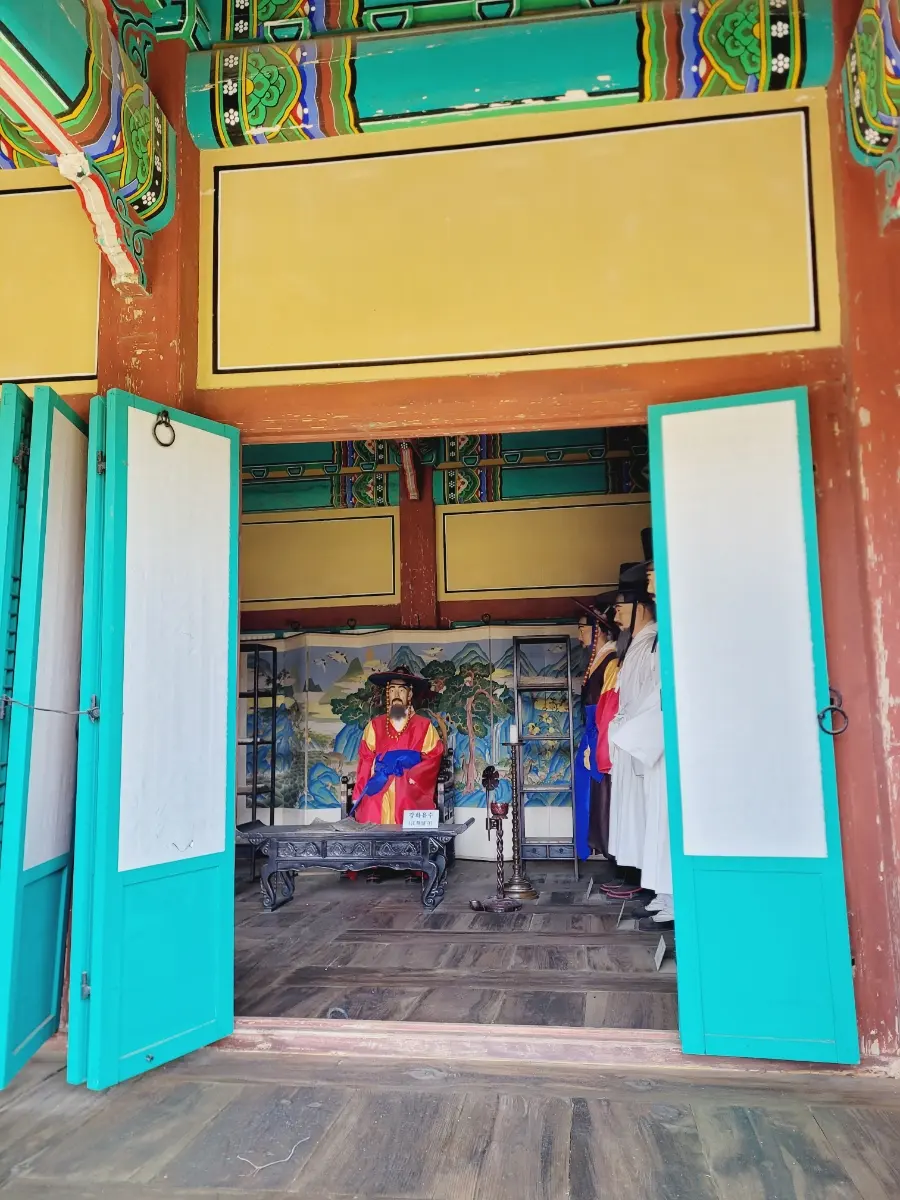
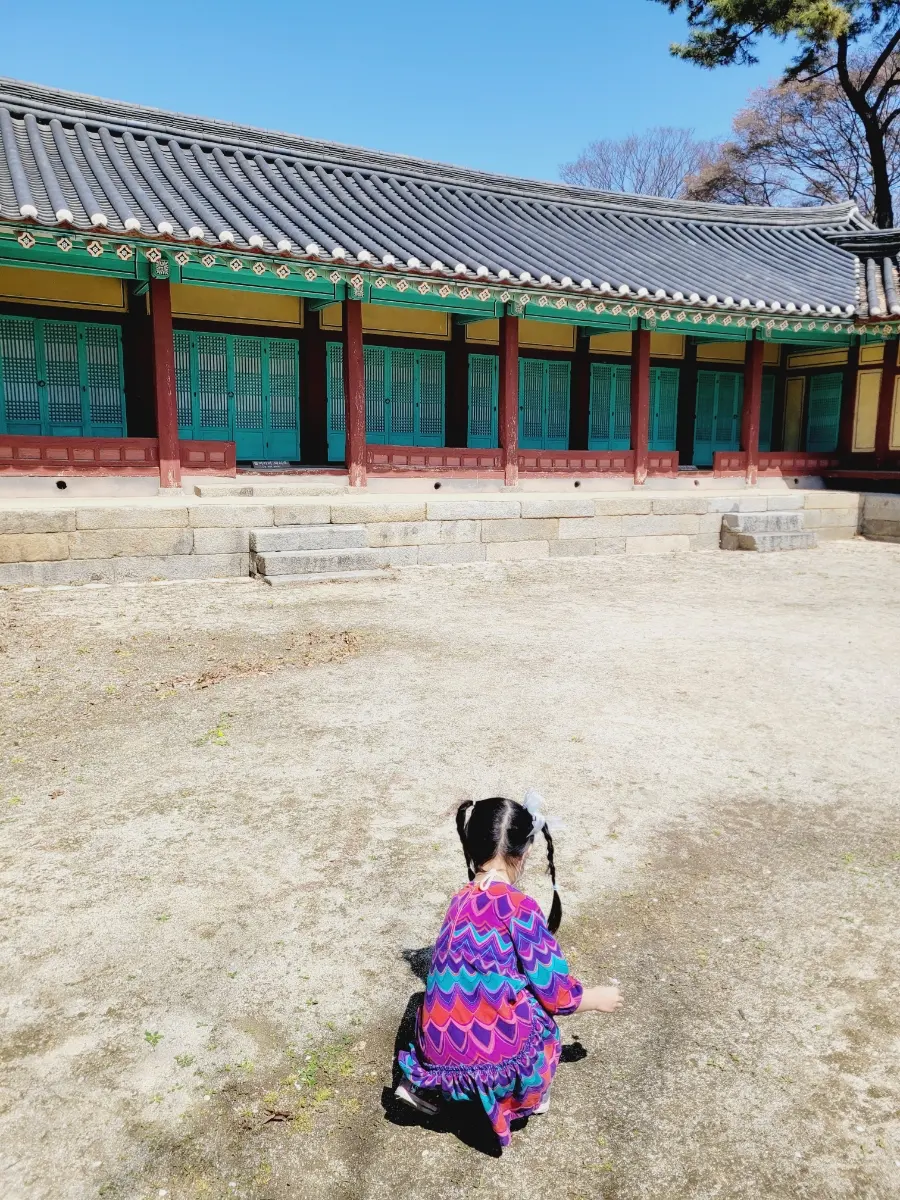
Continuing further up, you'll spot the Oegyujanggak Royal Archives right in the center.
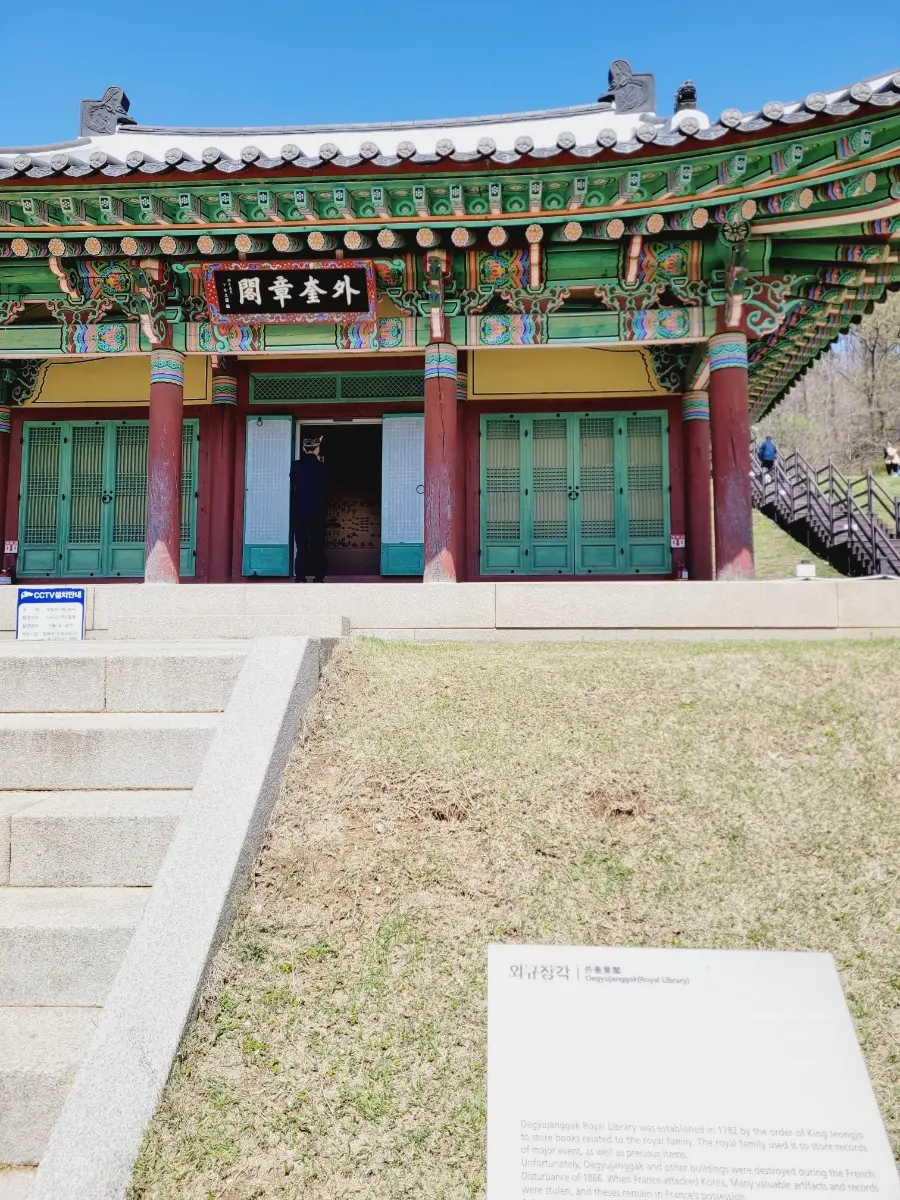
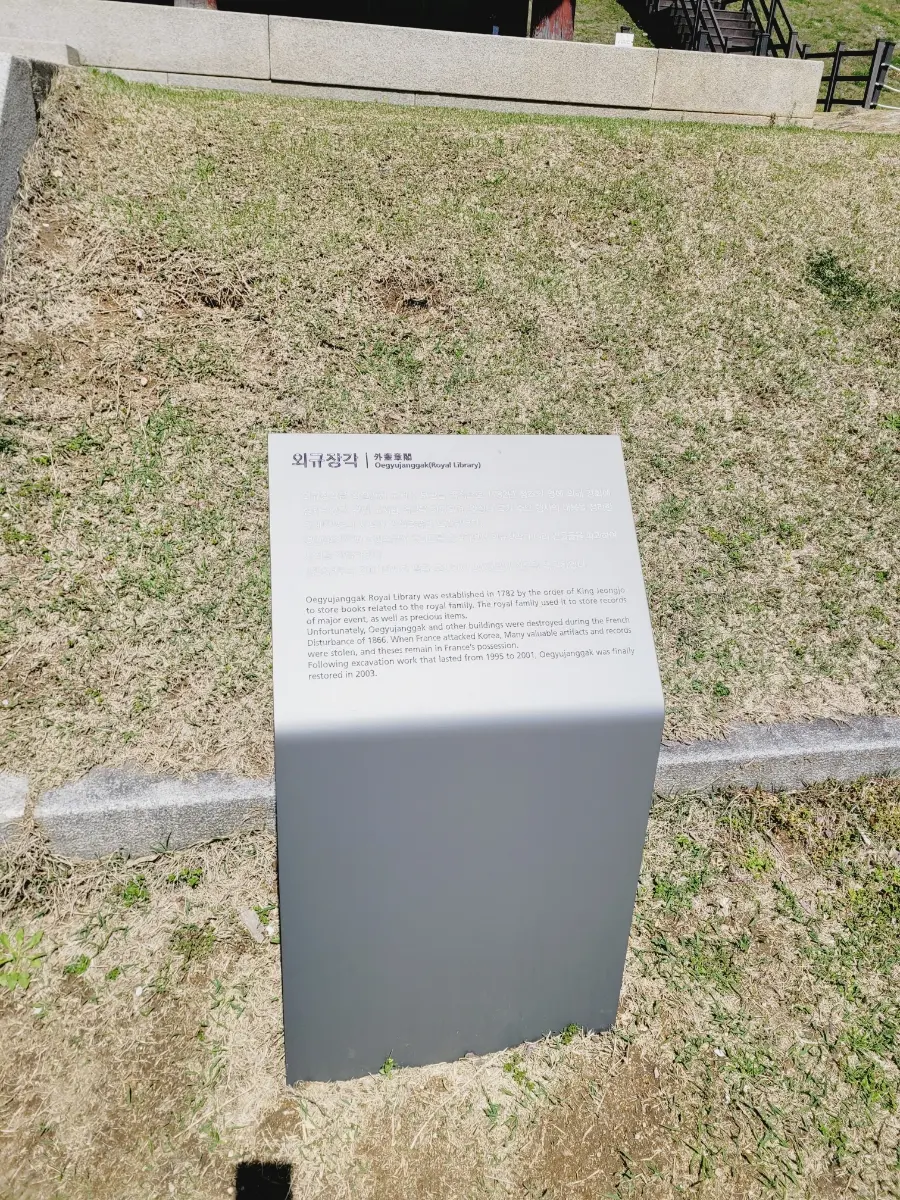
The Oegyujanggak Royal Archives were established in Ganghwa in 1782 by order of King Jeongjo, with the sole purpose of preserving royal documents and books.
During the Byeonginyangyo (French Invasion of 1866), the French army attacked Ganghwa Island,
destroying Oegyujanggak and several other buildings, and plundering countless books.
It's noted that the building was eventually restored in 2003.
(Oops, I took the photo at a funny angle, so it's a bit hard to see;;)
The flat expanse of land behind Oegyujanggak is actually the Goryeogungji Palace Site itself.
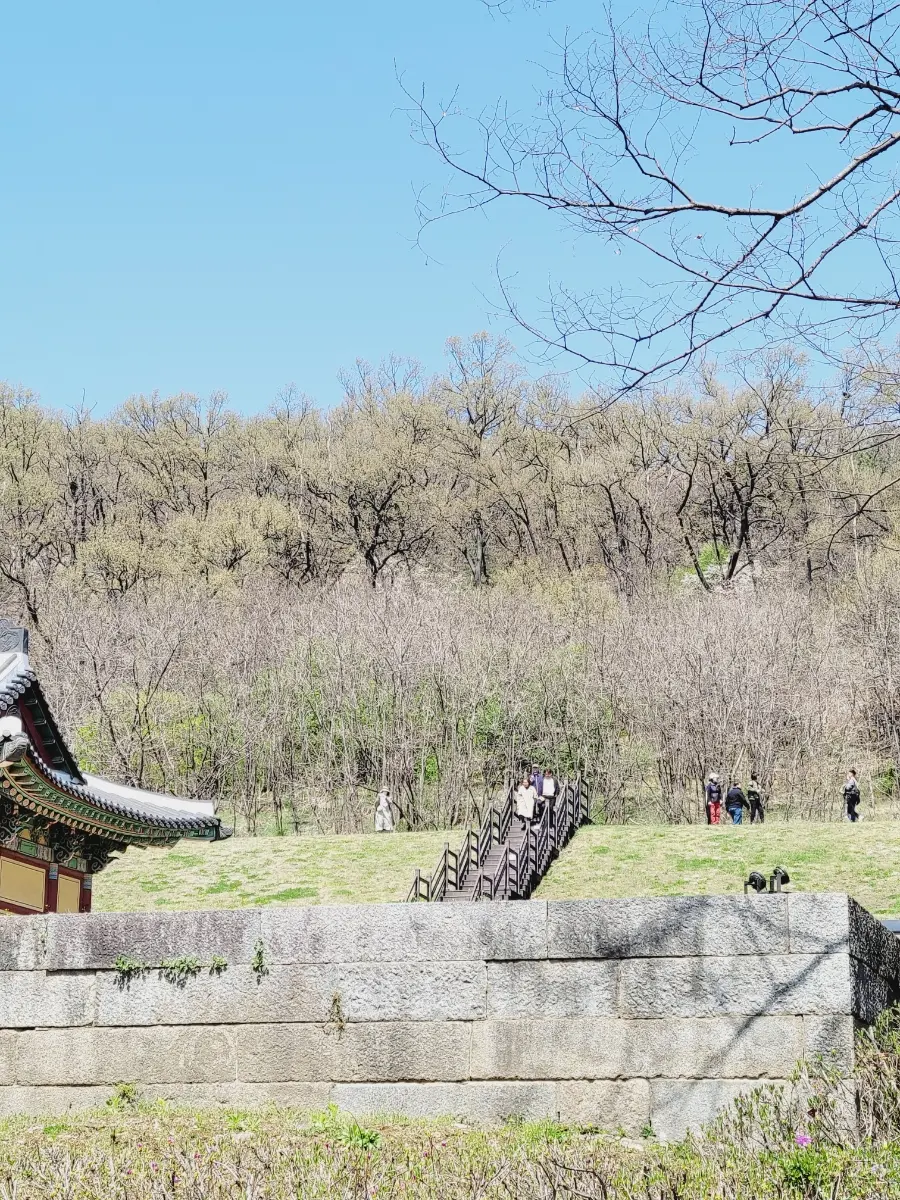
No photos of Goryeogungji itself, unfortunately;;;;;
The kids were so eager to get to the Cherry Blossom Road,
I guess I rushed through it and completely forgot to snap a pic on the way down; OMG!
As we made our way back down,
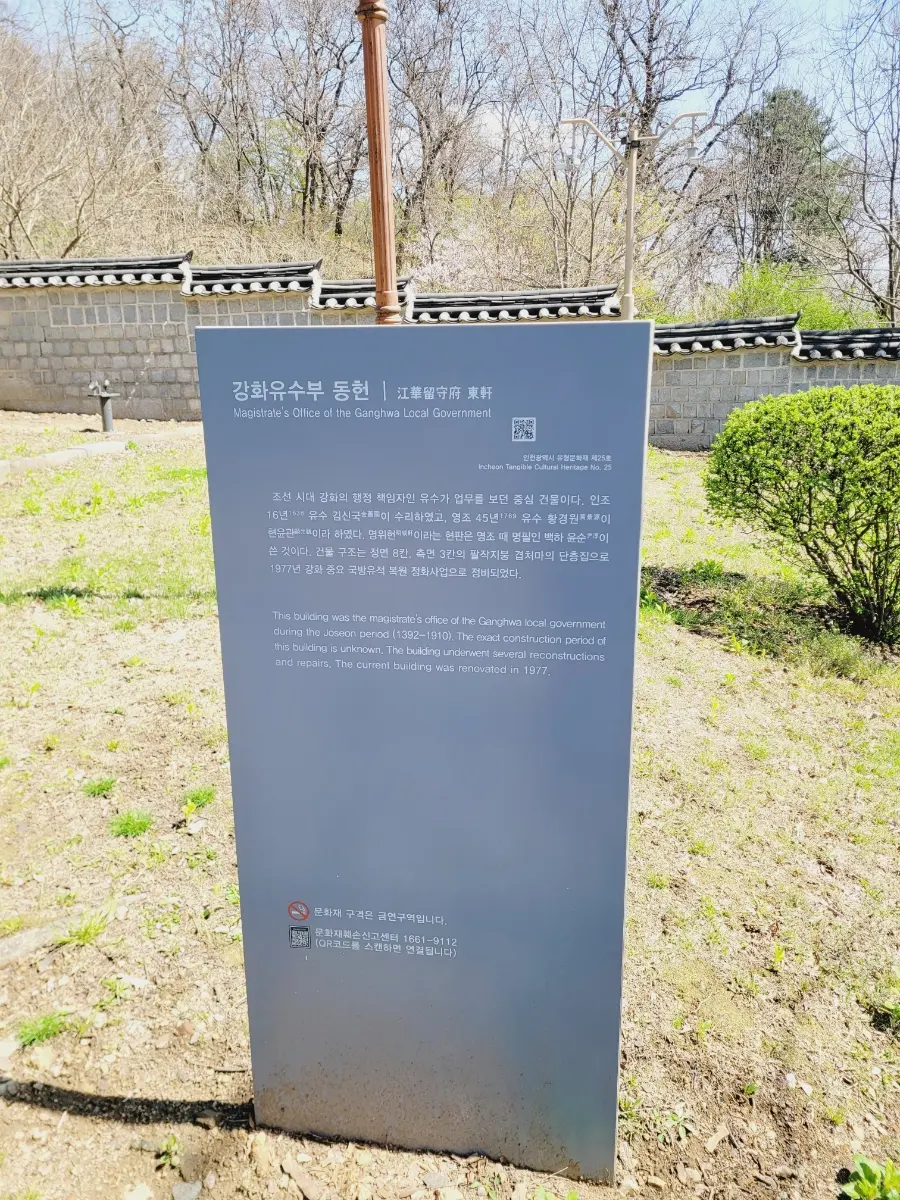
we encountered the Dongheon of Ganghwa Yusu-bu.
This impressive building served as the central office where the Yusu (Magistrate), the chief administrative officer of Ganghwa during the Joseon Dynasty, carried out official duties.
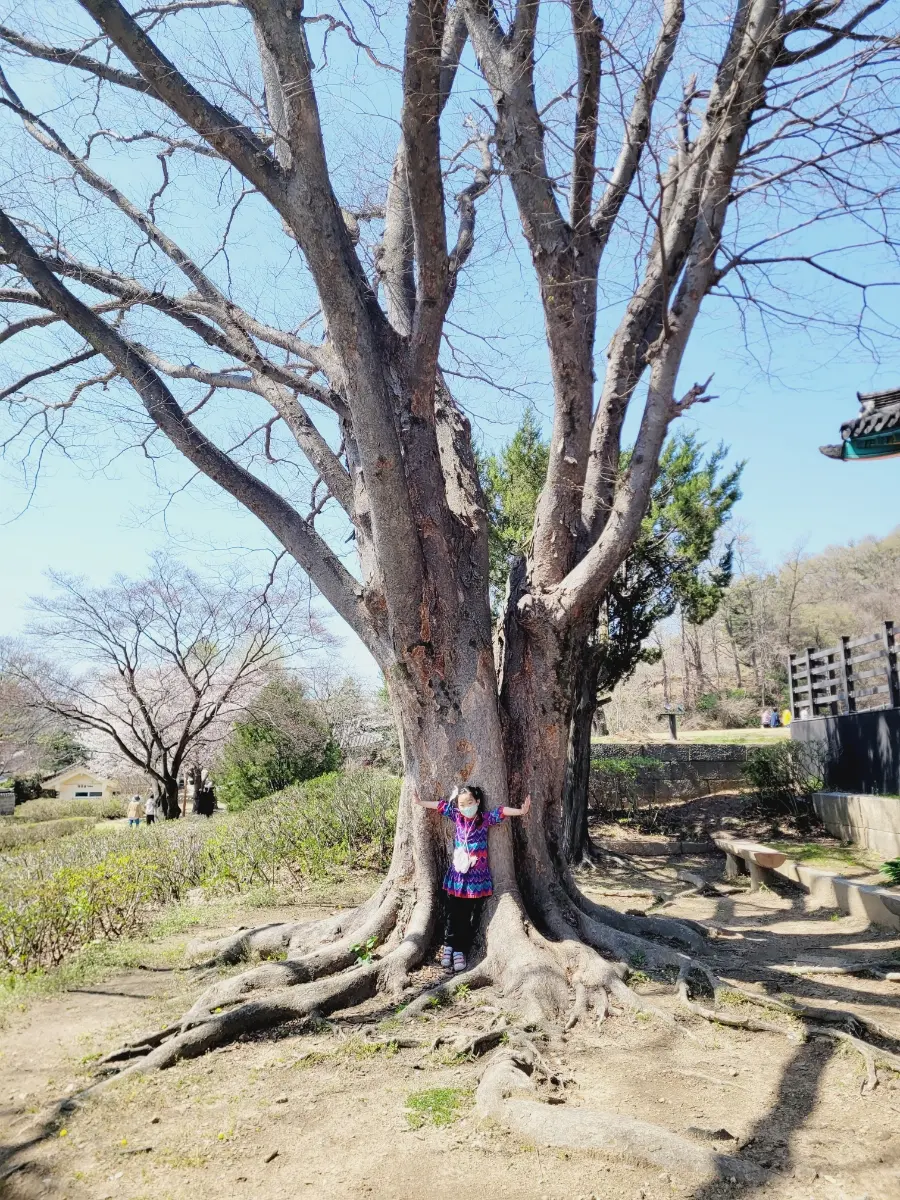
And look! There's a magnificent 400-year-old zelkova tree standing proudly here.
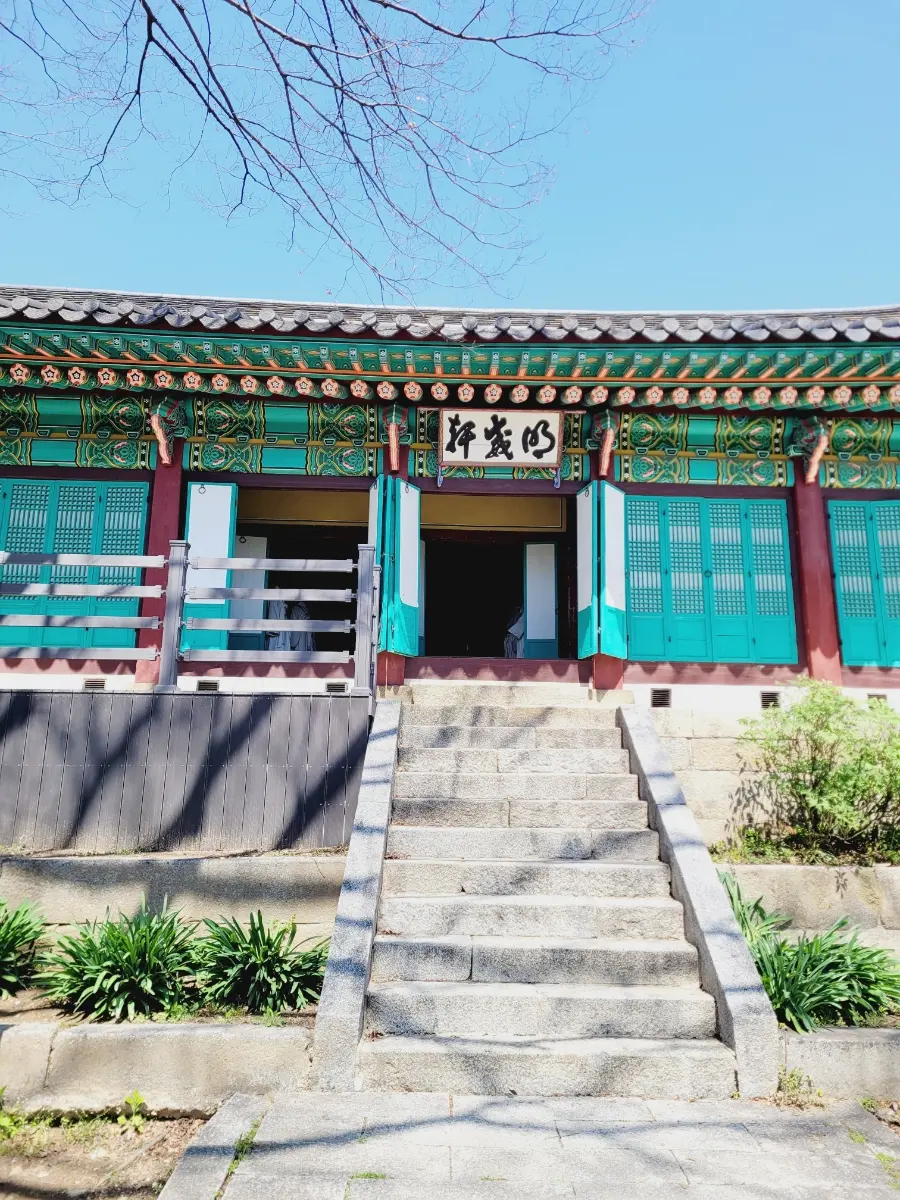
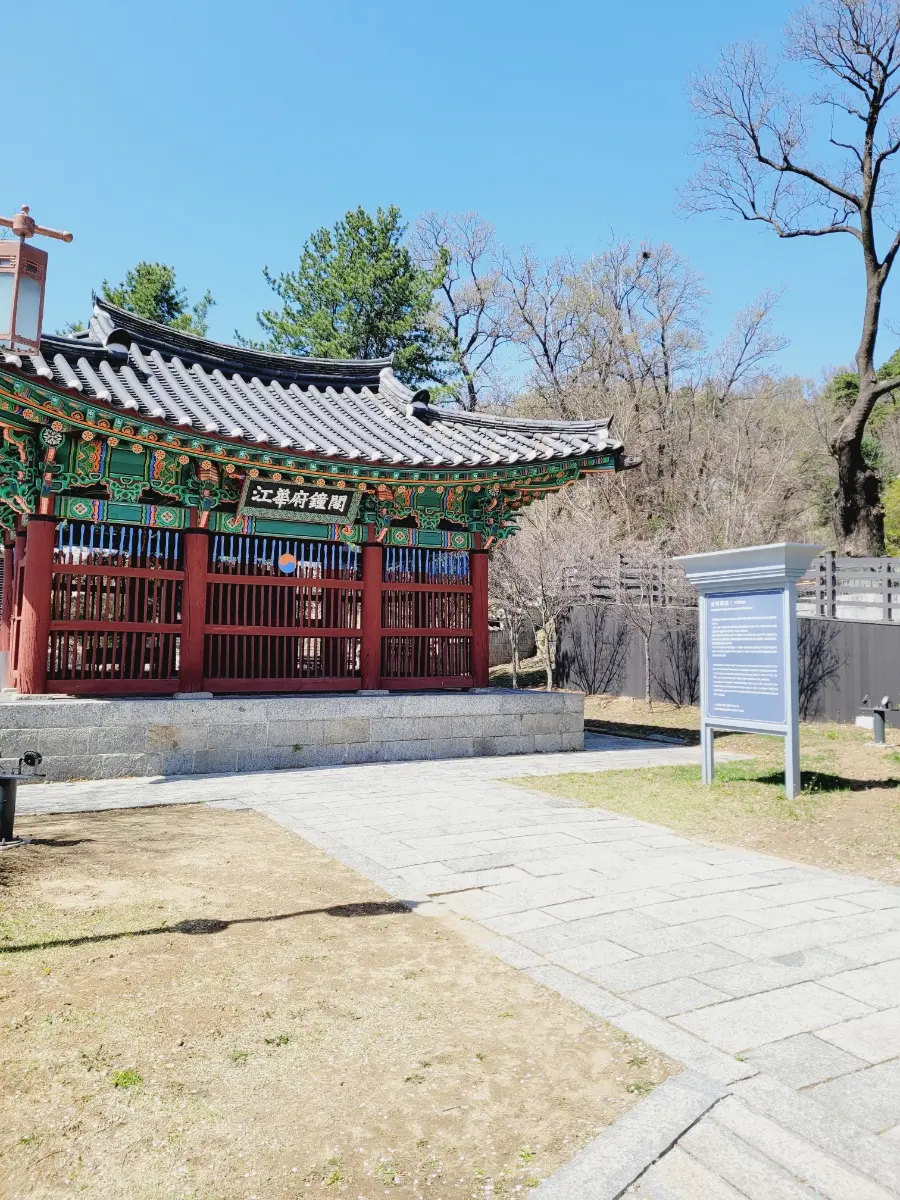
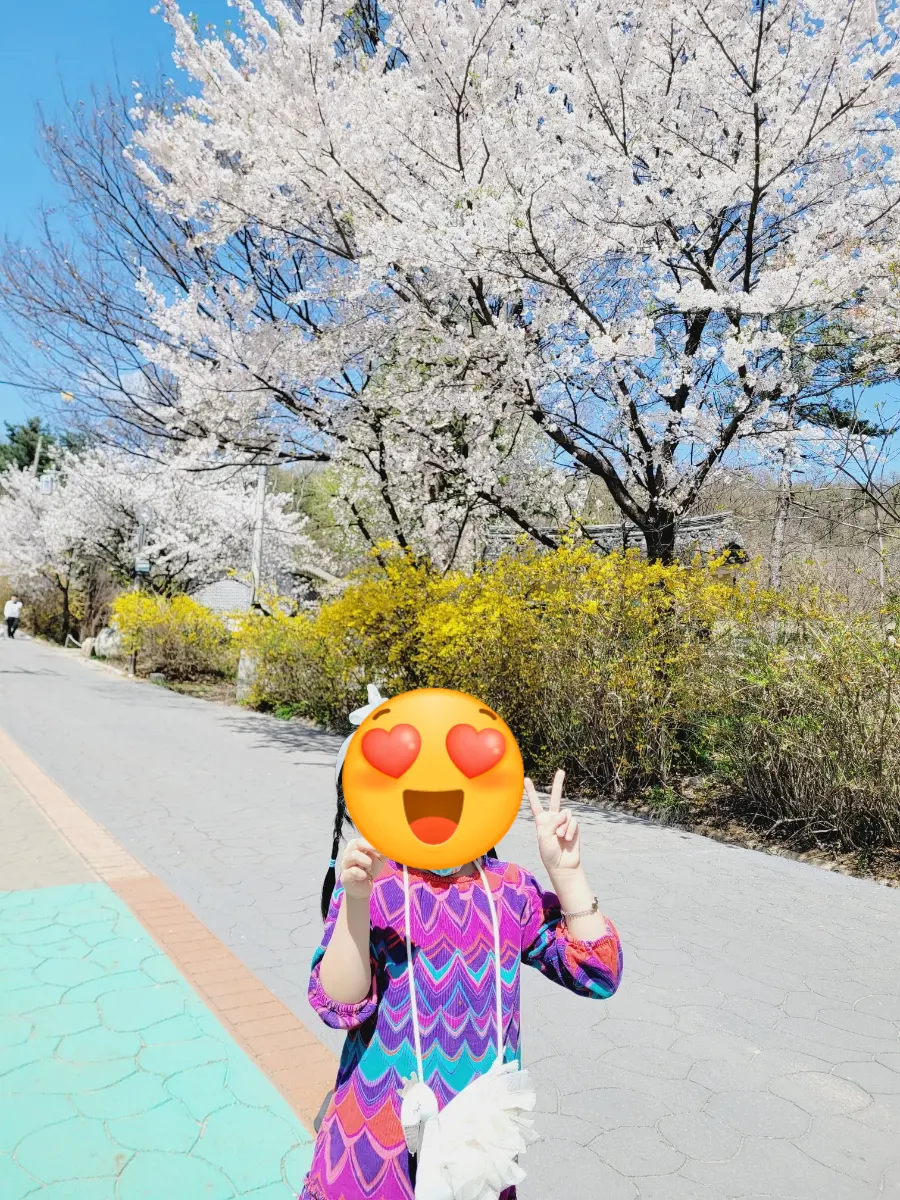
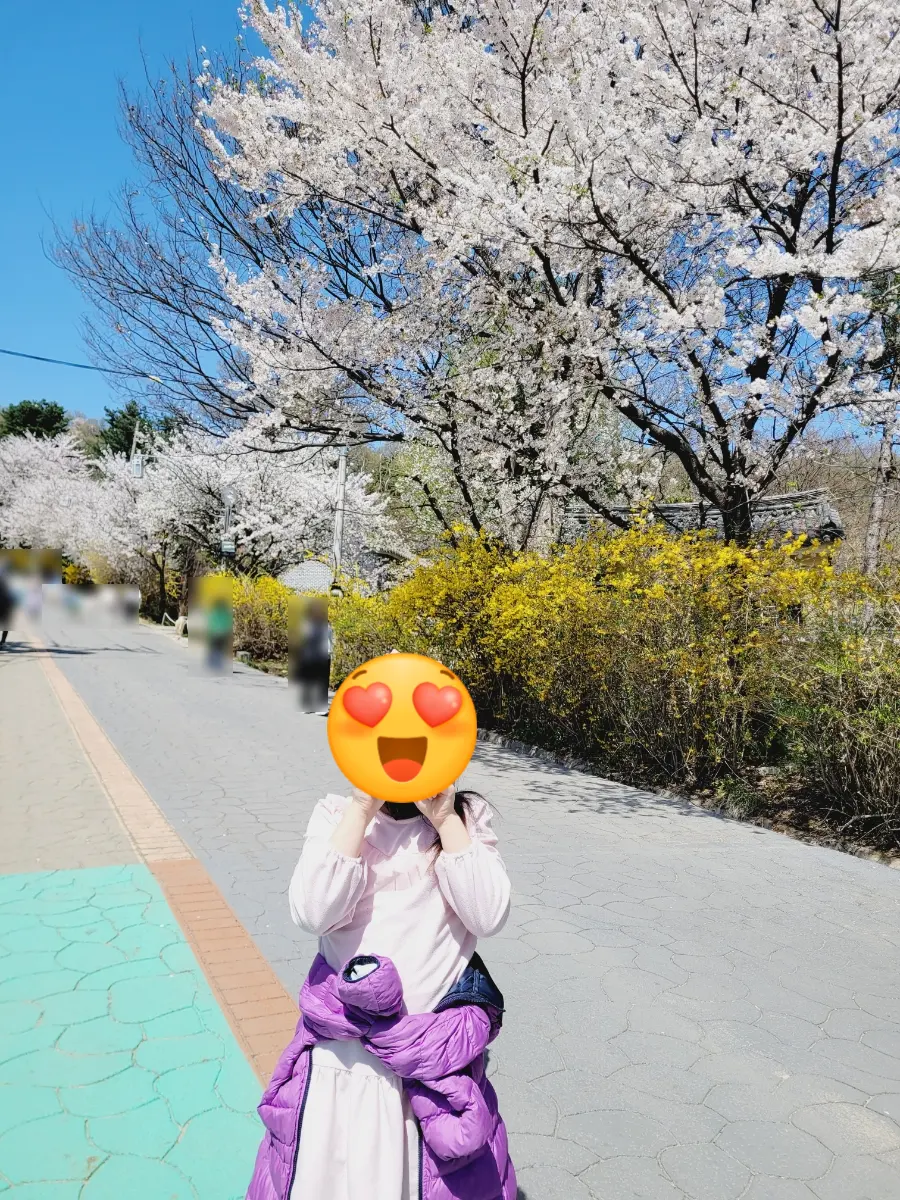
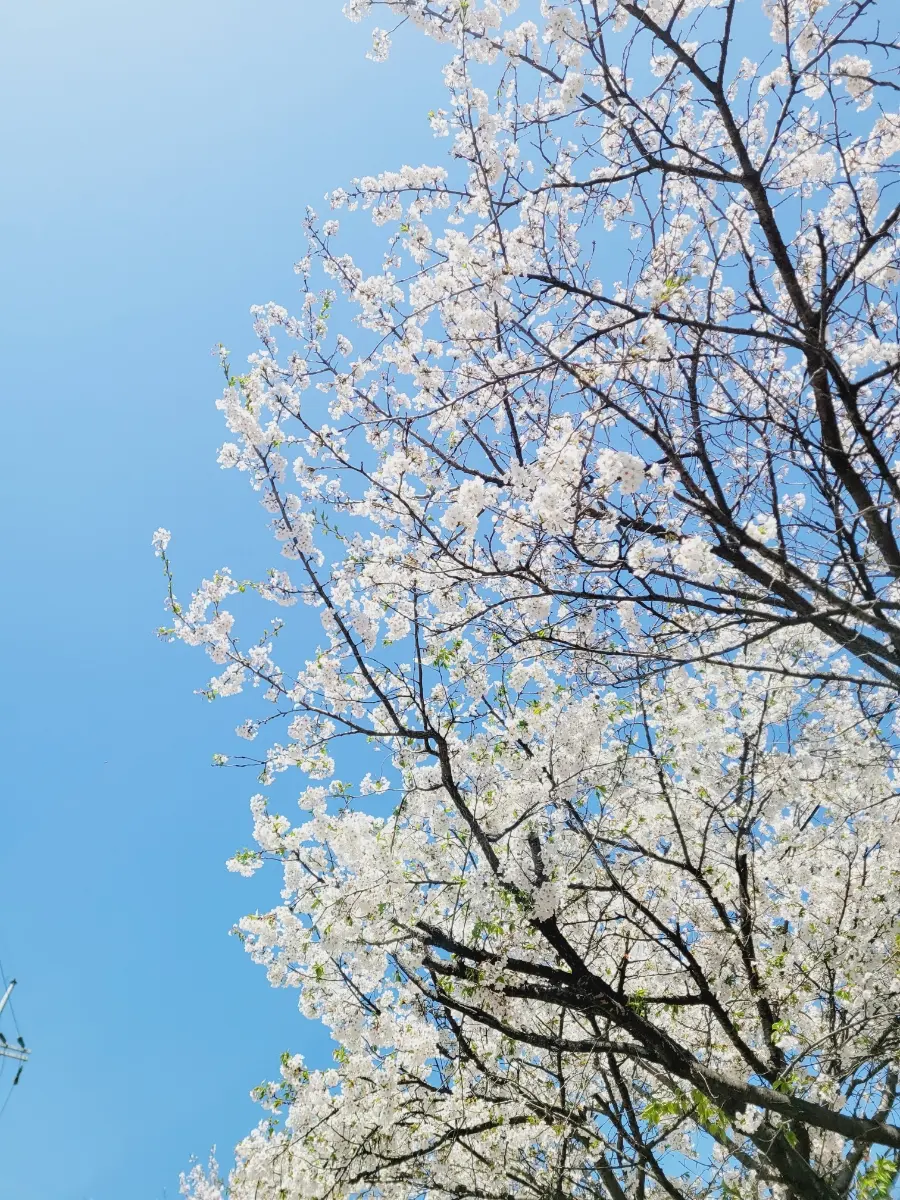
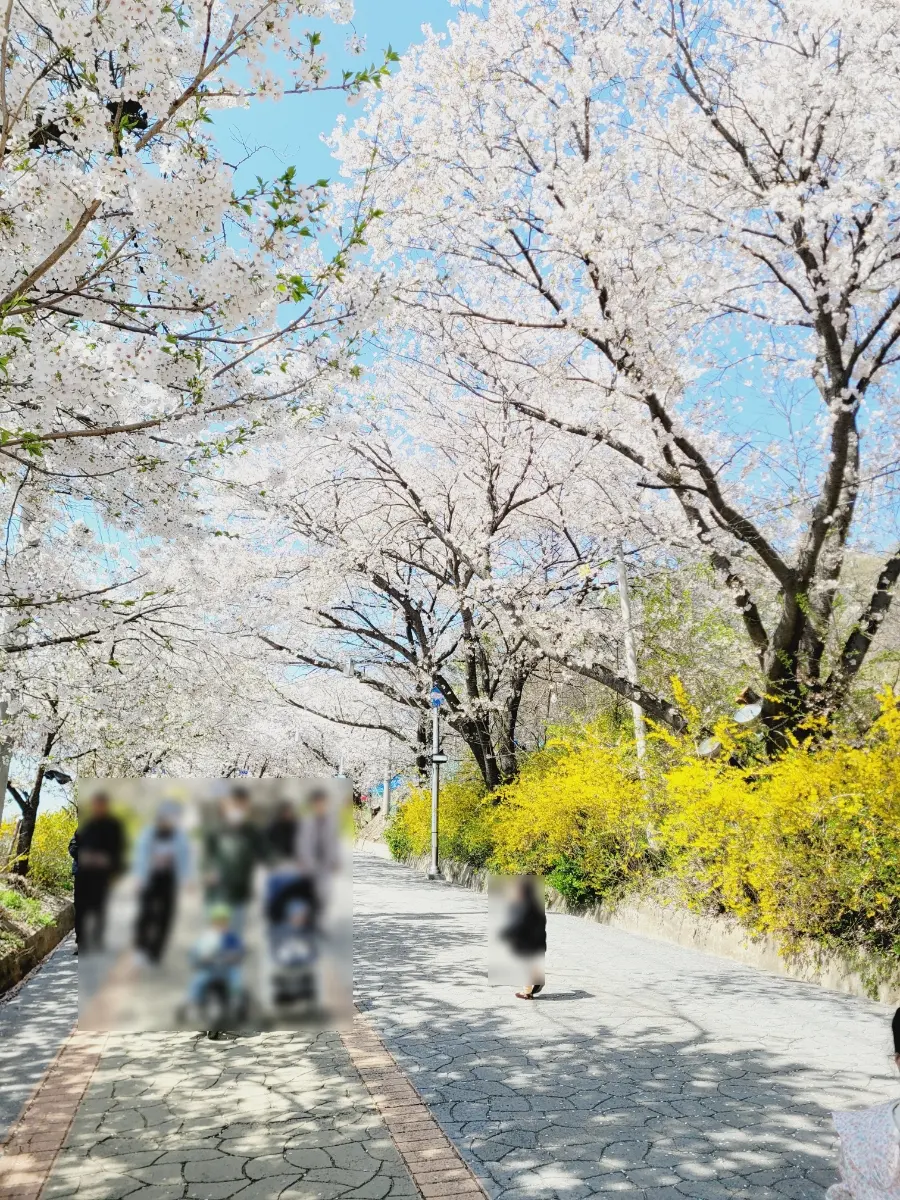
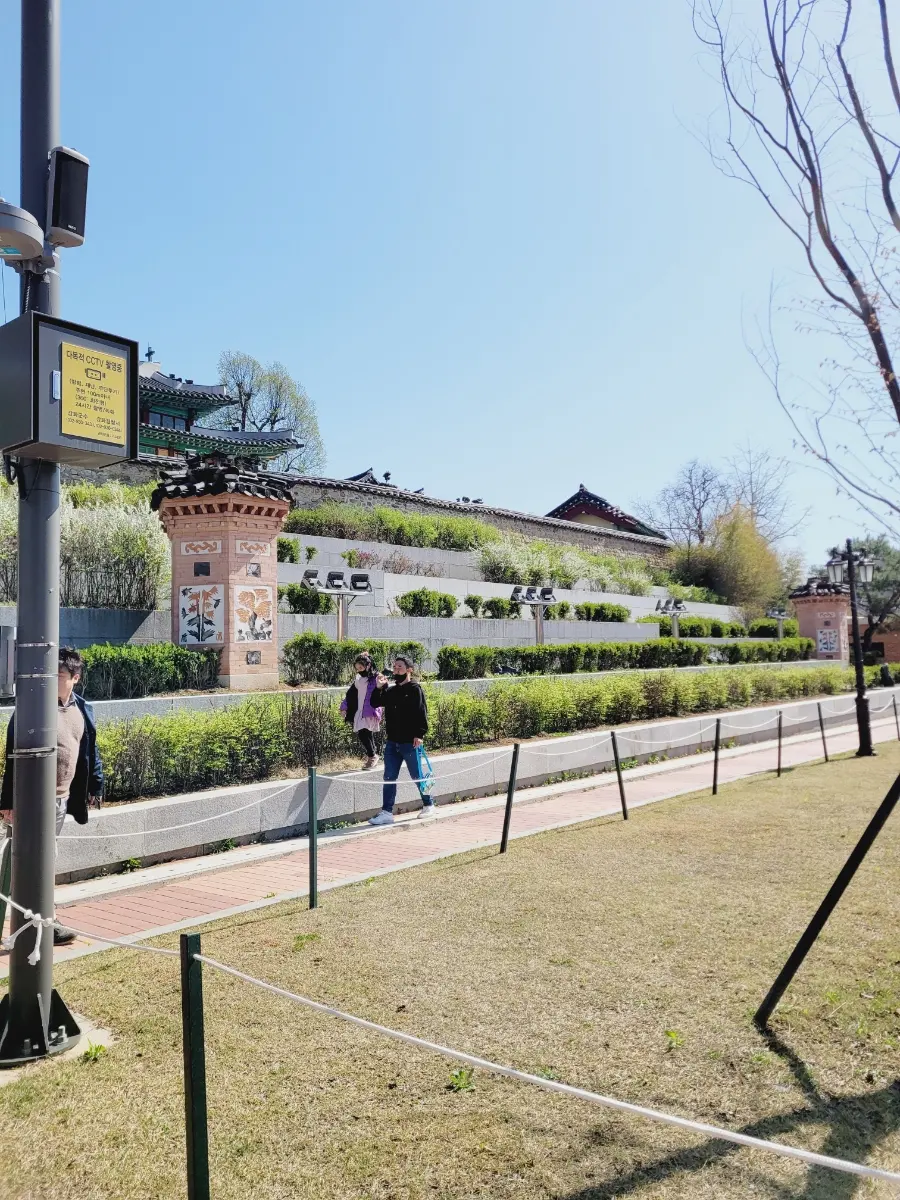
There was a beautiful cherry blossom path along the side of the Goryeogungji Palace Site.
Because of the wall, you can't enter directly from there,
but if you exit the Goryeogungji Palace Site
and head up the adjacent path, the cherry blossom road stretches out beautifully.
The weather was so warm, and my photos were turning out perfectly,
I was just getting completely lost in the lovely, sentimental mood...
Then my husband, once again,
told me to stop taking so many pictures.
Ugh...! Seriously!
If he's not going to take them for me, he could at least keep quiet...
My whole girlish spring fantasy just completely fizzled out.
We could have continued further up,
but the kids were getting tired,
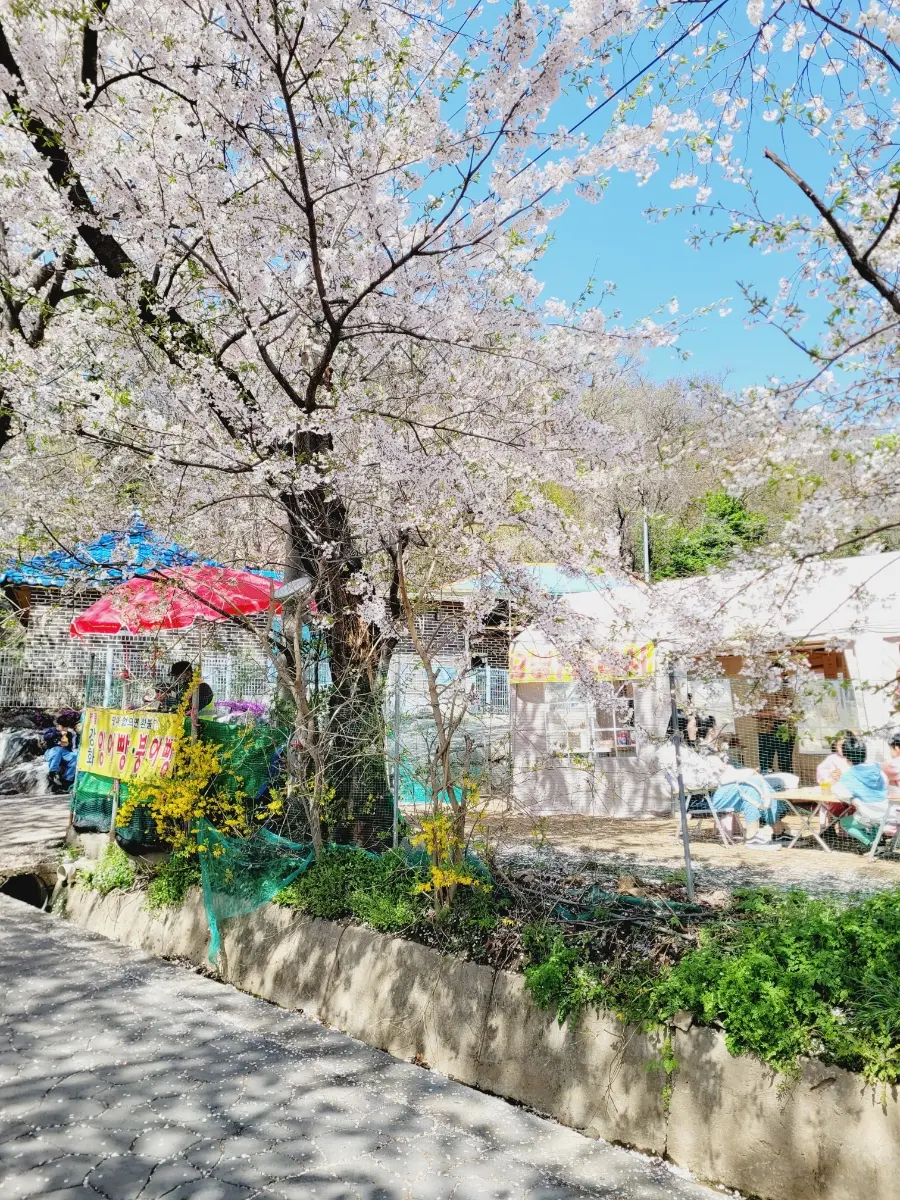
so we came back down without even catching any busking performances.
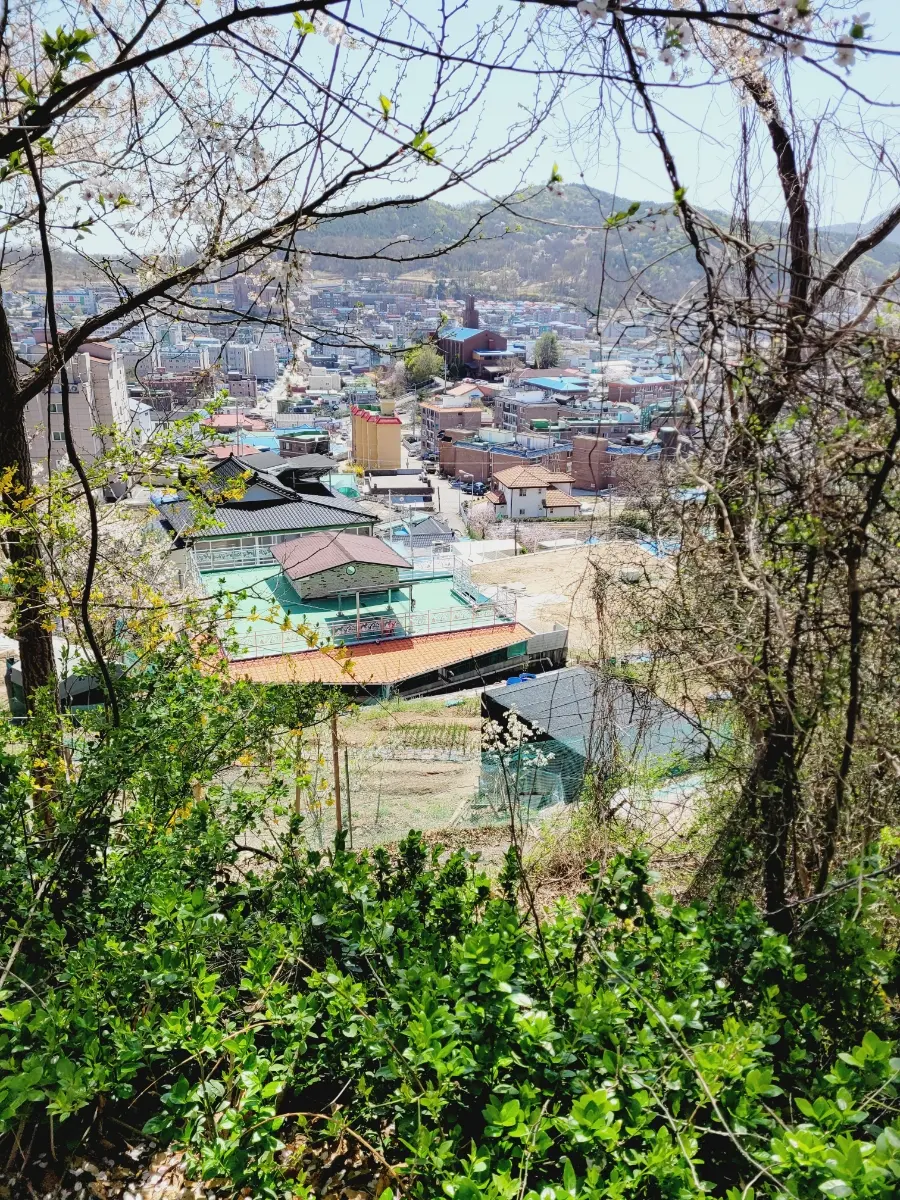
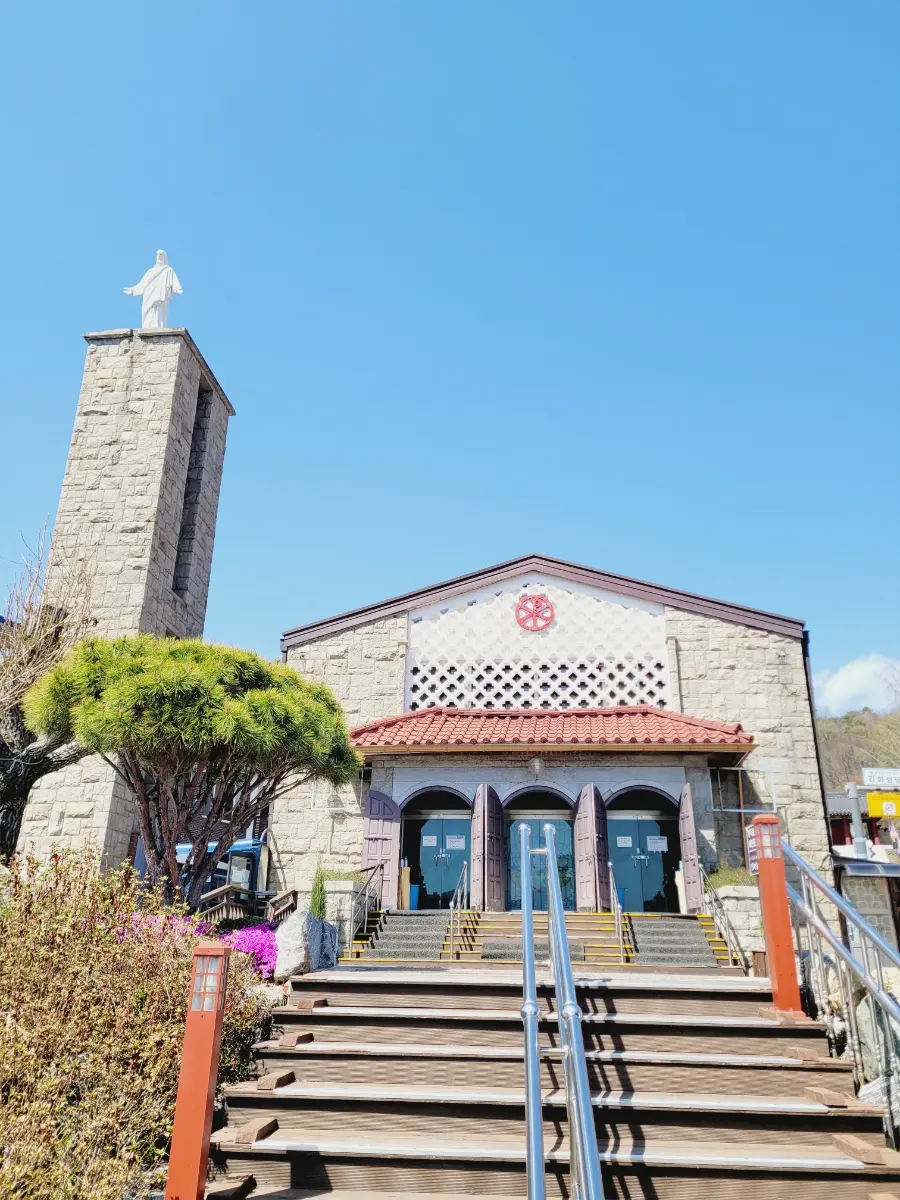
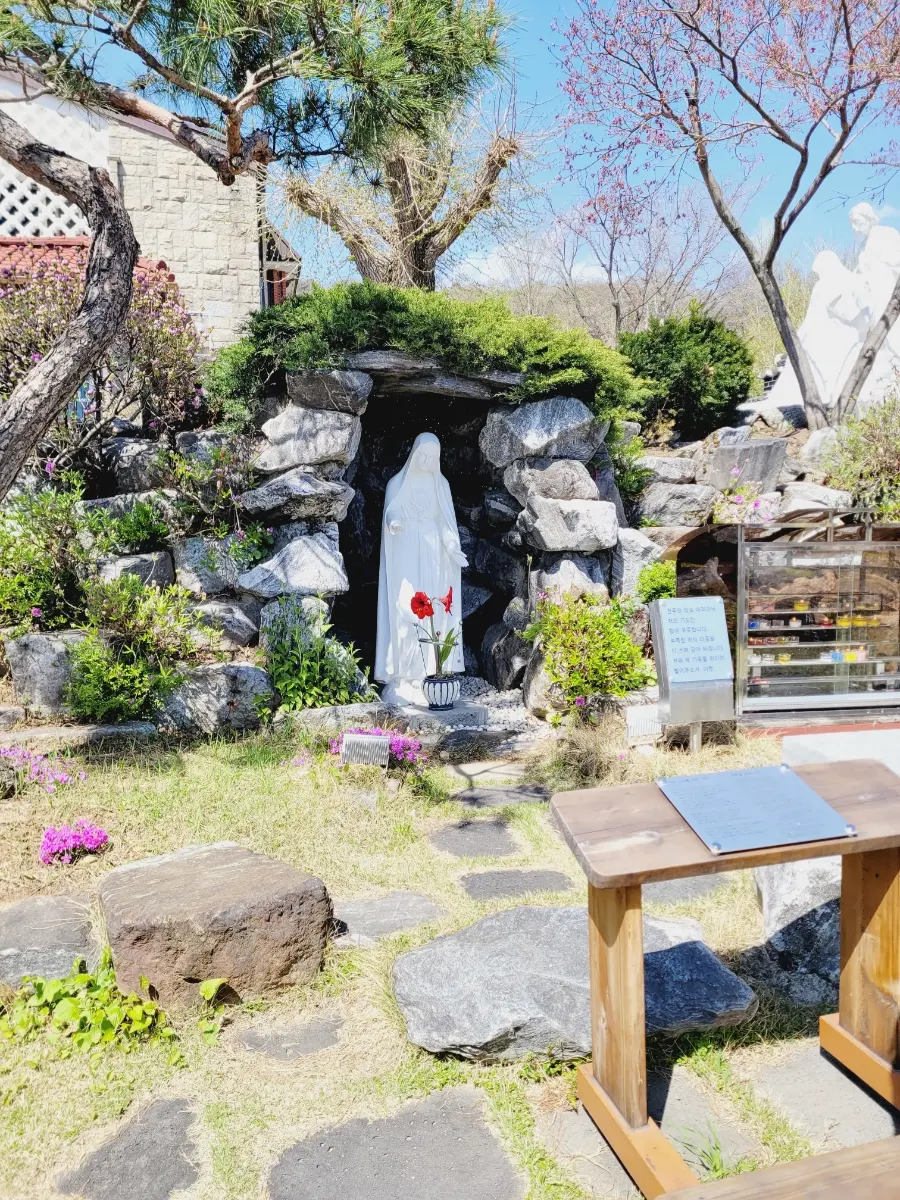
On the way down, I spotted a cathedral and decided to check it out.
At first, I thought this was
the Anglican Church of Korea, Ganghwa Cathedral.
I just assumed because it was so close!
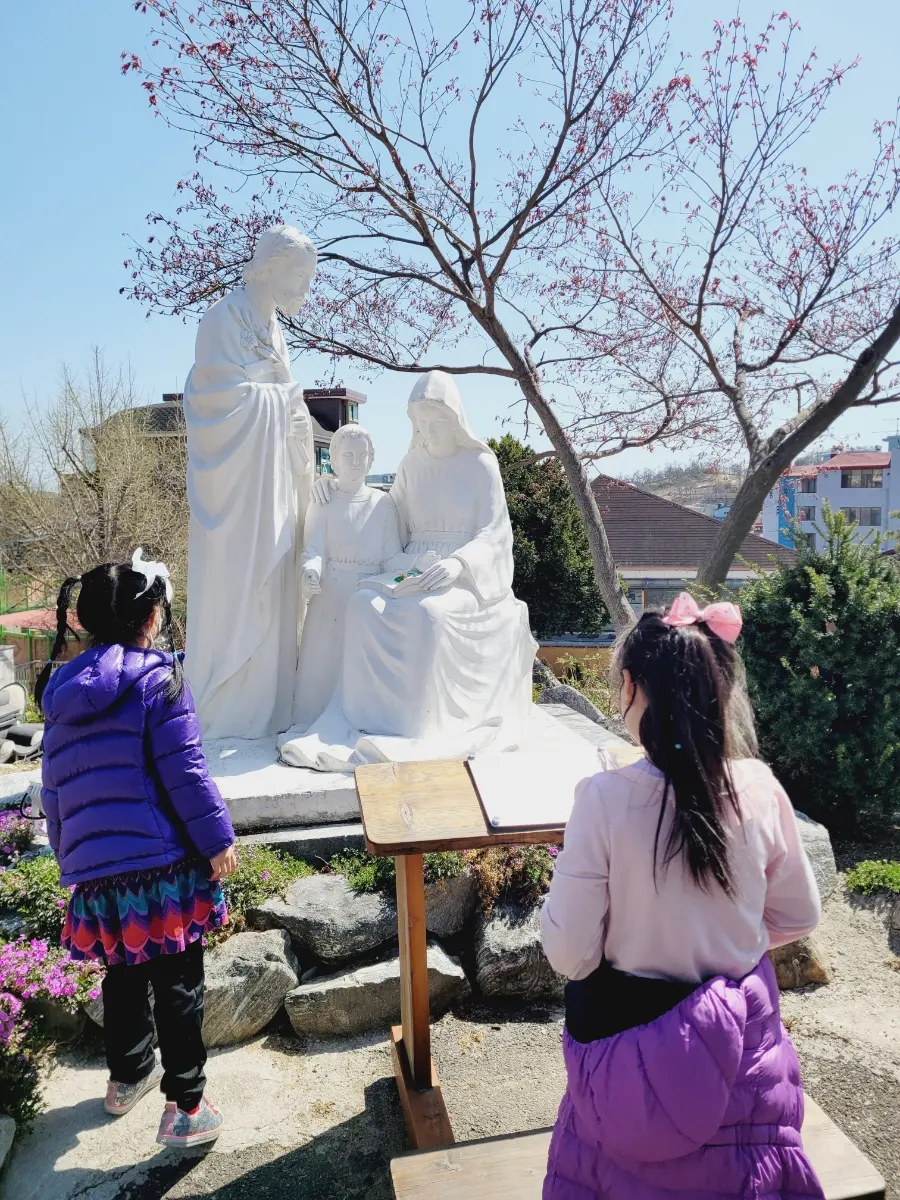
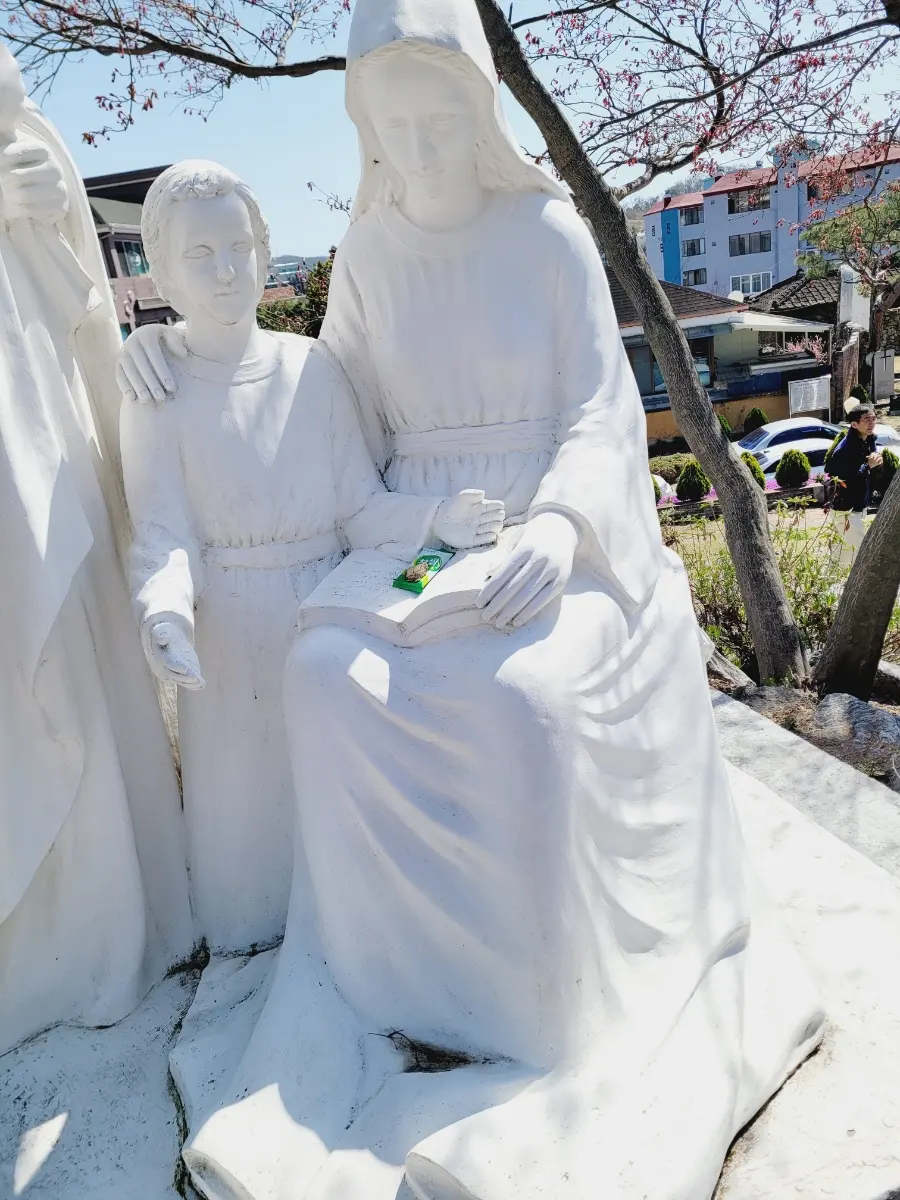
It seems like some sweet, thoughtful child
left sticky rice crackers on the statue of Mary.
Haha!
I went inside for a brief moment,
realized it wasn't the cathedral I was thinking of,
and just wandered around the garden before leaving.
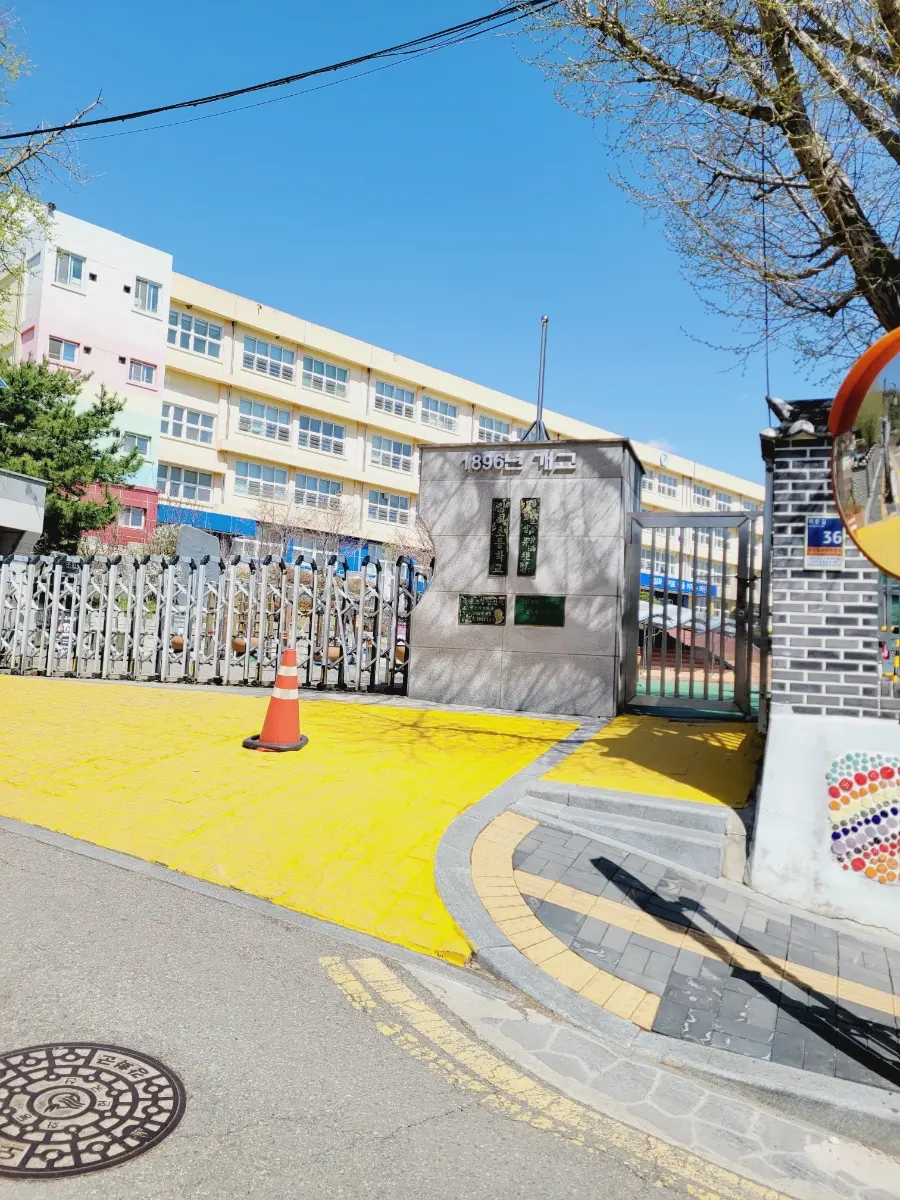
Across the way, you can see Ganghwa Elementary School.
I'd seen it mentioned in other blogs...
It opened in 1896, didn't it?
Yongheunggung Palace
From the cherry blossom path at Goryeogungji Palace Site,
if you walk straight down, you'll spot the Yongheunggung Palace Park Public Parking Lot,
and to the left, you'll discover Yongheunggung Palace and Ganghwa Cathedral.
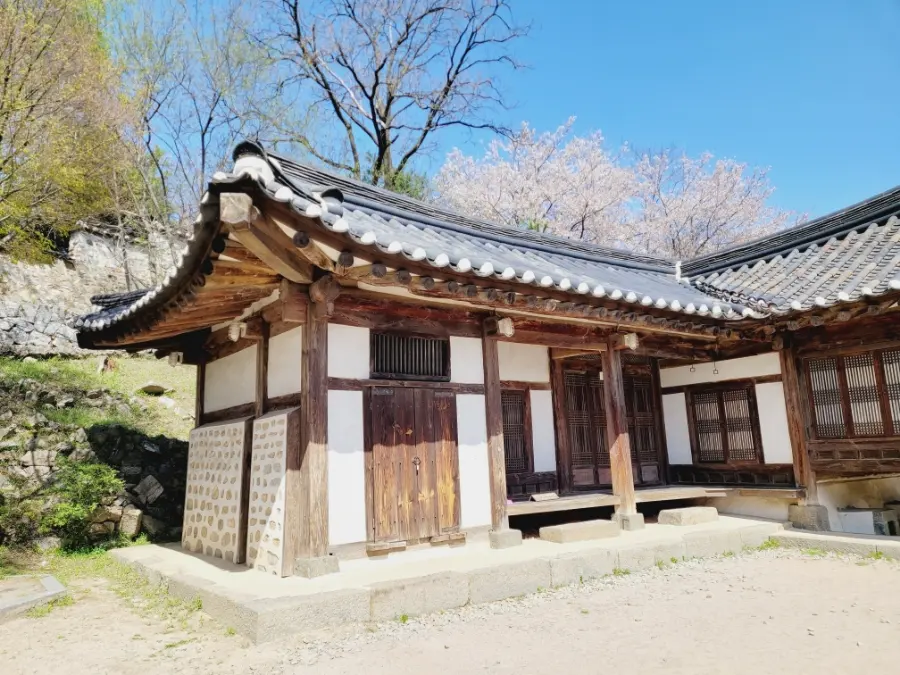
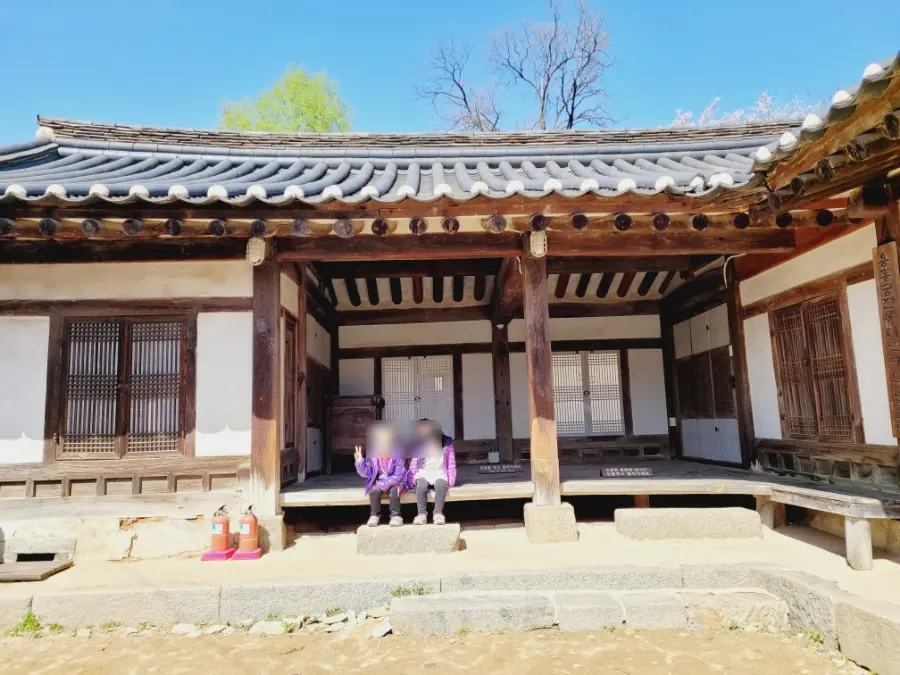
Yongheunggung Palace
is famously the house where King Cheoljong of the late Joseon Dynasty lived
(and spent his childhood) before he ascended to the throne, continuing to live there until the 19th century.
While it was originally a thatched-roof house,
King Cheoljong had it rebuilt with a tiled roof just four years after his ascension,
and it was then given the distinguished title of 'gung' (palace).
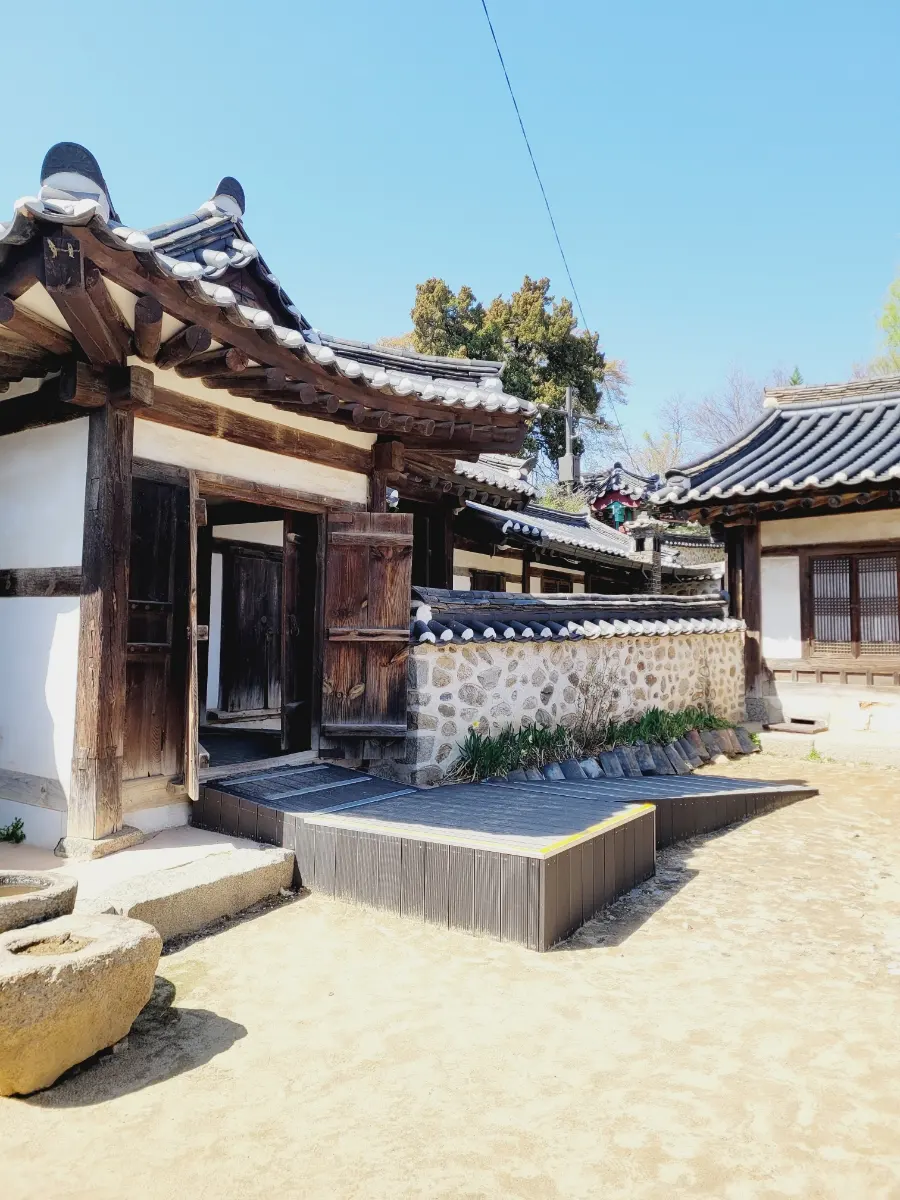
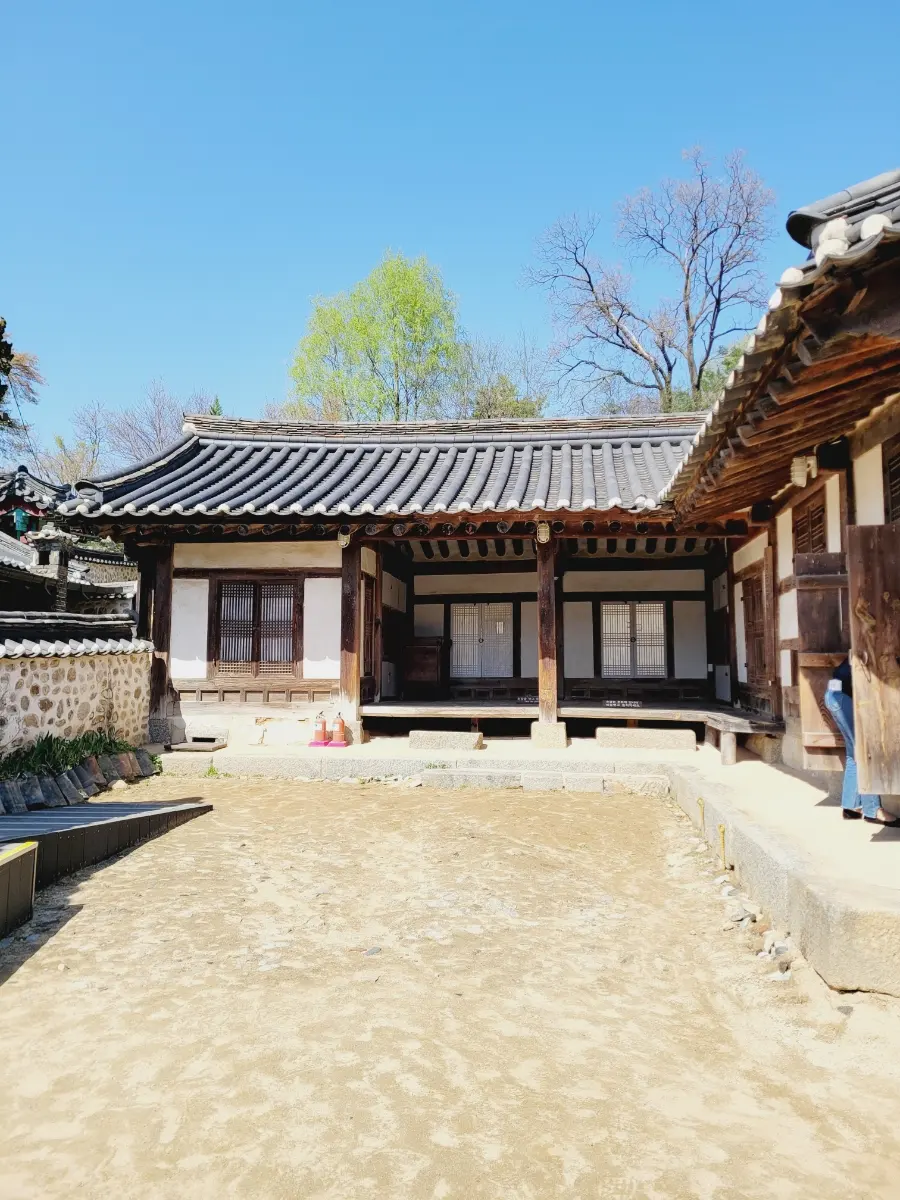
Hanok homes truly have such an elegant, traditional charm,
They evoke this wonderfully nostalgic, almost wistful feeling.
(Could it be from a past life, perhaps?!)
Oh, and my absolute favorite part: the Hanok 'maru' – those beautiful wooden verandas! So inviting!
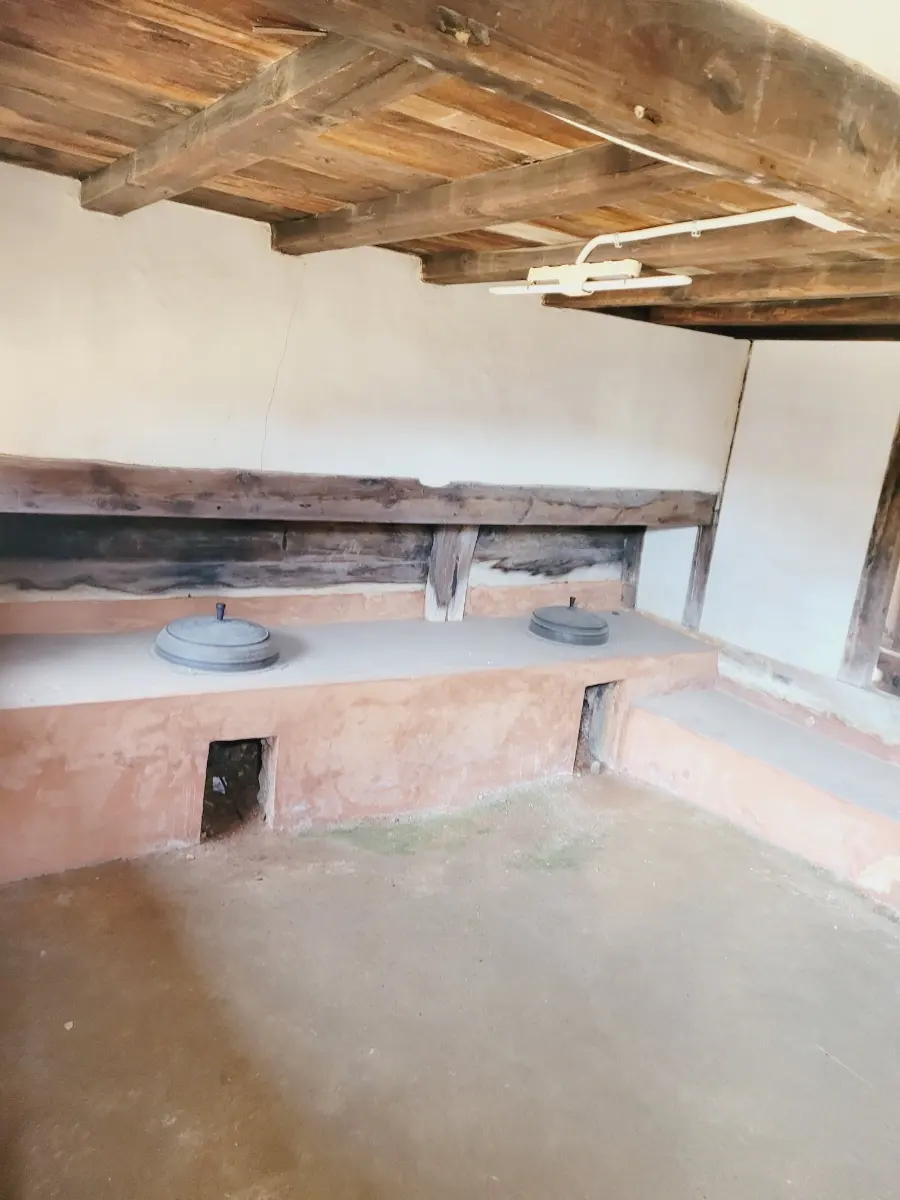
The kitchen was wonderfully open and accessible.
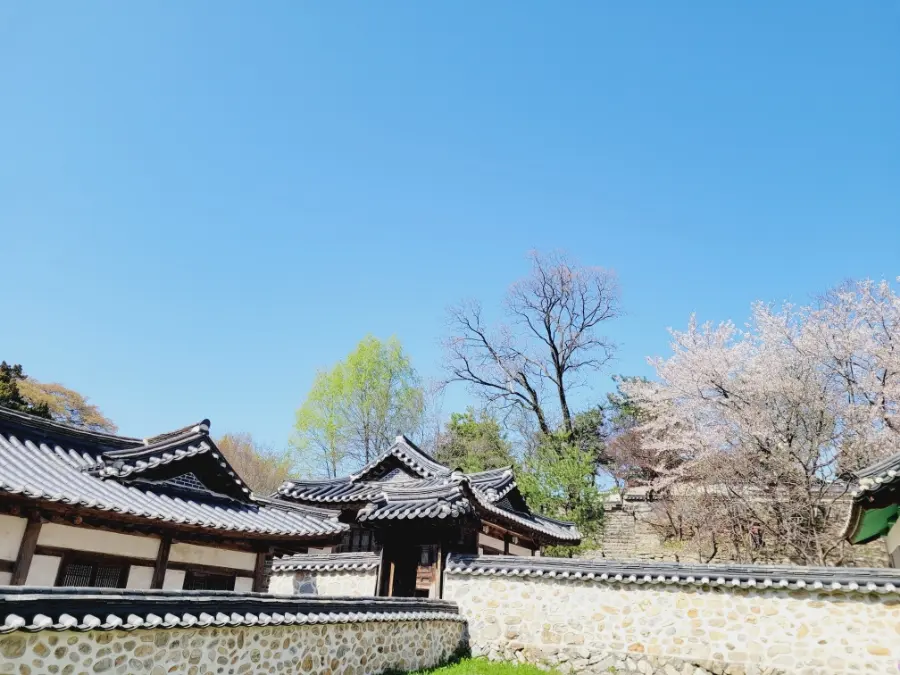
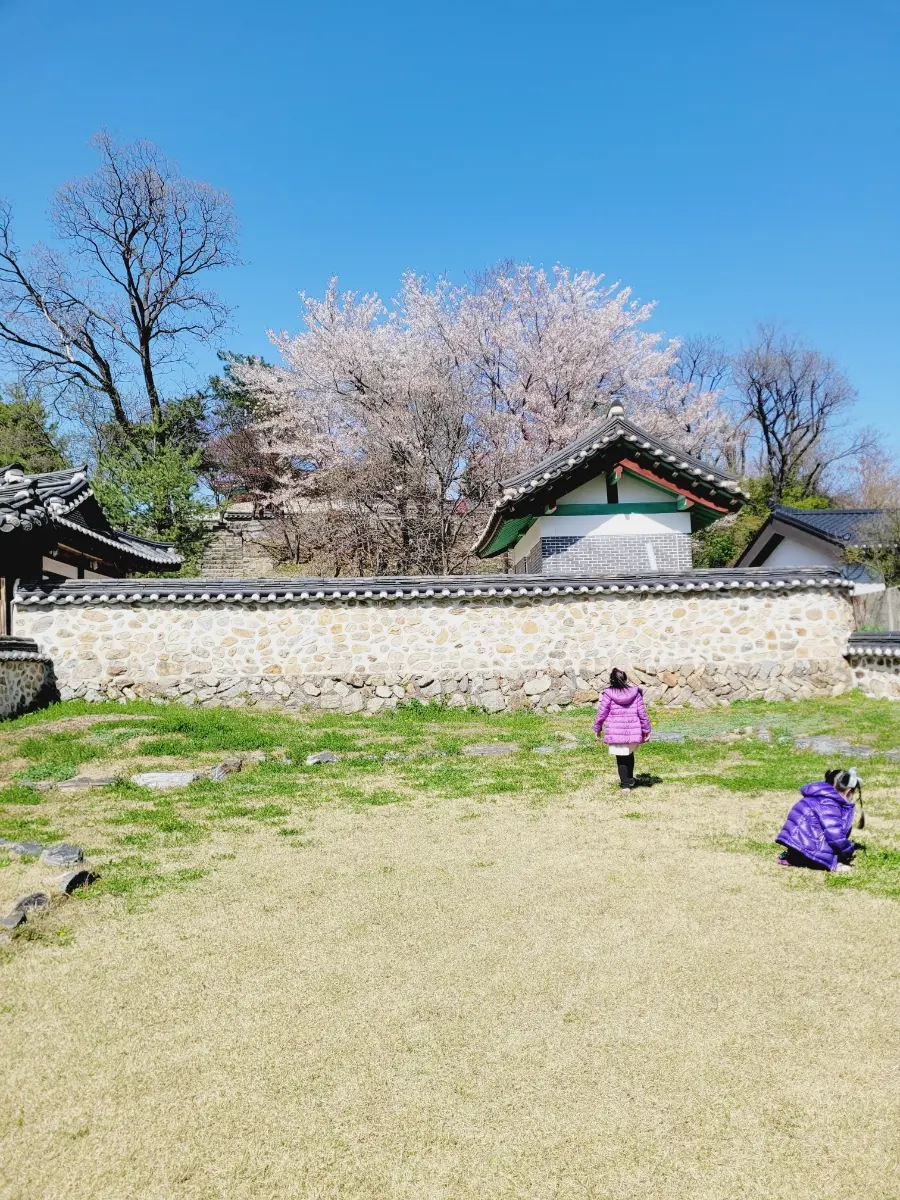
The kids and I explored every nook and cranny together.
And as always, children simply adore being surrounded by nature!
Ganghwa Anglican Church
Stepping out from Yongheunggung Palace,
you'll spot the Korean Anglican Ganghwa Church right across the way.
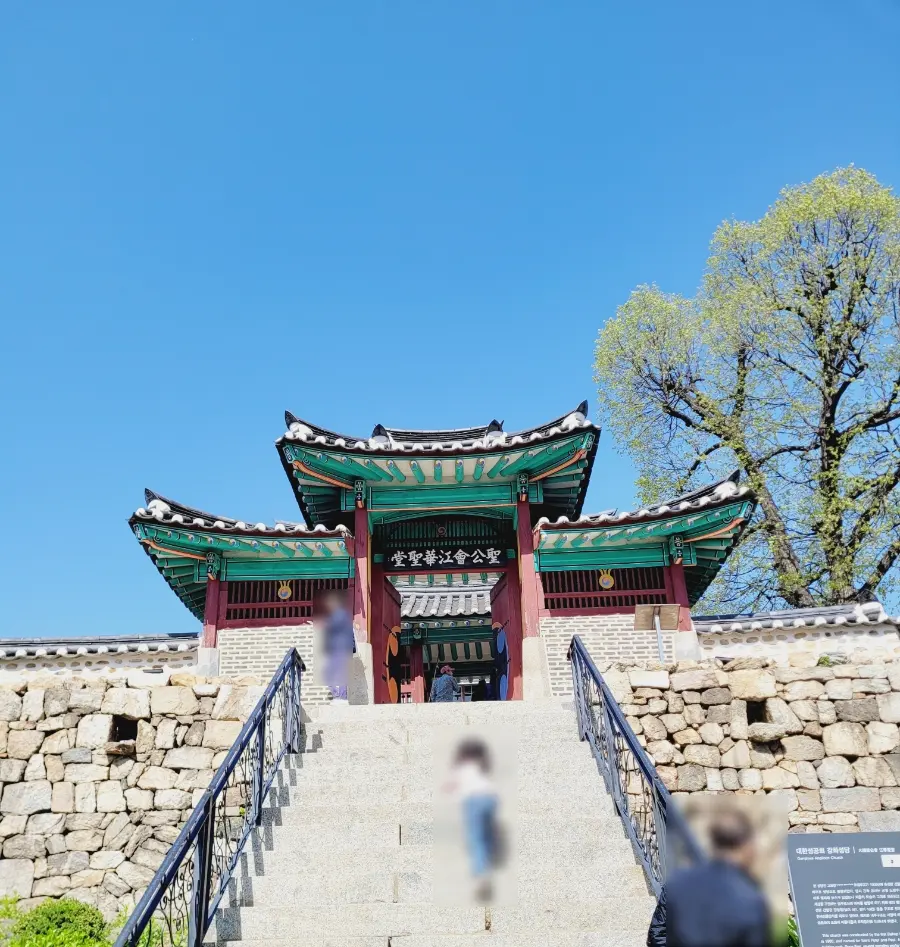
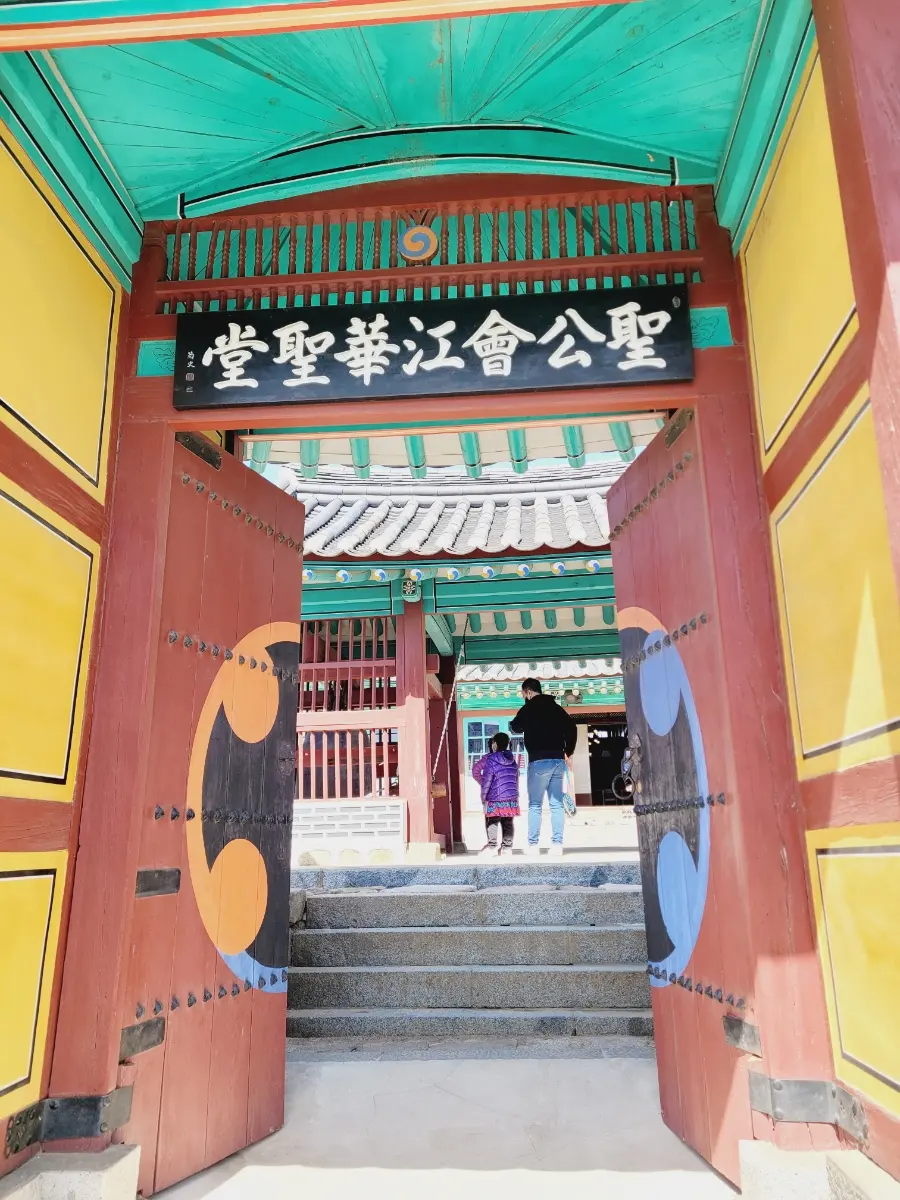
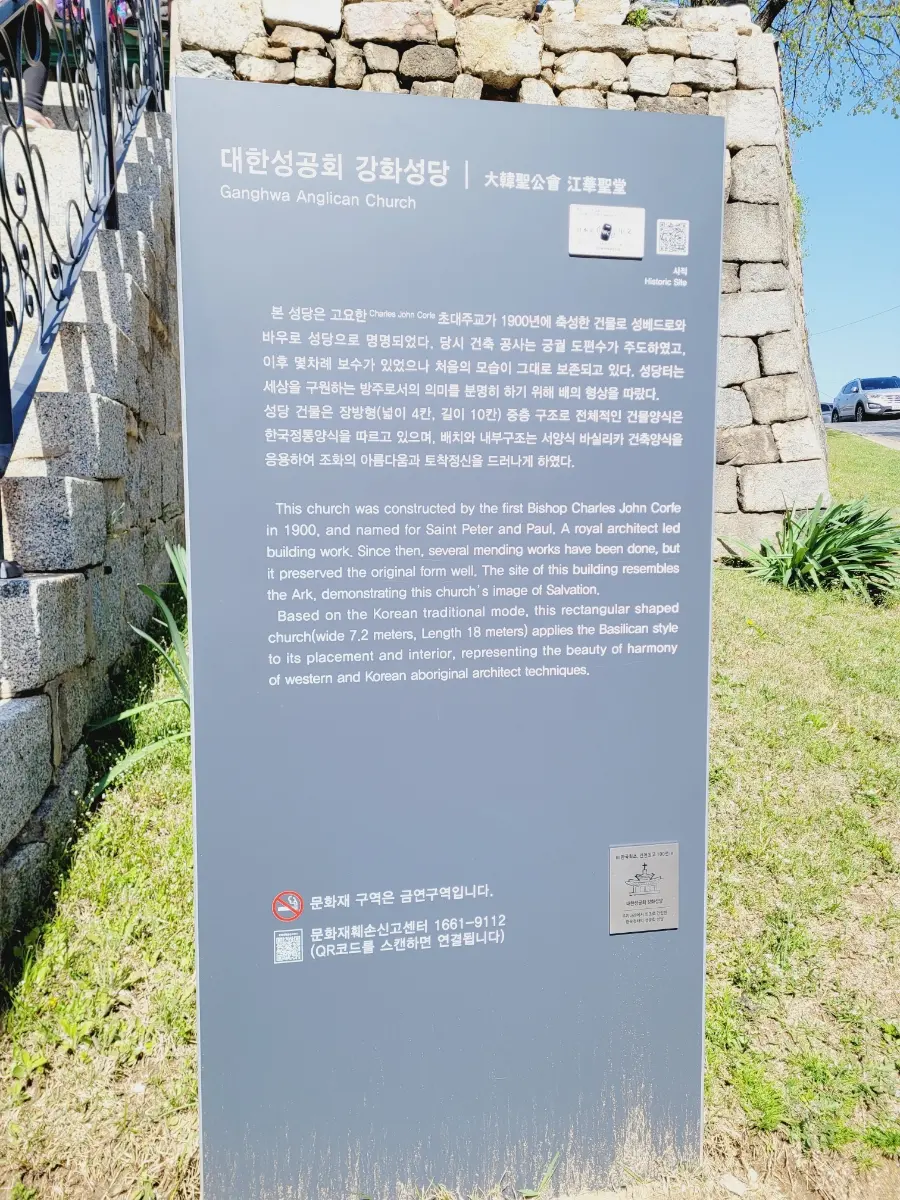
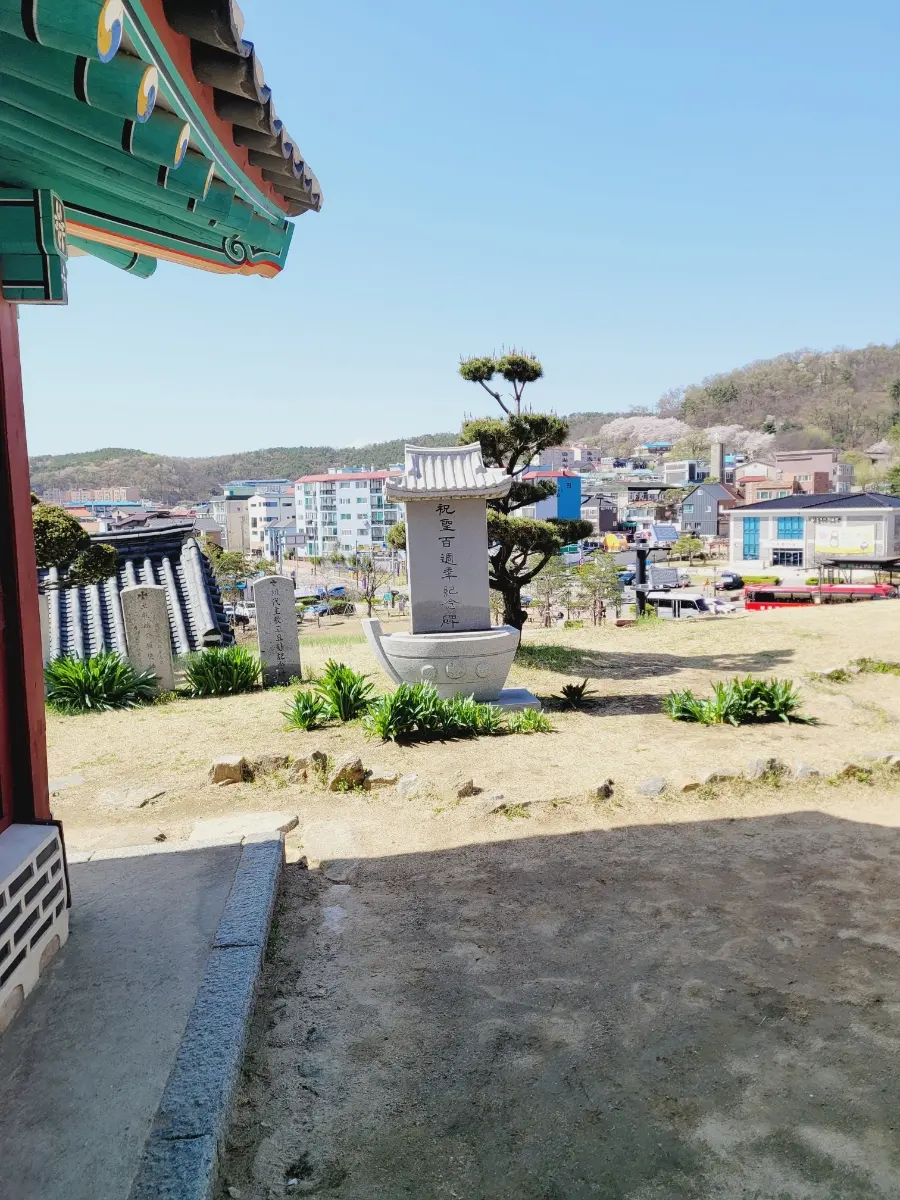
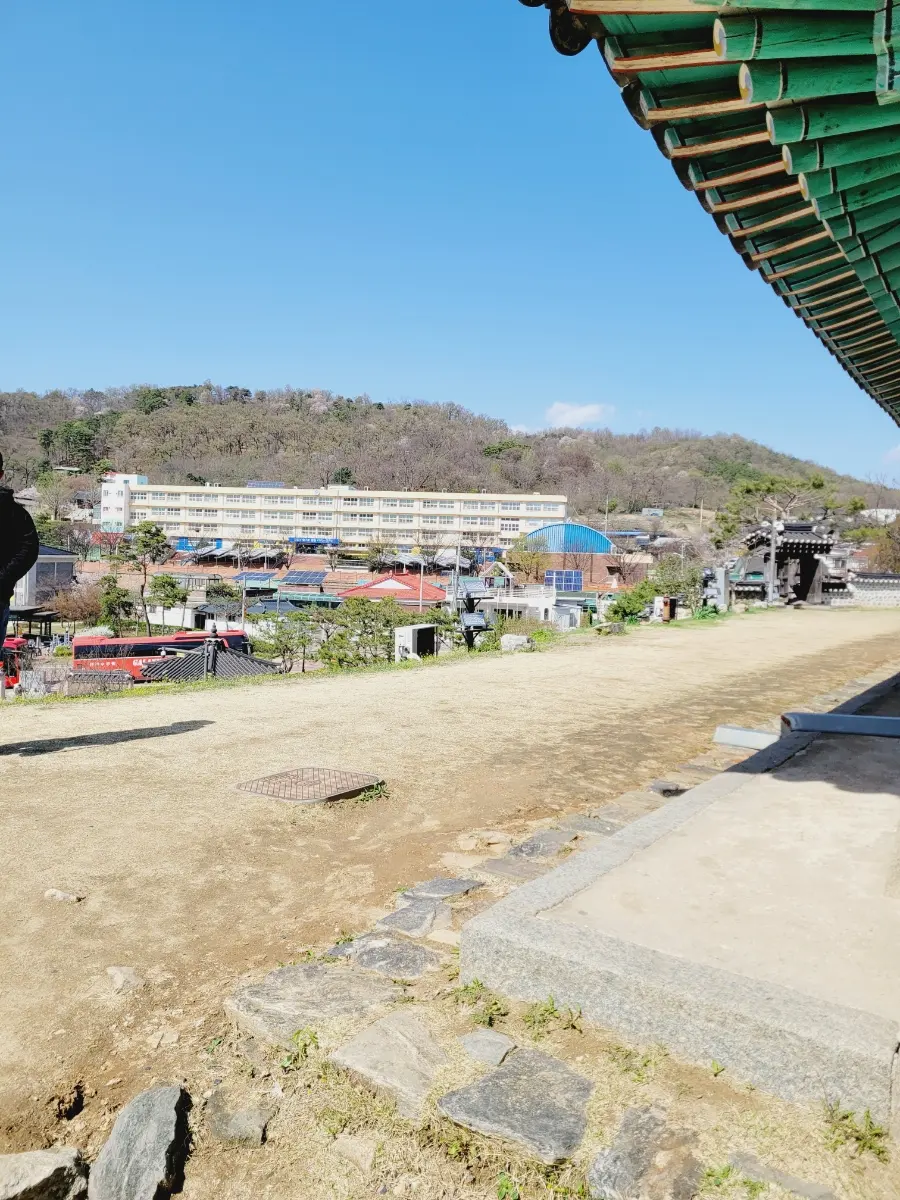
Perched on higher ground, the Korean Anglican Ganghwa Church offers a unique perspective,
allowing you to gaze upon the Goryeogungji Palace Site and even Ganghwa Elementary School.
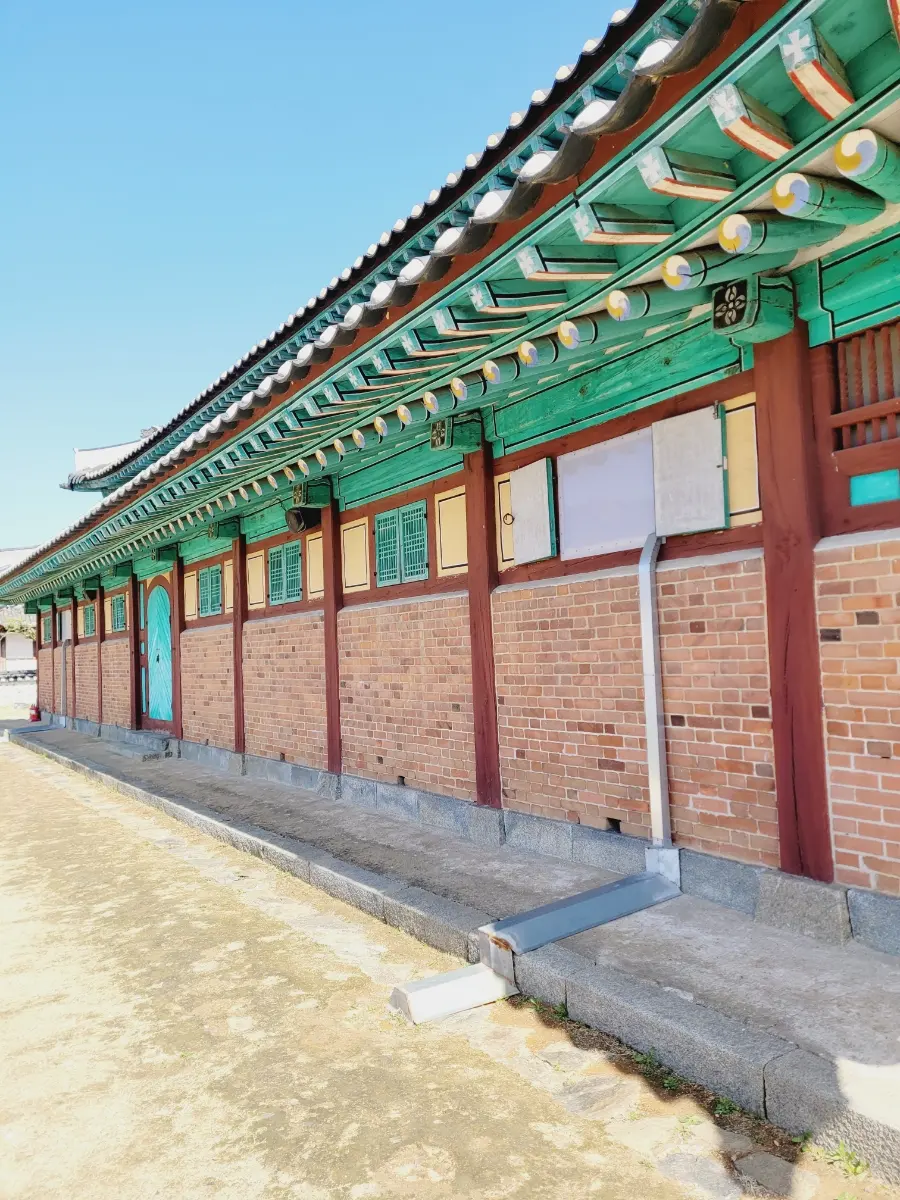
Constructed with a wooden framework,
and featuring stacked bricks beneath a tiled roof, it's a true architectural marvel.
It's said to be the oldest surviving Hanok church building
in existence!

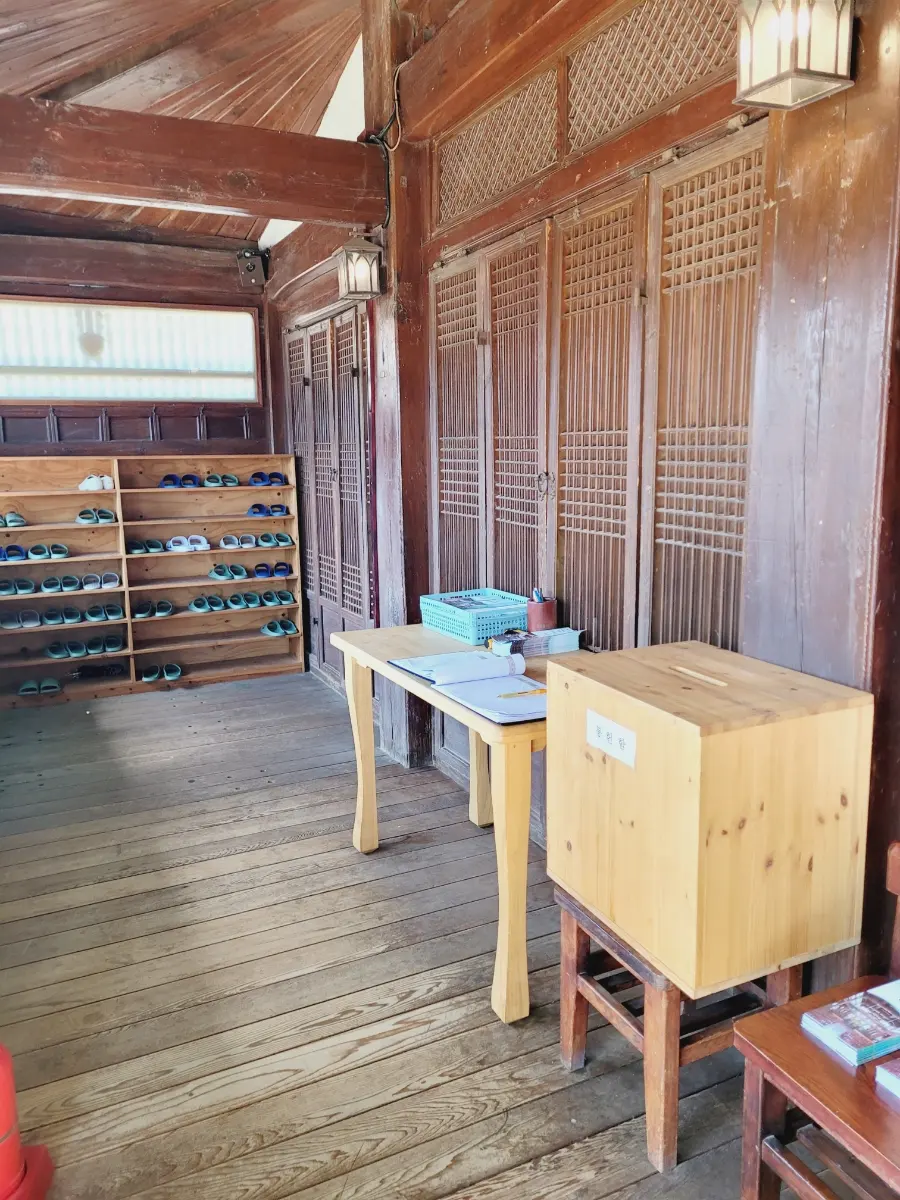
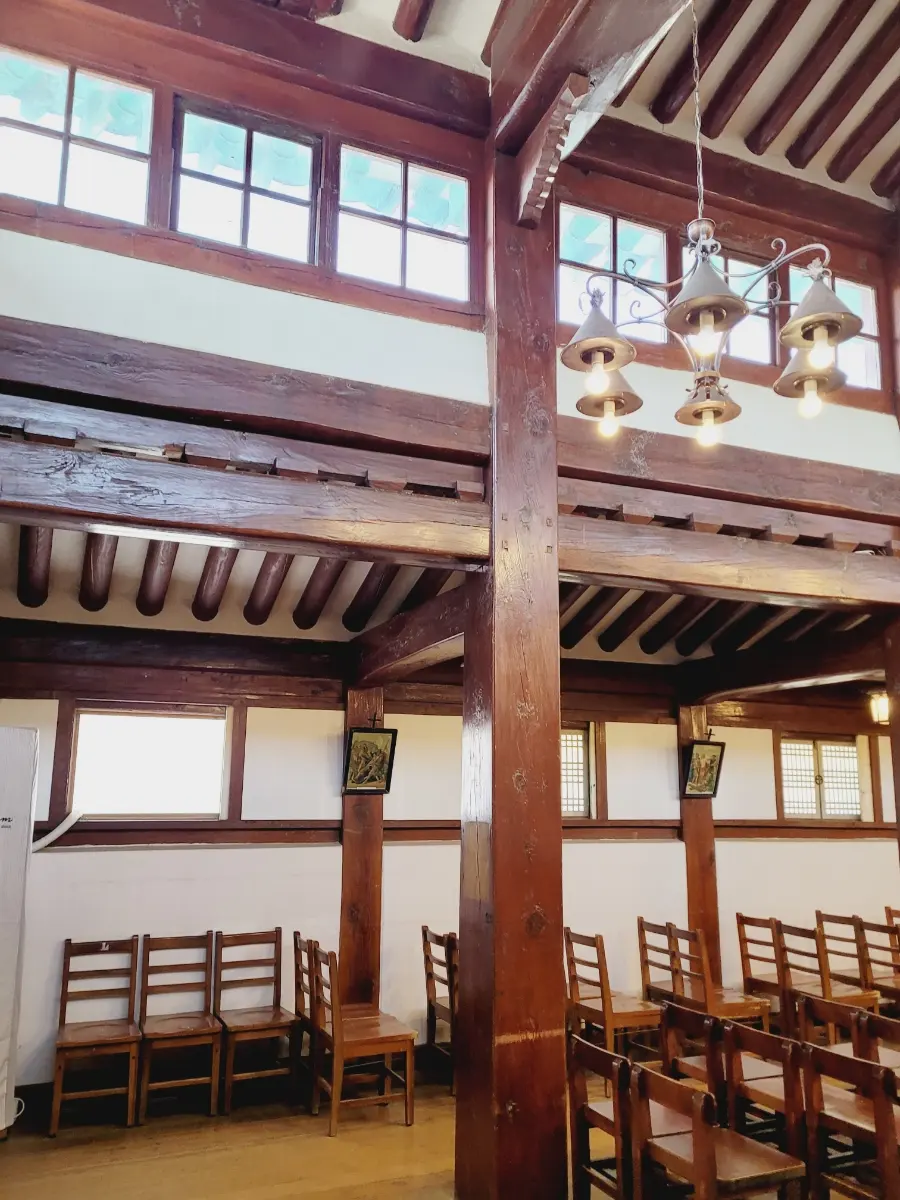
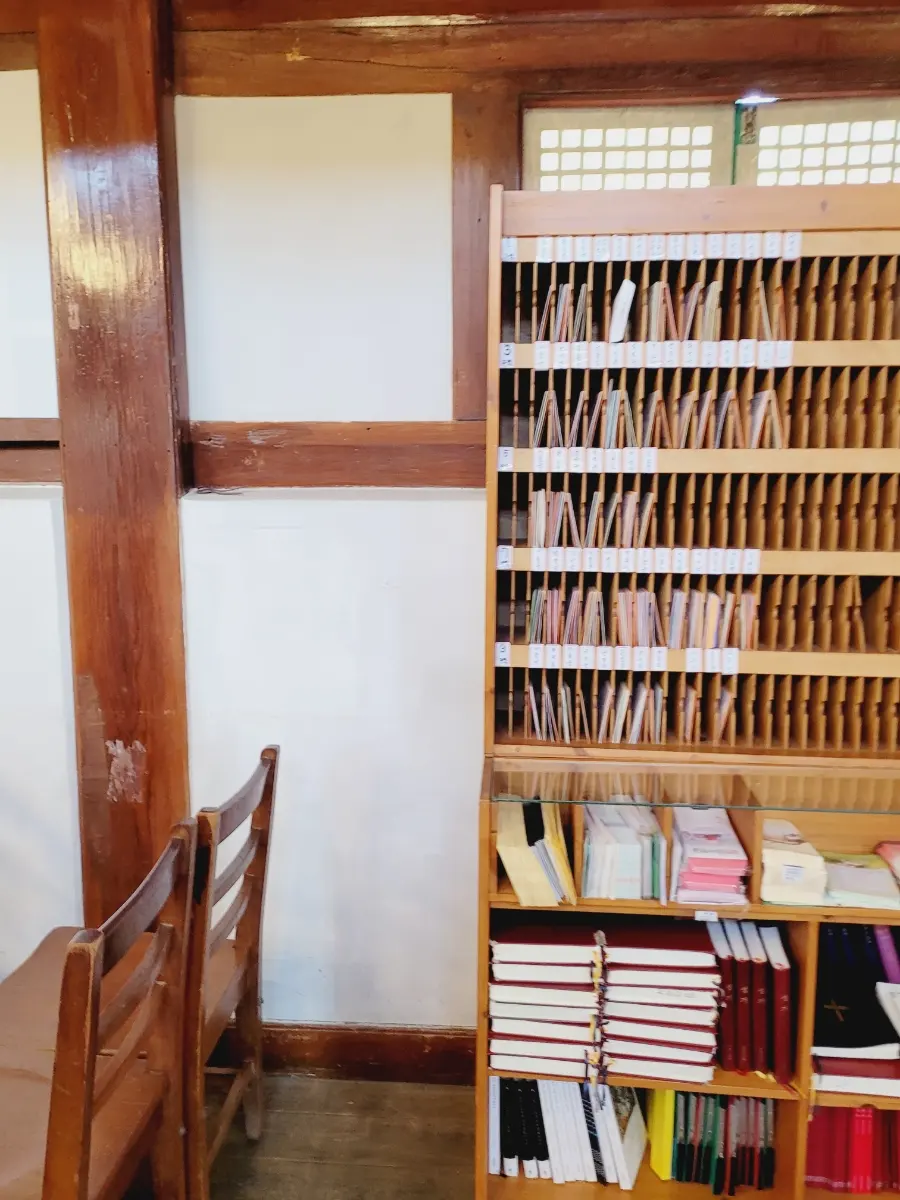
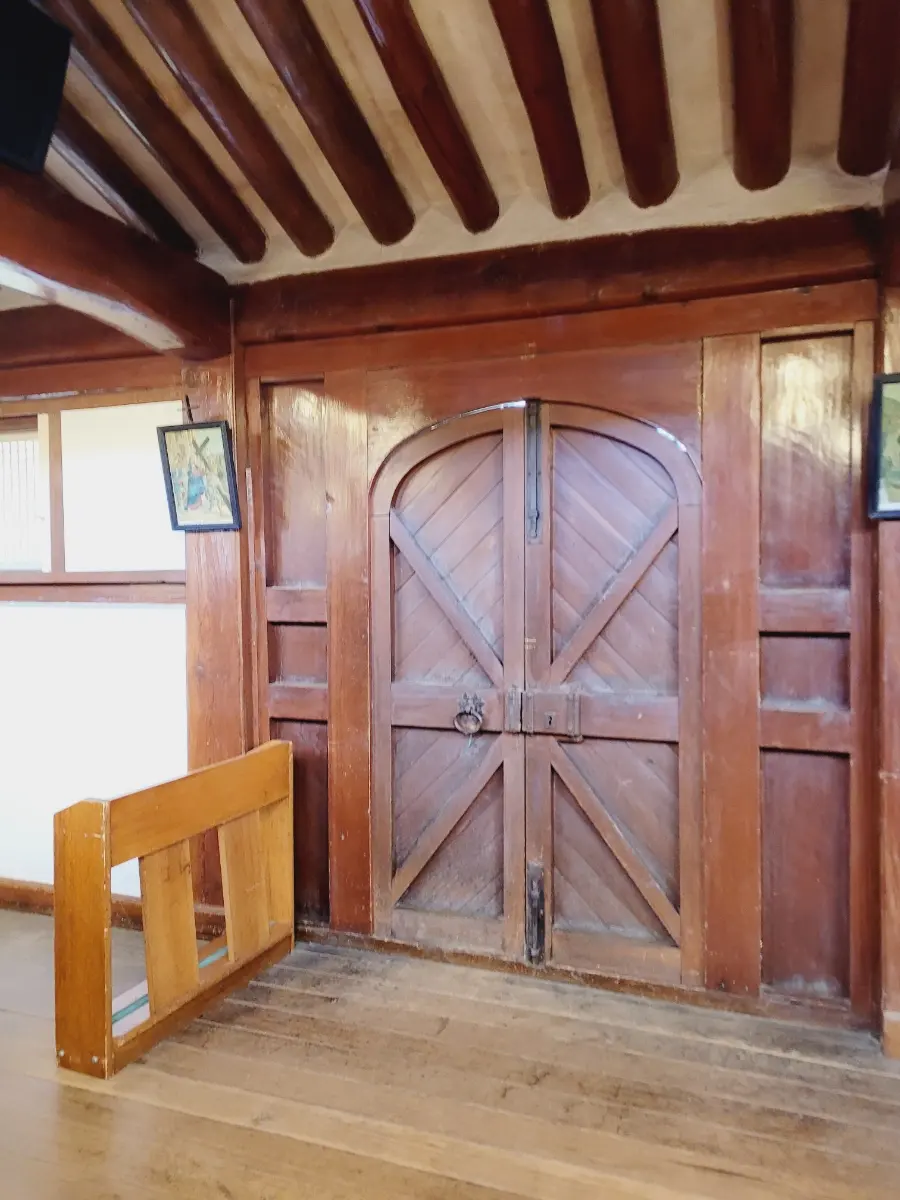
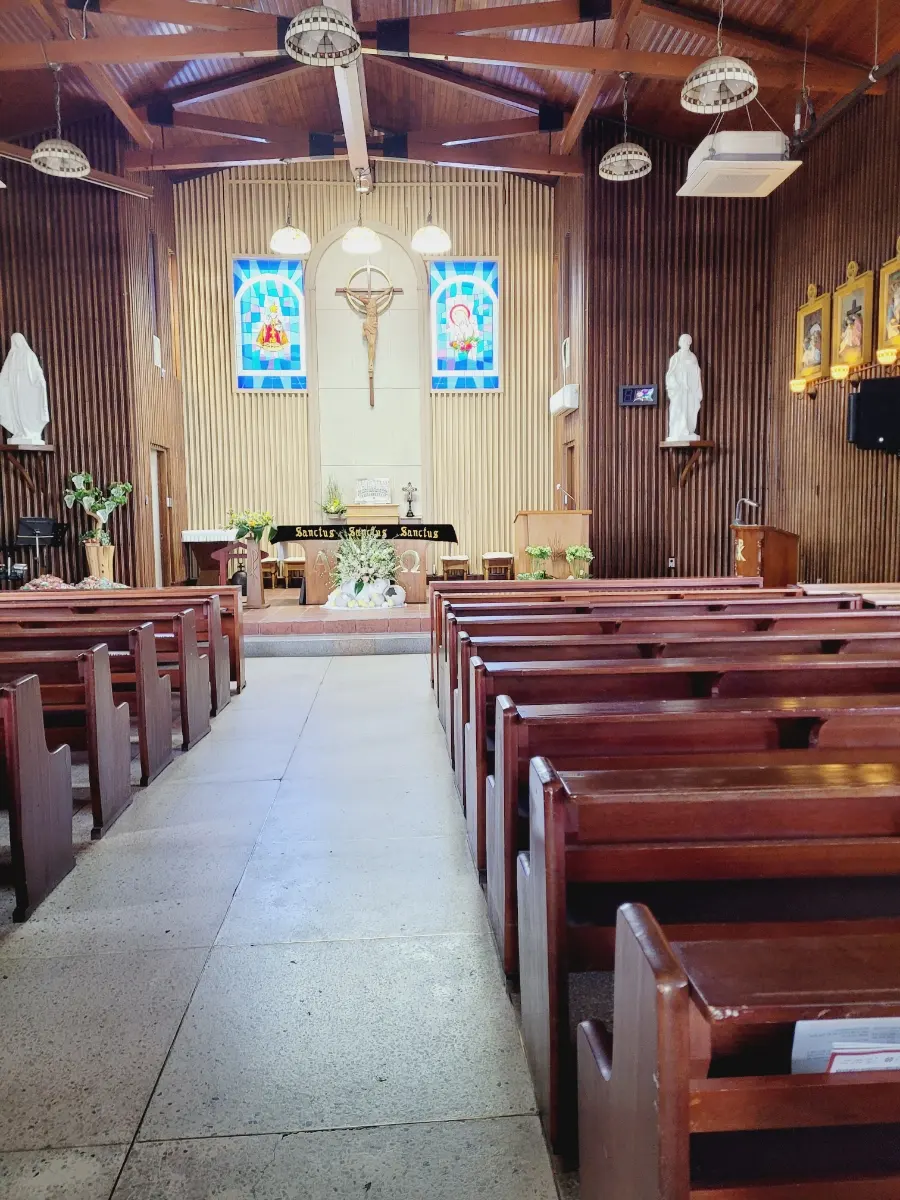
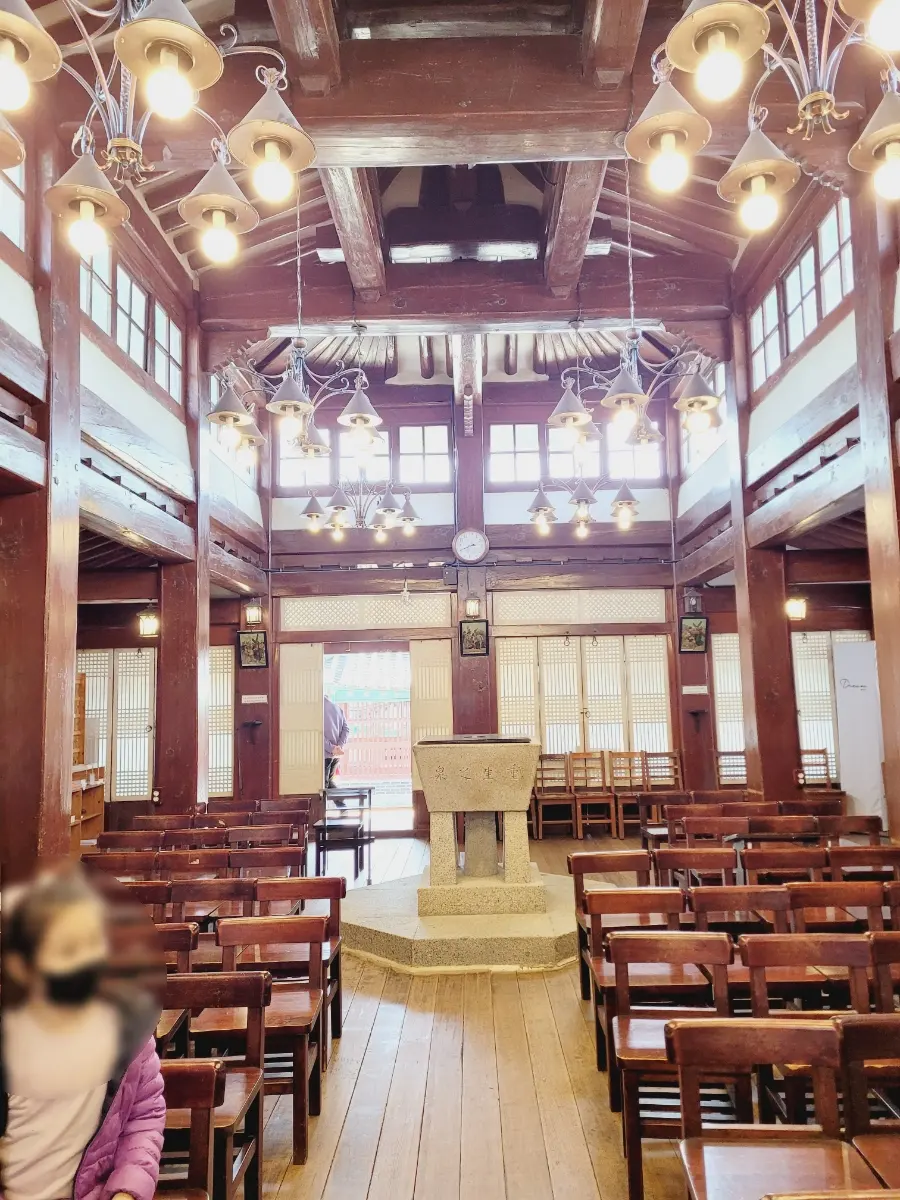
Step inside Ganghwa Church and you'll find
an interior designed in the Western European basilica style.
But look closer at the exterior, and you'll see influences of Eastern Buddhist temple architecture.
This creates a truly unique blend where the beauty of East and West harmoniously intertwine,
giving the church a deeply distinctive character.
Surprisingly, the interior wasn't as vast as one might imagine.
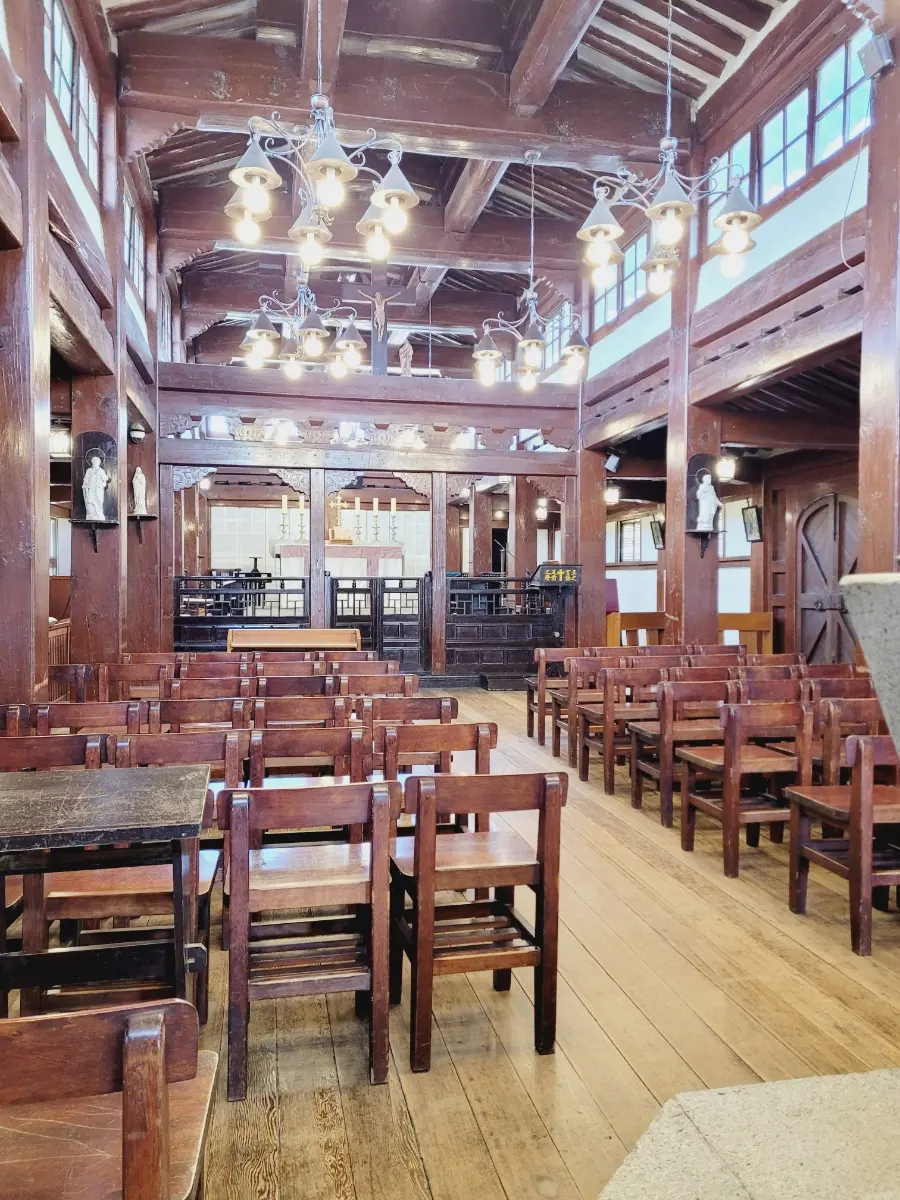
I explained to the children that having a church within a Hanok-style building was incredibly special,
and though they were curious initially,
seeing it in person truly captivated them!
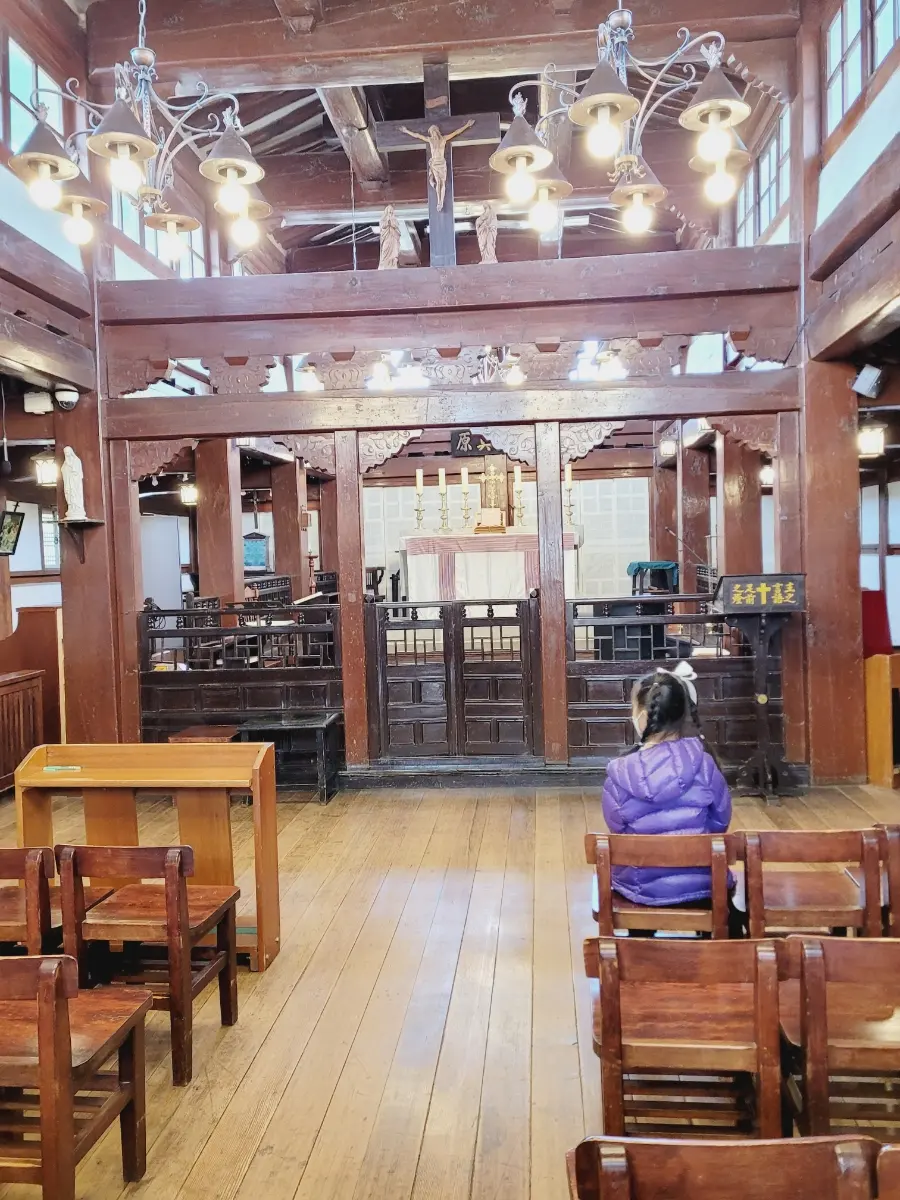
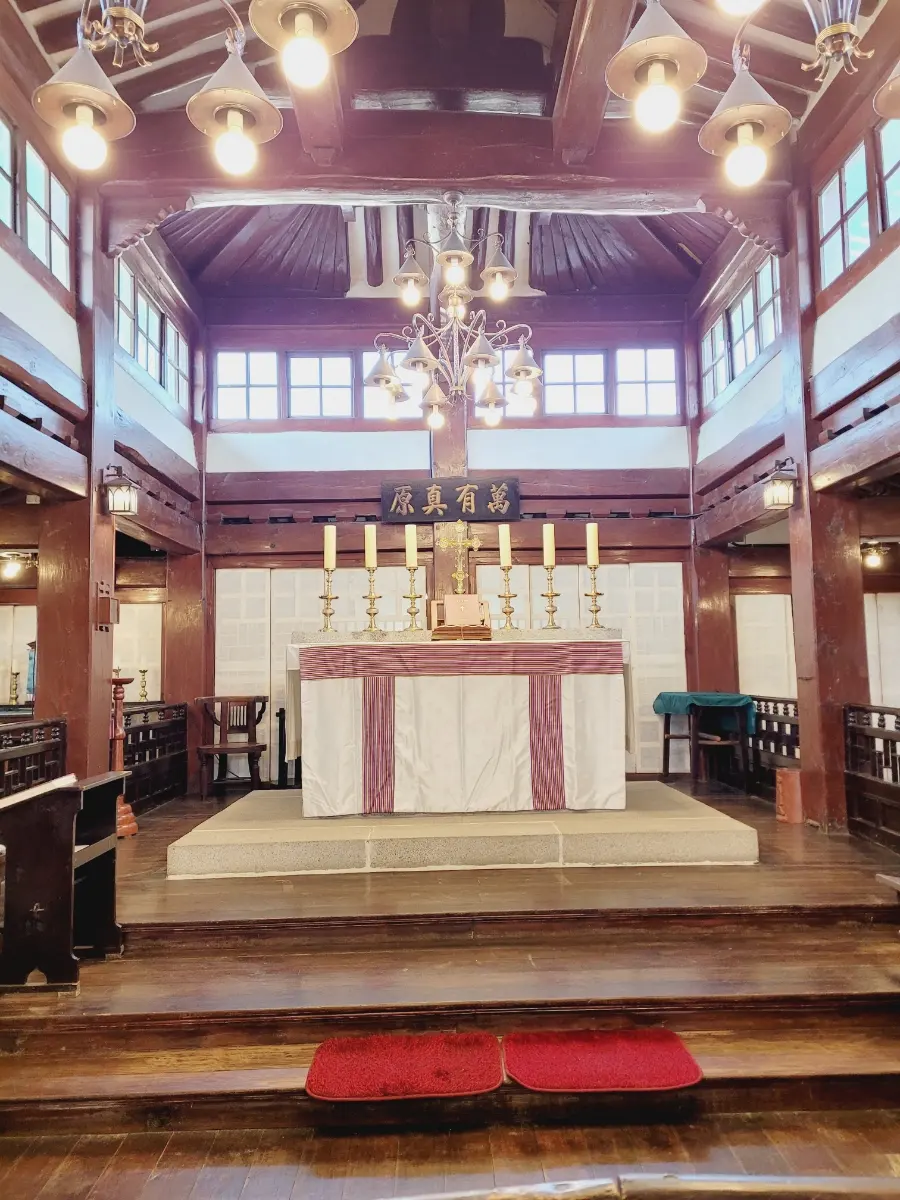
Ganghwa Church also truly shines,
thanks in no small part to its incredible lighting!
Just look at how many lights there are!
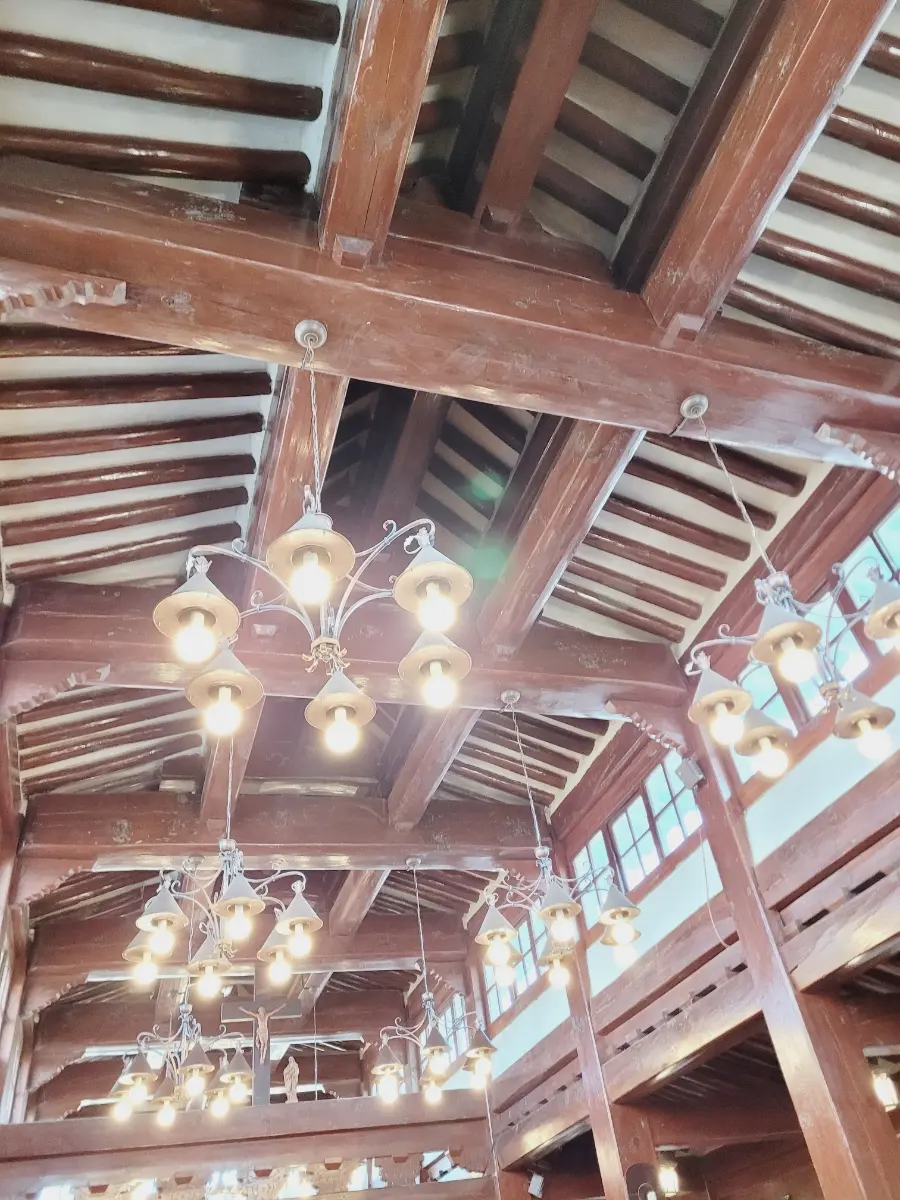
The combination of lighting and chairs that reminded me of old elementary school classrooms
really gave off a wonderfully nostalgic, old-school vibe.
(Oops, I just dated myself, didn't I?!)
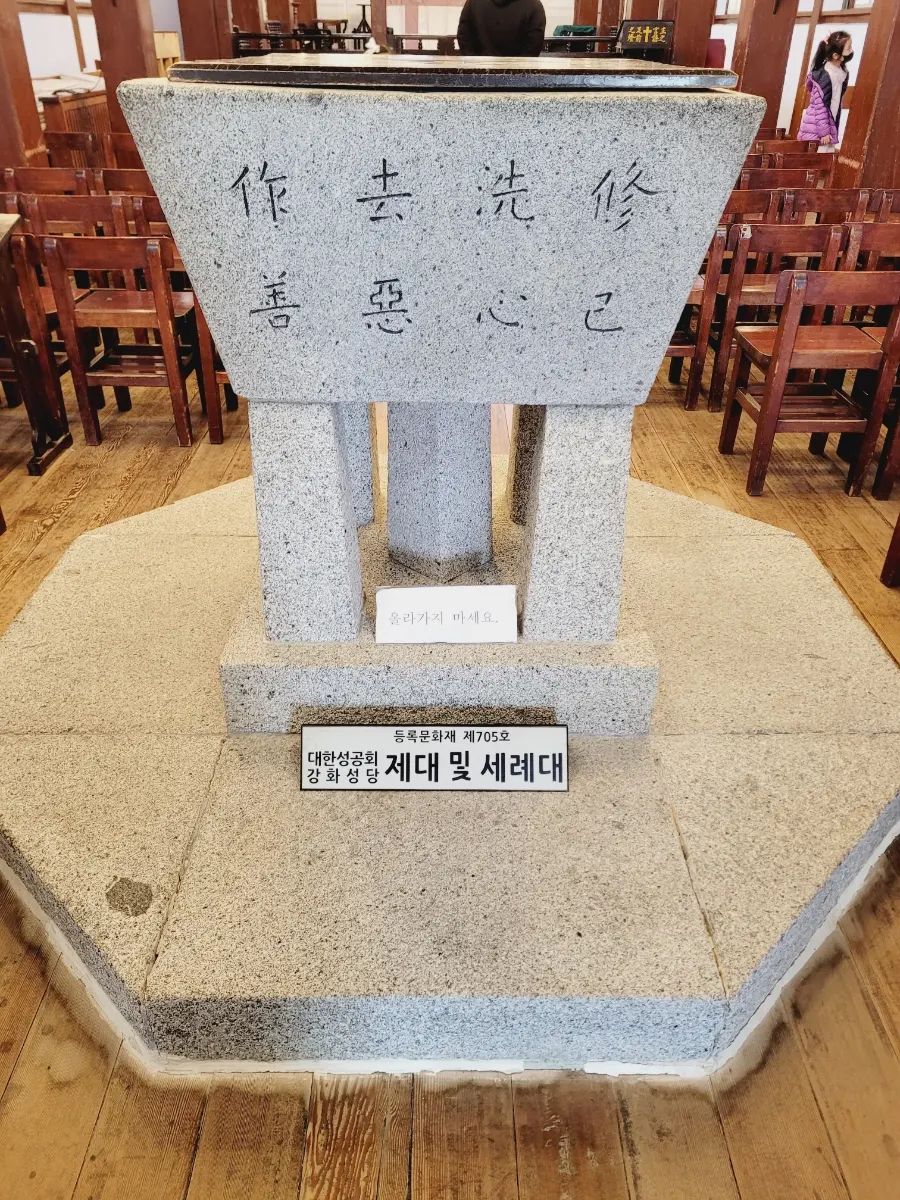
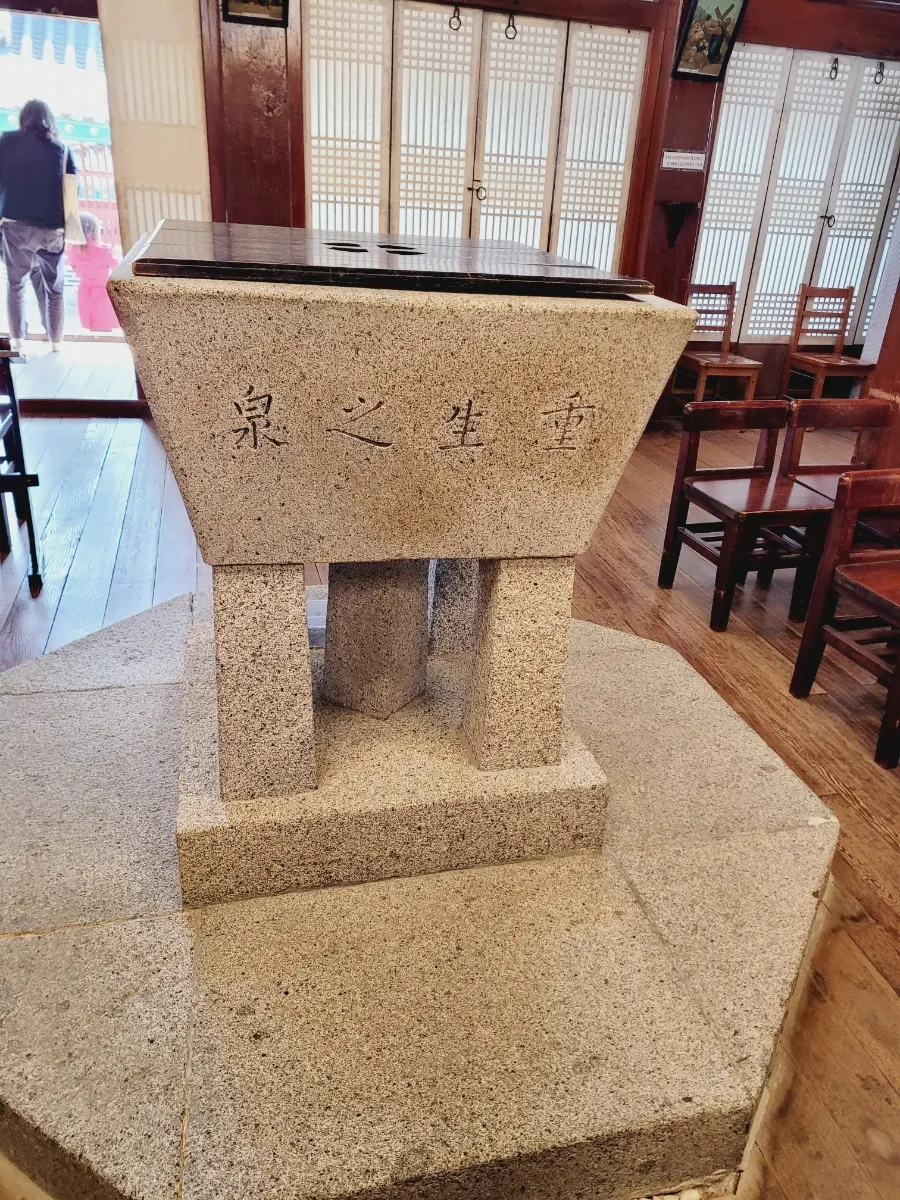
Right in the center,
you'll find the altar and a beautiful baptismal font.
After soaking it all in,
For our final northern adventure of the day,
we were off to Joyang Bangjik!
Frequently Asked Questions
Where is the best place to park when visiting Goryeogungji, Cherry Blossom Road, Yongheunggung Palace, and Ganghwa Cathedral on Ganghwado Island, and what are the parking fees?
You can use the Yongheunggung Park Public Parking Lot or the open-air parking lot near Won Buddhism behind Ganghwa Elementary School. The Yongheunggung Park Public Parking Lot charges ~$0 for 30 minutes and ~$1 for 60 minutes. Open-air parking is free.
What is the history of Goryeogungji in Ganghwa, and what buildings remain today?
Ganghwa Goryeogungji was used as a royal palace for 38 years after the capital was moved to Ganghwa in the 19th year of King Gojong of Goryeo. It was destroyed after peace was made with the Mongols. Today, buildings such as the Dongheon and Ibangcheong of the Joseon Dynasty's Ganghwa Yusubu (administrative office) and the Oegyujanggak, which was restored in 2003, remain.
When and for what purpose was Oegyujanggak established within Goryeogungji, and what is its current status?
Oegyujanggak was established in Ganghwa in 1782 by order of King Jeongjo to store royal books. It was destroyed and its books plundered by French forces during the Byeonginyangyo (French expedition to Korea) but the building was restored in 2003.
What historical figure is Yongheunggung Palace on Ganghwado Island associated with, and in what form is it preserved today?
Yongheunggung Palace is the house where Cheoljong, a king of the late Joseon Dynasty, lived during his childhood before ascending to the throne. Originally a thatched-roof house, it was rebuilt as a tiled-roof house and given the name "gung" (palace) by Cheoljong four years after his enthronement, thus preserving it.
What are the architectural characteristics of Ganghwa Anglican Church, and what is its significance among existing Hanok church buildings?
Ganghwa Anglican Church is a tiled-roof building constructed with a wooden frame and brick walls, making it the oldest existing Hanok church building. Its interior is built in the Western European basilica style, while its exterior resembles an East Asian Buddhist temple, creating a unique blend of Eastern and Western aesthetics.
Share this article
Related Travel Stories

Inspire Resort Incheon Dining Guide 2026: Oasis & More
Discover all the dining options at Inspire Resort Incheon in 2026! From the vast Oasis Gourmet Village to unique restaurants, find menus, hours, and parking.

Songdo Beer Festival 2026: VIP Table Review & Insider Tips
Planning to hit the 2026 Songdo Beer Festival? Get the lowdown on admission fees, VIP tables for unlimited beer, and essential tips for an epic experience!

Yeongjongdo Seaside Park: Top 4 Activities for 2026
Planning a trip to Yeongjongdo? Don't miss Seaside Park! Uncover the best 4 activities, from thrilling rail bikes to relaxing seawater foot baths and engaging salt field tours.

G-Tower Observatory Songdo: Free Central Park Views (2026)
Experience Songdo from above! The G-Tower Observatory provides breathtaking free views of Central Park and the futuristic city, a must-visit for any traveler.

Airline Carry-On Battery Rules 2026: Camera & Action Cam Limits
Confused about bringing your portable chargers and camera batteries on a flight? Learn the updated 2026 airline carry-on battery regulations for safe and smooth travels.

Seoul Day Trips: Top Water Parks & Pools for Summer 2026
Escape the summer heat in Seoul! Discover the top water parks, pools, and beaches for unforgettable day trips with family, friends, or solo adventures in 2026.