

Airline Carry-On Battery Rules 2026: Camera & Action Cam Limits
Confused about bringing your portable chargers and camera batteries on a flight? Learn the updated 2026 airline carry-on battery regulations for safe and smooth travels.

Global Adventures
Onboard Portable Charger Regulations 2026
Hey there, global explorers! I'm Tak Sa-jang, your trusty travel blogger :)
Between cameras, action cams, and even microphones,
when you're packing all your gear, do you ever find yourself with 5 or 6 batteries just for power?
As a travel YouTuber myself, I definitely lug around a whole stash of batteries.
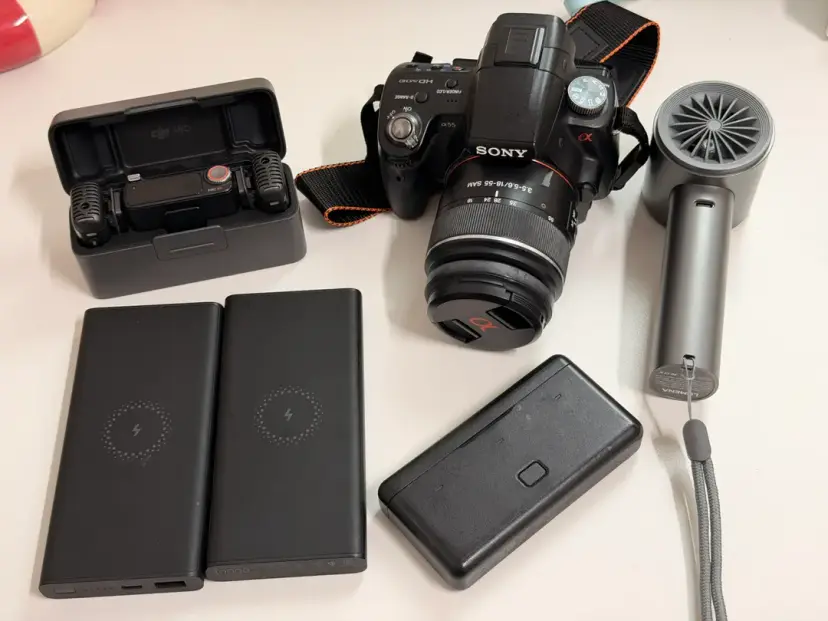
"Can I really take all these on the plane with me?"
It's a question that trips me up every single time.
Especially with the in-flight portable charger regulations getting stricter starting in 2026, it's been on my mind even more.
In this post, I'm going to definitively break down the onboard portable charger regulations, along with the battery limits for cameras and action cams, all based on Korean Air's latest official announcement.

🚨 Today's Travel Log
✔️ This information is based on my personal checks while traveling with multiple pieces of gear, plus Korean Air's official regulations (as of August 2026).
Portable chargers and spare (replacement) batteries cannot be packed in your checked luggage; they are only permitted as carry-on items.
According to Korean Air's guidelines:
Portable chargers under 100Wh: 2 per person,
Replacement batteries for cameras and action cams: up to 5 per person.
Batteries already installed in your devices are not included in these counts, and all spare batteries must be individually packaged and kept with you personally.
⭐️ Today's Travel Difficulty: ★☆☆
Easy peasy if you know the battery counts and how to calculate them!
🧭 Your Travel Itinerary for Today |
✔️ How have the Onboard Portable Charger Regulations 2026 changed? |
✔️ What is the maximum number of portable chargers allowed under the new regulations? |
✔️ Are batteries installed in cameras and action cams, as well as spare batteries, included in the count? |
✔️ How to safely pack your filming equipment batteries |
✔️ Onboard Portable Charger Regulations FAQ |
1. So, what's new with the Onboard Portable Charger Regulations for 2026?

First things first, let's cover the essentials.
Portable chargers and spare batteries are a big no-no for checked luggage (your suitcase) and are only allowed in your carry-on.
This is because if a lithium battery fire breaks out in the cargo hold, it's incredibly difficult to put out mid-flight.
That's why regulations require them to be kept in a bag you carry with you, where they can be monitored.
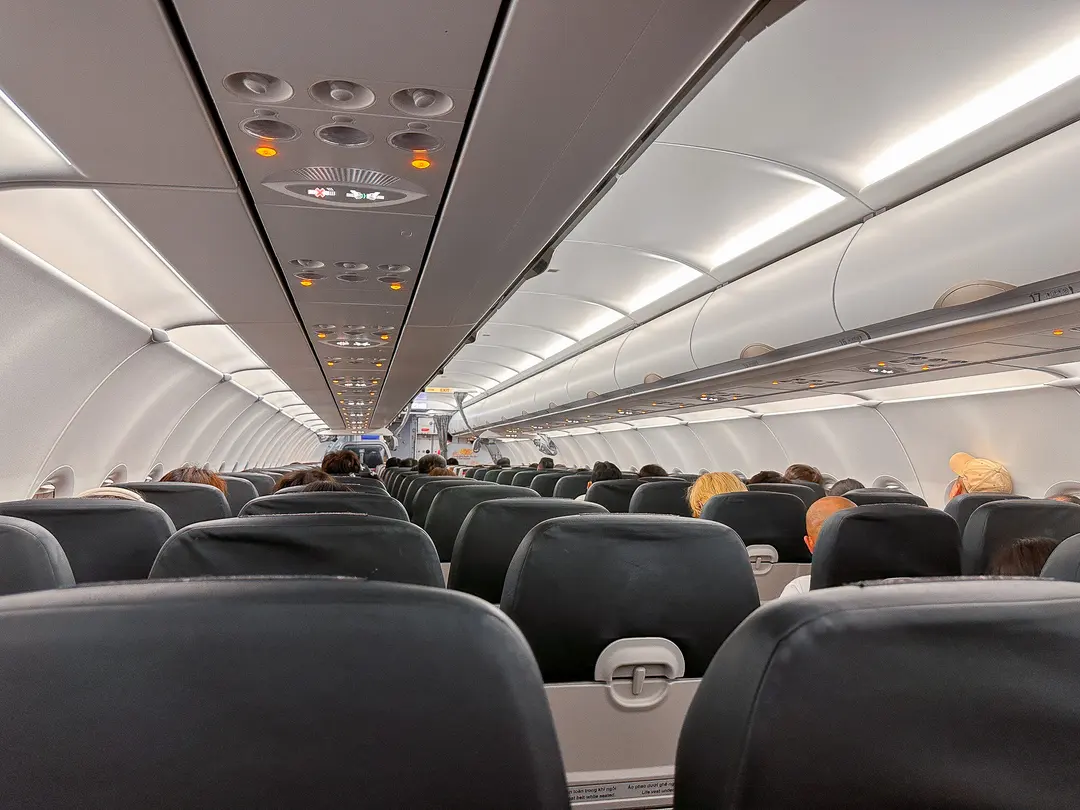
⚠️ A crucial point here!
Batteries you bring onboard should never be stored in the overhead bins.
They need to be kept in the seat pocket in front of you or carried on your person.
Also, absolutely no charging or using portable chargers on the plane! ❌
Charging the portable charger itself,
or using it to charge another device – both are strictly forbidden.
So, I highly recommend fully charging all your batteries before you even step on the plane.
2. How many portable chargers can you actually bring onboard?
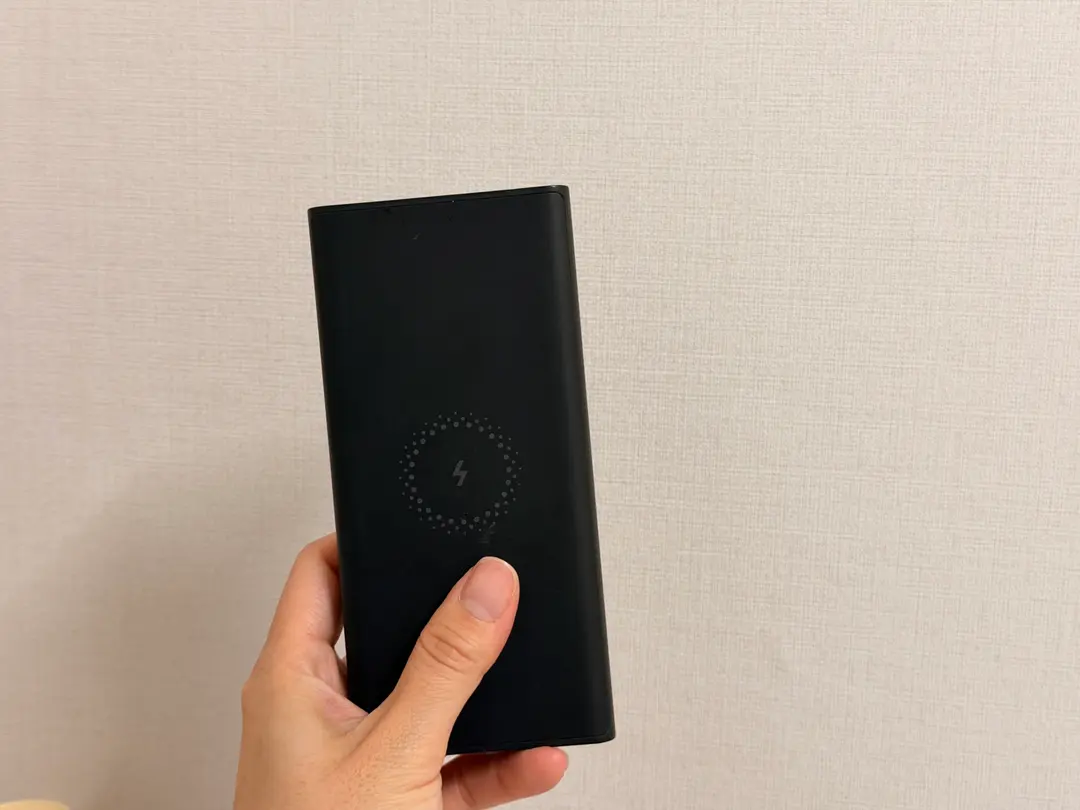
This is probably the question on everyone's mind!
Especially these days, so many of us are traveling with extra cameras like DSLRs or
action cams for vlogging, right?
How many spare camera batteries can I bring?
What about spare action cam batteries?
Can I carry an Osmo microphone in its set case?
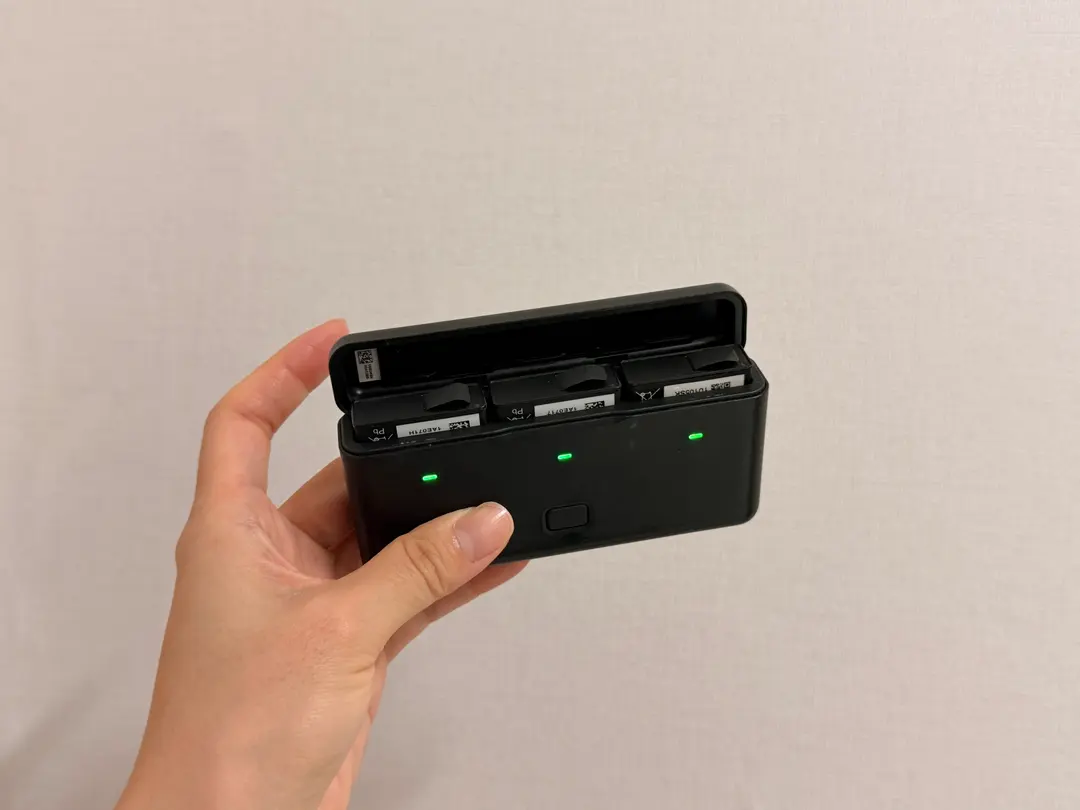
This was definitely the question I was most eager to answer myself!
The key takeaway here is that the regulations for portable chargers and spare (replacement) batteries have different quantity limits.
I've referenced Korean Air's onboard portable charger regulations for this.
Category | Under 100Wh | Over 100Wh up to 160Wh |
Portable Chargers | 2 per person | 2 per person (combined) |
Spare/Replacement Batteries | 5 per person | 2 per person (combined) |
Now, the regulation unit is in Wh (Watt-hours), but you'll often see batteries marked with mAh (milliampere-hours), like '10,000mAh,' which can be confusing.
How to Calculate Wh |
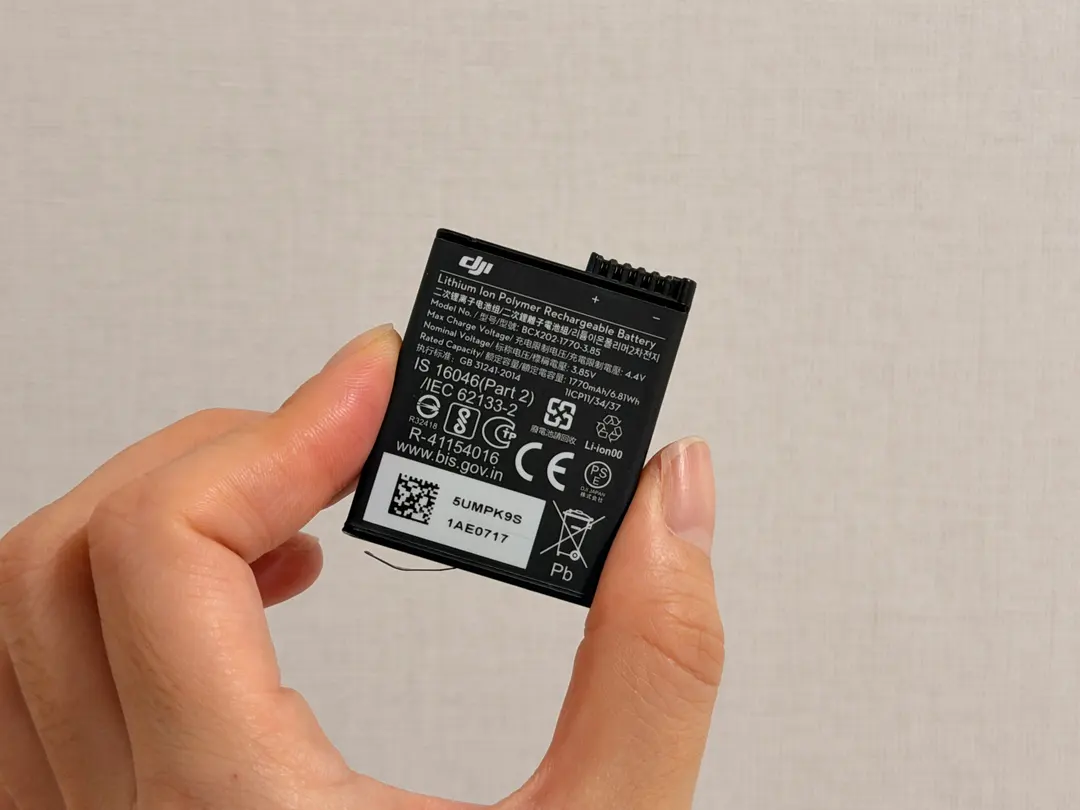
✔️ If only mAh is listed, here's how to calculate Wh
— Most batteries will prominently display only mAh, often like '10000mAh'.
Since regulations are based on Wh, you'll need to convert it yourself, but don't worry, the formula is super simple!
Wh = mAh × Voltage (V) ÷ 1000
For standard lithium-ion batteries, the voltage is 3.7V. You just need to plug in this number.
So, a commonly used 20000mAh power bank is approximately 74Wh, which comfortably falls under 100Wh.
However, large capacity batteries exceeding 27,000mAh might exceed 100Wh,
so always calculate it before packing them.
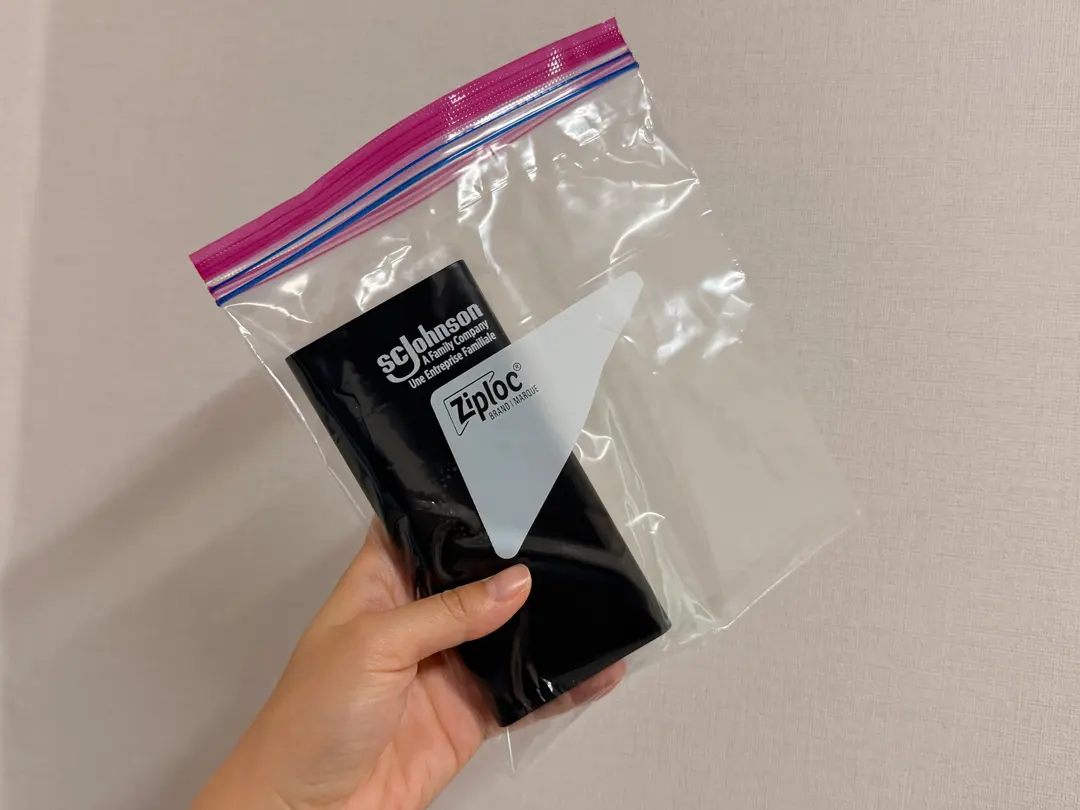
So, here's the key takeaway.
For power banks (portable chargers), you can bring up to 2 units.
For spare batteries used in cameras, action cams, and microphones, you can bring up to 5 units.
These two categories are counted separately.
So, even if you have a lot of camera gear batteries, you'll find you have more leeway than you might expect.
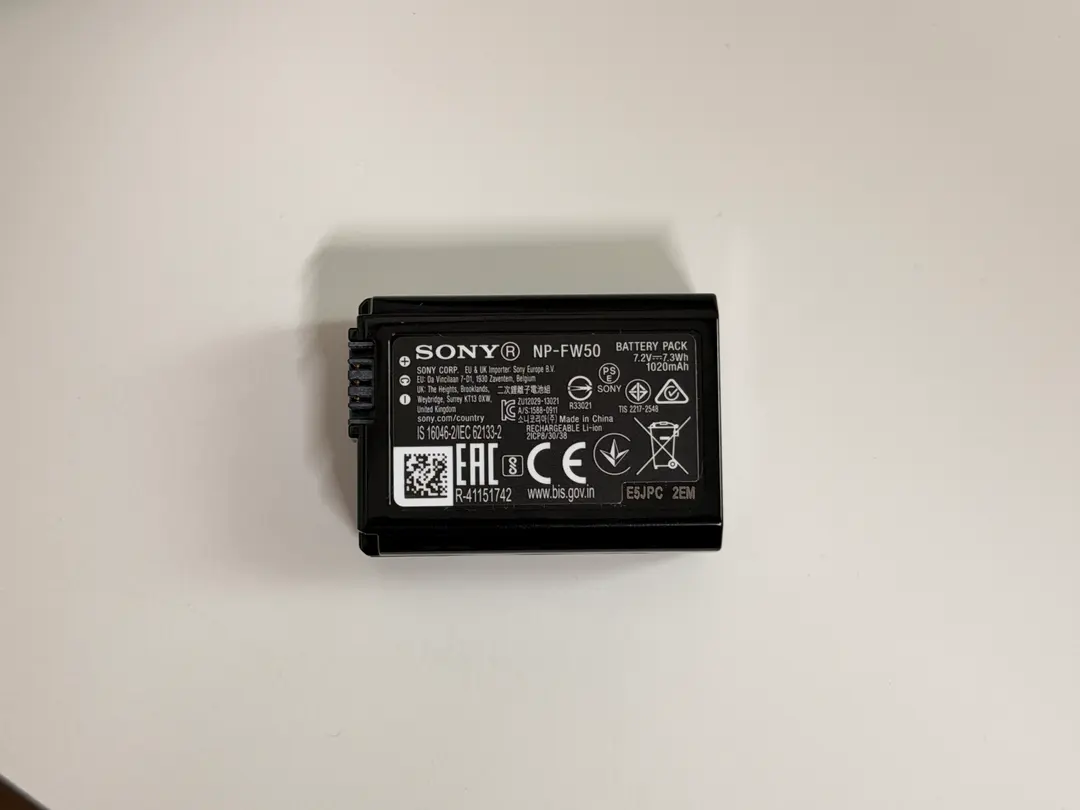
Camera batteries are usually 10-20Wh,
and action cam batteries are around 10Wh, so they all fall within the under-100Wh range.
Therefore, you can count your spare photography equipment batteries up to the 5-unit limit.
⚠️ For batteries exceeding 100Wh but under 160Wh (large-capacity special batteries), you're limited to a total of 2 per person, combining both power banks and spare batteries,
and you'll need airline approval at the check-in counter.
However, most standard photography equipment won't fall into this category.
Battery Quantity Example |
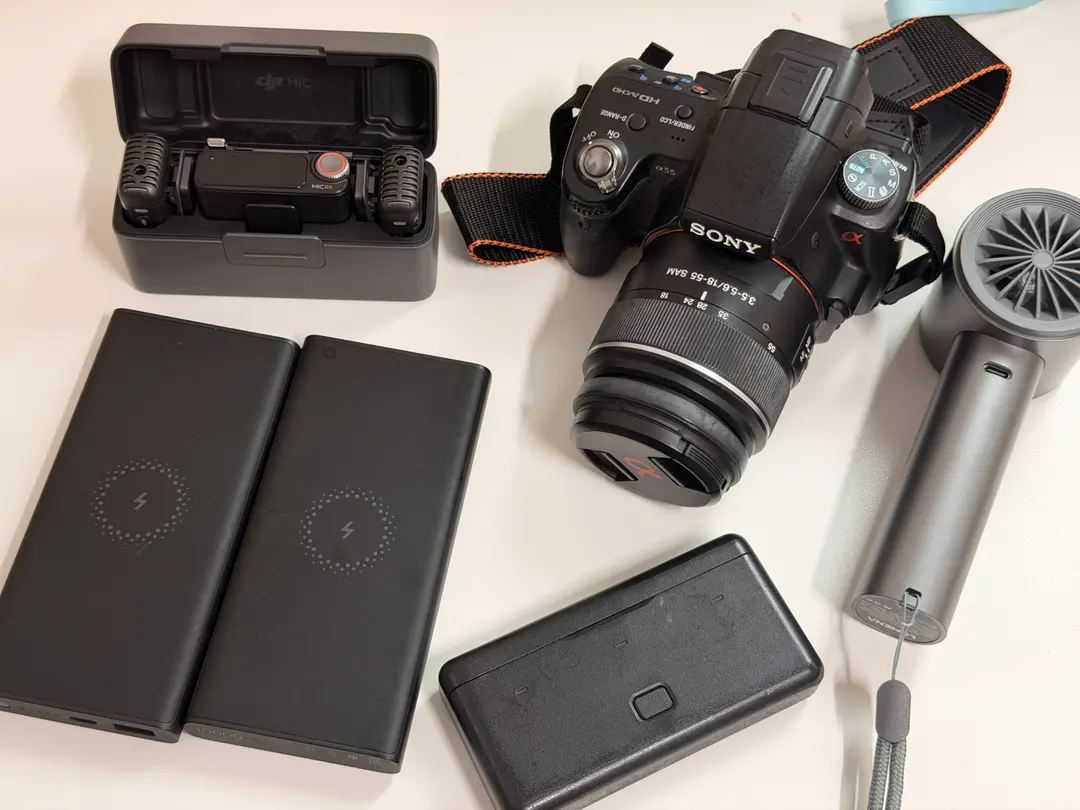
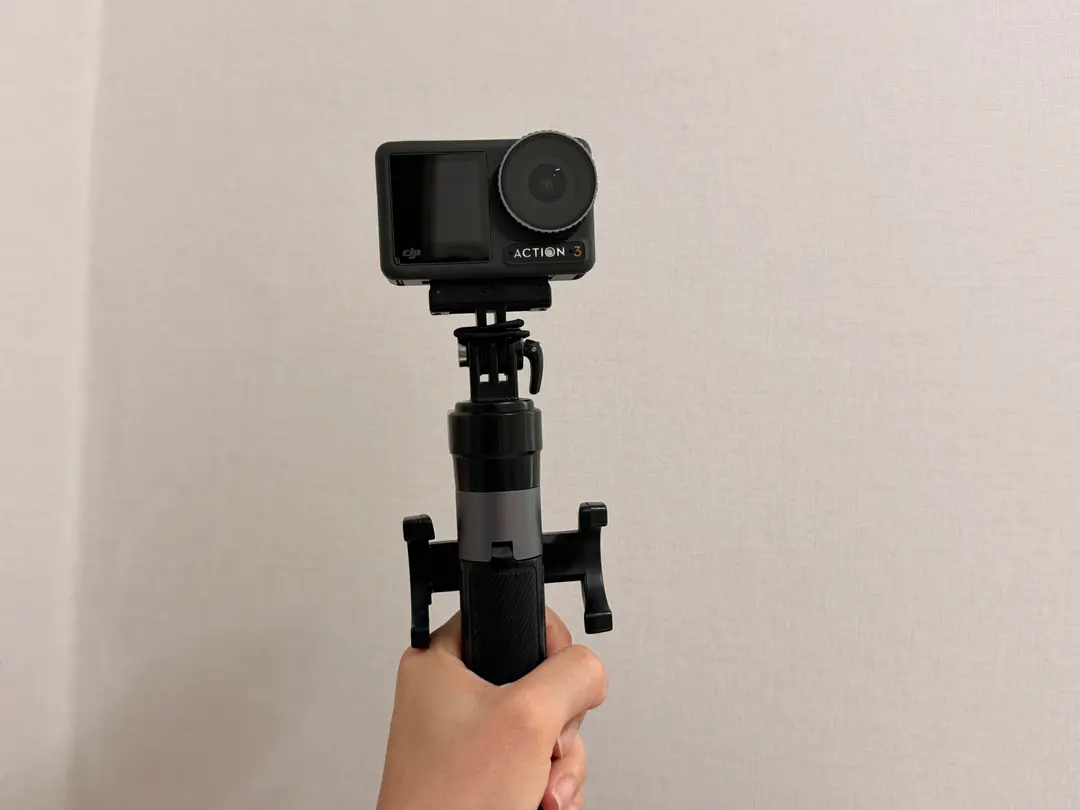
Let's calculate with my actual setup.
1 spare Sony camera battery + 3 spare Osmo action cam batteries → a total of 4 spare batteries.
Additionally, my DJI (Osmo) microphone has a built-in battery in the transmitter and is carried in a charging case,
so I can just bring the whole set, case and all, on board.
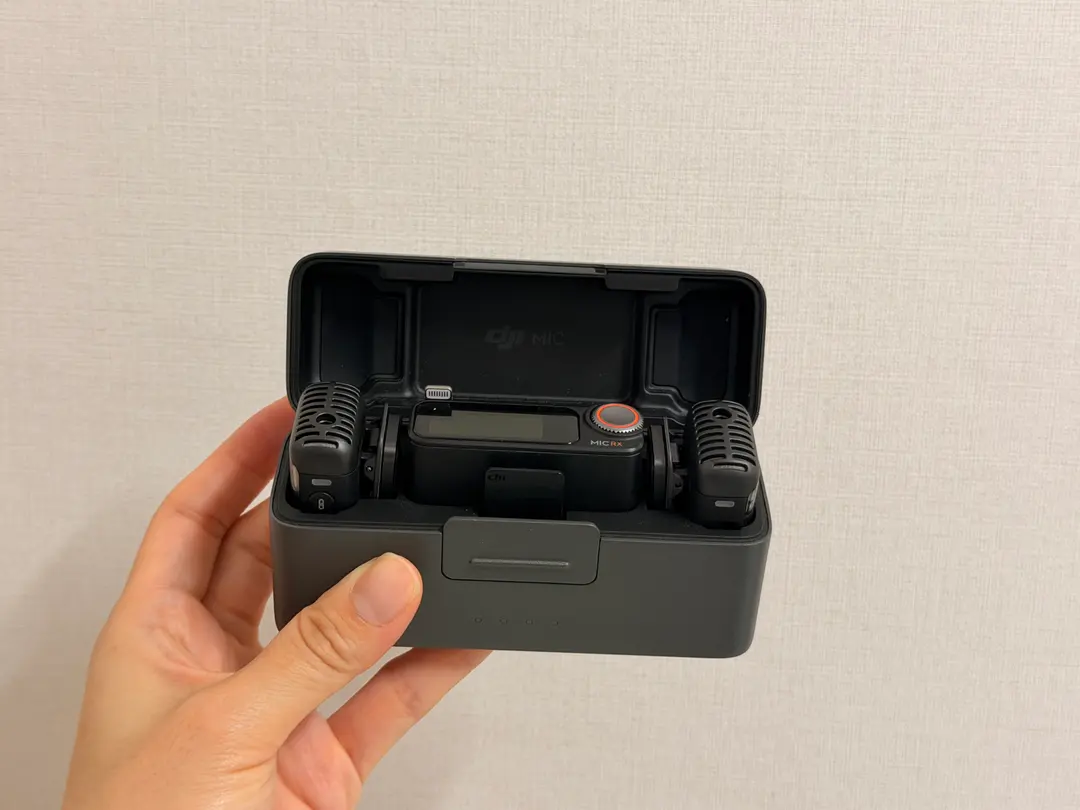
Since it's built-in, it's not included in the count for spare batteries (5 units). However, because it contains a battery, you cannot put it in checked luggage (your suitcase) and must carry it in your carry-on.
On top of that, two power banks are counted separately, which is exactly the limit.
Even with all these batteries, they are fully permissible according to Korean Air's regulations.
✔️ Smart luggage with built-in charging, can I check it in?
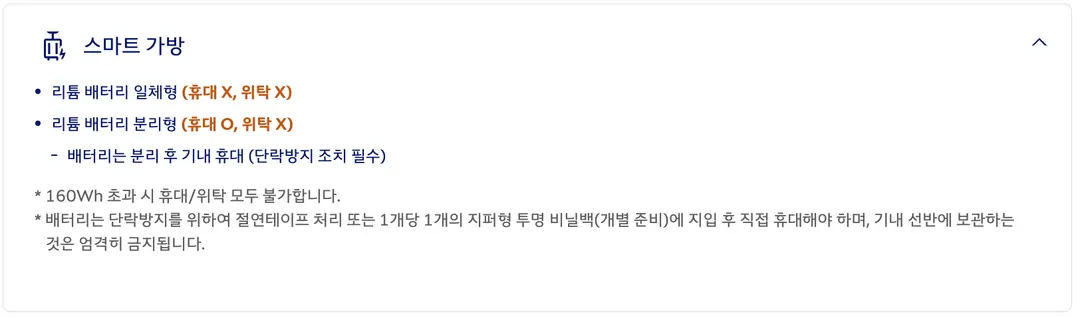
Whether the battery is removable determines everything.
Removable battery type: If you remove the battery and carry it in your carry-on, the suitcase body can be checked in. (Short-circuit prevention packaging is mandatory)
Integrated battery type (non-removable): Neither checked nor carry-on baggage is permitted. You can't bring it on board at all.
As smart luggage has become popular recently, more and more people are getting into trouble at the airport because they're unaware of this regulation.
Always double-check if your luggage is a model with a removable battery before you depart. Keep in mind that even if it's removable, if the battery capacity exceeds 160Wh, it's not allowed at all.
(Source: Korean Air Restricted Items page: https://www.koreanair.com/contents/plan-your-travel/baggage/restricted-item)
3. Are batteries installed in camera/action cam bodies counted in the limit?
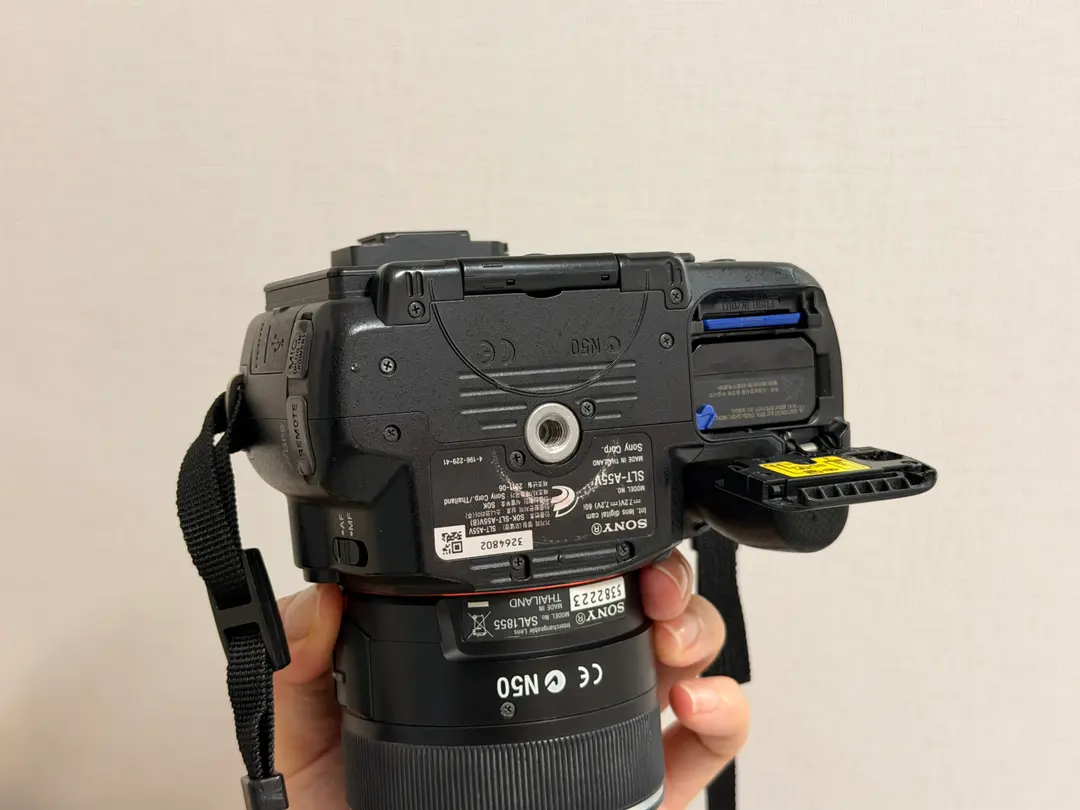
To cut to the chase, batteries installed in the main body of devices are not included in the count.
Batteries that are already installed in cameras or action cams
are considered "part of the device" and are therefore not counted towards the limit of 5 spare batteries.
So, if you put one battery in each piece of your photography equipment,
you'll have more flexibility in your spare battery count.
🚨 Travel Hack! |
Before I depart, I make sure to install batteries in all my equipment, and only count the remaining ones as spares. This way, I rarely exceed the 5-unit limit! |

⚠️ However, I don't recommend putting the main devices in checked luggage (your suitcase). While regulations permit checking in devices with installed batteries, there's a risk of damage or loss for expensive equipment, so I always carry both my camera and action cam in my carry-on.
4. How to safely pack your photography equipment batteries.
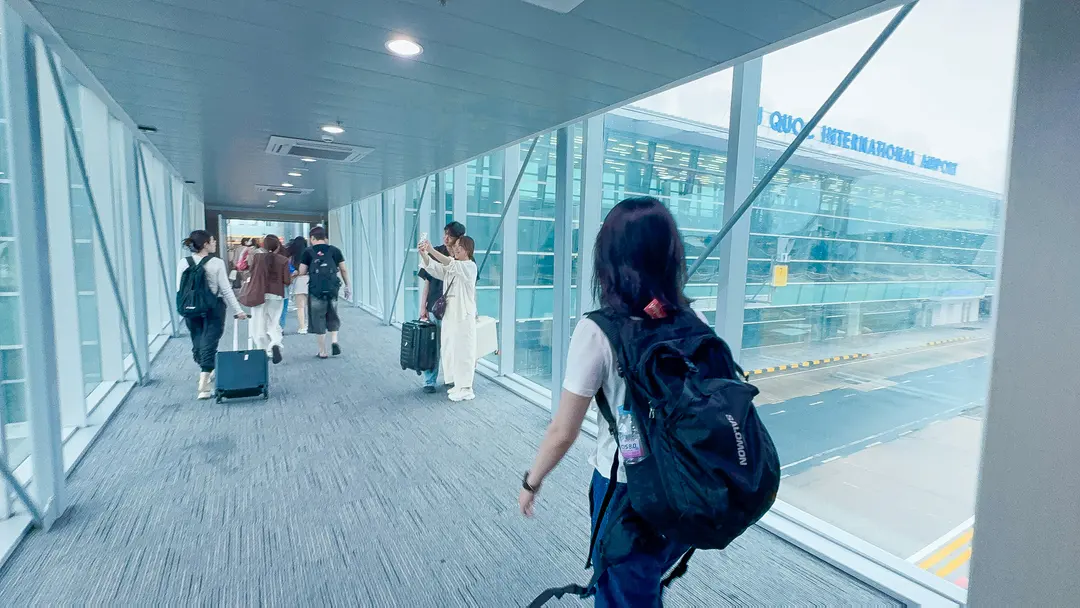
Just having the right number isn't enough.
There are three easy-to-miss reasons for disqualification in the regulations.
✔️ Short-circuit prevention is mandatory (Choose one of three)
1️⃣ Attach insulating tape to the battery terminals
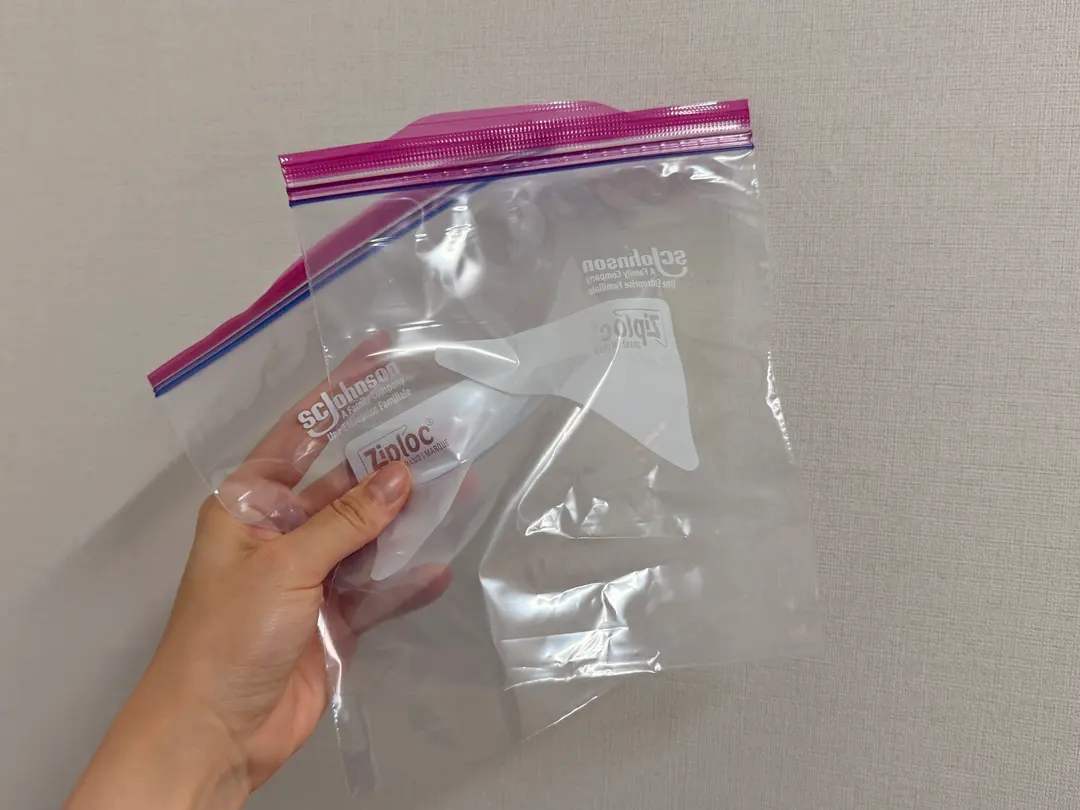
2️⃣ Store each battery individually in its own zip-lock bag
3️⃣ Store in individual protective pouches
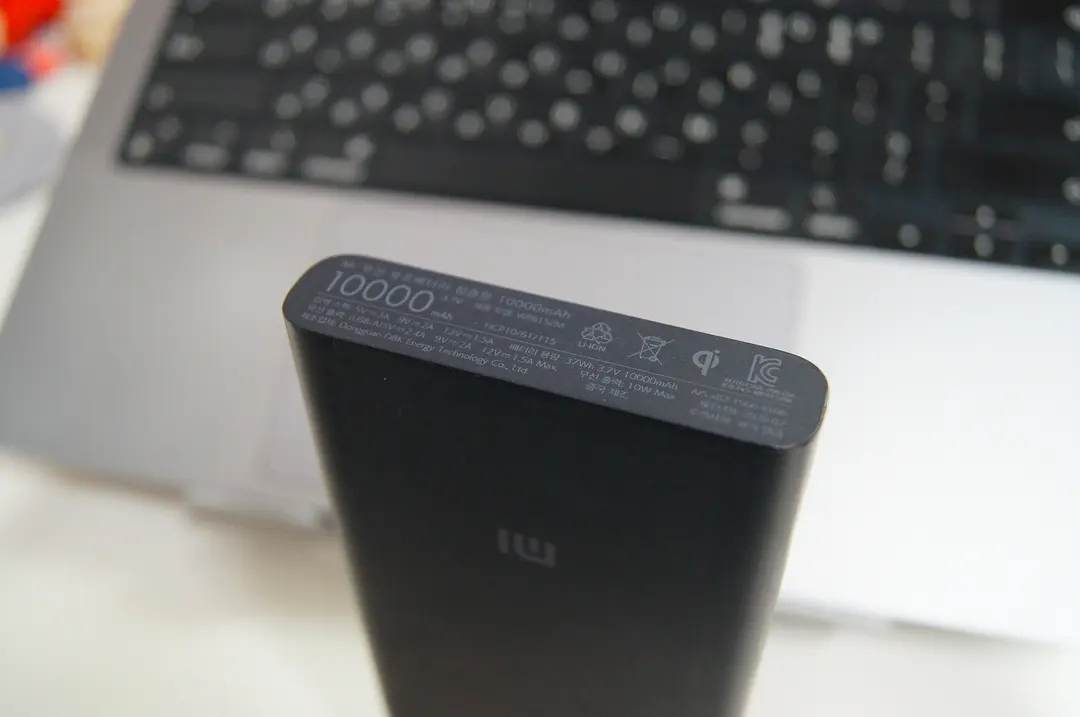
✔️ Check for Wh (Watt-hour) capacity — this is actually super important!
If the battery capacity isn't marked or can't be confirmed, it's simply not allowed for transport.
Old replacement batteries with faded labels or batteries of unknown origin can't be brought on board at all.
Make sure to double-check if the Wh or mAh markings are still visible before you depart.
✔️ Leave swollen batteries behind — overheating, external damage, or swollen batteries may be refused for transport.
If you use action cam replacement batteries for a long time, they sometimes swell up.
If they're even slightly puffy, it's safer to replace them with new ones before you go.
✔️ Travel hacks that make your trip easier!
I always keep transparent ziplock bags in my travel pouch, one for each battery.
If you have 6-7 batteries, you'll need just as many ziplock bags,
so preparing them beforehand makes things much smoother at the airport.
For the exact detailed regulations, I recommend checking the official website of your airline
before you fly!
The number limits can vary slightly between airlines.
⚠️ Especially for international flights from Korea to China,
and domestic flights within China,
power bank regulations can be even stricter.
If you take a domestic flight in China due to a layover or transfer,
they might check battery labels, CCC marks, and so on,
so it's definitely a good idea to check the regulations of your operating airline!
5. In-flight Power Bank Regulations FAQ
Q. How many power banks are allowed under in-flight regulations?
According to Korean Air standards, you can bring up to 2 power banks under 100Wh per person.
This is calculated separately from replacement batteries (5 items) used for cameras and action cams.
Q. If I combine all my camera, action cam, and microphone batteries, will I exceed the limit?
You can have up to 5 replacement batteries under 100Wh per person.
If you combine your camera, action cam, and microphone replacement batteries,
there's no issue if they are within 5 items, and power banks are allowed separately, up to 2.
Q. Do batteries installed in the camera body count towards the limit?
No, they are not included. Installed batteries are treated as part of the device and are not counted in the replacement battery limit.
Q. What if the battery capacity isn't written on the label?
Batteries whose capacity is not displayed or cannot be confirmed are not allowed for transport.
Make sure to check if the Wh or mAh markings are still visible before you depart.
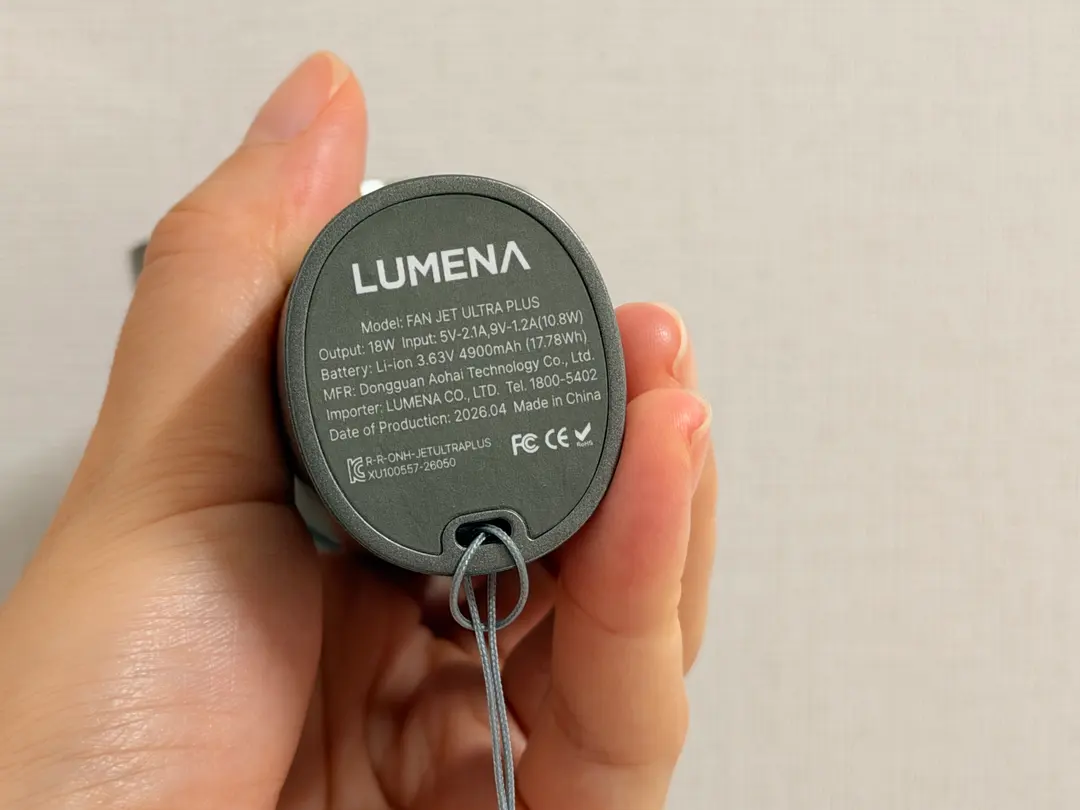
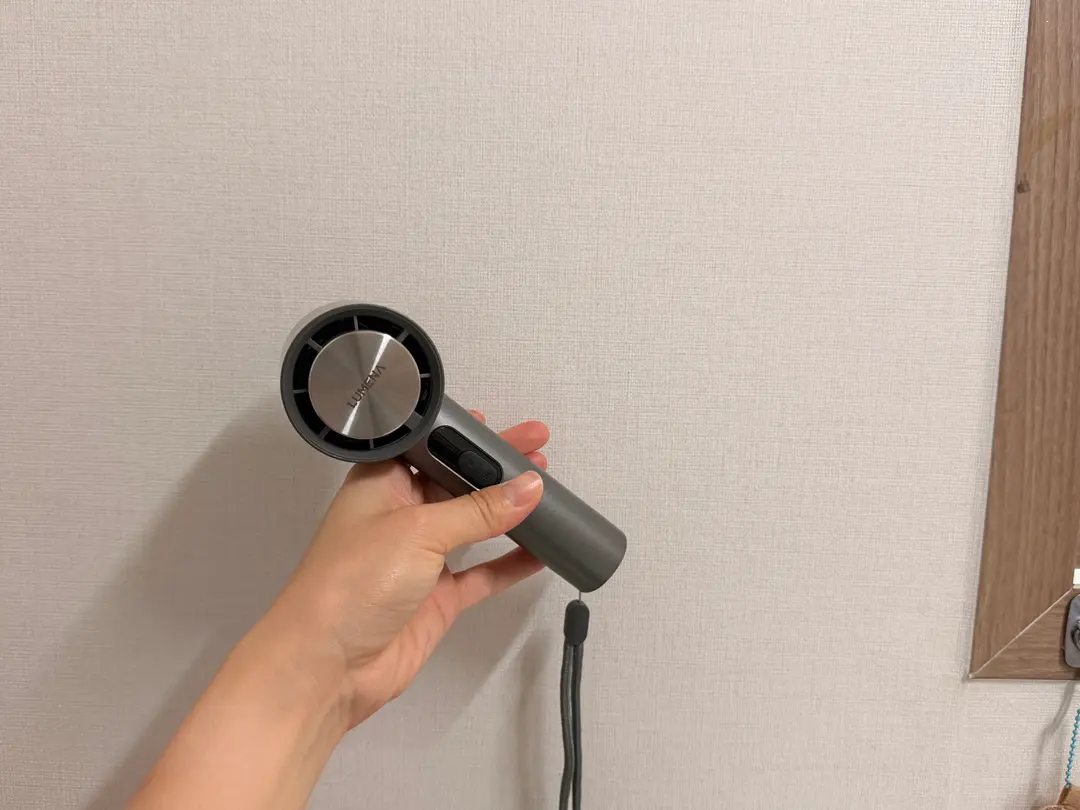
Q. Do handheld fans count towards the battery limit?
Regular handheld fans that only blow air are considered built-in devices and are not included in the count.
However, handheld fans that also function as power banks with USB charging ports for phones are classified as power banks, included in the 2-item limit, and their use is prohibited onboard. Neither type of product can be placed in checked baggage.
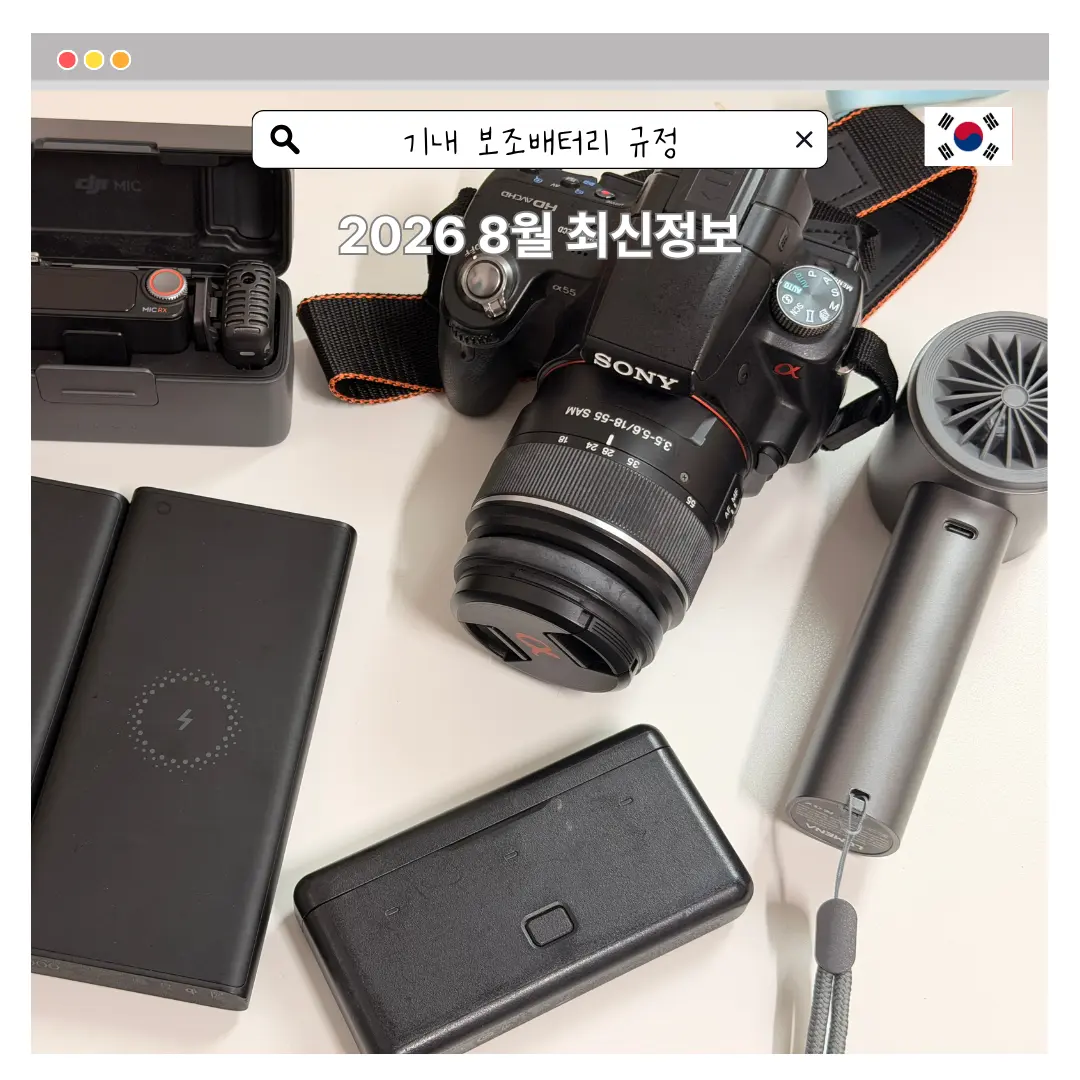
✅ Today's travel mission accomplished!
Another change to in-flight power bank regulations!
I've compiled this with the latest information as of August 2026,
so please refer to this post to check the regulations for power banks and replacement batteries.
Keep in mind that in-flight power bank regulations can change again,
so I'll make sure to update this blog with new summaries if there are any changes :)
I'll be back with more useful tips in my next travel journal.
Feel free to comment with any questions, and have a fantastic trip!!
Thanks for reading today's post!
Thank you!
📝 See my next travel journal
 Recommended Travel Boston Bag: Brandon Carryall Tote Bag for Overseas Travel
Frequently Asked Questions
How many portable chargers (power banks) are allowed on Korean Air flights?
According to Korean Air regulations, passengers are allowed to carry up to 2 portable chargers (power banks) with a capacity of 100Wh or less per person. This is calculated separately from spare batteries for cameras and action cameras (5 pieces).
If I combine all spare batteries for cameras, action cameras, and microphones, will it exceed Korean Air's per-person limit?
Spare batteries with a capacity of 100Wh or less are allowed up to 5 per person. Therefore, if the total number of spare batteries for cameras, action cameras, and microphones is 5 or less, there will be no issue. Portable chargers (power banks) are allowed separately, up to 2 pieces.
Are batteries installed in the camera body included in Korean Air's spare battery count (5 pieces)?
No, they are not. Installed batteries are considered part of the device and are not counted towards the spare battery limit (5 pieces).
What if the battery capacity (Wh or mAh) is not indicated on the label or cannot be verified?
Batteries with unindicated or unverifiable capacity cannot be transported. You must ensure that the Wh or mAh marking is visible before departure.
Are handheld fans included in the battery count limit for carry-on items?
Regular handheld fans that only produce wind are considered built-in devices and are not included in the count. However, handheld fans that also function as portable chargers (power banks) with a USB charging port for phones are classified as portable chargers, subject to the 2-item limit, and their use onboard is also prohibited.
Share this article
Featured in Collections
Discover more travel stories curated around the same theme.

Related Travel Stories

Sochang Experience Center, Ganghwa Island: Hanbok Fun for Families (2026)
Discover a hidden gem on Ganghwa Island! The Sochang Experience Center offers free Hanbok wearing and traditional craft workshops, making it ideal for families. Plan your visit!

Inspire Resort Incheon Dining Guide 2026: Oasis & More
Discover all the dining options at Inspire Resort Incheon in 2026! From the vast Oasis Gourmet Village to unique restaurants, find menus, hours, and parking.

Songdo Beer Festival 2026: VIP Table Review & Insider Tips
Planning to hit the 2026 Songdo Beer Festival? Get the lowdown on admission fees, VIP tables for unlimited beer, and essential tips for an epic experience!

Yeongjongdo Seaside Park: Top 4 Activities for 2026
Planning a trip to Yeongjongdo? Don't miss Seaside Park! Uncover the best 4 activities, from thrilling rail bikes to relaxing seawater foot baths and engaging salt field tours.

G-Tower Observatory Songdo: Free Central Park Views (2026)
Experience Songdo from above! The G-Tower Observatory provides breathtaking free views of Central Park and the futuristic city, a must-visit for any traveler.

Seoul Day Trips: Top Water Parks & Pools for Summer 2026
Escape the summer heat in Seoul! Discover the top water parks, pools, and beaches for unforgettable day trips with family, friends, or solo adventures in 2026.