

Bulguksa Temple Gyeongju: Your Guide Before Renovation 2026
Discover Bulguksa Temple in Gyeongju! Get insider tips on parking, free entry, and a walkthrough of must-see halls and pagodas before the Daeungjeon Hall renovation.

A few weeks ago, after visiting Tongdosa Temple in Yangsan to see the Udumbara flower, I spontaneously decided to make a day trip to Bulguksa Temple in Gyeongju.
While I don't typically visit temples often, I heard news that Bulguksa's main hall, Daeungjeon, would be undergoing significant renovations starting later in 2026. I really wanted to see it before the work began, so it felt like the perfect opportunity to visit.
📍 Bulguksa Temple
385 Bulguk-ro, Gyeongju-si, Gyeongsangbuk-do, South Korea
Operating Hours: 9:00 AM – 6:00 PM
Last Entry: 5:00 PM / Admission Fee: FREE
📍 Iljumun Gate Parking Lot
San 70-1, Jinhyeon-dong, Gyeongju-si, Gyeongsangbuk-do, South Korea
📍 Bulimun Gate Parking Lot Entrance
Jinhyeon-dong, Gyeongju-si, Gyeongsangbuk-do, South Korea
📍 Bulguksa Public Parking Lot
50-2 Jinhyeon-dong, Gyeongju-si, Gyeongsangbuk-do, South Korea
Bulguksa Temple offers three main parking areas, making it convenient to choose the best option based on your planned route. Here’s a quick breakdown of each:
Parking Lot | Fee | Features |
Iljumun Gate Parking | Small ~$1 Large ~$3 | Closest to Bulguksa Museum |
Bulimun Gate Parking | Small ~$1 Large ~$3 | Approximately a 10-minute walk to Daeungjeon Hall |
Bulguksa Public Parking | Small ~$1 Large ~$1 Compact cars 50% discount | Farthest, but more affordable parking |
The Iljumun Gate Parking Lot (main entrance) is convenient if you want to be close to the temple itself and also visit the Bulguksa Museum.
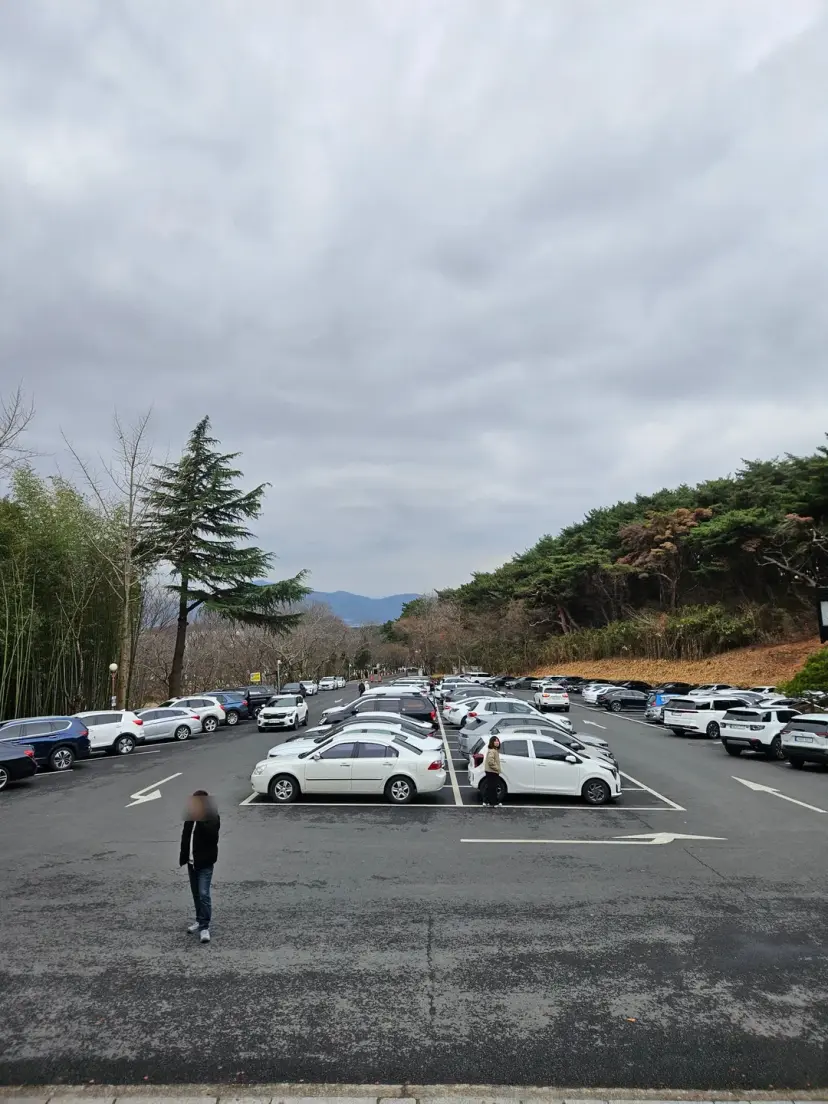
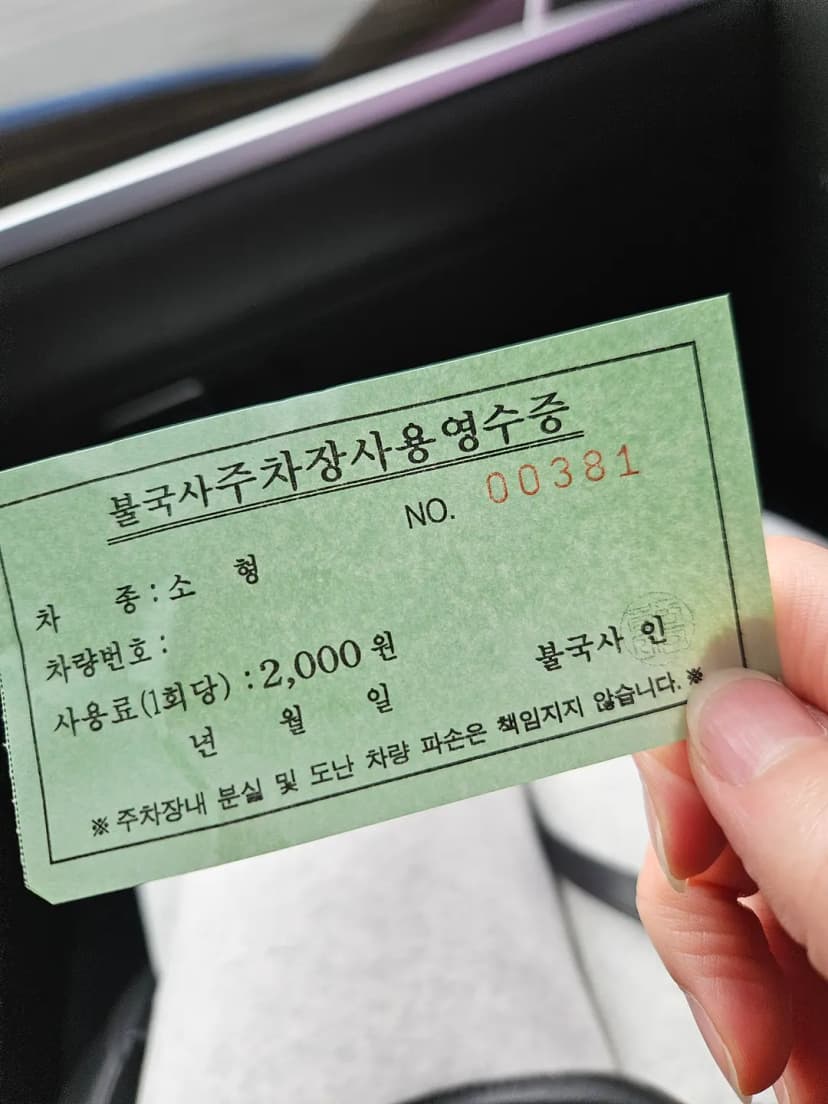
Since I wasn't planning on visiting the Bulguksa Museum this time, I opted for the Bulimun Gate Parking Lot.
It's about a 10-minute walk uphill from here, but it's a gentle incline, making it an enjoyable stroll. If you appreciate a nice walk, the Bulimun Gate parking is a great choice.

On the way up, I spotted this Bulguksa Temple guide map. I'm notoriously bad with directions, even with Google Maps, so I just snapped a photo and let my feet lead the way.
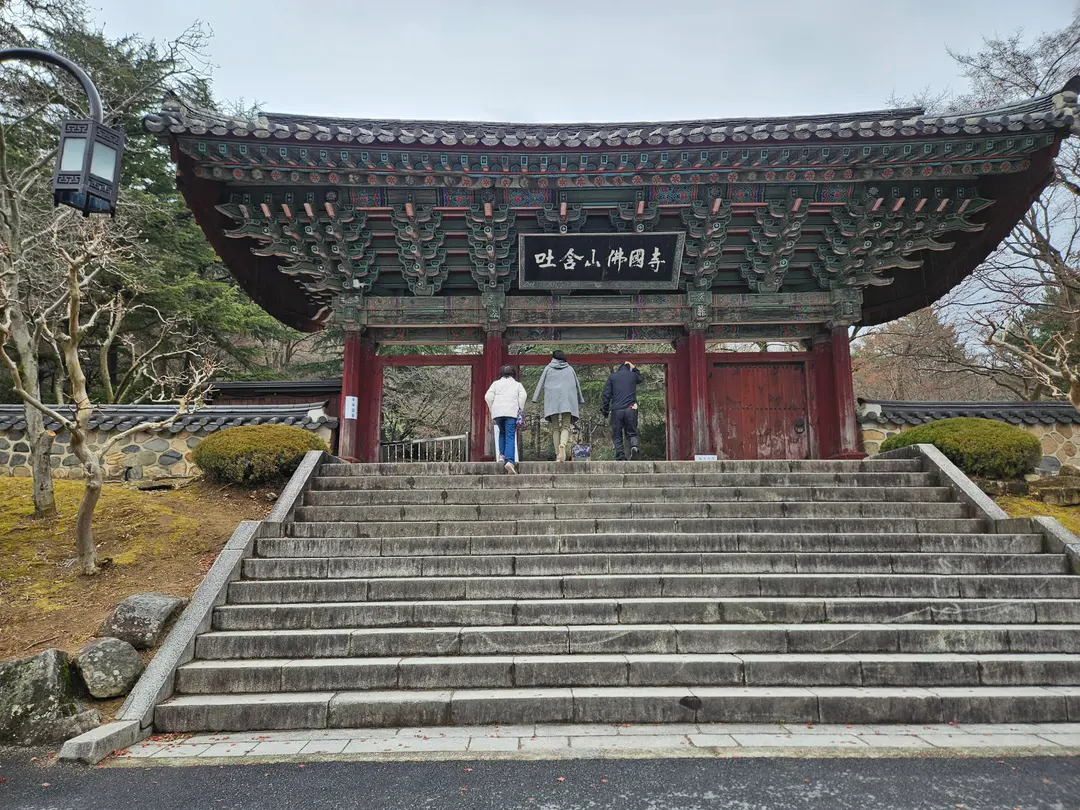
This is the entrance to Bulguksa Temple, visible right after you park at the Bulimun Gate Parking Lot.
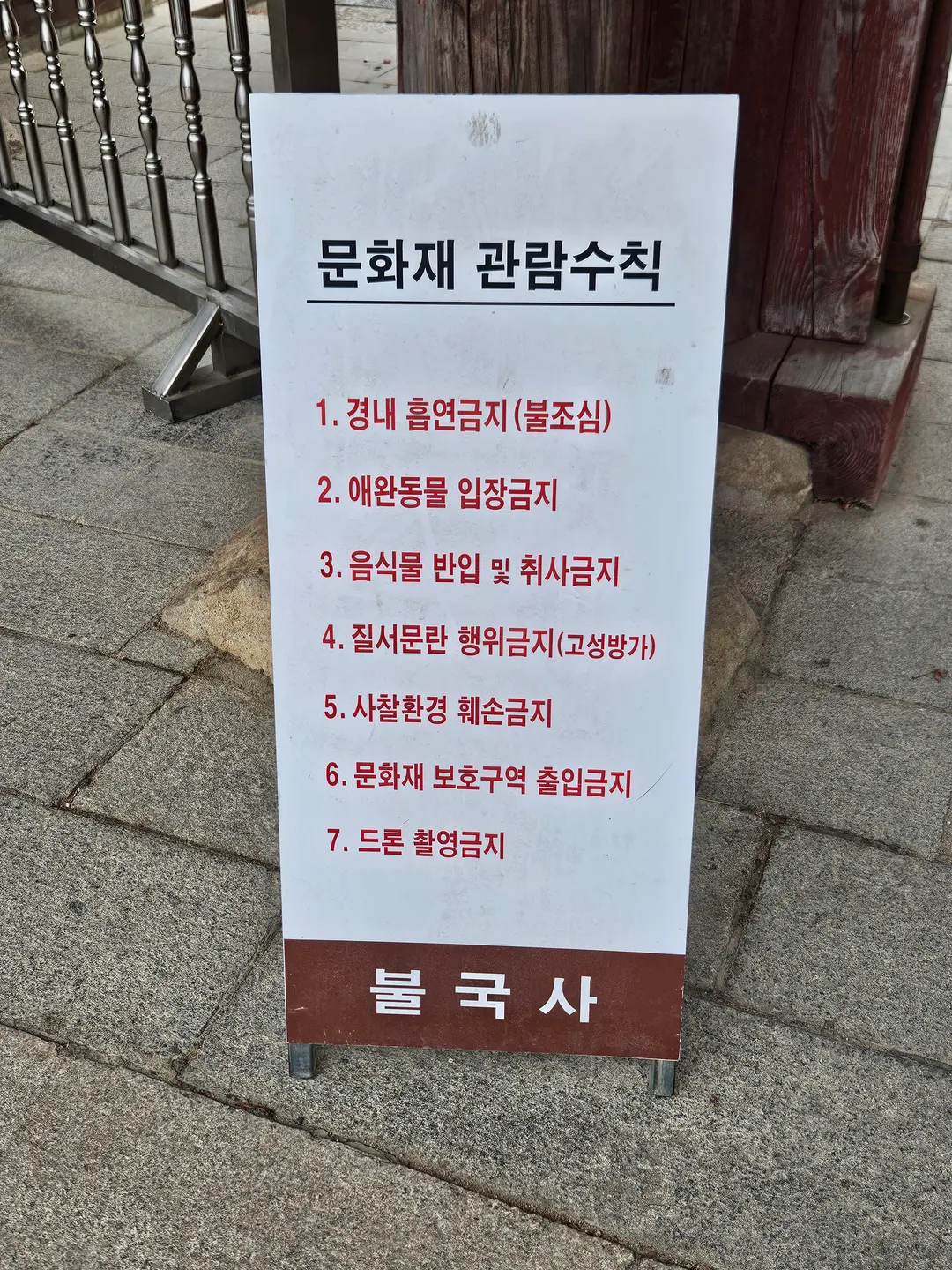
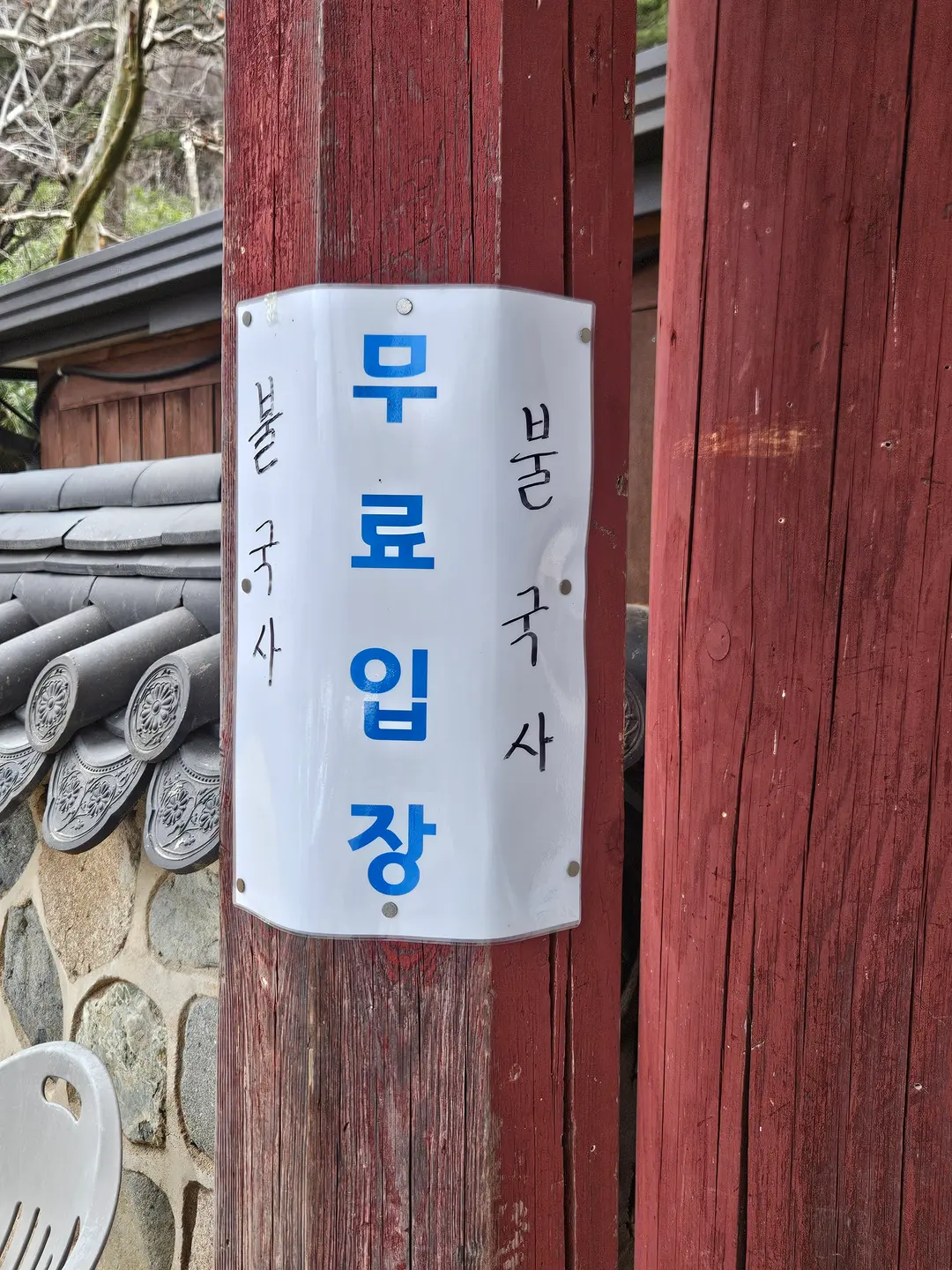
Next to the entrance, you'll find guidelines for visiting cultural heritage sites and information about Bulguksa's free admission. I remember it used to have an entrance fee, so it seems it has recently become free, which is fantastic news for visitors!
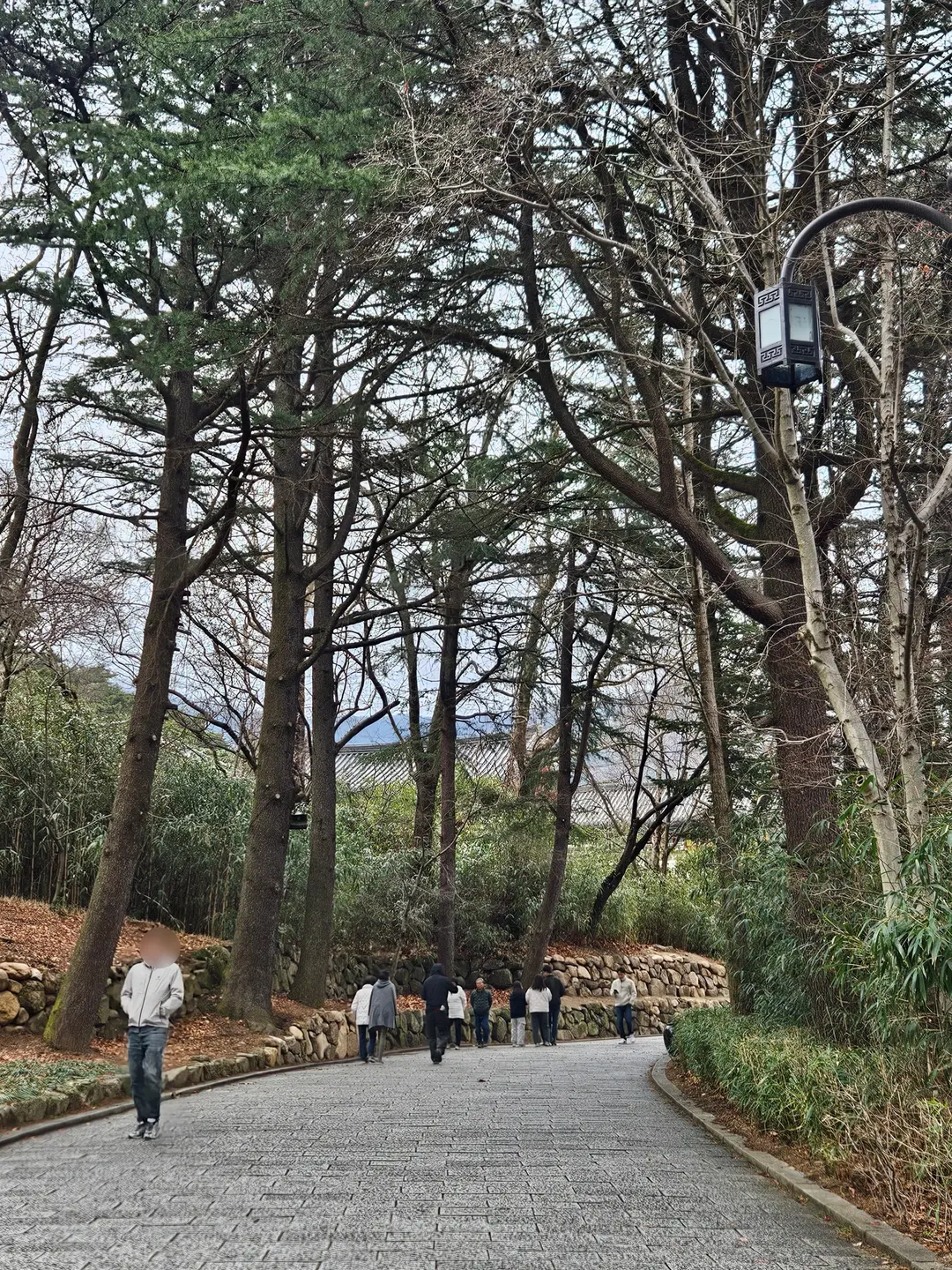
I walked up a serene, tree-lined path for a little over 10 minutes until I reached the temple grounds.
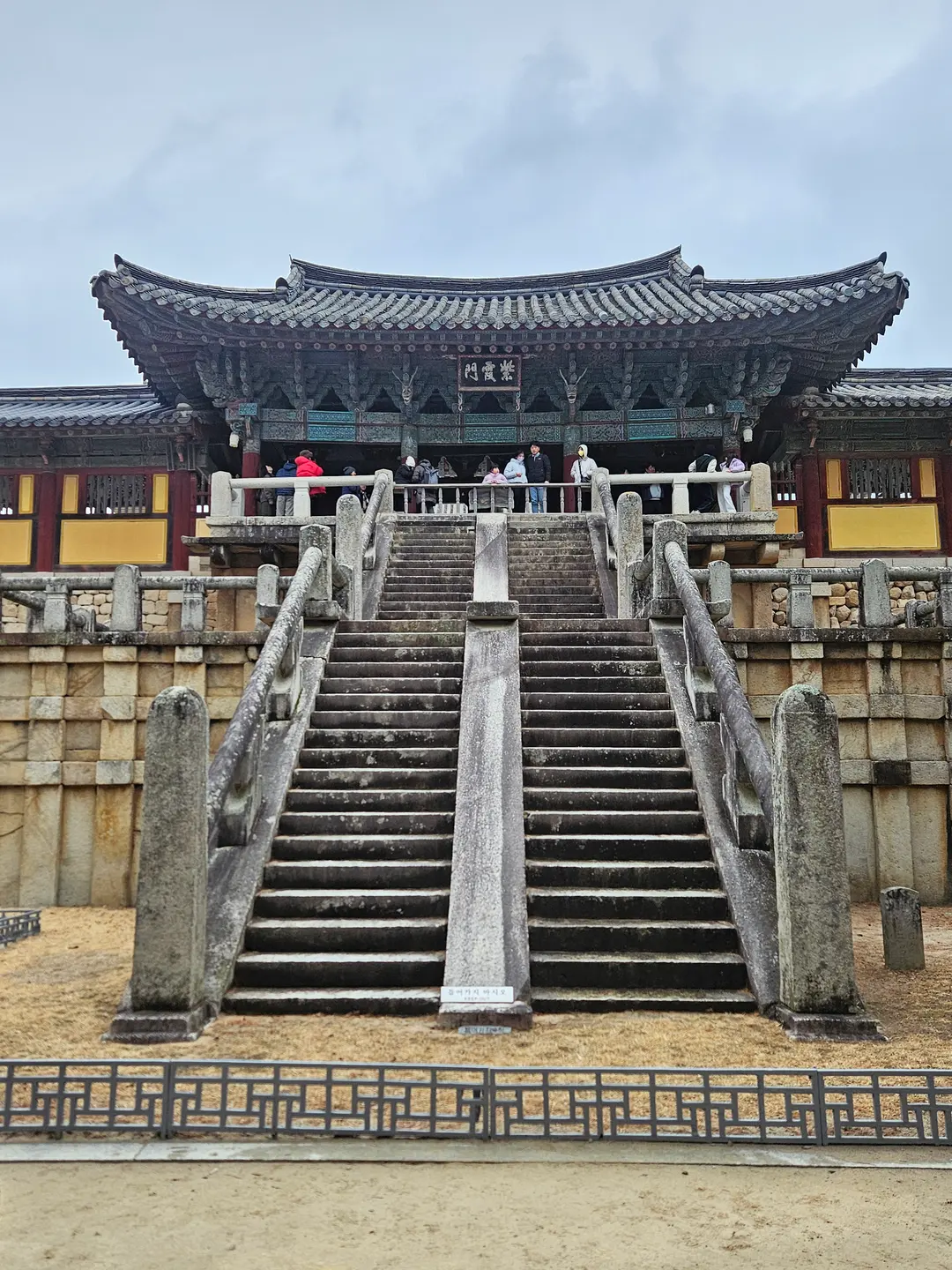
The first sight that greets you as you walk up is the iconic Baekun Bridge (White Cloud Bridge) and Jahamun Gate, truly representative of Bulguksa. An older visitor nearby mentioned that while we can't ascend the Baekun Bridge today, in the past, people could climb those very steps directly.
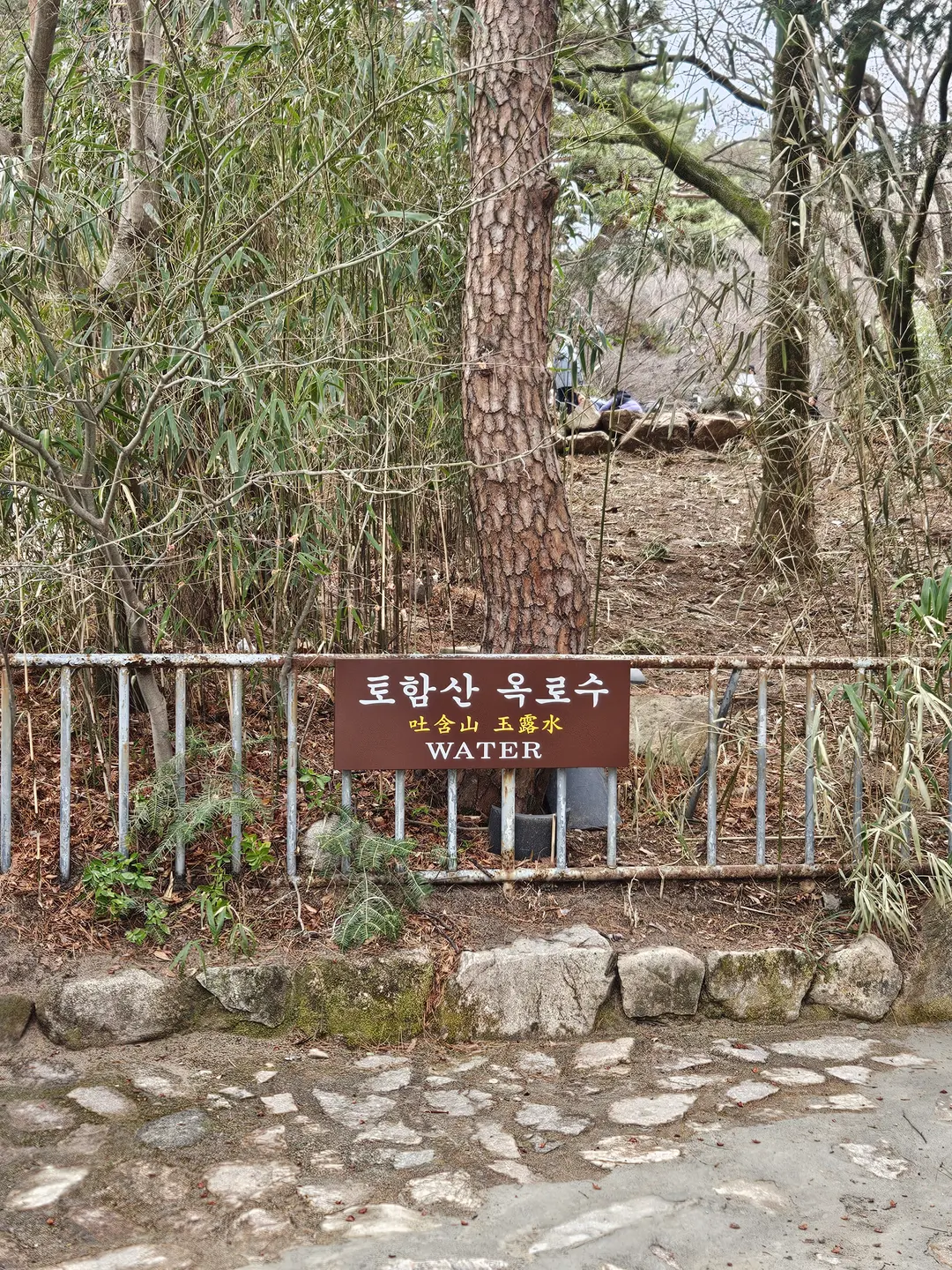
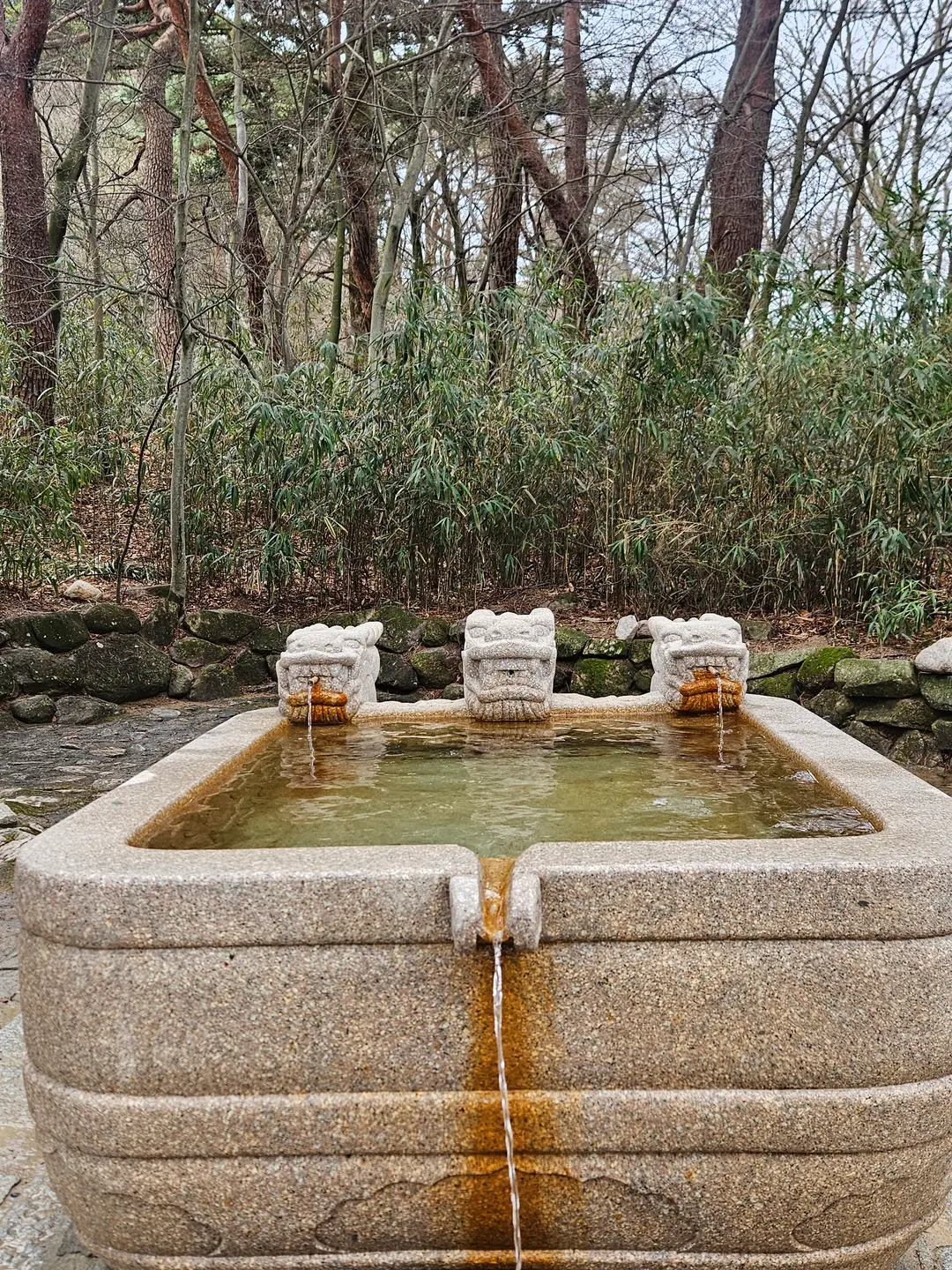
Next to Baekun Bridge, there's a spring called Tohamsan Okrosu. The same kind gentleman explained that "Okrosu" means "jade-like clear water," referring to its pristine quality. Getting these impromptu historical insights made the visit even more fascinating!
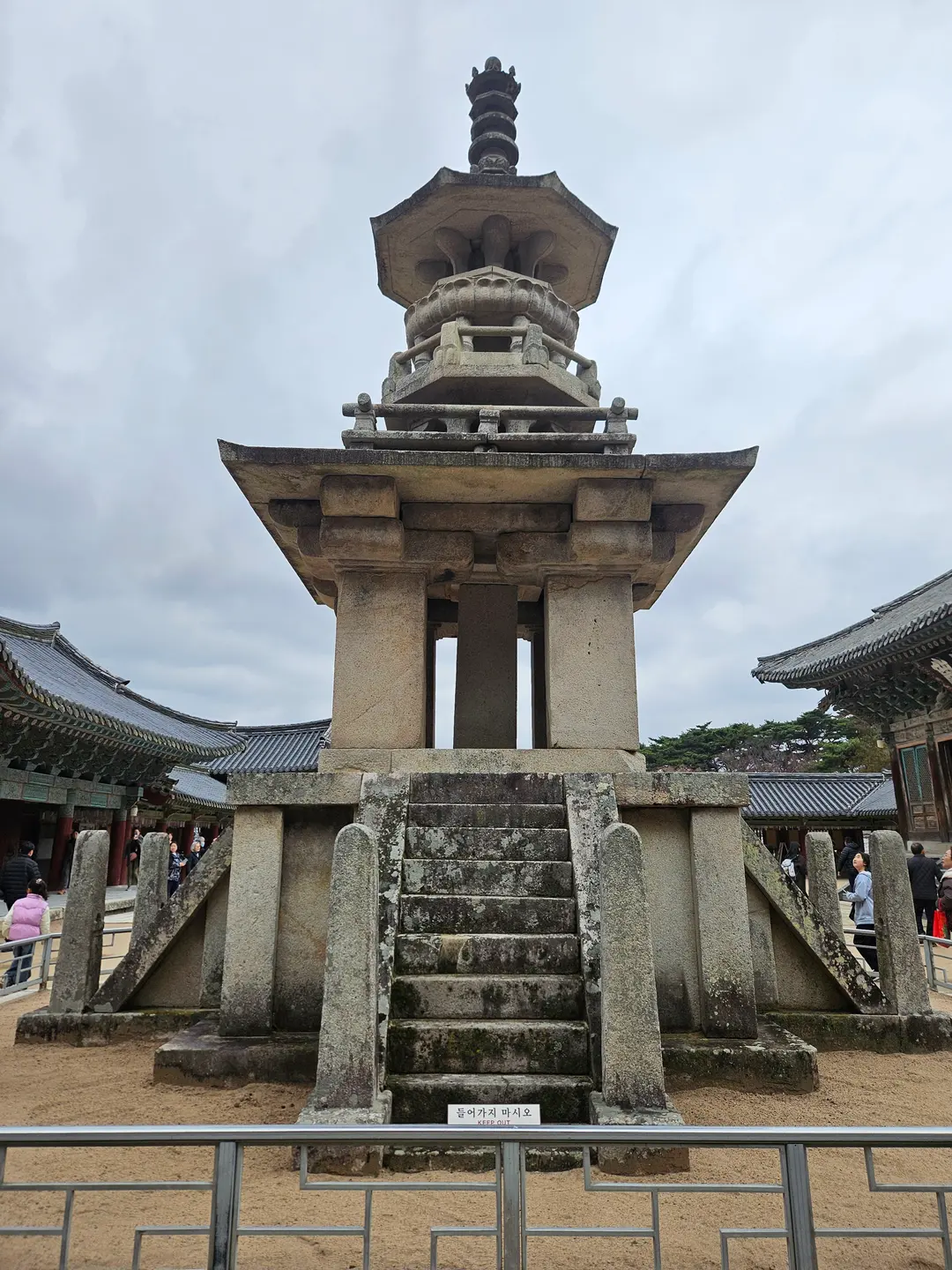
As you pass the Tohamsan Okrosu spring and head further into the temple grounds, the first structure that truly captures your eye is Dabotap, the Dabo Pagoda. This iconic pagoda might look familiar to many, as it's featured on the back of the South Korean 10-won coin. It instantly brought back memories of school trips from my childhood!
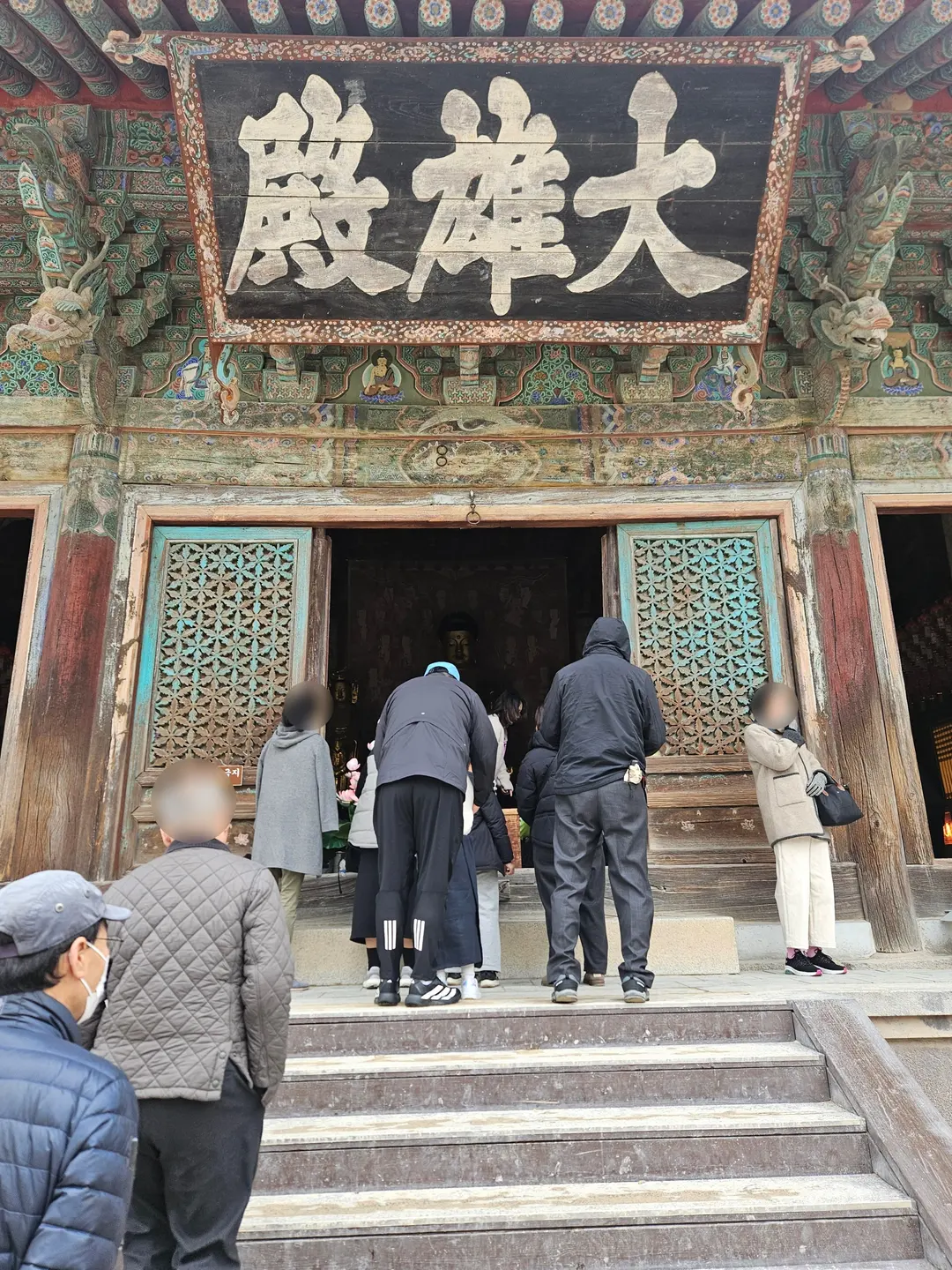
Of course, I made sure to see Bulguksa's Daeungjeon Hall, which is scheduled for renovation soon. Perhaps because of the upcoming work, or perhaps it's always this popular, but this area was definitely the most bustling part of the temple. I'm so glad I decided to visit now before the renovations begin!
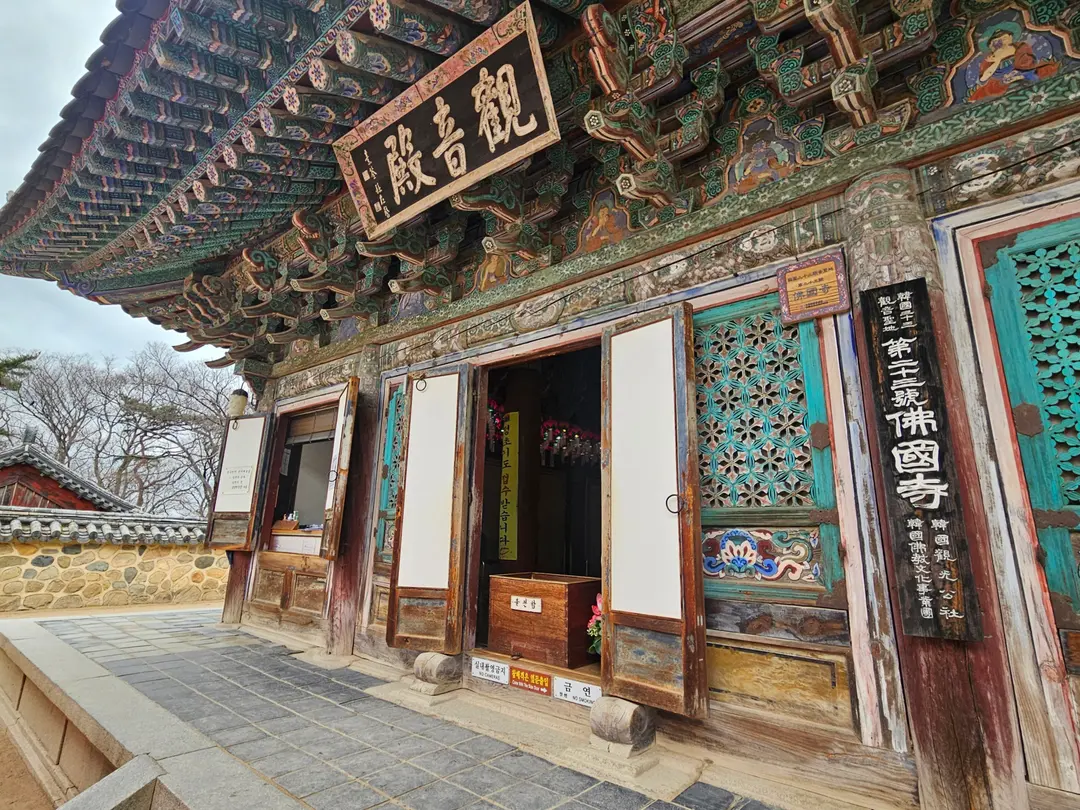
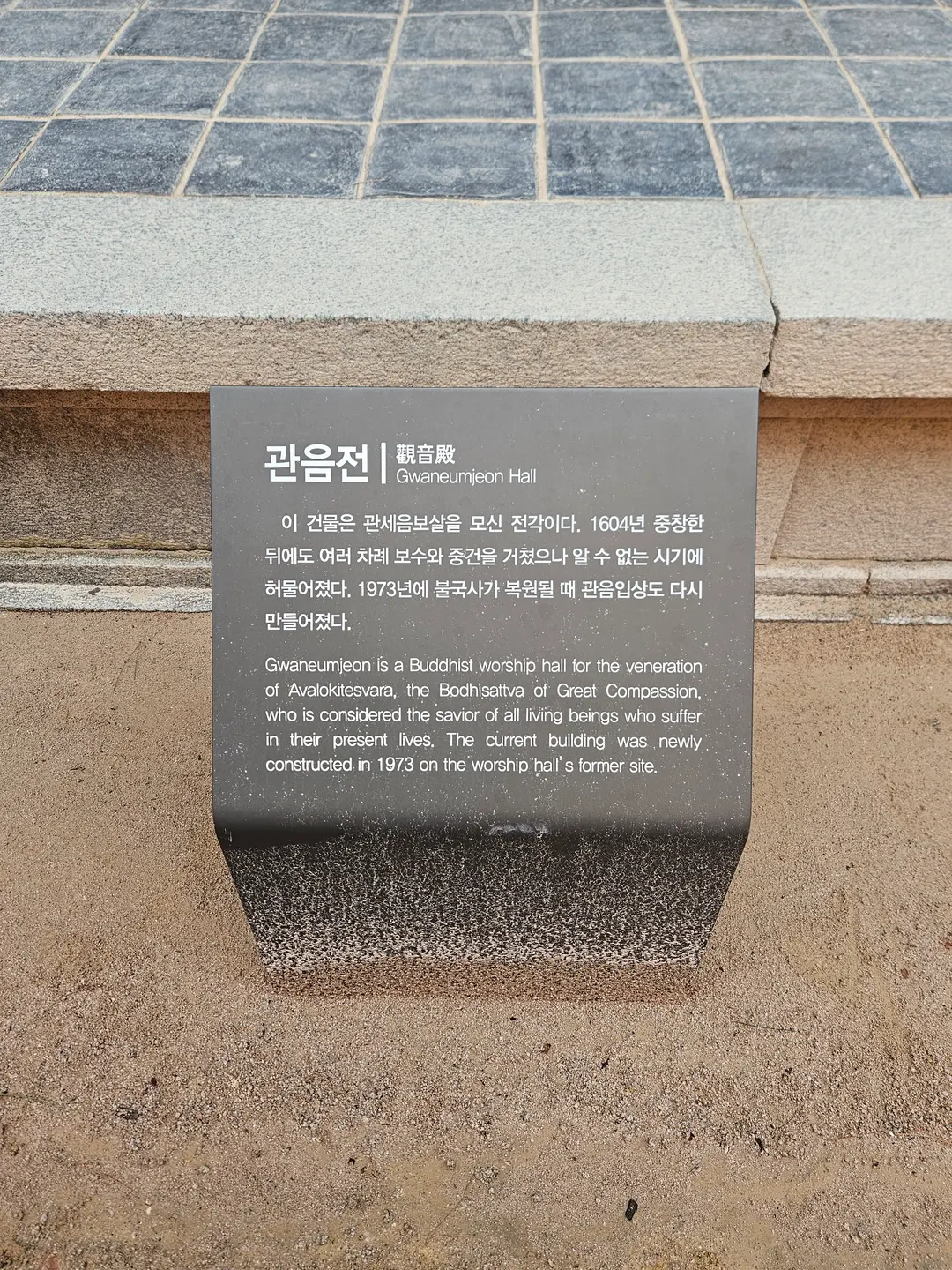
Climbing up behind Daeungjeon Hall, you'll find Gwaneumjeon Hall. While I'm not an expert on Buddhism or temples, I appreciated that each building had descriptive plaques, making it easy to understand their significance. This area felt much more peaceful than the front, perfect for a quiet stroll and reflection.
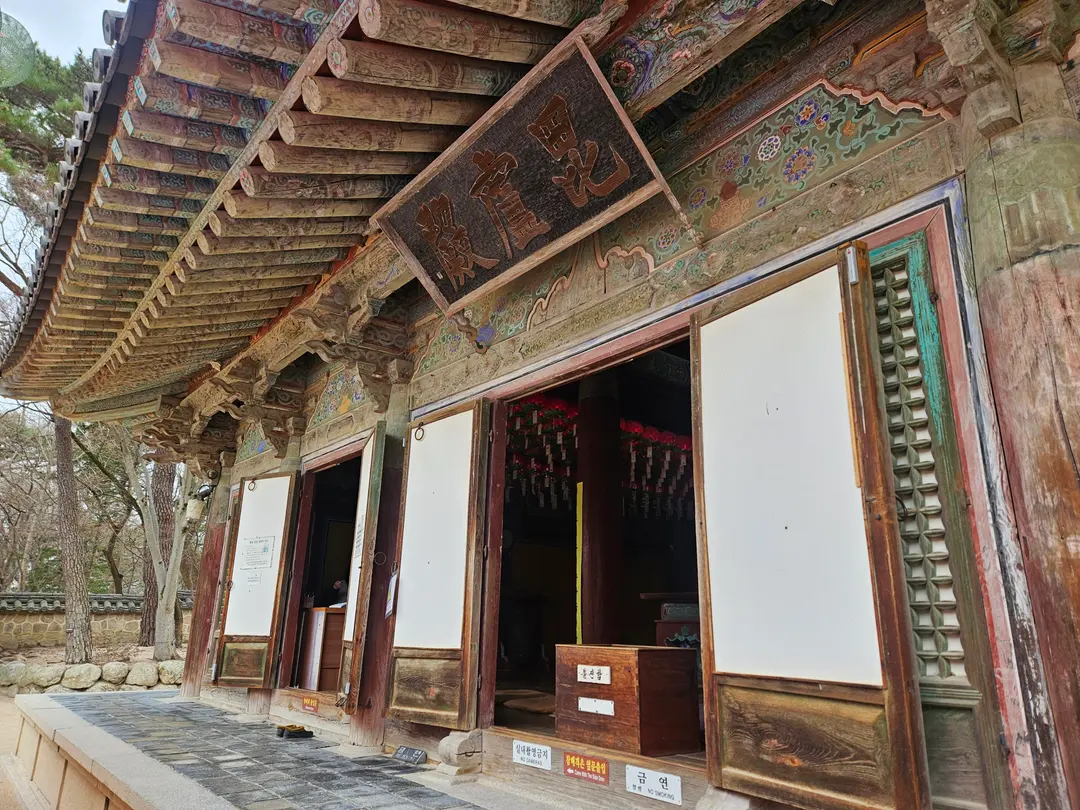
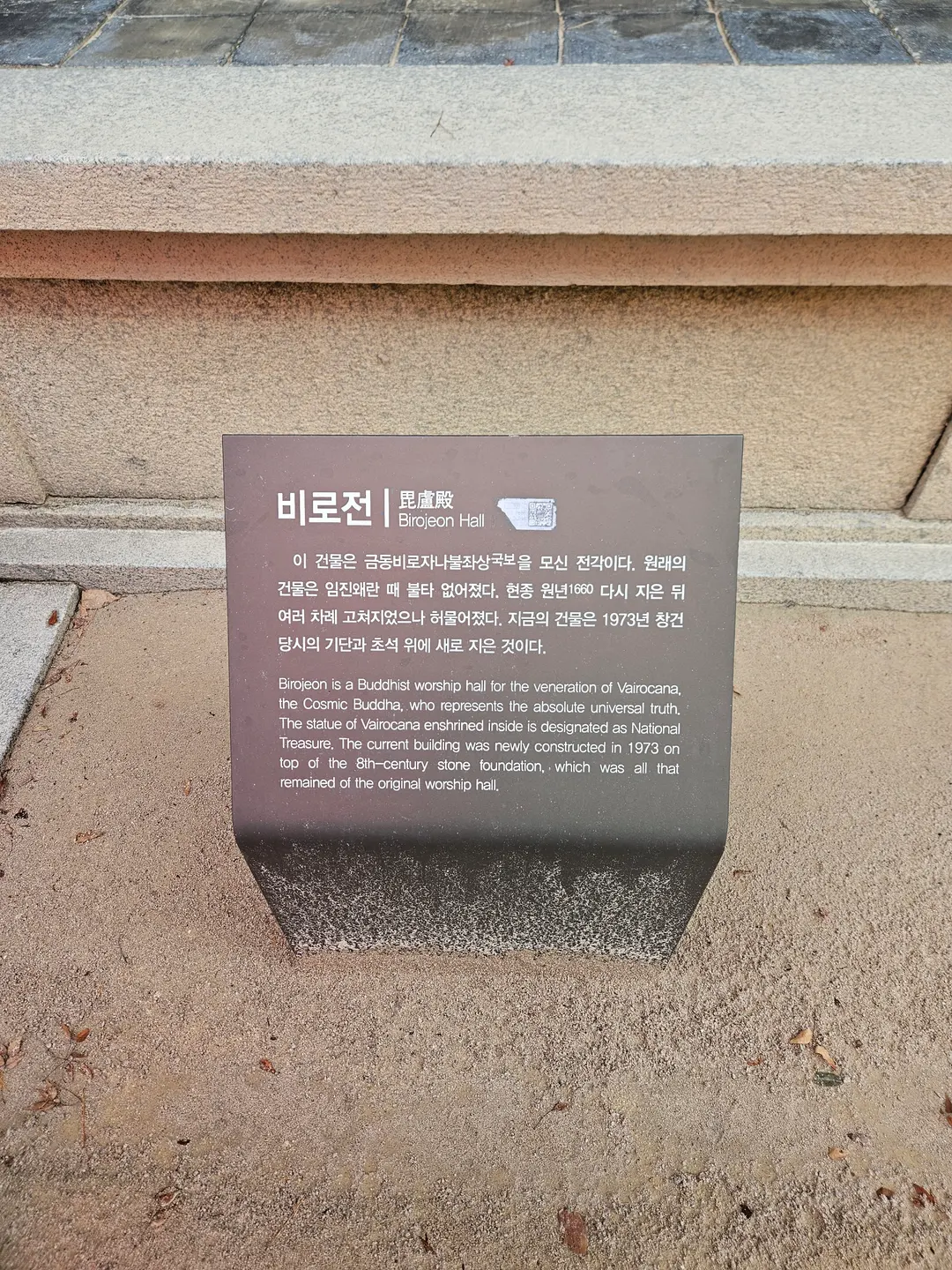
This is Birojeon Hall, a shrine dedicated to the Vairocana Buddha. I took my time, reading the accompanying explanations to fully appreciate its significance.
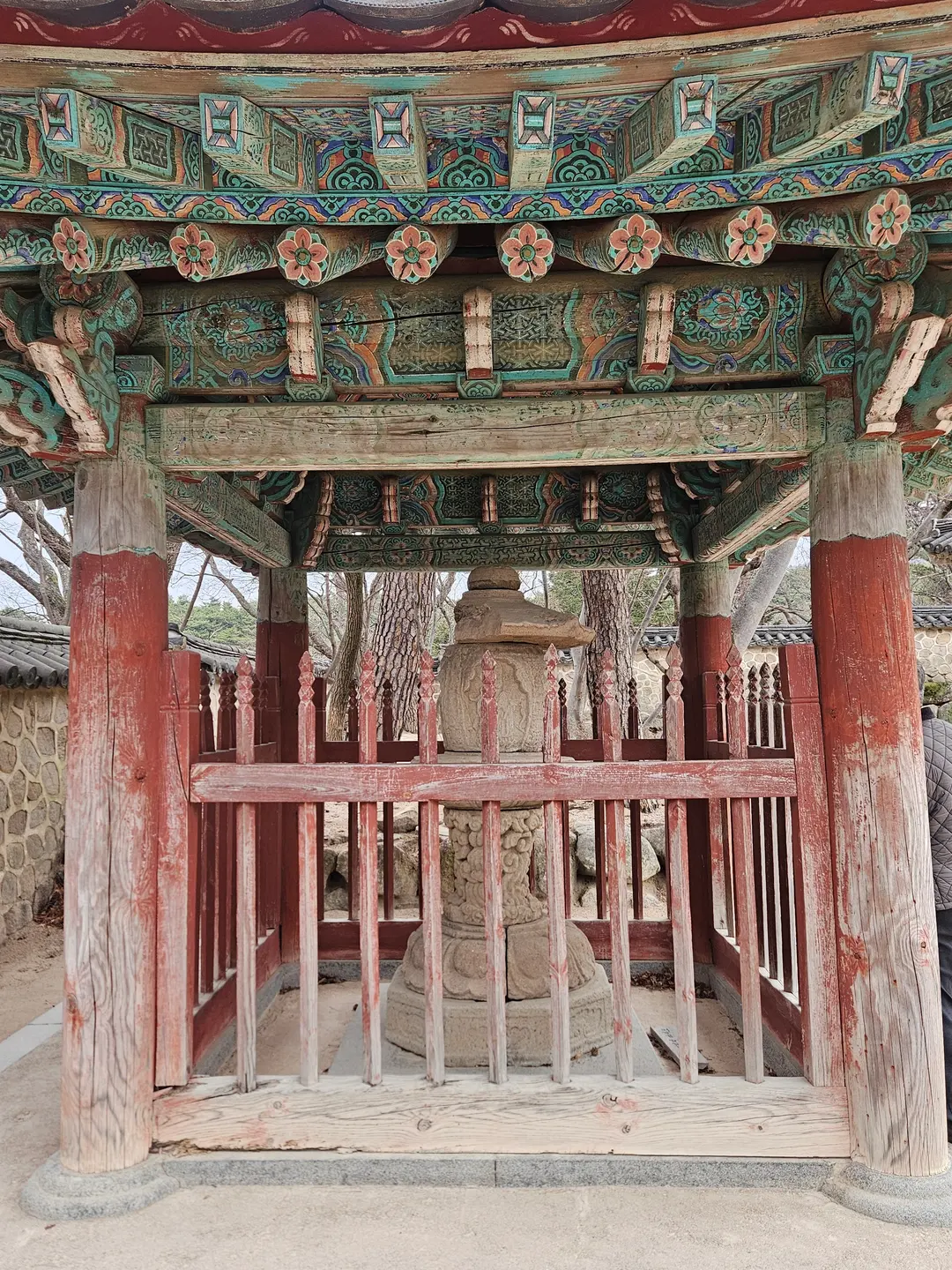
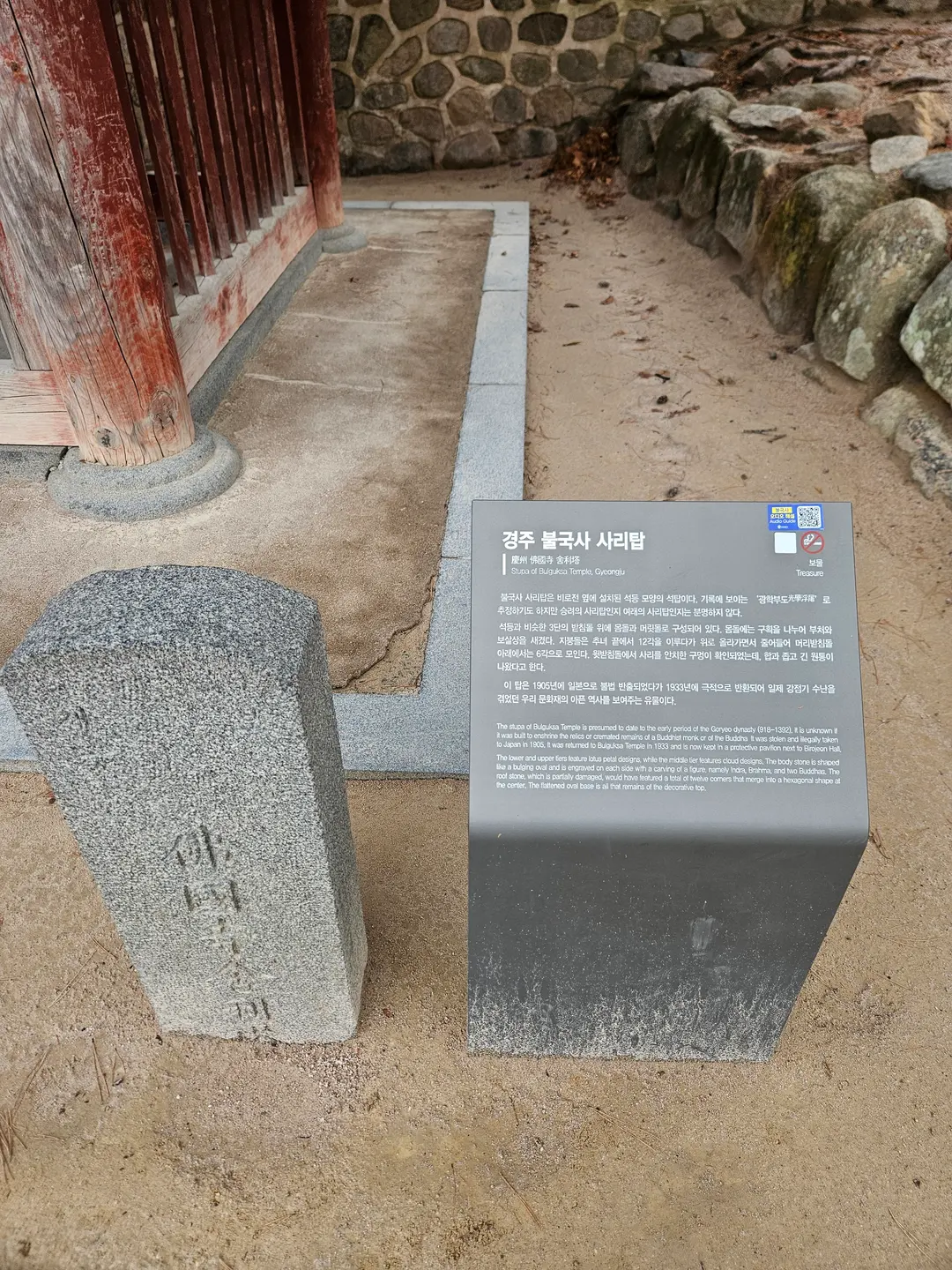
Next to Birojeon, there was a stone pagoda resembling a stone lantern. It's a cultural artifact with a fascinating, albeit troubled, history: it was illegally taken to Japan in 1905 and only returned to Korea in 1933. Learning its story made me pause and look at it with renewed appreciation.
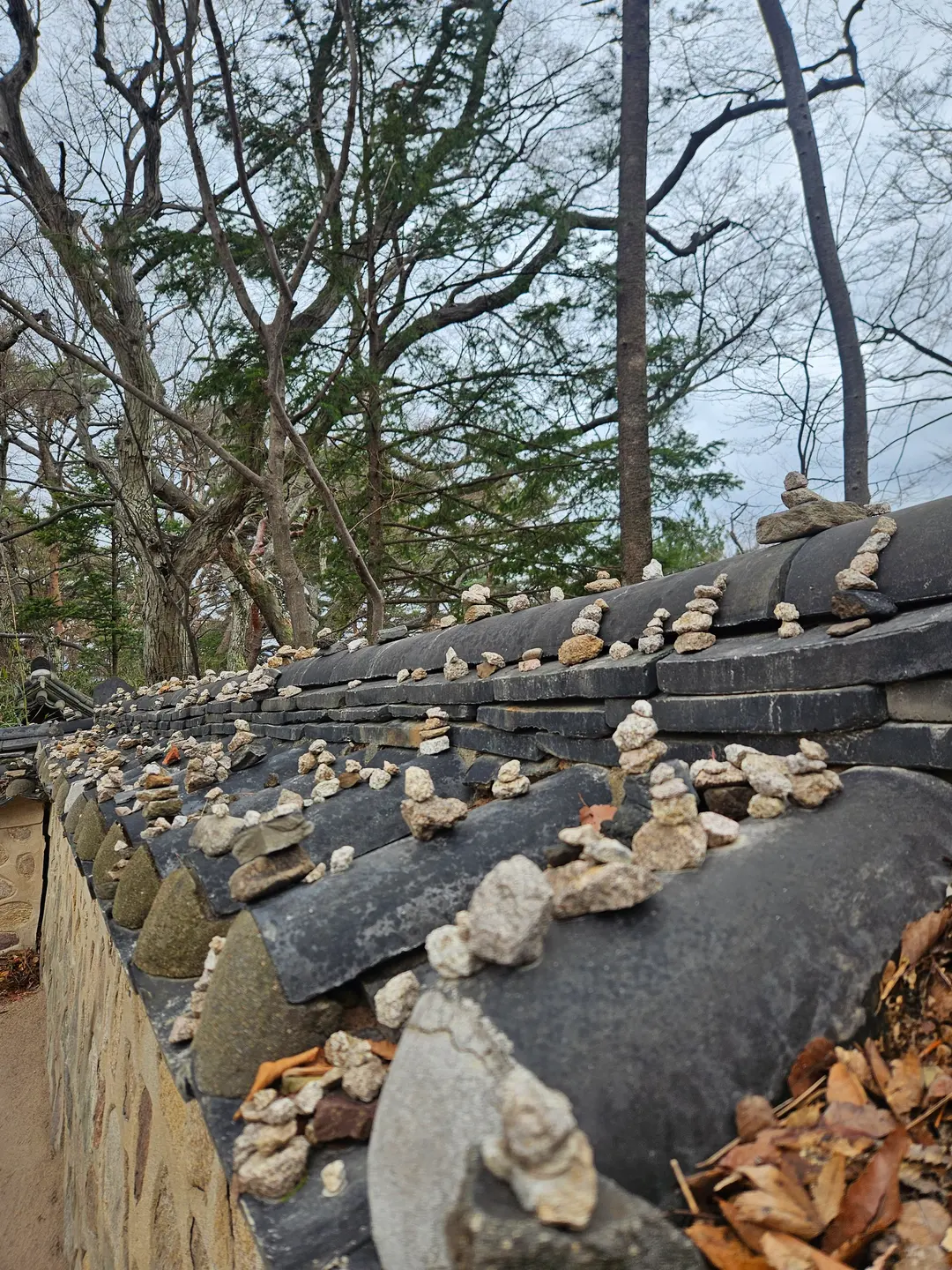
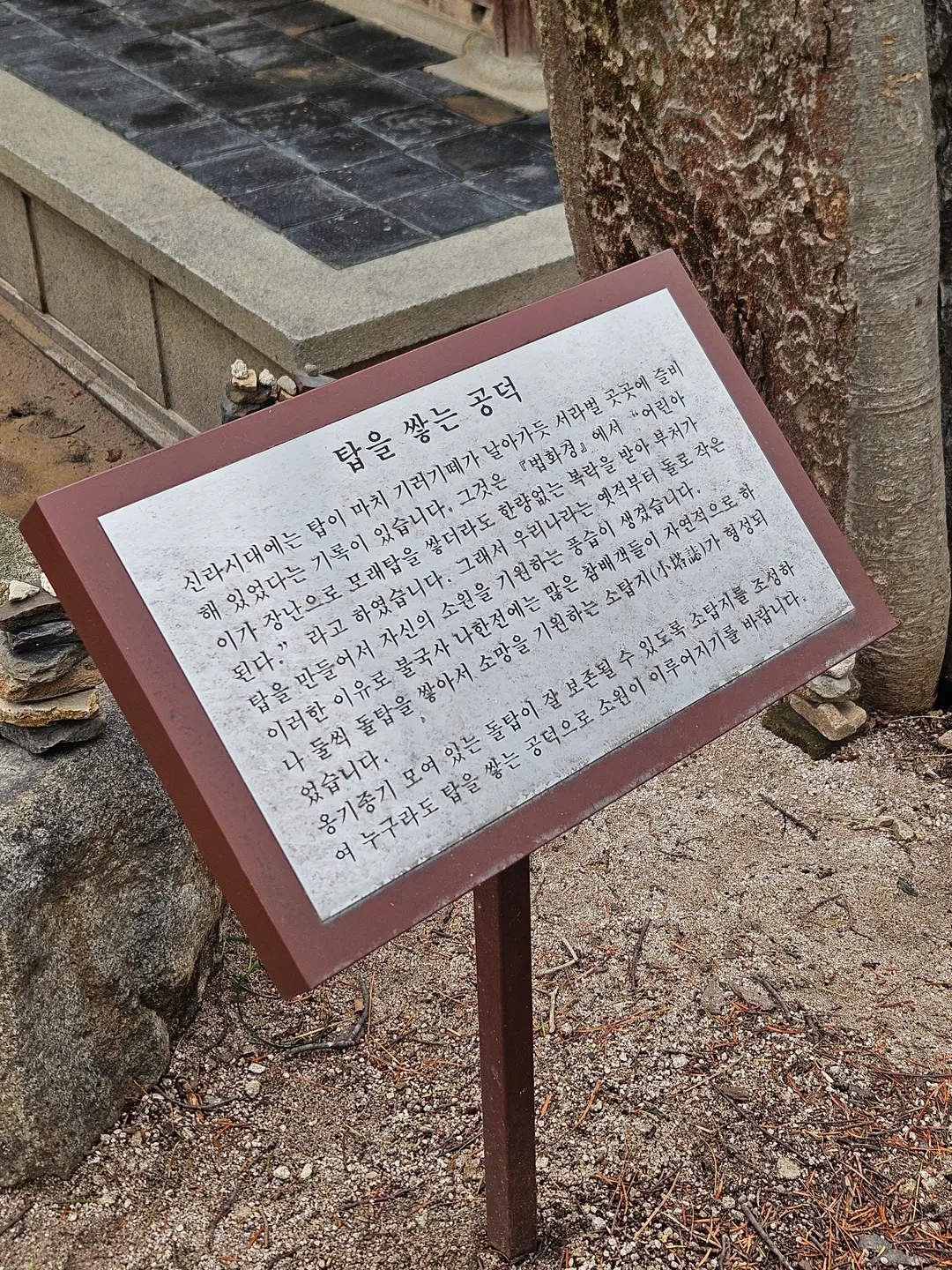
On the way back from the Saritap (relic pagoda), I noticed an area filled with carefully stacked stones. These aren't just random rocks; they are small "wishing towers" built by countless pilgrims, each stone placed with a personal hope or prayer.
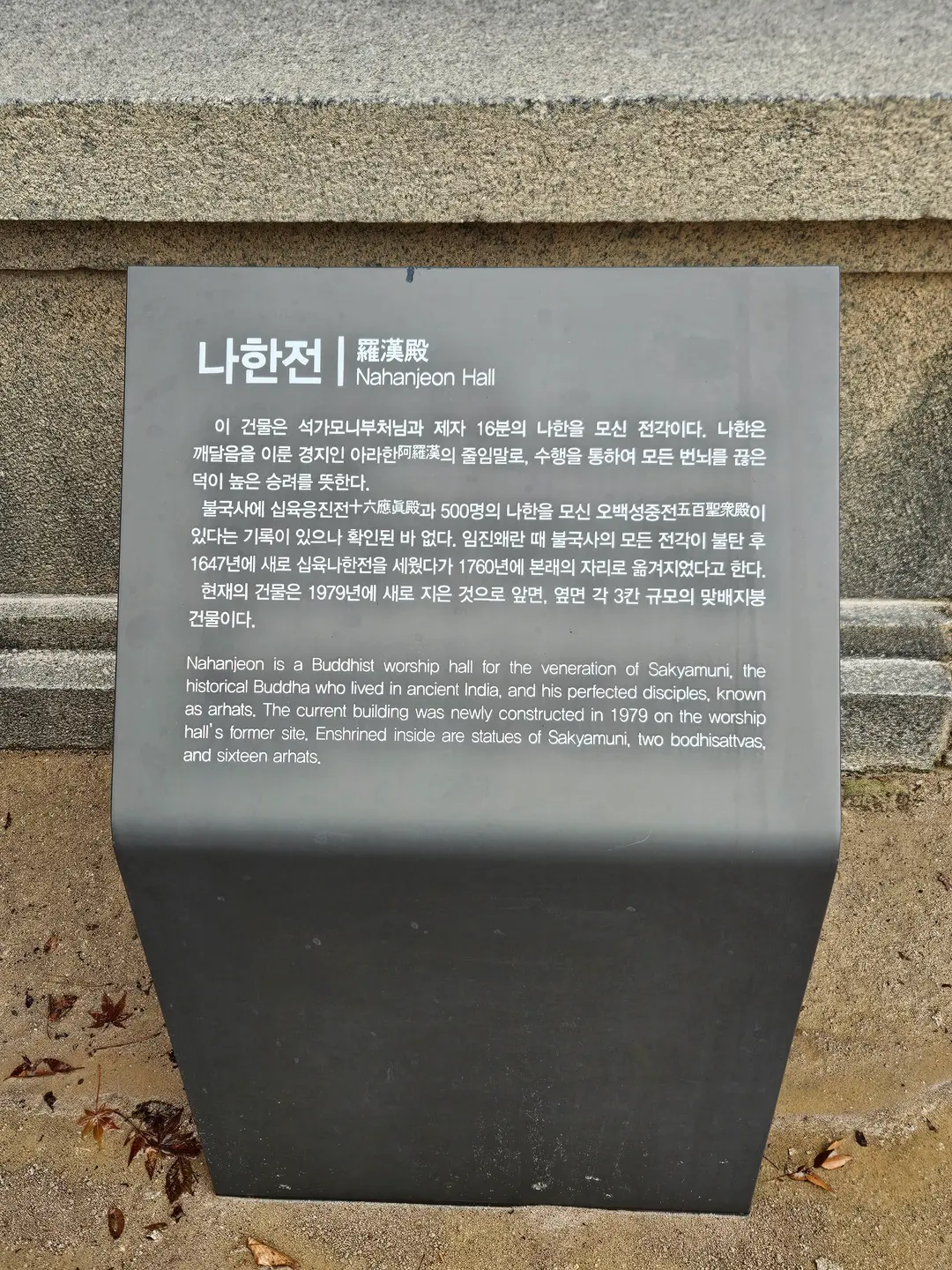
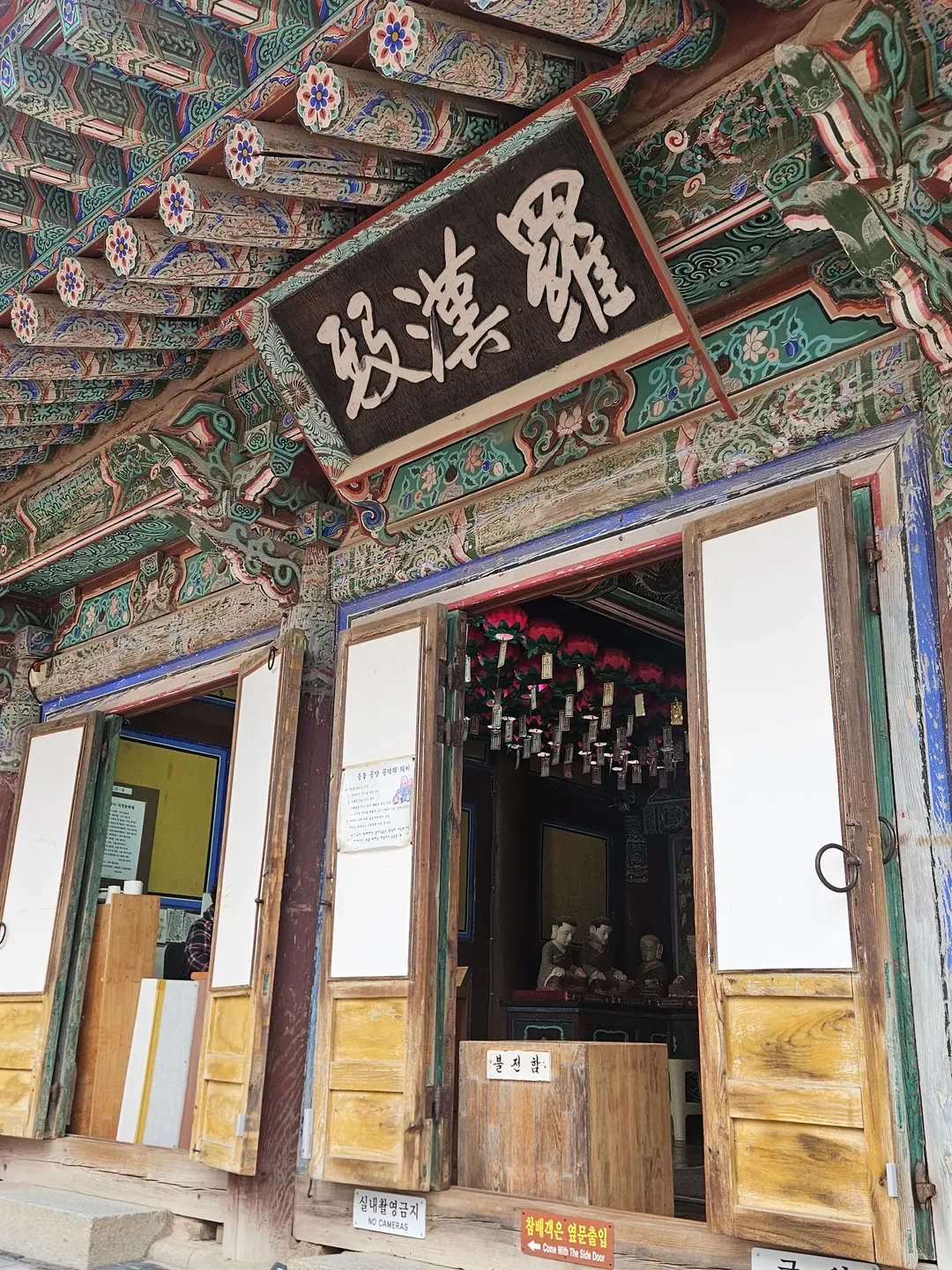
This is Nahanjeon Hall, a sacred space dedicated to Sakyamuni Buddha and his sixteen Arhats (disciples who have attained enlightenment).
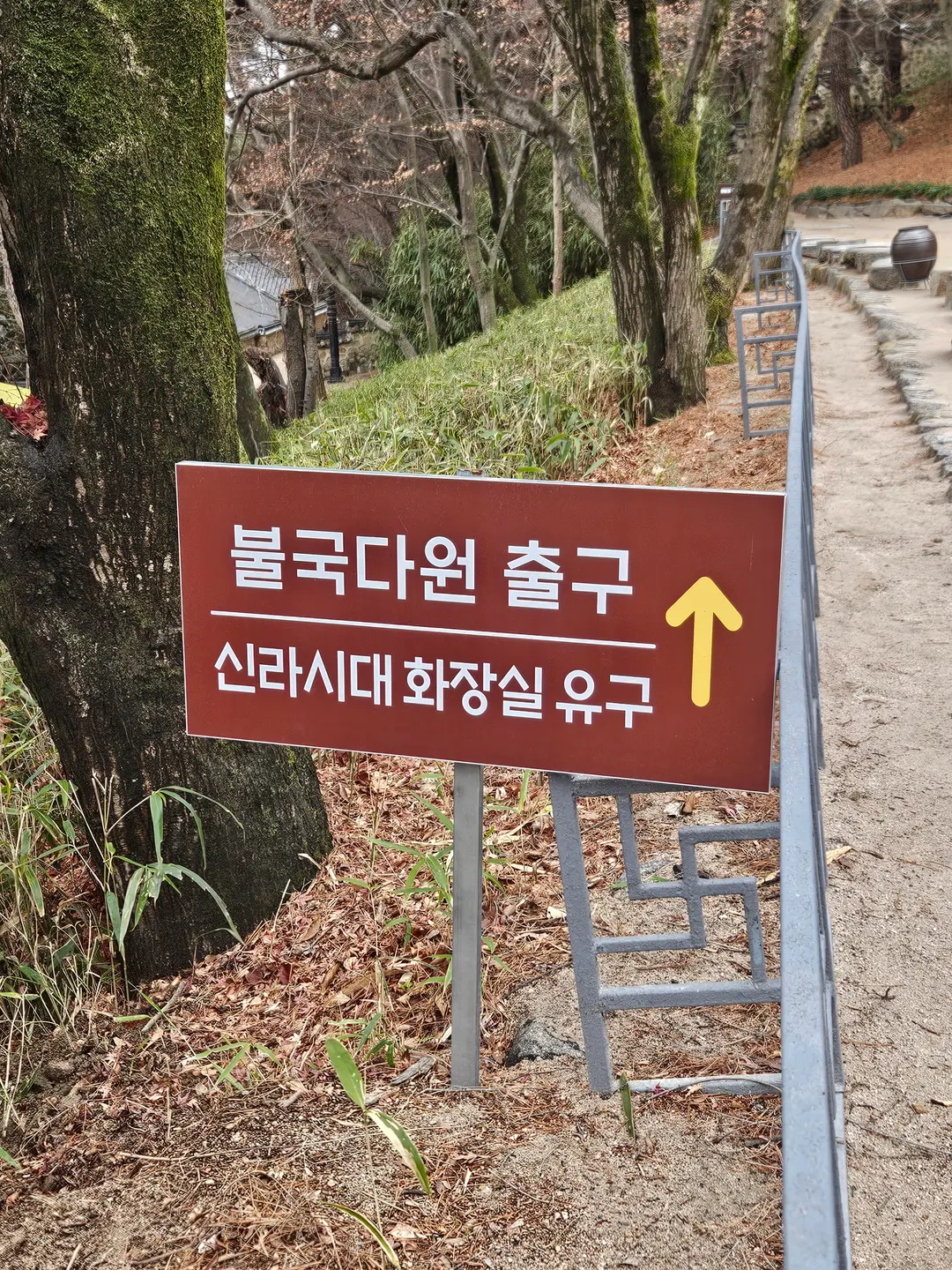
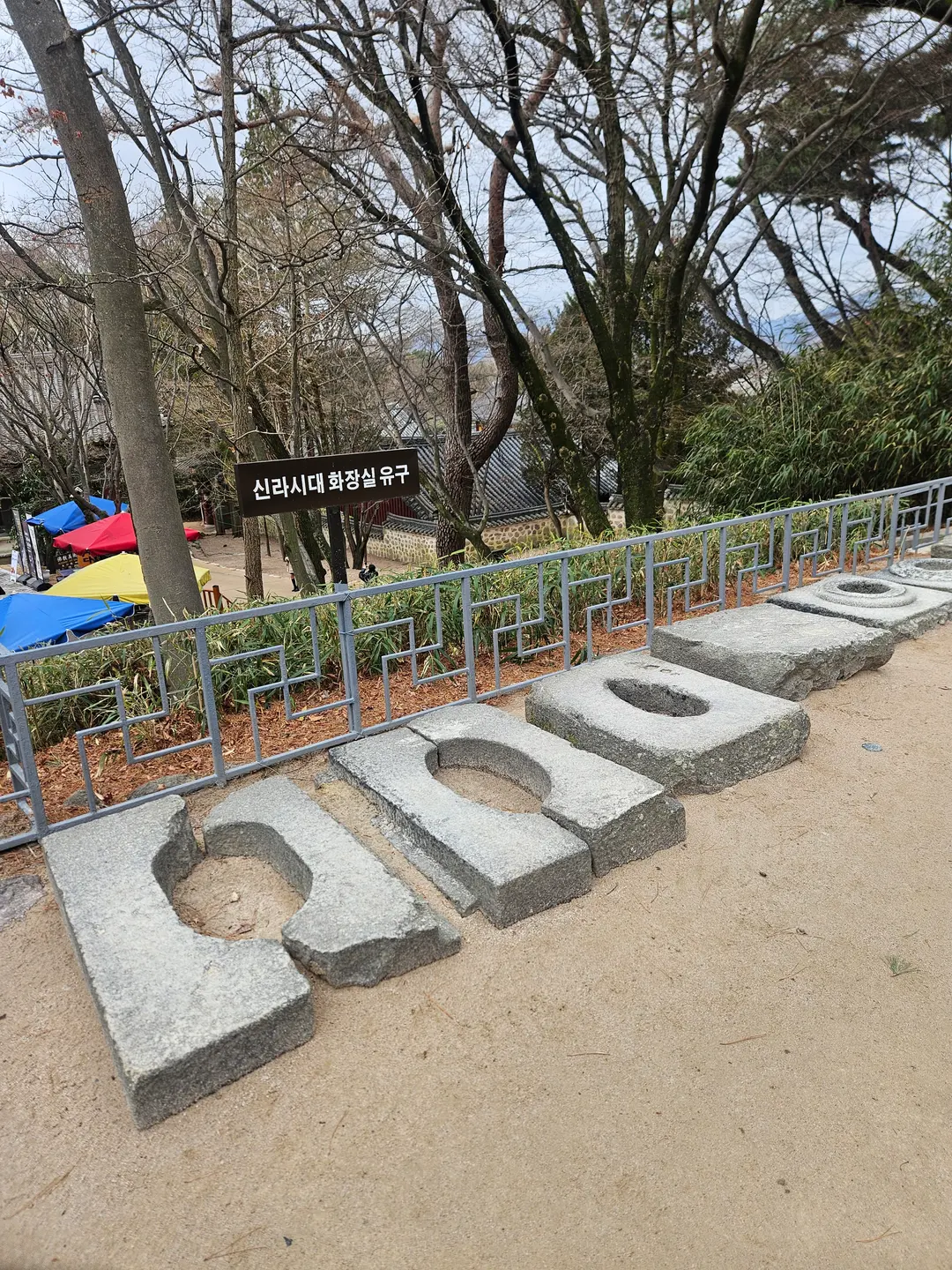
Within Bulguksa, I also stumbled upon the fascinating remains of a Silla-era toilet. It was truly intriguing to see the structure of ancient restrooms and imagine how people used facilities like these centuries ago!
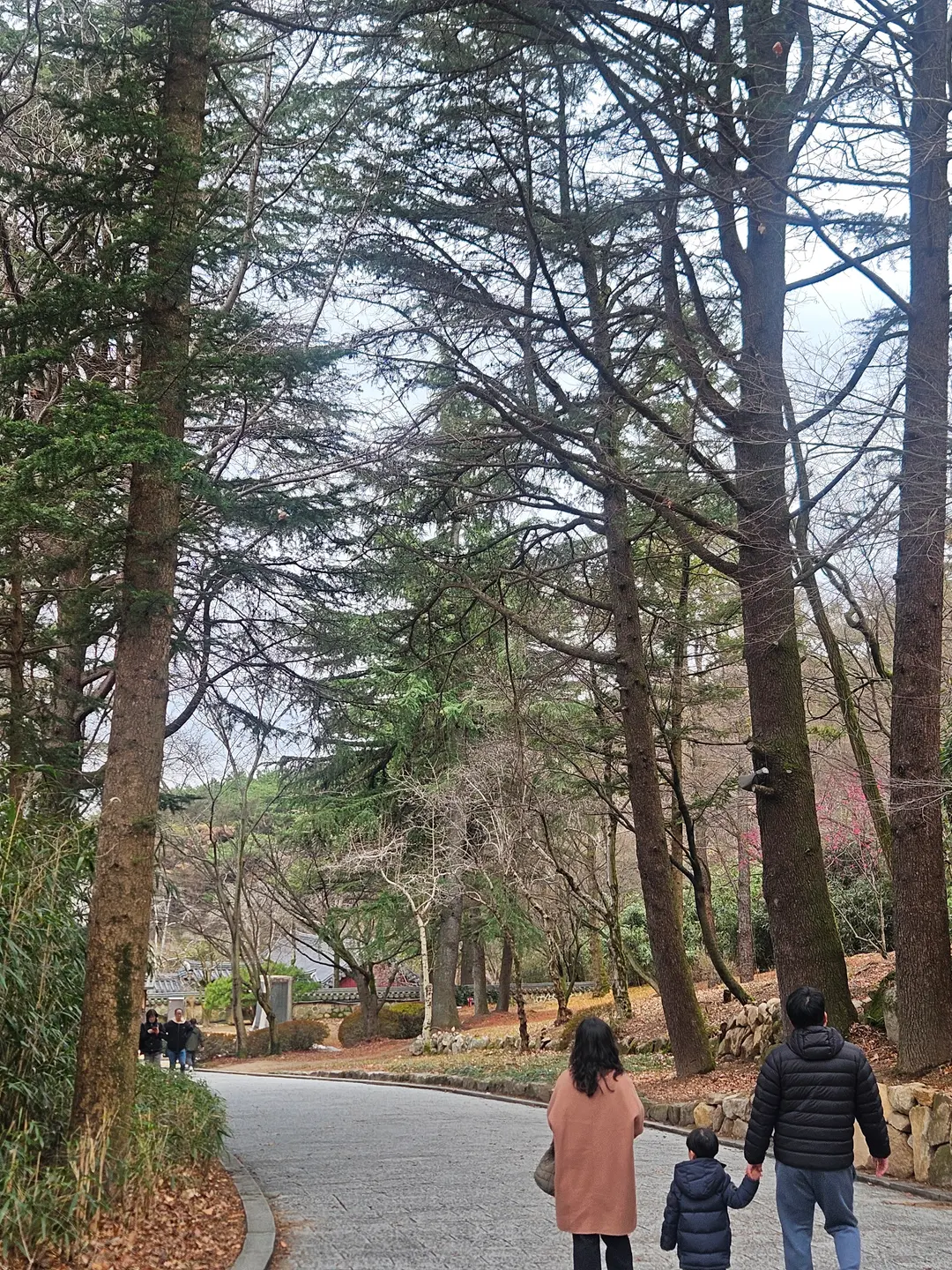
After touring Bulguksa Temple, I made my way back down. Even though it was a Friday afternoon, it wasn't as crowded as I expected, which was a pleasant surprise.
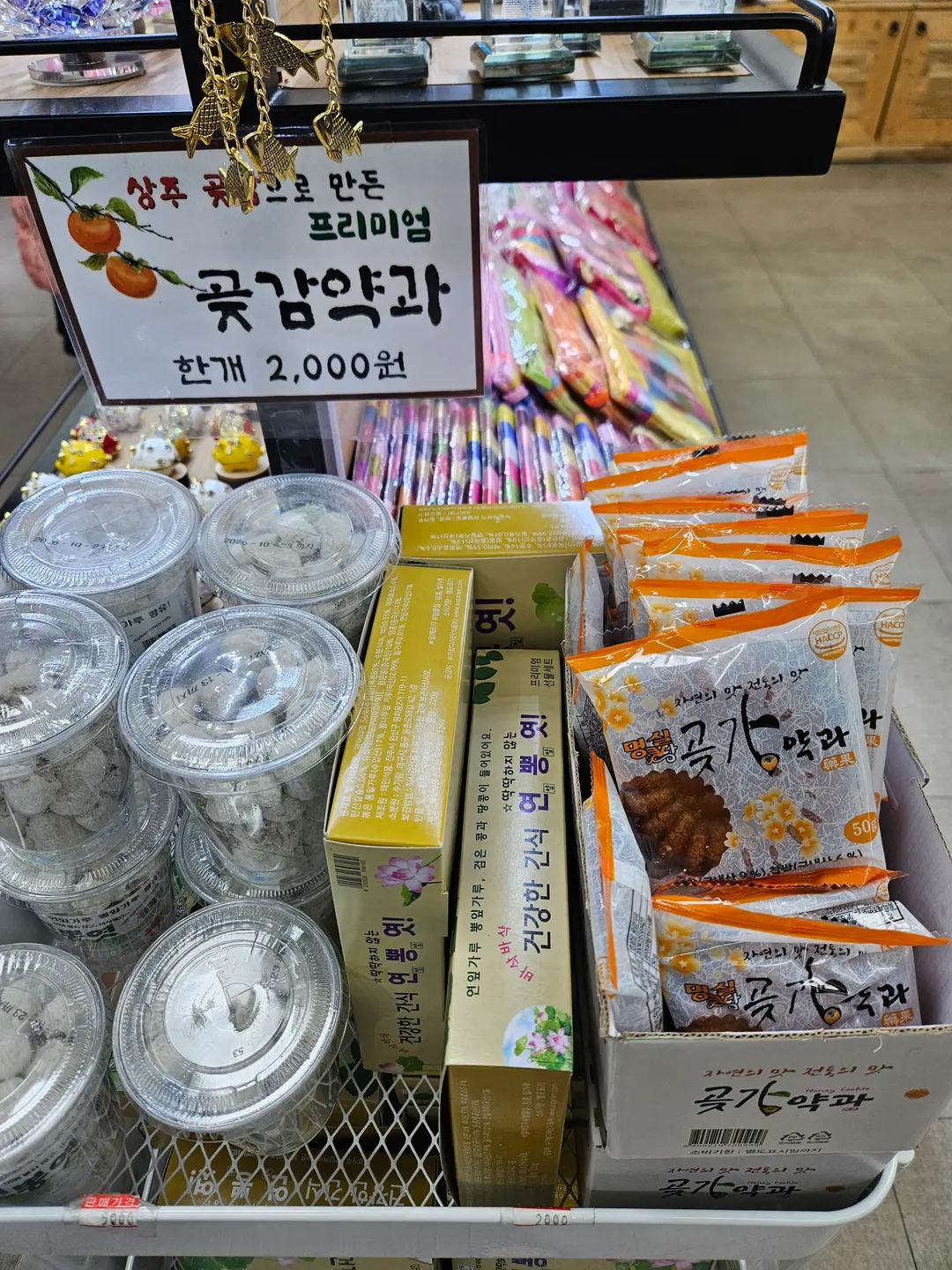
Right in front of the Bulimun Gate Parking Lot, there's a small souvenir shop. They sell simple snacks like dried persimmons and traditional Korean taffy, along with various keepsakes.
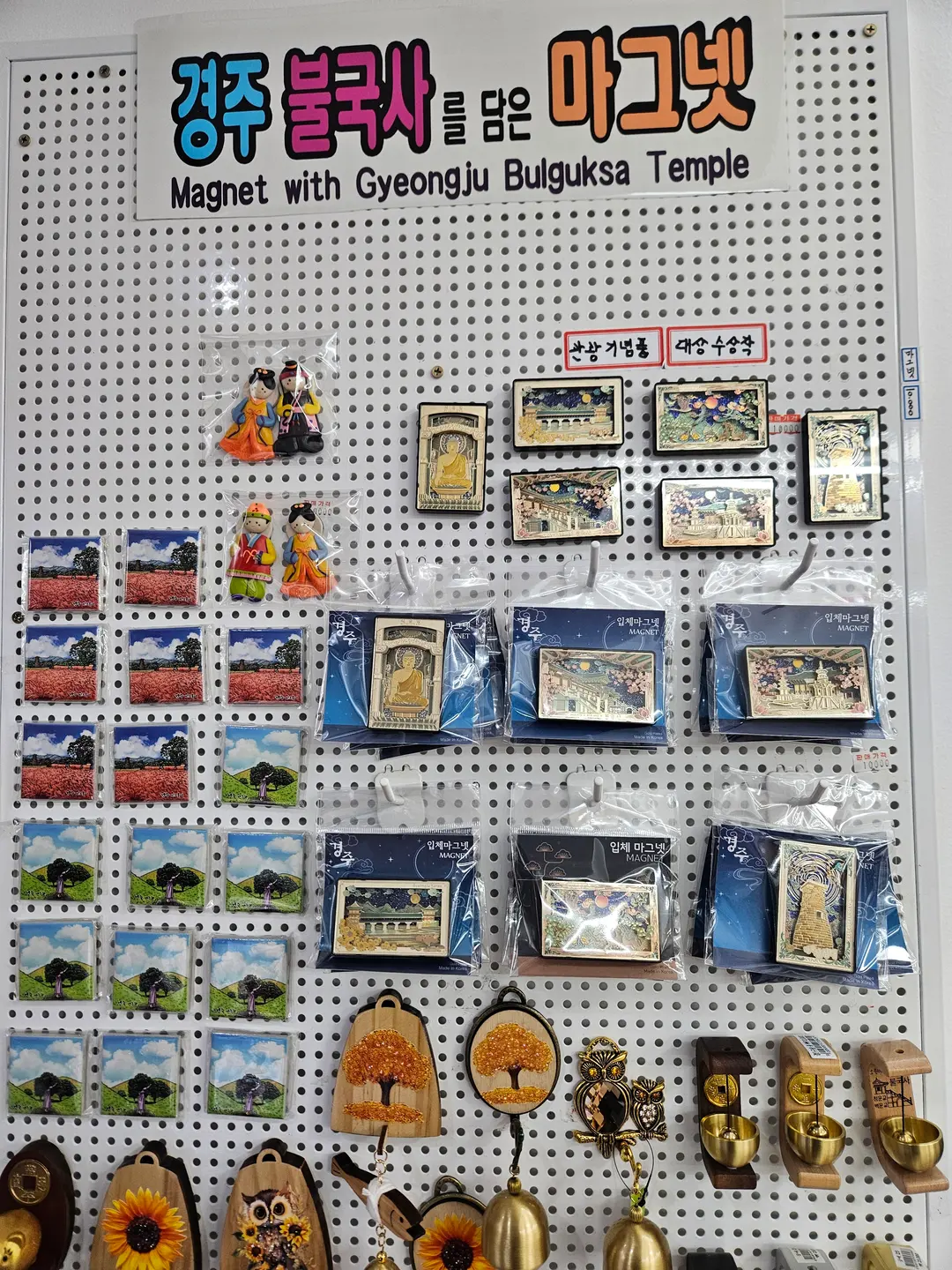
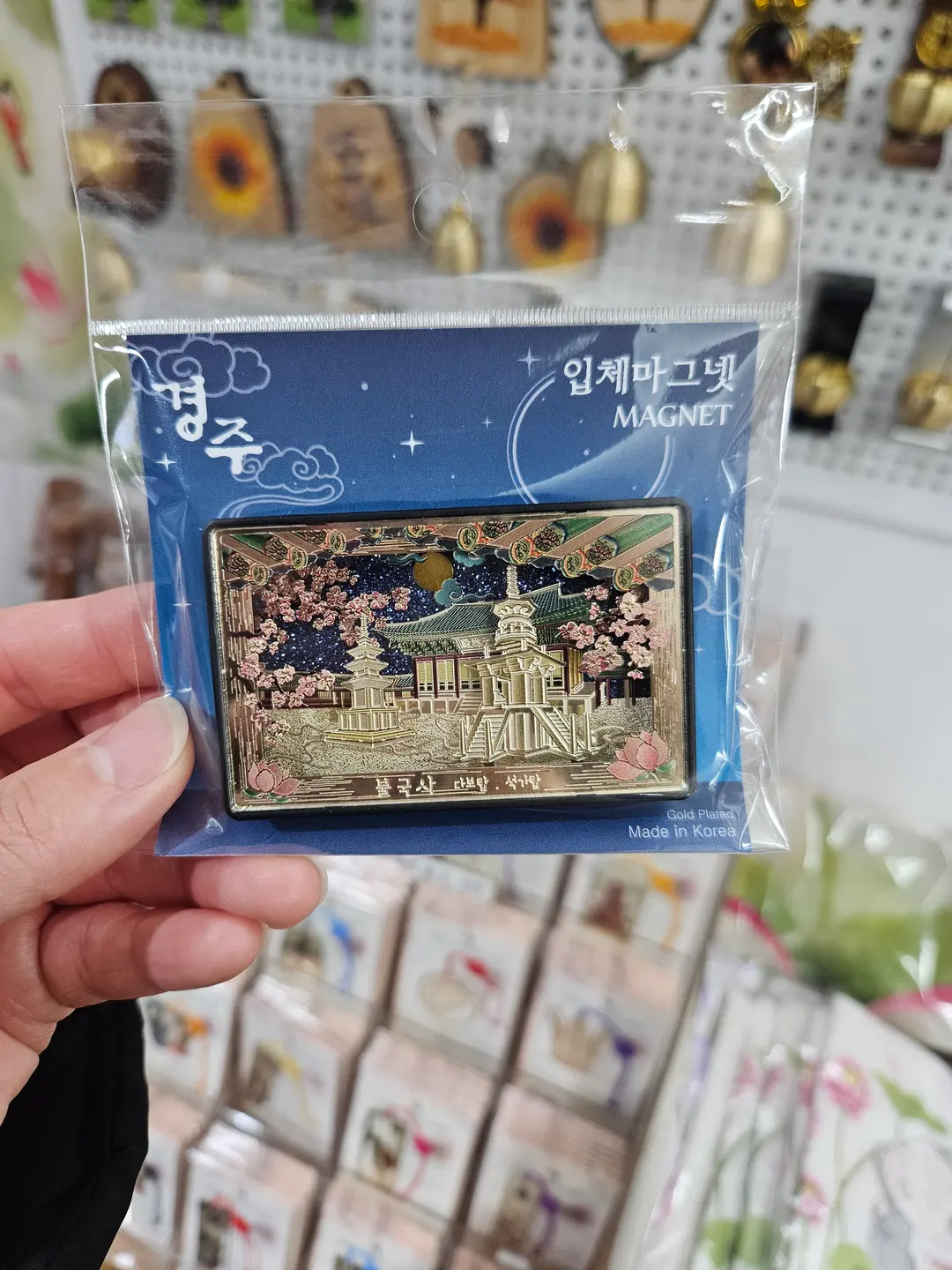
I collect magnets from every place I visit, so I picked one up here too. While it was a bit pricey, the quality was excellent, and I was really happy with my purchase.
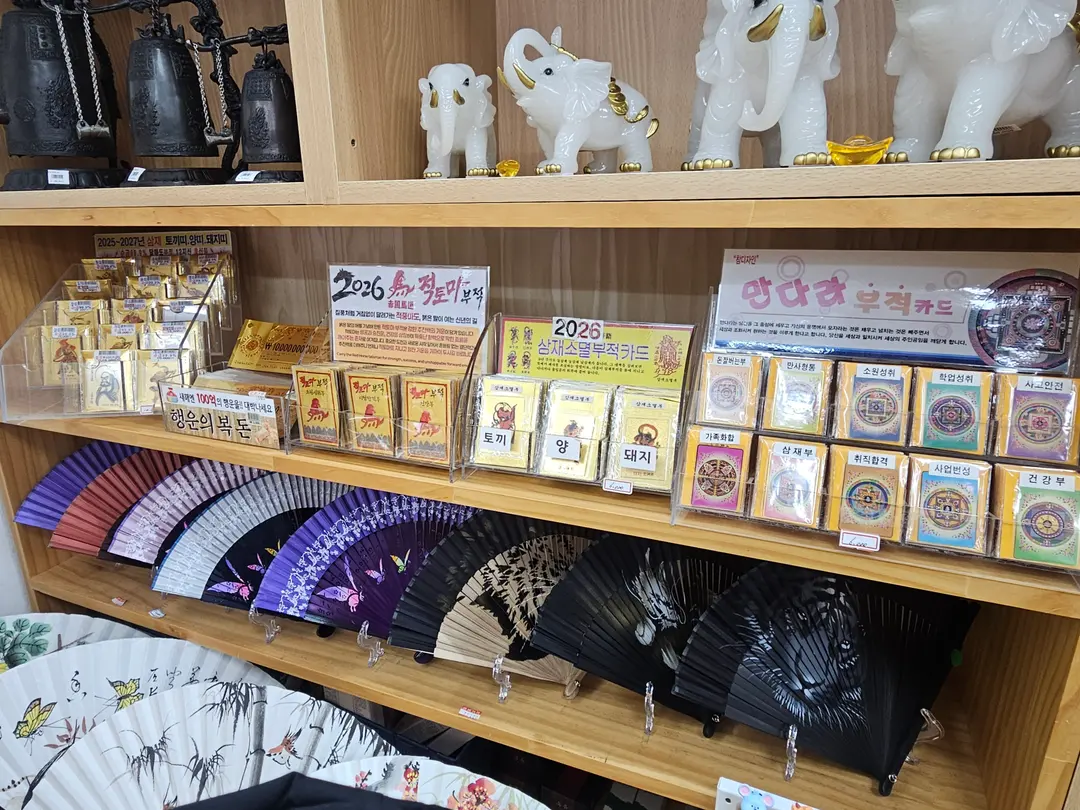
There was also a variety of items like amulet cards and Buddhist prayer beads, but since that's not really my area of interest, I just admired them. Even though I don't visit temples often, my trip to Bulguksa in Gyeongju really helped me understand why so many people flock to this incredible site. If you've been wanting to see Bulguksa, especially its Daeungjeon Hall, before the upcoming renovations, I highly recommend planning your visit soon!
 Gyeongju Bird Park: A Rainy Day Indoor Trip for Kids
Frequently Asked Questions
What is the current status of Bulguksa Temple's Daeungjeon Hall mentioned in the article?
Bulguksa Temple's Daeungjeon Hall is scheduled to undergo repairs soon. The author mentioned visiting because they wanted to see the hall before the construction began.
What are the parking fees and features for each parking lot available when visiting Bulguksa Temple?
There are three parking lots at Bulguksa Temple: Iljumun Parking Lot, Burimun Parking Lot, and Bulguksa Public Parking Lot. Iljumun and Burimun parking lots charge ~$1 for small vehicles and ~$3 for large vehicles. The Bulguksa Public Parking Lot charges ~$1 for small vehicles and ~$1 for large vehicles. Although the public parking lot is the furthest, it has lower parking fees and offers a 50% discount for compact cars.
What are the operating hours and admission fees for Gyeongju Bulguksa Temple?
Bulguksa Temple operates from 9 AM to 6 PM, with the last admission at 5 PM. Currently, admission to Bulguksa Temple is free.
Can visitors currently climb Baekun Bridge at Bulguksa Temple?
Currently, visitors cannot directly climb Baekun Bridge at Bulguksa Temple. According to the article, it was possible to climb the stairs directly in the past.
Share this article
Related Travel Stories
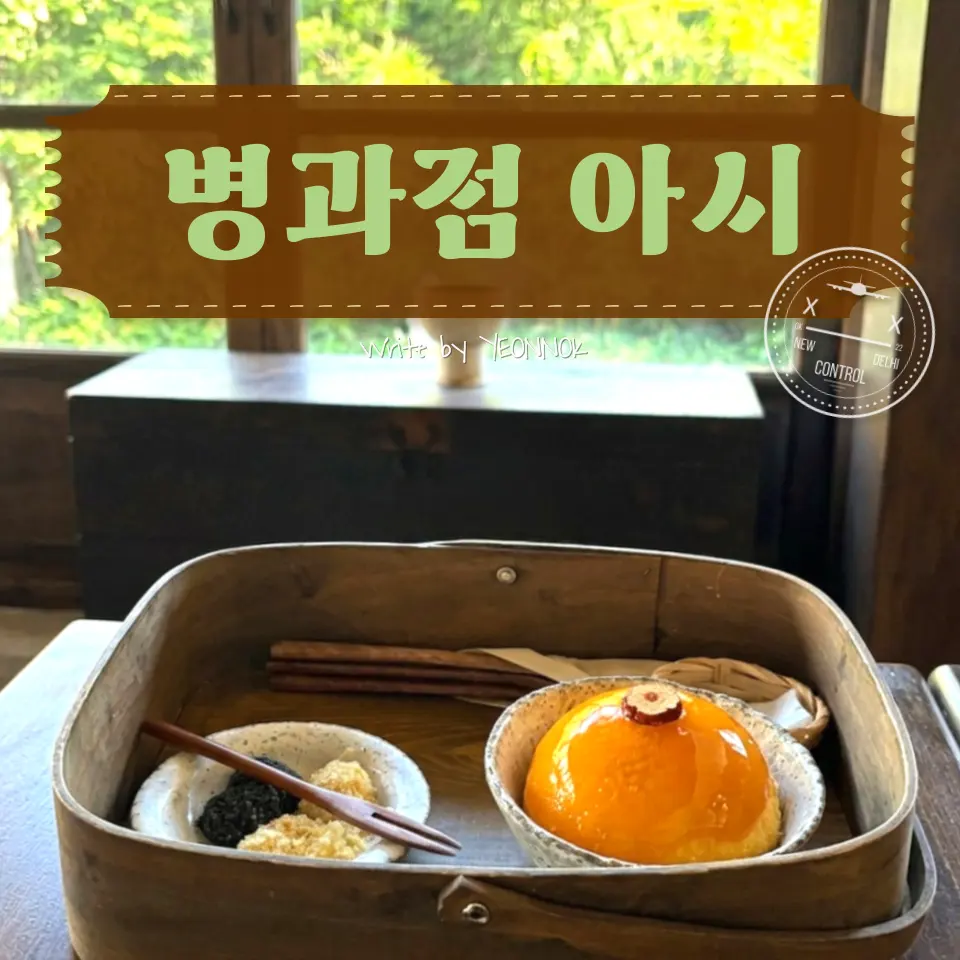
Byeonggwajeom Asi Cafe Review 2026: Hwanglidan-gil's Jocheong Bingsu Spot
Join me for an honest review of Byeonggwajeom Asi, a delightful traditional dessert cafe nestled in Gyeongju's historic Hwanglidan-gil, featuring their unique jocheong bingsu.

Sonokam Gyeongju Review 2026: Family & Deluxe Suite Differences
Planning a trip to Gyeongju? Discover the perfect room at Sonokam Gyeongju Resort! This 2026 guide compares Family, Deluxe Suite A, and B, covering layouts, views, and pricing to help you choose wisely.

Gyeongju Wonjo Kongguk Review 2026: Must-Try Soy Milk & Perilla Tofu
Discover Gyeongju Wonjo Kongguk, a 70-year-old Blue Ribbon certified restaurant. Dive into authentic soy milk soup and perilla tofu in this honest review. A must-visit!
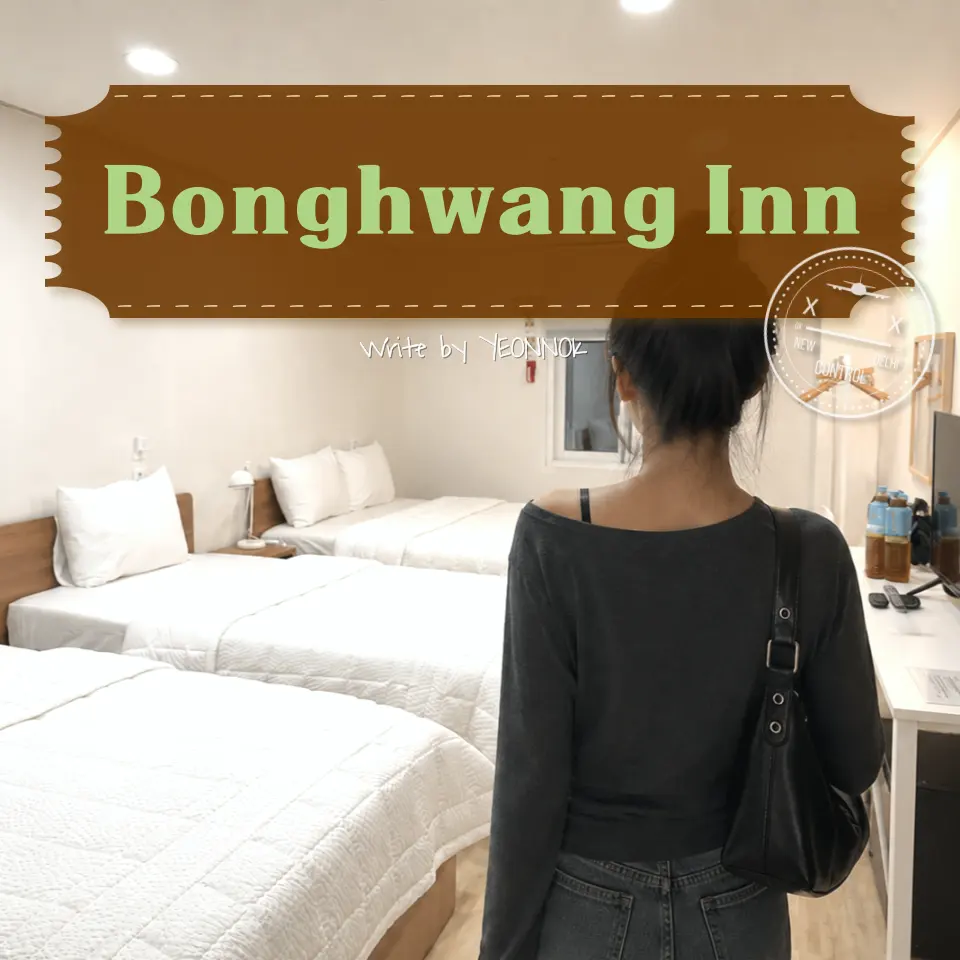
BonghwangINN Gyeongju Review 2026: Family Stay & Taxi Tips
Discover BonghwangINN Bonghwang Mansion 2 in Gyeongju's Hwanglidan-gil! Get honest reviews, family-friendly tips, booking secrets, and essential taxi advice for your 2026 trip.

Hwarang Guesthouse Gyeongju Review: Solo Female Budget Stay
Looking for an affordable, safe, and centrally located guesthouse in Gyeongju? Hwarang Guesthouse offers private rooms, friendly service, and easy access to top attractions for solo women. Read my full review!

Gyeongju Cafe Basilla: Your 2026 Guide to September Flowers
Discover Cafe Basilla in Gyeongju! Get the latest on September sunflowers, crape myrtles, and pampas grass, plus top photo spots for your 2026 visit.