

Seocheon Bioluminescent Plankton 2026: Best Glow Spots
Experience the magic of South Korea's glowing blue seas. Learn where and when to find the breathtaking bioluminescent plankton in Seocheon this summer.


Chasing the Blue Glow in Seocheon
Where to Find Sea Sparkle: Hongwon Port, Biin Beach, and Wolhaseong
Written by Global Explorer
Hey fellow travelers!
If you've been scrolling through Instagram or TikTok lately, you've probably seen those mind-blowing videos of waves glowing in electric blue.
This magical phenomenon is caused by bioluminescent plankton, often called "Sea Sparkle" (Noctiluca scintillans). It looks like an underwater galaxy right here on Earth!
Since this breathtaking sight only happens during a specific window each year, I packed my camera gear and headed down to the west coast of South Korea for an unforgettable night shoot.
Today, I’m sharing my firsthand experience comparing Seocheon's top three glow spots: Hongwon Port, Biin Beach, and Wolhaseong. I'll also give you the exact timing, essential gear, and pro tips to ensure your chase is a success in 2026!
Table of Contents | |
1 | What is Bioluminescent Plankton (Sea Sparkle)? |
2 | The Science Behind the Blue Glow |
3 | Best Time to See Bioluminescence in Korea |
4 | Essential Gear for Night Observation |
5 | Spot Comparison: Hongwon Port vs. Biin Beach vs. Wolhaseong |
6 | Final Takeaways |
What is Bioluminescent Plankton (Sea Sparkle)?
Often referred to as the "Milky Way of the Sea," these glowing organisms are actually a type of marine dinoflagellate.
They are invisible to the naked eye during the day. However, when conditions are just right and they bloom in massive numbers, they react to physical movement—like crashing waves or splashing water—by emitting a brilliant neon blue light.

The Science Behind the Blue Glow
This magical blue light is actually a defense mechanism used to scare off predators.
When physically disturbed, a chemical inside the plankton called luciferin reacts with the luciferase enzyme. This oxidation process produces a stunning, cold blue light.
Whenever a gentle wave rolls in, or if you toss a small pebble into the water, you'll see a ripple of bright blue light spread across the surface like liquid neon.

Best Time to See Bioluminescence in Korea
You can't just show up and expect to see them. Timing is absolutely everything! Here are the optimal conditions you need to check before going:
1. Peak Season
The peak window along Korea's west coast runs from late May through mid-to-late June. These organisms thrive when the water temperature climbs above 68°F (20°C). Due to shifting climate patterns, sightings have become even more frequent in recent years.
2. Moon Phase & Weather
Aim for a new moon (the darkest phase of the lunar cycle). The darker the night, the more vibrant and saturated the blue glow will appear to your eyes and camera.
3. High Tide (Manjo) Timing
The best viewing window is within 2 hours before and after high tide. Make sure to check the local tide charts online before heading out!
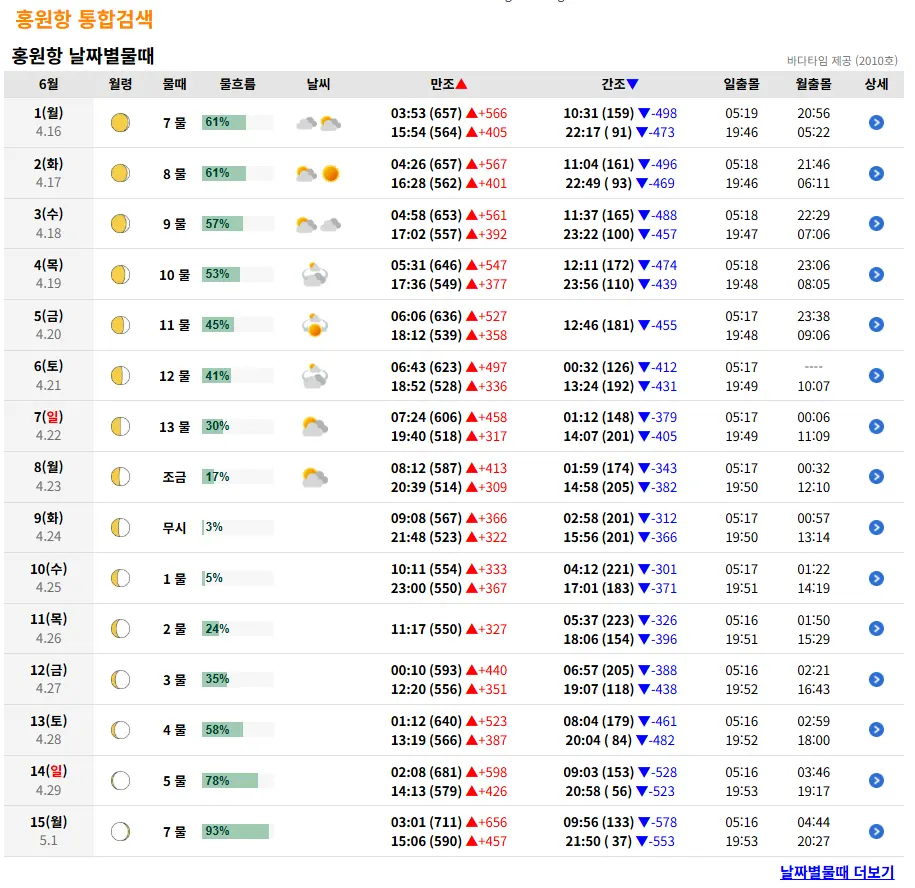
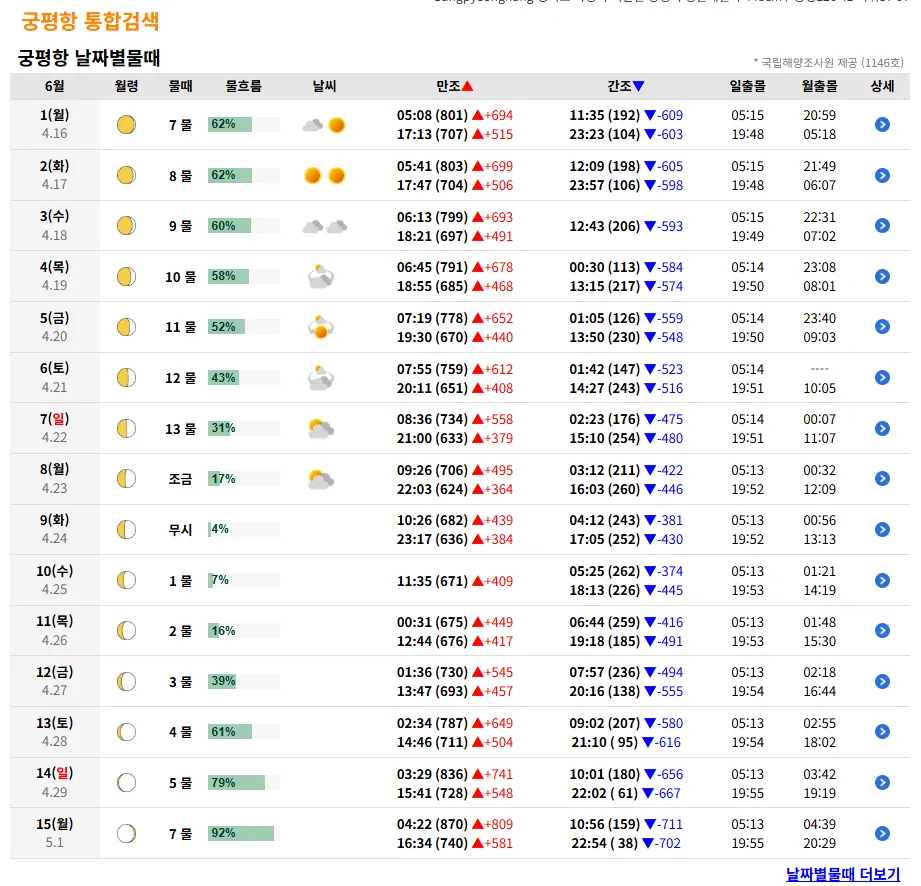
⬇️ Check Live Tide Tables Here ⬇️
Essential Gear for Night Observation
Since you'll be navigating pitch-black beaches, safety and proper preparation are key. Don't forget to pack these essentials:
1. A Sturdy Tripod
Long exposure photography is required to capture the glow on your phone or camera. A tripod is non-negotiable.
2. Headlamp or Small Flashlight
Many of these spots lack streetlights. Keep your hands free and stay safe with a reliable light source.
3. Water Gun, Bucket, or Small Pebbles
Since the plankton only lights up when disturbed, bringing a water gun or tossing tiny pebbles into the water is a great way to trigger the neon reaction on demand.
4. Windbreaker or Light Jacket
Even in June, the coastal night breeze can get quite chilly. Bring an extra layer to stay comfortable.
Spot Comparison: Hongwon Port vs. Biin Beach vs. Wolhaseong
Hongwon Port Spot
✔️ Look near the calm inner harbor or below the breakwater walls.
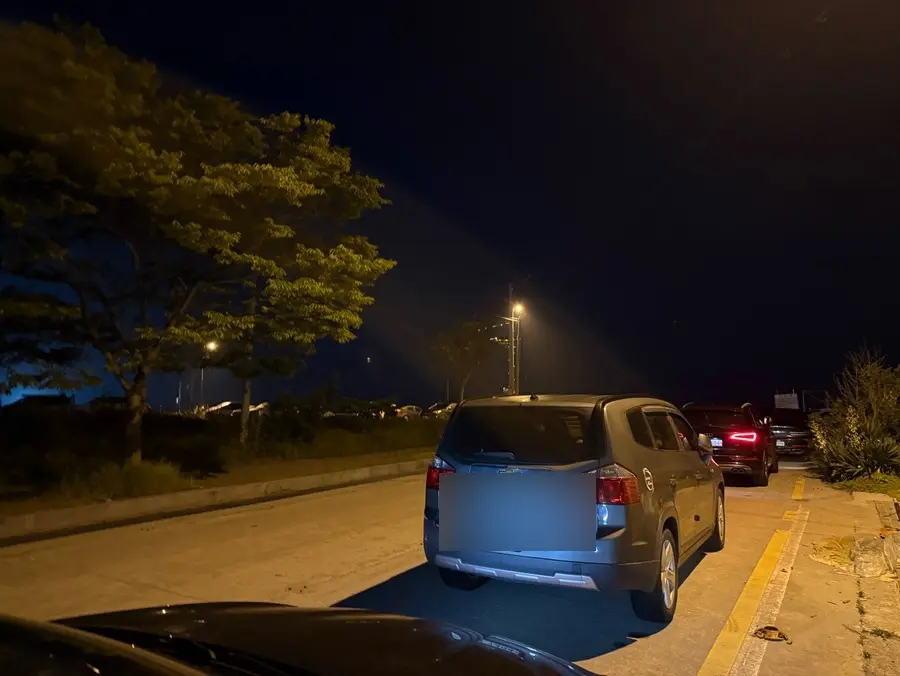
The biggest advantage here is the easy parking and accessible paved walking areas.
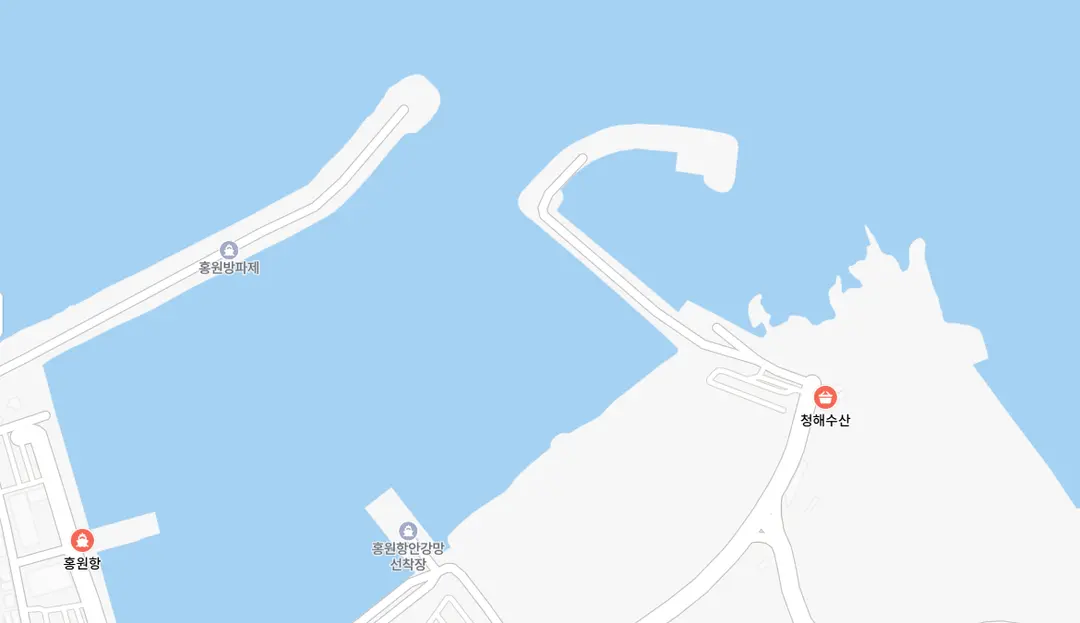
✔️ Enjoy watching the soft, dreamy glow ripple across the calm harbor waters.

✔️ Keep in mind that the port has some ambient light pollution, which can slightly reduce the visual contrast of the glow compared to pitch-black beaches.
Biin Beach Spot
✔️ A wide sandy beach where you can watch glowing blue lines trace the shoreline with every incoming wave.
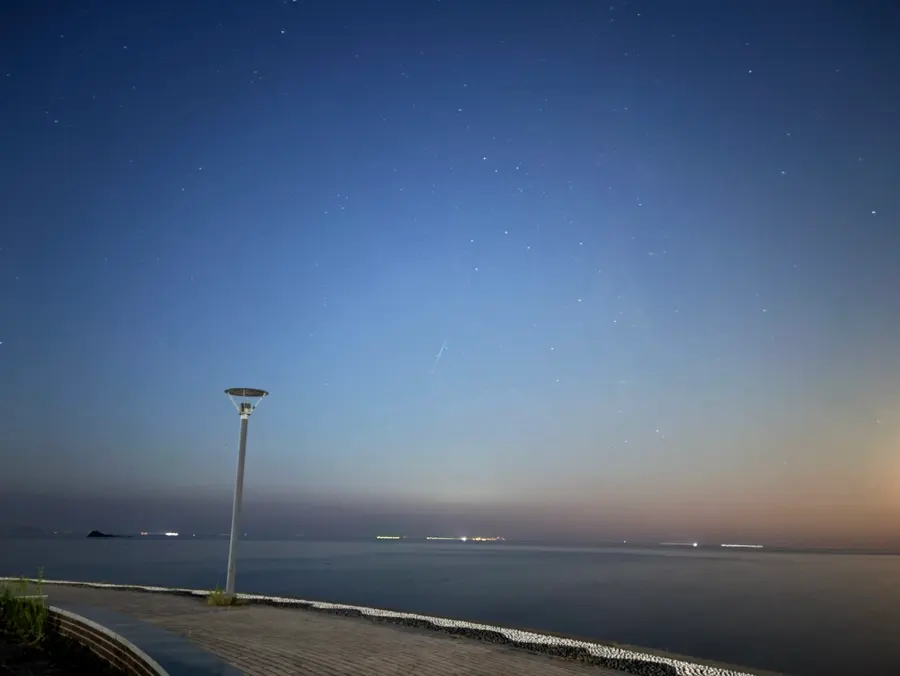
✔️ Since there is almost no light pollution here, the blue glow is incredibly vivid. (Though the plankton wasn't showing on the night I visited, the clear sky offered a breathtaking view of the Milky Way and countless stars instead!).
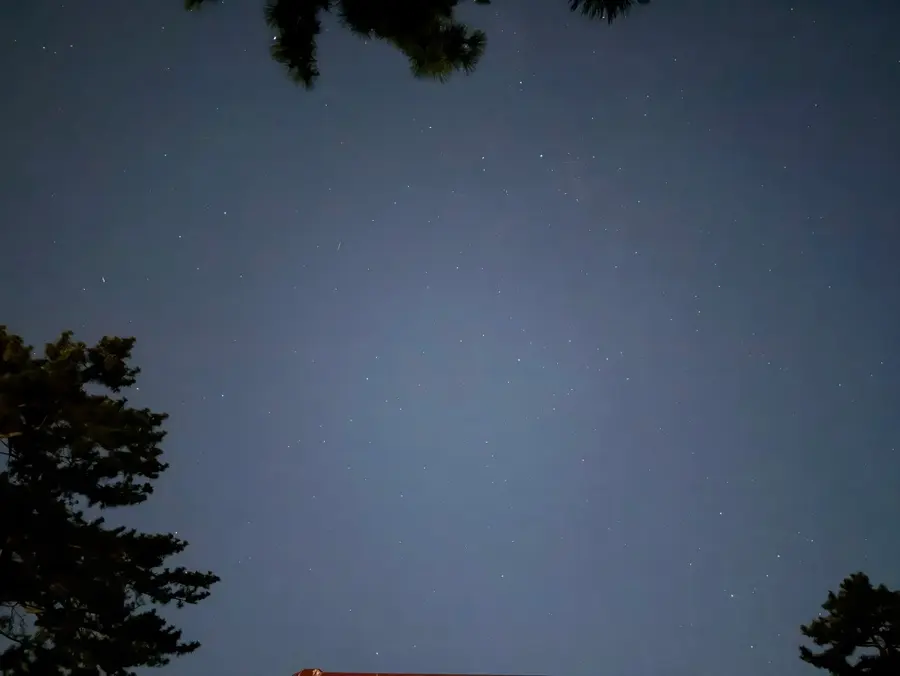
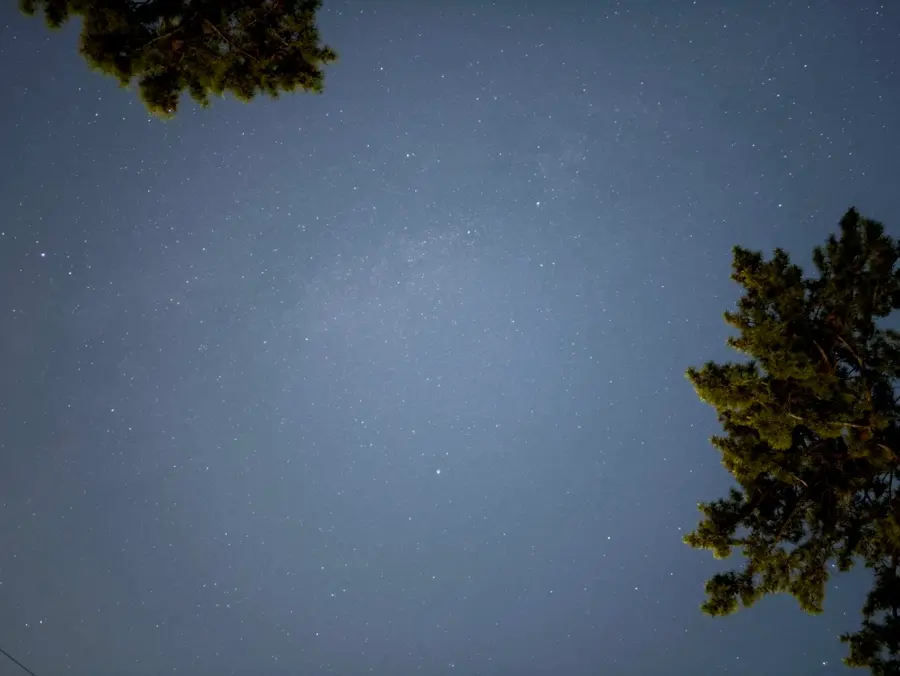
✔️ Be extremely careful when walking, as the beach gets exceptionally dark at night.
Wolhaseong Spot
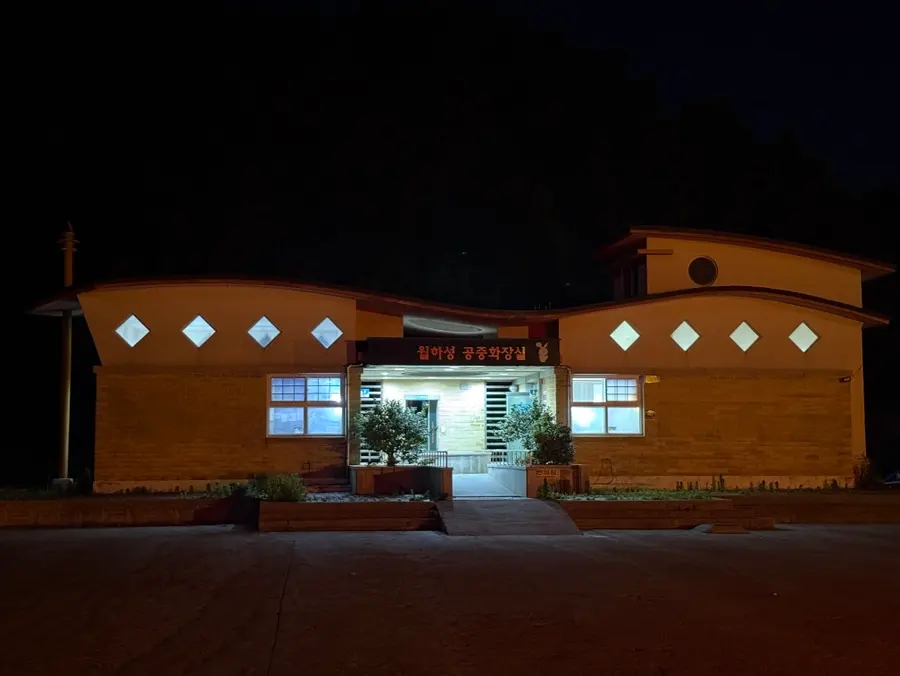
✔️ Located near the Wolhaseong Tidal Flat Experience Village.
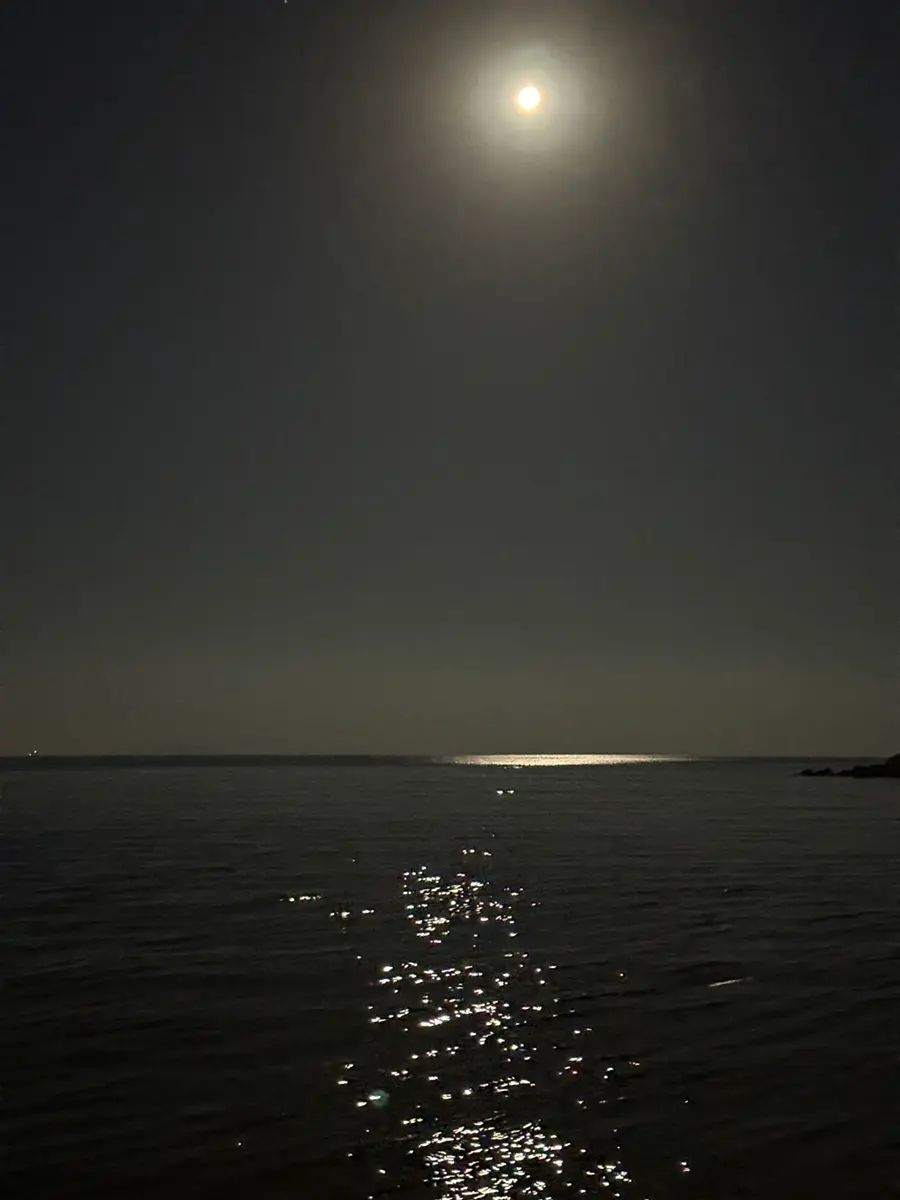
✔️ The unique coastal geography tends to trap the plankton, meaning you can hit the absolute jackpot here if your timing is perfect. While I didn't catch the glow here on my trip, the spot is highly recommended because of its great public restrooms and convenient parking facilities.
Final Takeaways
Witnessing the bioluminescent seas in Seocheon felt like stepping directly into the movie Avatar. It’s an ethereal experience that belongs on everyone's bucket list.
If you are looking for a unique night-time road trip or a romantic date spot, Seocheon’s beaches are the place to go!
For the easiest and safest experience, head to Hongwon Port. Remember the golden formula: Early June + New Moon + 2 hours around High Tide.
Grab your friends, family, or partner, and head out to capture the glowing blue galaxies of the Korean coast this weekend!
Looking for more stargazing spots? Check out my guide to Taean's Onyeopo Beach!
Taean Travel: Stargazing at Onyeopo Beach | Milky Way, Parking, and Camping Tips
Frequently Asked Questions
When is the best time and tide condition to observe bioluminescent plankton (sea sparkles) in the Seocheon sea?
The best time to observe bioluminescent plankton on the West Coast is from late May to mid-to-late June. It is highly recommended to visit around two hours before or after high tide during a new moon when the moonlight is at its darkest.
What should I bring to make the bioluminescent plankton glow blue?
Bioluminescent plankton emits blue light when physically stimulated, so it's a good idea to bring items like a water gun, bucket, or small stones. By using these to agitate the seawater, you can effectively trigger their glowing reaction.
Among the observation spots in Seocheon, where is the most convenient for parking and safe for viewing the bioluminescent plankton?
Hongwon Port is a place where parking is convenient and safe observation is possible. Although the plankton's glow might not be extremely intense due to the lighting around the port, you can comfortably enjoy the subtle blue light near the calm inner harbor or under the breakwater.
If I fail to observe the bioluminescent plankton at Biin Beach, which has low light pollution, what else can I see?
Biin Beach is very dark with minimal light pollution, so on a clear night, you can clearly see the stars. Even if you don't spot the bioluminescent plankton, you have the advantage of stargazing and observing beautiful stars, including the Milky Way.
Share this article
Featured in Collections
Discover more travel stories curated around the same theme.

Related Travel Stories

Seocheon Bioluminescent Plankton 2026: Best Spots & Viewing Tips
Experience the breathtaking 'sea galaxy' in Seocheon! This guide reveals top bioluminescent plankton spots, optimal viewing conditions, and must-have gear for your 2026 glowing adventure.

Jinmi Sikdang Seocheon Review 2026: The Best Kongguksu in Chungnam
My search for the perfect Kongguksu ended at Jinmi Sikdang in Seocheon, Chungnam. This second-generation eatery offers a creamy, nutty soybean noodle soup that will captivate your taste buds!

Hansan Dahyang Seocheon: A Charming Hanok Teahouse Experience
Step back in time at Hansan Dahyang, a beautiful Hanok teahouse in Seocheon. Savor traditional Korean teas in a serene setting, surrounded by nostalgic charm.

Munheon Traditional Hotel: Your Authentic Seocheon Hanok Stay
Discover Munheon Traditional Hotel in Seocheon, South Korea! This authentic hanok stay offers serene nature, family-friendly vibes, and great value. Perfect for cultural explorers seeking a peaceful getaway and a taste of local charm.
Yongsan Family Park Guide (2026): Picnic Tips & Officer's Quarters
Escape Seoul's hustle at Yongsan Family Park! Find lush green spaces, serene picnic spots, and explore the historic Officer's Quarters Site 5. Your perfect urban oasis awaits.
Boromwat Jeju Guide (2026): Christmas in October & Can-Train Fun
Discover Boromwat (보롬왓) in Jeju, where fall meets early Christmas! Explore vibrant flower fields, ride the charming can-train, and capture stunning photos. Plan your unique 2026 Jeju trip!