

Santiago de Compostela Guide 2026: A Former Student's Local Tips
Embark on a journey to Santiago de Compostela, the revered end of the Camino de Santiago. A former student shares essential local insights, from must-try regional dishes to navigating the city, making your visit unforgettable in 2026.

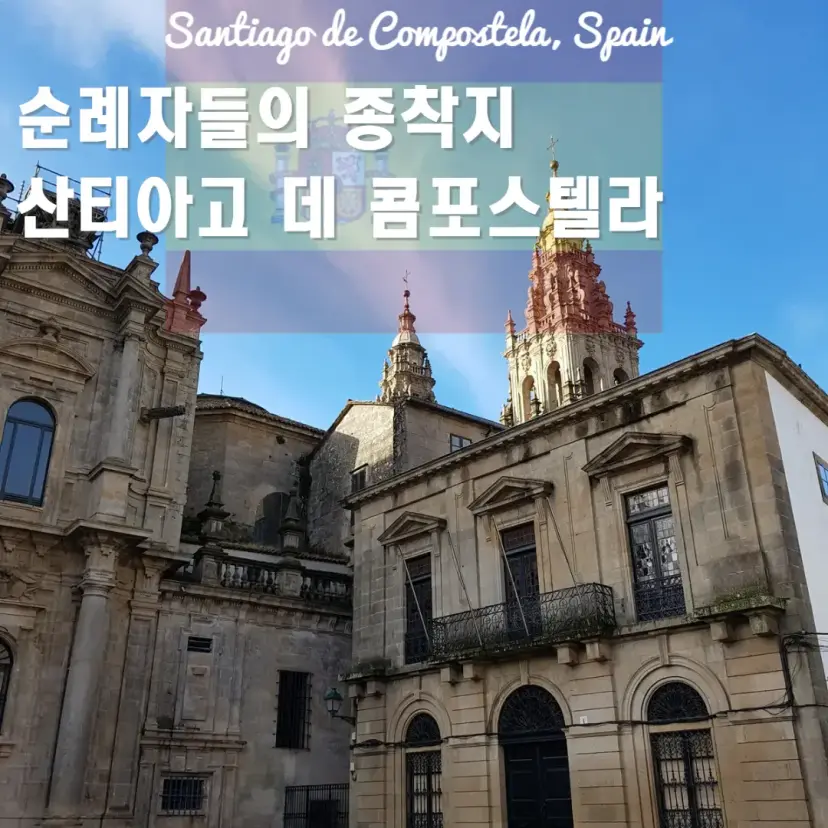
The Story of Santiago de Compostela: The Camino's Destination
Santiago de Compostela
Insights from a Former Exchange Student
You might know that I've visited Spain six times,
and the very first time was for my studies.
These days, I teach Spanish to those embarking on the pilgrimage,
whether it's travel Spanish or specialized Camino Spanish,
and because I do this work,
it's wonderful to hear all the latest updates :)
Anyway, since returning to Korea, I've visited two more times,
and one time I even took my mom along!
I really wanted to show her where I used to live!
Even though it's a city teeming with visitors,
most of them are pilgrims rather than just tourists.
While there are many communities dedicated to preparing for the Camino,
you'll find a lot of information and tips already,
I'd like to share my insights with love from a former student's perspective-
Little details about Santiago de Compostela,
local dishes you absolutely have to try,
supermarket stories, and other tidbits –
I've gathered everything that came to mind as I wrote this.
Santiago de Compostela: The Pilgrims' Destination
📍 Santiago de Compostela
Santiago de Compostela, A Coruña, Spain
Santiago de Compostela is located in northern Spain.
It's relatively close to Porto, a city in Portugal,
making bus travel possible
(I mean, it's relatively close!)
Naturally, there are no direct flights from Korea,
so you'll need to transfer in Madrid or Barcelona
to a domestic flight,
or, for the Madrid-Santiago de Compostela route,
you can also take the high-speed train.
It's not very frequent, though.
** Oh, this city name is quite a mouthful....

Santiago de Compostela
is a city within the autonomous community of Galicia.
Galicia might be unfamiliar to many of you.
Andalusia, where Seville is located,
Catalonia, home to Barcelona,
and Basque Country, where Bilbao is...
You've probably heard of these, right?
They're all names of Spain's autonomous communities.
In Galicia, they speak a different language called Galician (gallego),
which is distinct from Spanish.
That's why street signs often show both Galician
and Castilian (castellano), which is Spanish,
displayed together.
Older folks sometimes only speak Galician, so
I struggled to understand them. @. @
Galician is actually closer to Portuguese than to Spanish.
By the way, if you check Google Maps, you'll see street names like
Rúa do franco... written in that style.
Rúa is Galician.
It means 'street' or 'road',
and 'do' is the same as 'de' in Spanish,
which corresponds to 'of' in English.

If you're wondering if it's truly charming as a tourist spot...
to be brutally honest...
it's not quite worth the hassle of multiple transfers just to visit.
In the past, there were no homeless people
(I never saw any during my student days)
and not as many pilgrims as there are now,
it had the feel of a quiet, calm, and safe
Spanish local town,
but when I visited recently, it had become commercialized, with homeless people,
and the city had lost many of its original charms.
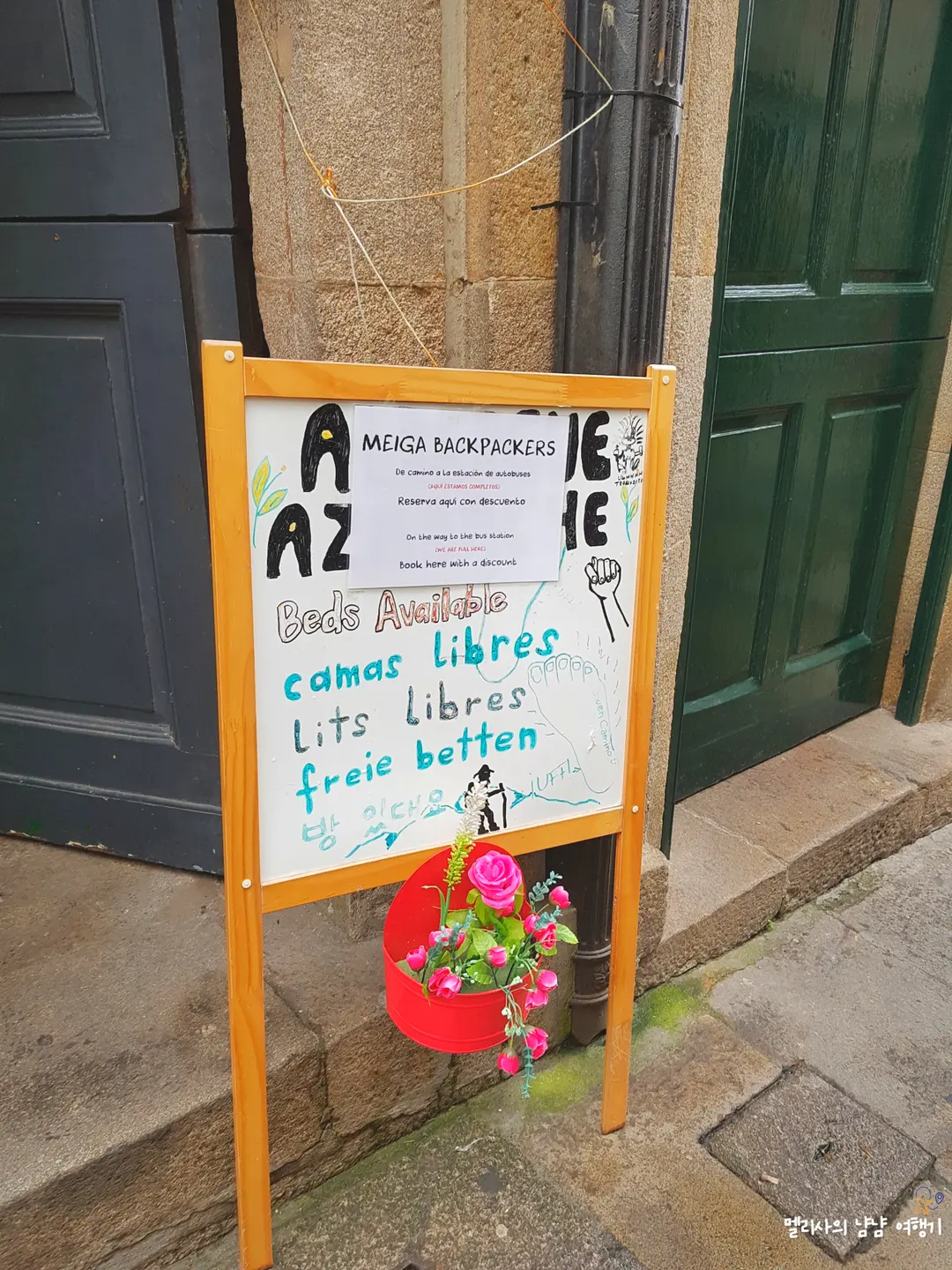
The photos look quite gloomy due to the weather,
but this region always gets rain from late autumn onwards.
For me, this gloominess was actually a welcome sight.
Oh, and the weather here is cooler than other cities even in summer.
Santiago de Compostela: City Views and Information
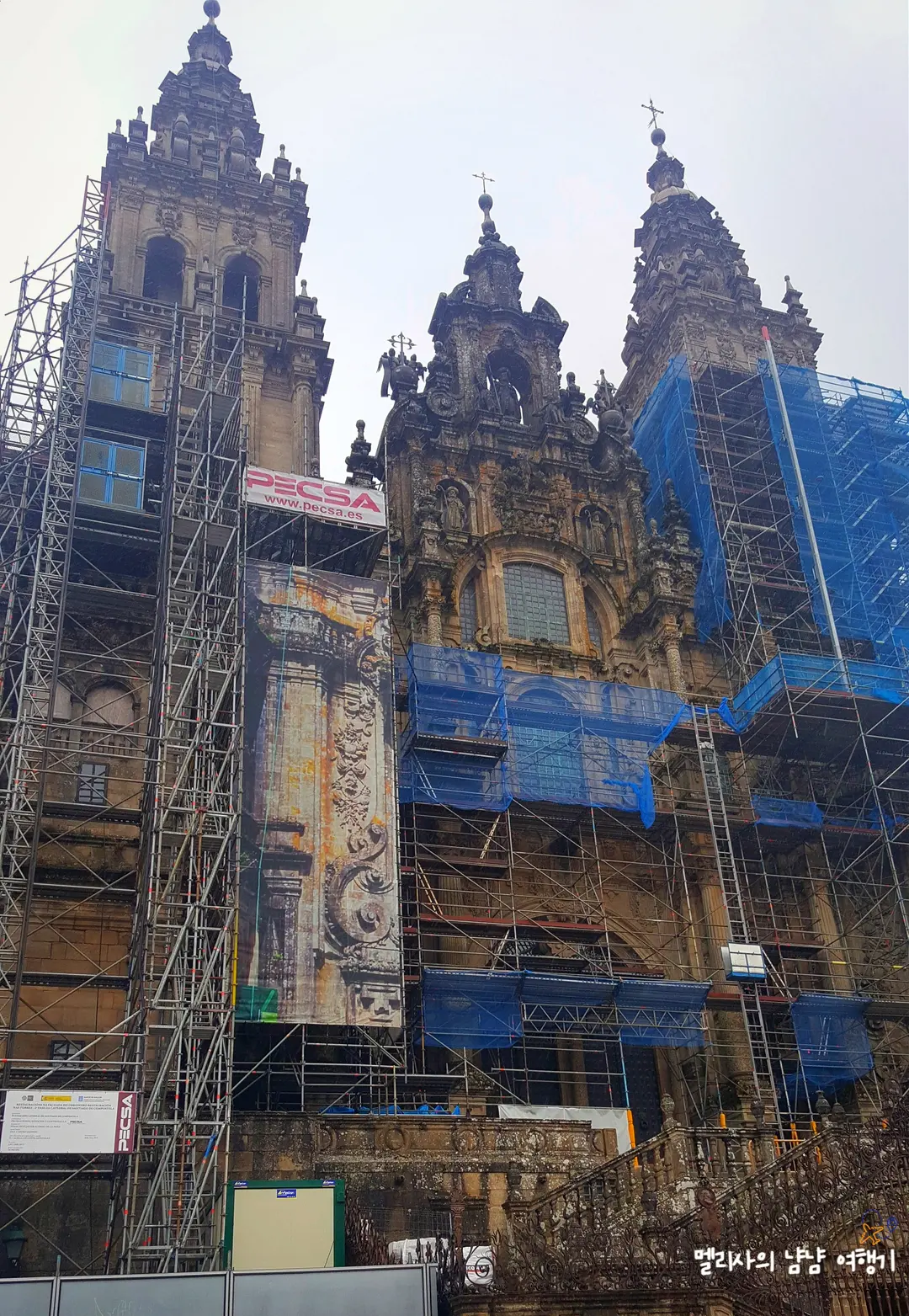
The area in front of the cathedral is always bustling with people.
On fine days, pilgrims especially sit on the ground,
chatting quietly with each other,
and some are even crying tears of joy and emotion...
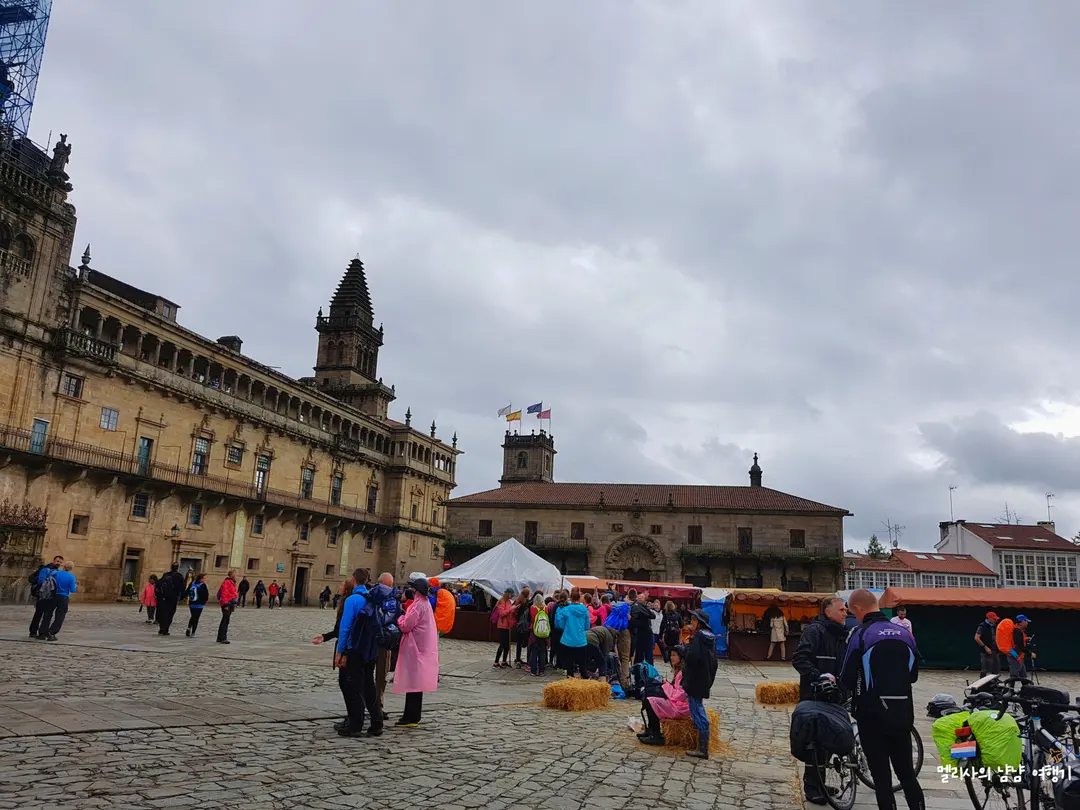
You'll also see people doing the pilgrimage by bicycle.
It's a vibrant, bustling scene.
Everyone looks so happy.
📍 Praza do Obradoiro
Praza do Obradoiro, Santiago de Compostela, A Coruña, Spain
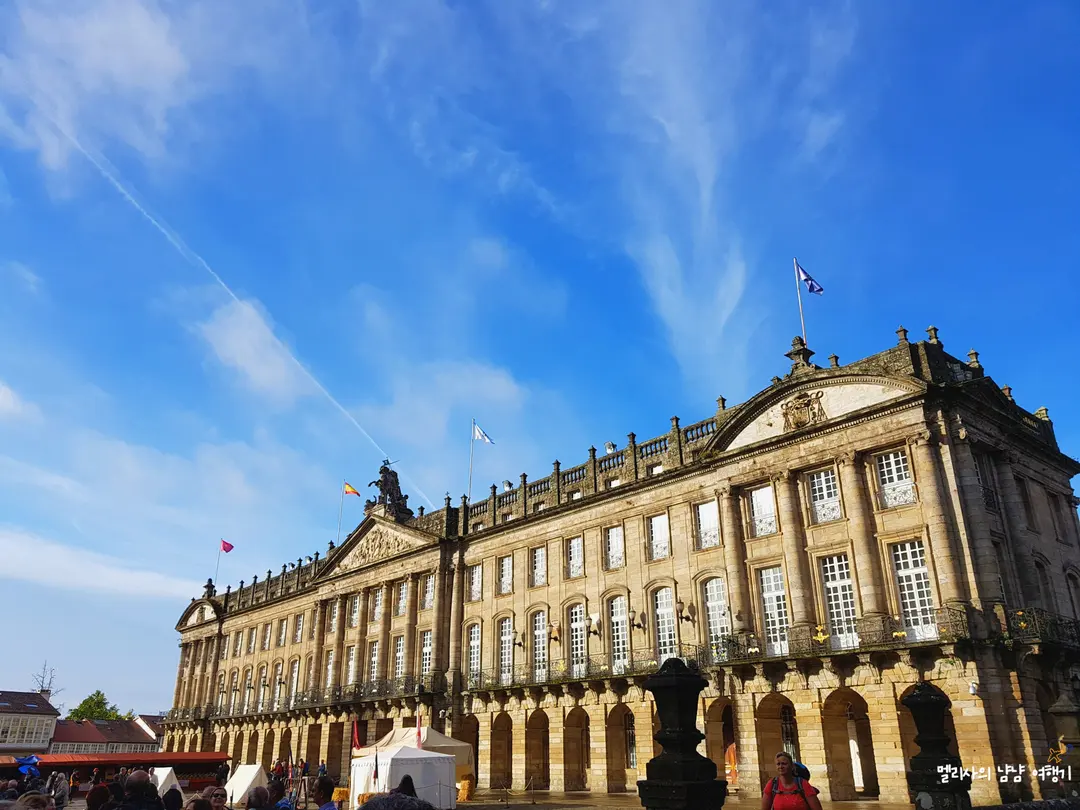
The square in front of the cathedral is called
Praza do Obradoiro, and opposite the cathedral, there's also
a very 'European-looking' building (in the photo above)
which is actually some kind of government office where civil servants work.
They occasionally hold events in the square.
During the Christmas season, you'll also find a beautiful tree standing tall right here.
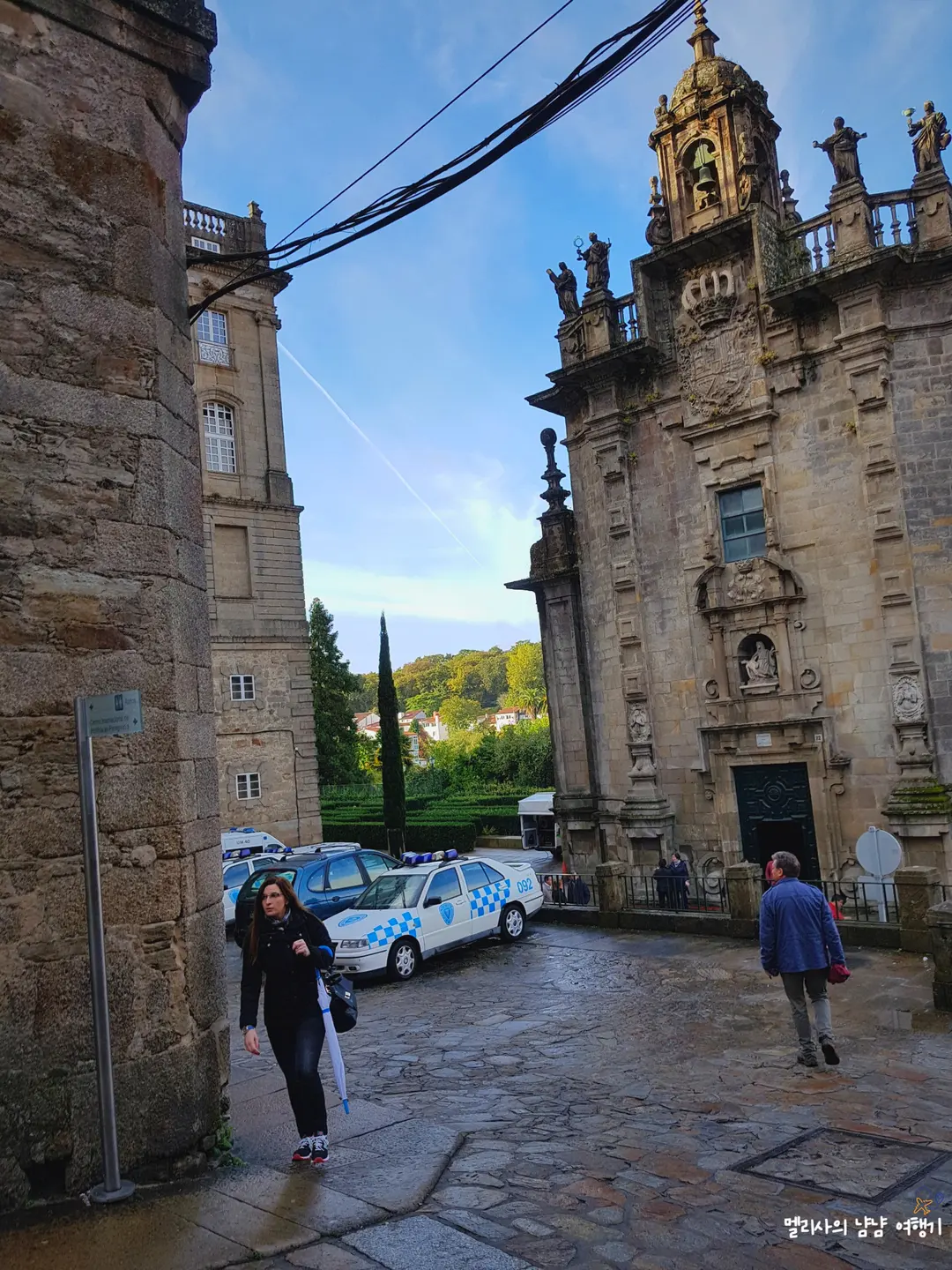
Wandering through the old town, you'll notice that the buildings all have a wonderfully ancient feel.
Their colors might seem a bit muted, but that just adds to their timeless, quaint charm,
stretching out along the streets.
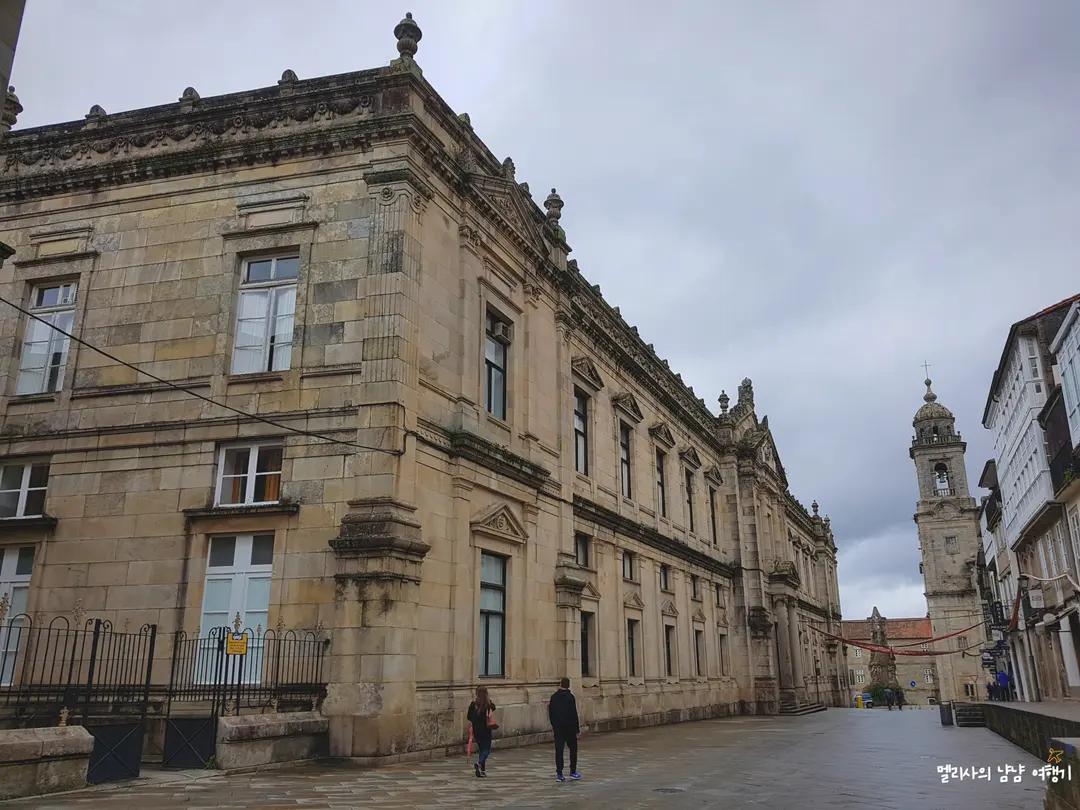
Take a closer look at some of these buildings, and you might be surprised to discover
they're actually part of the local university!
It's a kind of 'urban campus,' meaning
you'll find faculty buildings dotted all around the city.
That photo above? That's the Faculty of Medicine –
right next to the cathedral, no less! Haha.
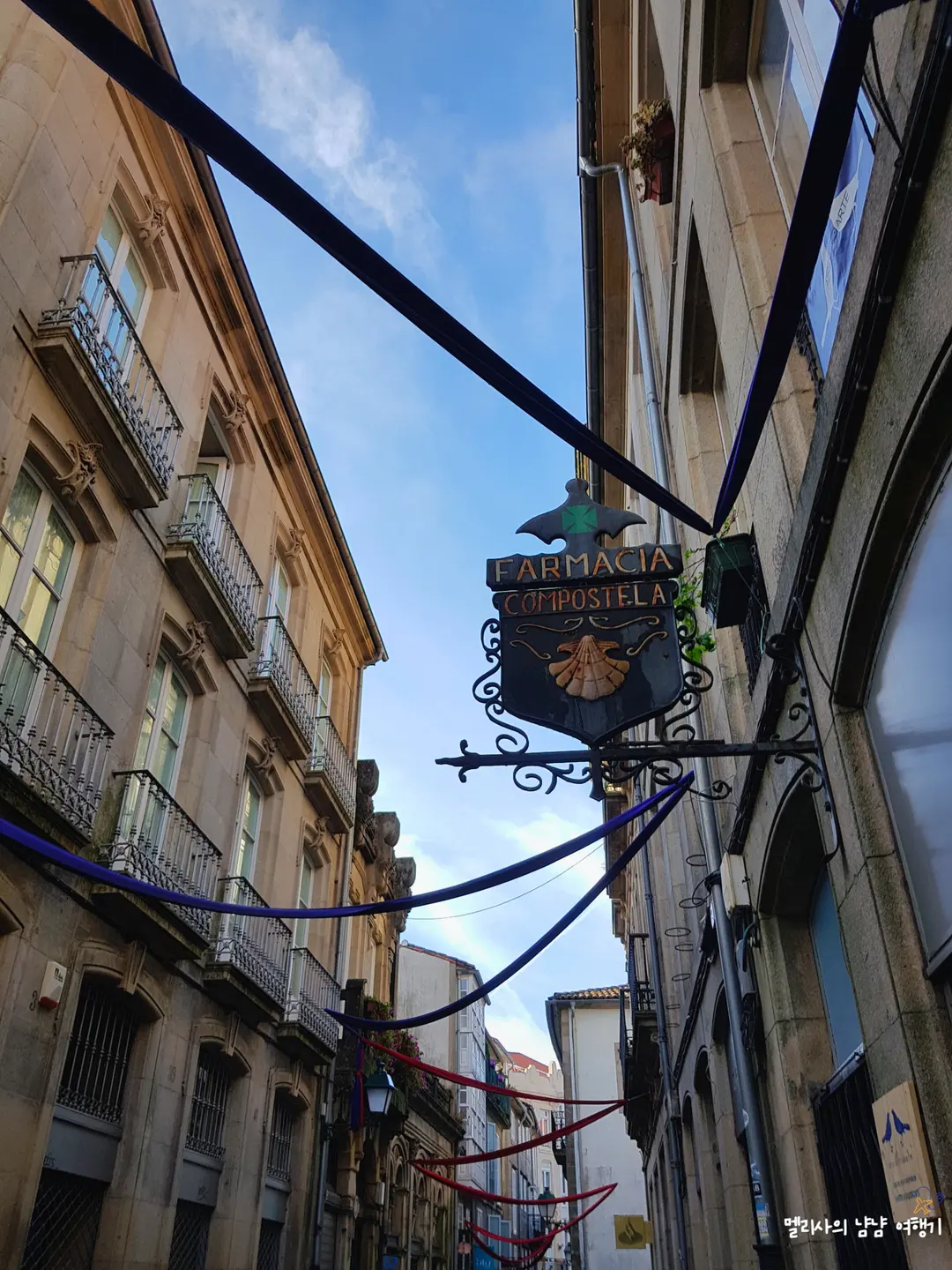
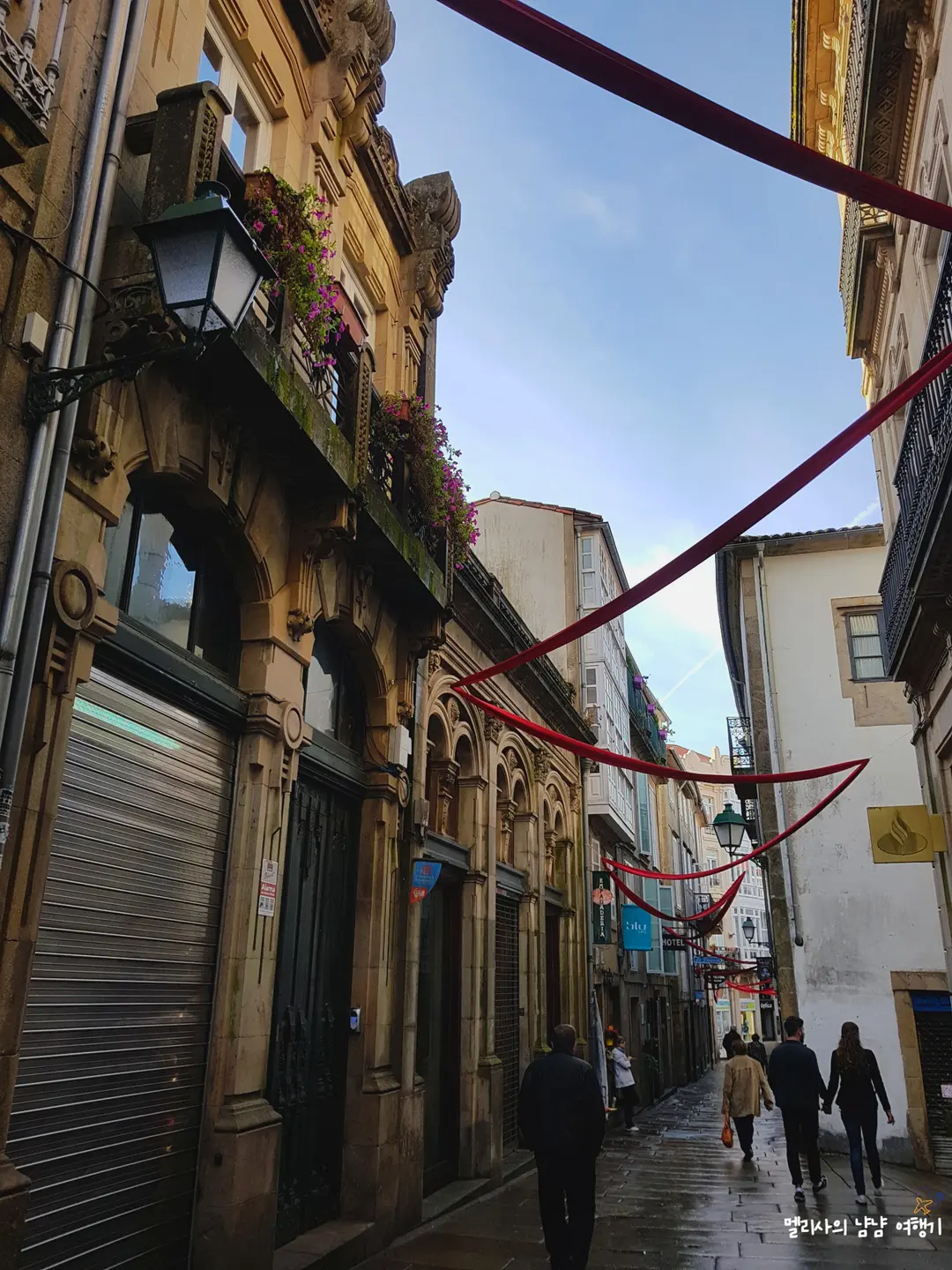
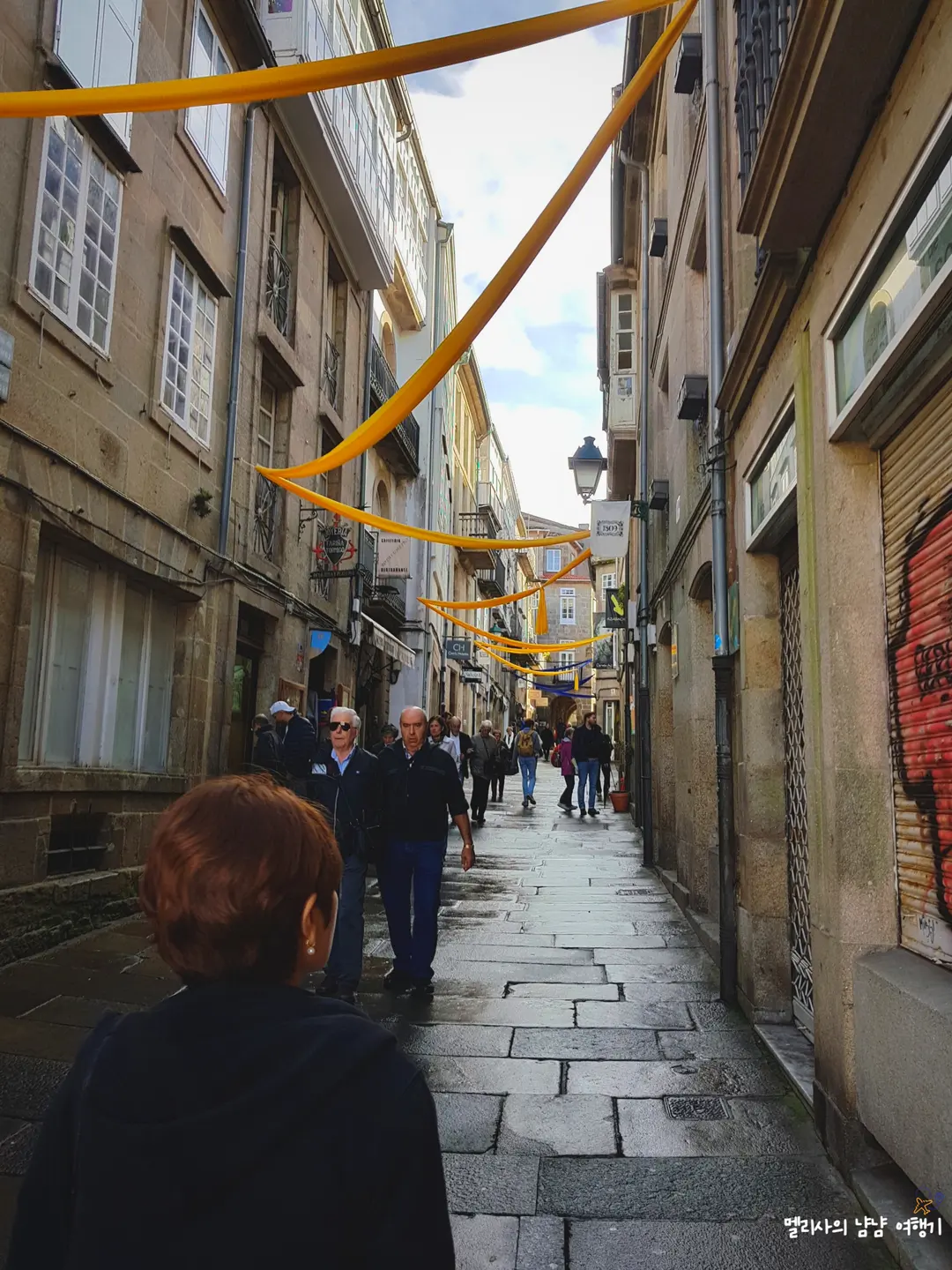
Honestly, all the alleys in the old town started to look the same to me after a while.
Which meant, yes, I got lost all the time ...
(though I admit, my sense of direction isn't exactly world-class!).
My trusty navigation strategy? 'The cathedral's huge, I can see it, so I'll just head that way!'
And surprisingly, it worked....
(I always made it back to my accommodation, thankfully!).
Grocery Shopping & Retail Therapy
Though Santiago de Compostela might strike you as a quaint, almost rural town,
don't be fooled! It's actually home to a fantastic array of supermarkets.
Gadis, Dia, Carrefour... and so on.
Personally, I found myself gravitating towards Gadis most often,
because they bake fresh bread right there. Their baguettes are absolutely divine.
There are several Gadis locations around the city,
but I can't confirm if *every* single one bakes on-site.
Are you saying I'm irresponsible for promising information and not delivering?
Well, I only ever visited the Gadis closest to my place...
📍 Supermercados Gadis
Rúa de Santa Uxía de Ribeira, 12, B, 15705 Santiago de Compostela, A Coruña, Spain
If you're after the absolute biggest hypermarket, you'd head to a place called Alcampo,
but honestly, it's a bit out of the way, so
I don't really think it's a must-visit for travelers.
I rarely went myself, only occasionally when I wanted a change of scenery, haha.
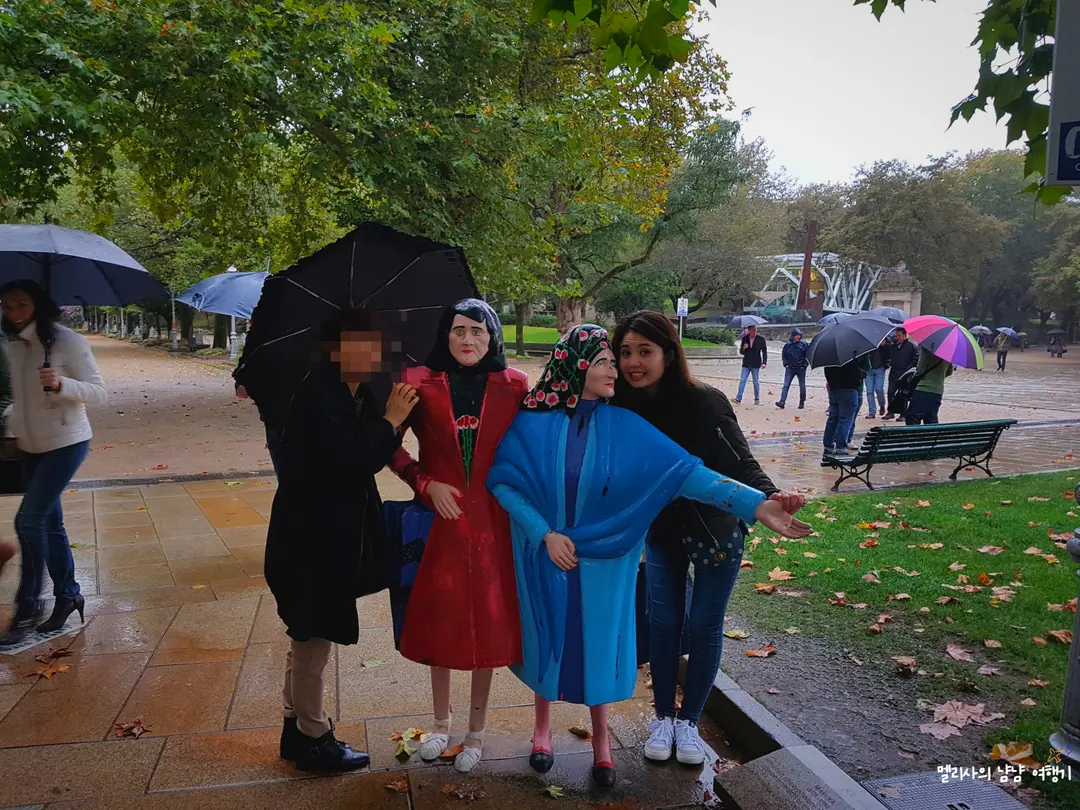
Just follow Franco Street straight from the cathedral,
and you'll soon arrive at the beautiful Alameda Park.
Here, you'll encounter a statue that's quite... well, let's say 'thought-provoking.'
It's called 'Dos Marías' – The Two Marias. They were sisters who faced persecution during Franco's dictatorship,
and the statue was apparently erected to honor their memory...?
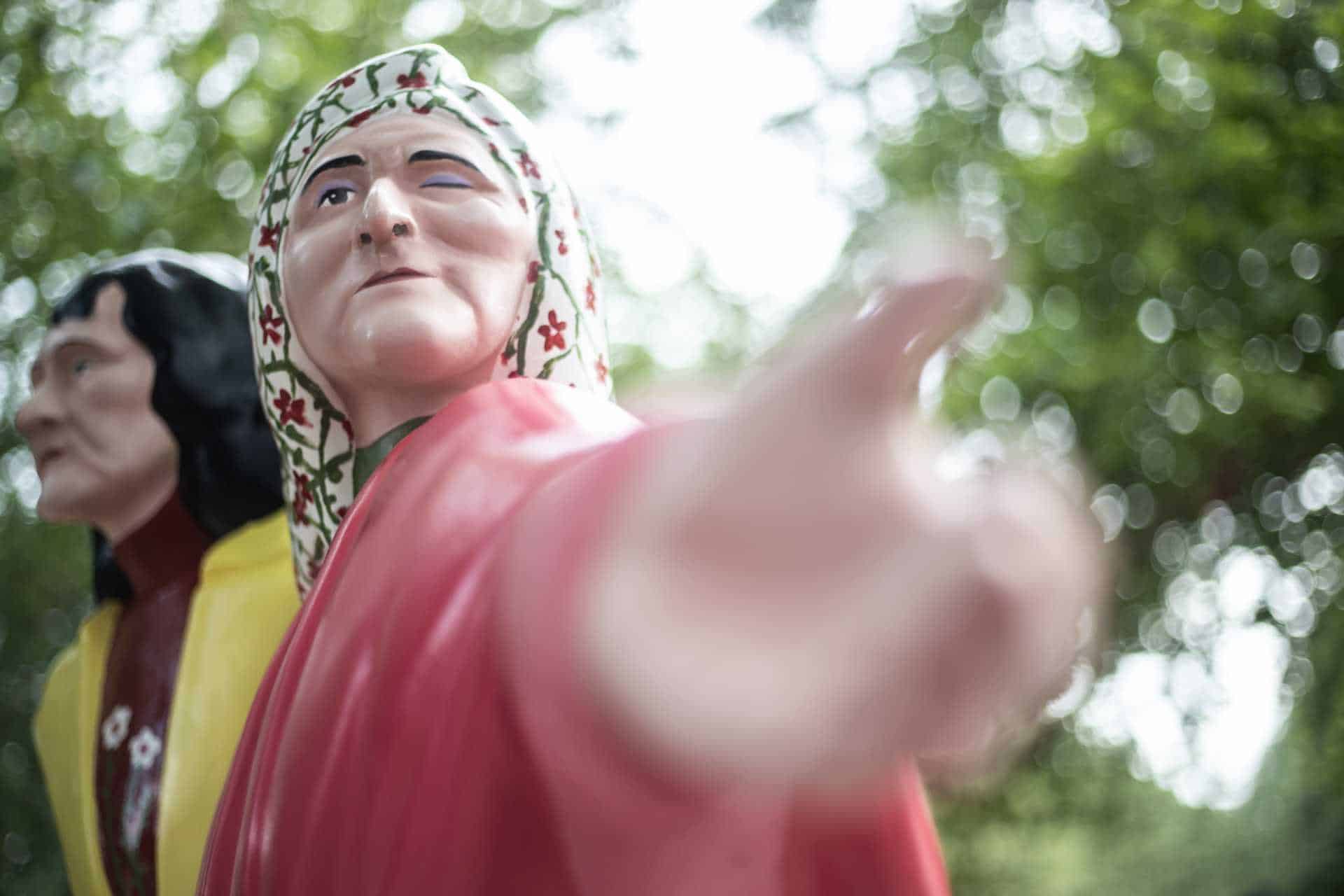 The Two Marias of Santiago de Compostela
It's a statue steeped in history,
but honestly, it leaves me feeling a bit... uneasy. The story is quite intense.
📍 Parque da Alameda
Rúa do Campiño da Ferradura, 15705 Santiago de Compostela, A Coruña, Spain
Anyway, Alameda Park essentially acts as the boundary separating the old town from the new.
If you're looking to indulge in some retail therapy at places like Zara,
you'll need to venture past the park into the new town.
It's a striking contrast – almost like stepping into a completely different district!
You'll find Zara, Pull & Bear, and more in the new town!
While the individual stores might be smaller than those in Madrid or Barcelona,
all the major brands you'd expect are there.
Plus, there's a large Carrefour for all your other shopping needs.
Culinary Delights of Santiago de Compostela
Galicia is, without a doubt, a seafood lover's paradise!
They savor all sorts of crabs (including the unique hairy crabs!),
succulent shrimp, intriguing percebes (goose barnacles), and a fantastic variety of other shellfish.
You'll be amazed by the incredibly fresh seafood on display
at local markets and supermarkets.
And as you stroll along Franco Street, right next to the cathedral,
you'll spot restaurant showcases brimming
with even more tempting seafood options.
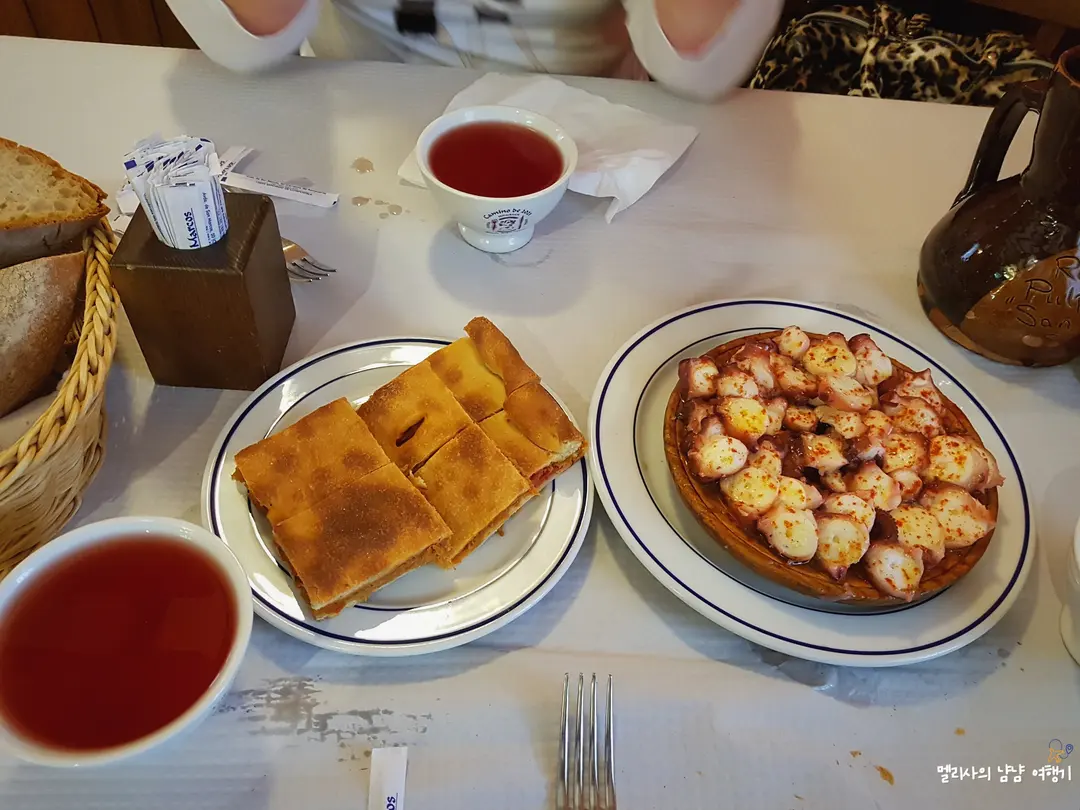
That photo above captures a meal we ordered at a truly authentic local restaurant –
every single dish you see there is a regional specialty!
First up, the drink: a delicious local wine.
Interestingly, Galicia is far more renowned for its
white wines than its reds.
What's even more unique is that it's apparently a local custom (?) to drink it from a bowl-like vessel –
it totally gave me makgeolli (Korean rice wine) vibes!
On the plate to the left, you'll spot an empanada.
While empanadas are widely available across Spain,
this culinary tradition has also journeyed to South America,
where each country boasts its own unique variations.
The Galician-style empanada is baked more like a large pie
(not usually dumpling-shaped as some might expect)
and served sliced – it's absolutely delicious, I highly recommend it!
Typically, you'll find it filled with tuna and bell peppers.
You can buy it at local bakeries.
And then there's the most famous dish:
pulpo a feira (poohl-poh ah feh-ee-rah)
Boiled potatoes on a wooden plate,
topped with incredibly tender, boiled octopus,
olive oil, paprika powder, and salt!
It's a simple octopus dish, but when you think of local food here,
this is *the* one.
Oh, and...
Octopus in Spanish is PULPO
It's pronounced poohl-poh.
"Bbol-ppo" (뽈. 뽀) is Italian.
(Seriously, *very* emphatically!)
I ate Spanish octopus (o)
I ate Spanish pulpo (o)
I ate Spanish "bbol-ppo" (xxxxxx)
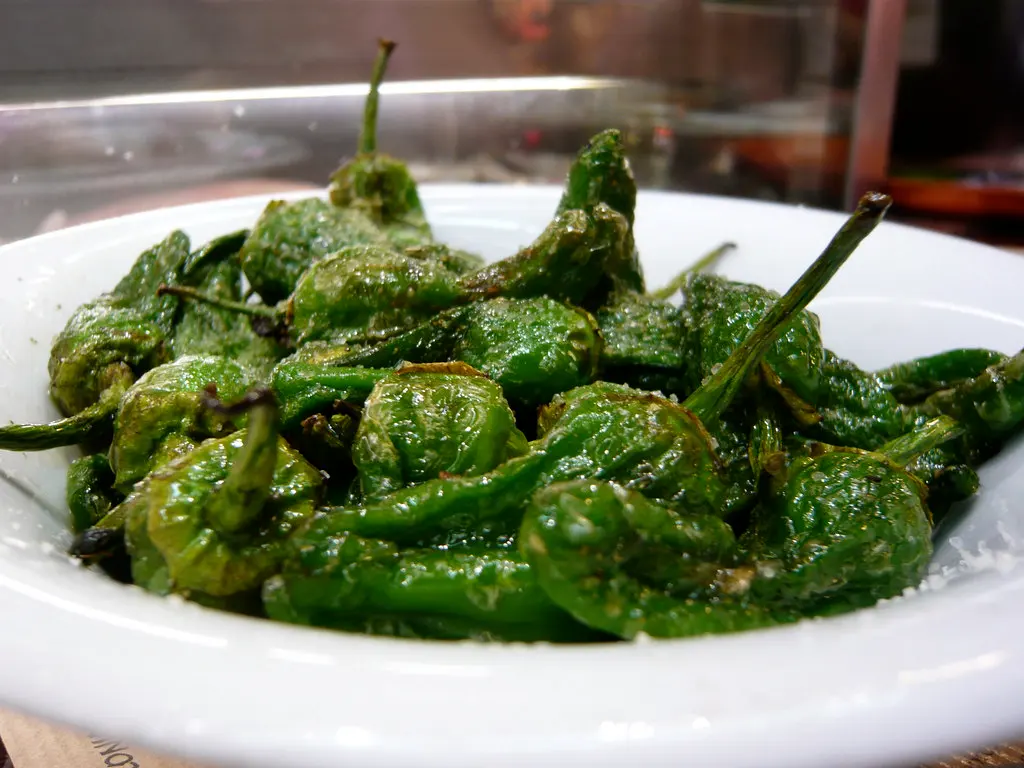
You also can't miss Padrón peppers (pad-ron).
These peppers are actually native to the Galicia region,
they look a bit like short, plump shishito peppers,
and are usually fried like this and sprinkled with salt.
While you can find them here, they're not exclusive to this region;
you can actually find them as tapas all over Spain.
They're just a fantastic, addictive snack you can munch on without thinking! Haha.
And for dessert, there's the Santiago Tart,
tarta de Santiago.
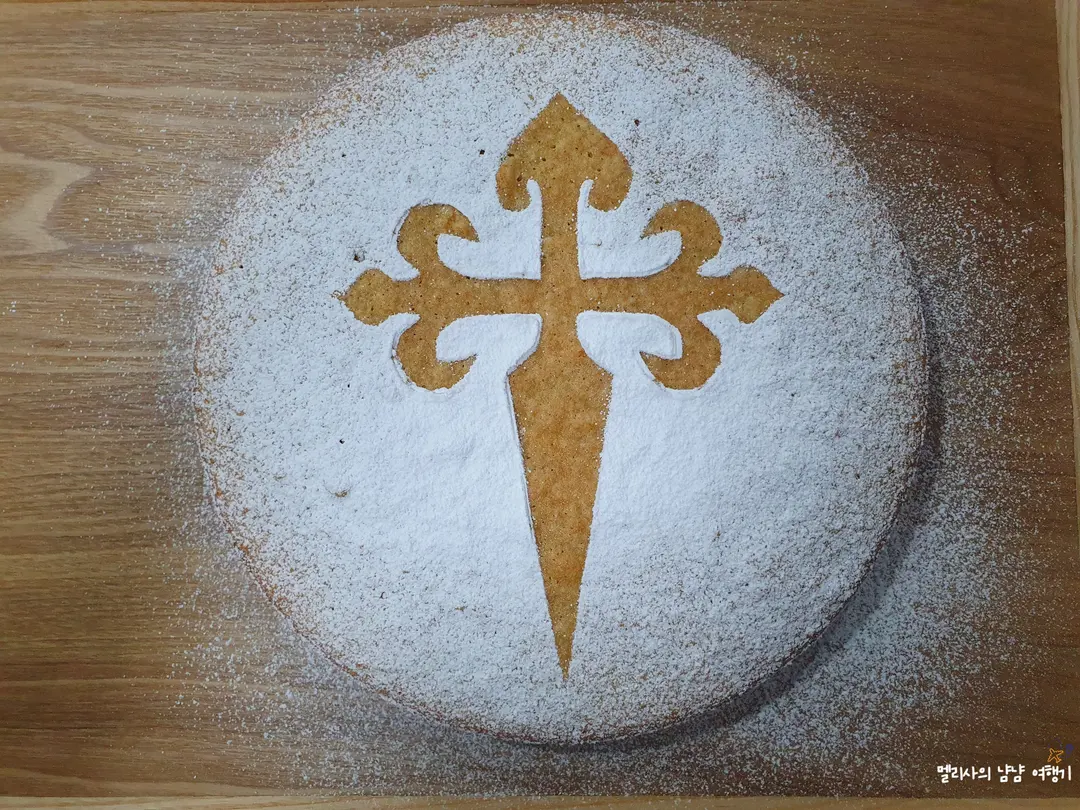
The picture above is one I made myself... haha, so it's a bit messy.
It's traditionally made without wheat flour,
using almond flour instead, and it's delicious.
You'll see it sold everywhere in souvenir shops,
but please don't buy it there.
If you can get it from a bakery, try it there instead.
Or check if it's available as a dessert at restaurants.
And, of course, we can't forget about drinks!!!!!!!!
Crema de orujo (kreh-ma deh oh-roo-ho) and
licor cafe (lee-kor kah-feh)
are easy to order at any bar,
and they're sold by the glass, like in the picture below.
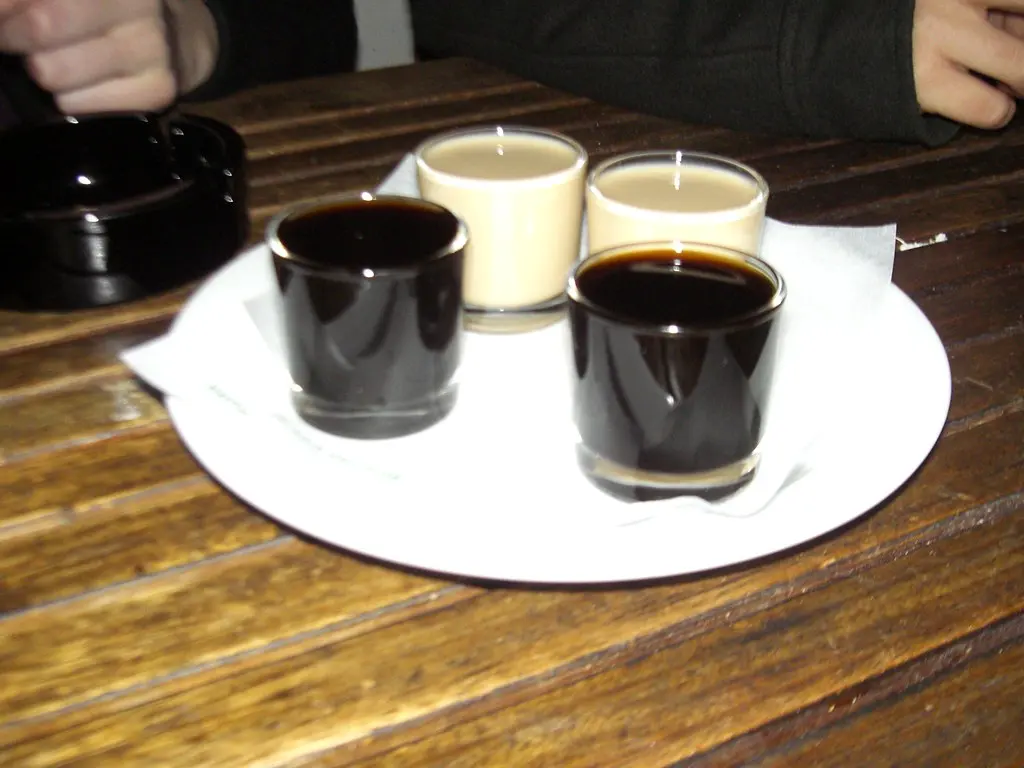
Both are on the sweeter side.
Crema de orujo is a milk-based liqueur,
with a slight nuance similar to a Kahlúa Milk,
while licor cafe is a coffee-flavored liqueur,
and it has a higher alcohol content.
Both are often enjoyed on the rocks.
Wrapping Up
Santiago de Compostela is
the first place I stayed for an extended period outside of Korea,
so it's a truly special city for me.
I wanted to write about it in more detail,
but after pondering what else to add,
I'll bring my post to a close.
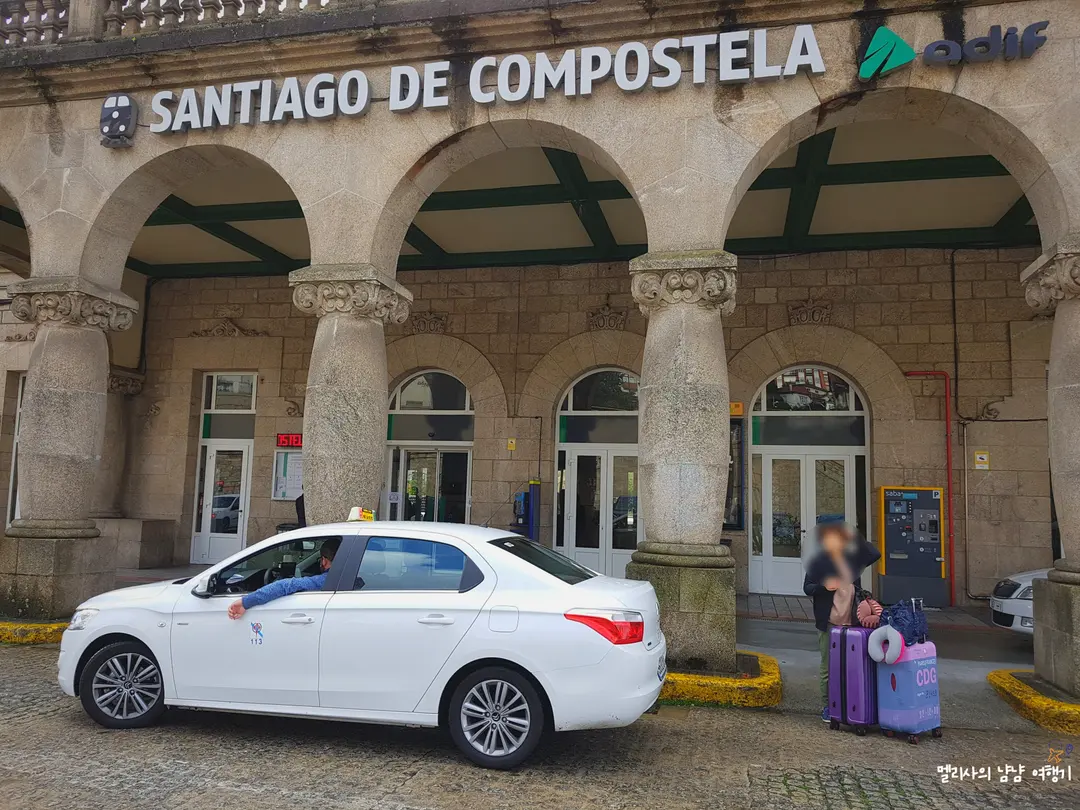
While not many people visit purely for tourism,
I hope it remains a wonderful memory
for all those walking the Camino.
Everyone,
Buen Viaje y Buen Camino !!
Frequently Asked Questions
Are there direct flights from Korea to Santiago de Compostela?
There are no direct flights from Korea to Santiago de Compostela. You would need to transfer to a domestic flight from Madrid or Barcelona, or take a high-speed train from Madrid.
What are some representative local dishes to try in Santiago de Compostela?
You can try Galician empanadas, Pulpo a la Feira (octopus dish), Padrón peppers, and for dessert, Tarta de Santiago. Pulpo a la Feira, in particular, is the region's most famous dish, made with boiled potatoes and octopus, drizzled with olive oil, paprika, and salt.
Besides Spanish, what other languages are spoken in Santiago de Compostela?
In the autonomous community of Galicia, where Santiago de Compostela is located, in addition to Castilian Spanish, they also speak a language called Gallego. You'll often see signs displayed in both Gallego and Castilian.
Are there places for grocery or clothes shopping in Santiago de Compostela?
For groceries, you can shop at supermarkets like Gadis, Dia, and Carrefour. Gadis, in particular, bakes delicious baguettes. For brand shopping at stores like Zara and Pull & Bear, you can find them in the new town, past Alameda Park.
What are some special local alcoholic beverages to try in Santiago de Compostela?
You can easily order Crema de Orujo and Licor Café at bars. Crema de Orujo is a sweet, milk-based liqueur, while Licor Café is a sweet, high-proof coffee-flavored liqueur.
Share this article
Featured in Collections
Discover more travel stories curated around the same theme.

Related Travel Stories
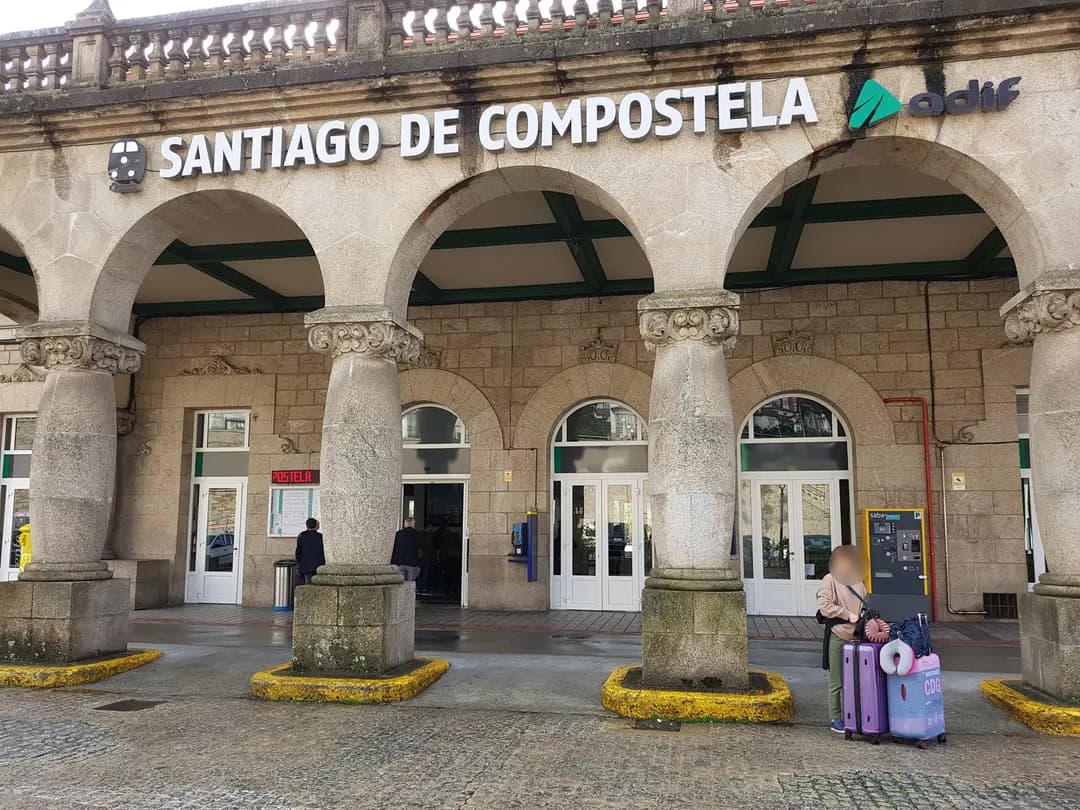
Santiago de Compostela to Madrid: Booking Renfe Trains 2026
Planning your trip from Santiago de Compostela to Madrid in 2026? Discover the best ways to travel, comparing flights and Renfe train options for convenience and cost. Learn how to easily book your tickets!

Hotel Real, Santiago de Compostela: Old Town Value Review
Looking for a budget-friendly stay in Santiago de Compostela's charming Old Town? Hotel Real offers an unbeatable location, cozy rooms, and excellent value for your 2026 pilgrimage or trip.

Barcelona 4-Day Itinerary 2026: Gaudi, Food & Hidden Gems
Discover the best of Barcelona in 4 days with our 2026 itinerary! Explore Gaudi's masterpieces, savor authentic Spanish cuisine, and uncover hidden gems.

Barcelona Airport Transfers 2026: Aerobus & Other Options
Finishing your Barcelona adventure? Find out the easiest and most affordable ways to get to El Prat Airport in 2026, whether you prefer the direct Aerobus or a convenient taxi.

Barcelona Itinerary 2026: Top Sights by Neighborhood (with Map)
Planning a trip to Barcelona in 2026? Discover the city's best attractions and hidden gems by neighborhood with our expertly curated guide and map!

Barcelona Airport to City Guide 2026: Aerobus, Taxi & More
Arriving at Barcelona Airport? Find the easiest and most cost-effective ways to reach the city center, from the convenient Aerobus to taxis and public transit. Get ready for your trip!