

Osaka Metro Pass Guide 2026: QR Code Entry & Tips
Save time and money in Osaka with the new digital Osaka Metro Pass. Learn how to use the seamless QR codes and choose between the 26-hour and 48-hour options.
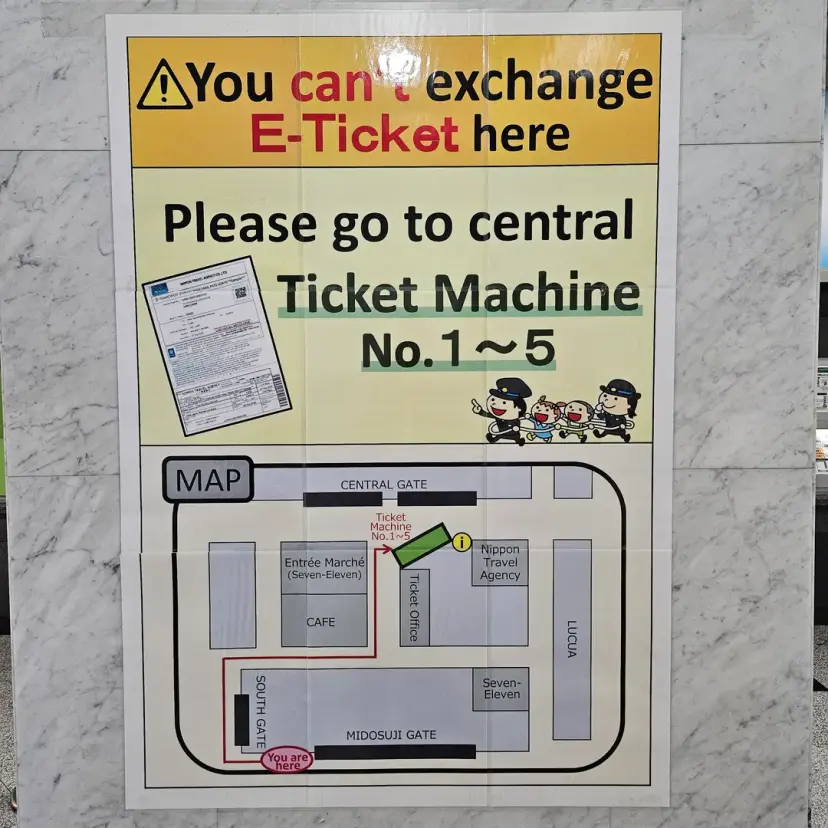
Navigating Osaka's subway network has just gotten incredibly easier.
In the past, travelers had to track down designated exchange counters to swap online vouchers for physical tickets. But now, you can breeze through the gates using a digital QR code directly on your smartphone.
Skipping the long lines at exchange counters is a massive time-saver, allowing you to jump straight into your Osaka adventure.

|
1. How to Use the Osaka Metro Pass
Once you choose between the 26-hour and 48-hour pass and complete your purchase, you will receive a digital voucher with a QR code.
If this is your first time using a digital pass in Japan, the gates might look a bit confusing. You cannot use the standard ticket slots. Instead, look for the dedicated gates equipped with QR code scanners.
These modern scanners are usually located right next to the station staff booths or at the far ends of the ticket barriers.
Simply open your voucher on the Klook app and place your screen over the scanner to walk right through.
To avoid any stress from spotty cellular service underground, it is highly recommended to take a screenshot of your QR code or download the PDF voucher beforehand.

If the scanner does not read your screen immediately, try turning up your phone brightness to the maximum setting. This usually solves the issue instantly.
Note: If you opt for the version that includes the Osaka City Bus, you will still need to exchange your voucher for a physical card to tap on the buses.
2. 26-Hour vs. 48-Hour: Which is Better?
The Osaka Metro Pass is offered in two variations: 26-hour and 48-hour durations. Deciding which one to get depends heavily on your daily itinerary, but I personally found the 26-hour pass to be the perfect fit.
The 48-hour pass only makes financial sense if you plan to move constantly across the city for two full days.
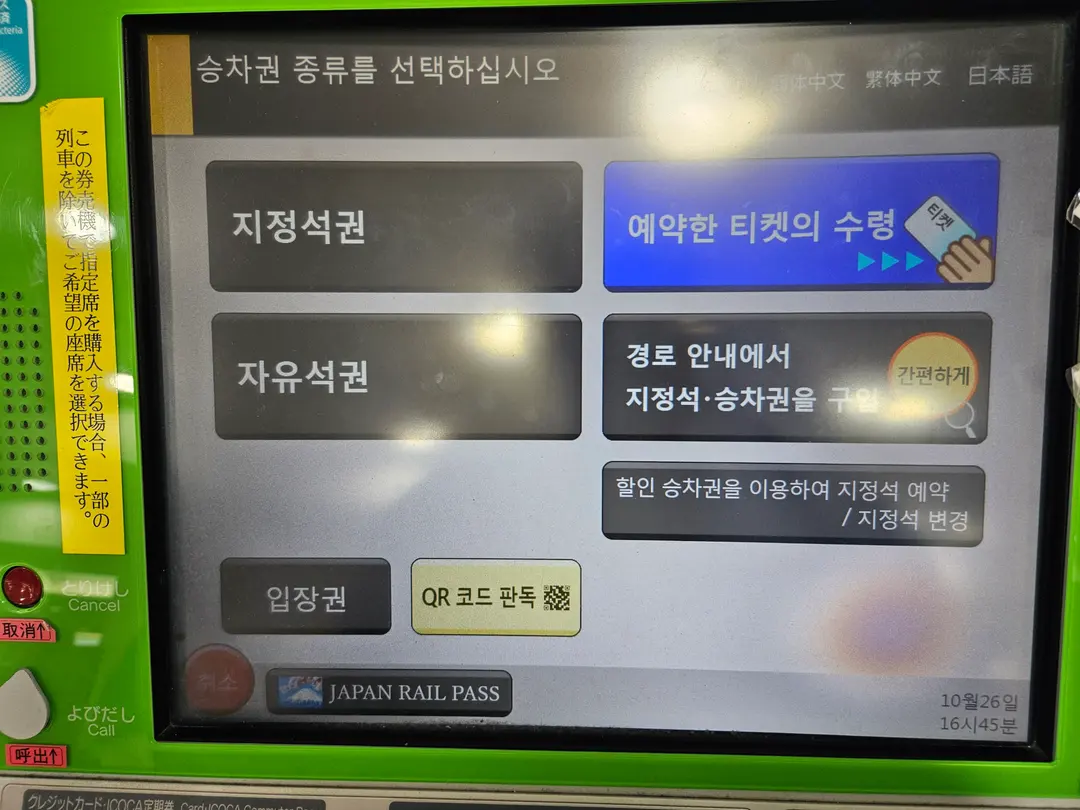
Because the pass is hourly and only activates upon your very first scan, you can stretch its value across two calendar days if you map out your route carefully.
3. Is It Truly the Most Convenient Option?
Strictly speaking, the absolute easiest way to travel is by tapping a standard IC card (like ICOCA). You do not have to worry about which lines are covered.
However, pay-as-you-go transit fares add up incredibly fast in Japan. To keep your travel budget in check, utilizing regional transit passes is highly recommended.
Fortunately, the Osaka Metro Pass covers almost all the major tourist hotspots seamlessly.

For instance, heading to Umeda Station puts you right next to the HEP FIVE Ferris Wheel and the Umeda Sky Building (which is about a half-mile walk, or 10 to 12 minutes, from the station).
Tennoji Station grants you easy access to Abeno Harukas and Tennoji Park.
Getting off at Ebisucho Station brings you right to the base of Tsutenkaku Tower, while Tanimachi 4-chome Station drops you right near the southern gate of Osaka Castle.
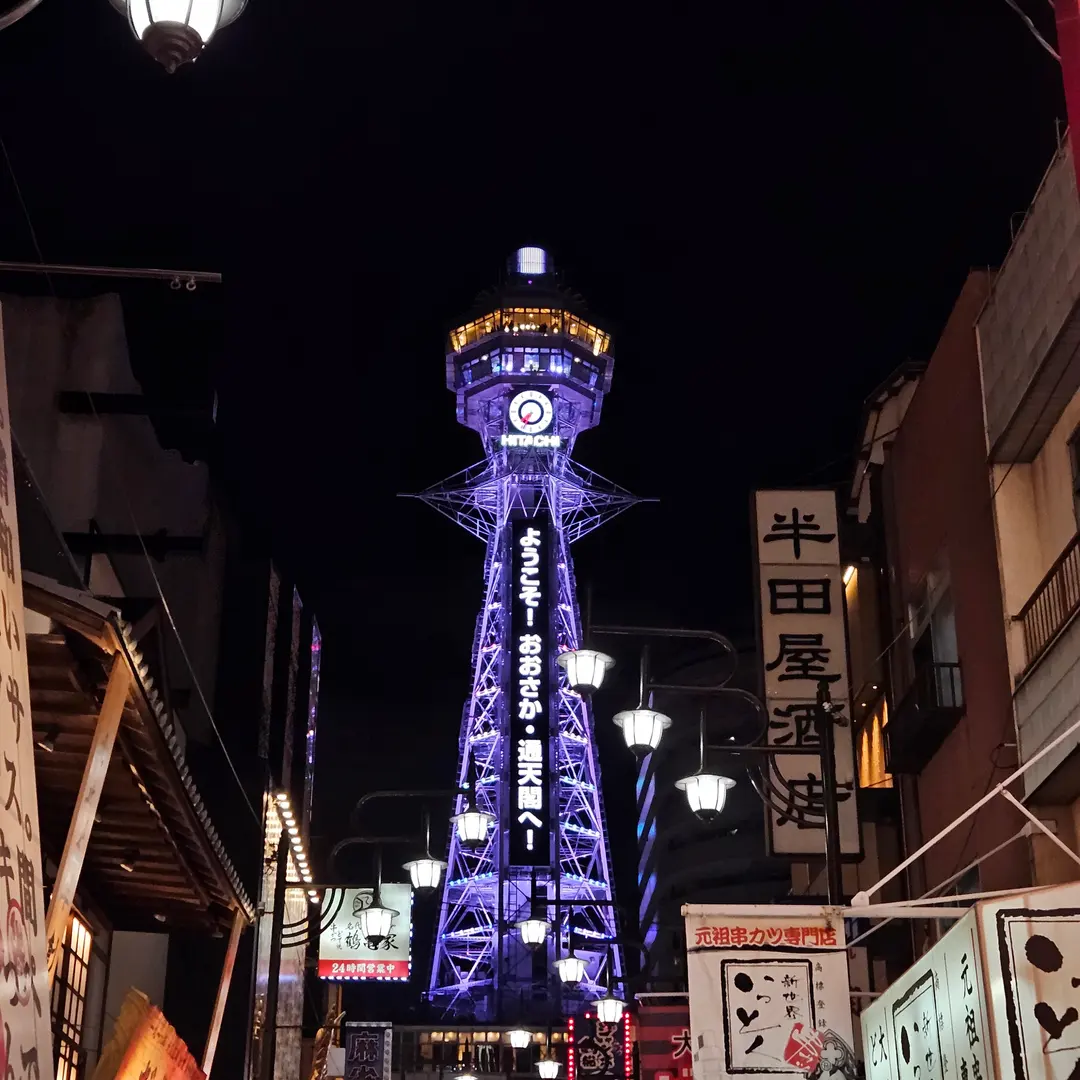
You can easily string all of these iconic sights into a single day using just this pass.
When compared to purchasing individual tickets for each leg of your journey, the cost savings are substantial.
Just keep in mind that private rail lines like JR, Nankai, and Keihan are not included in this pass.
For a detailed breakdown of the coverage map, check the link below:
>> View Osaka Metro Pass Details

4. Essential Tips Before You Go
Here are a few quick tips to keep in mind to make the most of your Osaka Metro Pass:
The countdown timer starts the exact minute you first scan the QR code, so plan your first ride of the day strategically.
Once activated, the pass runs continuously and cannot be paused or extended.
The digital voucher is valid for activation up to 180 days from the purchase date, giving you plenty of flexibility if your travel dates shift.
Child passes (for ages 4 to 12) must be purchased in person at the station ticket offices, while toddlers aged 3 and under ride for free.
The subway lines generally operate between 5:00 AM and 12:30 AM. First and last train times vary slightly by line, so double-check the schedules if you plan on staying out late.
If your pass expires while you are already inside the transit system, do not worry—you will still be able to exit at your destination station without issues.
As an added bonus, showing your active pass grants you discounts at over 20 popular tourist attractions across Osaka.
5. A Few Minor Drawbacks to Consider
While the Osaka Metro Pass is incredibly convenient, it does have a few limitations.
The lack of JR Line coverage can be inconvenient if you plan to take day trips to Kyoto or Kobe, which often rely on JR trains. You will need to buy separate tickets for those journeys.


Kobe Bakeries
Additionally, local buses are not covered by the standard digital pass. If your destination requires a bus ride, you will need to pay separately or purchase the combined Metro & Bus physical pass option.
Even with these minor limitations, the transition to a fully digital QR code system makes this pass an absolute must-have for hassle-free travel in Osaka.
>> Book Your Osaka Metro Pass Now
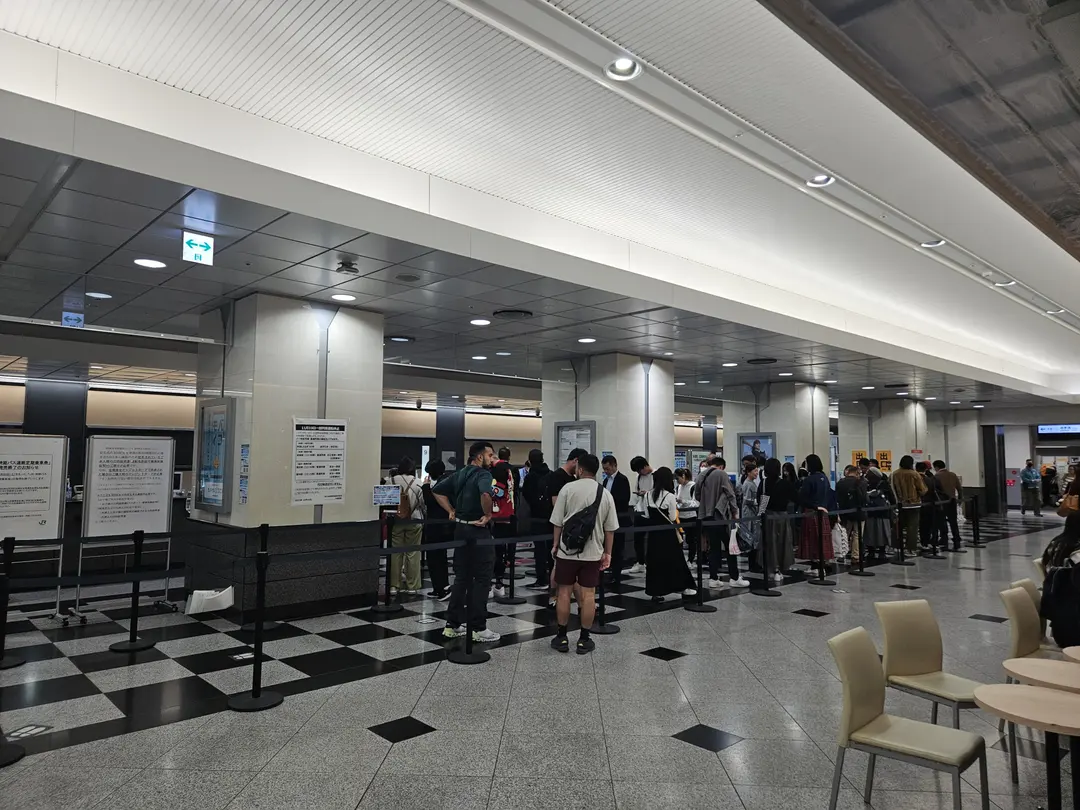
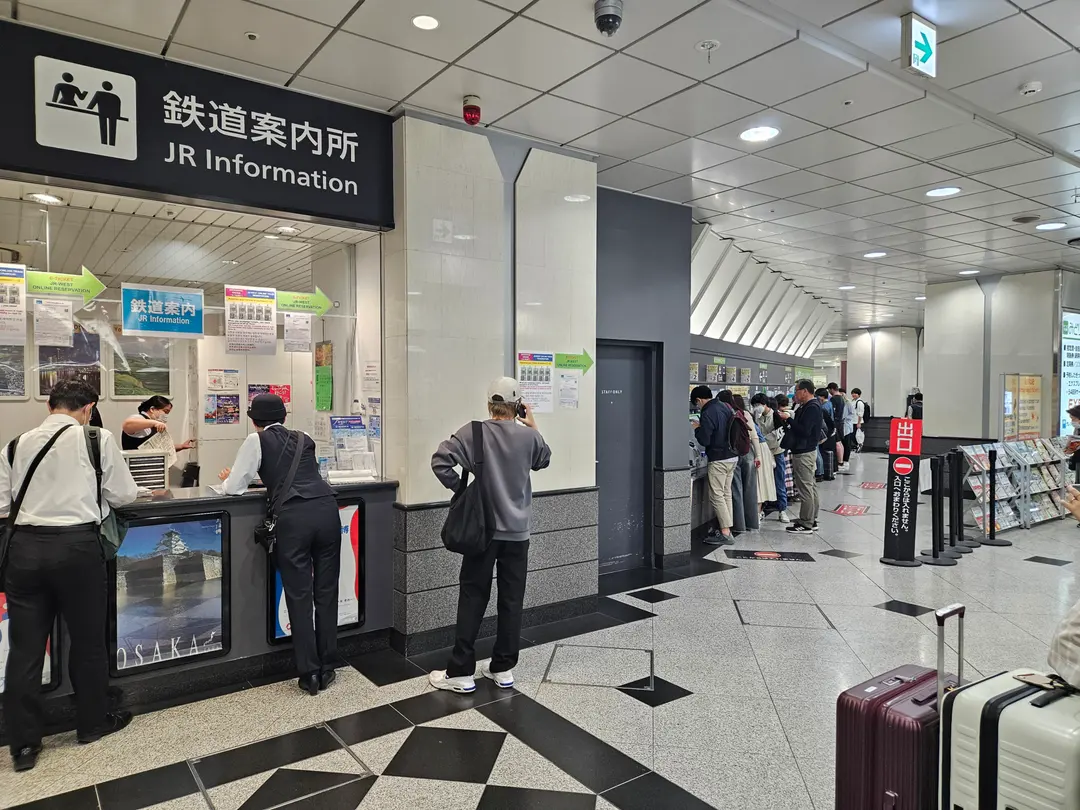
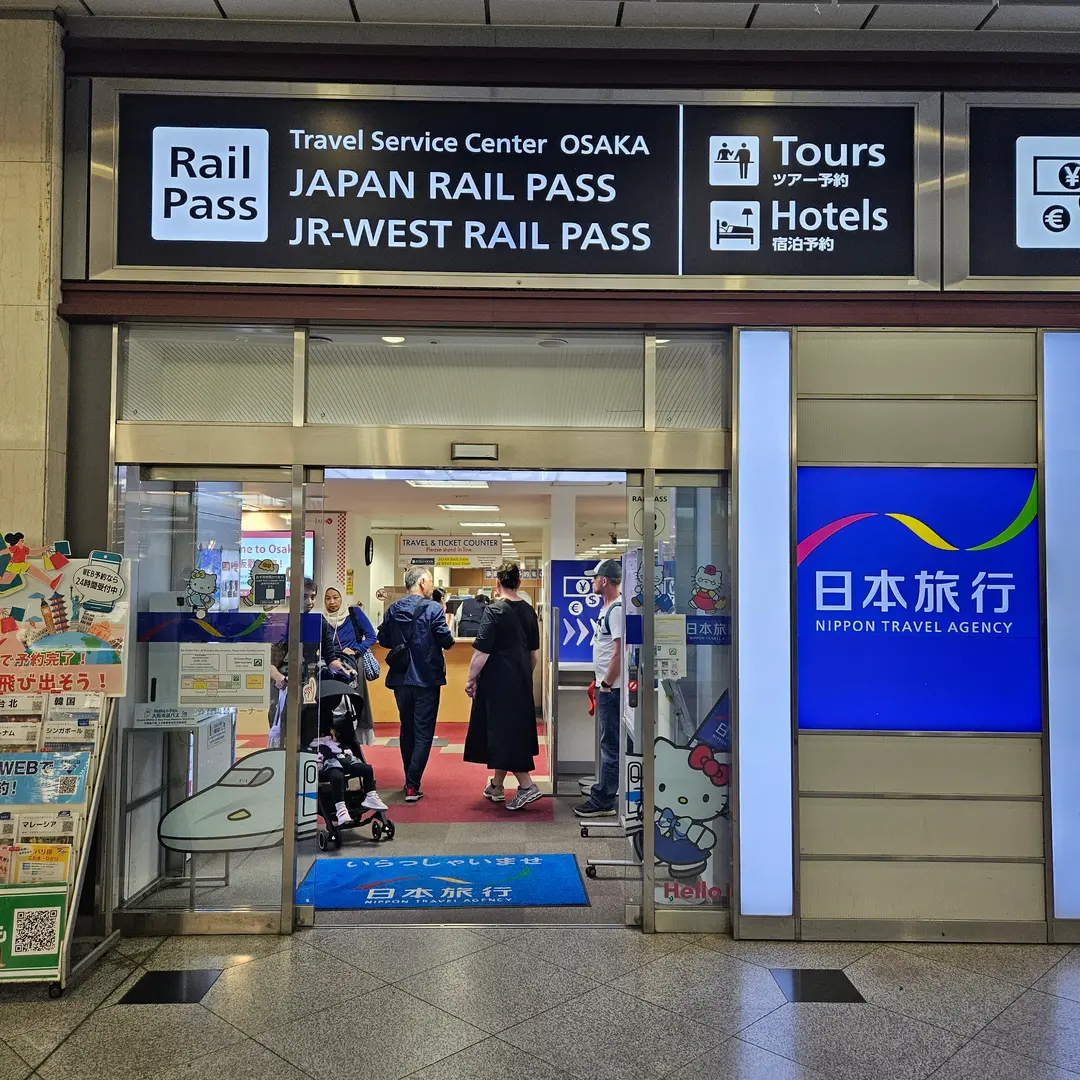
Forget the old days of wandering around looking for exchange counters. Just scan your phone and start exploring!
Frequently Asked Questions
Do I need to exchange the Osaka Metro Pass for a physical ticket after purchasing it?
Generally, you do not need to exchange it for a physical ticket. You can simply scan the QR code on your voucher at the designated ticket gates and board immediately. However, if you selected the option that includes city buses, you must exchange it for a physical ticket.
When does the 26-hour or 48-hour countdown for the Osaka Metro Pass begin?
The time countdown starts immediately the moment you first scan the QR code at the ticket gate. Once started, the time cannot be paused or extended, so it is recommended to plan your first use according to your itinerary.
Can I also use JR lines or buses with the Osaka Metro Pass?
You cannot use JR, Nankai, Keihan lines, or standard buses with the Osaka Metro Pass. However, you can use city buses if you purchase the pass with the additional bus option.
What are the main tourist attractions I can visit using the Osaka Metro Pass?
From Umeda Station, you can visit HEP FIVE and the Umeda Sky Building, and from Tennoji Station, you can visit Abeno Harukas. Additionally, Ebisucho Station is directly connected to Tsutenkaku Tower, and Tanimachi 4-chome Station is close to the South Gate of Osaka Castle.
Share this article
Featured in Collections
Discover more travel stories curated around the same theme.
Related Travel Stories

USJ Express Pass Review: Skip the Lines in Osaka
Planning a trip to Universal Studios Japan? Learn how to navigate the confusing ticket options and see exactly why the Express Pass is a game-changer.

Osaka Castle Tickets 2026: Hours & Amazing Pass Guide
Discover everything you need to know about visiting Osaka Castle in 2026, from ticket prices and opening hours to money-saving Osaka Amazing Pass tips.

Karaksa Hotel Osaka Namba Review 2026: Family Stay
Looking for the perfect family-friendly hotel in Osaka? Here is our honest review of Karaksa Hotel Osaka Namba, a budget-friendly gem near Dotonbori.

USJ Osaka Tickets 2026: Guide to Passes & Rides
Navigating Universal Studios Japan in Osaka can be overwhelming. Here is your ultimate guide to USJ tickets, Express Passes, and top attractions for 2026.

Oriental Hotel Universal City Review 2026: USJ Stay
Beat the massive morning crowds at Universal Studios Japan! Stay at Oriental Hotel Universal City for under $85 and master your USJ open run strategy.

Candeo Hotels Osaka Review 2026: Best Umeda Stay
Planning an Osaka getaway with family or friends? Check out our 2026 review of Candeo Hotels Osaka The Tower, a quiet luxury oasis near Umeda Station.