

London Tube & Bus Fares 2026: Oyster & Contactless Guide
Navigate London like a local! This essential guide breaks down Tube and bus fares, explains the Zone system, and shows you how to use Oyster or contactless for efficient travel.

London's public transport system is renowned worldwide for its incredible scale and reach. From the iconic Underground (or 'Tube') and double-decker buses to light rail and even riverboats, a vast network seamlessly connects every corner of this bustling metropolis.
Navigating London's transport can seem a bit daunting at first, but don't worry! This comprehensive guide will break down everything you need to know about Tube and bus fares, transfer options, and how to use payment methods like Oyster and contactless cards to make your journey smooth and stress-free.

1. London Underground (The Tube)

The London Underground, affectionately known as the 'Tube,' first opened its doors in 1863, making it the oldest subway system in the world. While its official name is the Underground, its distinctive cylindrical tunnels gave rise to the popular nickname 'Tube,' which most locals use.
Given its age, don't be surprised if you find cellular service spotty or non-existent while traveling underground – it's a small price to pay for a piece of history! Today, over 11 lines and 270 stations intricately link central London with its sprawling suburbs.
It's also essential to understand London's Zone system. The city is divided into nine concentric zones, which determine your fare. Most of London's major attractions and landmarks are concentrated within Zone 1, which, as you might expect, is the most expensive zone for travel.
For reference, Heathrow Airport is located in Zone 6.
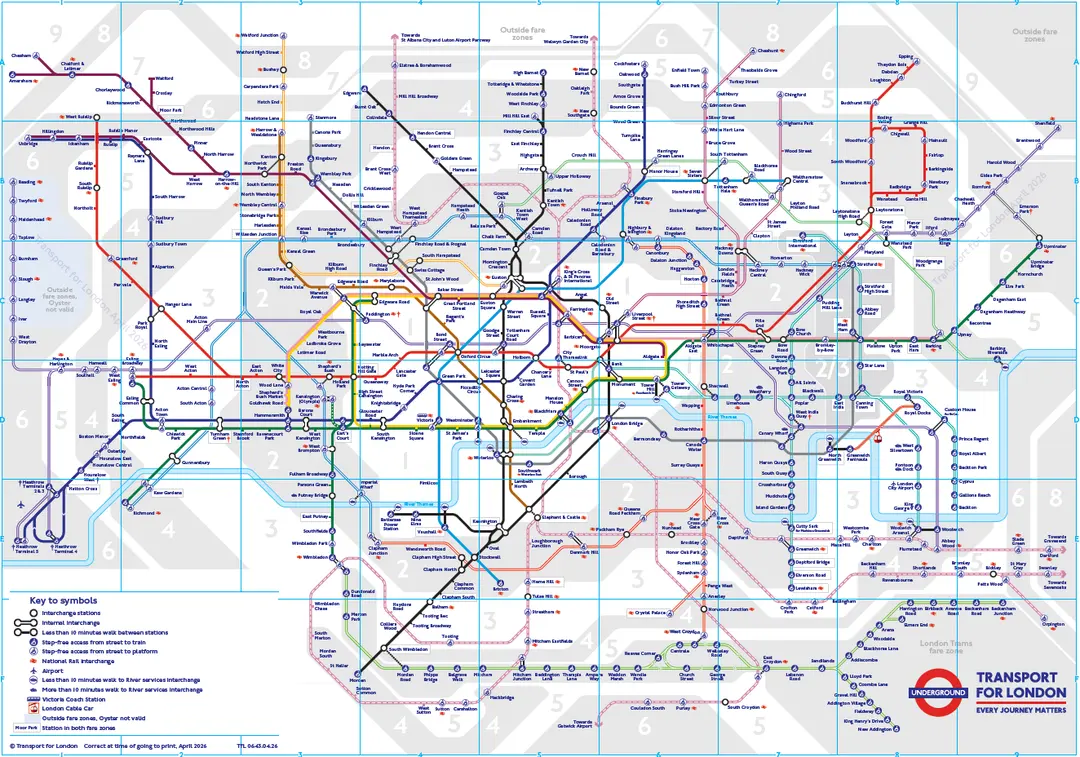
2. Tube Fares and Daily/Weekly Caps
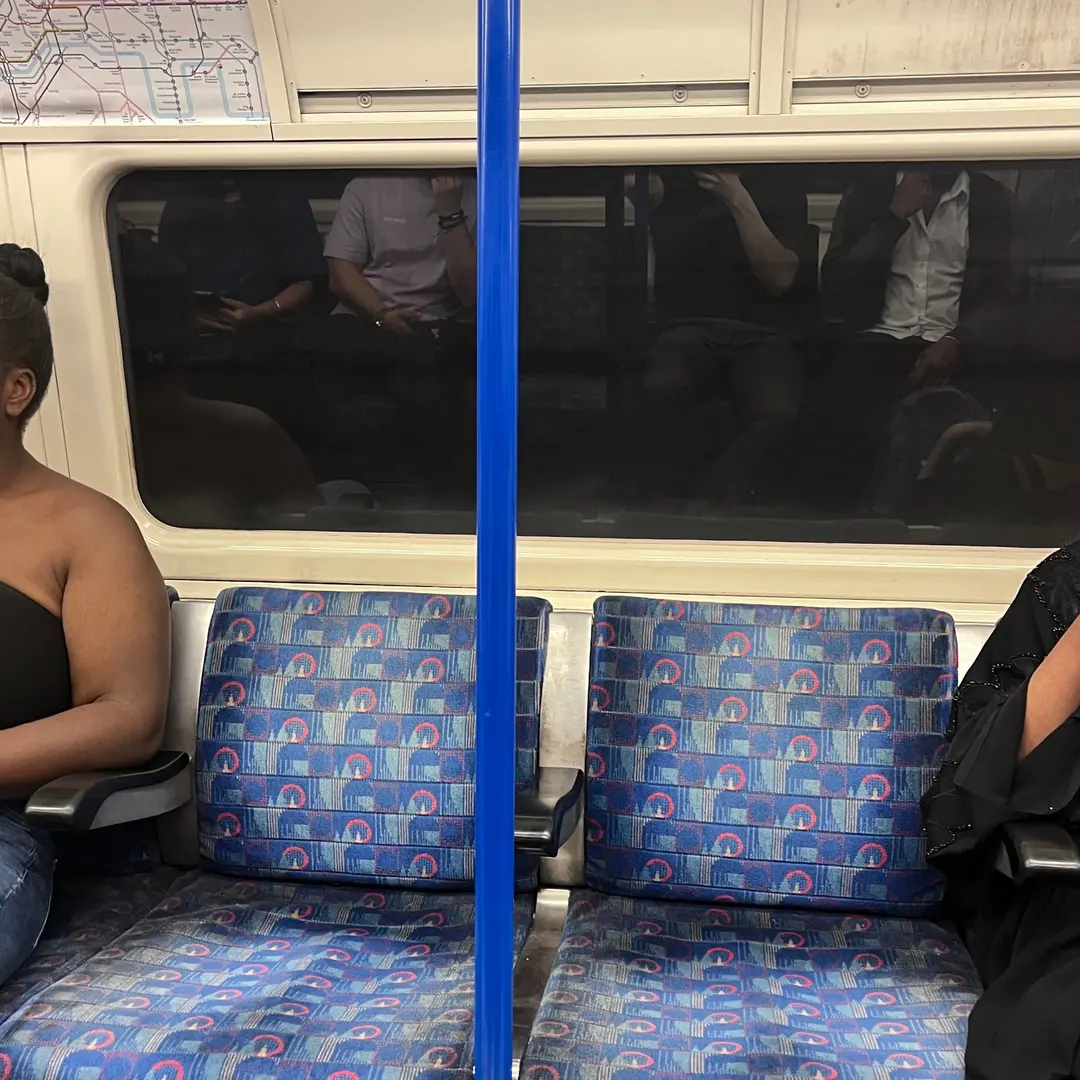
Tube fares vary depending on whether you're traveling during peak or off-peak hours. Peak times are weekdays from 6:30 AM to 9:30 AM and 4:00 PM to 7:00 PM. All other times, including weekends and public holidays, are considered off-peak, offering slightly cheaper fares.
Here are typical single journey fares using an Oyster or contactless card:
Zone | Peak | Off-Peak |
Zone 1 | £3.10 (~$4) | £3.00 (~$4) |
Zone 1~2 | £3.60 (~$5) | £3.10 (~$4) |
London's transport system also features Daily Caps and Weekly Caps, which limit how much you'll pay for travel within a day or a week.
Zone | Daily Cap | Weekly Cap |
Zone 1 | £8.90 (~$12) | £44.70 (~$62) |
Zone 1~2 | £8.90 (~$12) | £44.70 (~$62) |
Once your fares reach the daily or weekly cap, you won't be charged any more for travel within that period. This cap applies across both Tube and bus journeys, meaning fares from both modes accumulate towards the same cap.
Pro-tip: If you're looking to save on accommodation, consider staying in a hotel located on the border of Zone 1 and 2. This often provides easier access to central attractions without the premium price tag of a Zone 1 hotel.
3. Bus Fares and How to Ride
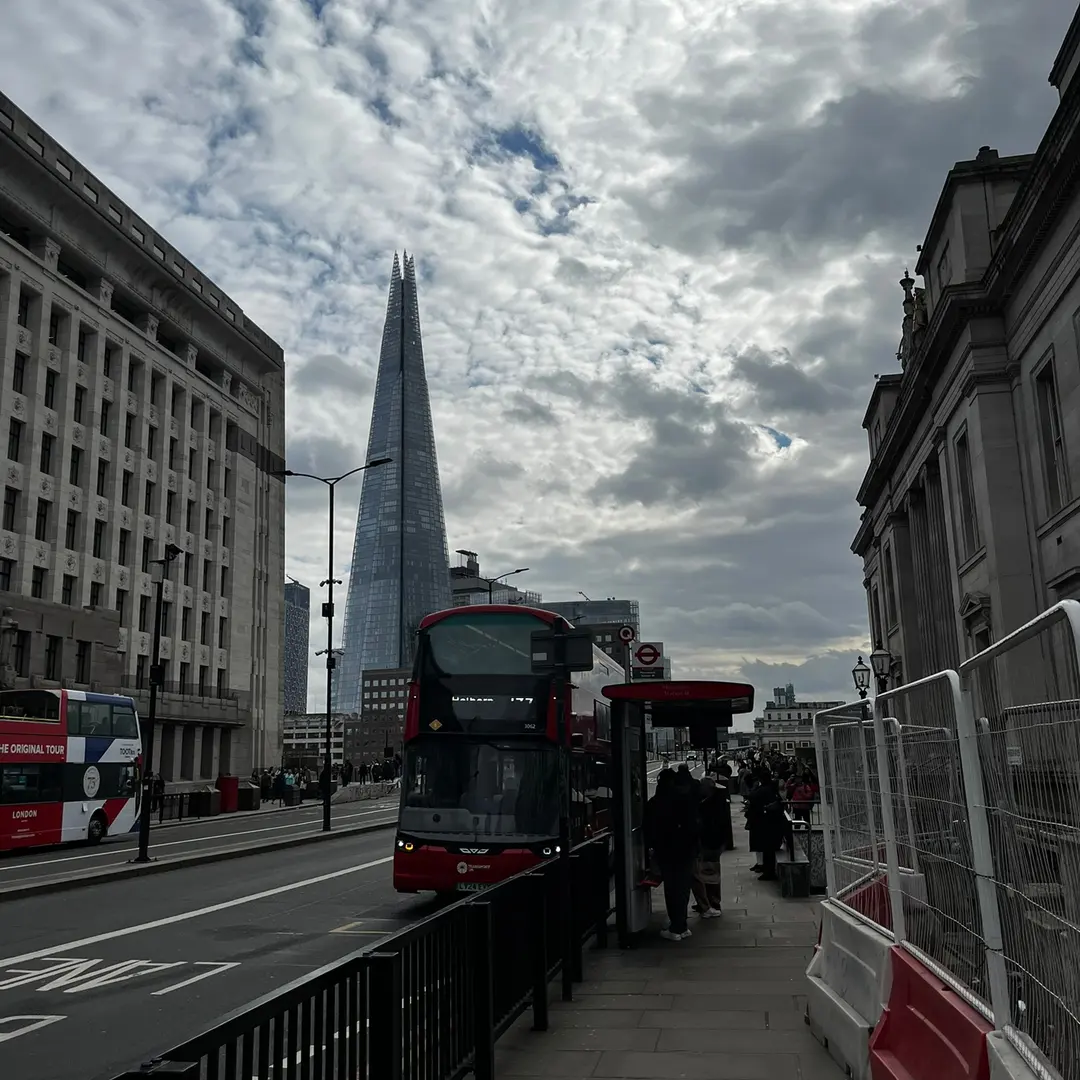
The iconic red double-decker bus is a quintessential part of the London experience. Hopping on one of these is not just a mode of transport but an attraction in itself! Many bus routes operate 24 hours a day, making them a convenient option for late-night travel.
Bus fares are a fixed rate, regardless of the distance you travel, and are generally much cheaper than the Tube.
Item | Fare |
Single Journey | £1.75 (~$2) |
Daily Cap | £5.25 (~$7) |
Weekly Cap | £24.70 (~$34) |
You can make unlimited bus-to-bus transfers within a 1-hour window without incurring additional charges. However, this only applies to bus transfers, not transfers between buses and the Tube.
When boarding a bus, you'll need to signal to the driver that you want to get on, or they might not stop. To alight, be sure to press the stop button well in advance of your desired stop.
Cash payments are not accepted on London buses. You'll need to tap your Oyster or contactless card once when you board; there's no need to tap when you exit.
4. Oyster Card vs. Contactless Card
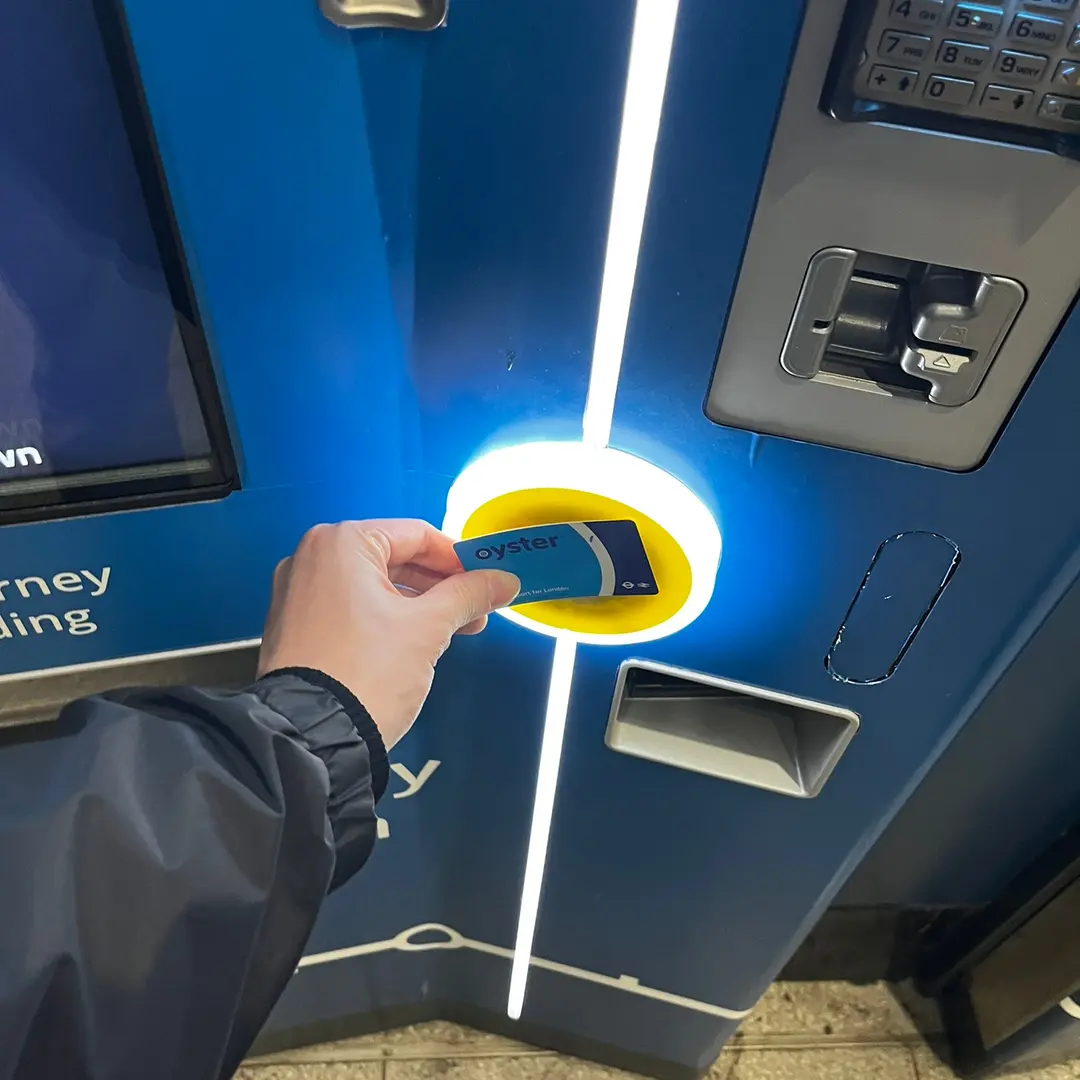
The Oyster card is a reloadable travel card for London's public transport. You'll purchase the card for a £7 (~$10) non-refundable deposit, then top it up with credit at Tube stations, through the TfL app, or at designated top-up points. While any remaining balance on the card can be refunded, the initial deposit is not.
These days, many travelers opt for contactless payment methods instead of an Oyster card. This includes Apple Pay, Samsung Pay, your regular credit or debit card, or even travel-specific cards like Travel Wallet. It's incredibly convenient as you don't need to buy a separate card; simply tap your existing card or phone at the reader to pay.
London is a city where you can easily reach most major attractions by simply utilizing its fantastic public transport system. By familiarizing yourself with the fare structure and the daily/weekly cap system, you'll be able to navigate the city with confidence and enjoy a much more relaxed and budget-friendly trip!
Frequently Asked Questions
When are the peak and off-peak hours for using the London Underground (Tube), and how is the Zone system, which is the basis for fare calculation, divided?
Peak hours for the London Underground are weekdays from 06:30 to 09:30 and from 16:00 to 19:00. Outside these times, it's off-peak, and fares are cheaper. Fares are calculated based on zones, from Zone 1 to Zone 9. Zone 1, where most major tourist attractions are concentrated, is the most expensive zone.
How much are the daily and weekly caps applied when using London public transport, and do they apply equally to both the Tube and buses?
For the Tube, the daily cap for Zone 1 or Zones 1-2 is £8.90, and the weekly cap is £44.70. For buses, a single fare is £1.75, the daily cap is £5.25, and the weekly cap is £24.70. The same daily cap applies even if you alternate between buses and the Tube.
Is it possible to pay with cash when using London buses? Also, is there an additional fare when transferring from one bus to another?
Cash payment is not possible on London buses; you only need to tap once with an Oyster card or a contactless card. No additional fare is incurred when transferring from one bus to another within one hour.
Share this article
Featured in Collections
Discover more travel stories curated around the same theme.

Related Travel Stories

Fortnum & Mason UK Souvenirs 2026: Tea, Scones, Duty-Free
Don't leave the UK without a taste of Fortnum & Mason! Dive into their famous teas, irresistible scones, and cookies. Get insider tips on finding these British treasures, including duty-free savings.

7 Must-Try London Restaurants: A Guide to Delicious British Eats
Think British food is bland? Think again! Explore our top 7 London restaurant recommendations, featuring hidden gems and beloved spots for authentic UK dining experiences.

Family-Friendly Apartment Hotel in Central London: Citadines Holborn Covent Garden Review
Looking for a family-friendly London stay in 2026? Citadines Holborn Covent Garden offers spacious rooms, a separate living area, and full kitchen facilities for up to three guests. Located near the British Museum and Holborn Station, it's perfect for saving money on dining out in expensive London.

Buckingham Palace Summer Opening 2026: Tickets & Visit Tips
Planning a trip to London this summer? Discover how to visit Buckingham Palace during its exclusive 2026 summer opening, including ticket tips!

Burford Scone Spot: Bakery on the Hill in Cotswolds, UK
Discover Bakery on the Hill, a charming scone spot in Burford, Cotswolds. Perfect for a quick, delicious treat during your UK countryside tour!

London Pass 3-Day Itinerary 2026: Maximize Your Adventure
Planning a London trip in 2026? Discover how the London Pass can save you money on top attractions. Get our 3-day itinerary and tips for maximizing value.