

Imjingak Tourist Site Paju Review 2026: History & Peace Near the DMZ
Explore Imjingak Tourist Site in Paju, a powerful memorial to the Korean War and division. See historical artifacts and reflect on peace near the DMZ.
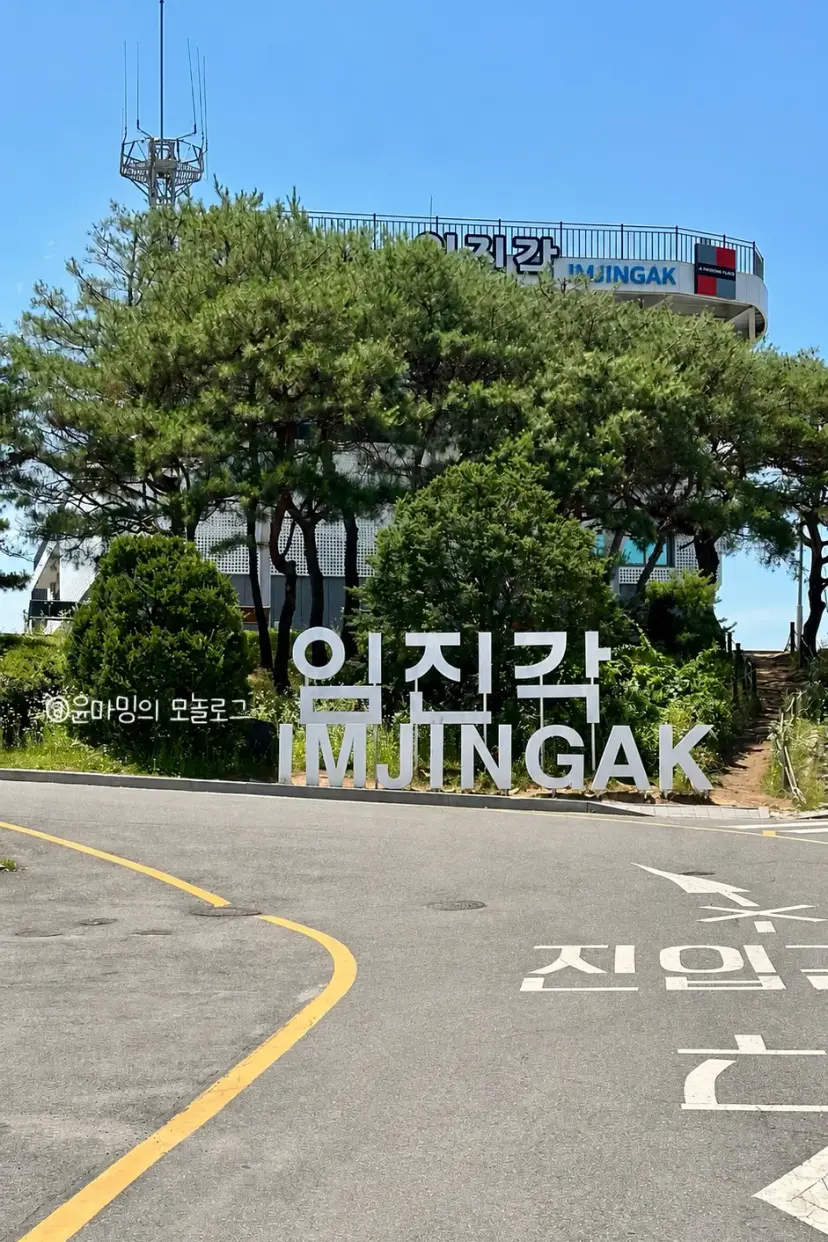
When you’re looking for meaningful places to visit in Paju, the Imjingak Tourist Site is a must-see, especially if you’re also planning to ride the Imjingak Peace Gondola.
After taking the Imjingak Peace Gondola, I couldn't bear to leave without exploring the Imjingak Tourist Site right next door. It truly rounded out the experience!
This significant location offers a powerful opportunity to reflect on the Korean War, the painful history of division, and the profound meaning of peace.
Perhaps because of its symbolic status as a divided nation, I noticed a surprising number of international visitors.
Seeing so many travelers interested in the DMZ and Korea's history truly underscored the special importance of this place.
Ready to dive into my experience at the Imjingak Tourist Site? Let’s go!
Imjingak Tourist Site: Essential Info & Parking
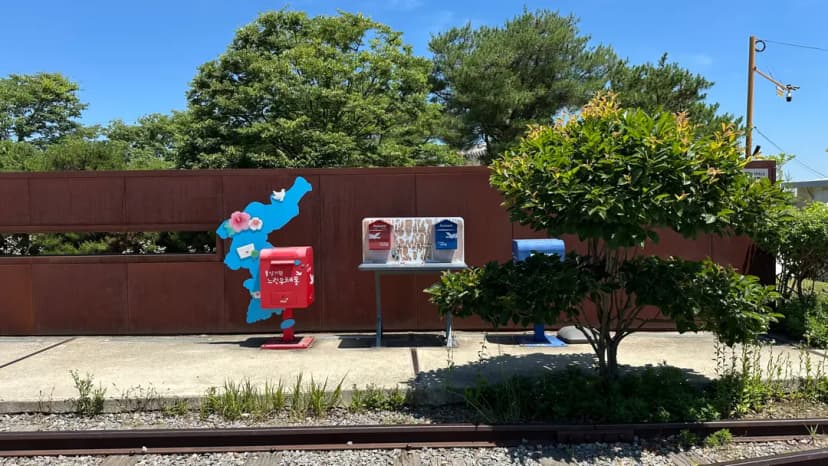
📍 Imjingak Tourist Site
164 Imjingak-ro, Munsan-eup, Paju-si, Gyeonggi-do
📍 Paju Imjingak Peace Gondola
148-73 Imjingak-ro, Munsan-eup, Paju-si, Gyeonggi-do
Imjingak Tourist Site | 164 Imjingak-ro, Munsan-eup, Paju-si, Gyeonggi-do |
Parking | Available |
The Imjingak Tourist Site was established in 1972 as a place for those displaced by the Korean War to mourn their lost homes. Since then, it has become a prominent historical and peace-themed destination in Paju, attracting countless visitors.
Its proximity to the Peace Gondola makes it ideal for a combined visit, allowing you to explore historical landmarks like Mangbaedan, the Bridge of Freedom, and the Gyeongui Line Jangdan Station Steam Locomotive all in one trip.
Imjingak Tourist Site Parking Fees
Vehicle Type | Fee |
Compact Car | ~$1 |
Mid-size/Small Car | ~$1 |
Large Vehicle | ~$3 |
Parking fees at Imjingak Tourist Site are processed via Hi-pass (an electronic toll collection system) and are charged as a flat daily rate.
After using the Peace Gondola, I moved my car a short distance to the parking lot right in front of the Imjingak Tourist Site.
While it's certainly walkable, the parking lot is so expansive that driving felt much more convenient.
💡Visitor Tip
Most of the site is outdoors, so on sunny days, I highly recommend bringing a parasol or a hat to protect yourself from the strong sun.
Imjingak Tourist Site Map
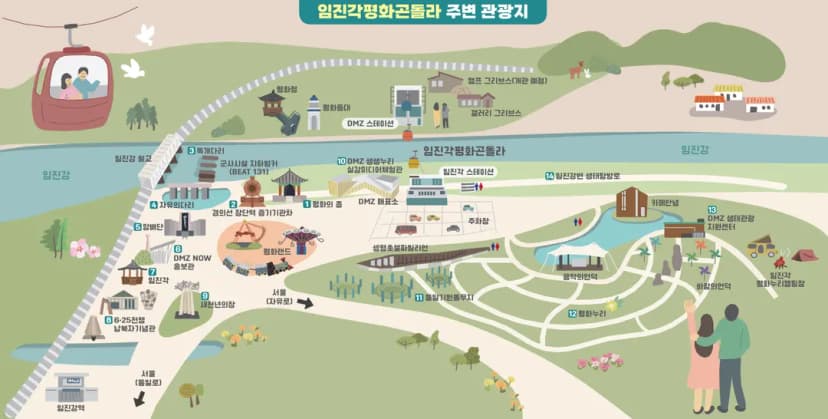
Around the Imjingak Tourist Site, you'll find plenty of other attractions to enjoy at your leisure, including the Imjingak Peace Gondola and Peace Nuri Park.
Manghyangui Noraebi (Song of Nostalgia Monument) & Mangbaedan (Altar of Yearning)
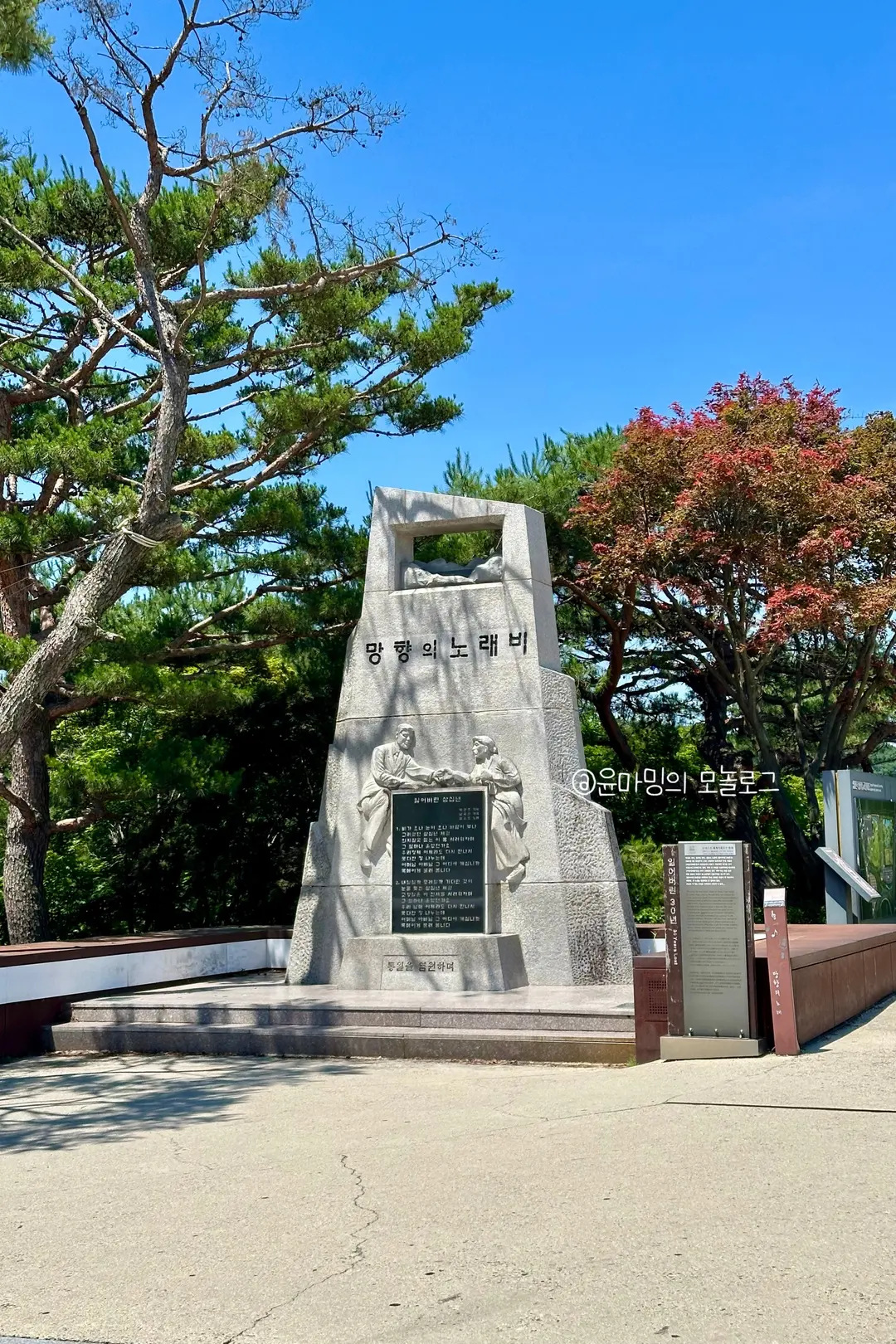
As you walk towards the Imjingak Tourist Site, the Manghyangui Noraebi (Song of Nostalgia Monument) is one of the first things you'll see.
This monument features the lyrics of 'Lost 30 Years,' a beloved song and representative ballad of longing for those displaced from their homes.
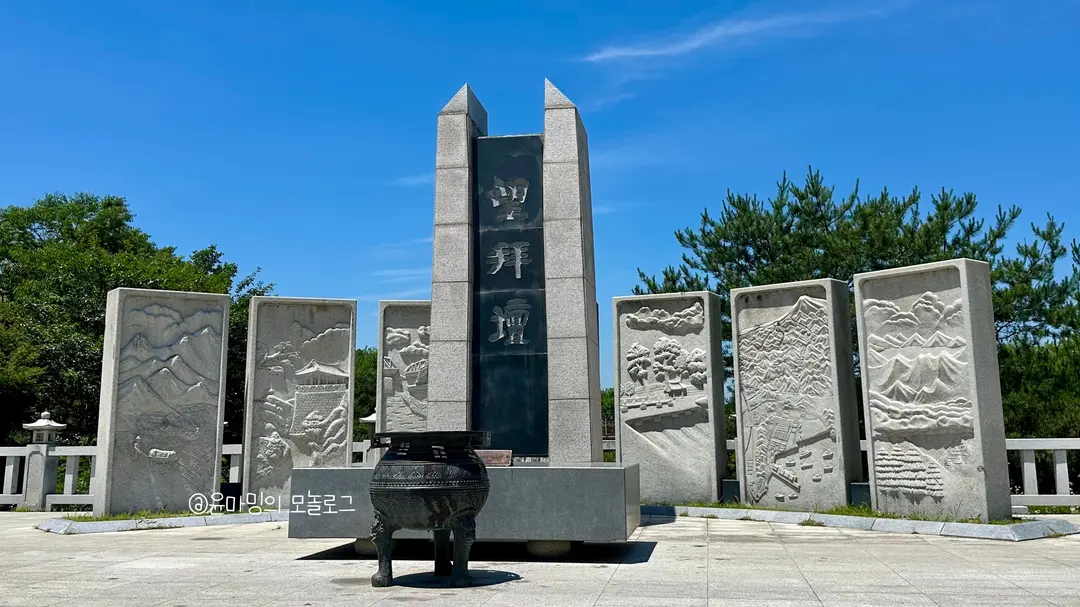
Just a short walk from there, you’ll discover Mangbaedan, the Altar of Yearning.
Mangbaedan is a poignant place where those displaced by the division of Korea, unable to return to their hometowns in the North, pay respects to their ancestors. Even today, memorial ceremonies are held here during traditional holidays.
Walking through it, the profound sense of longing and sorrow felt palpable, creating a uniquely somber and reflective atmosphere.
Gyeongui Line Jangdan Station Steam Locomotive
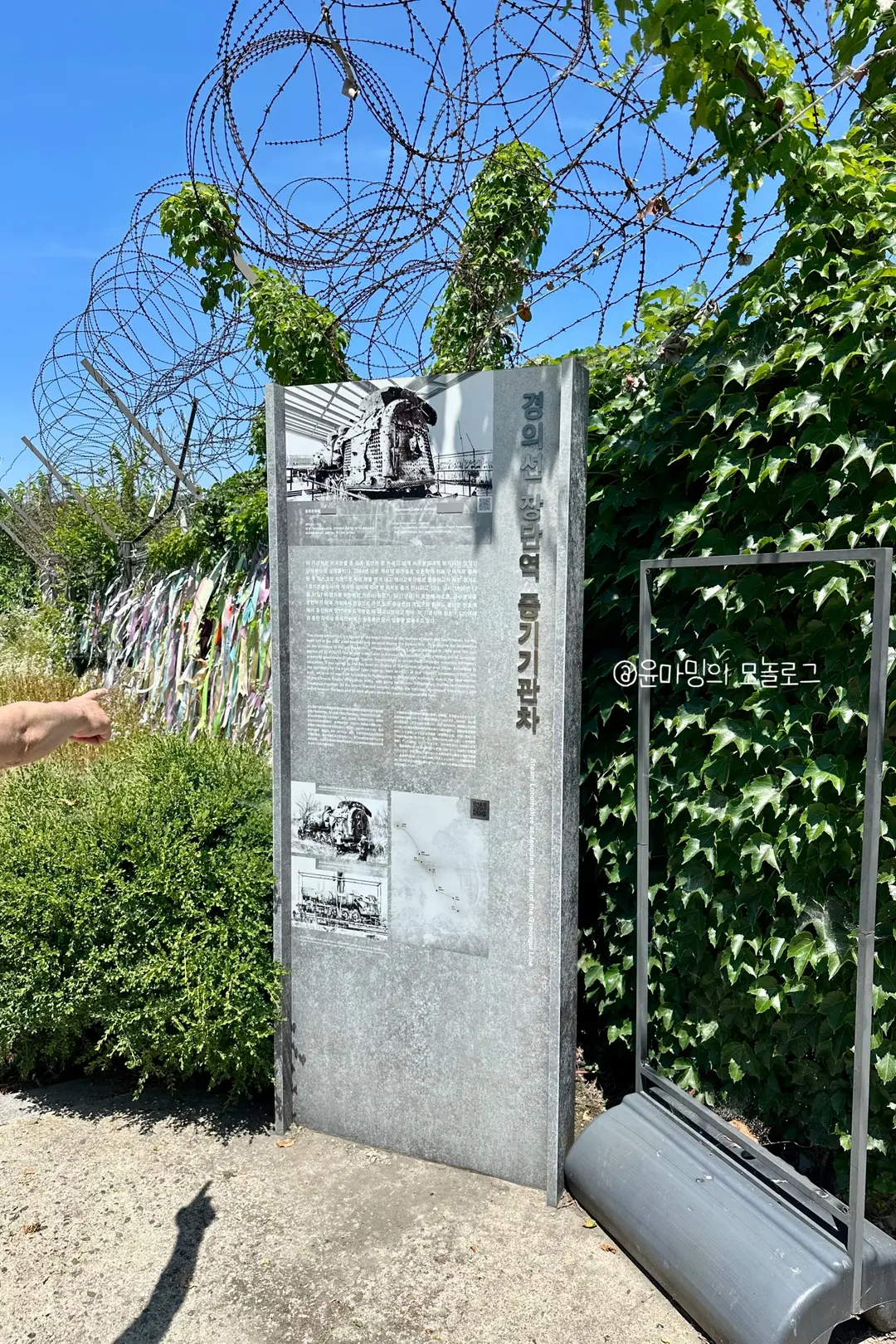
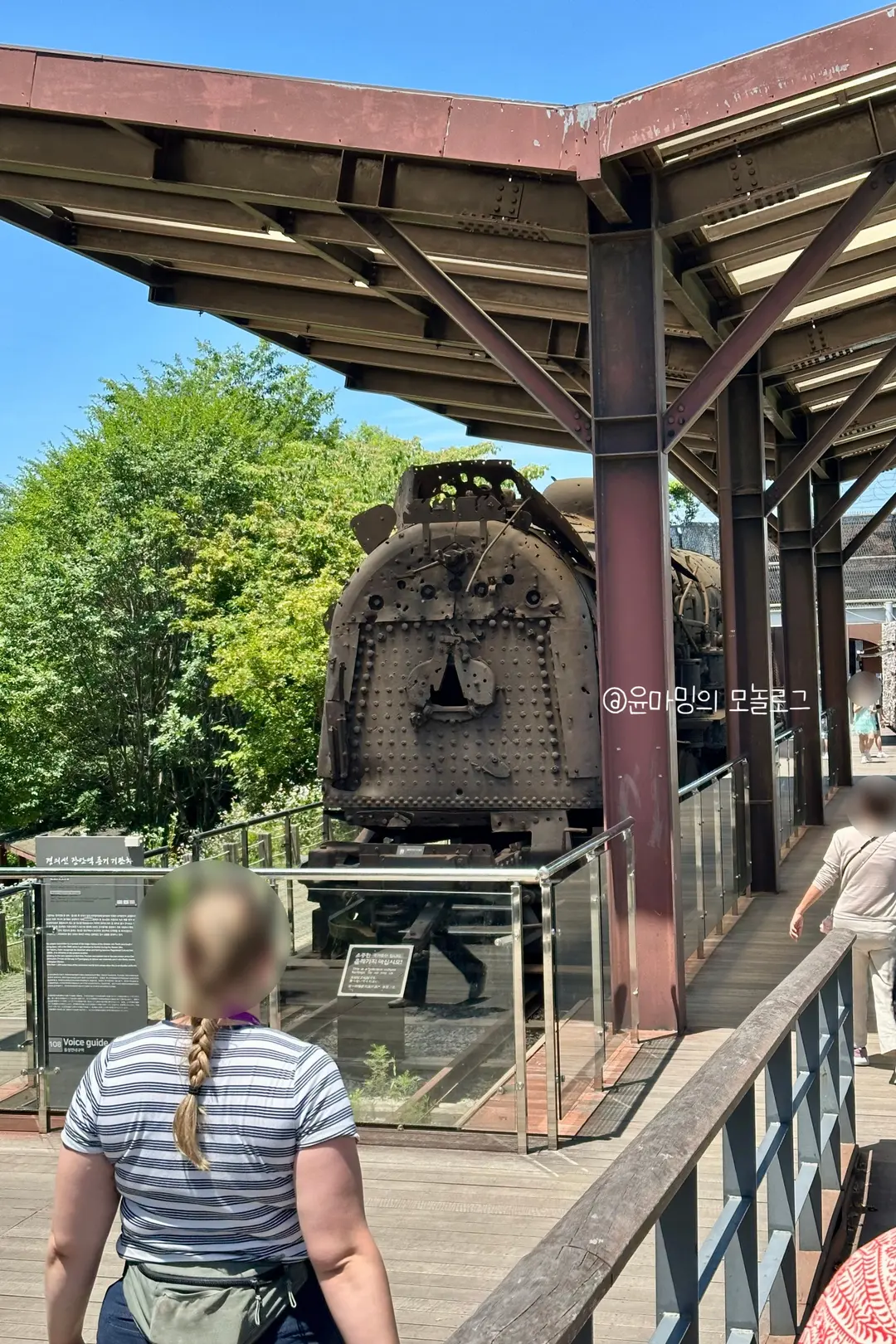
Next, the Gyeongui Line Jangdan Station Steam Locomotive left a deep impression on me.
This steam locomotive was actually bombed during the Korean War and is now registered as a National Registered Cultural Heritage site.
Its rusty red body and the more than 1,020 bullet holes, resembling a honeycomb, silently bear witness to the brutal horrors of that era.
It was left abandoned in the DMZ's overgrown fields for over 50 years before being preserved and moved to this location.
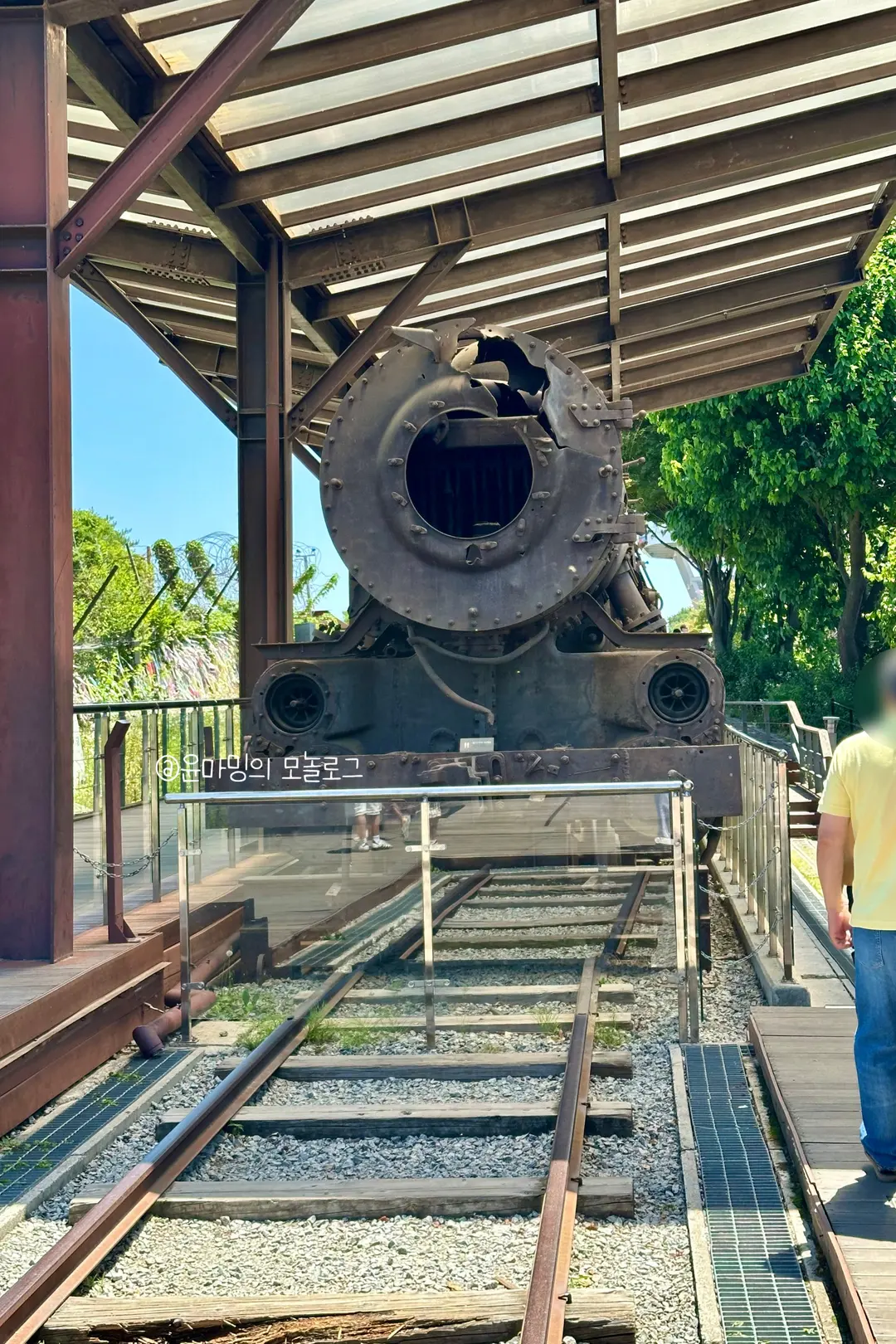
The torn metal plates and remaining traces truly embody the pain of the war, leaving my heart heavy with emotion.
The Bridge of Freedom
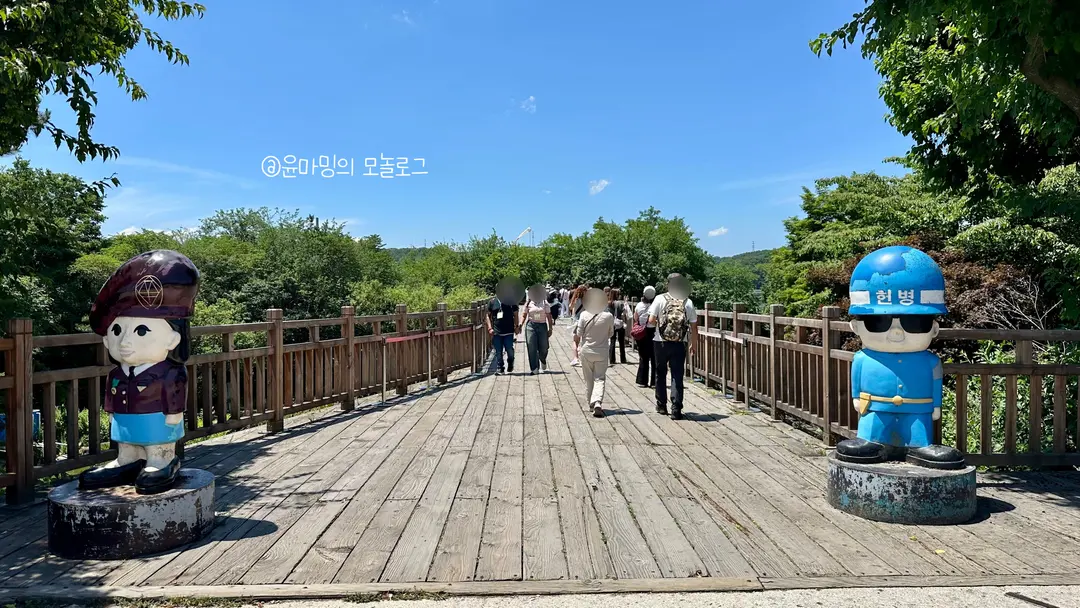
Though it may appear to be an ordinary bridge, this structure holds immense historical significance. It's known as the Bridge of Freedom because it was the path prisoners of war took to return to freedom after the armistice.
Seeing the colorful ribbons tied to the end of the bridge, each representing a wish for reunification, brought a lump to my throat.
Bunker Exhibition Hall
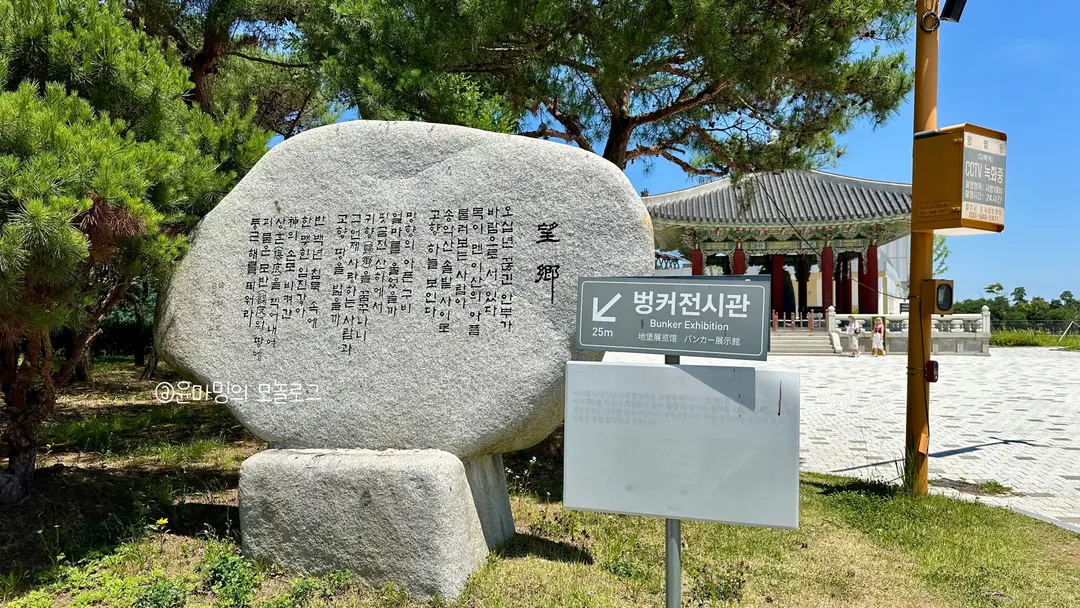
Finally, I explored the Bunker Exhibition Hall.
This exhibition space is a renovated underground bunker that was once an actual military facility.
Admission Fee
~$1 (Card payment available)
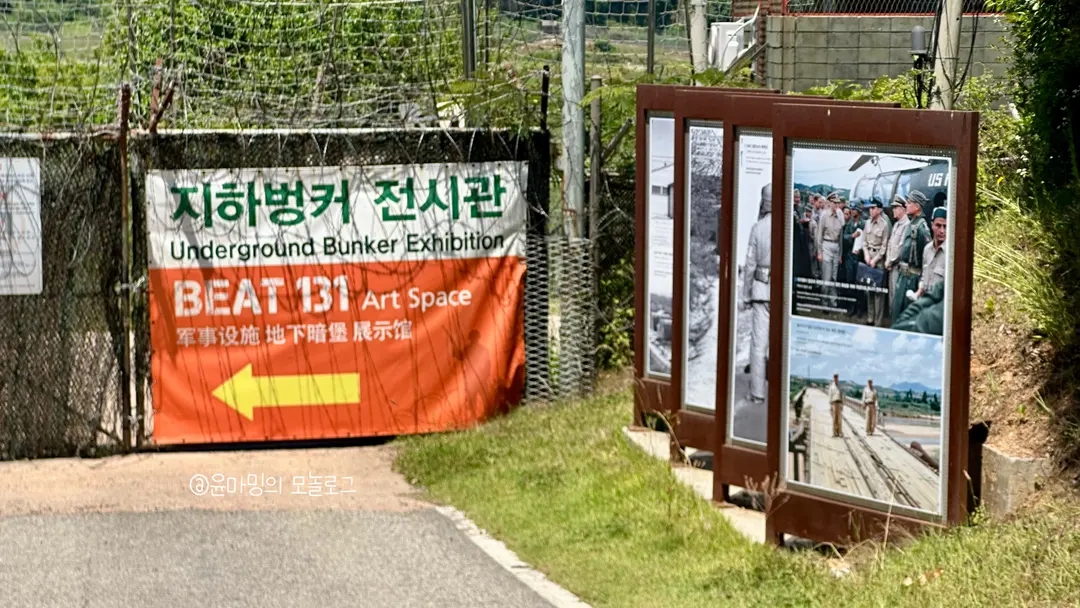
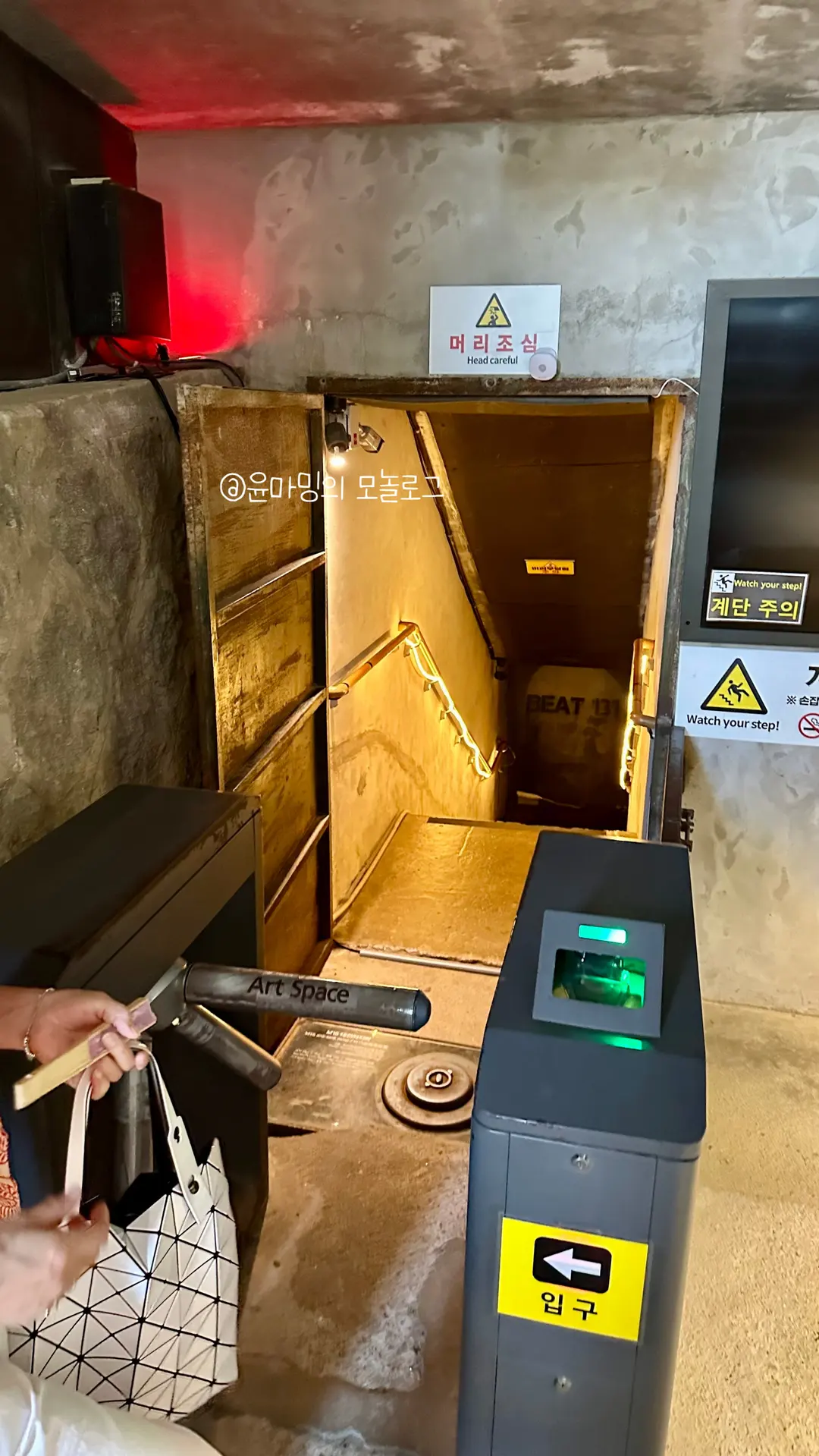
It was fascinating to see the interior of a real bunker.
However, the viewing path inside is quite short, so it’s more of a quick, casual look around.
Frequently Asked Questions (FAQ)
Q. Is there an admission fee for Imjingak Tourist Site?
A. The main tourist site can be explored for free, but certain attractions like the Dokgae Bridge or the Bunker Exhibition Hall have separate admission fees.
Q. Is it recommended to visit Imjingak Tourist Site and the Peace Gondola together?
A. Absolutely! They are close to each other, making travel convenient. Visiting both will create a deeper and more enriching travel experience, allowing you to truly feel Paju's history and hopes for peace.
Final Thoughts
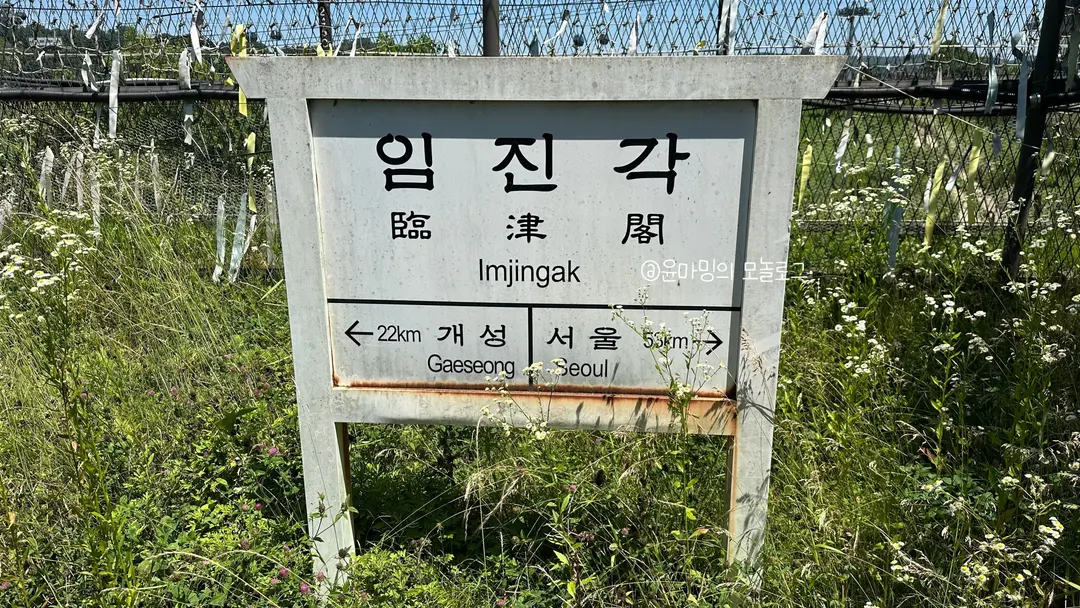
I’m so glad I decided to combine my visit to the Peace Gondola with exploring the Imjingak Tourist Site.
Standing face-to-face with the sorrowful history of the Korean War and the division brought home just how precious the peaceful everyday life we often take for granted truly is. It was a deeply moving and reflective experience.
Just a reminder, since most of the itinerary is outdoors, on hot days like today (July 21, 2026), the sun can be intense, so definitely bring a parasol or hat.
When the weather cools down, it would be wonderful to link this visit with a trip to the nearby Peace Nuri Park and its Wind Hill. Imagine bringing a picnic blanket and enjoying a leisurely afternoon – that sounds like a perfect day out!
If you’re looking for places to visit in Paju, or a meaningful historical and peace-themed destination, why not consider the Imjingak Tourist Site?
Frequently Asked Questions
What are the parking fees and payment methods at Imjingak Resort?
The parking fee is a flat daily rate: ~$1 for compact cars, ~$1 for small to medium-sized cars, and ~$3 for large vehicles. Payments are processed through the Hi-Pass electronic toll collection system.
What historical traces remain on the Gyeongui Line Jangdan Station Steam Locomotive?
It is a locomotive that was bombed during the Korean War, and it still bears over 1,020 bullet holes on its body. Left abandoned in the bushes of the DMZ for over 50 years, it is now a National Registered Cultural Heritage that has been preserved and put on display.
What is the admission fee and what are the viewing features of the Bunker Exhibition Hall at Imjingak Resort?
The admission fee for the Bunker Exhibition Hall is ~$1, and credit card payments are accepted. It is a remodeled underground bunker that was actually used as a military facility. The indoor viewing course is very short, making it perfect for a quick look around.
For what purpose was the Mangbaedan Altar at Imjingak Resort built?
It was established for displaced people who can no longer return to their hometowns due to the division of Korea, allowing them to honor their ancestors in the North. Even today, memorial ceremonies for displaced people are held here during traditional holidays.
Share this article
Related Travel Stories
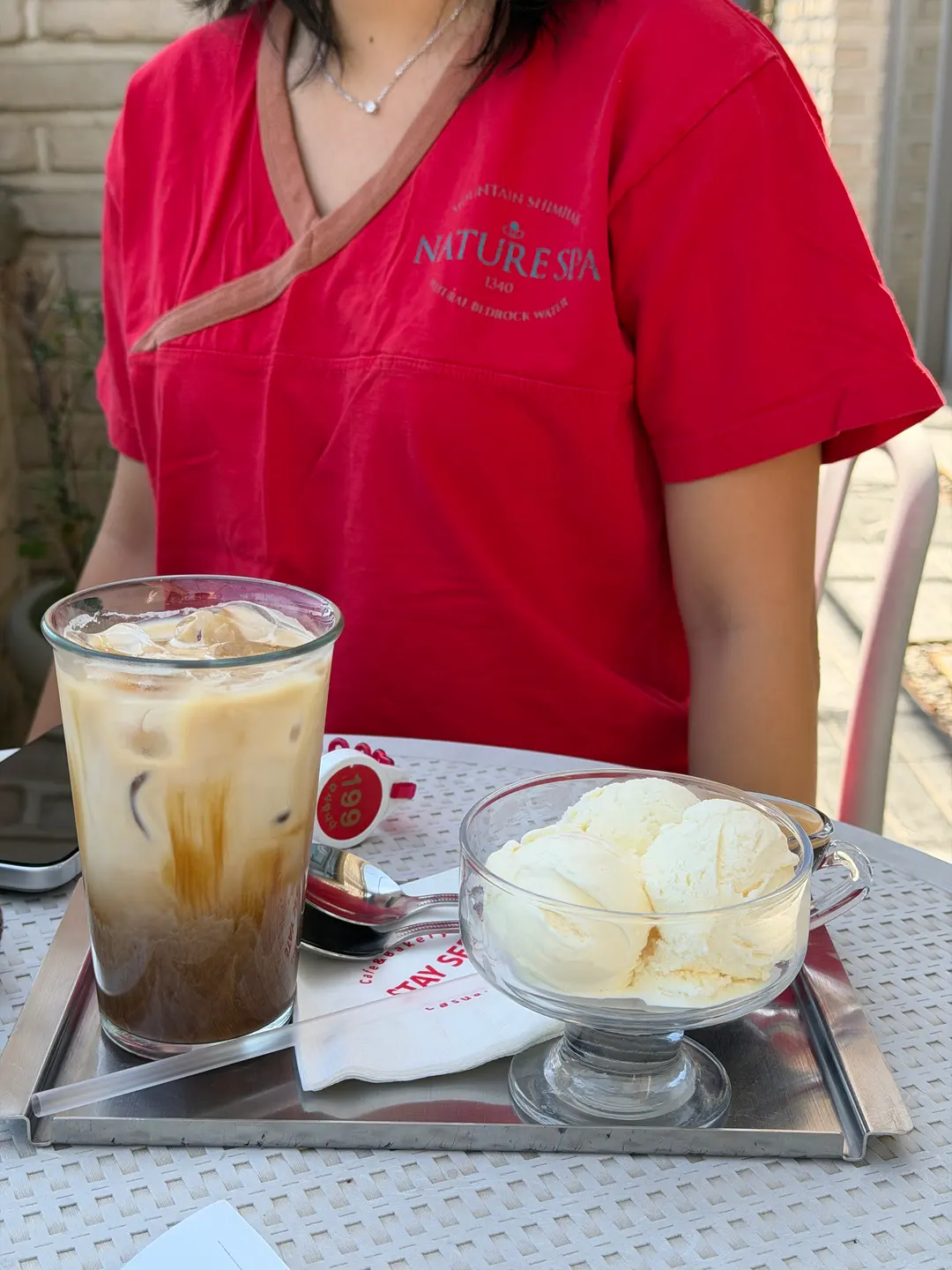
Nature Spa Paju Review 2026: A Jjimjilbang with Rice Field Views
Discover Nature Spa Paju, a hidden gem jjimjilbang near Seoul offering unique rice field views and a tranquil escape. Find prices, hours, and tips for your relaxing Korean spa day.
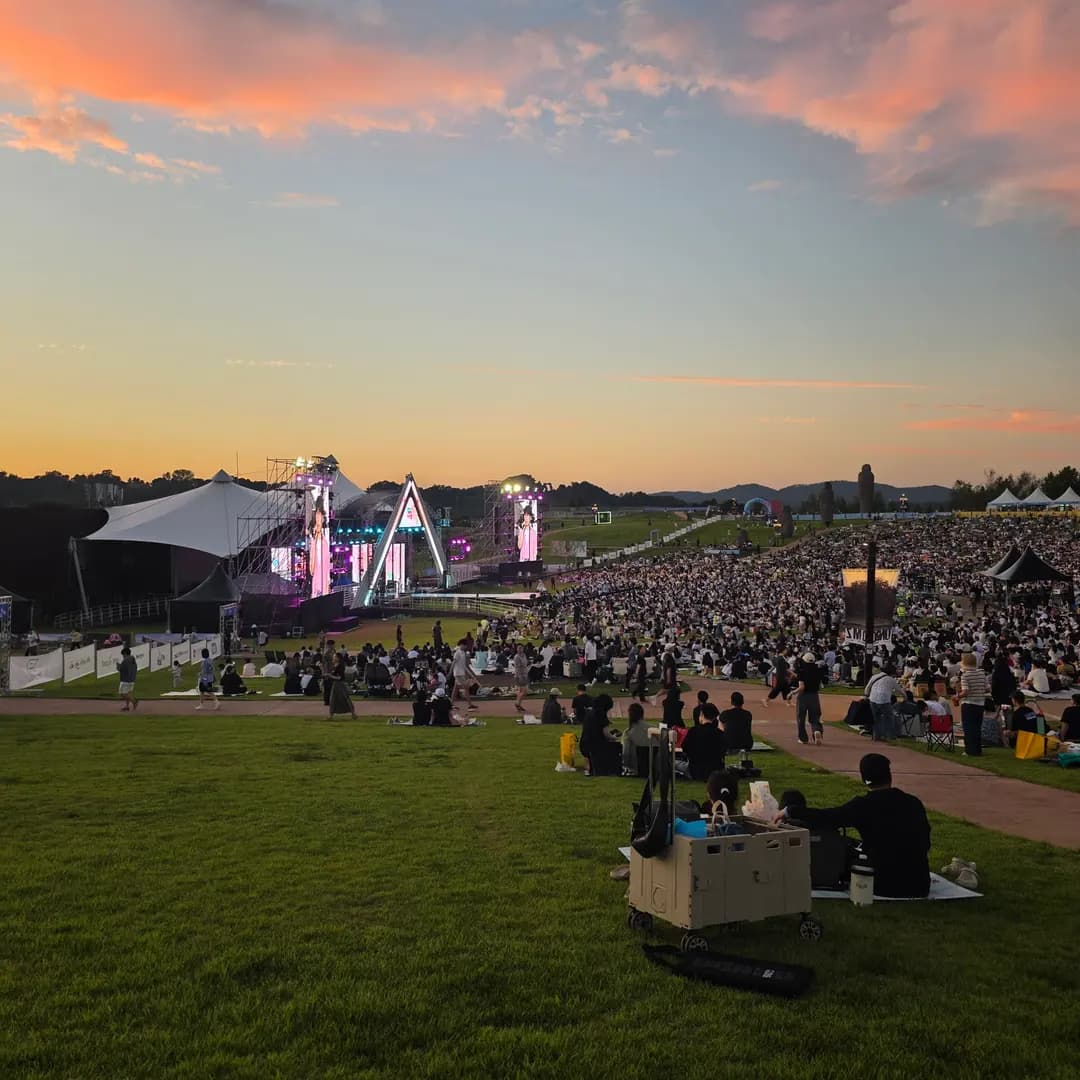
Pyeonghwanuri Picnic Festival 2026: Imjingak's Fall Music Oasis
Get ready for the 2026 Pyeonghwanuri Picnic Festival at Imjingak! Spread your blanket on the grass, enjoy incredible live music, and soak in the autumn vibes. Tickets are now available!

Byeokchoji Arboretum Paju: Your European Garden Escape for ~$7
Escape to a European paradise just outside Seoul! Paju's Byeokchoji Arboretum offers stunning themed gardens and serene ponds, perfect for a day trip or romantic photoshoot.
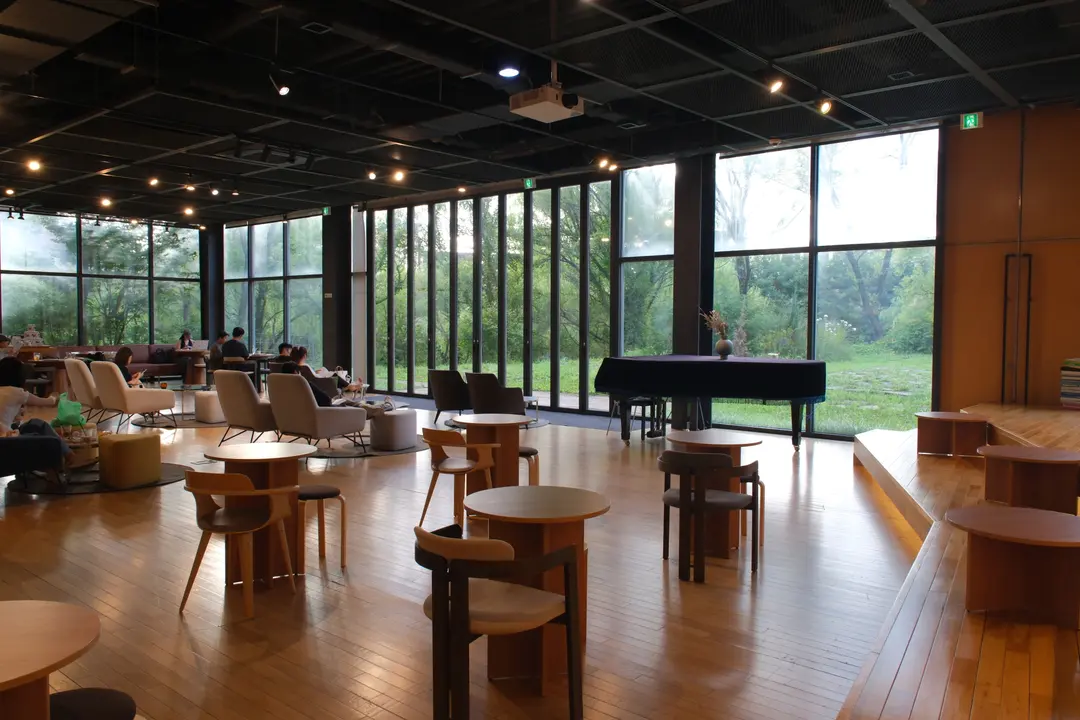
Paju's Forest of Wisdom Guide 2026: Parking, Cafe Discounts & More
Seeking a peaceful retreat to lose yourself in books? Paju's Forest of Wisdom offers towering bookshelves, quiet reading nooks, and delightful cafe discounts. Your perfect escape awaits.

Insaeng Udon Paju Unjeong Review 2026: Affordable Udon
Craving authentic, handmade udon near Paju's Unjeong Station? Insaeng Udon offers generous portions and rich, savory broth at unbeatable prices. A must-try for any food lover!
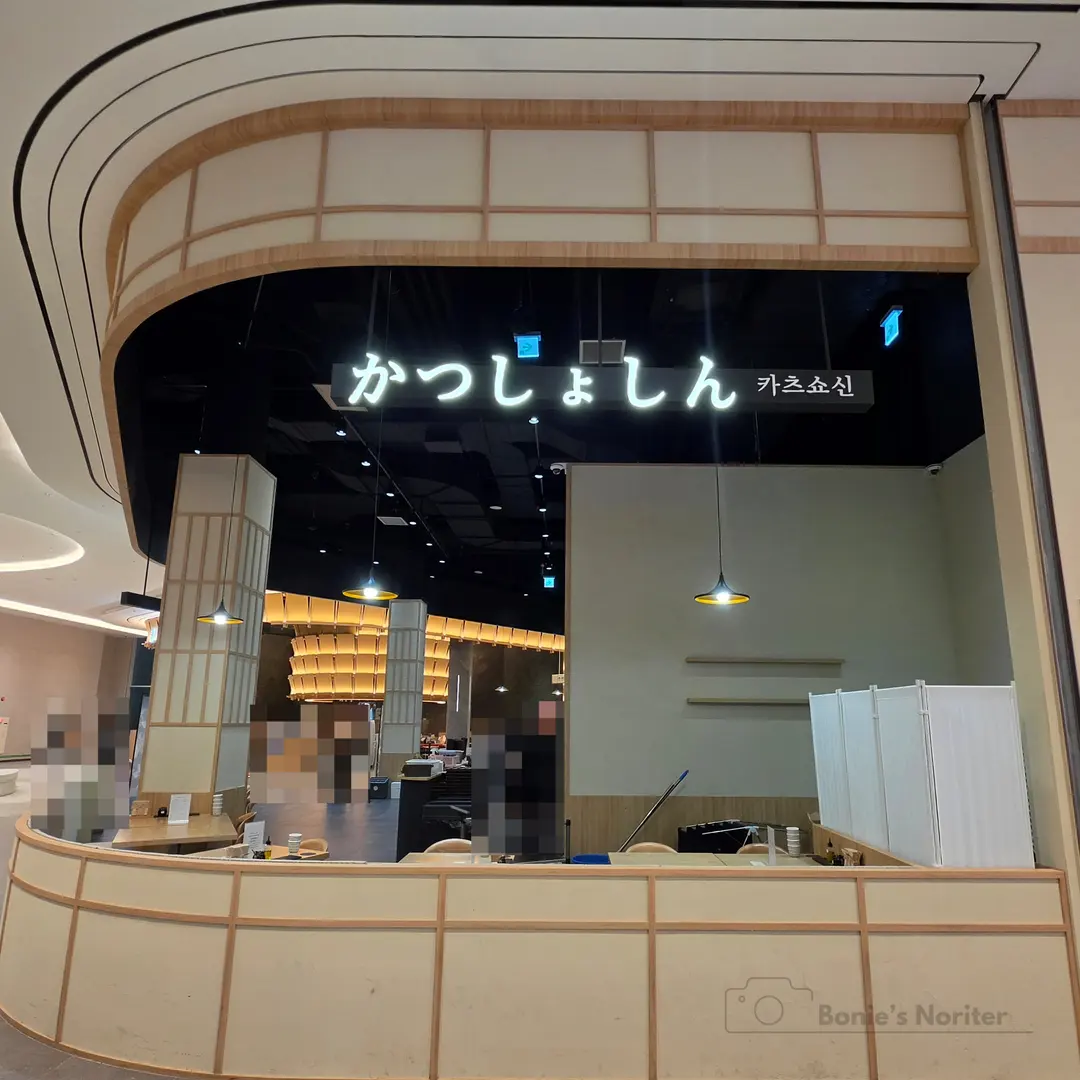
Katsu Shoshin Paju Unjeong: Michelin-Starred Tonkatsu 2026
Experience Michelin-starred premium tonkatsu at Katsu Shoshin in Paju Unjeong Starfield Village. Enjoy succulent pork cutlets and unique flavors for an unforgettable meal.