

Singapore Travel Costs 2026: A Realistic Budget Guide
Is Singapore really that expensive? Discover the truth about travel costs in 2026, from hawker center meals to hidden hotel fees, and budget smarter.
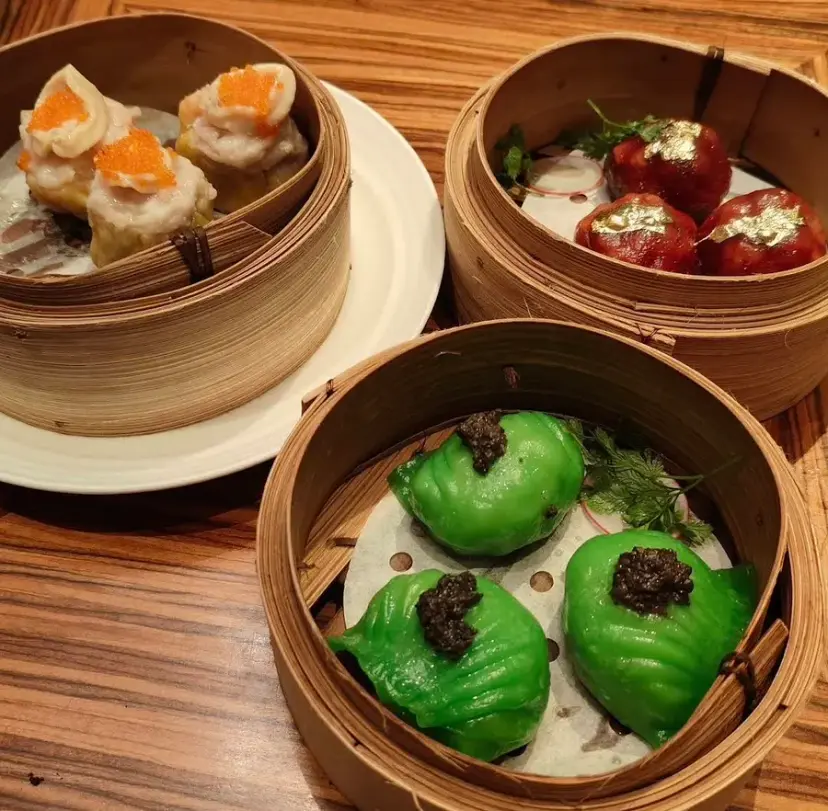
Singapore Travel Costs & Budgeting
When planning a trip to Singapore, the one thing you'll hear on repeat is:
"Singapore is incredibly expensive."
A quick online search will bombard you with reviews about sky-high prices for food, accommodation, and transportation.
But after mapping out my own itinerary and navigating the city, I realized something important:
Singapore's cost of living isn't a single, terrifying number.

The price of a simple cup of coffee fluctuates wildly depending on your zip code.
Your daily food budget will look completely different if you're eating at local hawker centers versus shiny shopping malls or tourist hotspots.
The same goes for hotels—your return on investment varies drastically
whether you stay in glamorous Marina Bay, bustling Orchard Road, or the quieter outskirts.

Simply writing off Singapore as "expensive" makes it nearly impossible
to set a realistic travel budget.
In this guide, we're throwing out the idea of an "average cost."
Instead, we'll break down exactly how prices shift across different neighborhoods.
We'll focus on the two things that impact your wallet the most:
food and accommodation,
giving you a realistic look at Singapore's travel costs in 2026.
Gardens by the Bay Singapore Tickets
Table of Contents
1. The Price Gap: Hidden Fees
2. Costs by Neighborhood
3. Food Budget Breakdown
4. Accommodation Strategies
1. The Price Gap: Hidden Fees
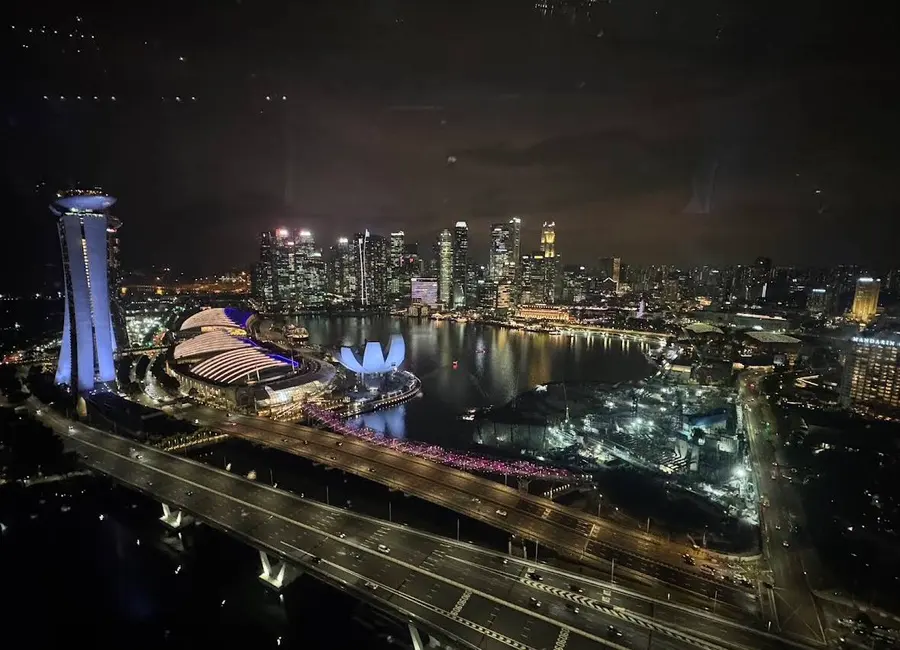
The biggest reason Singapore feels so pricey is that the final bill for the exact same item
can vary drastically based on the neighborhood and the establishment's pricing structure.
The number one trap travelers fall into?
Hidden restaurant fees.
In Singapore's hotels and standard restaurants,
it's customary to see a 10% service charge plus a 9% GST
tacked onto your bill. And yes, the GST is applied to the service charge too!
For example, if your menu item is SGD 100,
a SGD 10 service charge is added first.
Then, the 9% GST is applied to that SGD 110 total,
bringing your final bill to SGD 119.90.
On the flip side, local hawker centers and neighborhood coffee shops
usually display nett prices—what you see is exactly what you pay.
This makes them feel incredibly cheap in comparison.
This is why you can spend a day in Singapore and simultaneously think,
"Wow, this is incredibly cheap!" and "Ouch, that was ridiculously expensive!"
2. Costs by Neighborhood
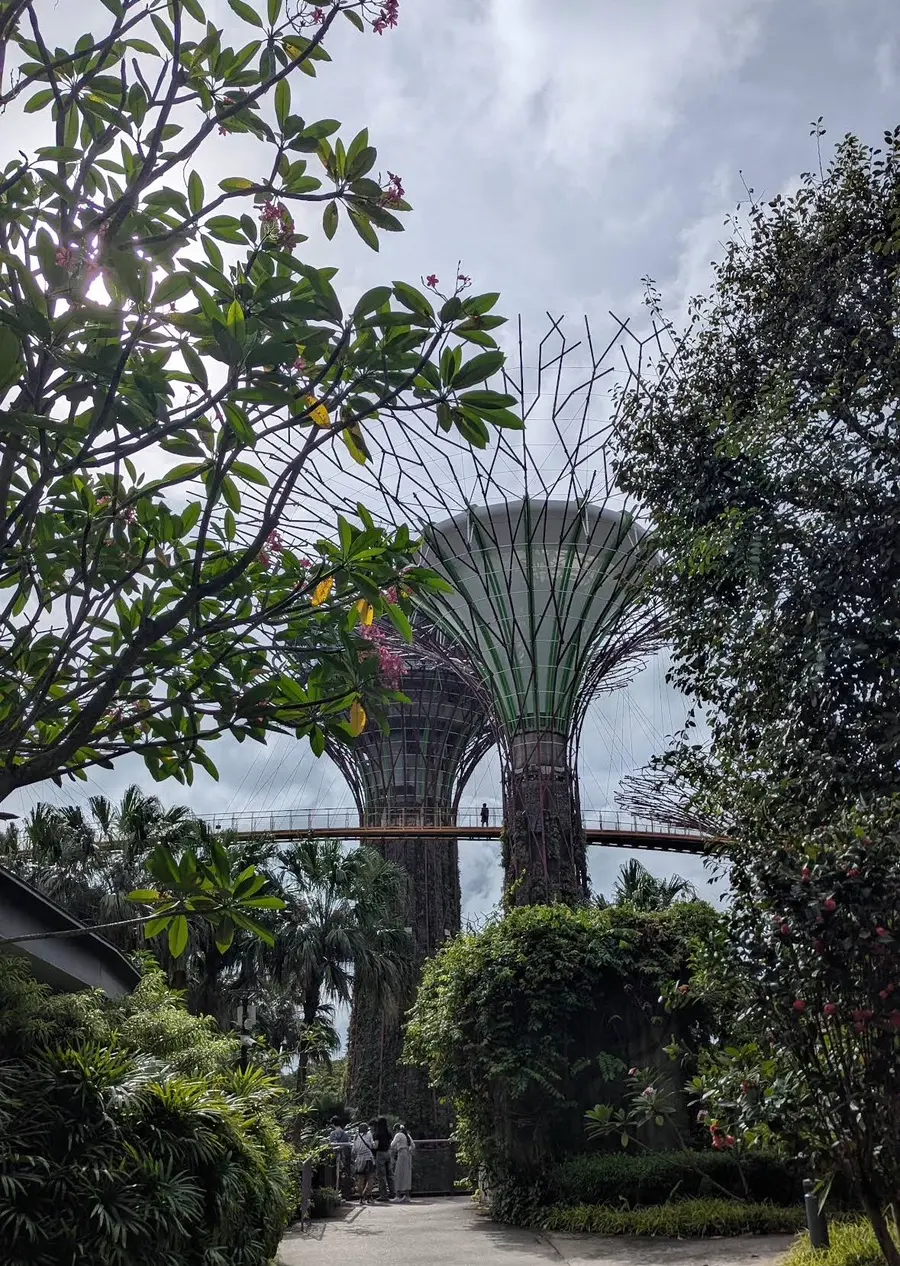
Your wallet will feel the neighborhood vibe just as much as you do.
Marina Bay and the Central Business District (CBD) are the tourist and corporate hubs.
This is where prices for meals, coffee, and cocktails skyrocket.
You're essentially paying a premium for the iconic skyline views.
Hotels here are the most expensive in the city;
booking a two-night stay here might just eat up your entire trip budget! Haha.
Down on Orchard Road, the city's retail beating heart,
you'll find endless dining options, but the average price point leans high.
The trade-off? Incredible accessibility, which can save you time and money on transportation.

Areas like Bugis, City Hall, and River Valley hit the sweet spot.
They offer fantastic access to the city center while maintaining relatively reasonable prices.
If you're looking for the best bang for your buck, this is your zone.
Hotel rates are noticeably lower than in Marina Bay,
making it a highly strategic base for your daily itineraries.
Venturing into the outskirts—like Haw Par Villa, Jurong, or Tampines—
can score you budget-friendly accommodation if you look carefully.
However, the longer transit times will cost you in both transportation fees and sheer energy.
It's a great play for long-term travelers.
Fortunately, Singapore's public transportation features
distance-based fares, so with a bit of planning,
transit costs won't break the bank.
3. Food Budget Breakdown
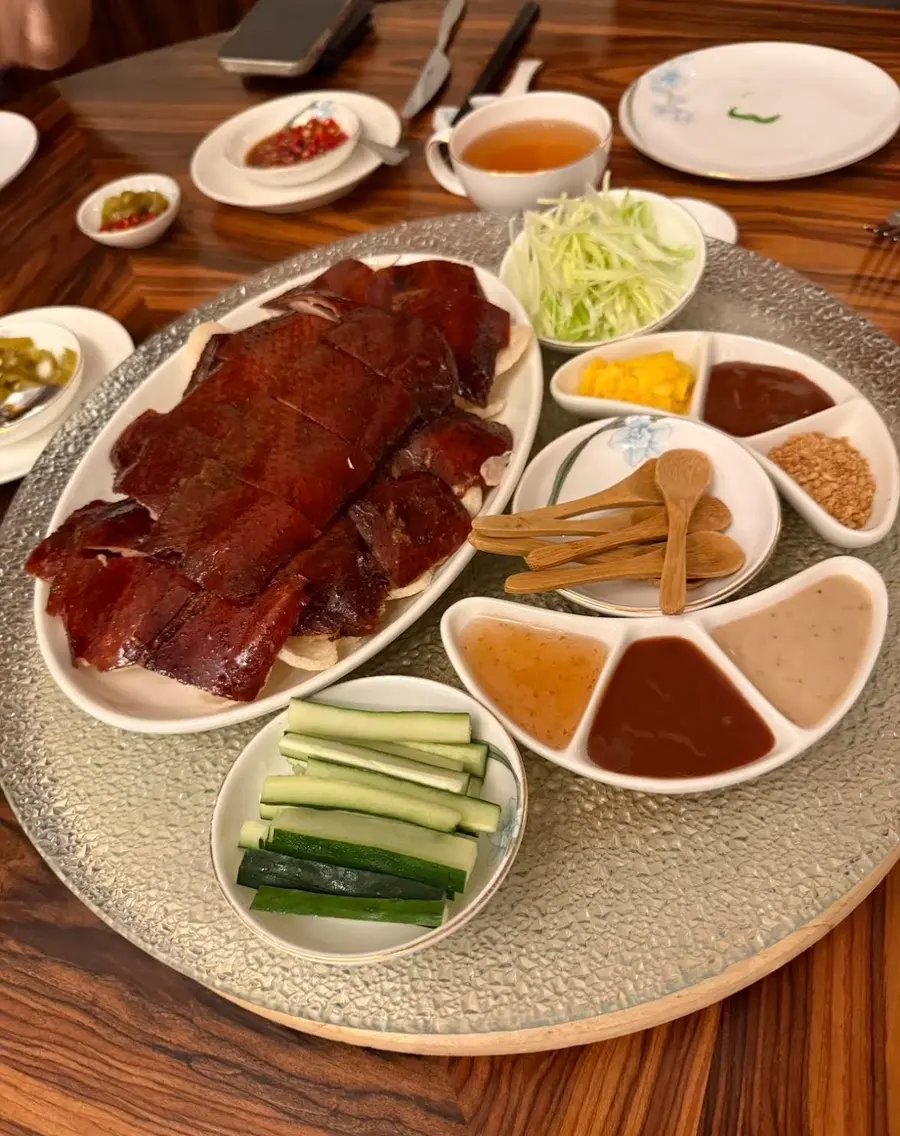
Food is where you'll feel the daily budget burn the most.
A standard meal at a local hawker center usually ranges from SGD 3
to SGD 6, creeping up
depending on the dish or the neighborhood.
The golden rule here is location, location, location!
A plate of Hainanese Chicken Rice in a glitzy tourist mall food court
will cost significantly more than the exact same dish at a residential neighborhood hawker stall.

Even Singapore's official economic statistics track
hawker center prices separately from restaurant prices!
This dual-economy structure is why
the city feels like it has
two entirely different costs of living.
As a rule of thumb for sit-down restaurants: if a menu item says SGD 20,
expect your credit card to be charged SGD 23.98 after the ++.
To save yourself the mental math, just multiply menu prices by 1.199
for peace of mind.
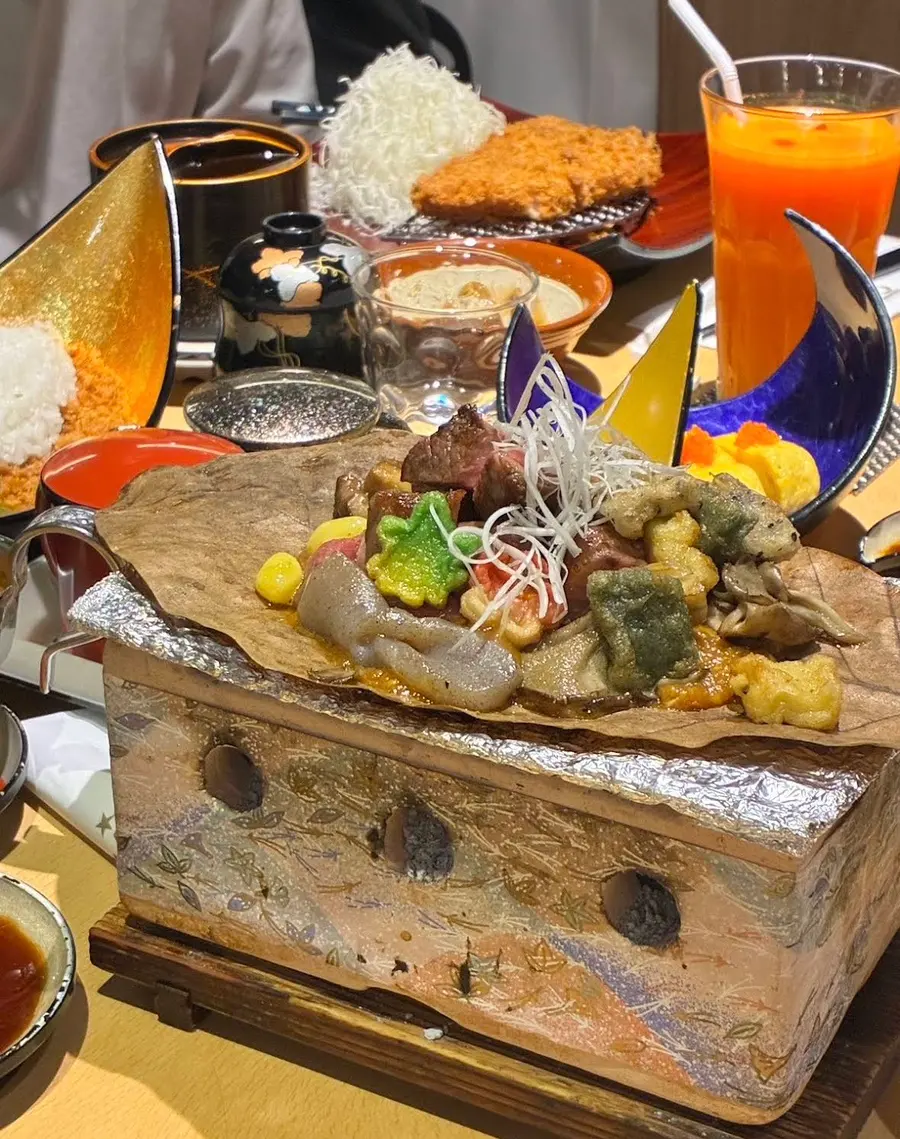
When drafting your travel budget, don't just set a flat daily food allowance.
Instead, budget around SGD 20 for "Hawker Days,"
and upwards of SGD 35+ for days you plan to hit sit-down restaurants.
Categorizing your budget by day
is infinitely more accurate.
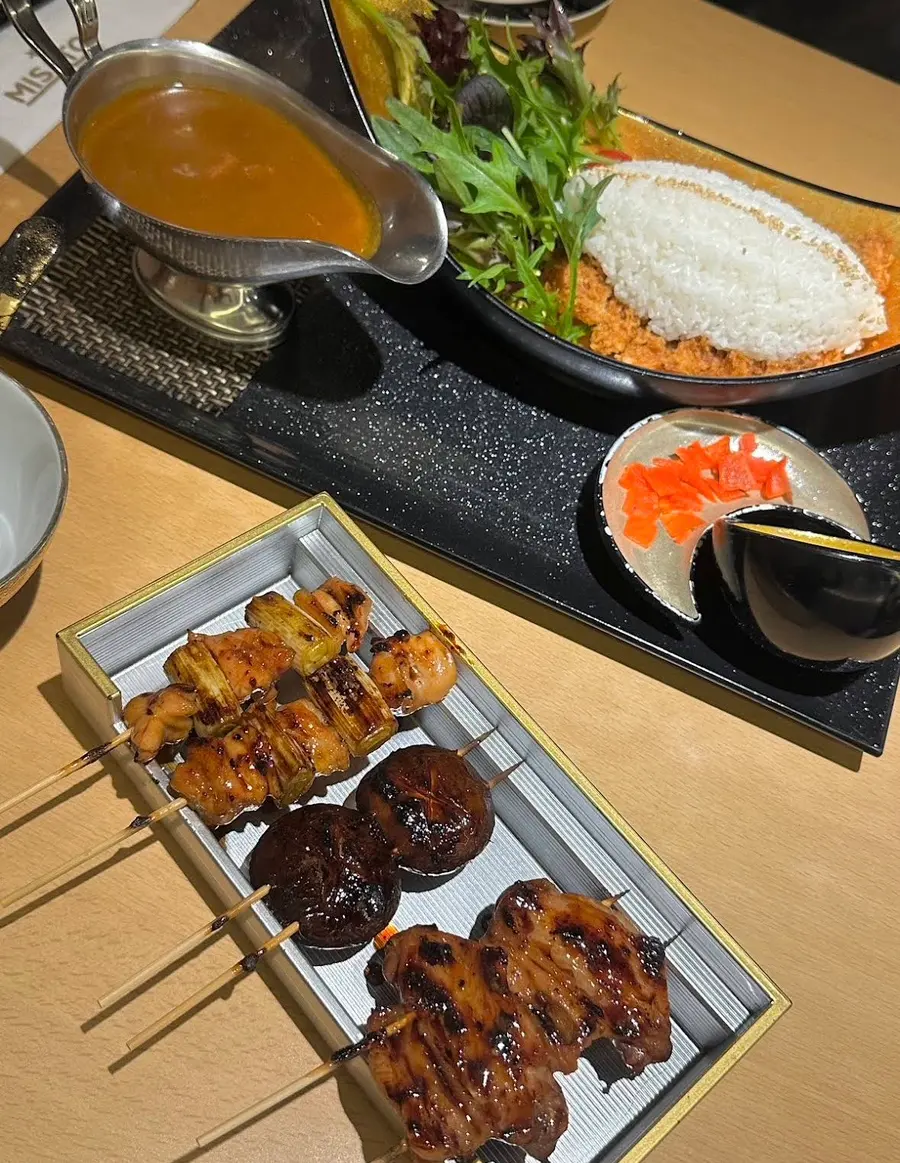
My personal advice?
Don't limit your meals to the tourist traps.
Venture into the heartlands where the locals eat.
Mixing high-end dining experiences with authentic, budget-friendly hawker fare
is the smartest way to stretch your dollars without sacrificing the cultural experience.
4. Accommodation Strategies

Accommodation costs are highly subjective,
so it's tough to give an exact number,
but there are definitely baseline ranges to keep in mind.
Naturally, Singapore's hotel rates
fluctuate wildly based on peak seasons and weekends,
and the massive jump between 3-star, 4-star, and 5-star properties is very real.
Here’s a quick cheat sheet for booking your stay:
First, landmark areas like Marina Bay aren't just places to sleep;
the hotel itself is the experience.
You're paying an "experience premium,"
so you have to be prepared to splurge.
Second, neighborhoods like Bugis and City Hall offer a massive variety
of options relative to their prime locations. It's worth doing a deep dive here.
Third, while the suburbs are cheaper,
don't let Singapore's small size fool you.
Long commutes every morning and night
can quickly drain the fun out of your vacation.
Ultimately, labeling Singapore's prices as strictly "expensive" or
"cheap" misses the mark. It's a highly
complex, multi-layered city.
Even within the same city, your actual expenses will shift dramatically
based on which neighborhood you call home for the week
and how you choose to dine.
When building your Singapore travel budget,
setting your priorities is
much more effective than relying on "average daily costs."
Map out which days will be hawker-focused
and which will be fine-dining splurges.
Decide upfront how much of a premium you're willing to pay for a central hotel location,
and your estimated budget will quickly become clear.
Above all, simply understanding the "++" tax
and service charge system will save you
from serious sticker shock when the bill arrives!
Frequently Asked Questions
How are the 10% service charge and 9% GST, which are added to the menu price, reflected in the final bill at a typical restaurant in Singapore?
In Singaporean hotels and typical restaurants, a 10% service charge is first applied to the menu price, and then a 9% GST is added to that total. For example, a $100 menu item would become $110 with the service charge, and then with 9% GST applied, the final cost would be $119.90.
When traveling in Singapore and using both hawker centers and restaurants, how can I budget for daily food expenses more accurately?
Instead of setting an average daily food budget, it's better to allocate around $20 for days focused on hawker centers and $35 or more for days that include restaurant meals. Mixing meals in neighborhoods frequented by locals is a reasonable way to save money.
Considering both accessibility to the city center and reasonable accommodation prices in Singapore, what are the characteristics of the Bugis, City Hall, and River Valley areas?
The Bugis, City Hall, and River Valley areas offer good accessibility to the city center while generally having reasonable accommodation prices. These areas are suitable for travelers who prioritize value for money and are convenient for planning itineraries.
What is the main reason why food, cafe, and alcohol prices in Singapore's Marina Bay and CBD areas are significantly higher than in other areas?
The Marina Bay and CBD areas are major tourist and business hubs, which is why food, cafe, and alcohol prices tend to be high. There's a strong sense that a 'view premium' is included, leading to a noticeable increase in perceived costs compared to other areas.
Share this article
Featured in Collections
Discover more travel stories curated around the same theme.

Related Travel Stories

Singapore Zam Zam Review 2026: Murtabak, Briyani, and Local Flavors
Experience Singapore's legendary Zam Zam, a century-old eatery serving mouth-watering Murtabak, flavorful Briyani, and unique Sup Tulang. A must-visit near Sultan Mosque!
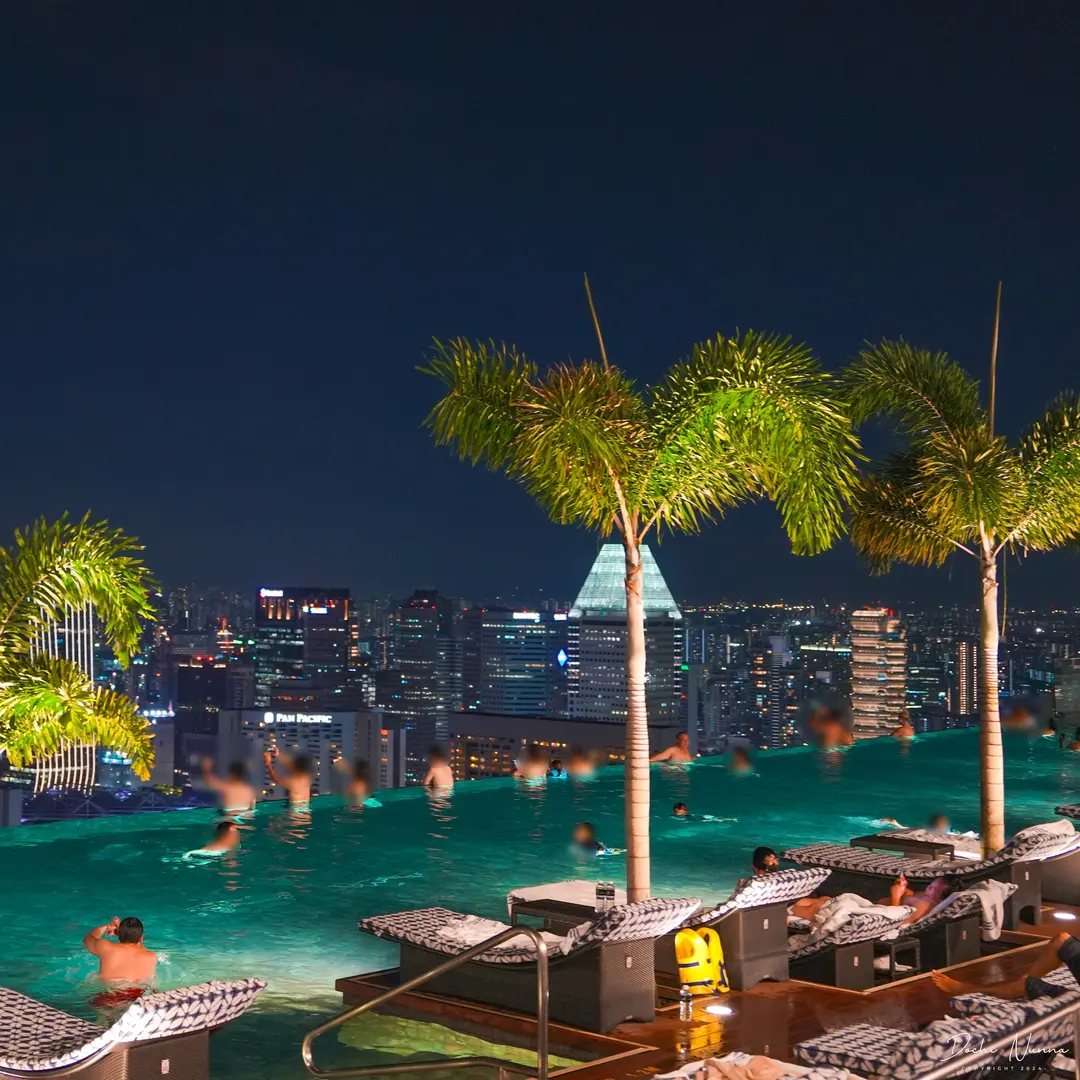
Marina Bay Sands Hotel Infinity Pool: Singapore Guide 2026
Dive into the world-famous Marina Bay Sands Infinity Pool! Discover why this iconic rooftop oasis offers unparalleled Singapore skyline views and an unforgettable stay.

Marina Bay Sands SkyPark Tickets 2026: Prices & Booking Guide
Planning your Singapore adventure? Ascend to the iconic Marina Bay Sands SkyPark Observation Deck for breathtaking panoramic views. Get the scoop on tickets, prices, and how to visit.

The Quay Hotel Singapore Review 2026: Value Superior Double
Singapore can be pricey, but The Quay Hotel offers amazing value! Dive into our 2026 review of their Superior Double room, exploring its prime location and budget-friendly comfort near Clarke Quay.

Disney Cruise Singapore Kids Clubs Guide 2026: Nursery, Oceaneer, Edge & Vibe
Planning a Disney Cruise from Singapore? Discover all the kids clubs: It's a Small World Nursery, Oceaneer Club, Edge, and Vibe! Learn age groups, activities, and must-know tips.

Disney Cruise Singapore Kids Club Review 2026: Age-Specific Fun
Discover how Disney Cruise Kids Clubs in Singapore cater to different ages! From the magical Oceaneer Club to the cool Edge hangout, find the perfect fit for your family's 2026 adventure.