

Shanghai Travel Checklist 2026: Alipay & eSIM Guide
Get ready for Shanghai with this essential travel checklist. Learn how to set up Alipay, navigate without Google, and stay connected with a 2026 eSIM.

While preparing for my trip to Shanghai,
"I heard Google doesn't work and credit cards aren't accepted?"
"What if I get lost over there,
or can't pay for anything?"
I'm sure you've worried about things like this at least once.
To be honest, this was my biggest concern
right up until the moment I boarded the plane.
"Is it really okay not to carry cash (Chinese Yuan)?"
I was incredibly anxious about it!

Especially since China, unlike many other countries,
revolves heavily around mobile payments
and their own unique digital ecosystem.
If you go there unprepared, you might find yourself
in some pretty frustrating and confusing situations.
But let me give you the bottom line first:
Alipay, Gaode Map (Amap), eSIM, and essential medicine.
As long as you prepare just these four things properly,
you'll have an incredibly smooth and comfortable trip to China.
Based on my own hands-on experience
exploring Shanghai,
I've put together a foolproof Shanghai packing and prep checklist
so that even first-timers can travel like a pro.
Alipay: Prep this even before your credit cards
The absolute first thing you need to set up for China
is your mobile payment method.
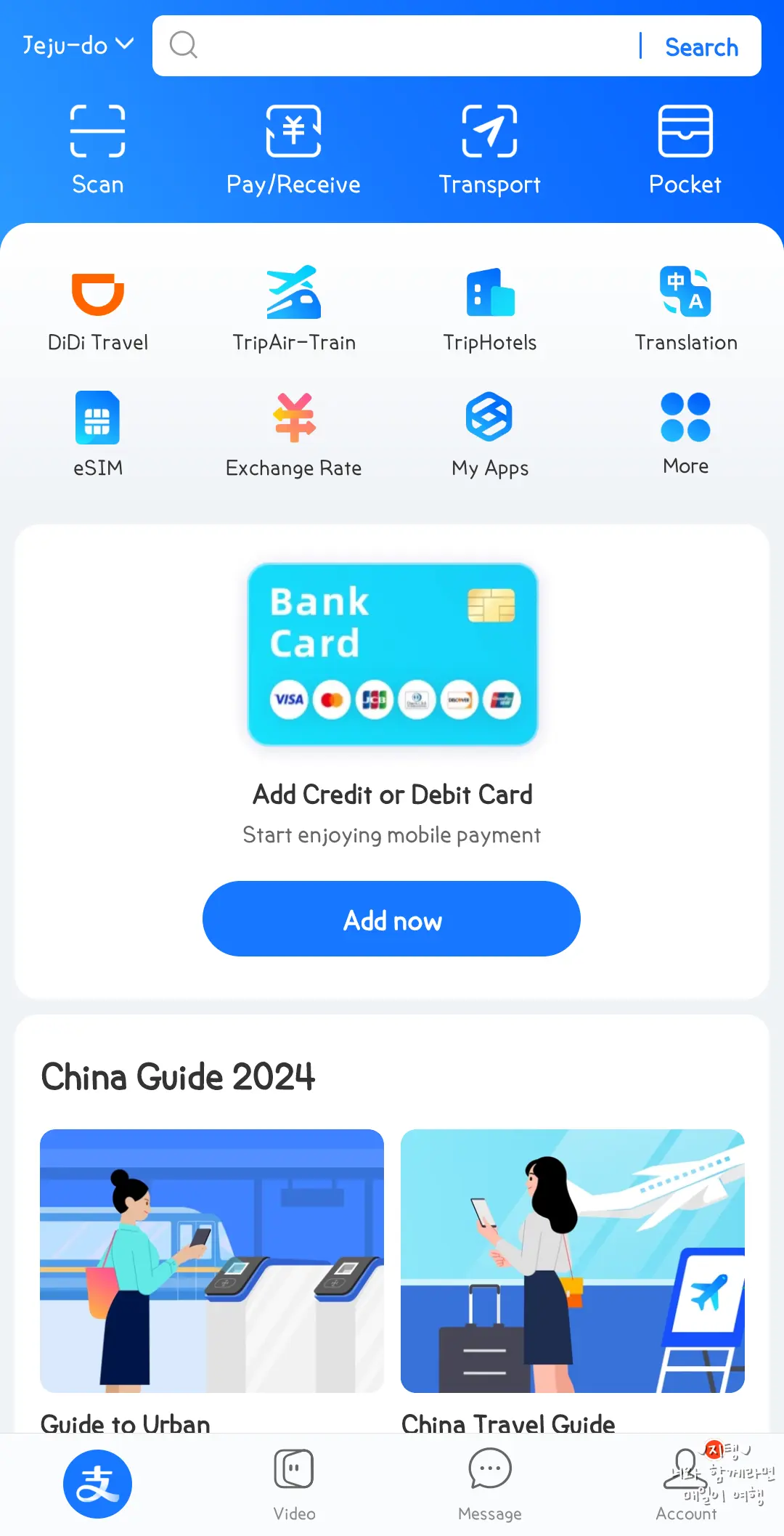
Alipay is practically mandatory
China has a nearly cashless economy,
where even tiny street food stalls prefer mobile scans over physical money.
Luckily, foreign travelers can easily link
their international credit cards to Alipay,
so I highly recommend getting this set up before you leave.
I downloaded Alipay and linked my card at home
before jetting off to Shanghai.
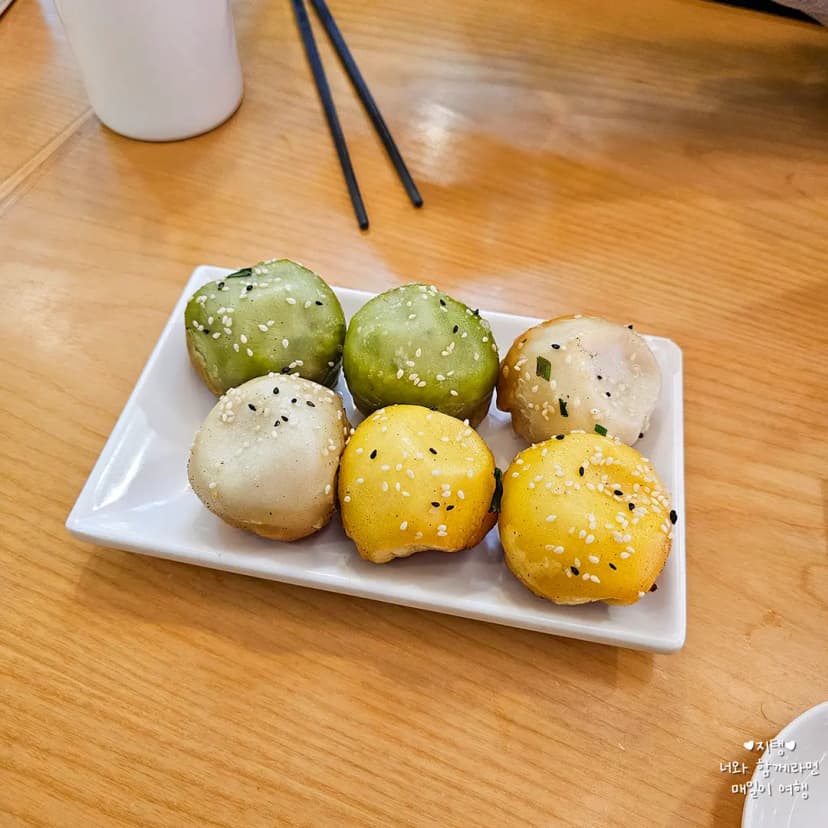
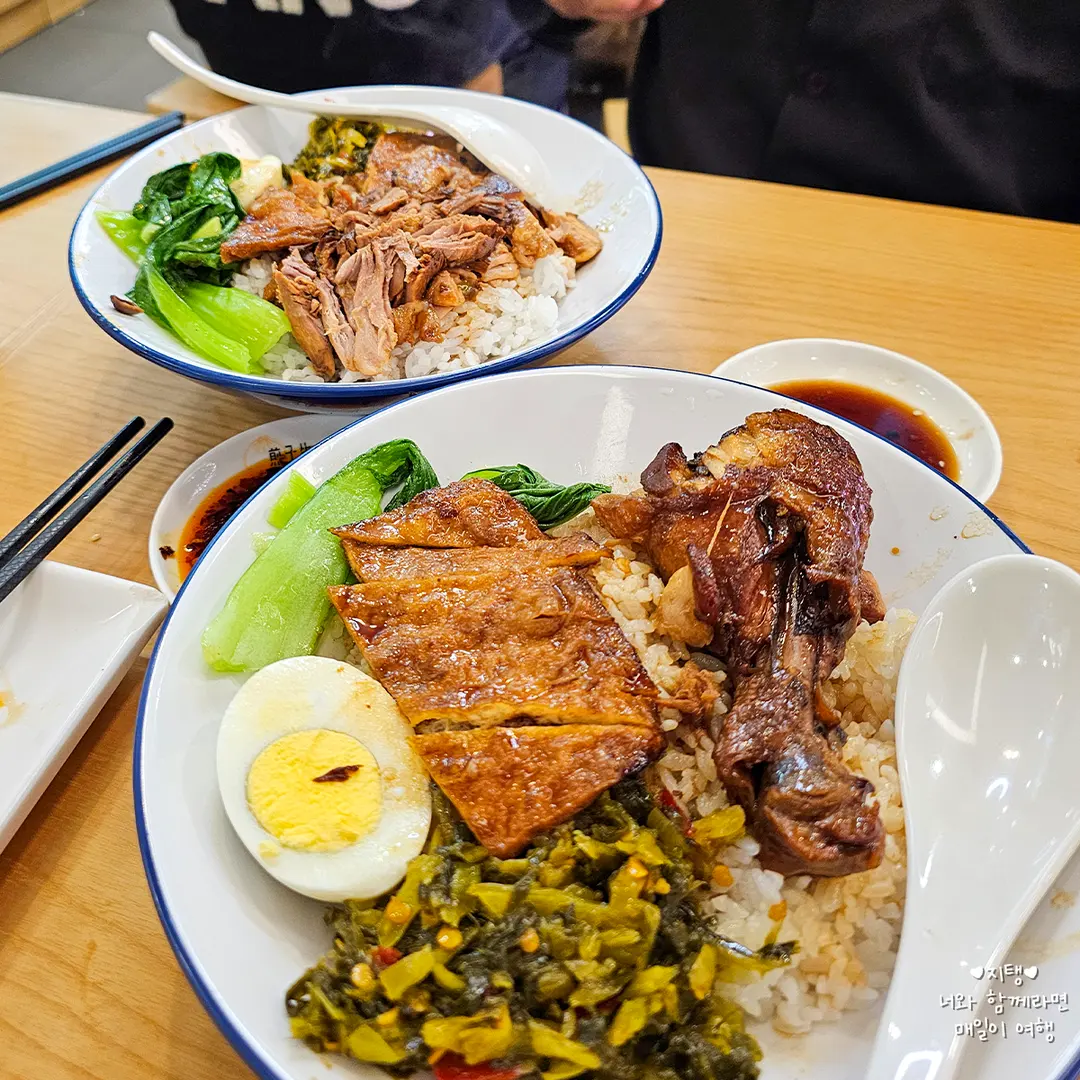

From local street-side dumpling shops to trendy cafes and massive shopping malls,
every single place I visited
accepted Alipay with zero issues.
I never had to pull out my physical wallet once—
as long as I had my phone, I could do absolutely everything.
The success of your Shanghai trip depends entirely on your internet connection.

That's why the absolute lifeline of a Shanghai trip
is having a fast, reliable internet connection.
Because even if you have Alipay installed
and your navigation maps downloaded,
they're completely useless without data.
The MVP of my Shanghai trip preparation
was, hands down, an eSIM.

China operates under a strict internet censorship system
known as the Great Firewall.
If you connect to local public Wi-Fi
or buy a standard Chinese SIM card,
the everyday apps we constantly rely on—like WhatsApp, Instagram, Google, and YouTube—
either won't work properly
or will be completely blocked.
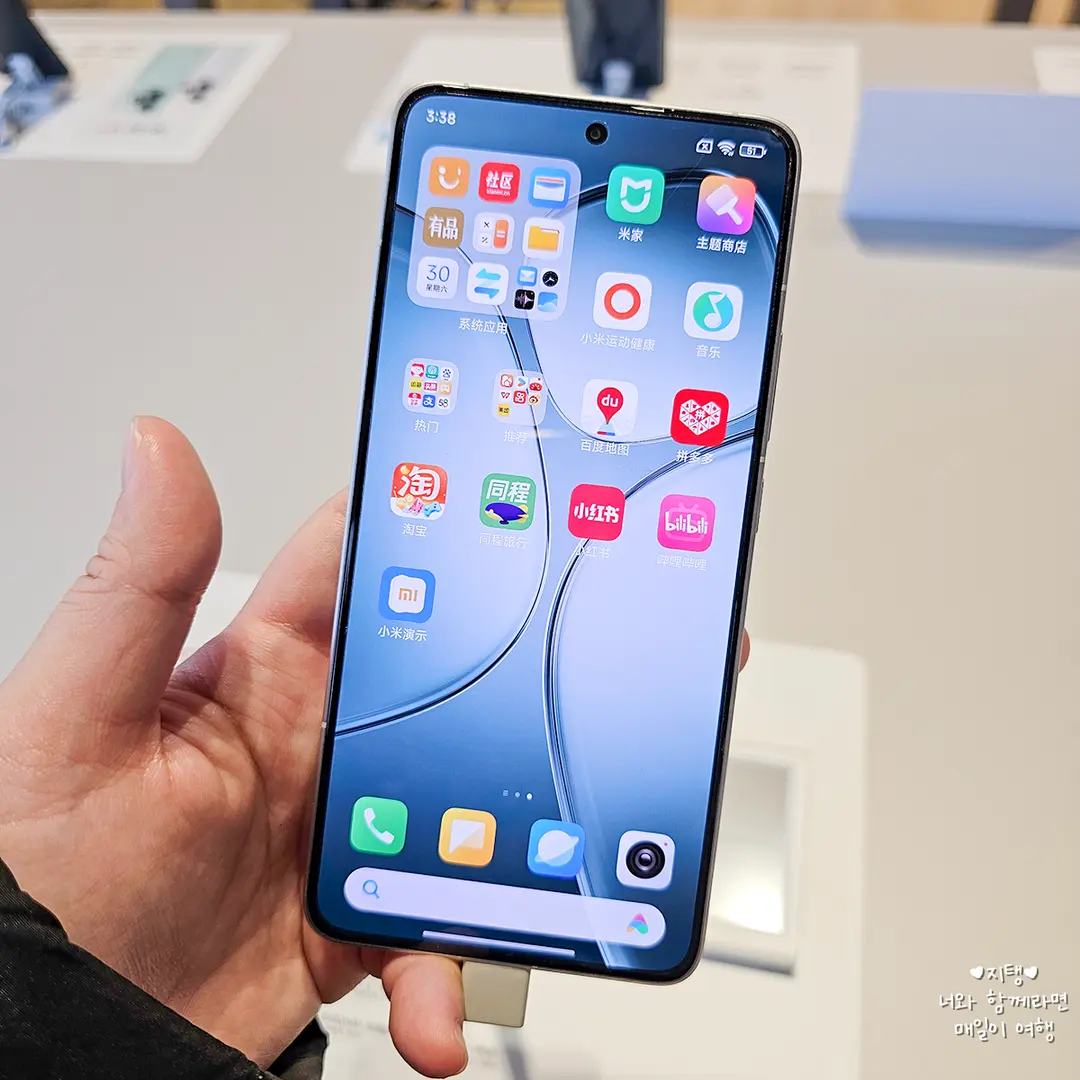
Using a VPN is an option, but it can be a major hassle.
At first, I thought, "Hey, why not just download a VPN?"
But after reading some travel reviews, I changed my mind.
So many people mentioned
that connections kept dropping,
they had to constantly reconnect as they moved around,
and their internet speed crawled to a snail's pace.
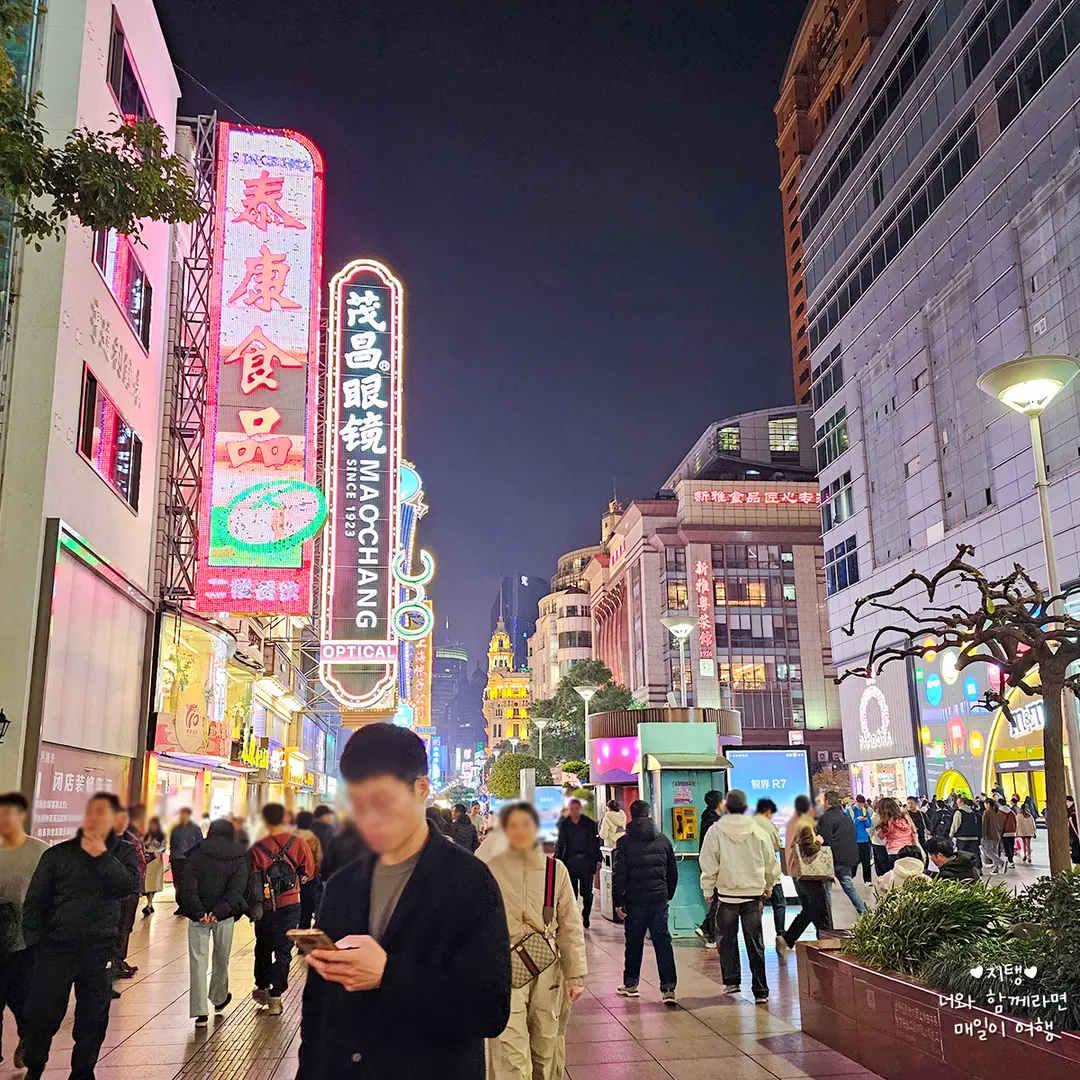
Especially when you're trying to look up directions
or hail a ride on the spot,
stressing over whether your VPN is connected or not
sounded like an absolute nightmare.
My choice? The Holafly China eSIM
That's why I went with the roaming-based China eSIM from Holafly,
which comes with built-in VPN-bypass capabilities.
I registered it on my phone using a QR code before departing.
The moment I touched down at Shanghai Pudong Airport,
I simply switched my cellular line over,
and boom—I was connected to high-speed internet instantly without any extra setup.
Looking back, this eSIM was truly
one of the absolute best things
I prepared for my Shanghai trip.
Not only did it keep my must-have travel apps—like Alipay, Gaode Map, and DiDi—running smoothly,
but it also allowed me to stay connected in every other way.
Sending photos via messaging apps,
searching on Google,
sharing updates on Instagram, and streaming YouTube videos—
everything worked flawlessly without a single hitch.
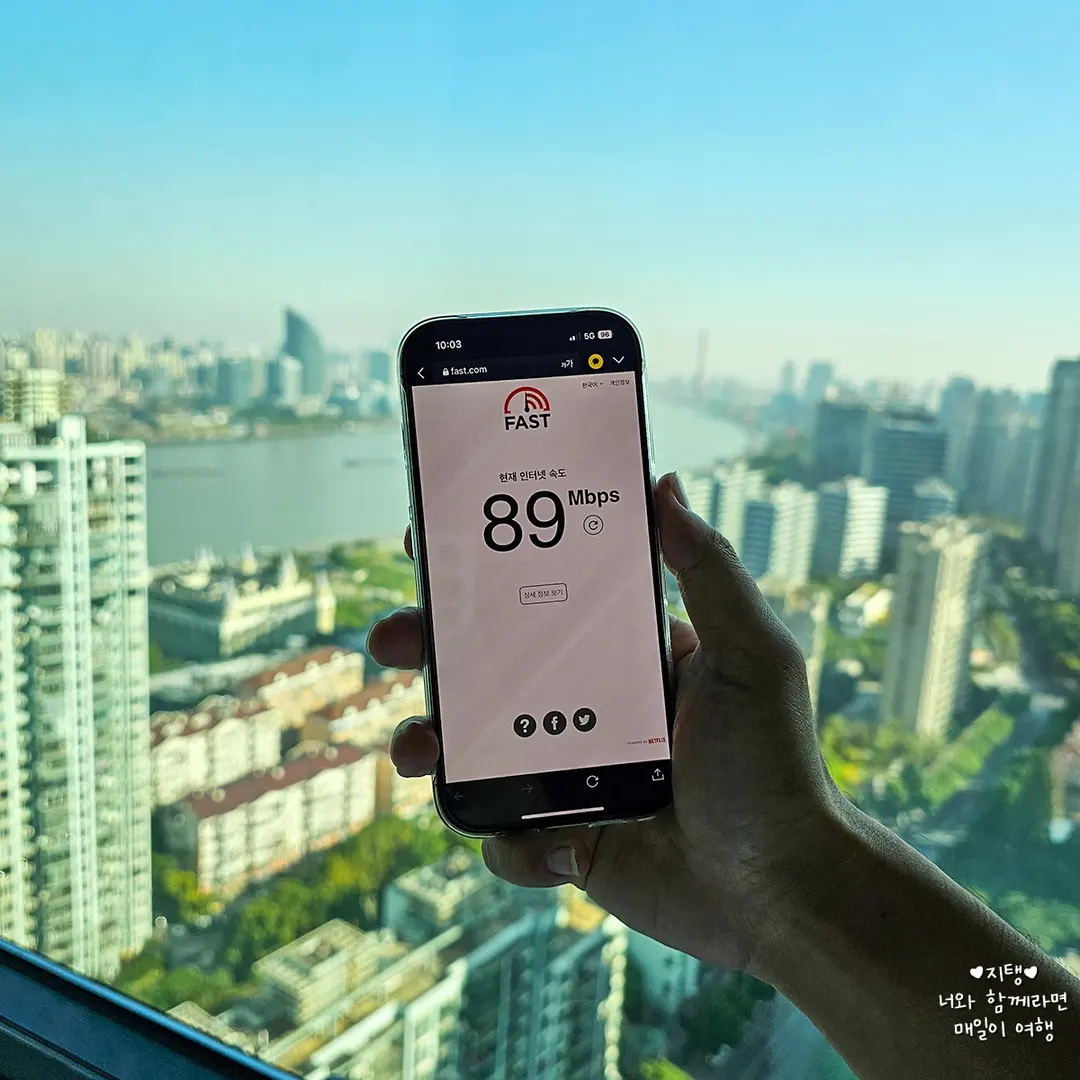
The data speed was super fast,
so I could stream YouTube seamlessly at the hotel,
and easily look up directions on the go in real time.
Best of all, not having to constantly toggle a VPN on and off
was the absolute best part of using Holafly's eSIM.
Why eSIM is Just Way More Convenient
If your phone supports eSIM,
I highly recommend going with an eSIM over a physical SIM card.
First off, you don't have to swap out physical SIM cards,
which means zero risk of losing your original SIM.
Plus, since your home number stays active,
you can still receive credit card verification texts and important calls.
Honestly, I think this is the very first thing
you should secure when prepping for a trip to Shanghai!
🔻Get 5% off and prep your China eSIM now!🔻
My choice? The Holafly China eSIM
Forget Google Maps—Get Gaode Map (Amap) Ready!
In China,
Google Maps is often highly inaccurate.
That's why it's best to download Gaode Map (Amap),
which is the go-to navigation app for locals.
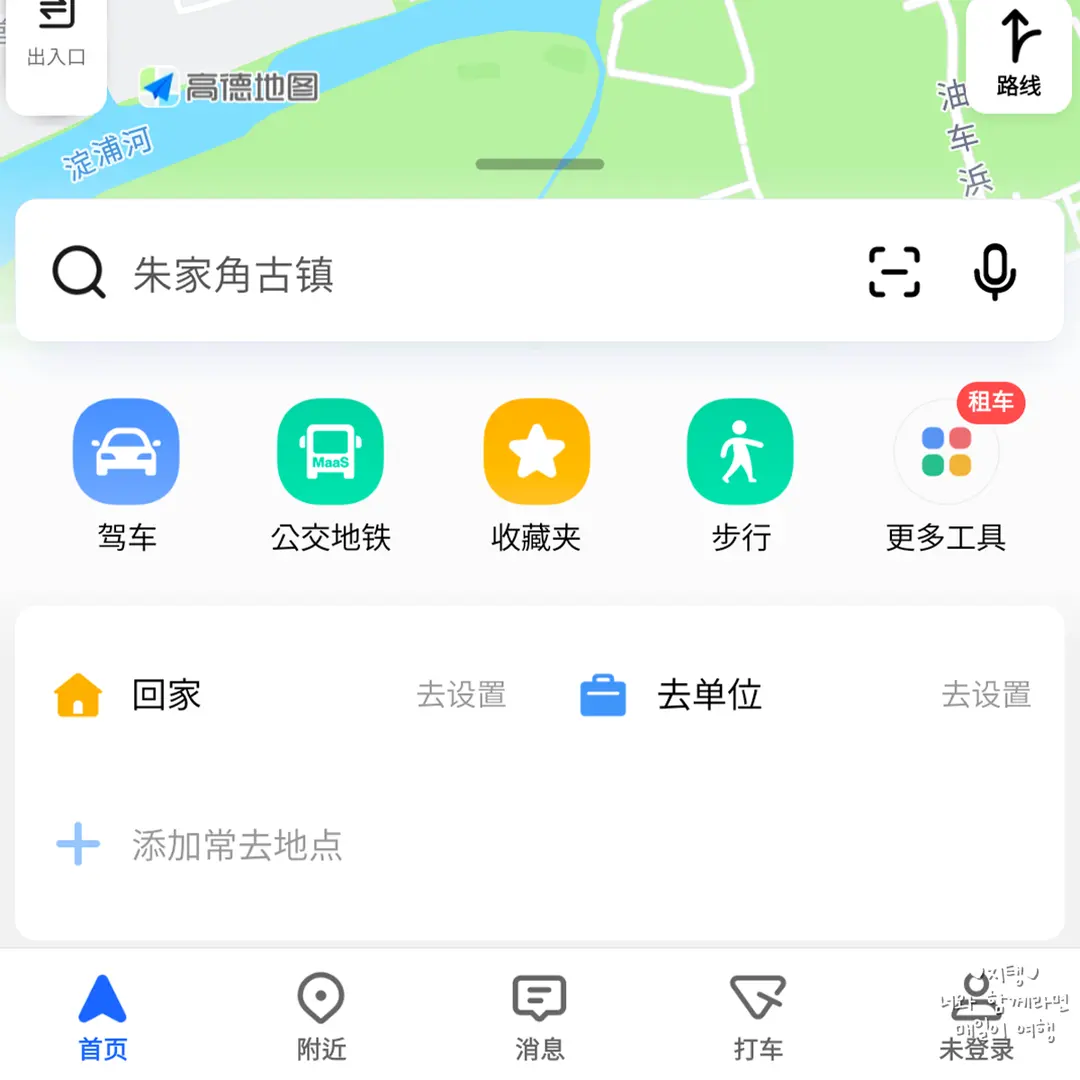
I was super worried at first because the interface is entirely in Chinese,
but because the icons for subway, walking, and bus are so intuitive,
I didn't have much trouble getting around at all.
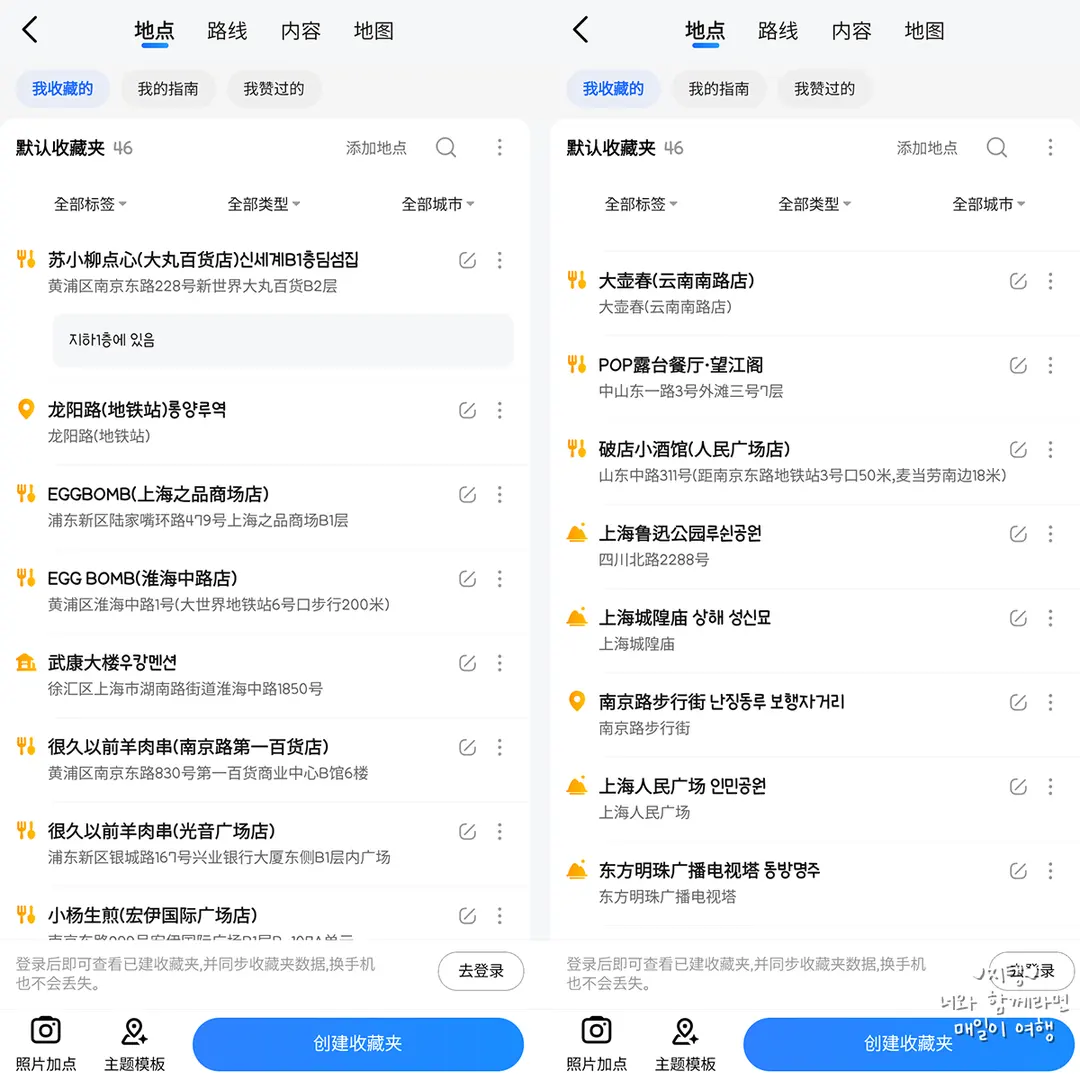
Also, a quick pro-tip before you fly out:
bookmark your hotel and main attractions like the Bund and Yu Garden
as favorites in advance.
It makes navigating on the go infinitely easier!
Over-the-Counter Meds: More Essential Than You Think
When traveling in China,
the food and water can sometimes throw your stomach for a loop.
Especially if you have a sensitive stomach,
I highly recommend packing a basic first-aid kit.
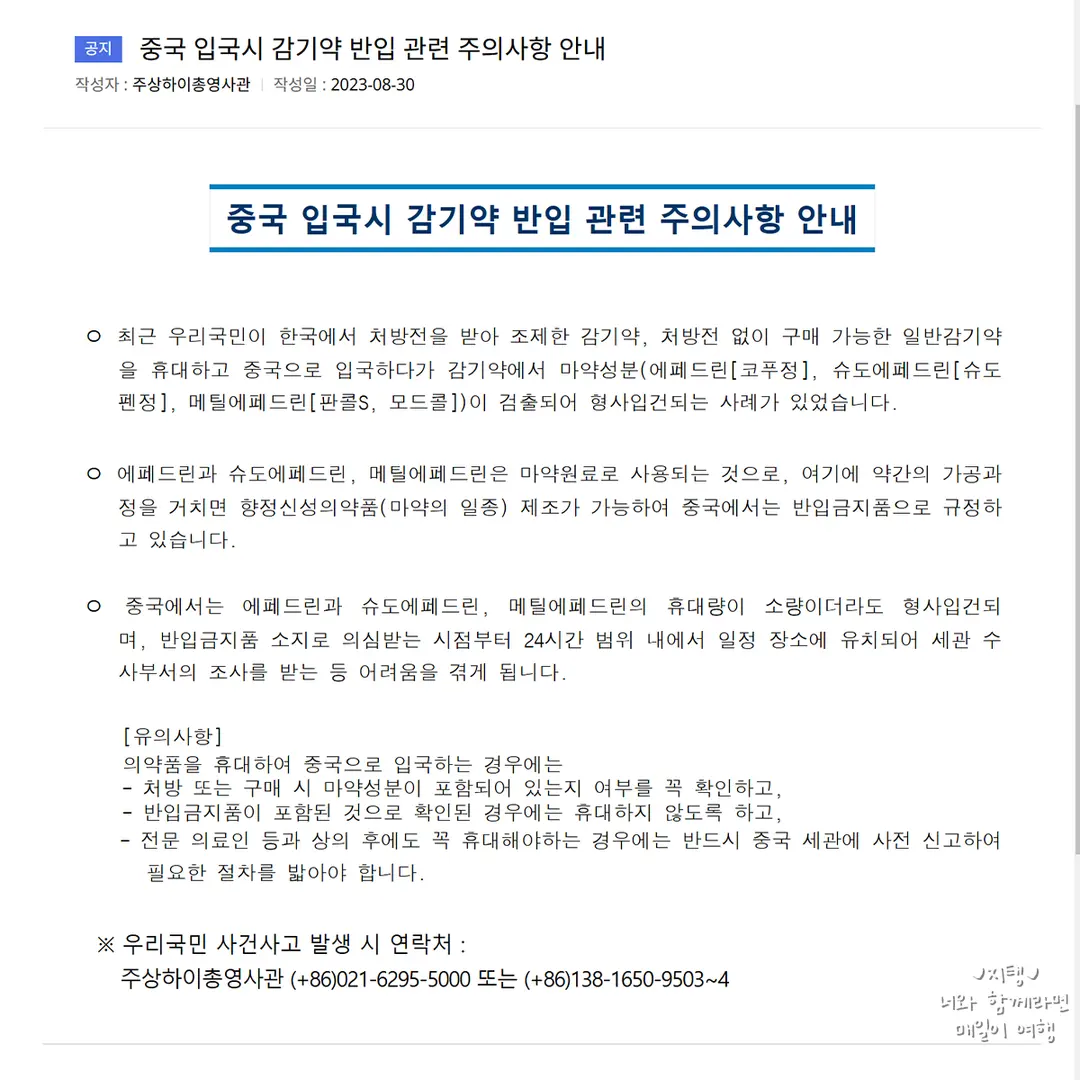
Check Your Cold Medicine Ingredients
Some common over-the-counter cold medicines
contain Pseudoephedrine.
This ingredient is strictly banned from entering China,
so you must absolutely not bring it with you.
That’s why before your trip,
it’s wise to consult with a pharmacist
to prep safe alternative medicines.
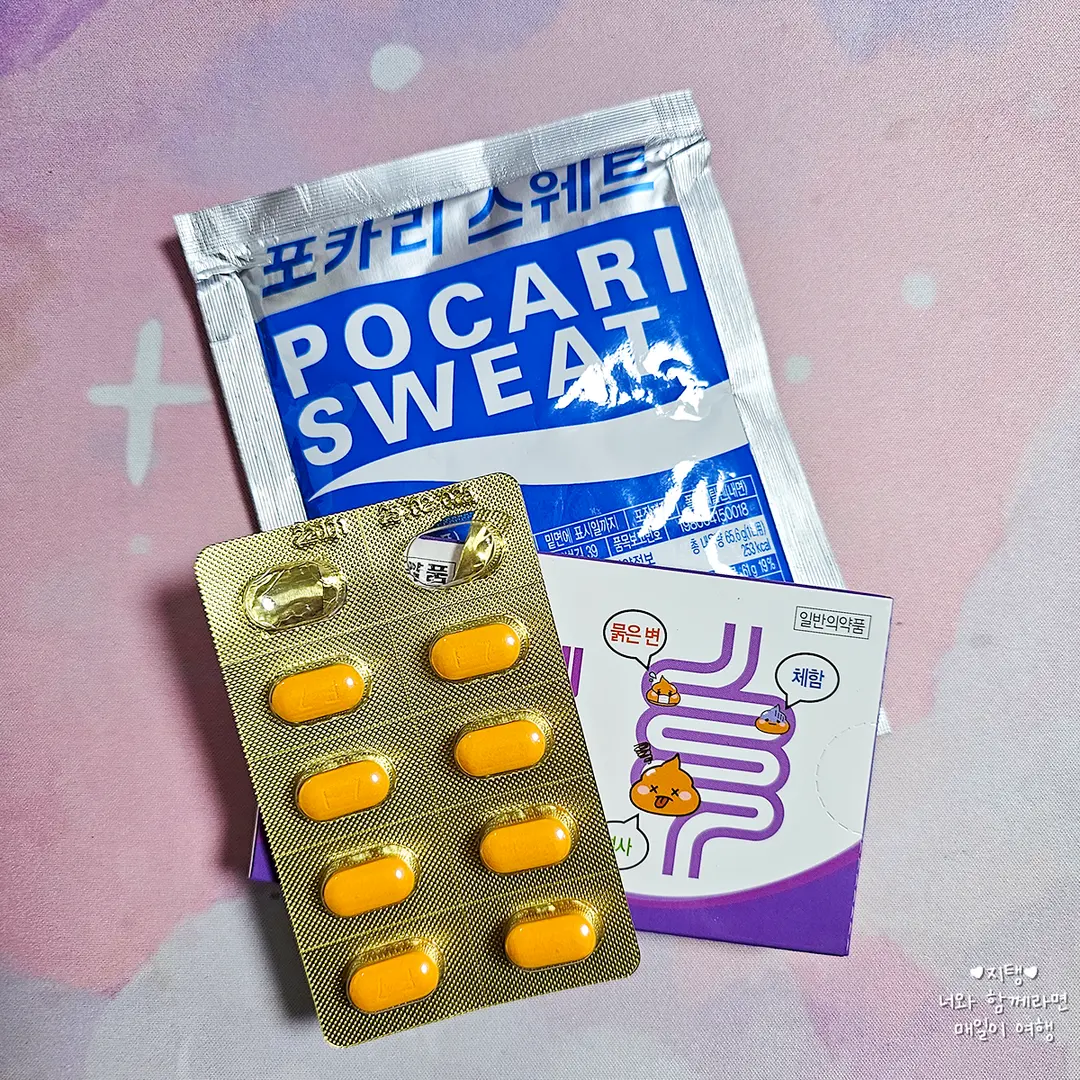
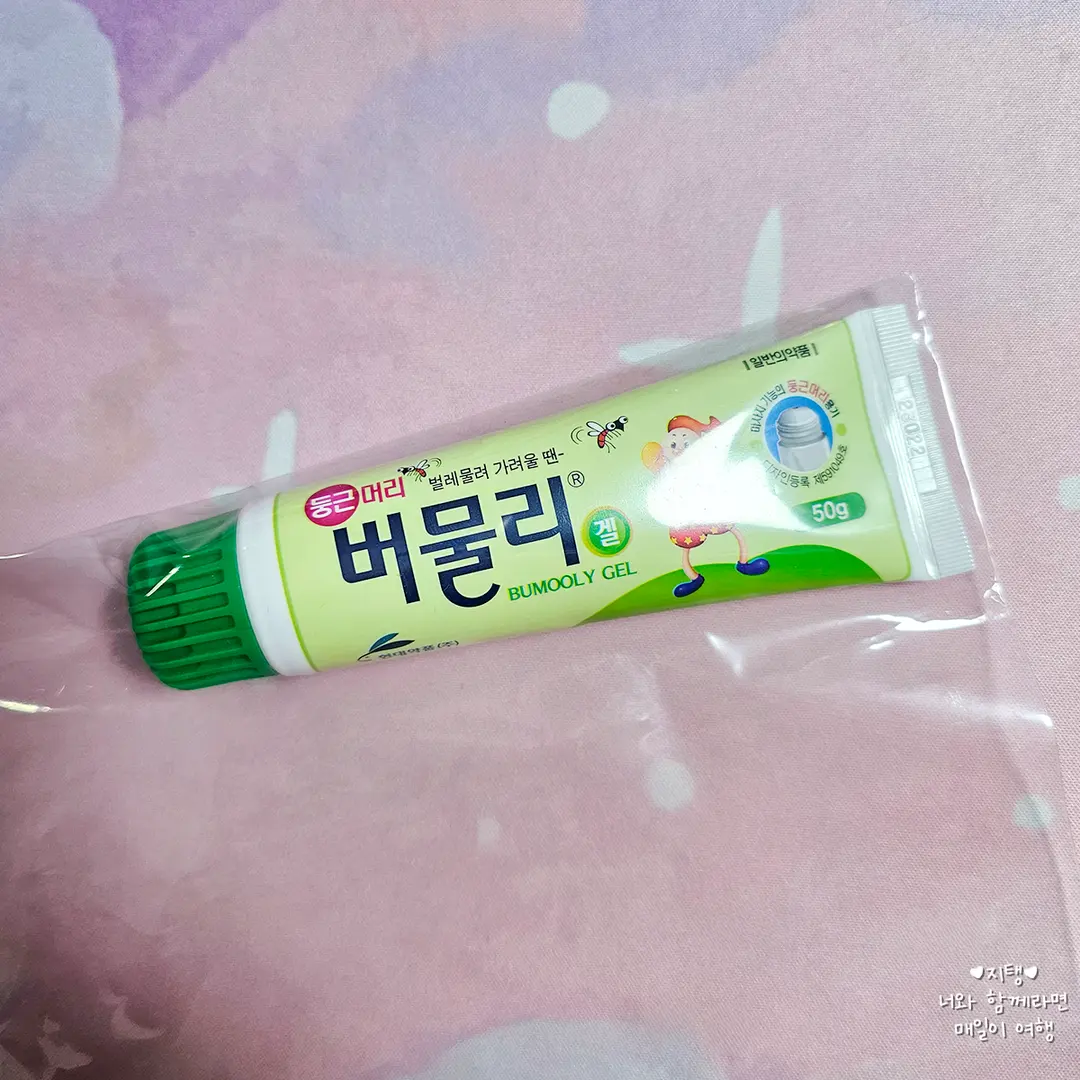
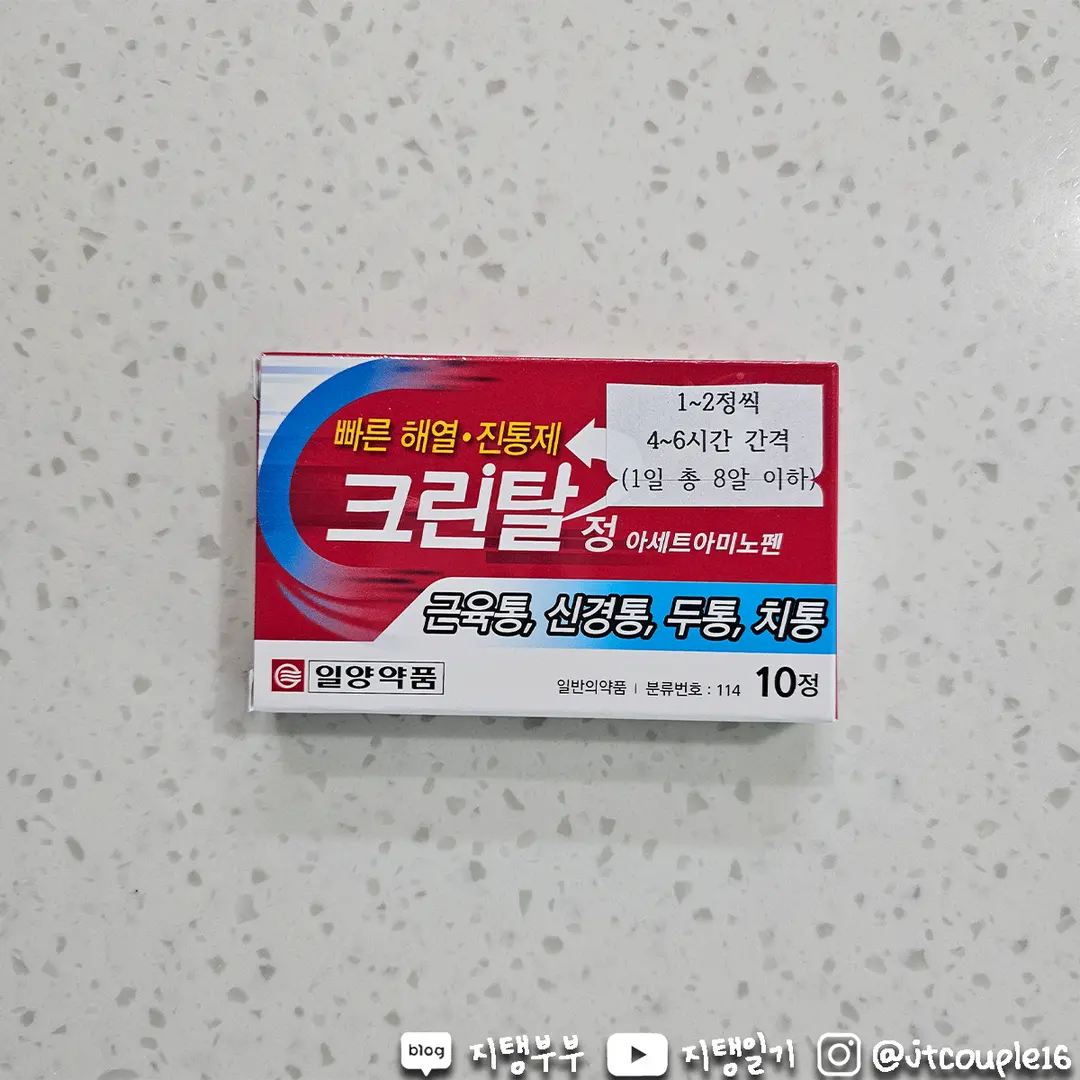
My personal stash of travel meds included
digestive aids, pain relievers/fever reducers, and bug bite cream.
And to prepare for all the rich, oily food,
I also made sure to pack anti-diarrheal pills
and powdered electrolyte drinks.
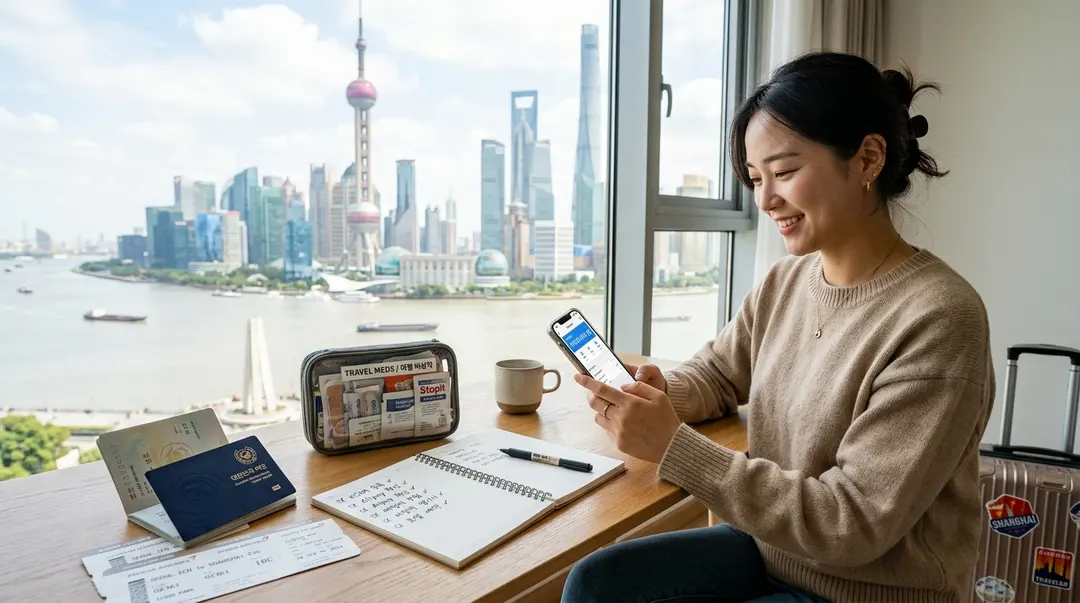
☑️ Alipay: You must link your cards before departure
☑️ Gaode Map: Pre-save your hotel and top attractions
☑️ The core of China travel: A stable, reliable internet connection
☑️ Want a smoother experience than VPNs? Prep an eSIM in advance
☑️ For sensitive stomachs: Don't forget digestive aids and anti-diarrheals
Now that I'm back from Shanghai,
the #1 thing I'm incredibly glad
I set up beforehand is my eSIM.
As long as you have a stable internet connection,
payments, navigation, translations, and hailing rides are all a breeze.
It literally solves everything.
So, if you’re heading to Shanghai for the first time,
I cannot recommend securing your eSIM enough
as your absolute top priority!
Frequently Asked Questions
Is it possible to pay street vendors in Shanghai using only Alipay instead of cash?
The use of cash is very low in China, and even street vendors prefer mobile payments. If you install Alipay and register your card in advance in Korea, you can pay without a wallet everywhere, including street dumpling stalls and shopping malls.
How can I access KakaoTalk and Google using a USIMSA China eSIM at Shanghai Pudong Airport?
You just need to register the eSIM in advance using a QR code before departure and switch your cellular line upon arriving at Shanghai Pudong Airport. Since it is roaming-based and includes a VPN bypass feature, you can use KakaoTalk, Google, and other services immediately without any complicated settings.
What preparations should I make before departure to more easily use Gaode Maps (Amap), which is in Chinese, while in Shanghai?
Although Gaode Maps is in Chinese, it is not difficult to use because icons for subways, walking, etc., are intuitive. If you save your accommodation and major tourist attractions like the Bund and Yu Garden to your favorites before departure, finding your way around locally will be much easier.
When preparing a first-aid kit for a trip to Shanghai, what cold medicine ingredient is prohibited from being brought into China?
Pseudoephedrine, an ingredient found in some comprehensive cold medicines in Korea, is prohibited from being brought into China. Therefore, you must consult a pharmacist before departure to prepare medication that does not contain this ingredient.
Share this article
Featured in Collections
Discover more travel stories curated around the same theme.

Related Travel Stories

Shanghai Disneyland Ticket Prices 2026: App & Top Rides
Planning a trip to Shanghai Disneyland in 2026? Discover essential tips on tickets, how to use the official app, and which rides are must-dos for an unforgettable experience.

Shanghai Disneyland Rides Review 2026: Best Attractions
Planning a trip to Shanghai Disneyland in 2026? Discover the best rides, from the thrilling TRON Lightcycle Power Run to the Seven Dwarfs Mine Train!

Shanghai Tower Ticket Prices 2026: Observatory Guide
Discover why the Shanghai Tower Observatory offers the absolute best skyline views in 2026. Learn tips on ticket booking, operating hours, and more!

Pudong Airport Lounge No.39 Review: Shanghai Transit Guide
Wondering how to spend your layover in Shanghai? Here is our honest review of Pudong Airport's First Class Lounge No.39, including how to actually find it.

Grand Central Hotel Shanghai Review 2026: 5-Star Value
Discover the Grand Central Hotel Shanghai, a 5-star gem located just one block from East Nanjing Road. Enjoy spacious rooms and luxury amenities for under $120!

Shanghai Ocean Aquarium 2026: Family Fun & Ticket Booking Guide
Planning a family trip to Shanghai in 2026? Explore the Shanghai Ocean Aquarium for an unforgettable experience with kids and learn how to book tickets easily!