

Kamnik St. Jacob Church: Discovering Jože Plečnik's Hidden Gem in Slovenia
Wander through Kamnik's charming streets and stumble upon the serene St. Jacob Church, a surprise masterpiece by renowned architect Jože Plečnik. Discover its captivating history and stunning interior.

Slovenia Travel Guide
St. Jacob's Church in Kamnik
© Text/Photos by Nomad Ssalmi
While wandering through the alleys of Kamnik village,
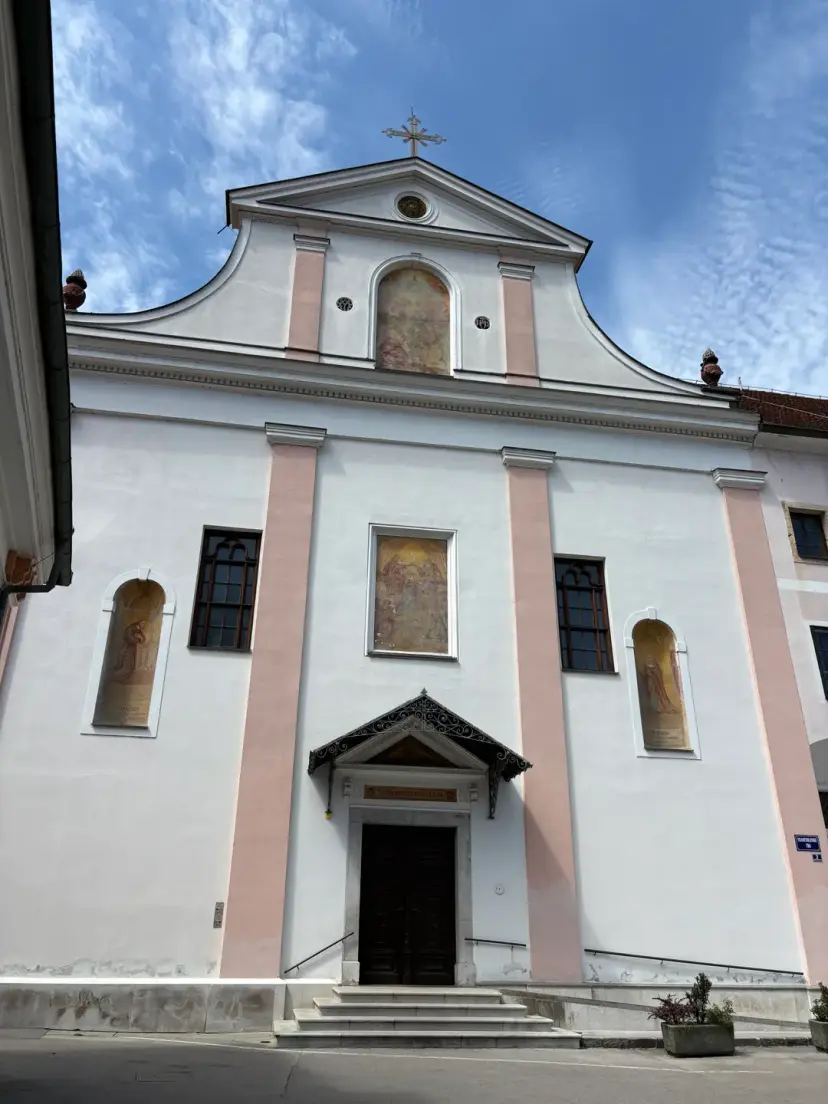
I stumbled upon a church with an elegant pastel pink exterior.
I went there without much prior information,
but it turned out to be a place steeped in history,
and what's more, it was home to a hidden masterpiece
by Slovenia's genius architect,
Jože Plečnik!
It was truly an amazing discovery.
Let me introduce you to St. Jacob's Church
(Frančiškanska cerkev svetega Jakoba).
Contents |
1. St. Jacob's Church: Essential Information |
2. A Glimpse into the Church's History |
3. Exploring the Church Interior |
4. Visitor Tips |
5. Final Thoughts |
1. St. Jacob's Church: Essential Information
Basic Information | |
Name | St. Jacob's Church and Franciscan Monastery |
Address | Frančiškanski trg 2, 1241 Kamnik, Slovenia |
Location | Old Town alleys of Kamnik |
Operating Hours | Daily 07:00 - 19:00 |
Closed | None |
Admission Fee | Free |
Special Features | Adjacent to the monastery library, home to approximately 10,000 antique books |
Just by looking at the exterior of St. Jacob's Church,
you might get a sense of its simple and neat appearance, right?
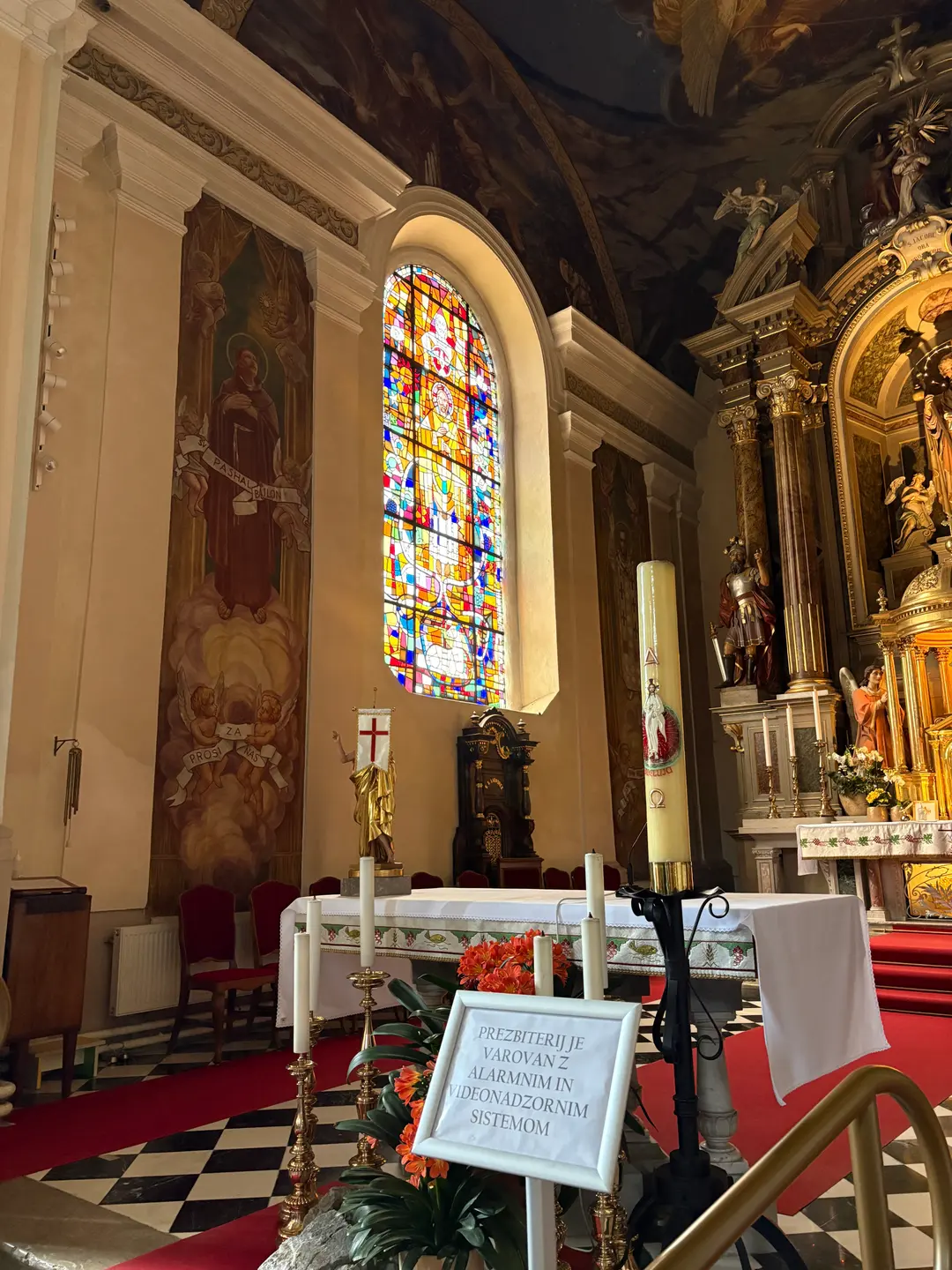
However, the interior offers a completely different experience.
I walked in without much expectation,
but it was so magnificent that I spent a long time exploring it.
There are also informative signs everywhere,
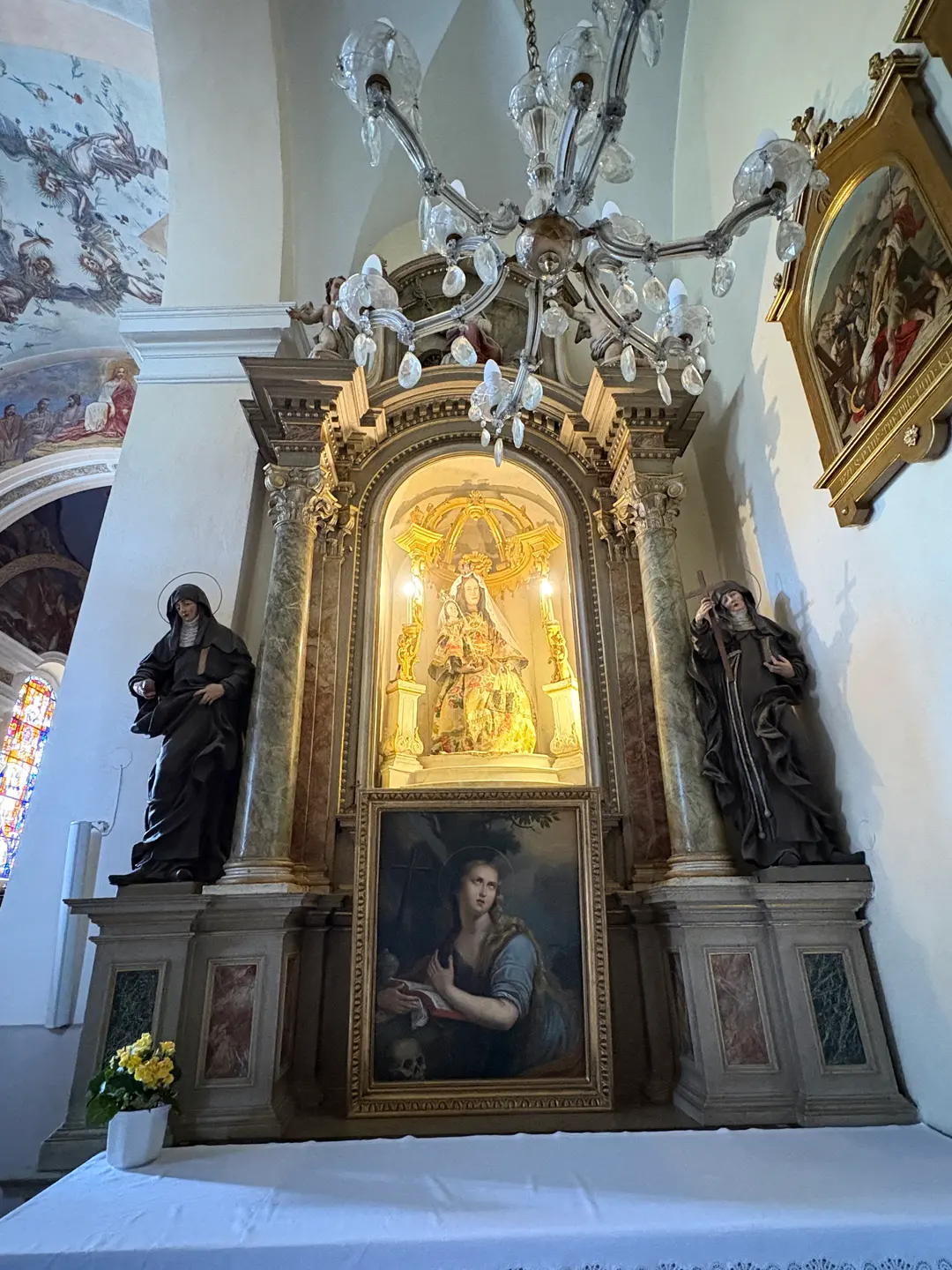
and so many fascinating things to see in every nook and cranny!
I'll tell you more about it in detail below.
2. A Glimpse into the Church's History

St. Jacob's Church
is a venerable old church, first mentioned in historical records in 1423,
and it actually existed even before the Franciscan friars arrived in 1474.
Throughout its long history, it has weathered many storms.
During the Reformation in 1538, for example,
the monastery even faced the threat of dissolution.
Later, between 1695 and 1703,
with the help of a most generous patron named Jakob Schell von Schellenburga,
it was splendidly rebuilt into its present beautiful Baroque style.
During World War II,
it also held a sorrowful history, having been used as a prison by the Nazi secret police.
It wasn't until 1991 that the last civilian families moved out,
allowing the monastery to fully regain its original form.
After extensive renovations,
it has now achieved its peaceful appearance, as you see it today.
3. Exploring the Church Interior
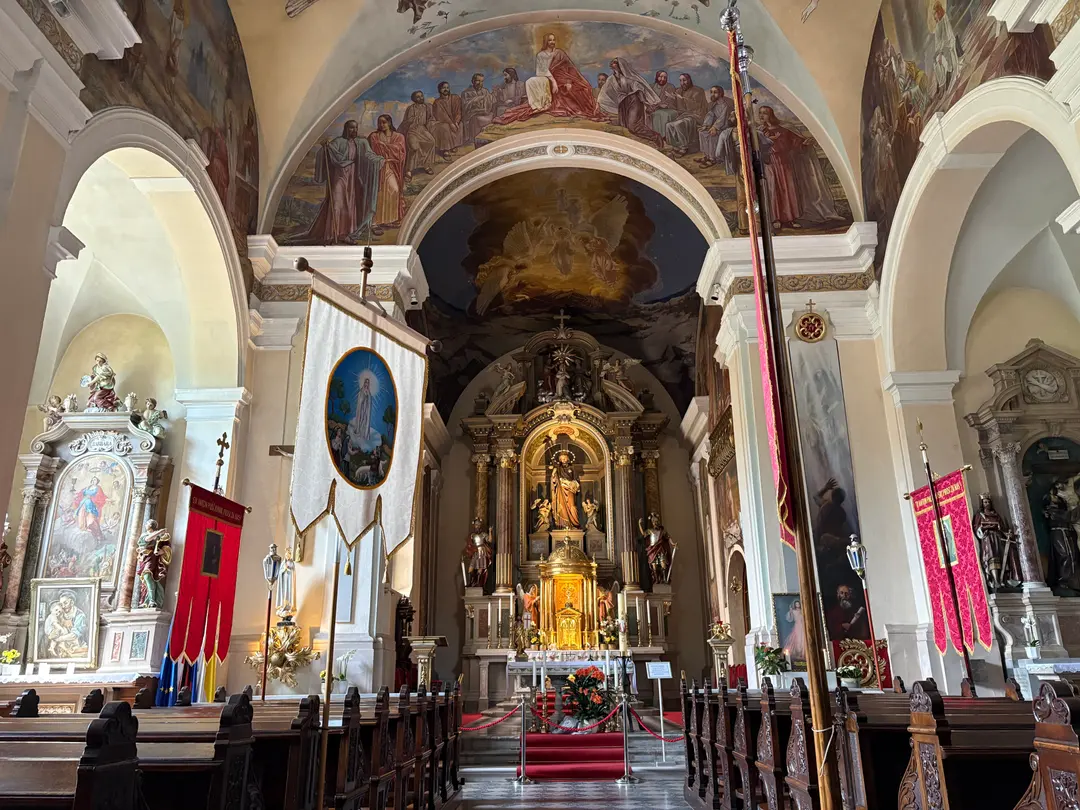
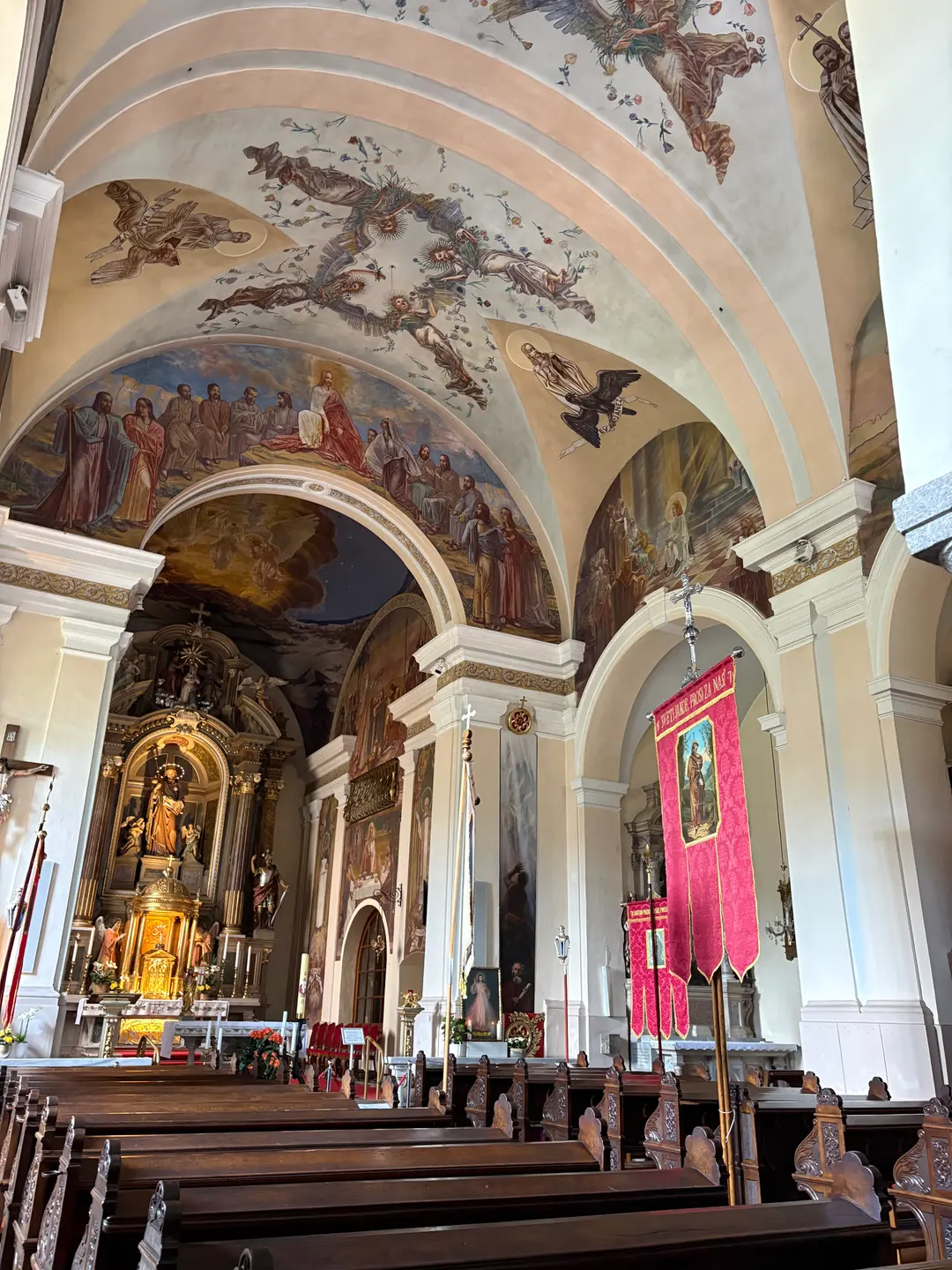
The moment I stepped inside the church,
I was truly astonished by the checkered floor,
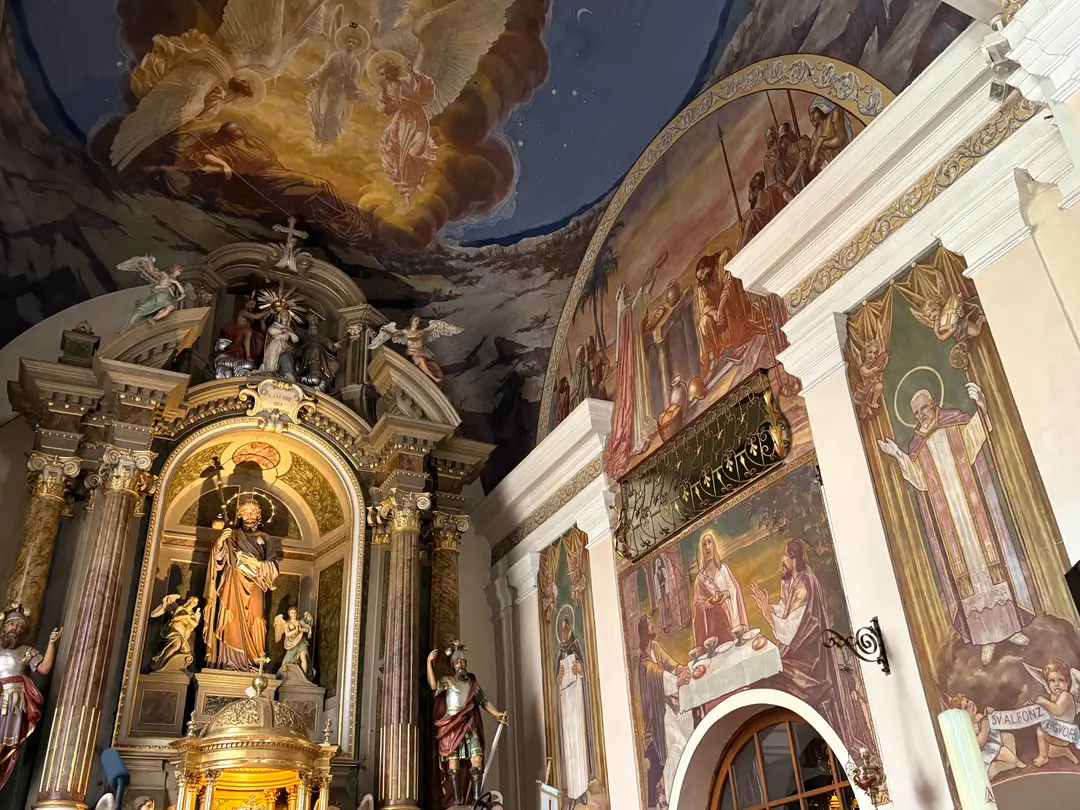
the golden main altar that completely filled the front,
and the magnificent frescoes adorning the ceiling.
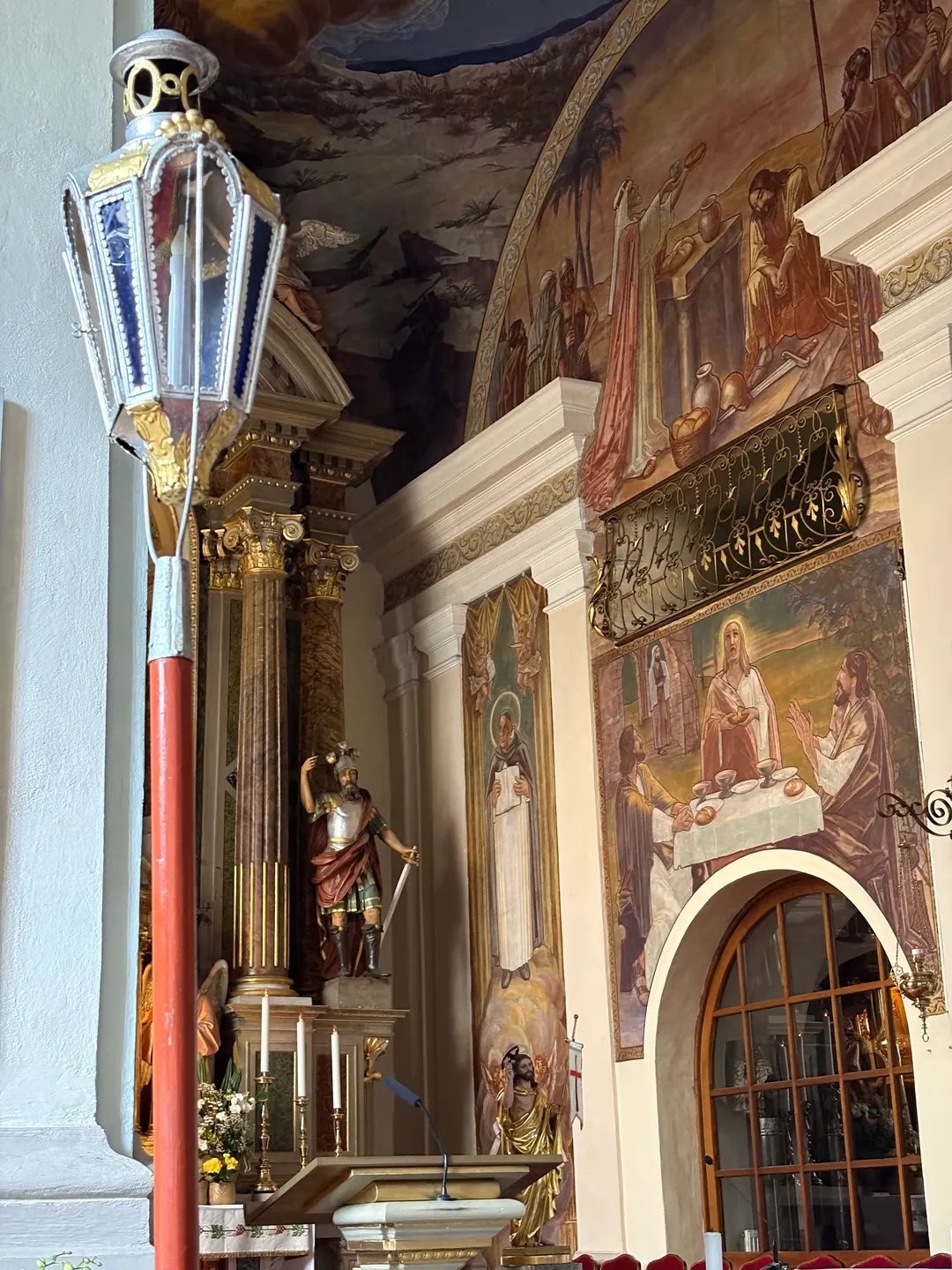
It was a dazzling interior, completely unimaginable from its exterior.
Here, I could truly feel the essence of Baroque art—both reverent and grand.
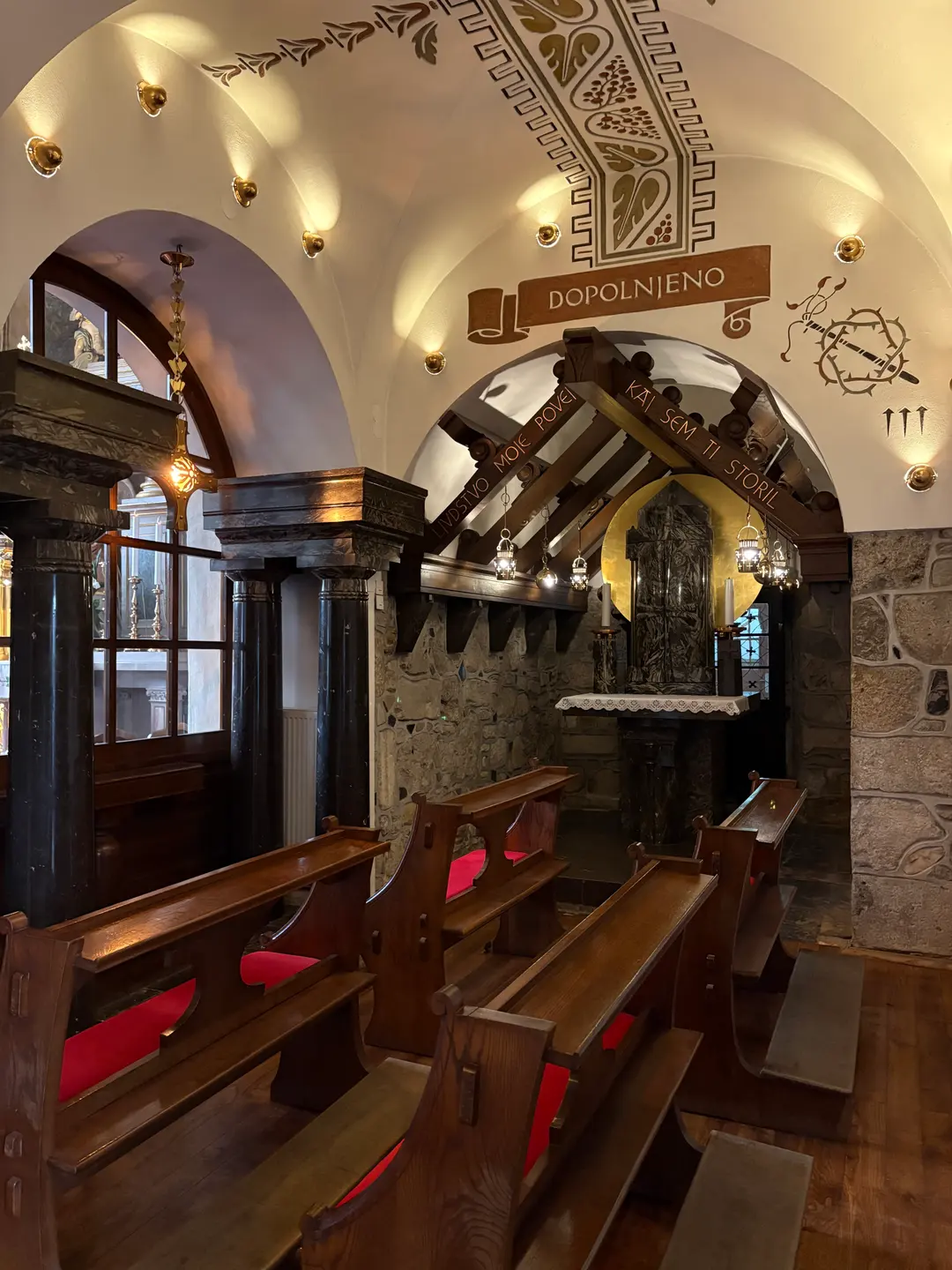
But the absolute heart of this church,
quietly hidden away in a corner of the cathedral,
is the Chapel of the Holy Sepulchre (Kapela Božjega groba).
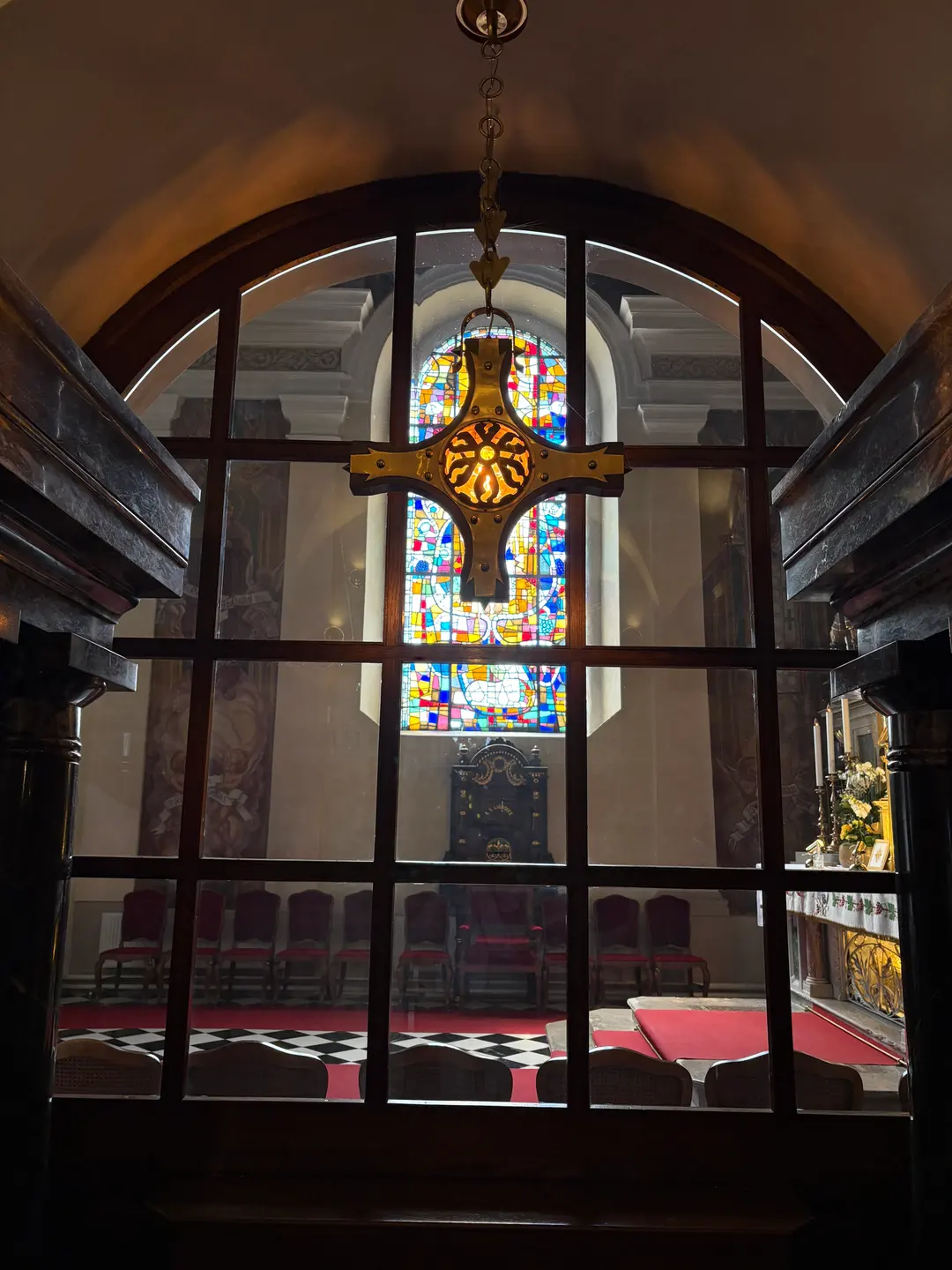
This chapel is one of the final masterpieces by the acclaimed Slovenian national architect,
the visionary who designed the capital city of Ljubljana,
the master Jože Plečnik.
He poured his heart and soul into creating it for Kamnik in his later years,
and it's said to be one of his last great works.
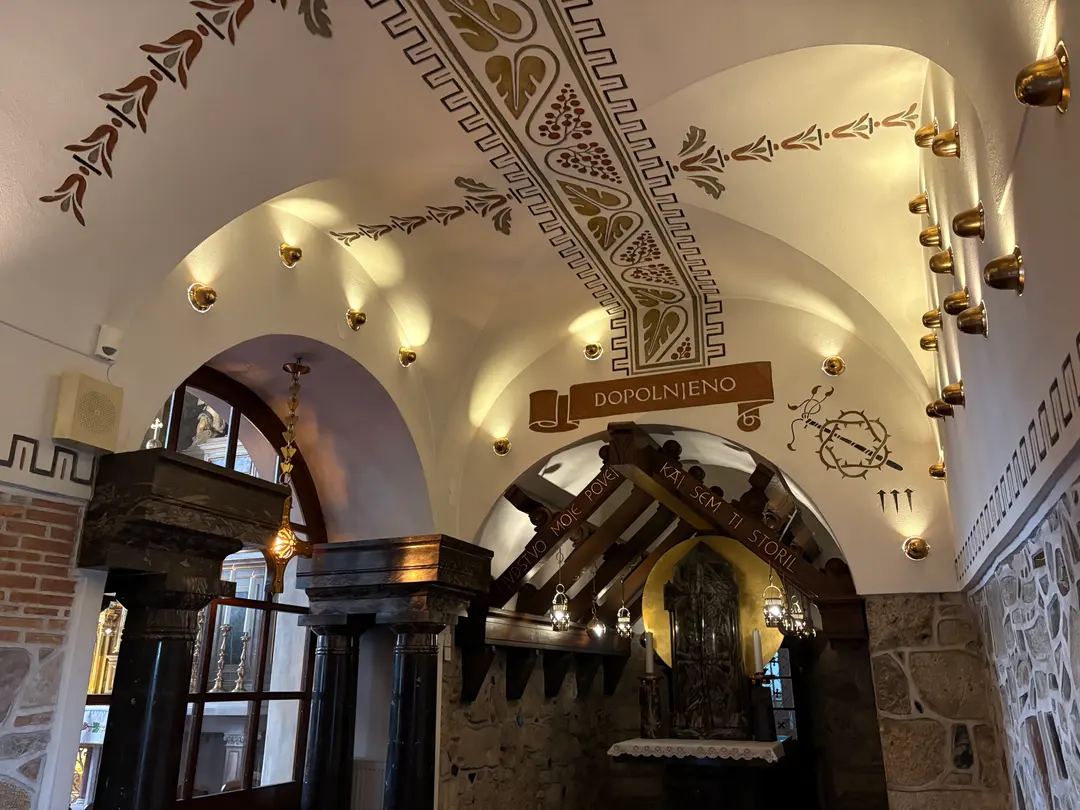
✔️ The Tent-Shaped Ceiling
The ceiling is adorned with a border resembling textile decorations,
creating a unique and cozy atmosphere.
The grapevines embroidered across the ceiling
are said to symbolize Christ.
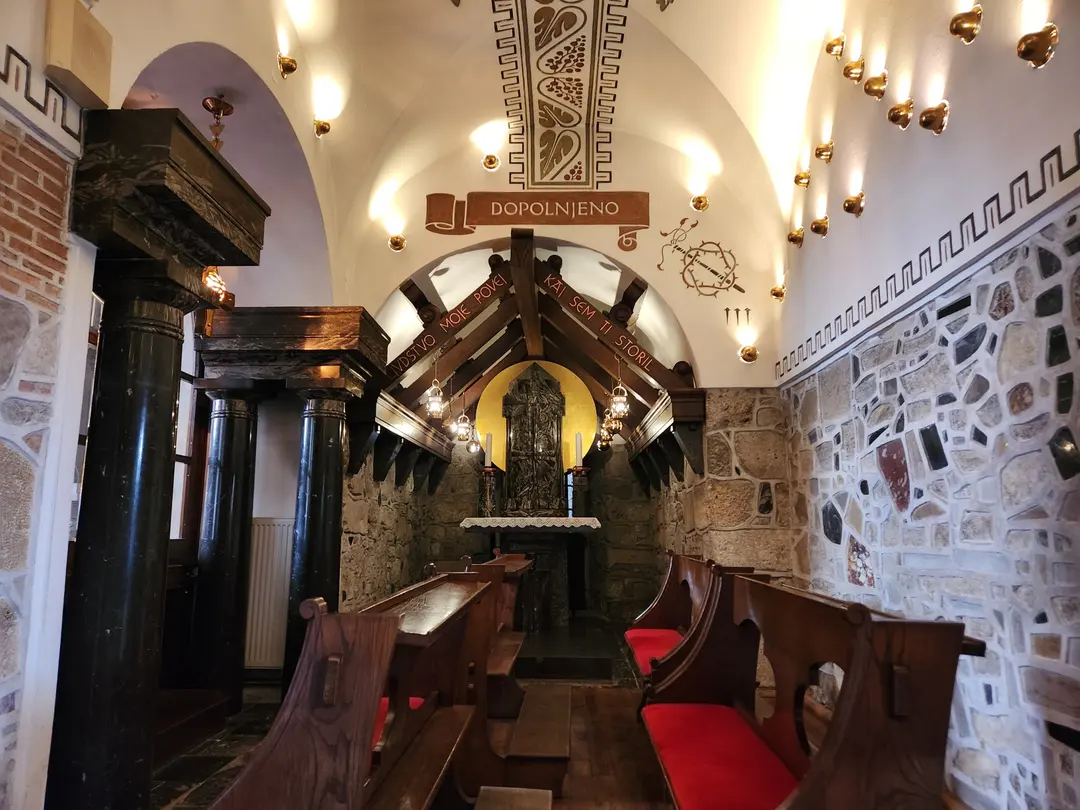
✔️ DOPOLNJENO (It is Finished)
Above the arch on the chapel's facade,
the word 'DOPOLNJENO' is clearly inscribed in Slovenian.
This word signifies Jesus's last words on the cross,
"It is finished (consummatum est)".
The lights on the walls represent the stars of the night sky.
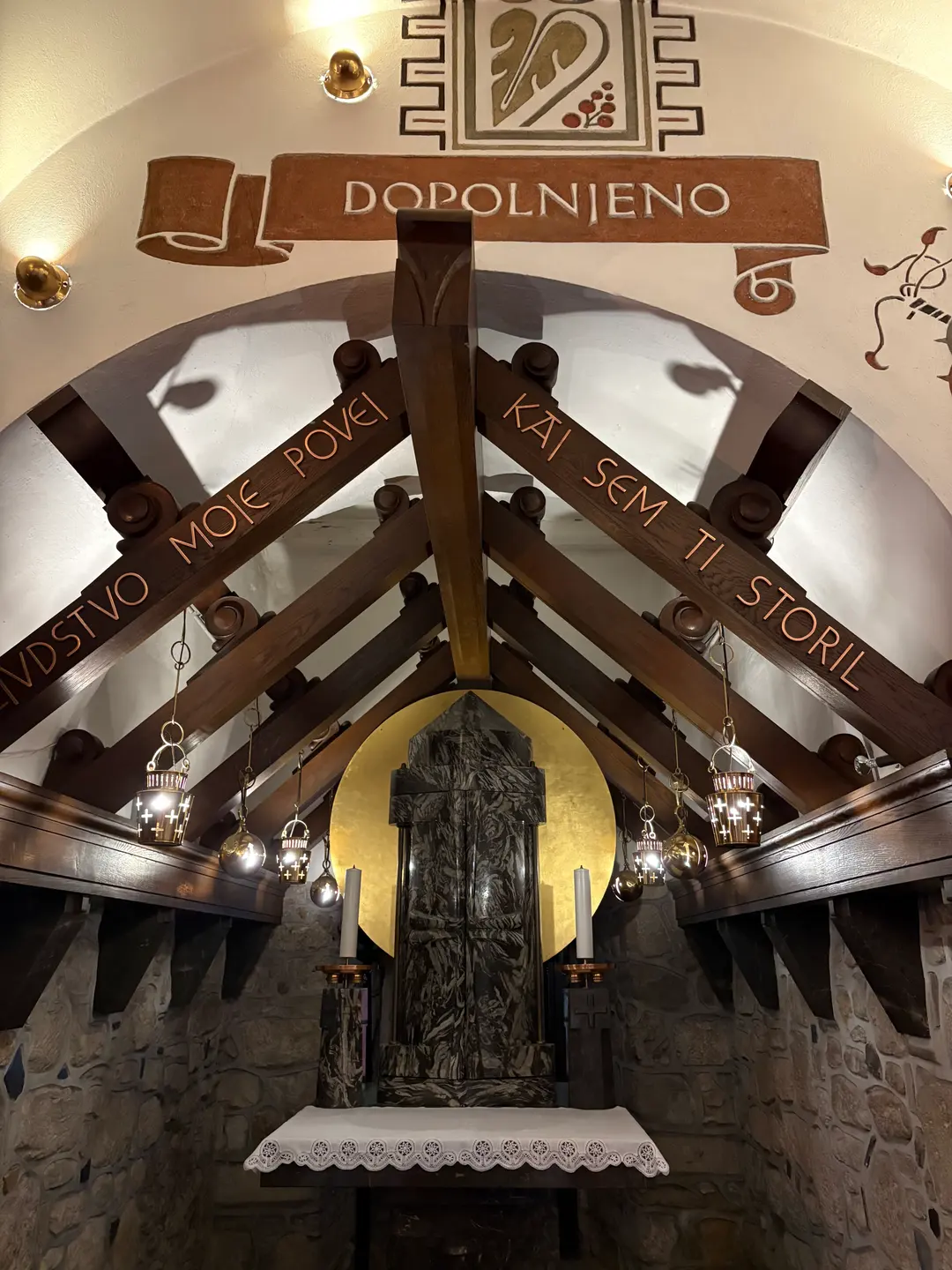
✔️ The Rock Tomb and Golden Sun
Carved from a single, massive stone,
it is said to symbolize Jesus's rock tomb.
Behind it, a large golden circle
symbolizes the brilliant morning sun on the day of his resurrection, breaking through the tomb.
Isn't the level of detail absolutely incredible?
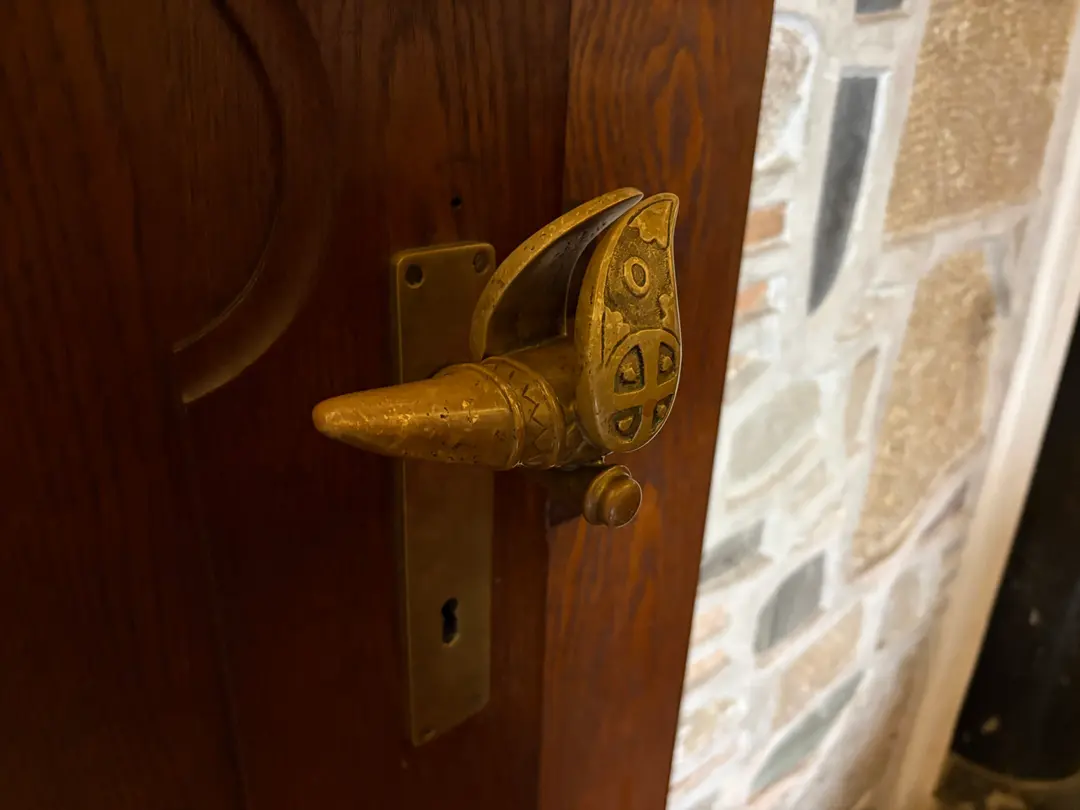
✔️ The Bird-Shaped Handle
Even the unique brass handle on the chapel door
was personally designed by Plečnik himself,
combining a charming bird shape with a cross motif.
It's a place where you truly don't want to miss a single detail!
4. Visitor Tips
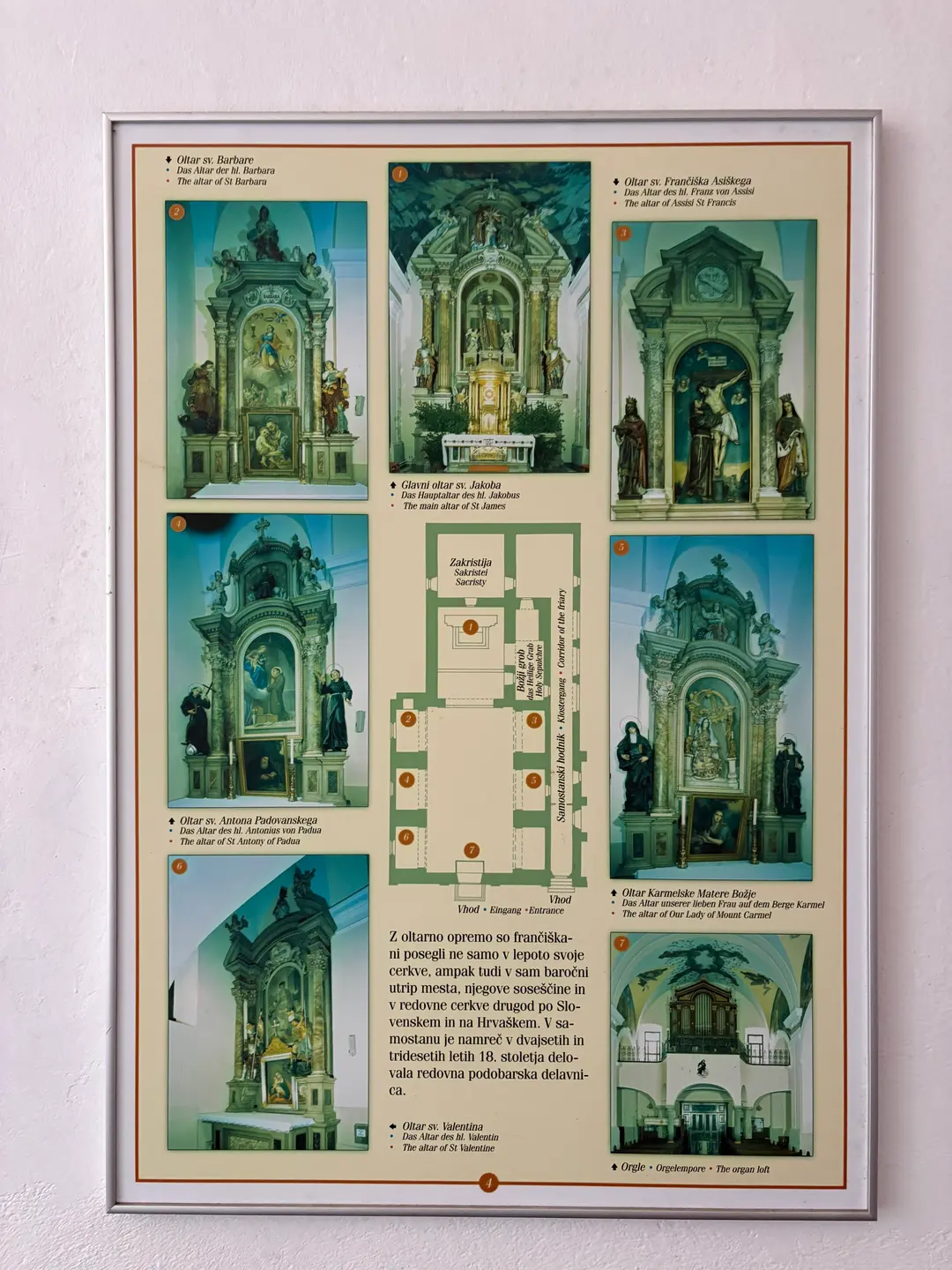
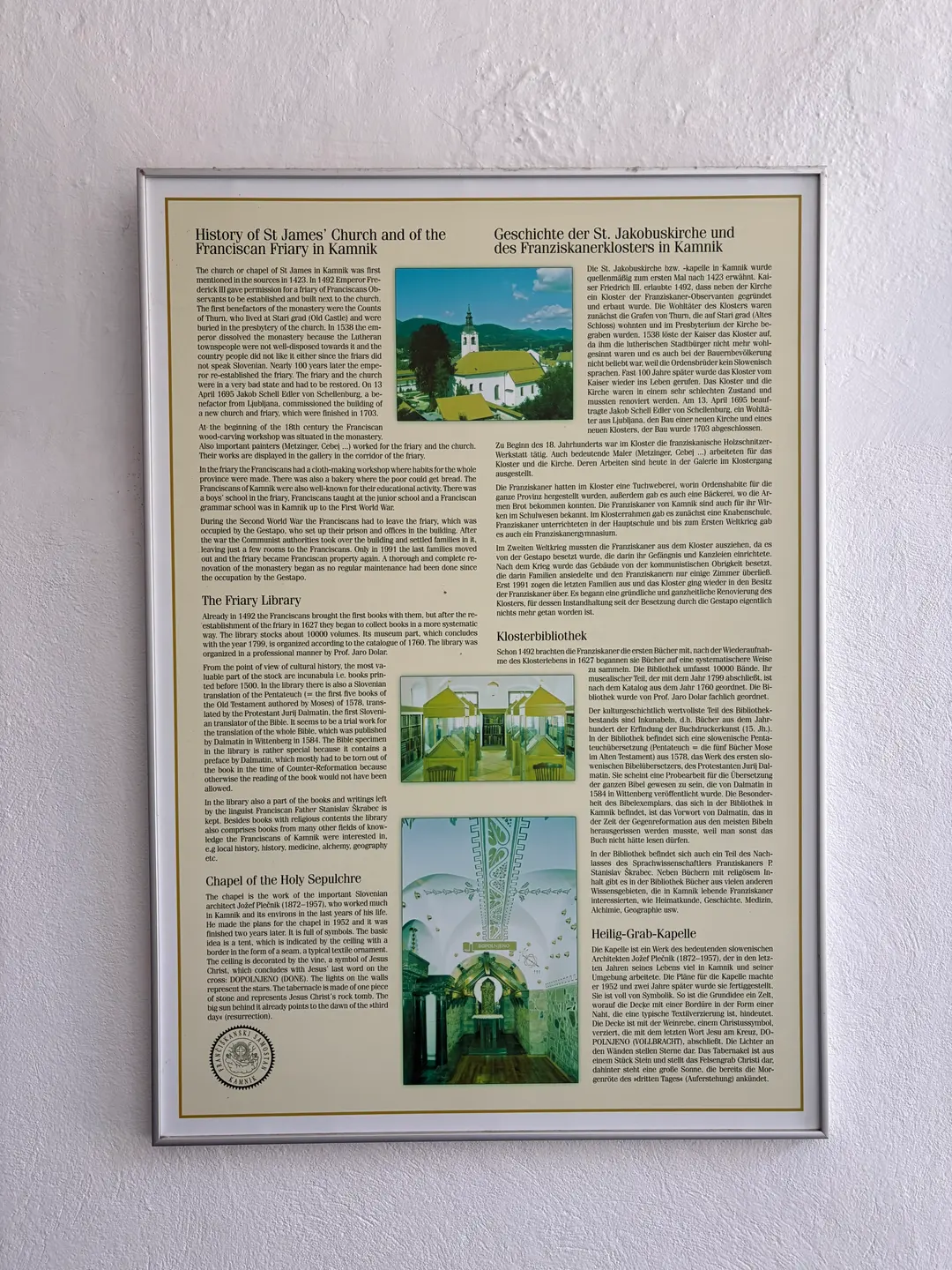
✔️ Don't Miss the Details
Near the entrance of the church,
you'll find a very detailed information board in English, Slovenian, and German.
It beautifully explains the interior structure of Jože Plečnik's chapel,
even down to the design of the door handles,
with photos to guide you.
So, whether you read it before or after you go in,
I highly recommend taking the time to read it thoroughly!
After all, the more you know, the more you see! 😉
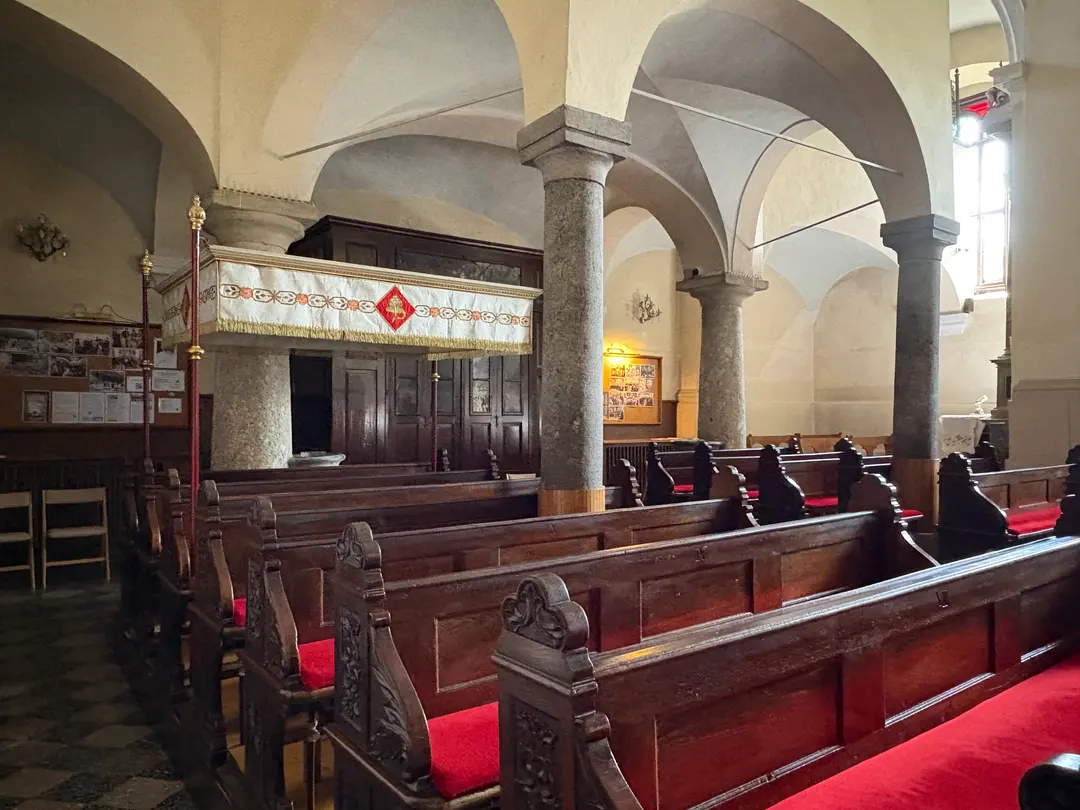
✔️ A Moment for Calm Reflection
Unlike famous cathedrals bustling with tourists,
this place feels more like a sacred spot where local residents come for quiet prayer.
Take a moment to simply sit on one of the wooden benches in Plečnik's chapel,
soak in the harmony created by the gentle lighting and magnificent architecture,
and allow yourself a moment to gather your thoughts.
5. Conclusion
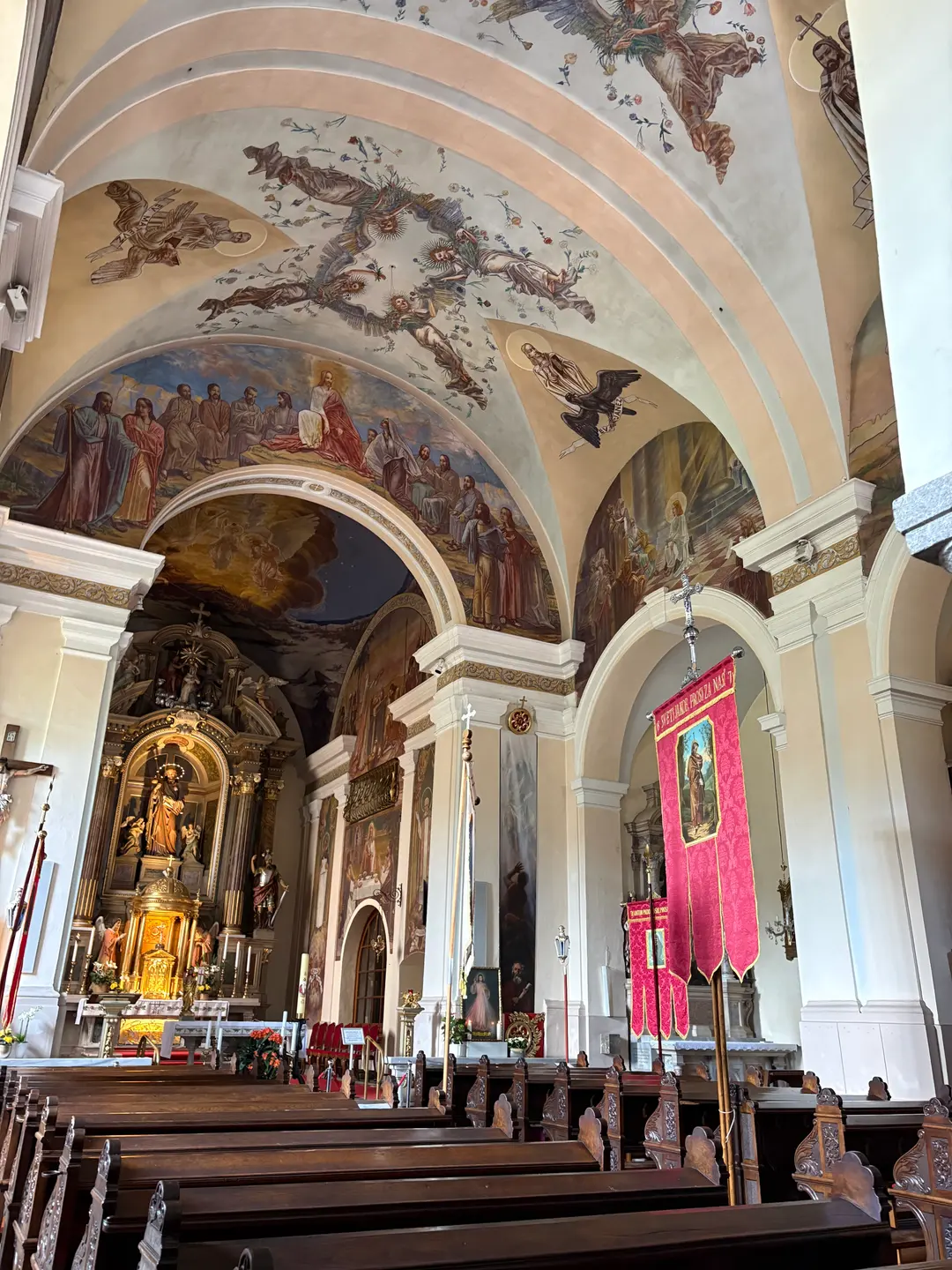
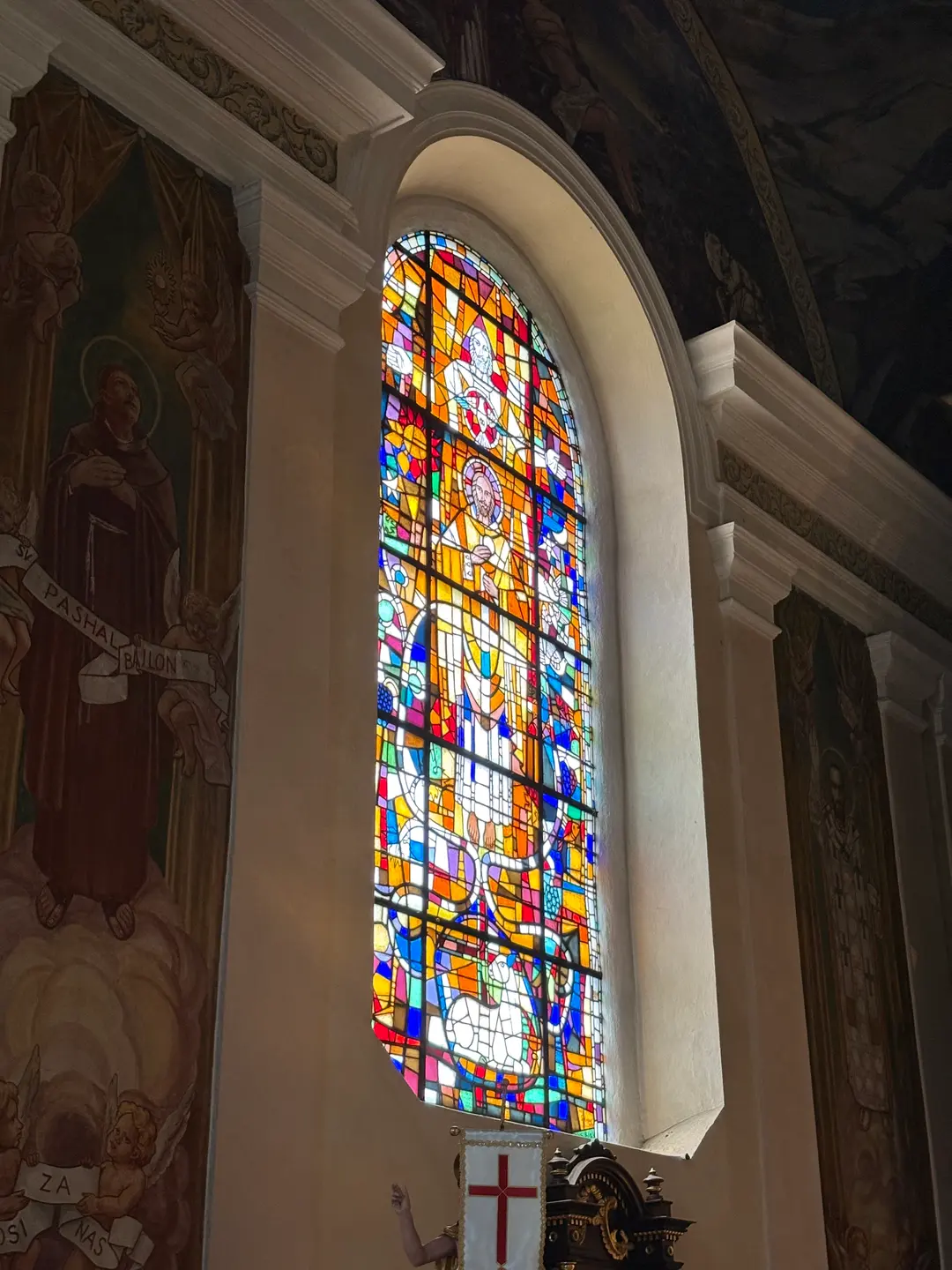
While St. James Church in Kamnik
boasts a magnificent Baroque altar beyond its checkered floor,
it was the profound details and deep symbolism of the Chapel of the Holy Sepulchre,
left by the master Jože Plečnik in the twilight of his life,
that truly left a lasting impression on my heart.
If you're planning a trip to Kamnik,
Along with Zaprice Castle,
I highly recommend you stop by this charming little church,
and capture the hidden beauty of its chapel—a secret gem from a genius architect—
in your eyes and heart!
I hope my post helps you have a wonderful trip.
📍 Frančiškanska cerkev svetega Jakoba
Kamnik 1241, Slovenia
Frequently Asked Questions
What are the operating hours and entrance fees for St. James Church and the Franciscan Monastery in Kamnik?
St. James Church in Kamnik operates daily from 7 AM to 7 PM and has no closing days. Admission is free.
What are the unique features of Jože Plečnik's Chapel of the Lord's Sepulchre inside St. James Church in Kamnik?
This chapel features a tent-shaped ceiling and the inscription 'DOPOLNJENO'. It is also characterized by a single stone representing Jesus' rock tomb and a golden circle symbolizing the Resurrection.
Are there any unique historical facts about St. James Church in Kamnik?
Yes, this is an old church first mentioned in 1423, and it was rebuilt in Baroque style between 1695 and 1703. Notably, during World War II, it was even used as a prison by the Nazi secret police.
Where can I find detailed information about Jože Plečnik's chapel when visiting St. James Church in Kamnik?
Near the church entrance, there is a detailed information board available in English, Slovenian, and German. This board explains the internal structure of Jože Plečnik's chapel and even the design of its door handles, complete with photographs.
Share this article
Related Travel Stories

Kamnik's Immaculate Conception Church: Slovenia's Baroque Gem
Discover Kamnik's Church of the Immaculate Conception, a stunning Baroque gem in Slovenia. Explore its rich history, intricate art, and serene ambiance for an authentic cultural experience.
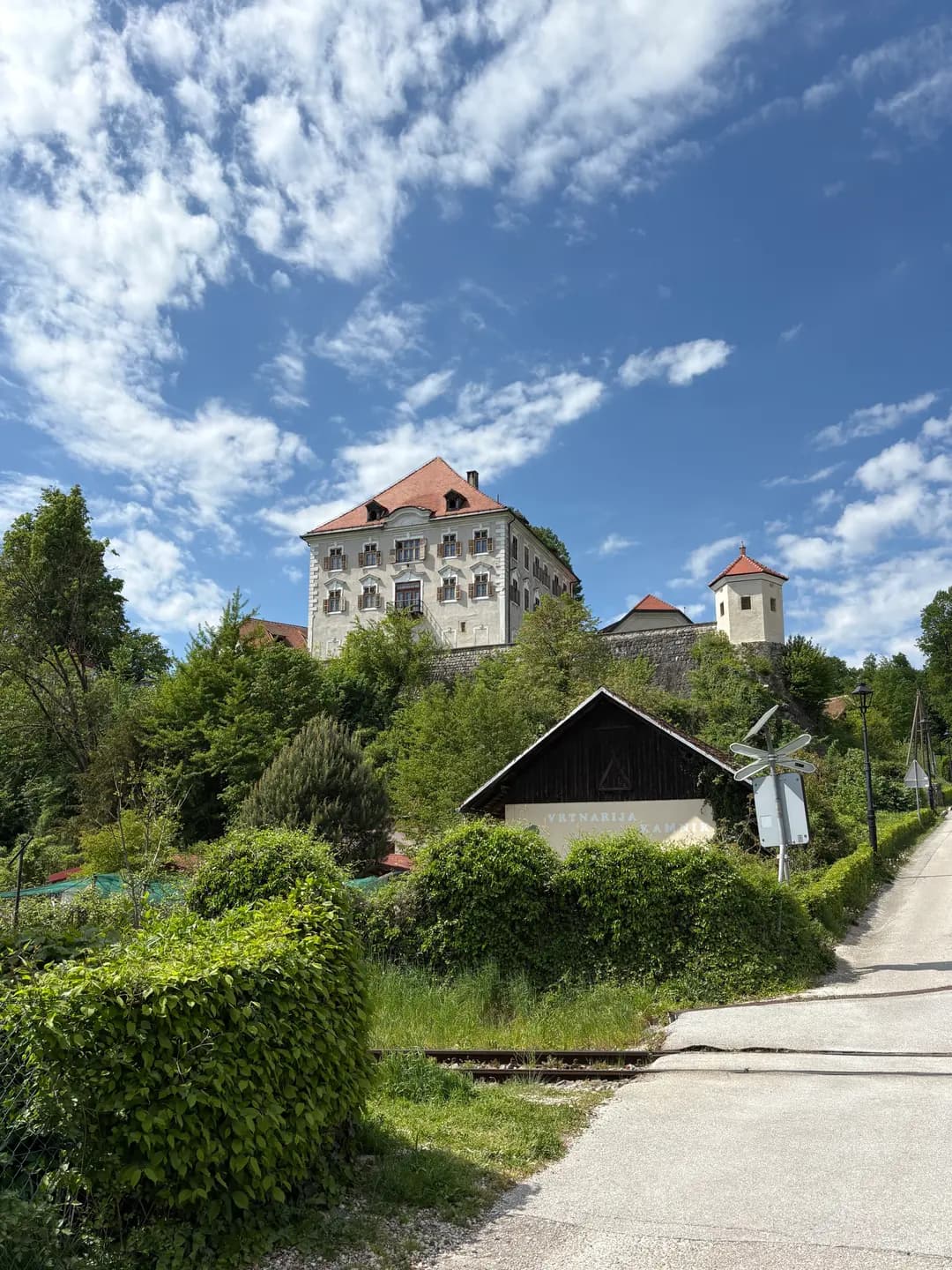
Kamnik's Zaprice Castle Guide 2026: Explore Slovenian Culture
Seeking an authentic Slovenian experience off the beaten path? Discover Zaprice Castle in Kamnik, a Renaissance gem offering rich history, traditional architecture, and serene panoramic views. Unwind and explore!

Kamnik Day Trip from Ljubljana: Slovenia's Alpine Gem
Escape the city for a perfect Kamnik day trip from Ljubljana! Discover medieval castles, ancient streets, and breathtaking Alpine panoramas in Slovenia's hidden gem.

Kamnik Day Trip from Ljubljana 2026: Slovenia's Hidden Gem
Explore Kamnik, one of Slovenia's oldest and most charming towns, on a convenient day trip from Ljubljana. Uncover medieval history and stunning Alpine scenery.

Piran Walls Slovenia Review 2026: Essential Guide & Entrance Fee
Unlock the iconic views of Piran, Slovenia, from its ancient city walls. Our 2026 guide covers everything from updated entry fees to must-know climbing tips for an amazing experience.
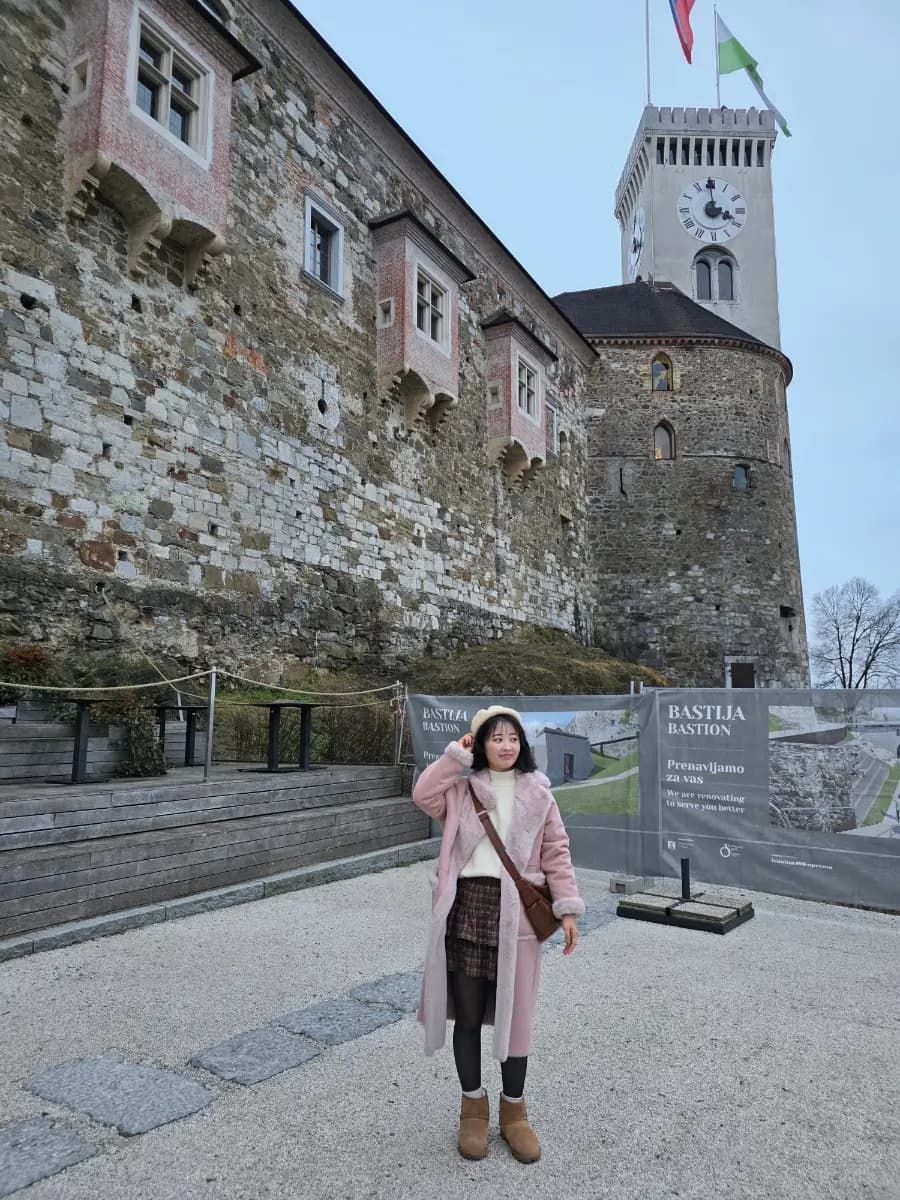
Ljubljana Castle Guide 2026: Access, Tickets & Funicular
Planning a trip to Ljubljana? Explore the majestic Ljubljana Castle! Learn how to get there, discover free areas, and choose between a leisurely walk or funicular for stunning city views.