

Japan Bus Guide 2026: How to Ride in Tokyo & Osaka
Mastering Japan's bus system is easy once you know the rules. Learn how to ride, pay with IC cards or cash, and navigate Tokyo, Osaka, and Kyoto in 2026.

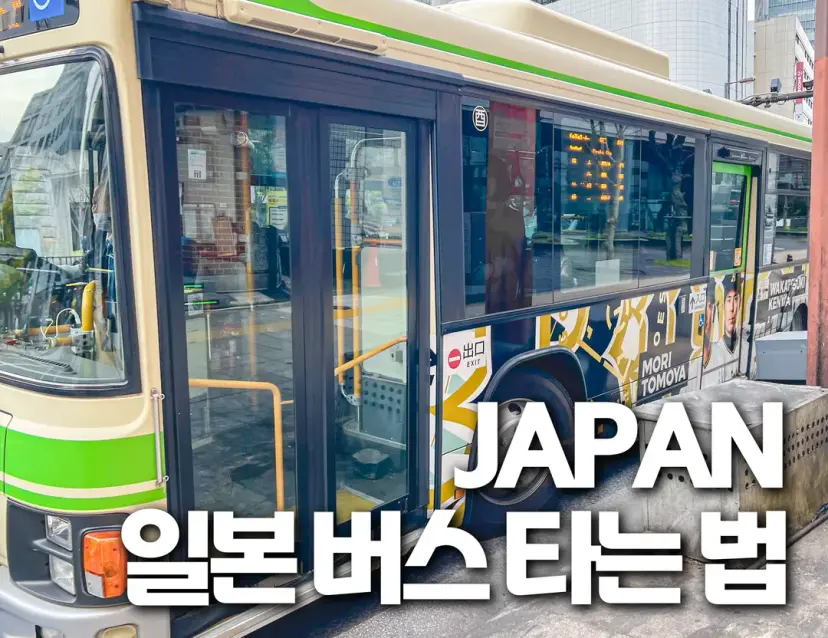
While subways and trains are the go-to for most travelers in Japan, buses become absolutely essential when you venture into smaller towns, scenic suburbs, or historic areas like Kyoto.
However, Japanese buses can be a bit intimidating for first-timers because boarding rules, fares, and payment methods vary completely by region.

I remember feeling super nervous the first time I stood at a Japanese bus stop. But once you understand the basic patterns, it is incredibly simple and stress-free.
Today, I'll walk you through everything you need to know about riding buses in Japan in 2026, from fares and boarding rules to regional differences and local etiquette!
- Table of Contents -
1. Fare Systems (Flat vs. Distance-Based)
2. How to Board by Region (Tokyo, Osaka, Fukuoka, Kyoto)
3. Cash vs. IC Card Payments
4. Essential Bus Etiquette
1. Understanding the Fare Systems
First, you need to know that Japan uses two main types of bus fare systems: Distance-Based and Flat-Rate.

With the Distance-Based system, your fare increases the further you ride. Naturally, you pay when you get off.
If you are paying with cash, you must pull a small paper slip called a Seiriken (numbered ticket) from the machine right inside the door when you board. (If you are using an IC card like Suica or Pasmo, you don't need this paper slip—just tap your card at the entrance reader).
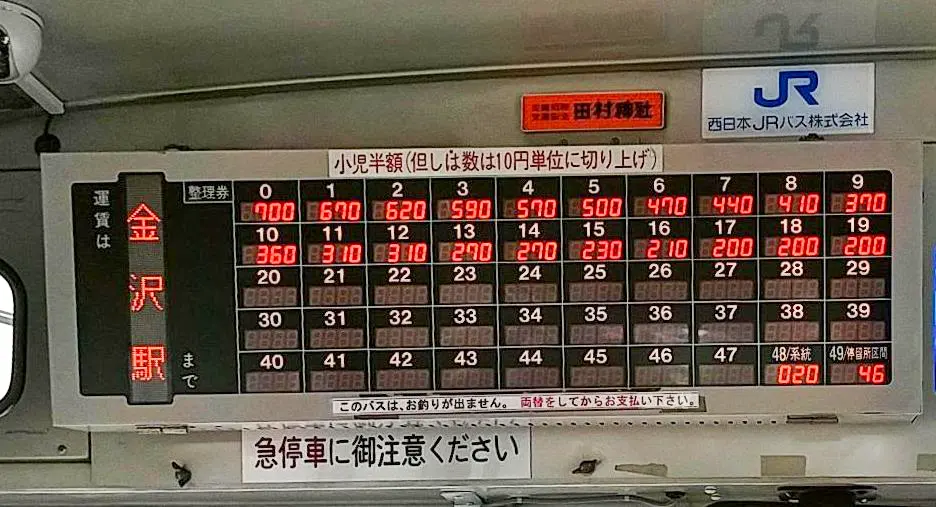
Look at the electronic screen above the driver. It displays numbers corresponding to your paper slip, with the current fare listed underneath. When your stop is next, match your ticket number to the screen, see the fare, and drop that exact amount of cash into the fare box next to the driver as you exit.
If you are using an IC Card, simply tap it on the reader next to the driver when exiting, and the correct fare will be calculated and deducted automatically.
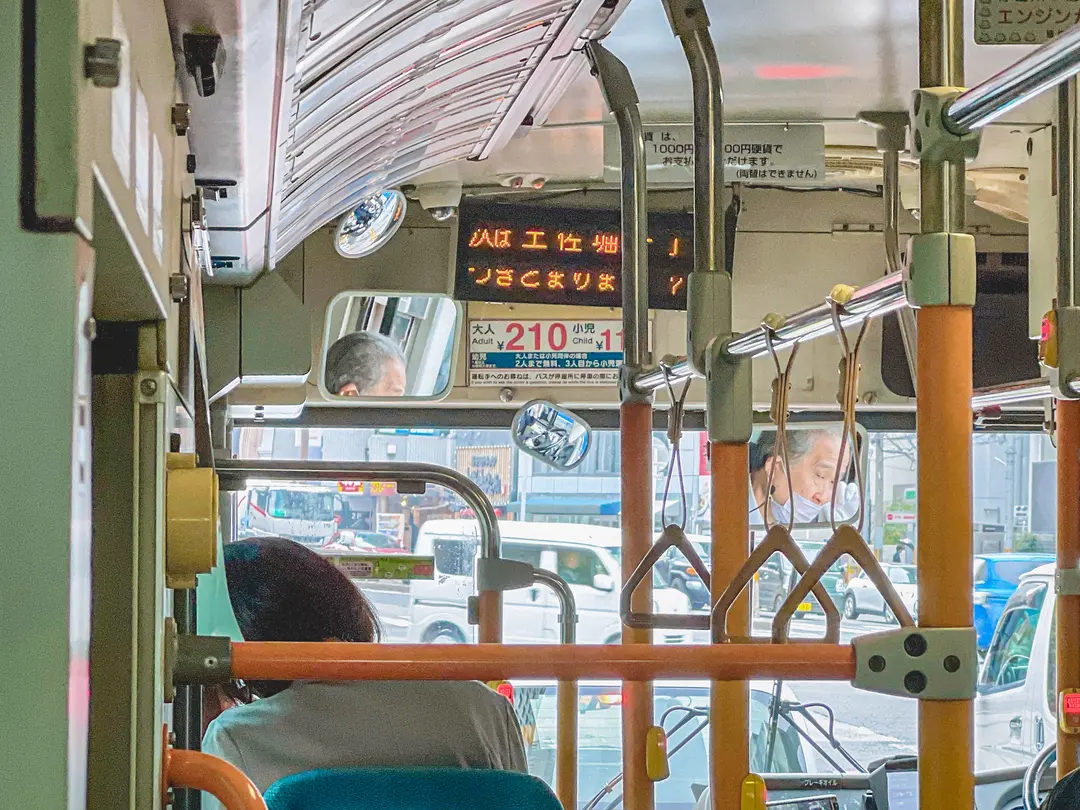
With the Flat-Rate system, you pay a single flat fare no matter how far you ride. Depending on the city, you will pay either upon boarding (pre-paid) or upon exiting (post-paid).
Whether you use an IC Card or cash, you just pay once. Because rules differ by city, I've broken down the major tourist hubs below.
2. How to Ride: Regional Guide
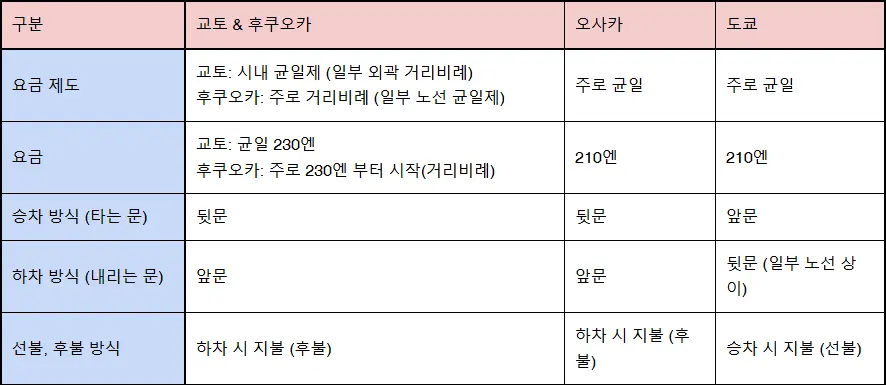
Here is a quick summary of how boarding and fares work in Tokyo, Osaka, Kyoto, and Fukuoka. Let's dive into the details!
Tokyo Buses
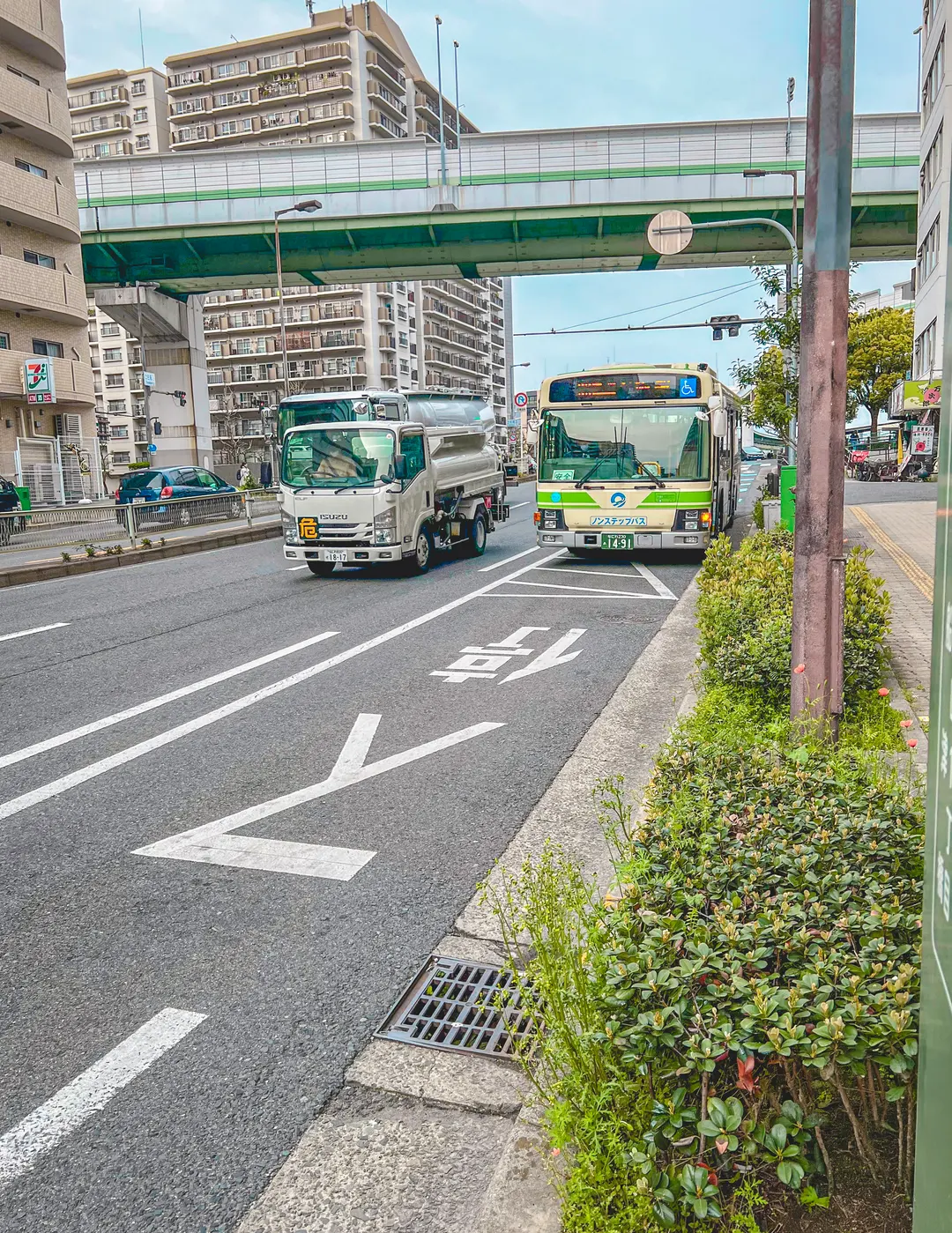
While many Japanese buses require you to board from the back, most Tokyo city buses (Toei Buses) require you to board through the front door and exit through the rear door.
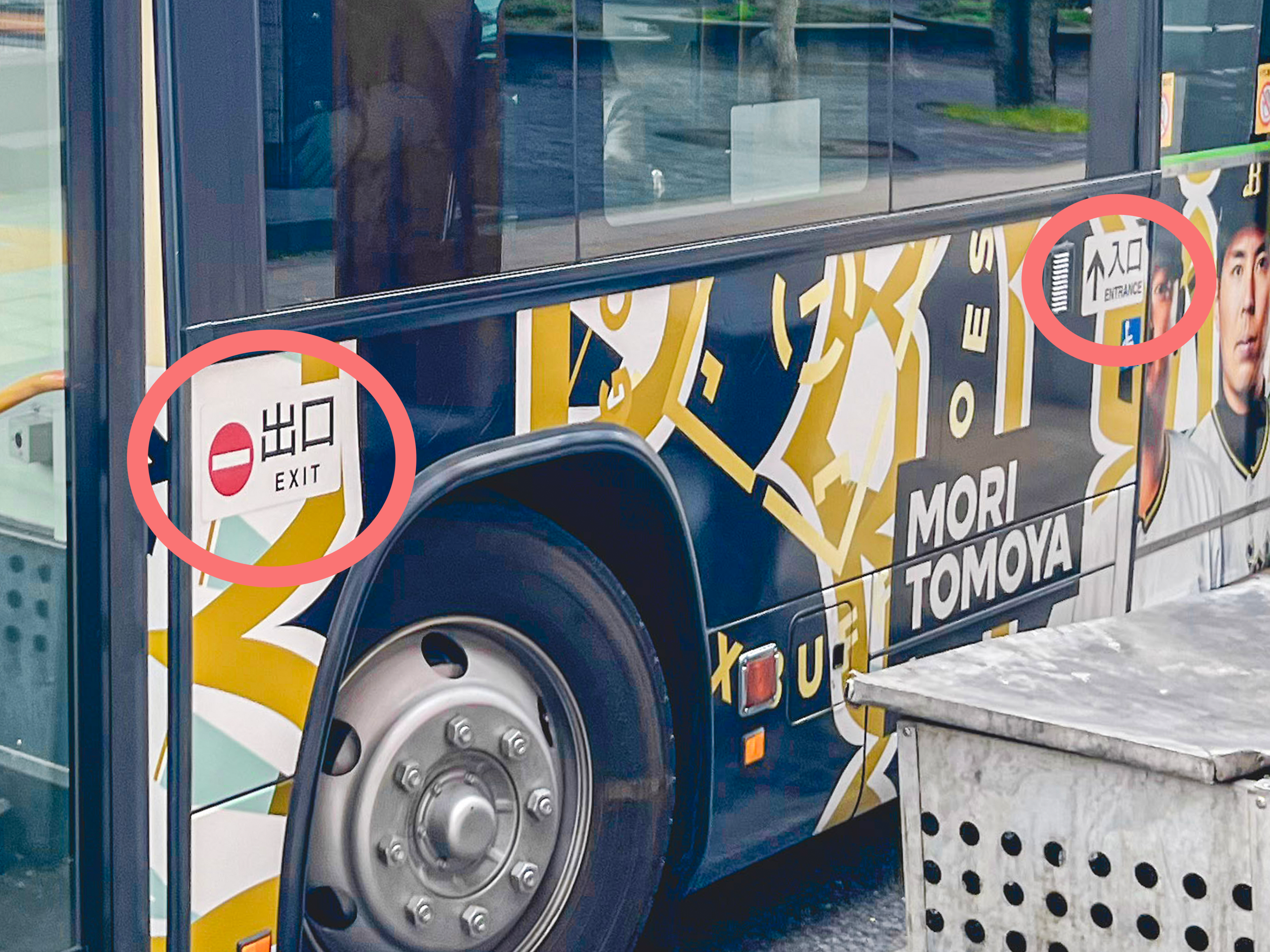
A few suburban routes might differ, so check the signs on the side of the bus when it arrives to confirm the entrance (入口) and exit (出口).
Tokyo uses a flat-rate system. The adult fare is 210 yen (approx. $1.35 USD) and is pre-paid. Tap your IC Card or drop your cash into the fare box as soon as you step on the bus.
Osaka Buses
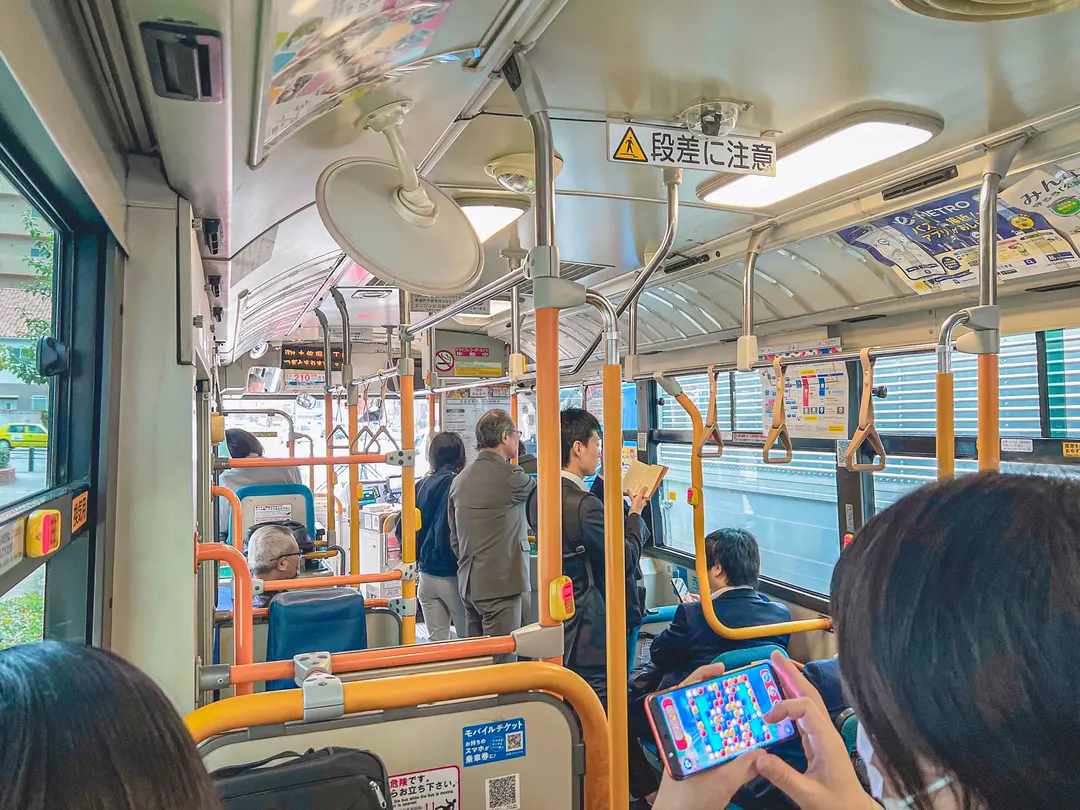
Osaka also uses a flat-rate fare of 210 yen (approx. $1.35 USD), but the process is reversed: it is post-paid upon exiting.
Unlike Tokyo, you board through the rear door and exit through the front door. You only need to pay when you get off at your destination.
Kyoto & Fukuoka Buses
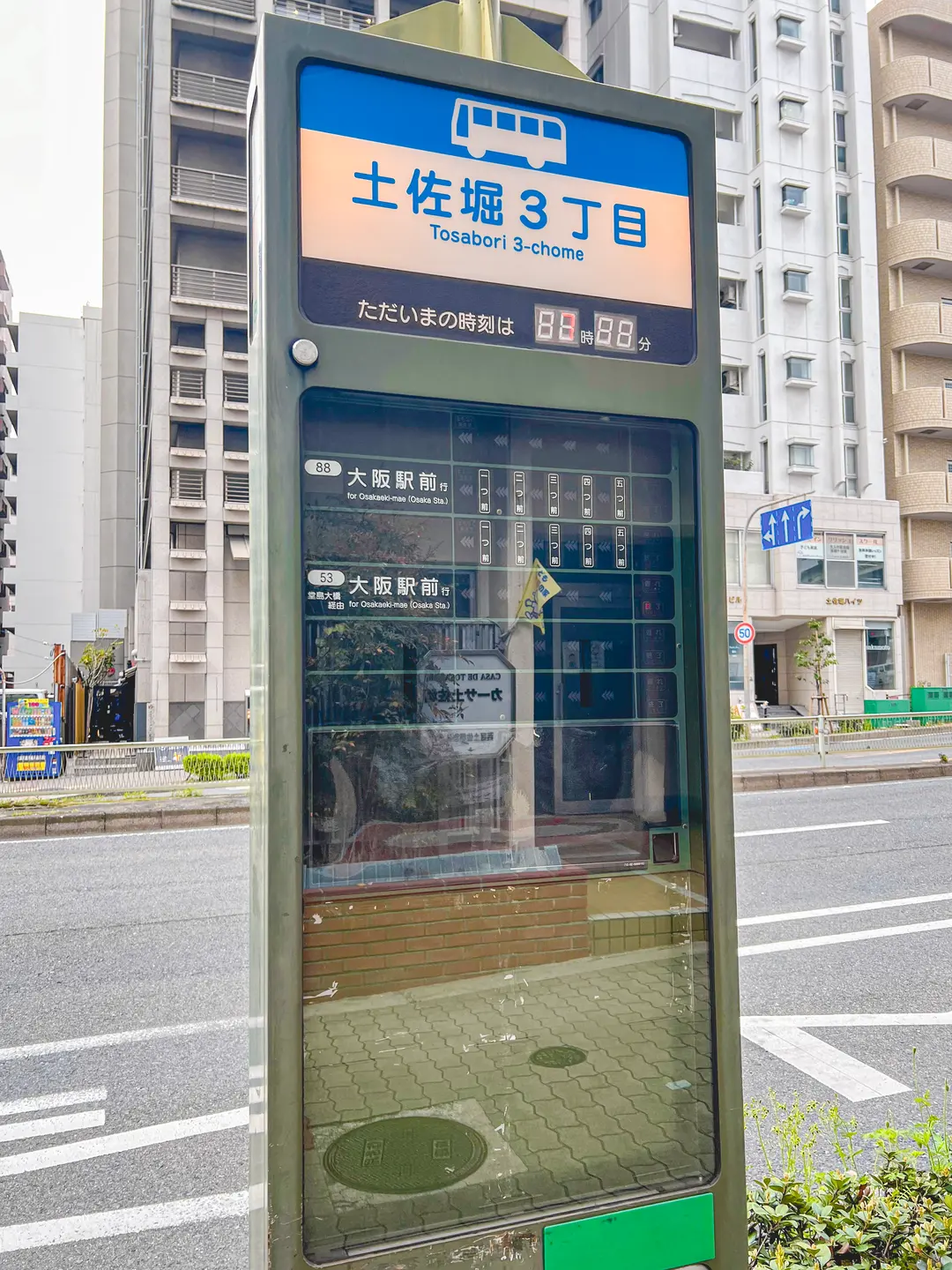
Both Kyoto and Fukuoka follow the standard board from the rear, exit from the front, and pay upon exiting method. However, their fare systems differ:
Kyoto City Center uses a flat fare of 230 yen (approx. $1.50 USD). If you head out to the far suburbs (like Arashiyama or Ohara), the fare transitions to a distance-based system.
Fukuoka primarily uses a distance-based system. Fares usually start around 100 to 230 yen (approx. $0.65 to $1.50 USD) and scale up depending on how far you travel.
3. Payment Options: Cash, IC Cards, and Passes
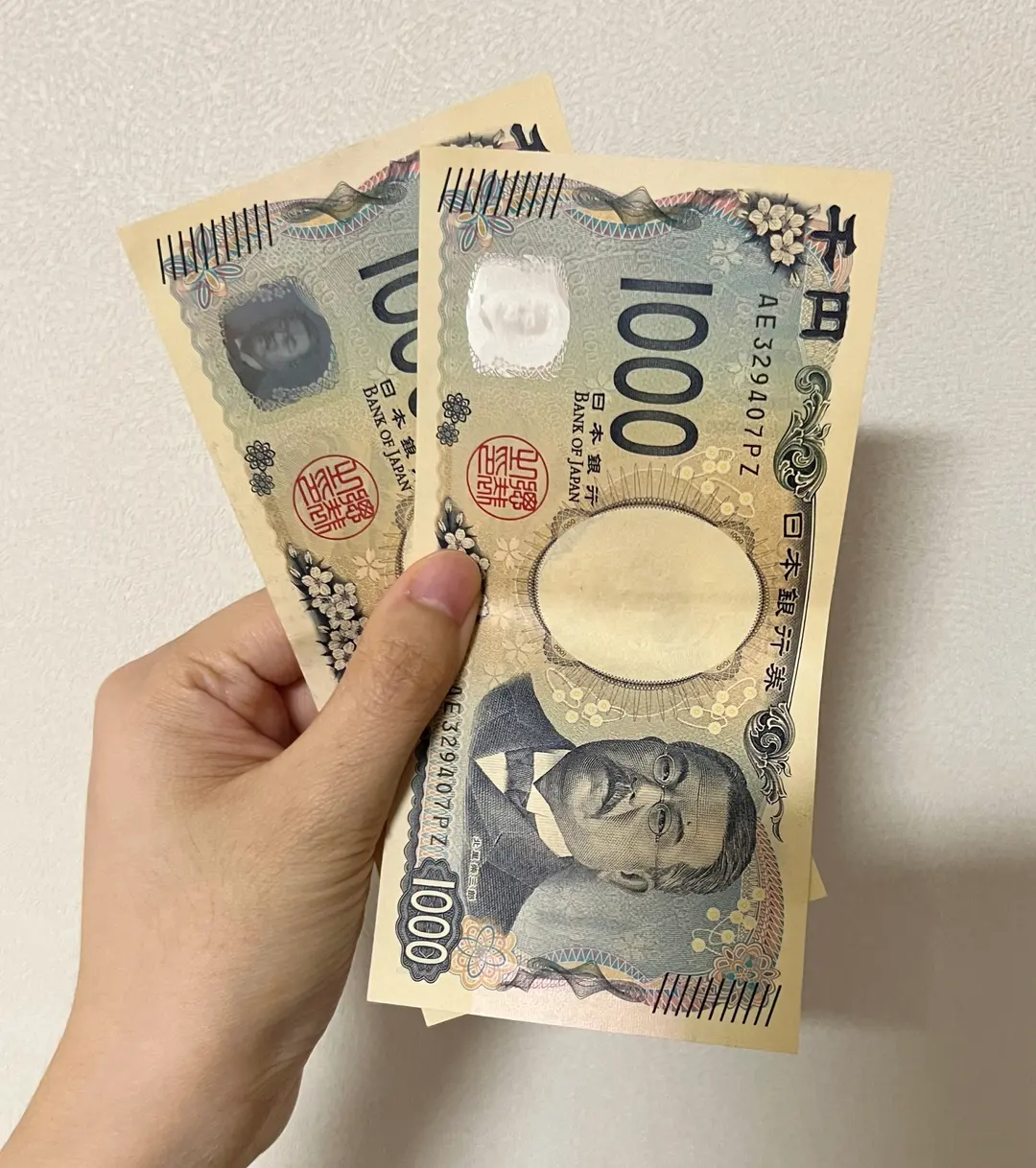
If you are paying with cash, please note that bus fare boxes do not give change automatically. Instead, they have a built-in change machine (両替機 / Ryogaeki) where you can break 1,000 yen bills or larger coins into exact change before paying. Note that the machine will not accept bills larger than 1,000 yen, so always carry small change!
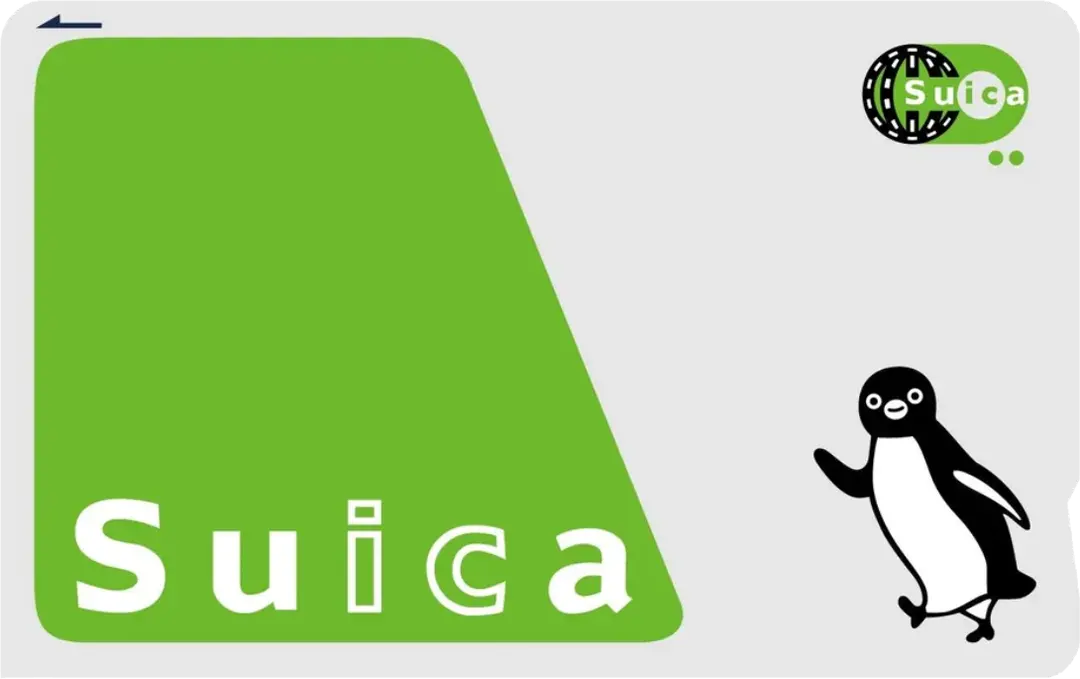
For the smoothest experience, use a major IC Card like Suica, Pasmo, or Icoca. They are accepted nationwide on almost all city buses. Please note that standard international contactless credit cards (like Visa/Mastercard tap-to-pay) are generally not accepted on local buses yet.
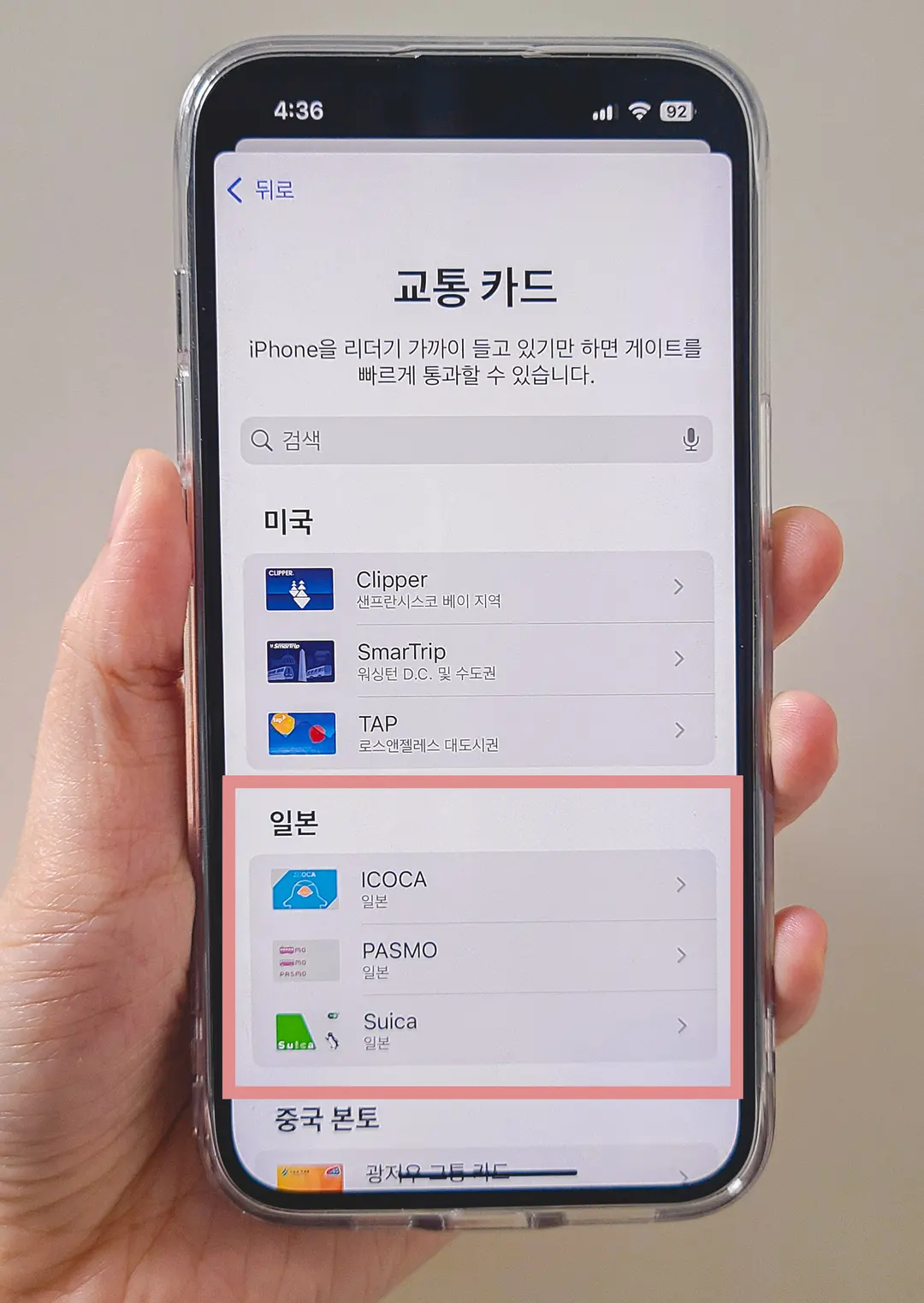
iPhone users can easily add a digital Suica or Pasmo directly to Apple Wallet and load funds using a credit card for seamless, tap-and-go travel.
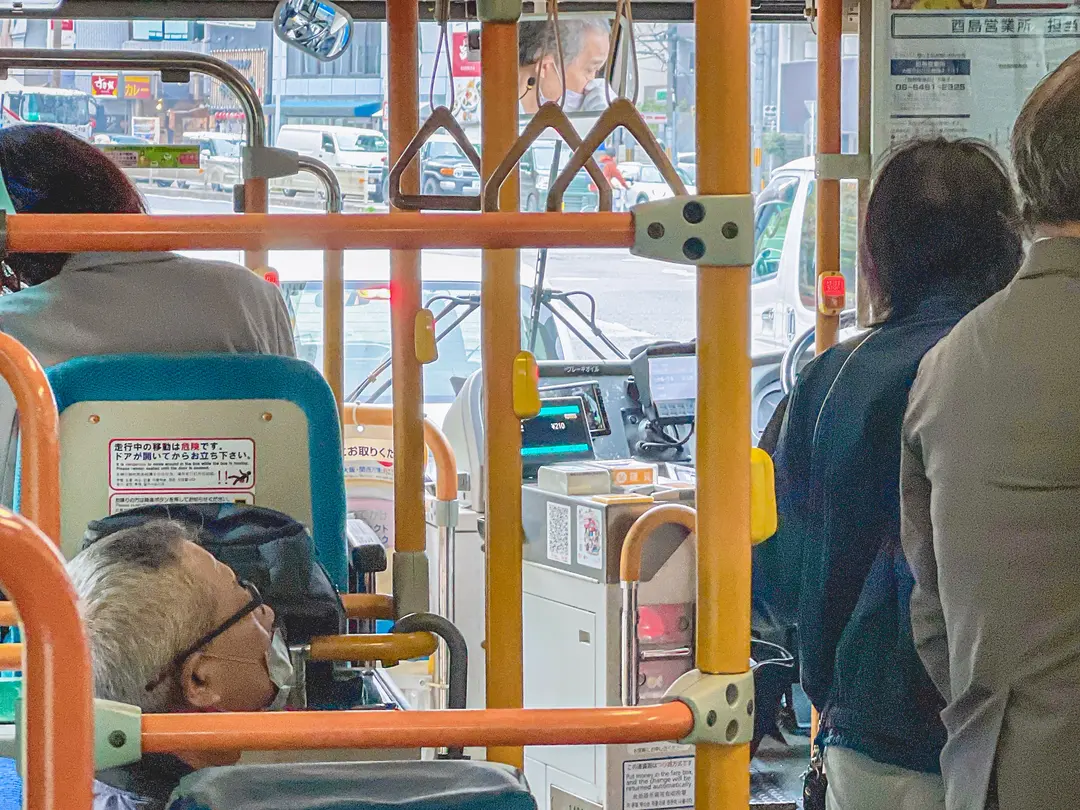
If you are visiting Osaka and have purchased the Osaka Amazing Pass (or Osaka e-Pass), you can enjoy unlimited free rides on Osaka city buses during your pass validity!
Simply scan your pass QR code at the reader when boarding, and show the active verification screen to the driver when you exit.
If you plan on visiting multiple tourist spots in a single day, this pass pays for itself incredibly fast since it covers both subways and buses.
Book Your Osaka Amazing Pass on Klook
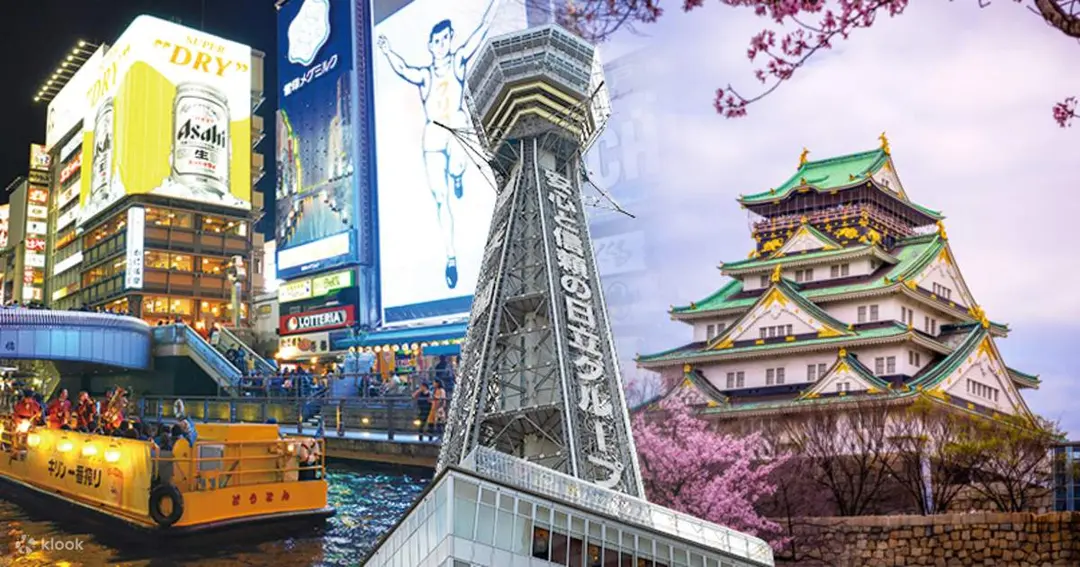 Osaka Amazing Pass - Klook
4. Essential Bus Etiquette & Tips
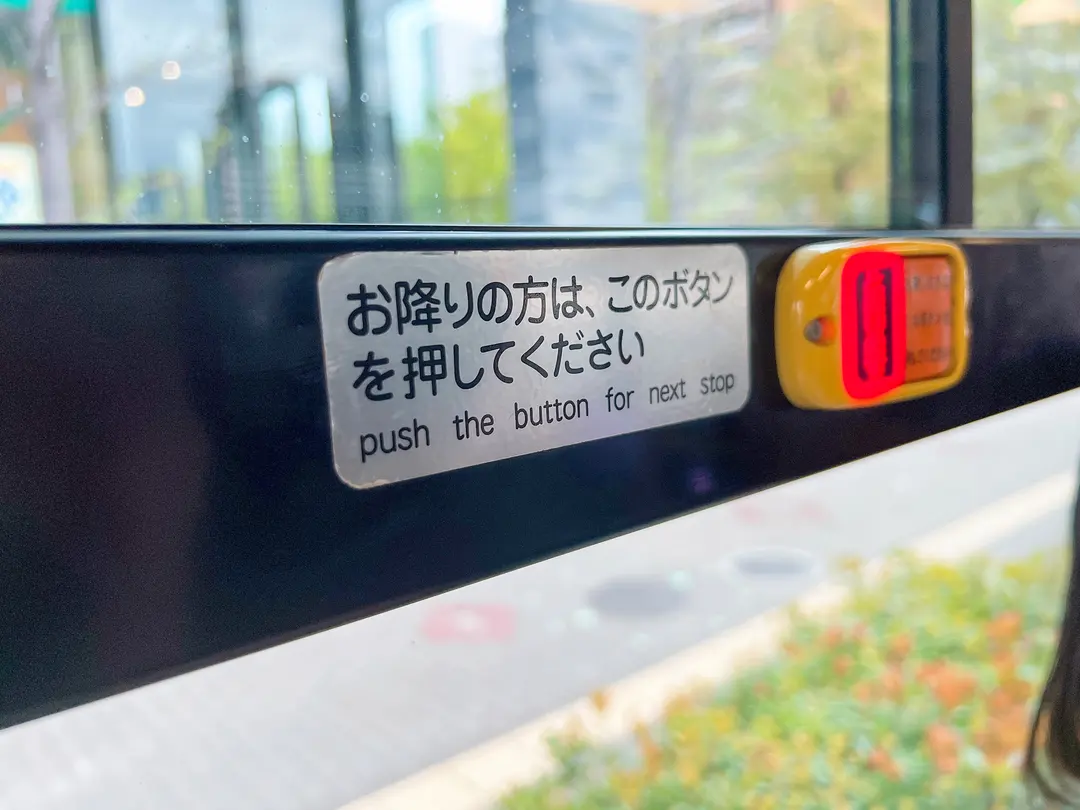
To ensure a smooth ride, keep these highly respected Japanese transit rules in mind:
First, do not stand up until the bus has come to a complete stop. In many Western countries, passengers rush to the door while the bus is moving. In Japan, this is considered a safety hazard. The driver will wait patiently for you to walk up and pay once the bus stops completely.
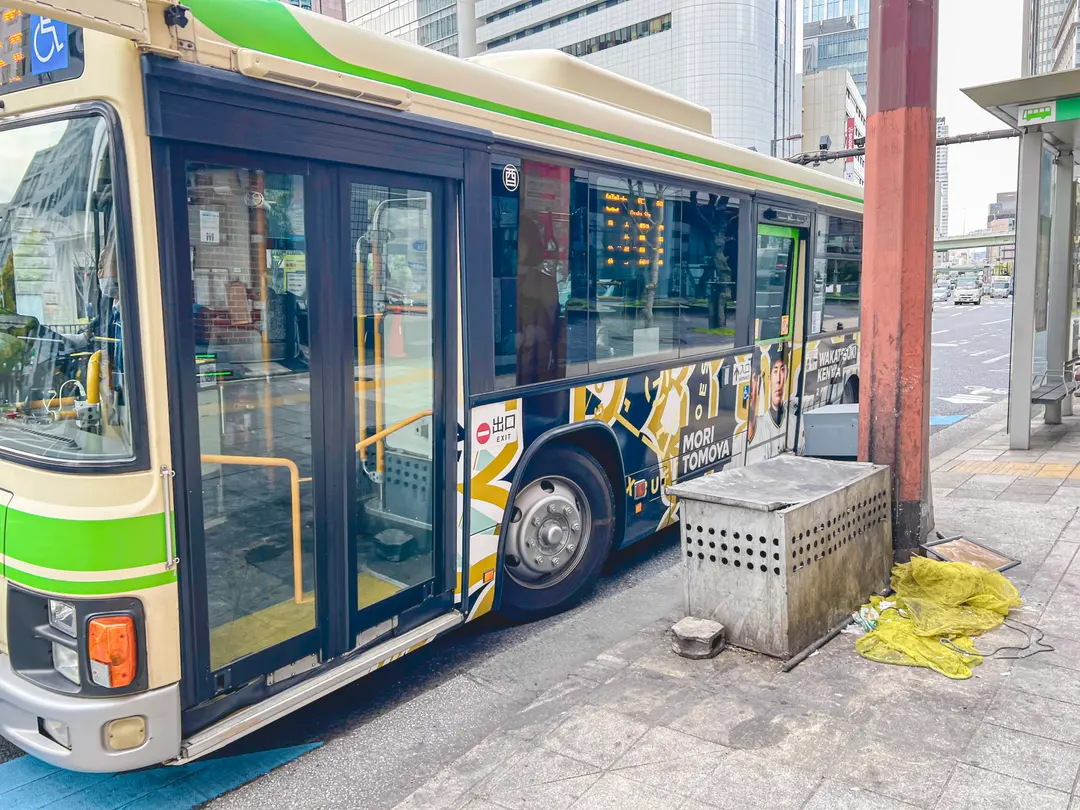
Second, always queue up in an orderly line at the bus stop. Cutting in line is a major faux pas. Wait patiently for your turn to board.
Third, keep an eye on Google Maps, but arrive at the stop a few minutes early. While Japanese transit is famous for its punctuality, road traffic can occasionally cause minor delays or early arrivals.
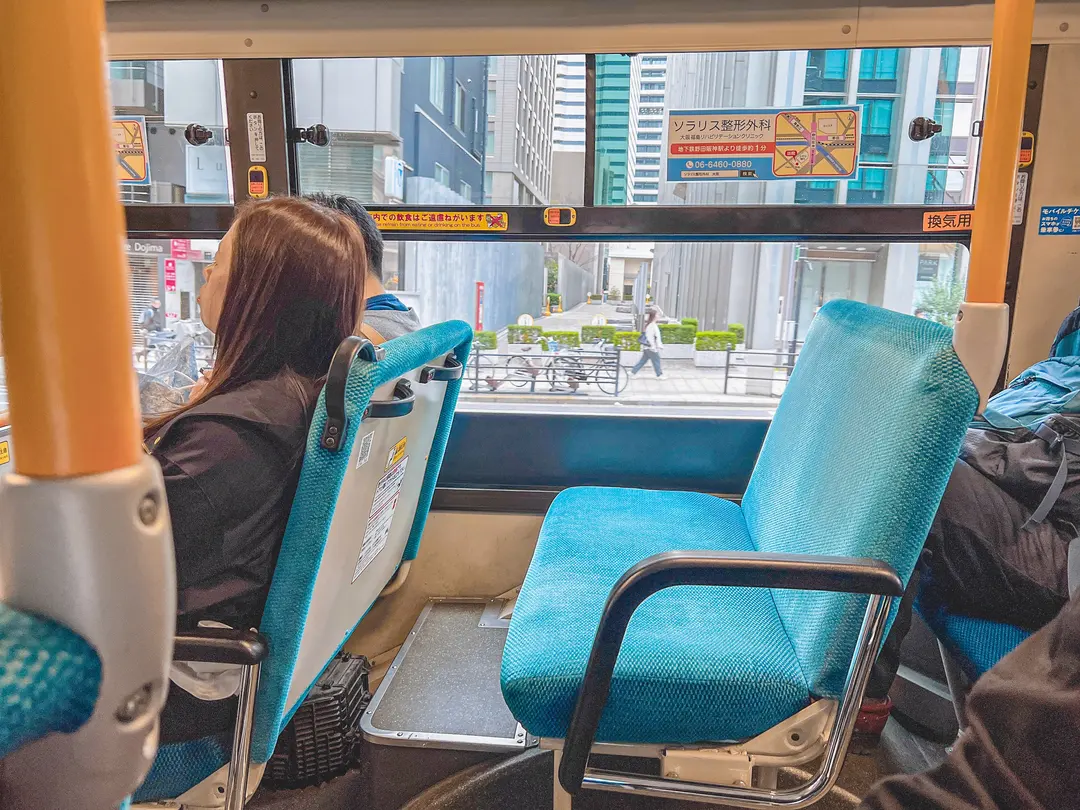
Finally, Japanese buses are incredibly quiet. You will rarely hear anyone talking on their phone or speaking loudly with friends. Most passengers read, listen to music with headphones, or look out the window. It makes for a incredibly peaceful and relaxing journey!
Riding the bus in Japan might feel slightly confusing at first due to the regional rules, but once you try it, you'll get the hang of it instantly. Keep this guide handy and enjoy exploring Japan like a local in 2026!
Frequently Asked Questions
How do the boarding, alighting, and fare payment methods for buses differ between Tokyo and Osaka?
In Tokyo, you board through the front door, exit through the rear door, and pay the 210 yen fare in advance when boarding. In contrast, in Osaka, you board through the rear door, exit through the front door, and pay the 210 yen fare upon alighting.
What should I keep in mind when paying with cash on a distance-based fare bus in Fukuoka?
You must take a numbered ticket from the machine as soon as you board. When getting off, check the electronic display for the fare corresponding to your ticket number, and then put the exact cash into the fare box.
Can I pay the bus fare in Japan using Travel Wallet or a contactless credit card?
Travel Wallet and contactless credit cards cannot be used on Japanese buses. Instead, you must use a transportation IC card like Suica, PASMO, or ICOCA, or pay with cash under 1,000 yen.
How can I ride the bus for free using the Osaka Amazing Pass?
You just need to scan your issued QR code on the device provided on the bus when boarding. When you get off, show the confirmation screen to the bus driver to ride for free.
Share this article
Featured in Collections
Discover more travel stories curated around the same theme.

Related Travel Stories

Fukuoka Yufuin Bus Tour 2026: An Enchanting Day Trip Itinerary
Explore Yufuin's fairy-tale charm, ascend Mount Yufu, and discover tranquil Hita Village on a convenient Fukuoka Yufuin bus tour in 2026. Perfect for a hassle-free day trip!

SUNQ Pass Fukuoka Review 2026: Save on Kyushu Buses
Explore Kyushu's hidden gems like Beppu and Huis Ten Bosch without breaking the bank. See how the SUNQ Pass can slash your travel costs in 2026!

Maizuru Park Fukuoka Cherry Blossoms 2026 Guide
Experience the magic of spring at the Maizuru Park Cherry Blossom Festival 2026 in Fukuoka. Discover light-up times, food stalls, and essential travel tips!

Asiana OZ134/OZ133 Incheon-Fukuoka Flight Review 2026
Explore our honest review of Asiana Airlines' OZ134 and OZ133 flights between Incheon and Fukuoka. Get insights on cabin comfort, delicious meals, baggage, and expedited immigration for your 2026 Japan trip!

Fukuoka Airport to Tenjin Transit Guide 2026
Navigate Fukuoka Airport to Tenjin Station like a local. Here is the fastest, cheapest way to reach downtown Fukuoka using the free shuttle and subway in 2026.

Hotel Monterey La Soeur Fukuoka Review 2026: Tenjin's Convenient Stay
Searching for a fantastic Fukuoka hotel in Tenjin? Hotel Monterey La Soeur offers spacious rooms, unbeatable convenience, and easy access to local delights.