

Featherdale Wildlife Park Sydney: Quokka Feeding & Open Run 2026
Dreaming of meeting a quokka in Sydney? Discover the best 'open run' strategy for Featherdale Wildlife Park to guarantee a magical quokka feeding experience and meet other iconic Aussie animals in 2026.
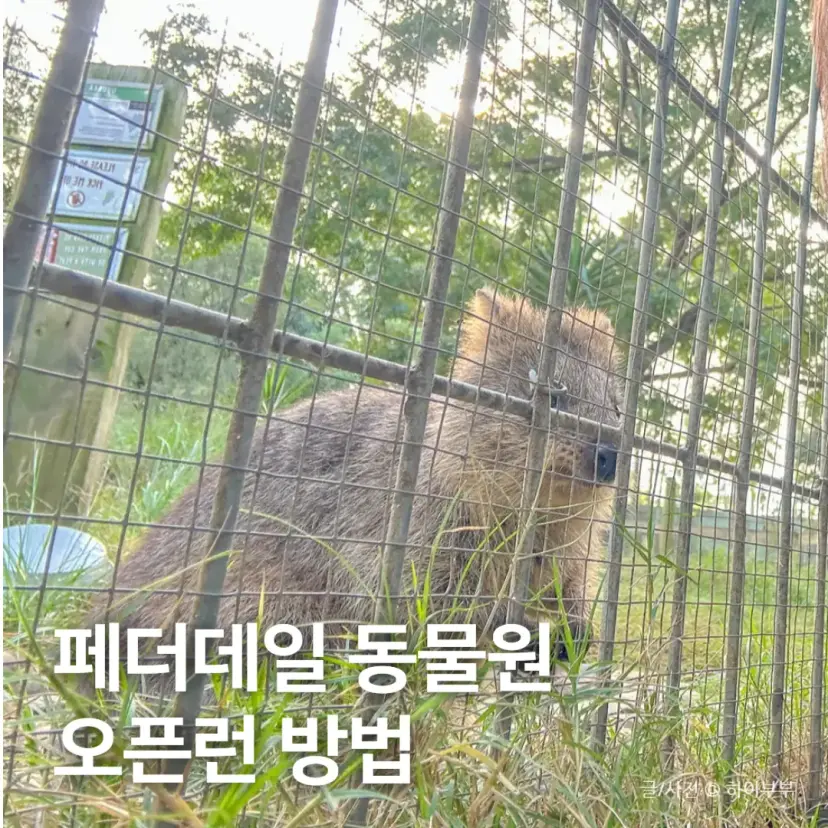
Featherdale Wildlife Park Sydney: Your Guide to an Open Run
My Experience Feeding Quokkas
Words/Photos ©HiCouple
Dreaming of Meeting a Quokka in Sydney?
For many, a bucket list item and even the main reason for a Sydney trip is to meet a quokka, right?
While the most famous place to find quokkas in Australia is in the Perth region on the west coast, there's a much easier way to meet them right near Sydney.
That's right, by visiting Featherdale Wildlife Park!

Featherdale is only about an hour's drive from downtown Sydney, making it super accessible. Plus, you can actually feed the animals yourself, which makes for a truly magical experience.
However, to ensure you get to meet the quokkas, it's highly recommended to do an 'open run' – arriving right when the park opens. Today, I'll share my top tips for an open run at Featherdale Wildlife Park and my personal experience of feeding quokkas early in the morning!
Two Ways to Do an Open Run at Featherdale Wildlife Park
First, let me explain the two main ways to ensure an open run experience at Featherdale Wildlife Park.

📍 The first method is to book your Featherdale Wildlife Park admission tickets and round-trip transportation separately.
You can check and book your Featherdale Wildlife Park tickets using the link below:
>> Book Featherdale Wildlife Park Tickets Here <<
📍 The second method is to join a Blue Mountains tour that includes an early morning visit (open run) to Featherdale Wildlife Park.
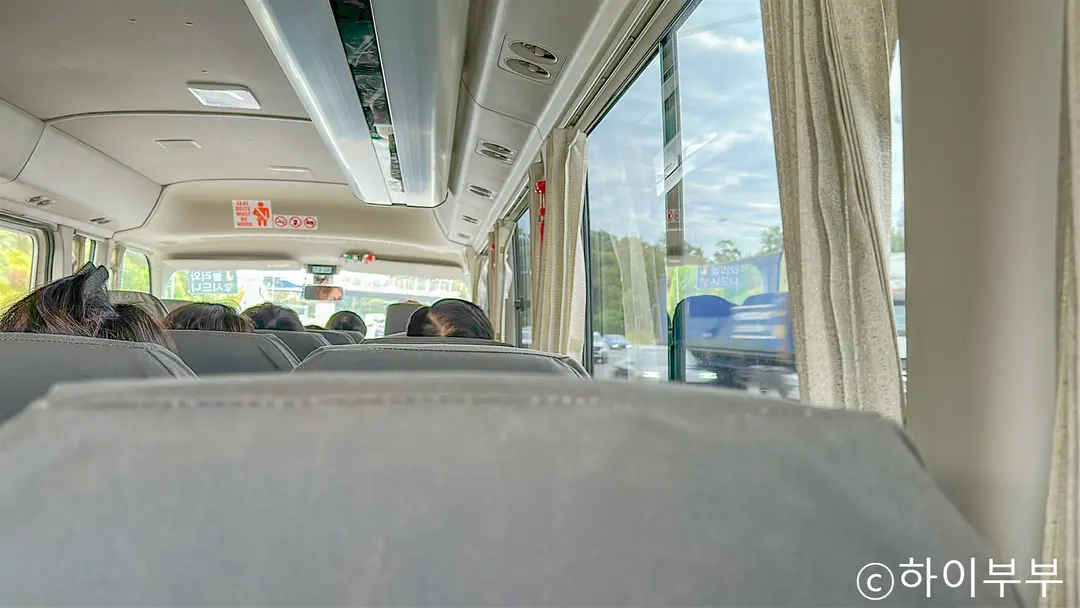
These tours typically gather around 7:30 AM, head straight to Featherdale for an open run, and then spend the afternoon exploring various scenic spots in the Blue Mountains. It’s a perfect full-day itinerary!
Book Blue Mountains Tour Including Featherdale Open Run
Must-See Animals at Featherdale Wildlife Park
While quokkas are undoubtedly the stars of Featherdale, there are other incredible animals you absolutely shouldn't miss.
Beyond the quokkas, here are three other amazing animal friends you absolutely need to meet during your visit:
1. Koalas
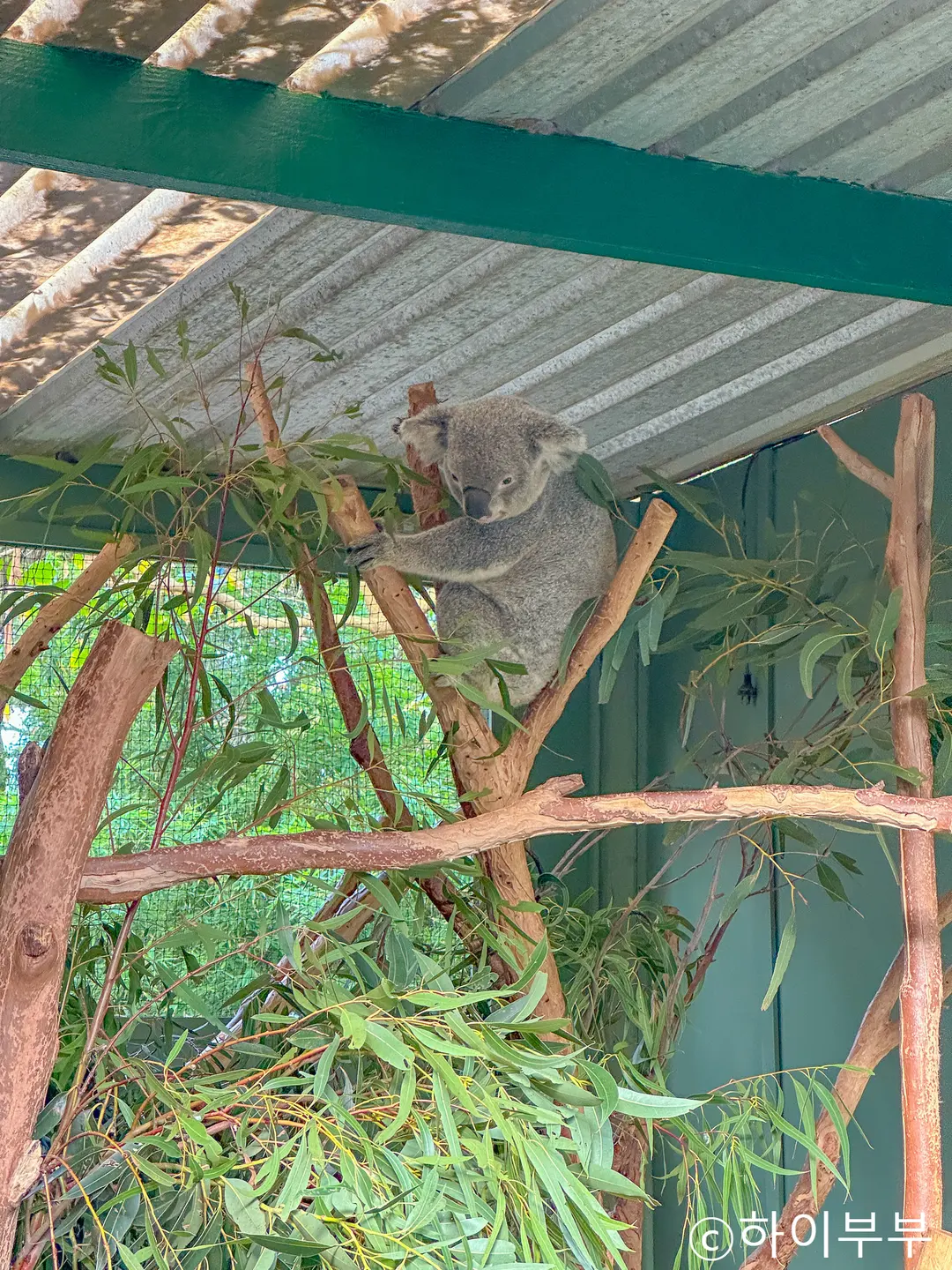
Our first friend is the adorable koala.
Koalas are charming creatures known for clinging to trees, and here you can even stroke their backs and take a commemorative photo with them. Their fur is incredibly fluffy and soft; just petting them will bring you so much joy!
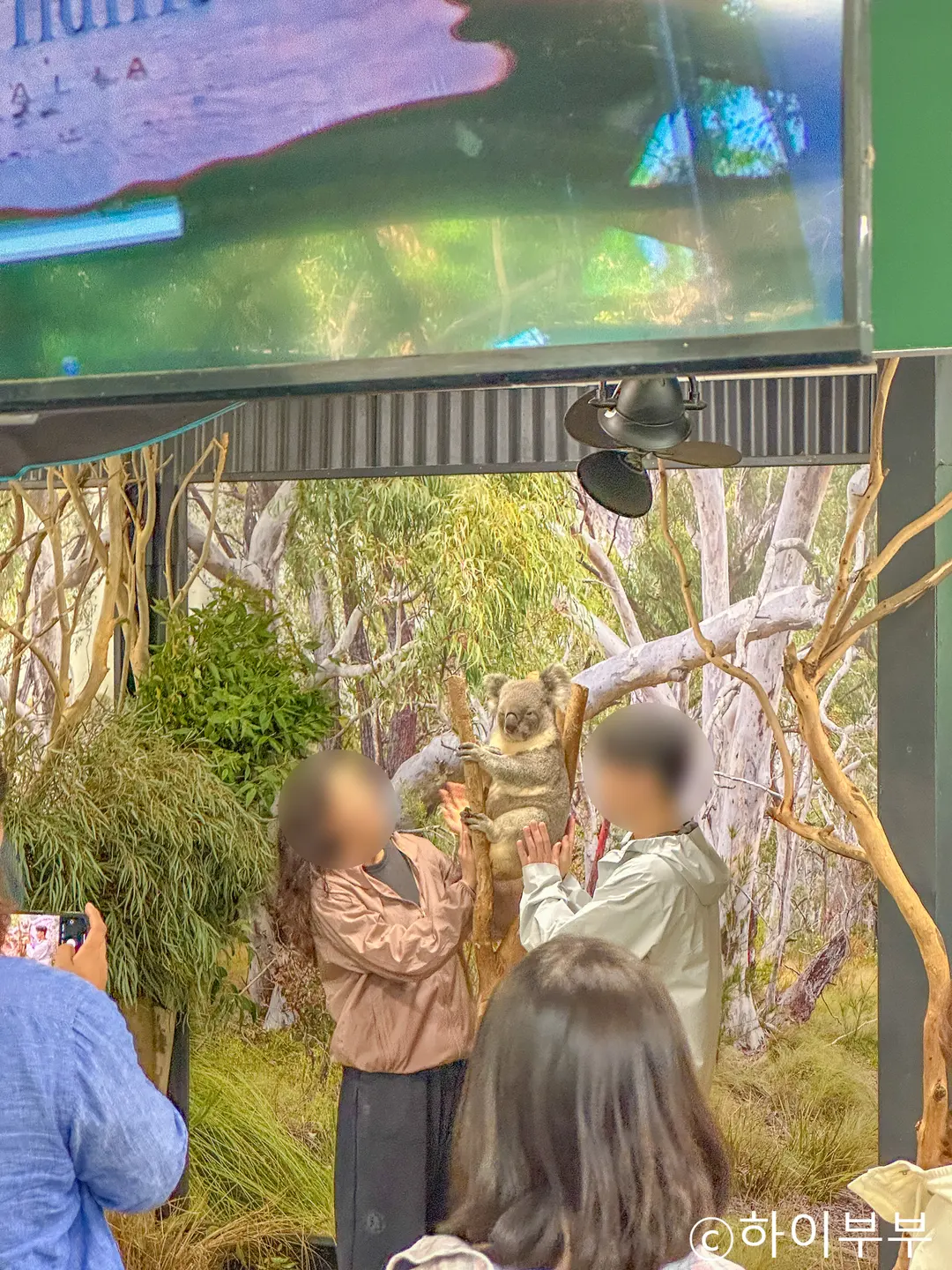
However, be aware that meeting and interacting with the koalas at Featherdale costs an additional ~$22 (based on a standard price of 32 AUD). You can, of course, observe them from a distance for free!
2. Kangaroos
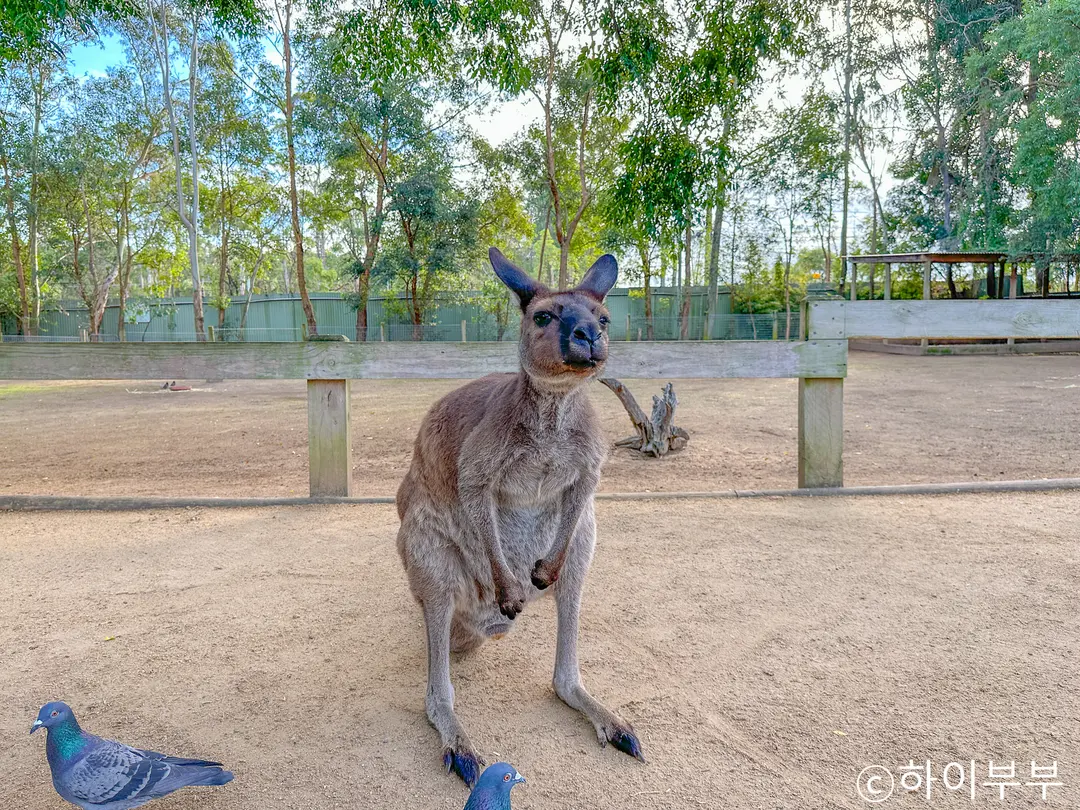
Our second friend is the kangaroo.
When you think of Australia, kangaroos are probably the first animals that come to mind. And true to form, Featherdale Wildlife Park is home to a great many kangaroos.
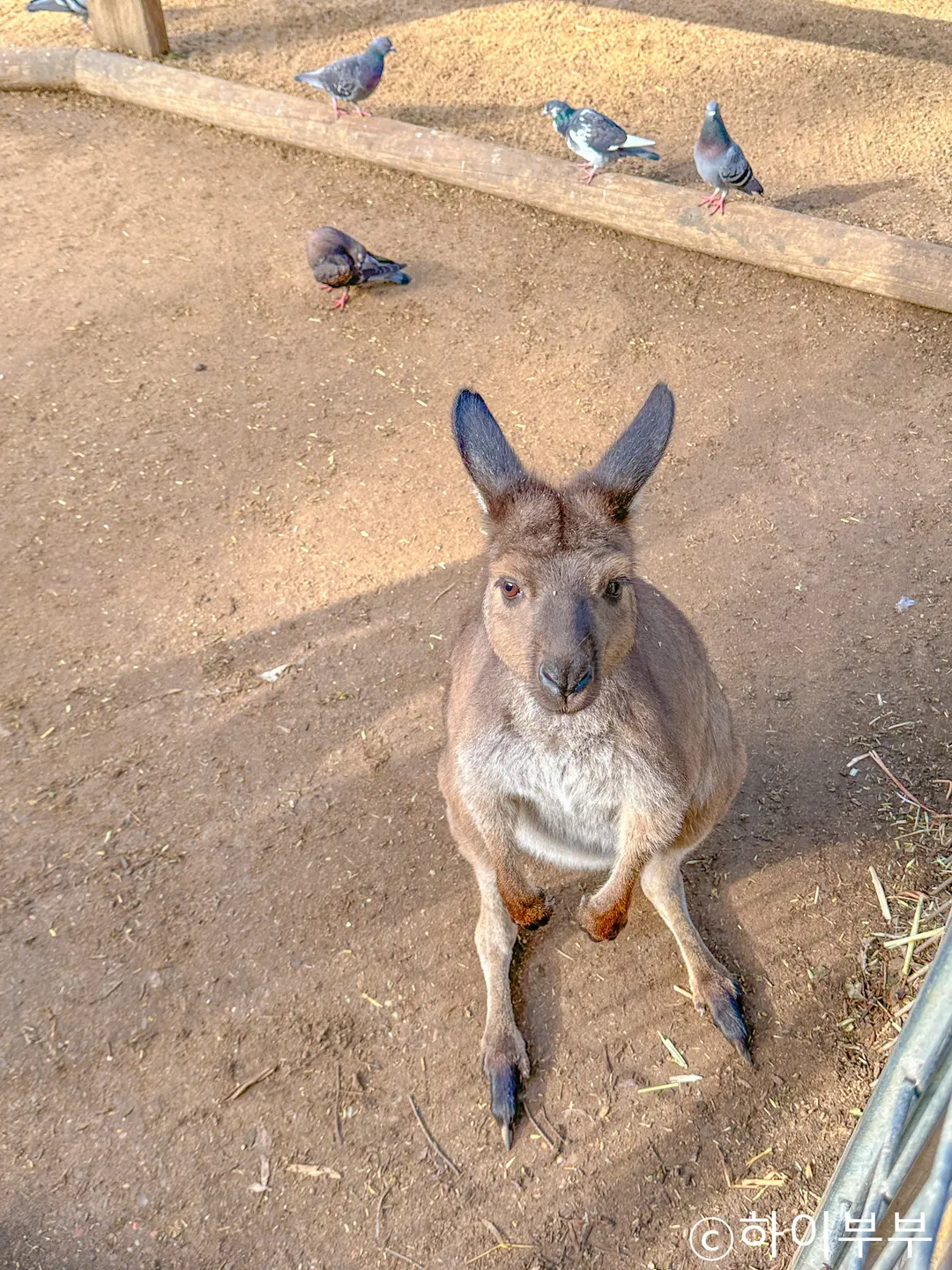
You can even feed the kangaroos directly! They are quite gentle when they eat, making it a perfect opportunity to snap some memorable photos. The kangaroos at Featherdale are known for being very docile, so even young children can enjoy this feeding experience!
3. Wallabies
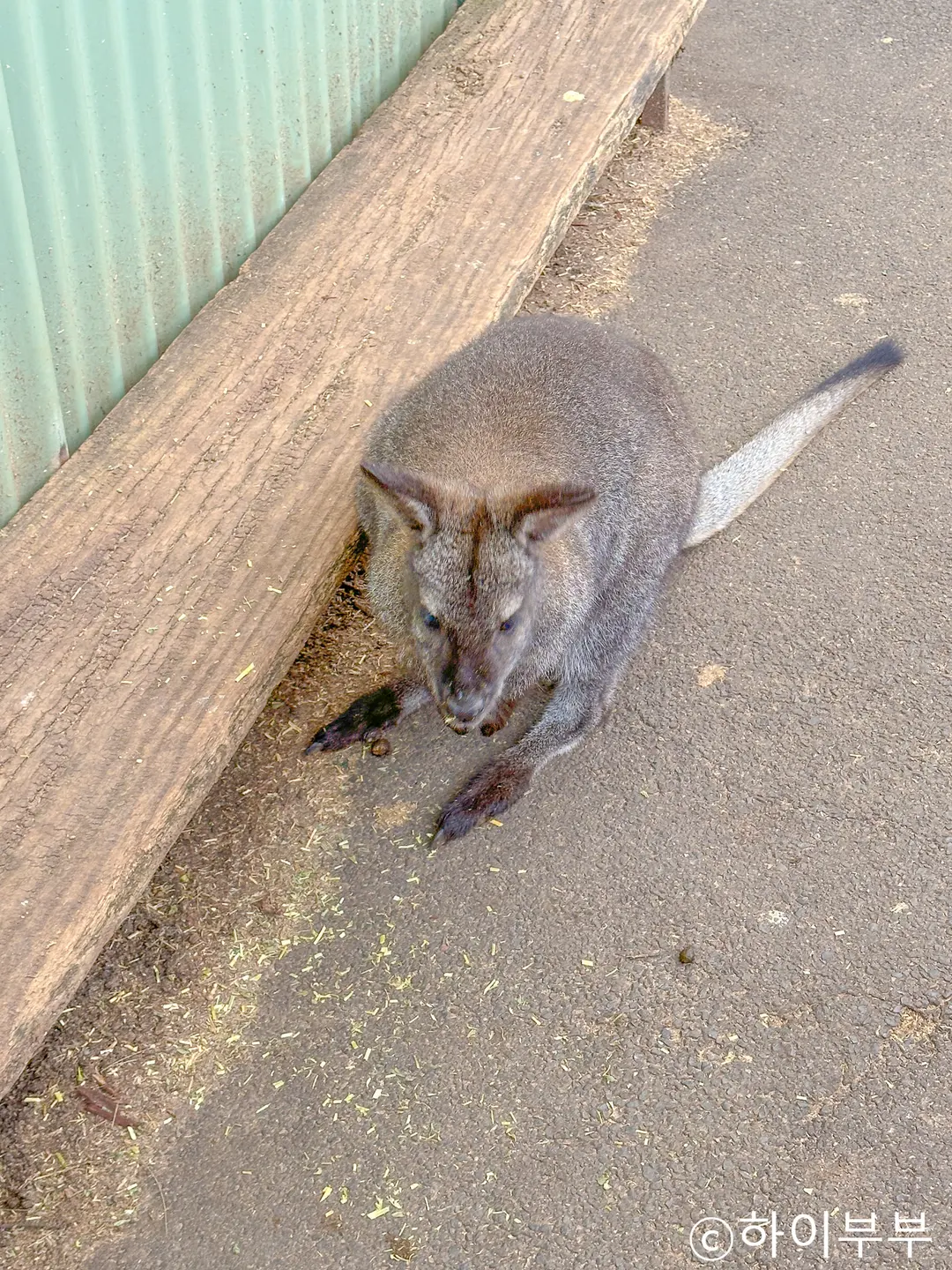
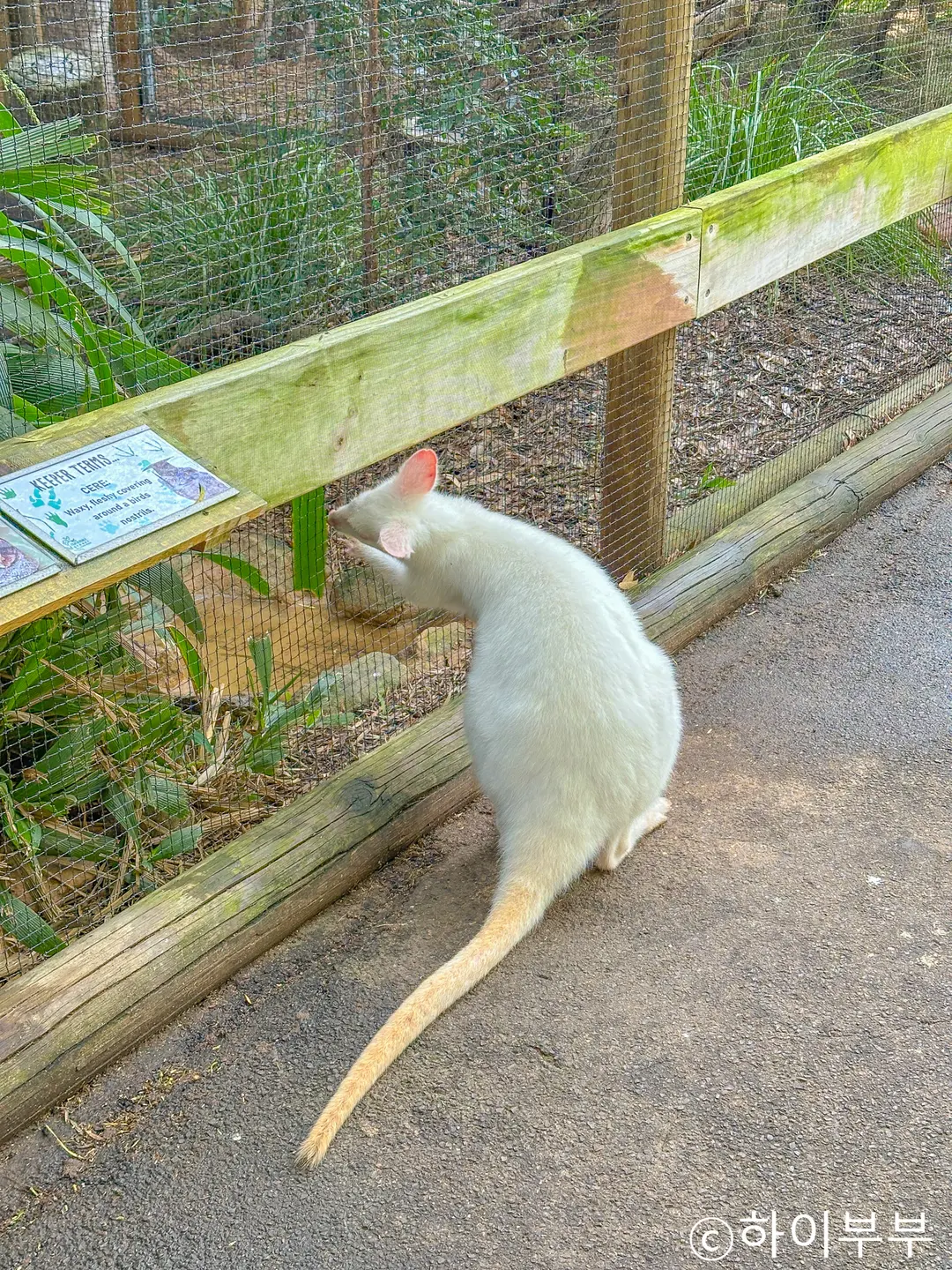
And finally, our third friend is the wallaby.
While perhaps not as famous as kangaroos to international visitors, wallabies make up a significant population at Featherdale Wildlife Park and are surprisingly adorable! Wallabies look similar to kangaroos but are smaller and just as cute as quokkas. They are also incredibly gentle when taking food, making it even easier to get some great photos with them!
My Open Run Experience: Feeding the Quokkas!
I've introduced you to three charming animals, but let's be honest, the most popular animal at Featherdale is undoubtedly the quokka.
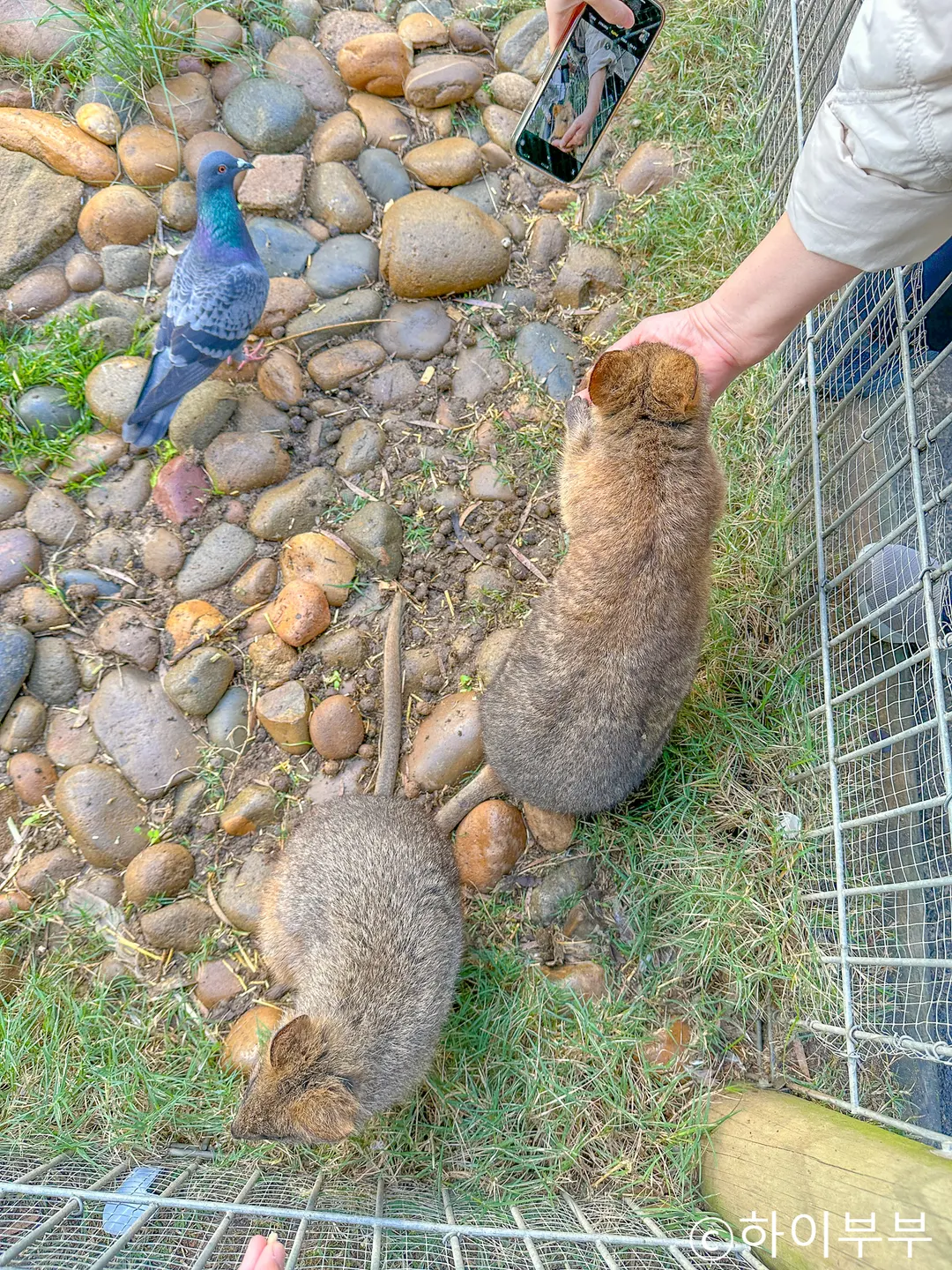
If you're visiting Featherdale with an open run strategy, you should head straight to the quokka enclosure with your animal feed. Why? Because quokkas tend to stay inside their shelters once they're full, so they're most active and hungry in the morning!
So, even if you spot wallabies or kangaroos on your way, I highly recommend prioritizing the quokkas first. While it's hard to give exact directions, if you pass the wallabies and wombats, you'll eventually see a small enclosure where you can find the quokkas.
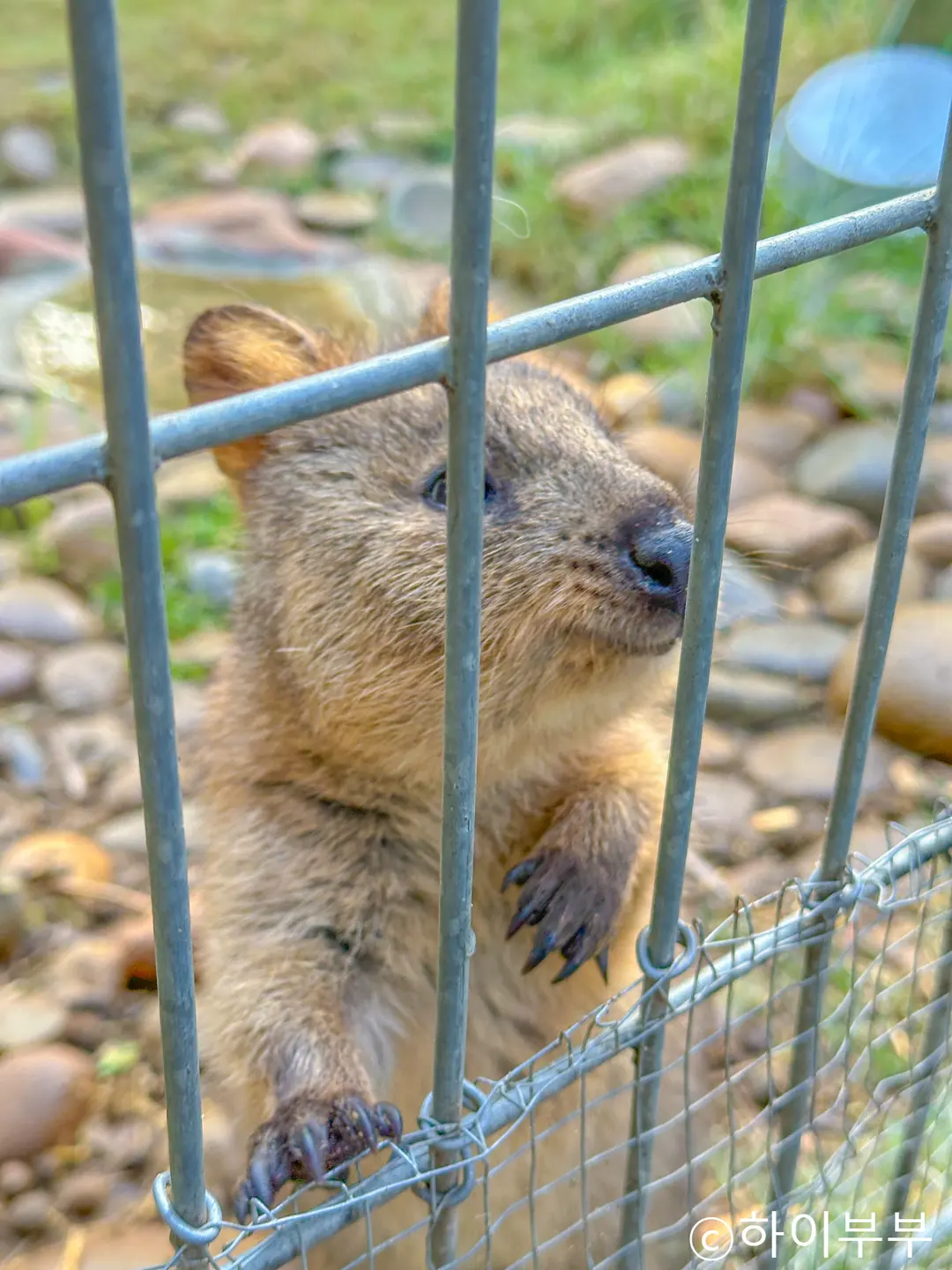
When I visited, there were two quokkas in this enclosure, and since it was an open run, there were no crowds, allowing us to feed them to our hearts' content. The quokkas approached us with bright, clear eyes, taking the food we offered through the fence with their tiny paws – it was absolutely precious!
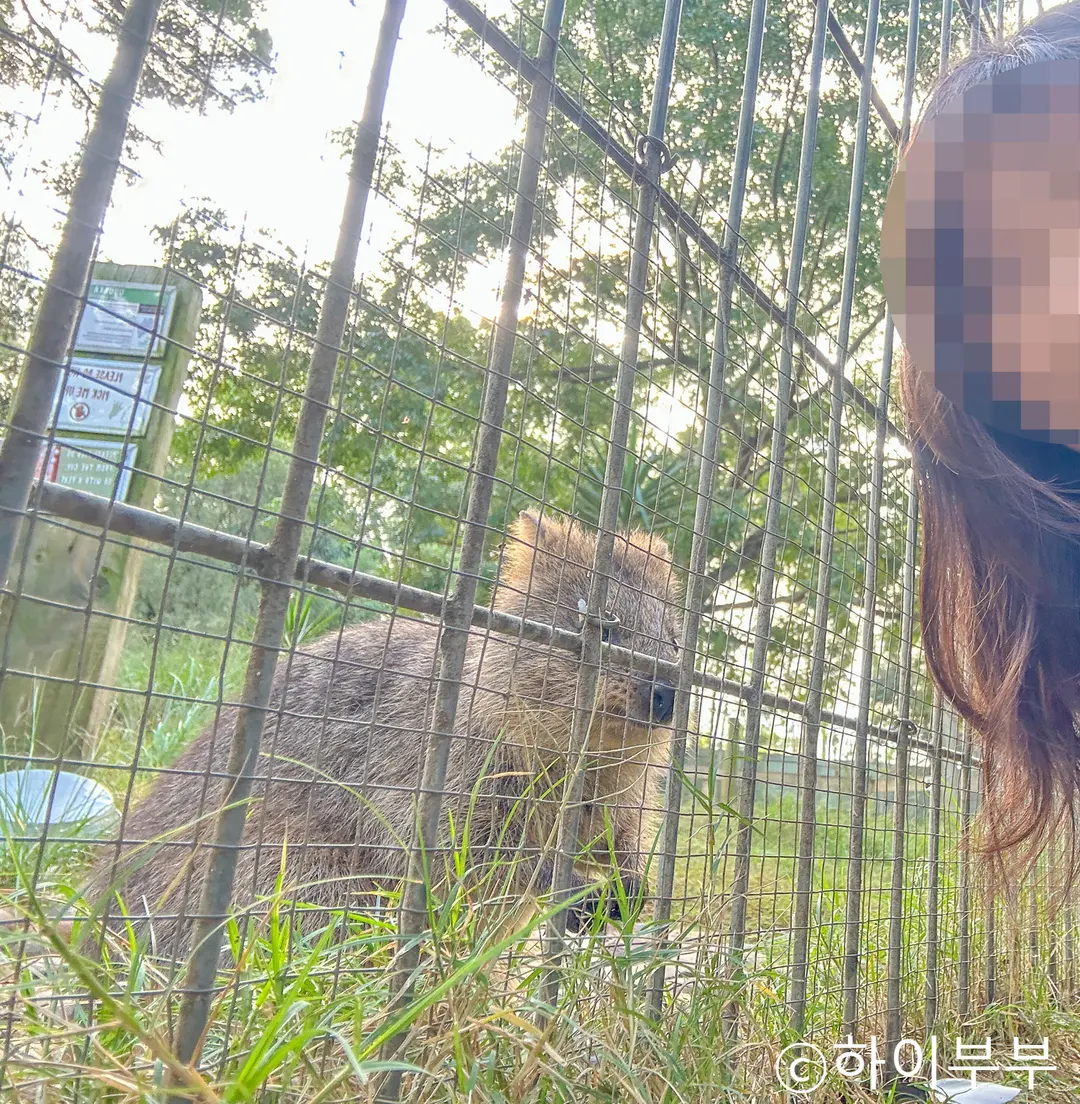
Quokkas are small, making them a bit tricky to photograph, but if one person keeps feeding them while another takes pictures, you can usually capture some great souvenir shots. After you've had your fill of feeding the quokkas, you can then use any remaining food to feed the wallabies and kangaroos I mentioned earlier!
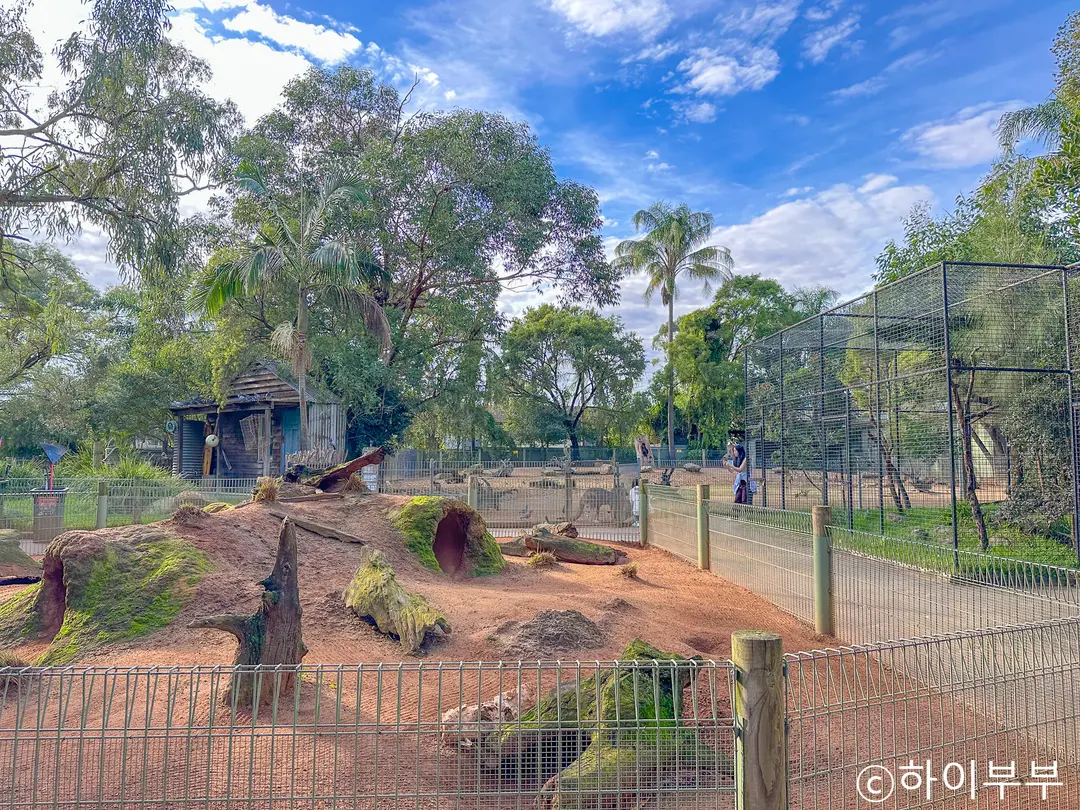
So, keep these Featherdale open run tips and recommended animal-meeting order in mind, and get ready to meet some incredibly cute Australian animal friends!
Frequently Asked Questions
What's the best way to ensure you meet a quokka at Featherdale Wildlife Park in Sydney?
To significantly increase your chances of meeting a quokka, it's highly recommended to visit right at opening time (an "open run"). Quokkas are most active in the morning when they are hungry, as they tend not to come out of their shelters much once they're full.
What are two specific ways to visit Featherdale Wildlife Park right at opening time?
The first way is to book your Featherdale Wildlife Park admission ticket and round-trip transportation separately. The second is to take a Blue Mountains tour that includes an early visit (open run) to Featherdale Wildlife Park.
Is there an additional fee to take a commemorative photo with a koala at Featherdale Wildlife Park?
Yes, there is a fee of 32 AUD at the regular price to meet and take a commemorative photo with a koala at Featherdale Wildlife Park. Viewing koalas from a distance is free.
When visiting Featherdale Wildlife Park at opening time, is there an effective order and tips for feeding quokkas?
When visiting at opening time, it's best to get your feed and head straight to see the quokkas first. Quokkas are most active in the morning, so you should bypass the wallabies and wombats, go directly to the quokka enclosure to feed them, and then give any remaining food to the other animals.
Share this article
Featured in Collections
Discover more travel stories curated around the same theme.

Related Travel Stories
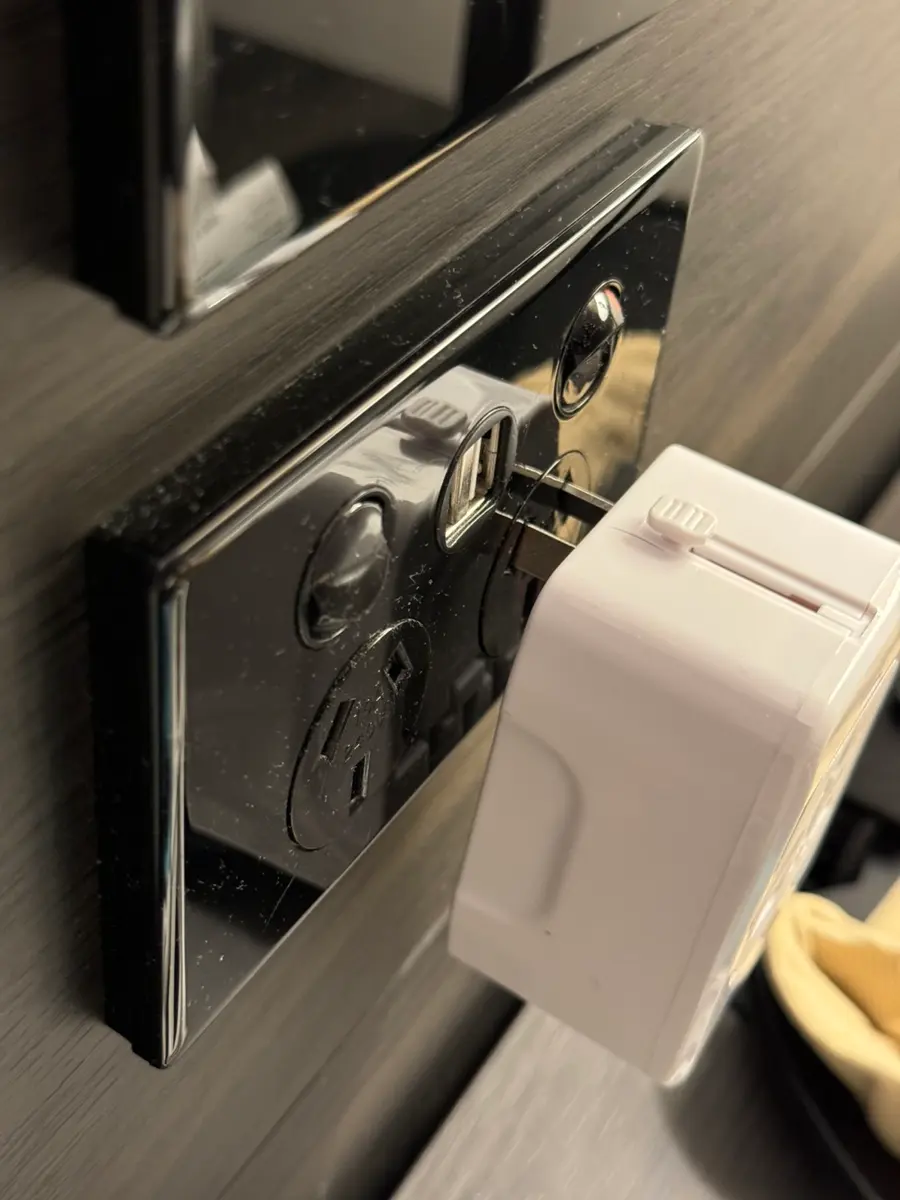
Australia Power Adapter Guide 2026: Outlets and Voltage Explained
Planning a trip Down Under? Ensure your devices stay charged! Discover essential info on Australia's unique power outlets, voltage (240V), and how to pick and use the perfect adapter for your 2026 adventure.

Sydney UGG Shopping Guide 2026: Where to Find the Best Deals
Don't regret missing out! Our Sydney UGG shopping guide for 2026 reveals where to snag genuine UGG boots at better prices than back home.
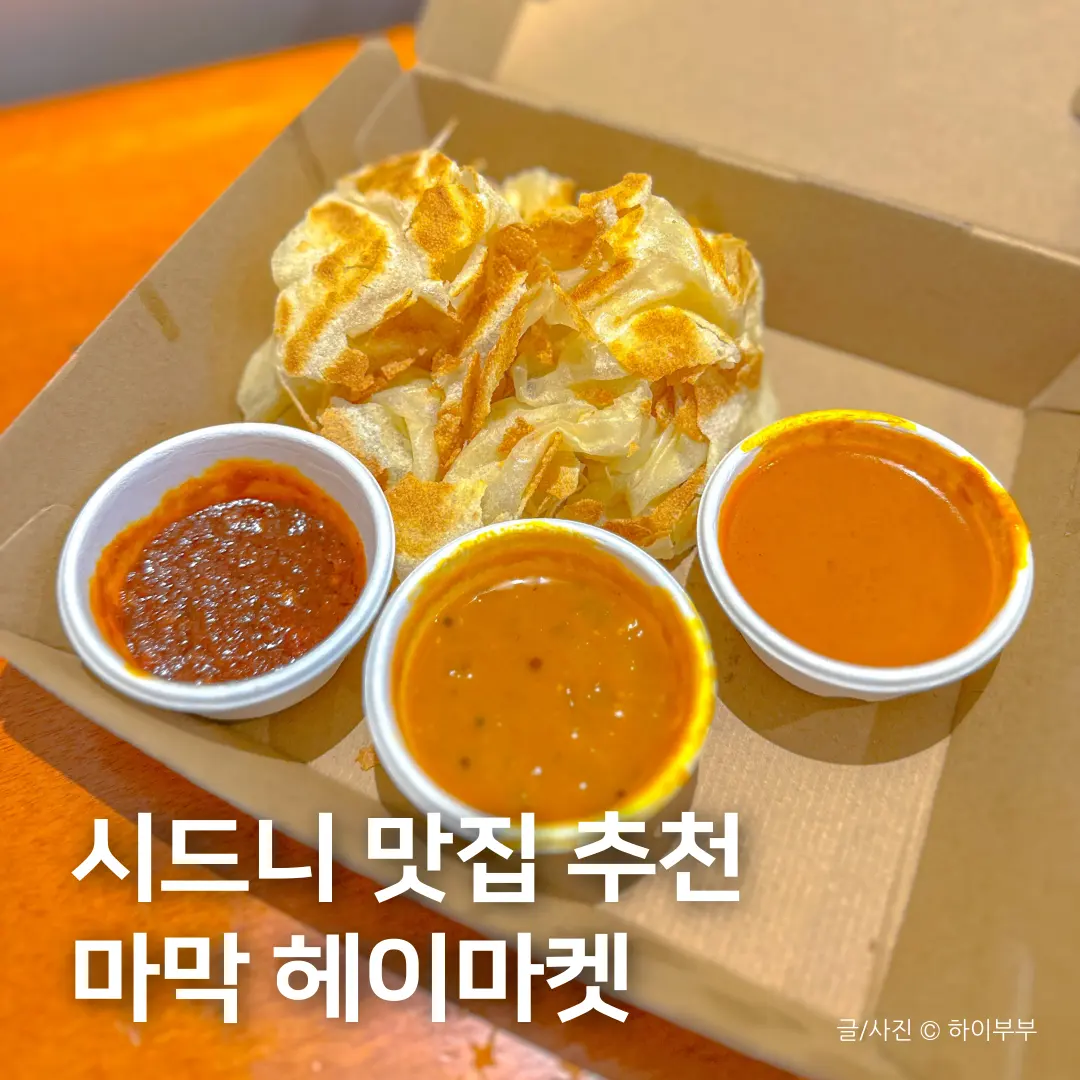
Mamak Haymarket Sydney Review: Authentic Malaysian Takeaway
Experience the vibrant tastes of Malaysia at Mamak Haymarket in Sydney. We tried their famous takeaway near Darling Harbour and Chinatown – perfect for an authentic culinary adventure!

Milsons Cafe North Sydney: A Local's Favorite Brunch Spot
Searching for delicious brunch in North Sydney? Milsons Cafe offers a unique Vietnamese-inspired menu, loved by locals, perfect after a morning stroll near the iconic Milsons Point.

Sydney Duty Free Shopping Guide 2026: Best Souvenirs & Gifts
Planning your Sydney trip? Uncover the top souvenirs and gift ideas at Sydney Duty Free. Enjoy a convenient shopping experience with unique Australian finds!
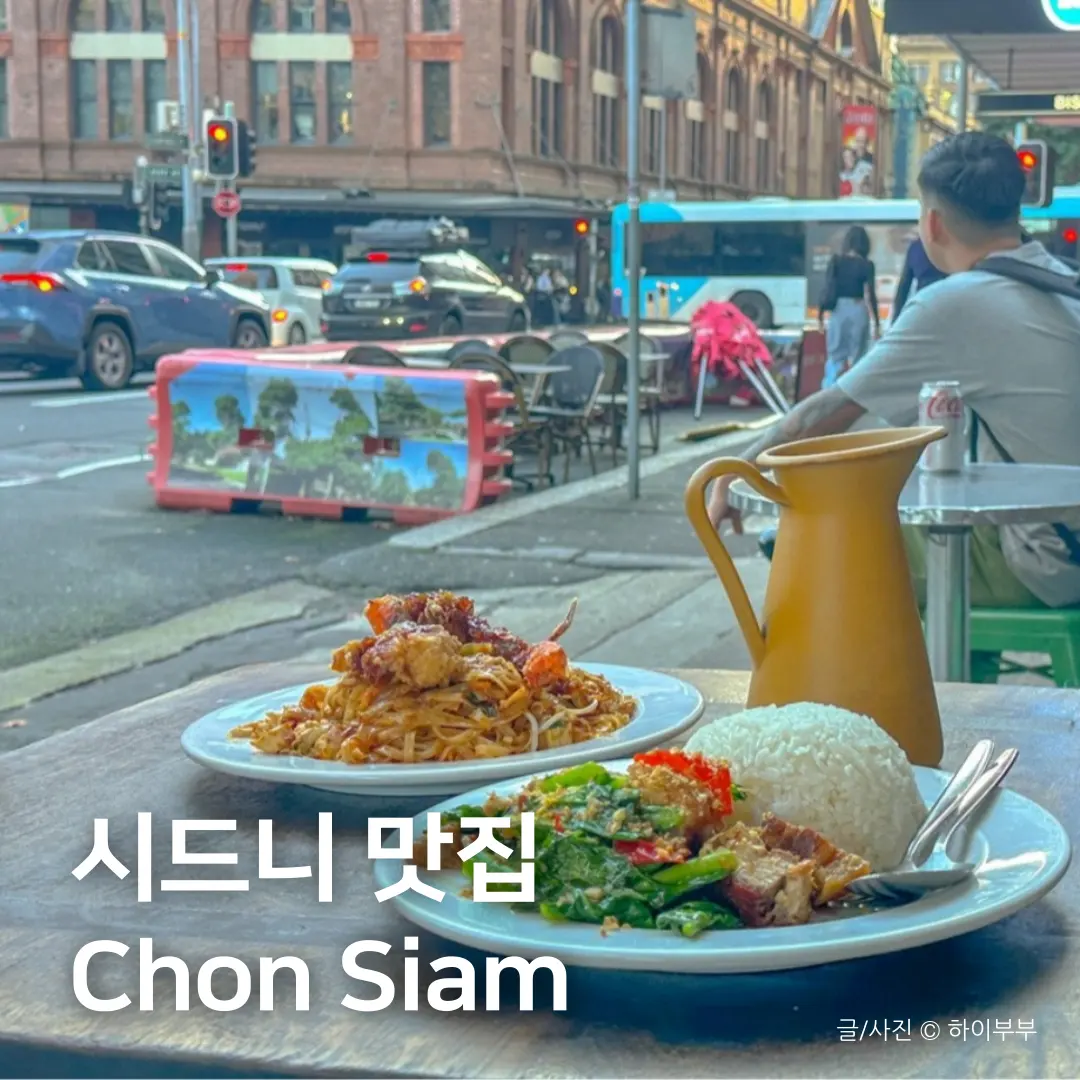
Chon Siam Sydney Review 2026: Authentic Thai Flavors in Haymarket
During a Sydney trip, I stumbled upon Chon Siam in Haymarket, a Thai restaurant so delicious it felt like a true taste of Thailand. This local gem near Chinatown offers authentic flavors you won't want to miss!