

China Medicine Regulations 2026: Banned Ingredients & Customs Rules
Don't let unexpected customs issues ruin your China trip! Learn which common medications are prohibited and how to navigate China's strict drug import rules for a worry-free journey.

Packing for a trip or business venture to China can be exciting, but it often comes with a nagging question: will my everyday medications cause trouble at customs?
Especially with recent reports of stricter customs inspections in China, it's natural to feel a bit hesitant.
For those of you grappling with these concerns, I've personally researched and compiled the latest essential guidelines for bringing medicines into China, accurate as of August 2026. Let's dive in!
Common Cold Medicine: Watch Out for These Banned Ingredients
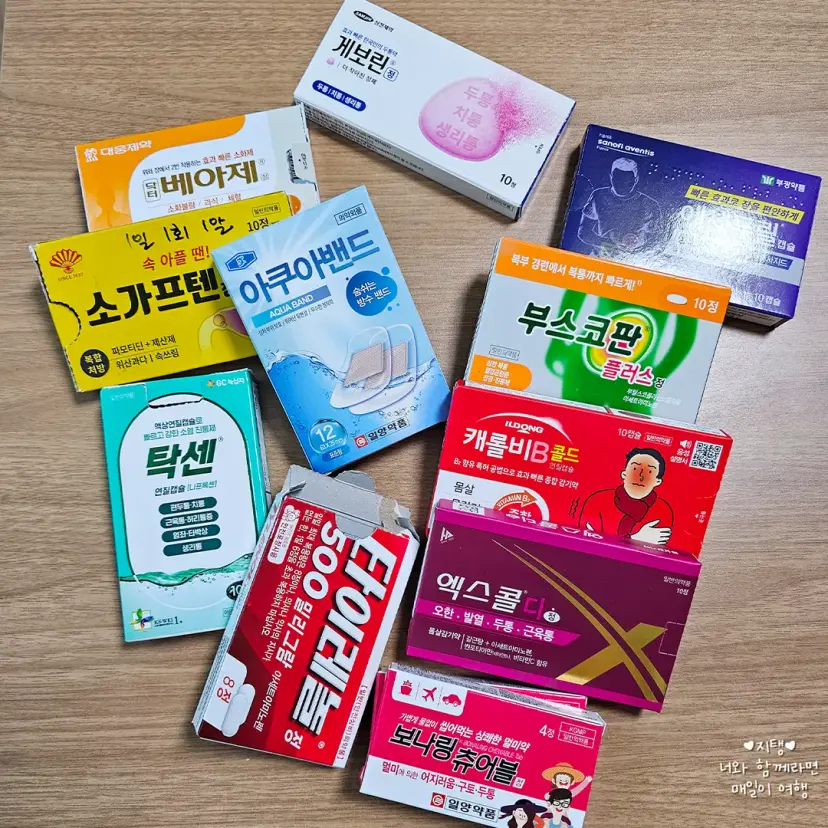
Surprisingly, one of the biggest culprits for issues at Chinese customs is a medication many of us take without a second thought: common cold remedies.
While readily available over-the-counter in many countries, certain ingredients found in these medications are classified as 'drug precursors' in China. This means they are strictly controlled, often because they can be used in the illicit manufacture of narcotics.
Be sure to carefully check for these three ingredients:
Ephedrine
Often listed by Chinese consulates as a prohibited item due to its potential use as a raw material in drug production.
Pseudoephedrine
This is a very common ingredient in nasal decongestants and multi-symptom cold medications. There have been frequent reports of travelers being stopped for carrying this, so it's generally best to avoid bringing it if possible to save yourself potential hassle.
Methylephedrine
Frequently used in cough medicines, this ingredient, like the others mentioned, is also treated as a prohibited item.
Psychotropic Medications
Medications prescribed for weight loss, such as Phendimetrazine, are classified as 'Class II Psychotropic Drugs' in China.
Chinese consulates explicitly list these as prohibited items. Bringing them without proper documentation could lead to serious investigation, so exercise extreme caution.
From my perspective, it's best to either completely exclude any medications containing psychotropic ingredients from your travel packing list or, if absolutely essential, ensure you have all necessary documentation perfectly prepared.
How to Check Your Medicine's Ingredients
So, how can you verify the ingredients in the medications you already have?
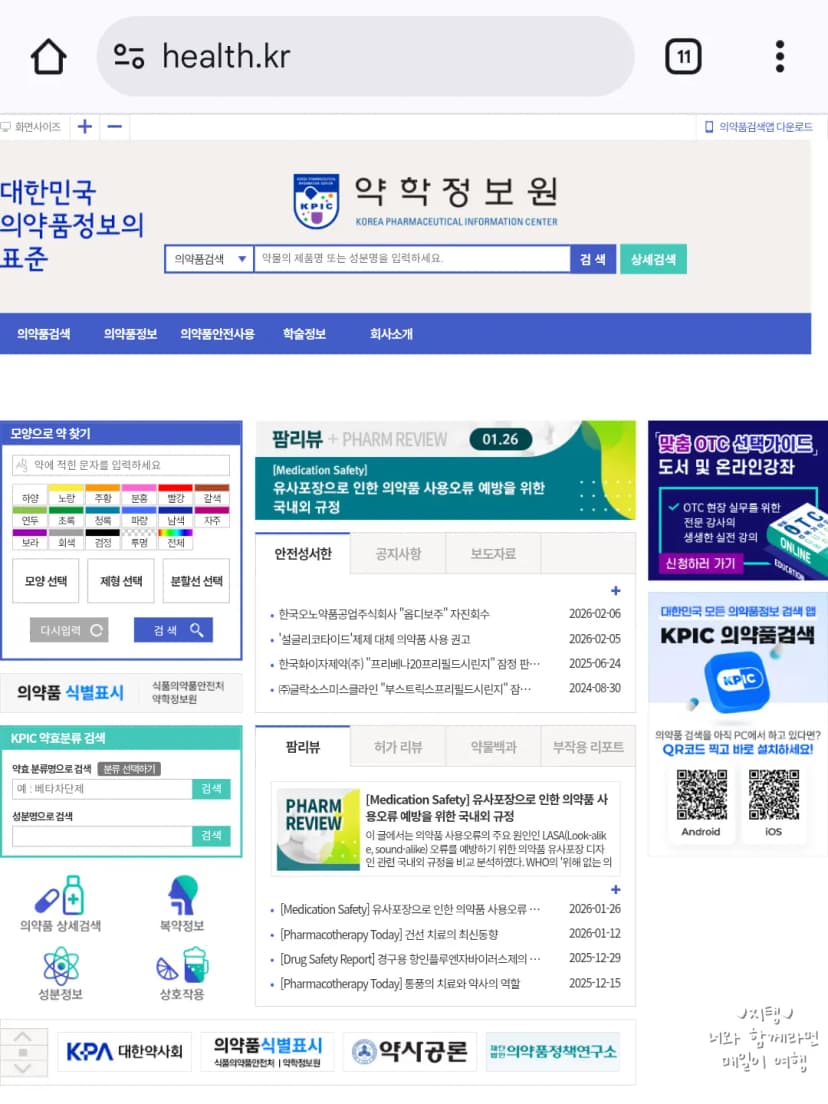
I often find myself confused by just the outer packaging of common household medications. When in doubt, there are a few reliable ways to check:
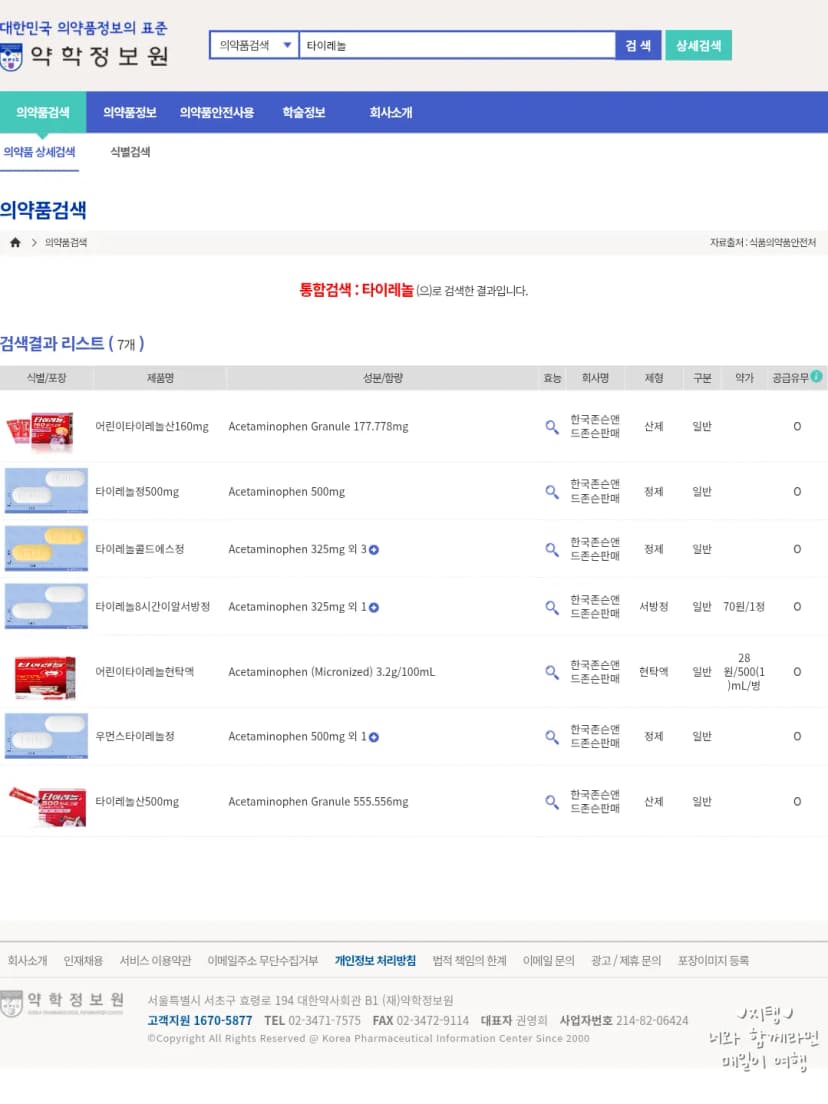
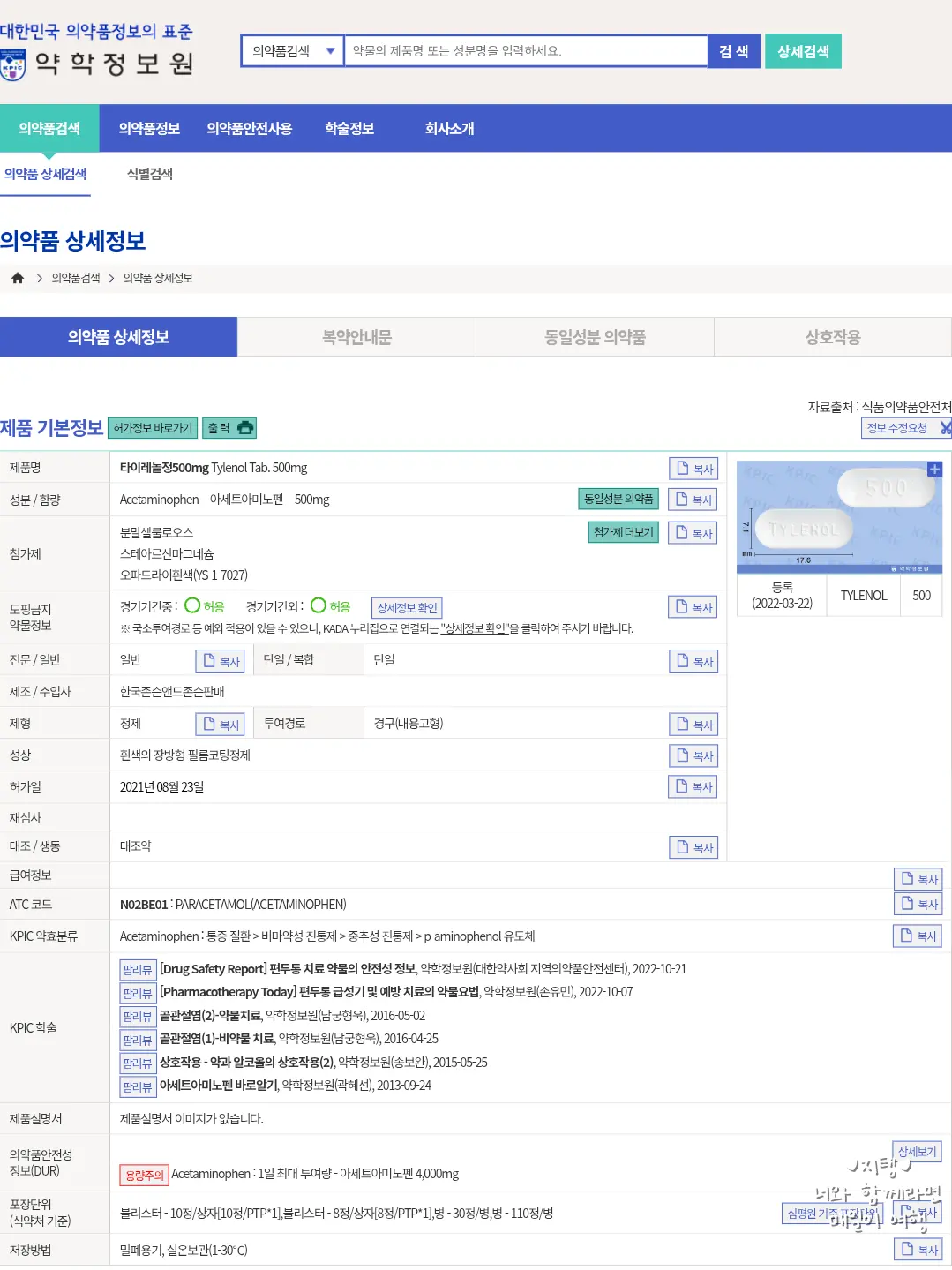
First, always check the product's packaging or leaflet for a detailed list of active ingredients. Look for Ephedrine, Pseudoephedrine, or Methylephedrine.
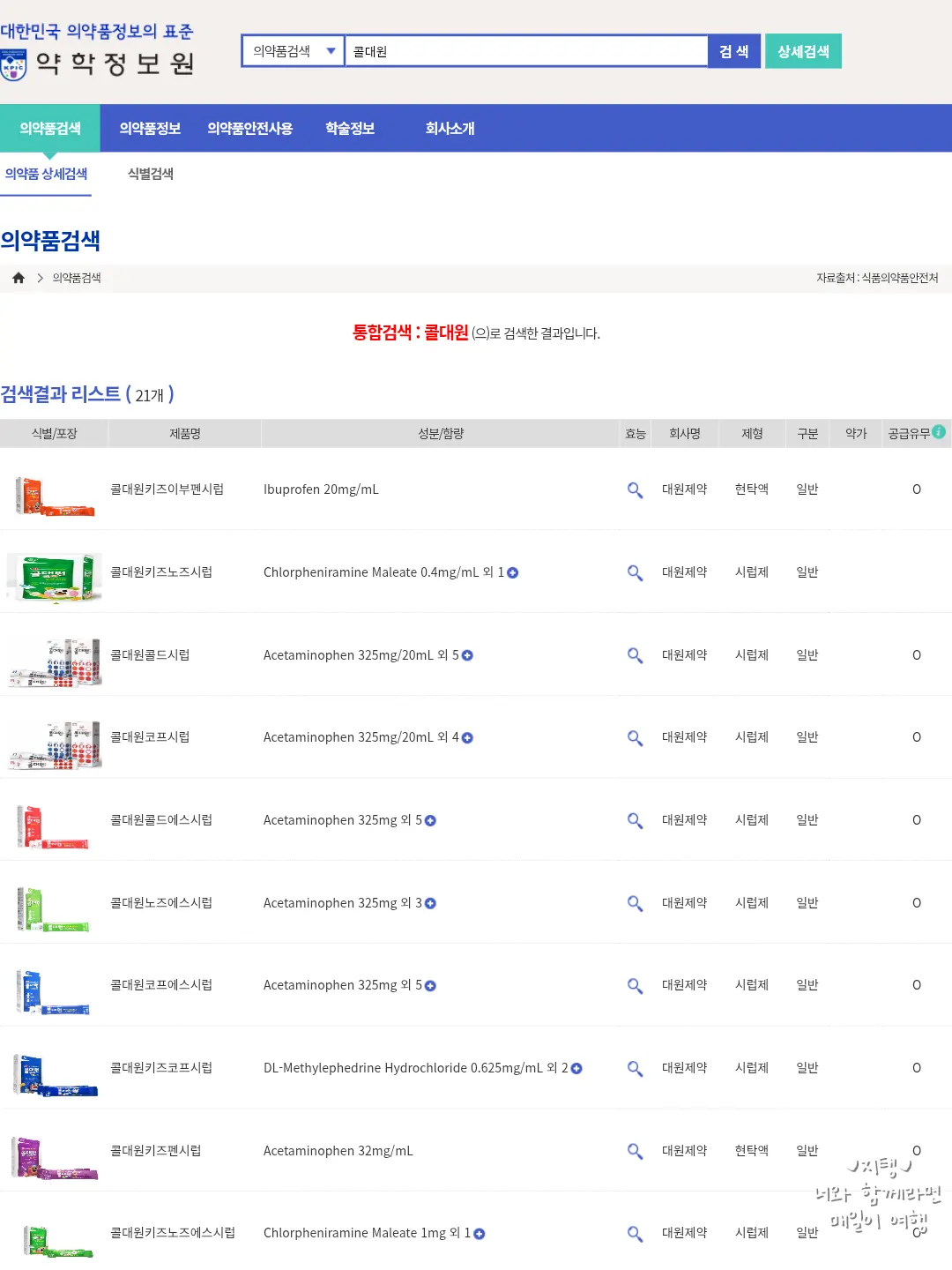
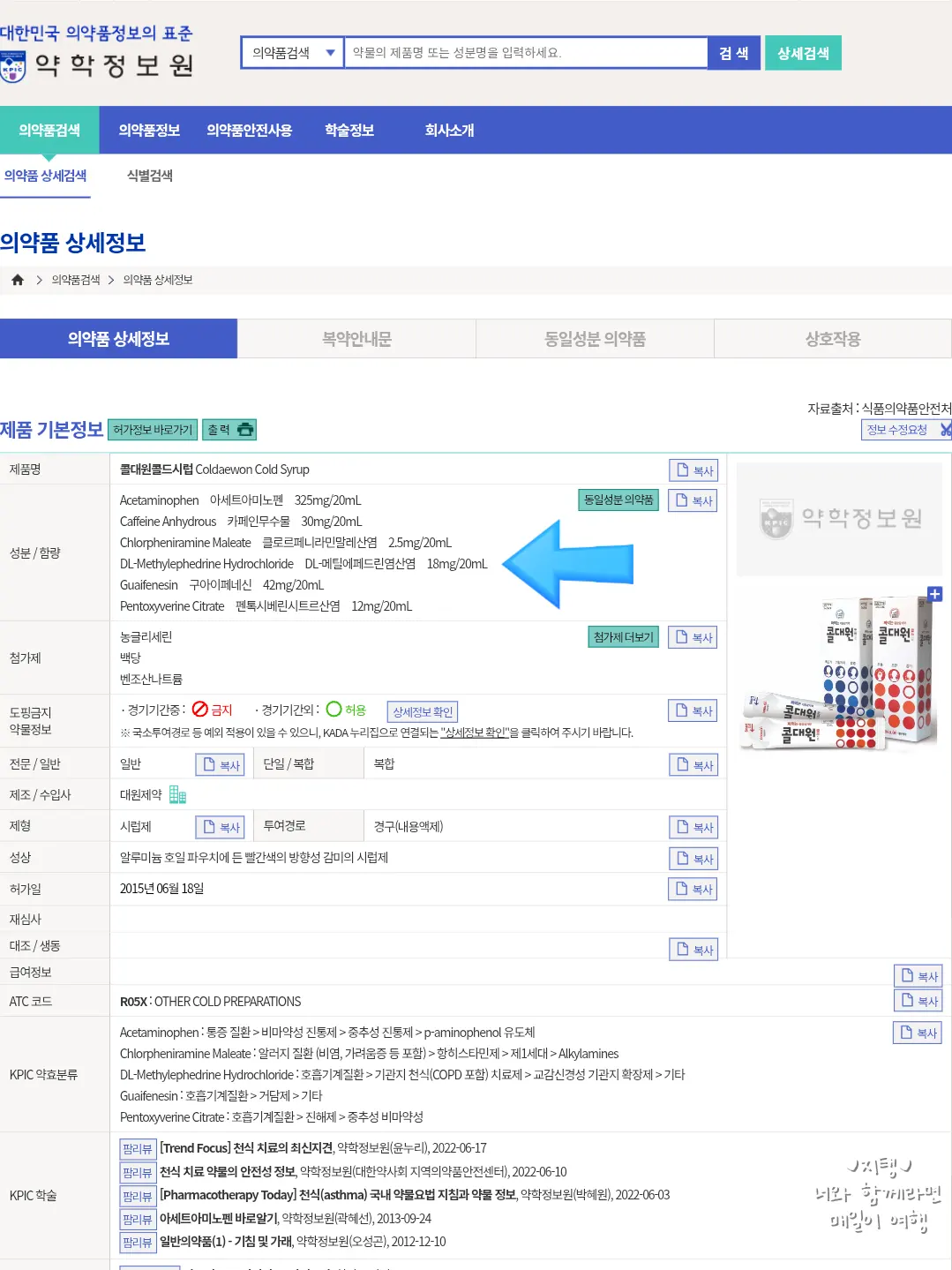
If you see any of these terms, my personal recommendation is to opt for an alternative medication rather than risking issues at customs.
It can sometimes feel cumbersome to sift through ingredient lists, or the chemical names might seem daunting.
In such cases, the quickest and most accurate method is to ask your pharmacist directly when purchasing medication.
Simply say, "I'm traveling to China soon; does this medication contain any Ephedrine-related ingredients?"
A pharmacist's expert eye can quickly review the ingredients for you, providing invaluable peace of mind when preparing for your trip.
For me, combining a quick check of the packaging with a pharmacist's advice usually eliminates about 90% of my worries.
Key Guidelines for Bringing Medications into China
The fundamental rule for Chinese customs is a "reasonable quantity for personal use."
However, the challenge lies in the fact that what constitutes "reasonable" can vary from one customs officer to another.
Carry an English Prescription and Doctor's Note
If you must bring medications containing narcotic or psychotropic ingredients, an English prescription and a doctor's diagnosis letter, along with your identification, are absolutely essential.
Maintain Original Packaging
Many travelers put their pills into smaller, unlabeled containers for convenience. This is a definite no-go! To prove what your medication is, it's far better to keep it in its original packaging with clear labeling.
Adjust Quantity
Generally, a supply of around 7 days is considered safe. However, if you require a longer-term supply, say for 3 months, the importance of comprehensive supporting documentation becomes even greater.
Customs Declaration Tips
The golden rule when filling out your customs declaration form upon entry to China is to declare everything truthfully.
If you have any medication that you're even slightly unsure about, use the 'Red Channel' for voluntary declaration. It's always better to ask upfront than to be caught trying to hide something, which can lead to significant complications.
Ultimately, what I've realized while putting this information together is that it's often better to find safe alternatives than to travel with the anxiety of potentially problematic medications.
When I travel to China, instead of risky multi-symptom cold medicines, I prefer to pack acetaminophen or ibuprofen for pain and fever, which typically don't contain restricted ingredients. I also make sure to check all medication ingredients beforehand.
I hope these guidelines I've compiled prove helpful as you pack for your next adventure or business trip to China.
※ Please note: Medicine import regulations can change frequently. Always reconfirm the latest information with the Embassy of your country in China or the official website of China Customs before your trip.
Frequently Asked Questions
Which cold medicine ingredients should I be particularly careful about when entering China?
When entering China, cold medicines containing ephedrine, pseudoephedrine, or methylephedrine are strictly prohibited as they are classified as narcotic raw materials. These ingredients can often be found in nasal cold medicines, multi-symptom cold medicines, and cough medicines, so caution is advised.
How can I check the ingredients of the medication I possess before entering China?
You can check the ingredients of your medication by entering the product name into the search bar on the 'Drug Information Service (YakHak JungBoWon)' website. Alternatively, the most accurate method is to directly inform a pharmacist at a pharmacy about your purpose of travel to China and inquire whether the medication contains ephedrine-like ingredients.
What documents and packaging regulations must be followed for bringing medicines through Chinese customs?
For medications containing narcotic or psychotropic ingredients, an English prescription and a medical certificate from a doctor are essential, along with your identification. Additionally, medicines must be kept in their original packaging, not repackaged into smaller containers. While a supply for about 7 days is generally acceptable, for long-term medications (3 months or more), supporting documentation becomes critically important.
Share this article
Featured in Collections
Discover more travel stories curated around the same theme.

Related Travel Stories

Shanghai Disneyland Ticket Prices 2026: App & Top Rides
Planning a trip to Shanghai Disneyland in 2026? Discover essential tips on tickets, how to use the official app, and which rides are must-dos for an unforgettable experience.
Shanghai Disneyland Rides Review 2026: Best Attractions
Planning a trip to Shanghai Disneyland in 2026? Discover the best rides, from the thrilling TRON Lightcycle Power Run to the Seven Dwarfs Mine Train!
Shanghai Tower Ticket Prices 2026: Observatory Guide
Discover why the Shanghai Tower Observatory offers the absolute best skyline views in 2026. Learn tips on ticket booking, operating hours, and more!
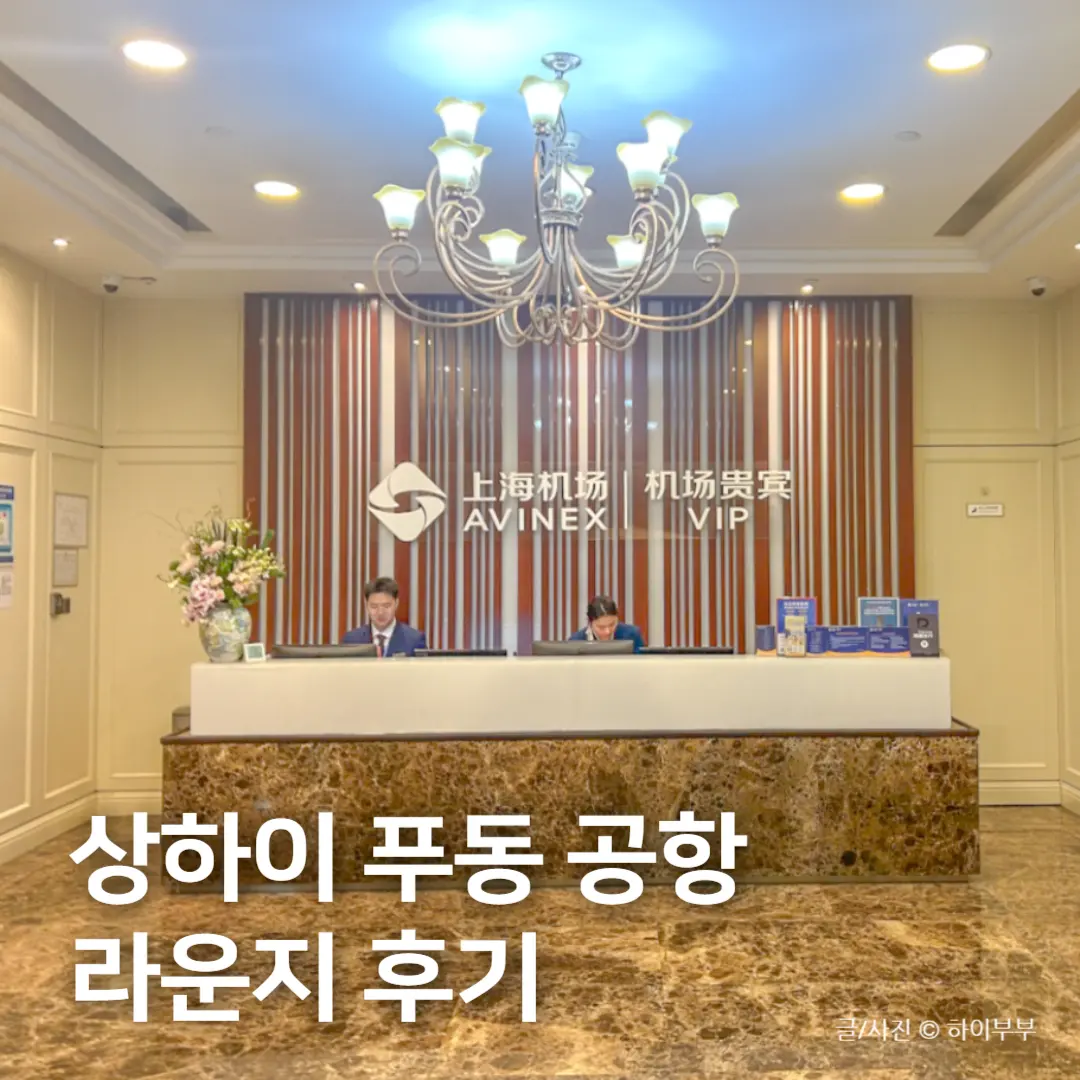
Pudong Airport Lounge No.39 Review: Shanghai Transit Guide
Wondering how to spend your layover in Shanghai? Here is our honest review of Pudong Airport's First Class Lounge No.39, including how to actually find it.

Grand Central Hotel Shanghai Review 2026: 5-Star Value
Discover the Grand Central Hotel Shanghai, a 5-star gem located just one block from East Nanjing Road. Enjoy spacious rooms and luxury amenities for under $120!

Shanghai Ocean Aquarium 2026: Family Fun & Ticket Booking Guide
Planning a family trip to Shanghai in 2026? Explore the Shanghai Ocean Aquarium for an unforgettable experience with kids and learn how to book tickets easily!