

Bukhara Old City Private Tour 2026: Uzbekistan's Silk Road History
Relive my first Central Asian adventure: a private, small-group history tour of Bukhara's enchanting Old City. Discover ancient wonders and Silk Road tales.

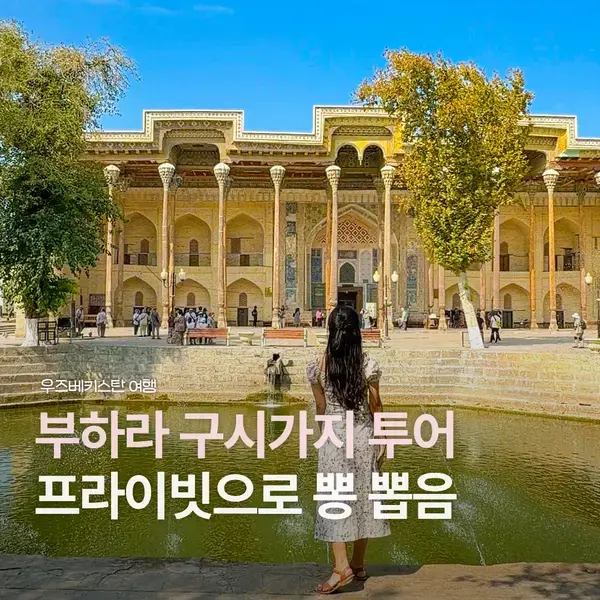
I just got back from my very first trip to Central Asia!
Uzbekistan, a place I'd only ever dreamed of!
I thought a 7-night, 8-day itinerary was quite a long trip,
but looking back now, it feels like it was over in a flash!
As soon as we landed at Tashkent Airport,
we hopped on a sleeping train and headed straight for Bukhara.
After arriving in Bukhara and checking into our accommodation,
we immediately dove into a small-group historical tour of Bukhara's Old City.
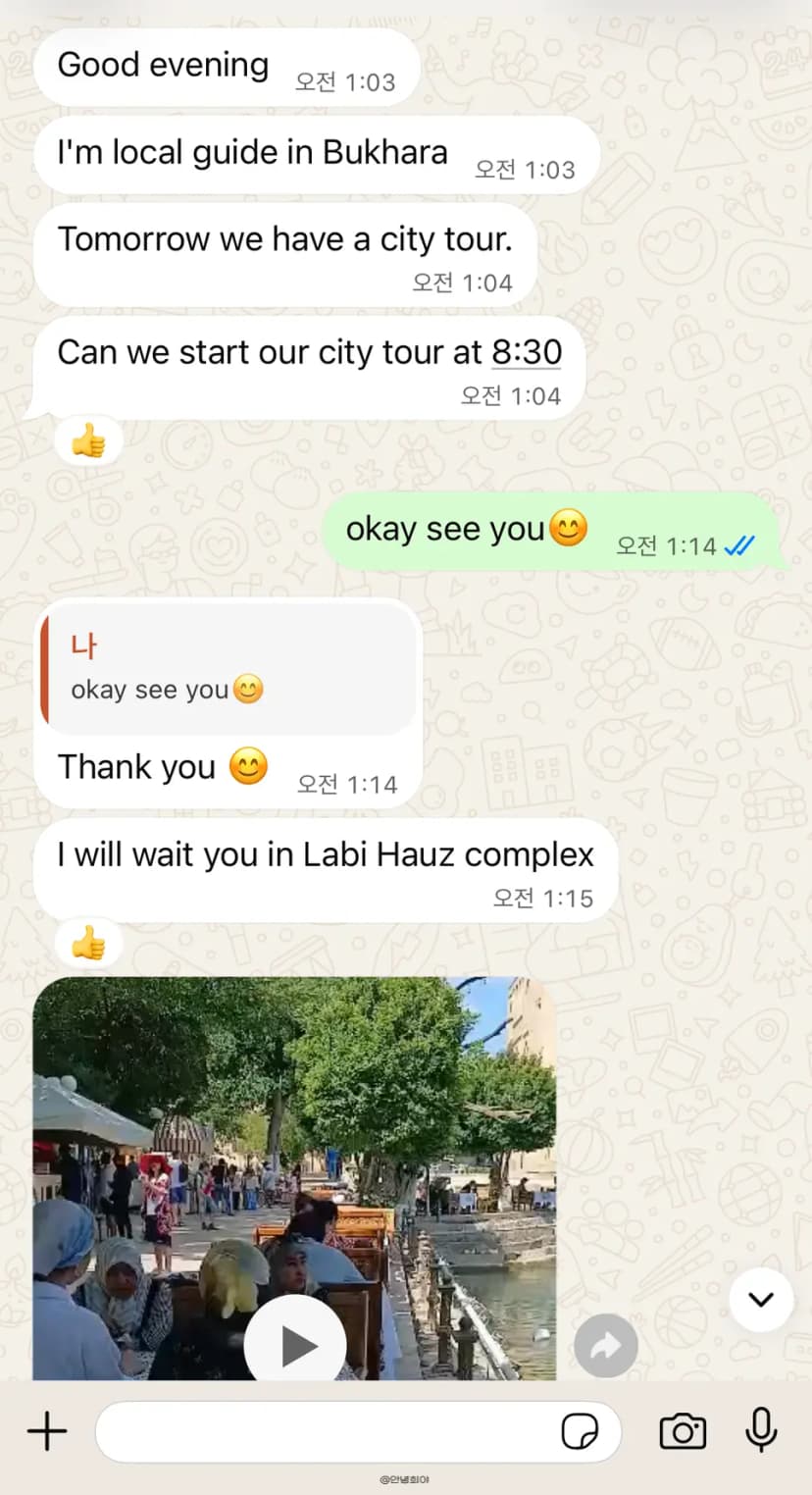
We booked it through Klook,
and communicated via WhatsApp.
Seriously, WhatsApp is a lifesaver for international travel!
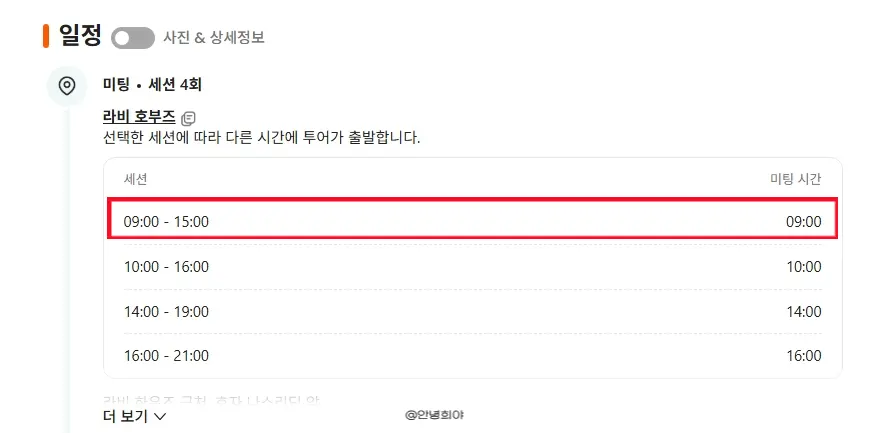
The small-group historical tour we booked
runs four times a day,
and we snagged a spot on the first session.
Gotta make the most of our itinerary, right? Hehe.
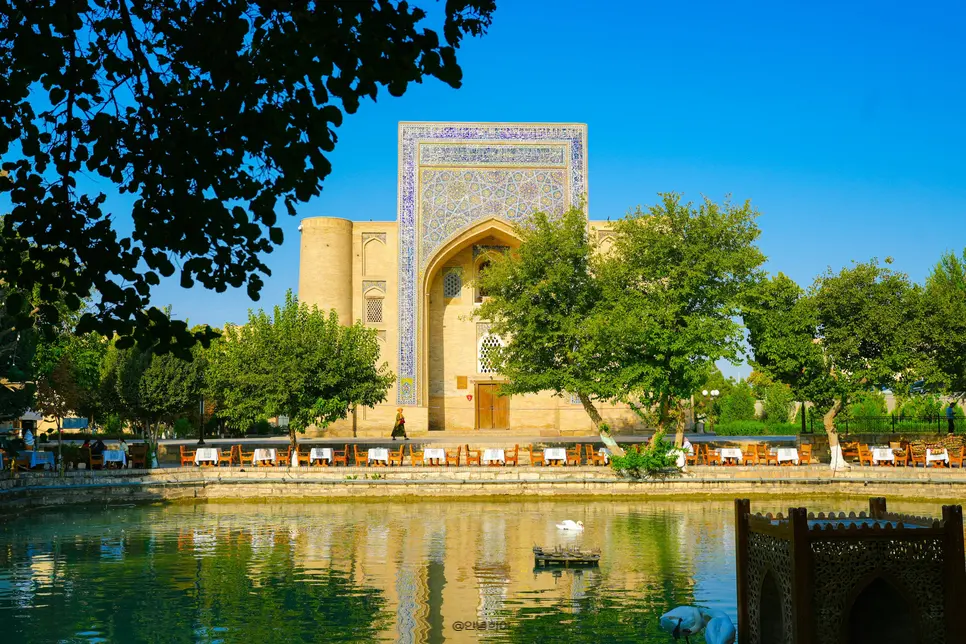
Our tour kicked off near Lyab-i Hauz, our meeting point,
right in front of the statue of Khoja Nasreddin.
Lucky us, it turned out to be a private tour just for the two of us!
Woohoo!
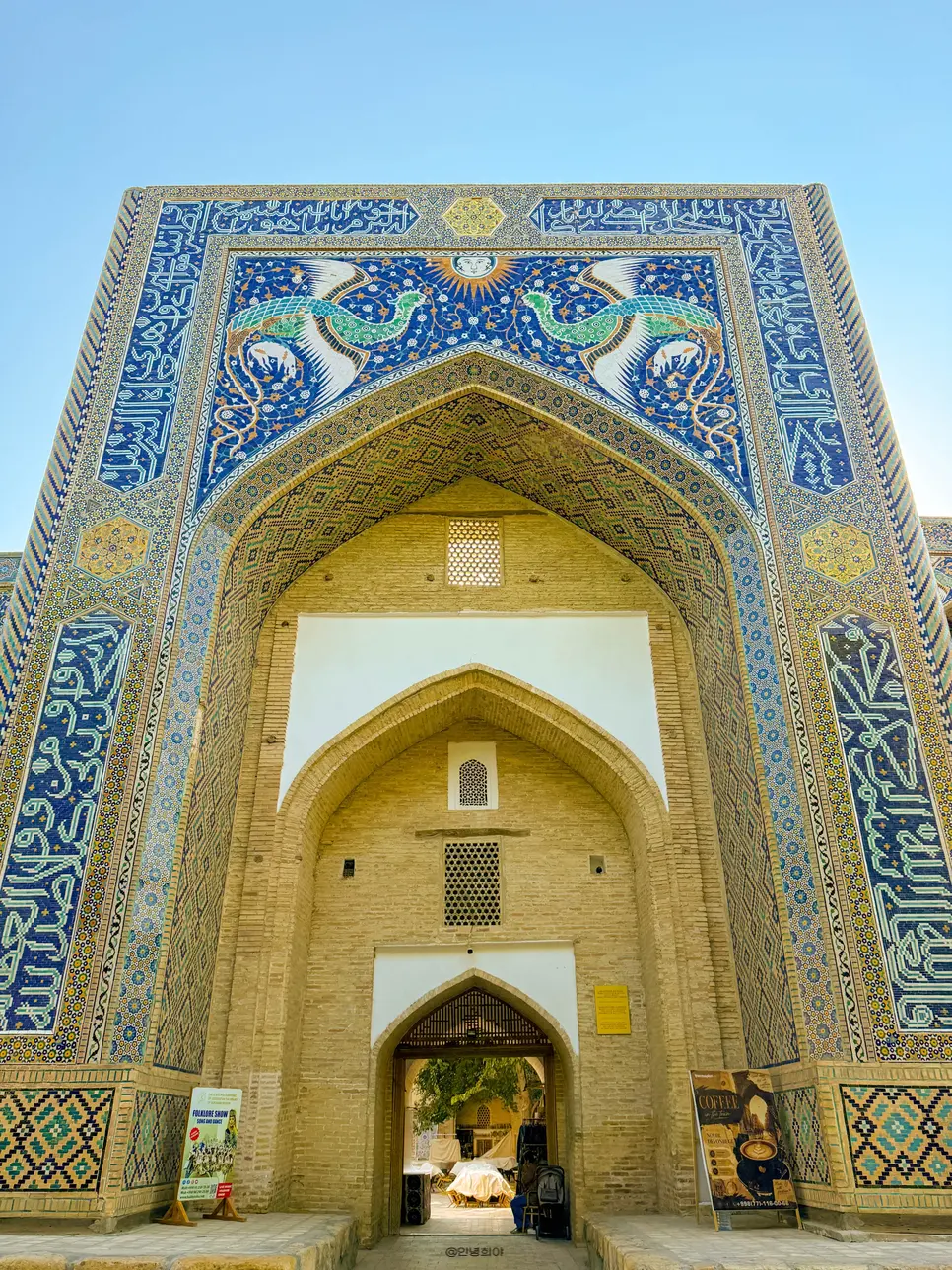
The tour began around Lyab-i Hauz, which literally means 'by the pond'.
Gazing at the ornate entrance of Nadir Divan-Beghi Madrasah,
I truly felt like I had stepped right into the heart of the Silk Road!
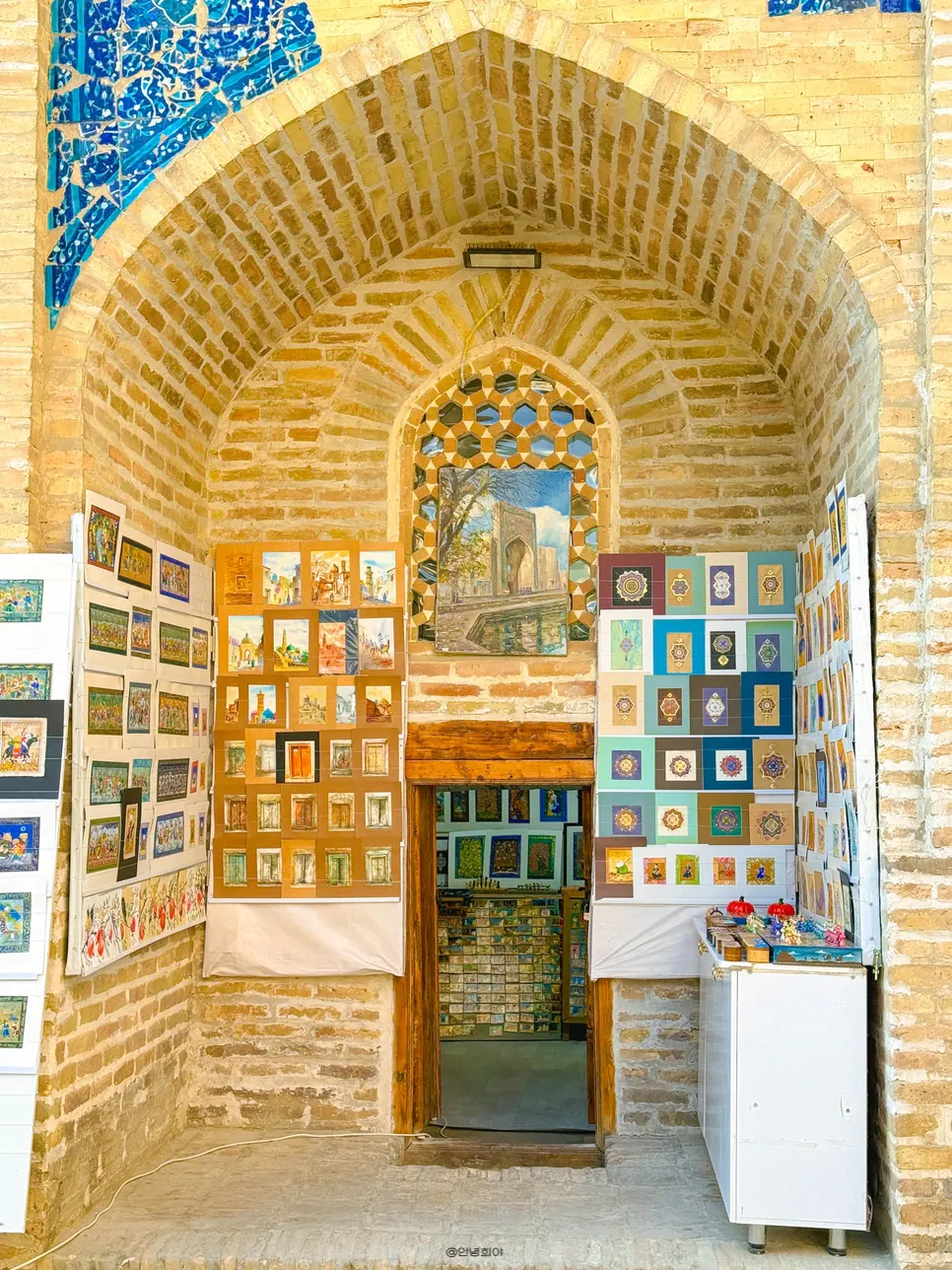
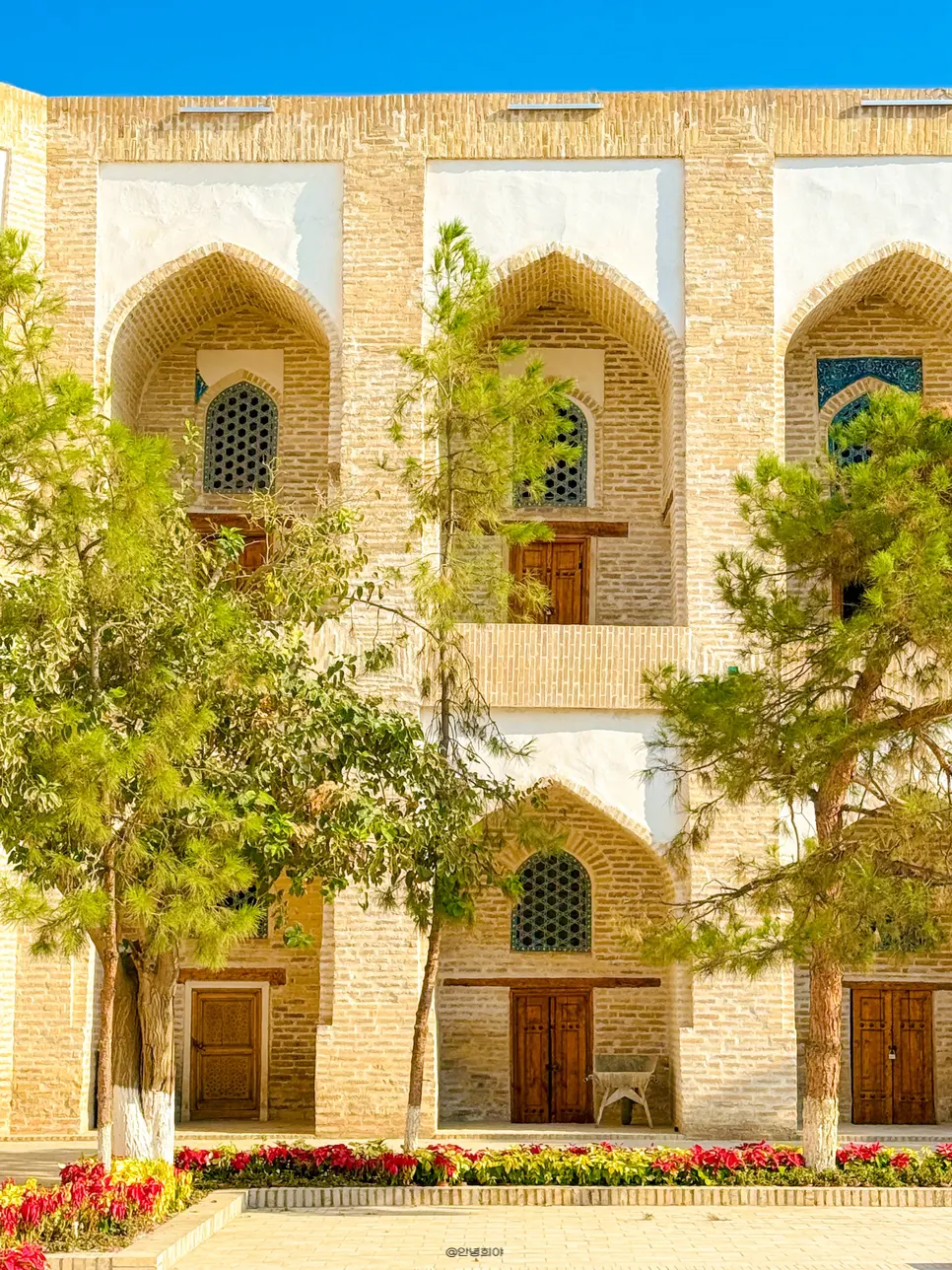
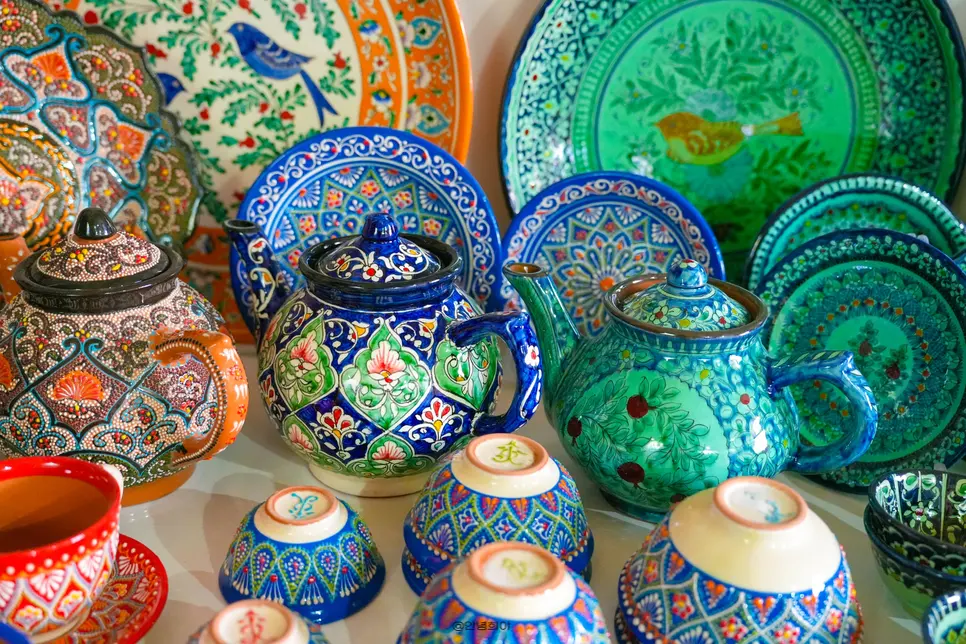
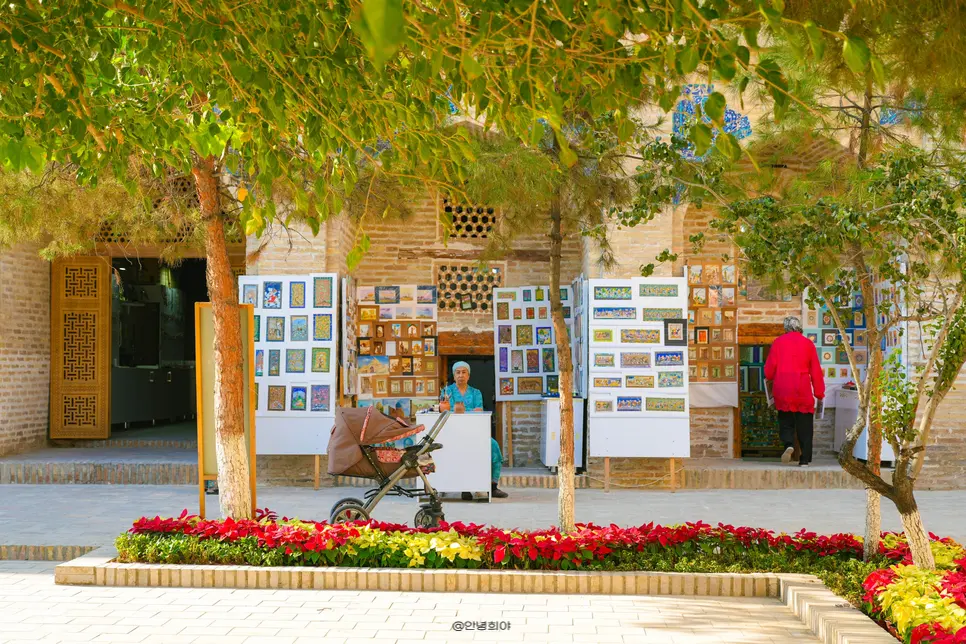
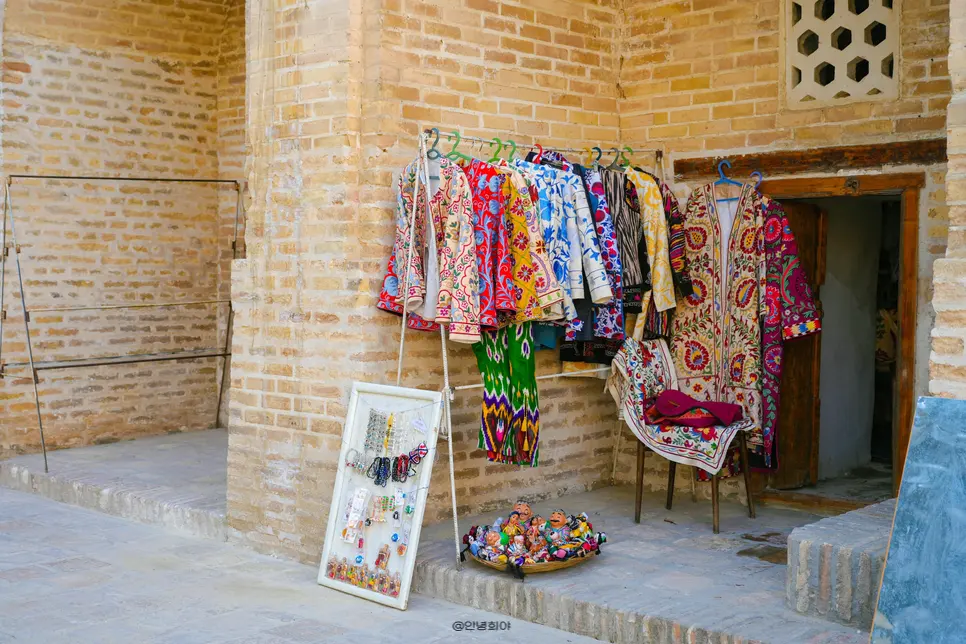
Although it's called a madrasah,
this particular building wasn't originally built as an Islamic theological school, but rather as accommodation for Silk Road merchants.
Later, it was indeed used as an Islamic school.
Its courtyard now functions as both a restaurant
and a market.
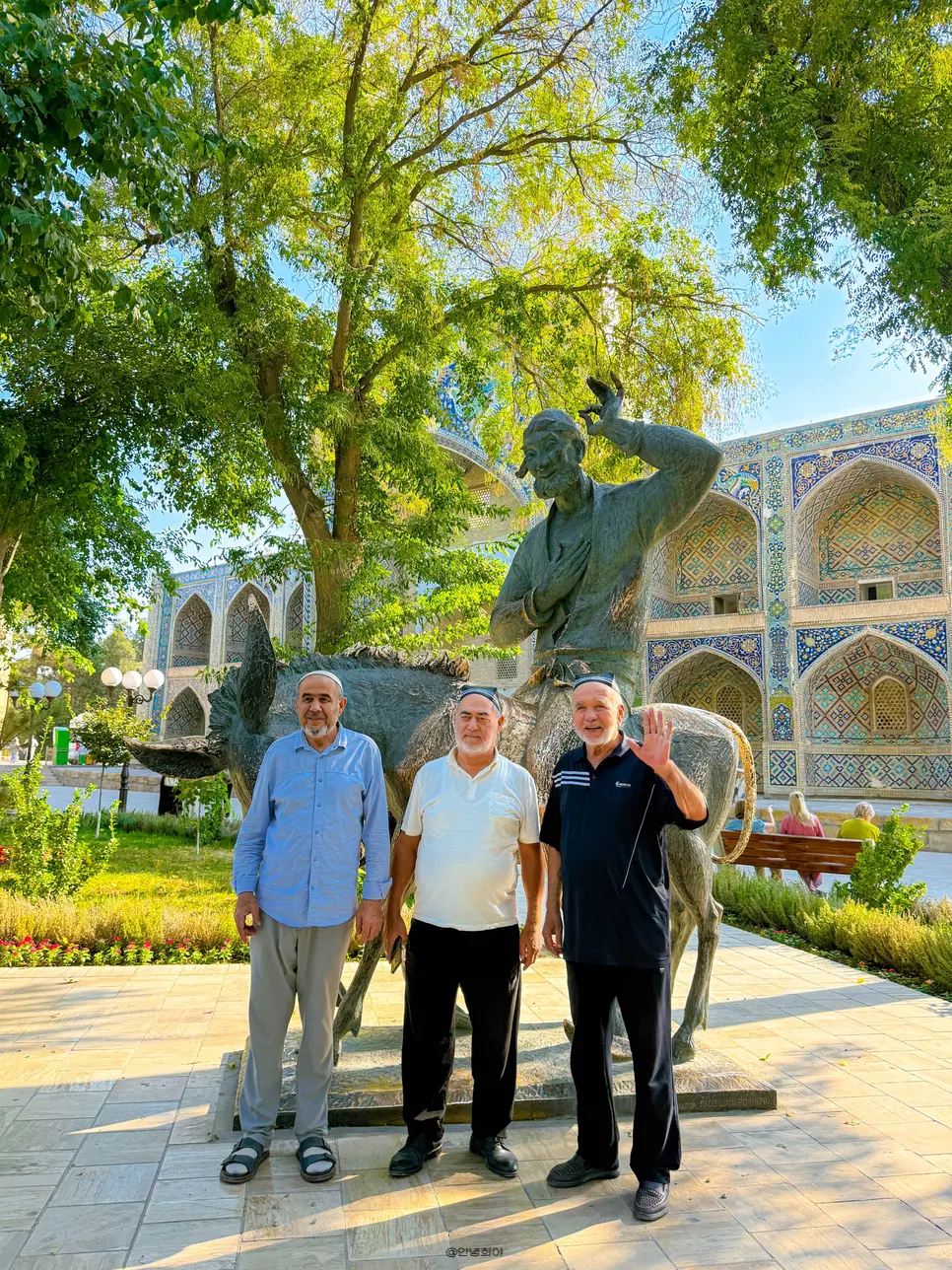
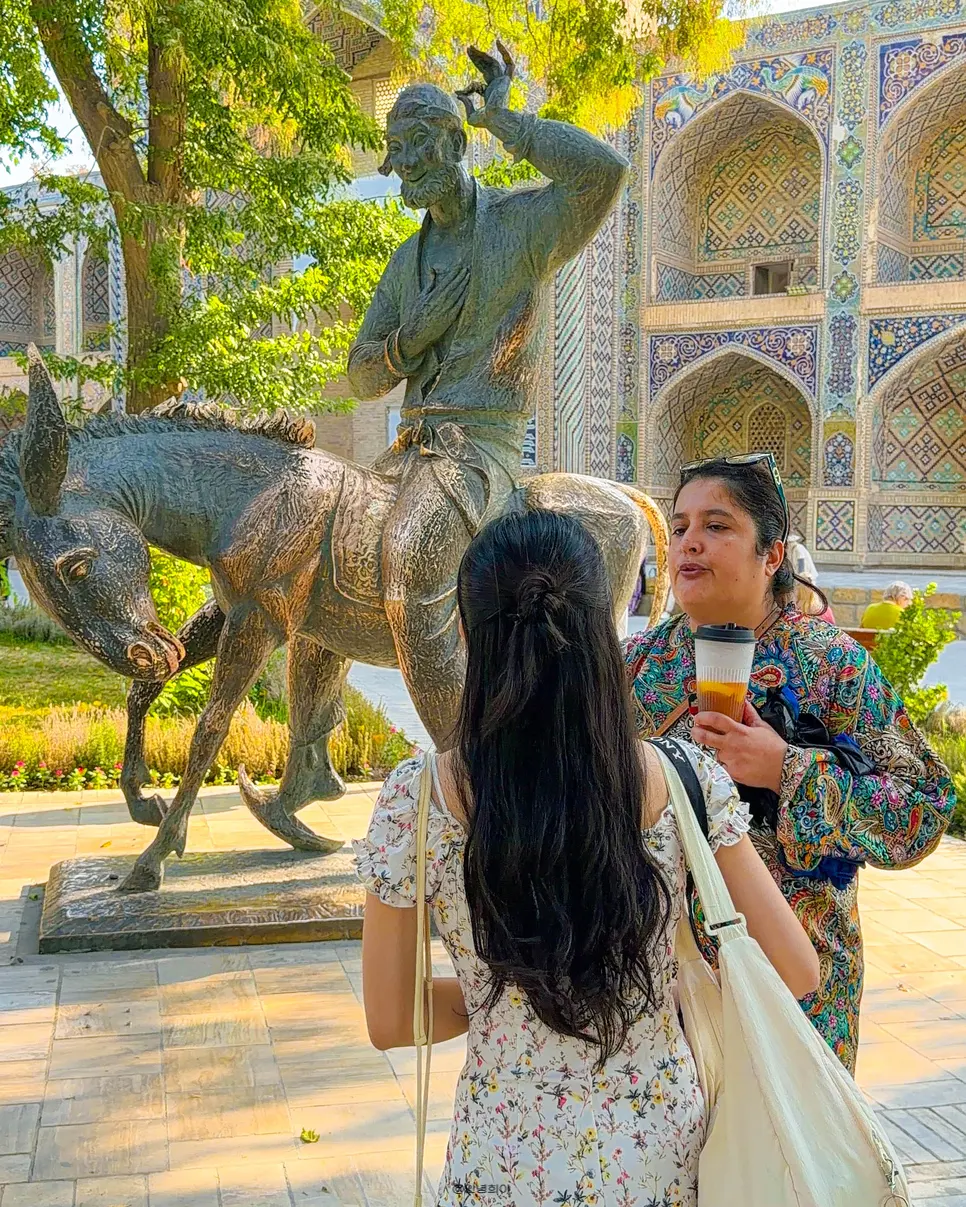
Many people were snapping photos in front of the statue of Khoja Nasreddin, a legendary figure.
Both locals and tourists flocked here to get their picture taken.
It's definitely one of Bukhara Old City's prime photo spots!
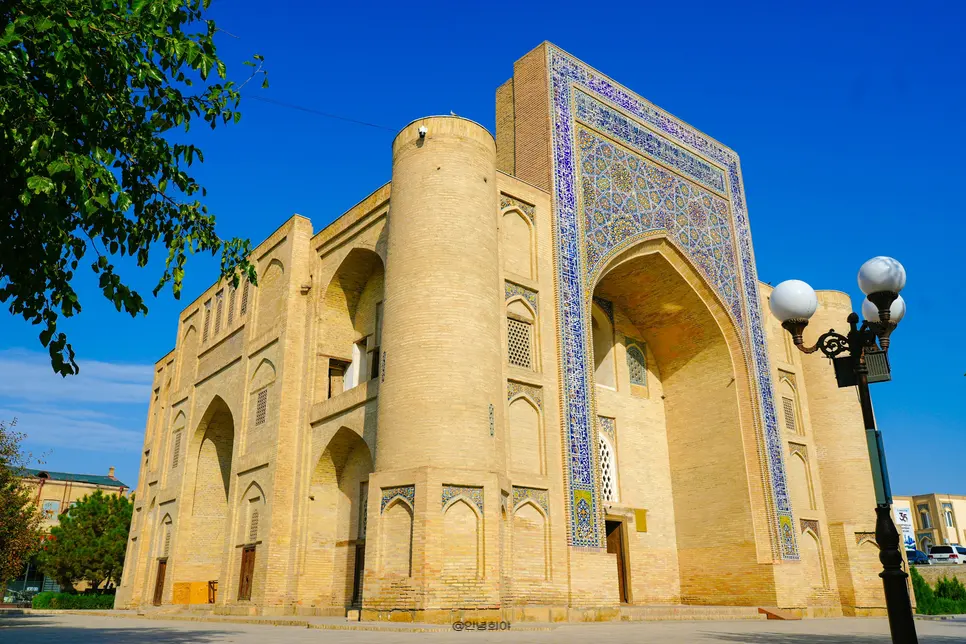
Across the pond stands Nadir Divan-Beghi Khanaka,
a place where pilgrims and Sufis would meditate and pray.
Think of it as a monastery and religious complex all rolled into one!
This site, too, now houses small museums or galleries,
selling traditional ceramics and handicrafts.
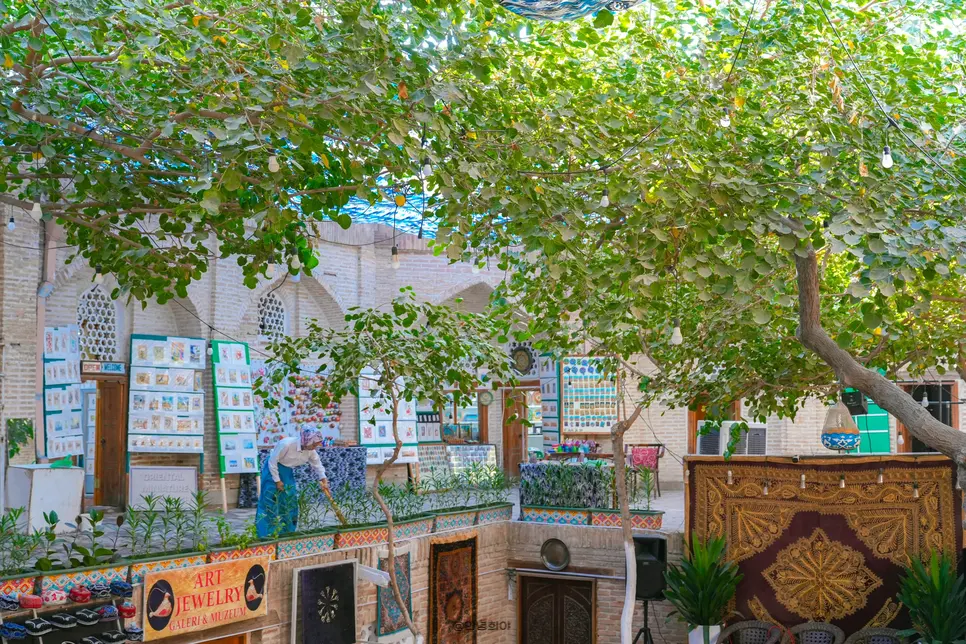
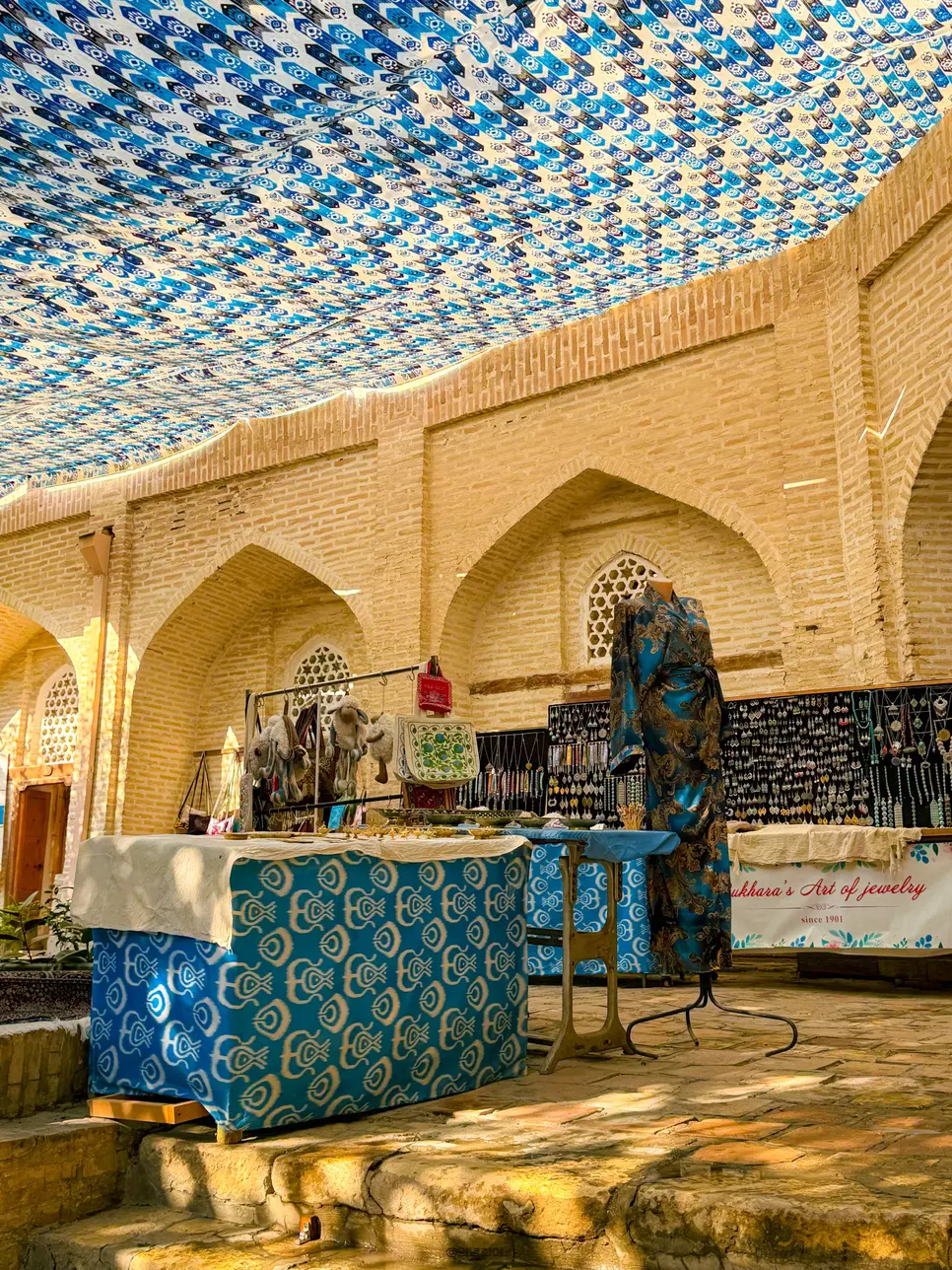
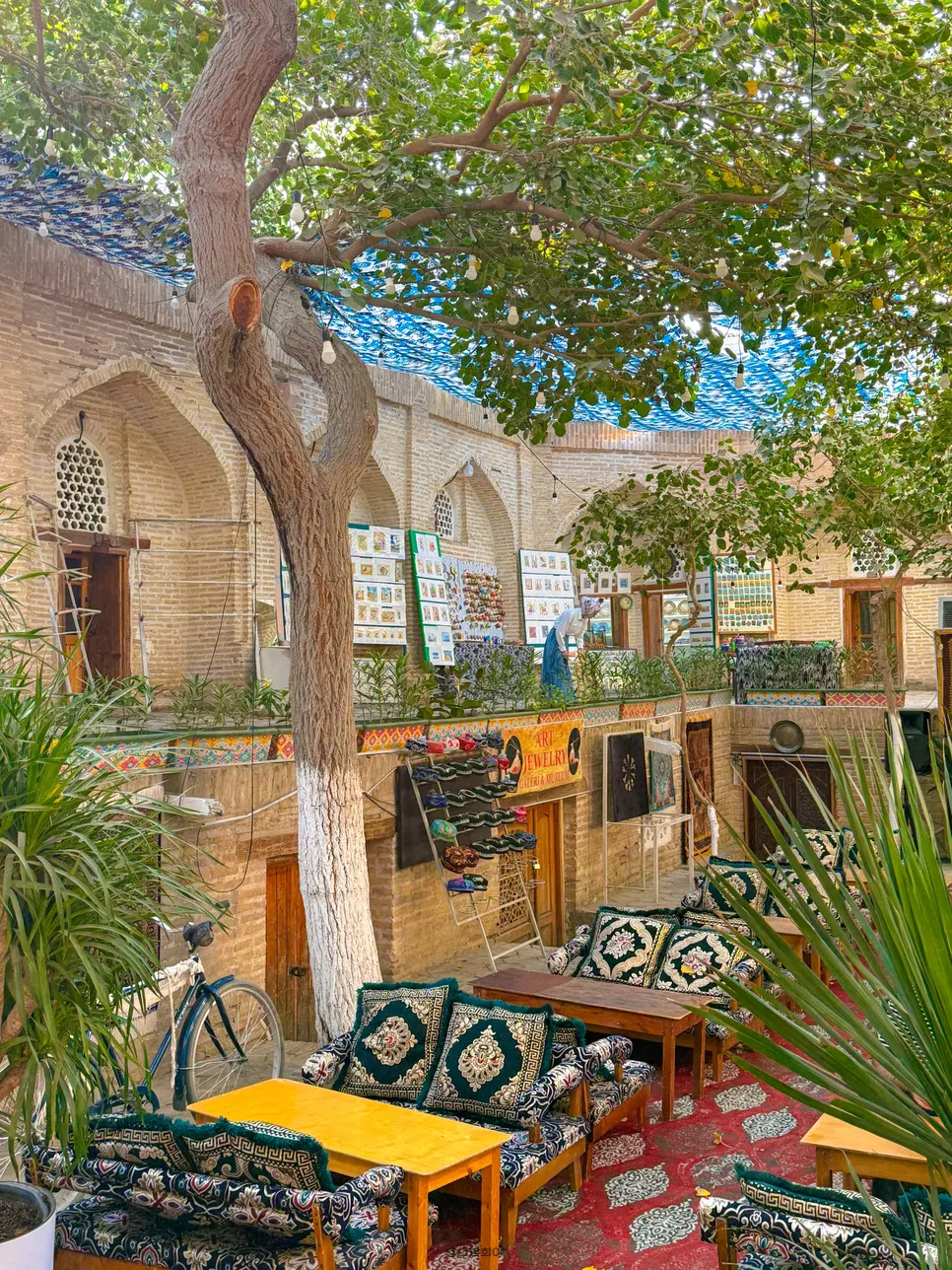
Even the caravanserai, which once served as a hotel,
has now been transformed into shops and workshops selling carpets, ceramics,
silk, and more.
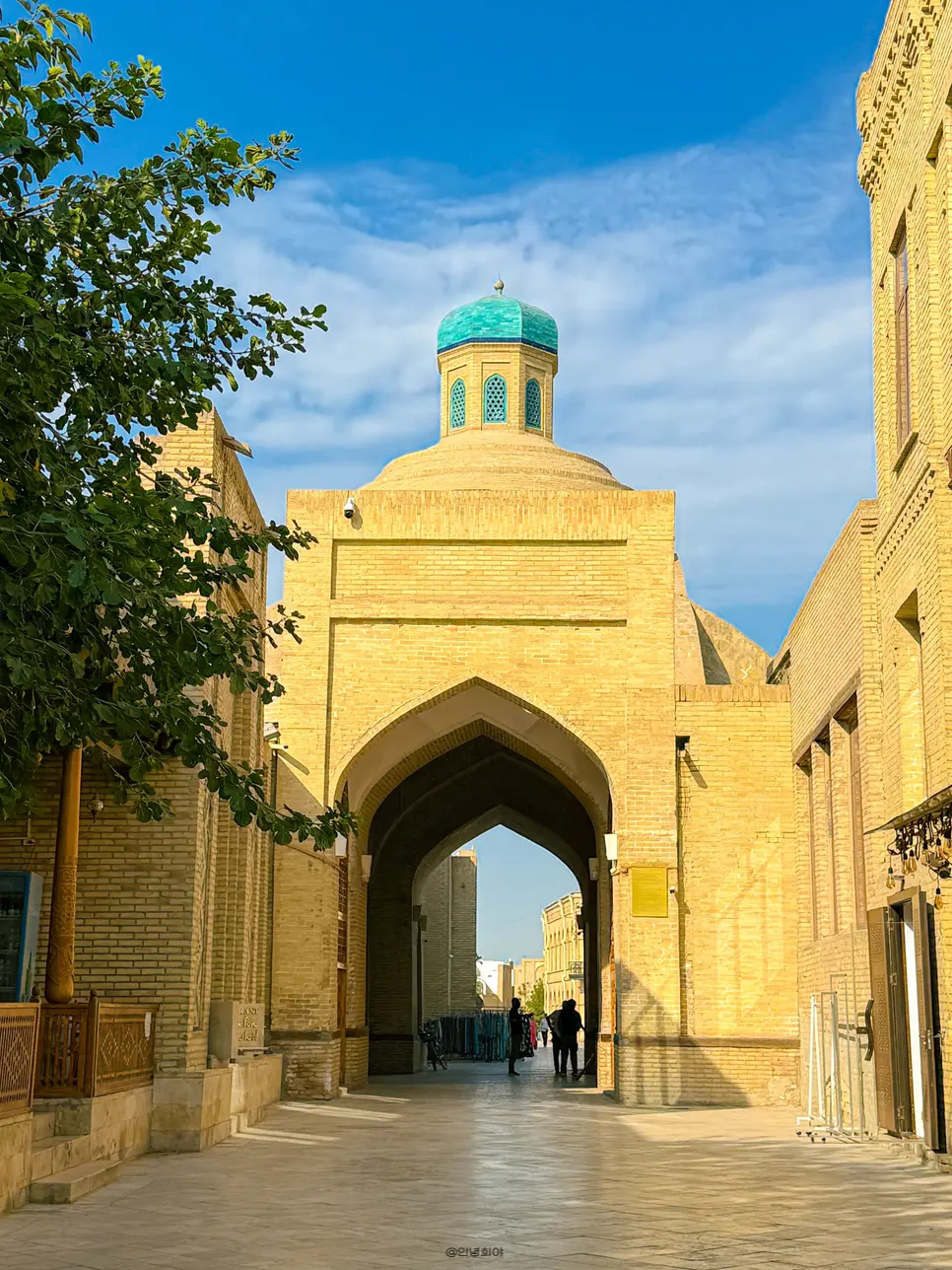
There were also various trading domes,
and I heard that in the past, the market was divided by the type of goods traded.
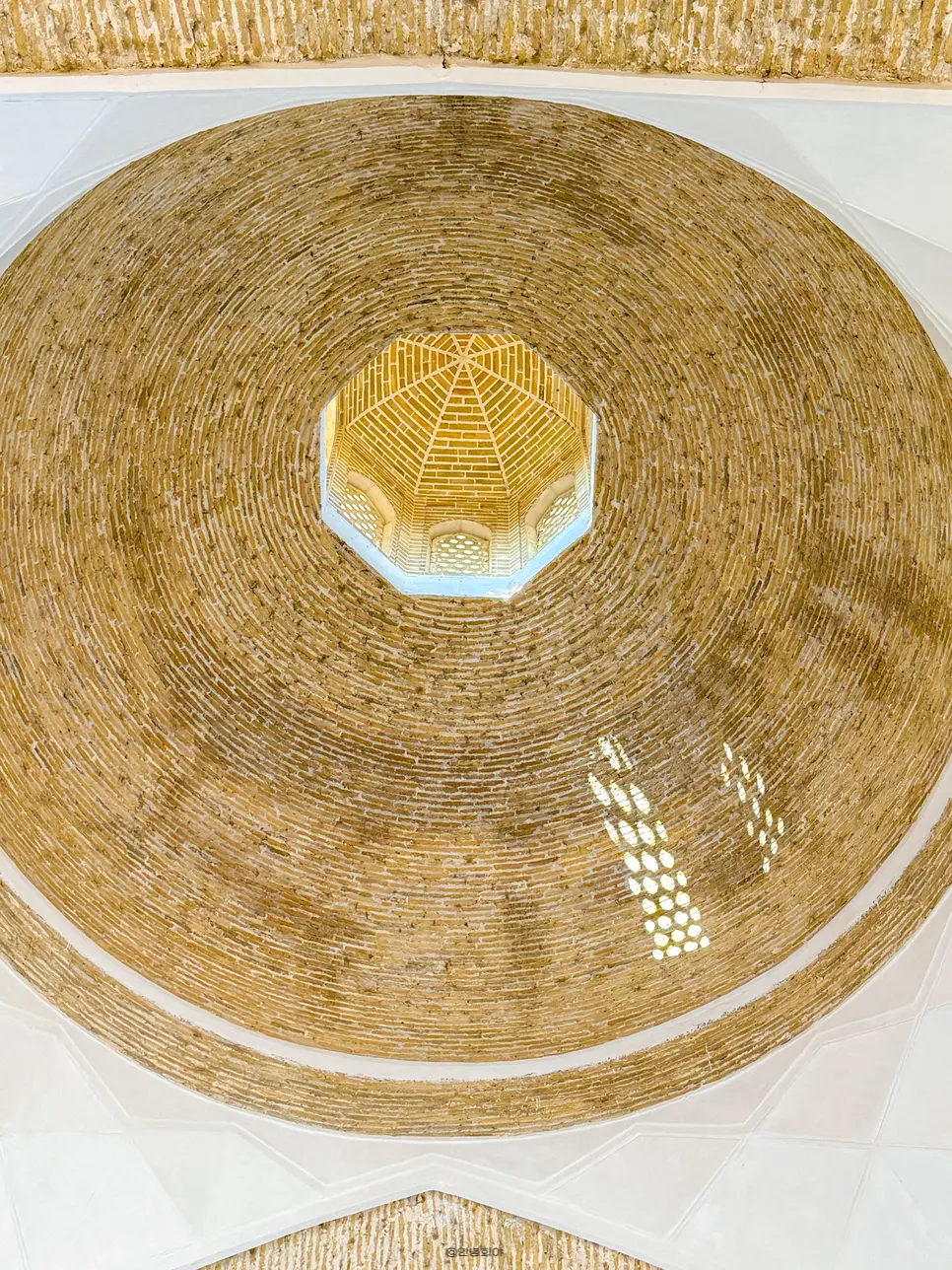
The huge dome in the center has small skylights,
and true to its nature as a trading hub, the echo inside is incredible, LOL!
Our guide asked me to shout once, so I did,
and I was so surprised by the echo that I actually stepped back, haha.
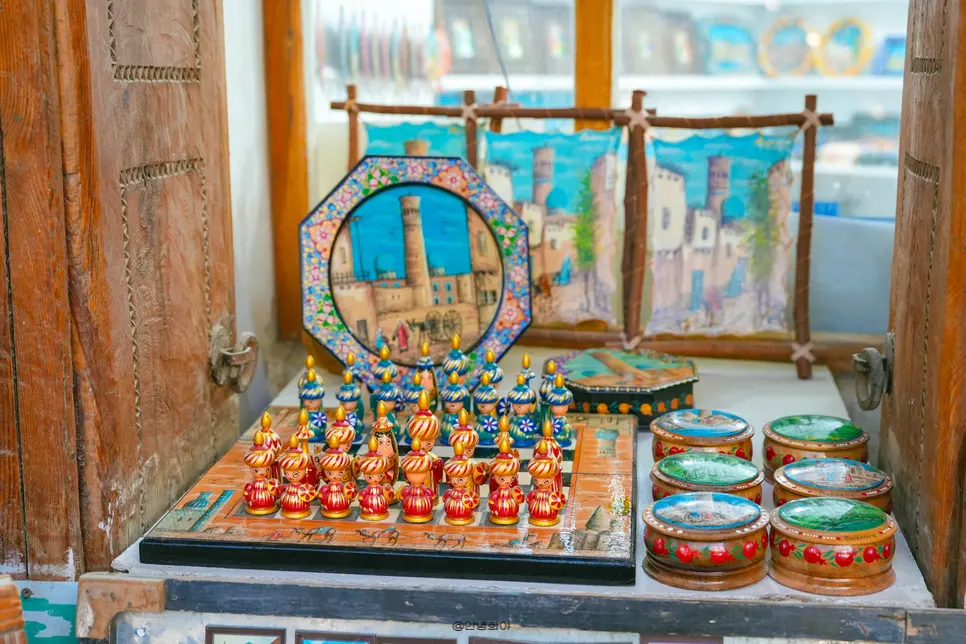
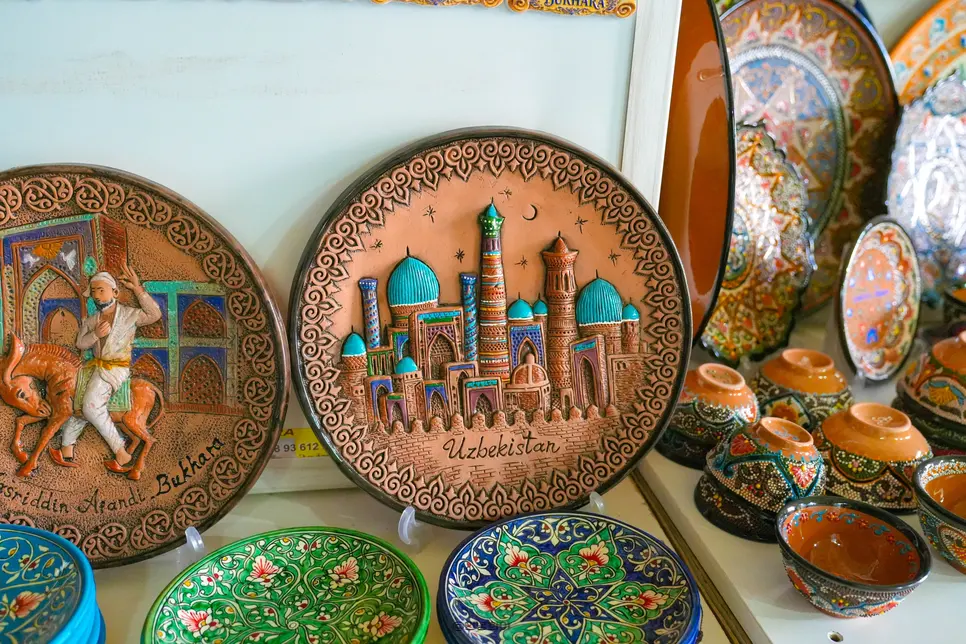
And I found so many incredible handicrafts,
among which the one I really wanted to buy was...
...chess!
Since this was a key hub on the Silk Road,
merchants would play a lot of board games like chess in the caravanserais,
and apparently, that's how it spread to other countries.
I hear it's one of Uzbekistan's signature souvenirs,
so for those of you planning a trip, definitely grab one!
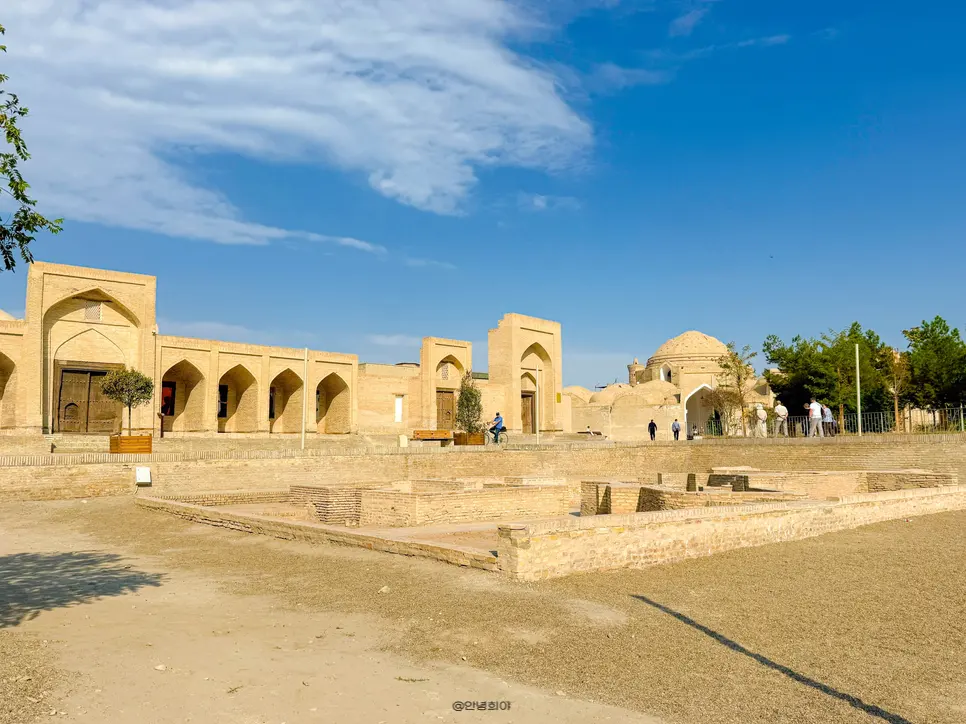
The ancient public bathhouse from the Silk Road era, a Hammam!
They were still doing some archaeological research here.
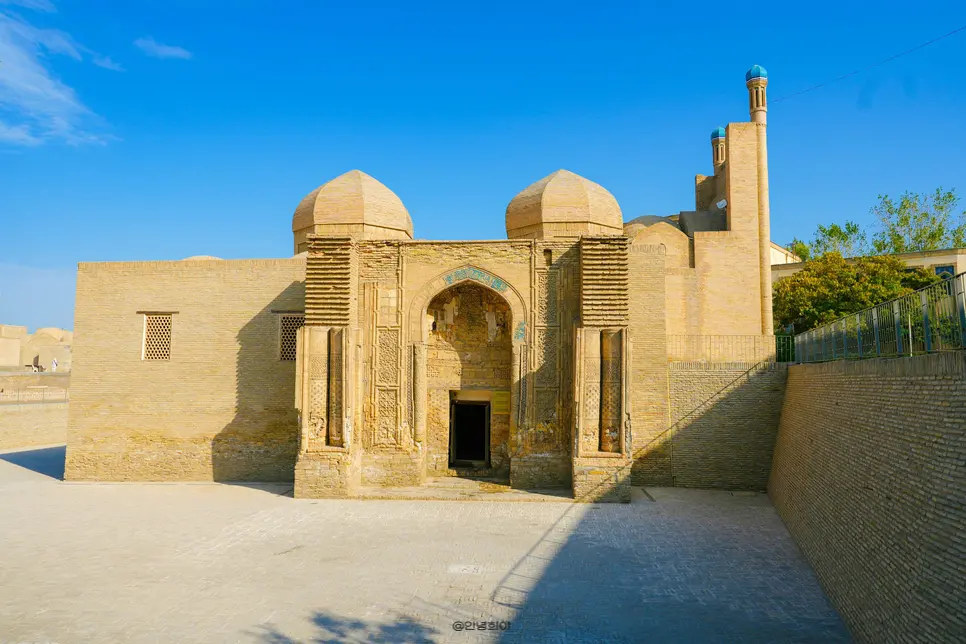
Right next to the Hammam was
Magoki Attori Mosque and Carpet Museum
You can see that the front of the building is dug deeper than the ground,
and that's why it's called 'the mosque in a pit'.
That's how it got the name 'Magoki'!
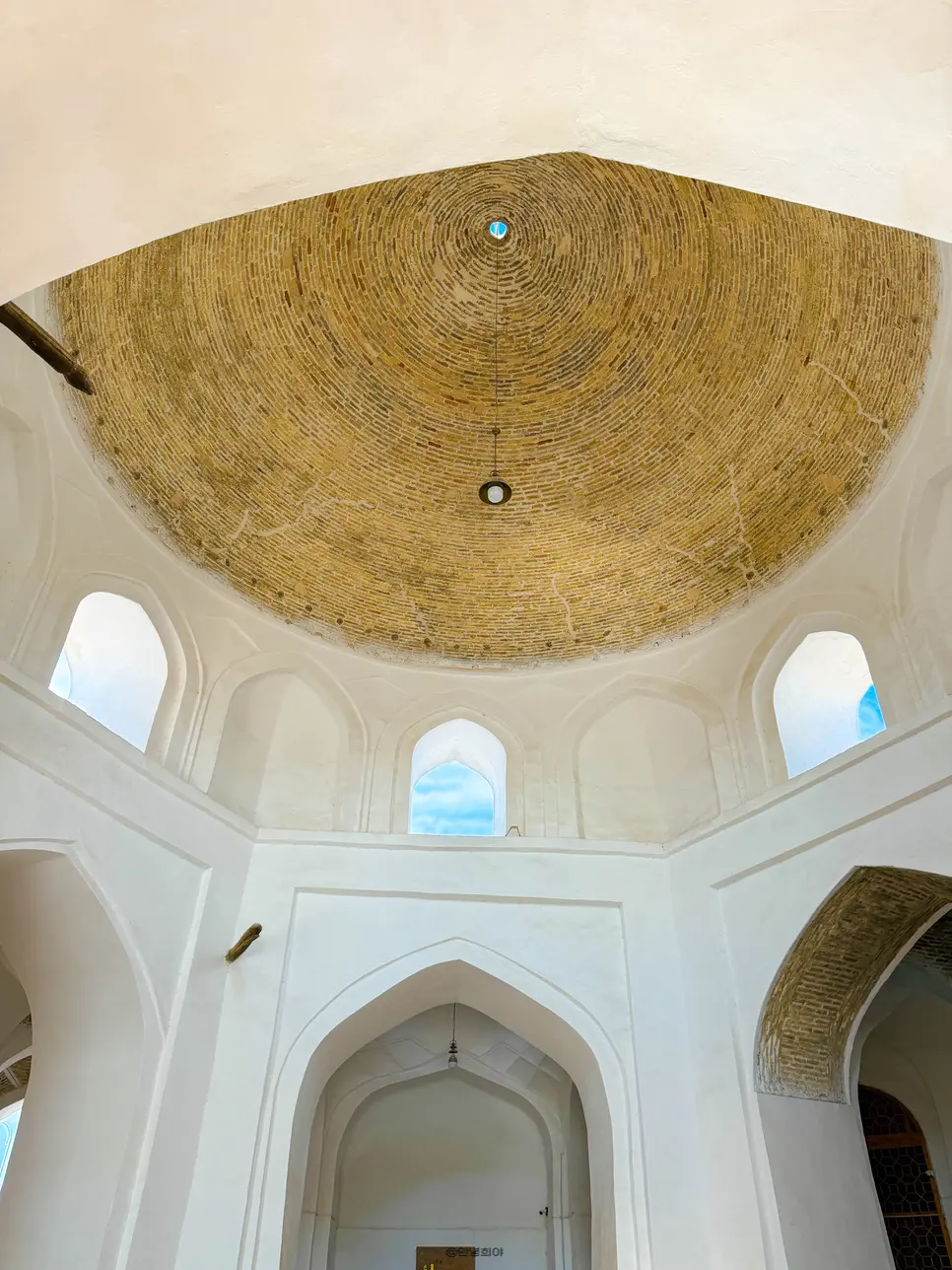
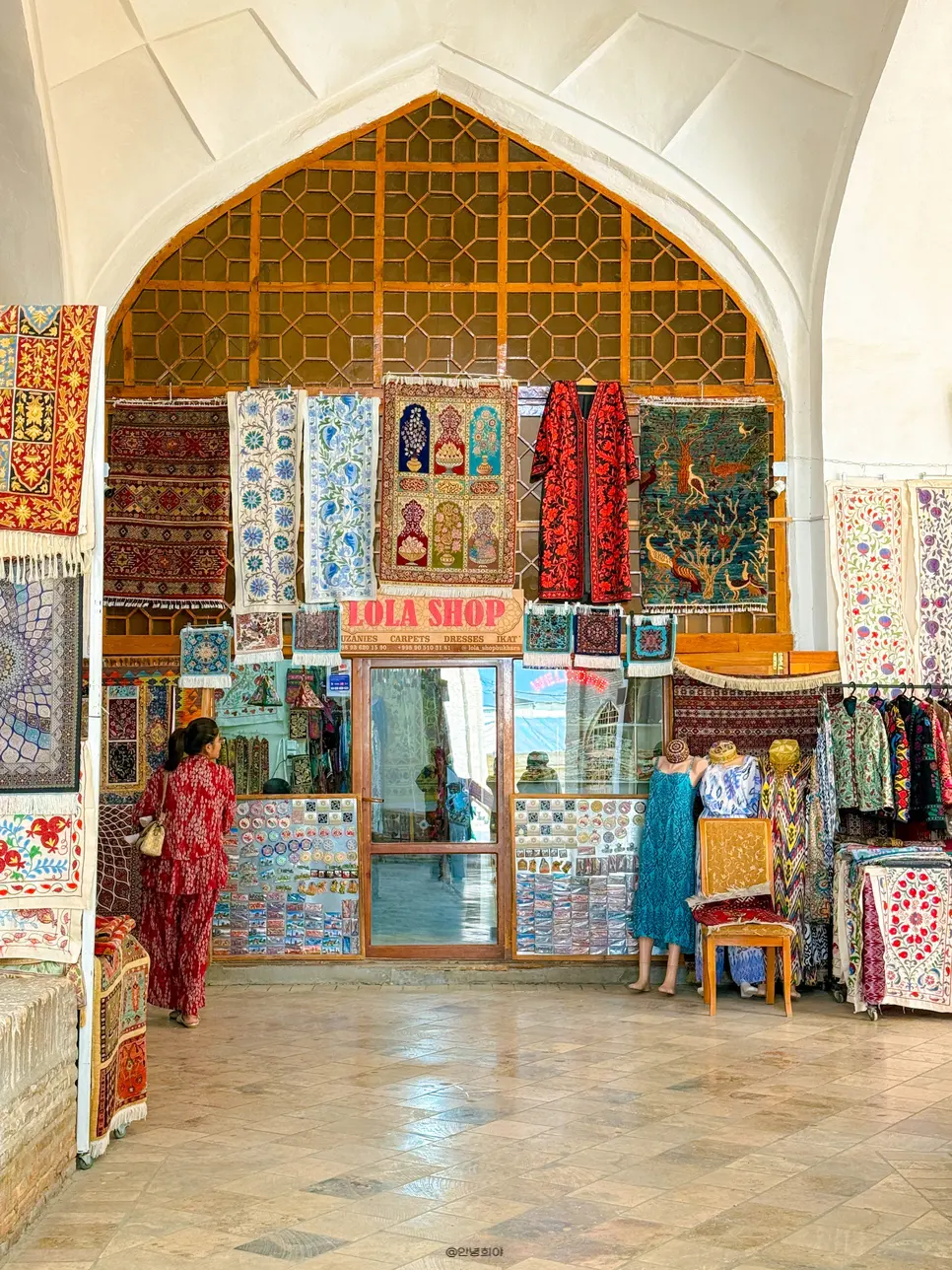
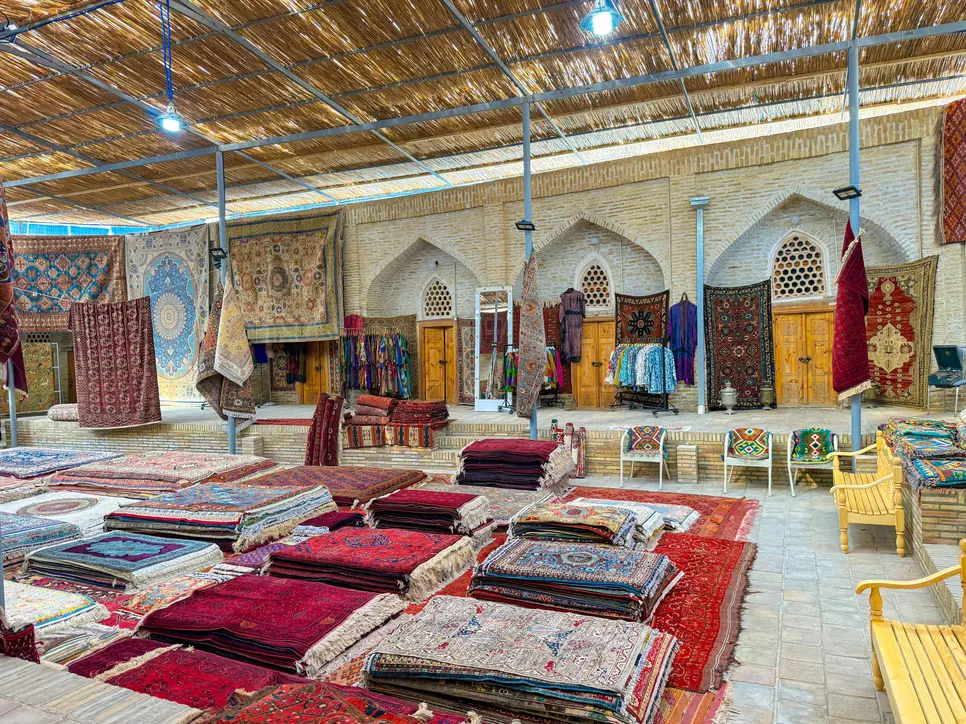
I briefly explained about the trading domes earlier, but there are
Toki Sarrafon, where money was exchanged,
Toki Zargaron, where jewelry and luxurious precious metals were traded,
and Toki Telpak Furushon, where traditional hats and scarves were sold.
In total, there are three large trading domes remaining in Bukhara Old City.
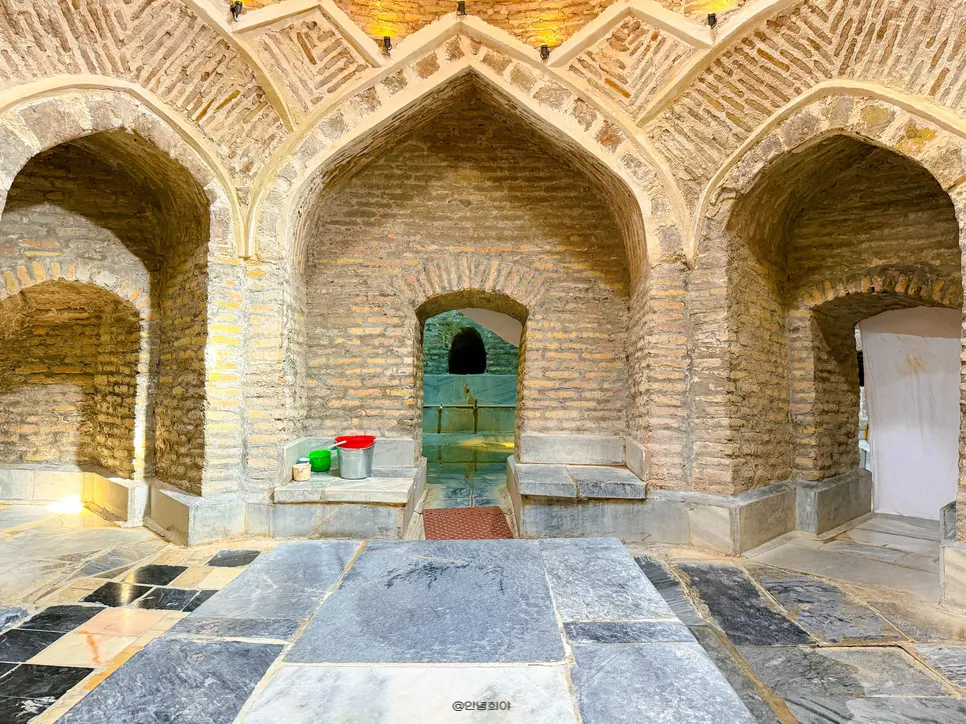
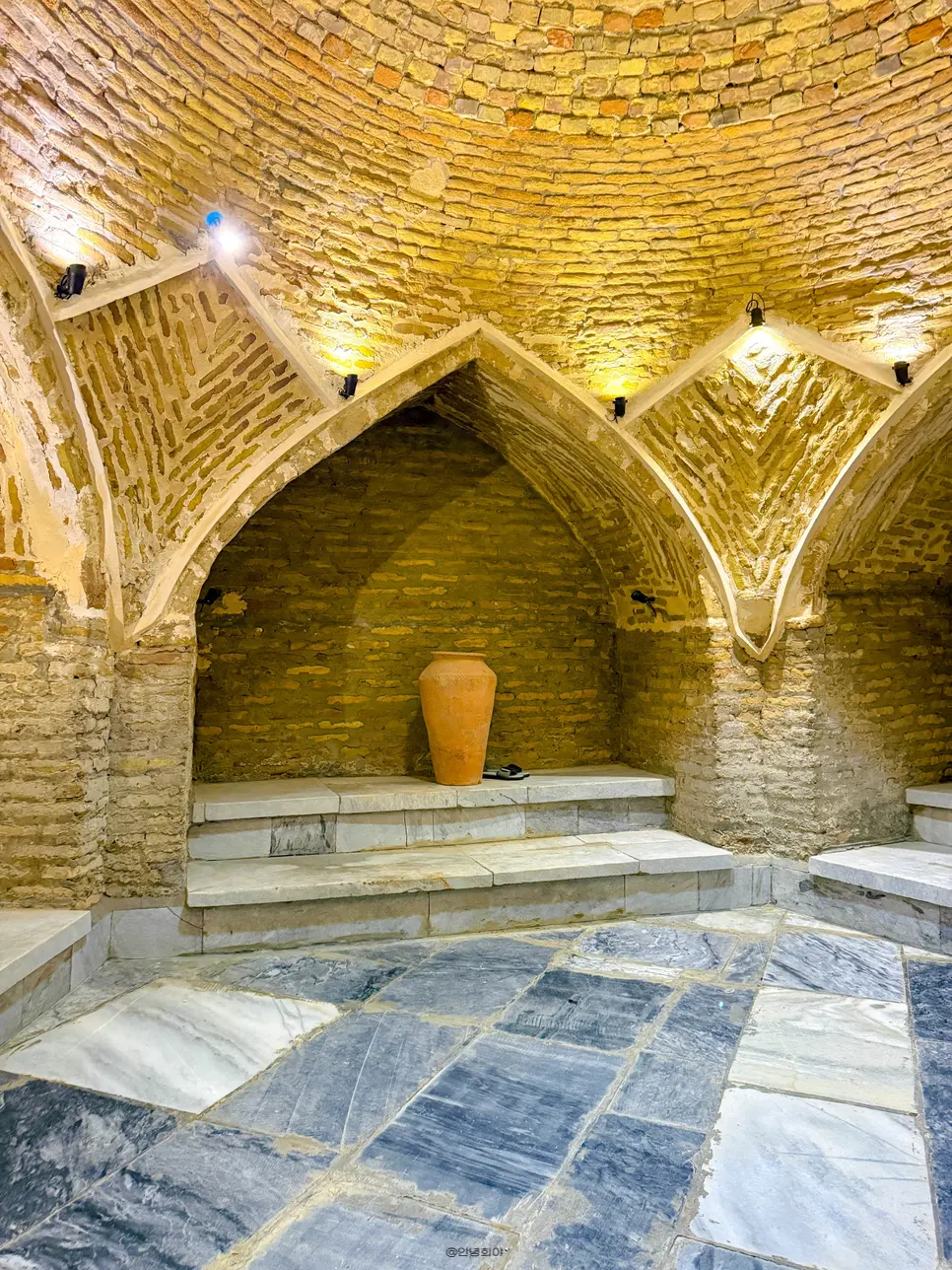
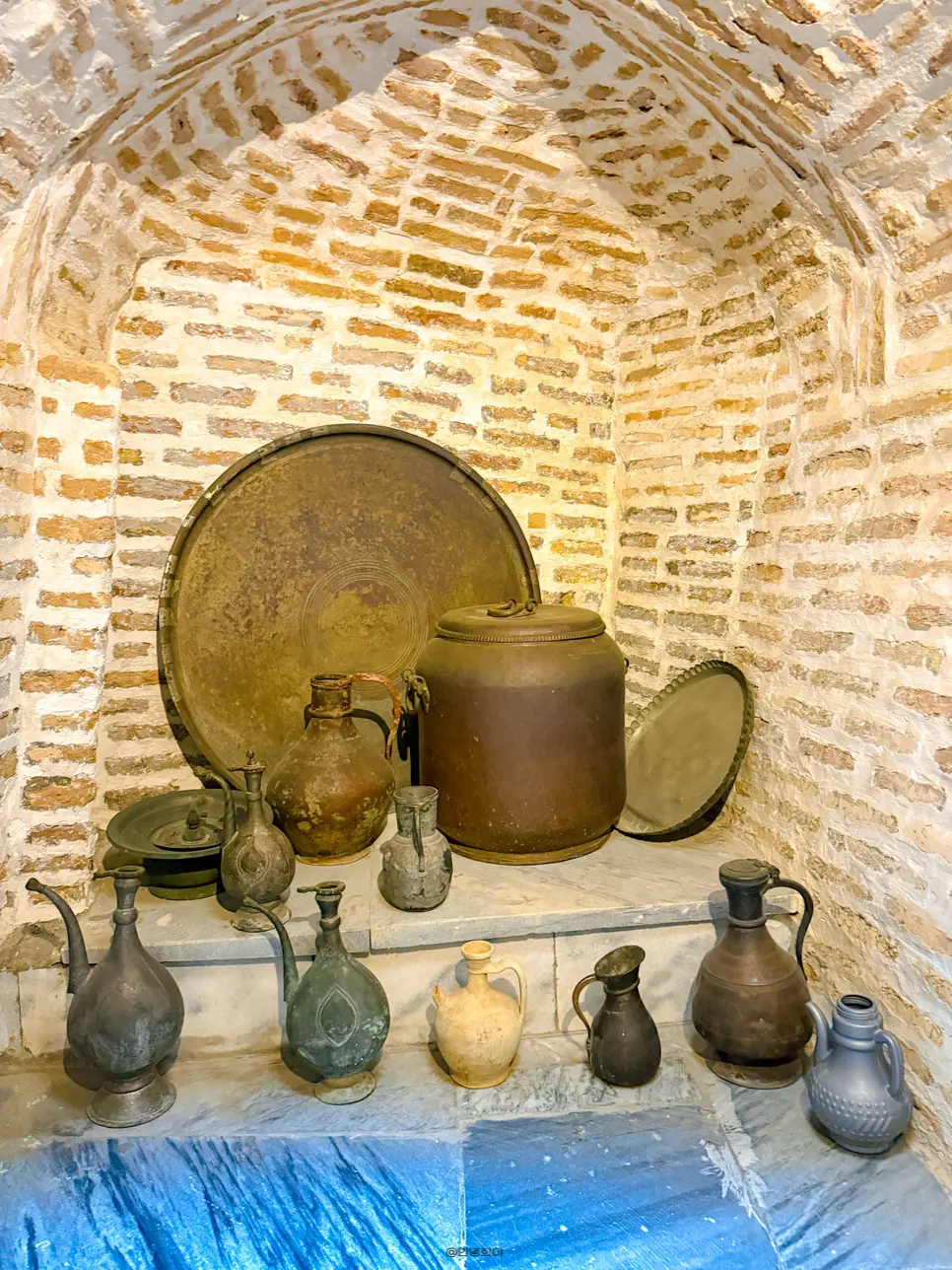
And we also encountered a Hammam, much like our public bathhouses,
which is incredibly popular, with bookings consistently ongoing even now.
It's built in the Turkish style,
and what's really fascinating is that the further you go inside,
you can actually feel that distinct humid sensation of a bathhouse combined with a sauna;;
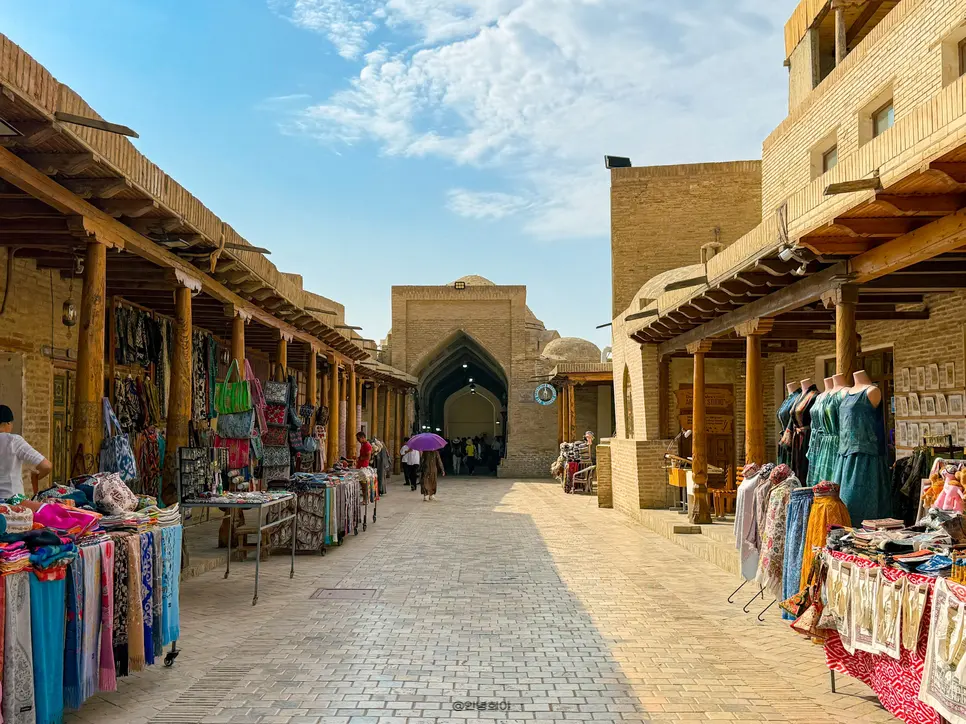
You could find a wide variety of handmade goods at the roadside shops.
Bargaining is a must here!
They tend to quote very high prices for tourists,
so always haggle down to about half the price,
and keep an eye on the merchant's expression, LOL!
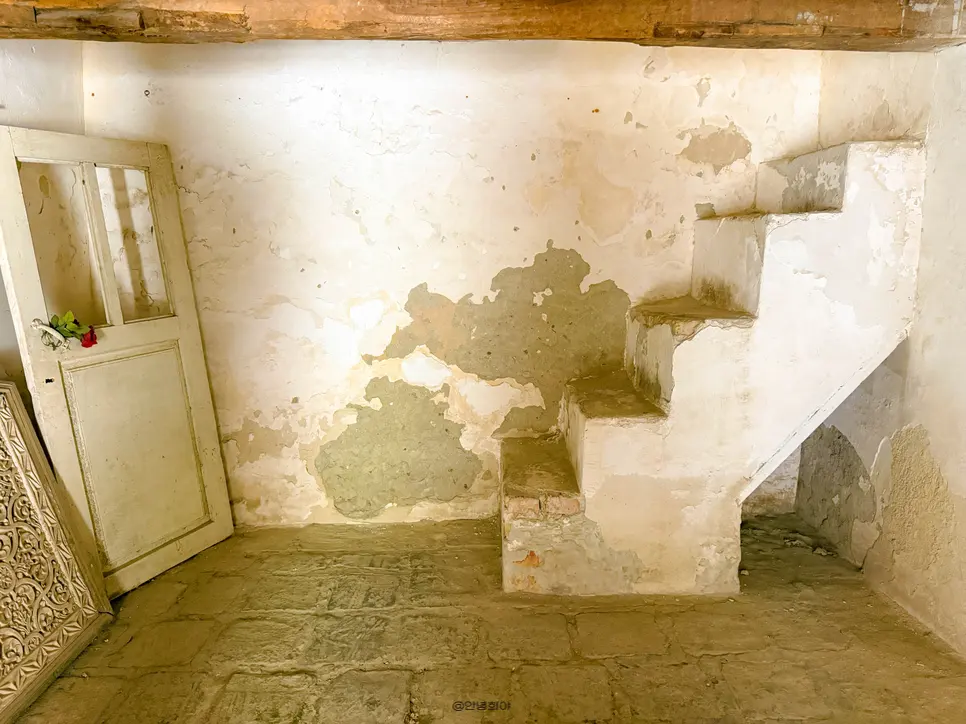
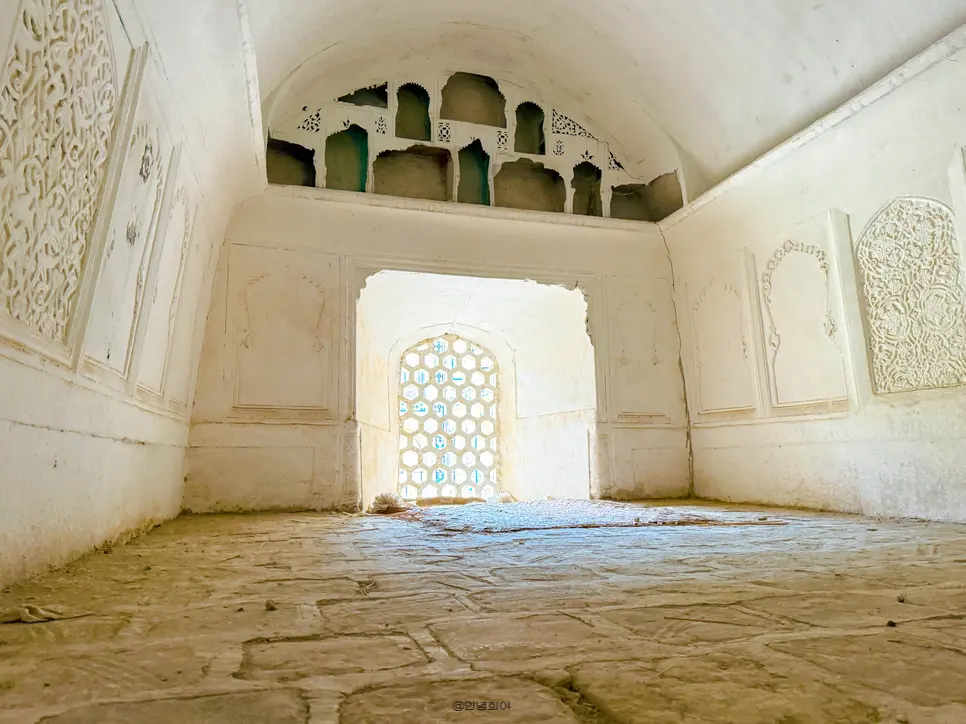
This is what's called a Khujra,
a dormitory and private classroom,
which are rooms inside an Islamic theological school, or madrasah.
Since the exterior is so magnificent, I thought the interior would be too,
but it was much smaller and simpler than I expected,
and the mezzanine staircase on one side
was used to go up to the roof or as a sleeping area.
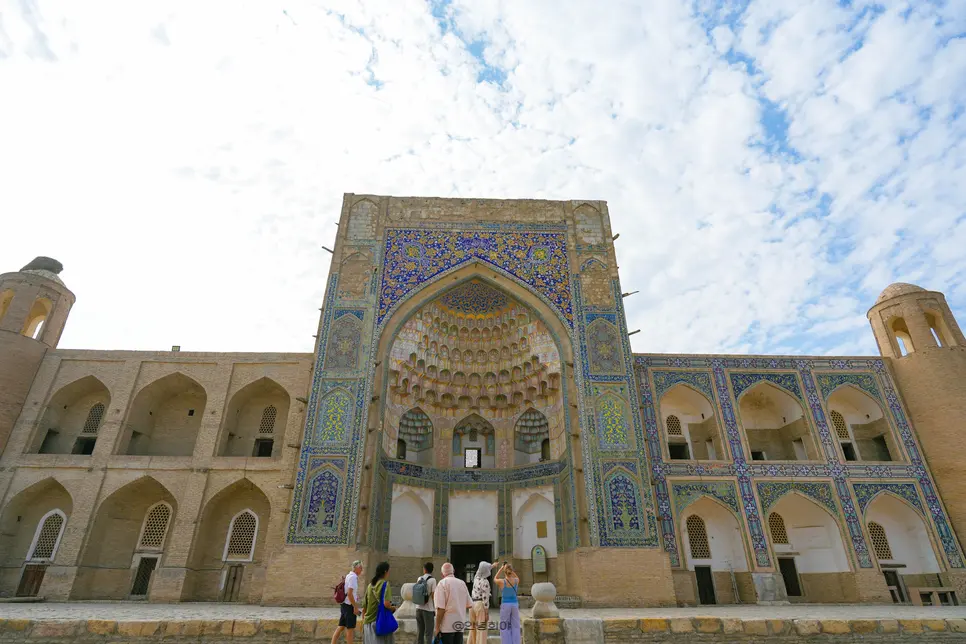
The Abdulaziz Khan Madrasah, for example,
is one of the most elaborately decorated madrasahs in Bukhara.
It was under construction during the reign of Abdulaziz Khan in 1652,
but it's said that it was never fully completed after the fall of the Khanate era.
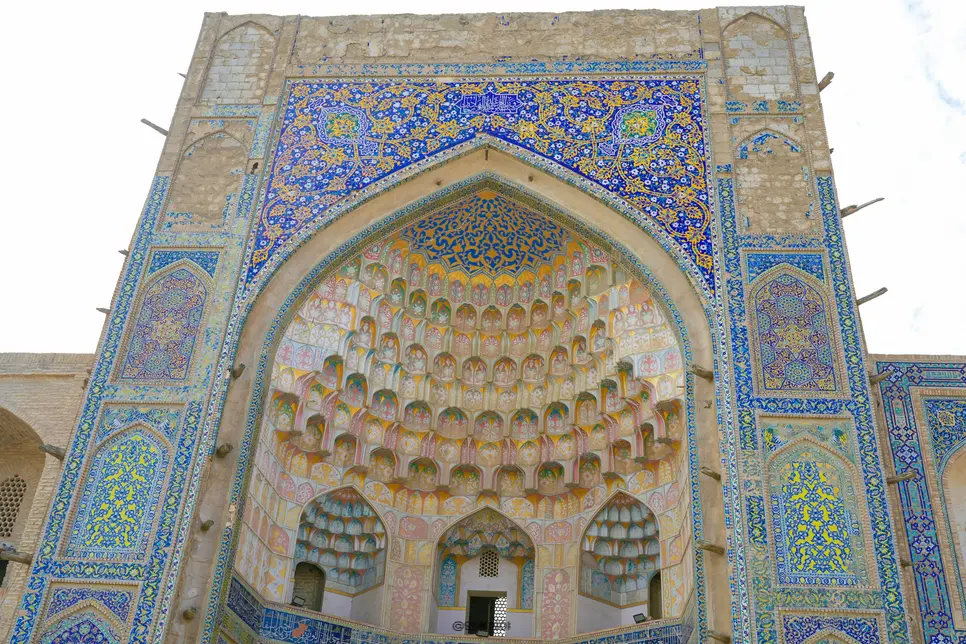
What's truly remarkable for Islamic architecture is that you'll even find
carvings of Chinese dragons and birds here!
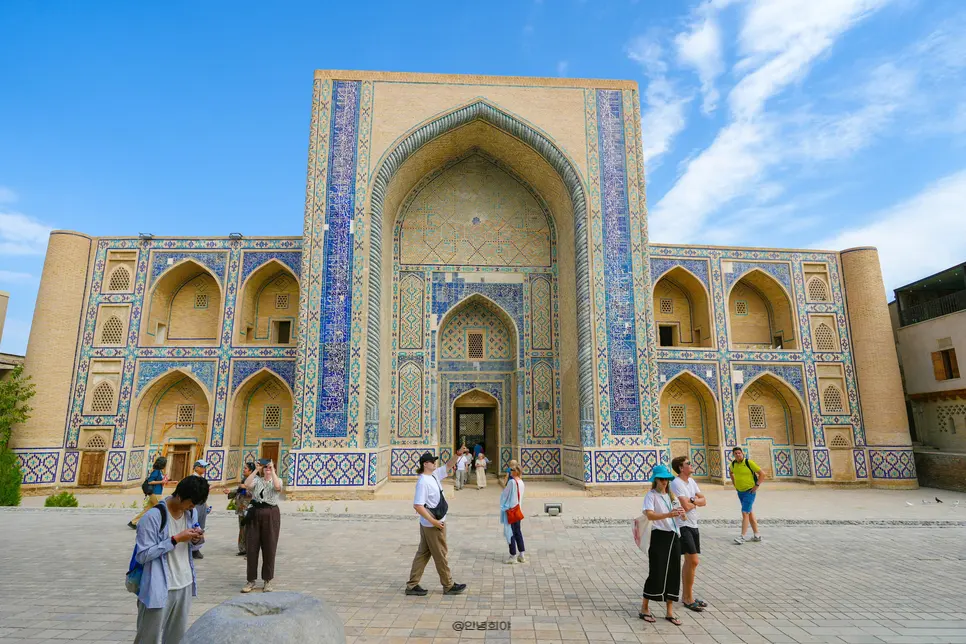
Across from it stands the Ulugbek Madrasah,
a building erected in 1417 by the astronomer and ruler,
Mirzo Ulugbek.
It's said to be one of the oldest madrasahs still standing
in Central Asia.
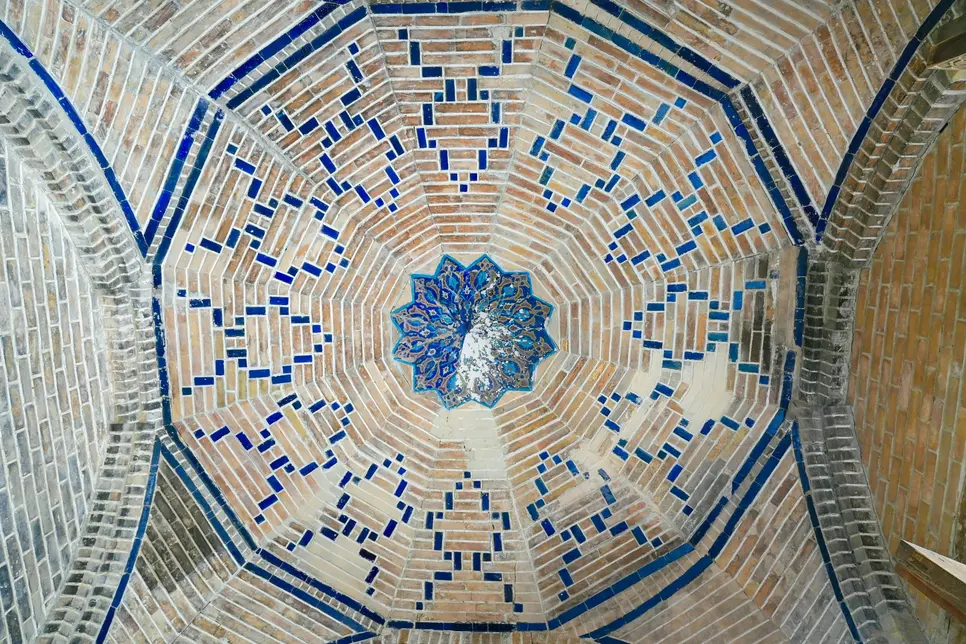
Instead of ostentatious grandeur, this madrasah, adorned with blue-hued constellations,
and geometric patterns, was dedicated to teaching diverse subjects
like astronomy, mathematics, and philosophy.
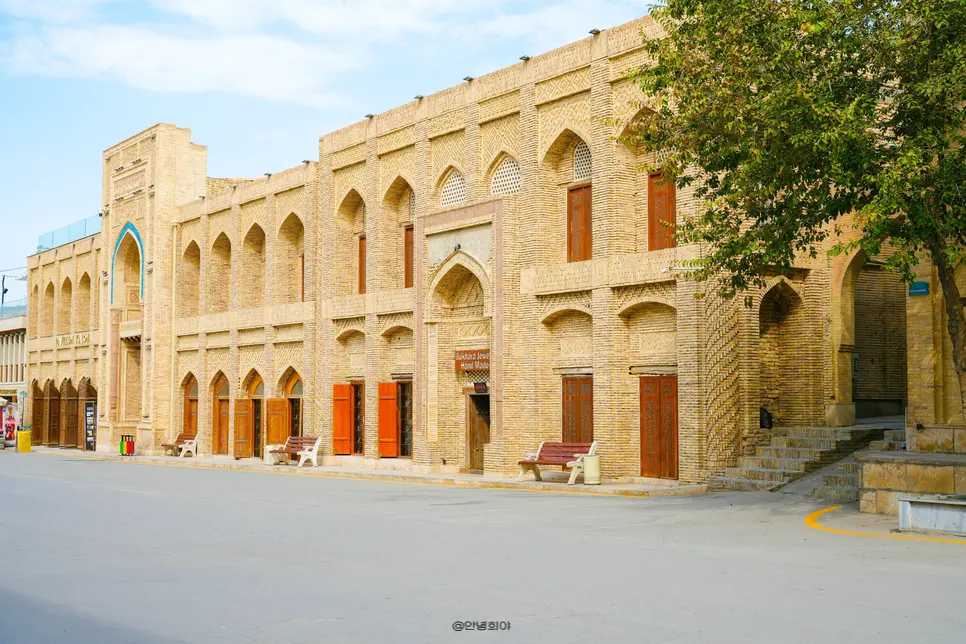
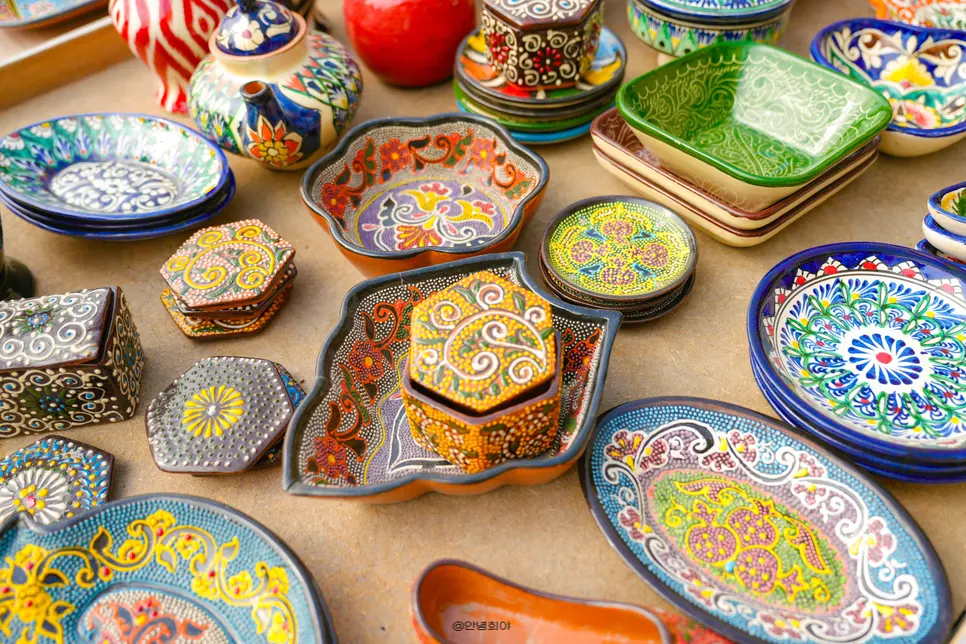
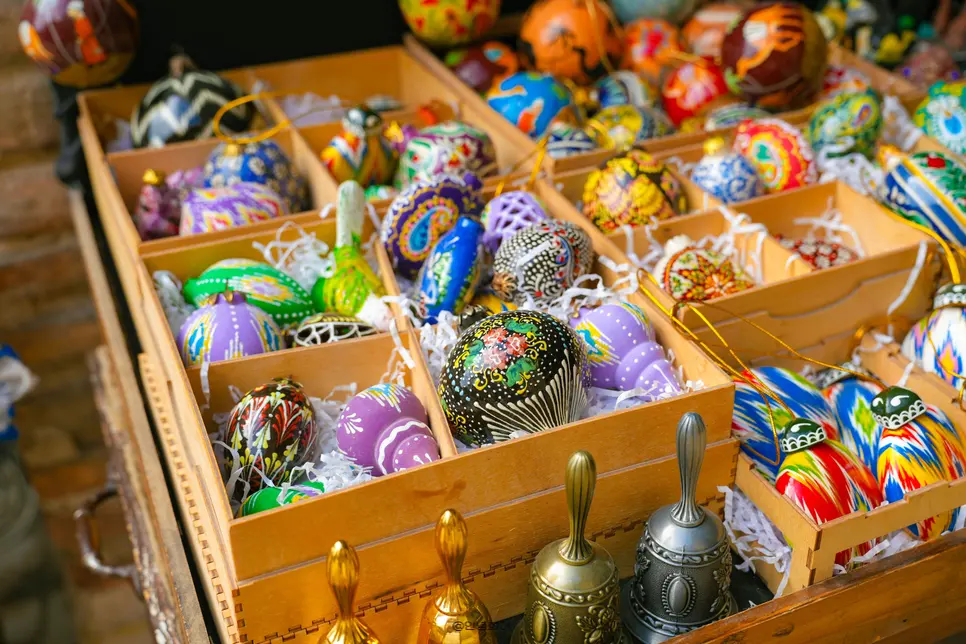
As we moved along, listening to the diverse explanations from our guide on the
Bukhara Old City small-group history tour,
time really flew by.
And with so many beautiful handicrafts,
there's so much joy in browsing!
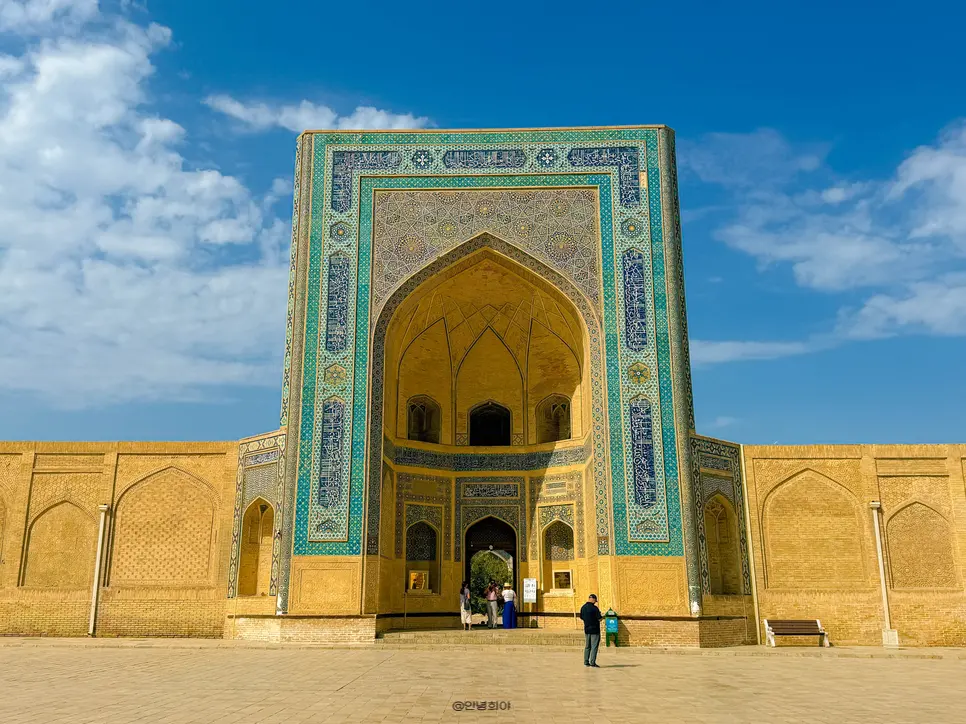
When you think of Bukhara, Uzbekistan,
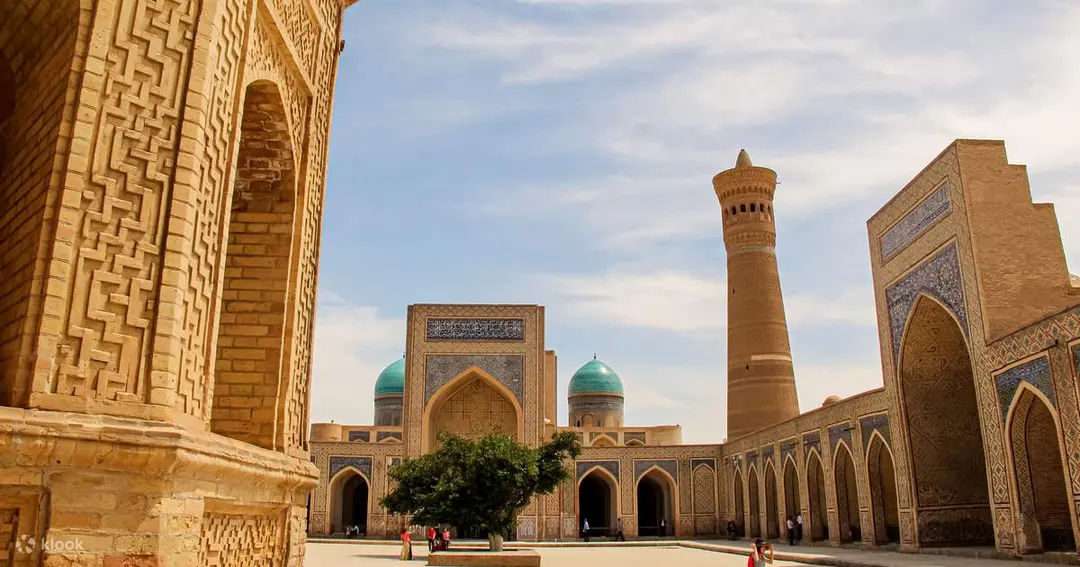
you absolutely can't miss Poi Kalyan!
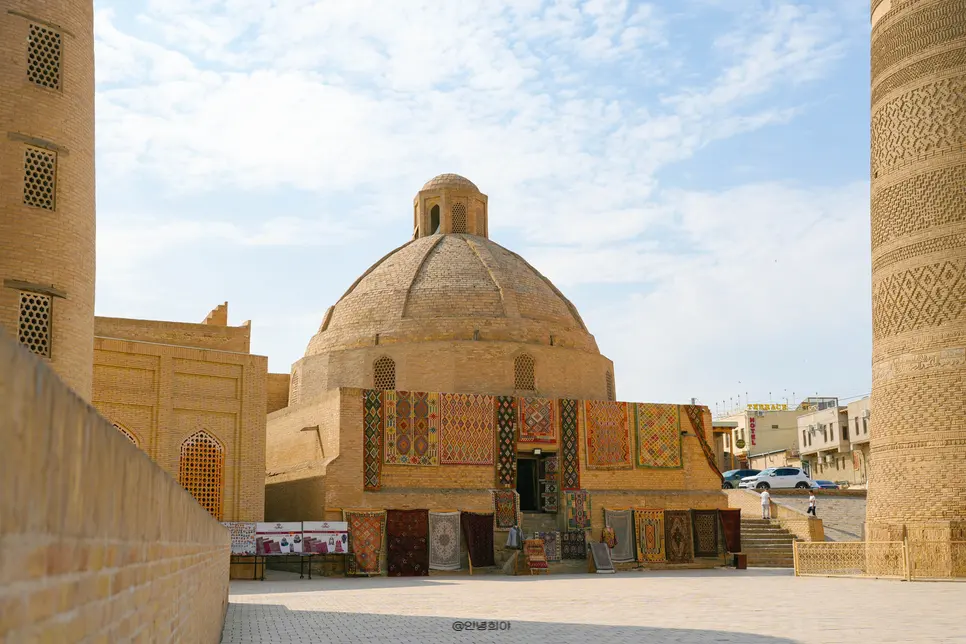
The Amir Alim Khan Madrasah, built by Bukhara's last ruler,
is said to have primarily served as a library.
Today, it has become a place selling handmade carpets and silk textiles.
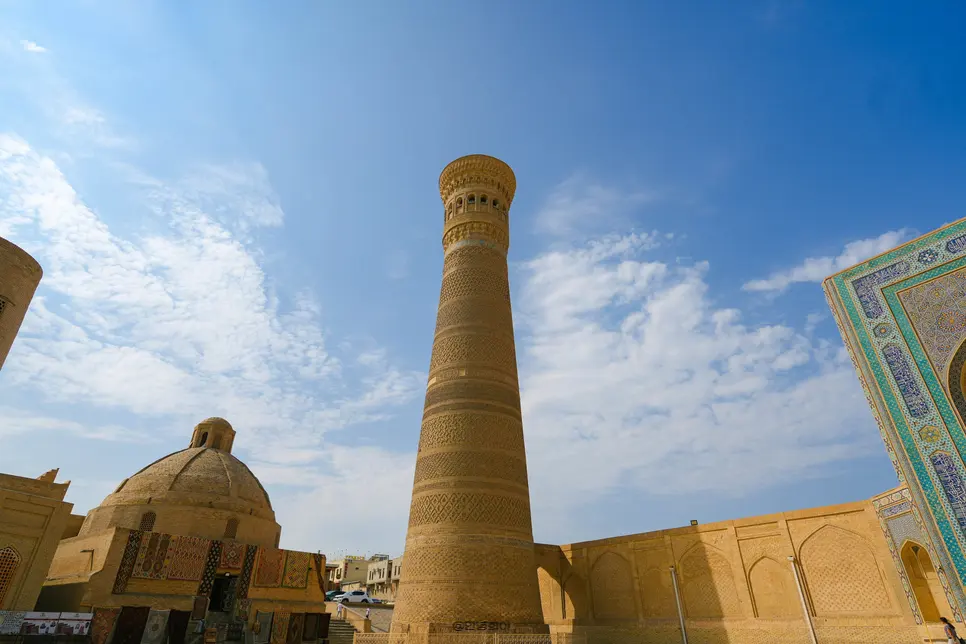
The 46-meter Kalyan Minaret holds a fascinating tale: when Genghis Khan conquered Bukhara,
his helmet fell from his head, causing him to bow down to pick it up.
It's said that this spontaneous bow saved his life from a passing arrow.
Genghis Khan was known for never bowing his head,
yet he supposedly bowed here (perhaps the only time?) and thus spared it from destruction.
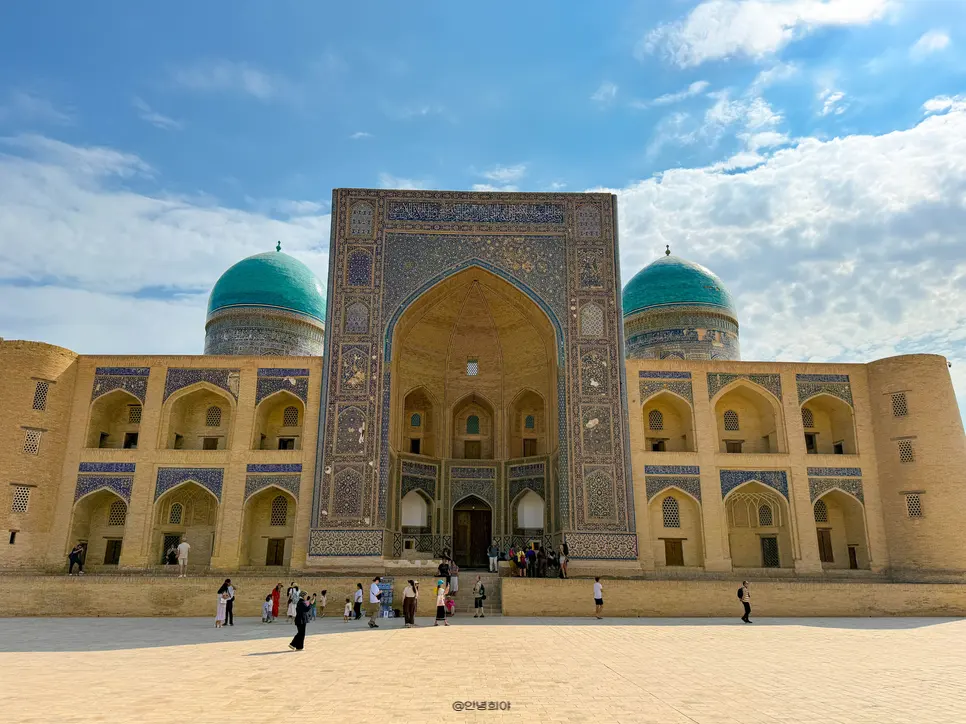
A central architectural marvel of Poi Kalyan Square is the Mir-i-Arab Madrasah.
Characterized by two round blue domes on either side,
this isn't just a shop or a museum.
It's an active Islamic theological school, where actual students have been studying the Quran and Islamic law and residing,
from the Soviet era right up to today.
Because of this, you can't go deep inside the building!
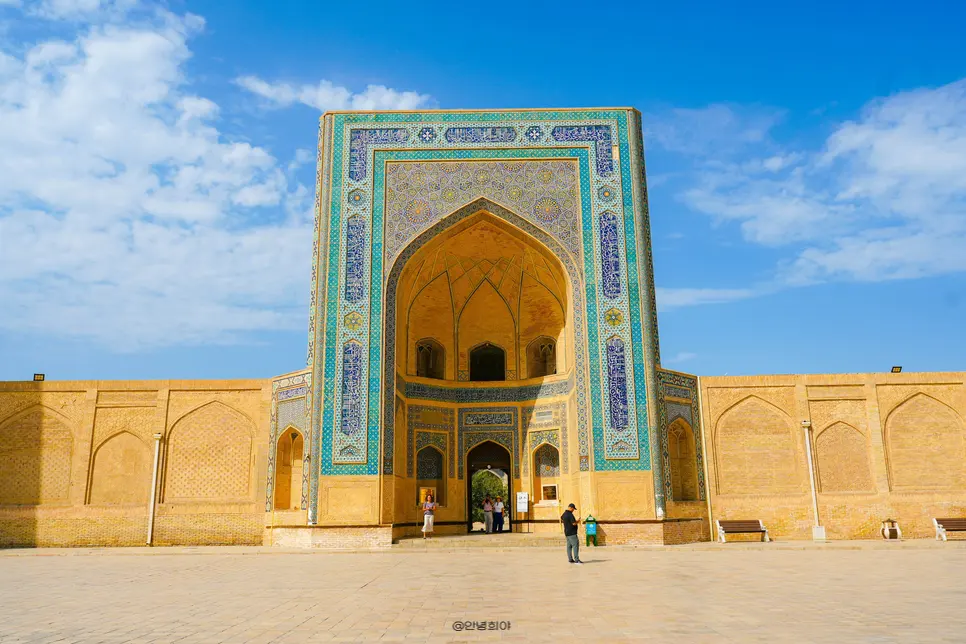
And across the way, the Kalyan Mosque
is renowned as one of the largest mosques in Central Asia.
It's said to accommodate an astonishing 10,000 to 12,000
worshippers at once for Friday prayers!
Its courtyard features 288 rounded dome roofs
and an endless stretch of 208 pillars.
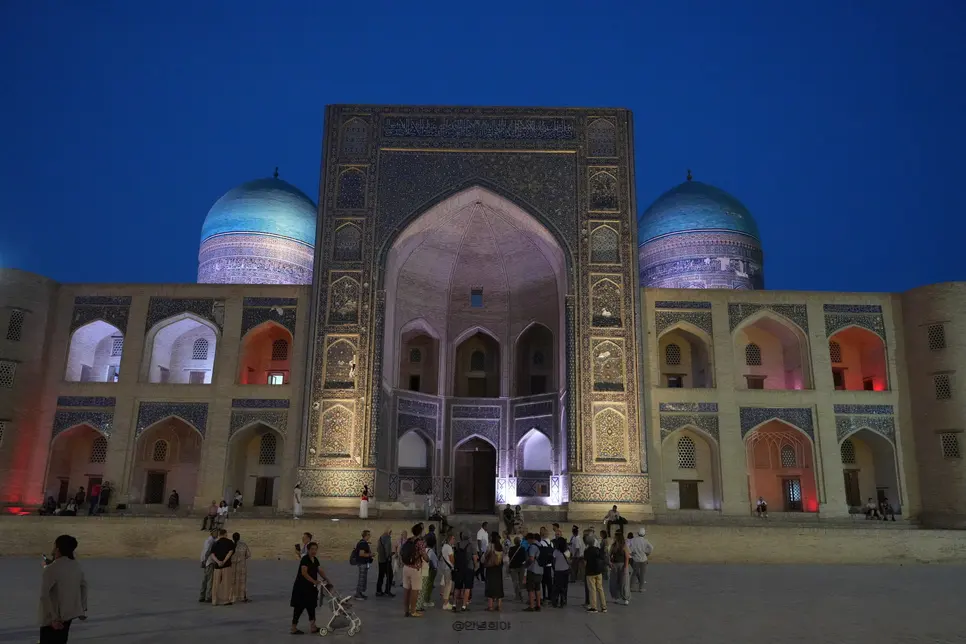
Poi Kalyan is also incredibly beautiful at night,
so instead of an early morning tour like ours,
a night tour would be wonderful too!
▼ Bukhara Old City Private Tour, Uzbekistan ▼
 Bukhara Old City Small-Group History Tour - Klook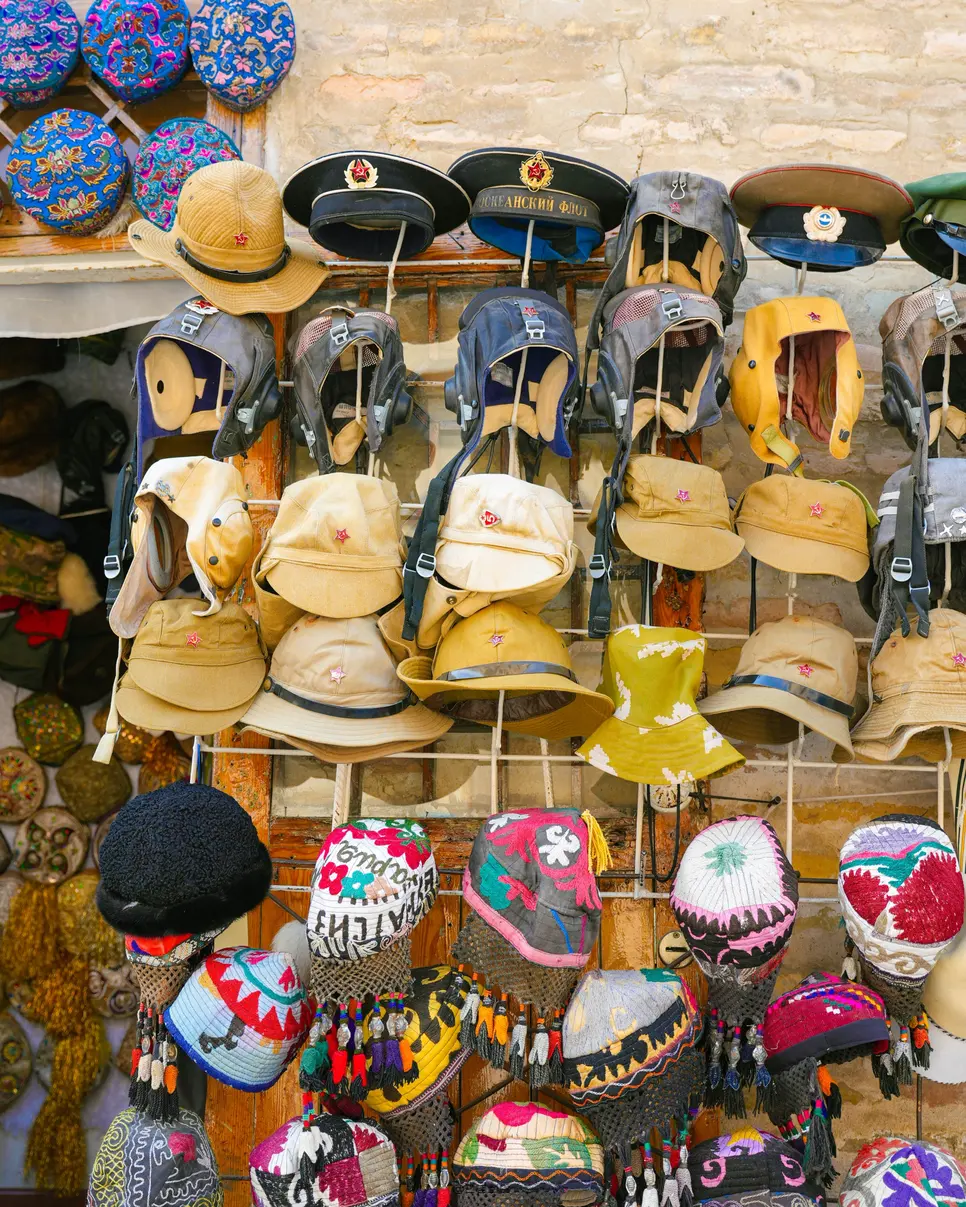
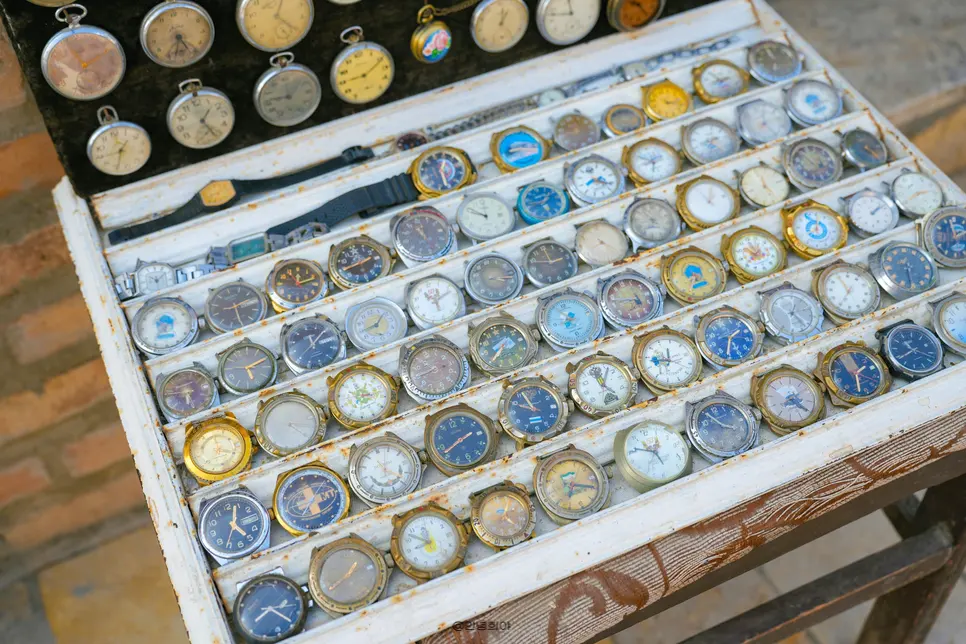
And as you wander through Bukhara's Old City,
you'll discover a variety of vintage goods
from the Soviet Union era.
You could even discover old Soviet military hats, wristwatches from the Soviet era,
and even pocket watches!
It felt like the perfect spot for anyone who loves vintage finds.
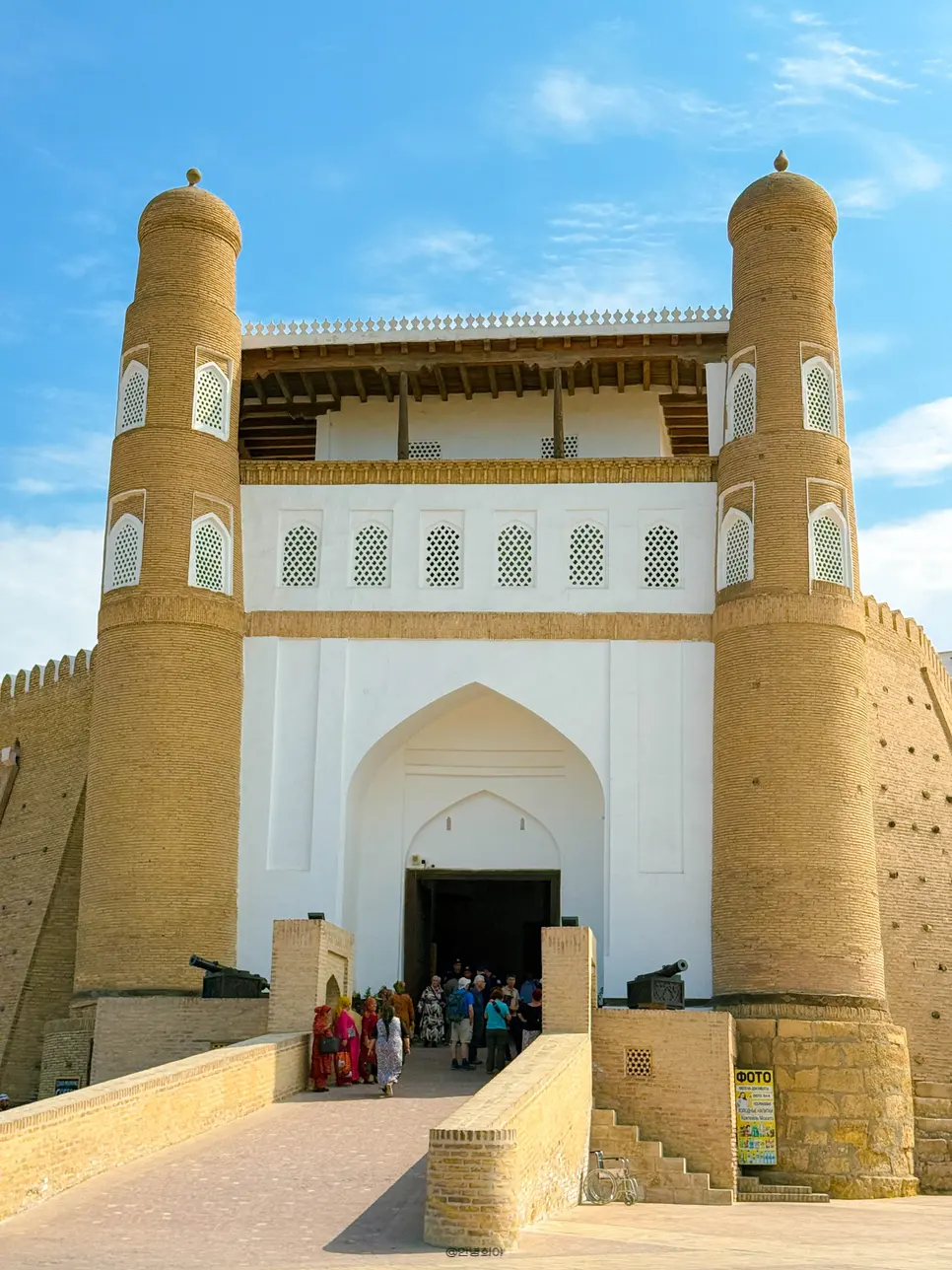
This is the Ark Citadel,
the winter palace of the Emir of Bukhara.
It's the main gate of the Ark Citadel, a massive fortress where monarchs once lived.
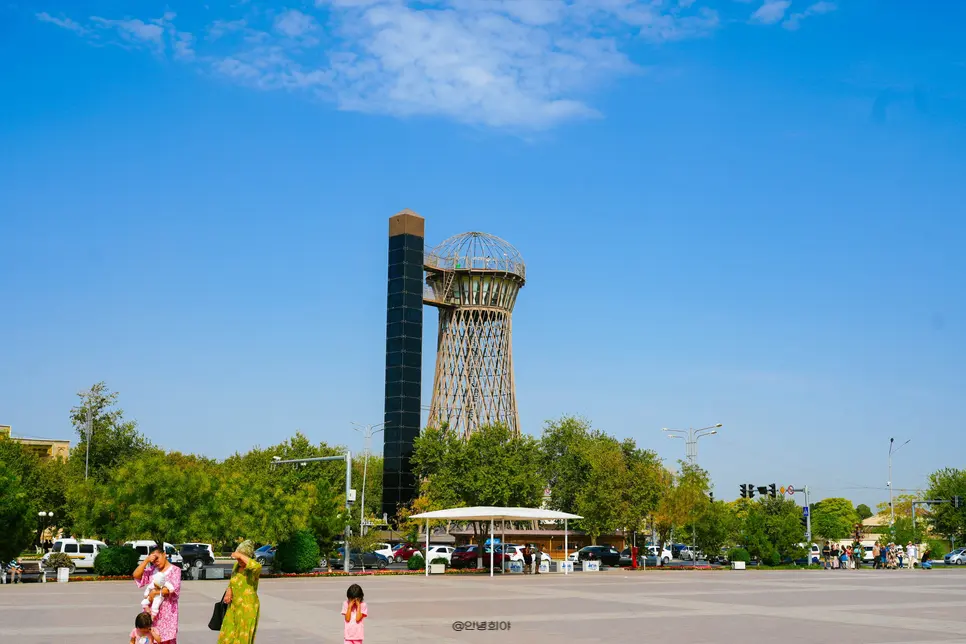
If you take the elevator up Shukhov Tower,
designed by Vladimir Shukhov back in the Soviet era,
you'll be treated to a panoramic view of Bukhara's Old City!
It's currently used as an observation deck!
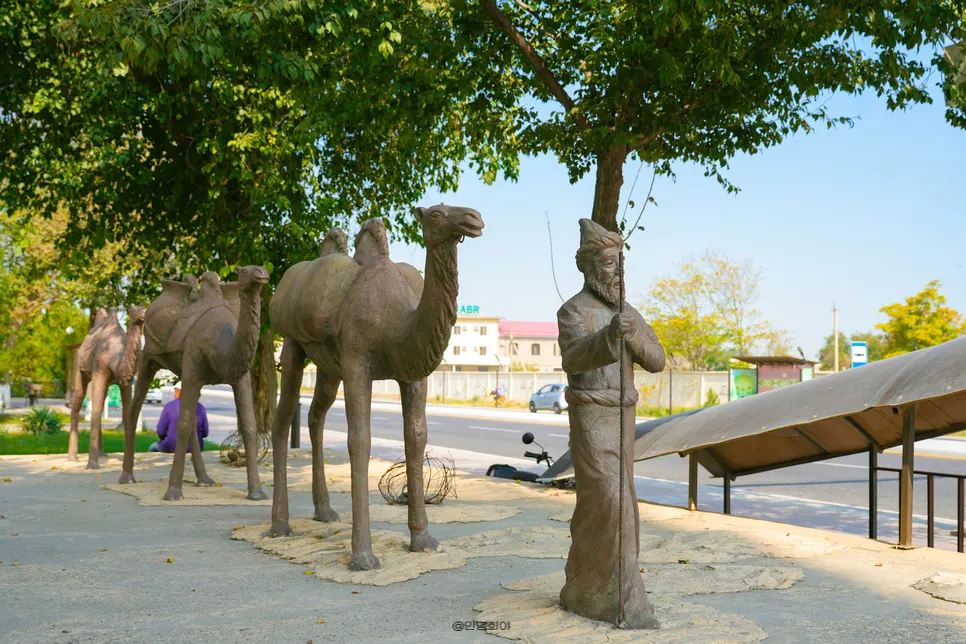
You can also spot caravan and camel sculptures,
honoring the incredible merchants who traded tirelessly
between East and West.
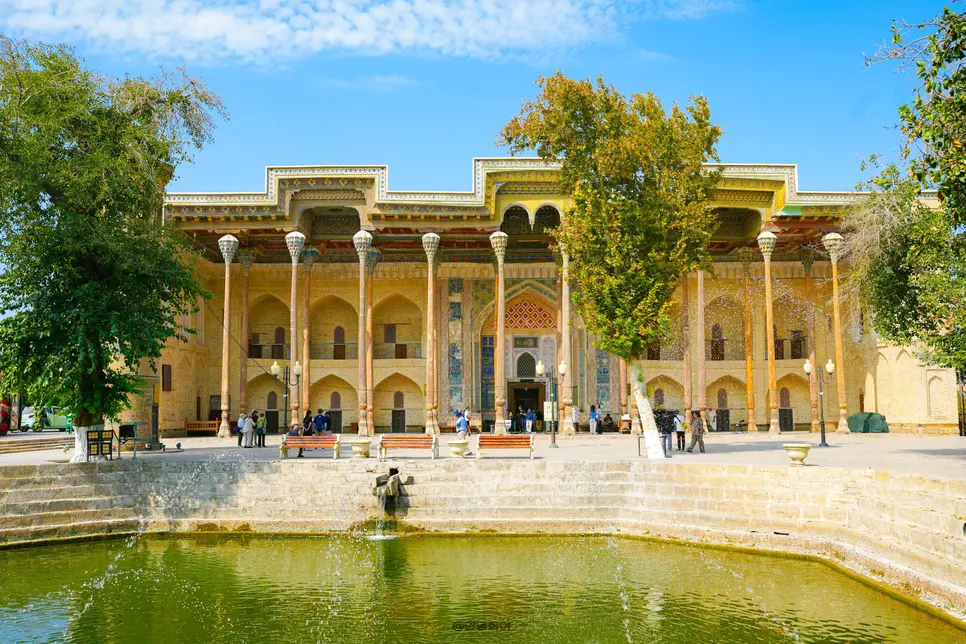
Behold the Bolo Hauz Mosque,
with its impressive 20 pillars!
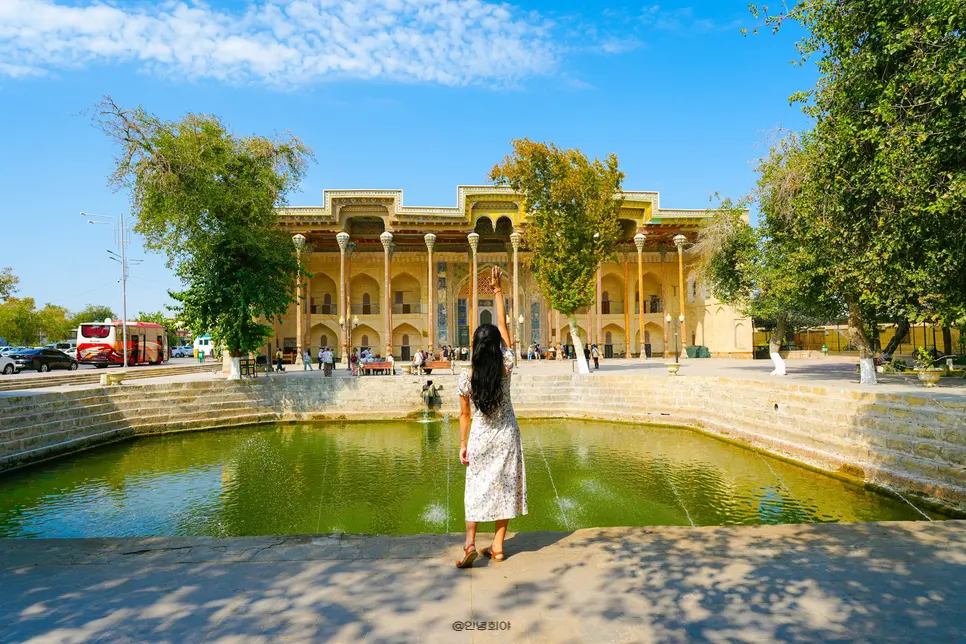
The reflection of the mosque in the Hauz pond right in front of it
is absolutely stunning, but it's a pity my photos don't quite capture its full beauty!
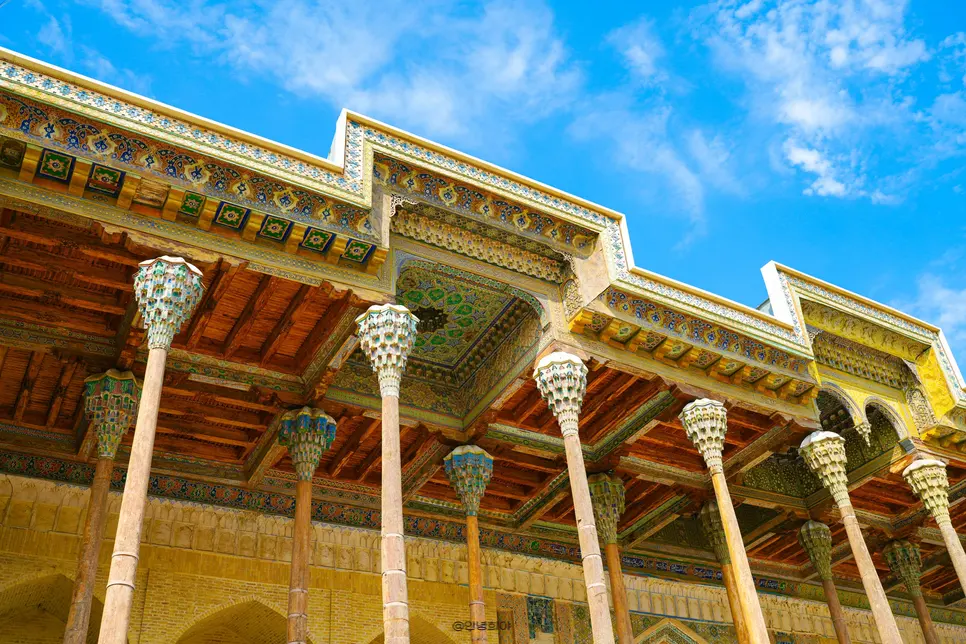
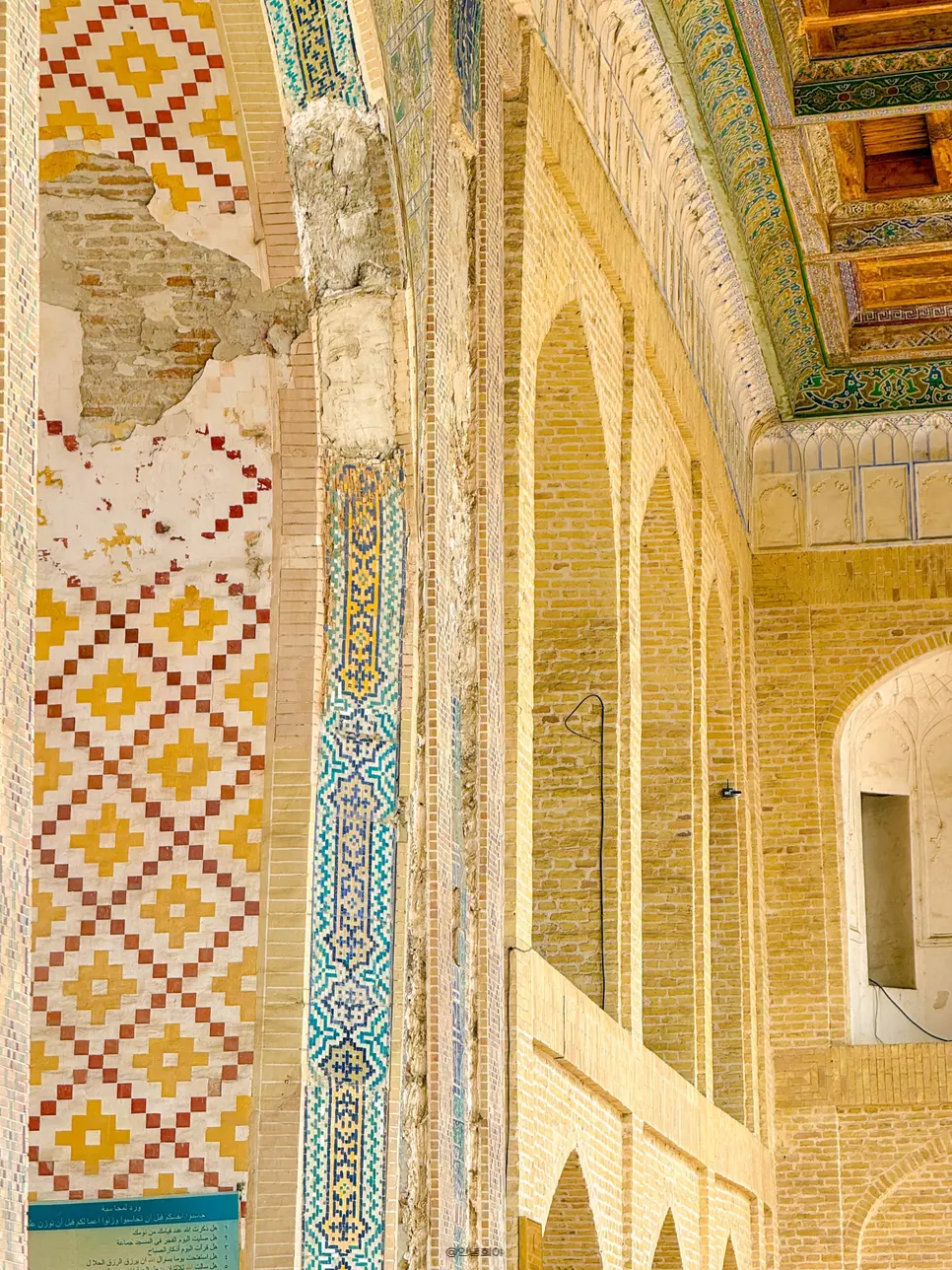
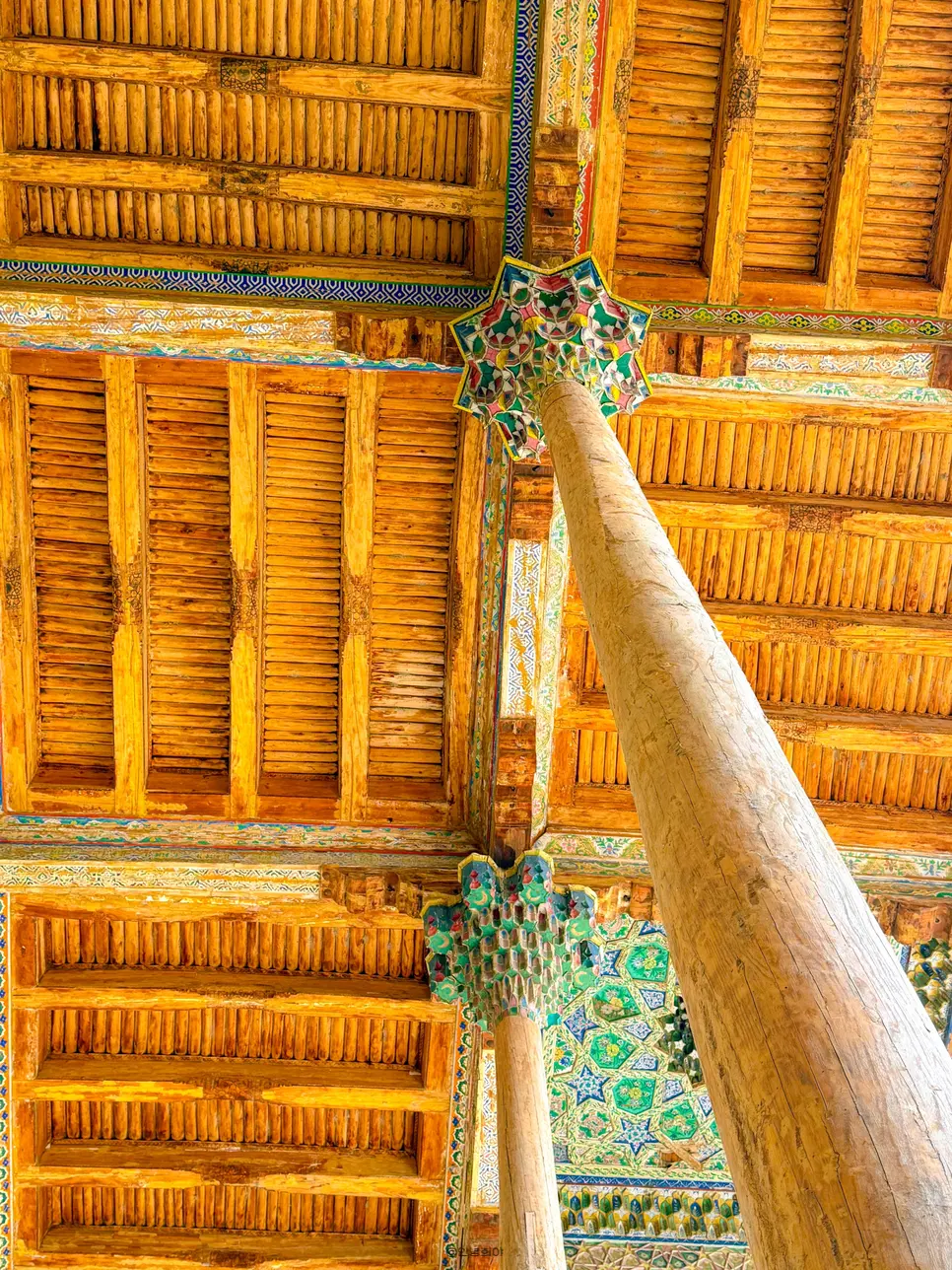
The magnificent pillars, intricately carved from walnut wood, reflect so perfectly in the Hauz pond that Bolo Hauz has earned itself the nickname 'Mosque of Forty Pillars'!
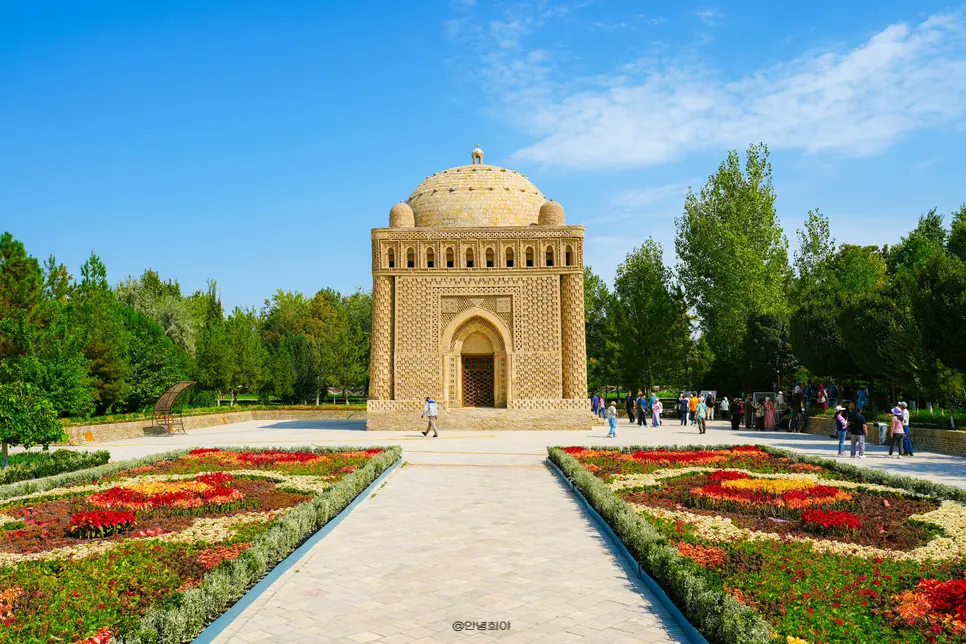
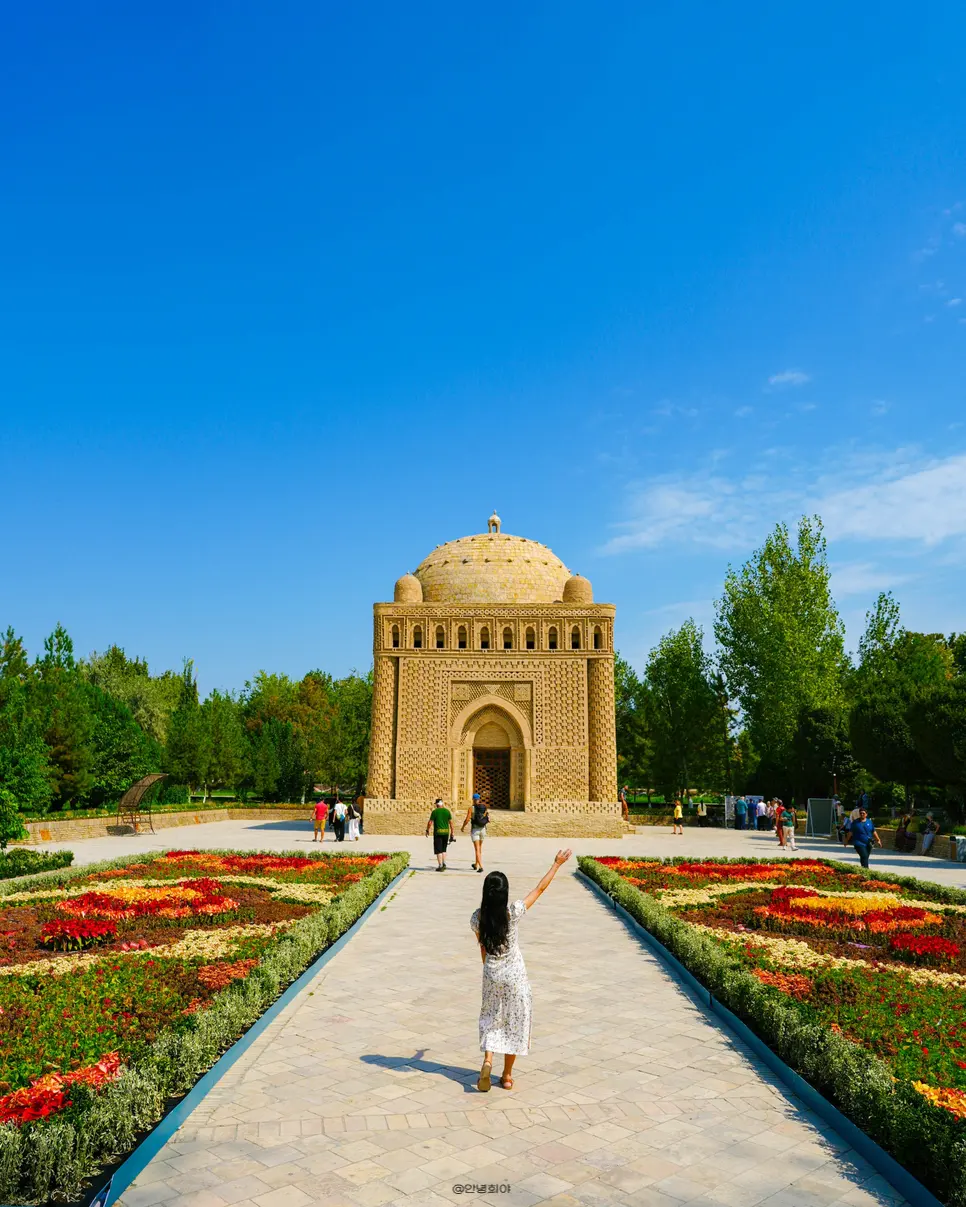
Here's the Samanid Mausoleum, built entirely of baked clay bricks.
This is one of the oldest Islamic structures in Central Asia,
and what makes it truly special is that, unlike many other dazzling buildings,
it was constructed solely from baked clay bricks, without any ornate tiles.
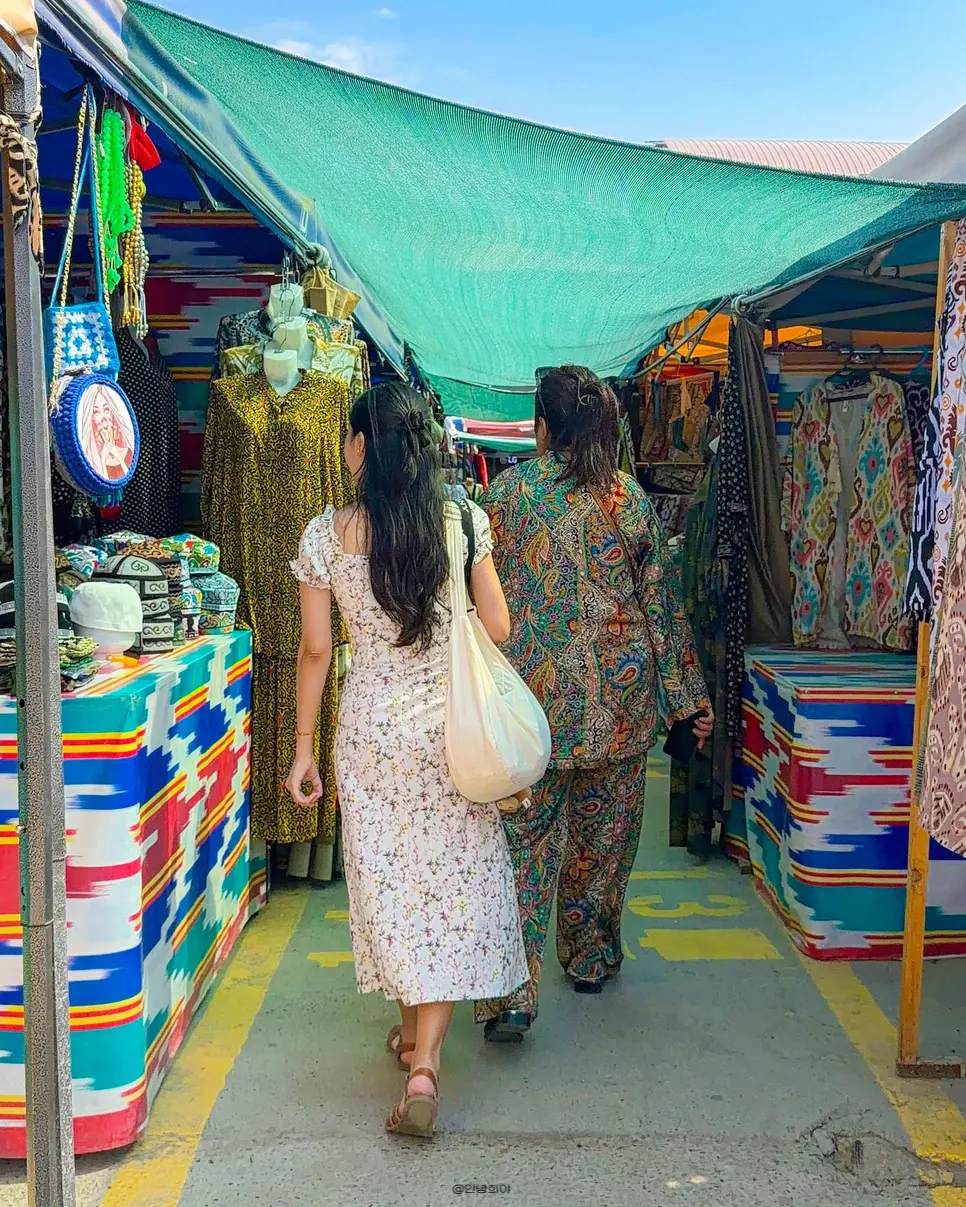
Our guide also took us for a quick stroll through the market
in Bukhara's Old City.
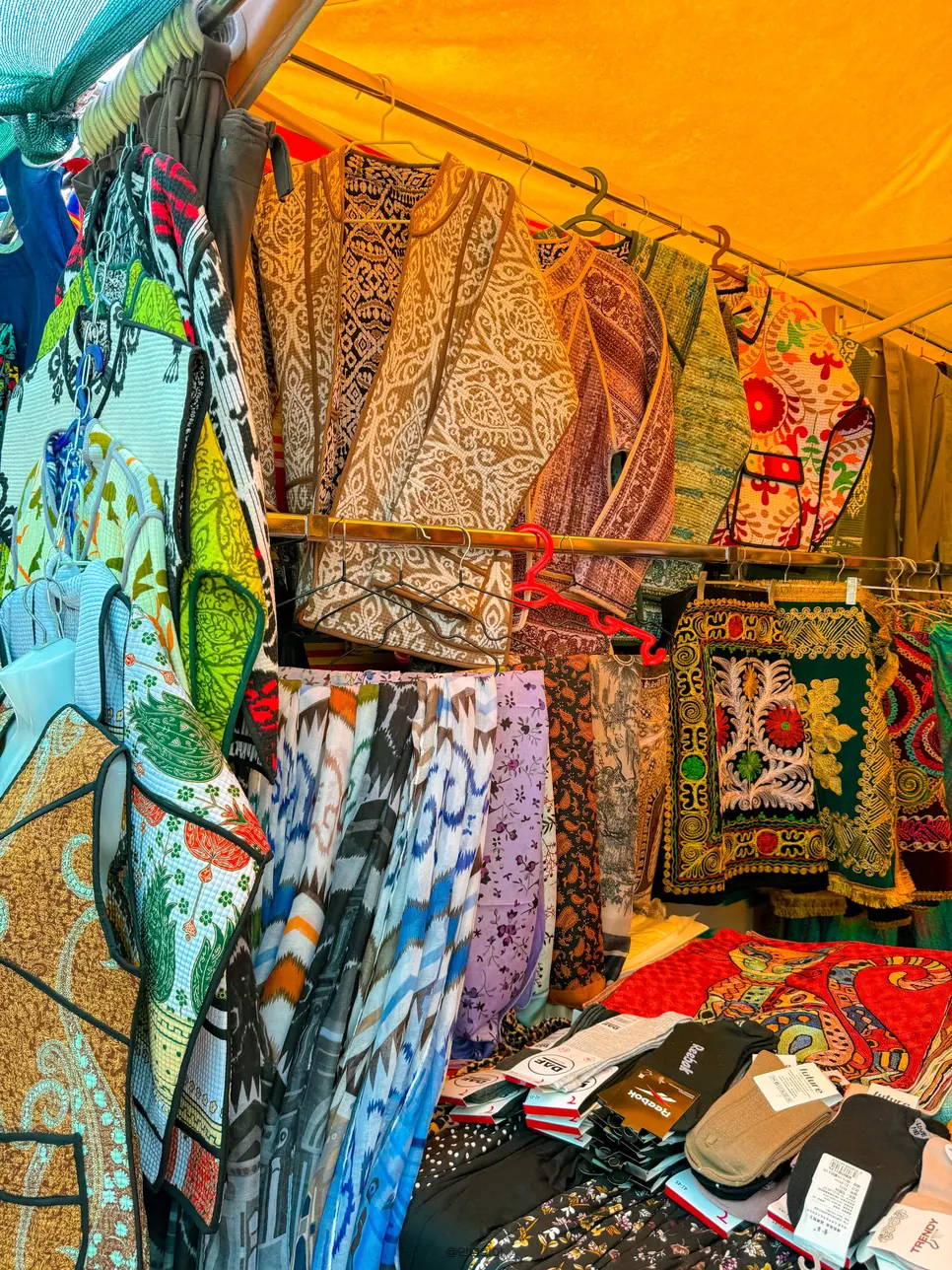
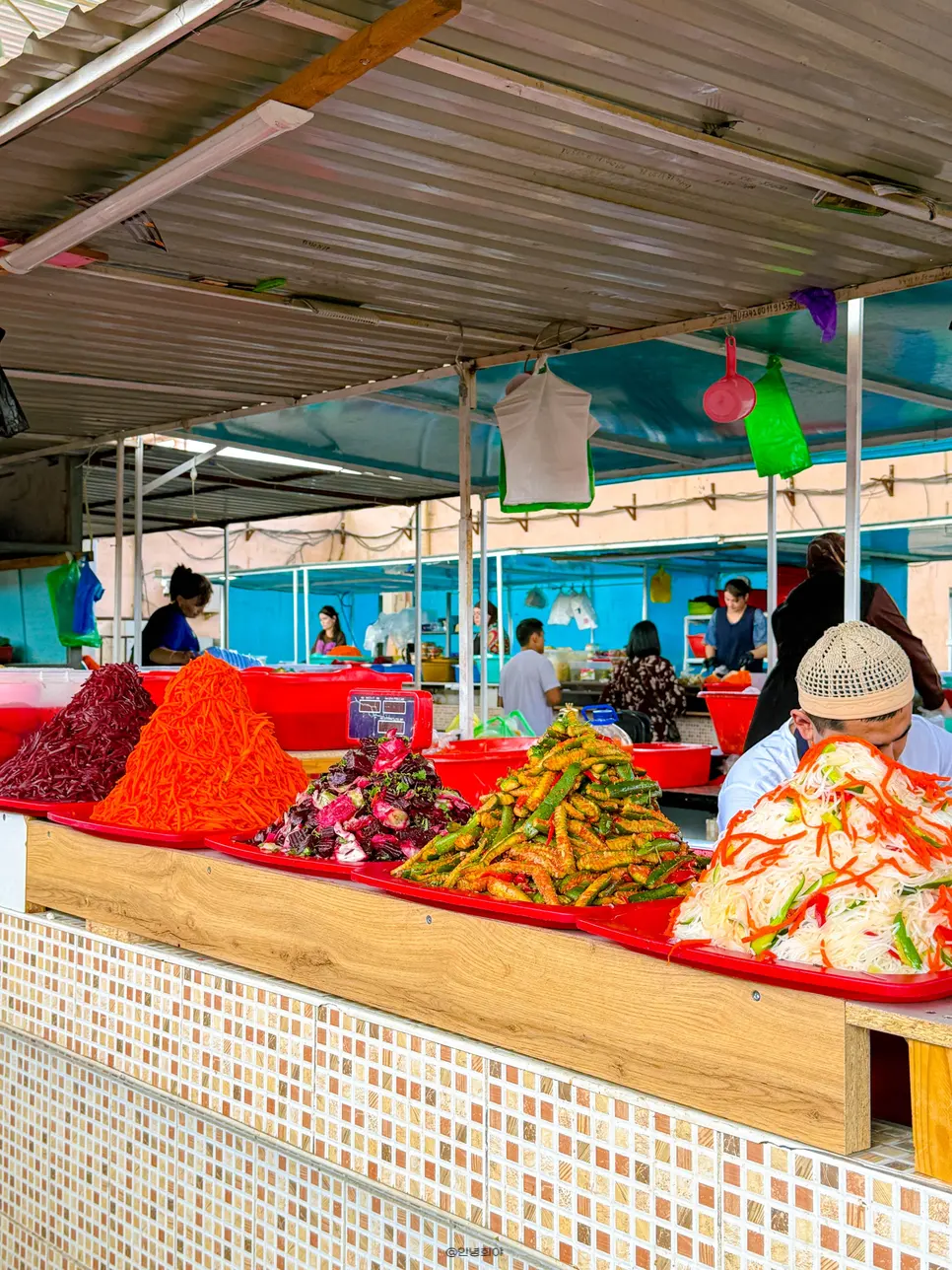
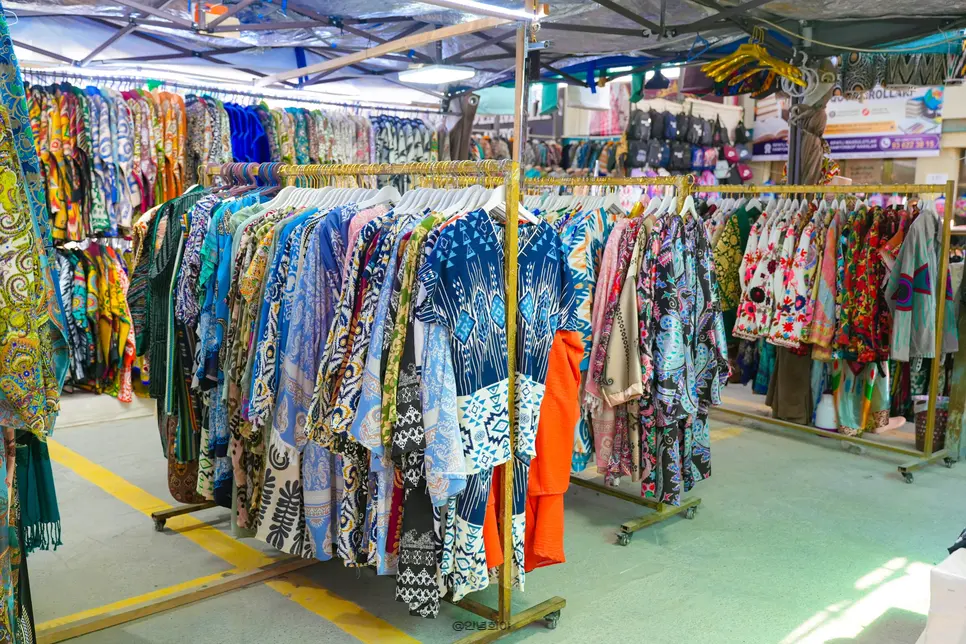
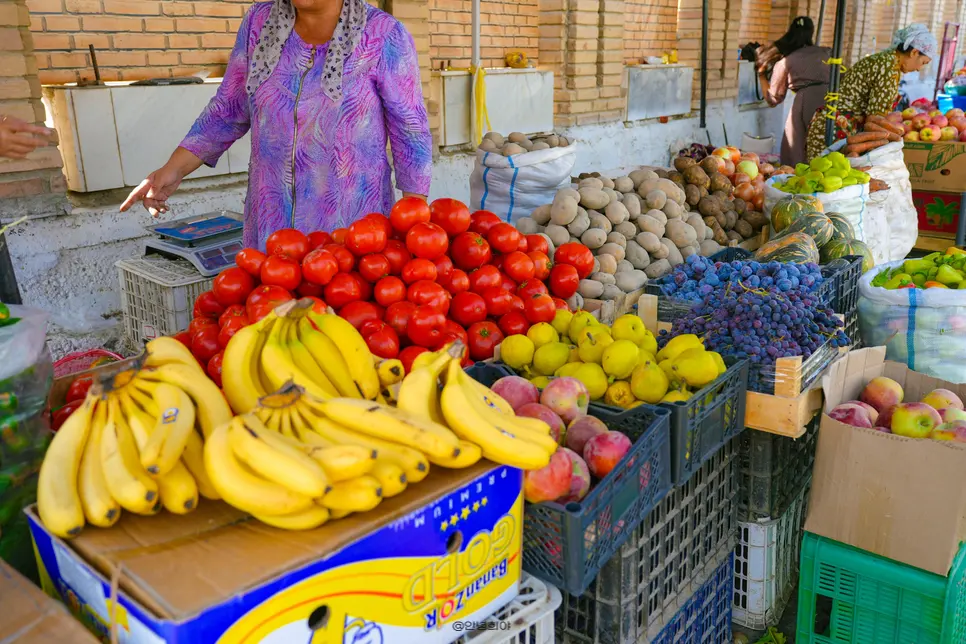
We were planning to dive deeper into traditional markets in Samarkand and Tashkent,
so we just had a quick peek here!
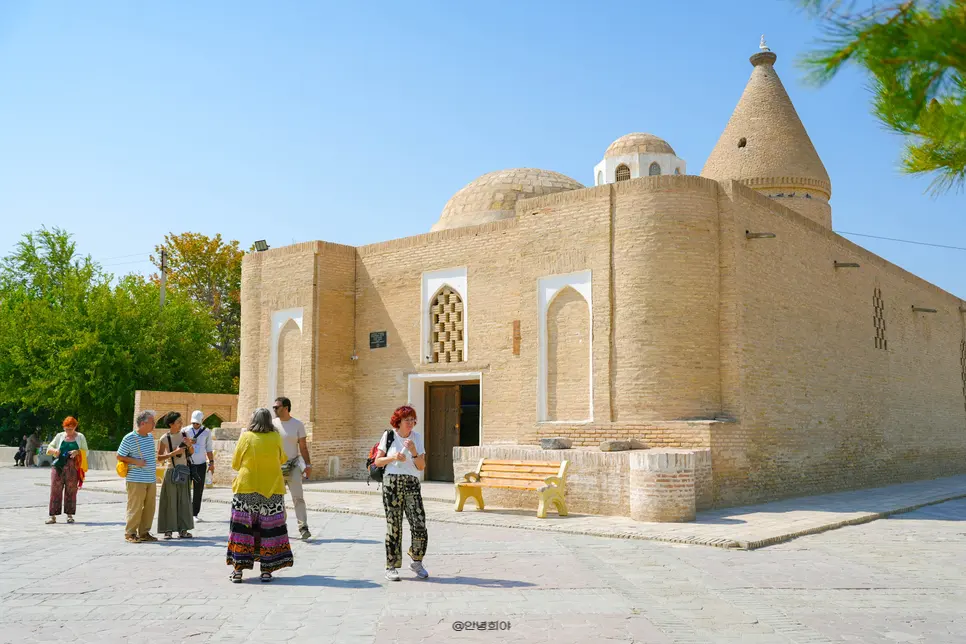
And finally, our private Bukhara tour in Uzbekistan wrapped up
at Chashma-Ayub, a site steeped in the legend of Job.
Legend has it that for the people suffering in the parched land,
Job struck the ground with his staff, and pure spring water miraculously gushed forth.
What's more, it stands out with its unique architectural style, featuring a distinctive pointed roof, unlike many other buildings.
Honestly, for Bukhara's Old City,
with everything concentrated in one charming area,
I initially wondered if a separate guide would even be necessary.
But even with a few language barriers,
having a guide truly makes all the difference in experiencing the authentic local vibe.
What's more, our guide was a born-and-bred Bukhara native – how cool is that?!
ㅋㅋㅋㅋ
The guided tour was incredibly satisfying;
it was a fantastic opportunity to dive deep into Bukhara's history and culture, even with our limited time, which made it all the more meaningful.
They say the best time to visit Uzbekistan is until November,
so I truly hope you get to experience this amazing journey soon!
Completely captivated by the charm of Central Asia,
Annyeong Heeya bids farewell for now,
Signing off!
▼ Uzbekistan Bukhara Old City Private Tour ▼
📍 Bukhara
Bukhara, Uzbekistan
📍 Kalyan Mosque
Kalyan Mosque, Po-i-Kalyan, Khodja Nurobobod St, Bukhara, Bukhara Region, Uzbekistan
📍 Labi Hovuz
Divan-Beghi, Bukhara, Uzbekistan, QCFC+686, Buxoro, Buxoro Viloyati, Uzbekistan
Frequently Asked Questions
Where does the Uzbekistan Bukhara Old City small-group historical tour start and end?
The tour starts in front of the Khoja Nasreddin Statue near Lyab-i Hauz, which is the meeting point. The Uzbekistan private Bukhara tour concludes at Chashma-Ayub, a place associated with the legend of Job.
What are the characteristics of 'Nodir Devonbegi Madrasah' and 'Ulugbek Madrasah' that can be encountered during the Bukhara Old City tour?
Nodir Devonbegi Madrasah was originally built as a caravanserai for Silk Road merchants but was later used as an Islamic seminary and now functions as a restaurant and shops. Ulugbek Madrasah, built in 1417, is one of the oldest surviving madrasahs in Central Asia, where various subjects such as astronomy, mathematics, and philosophy were taught, adorned with blue celestial and geometric patterns.
How are 'Mir-i-Arab Madrasah' and 'Kalyan Mosque' in Poi Kalyan Square, Bukhara, currently operated?
Mir-i-Arab Madrasah has been used as an Islamic seminary since the Soviet era, where actual students study the Quran and Islamic law and reside, so deep inside the building is not accessible. Kalyan Mosque is one of the largest mosques in Central Asia, capable of accommodating as many as 10,000 to 12,000 worshippers at once during Friday congregational prayers.
What unique architectural features do 'Magoki Attori Mosque' and 'Samanid Mausoleum' each possess in Bukhara Old City?
Magoki Attori Mosque is named 'Mosque in a Pit' because its front part is dug below ground level. Samanid Mausoleum is one of the oldest Islamic architectural structures in Central Asia, uniquely built entirely with baked mud bricks without the elaborate tiles seen in other buildings.
What souvenirs are recommended when shopping in Bukhara Old City, and are there any bargaining tips?
As a key hub on the Silk Road, chess sets are recommended as one of Uzbekistan's souvenirs. Bargaining is essential in roadside shops; vendors tend to quote very high prices to tourists, so it's advisable to always negotiate down to about half the asking price and observe the vendor's reactions.
Share this article
Related Travel Stories
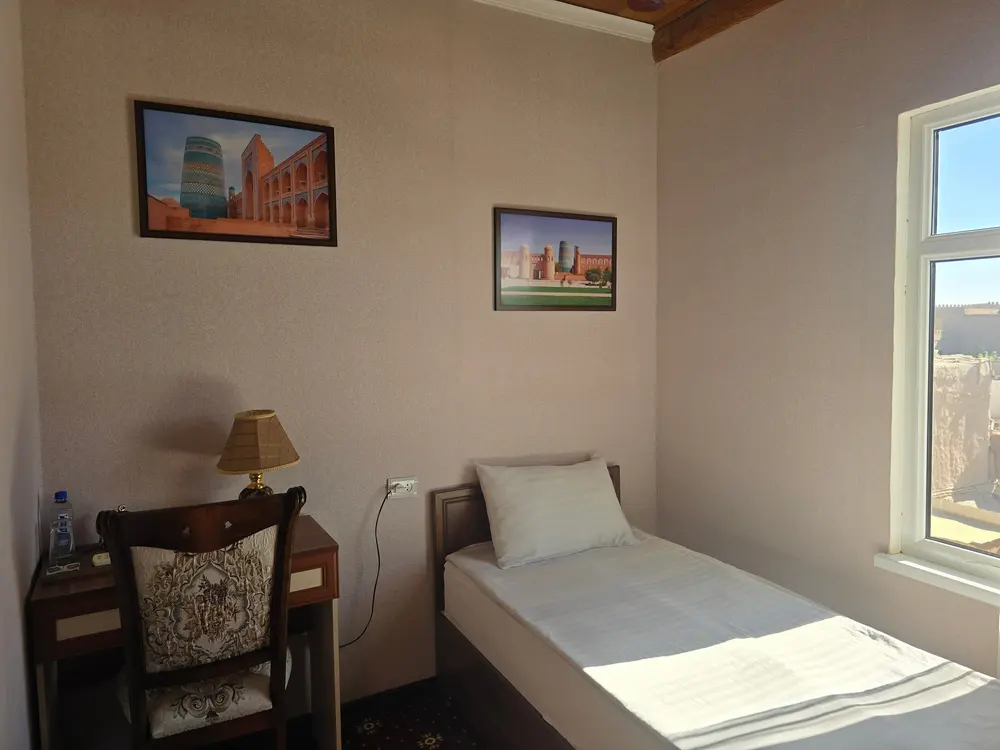
Islam Khodja Guesthouse Khiva Review 2026: Solo Travel in Itchan Kala
Despite a small single room, Islam Khodja Guesthouse in Khiva's Itchan Kala earned my highest recommendation for its incredible hospitality and ideal location. Perfect for solo travelers!

Navruz Park Tashkent 2026: Your Guide to Authentic Uzbek Souvenirs
Searching for unique Uzbek souvenirs in Tashkent? Navruz Park Market offers a fantastic selection of traditional crafts like magnets, suzani, and ceramics, all in one convenient spot!

Hotel Marwa Tashkent Review 2026: Private Spa & Pool Oasis
Planning a trip to Tashkent in 2026? Hotel Marwa offers a private spa, refreshing pool, and warm hospitality, ideal for exploring the city or a stopover to Shymkent.

Courtyard Tashkent Review 2026: Breakfast, Pool & Gym Highlights
Discover the Courtyard Tashkent, a top pick for your 2026 trip. Enjoy lush amenities like the pool, gym, and a delicious breakfast just minutes from the airport!
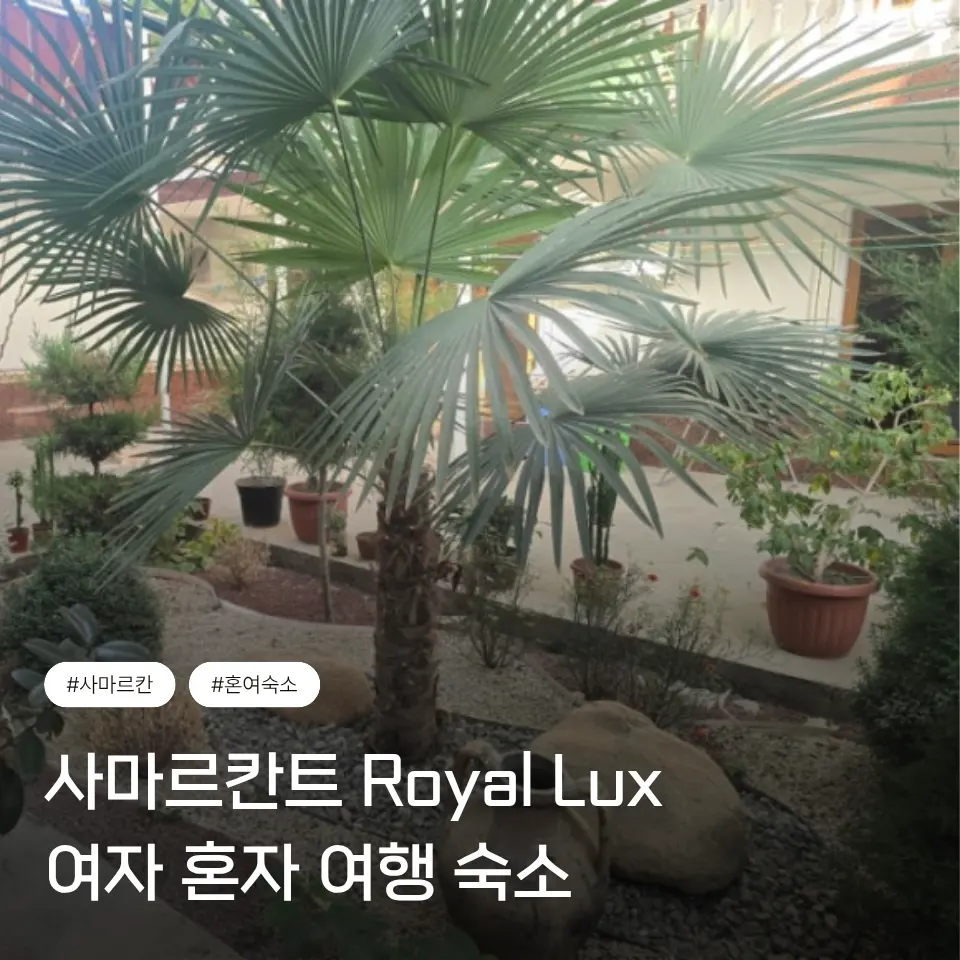
Royal Lux Guest House Samarkand Review 2026: Solo Female Traveler's Registan Stay
Planning a solo trip to Samarkand? Discover why Royal Lux Guest House, a short 10-minute walk from Registan Square, is the perfect safe and convenient stay for women.

Tashkent Metro Guide 2026: How to Ride & Best Stations
Explore the stunning underground palaces of Uzbekistan! Here is a practical 2026 guide to riding the Tashkent Metro, from ticket fares to the best photo spots.