読み込み中...

ホーチミン1区のおすすめホテル!Mシティ ホテル サイゴン宿泊記
立地が良く、主要な観光スポットへの移動がとてもスムーズで、
お部屋の清潔さやコンディションも大満足だった
「Mシティ ホテル サイゴン(M City Hotel Saigon)」の宿泊レビューをお届けします。
Mシティ ホテル サイゴンはホーチミンの中心部である1区に位置しており、
ベンタイン市場へは徒歩わずか5分の距離にあります。
また、人気のショッピングモール「サイゴンセンター」や、定番の観光スポット「統一会堂」へも徒歩約10分で行くことができ、
周辺を観光するのに非常に便利なロケーションでした。
Mシティ ホテル サイゴン(M CITY HOTEL SAIGON)の基本情報および施設
📍 M City Hotel Saigon
52B Phạm Hồng Thái, Phường Bến Thành, Quận 1, Thành phố Hồ Chí Minh 700000 ベトナム
📍住所 | 52B Phạm Hồng Thái, Phường Bến Thành, Quận 1, Thành phố Hồ Chí Minh 700000 ベトナム |
🚗空港からの距離 | タンソンニャット国際空港から車で約30〜40分 |
⏰チェックイン / チェックアウト | チェックイン 14:00 / チェックアウト 12:00 |
💵1泊の平均料金 | |
🍽️朝食 | ビュッフェスタイル |
🛋️主な施設・設備 | プール、スパ、フィットネスセンター、会議室など |
⭕メリット | 1区の主要観光地まで徒歩で移動可能 / 清潔感のある客室 / 親切なサービス |
❌デメリット | お部屋がやや手狭 / 窓がないお部屋がある(窓があっても壁ビューや廊下ビューの可能性があります) |

Mシティ ホテル サイゴンのエントランス
洗練されたモダンな雰囲気が漂う、ホーチミン1区の「Mシティ ホテル サイゴン」の入り口です。
重いスーツケースを持っていると、エントランスの数段の階段が少し手間に感じられますが、
スタッフの方がすぐに駆け下りてきて、荷物を中に運んでくださいました。

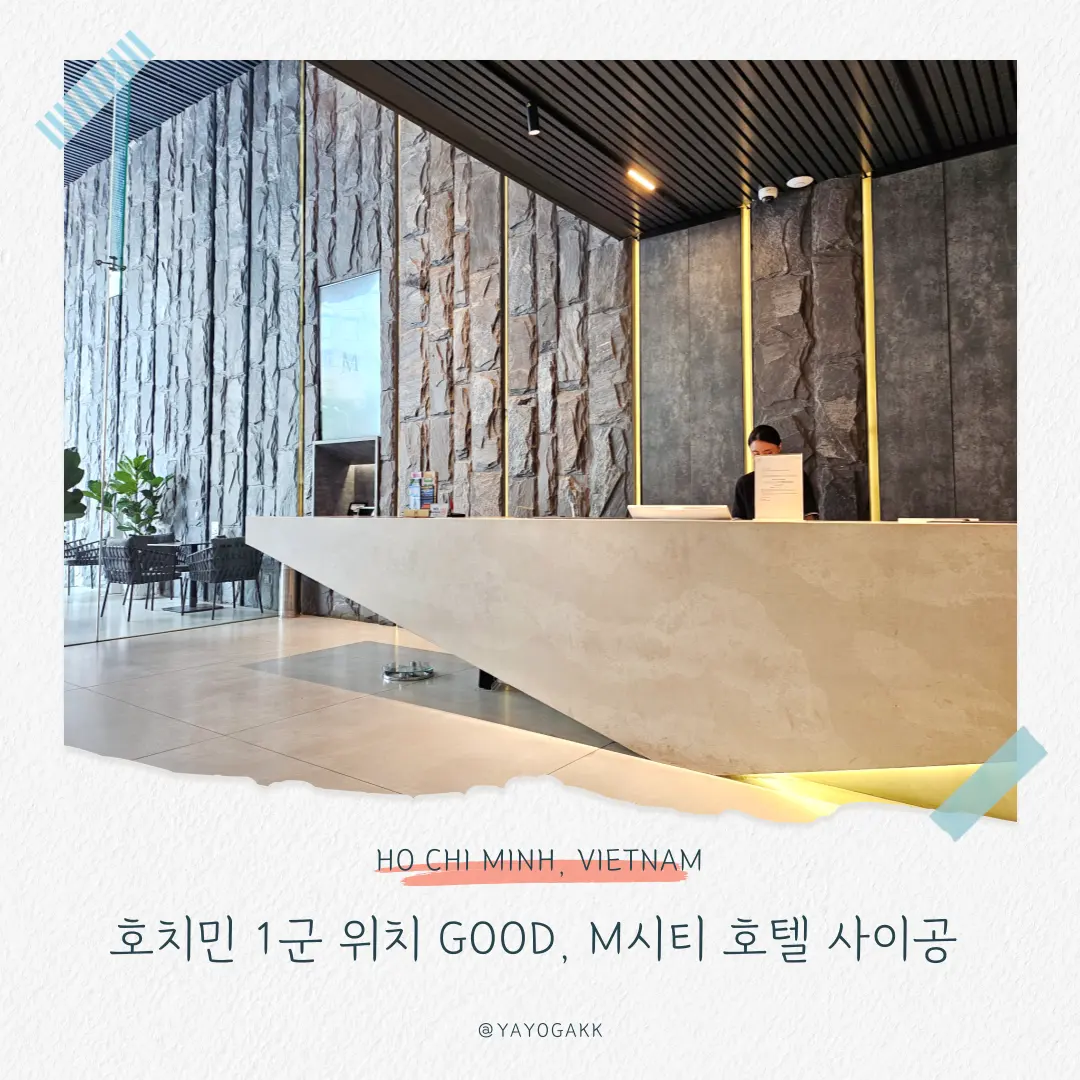
Mシティ ホテル サイゴンのロビー
すっきりと清潔感のある、美しいフロントロビーです。
チェックインの際、デポジットとして100万ドン(VND)が必要です。
クレジットカードでの決済が可能で、チェックアウト時に返金(キャンセル)処理をしてくれます。
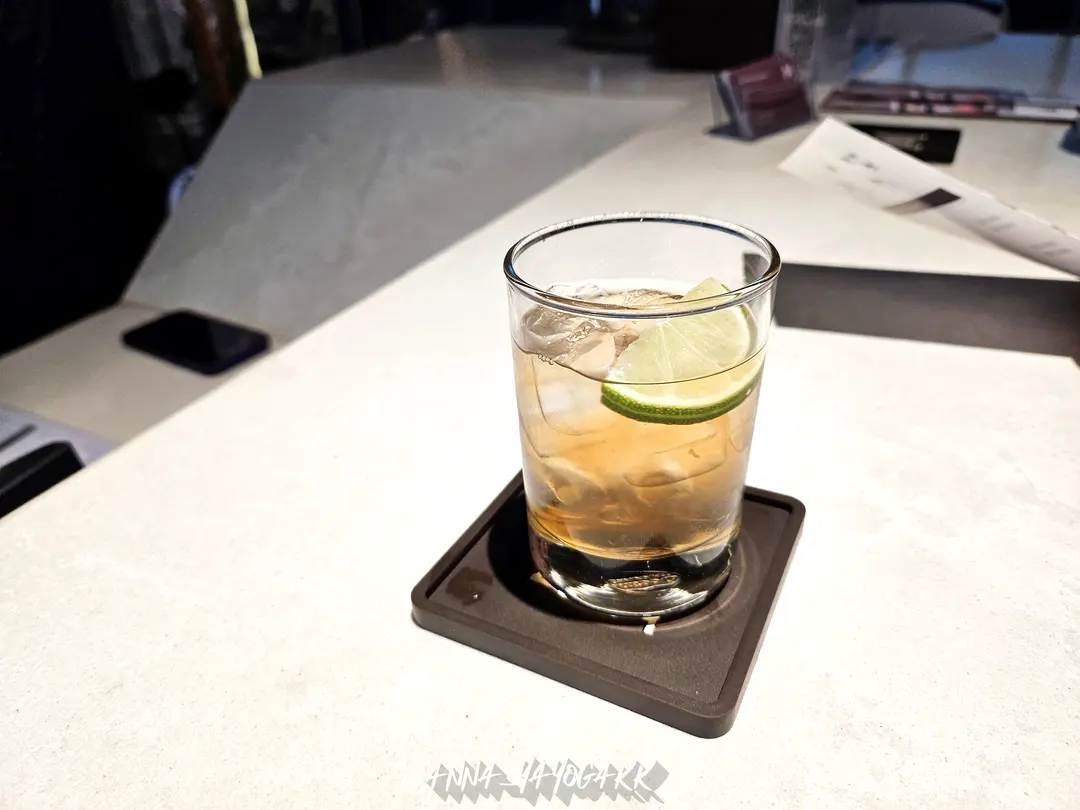
ウェルカムドリンク
暑い屋外から入ってきて、氷がたっぷり入った冷たいウェルカムドリンクをいただくと、本当に生き返る気持ちになります。
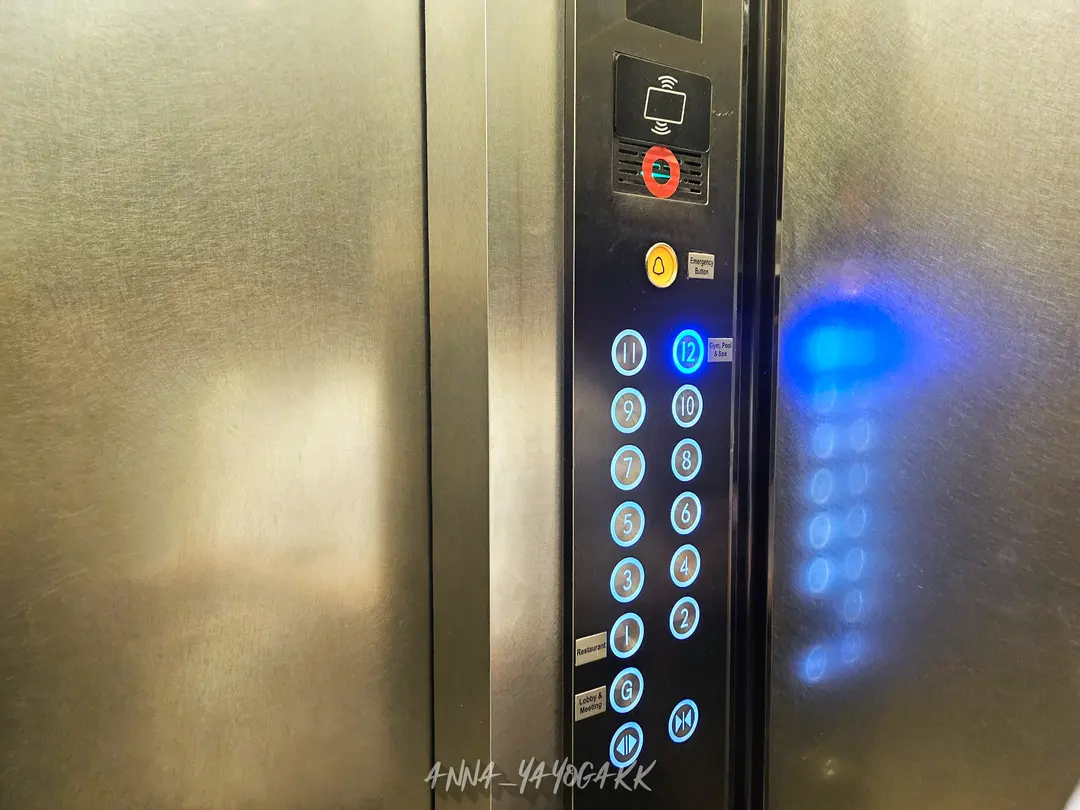
客室のレビューに入る前に、
館内のフロア構成について簡単にご案内します。
ロビーがあるフロアは「1階」ではなく、「G階(グランドフロア)」となります。
G階にはフロントデスクとミーティングルームがあり、
朝食会場を兼ねたレストランは「1階(実質2階)」に位置しています。
そして、プール、フィットネスジム、スパは「12階(最上階)」にありますので、ぜひ参考にしてください。
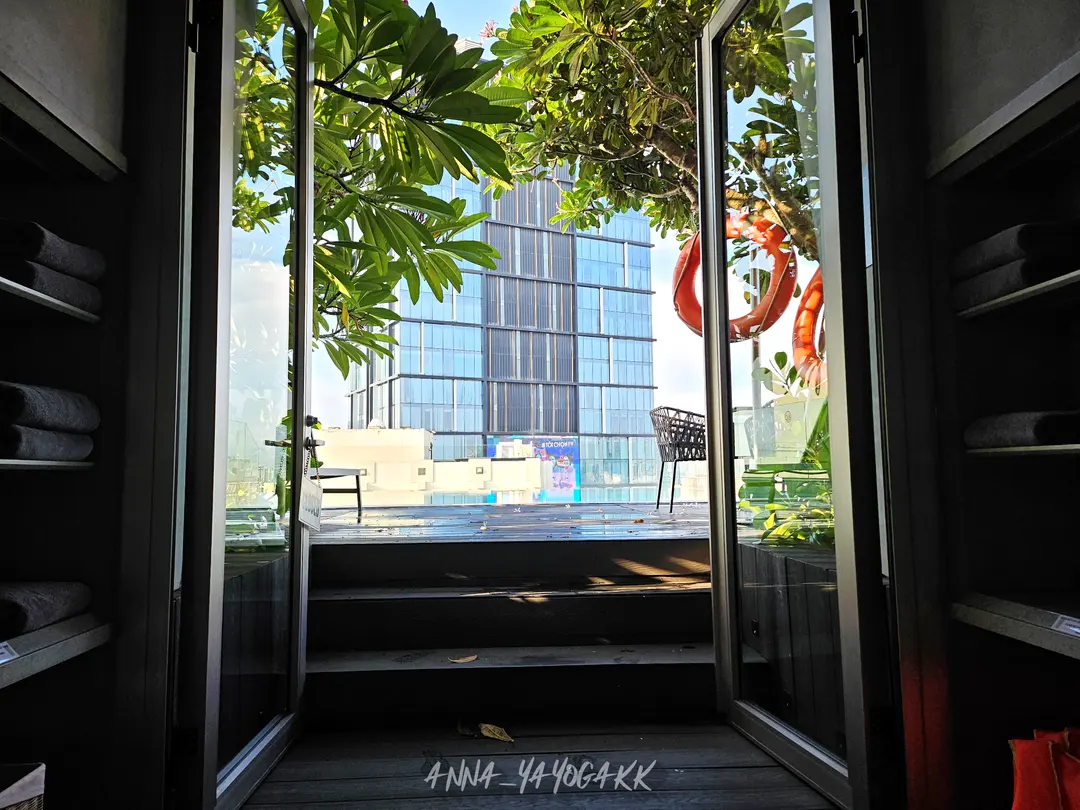
12階にある屋外プールです。
朝早くに見学に行ったせいか、水面に落ち葉がいくつか浮いていました。
(日中になれば、きれいに清掃してくださるのだと思います)
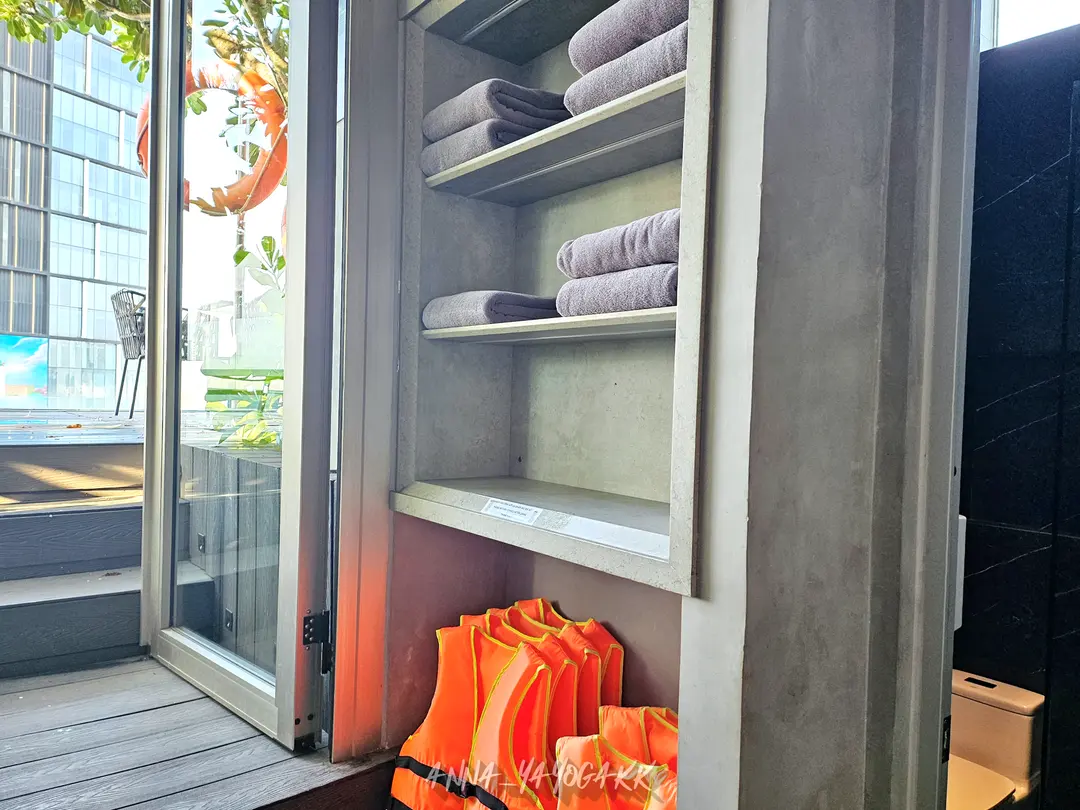
プールの入り口の両脇には、
無料のレンタルタオルとライフジャケットが用意されていました。
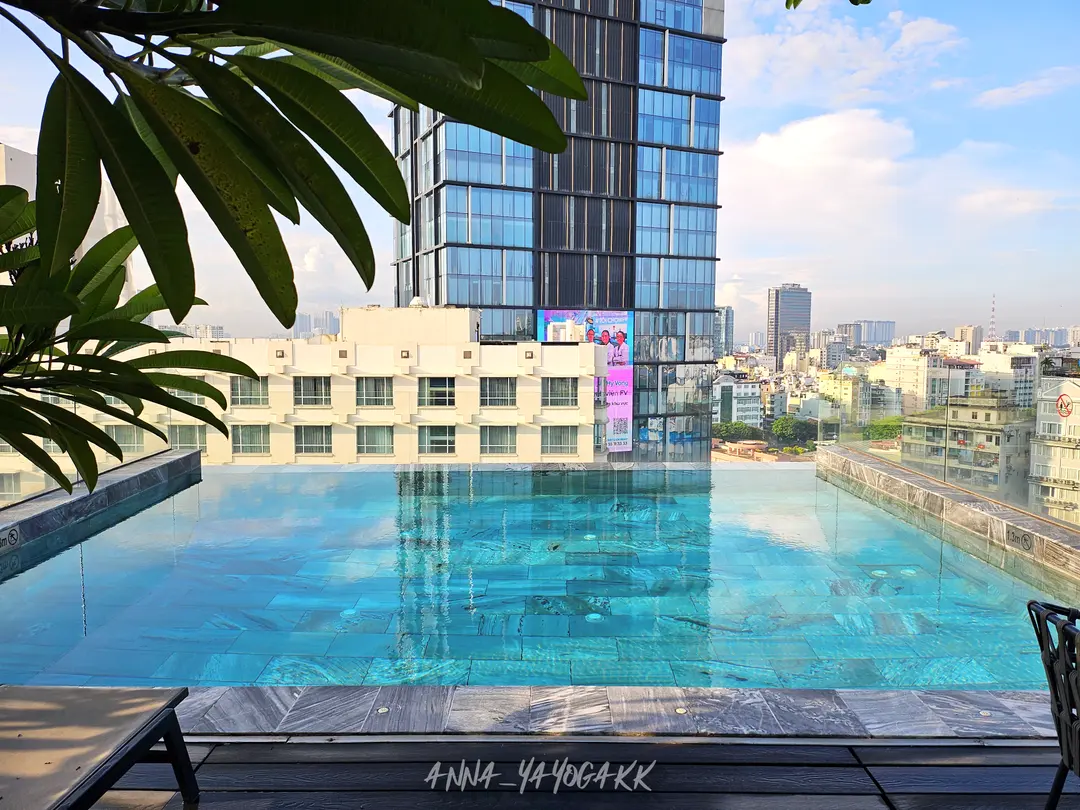
プール自体の規模はそれほど大きくありませんでした。
それでもルーフトップにあるため、上から見渡すホーチミンの街並みはとても開放感があり、気持ちが良かったです。
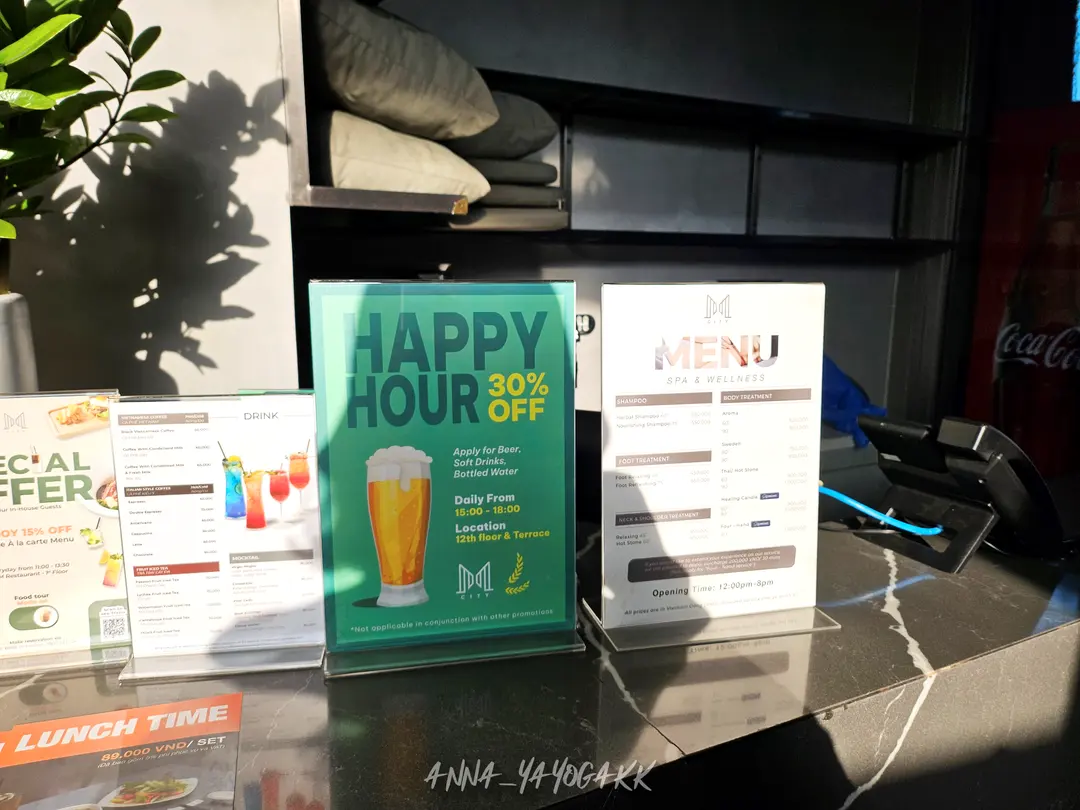
小規模ながら、プールサイドバー(プールバー)も併設されています。
午後3時から6時までは「ハッピーアワー」が実施されており、30%オフの割引料金でドリンクを楽しめるようでした。
また、併設されているスパの料金は、フットマッサージが45万ドンから、
ボディーマッサージは90分で85万ドン程度でした。
ホーチミンの街中にはリーズナブルで技術の高いマッサージ店がたくさんあるため、あえてホテル内のスパを強くおすすめするほどではなさそうです。
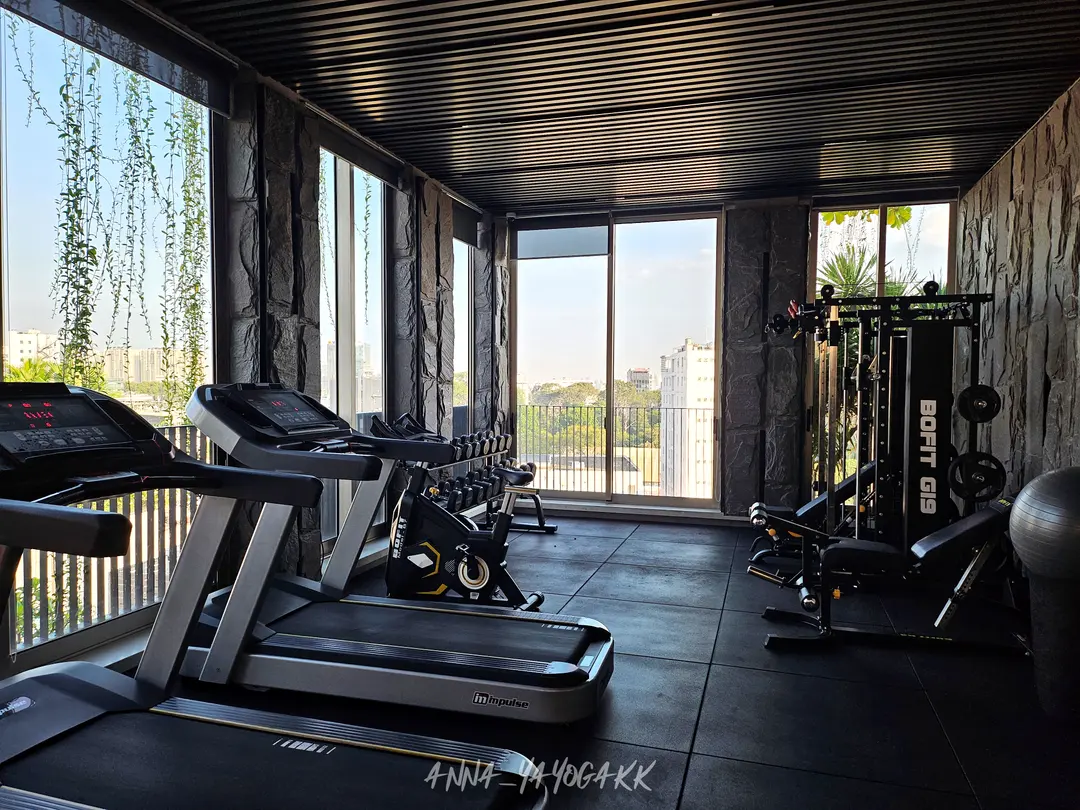
ホーチミン1区のホテル「Mシティ ホテル サイゴン」のフィットネスジムです。
こぢんまりとしたジムですが、
一通りの器具はしっかりと揃っている印象でした。
利用客が少なかったため、
静かにワークアウトを行うには最適な環境だと思います。
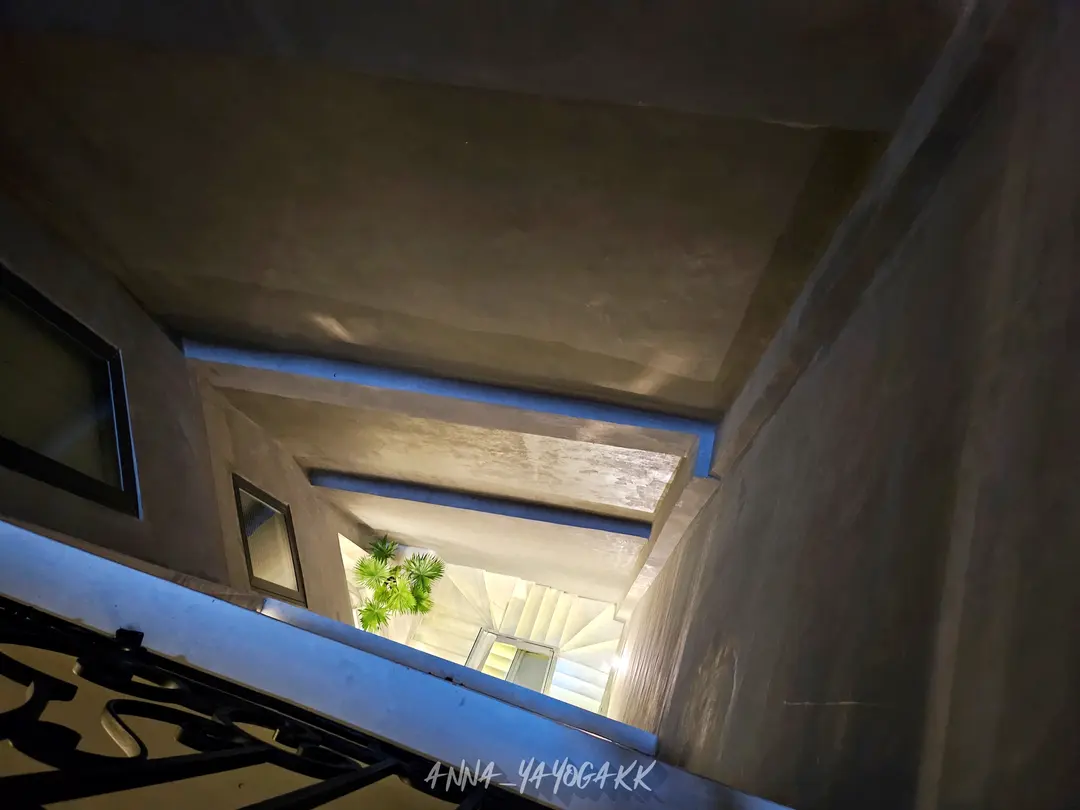
12階から見下ろすと、建物の中心はこのように吹き抜けの構造になっています。
Mシティ ホテル サイゴン(M CITY HOTEL SAIGON)デラックスルーム宿泊記
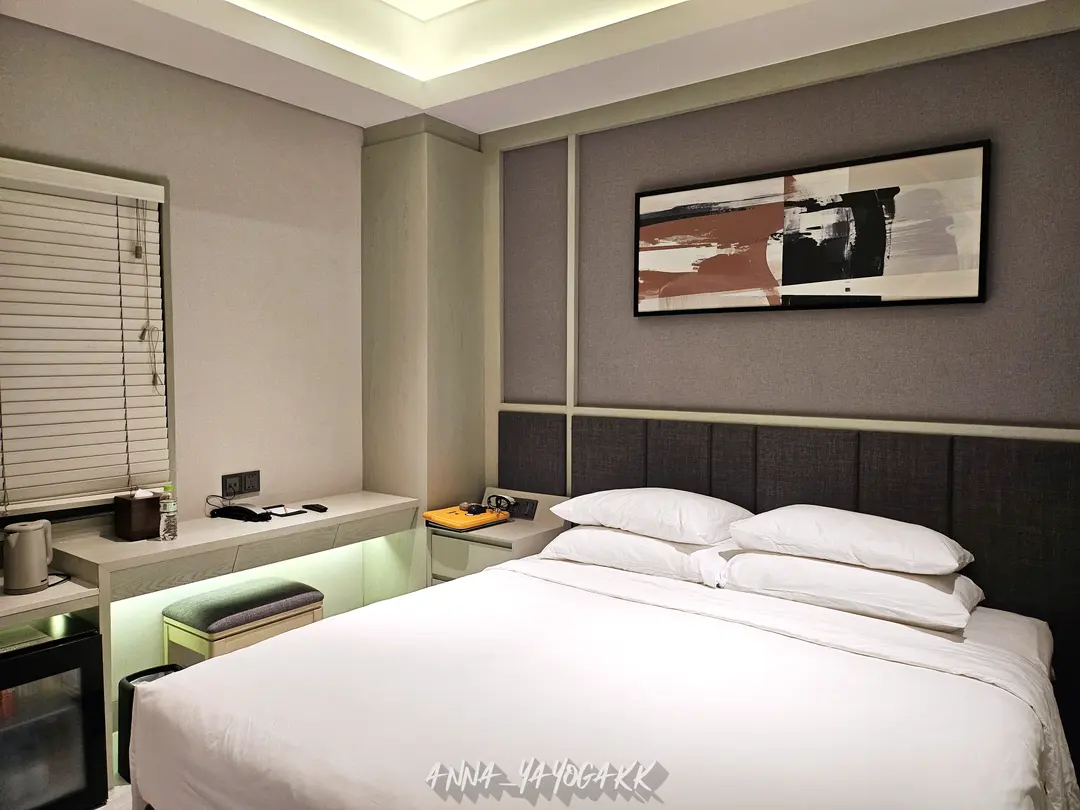
Mシティ ホテル サイゴン デラックスルーム
今回私が宿泊した客室タイプはデラックスルームです。
客室の広さは22㎡で、宿泊料金に対してはやや手狭に感じられるかもしれません。
窓はありましたが、外の景色はいわゆる「壁ビュー(隣接する建物の壁)」でした。
景観を重視しない都会のホテルですので、
個人的にはそれほど気になりませんでした。
(外の景色が見える窓付きのデラックスルームもありますが、価格帯は少し高めになります。)
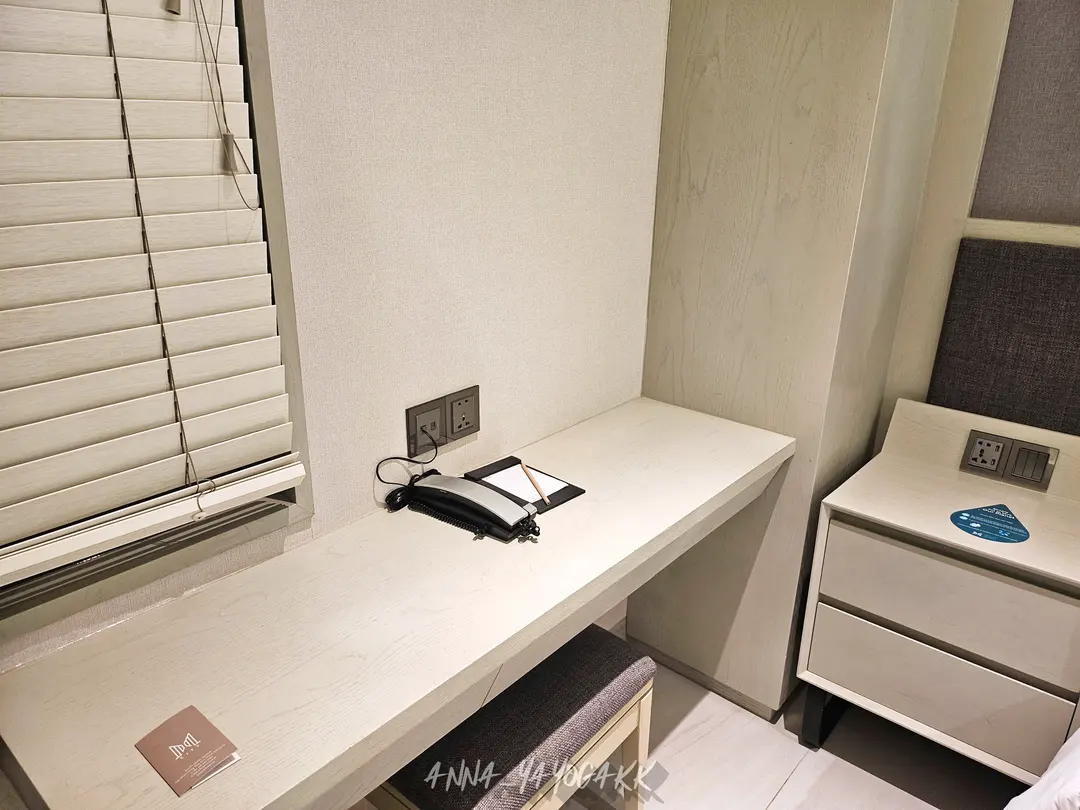
窓側には小さなテーブルが配置されています。
近くにはコンセントも完備されています。
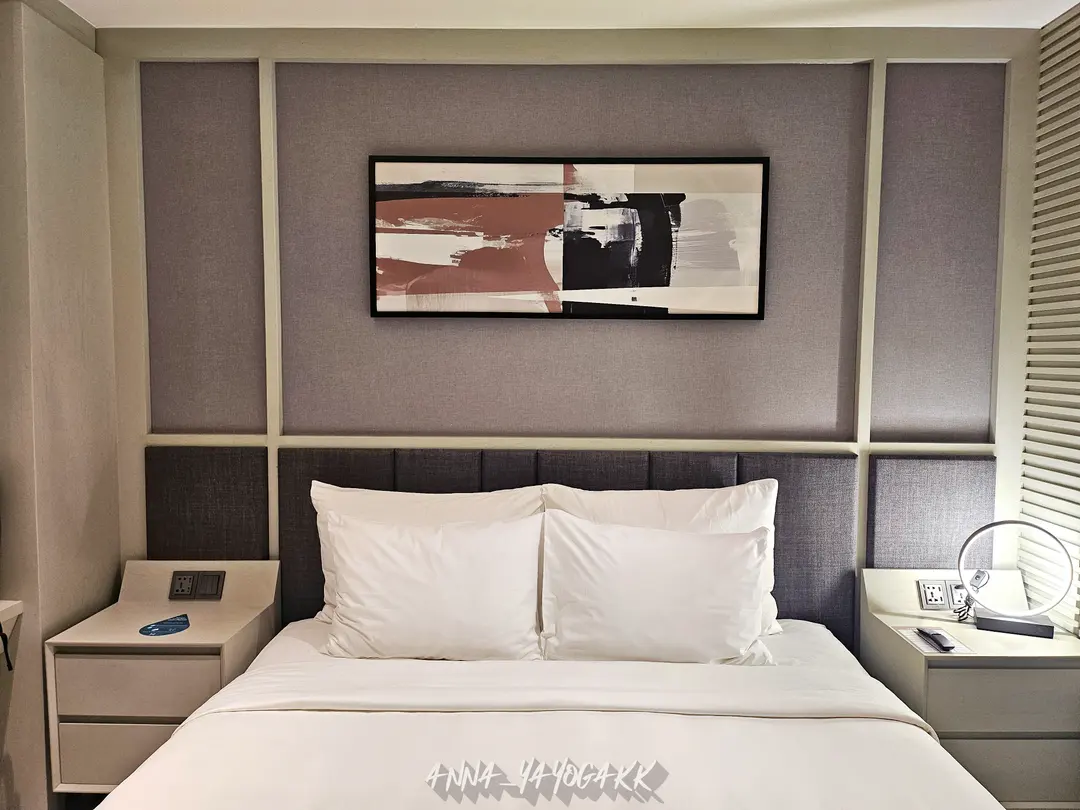
ベッド両脇のサイドテーブルにもそれぞれコンセントが設置されており、スマートフォンの充電などに大変便利でした。
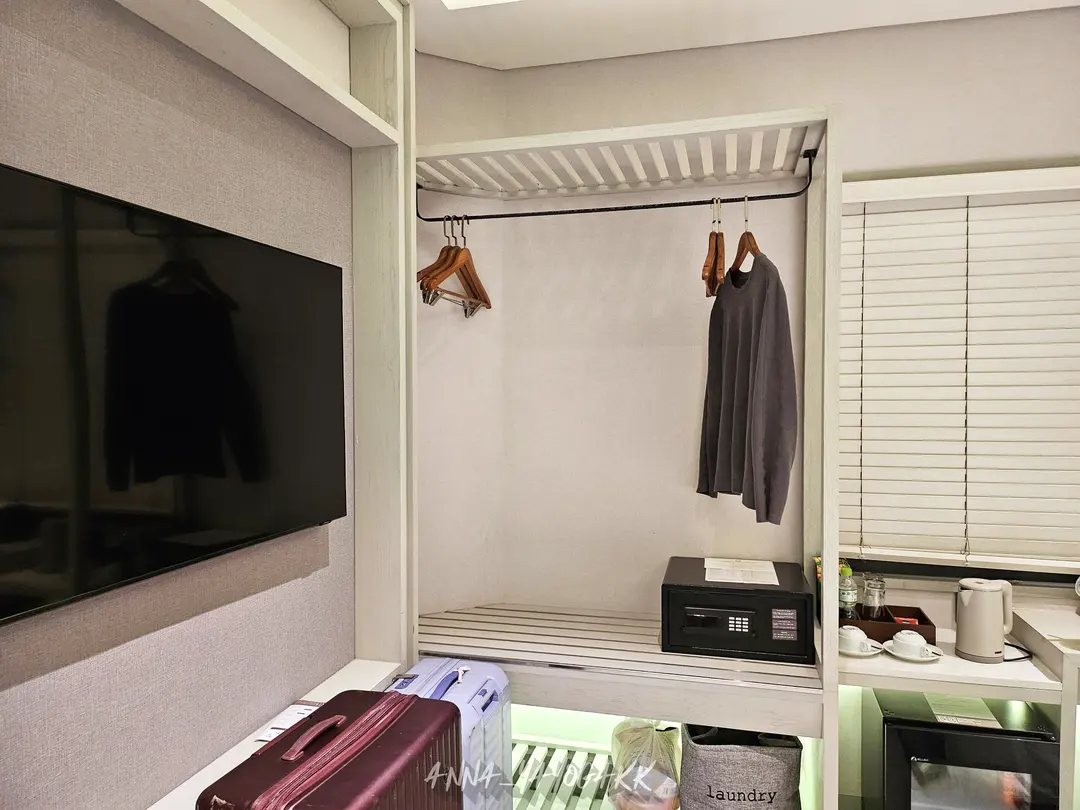
クローゼットはオープンタイプ(扉なし)になっており、限られた広さの客室を
少しでも広く見せる効果があります。
コンパクトながらも、滞在に必要な備品はすべて揃っていました。
セーフティボックス、大型テレビ、電気ケトル、冷蔵庫、ヘアドライヤーなど
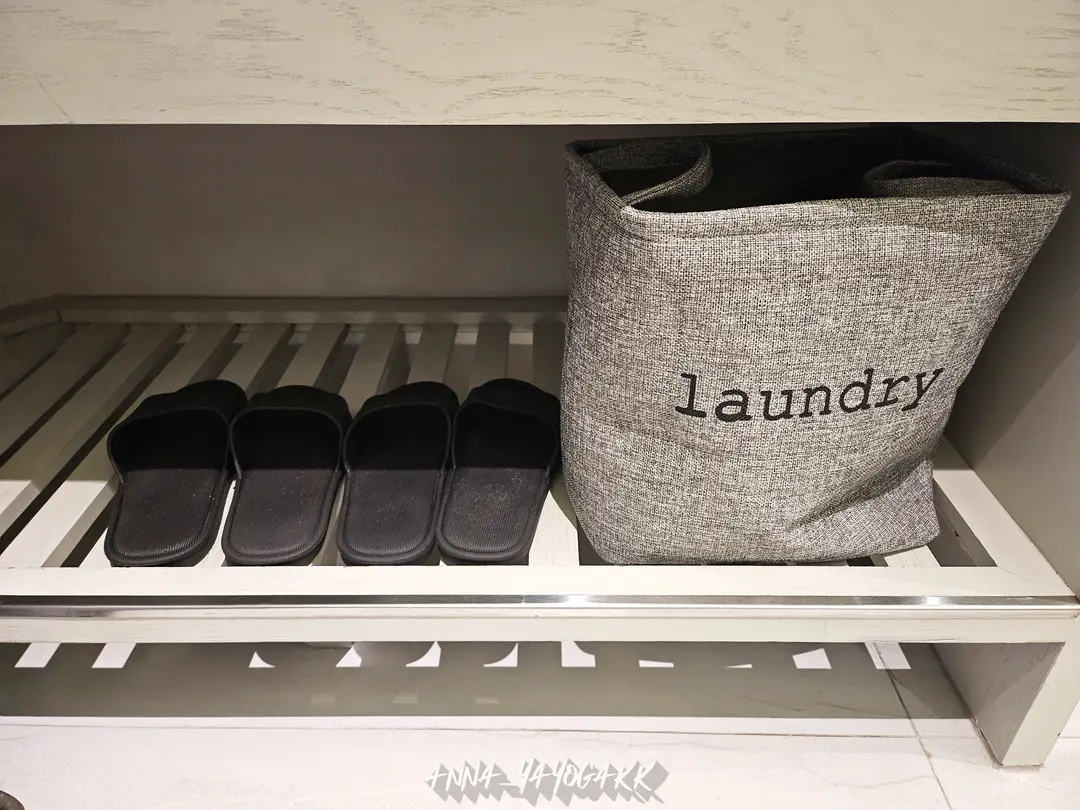
室内用スリッパは、使い捨てではない再利用可能なタイプが用意されています。
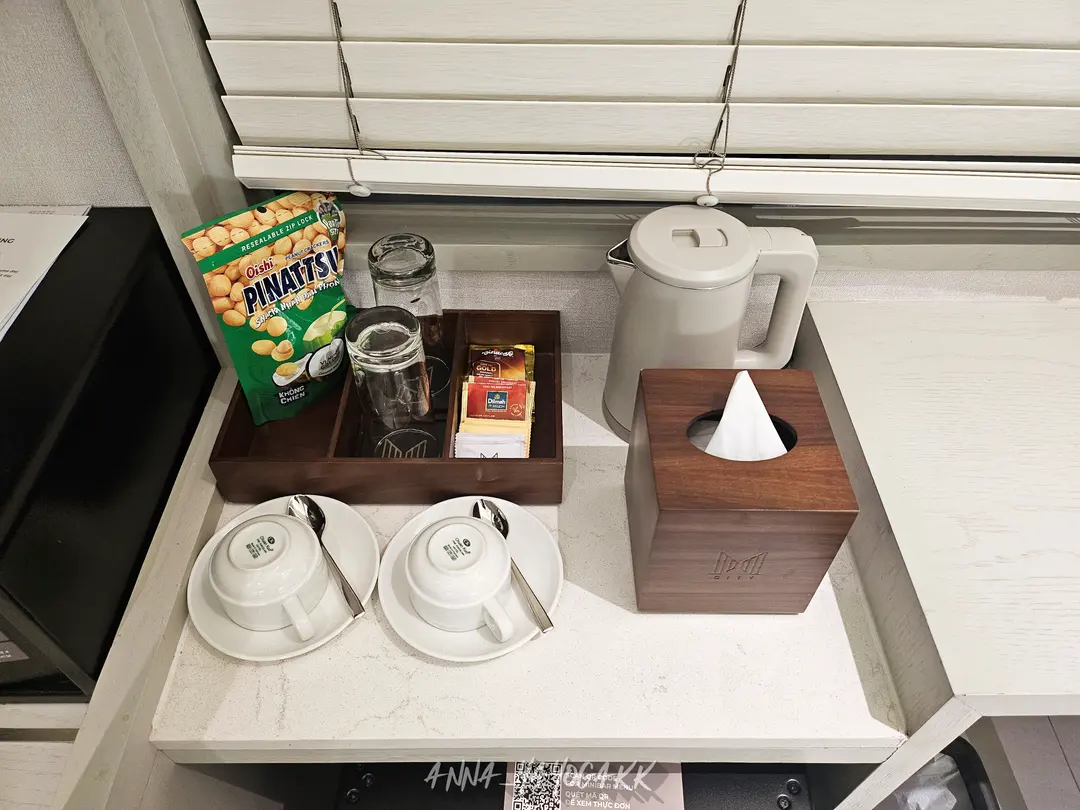
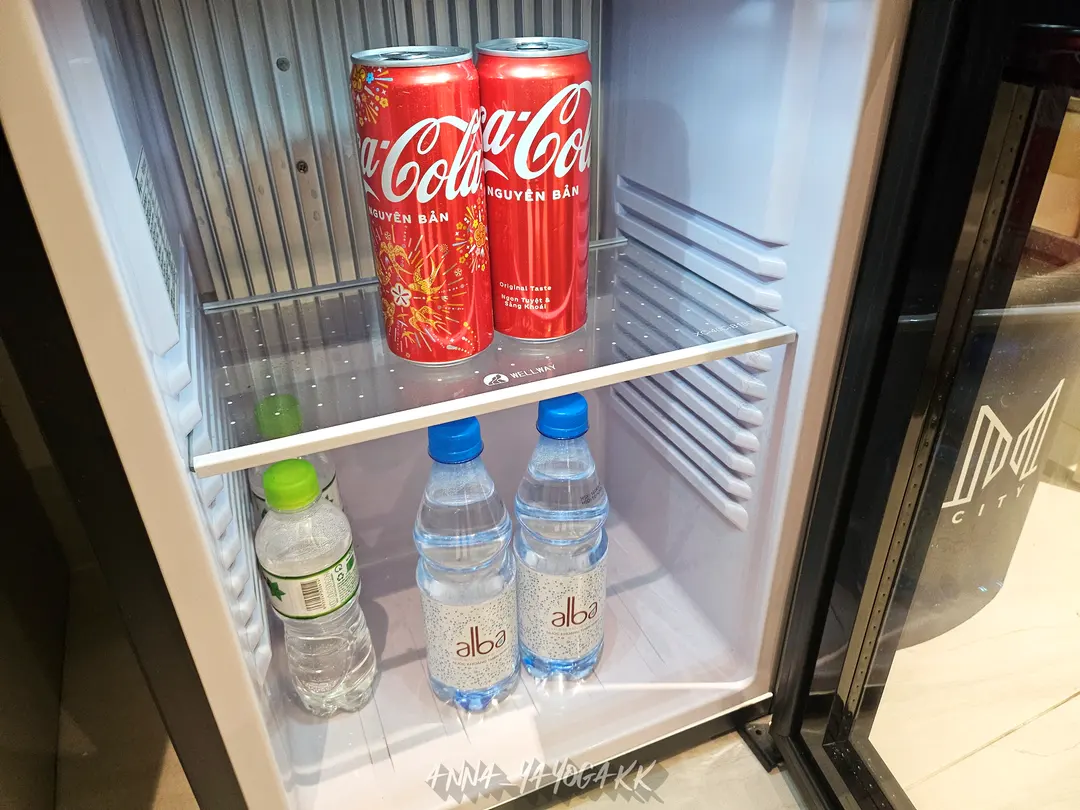
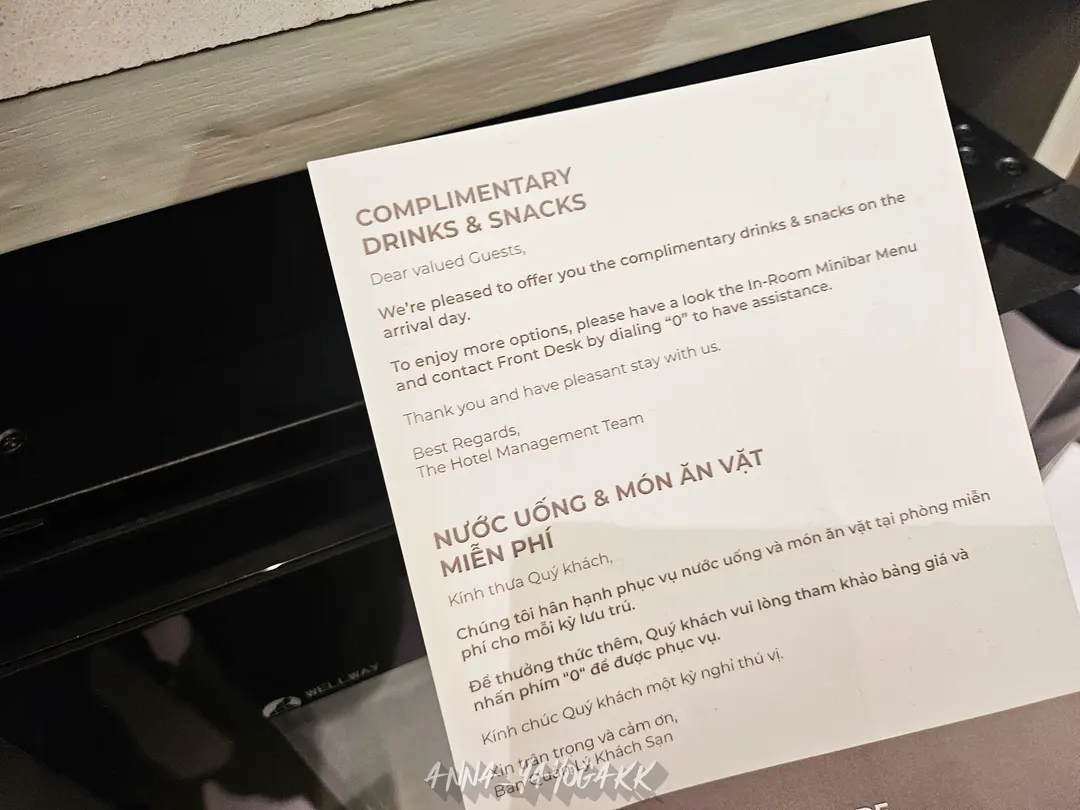
チェックイン当日に限り、用意されていたドリンクとスナックは無料サービスでした。
ただ、ミニ冷蔵庫の冷却機能(冷え具合)は今ひとつといったところでした。
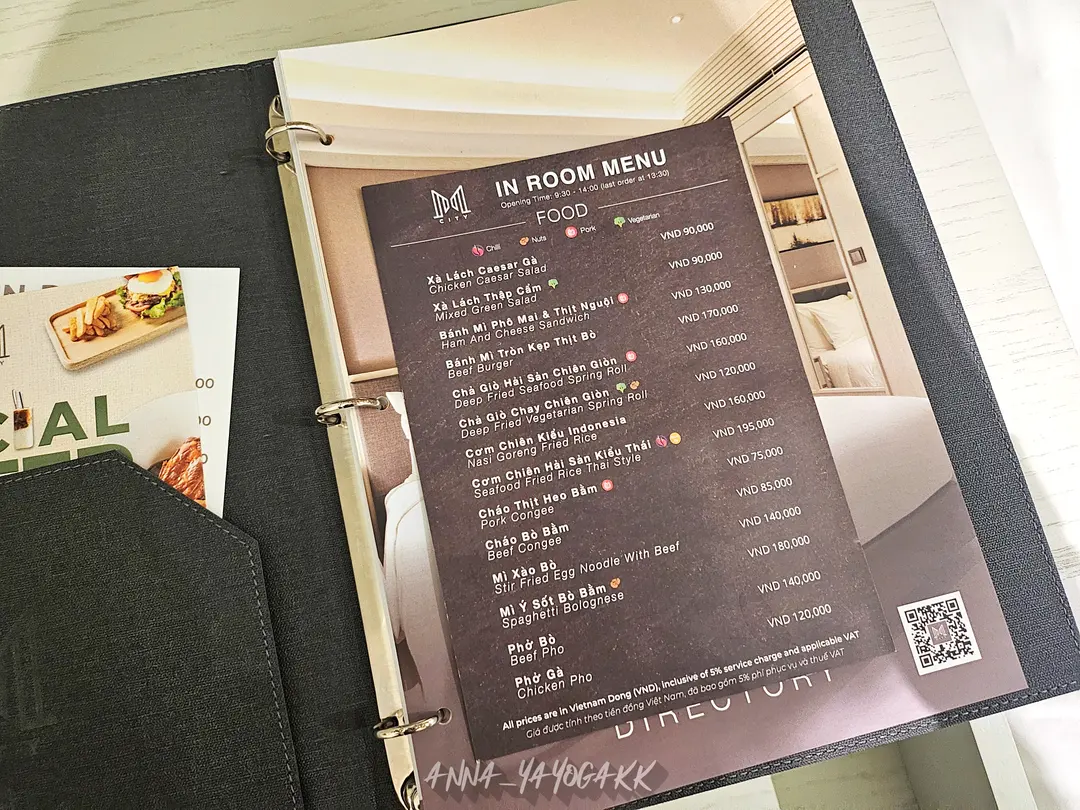
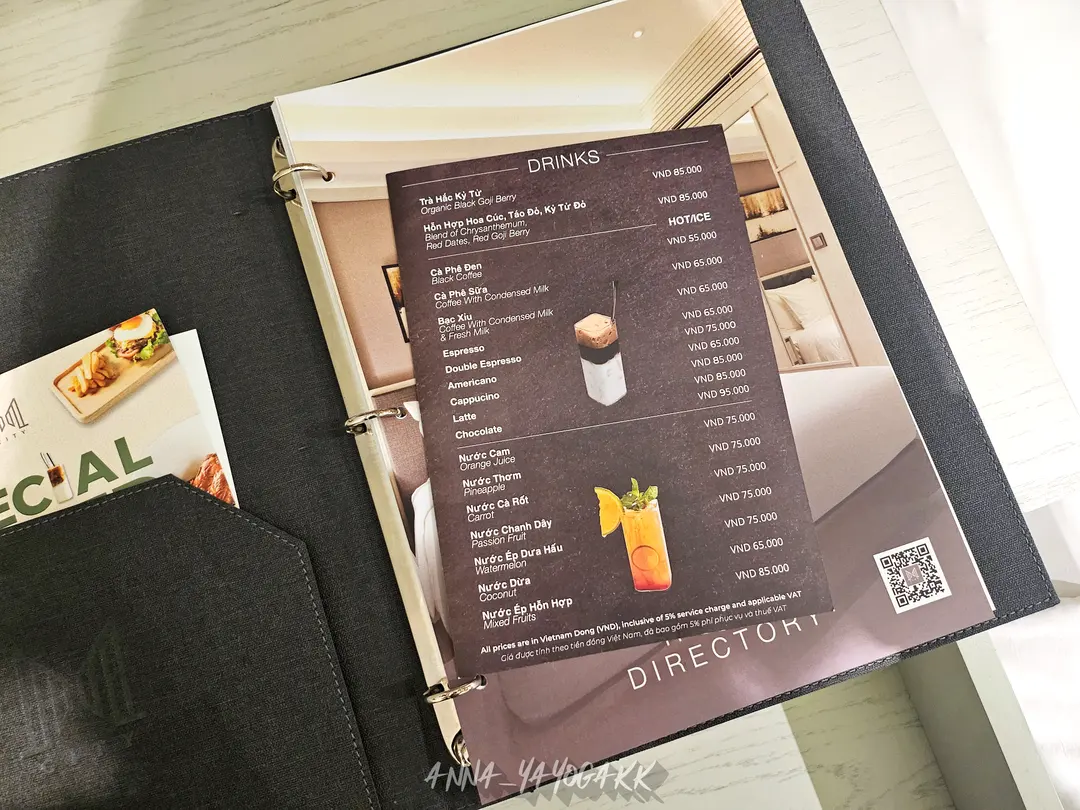
Mシティ ホテル サイゴンのルームサービスメニューです。
価格設定がリーズナブルですので、一度気軽に注文してみるのも良さそうです。
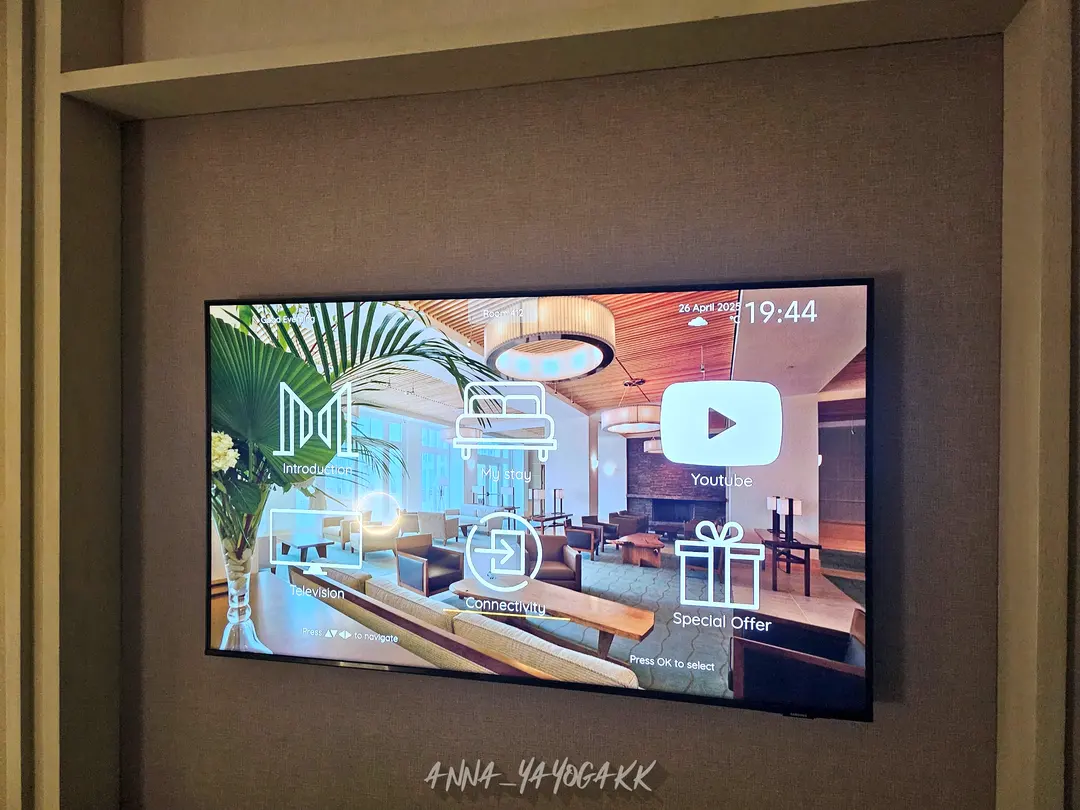
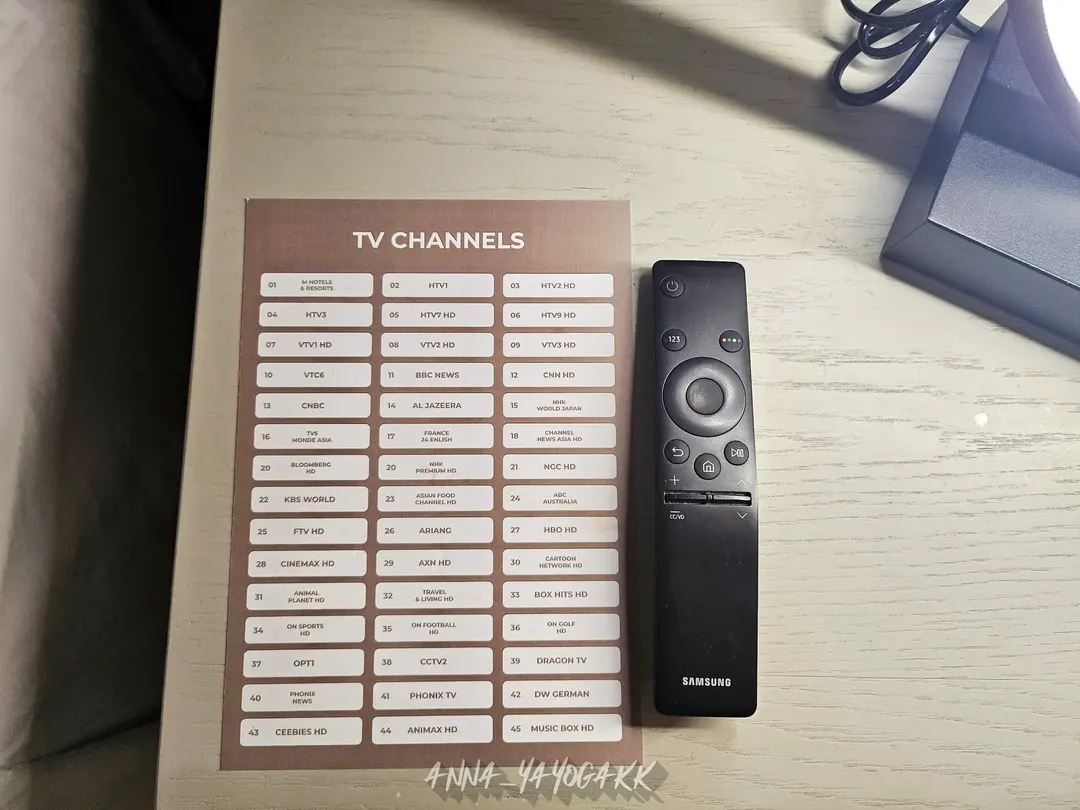
テレビのチャンネル構成はこのようになっており、
サムスン製のスマートテレビが導入されていました。
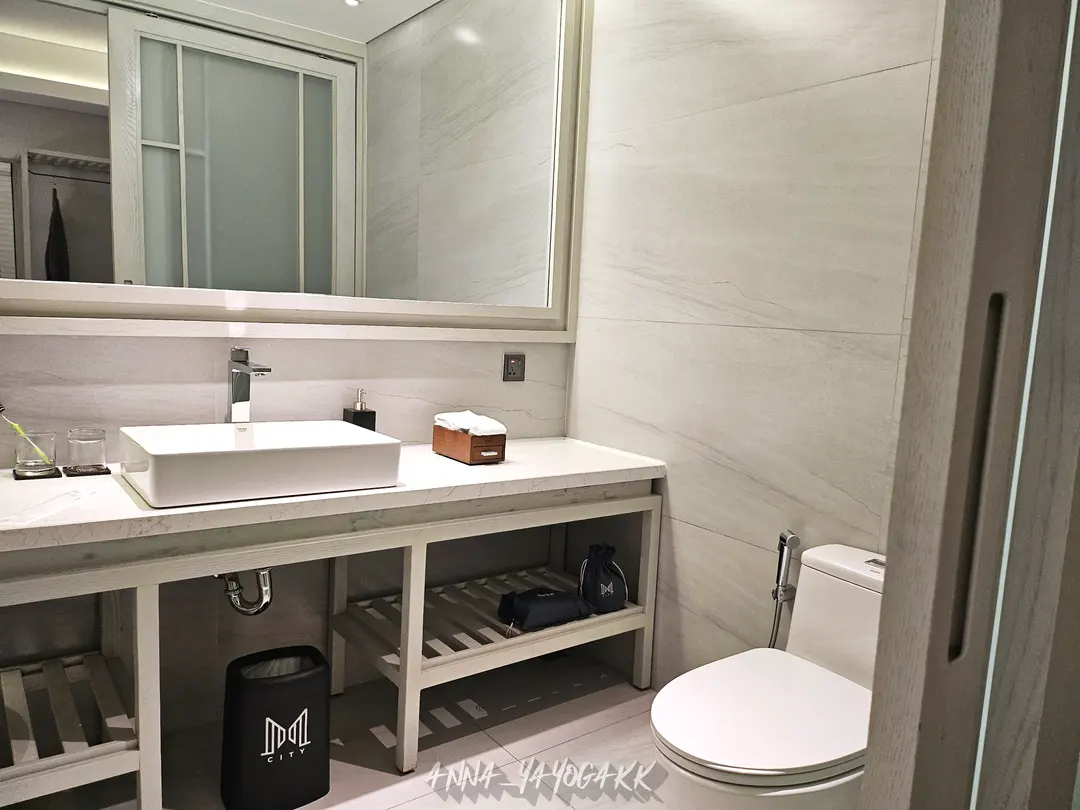
バスルームは寝室と引き戸で仕切られています。
コンパクトな寝室に比べると、バスルームは比較的スペースに余裕があるように感じられました。
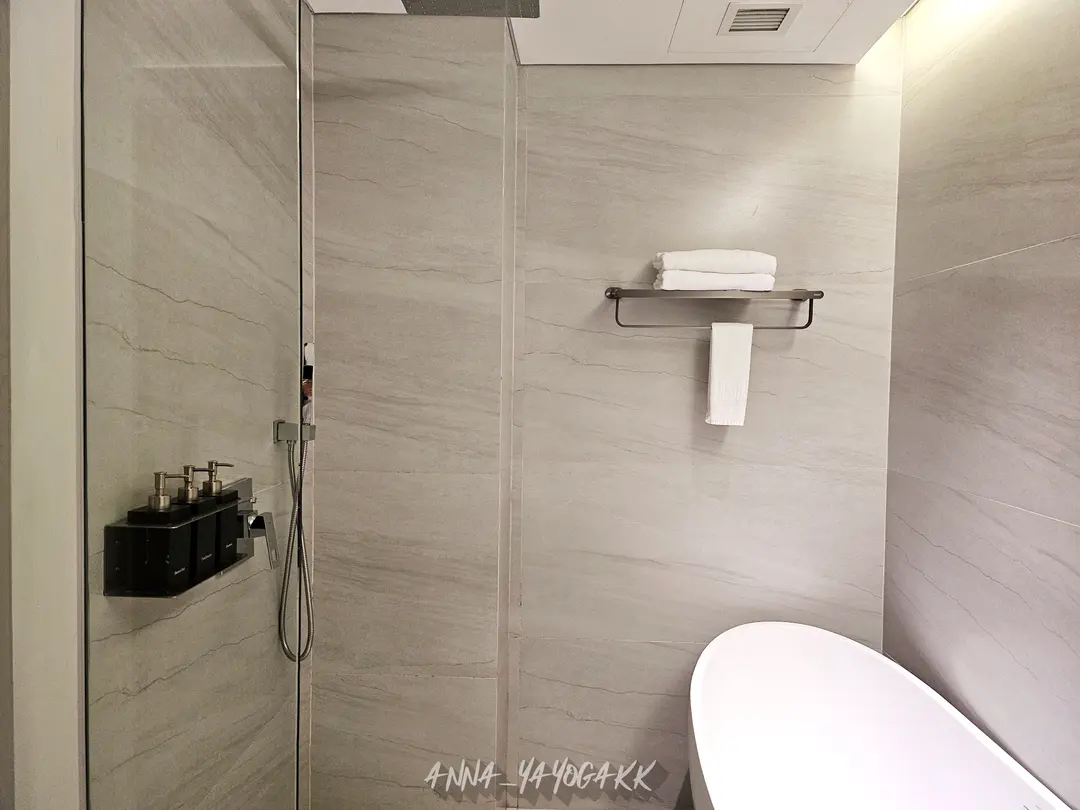
シャワーブースと浴槽(バスタブ)も、
隅々まできれいに清掃されており清潔に保たれていました。
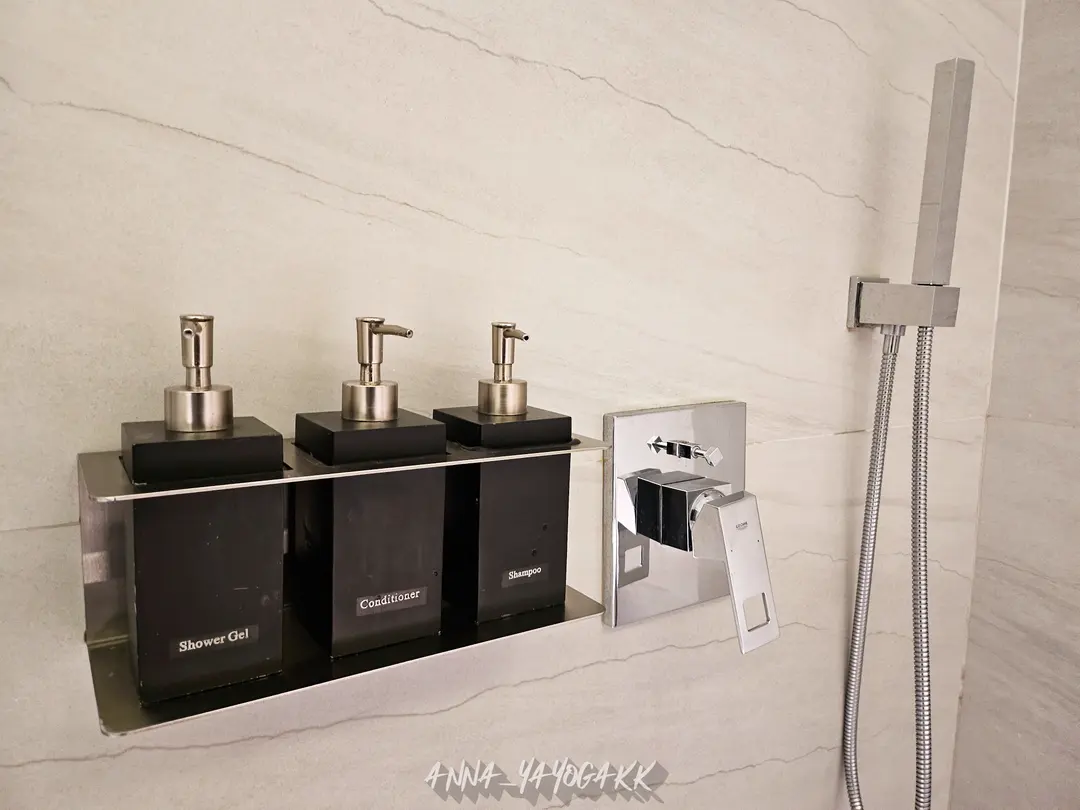
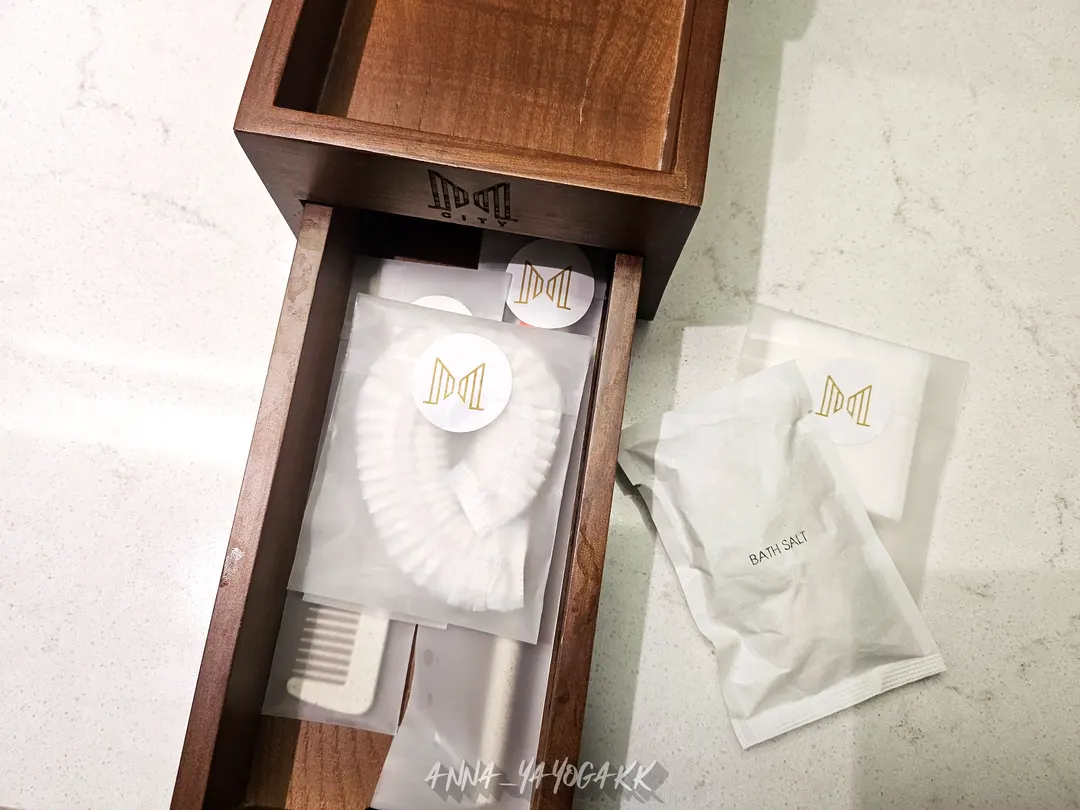
シャンプーやコンディショナー、シャワージェルはボトルタイプ(多回用)で、
歯ブラシや歯磨き粉などのアメニティは使い捨て用のものが用意されています。
バスタブ付きのお部屋だからか、
バスソルト(入浴剤)もあらかじめ用意されていました。
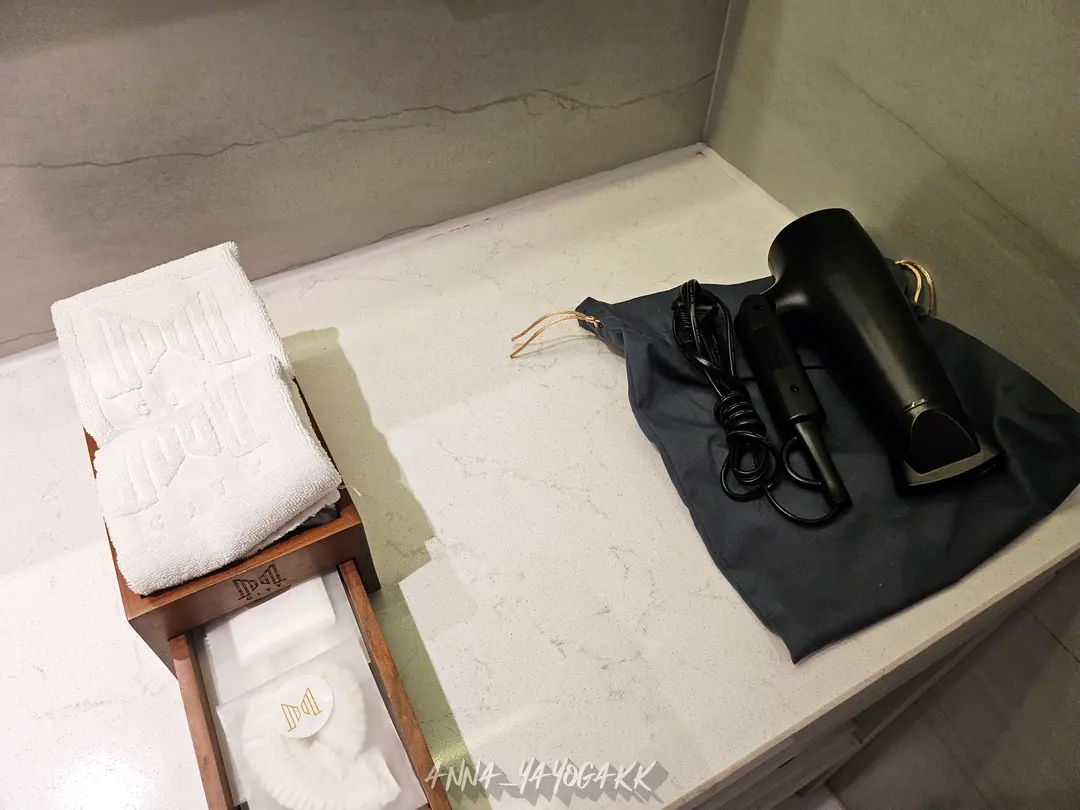
ヘアドライヤーの風量も問題なく、十分に使える性能でした。
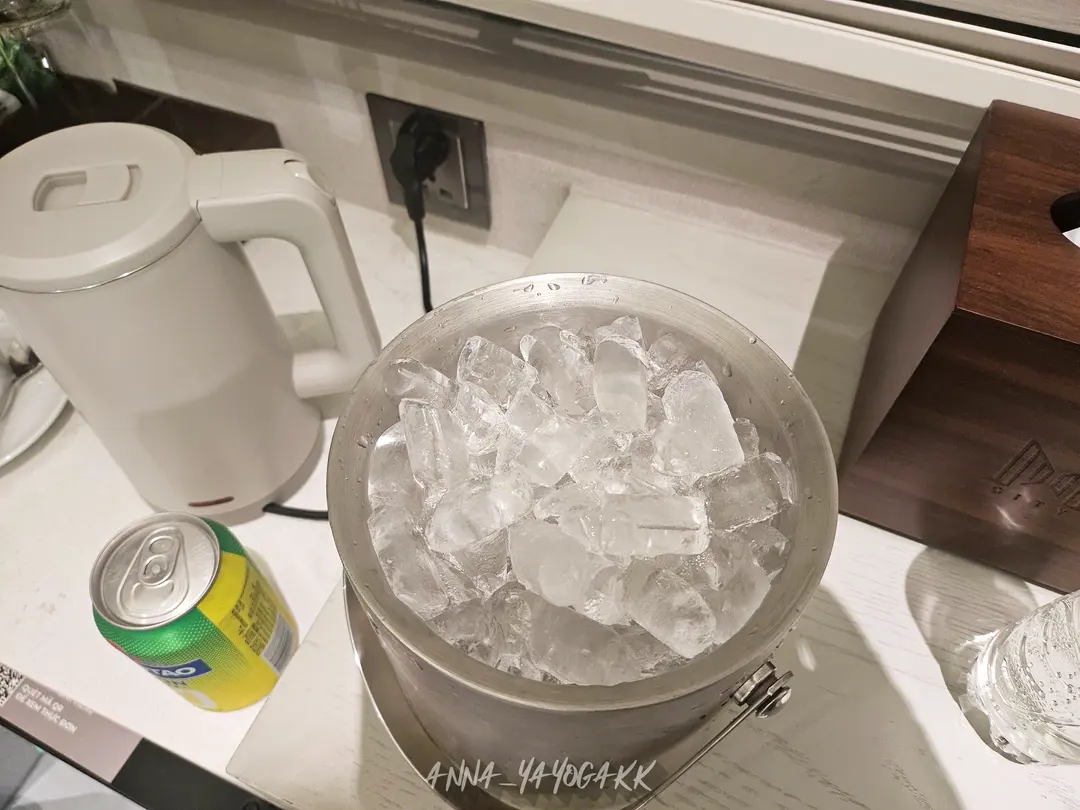
氷をお願いしたところ、
アイスペールにたっぷりと入れて持ってきてくれました。
Mシティ ホテル サイゴン(M CITY HOTEL SAIGON)朝食レビュー
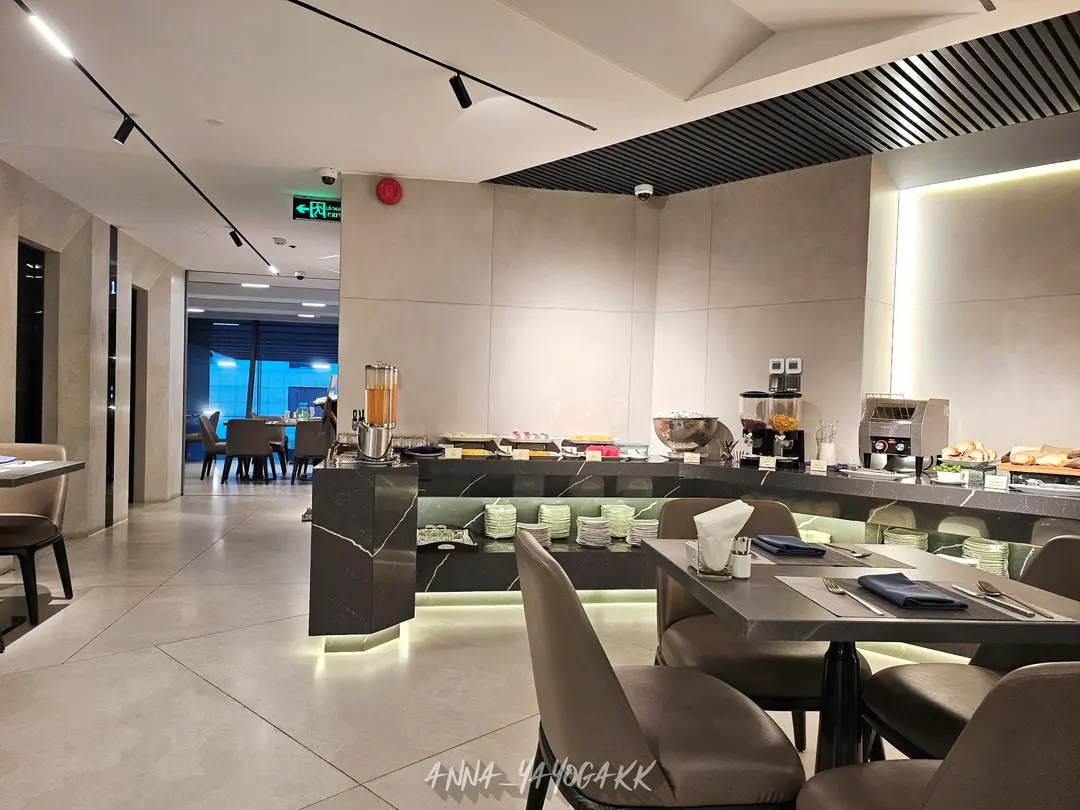
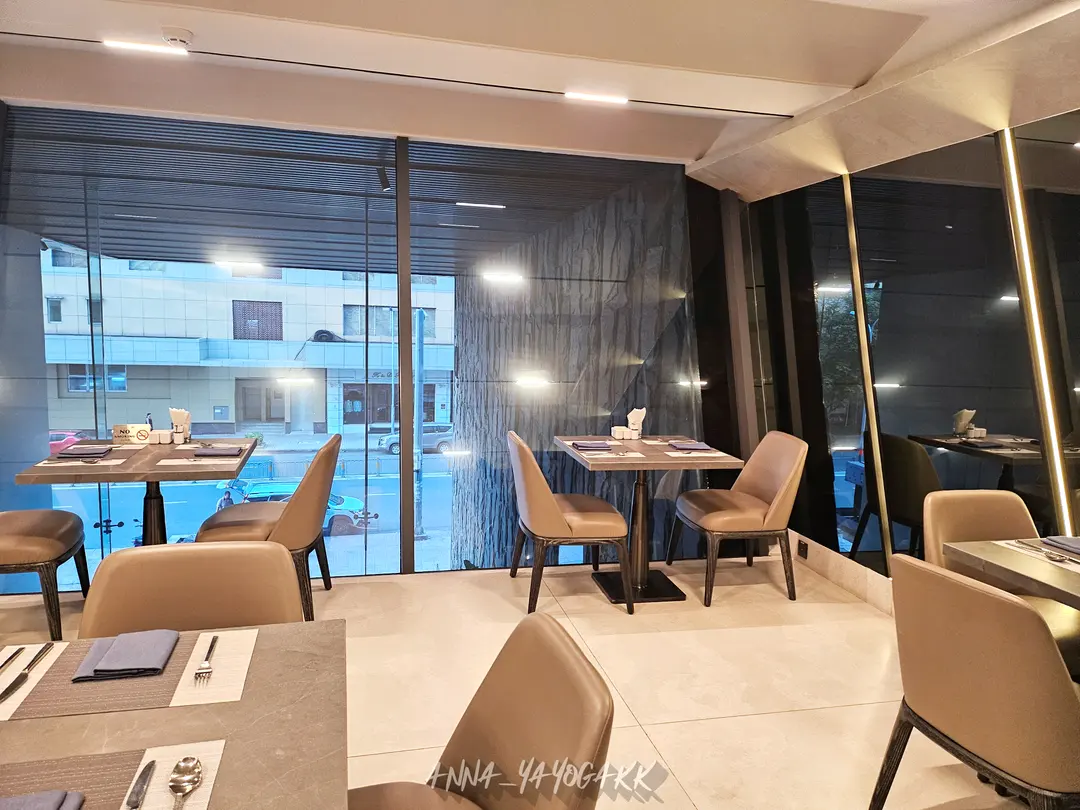
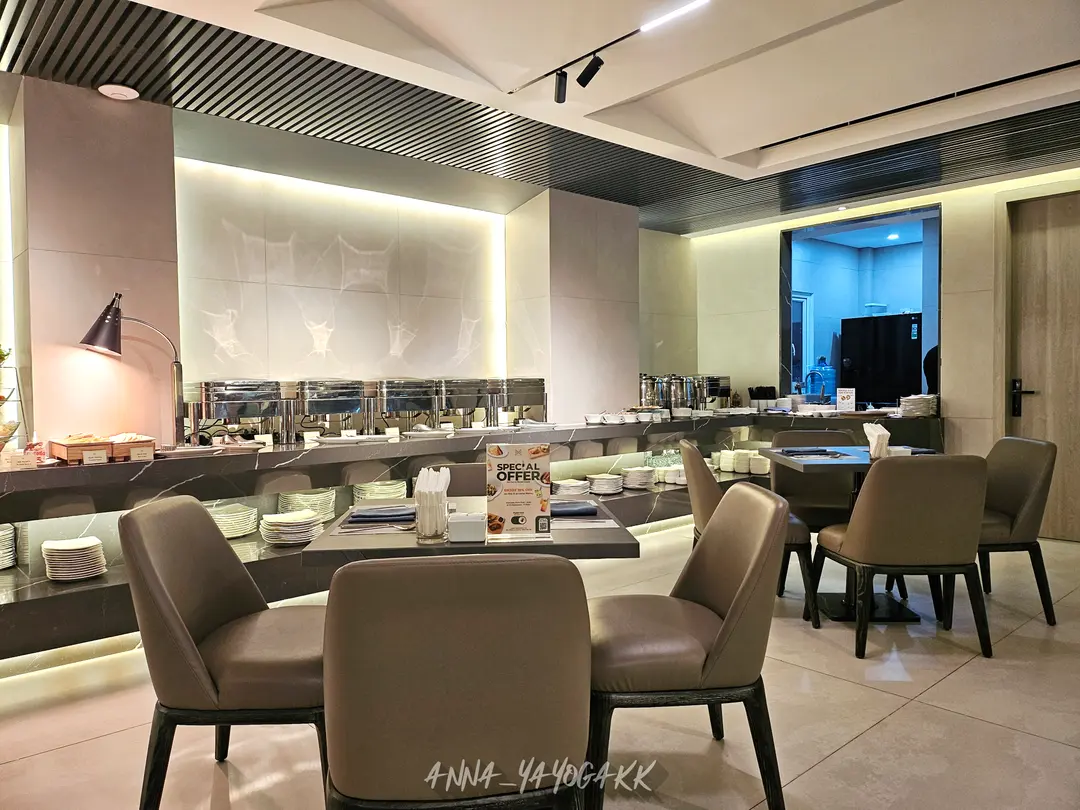
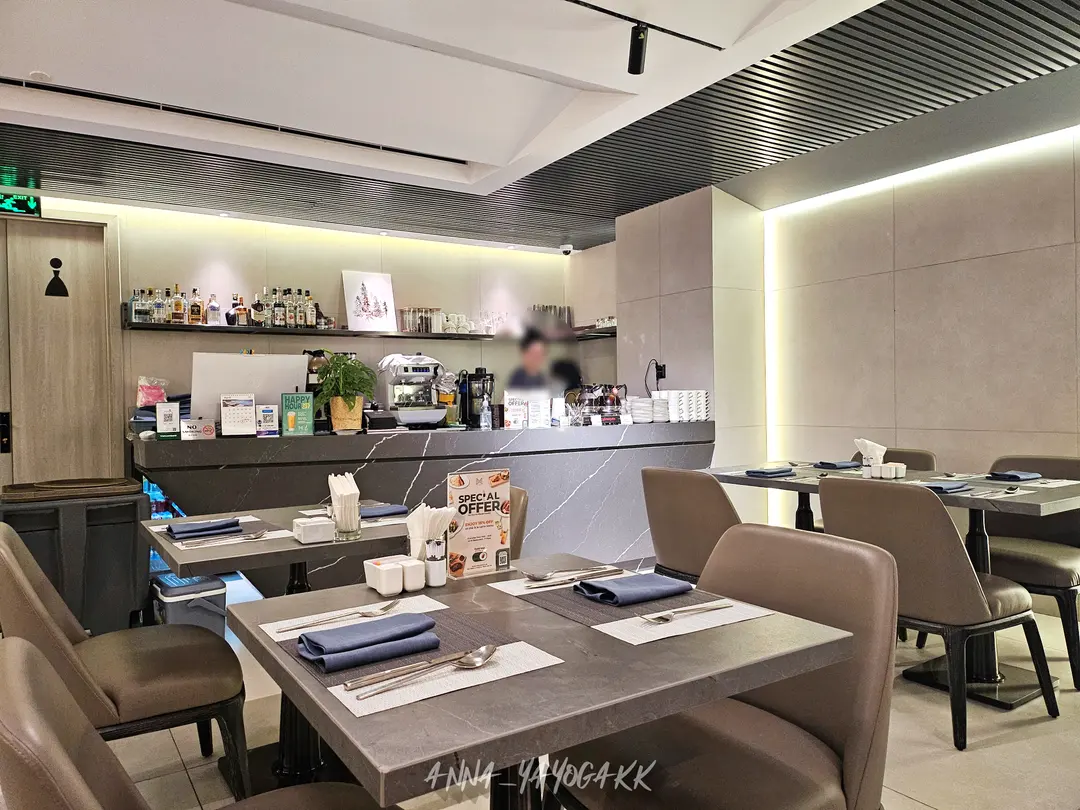
ホーチミン中心部に位置する「Mシティ ホテル サイゴン」の朝食会場の様子
朝食会場は1階にあります。
こぢんまりとしていますが、清潔感のある落ち着いた雰囲気でした。
🍽️朝食時間:6:00〜9:30
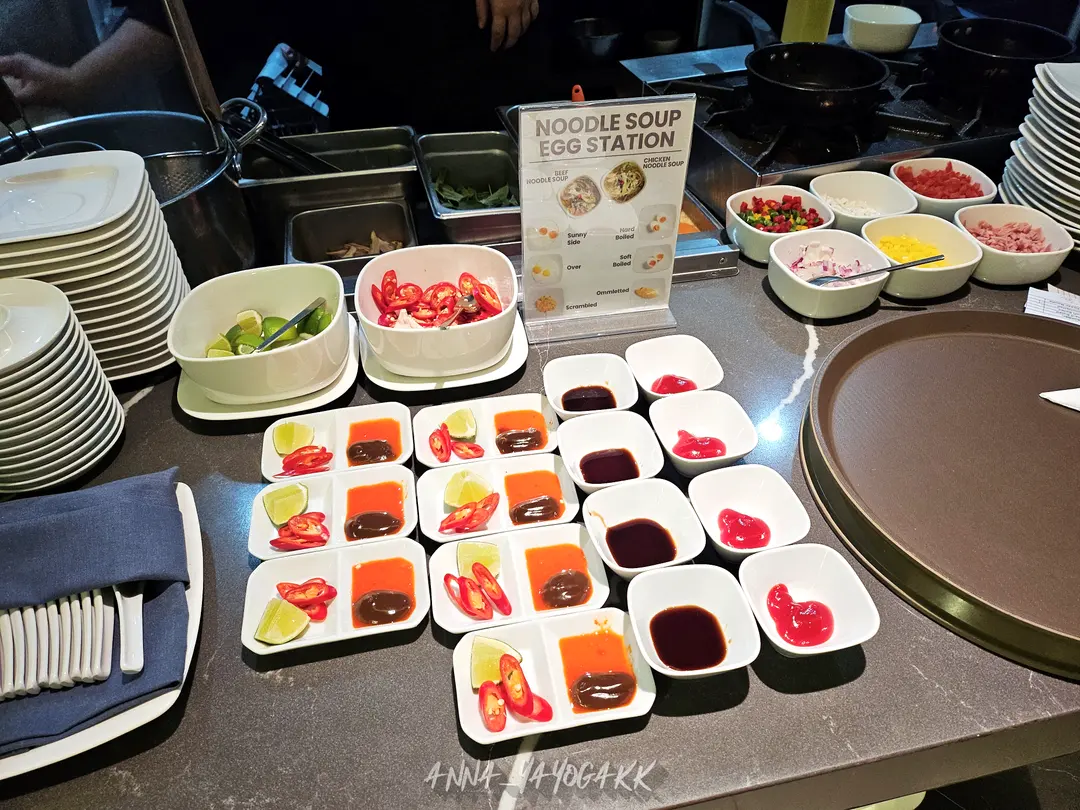
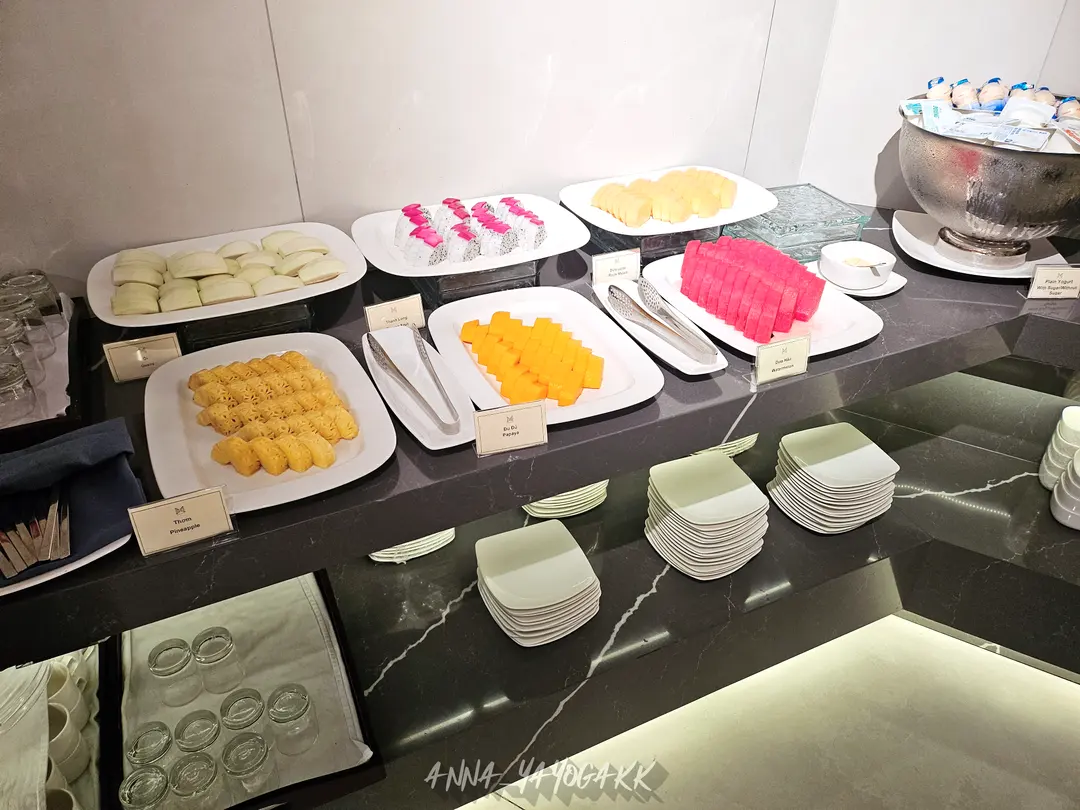
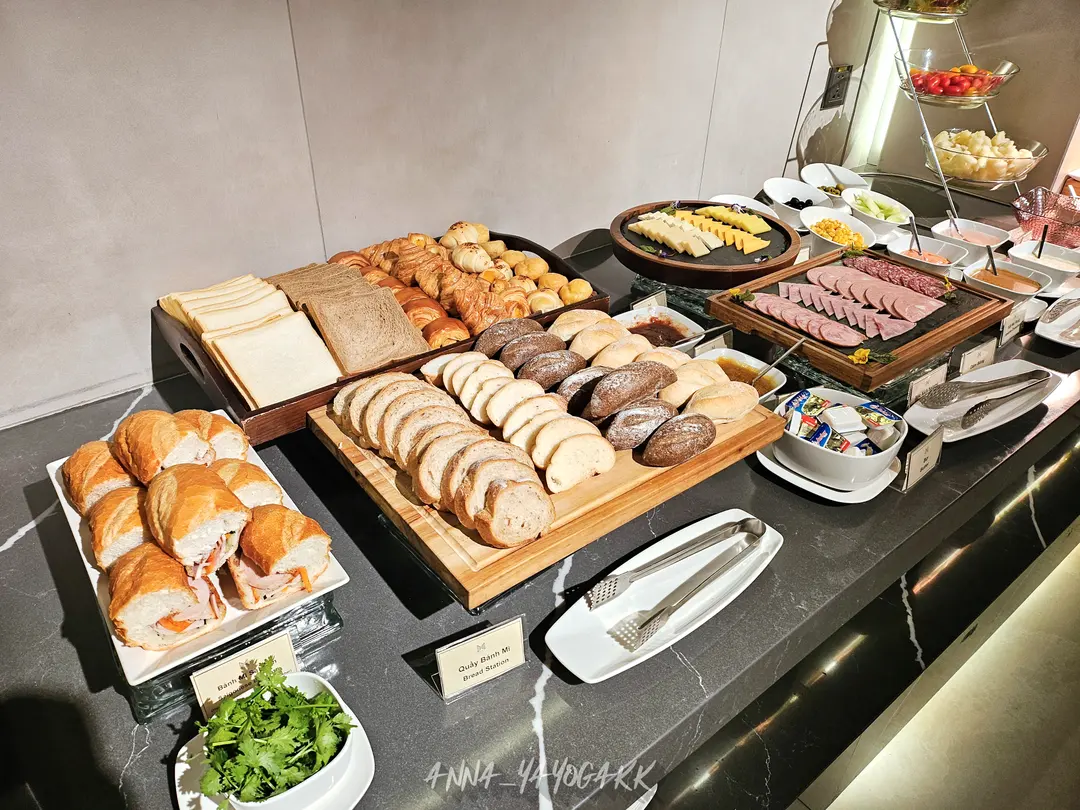
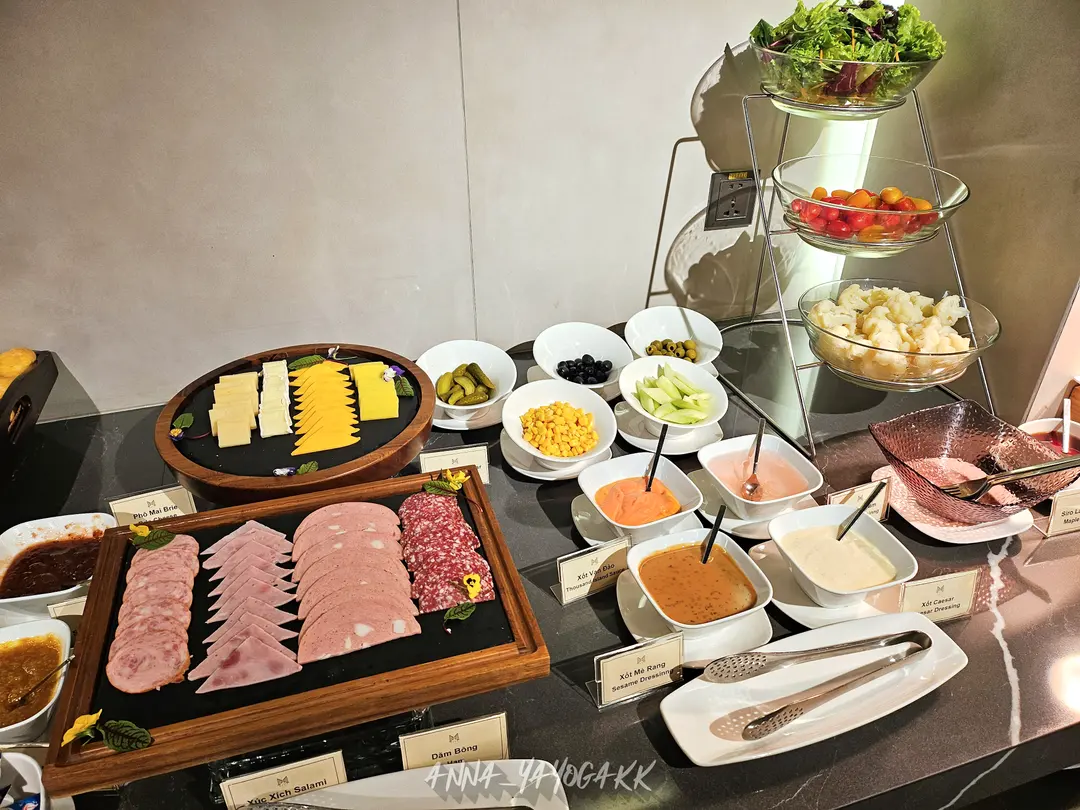
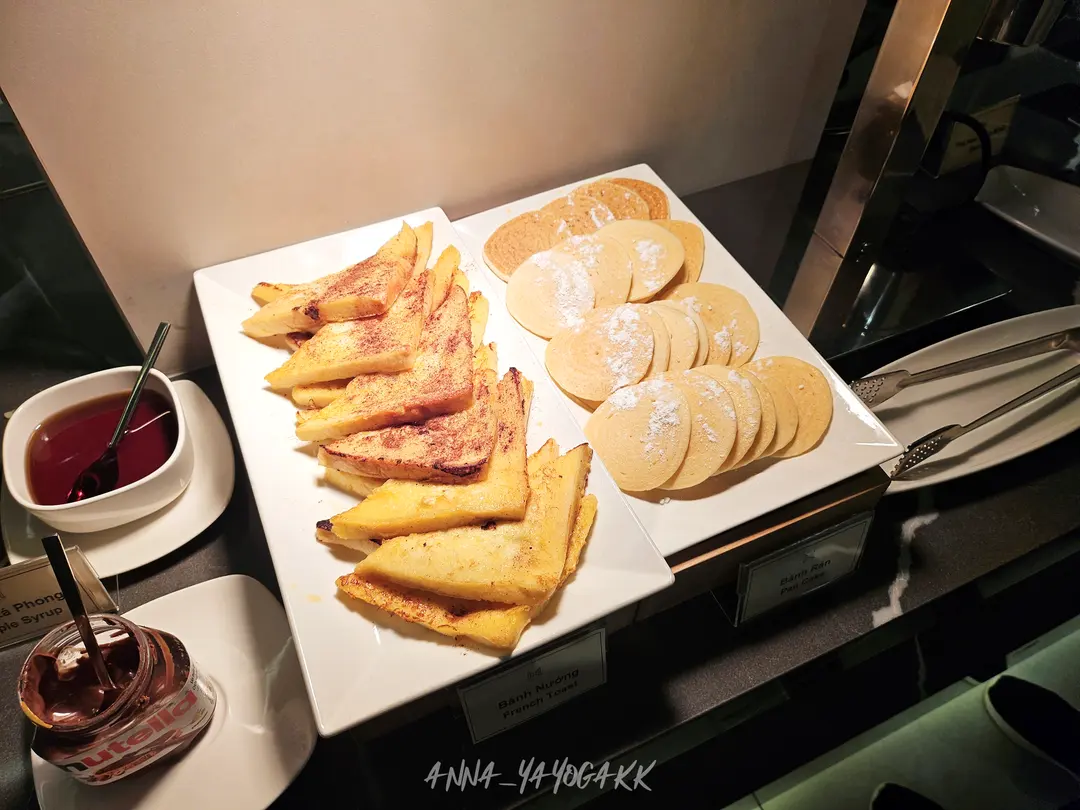
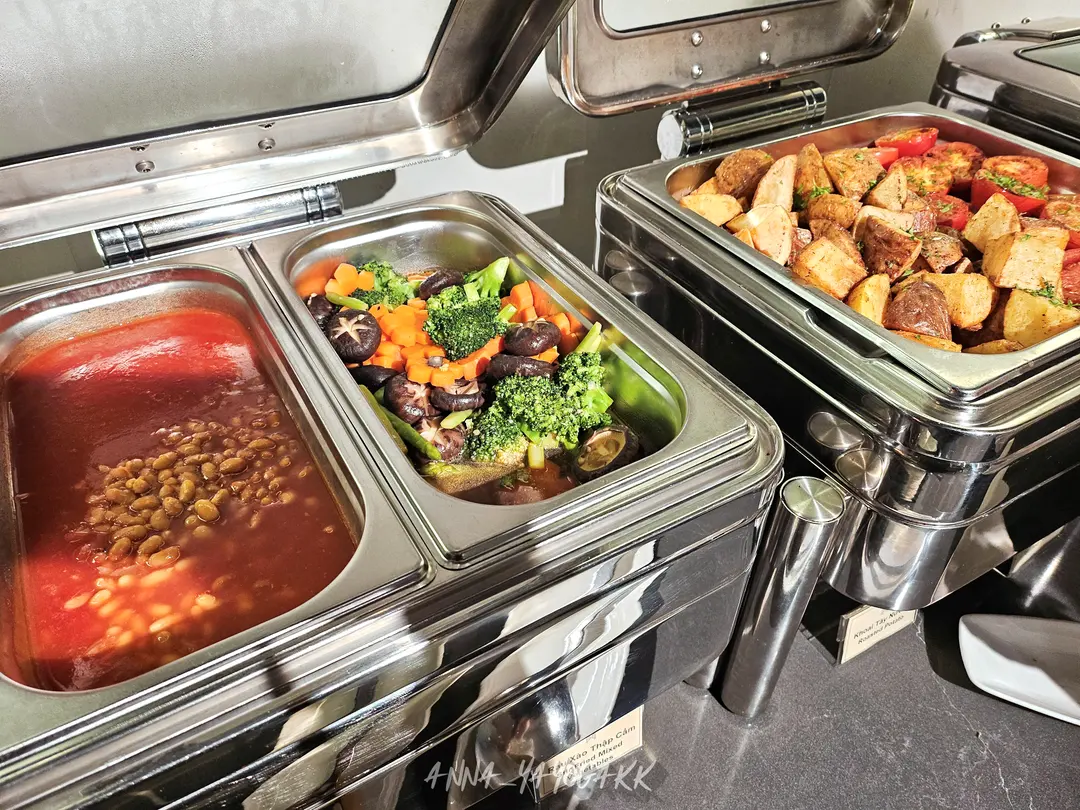
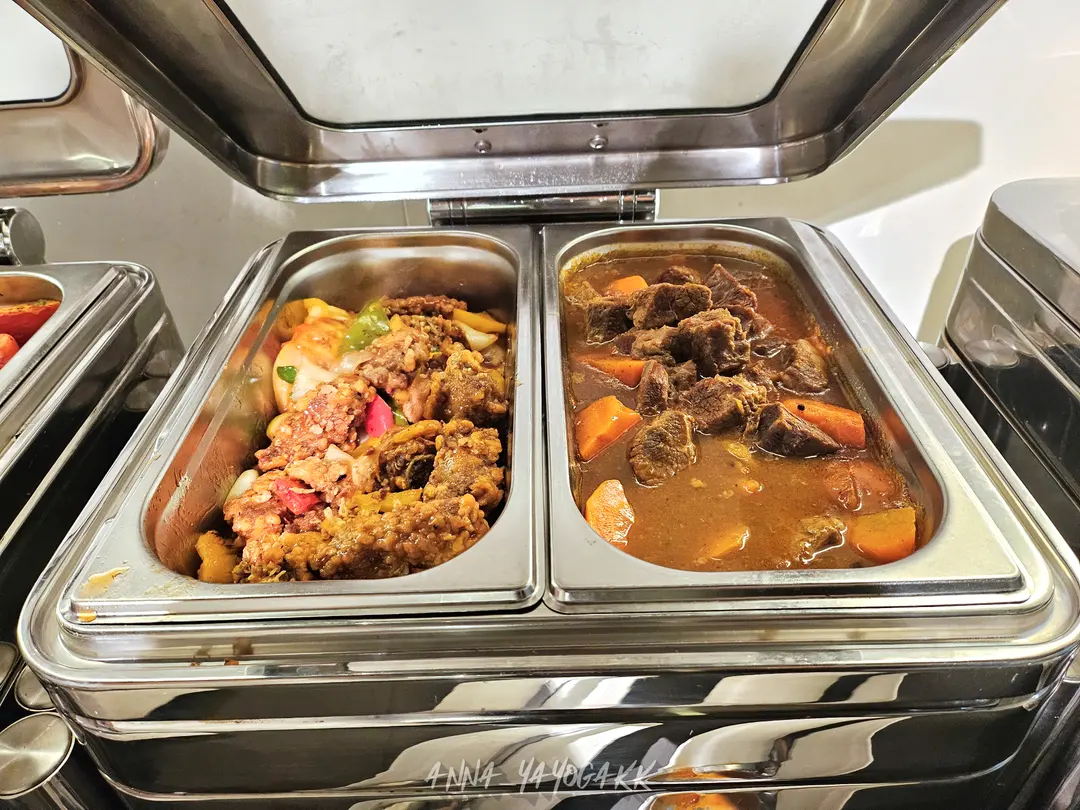
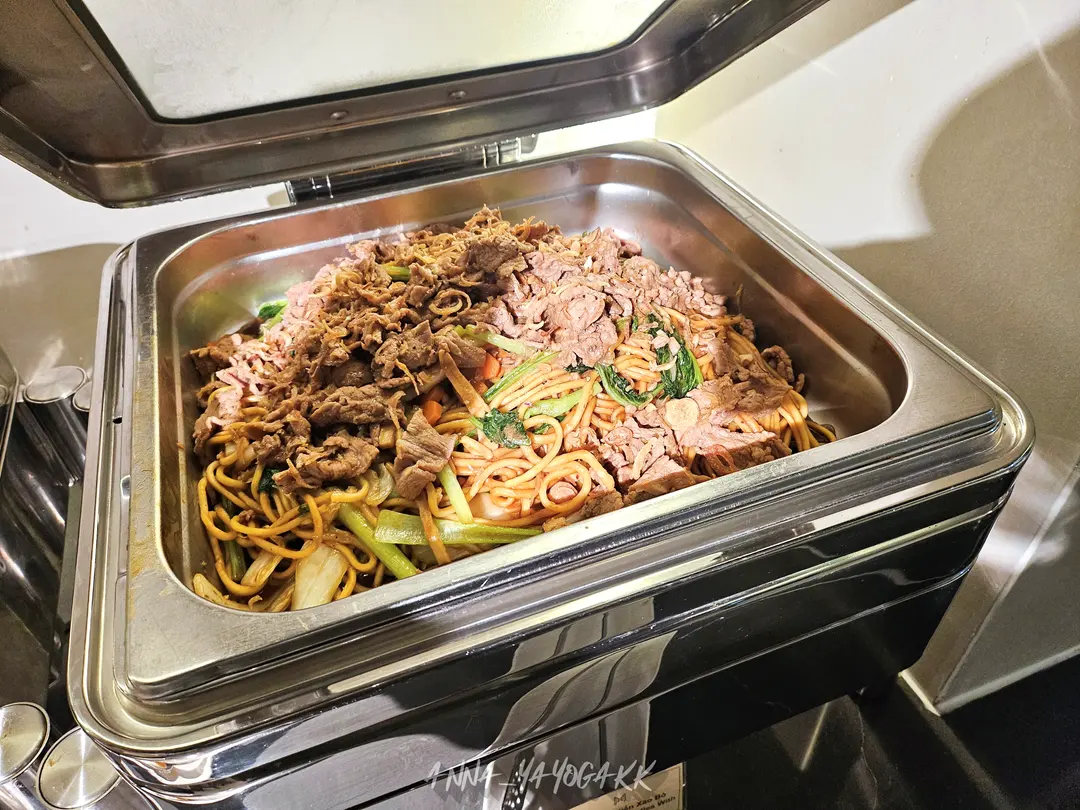
ホーチミン1区「Mシティ ホテル サイゴン」の朝食メニュー
メニューの種類はそれほど多くはありませんが、
バランスの良いラインナップで、お味も十分に美味しかったです。
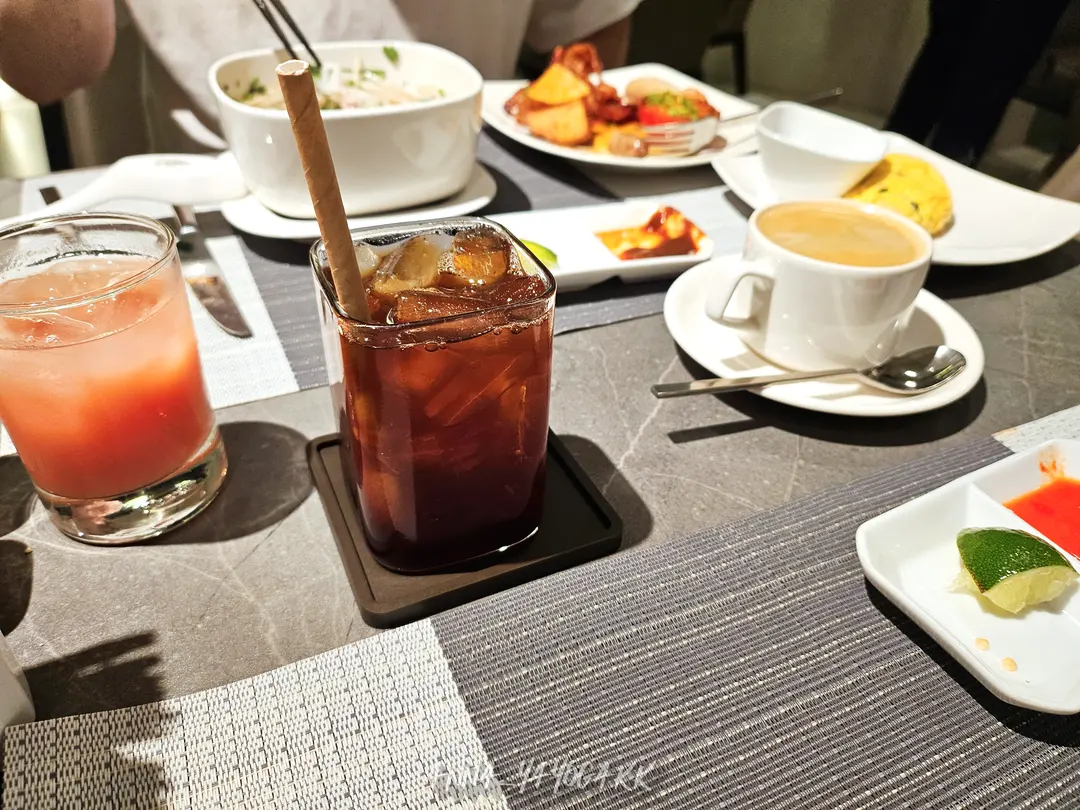
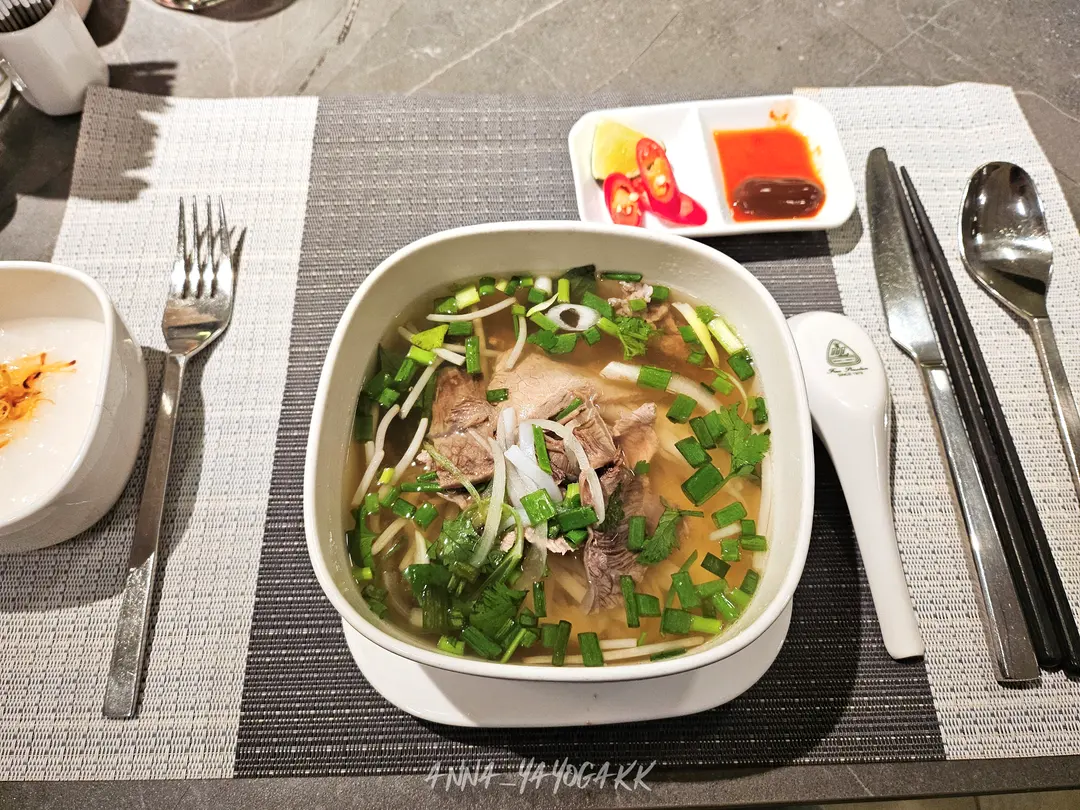
ホーチミン1区「Mシティ ホテル サイゴン」の朝食メニュー
コーヒーはスタッフの方に直接注文するスタイルで、
牛肉のフォー(フォー・ボー)がとても美味しかったです。
ホーチミンには何度も足を運んでいますが、
Mシティ ホテル サイゴンは、全体的に立地が非常に優れた都市型ホテルだと感じました。
ベンタイン市場、サイゴンセンター、統一会堂などの主要観光スポットへすべて徒歩でアクセスできるため、
限られた日程でホーチミンを旅行される方に特におすすめです。
客室がやや手狭で、窓からの景色は少し物足りなさもありますが、
清掃が隅々まで行き届いており、スタッフの方々の対応も親切で、
何よりも便利なロケーションのおかげで、トータルの満足度はかなり高かったです。
ホーチミン1区のホテルをお探しなら、
Mシティ ホテル サイゴンも選択肢の一つとして検討してみてはいかがでしょうか。
Mシティホテルサイゴンはホーチミン1区に位置し、ベンタイン市場まで徒歩約5分です。ショッピングモールのサイゴンセンターや統一会堂へも徒歩10分ほどでアクセスでき、観光に非常に便利です。
はい、チェックイン時に100万ドンのデポジットを支払う必要があります。クレジットカード決済が可能で、チェックアウト時にキャンセル処理されます。
プール、ジム、スパはホテルの12階にあります。なお、フロントデスクのあるロビーはG階(グランドフロア)、朝食レストランは1階に設けられています。
デラックスルームの飲み物とスナックは、到着日を基準に無料で提供されます。客室内には電気ケトル、金庫、冷蔵庫などの便利な設備も整っています。
朝食は1階の朝食レストランで、午前6時から9時30分までビュッフェスタイルで提供されます。牛肉のフォーをはじめ、適度に多様なメニューをお楽しみいただけます。

ベトナム・ニャチャンのカムラン国際空港から車で10分の5つ星「アルマリゾート」は、12のプールや本格ウォーターパークを備えた、まさに子供たちの水遊び天国!家族旅行にイチオシのプライベートプールヴィラとホテル棟の選び方、豪華な朝食ビュッフェの様子まで、2026年の最新情報をお届けします。

In </b> # <b> </b> An The In The <b> </b> , This The general objective of this study to understand structural alignment of elements in complete streets policy (CSP) across transportation plans and health guidelines. The search for policy documents was conducted on city, county, region, and state government websites in the state of California, as well as via Google. A total of 30 policies were collected, spanning the years 2005 to 2013, with 2008 being the year of the largest number of policies (n = 10). A systematic content analysis was conducted to analyze the level of alignment across four structural areas: design, policy, evaluation, and community. Results showed complete streets policies and health guidelines have high levels of alignment in the design and policy areas, but limited alignment in evaluation and community engagement. Over time, policy and design alignment remained high. Local agencies should focus on improving community engagement and evaluation, while state agencies can incentivize these areas. Further research is needed to determine the implementation and impact of these policies. This study provides valuable insights for urban planners, public health professionals, and policymakers seeking to promote active living and health equity through policy change. </h2><h2>2. Introduction</h2> <p>Built environments play an important role in promoting physical activity (PA) and preventing chronic diseases, such as obesity and cardiovascular diseases, by providing opportunities for active transportation and recreation <cite><sup>[1]</sup><sup>[2]</sup></p>. Built environment features such as sidewalks, bike lanes, streetlights, and crosswalks can promote active transportation, such as walking and bicycling <cite><sup>[3]</sup><sup>[4]</sup></p>. Conversely, the lack of such infrastructure can deter people from engaging in physical activity, leading to sedentary lifestyles and a higher risk of chronic diseases <cite><sup>[5]</sup><sup>[6]</sup></p>. To address this, many local governments have adopted policies and guidelines that promote active living, such as Complete Streets Policies (CSPs) and health guidelines. Currently, more than 1,600 CSPs have been passed in the United States, including at least 35 state-level policies, 150 metropolitan planning organizations, and more than 1,000 municipal policies <cite><sup>[7]</sup></p>. Additionally, health departments across the United States have developed health guidelines and health-in-all-policies (HiAP) initiatives to promote active living and health equity <cite><sup>[8]</sup><sup>[9]</sup></p>. However, the alignment between CSPs and health guidelines is often unclear, which can limit their effectiveness in promoting active living and health equity.</p> <p>CSPs aim to design and operate streets that are safe, comfortable, and convenient for all users, regardless of age, ability, or mode of transportation <cite><sup>[10]</sup></p>. These policies have been shown to increase physical activity, reduce traffic-related injuries and fatalities, and improve air quality <cite><sup>[11]</sup><sup>[12]</sup><sup>[13]</sup></p>. In contrast, health guidelines and HiAP initiatives aim to integrate health considerations into decision-making processes across various sectors, including transportation and urban planning <cite><sup>[14]</sup><sup>[15]</sup></p>. These guidelines often emphasize the importance of active living, access to healthy foods, and environmental justice. While both CSPs and health guidelines share the goal of promoting active living and health equity, they are often developed and implemented by different agencies with different priorities, funding sources, and professional languages <cite><sup>[16]</sup><sup>[17]</sup></p>. This can lead to a lack of alignment and coordination, resulting in missed opportunities to create healthier and more equitable communities.</p> <p>This study aims to assess the structural alignment of elements in CSPs across different levels of government in California, including cities, counties, regions, and the state, and to compare them to health guidelines. Specifically, we will analyze the level of alignment across four structural areas: design, policy, evaluation, and community. We will also examine how this alignment has changed over time, as well as the differences in alignment between different levels of government. The results of this study will provide valuable insights into the gaps and opportunities for alignment between CSPs and health guidelines, which can inform the development and implementation of future policies and guidelines to promote active living and health equity.</p> <p>To achieve this objective, we conducted a systematic content analysis of 30 policy documents from California, spanning the years 2005 to 2013, with 2008 being the year of the largest number of policies (n = 10). The documents were collected from city, county, region, and state government websites, as well as via Google. We developed a coding scheme to assess the presence and strength of elements in the four structural areas: design, policy, evaluation, and community. We then analyzed the data using descriptive statistics and bivariate analyses to compare the alignment across different levels of government and over time.</p> <p>The findings of this study will be of interest to urban planners, public health professionals, and policymakers who are working to create healthier and more equitable communities. By identifying areas of strength and weakness in the alignment between CSPs and health guidelines, this study can help to guide future efforts to integrate health into transportation and land use decision-making.</p> <p>The rest of this paper is organized as follows. First, we provide a brief overview of the literature on CSPs, health guidelines, and policy alignment. Next, we describe our methodology, including our data collection, coding scheme, and analysis plan. We then present our results, which are organized around the four structural areas, and discuss their implications for policy and practice. Finally, we conclude with a summary of our key findings and recommendations for future research.</p> <p>Our study contributes to the growing body of literature on the intersection of transportation, urban planning, and public health. While previous studies have examined the implementation and impact of CSPs <cite><sup>[18]</sup><sup>[19]</sup><sup>[20]</sup></p>, few have systematically analyzed their alignment with health guidelines across multiple levels of government. By filling this gap, we hope to provide a more comprehensive understanding of how policy alignment can support the creation of healthier and more equitable communities. Furthermore, our focus on California, a leader in both CSP adoption and health-in-all-policies initiatives <cite><sup>[21]</sup><sup>[22]</sup></p>, provides a valuable case study for other states and localities seeking to align their transportation and health goals. Overall, our study highlights the importance of cross-sectoral collaboration and policy alignment in promoting active living and health equity. By working together to align CSPs and health guidelines, planners and public health professionals can create streets that are not only safer and more accessible, but also healthier and more equitable for all. Do you want me to write a specific section, or continue with the next part of the paper? Let me know! **User:** Yes, please write the

ホーチミン1区に位置する5つ星「ホテルニッコーサイゴン」のクラブデラックスキングルームと朝食を徹底レビュー。清潔な客室、きめ細やかなターンダウンサービス、無料シャトル、そしてサプライズの誕生日サービスまで、詳細重視の旅行者におすすめのポイントをご紹介します。

ベトナムのサパ広場から徒歩約5分の好立地にある「サパ パインヒル エコロジー(Sapa Pine Hill Ecolodge)」の宿泊記。テラスからの素晴らしい絶景、美味しい朝食、フレンドリーなサービスが魅力で、1泊約5,200円から泊まれるコスパ抜群のおしゃれロッジ。リアルな感想と宿泊のコツをお届けします。

ハノイのミーディン地区に近く、洗練されたサービスと快適な客室が魅力の「シェラトン・ハノイ・ウエスト・ホテル」。人気のプレミアキングルーム(シティビュー)の客室コンディションや広々としたロビー、スムーズなチェックインの様子を詳細にブログで徹底レビューします!ホカンスや出張にもおすすめです。

ダナンでの家族旅行、リゾートでゆっくり過ごす時間が醍醐味ですよね。フュージョンリゾートダナンは、全室スイートで広々快適。朝食とスパ込みで、非常に満足度の高い滞在が叶います。お得な予約方法もご紹介。


