

アミアナリゾート カムラン宿泊記|子連れベトナム・ニャチャン家族旅行におすすめ
ニャチャン・カムランのアミアナリゾート宿泊記。朝食からアフタヌーンティー、ディナービュッフェまで無料、温水プールやキッズクラブも揃った子連れ家族旅行におすすめのリゾートです。

ベトナム
アミアナ カムラン リゾート
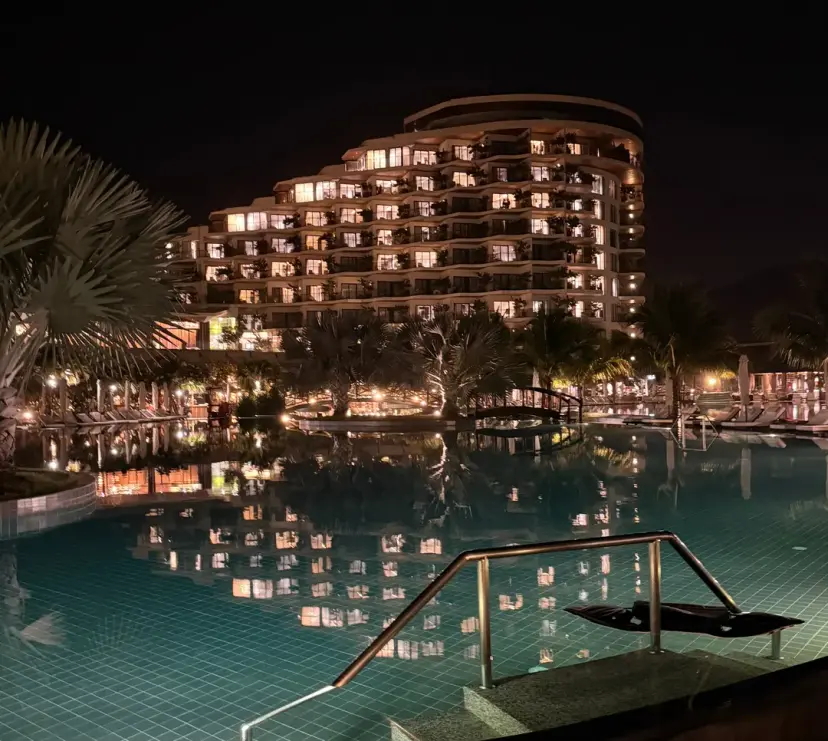
こんにちは、旅行ブロガーのリサです :)
ニャチャンでの家族旅行・ホカンスを計画中で、
どこが良いかお悩みではありませんか?
朝食はもちろん、アフタヌーンティーやディナービュッフェまで無料で楽しめるニャチャン・カムランのリゾートがあります。
それが今回ご紹介する「アミアナ カムラン」です。
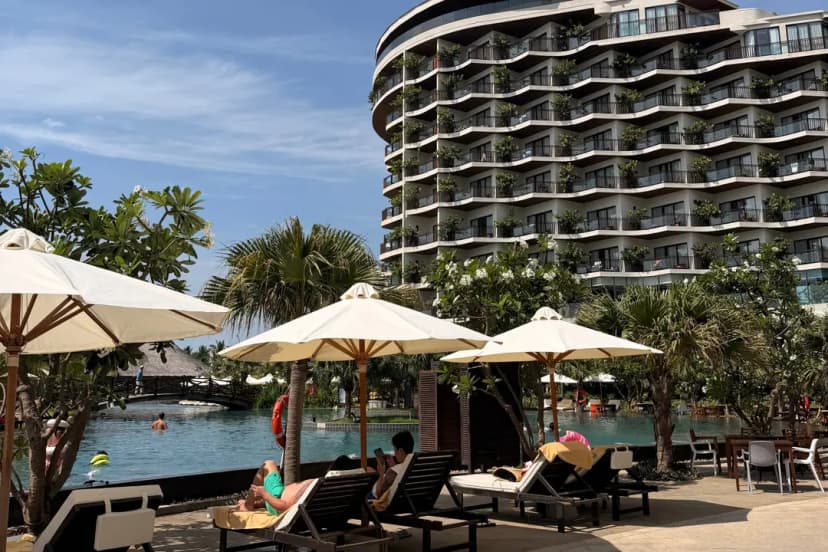
温水プールからキッズクラブまで、アミアナ カムラン リゾートならすべてがここで完結します。
今回は、お子様連れにおすすめのアミアナ カムラン リゾートに実際に自費で宿泊したリアルなレビューをお届けします。
実は私、以前ここに一度行って満足度が非常に高かったため、
近々予定している家族旅行(両親、子ども連れの計8名!)の宿泊先としても、すでにアミアナ カムラン リゾートを予約してあります。
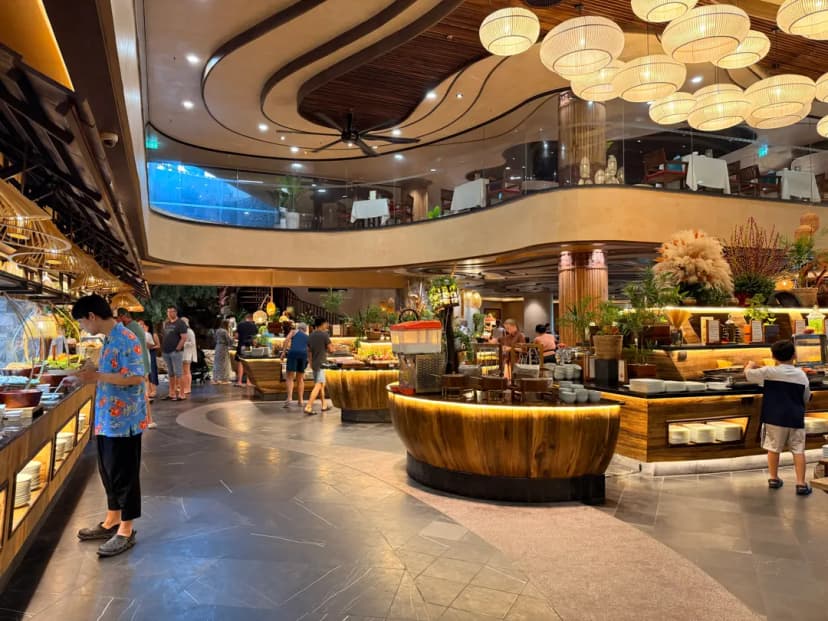
ディナービュッフェにアフタヌーンティーまで含まれて1泊約21,000円台というニャチャンのリゾートは、正直ここ以外にないからです。
リサ의 ベトナム旅行日記
🚨 本日の旅行日記
実際に自費で予約・宿泊して執筆したリアルな体験記です。(2026年7月時点)
アミアナ カムラン リゾートは、2025年にオープンしたニャチャン・カムランの5つ星新築リゾートです。朝食、アフタヌーンティー、ディナービュッフェが含まれながらも、1泊約21,000円台で楽しむことができるため、
お子様連れの家族旅行や親孝行旅行に特におすすめしたいホカンス(ホテルバカンス)リゾートです。プールヴィラも大人気です!
⭐️ 本日の旅行難易度 ★☆☆
リゾート内で全てのことが完結する、
ニャチャン家族旅行・ホカンス向けリゾート「アミアナ カムラン」。
時間さえうまく合わせれば、朝から晩までリゾート内で食事を済ませることができます!
📍 ベトナム ニャチャン
🧭 本日の旅行ルート |
✔️ アミアナ カムラン リゾートを家族旅行に選んだ理由&基本情報 |
✔️ 子ども連れにおすすめのキッズクラブ&キッズ客室 |
✔️ 温水プール、プライベートビーチ |
✔️ アミアナ カムランの朝食 |
✔️ ニャチャンのリゾート価格比較&少し残念だった点 |
✔️ アミアナ カムラン リゾート FAQ |
1. アミアナ カムラン リゾートを家族旅行에選んだ理由&基本情報
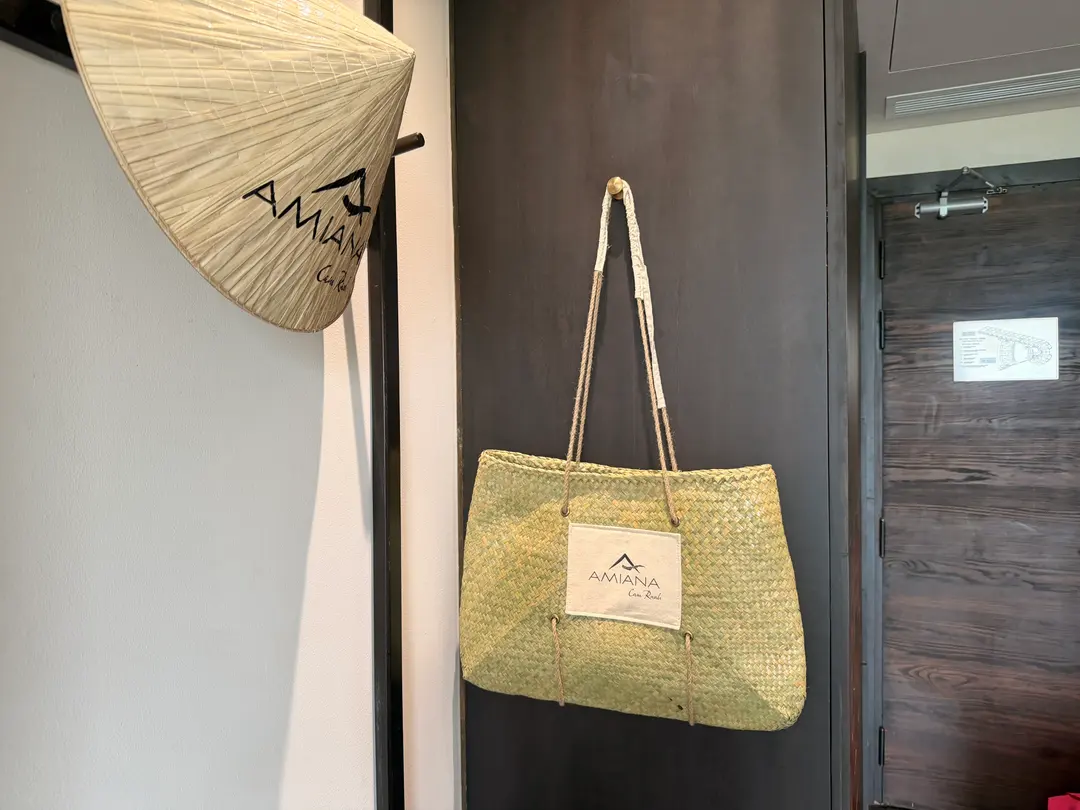
ニャチャンのリゾート候補を色々と見ている中で、
子ども連れで行くならアミアナ カムラン リゾートが
正解だと感じた理由は3つありました。
✔️ 添い寝(ベッドシェア)の場合、子ども1〜2名まで追加料金なしで宿泊可能 ➜ 4人家族でも客室料金の負担なし。
✔️ 温水プール(季節限定)完備 ➜ 寒がりなお子様やご両親も、冷えを気にせず水遊びを楽しめます。
✔️ 豊富なキッズクラブとプログラム ➜ お子様が飽きる隙がありません。
📍 位置:カムラン国際空港から車で約15分
✅ 価格:2026年7月基準で1泊約21,000円から
(朝食 + ディナービュッフェ込み)
✔️ チェック인:14:00 / チェックアウト:12:00
空港から近いため、初日や最終日の移動が非常にスムーズで、荷物の多い家族旅行においてはこの動線の良さが本当に重要だと実感しました。
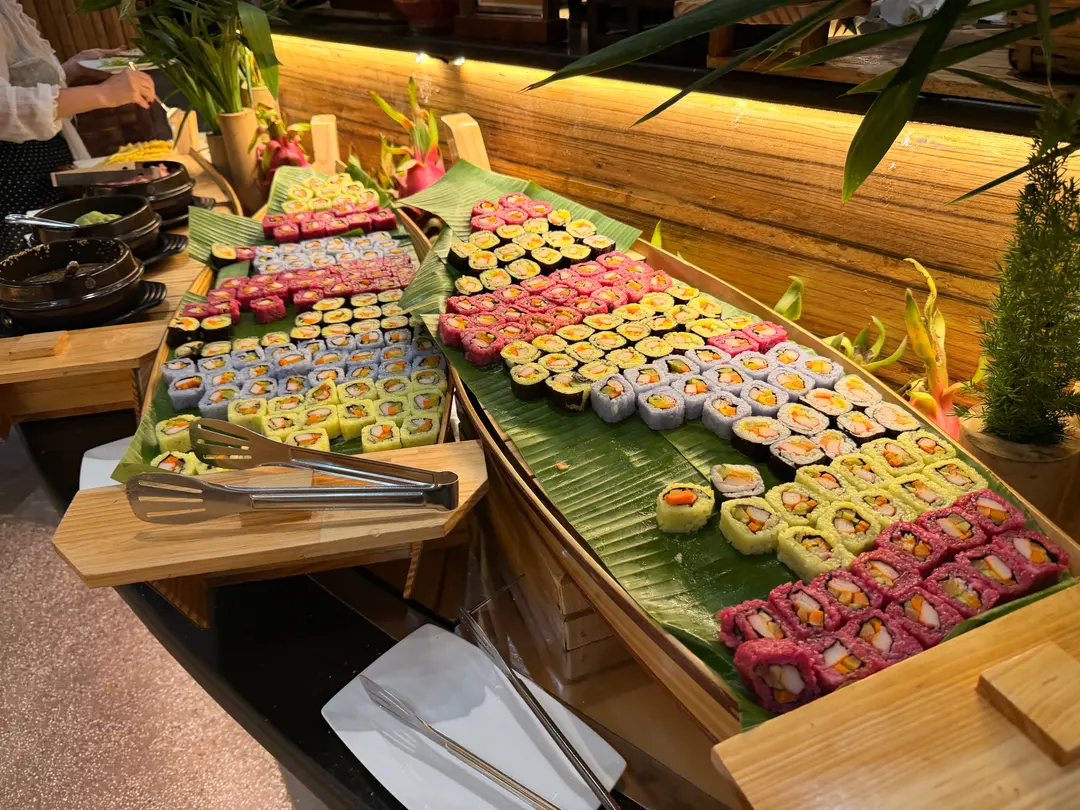
実は、一番大きな理由は他にありました。
ニャチャンのリゾートをいくら探しても、ディナービュッフェ+アフタヌーンティーまで含まれて1泊約21,000円台の場所はここだけだったからです。
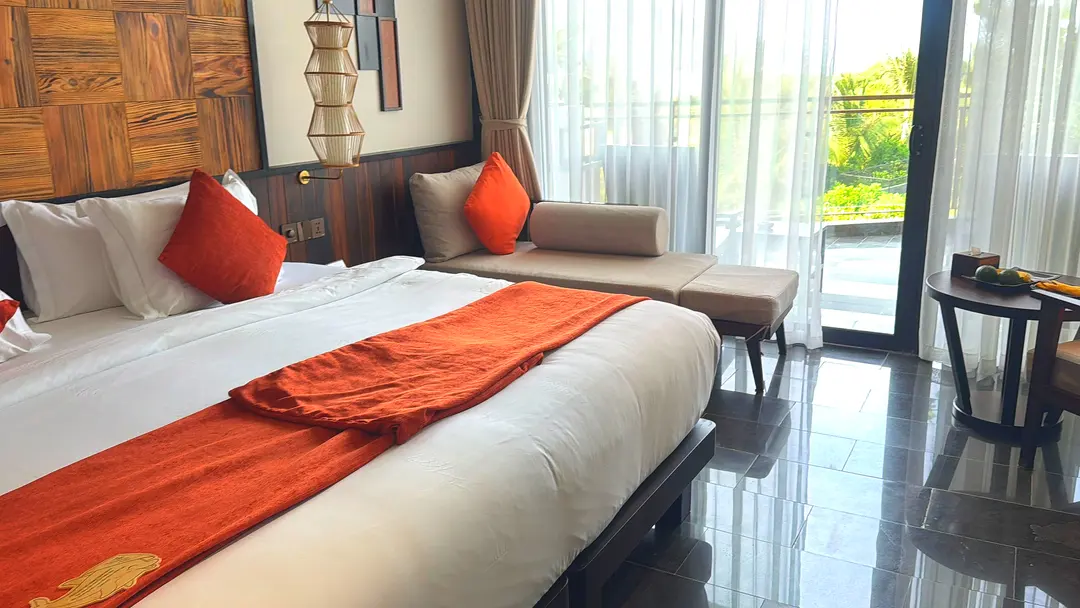
さらに、2025年オープンの最新ホテル!清潔で快適な客室コンディションが保証されています。
一度行ってこの素晴らしい内容に惚れ込んでしまい、
今回の両親&子ども連れの計8名での家族旅行の宿泊先も、迷うことなくアミアナ カムランを再予約しました。
2. 子ども連れにおすすめのキッズクラブ&キッズ客室
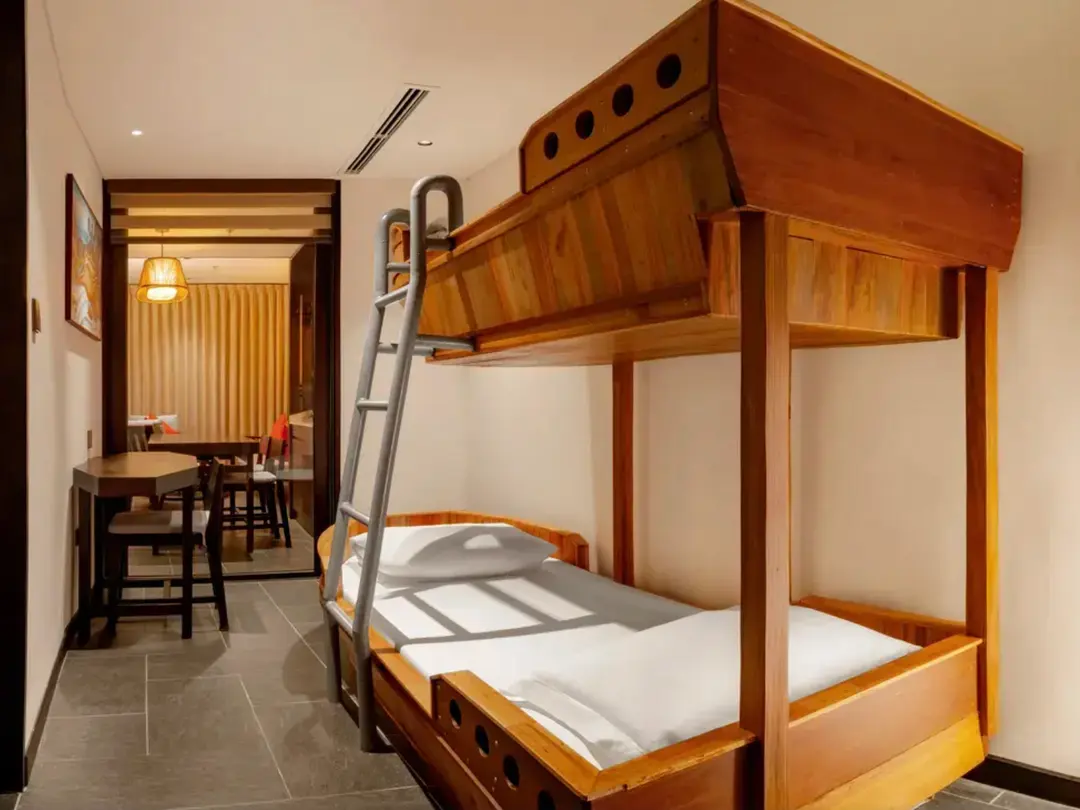
アミアナ カムランは、お子様連れで訪れるとどのような感じでしょうか?
ニャチャンでの家族旅行・ホカンスとして、本当に最適な場所だと思います。
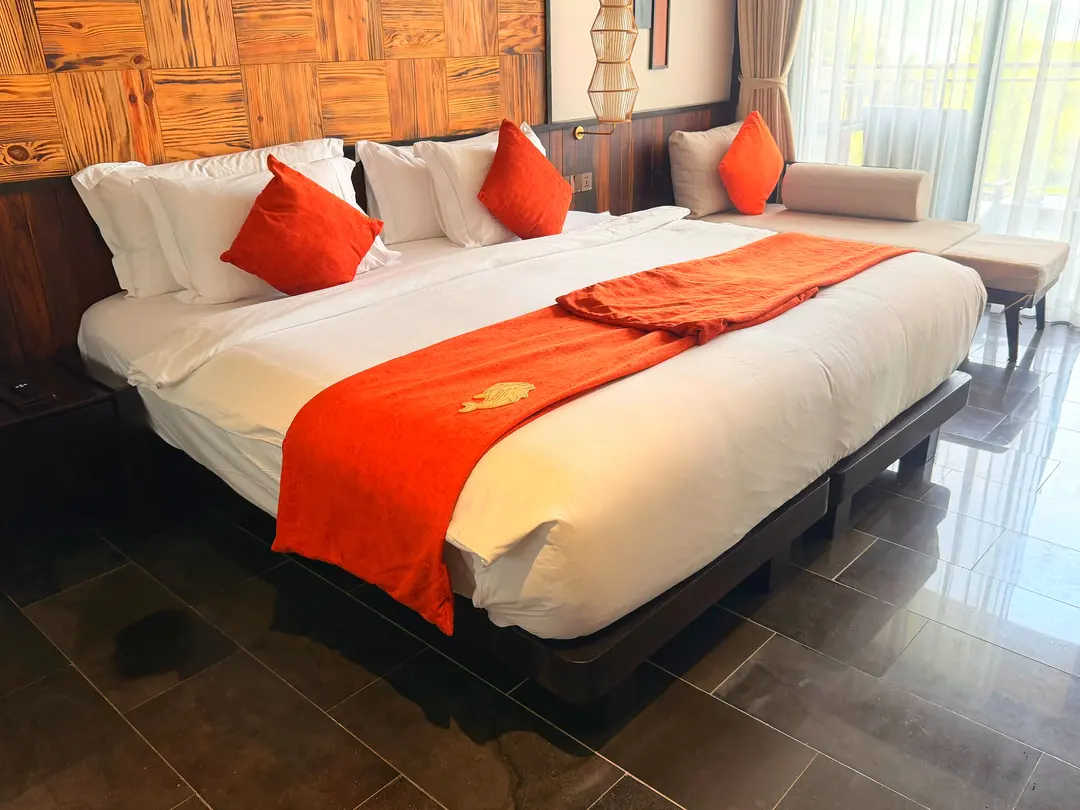
そのため、私も今回、小学校低学年の子ども2人を連れて行くのですが、迷わずアミアナ カムランを選びました。
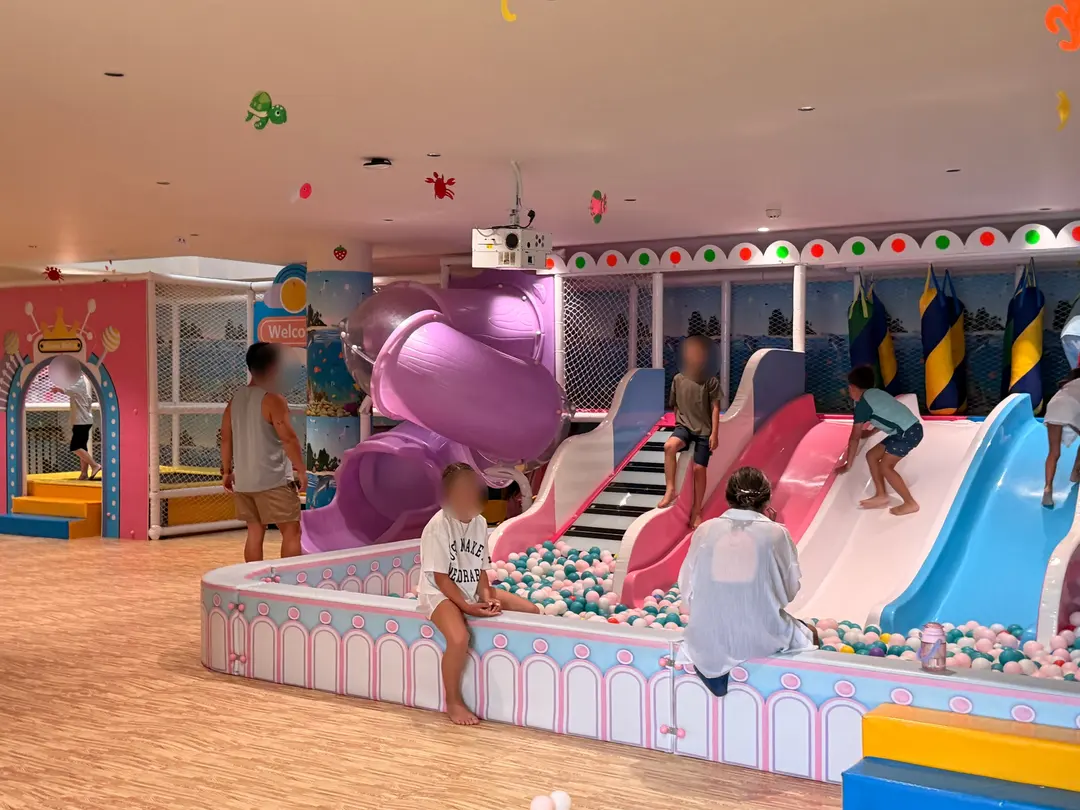
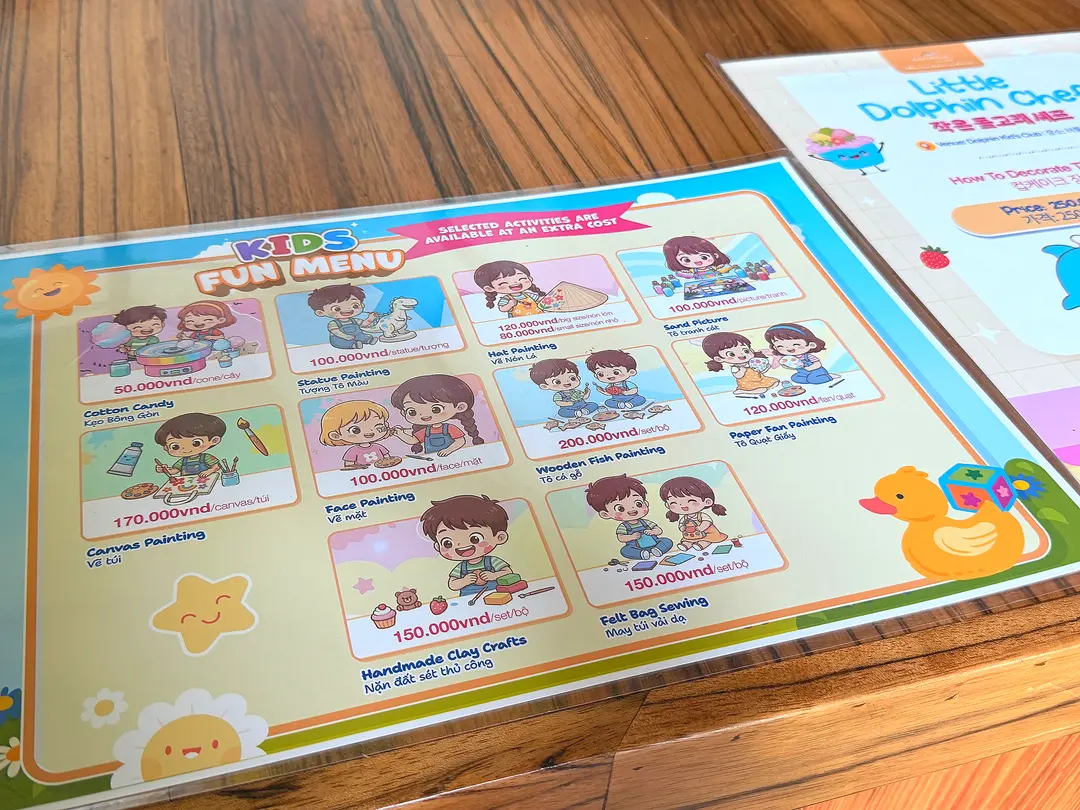
✔️ キッズクラブ無料利用
✔️ キッズプログラムあり - カップケーキデコレーション体験や絵の具遊びなど
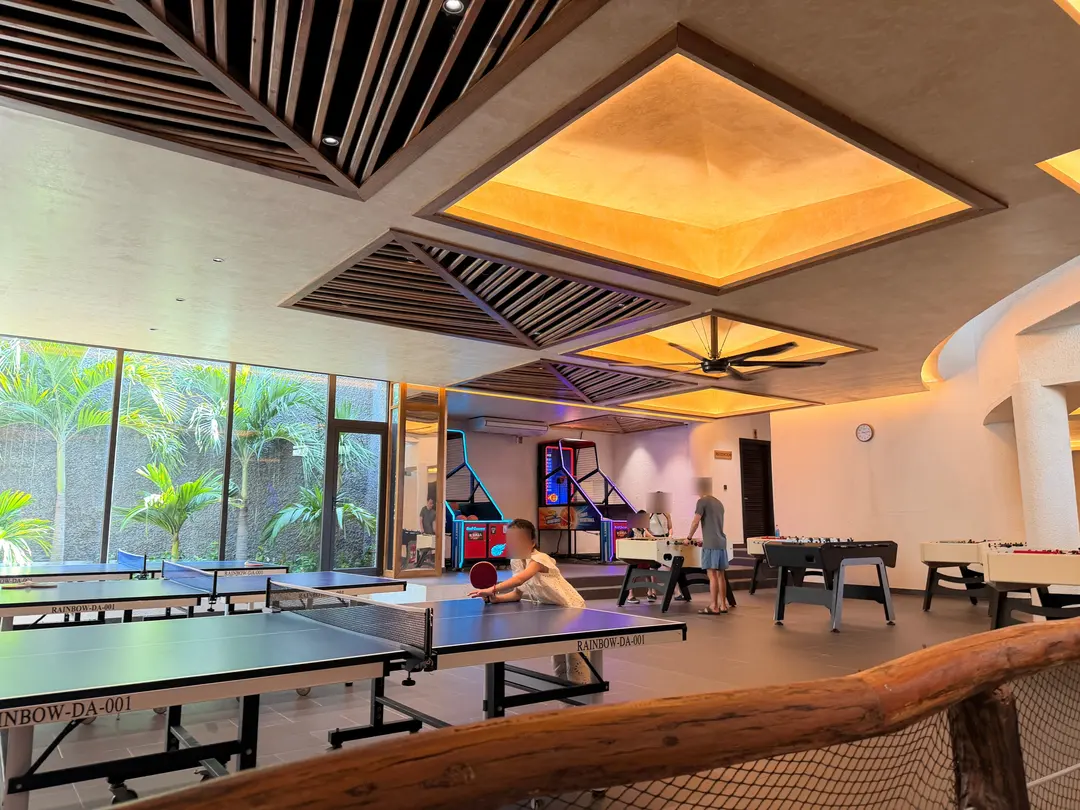
✔️ フィットネスジムやゲームルームの規模が大きく、家族全員で楽しく過ごせます
✔️ 一般的なツインルームから1〜4ベッドルームのプールヴィラ(ファミリー向け客室)まで多様な構成 - キッズ向けコンセプトルームあり
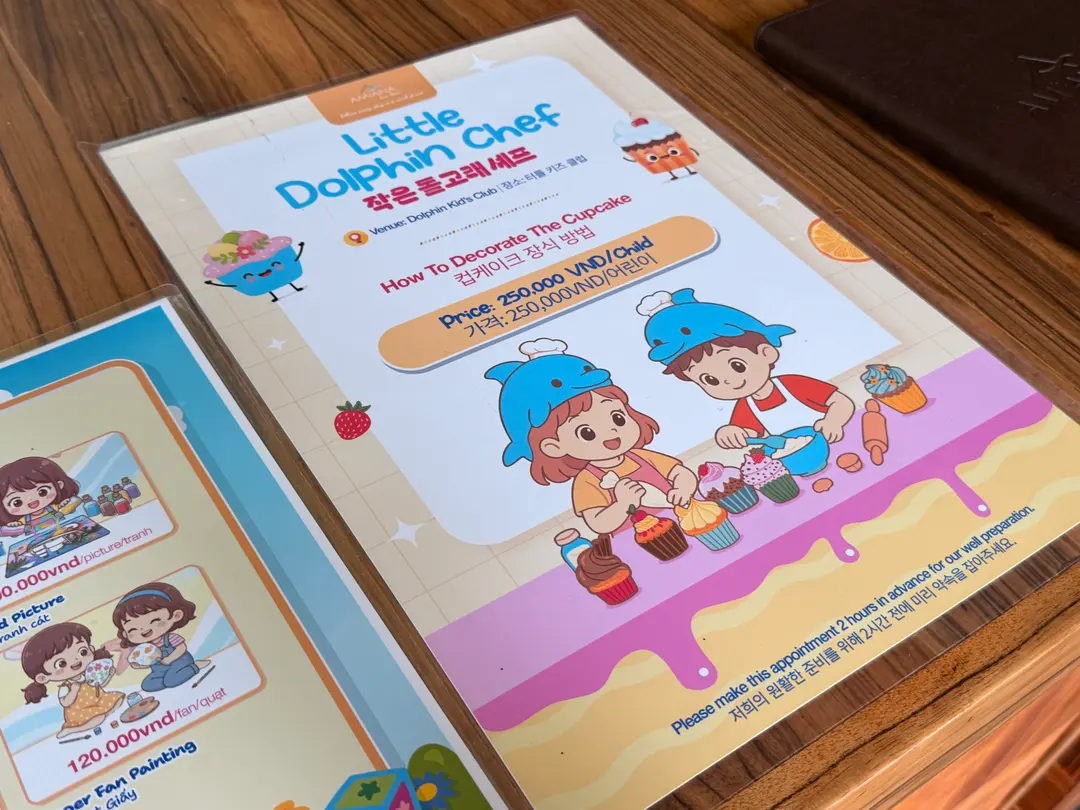
添い寝(ベッドシェア)基準で、お子様2人以上でも添い寝無料でのご宿泊が可能ですので、最近のニャチャン(ナトラン)のリゾートの価格帯を考えると、非常にコストパフォーマンスが高いです。
🚨 ここで旅行のプチ情報! |
キッズテーマルーム(子供向け客室)を含むファミリー向けのお部屋は、予約が埋まるのが早い傾向にあります! 予約完了後、リクエスト欄に「高階層+プール・オーシャンビュー+子供同伴」と事前に記載しておくのがおすすめです。 |
3. 温水プールやプライベートビーチは、子供連れで遊ぶのにいかがですか?
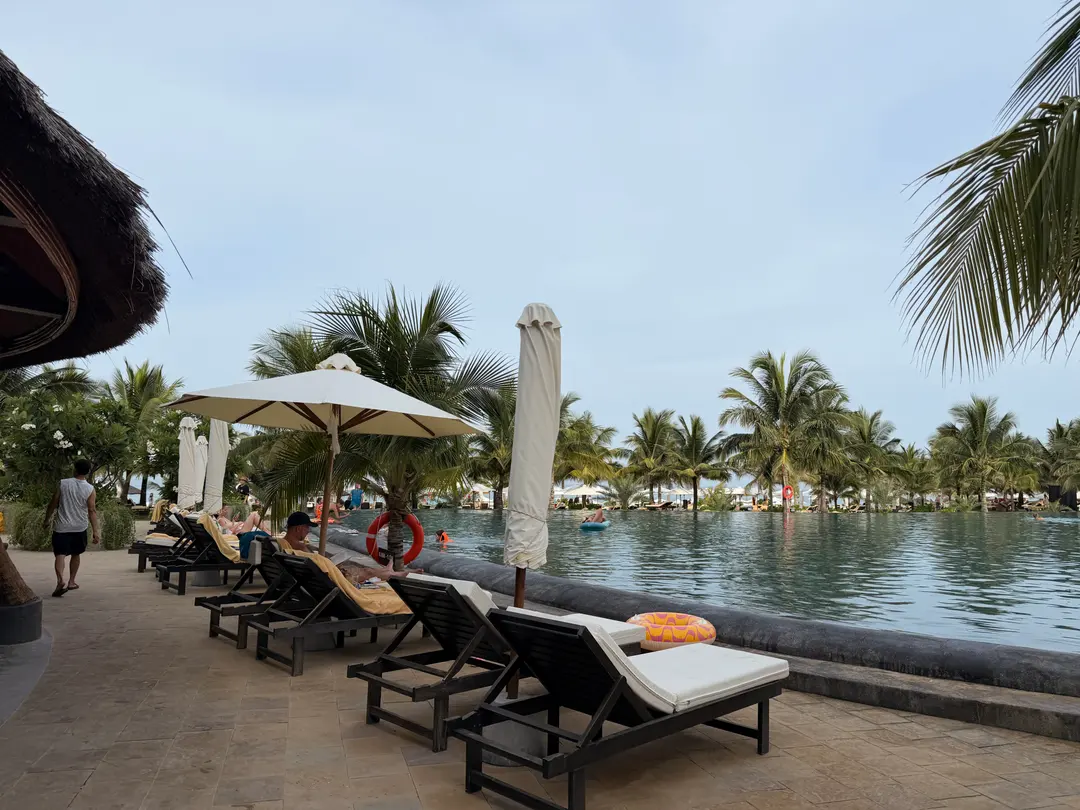
「アミアナ カムラン リゾート」をニャチャン家族旅行の宿泊先としておすすめするもう一つの大きな理由は、まさに「プール」です。
✔️ 温水プール(季節営業) - 程よく温かいので、お子様から大人まで快適に遊べます。
✔️ 水深0.6mの浅いプールを別途完備 ➜ 小さなお子様でも水遊びが楽しめます
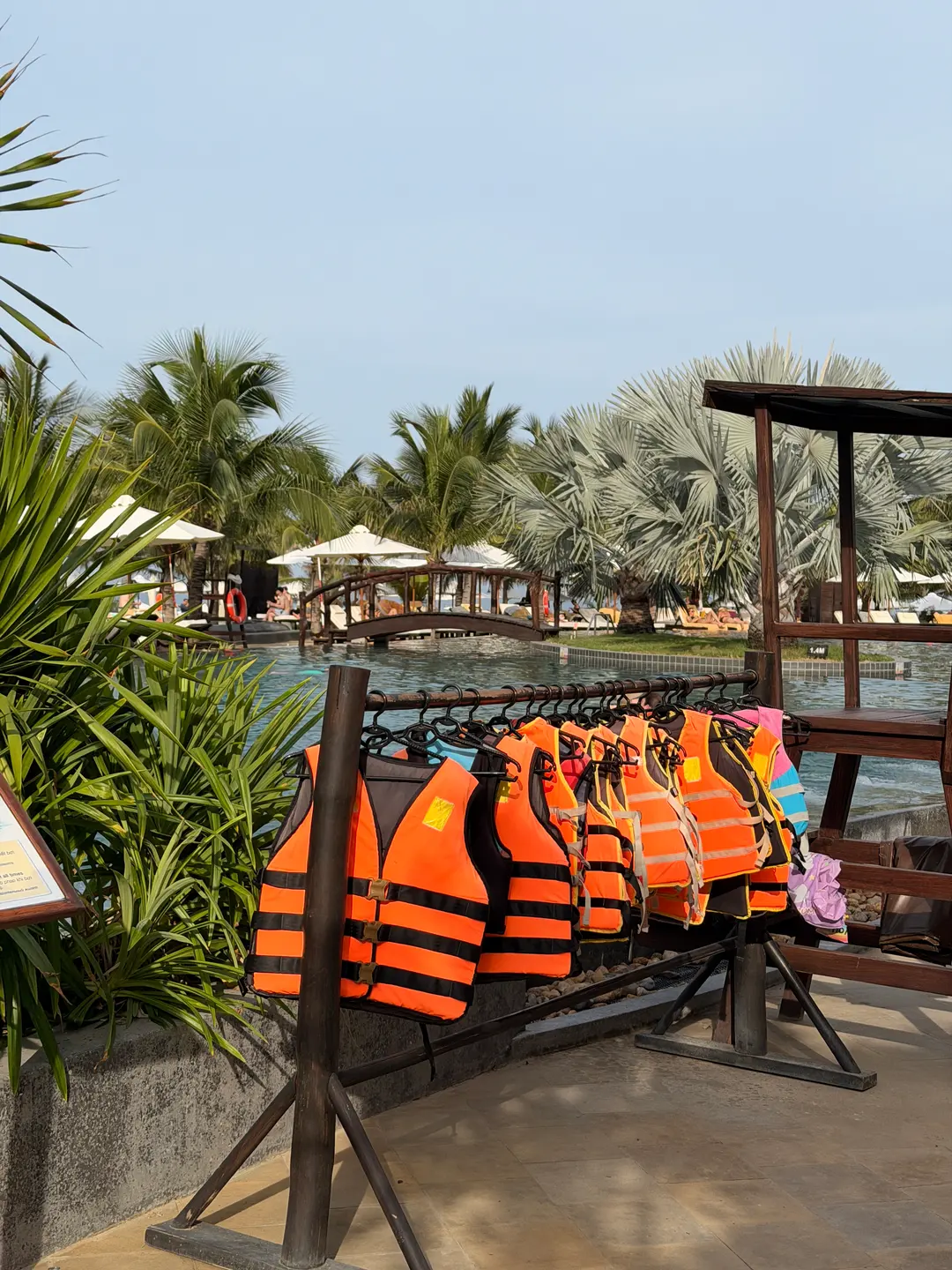
✔️ ライフジャケット無料レンタル
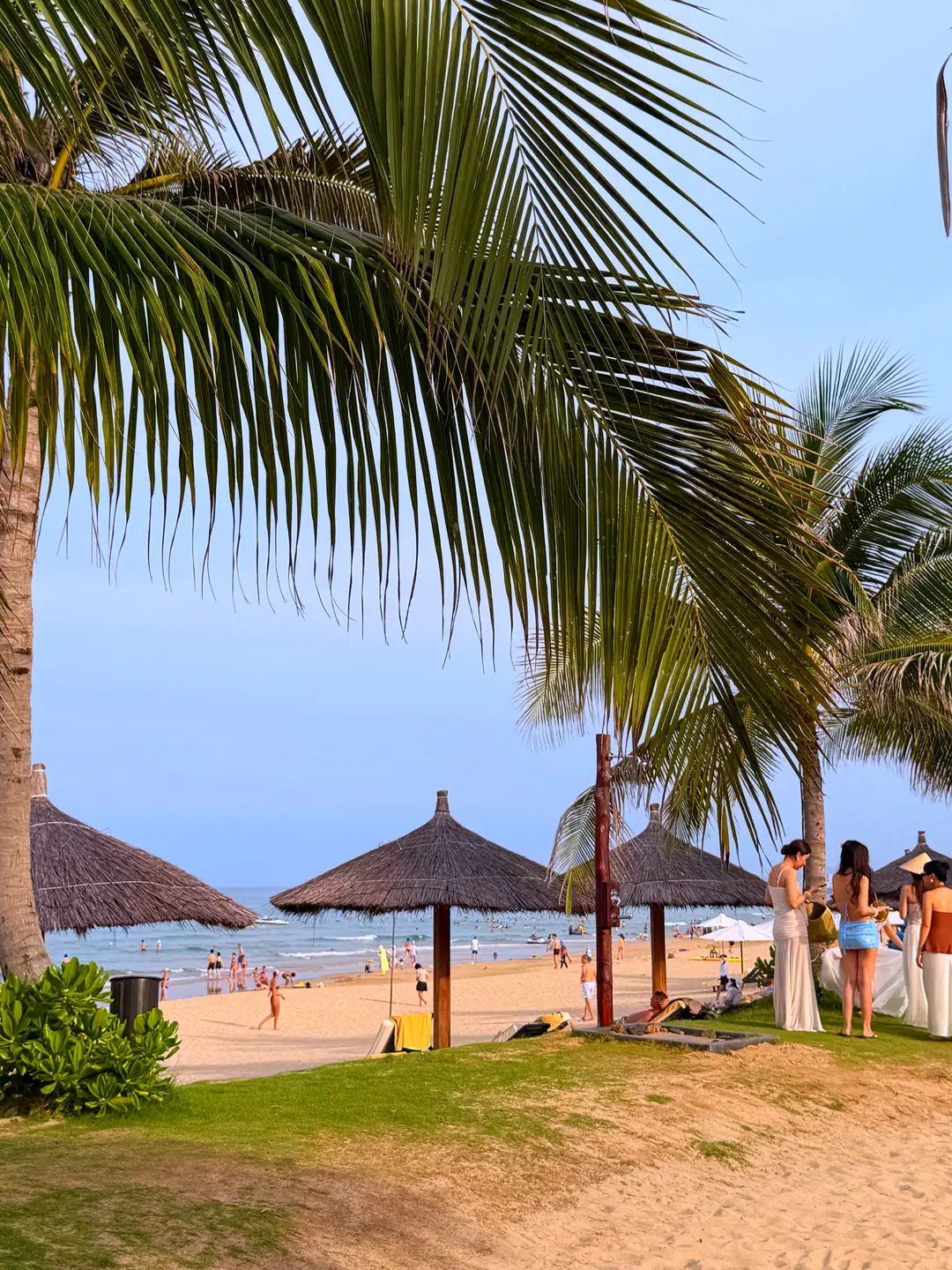
✔️ プライベートビーチ - パラソル、サンベッド、ライフジャケットが無料
浮き輪やカヤックの有料レンタルもございます。
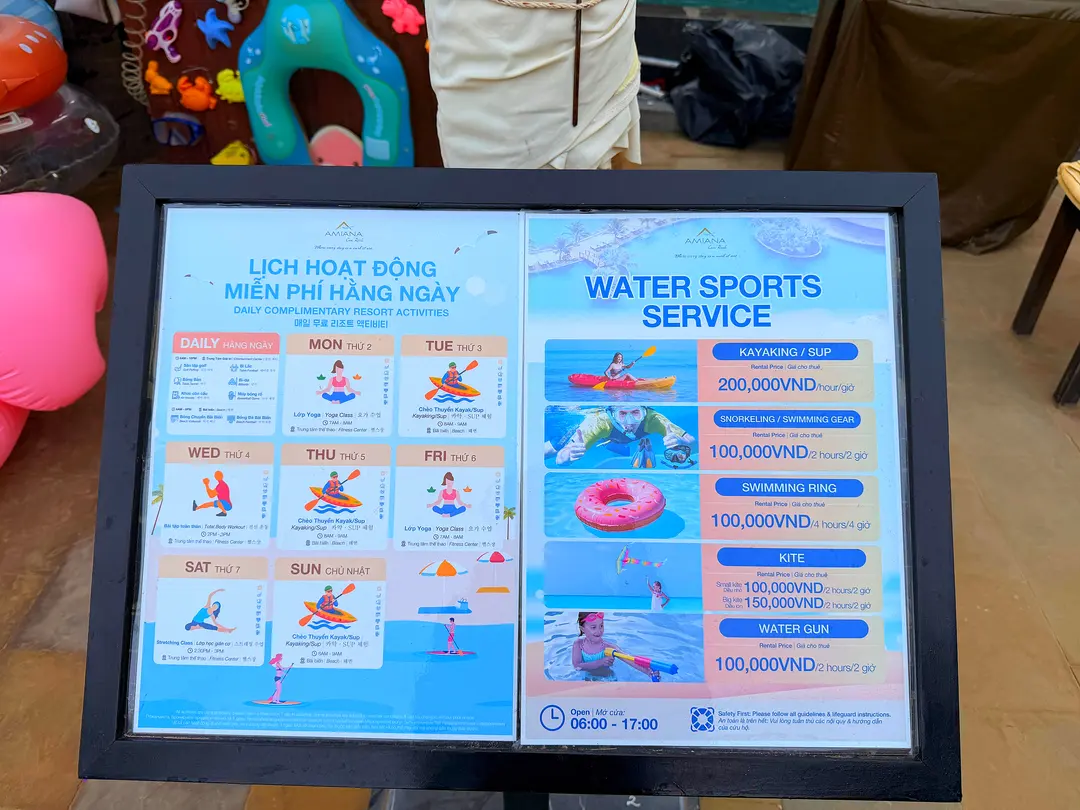
アミアナカムランのプログラム
風が強い日でも水が冷たくないので、
寒がりなお子様を連れて行かれる方にとっては、この温水プールがあるだけで十分に選ぶ価値があります。
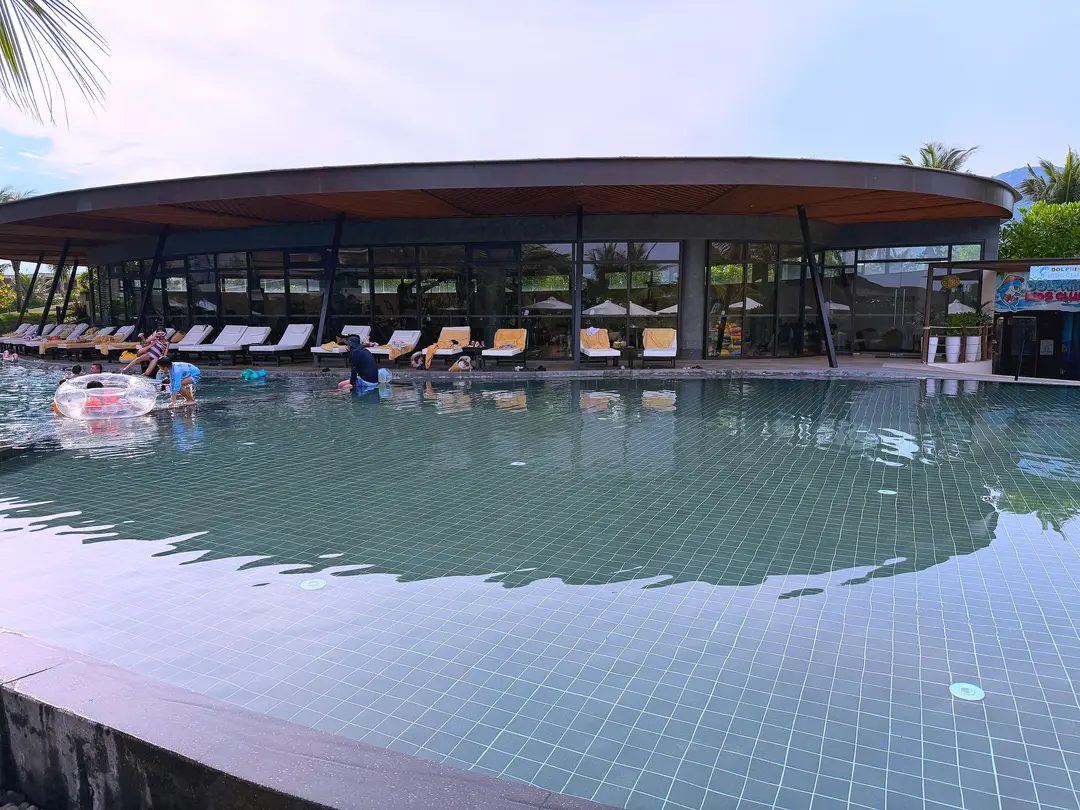
宿泊客が多くてもプールの規模が大きいため、混雑しているような印象はほとんどありませんでした。
🚨 ここで旅行のプチ情報! |
温水プールもプライベートビーチも、どちらも午前中が比較的空いています。 午前中に思いきり水遊びを楽しみ、午後はアフタヌーンティーでゆったりと過ごすスケジュールがおすすめです。 |
4. アミアナ カムランの朝食は、子供連れでも楽しめますか?
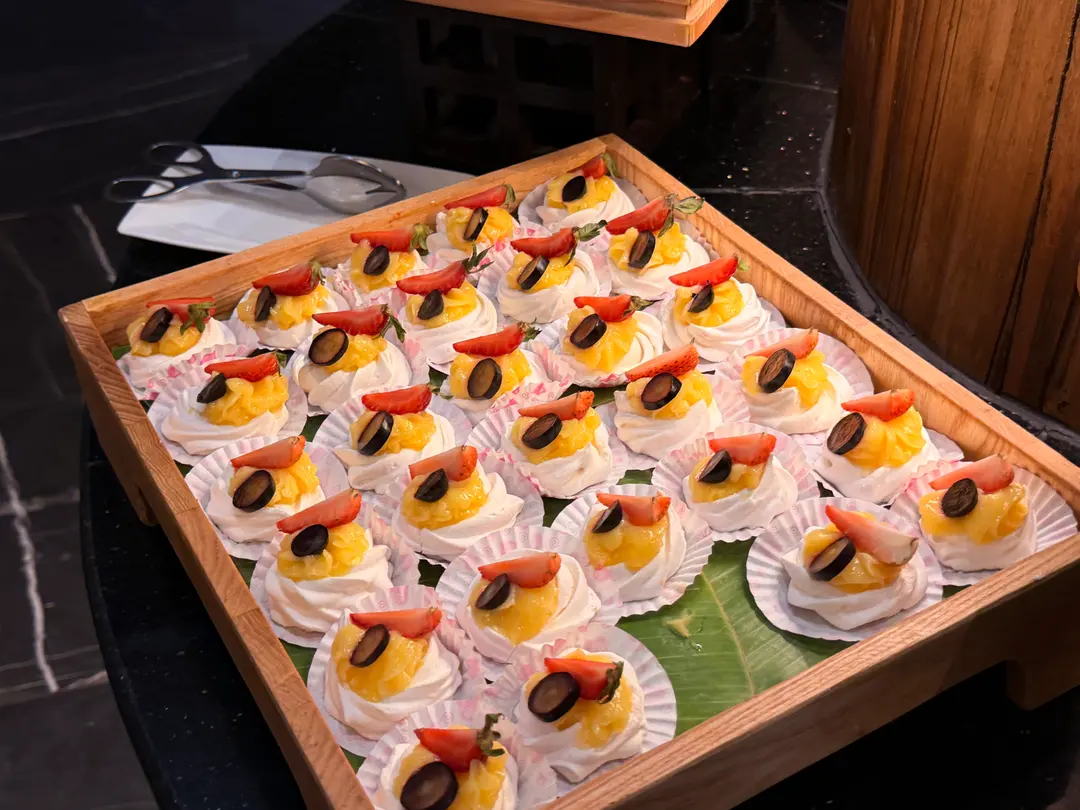
子供専用のキッズメニューといったものはありませんでしたが、
とにかくメニューのバリエーションが非常に充実しています。
✔️ アジア料理(韓国料理含む)はもちろん、洋食、ベトナム料理、和食まで幅広く用意
✔️ お子様が大好きな甘いパンやデザートの種類も豊富
✔️ フルーツの種類も多彩
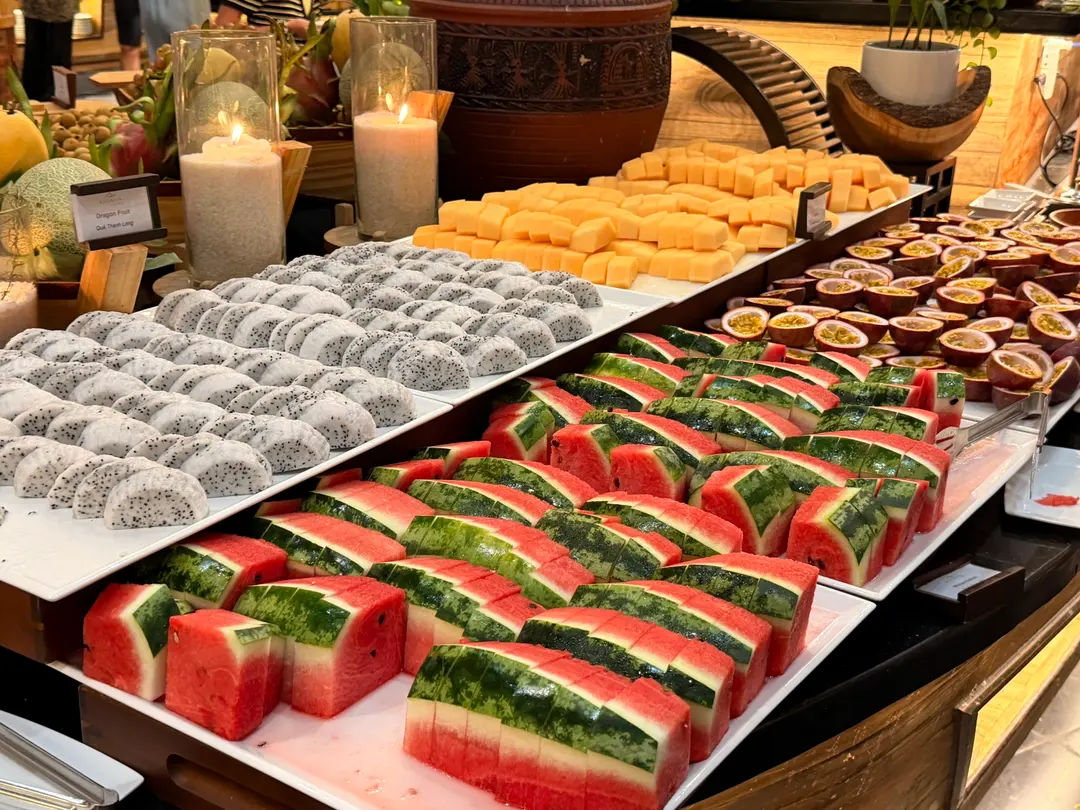
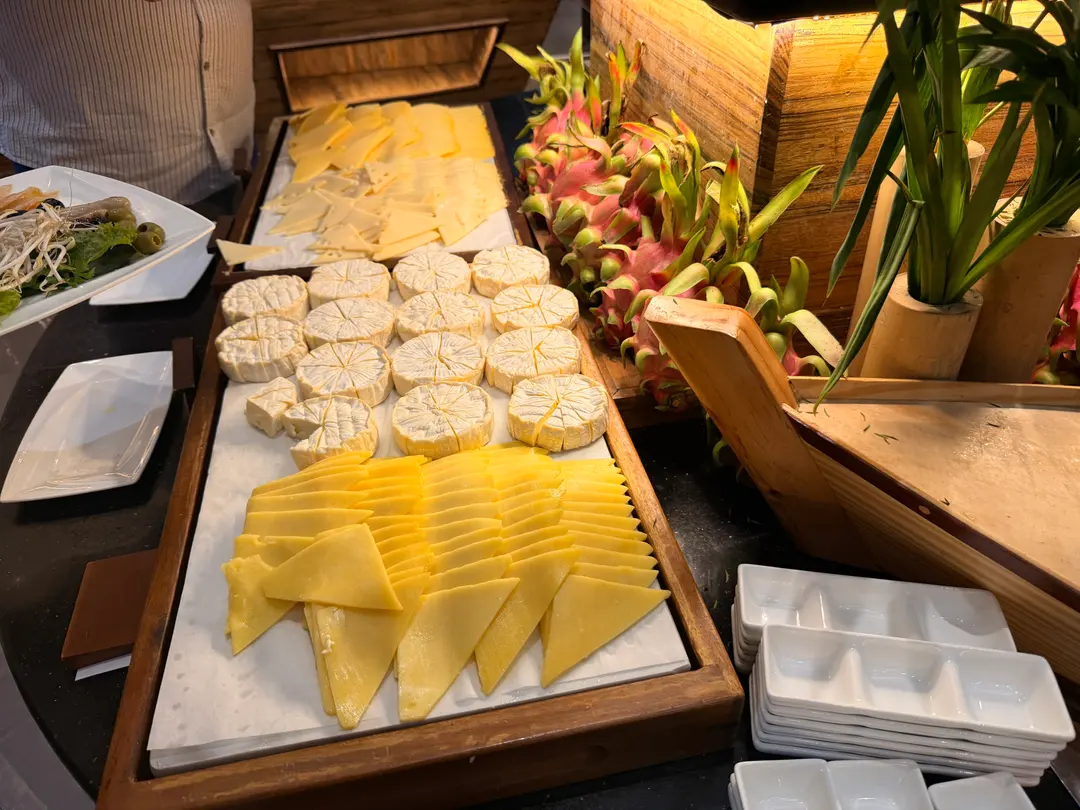
偏食気みのお子様や、馴染みのあるアジア料理をお探しの親御様まで、誰もが好みに合わせて楽しめる内容でした。
実際に現地に行ってみると、お子様が自分で料理を取りながら楽しそうに食事をしているご家族連れが非常に多く見られました。
🚨 ここで旅行의 プチ情報! |
赤ちゃんの離乳食やミルク用のお湯、市販のレトルトご飯(パックご飯)などを温める必要がある方は参考にしてください。 客室内に電子レンジは用意されていませんが、 朝食レストランのスタッフにお願いすれば、すぐに温めていただけます。 |
5. ニャチャンのリゾートホテルの価格比較
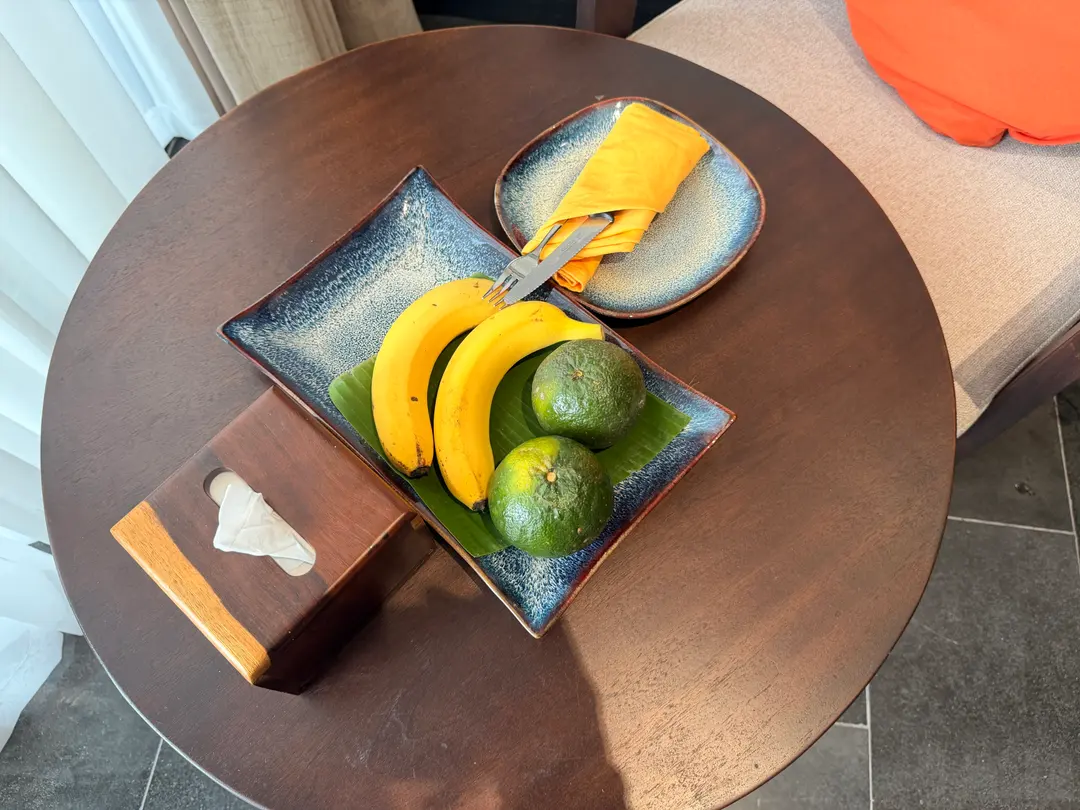
✅ 同一の客室・オーシャンビュー基準
夕食・朝食込み + キャンセル無料の同一条件下での価格です。
(2026年10月の平日基準 / リアルタイム価格はシーズンによって変動する場合があります)
プラットフォーム | 価格 | 予約サイト(下の青い文字をクリックすると移動します) |
KAYAK(カヤック) | 約20,900円 | |
Agoda(アゴダ) | 約22,000円 | |
Trip.com(トリップドットコム) | 約23,000円 |
ちなみに「KAYAK(カヤック)」は、複数の予約サイトの価格を一度に比較できる便利なメタサーチサイトです。
実は、全く同じAgodaの商品であっても、KAYAK経由でアクセスすることで
提携プランや特別プロモーション割引が適用され、より安い料金が表示されることがあります。
もちろん、その逆のパターン(直接予約した方が安い場合など)もあります。
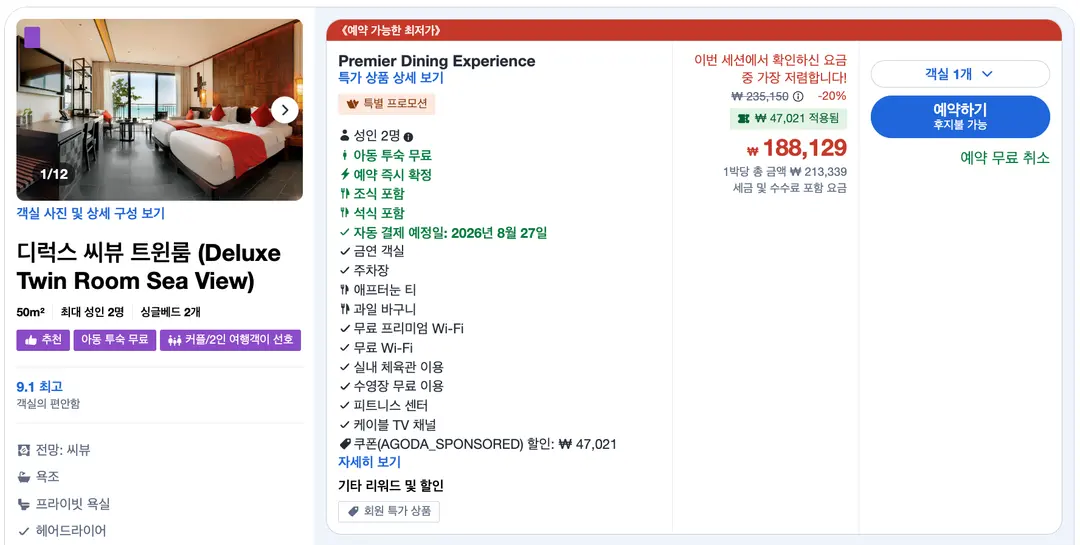
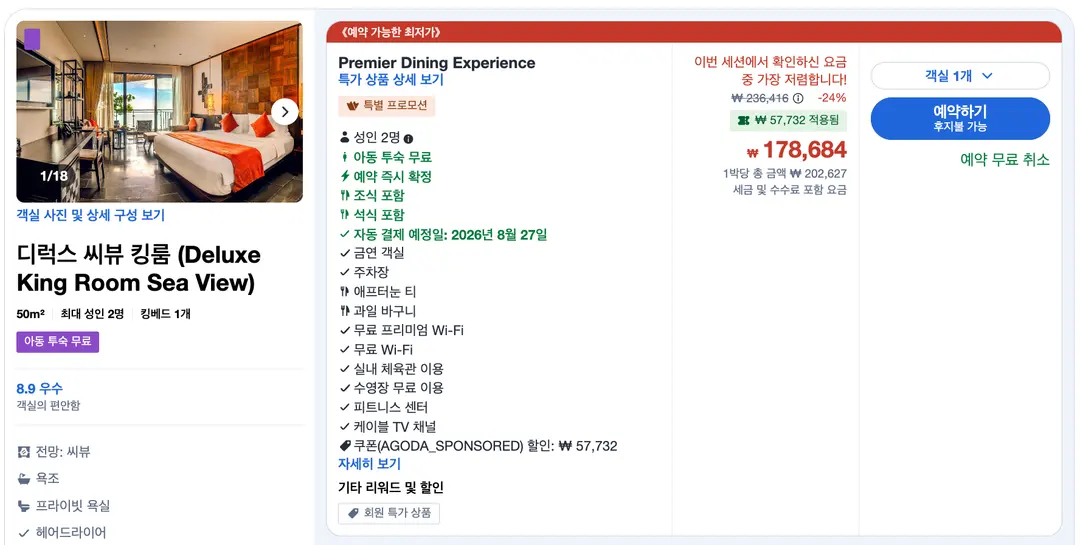
(左)Agoda / (右)Kayak経由でアクセスしたAgoda
そのため、私はいつも上記3つのサイトすべてにアクセスして比較するようにしています。
この価格帯でディナーやアフタヌーンティーまで含まれるニャチャンのリゾートは、実質的にアミアナ・カムランが唯一無二の存在です。
ハイシーズンが近づくと約31,400円台に値上がりするため
無料キャンセル枠で事前に予約を確保しておくのが、予約を逃さないコツです。
✅ 朝食、ディナービュッフェ、アフタヌーンティーの営業時間やメニューに関する詳細は、以下の記事を参考にしてください!
ニャチャン アミアナ・カムラン・リゾート 自腹宿泊の正直レポ
6. 残念だった点
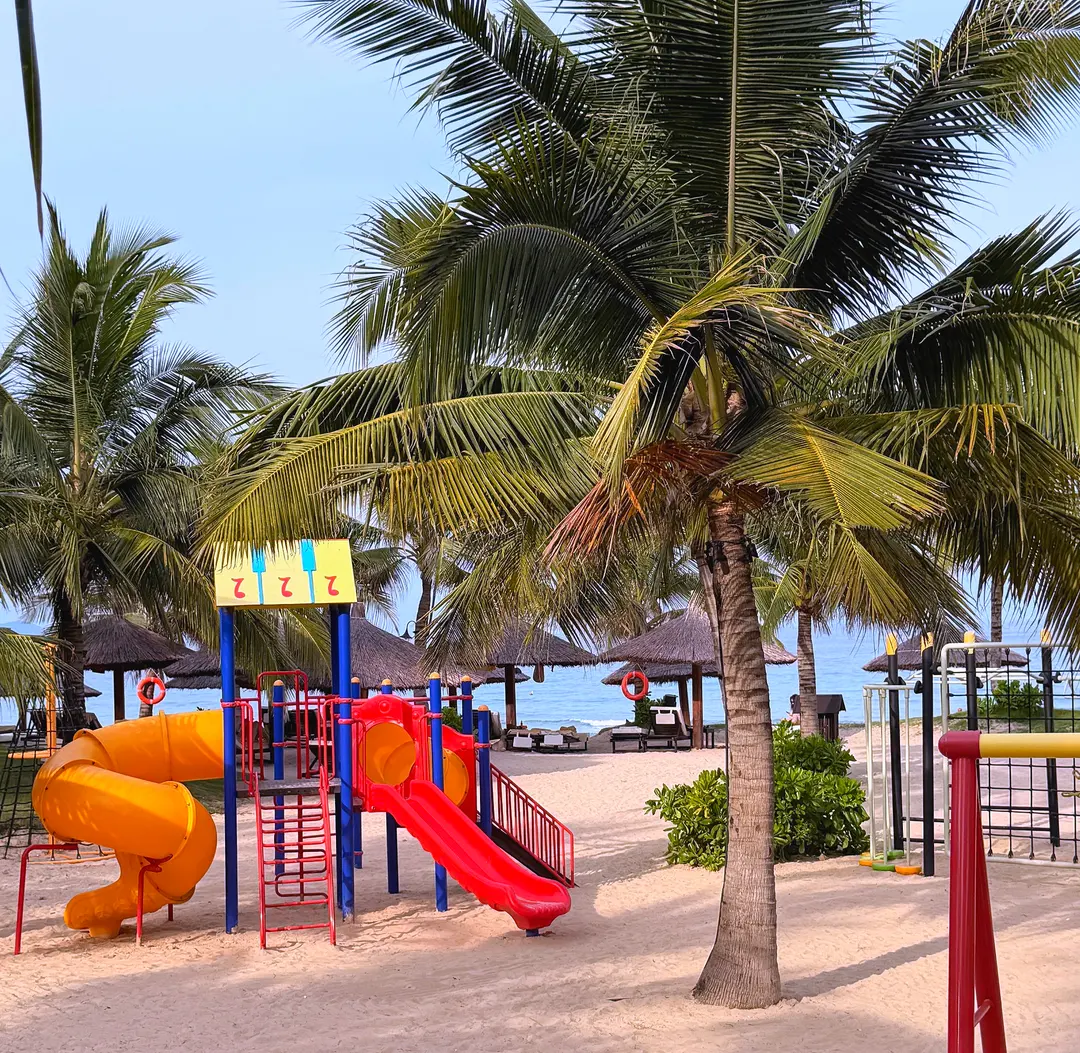
アミアナ・カムラン・リゾートで唯一残念だった点を挙げるとすれば、それは立地(アクセス)です。
カムランエリアにあるため、ニャチャン市内までは車で30〜40分ほどかかります。
ローカルグルメや市内観光を楽しむには、Grabを利用するか、リゾート内のシャトルバスを利用することになります。
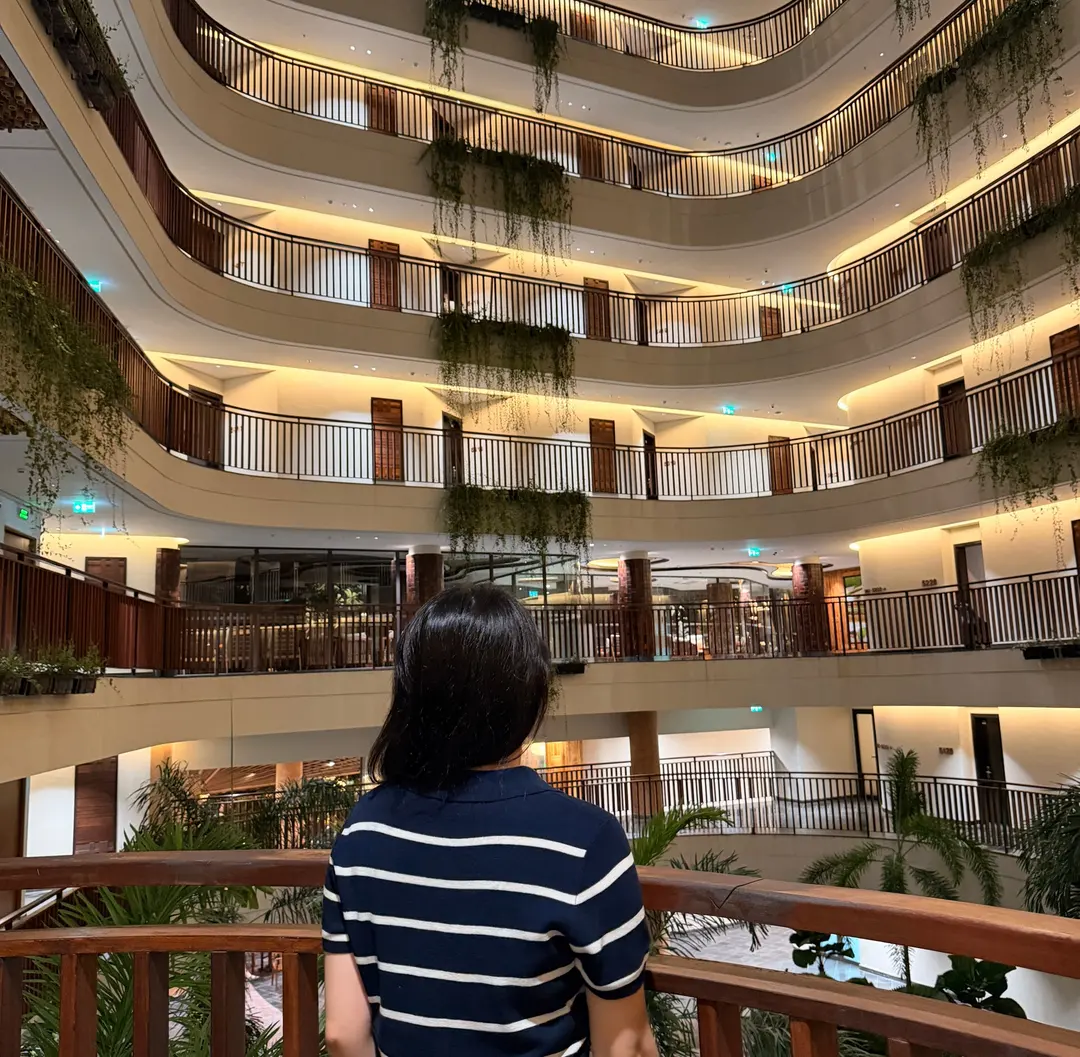
そのため、私は以下のようなスケジュールで旅行しました。
✔️ 2泊はカムランのリゾートでホカンスを満喫
✔️ 1박은 시내 숙소
リゾートでは完全にのんびりと過ごし、市内ではグルメやマッサージ、夜市を満喫したことで、
ニャチャン旅行の満足度が格段に上がりました。
7. アミアナ・カムラン・リゾート FAQ
Q. 子どもは何歳まで無料で宿泊できますか?
アミアナ・カムランでは、幼児:0〜5歳 / 小人:6〜11歳 / 大人:12歳以上と区分されています。
添い寝(既存のベッドを一緒に使用)を基準として、11歳以下のお子様1〜2名までは追加料金なしで宿泊+朝食が提供されます。
3人目以降、または子ども用のボートベッドやソファベッドを別途使用する場合は、1泊あたり追加料金(小人は1泊あたり約16ドル、ボート・ソファベッドは約34ドル)が発生します。
※予約サイトやシーズンによって異なる場合がありますので、必ずご確認ください!
Q. 子ども用ベッド(エキストラベッド)はどうなっていますか?
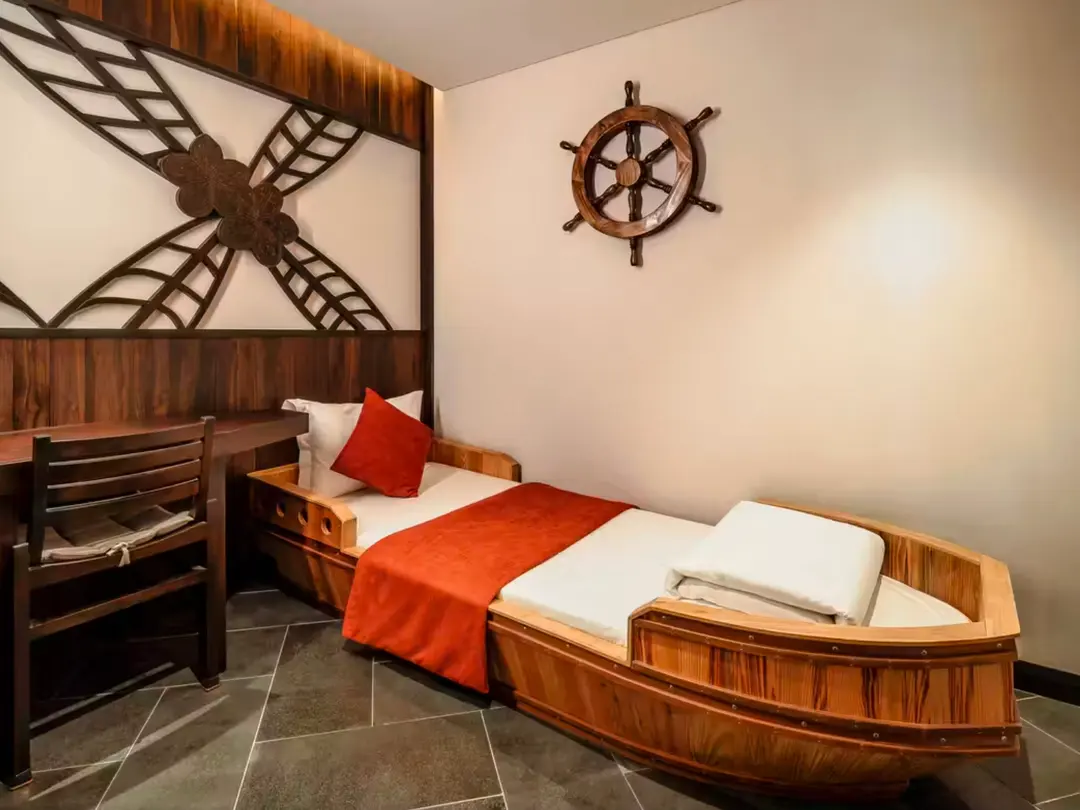
キッズテーマルームには子ども用のボートベッドが標準装備されており、
一般客室にはソファベッドが基本設置されています。
お子様は無料で添い寝が可能ですが、大人が追加される場合はソファベッドの追加料金が発生します。
ベビーベッドが必要な場合は、予約後にリクエスト欄で事前に依頼し、対応可能かご確認ください!
Q. 8人の大家族での旅行ですが、どの客室がおすすめですか?
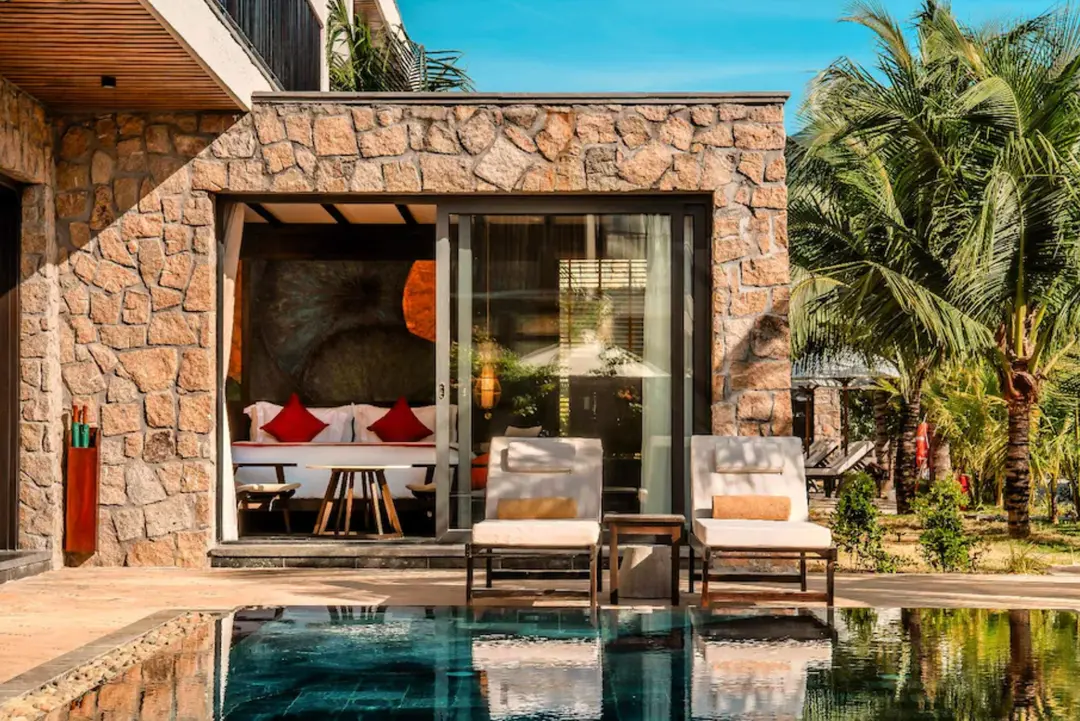
キッズテーマルームやプールヴィラなど、多彩な客室構成が用意されています。3〜4ベッドルーム・プールヴィラ(キッズテーマ)(キングベッド+ツインベッド+2段ボートベッドの構成)や、
ファミリースイート・2ベッドルーム・シービューを利用すると快適に過ごせます。
子ども用の2段ボートベッドがあるので、お子様に特に大人気だそうです。
Q. アーリーチェックイン、レイトチェックアウトは可能ですか?
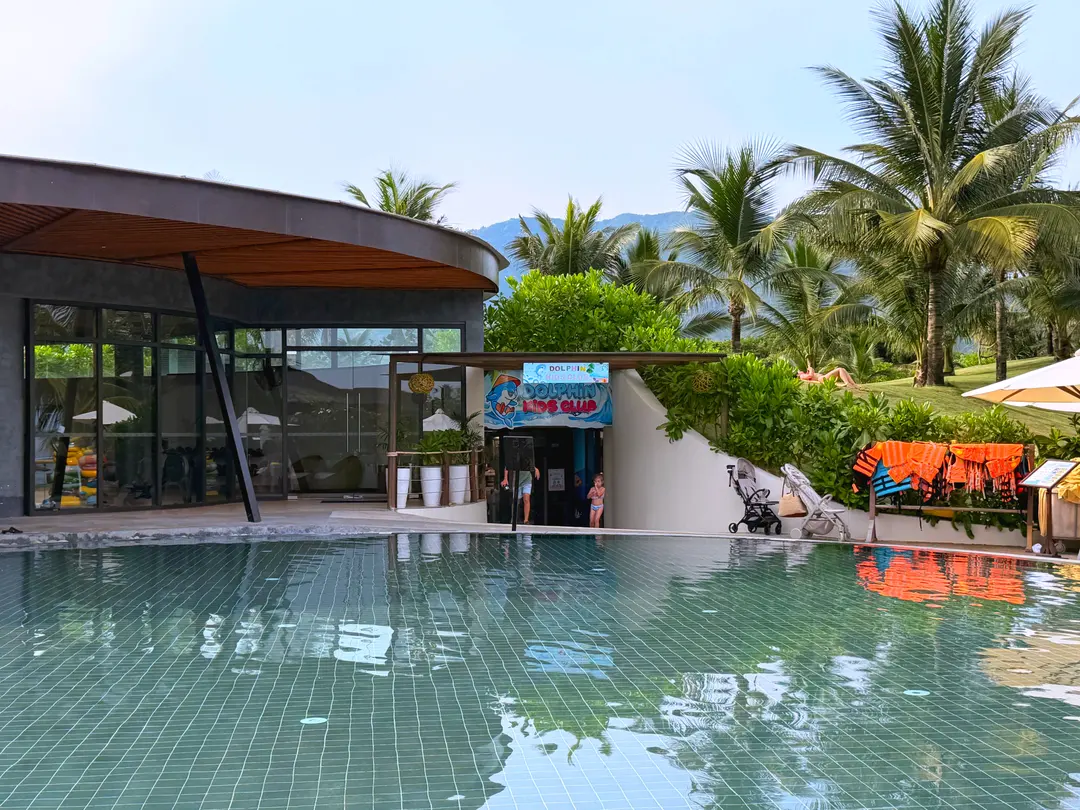
可能です!1泊料金の50%で、アーリーチェックイン(午前6時から)またはレイトチェックアウト(午後6時まで)を申請できます。
ただし、3〜4ベッドルームの標準チェックイン時間は14:30であり、客室状況により当日現地での確認となるため、予約後に事前にお問い合わせいただくのが確実です。
✅ 本日の旅はここまで!
本日は、ニャチャンでの家族旅行・ホカンス先にぴったりな
アミアナ・カムラン・リゾートをご紹介しました。
ディナービュッフェやアフタヌーンティーに加え、温水プール、キッズクラブまで!
子ども連れの旅行に最適な条件がすべて揃っているアミアナ・カムラン・リゾートでした。
私も次の8人での家族旅行の宿泊先としてリピート予約したほどお気に入りなので、
ハイシーズンで値上がりする前に、無料キャンセル枠で早めに予約を押さえておくことをおすすめします!
予約前の最安値チェックは必須です!
まずはKayakで価格比較をしてからご利用ください!!
次回の旅行記でも、また役立つ耳寄りな情報をお届けします。
ご不明な点がありましたら、ぜひコメントを残してくださいね!!
本日も最後までお読みいただきありがとうございました!
Cảm ơn 🇻🇳
📝 次の旅行記を読む
ニャチャンのファストトラックは必須?混雑度を比較して予約しよう
よくある質問
アミアナ リゾート カムランの1泊約20,900円台の料金には、どのような食事が含まれていますか?
朝食はもちろん、アフタヌーンティーやディナービュッフェまで全て無料で提供されます。リゾート内で朝から晩まで、追加の食費を気にすることなくお食事をお楽しみいただけます。
11歳以下の子供を同伴する場合、アミアナ リゾート カムランの宿泊料金の規定はどうなっていますか?
既存のベッドを添い寝で利用する場合、11歳以下のお子様1~2名までは追加料金なしで宿泊および朝食が提供されます。お子様が3名以上の場合、または別途ボートベッドやソファベッドを利用する場合は、1泊ごとに追加料金が発生します。
アミアナ リゾート カムランの客室内に、離乳食を温められる電子レンジはありますか?
客室内に電子レンジは備え付けられていません。代わりに、朝食レストランのスタッフにお願いすれば、離乳食や粉ミルク、パックご飯などをすぐに温めてくれます。
アミアナ リゾート カムランからニャチャン市内までの所要時間と移動手段は何ですか?
リゾートはカムラン地域に位置しているため、ニャチャン市内までは車で約30~40分かかります。市内へ移動する際は、Grab(グラブ)を呼ぶか、リゾート内のシャトルバスをご利用いただけます。
アミアナ リゾート カムランのアーリーチェックインとレイトチェックアウトの料金および時間はどうなっていますか?
1泊料金の50%をお支払いいただくと、午前6時からのアーリーチェックイン、および午後6時までのレイトチェックアウトが可能です。ただし、3~4ベッドルームの場合、通常のチェックイン時間が14時30分となっているため、事前の問い合わせが必要です。
この記事を共有
この記事が含まれるコレクション
同じテーマでまとめられた旅行記をもっと見る。

関連する旅行記

【2026年版】ナトランで外せない!絶品ローカル&韓国料理店
ナトランの旅をさらに豊かにするグルメ情報をお届け!今回は、ベトナムのローカルフード「チャオマオ」と、旅の疲れを癒す韓国料理「アンキッチン」を詳しくご紹介。写真映えスポットも満載です。

ナトラン中心部「クアンオックンガン」はコスパ最高のシーフード店【2026年】
ナトラン市内で新鮮なシーフードを気軽に楽しめる「クアンオックンガン」。旅行インフルエンサーが親娘旅で体験した、コスパ抜群のローカルシーフードレストランの魅力を詳しくご紹介します。

2月ナトランの天気と服装【2026年最新版】快適な冬のベトナム旅行
2026年2月にベトナム・ナトランへ旅行を計画中ですか?乾季で過ごしやすい2月のナトランは、快適な気候、旬の美味しいフルーツ、そしてビーチリゾートでのんびり過ごすのに最適な時期です。服装のポイントやおすすめのアクティビティをご紹介。

ニャチャン(ナトラン)ファストトラックは必要?混雑度確認と賢い予約法【2026年】
ベトナム・ニャチャン(ナトラン)への旅行で、空港の入国審査は避けられない関門。ファストトラックは本当に必要?リアルタイム混雑度を確認し、賢く利用して快適な旅を!

バーゴホテルニャチャン宿泊記2026|コスパ最強で立地も抜群な人気ホテルを徹底レビュー
ニャチャン市街地の中心部でコスパ抜群と大人気の「バーゴホテル(Virgo Hotel)」に宿泊!観光に便利な好立地、広々とした客室、28階の絶景ルーフトッププール、種類豊富な朝食まで、実際に泊まって感じた魅力を詳しくブログでご紹介します。賢くお得にニャチャン旅行を楽しみたい方は必見です!

ナトランホッピングツアー2026|コストパフォーマンスの良い価格で楽しむアメイジングツアー完全解説
ナトランで約4,600円台から楽しめるアメイジングホッピングツアーを体験!ホテル送迎、シュノーケリング器材、ランチ込みのローカルツアーで、持ち物やポイント、メリット・デメリットを詳しく解説します。