

Tokyo Travel Essentials: Your 2026 Packing Guide for Japan
Heading to Tokyo in 2026? Make your trip unforgettable and stress-free with our expert guide to the 7 essential items you absolutely need to pack for Japan, including transit tips and what to wear.

Tokyo Travel Essentials: Your Top 7 Packing List
Including Power Adapters, Subway Passes & More
Words/Photos ©HiCouple
Tokyo Travel Essentials: Your Top 7 List
Planning a trip to Tokyo in 2026 and wondering what to pack?
It can be a bit overwhelming, especially if it's your first time visiting this incredible city.
While seasoned Tokyo travelers might have their personalized packing lists, navigating the essentials for a debut trip can be tricky.
To help you out, we've put together a list of the Top 7 must-have items for first-time visitors to Tokyo!
Top 1. Comfortable Walking Shoes
After my most recent trip to Tokyo, the single most important item I recommend is a pair of comfortable walking shoes.
Tokyo is a sprawling metropolis, and you'll find yourself doing a lot of walking — exploring attractions, seeking out culinary delights, and hitting up the best shopping districts. Taxis are also quite expensive, meaning you'll often walk significant distances just to reach public transportation hubs.
Furthermore, areas like Shibuya, Shinjuku, and Roppongi can be complex to navigate, and you might find yourself wandering a bit more than expected.

That's why lightweight and supportive footwear is paramount. I wore cushioned running shoes during my trip and, even after logging over 10 miles (20,000 steps) daily, my feet felt significantly less fatigued compared to wearing regular shoes.
You can check out the specific shoes I wore below!
Top 2. Power Adapter or Travel Multi-Plug
The second crucial item on your packing list is a power adapter or a travel multi-plug.
Japan uses 100V outlets, which differ from the 110V/120V standards found in North America and other regions. You'll need a Type A or B adapter (the 'pig nose' style) to plug in your devices.
These adapters are inexpensive, usually costing just a few dollars each online or at local electronics stores. Since you'll likely be charging multiple devices like your phone, earbuds, and power bank, I recommend bringing 3-4 adapters.

However, carrying multiple individual adapters can be a hassle, even if they're cheap. For a more streamlined experience, consider a travel multi-plug adapter.
These versatile adapters often feature multiple outlets, including USB and USB-C ports, allowing you to charge all your gadgets from a single unit!
Top 3. Physical Japanese Yen (JPY)
The third essential item is physical Japanese Yen (JPY) cash.
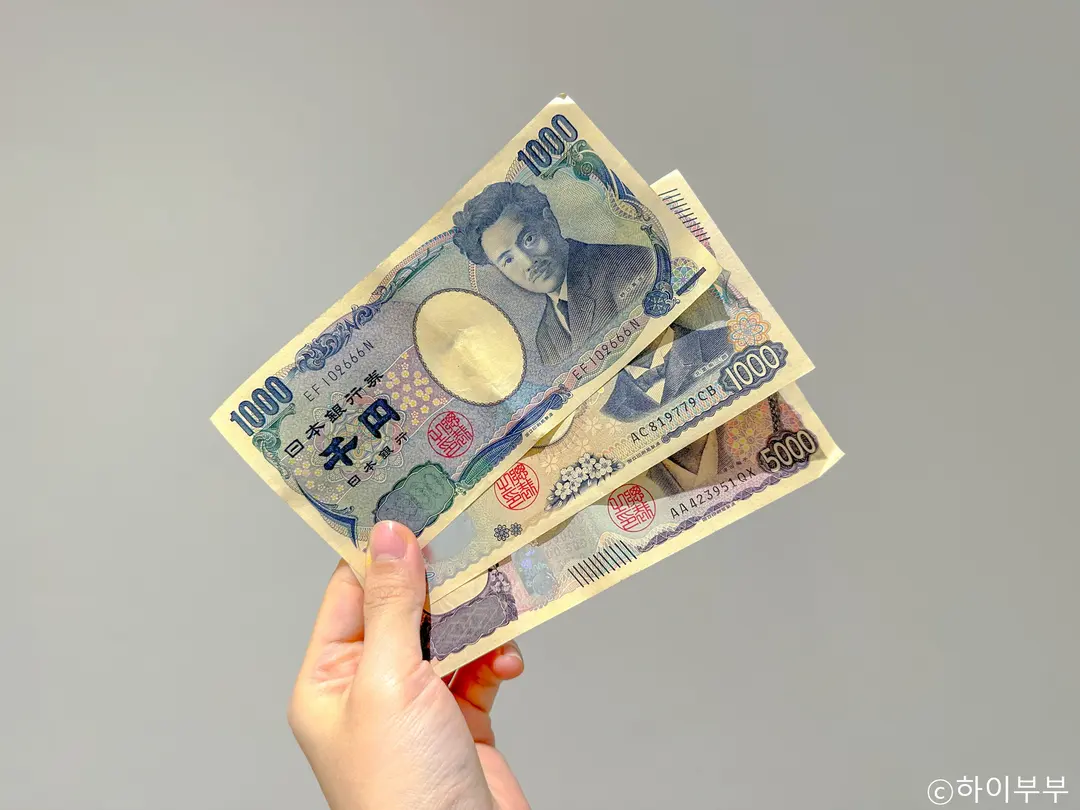
While many restaurants and shops in central Tokyo are increasingly digital-friendly and accept card payments, you'll still encounter numerous local eateries, small shops, and establishments in suburban areas that operate on a cash-only basis.
Therefore, it's highly recommended to carry some physical JPY with you.
Alternatively, you can bring a travel card and withdraw cash from a local ATM once you arrive!
Top 4. Coin Purse
The fourth essential item is a coin purse.

If you're using physical Japanese Yen, you'll inevitably accumulate a fair amount of coins. Many of us use slim cardholders or bi-fold wallets these days, which often lack sufficient space for loose change.
Bringing a simple coin purse, perhaps one you pick up for a few dollars at a discount store, will prove incredibly useful. Or, like me, you could even make it a fun souvenir by purchasing a cute character coin purse from a local gift shop!
Top 5. Pre-booked Airport-to-City Transport
Fifth on our list is your airport-to-city transportation.
Most international travelers arriving in Tokyo will fly into Narita International Airport (NRT).
Booking your airport transfer to downtown Tokyo in advance from home can often secure you a better price than purchasing tickets upon arrival.
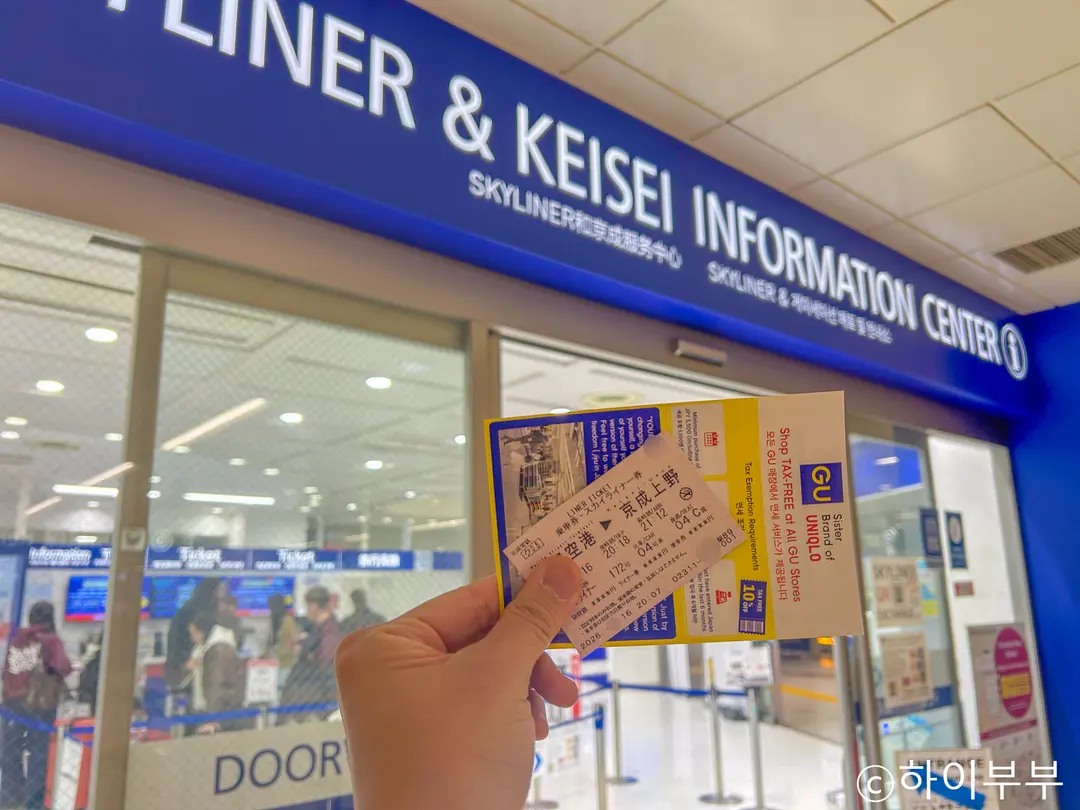
The most popular options for getting into the city are the Narita Express (N'EX) and the Skyliner.
If your accommodation is in areas like Shinjuku or Shibuya,
▶️ we recommend the Narita Express.
For those staying in Ueno or along the Yamanote Line,
▶️ the Skyliner is an excellent choice.
>> Book Skyliner Tickets Here <<
Top 6. Tokyo Subway Pass
The sixth essential item is a Tokyo Subway Pass.
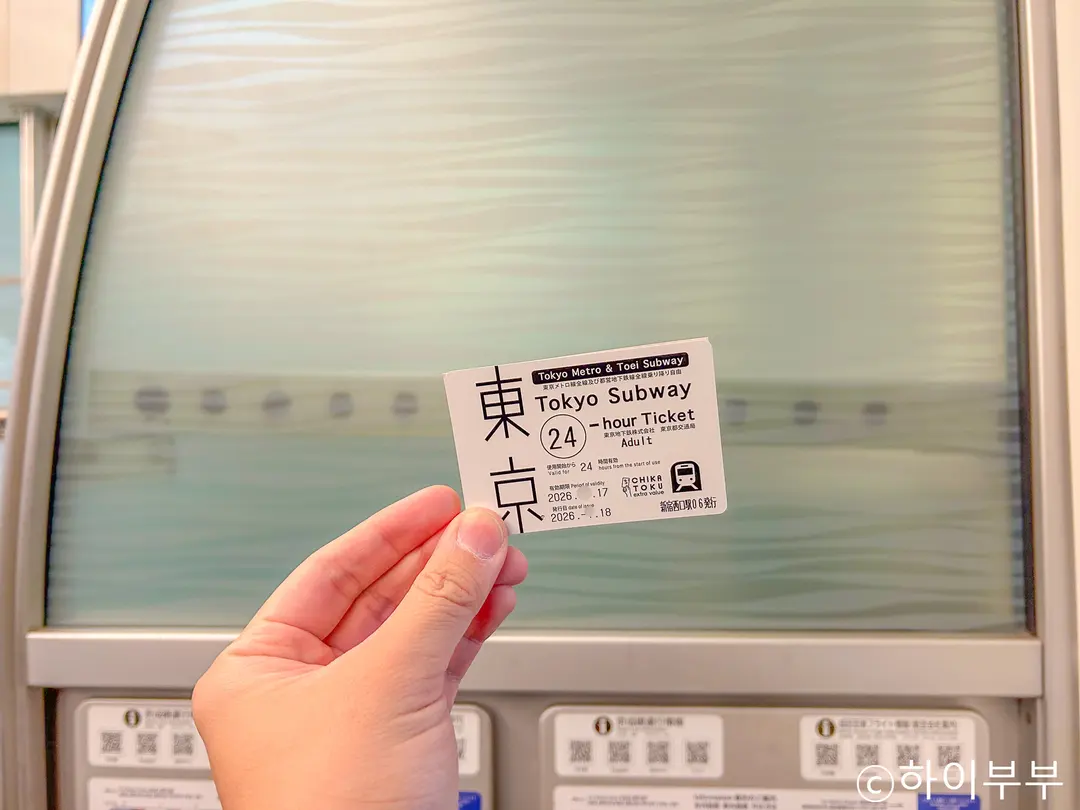
Tokyo's subway system has a base fare of 180 JPY, with prices increasing based on the distance traveled.
While this might be fine if you're staying in one neighborhood, those planning to explore multiple areas across the city will find that subway fares can quickly add up.
Moreover, if you're not using an IC card (like Suica or Pasmo), purchasing individual tickets at the station for each ride can be quite inconvenient.
That's why we highly recommend booking a Tokyo Subway Pass in advance. Available for 24, 48, or 72-hour periods, these passes offer excellent value, especially for shorter trips, allowing unlimited rides within the validity period!
>> Reserve Your Tokyo Subway Pass Here <<
Top 7. A Light Outer Layer
The final essential item is a slightly lighter outer layer or jacket.
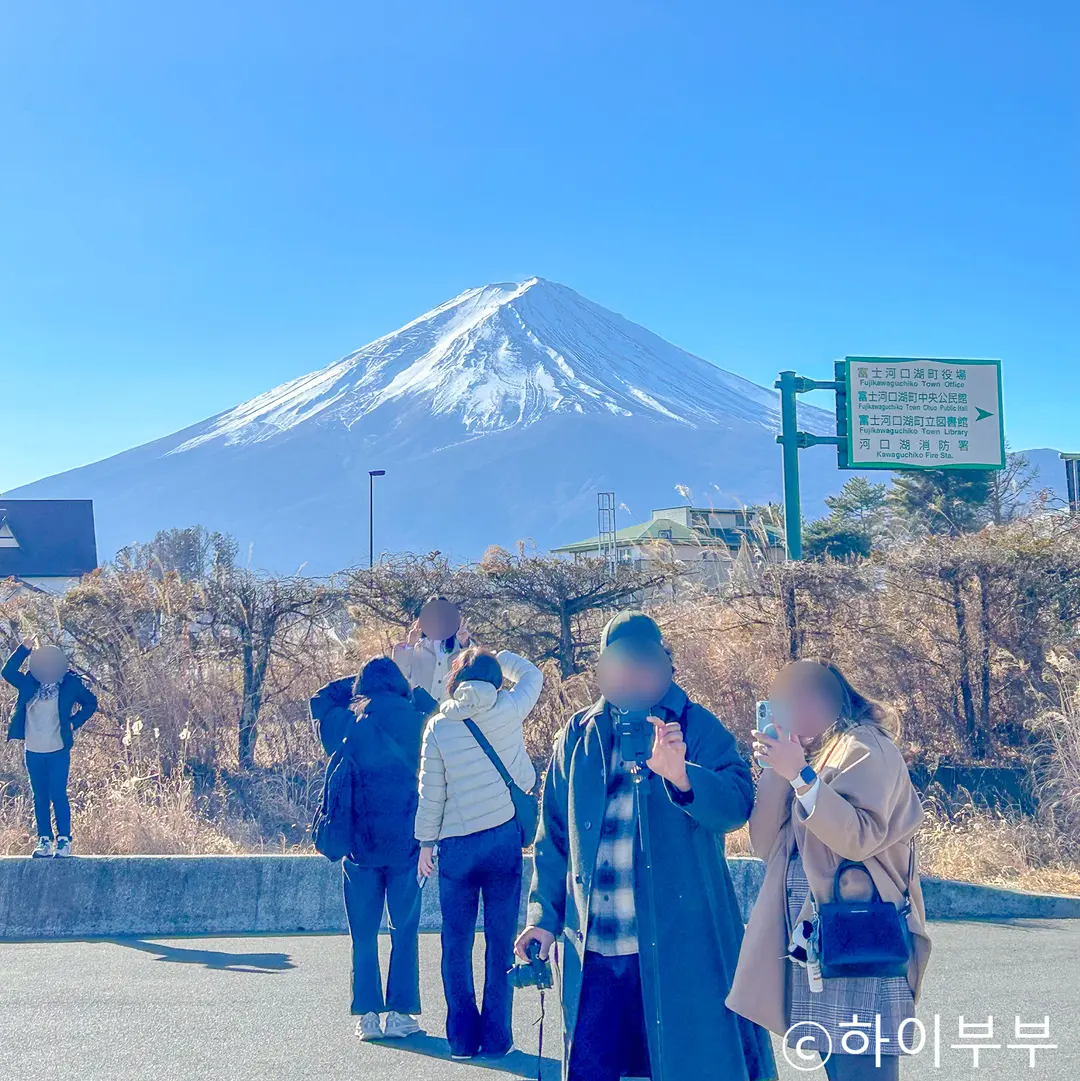
Tokyo generally experiences temperatures that are about 9 degrees Fahrenheit (5 degrees Celsius) warmer than what you might expect in many Western cities, depending on the season.
This means that a heavy winter coat that's perfect back home might be too warm for Tokyo's climate.
So, pack a jacket of an appropriate thickness that you can easily layer or swap out as the weather dictates during your trip!
Pack Smart for Your Tokyo Adventure!
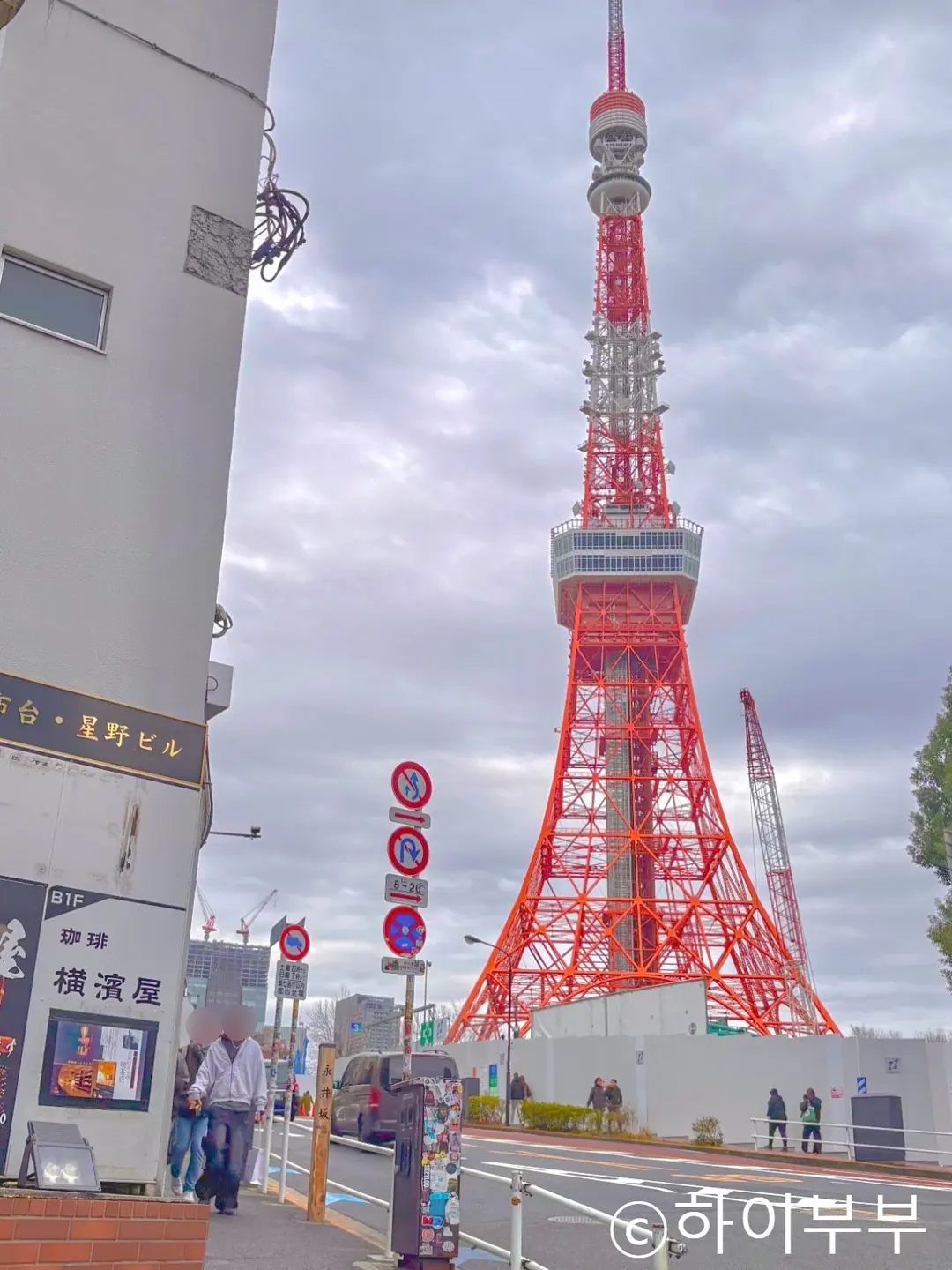
Tokyo is a vast and dynamic city, and even though it might seem geographically close to some, its unique culture and infrastructure mean there are quite a few things to consider packing.
The seven essentials I've shared today were the most useful items during my recent visit to Tokyo in 2026.
Use this guide to prepare thoroughly and ensure you have an amazing, hassle-free journey!
Frequently Asked Questions
How much does a power adapter (pig nose type) cost for a trip to Tokyo, Japan, and how many should I bring?
Japan uses 110V, so you'll need a power adapter. These adapters can be purchased online or at supermarkets for around $1 to $2 each. It's recommended to bring about 3-4 adapters for charging multiple electronic devices such as phones, earphones, and power banks.
What transportation options are recommended for traveling from Narita Airport to central Tokyo, depending on the location of my accommodation?
If your accommodation is in Shinjuku or Shibuya, it's best to use the Narita Express. If your accommodation is in Ueno or along the Yamanote Line, we recommend using the Skyliner.
What is the basic fare for the Tokyo subway, and when are subway passes useful?
The basic fare for the Tokyo subway is 180 yen, and the fare increases proportionally with the distance traveled. If you plan to travel around various areas of the city, subway fares can become expensive, so it's cost-effective to book a Tokyo Subway Pass, available for 24-72 hour increments, in advance.
Is it necessary to carry physical Japanese Yen cash in central Tokyo?
While most restaurants in central Tokyo accept card payments, some local eateries or shops in suburban areas may still only accept cash. Therefore, it's recommended to bring some physical Japanese Yen cash with you in advance.
Share this article
Featured in Collections
Discover more travel stories curated around the same theme.

Related Travel Stories
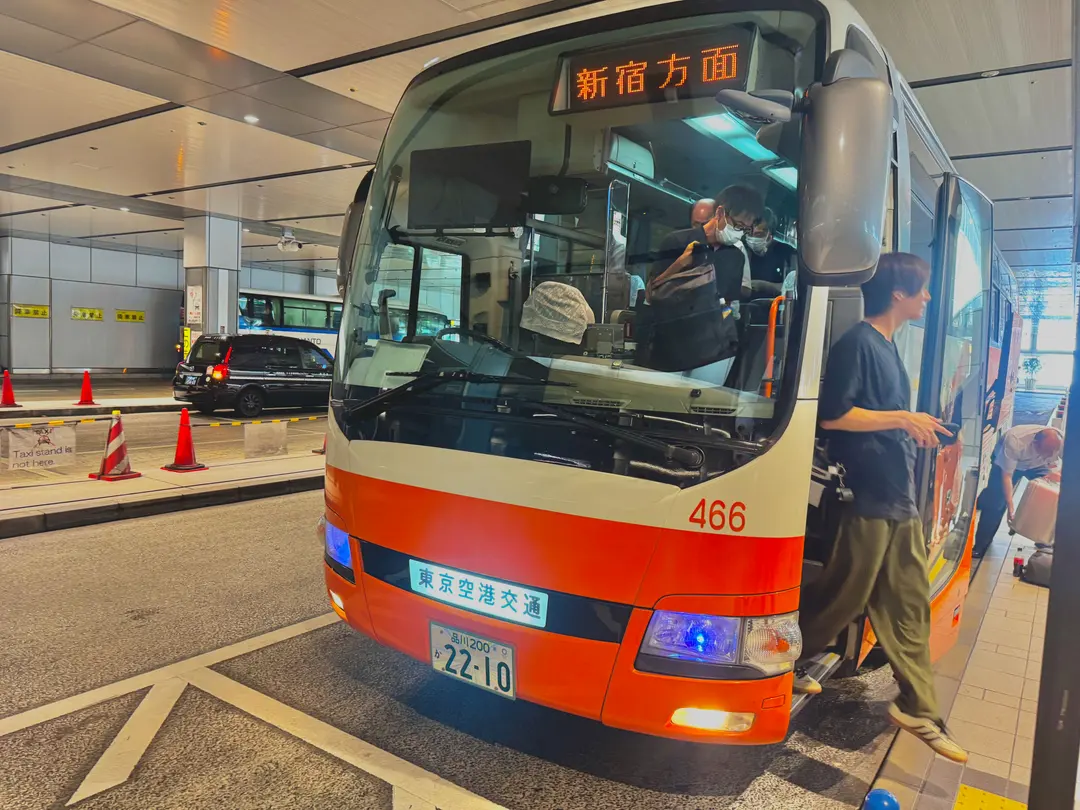
Haneda Limousine Bus to Shinjuku: 2026 Review
Looking for the easiest way to get from Haneda Airport to Shinjuku? Read our 2026 Haneda Limousine Bus review for booking tips, prices, and boarding guides.
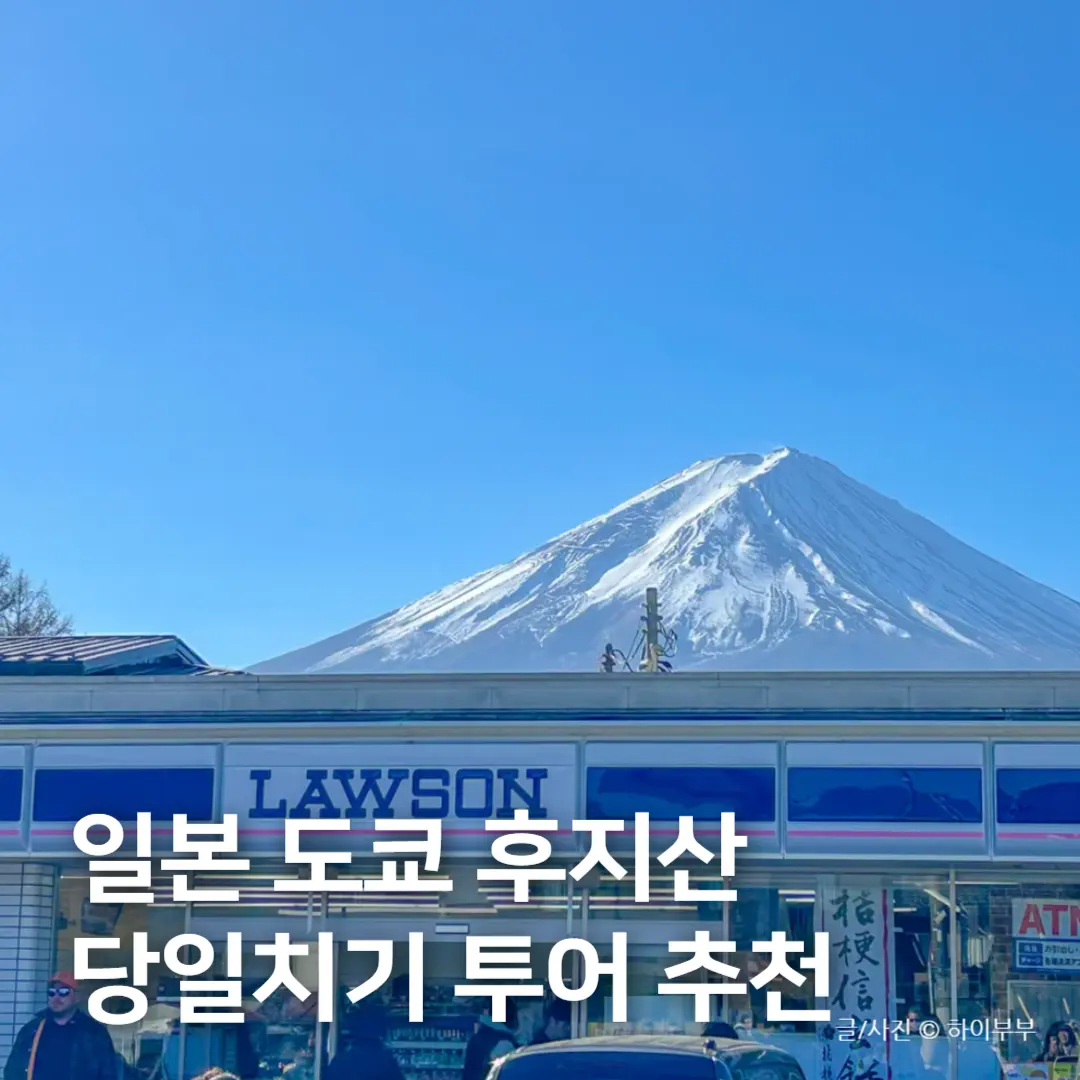
Mt. Fuji Day Tour from Tokyo: Best 2026 Itinerary & Review
Planning a trip to Mount Fuji? This Tokyo day tour review covers the best photo spots, itinerary, and budget tips for an unforgettable 2026 adventure.
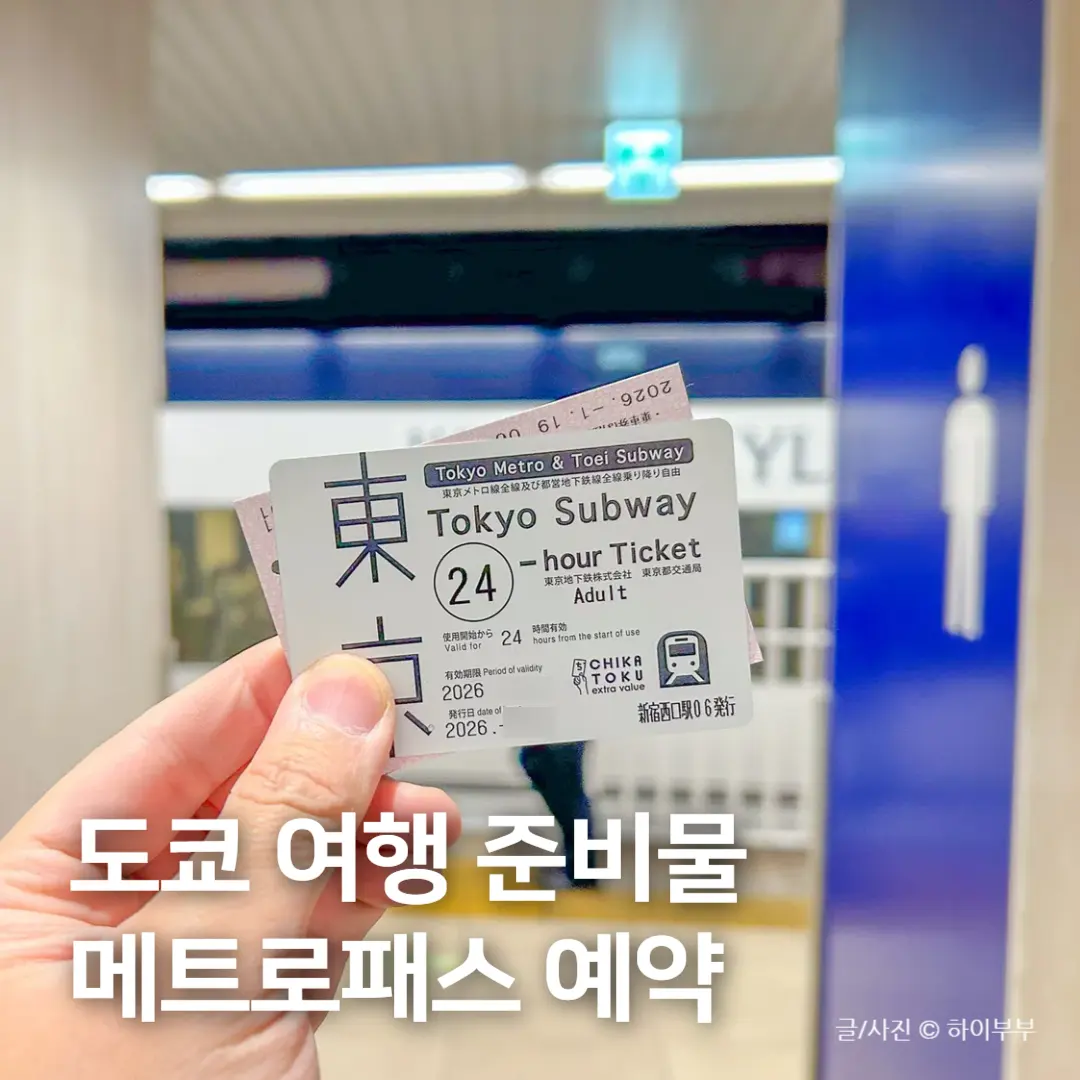
Tokyo Metro Pass 2026: Booking & Subway Usage Guide
Maximize your Tokyo adventure in 2026! Learn how to book, exchange, and use the Tokyo Metro Pass to save money and time on unlimited subway rides across the city.

Remm Roppongi Tokyo Review 2026: Affordable Tower Views
Experience the magic of Tokyo with breathtaking Tokyo Tower views from your room at Remm Roppongi. Our honest review reveals why this hotel is a top pick for value.

Harry Potter Studio Tokyo Tickets 2026: Best Deals
Step into the Wizarding World! Here is your complete 2026 guide to booking Harry Potter Studio Tokyo tickets, comparing prices, and maximizing your tour.

Harry Potter Tokyo Tickets 2026: Best Discount Hacks
Planning a trip to the Warner Bros. Studio Tour Tokyo? Learn how to book cheap Harry Potter Tokyo tickets, compare deals, and claim exclusive promo codes!