

Spanish Drinks Beyond Sangria: 10 Must-Try Beverages
Don't just stick to sangria! Spain offers a diverse world of drinks, from crisp beers to unique wine cocktails. Explore 10 essential Spanish sips for your next trip.
As you explore Spain,
you'll naturally find yourself enjoying drinks quite often.
A beer with a plate of tapas,
a cold white wine with seafood,
and a glass of Sangría when you're relaxing on a terrace on a hot day.
It's a country where drinks
effortlessly weave themselves into the fabric of your food and travel experiences 🍷
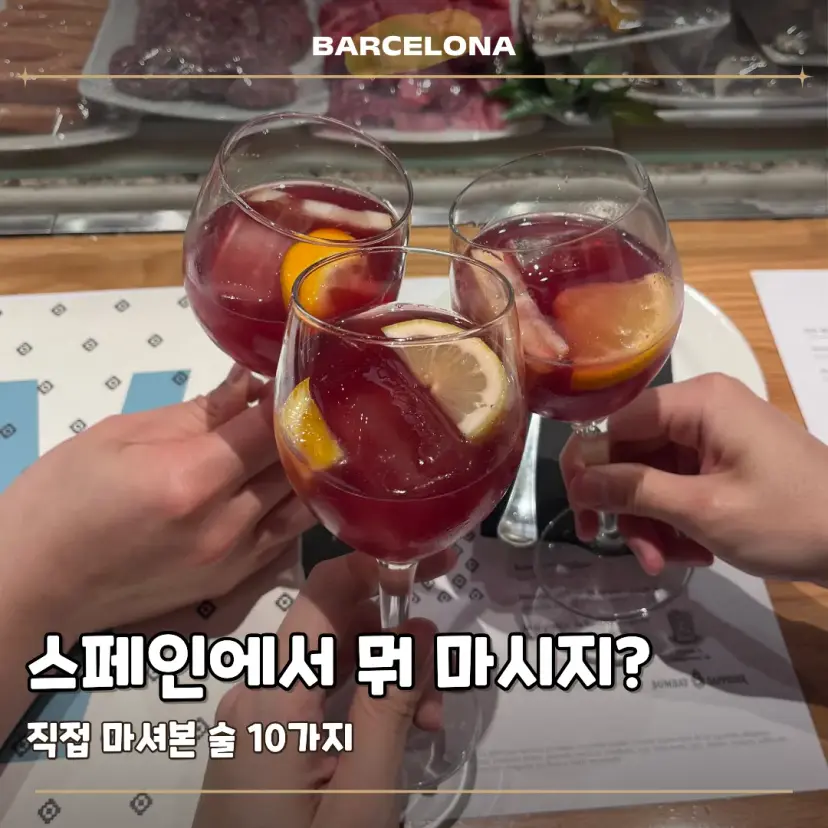
As I journeyed through Spain myself,
I tried everything from Sangría to Cava, Clara,
Tinto de Verano, Vermut, and even Sidra.
While they might seem similar,
once you taste them,
you'll find their flavors and the vibes they create are quite distinct.
Today, based on my own personal tasting experiences,
I'll be compiling a guide to Spanish drinks, their flavors,
and when best to order them.
📑 Table of Contents: Spanish Drinks |
01. Spanish Drinks at a Glance |
02. Beer — Cerveza · Clara |
03. Wine — Vino Tinto · Vino Blanco · Cava |
04. Wine Cocktails — Sangría · Cava Sangría · Tinto de Verano |
05. Other Drinks — Vermut · Sidra |
1. Spanish Drinks, at a Glance
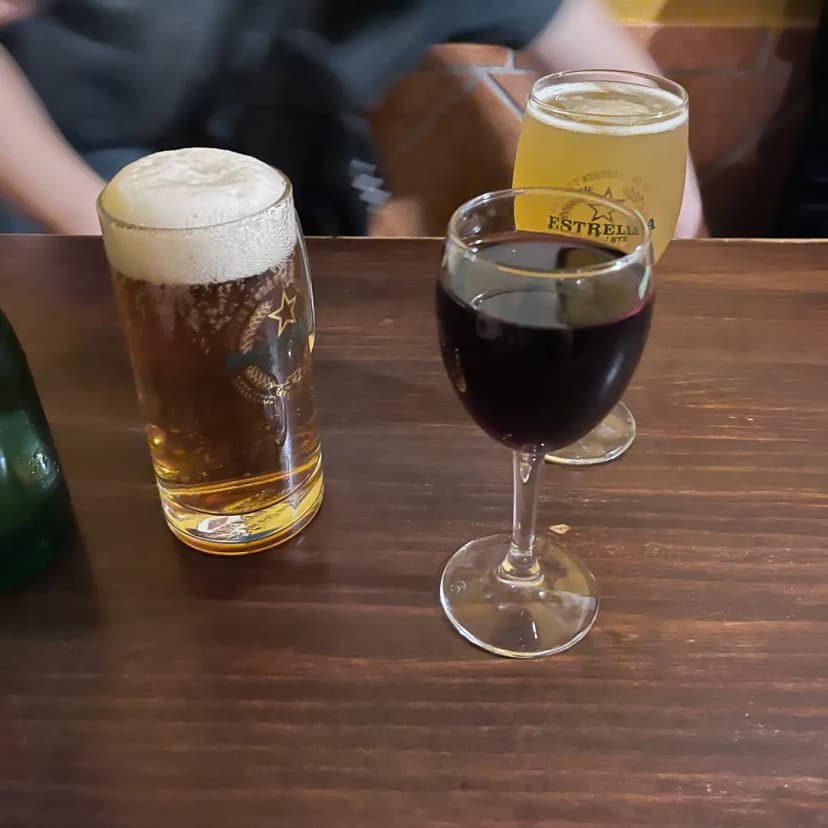
Let's start by briefly covering some common drinks
you'll often encounter on Spanish menus.
Name | Type | My Tasting Notes |
Cerveza (Beer) | Beer | The most effortless choice with tapas |
Clara (Beer Mix) | Beer mix | Refreshing lemon flavor, goes down smoothly like a soft drink |
Vino Tinto (Red Wine) | Red Wine | Excellent with meat dishes |
Vino Blanco (White Wine) | White Wine | Clean and crisp with seafood |
Cava (Sparkling Wine) | Sparkling Wine | Bubbly, refreshing, and crisp |
Sangría (Wine Cocktail) | Wine Cocktail | Sweet with rich fruit flavors |
Cava Sangría (Wine Cocktail) | Wine Cocktail | More refreshing than regular Sangría |
Tinto de Verano (Wine Mix) | Wine Mix | Similar to Sangría but lighter |
Vermut (Fortified Wine) | Fortified Wine | Spicy aroma and a pleasantly bitter taste |
Sidra (Cider) | Cider | Tart and invigorating, great for refreshing the palate |
If you're new to Spanish drinks,
it's enough to pick just one that appeals to you from this list
and stick with it when ordering.
2. Beer — Cerveza · Clara
Cerveza (Beer)
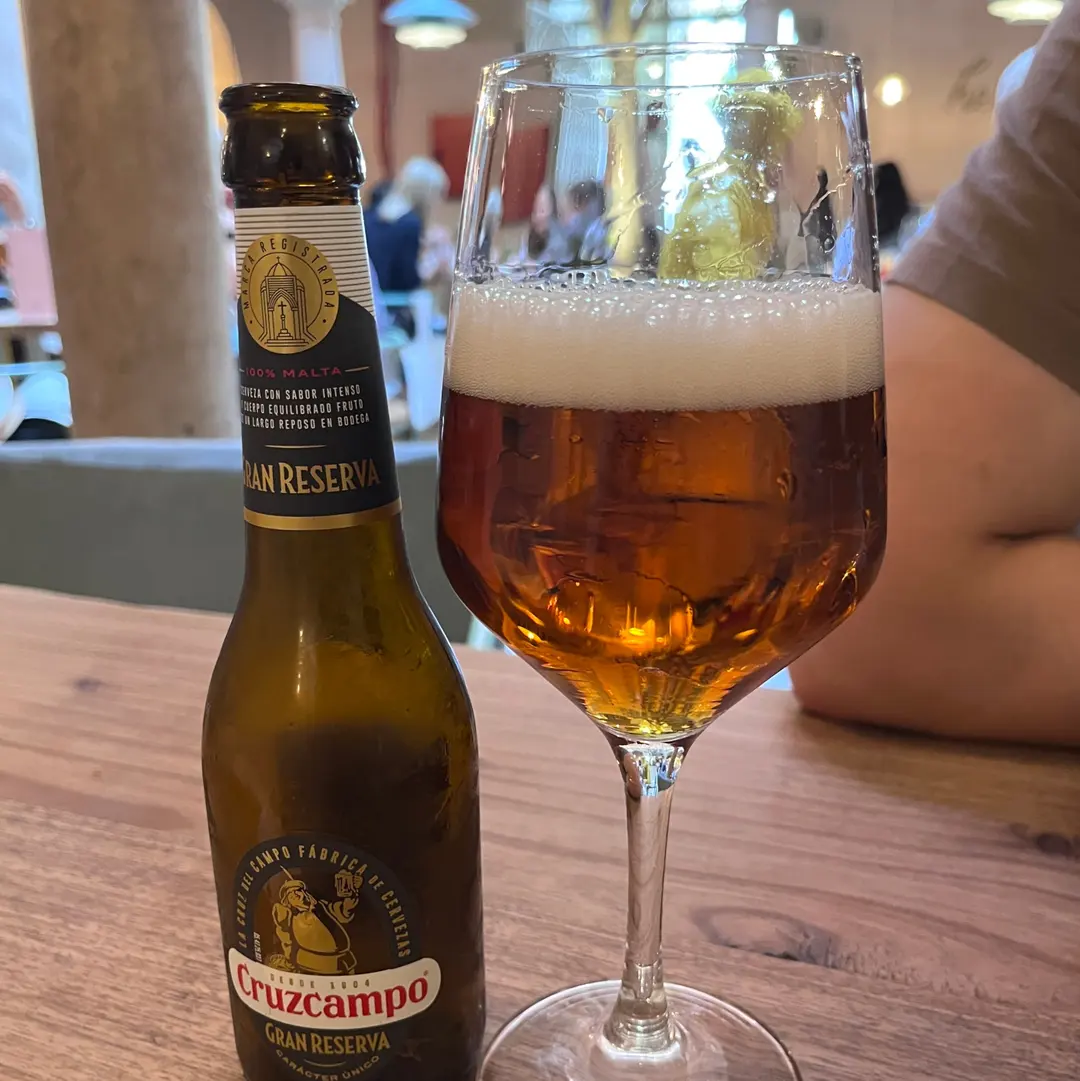
In Spanish, beer is called Cerveza.
However, when you go to a bar,
you'll often hear the word Caña more frequently than Cerveza.
A Caña refers to a small glass of draft beer,
and the exact volume varies from bar to bar.
If you want a larger glass,
some places call it a Doble.
In Spain,
it was incredibly convenient to enjoy a Caña
alongside my tapas.
Since it's a small glass, you can drink it quickly while it's still cold,
and if you want more, you simply order another one 🍺
💡 Heeheehohee's Travel Tip |
If you want to order a small draft beer at a bar, just remember this one phrase: “Una caña, por favor.” The glass size and name might vary slightly depending on the region or establishment. |
Clara (Beer Mix)
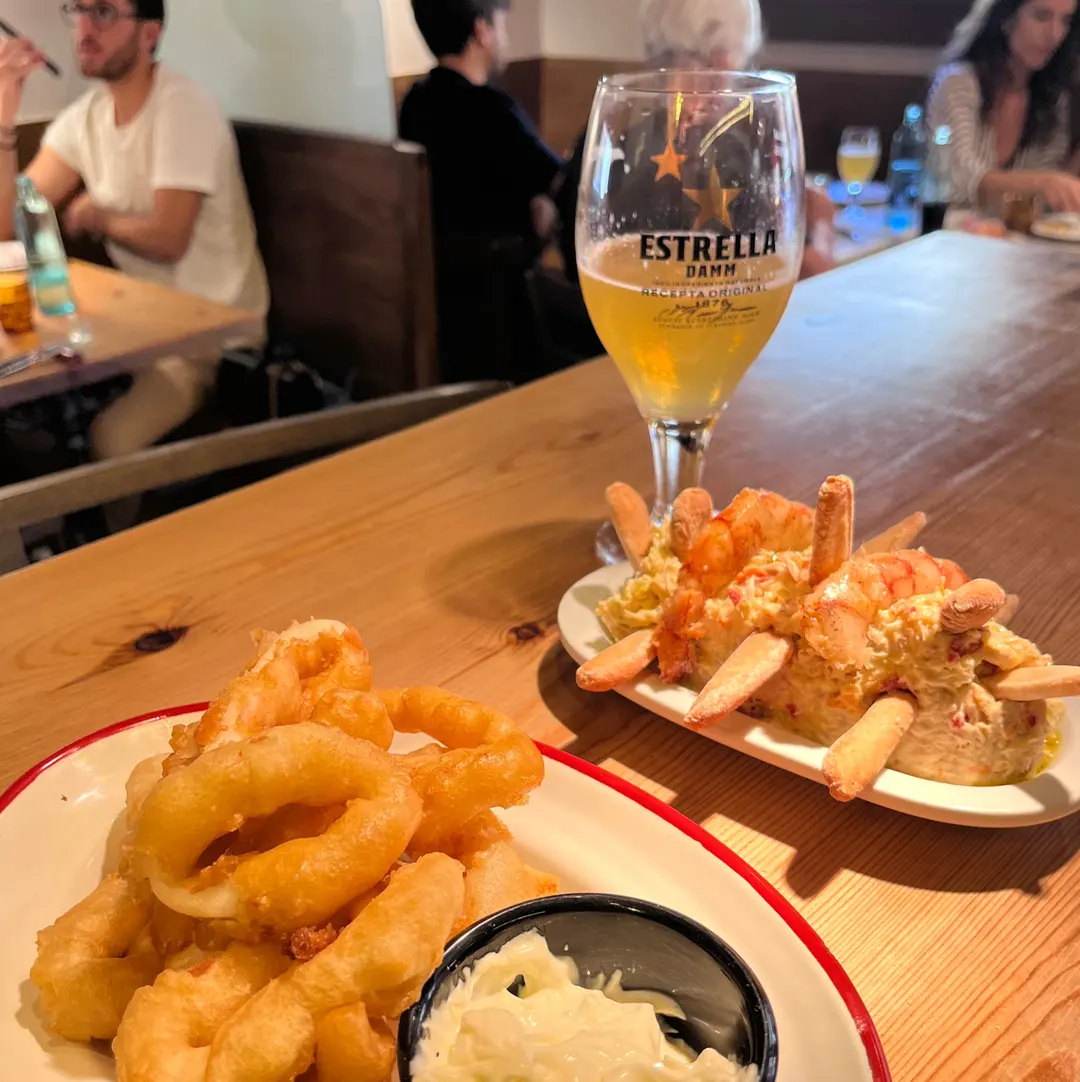
A Clara is a drink
made by mixing beer with a lemon-flavored soda or similar carbonated drink.
With less of the typical beer bitterness and a delightful sweet-sour tang,
when I first tried it, it tasted almost like a soft drink.
Especially on a hot day,
it's so refreshing it just goes down smoothly.
But that's precisely why you need to be careful 😂
Even if it feels like a soft drink, beer is still beer!
If you're looking for something light to drink,
or if you're not a big fan of bitter beer,
definitely give it a try.
3. Wine — Vino Tinto · Vino Blanco · Cava
Vino Tinto (Red Wine)
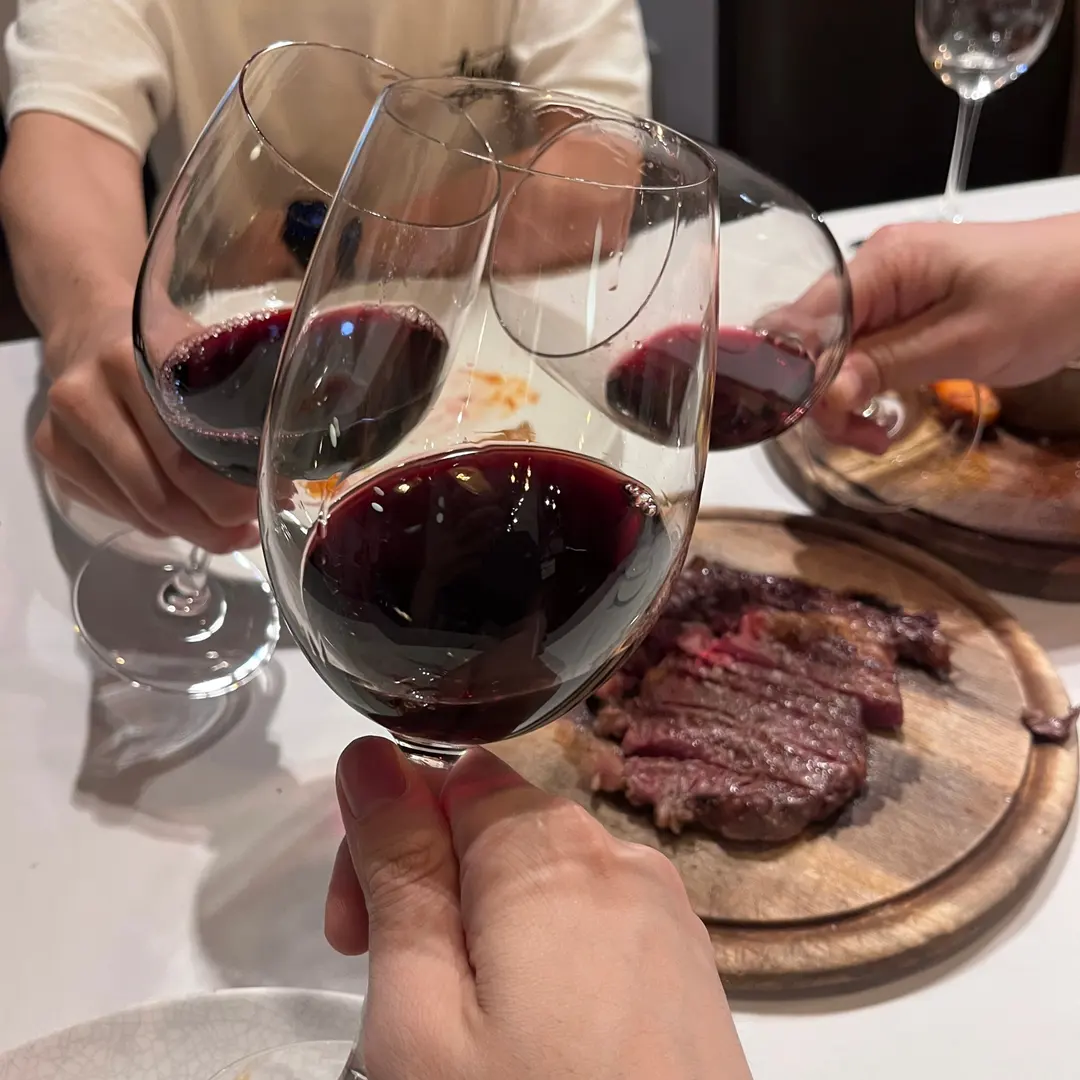
Red wine is called Vino Tinto in Spanish.
In Spain, I found the prices for wine to be much more approachable than back home,
making it perfect for enjoying a glass or two with meals.
And if you're not a wine connoisseur,
don't overthink it!
During my trip, I simply went by this rule:
Red wine with meat,
white wine with seafood.
And just knowing that was enough to navigate the menus quite successfully.
You'll often spot Rioja on menus, too—it's one of Spain's most renowned wine regions,
so keep an eye out for it!
Vino Blanco (White Wine)
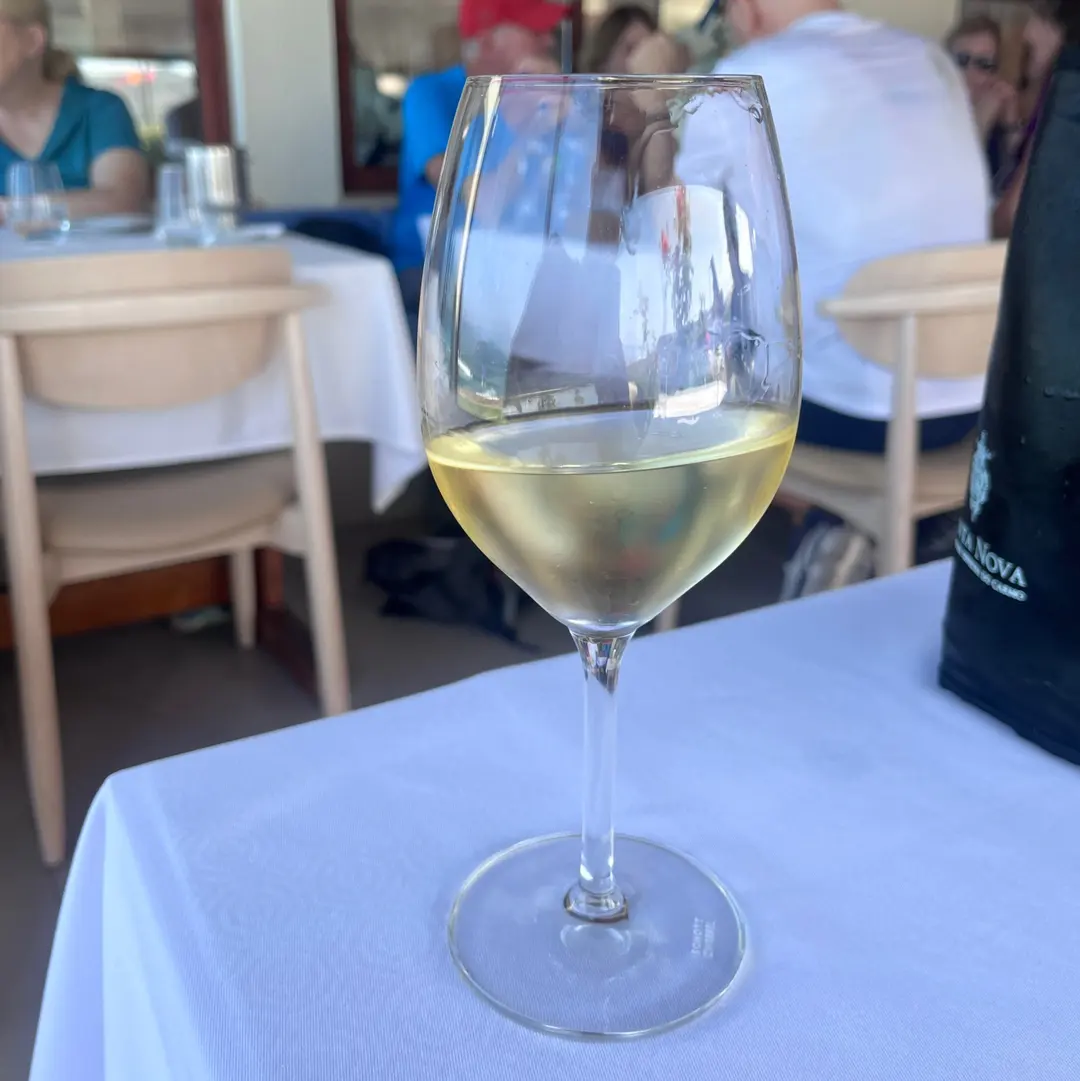
White wine is known as Vino Blanco.
Served chilled, it's a crisp and perfect match for seafood or fish dishes.
Especially on days when I ordered various seafood tapas,
opting for white wine instead of beer was always a winning choice.
Cava
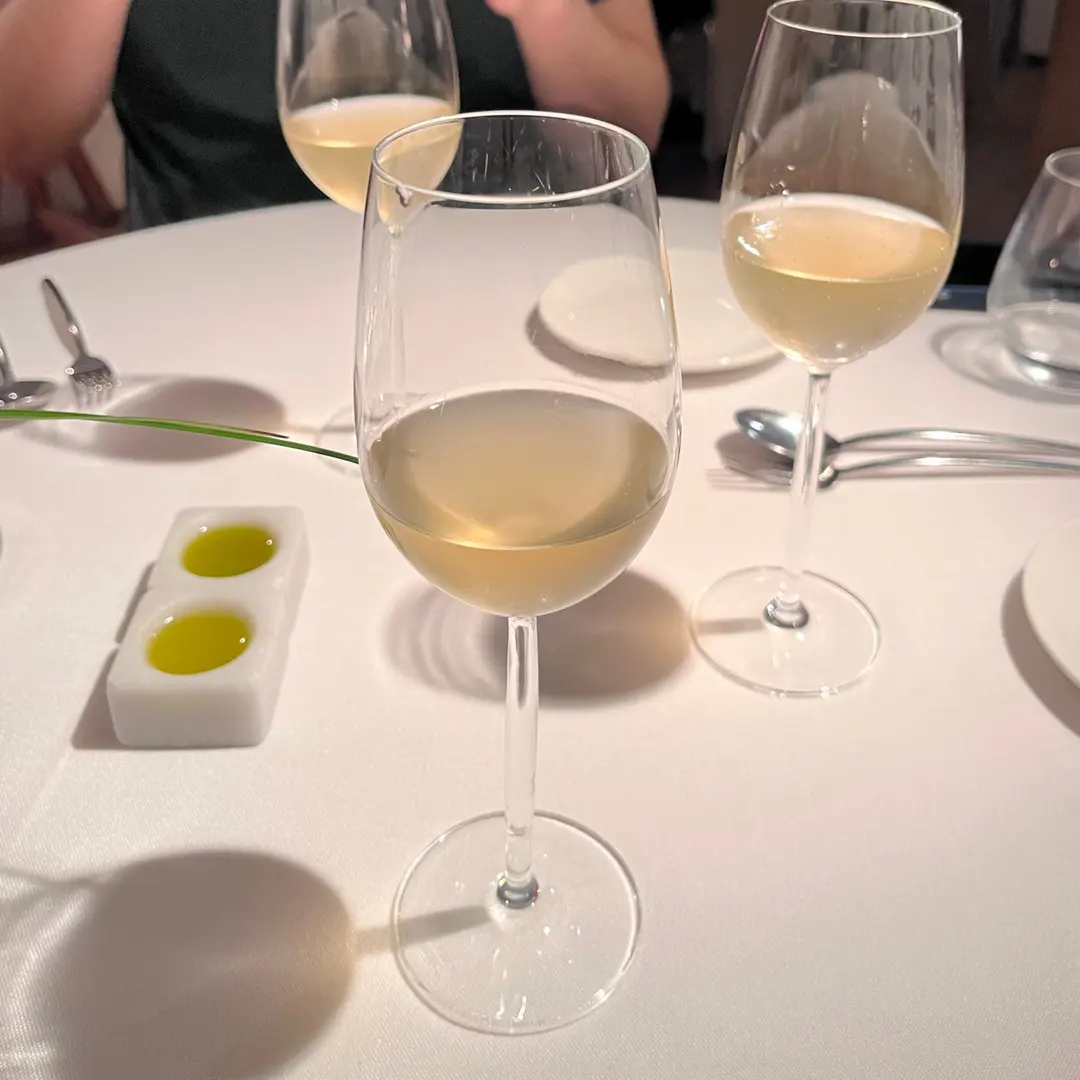
This is Spain's quintessential sparkling wine.
Beyond white Cava,
you can also find rosé Cava with its lovely pink hue.
During my Spanish adventure,
I had the pleasure of trying
white Cava at a 1-Michelin-star fine dining restaurant.
Its fresh and clean effervescence made it a delightful accompaniment to the course meal 🥂
Before that, if you asked me about Spanish drinks,
Sangría would have been my first thought.
But after that day, Cava certainly made a lasting impression!
I'll dive deeper into that fine dining experience
in a separate post later on.
📖 Story of the Place |
Cava is a Spanish sparkling wine made using the traditional method, with a second fermentation occurring in the bottle, just like Champagne. While it's produced throughout Spain, Catalonia is a particularly significant region. So, if you're traveling to Barcelona, it's definitely worth looking for on the menu. |
4. Wine Cocktails — Sangría · Sangría de Cava · Tinto de Verano
Sangría
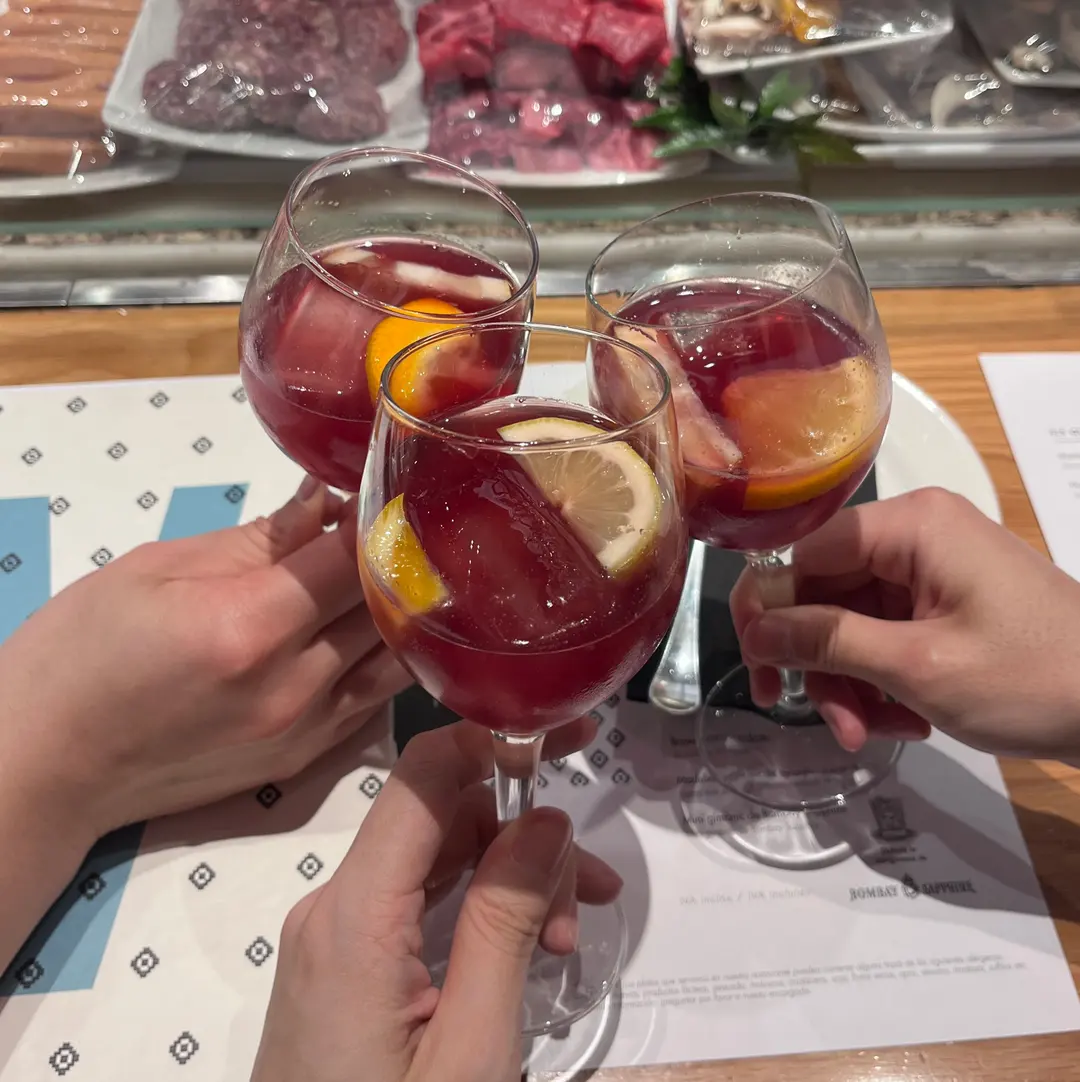
This was my absolute favorite drink in Spain ❤️
It's a chilled drink made with wine, fruit, and other ingredients, and since each place has its own unique recipe and ratios,
the taste varies slightly from bar to bar.
I completely fell in love with Sangría
in Spain.
Even after returning home, I kept thinking about that taste
and visited several places, but none quite captured
the flavor I experienced during my trip.
For a while,
I even suffered from a serious case of
'Spanish Sangría withdrawal'!
If you're with a group,
it's often better to order it by the pitcher to share,
rather than individual glasses.
Sangría de Cava
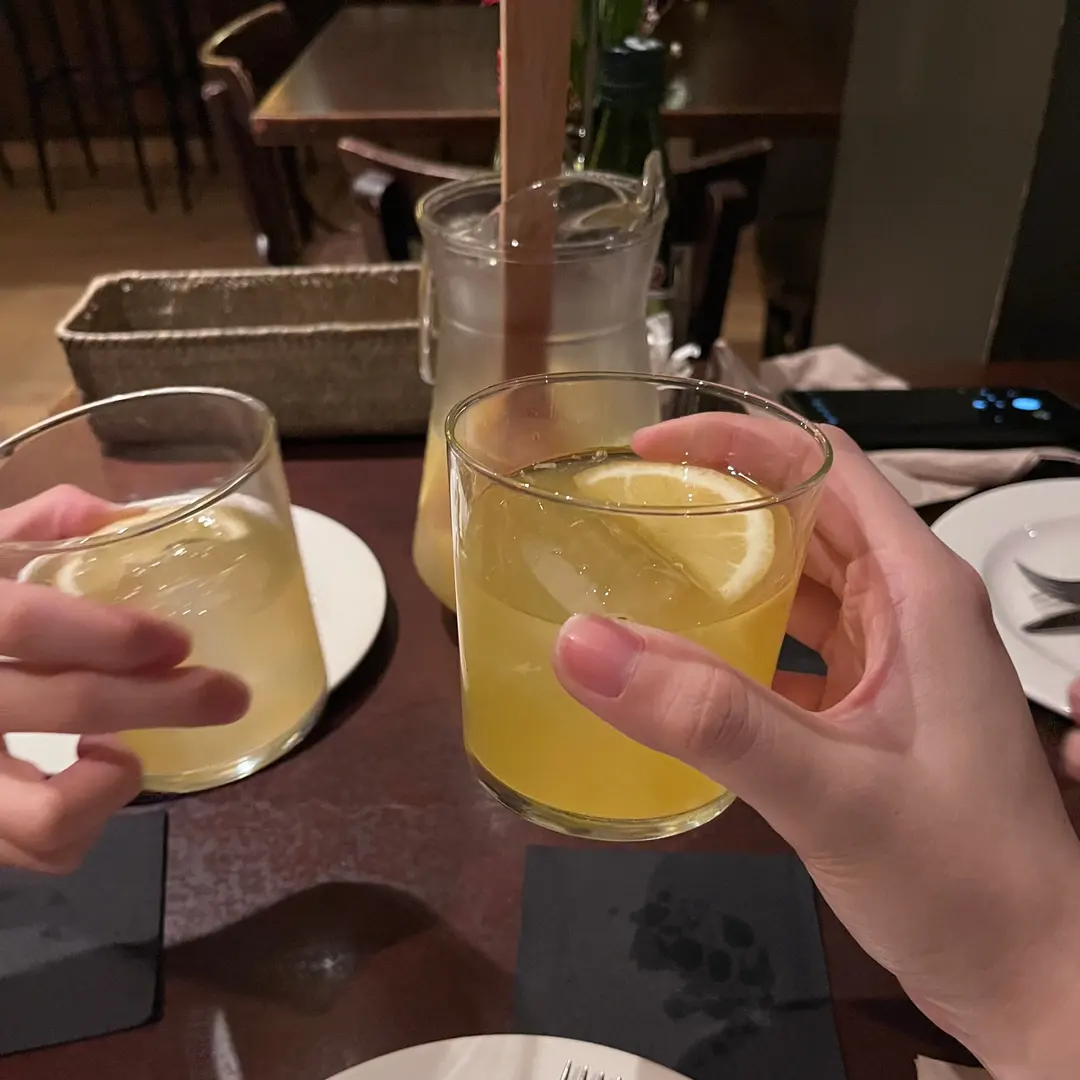
If you enjoyed Sangría,
then you absolutely must try Sangría de Cava.
Made with Cava instead of red wine,
it felt even more refreshing and crisp
than regular Sangría.
With its lovely fizz,
it also goes down incredibly smoothly on a hot day.
Tinto de Verano
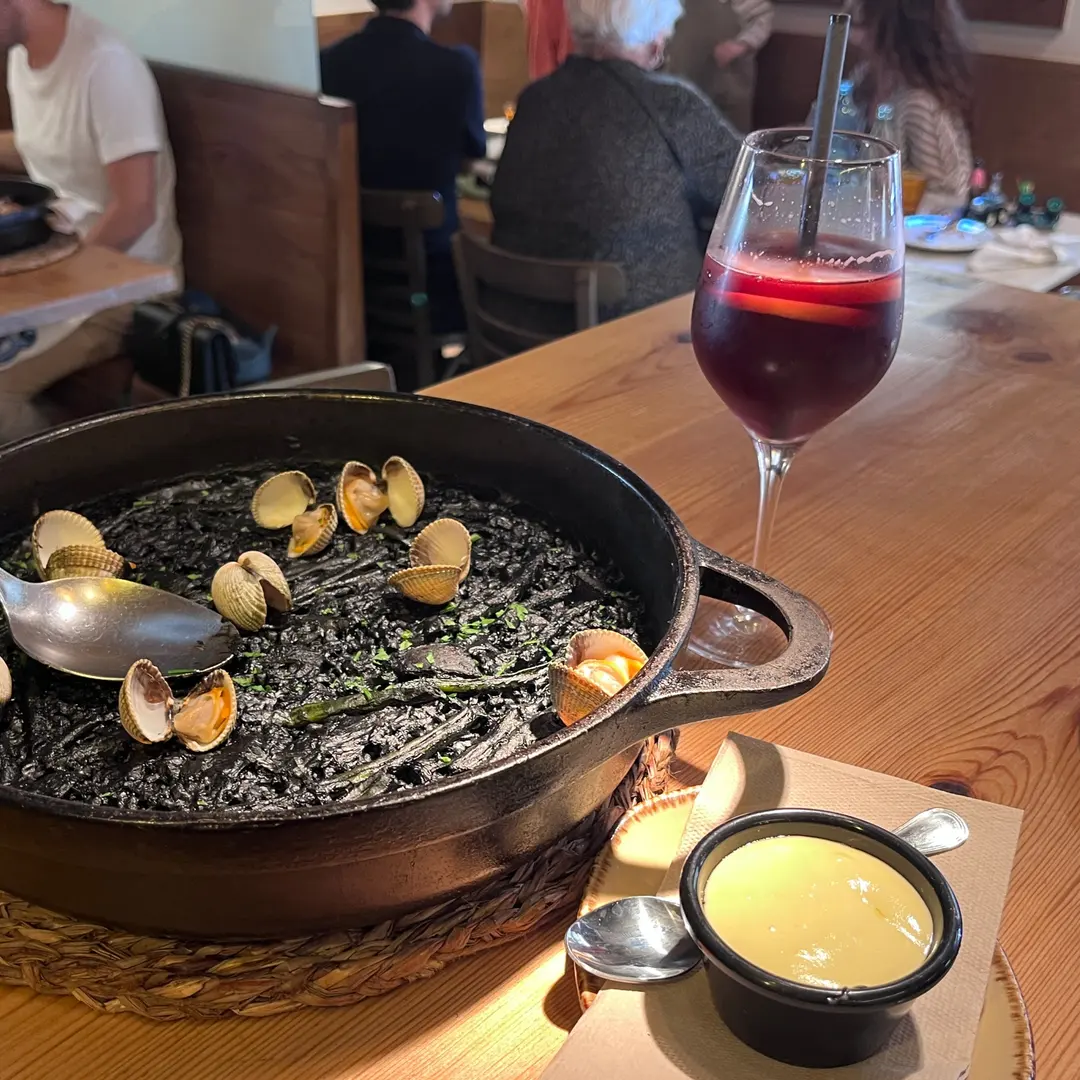
As the name suggests, it’s 'red wine of summer'.
It's a drink made by mixing red wine with a carbonated beverage,
served chilled,
so when you first try it,
it might remind you of Sangria.
My first impression was, in fact,
“Isn’t this similar to Sangria?”
I thought.
But the more I drank it, the subtly different it became.
Compared to Sangria, which boasts rich fruit flavors and sweetness,
Tinto de Verano felt much simpler and lighter.
For a refreshing drink on a hot day,
this one was actually more comfortable.
📖 Story of the Place |
While Sangria is incredibly famous among travelers to Spain, Tinto de Verano is also an indispensable everyday summer drink for locals. Though they may seem similar, there’s a fun challenge in discovering their differences when you try them side-by-side. |
5. Other Drinks — Vermut · Sidra
Vermut
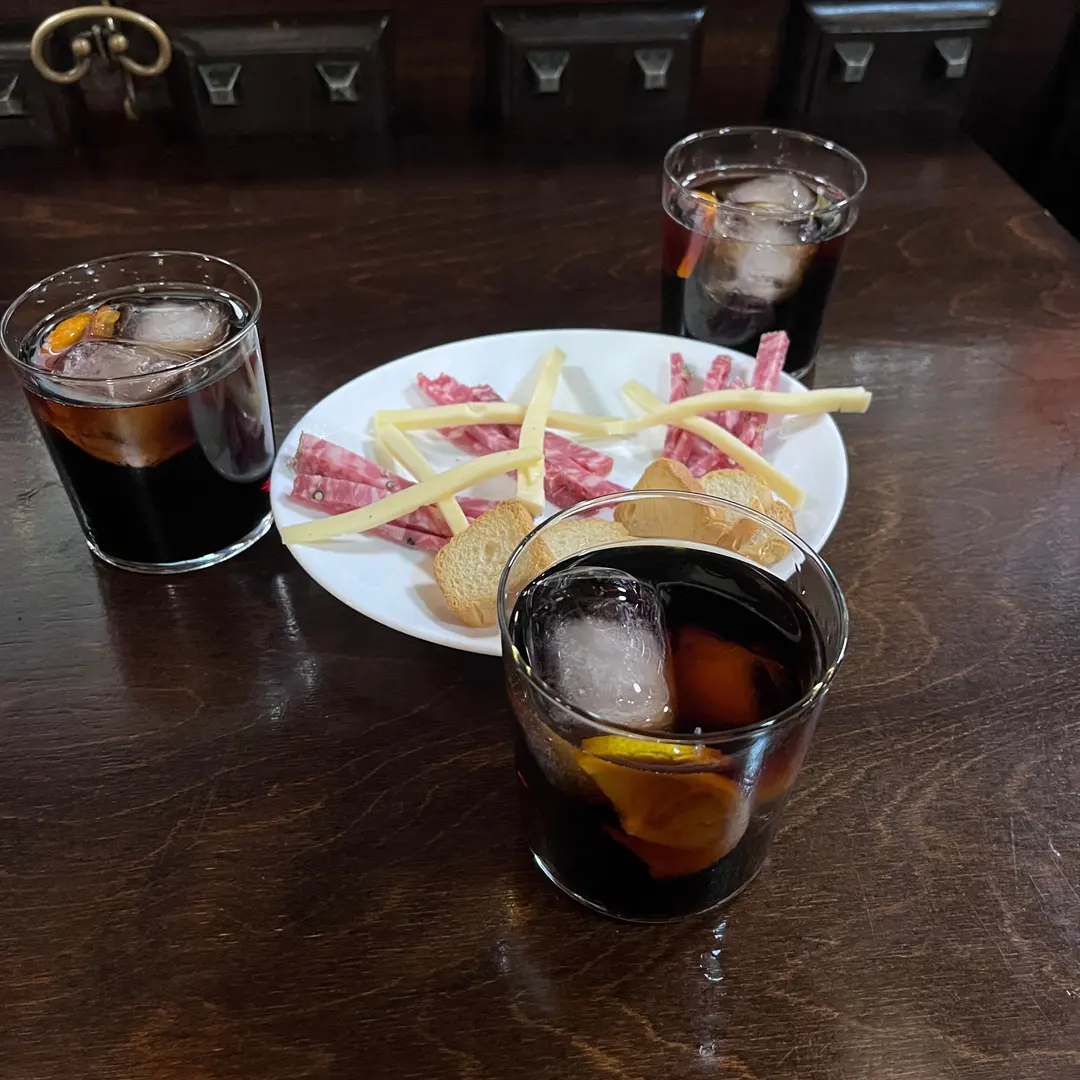
It's an aromatized wine, made by adding herbs and spices to wine.
In Spain,
you can find it served as a light aperitif
before a meal.
Its unique aroma and bitter taste are quite strong,
so it might not be for everyone.
Honestly, I...
wasn't a fan 😂
Still, when traveling,
there's a certain joy in experiencing
local drinks one by one.
I don't regret giving it a try.
Sidra
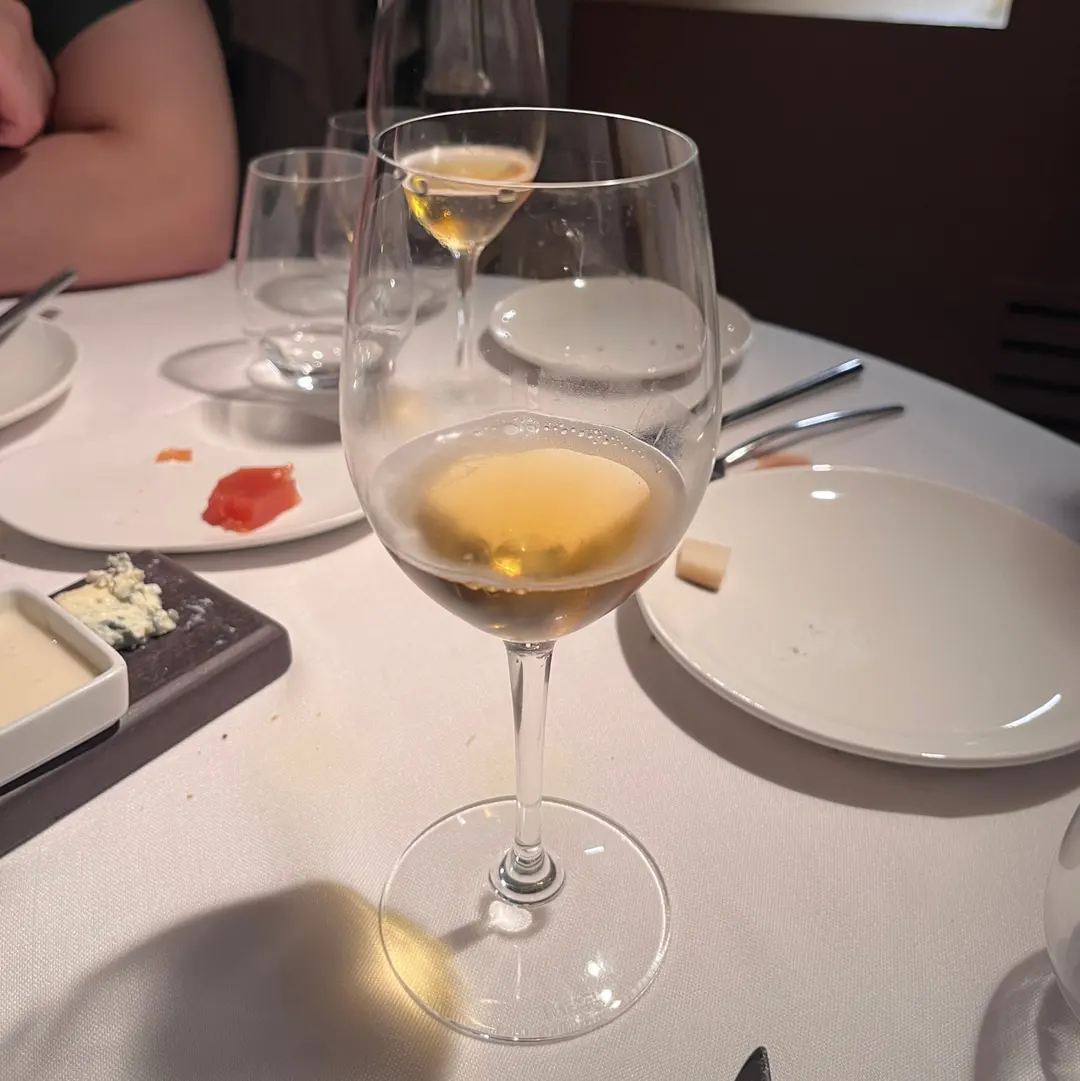
This is an apple-based alcoholic drink widely consumed in northern Spain.
If you ordered it imagining a sweet apple wine,
you might be a little surprised by the first sip.
It's less sweet than expected and has a strong tangy flavor.
However, I surprisingly enjoyed this acidity.
After indulging in various tapas
and several drinks,
your palate can sometimes start to feel a bit heavy.
At those moments, taking a sip of Sidra
felt like rinsing my mouth,
resetting my taste buds with a fresh sensation.
For me, it wasn't so much a sweet apple wine to simply enjoy,
but rather a perfect drink to refresh my palate
before moving on to the next dish.
And the way Sidra is served is quite entertaining too.
You'll see it poured by holding the bottle high
and letting it fall into the glass below,
a traditional method meant to aerate the cider
and enhance its aroma and feel.
It's best to pour small amounts and drink it immediately,
rather than letting it sit for too long.
🎧 How to Experience |
If you visit a place specializing in Sidra, don't just look at the drink itself, but also observe how it's poured. The act of Sidra falling from the high-held bottle into the glass is part of the whole experience. |
6. So, what should you drink in Spain?
If I had to pick just one Spanish drink,
it would still be Sangria.
But what I enjoyed most on my trip
wasn't any single drink in particular,
but the fun of moving from city to city,
and choosing a different drink
to match the food and atmosphere of the day.
So if you're traveling to Spain, don't just order familiar beers;
try picking out new names from the menu one by one.
Because sometimes, what stays with you most unexpectedly from a trip
might just be the taste of a single drink you had that day 🍷
📍 Helpful Articles for Your Spain Adventure |
3. Review of a Michelin 1-star fine dining experience in Barcelona |
Frequently Asked Questions
How do I order a small draft beer at a Spanish bar?
In a Spanish bar, a small draft beer is called a 'Caña'. You can say, "Una caña, por favor." The size and name of the glass may vary slightly depending on the region or establishment.
What is the difference between Sangria and Tinto de Verano?
Sangria is a sweet, fruity wine cocktail made by adding fruits and other ingredients to wine. Tinto de Verano, on the other hand, is a drink made by mixing red wine with a carbonated beverage, characterized by a simpler and lighter taste than Sangria.
Is there a special way to drink Sidra, the Spanish apple cider?
Sidra has a traditional pouring method where the bottle is held high and the cider is poured into the glass below, almost as if letting it "fall." This is done to allow it to come into contact with air, enhancing its aroma and texture. It's best to pour small amounts and drink immediately.
What kind of drink is Spain's 'Clara', and who is it recommended for?
Clara is a drink made by mixing beer with a lemon-flavored carbonated soft drink, which reduces the bitterness of the beer and gives it a sweet and sour taste. Since it goes down easily like a regular beverage, it's recommended for those looking for a light drink or who dislike the bitter taste of beer.
Where are the main production areas for Cava, the Spanish sparkling wine?
Cava is produced throughout Spain, but the Catalonia region is a particularly important production area. If you travel to Barcelona, it's worth looking for Cava on the menu.
Share this article
Related Travel Stories

Deokgu's Guesthouse Barcelona: Exclusive 2026 Discount on Rooms
Discover Deokgu's Guesthouse in Barcelona with an exclusive 2026 discount! Enjoy comfy dorms or private rooms in a legal, centrally located guesthouse. Perfect for authentic Spanish adventures.
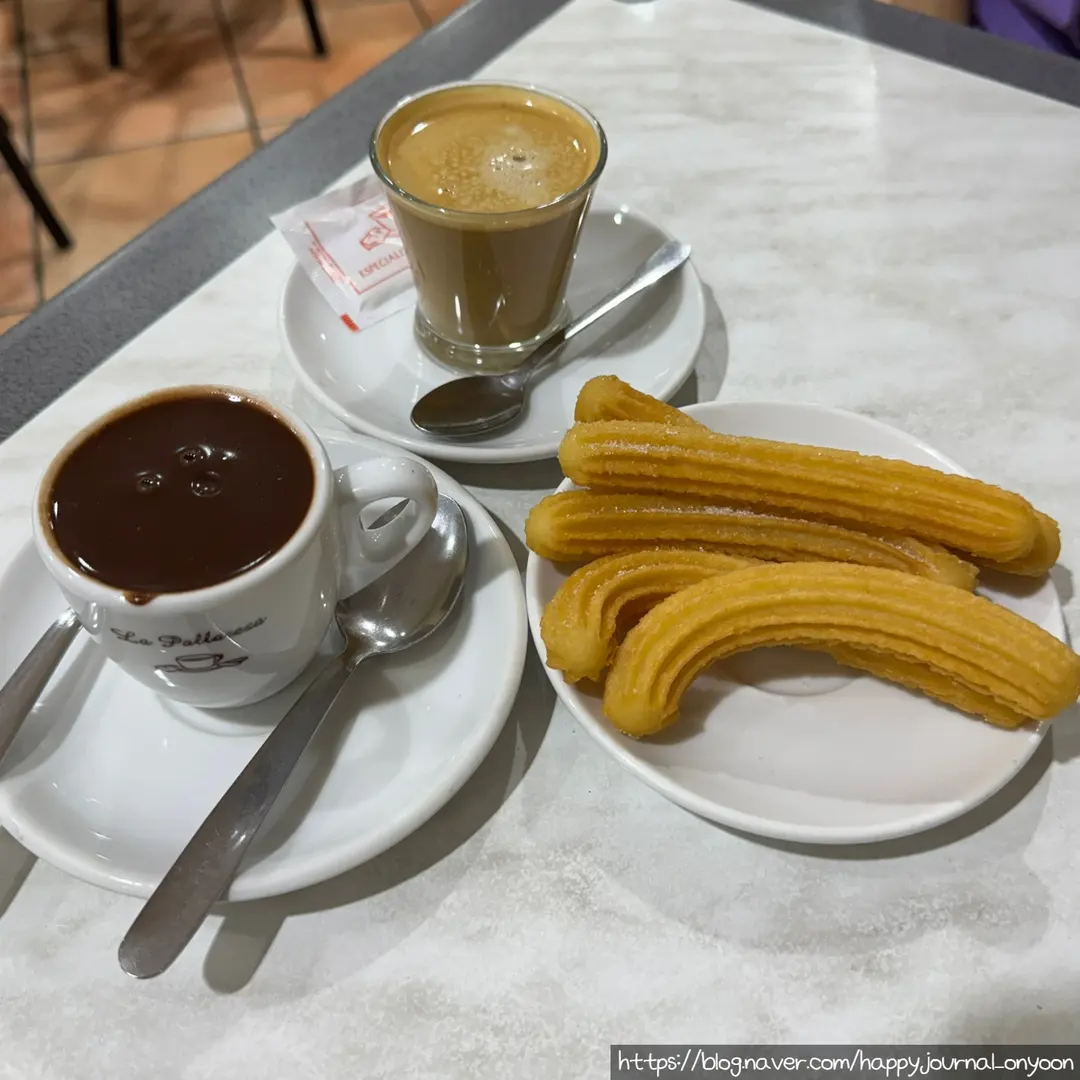
Granja La Pallaresa Barcelona: Authentic Churros Since '47
Step into history at Granja La Pallaresa, Barcelona's beloved churrería. Indulge in authentic churros and rich chocolate, a local breakfast tradition since 1947.

Vueling Flight VY6103 Review: Rome to Barcelona in 2026
Wondering about Vueling for your Rome to Barcelona trip? I'm sharing my experience on flight VY6103, including booking tips, airport navigation, and baggage advice for 2026. Get ready for Spain!

ZT The Golden Barcelona Hotel Review 2026: Authentic Stay
Discover ZT The Golden Barcelona Hotel, a 4-star gem for an authentic and affordable stay in 2026. Enjoy local vibes and easy access to attractions.

Enrique Tomas Barcelona Airport Review 2026: Spanish Jamón Bites
Don't fly hungry! Find out where to grab an authentic Spanish jamón bocadillo at Barcelona's El Prat Airport. Enrique Tomas in Terminal 1 is your go-to for a delicious pre-flight bite.

Gaudi Half-Day Tour Barcelona: Indigo Travel Review 2026
Explore Barcelona's iconic Gaudi architecture with Indigo Travel's highly-rated half-day tour. Get exclusive early access to Casa Batlló and enjoy seamless transport to Park Güell.