

Shinjuku Torabako Review 2026: Kid-Friendly Izakaya with Unique Gibier
Searching for a unique, family-friendly izakaya in Tokyo? Shinjuku's Torabako, famous for its gibier and eel, offers an authentic, non-smoking experience perfect for all ages. Get ready for an unforgettable meal!
For our Tokyo trip this time, we were determined to dive into the local izakaya scene for our evening meals.
It was quite a challenge to find places with a great ambiance that were also suitable for visiting with our child!
We landed on "Torabako" in Shinjuku, a spot that actually appeared in Season 7 of the Japanese drama <Wakakozake>, which I've been following.
It checked all our boxes: kid-friendly, offering both delicious eel and unique gibier dishes, and crucially, it's a non-smoking izakaya. We made sure to book ahead!
1. Exploring Gibier Cuisine
The term "Gibier" might be new to some of you.
Originating from French, Gibier refers to wild game meat obtained through hunting.
In Japan, it commonly refers to dishes made from wild animals like deer, wild boar, duck, and rabbit.
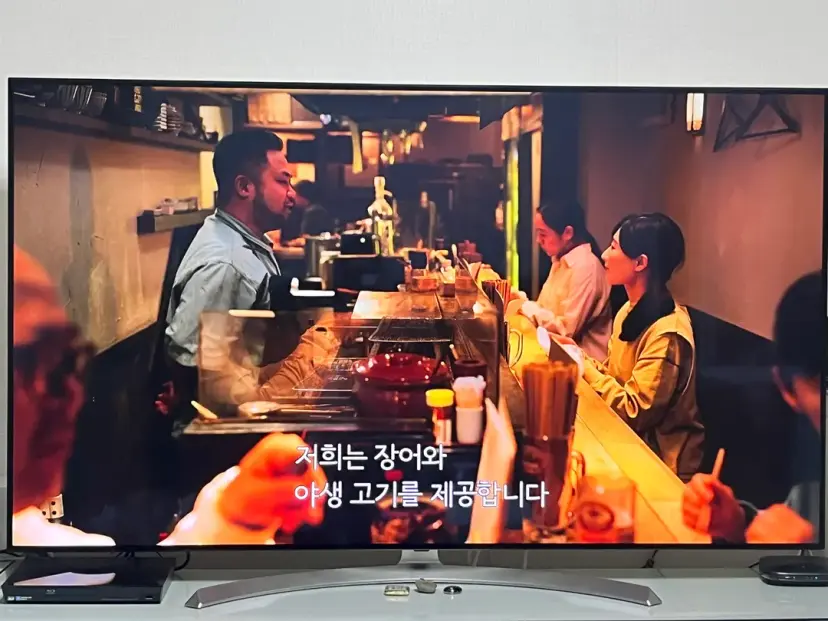
In **Episode 4 of Season 7 of the Japanese drama <Wakakozake>**, the protagonist, Wakako, enjoyed eel dishes with beer here, finishing off with a refreshing sweet potato shochu.
Gibier is quite an exotic dish not easily found back home, so watching the drama made me really eager to visit this place!
2. Introducing Torabako, A Tokyo Izakaya
📍 Shinjuku Torabako
日本 〒160-0022 Tokyo, Shinjuku City, Shinjuku, 5-chōme−10−6 宮崎ビル 1階
Location: 〒160-0022 Tokyo, Shinjuku City, Shinjuku, 5 Chome−10−6 宮崎ビル 1階.
We made sure to book in advance using TableCheck before our visit.
Book Tokyo Izakaya via TableCheck
Torabako is renowned for its freshwater eel dishes and its unique gibier offerings, making it a distinctive Tokyo izakaya.
It's less about a hearty meal and more about enjoying delicious appetizers with a drink or two in a fantastic atmosphere. The fact that children are welcome and, most importantly, the entire restaurant is non-smoking, made it an ideal Tokyo izakaya for families like ours.

The restaurant's sign isn't particularly flashy, and its exterior perfectly captures that authentic local Tokyo izakaya vibe.
3. Eel, Wild Boar, and the Sake of a Lifetime
The interior of the restaurant is quite cozy.
The counter seats were already full, but since we had a reservation for three, including our child,
we were guided to a small private room tucked away in a corner of the restaurant.

Though it was a bit snug, it was perfect for our family to sit together comfortably.
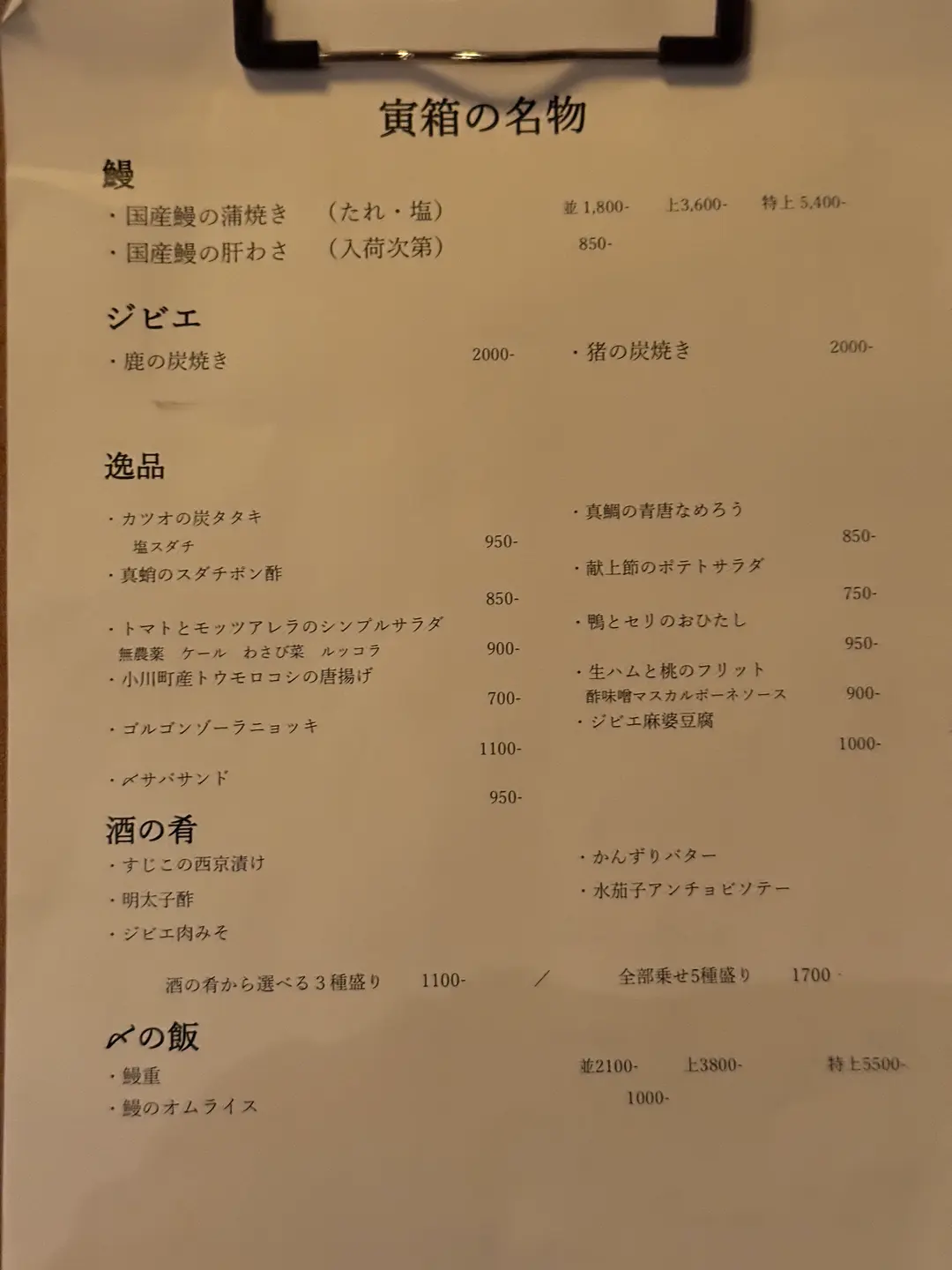
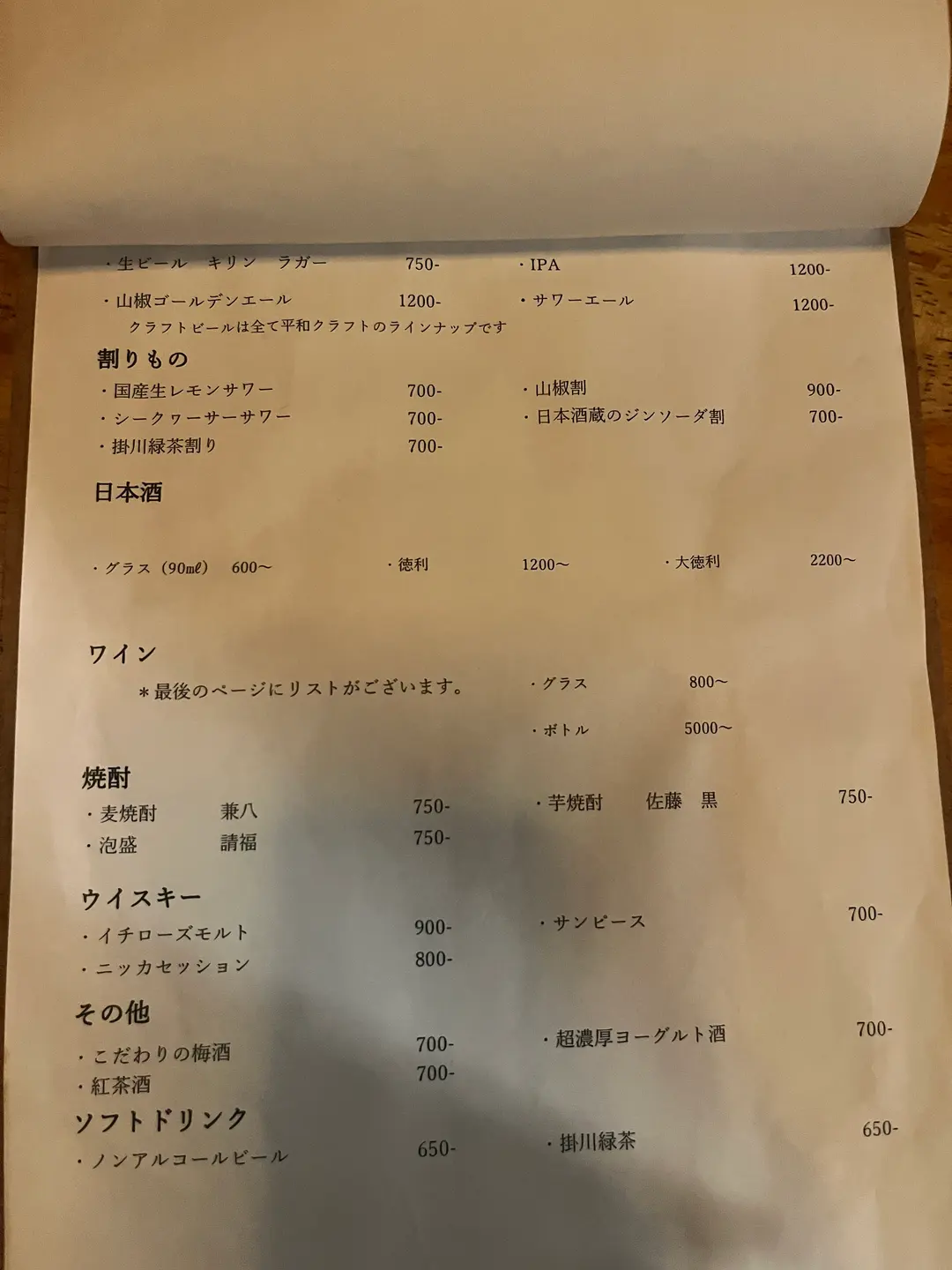
The menu is entirely in Japanese.
As it's a spot favored by locals, there wasn't a foreign language menu available.
So, we had to rely on a translation app to order. Personally, I find ChatGPT often provides better translations than standard translation apps.
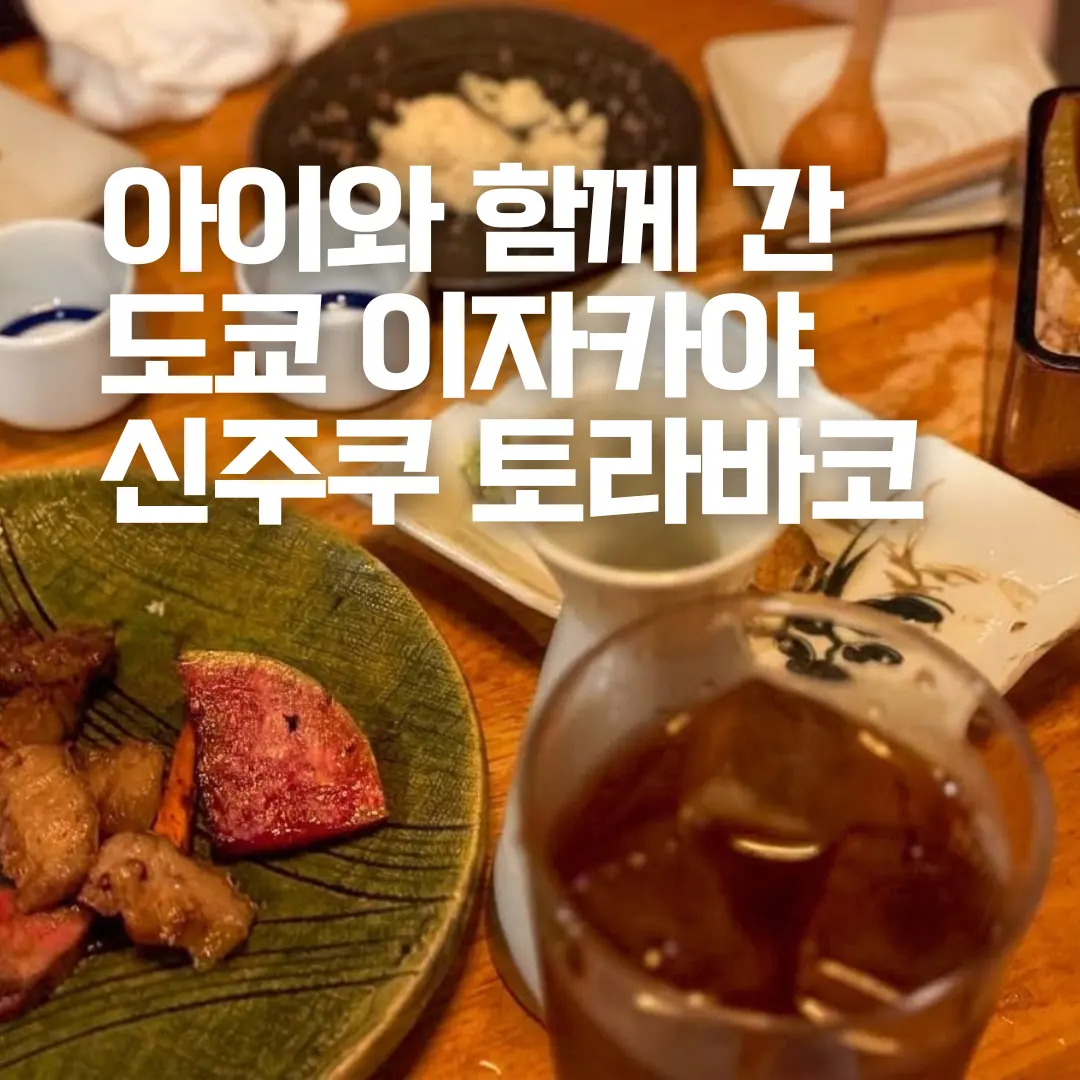
We ordered the restaurant's signature salt-grilled eel and an eel rice bowl for our child.
For our gibier experience, we chose the wild boar grill.
I originally wanted to try the deer meat, but it was unfortunately sold out, so we went with the wild boar.
Given it's a Tokyo izakaya, there's a one-drink-per-person policy,
so we ordered sake, and our child had oolong tea.
The food does take a little while to come out.
I'd seen some Korean reviews on Google mentioning slow service, and it seemed the owner was conscious of this, as he kept coming over to let us know the dishes would take a bit longer.
Both the eel and gibier dishes typically take around 30 minutes, so keep that in mind!
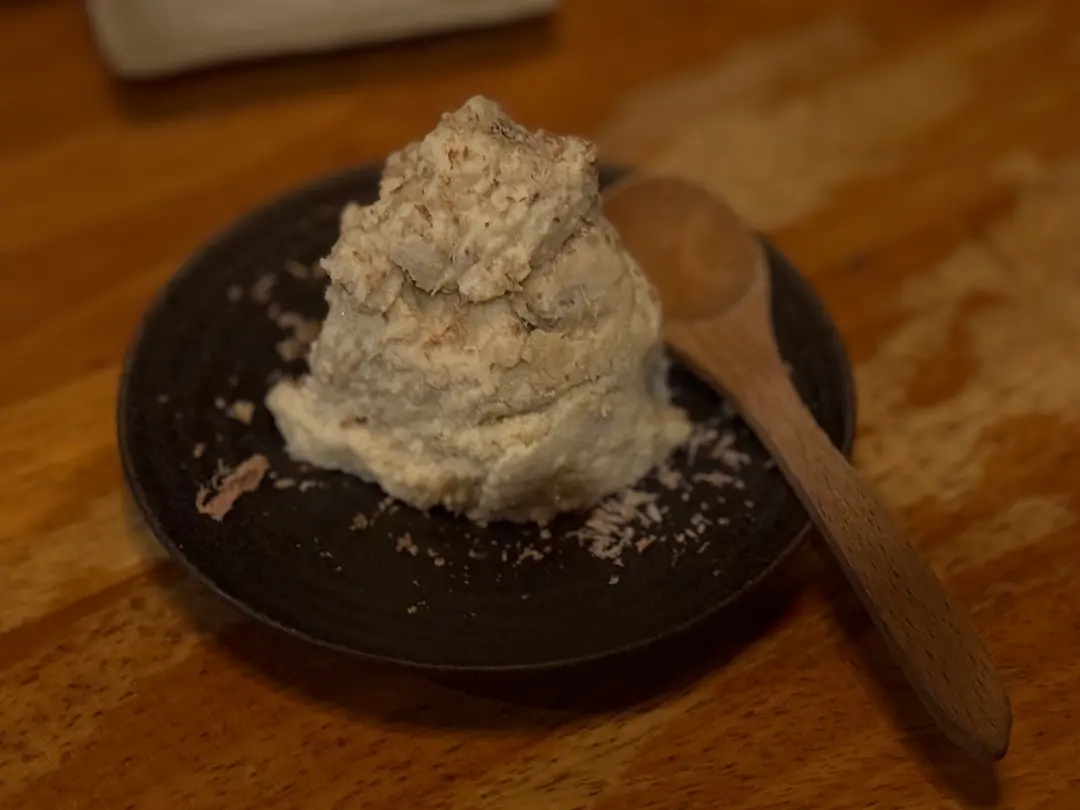
We were pretty hungry, so we added a potato salad to our order.
It was perfectly savory and made an excellent accompaniment to beer.
As we enjoyed the potato salad,
our main courses started arriving one by one.
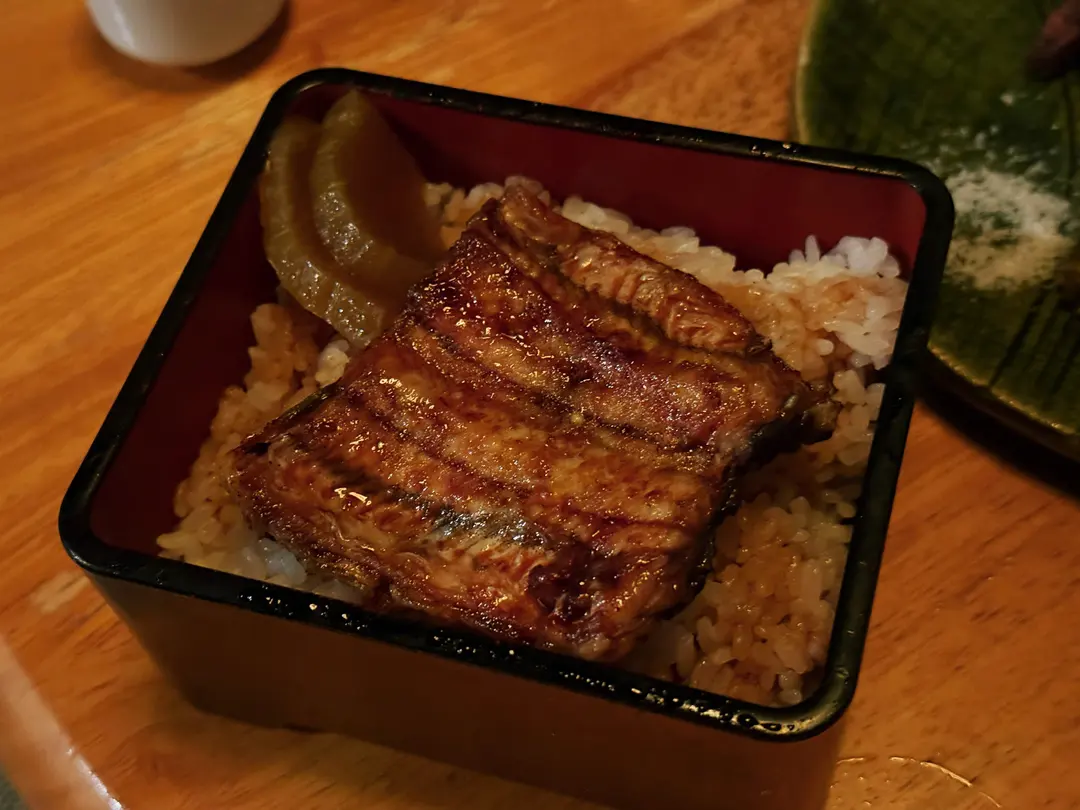
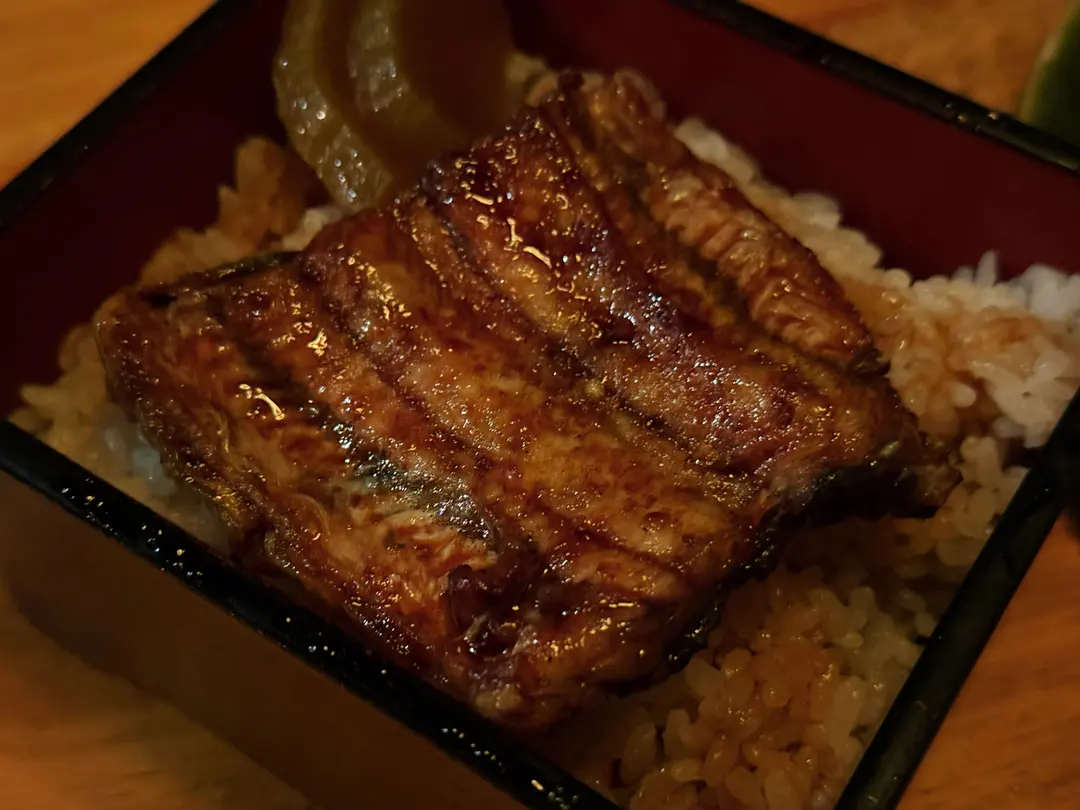
My child must have been starving because he devoured the entire eel rice bowl himself!
I didn't even get a taste, but seeing him finish it all was proof enough it was delicious.
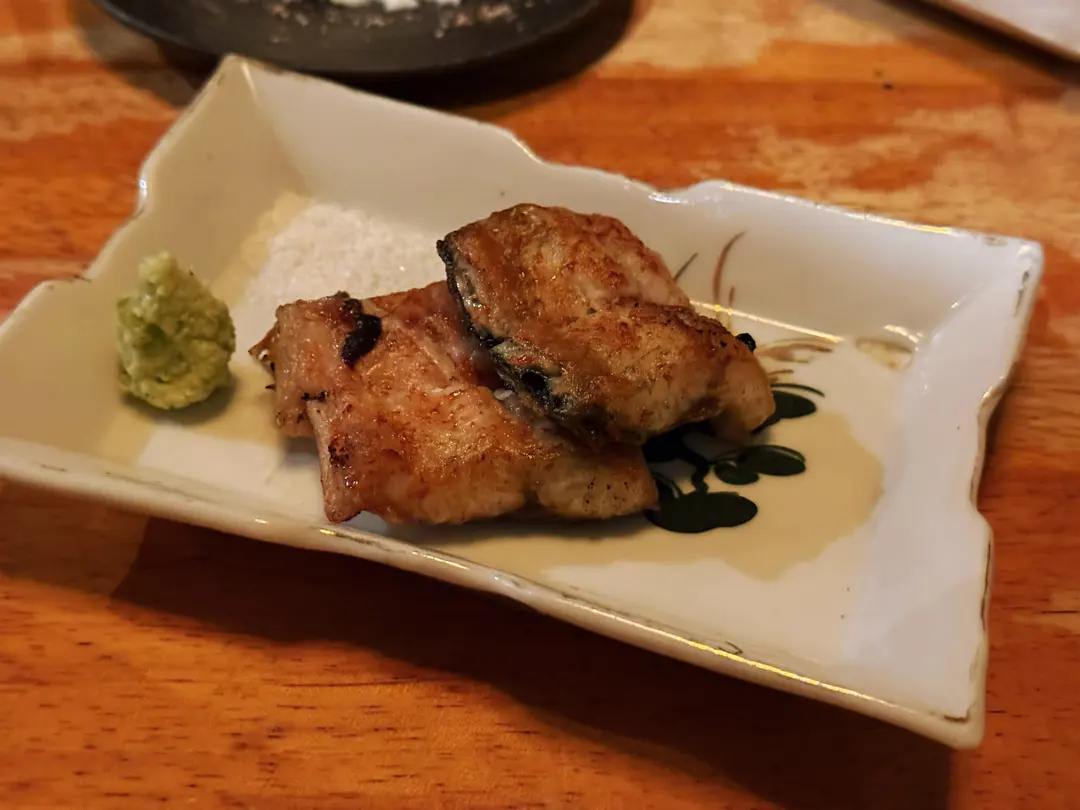
The grilled eel was also fantastic.
It had a much lighter, cleaner taste compared to the eel I'm used to back home.
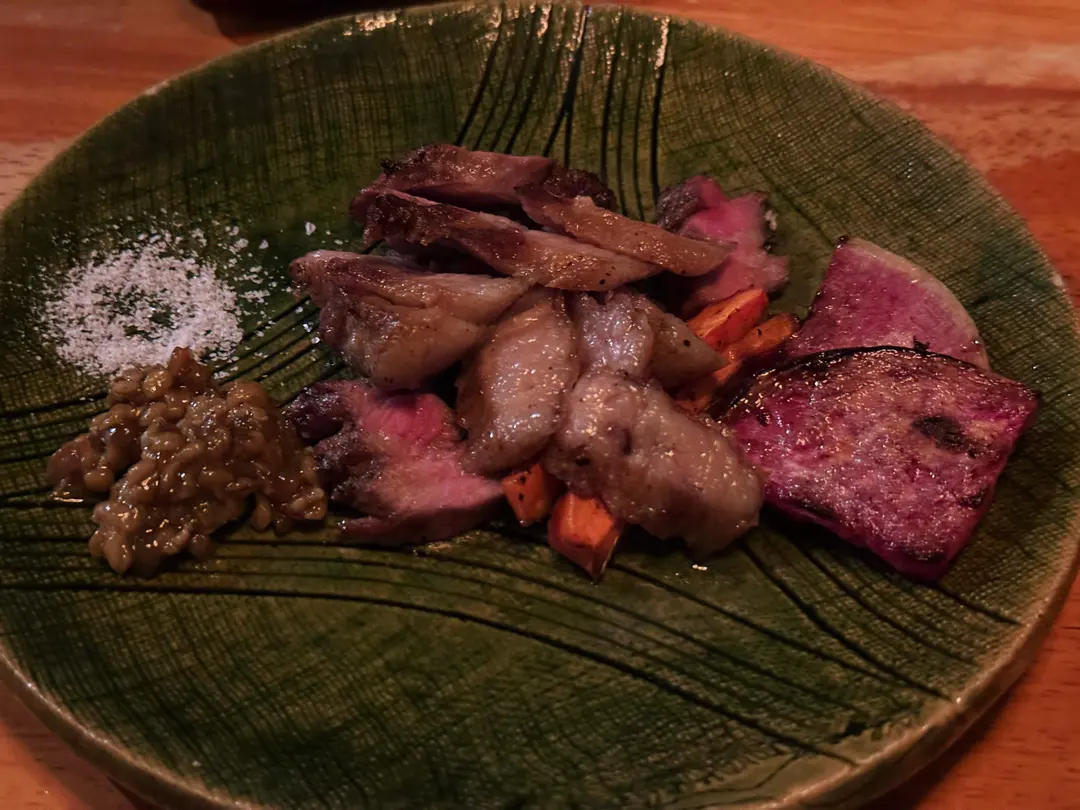
The wild boar meat was unique, and surprisingly, it had absolutely none of the gamey smell you might expect from wild meat.
The texture was slightly chewy.
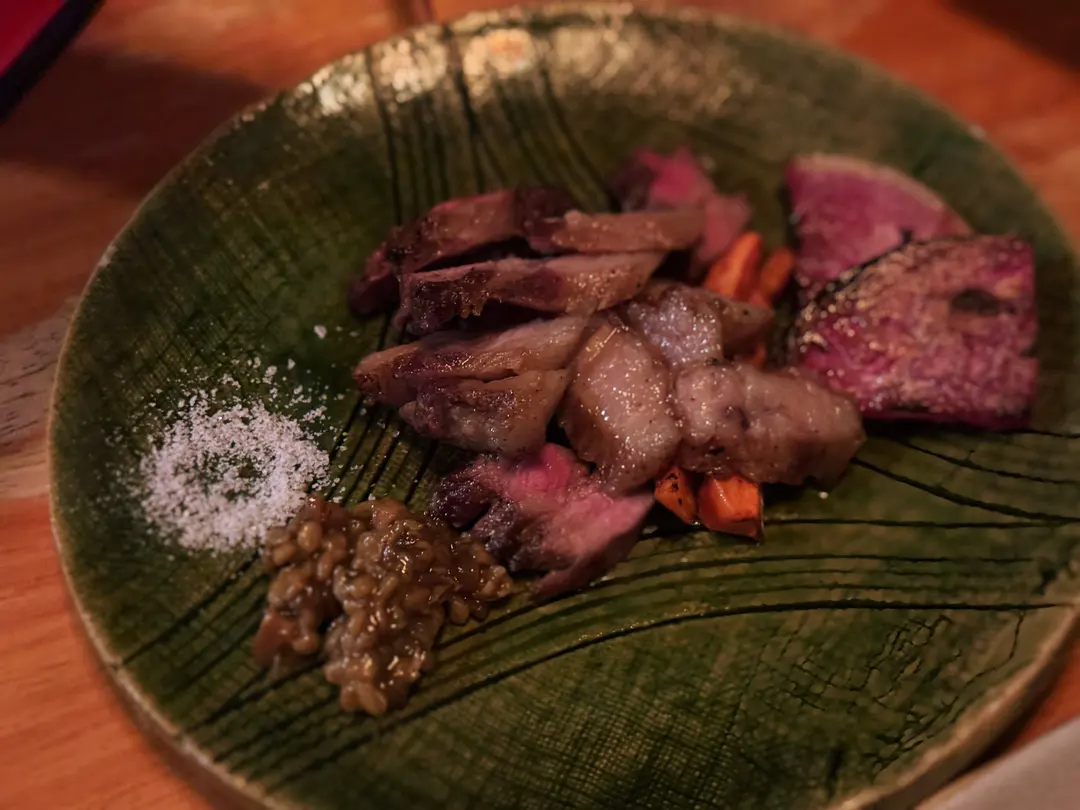
It was truly a special experience to try wild boar meat – where else would I get such an opportunity? And every single dish paired perfectly with the sake.
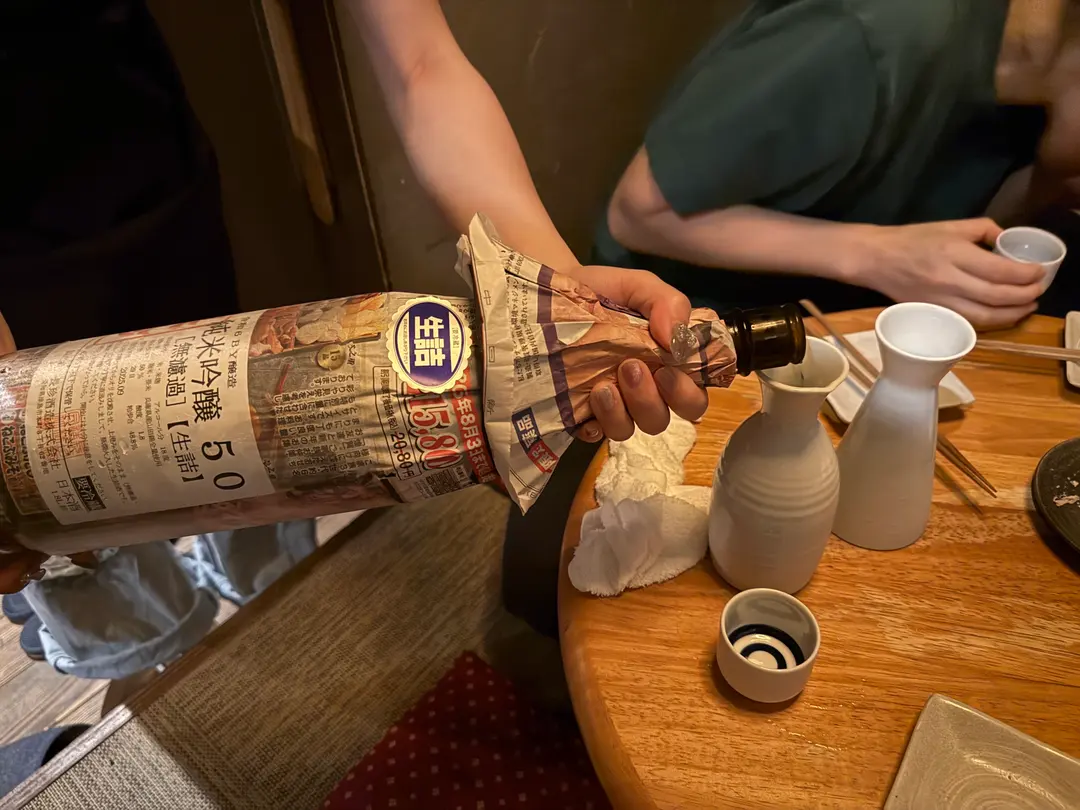
When the owner asked what style of sake I preferred, I said "Karakuchi" (dry), and he brought out the perfect bottle for me.
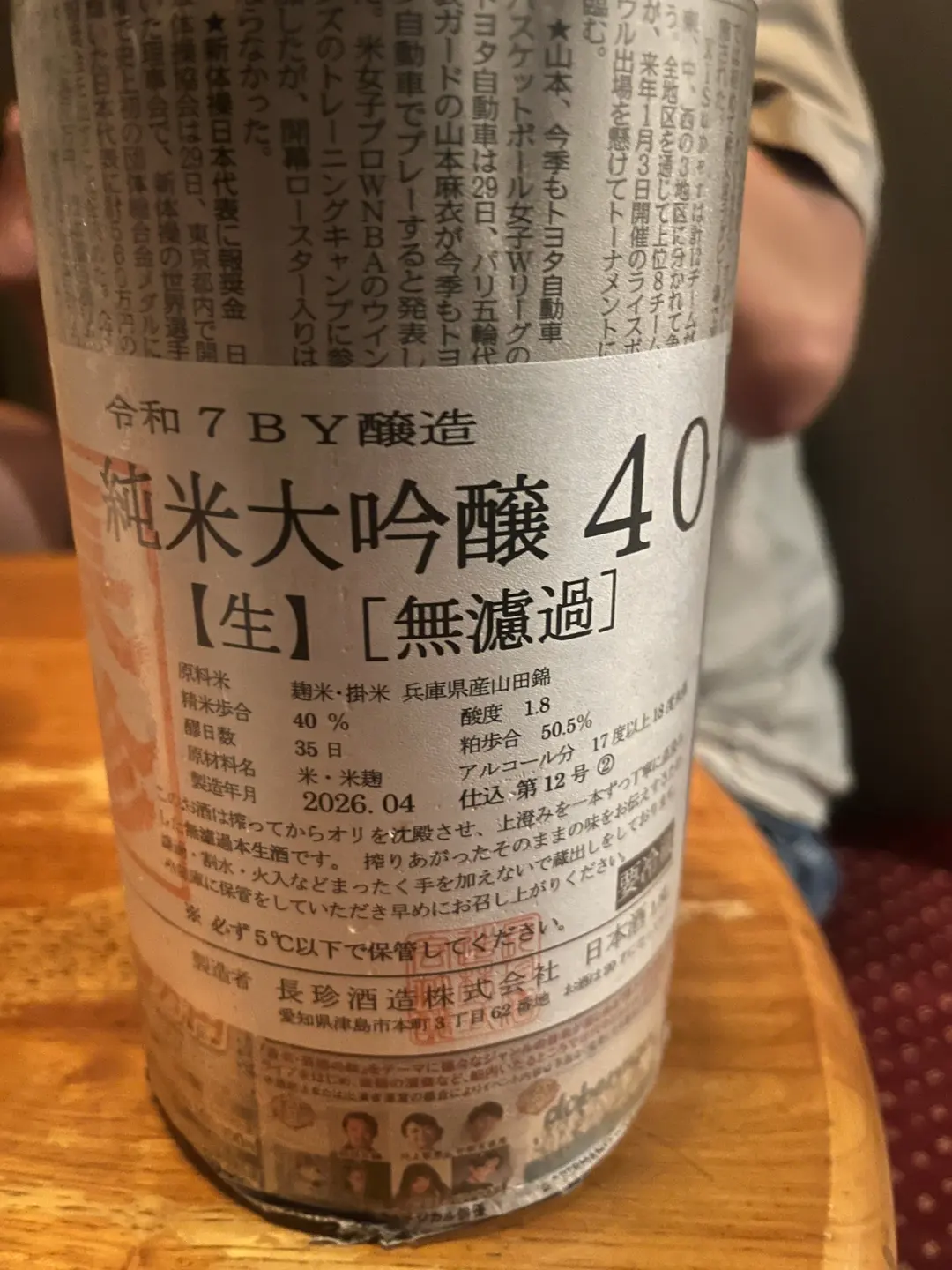
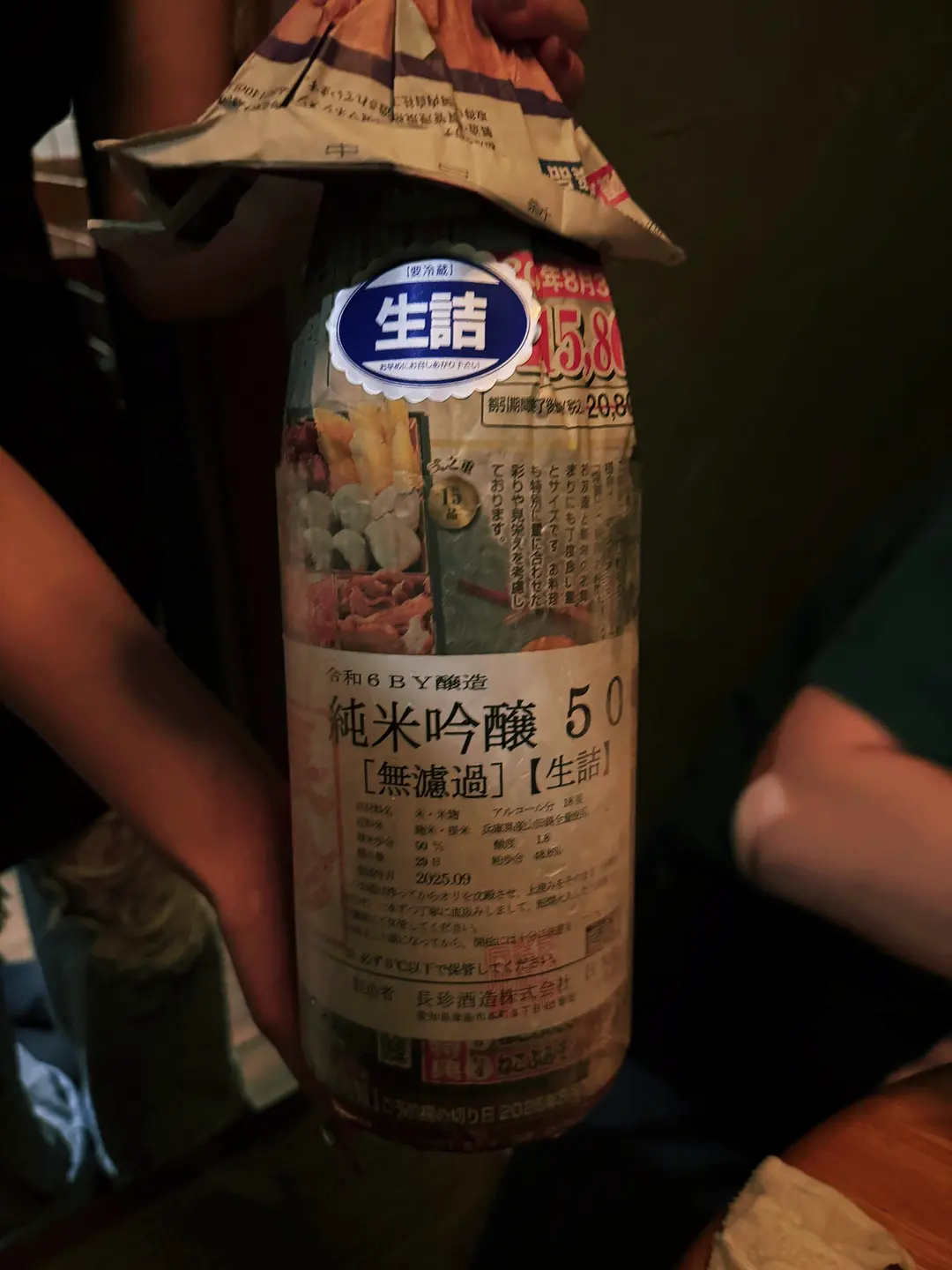
We enjoyed the **Chochin Junmai Daiginjo 40 and 50**, famous for their newspaper-wrapped bottles.
When we first ordered a single *go* (about 6 fluid ounces), we received the 40. It was so good that we ordered two more *go*, and then we got the 50.
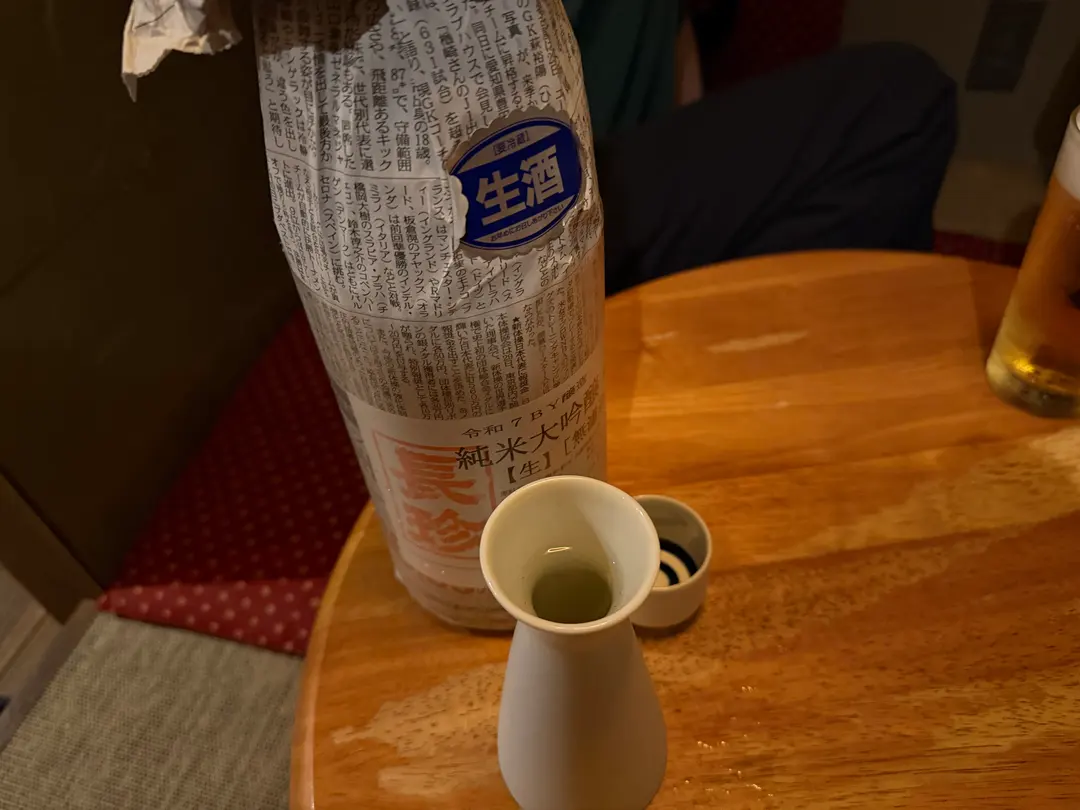
Both are unfiltered and unpasteurized *namagenshu*, seasonal sakes released during the summer. Their dry, deep flavors complemented the meat and eel dishes beautifully.
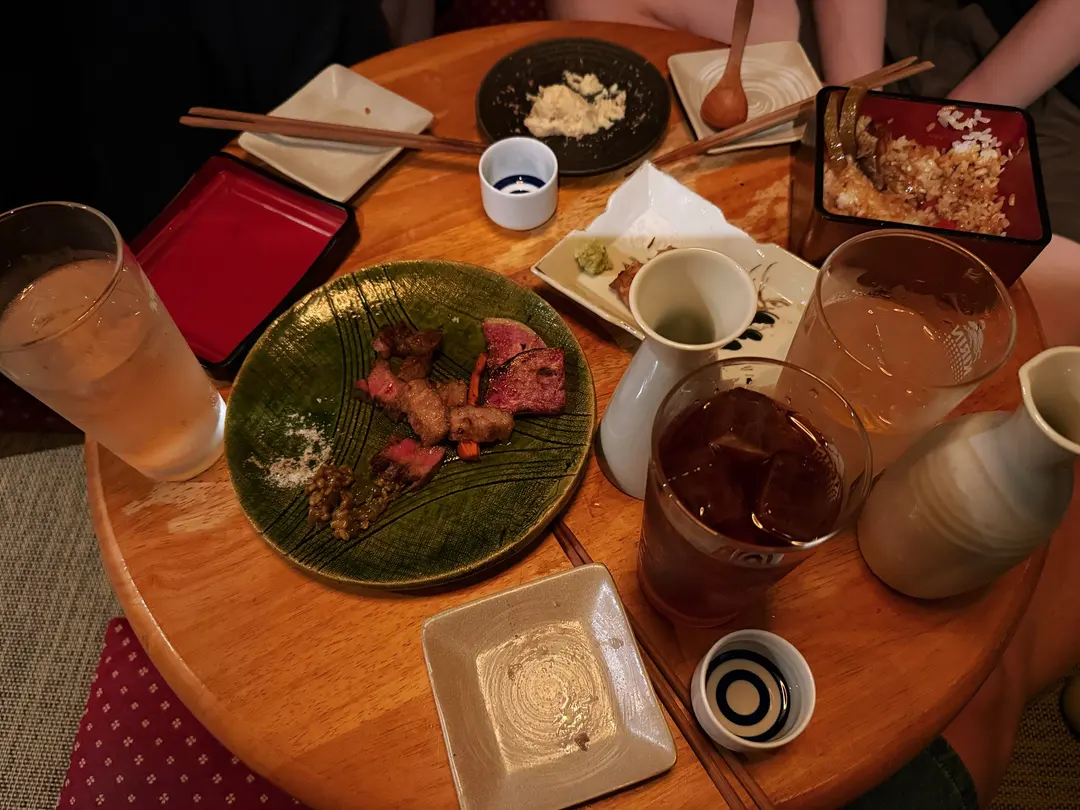
After such a pleasant and delicious meal, our total bill came to just over ~$69. (Note: Original content mentioned 10,000 JPY, converted to USD at approx. 1 USD = 145 JPY for 2026-08).
Considering the quality of the dishes, the unique gibier, and the premium sake we enjoyed, it felt like excellent value for money.
In fact, many reviews for Shinjuku Torabako often praise its "reasonable prices."
If you're planning a Tokyo trip and looking for an authentic local izakaya experience,
featuring unique gibier dishes, high-quality sake,
and most importantly, a place you can visit with your children,
I highly recommend Shinjuku Torabako.
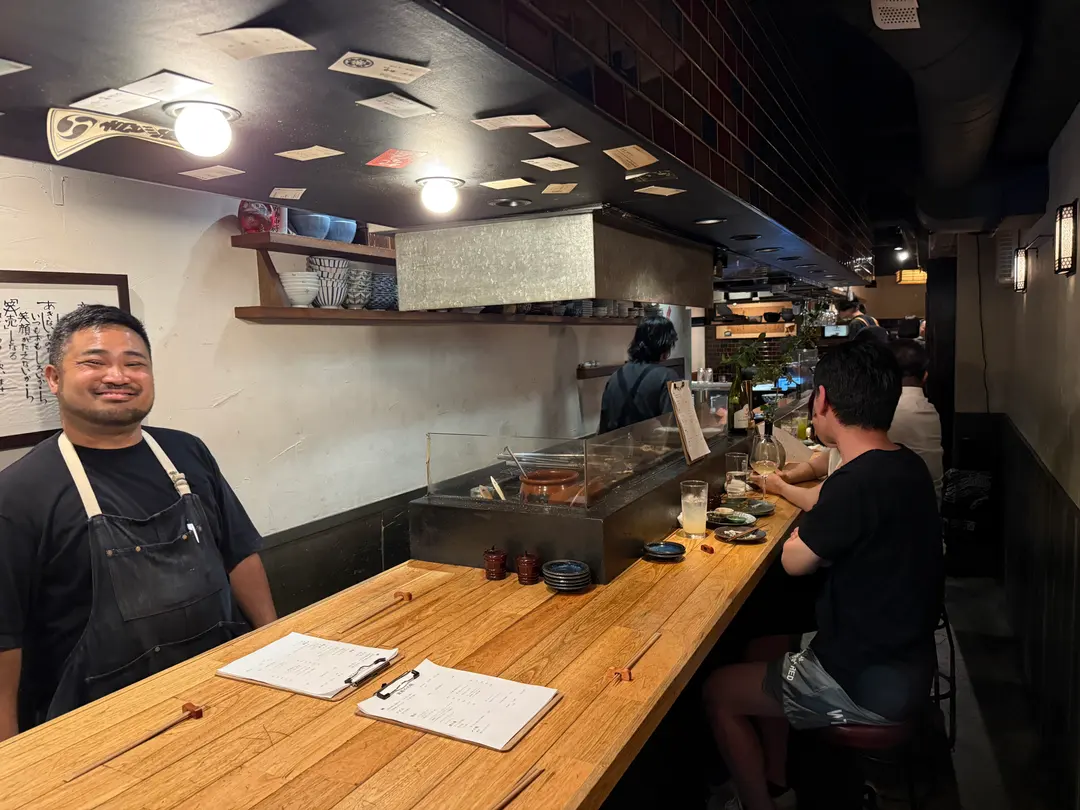
The charming owner actually made an appearance in Episode 4 of <Wakakozake> Season 7 himself!
His friendliness made Torabako a Tokyo izakaya I'd definitely love to revisit on my next trip.
↓↓ Tokyo Metro Pass Review: QR Code & No Physical Ticket
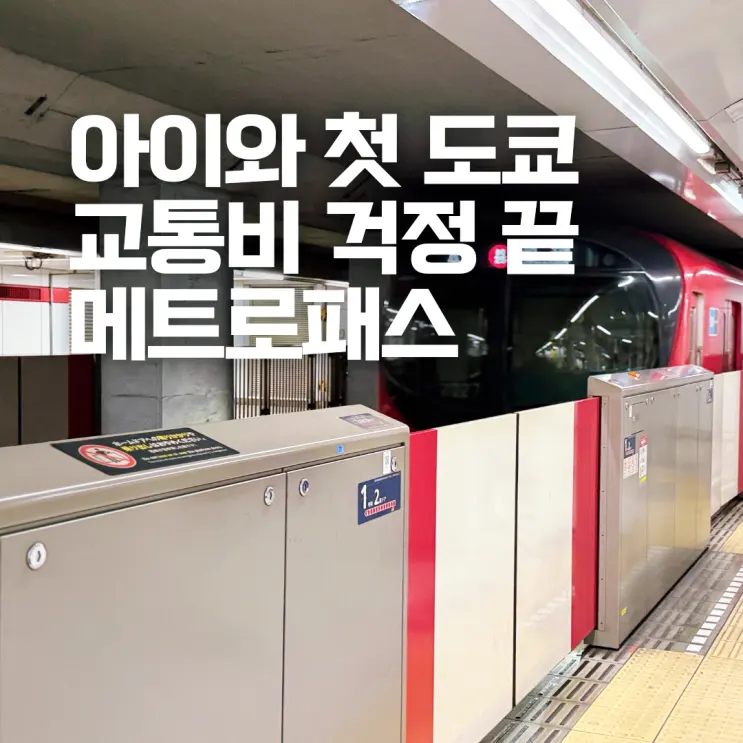 Tokyo Metro Pass Review: QR Code & No Physical Ticket
↓↓ Rose Garden Hotel Shinjuku Review: Tokyo Accommodation for 3
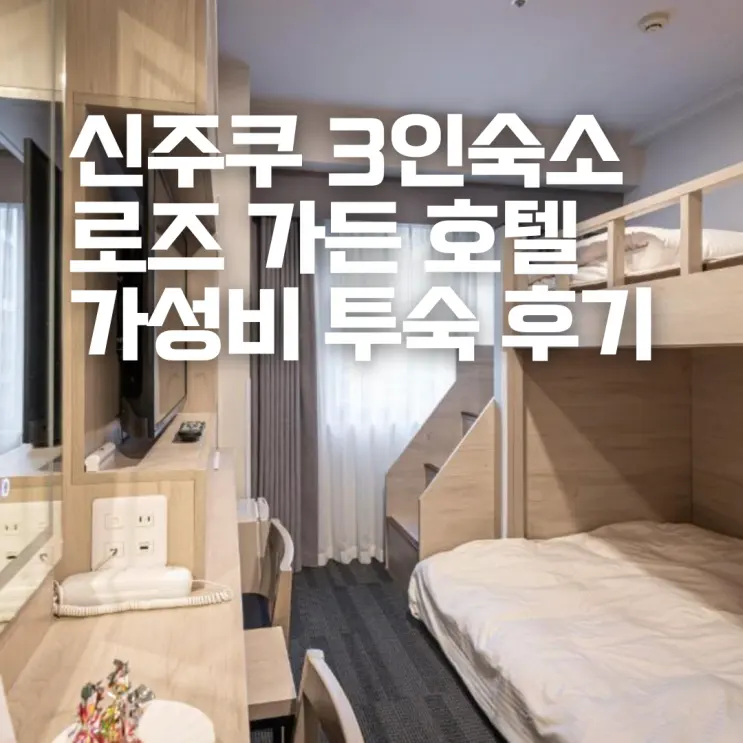 Rose Garden Hotel Shinjuku Review: Tokyo Accommodation for 3
#Japan #JapanTravel #Tokyo #TokyoTravel #TokyoIzakaya #KidFriendlyIzakaya #Gibier #ShinjukuRestaurant #TokyoRestaurant #ShinjukuTorabako #WakakozakeRestaurant
Frequently Asked Questions
What unique dishes can be tasted at Shinjuku Torabako, as featured in "Wakakozake" Season 7, and is a reservation essential?
Shinjuku Torabako offers gibier cuisine, which is wild game meat obtained through hunting. Specifically, grilled wild boar and salted eel were mentioned. It's recommended to make a reservation in advance via TableCheck before visiting.
What are the characteristics of Shinjuku Torabako when visiting with children, and how should one order from the menu?
Shinjuku Torabako allows children, and the entire restaurant is non-smoking. The menu is only in Japanese, so a translation app will be needed.
How long does it take to prepare the eel and gibier dishes ordered at Shinjuku Torabako?
The eel and gibier dishes at Shinjuku Torabako take about 30 minutes to be served after ordering. If you're hungry, you can order other appetizers like potato salad to enjoy while you wait.
What types of sake are recommended at Shinjuku Torabako, and what was the approximate total cost of the meal?
The owner recommended 'Karakuchi' style sake to match the customer's preference. Chochin Junmai Daiginjo 40 and 50 were specifically mentioned as seasonal sakes released in summer. The total meal cost was slightly over ~$65.
Share this article
Featured in Collections
Discover more travel stories curated around the same theme.

Related Travel Stories
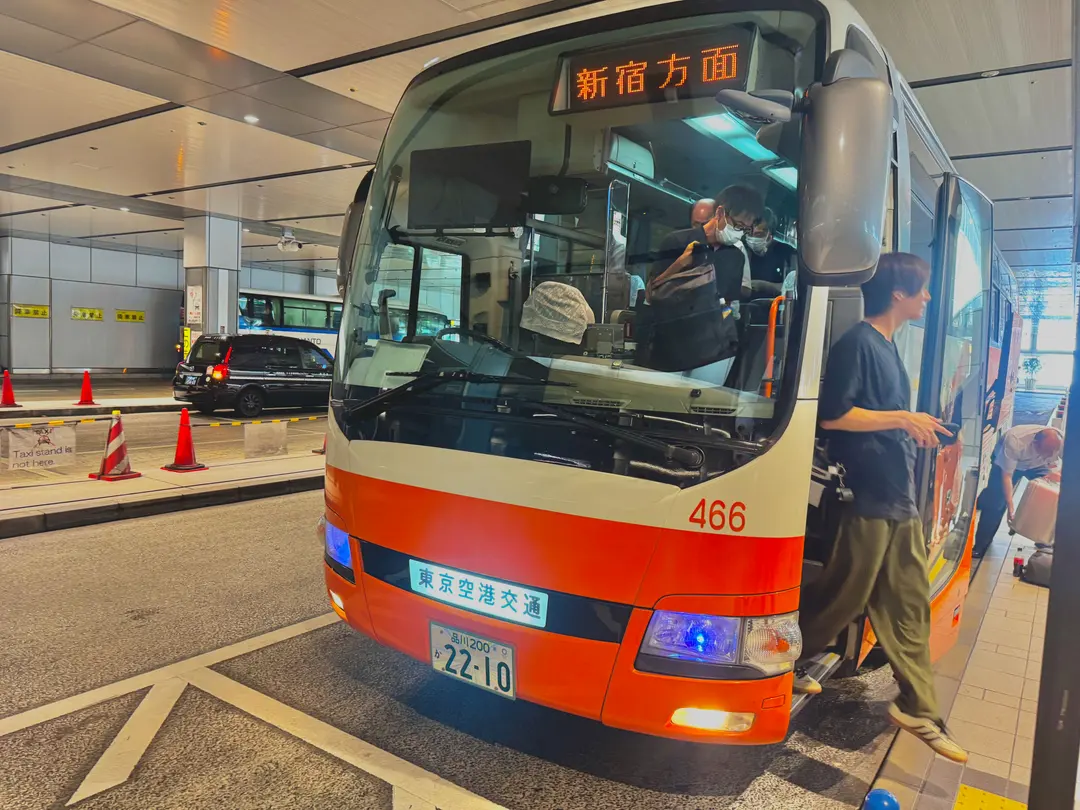
Haneda Limousine Bus to Shinjuku: 2026 Review
Looking for the easiest way to get from Haneda Airport to Shinjuku? Read our 2026 Haneda Limousine Bus review for booking tips, prices, and boarding guides.
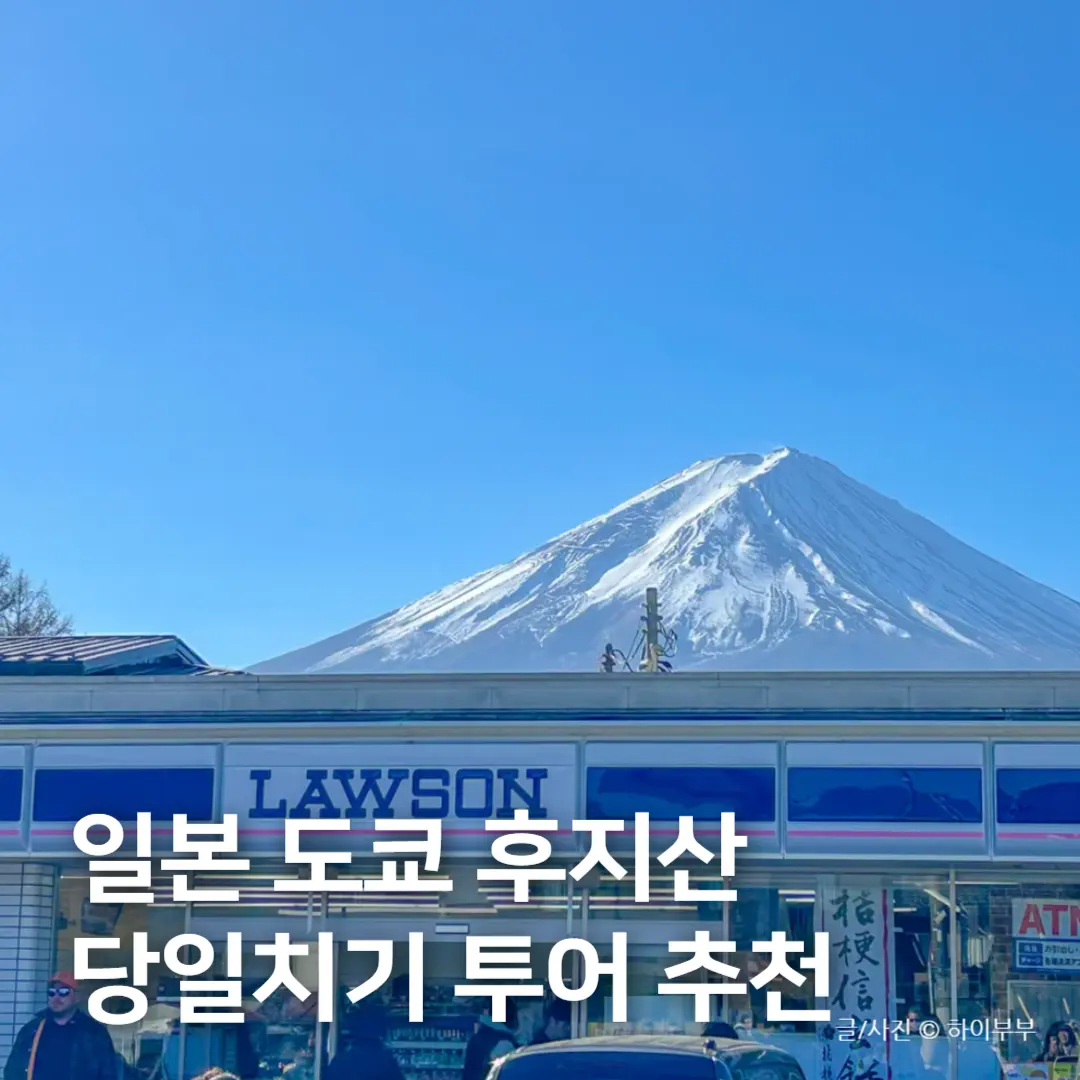
Mt. Fuji Day Tour from Tokyo: Best 2026 Itinerary & Review
Planning a trip to Mount Fuji? This Tokyo day tour review covers the best photo spots, itinerary, and budget tips for an unforgettable 2026 adventure.
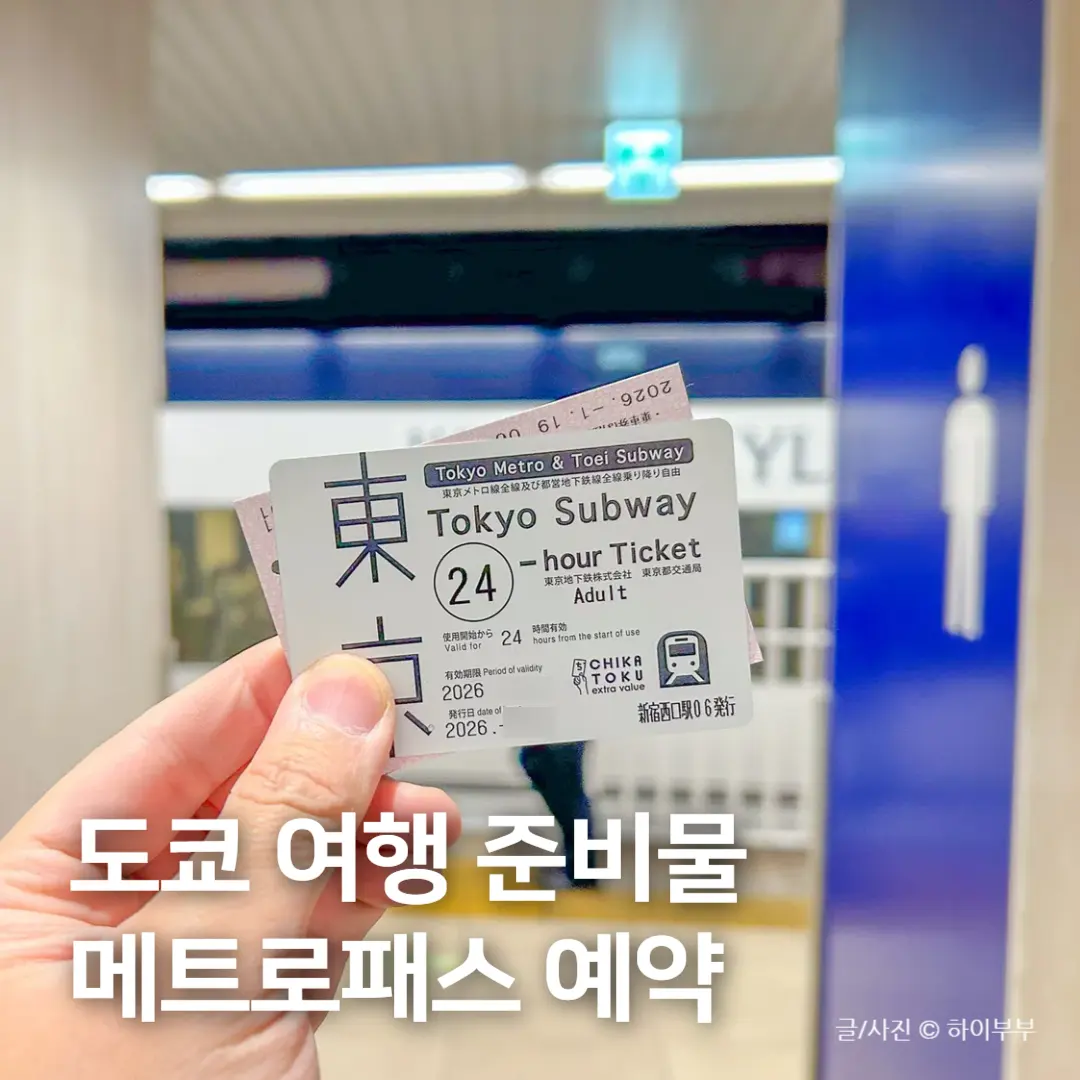
Tokyo Metro Pass 2026: Booking & Subway Usage Guide
Maximize your Tokyo adventure in 2026! Learn how to book, exchange, and use the Tokyo Metro Pass to save money and time on unlimited subway rides across the city.

Remm Roppongi Tokyo Review 2026: Affordable Tower Views
Experience the magic of Tokyo with breathtaking Tokyo Tower views from your room at Remm Roppongi. Our honest review reveals why this hotel is a top pick for value.
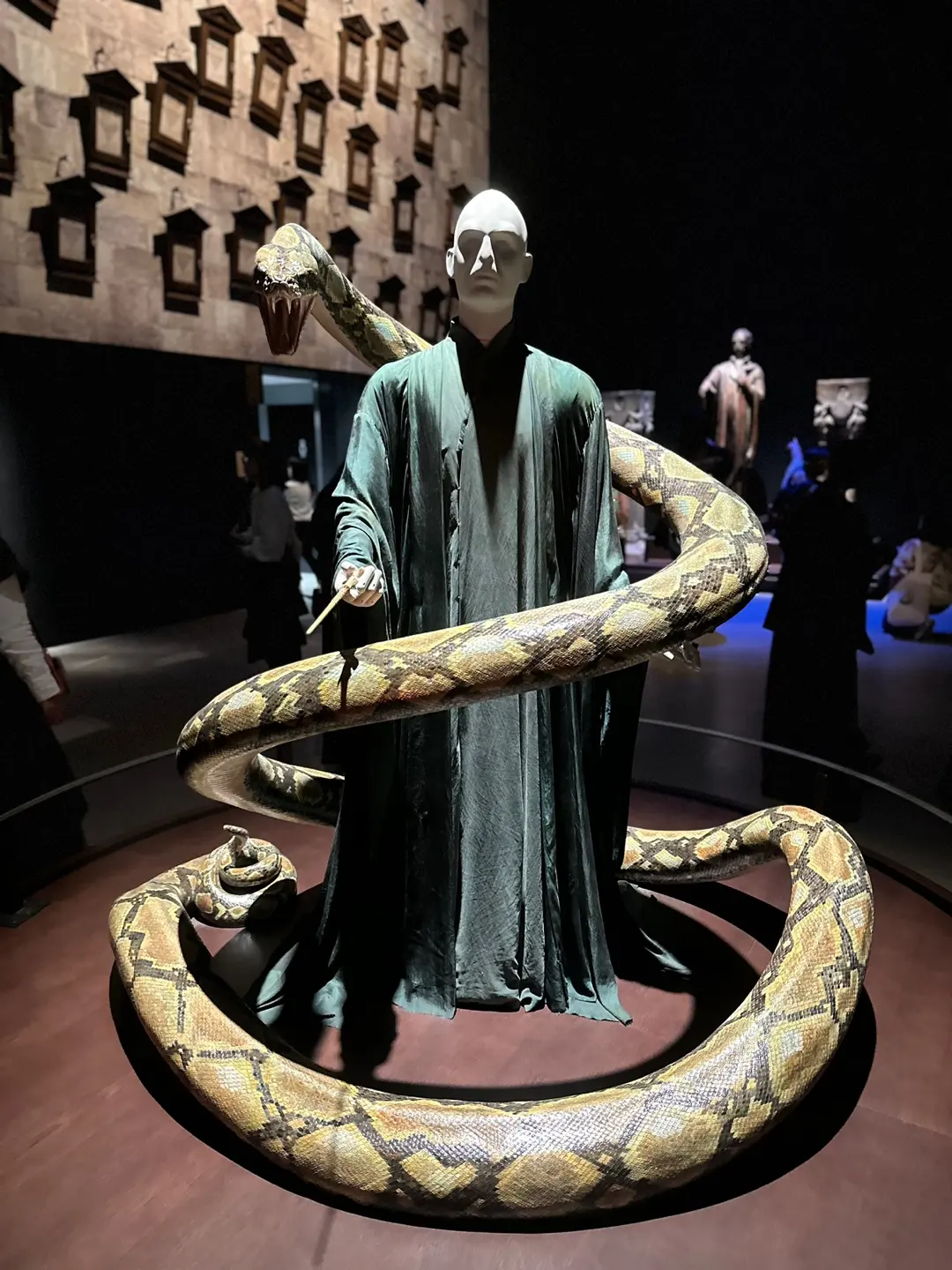
Harry Potter Studio Tokyo Tickets 2026: Best Deals
Step into the Wizarding World! Here is your complete 2026 guide to booking Harry Potter Studio Tokyo tickets, comparing prices, and maximizing your tour.

Harry Potter Tokyo Tickets 2026: Best Discount Hacks
Planning a trip to the Warner Bros. Studio Tour Tokyo? Learn how to book cheap Harry Potter Tokyo tickets, compare deals, and claim exclusive promo codes!