

Nagoya to Gero Onsen Day Trip 2026: Itinerary & Guide
Short on time in Nagoya? Discover how to plan the perfect day trip to Gero Onsen, featuring open-air baths, transport tips, and local matcha pudding.
Nagoya, Japan Travel Guide
During my 6-day trip to Nagoya,
I knew I had to dedicate my final day to Gero Onsen,
renowned as one of Japan's top three hot spring towns.

Ideally, the best way to experience Gero Onsen
is to book a ryokan for a night and soak at your leisure.
However, with a flight to catch the next day,
I opted for a day trip from Nagoya.
Here is my complete day trip itinerary,
including essential transport tips for 2026.
📍 Gero Station
Koden, Gero, Gifu 509-2206, Japan
📍 Nagoya Station
1-chōme-1-4 Meieki, Nakamura Ward, Nagoya, Aichi 450-0002, Japan
The biggest hurdle for a day trip
to Gero Onsen is the transportation.
If you stay overnight, ryokans often provide
shuttle services from Nagoya Station,
but day-trippers are left to navigate on their own.
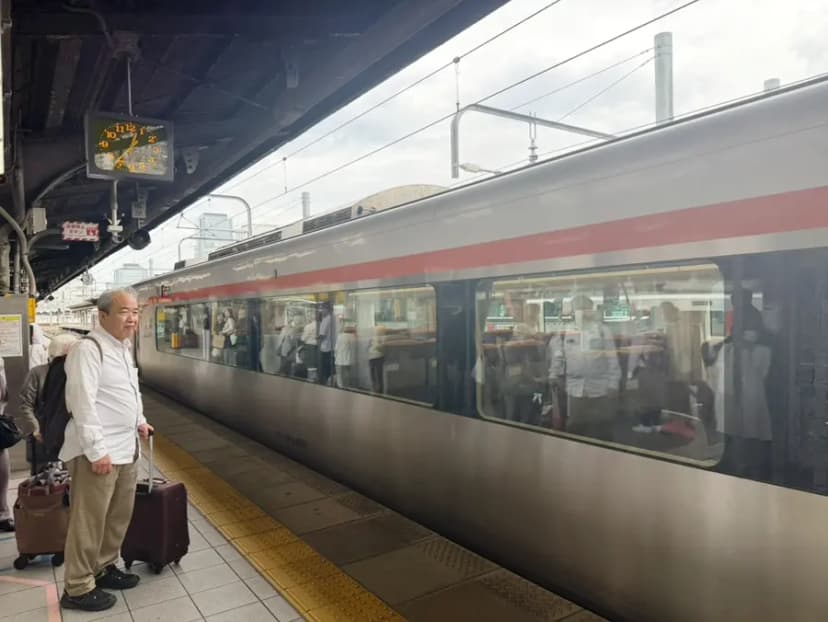
The standard route is taking the JR Limited Express Hida,
but round-trip tickets cost around ~$77,
which can feel a bit steep
for just a quick day visit.
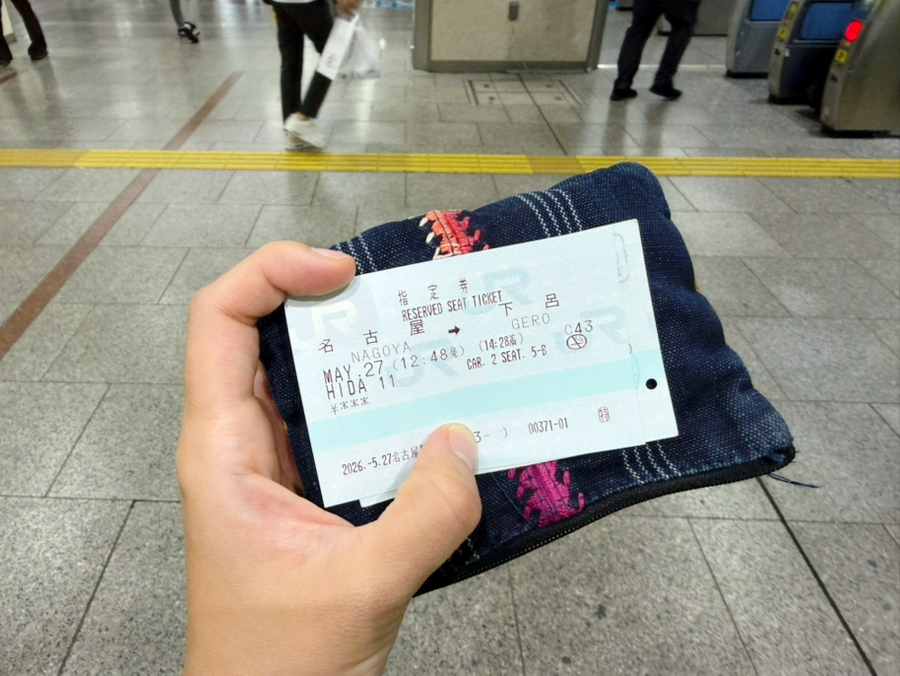
Fortunately, I had the
JR Alpine-Takayama-Matsumoto Area Pass
(valid for 5 days),
which allowed me to hop on the
limited express trains at no extra cost.
(If you're planning to visit the Tateyama Kurobe Alpine Route,
this pass is an absolute must-buy!)
With this pass,
you get up to 4 reserved seat bookings on limited express trains,
and unlimited access to
unreserved seating afterward.
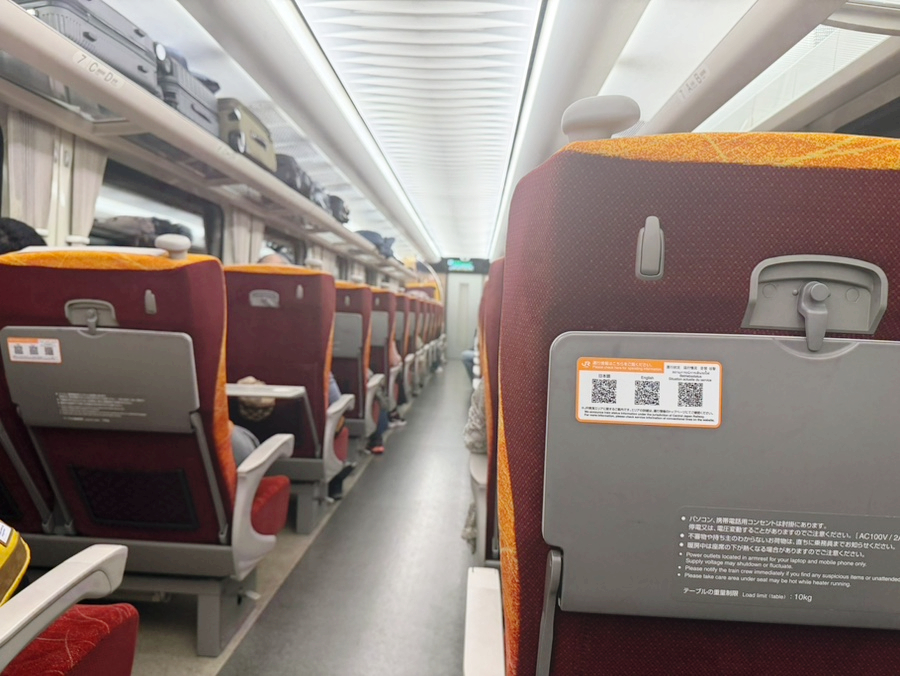
The scenic train ride from Nagoya to Gero Onsen
takes about 1.5 hours.
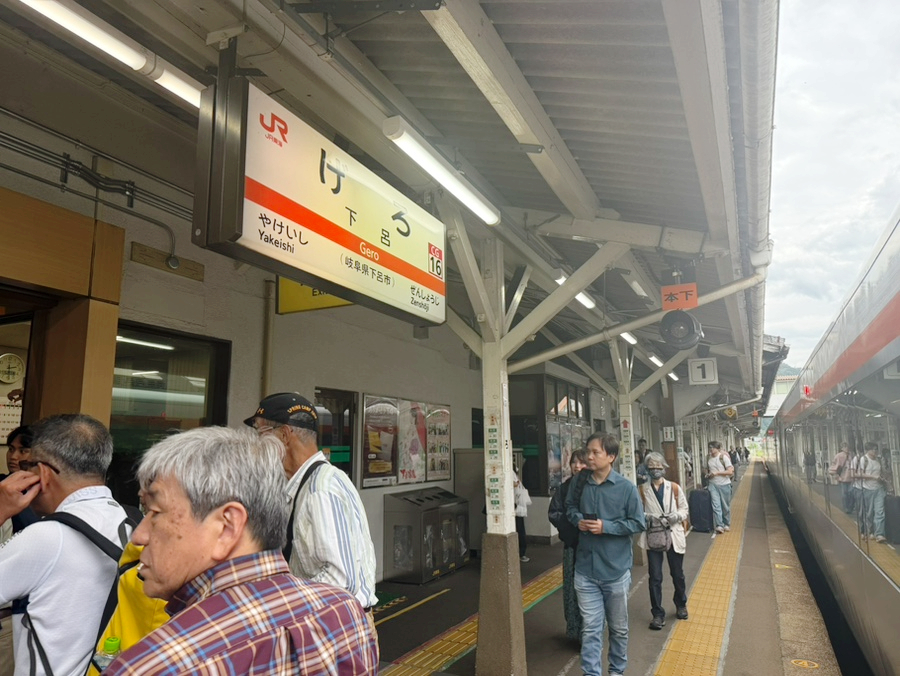
Arriving at Gero Station.
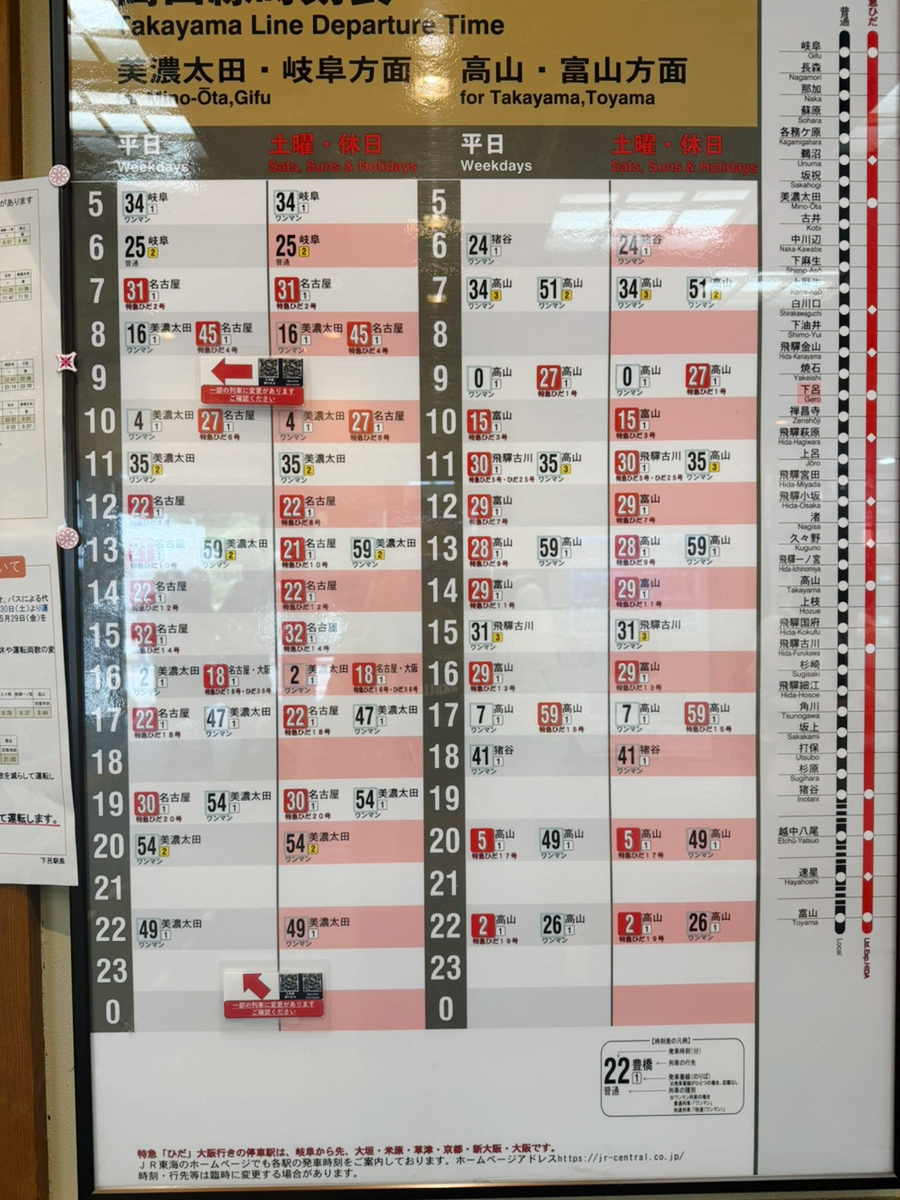
Trains between Nagoya and Gero
only run about once an hour,
so careful planning is essential.
I aimed for a 3-hour stay in town
and immediately reserved my return
train ticket at the station upon arrival.
If you don't have a JR Pass,
paying out of pocket for the train isn't the best value.
Instead, booking a guided day tour
is a much more budget-friendly option.
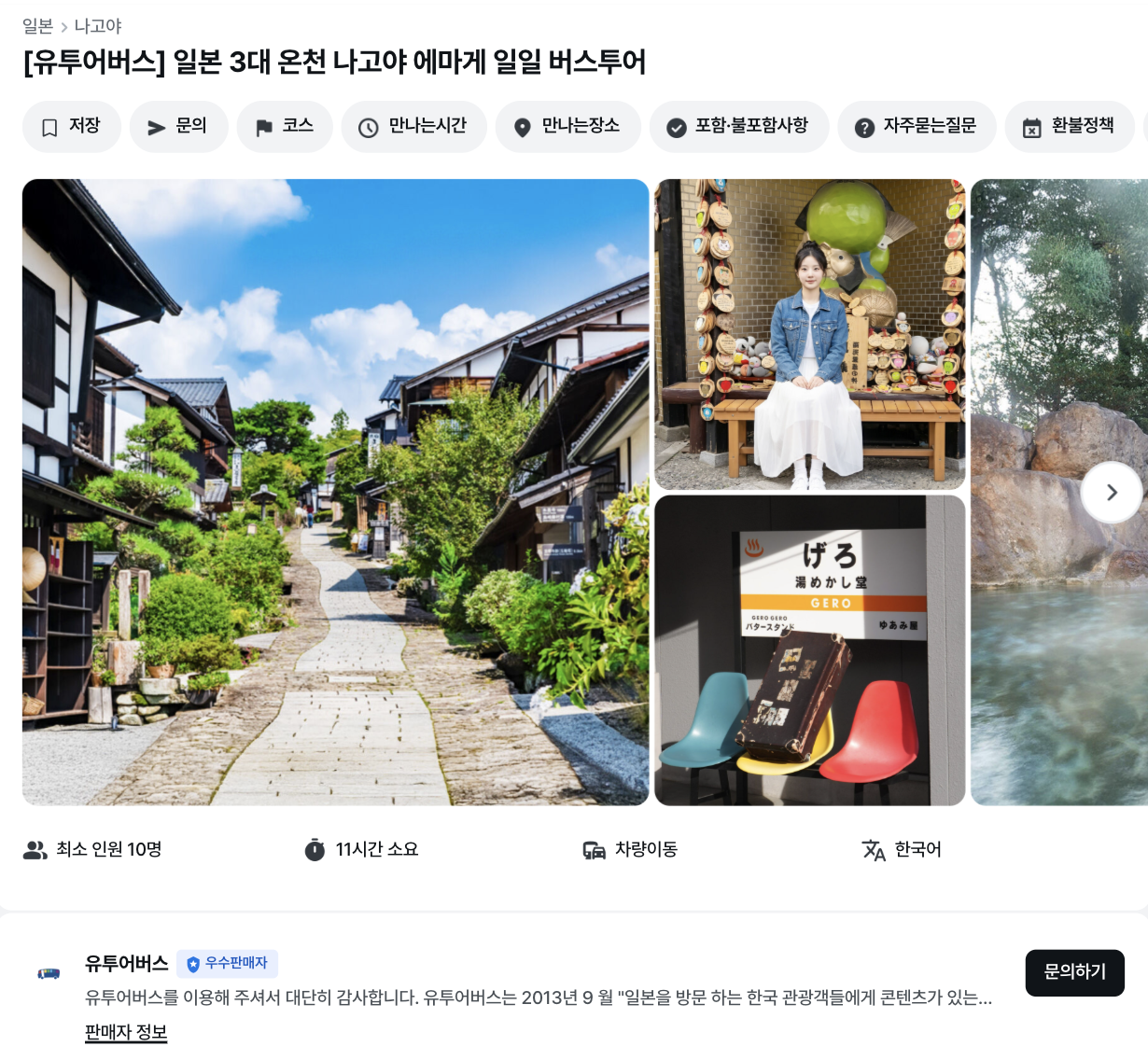
There's a fantastic tour by YouTourBus
that covers Gero Onsen and Ena Gorge.
Priced around ~$62,
it's actually cheaper than a round-trip train ticket,
making it a highly recommended alternative.
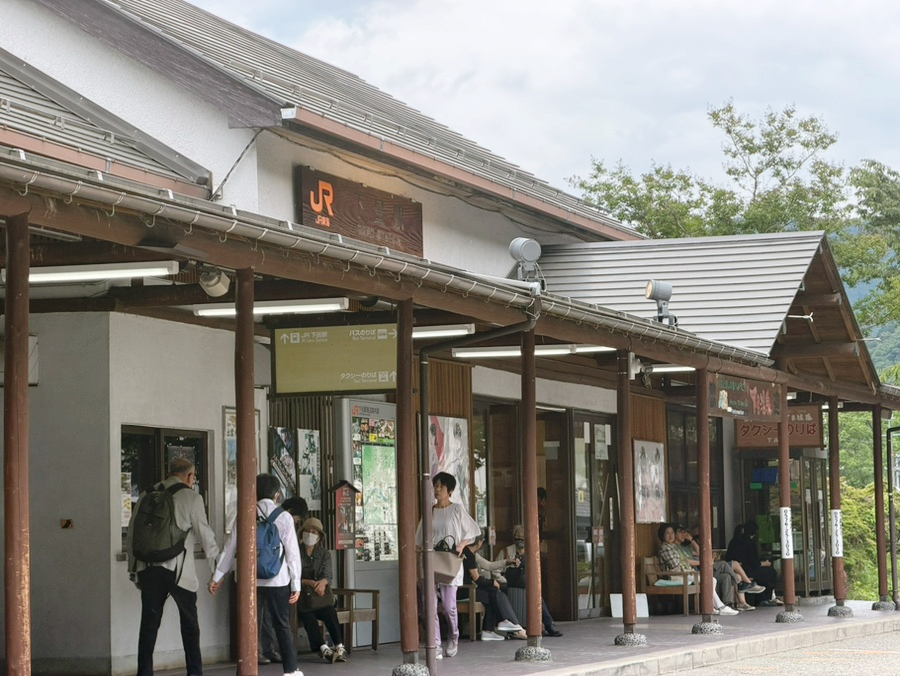
Gero Onsen is a compact, walkable village.
You can reach all the main attractions
within a 10-minute stroll.
📍 Yuamiya
801-2 Yunoshima, Gero, Gifu 509-2207, Japan
📍 Onsenji Temple
680 Yunoshima, Gero, Gifu 509-2207, Japan
📍 Gero Pudding
545-1 Yunoshima, Gero, Gifu 509-2207, Japan
📍 Cure Garden Open-Air Bath
894-2 Yunoshima, Gero, Gifu 509-2207, Japan
Factoring in about an hour for a bath,
wandering the streets, and grabbing
the famous local pudding,
a 3-hour window is the perfect amount of time.
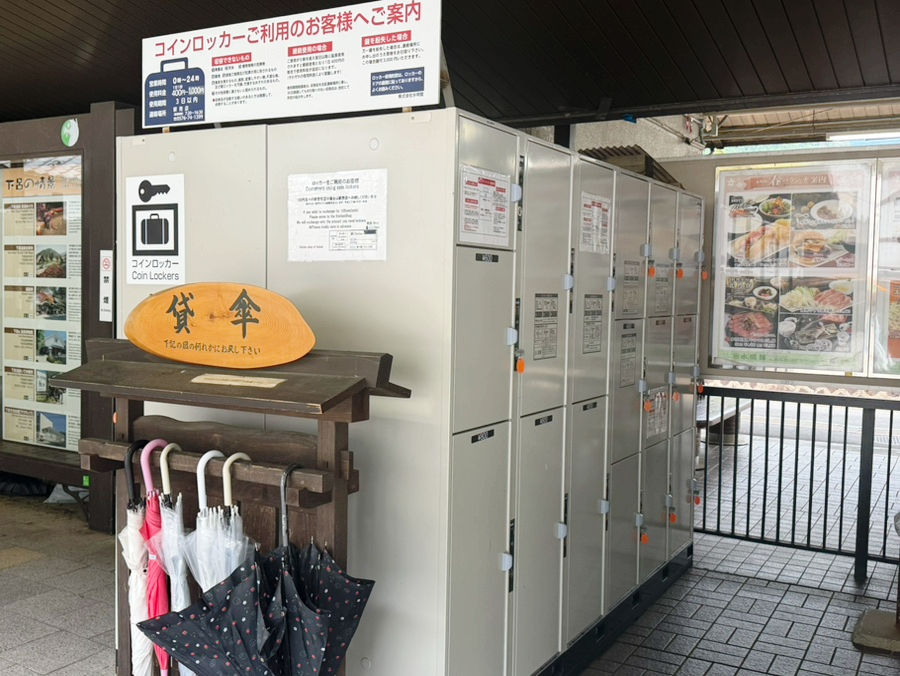
If you're traveling with heavy luggage,
there are coin lockers right inside the station.
This is super convenient if you're
heading straight to Takayama afterward.
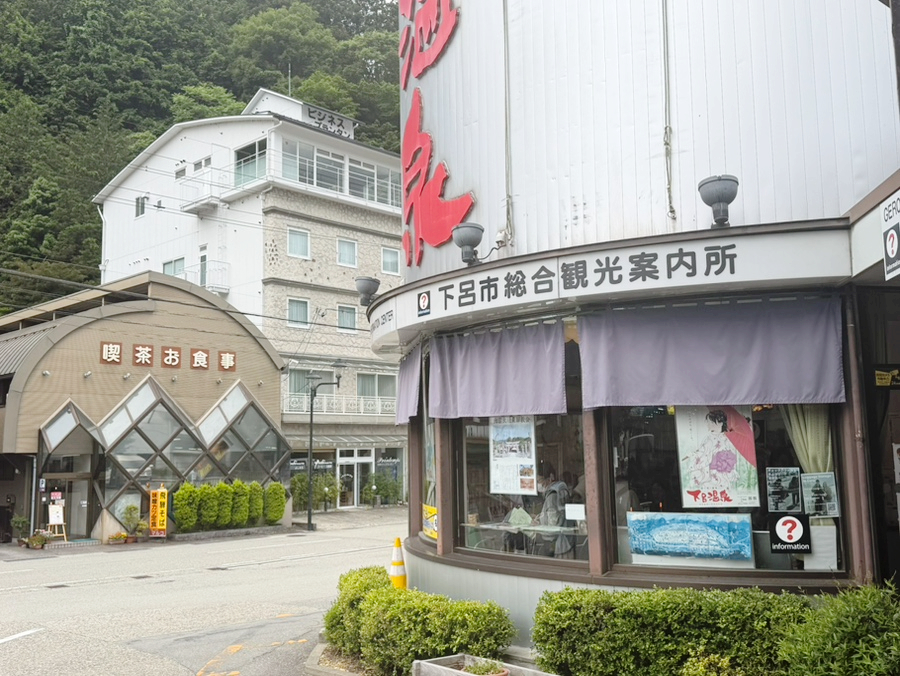
I popped into the tourist information center
right in front of the station
to grab a map and check public bath options.
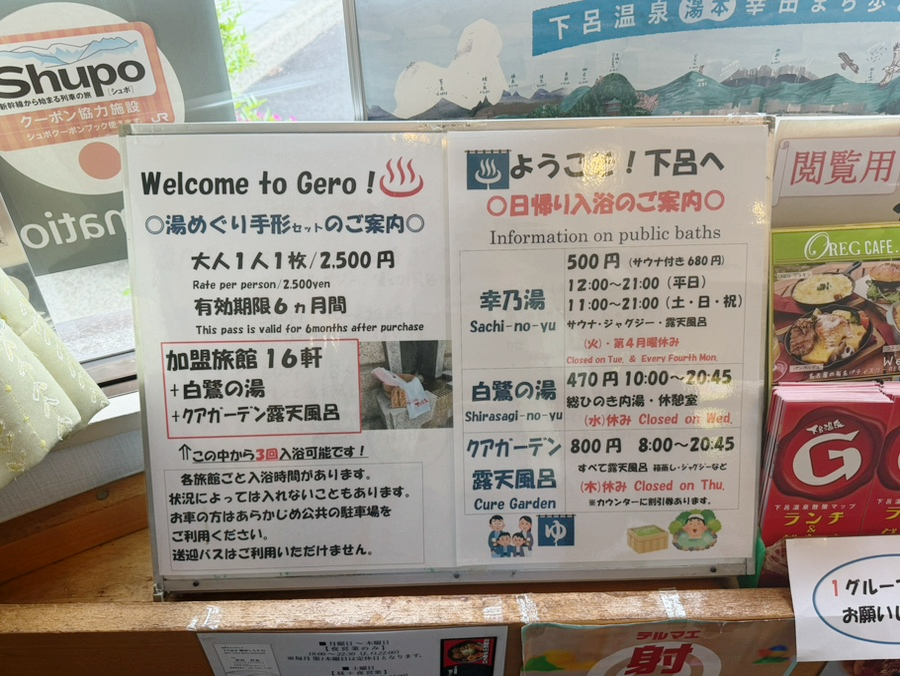
Aside from the private ryokans,
there are 3 main public bathhouses in town:
Sachinoyu, Shirasaginoyu, and Cure Garden.
Cure Garden is the priciest at 800 yen (~$5.50)
but features a beautiful open-air bath (no indoor pools).
Keep in mind it is closed on Tuesdays.
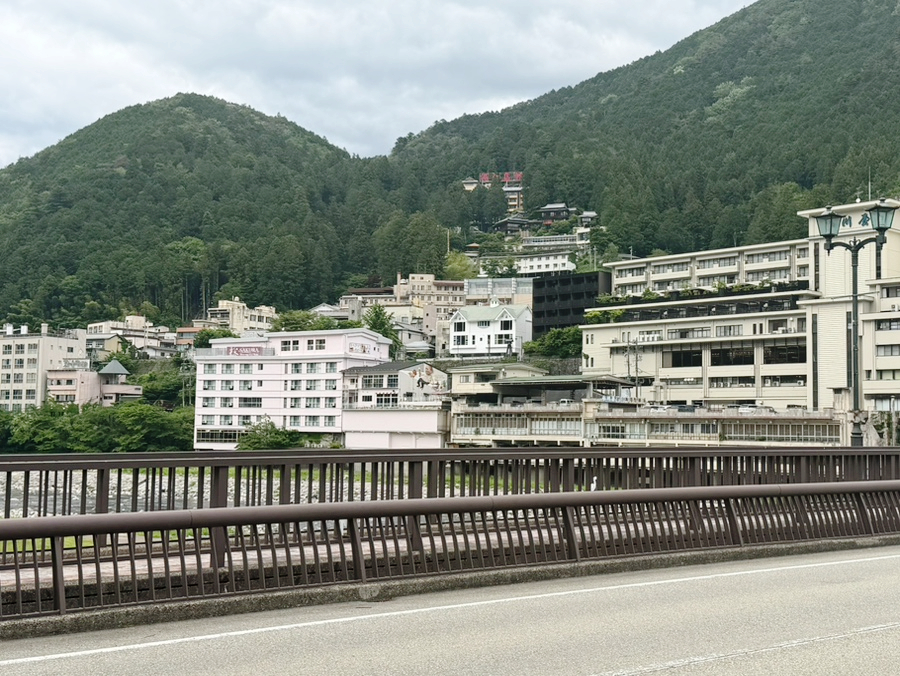
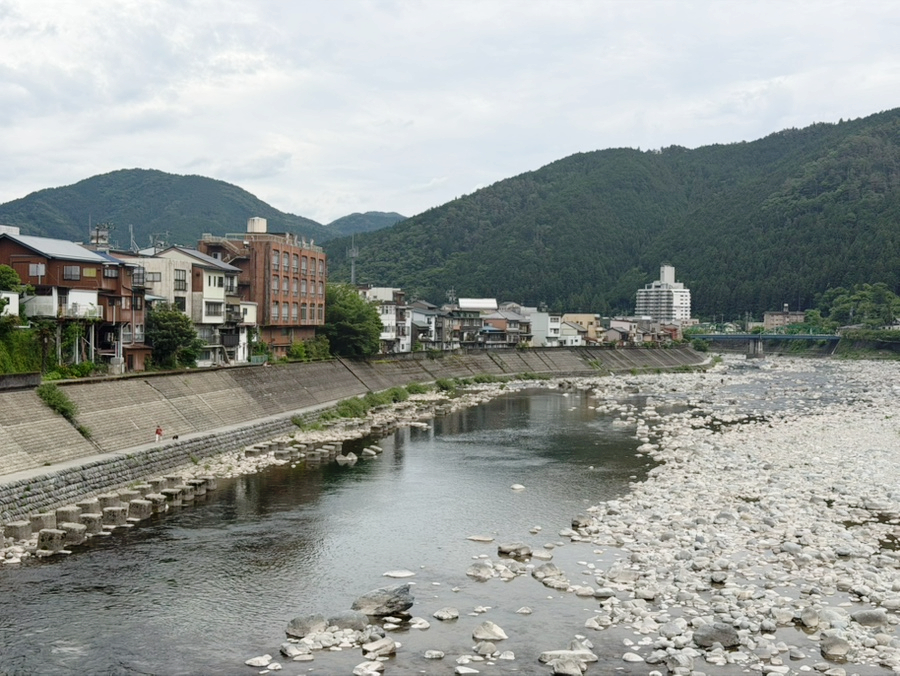
Crossing the bridge from the station
leads you straight into the heart of the hot spring village.
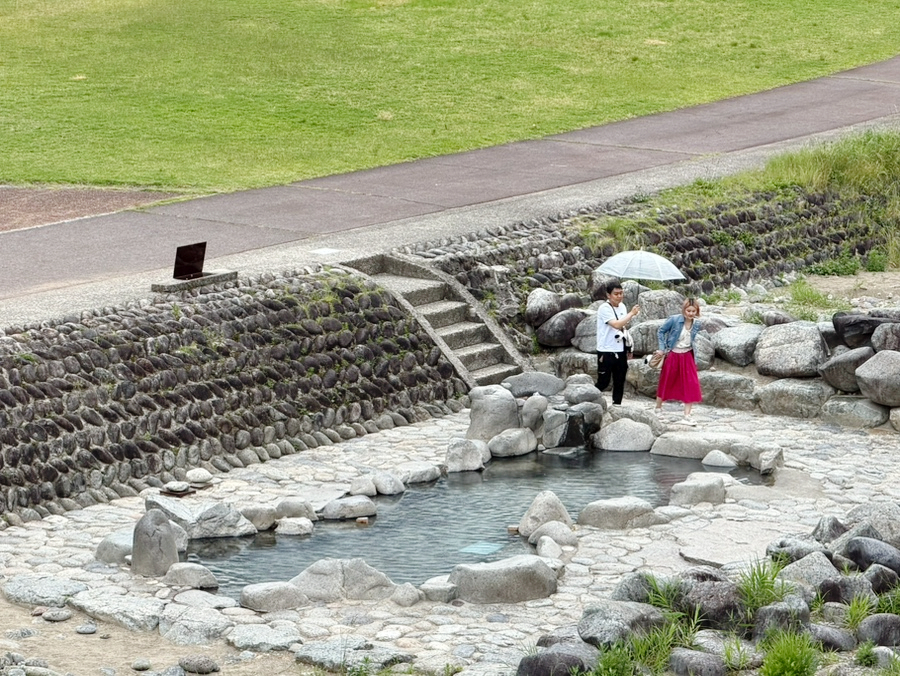
Look down at the riverbank as you cross—
there's a rustic open-air bath right by the water.
People used to bathe here in swimsuits,
but these days it functions more as a scenic foot bath.
01. Yuamiya |
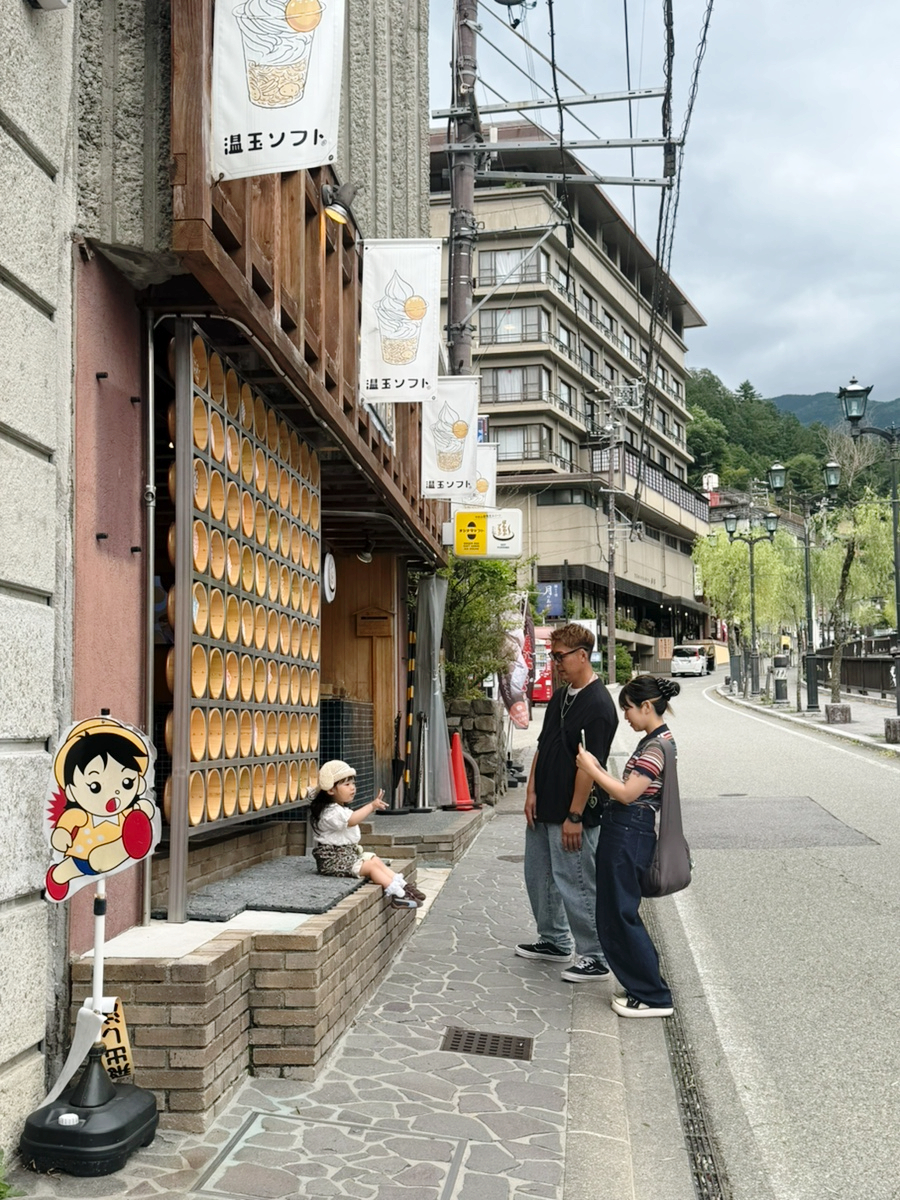
Right at the village entrance is
Yuamiya. It's one of the two
most famous pudding shops in town.
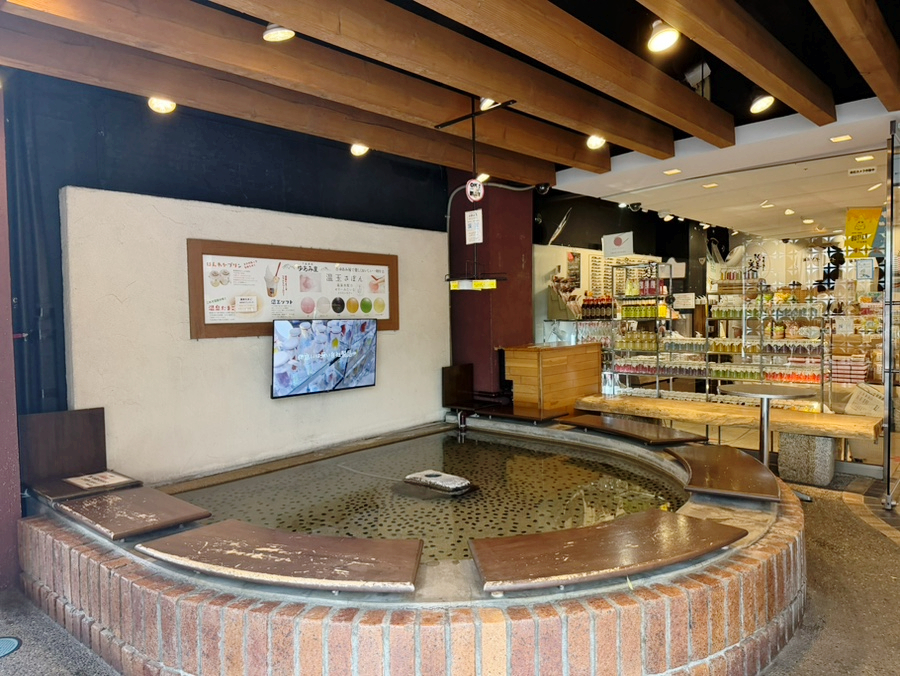
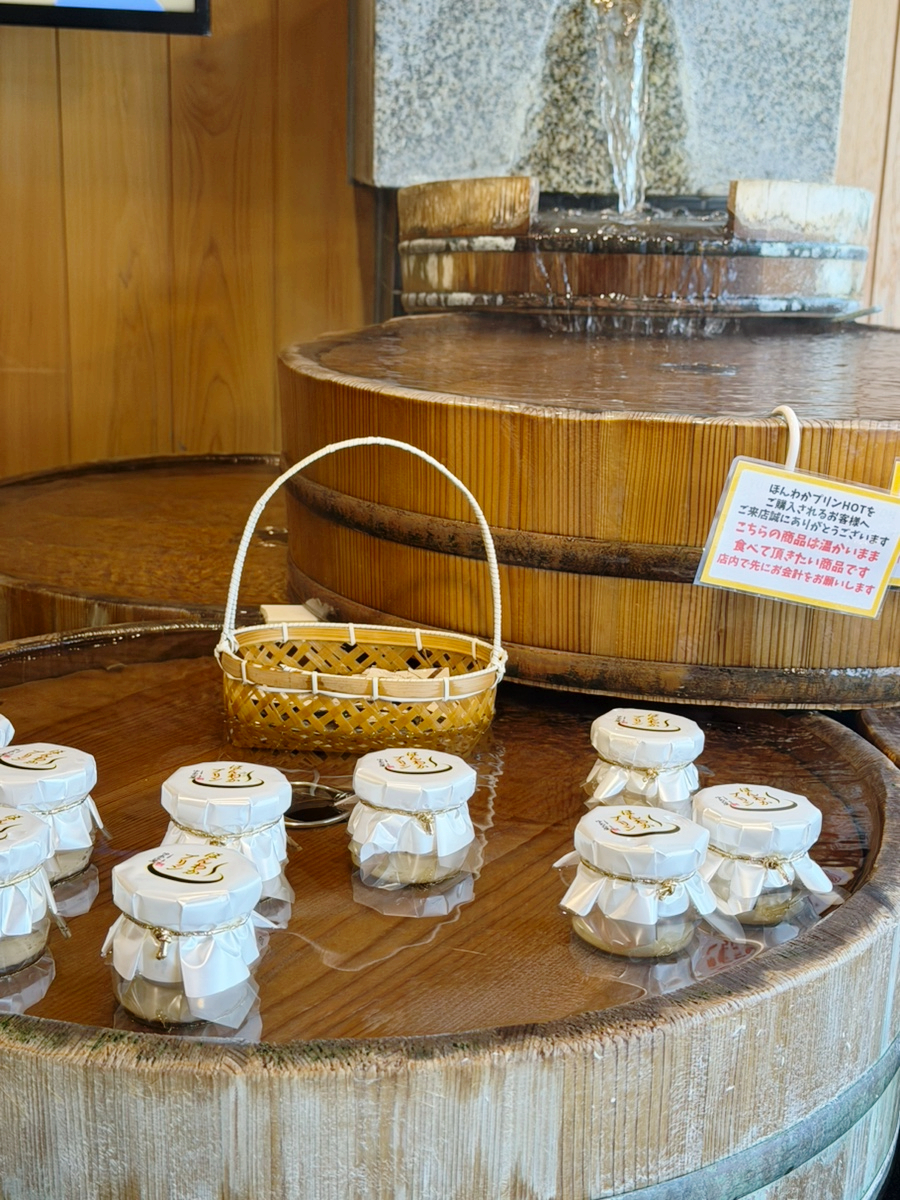
The best part? You can eat your pudding
while soaking your feet in their attached foot bath.
They serve a unique "hot spring" pudding
that is served warm, though
classic chilled puddings are available too.
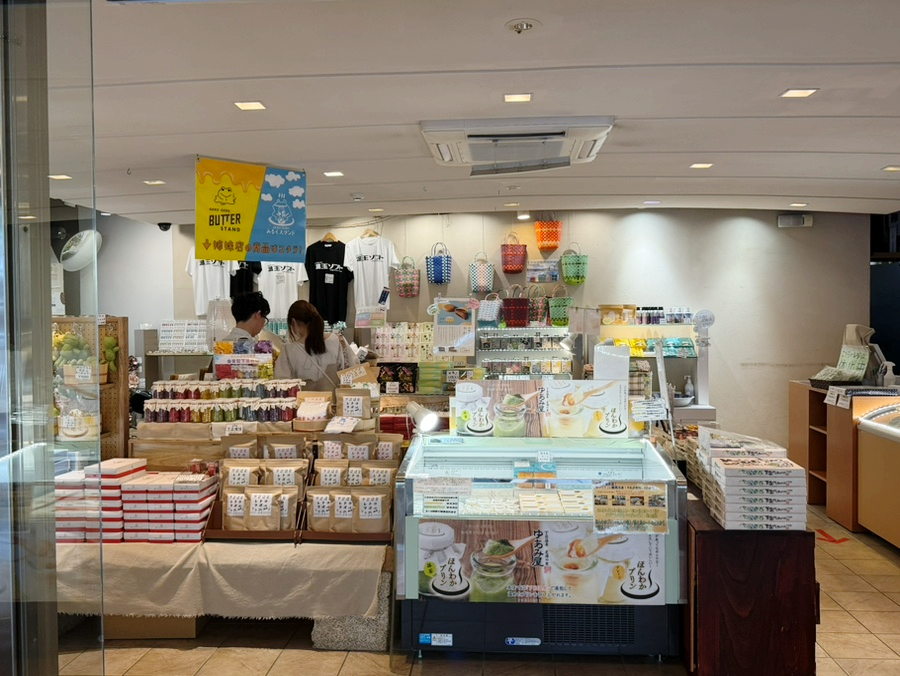
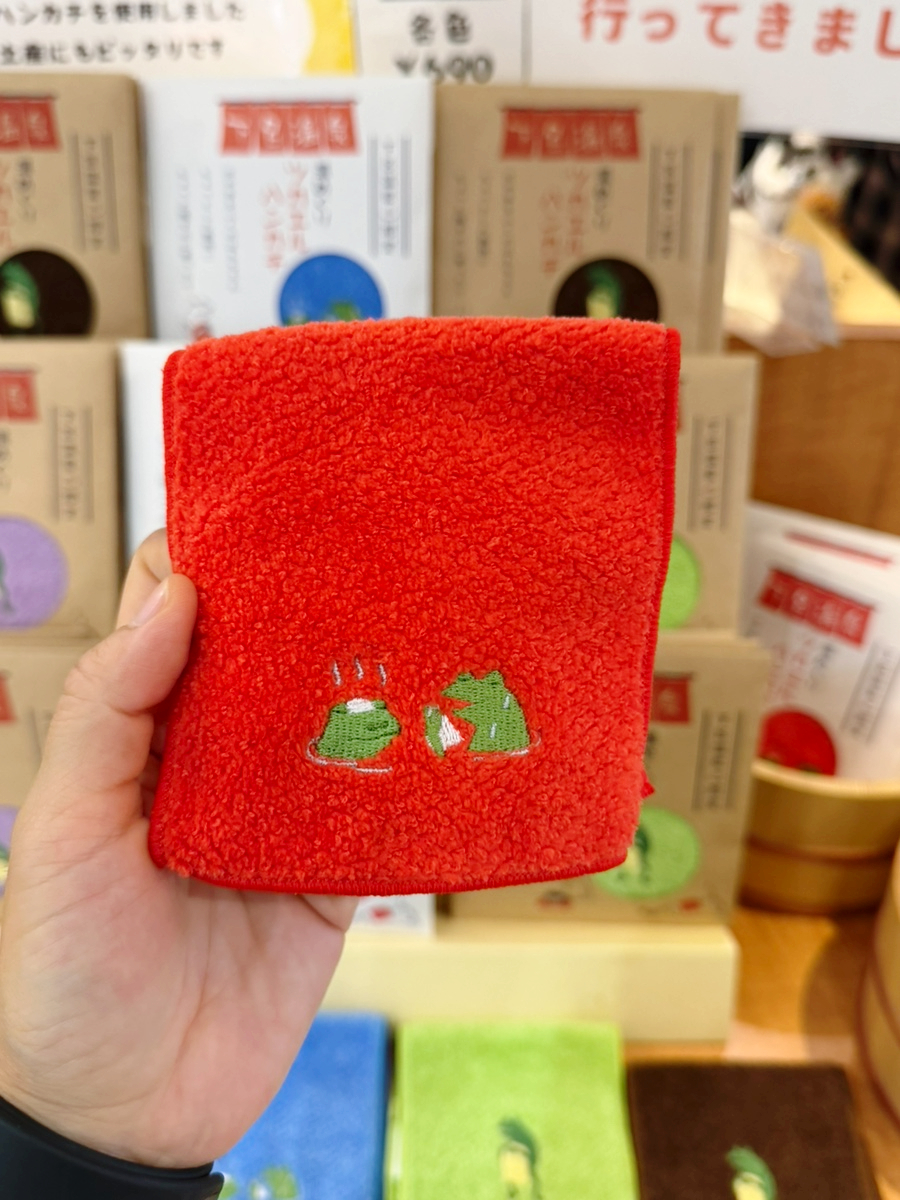
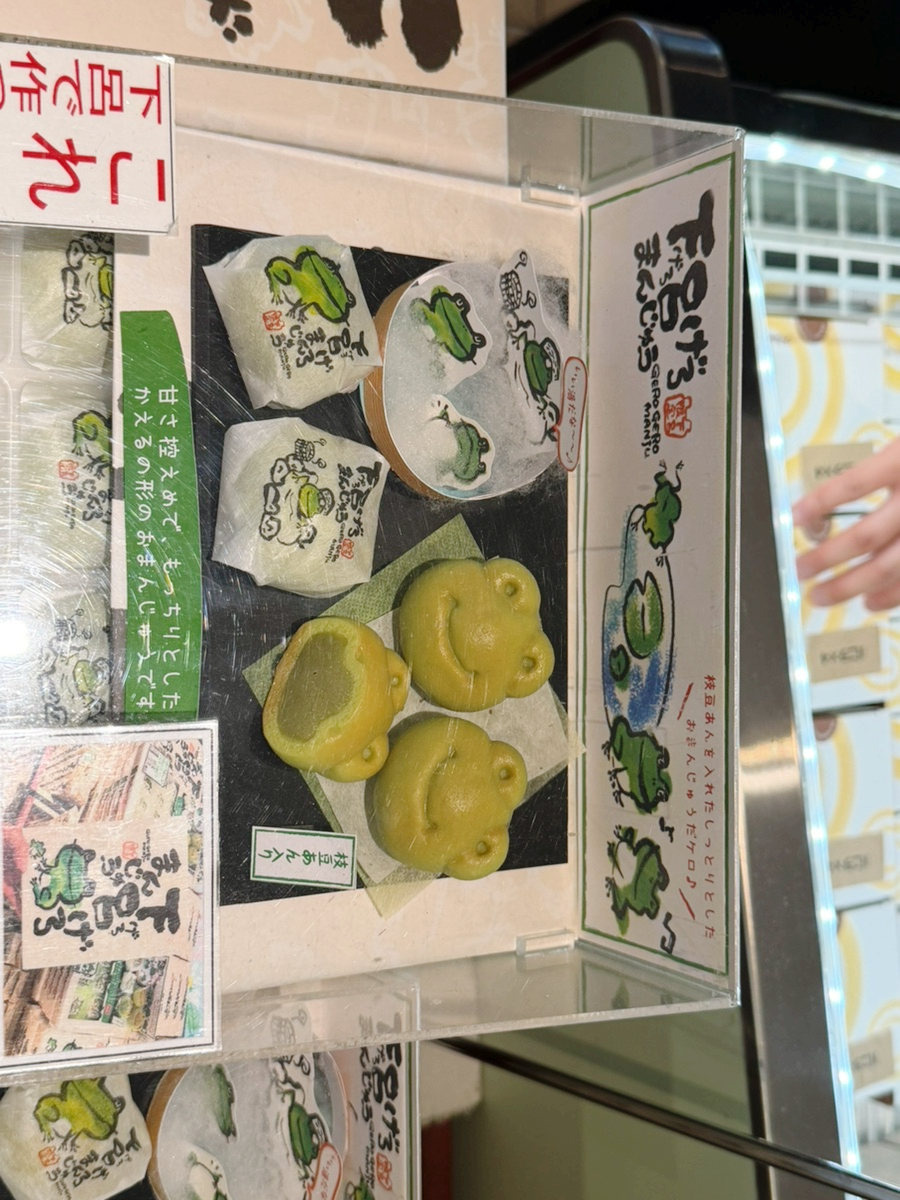
The shop also doubles as a souvenir store,
making it a great spot to browse local crafts.
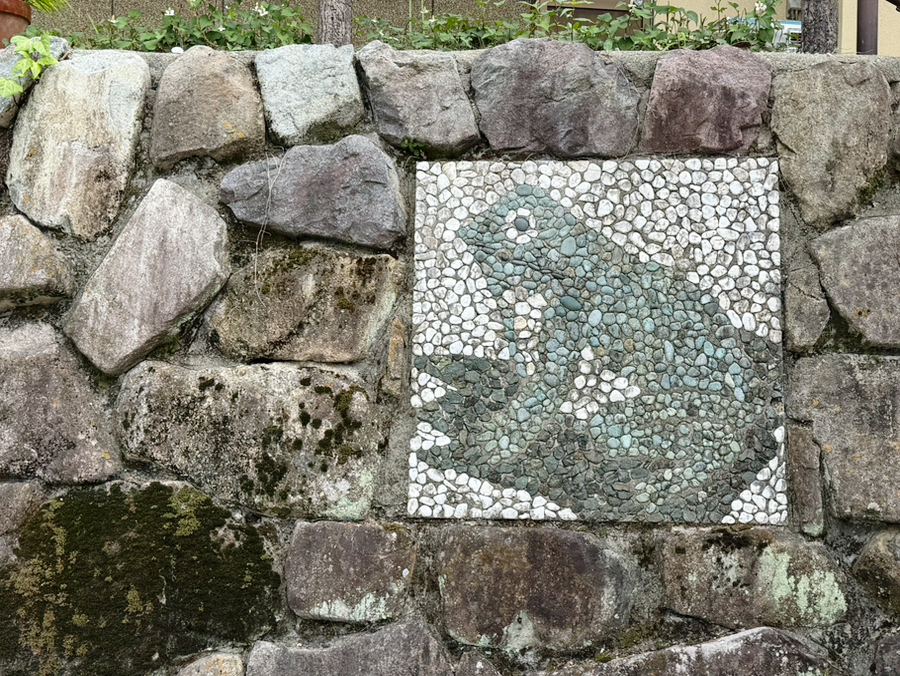
*Fun cultural fact: The Japanese onomatopoeia
for a frog's ribbit is "gero gero."
Naturally, the town has embraced the frog as its official mascot!
02. Free Sarubobo Foot Bath |
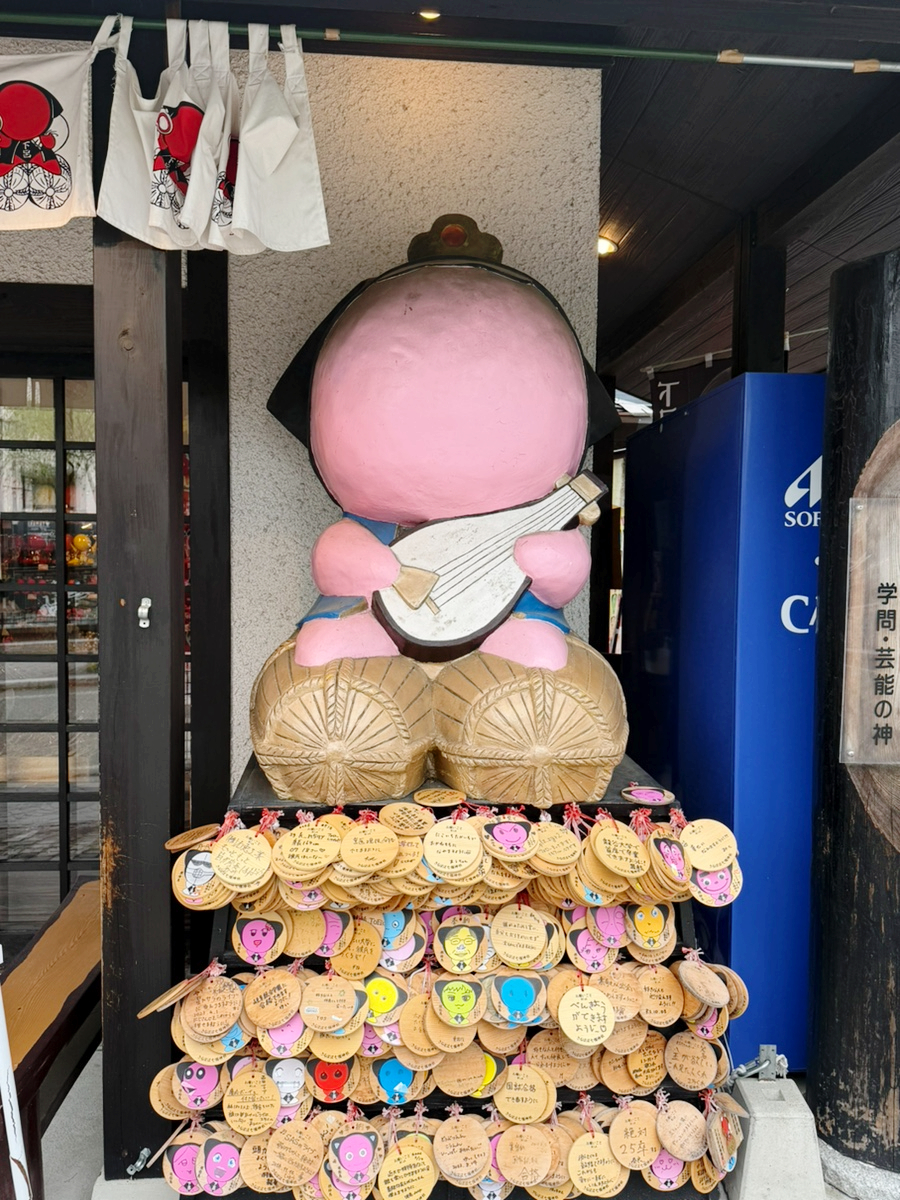
Right next to Yuamiya,
I stumbled upon this hidden gem.
If you travel through the Hida or Takayama regions,
you'll see these traditional faceless dolls everywhere.
They are called 'Sarubobo' (baby monkey).
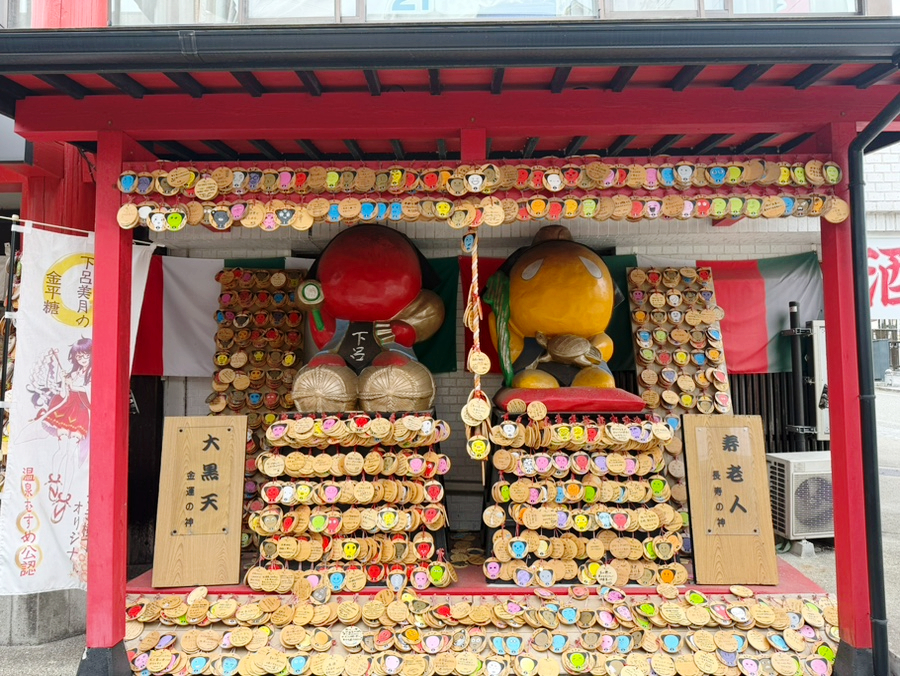
These dolls, missing eyes, a nose, and a mouth,
actually originated right here in the Gero area.
They aren't just cute souvenirs;
they serve as traditional protective amulets,
with different colors representing different types of luck.
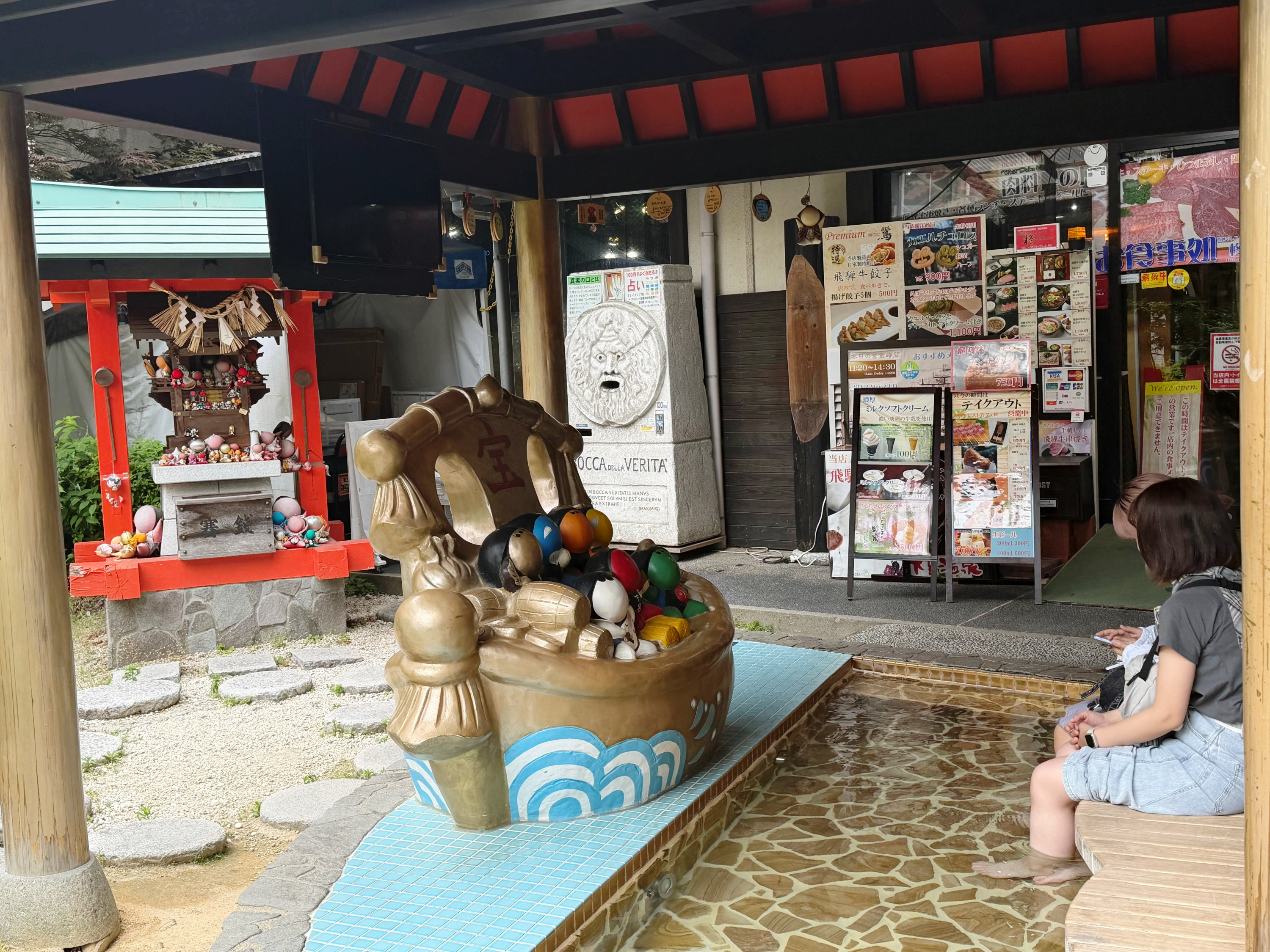
Drawn in by the giant Sarubobo statues,
I found a lovely, quiet free foot bath tucked inside.
03. Onsenji Temple |
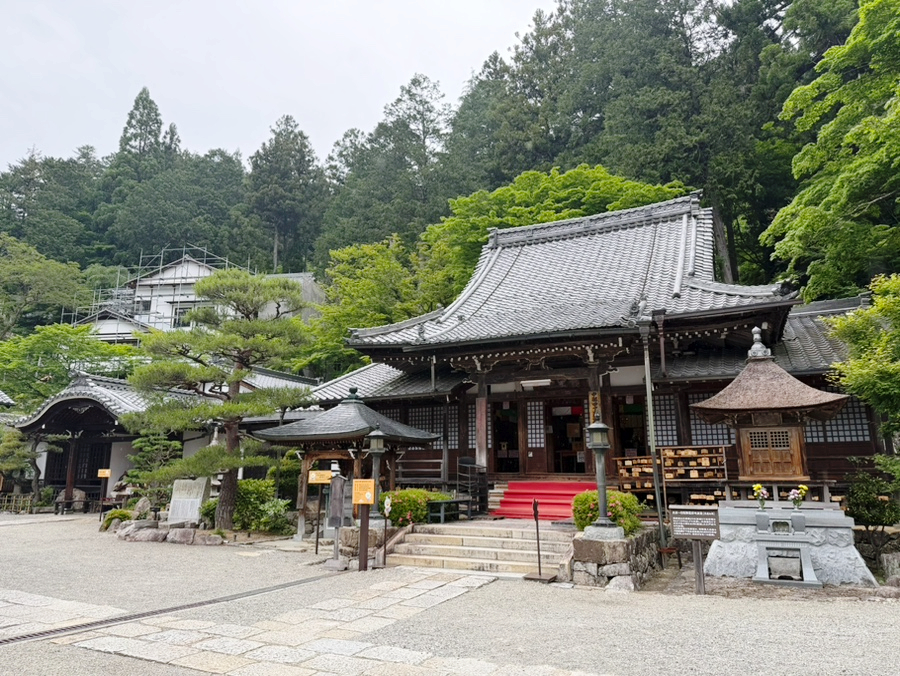
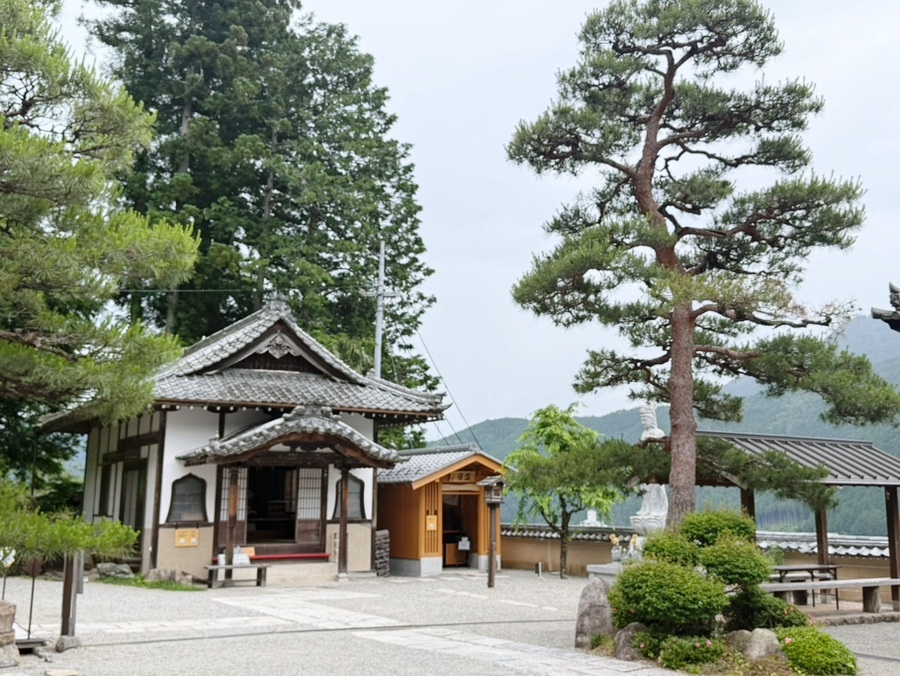
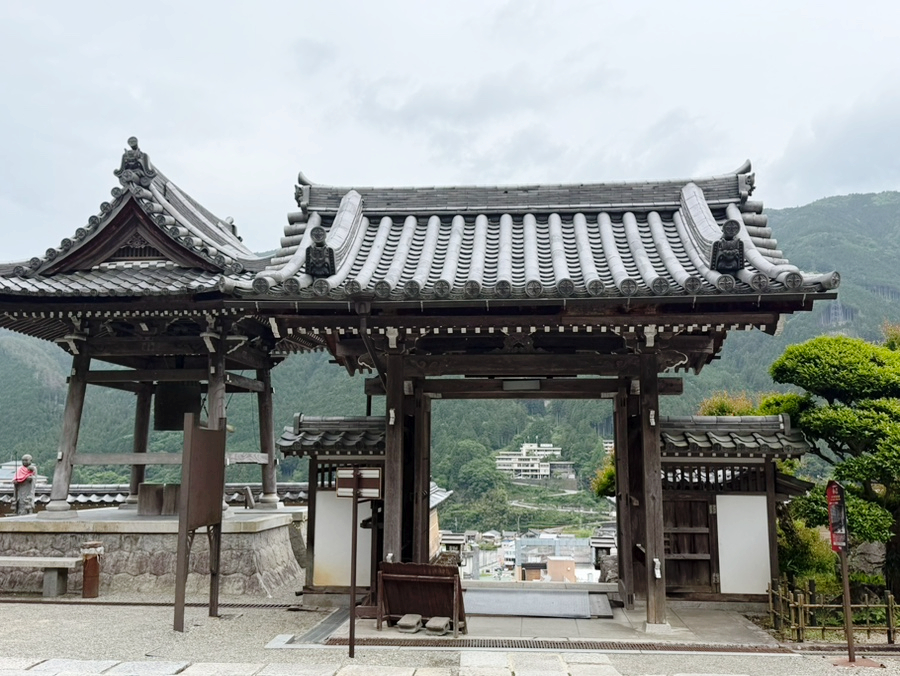
Onsenji Temple is just a 5-minute walk away.
It sits high on a hill,
so be prepared for a bit of a climb.
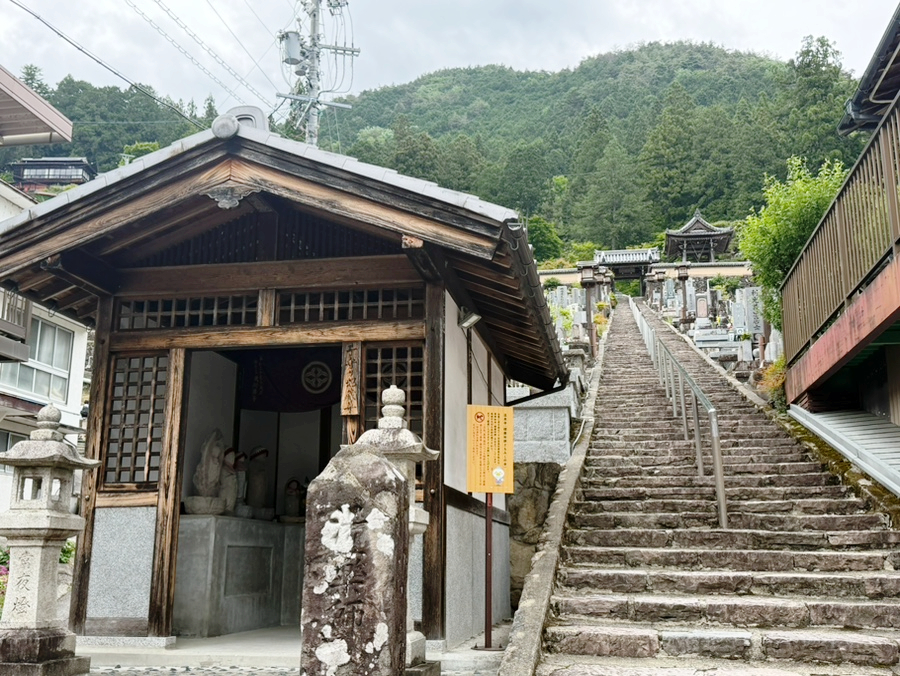
The temple entrance
starts near a traditional Japanese cemetery.
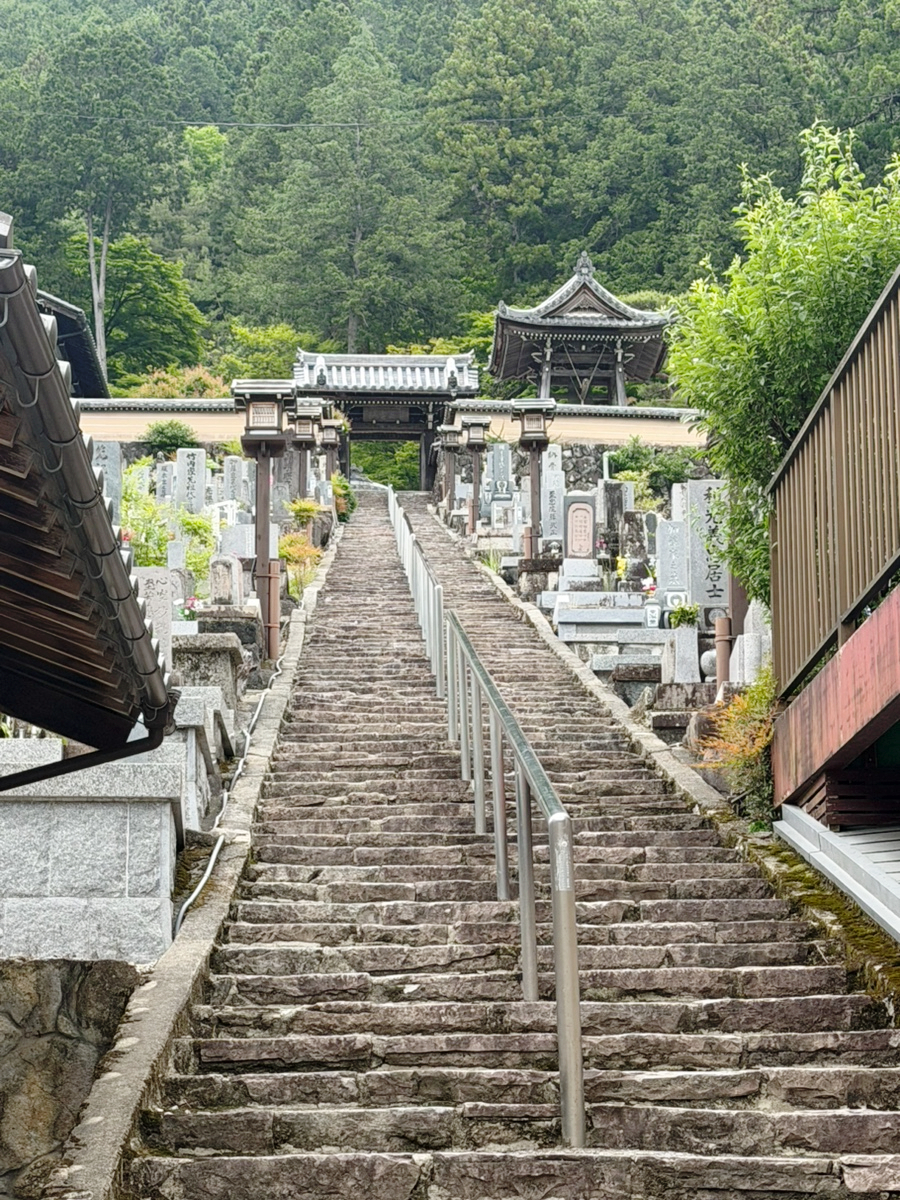
You'll need to conquer exactly 173 stone steps.
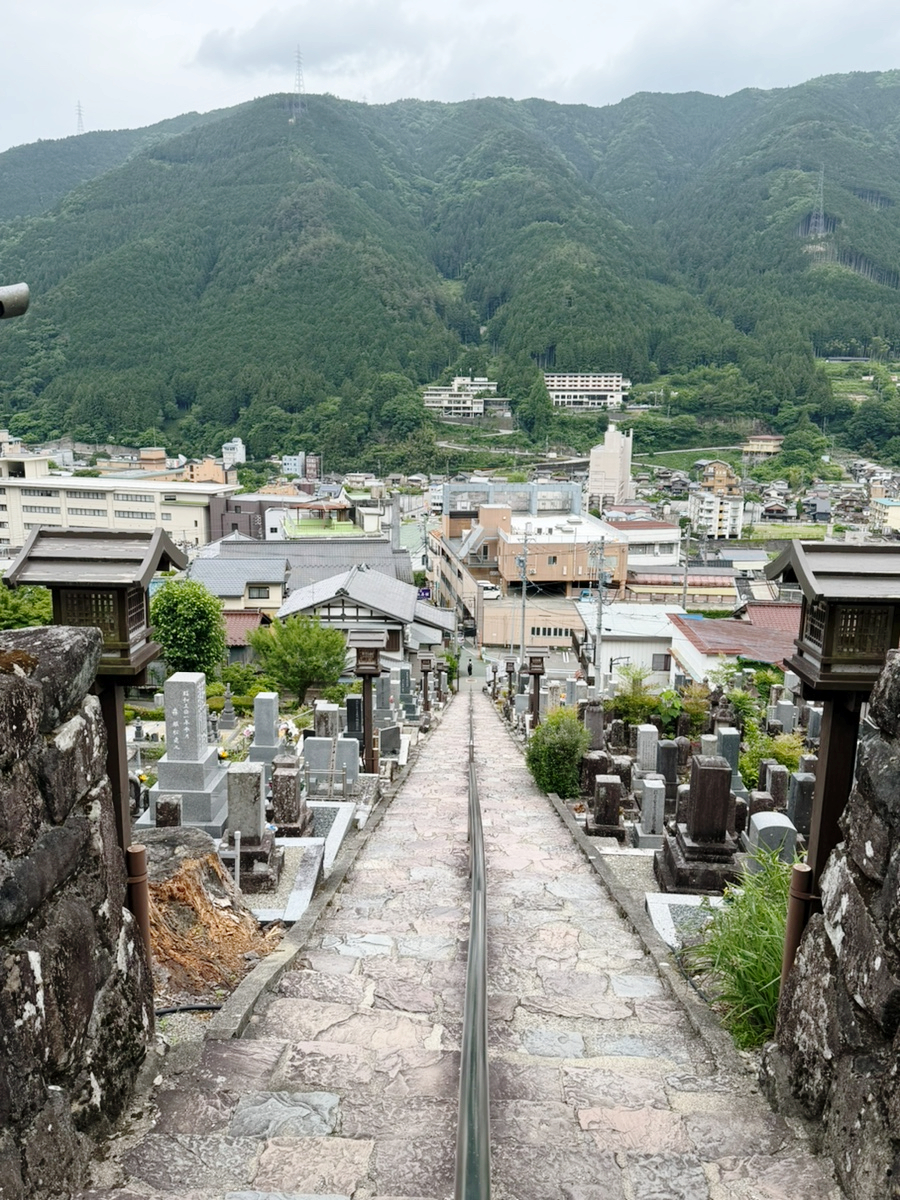
Why make the trek?
Because the high vantage point offers
a sweeping, panoramic view of the entire Gero village.
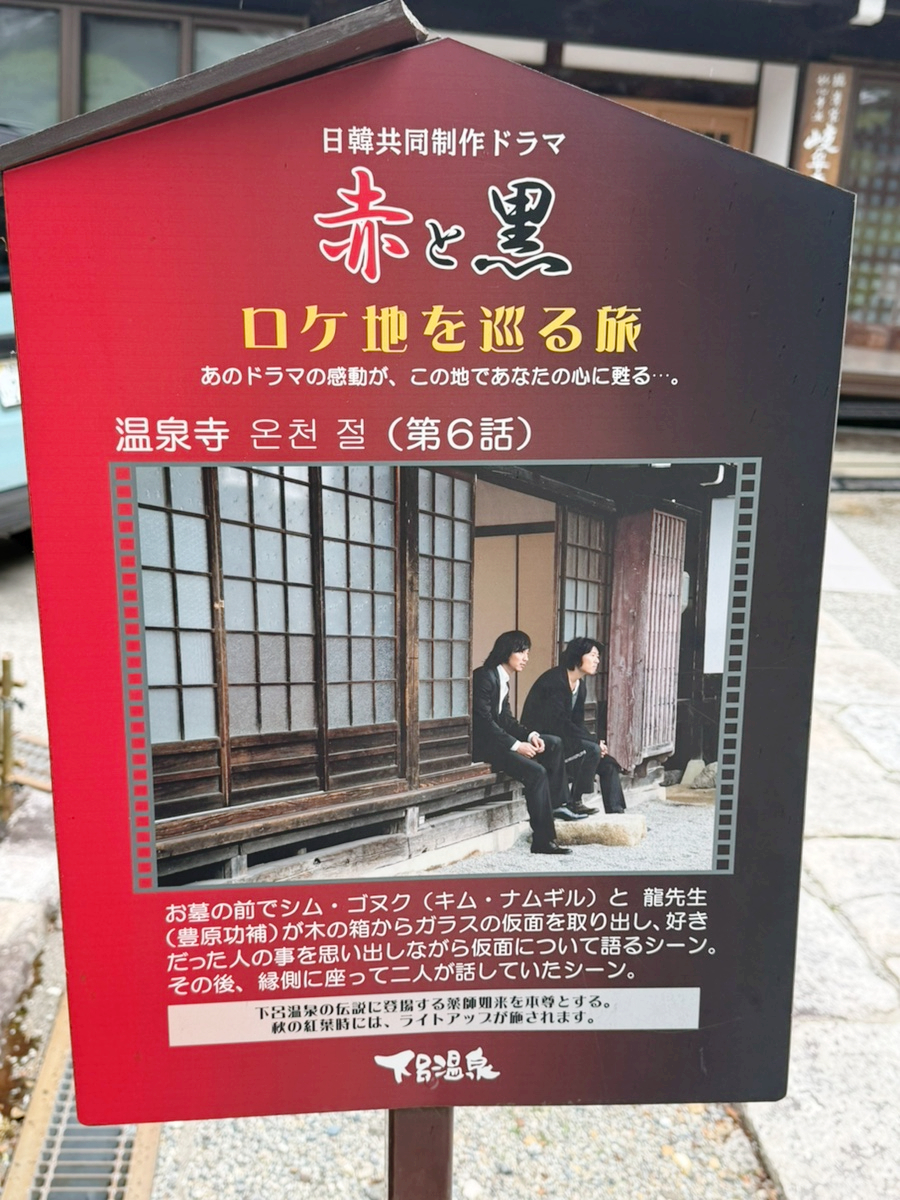
Fun fact for K-drama fans: This was a filming location
for the drama "Bad Guy" starring Kim Nam-gil.
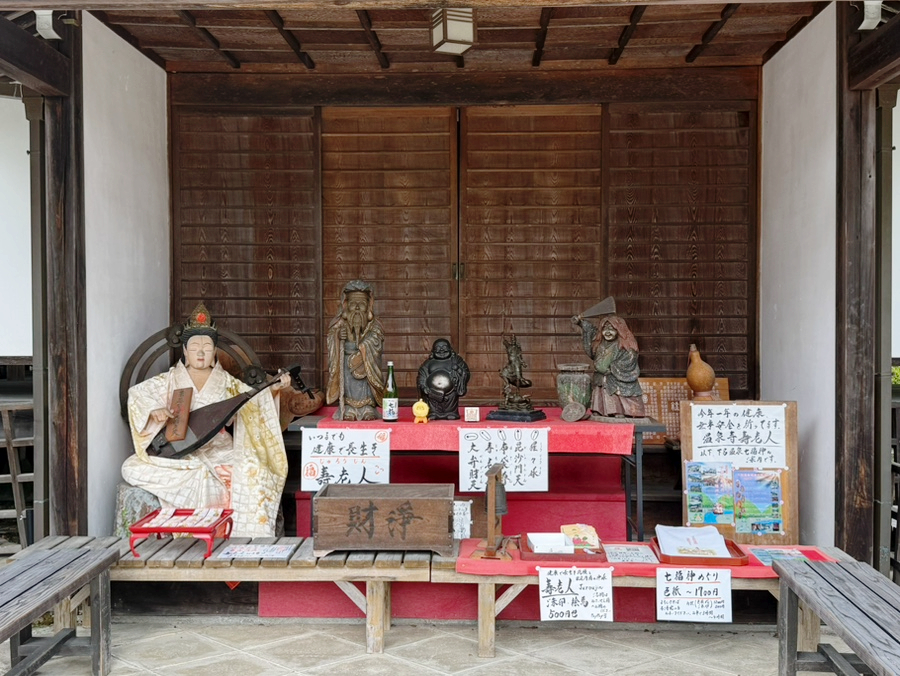
Onsenji is deeply tied to the origins of the town.
It honors the healing Buddha from the legend
of the white heron that originally discovered the hot spring.
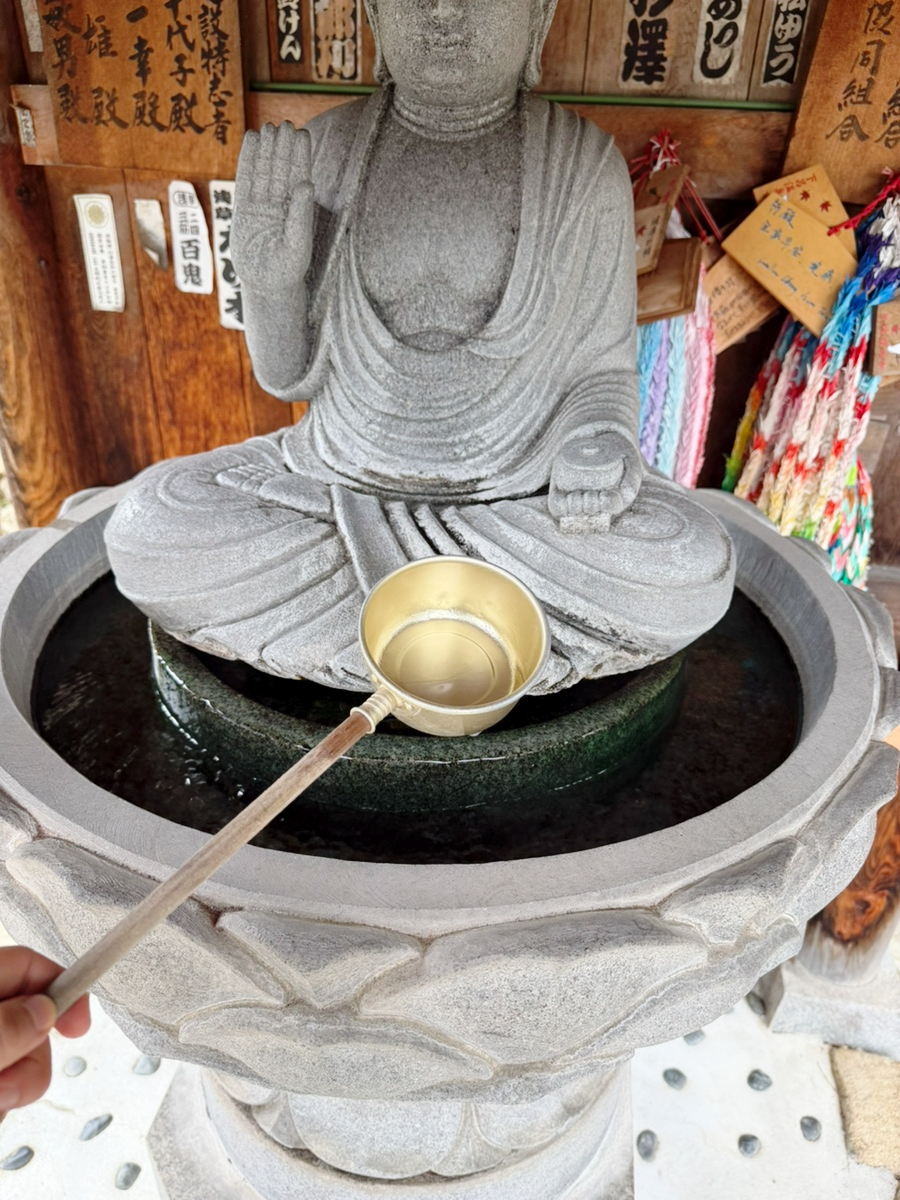
The water here flows directly from the source.
Local lore says if you pour it over an aching body part,
it will heal you.
I've been dealing with carpal tunnel lately,
so I poured some over my right wrist.
The warmth instantly made my circulation feel better!
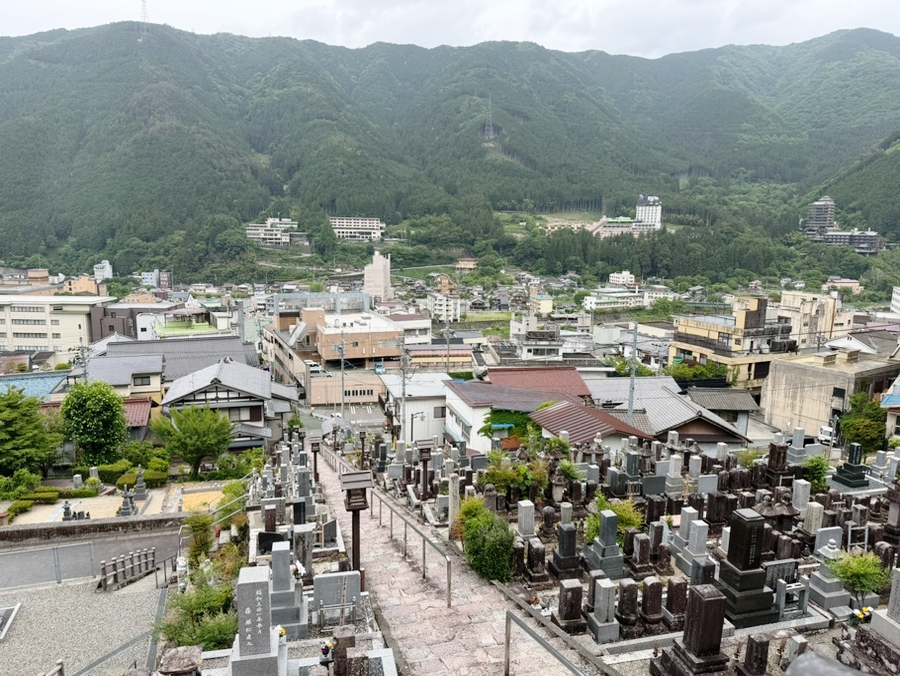
The temple grounds are quite small,
so you only need about 3 minutes to explore.
It started to drizzle,
so I quickly made my way back down.
04. Gero Pudding |
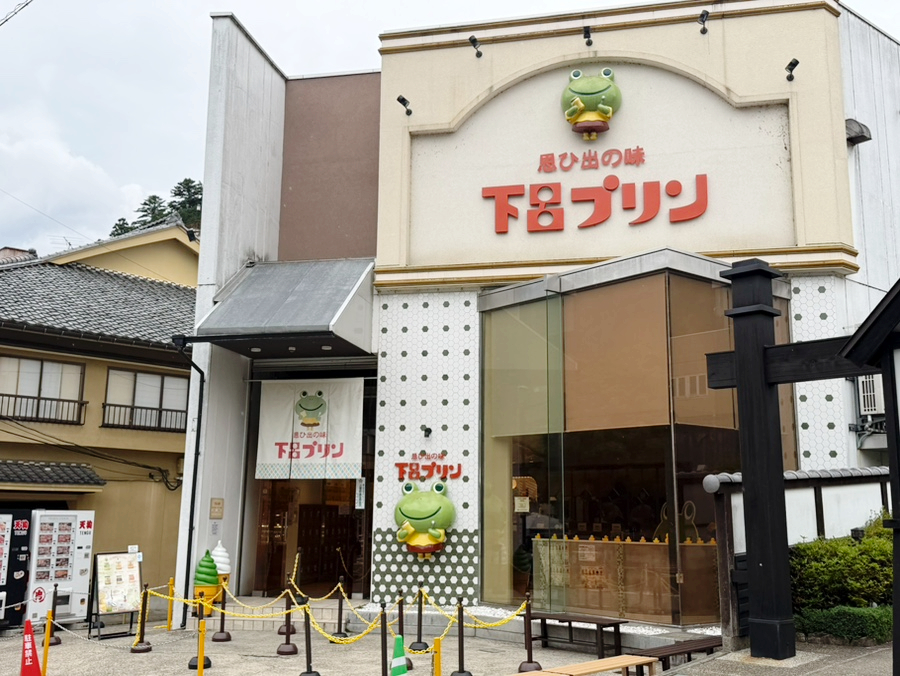
You simply cannot leave without trying the local pudding.
I was torn between Yuamiya and Gero Pudding earlier,
but decided on Gero Pudding
since it's the town's original, most iconic
specialty pudding shop.
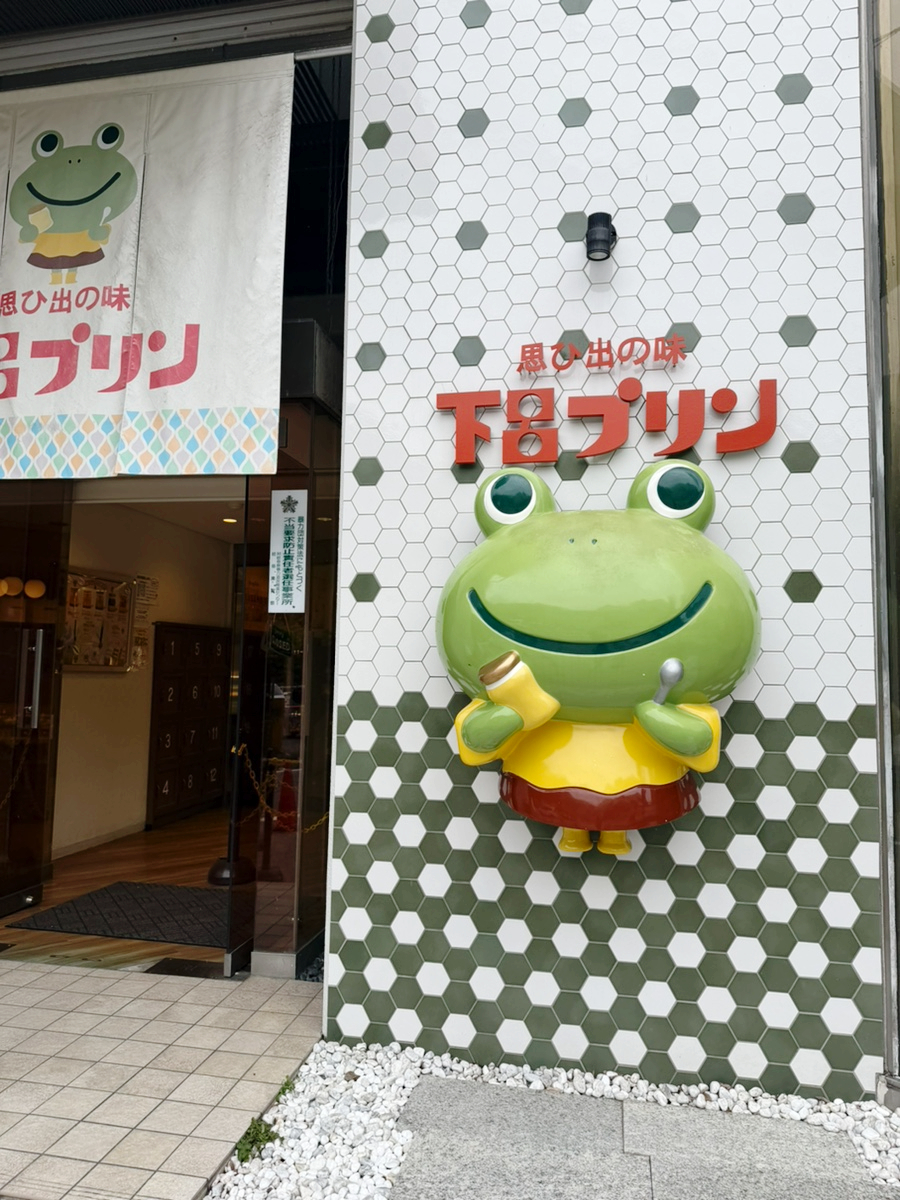
Look out for their adorable frog logo.
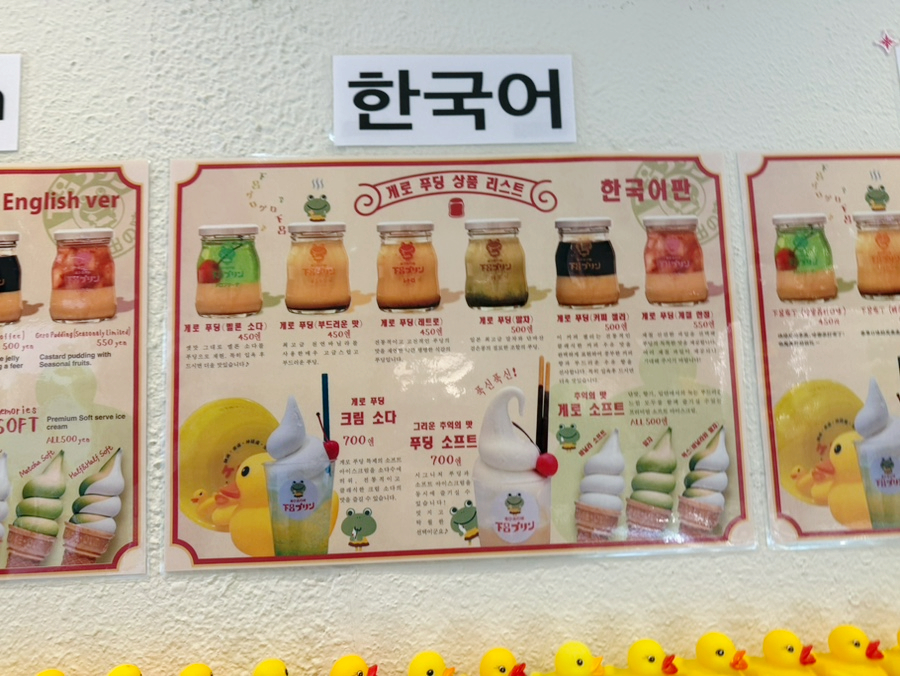
They have an English menu available.
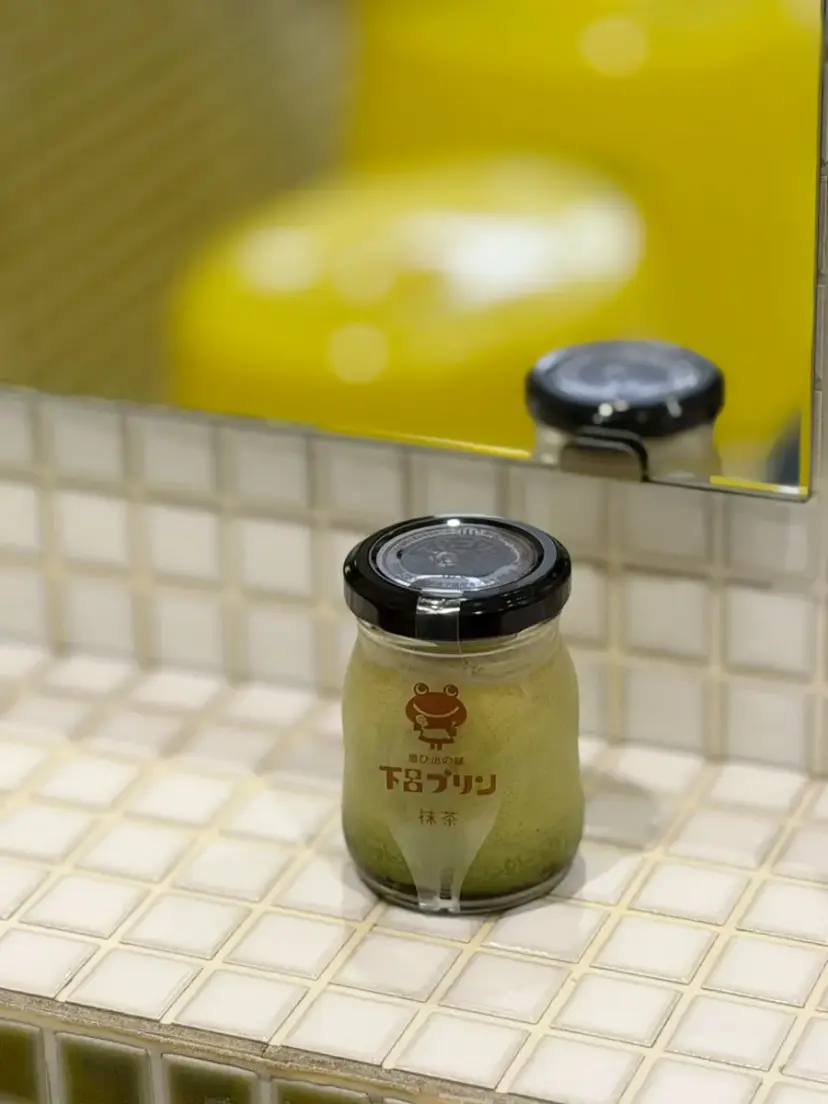
I went with the signature Matcha Pudding for 500 yen (~$3.50).
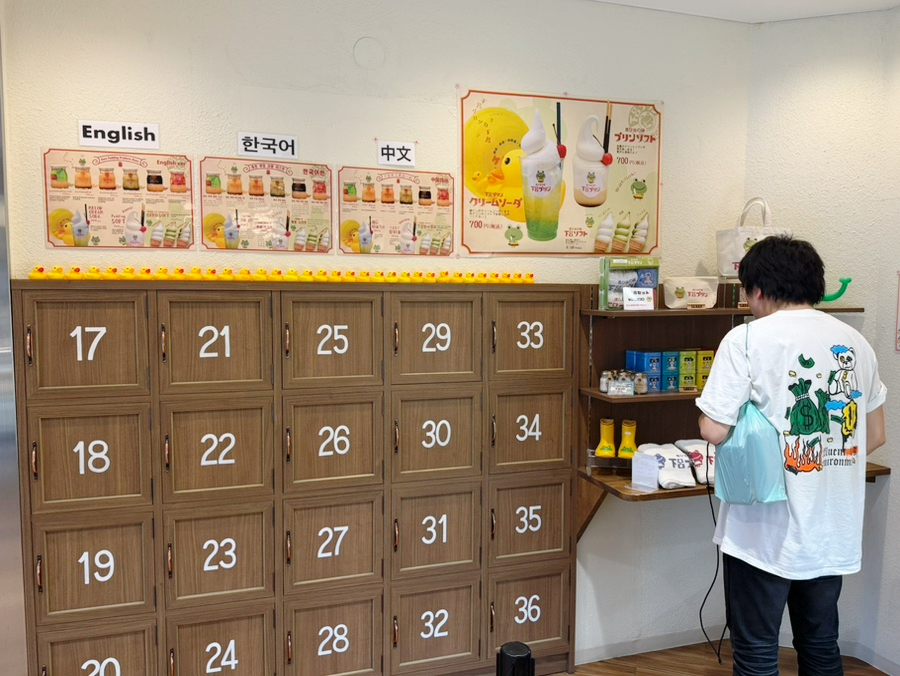
The entire store has a retro bathhouse theme,
complete with traditional wooden shoe lockers at the entrance.
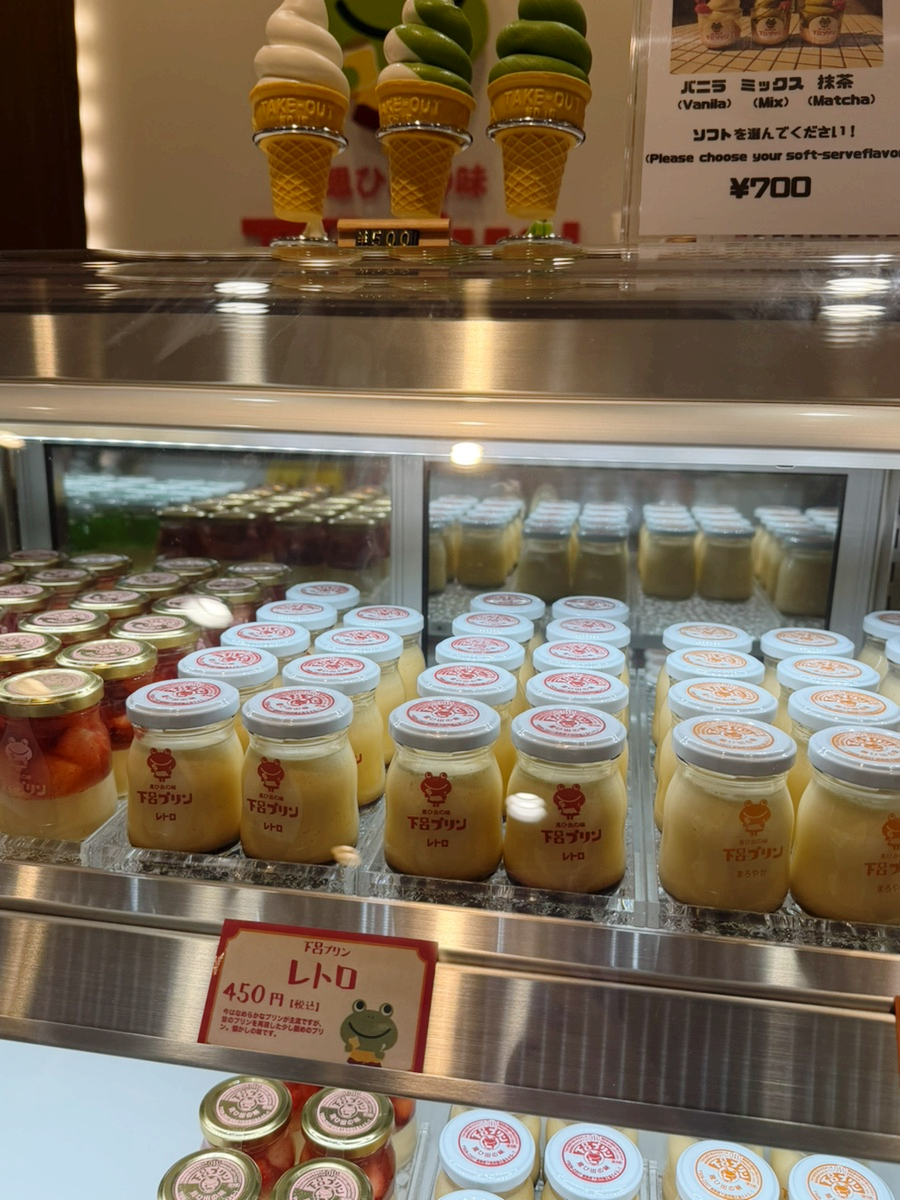
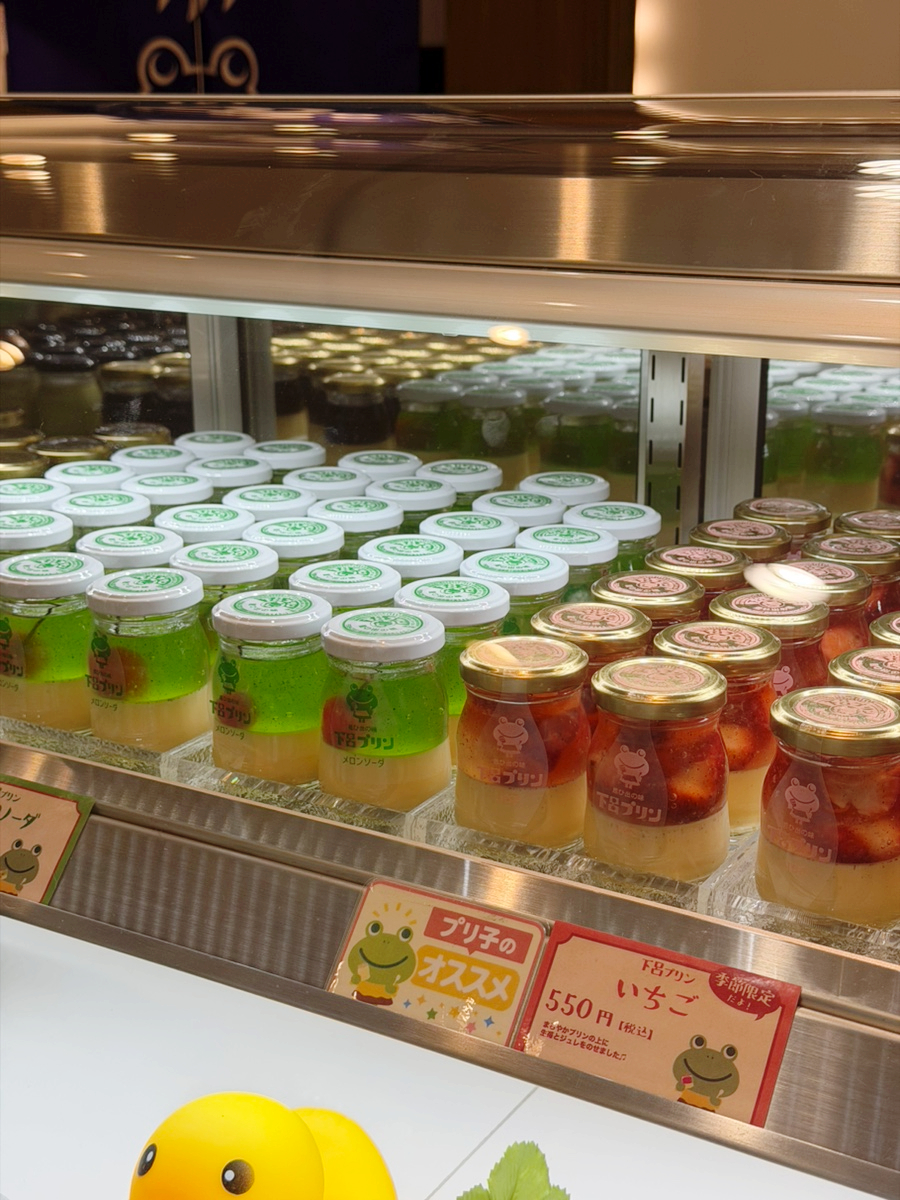
They offer classic vanilla, melon,
and a variety of seasonal flavors.
The glass jars are so cute I wanted to buy them all.
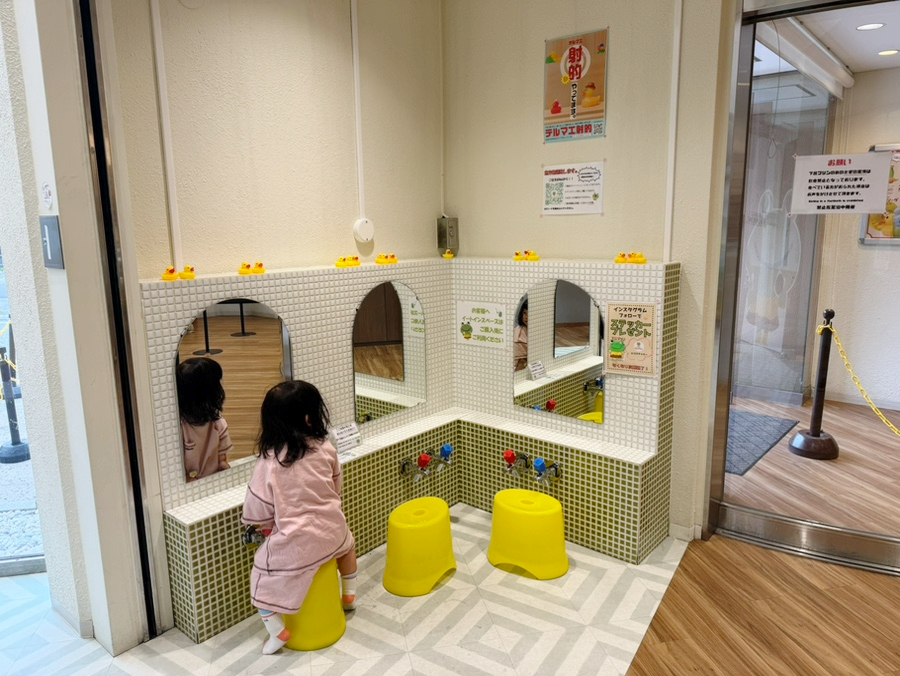
There's even a mock bathhouse setup
that serves as a perfect Instagram photo zone.
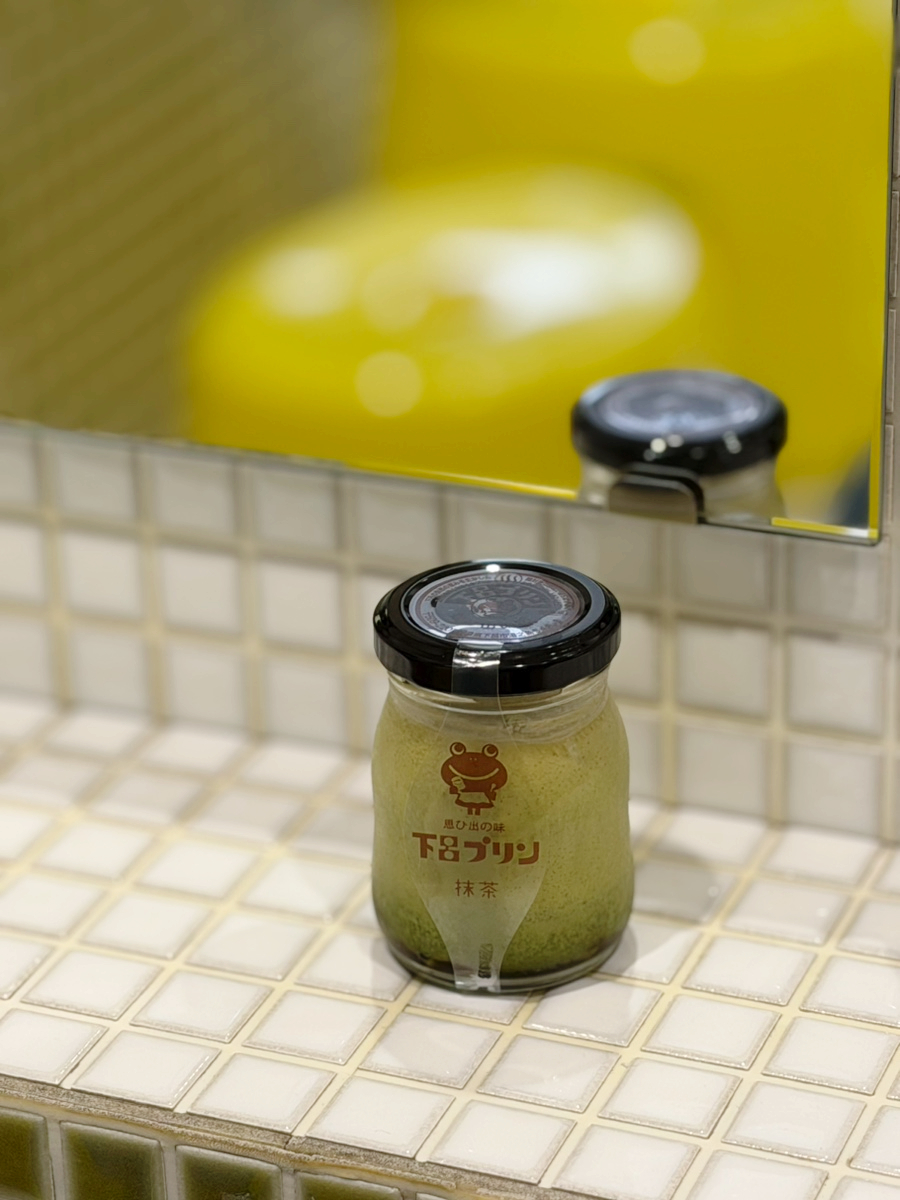
The vibrant green matcha pudding
paired with the frog logo
is a strangely perfect combination.
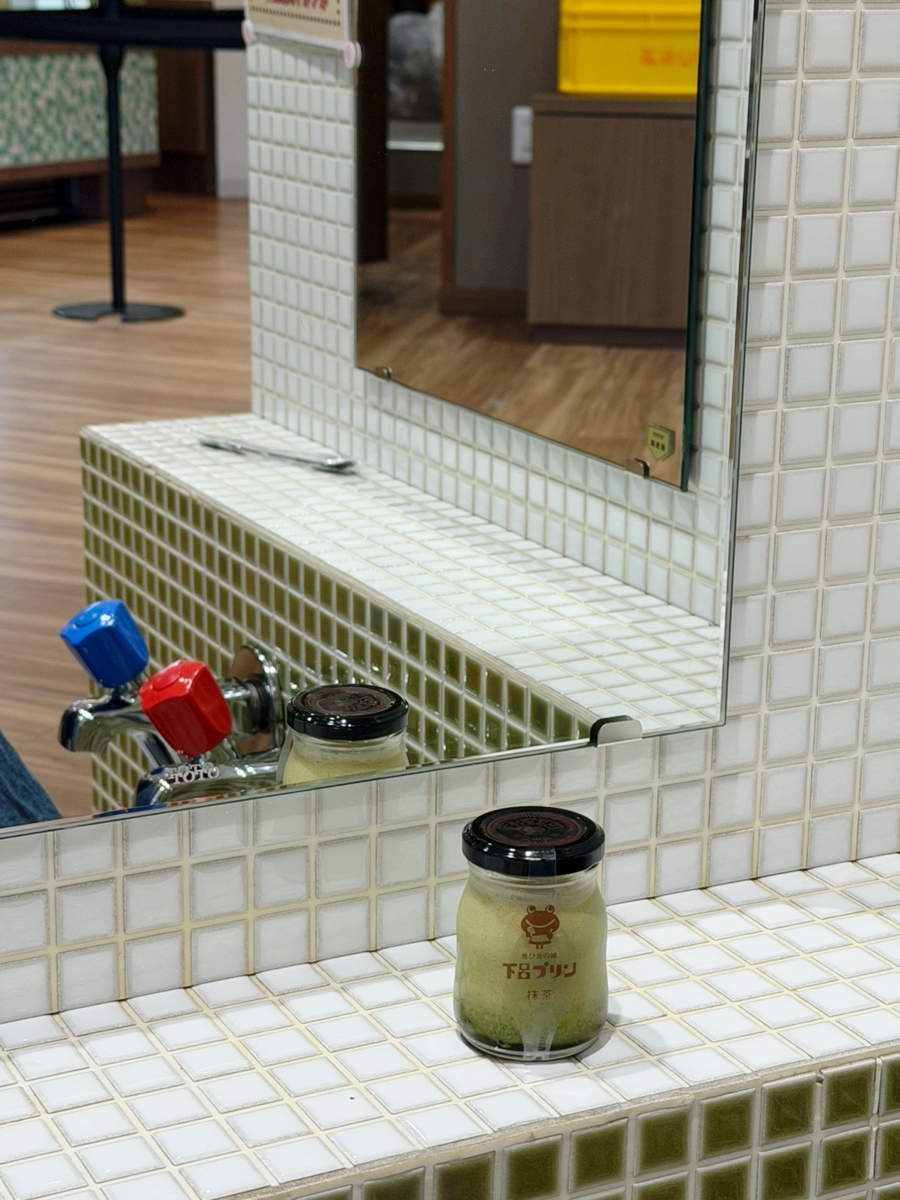
Honestly, Japanese convenience store puddings are already great,
so I didn't expect to be blown away,
but this exceeded all expectations.
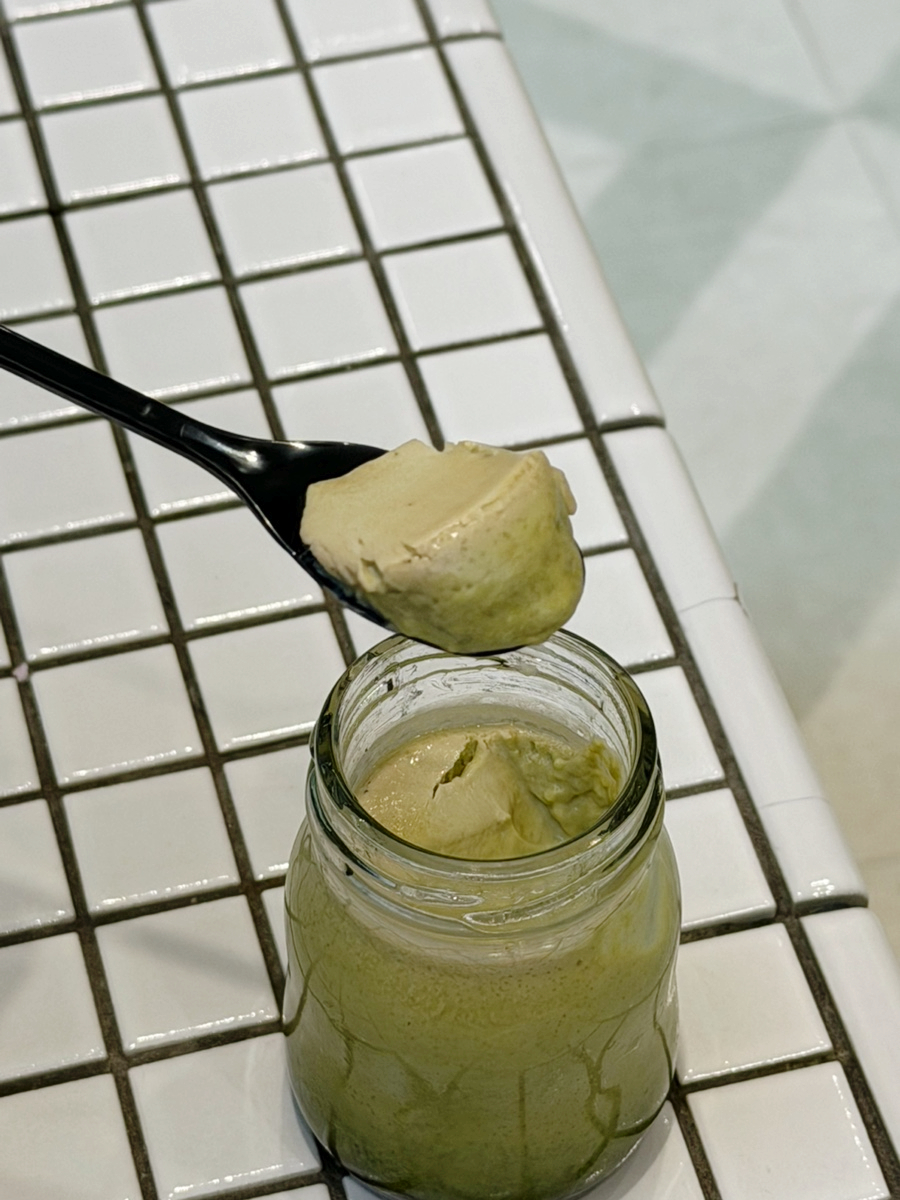
I'm not usually a huge dessert person,
but this matcha pudding was so silky and rich
that I seriously debated buying
a few more jars to take back with me.
05. Cure Garden |
Finally, time for a soak!
After taking photos, exploring the village,
and eating my pudding,
about 1.5 hours had flown by.
I planned to spend my last hour
relaxing in the hot spring before catching my train.
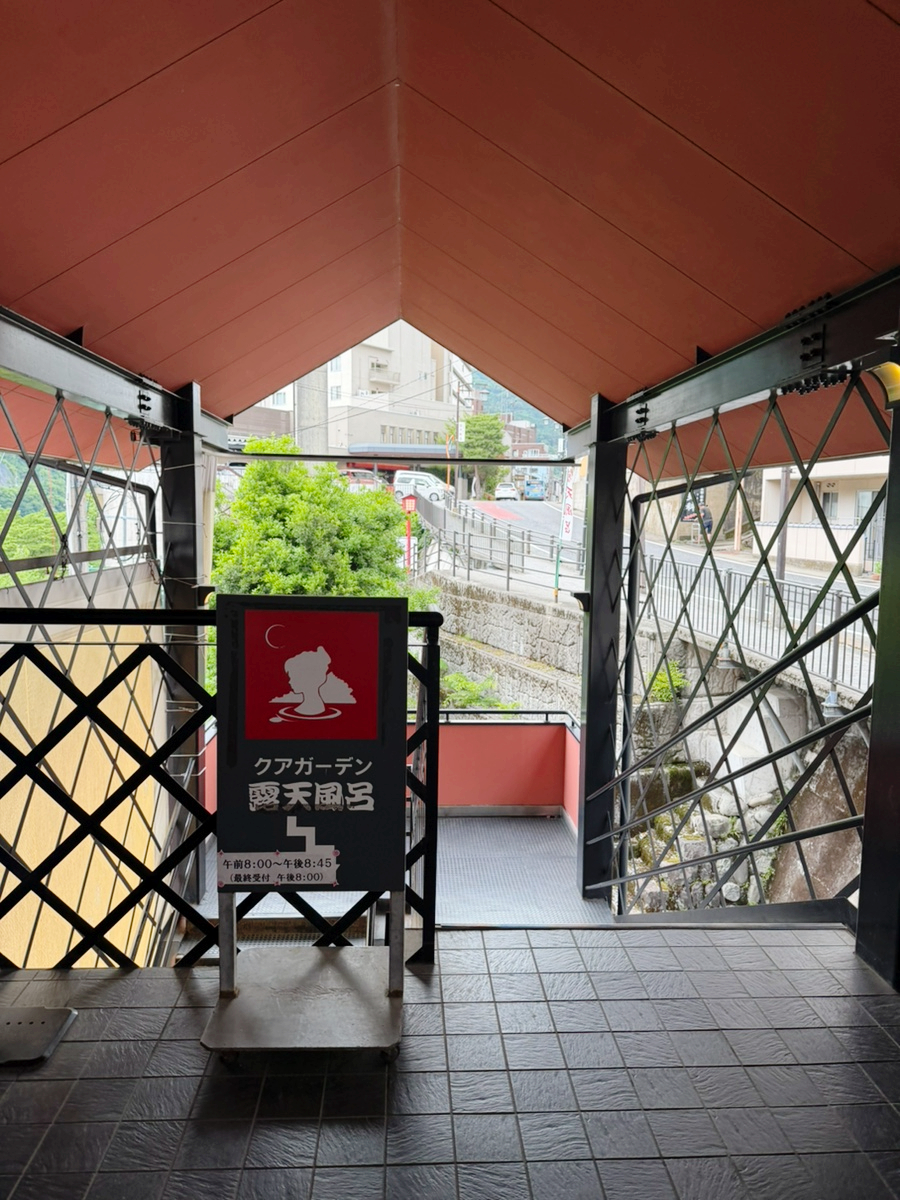
Being a weekday afternoon,
the streets and the bathhouse were completely empty.
For a second, I worried they might be closed.
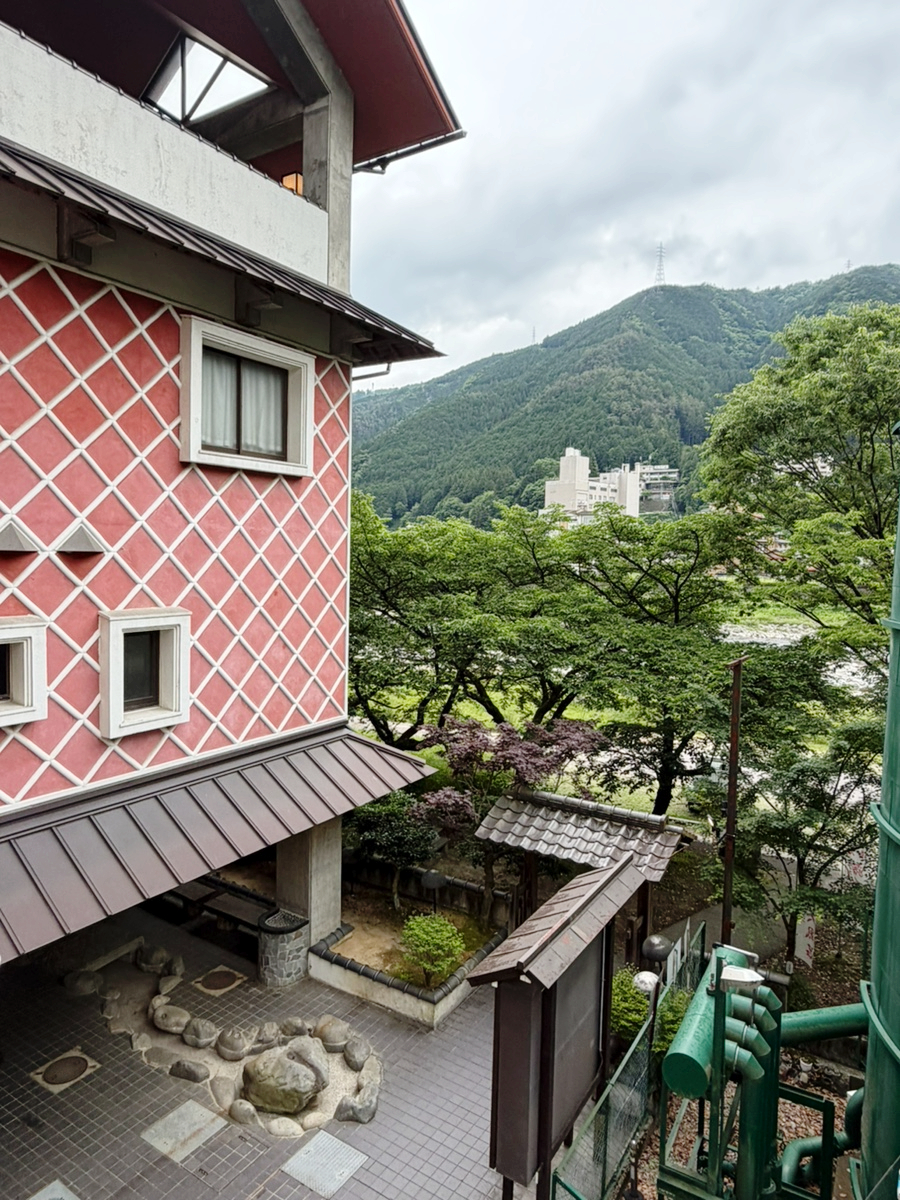
Heading down to the baths.
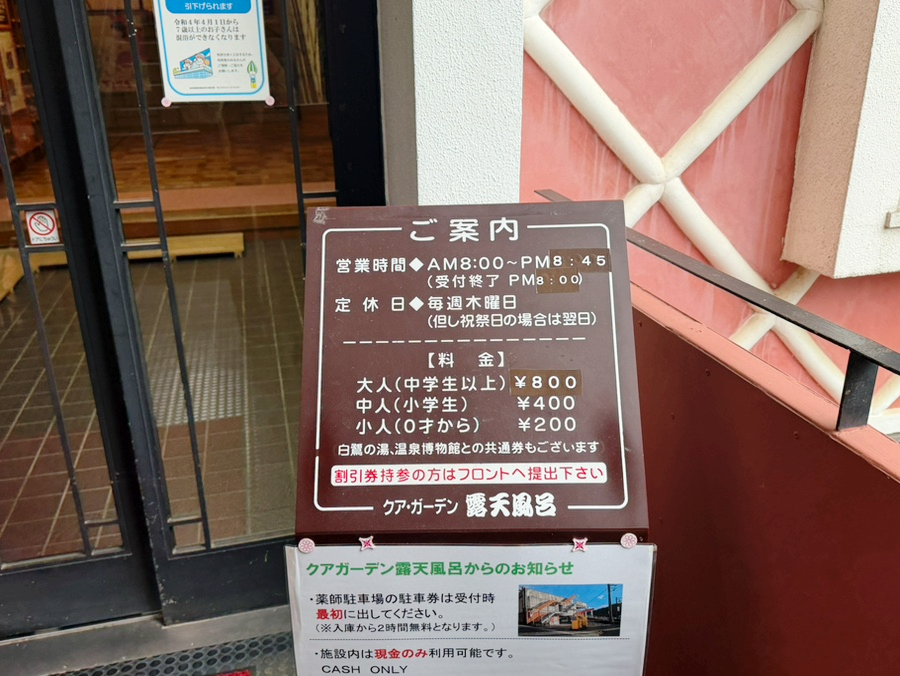
Operating hours are 8:00 AM to 8:45 PM,
with the last entry strictly at 8:00 PM.
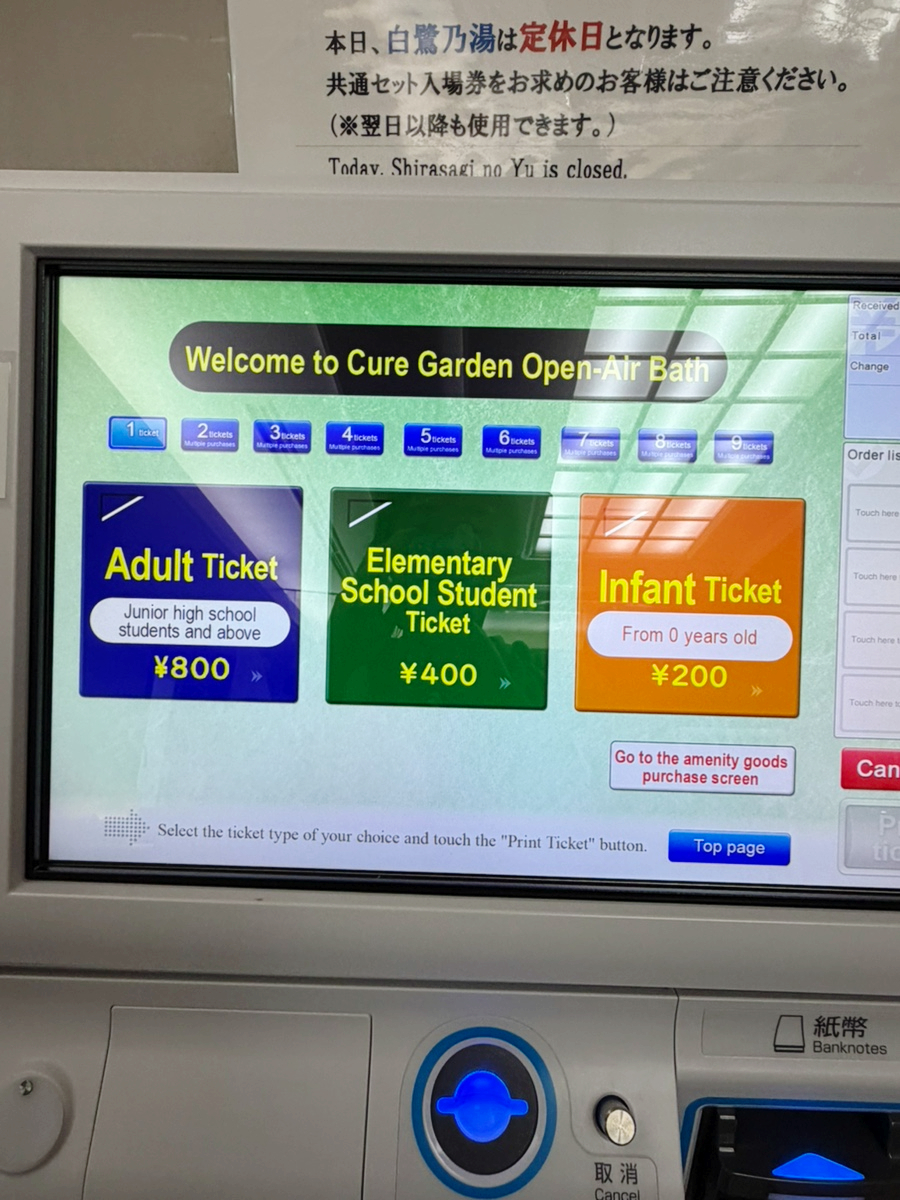
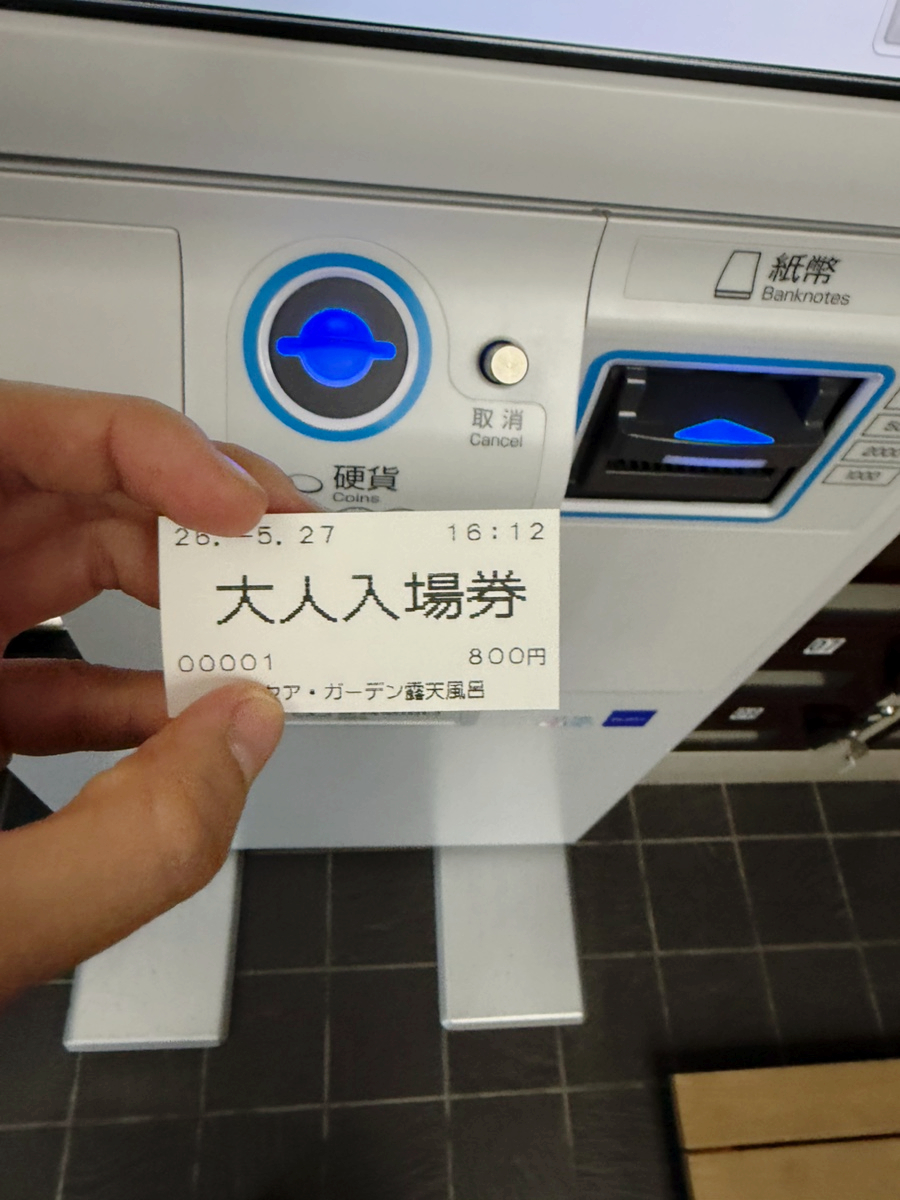
You purchase your entry ticket from a vending machine.
(Adults: 800 yen / ~$5.50)
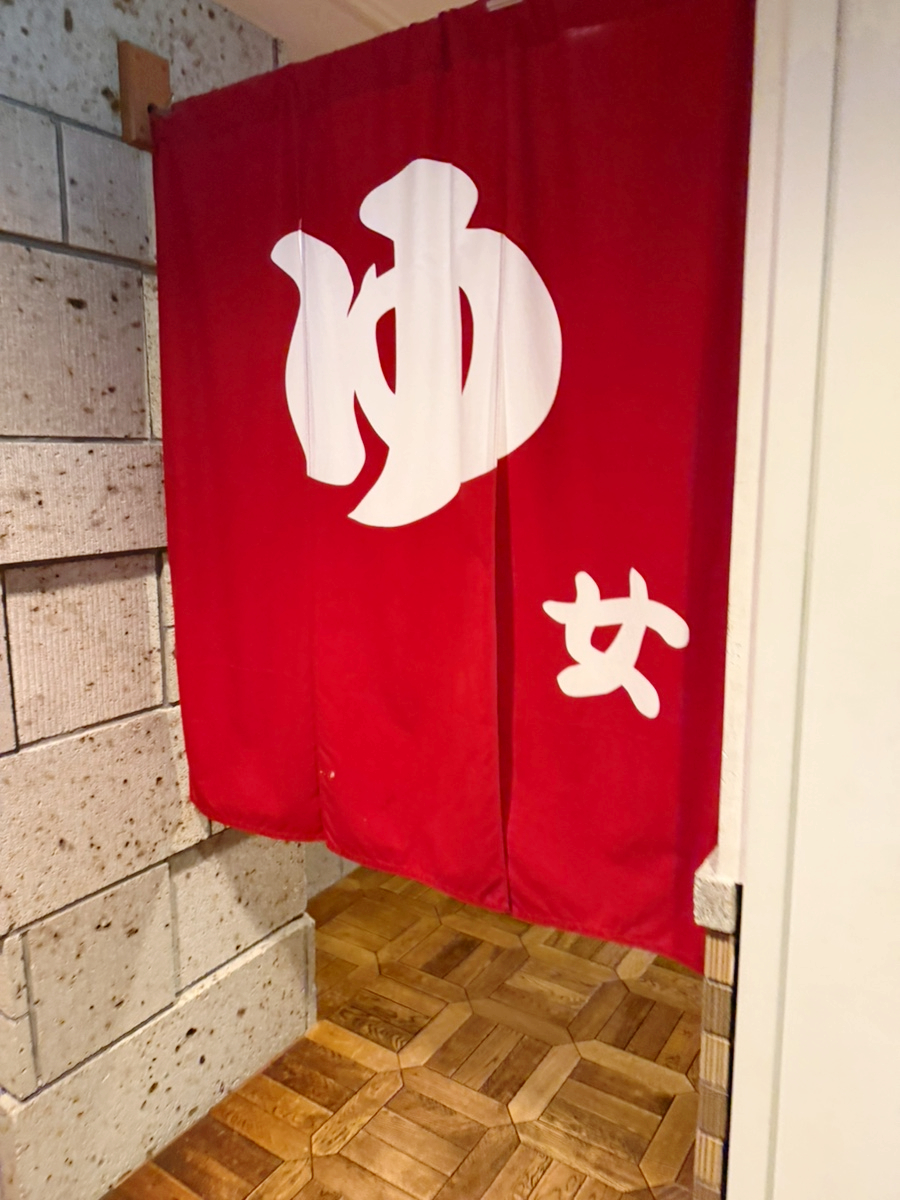
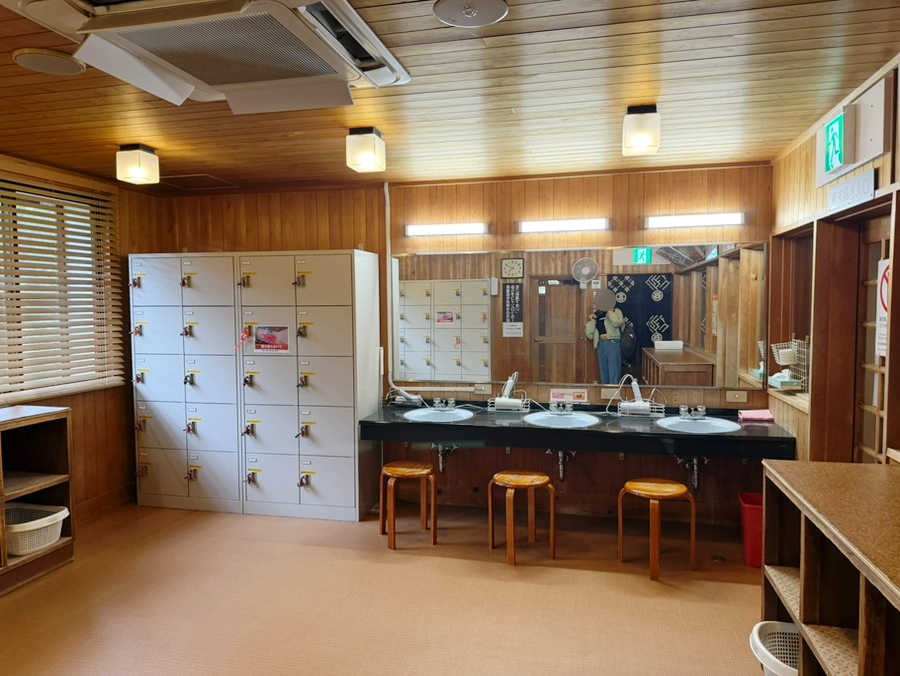
Photography is strictly forbidden in Japanese baths,
but since I was literally the only person in the entire facility,
I snapped a few quick reference shots.
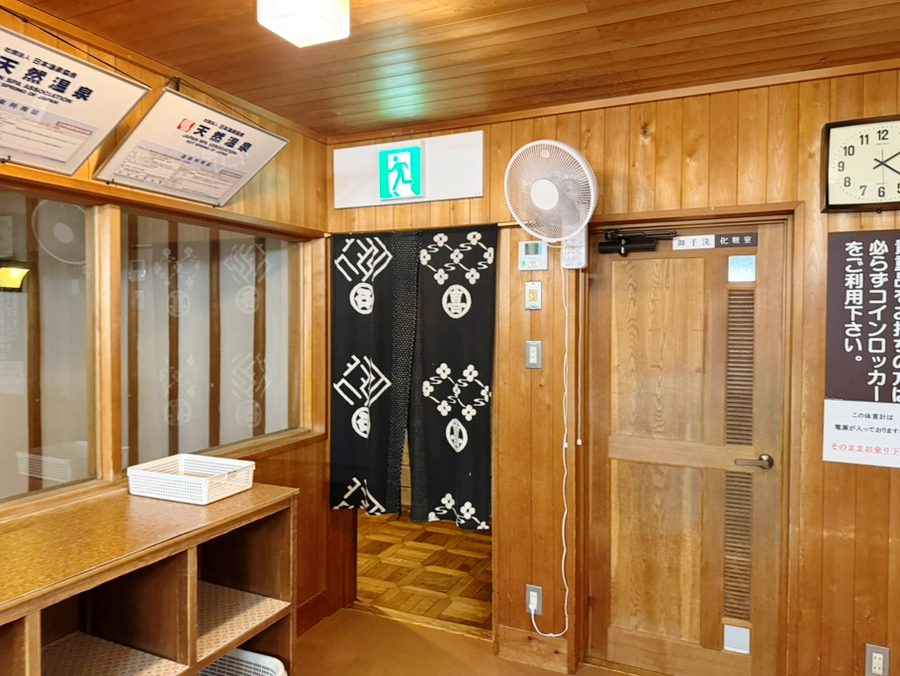
The changing rooms were spotless.
Once you undress, step through the curtain
to access the open-air bath.
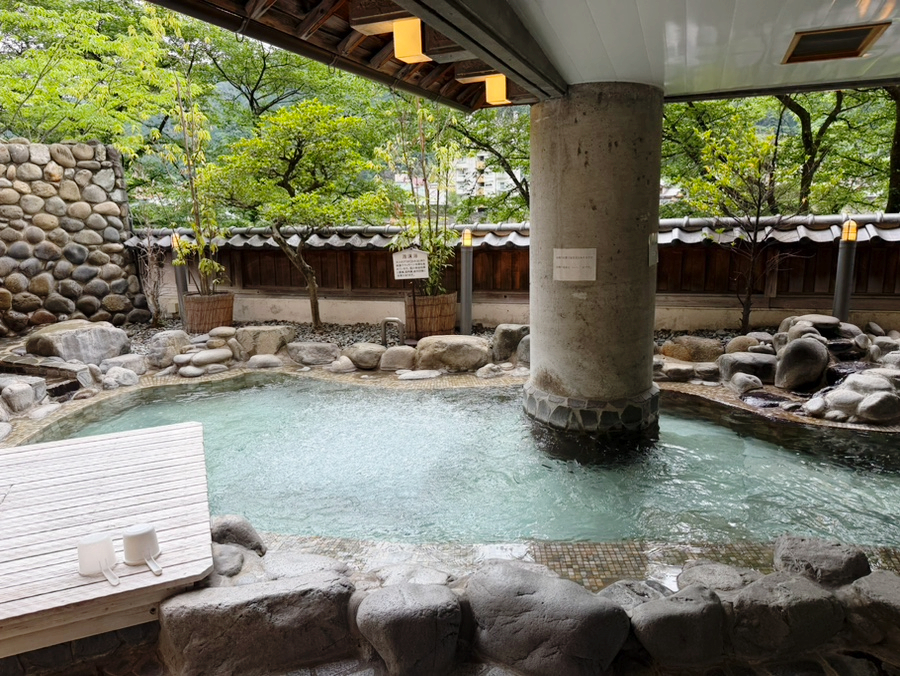
I couldn't believe my luck—the outdoor pool was entirely empty too.
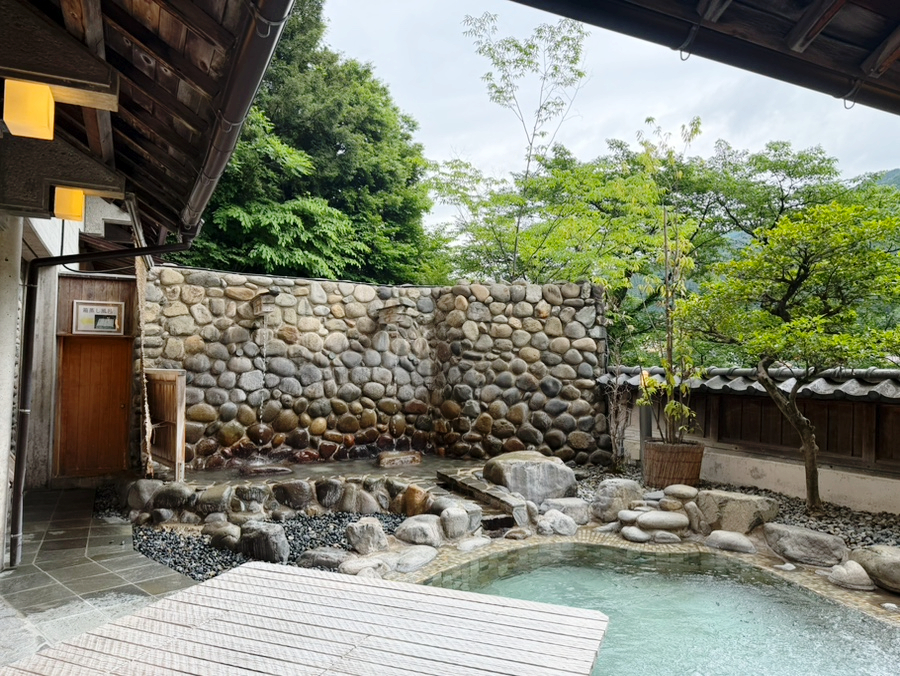
This facility caters more to locals
than to tourists, so the scale
is modest and intimate.
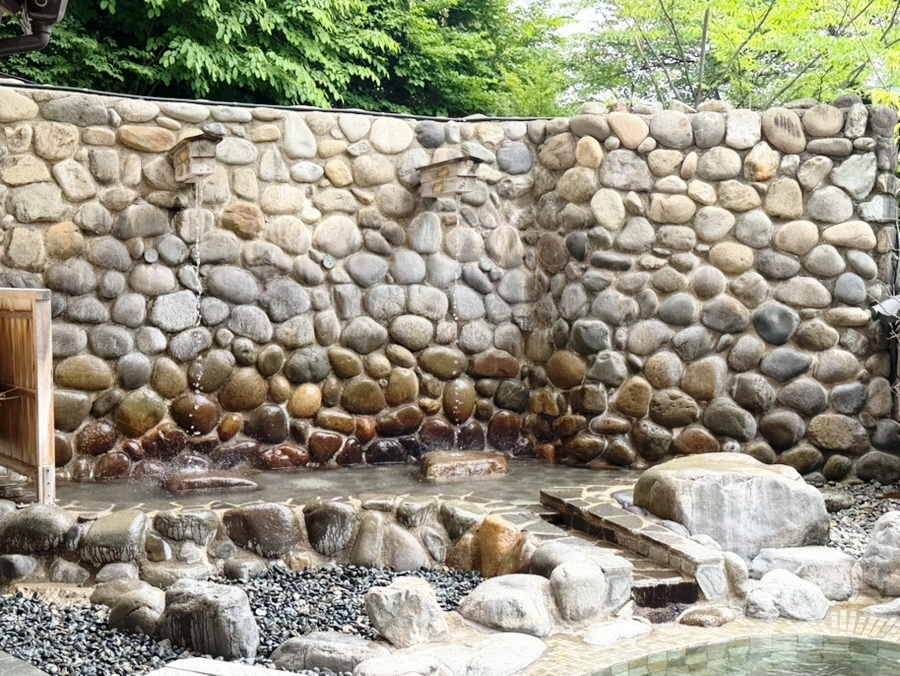
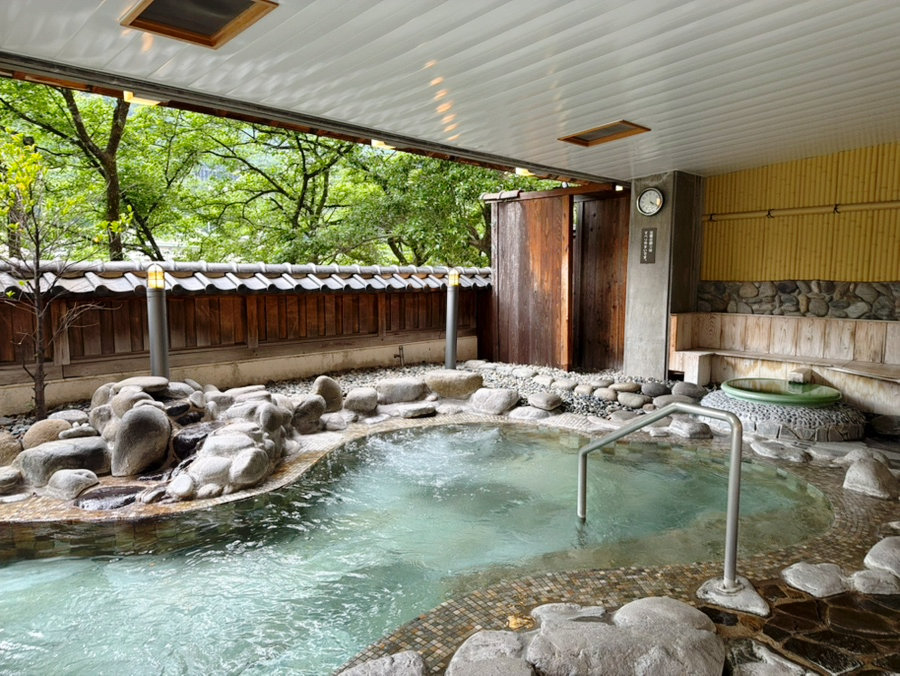
Still, having this entire space as
my own private sanctuary was incredible.
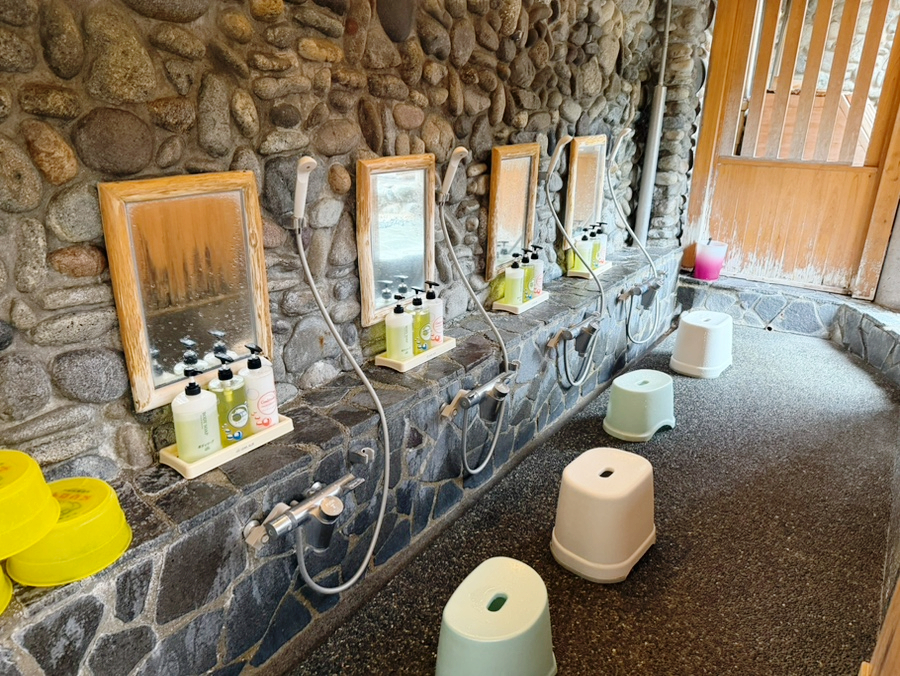
Remember to wash thoroughly
at the shower stations before entering the pool.
Shampoo, conditioner, and body wash
are all provided.
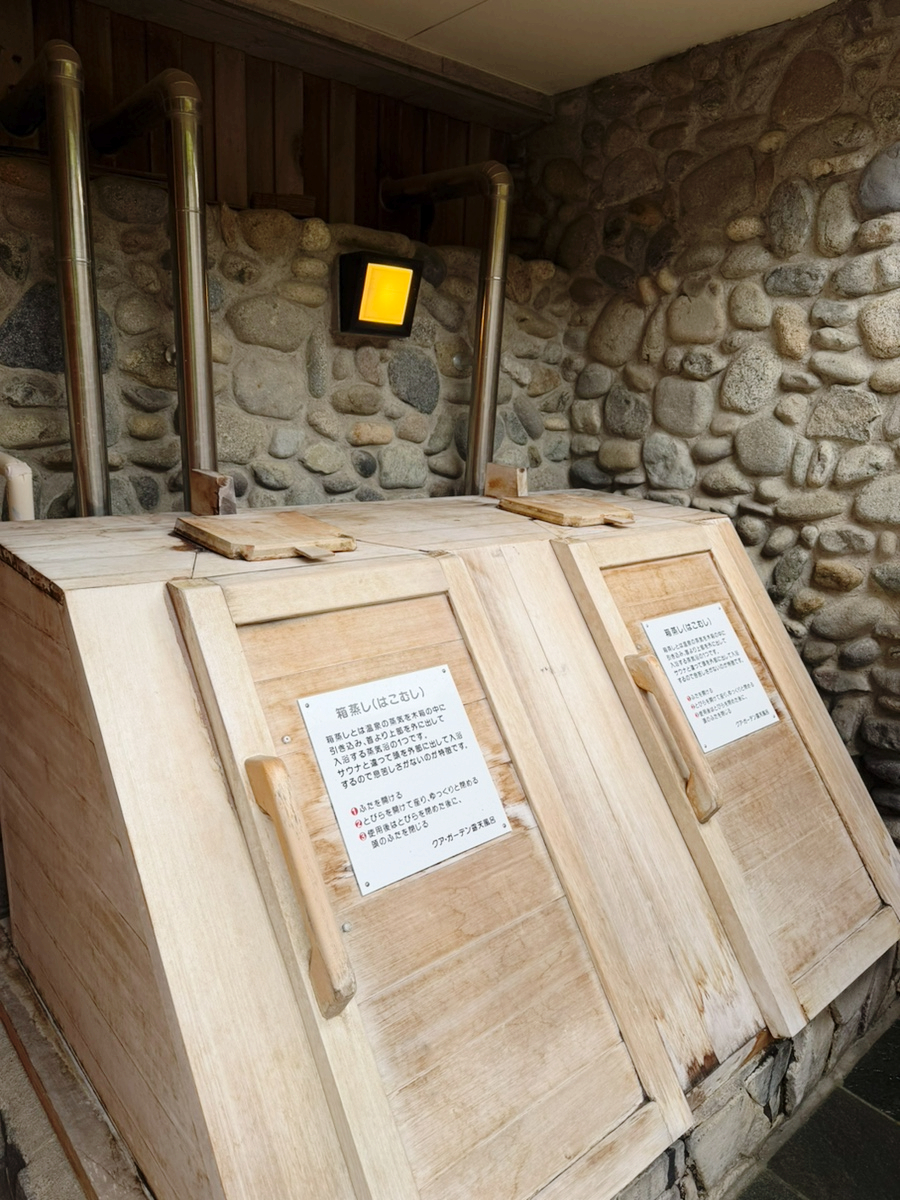
They also have these unique steam boxes.
You sit inside with your head poking out,
and your body gets steamed like a sauna.
I have a low tolerance for intense heat,
so I only lasted about a minute!
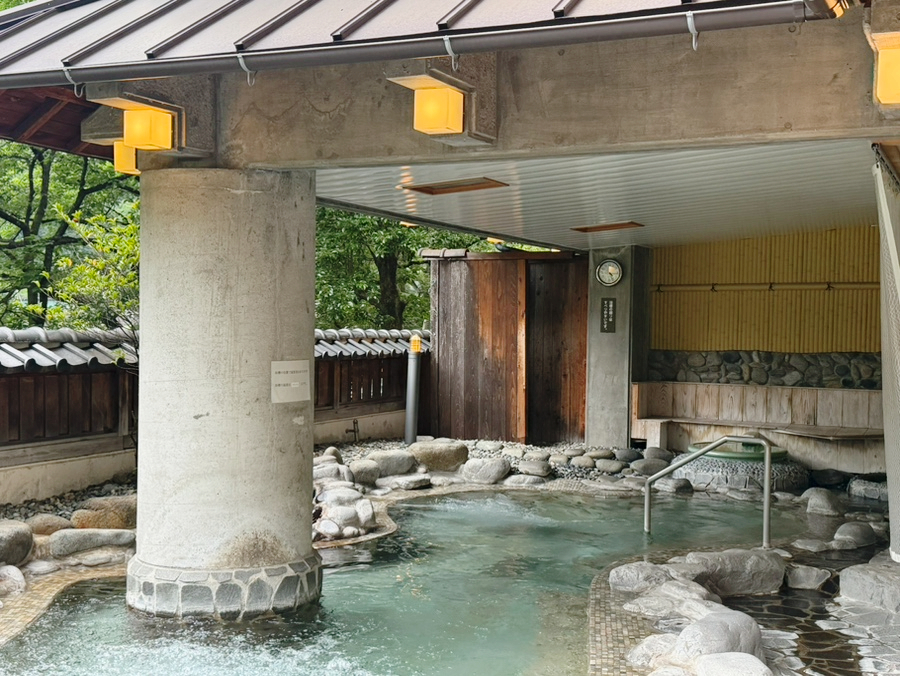
I luxuriated in the bath alone for 40 minutes.
Right as I was wrapping up, a few local ladies
finally trickled in.
Getting a near-private onsen experience
for just 800 yen (~$5.50)
was the ultimate stroke of luck.
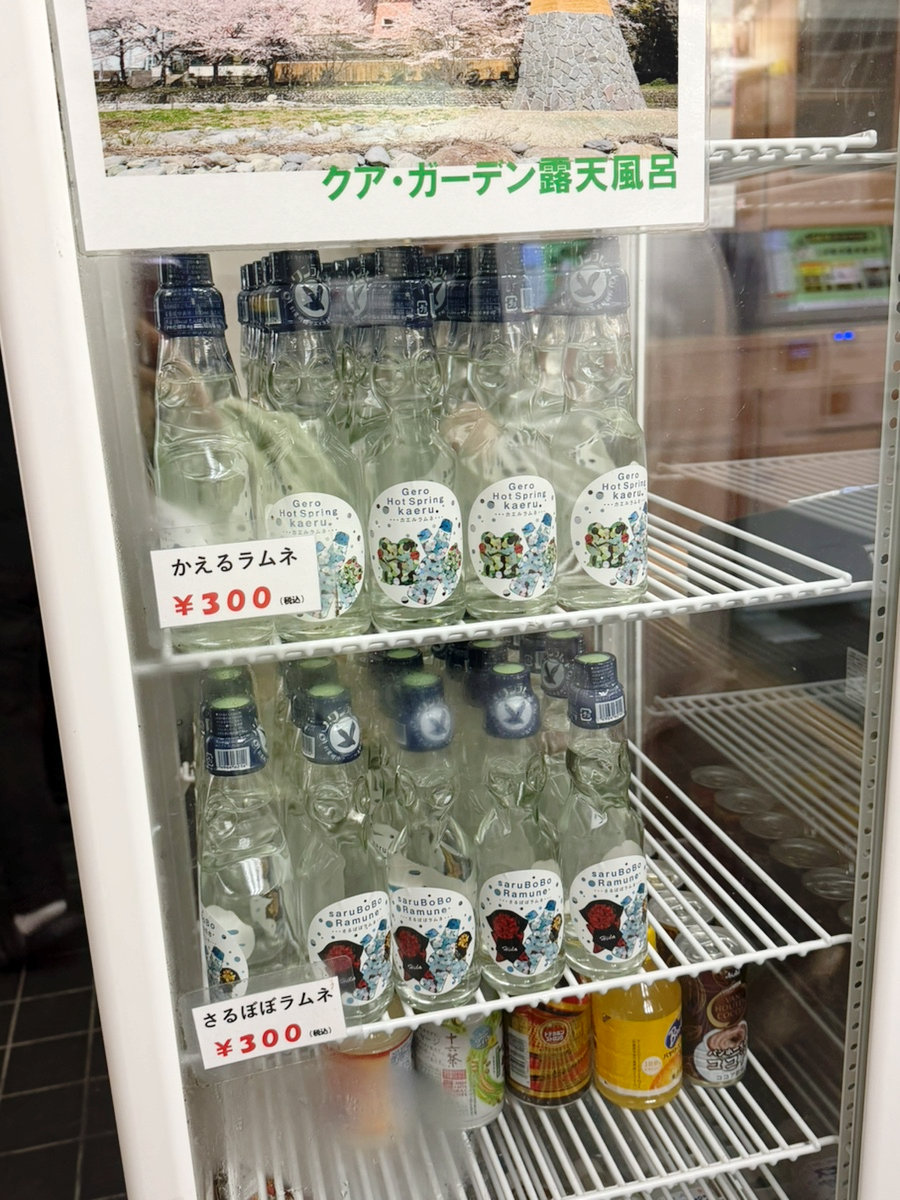
On my way out,
I noticed they sell bottled water
sourced directly from the Gero springs.
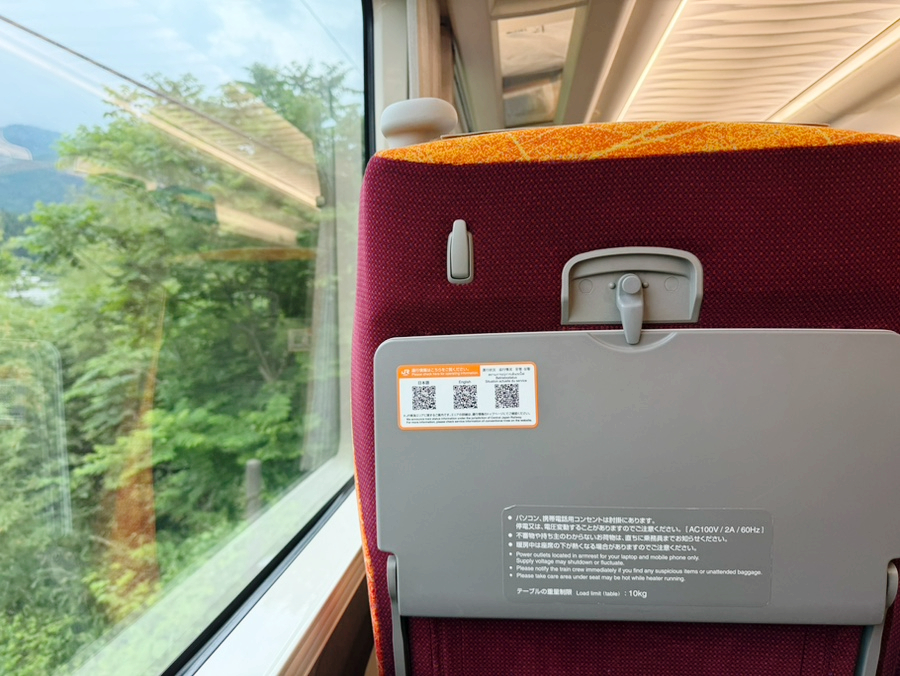
Made it back to the station just in time for the train to Nagoya.
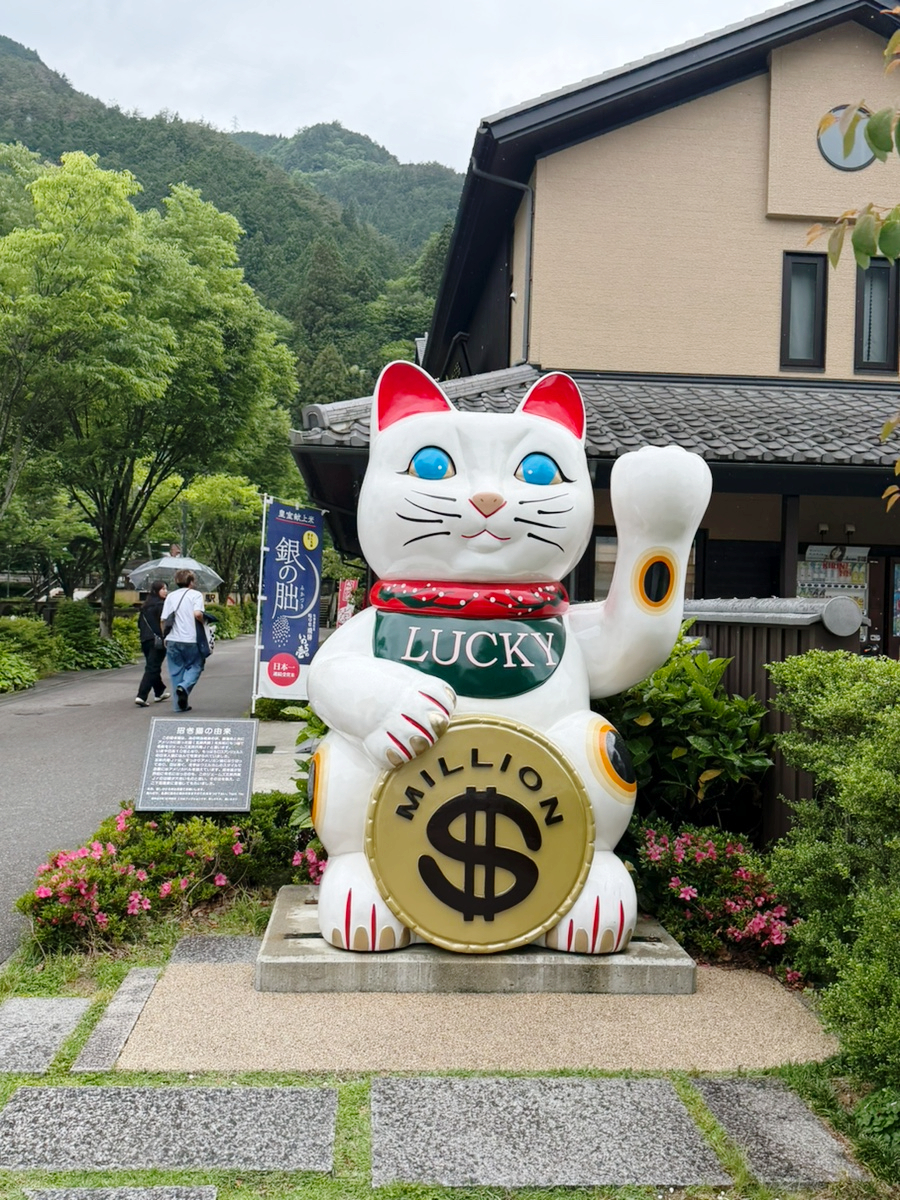
A day trip to Gero Onsen from Nagoya
is perfectly doable in 2 to 3 hours, including bath time.
Given the 3-hour round-trip travel time,
spending a night is undeniably more relaxing.
However, if your itinerary is tight like mine was,
a day trip is still incredibly rewarding.
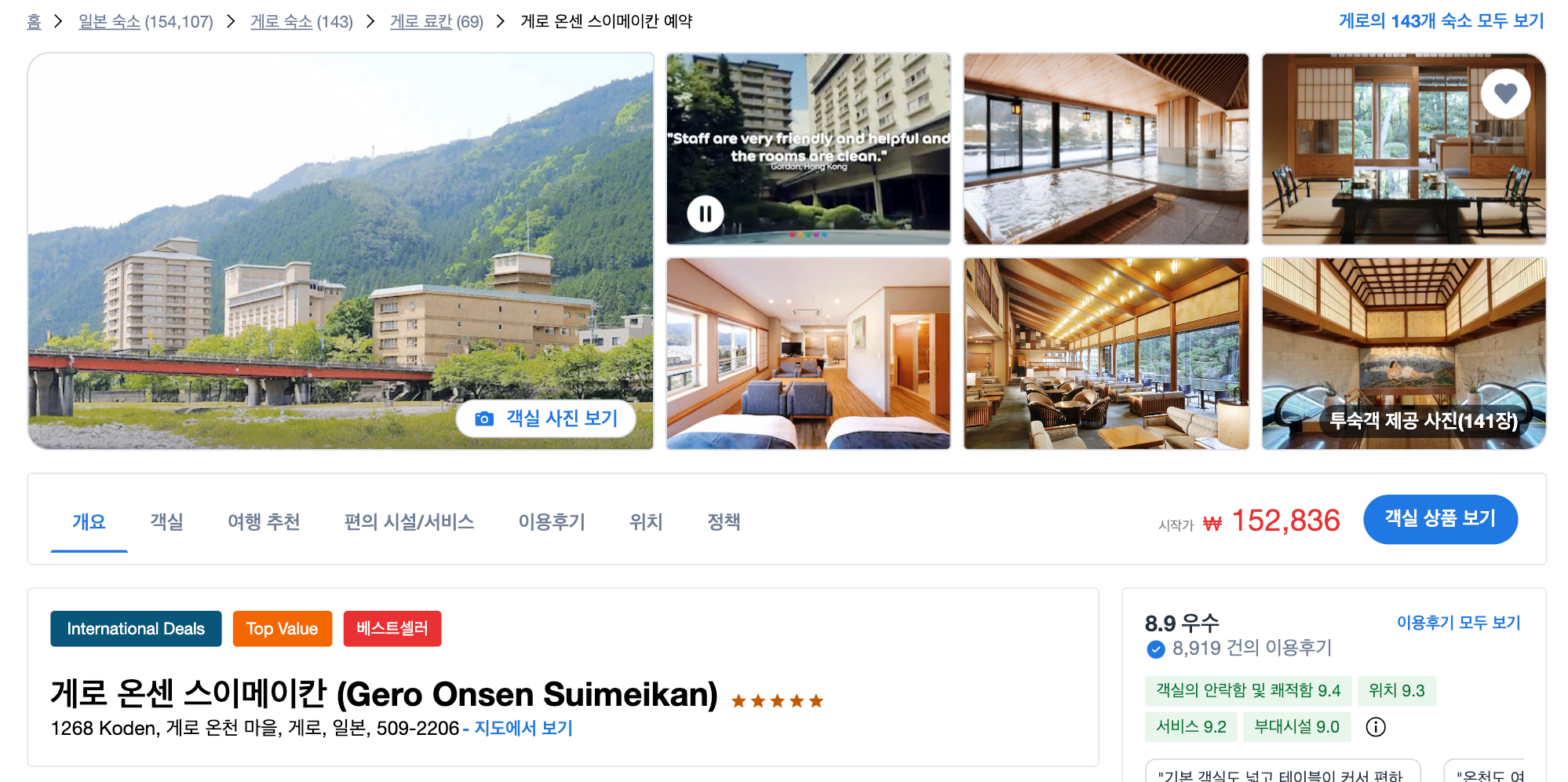
If you do decide to stay overnight,
I highly recommend Gero Onsen Suimeikan.
It's a gorgeous 5-star ryokan that costs around ~$77 a night,
featuring three different bathhouses for total relaxation.
If you find yourself in Nagoya,
don't miss the chance to experience Gero Onsen,
a world-class hot spring loved by locals and celebrities alike!
Frequently Asked Questions
Approximately how much is the round-trip transportation cost if I use the JR Limited Express Hida for a day trip from Nagoya to Gero Onsen?
If you use the JR Limited Express Hida, a round trip will cost approximately ~$66. If you don't have a transportation pass, it might be much more reasonable to opt for a tour that includes Gero Onsen.
What are the admission fees and operating days for Cure Garden, one of the public hot springs in the Gero Onsen area?
Cure Garden costs 800 yen for adults and operates only its open-air bath. Please note that it is closed on Tuesdays. The last admission is at 8:00 PM.
For a day trip from Nagoya to Gero Onsen, what is the recommended duration of stay in Gero Onsen village, including a hot spring bath?
Including an hour for a hot spring bath, exploring the village, and visiting a famous pudding shop, about 3 hours is a sufficient amount of time. Since trains run approximately once an hour, it's important to plan your schedule carefully.
How many stone steps must be climbed to visit Onsenji Temple in Gero Onsen, and what drama was filmed there?
You must climb a total of 173 stone steps to reach Onsenji Temple. This was a filming location for the drama <Bad Guy>, starring Kim Nam-gil and Han Ga-in. The temple can be fully explored in about 3 minutes.
If I order a matcha pudding at "Gero Pudding," a pudding specialty shop in Gero Onsen, what is the price, and what is the concept of its interior design?
The matcha pudding at Gero Pudding costs 500 yen. The shop is decorated with a public bathhouse concept, featuring shoe lockers at the entrance and a public bath-themed photo zone on one side.
Share this article
Featured in Collections
Discover more travel stories curated around the same theme.

Related Travel Stories

Nagoya Restaurants 2026: 7 Must-Try Local Eateries
Dive into Nagoya's unique food scene! We've handpicked 7 local restaurants serving up incredible Nagoya Meshi, from izakaya classics to hidden gems.

Kirin Beer Factory Nagoya Tour 2026: Booking & Tasting Guide
Discover the Kirin Beer Factory in Nagoya, Japan! This 2026 guide covers booking essentials, what to expect, and tasting tips for a smooth visit.

Princess Garden Hotel Nagoya Review 2026: Sakae's Value Stay
Discover the Princess Garden Hotel in Nagoya's vibrant Sakae district. Perfect for shoppers and foodies, this hotel offers a prime location and a rejuvenating public bath at an unbeatable value. Find your ideal Nagoya stay for 2026!

Nagoya Shirakawa-go Hida Takayama Tour 2026: A Day Trip Guide
Beyond Nagoya's city buzz, discover two unique Japanese destinations! Our 2026 guide to a Shirakawa-go and Hida Takayama day tour reveals stunning culture and history.

Ghibli Park Nagoya Tickets 2026: Booking Guide & Tips
Dreaming of visiting Ghibli Park in Nagoya? Don't miss out! Learn the easiest ways to book your tickets for 2026, whether you're a local or international visitor, and dive into the magical world of Studio Ghibli.
Mill Coffee Nagoya Review: A Cozy Osu Shopping Street Cafe
Escape the Nagoya heat at Mill Coffee, a charming cafe just 6 minutes from Osu Shopping Street. Discover its simple elegance and enjoy a refreshing cup.