

Nagoya Castle Guide 2026: How to Get There & Hours
Discover how to visit Nagoya Castle in 2026. Get practical tips on transit, ticket prices, locker locations, and exploring the stunning historic grounds.

Hi there, fellow travelers! It's Julius. Today, I'm sharing my experience visiting the iconic Nagoya Castle, including the easiest ways to get there, opening hours, and essential tips for your visit in 2026.
How to Get to Nagoya Castle from Nagoya Station
Getting to Nagoya Castle from Nagoya Station is incredibly straightforward. You have two main options: the subway or the local bus.

Option 1: By Subway (Recommended)
Take the Sakura-dori Line from Nagoya Station and transfer at Hisaya-odori Station to the Meijo Line. Ride it to Nagoyajo Station. The entire trip costs about 240 JPY (approx. $1.60).

Once you arrive at Nagoyajo Station, head straight for Exit 7. There are coin lockers located right near the exit if you need to store any heavy bags before exploring.
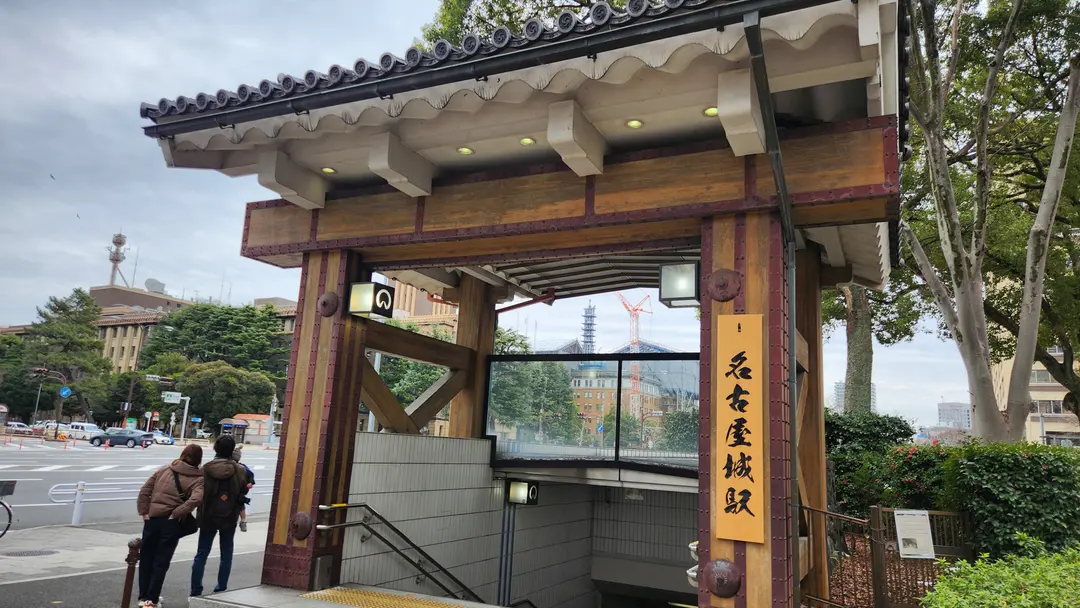
The station itself features a gorgeous, historically-inspired design that sets the mood before you even step outside!
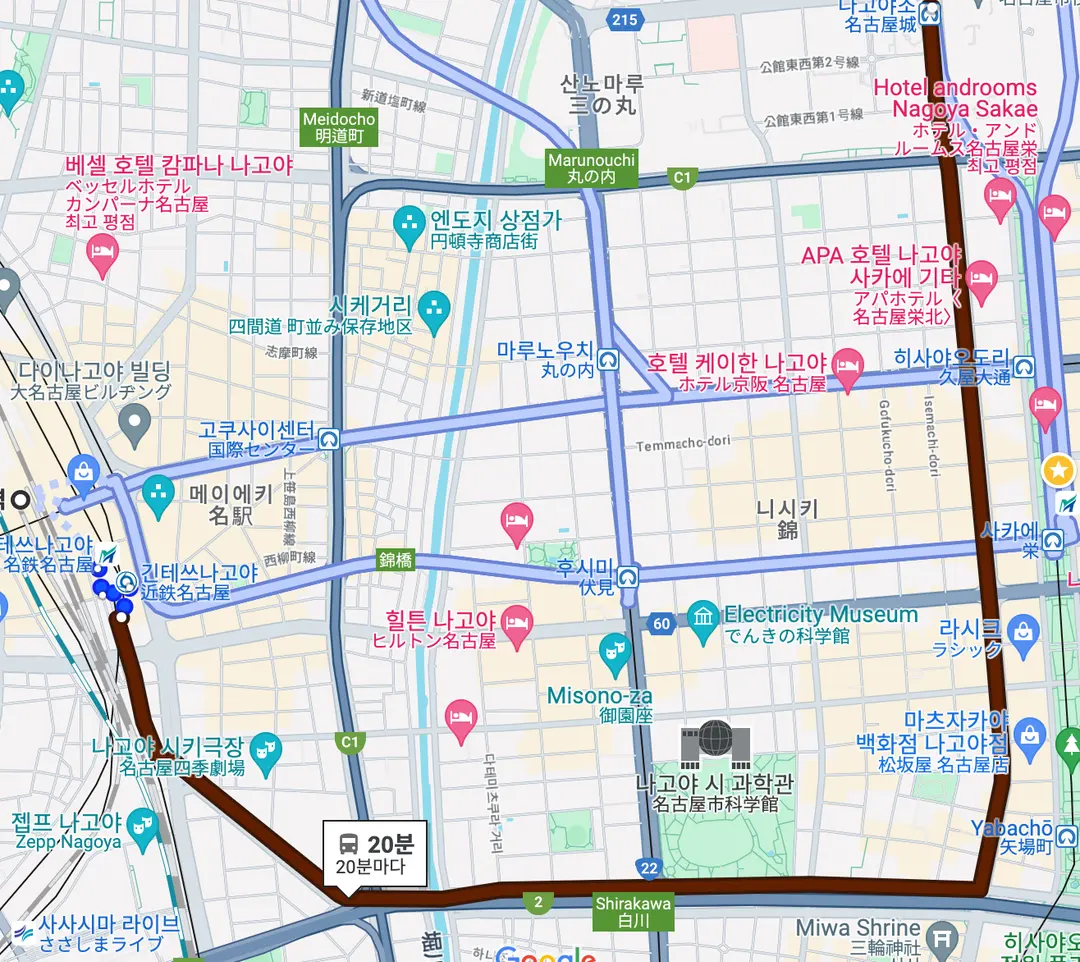
Option 2: By Bus
If you prefer a scenic surface route, head to Platform 4 at the Meitetsu Bus Center and board Bus #30 or #32. Get off at the Shiyakusho (City Hall) stop. The ride takes about 20 minutes and costs 210 JPY (approx. $1.40).
Nagoya Castle Essential Visitor Info
⏰ Opening Hours
Daily: 9:00 AM – 4:30 PM (Last entry to the palace is at 4:00 PM)
🏠 Address
1-1 Honmaru, Naka Ward, Nagoya, Aichi 460-0031, Japan
TEL: +81 52-231-1700
📍 Nagoya Castle
1-1 Honmaru, Naka Ward, Nagoya, Aichi 460-0031, Japan
Nagoya Castle Admission Fees
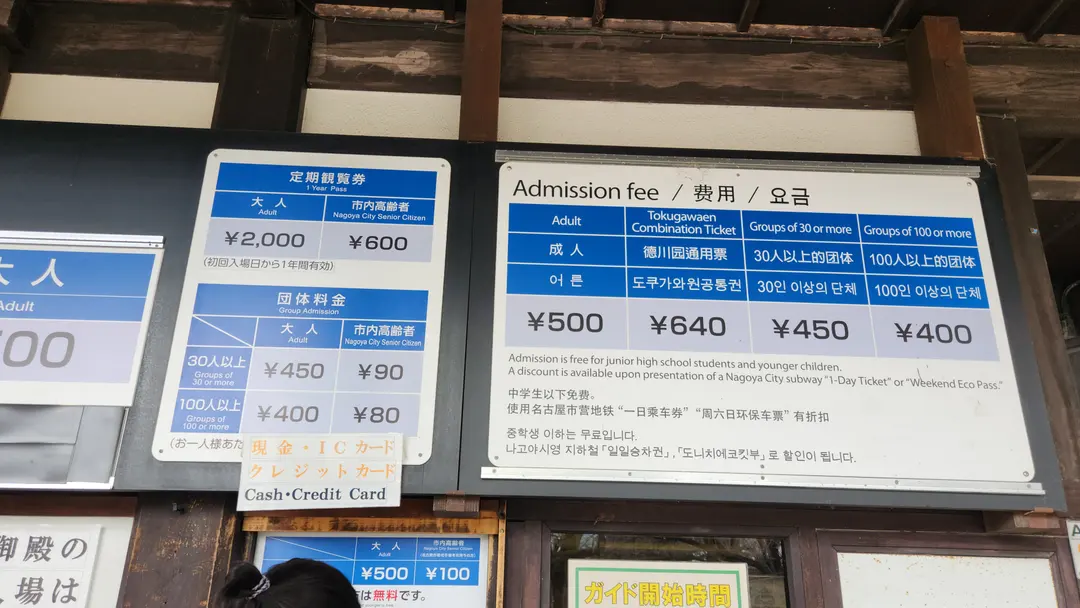
General admission for adults is 500 JPY (approx. $3.50). Discounted group rates are available: 450 JPY (~$3.00) for groups of 30+, and 400 JPY (~$2.70) for groups of 100+. Both cash and credit cards are accepted at the ticket counters!
Locker Locations at Nagoya Castle
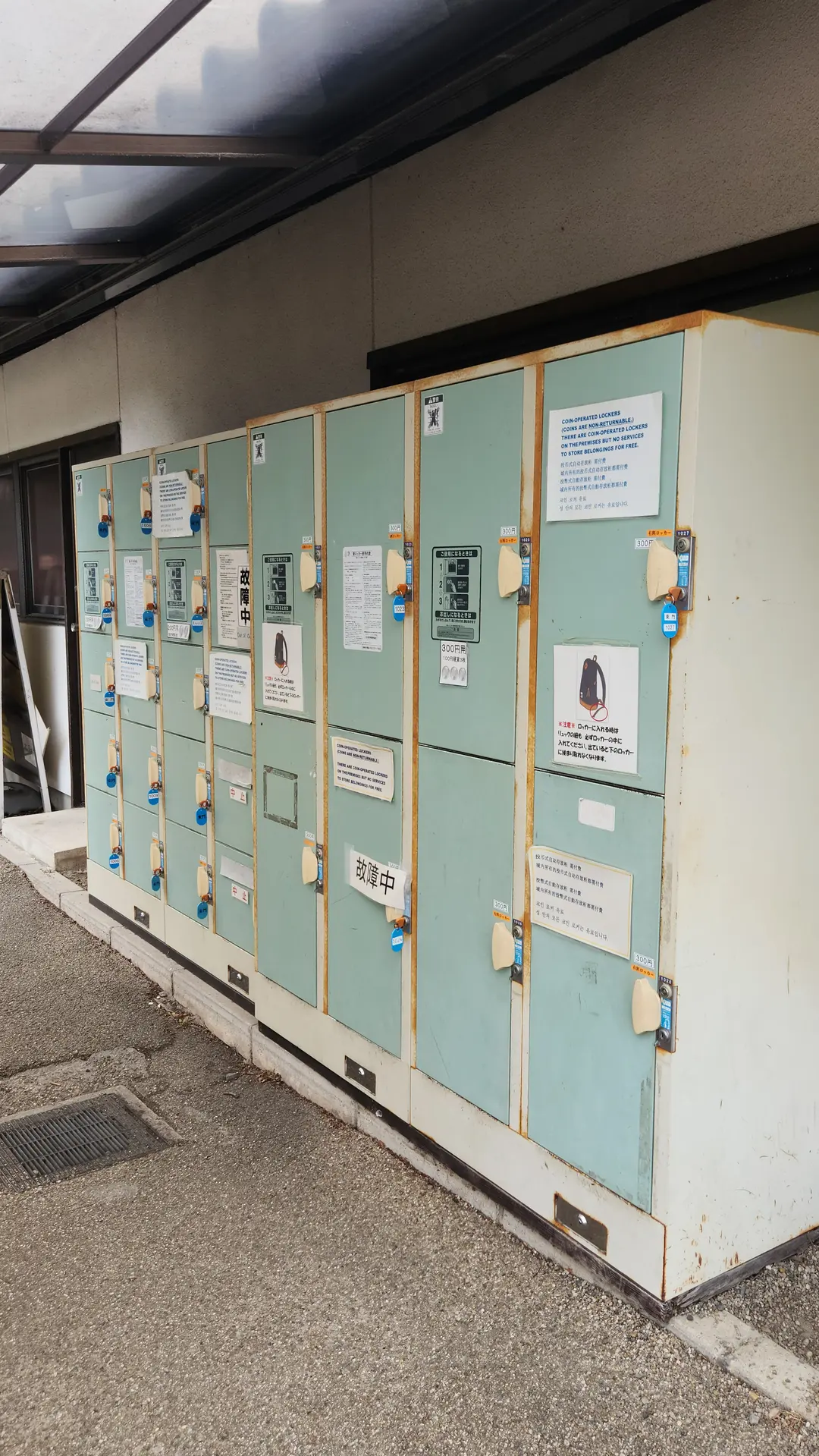
If you didn't use the lockers at the subway station, don't worry! There are coin lockers located right next to the castle's main entrance. They only accept coins, but you can easily ask the staff at the entrance gate to exchange your bills for coins.
Exploring the Historic Grounds
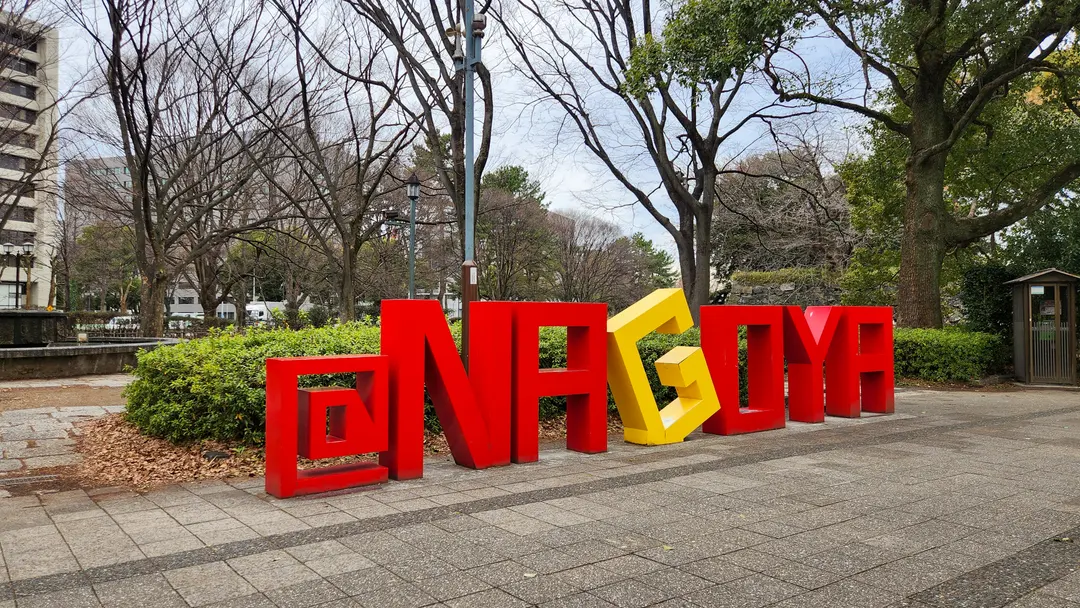
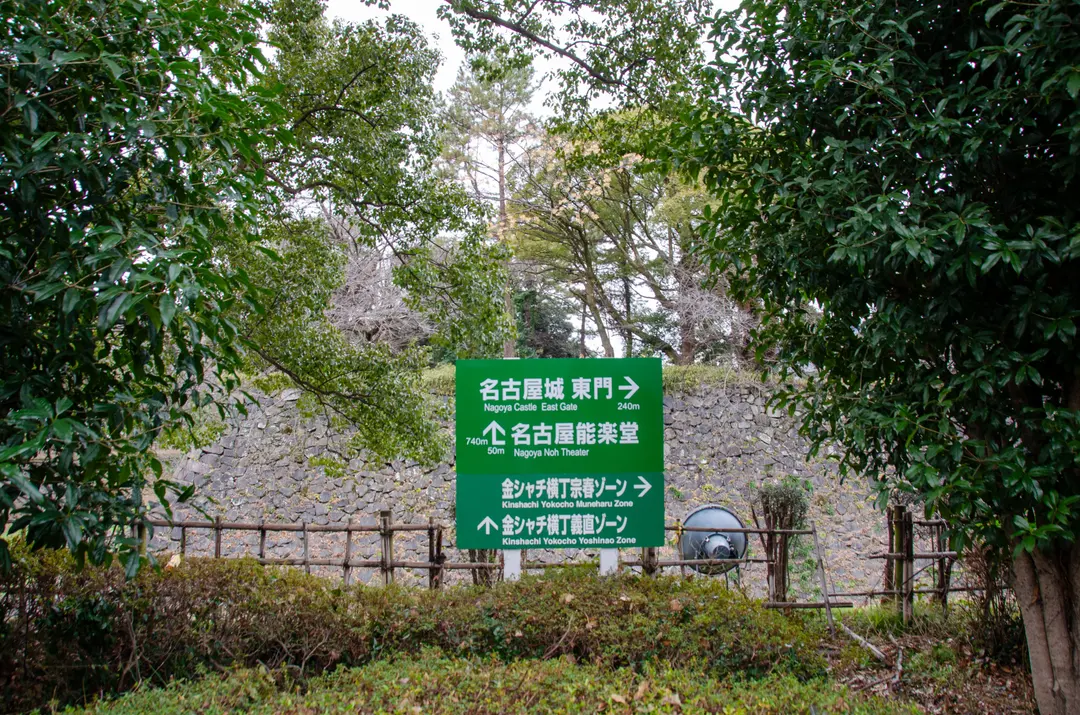
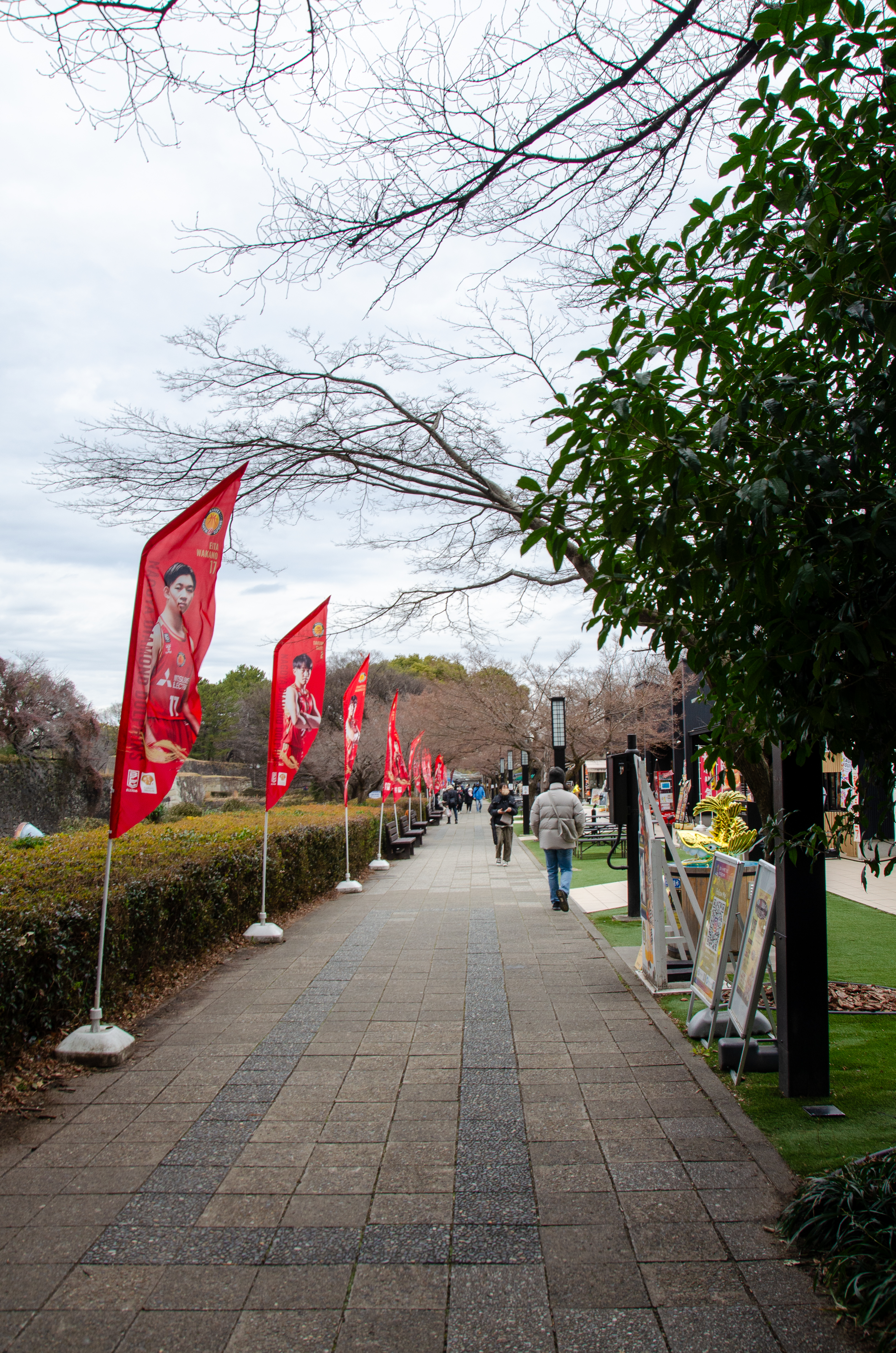
After exiting the station, take the path to the right. Along this beautiful walkway, you'll pass several local restaurants serving classic Nagoya cuisine.
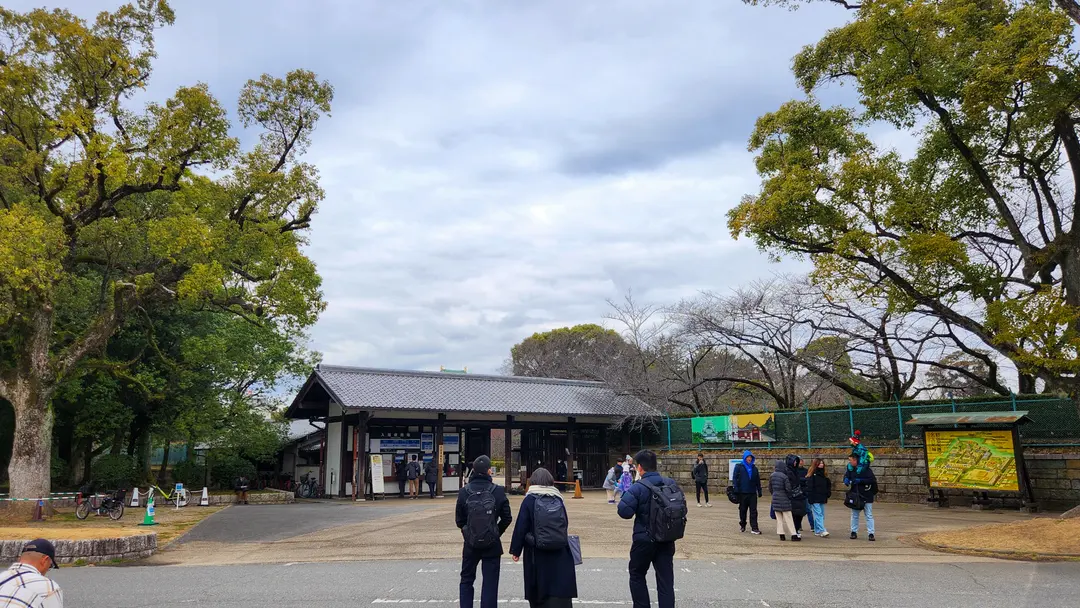
Here is the main entrance gate where you can purchase your admission tickets and grab a visitor map.
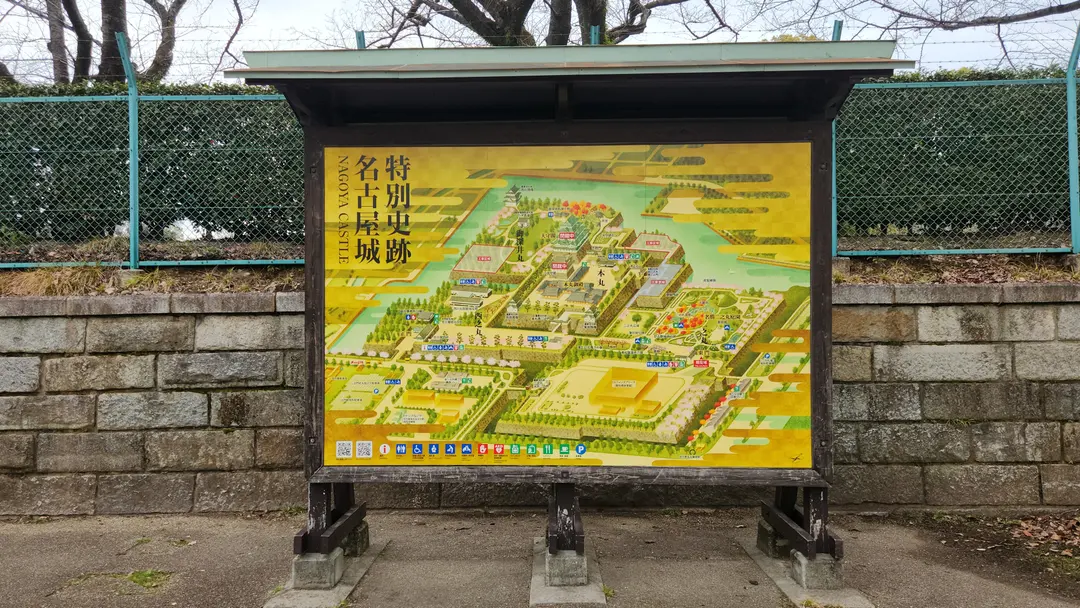
Be sure to check out the map of the grounds to plan your route through the massive complex.
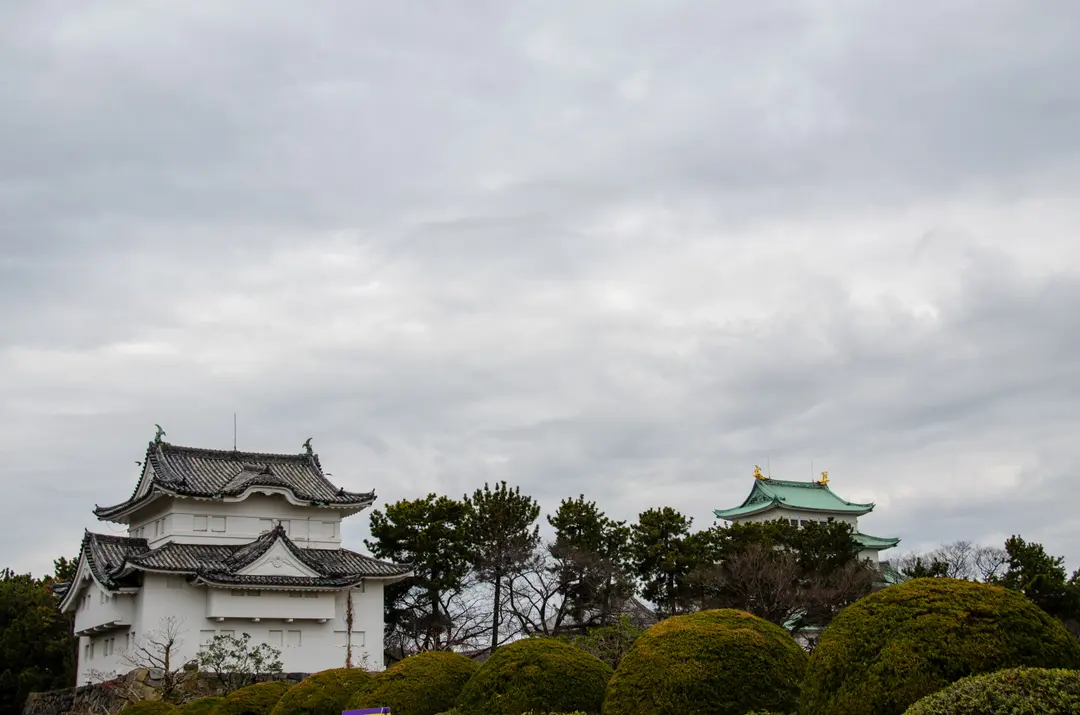
The weather was a bit overcast during my visit, but the moody skies actually added a dramatic, historic vibe to the experience.
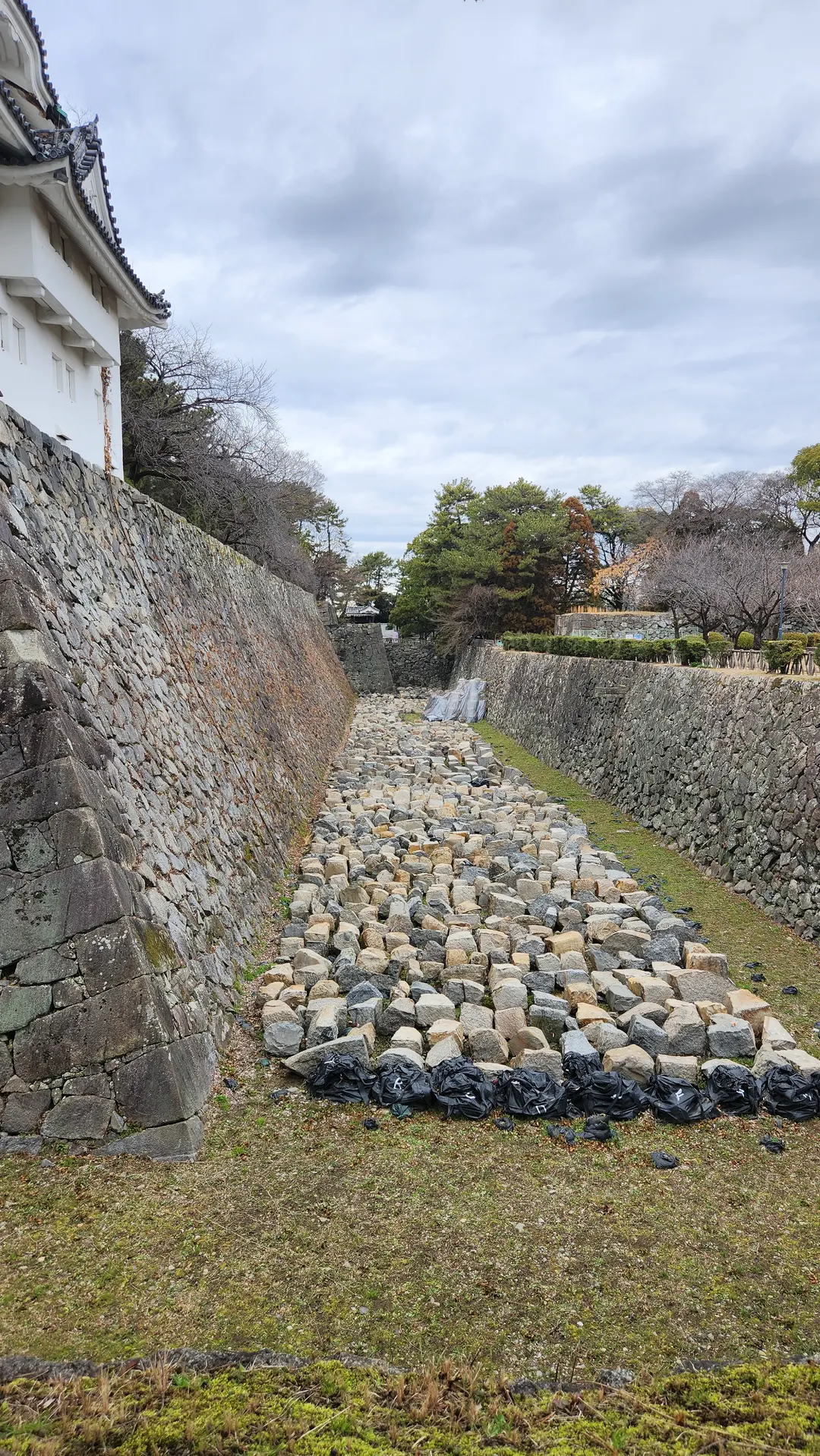
As you approach the main keep, you'll notice the incredibly deep protective moats. These massive dry moats were engineered to make enemy siege attempts nearly impossible during the Edo period.
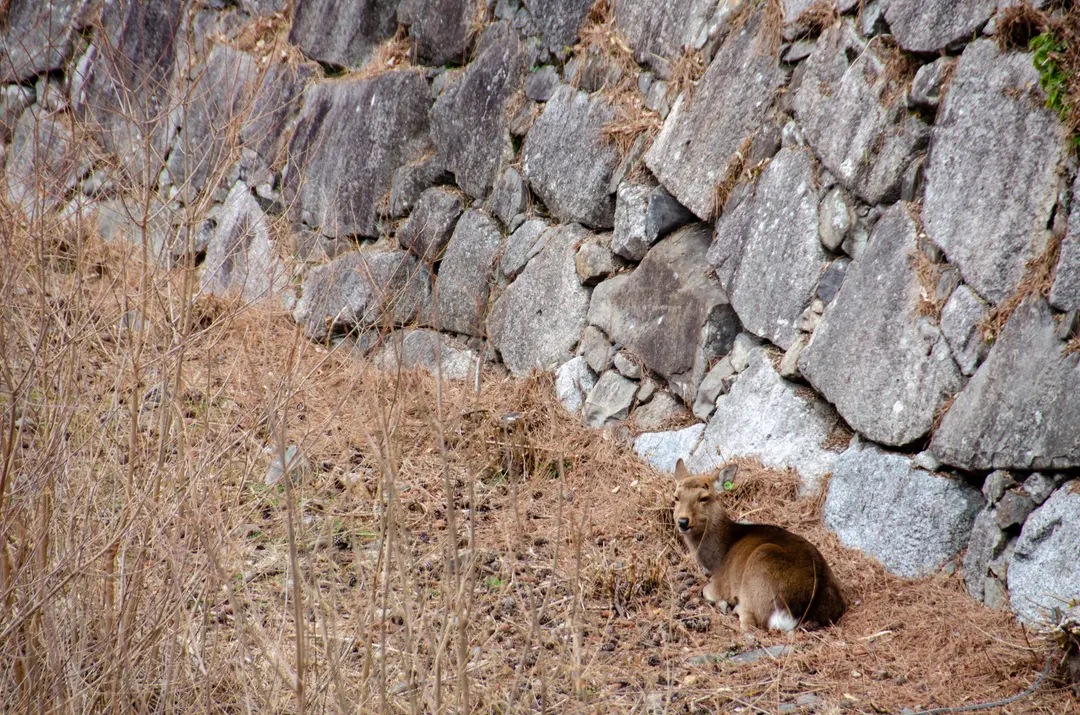
While crossing the bridge, I noticed a crowd of local students pointing at something below. To my surprise, a Japanese serow (kamoshika) was resting peacefully in the dry moat! It was an incredibly unique sight.
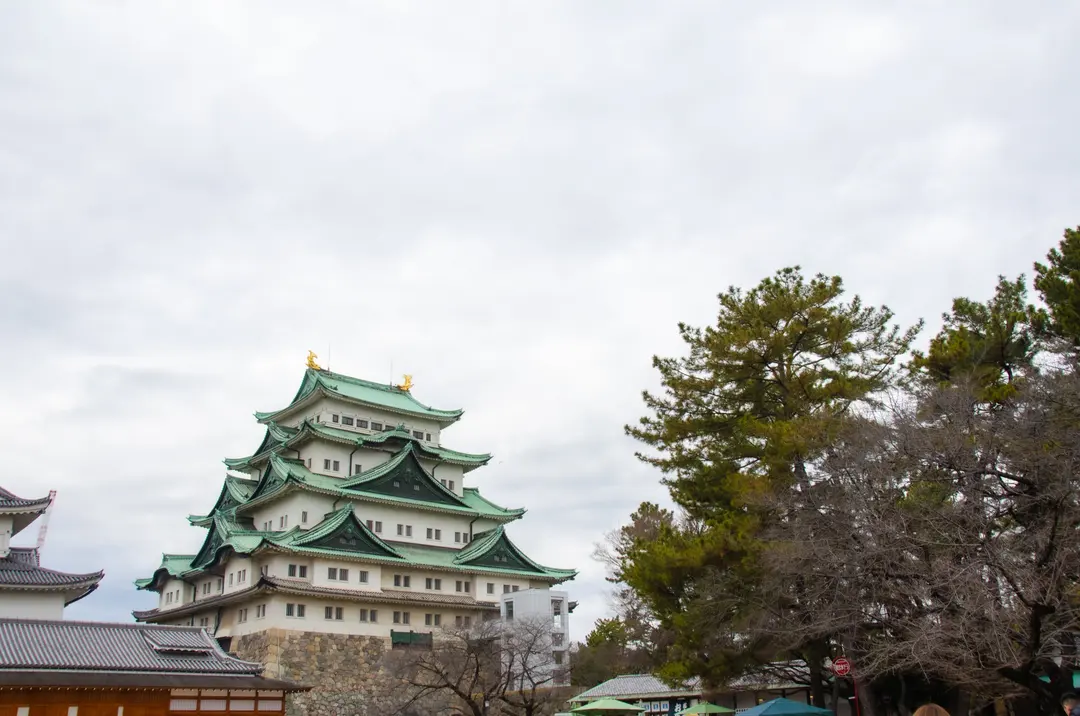
And here it is—the magnificent Tenshukaku (Main Keep). This is the quintessential photo spot! There's also a professional photography service on-site where you can get a high-quality souvenir photo taken with the castle for a small fee.
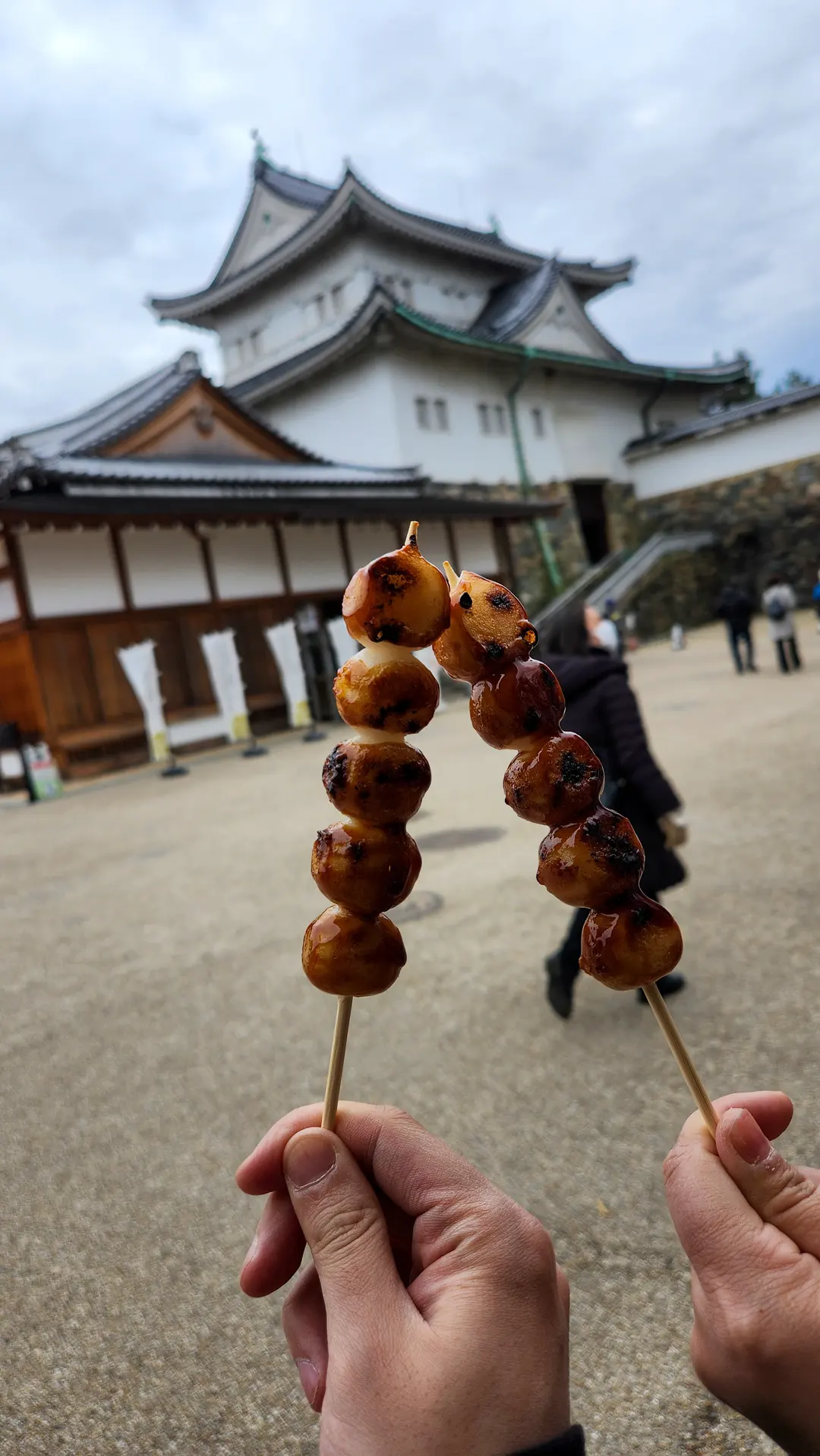
Just outside the keep, there's a lovely little souvenir shop selling fresh, warm dango (sweet, glazed rice dumplings). They are delightfully chewy and are the perfect sweet treat to fuel your walk!
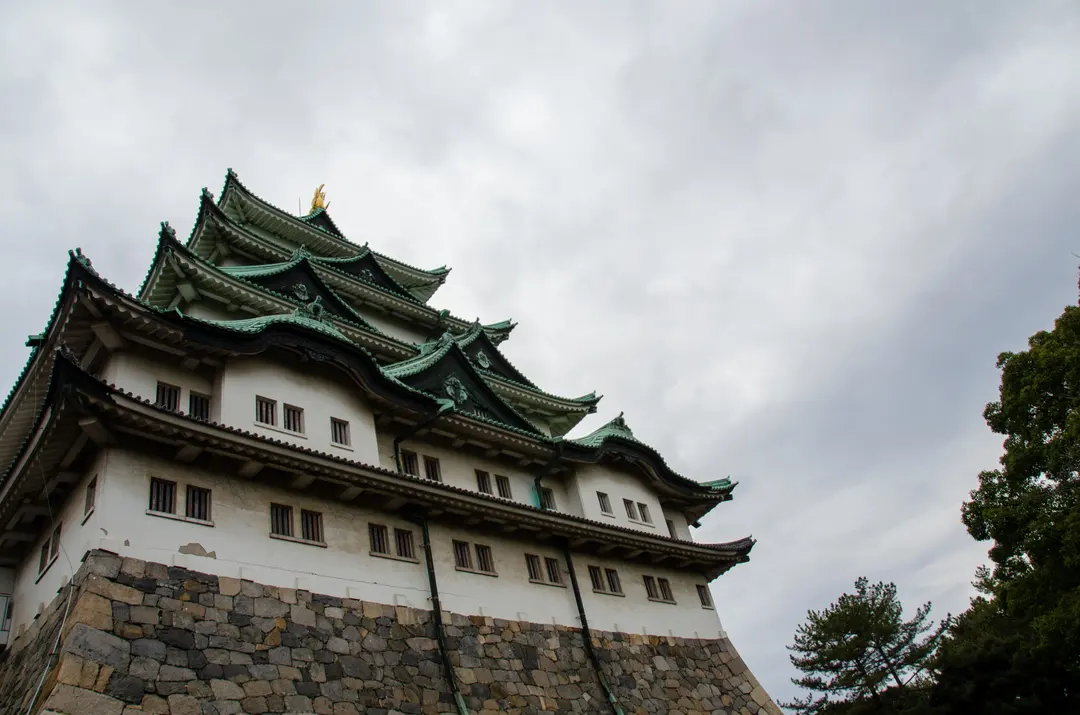
Standing right beneath the keep, the scale of the stone walls is breathtaking. Unlike many European castles, Japanese castles are built on incredibly high, sloping stone bases designed to withstand earthquakes and invaders alike.
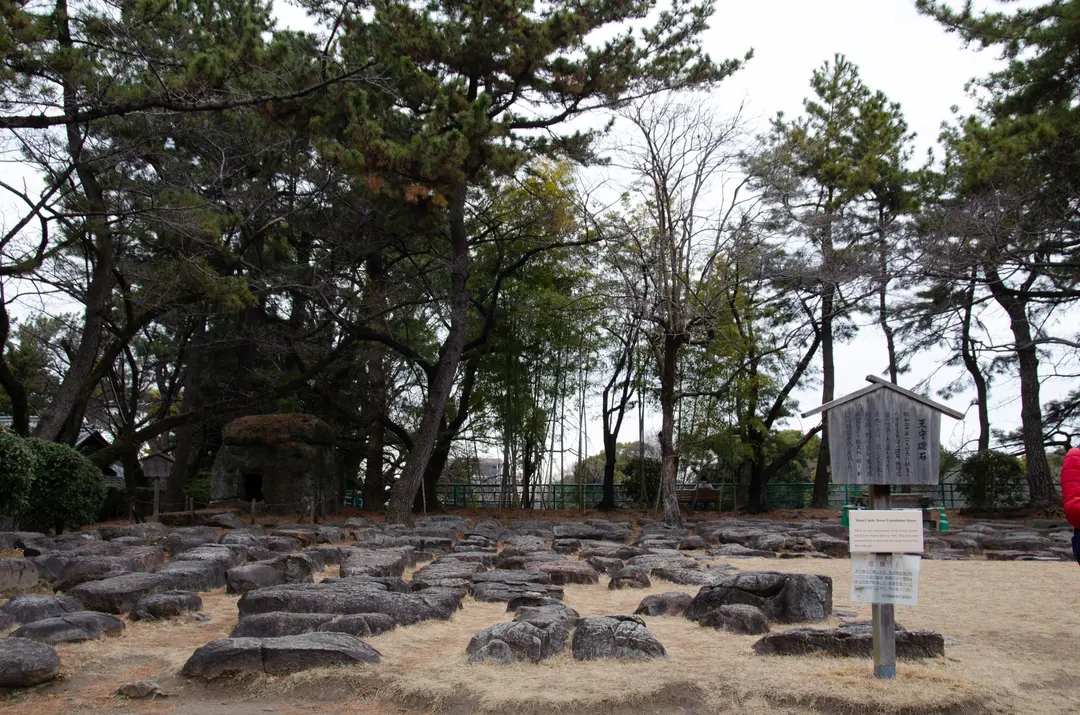
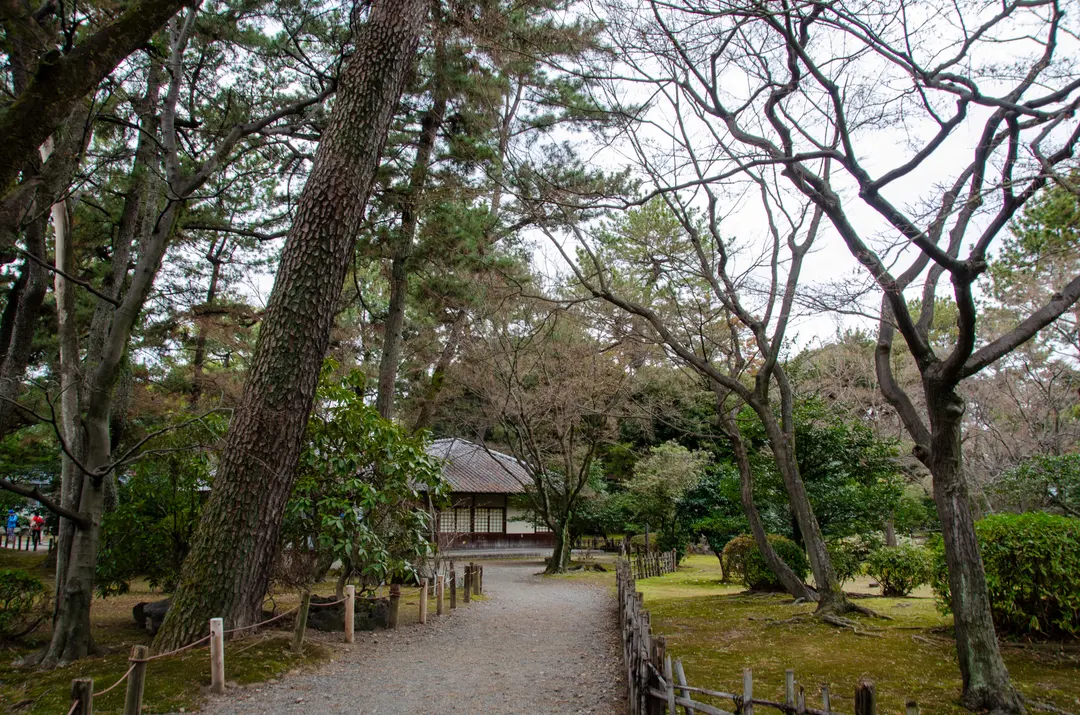
The walking path wrapping around the main keep is incredibly peaceful and beautifully maintained.
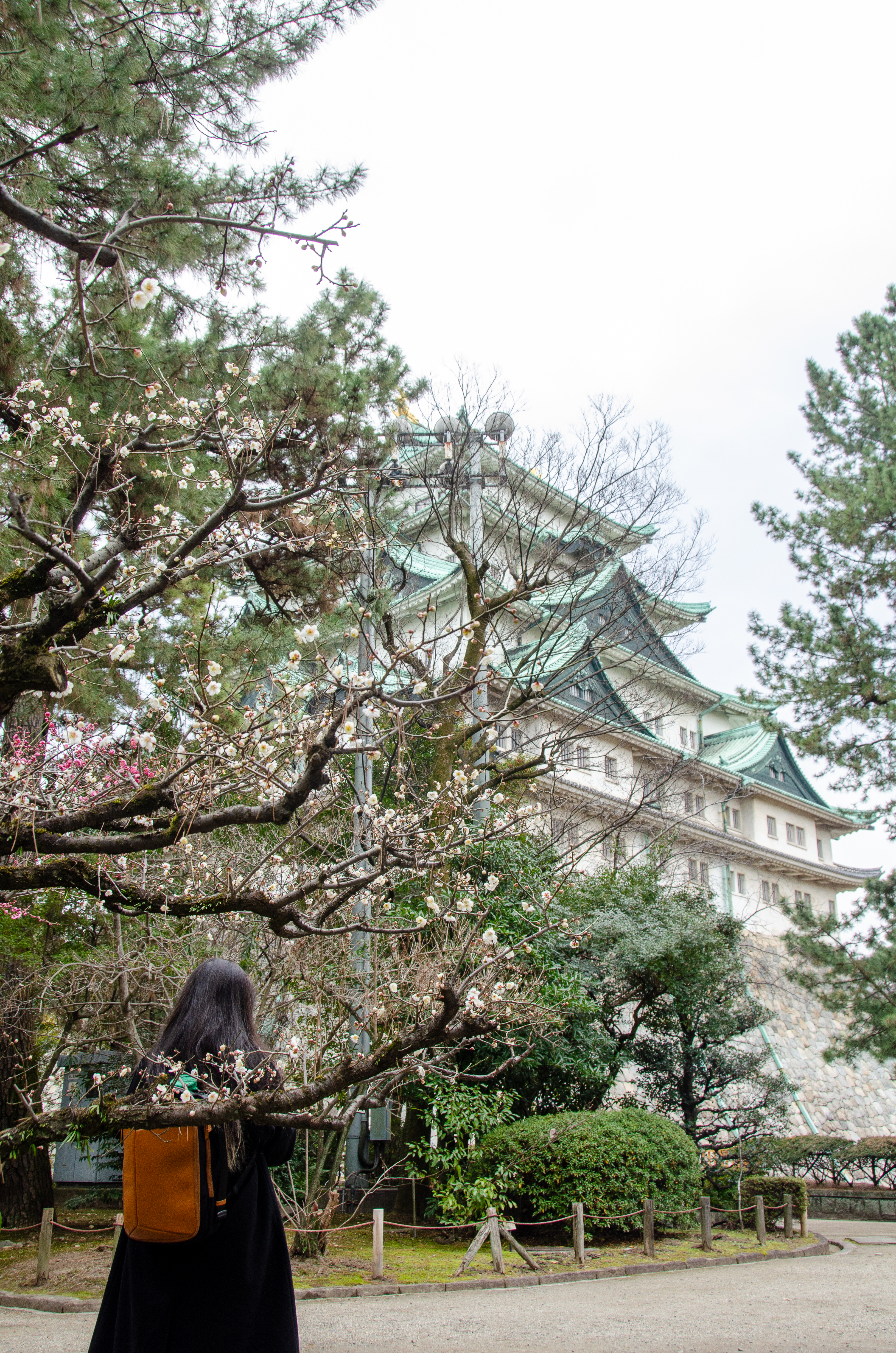
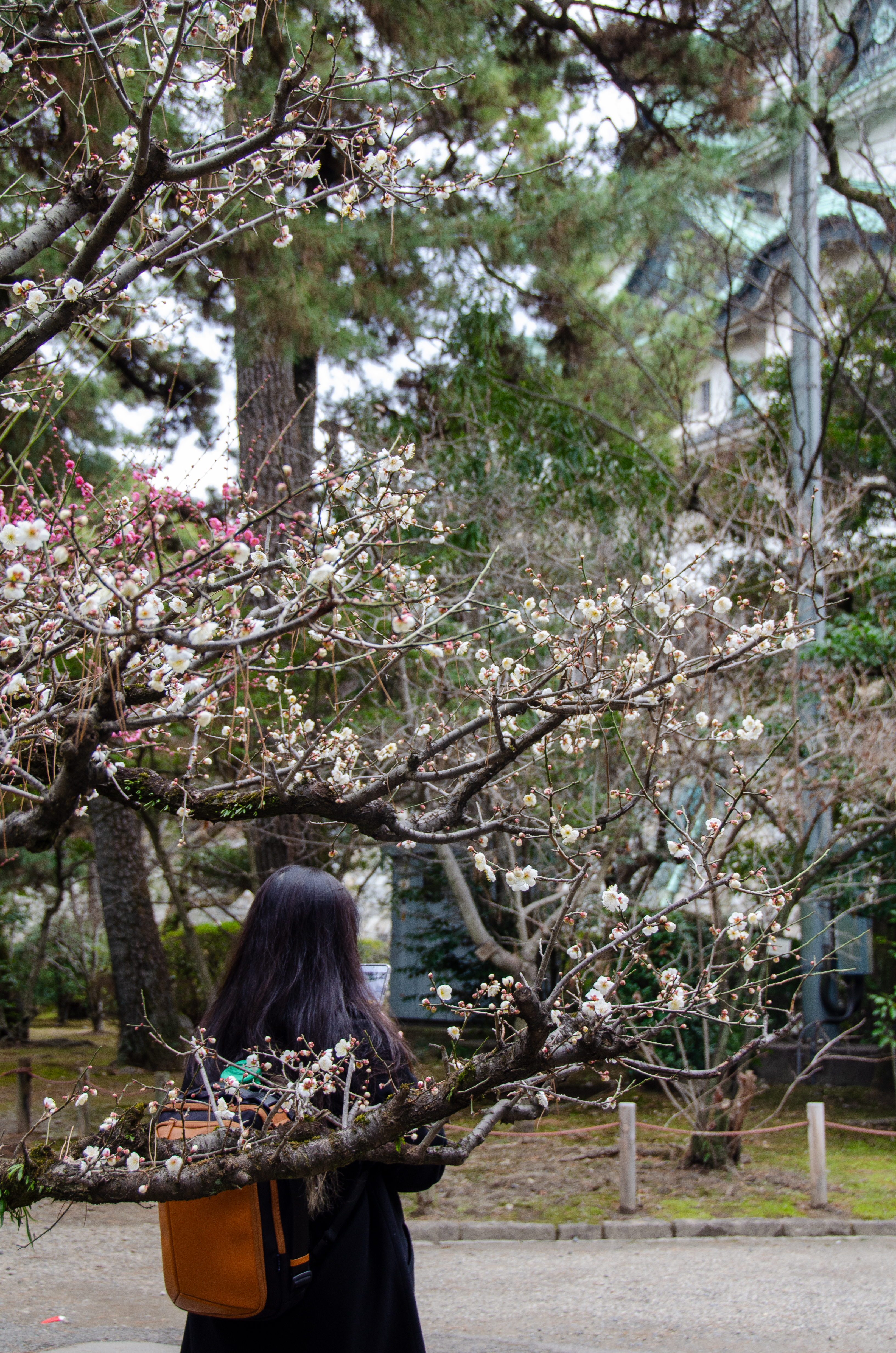
The seasonal flowers were beginning to bloom, framing the historic architecture in the most picturesque way. Even with the overcast weather, it was an unforgettable sight.
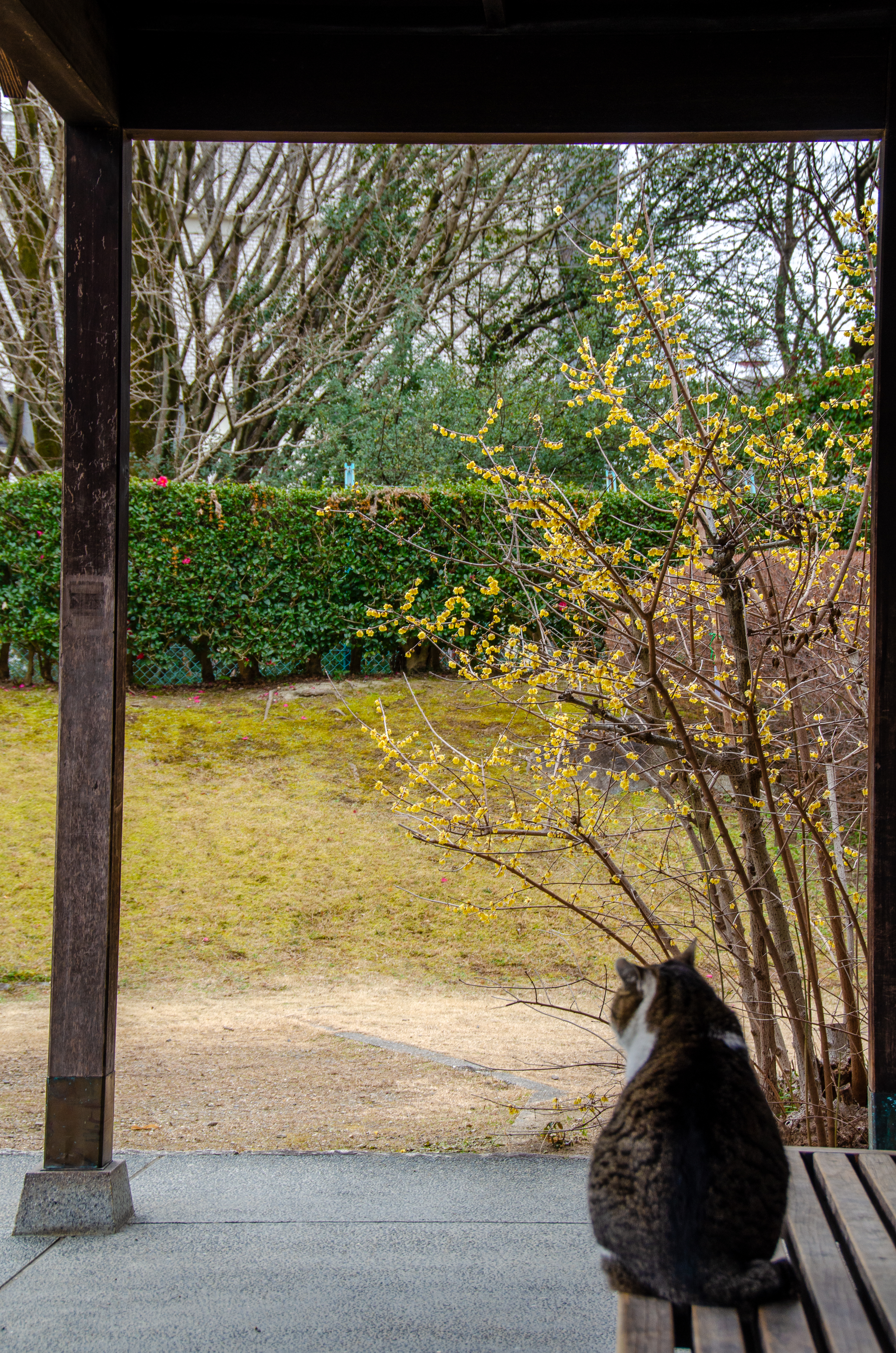
On our way out, we crossed paths with this sweet cat resting near the exit. I noticed it was visually impaired, but it looked incredibly healthy and well-fed. It warmed my heart to see that the castle staff take such good care of the local animals.
Because we had a tight schedule to catch a train to the hot spring town of Gero Onsen, we unfortunately had to skip the interior of the newly restored Honmaru Palace. If you have the time, I highly recommend stepping inside to marvel at its stunning gold-leaf screens and intricate woodwork!
Frequently Asked Questions
How do I get from Nagoya Station to Nagoya Castle by bus?
You can take bus No. 30 or 32 from Platform 4 at the Meitetsu Bus Center and get off at the Shiyakusho bus stop. The journey takes about 20 minutes, and the fare is 210 yen.
What are the opening hours and the basic adult admission fee for Nagoya Castle?
Nagoya Castle is open daily from 9:00 AM to 4:30 PM. The basic adult admission fee is 500 yen, and both cash and card payments are accepted.
How do I use the lockers at the entrance of Nagoya Castle?
The lockers are located right next to the entrance as you walk in and can only be operated with coins. If you don't have coins, you can ask the staff at the entrance for change.
Share this article
Related Travel Stories

Nagoya Restaurants 2026: 7 Must-Try Local Eateries
Dive into Nagoya's unique food scene! We've handpicked 7 local restaurants serving up incredible Nagoya Meshi, from izakaya classics to hidden gems.

Kirin Beer Factory Nagoya Tour 2026: Booking & Tasting Guide
Discover the Kirin Beer Factory in Nagoya, Japan! This 2026 guide covers booking essentials, what to expect, and tasting tips for a smooth visit.

Princess Garden Hotel Nagoya Review 2026: Sakae's Value Stay
Discover the Princess Garden Hotel in Nagoya's vibrant Sakae district. Perfect for shoppers and foodies, this hotel offers a prime location and a rejuvenating public bath at an unbeatable value. Find your ideal Nagoya stay for 2026!

Nagoya Shirakawa-go Hida Takayama Tour 2026: A Day Trip Guide
Beyond Nagoya's city buzz, discover two unique Japanese destinations! Our 2026 guide to a Shirakawa-go and Hida Takayama day tour reveals stunning culture and history.

Ghibli Park Nagoya Tickets 2026: Booking Guide & Tips
Dreaming of visiting Ghibli Park in Nagoya? Don't miss out! Learn the easiest ways to book your tickets for 2026, whether you're a local or international visitor, and dive into the magical world of Studio Ghibli.

Mill Coffee Nagoya Review: A Cozy Osu Shopping Street Cafe
Escape the Nagoya heat at Mill Coffee, a charming cafe just 6 minutes from Osu Shopping Street. Discover its simple elegance and enjoy a refreshing cup.