

Kyoto Bus Tour from Osaka 2026: Day Trip to Arashiyama & More
Planning a day trip from Osaka? Discover Kyoto's iconic landmarks like Arashiyama, Kinkaku-ji, and Fushimi Inari on a hassle-free bus tour. Get ready for an unforgettable adventure!
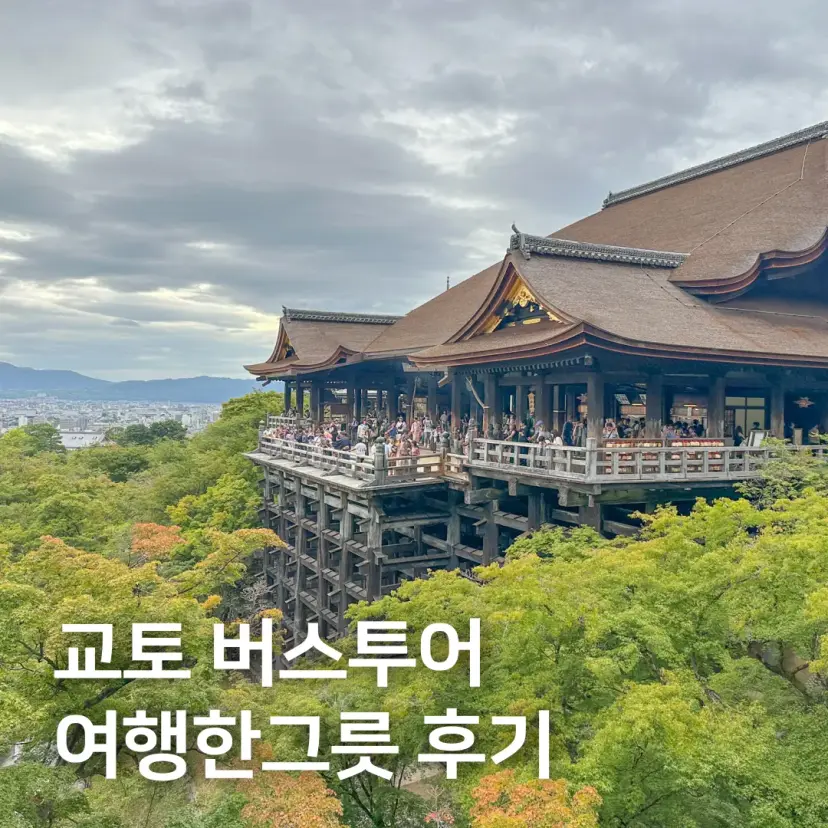
Osaka Day Trip Itinerary to Nearby Areas
Kyoto Bus Tour: My Review of 'Yeohaenghanggeureut'
Text/Photos ©Haibubu
If you're planning a trip to Osaka for 3 nights or more,
many of you might be considering a day trip
to a nearby area.
And the best nearby destination for that is Kyoto.
But are you wondering how to conveniently visit Kyoto
in just one day?
Today, I'm excited to share my review of a
Kyoto bus tour that takes you to four famous spots,
all in one day!
Recommended Kyoto Bus Tour for an Osaka Excursion

First, here's a look at the tour itinerary:

📌 Kyoto Bus Tour Itinerary
1. Arashiyama
2. Kinkaku-ji (Golden Pavilion)
3. Fushimi Inari (Fox Shrine)
4. Kiyomizu-dera Temple
In nearly 10 hours, you can travel to Kyoto and visit
all four of these incredible spots.
And personally, I felt that sufficient time was allocated
to each stop.
(50 minutes to 3 hours per course)
Honestly, most Kyoto bus tours are quite similar, so
I focused mainly on the number and content of reviews.
Yeohaenghanggeureut had an impressive number of reviews,
and many of them were excellent, which really instilled confidence.
Plus, I had previously used Yeohaenghanggeureut for a Sapporo Biei tour,
and the guide's professionalism made for a highly satisfying experience.
Finally, the inclusion of free photo-taking services was a huge bonus!
They took photos at several spots with a Leica camera and later sent them to us,
which felt like a fantastic perk.
It can be surprisingly tricky to get good group photos while traveling,
so this made capturing wonderful memories incredibly easy and convenient.
You can explore the Yeohaenghanggeureut Kyoto bus tour I experienced
through the link below:
>> Book Your Kyoto Bus Tour Here <<
Yeohaenghanggeureut Tour: Meeting Point & Departure
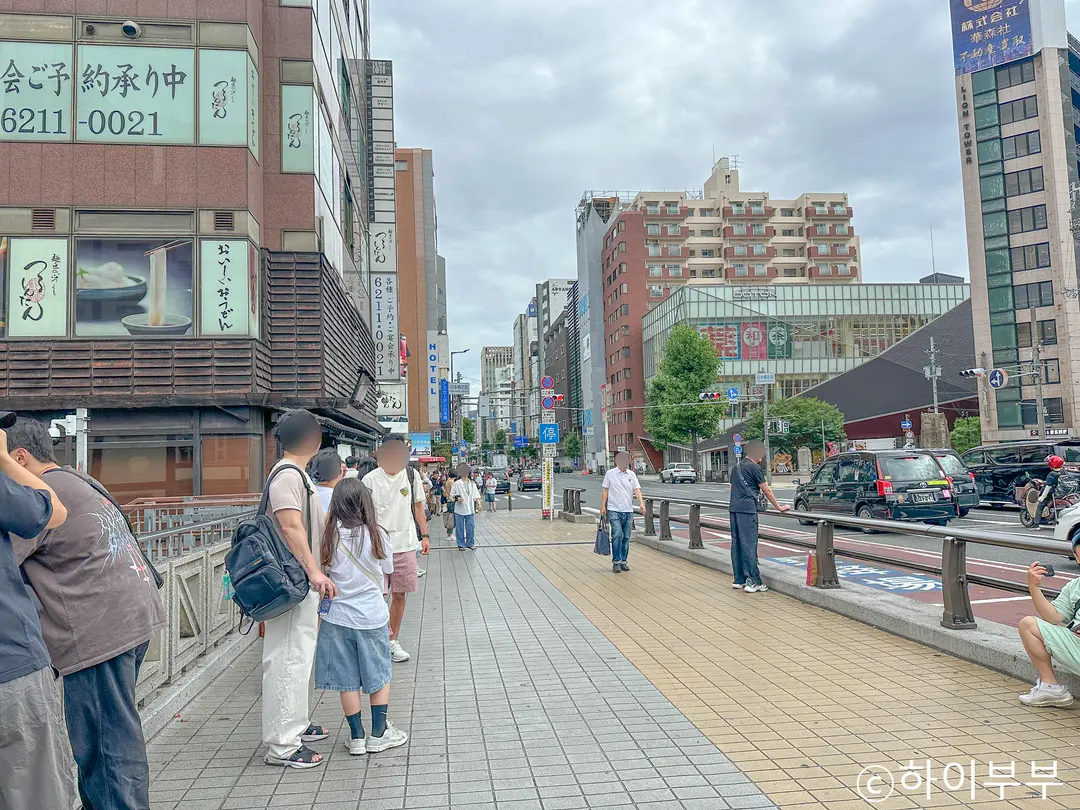
The tour began with a gathering between 8:40 and 8:50 AM
in front of Tsurutontan Soemoncho.
It's super accessible, just about a 3-minute walk north
from Kintetsu-Nippombashi Station.
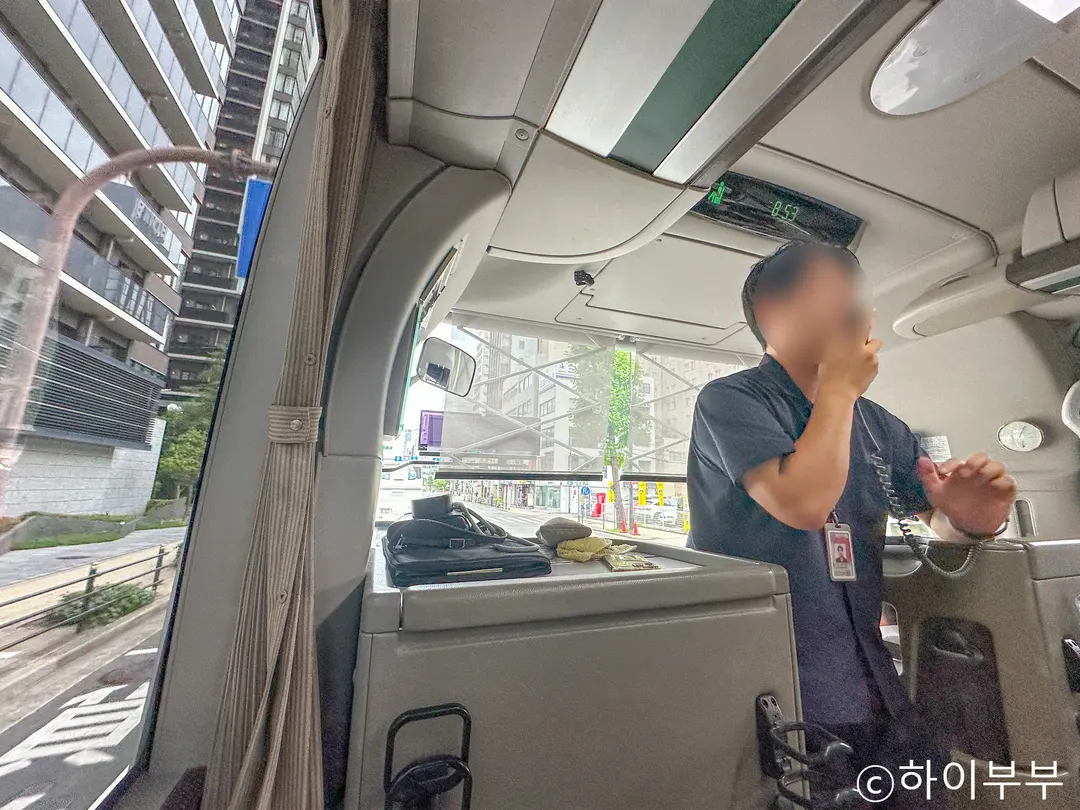
Our guide arrived right on time at 8:40 AM,
and we boarded the bus in the order that our attendance was checked.
Our guide for the day was Lee Guk-won, who impressed us with his extensive
knowledge of the tour areas and excellent communication skills.
First Stop: Arashiyama
After about an hour and ten minutes of driving, we arrived at our first stop,
Arashiyama, where we spent about three hours, including time for lunch.
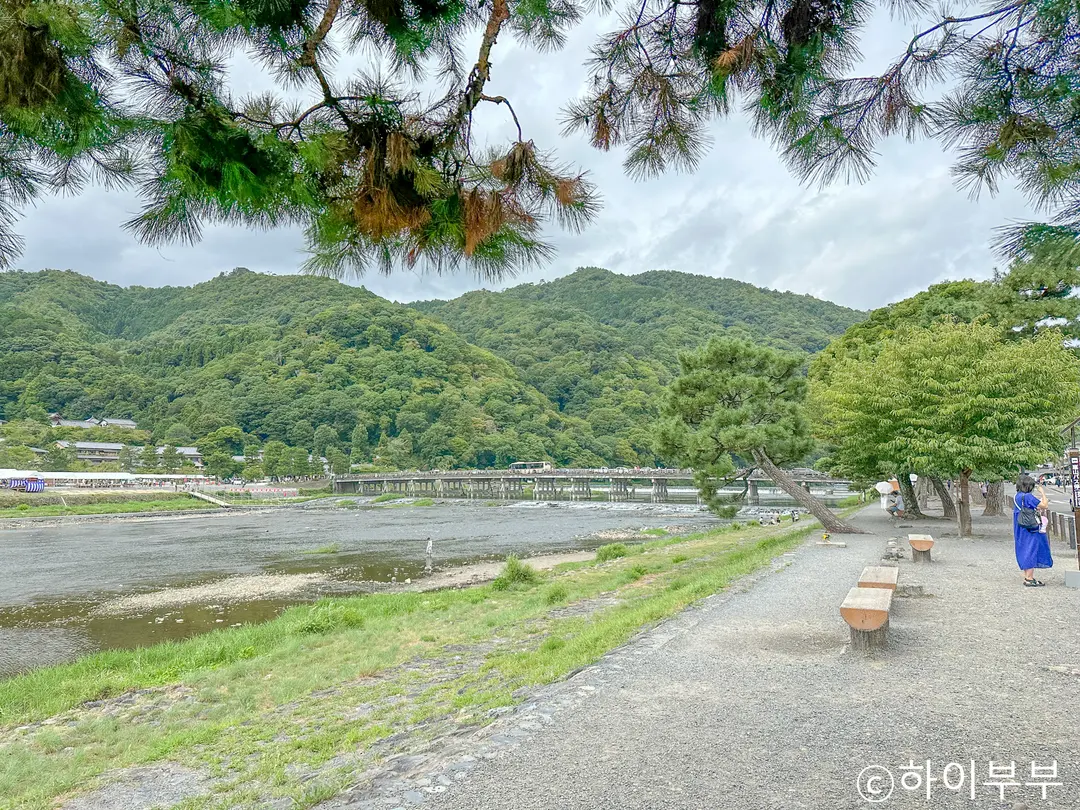
Arashiyama is a place where the Katsura River flows through the center,
with stunning natural beauty unfolding behind it –
truly somewhere you can soak in magnificent scenery.
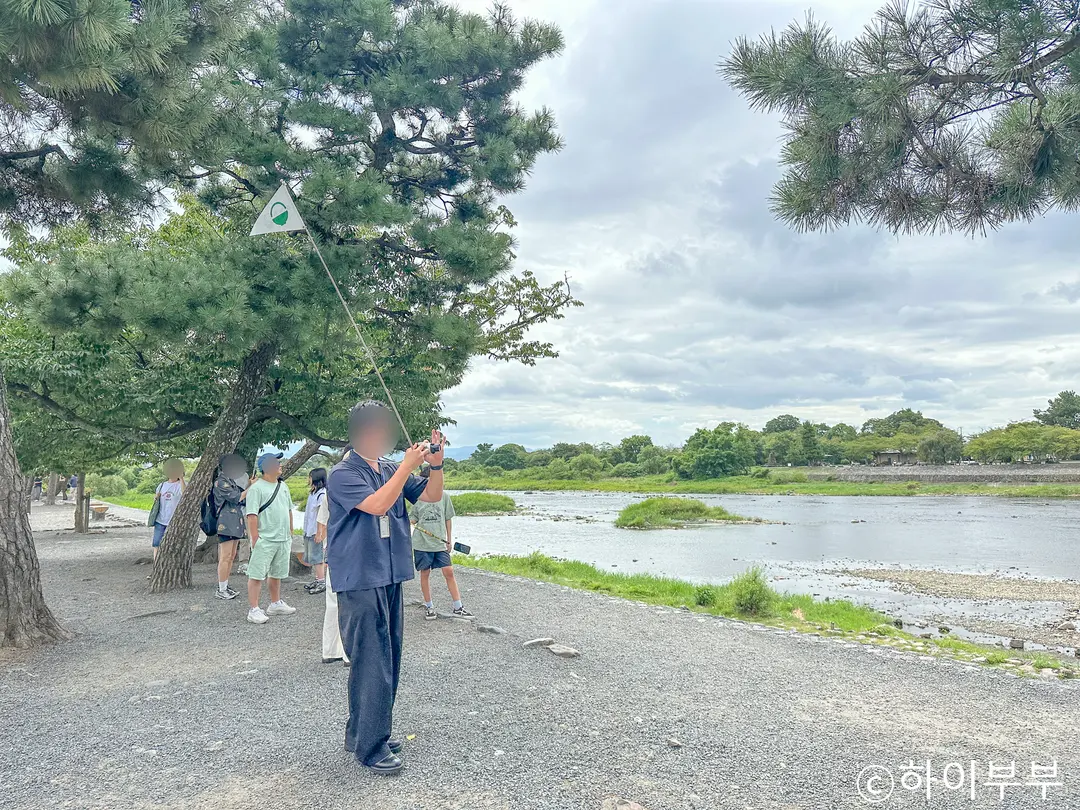
What's more, right after we got off the bus in the parking lot,
they took our first individual photos!
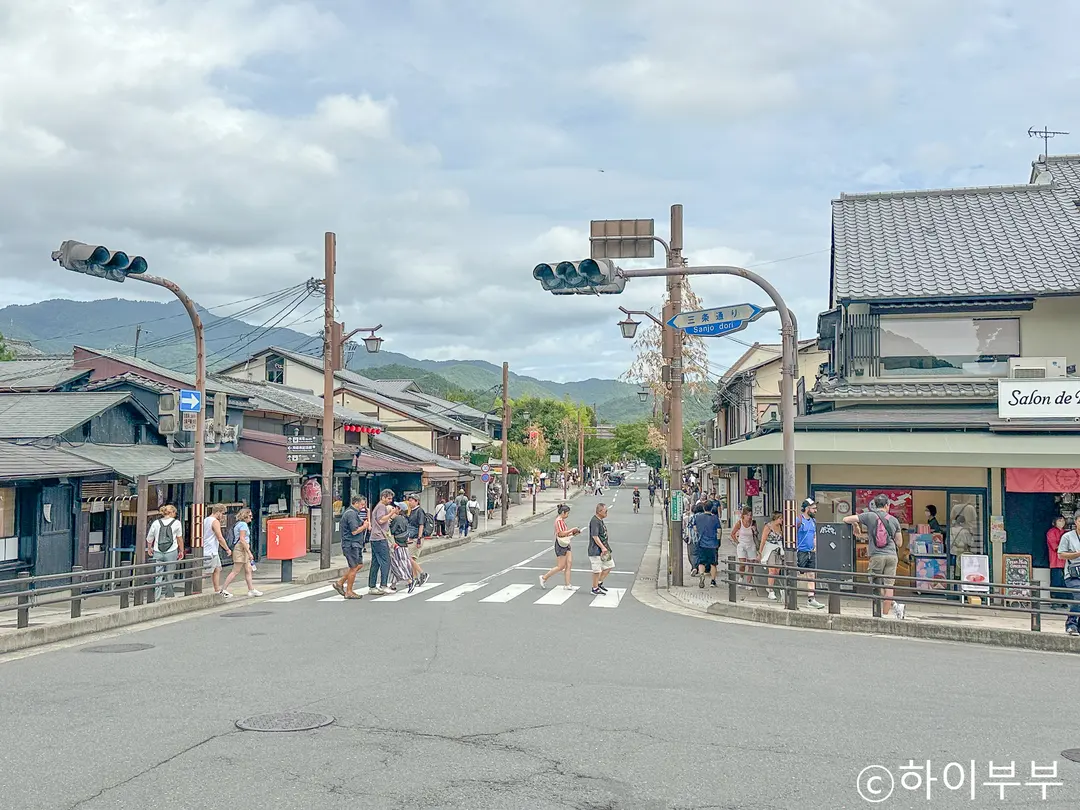
After we finished taking photos, we immediately had some free time,
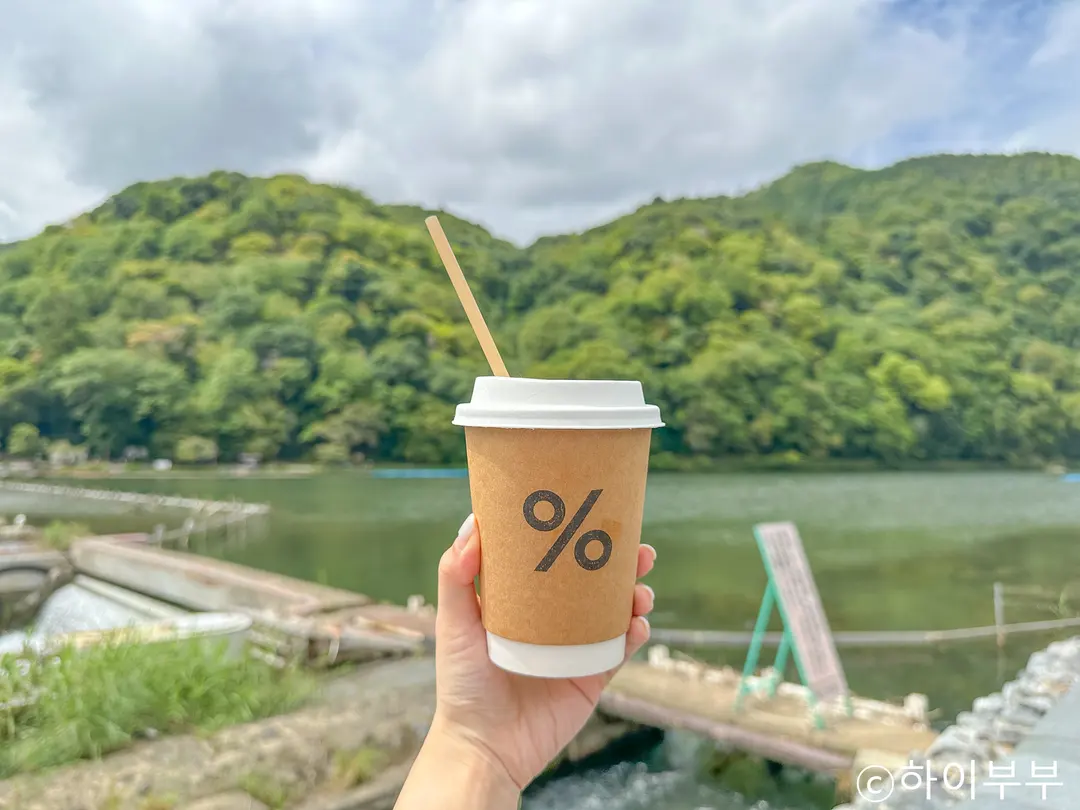
and the first thing we did was head to % Arabica ('Eungkeopi') for a coffee.
These days, it seems to be less popular than before,
as we only waited about 5 minutes around 10 AM before we could get our drinks.
I ordered the 'Kyoto Latte' and it was so sweet,
I felt my energy getting a sweet boost!
After buying a coffee at % Arabica,
take a commemorative photo out front with Arashiyama's mountains and river in the background.
It turns out absolutely beautifully!
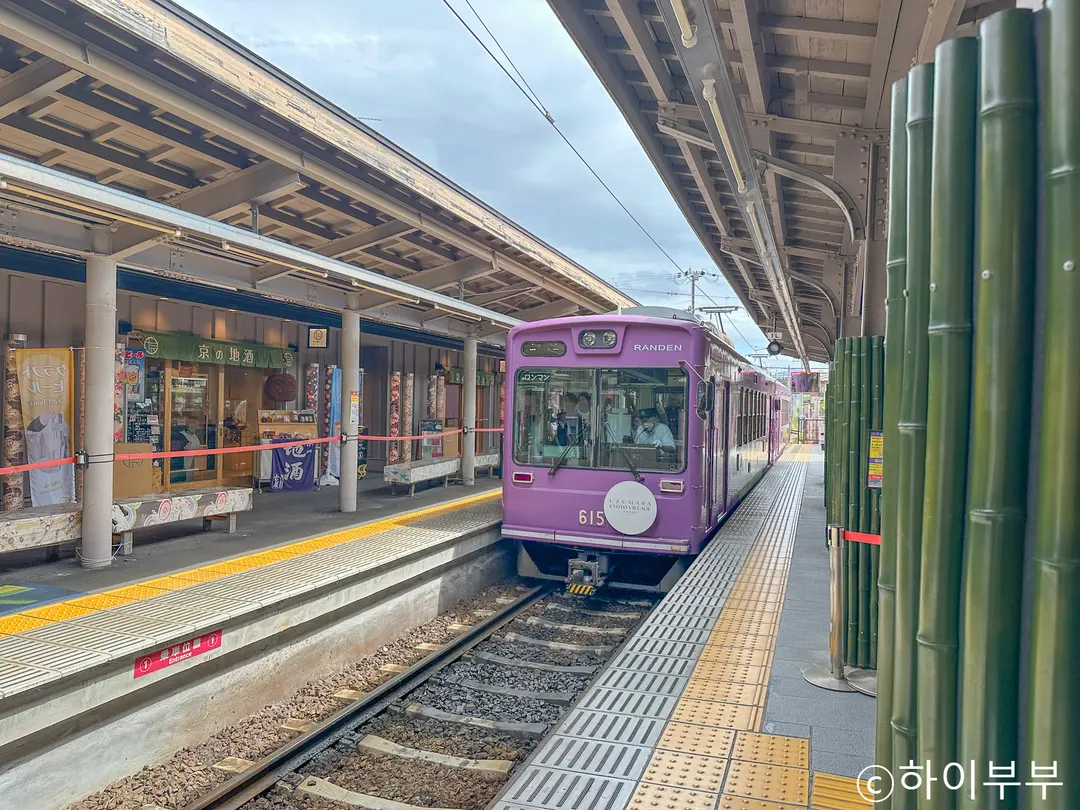
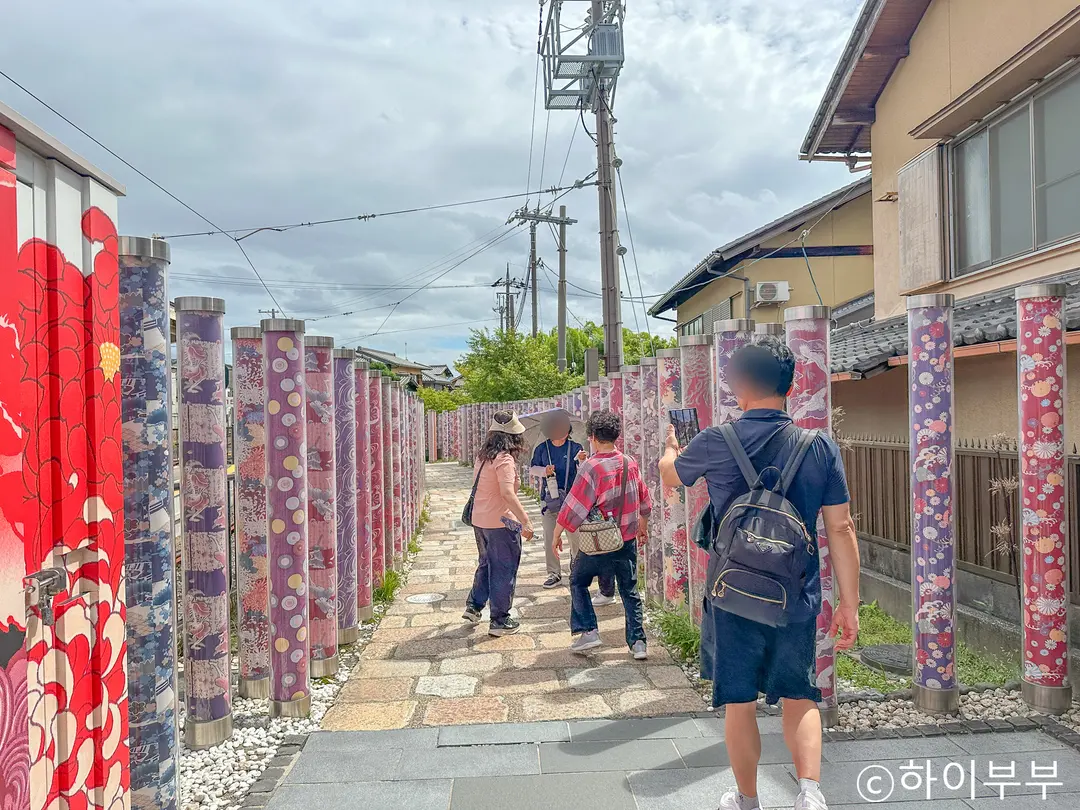
Next, we walked along the shopping street
and explored the inside of Randen Arashiyama Station.
The Randen train, which operates as a streetcar, had such a charming vibe,
and the Kimono Forest inside was so unique,
making it surprisingly great for commemorative photos.
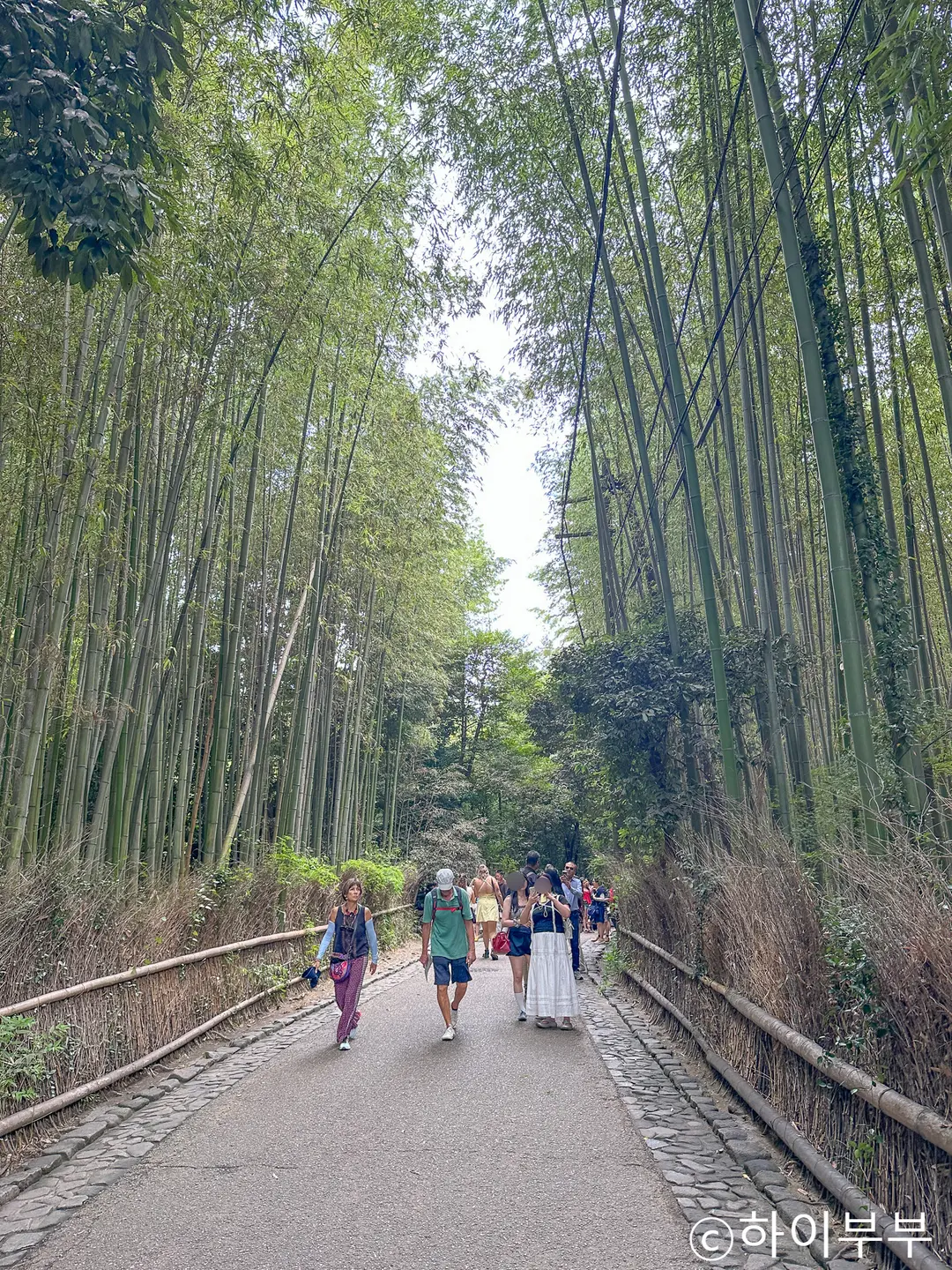
Next, we headed to Arashiyama's essential spot: the Bamboo Forest,
known as Arashiyama Chikurin.
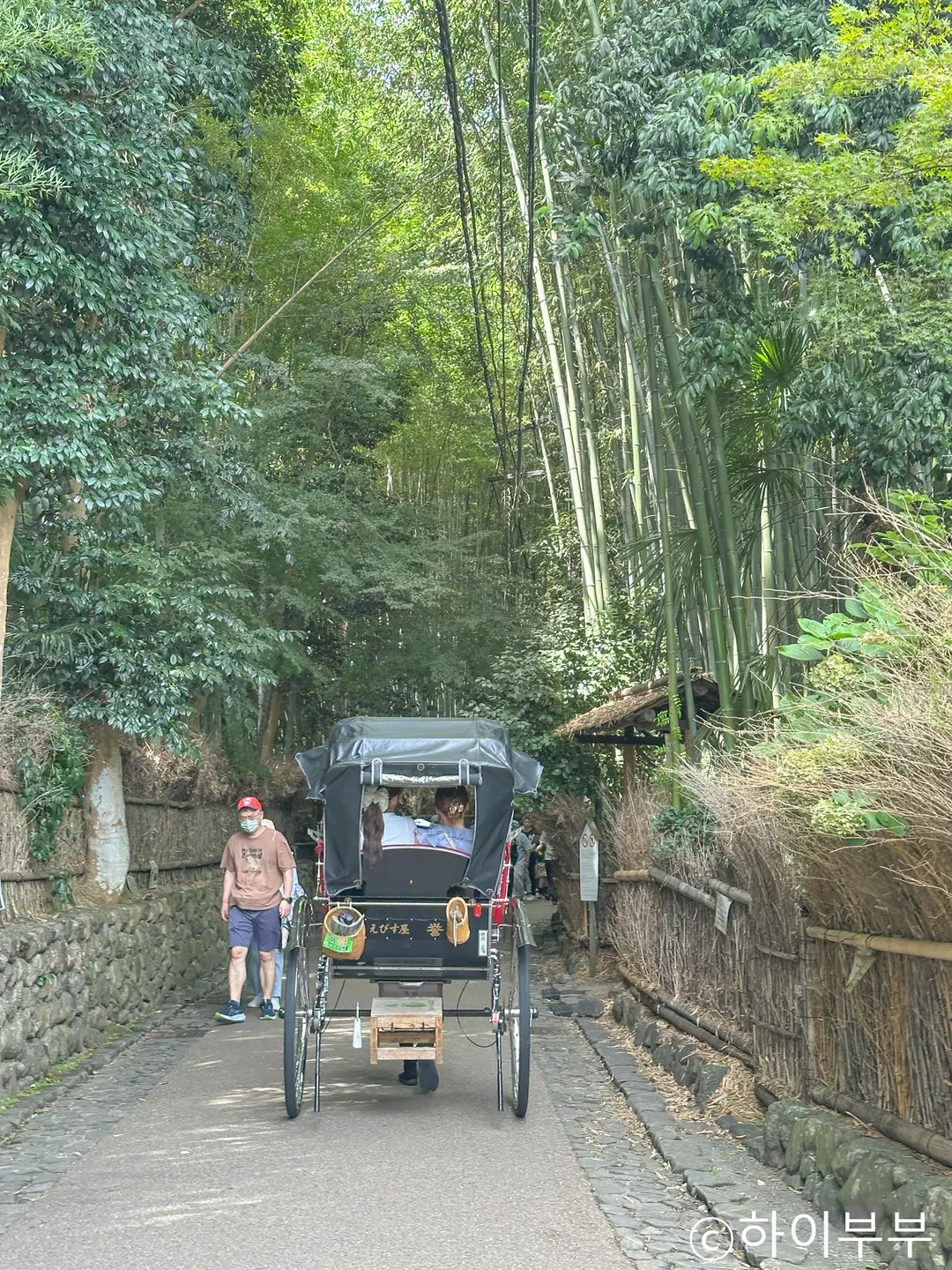
The long stretch of bamboo groves was beautiful,
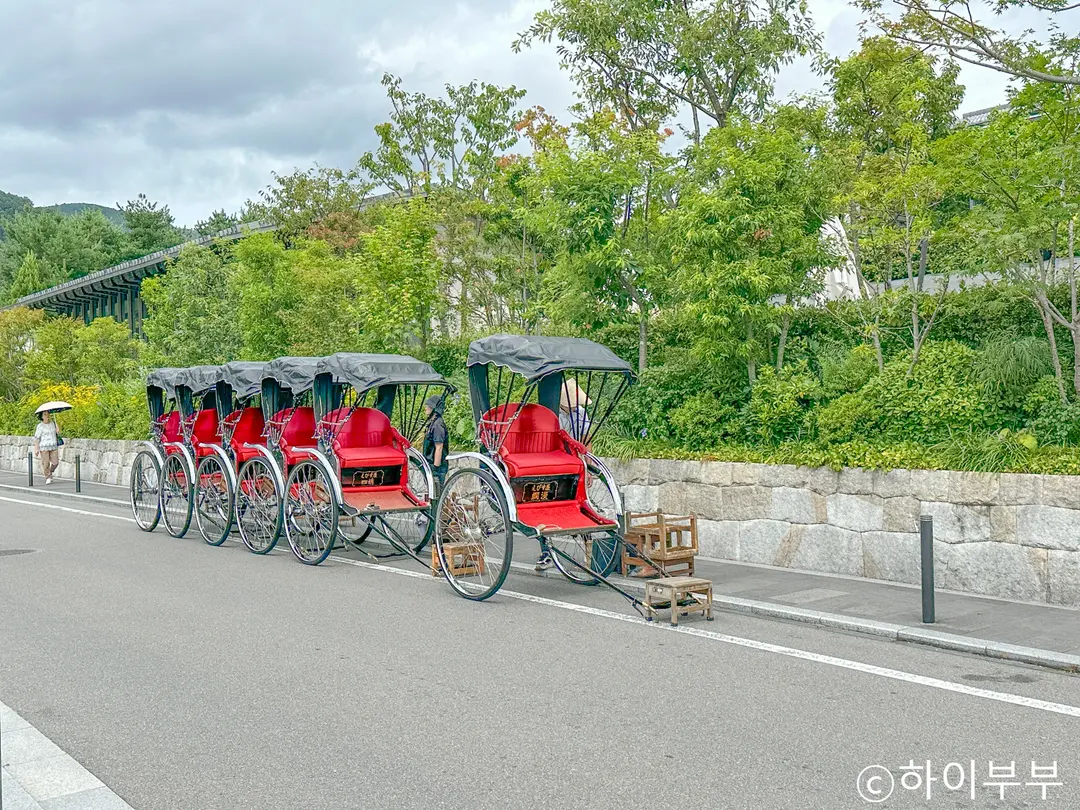
but seeing the rickshaws passing by here and there
truly enhanced that distinct Japanese atmosphere.
In my opinion, there are two must-visit spots in Chikurin:
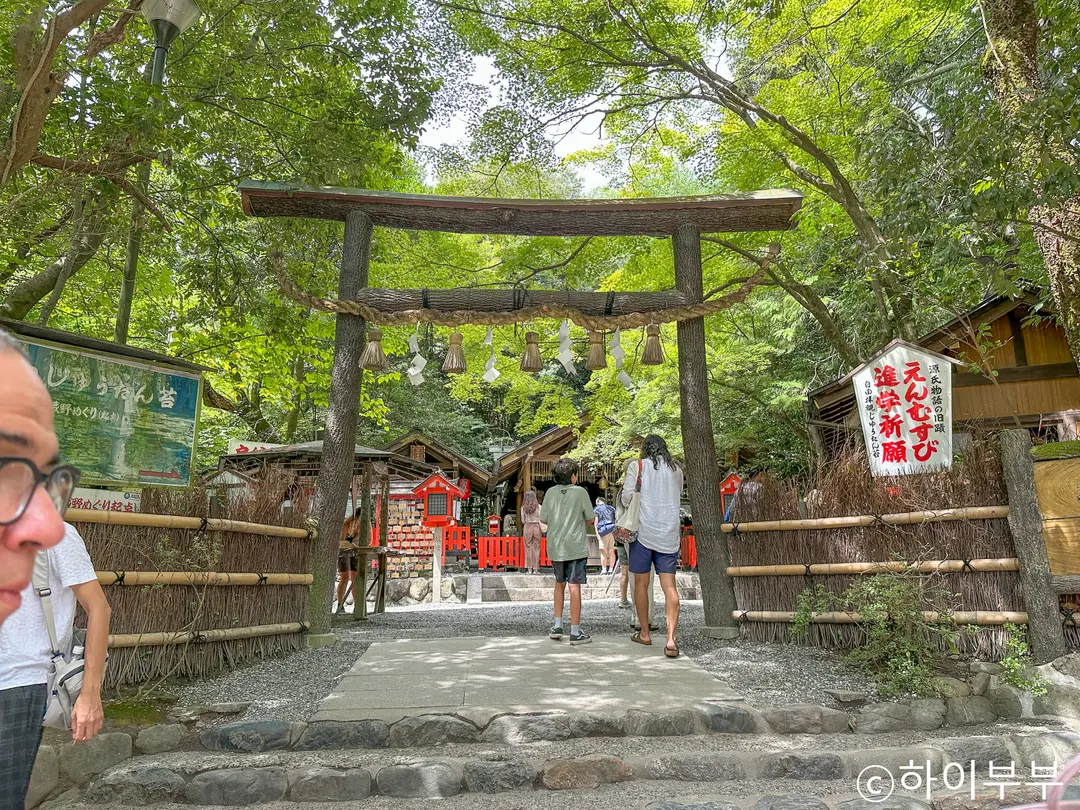
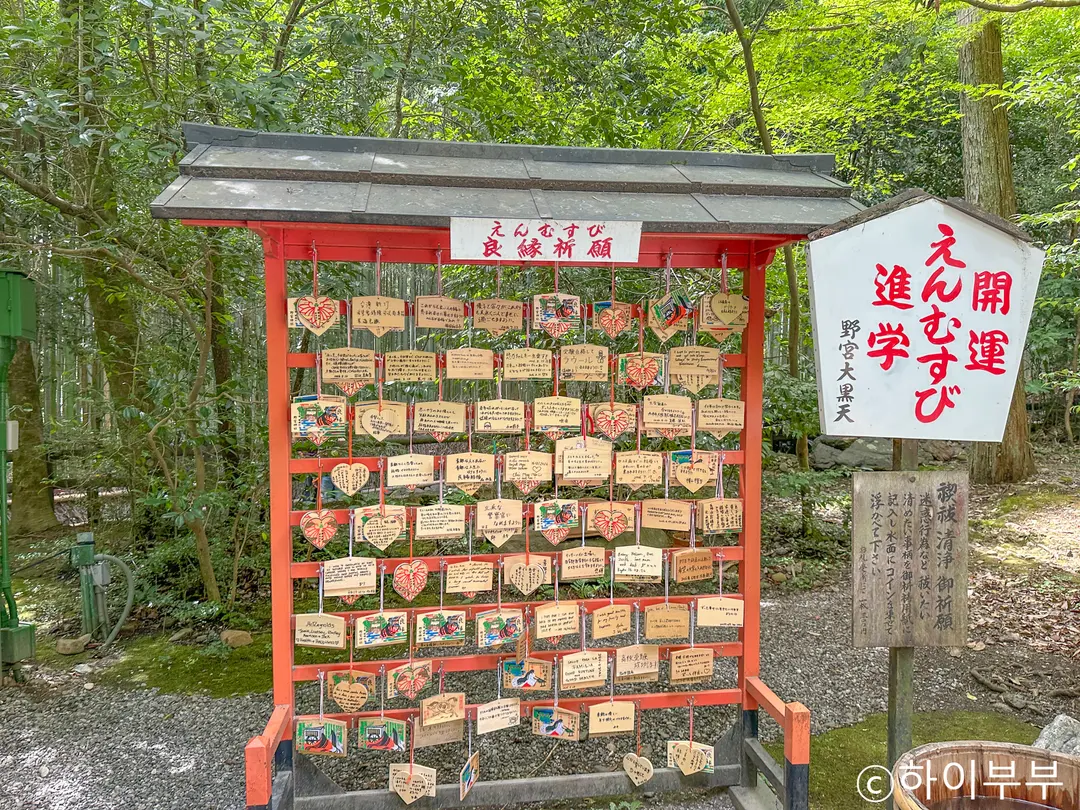
The first is Nonomiya Shrine.
This shrine is where people pray for good fortune, relationships, and academic success.
Located within the bamboo grove, it has a truly enchanting atmosphere.
In particular, the wooden torii gate leading into the shrine
is incredibly unique and a fantastic photo spot,
so definitely make sure to capture a commemorative photo here.
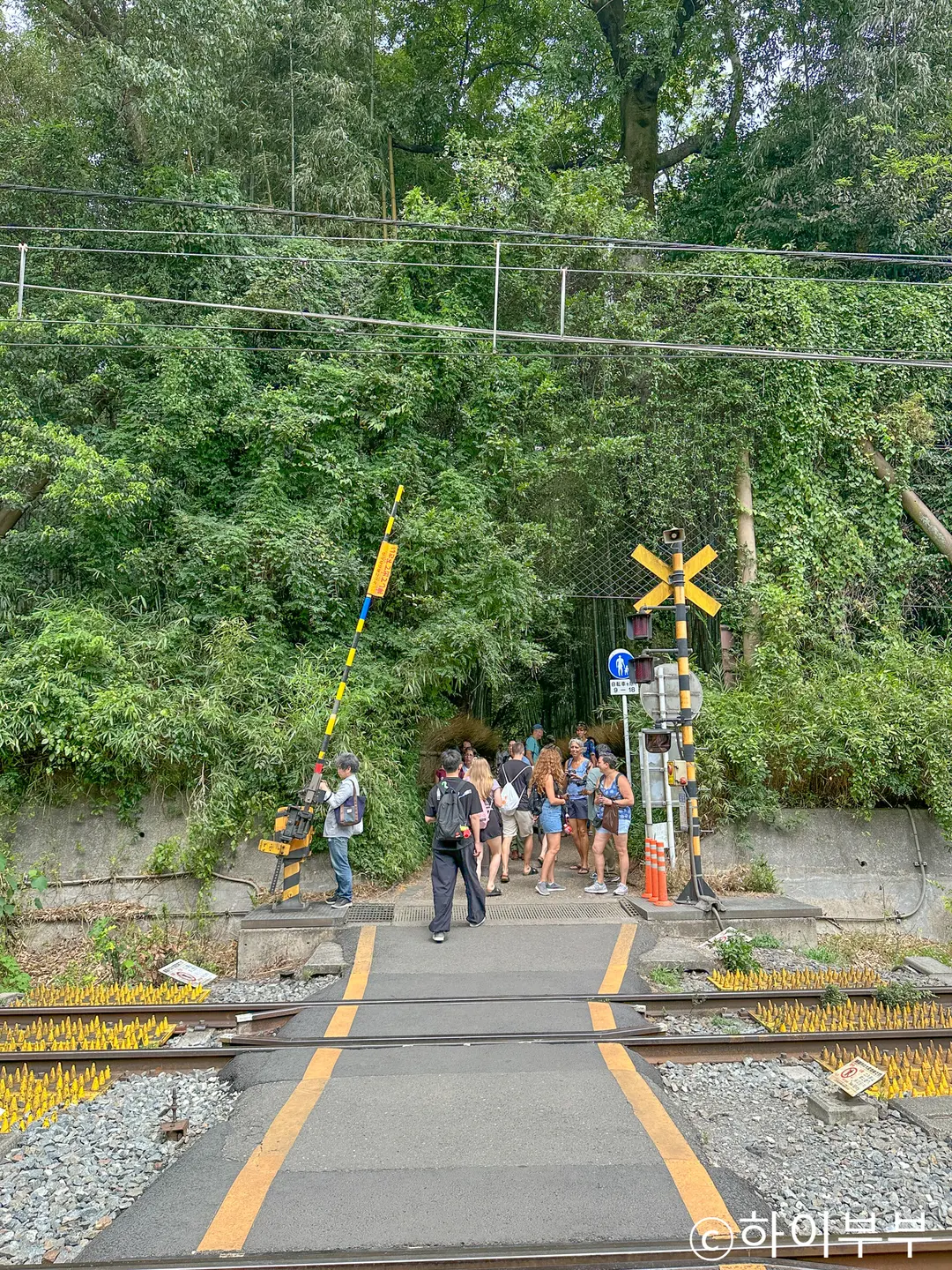
The second spot is the railway tracks where both the JR train and the Torokko train pass.
You absolutely have to see these tracks.
It's got that quintessential Japanese countryside train track vibe,
just what you imagine when you think of Japan.
So make sure to snap a photo here too!
(If your timing is right, you might even spot the Torokko train!)
Second Stop: Kinkaku-ji Temple
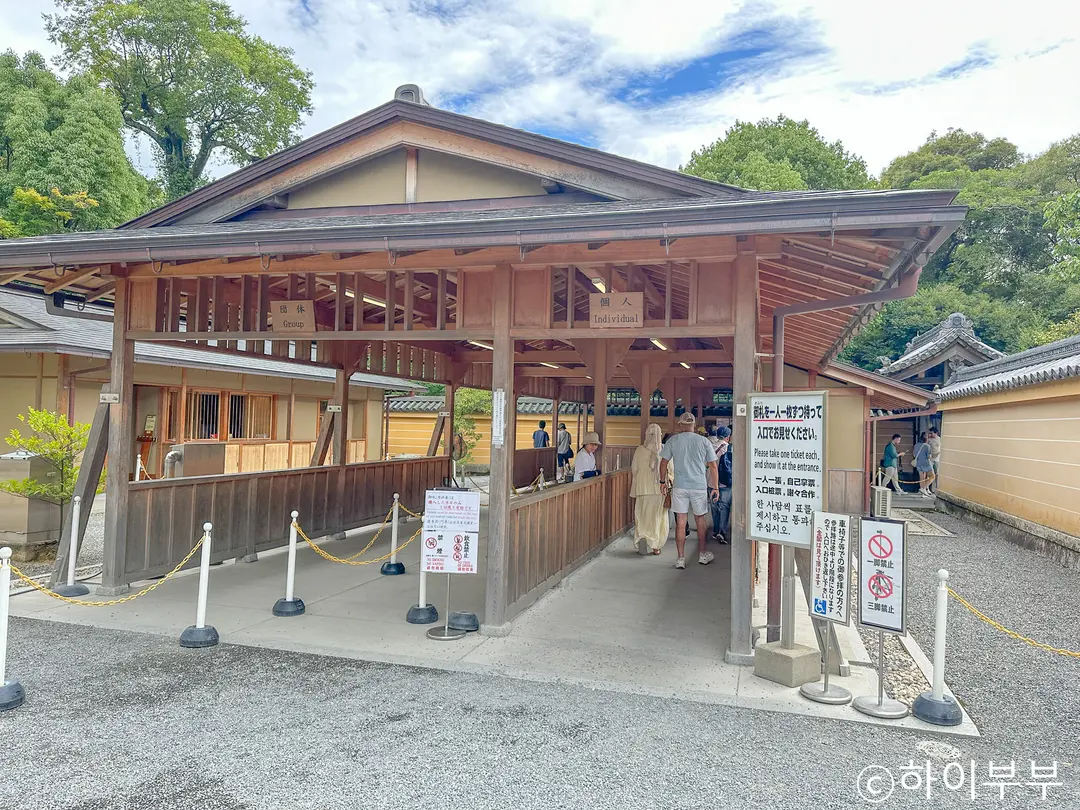
After about a 15-minute drive from Arashiyama,
we arrived at our second destination, Kinkaku-ji Temple.
We'll be spending about 50 minutes at Kinkaku-ji.
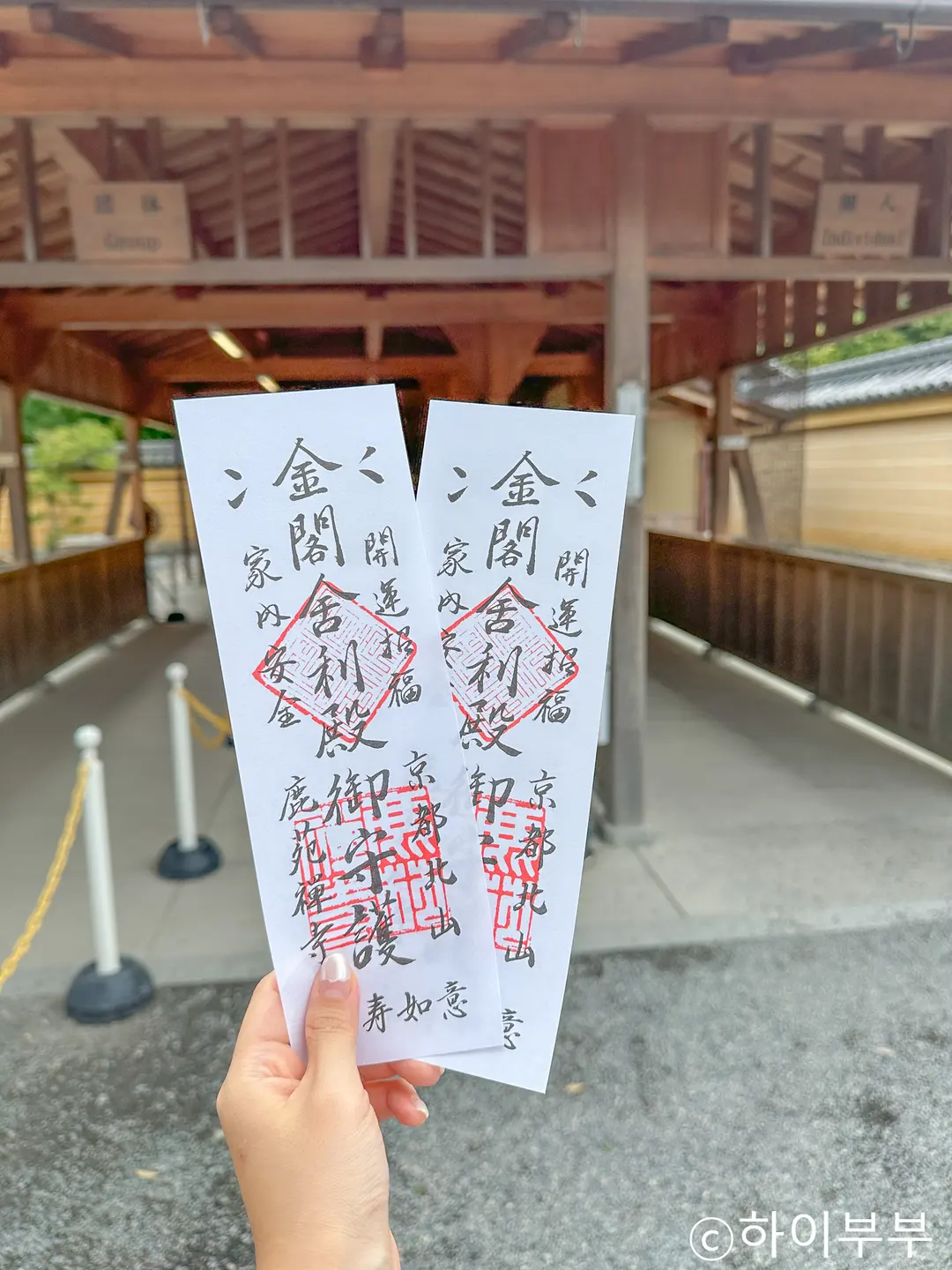
At Kinkaku-ji, you'll purchase your individual admission ticket (500 yen) at the ticket booth,
and then enter with your guide.
The admission ticket itself has phrases like "family peace" and "good fortune" written on it,
acting as a kind of charm. So, it's a wonderful souvenir from Kyoto
to take home with you.
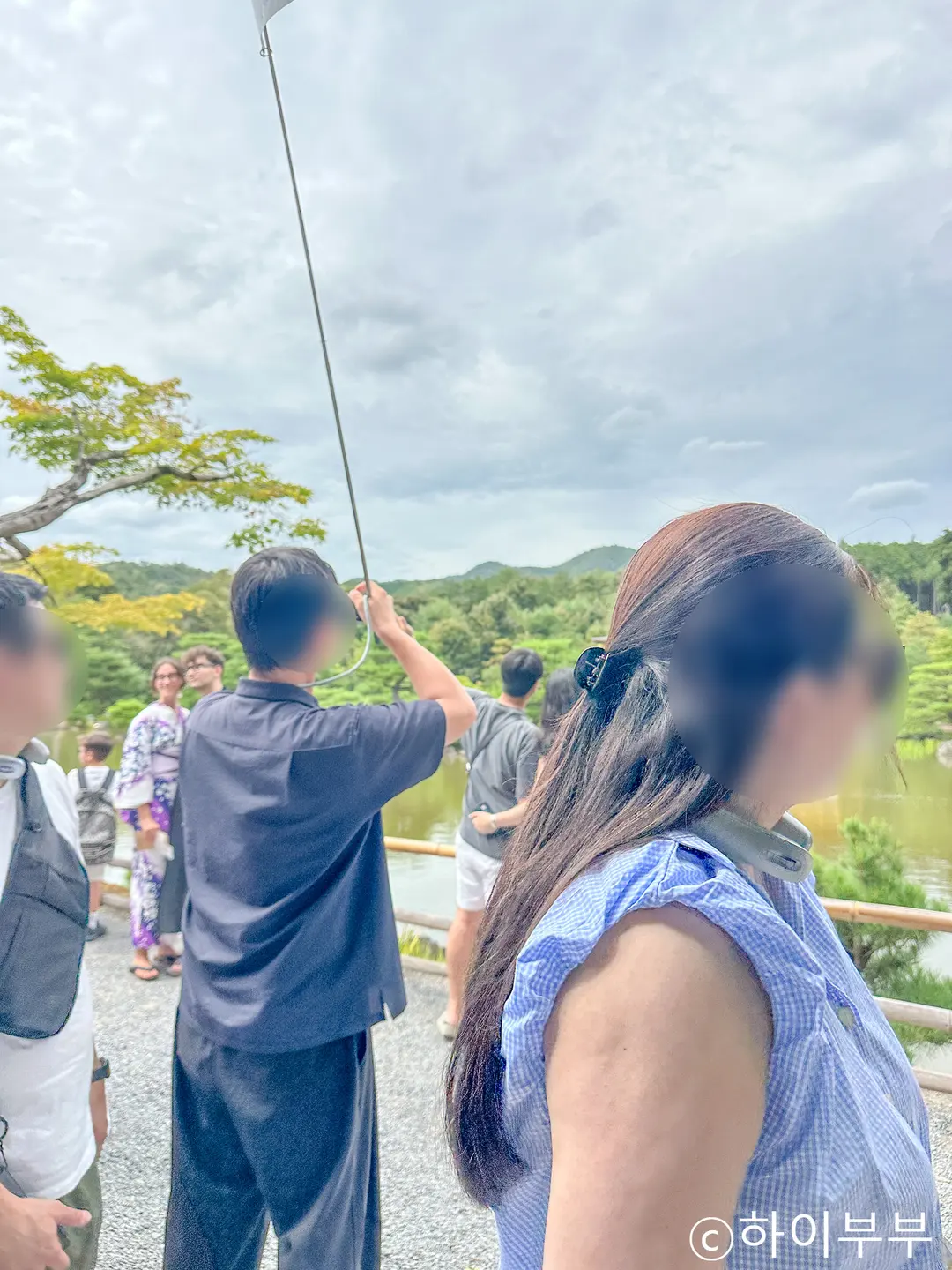
At Kinkaku-ji too, you can take commemorative photos with your guide near the entrance,
then continue your free exploration.
One thing to keep in mind here is
that the Kinkaku-ji tour is a one-way path.
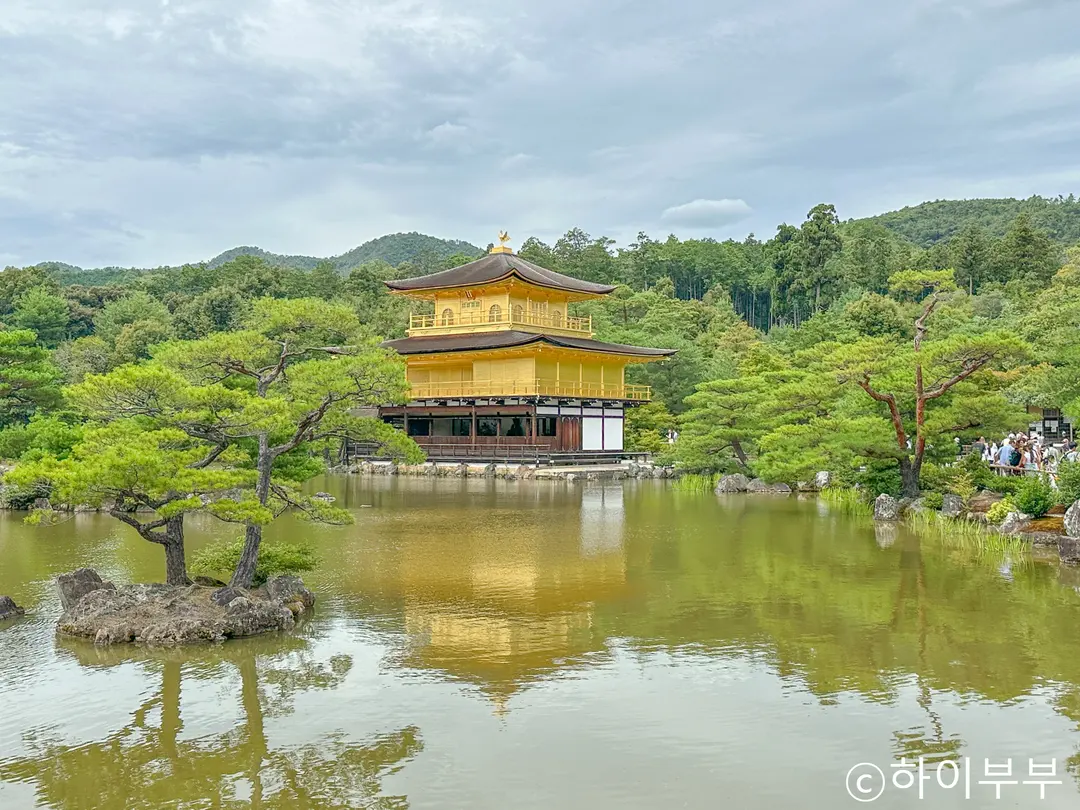
Just walking around and admiring everything takes 15-20 minutes,
but if you take your time and snap photos,
it's a route that can take up to 30-35 minutes.
It can actually be quite tricky to visit it twice.
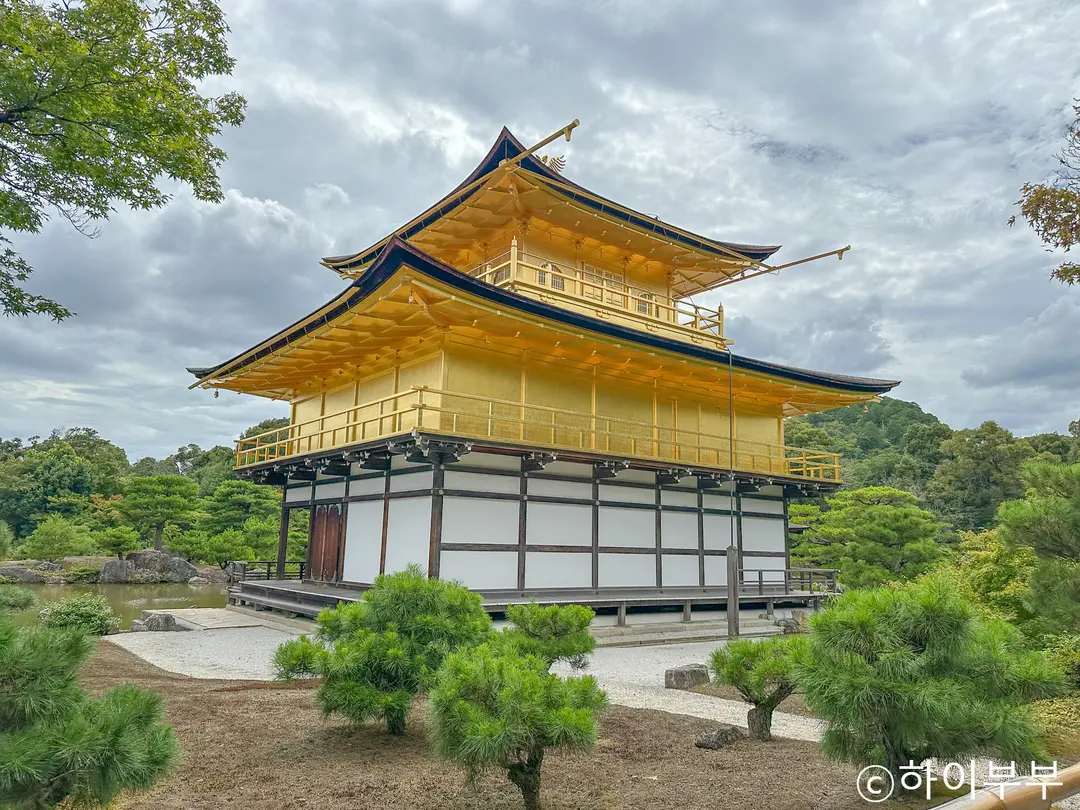
This marks my third visit to Kinkaku-ji, and I'm telling you, this temple remains absolutely breathtaking, no matter how many times I behold its beauty!
They say the exterior is actually painted with real gold, which means its upkeep requires a truly significant investment.
I visited on a cloudy day, but take note: if you manage to visit on a clear day, you'll witness Kinkaku-ji sparkling so brilliantly it might just dazzle your eyes!
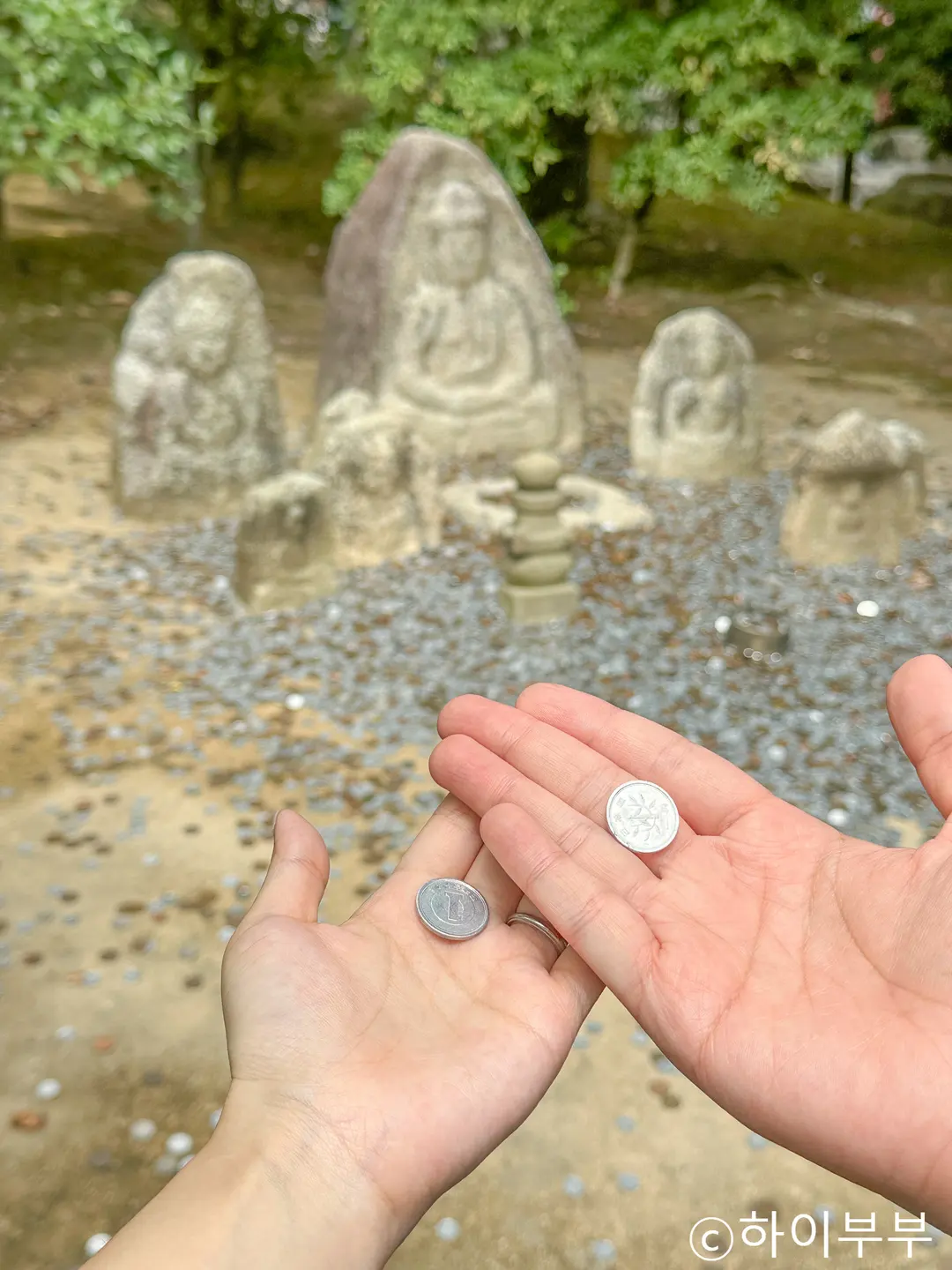
As you wander through Kinkaku-ji, you'll likely spot people tossing coins in front of a stone Buddha statue.
Legend has it that if you manage to land a coin into the central bowl, your wish will come true – so why not give it a shot?
We tried with a 1-yen coin, and let me tell you, aiming it proved to be much trickier than we anticipated!
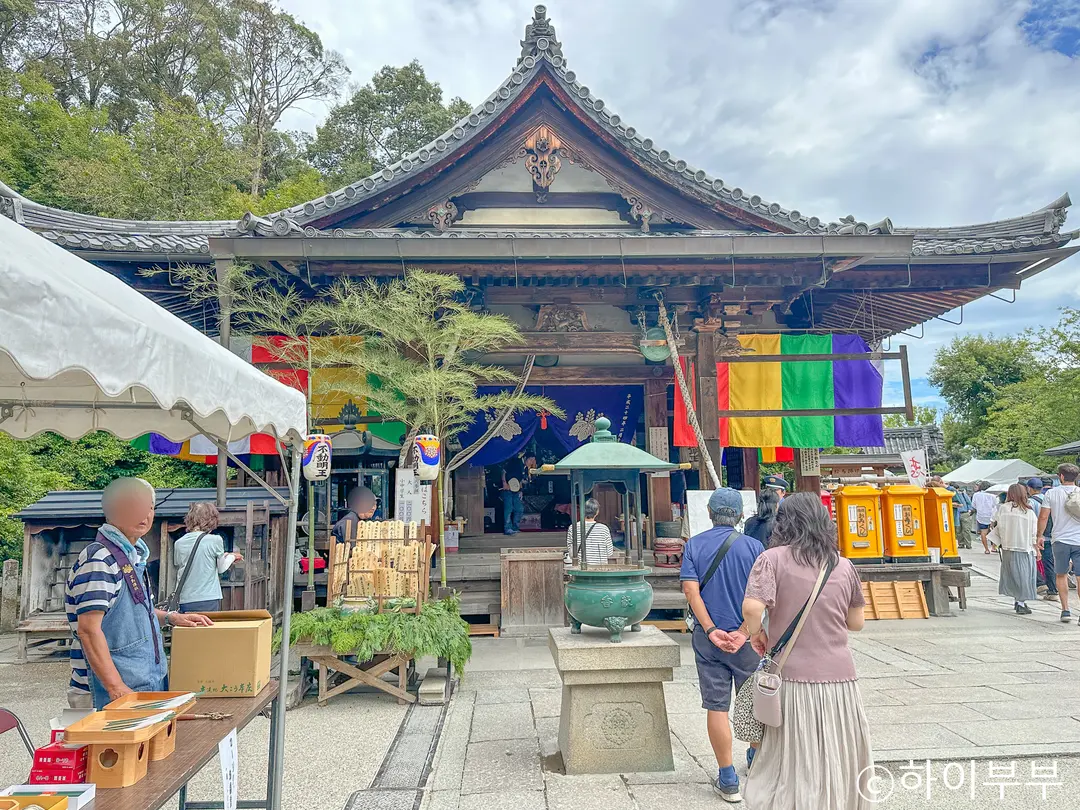
Towards the end of the Kinkaku-ji viewing path, there was also a spot for making wishes, though the bell was unfortunately blocked off, preventing visitors from ringing it.
Our guide even explained the traditional way to make a wish at Japanese shrines and temples, so if you're eager to immerse yourself in Japanese culture, definitely give it a try!
Our Third Stop: Fushimi Inari!
From Kinkaku-ji, we journeyed for about 40 minutes to reach our captivating third stop: Fushimi Inari.
We spent around 70 minutes exploring this incredible site.
Kinkaku-ji and Fushimi Inari are actually located on opposite sides of the city, making it quite challenging to visit both in a single day on a self-guided trip.
But thanks to our tour, we could conveniently visit both in one amazing day!
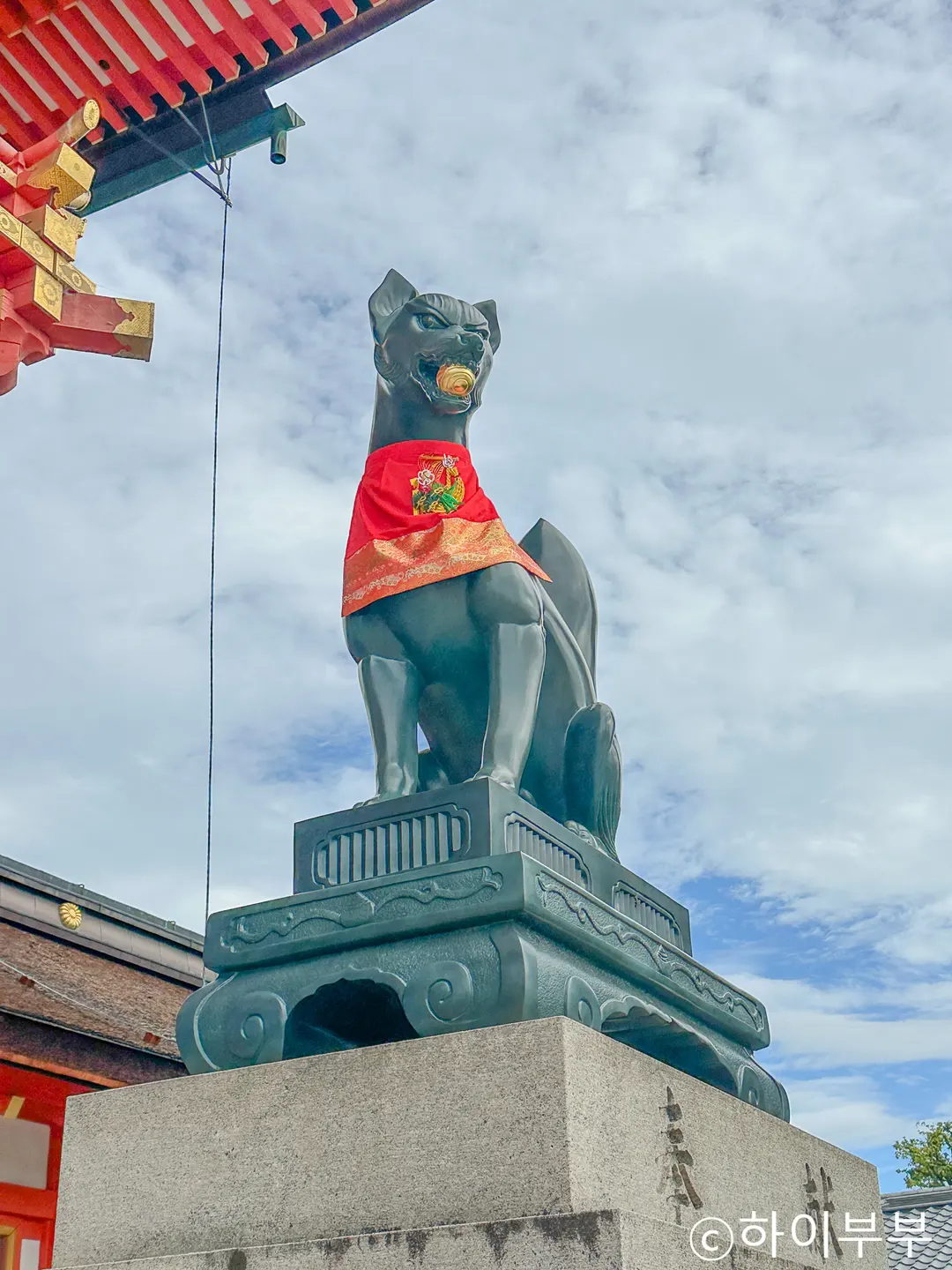
Fushimi Inari is a venerable shrine dedicated to Inari Okami, the deity of rice and sake. You'll find charming fox figures, messengers of Inari Okami, dotted everywhere, which is why it's affectionately known as the 'Fox Shrine' among Koreans.
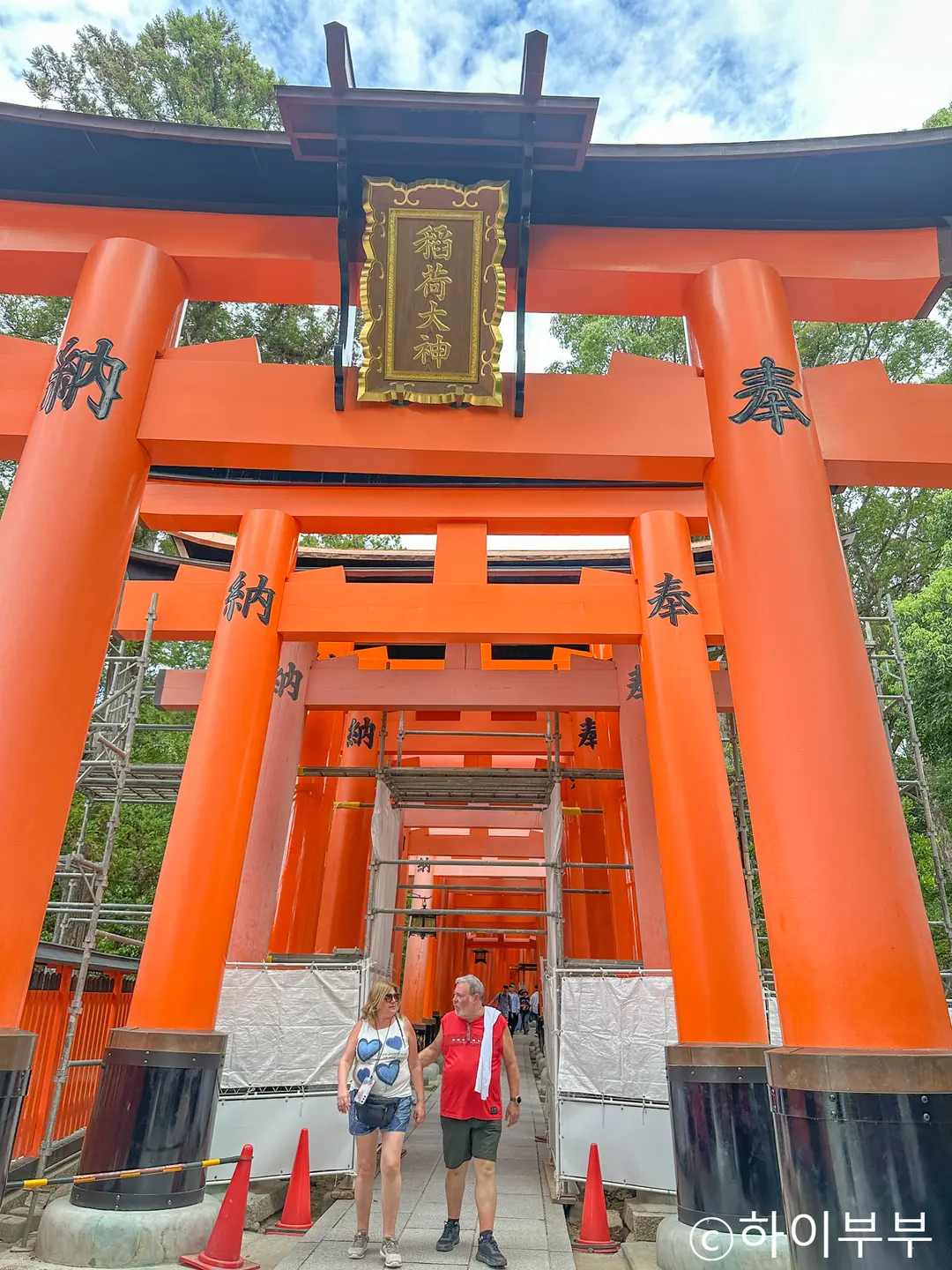
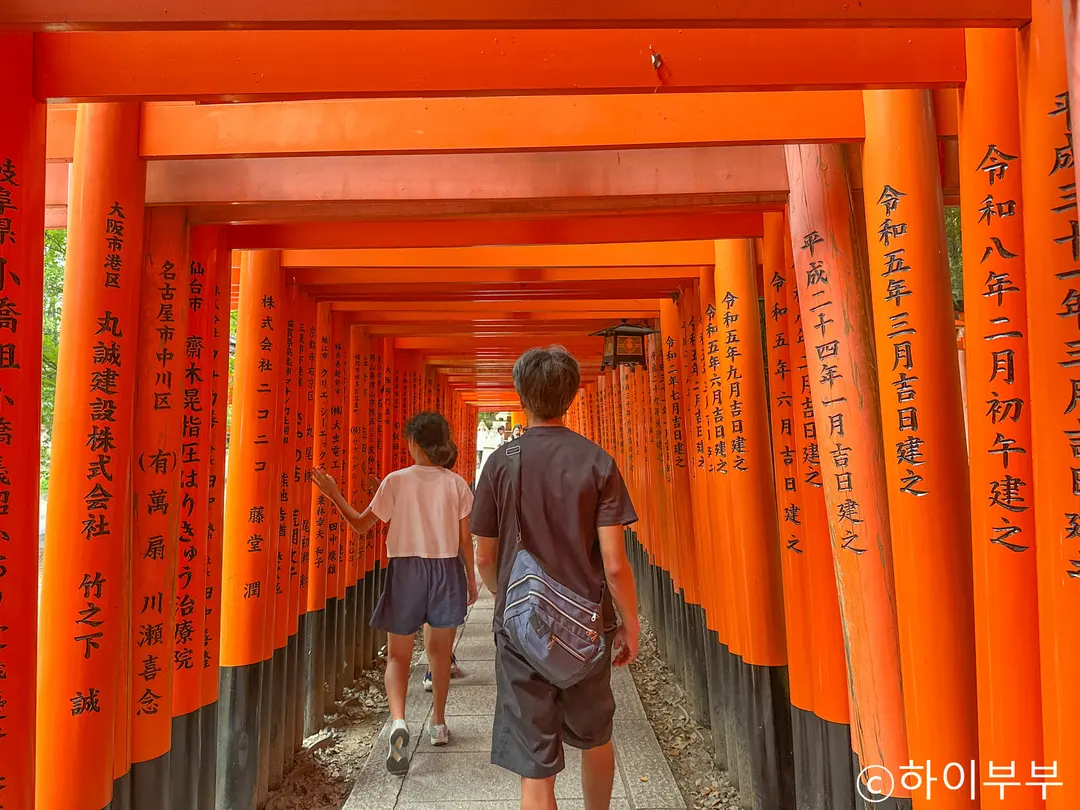
Fushimi Inari's fame truly stems from its iconic 'Senbon Torii' – the literally 'thousand torii' gates, which, as you can see in the photos, create a stunning, unbroken tunnel of vibrant red.
It's an absolutely essential spot to visit at least once, offering countless opportunities for those perfectly aesthetic, deeply Japanese-inspired souvenir photos.
Quick tip: crowds tend to gather near the entrance and exit, so venture a bit deeper inside, and you'll find more space to capture those memorable photos at your own pace.
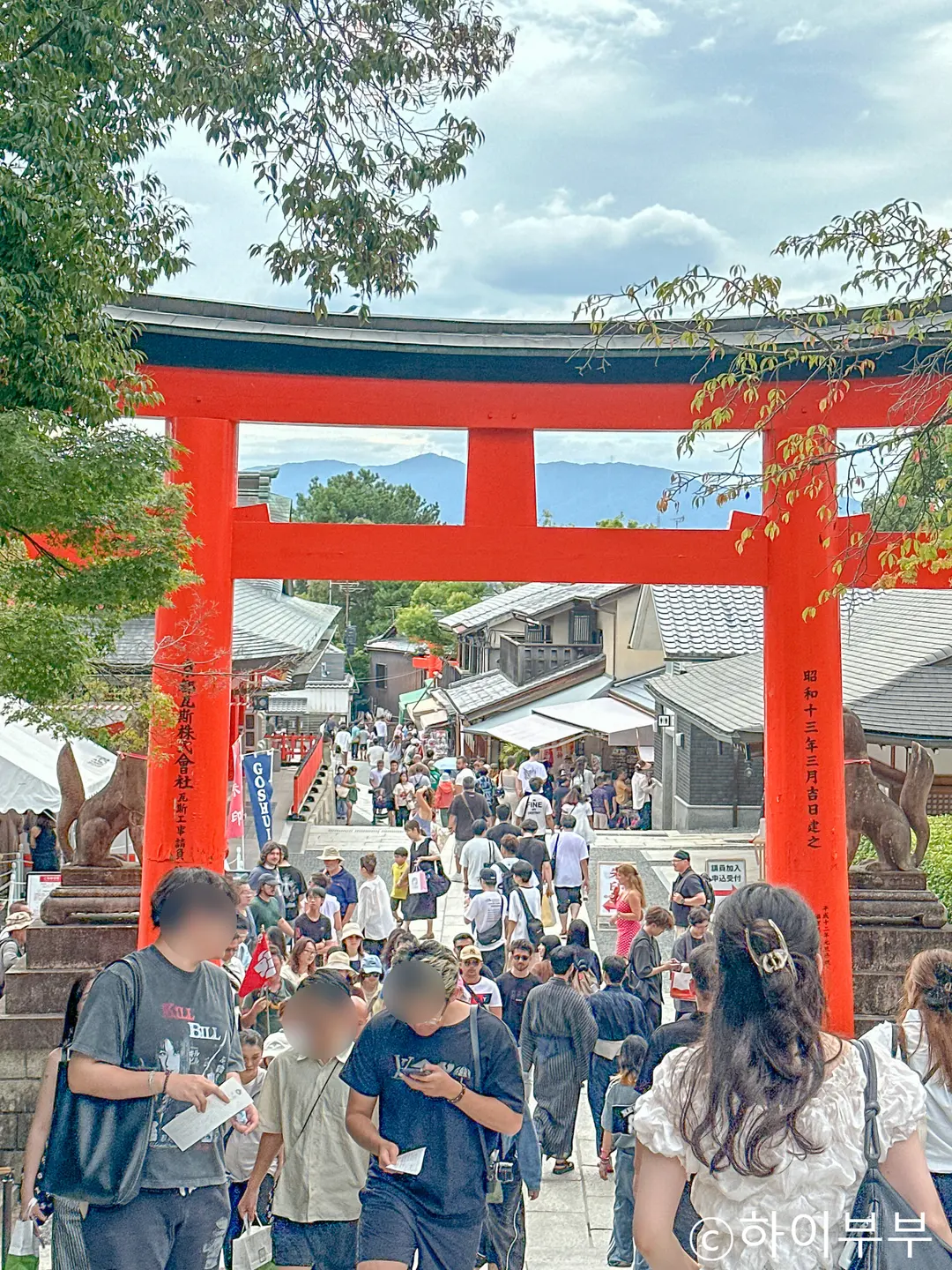
Beyond the breathtaking Senbon Torii, Fushimi Inari also boasts a vibrant shopping street where you can indulge in a delightful array of local treats and street food.
We had a little time to spare, so we happily indulged in some delicious takoyaki and even enjoyed some amazing 100-yen sake!
Our Fourth Stop: Kiyomizu-dera!
From Fushimi Inari, we made a quick 15-minute journey to our final and equally magnificent destination: Kiyomizu-dera.
Here, you'll have a generous 100 minutes to explore.
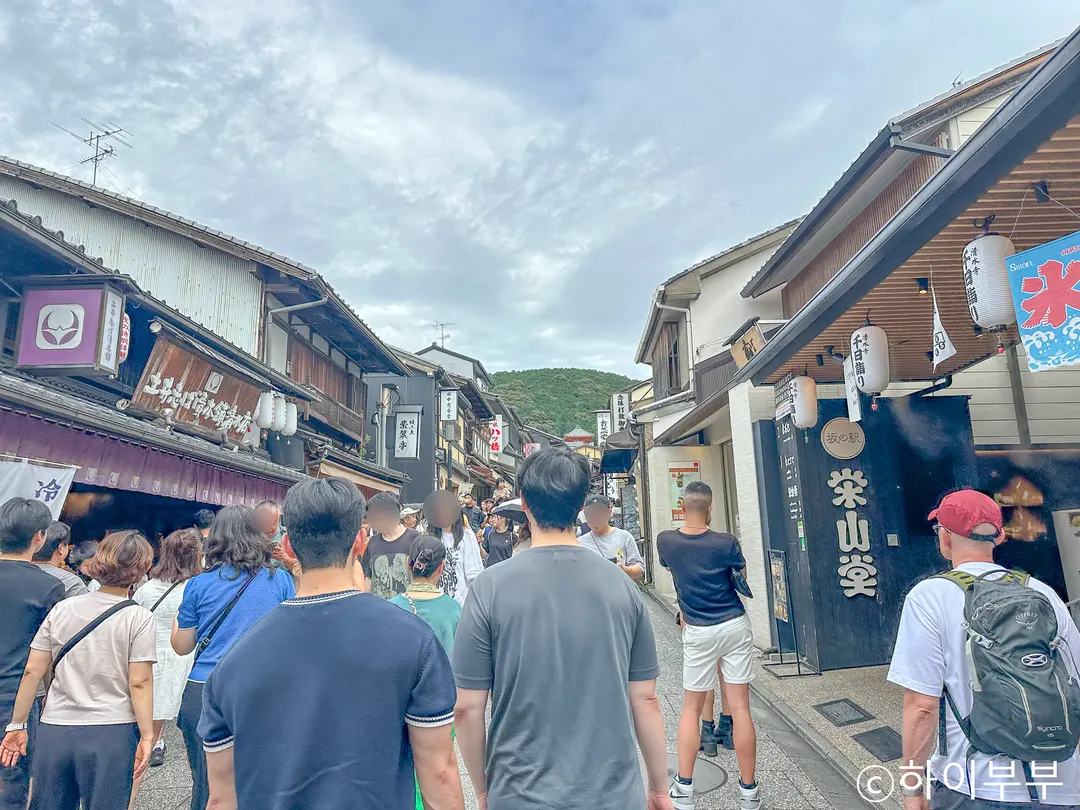
After disembarking at the parking lot, you'll embark on a picturesque, yet uphill, walk of about 10 minutes to reach Kiyomizu-dera.
It's actually steeper than it looks, so be prepared for a bit of a workout!
But don't fret! With charming shops lining both sides of the path, you can easily fuel up with some delightful snacks as you ascend, and before you know it, you'll be at Kiyomizu-dera!
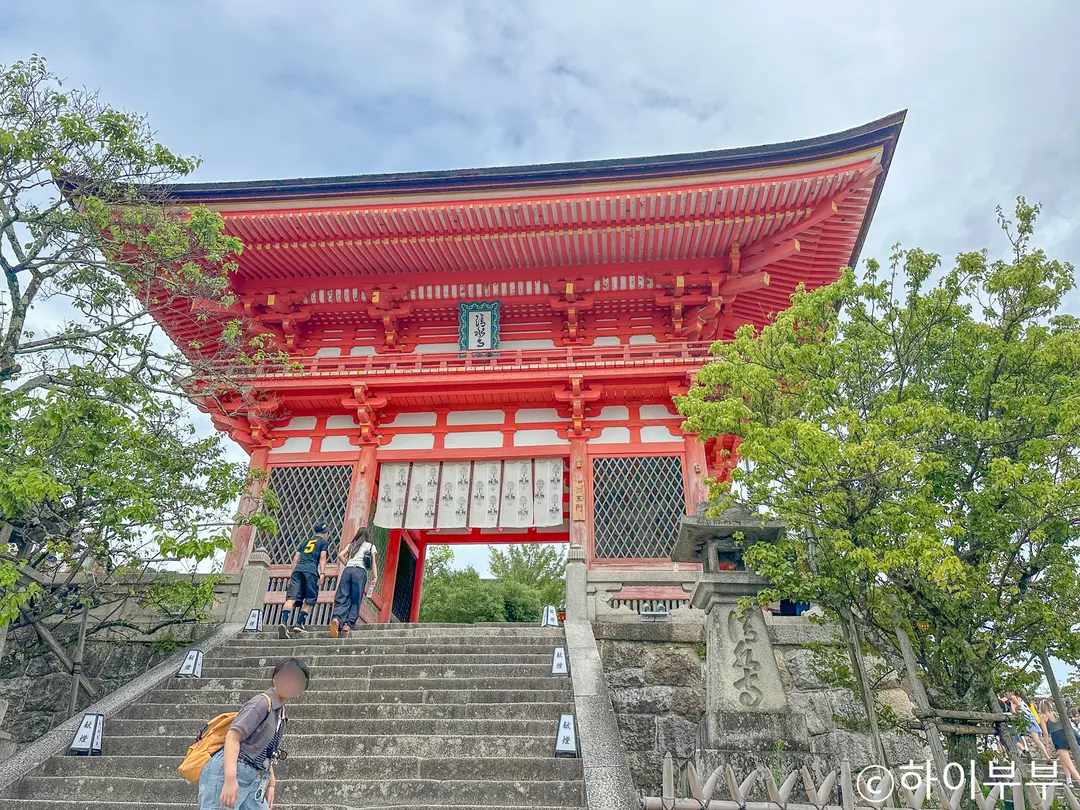
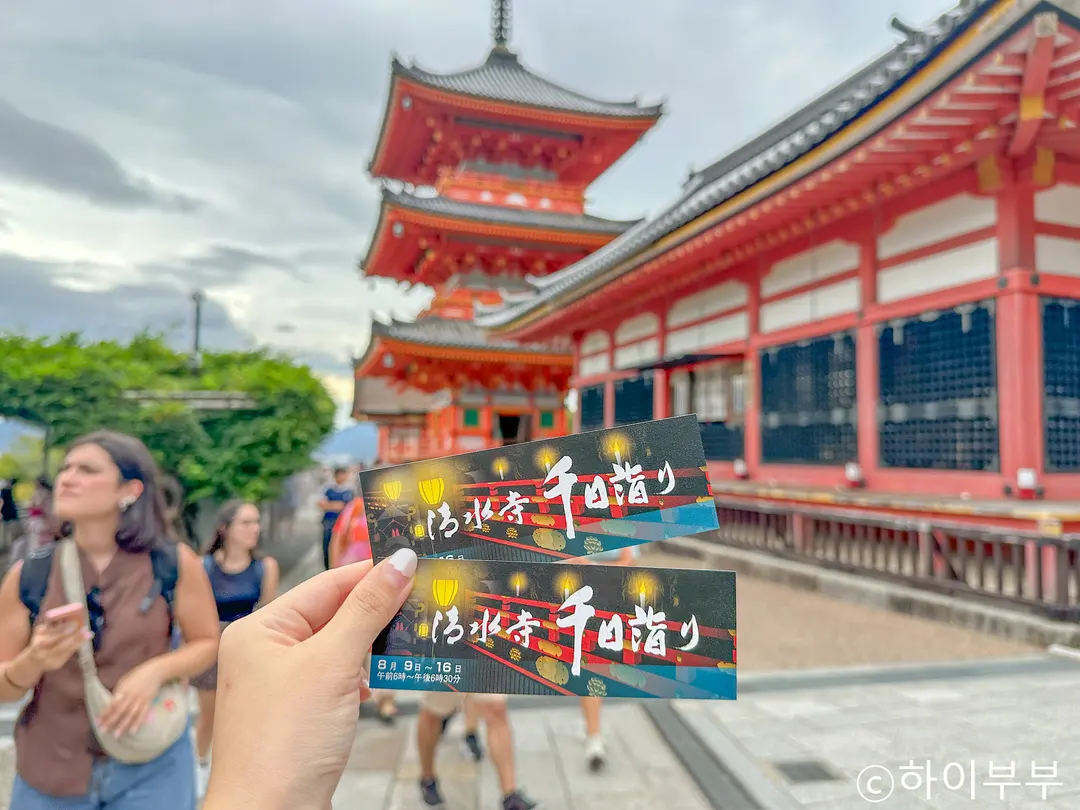
Just like some of our previous stops, Kiyomizu-dera's admission ticket isn't included, so you'll need to purchase your individual ticket to enter.
While admission tickets typically showcase seasonal landscapes and the main hall of Kiyomizu-dera, during our visit, a special festival called 'Sennichi Mairi' was underway! Because of this, unique commemorative tickets, just like the one pictured, were being distributed.
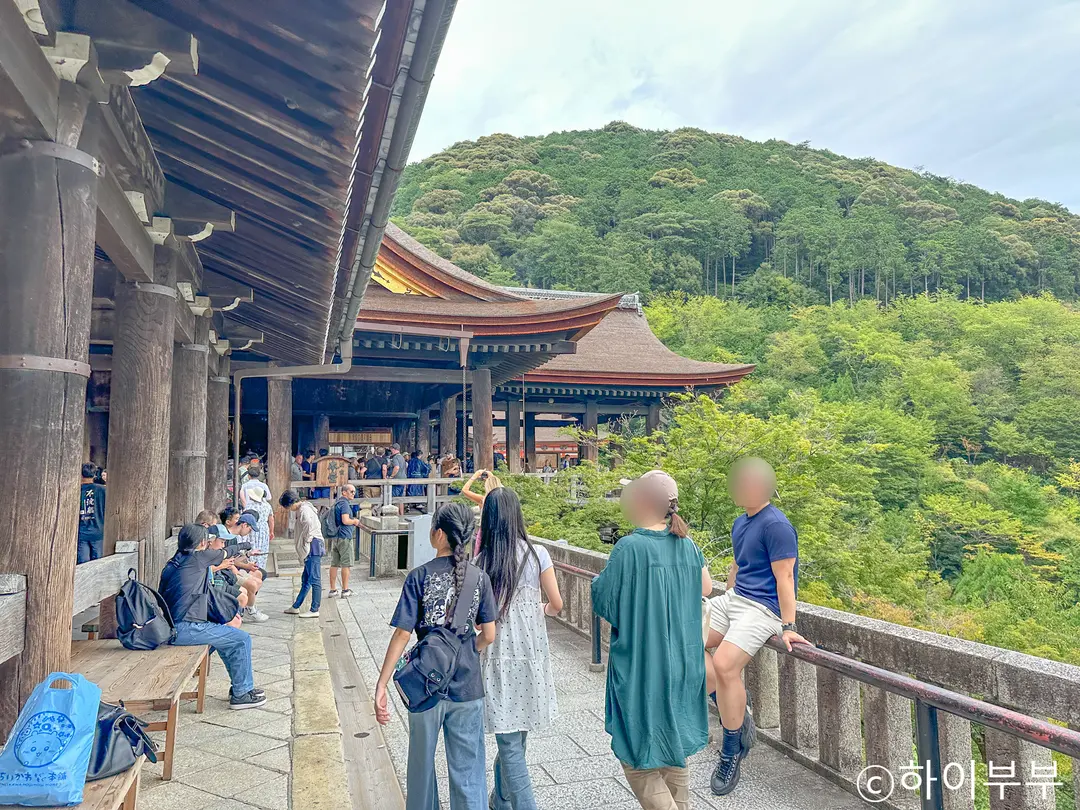
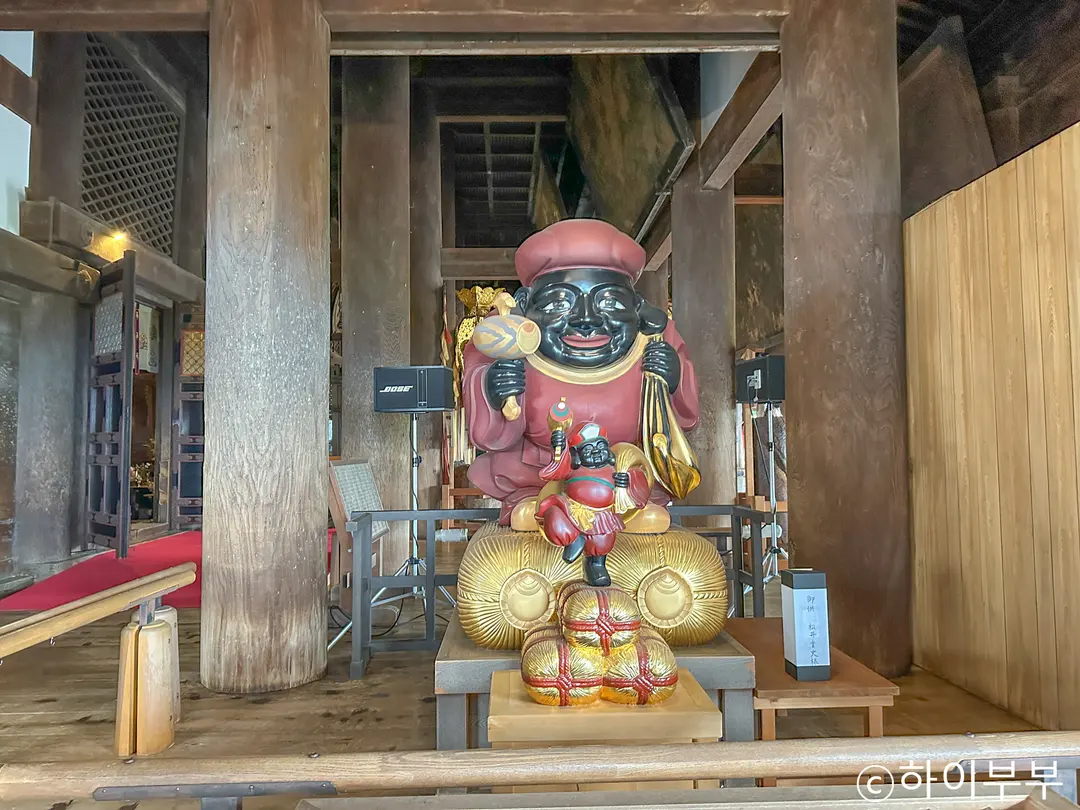
Once you've entered Kiyomizu-dera, just follow the path to explore the main hall and soak in the views.
As you follow the route, you'll spot a unique black statue, just like in the picture.
This is Daikokuten, one of the Seven Lucky Gods, specifically known for bringing success, wealth, and business prosperity.
Wouldn't it be wonderful to make a simple wish in front of him?
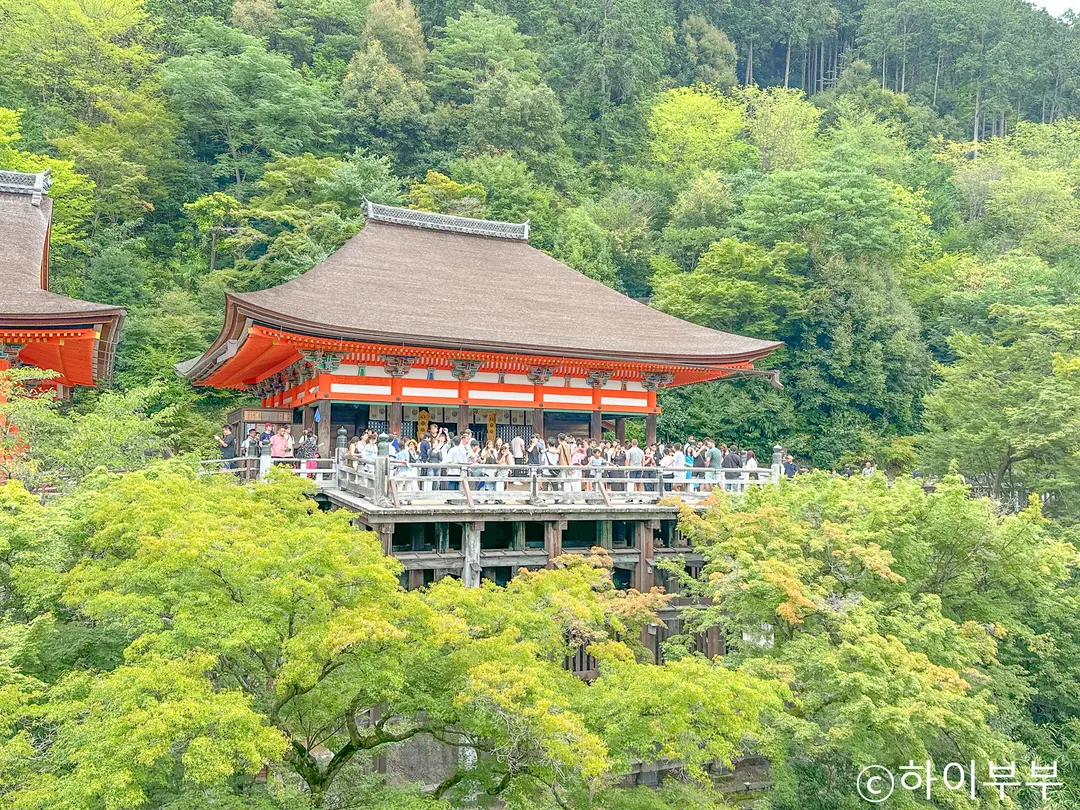
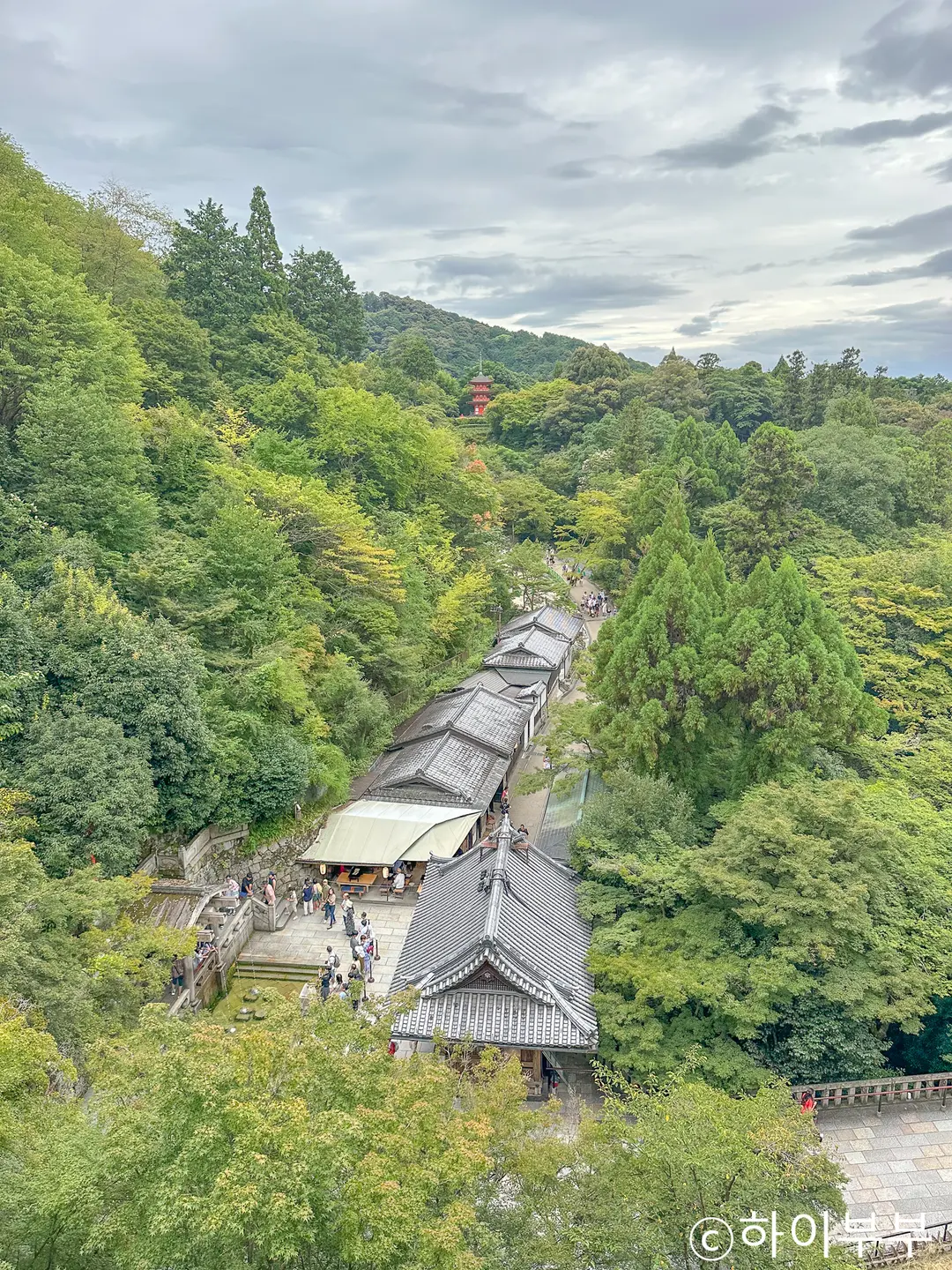
More than anything, Kiyomizu-dera is most famous for its absolutely stunning scenery.
If you look at the picture on the left, you'll see countless people already snapping photos at this iconic photo spot.
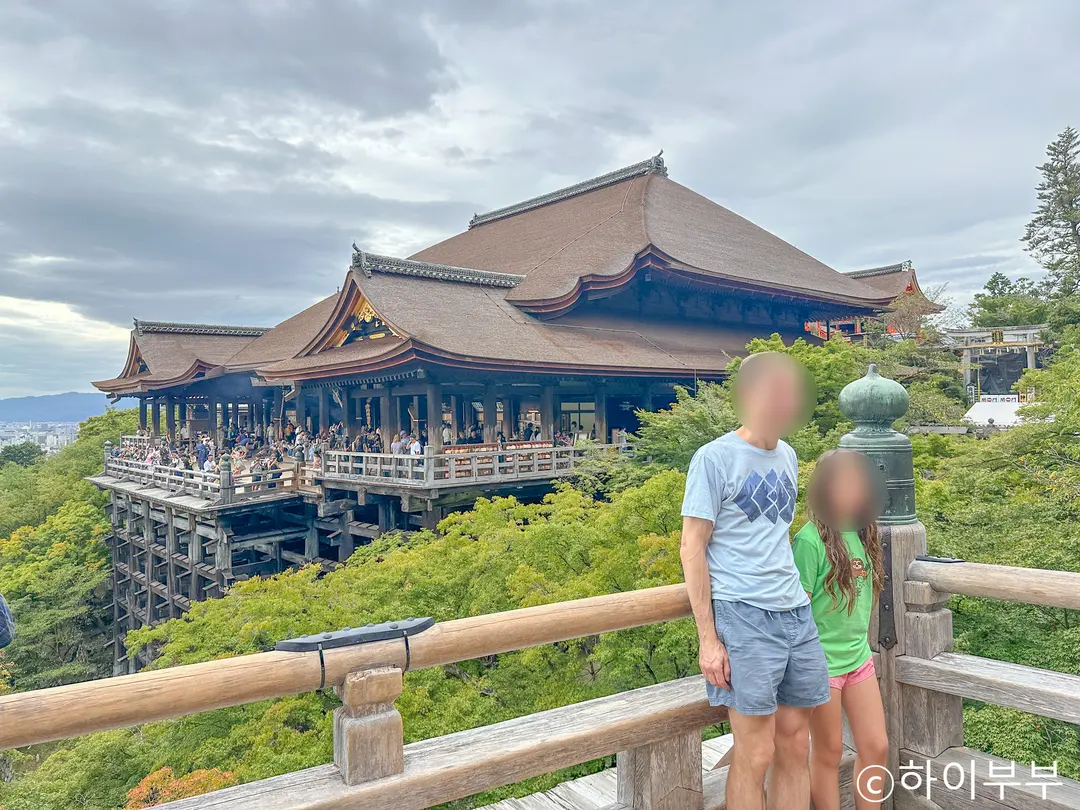
Standing here and gazing at the landscape with the main hall truly offers a view that's both quintessentially Japanese and breathtakingly beautiful.
Even in summer, the lush green forest view, the city skyline in the background, and the main hall all combine to create a truly picturesque scene.
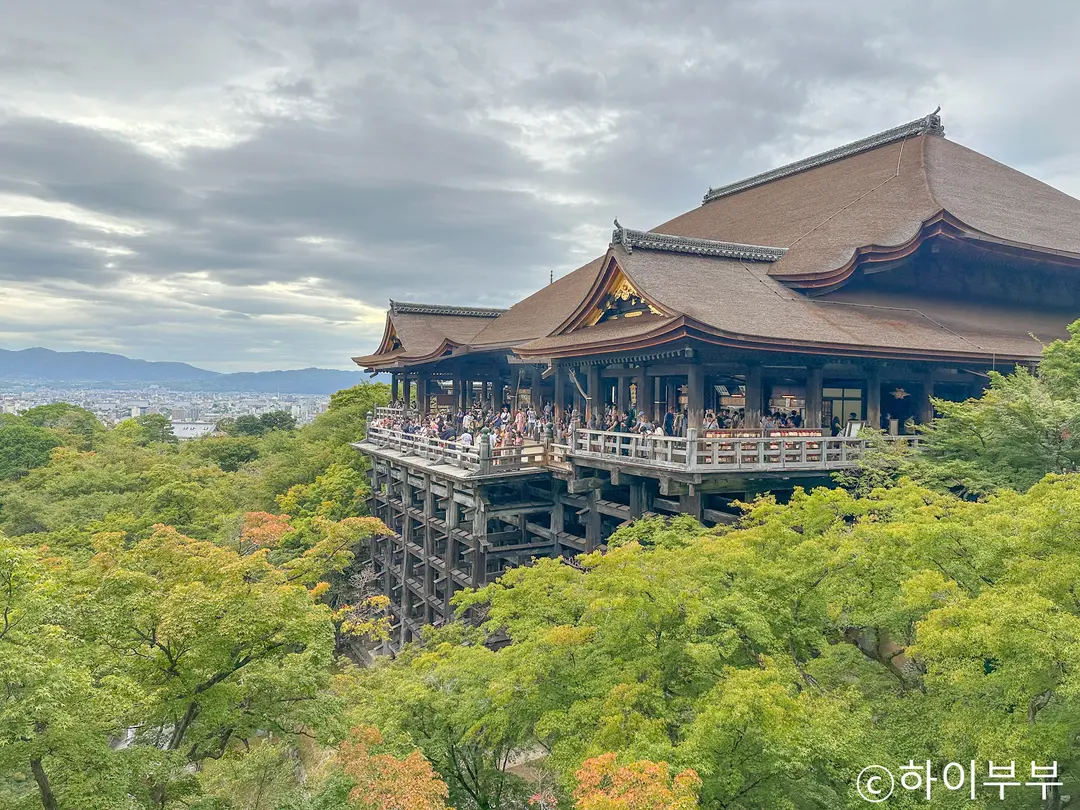
Just imagine, during the autumn foliage season, all these trees turn a vibrant red, making it an even more spectacularly beautiful sight!
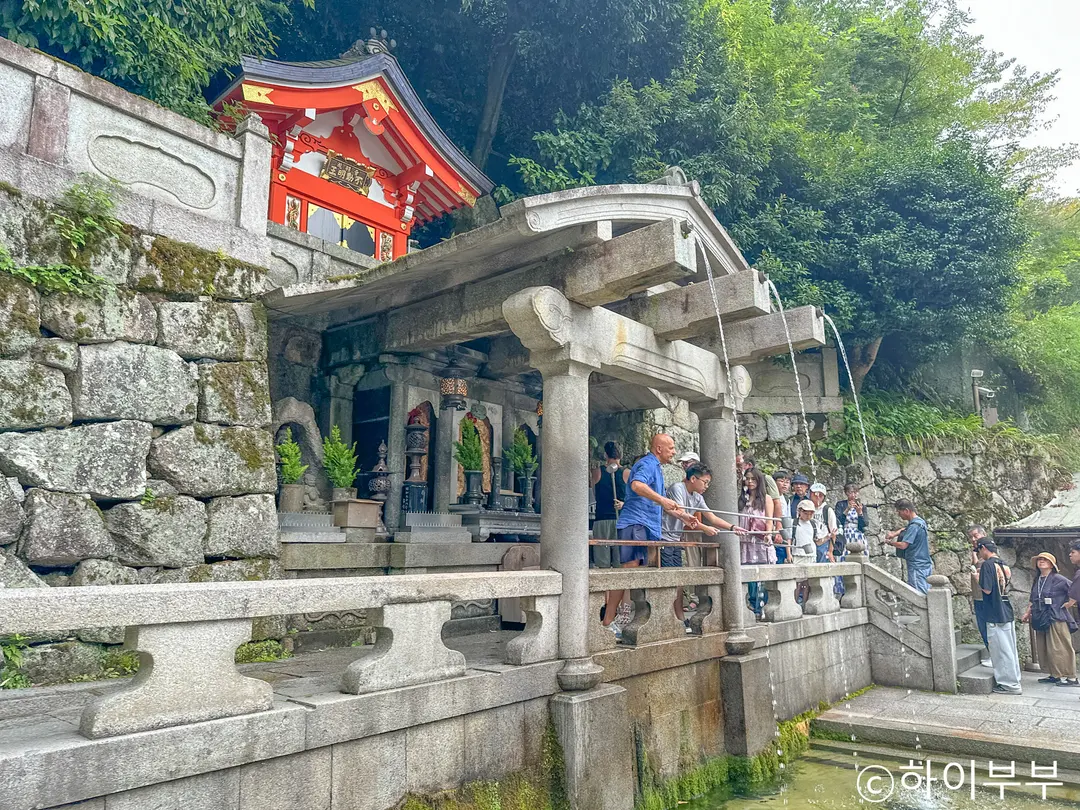
After soaking in the views and continuing your descent, you'll notice a long line stretching out below.
This is Otowa Waterfall, where three streams flow, each said to bring good fortune in academics, health, or relationships.
If you have time, it's worth experiencing, but if you're on a tour, time might be tight, so I'd recommend just admiring it and moving on.
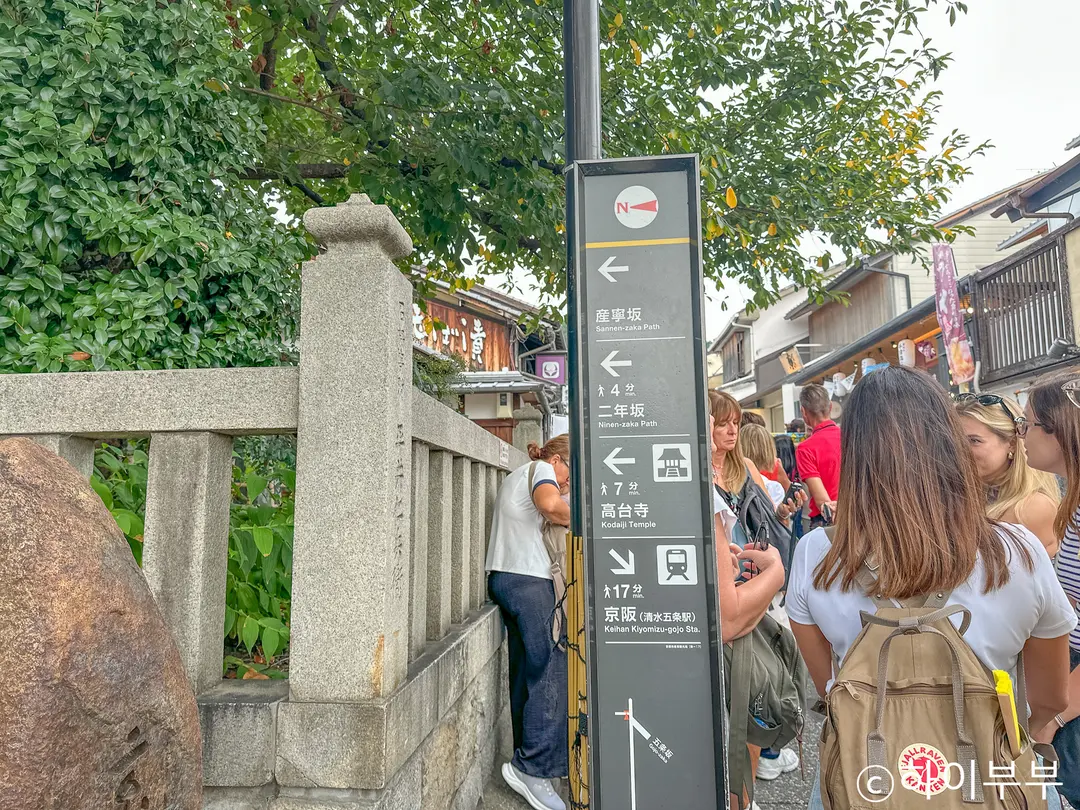
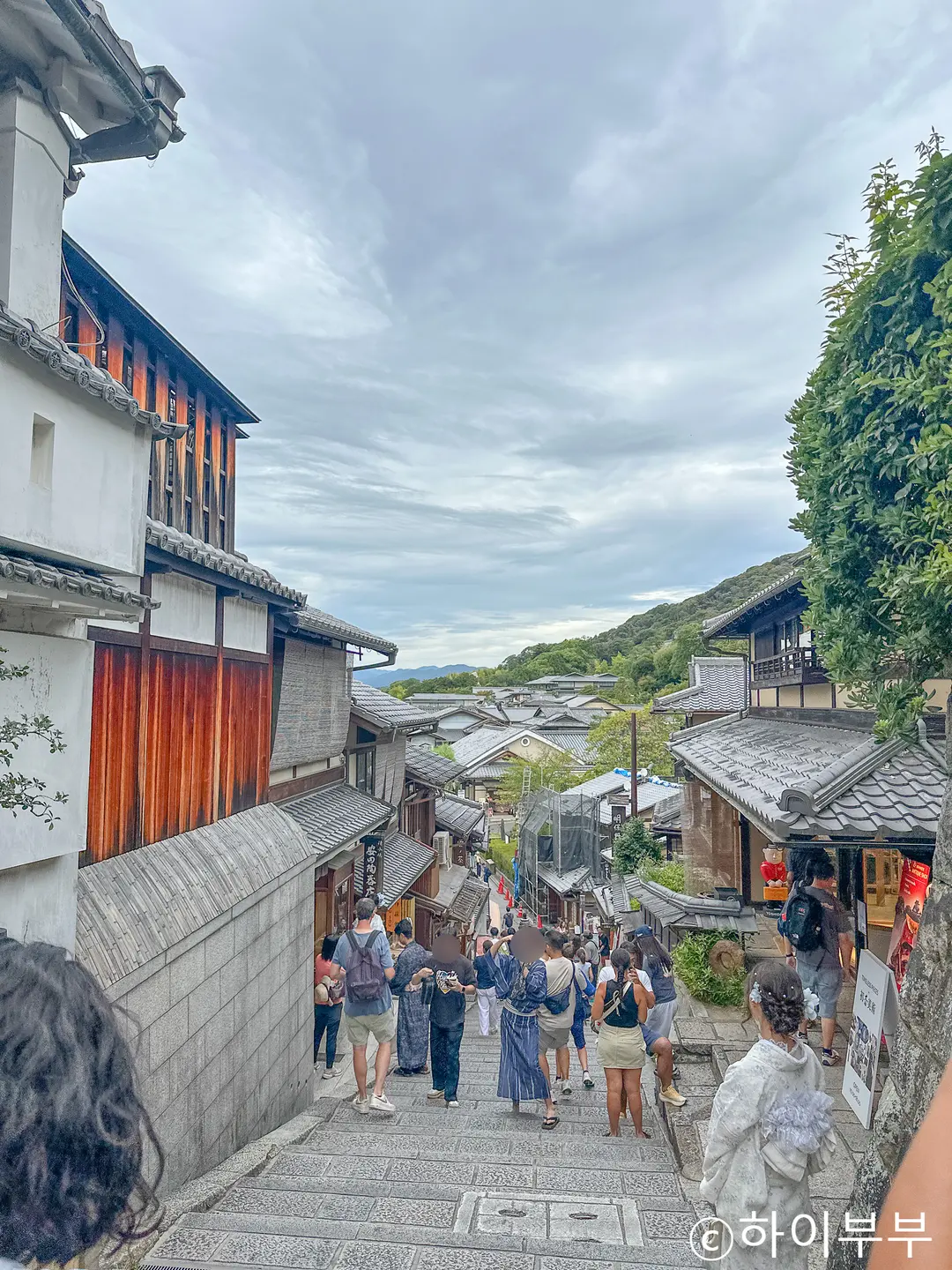
Once you've finished exploring Kiyomizu-dera and if you have some extra time, the descent through Ninenzaka is also worth a look.
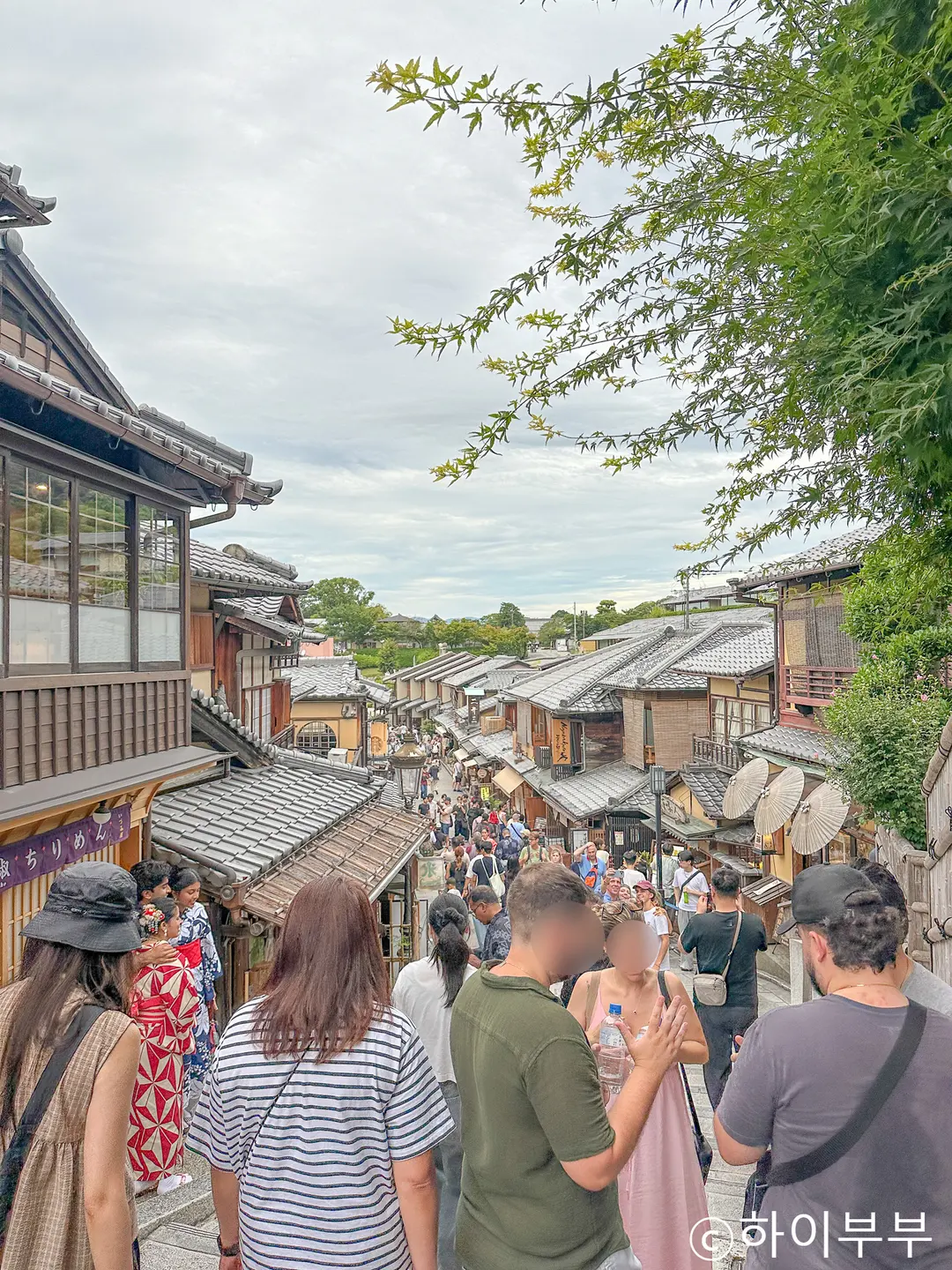
It might seem like an ordinary shopping street, but legend has it that if you stumble on this slope, bad luck will follow you for two years! So, please be careful as you explore!
Make Sure to Visit Kyoto for a Day During Your Osaka Trip!
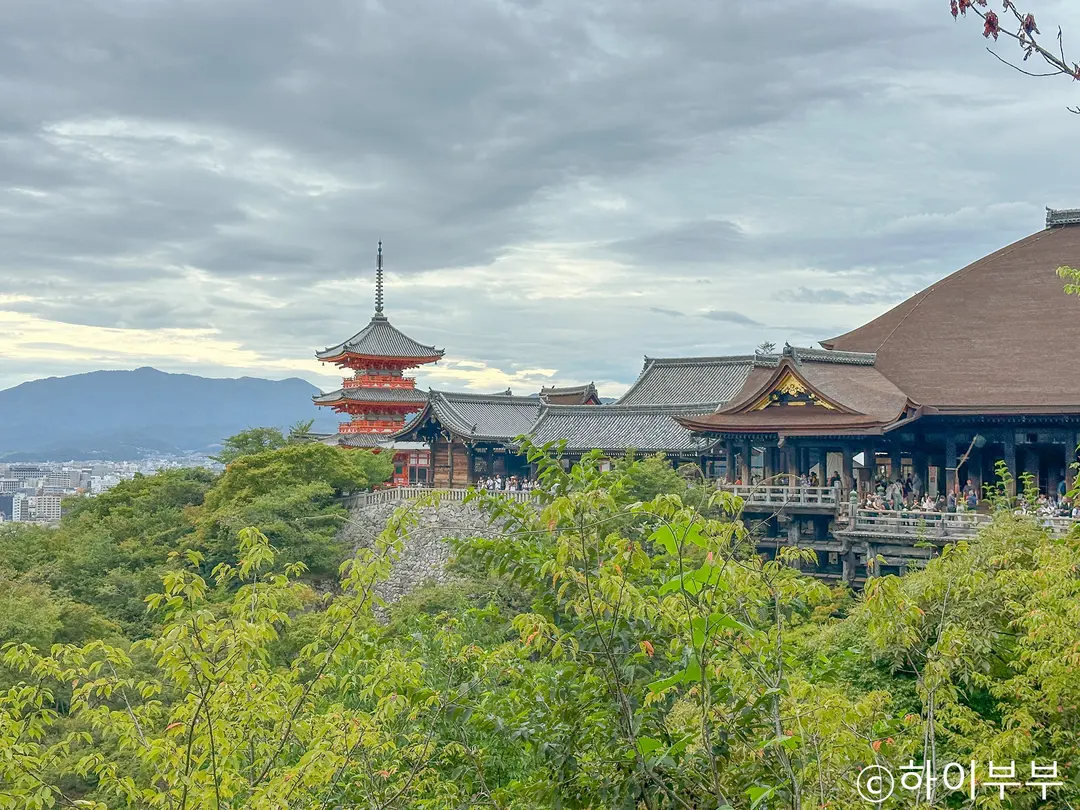
Today, I've shared my review of a Kyoto bus tour, a fantastic day trip option from Osaka.
Even though you can comfortably see four of Kyoto's most iconic spots in just one day and return, the price was affordable, around ~$28, making both the itinerary and cost incredibly satisfying.
Especially with Yeohangangeureut (Travel in a Bowl), the guide's expertise and delivery were excellent, and the added bonus of professional souvenir photos taken with a camera at key locations was a real highlight.
If you're visiting Osaka, I truly hope you'll consider taking a tour like mine to experience Kyoto comfortably!
Frequently Asked Questions
How long does the Yeohaeng Hangreut Kyoto Bus Tour last, and what attractions does it visit?
The Yeohaeng Hangreut Kyoto Bus Tour lasts for approximately 10 hours. This tour visits four attractions: Arashiyama, Kinkaku-ji (Golden Pavilion), Fushimi Inari (Fox Shrine), and Kiyomizu-dera Temple.
What are the meeting place and time for the Yeohaeng Hangreut Kyoto Bus Tour?
The tour starts with a gathering in front of Tsurutontan Soemoncho branch between 8:40 AM and 8:50 AM. The meeting location is conveniently accessible, approximately a 3-minute walk north from Kintetsu Nippombashi Station.
What are some recommended activities during free time in Arashiyama on the Kyoto Bus Tour?
In Arashiyama, it's recommended to enjoy a Kyoto Latte at '% Arabica' (Eung Coffee) and take commemorative photos with the mountains and river of Arashiyama as a backdrop. Additionally, the Kimono Forest inside Randen Arashiyama Station, Nonomiya Shrine within the Bamboo Grove (Chikurin), and the railway tracks where JR and Torokko trains pass by are also great spots to visit.
How much is the admission fee for Kinkaku-ji, and are there any precautions to take during the visit?
The admission fee for Kinkaku-ji is 500 JPY and must be purchased individually. The viewing of Kinkaku-ji is one-way, taking 15-20 minutes to walk around once, or 30-35 minutes if you take your time and photos, so it may be difficult to view it twice.
Are there any tips for taking commemorative photos at Fushimi Inari (Fox Shrine)?
Fushimi Inari is famous for its 'Senbon Torii,' a thousand red torii gates lined up. Many people gather near the entrance and exit, so if you go further inside, you can take commemorative photos more leisurely.
Share this article
Featured in Collections
Discover more travel stories curated around the same theme.

Kyoto Travel Guide: Arashiyama and Fushimi Inari, from Ryokan Stays to Local Restaurants and Shopping
Plan your perfect Kyoto trip at a glance! Discover Arashiyama courses, Fushimi Inari Shrine visits, ryokan-style accommodations, budget-friendly hotels, local dining spots, and shopping information.
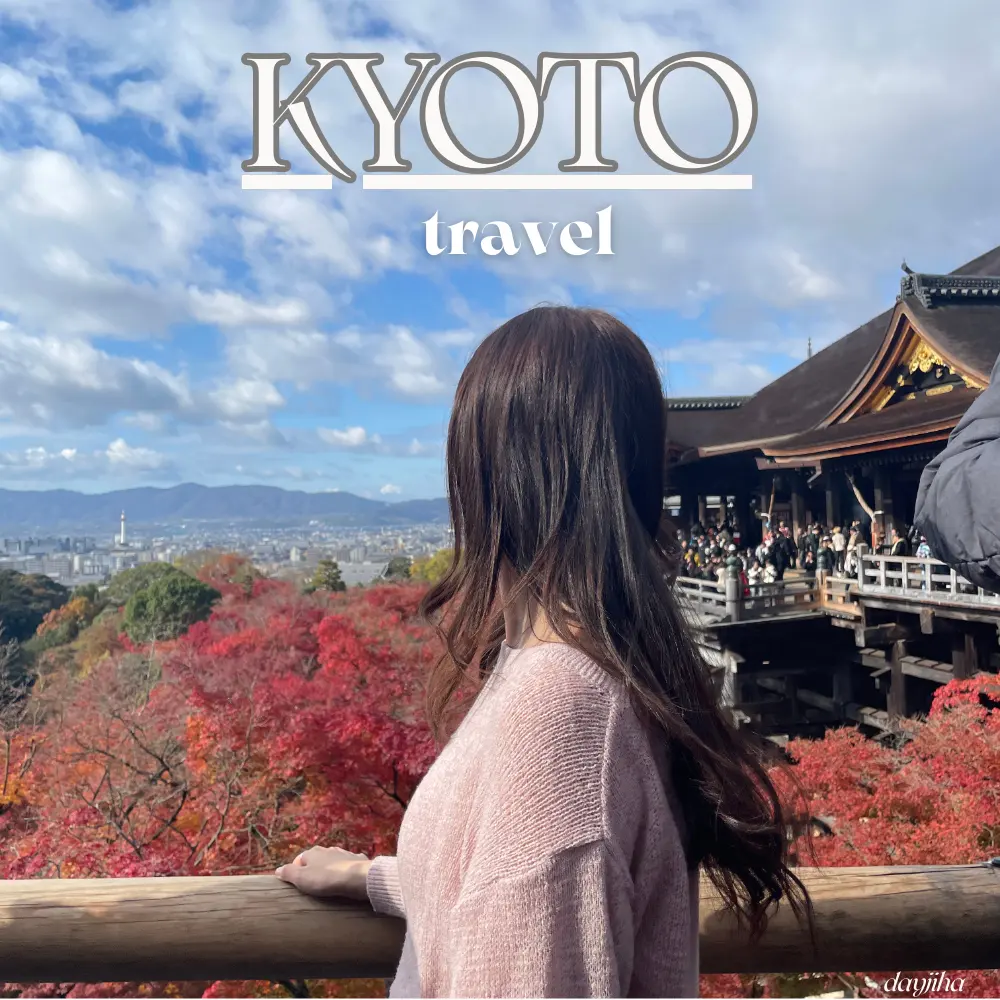
Osaka Day Trips to Kansai Vicinity: Essential Courses for Kyoto, Nara, Kobe
Compare efficient day trip courses from Osaka, covering major Kansai attractions like Kyoto Arashiyama, Nara Deer Park, and Kobe Arima Onsen, all in one day.
Related Travel Stories
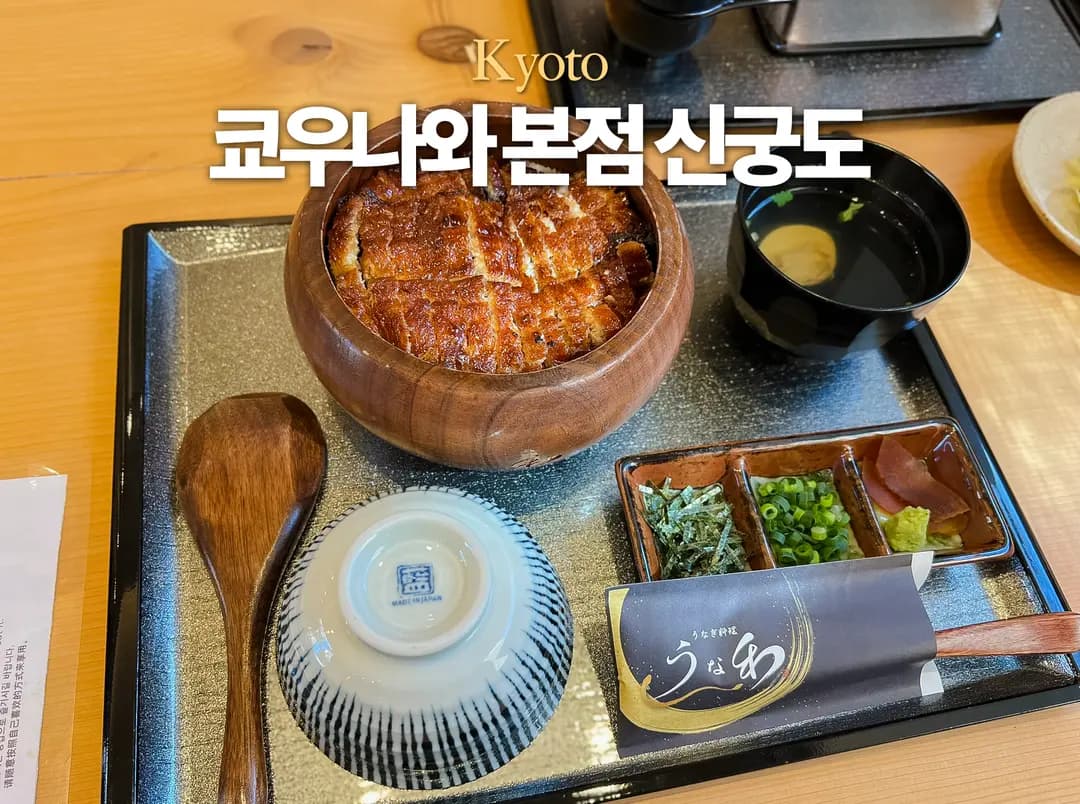
Kyoto Kyounawa Jingumichi 2026: Best Unagi Don & Hitsumabushi
Indulge in Kyoto's finest unagi don and hitsumabushi at Kyounawa Jingumichi. Located near Higashiyama Station, it's perfect for a memorable meal after exploring Heian Shrine.

% Arabica Kyoto Arashiyama Review 2026: Latte & Location
Planning a trip to Arashiyama? Don't miss % Arabica, a famed coffee shop known for its delicious Kyoto Latte and picturesque riverside setting. Find out what to expect!

Montbell Kyoto Shopping: Your Guide to Tax-Free Backpacks in 2026
Planning a trip to Kyoto? Don't miss the Montbell store near Kawaramachi Station for lightweight travel backpacks. Find out which models are available and how to get your tax refund easily!

Kyoto Kimono Rental 2026: Kiyomizu-dera Tips & Prices
Make your 2026 Kyoto trip unforgettable with a kimono rental! Learn how to book, compare prices, and snag the most beautiful designs near Kiyomizu-dera.

Niku Shokudo Kyoto Review 2026: King Kong Rice for Families
Searching for a kid-friendly spot in Kyoto? Niku Shokudo offers generous portions of their famous King Kong Rice in a lively, authentic setting. Discover this local favorite!

Hokuto Kyoto Sukiyaki: Top Lunch Spot Near Nishiki Market
Discover Hokuto Kyoto, an affordable sukiyaki lunch spot near Nishiki Market. Enjoy an authentic individual hot pot set for around ~$8, perfect for solo diners or groups.