

Japan Transit Cards 2026: Suica, Pasmo, or Icoca for Your Trip?
Confused about Japan's transit cards? Discover if Suica, Pasmo, or Icoca works across Tokyo, Kyoto, and Osaka, plus essential tips for seamless travel in 2026.
Japan Transit Cards: Suica, Pasmo, and Icoca Explained.
Can You Use One Card Across Tokyo, Kyoto, and Osaka?
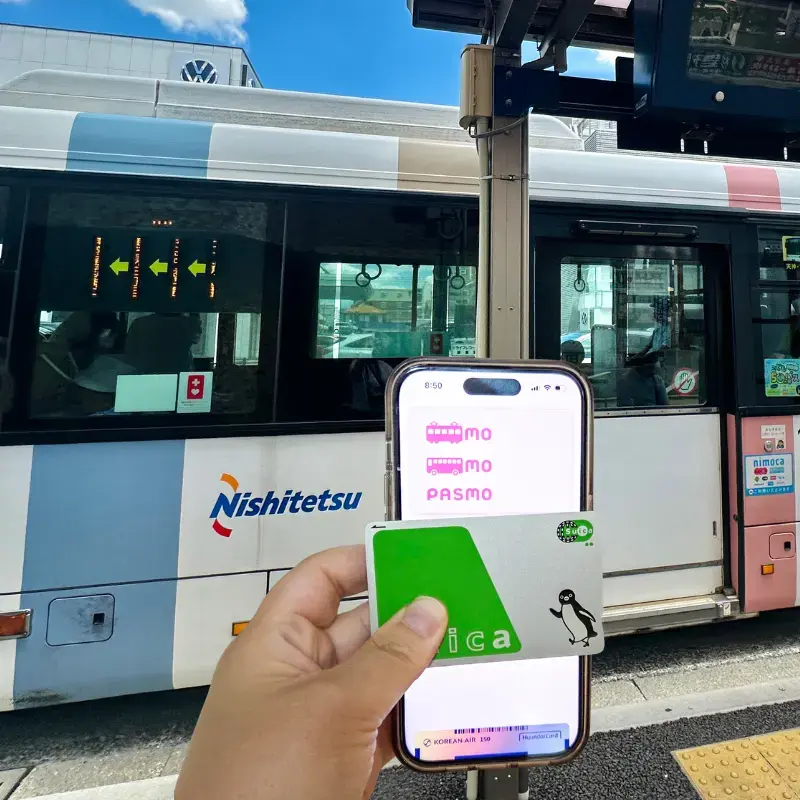
Planning a trip to Japan can be exciting, but navigating the public transportation system, especially understanding the various IC (Integrated Circuit) cards, can feel a bit overwhelming at first. You'll hear about Suica and Pasmo in Tokyo, and then Icoca when you venture to Osaka or Kyoto.
Initially, I wondered if I needed a different card for each region. Good news: you don't! You can generally use one card across major cities like Tokyo, Kyoto, and Kobe. Today, we'll break down the different types of Japanese transit cards, their regional distinctions, and even options for traveling with kids.
1. Suica, Pasmo, and Icoca: What's the Difference?

Japan's IC transit cards vary in name depending on the region and the issuing company. In the Greater Tokyo Area, you'll commonly encounter Suica (issued by JR East) and Pasmo (issued by Tokyo subway and bus operators).
For the Kansai region, which includes Osaka, Kyoto, and Kobe, Icoca (issued by JR West) is the primary card. Beyond these, other regional cards exist: TOICA and manaca in Nagoya, Kitaca in Sapporo, and SUGOCA, nimoca, and Hayakaken in Fukuoka, to name a few.
Japanese Region | Card Types |
Tokyo | Suica, Pasmo |
Osaka, Kyoto, Kobe (Kansai Region) | Icoca |
Fukuoka | Sugoca, etc. |
While the names differ, their basic functionality is quite similar. You pre-load money onto the card, then simply tap it at the ticket gate, and the fare is deducted. Think of them like a rechargeable debit card for public transit, not an unlimited pass.
2. Can I Use One Card Across Tokyo, Kyoto, and Osaka?

This is the question most travelers have, and I'm happy to confirm that major Japanese IC cards like Suica, Pasmo, and Icoca are largely interoperable. This means you can use one card across most JR lines, subways, and buses in major cities such as Tokyo, Osaka, Kyoto, and Kobe.
For instance, if you purchase a Suica card in Tokyo and then travel to Kyoto and Kobe, you won't need to buy a new Icoca card. Conversely, an Icoca card bought in Osaka will work just fine when you head to Tokyo.
From my own experience, I've used both my iPhone (with Pasmo) and a physical Suica card to travel seamlessly through Sapporo, Kobe, Osaka, Tokyo, Fukuoka, and Okinawa without any issues.
However, it's important to note that this interoperability doesn't cover every single mode of transport. You might find limitations when traveling outside designated IC card areas, crossing between entirely separate IC card regions via local trains, or on certain express buses. For long-distance journeys like Shinkansen (bullet trains) or limited express trains, you'll typically need a separate ticket or require prior registration, so it’s always best to double-check for those specific routes.
3. So, Which Transit Card Should You Choose?
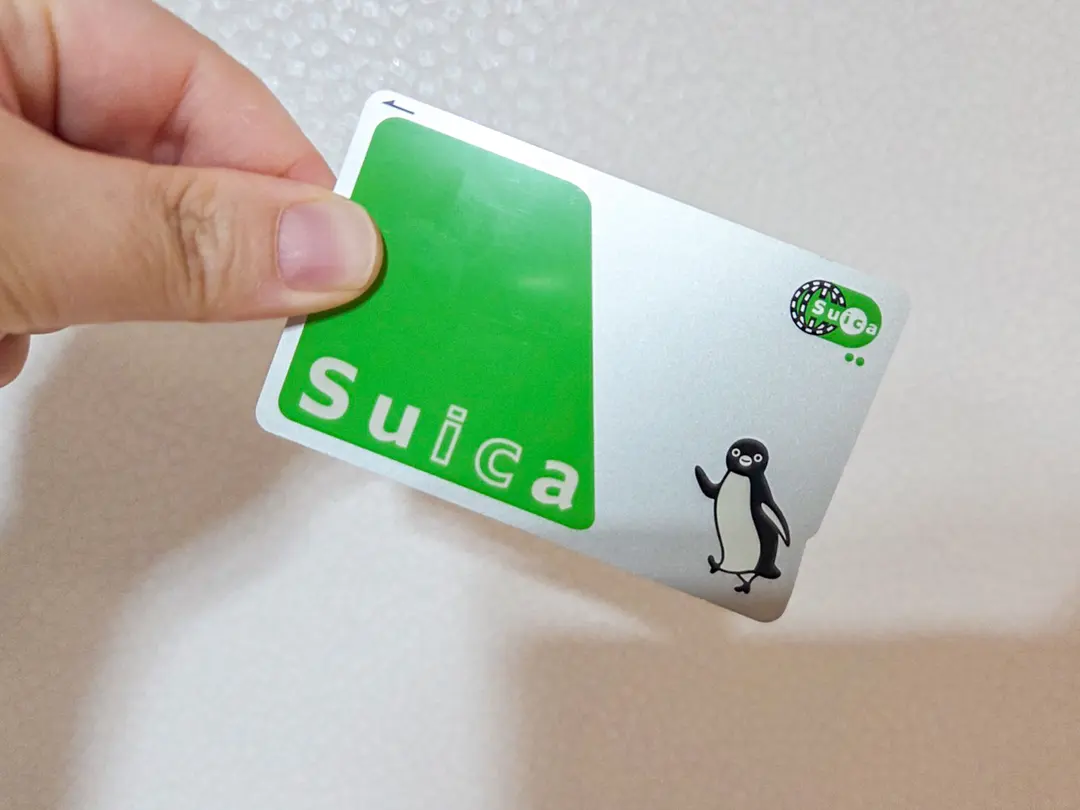
As a traveler, you don't need to overthink which card is 'better.' Simply pick up whichever card is most convenient to acquire in the region where your journey begins.
If you start your trip in Tokyo, grab a Suica or Pasmo. If you begin in Osaka or Kyoto, an Icoca card is your go-to. For example, if your itinerary takes you from Tokyo, through Kyoto, and on to Kobe, a single Suica card will serve you throughout the entire journey.
These cards are incredibly handy not just for transit but also for making purchases at convenience stores, vending machines, and various shops that accept IC card payments. This can be a real lifesaver in Japan, where you often accumulate a lot of small change. Just remember, for public transportation, each individual needs their own card; you can't share one card among multiple people by tapping it repeatedly.
4. Don't Forget About Kids' Cards!

If you're traveling to Japan with children, it's worth knowing about child-specific cards. For instance, Suica offers a children's version that automatically deducts the child fare whenever it's used.
Generally, children under 6 years old can ride public transport for free when accompanied by an adult. While policies can vary slightly by region, typically one adult can bring up to two infants for free; the third child and any additional children would then require a child's fare.
Therefore, if you're exploring Tokyo, Kyoto, or Kobe with elementary school-aged children, getting them their own child's transit card is far more convenient than buying individual tickets every time. Each child will need their own card, just like adults.
Ultimately, despite the different names, Japanese transit cards are much simpler than they appear for travelers. A Suica purchased in Tokyo will work in Kyoto and Kobe, and an Icoca bought in Kansai will function perfectly well in Tokyo. There's no need to juggle multiple cards for your multi-city adventure!
📍 Japan
Japan
This covers everything you need to know about Japan's Suica, Pasmo, and Icoca cards, and how to use them across Tokyo, Kyoto, and Osaka.
Frequently Asked Questions
Can a Suica card purchased in Tokyo be used in Kyoto and Kobe?
Yes, a Suica card purchased in Tokyo can generally be used on JR, subways, and buses in major cities like Kyoto and Kobe. This is because Japan's major IC cards, including Suica, PASMO, and ICOCA, are mutually compatible.
Are there specific types of transportation or situations where Japanese transit cards like Suica, PASMO, or ICOCA cannot be used?
They cannot be used when traveling outside the IC card service area, when crossing separate IC card service areas by local train, or on some highway buses. When using Shinkansen or limited express trains, a separate ticket or prior registration may be required.
What are the rules for using children's Suica cards and conditions for free rides for infants when traveling with children in Japan?
Suica offers children's cards, which deduct the child's fare when used. Infants under 6 years old can ride for free, up to two infants per adult. A child's fare will apply from the third infant onwards.
Share this article
Featured in Collections
Discover more travel stories curated around the same theme.

Related Travel Stories
Haneda Limousine Bus to Shinjuku: 2026 Review
Looking for the easiest way to get from Haneda Airport to Shinjuku? Read our 2026 Haneda Limousine Bus review for booking tips, prices, and boarding guides.
Mt. Fuji Day Tour from Tokyo: Best 2026 Itinerary & Review
Planning a trip to Mount Fuji? This Tokyo day tour review covers the best photo spots, itinerary, and budget tips for an unforgettable 2026 adventure.
Tokyo Metro Pass 2026: Booking & Subway Usage Guide
Maximize your Tokyo adventure in 2026! Learn how to book, exchange, and use the Tokyo Metro Pass to save money and time on unlimited subway rides across the city.

Remm Roppongi Tokyo Review 2026: Affordable Tower Views
Experience the magic of Tokyo with breathtaking Tokyo Tower views from your room at Remm Roppongi. Our honest review reveals why this hotel is a top pick for value.

Harry Potter Studio Tokyo Tickets 2026: Best Deals
Step into the Wizarding World! Here is your complete 2026 guide to booking Harry Potter Studio Tokyo tickets, comparing prices, and maximizing your tour.

Harry Potter Tokyo Tickets 2026: Best Discount Hacks
Planning a trip to the Warner Bros. Studio Tour Tokyo? Learn how to book cheap Harry Potter Tokyo tickets, compare deals, and claim exclusive promo codes!