

Galapagos Travel Guide 2026: ESTA, TCT, & Packing Essentials
Planning a Galapagos adventure for 2026? Don't miss these crucial steps! Learn about ESTA, TCT, and essential packing tips for a smooth trip to Ecuador's islands.
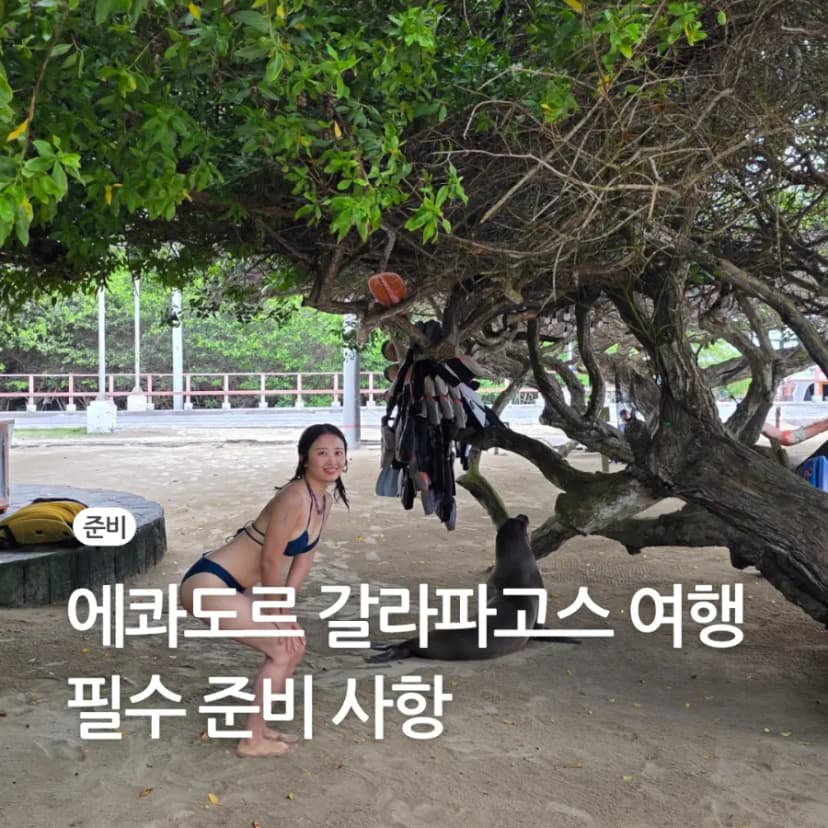
A trip to the Galapagos Islands isn't one where you just book your flights and accommodation and call it a day.
Especially if you're transiting through the US, you'll need to prepare your ESTA. Before entering the Galapagos, you'll need a TCT. Plus, there are procedures at Ecuadorian airports that require online processing, so having internet access was crucial.
I was pretty flustered when I found out I needed an ESTA just before my trip, so I highly recommend checking everything off your list before you depart.
Having just returned from the Ecuadorian Galapagos myself, I've put together a guide on what I prepared: ESTA, eSIM, TCT, and a packing list.
Preparing for Your Ecuadorian Galapagos Trip: ESTA, TCT, Packing List, Essential Checks & Review
1️⃣ ESTA
2️⃣ eSIM
3️⃣ TCT
4️⃣ Packing List
1. ESTA
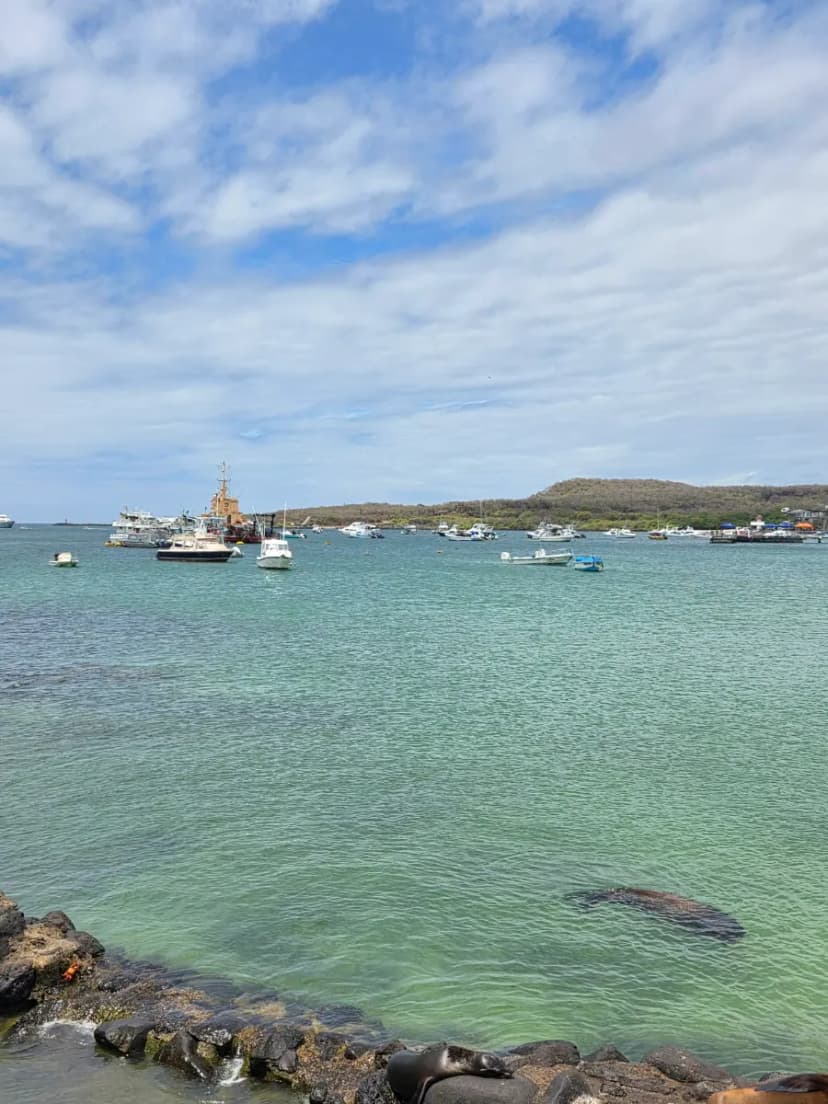
To reach the Galapagos, you'll typically fly via Quito or Guayaquil airports in Ecuador. As there are no direct flights to Ecuador from many parts of the world, you'll often connect through another country, such as the United States.
I transited through Atlanta, USA, and initially thought that since I was just changing planes at the airport, no special preparations would be needed.
However, just two days before my departure, I double-checked just in case, and discovered that ESTA approval is required even for a simple transit through the United States.
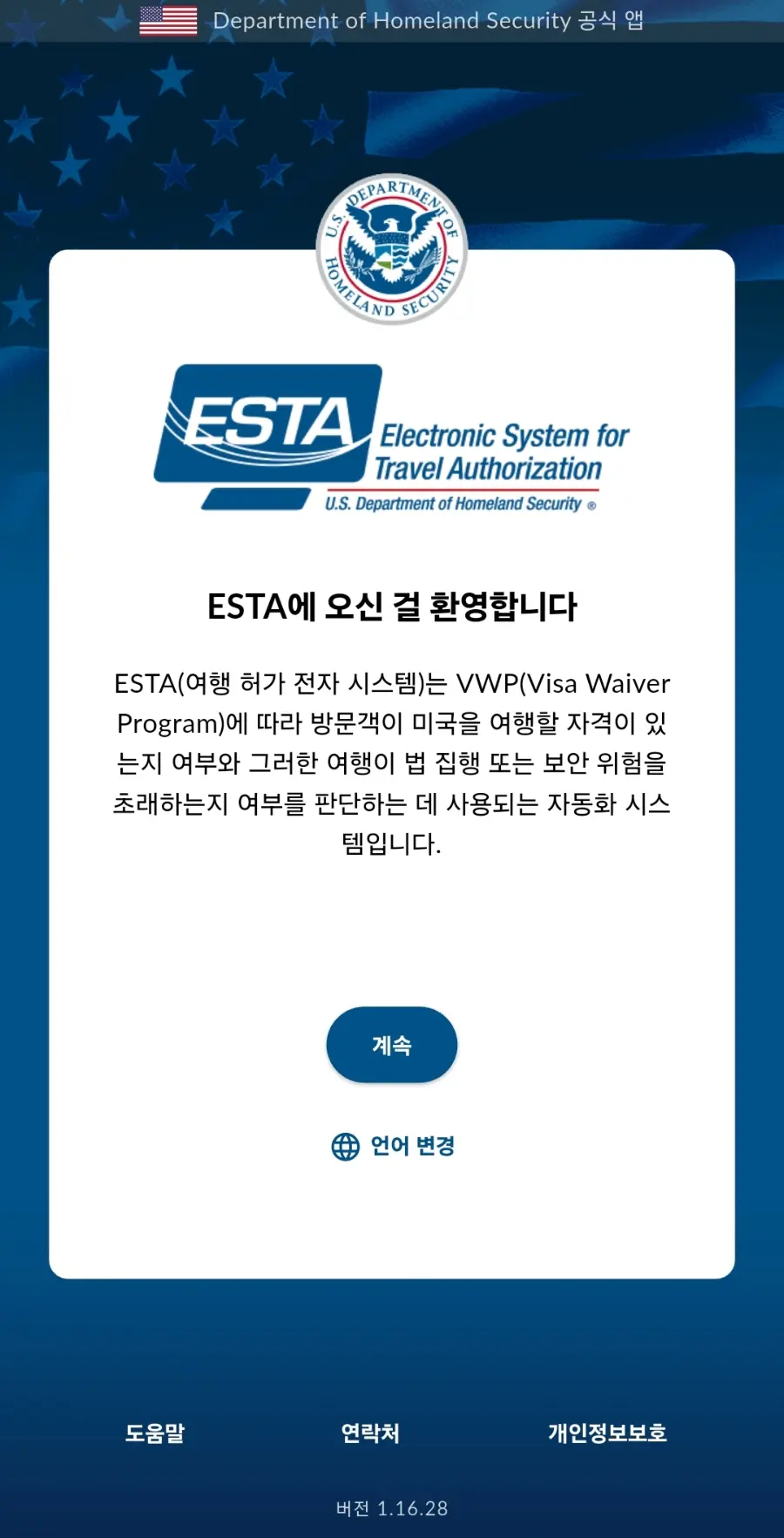
While ESTA can sometimes be approved quickly, it can also take up to 72 hours. So, I recommend applying at least three days before your departure.
Fortunately, my approval came through within a few hours, and I was able to depart without a hitch.
You can download the official ESTA app, fill in the required information, and the fee is $40.
#USTransit #USESTA
2. eSIM
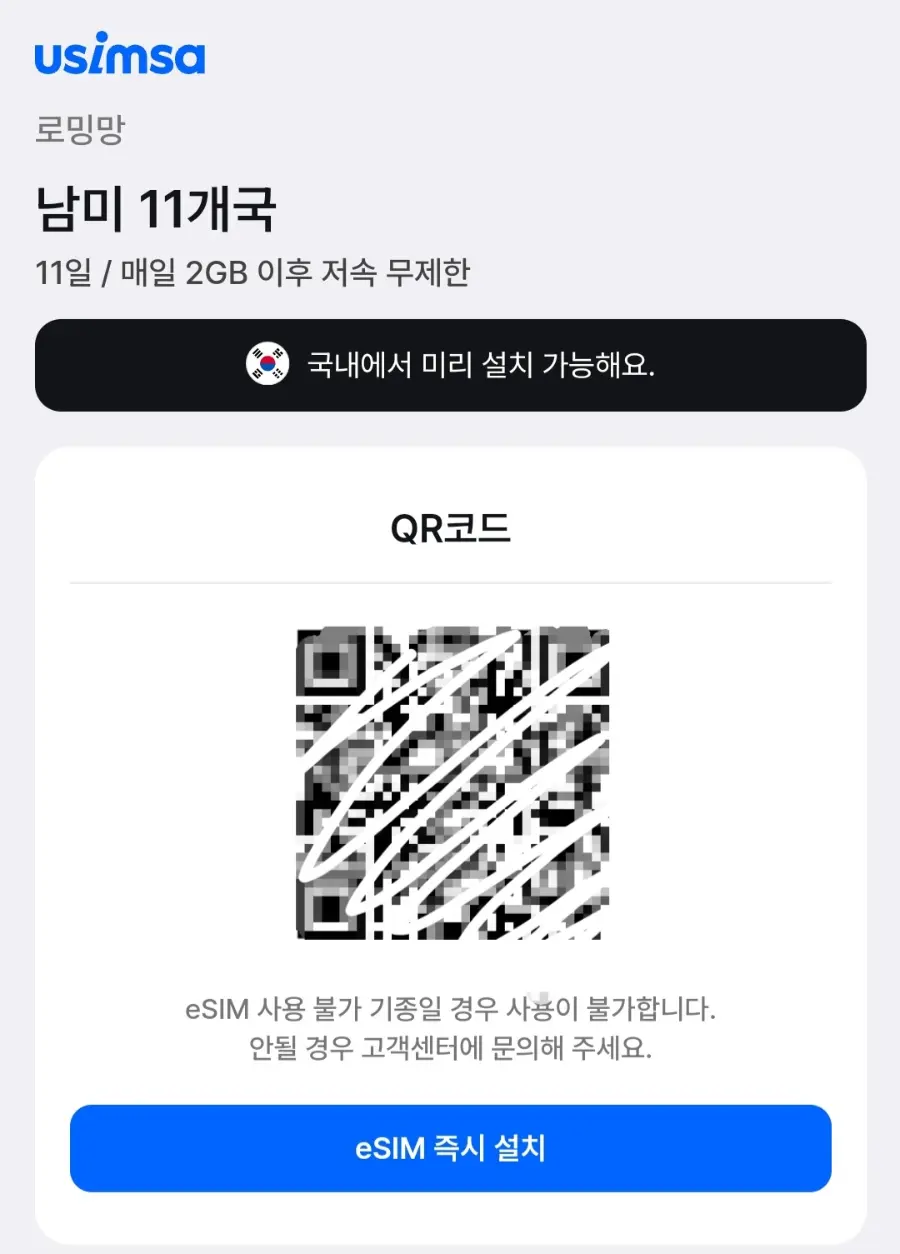
You might think that because the Galapagos is so remote, you won't need internet. However, during my actual trip, I found myself needing internet access frequently, even before setting foot on the islands.
While transiting through Atlanta airport, we completed our Galapagos TCT pre-registration. We also used our phones to show QR vouchers when redeeming lounge benefits at restaurants.
Before boarding our flight to the Galapagos at the Ecuadorian airport, there was also an online declaration process during baggage inspection. And once on the islands, we used WhatsApp to communicate with our local tour operators.
Even with free airport Wi-Fi, connections can be slow or unreliable. So, if you have a long layover, having an eSIM definitely provides peace of mind.
3. TCT (Transit Control Card)
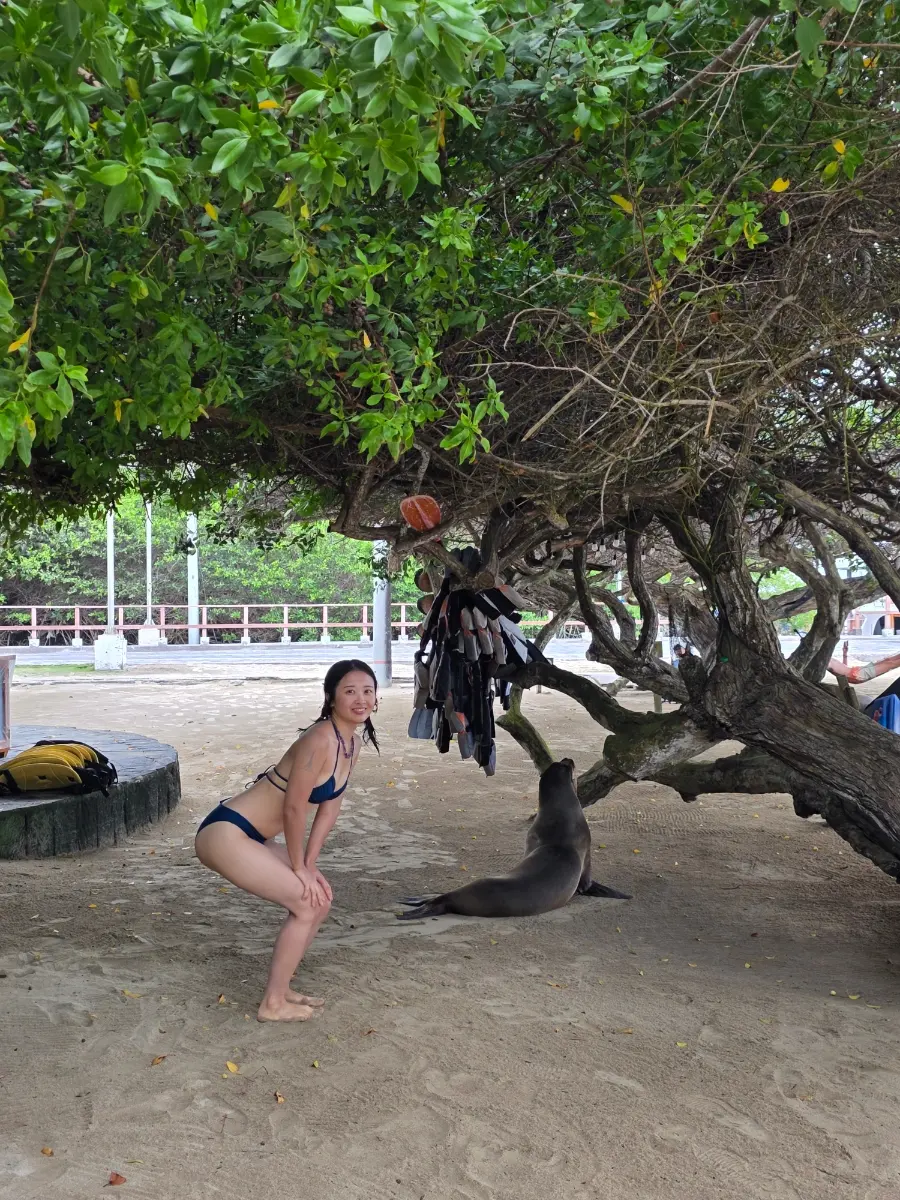
Something absolutely essential to know for your Galapagos trip is the TCT (Transit Control Card), which is a separate fee you need to pay in addition to the National Park entrance fee.
This procedure is in place to manage the length of stay for visitors to the Galapagos. Tourists can stay for a maximum of 60 days per year, and the current TCT fee is $20 per person.
While you can fill it out at the airport, completing the online pre-registration before your trip can save you valuable time.
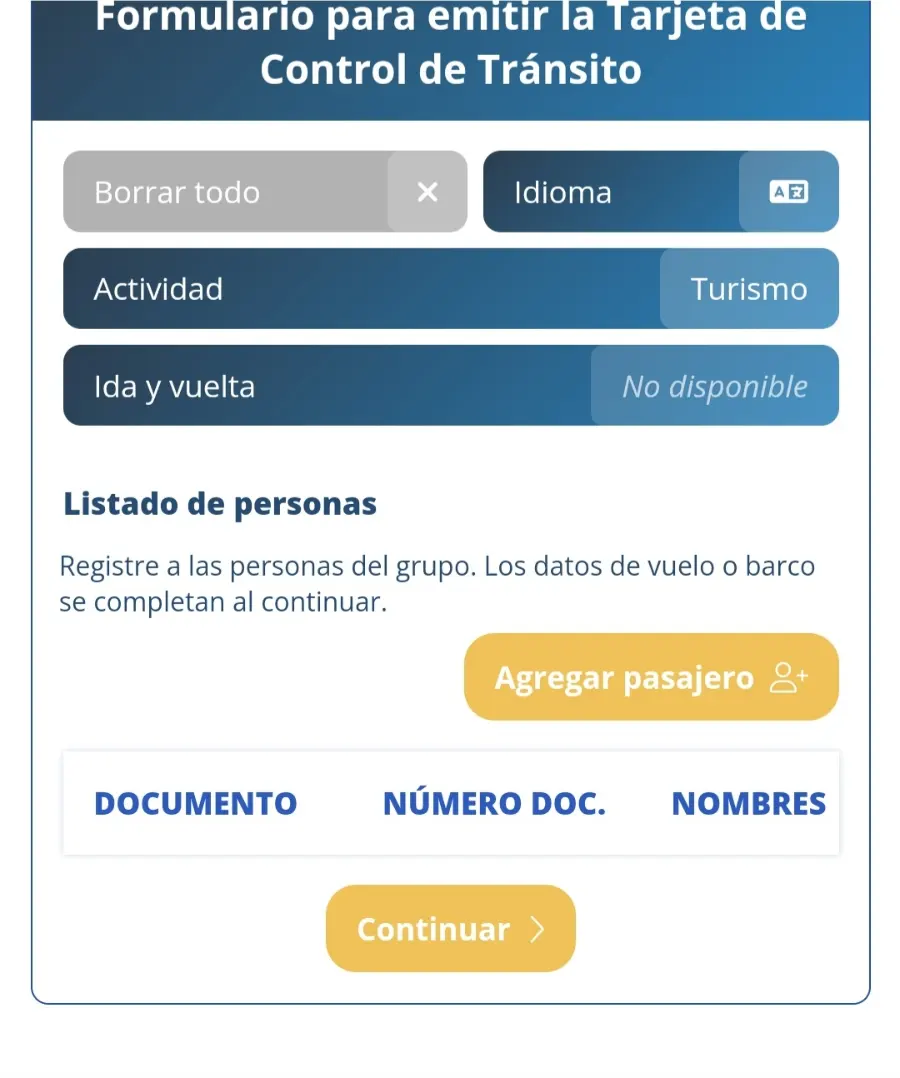
You can pre-register your flight and accommodation details online on the TCT website. Then, on the day of departure, you'll pay the fee at the TCT counter at either Quito or Guayaquil airport.
I entered my TCT information in advance at Atlanta airport, then paid the $20 fee at the TCT counter at Quito airport and received a digital TCT via email.
I was worried about losing it during my trip, but receiving it as a PDF file meant I had one less thing to worry about losing, which was great!
Link to TCT Registration Site
#TCT #GalapagosTravel
4. Packing List
The Galapagos is quite a remote destination, and prices can be steep, so I made sure to prepare thoroughly before heading out.
Beyond the basics like clothes and toiletries, I've compiled a list of essentials specifically for a trip to the Galapagos.
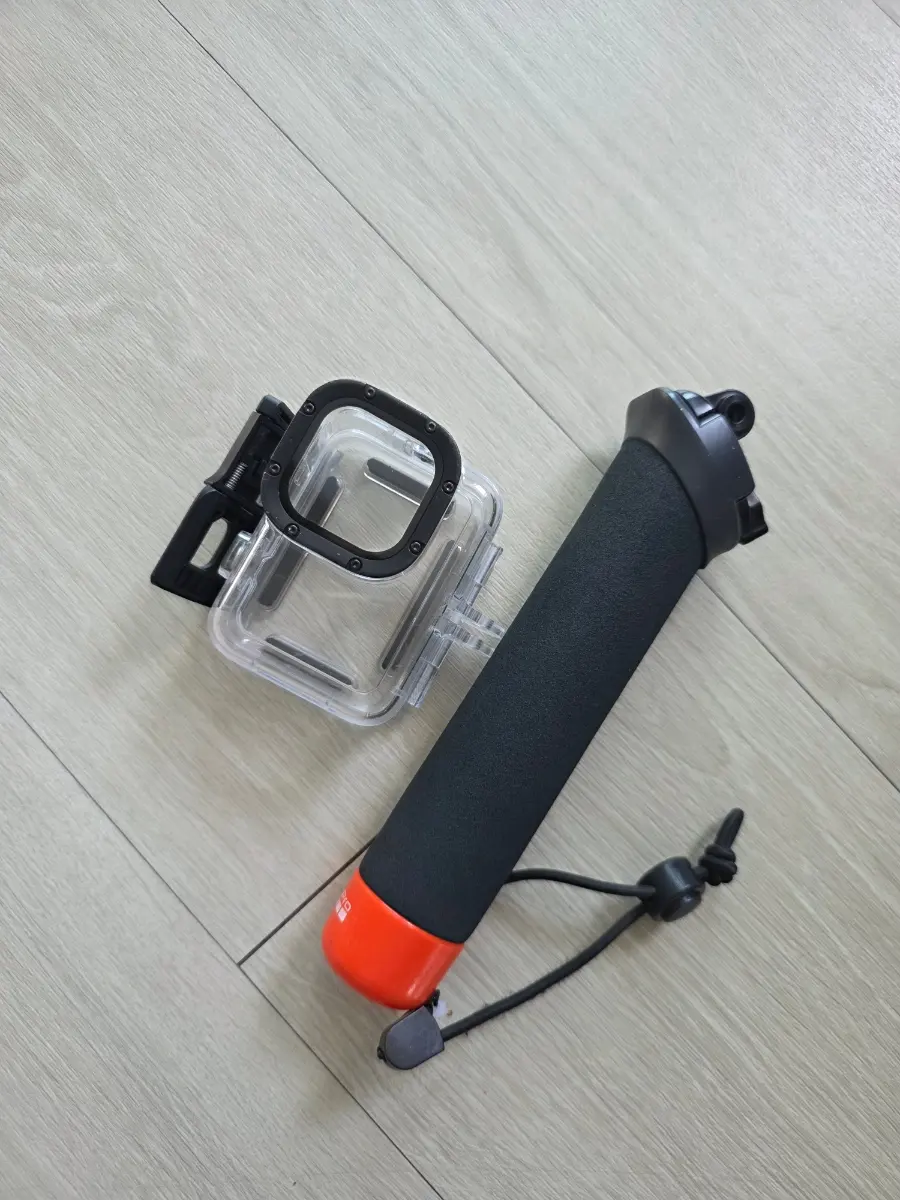
Essential for underwater activities: your GoPro waterproof housing
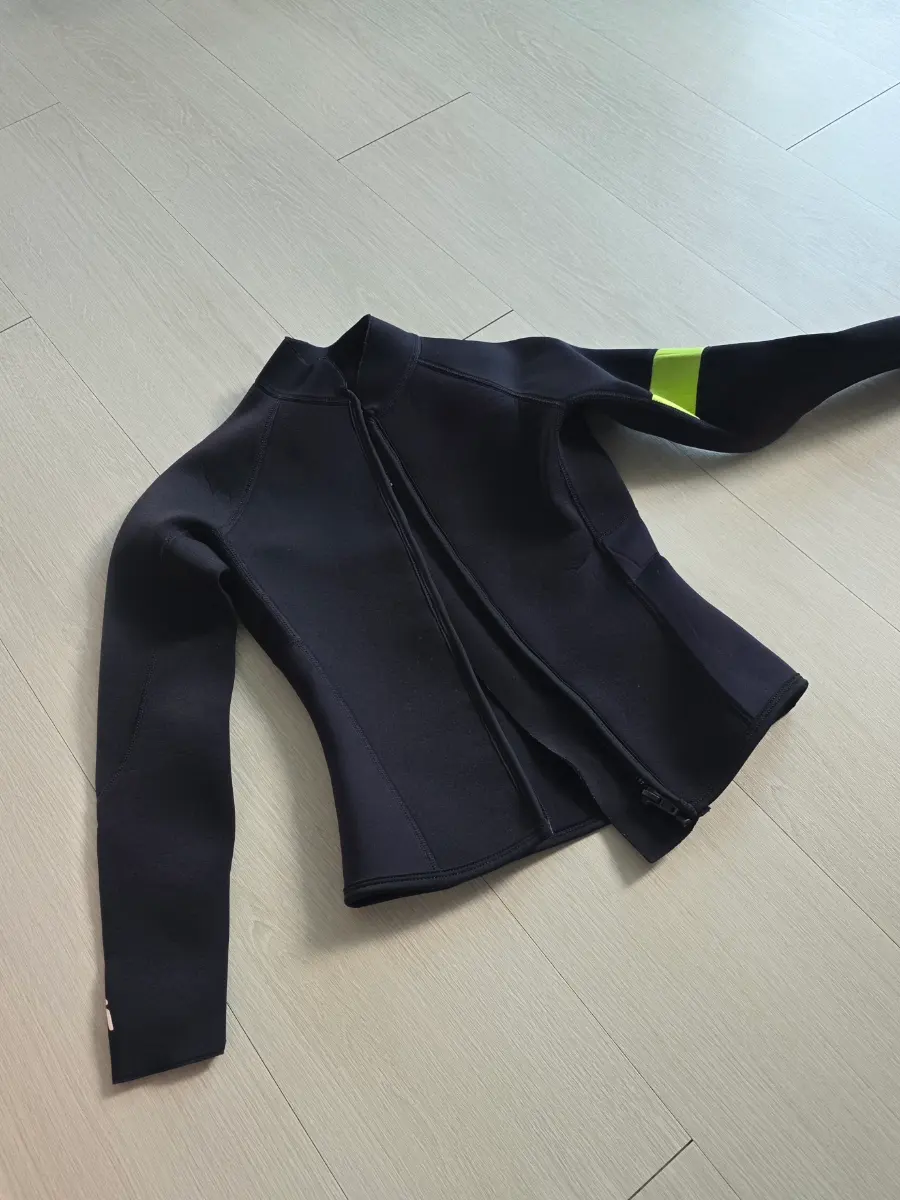
We heard the water temperature would be chilly during the dry season, so we packed our 3mm jacket
While the waterproof housing was put to good use, this year, due to El Niño, the water temperature was higher, so we didn't end up using the 3mm jacket much.
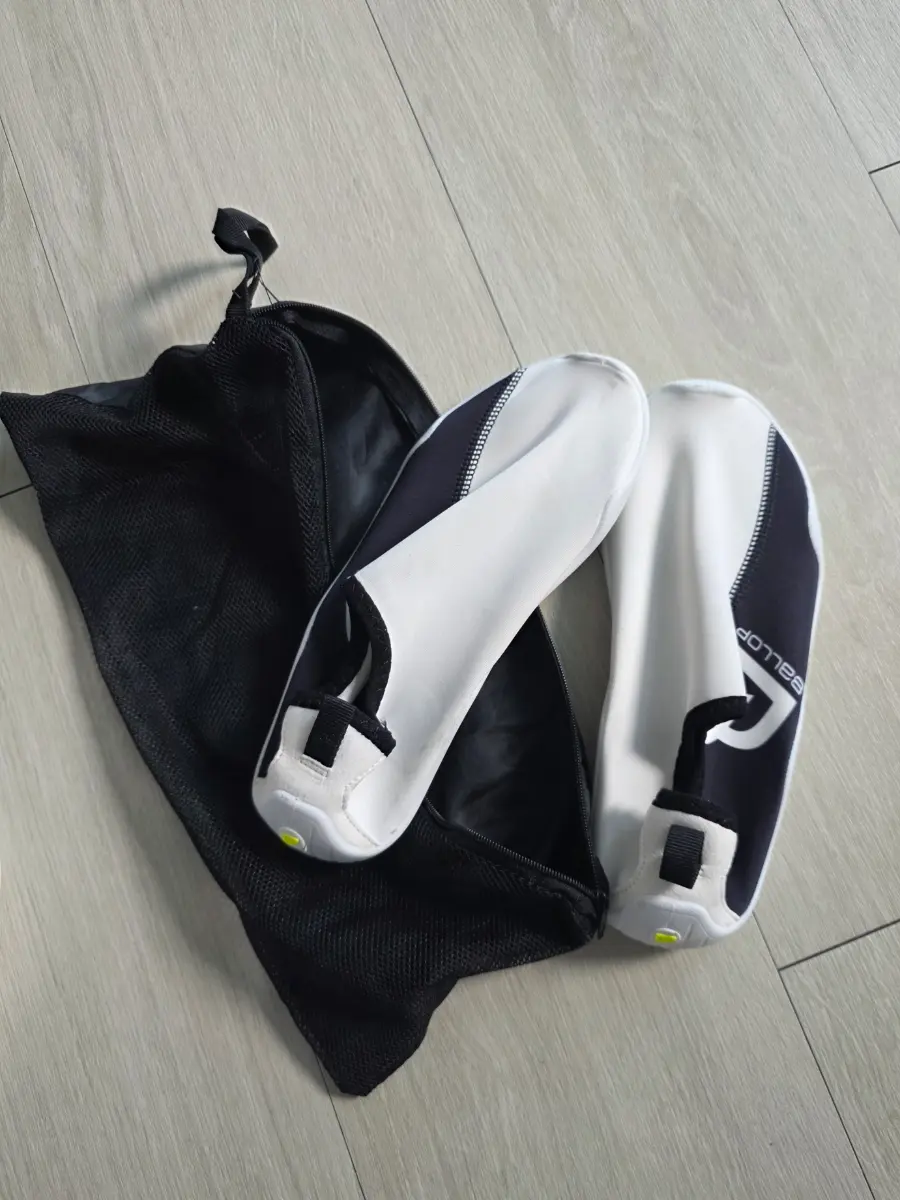
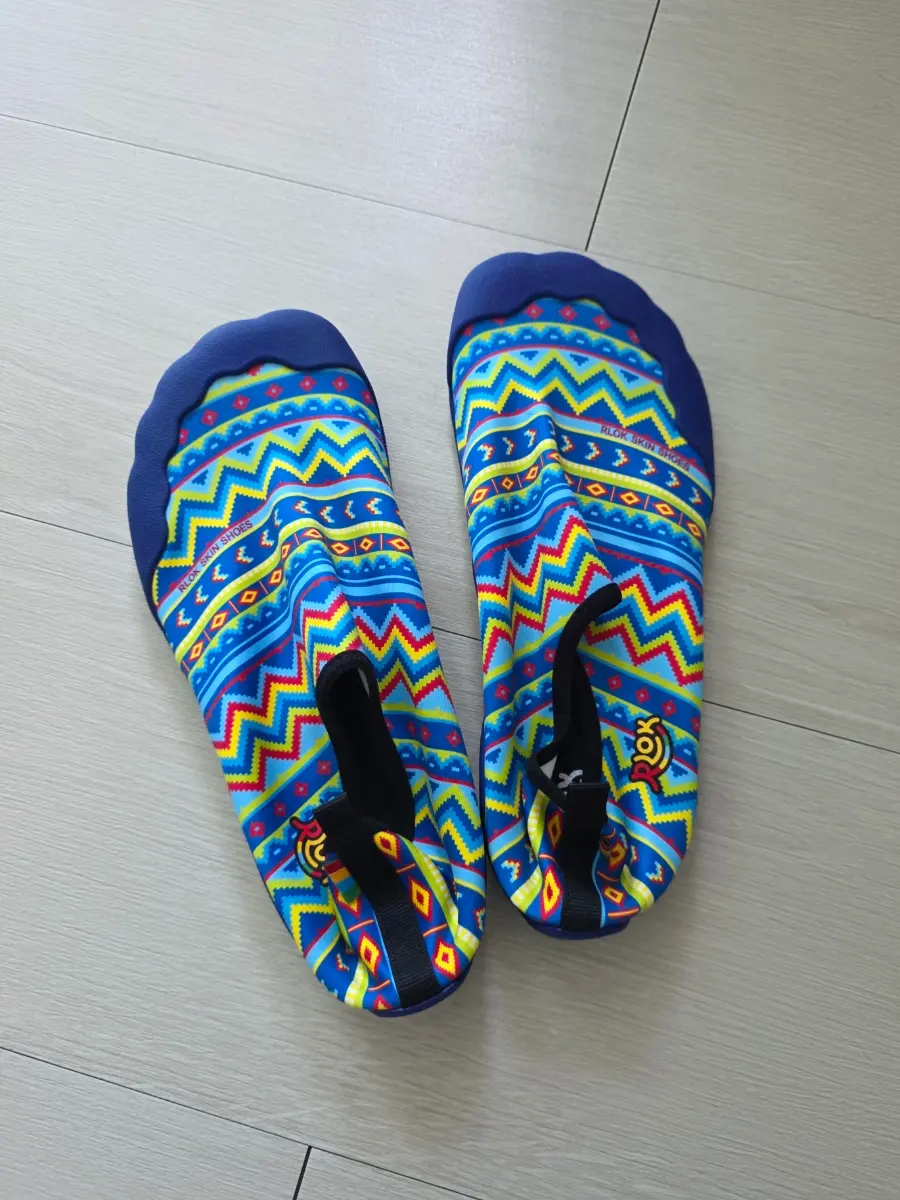
Aqua shoes
The waters around the Galapagos are full of rocks and stones, some of them sharp, making it potentially dangerous to swim barefoot.
My husband wore his aqua shoes instead of regular shoes for all water activities, and he was absolutely thrilled with the purchase!
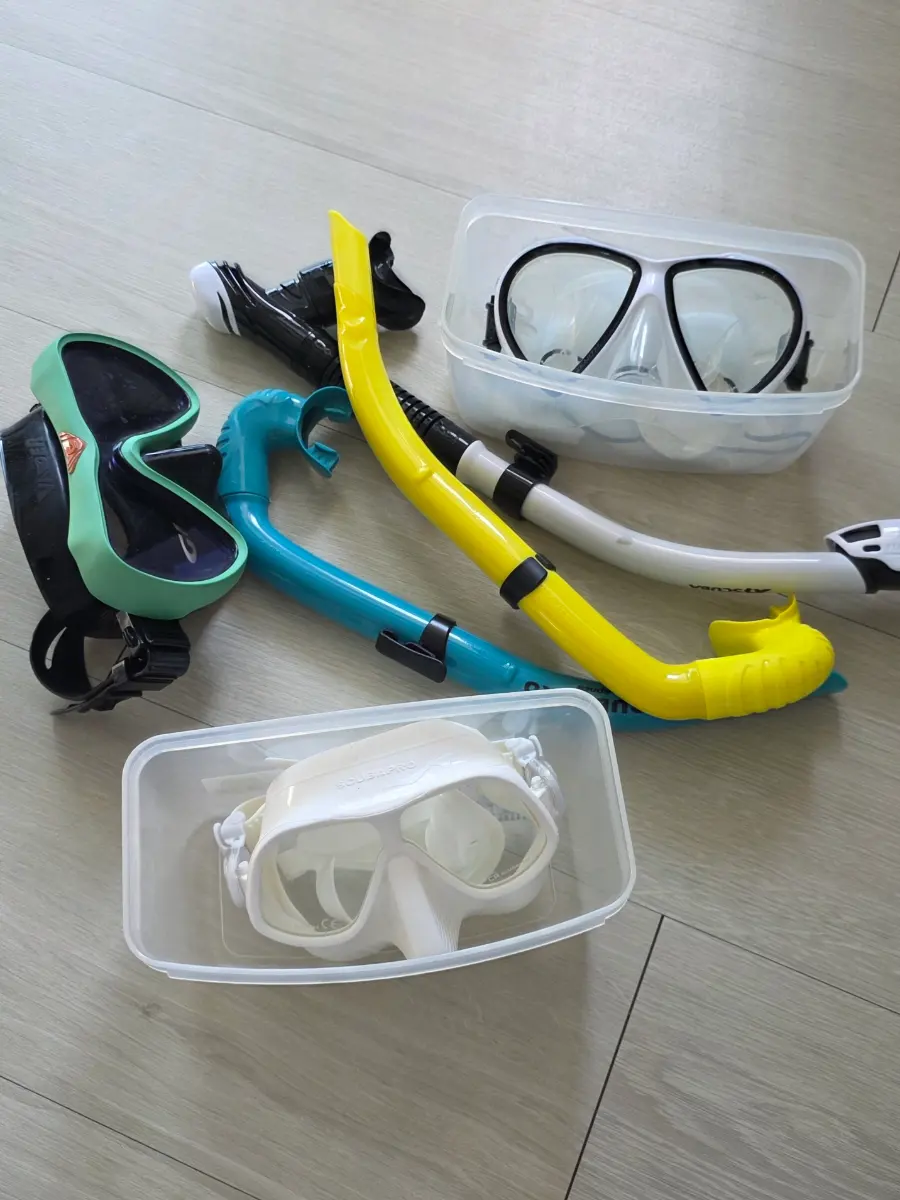
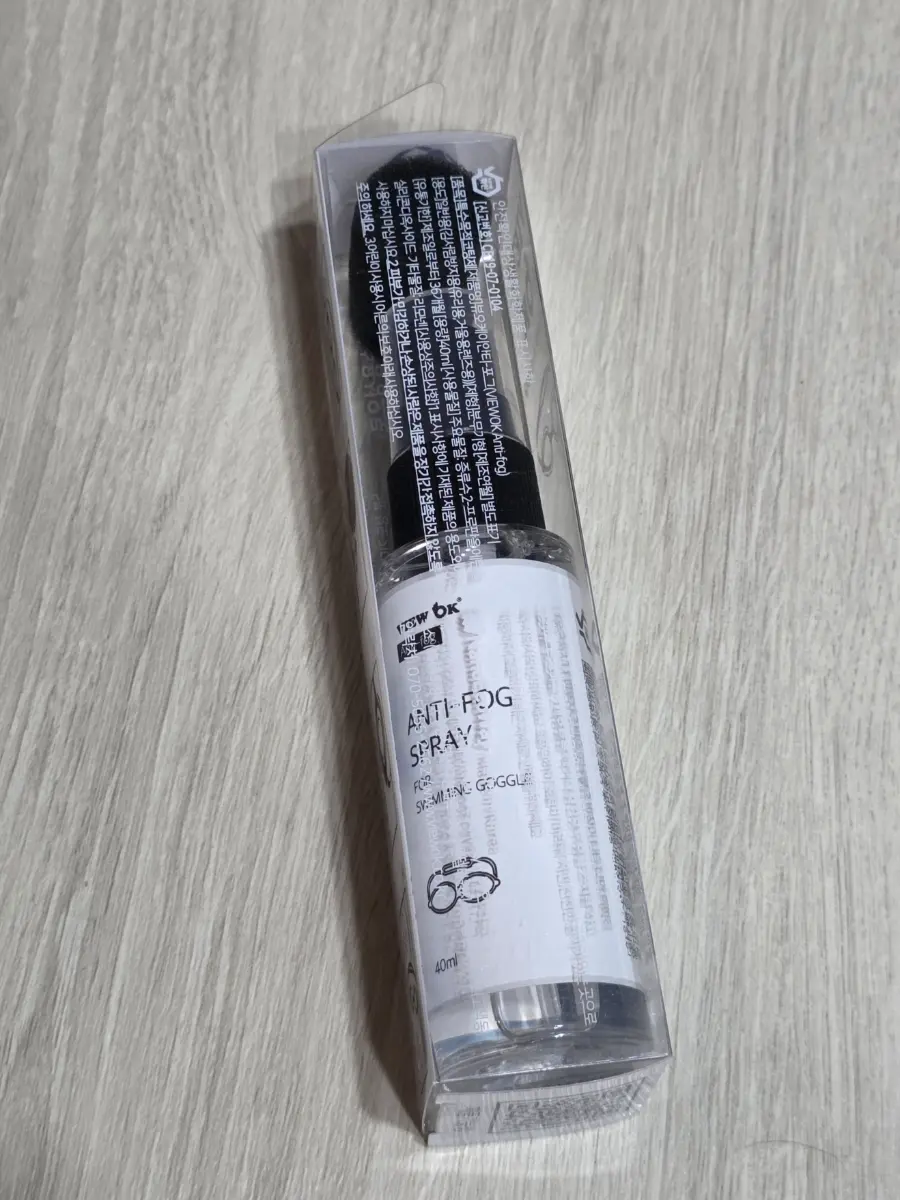
Our snorkel masks, snorkels, and anti-fog spray were also cleverly packed.
Since there were two of us, and just in case we lost or broke one, we even brought an extra set as a backup.
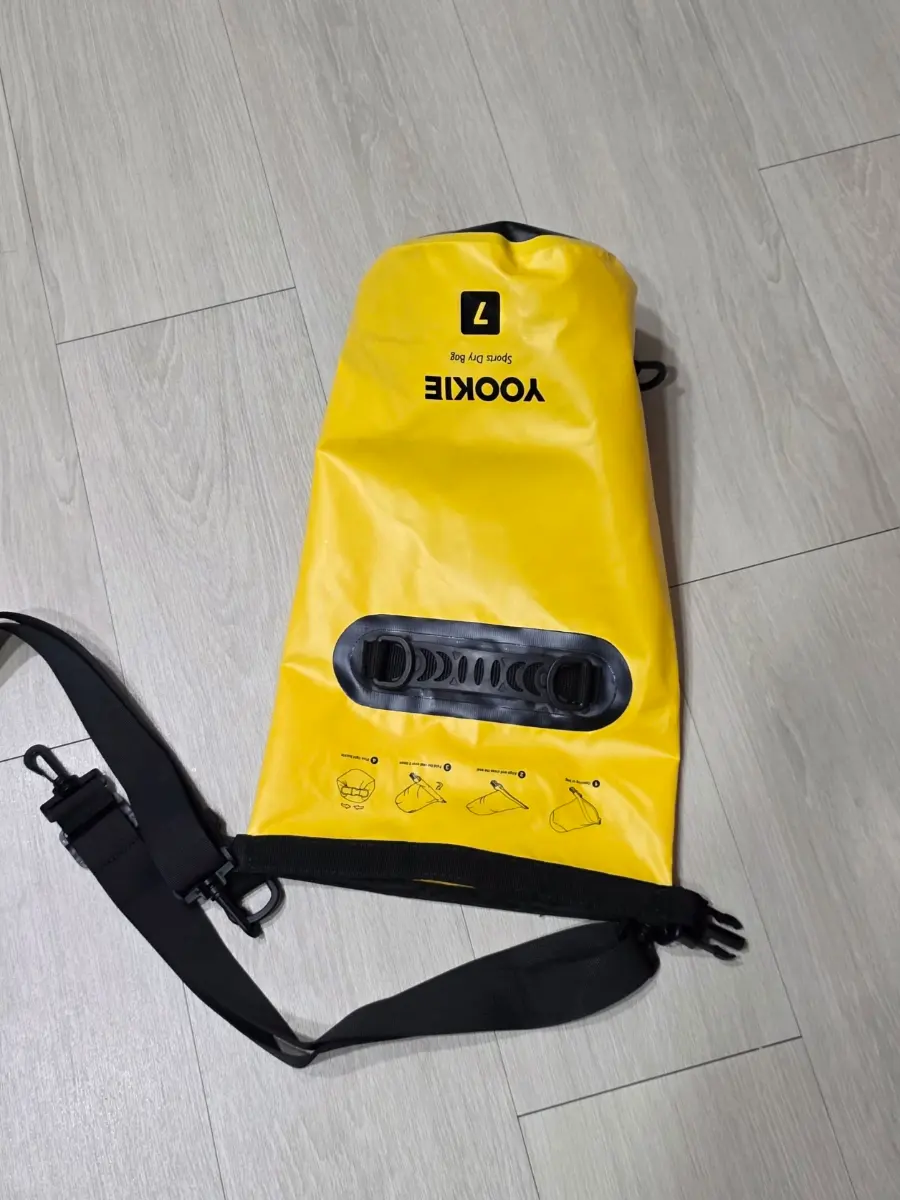
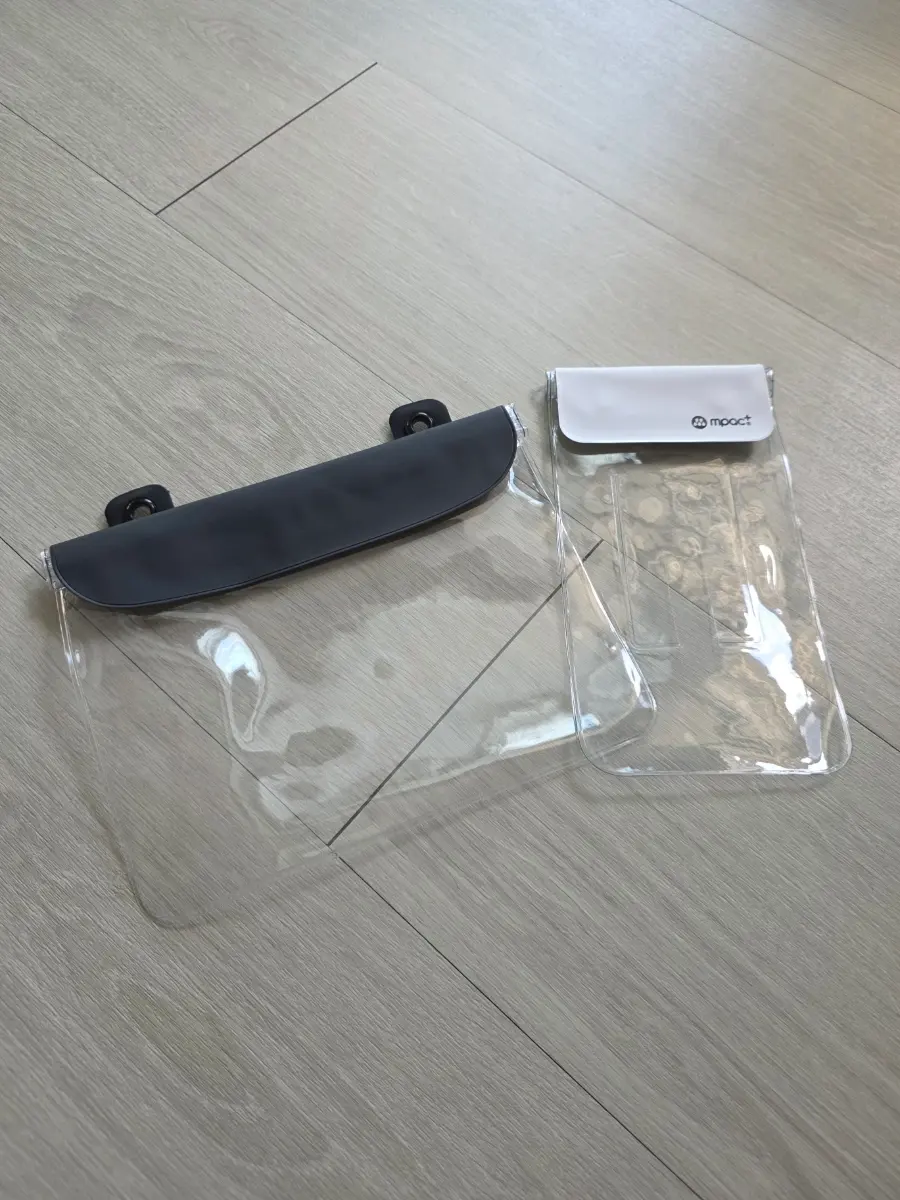
A true lifesaver on this trip: our dry bag
It gave us peace of mind when we carried it onto tour boats, knowing that even if it fell into the water, its contents would stay dry. And when snorkeling at the beach, it was incredibly convenient to keep electronics and a small amount of cash safely inside.
Since we kept our phones in the dry bag, we barely used the waterproof phone case we bought from Daiso.


For ultimate UV protection: our wide-brimmed hat and sun patches
The hat was a generous size, comfortable even for someone with a larger head (my husband), and he absolutely loved how well it shaded him from the sun.
We bought two types of sun patches: one I absolutely loved and would repurchase for future outdoor adventures, and the other... well, I probably won't be buying that one again. Haha!
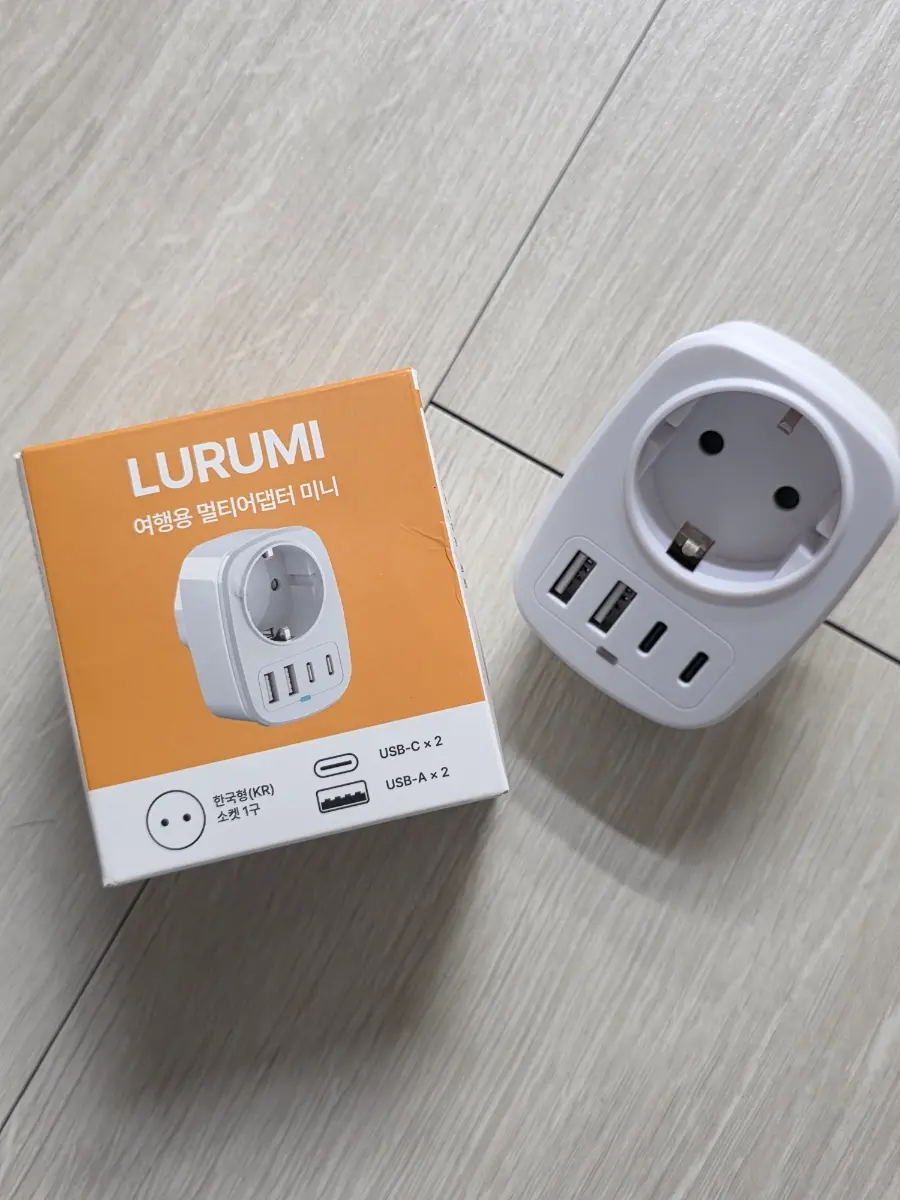
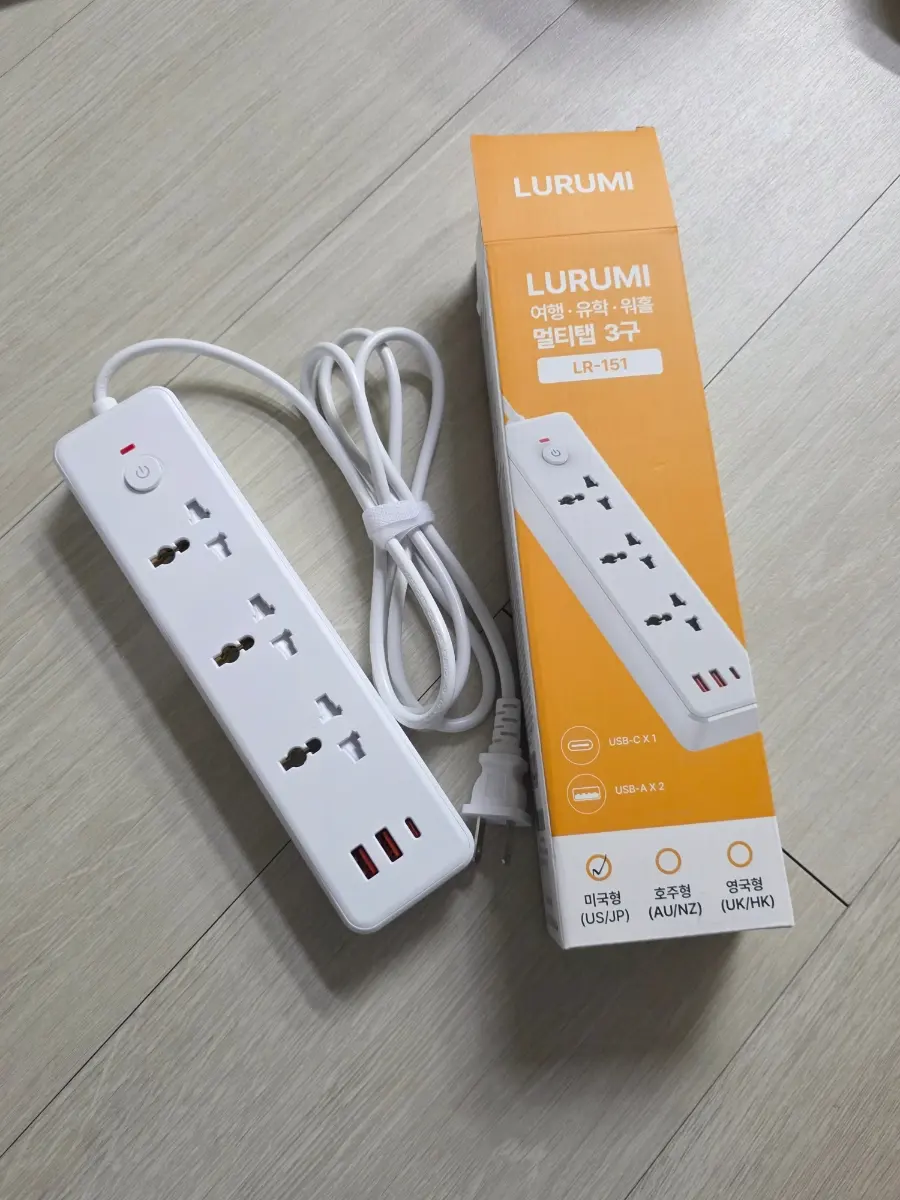
And enhancing the quality of our trip, just like on our last China adventure: our adapter and power strip!
Both the U.S. and Ecuador use 110V, so an adapter is essential. However, our old multi-adapter sometimes struggled to plug in properly due to its bulky size.
Our Rurumi adapter and power strip are specifically designed for 110V, which meant a much more stable connection.
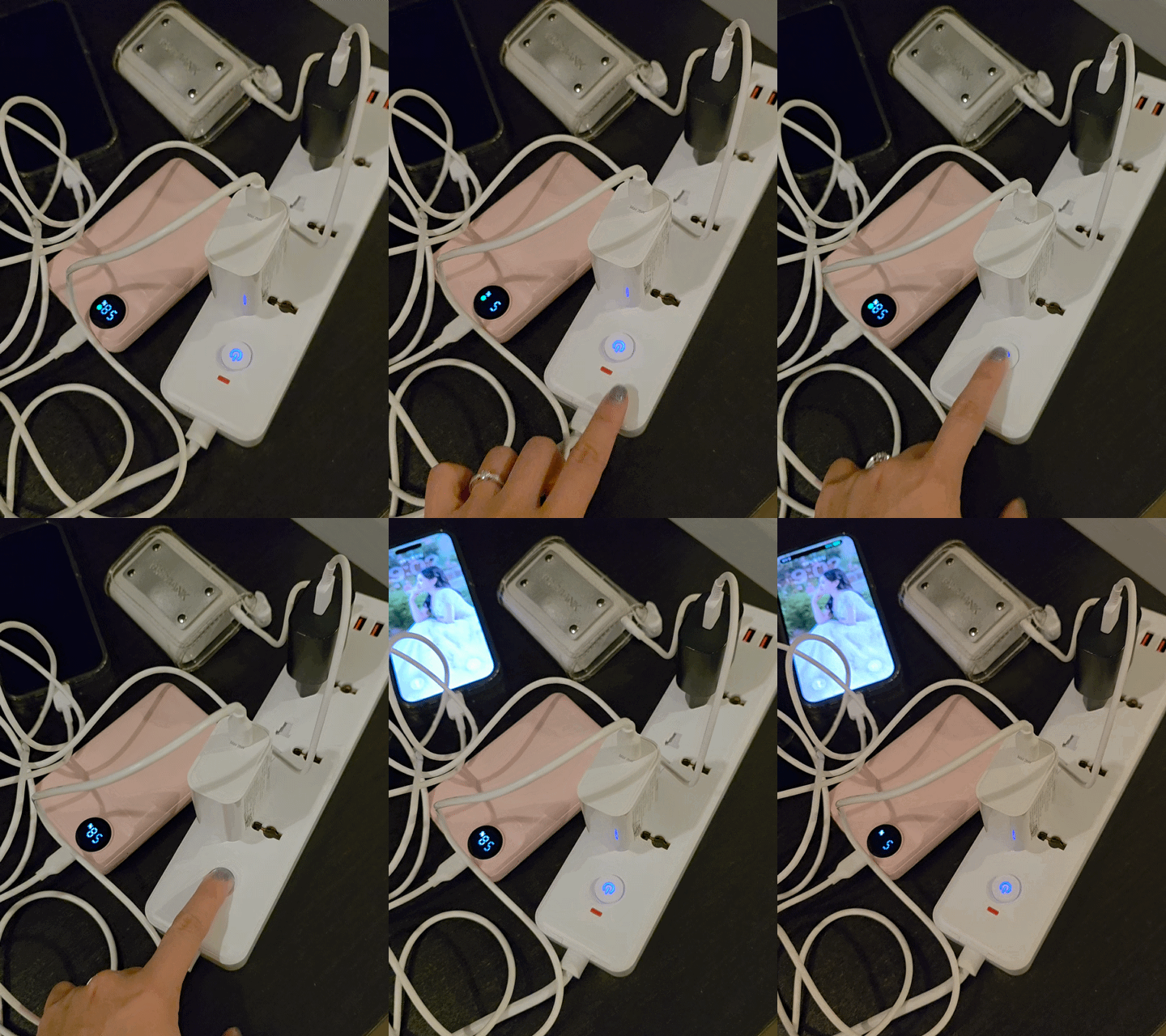
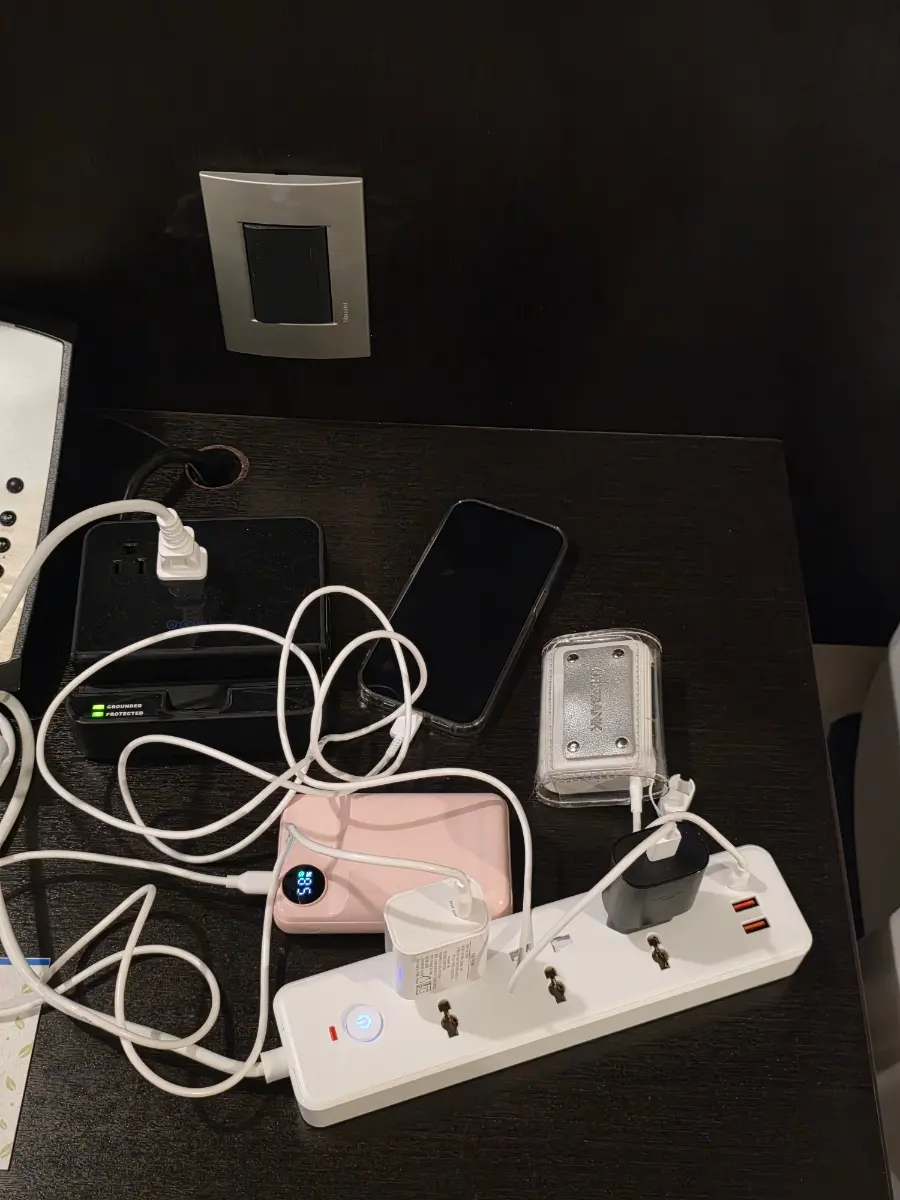
On this Galapagos trip, with a GoPro added to our gear, we had a lot to charge. But with 3 outlets, 2 USB ports, and even a Type-C port on the power strip, we could charge our power bank, phones, and GoPro all at once with just this one device!
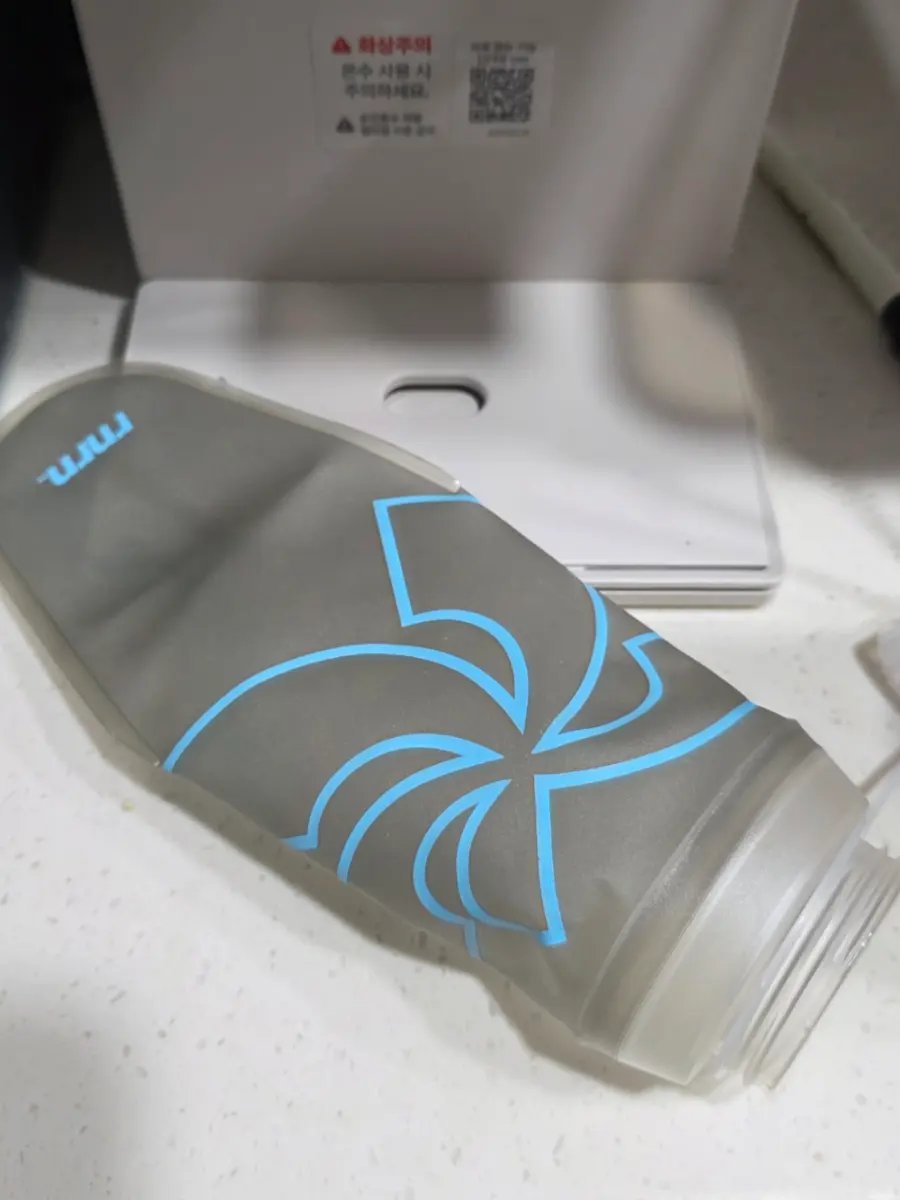
Our soft running flask was incredibly useful in the Galapagos, where water can be expensive. We'd buy one large 2-3L water bottle, fill up our flask every morning, and carry it around.
It also gave us a proud feeling that we were doing our part to protect the environment.
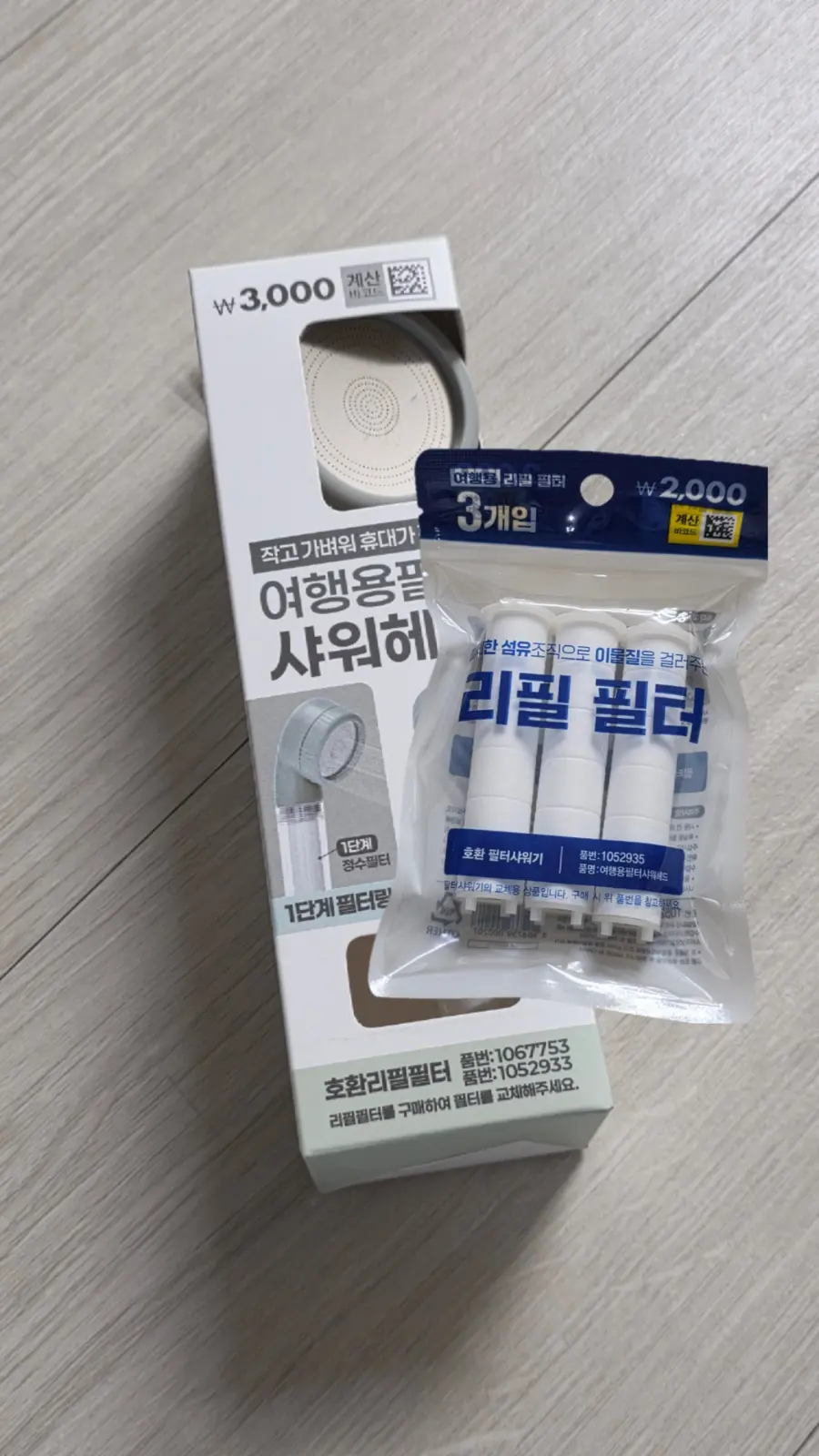
We bought a shower head and filter from Daiso to bring along, but unfortunately, all the showers in the Galapagos hostels were ceiling-mounted, so we couldn't use them anywhere.

Frequently Asked Questions
What is the application fee and method for ESTA, which is required for transit through the U.S. when traveling to the Galapagos?
The ESTA application fee is $40. You can apply by installing the ESTA app and entering the required information. Approval can take up to 72 hours, so it is recommended to apply at least 3 days before your departure.
What is the per-person cost and pre-registration method for the TCT (Transit Control Card) required for Galapagos travel?
The TCT is for managing the length of stay for visitors to the Galapagos, and it costs $20 per person. You can pre-register your flight and accommodation details online on the TCT website, then pay the fee at the TCT counter at Quito or Guayaquil Airport on the day of departure.
What are the specific reasons why using the internet via eSIM is important when traveling to the Galapagos?
There are many instances where you'll need internet access even before arriving on the islands, such as TCT pre-registration when transiting through Atlanta Airport, presenting QR vouchers for lounge benefits, online declaration procedures at Ecuadorian airports, and contacting local tour operators on the islands via WhatsApp. Free airport Wi-Fi can be slow or unreliable, making an eSIM very useful.
What are the specific reasons why aqua shoes, a snorkel mask, and a dry bag are necessary for underwater activities in the Galapagos?
The Galapagos sea has many sharp rocks and stones, making barefoot swimming potentially dangerous, so aqua shoes are useful. A snorkel mask and snorkel are essential for underwater activities, and a dry bag is convenient for safely storing electronic devices or cash away from water during boat tours or at the beach.
Share this article
Related Travel Stories

Galapagos Cruise Hopping Tour 2026: An Unforgettable Ecuador Adventure
Embark on an incredible 3-night, 4-day cruise hopping tour of Ecuador's Galapagos Islands. Experience diverse wildlife, stunning landscapes, and seamless island exploration.
Hotel Fiesta Galápagos Review 2026: Perfect Location & Value
Discover Hotel Fiesta Galápagos, an excellent value hotel with a prime location on Santa Cruz Island. Perfect for your 2026 Galápagos adventure.

Community Hostel Quito Review 2026: Your Top Stay in Ecuador
Discover why Community Hostel Quito is a traveler favorite. Get an in-depth look at this top-rated accommodation in Ecuador's historic capital.

Suvarnabhumi Miracle Lounge Review 2026: F3 Gate Access & Tips
Make your departure from Bangkok's Suvarnabhumi Airport smoother with a visit to the Miracle Lounge near F3 Gate. Perfect for LCC travelers needing a pre-flight bite and relaxation.

Chiang Mai Hotels with Post-Checkout Showers: Late Flight Guide 2026
Don't let a late flight spoil your Chiang Mai adventure! Find the perfect hotel that lets you refresh with a post-checkout shower or pool access before heading to the airport.
Aero K Cheongju to Nagoya Direct Flights: 2026 Booking Guide
Planning a trip to Nagoya? Skip the Incheon crowds and discover direct, budget-friendly Aero K flights from Cheongju! Get the inside scoop on prices and booking for 2026.