

Bali Creator Visa Guide 2026: Avoid Costly Mistakes & Bans
Are you a travel creator heading to Bali? Understand the updated 2026 visa regulations for commercial content to ensure a smooth trip and avoid severe penalties.


Bali: Tourist Visas + Sponsored C>
As of July 2026, the Indonesian Immigration Department has officially declared that any foreign national entering on a tourist visa who creates or publishes online content for commercial or paid purposes is engaging in an illegal activity.

This broad definition includes everything from reviews after receiving sponsored hotel or resort stays, to brand collaboration content, and even commercial posts uploaded after you've already left the country.
If you're a travel blogger, YouTuber, or Instagram creator planning a trip to Bali, it's absolutely crucial to understand these visa regulations.

In the past, many creators would freely enter Bali on a tourist visa and naturally engage in activities like hotel sponsorships, resort reviews, restaurant features, and vlogging. However, the situation has changed dramatically as the Indonesian government has intensified its crackdown on commercial content activities by foreign creators.
Key Things to Understand
The most important takeaway is this: creating or publishing content for commercial purposes while on a tourist visa can lead to serious problems.
Indonesian immigration doesn't just look for direct cash payments. They critically evaluate whether any economic benefit was gained during the content creation process.
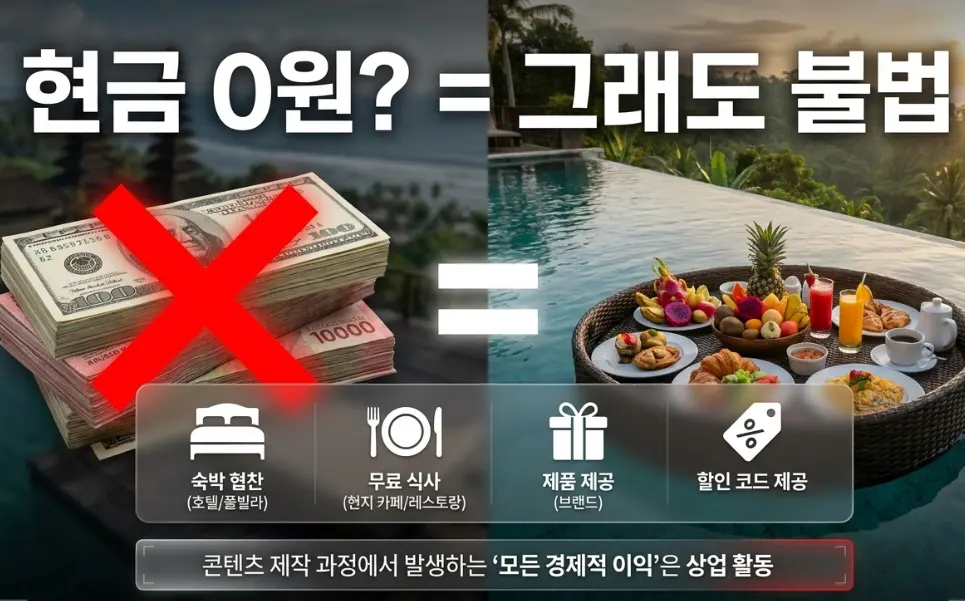
For example, if you receive free hotel accommodations, sponsored villa stays, complimentary meals at cafes, free brand products, or promote discount codes, these activities are highly likely to be considered commercial. So, thinking 'I didn't receive cash, so it should be fine' could be a dangerous misconception.
Why Sponsored Content in Bali is Risky
Here's a breakdown of content activities in Bali and their associated risk levels:
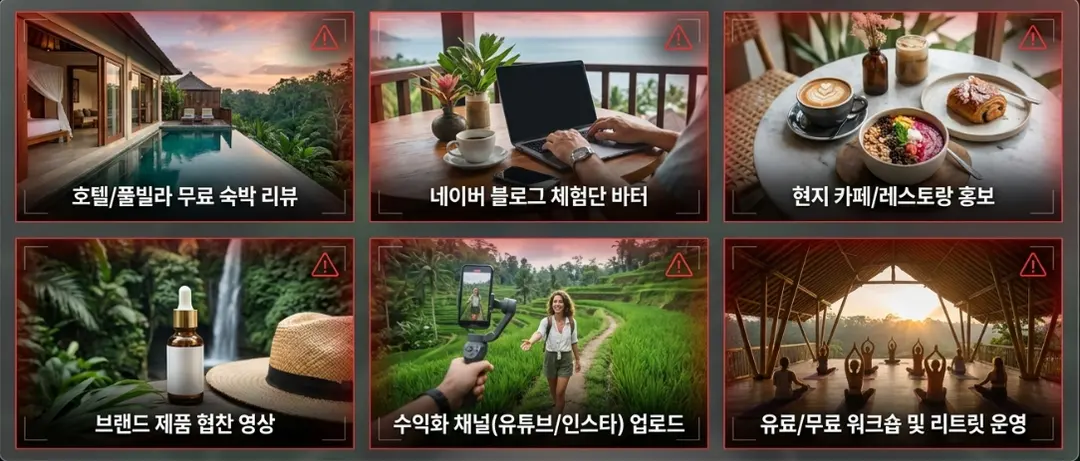
Activity Type | Risk Level |
Purely personal travel logs (no sponsorship, ads, monetization) | 🟢 Low |
Travel vlogs uploaded to a monetized channel | 🟡 Medium |
Uploading reviews after receiving free hotel/villa stays | 🔴 Very High |
Filming/uploading brand product sponsored content | 🔴 Very High |
Local cafe/restaurant barter deals (free meal ↔ promotion) | 🔴 Very High |
Producing promotional videos for local travel agencies/businesses | 🔴 Very High |
Uploading sponsored content after leaving Bali | 🔴 Very High |
Running paid or free workshops/retreats | 🔴 Very High |
Even if it appears to be a travel review on the surface, if it includes sponsorship or promotional intent, it can be subject to enforcement. This includes situations like receiving accommodations or meals in exchange for reviews, similar to influencer marketing programs.
What if I upload after leaving Bali?
Many might think, 'I'll just film in Bali and upload it once I'm back home in the US, won't that be okay?'
However, this approach is unlikely to be considered safe.
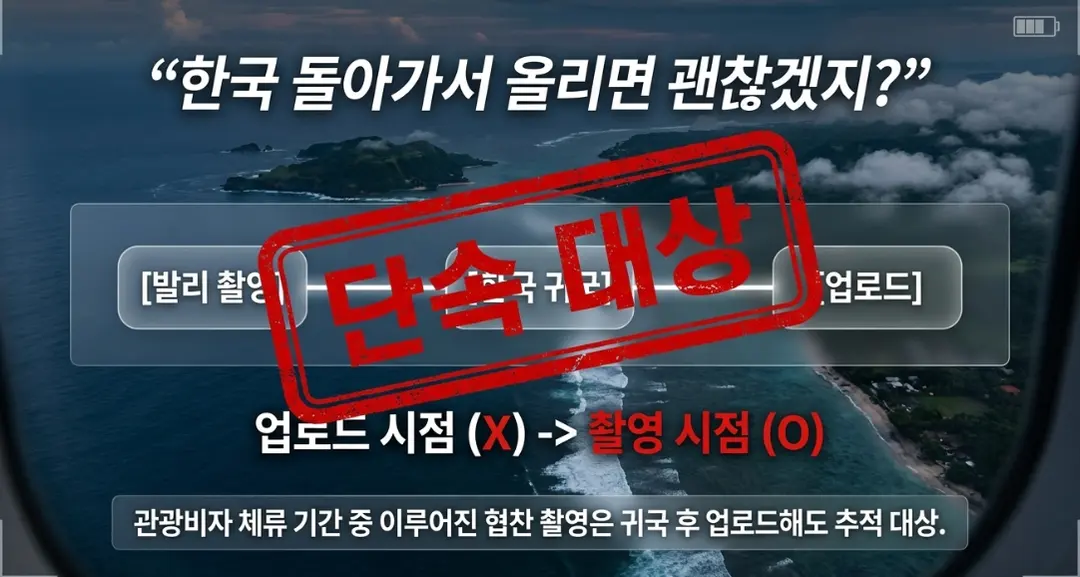
Indonesian immigration authorities are likely to consider whether the filming and sponsorship agreement took place during your stay on a tourist visa, rather than just the upload date.
Therefore, if you conducted sponsored filming in Bali while on a tourist visa, there's a possibility of facing issues even if you publish the content after returning home.
Visa Types for Bali Content Creators
To legally engage in sponsored or commercial content creation, you need to ensure you have the correct visa for your purpose.
Here are some of the visas that are often discussed:
Visa Type | Target Audience | Stay Duration | Sponsor Required | Status |
C5A | Social Media Creators | Up to 180 days | Local Sponsor | Announced, not fully integrated into official portal |
Working KITAS | Creators employed by local companies | 6 months-1 year (renewable) | Local company required | Operational |
Performer Visa | Event/Performance/Project Creators | Project-based | Local Agency | Operational |
E33G (Digital Nomad) | Remote workers with overseas income | 1 year | Overseas Employer contract | Operational, strict income requirements |
C5A Social Media Content Creator Visa
The C5A visa is intended for social media creators active on platforms like YouTube, Instagram, and TikTok.
It's designed for creators producing sponsored content, paid campaigns, or collaborations.
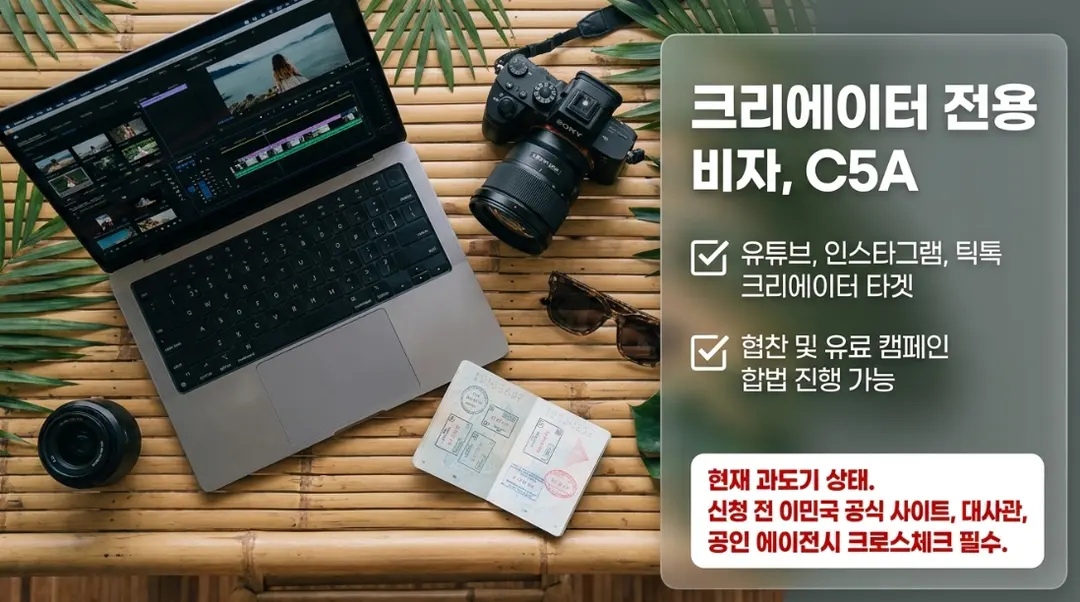
However, as of the current date, using this visa to receive sponsorships is still widely considered illegal.
There are also reports that the official application process for the C5A visa isn't fully established. Therefore, before applying, you must verify the latest information directly through the official Indonesian Immigration website, the embassy, or a certified visa agency.
Working KITAS
A Working KITAS is a work and stay permit required if you have a contract or employment relationship with a local Indonesian company.
If you're officially working with a local resort, travel agency, media company, or production house, this visa is what you should consider.
Performer or Artist Visa
For activities with a strong event component, such as appearing at events, brand functions, performances, or specific filming projects, a Performer or Artist visa may be necessary.
If your content creation is linked to an event rather than just general travel, you'll need to look into this option.
E33G Digital Nomad Visa
The E33G is a visa for remote workers who derive their income from overseas sources and wish to reside in Indonesia.
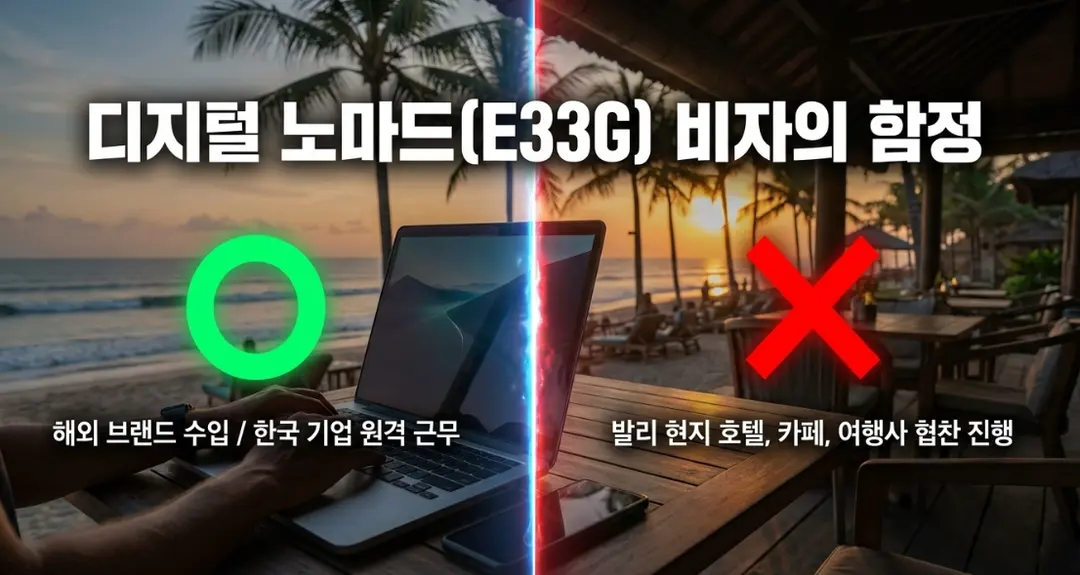
You might consider this if you earn income from a company outside Indonesia and use Bali as your base. However, be extremely cautious: if you start receiving sponsorships from local Bali hotels, cafes, or travel agencies, the interpretation of your visa status could change.
Essential Checklist Before Your Bali Trip
If you're a creator preparing for a Bali trip, make sure to review the points below before you depart.

If even one of these involves a commercial element, proceeding with only a tourist visa could be very risky.
Bali Travel Bloggers: Visa Verification is a Must
Bali remains an incredibly attractive destination for travel bloggers and creators.
However, it's now just as important to verify your visa and residency regulations as it is to discover beautiful accommodations and review fantastic restaurants.
Especially if you operate a monetized blog, Instagram, or YouTube channel, you must confirm whether your activities qualify as commercial work before traveling to Bali.
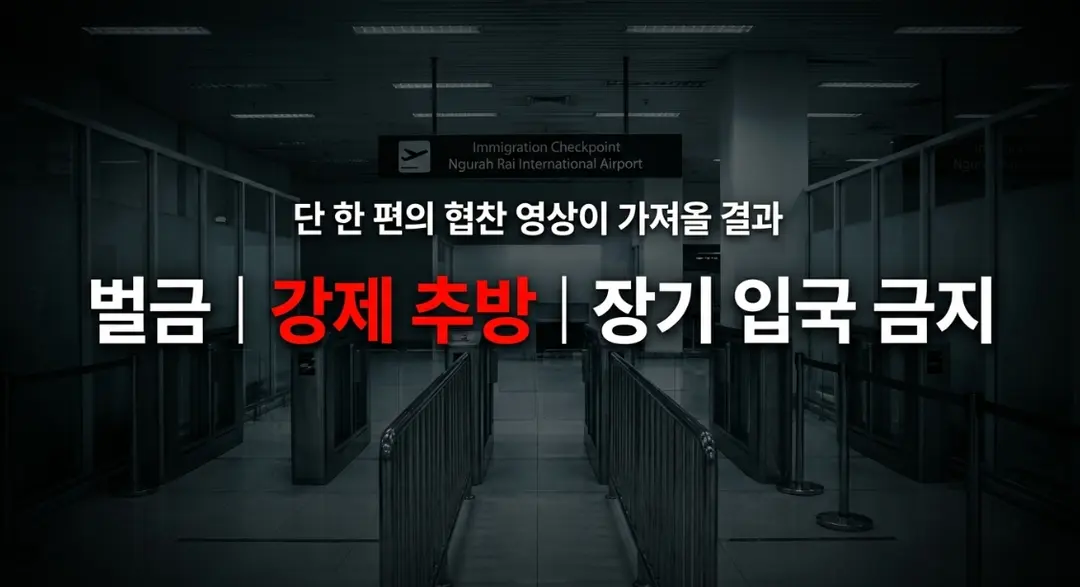
It's simply not worth risking fines, deportation, or a long-term re-entry ban for the sake of a single sponsored piece of content.
Global Explorer's Takeaway
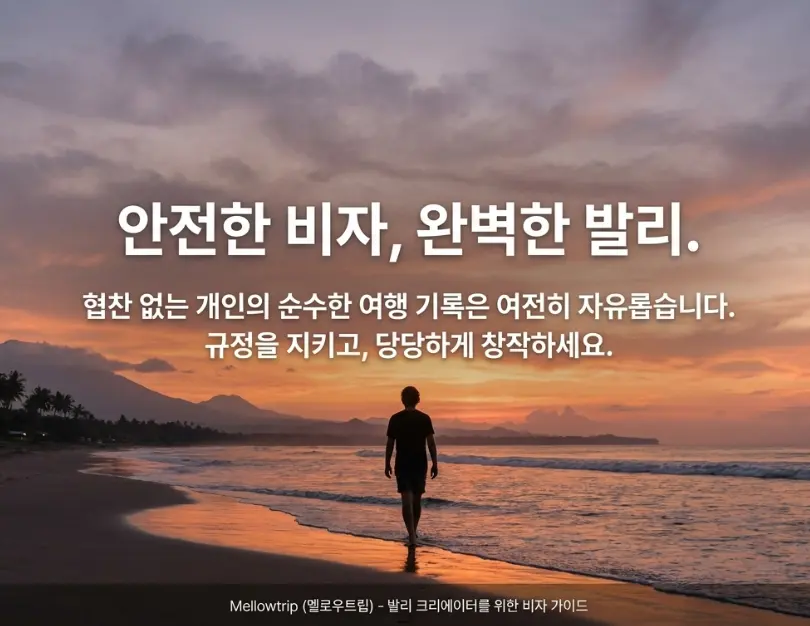
For purely personal travel logs in Bali, the risk is relatively low. However, if your content includes sponsorships, advertisements, monetization, free provisions, or bartered promotions, a tourist visa could lead to significant problems.
Creators planning a Bali trip should proactively check information related to Bali visas, Bali sponsorships, Indonesia visas, creator visas, and the C5A visa to ensure their content plans are compliant and safe.
Frequently Asked Questions
As of July 2026, what commercial online content creation activities are prohibited for foreigners entering Bali on a tourist visa?
As of July 2026, it is illegal for foreigners entering Bali on a tourist visa to create or post online content for paid or commercial purposes. This includes reviews posted after receiving sponsored accommodation at hotels or resorts, brand-sponsored content, and even commercial posts uploaded after leaving the country.
If I film sponsored content in Bali and then return to Korea to upload it, will it not be an issue?
This approach is also unlikely to be safe. Indonesian immigration authorities may judge based on whether the filming and sponsorship contract took place during your tourist visa stay, rather than the upload time. Therefore, if you conducted sponsored filming on a tourist visa during your Bali trip, there's a possibility of issues even if you post it after returning to Korea.
What content activities carry particularly high risks if conducted in Bali on a tourist visa?
If conducted in Bali on a tourist visa, activities such as uploading reviews after receiving free accommodation at hotels/pool villas, filming and uploading brand-sponsored product content, barter promotion for local cafes/restaurants, and producing promotional videos for local travel agencies/businesses carry very high risks. Uploading sponsored content after departing Bali is also very risky.
What is the current status of the C5A visa for Bali social media content creators?
The C5A visa is known as a visa for social media creators active on platforms like YouTube, Instagram, and TikTok. However, as of now, it is reportedly illegal to receive sponsorships with this visa. There are also reports that the official application procedures have not been fully established, so it is essential to verify the latest information through the official Indonesian immigration website or embassy before applying.
Share this article
Featured in Collections
Discover more travel stories curated around the same theme.

Related Travel Stories

Bali South Private Tour 2026: Customize Your Perfect Itinerary
Discover the best of South Bali in 2026 with a private, customizable tour. Explore iconic spots like Uluwatu Temple, Suluban, and Padang Padang Beach at your own pace.

Eastin Ashta Resort Canggu Review: Bali Value Stay
Looking for an affordable yet stylish stay in Bali's coolest neighborhood? Read our honest review of Eastin Ashta Resort Canggu's Superior Twin Room.

Bali eSIM USIMSA Review 2026: Why I Repurchased It
Get the lowdown on the best Bali eSIM for 2026. This honest USIMSA review covers setup, speeds, 24/7 support, and how to get free Google Maps data!

Seoul to Bali Flights 2026: Prices, Times & Best Deals
Heading to Bali from Seoul? Discover flight times, direct vs. layover price guides, seasonal weather tips, and hacks to book the cheapest tickets in 2026.

La Brisa Sunday Market Canggu: Best Souvenirs & Vibes
Discover the magic of La Brisa Sunday Market in Canggu, Bali. Shop unique handmade souvenirs, organic goods, and delicious local food in a jungle oasis.

Tejaprana Bisma Ubud Review 2026: City Center Pool Villa Value
Dreaming of a romantic Bali getaway? Discover Tejaprana Bisma Ubud, a stunning pool villa offering jungle views, private pools, and prime city center access for an unforgettable 2026 escape.