

Seocheon Bioluminescent Plankton 2026: Best Spots & Viewing Tips
Experience the breathtaking 'sea galaxy' in Seocheon! This guide reveals top bioluminescent plankton spots, optimal viewing conditions, and must-have gear for your 2026 glowing adventure.


Seocheon's Bioluminescent Plankton Hotspots
Hongwon Port, Biin Beach, Wolhaseong: Your Guide to Viewing Times & Tips
Photos/Text ©Minimanimu
Hello, fellow adventurers!
This is Minimanimu, your go-to for unique travel experiences in Korea.
Lately, social media platforms like Instagram and YouTube have been buzzing with an incredible natural phenomenon that has captivated countless travelers and photographers alike: the mystical bioluminescent plankton!
Imagine the night sea shimmering with a blue, galaxy-like glow. This breathtaking sight is only visible during a specific window each year. Filled with excitement, I embarked on a drive and night photography trip to Korea's West Coast to witness it firsthand.
Today, I'll share my personal experiences from Seocheon's top bioluminescent viewing spots: Hongwon Port, Biin Beach, and Wolhaseong. I'll compare their unique features and provide a comprehensive guide on the best timing, viewing methods, and essential gear to ensure your glowing encounter is a success!
Table of Contents | |
1 | Mysterious Night Sea Bioluminescence: Basic Info |
2 | The Science Behind Seocheon's Glowing Plankton |
3 | Optimal Time to Witness Bioluminescence for Success |
4 | Essential Gear for Bioluminescence Viewing |
5 | Hongwon Port vs. Biin Beach vs. Wolhaseong: An Honest Review |
6 | Overall Verdict |
Mysterious Night Sea Bioluminescence: Basic Info
Often called the 'ocean's galaxy,' bioluminescent plankton is actually a type of marine phytoplankton. Normally invisible to the naked eye, these mysterious organisms gather in vast numbers under specific breeding conditions. When disturbed by ocean waves or other external impacts at night, they emit a stunning fluorescent blue light, creating an otherworldly spectacle.

The Science Behind Seocheon's Glowing Plankton
The reason bioluminescent plankton glows blue is a fascinating 'defense mechanism' against external stimuli.
When they receive physical stimulation, a substance called luciferin within their cells oxidizes through the luciferase enzyme, producing that magnificent blue light.
This is why, when gentle waves roll onto the shore or you toss a stone into the water, you'll witness a breathtaking display of blue light spreading like ripples across the ocean's surface.

Optimal Time to Witness Bioluminescence for Success
Bioluminescence isn't something you can see just any time you visit, so having the right information beforehand is crucial! Check these optimal conditions to maximize your chances of success.
1. Optimal Season
Typically, late May through mid-to-late June is the peak season for bioluminescent plankton along Korea's West Coast. These plankton are most active when the water temperature is above 68°F (20°C). Recent climate changes and rising sea surface temperatures have reportedly increased the frequency of observations.
2. Weather Conditions
The new moon phase, when moonlight is at its darkest, is ideal. The darker your surroundings, the more vivid the fluorescent blue glow will appear.
3. High Tide Check
Aim for approximately 2 hours before or after high tide. It's essential to check the tide chart on the 'Badatime' website before you head out!
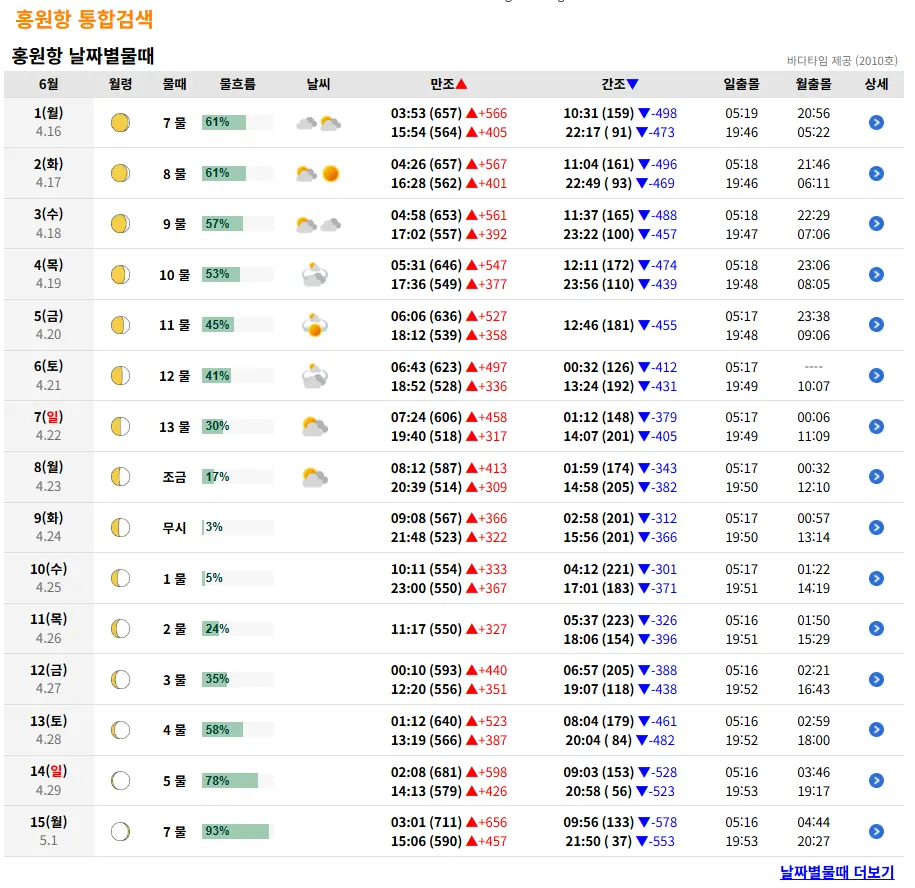
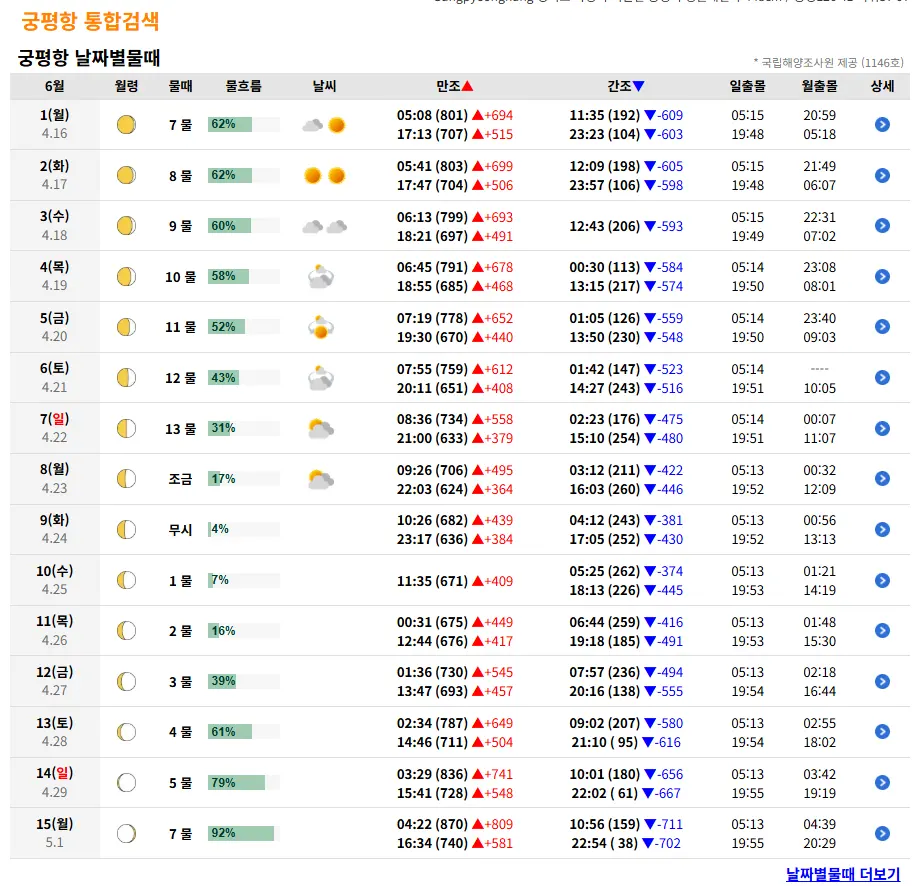
⬇️ Check the Tide Chart Here ⬇️
Essential Gear for Bioluminescence Viewing
Since you'll be venturing to a dark beach at night, I highly recommend bringing the following items for a safe and successful viewing and photography experience.
1. Tripod
A tripod is incredibly helpful for capturing bioluminescence with your camera or smartphone, especially for long-exposure shots.
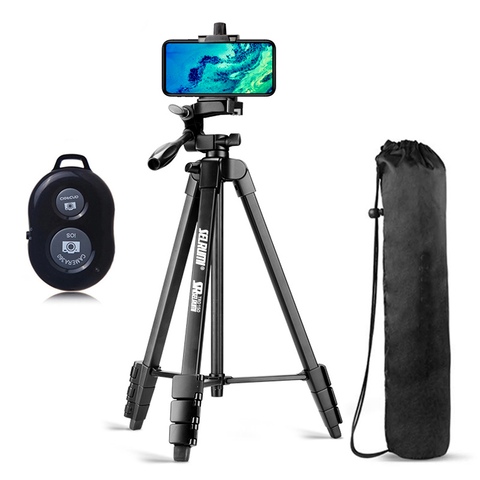 Camera Smartphone Tripod SEL-TRD150
2. Small Flashlight or Headlamp
You'll be walking on a dark beach with no streetlights, so a light source is essential for safety.
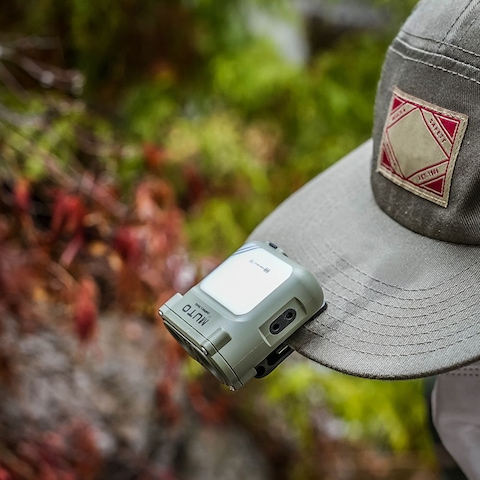 Owl Head LED Camping Lantern / British Guard Lantern / Double-sided Headlamp for Hiking Fishing
3. Water Gun, Bucket, or Small Stones
Bioluminescent plankton emit light in response to physical stimulation. Bringing a water gun to spray water, a bucket to splash, or small stones to toss into the sea will help you actively induce the glowing effect.
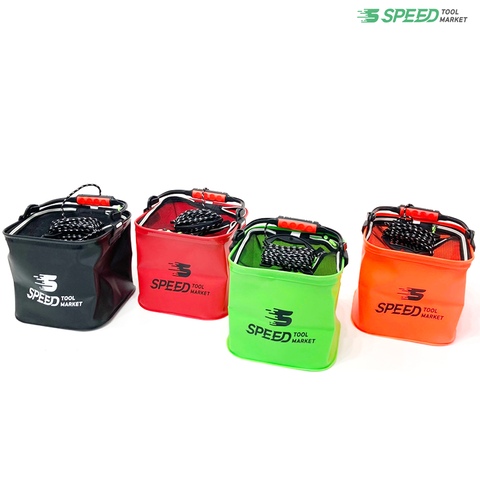 Collection Box, Pail, Mudflat Experience, Clam Shell Box, Fishing Fish Bag
4. Light Windbreaker or Outerwear
Even in June, the night sea can be quite chilly due to the ocean breeze. Pack a light jacket to stay warm and comfortable.
Hongwon Port vs. Biin Beach vs. Wolhaseong: An Honest Review
Hongwon Port Spot
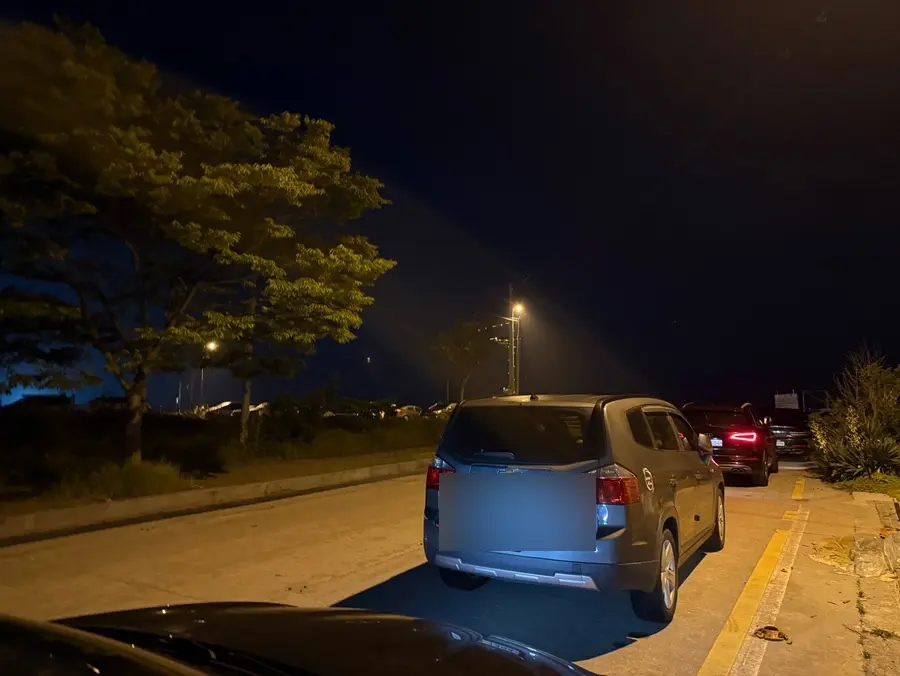
✔️ You'll find bioluminescence in the calm inner harbor or below the breakwater. A big advantage here is convenient parking.
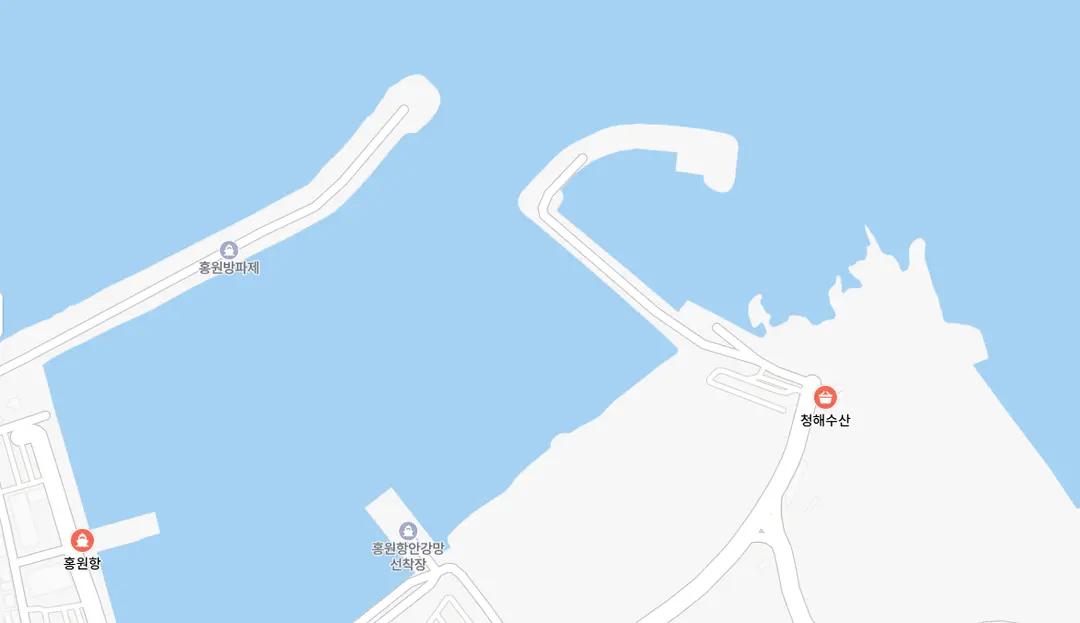
✔️ The subtle blue glow on the gentle ripples of the water is quite enchanting.

✔️ Since there's some ambient light from the surrounding port, the glow might not feel as intense as on a completely dark beach.
Biin Beach Spot
✔️ This spot offers a spectacular view where fluorescent lines appear along the wide sandy beach with every breaking wave.
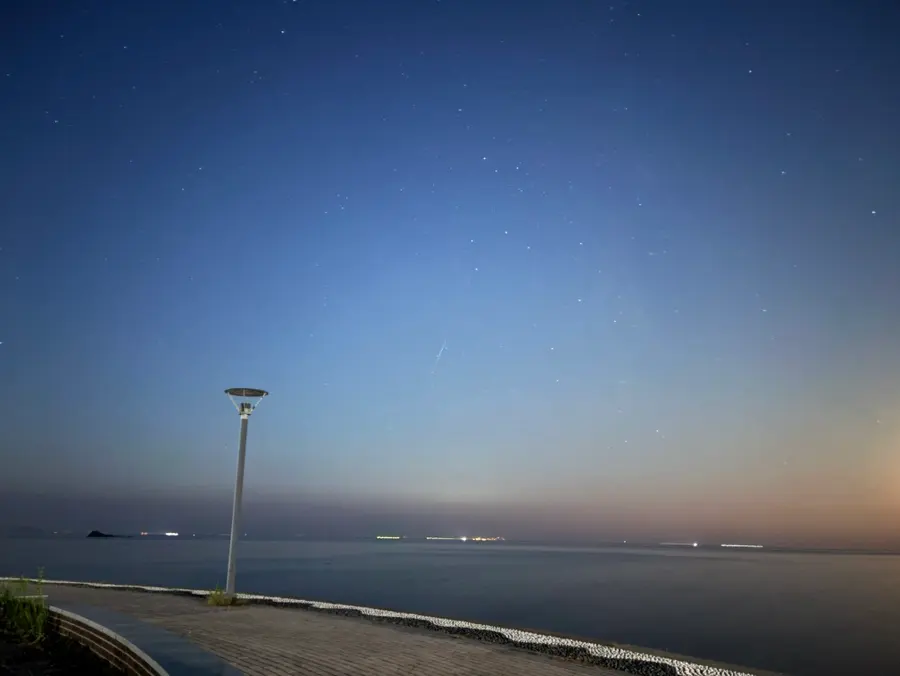
✔️ With minimal light pollution, the surroundings are exceptionally dark, making the blue glow of the bioluminescence visually the most vibrant. (Unfortunately, there was no bioluminescence at Biin Beach when I visited.) However, on clear nights, Biin Beach is an excellent spot for observing beautiful stars, including the Milky Way!
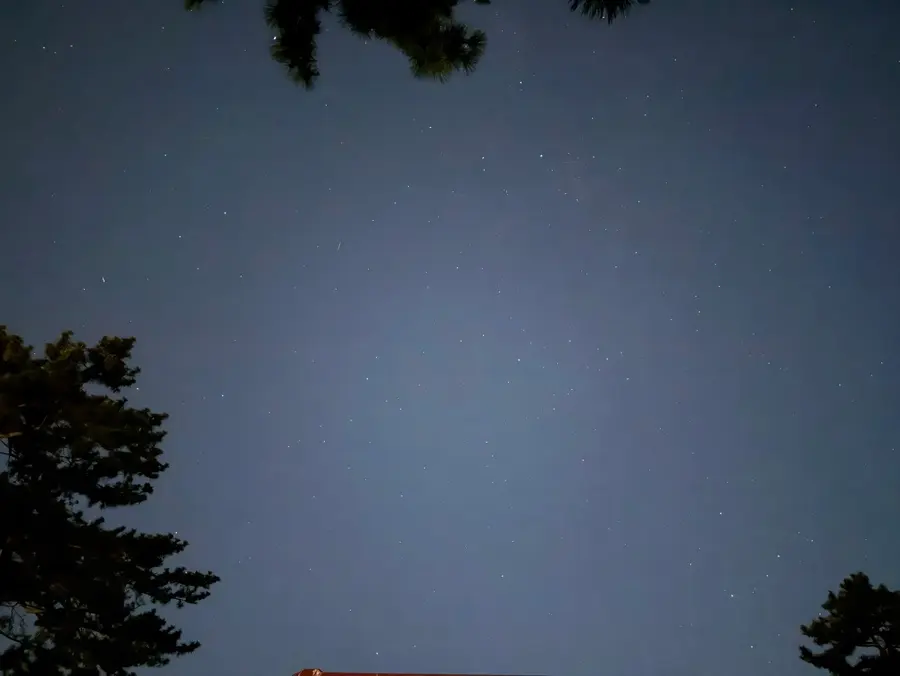
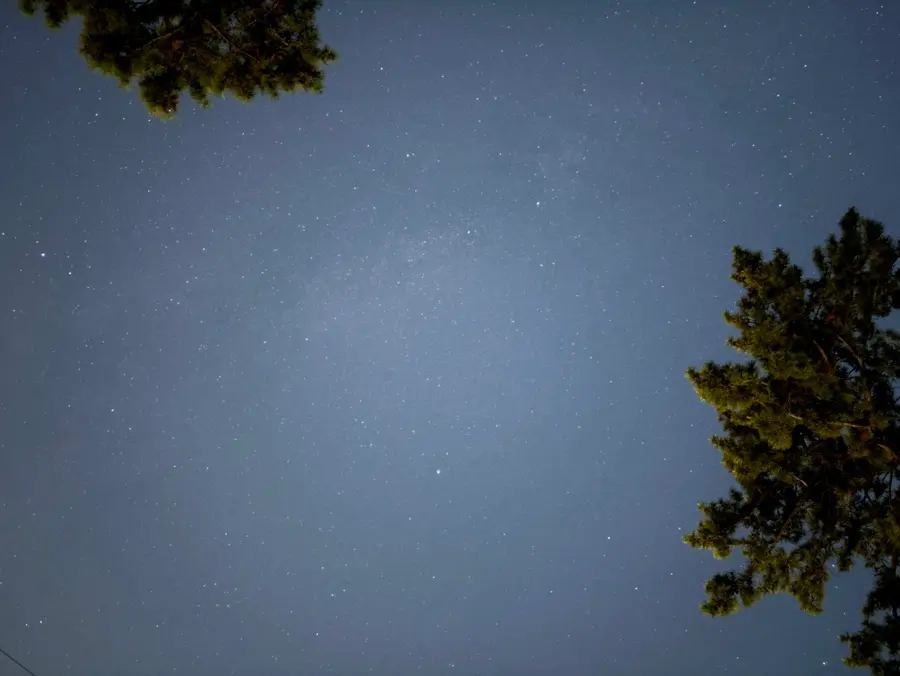
✔️ Be extremely cautious as the beach is very dark at night.
Wolhaseong Spot
✔️ Located near Wolhaseong Fishing Village Experience Town, famous for its mudflat experiences.
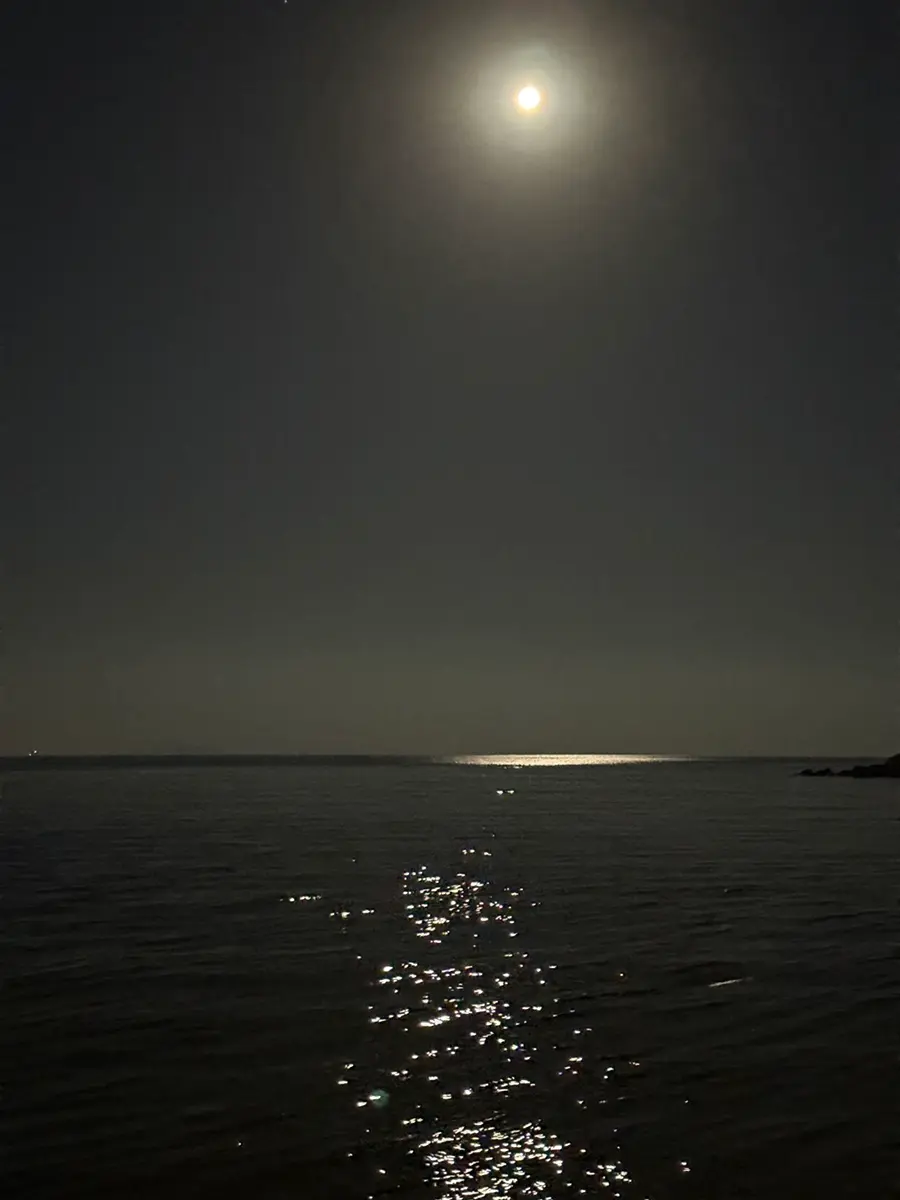
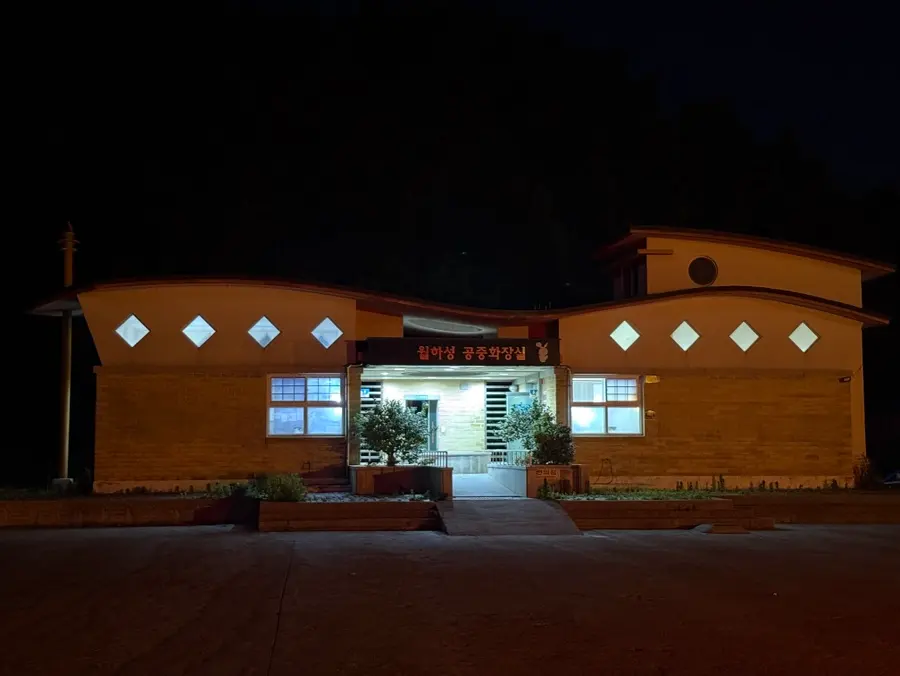
✔️ Due to its unique geography, this area is ideal for plankton accumulation, meaning you could encounter a massive display of bioluminescence if the timing is right. (However, when I visited, there was no bioluminescence at Wolhaseong.) On the bright side, it boasts well-maintained public restrooms and ample parking facilities.
Overall Verdict
Witnessing the bioluminescent plankton in Seocheon, West Coast of Korea, was a truly mystical experience reminiscent of the movie Avatar. If you're looking for a unique night out or an exotic date idea for a weekend drive, I highly recommend a trip to Seocheon's night sea!
For safe and comfortable viewing, Hongwon Port is a great choice. Remember the golden combination: early to mid-June + new moon + within 2 hours of high tide.
Why not plan an adventure this weekend with family, your partner, or friends to discover the blue 'sea galaxy' shimmering on the West Coast of Korea? Head to Seocheon for an unforgettable glow!
Heading to Unyeo Beach, Taean for Stargazing
 Heading to Unyeo Beach, Taean for Stargazing | Milky Way Spot, Parking, Tide, Camping Tips
Frequently Asked Questions
When is the optimal time to observe bioluminescent plankton (Noctiluca scintillans) in Seocheon, West Sea, and what weather and tidal conditions are required?
The peak season for observing bioluminescent plankton is usually from late May to mid-to-late June, when they are most active with water temperatures above 20°C. The optimal conditions are during the new moon period, when moonlight is darkest, and within two hours before and after high tide.
What is the principle behind bioluminescent plankton emitting blue light, and what preparations should be made when observing them in Seocheon?
Bioluminescent plankton emit blue light as a defense mechanism against external stimuli, when the luciferin substance within their cells is oxidized by the luciferase enzyme. For observation, it is recommended to prepare a tripod, a small flashlight or headlamp, a water gun or bucket, stones, and a thin windbreaker or outer jacket.
What are the main characteristics of Hongwon Port, Biin Beach, and Wolhaseong, the bioluminescent plankton observation spots in Seocheon?
Hongwon Port offers convenient parking and charming subtle blue light on calm waves, but the intensity might be reduced due to port lighting. Biin Beach has less light pollution, making the blue light of the bioluminescent plankton visually most vivid. Wolhaseong has a structure conducive to plankton accumulation and is well-equipped with public restrooms and parking facilities.
What is the recommended spot and optimal combination of conditions for safe and comfortable bioluminescent plankton observation in Seocheon, according to the article?
The article recommends Hongwon Port as a safe and comfortable spot for observing bioluminescent plankton. The optimal combination of conditions is early to mid-June, during the new moon, and within two hours before and after high tide.
Share this article
Featured in Collections
Discover more travel stories curated around the same theme.

Related Travel Stories

Jinmi Sikdang Seocheon Review 2026: The Best Kongguksu in Chungnam
My search for the perfect Kongguksu ended at Jinmi Sikdang in Seocheon, Chungnam. This second-generation eatery offers a creamy, nutty soybean noodle soup that will captivate your taste buds!

Hansan Dahyang Seocheon: A Charming Hanok Teahouse Experience
Step back in time at Hansan Dahyang, a beautiful Hanok teahouse in Seocheon. Savor traditional Korean teas in a serene setting, surrounded by nostalgic charm.

Seocheon Bioluminescent Plankton 2026: Best Glow Spots
Experience the magic of South Korea's glowing blue seas. Learn where and when to find the breathtaking bioluminescent plankton in Seocheon this summer.

Munheon Traditional Hotel: Your Authentic Seocheon Hanok Stay
Discover Munheon Traditional Hotel in Seocheon, South Korea! This authentic hanok stay offers serene nature, family-friendly vibes, and great value. Perfect for cultural explorers seeking a peaceful getaway and a taste of local charm.
서울 서울근교 단풍시기 단풍명소 가볼만한곳 Top 5
Jeju's Hamdeok Beach & Seoubong Trail: Your 2026 Guide
Discover Jeju Island's stunning Hamdeok Beach, famous for its emerald waters and the scenic Seoubong Coastal Trail. Explore year-round beauty, delicious local eats, and hidden coves in this vibrant guide.