

Sapporo Tram Guide 2026: Routes, Fares, & Day Pass Info
Hop on the adorable Sapporo tram for an authentic city experience! Learn about its circular route, affordable fares, and convenient day pass options to explore Hokkaido's capital.
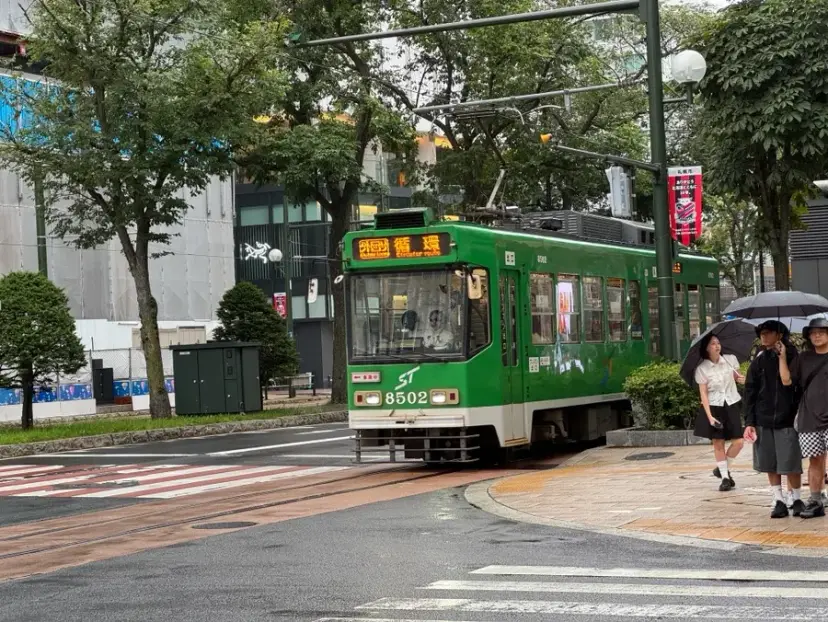
When you travel around Sapporo city,
you'll easily spot cute trams running along the streets.
That's right, it's the Sapporo Tram,
a streetcar locally known as 'Shiden'.
At first, the route map seemed a bit complex,
and I was confused about where to pay the fare.
But after using it myself, I found it to be much more convenient than the subway,
and the price was quite affordable when purchasing a 1-day pass.
Today, I'll walk you through everything you need to know about the Sapporo Tram, from its route map and fares,
to 1-day pass prices and how to ride it.
Sapporo Tram Route Map
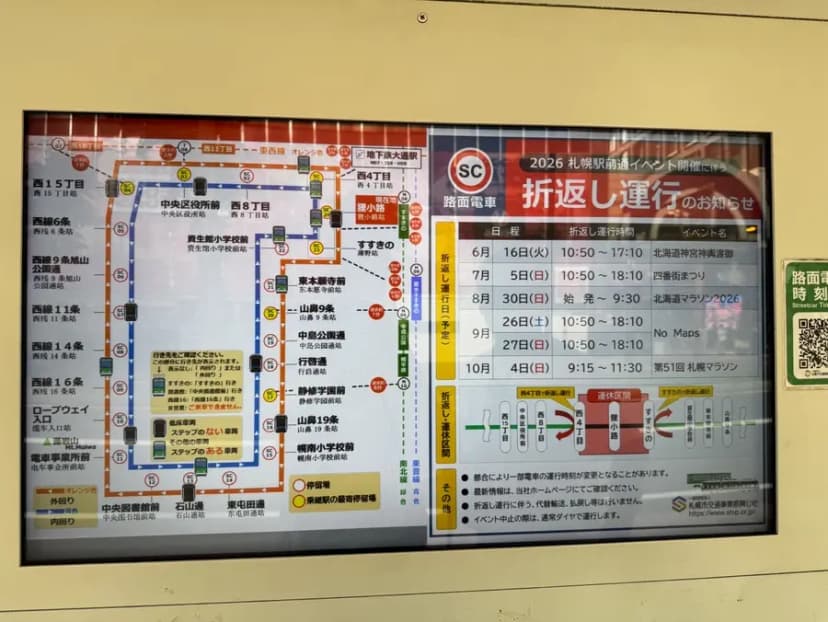
The Sapporo Tram runs on a loop line, encircling Sapporo's city center
and its western districts.
Riding the entire loop takes
approximately 55 minutes.
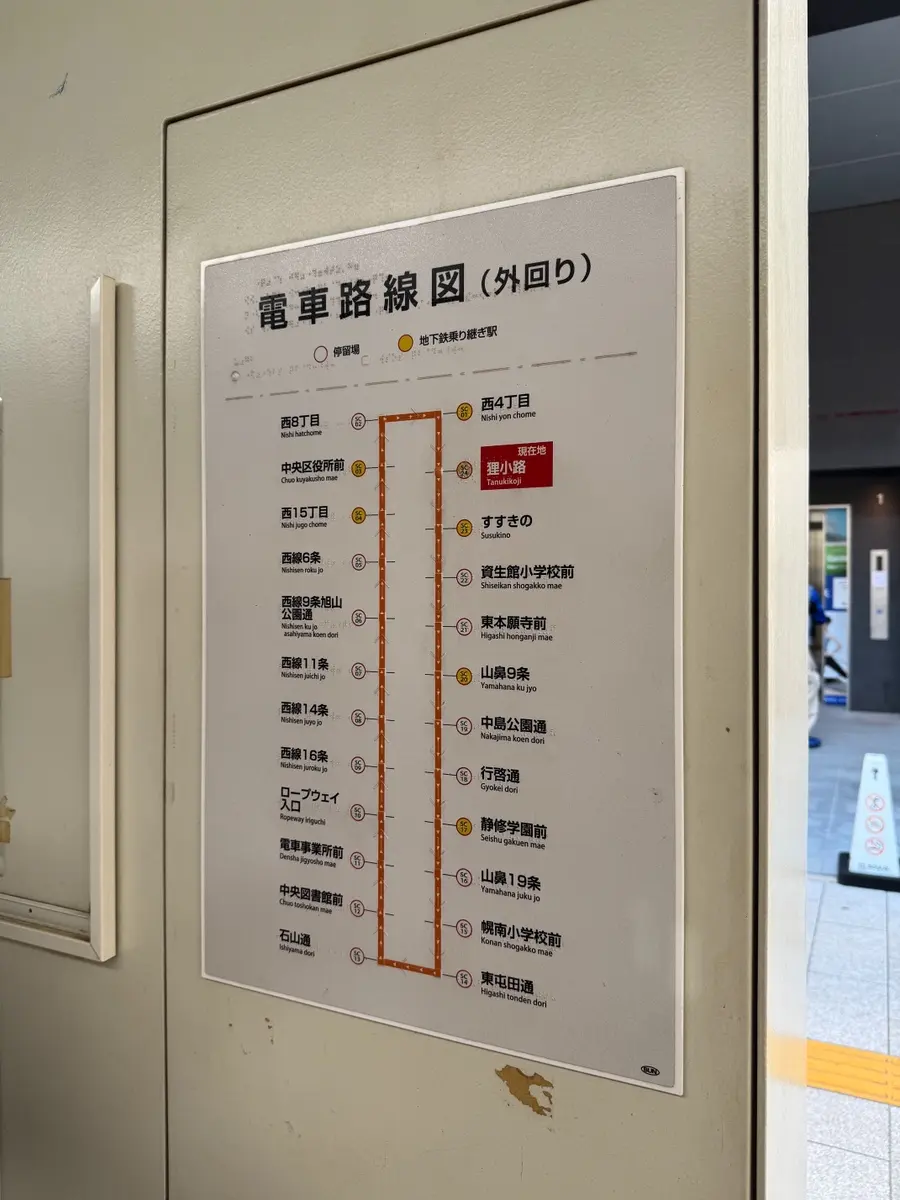
Key stops include:
* Nishi 4-chome
* Tanukikoji
* Susukino
* Ropeway Iriguchi
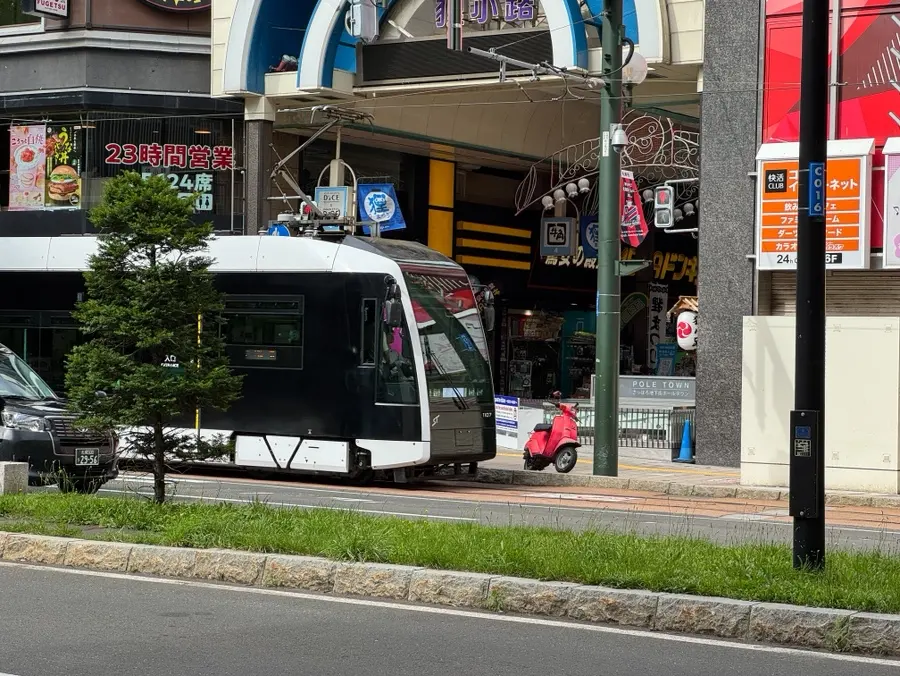
It connects not only central areas like Tanukikoji and Susukino
but also extends towards Mount Moiwa Observatory.
If you're visiting the Mount Moiwa Ropeway,
you can alight at the Ropeway Iriguchi stop.
However, please note that there is no tram stop at Sapporo Station.
If you're starting from Sapporo Station,
you'll need to take the subway or walk to Nishi 4-chome stop
before boarding the tram.
Inner Loop vs. Outer Loop: What's the Difference?
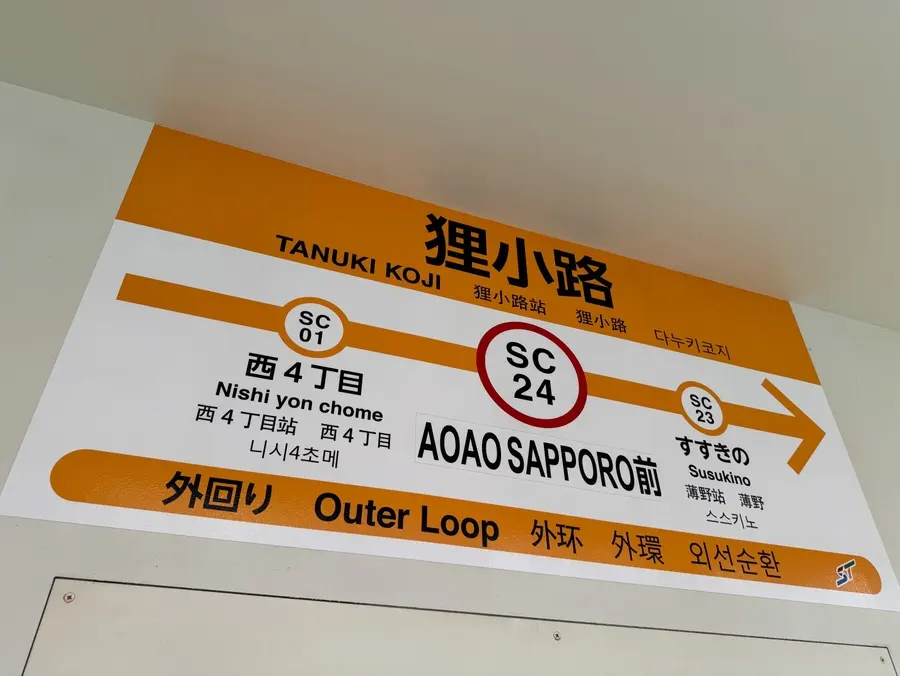
The Sapporo Tram doesn't just run in one direction;
it operates in two loop directions.
* Inner Loop: Counter-clockwise
* Outer Loop: Clockwise
Even if your destination is the same, your travel time can vary significantly
depending on which loop you take.
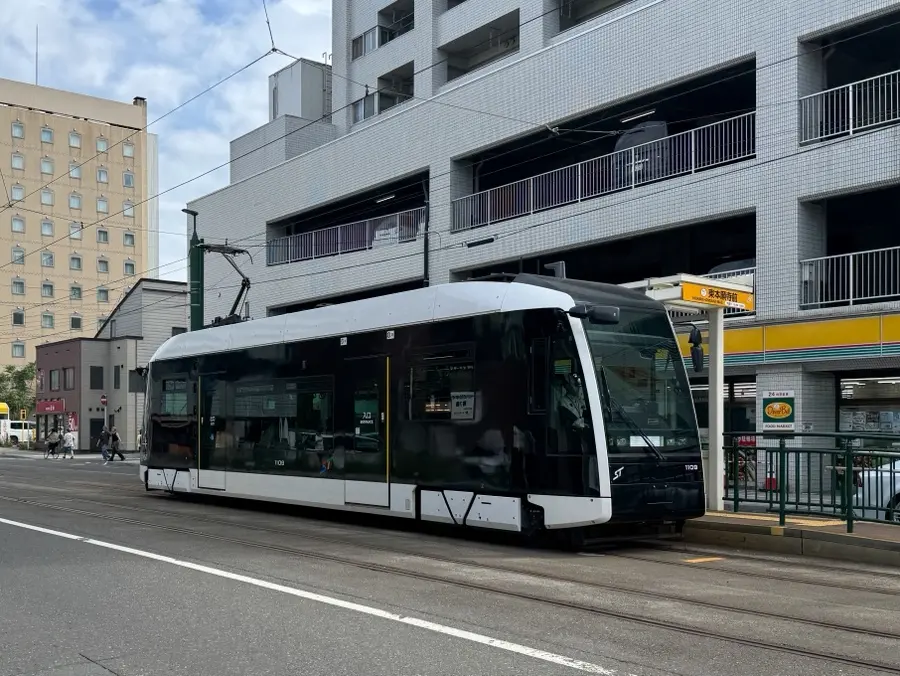
Most platforms are located in the middle of the road,
with separate platforms for the inner and outer loops.
Therefore, we recommend checking the direction before crossing the street.
Sapporo Tram Fares
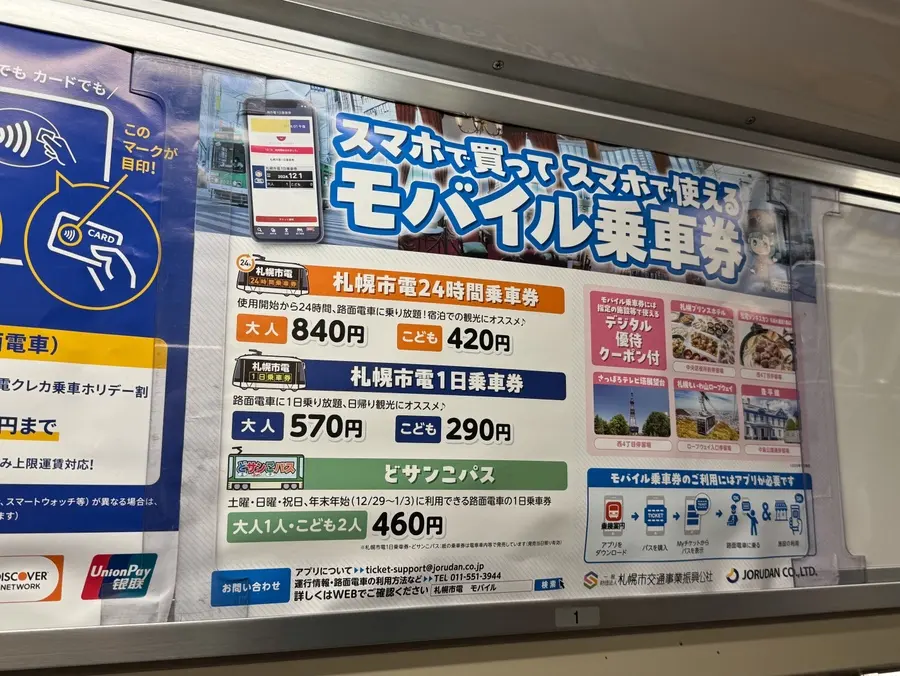
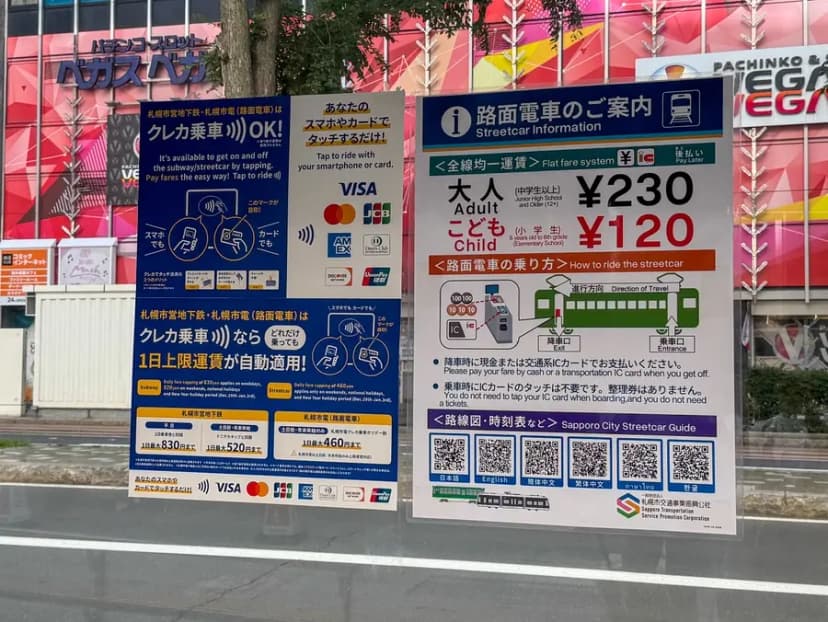
The Sapporo Tram operates on a flat-fare system, regardless of the distance traveled.
An adult fare is 230 yen per ride,
and a child fare is 120 yen per ride.
If you only plan to ride once,
you can pay with cash or a travel card for each ride.
On the other hand, if you plan to use it two or more times a day,
we recommend purchasing a pass.
As of August 2026, adult fares are as follows:
Ticket Type | Adult Fare | Conditions of Use |
Standard Fare | 230 yen | 1 ride |
1-Day Pass | 570 yen | Unlimited rides on the day of purchase |
Dosanko Pass | 460 yen | Weekends, holidays, etc. |
Which Pass Should You Buy?
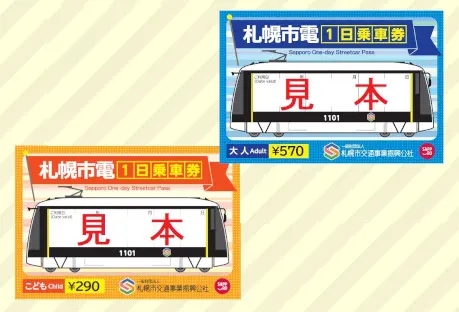
For weekdays:
If there's a tram stop near your accommodation
or if you plan to visit spots around Susukino and Odori Park
and you expect to ride the tram three or more times,
then we recommend the Sapporo Tram 1-Day Pass.
[Weekdays 3 rides ¥690 / 1-Day Pass ¥570]
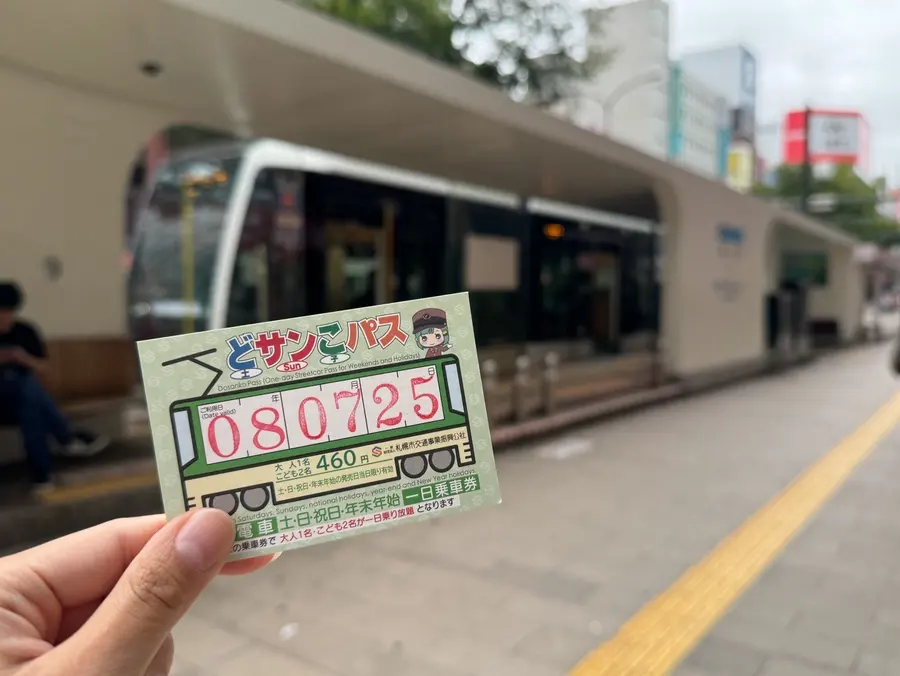
On Saturdays, Sundays, public holidays, and during the year-end/New Year period,
you can use the Dosanko Pass.
It's the most budget-friendly ticket compared to other passes.
It costs ¥460, and with one ticket,
up to 1 adult and 2 children
can enjoy unlimited rides on the Sapporo tram for one day.
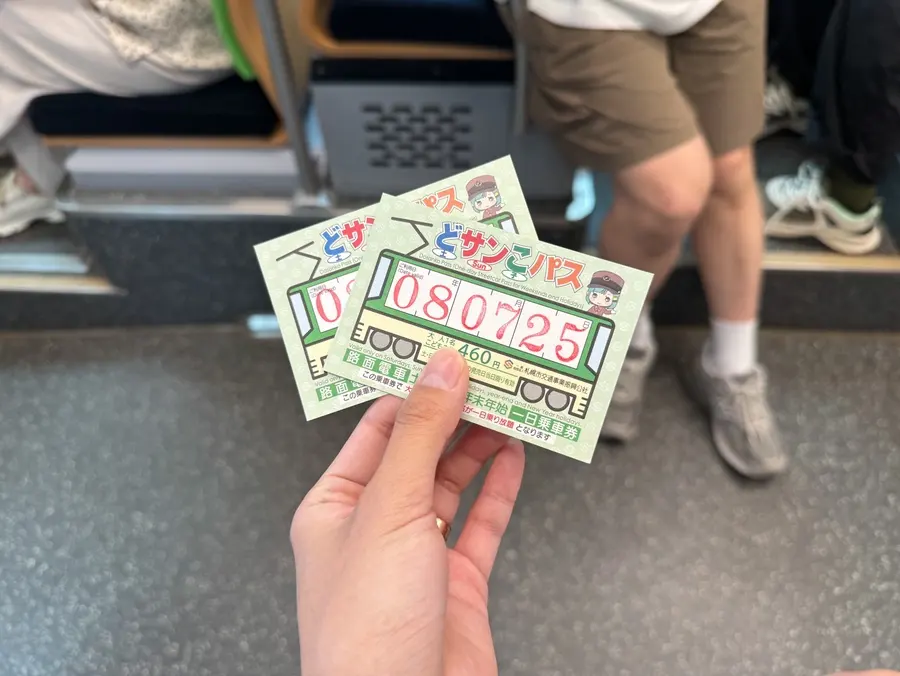
Even if an adult travels alone,
you should definitely buy the Dosanko Pass on weekends.
You'll save money even if you only use the tram twice on a weekend,
so I highly recommend buying the Dosanko Pass.
How to Ride the Sapporo Tram

Riding the Sapporo tram is simpler than you might think.
First, wait for the tram at a stop in the direction of your destination,
then board through the rear door of the tram.
When you get on, there's no need to take a numbered ticket (paper)
or tap your transportation card.
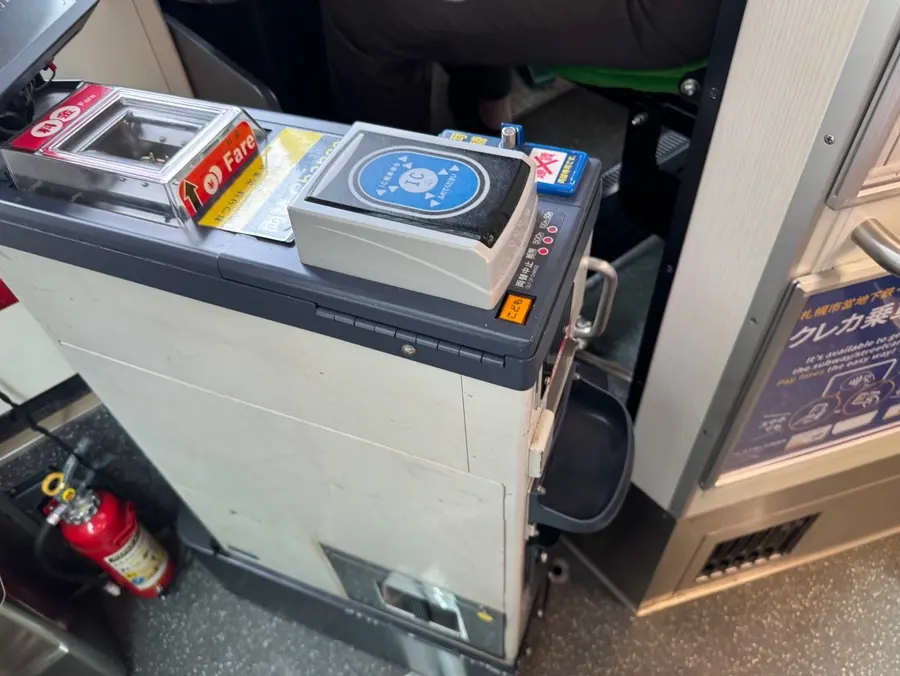
When the announcement for your destination plays, press the stop button,
and once it stops, move towards the front of the tram.
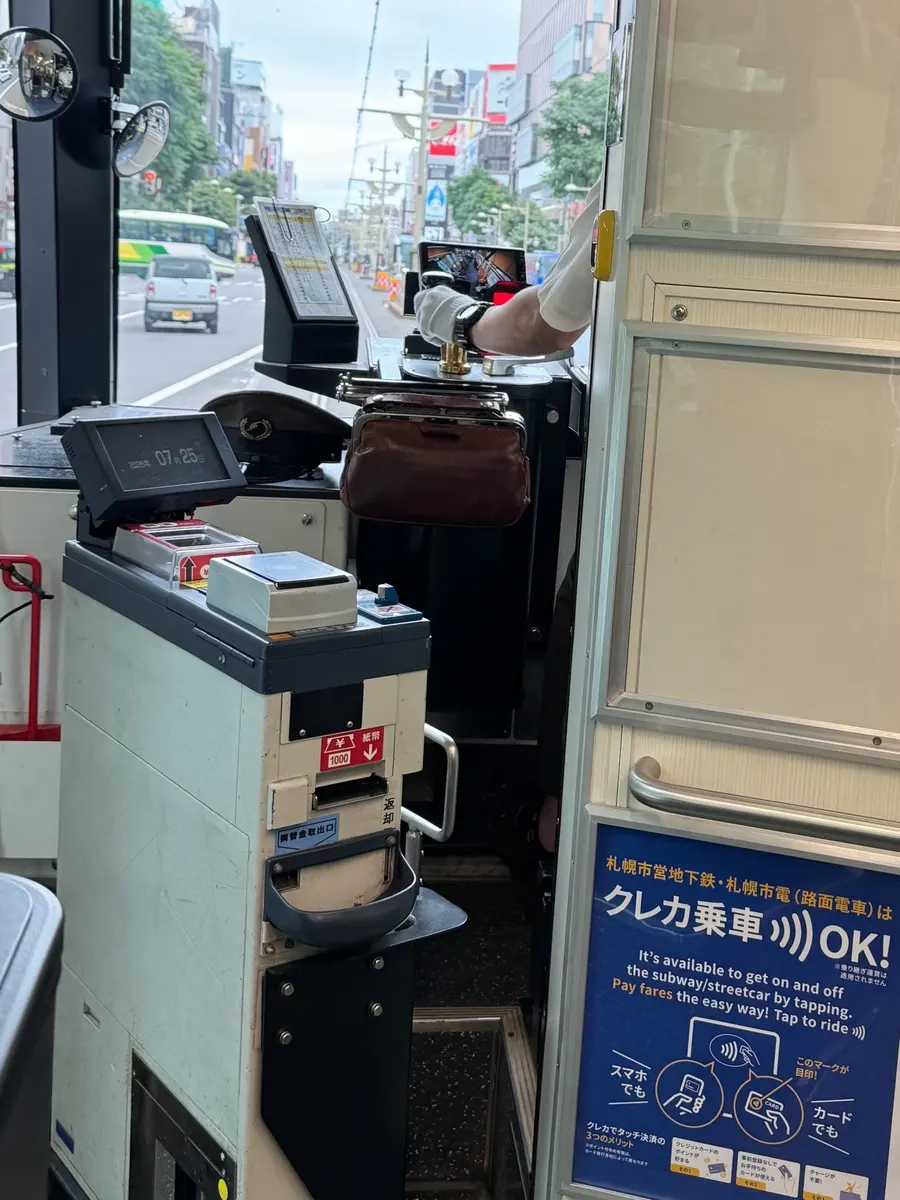
When you get off, you pay your fare
at the fare box next to the driver's seat.
How to Pay for Sapporo Tram Fares
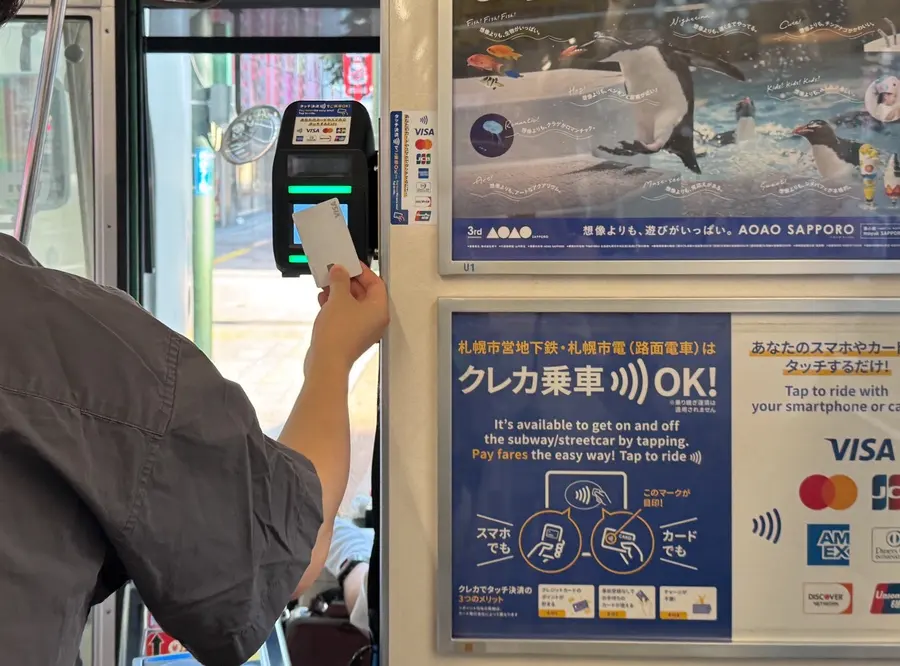
Regular tram fares can be paid not only with cash
but also with major Japanese transportation cards like Suica, PASMO, and ICOCA.
You can also pay with a Travel Wallet card
that supports touch payments.
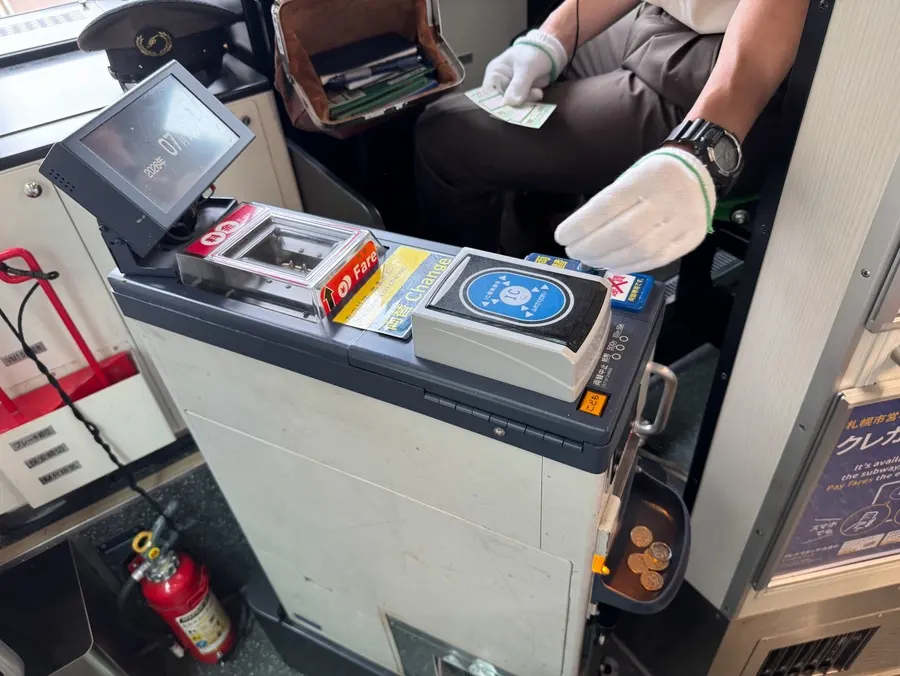
If paying with cash, you won't get change,
so you need to pay the exact fare of ¥230.
If you don't have exact change, it's a good idea to use the change machine on the tram
to get coins beforehand.
If you're unsure, you can show your cash to the driver when you get off,
and they will help you with change and fare payment,
so don't worry and just hop on!
How to Purchase and Use a 1-Day Pass
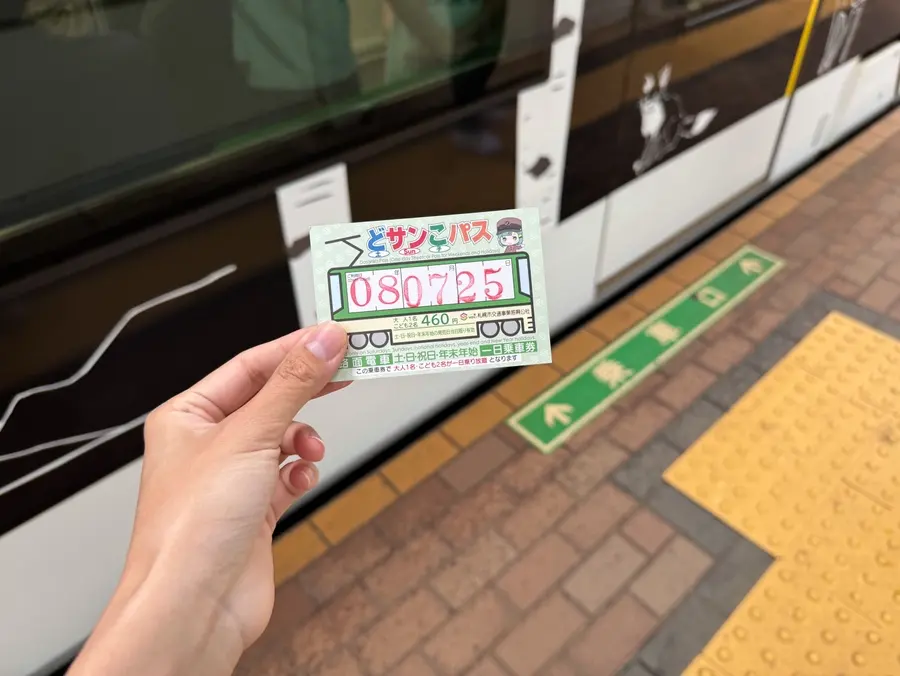
The Sapporo tram 1-Day Pass can be purchased inside the tram
or at designated subway station ticket counters.
It's sold at ticket counters in designated subway stations
like Odori, Susukino, and Hosui-Susukino.
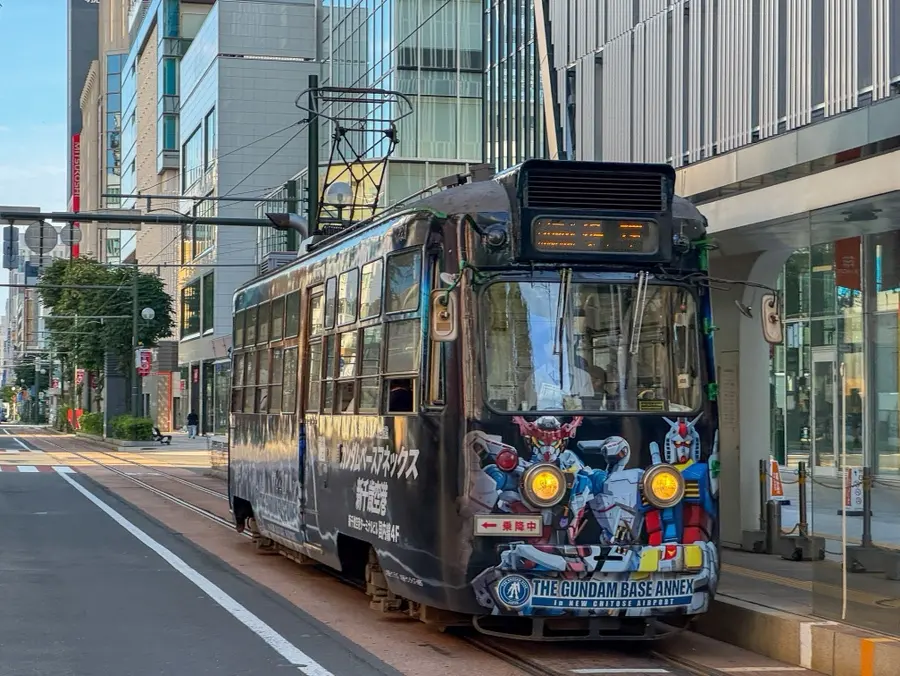
However, rather than buying the ticket at a subway station,
I recommend buying it inside the tram.
When you get off, just say “Tram Pass, please”
to the driver, and you can purchase it for both weekdays and weekends.
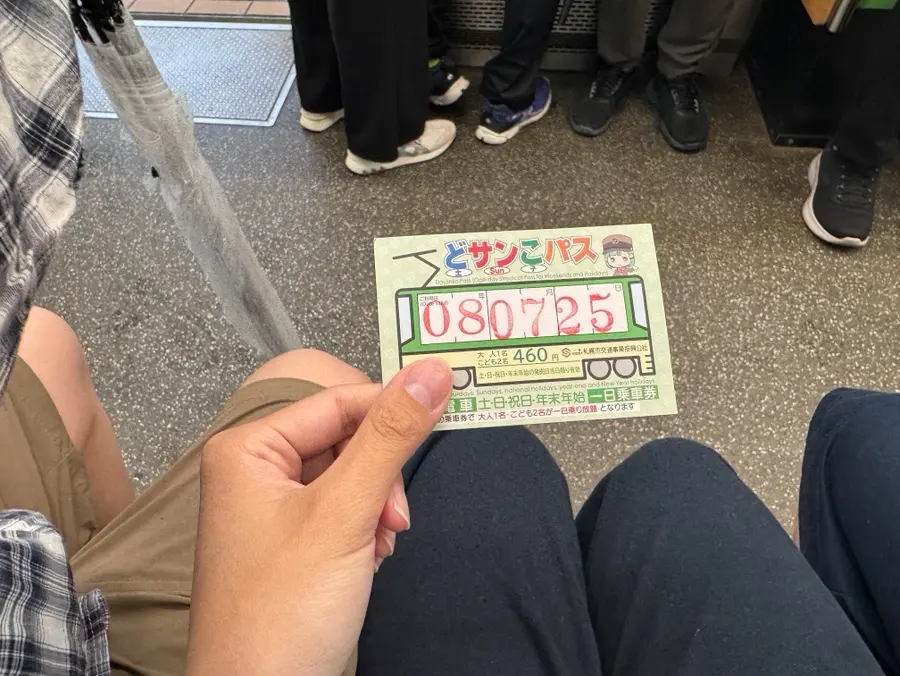
When you alight, show your paper ticket to the tram driver so the date is visible,
and since you get unlimited tram rides for one day,
make sure you don't forget to keep your paper ticket with you.
My Review of Riding the Sapporo Tram
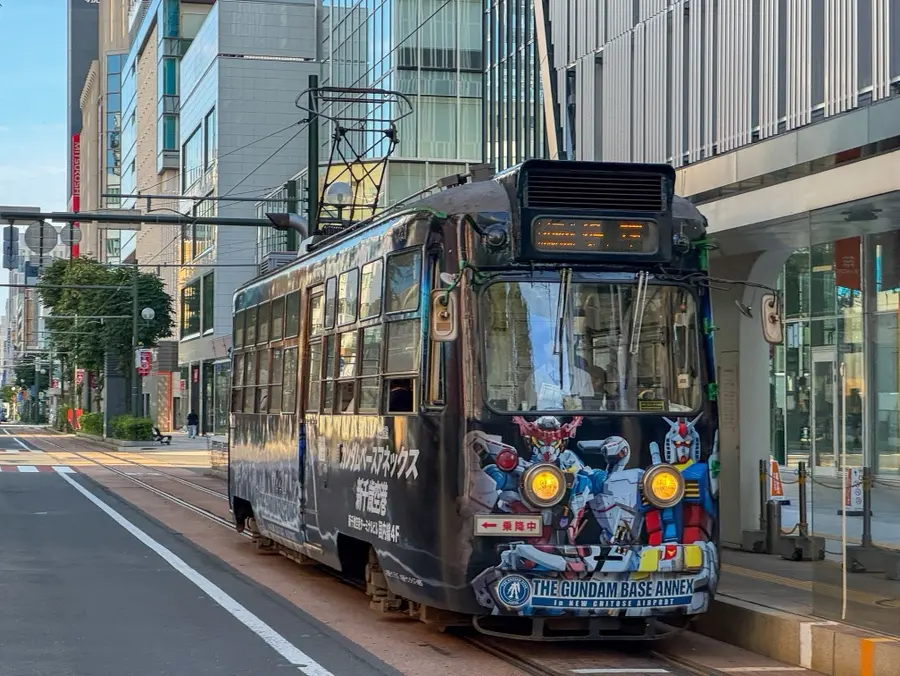
If you're only moving between places directly in front of subway stations,
like Sapporo Station and Odori Park,
The subway might be a quicker option.
But if your accommodation isn't right by a station
or you're planning to explore various spots, say from Tanukikoji all the way to Mt. Moiwa Observatory,
then the tram is definitely your go-to!
If you're only hopping on once or twice, individual payments work best.
But if you plan to ride three or more times on a weekday, grab a 1-Day Pass,
and for weekends and holidays, the Dosanko Pass is your ticket to seamless travel –
it's the most reasonable option!
If this is your first time experiencing the Sapporo tram,
just keep these two golden rules in mind: 'board from the back, exit from the front, and pay your fare when you alight!'
Happy travels!
Frequently Asked Questions
What routes does the Sapporo Tram operate on, and what are its main stops?
The Sapporo Tram operates on a circular route that goes around the central and western areas of Sapporo. Key stops include Nishi 4-chome, Tanukikoji, Susukino, and Ropeway Iriguchi. If you plan to visit the Moiwayama Ropeway, you should get off at the Ropeway Iriguchi stop.
When and for how much can the Sapporo Tram's 1-Day Pass and Dosanko Pass be used, and in which cases are they recommended?
The 1-Day Pass (570 yen) is recommended on weekdays if you plan to ride three or more times. The Dosanko Pass (460 yen) can be used on weekends, holidays, and during the New Year period. The Dosanko Pass allows unlimited rides for one adult and up to two children for a full day with a single ticket, making it worthwhile even if used just twice on a weekend.
How do I board the Sapporo Tram, and when and how should I pay the fare?
Board the tram through the rear door at the stop in the direction of your destination. When getting off, press the stop button, move to the front of the vehicle, and pay the fare at the fare box next to the driver's seat. You can pay with cash, major Japanese transportation IC cards like Suica, PASMO, ICOCA, and touch-payment enabled travel wallet cards.
I heard there's no tram stop at Sapporo Station. How can I use the tram from Sapporo Station?
Since there is no tram stop directly at Sapporo Station, you need to travel to the Nishi 4-chome stop by subway or on foot to use the tram. Nishi 4-chome is a representative stop from which you can board the tram after departing Sapporo Station.
Share this article
Featured in Collections
Discover more travel stories curated around the same theme.
Related Travel Stories

Sapporo Biei Furano Bus Tour 2026: Blue Pond & Farm Tomita
Explore the best of Hokkaido's Biei and Furano on a 2026 Sapporo bus tour. Discover the stunning Blue Pond, vibrant Farm Tomita, and Shikisai-no-Oka flower gardens for an unforgettable day trip!
Picante Sapporo Soup Curry Review 2026: A Hokkaido University Gem
Craving authentic soup curry in Sapporo? We explored Picante near Hokkaido University, known for its rich flavors and fresh ingredients. Discover our take on this local favorite!

New Chitose Airport Guide 2026: Souvenirs, Ramen & Tips
Don't rush your departure from New Chitose Airport! Explore duty-free finds, savor authentic Hokkaido ramen, and get insider tips for a smooth and enjoyable exit.

Biei Bus Tour from Sapporo 2026: Ninguru Terrace & Scenic Gems
Hokkaido is packed with incredible sights, and a Biei bus tour from Sapporo is a must! Discover Ninguru Terrace, Blue Pond, and Patchwork Road with insider tips for a seamless adventure.

New Chitose Airport to Sapporo Transportation Guide 2026
Traveling to Sapporo soon? Learn the most convenient ways to reach Sapporo Station or Susukino from New Chitose Airport, whether by train or bus.

New Chitose Airport Guide 2026: Domestic Terminal & Tips
Discover New Chitose Airport's domestic terminal in Sapporo with this 2026 guide. Find shopping, dining, onsen, and crucial tips for navigating to the city center.