

La Paz, Bolivia 2026: Peru Border Crossing & High-Altitude Acclimation
Experience the challenging yet unforgettable journey from Peru to La Paz, Bolivia in 2026. Discover border crossing tips, how to handle altitude sickness at ~12,100 feet, and find unique accommodations like La Posada De La Abuela Obdulia near the Witches' Market.
From Peru,
it was finally time to cross into Bolivia!
I'd heard that the Peru-Bolivia border crossing often involves literally walking across the border, and I was so excited! My heart was pounding with anticipation.
However, actually crossing that border turned out to be quite the ordeal. While I don't remember the exact timings, here's what I do recall:
First, we took an overnight bus from Arequipa to Puno, a journey that lasted about 6 hours. We arrived in Puno around 4 AM, waited at the terminal for approximately 3 hours, and then boarded another bus bound for La Paz.
(Heads up: there's a Puno terminal fee of 3 Soles per person.)
And just like that, the journey to La Paz took another 7 hours. I usually sleep soundly on buses, so I thought I'd be fine, but this trip was incredibly tough. My back ached, and my legs felt numb.
Trying to recount every single detail of that journey is a bit hazy now, honestly.
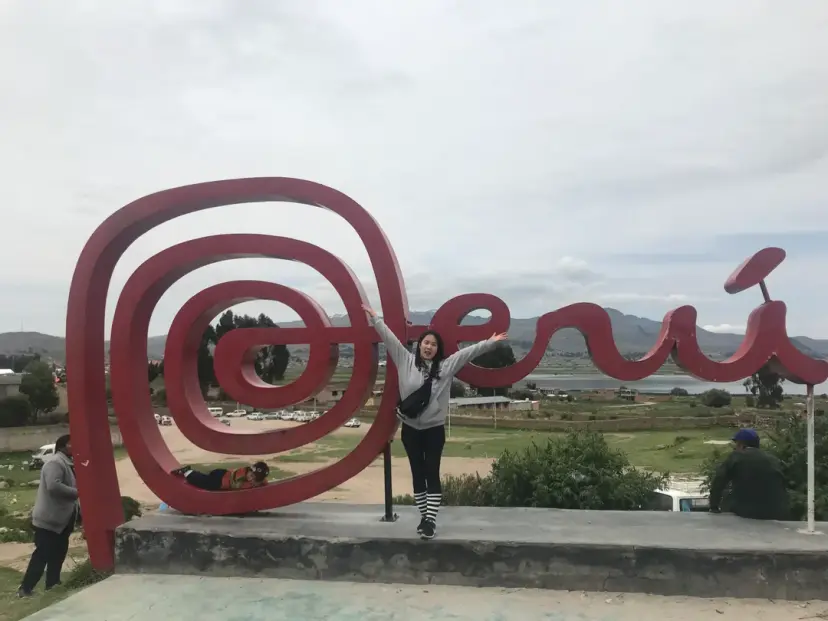
Anyway, this photo was taken at a designated photo zone at the Peru-Bolivia border. My socks might be a fashion disaster, but it couldn't be helped. Those overnight buses get freezing! Some travelers even bring sleeping bags, which I now totally understand.

The border scene was bustling, with vendors carrying bundles back and forth between Peru and Bolivia.
It was even more challenging than I expected. After being told to get off the bus, we were informed we had to take a boat! I had barely any coins left, and I remember frantically trying to haggle for the boat fare. After much commotion, I managed to scrape together enough Peruvian and Bolivian currency to finally get on board.

First, the passengers were transferred, and then our bus was loaded onto another boat. Once it arrived on the other side, we simply re-boarded.
After that, the bus continued its winding journey through mountain roads. The view out the window was often a sheer drop, which was terrifying. I was too scared to look out much, and unfortunately, I didn't take any photos of that part. A real shame!
Finally, after literally crossing mountains and water (the phrase couldn't be more accurate!), we arrived in La Paz.
Last year, around 2025, I met someone during my European travels who highly recommended La Paz, so I had high expectations. But wow, I've never been to India, but this felt like what I imagine India to be.
There were so many people. Getting your bag snatched felt like it could happen any second.
It was incredibly chaotic, with countless houses, people, and cars everywhere. La Paz remained that way for me until the day I left.
We squeezed into a taxi with our luggage and headed to our accommodation, which was located near the Witches' Market.
La posada De La Abuela Obdulia
A double room cost us ~$33 per night.
Hidden within the bustling neighborhood was a charming little guesthouse!
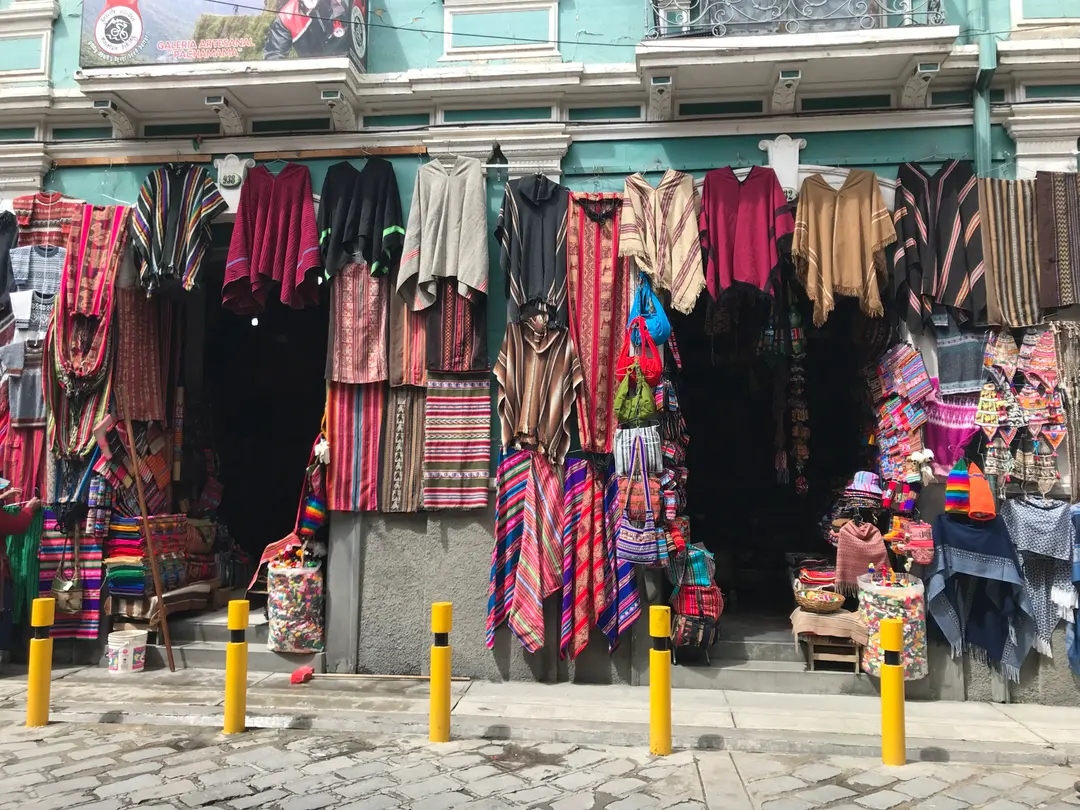
Why didn't I take any photos of the room, I wonder? I'll have to add them if I ever find any.
While the facilities were nice, the owner kept insisting we pay some kind of Bolivian tax. However, we had already done our homework through various travel forums and knew we weren't obligated to pay it.
We even presented screenshots of documentation proving our exemption, and in the end, we didn't pay. But it left a sour taste, as dealing with that tax issue for nearly two days while trying to settle our accommodation bill was a real headache.
To make matters worse, altitude sickness hit.
I knew it was a possibility, but experiencing it firsthand was incredibly difficult, painful, and frankly, scary.
I felt so ill that I wondered if I should just head back home.
My hands and feet tingled, my vision blurred, and I had a severe migraine. I was confused because I had been taking altitude sickness medication.
So, I made sure to drink a lot of water. I carried a large bottle and constantly rehydrated. After almost a full day of this, I finally started to feel better.
Despite feeling awful, I decided to venture out and explore La Paz.
We took a taxi to the cable car station. It was a weekend, so I thought the cable cars would run later.
My plan was to ride it and see the city lights at night, but...
It was closed?!
As soon as we arrived, they were lowering the shutters! Ugh! La Paz and I just weren't getting along! I lamented my bad luck and just took some photos around the area instead.
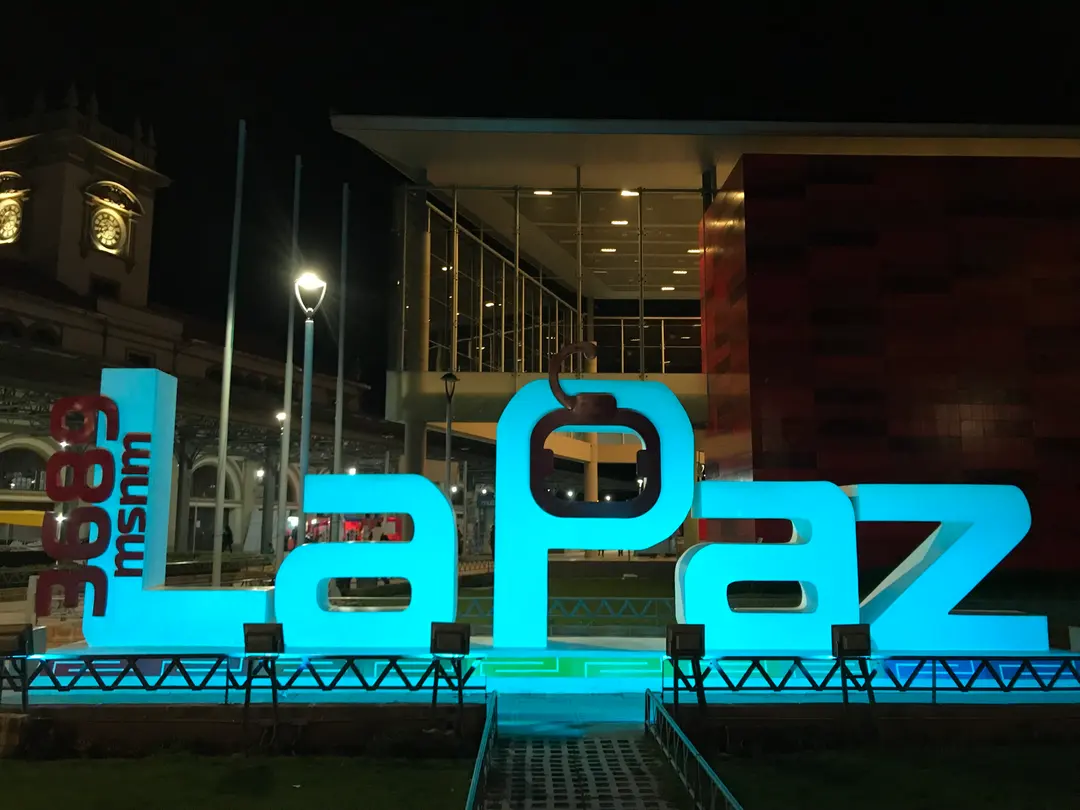
At ~12,100 feet above sea level, it's no wonder I got altitude sickness!
.
.
.
With the cable cars closed, there wasn't much else to do in La Paz. Wandering around felt unsafe; the city was dark, and the sheer number of people made it feel risky.
So, we found a restaurant near our accommodation, had a juice, and headed back to rest.

Frequently Asked Questions
What are the bus travel times from Arequipa, Peru to La Paz, Bolivia, and what is the fee for using the Puno terminal?
It takes 6 hours by overnight bus from Arequipa to Puno, and then another 7 hours from Puno to La Paz. At the Puno terminal, there is a terminal tax of 3 soles per person.
What was the name of the accommodation where the author stayed in La Paz, what was the nightly rate, and what problems were encountered?
The author paid ~$33 for a double room per night at 'La posada De La Abuela Obdulia' near the Witches' Market. The host demanded an additional fee for a Bolivian tax, but as it wasn't mandatory, the author did not pay it.
What altitude sickness symptoms did the author experience in La Paz, and what happened when trying to use the cable car?
In La Paz (3,689m), the author experienced altitude sickness symptoms such as tingling in hands and feet, dizziness, and severe migraines, which improved after drinking plenty of water. The author went to take the cable car expecting it to operate late on a weekend but found it already closed upon arrival and couldn't use it.
Share this article
Related Travel Stories
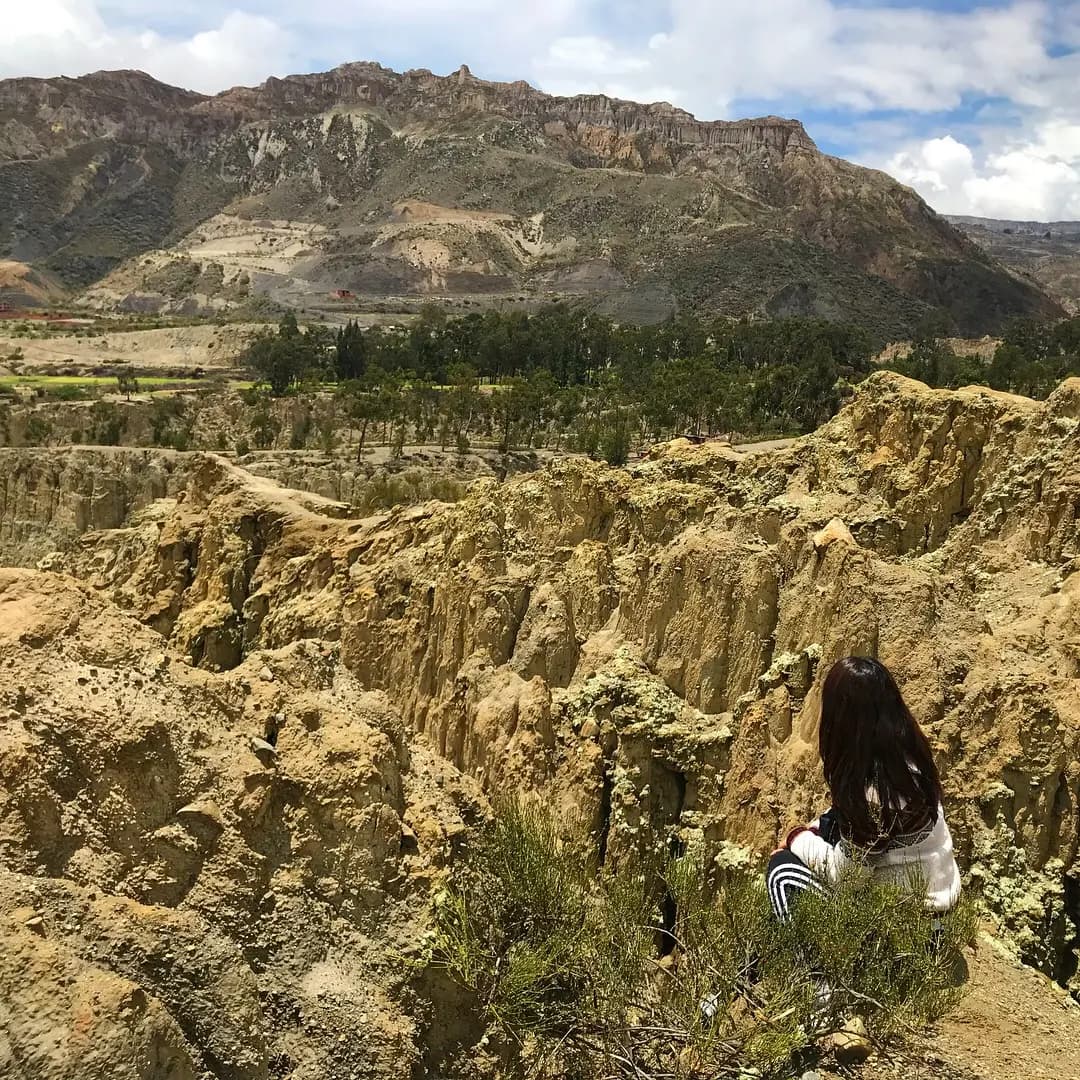
La Paz, Bolivia: Valley of the Moon & High Altitude Tips (2026)
Discover La Paz, Bolivia's lunar landscapes at Valley of the Moon and navigate its high-altitude challenges. Get tips for exploring this unique city and preparing for your next adventure in 2026.

Uyuni's Salar de Uyuni 2026: Stargazing & Sunrise Tour in Bolivia
Explore Uyuni, Bolivia, with our guide to Hotel Julia and the unforgettable Oasis Tours' Stargazing & Sunrise adventure on the Salar de Uyuni. Get tips for your 2026 trip!
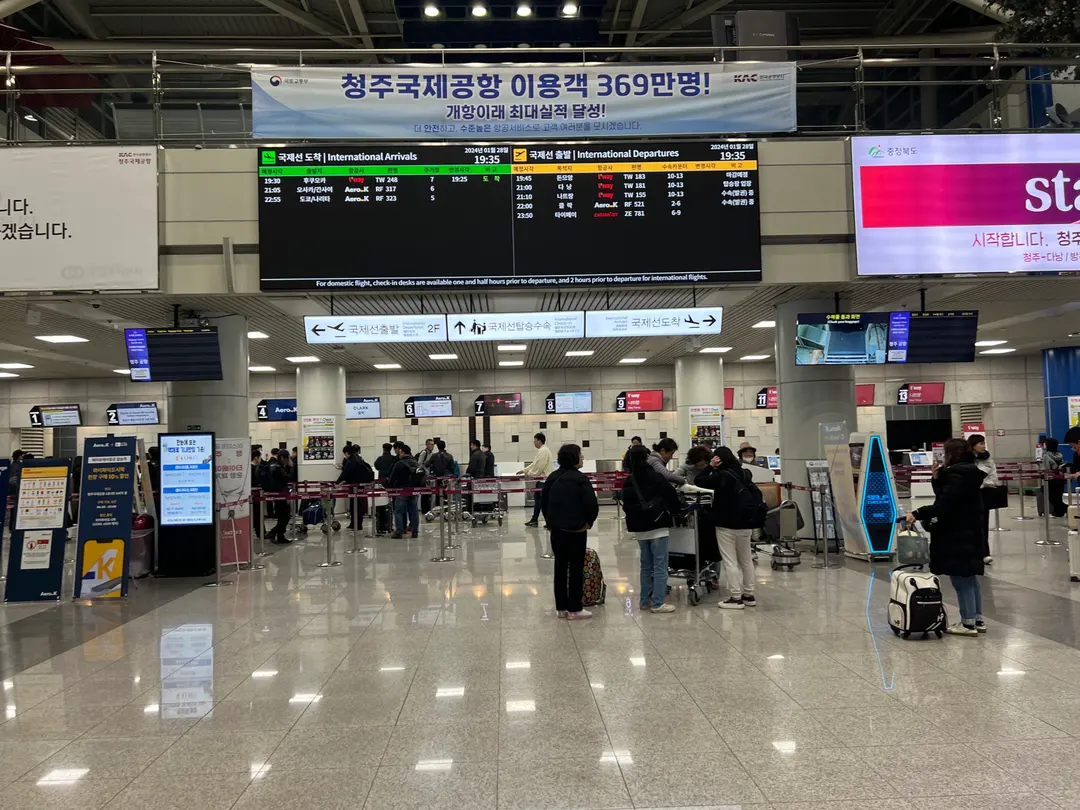
5 Best International Trips from Cheongju Airport (Nov-Dec 2026)
Discover 5 amazing international destinations perfect for November and December 2026, all departing from Cheongju Airport. Find your next adventure!

BudapestGO 2026: Your Guide to Tickets, Prices, and Usage
Maximize your Budapest adventure with this essential guide to public transport. Learn about BudapestGO app, ticket options, prices, and scan methods for a seamless travel experience in 2026.

Da Nang Han Market ATM: SOL Travel Card Cash Withdrawal (2026)
Need cash in Da Nang near Han Market? Learn how to easily withdraw Vietnamese Dong using your Shinhan SOL Travel Card at EXIMBANK ATMs with this 2026 guide.

Yongsan Station to Gapyeong by ITX Cheongchun Train (2026 Guide)
Heading to Gapyeong's scenic attractions? Learn the easiest way to travel from Yongsan Station to Gapyeong using the ITX Cheongchun train, with essential booking and station navigation tips for 2026.