

Giza Pyramids & Saqqara Itinerary 2026: Explore Ancient Wonders
Journey back in time to ancient Egypt! Explore the iconic Giza Pyramids, the mysterious Sphinx, and the historic Saqqara complex with our essential travel guide.
Ready to dive deep into Egypt's ancient past? This guide, refined from years of personal exploration, offers my insider tips for experiencing the magnificent Giza Pyramids and the historic Saqqara complex. Forget the usual tourist traps; we're focusing on authentic experiences and hidden gems.
My Recommended Itinerary:
Giza: The Great Pyramids + a brief camel ride
Saqqara:
→ The Pyramid of Unas (highly recommended)
→ Imhotep Museum & Serapeum (optional)
→ The Step Pyramid (recommended) + Kingdom (optional)
→ The Red Pyramid & Memphis Museum (optional)
If you have extra time, feel free to add the optional stops. If not, don't hesitate to skip them. I've curated this list to ensure you see the most impactful sites without feeling rushed.
As of 2026, I hired a taxi for Giza and Saqqara with unlimited time for 1,000 EGP. My driver was excellent, so I gave him a 500 EGP tip, bringing the total to 1,500 EGP.
The Solar Boat, originally at Giza, has now moved to the newly opened Grand Egyptian Museum. While entrance fees do increase periodically, they don't skyrocket. I generally use the Cairo Pass, which also covers the additional cost for internal pyramid entry.
I've tried both guided tours and independent exploration, but I personally prefer the freedom of a self-guided itinerary to soak it all in at my own pace. This route reflects that preference.
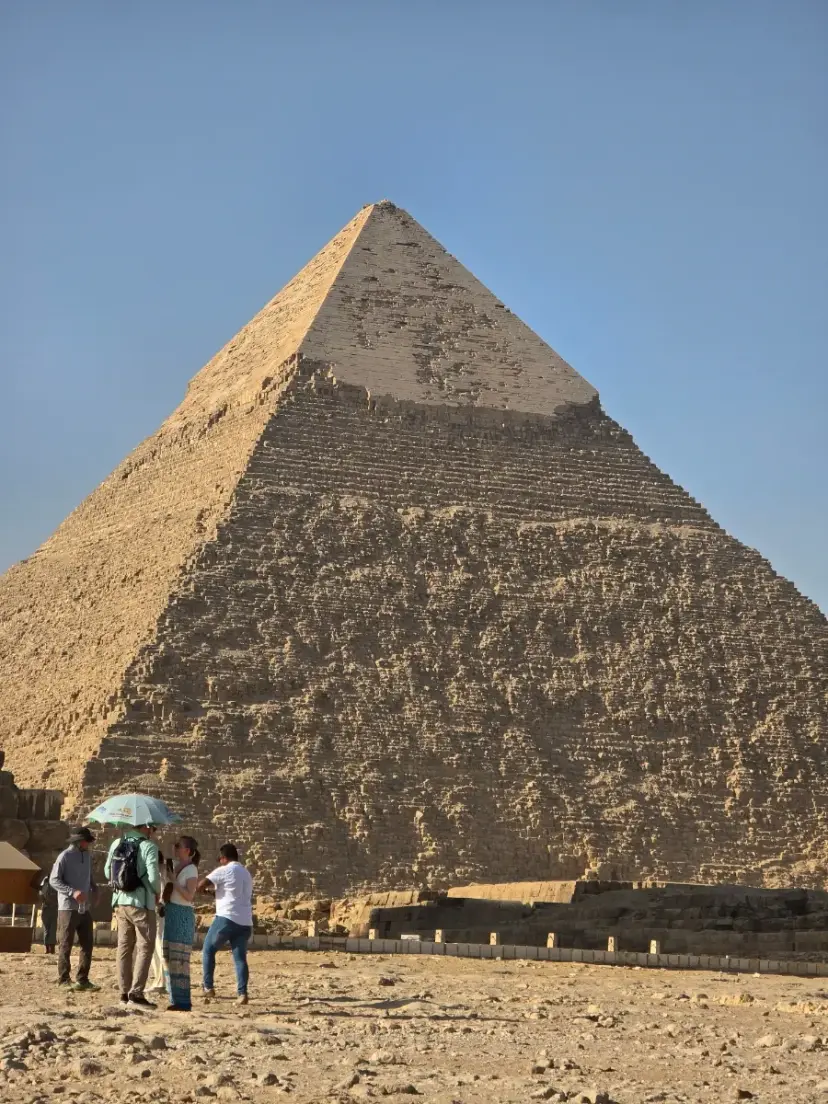
Without a doubt, the most famous pyramid is the Great Pyramid of Khufu. It's the largest of the Giza pyramids and the only remaining wonder of the ancient world.
If you're short on time but want to experience the essence of ancient Egypt, seeing the pyramids, snapping some photos, and visiting the Sphinx are absolute musts. This is the heart of your Egyptian adventure!
I'll delve into the pyramid interiors in a separate post, but frankly, they aren't the best value. Unless you're specifically looking for an "Indiana Jones"-style adventure or are incredibly curious about the inside, you can easily skip it.
A crucial tip: the Pyramid of Unas at Saqqara closes its entrance at 12:00 PM. If you plan to visit Saqqara, you absolutely must get an early start at Giza. Aim to depart for Saqqara by 10:30 AM at the latest. Trust me, I once sprinted through Saqqara, arriving five minutes before closing, just to see if Unas was still open!

You'll find plenty of taxi drivers near the Pizza Hut by the Giza entrance. For a full day trip covering both Giza and Saqqara, it's often more convenient to negotiate a full-day rate with a driver and pay them at the end, rather than relying on ride-sharing apps like Uber.
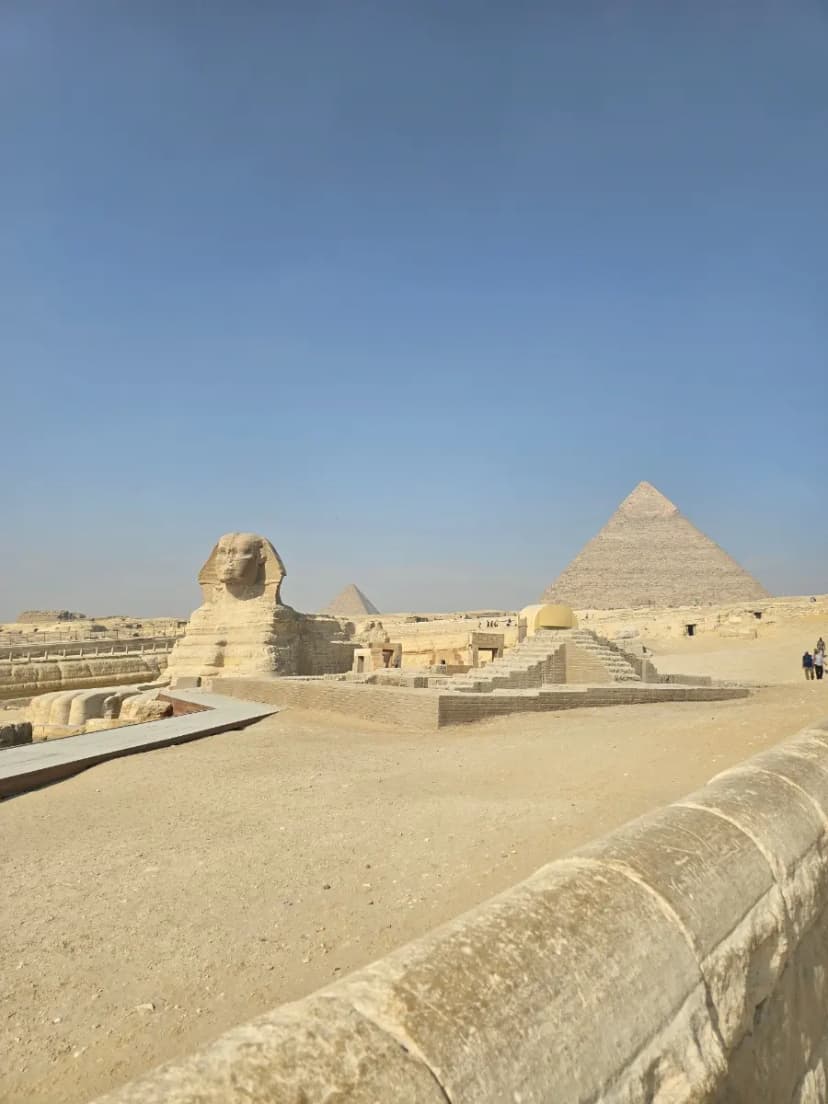
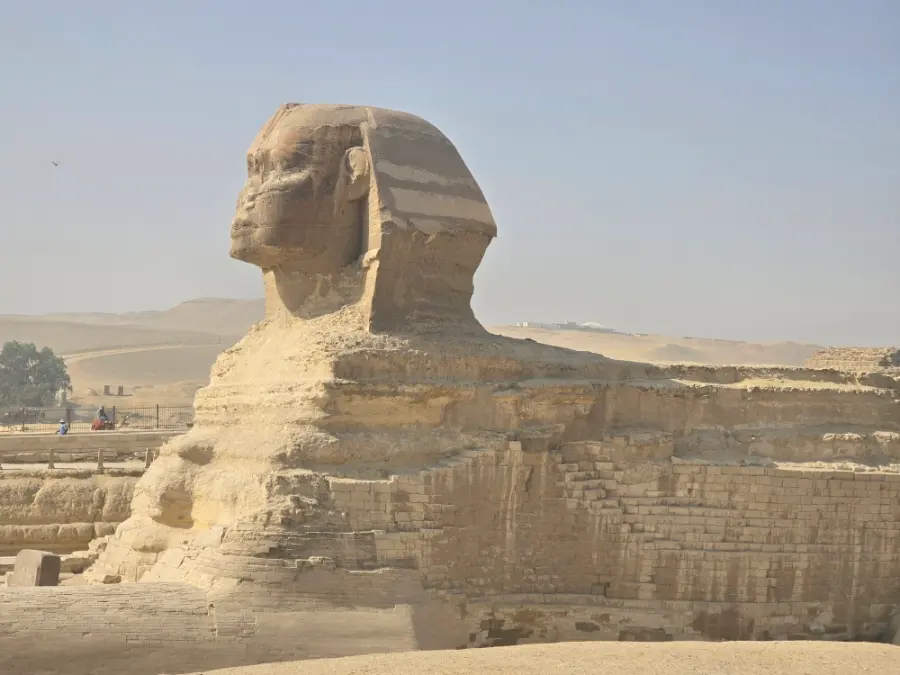
Instead of the crowded main entrance, consider heading to the opposite side. It's less busy, offering fantastic photo opportunities, though it does require a bit more walking.
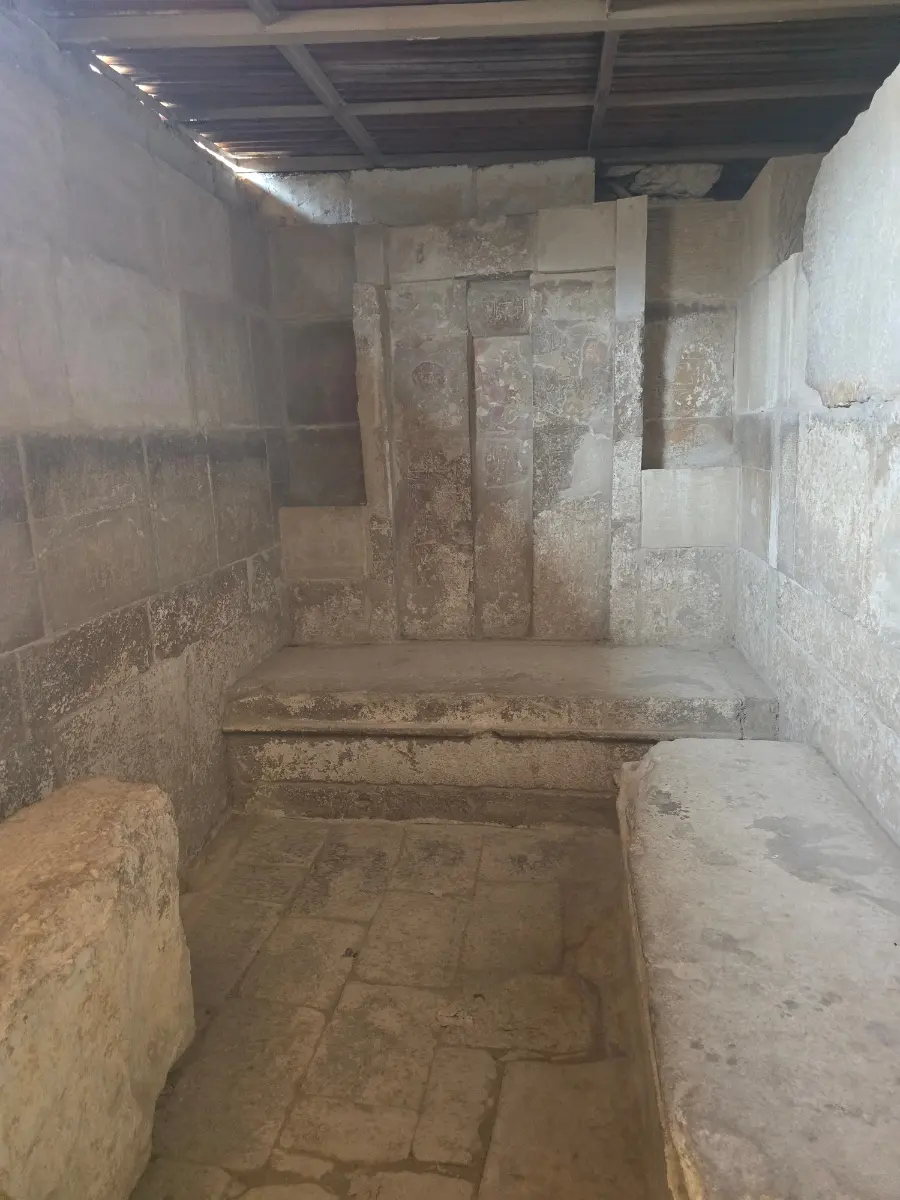
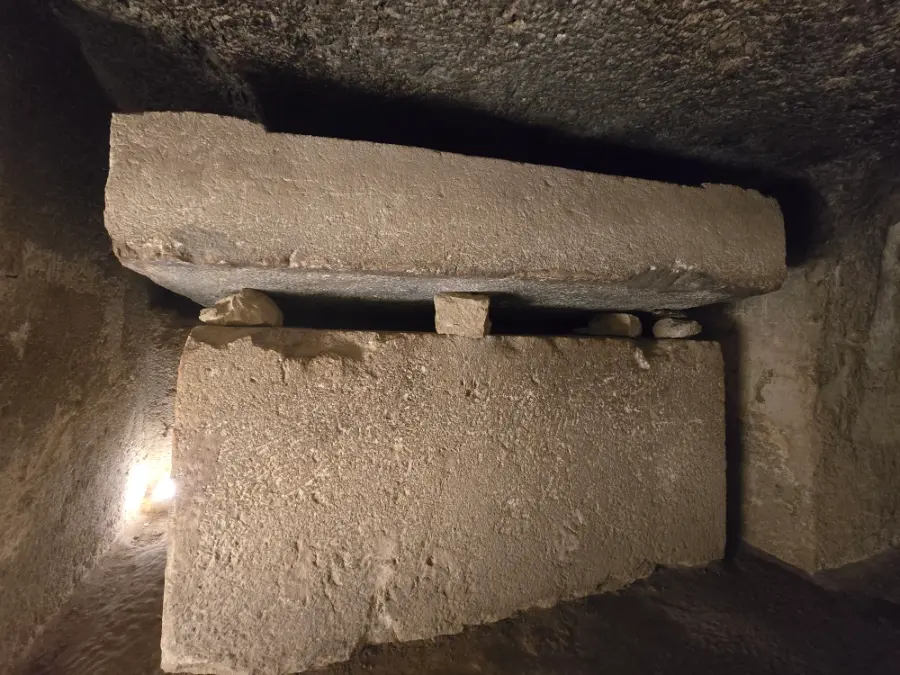
Here you can see the interior of a mortuary temple and a massive sarcophagus. If you have time, it's worth a look; otherwise, it's perfectly fine to skip.
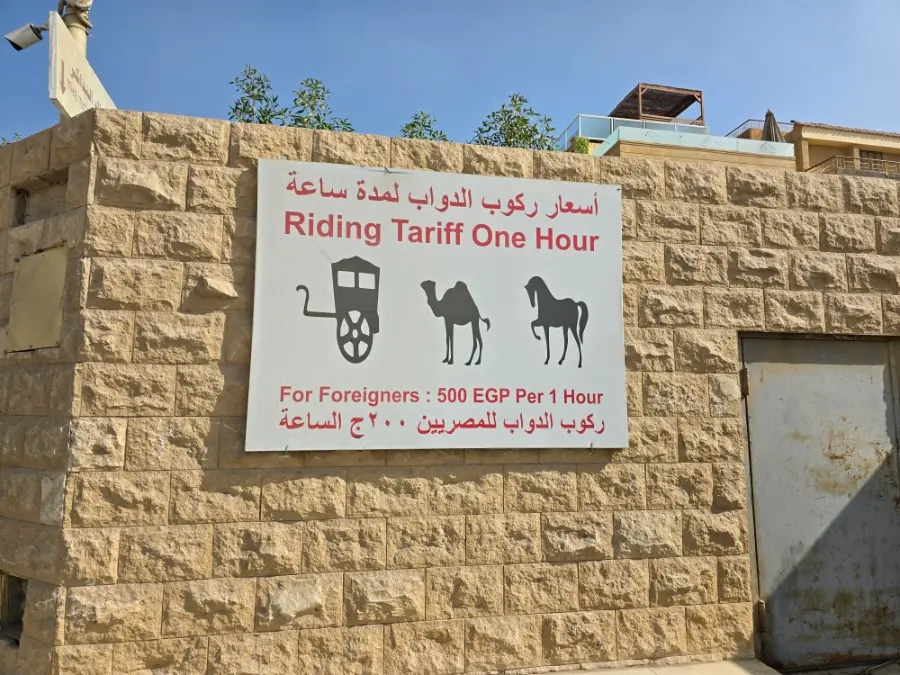
Camel rides now have official fixed prices, but here's a little secret: you can often negotiate for a discount! I remember paying around 300 EGP for the ride, plus a 100 EGP tip, bringing my total to approximately 400 EGP.
_______
The Great Pyramids of Giza are, of course, the most famous and recognizable pyramids in the world, home to the iconic structures we know as one of the Seven Wonders of the Ancient World.
This site is home to the pyramids of three generations: the largest, Khufu; his son, Khafre; and his grandson, Menkaure. This makes Giza incredibly accessible and universally known. When I'm pressed for time, I often just visit Giza to get that essential Egyptian experience. While internal entry is possible, it comes with an extra fee, and the accessible areas are quite limited, so I generally don't recommend it. (My muscles were sore for a week after one internal visit!)
These days, aggressive touting and hawking have significantly decreased, so exploring solo is a pleasant option, though tours can still be a good choice for some.
-----
Pyramids were built as tombs for pharaohs. Generally, the size of a pyramid reflects the pharaoh's reign, the scale of their power, and the architectural capabilities of the era.
Pharaoh Khufu reigned for 23 years, and his Great Pyramid was completed in approximately 20 years.
Constructed around 4,500 years ago, this pyramid originally stood about 482 feet (147 meters) tall with a base measuring approximately 755 feet (230 meters) on each side. It's estimated to have been built from about 2.3 million limestone and granite blocks. Most limestone blocks weigh several tons, but some massive granite blocks can weigh tens of tons.
Today, the very top section is damaged by about 33 feet (10 meters), leaving its current height at around 449 feet (137 meters). Despite this, it remains the largest pyramid. (Khafre's pyramid appears taller because it was built on slightly higher ground, but Khufu's is still physically larger.) The construction is remarkably precise, with its sides aligned almost perfectly with the cardinal directions.
The Great Pyramid isn't a solitary structure; it's surrounded by smaller queen's pyramids and various ancillary buildings. Many of the scattered stones around the pyramid site were once part of its construction – these enormous blocks, larger than a person, are not native to Cairo.
The pyramid's original surface was perfectly square and smooth. While it may not look as polished as modern bricks today due to the passage of millennia, historical accounts suggest it was once as straight and precise as if measured with a ruler. It's mind-boggling to imagine the scale of such an engineering feat!
Contrary to popular belief fueled by movies, the pyramids were not built by slaves under the whip. Instead, workers were often compensated fairly, especially during the Nile's annual flood season when agricultural work was impossible. While slaves did exist, the treatment of the pyramid builders was reportedly very good. This was possible due to the abundance provided by the fertile Nile River.
(The Nile's annual flood wasn't a destructive natural disaster like floods in other regions. It was a regular, predictable event. When the waters receded, they left behind rich, fertile silt, creating ideal farming conditions. Thus, larger floods were often welcomed! While the massive Aswan Dam now prevents these floods, the Nile remains Egypt's most vital resource.)
Originally, the pyramids were clad in gleaming white limestone, with a gold capstone at the very top. Legend has it that when the sun hit the capstone, its brilliant light could be seen all the way across Cairo. Take that with a grain of salt, though!
Pharaoh Khafre was Khufu's son. His pyramid, standing at about 447 feet (136.4 meters), is the second largest. It's also considered the best-preserved and most aesthetically pleasing of the Giza pyramids. Egypt is said to have flourished during Khafre's reign, with the mastaba (mud-brick tomb) being one example of this prosperity. You'll find mastabas to explore firsthand at Saqqara, so there's no need to seek them out here.
Khafre's pyramid is only slightly smaller than Khufu's. He strategically built his pyramid on slightly higher ground, creating an optical illusion that makes it appear larger than his father's. Even with Khufu's pyramid now measuring around 449 feet (137 meters) due to damage, it still holds the title of largest by about three feet!
There's also a smaller annex pyramid whose owner hasn't been definitively identified. However, the discovery of a seal bearing the name Khafre and indicating it belonged to the king's eldest son suggests it's an auxiliary pyramid of Khafre. And, of course, the famous Sphinx is believed to bear the face of Pharaoh Khafre.
Pharaoh Menkaure, Khufu's grandson and Khafre's son, has the smallest pyramid at Giza, standing approximately 213 feet (65 meters) tall. It's located furthest inside the complex and is the most extensively damaged. Due to its size, location, and condition, it's typically the least visited pyramid.
These three pyramids aren't exactly clustered together; they're quite spread out! Exploring these three magnificent structures is precisely what the camel tours are for. I'll cover camel tours in more detail in a separate post.
Frequently Asked Questions
What is the taxi cost for a one-day visit to the Giza Pyramids and Saqqara, and how can one manage the timing to enter the Tomb of Unas?
As of 2025, an unlimited taxi service for a day visit to Giza and Saqqara cost 1000 pounds, including a 500-pound tip, totaling 1500 pounds. Since entry to the Tomb of Unas is only permitted until 12 PM, to reach Saqqara in time, you should depart from Giza early in the morning, ideally before 10:30 AM.
If taking a camel tour at the Giza Pyramids, approximately how much does it cost, and which pyramids can be seen?
Camel rides operate on a fixed price system, but discounts are possible. The author paid 300 pounds, including a 100-pound tip. A camel tour allows you to see the pyramids of Khufu, Khafre, and Menkaure. As these three pyramids are quite spread out, a camel tour is a convenient way to get around.
When visiting the Giza Pyramids in Cairo, why is entry into the Great Pyramid of Khufu not recommended?
The article mentions that entering the Great Pyramid of Khufu incurs an additional cost, offers limited sights, and therefore isn't good value for money. The author experienced muscle pain for a week after entering and advises skipping it unless you're looking for an "Indiana Jones" experience or are genuinely curious about the interior.
Share this article
Featured in Collections
Discover more travel stories curated around the same theme.

Related Travel Stories

Using inDrive in Egypt (2026): Essential Taxi Tips for Travelers
Master inDrive for seamless taxi rides in Egypt! Learn essential tips for negotiating fares, handling payments, and navigating local transport in Cairo and Luxor.
Cairo to Siwa Bus Guide 2026: Tickets, Prices & Schedule
Unlock the mystery of reaching Siwa Oasis from Cairo! This guide covers bus tickets, schedules, prices, and insider tips for a smooth, comfortable overnight journey in 2026.
Crown Pyramids View Hotel Giza: Affordable Pyramid Views
Dream of waking up to the Giza Pyramids? Discover Crown Pyramids View Hotel, offering stunning rooftop views and comfortable rooms at an unbeatable value for 2026.
Abu Tarik Koshary Cairo Review: The Best Koshary in Egypt
Experience the legendary Abu Tarik Koshary in Cairo! We share our review of Egypt's national dish, including menu insights, prices, and why this spot is a must-visit for authentic Egyptian flavor.

Radisson Blu Hotel Cairo Heliopolis Review 2026: Airport Adjacent & All-Day Dining
Looking for an excellent value hotel near Cairo International Airport in 2026? The Radisson Blu Heliopolis offers pristine rooms, great amenities, and delicious dining for your Egypt trip.
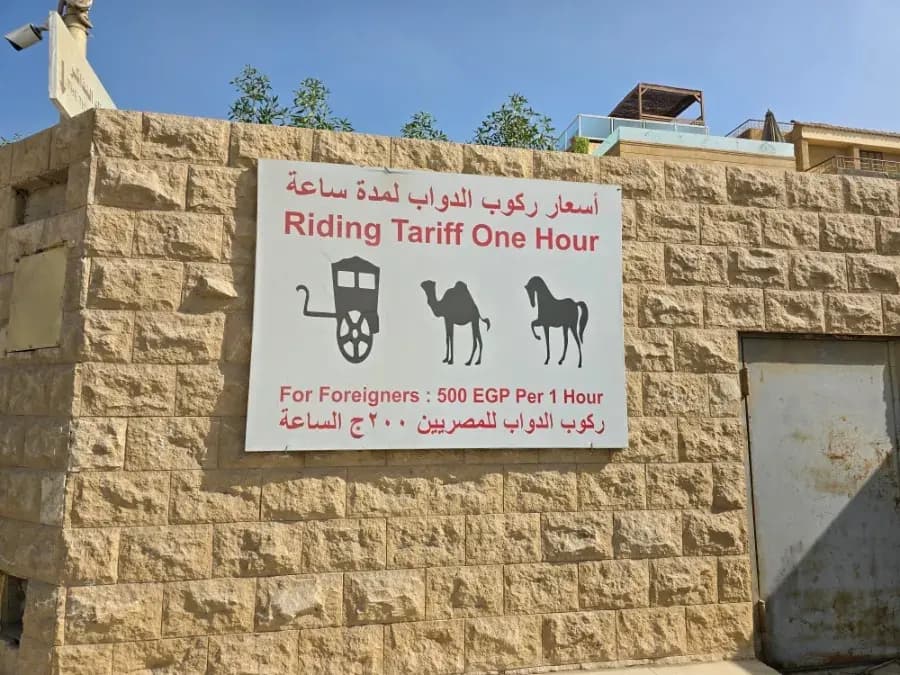
Giza Pyramids Camel Ride 2026: Essential Tips & Pricing
Dreaming of a camel ride at the Giza Pyramids? Discover essential tips on navigating prices, managing expectations, and ensuring a memorable, scam-free experience in Cairo.