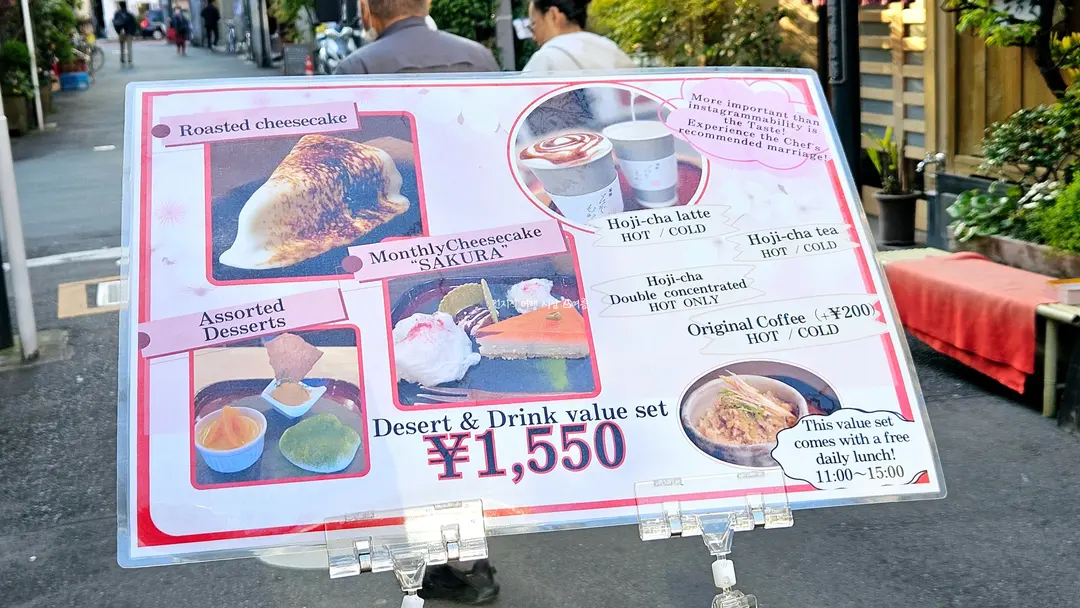
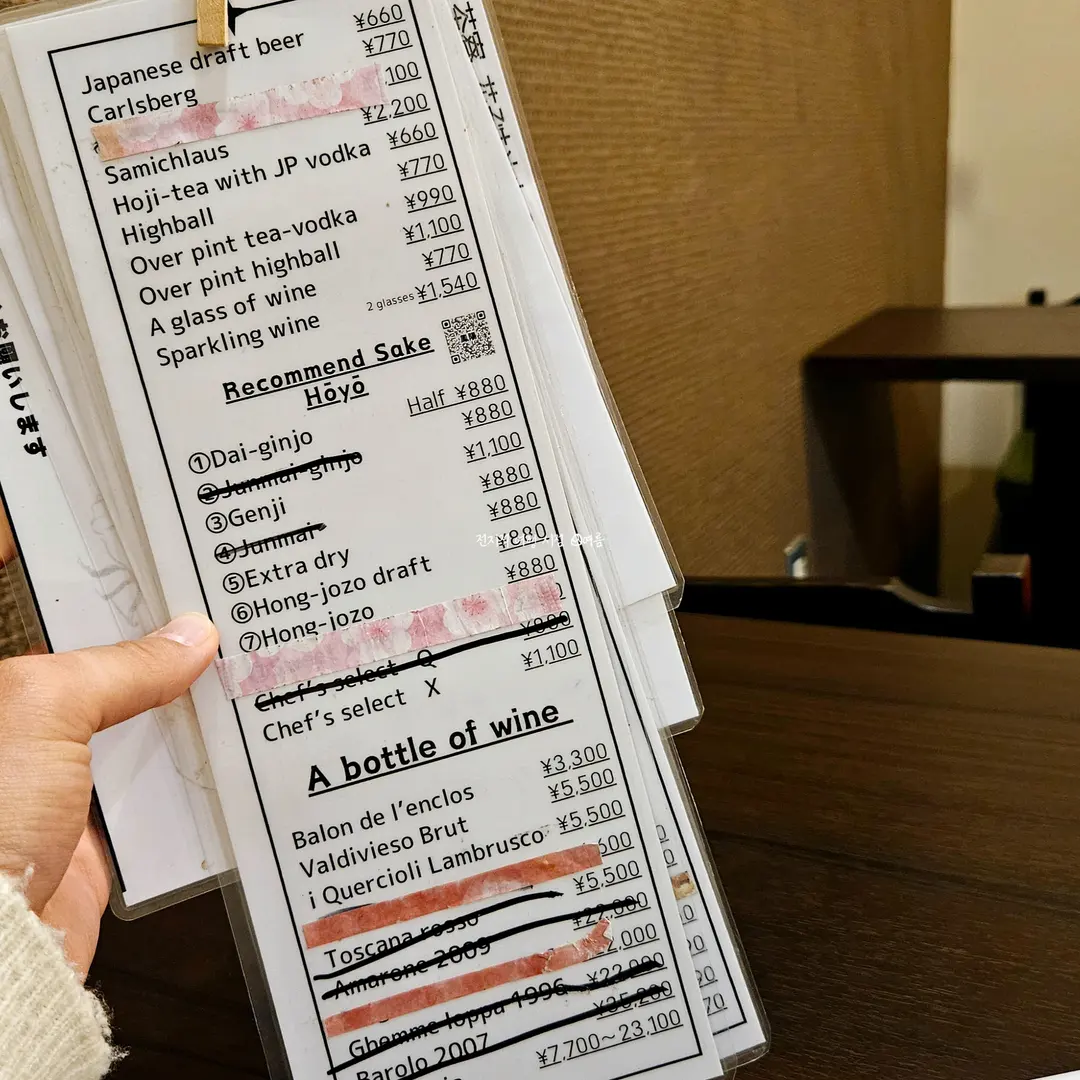
รีวิว Charyo Hanazo คาเฟ่อาซากุสะ: ชีสเค้กพ่นไฟสุดฟิน
$ rac{ 1 } 9 2 2 2 1 _</td> _ 2 1 2 2 10 2 2 0 _ 2 1 1 1 1 _ 6 1 8 0 2 0 2 1 1 2 ' ' ' * * * * * * * All 2 The high cost of replacing small items has also encouraged maintenance teams to look for alternative solutions. For example, instead of replacing a complete housing structure that is damaged, it might be more cost-effective to repair just the individual damaged component. 3D printers excel at this because of their ability to quickly manufacture bespoke, custom parts in low-volume runs. The `_p_add_unwind_protect` and `_p_cleanup` functions, as well as `_p_unwind_protect`. These functions are also used by `try_begin` and `try_end`. In fact, `try_begin` simply registers `_p_unwind_protect` as the cleanup handler, and `try_end` simply disables it. The `_p_unwind_protect` function, when called, restores the state and, if it was called because an exception was thrown, re-throws the exception. Since the longjmp is used, the C++ destructors of any local variables on the stack are not run. This is a limitation of combining C++ and C libraries (such as PostgreSQL's internal engines). Because of this, you should not use this class in C++ destructors, and you should not use C++ objects with destructors inside of a `PG_TRY` block. This is a known, documented limitation of PostgreSQL's `PG_TRY` mechanism. The safest workaround is to split your function into a C++ part, and a C-style part, and only use `PG_TRY` in the C-style part. The C-style part must not declare any variables that have destructors (or, if it does, they must not be on the stack, or must be manually destroyed before the `PG_TRY` is entered). The `pg_try_guard` class can be used to help enforce this discipline, by preventing the use of non-trivial types within its scope. However, it cannot prevent you from using non-trivial types in enclosing scopes, so you must still be careful. Additionally, the `pg_try_guard` class can be used to ensure that `PG_TRY` and `PG_CATCH` are always paired correctly, and that the exception is always re-thrown if one was caught, preventing silent failures. For example: cpp void my_func() { // This is a C++ function. It can use C++ objects with destructors. std::string s =