読み込み中...

ニャチャンから日本へ帰국する飛行機は、
通常、深夜の非常に遅い時間帯に出発する便が多いですよね?
そのためか、多くの方が
「0.5泊ホテル」を賢く利用されているようです!
私もどうするのが一番快適に過ごせるか色々と悩みましたが、
出発直前までできるだけ体を休めてから飛行機に乗りたかったので、
ニャチャン市内の高コスパ宿として有名な
「サタホテル(Sata Hotel)」を利用してきました :)
万が一、期待外れだったとしても「勉強代だと思えばいいか!」
と、割り切れるほどリーズナブルな価格帯のホテル!
ですが、実際に泊まってみると想像以上に満足度が高く、とても得した気分になれた
「サタホテル」の宿泊体験記をお届けします!
✈️チェムスターのサクッと旅✈️
✔️本日のチェックポイント
ニャチャン市内の高コスパ宿「サタホテル」
0.5泊の宿泊記&お役立ち利用Tips総まとめ!
✔️本日の体験ポイント
ニャチャン0.5泊におすすめの理由、客室のコンディション、
空港移動前の活用方法、洗濯サービス、お得な予約のコツまで
分かりやすくまとめてご紹介します。
📍 Sata Hotel
24E Nguyễn Thiện Thuật, Nha Trang, Khánh Hòa 65000 ベツナム
ニャチャンで0.5泊ホテルを予約すべき理由
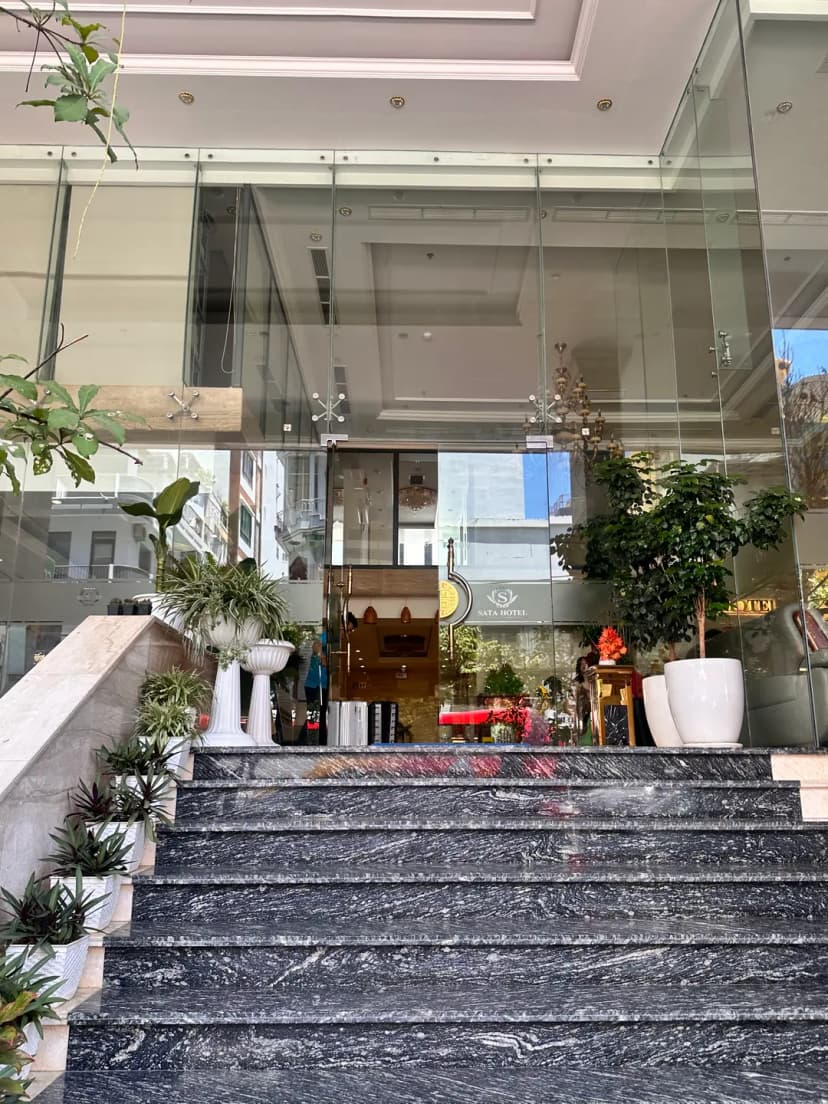
ニャチャン発のフライトは、深夜便になるスケジュールが本当に多いです。
そのため、最終日に滞在先のホテルをチェックアウトした後、
空港に向かうまでにかなり長い時間が余ってしまうケースが多々あります。
大きな荷物をずっと持ち歩くのも大変ですし、
1日中観光して汗をかいたまま飛行機に乗るのも不快ですよね。
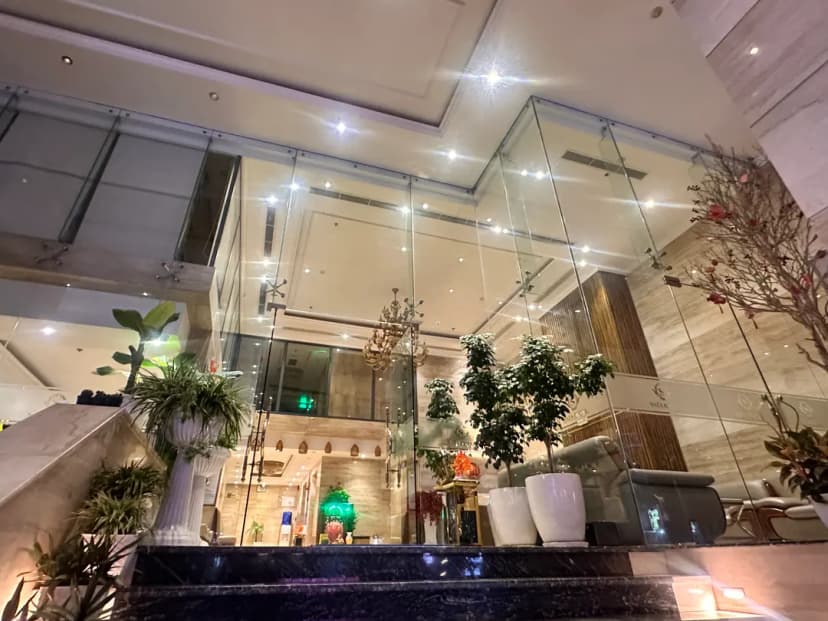
私も今回の旅では、最終日の最後の瞬間まで海を眺めたり、
地元の名店を巡ったり、マッサージを満喫したいと思っていました。
そうするためには、シャワーを浴びられる拠点と荷物を安全に保管できる場所が
どうしても必要だったのです。
そこで、旅慣れた先輩旅行者の方々がおすすめしている
「0.5泊用の宿」を初めて予約してみたのですが、
なぜこれほど推奨されているのか、一瞬で納得がいきました。
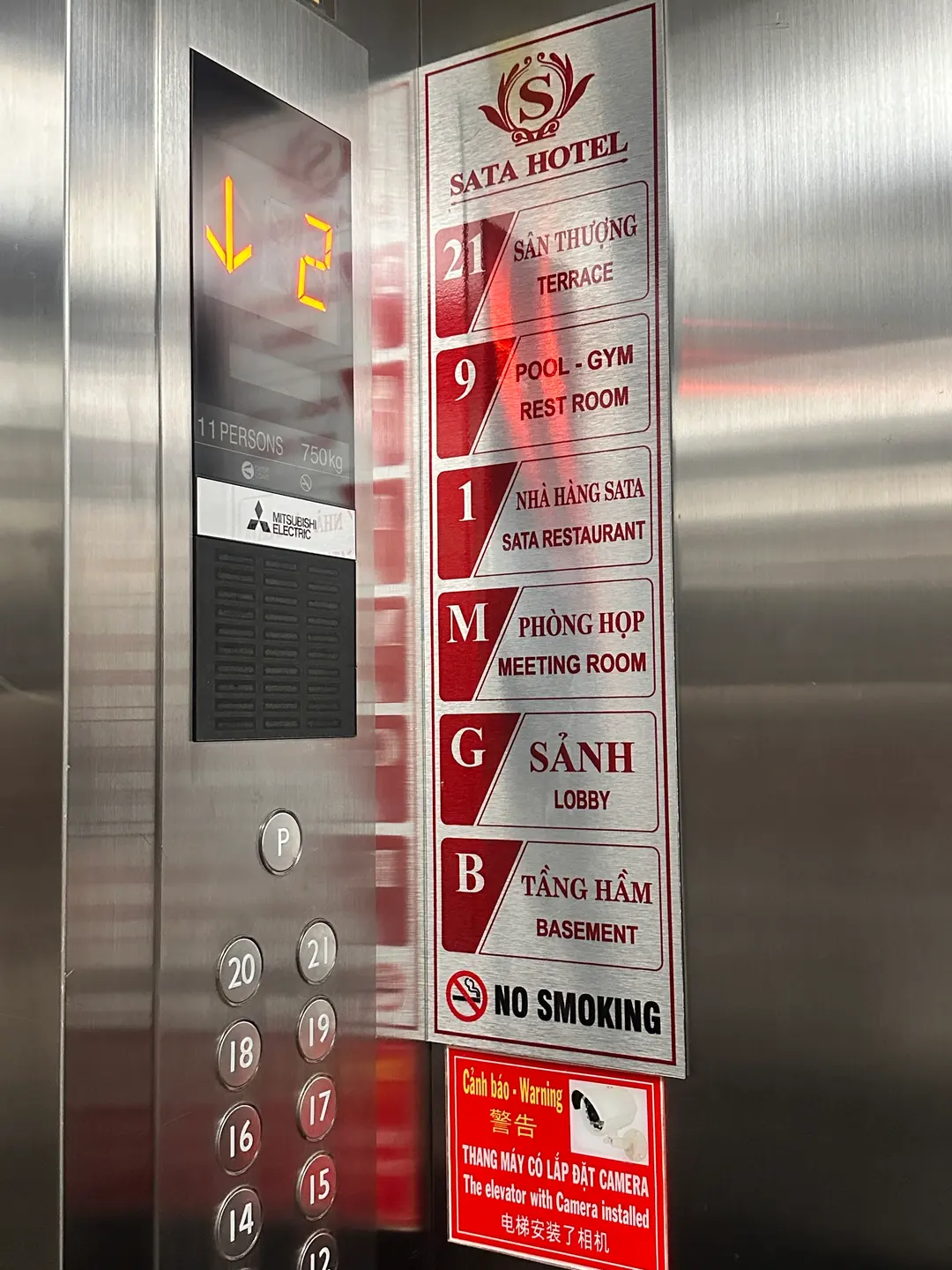
旅の最終章まで全力で観光を楽しみ、快適な個室で
すっきりとシャワーを浴び、荷物を整理してから空港へ向かえるという点。
このメリットだけでも、宿泊費用以上の十分すぎる満足感を得ることができました。
ニャチャンで0.5泊用の宿として有名な人気ホテルも
併せて比較検討してみました。
モジョ イン | サタホテル | グリーン ビーチ ホテル |
約3,600円 | 約3,300円 | 約4,100円 |
*最安値基準で算出・整理しています*
サタホテルに決めた理由は、ずばり「一番安かったから」です!
私が検索したタイミングでは、サタホテルが
ニャチャンの0.5泊で有名な市内ホテルのうち、
最もリーズナブルな価格設定になっていました。
迷うことなく、こちらを選択しました!
サタホテルのチェックイン
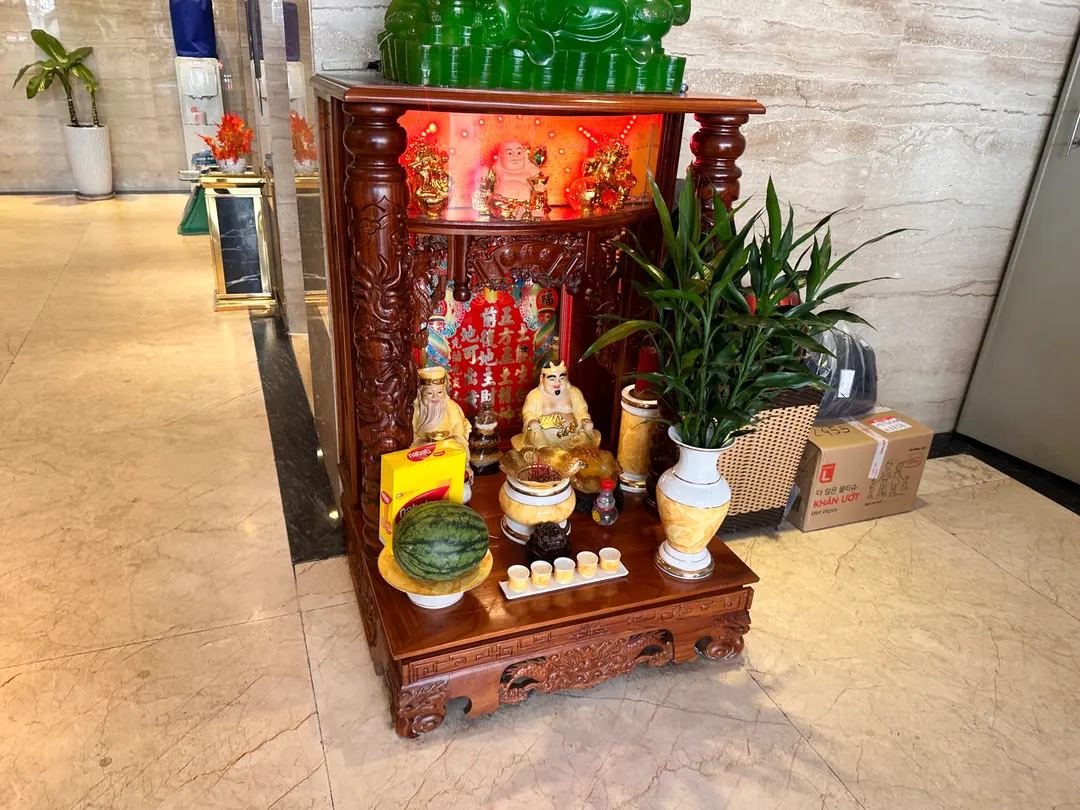
チェックイン手続きは非常にスムーズで、
スタッフの皆さんもとても親切でした。
基本スケジュールは、チェックインが14:00から、
チェックアウトが12:00となっています。
私は、観光の都合上お昼の12時にサタホテルに到着したのですが、
幸いなことに追加料金なしでアーリーチェックインが可能とのことで、
すぐに客室を案内してもらうことができました!
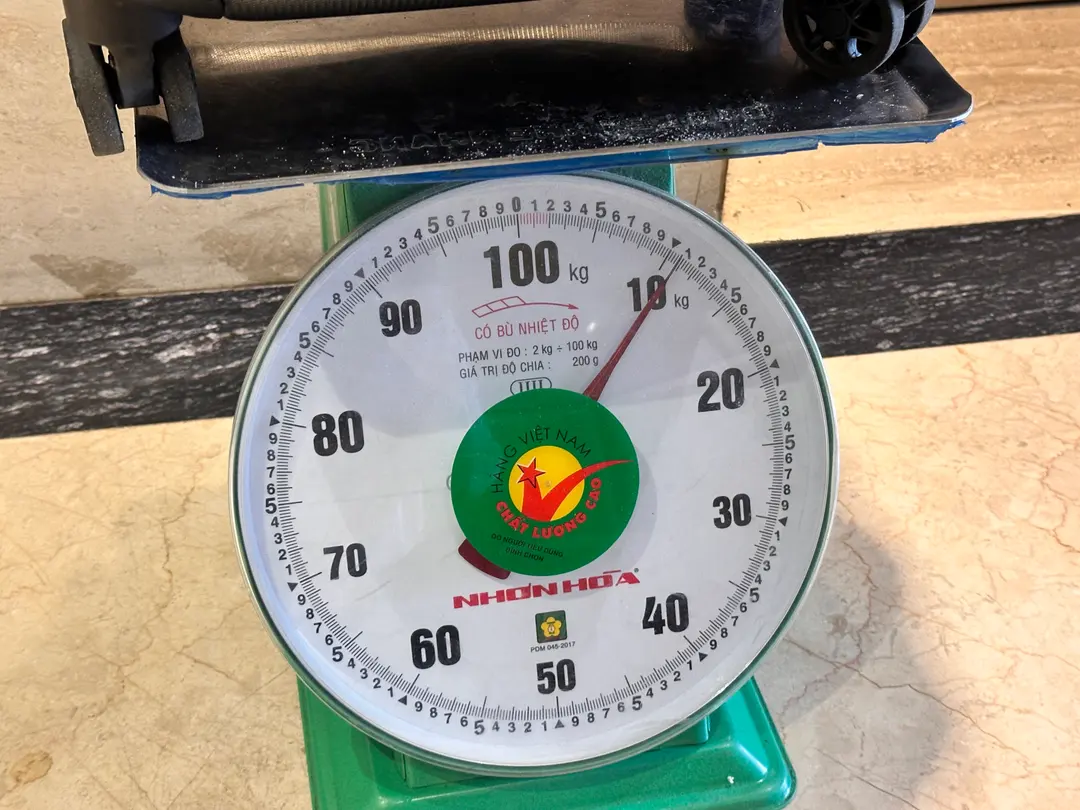
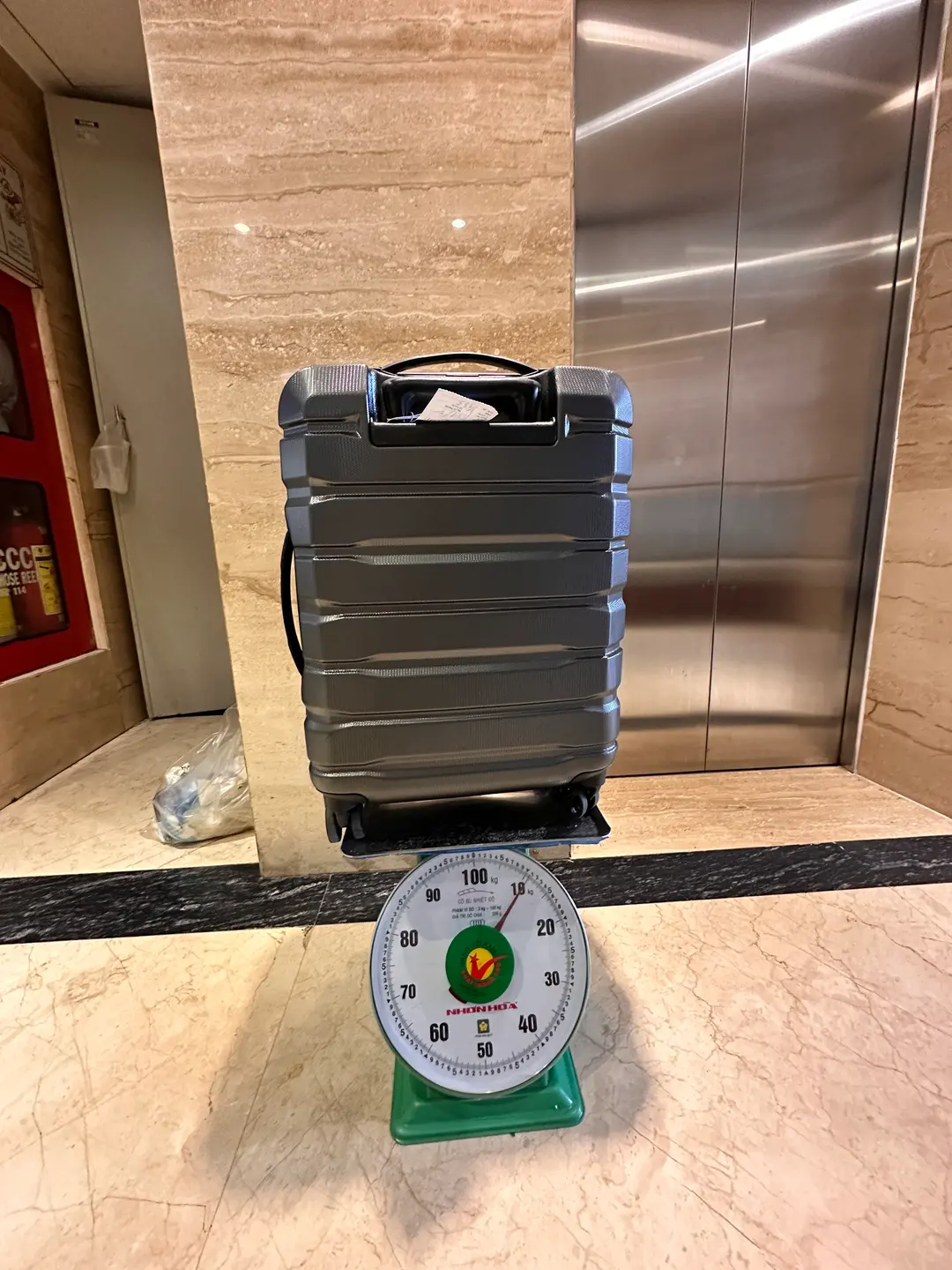
ロビーには、スーツケースの重量を測定できる
デジタル体重計もさりげなく用意されていました!
空港へ向かう前に、ここで一度荷物の重さを測っておくと安心ですね。
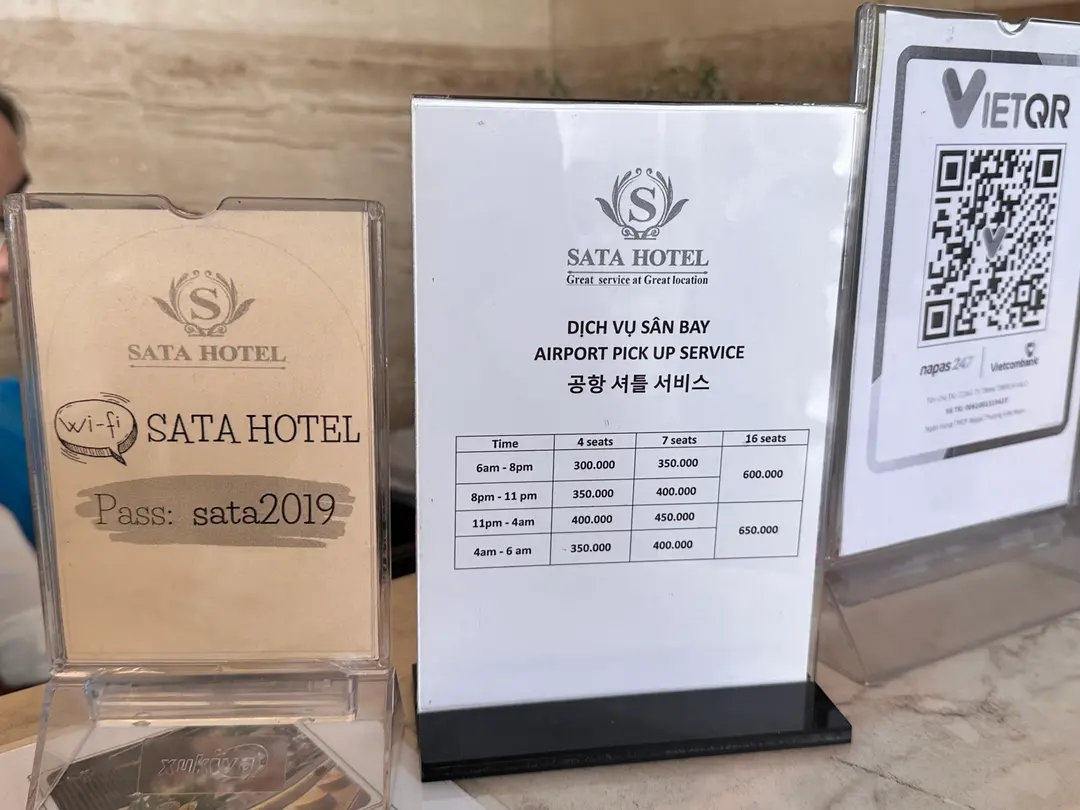
サタホテル(Sata Hotel)では、空港シャトルバスサービスも
提供しているので、時間が合えば非常に便利です!
私のように夜便を利用するスケジュールであれば、
最後まで旅行を満喫した後に
ゆとりを持って空港へ移動するルートがおすすめです。
客室のコンディション
私が予約したお部屋はデラックス オーシャンビューで、
アサインされたのは1902号室でした。
階数を聞いた瞬間から、きっと景色が良いだろうなと
とてもワクワクしていました。
宿泊料金が非常にリーズナブルだったので、
正直、お部屋にはそこまで期待していませんでした。
ところが、実際に中に入ってみると
想像していたよりもはるかに清潔で綺麗でした。
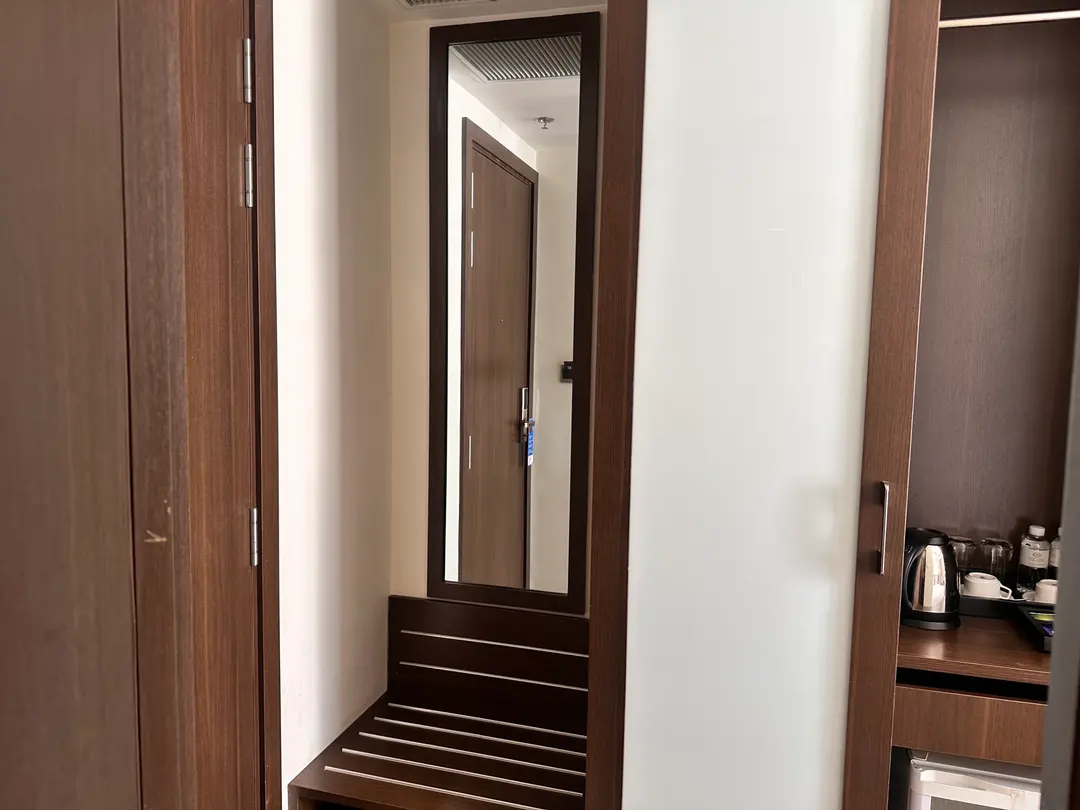
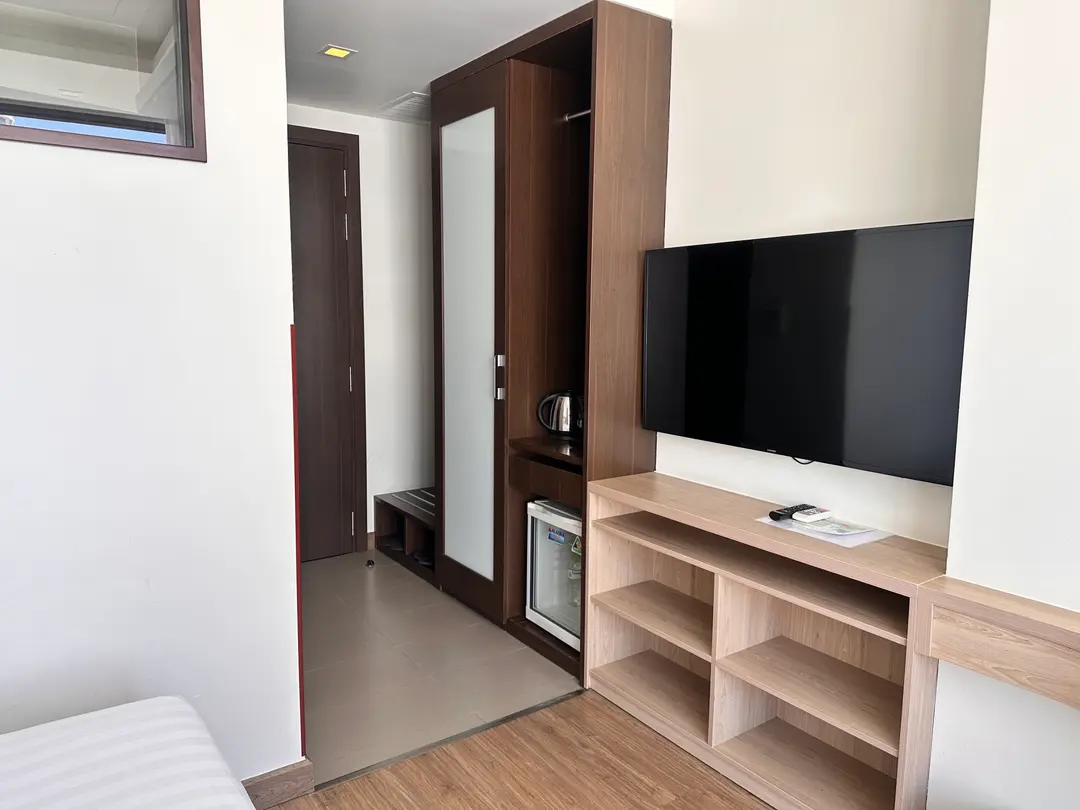
お部屋はコンパクトな造りなので、スーツケースを2個広げると
移動スペースが少し狭くなってしまいました。
しかし、一人旅やカップルでの旅行であれば、
そこまで不便に感じるほどではありません。
むしろ、このお値段で
これだけのクオリティが保たれていることに驚きました。
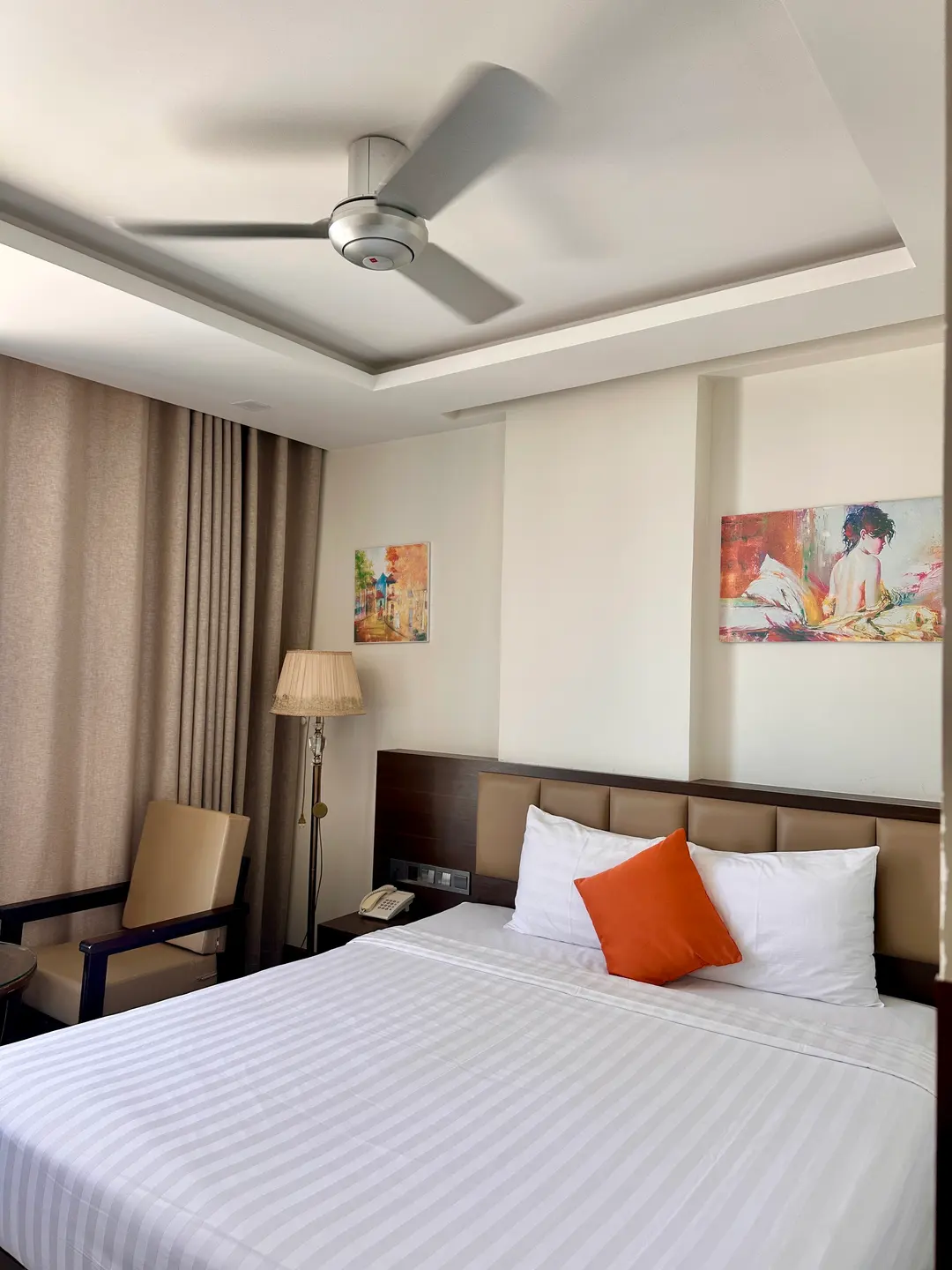
そして嬉しかったのは、エアコンだけでなく
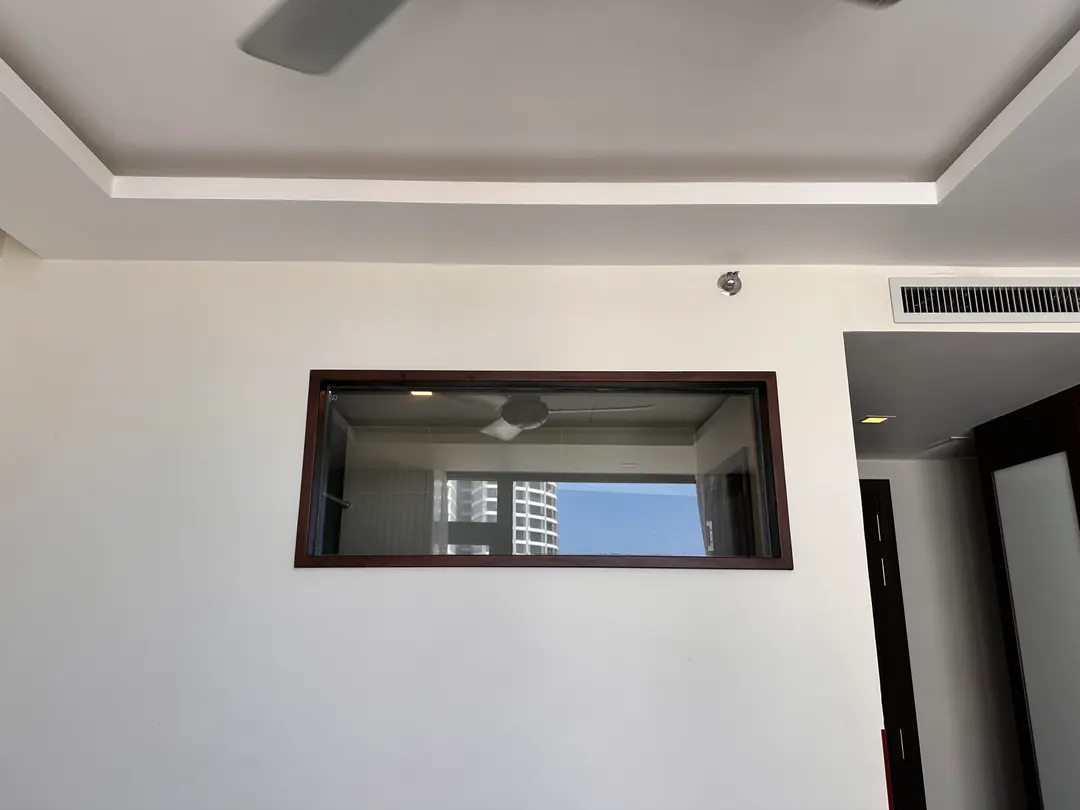
シーリングファンまで設置されていたことです!!!!!!
こぢんまりとしたお部屋ですが、風通しが良くなり、
涼しくとても快適に過ごすことができました。
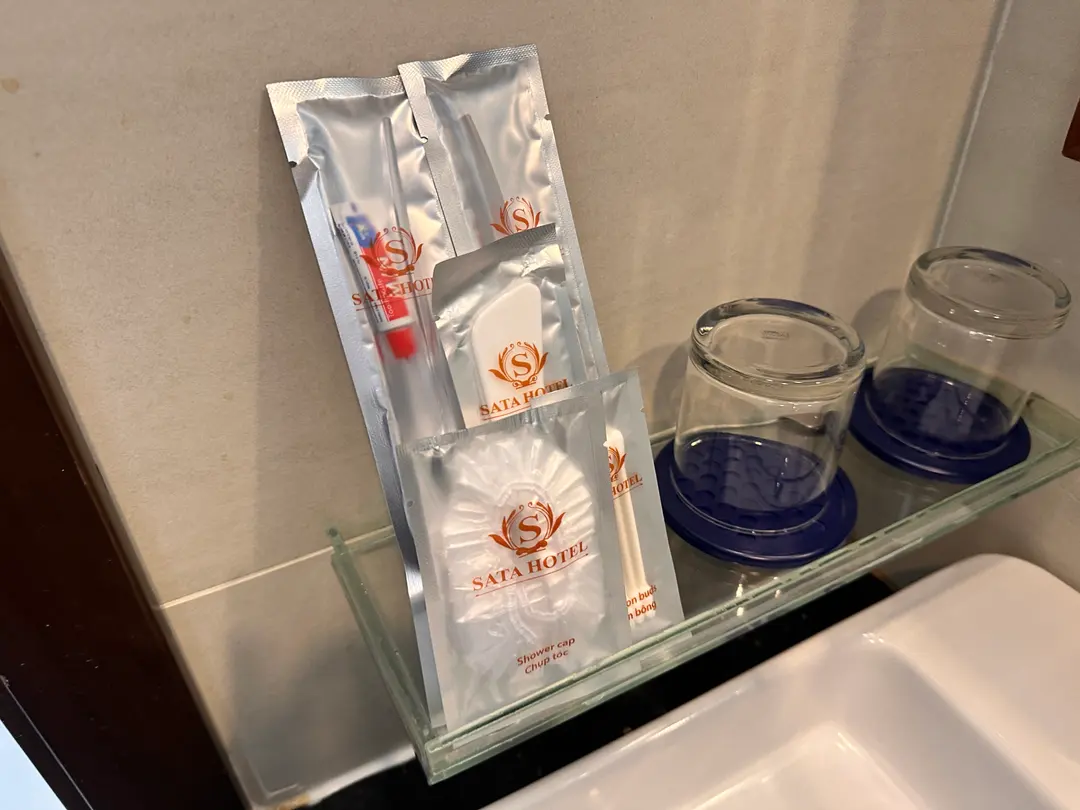
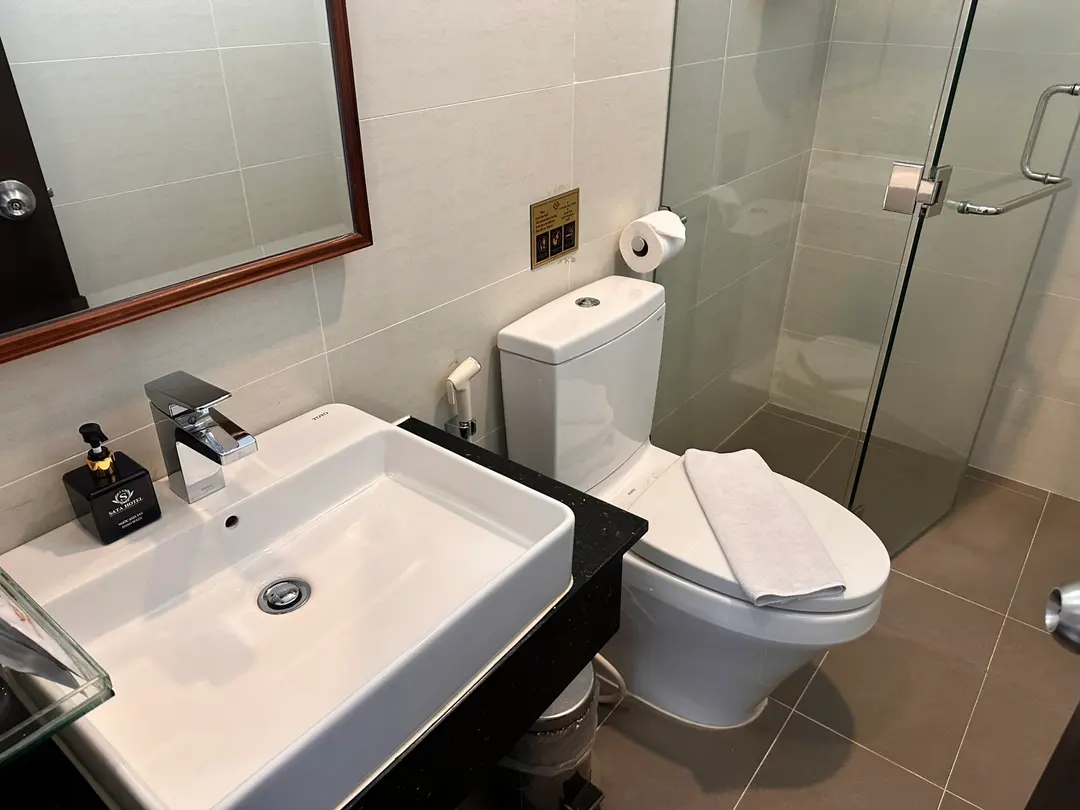
無駄がなくすっきりとしたお手洗い・シャワールームと、
最近の韓国の宿泊施設ではなかなか見かけなくなった
アメニティ類もしっかり用意されていました。
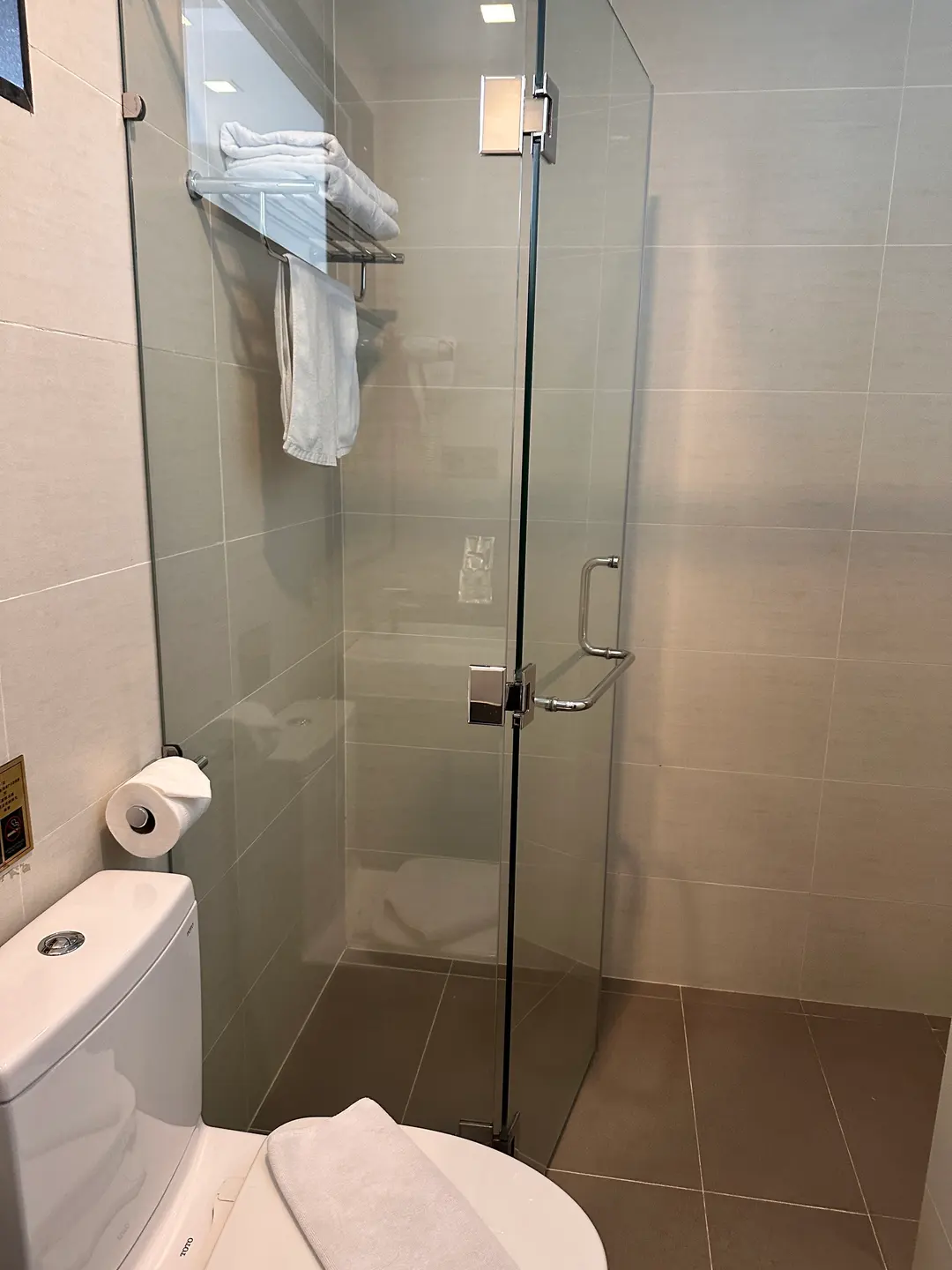
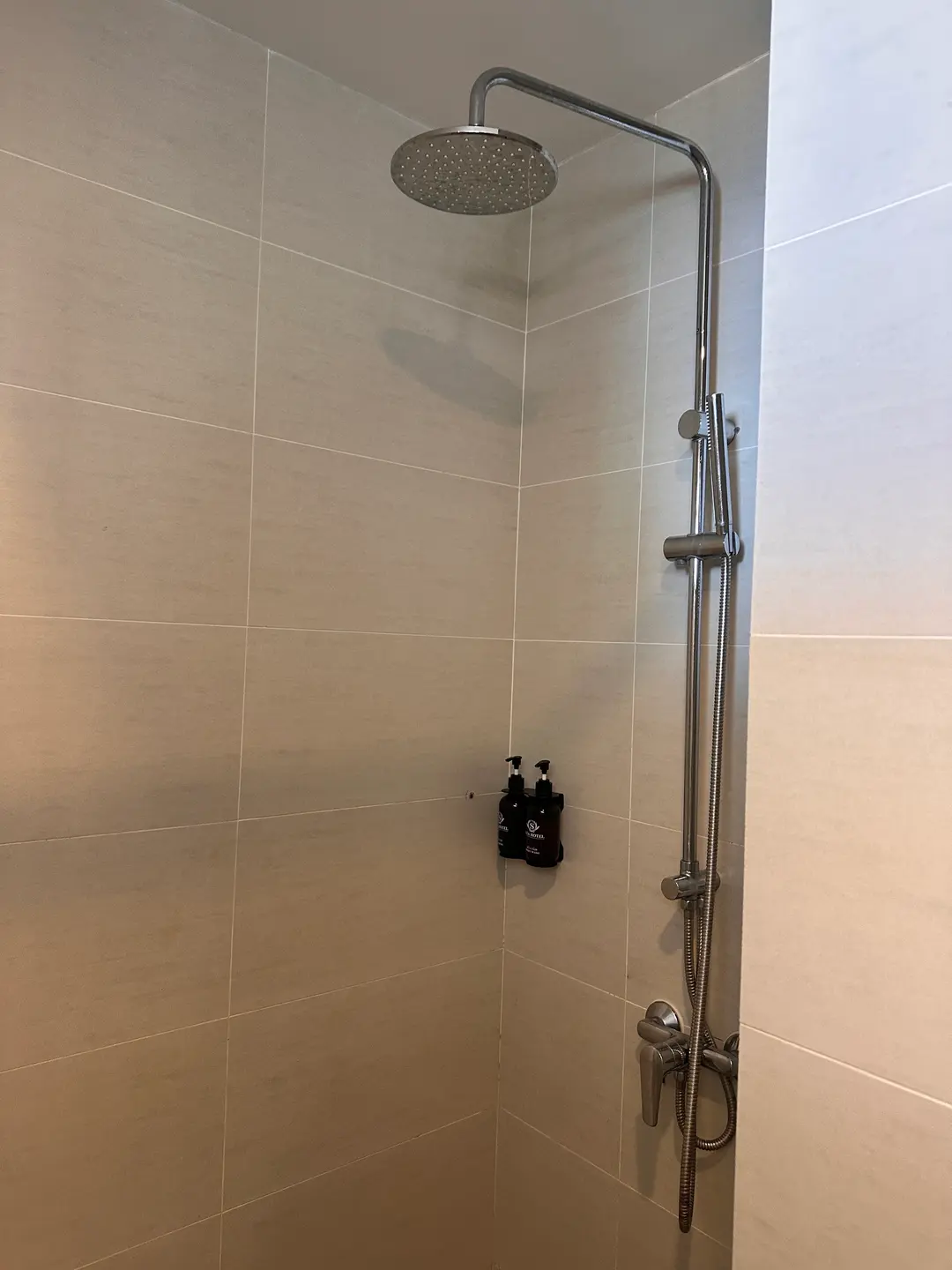
あ!シャンプーとボディソープのみで、
コンディショナーは入っていませんでした。(ちょっと珍しいですね…)
シャワーをご利用予定の方は、あらかじめご留意ください!
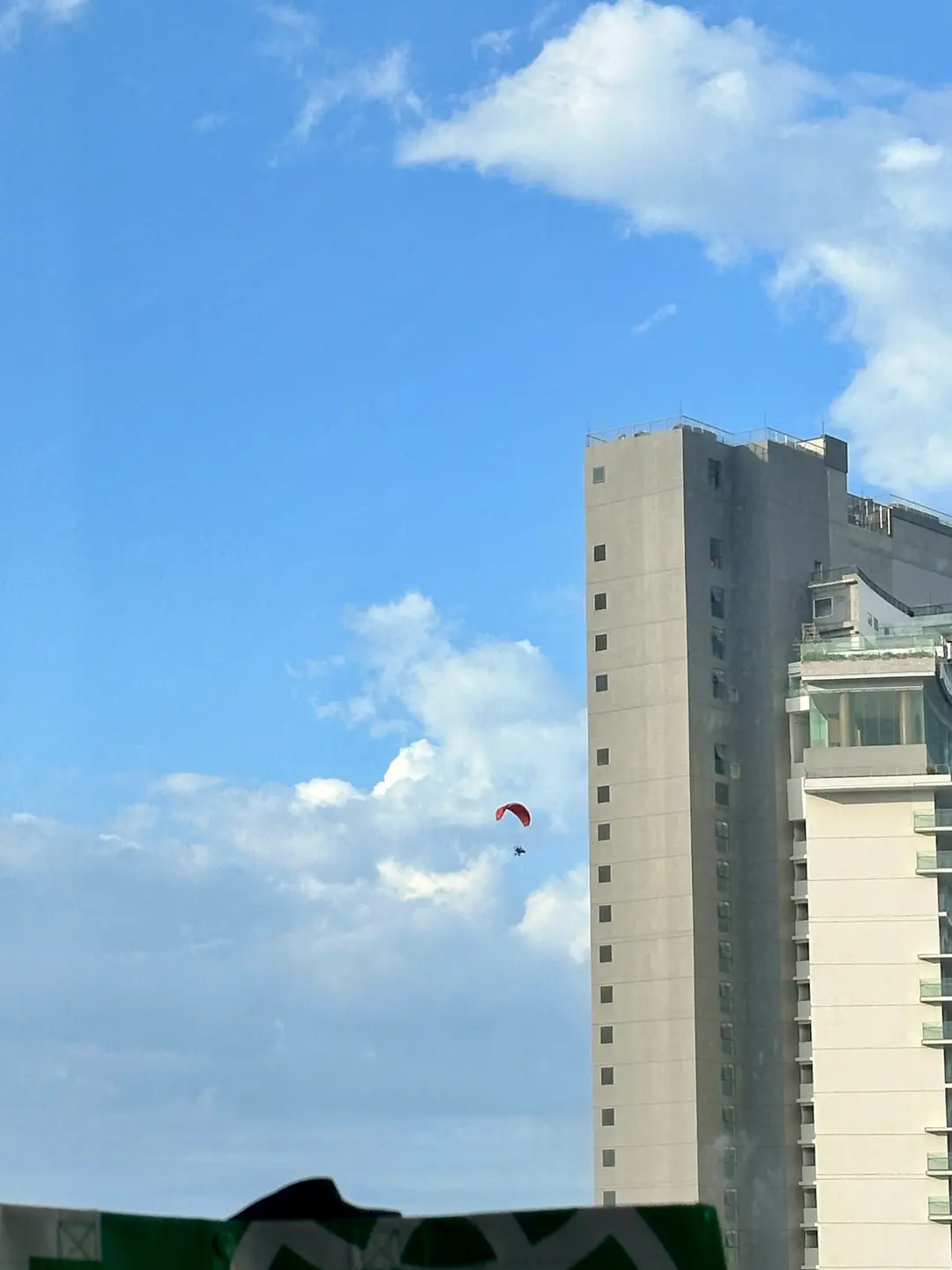
19階という高層階だからでしょうか、目の前に広がる
美しい海の景色に心がすっきりと洗われるようでした!
市内のホテルらしく、周辺には有名な飲食店やマッサージ店、
そして海までもすべて近かったので、お部屋で少し休んでから
すぐに最後の観光へと出かけました!
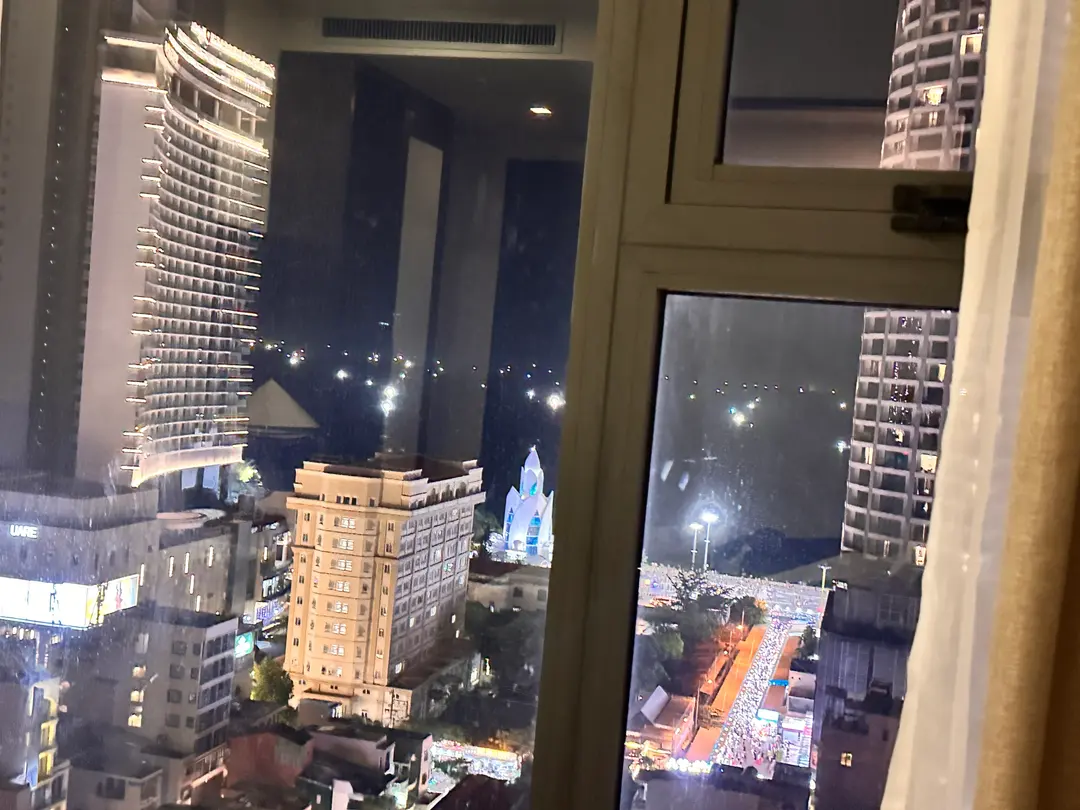
昼間の景色も素敵でしたが、夜になると
夜景もまた素晴らしく、大満足でした。
空港へ向かう前にベッドに横たわり、外を眺めながら癒やされていると、
帰国するのが本当に名残惜しくなってしまいました(泣)
ここで1ヶ月くらいロングステイしてみたかったです…!
ニャチャン サタホテルのランドリーサービス利用レビュー
私は東南アジア旅行に行くと、できるだけ
現地でランドリーサービスを利用するようにしています。

料金がとてもリーズナブルですし、
その国ならではの洗剤の香りも楽しめます。
무엇보다 한국에 돌아와서 캐리어 정리할 때
そして何より、日本に帰国してからスーツケースを整理する時が
本当に楽になるからです。
今回もチェックインの際、
Papago(翻訳アプリ)で翻訳した画面をお見せして、
洗濯をお願いしました。
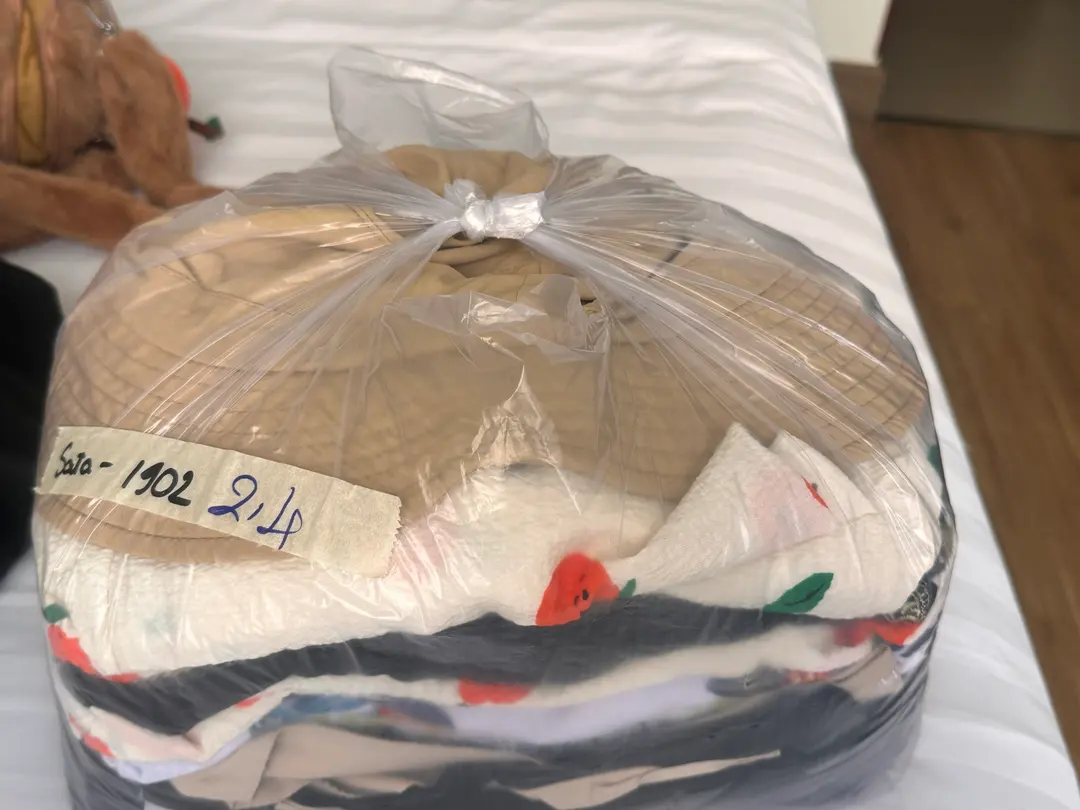
どうしても当日の夜にチェックアウトする際、
必ず洗濯が終わった衣類を受け取らなければならなかったので、
万が一遅延したらどうしようかと心配していたのですが、
幸いにも午後6時にすぐ受け取ることができ、
きれいに袋に梱包して渡してくださいました!
衣類からも本当に良い香りがしました。
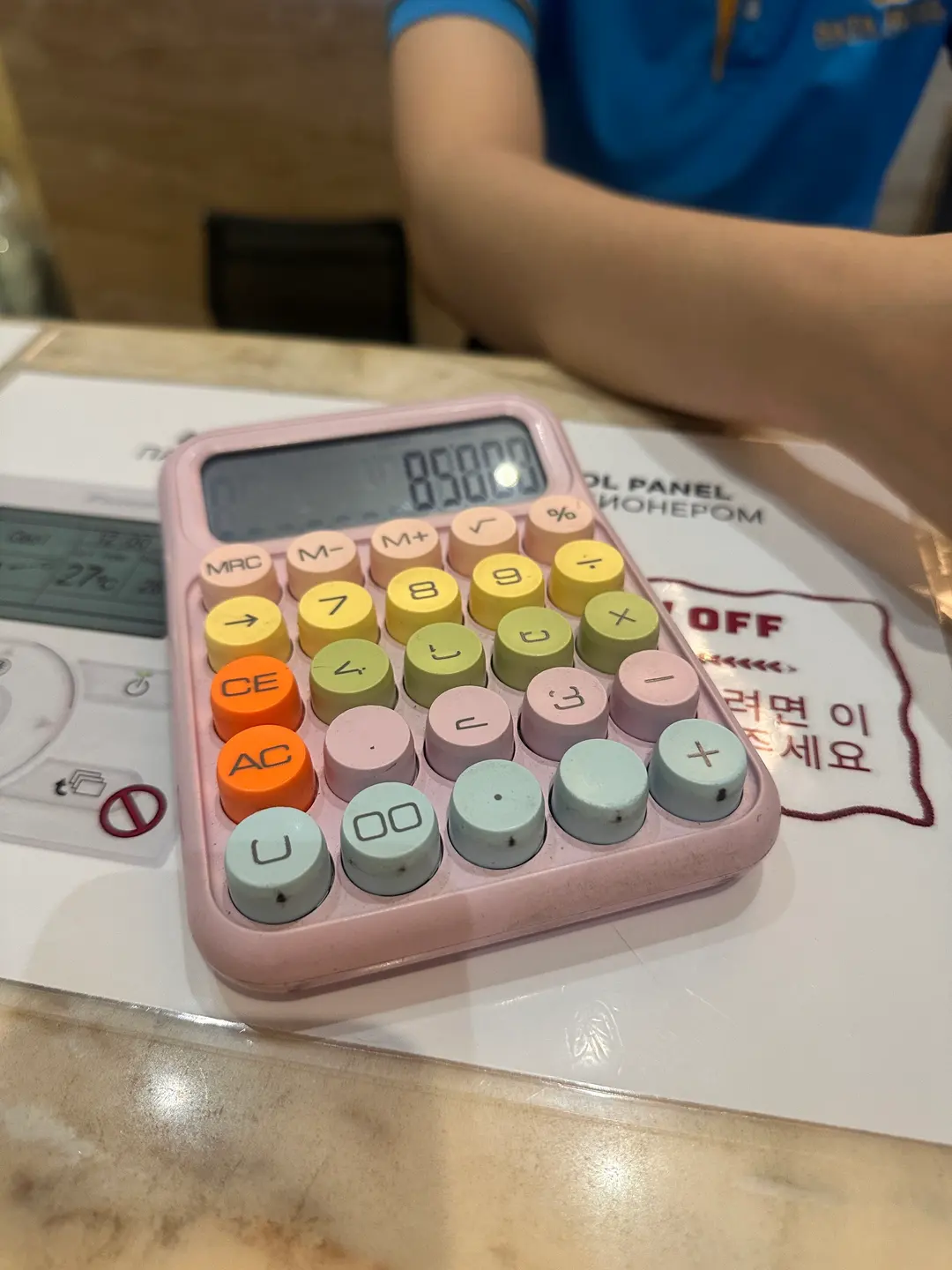
料金もリーズナブルですので、
旅行期間が長い方や、暑い気候のせいで
洗濯物がたくさん出てしまうという方は、
一度利用してみてはいかがでしょうか。
まとめ
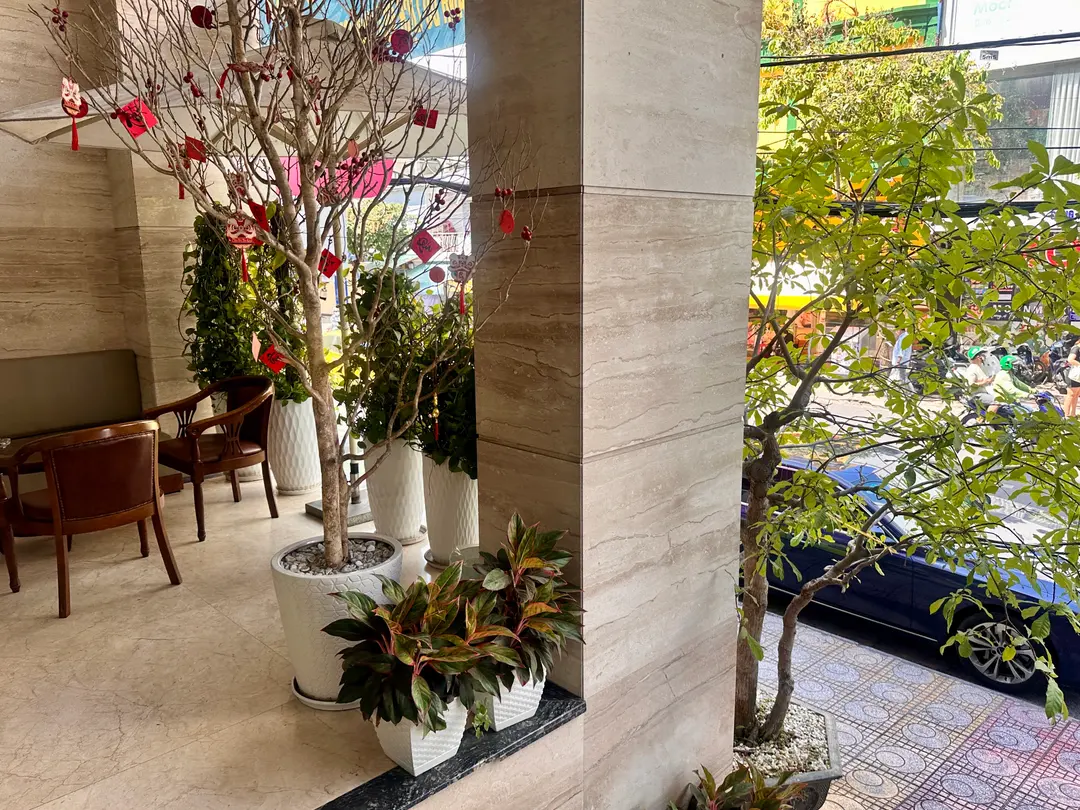
ニャチャンでの0.5泊用ホテルである「サタホテル」は、
豪華なリゾートを期待される方よりも、
最終日にゆっくり休んでから出国したい方に
本当にぴったりのホテルでした。
価格の負担が少ないにもかかわらず、
客室のコンディションは期待以上で、
オーシャンビューや市内へのアクセス、
そして洗濯サービスに至るまで満足度が非常に高かったです。
Agoda公式サイト | 無料キャンセル&お得なプラン | 200万軒以上のホテル

特に私のように夜の便で帰国するスケジュールであれば、
旅行最終日の疲労度が
本当に大きく変わってきます。
次回またニャチャンを訪れる機会があれば、
私も迷わず再予約したいくらい満足した
0.5泊用ホテルでした。
ニャチャン旅行、また行きたいです!!!!!
基本チェックイン時間は午後2時、チェックアウトは正午12時です。客室の状況によっては、追加料金なしで正午12時に無料のアーリーチェックインができる場合もあります。
バスルームにはシャンプーとボディソープが標準で用意されています。ヘアコンディショナーは備え付けられていないため、必要な場合はご自身で準備する必要があります。
チェックイン時にランドリーサービスを依頼すると、当日の午後6時に洗濯済みの衣類を受け取ることができます。衣類はきれいに袋に入れられて返却され、手頃な価格で利用可能です。
サタホテルは最安値基準で約3,300円から予約できます。これは、約3,600円台のモジョインや約4,000円台のグリーンビーチホテルなど、周辺の他の市内宿泊施設よりも安い価格です。

子連れダナン旅行で大人気の『ダナン三日月リゾート&スパ』を徹底紹介!温水プールや温泉、キッズクラブ完備で、観光に出かけなくてもホテル内だけで大人も子どもも1日中楽しめます。2026年最新の滞在レポートとして、客室の様子やおすすめの過ごし方を詳しくお届けします。

ベトナム・ニャチャンのカムラン国際空港から車で10分の5つ星「アルマリゾート」は、12のプールや本格ウォーターパークを備えた、まさに子供たちの水遊び天国!家族旅行にイチオシのプライベートプールヴィラとホテル棟の選び方、豪華な朝食ビュッフェの様子まで、2026年の最新情報をお届けします。

In </b> # <b> </b> An The In The <b> </b> , This The general objective of this study to understand structural alignment of elements in complete streets policy (CSP) across transportation plans and health guidelines. The search for policy documents was conducted on city, county, region, and state government websites in the state of California, as well as via Google. A total of 30 policies were collected, spanning the years 2005 to 2013, with 2008 being the year of the largest number of policies (n = 10). A systematic content analysis was conducted to analyze the level of alignment across four structural areas: design, policy, evaluation, and community. Results showed complete streets policies and health guidelines have high levels of alignment in the design and policy areas, but limited alignment in evaluation and community engagement. Over time, policy and design alignment remained high. Local agencies should focus on improving community engagement and evaluation, while state agencies can incentivize these areas. Further research is needed to determine the implementation and impact of these policies. This study provides valuable insights for urban planners, public health professionals, and policymakers seeking to promote active living and health equity through policy change. </h2><h2>2. Introduction</h2> <p>Built environments play an important role in promoting physical activity (PA) and preventing chronic diseases, such as obesity and cardiovascular diseases, by providing opportunities for active transportation and recreation <cite><sup>[1]</sup><sup>[2]</sup></p>. Built environment features such as sidewalks, bike lanes, streetlights, and crosswalks can promote active transportation, such as walking and bicycling <cite><sup>[3]</sup><sup>[4]</sup></p>. Conversely, the lack of such infrastructure can deter people from engaging in physical activity, leading to sedentary lifestyles and a higher risk of chronic diseases <cite><sup>[5]</sup><sup>[6]</sup></p>. To address this, many local governments have adopted policies and guidelines that promote active living, such as Complete Streets Policies (CSPs) and health guidelines. Currently, more than 1,600 CSPs have been passed in the United States, including at least 35 state-level policies, 150 metropolitan planning organizations, and more than 1,000 municipal policies <cite><sup>[7]</sup></p>. Additionally, health departments across the United States have developed health guidelines and health-in-all-policies (HiAP) initiatives to promote active living and health equity <cite><sup>[8]</sup><sup>[9]</sup></p>. However, the alignment between CSPs and health guidelines is often unclear, which can limit their effectiveness in promoting active living and health equity.</p> <p>CSPs aim to design and operate streets that are safe, comfortable, and convenient for all users, regardless of age, ability, or mode of transportation <cite><sup>[10]</sup></p>. These policies have been shown to increase physical activity, reduce traffic-related injuries and fatalities, and improve air quality <cite><sup>[11]</sup><sup>[12]</sup><sup>[13]</sup></p>. In contrast, health guidelines and HiAP initiatives aim to integrate health considerations into decision-making processes across various sectors, including transportation and urban planning <cite><sup>[14]</sup><sup>[15]</sup></p>. These guidelines often emphasize the importance of active living, access to healthy foods, and environmental justice. While both CSPs and health guidelines share the goal of promoting active living and health equity, they are often developed and implemented by different agencies with different priorities, funding sources, and professional languages <cite><sup>[16]</sup><sup>[17]</sup></p>. This can lead to a lack of alignment and coordination, resulting in missed opportunities to create healthier and more equitable communities.</p> <p>This study aims to assess the structural alignment of elements in CSPs across different levels of government in California, including cities, counties, regions, and the state, and to compare them to health guidelines. Specifically, we will analyze the level of alignment across four structural areas: design, policy, evaluation, and community. We will also examine how this alignment has changed over time, as well as the differences in alignment between different levels of government. The results of this study will provide valuable insights into the gaps and opportunities for alignment between CSPs and health guidelines, which can inform the development and implementation of future policies and guidelines to promote active living and health equity.</p> <p>To achieve this objective, we conducted a systematic content analysis of 30 policy documents from California, spanning the years 2005 to 2013, with 2008 being the year of the largest number of policies (n = 10). The documents were collected from city, county, region, and state government websites, as well as via Google. We developed a coding scheme to assess the presence and strength of elements in the four structural areas: design, policy, evaluation, and community. We then analyzed the data using descriptive statistics and bivariate analyses to compare the alignment across different levels of government and over time.</p> <p>The findings of this study will be of interest to urban planners, public health professionals, and policymakers who are working to create healthier and more equitable communities. By identifying areas of strength and weakness in the alignment between CSPs and health guidelines, this study can help to guide future efforts to integrate health into transportation and land use decision-making.</p> <p>The rest of this paper is organized as follows. First, we provide a brief overview of the literature on CSPs, health guidelines, and policy alignment. Next, we describe our methodology, including our data collection, coding scheme, and analysis plan. We then present our results, which are organized around the four structural areas, and discuss their implications for policy and practice. Finally, we conclude with a summary of our key findings and recommendations for future research.</p> <p>Our study contributes to the growing body of literature on the intersection of transportation, urban planning, and public health. While previous studies have examined the implementation and impact of CSPs <cite><sup>[18]</sup><sup>[19]</sup><sup>[20]</sup></p>, few have systematically analyzed their alignment with health guidelines across multiple levels of government. By filling this gap, we hope to provide a more comprehensive understanding of how policy alignment can support the creation of healthier and more equitable communities. Furthermore, our focus on California, a leader in both CSP adoption and health-in-all-policies initiatives <cite><sup>[21]</sup><sup>[22]</sup></p>, provides a valuable case study for other states and localities seeking to align their transportation and health goals. Overall, our study highlights the importance of cross-sectoral collaboration and policy alignment in promoting active living and health equity. By working together to align CSPs and health guidelines, planners and public health professionals can create streets that are not only safer and more accessible, but also healthier and more equitable for all. Do you want me to write a specific section, or continue with the next part of the paper? Let me know! **User:** Yes, please write the

ホーチミン1区にあるM City Hotel Saigonのデラックスルームに宿泊。ベンタイン市場へ徒歩約5分、主要観光地へのアクセスも良好。清潔な客室と親切なサービスに大満足でした。

ホーチミン1区に位置する5つ星「ホテルニッコーサイゴン」のクラブデラックスキングルームと朝食を徹底レビュー。清潔な客室、きめ細やかなターンダウンサービス、無料シャトル、そしてサプライズの誕生日サービスまで、詳細重視の旅行者におすすめのポイントをご紹介します。

ベトナムのサパ広場から徒歩約5分の好立地にある「サパ パインヒル エコロジー(Sapa Pine Hill Ecolodge)」の宿泊記。テラスからの素晴らしい絶景、美味しい朝食、フレンドリーなサービスが魅力で、1泊約5,200円から泊まれるコスパ抜群のおしゃれロッジ。リアルな感想と宿泊のコツをお届けします。