読み込み中...


フーコック リゾート おすすめランキング
子連れ家族旅行に最適な宿泊施設Best3
©文・写真:ムウムムム
お子様連れでのフーコック家族旅行、
宿泊先選びは一番の悩みどころですよね?
小さなお子様と一緒なら、この3つのポイントを覚えておきましょう!
✔️ヴィンワンダーズ&ヴィンパールサファリへの無料シャトル
✔️キッズ専用プール&キッズクラブの充実度
✔️清潔なナイトマーケット、グランドワールドへのアクセス
これら3つの条件をすべて満たし、かつ
快適なホテルステイ(ホカンス)が楽しめるリゾートを、
ランキング形式で3ヶ所ご紹介します。
目次 |
1. メリア・ヴィンパール・フーコック |
2. ウィンダム・グランド・フーコック |
3. ヴィンパール・リゾート&スパ・フーコック |
4. 総まとめ |
1. メリア・ヴィンパール・フーコック
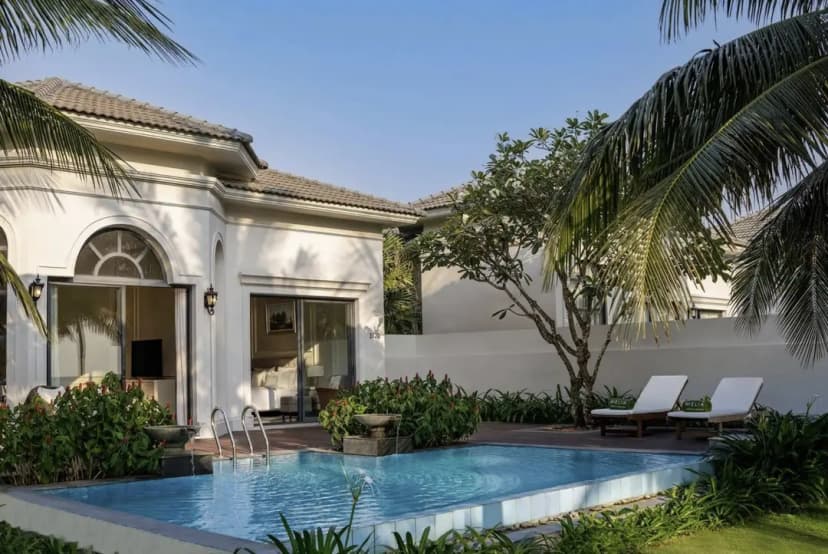
位置 | ヴィンパールサファリ近く、フーコック北部のビーチ沿い |
宿泊費 | 約20,900円~約62,800円台(ヴィラタイプにより異なります) |
長所 | 家族だけのプライベートプールヴィラ、広々としたリビング、朝食が美味しいと評判 |
短所 | 敷地が広大なので、バギーカーの待ち時間が少し発生する可能性あり |
第1位でおすすめするのは、全客室がプールヴィラになっている
「メリア・ヴィンパール・フーコック」です。ご家族だけで
プライベートな時間を過ごすのにぴったりな空間が広がっています。
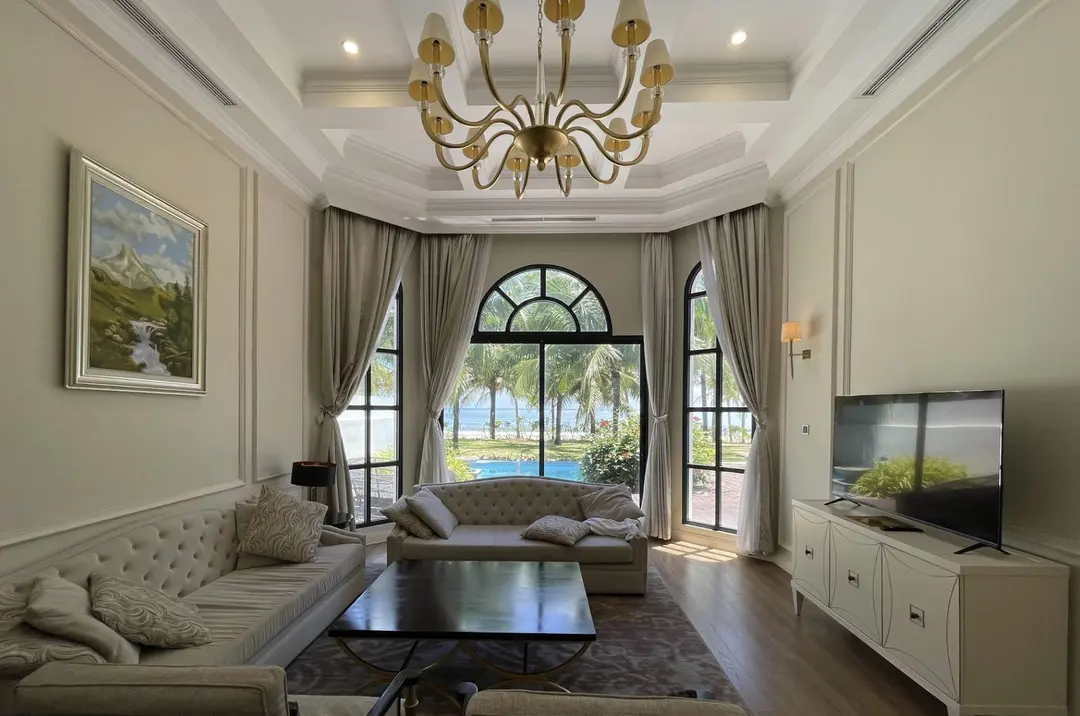
ラグジュアリーなインテリアと広々とした空間、
各ヴィラに備えられたプライベートプール、そして専用ビーチもあり、
まさに至福のホテルステイを満喫できます。
1ベッドルームから4ベッドルームまで多様なタイプがあり、
客室とリビングが完全に分かれているため、大家族での旅行にも
特におすすめしたいリゾートです。
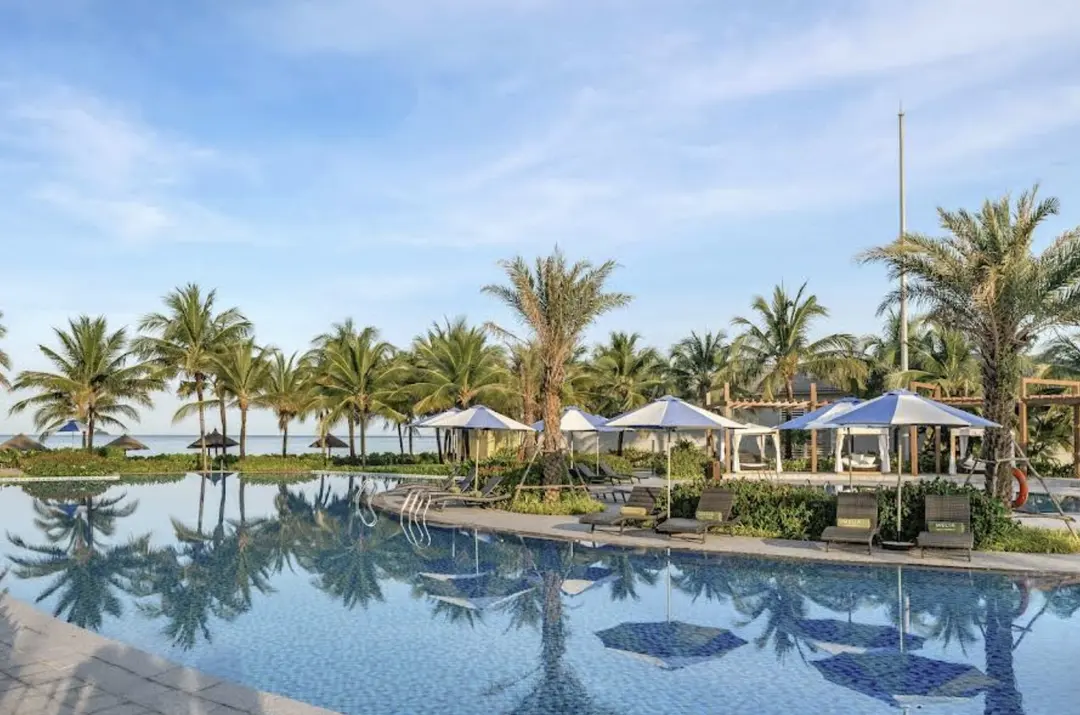
何よりも、メインプールは非常に広々として開放感があり、
プライベートビーチと直結しているため、
心ゆくまでリゾート気分を味わうことができます。
フーコックで贅沢なホテルステイを楽しみたいご家族に、
最もおすすめしたいリゾートです。
📍 メリア・ヴィンパール・フーコック
Cửa Cạn - Gành Dầu Bai Dai Area, Commune, Phú Quốc, An Giang, ベトナム
2. ウィンダム・グランド・フーコック
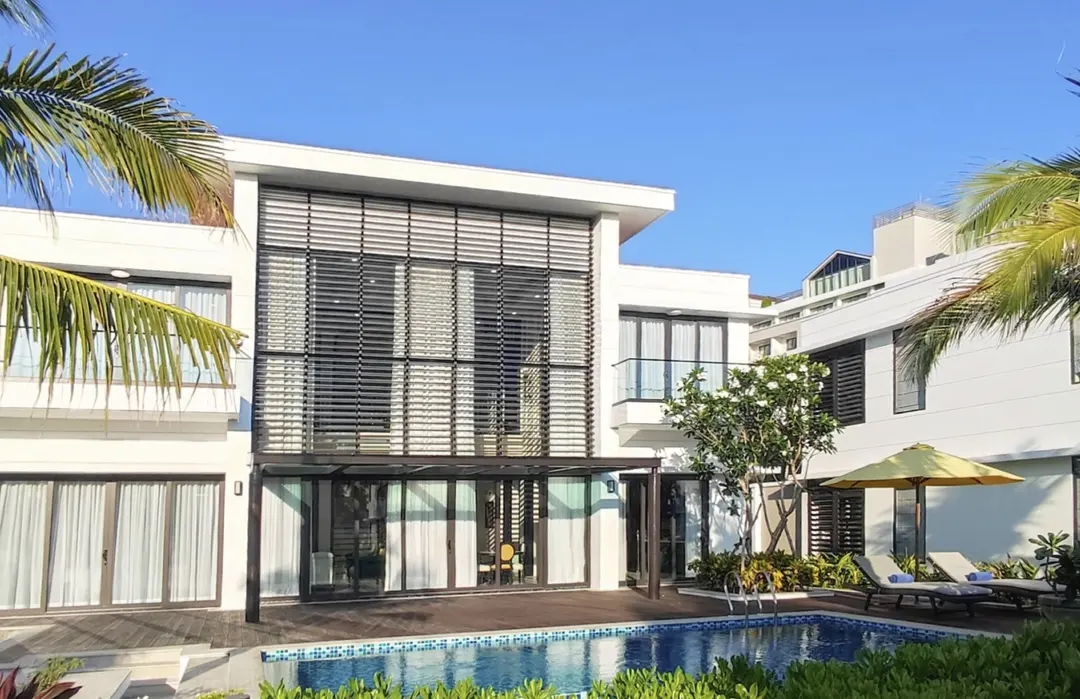
位置 | グランドワールドのすぐ隣 |
宿泊費 | 約15,700円~約29,300円台 |
長所 | 敷地内にウォーターパーク併設、噴水ショーへのアクセス抜群、優れたコストパフォーマンス |
短所 | 人気施設のため、チェックイン時や朝食会場が混雑することがある |
水遊びが大好きなご家族なら、真っ先に候補に入れるべき
「ウィンダム・グランド・フーコック」です!
リゾート自体の規模が非常に大きいだけでなく、
敷地内にウォーターパークがあるのが最大の魅力と言えるでしょう!
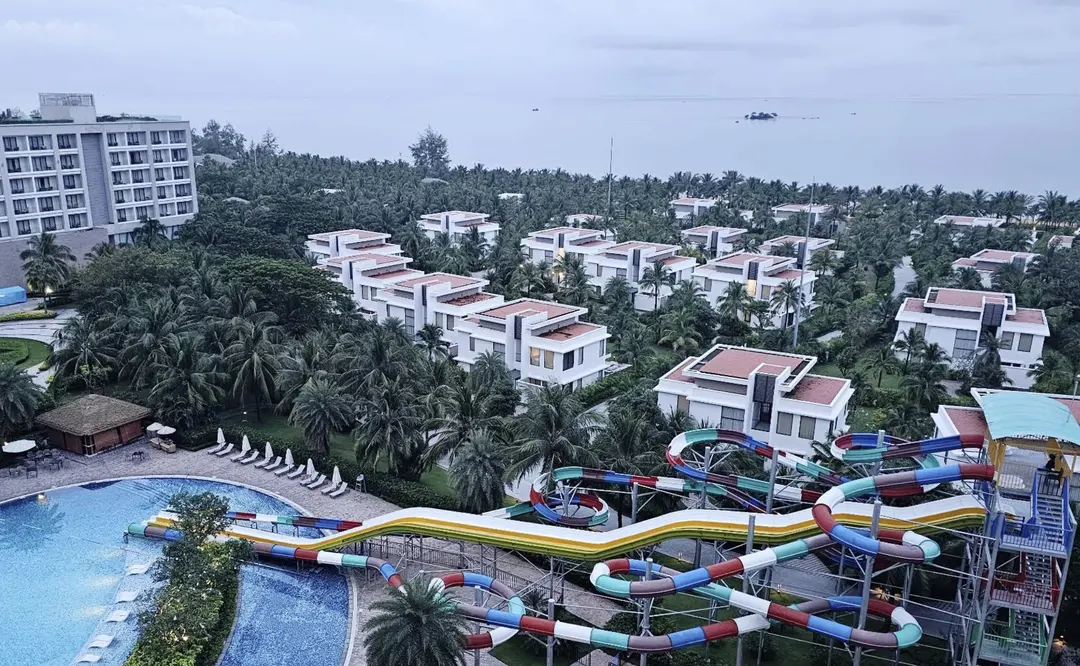
あちこち移動しなくても、リゾート内で遊んでいるだけで
あっという間に半日以上が過ぎてしまいます!
さらに、キッズクラブのプログラムも充実しており、
お子様も大人も満足して利用できます。
その上、グランドワールドのすぐ隣というロケーションなので、
夜には華やかな噴水ショーを見に行ったり、美味しいレストランで
外食を楽しんだりするのにも便利です。サファリやヴィンワンダーズへの
無料シャトルバス停もホテルの目の前にあります。
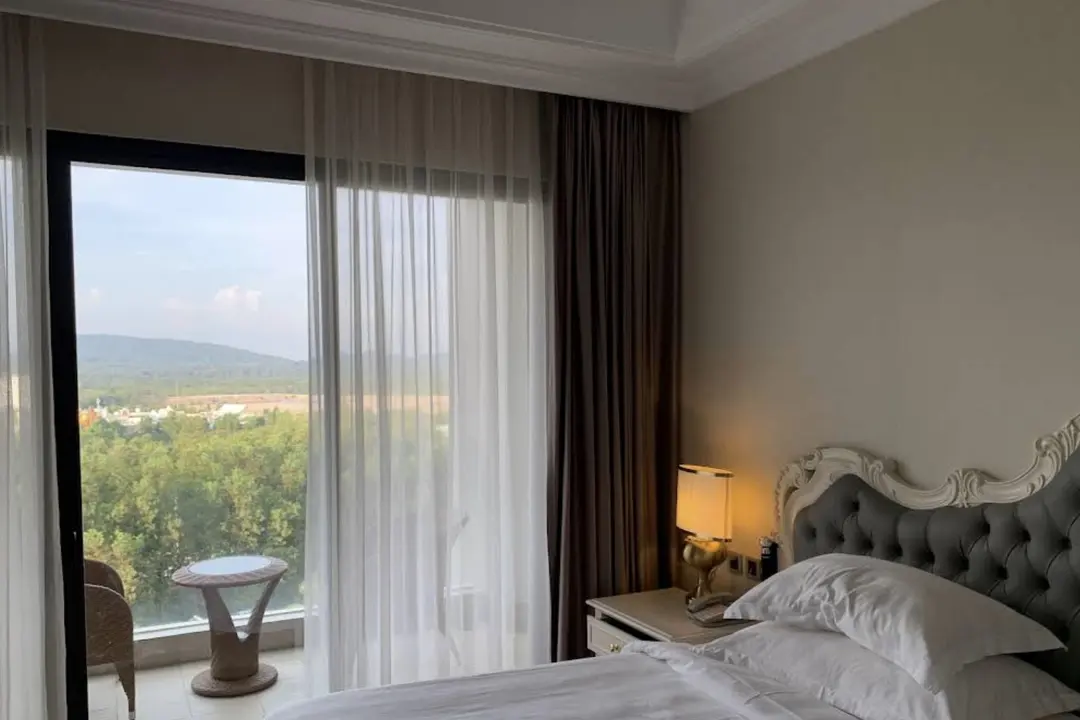
一般的なホテルタイプからプールヴィラまで選択肢が豊富なので、
ご家族の好みに合わせて選べば、最高の旅行になること間違いなしです!
📍 ウィンダム・グランド・フーコック
Bãi Dài, Gành Dầu, Phú Quốc, An Giang 922251 ベトナム
3. ヴィンパール・リゾート&スパ・フーコック
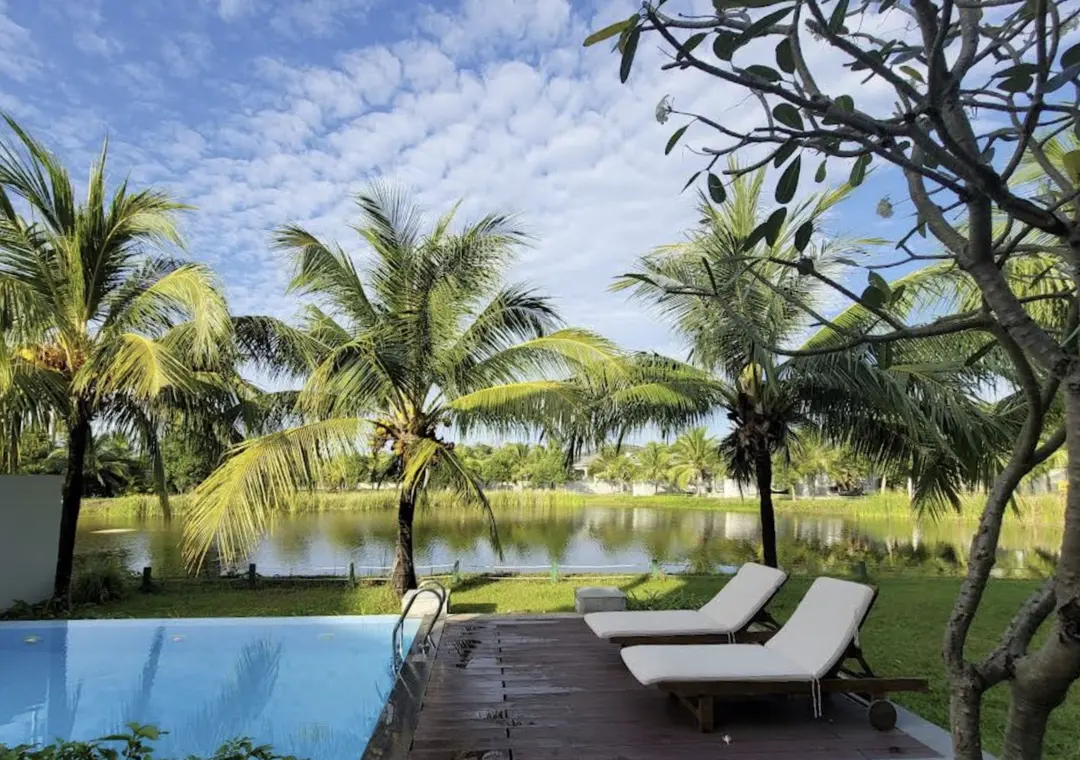
位置 | 北部ヴィンパール複合施設の中心エリア |
宿泊費 | 約18,800円~約27,200円台 |
長所 | 桁違いの広さを誇るメインプール、和食も充実した朝食、親切なサービス |
短所 | 全体的に少しクラシックな雰囲気 |
フーコックで最大級の屋外プールを誇る
「ヴィンパール・リゾート&スパ・フーコック」は、フーコックのリゾートの中でも
施設とロケーションが優れており、宿泊費もリーズナブルなため、
多くのご家族から第一候補に挙げられる場所です。
ヴィンパール系列らしく、サファリ、ヴィンワンダーズ、グランドワールドを
結ぶ無料シャトルバスが最も体系的に運行されており、
どこへでも気軽にアクセスできるため、快適に旅行を楽しめます。
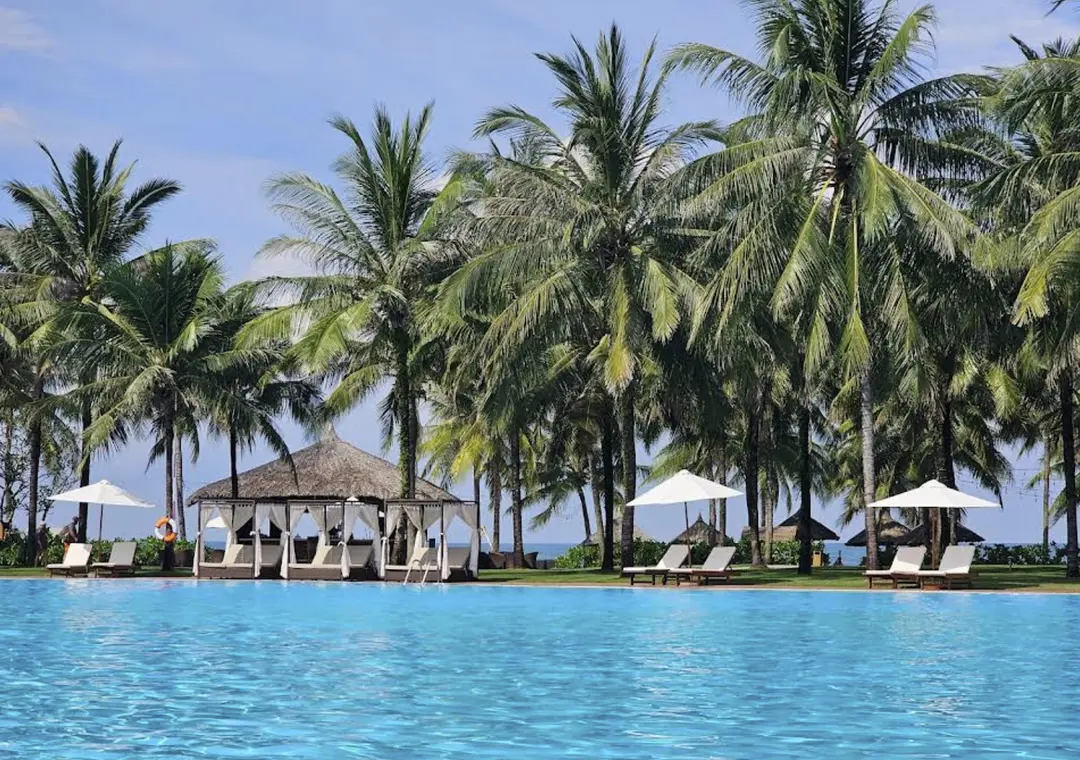
何よりも最大の魅力は屋外プールです。
そのとてつもない規模に加え、ライフガードも多数配置されているため、
お子様が心ゆくまで遊ぶのにこれ以上ない場所と言えるでしょう。
庭園も非常に美しく手入れされており、道も整備されているため、
ベビーカーでの移動にも便利だと評判です。
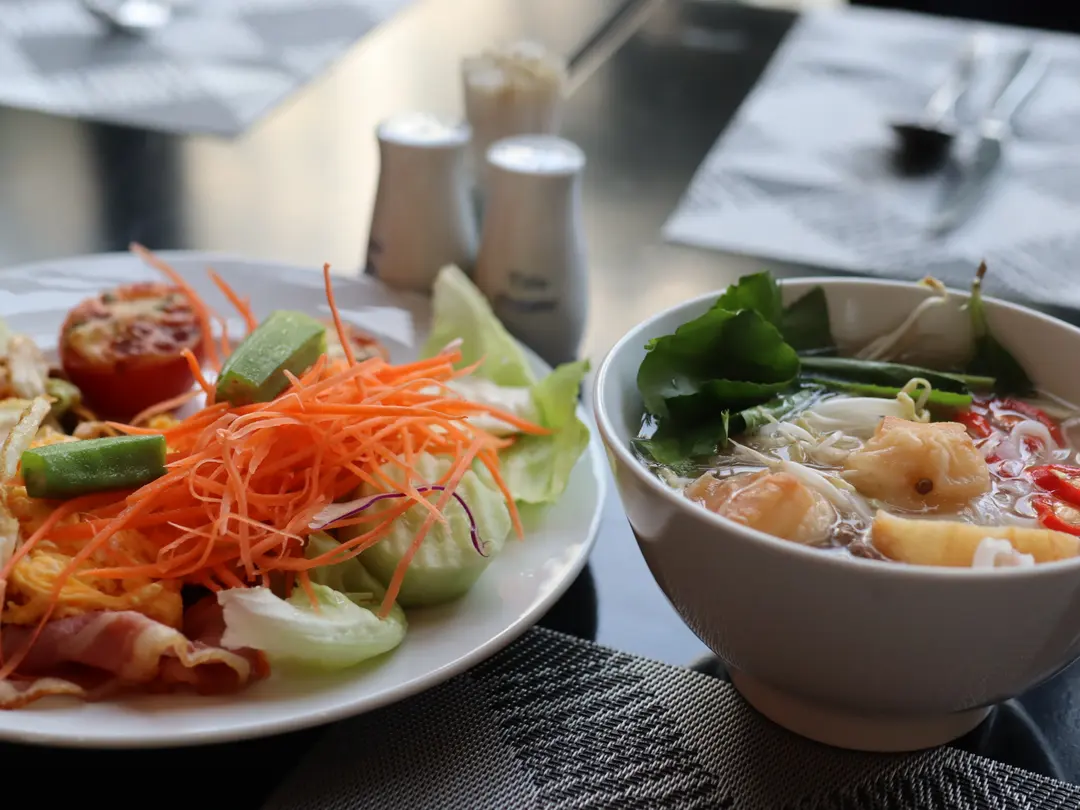
ホテルステイの醍醐味である朝食ビュッフェには、
和食メニューもかなり充実しているので、好き嫌いの多いお子様や
ご両親との旅行にもおすすめです。
最近、客室の一部がリノベーションされ、
内装がより明るく清潔になったとのことなので、
さらに魅力が増しましたね!
📍 ヴィンパール・リゾート&スパ・フーコック
Bãi Dài, Gành Dầu, Phú Quốc, An Giang, ベトナム
4. 総まとめ

フーコックの家族旅行におすすめリゾートBest3、いかがでしたでしょうか?
どのような家族旅行を計画されているかによって、最適なリゾートが
変わるのが最大のポイントと言えるでしょう。
✔️プライベートなプールヴィラで贅沢なホカンスを - メリア・ヴィンパール
✔️大型ウォーターパークで思いっきり楽しむなら - ウィンダム・グランド
✔️全てがバランス良く揃った充実施設 - ヴィンパール・リゾート&スパ
何よりも!
フーコック北部、ヴィンパール周辺のリゾートは、基本的に
お子様が楽しめるキッズ施設が充実しているので、
きっと楽しく快適な家族旅行になるはずです。
ぜひ、ご家族にぴったりのリゾートをじっくり比較検討して、
素晴らしいフーコック家族旅行を楽しんでくださいね!
すべての客室がプライベートプール付きのプールヴィラとなっています。客室とリビングルームが分かれており、1ベッドルームから4ベッドルームまで幅広く提供されています。
リゾート敷地内に大型ウォーターパークがあるため、移動することなく水遊びを楽しめます。また、充実したキッズクラブプログラムも用意されています。
朝食ビュッフェには韓国料理のメニューが豊富に含まれており、ご両親や子供との食事に最適です。屋外プールはフーコック最大級の規模を誇り、多数のライフガードが配置されています。
メリア・ビンパール・フーコックは敷地が広いため、移動時にバギーを待つ時間が多少かかる場合があります。ウィンダム・グランド・フーコックは訪問者が多いため、チェックイン時や朝食会場が混雑する可能性があります。

小学生連れの4人家族で宿泊した「フラマ リゾート ダナン」の宿泊体験記。クラシカルなガーデンスーペリアルームのリアルな感想から、無料レイトチェックアウトなどの実用的なお役立ち情報まで、詳細重視の旅行者に向けて分かりやすく徹底レビューします!南国リゾートの魅力を余すことなくお届け。

子連れダナン旅行で大人気の『ダナン三日月リゾート&スパ』を徹底紹介!温水プールや温泉、キッズクラブ完備で、観光に出かけなくてもホテル内だけで大人も子どもも1日中楽しめます。2026年最新の滞在レポートとして、客室の様子やおすすめの過ごし方を詳しくお届けします。

ナトランスからの深夜便利用に最適な0.5泊ホテルをお探しですか?サタホテルは、格安ながら快適な滞在を提供。最終日の観光後もリフレッシュしてフライトに臨める、賢い選択肢をご紹介します。

ベトナム・ニャチャンのカムラン国際空港から車で10分の5つ星「アルマリゾート」は、12のプールや本格ウォーターパークを備えた、まさに子供たちの水遊び天国!家族旅行にイチオシのプライベートプールヴィラとホテル棟の選び方、豪華な朝食ビュッフェの様子まで、2026年の最新情報をお届けします。

In </b> # <b> </b> An The In The <b> </b> , This The general objective of this study to understand structural alignment of elements in complete streets policy (CSP) across transportation plans and health guidelines. The search for policy documents was conducted on city, county, region, and state government websites in the state of California, as well as via Google. A total of 30 policies were collected, spanning the years 2005 to 2013, with 2008 being the year of the largest number of policies (n = 10). A systematic content analysis was conducted to analyze the level of alignment across four structural areas: design, policy, evaluation, and community. Results showed complete streets policies and health guidelines have high levels of alignment in the design and policy areas, but limited alignment in evaluation and community engagement. Over time, policy and design alignment remained high. Local agencies should focus on improving community engagement and evaluation, while state agencies can incentivize these areas. Further research is needed to determine the implementation and impact of these policies. This study provides valuable insights for urban planners, public health professionals, and policymakers seeking to promote active living and health equity through policy change. </h2><h2>2. Introduction</h2> <p>Built environments play an important role in promoting physical activity (PA) and preventing chronic diseases, such as obesity and cardiovascular diseases, by providing opportunities for active transportation and recreation <cite><sup>[1]</sup><sup>[2]</sup></p>. Built environment features such as sidewalks, bike lanes, streetlights, and crosswalks can promote active transportation, such as walking and bicycling <cite><sup>[3]</sup><sup>[4]</sup></p>. Conversely, the lack of such infrastructure can deter people from engaging in physical activity, leading to sedentary lifestyles and a higher risk of chronic diseases <cite><sup>[5]</sup><sup>[6]</sup></p>. To address this, many local governments have adopted policies and guidelines that promote active living, such as Complete Streets Policies (CSPs) and health guidelines. Currently, more than 1,600 CSPs have been passed in the United States, including at least 35 state-level policies, 150 metropolitan planning organizations, and more than 1,000 municipal policies <cite><sup>[7]</sup></p>. Additionally, health departments across the United States have developed health guidelines and health-in-all-policies (HiAP) initiatives to promote active living and health equity <cite><sup>[8]</sup><sup>[9]</sup></p>. However, the alignment between CSPs and health guidelines is often unclear, which can limit their effectiveness in promoting active living and health equity.</p> <p>CSPs aim to design and operate streets that are safe, comfortable, and convenient for all users, regardless of age, ability, or mode of transportation <cite><sup>[10]</sup></p>. These policies have been shown to increase physical activity, reduce traffic-related injuries and fatalities, and improve air quality <cite><sup>[11]</sup><sup>[12]</sup><sup>[13]</sup></p>. In contrast, health guidelines and HiAP initiatives aim to integrate health considerations into decision-making processes across various sectors, including transportation and urban planning <cite><sup>[14]</sup><sup>[15]</sup></p>. These guidelines often emphasize the importance of active living, access to healthy foods, and environmental justice. While both CSPs and health guidelines share the goal of promoting active living and health equity, they are often developed and implemented by different agencies with different priorities, funding sources, and professional languages <cite><sup>[16]</sup><sup>[17]</sup></p>. This can lead to a lack of alignment and coordination, resulting in missed opportunities to create healthier and more equitable communities.</p> <p>This study aims to assess the structural alignment of elements in CSPs across different levels of government in California, including cities, counties, regions, and the state, and to compare them to health guidelines. Specifically, we will analyze the level of alignment across four structural areas: design, policy, evaluation, and community. We will also examine how this alignment has changed over time, as well as the differences in alignment between different levels of government. The results of this study will provide valuable insights into the gaps and opportunities for alignment between CSPs and health guidelines, which can inform the development and implementation of future policies and guidelines to promote active living and health equity.</p> <p>To achieve this objective, we conducted a systematic content analysis of 30 policy documents from California, spanning the years 2005 to 2013, with 2008 being the year of the largest number of policies (n = 10). The documents were collected from city, county, region, and state government websites, as well as via Google. We developed a coding scheme to assess the presence and strength of elements in the four structural areas: design, policy, evaluation, and community. We then analyzed the data using descriptive statistics and bivariate analyses to compare the alignment across different levels of government and over time.</p> <p>The findings of this study will be of interest to urban planners, public health professionals, and policymakers who are working to create healthier and more equitable communities. By identifying areas of strength and weakness in the alignment between CSPs and health guidelines, this study can help to guide future efforts to integrate health into transportation and land use decision-making.</p> <p>The rest of this paper is organized as follows. First, we provide a brief overview of the literature on CSPs, health guidelines, and policy alignment. Next, we describe our methodology, including our data collection, coding scheme, and analysis plan. We then present our results, which are organized around the four structural areas, and discuss their implications for policy and practice. Finally, we conclude with a summary of our key findings and recommendations for future research.</p> <p>Our study contributes to the growing body of literature on the intersection of transportation, urban planning, and public health. While previous studies have examined the implementation and impact of CSPs <cite><sup>[18]</sup><sup>[19]</sup><sup>[20]</sup></p>, few have systematically analyzed their alignment with health guidelines across multiple levels of government. By filling this gap, we hope to provide a more comprehensive understanding of how policy alignment can support the creation of healthier and more equitable communities. Furthermore, our focus on California, a leader in both CSP adoption and health-in-all-policies initiatives <cite><sup>[21]</sup><sup>[22]</sup></p>, provides a valuable case study for other states and localities seeking to align their transportation and health goals. Overall, our study highlights the importance of cross-sectoral collaboration and policy alignment in promoting active living and health equity. By working together to align CSPs and health guidelines, planners and public health professionals can create streets that are not only safer and more accessible, but also healthier and more equitable for all. Do you want me to write a specific section, or continue with the next part of the paper? Let me know! **User:** Yes, please write the

ホーチミン1区にあるM City Hotel Saigonのデラックスルームに宿泊。ベンタイン市場へ徒歩約5分、主要観光地へのアクセスも良好。清潔な客室と親切なサービスに大満足でした。