読み込み中...
グランドワールドを訪れた後、ユーンドン(Duong Dong)の市街地へ移動しました。
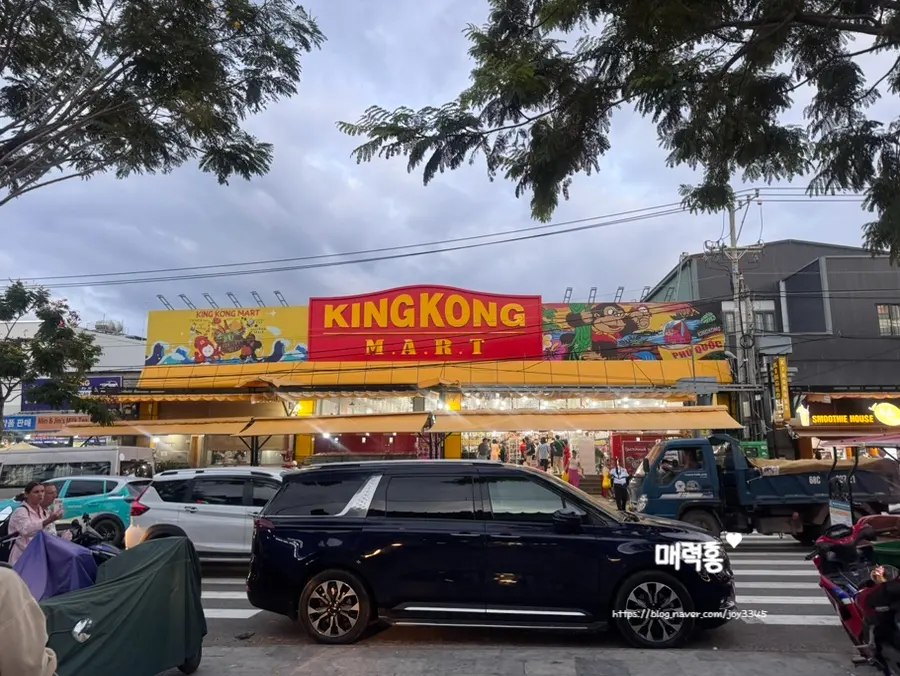
フーコックの「KING KONG MART(キングコングマート)」でお買い物をすることに! 🛍️
こちらはサファリに行く前に立ち寄った、もう一つのキングコングマートです。
お店の前にカフェもあり、落ち着いた雰囲気でとても良さそうでした。
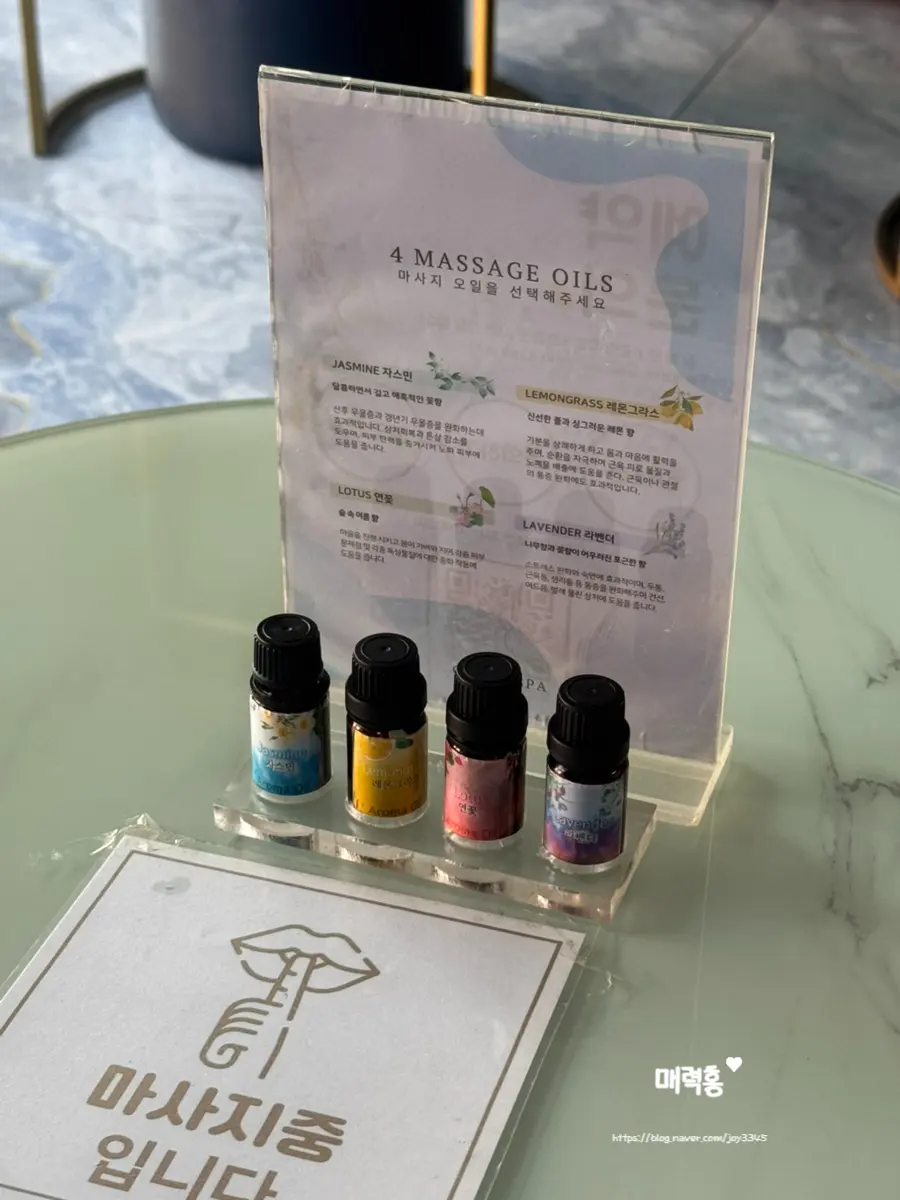
グランドワールドからお買い物へ移動する間、暑さもあり、少し時間に余裕ができたので、
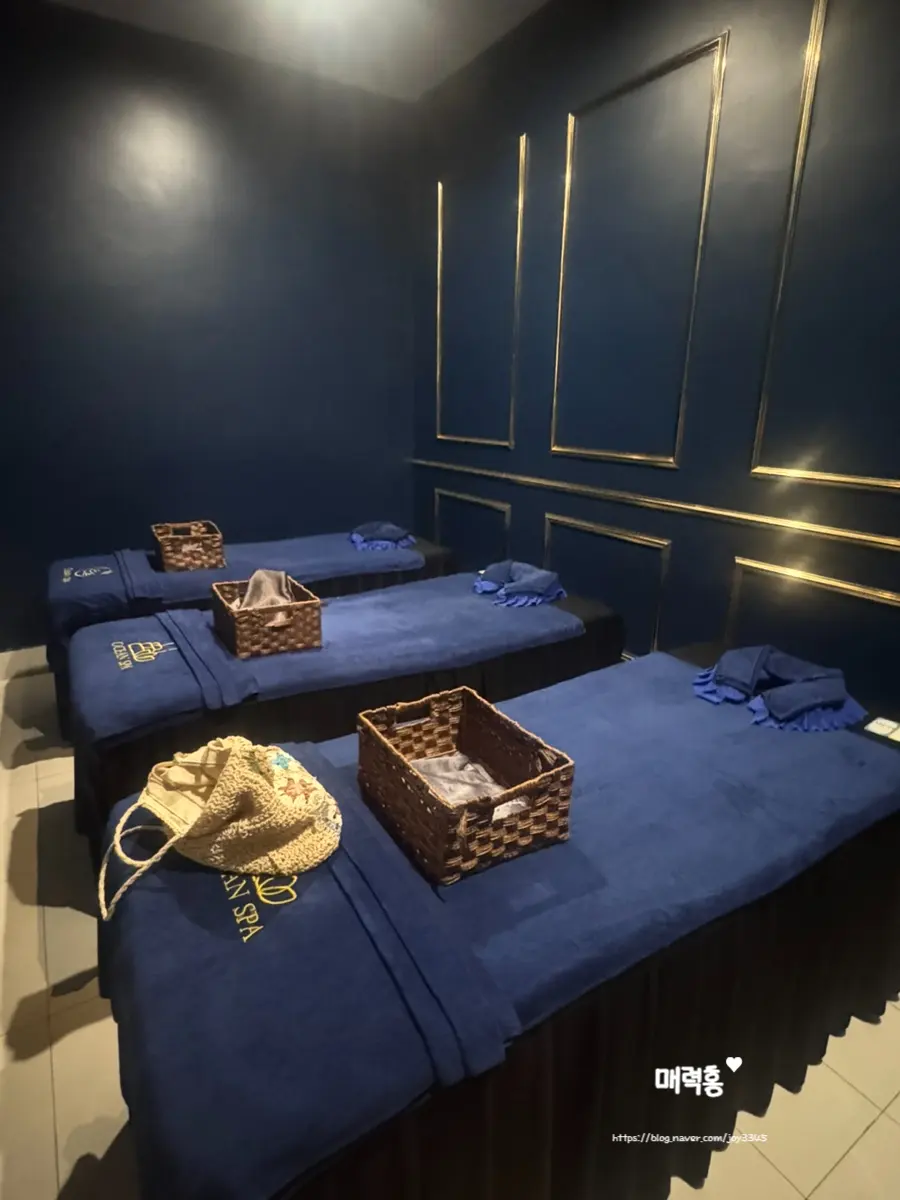
マッサージをもう一度受けることにしました。
私たちが訪れたのは、向かい側にある「オーシャンスパ(Ocean Spa)」でしたが、
施設としては「スパ・ザ・エル(Spa The L)」の方が圧倒的に綺麗でした(清潔で、嫌な臭いも全くありません)。
こちらの店舗は施設自体は普通ですが、マッサージの圧が強めで、しっかりとコリがほぐれて気持ちよかったです。
観光客が最も多く訪れ、実質的な本店(メイン)として
扱われているのがこちらの店舗です。
タクシーの運転手さんがおすすめしてくれたおかげで、スムーズに立ち寄ることができました。
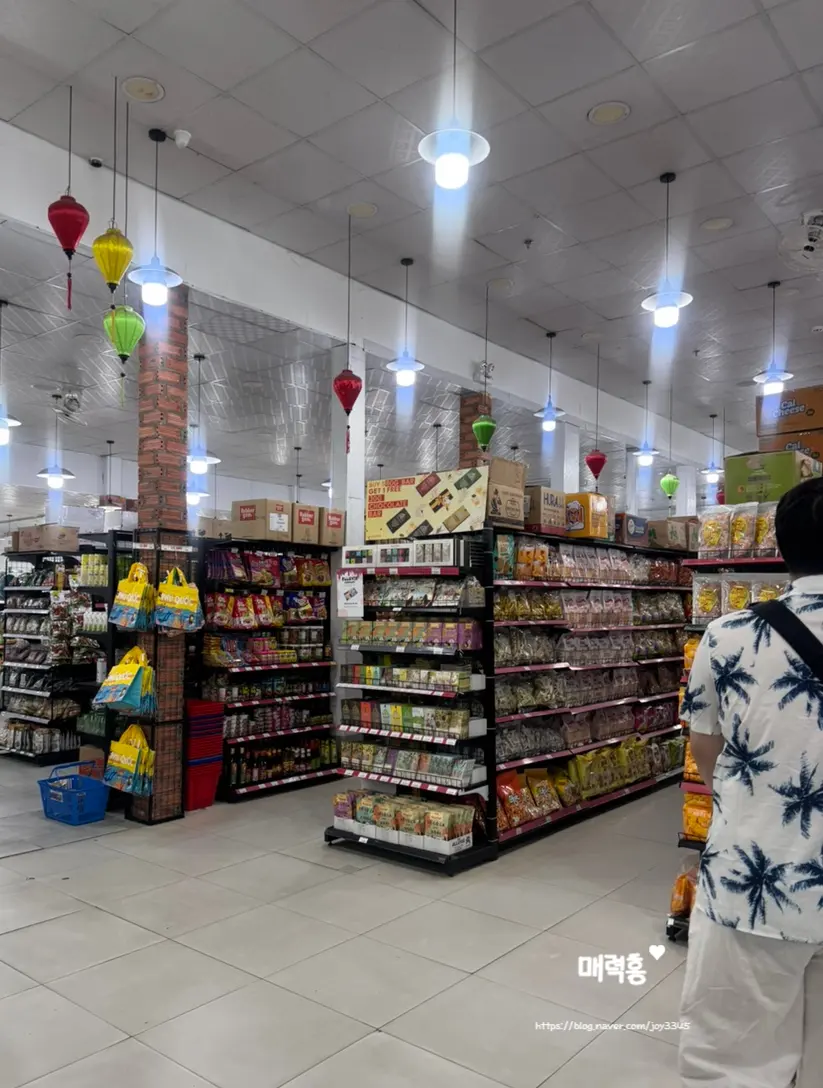
想像以上に店内は広く、多くの人で賑わっていました。
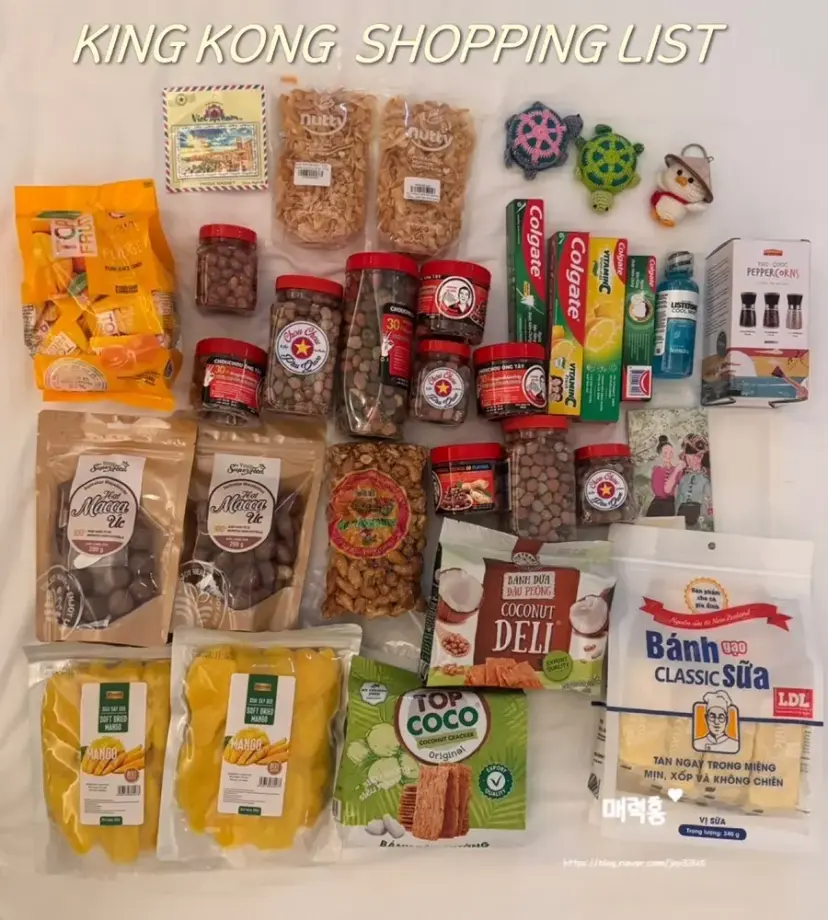
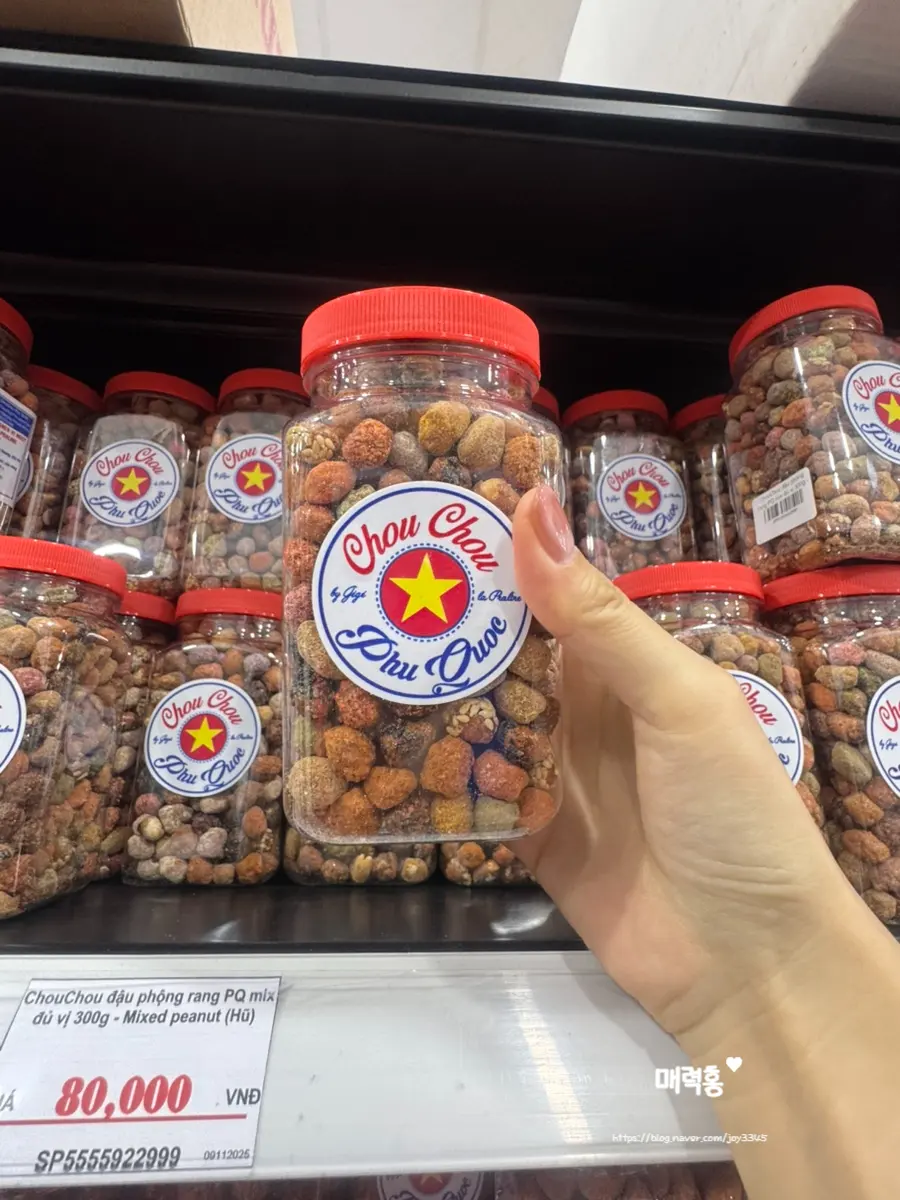
フーコックのキングコングマートでのショッピングリスト・おすすめ土産「シュシュピーナッツ」
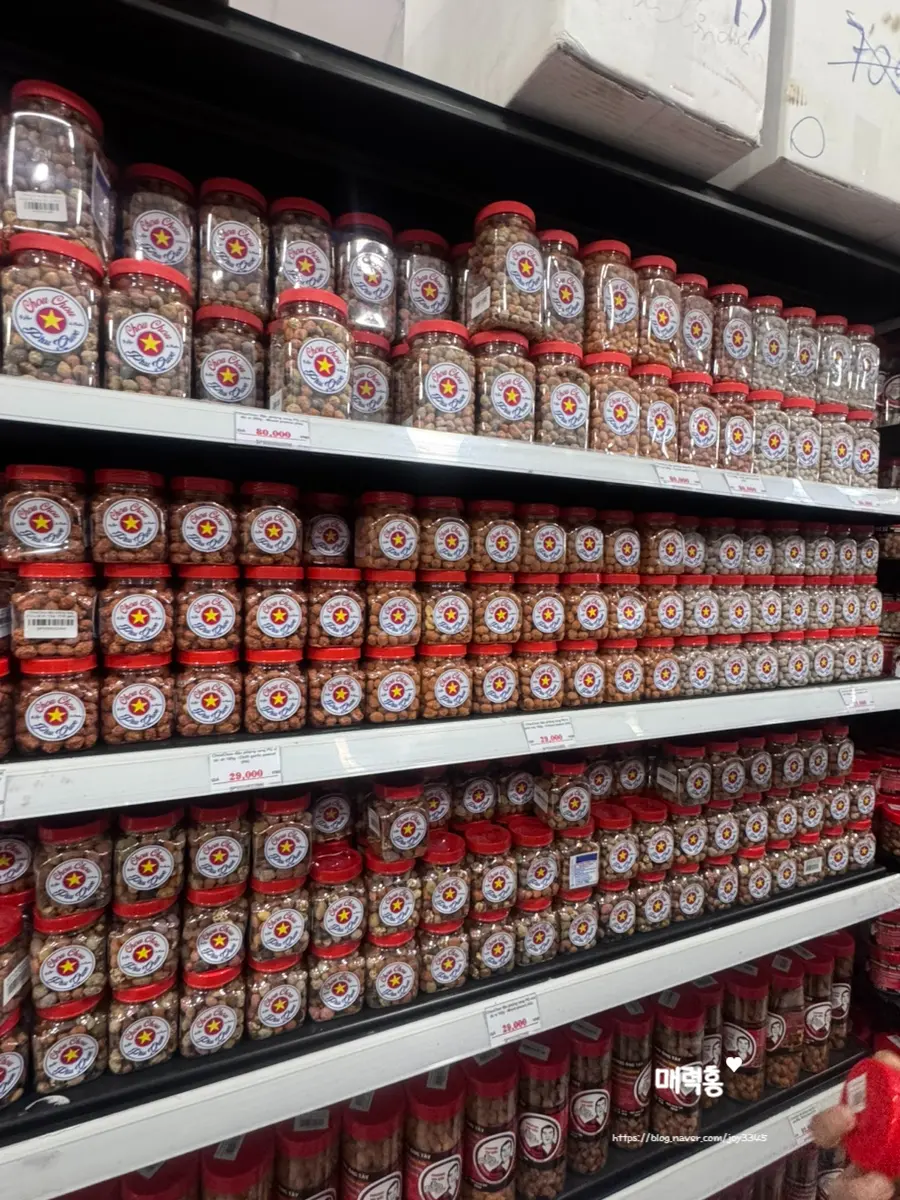
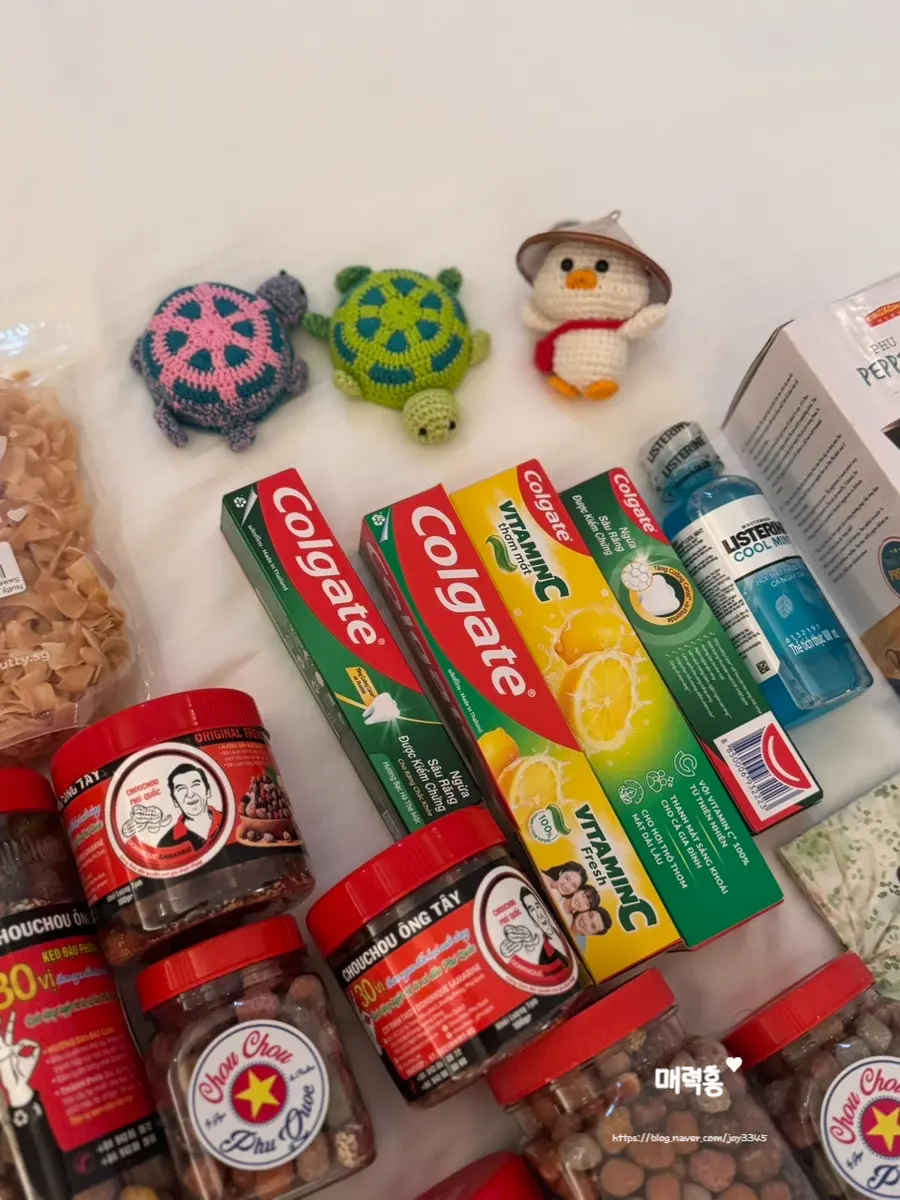
旅行中に最もよく見かけ、購入することになるであろうフーコック名物のピーナッツ!
星のイラストが描かれたシンプルなパッケージが可愛らしかったので、
お土産として配る用にもいくつか購入しました。
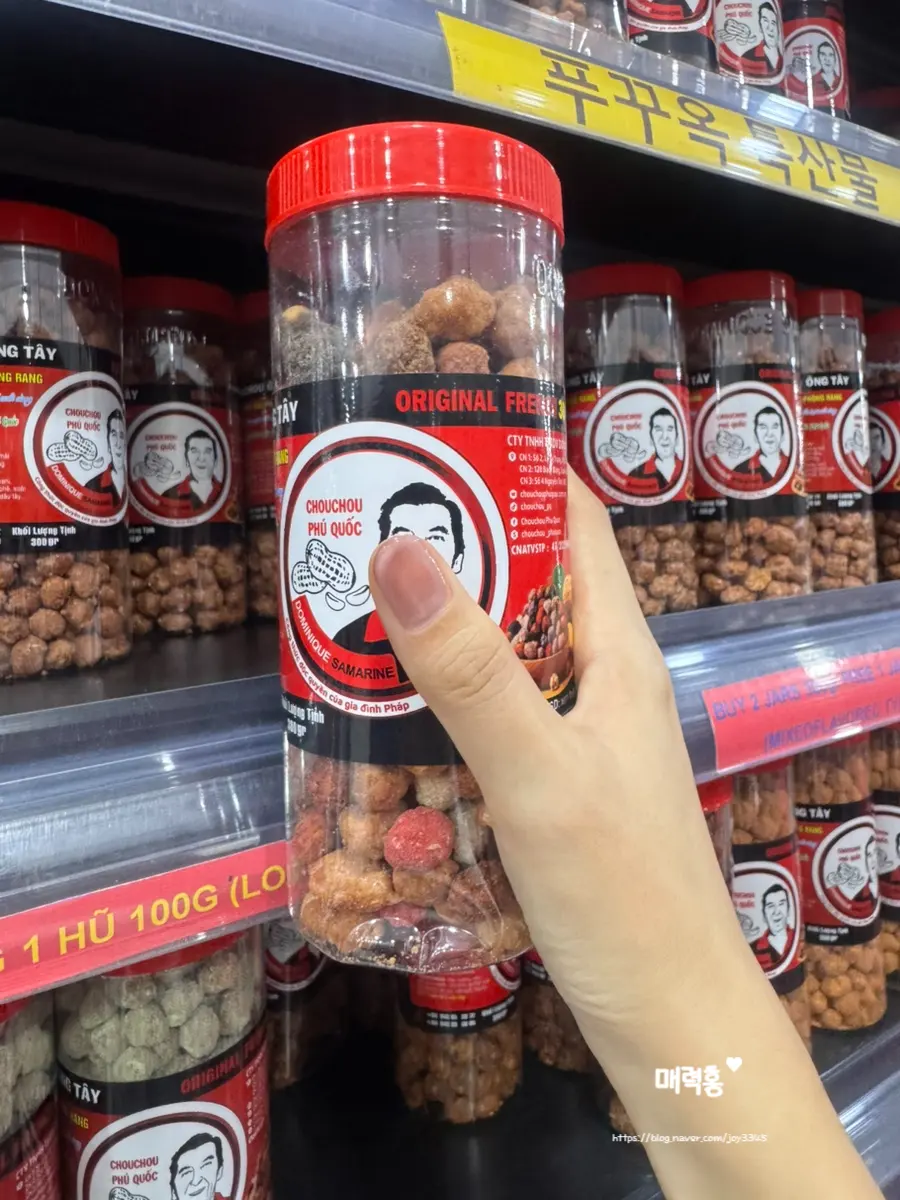
ブランドの創業者であるフランス人男性が優しそうな表情で
微笑んでいるパッケージの商品も大人気です。
(フランス人の夫とベトナム人の妻が共同で創業したそうです。)
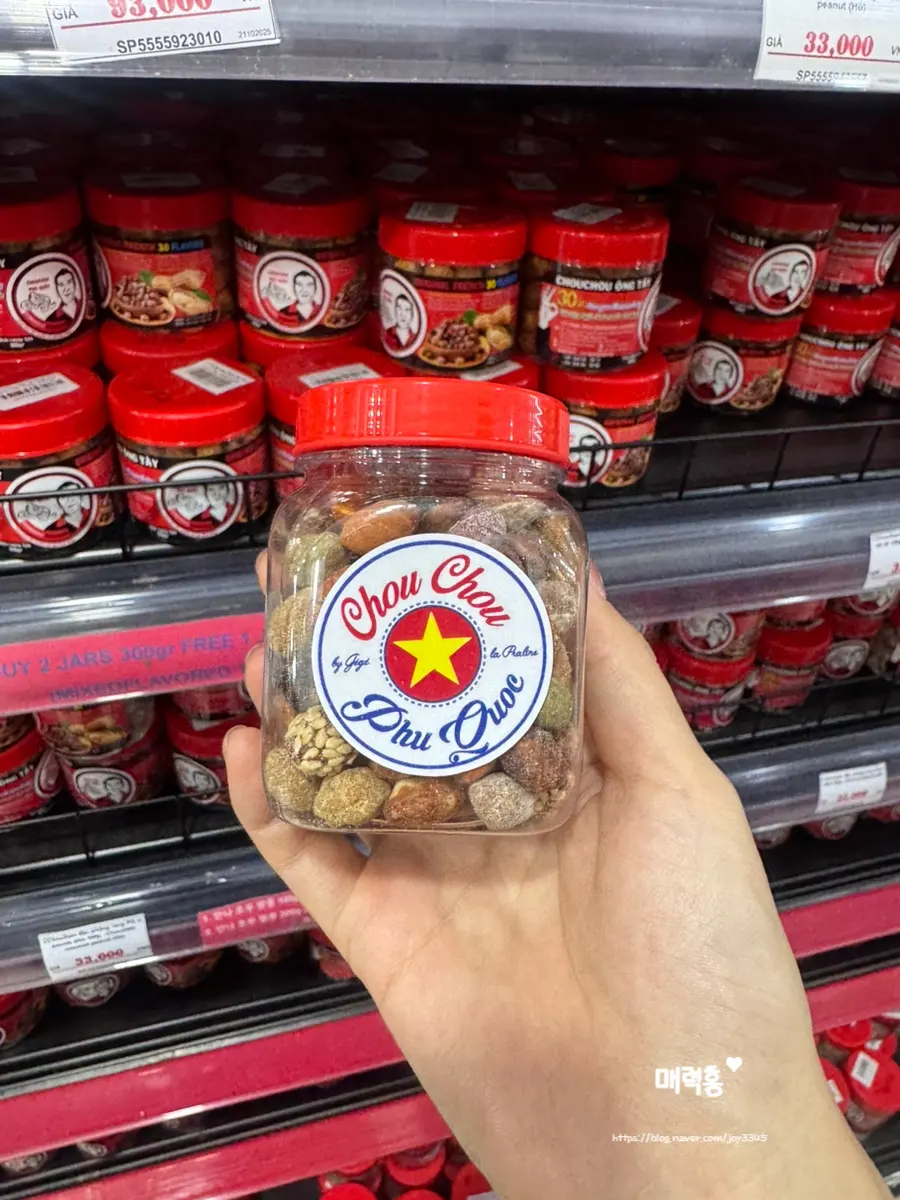
バラマキ土産にぴったりな可愛いミニサイズもあり、
とても気に入りました。
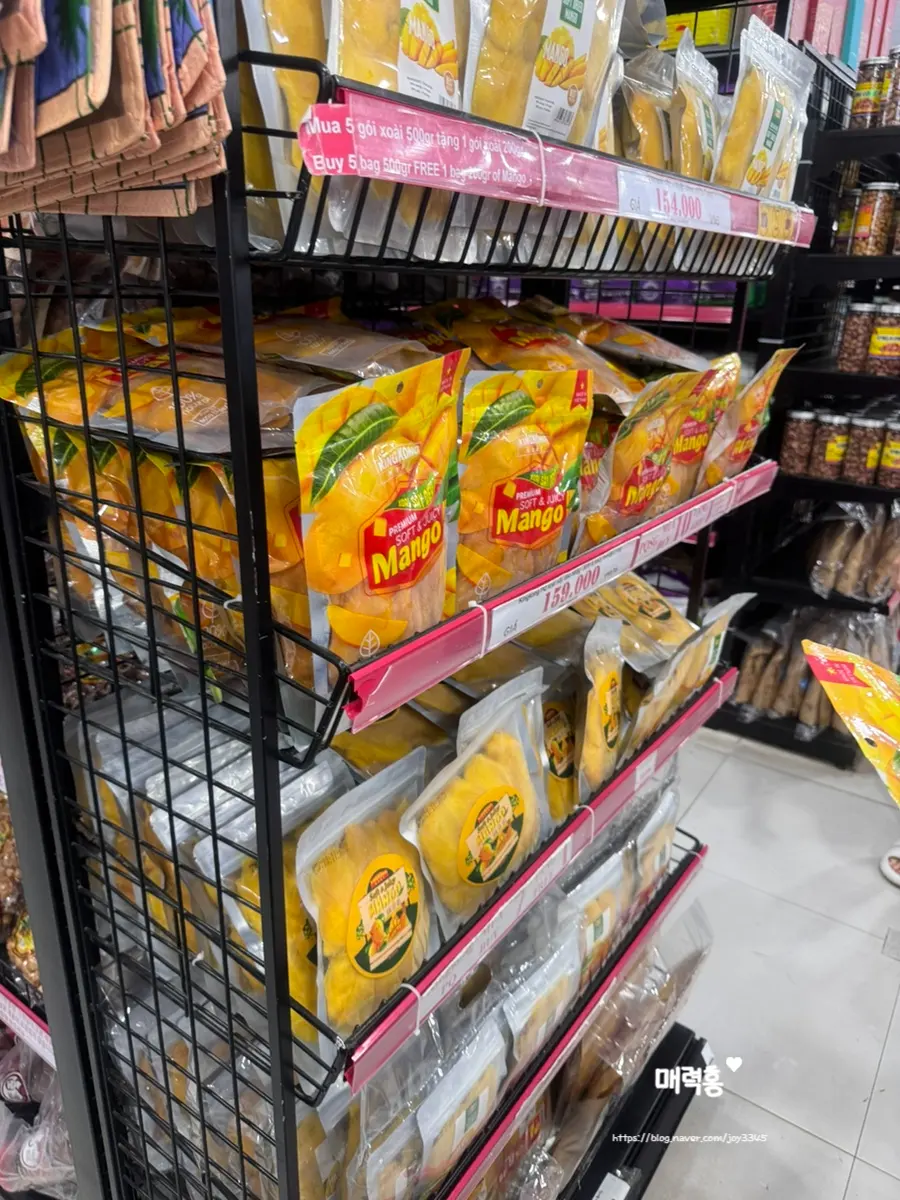
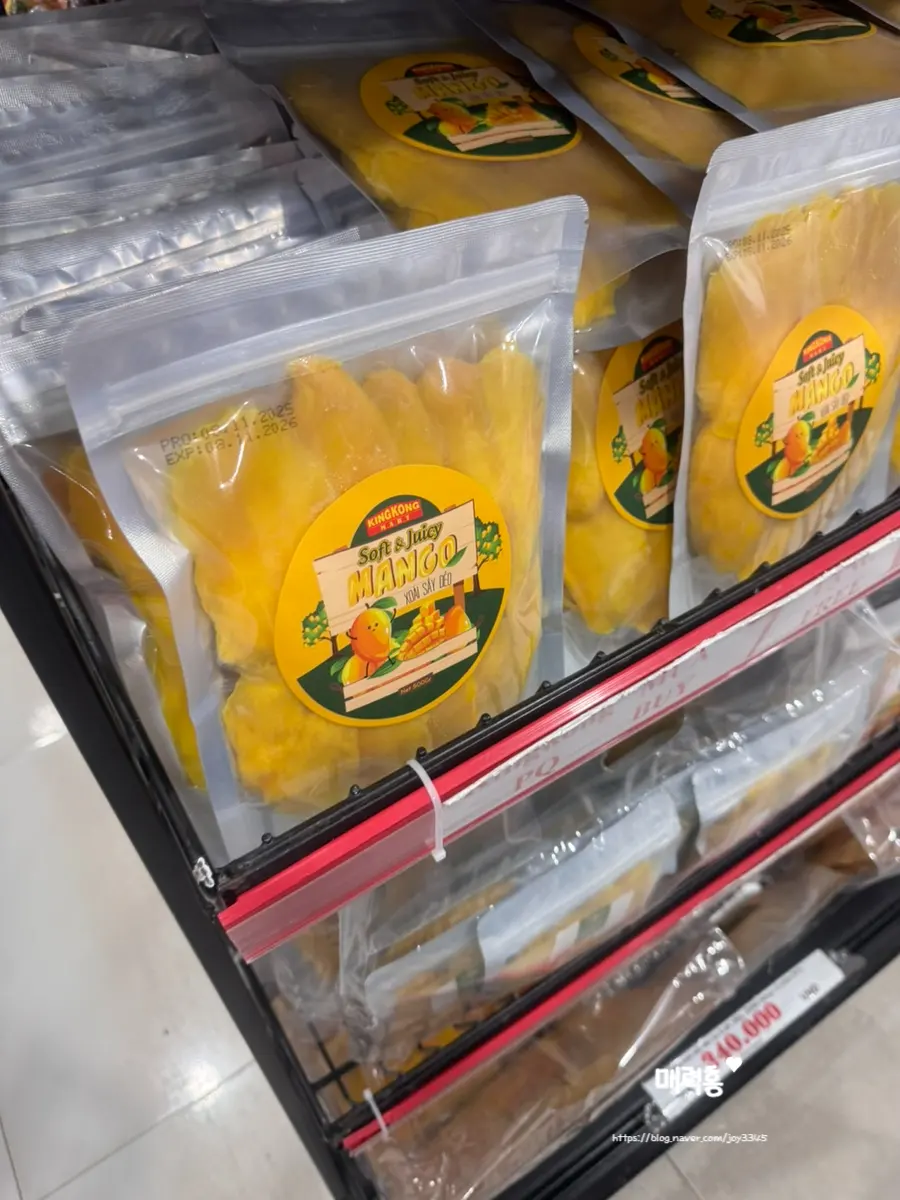
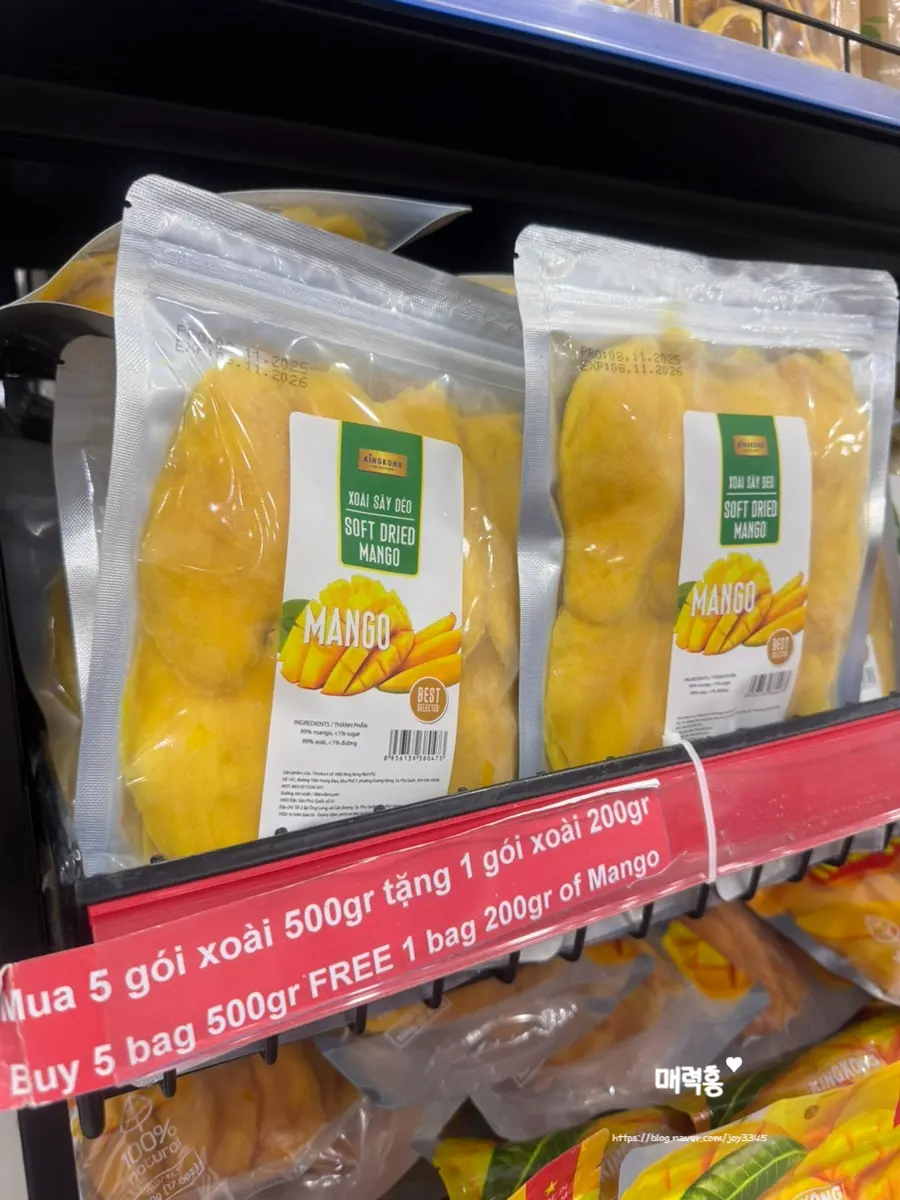
日本でもよく見かけますが、やはり定番で大人気のドライマンゴー(乾燥マンゴー)
教えている生徒がドライマンゴーを本当に大好きなので、一つ
お土産に買って帰りました。
写真の上の商品が人気だそうです。価格は少し高めですが、人工的な味付けが一切なく、素材本来の味が引き立っていてとても美味しいです。
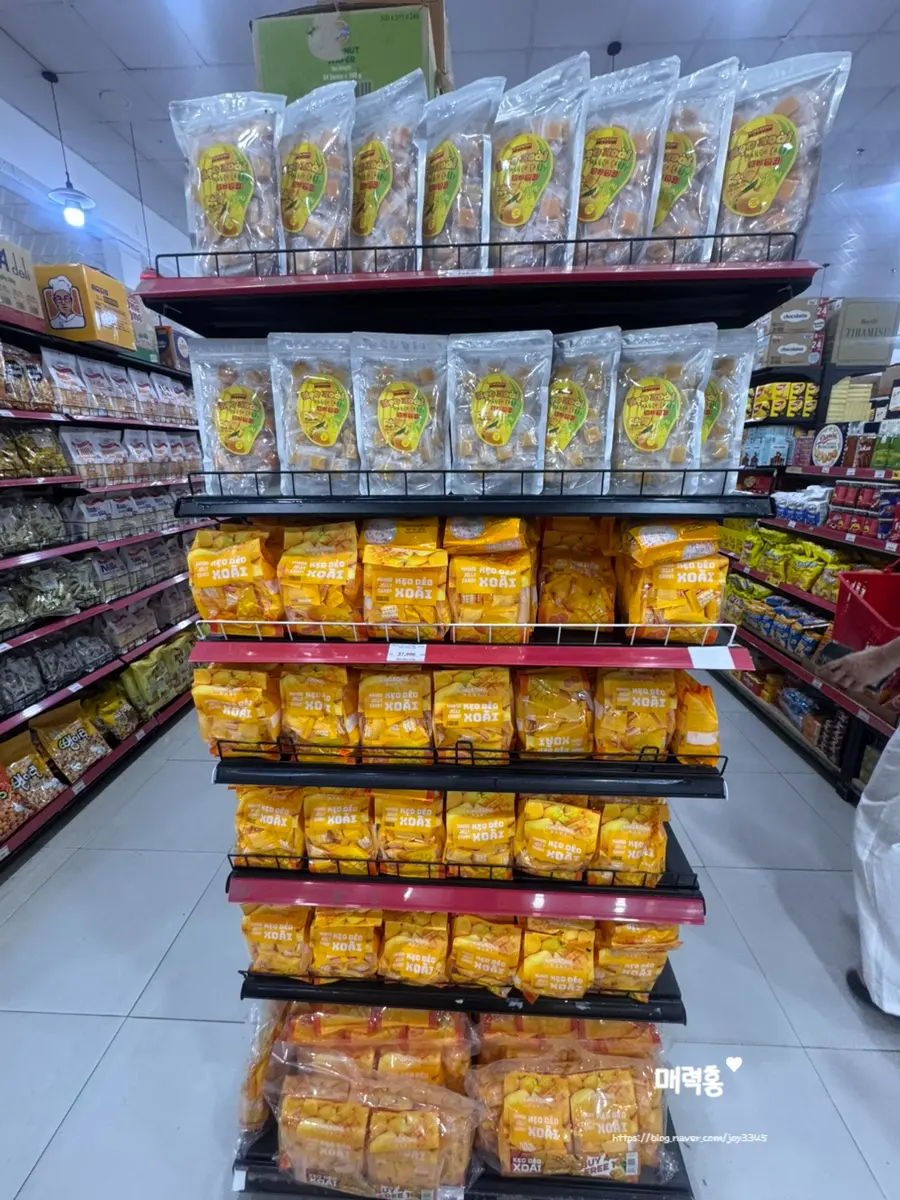
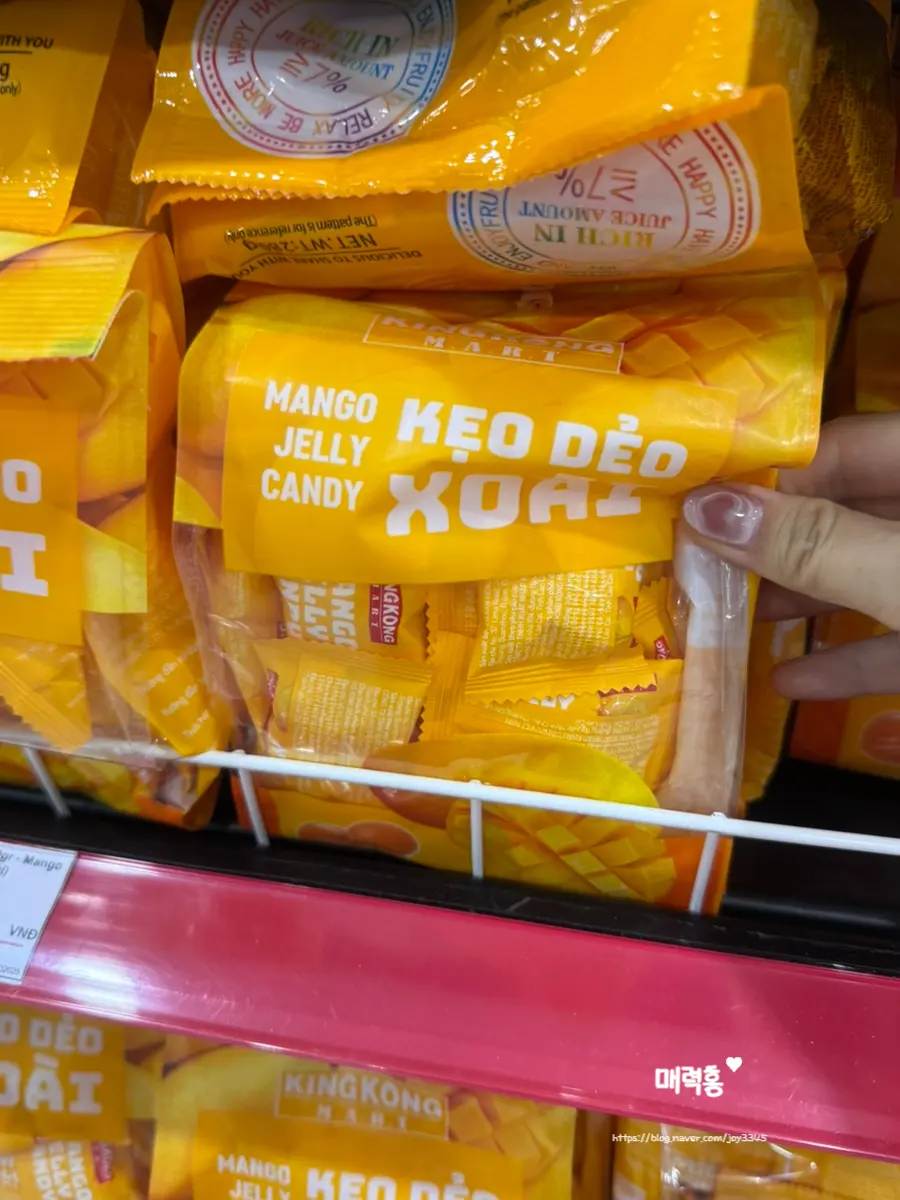
そのほか、お土産にぴったりだったのがマンゴーグミ
こちらも小分けにして配る用に購入したのですが、結局私自身が気に入ってほとんど食べてしまいました。甘さ控えめで本当に美味しいです。
ぜひ一度味わってみてください! 🥭🥭
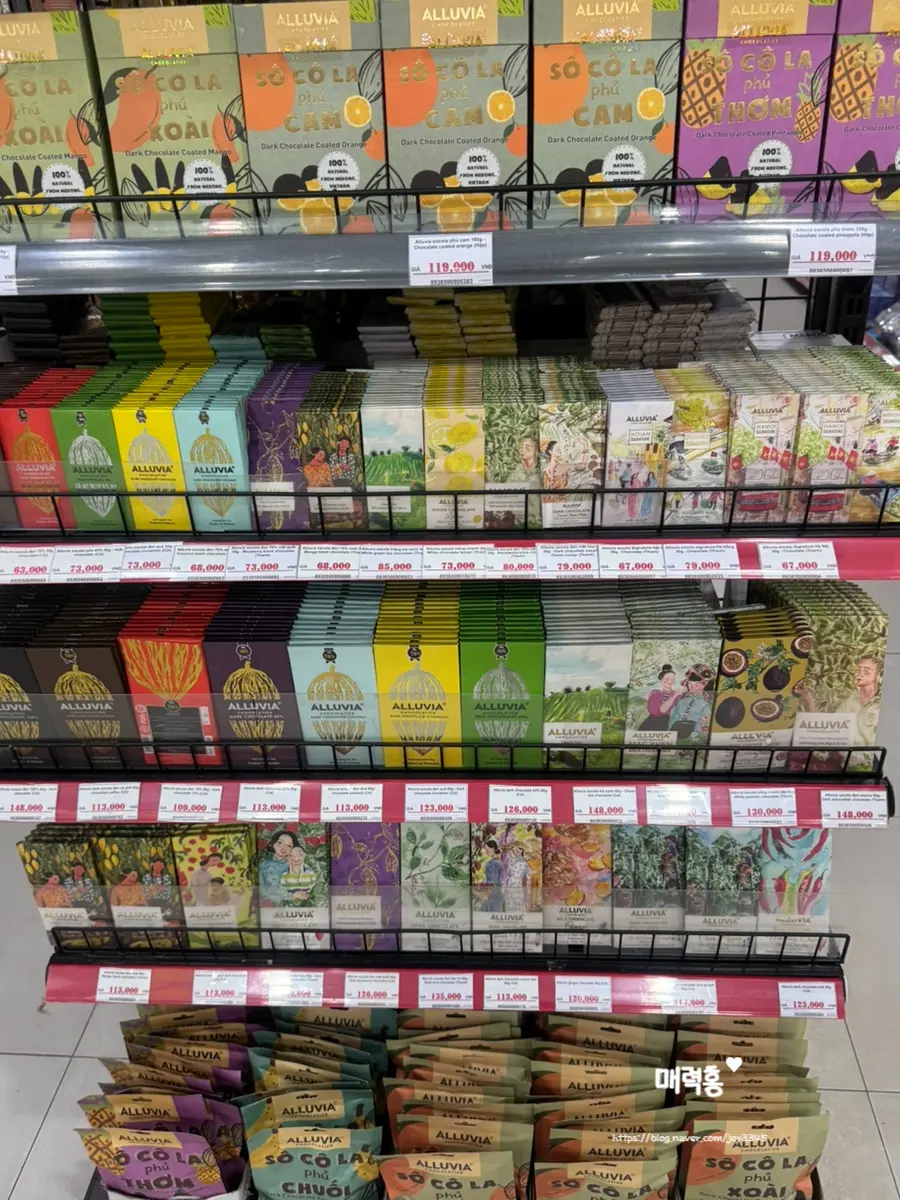
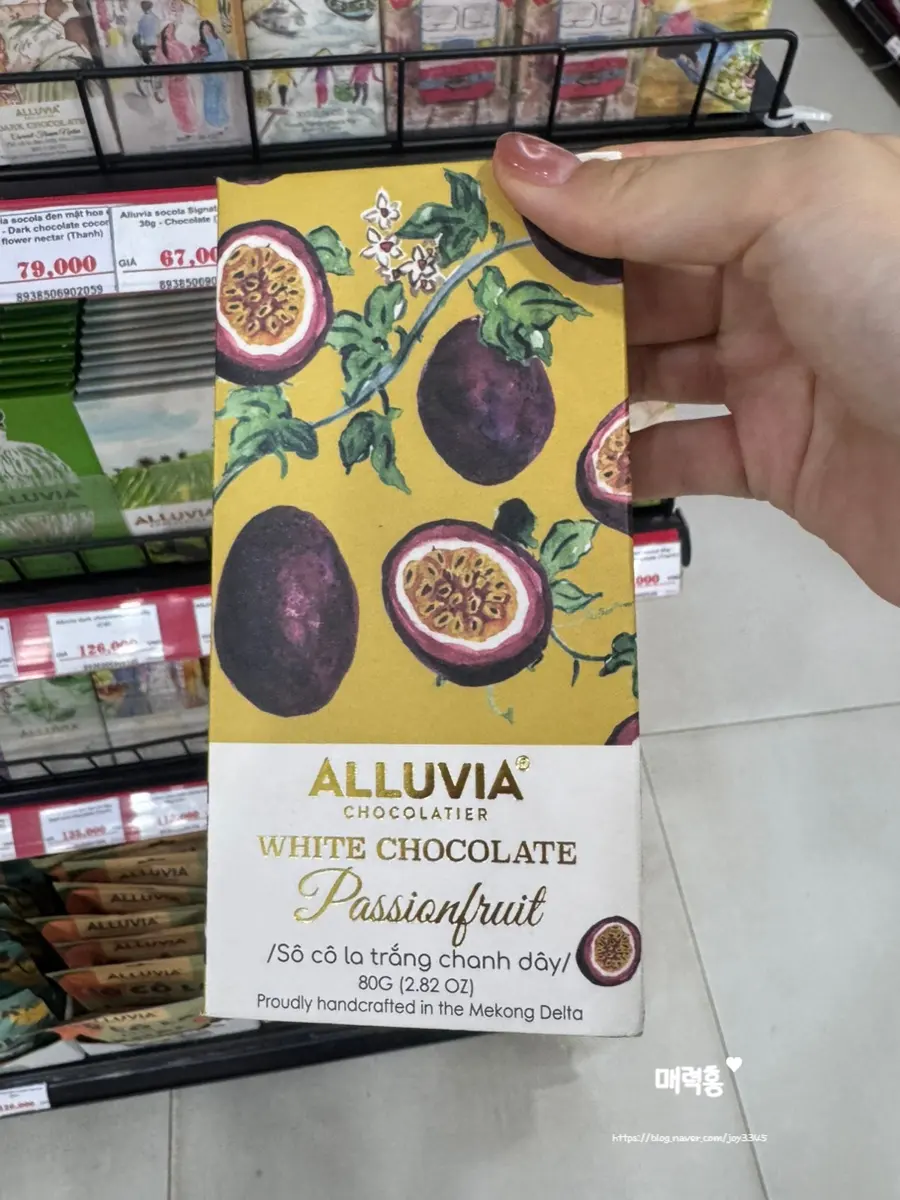
フーコックはチョコレートが特別有名というわけではありませんが、チョコレートが大好きな
子どもへのお土産に一つ購入しました。ただ、思っていたよりも少しお値段が張りました。 🍫
パッケージがとても可愛いですね(笑)。必須のお土産というわけではありません!
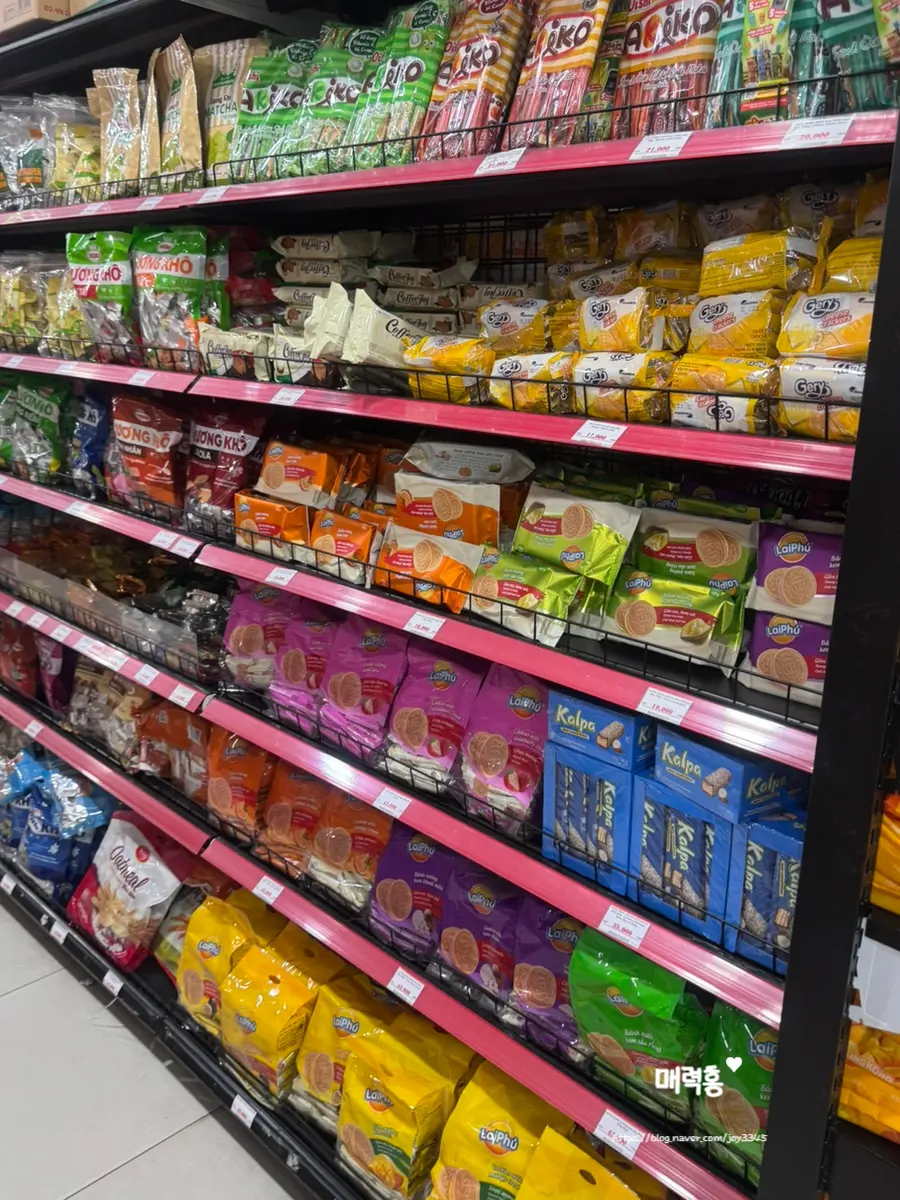
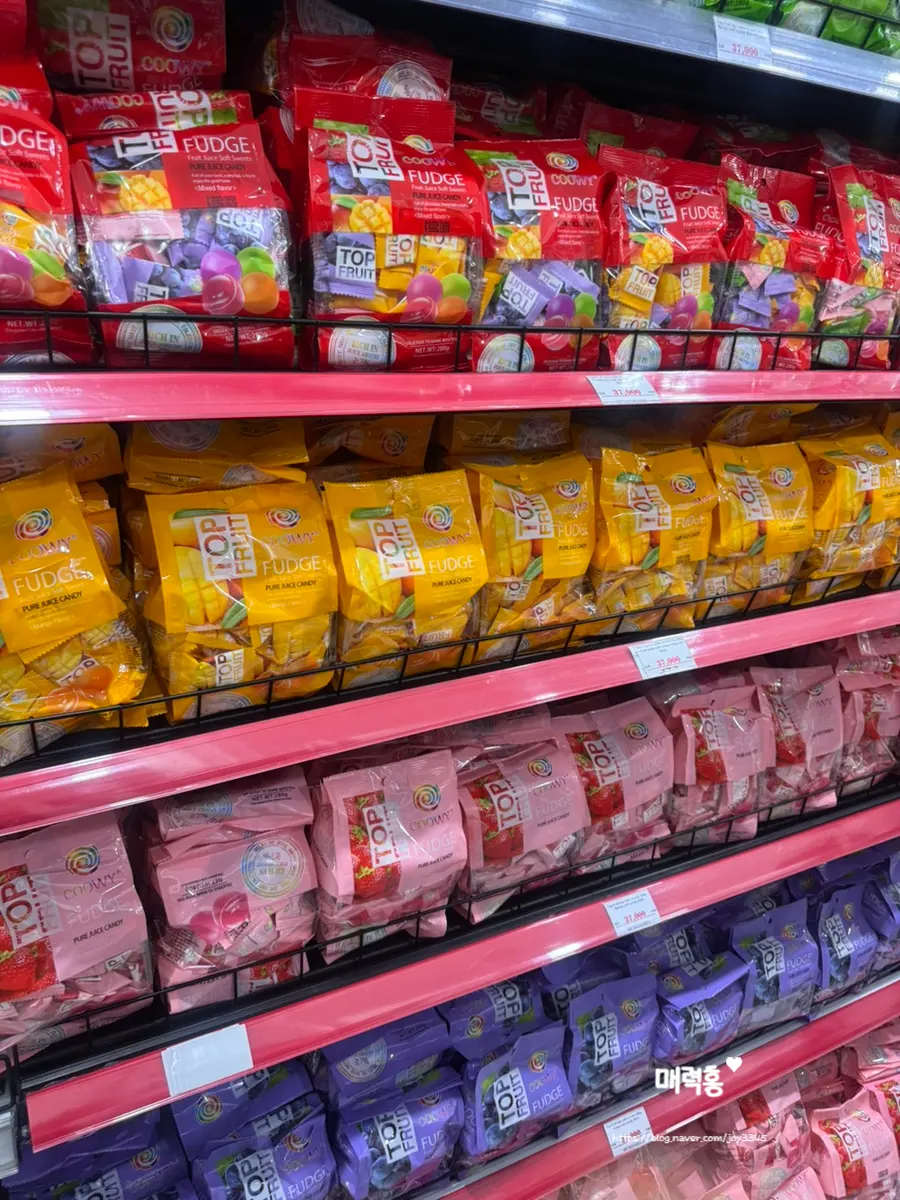
店内を回っていると、様々なお菓子に目移りしてしまいます。
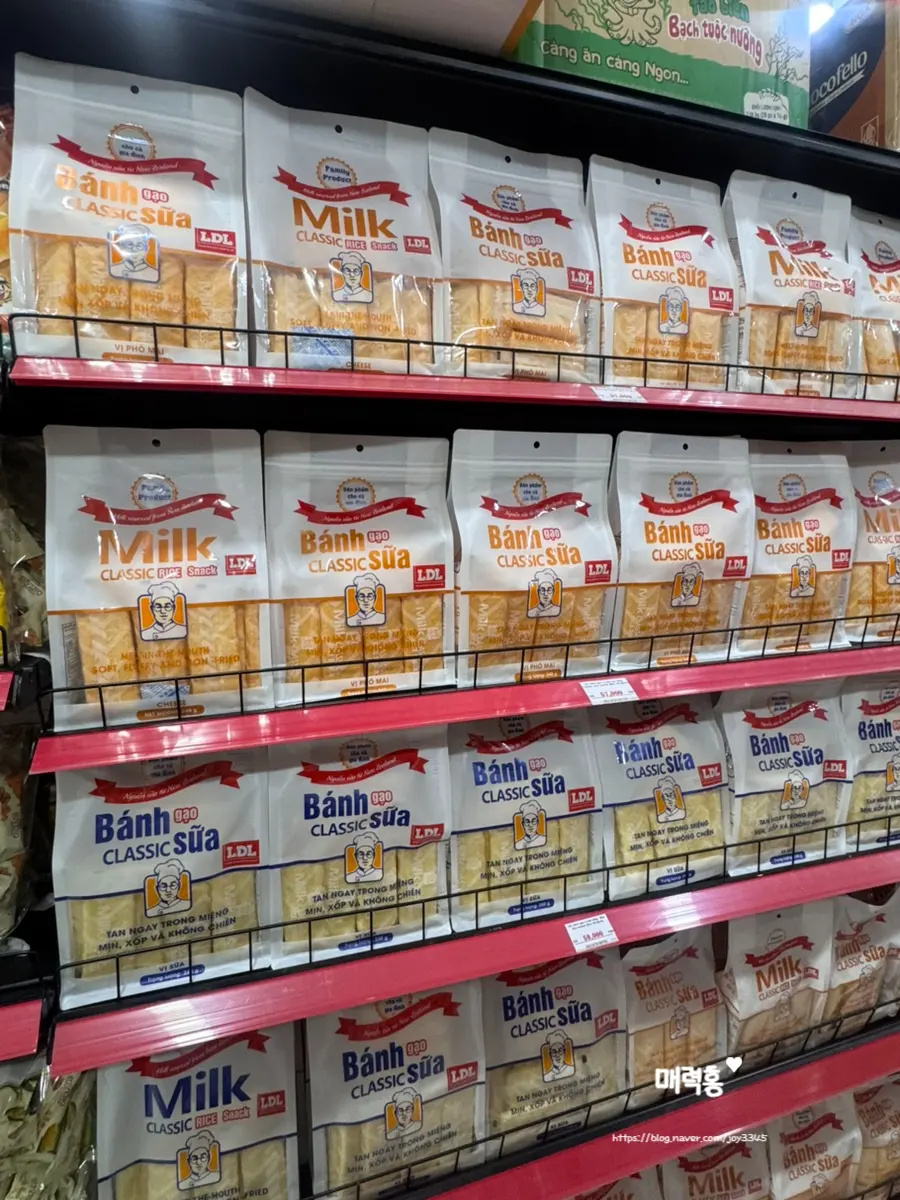
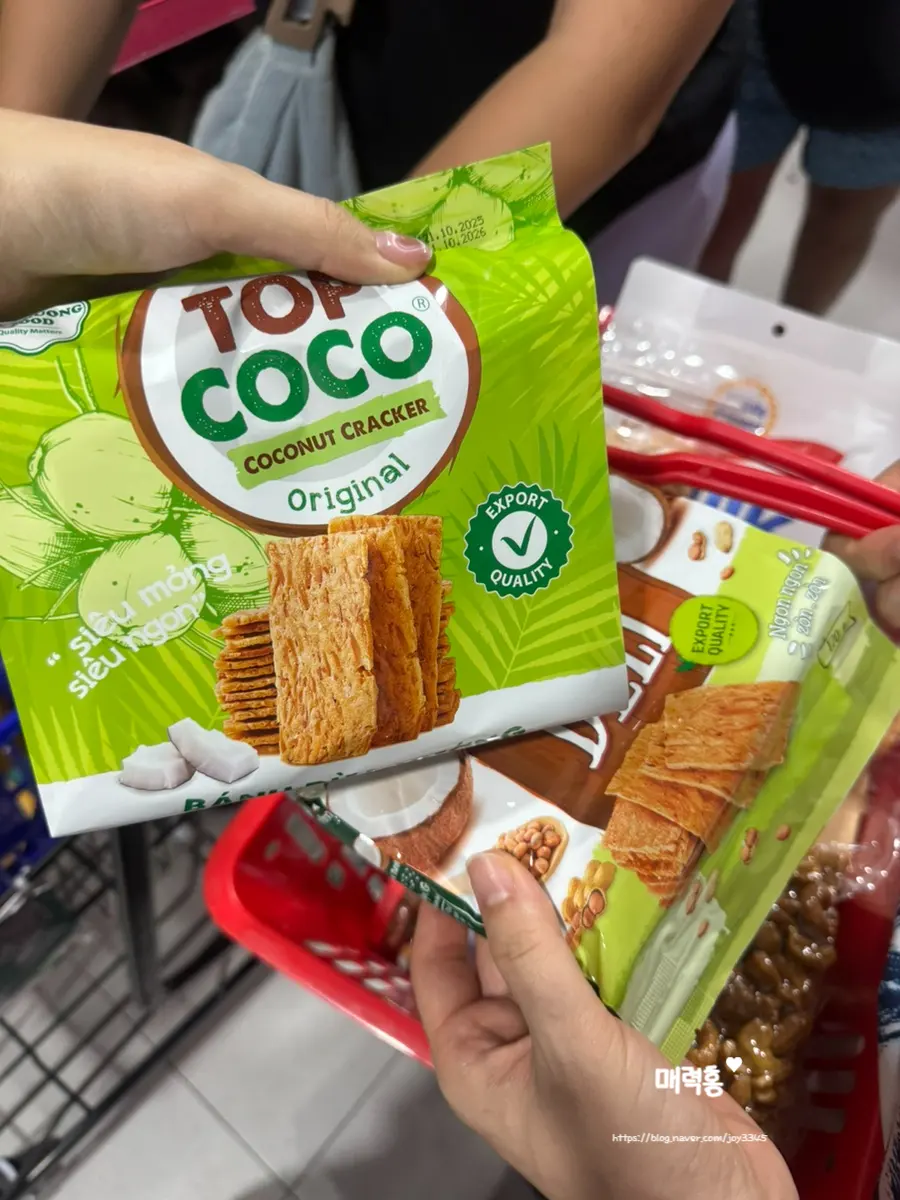
フーコックの代表的なお菓子である「バイン・スア(Bánh sữa)」ミルククラッカー
練乳や粉ミルクのような風味が漂うお菓子で、香ばしさと優しい甘さが特徴です。
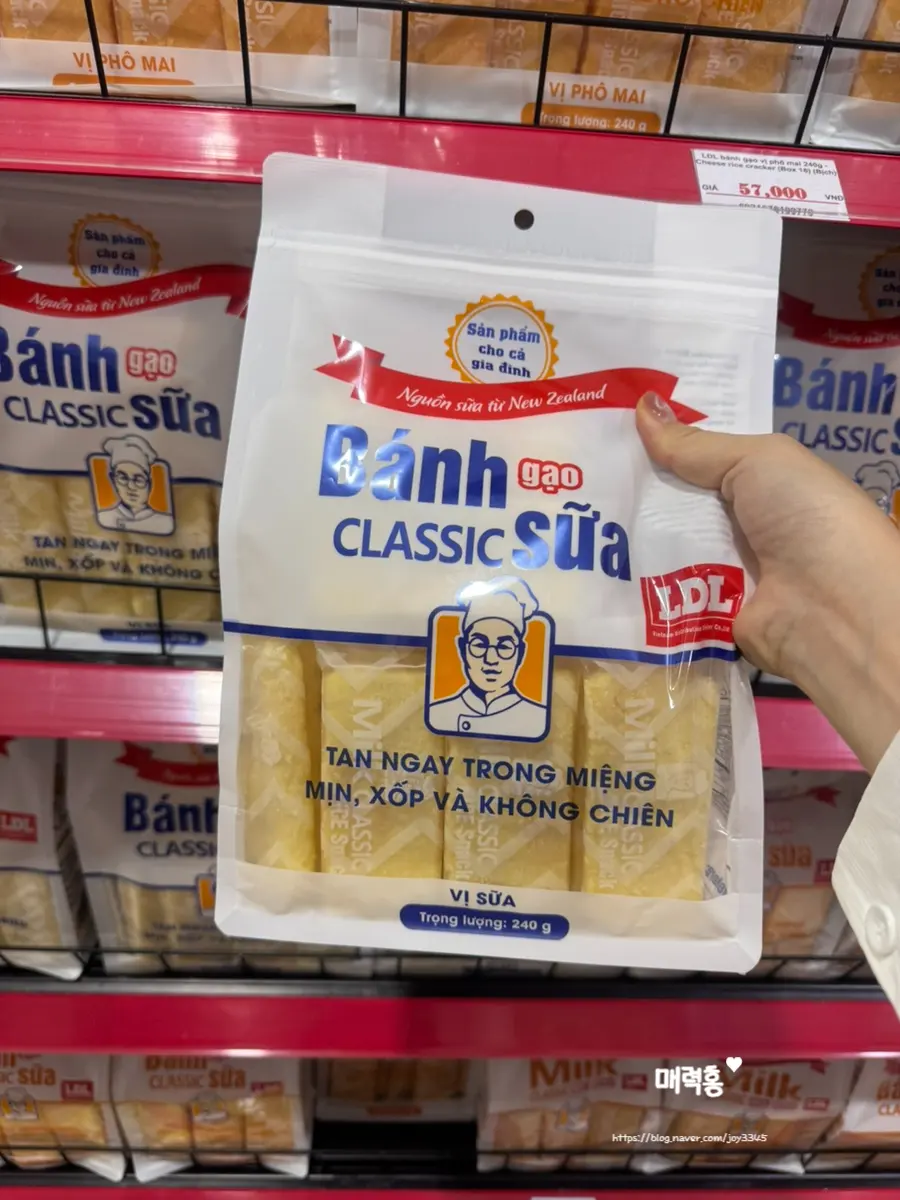
(率直な意見を言わせていただくと)韓国の米菓(おせんべい)の方が美味しい気がします 🇰🇷
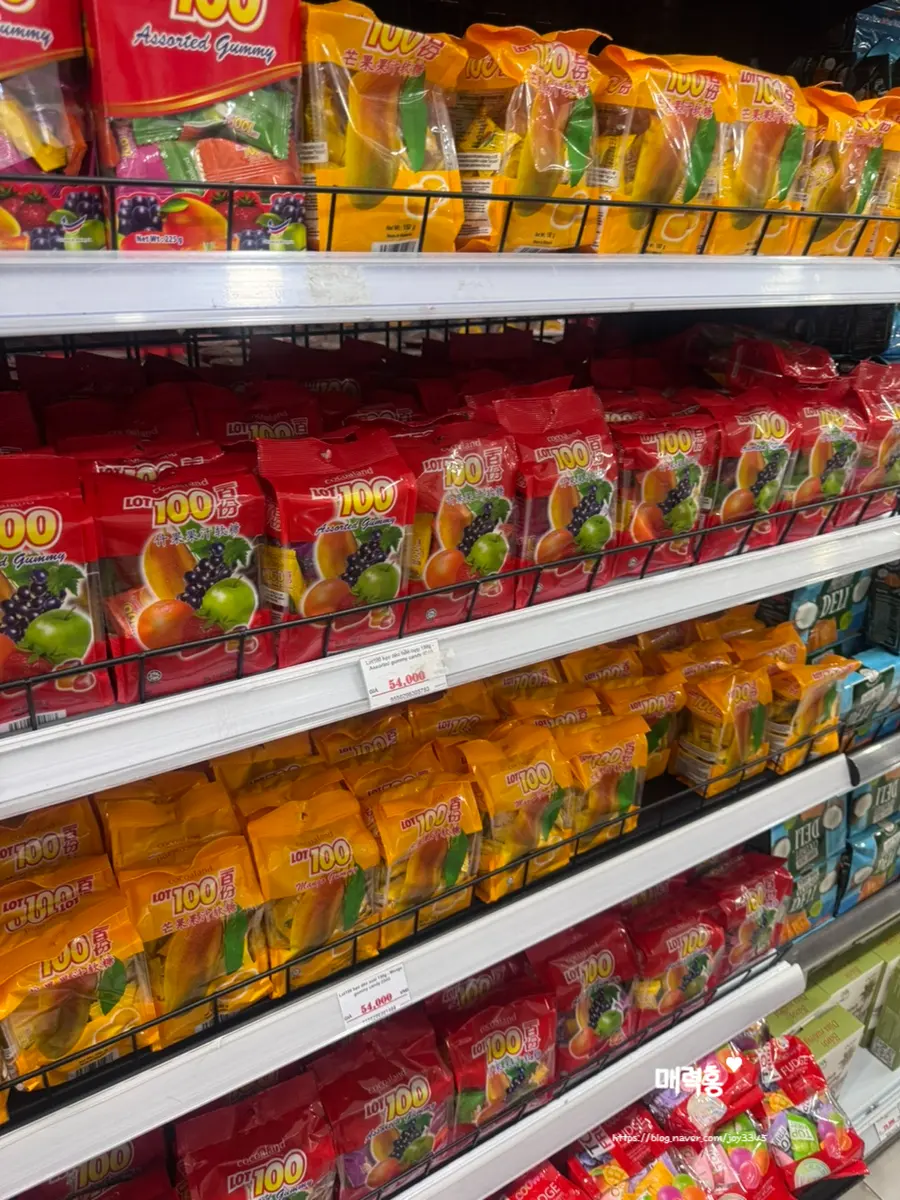
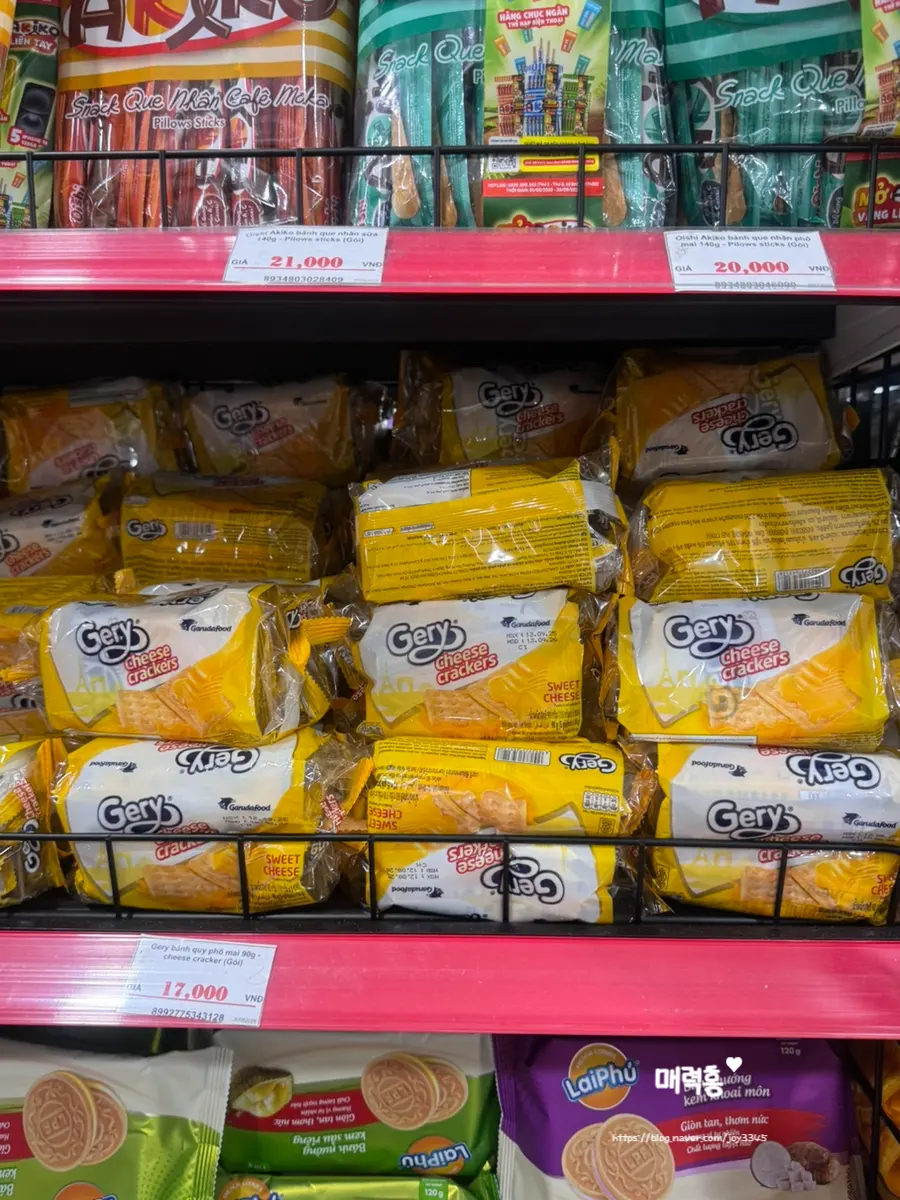
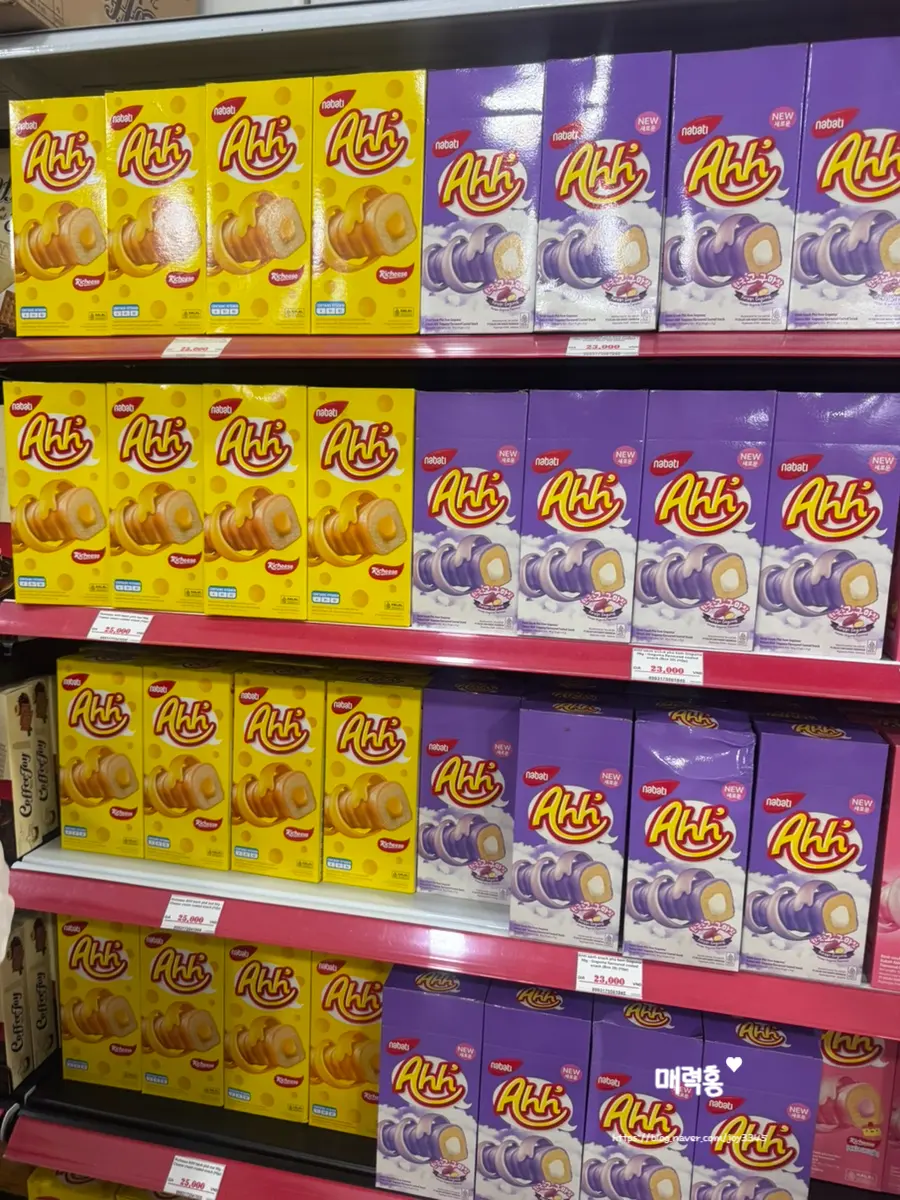
黄色いチーズのお菓子も有名ですが、私はチーズ味がそれほど好みではないため今回はパスしました。
とはいえ、多くの方がお土産に購入していく人気のお菓子です。
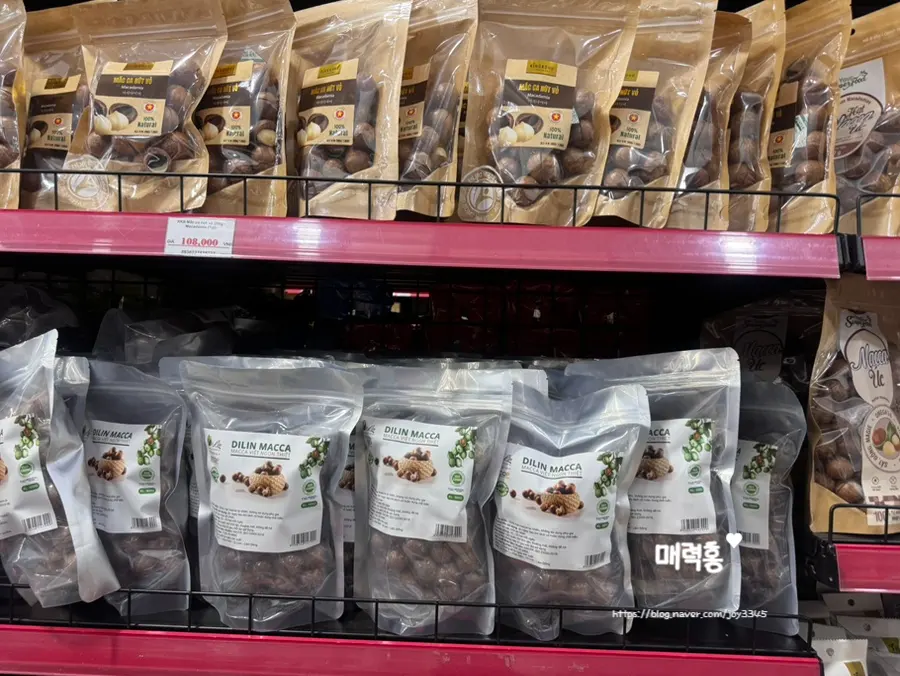
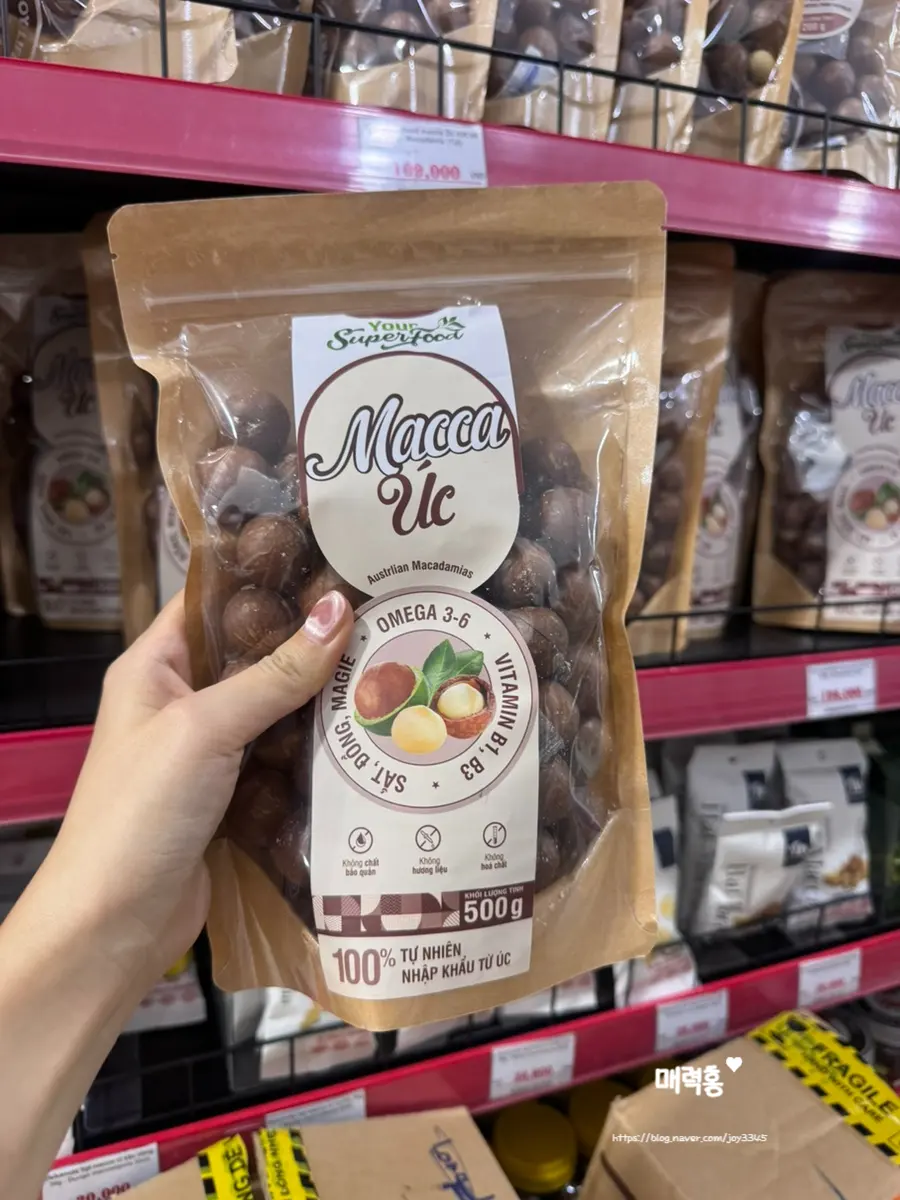
急いで選んだため、一瞬チョコレートかと思ってしまいました(笑)。
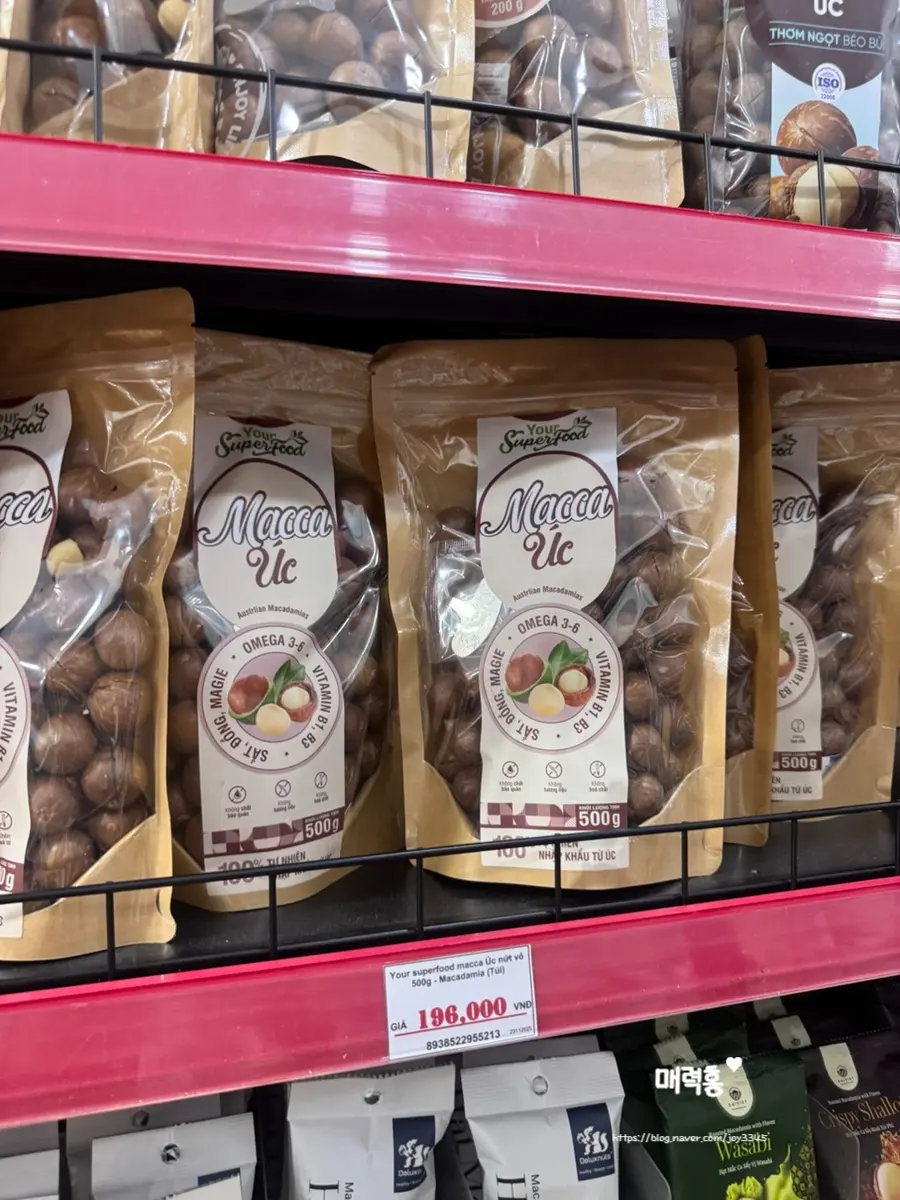
ですが、実際は本当に100%のマカダミアナッツでした!
パッケージの中には殻を割るための専用器具も一緒に入っています。香ばしくヘルシーで、しっかりとした食感が楽しめるので、普段からマカダミアナッツがお好きな方には特におすすめです!
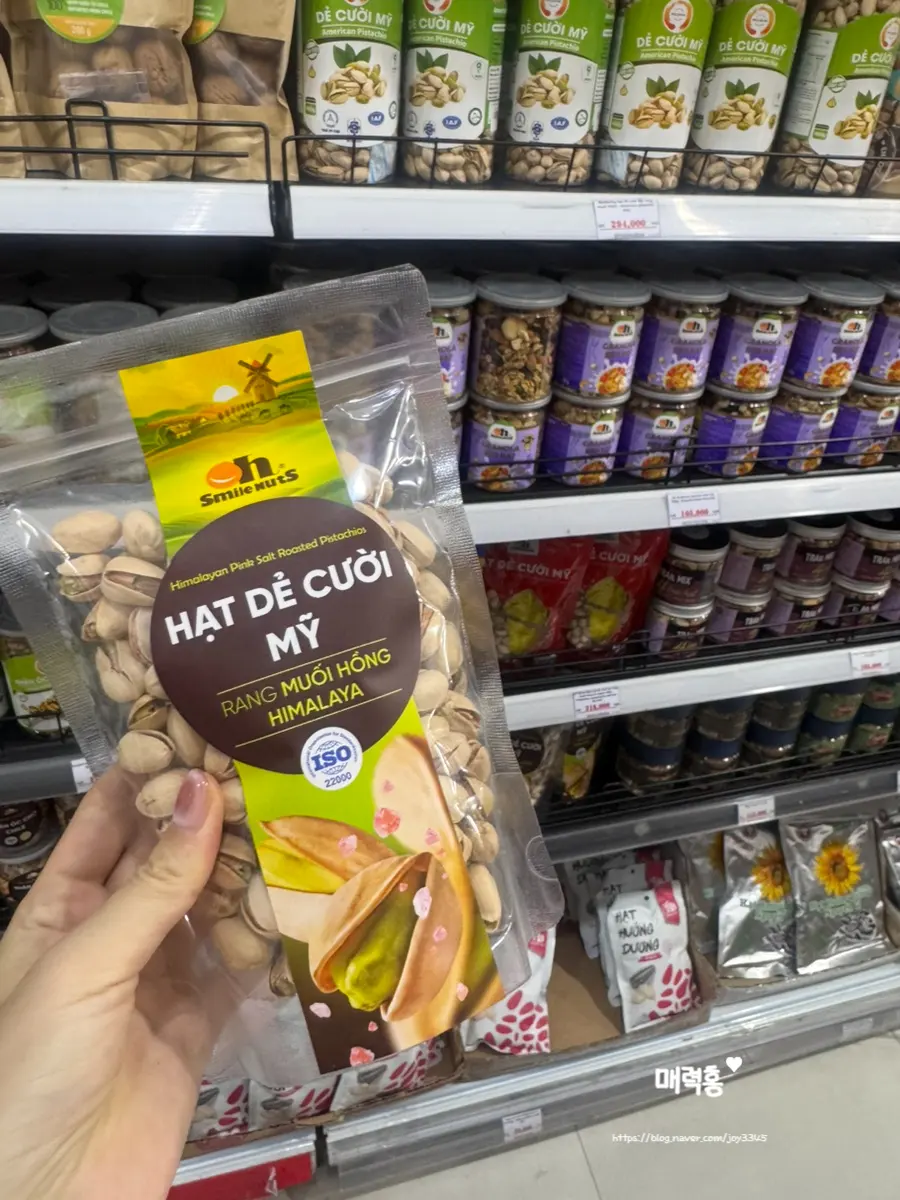
塩焼きピスタチオも珍しかったので写真を撮ってみました。
今、ピスタチオを使ったスイーツ(ドバイチョコレートなど)がとても流行っているので、
お土産用にまとめ買いしていく方も多そうですね。
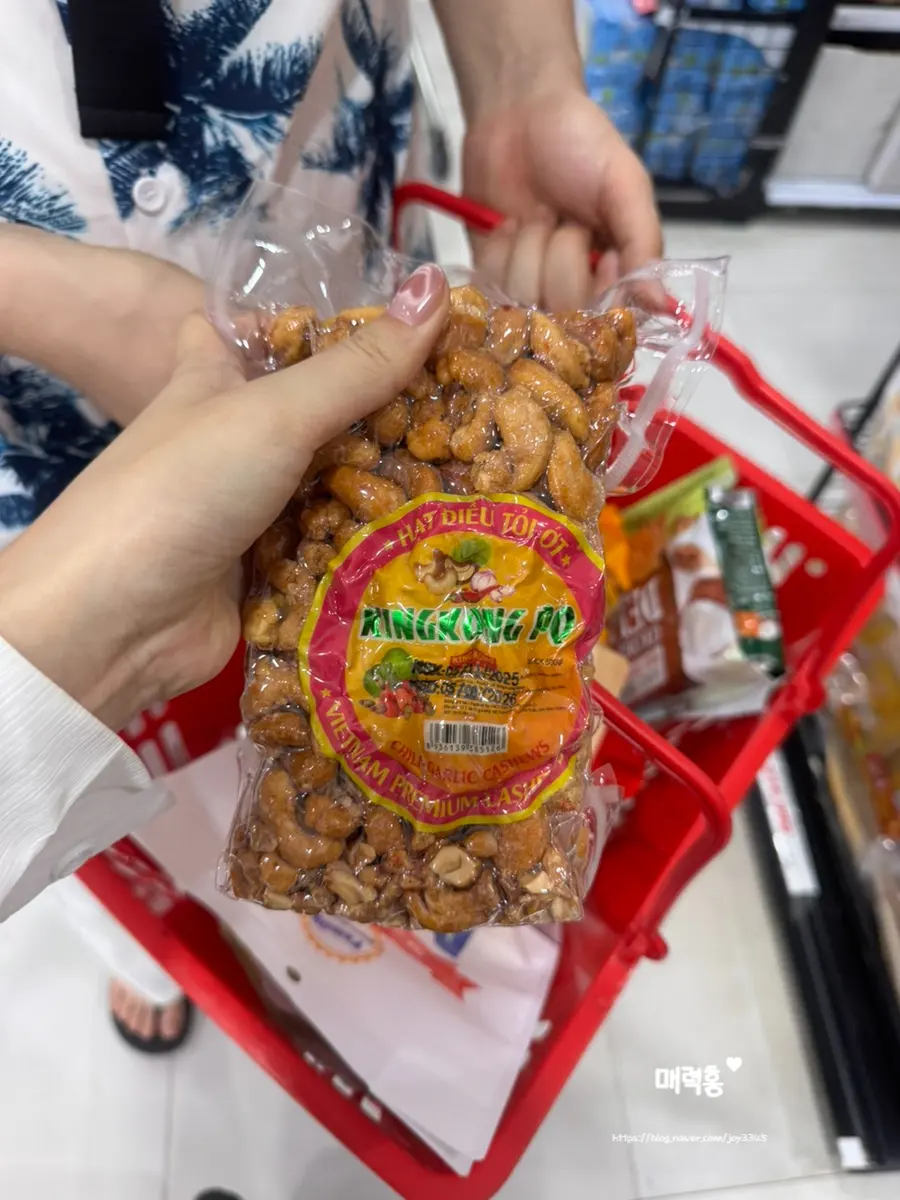
真空パックで圧縮された、コスパ抜群のガーリックピーナッツは、
家族へのお土産用に一つ購入しました。
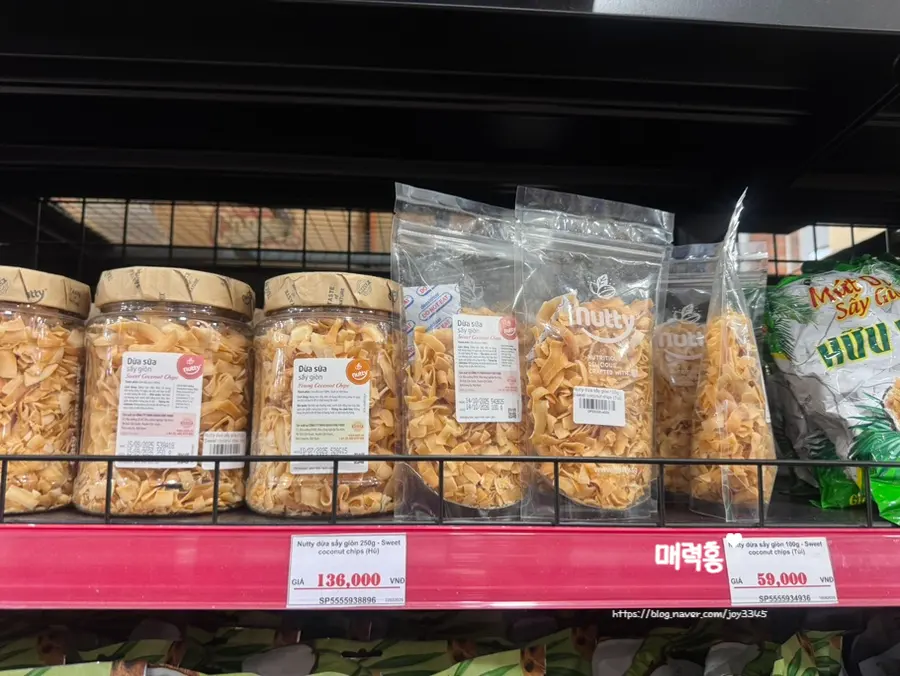
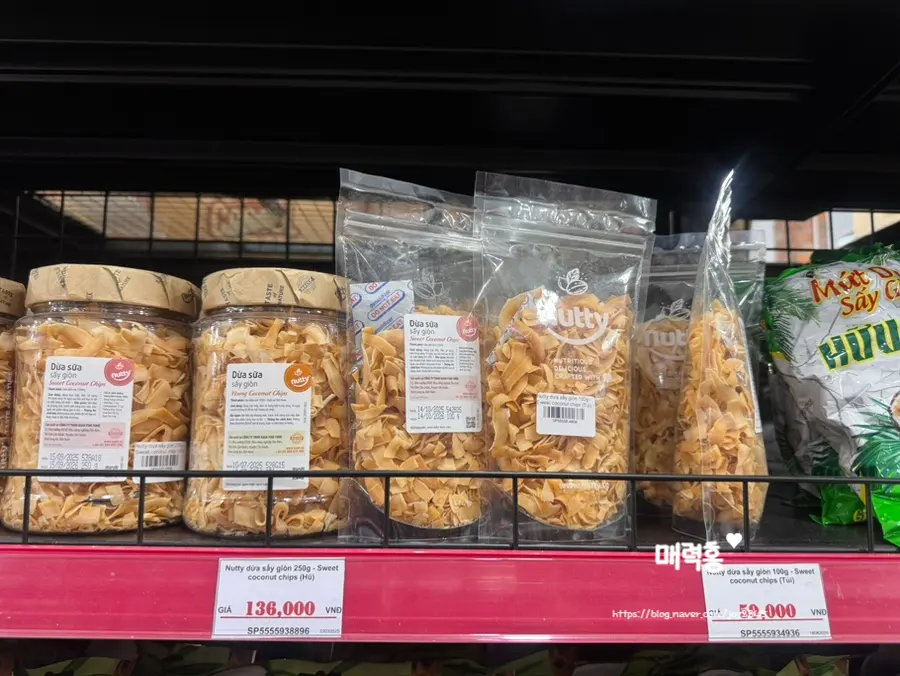
香ばしいココナッツスナックも買ってみましたが、
私たちが想像するような甘い味とは少し異なり、
素材本来の素朴で健康的な味がします。
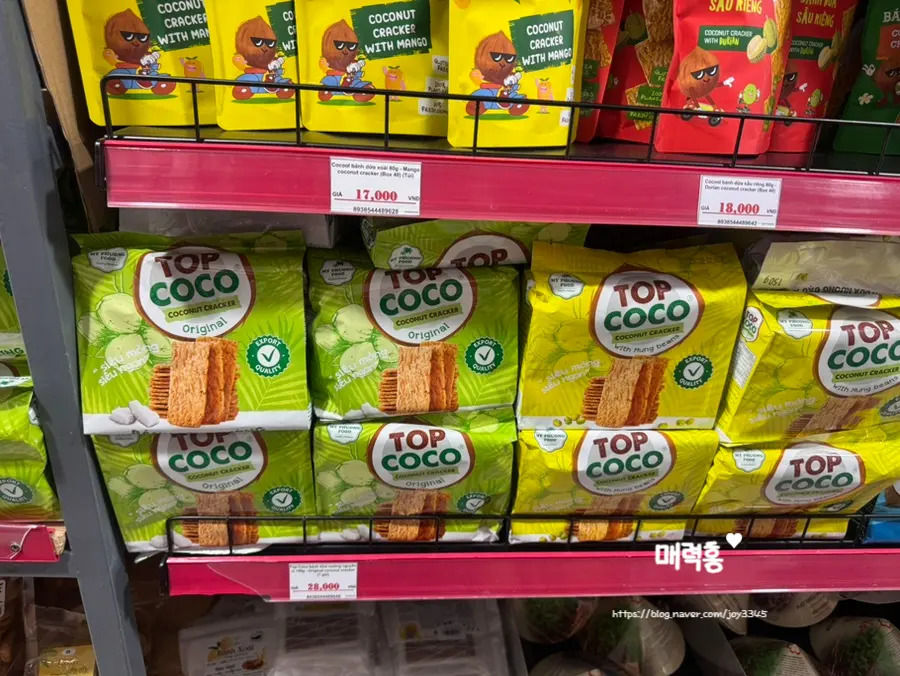
こちらのお菓子も、程よい甘さで美味しかったです。
個包装で中にいくつか入っているので、味見をしてみたい方や少しでも気になる方は、ぜひ試してみることをおすすめします。
フーコック・キングコングマートのおすすめお土産ショッピングリスト
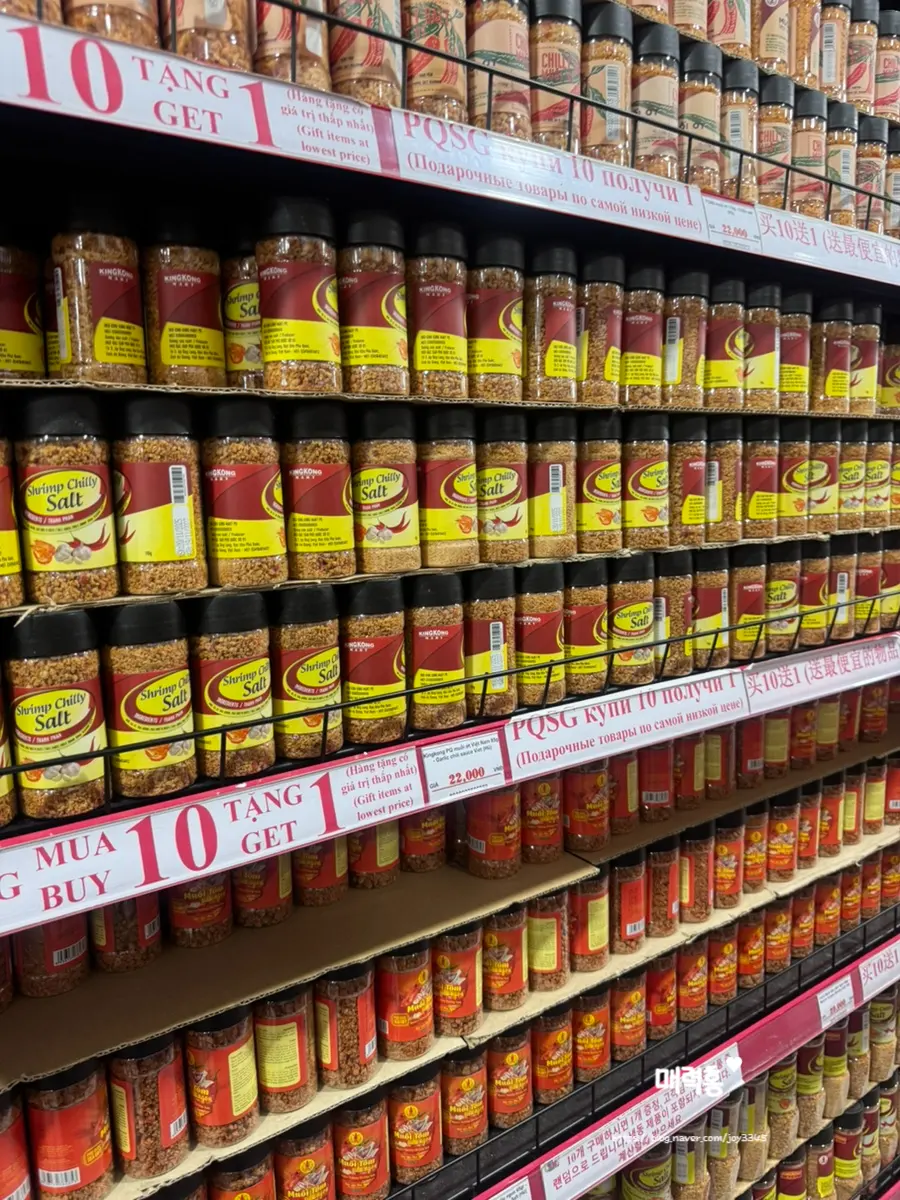
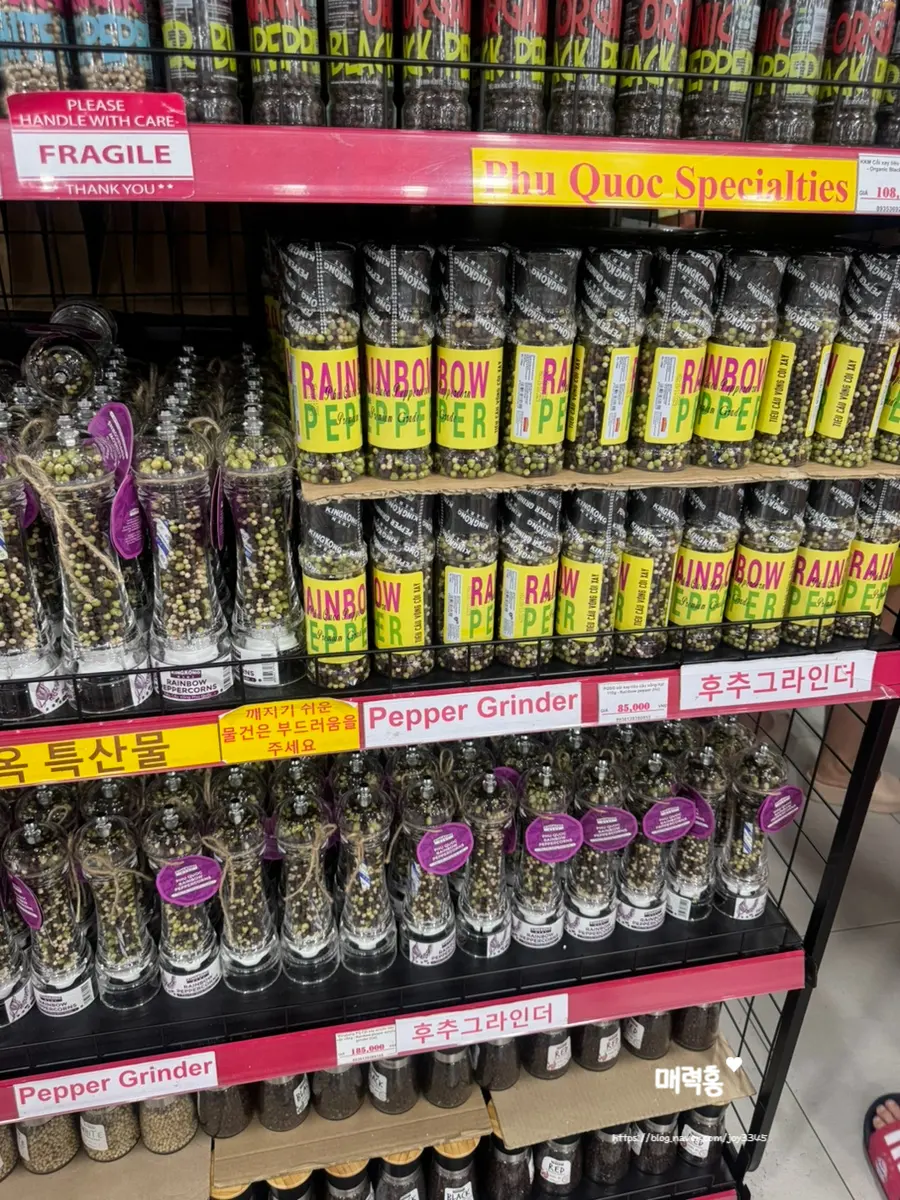
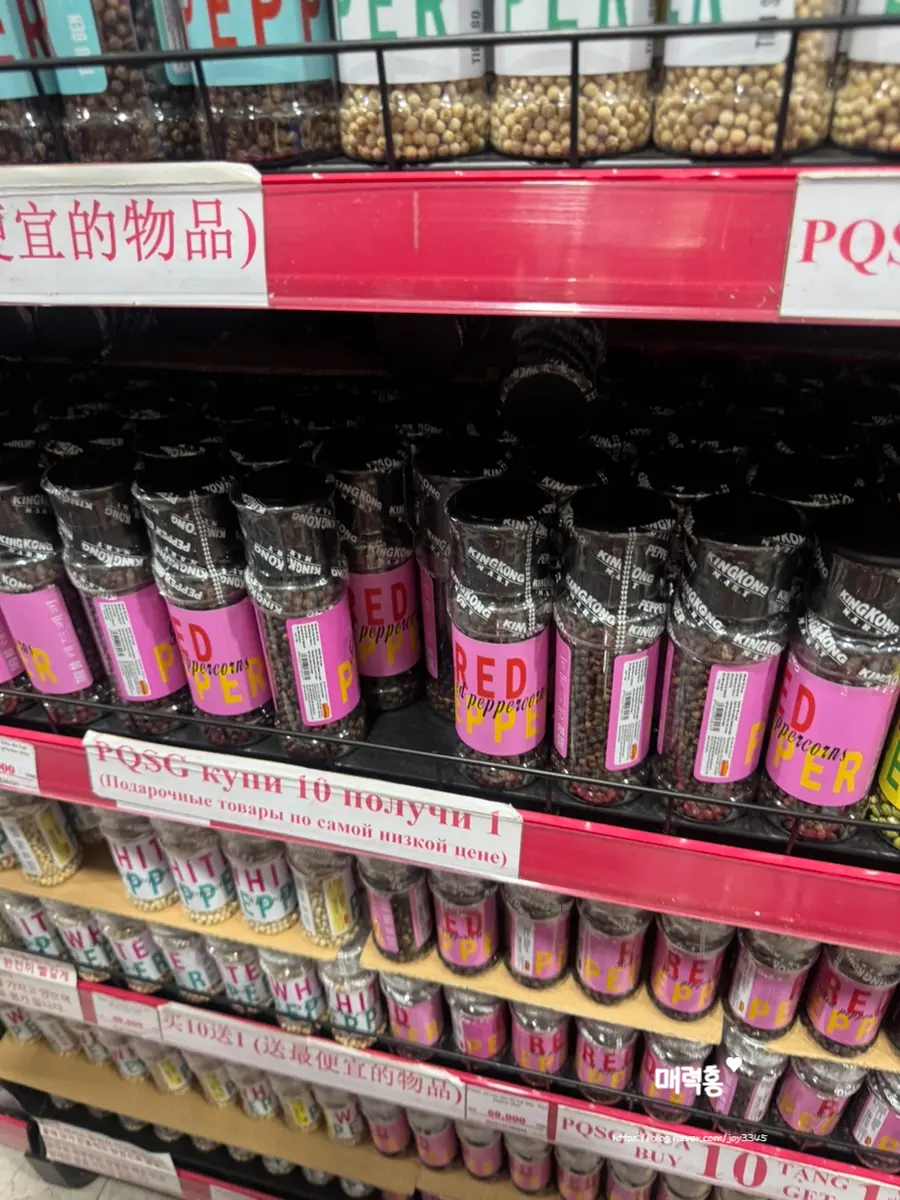
様々な種類の調味料やスパイスが揃っているので、普段からお料理をされる方には
たまらないコーナーだと思います!
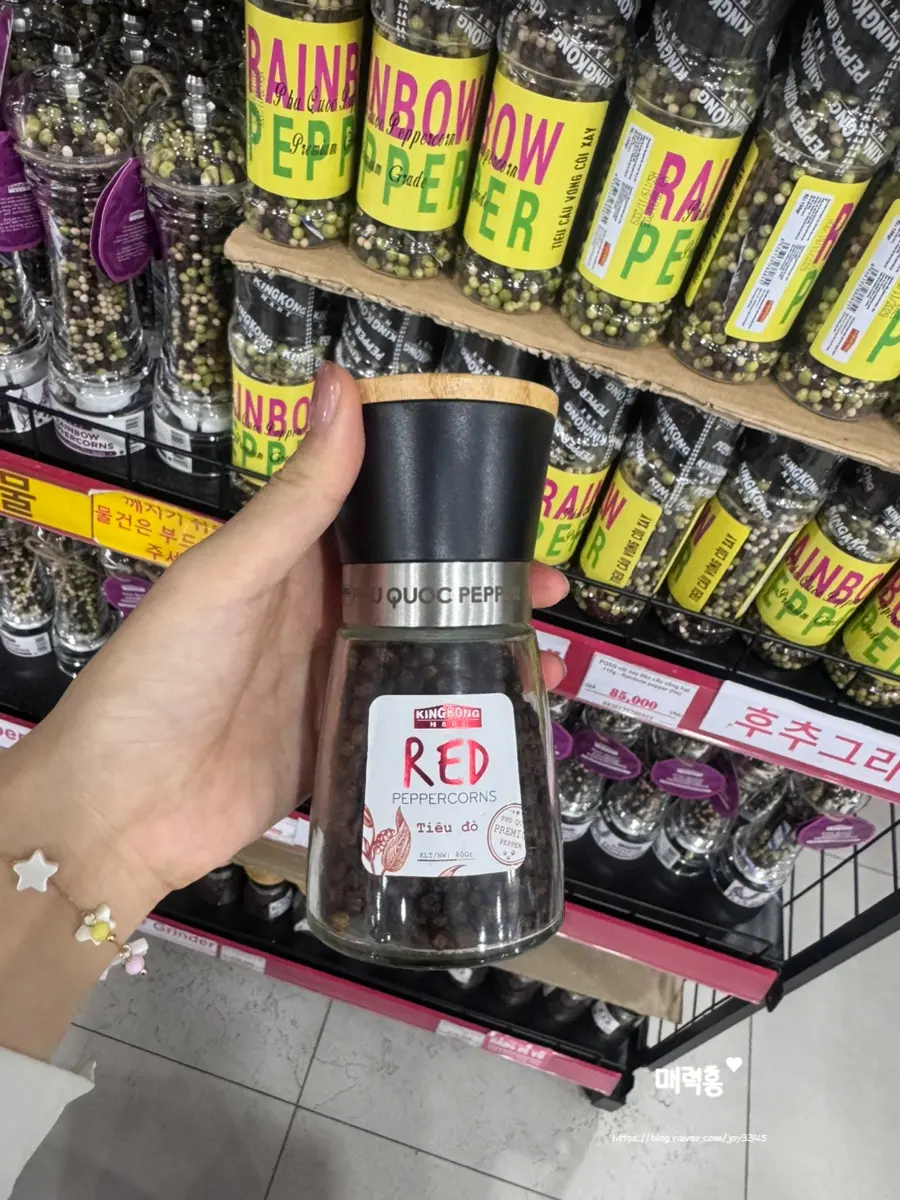
私は右側のコショウを一つ買ってみたのですが、料理の際にその場で削って
使えるのでとても便利です。ほんのりと独特のエスニックな香りが漂います。
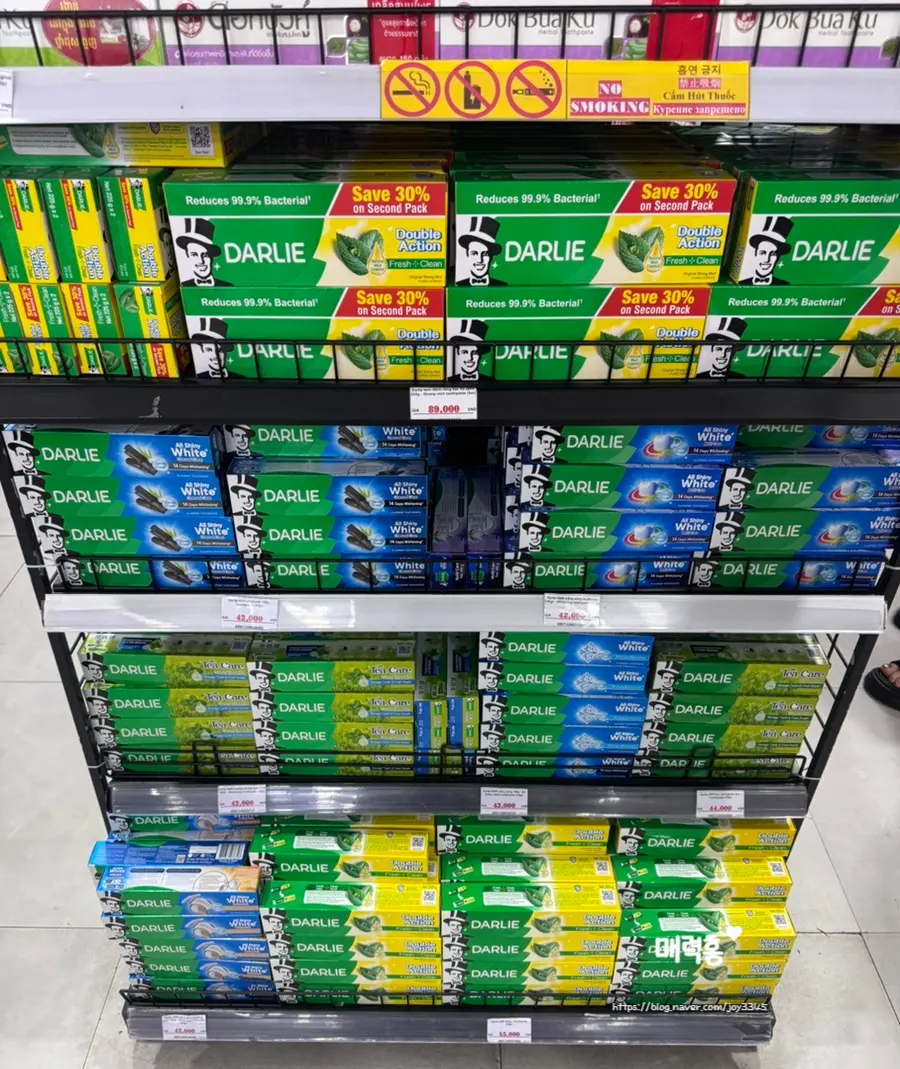
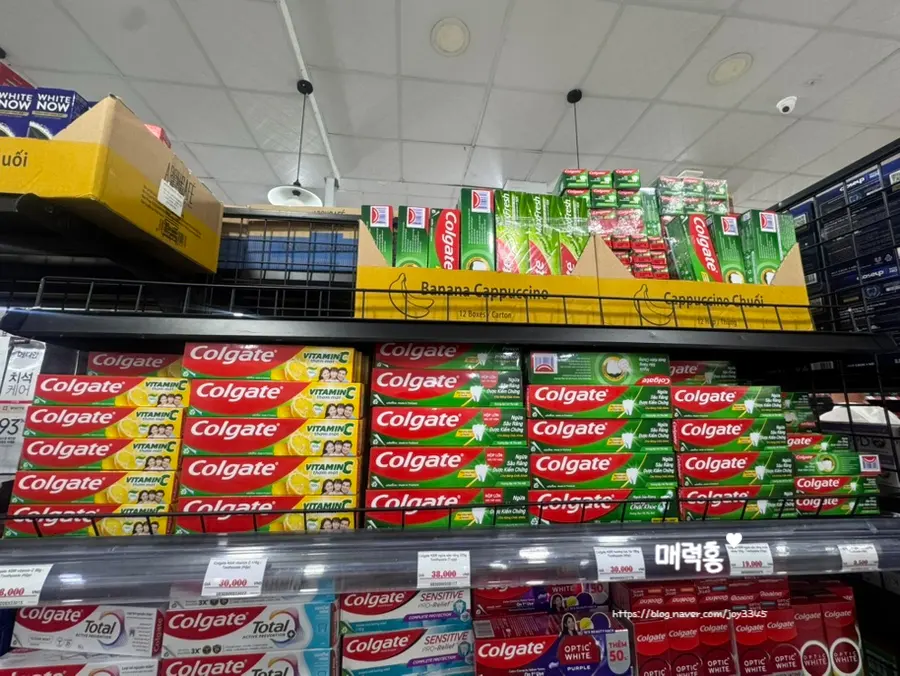
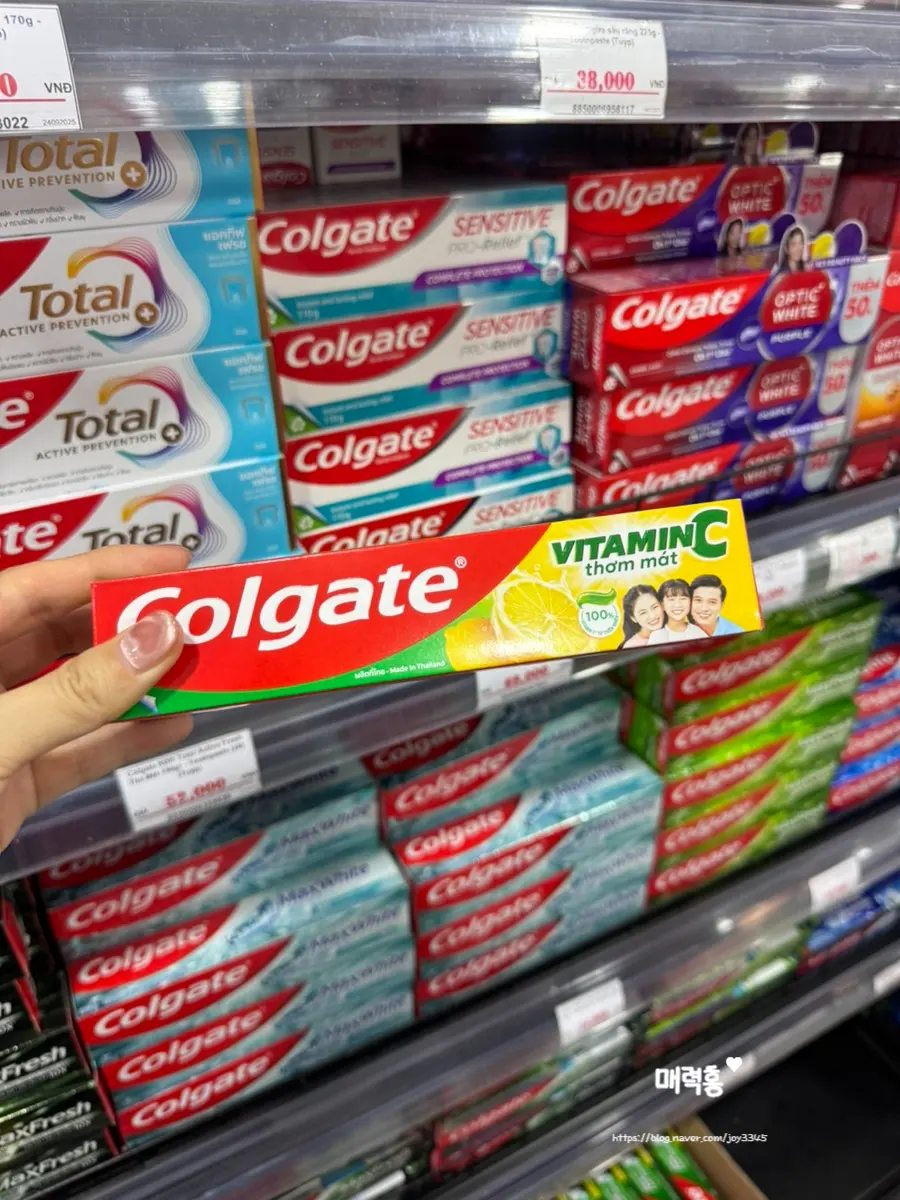
私が普段から愛用しているコルゲートの歯磨き粉ですが、
日本で購入するよりもお手頃で、旅行用のミニサイズも販売されていたため、
いくつかまとめ買いしました。レモンフレーバーもありましたが、やはり王道のクールミントが一番スッキリして良さそうです(笑)。
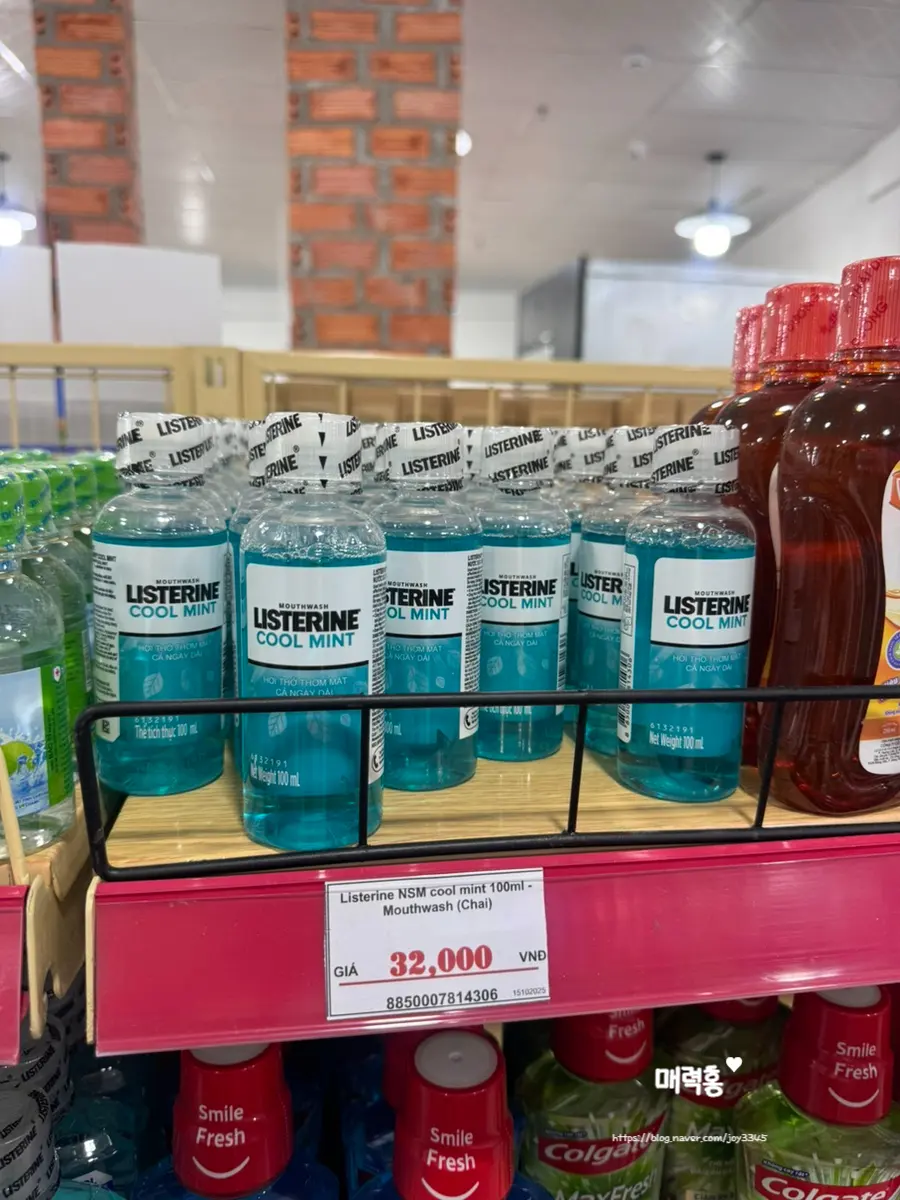
旅行中に必要な日用品があれば、こちらのコーナーもぜひ覗いてみてください。
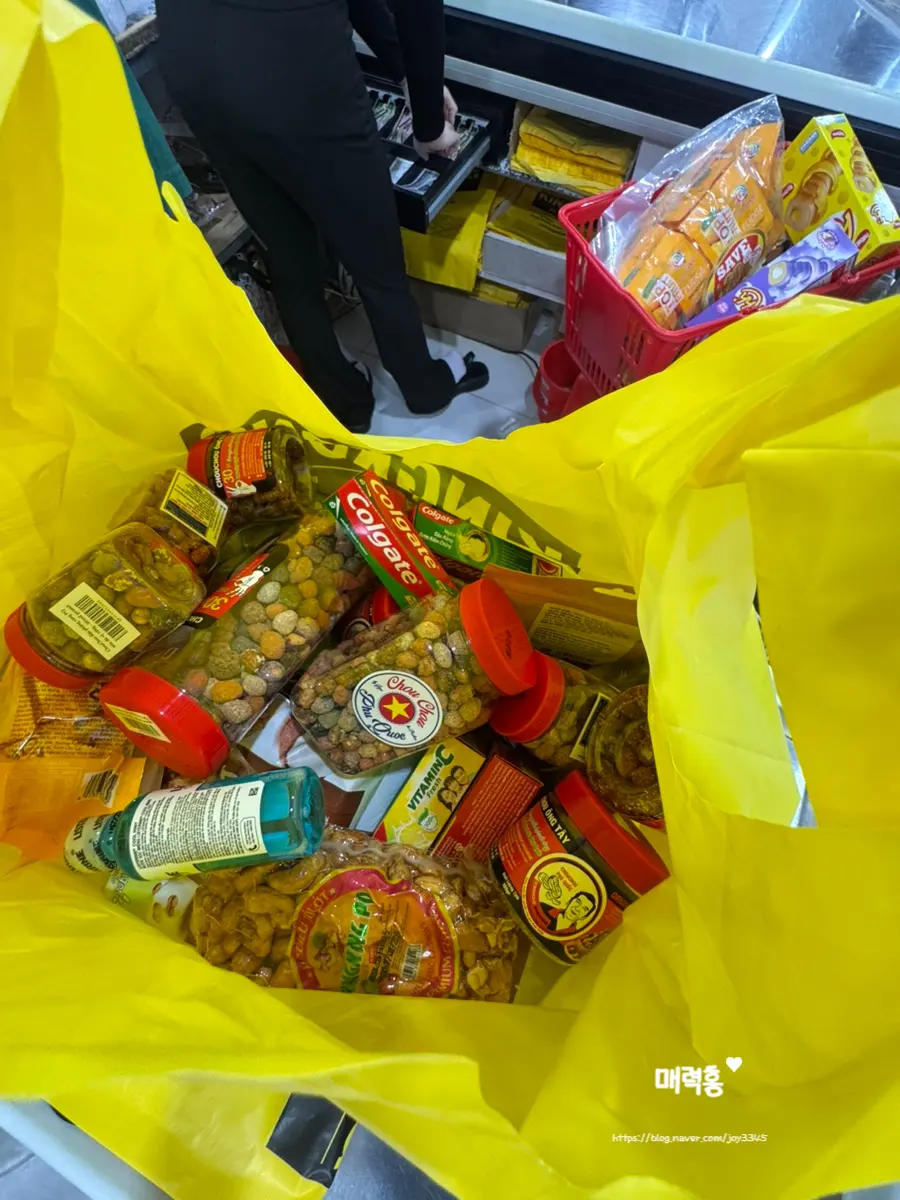
今回の旅行では、それほどお買い物は多くしなかった方です(笑)。買ったもののほとんどがピーナッツで、
ベトナムのスーパーでは雑貨や人形など、自分好みの記念品を見つけるのが少し難しかったため、
ナイトマーケット(夜市)で追加でいくつか購入しました。
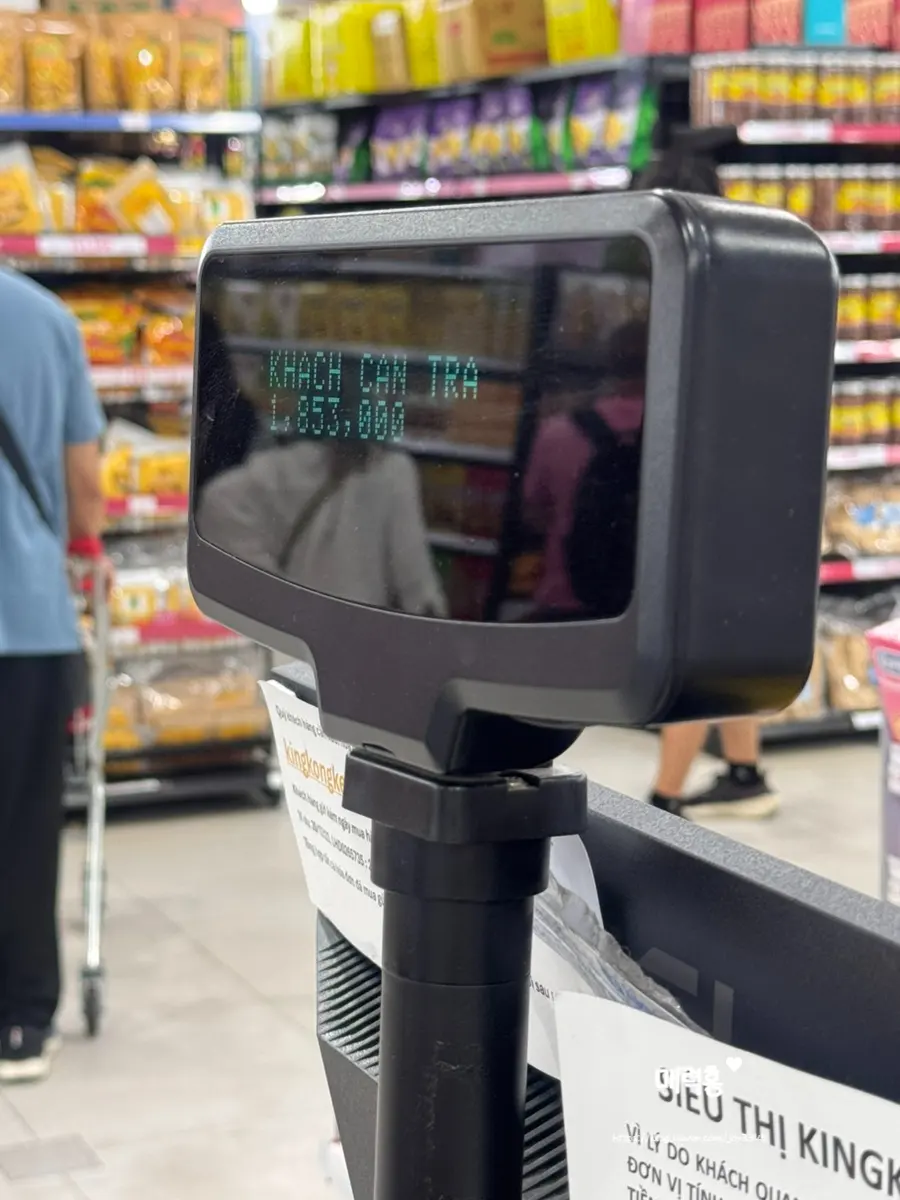
キングコングマートでのお会計はこれくらいでした!
1,853,000 VND(日本円で約10,500円)
キングコングマートの目の前は、特に混雑していて非常に騒がしかったのですが、
買い物を終えてすぐに、待機してくださっていた運転手さんと合流できたため、そのまま快適にナイトマーケットへ移動して観光を楽しむことができました。🛍️ 🚙
🔻🔻🔻
【フーコック】運転手付きレンタカーの1日貸切プランをチェックする
フーコック・キングコングマートのおすすめお土産ショッピングリスト:シュシュピーナッツ
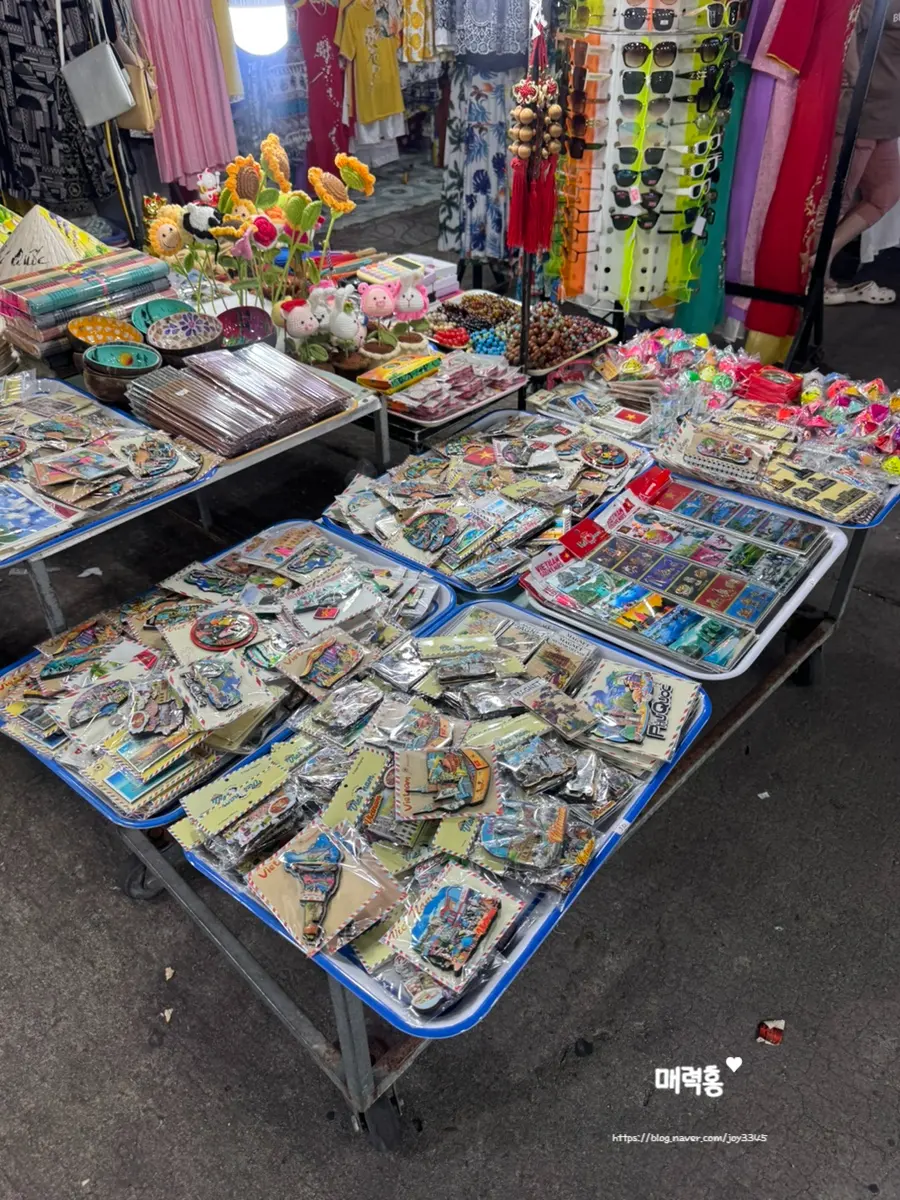
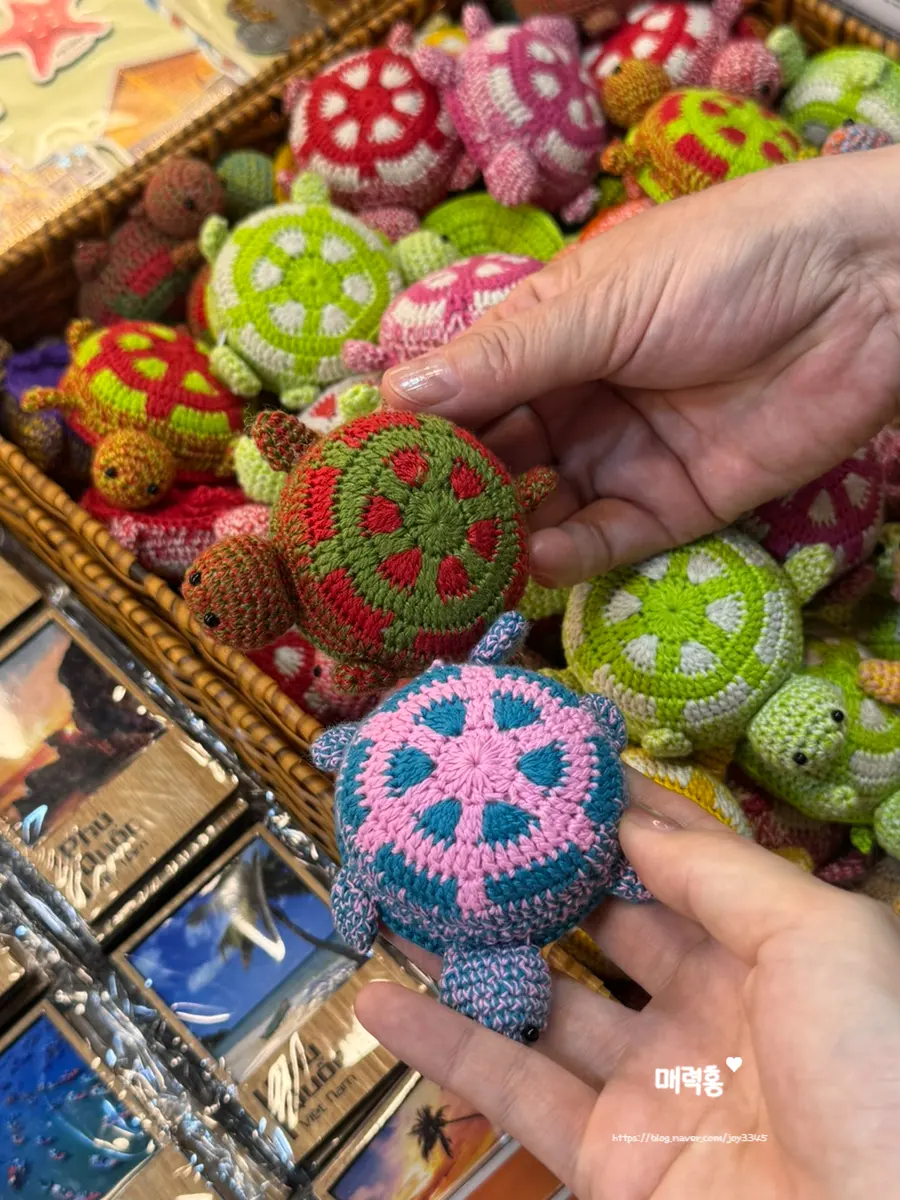
その他、夜市場ではマグネットとカメのメジャー
そして帽子をかぶった人形などを購入しました。
キンコングマートはお土産を一度にまとめて大量に買うのに便利で、夜市場は見物する楽しさがありました。(近々レビューを投稿予定です)
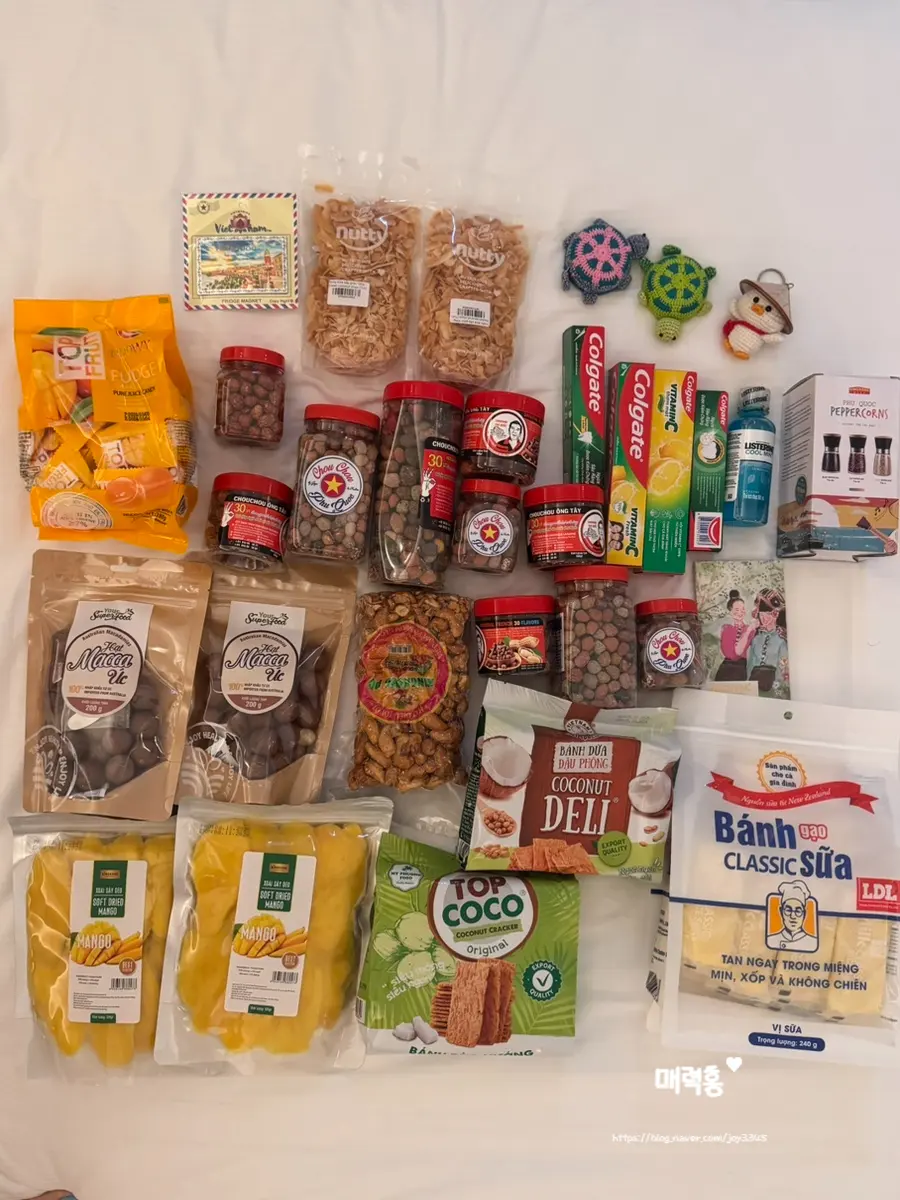
特に夜市場では、シュシュピーナッツなどを目の前で炒めて、試食のサンプルをどんどん渡してくれるのですが、お店同士の客引きの競争が激しいため、ずっとピーナッツを手に持ち歩くことになりました。
美味しいです。🥜
ピーナッツだけを購入される方は、夜市場の方が少しお安かったりもするので、
こちらで購入するのも一つの方法です。いずれにしても、テキパキと効率よくお買い物を楽しめたキンコングマートでした 🛍️
必要なものは何でも揃い、とても楽しかったお買い物レポートは以上です。
🔻 おすすめの関連記事はこちら 🔻
フーコック・ヴィンパールサファリ入場チケット&ズートラム体験レビューと攻略のコツ
📍 Kingkong Mart - Phu Quoc Specialties Store
141A Đường Trần Hưng Đạo, Phường, Phú Quốc, Kiên Giang, ベトナム
📍 オーシャンスパ Ocean spa
114 Đường Trần Hưng Đạo, Dương Đông, Phú Quốc, Kiên Giang 92500 ベトナム
ナイトマーケットでは炒りたてのピーナッツの試食ができ、キングコンマートよりも価格が少し安いです。そのため、ピーナッツだけを集中的に買う予定なら、ナイトマーケットを利用する方がお得かもしれません。
この製品は100%マカダミアで構成されており、硬い殻を簡単に剥くことができる道具が同封されています。香ばしくて健康的な味を好む方に適したおやつです。
バインスアは練乳と粉ミルクの味が調和し、香ばしい風味が特徴です。ただし、記事の筆者は個人的な好みとして、韓国の米菓子のほうが口に合うと評価しています。
記事の筆者はキングコンマートで合計1,853,000ドンを支出しました。これは換算すると約10,500円に相当する金額です。

ナトラン市内でショッピングを楽しむなら、お土産ショップ「ホア(HOA)」へ。可愛いキャラクターグッズからデザインバッグ、ナトラン特産品まで、エアコン完備の快適空間でじっくり選べます。

ベトナム・ハノイの魅力を凝縮した2大名所、レトロな「線路街(トレインストリート)」と活気あふれる「ターヒエンビール街」を現地ルポ!昼と夜で全く異なる表情を見せるハノイのディープなストリートカルチャーや、実際に歩いて分かった旅行者向けのリアルな散策のコツ、アクセス情報を詳しく解説します。

In </b> # <b> </b> An The In The <b> </b> , This The general objective of this study to understand structural alignment of elements in complete streets policy (CSP) across transportation plans and health guidelines. The search for policy documents was conducted on city, county, region, and state government websites in the state of California, as well as via Google. A total of 30 policies were collected, spanning the years 2005 to 2013, with 2008 being the year of the largest number of policies (n = 10). A systematic content analysis was conducted to analyze the level of alignment across four structural areas: design, policy, evaluation, and community. Results showed complete streets policies and health guidelines have high levels of alignment in the design and policy areas, but limited alignment in evaluation and community engagement. Over time, policy and design alignment remained high. Local agencies should focus on improving community engagement and evaluation, while state agencies can incentivize these areas. Further research is needed to determine the implementation and impact of these policies. This study provides valuable insights for urban planners, public health professionals, and policymakers seeking to promote active living and health equity through policy change. </h2><h2>2. Introduction</h2> <p>Built environments play an important role in promoting physical activity (PA) and preventing chronic diseases, such as obesity and cardiovascular diseases, by providing opportunities for active transportation and recreation <cite><sup>[1]</sup><sup>[2]</sup></p>. Built environment features such as sidewalks, bike lanes, streetlights, and crosswalks can promote active transportation, such as walking and bicycling <cite><sup>[3]</sup><sup>[4]</sup></p>. Conversely, the lack of such infrastructure can deter people from engaging in physical activity, leading to sedentary lifestyles and a higher risk of chronic diseases <cite><sup>[5]</sup><sup>[6]</sup></p>. To address this, many local governments have adopted policies and guidelines that promote active living, such as Complete Streets Policies (CSPs) and health guidelines. Currently, more than 1,600 CSPs have been passed in the United States, including at least 35 state-level policies, 150 metropolitan planning organizations, and more than 1,000 municipal policies <cite><sup>[7]</sup></p>. Additionally, health departments across the United States have developed health guidelines and health-in-all-policies (HiAP) initiatives to promote active living and health equity <cite><sup>[8]</sup><sup>[9]</sup></p>. However, the alignment between CSPs and health guidelines is often unclear, which can limit their effectiveness in promoting active living and health equity.</p> <p>CSPs aim to design and operate streets that are safe, comfortable, and convenient for all users, regardless of age, ability, or mode of transportation <cite><sup>[10]</sup></p>. These policies have been shown to increase physical activity, reduce traffic-related injuries and fatalities, and improve air quality <cite><sup>[11]</sup><sup>[12]</sup><sup>[13]</sup></p>. In contrast, health guidelines and HiAP initiatives aim to integrate health considerations into decision-making processes across various sectors, including transportation and urban planning <cite><sup>[14]</sup><sup>[15]</sup></p>. These guidelines often emphasize the importance of active living, access to healthy foods, and environmental justice. While both CSPs and health guidelines share the goal of promoting active living and health equity, they are often developed and implemented by different agencies with different priorities, funding sources, and professional languages <cite><sup>[16]</sup><sup>[17]</sup></p>. This can lead to a lack of alignment and coordination, resulting in missed opportunities to create healthier and more equitable communities.</p> <p>This study aims to assess the structural alignment of elements in CSPs across different levels of government in California, including cities, counties, regions, and the state, and to compare them to health guidelines. Specifically, we will analyze the level of alignment across four structural areas: design, policy, evaluation, and community. We will also examine how this alignment has changed over time, as well as the differences in alignment between different levels of government. The results of this study will provide valuable insights into the gaps and opportunities for alignment between CSPs and health guidelines, which can inform the development and implementation of future policies and guidelines to promote active living and health equity.</p> <p>To achieve this objective, we conducted a systematic content analysis of 30 policy documents from California, spanning the years 2005 to 2013, with 2008 being the year of the largest number of policies (n = 10). The documents were collected from city, county, region, and state government websites, as well as via Google. We developed a coding scheme to assess the presence and strength of elements in the four structural areas: design, policy, evaluation, and community. We then analyzed the data using descriptive statistics and bivariate analyses to compare the alignment across different levels of government and over time.</p> <p>The findings of this study will be of interest to urban planners, public health professionals, and policymakers who are working to create healthier and more equitable communities. By identifying areas of strength and weakness in the alignment between CSPs and health guidelines, this study can help to guide future efforts to integrate health into transportation and land use decision-making.</p> <p>The rest of this paper is organized as follows. First, we provide a brief overview of the literature on CSPs, health guidelines, and policy alignment. Next, we describe our methodology, including our data collection, coding scheme, and analysis plan. We then present our results, which are organized around the four structural areas, and discuss their implications for policy and practice. Finally, we conclude with a summary of our key findings and recommendations for future research.</p> <p>Our study contributes to the growing body of literature on the intersection of transportation, urban planning, and public health. While previous studies have examined the implementation and impact of CSPs <cite><sup>[18]</sup><sup>[19]</sup><sup>[20]</sup></p>, few have systematically analyzed their alignment with health guidelines across multiple levels of government. By filling this gap, we hope to provide a more comprehensive understanding of how policy alignment can support the creation of healthier and more equitable communities. Furthermore, our focus on California, a leader in both CSP adoption and health-in-all-policies initiatives <cite><sup>[21]</sup><sup>[22]</sup></p>, provides a valuable case study for other states and localities seeking to align their transportation and health goals. Overall, our study highlights the importance of cross-sectoral collaboration and policy alignment in promoting active living and health equity. By working together to align CSPs and health guidelines, planners and public health professionals can create streets that are not only safer and more accessible, but also healthier and more equitable for all. Do you want me to write a specific section, or continue with the next part of the paper? Let me know! **User:** Yes, please write the

ホーチミン1区の主要観光スポットを約1時間で巡る「オープントップ2階建て観光バス」のナイトツアーを徹底解説!夕暮れから美しい夜景へと移り変わる街並みを2階席から贅沢に楽しむ方法や、事前予約から乗車場所の詳細まで、初めてのベトナム旅行でも安心の実用情報を詳しくお届けします。

ホーチミン1区にあるM City Hotel Saigonのデラックスルームに宿泊。ベンタイン市場へ徒歩約5分、主要観光地へのアクセスも良好。清潔な客室と親切なサービスに大満足でした。

ホーチミン1区に位置する5つ星「ホテルニッコーサイゴン」のクラブデラックスキングルームと朝食を徹底レビュー。清潔な客室、きめ細やかなターンダウンサービス、無料シャトル、そしてサプライズの誕生日サービスまで、詳細重視の旅行者におすすめのポイントをご紹介します。