読み込み中...

小学校低学年の子ども2人を含む、家族4人での旅行だったため、
ダナンの宿選びには本当に頭を悩ませました。
価格がリーズナブルで立地も良く、
東南アジアのリゾート感を存分に味わえる
5つ星リゾートを探した結果、
最終的にフラマリゾート・ダナンに決定しました!
結論から申し上げますと、
家族全員が大満足の、まさに「地上楽園」でした。
😊
それでは早速、詳しくご紹介していきますね。
各予約サイトの最安値を代わりに調べてくれるので
とても便利なHotelsCombinedの価格比較です。
正直な第一印象と役立つコツ
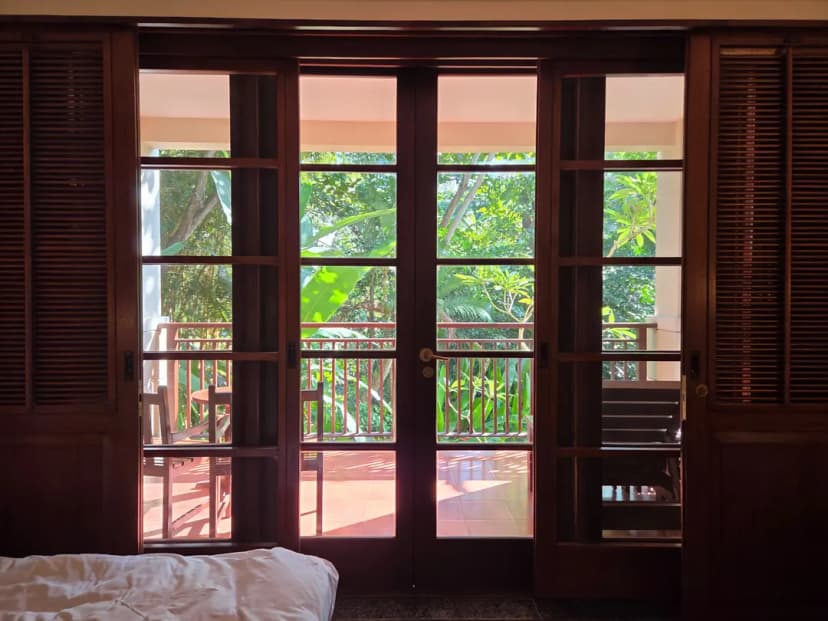
実は、直前まで「ダナン三日月リゾート」に滞在していたため、
最初に客室に入った時は、
お部屋の広さが急に狭くなったように感じられ、築年数(経年劣化)も目についたため、
夫や子どもたちは少しがっかりした様子でした。
しかし、過ごしているうちにクラシカルで優雅な雰囲気に
すっかり馴染んでいきました。
施設の古さは全く気にならなくなりました。
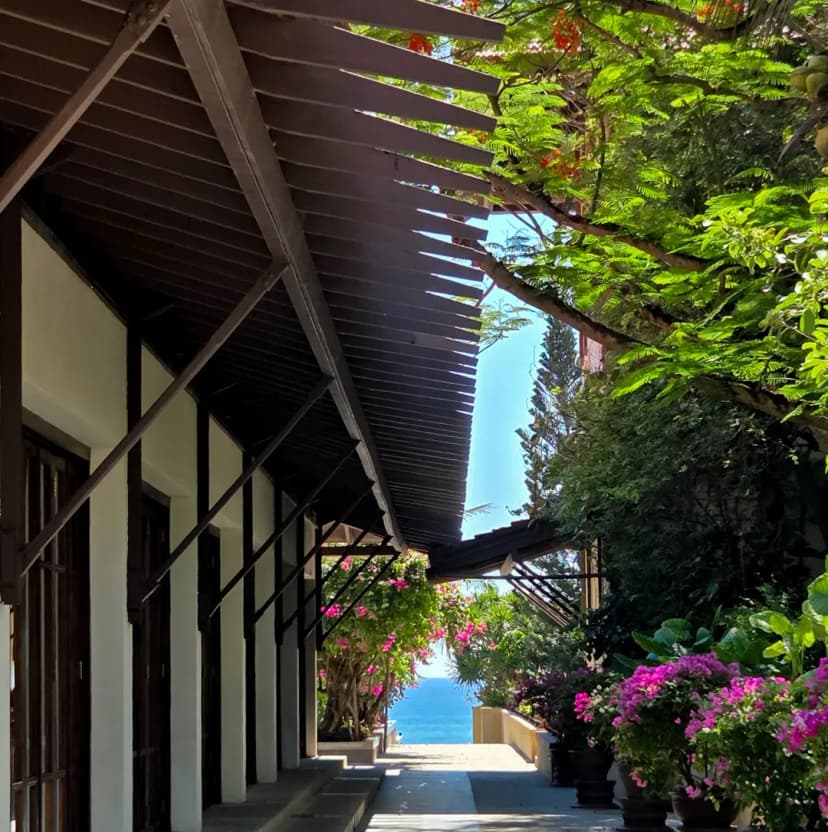
何よりも、リゾート全体が生花の甘い香りに包まれており、
歩くたびに心から癒やされるような空間でした!
知っておくと役立つ3つのコツ
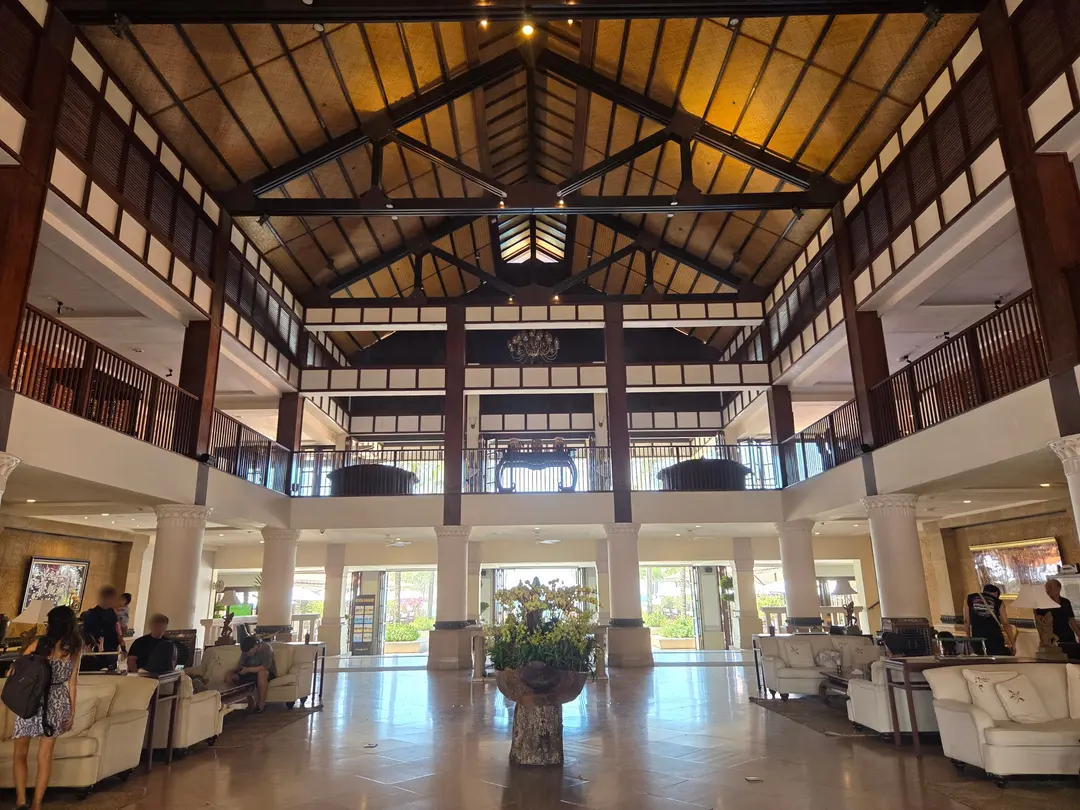
1. エアコンのないロビー
ロビーは窓がない開放的なオープンエア構造になっているため、
エアコンは稼働していません。
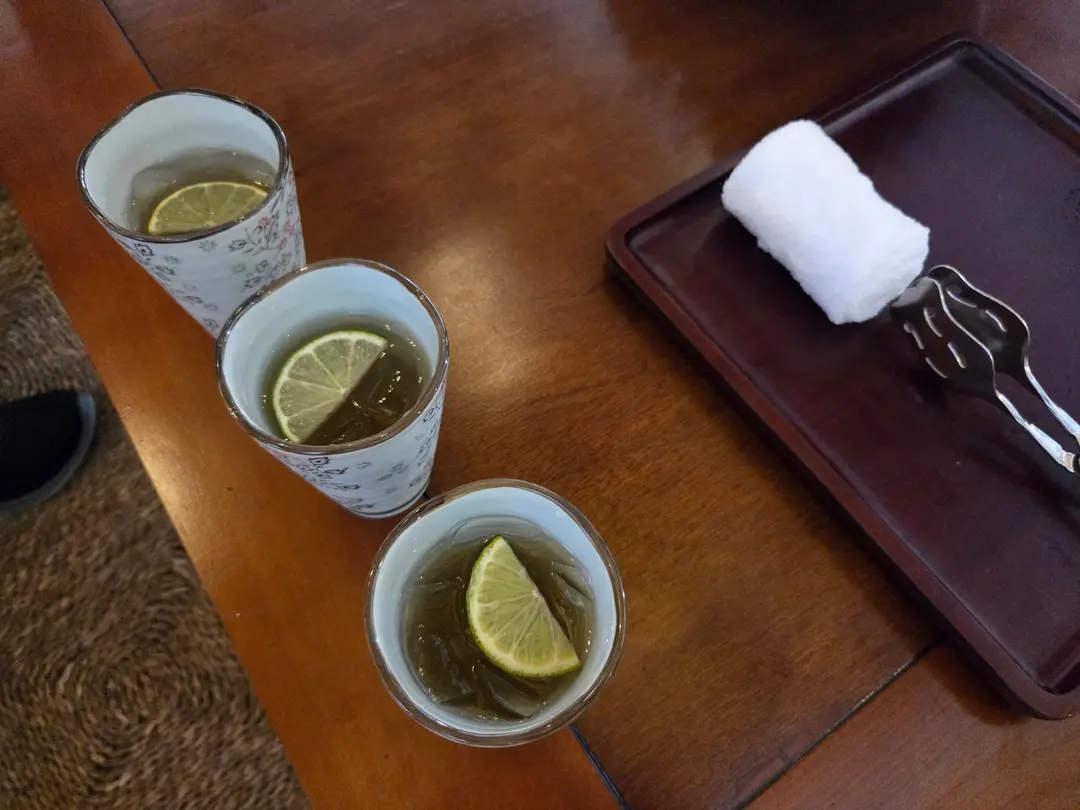
その代わり、チェックイン時には冷たいウェルカムドリンクと、
ひんやりとしたおしぼりを提供してくれます。
2. 無料レイトチェックアウト
フラマリゾートの通常のチェックアウト時間は11:00ですが、
1時間までは無料でレイトチェックアウトが
可能という情報を事前にネットで拝見し、
チェックアウト前日にフロントへお願いしたところ、快く対応していただけました。
ただし、これは混雑状況や時期によって
対応が異なる可能性があります。
夕方18:00までのレイトチェックアウトを希望する場合は、
1泊分の宿泊料金の50%を追加で支払う必要があるため、
深夜便などの場合は、ダナン市内に「0.5泊用」のお手頃なホテルを確保することをおすすめします。
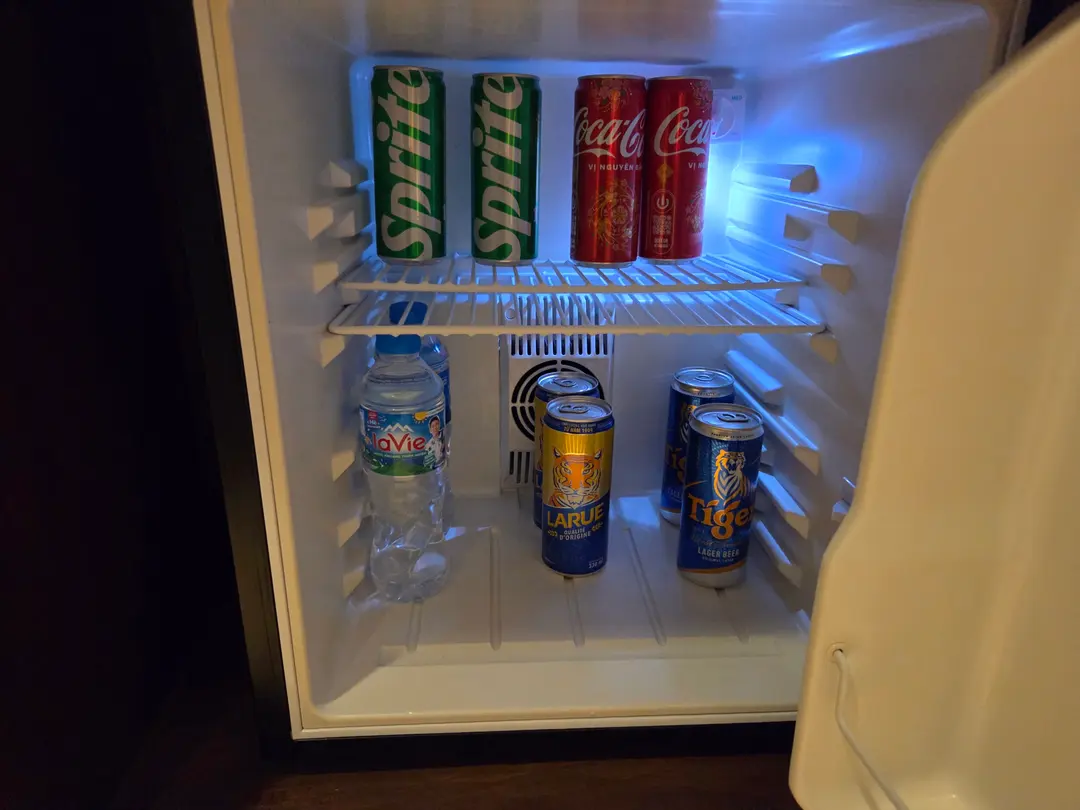
3. 冷蔵庫の冷え具合
客室内の冷蔵庫があまり冷えませんでした。
生鮮食品などを保管する際は十分にご注意ください。
ガーデンスーペリア客室に4人で宿泊
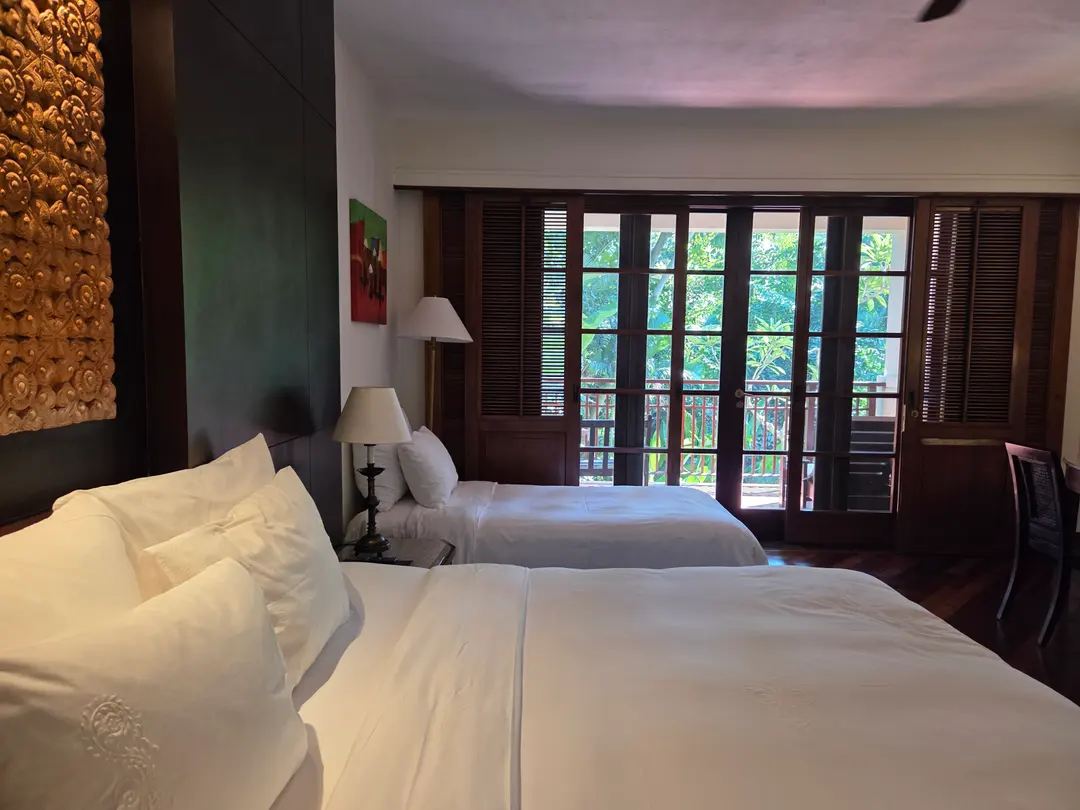
私たちが予約した客室タイプは、リゾートで最もスタンダードな
「ガーデンスーペリア」です。
✔️ 基準定員:大人2名
✔️ 最大定員:大人3名 / または 大人2名+添い寝(小児)2名
※フラマリゾートの小児規定:満4歳〜満11歳
今回は旅行予約サイトの「ピークタイム(Peak Time)」経由で予約したのですが、
子ども2人を同伴する条件として、
エキストラベッド1台の追加、および小児1名分の追加料金の支払いが
必須(義務)となっていました。
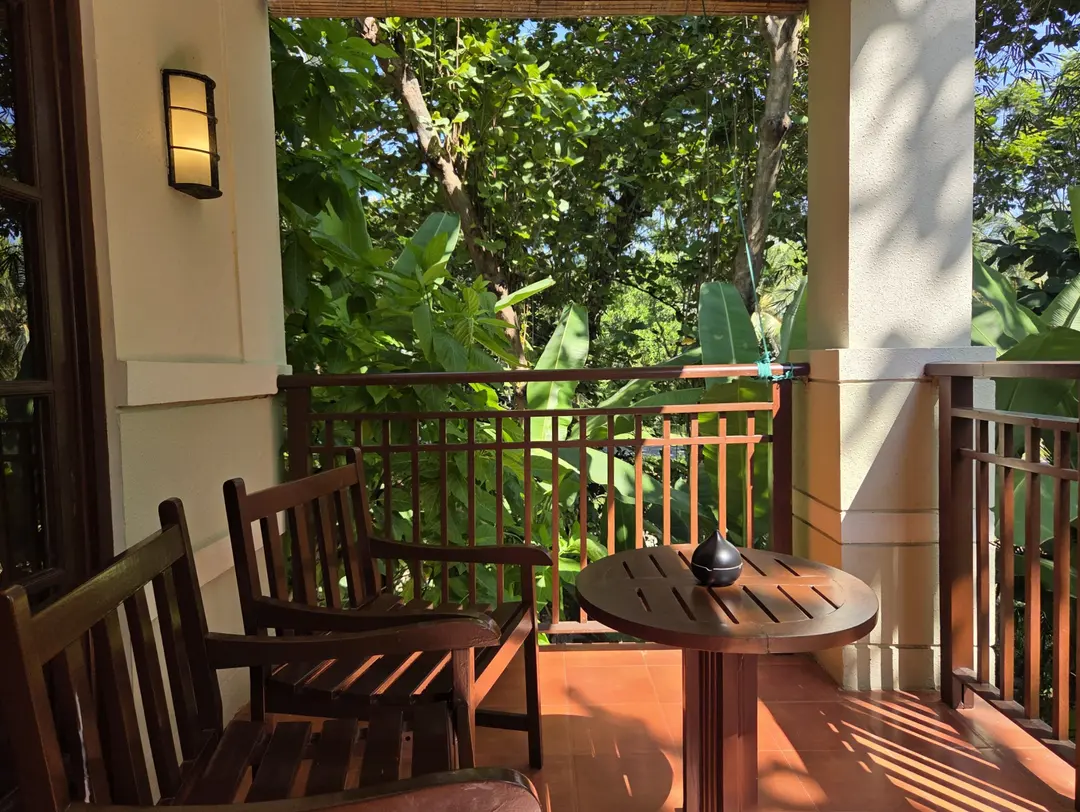
アサインされたお部屋は「263号室」。
2階のお部屋だったので、ちょうど目線の高さに
生い茂る美しい熱帯の緑が広がり、リゾート気分が高まりました。
ラグーンビュー(プール側)の方が写真は映えるかもしれませんが、
プール周辺の賑やかな声が響いて少し騒がしいかもしれないと感じました。
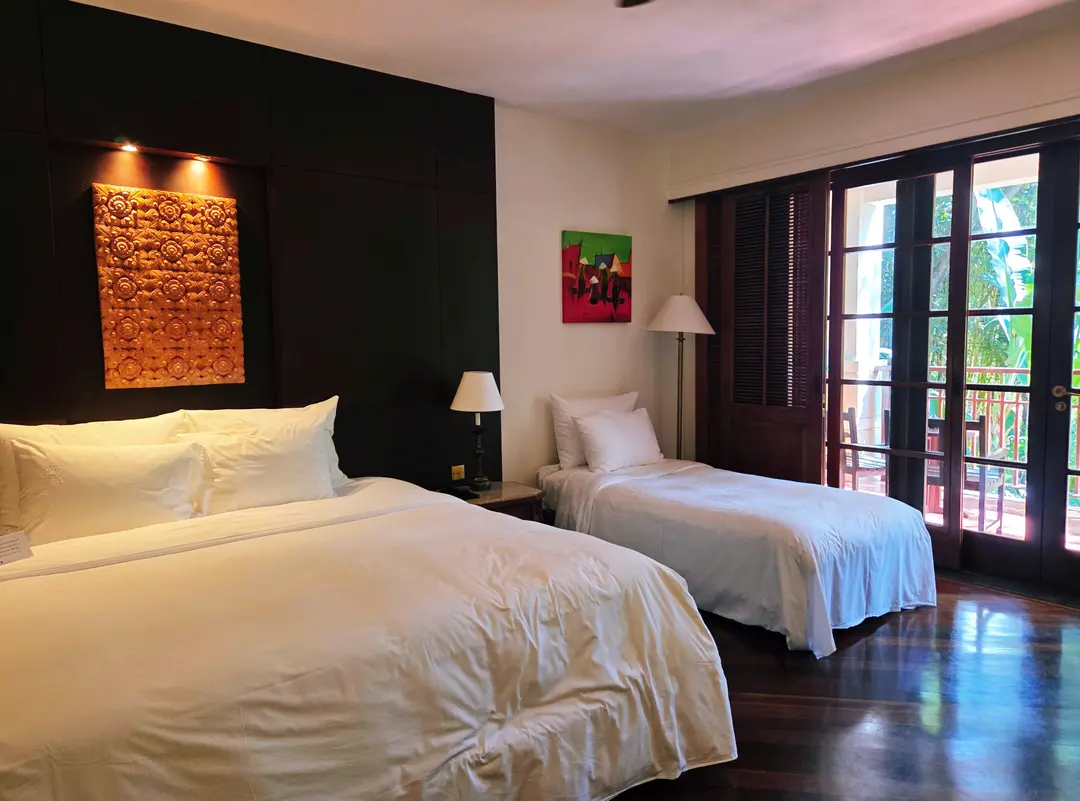
夫がエキストラベッドを使用し、
私と子どもたちはキングサイズベッドに横向き(幅が広い方向)に並んで寝ました。
子どもたちがまだ小学校低学年だったこともあり、
窮屈さは一切感じることなく快適に眠れました。
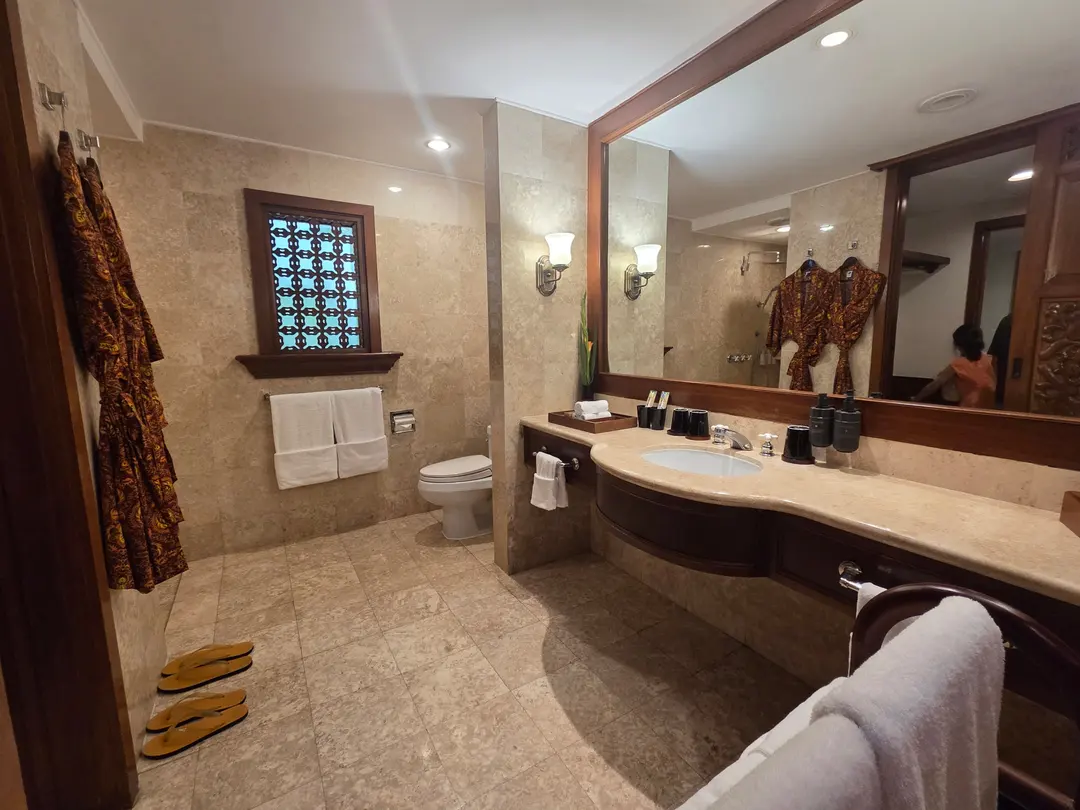
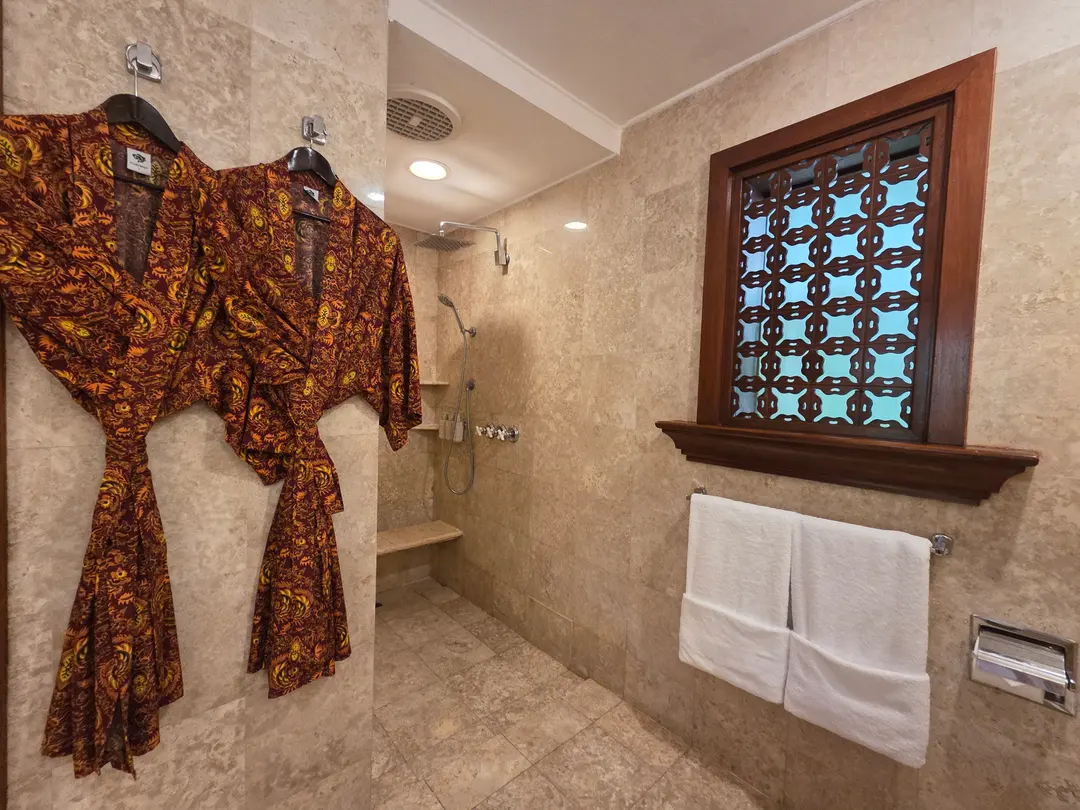
お部屋の広さに比べてバスルームが宮殿のように非常に広く、
子どもたちの体を洗ってあげる際にも動きやすくて大変便利でした。
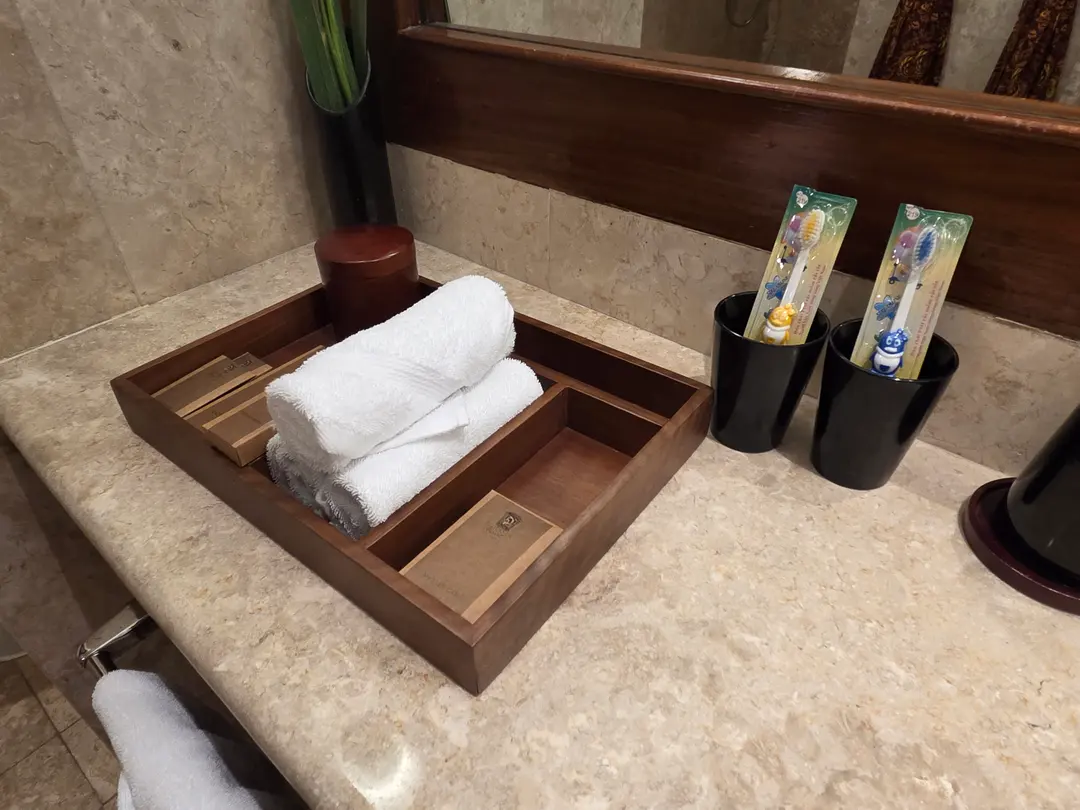
アメニティとして、子ども用の歯ブラシを別途用意していただけました。
温水洗浄便座(ウォシュレット)がないのが少し残念ですが、こればかりは仕方ないですね。
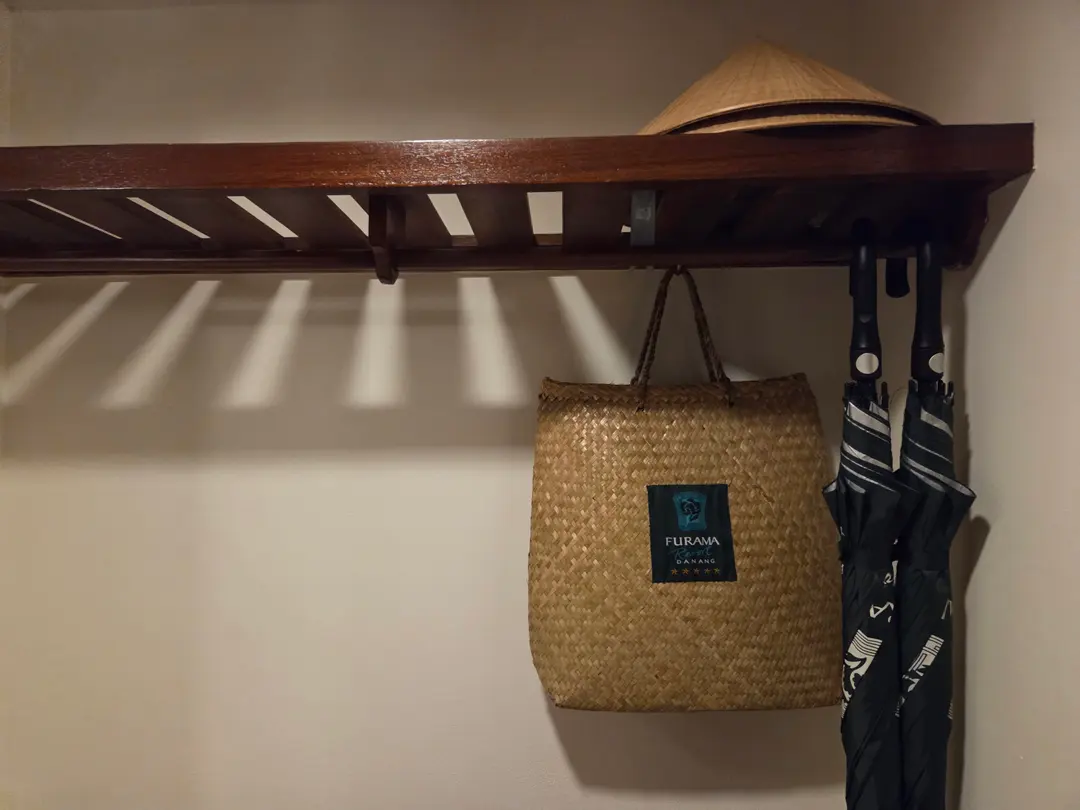
客室には、ベトナム情緒をたっぷり感じられるノンラー(伝統的な円錐状の帽子)と
ラタンバッグが用意されているので、
プールへ行く際にとても重宝しました。
好立地とデリバリー(出前)おすすめ店
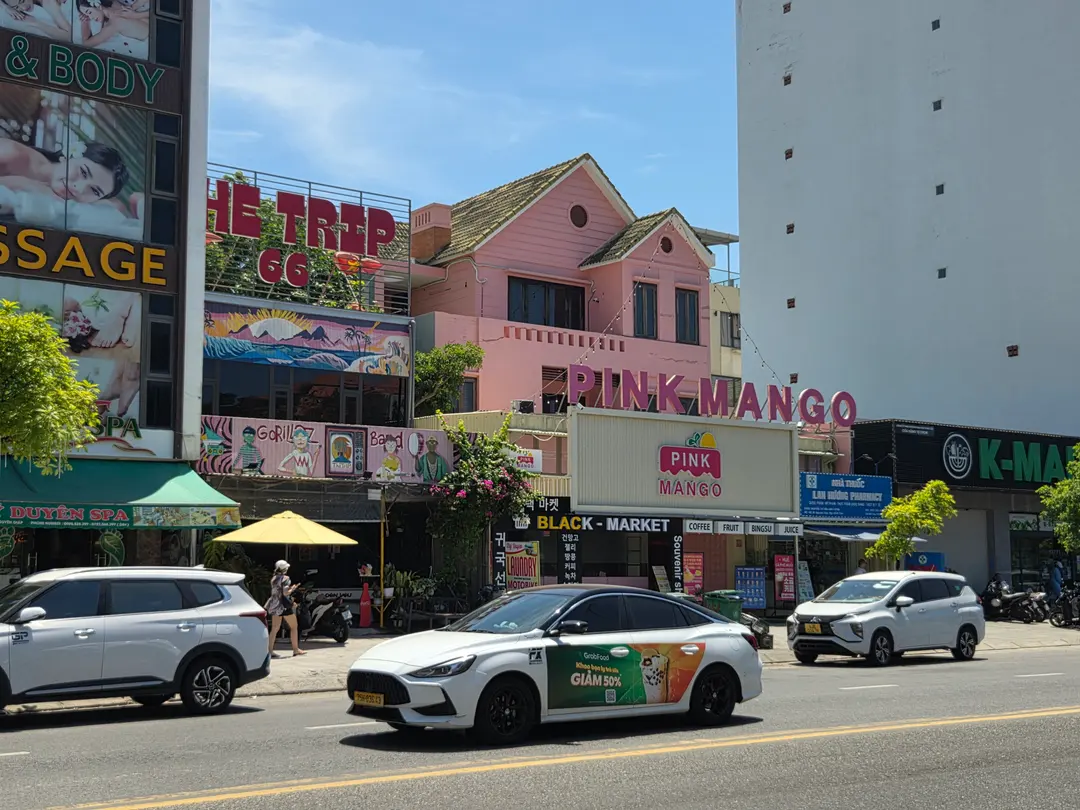
ホイ安(ホイ안)へ移動する際、南側にあるリゾートエリアを見てみたのですが、
周辺に商業施設がまったくありませんでした。
一方、フラマリゾートの前は徒歩圏内に
マッサージ店、飲食店、カフェ、スーパー(マート)が揃っています。
「立地が良い」と絶賛される理由がよく分かりました。
デリバリーの人気店「pho viet kieu」
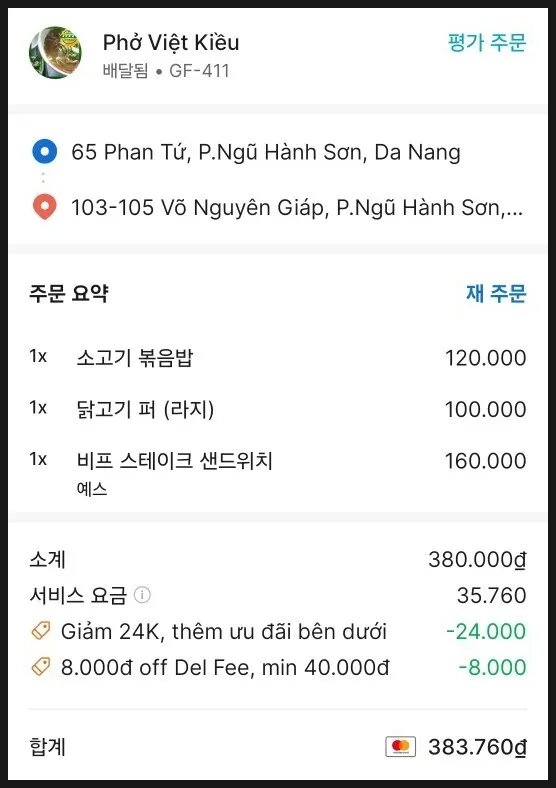
フラマリゾートのデリバリーおすすめ店
フラマリゾートからGrab(グラブ)フードでデリバリー注文した
おすすめのお店をご紹介します。
特に事前情報もなく「pho viet kieu」というお店から
牛肉チャーハン、チキンフォー、ビーフステーキサンドイッチを注文しました。
合計で383,760ドン(日本円で約2,100円)になり、
注文したメニューはどれも本当に美味しかったです。
フラマリゾートでのデリバリーとして一押しです!
👍
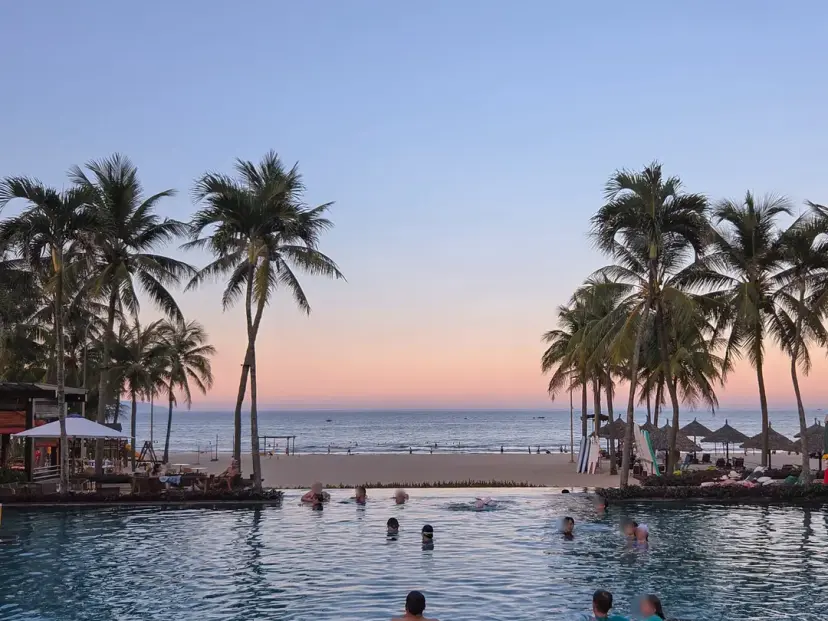
ラグンプール + メインプール + ミーケビーチ
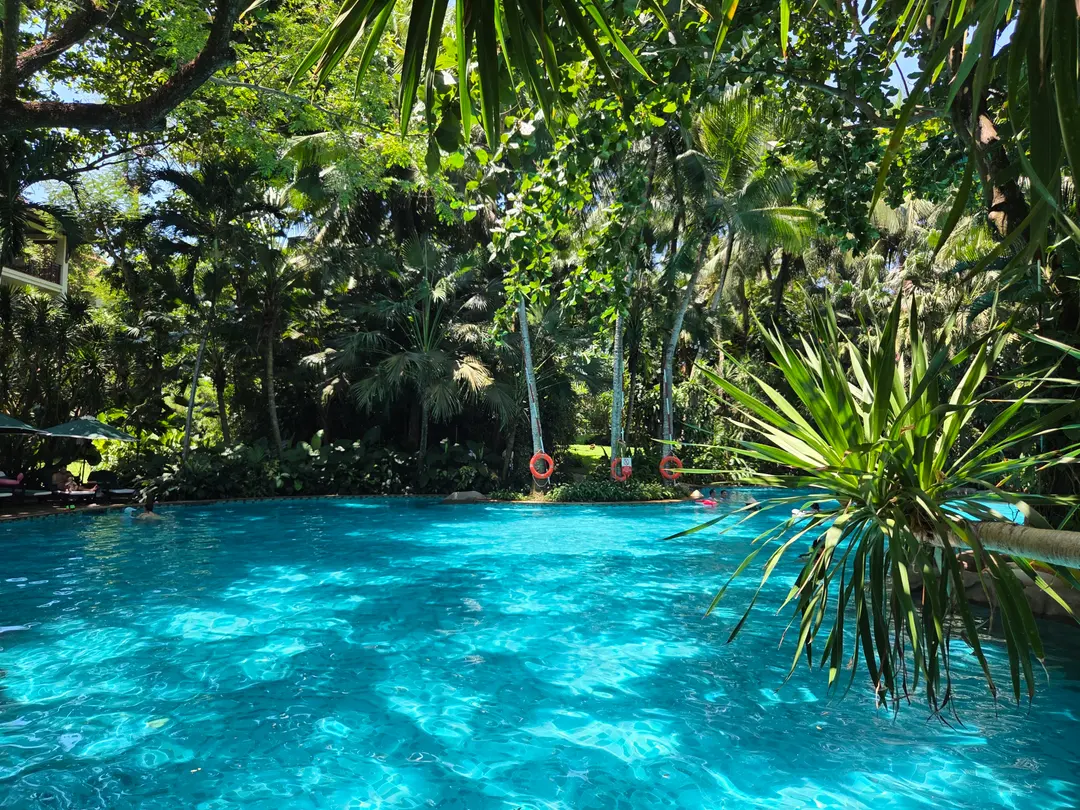
ダナン・フラマリゾート 水遊びのゴールデンルール
おすすめの時間帯 | 場所 | 営業時間 |
午前&午後 | ラグンプール | 10:00 - 18:00 |
夕暮れ時 | ミーケビーチ | 24時間 |
夜 | メインプール(オーシャンプール) | 24時間 (ライフガード常駐時間:6:00〜18:00) |
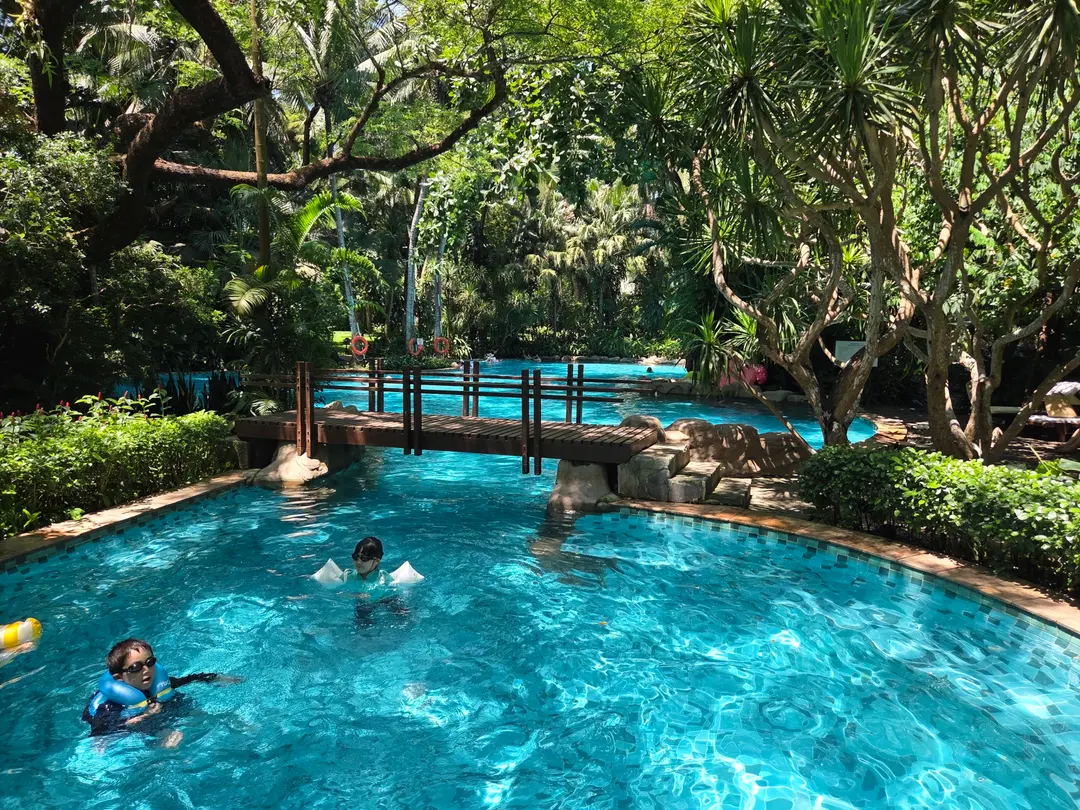
太陽が出ている日中の時間帯は、
間違いなくラグンプールで遊ぶのがおすすめです。
大きな木々が生い茂り、心地よい自然の日陰を作ってくれるので、
暑さを気にせず快適に過ごせます。

このラグンプールは、私がフラマリゾートを予約した
最大の理由でもあったのですが、
本当に「地上の楽園」そのものでした。
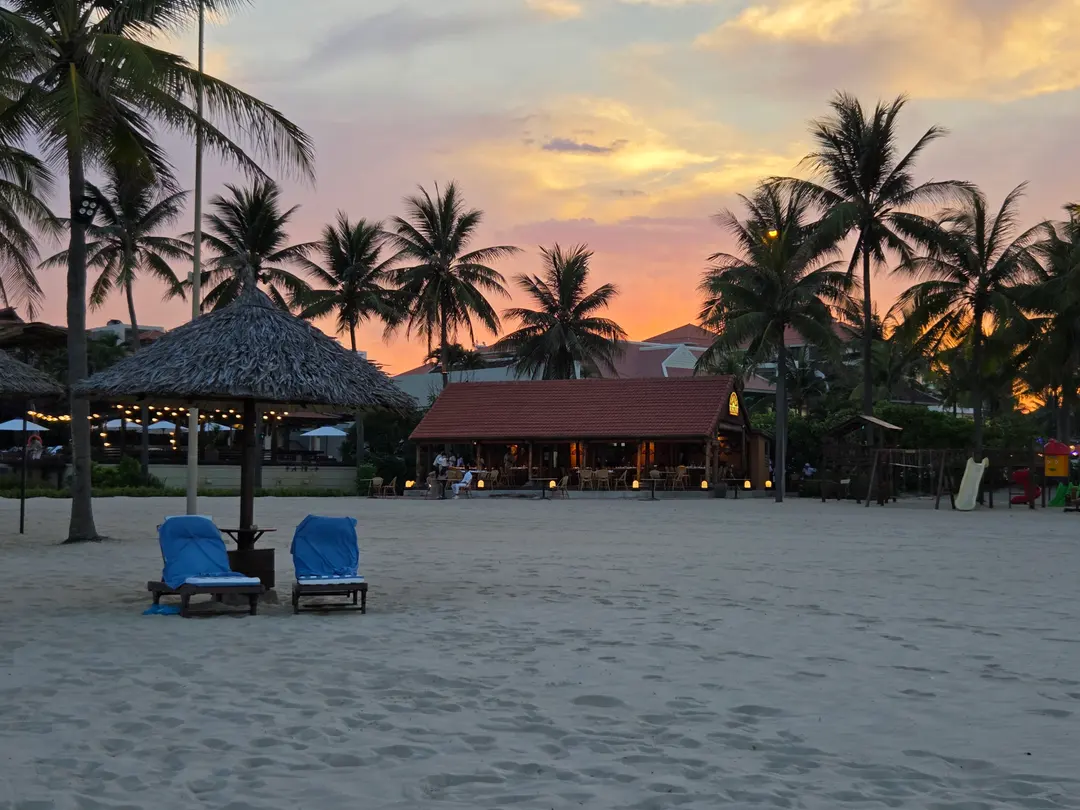
ただ、夕暮れ時になると
蚊がぽつぽつと出始めるので、
ミーケビーチへ移動して海水浴を楽しんだり、
美しい夕日を眺めたりするのがおすすめです。
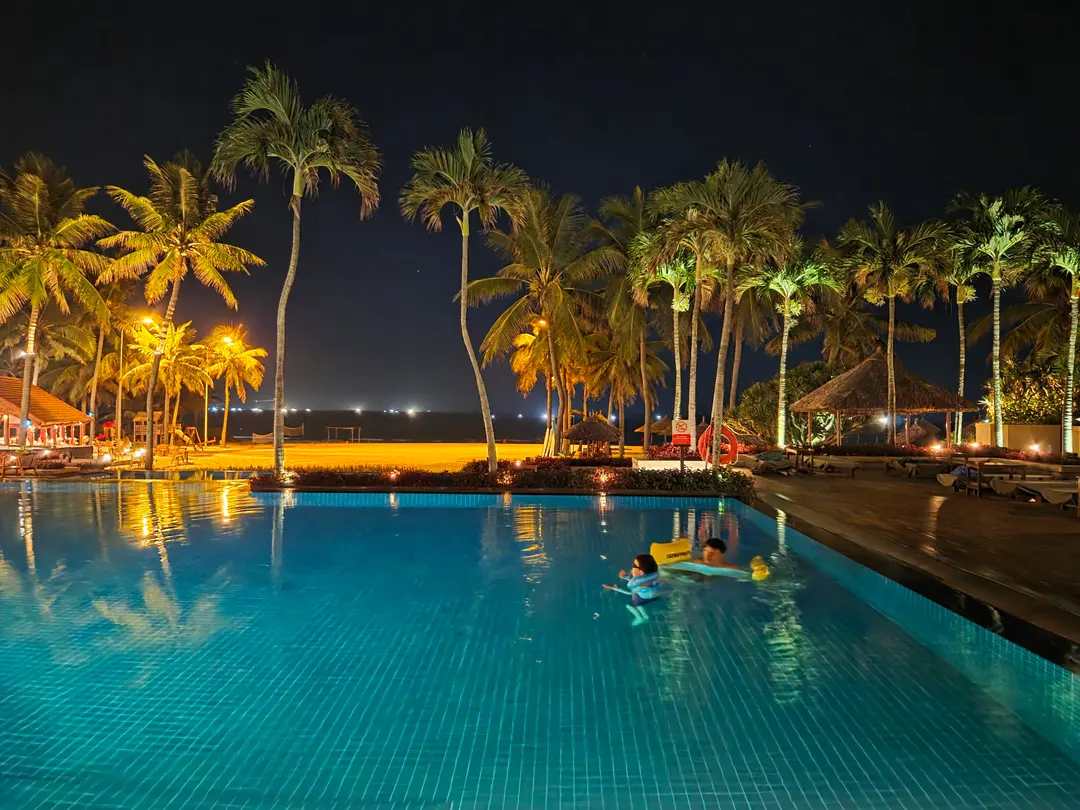
夜は、24時間利用可能な
目の前に海が広がるメインプールで、夜のナイトプールまで満喫すれば完璧です!
フラマリゾートの予約について
大人2名、10月の宿泊日程で
ダナン・フラマリゾートの宿泊料金を調べてみました。
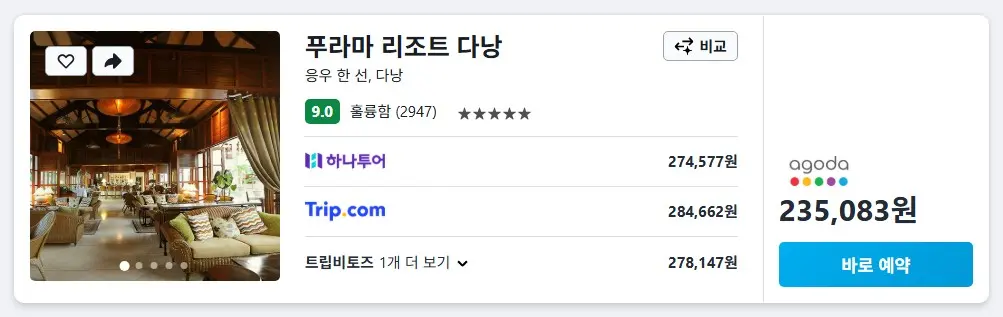
やはり、Agoda(アゴダ)が一番お得な料金になっていますね。
HotelsCombined(ホテルズコンバイン)で希望の日程と人数を入力し、
最安値を比較してから決めるのがおすすめです!
>> HotelsCombined(ホテルズコンバイン)で探す
+
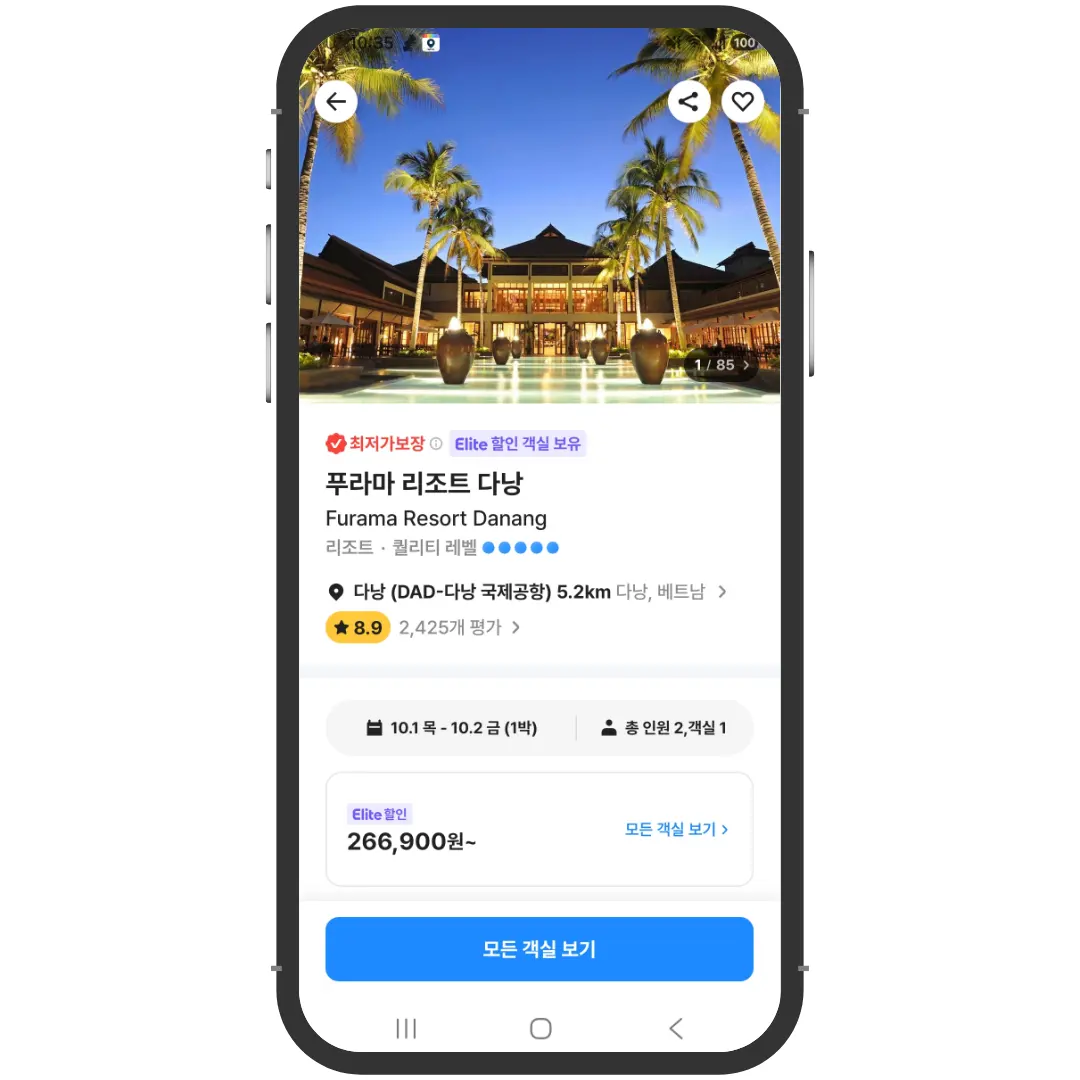
HotelsCombinedには掲載されていない特別プランもあるため、
韓国の人気予約サイト「YEOGI EO_TTE(ヨギオッテ)」も要チェックです。
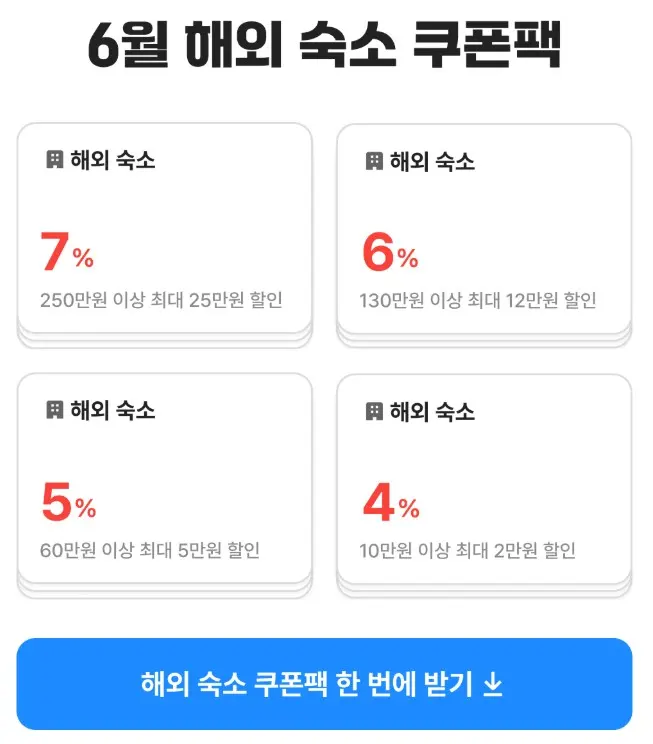
ヨギオッテの6月限定の割引クーポンをご紹介します。
クーポンをダウンロードして、お得な最終決済金額をぜひ確認してみてくださいね!
👉 Yeogi Eottae(ヨギオッテ)海外宿泊クーポンパックを受け取る
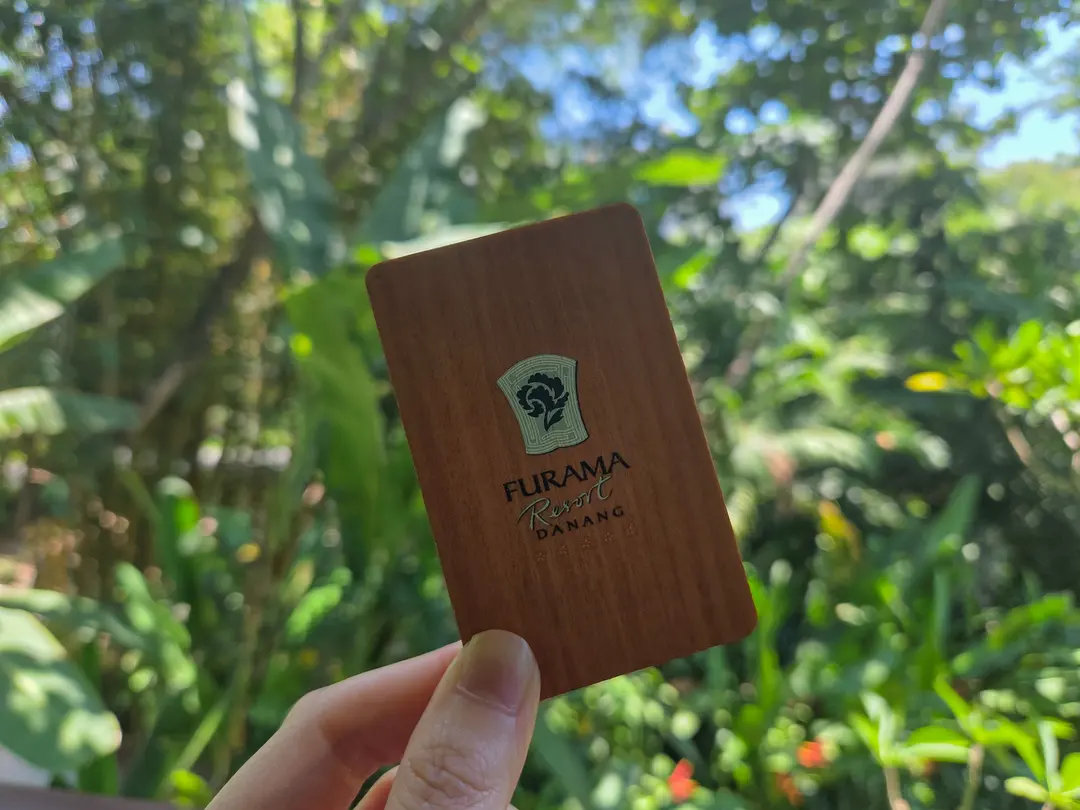
豊かな自然に囲まれて
心ゆくまでリフレッシュすることができました。
立地、客室のコンディション、プール、そして朝食に至るまで
何一つとして申し分のない「フラマ リゾート ダナン」
5つ星ホテルの品格をリーズナブルに堪能することができ、
滞在中はずっと満足度が非常に高かったです。
ダナンへの家族旅行の宿泊先として、自信を持っておすすめします。
👍
📍 フラマ リゾート ダナン(Furama Resort Danang)
105 Võ Nguyên Giáp, Ngũ Hành Sơn, Đà Nẵng 550000 ベトナム
通常のチェックアウト時間は午前11時ですが、状況に応じて1時間の無料延長をリクエストできます。午後6時までレイトチェックアウトを利用する場合は、1泊分の料金の50%を支払う必要があります。
4歳から11歳までの子供2名を同伴する場合、エキストラベッド1台と子供1名分の追加料金が必須となります。この客室は、大人2名と子供2名までが最大定員として宿泊できます。
ラグーンプールは午前10時から午後6時まで営業しており、木陰があるため日中の利用に最適です。メインプールは24時間開放されており夜間の水泳も可能ですが、ライフガードが常駐するのは午前6時から午後6時までのみです。
Grabデリバリーで「pho viet kieu」の牛肉チャーハン、鶏肉のフォー、ビーフステーキサンドイッチを注文できます。3つのメニューを注文した場合、合計383,760ドンとなり、約2,100円の費用がかかります。

2026年最新版!フーコックで子連れ家族旅行を計画中の方へ、ヴィンワンダーズやサファリへの無料シャトル、キッズ施設が充実したおすすめリゾートBest3を徹底解説します。

子連れダナン旅行で大人気の『ダナン三日月リゾート&スパ』を徹底紹介!温水プールや温泉、キッズクラブ完備で、観光に出かけなくてもホテル内だけで大人も子どもも1日中楽しめます。2026年最新の滞在レポートとして、客室の様子やおすすめの過ごし方を詳しくお届けします。

ナトランスからの深夜便利用に最適な0.5泊ホテルをお探しですか?サタホテルは、格安ながら快適な滞在を提供。最終日の観光後もリフレッシュしてフライトに臨める、賢い選択肢をご紹介します。

ベトナム・ニャチャンのカムラン国際空港から車で10分の5つ星「アルマリゾート」は、12のプールや本格ウォーターパークを備えた、まさに子供たちの水遊び天国!家族旅行にイチオシのプライベートプールヴィラとホテル棟の選び方、豪華な朝食ビュッフェの様子まで、2026年の最新情報をお届けします。

In </b> # <b> </b> An The In The <b> </b> , This The general objective of this study to understand structural alignment of elements in complete streets policy (CSP) across transportation plans and health guidelines. The search for policy documents was conducted on city, county, region, and state government websites in the state of California, as well as via Google. A total of 30 policies were collected, spanning the years 2005 to 2013, with 2008 being the year of the largest number of policies (n = 10). A systematic content analysis was conducted to analyze the level of alignment across four structural areas: design, policy, evaluation, and community. Results showed complete streets policies and health guidelines have high levels of alignment in the design and policy areas, but limited alignment in evaluation and community engagement. Over time, policy and design alignment remained high. Local agencies should focus on improving community engagement and evaluation, while state agencies can incentivize these areas. Further research is needed to determine the implementation and impact of these policies. This study provides valuable insights for urban planners, public health professionals, and policymakers seeking to promote active living and health equity through policy change. </h2><h2>2. Introduction</h2> <p>Built environments play an important role in promoting physical activity (PA) and preventing chronic diseases, such as obesity and cardiovascular diseases, by providing opportunities for active transportation and recreation <cite><sup>[1]</sup><sup>[2]</sup></p>. Built environment features such as sidewalks, bike lanes, streetlights, and crosswalks can promote active transportation, such as walking and bicycling <cite><sup>[3]</sup><sup>[4]</sup></p>. Conversely, the lack of such infrastructure can deter people from engaging in physical activity, leading to sedentary lifestyles and a higher risk of chronic diseases <cite><sup>[5]</sup><sup>[6]</sup></p>. To address this, many local governments have adopted policies and guidelines that promote active living, such as Complete Streets Policies (CSPs) and health guidelines. Currently, more than 1,600 CSPs have been passed in the United States, including at least 35 state-level policies, 150 metropolitan planning organizations, and more than 1,000 municipal policies <cite><sup>[7]</sup></p>. Additionally, health departments across the United States have developed health guidelines and health-in-all-policies (HiAP) initiatives to promote active living and health equity <cite><sup>[8]</sup><sup>[9]</sup></p>. However, the alignment between CSPs and health guidelines is often unclear, which can limit their effectiveness in promoting active living and health equity.</p> <p>CSPs aim to design and operate streets that are safe, comfortable, and convenient for all users, regardless of age, ability, or mode of transportation <cite><sup>[10]</sup></p>. These policies have been shown to increase physical activity, reduce traffic-related injuries and fatalities, and improve air quality <cite><sup>[11]</sup><sup>[12]</sup><sup>[13]</sup></p>. In contrast, health guidelines and HiAP initiatives aim to integrate health considerations into decision-making processes across various sectors, including transportation and urban planning <cite><sup>[14]</sup><sup>[15]</sup></p>. These guidelines often emphasize the importance of active living, access to healthy foods, and environmental justice. While both CSPs and health guidelines share the goal of promoting active living and health equity, they are often developed and implemented by different agencies with different priorities, funding sources, and professional languages <cite><sup>[16]</sup><sup>[17]</sup></p>. This can lead to a lack of alignment and coordination, resulting in missed opportunities to create healthier and more equitable communities.</p> <p>This study aims to assess the structural alignment of elements in CSPs across different levels of government in California, including cities, counties, regions, and the state, and to compare them to health guidelines. Specifically, we will analyze the level of alignment across four structural areas: design, policy, evaluation, and community. We will also examine how this alignment has changed over time, as well as the differences in alignment between different levels of government. The results of this study will provide valuable insights into the gaps and opportunities for alignment between CSPs and health guidelines, which can inform the development and implementation of future policies and guidelines to promote active living and health equity.</p> <p>To achieve this objective, we conducted a systematic content analysis of 30 policy documents from California, spanning the years 2005 to 2013, with 2008 being the year of the largest number of policies (n = 10). The documents were collected from city, county, region, and state government websites, as well as via Google. We developed a coding scheme to assess the presence and strength of elements in the four structural areas: design, policy, evaluation, and community. We then analyzed the data using descriptive statistics and bivariate analyses to compare the alignment across different levels of government and over time.</p> <p>The findings of this study will be of interest to urban planners, public health professionals, and policymakers who are working to create healthier and more equitable communities. By identifying areas of strength and weakness in the alignment between CSPs and health guidelines, this study can help to guide future efforts to integrate health into transportation and land use decision-making.</p> <p>The rest of this paper is organized as follows. First, we provide a brief overview of the literature on CSPs, health guidelines, and policy alignment. Next, we describe our methodology, including our data collection, coding scheme, and analysis plan. We then present our results, which are organized around the four structural areas, and discuss their implications for policy and practice. Finally, we conclude with a summary of our key findings and recommendations for future research.</p> <p>Our study contributes to the growing body of literature on the intersection of transportation, urban planning, and public health. While previous studies have examined the implementation and impact of CSPs <cite><sup>[18]</sup><sup>[19]</sup><sup>[20]</sup></p>, few have systematically analyzed their alignment with health guidelines across multiple levels of government. By filling this gap, we hope to provide a more comprehensive understanding of how policy alignment can support the creation of healthier and more equitable communities. Furthermore, our focus on California, a leader in both CSP adoption and health-in-all-policies initiatives <cite><sup>[21]</sup><sup>[22]</sup></p>, provides a valuable case study for other states and localities seeking to align their transportation and health goals. Overall, our study highlights the importance of cross-sectoral collaboration and policy alignment in promoting active living and health equity. By working together to align CSPs and health guidelines, planners and public health professionals can create streets that are not only safer and more accessible, but also healthier and more equitable for all. Do you want me to write a specific section, or continue with the next part of the paper? Let me know! **User:** Yes, please write the

ホーチミン1区にあるM City Hotel Saigonのデラックスルームに宿泊。ベンタイン市場へ徒歩約5分、主要観光地へのアクセスも良好。清潔な客室と親切なサービスに大満足でした。