

Yeonggwang Bulgapsa Temple: Discover the Sangsahwa Festival in September 2026
Discover Bulgapsa Temple in Yeonggwang, South Korea. Experience the enchanting Sangsahwa Festival with its unique red spider lilies, ancient architecture, and serene grounds this September.

Earlier this week, I found myself in Yeonggwang for some business. On my way back, it suddenly dawned on me that the Sangsahwa Festival was in full swing! Of course, I couldn't resist a detour to experience the famous Bulgapsa Sangsahwa Festival.
I'll be sharing more details and photos from the Sangsahwa Festival itself in a separate post soon. Today, though, let's dive into my visit to Bulgapsa Temple, a true hidden gem!
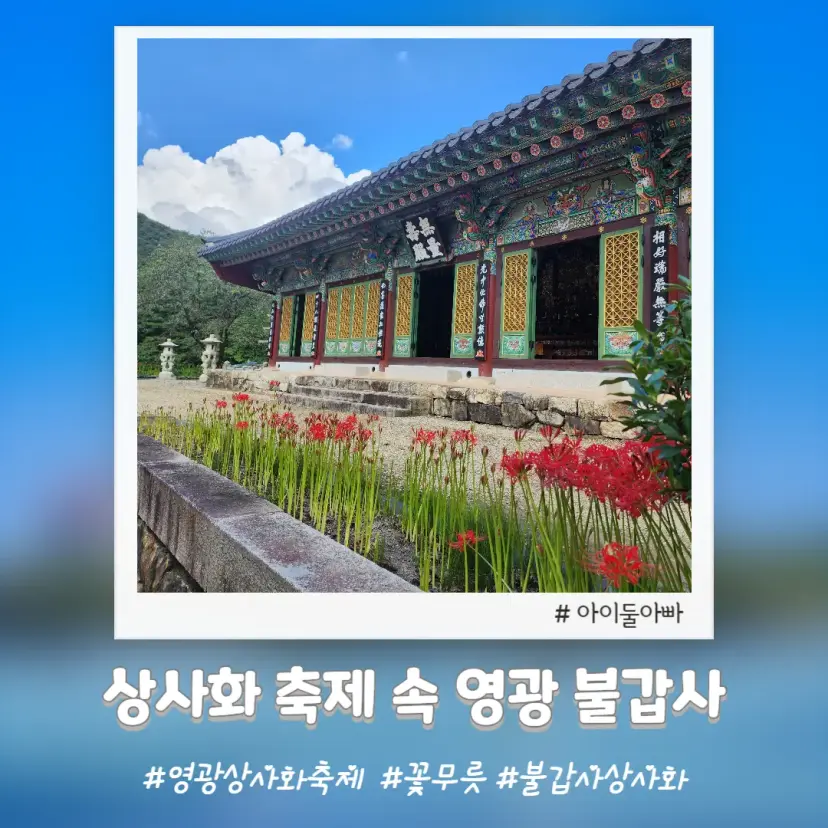
Bulgapsa Temple
450 Bulgapsa-ro, Bulgapsa-myeon, Yeonggwang-gun, Jeollanam-do, South Korea
Tel: +82-61-352-8097
📍 Bulgapsa Temple
450 Bulgapsa-ro, Bulgapsa-myeon, Yeonggwang-gun, Jeollanam-do
After passing through the vibrant festival grounds, you'll reach Bulgapsa Temple at the innermost part of the area.
Entering Yeonggwang Bulgapsa Temple
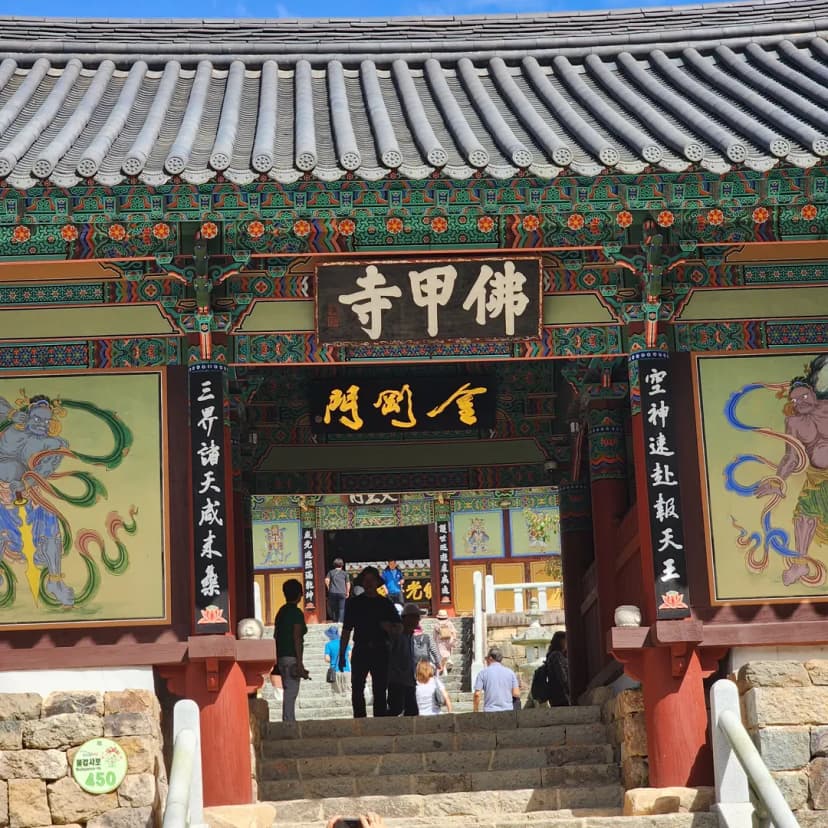
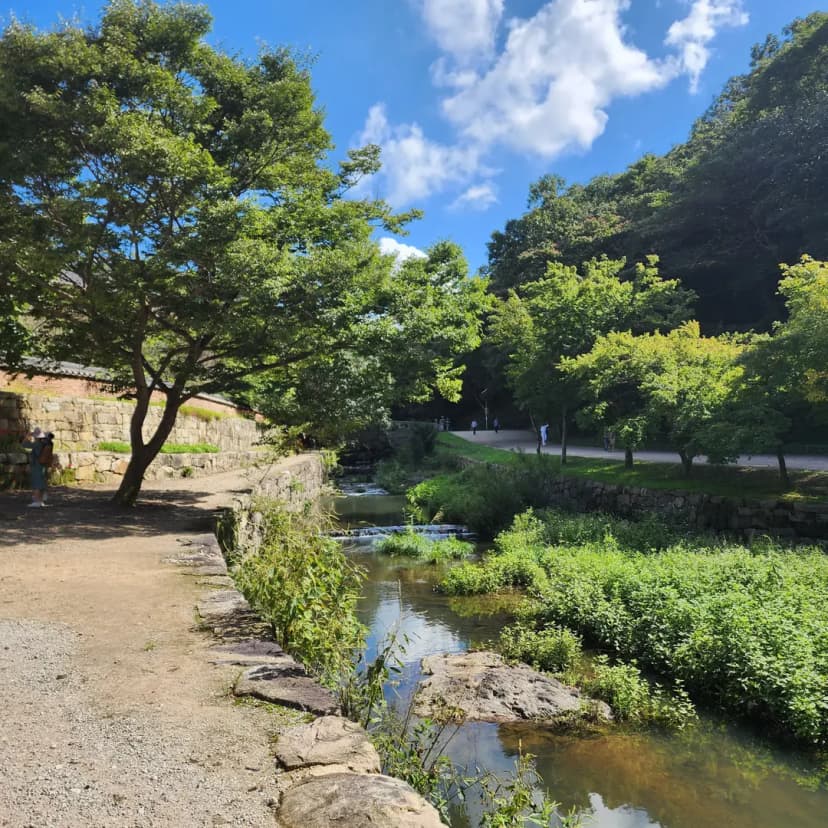
Because the festival was happening, there were quite a lot of visitors, creating a lively atmosphere. Even without the festival, Bulgapsa is one of the most iconic landmarks that comes to mind when you think of a trip to Yeonggwang.
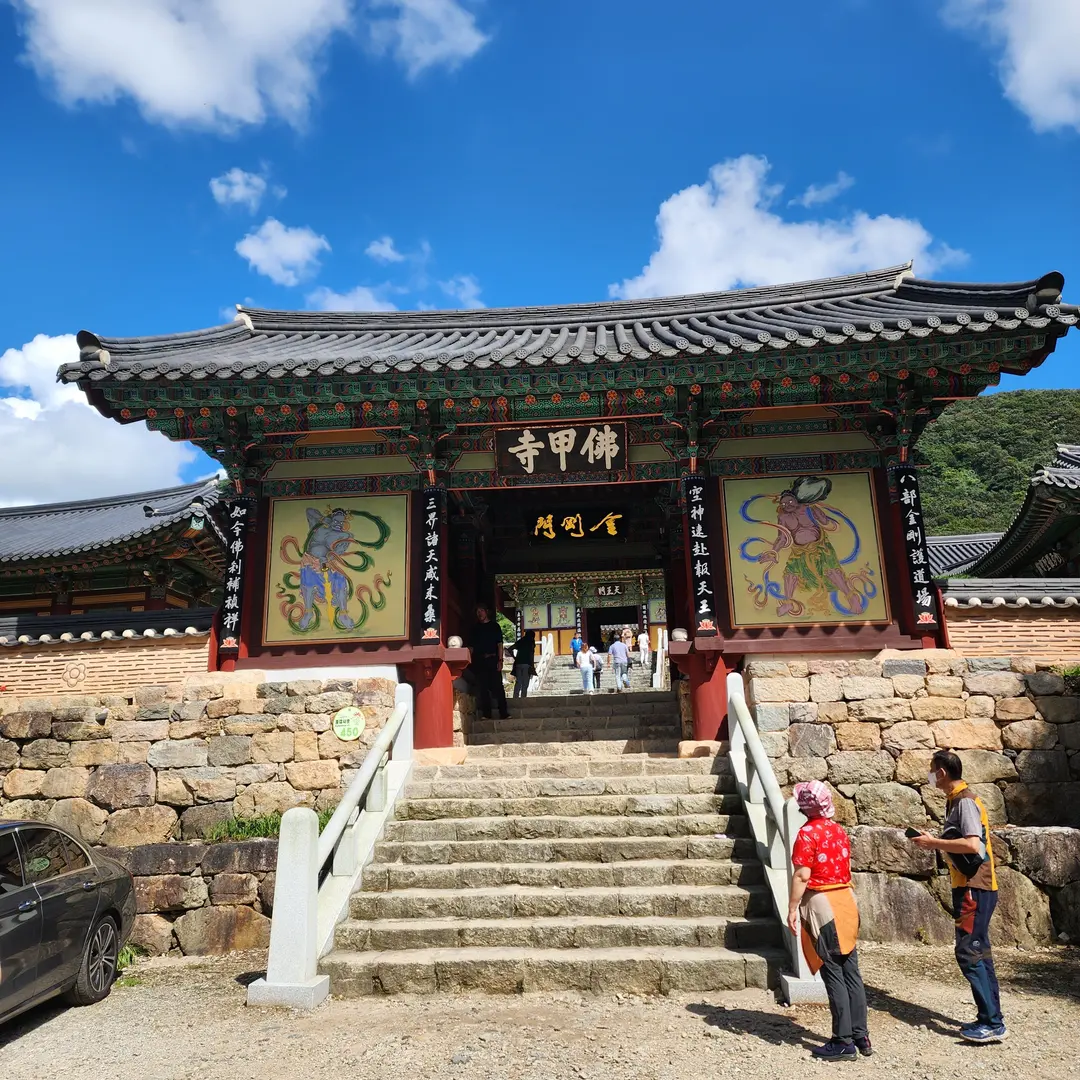
As I approached the entrance, I looked up and was fascinated to see the Cheonwangmun (Heavenly King's Gate) perfectly centered.
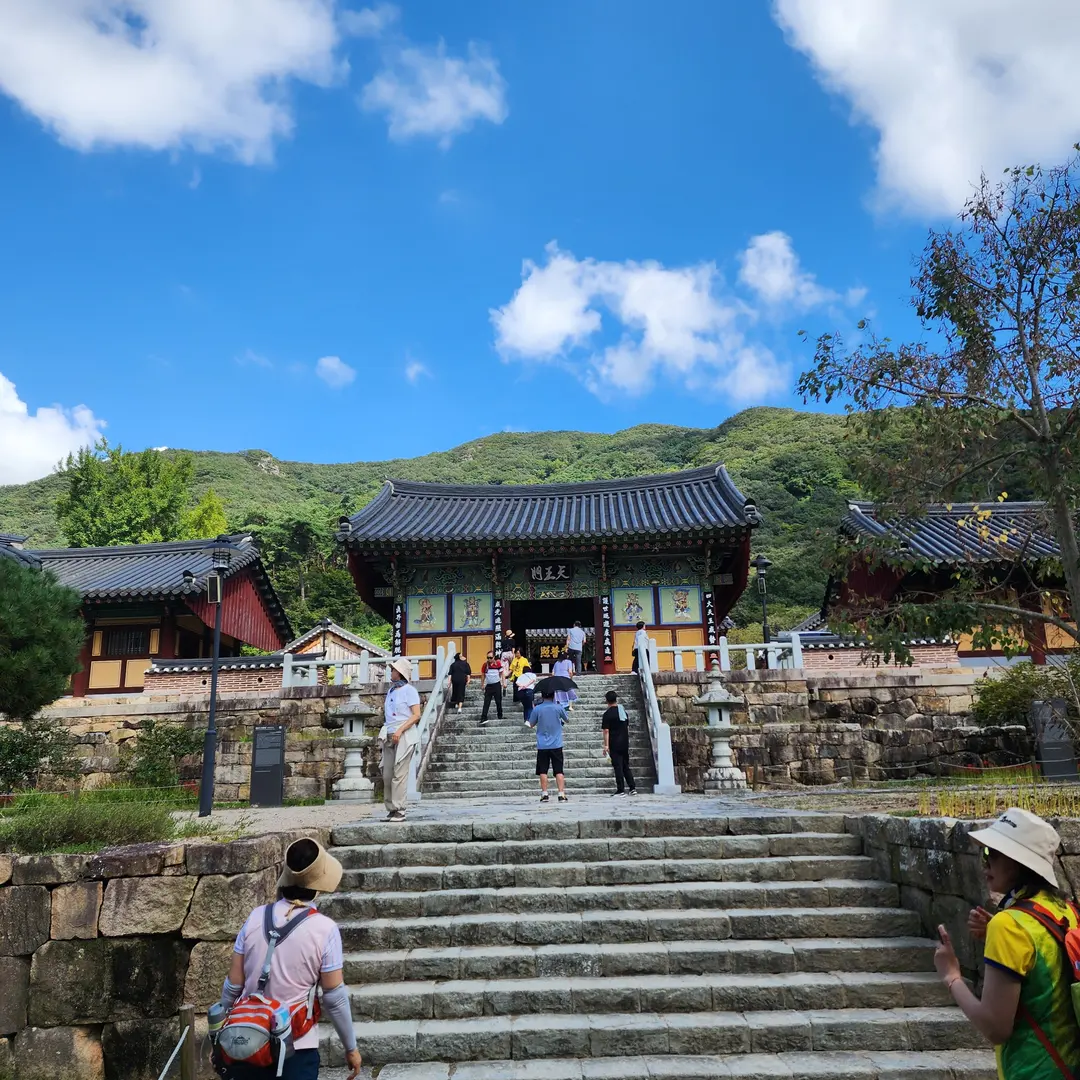
Climbing the steps, I noticed something interesting.
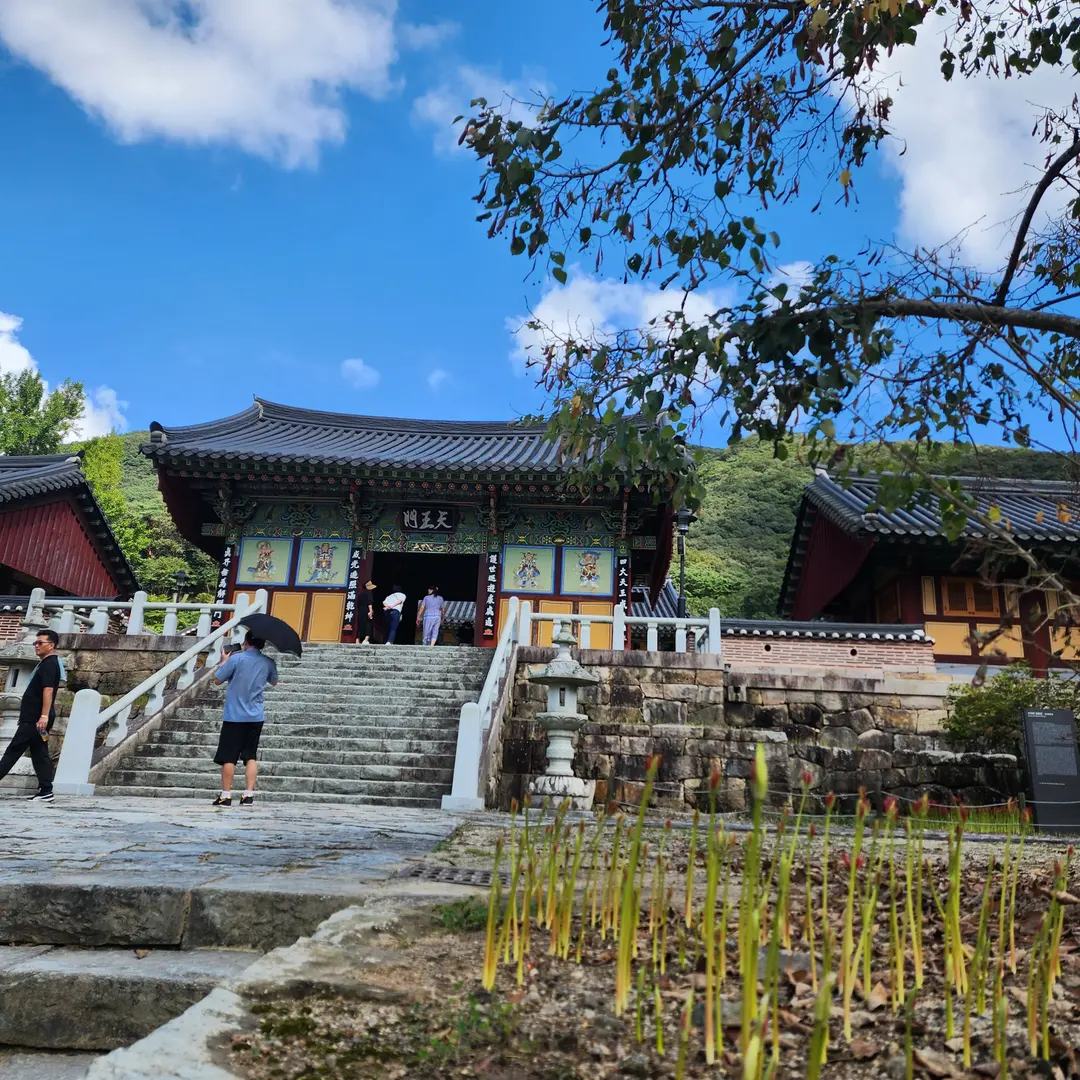
While the Sangsahwa (Red Spider Lilies) were in full bloom outside, here, I saw *kkotmurut* (another name for red spider lilies) just beginning to unfurl their petals.
Cheonwangmun (Heavenly King's Gate) (Jeollanam-do Tangible Cultural Heritage 159)
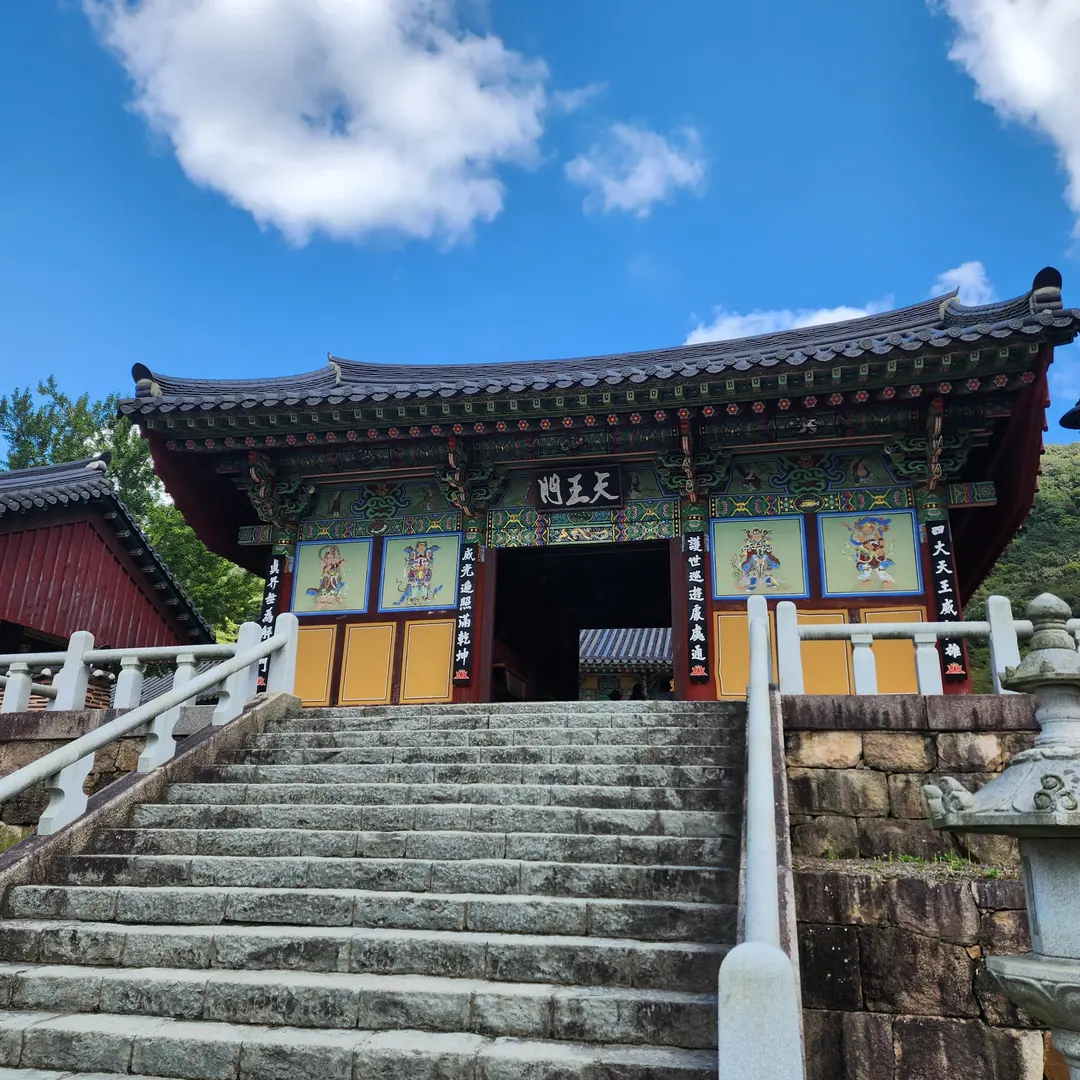
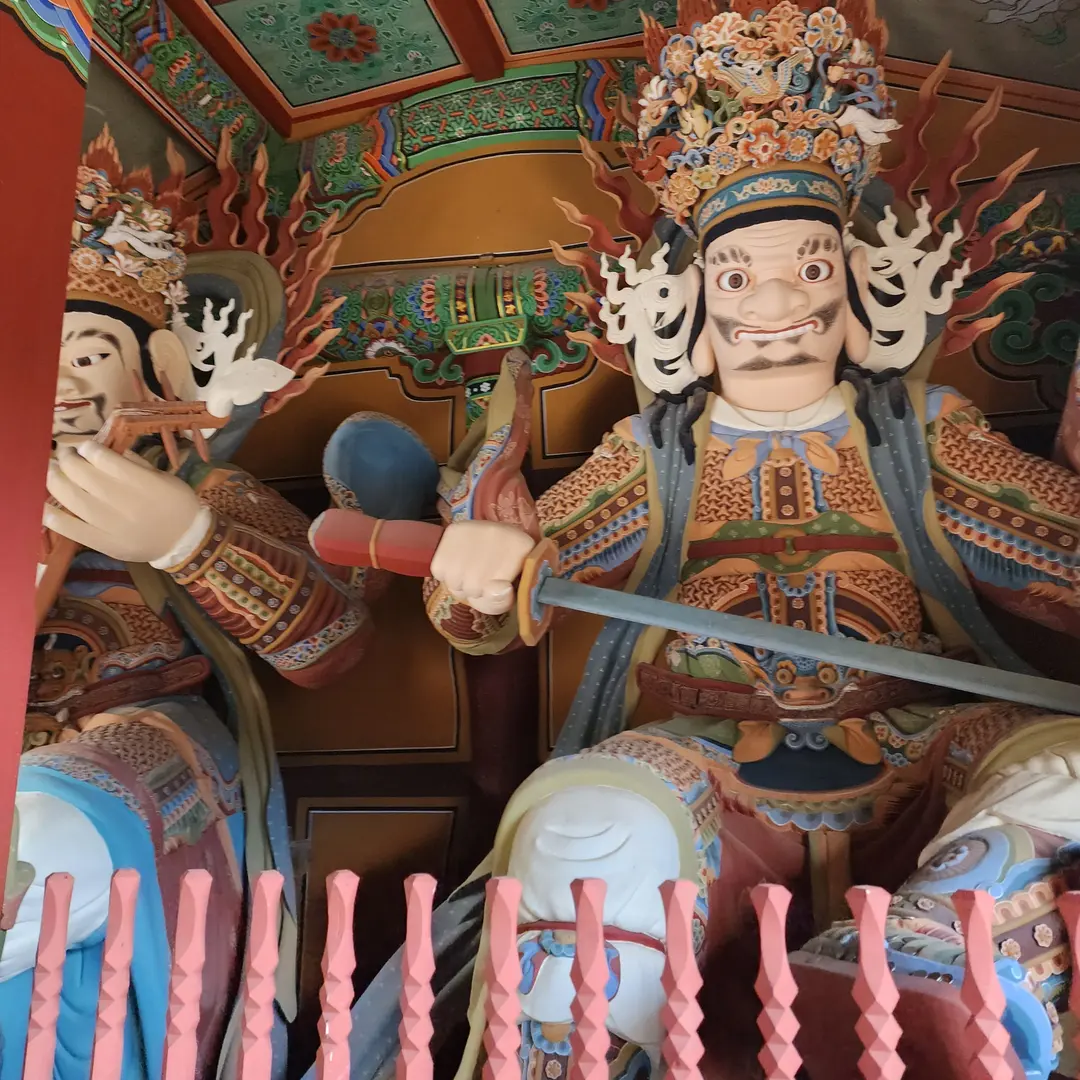
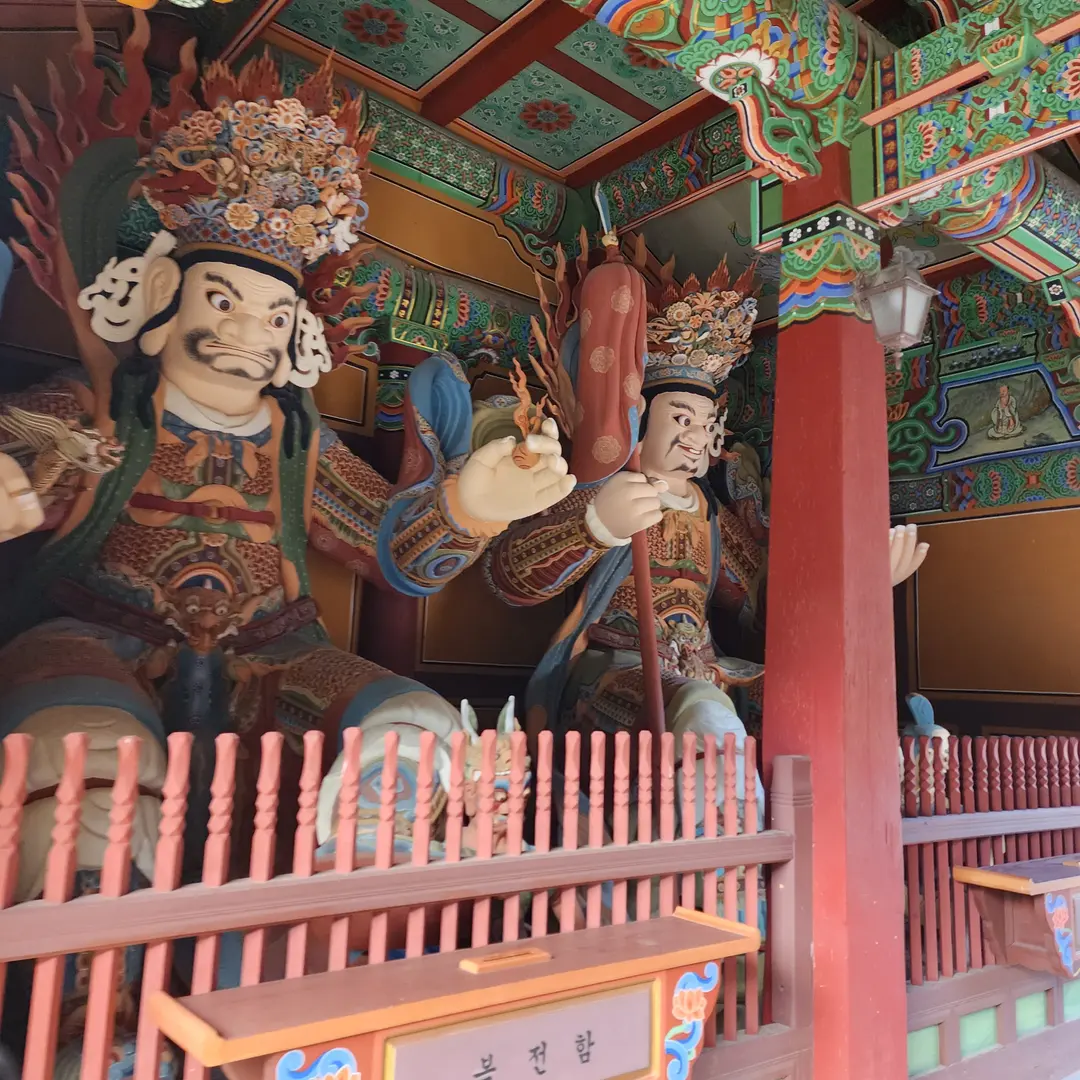
Inside the Cheonwangmun, you'll encounter the Four Heavenly Kings of Yeonggwang Bulgapsa, guardians of the temple. Passing through this gate truly felt like stepping into the heart of the temple complex.
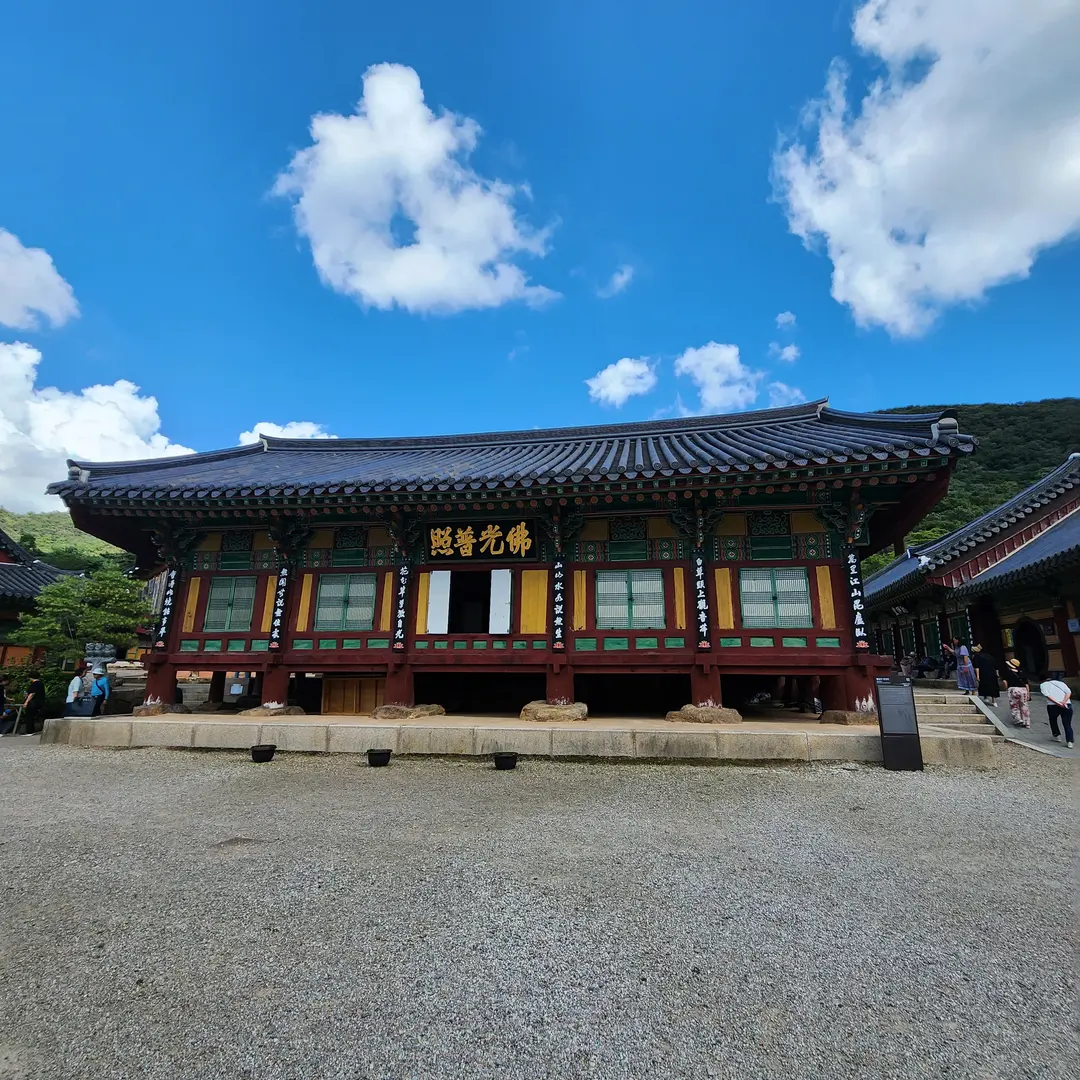
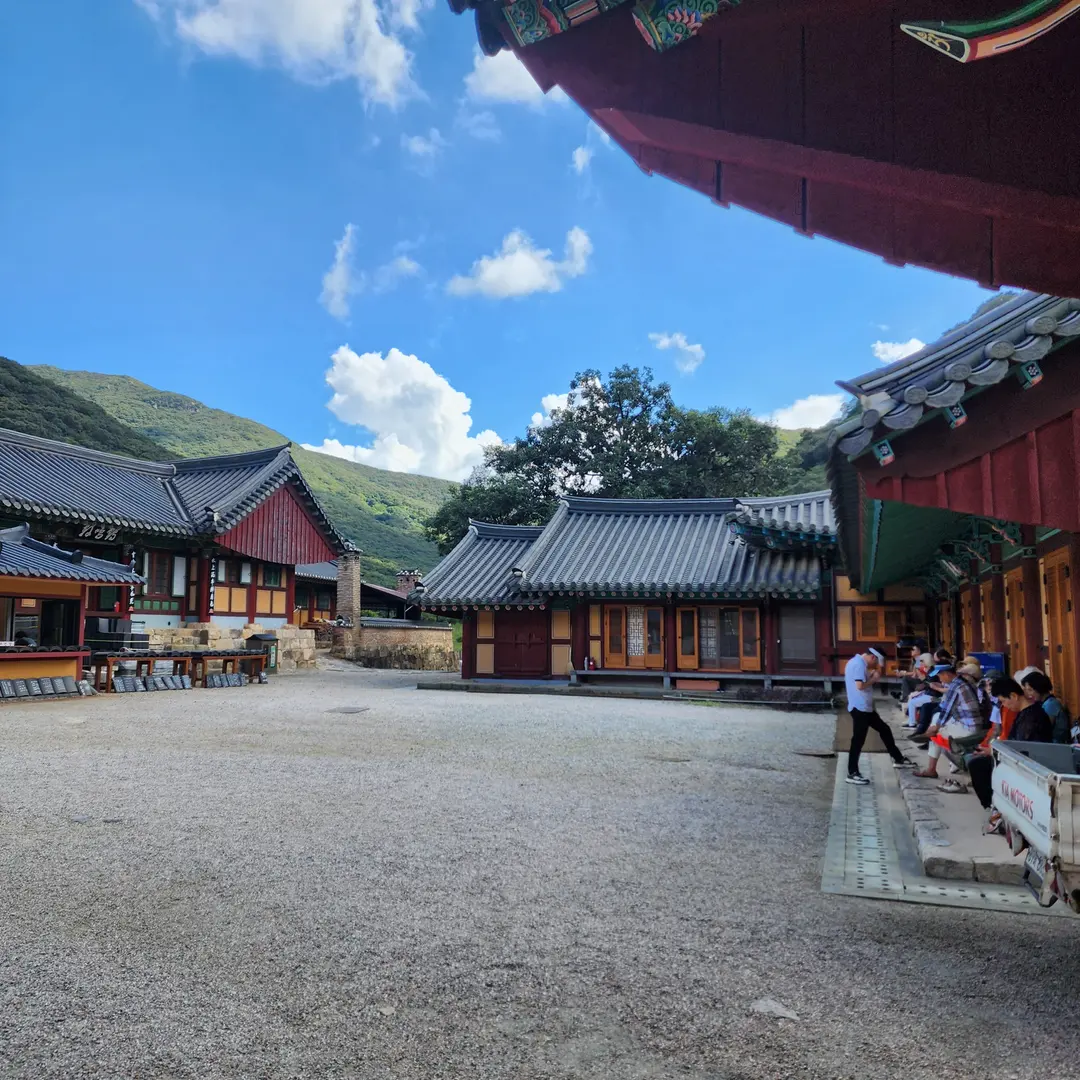
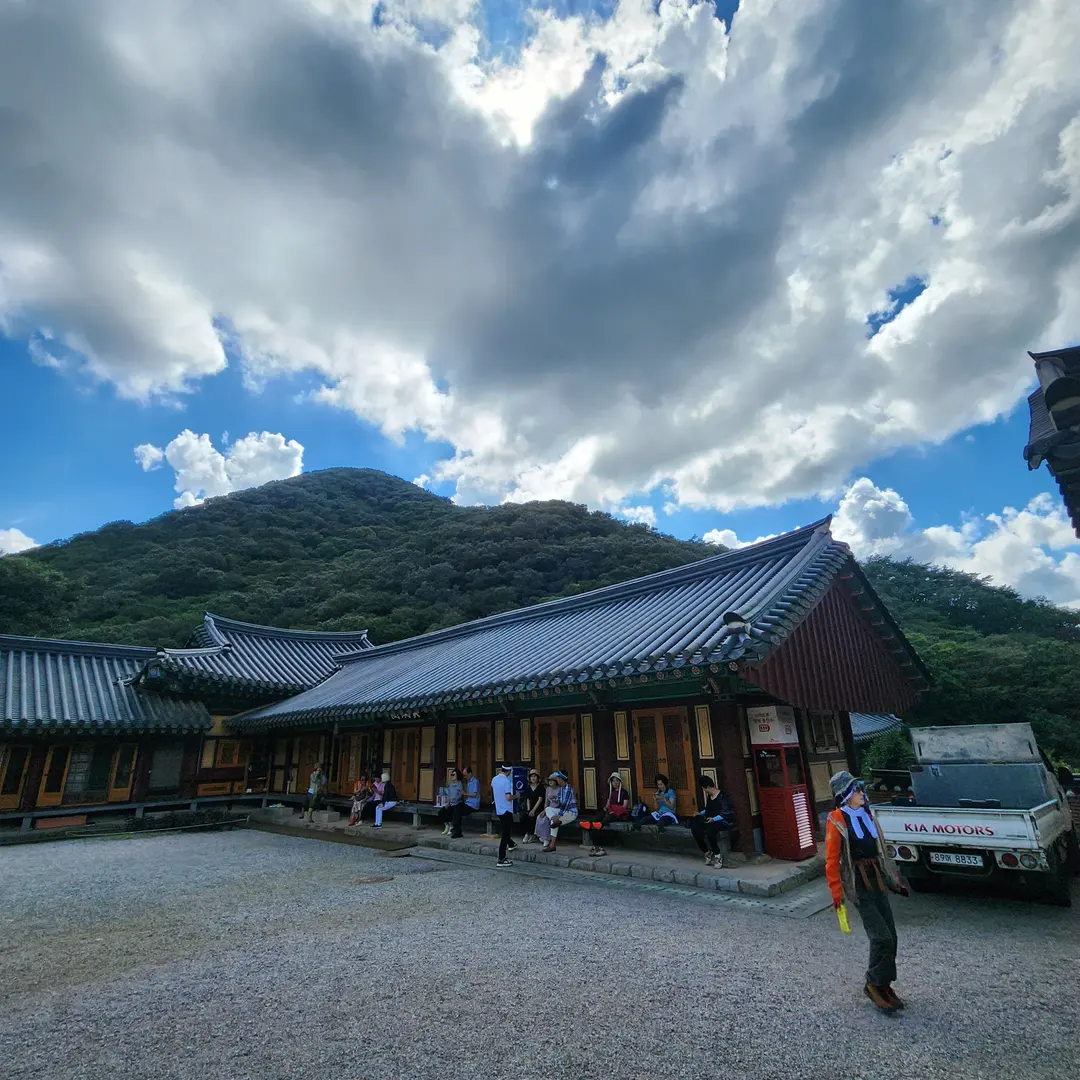
With a sky full of clouds that day, the heavens seemed to draw my gaze even more.
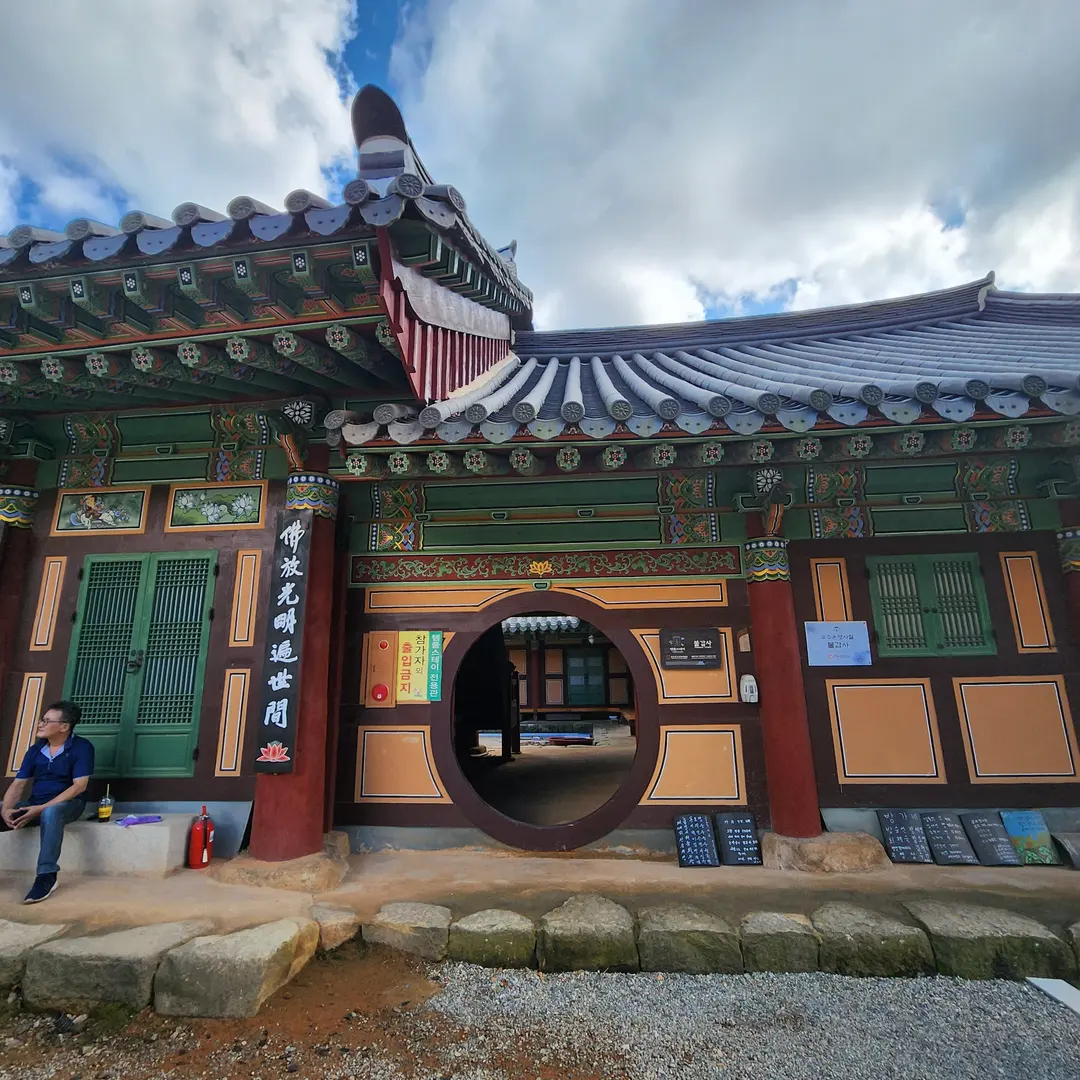
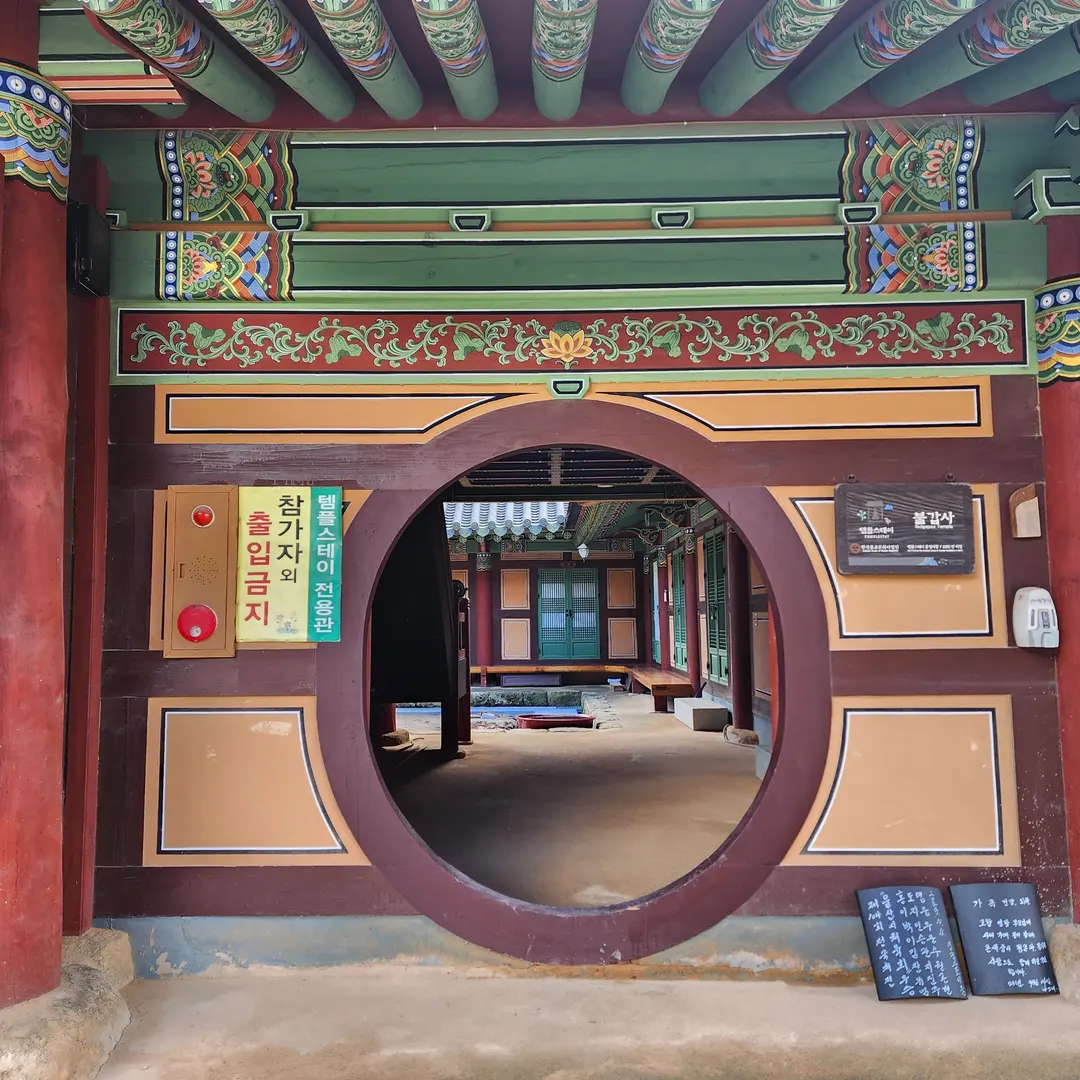
I was intrigued by a circular gate, and upon closer inspection, I realized it was the entrance to the Templestay program building – a unique way to experience temple life!
Yeonggwang Bulgapsa Daeungjeon (Main Hall) (Treasure 830)
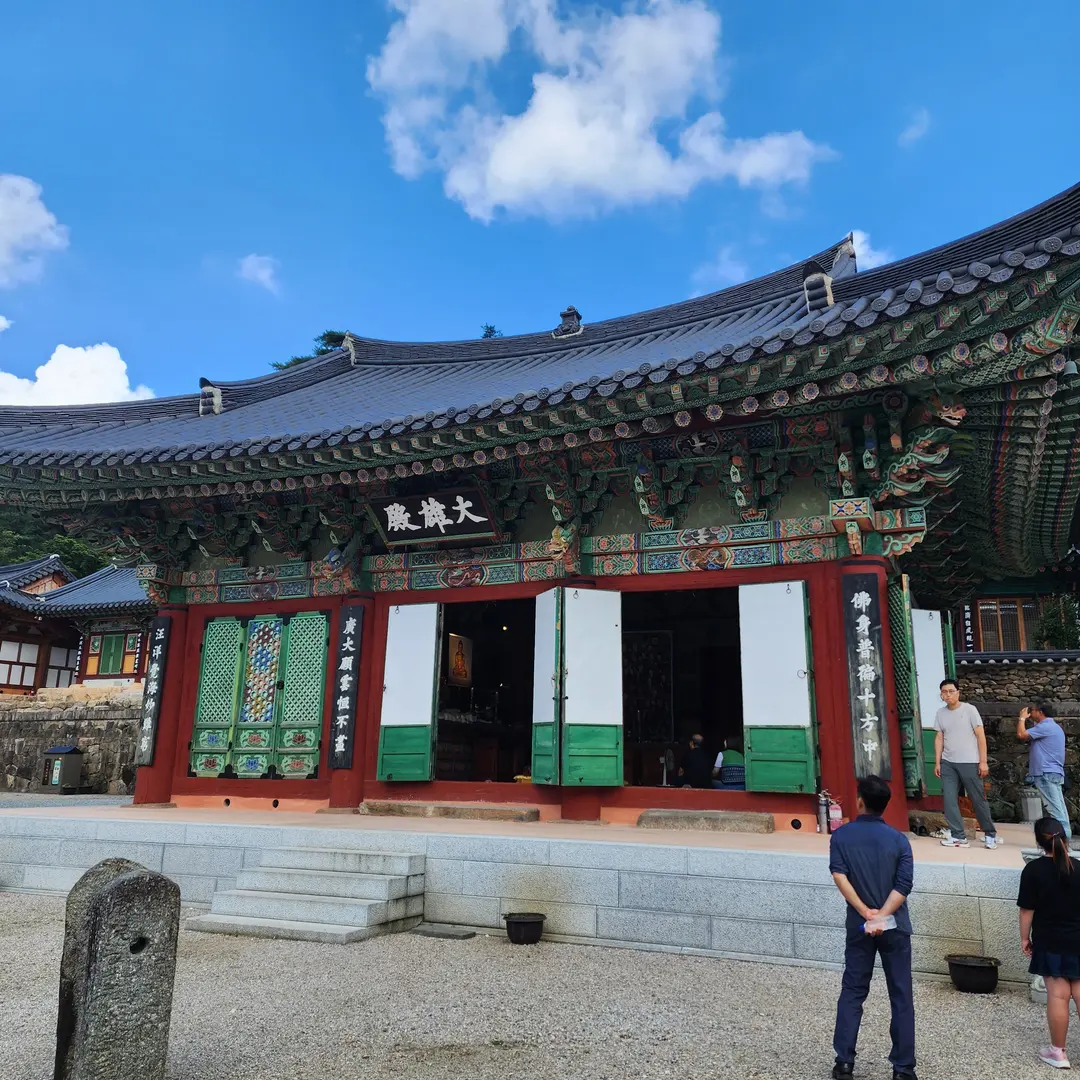
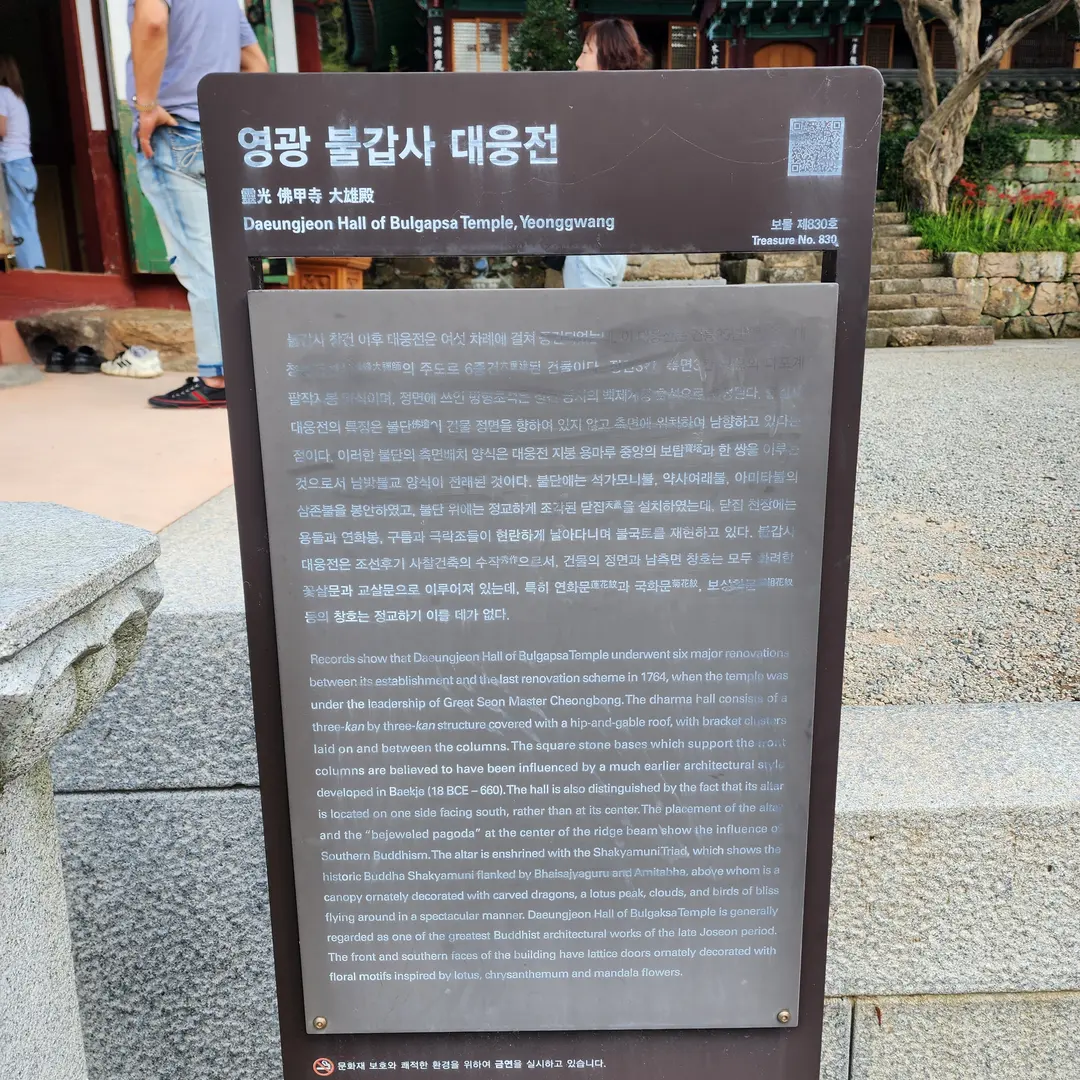
In front of the Daeungjeon, the Main Hall of Yeonggwang Bulgapsa, stood an incredibly ancient-looking stele.
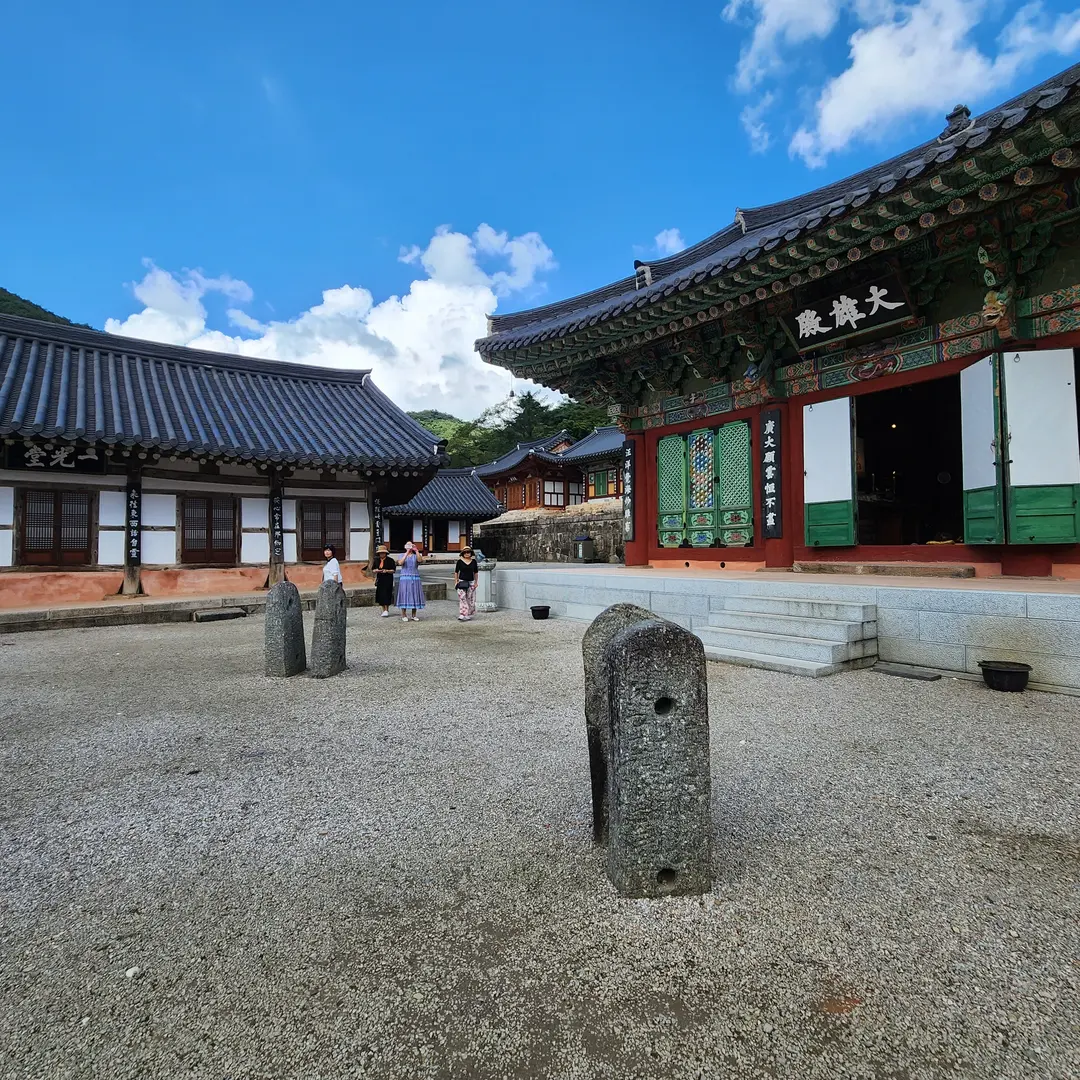
It was my first time seeing a stele like this positioned directly in front of a Daeungjeon, making it quite a distinctive sight.
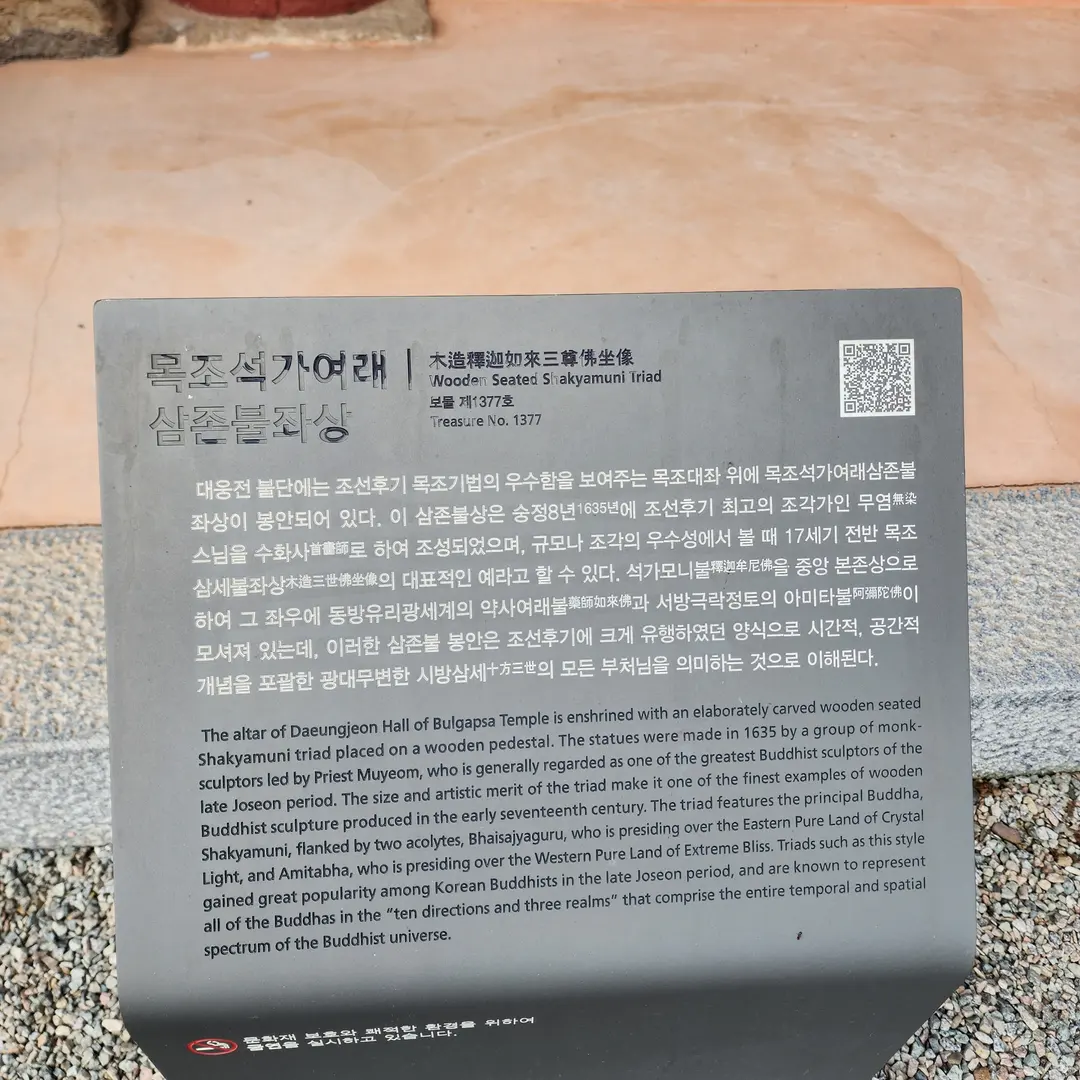
Wooden Seated Sakyamuni Buddha Triad
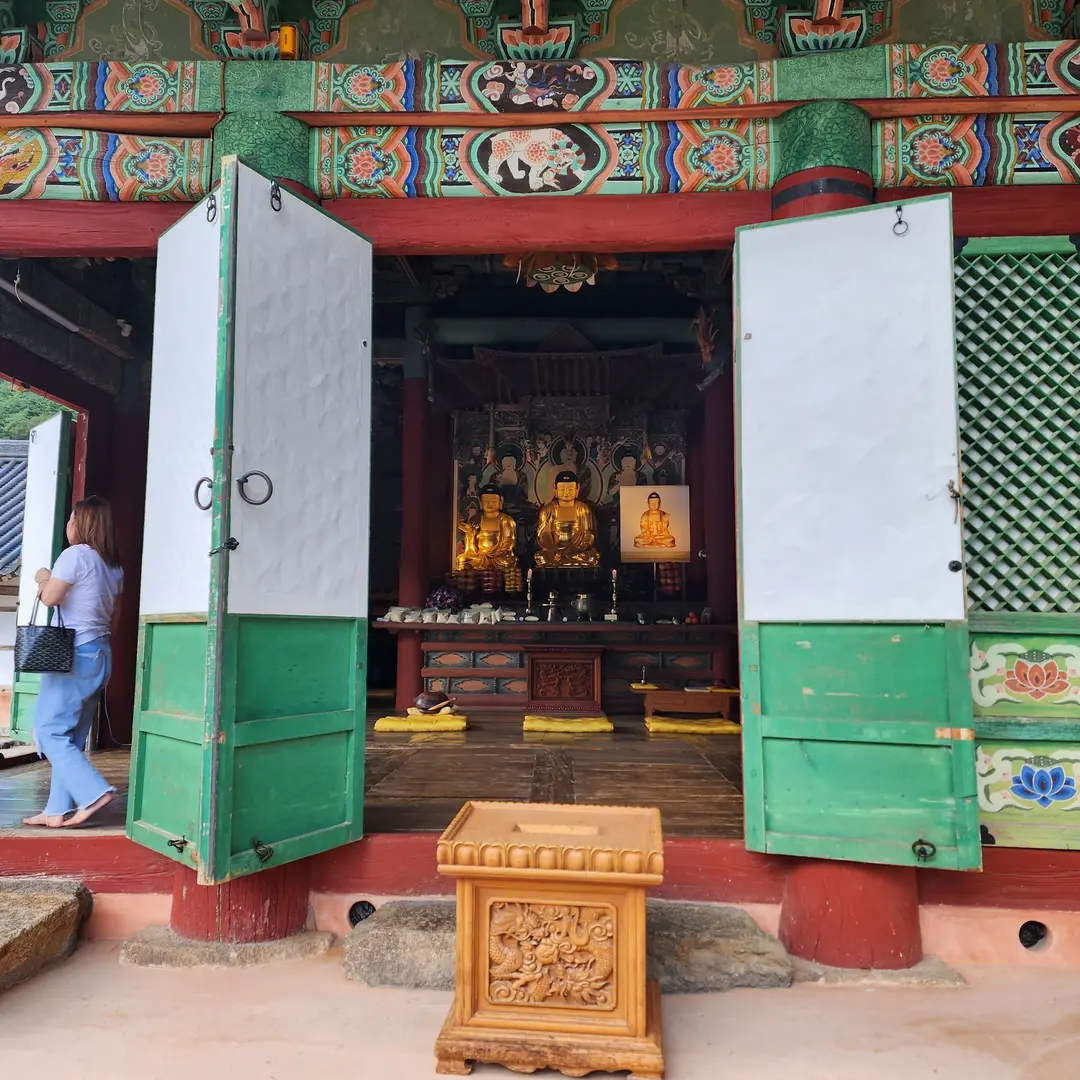
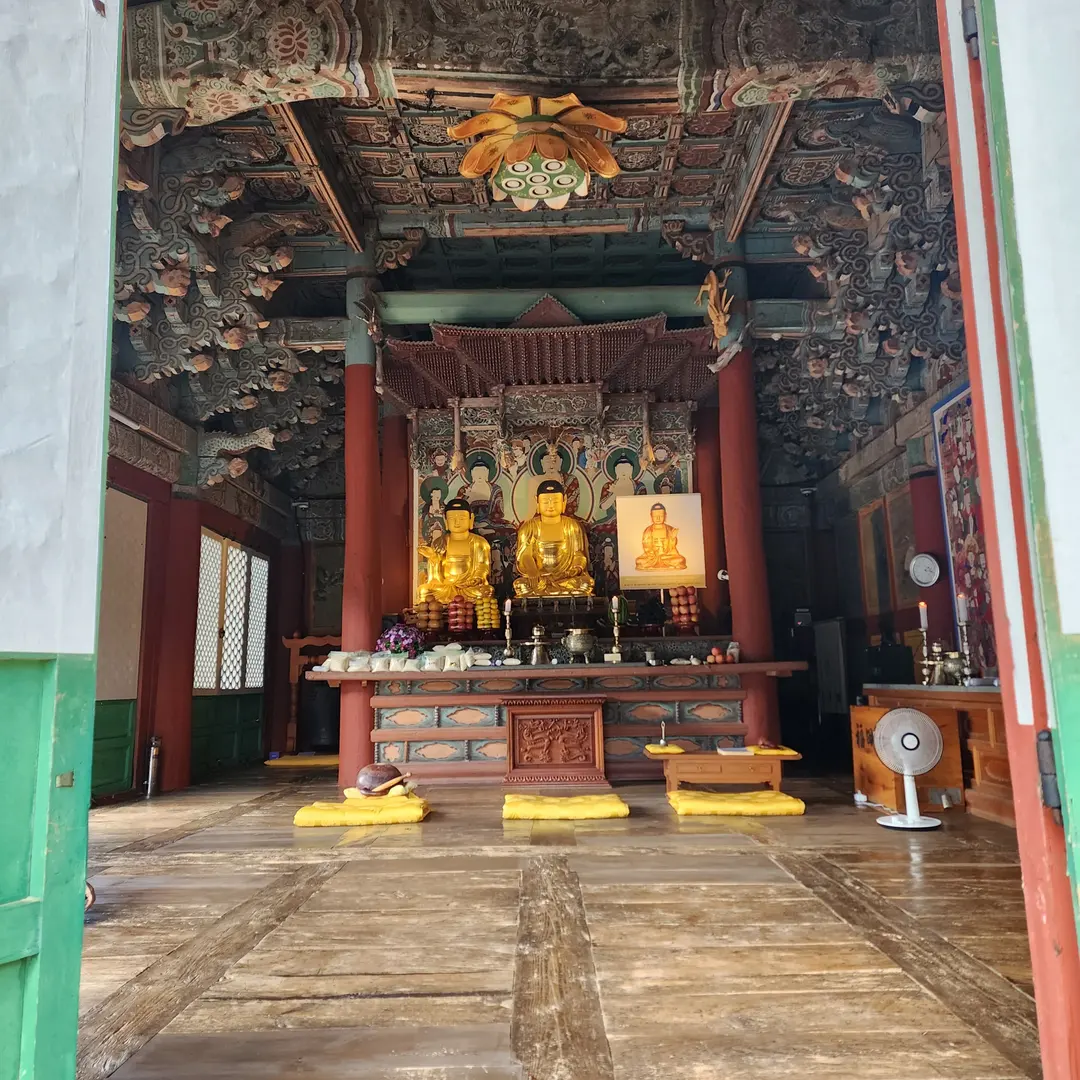
Temples are undoubtedly the best places to appreciate the exquisite beauty of *danchong*, the traditional Korean decorative painting on wooden buildings.
Ilgwangdang
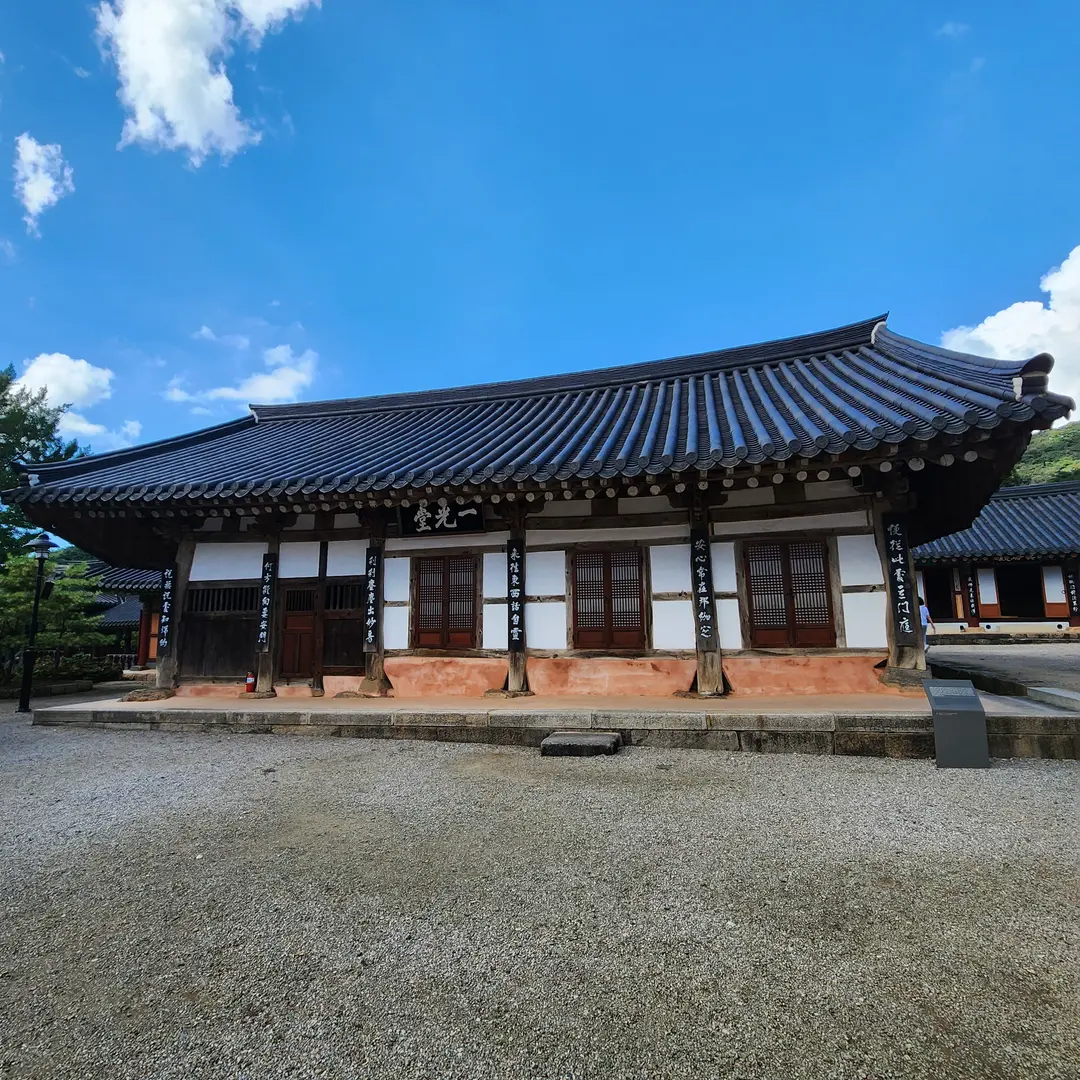
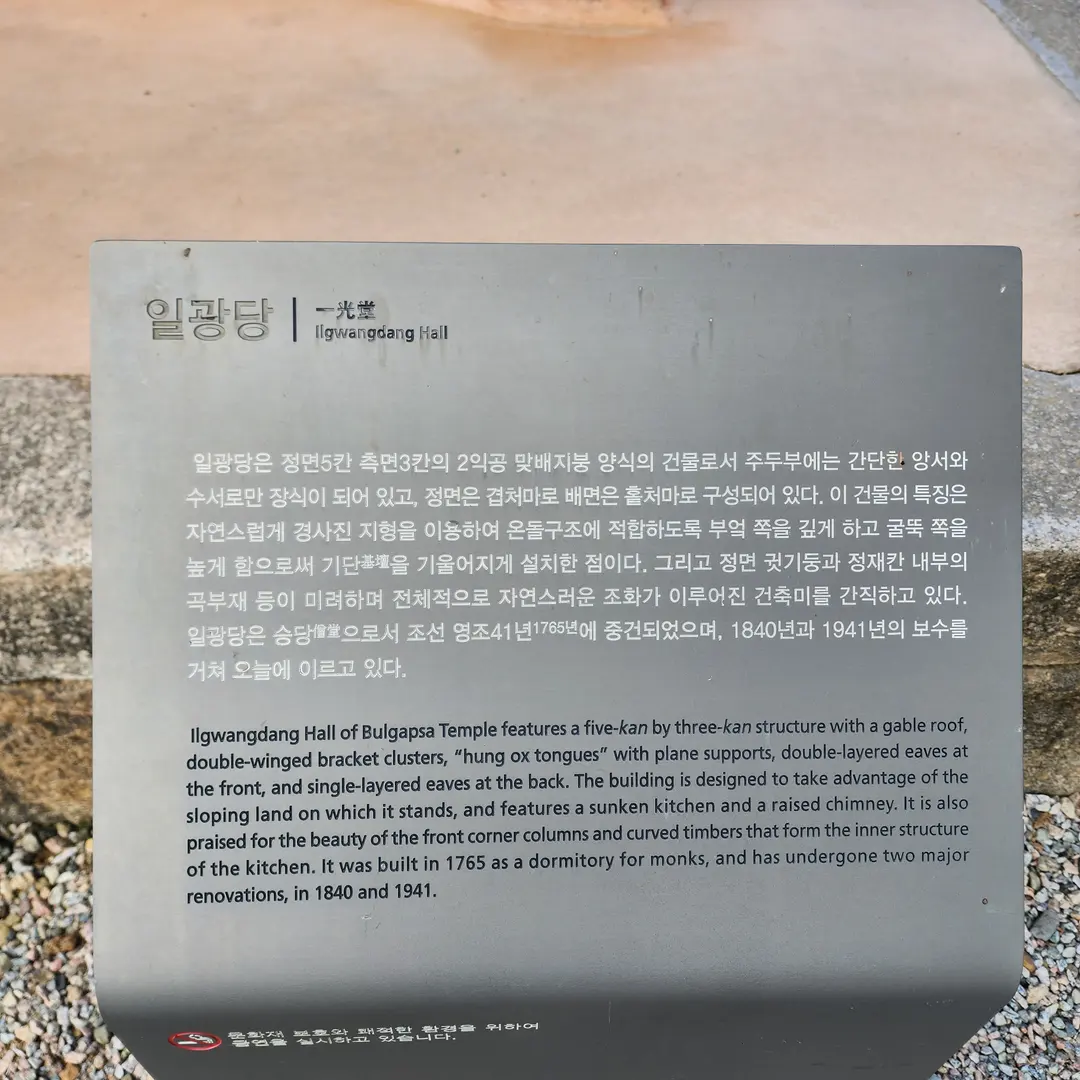
I took my time, enjoying a leisurely stroll through the temple grounds.
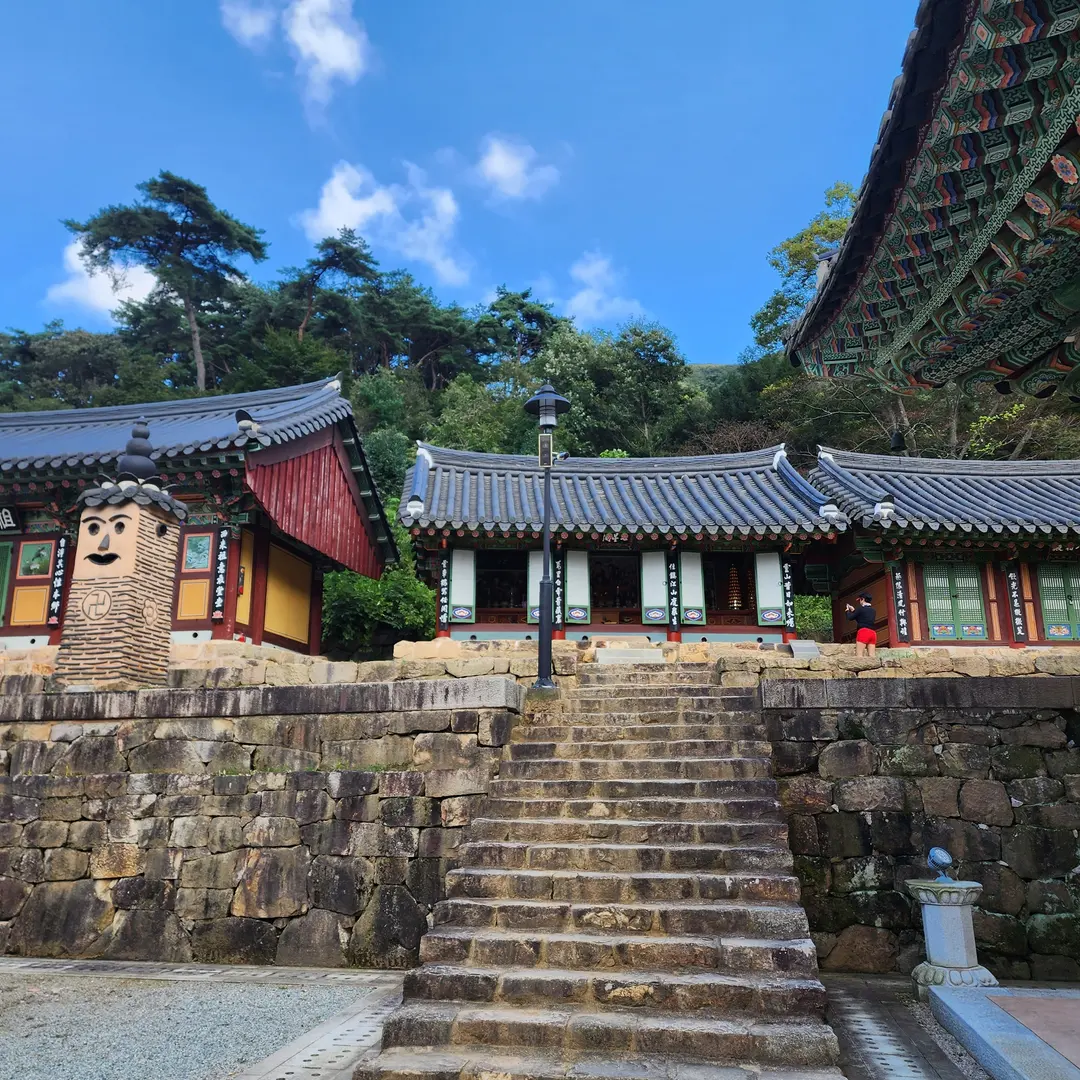
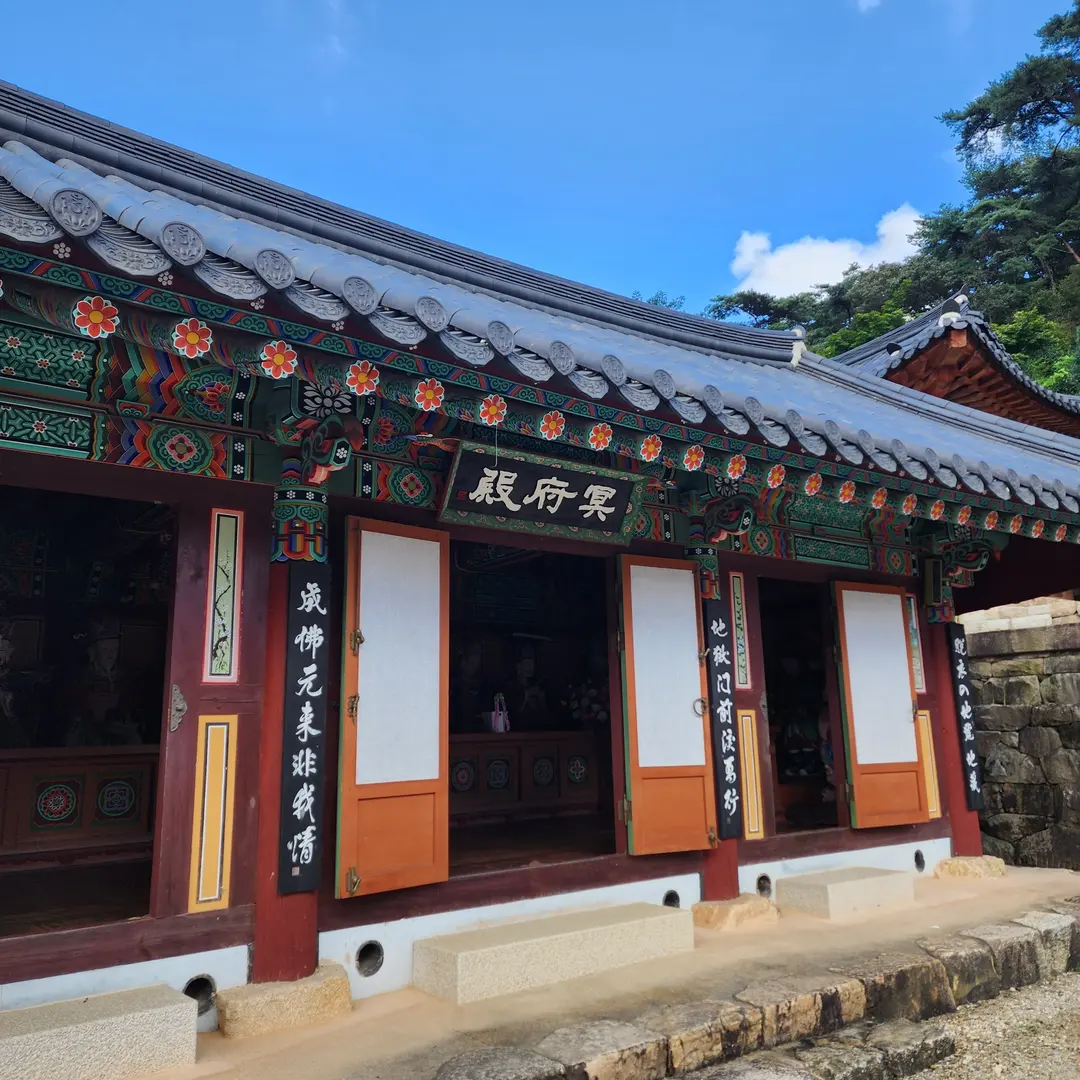
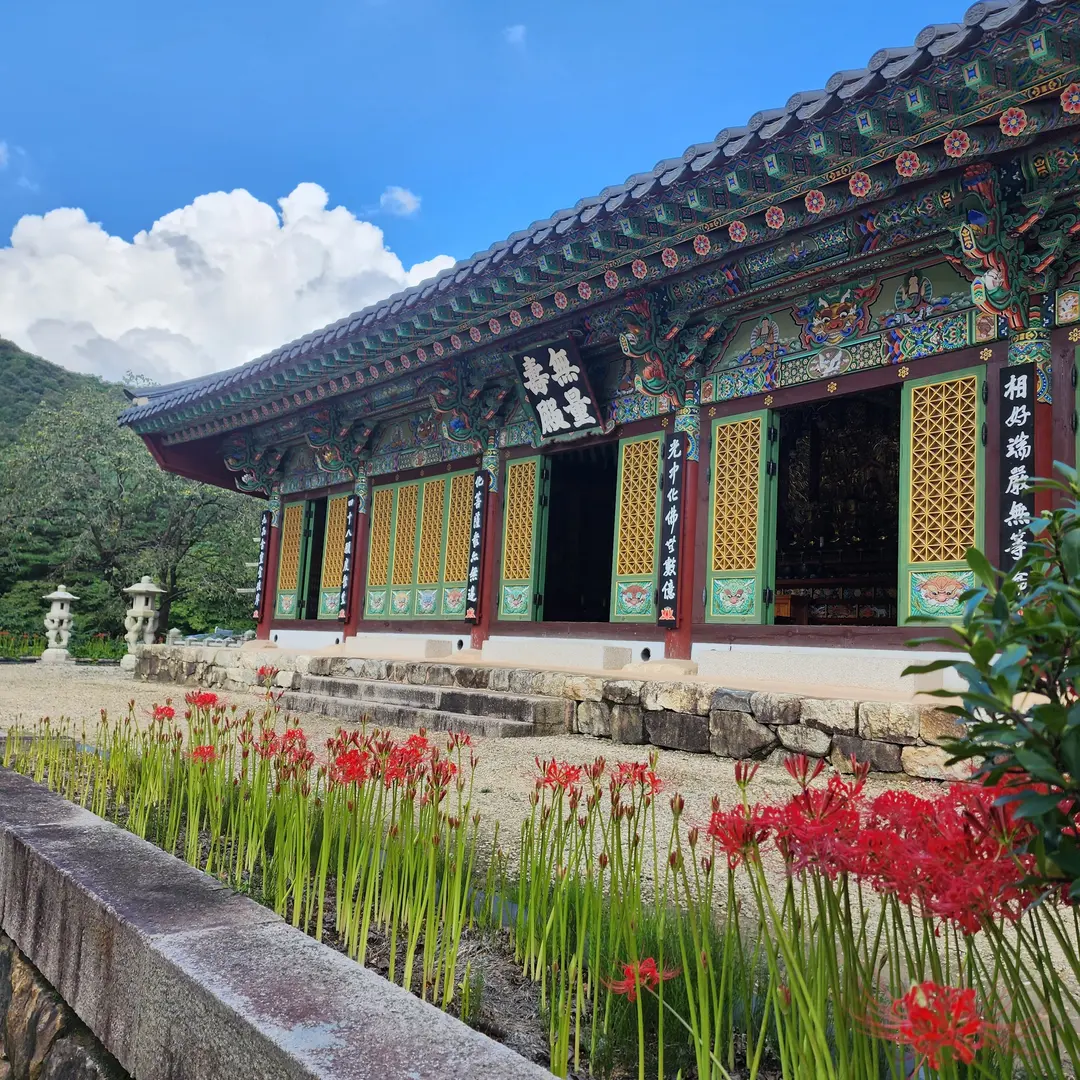
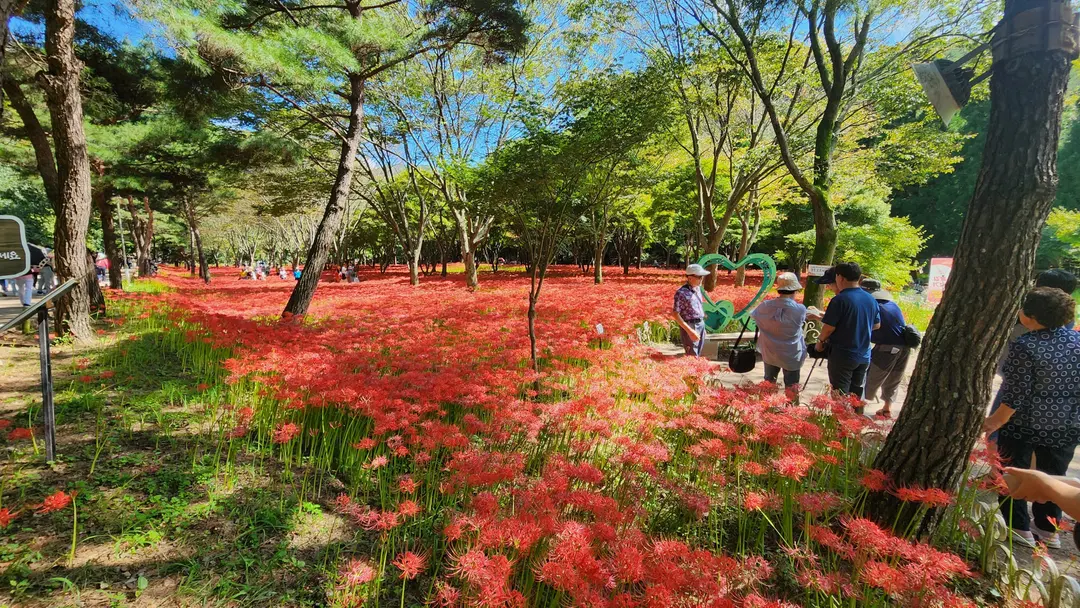
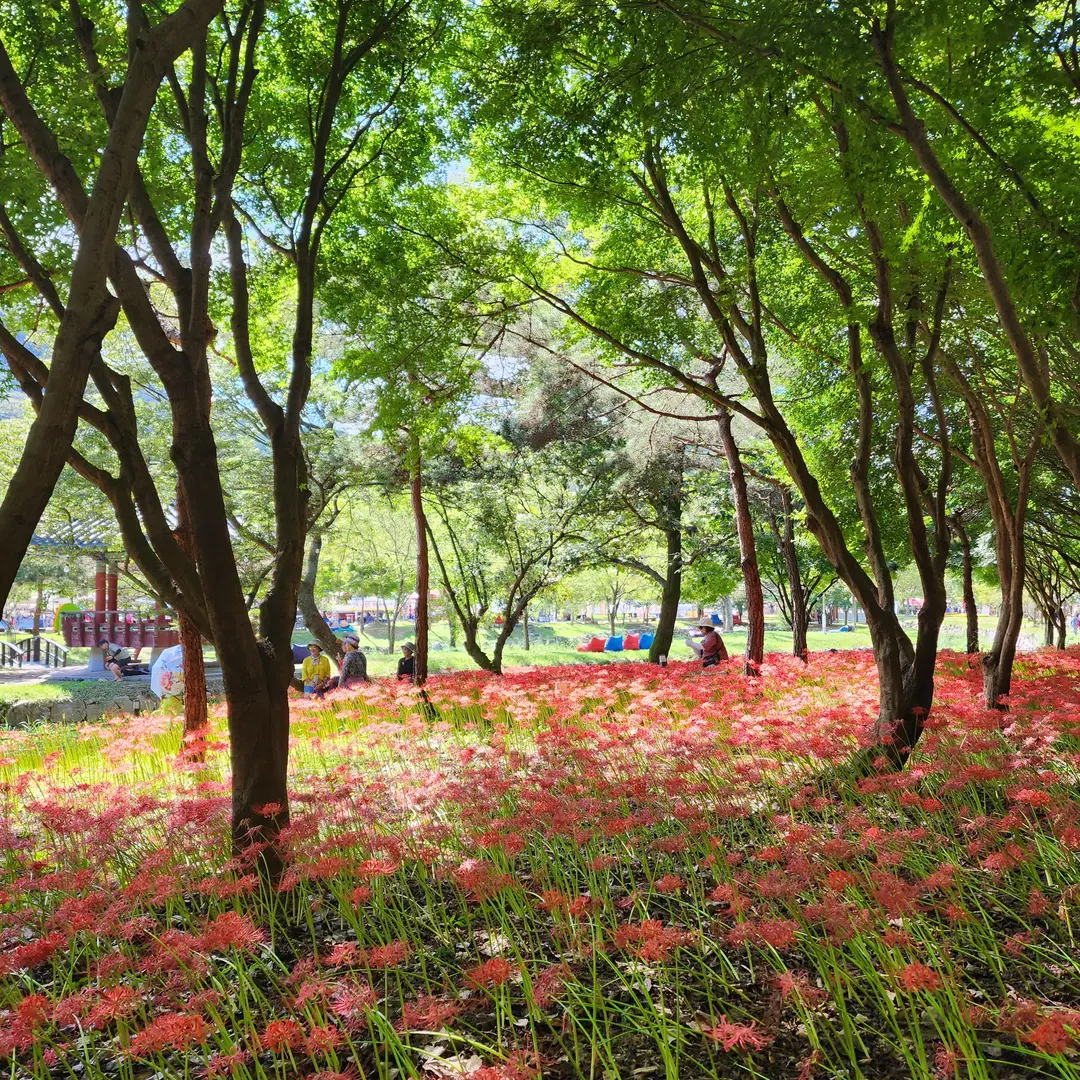
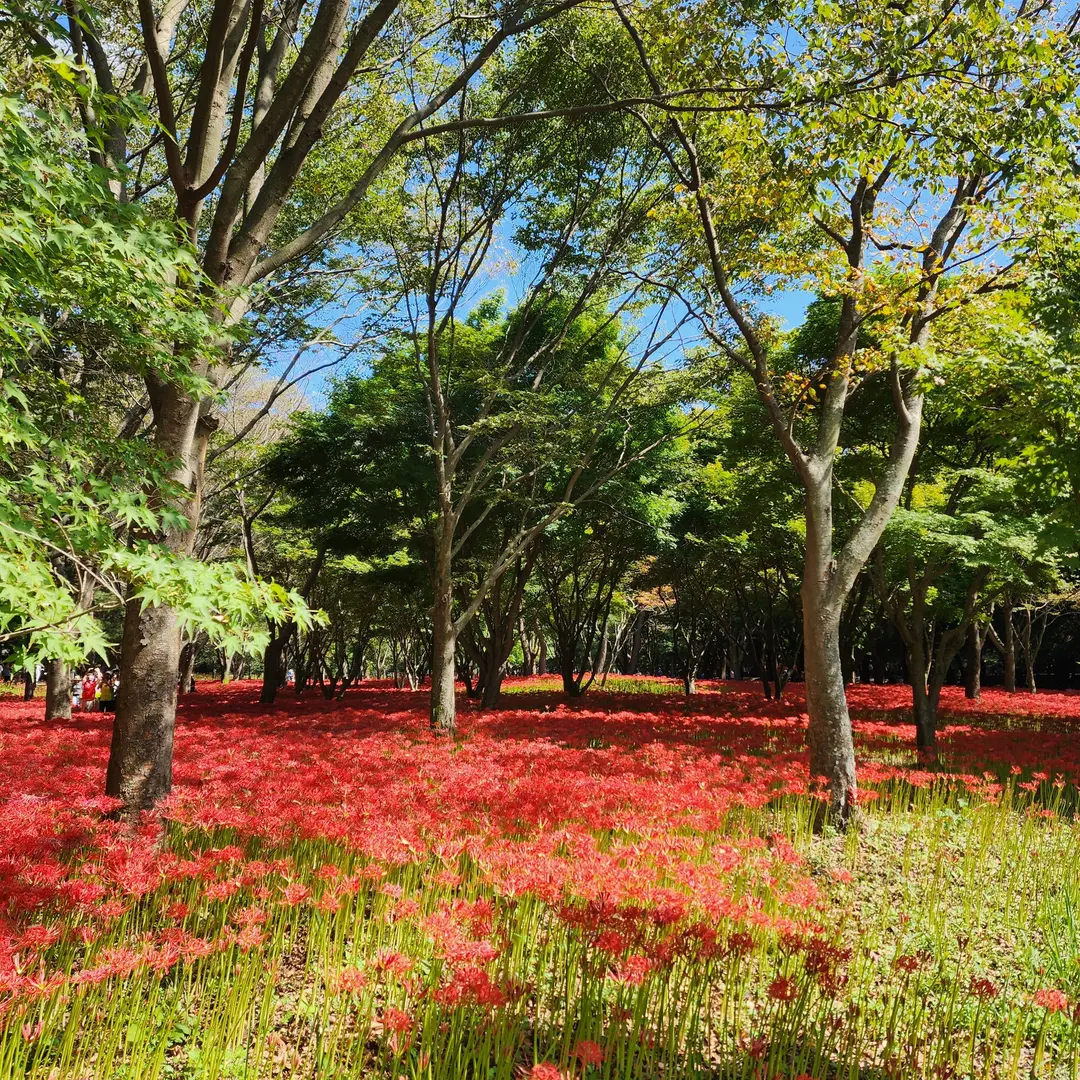
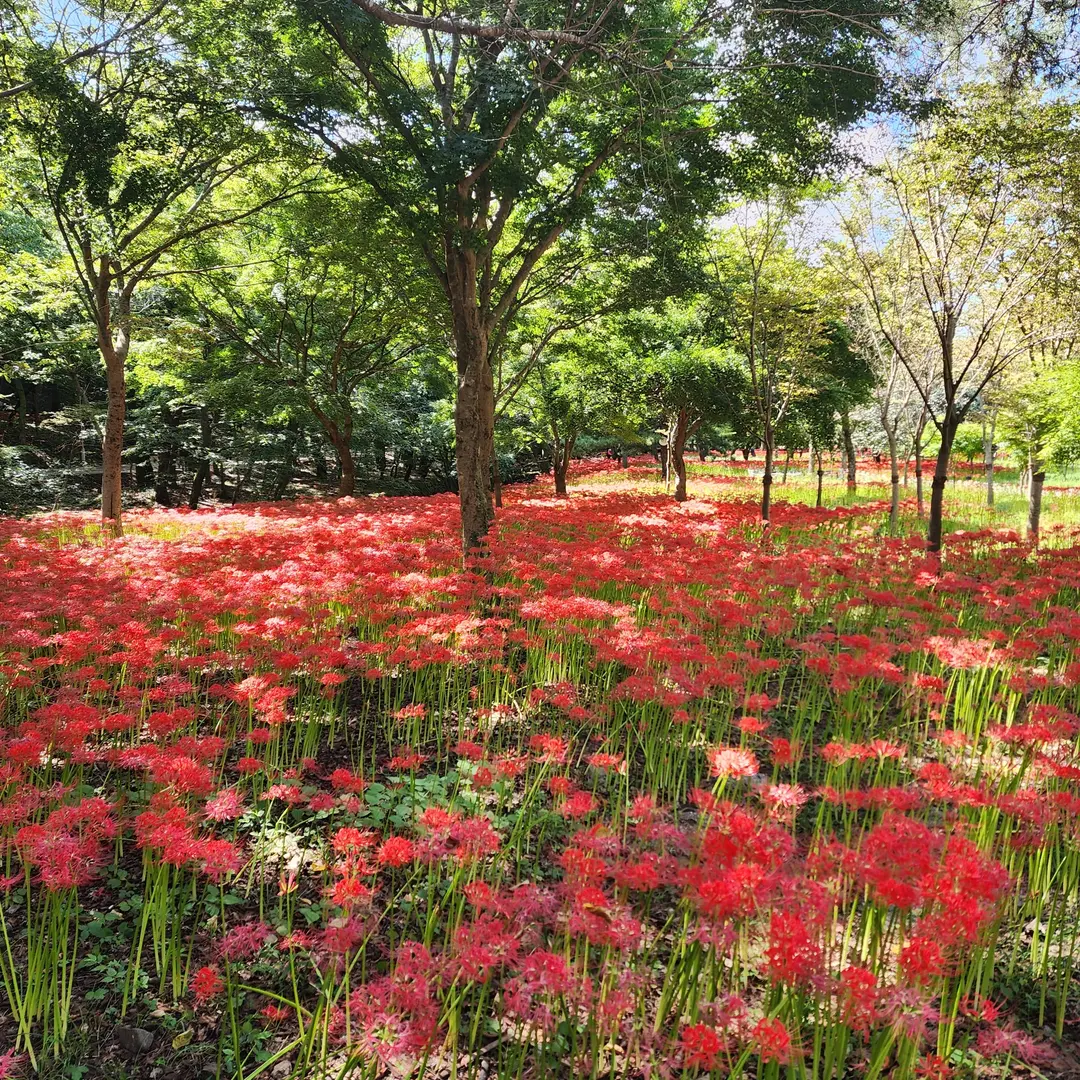
Even within the temple grounds, Sangsahwa were blooming, though they hadn't quite reached their peak. The main festival area, however, was in full bloom when I visited, with some flowers even starting to fade slightly.
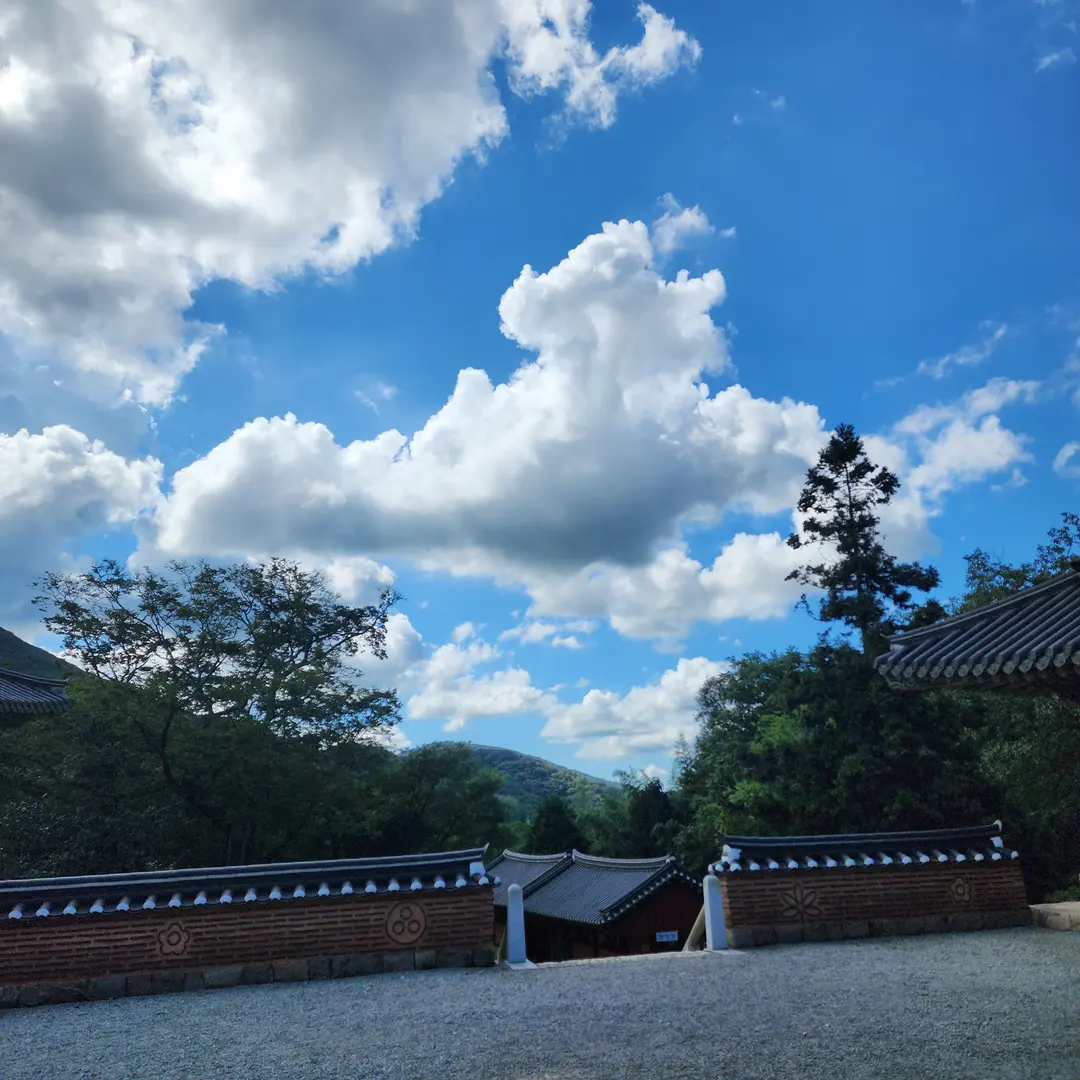
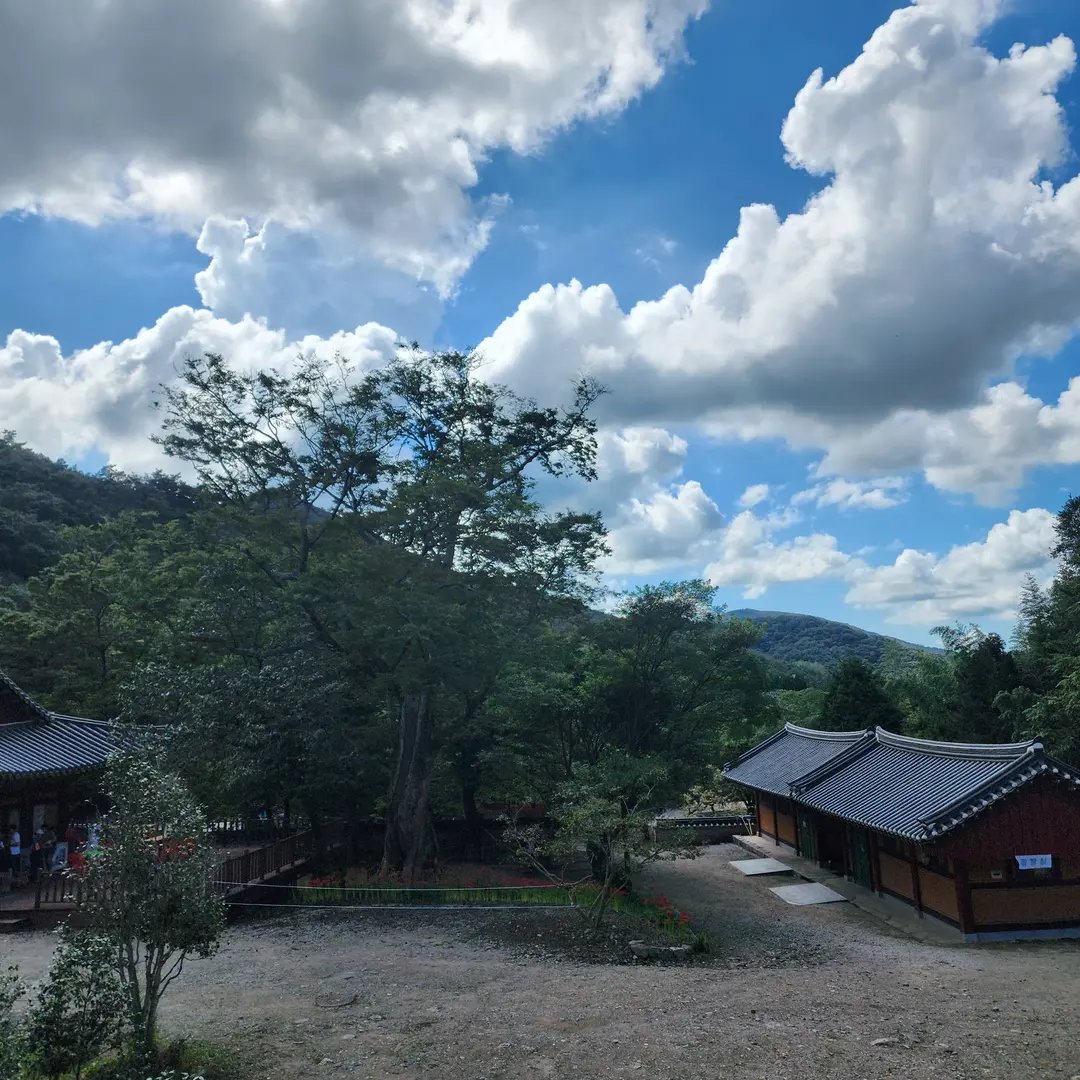
Here's a photo I took on my way down after circling the temple.
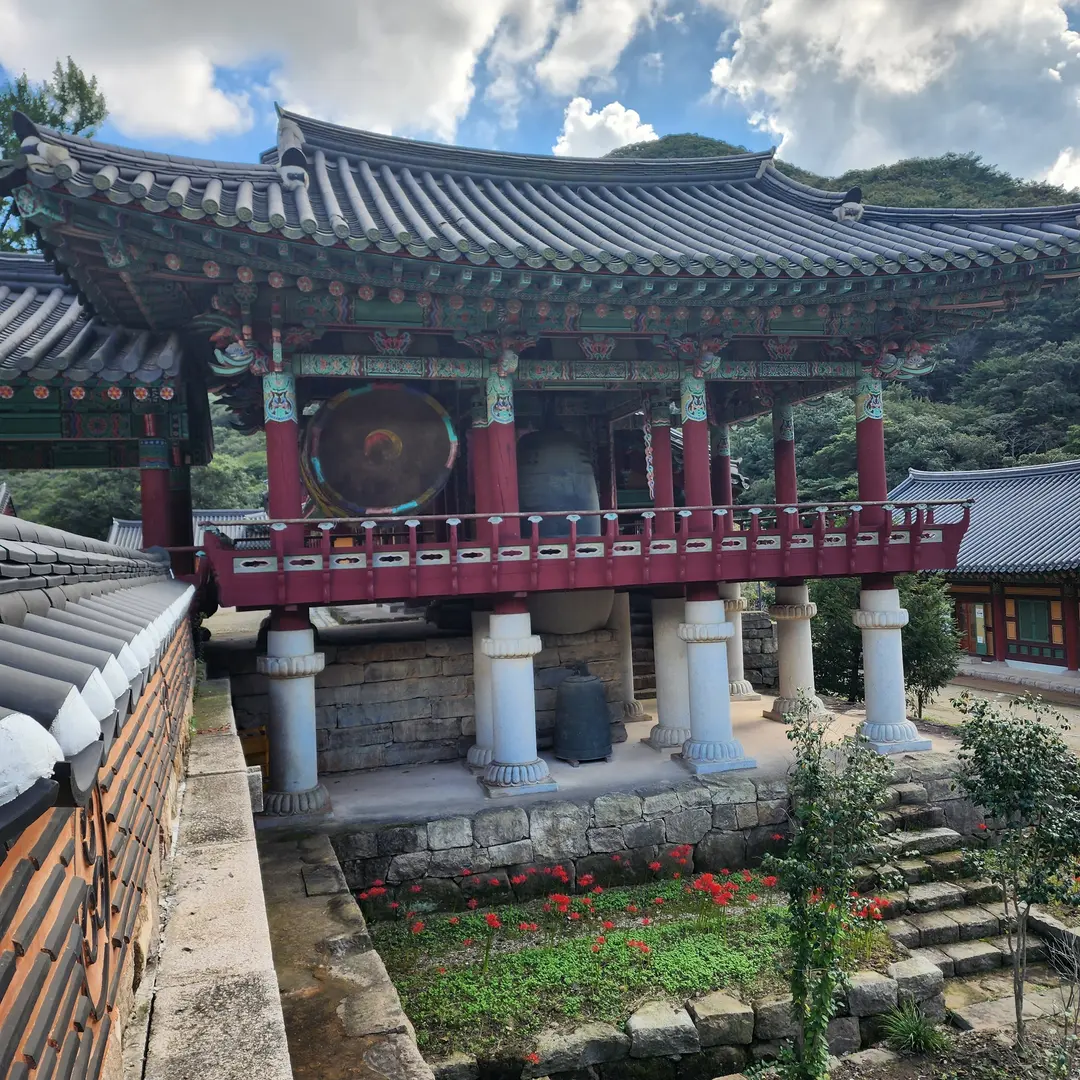
On the way up, I hadn't noticed the drum and bell, but they caught my eye on the descent.
Sansacafé (Temple Cafe)
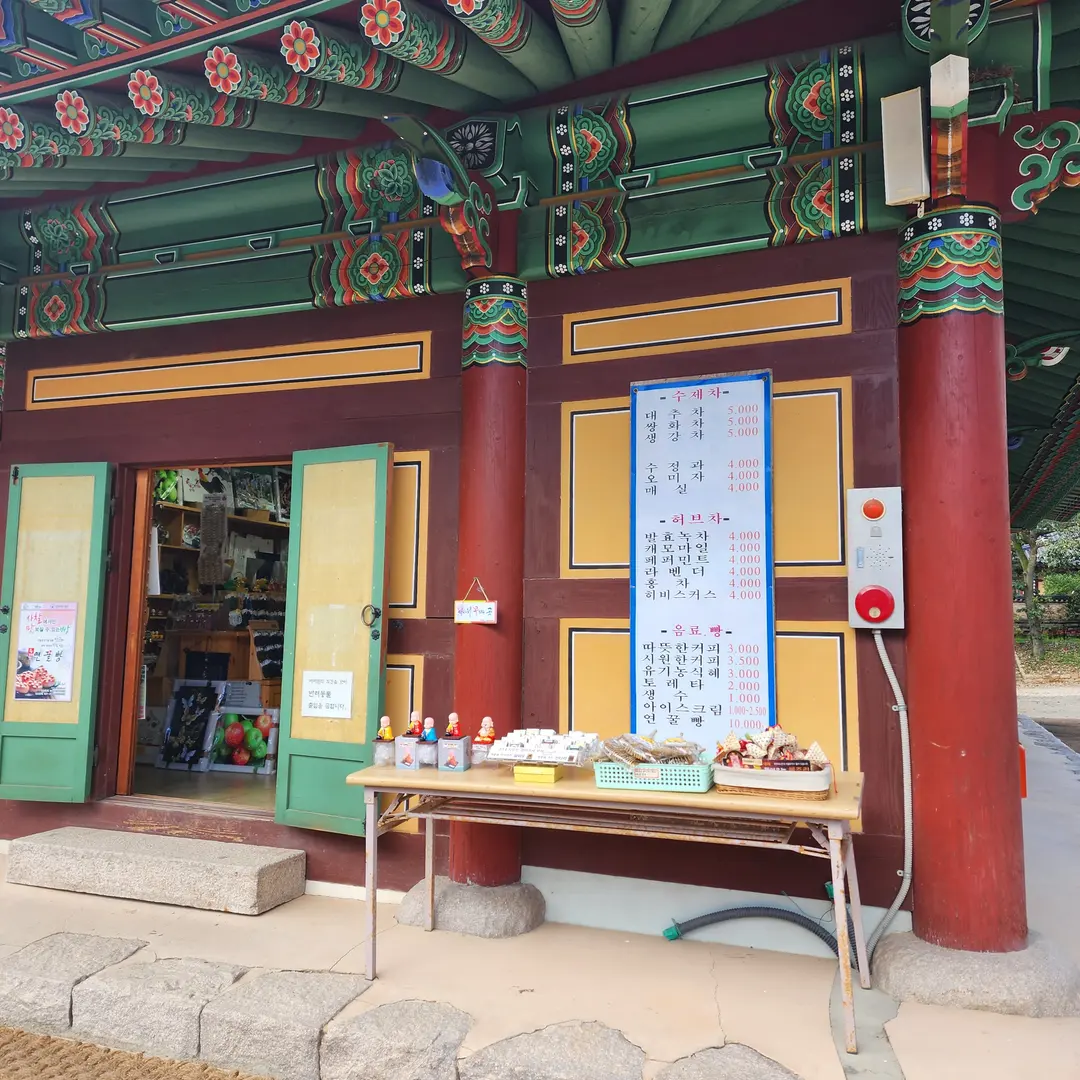
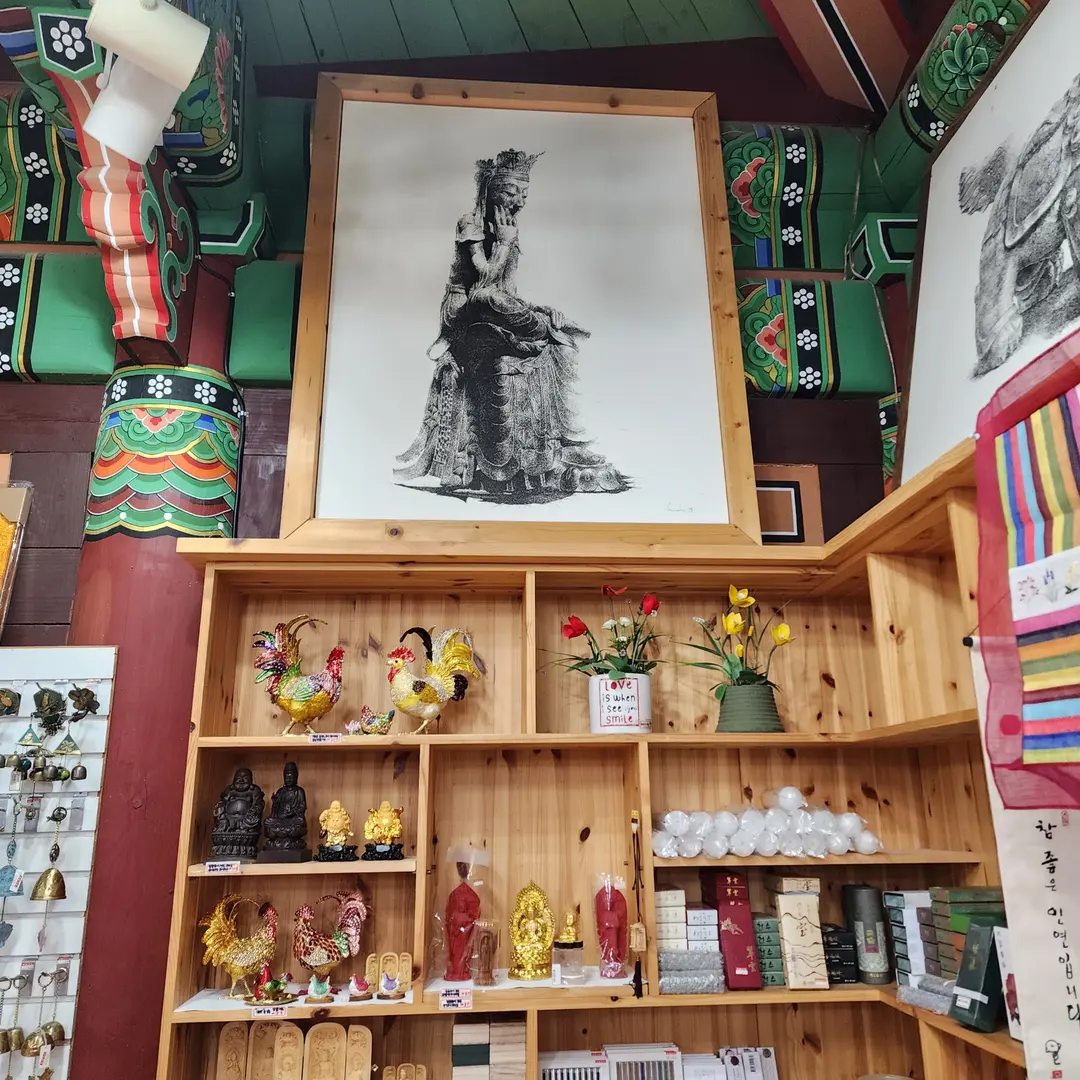
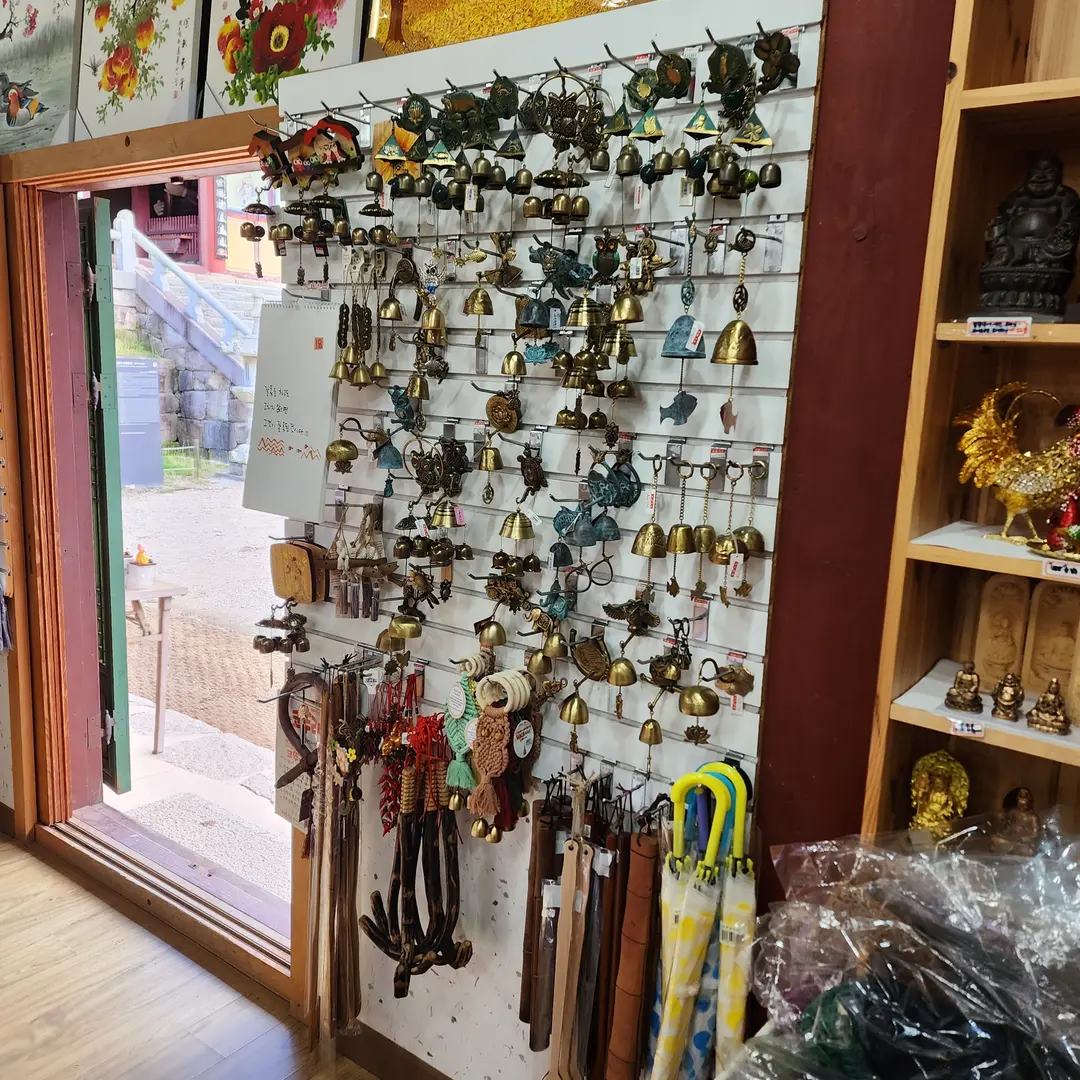
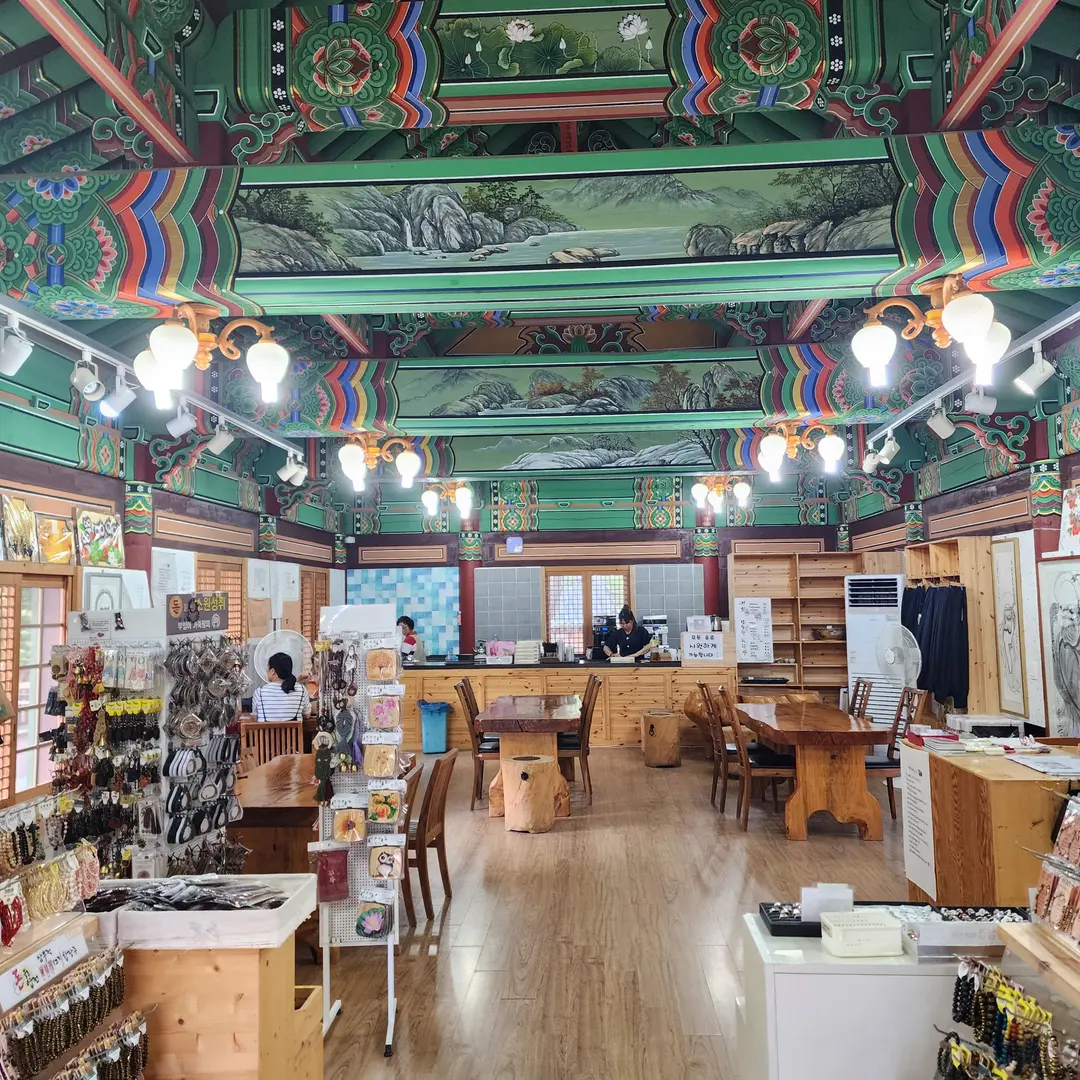
At the Sansacafé, you can enjoy a refreshing cup of tea and browse a selection of souvenirs.
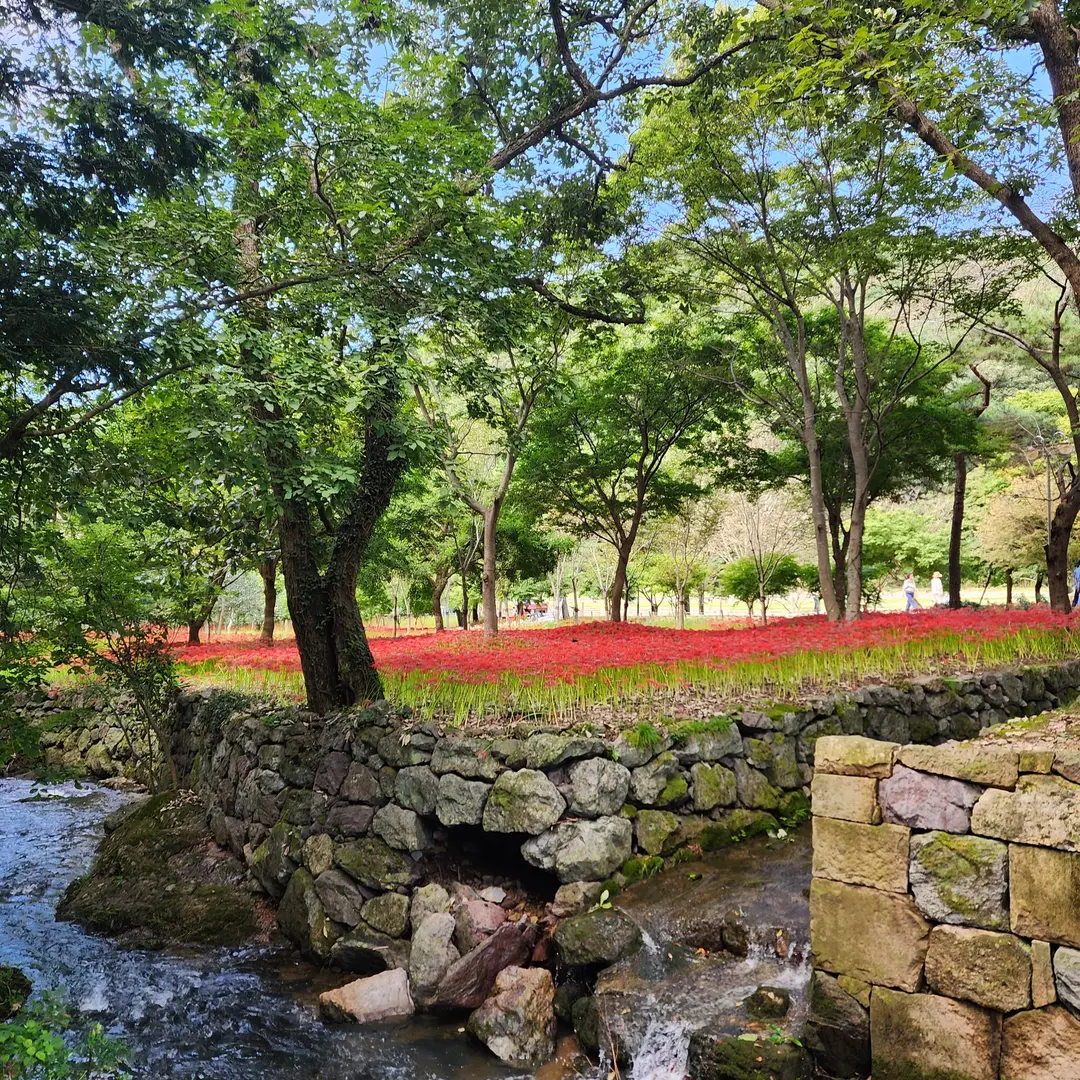
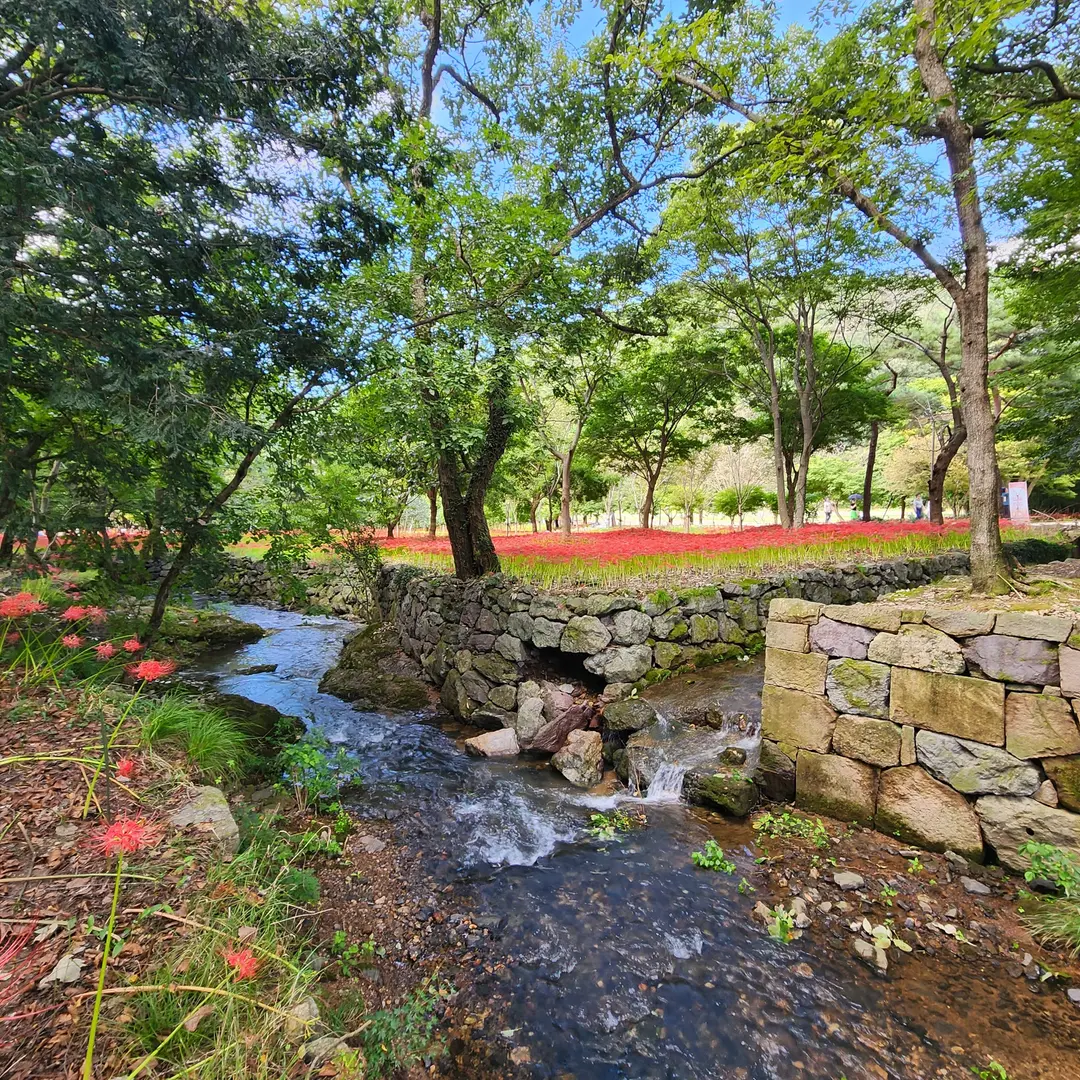
This is a shot of the path leading past the Sangsahwa Festival grounds. It's a one-way route, so I captured it from the opposite side.
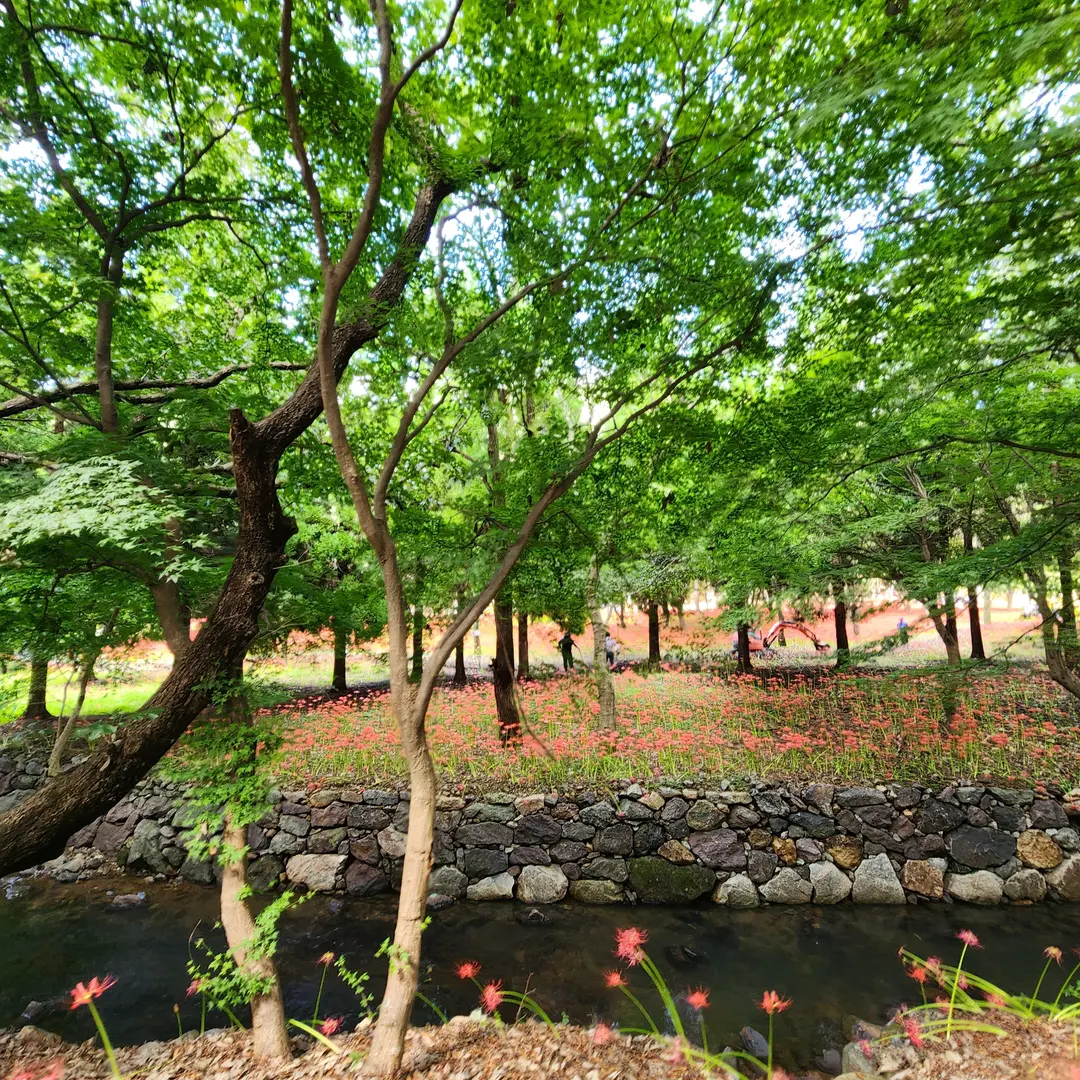
While the Sangsahwa at the temple were just beginning to bloom, those further down were in magnificent full display.
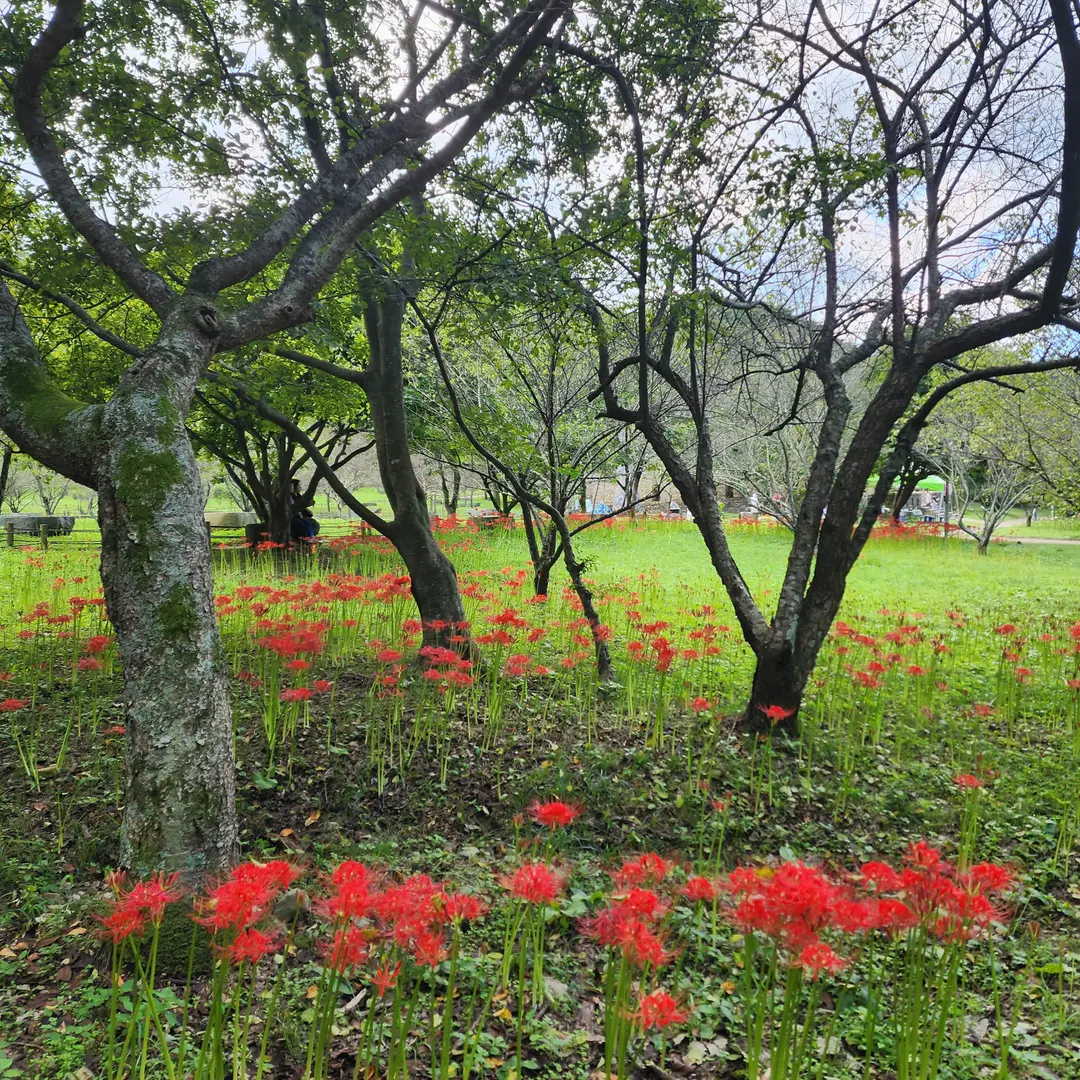
The Sangsahwa, or Red Spider Lily, is famously named for its poignant story: its leaves and flowers bloom at different times, never meeting, longing for each other.
Thank you for reading this post! I've included a few more photos I took on my way up. I'll share the full Sangsahwa Festival experience in an upcoming article.
My visit to Yeonggwang for business turned into an unexpected adventure at the festival, where I captured so many photos that I decided to dedicate a separate post just to Bulgapsa Temple. Yeonggwang Bulgapsa is truly remarkable, boasting a variety of treasures and cultural heritage, including its Main Hall (Treasure), Cheonwangmun (Cultural Heritage), and a 700-year-old *Chamsiknamu* (natural monument). With numerous buildings and expansive grounds, it took a good amount of time to explore everything, all while enjoying a sense of peace and quiet.
I highly recommend combining your visit to the Yeonggwang Sangsahwa Festival with a stop at Bulgapsa Temple. You'll be delighted by the beautiful *danchong* and the rich array of cultural artifacts and natural wonders it offers.
Frequently Asked Questions
What cultural heritage items can be seen at Bulgapsa Temple in Yeonggwang?
At Bulgapsa Temple in Yeonggwang, you can find Daeungjeon (Main Hall), which is Treasure No. 830, and Cheonwangmun (Four Heavenly Kings Gate), which is Jeollanam-do Tangible Cultural Heritage No. 159. Additionally, a 700-year-old Machilus thunbergii tree has been designated as a Natural Monument.
What was the blooming status of the spider lilies at Bulgapsa Temple grounds and the festival venue during the Yeonggwang Sangsahwa Festival?
The spider lilies at the festival venue were in full bloom and starting to fade slightly when visited. In contrast, the spider lilies within the Bulgapsa Temple grounds were not yet in full bloom, and we could also see red spider lilies (Kkotmureut) just beginning to open.
Is there a place to buy tea and souvenirs within Bulgapsa Temple grounds in Yeonggwang?
Yes, there is a 'Sansacafé' (Temple Cafe) within the Bulgapsa Temple grounds. You can purchase tea and souvenirs there.
What is special to see in front of Bulgapsa Temple's Daeungjeon (Main Hall)?
In front of Bulgapsa Temple's Daeungjeon, there was a very old stele-like object. The author mentioned that it was the first time they had seen such a stele in front of a Daeungjeon.
Share this article
Featured in Collections
Discover more travel stories curated around the same theme.
Related Travel Stories
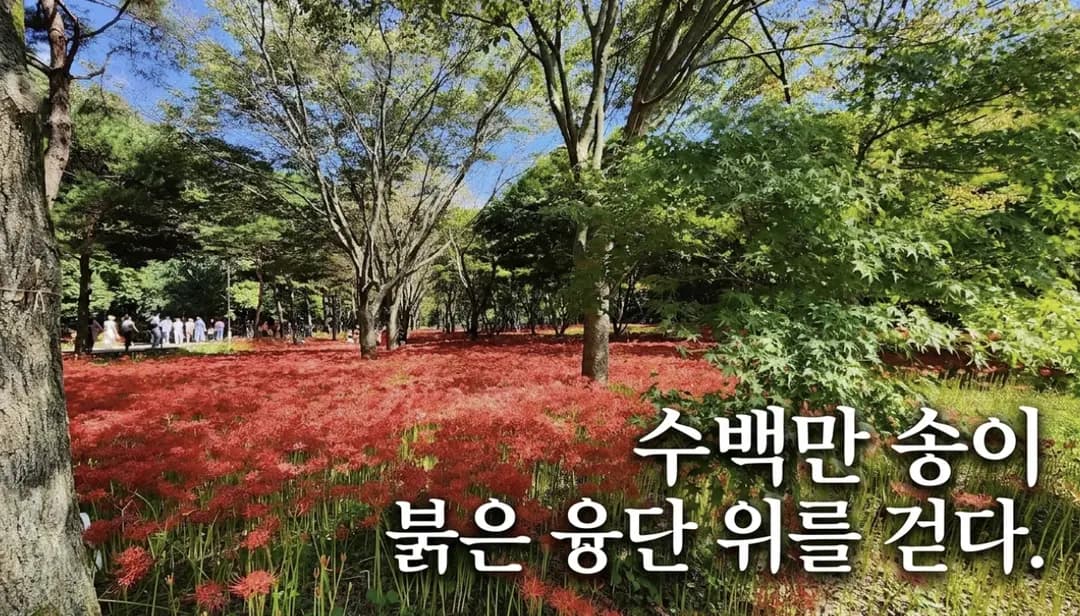
Bulgapsa Cluster Amaryllis Festival 2026: September's Red Bloom in Yeonggwang
Experience a sea of crimson at the 26th Bulgapsa Cluster Amaryllis Festival in Yeonggwang! Plan your unforgettable September 2026 trip to this stunning fall spectacle, featuring unique programs and breathtaking scenery.

West Ocean CC Golf Review: Stunning Ocean Views in South Korea
Discover West Ocean CC, a top-ranked ocean view golf course in Yeonggwang, South Korea. Experience unforgettable winter golf with stunning coastal scenery.

Yeonggwang Day Trip Itinerary 2026: Coastal Drive & Cultural Gems
Discover Yeonggwang, South Korea, with our 2026 day trip guide. Enjoy Gulbi Jeongsik, drive the scenic Baegsu Coastal Road, relax at an ocean-view cafe, and explore the historic Baekje Buddhism First Arrival Site.
Cheonan Museum Guide 2026: Free Entry, Parking & Kids' Programs
Discover Cheonan Museum in 2026! This hidden gem offers free admission, ample parking, and engaging exhibits. Perfect for families, explore ancient history and fun kids' programs in Chungcheongnam-do.
Suwon Hwaseong Haenggung Night Opening 2026: Guide & Family Tips
Experience the magic of Suwon Hwaseong Haenggung Palace at night! Our 2026 guide covers Moonlight Hwadam dates, admission fees, and family-friendly tips.
Gyeongbokgung Palace Entrances 2026: 4 Unique Ways to Explore
Unlock the secrets of Gyeongbokgung Palace! Discover 4 unique entrances – Gwanghwamun, Seochon, Samcheongdong, and Cheongwadae – to navigate this grand site like a local and avoid the busiest spots.