

Valencia's Corpus Museum: Unveiling Festival History
Discover Valencia's unique Corpus Museum, a hidden gem showcasing centuries of festival history, grand ceremonial floats, and giant puppets. Explore this free cultural attraction in the Old Town!

Quick answer
- Admission to the Museu del Corpus is completely free.
- It's open Tuesday to Saturday from 10:00 AM to 2:00 PM and 3:00 PM to 7:00 PM, and Sundays from 10:00 AM to 2:00 PM.
- The museum is closed on Mondays.
- Located in Valencia's Old Town, it's about a 7-minute walk from the Valencia Cathedral.
- Discover historic ceremonial floats (Roques), giant puppets, and the rich history of the Corpus Christi festival.
Corpus Museum
© Text/Photos Nomad Ssalmi
When you travel through Europe, you often become curious about the unique festival culture that defines each city.
In Valencia, Spain, there’s a truly special and free museum where you can vividly experience the most historically significant and grand moments of its festivals, any day of the year.
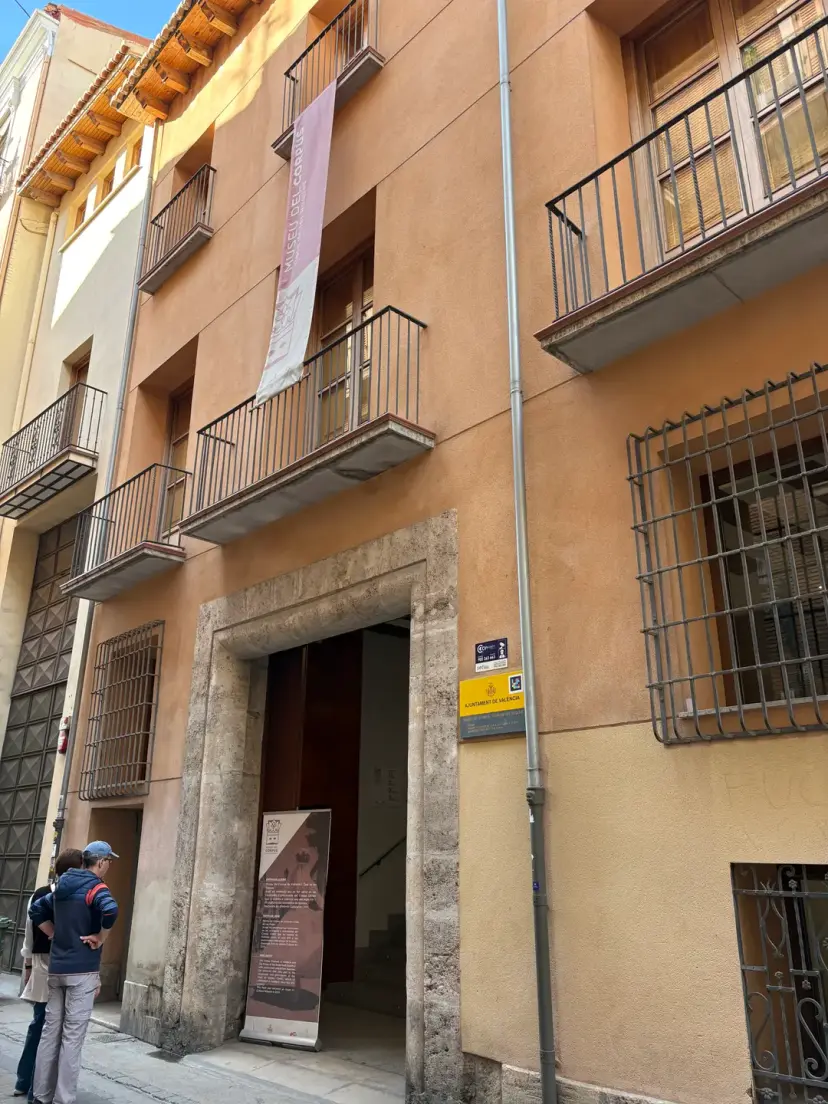
Hidden in the alleys of the Old Town, this is the
Valencia Corpus Museum
(Museu del Corpus - Casa de les Roques)
.
It's a magnificent place, filled with giant, elaborate ceremonial floats and sculptures that actually parade through the streets during the festivals.
Let’s take a closer look below!
Table of Contents |
1. Museum Basic Information |
2. What is Corpus Christi? |
3. Exploring the Interior |
4. Conclusion |
1. Museum Basic Information
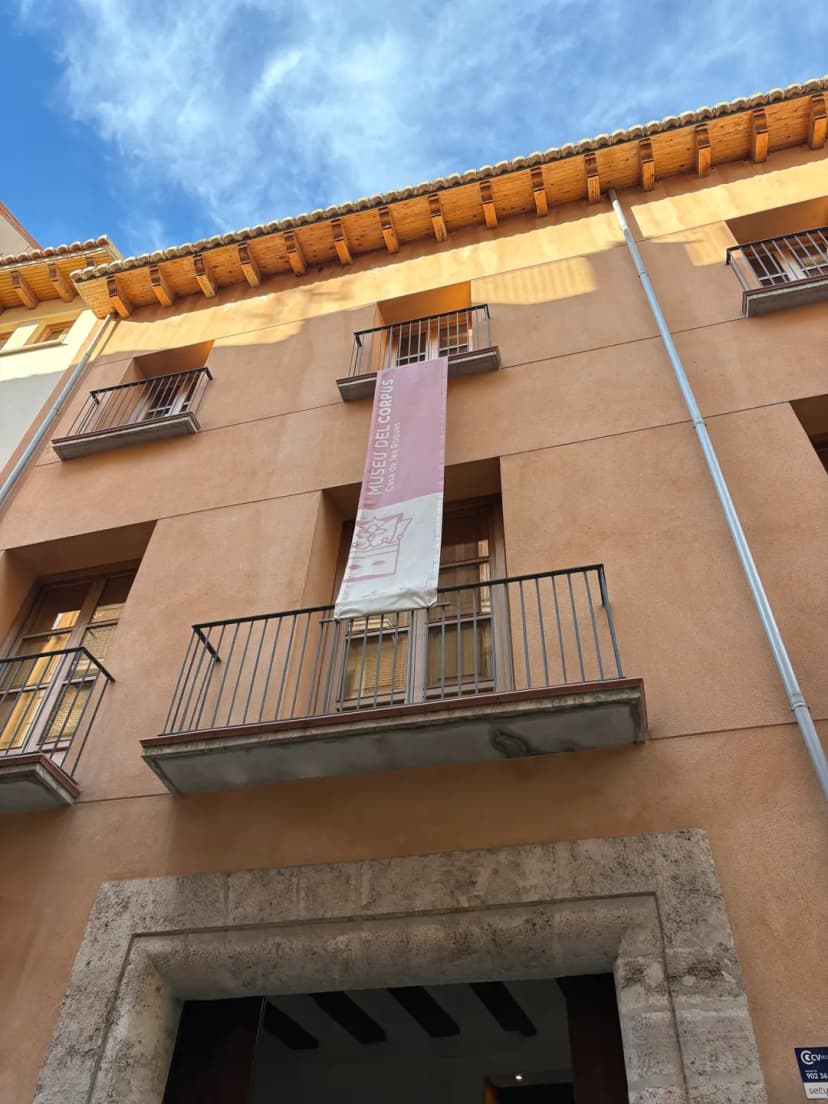
Basic Information | |
Address | Calle Roteros 8, C/ de les Roques, 1, 46003 València, Valencia, Spain |
Location | A 7-minute walk from Valencia Cathedral |
Operating Hours | Tuesday-Saturday: 10:00 AM - 2:00 PM, 3:00 PM - 7:00 PM Sunday: 10:00 AM - 2:00 PM |
Closed | Mondays |
Admission Fee | Free |
At the Corpus Museum, you can explore centuries of history through the enormous ceremonial floats known as Las Roques, along with giant and big-headed puppet figures, and exhibitions detailing the history of the Corpus Christi festival.
2. What is Corpus Christi?
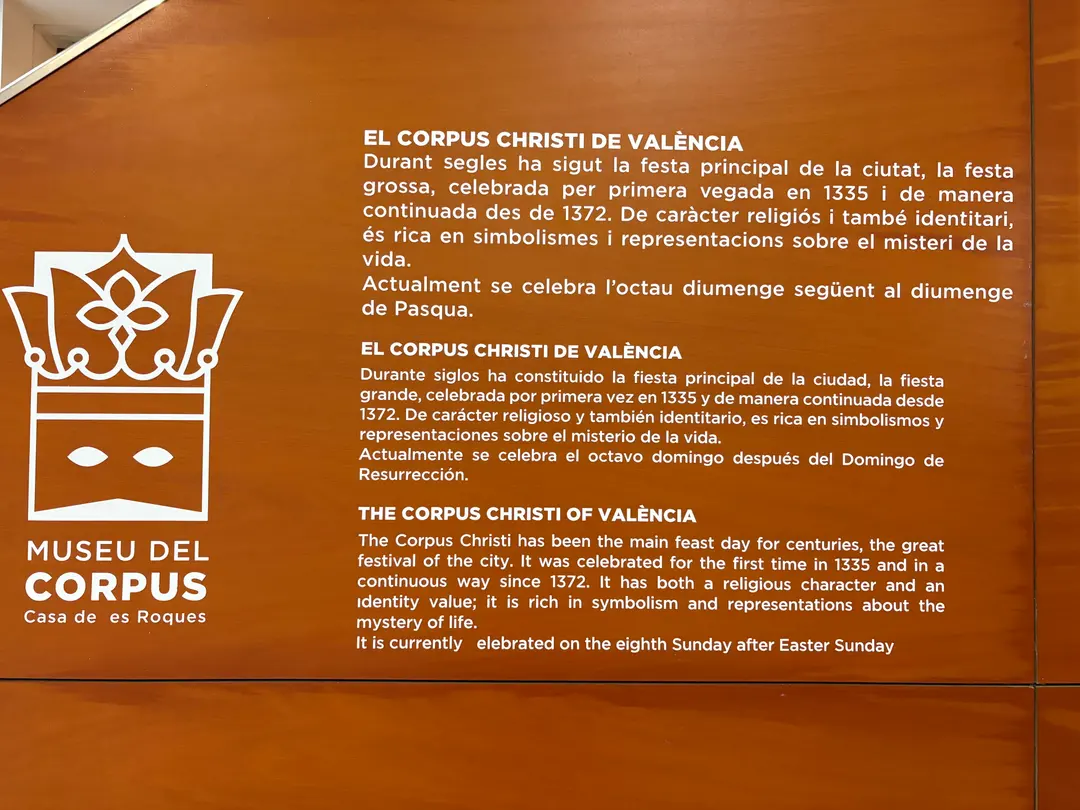
Upon entering the museum, you'll first encounter records of the Corpus Christi (Solemnity of the Most Holy Body and Blood of Christ) festival, which is the foundation of this unique place.
While perhaps unfamiliar to some, this important Catholic feast day commemorates and gives thanks for the mystery of the Eucharist – the transformation of bread and wine into the Body and Blood of Jesus Christ.
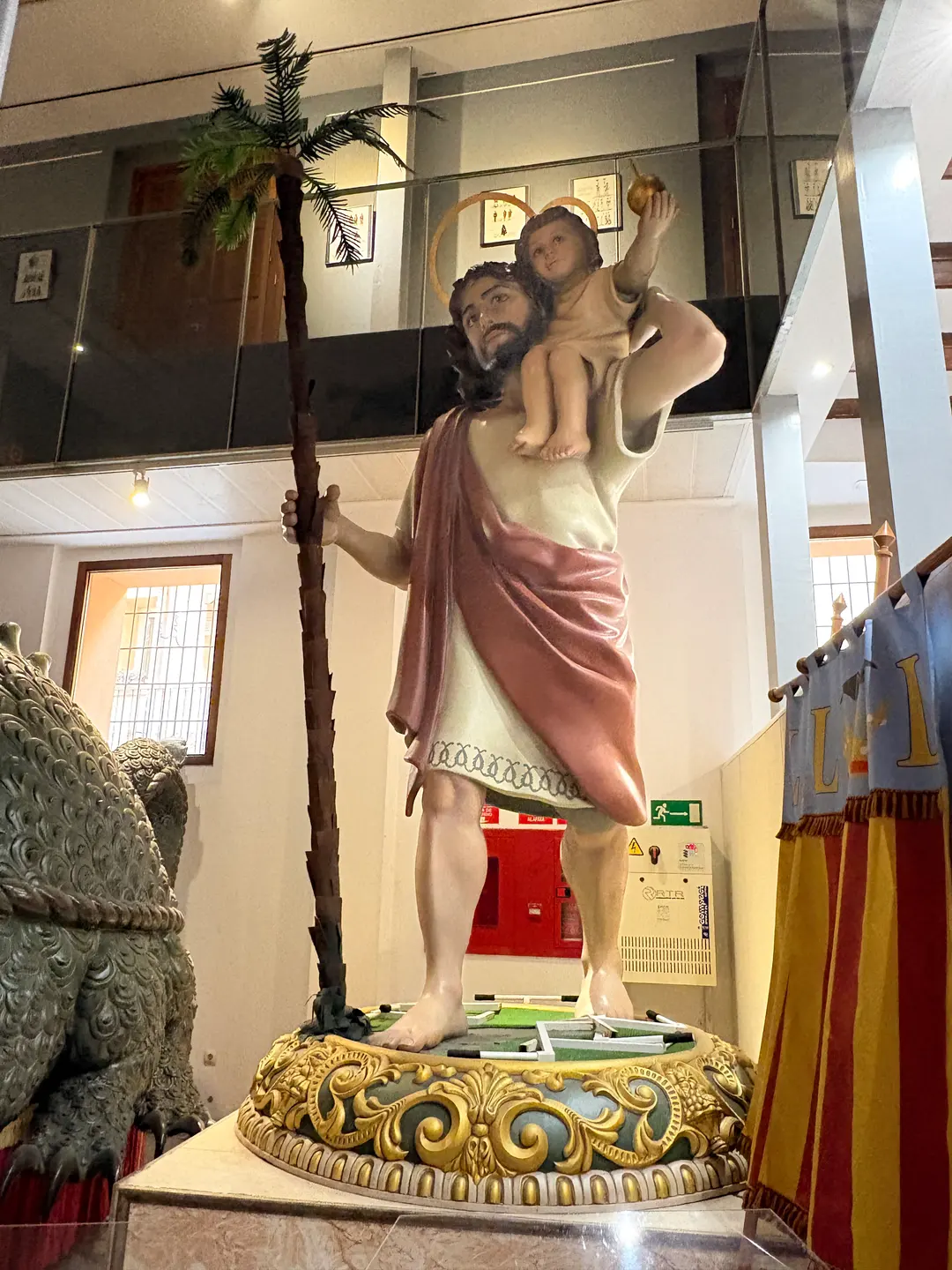
For centuries, this festival has been one of the most central and grand celebrations in the city of Valencia.
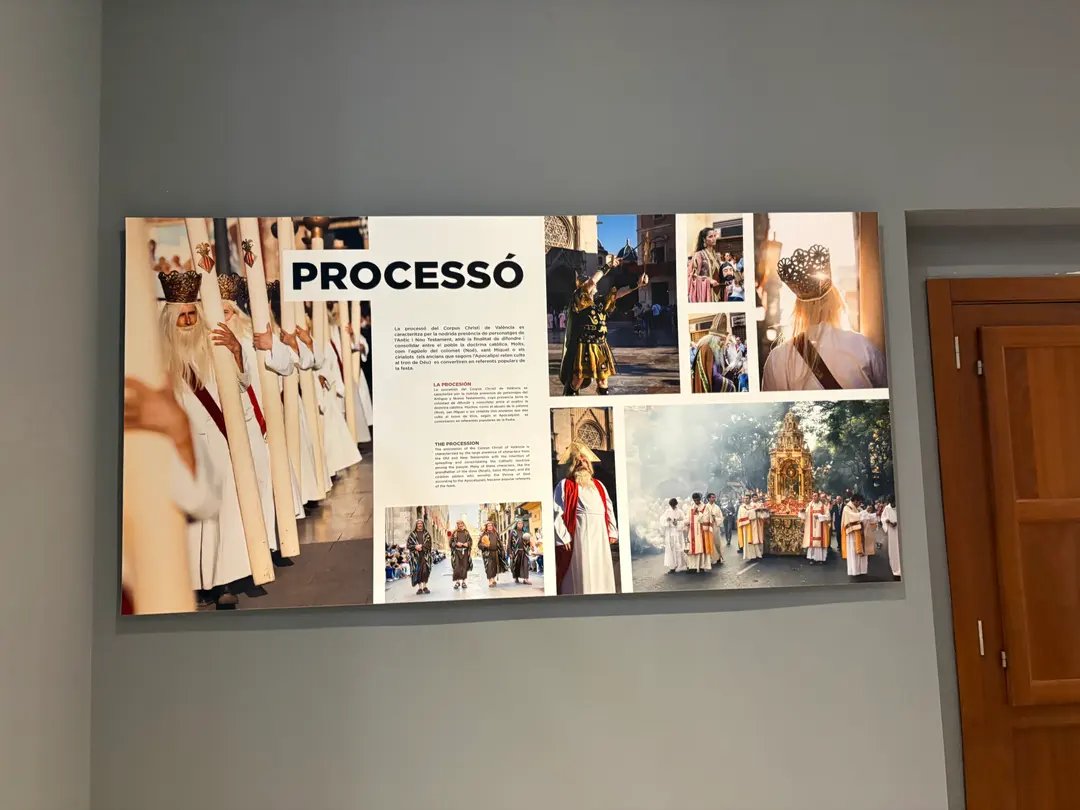
First held in Valencia in 1335, it boasts an incredible tradition, having continued uninterrupted since 1372.
Today, it is still celebrated spectacularly each year on the eighth Sunday after Easter Sunday.
3. Exploring the Interior
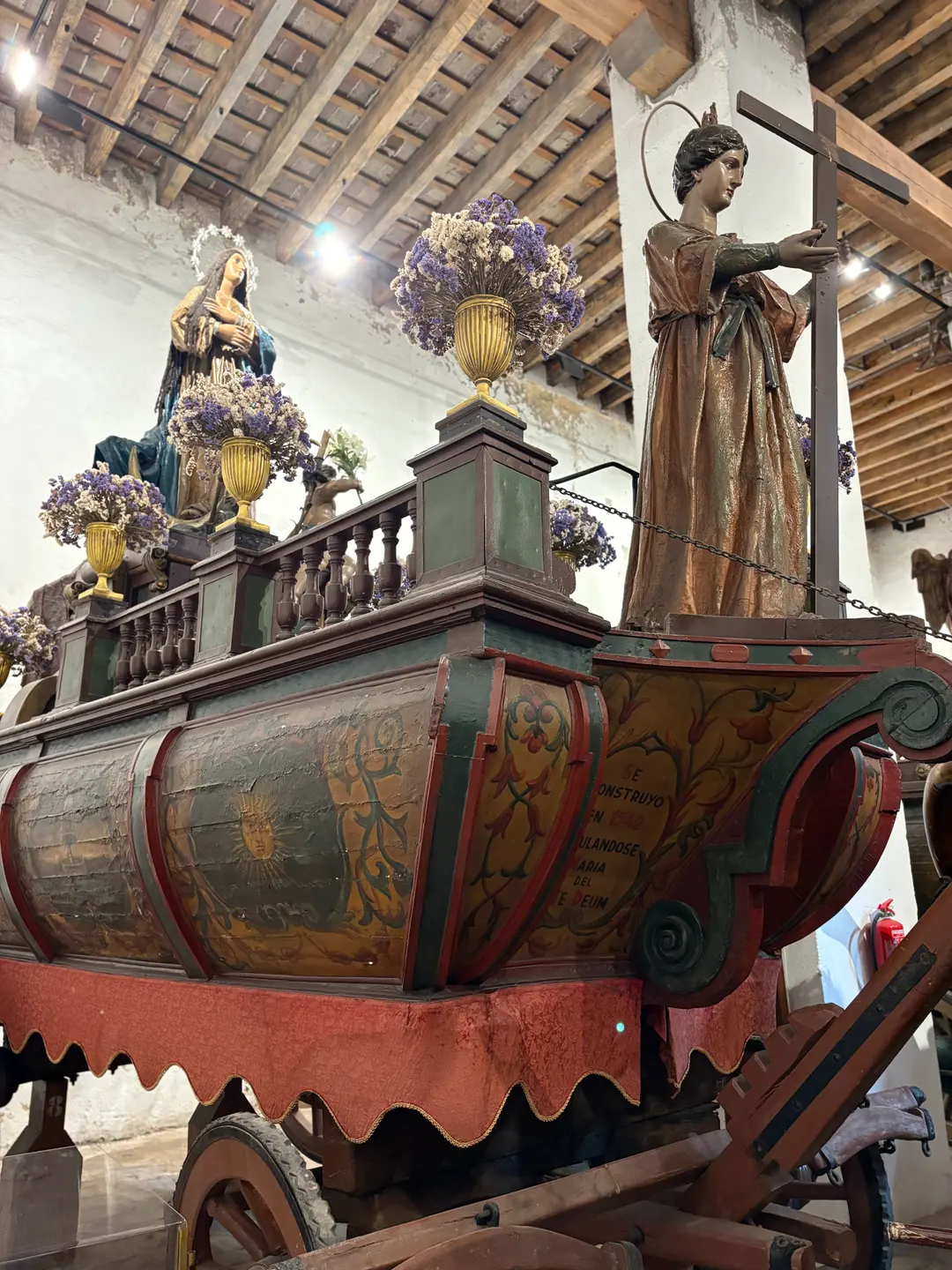
The museum's original name, Casa de les Roques, literally means House of the Roques.
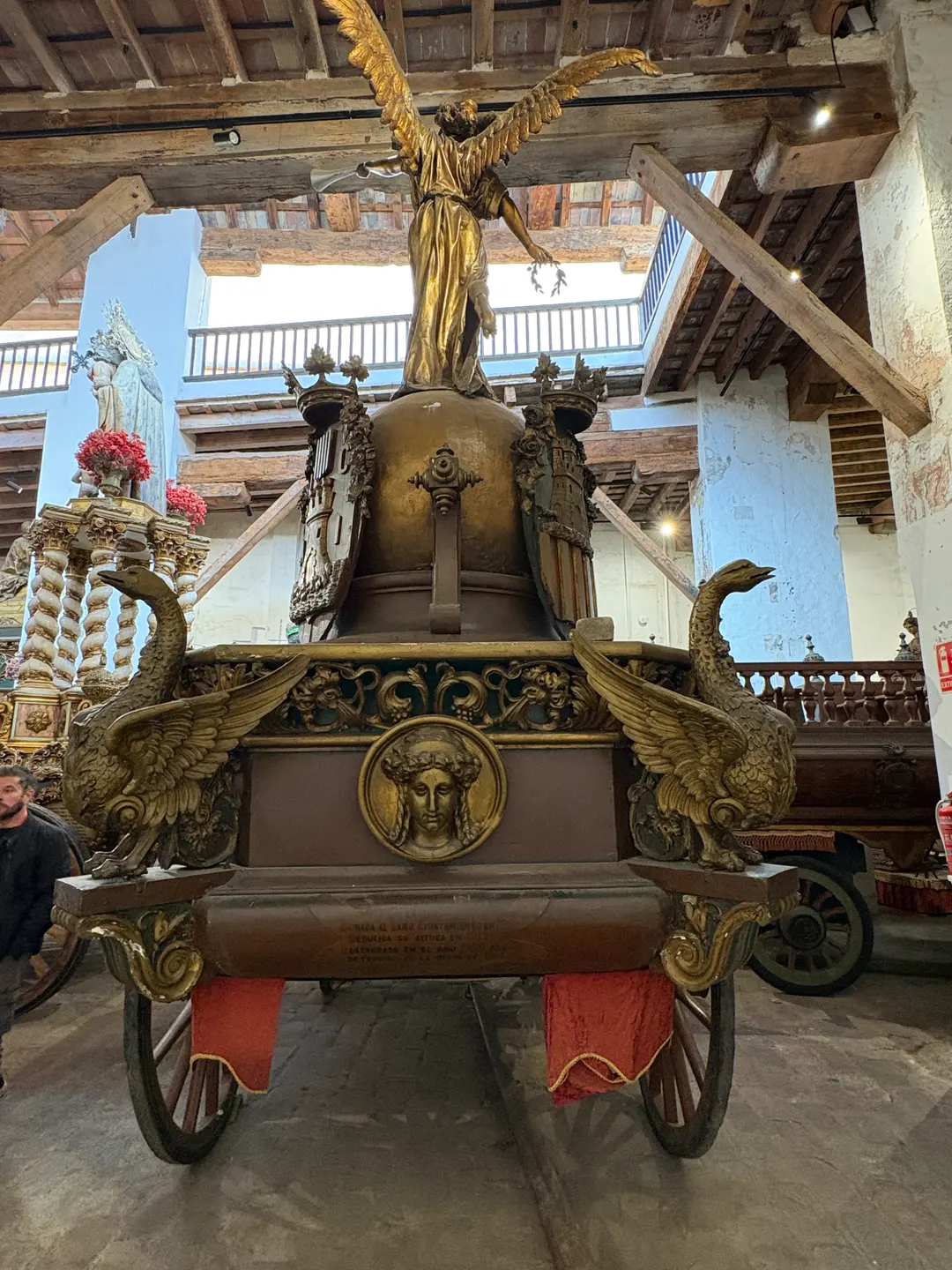
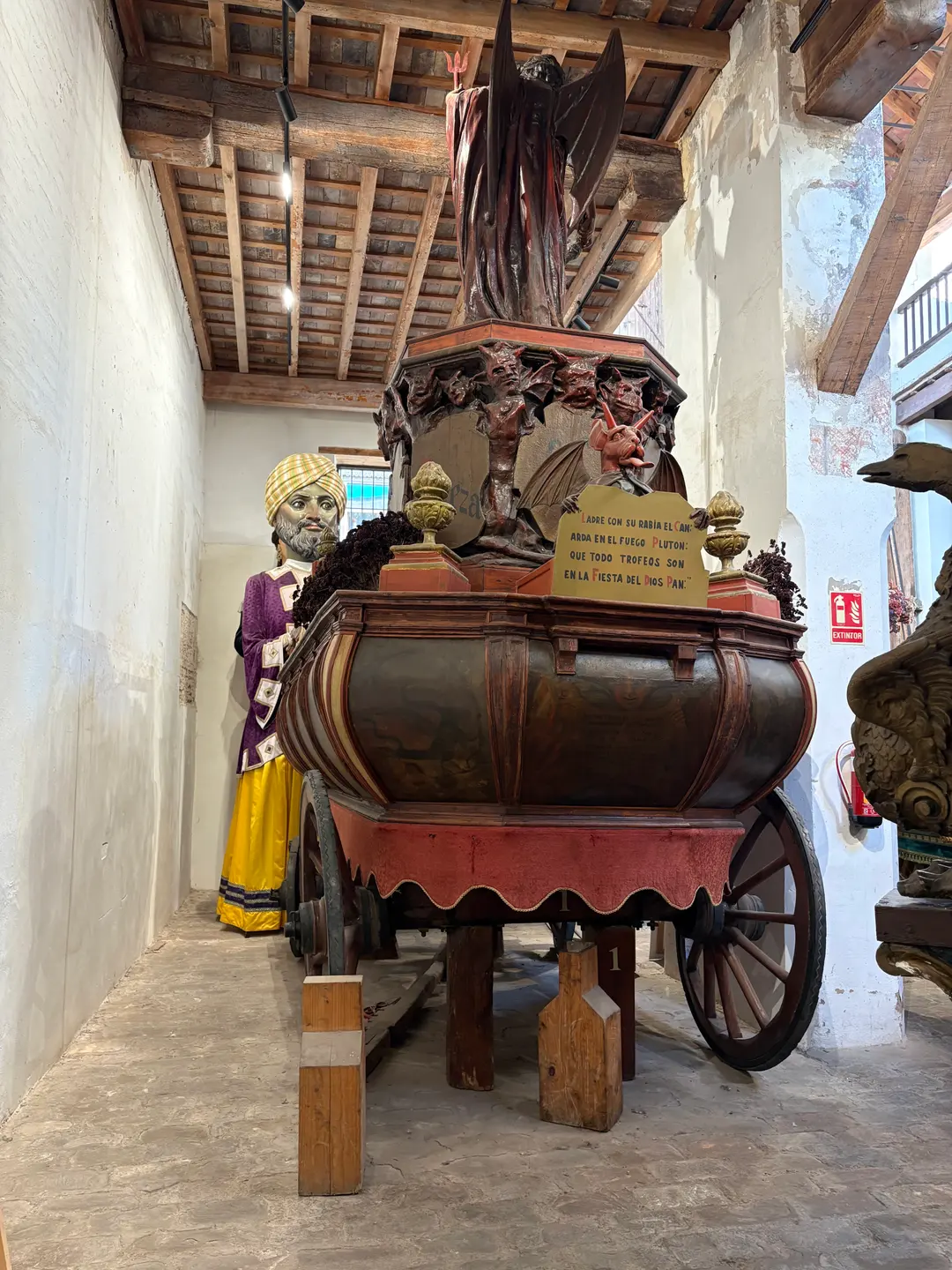
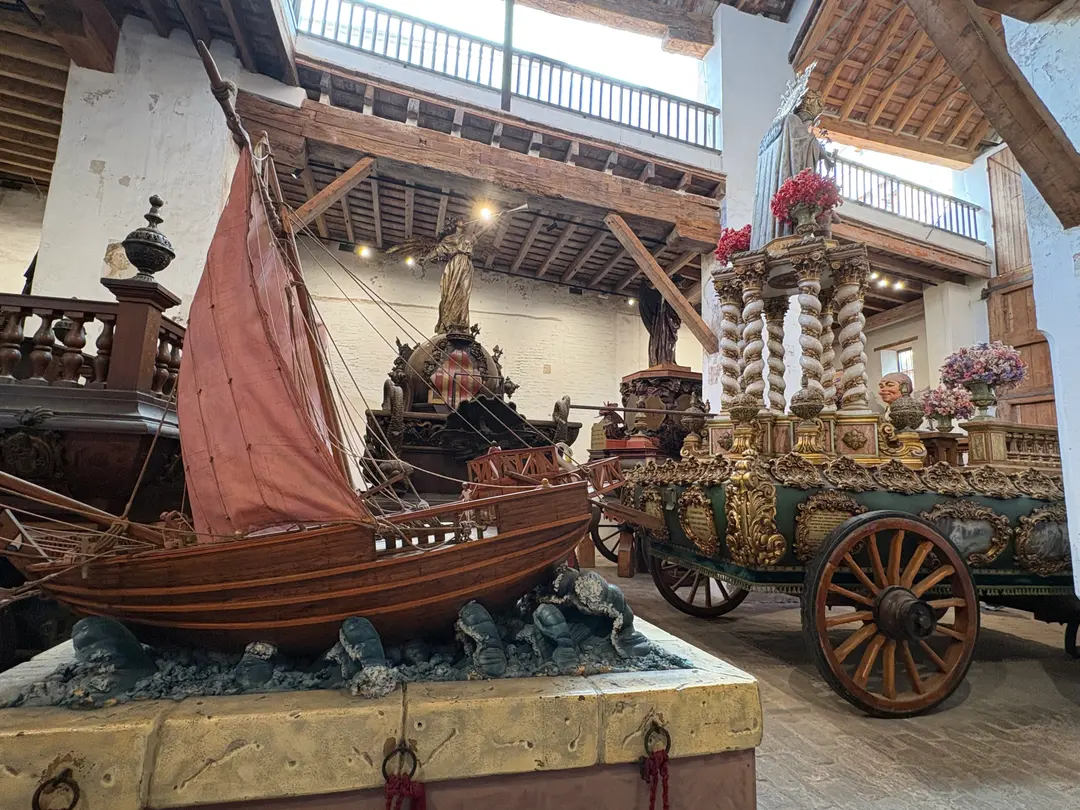
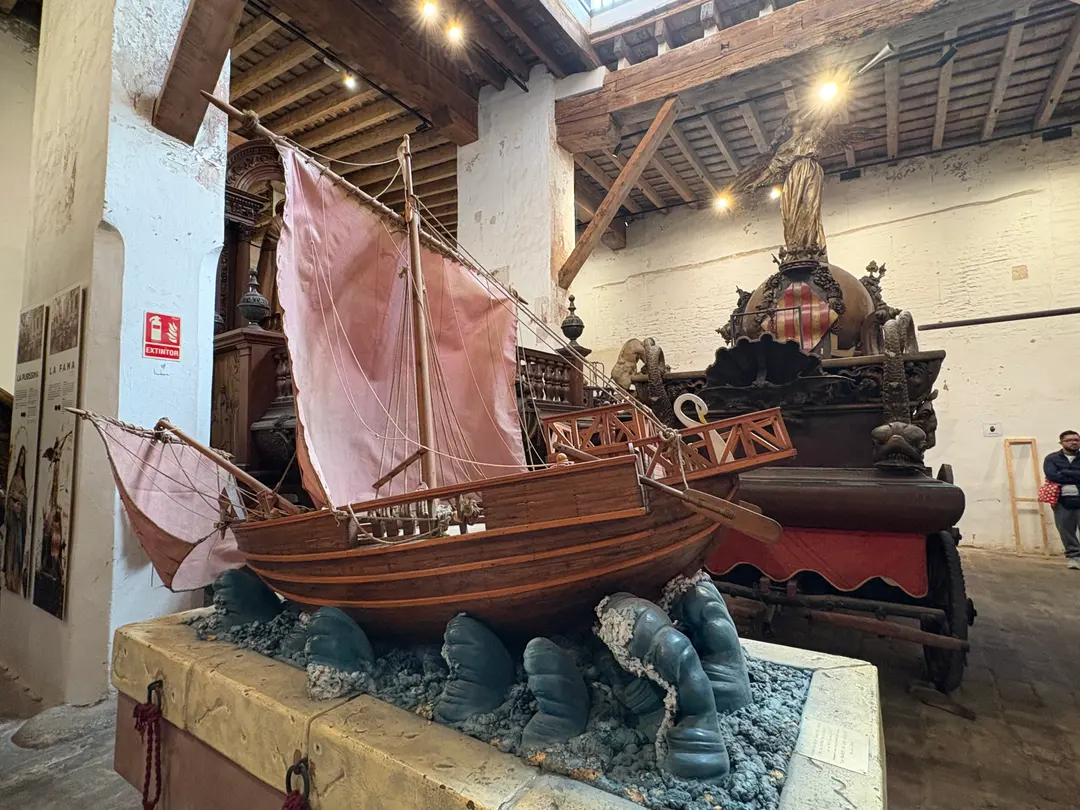
Roques are the enormous, elaborate wooden floats pulled by horses during the Corpus Christi procession. The building that now houses the museum was constructed in the 15th century (1400s) to safely store these floats when they weren't being used for the festival.
✔️ Grand Wooden Ceilings and Rooms of Giant Floats
Stepping inside, you're greeted by a spacious, high-ceilinged hall with an ornate wooden beam ceiling. Below, you'll find a line of impressive floats, including those shaped like large boats adorned with intricate biblical figures, glittering gold leaf, and vibrant paintings, as well as massive floats topped with angel statues.
Among the inscriptions on the floats, some proudly display a creation date as far back as 1542!
✔️ Giants and Big-Headed Puppet Sculptures
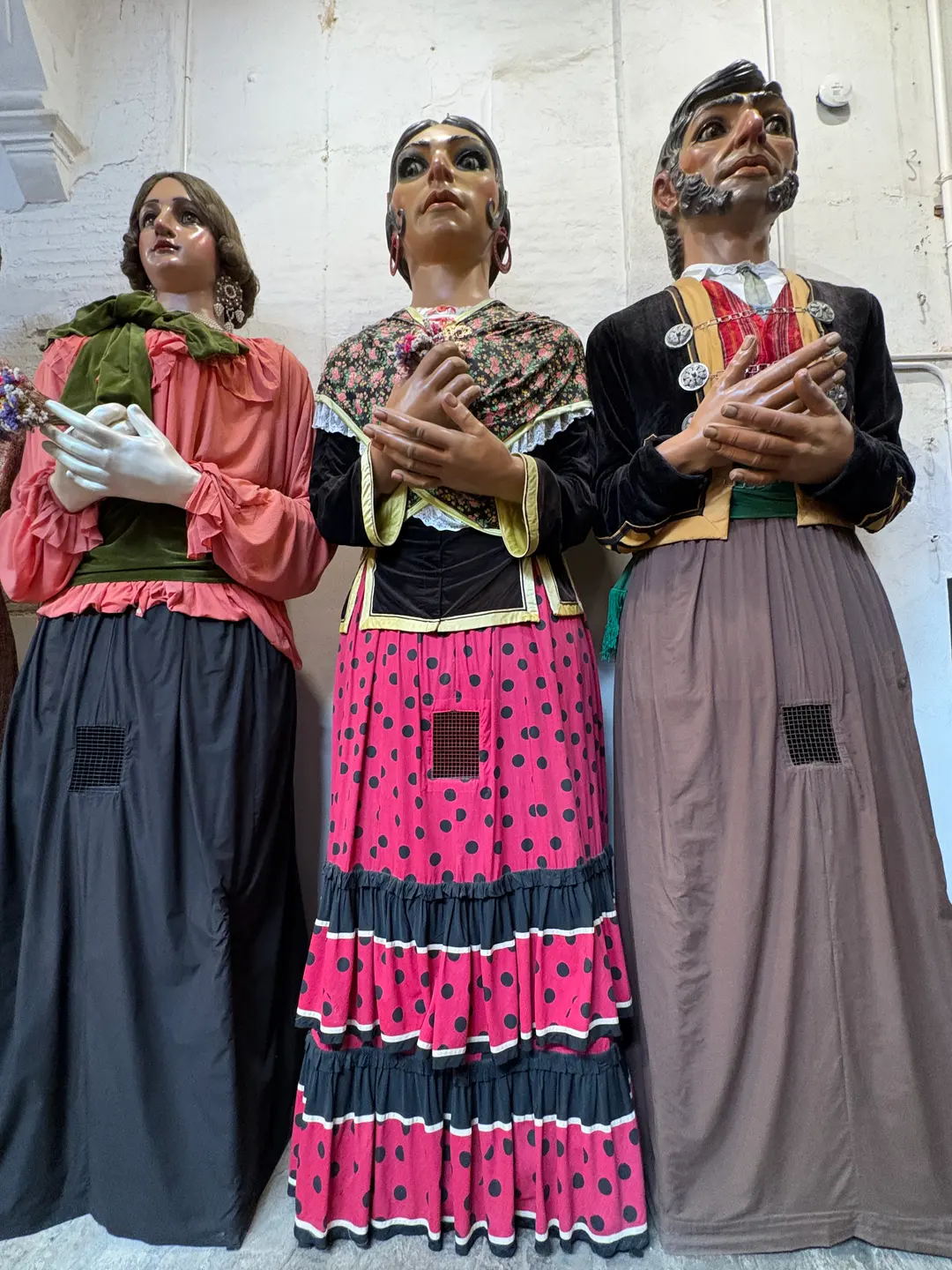
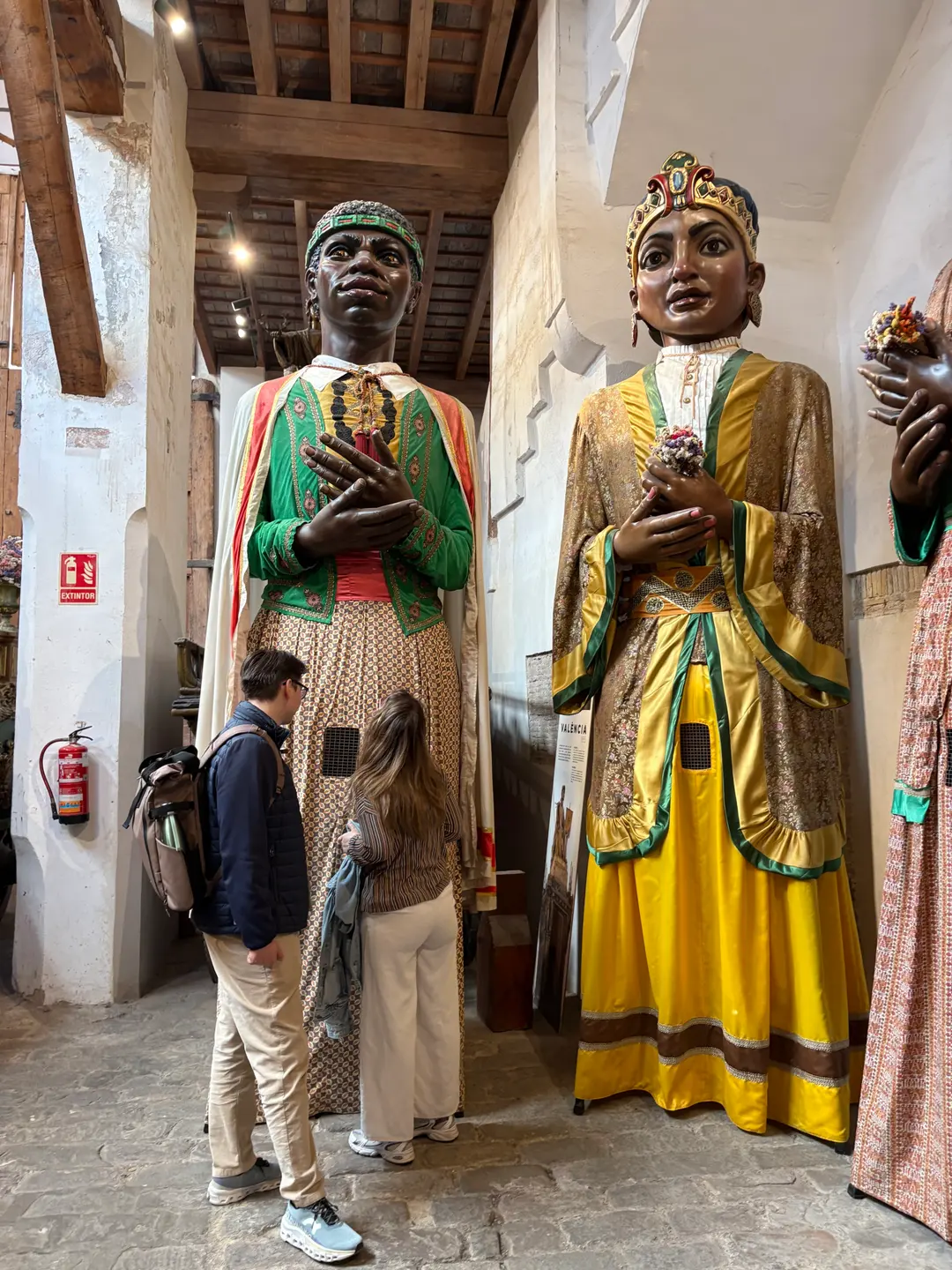
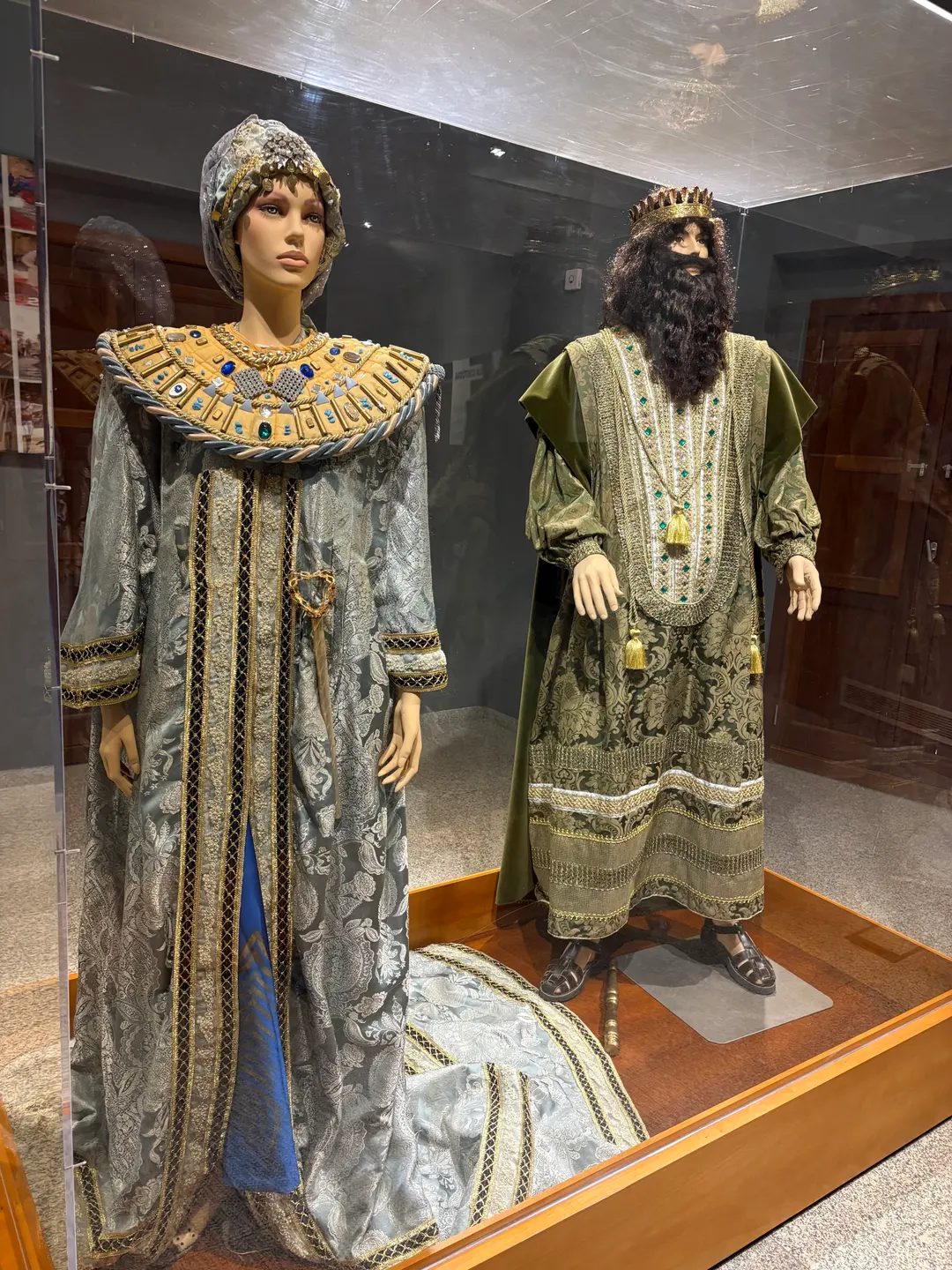
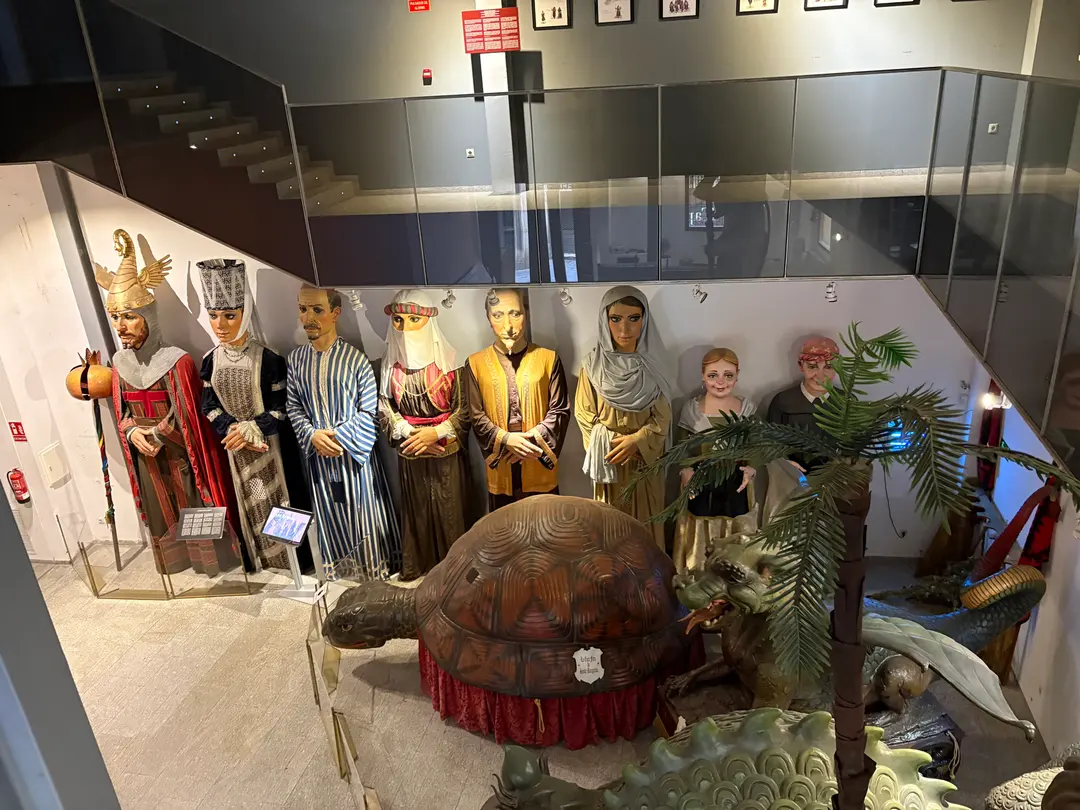
The museum also displays traditional giant puppets and whimsical big-headed figures, which add excitement to the festival parades.
It's fascinating to examine the meticulously crafted clothing and expressions on each one.
✔️ Detailed Guidebooks and Exhibits
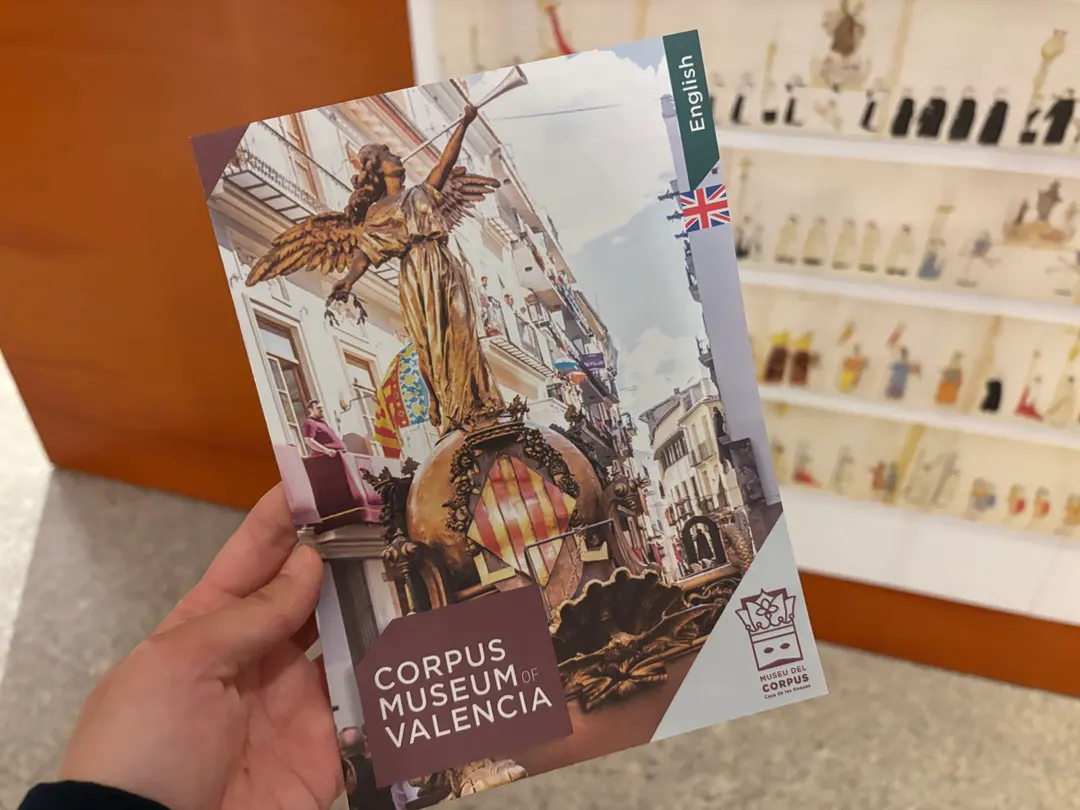
At the entrance, you can pick up an easy-to-understand English guidebook, making it simple to grasp the festival's narrative even if you visit without prior knowledge.
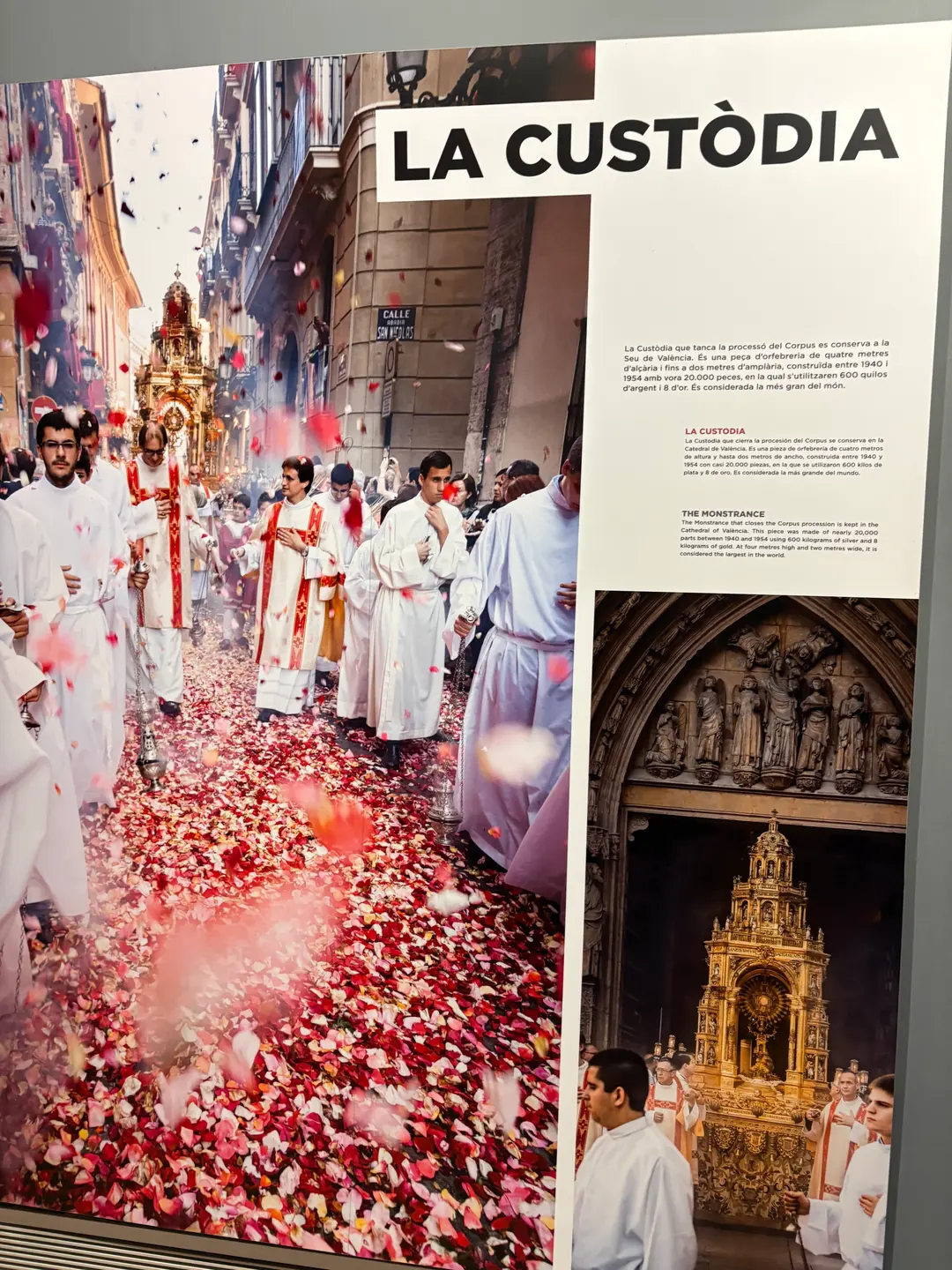
Ascending the stairs to the second floor, you can delve further into the festival's historical documents and various costume artifacts.
4. Conclusion
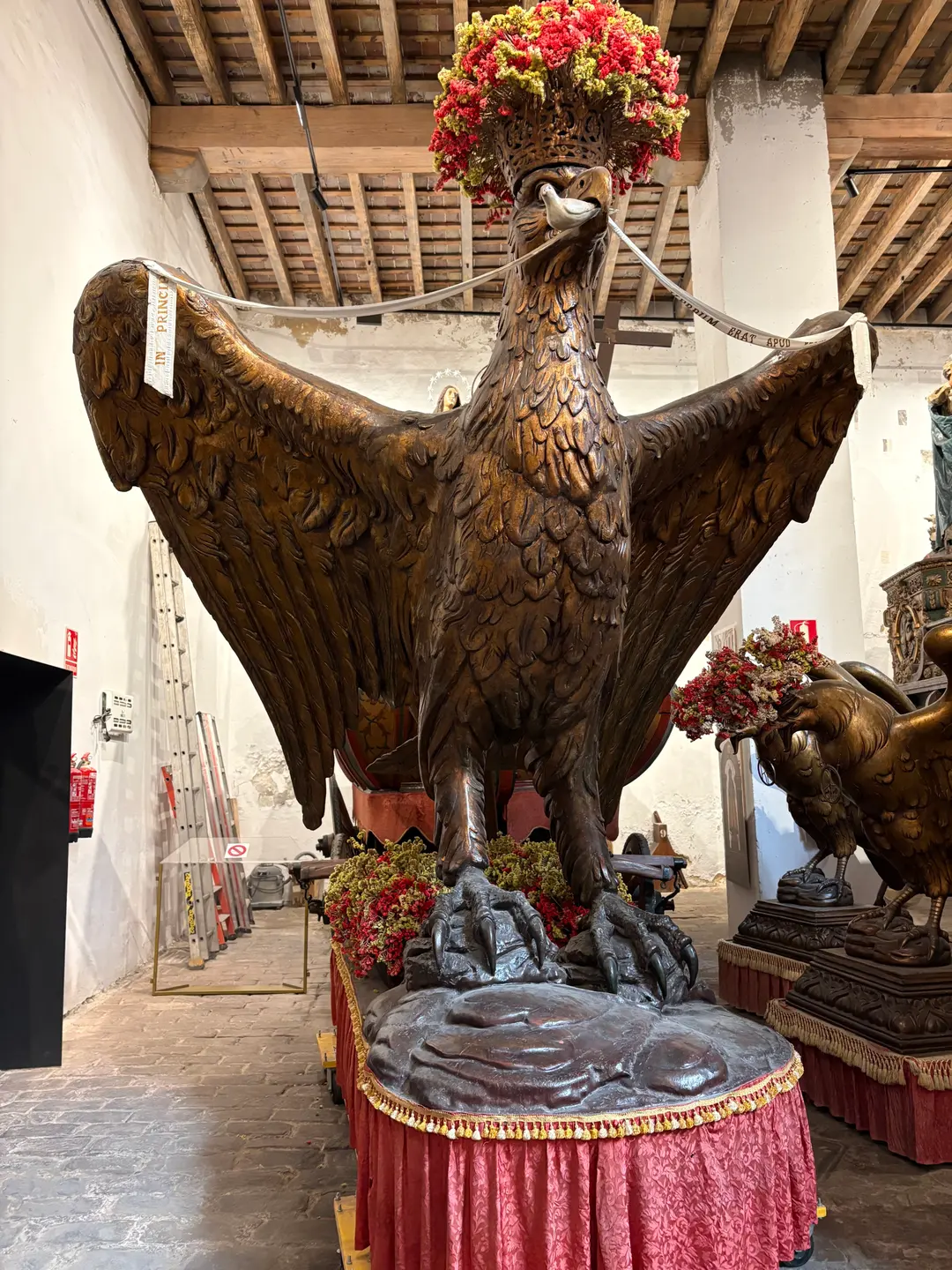
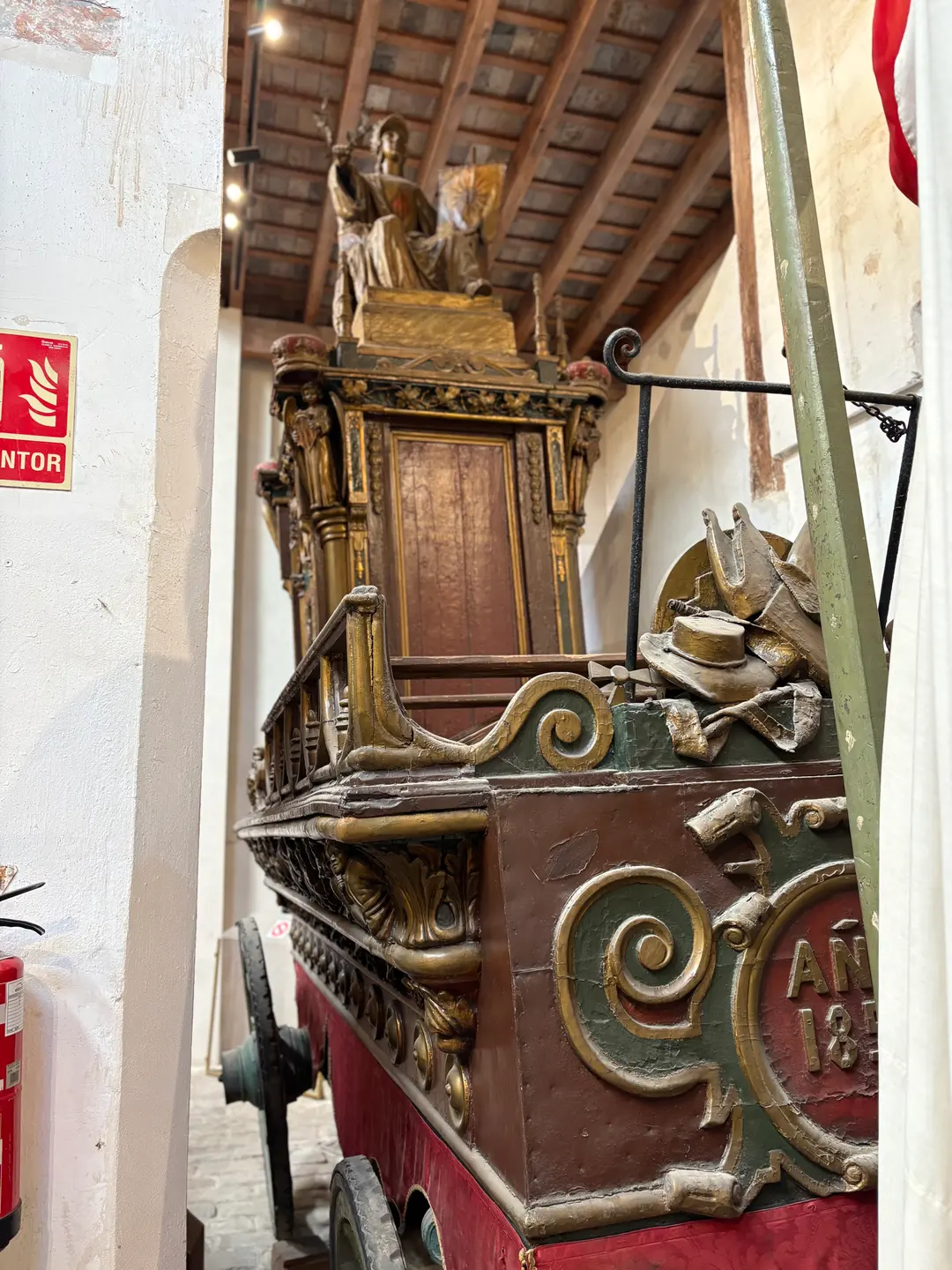
The Corpus Museum is a profoundly meaningful place, preserving the passionate festival spirit and artistic craftsmanship of the Valencian people, traditions that date back to 1335.
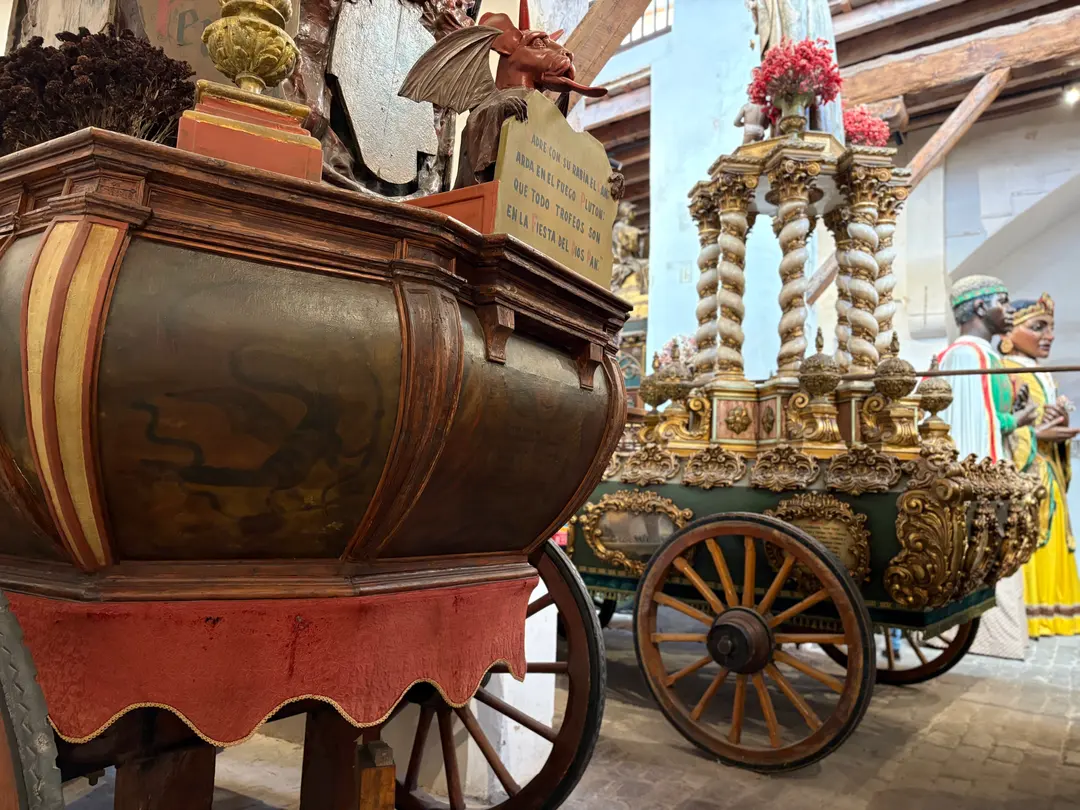
If you're exploring Valencia and looking to discover unique local history and awe-inspiring artistry that goes beyond the usual tourist spots, I highly recommend visiting this mystical House of Roques during your stroll through the Old Town!
I hope my post helps you plan a wonderful trip.
📍 Museo del Corpus - Casa de las Rocas
Calle Roteros 8, C/ de les Roques, 1, Ciutat Vella, 46003 València, Valencia, Spain
Frequently Asked Questions
What are the operating hours and admission fees for the Valencia Corpus Museum?
According to the article, the Valencia Corpus Museum operates from Tuesday to Saturday from 10:00-14:00 and 15:00-19:00, and on Sundays from 10:00-14:00. It is closed on Mondays, and admission is free.
What does 'Roques' mean in the original name of the Valencia Corpus Museum, 'Casa de les Roques', and when was this building constructed?
'Roques' refers to the giant, elaborate wooden floats pulled by horses during the Corpus Christi festival procession. The current museum building was constructed in the 15th century (1400s) to safely store these floats.
When was the 'Corpus Christi Festival', the foundation of the Valencia Corpus Museum, first held in Valencia, and when is it currently held annually?
The Corpus Christi Festival was first held in Valencia in 1335 and has continued without interruption since 1372. It is currently celebrated annually with great splendor on the eighth Sunday after Easter Sunday.
Where is the Valencia Corpus Museum located in Valencia city, and how far is it from Valencia Cathedral?
The Corpus Museum is located in the alleys of Valencia's Old Town. The address is Calle Roteros 8, C/ de les Roques, 1. It is approximately a 7-minute walk from Valencia Cathedral.
Share this article
Related Travel Stories
Ruzafa Market Valencia: Local Bakery Gems & Tips for 2026
Craving authentic Valencia? Explore Ruzafa Market, a colorful local gem away from the crowds. Find fresh goods and a traditional bakery locals adore!
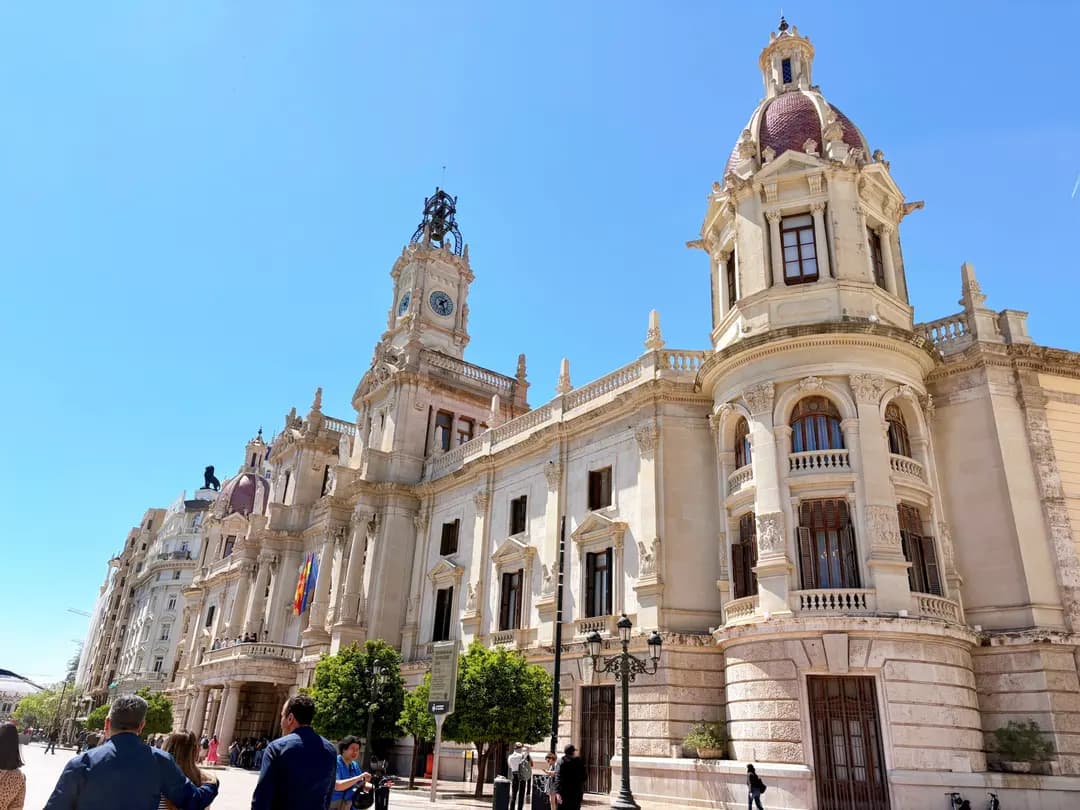
Valencia City Hall Guide 2026: Free Visit & Balcony Views
Don't just pass by! Valencia City Hall offers a magnificent, free interior experience. Step inside to discover opulent halls, the Crystal Room, and breathtaking balcony views of the city square. Your essential guide to visiting Valencia's hidden gem.
Valencia Half-Day Tour 2026: Discover Spain's Historic Heart
Uncover Valencia's hidden history and stunning architecture on a guided half-day tour. Experience the city's rich past, from the Silk Exchange to the Holy Grail, with an expert guide.
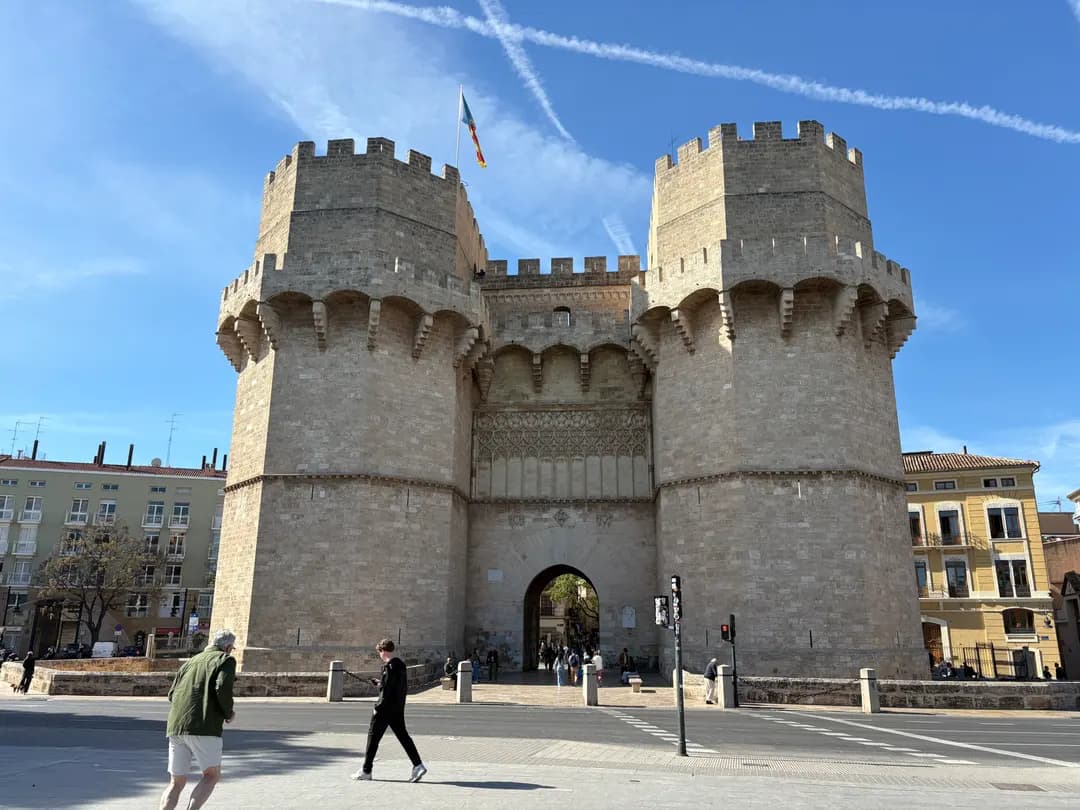
Torres de Serranos Valencia 2026 Guide: Panoramic City Views
Climb the historic Torres de Serranos for unparalleled views of Valencia's Old Town and Turia Gardens. A must-visit landmark for history buffs and photographers.
Valencia's Ruzafa District: A Hip & Vibrant Guide for 2026
Dive into Ruzafa, Valencia's most vibrant district! Explore colorful markets, discover hidden vintage gems, and savor authentic Spanish flavors in this artistic hub. Plan your 2026 trip!
Valencia City Tour Bus 2026: Red vs. Green Hop-On Hop-Off
Discover Valencia's diverse attractions, from historic streets to modern marvels and beautiful beaches, with a convenient Hop-On Hop-Off bus tour. Find out if the Red Bus or Green Bus is right for you!