

Cheoram Coal Mine History Village Guide (2026): Parking, Entry & Tips
Step back in time at Taebaek's Cheoram Coal Mine History Village. Experience Korea's industrial past, from miner life to cultural exhibits, in about an hour. Free entry!

Quick answer
- Entrance to the main exhibition halls at Cheoram Coal Mine History Village is free.
- Allow about 30 minutes for the exhibition halls, or 1 hour including the surrounding area.
- Parking is available at the Cheoram Soebau Gol Coal Mine Culture Market.
- Try the mini-briquette making experience for ₩5,000 (~$4), great for families.
- Don't miss the 3rd-floor village observatory at Jinju Castle and Honam Supermarket.
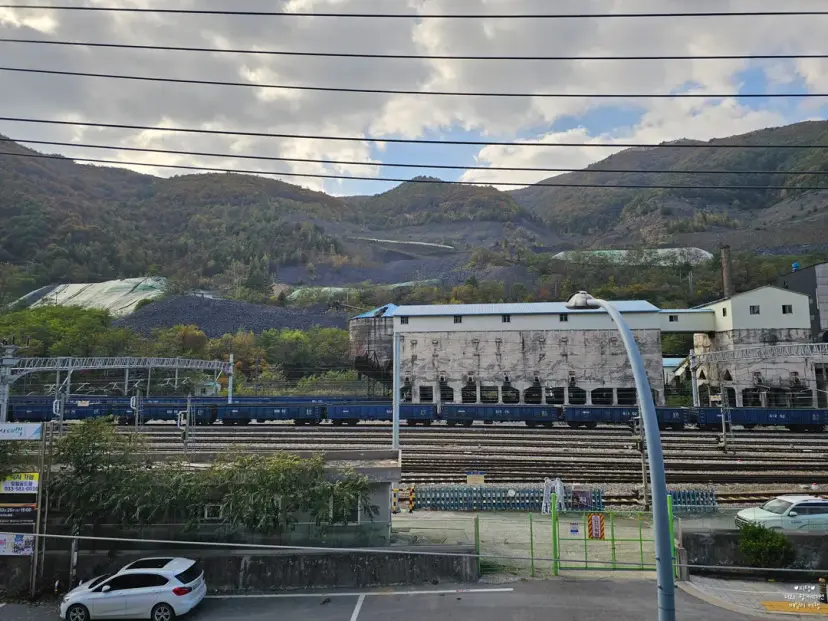
Among the many fascinating places to visit in Taebaek (태백), the Cheoram Coal Mine History Village (철암탄광역사촌) offers a unique glimpse into South Korea's coal mining industry and the daily lives of those who called these old mining towns home.
My spouse and I visited in mid-October 2026, and what truly stood out were the exhibition halls, ingeniously repurposed from old commercial buildings, and the panoramic village observatory.
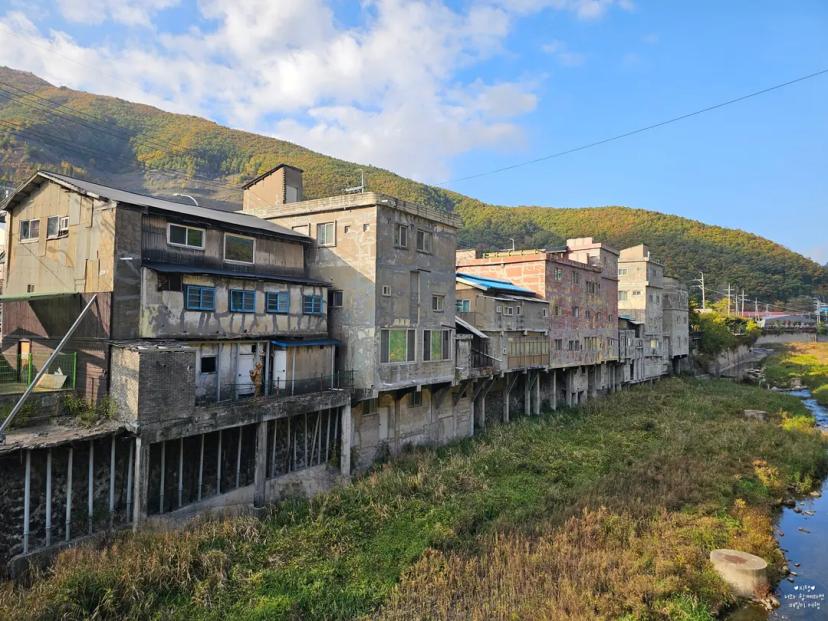
It was incredible to see the actual coal mining village life firsthand, something we'd only ever seen in pictures, and truly imagine what it must have been like for the people living there during that era.
With free admission to the exhibition halls and the entire area, including the nearby Cheoram Station (철암역), easily explored in about an hour, it's a perfect, meaningful addition to any Taebaek itinerary.
Our First Trip to Gangwon-do: Discovering Cheoram Coal Mine History Village
Earlier this year, after living on Jeju Island (제주도) for some time, my spouse and I moved to Sejong (세종). Taking advantage of being on the mainland, we decided to embark on a trip to Gangwon-do (강원도), a province I had never had the chance to visit. A captivating Taebaek travel video on YouTube was all the inspiration we needed!
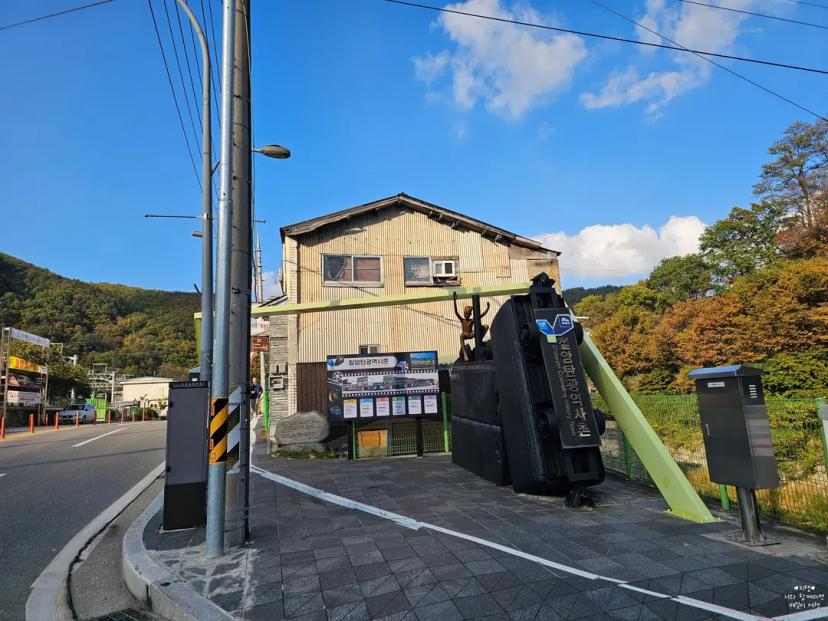
Since Taebaek is a city that grew hand-in-hand with the coal industry, we were keen to experience not only its natural beauty but also to see the tangible remnants of its old mining villages.
Our actual itinerary for the first day included a visit to Gumunso (구문소), lunch at Bullo Chicken (불로닭), then Cheoram Coal Mine History Village (철암탄광역사촌), followed by the Cheoram Autumn Foliage Cluster (철암단풍군락지), and finally Hwangji Park (황지공원).
After a delicious lunch of Mul-dakgalbi (물닭갈비), a watery spicy chicken stew famously popular among miners, at Bullo Chicken, we officially began our exploration of Cheoram Coal Mine History Village.
Experiencing this local Taebaek dish, believed to have been a staple for the miners, before immersing ourselves in the mining village, truly added another layer of meaning to our journey. It felt like we were connecting with the past on a deeper level!
Cheoram Coal Mine History Village: Parking, Admission, and Visit Time
Parking: Utilize the parking area at Cheoram Soebau Gol Coal Mine Culture Market (철암쇠바우골탄광문화장터)
Admission: Free for the exhibition halls
Recommended Visit Time: Approximately 30 minutes for the exhibition halls, about 1 hour if you include the surrounding area
Mini-Briquette Making: Experience fee ₩5,000 (~$4)
We spent about an hour here, exploring from 3 PM to 4 PM. It was incredibly convenient to park at the market after lunch and then directly continue our sightseeing from there.
There are also parking spaces available near Cheoram Station (철암역), which can be a useful alternative.
What to See at Cheoram Coal Mine History Village
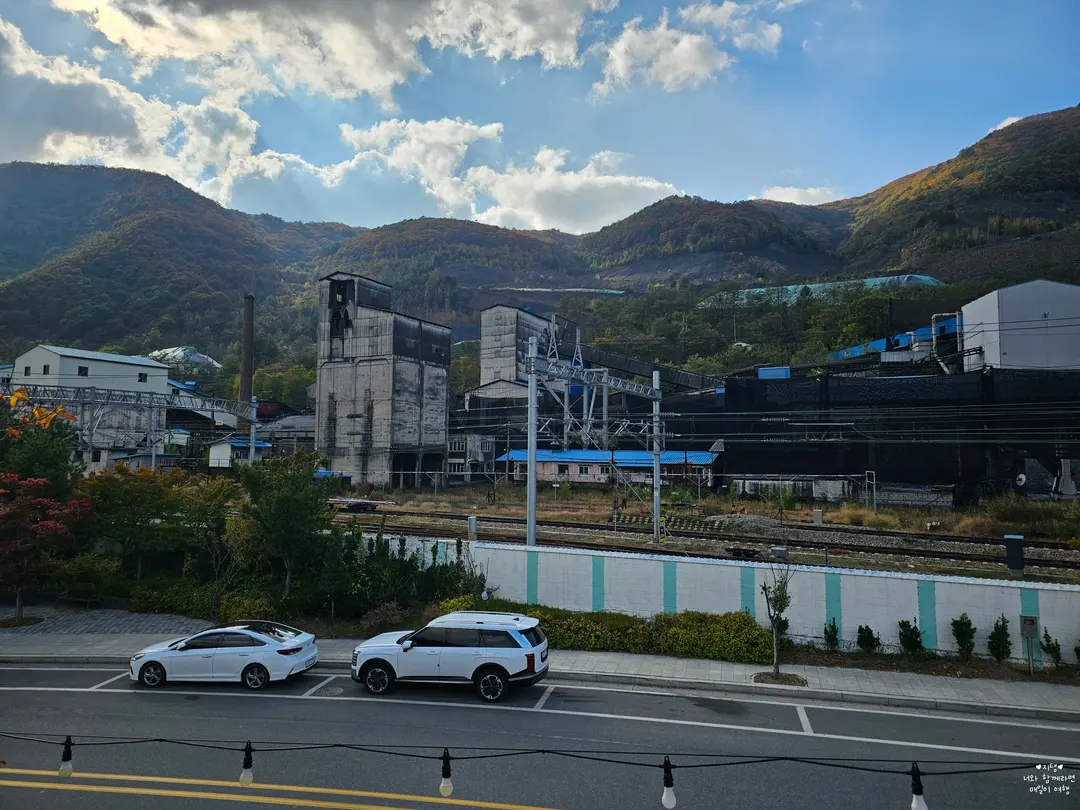
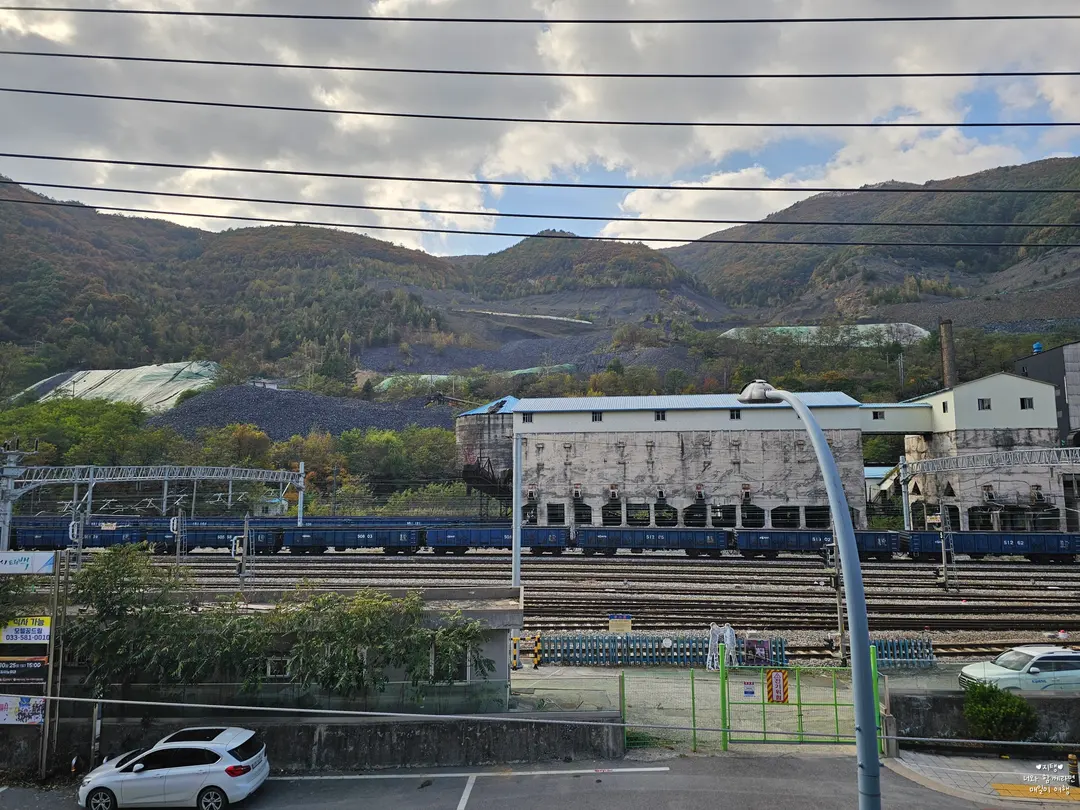
Upon arriving at Cheoram Coal Mine History Village, the first thing that caught my eye was the mountain directly opposite. A significant portion of its side had been carved away, revealing massive piles of coal. I had imagined most coal mines had long disappeared, so this active scene was truly fascinating.
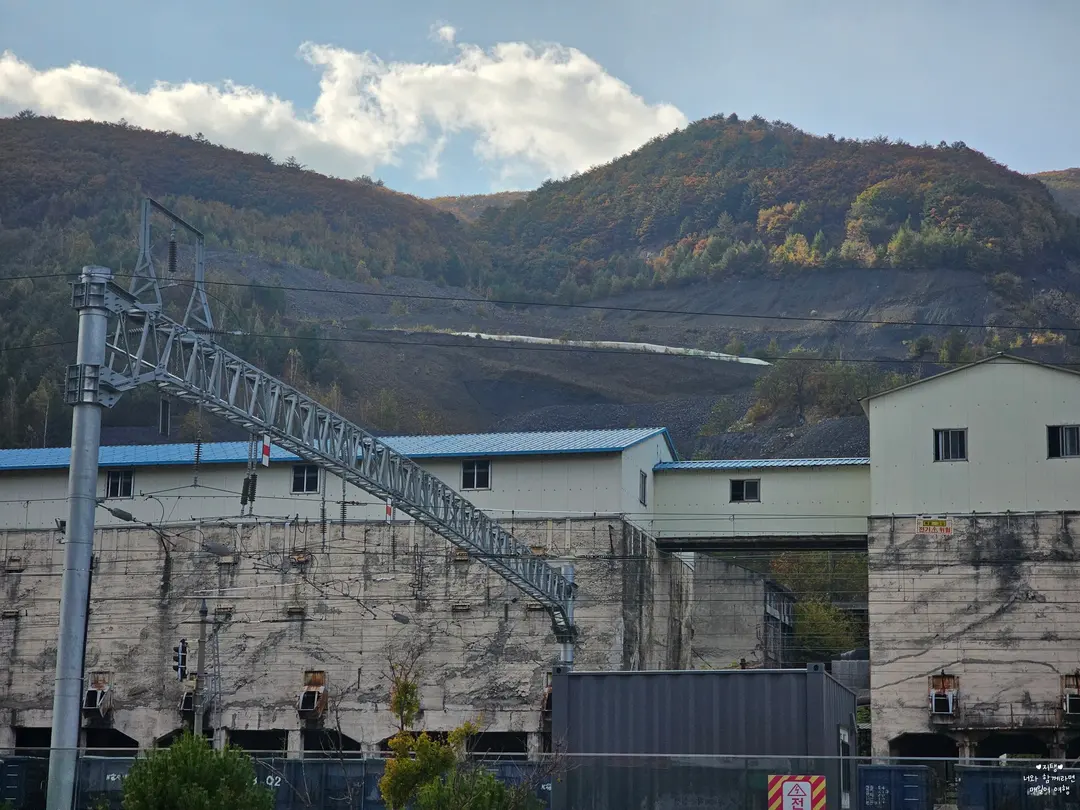
While I wasn't entirely sure of its specific function, this landscape powerfully conveyed how deeply connected Cheoram remains to the coal industry.
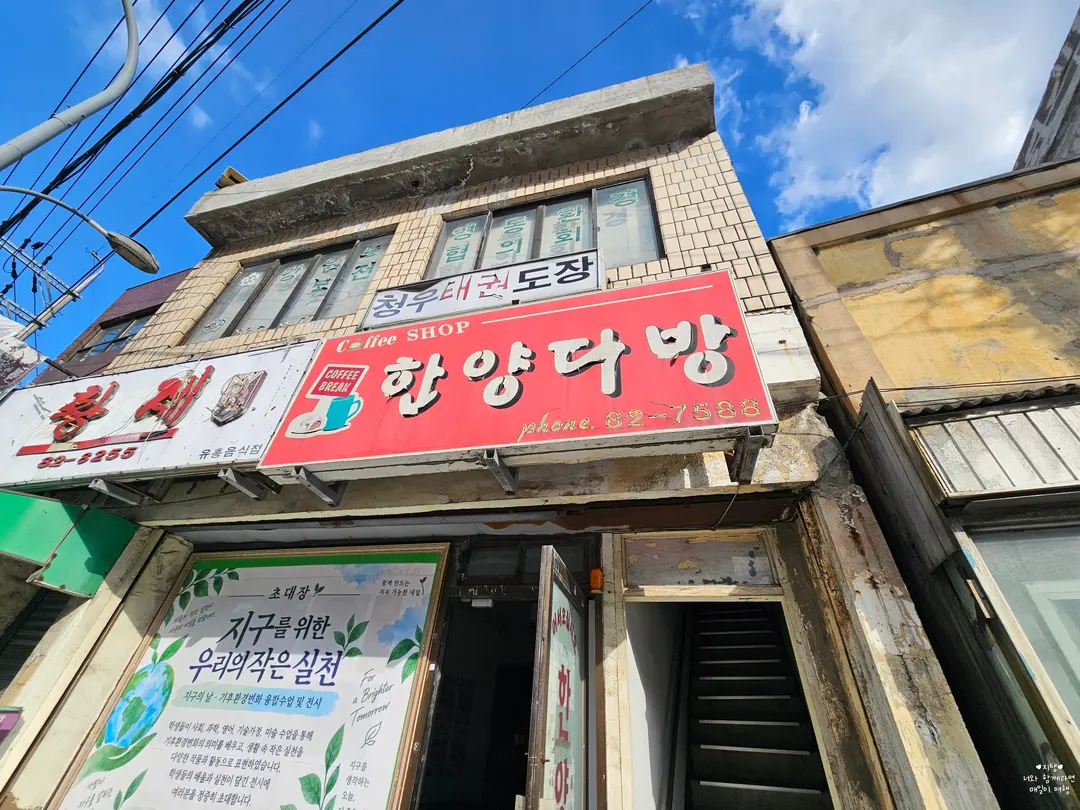
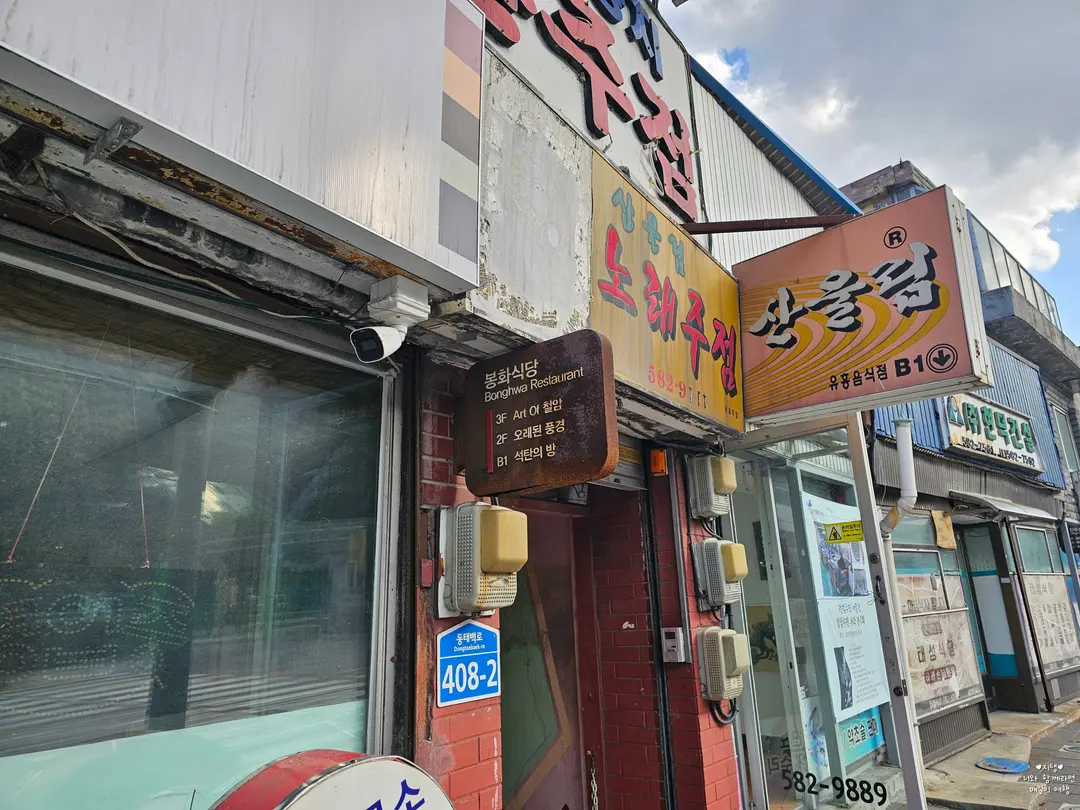
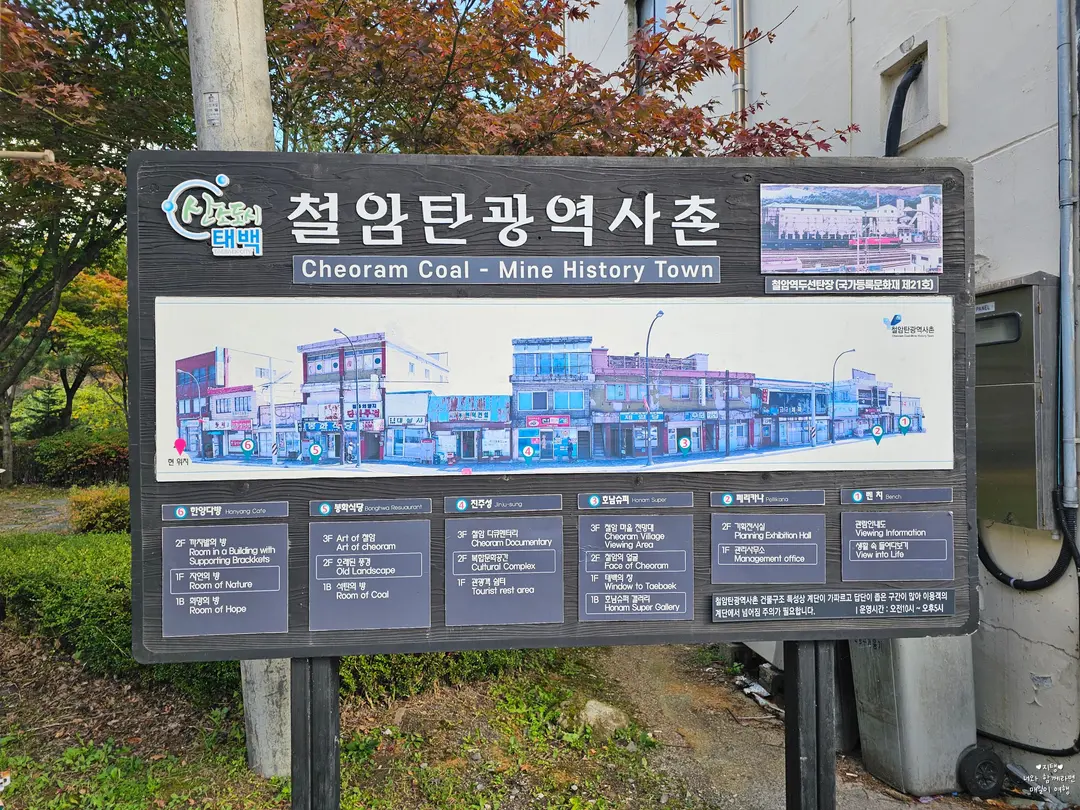
The Cheoram Coal Mine History Village is designed for visitors to explore various exhibition halls, each housed within a former commercial building.
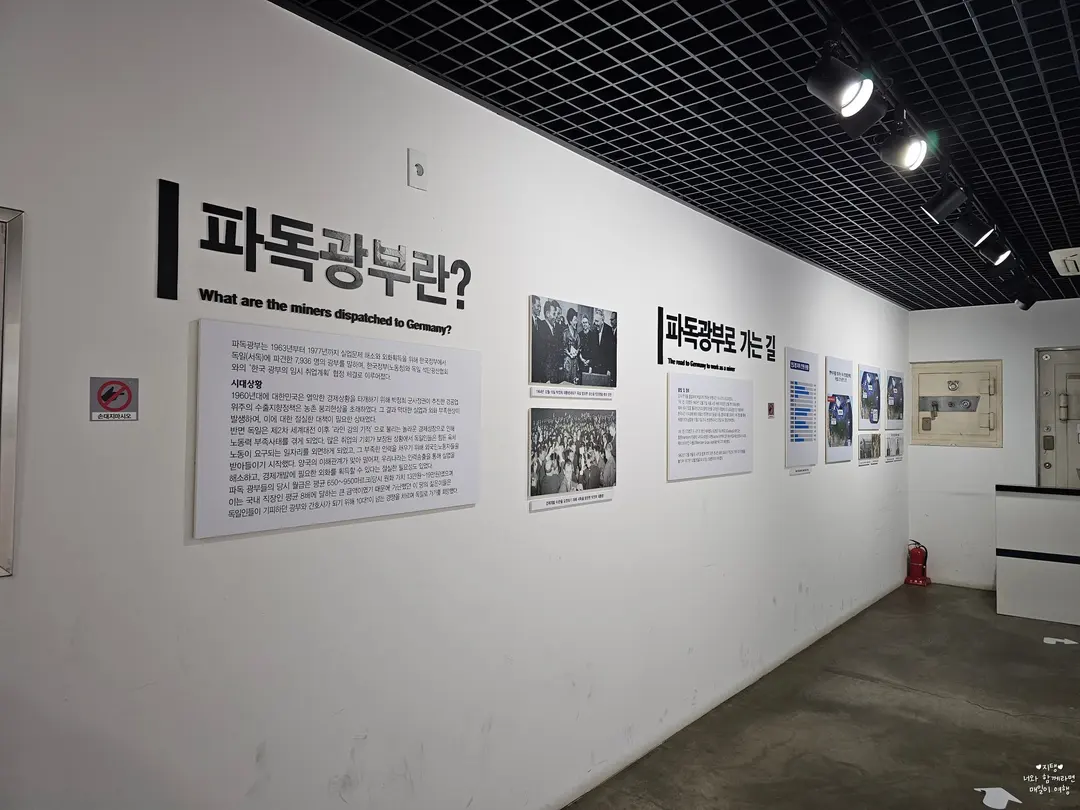
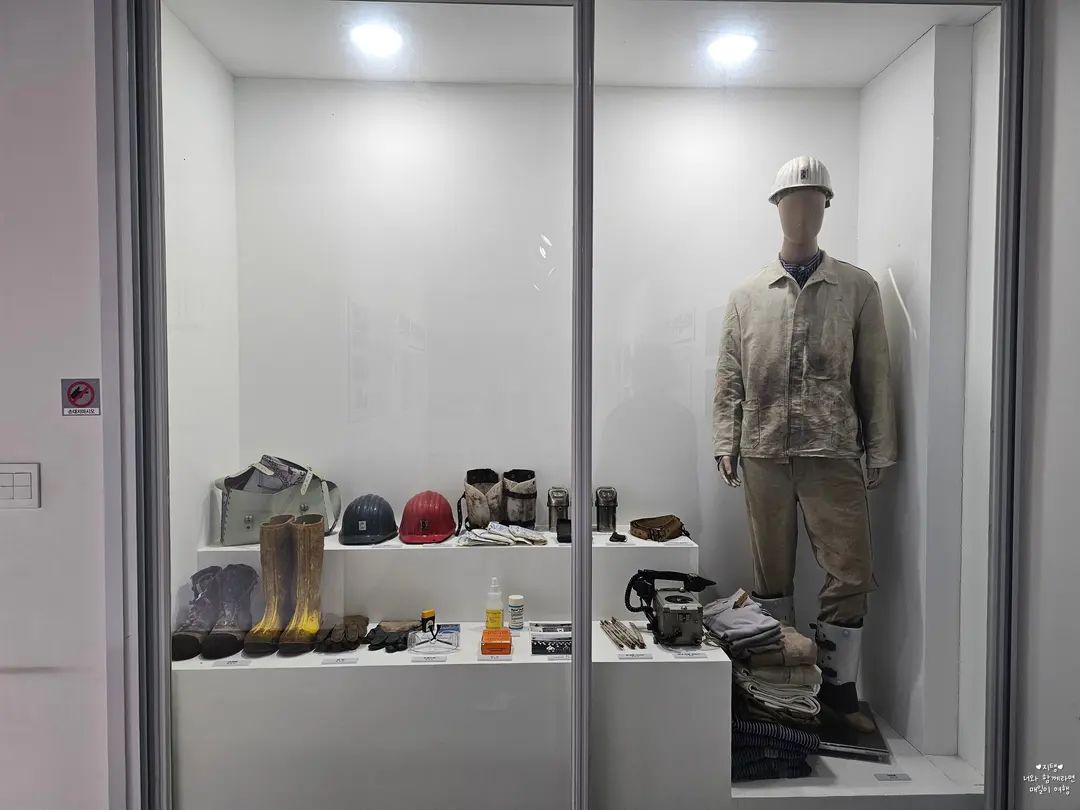
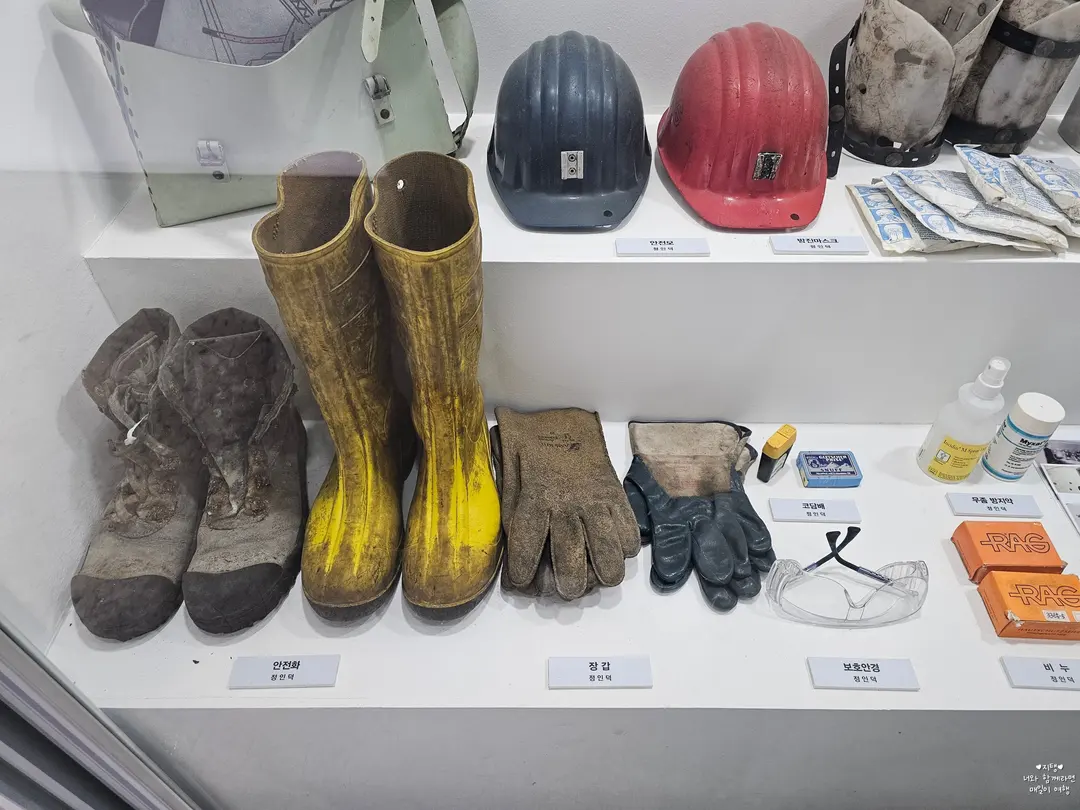
At the Taebaek German Miner Memorial Hall (태백파독광부기념관), we saw artifacts and personal items used by Korean miners who were dispatched to Germany.
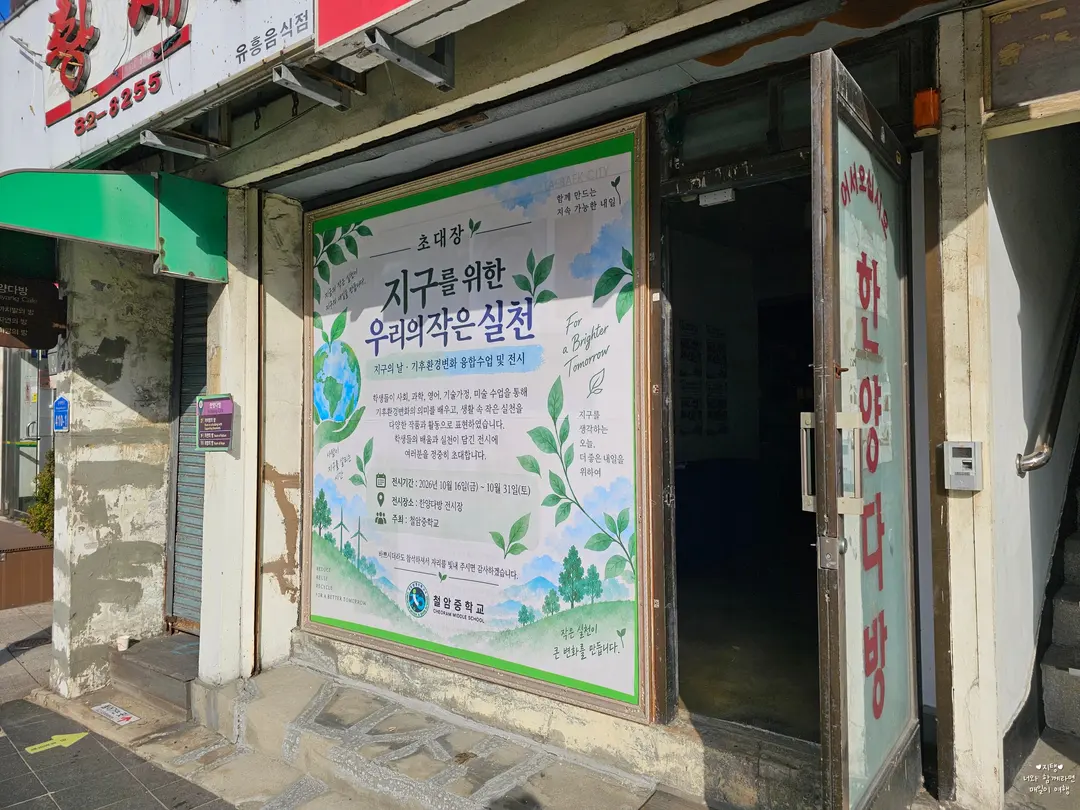
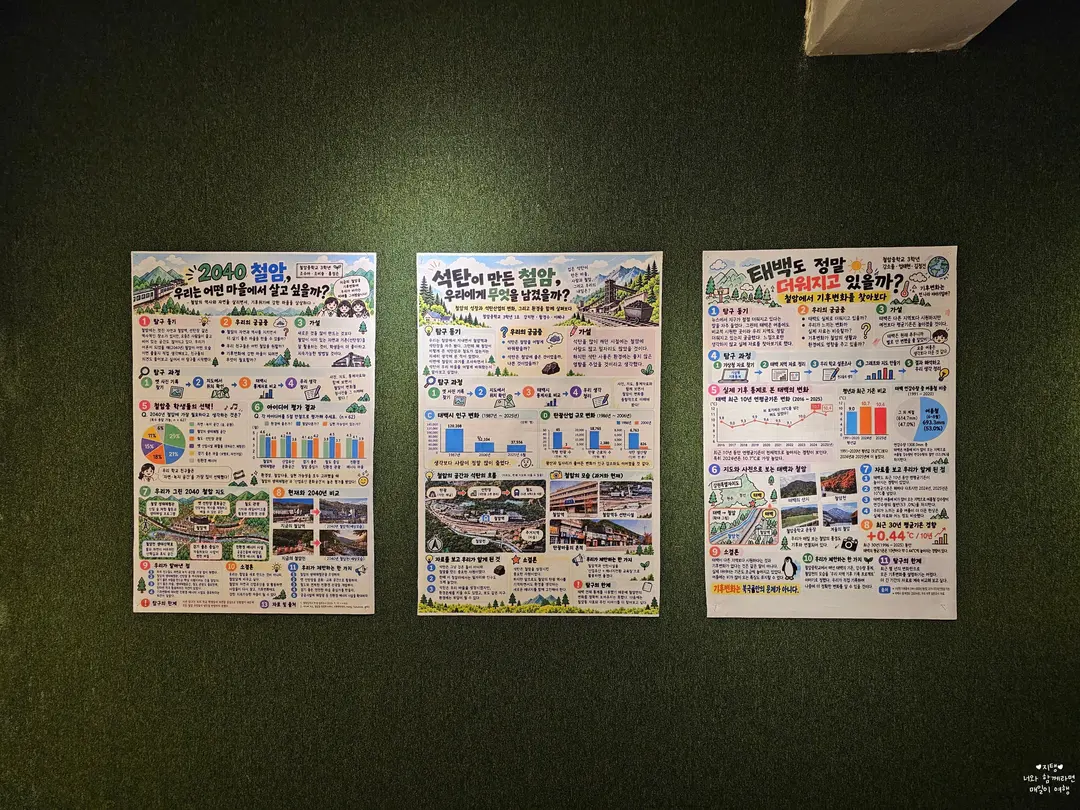
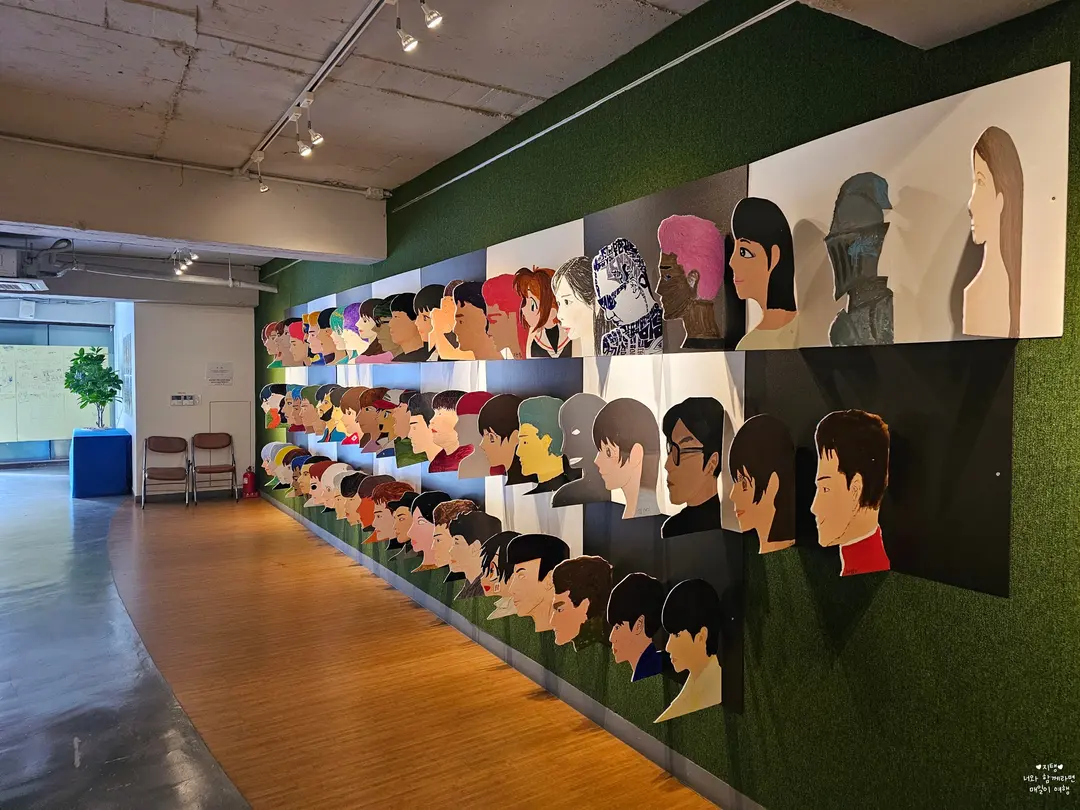
Hanyang Cafe (한양다방) featured an exhibition of artworks created by students from Cheoram Middle School.
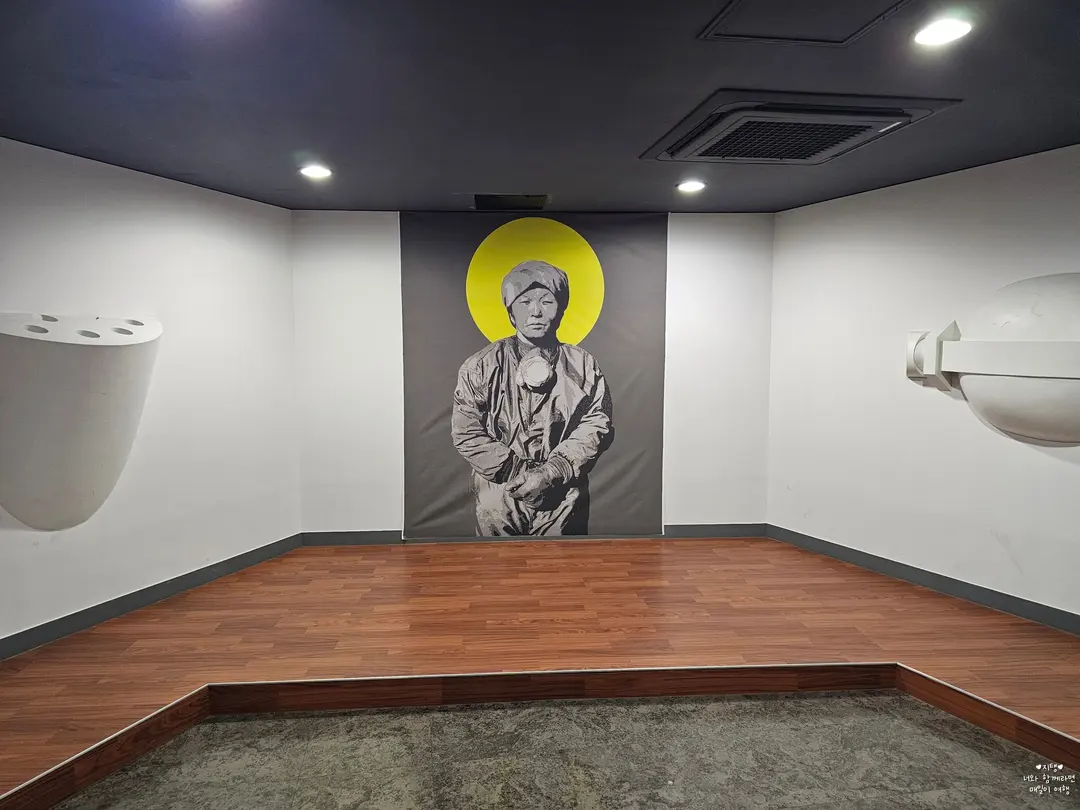
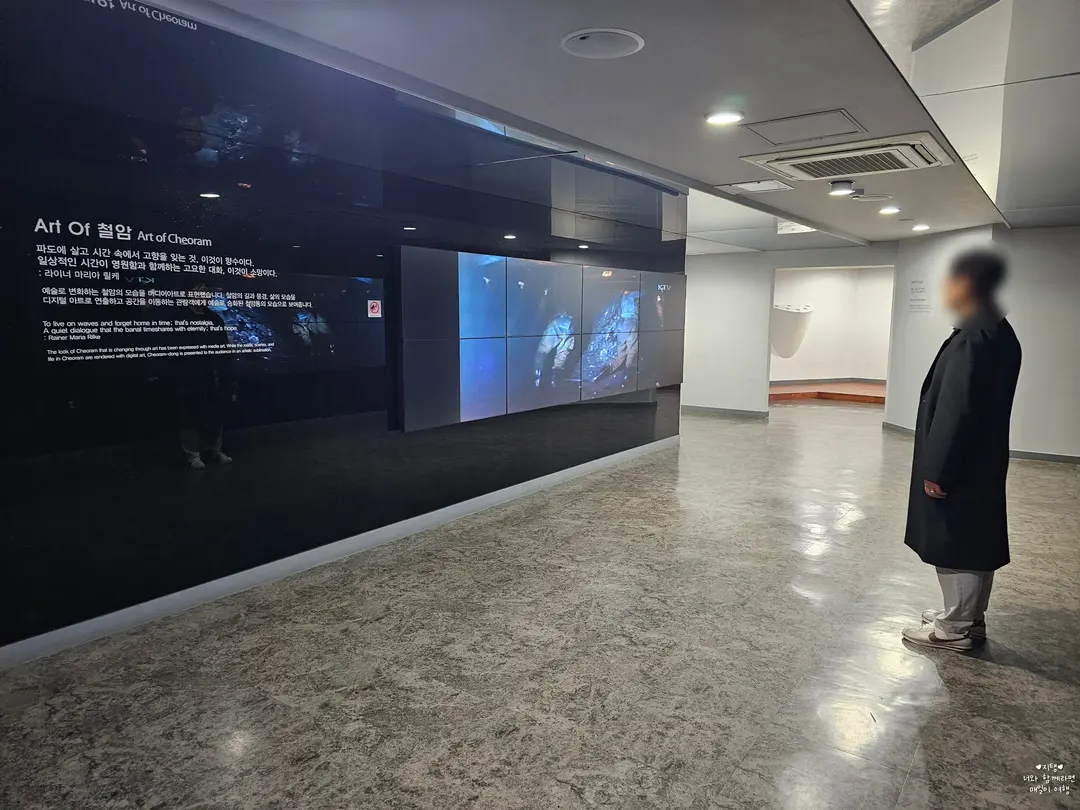
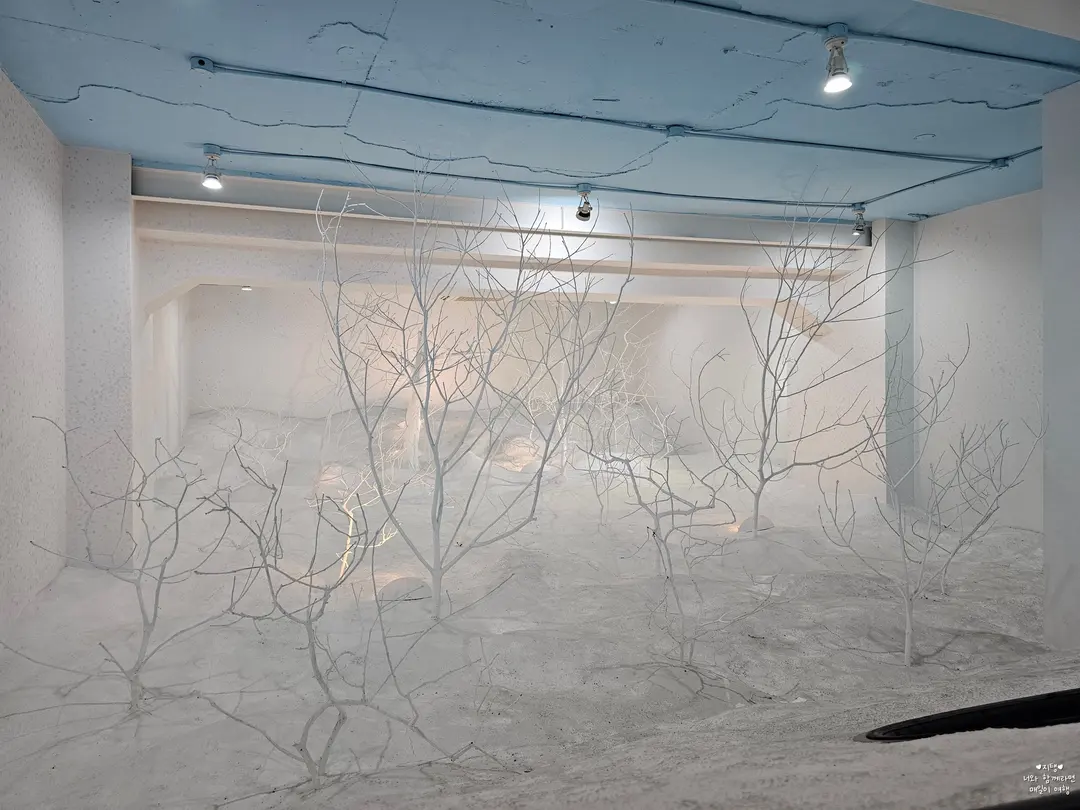
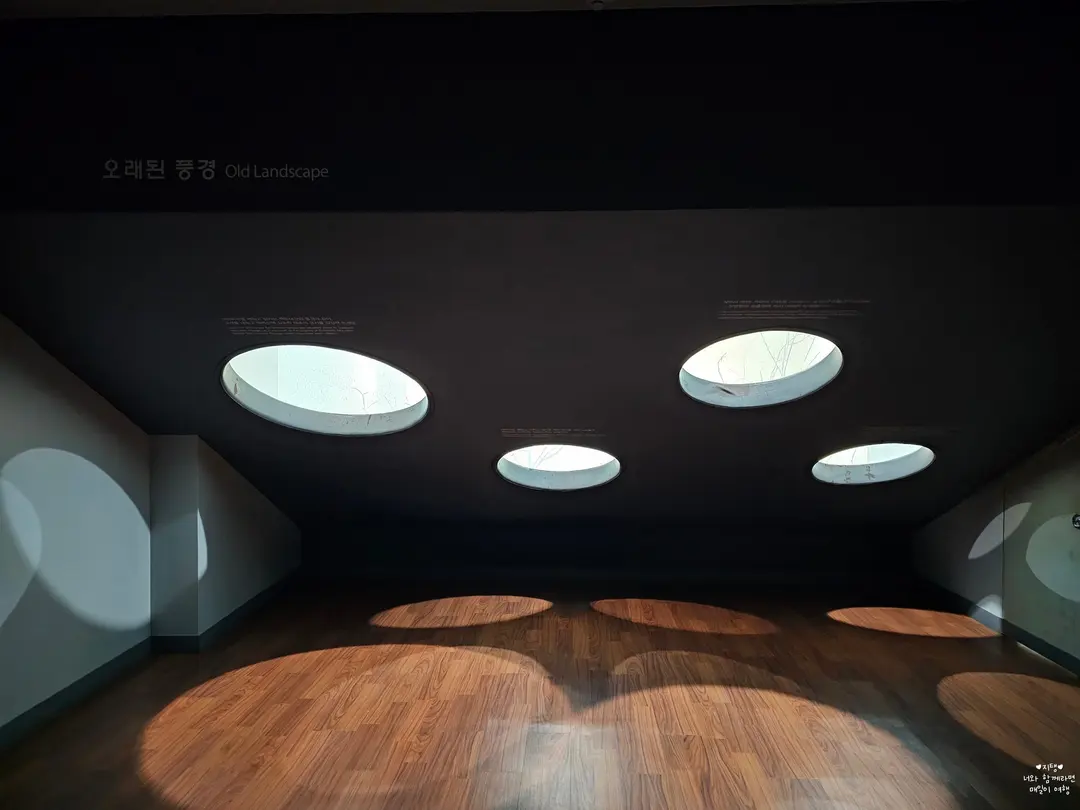
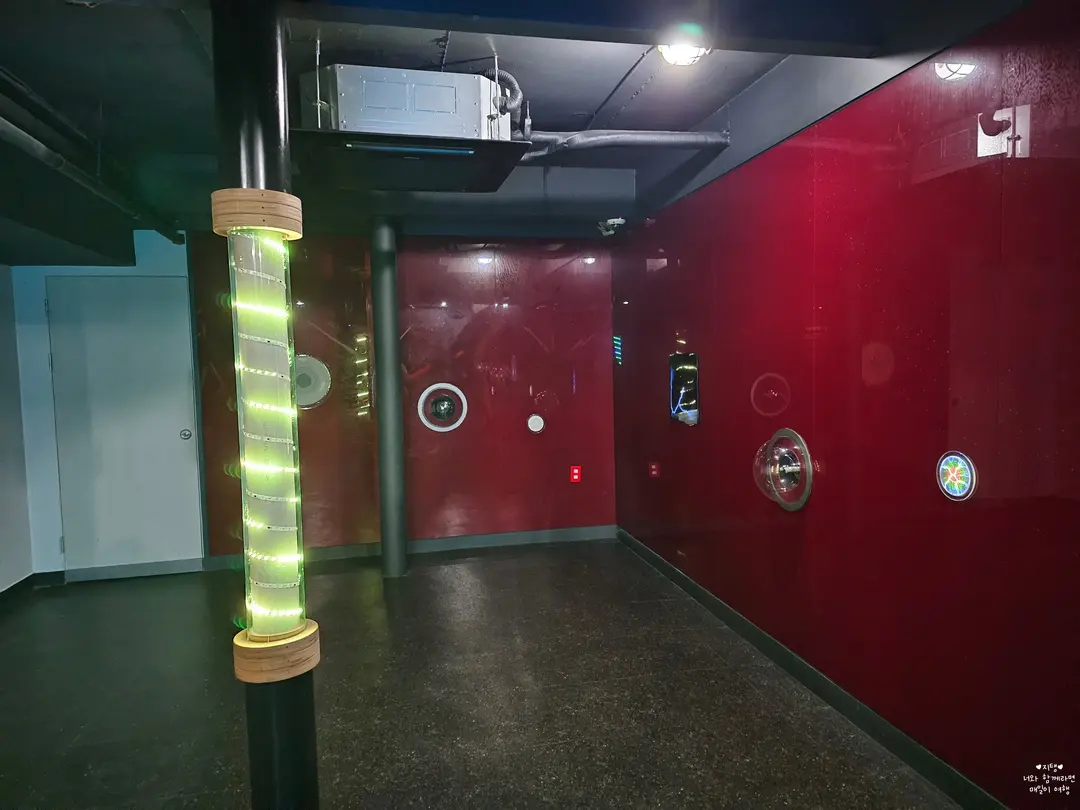
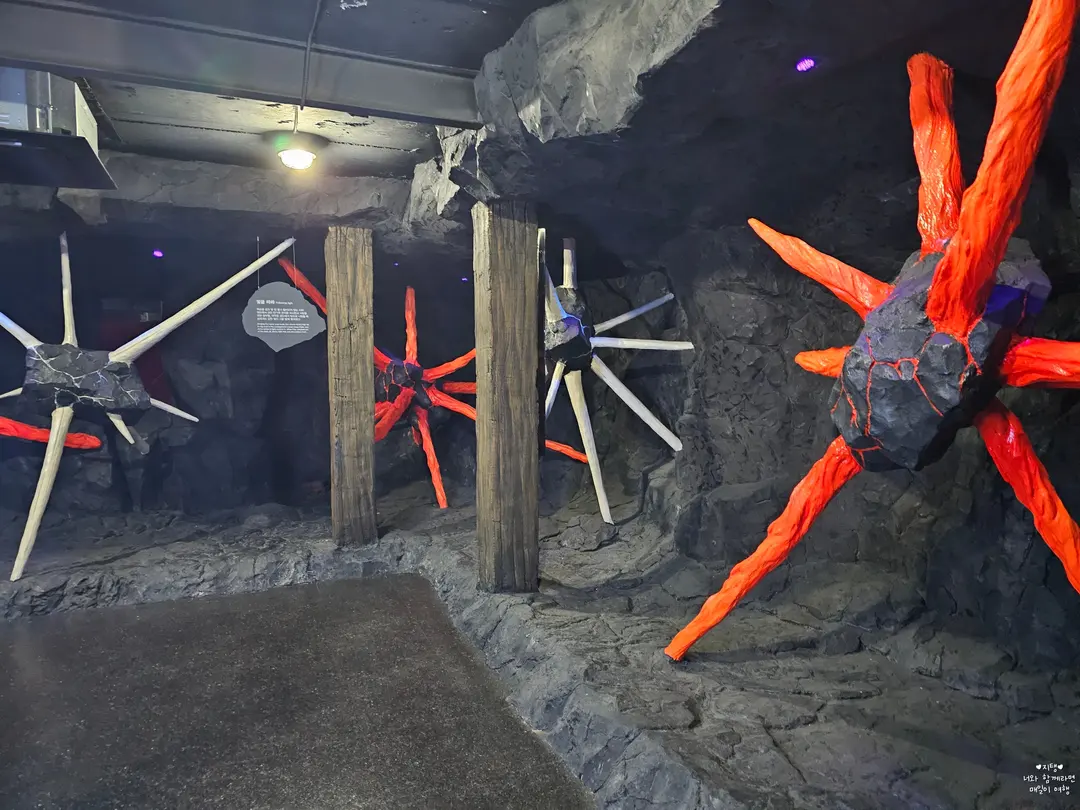
And at Bonghwa Restaurant (봉화식당), we encountered contemporary art exhibitions centered around the theme of Taebaek.
My top recommendation, however, is to visit Jinju Castle (진주성) and Honam Supermarket (호남슈퍼). These two spaces are connected via a 3rd-floor village observatory, offering a truly immersive experience.
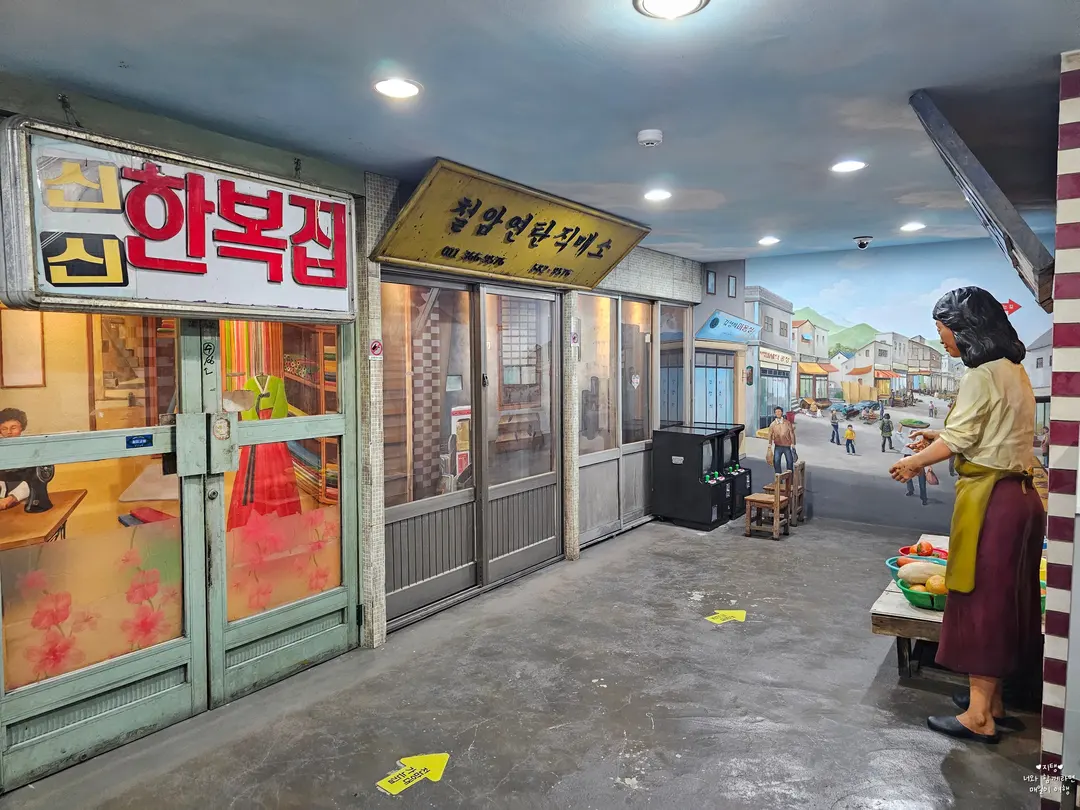
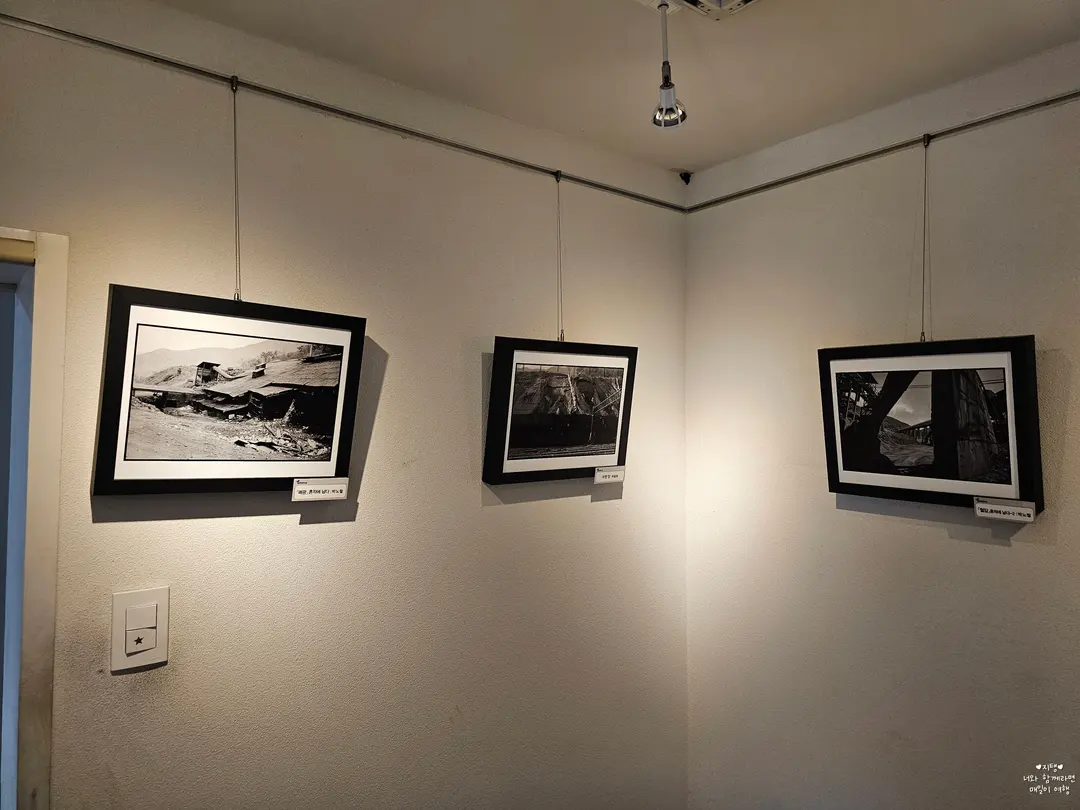
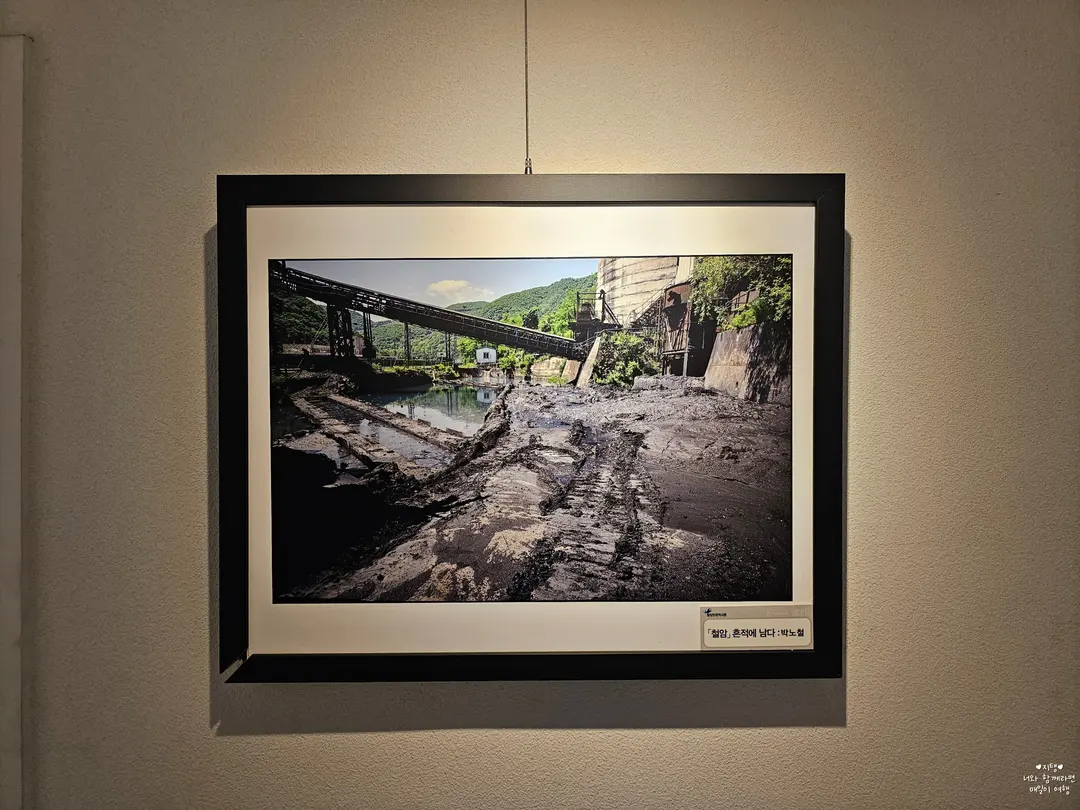
From the observatory, you can gaze upon the coal-laden landscape across the way, then step into recreated mining village spaces and view historical photographs that capture the old-world charm of the town.
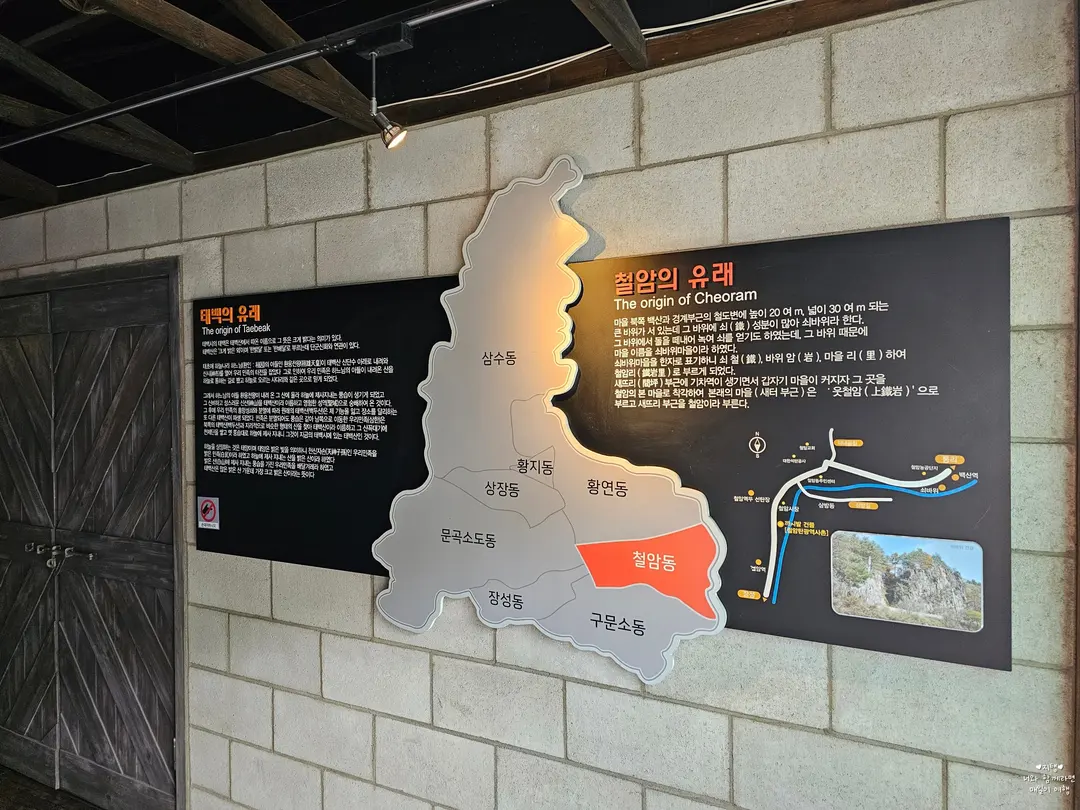
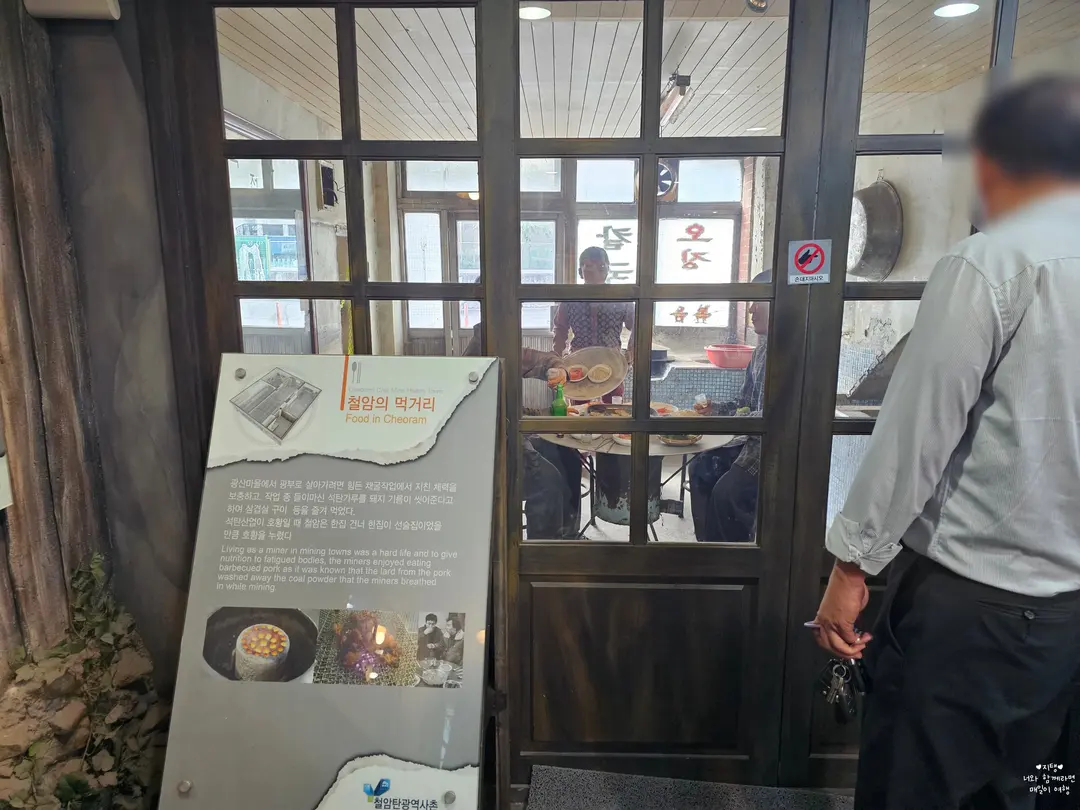
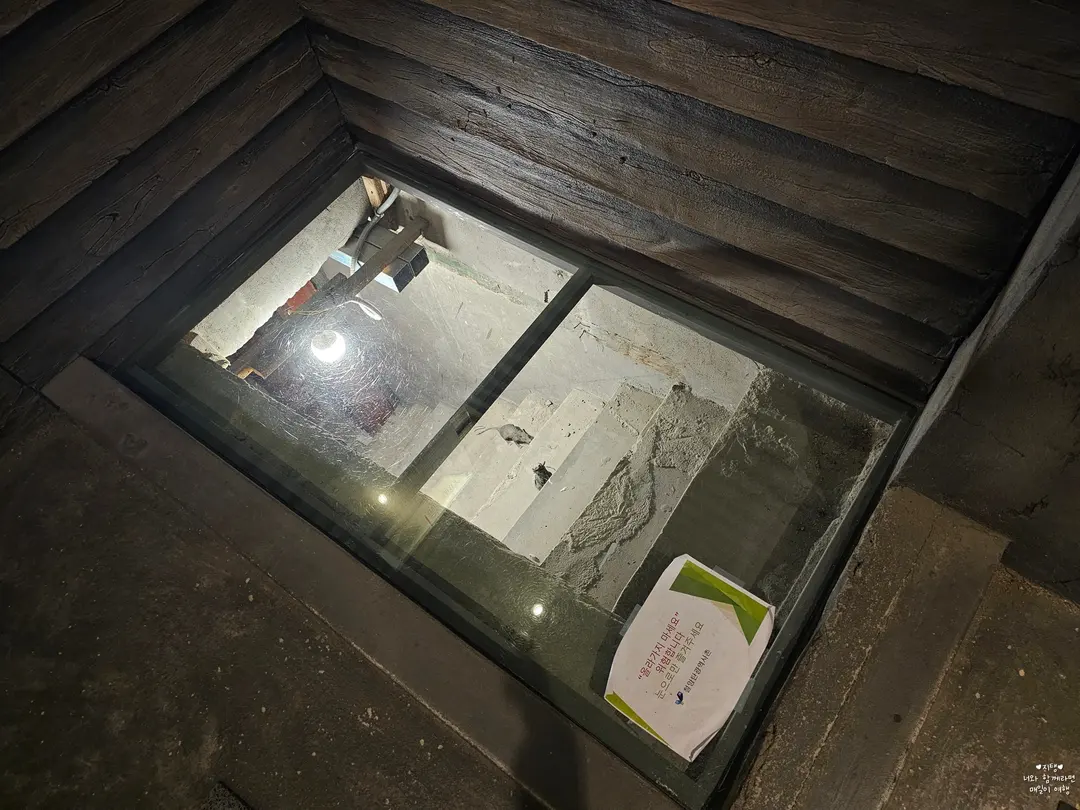
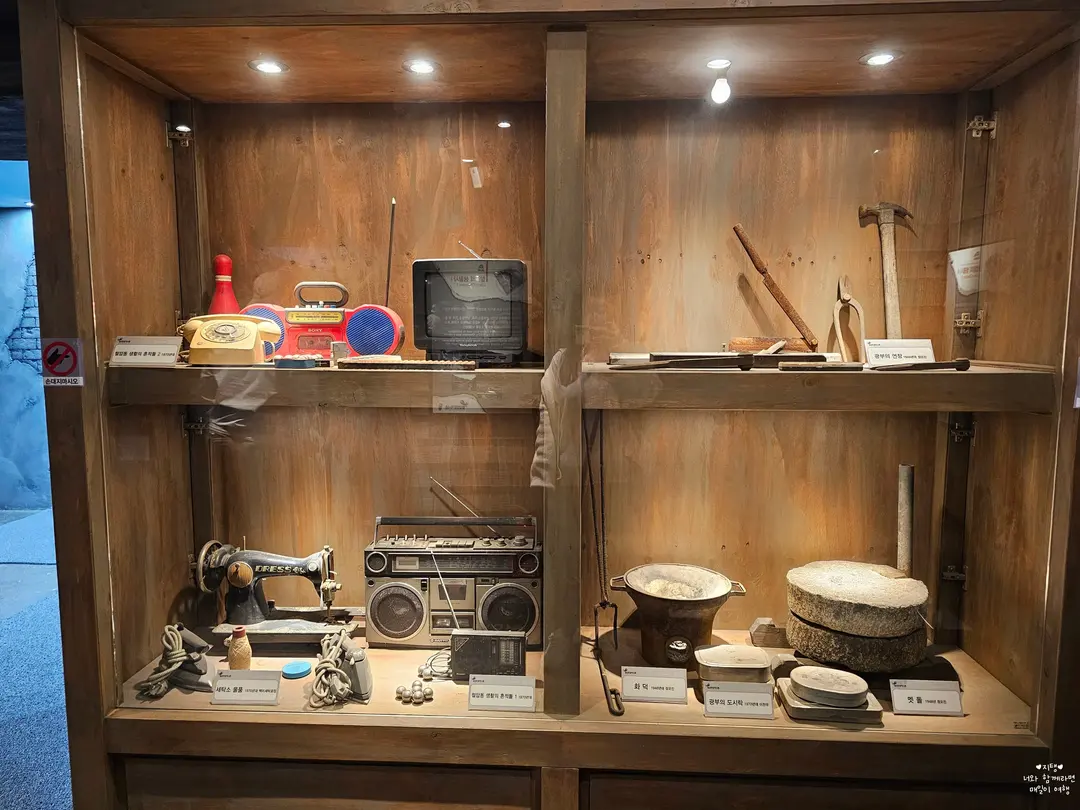
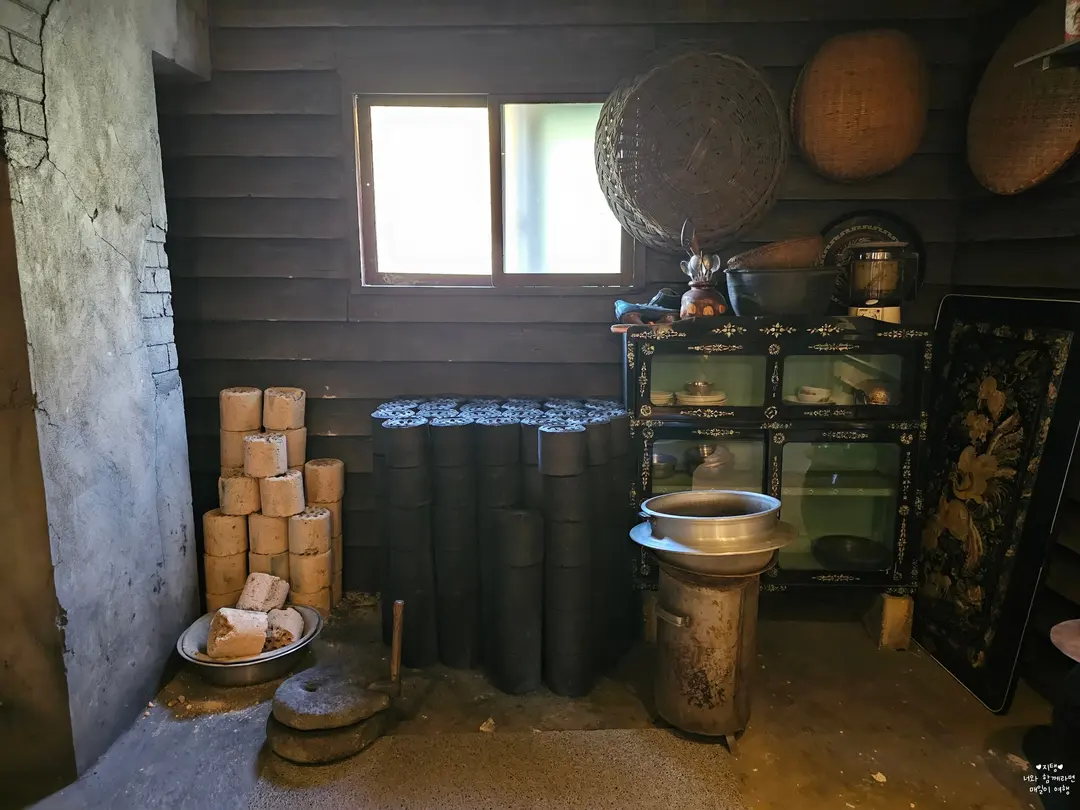
Being able to imagine how the people of Cheoram lived during that era made this spot the most memorable for us.
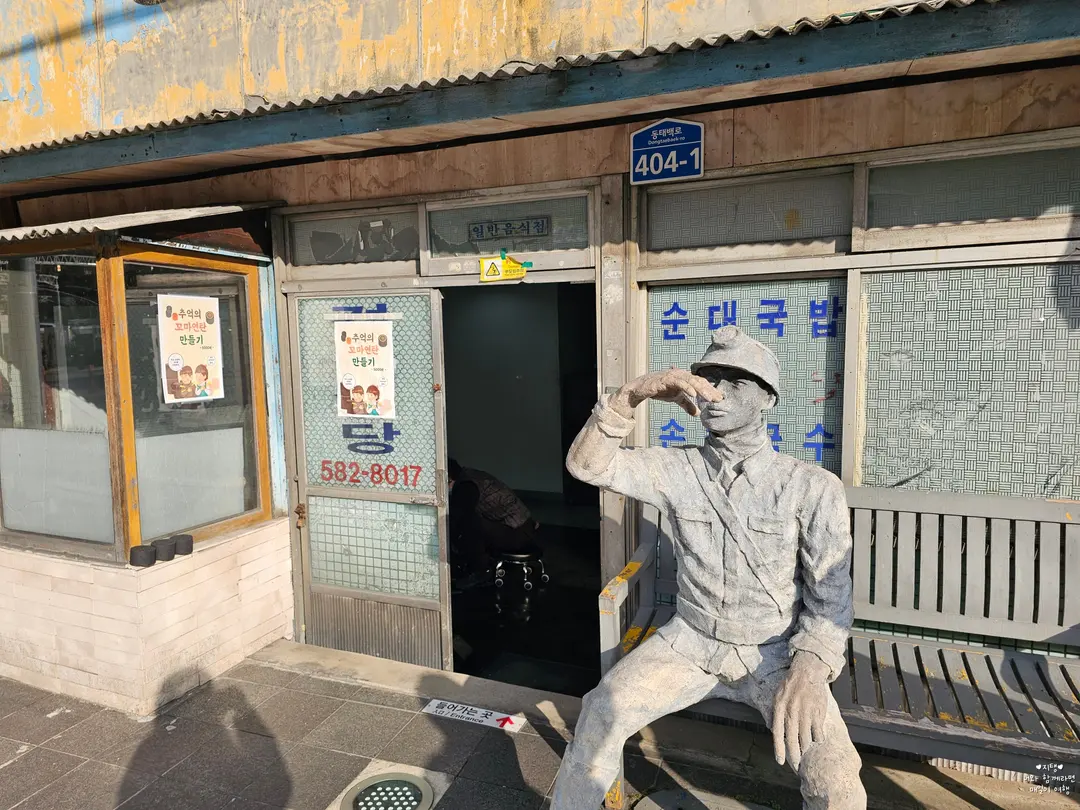
Gyeongbuk Restaurant (경북식당) also offers a mini-briquette making experience. We didn't participate, but it comes highly recommended if you're traveling to Taebaek with children!
Be aware that some buildings in Cheoram Coal Mine History Village have steep, narrow staircases. If you're visiting with young children or have difficulty with stairs, it's advisable to exercise caution when moving between levels.
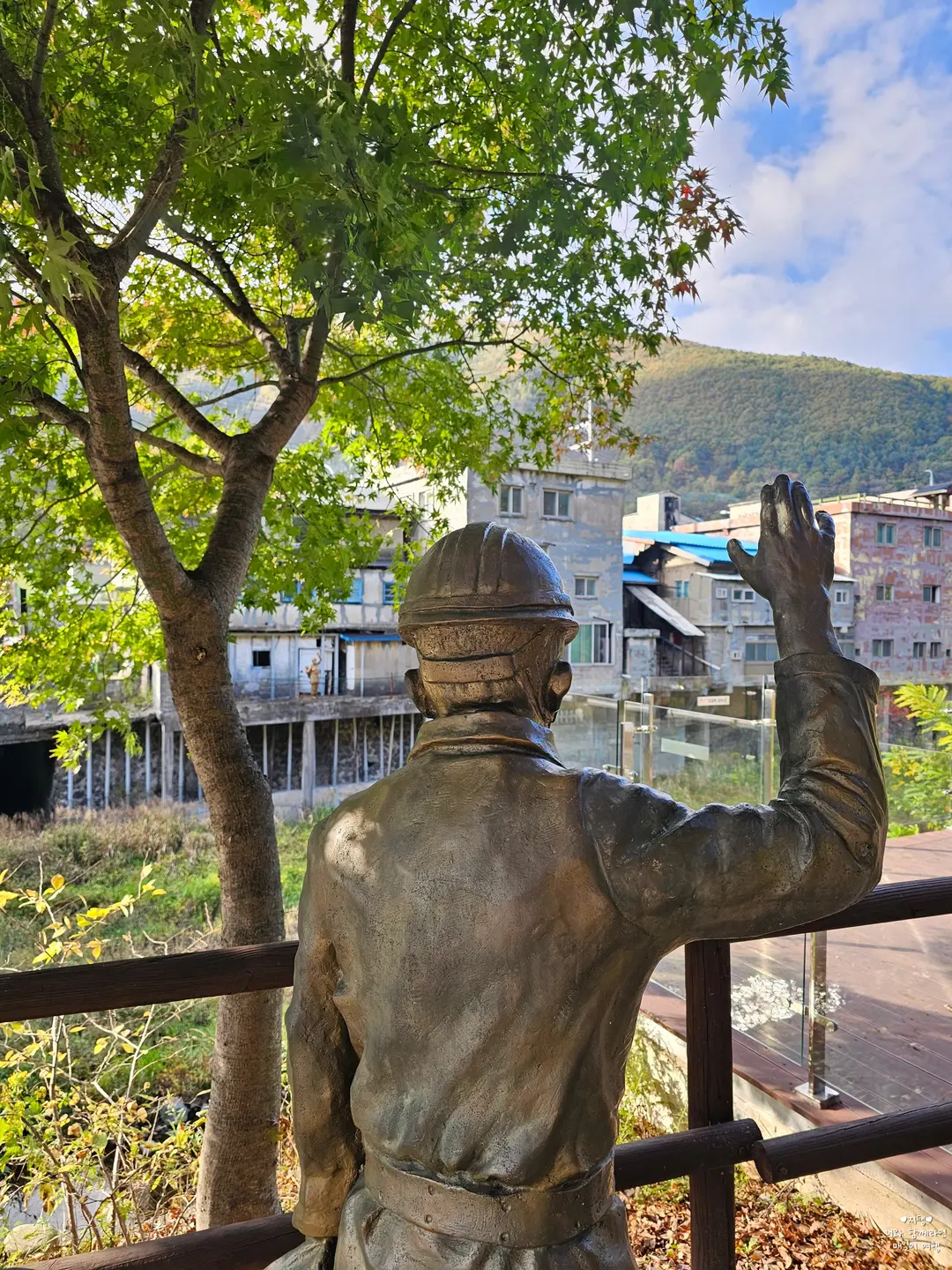
After exploring the exhibition halls, if you walk towards Sinseolgyo (신설교) bridge, you'll encounter a statue of a miner heading off to work.
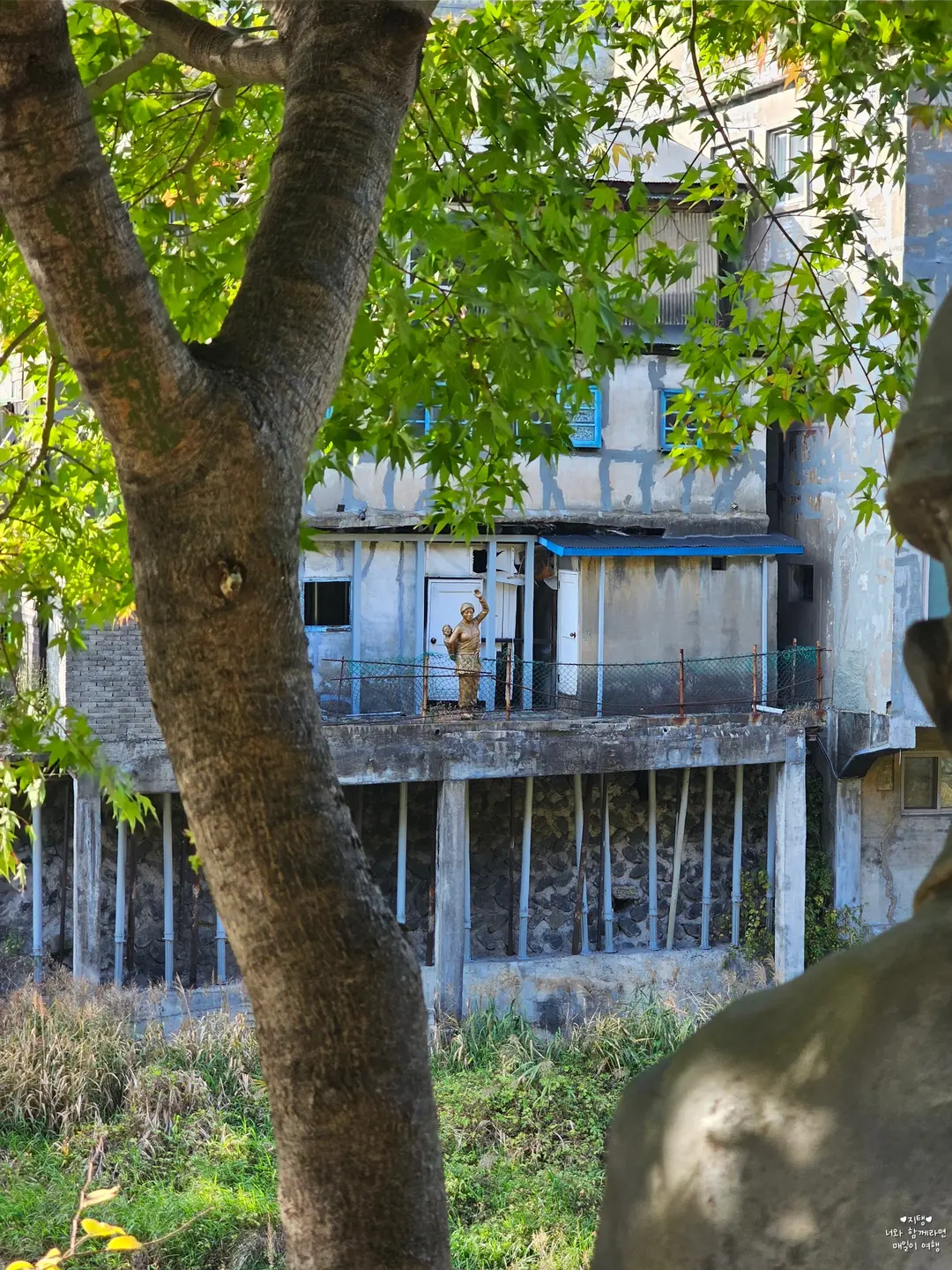
On the history village side, there are also statues depicting his wife and child waving him goodbye. Seeing this family scene, I couldn't help but feel a pang of emotion, imagining their daily hopes for his safe return. 🥹
It made the mining village life we'd seen in the exhibitions feel even more real and poignant.
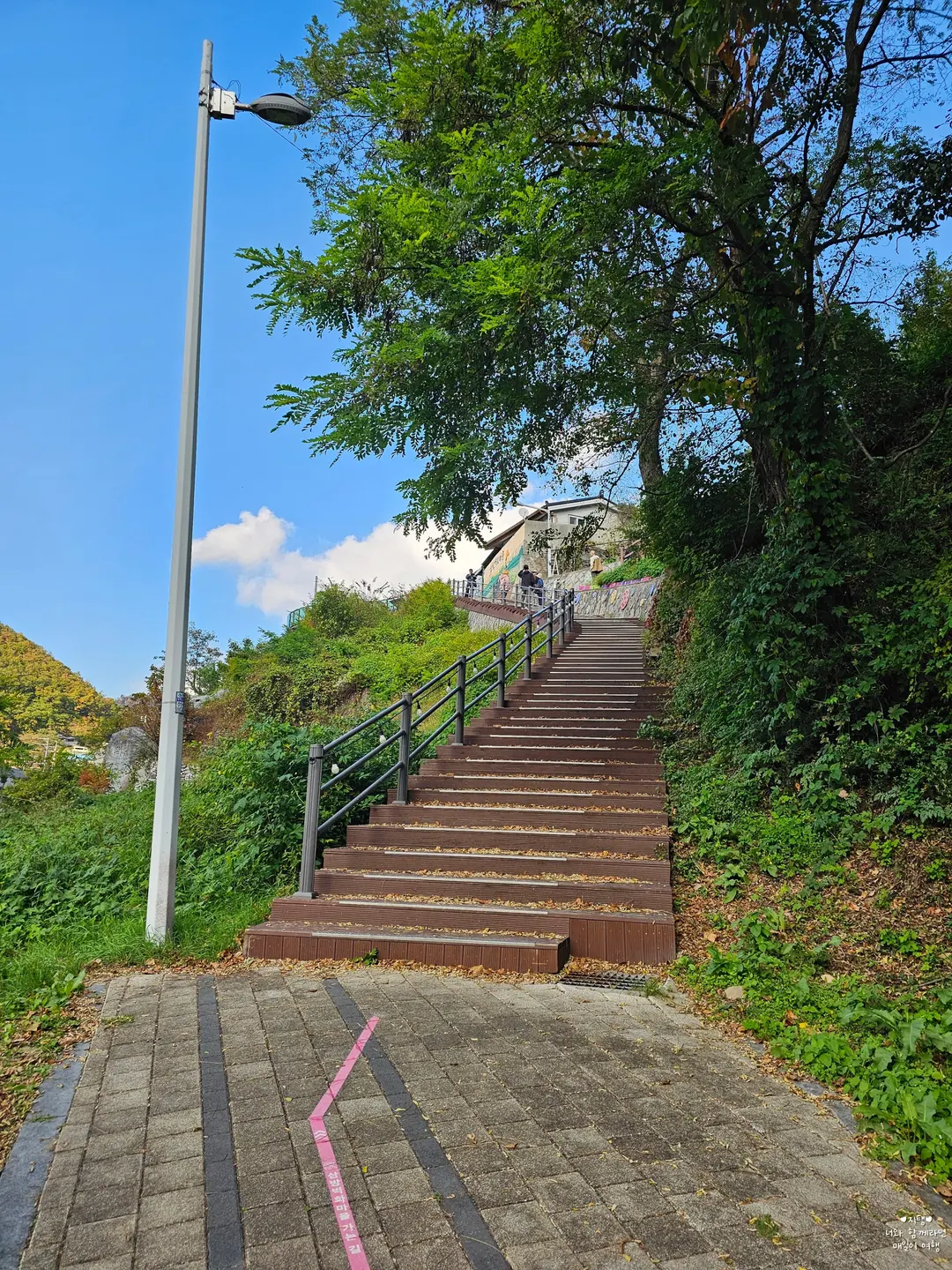
Due to time constraints, we weren't able to visit Sambang Mural Village (삼방벽화마을) across the bridge.
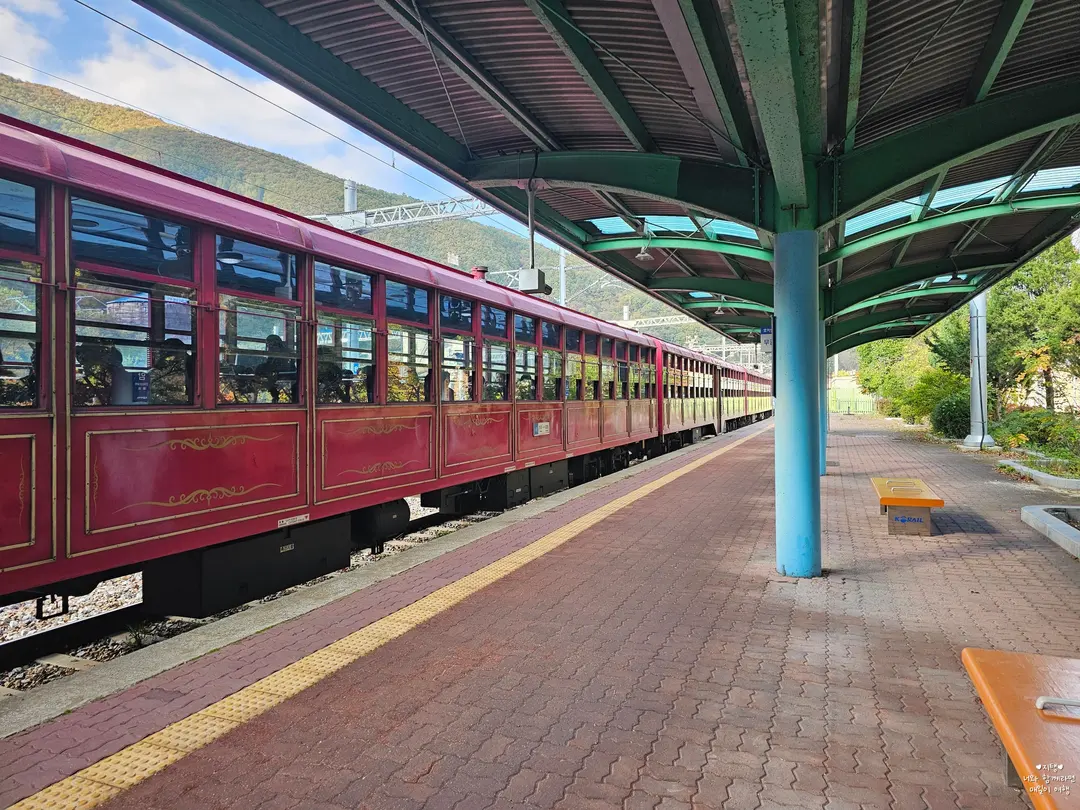
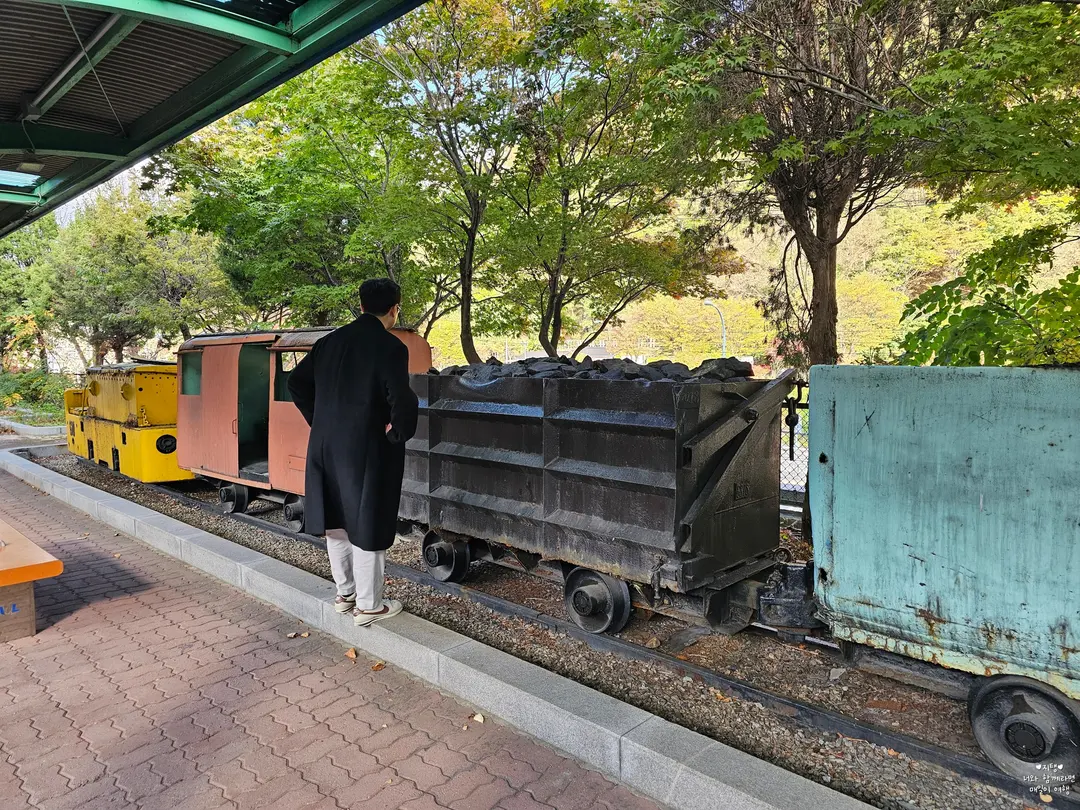
Instead, we stopped by Cheoram Station (철암역) to admire the V-Train heading towards Yeongju (영주) and a detailed model of a coal train on the platform.
Why We Recommend Cheoram Coal Mine History Village in Taebaek
📍 Cheoram Coal Mine History Village
Dongtaebaek-ro 406, Taebaek-si, Gangwon Special Self-Governing Province
Cheoram Coal Mine History Village offered a charm distinct from more conventional, flashy tourist destinations.
It's a place that truly makes you reflect on what life was like for people during Taebaek's bustling coal industry era.
If you're adding this to your Taebaek itinerary, I recommend prioritizing Jinju Castle and Honam Supermarket within the Cheoram Coal Mine History Village first, then exploring the other exhibition halls if you have extra time.
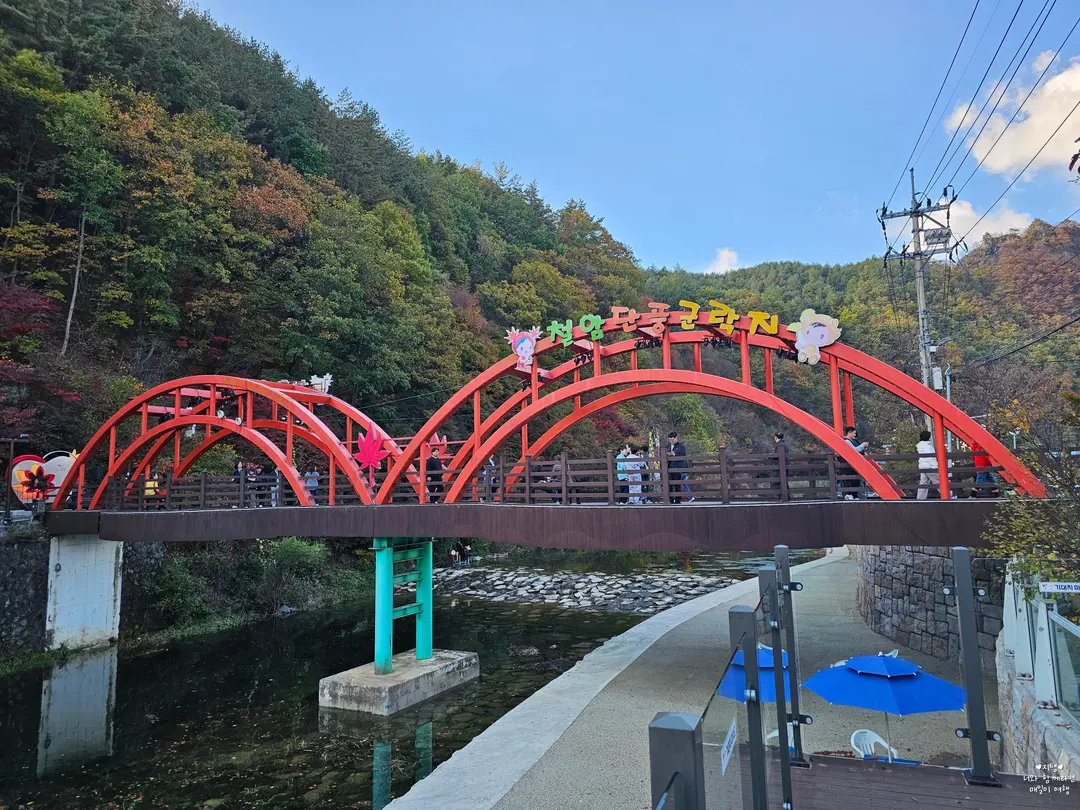
After our visit, we headed to the Cheoram Autumn Foliage Cluster. If you're looking to combine history with beautiful autumn scenery, this Taebaek travel route is definitely worth considering.
For me, seeing the legendary coal mining village firsthand and being able to imagine that bygone era made this one of the most memorable destinations on our Taebaek trip.
Frequently Asked Questions
Where can I park when visiting Cheolam Coal Mine History Village, and what is the admission fee for the exhibition hall?
When visiting Cheolam Coal Mine History Village, you can use the parking lot at Cheolam Soebaugol Coal Mine Culture Market. There are also parking spaces near Cheolam Station. Admission to the exhibition hall is free.
How long does it take to look around Cheolam Coal Mine History Village, and which viewing areas do you particularly recommend?
The exhibition hall takes about 30 minutes, and exploring the surrounding area takes about 1 hour. We most recommend Jinjuseong and Honam Super, which lead to the 3rd-floor village observatory.
Can I participate in a mini briquette making experience at Cheolam Coal Mine History Village? If so, where can I do it and what is the cost?
Yes, you can experience making mini briquettes at Gyeongbuk Restaurant within Cheolam Coal Mine History Village. The experience fee is ₩5,000 (~$4).
Are there any precautions for visitors with young children or those who have difficulty using stairs when visiting Cheolam Coal Mine History Village?
Yes, some buildings in Cheolam Coal Mine History Village have steep stairs and narrow treads. Therefore, it is advisable to be careful when moving around if you are with young children or have difficulty using stairs.
Share this article
Related Travel Stories
Jangsuam Temple Changwon Guide (2026): Ocean Views & 108 Steps
Discover Changwon's hidden gem, Jangsuam Temple, in 2026. Explore its stunning ocean views, climb the 108 steps, and find unique souvenirs like trending wooden fish keycaps. Plan your perfect day trip to this serene coastal temple.
Explore Western Buyeo (2026): Hidden Gems & Local Charms
Ready to go deeper into Buyeo? Explore its less-traveled western villages like Guryong and Oesan for quaint experiences, unique cafes, and delicious local food beyond the city's historical sites.
Gunsan Gyeongam-dong Railroad Village 2026: Parking & Restroom Guide
Explore Gyeongam-dong Railroad Village in Gunsan, a charming step back in time. Find practical tips on parking, restrooms, and why it's perfect for a 2026 family or pet-friendly visit!
Gyeongbokgung Docent Tour 2026: Booking, Prices & Highlights
Uncover the secrets of Gyeongbokgung Palace! This docent-led tour brings Joseon history to life, perfect for families. Get booking tips, prices, and what to expect.

Busan Yeongdo Tour: Huinnyeoul & Kangkangee Art (2026)
Discover Busan's authentic Yeongdo on a unique public transport tour. Explore Huinnyeoul Culture Village, Kangkangee Art Village, and enjoy a Hangeul experience. Uncover local history.
Ha Jung-Woong Museum Gwangju: Is the 2026 Collection Exhibition Worth It?
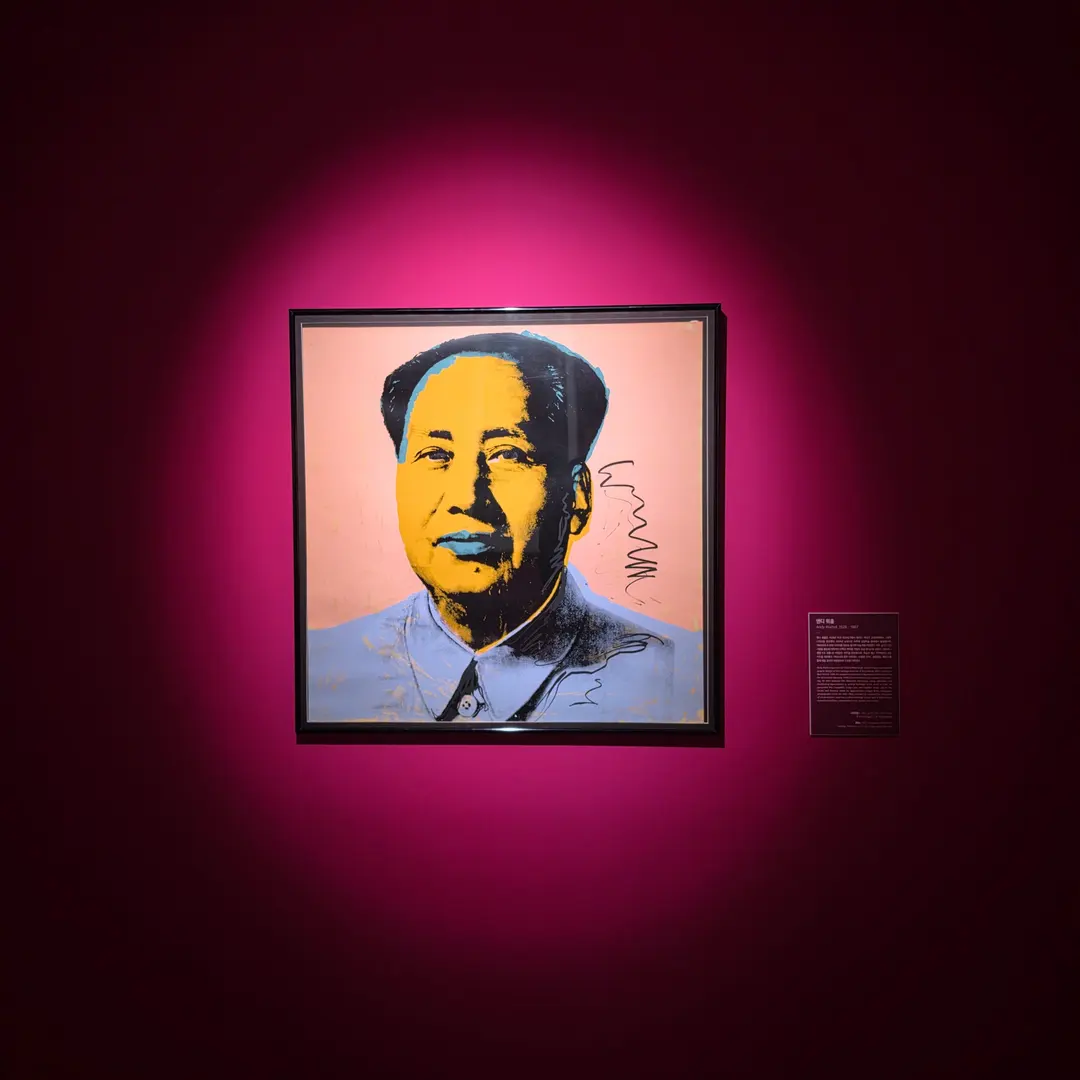
Uncover the Ha Jung-Woong Collection at Gwangju Museum of Art. See works by Andy Warhol, Kusama Yayoi, and Korean abstract masters. A must-visit before Nov 25, 2026!